


























I’m Maria José Cuellar
My experience ranges from residential design and visualization to urban strategies that address community needs. I’m passionate about creating architecture that shapes meaningful experiences, fosters belonging, and adapts to future challenges.
Education.
2017-2022
Universidad Piloto de Colombia
B.F.A in Architecture
2024-2026
SCAD: Savannah college of art and design
M.Arch. Professional master of architecture
2021
Naska digital
Autodesk 3ds Max
Certification in 3d visualization and marketing in architecture
2022
Autodesk Revit
Certification in BIM Revit for architecture
2022, 2021, 2018
Publication
Magazine “Mirada Proyectual UPC”
2025
IDA award
Gold in Architecture Project
Development /Cultural
2026
AIA Design awards
2026 Honor award
2026
AIA Design awards
Thesis honor award
Contexto Urbano
Visualization urbanism, Internship
2021 - 2022
Free-Lance
Urban diagrams and visualization
2022- 2024
Caleo arquitectura
Junior architect, Revit BIM modeling
2025- 2026
+ Plus Collective
Internship, Revit Modeling
2026 (Currently)
AOA (Acomb Ostendorf & Associates)
Internship, Revit Modeling
2025
SCAD: Career Fair
Career Fair assistant
2025
In situ - Real Matter
Collaborative Design Workshop
2022- 2024
Habitat for humanity
Volunteer as Design Proposal assistant
Sketching
Architecture details
Architectural plans
2D Rendering
Animation Photography
Rendering
3D modelling
- Adobe Photoshop
- Adobe Illustrator
- Adobe Indesign
- Sketchip
- BIM Revit
- AutoCAD
- 3Ds Max
- Vray
• Spanish
• English
““Guided by light, shaped by a stone”
“Aerial Bicycles, Paving the Way for a New Urban Perspective”
“The future of work is not defined by efficiency alone, but by human experience.”
/ Table of contents
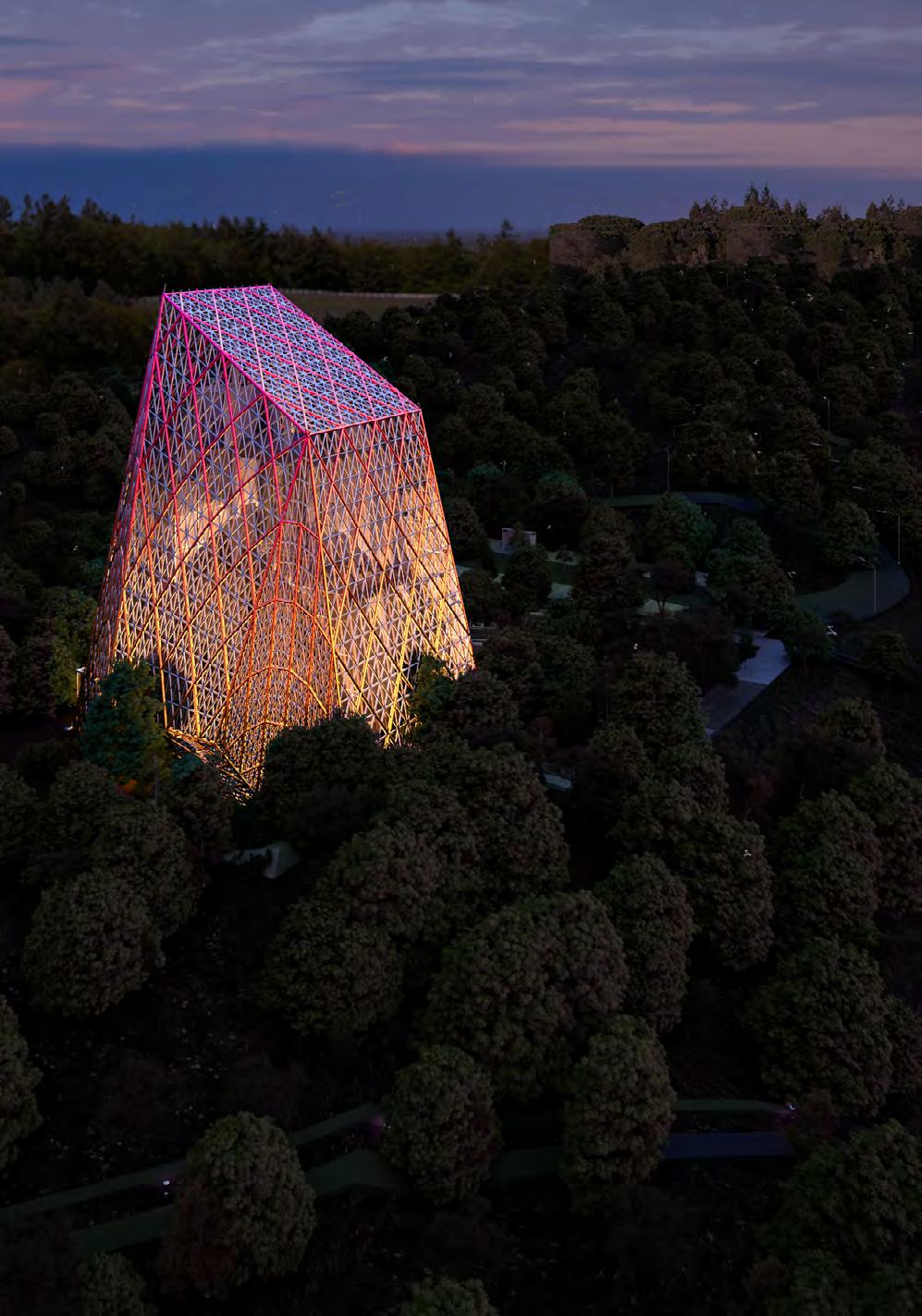
“Guided by light, shaped by the crystal”
SITE AREA: 19,907ft2 / LOCATION: Dahlonega, GA
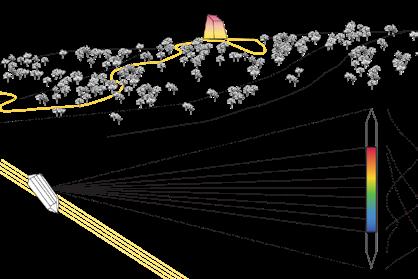
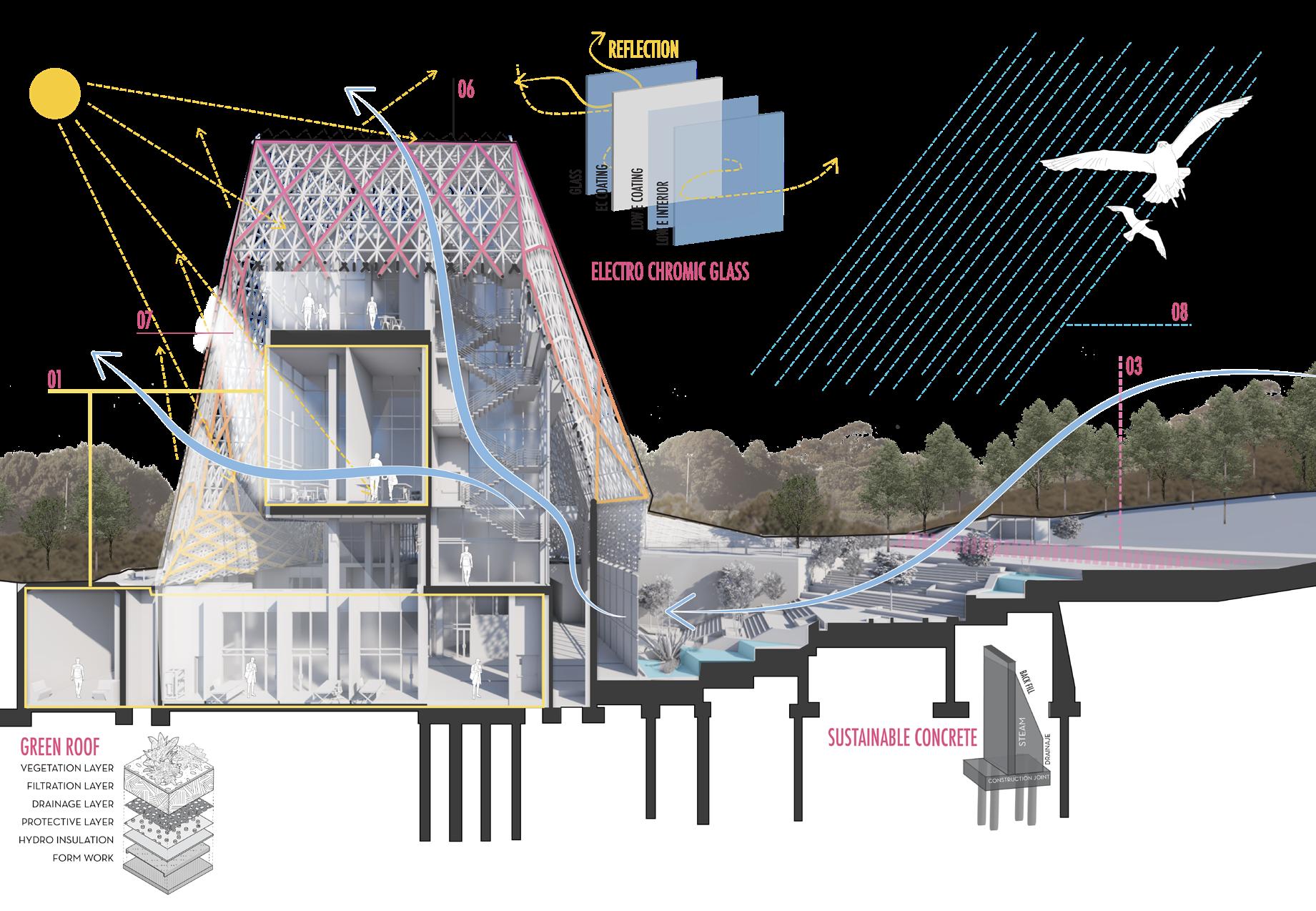
DESCRIPTION: Lumen Quartz in Dahlonega celebrates the town’s gold rush heritage, supporting local artisans and tourism while fostering community pride.
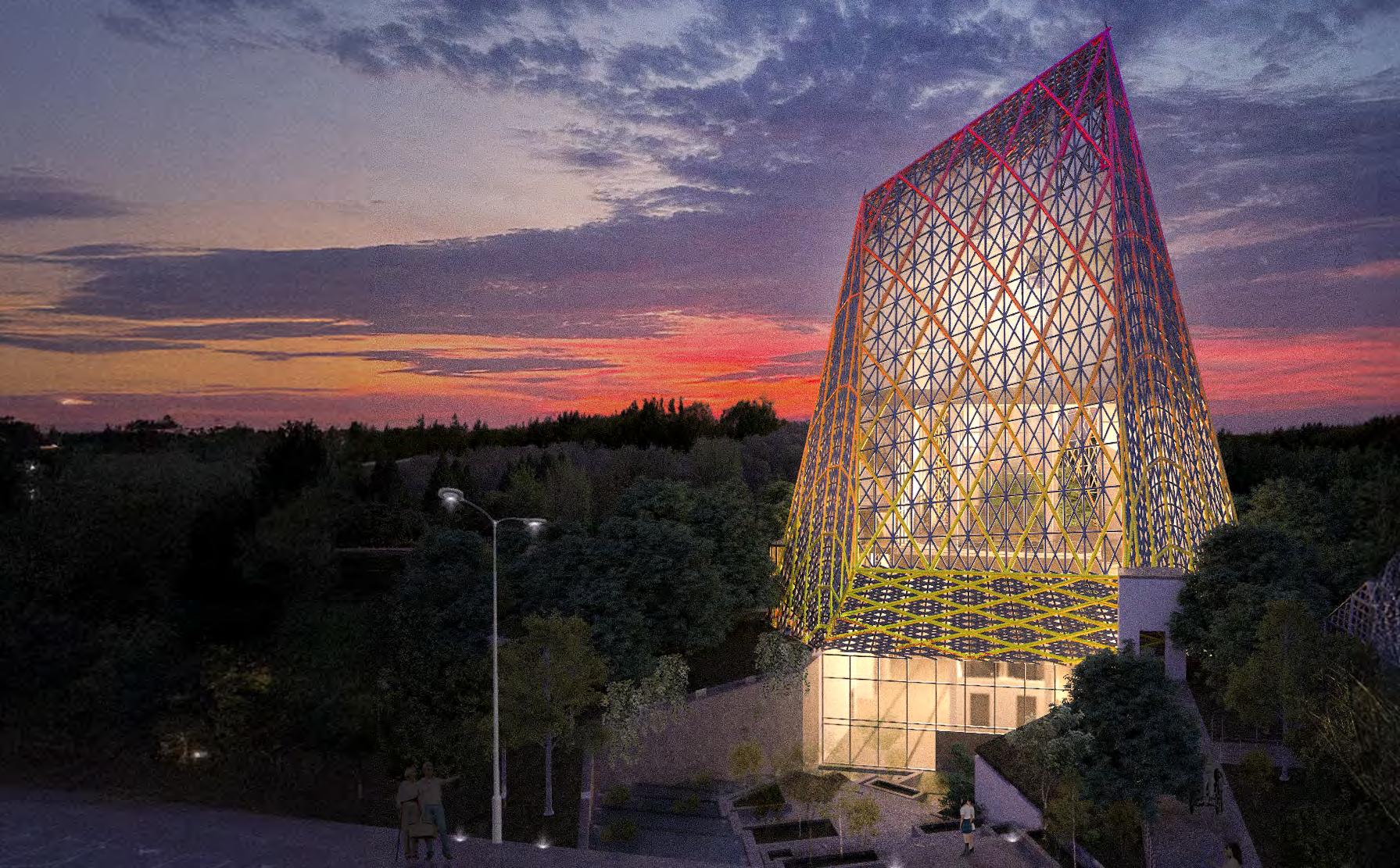


WHERE LIGHT CONNECTS + FORMS WAS CREATED
Lumen Quartz in Dahlonega celebrates the city’s gold rush heritage, supporting local artisans, fostering community pride, and promoting tourism.
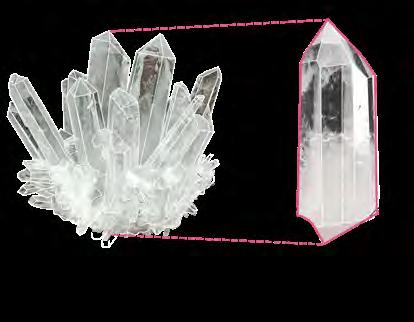
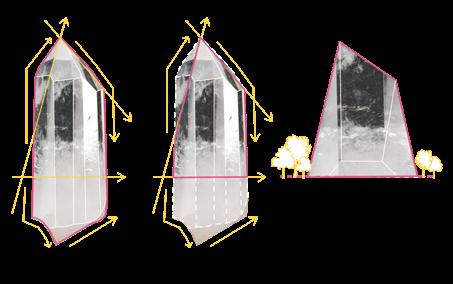
QUARTZ SUBTRACTION PROJECT
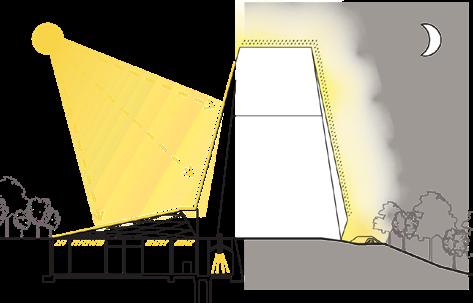
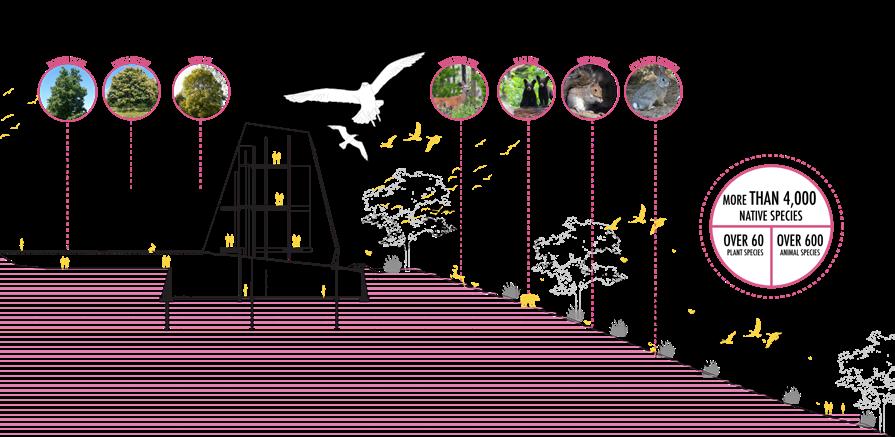
DESIGN FOR INTEGRATION
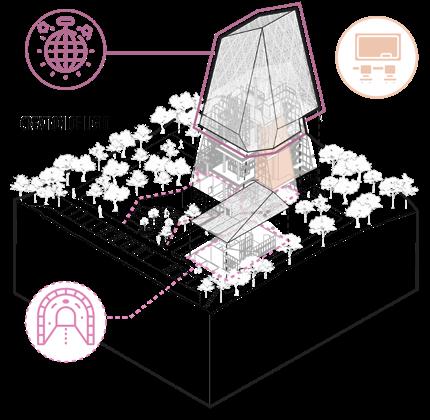
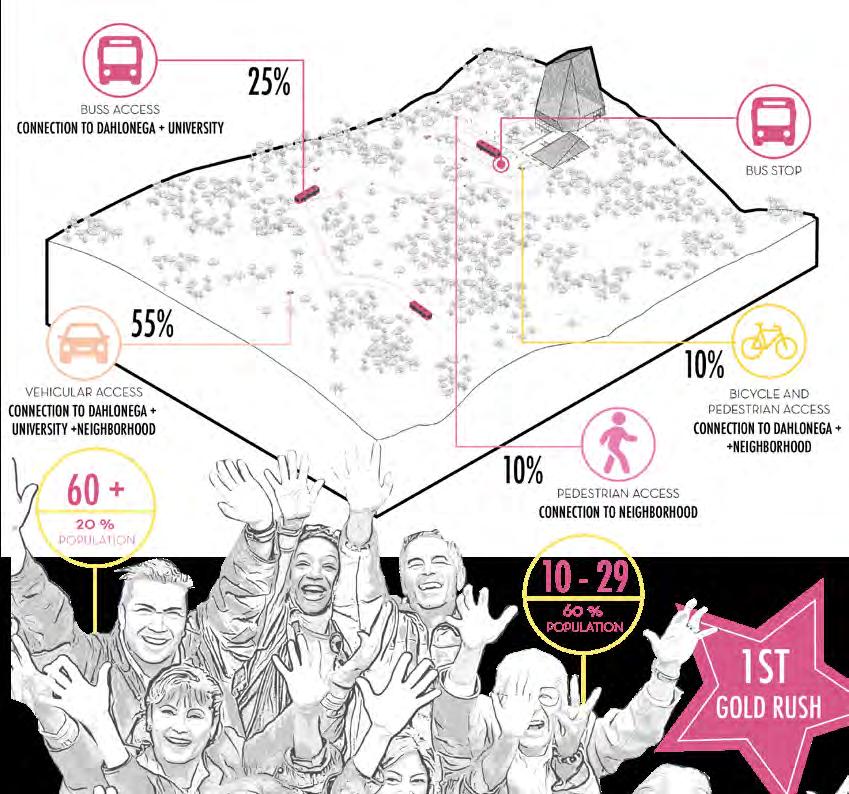
DESIGN FOR DISCOVERY
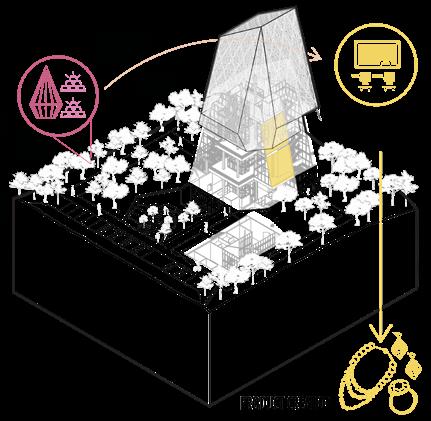
DESIGN FOR COMMUNITIES
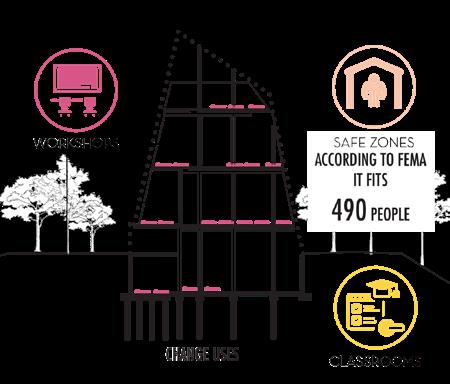
DESIGN FOR CHANGE
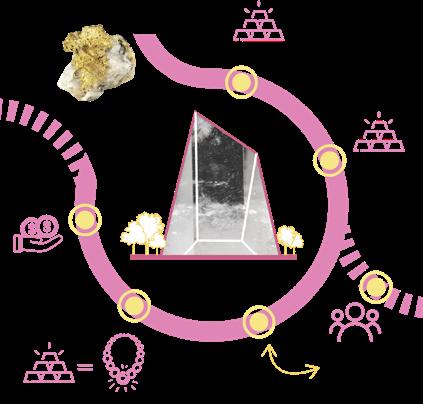
DESIGN FOR ECONOMY
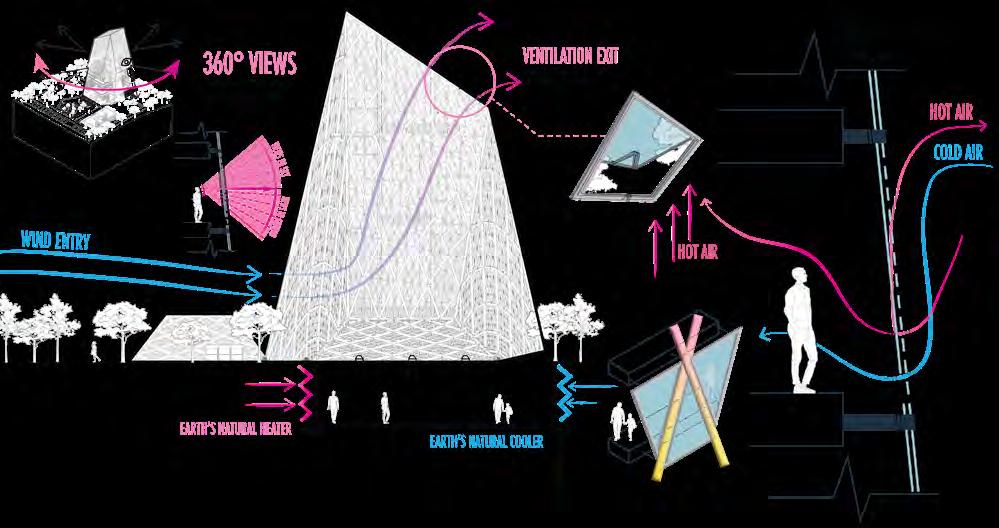
DESIGN FOR WELL BEING
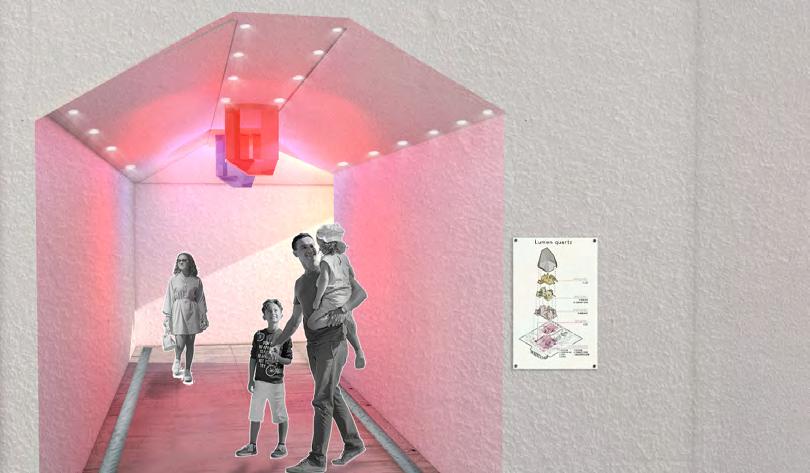
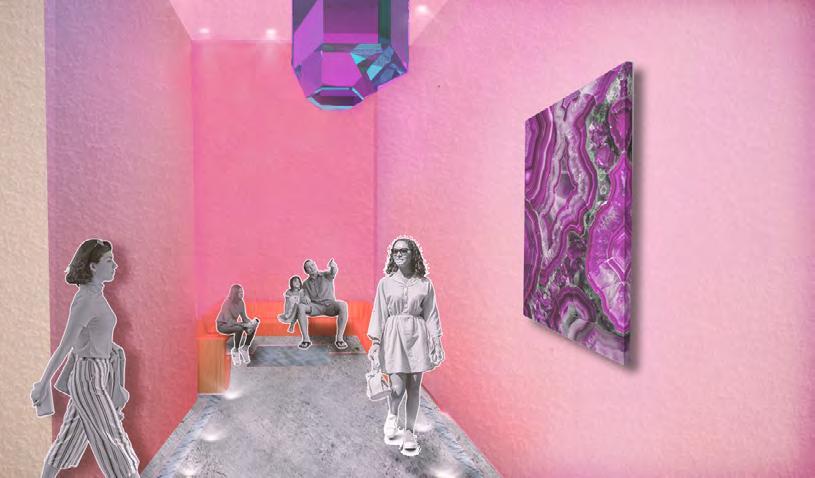
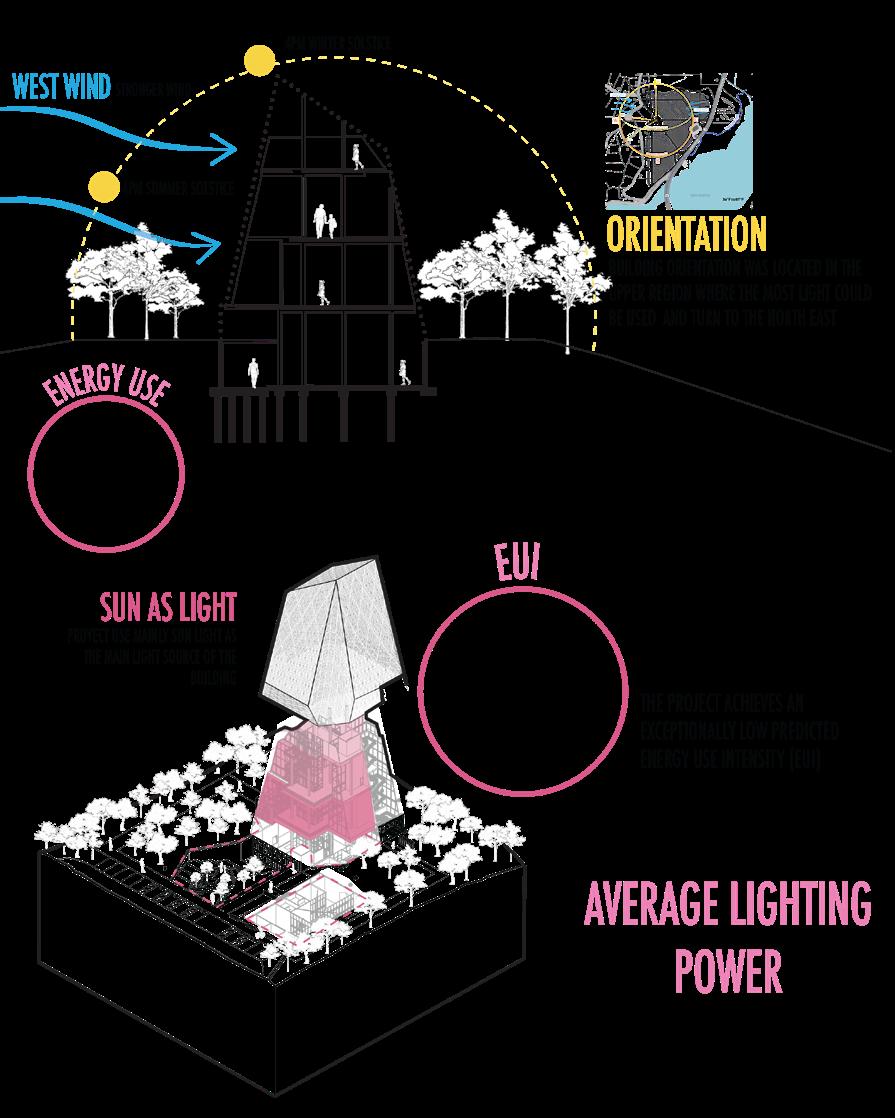
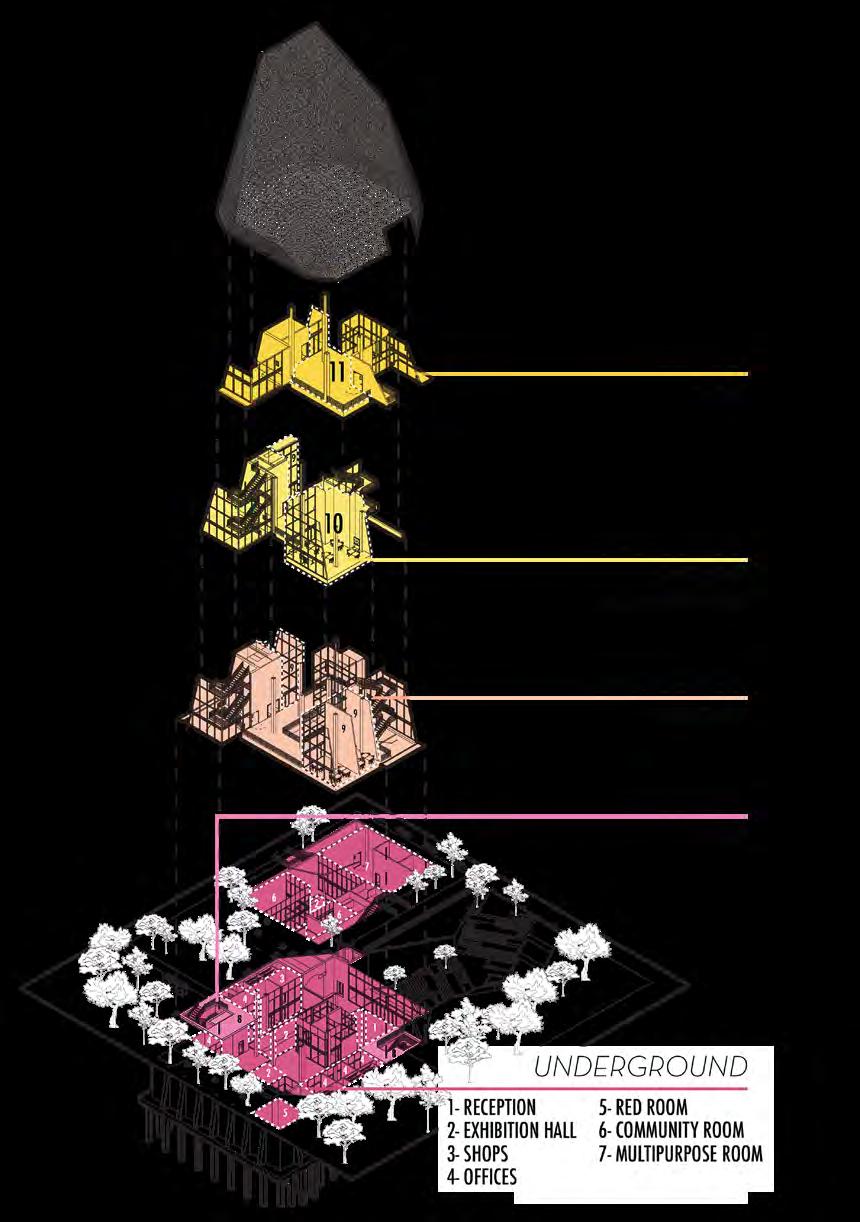
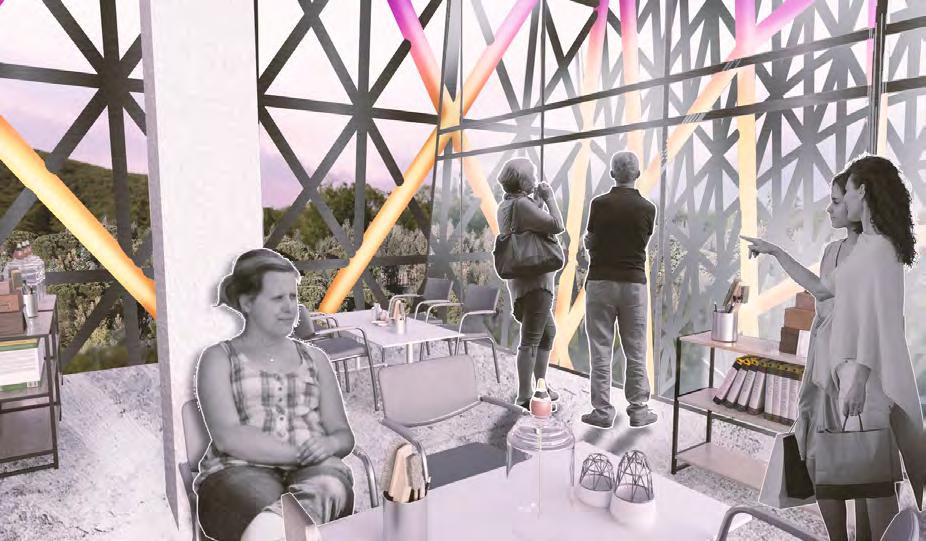
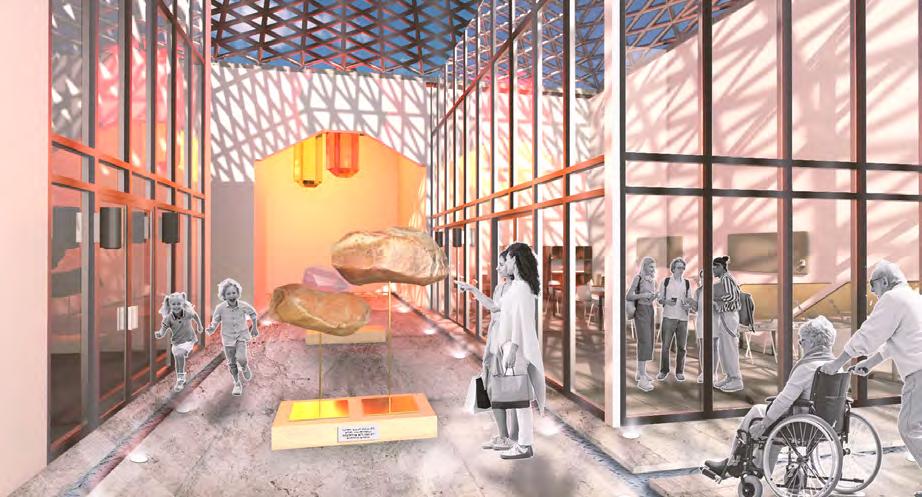
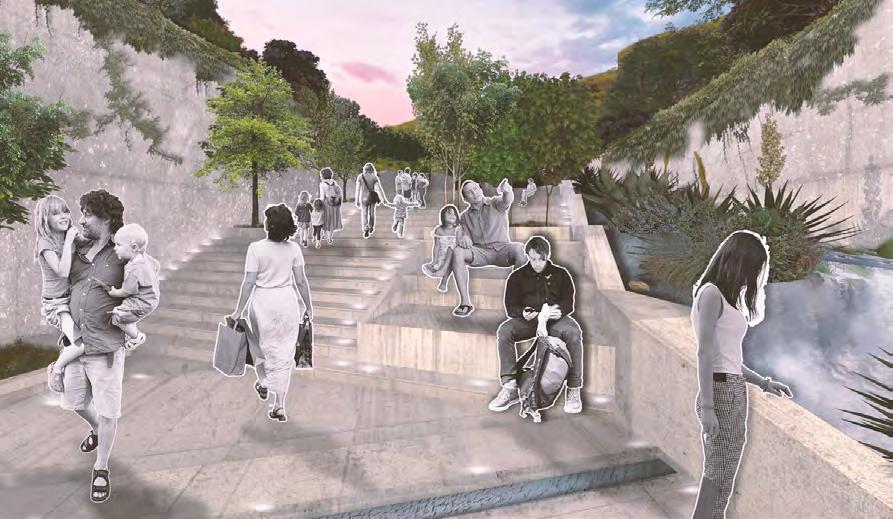
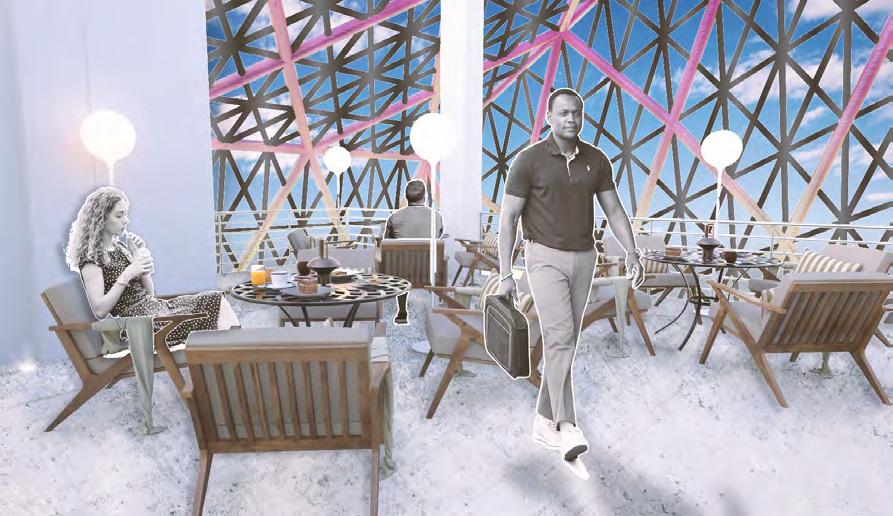
Visitors navigate the project along pathways defined by light, materials, and water, experiencing cascading water stairs and glowing quartz-filled corridors that change with the sun.
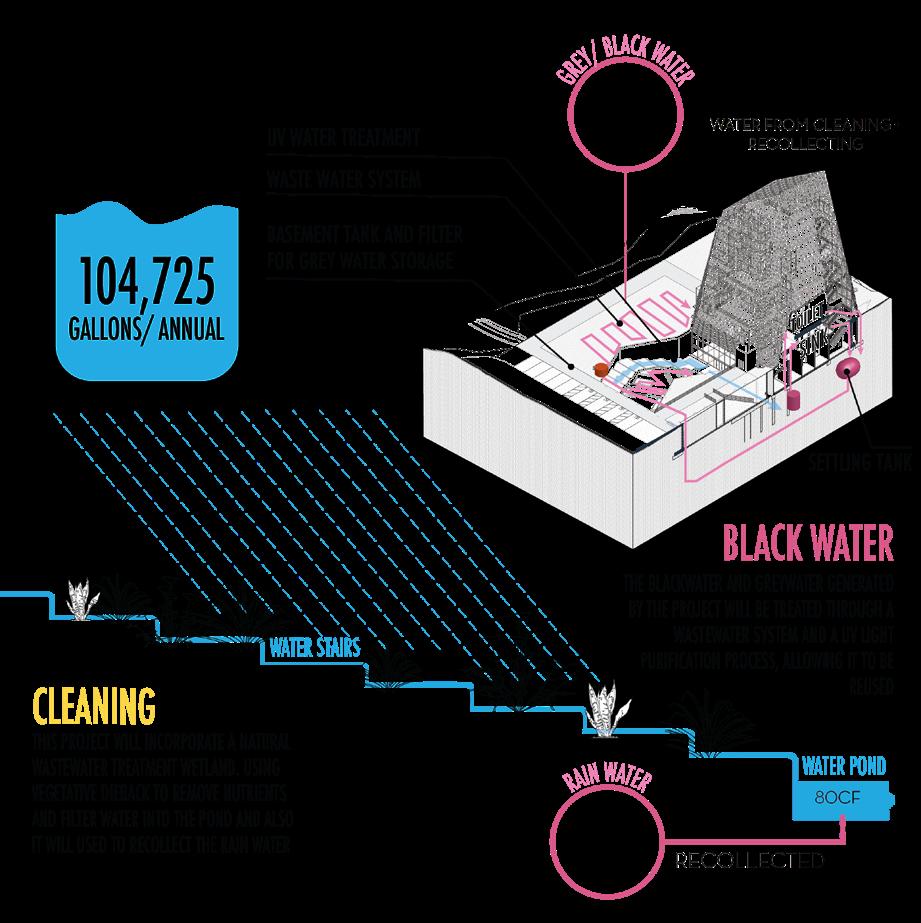
DESIGN FOR WATER
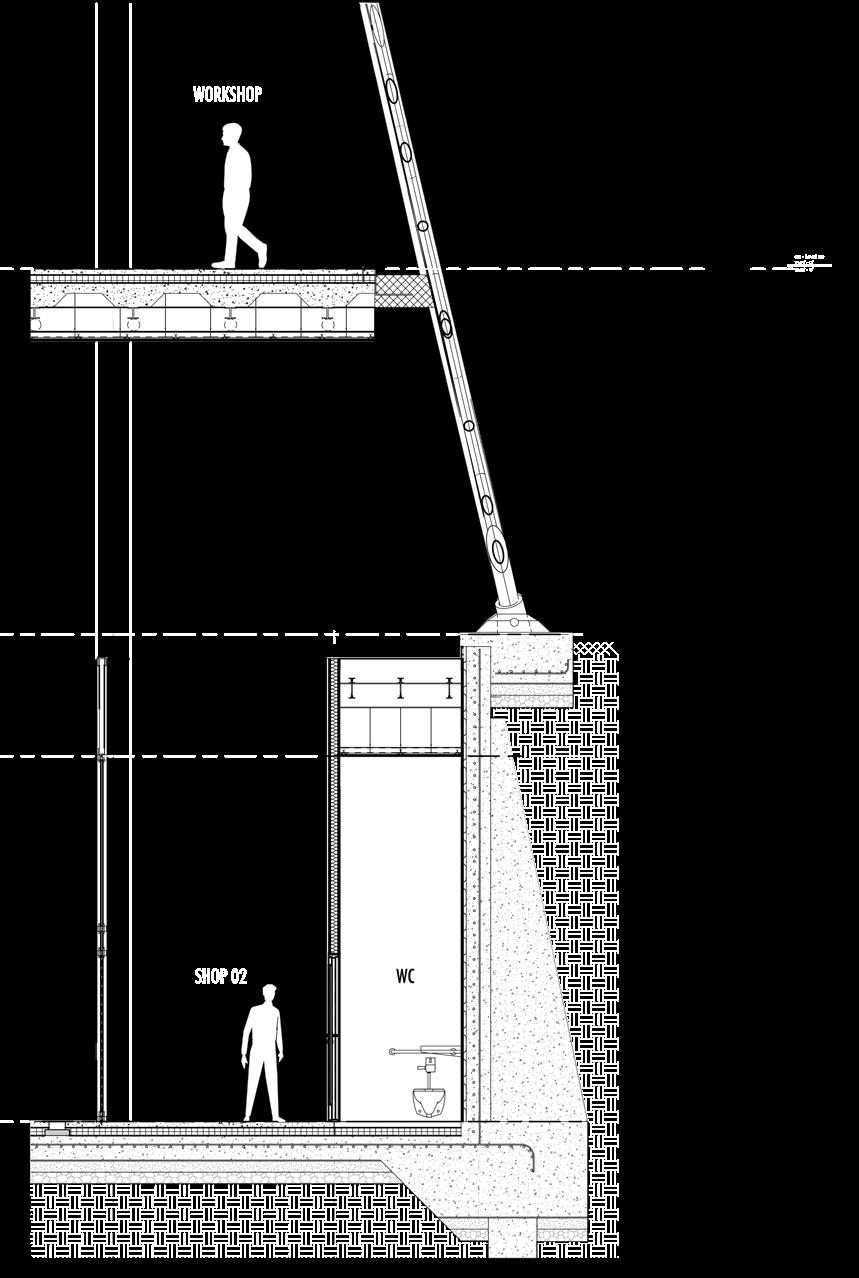
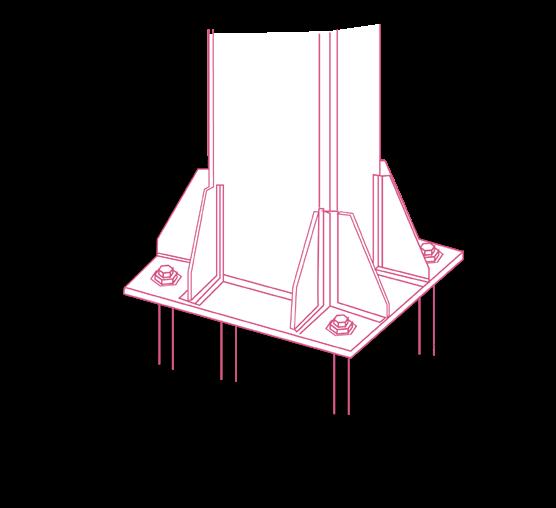
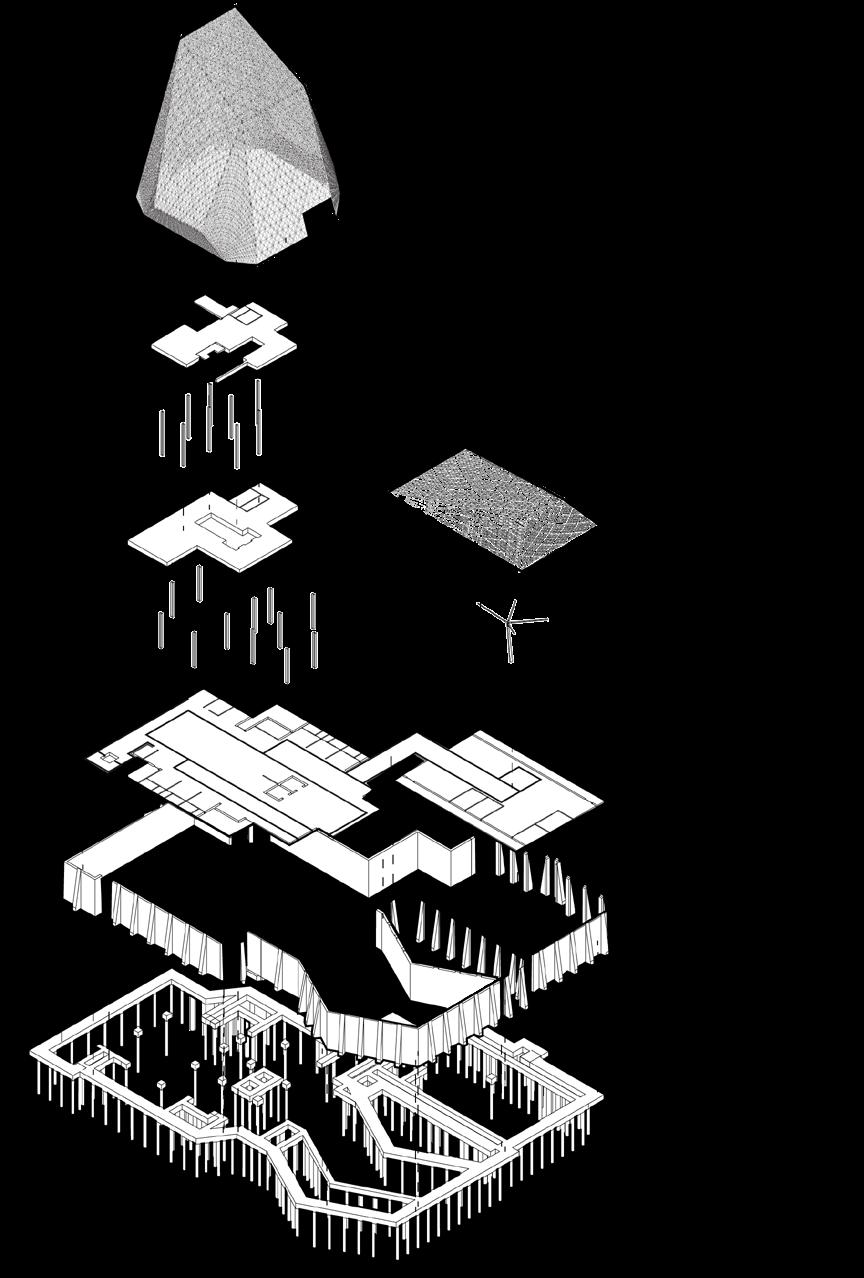
CAST IN PLACE WITH FOOTING WITH STEEL REBAR REINFORCEMENT
VAPOR BARRIER
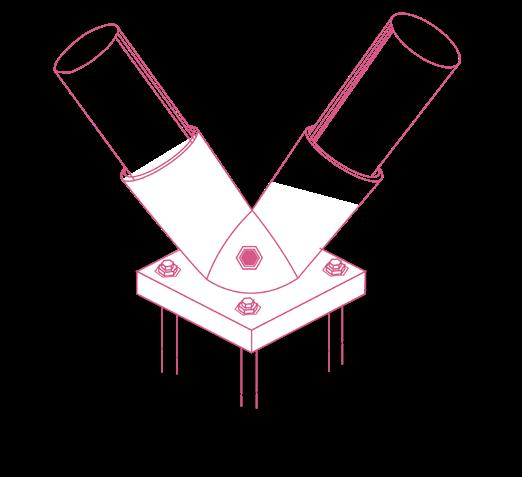
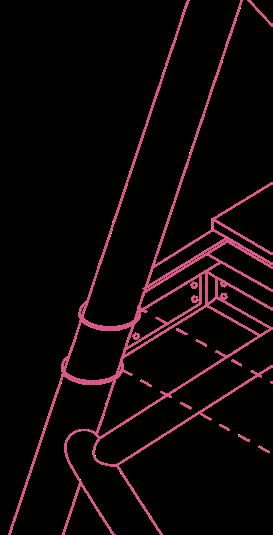
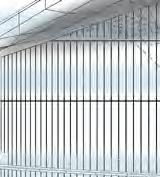
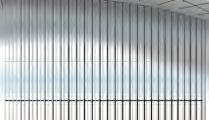
TRIANGULAR AND DIAMOND SHAPED GLASS PANELS SOUND ATTENUATION BLANKET GYP BD METALLIC WIDE FLANGE METALLIC JOIST
CIRCULAR





“Aerial Bicycles, Paving the Way for a New Urban Perspective”
SITE AREA: 21.12 km / LOCATION: Bogotá Colombia
DESCRIPTION: SkyCycle is a sustainable aerial bike system aimed at improving urban commuting in Bogotá, addressing safety, environmental, and infrastructure challenges.
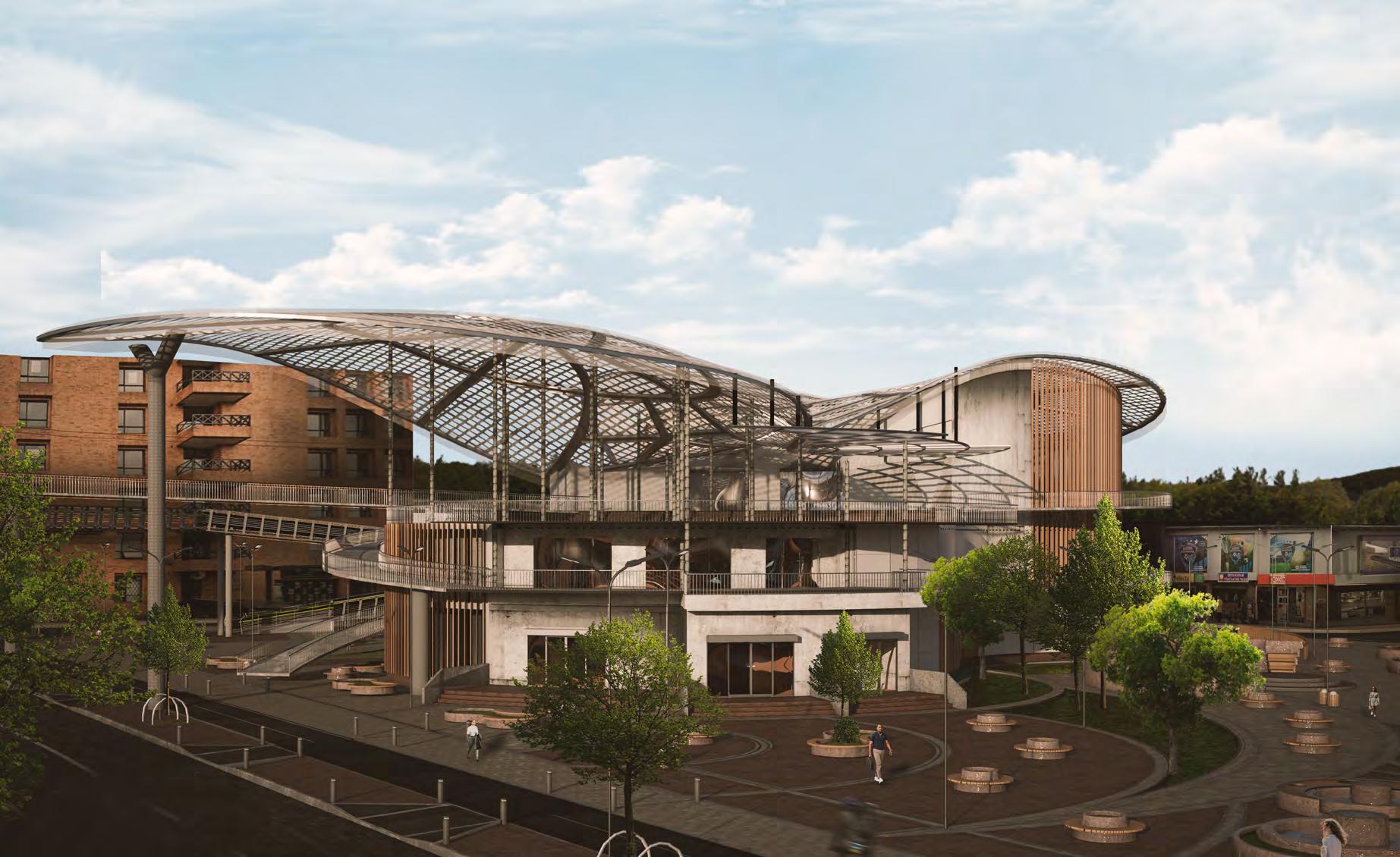
NAVIGATING THROUGH THE CITY IN 2 WHEELS
SMALL SPACE
Bogotá struggles to find space for new bicycle trails due to high congestion.
RESPIRATORY PROBLEMS
The close proximity of vehicles to cyclists creates safety risks and CO2 absorption.
SAFETY HAZARDS
Bogotá’s deteriorating bicycle trails endanger cyclists’ safety and increase accident risks.
BENEFITS
“The bicycle stands out as one of the most effective forms of aerobic exercise, accessible to nearly everyone regardless of age or fitness level”


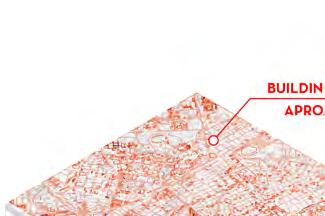
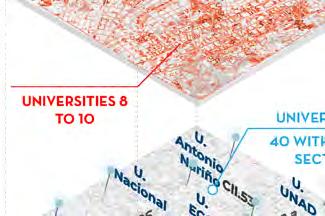
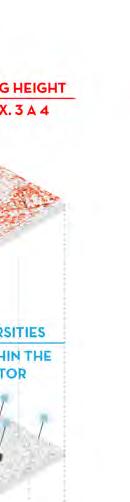
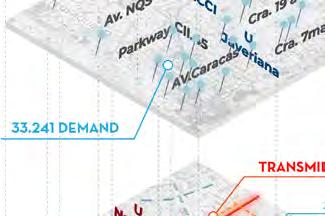
In Bogotá, most cyclists are students aged 18–25 who rely on bicycles for commuting to school or work. Our project focuses on Chapinero and Teusaquillo, which host over 33,000 students across 40 institutions, including Javeriana, Católica, La Piloto, La Salle, and EAN.
























“Nairo Quintana”



igoberto Urán”
General squares

bways stations

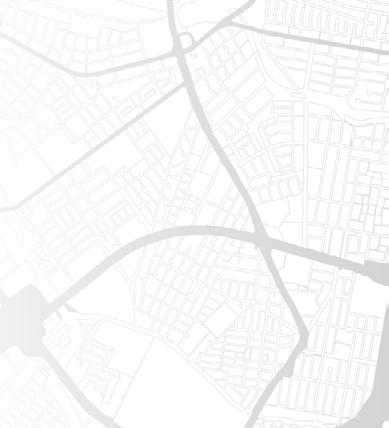




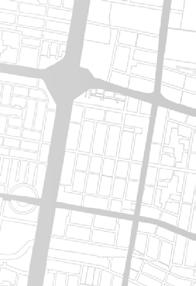
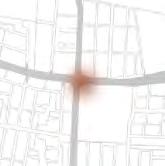
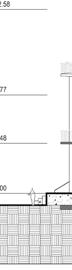
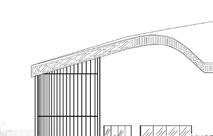
The SkyCycle project had two stages: designing the aerial trail and creating its stations.


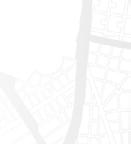





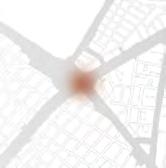


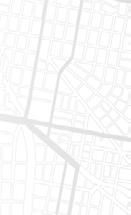













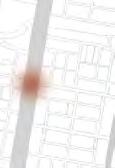



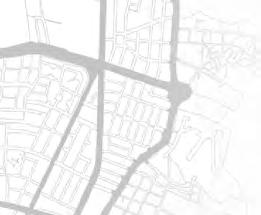






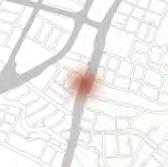

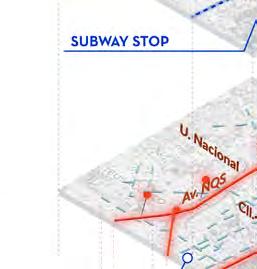
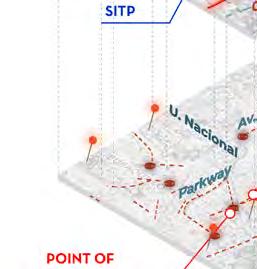
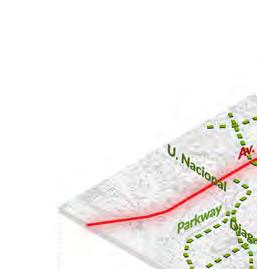
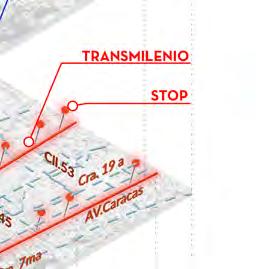
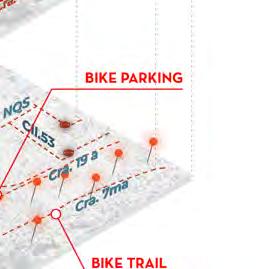
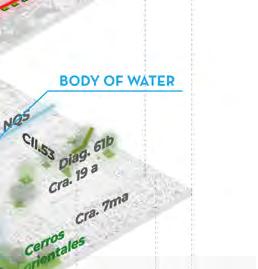
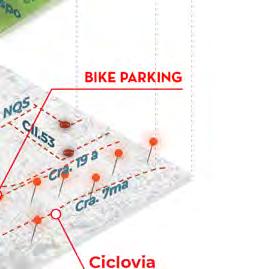
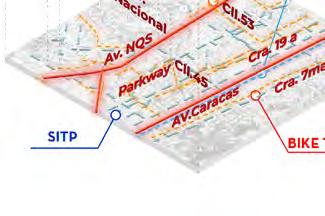
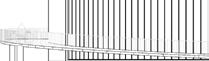
The 27.12 km bicycle trail starts at Street 127, follows the highway to NQS, continues along Streets 72, 64, and 45 eastward to 7th Street, and loops back to Street 127.
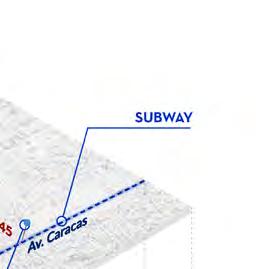
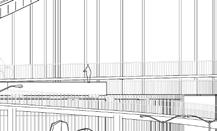
The aerial trail will be built 14 meters above the road, aligned with the proposed Bogotá subway, to maximize connectivity between transportation modes.


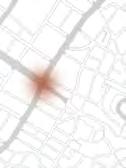



“

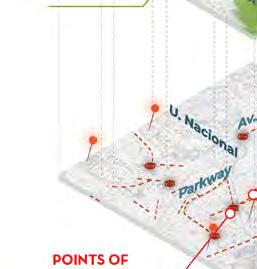
The project includes three spaces named after renowned Colombian cyclists to create a sense of connection for users.


Interconnection


The ‘Rigoberto Urán’ squares are piazzas, placed every 2,000 meters between main and mini-stations along the trail.


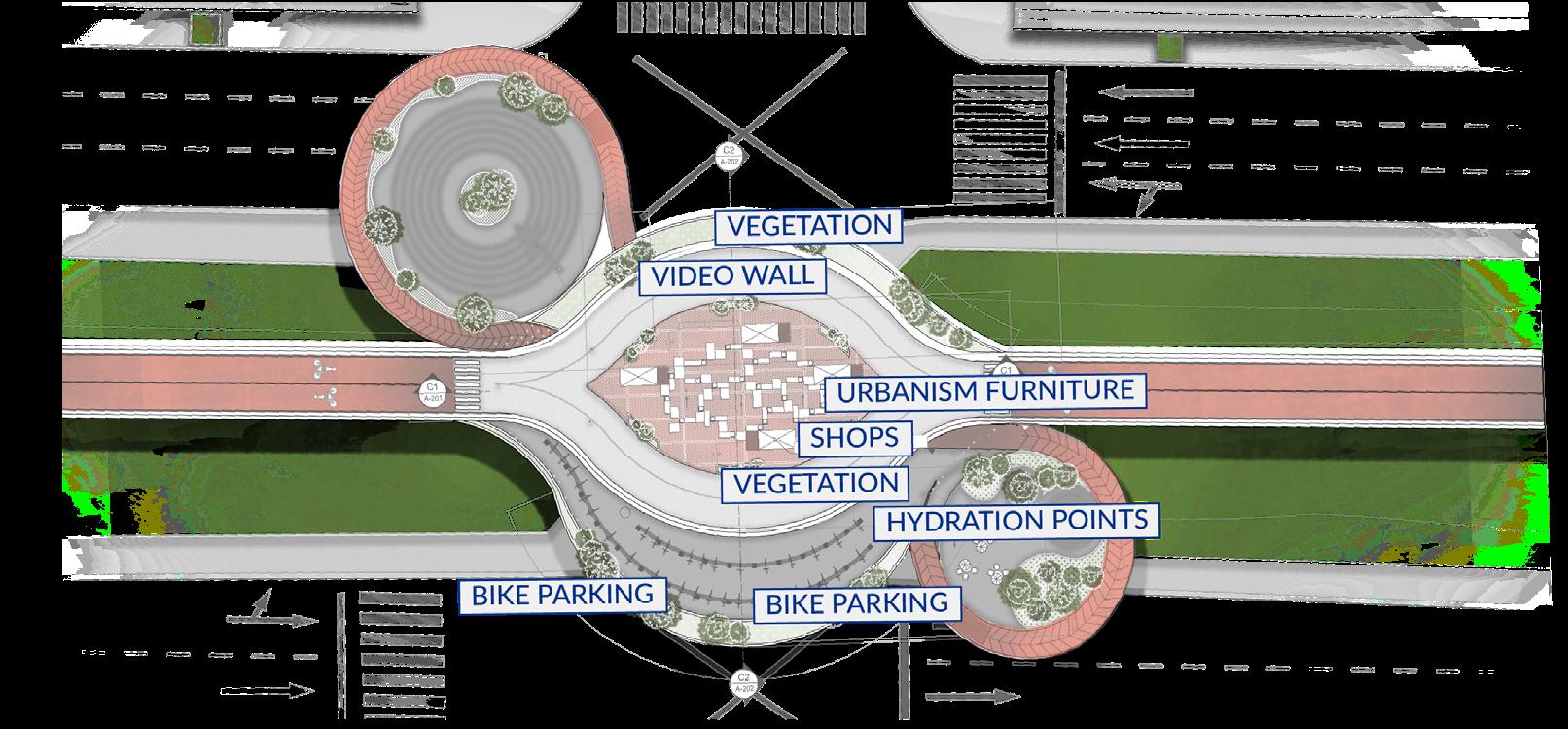
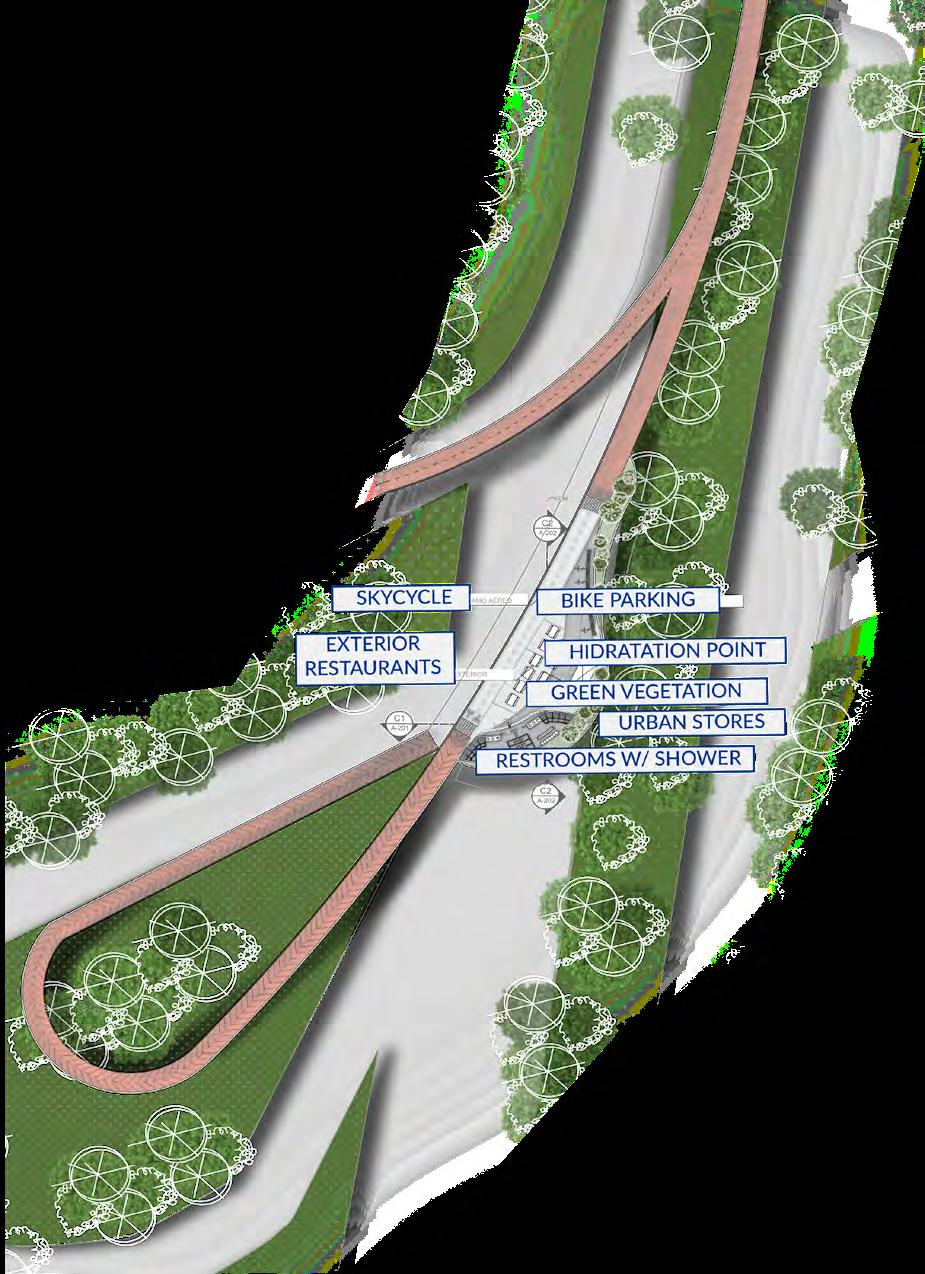
The ‘Nairo Quintana’ mini-stations, placed every 900 meters between main stations, provide rest areas and access to the road level.
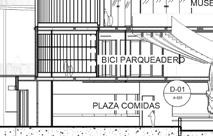
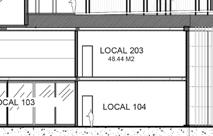
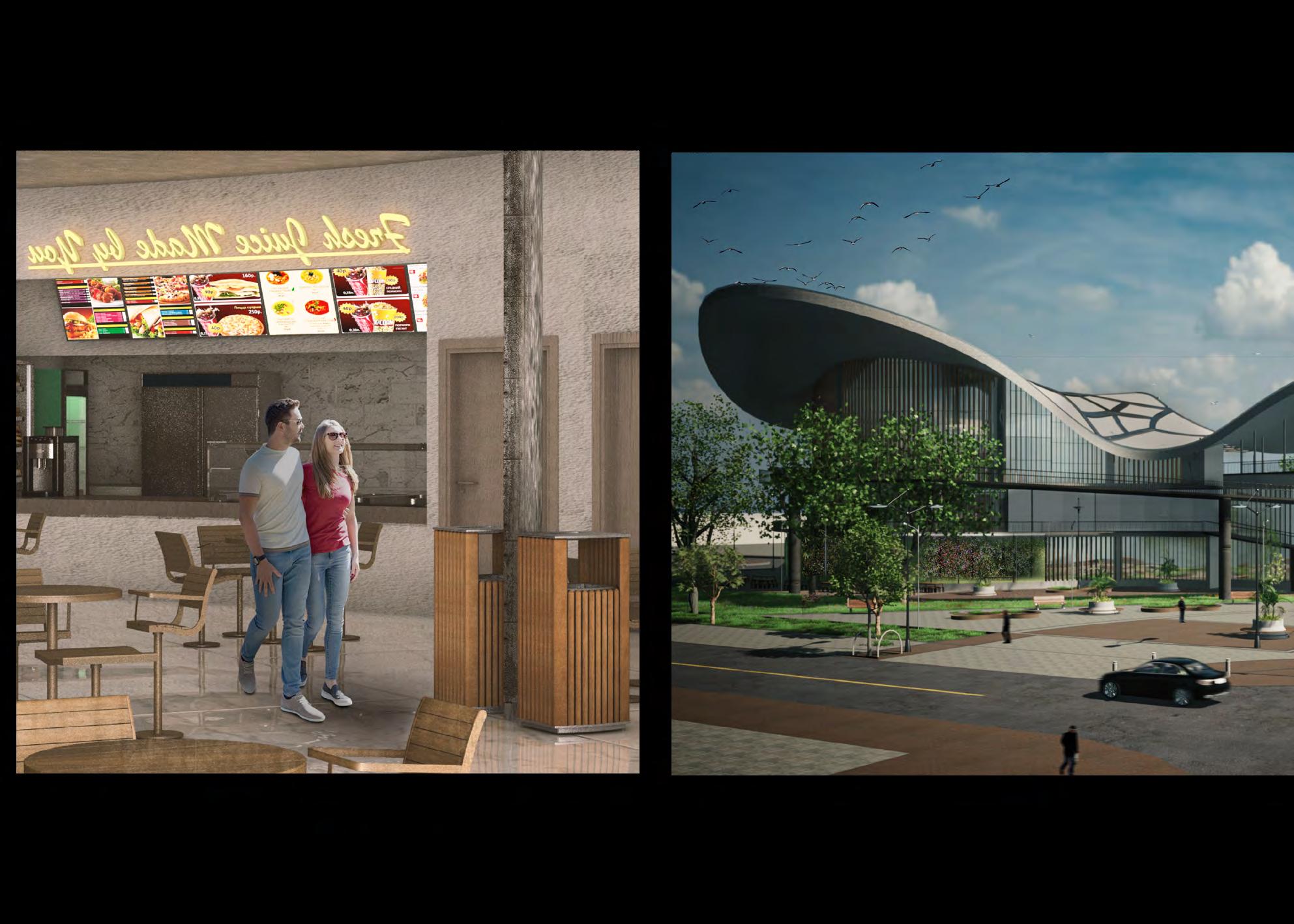
The stations will enhance the trail with recreational zones, educational areas, cleaning stations, and amenities like shops, pharmacies, and restaurants, all with parking and charging facilities.


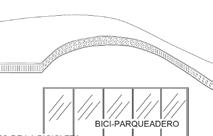
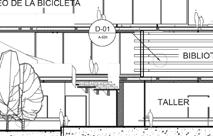
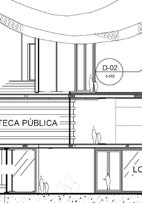
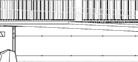
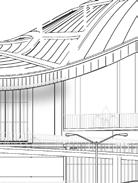
The stations serve as gathering points for cyclists and the public, with four key locations along the route: Calle 124 with 45, Carrera 7 with 108, Calle 62 with 7, and Calle 46 with 45. They share a common design, though some uses and public spaces may vary.
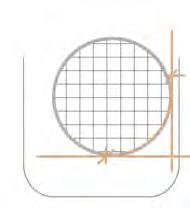
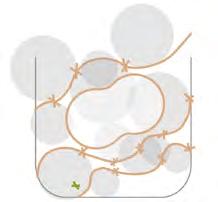
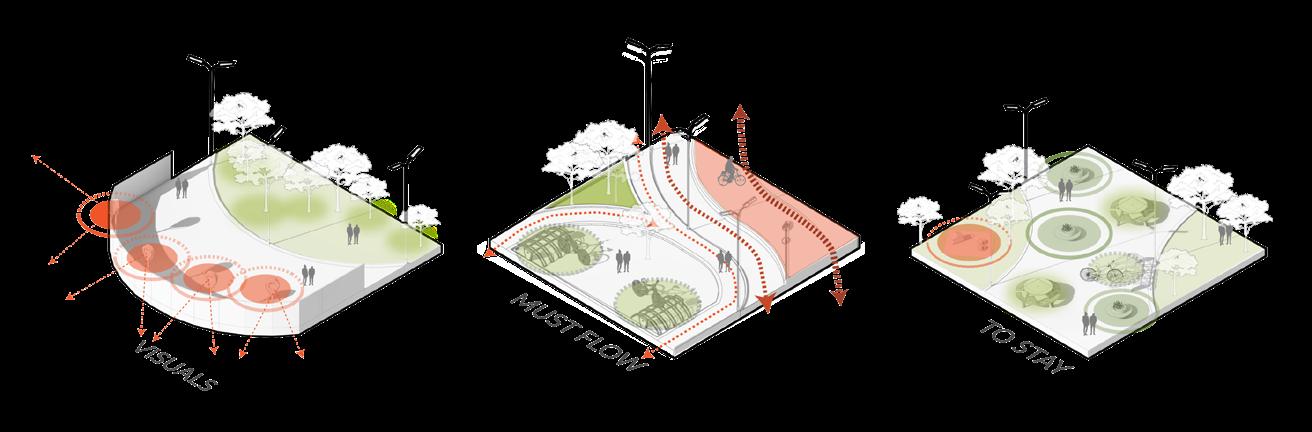

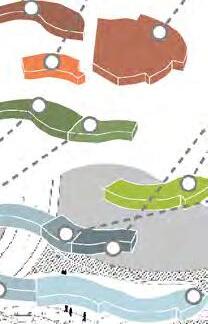
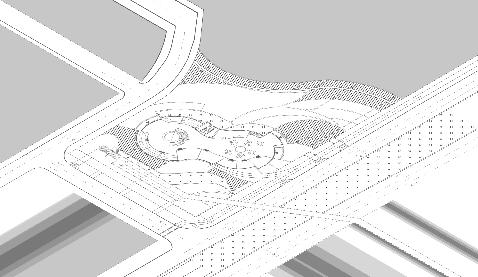
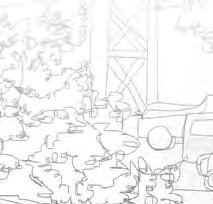
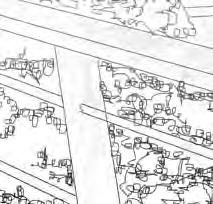
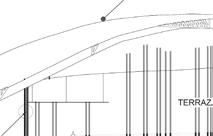
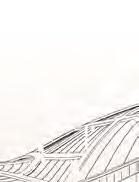
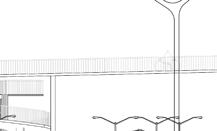
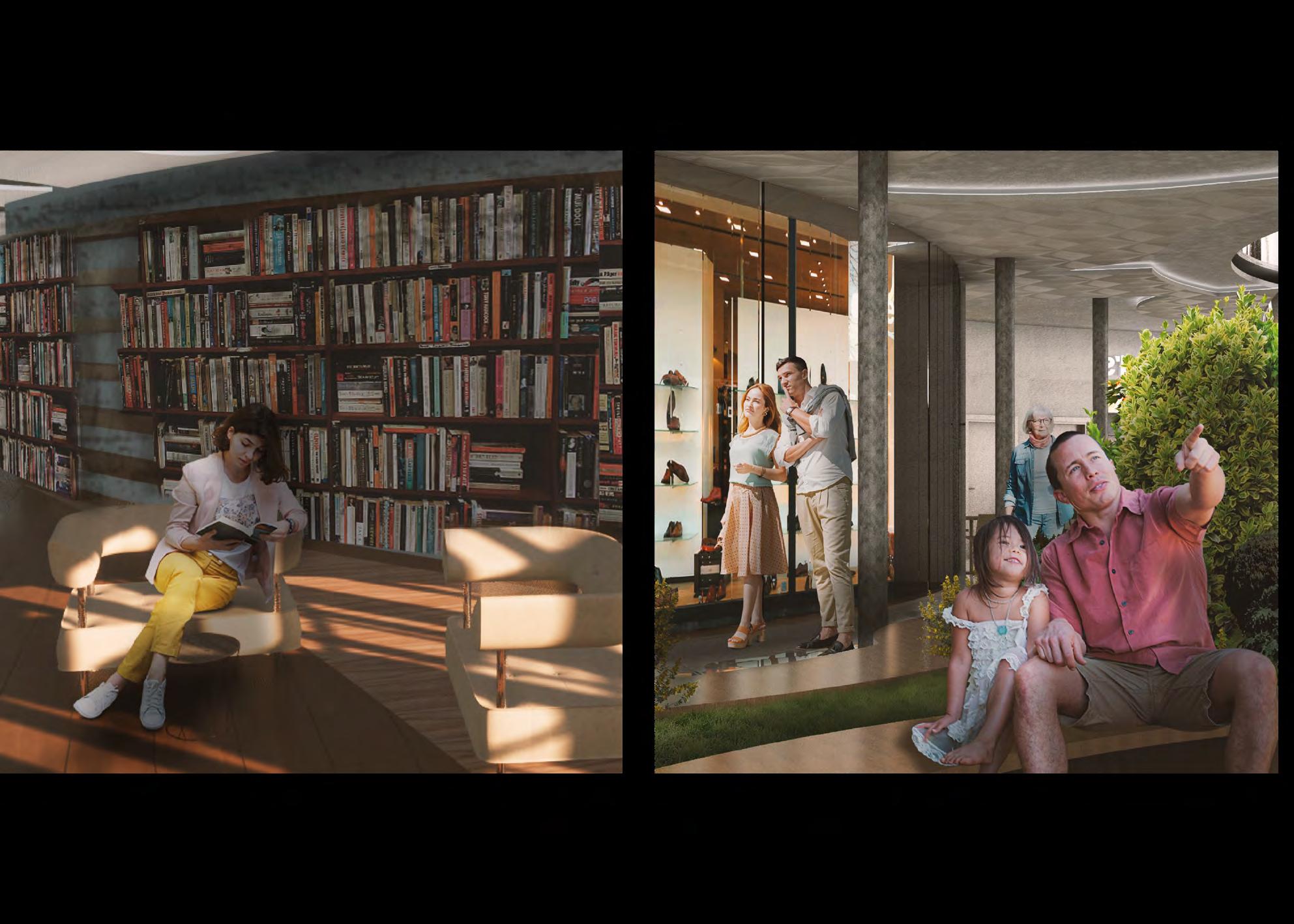
The station’s design emphasizes three key concepts: circulation and staying, allowing users to access the aerial trail while lingering for dining or shopping; visual connectivity, creating a new visual level and linking with the surrounding context; and overall integration with the environment.






























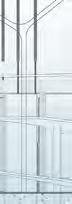













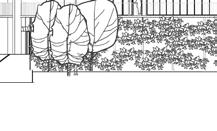


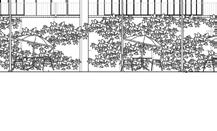



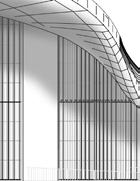







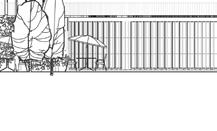

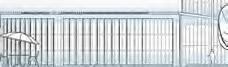
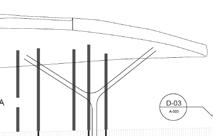

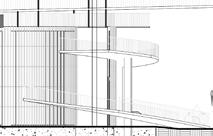



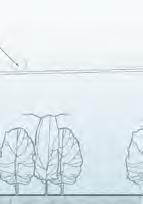







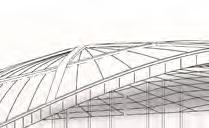
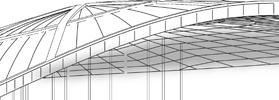
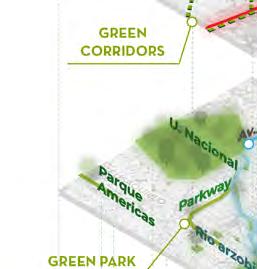
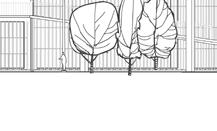
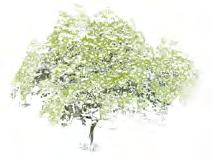
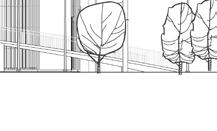
Soft plazas with selected trees enhance sustainability, reduce CO2, and improve the project’s urban environment.




















“Work. Play. Belong.”

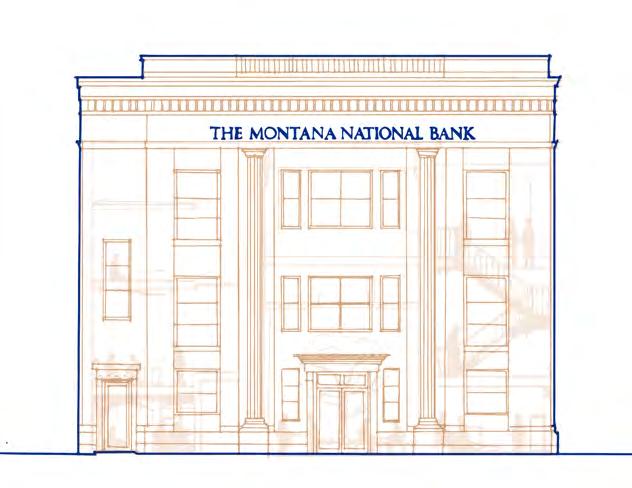
SITE AREA: 75,000 sq. ft. / LOCATION: Billings, MT
DESCRIPTION: Rather than prioritizing productivity alone, this project explores how architecture can foster joy, movement, and belonging. Through adaptive reuse and regenerative design, the workplace becomes a space that responds to both people and the environment.
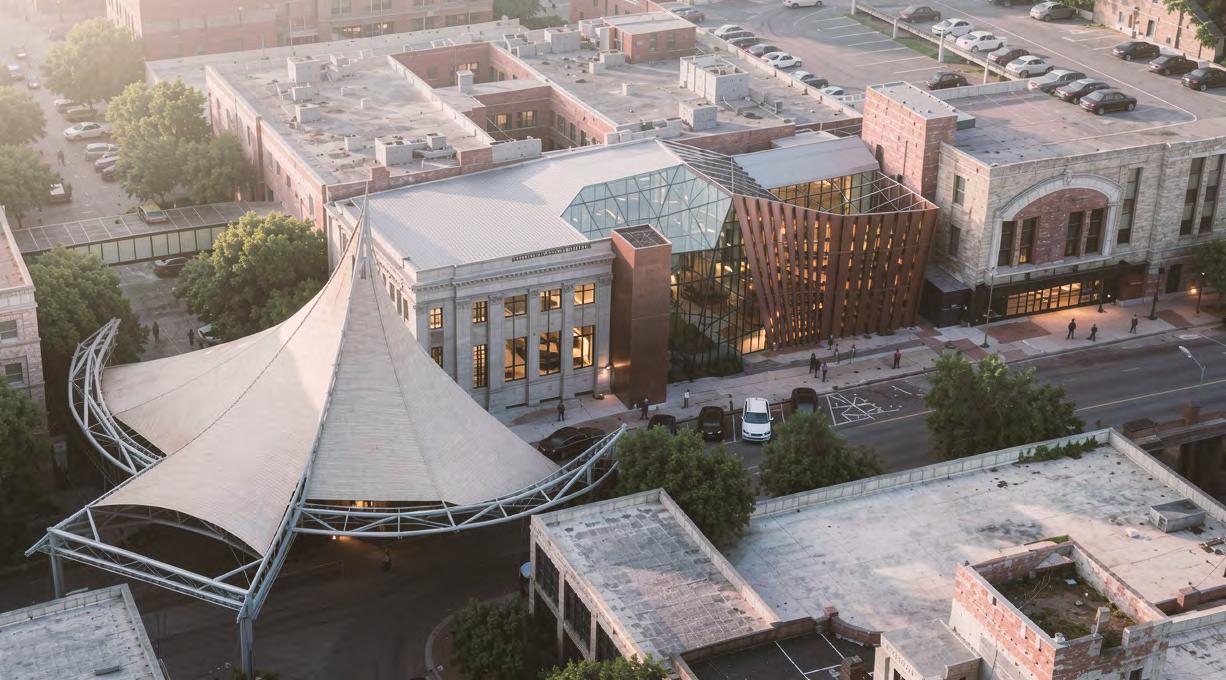
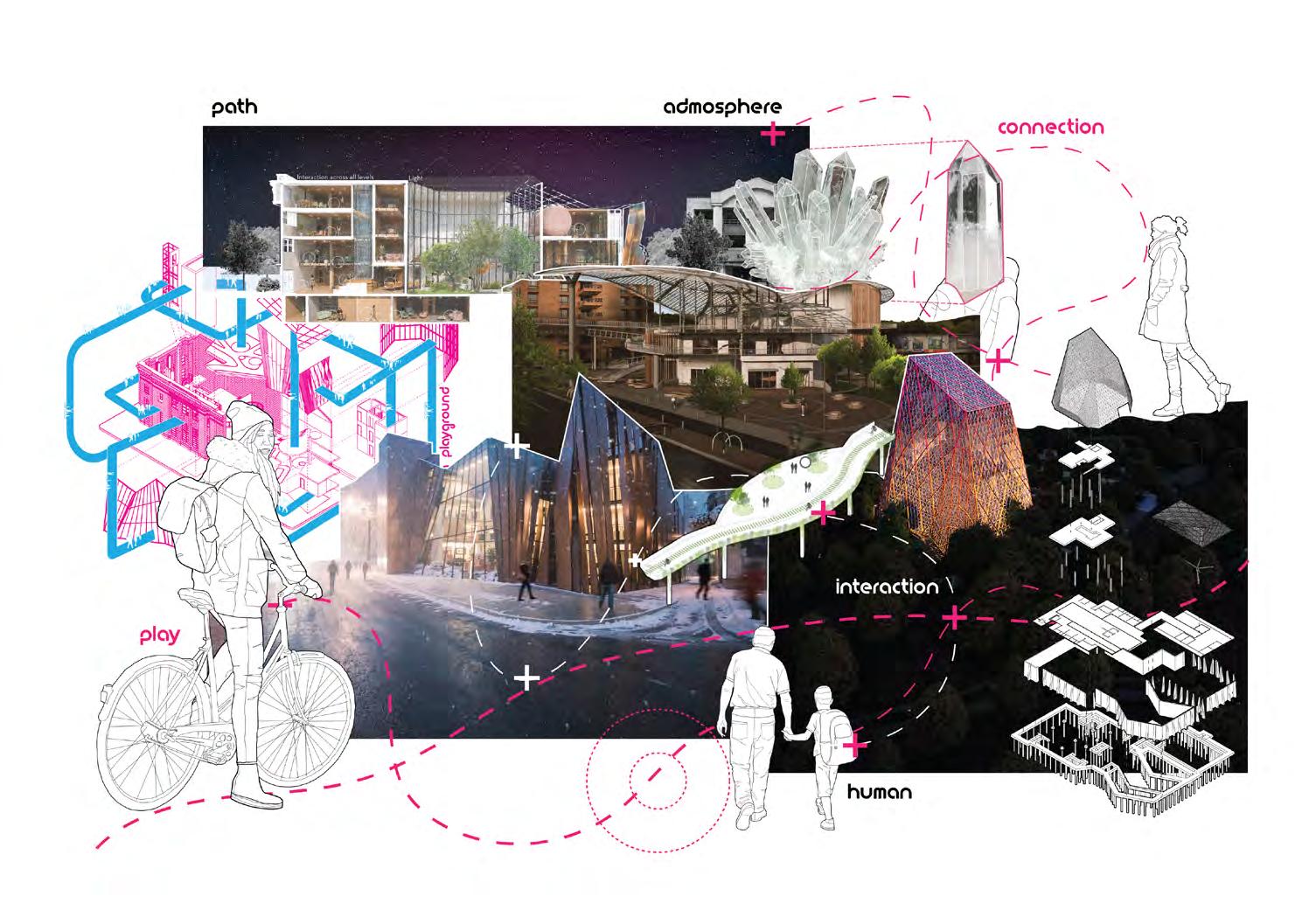
Play is a fundamental human behavior that shapes how people interact with their environment. When embedded in architecture, it transforms rigid, efficiency-driven spaces into dynamic environments that encourage curiosity, movement, and social connection.
Through adaptability, sensory richness, and interaction, architecture can actively support well-being. In this way, play becomes a powerful design tool that promotes mental health, engagement, and a more humancentered built environment.
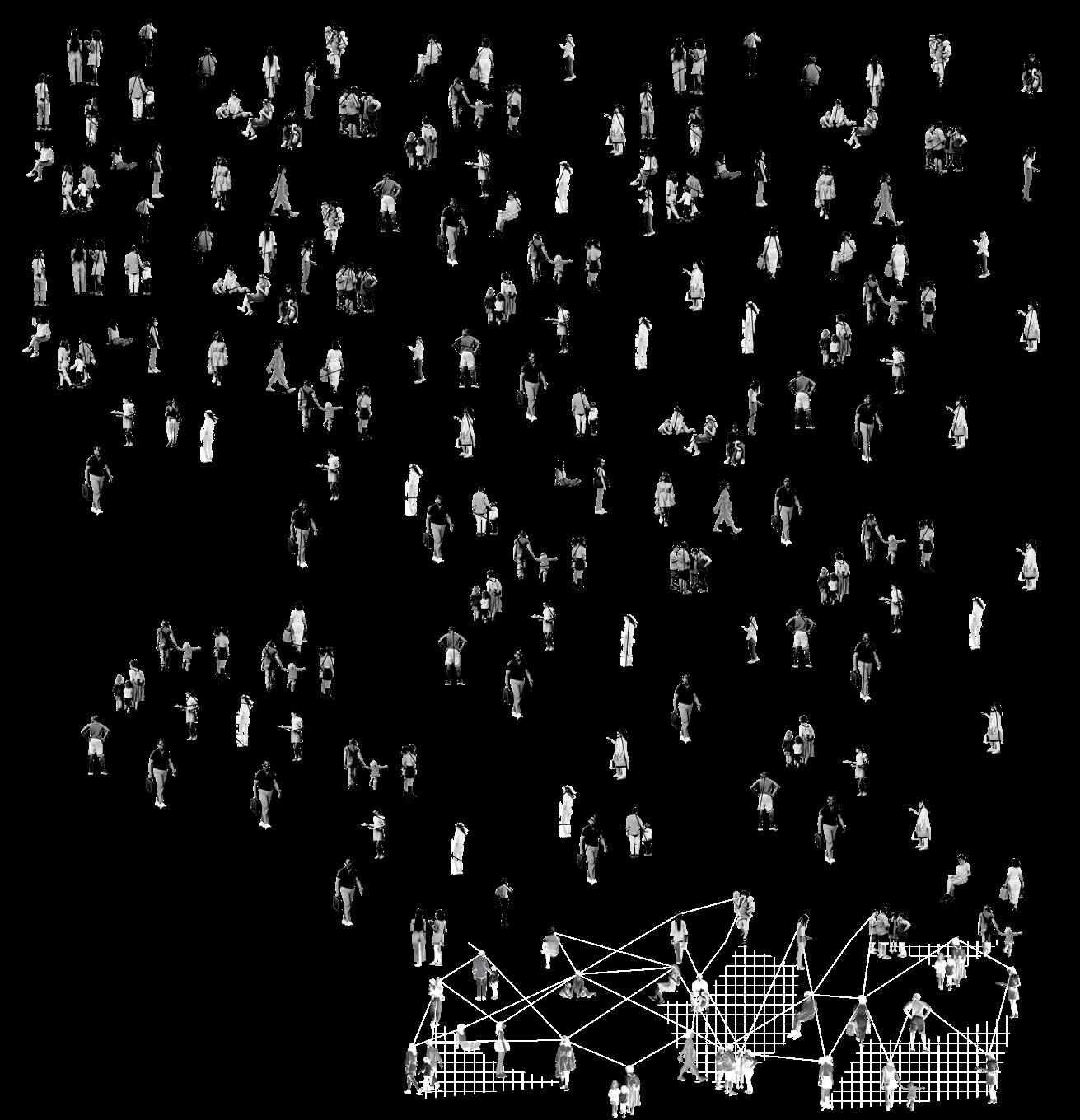
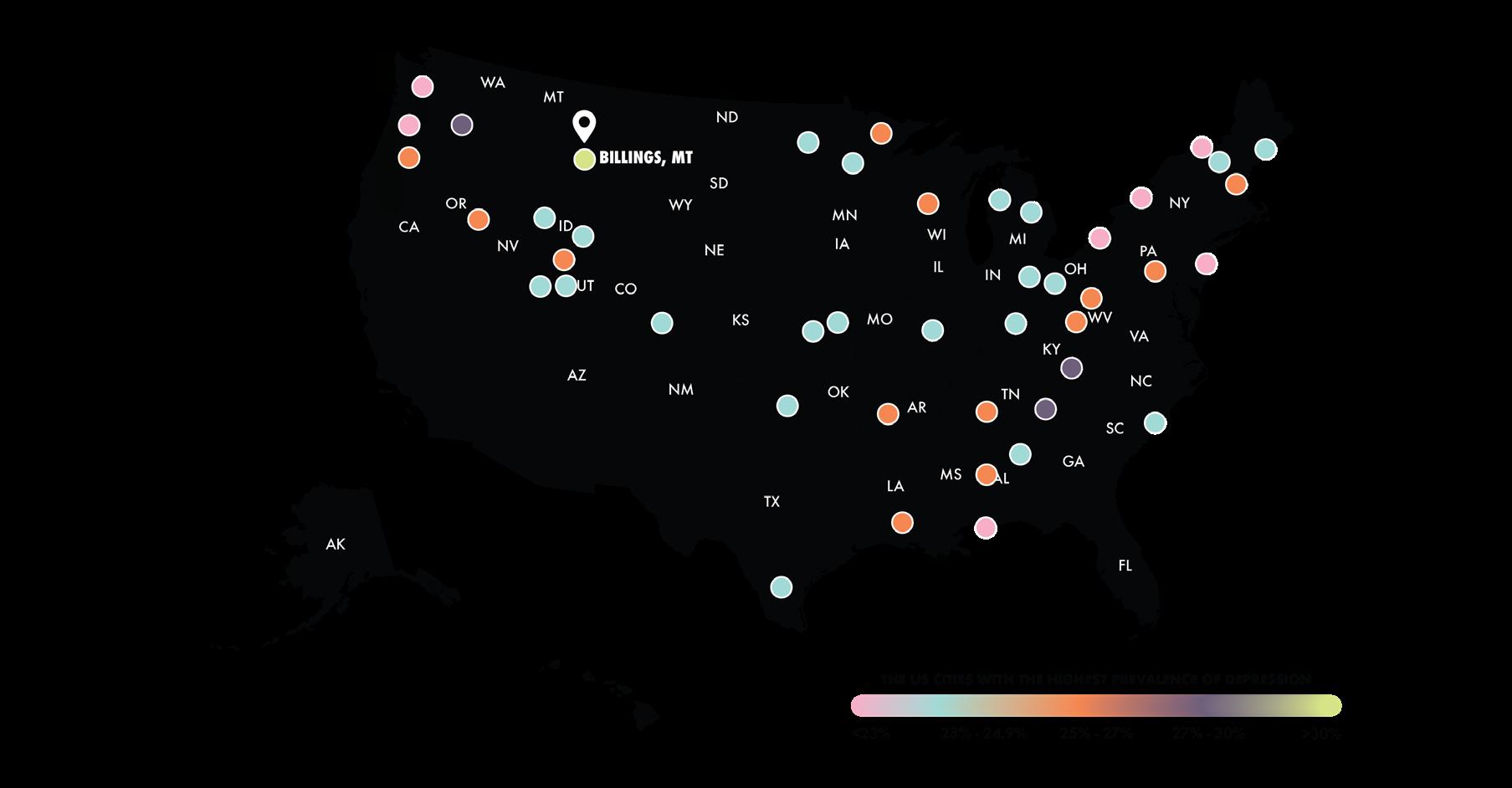
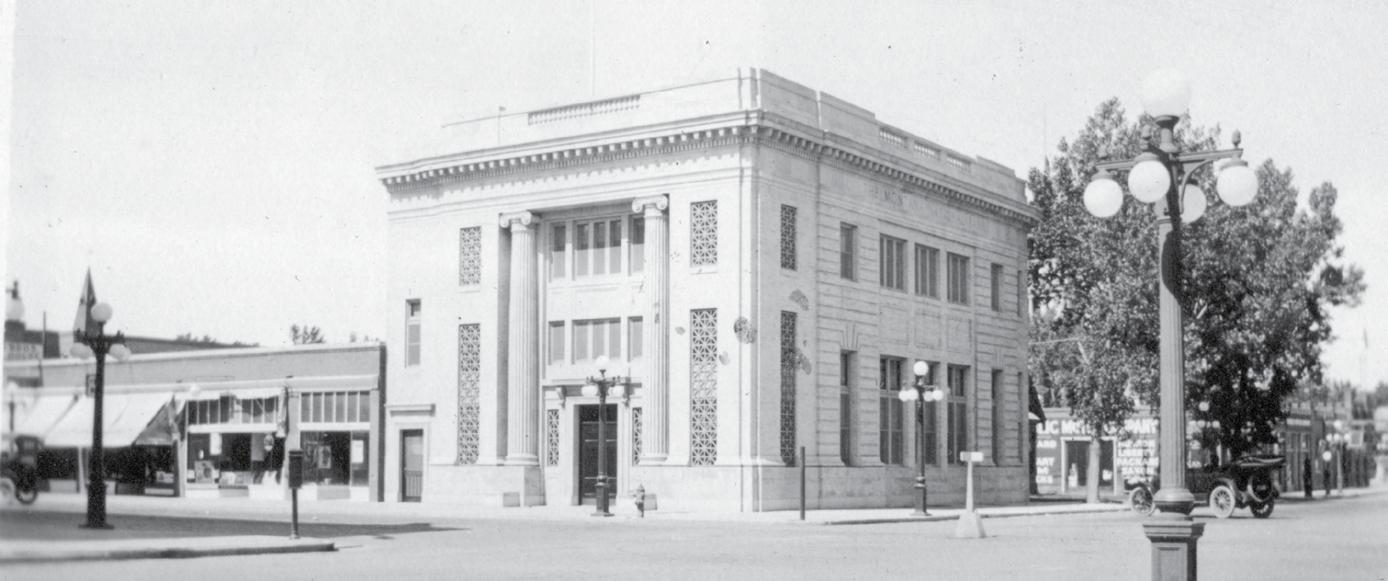
Billings, Montana serves as the testing ground for this thesis due to its strong connection between climate and mental well-being. Long winters and limited daylight influence daily life and emotional health.
Inspired by the Rimrocks and surrounding landscape, the project explores how architecture can support well-being through light, nature, and social connection.
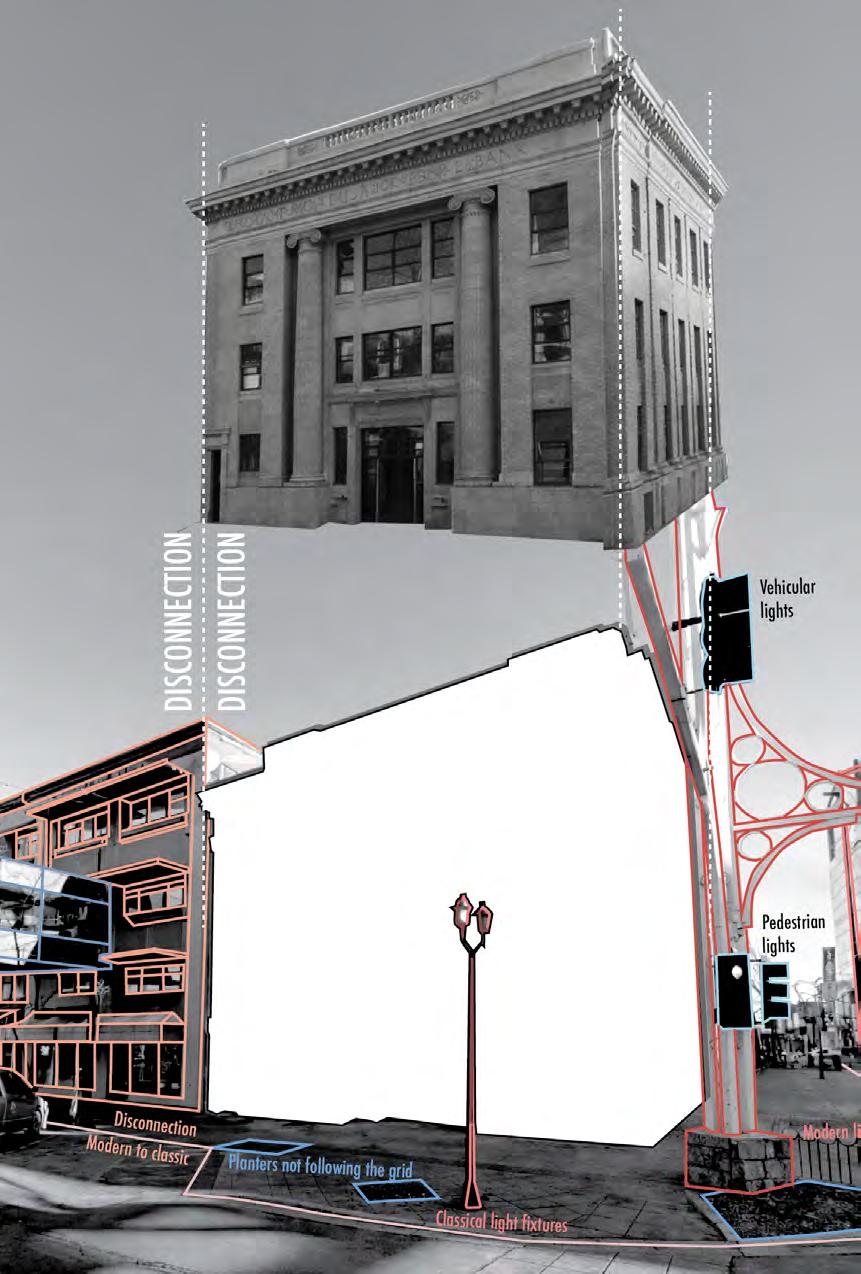
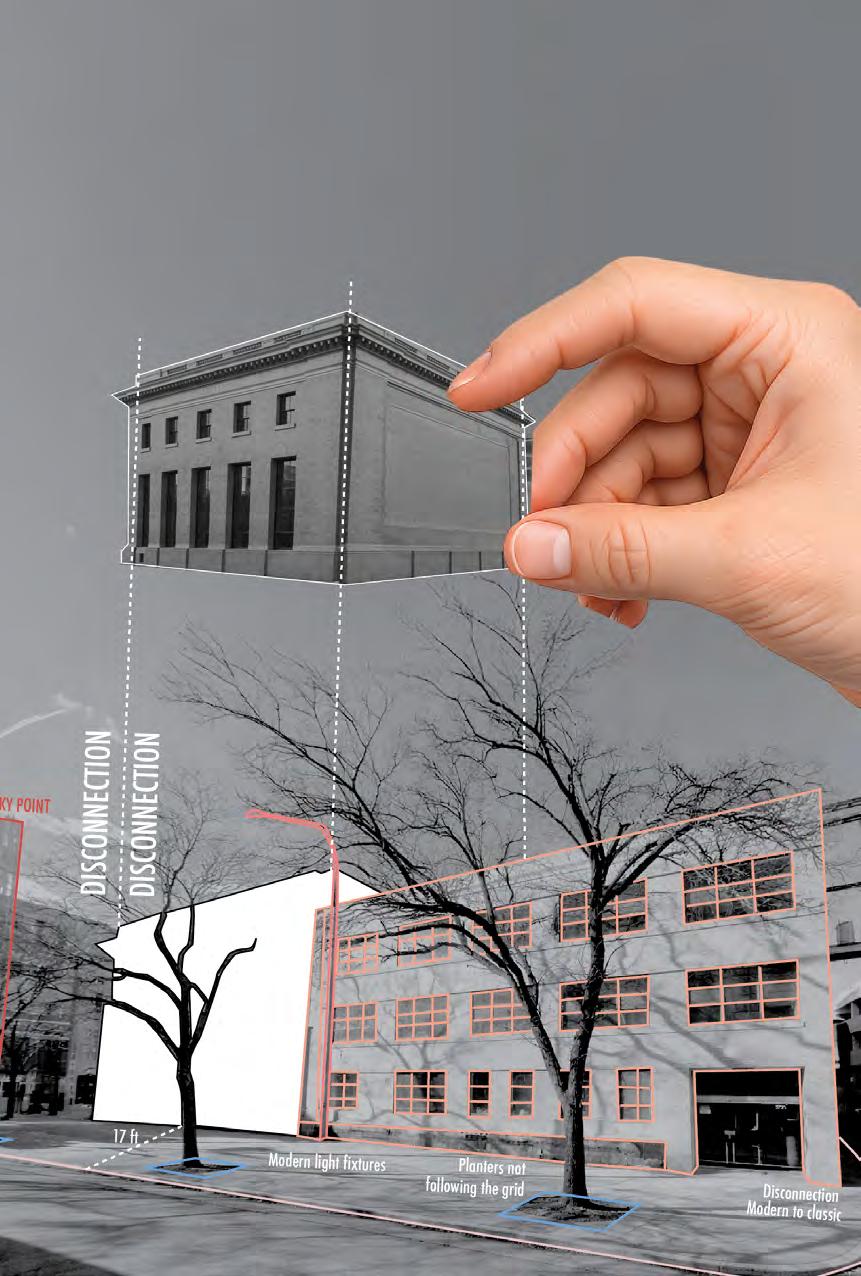
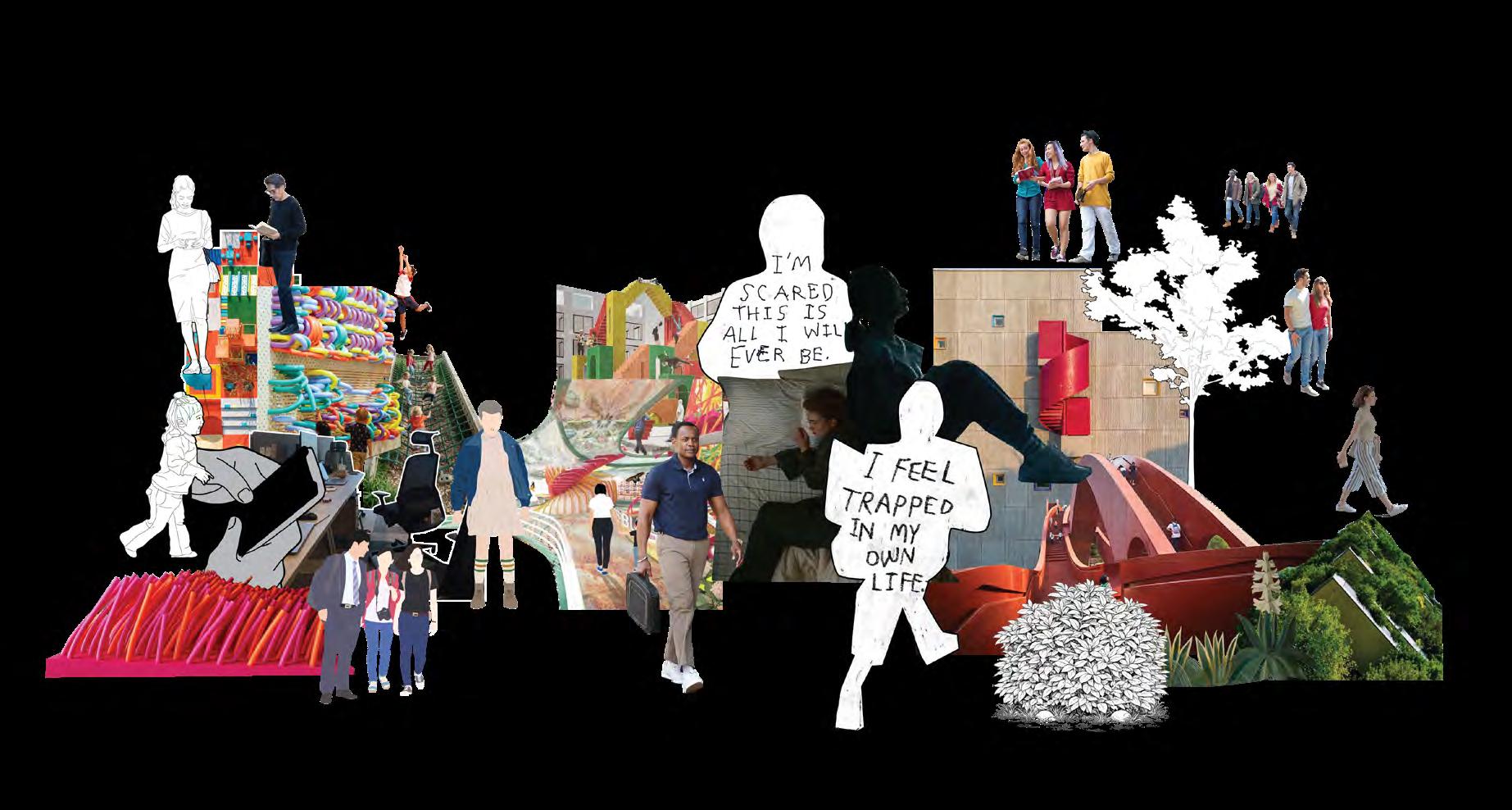
Traditional office environments are often designed around efficiency, control, and productivity, creating rigid spaces that can contribute to stress, monotony, and emotional disconnection.
This project rethinks the office as an environment that supports mental well-being rather than continuous productivity. Flexible workspaces, informal gathering areas, quiet retreat spaces, and environments connected to nature allow users to choose how they experience the workplace throughout the day.
By introducing adaptability, play, and moments of pause into the office, the project creates a healthier relationship in the office.
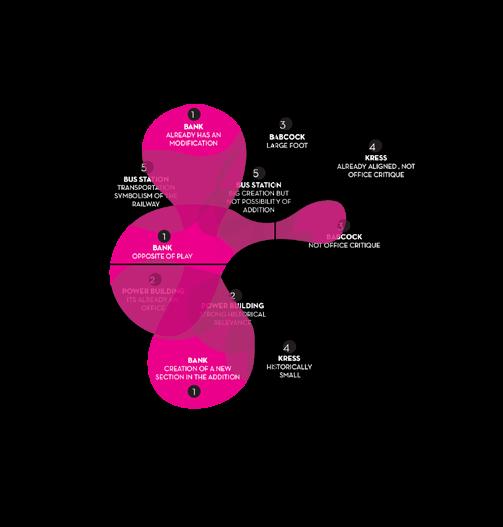
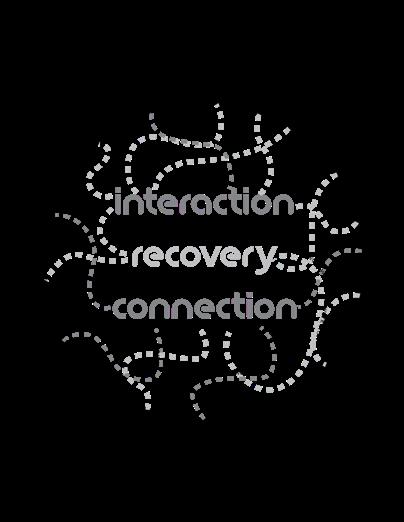

This thesis introduces play as a strategy to rethink the traditional office and its relationship to mental well-being. Rather than entertainment, play is explored as a spatial condition that encourages movement, interaction, curiosity, and adaptability.
The concept is developed through three overlapping spatial conditions: the office, the house, and the exterior environment. The office supports productivity, flexibility, and social interaction. The house introduces comfort, protection, and emotional grounding through intimate, home-like spaces. The exterior reconnects users to nature through light, vegetation, water, airflow, and views of the Billings landscape.
Together, these conditions create a workplace that is more adaptable, restorative, and human-centered. By balancing work, play, and connection to nature, the project proposes a healthier relationship between people, their environment, and the workplace.
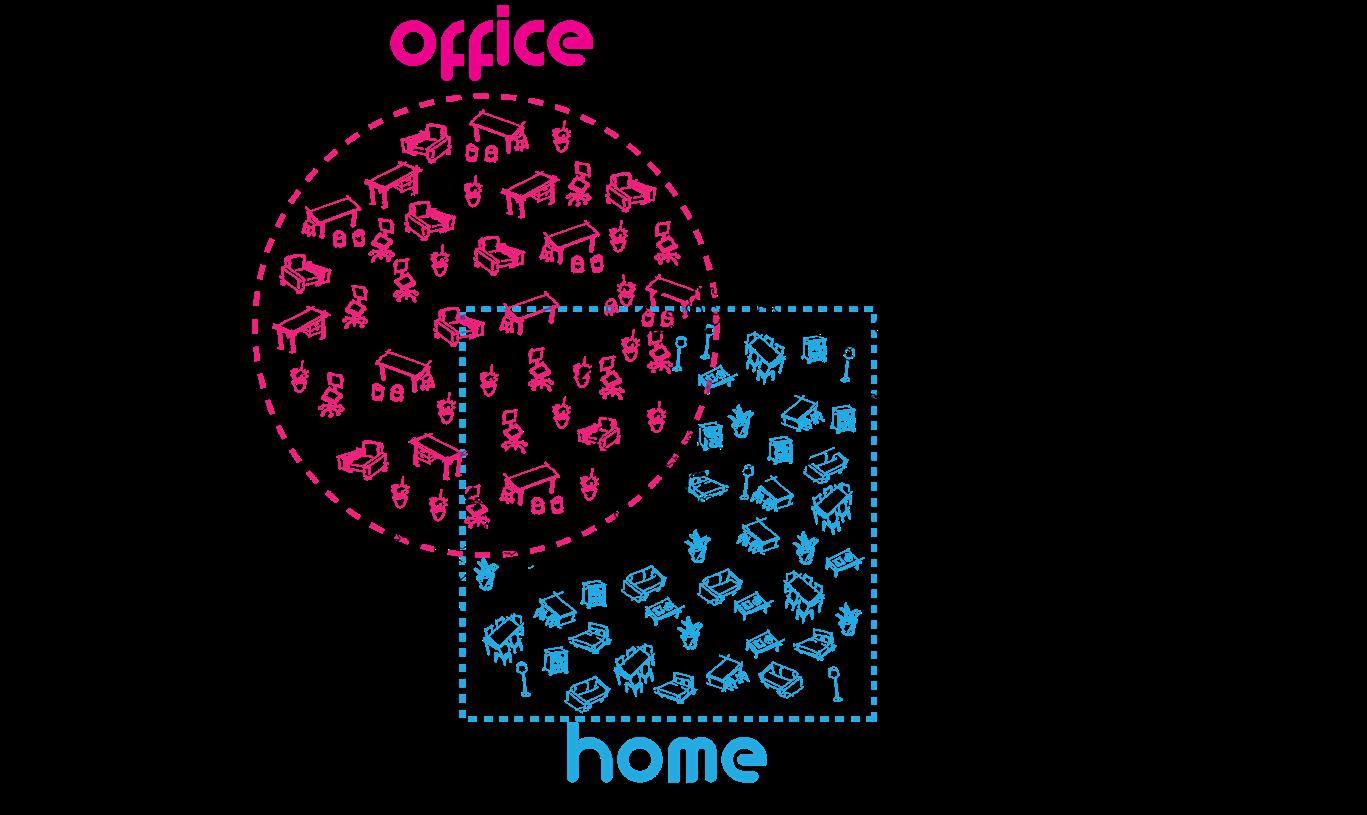

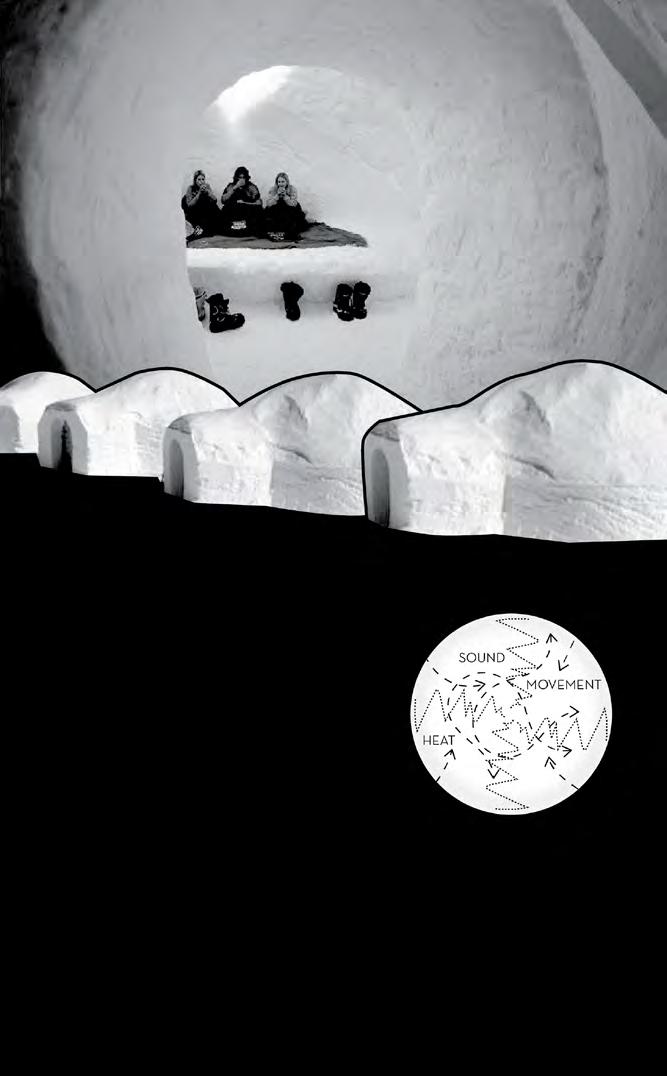
The house is not a literal domestic space, but a design strategy that brings comfort, protection, and emotional grounding into the workplace. It balances movement and activity with moments of pause, reflection, and security. Inspired by the universal image of a house, this condition creates spaces of shelter, belonging, and well-being within the architectural experience.
Circles are often associated with unity and wholeness in architectural design, symbolizing the idea of connection and continuity between spaces and people.
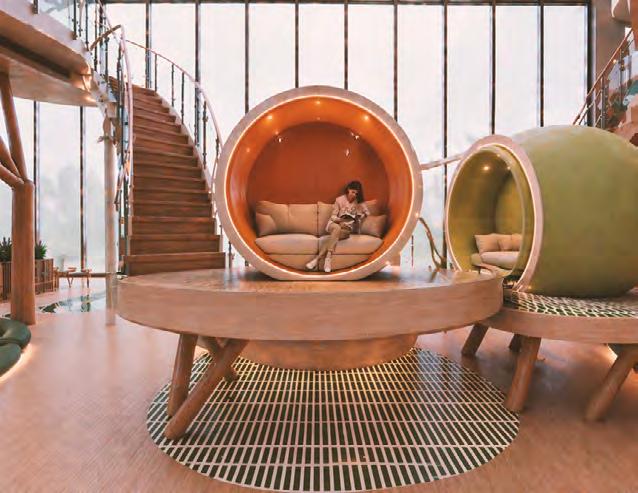
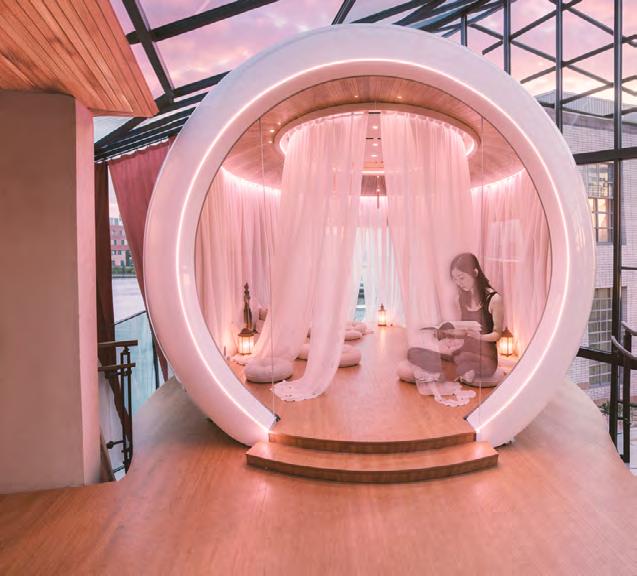

The office is reimagined not as a space defined by efficiency and control, but as a dynamic environment that supports adaptability, interaction, and well-being. Rather than organizing work around fixed desks and rigid routines, the workplace becomes flexible and responsive, allowing users to choose how and where they work. Through movement, play, and informal social encounters, the office encourages creativity, collaboration, and connection. Productivity emerges not from control alone, but from comfort, choice, and a healthier relationship between people and their environment.

The playground is re-imagined as an office, where work is shaped by exploration, interaction, and adaptability rather than fixed routines. Like a playground, it invites curiosity and participation.
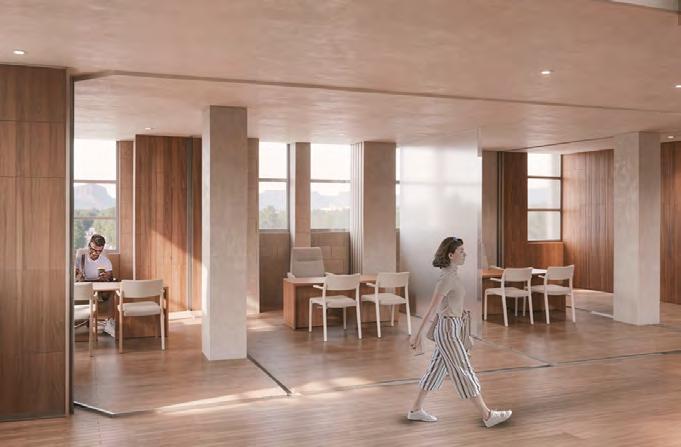
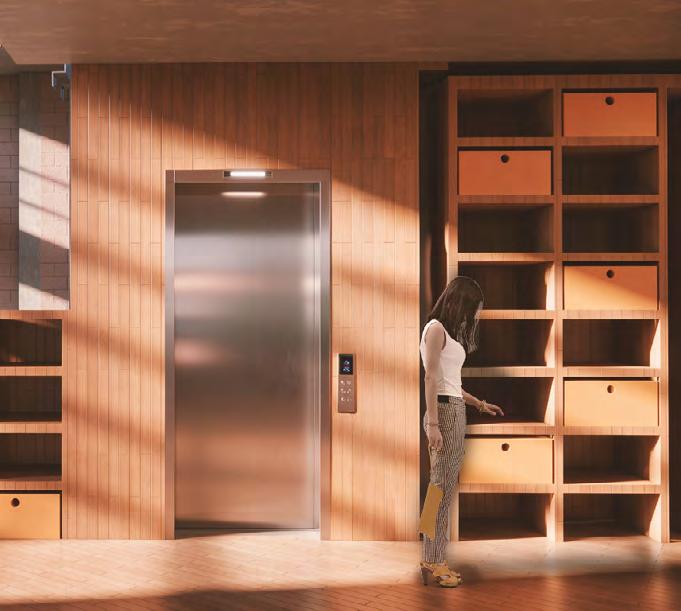
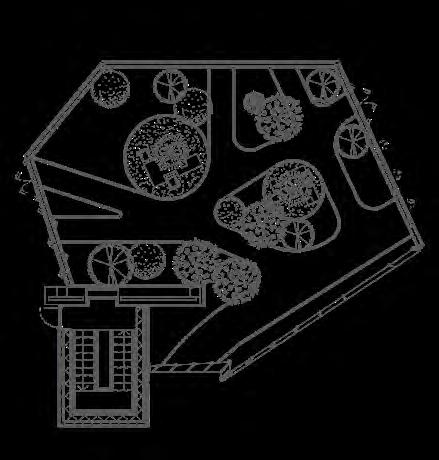
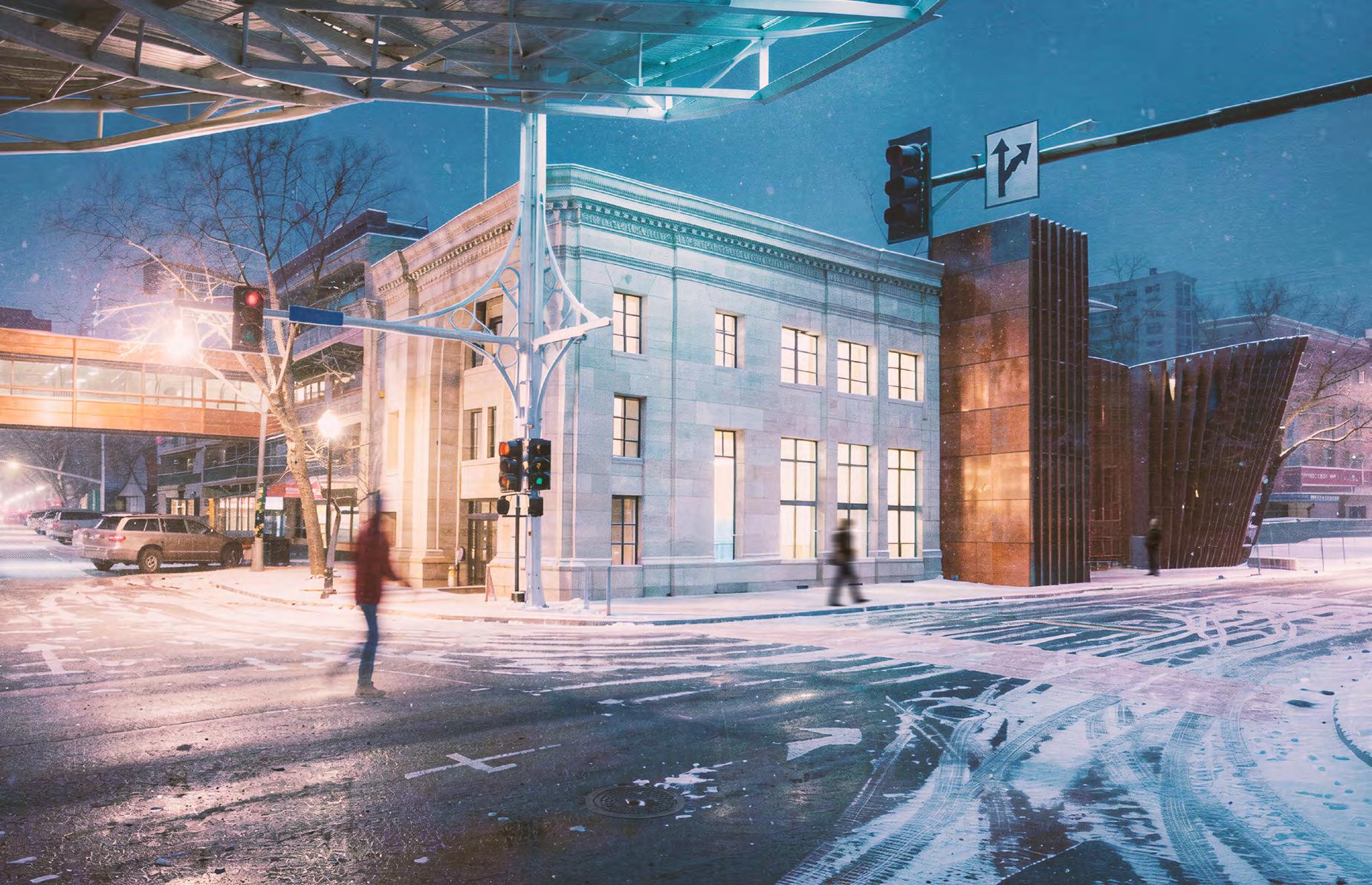
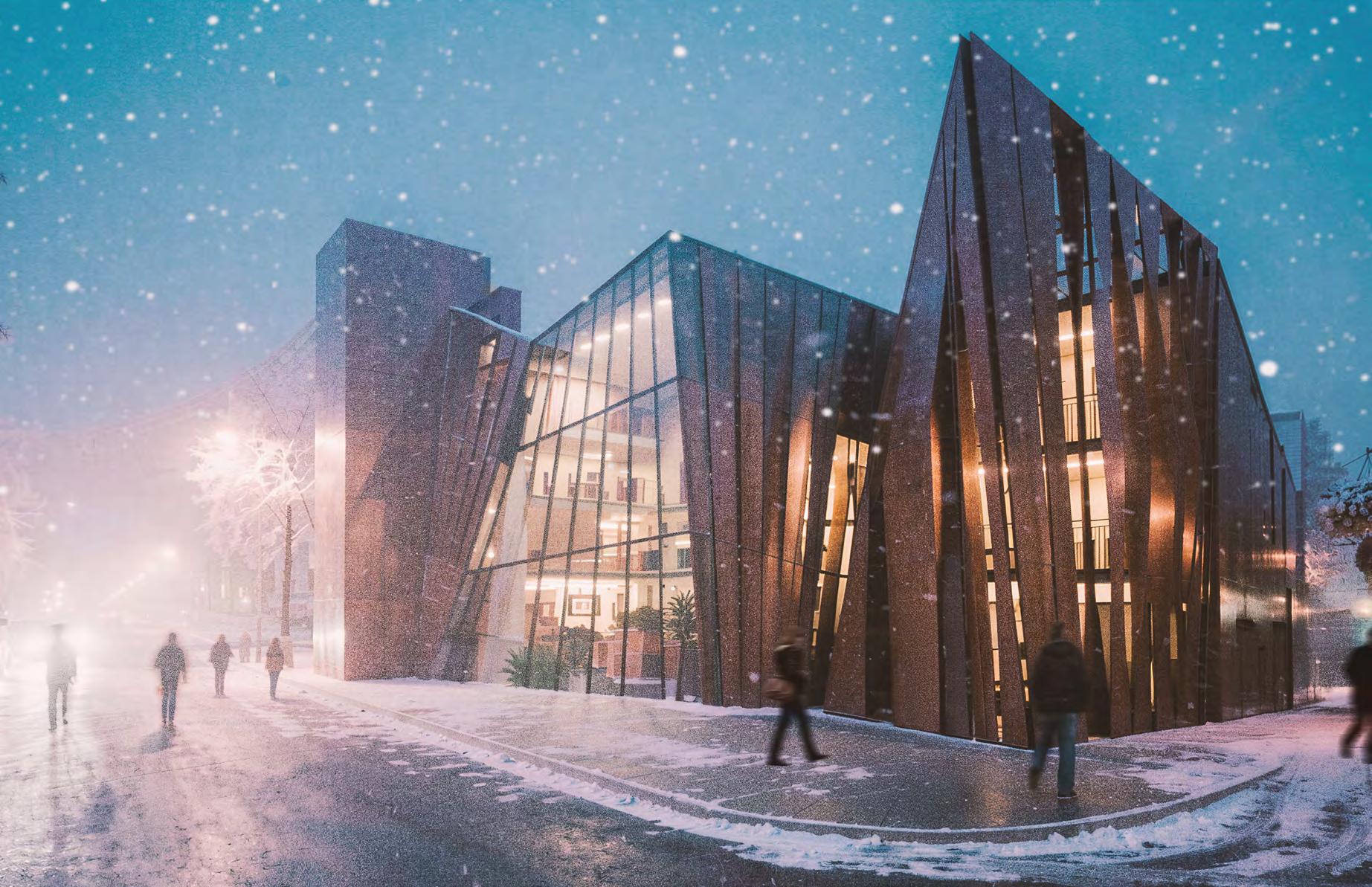
The project creates a strong relationship between architecture and the landscape of Billings. Inspired by the Rimrocks, the design translates qualities of the landscape into spatial experience and atmosphere.
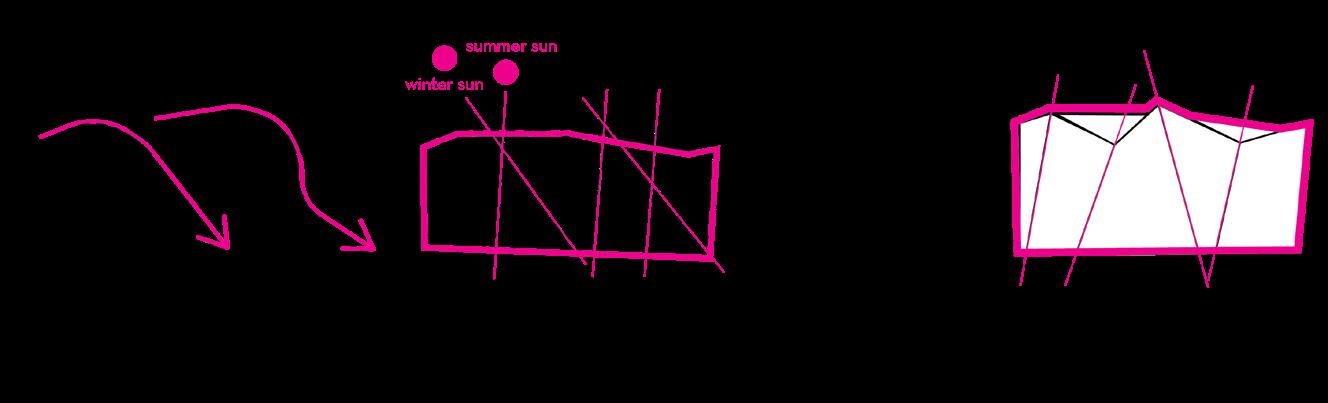
A central atrium brings natural light, air, vegetation, deep into the building, creating healthier and more restorative environments. Responding to Billings’ long winters and reduced daylight, the project works with the climate to support mental well-being through warmth, nature, and connection to the environment.
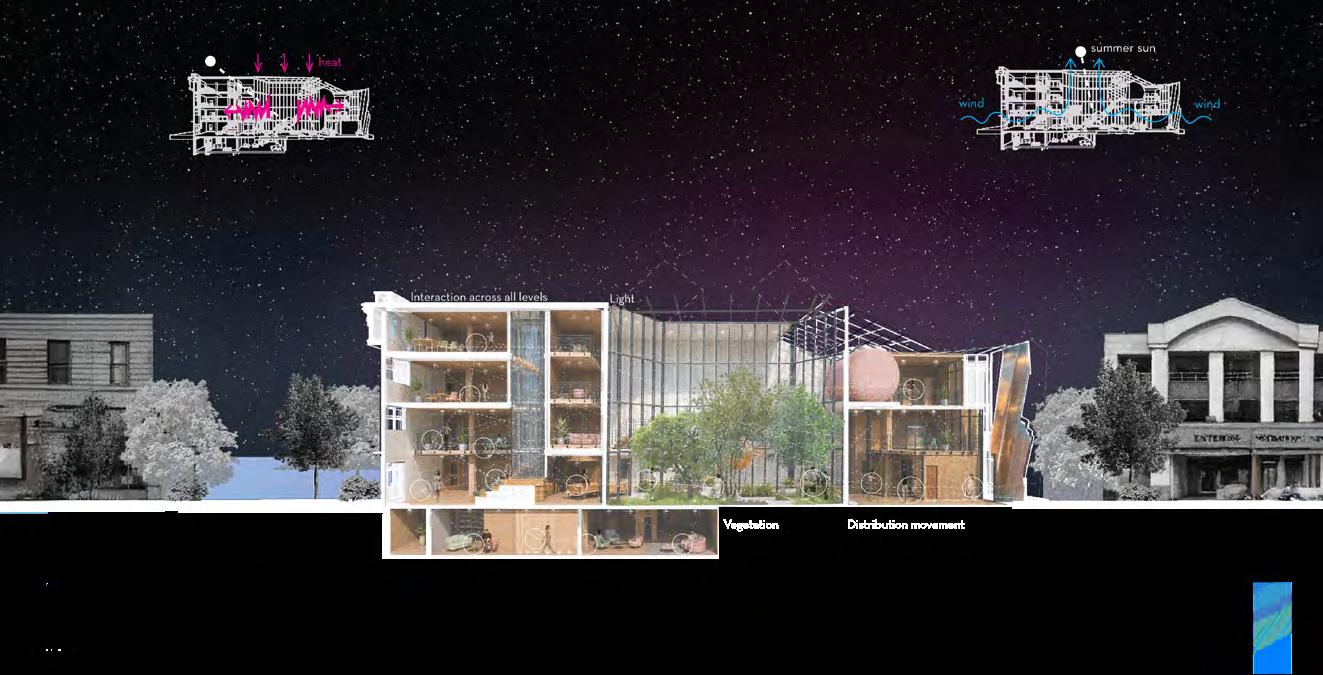
During the winter, heat is retained within the central atrium and distributed through the building, helping create a warmer and more comfortable interior.
During the summer, portions of the roof can open to allow natural ventilation through the atrium, improving airflow.
HEAT ABSORB
Soil absorbs and retains solar heat, helping to regulate indoor temperatures.
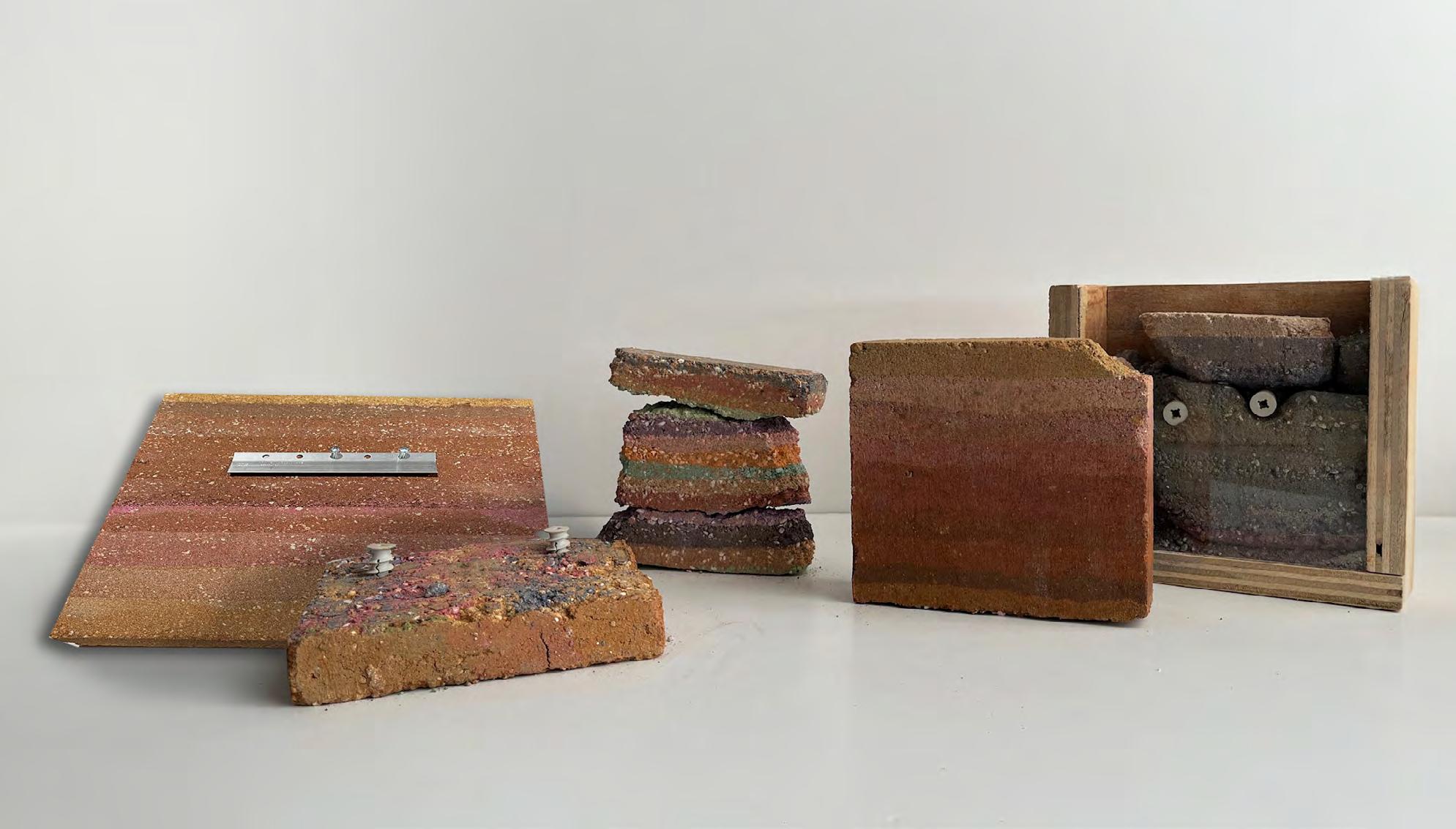
This project utilizes rammed earth to create acoustic panels, leveraging its natural density to absorb and deflect sound.
AESTHETIC PROPERTIES
Besides improving acoustics, the panels add texture and natural beauty to a space.
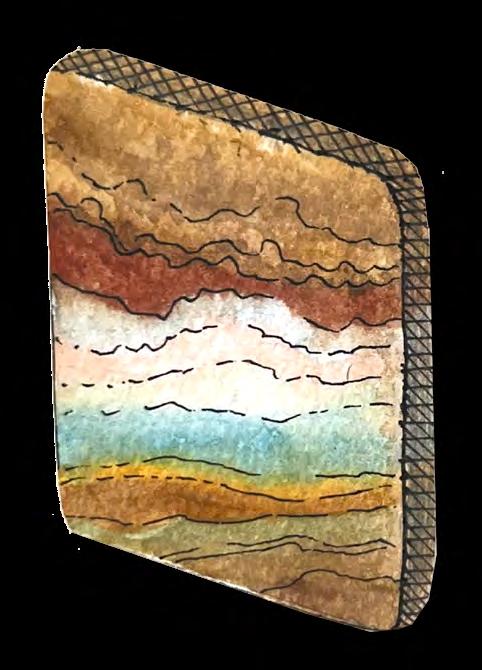
SOUND PROOF
Rammed earth panels provide strong sound insulation by absorbing and deflecting sound waves.
MAINTAINING THE ORIGINALITY OF A SPACE WHILE PROVIDING EXCELLENT ACOUSTIC AND AESTHETIC BENEFITS.
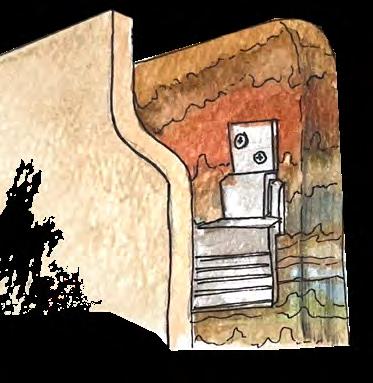
PROCESS
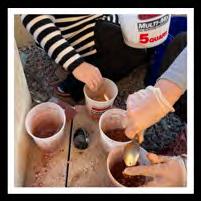
1. CREATE FORM + GATHER MATERIALS
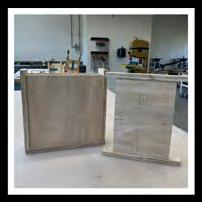
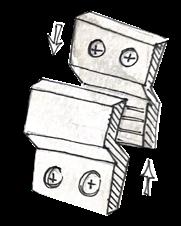
The panels will be mounted with two Z-clips each, ensuring secure, seamless installation and easy removal.
1FT130 TO 110 POUND
MATERIALALUMINUM
CLIP SIZE2”
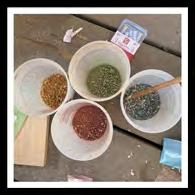
2. CREATE THE MIXTURE

5. TAMP THE
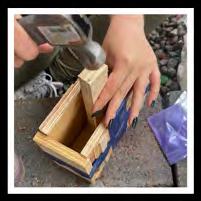
7. LET IT SET FOR MIN 3 DAYS
TO DRY FASTER, TAKE IT OUT OF THE FORM TO LET IT BREATHE
3. MIX MIXTURE WITH COLOR
6. PLACE THE SCREW
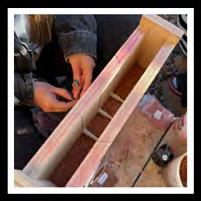
8. TAKE OUT OF THE FORM
TOUCH IT TO SEE IF ITS WET AND THEN HANG IT
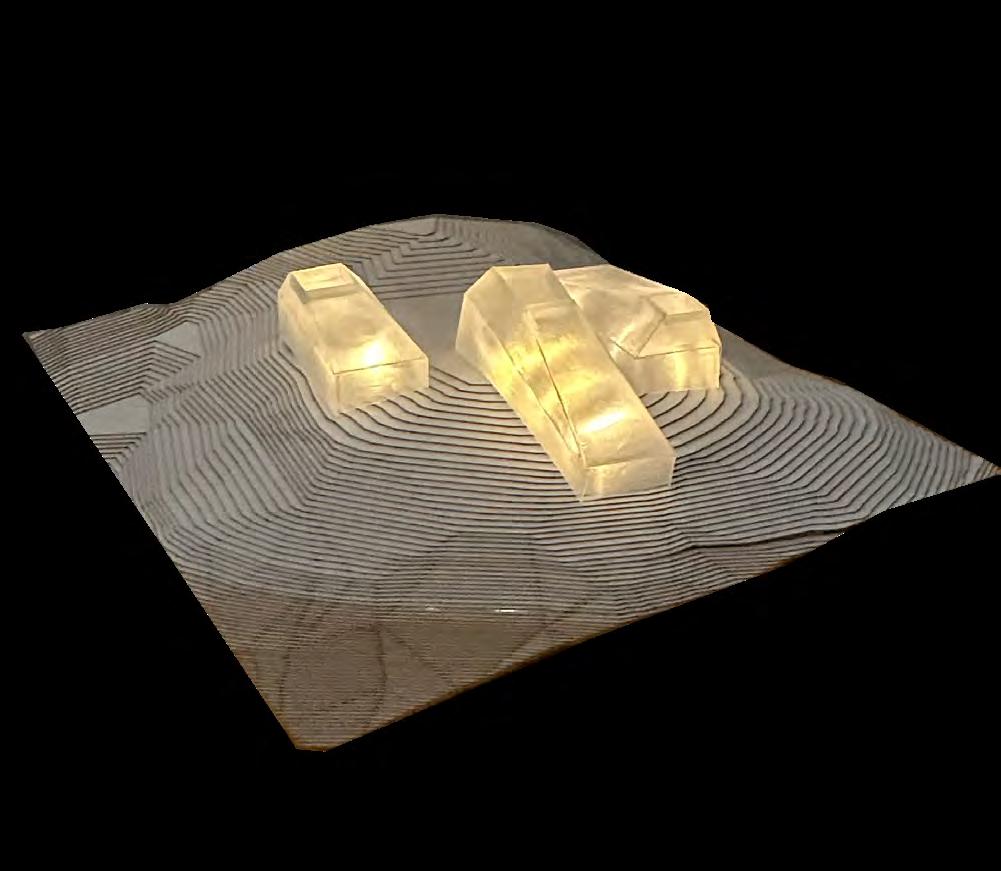
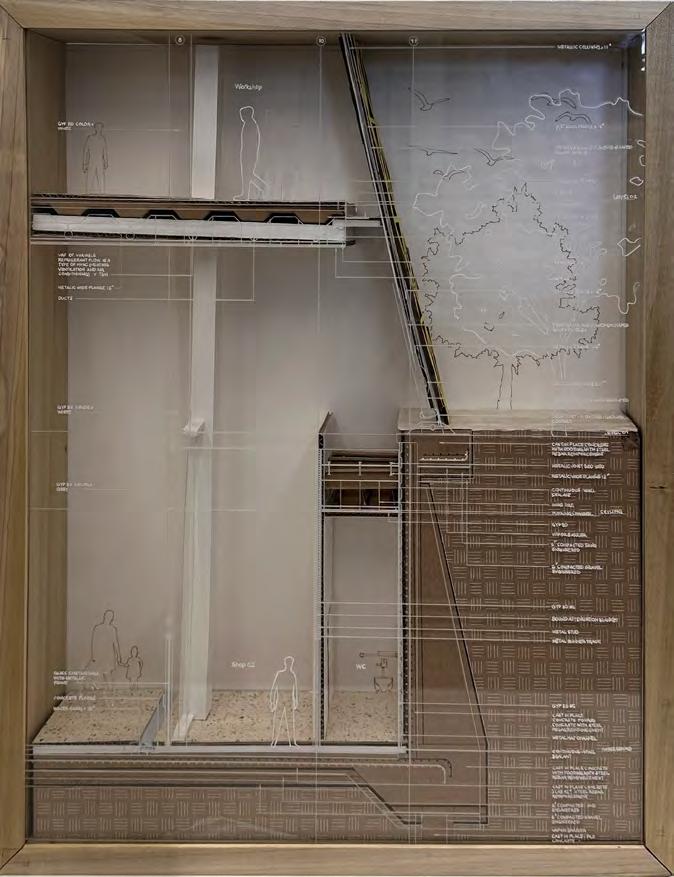
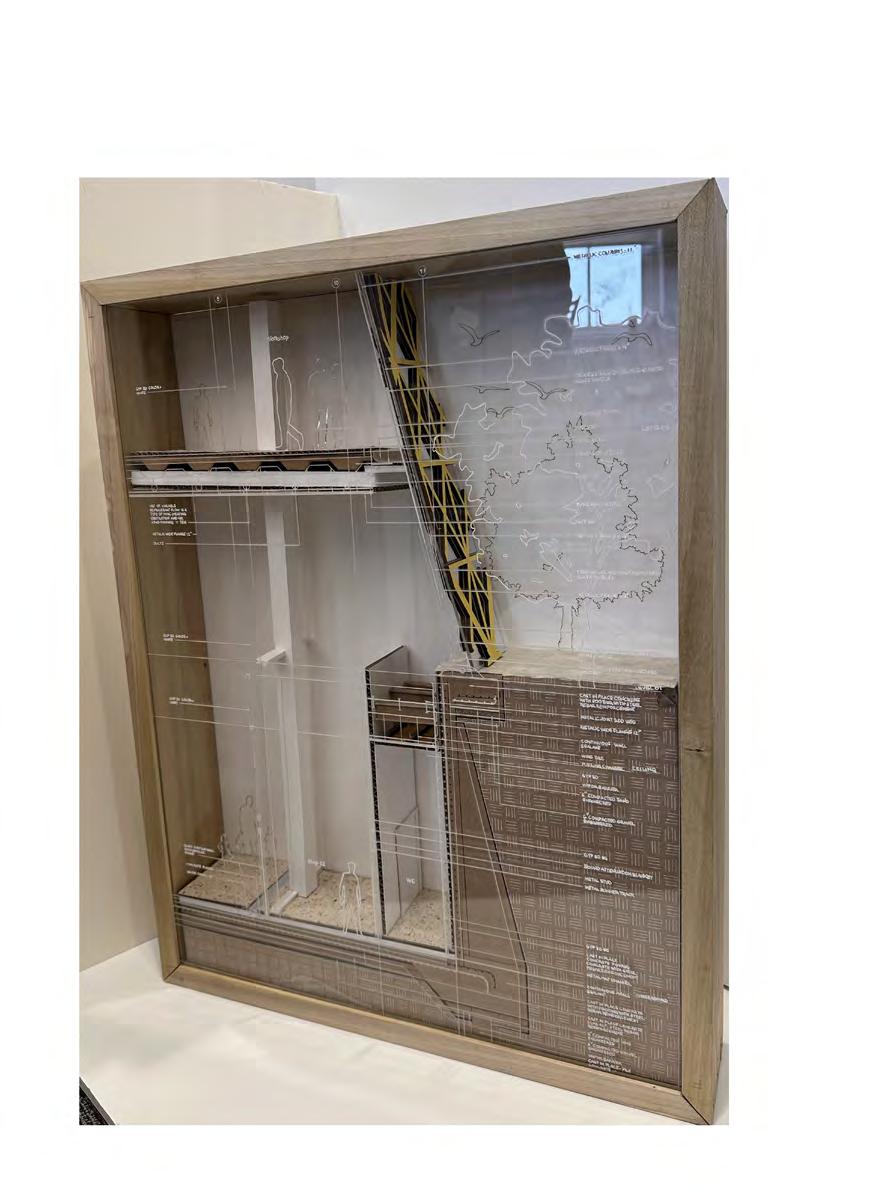
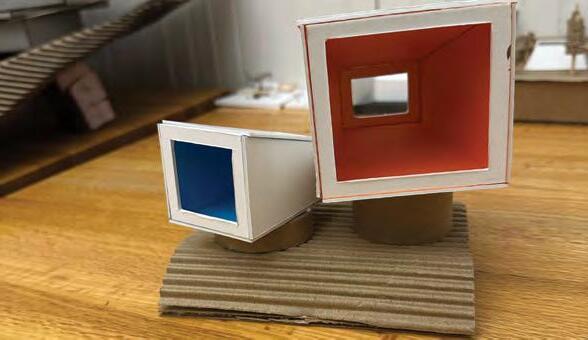
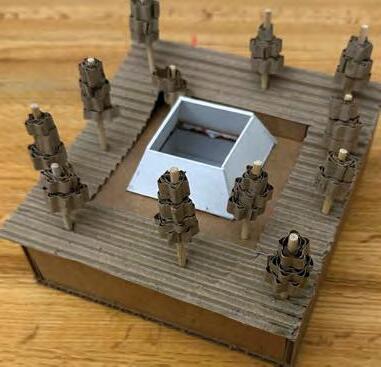
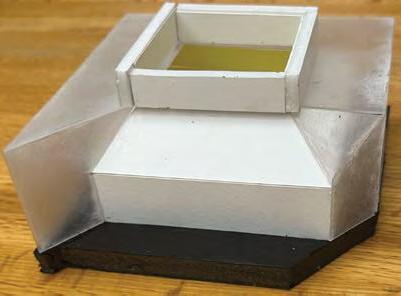
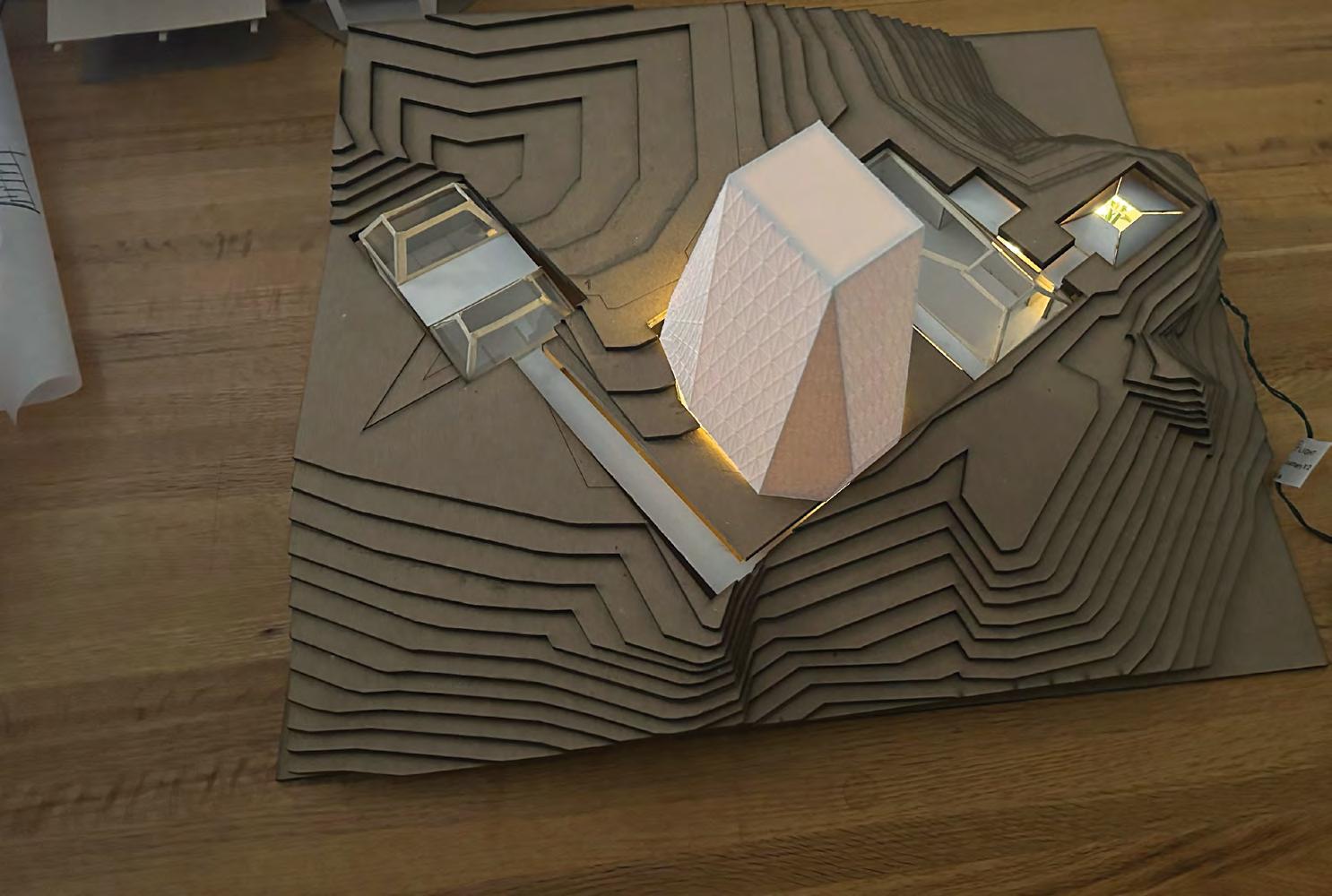
Development of models involves creating initial concepts, refining the process, and producing final models.
Mariajosecuellar99@gmail.com