THIS IS MY WORK
CONTENTS
ARCHITECTURE COURSES
STUDIO PROJECTS AND JOB PROJECTS
SKETCHES, ART AND DRAFTING
PHOTOGRAPHY
USC ARCHITECTURE PROJECTS, UNIVERSITY OF SOUTHERN CALIFORNIA, 2017
Abstraction/Pixels to Contours
Figure Ground
Unfolded Drawings
House Model Prototype
DRAFTING, COLEGIO MENOR SAN FRANCISCO DE QUITO, 2018
Collage with World-Recognized Floor Plans
Primary School Building at Colegio Menor
AUTOCAD CLASS PROJECT,UNIVERSIDAD SAN FRANCISCO DE QUITO, 2019
The House
The 4-story building
The Reutter House
REVIT CLASS PROJECTS, LA SALLE BARCELONA, 2021
Experimental Pavilion for the Rambla de Modolell, Viladecans, Barcelona
Social Housing Tower 75 Units in Plaza Europa
CONSTRUCTION I, LA SALLE BARCELONA, 2021
Conic and Parábola Models inside La Sagrada Familia
Dog Shelter with Recycled Materials
Brick from Scratch
Moving Blind
CONSTRUCTION II, UNIVERSIDAD SAN FRANCISCO DE QUITO, 2023
Practice of Constructive Details of Taller V
UNIVERSIDAD SAN FRANCISCO DE QUITO AND LA SALLE BARCELONA
STUDIO I
College of your residential neighborhood
Location Perspective
Transformation 2D to 3D
Create and destroy a cube in 7 steps
Construction joint
The Construction Dump
STUDIO II
The chair
Path Source
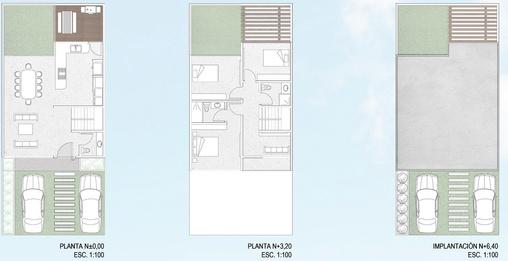
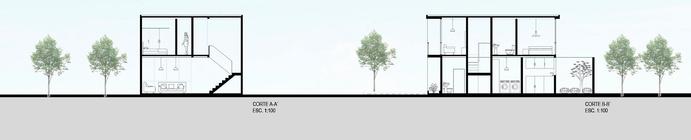
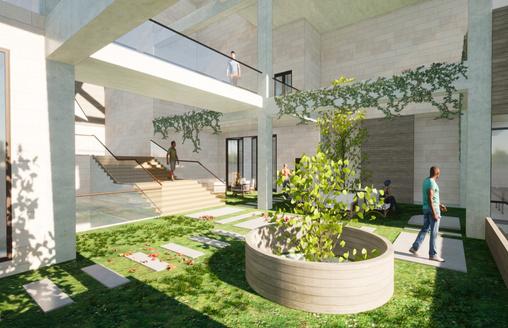
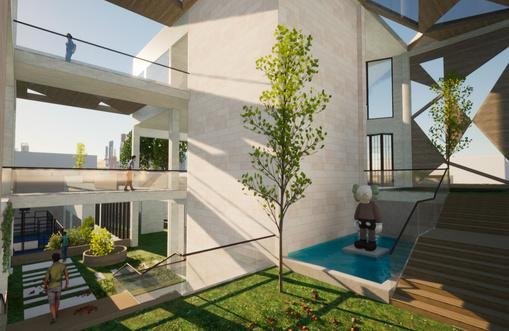
"Atrium", home
Tower Observatory
STUDIO III
Riverside Heights
STUDIO IV
Residence and Urban in San Martí, Barcelona
STUDIO V
Architecture Faculty Project in Centro Histórico of Quito
STUDIO VI
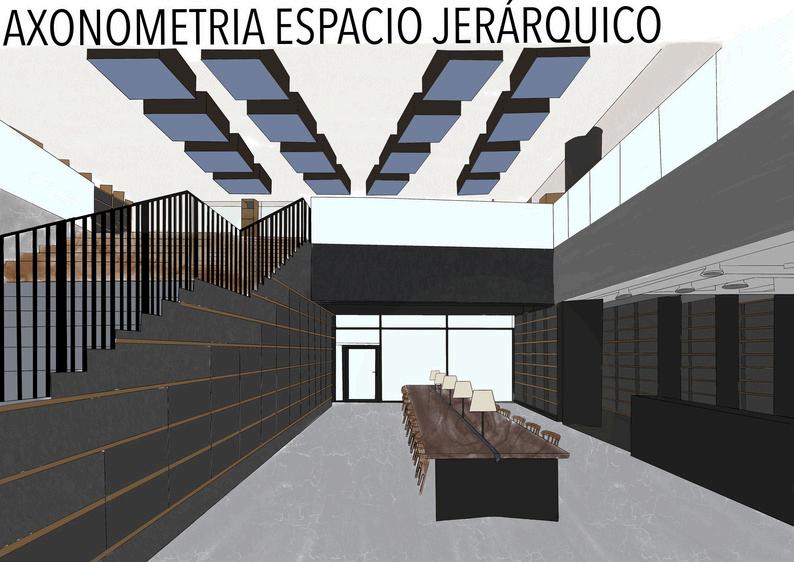
Architectonic Hybrid Library Project in Iñaquito
STUDIO VII
First Stage-Contestant for Premios Pronobis Master Plan, Guayaquil Second Stage- Single
Square Development
STUDIO VIII
Leisure Center in Jipijapa, Quito
STUDIO IX- THESIS
Mixed Use Building: Library and Museum, Valverde, Madrid
PATAGONIA
PATAGONIA STORE SCALA
Concept of the store
Phase 1: Floor Plans, Renders
Phase 2: Floor Plans, Renders
Finished Project Photography
CVD ARQUITECTURA
HOUSE FRESAN/GODOY
Architectural Floor Plans
Hydraulic & Sanitary Floor Plans
Finished Project Photography
HOUSE ATLER/TOBAR
Architectural Floor Plans
Hydraulic & Sanitary Floor Plans
Finished Project Photography
PATAGONIA
PATAGONIA STORE QUICENTRO
Concept of the store Floor Plans
Renders
Finished Project Photography
SKETCHES, ART AND DRAFTING
SKETCHES
Batllo House, Rooftop
Houses with Earthen Berms
Types of Roofs
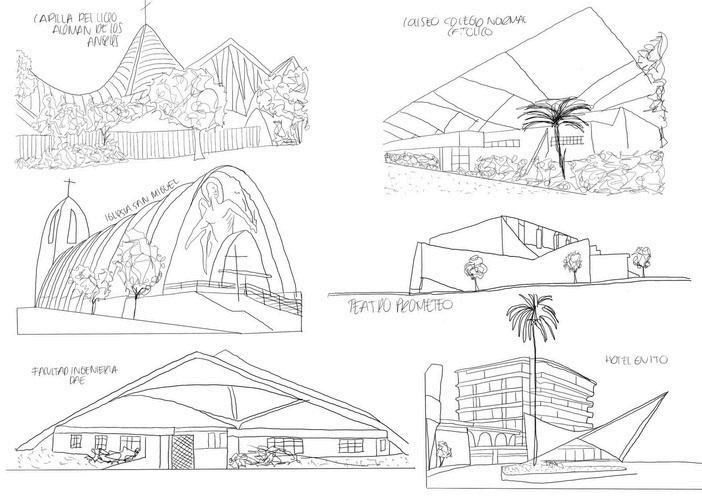
Hyperbolic Paraboloids in Ecuador
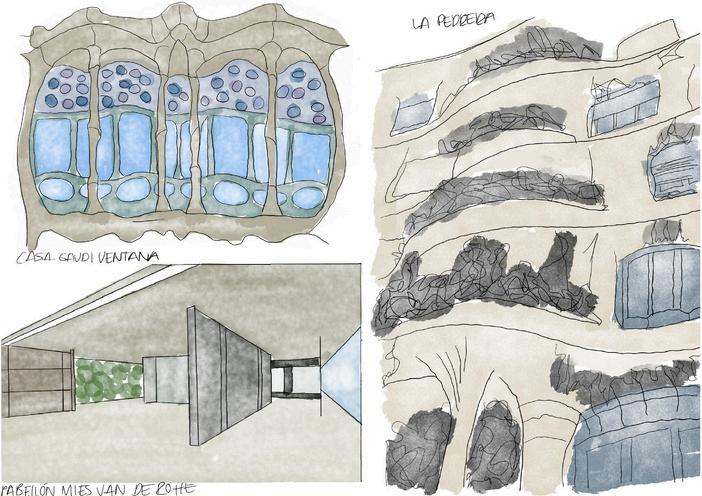
Barcelona Buildings
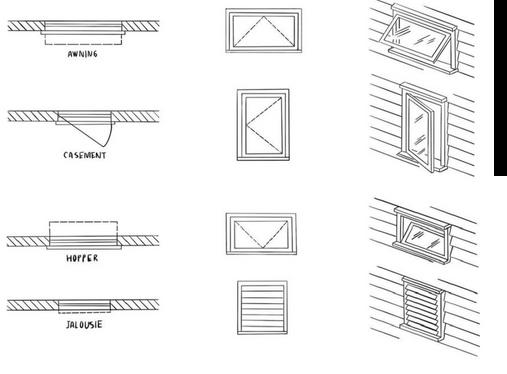
Types of Windows
Squirrel In Motion
Humans
Art
Who am I
Trees Perspective
2 Tea Cups
Building of Quito
Room with Shadows
Bell peppers
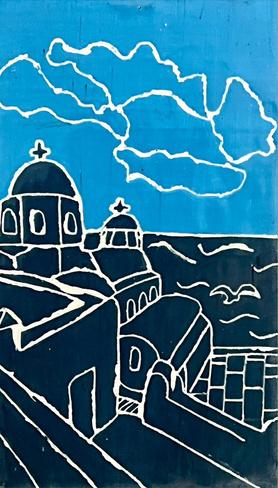
Greece
Azuma House
Interior Perspective
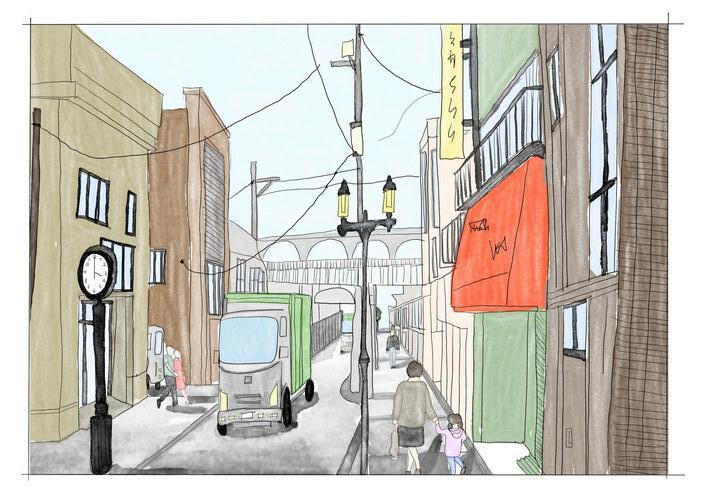
Chinatown Street
Drafting
Who am I
Trees Perspective
2 Tea Cups
Building of Quito Room with Shadows
Bell peppers
Greece
Azuma House
Interior Perspective
Chinatown Street
Walt Disney Concert Hall
Basilica Di San Pietro
Palace of Versailles
Dome of the Reichstag Building
House Vicens
Basilica of the National Vote
PHOTOGRAPHY
Abstraction/Pixels to Contours
In this session, we use Photoshop to manipulate, transform, and abstract images from pixel information into a series of contours, vectors, and lines. We started working with the black and white image compositions from our field trip and generated an image with only lines.
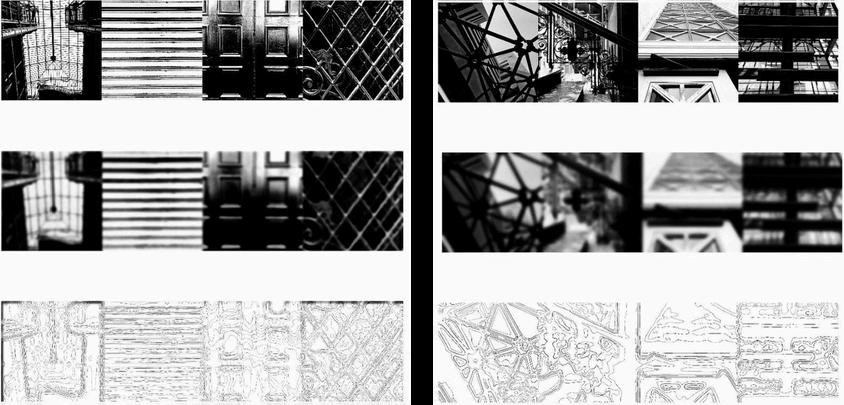
Figure Ground
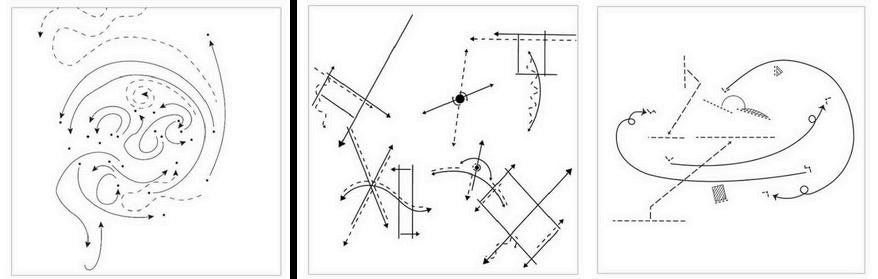
In this session, I used Photoshop to edit the high contrast and unbiased, align to an 8x8 boundary, transform the image, and adjust levels. Next, I use Illustrator's tools to create a diagram explaining my image's operations. I rotated, moved, merged and traced the image to do this.
Unfolded Drawings
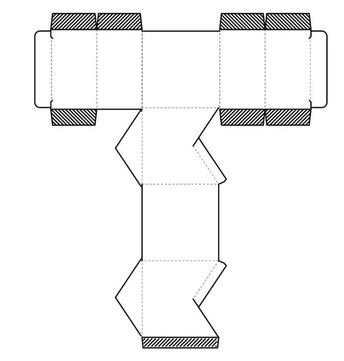
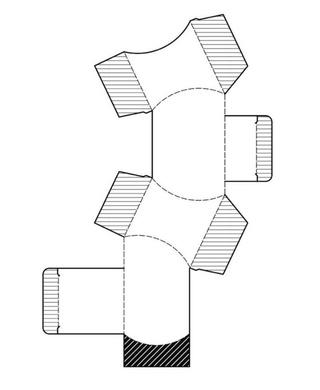
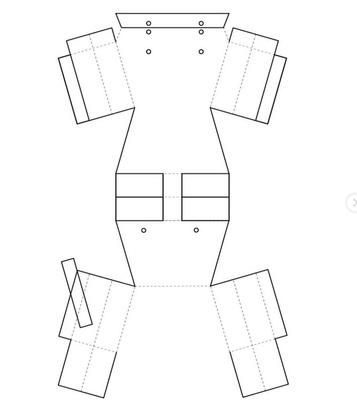
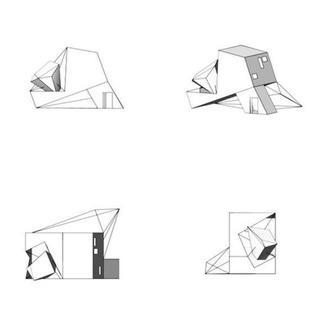
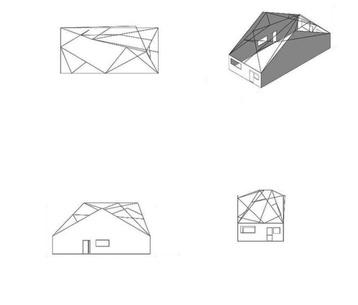
In this session, Illustrator was used to export the drawings from project 2. What I did was align the drawing using layers, making 3 options for each photo; then I cut, and make connecting lines. Later in each drawing, I used the connect lines, fill solids, and shade commands with these commands I ended up with different results.
House Model Prototype
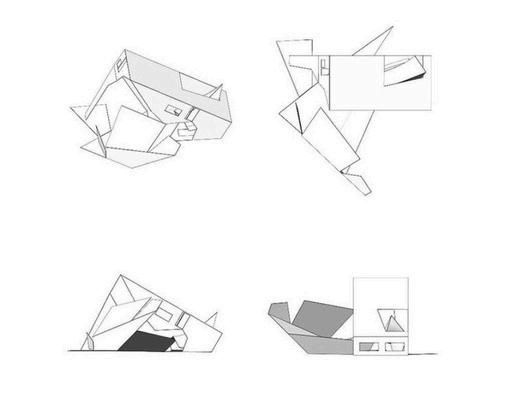
In this session, we used the best images from the last project and inserted them into Rhino 3D. We chose if we wanted to have interior walls, floor plan, facade, and roof and we started playing with the program by moving the previous image so that it was realistic. We manipulate each model and render it.
Collage with World-Recognized Floor Plans
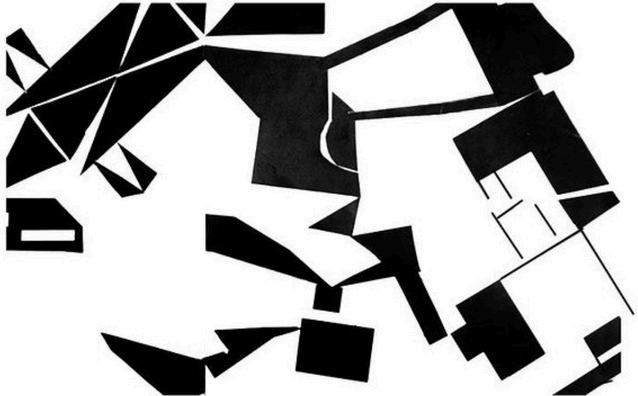
In this project, we explore many famous house plans by renowned architects. Each student then chooses up to three house plans to print out. The goal of this task was to explore and with tracing paper create a completely new floor plan with the fragments of the famous house plans.
Primary School Building at Colegio Menor
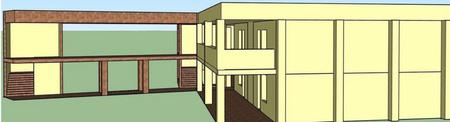
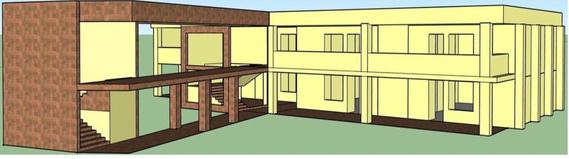
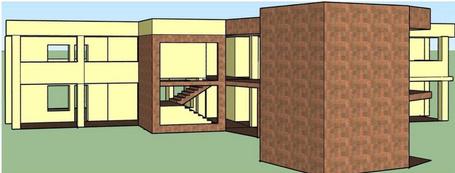
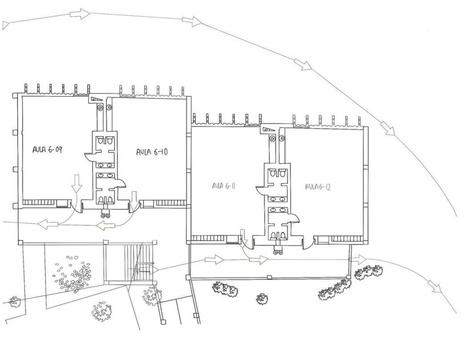
This project consisted of fully measuring the Early Childhood building and the school's bridge with stairs in pairs. The next step was to draw a plan of the building changing the scale. Then we needed to open the Sketchup program and start drawing the floor plans drawn earlier. When we made the floor plans, we used various tools to create the building in three dimensions. Finally, we assign materials to the architectural elements of the building.
The House
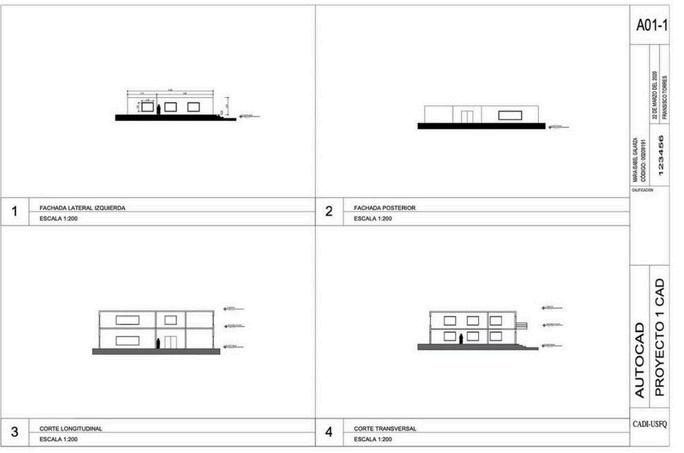
This first Autocad project consisted of drawing a house in which the teacher told us what views he wanted, how many windows, and finally the size. Later, cuts and facades were created.
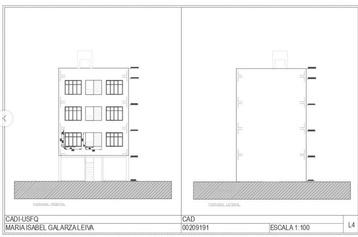
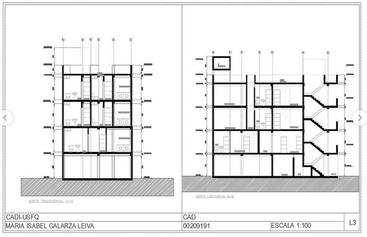
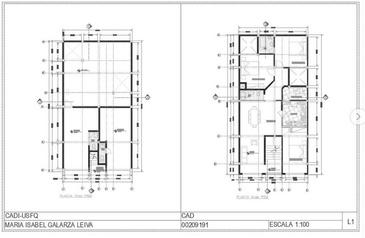
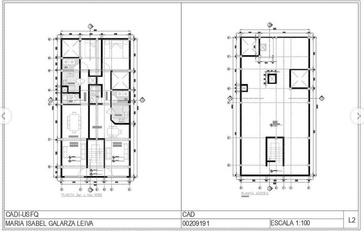
The 4-story building
This project consisted of designing a building and its four floors, 2 sections and within the floors using Autocad blocks. Finally, use different line types and thicknesses.
The Reutter House
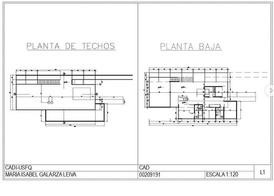
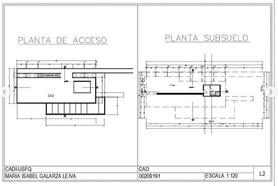
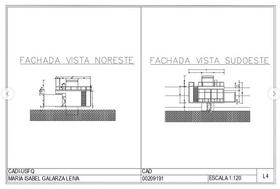
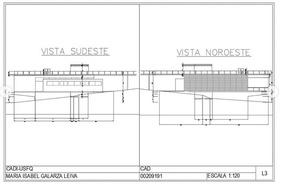
This project consisted of redoing the plans of Mathias Klotz's Reutter house with their respective measurements, adding dimensions, line types, and making cuts.
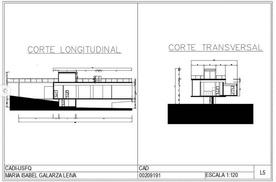
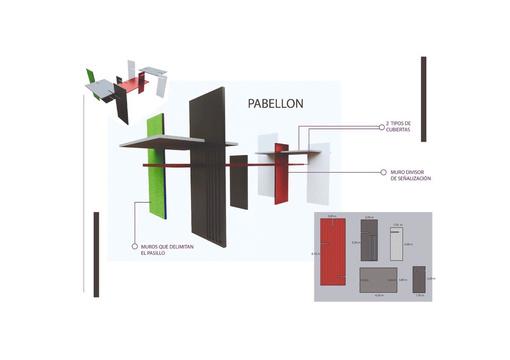
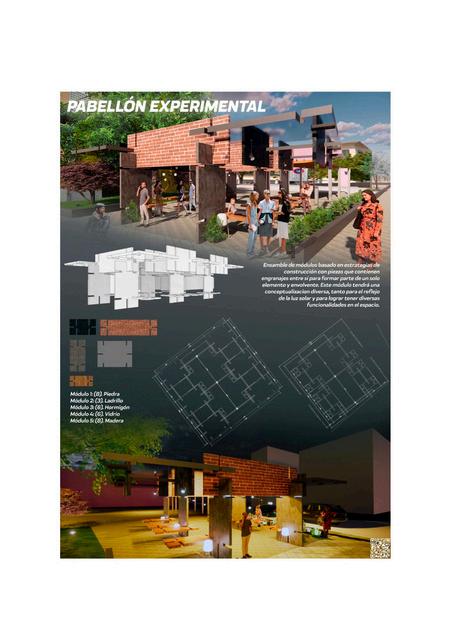
Experimental Pavilion for the Rambla de Modolell, Viladecans, Barcelona
The proposal, based on the provided AutoCad from the Eines teachers, strategically places the project on an available space along the Rambla, identified as a frequently crossed area near a basketball court on Google Maps. Using modular construction strategies, the design integrates interconnected modules with gears, forming a cohesive and versatile element. The modules are conceptualized for sunlight reflection and diverse spatial functionalities.
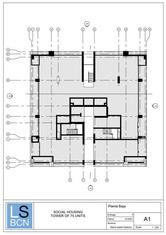
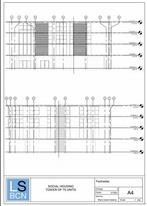
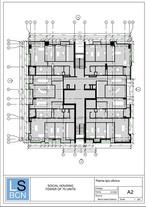
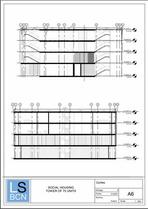
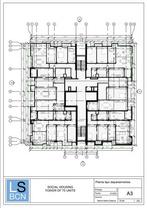
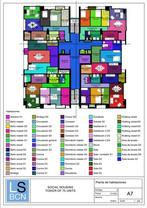
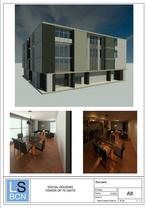
Social Housing Tower 75 Units in Plaza Europa
This final book delivery involved creating a cover and letterheads on each PDF page. Using Revit's title block function, I easily generated sheets with requested information. This step, akin to AutoCAD, allowed efficient content customization. The project's structured progression, combining theory and practical exercises, enhanced my learning and problem-solving skills.
Conic and Parábola Models inside
La Sagrada Familia
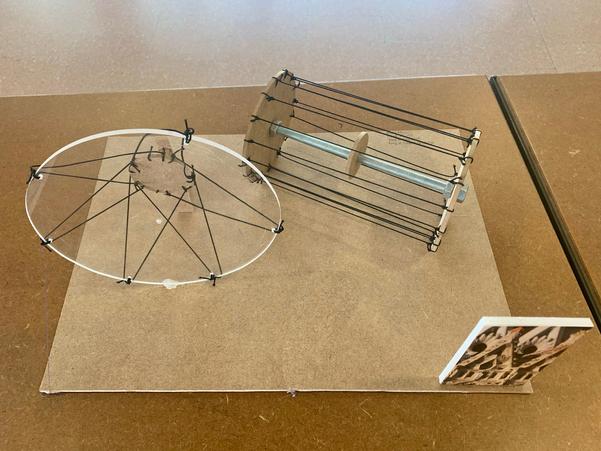
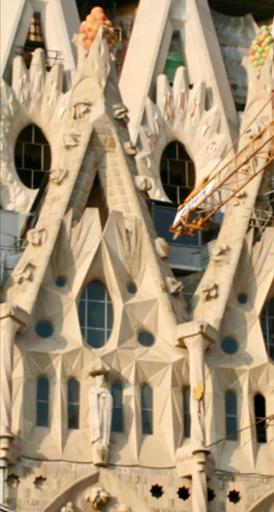
In groups of four we we were given a specific part of the basilica. We needed to create these two 3D objects from wood, string, and screws that represent the conic figures with wood. For the parabola conic section we needed the object to move so we inserted elastic so it can move from a cylinder to a parabola.
Dog Shelter with Recycled Materials
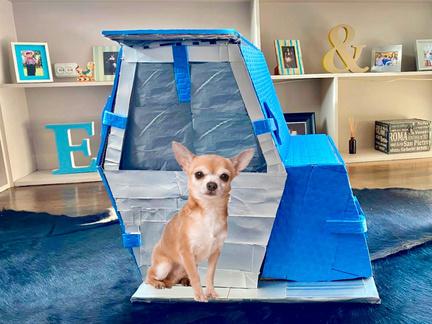
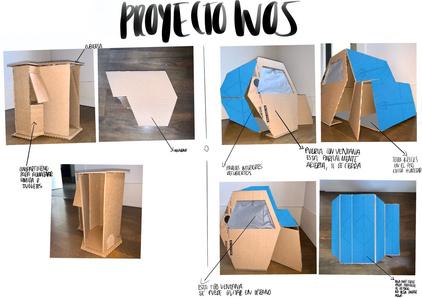
In this project, we had to make a full-scale shelter for a dog and use recycled material to build it. The material had to be obtained on the streets or at the Barcelona Adjuntament. The house had thermal insulation, a window, and a storage compartment, and was water-repellent.
Brick from Scratch
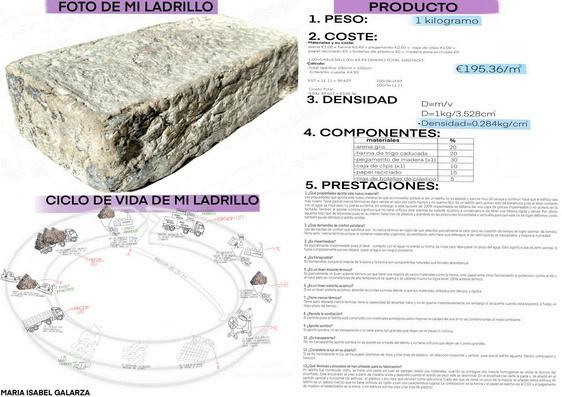
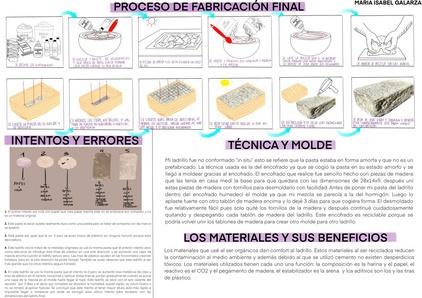
For this project, a brick had to be made with a nonformed mold "in situ". The brick and its mold should have a life cycle in which it can be made into crumbs and another brick can be made again to reduce the CO2 produced. All the materials used in the brick will not be construction materials. Finally, it had to hold a lot of weight since later with the class a 2-meterhigh wall was built.
Moving Blind
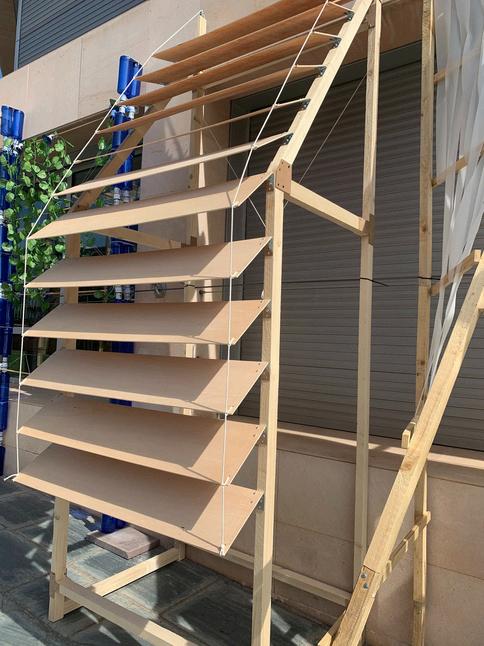
In our collaborative construction project, we envisioned and executed a unique blind system that seamlessly blends functionality and aesthetics. Crafted by a team of five, our innovative design employs a real-scale implementation, utilizing a combination of robust volts and warm-toned wood. The blinds are ingeniously constructed to open and close efficiently through a meticulously engineered system. The incorporation of wooden elements not only adds a touch of natural warmth to the structure but also ensures durability and sustainability. This project not only showcases the practicality of our blind system but also underscores the importance of thoughtful material selection and teamwork in achieving a harmonious balance between form and function in architectural endeavors.
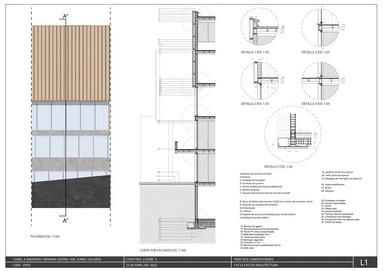
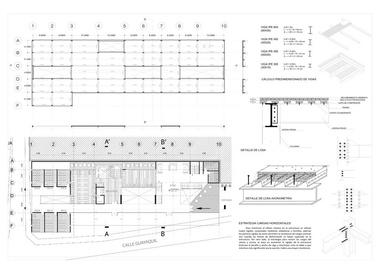
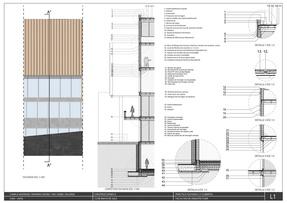
Practice of Constructive Details of Taller V
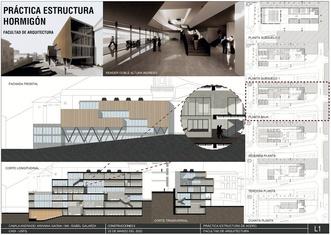
These practices were based on my project for an architecture school in Quito. These four practices were carried out in trios. All drawings were made in AutoCAD: steel, foundation, facade, roof and concrete.

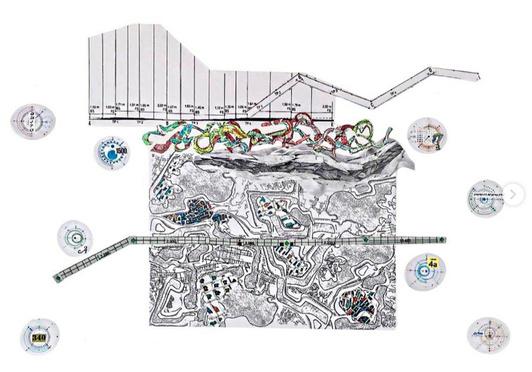
College of your Residential Neighborhood
This exercise aimed to enhance environmental awareness by exploring the organization and structure of our surroundings, as well as our own order. Using our five senses, we examined the elements shaping our environment and reflected on our neighborhood. Drawing inspiration from George Braque, we created collages featuring colors, materials, images, texts, and objects. The final product was intended to convey a sense of place, capturing each student's unique observations and sensations.
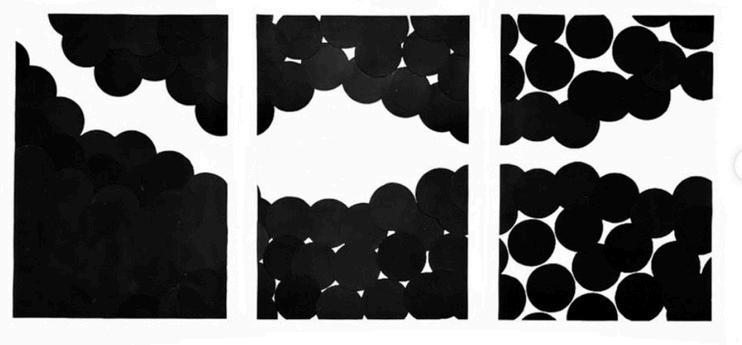
Location Perspective
The objective of this exercise was to study the relationships of form and space, object and field. This project required paying attention to the relationship between the objects we perceive. We needed to create a series of three interrelated compositions using black circles. The black circles on the field needed to create the void and the full. There was no minimum number of circles.
Transformation 2D to 3D
The goal of this exercise was to choose two paintings from famous paintings that came from Russian Constructivism. When we chose these frames, we needed to create a progression from 2D to 3D. We needed to create a progression that would show high relief using only white, black or a combination of both. The exercise also said to consider an ant's point of view. The progression ended with a 3D model in this step the space moves over and around the figures.
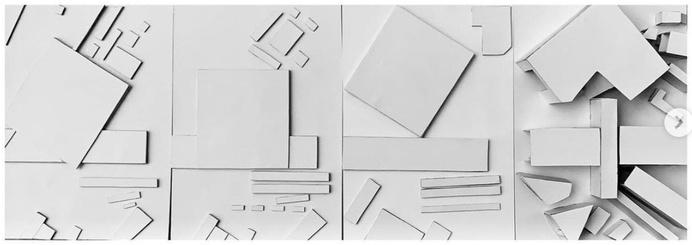
Create and destroy a cube in 7 steps
The objective of this exercise was to build a model that showed the seven-step construction and creation of a cube. It had to be a progression of a sequence from left to right, the fourth model needed to show the cube completely. Repetition was the key to showing the sequence and before making the models we needed to investigate Peter Eisenman's V House and Carlos Sarpa's Possagno Gallery.
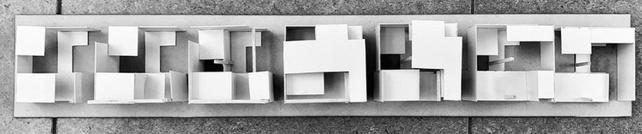
Construction Joint
The goal of this exercise was to show how materials work and are organized in the world. We needed to analyze strategies for combining surfaces and volumes in construction focusing on joints. We needed to create an articulated lot in which there will be 4 smaller models that are articulated to the lot and have a kind of joint. Later in the project, we introduced color to combine the previous exercises and represent the analytical dimension of the concept. Lastly, the construction had to be meticulous and careful to show everything in one piece.
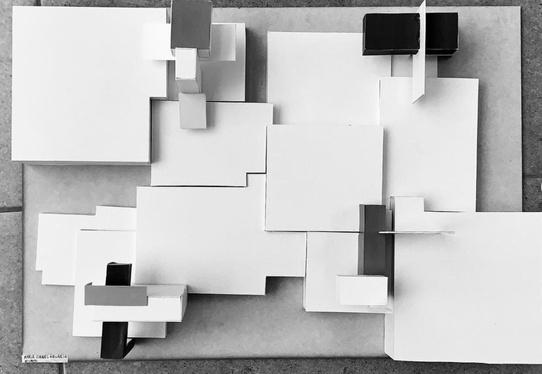
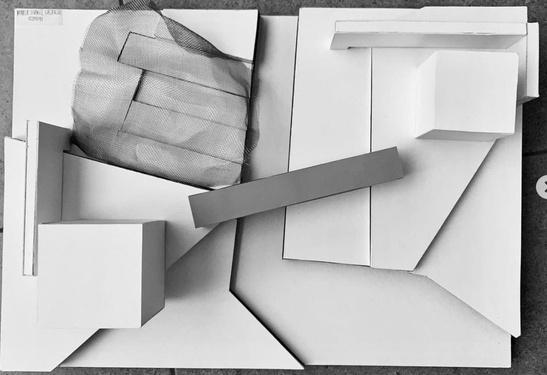
The Construction Dump
The goal of this exercise was to show how materials work and are organized in the world. We needed to analyze strategies for combining surfaces and volumes in construction focusing on joints. We needed to create an articulated lot in which there will be 4 smaller models that are articulated to the lot and have a kind of joint. Later in the project, we introduced color to combine the previous exercises and represent the analytical dimension of the concept. Lastly, the construction had to be meticulous and careful to show everything in one piece.
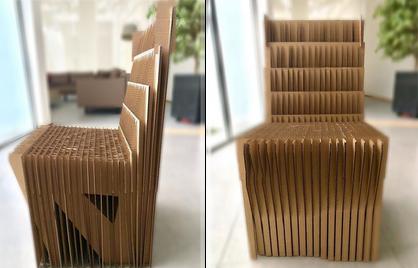
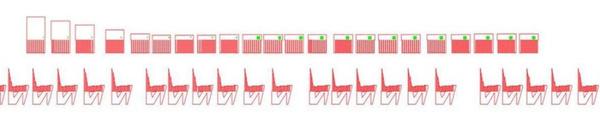
The chair
The task involved creating a full-size sitting apparatus with the primary surface positioned at least 30 cm above the floor. Considerations included the influence of prior studies on human presence, scale, and proportion on the chair's design, the chair's structural implications, and the impact of materials on shape and structure. Additionally, factors such as the chair's personality, its analog counterpart, and its reflection of evolving attitudes toward architecture and design were explored. The construction was limited to cardboard-to-cardboard joints without the use of screws, rubber, glue, or rope. Approved materials included cardboard and backing products, and any cutting or shaping tool could be employed.
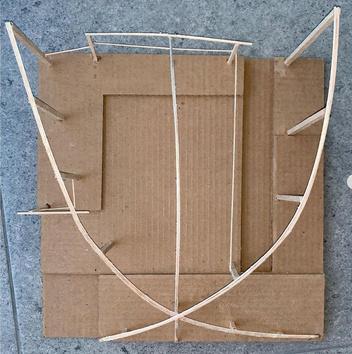
Path Source
This exercise aimed to design a 19.5 x 19.5 m lot in a flat, arid, and windy environment using wood, steel, stone, and water as materials. The task involved creating a path with linear elements, starting from the east entry point to a pool on the west side, adjacent to the entrance of exercise 14. The design focused on developing a poetic sensitivity in architectural expression, considering the balance between intuition and artistic sensibility. Elements were limited to emphasize basic compositional aspects, and relationships between them were crucial from the outset. The composition explored geometric progressions, incorporating opposing themes such as symmetry-asymmetry, front-rear, and various others. The design also considered density, hardness, elasticity, and tenacity in models, emphasizing the significance of space and light as defining elements in architecture.
"Atrium", Home
Los aspectos del ejercicio #3 y explorando el desierto como un lugar para reflexionar y actuar. La intervención en el desierto implica romper un equilibrio frágil entre el cielo y la tierra, requiriendo un pensamiento cuidadoso. El diseño buscaba crear una narrativa arquitectónica que abordara la reducción-liberación y la experimentaciónsíntesis, permitiendo la expresión del deseo en la forma arquitectónica y reconociendo la necesidad de constante reconsideración y adaptación a cambios dinámicos.
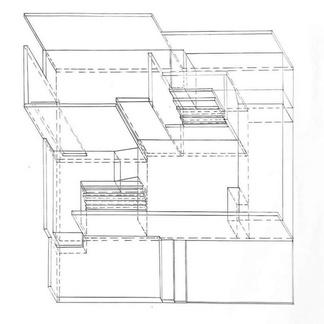
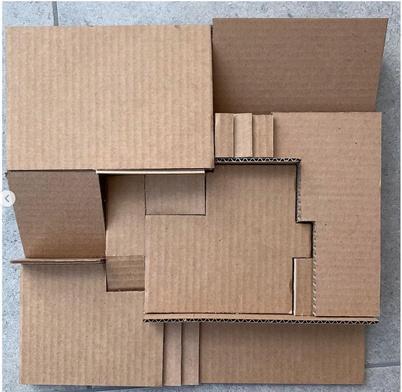
Tower Observatory
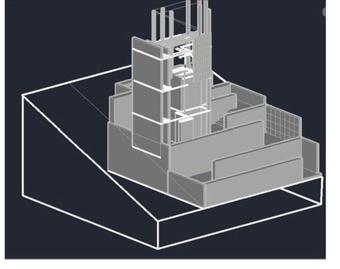
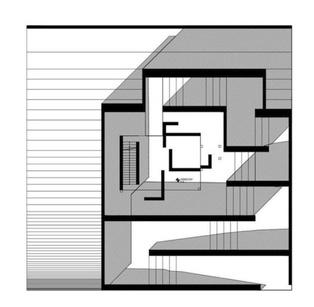
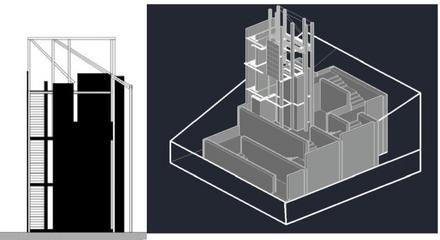
The objective was to create a 19.5 x 19.5 m space with a 20R slope from +2.70m (edge with exercise #4). The tower design, 9.60 m high, serves as basic housing for cooking, sleeping, social exchange, and an exercise area on the deck, using a heavy construction system. Additionally, an artifact interacting with the tower, constructed with a lightweight system, was to be designed freely. It could serve various purposes, such as an observatory, a wind observation mechanism, or an object for capturing shadows or observing the sun. The proposal aimed to derive content through the evolution of language related to concept/experience, mind/body, space/use, and construction/materiality.
Riverside Heights
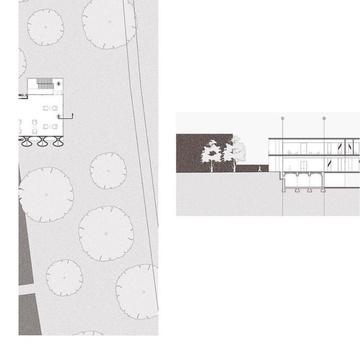
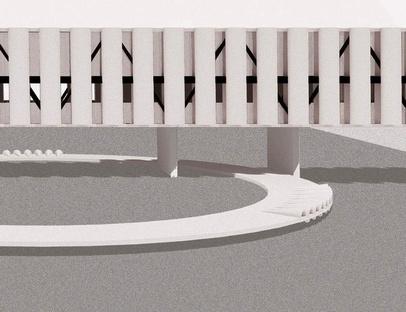
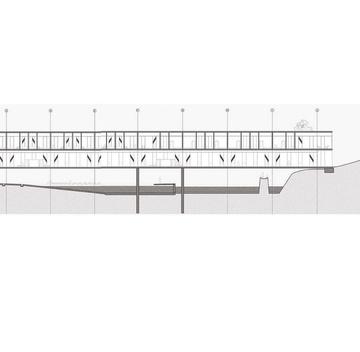
This innovative Barcelona architecture project features a suspended two-story apartment building over the Besòs River. The design seamlessly integrates functionality with the scenic riverside location through meticulous planning and innovative engineering. Residents enjoy panoramic river views, privacy, and abundant natural light. Integrated communal spaces, like suspended terraces, enhance the overall quality of life, embodying a spirit of innovation for an extraordinary living experience by the serene river.
Residence and Urban in San Martí, Barcelona
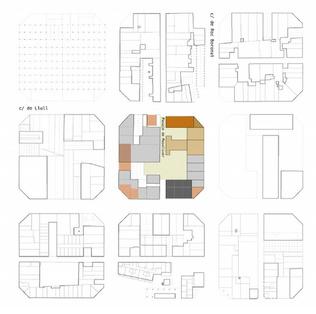
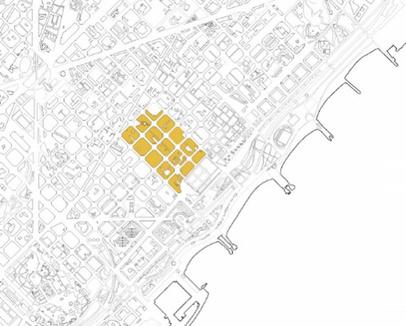
The project is located in the Sant Martí neighborhood of Barcelona, the focus was on studying the urban fabric through the analysis of 6 squares. The examination delved into the functioning of blocks within the neighborhood context. The comprehensive exploration allowed for a deep understanding of the interplay between public spaces and surrounding structures by understanding the urban environment. Following this analysis, the project culminated in the selection of a specific square for transformation into a residential space. The chosen square became the canvas for architectural modification, aiming to create a bespoke residence that harmonizes with its surroundings while addressing the unique needs of the community.
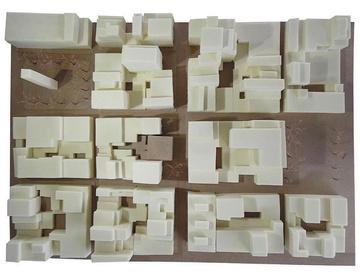
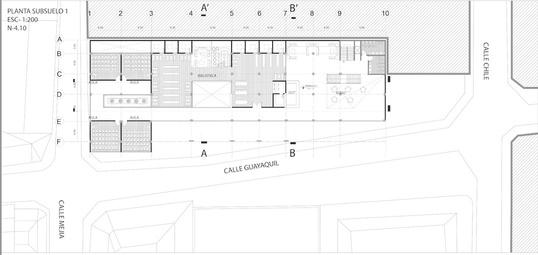
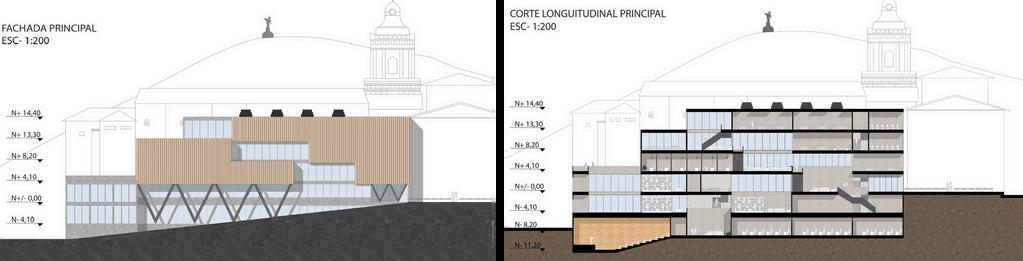
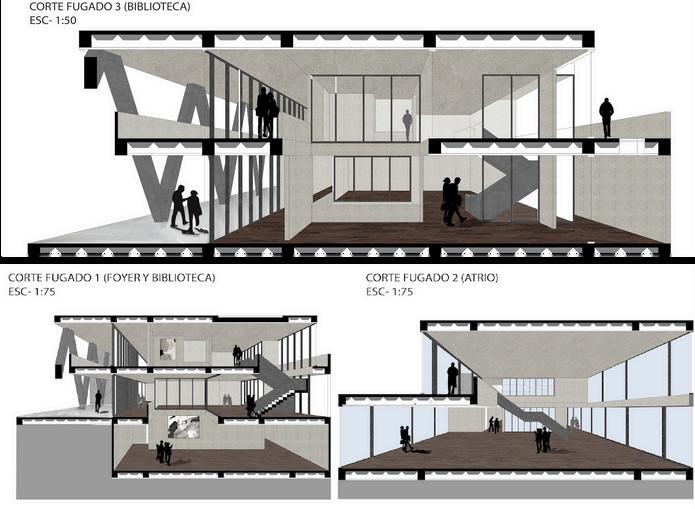
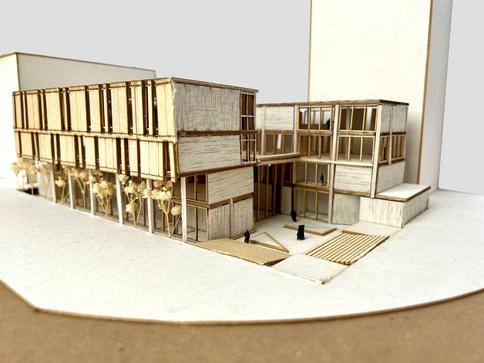
Architecture Faculty Project in Centro Histórico of Quito
Proyecto de la Facultad de Arquitectura en el Centro Histórico de Quito con el concepto "Atmósferas". Se crean patios concurridos diseñados para influir en las emociones de los estudiantes y mejorar su experiencia académica. Cada patio tiene una atmósfera única, inspirada en Zumthor, definiendo el orden programático y conectando espacios jerárquicos. El enfoque es equilibrar emocionalmente a los estudiantes, considerando su bienestar al recibir información. La propuesta se basa en un análisis preciso del lugar y una estrategia espacial y organizativa claramente representada.
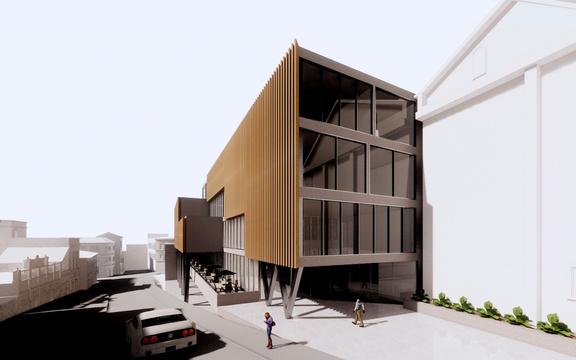
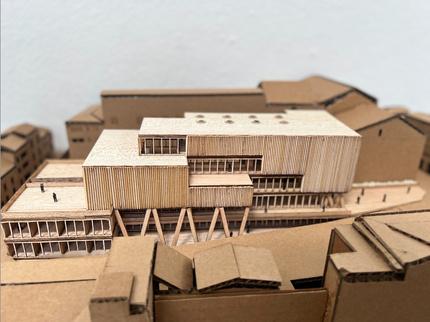
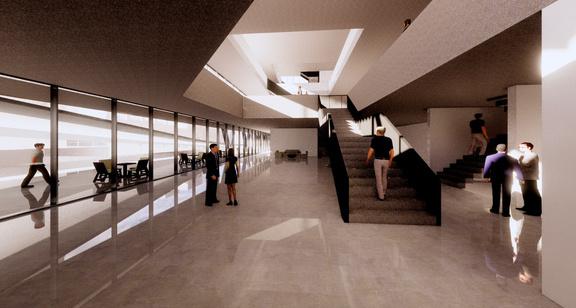
Architectonic Hybrid Library Project in Iñaquito
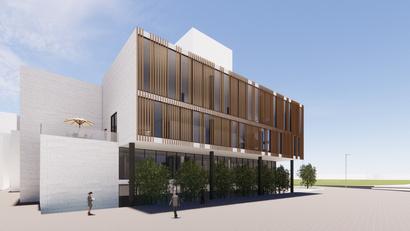
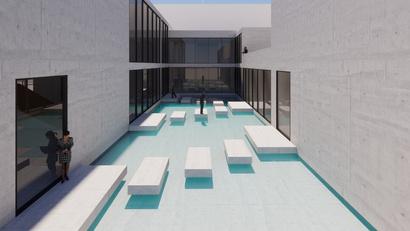
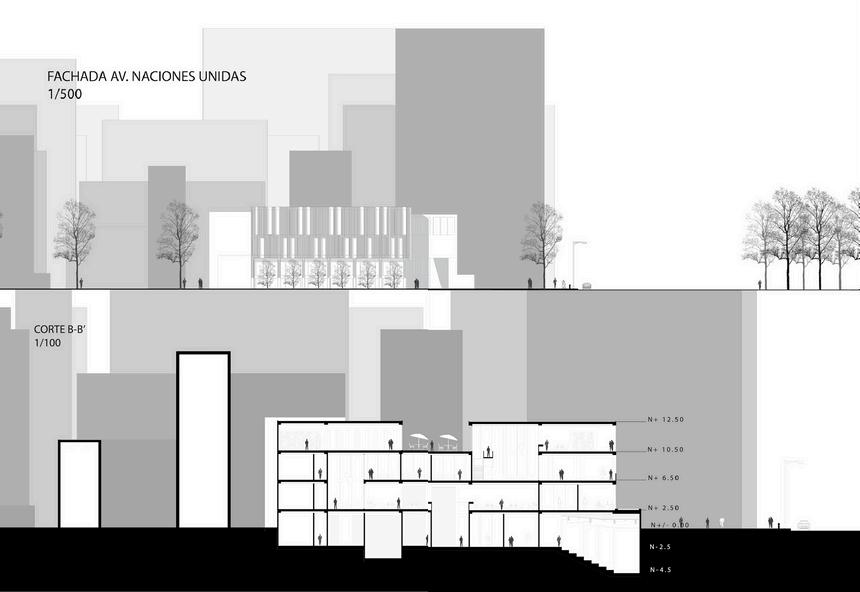
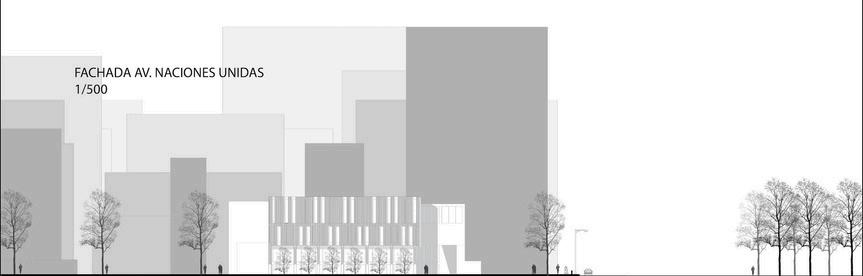
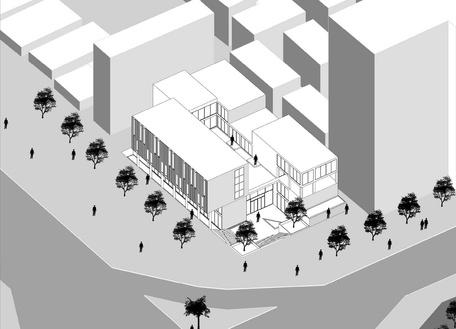
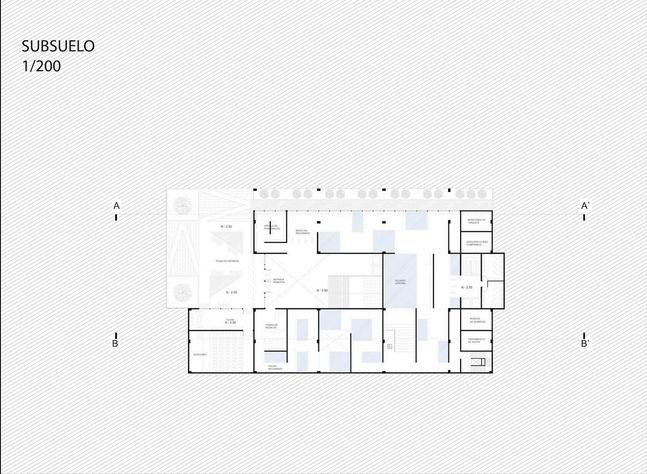
Addressing Quito's shortage of quality public libraries, a hybrid project in Iñaquito, Ecuador proposes combining a library with an aquarium. Leveraging the opportunities presented by the new metro system, the design focuses on architecturally innovative buildings that blend diverse uses. Specifically, the Iñaquito station area would house an aquarium, filling a void in local attractions. The design features a sunken plaza on a corner lot, creating a dynamic entrance. The aquarium centers around a main pond with irregular circulation, offering a unique exploration experience. Shared spaces, like an auditorium. The key concept involves using water as a unifying architectural element, with underground aquariums contributing to the library's ambiance. A central water mirror enhances the overall user experience, uniting the library and aquarium components.
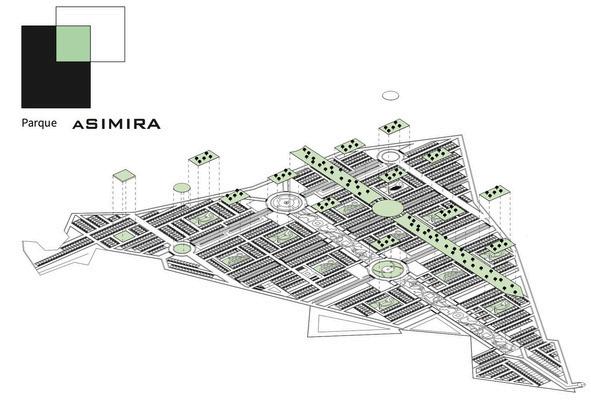
First Stage-Contestant for Premios Pronobis Master Plan, Guayaquil
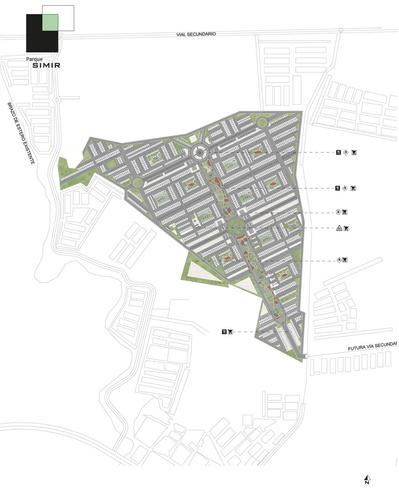
The project unfolds in two stages, with the first phase conducted in groups as part of a competition for Pronobis in Guayaquil. The course considers architecture competitions as opportunities for practical learning, simulating and simplifying professional practice. The chosen competition, "Smart City," involves the urban-architectural development of a territory in Guayaquil by a private real estate company. The focus is on academic exercise rather than actual participation. In the initial group phase, each team analyzes the specified territory, emphasizing topography, climate, vegetation, road networks, public transportation, service networks, and relevant city-data.
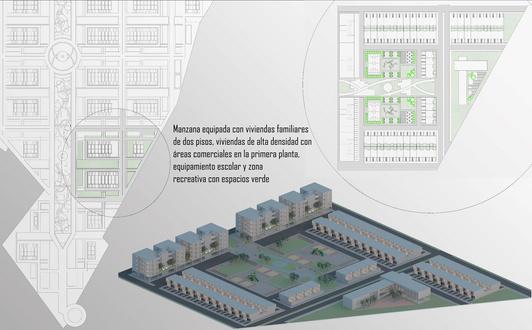
Second Stage-Single Square Development
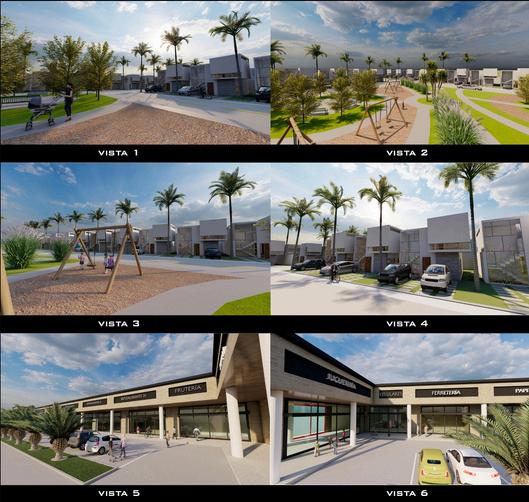
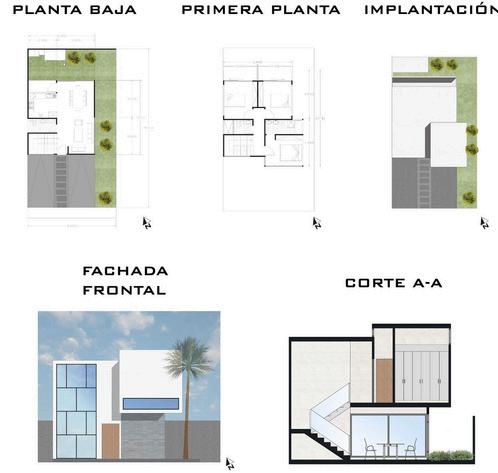
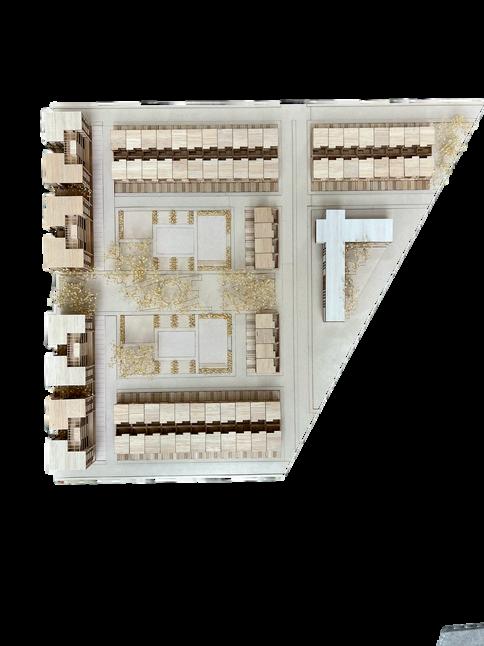
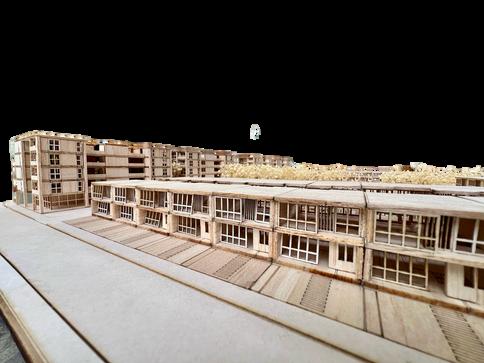
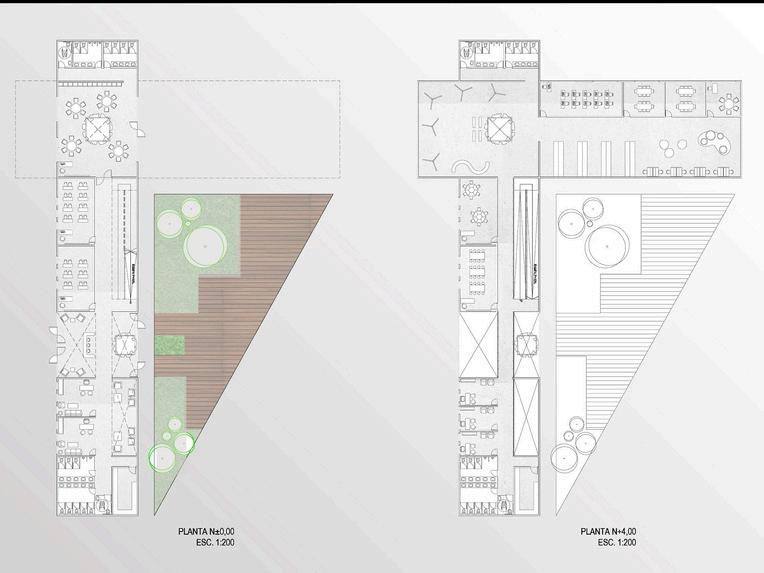
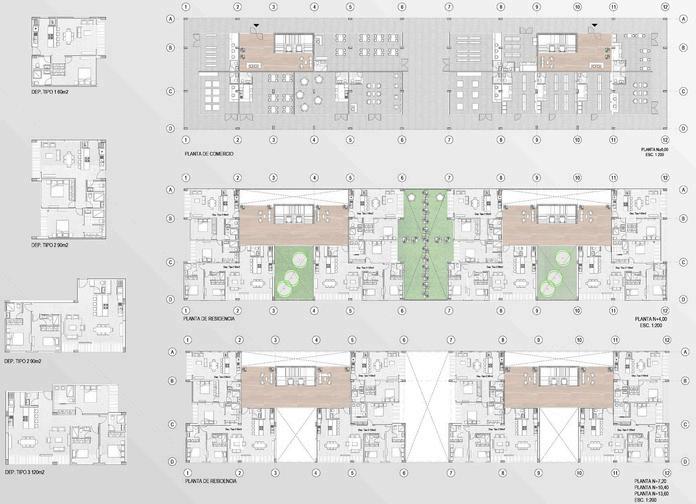
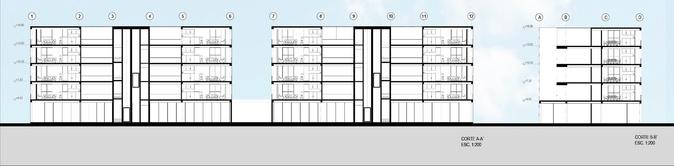
The second stage involves individual work, with each student selecting and analyzing a block from the master plan developed in the first phase. The master plan includes both public and private zones, encompassing recreational, commercial, office, and cultural areas and housing clusters. In this phase, I chose a block and implemented urban green spaces, semi-detached single-family, and multifamily buildings. Additionally, I introduced a daycare facility to enhance the community's amenities. The overall project demonstrates a comprehensive understanding of urban planning, architectural design, and the integration of diverse functions within a Smart City framework.
Leisure Center in Jipijapa, Quito
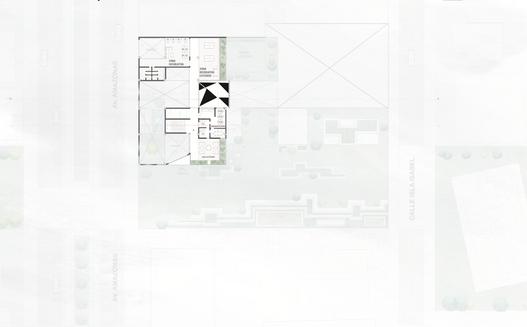
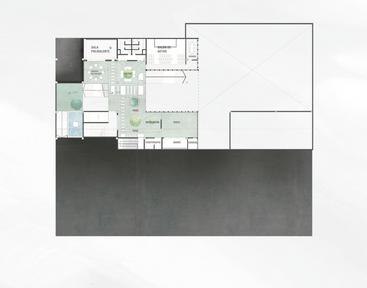
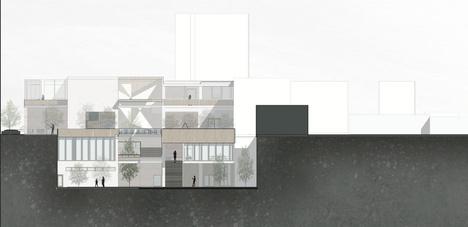
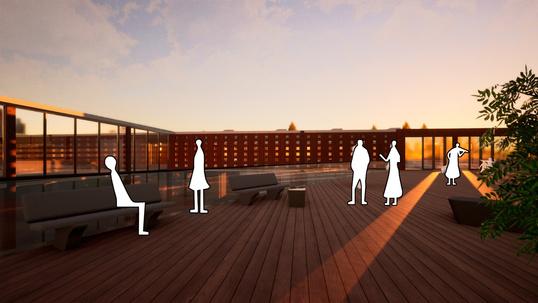
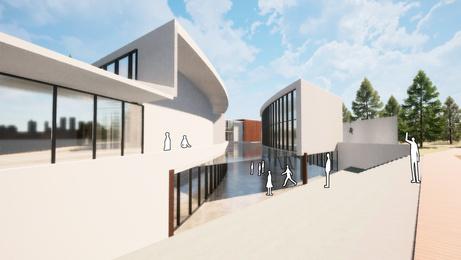
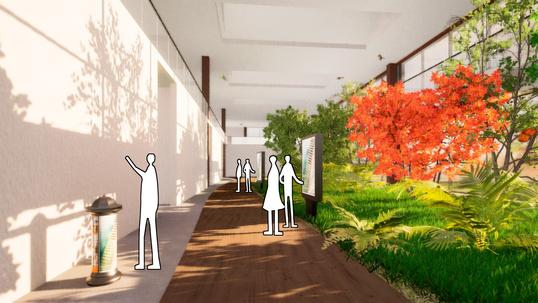
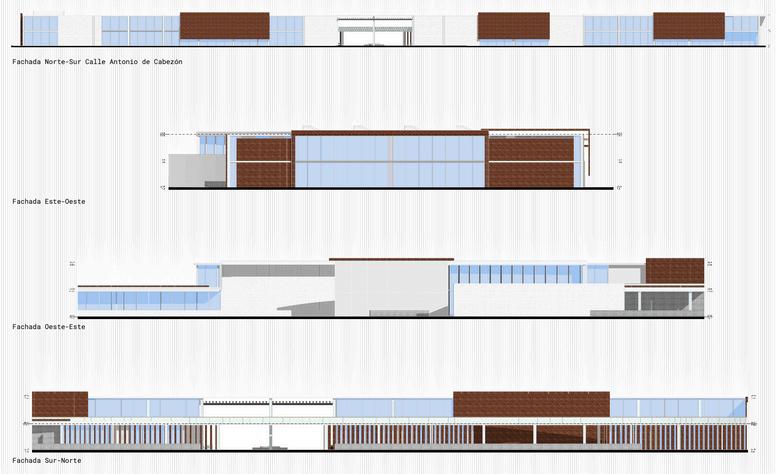
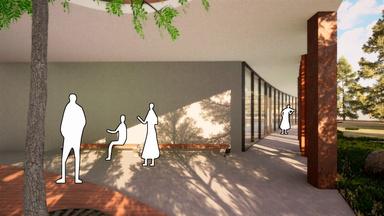
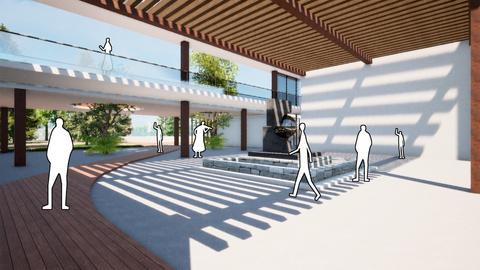
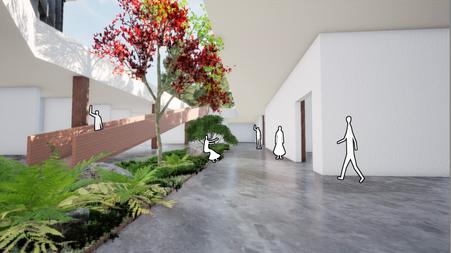
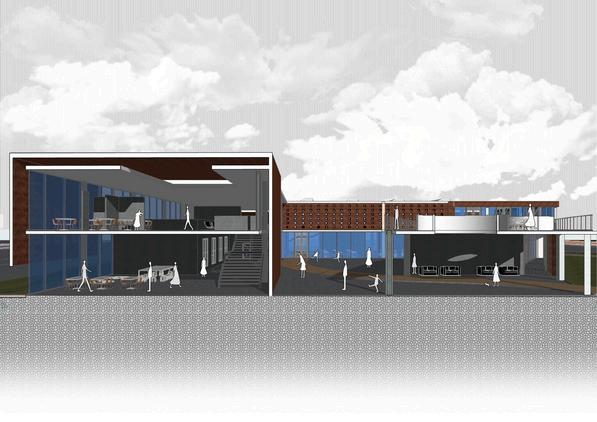
The leisure center project near the Jipijapa metro station integrates terracing and Isla Tortuga Park, offering spaces for minor sports, a community hub, and a sports facility made in duos. Informed by local perspectives and urban planning principles, the design addresses the impact of gentrification and noise concerns by incorporating green cleft and terraced volumes. Surveys and engagement with Jipijapa residents guided the project, responding to the community's desire for nature and sports spaces. The center respects local context and heights and serves as a visually connected, community-oriented space, providing a solution for the lack of green areas in Jipijapa's urban planning.

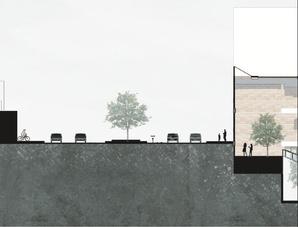
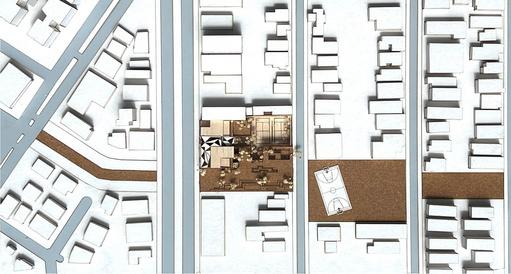
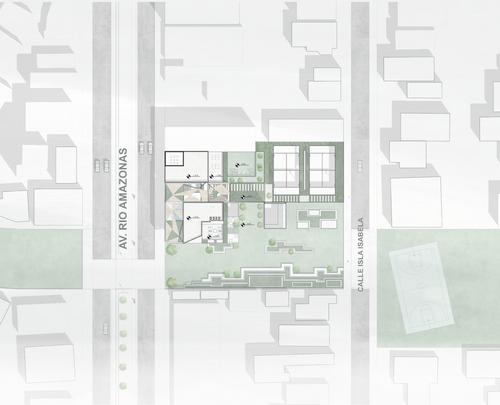
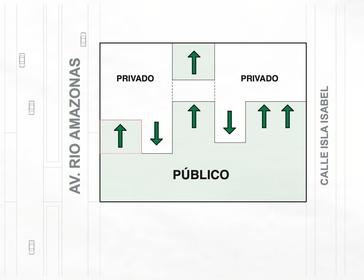
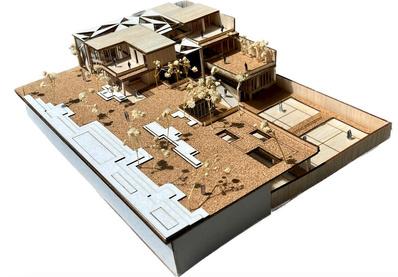
Grieta Verde Articuladora de Espacios
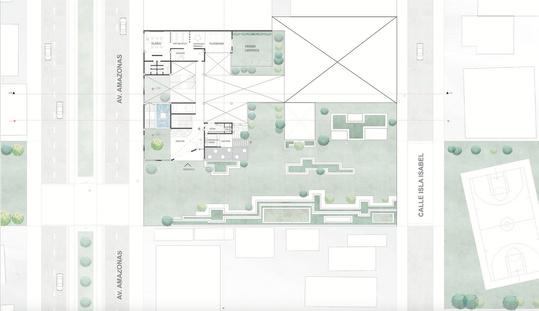
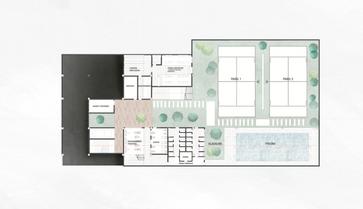
Planta 0,0
Planta +4.90
Planta -4.50
Planta -8.90
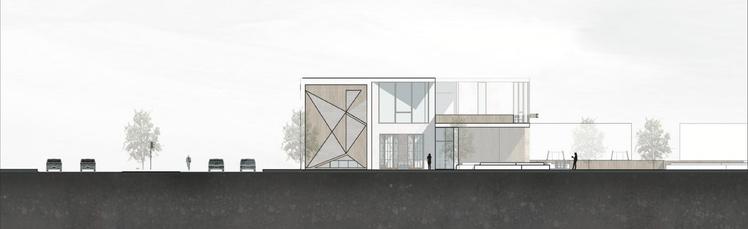
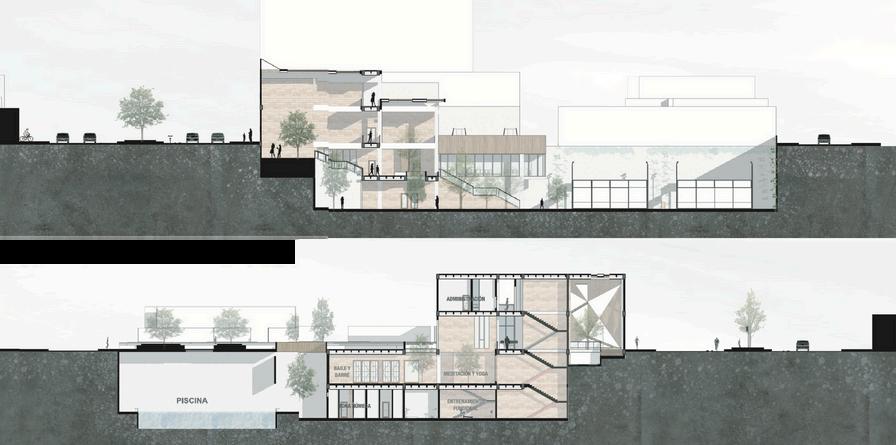
Corte Longitudinal
Corte Longitudinal
Fachada Parque Isla Tortuga
Corte Transversal
Mixed Used Building: Library and Museum, Valverde, Madrid
This architectural proposal transforms the current Museo de los Zapadores in Valverde, Madrid, into a sustainable and modern library museum. The design emphasizes ecological principles, incorporating sustainable materials and environmentally friendly construction techniques. The focus is on user wellbeing, ensuring natural light, ventilation, and flexible spaces for interaction. The project aims to create a cultural and social hub, integrating green elements and relaxation areas to enhance the connection with nature, fostering sensory and visual experiences in the library museum.
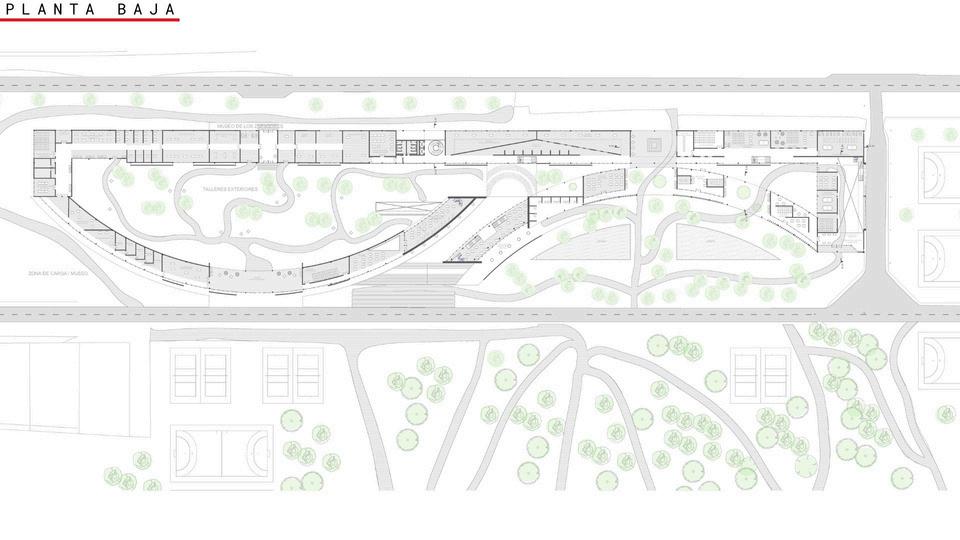
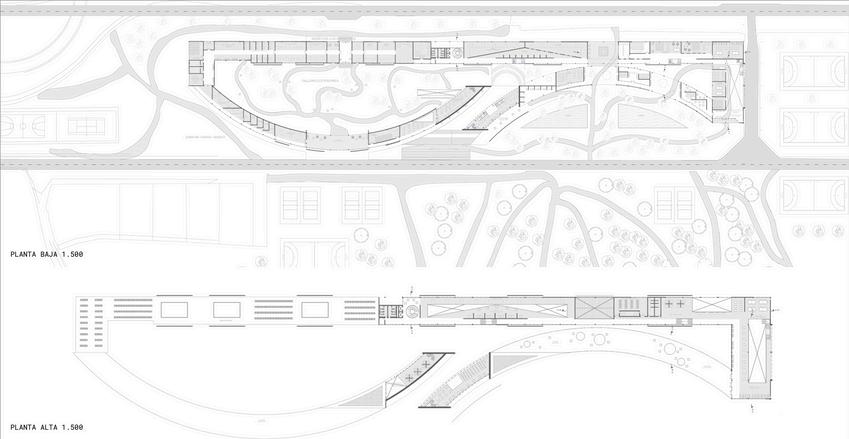
PlantaBaja
PlantaAlta
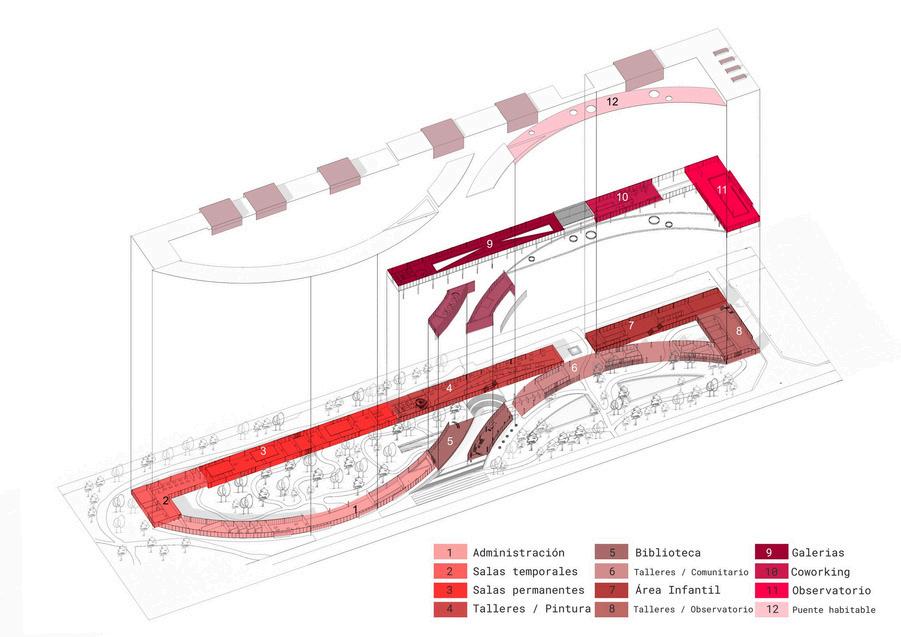
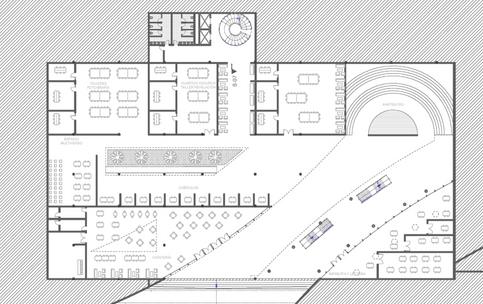
Axonom
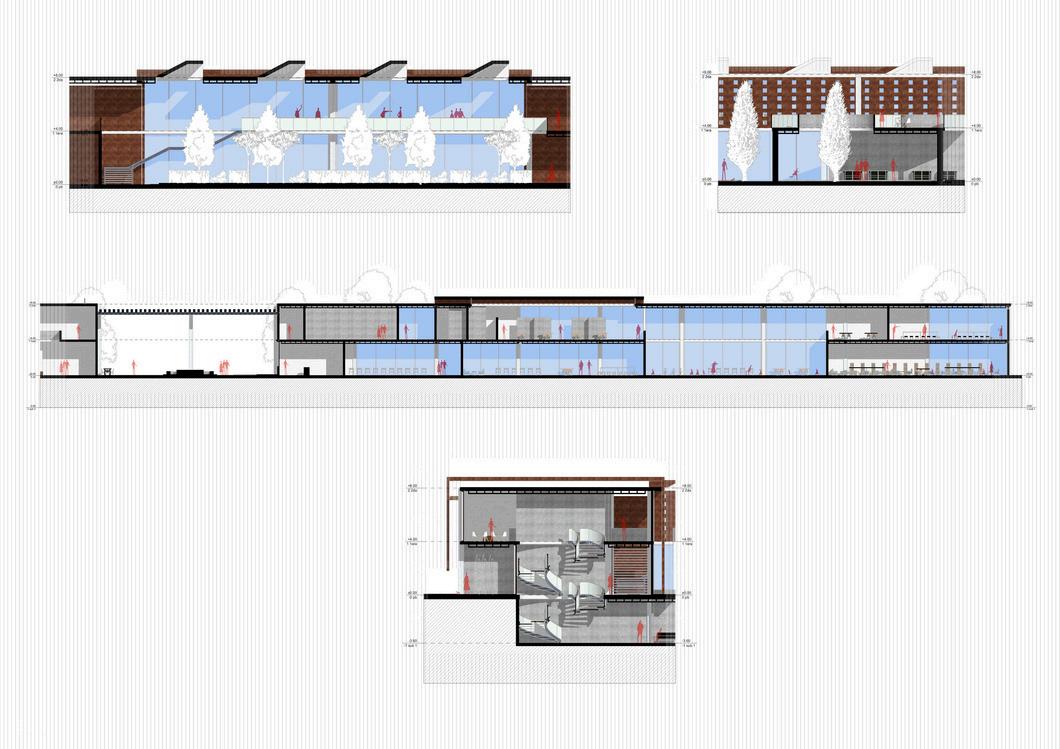
SecciónPuenteHabitable
CorteFugado
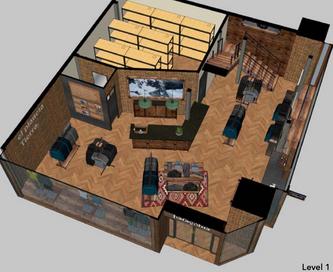
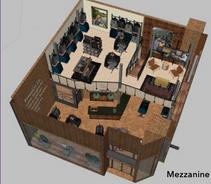
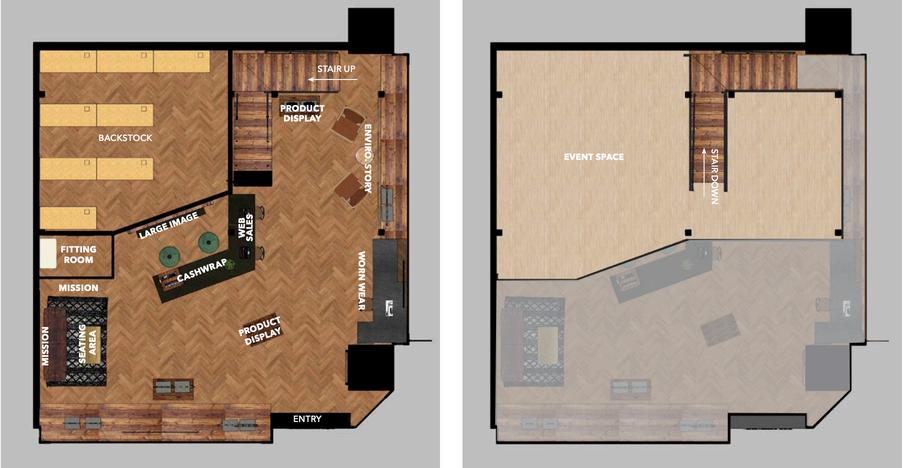
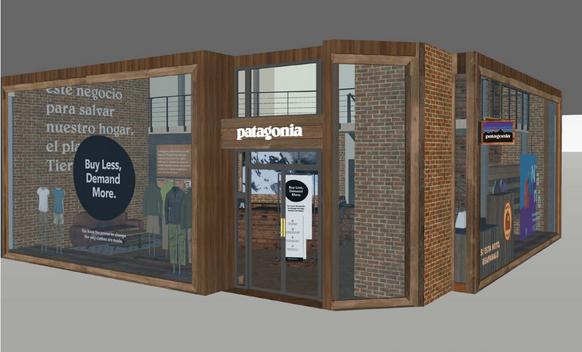
Patagonia Store Scala, Phased Buildout and Concept
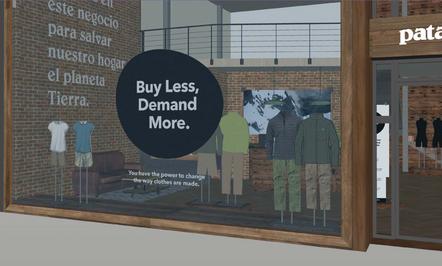
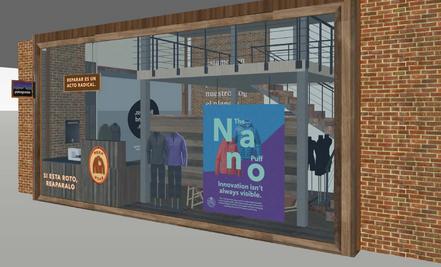
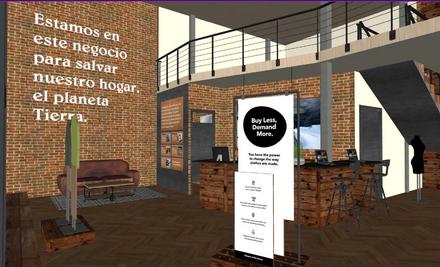
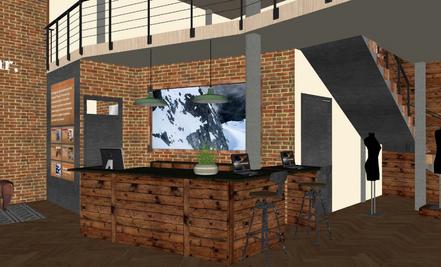
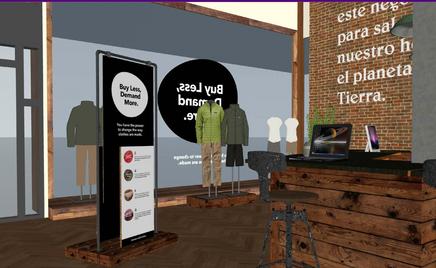
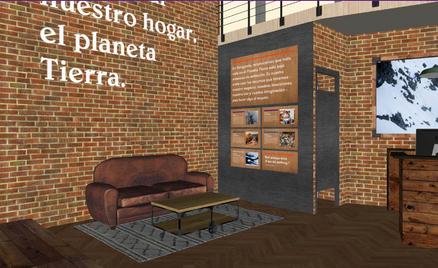
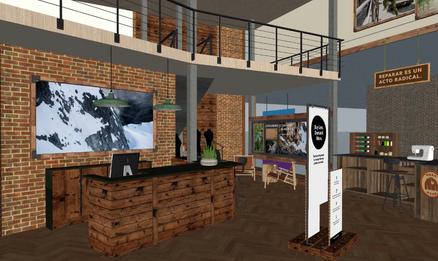
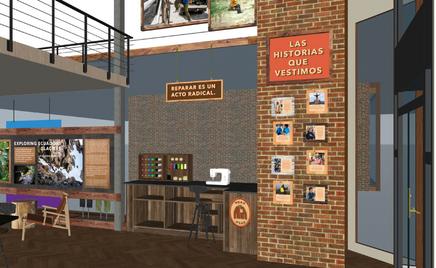
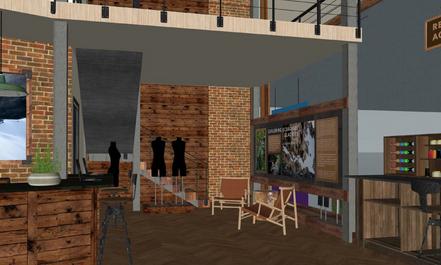
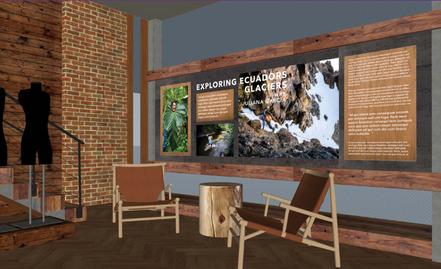
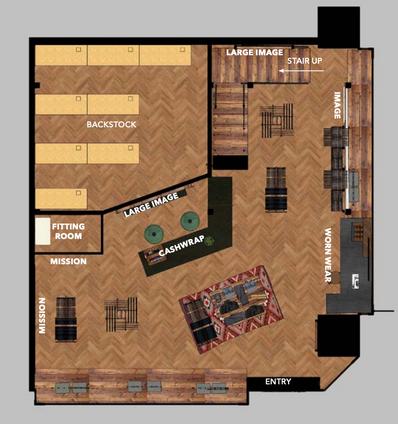
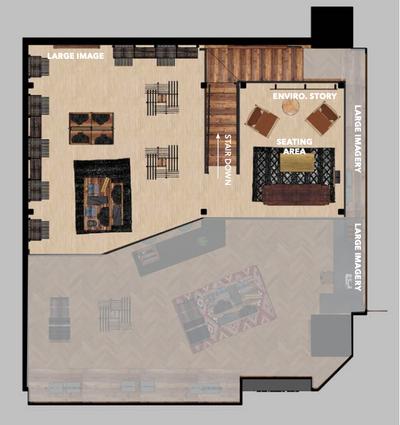
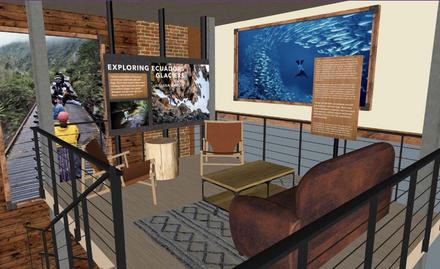
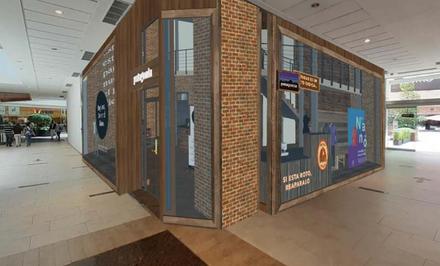
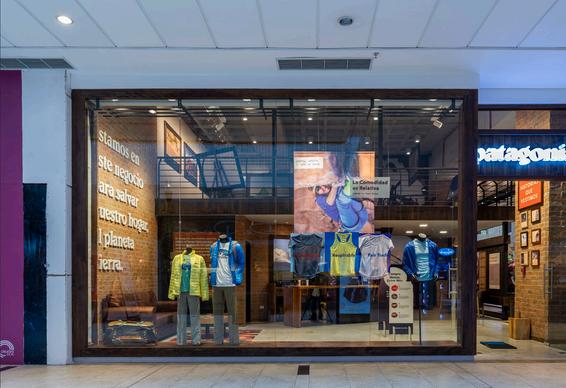
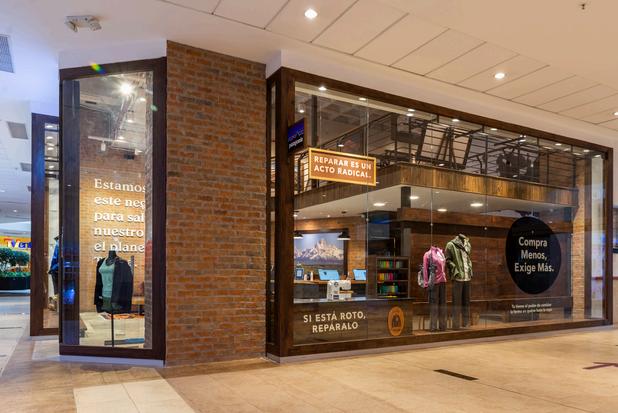
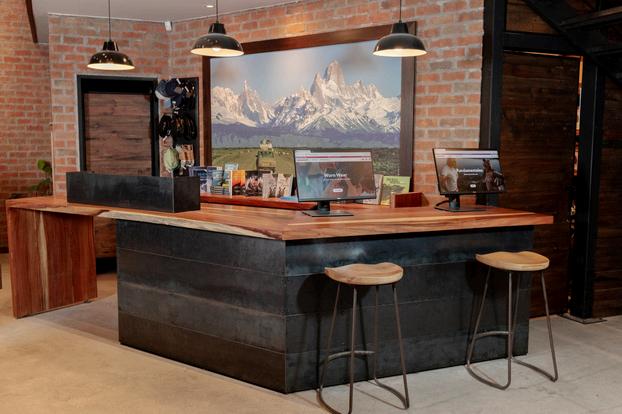
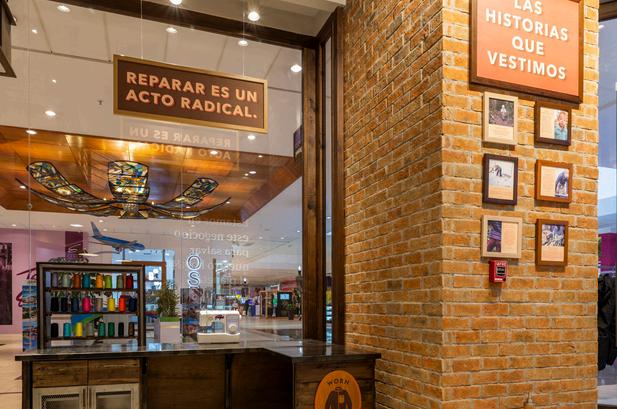
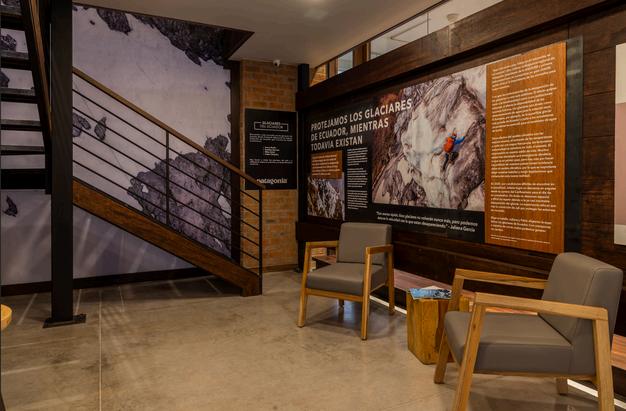
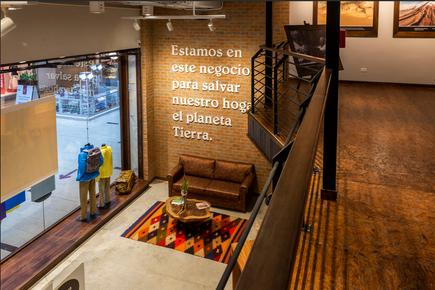
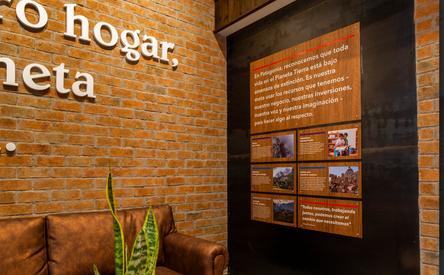
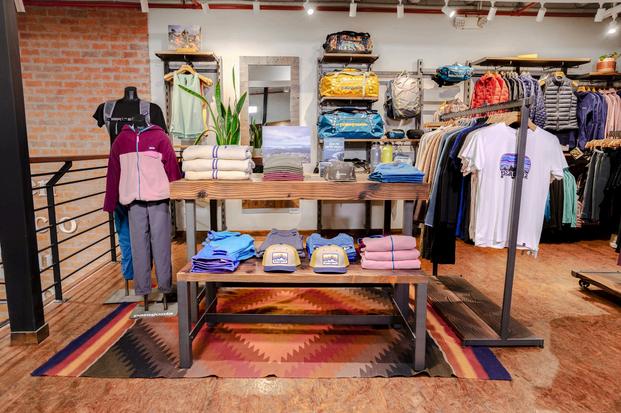
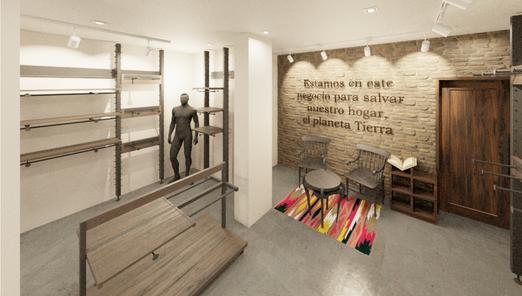
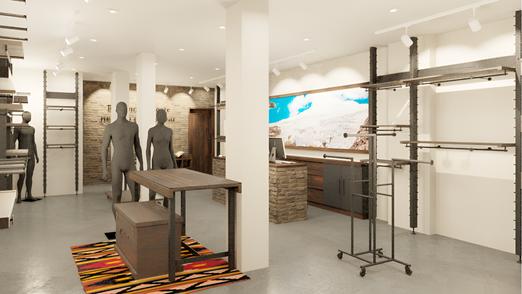
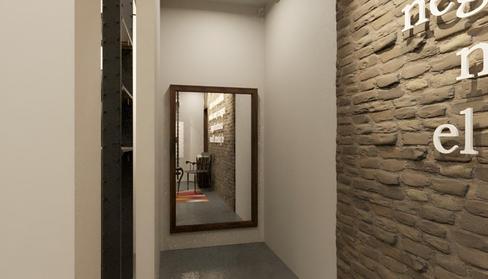
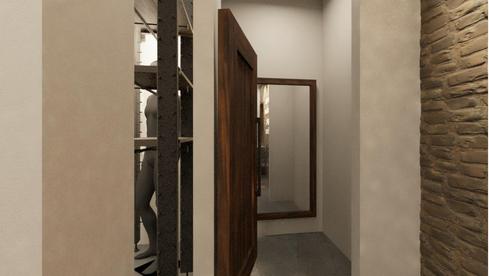
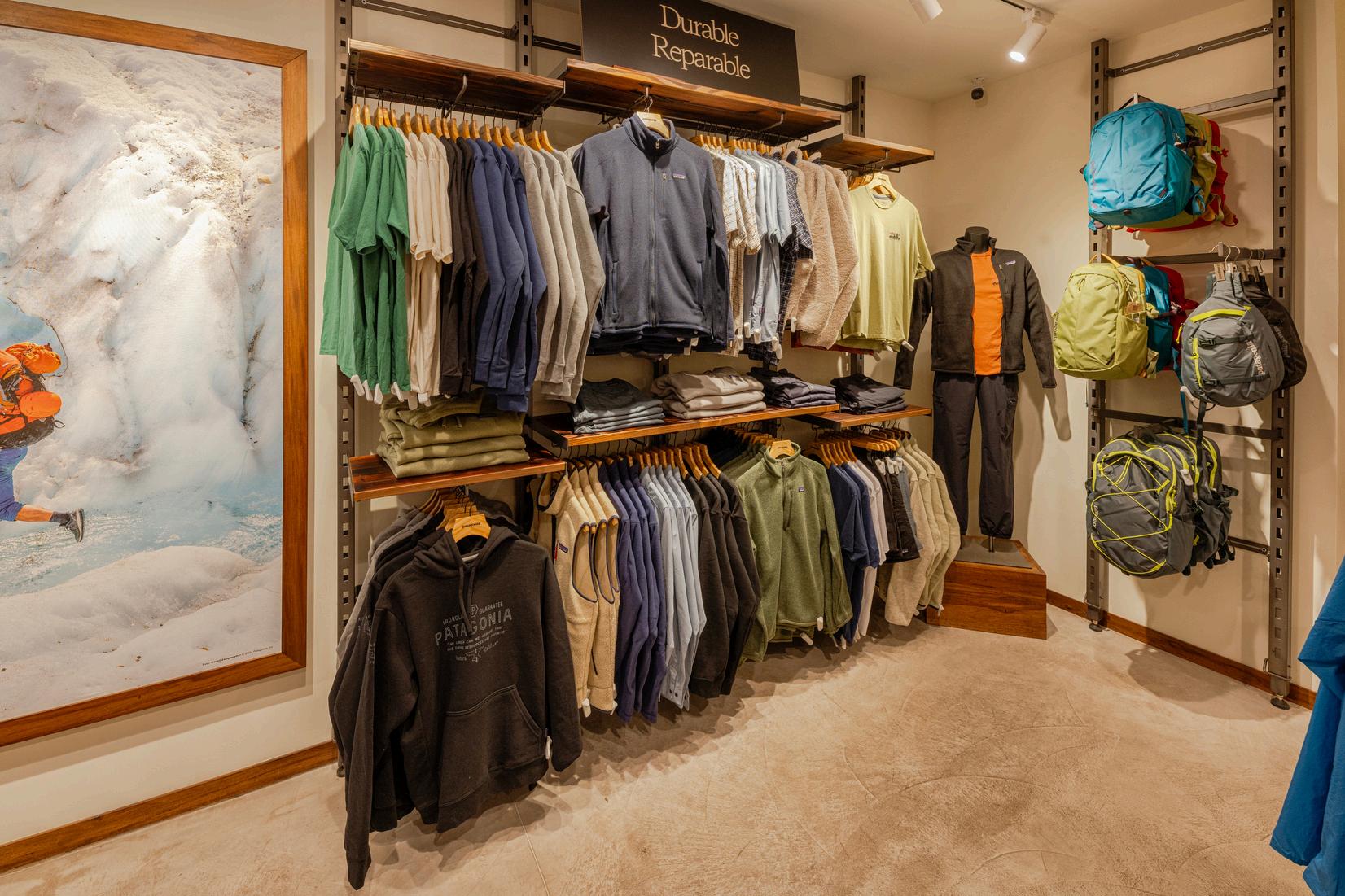
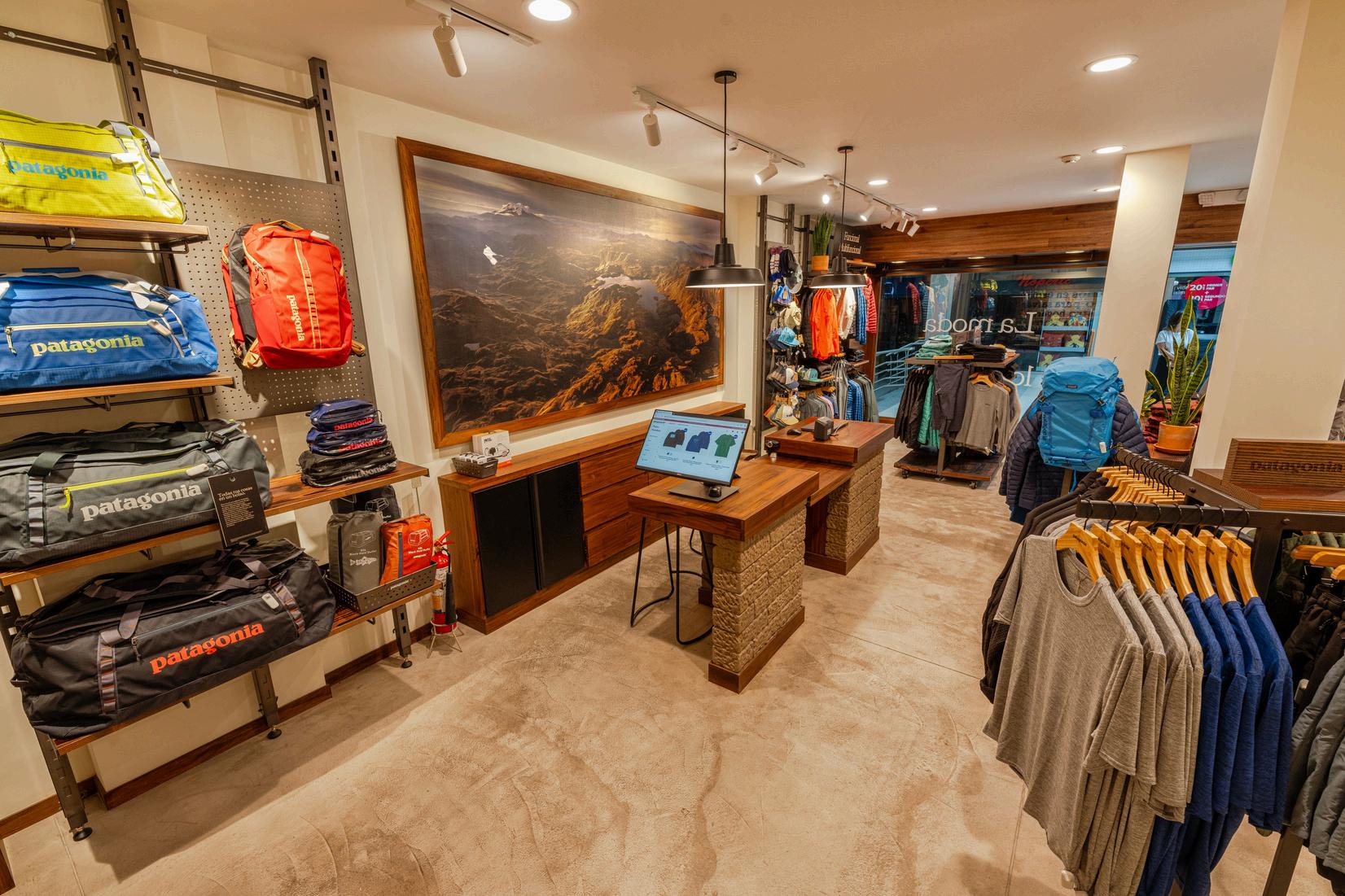
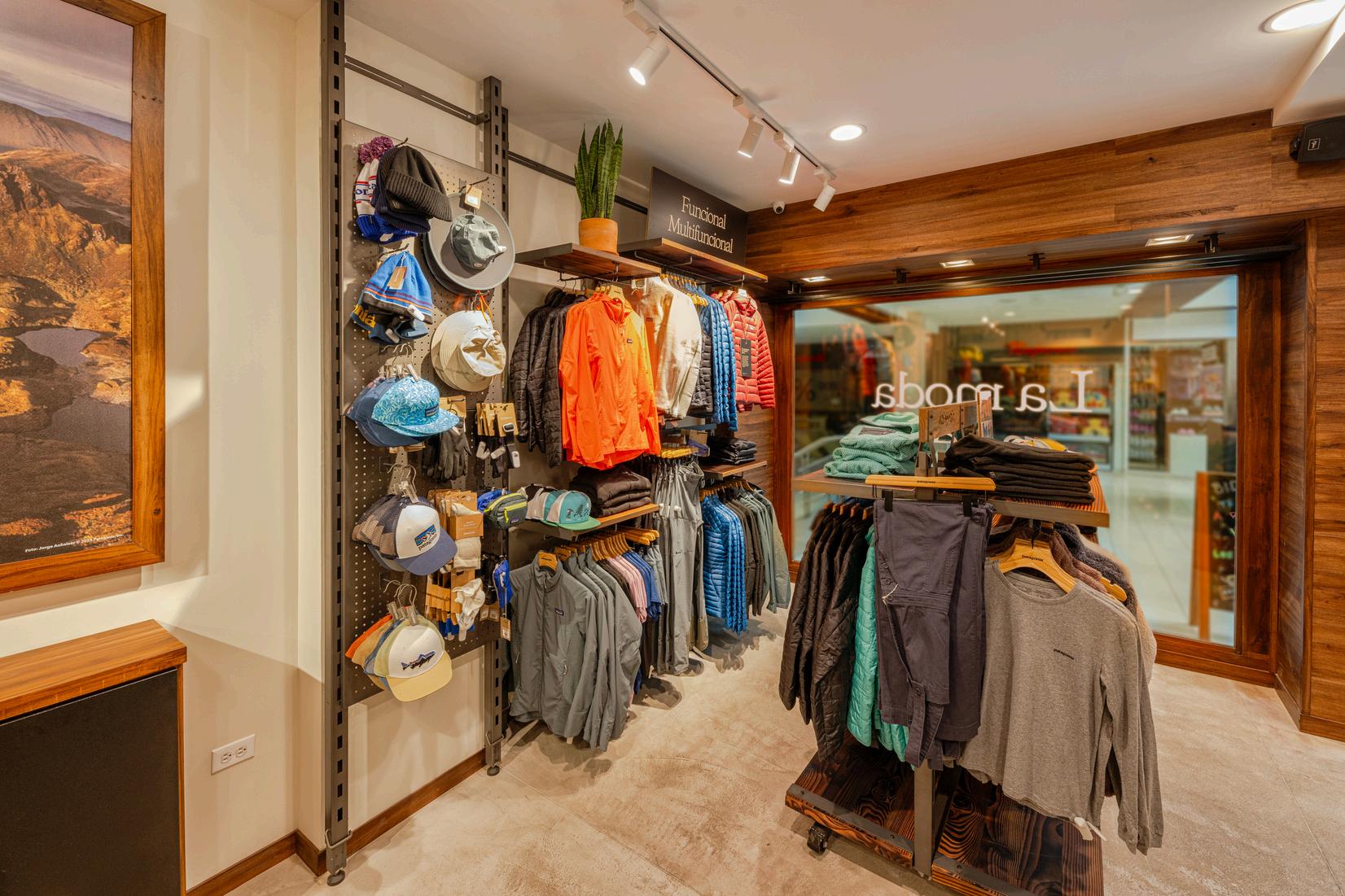
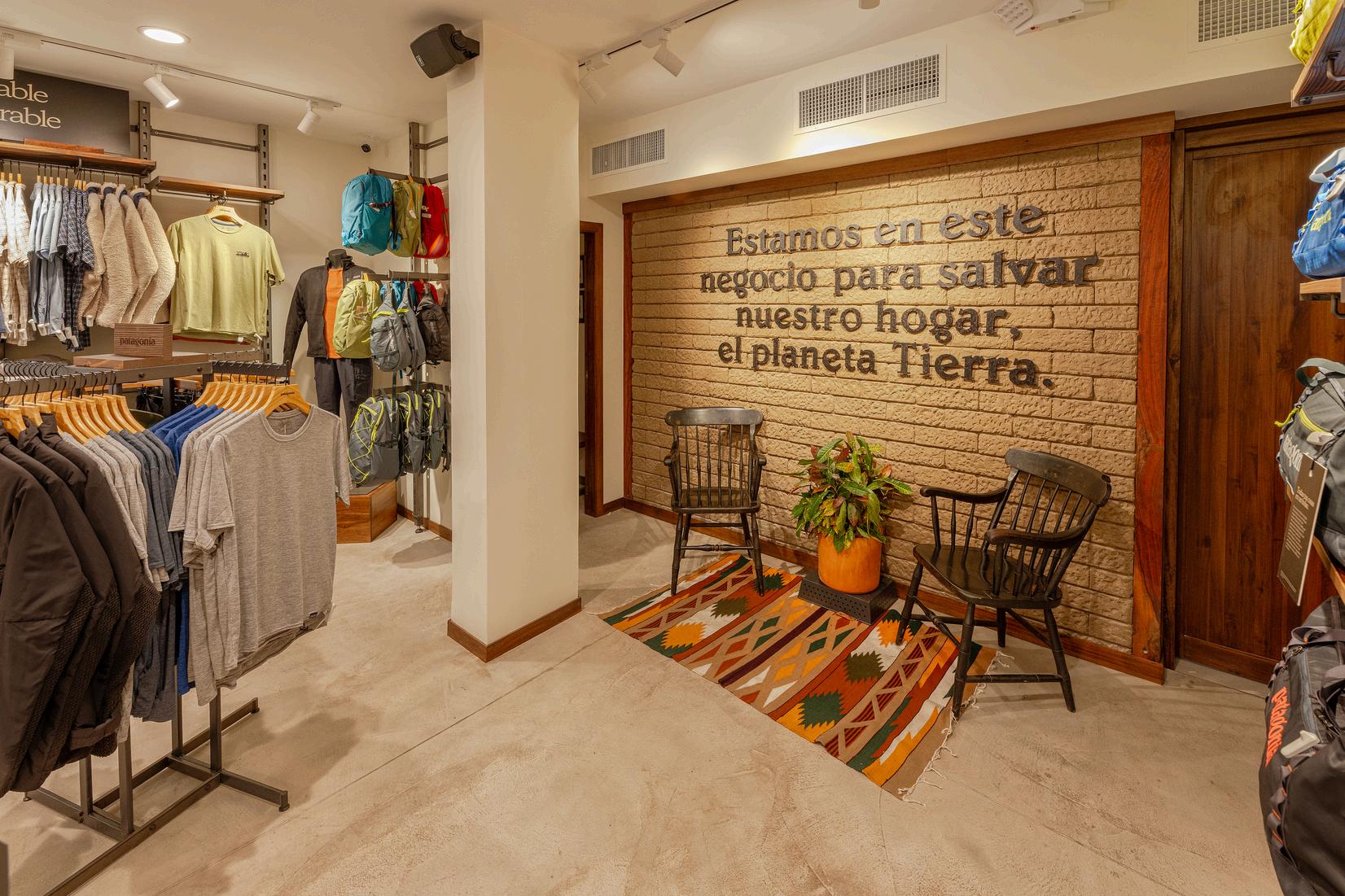
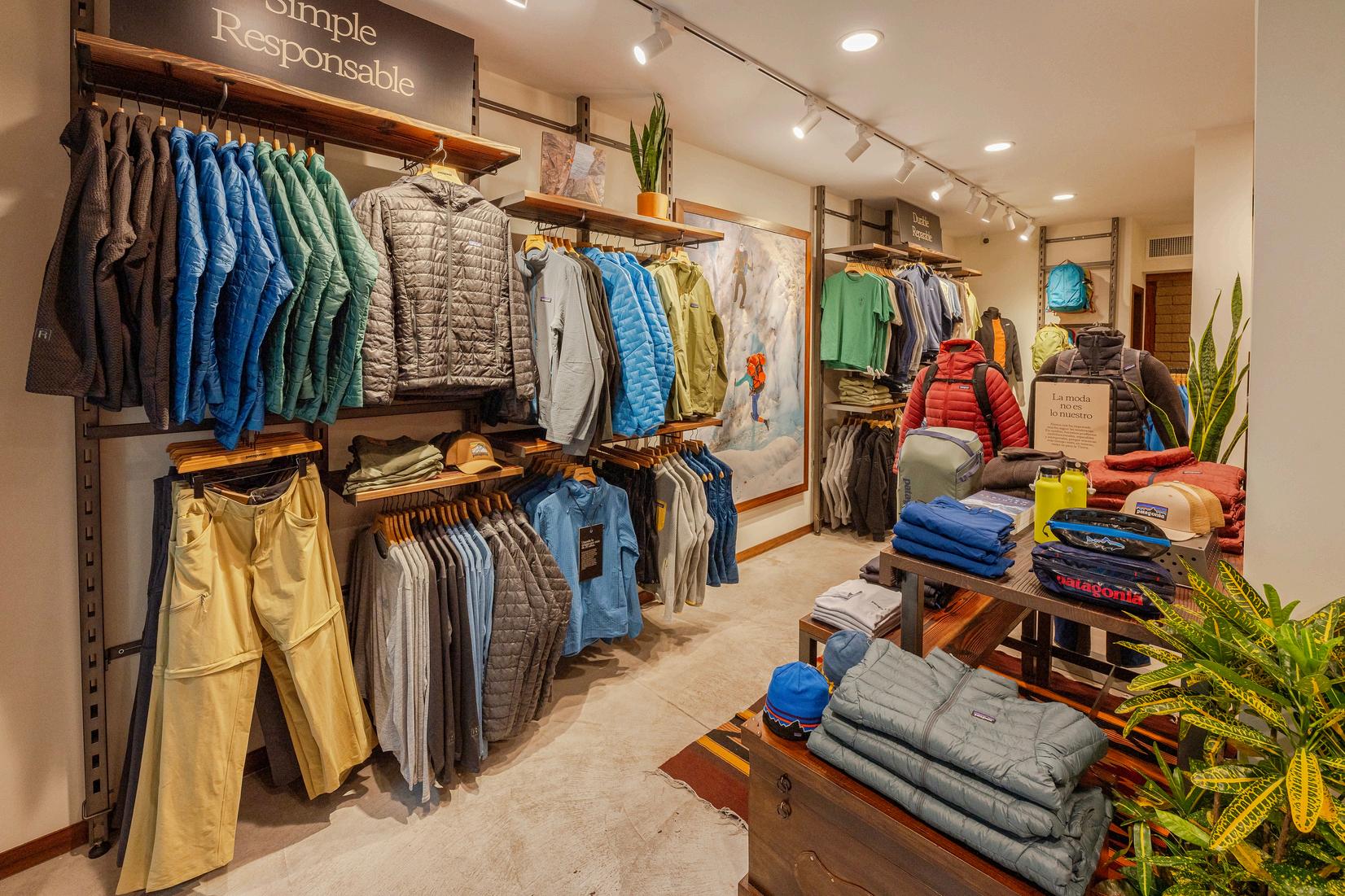
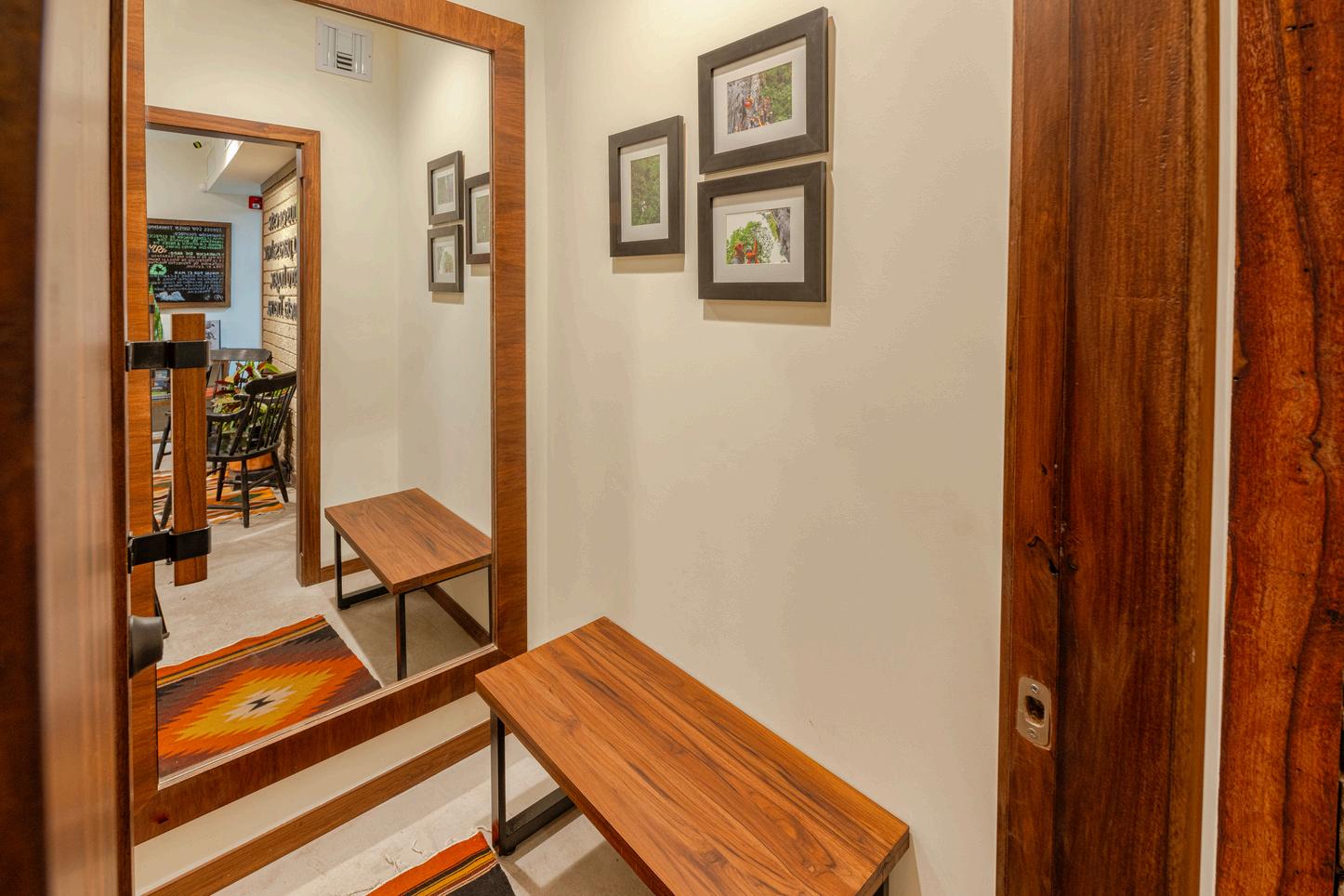
This is the first Patagonia Store in Ecuador. It is located in Cumbayá’s Scala Mall and embodies sustainability with a reclaimed wood and brick façade, a steel-clad mission wall, and a Worn Wear repair station. Built-in two phases for a gradual rollout, Phase 1 focused on establishing the core retail space with brand messaging, reclaimed materials, and key functional areas. Phase 2 expanded the mezzanine, integrating additional product displays, seating, and an environmental storytelling section to enhance customer experience. With its “Buy Less, Demand More” message, it maximizes space while reinforcing Patagonia’s commitment to responsible retail.
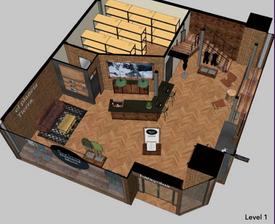
Phase 1- Level 1
Large Mission Statement
paired with a seating area
Web Sales at extended
cash wrap
Worn Wear Repair
Station
Environmental Story
Phase 1-Mezzanine
Event space as needed
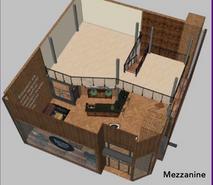
Phase 2- Level 1
Large Mission
Statement Wall
Worn Wear Repair
Station
Floor and wall product
fixtures
Phase 2-Mezzanine
Environmental Story and seating move to the mezzanine
Floor and wall
Product fixtures
Patagonia Store Scala, Floor Plans, Phase 1
Patagonia Store Scala, Renders, Phase 1
Patagonia
Store Scala, Floor Plans, Phase 2
Patagonia Store Scala, Renders, Phase 2
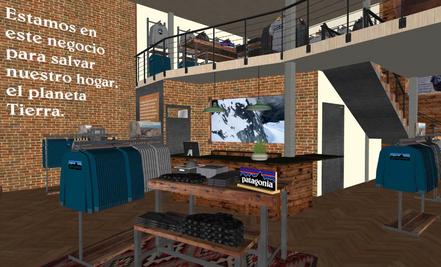

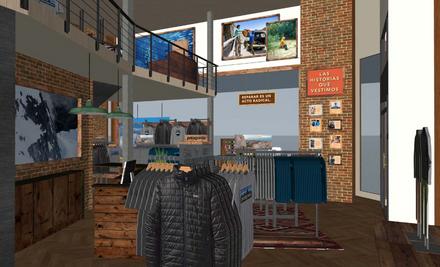
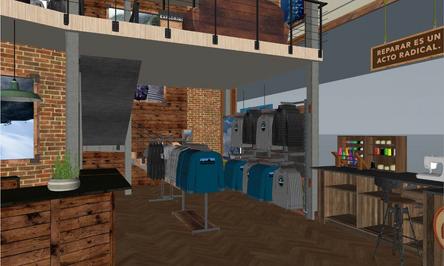
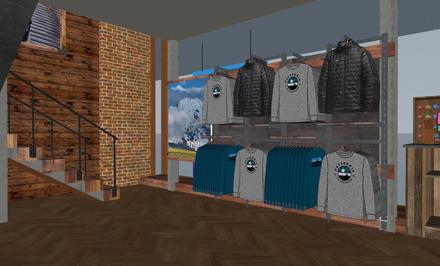
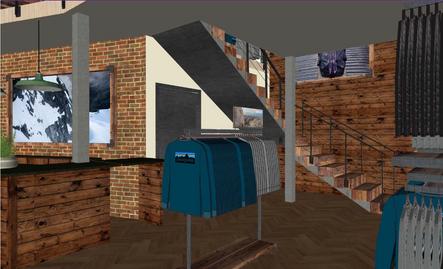
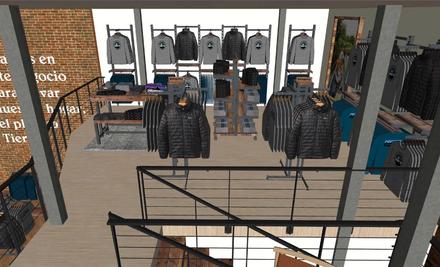
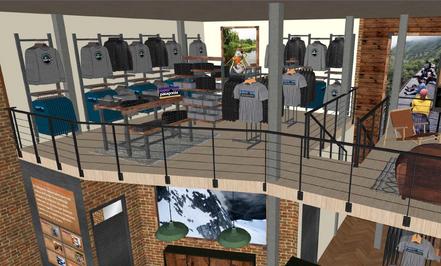
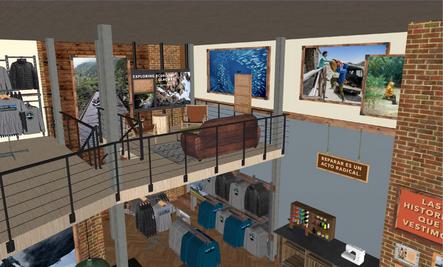
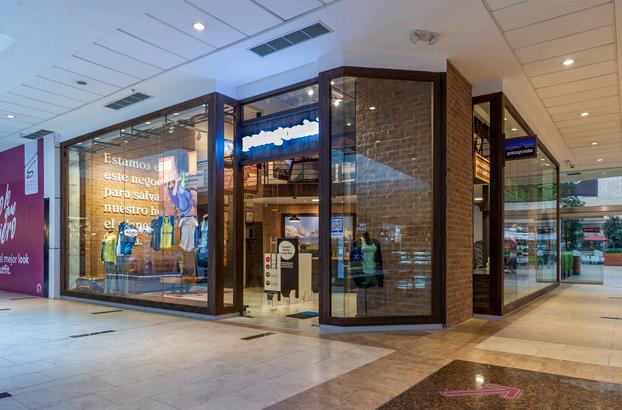
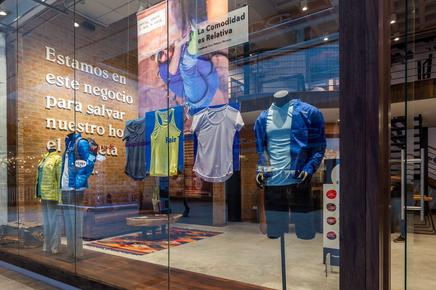
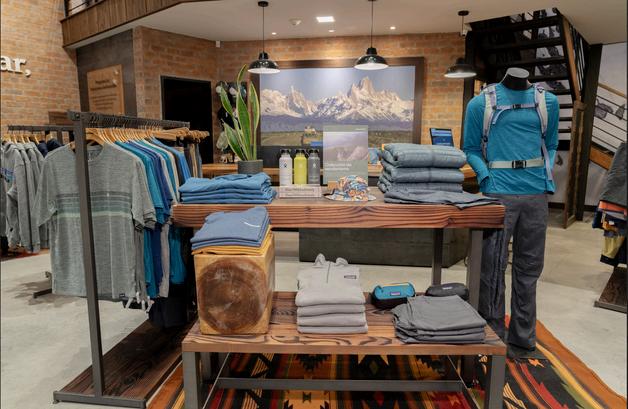
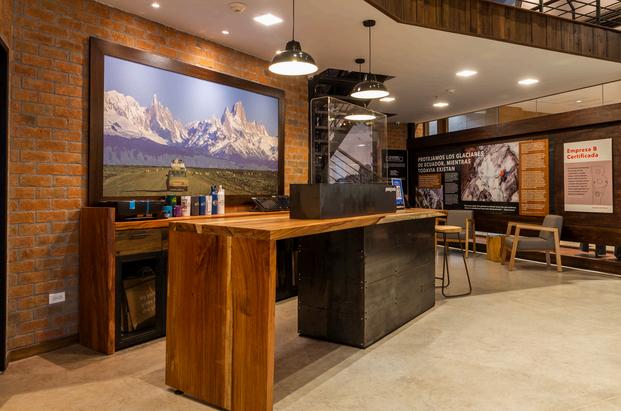
Patagonia Store Scala, Finished Project
House Fresan/Godoy Architectural Floor Plans
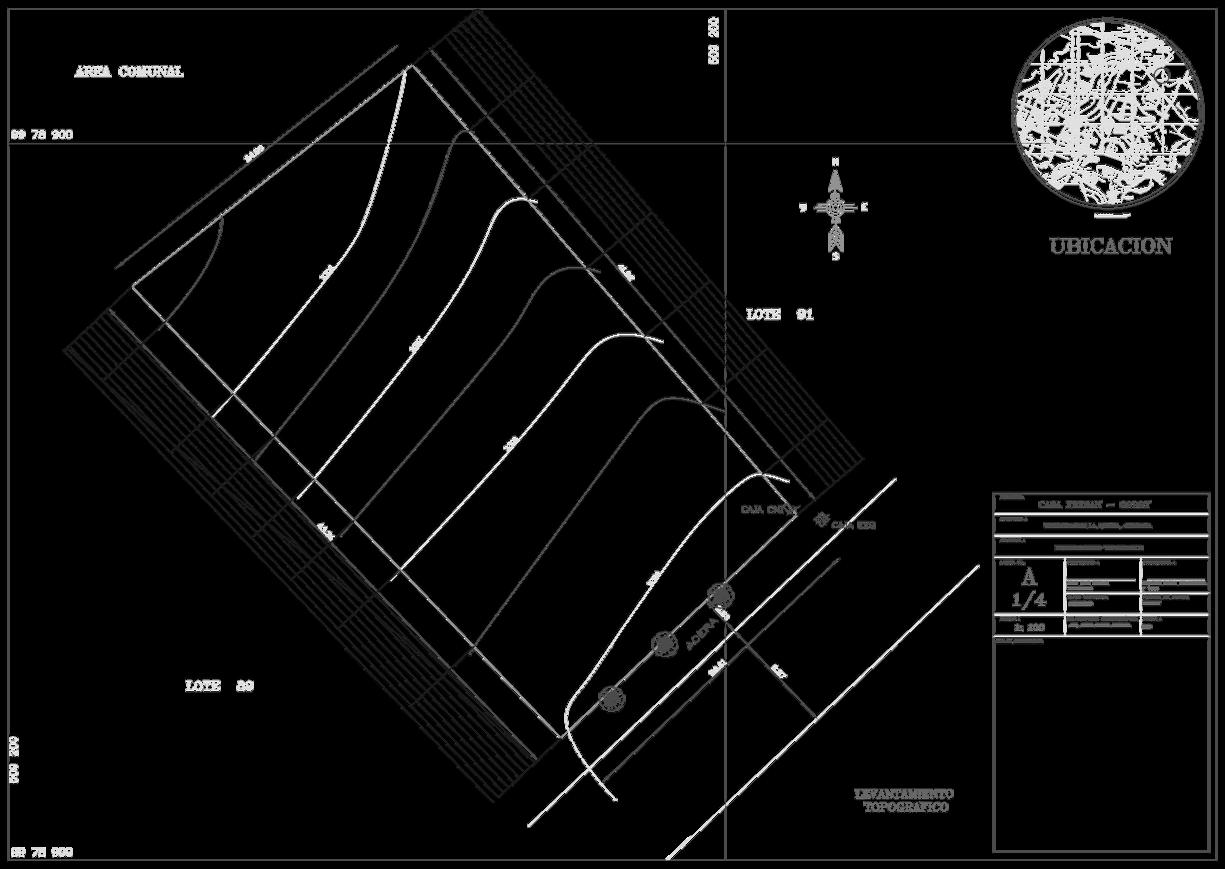
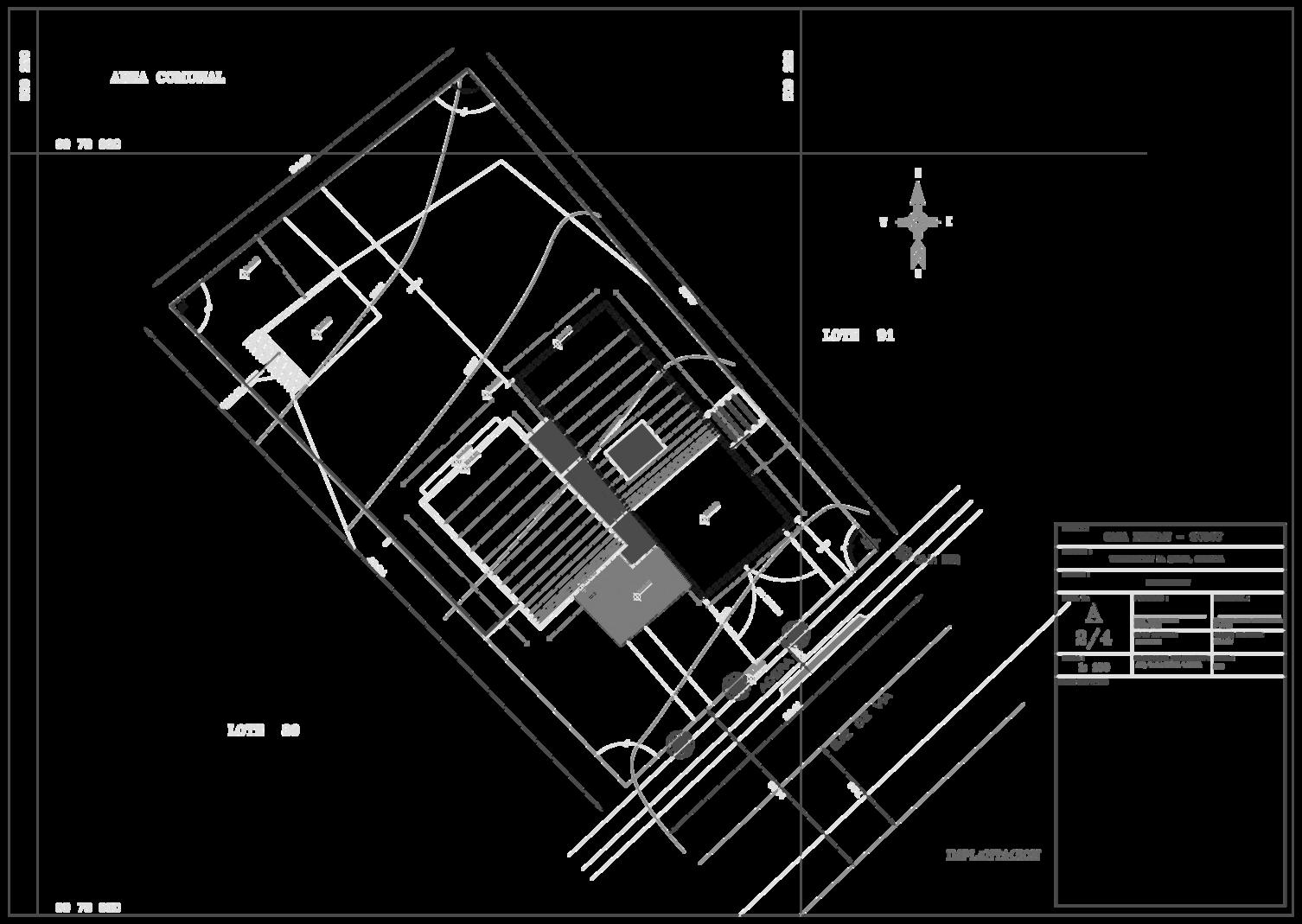
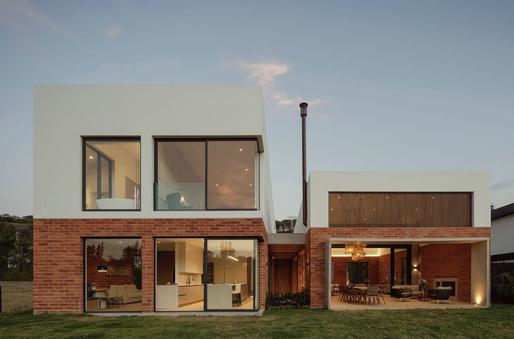
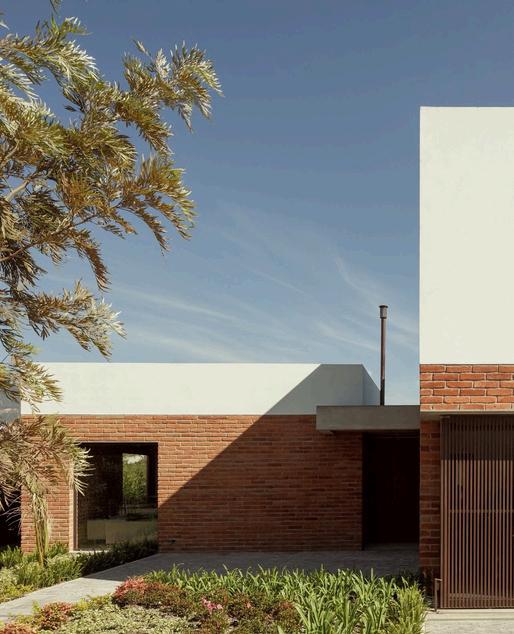
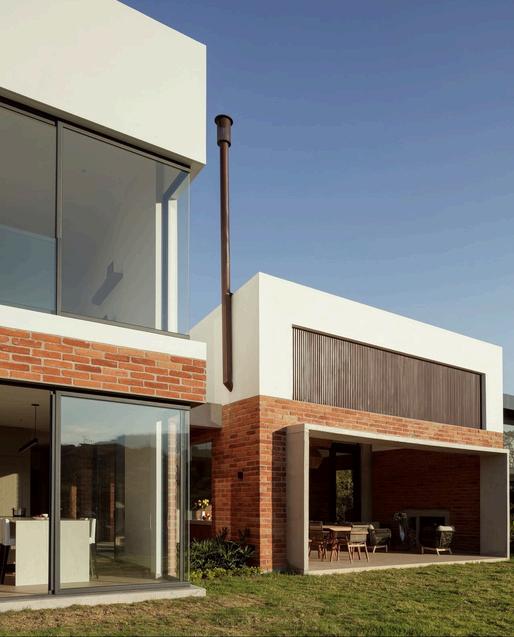
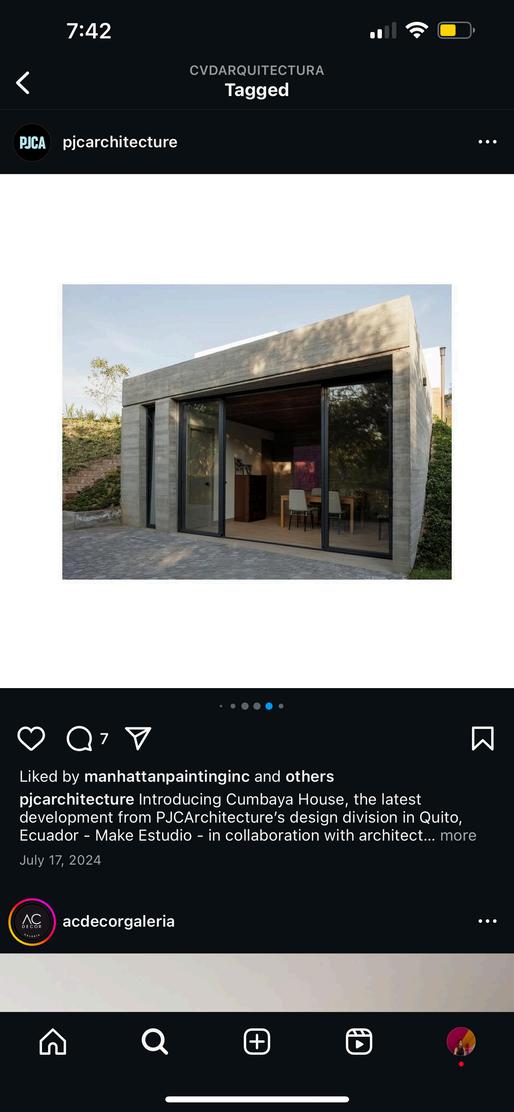
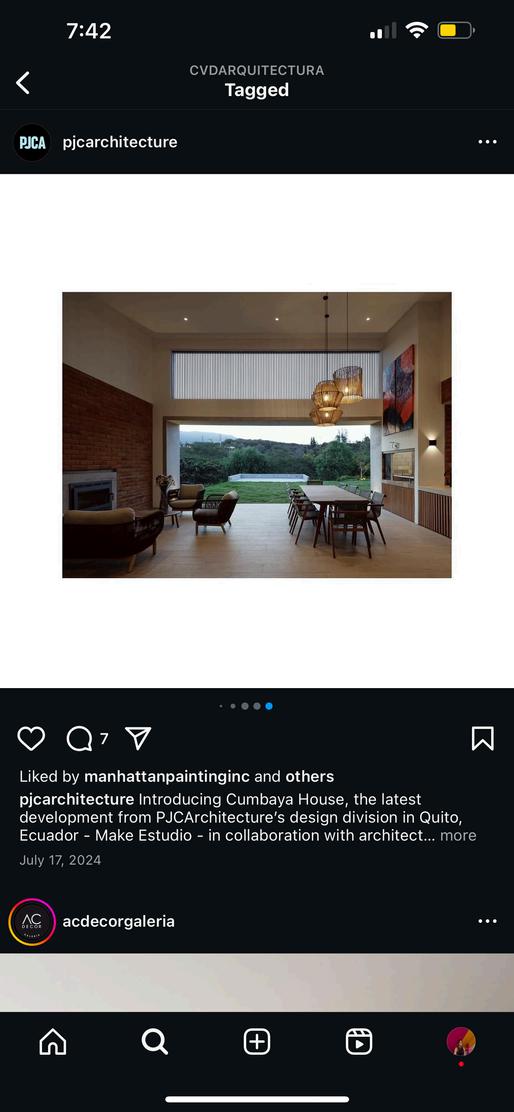
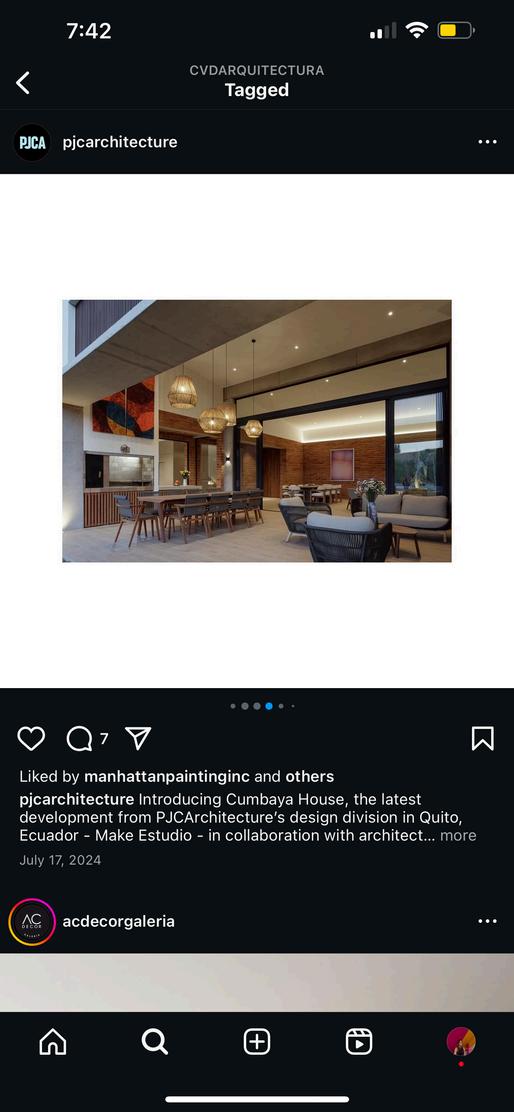
This house is located in Ecuador, in the parish of Cúmbaya in the Gated Community of La Loma Pillagua. It features a modern design with exposed brickwork, white plaster surfaces, and wooden accents, creating a warm, timeless aesthetic. Large glass windows connect indoor and outdoor spaces, while the interior blends brick, concrete, and wood with minimalist furnishings and handcrafted lighting. The open floor plan emphasizes natural light, social spaces, and harmony with the surrounding landscape.
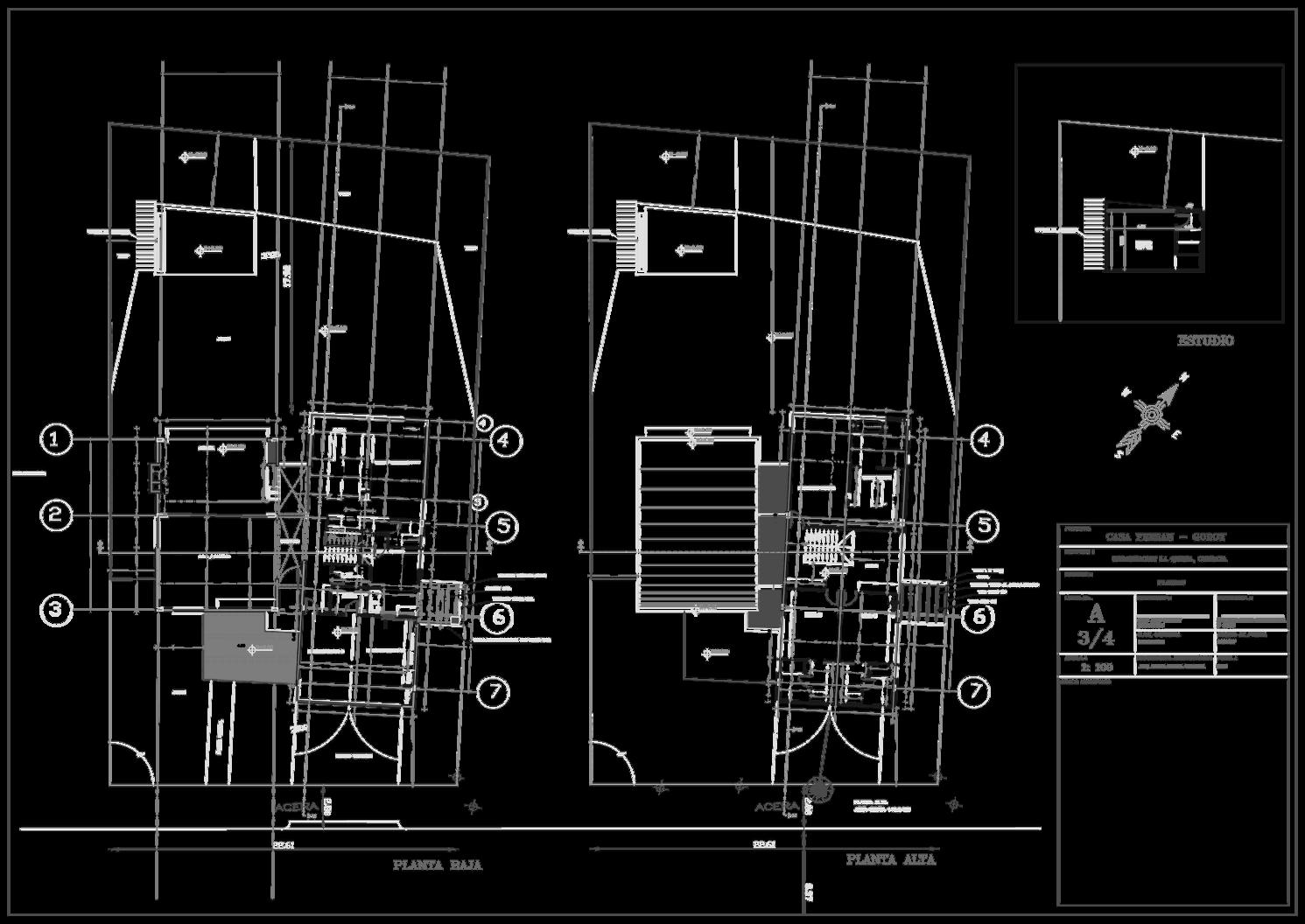
StudioFloorPlan
FrontElevation
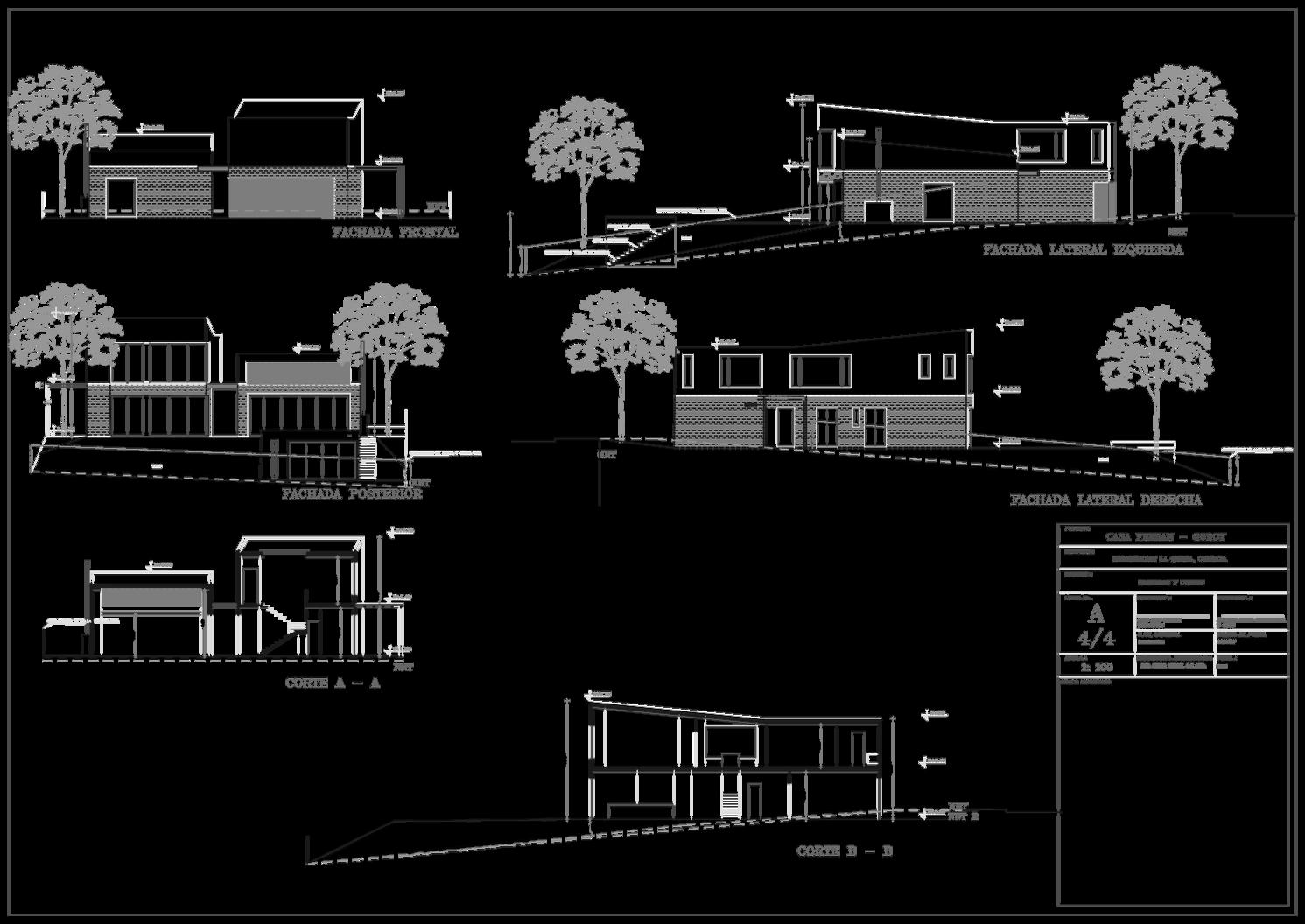
LateralElevation
RearElevation
TransversalSection
LongitudinalSection
LateralElevation
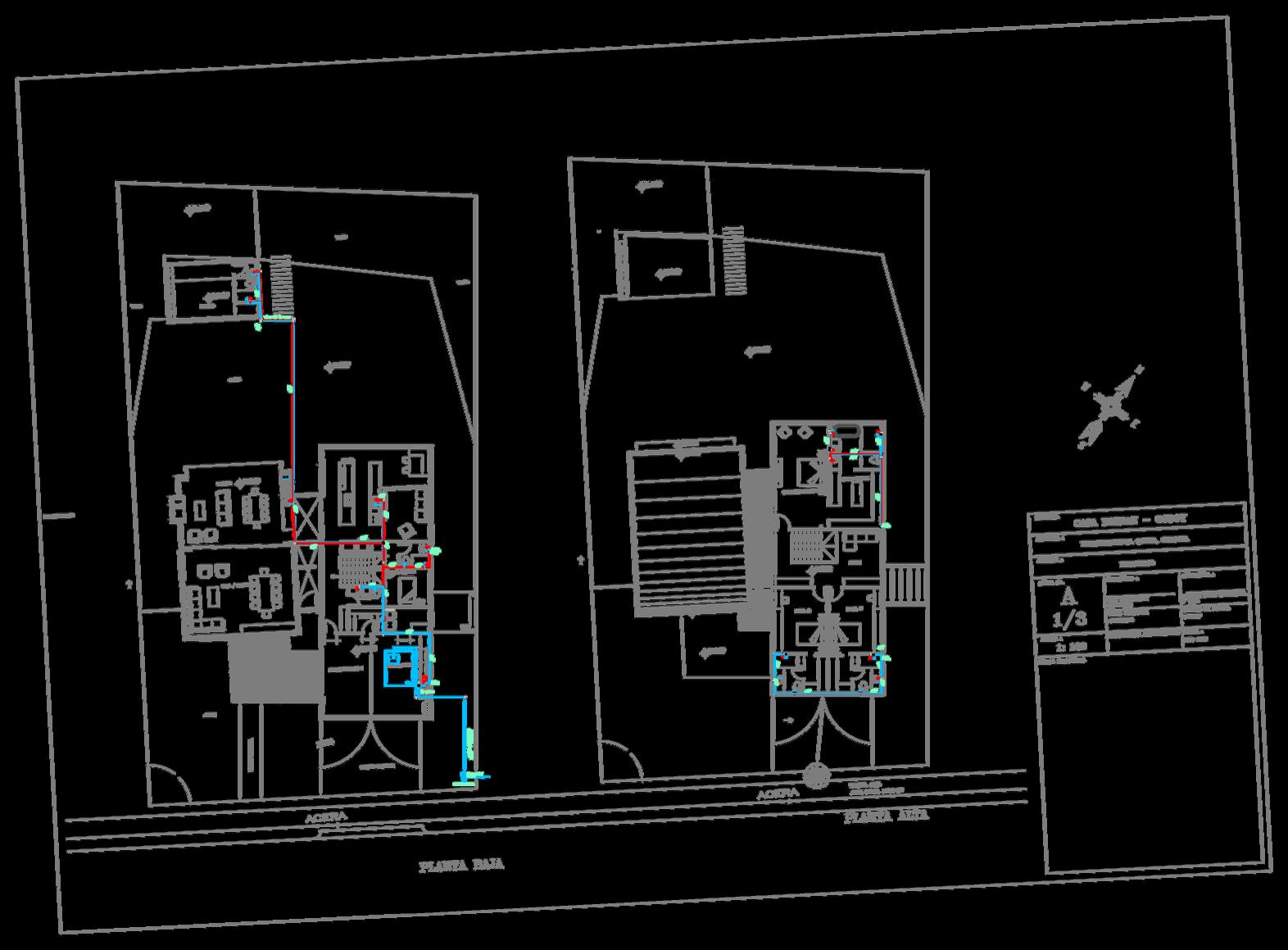
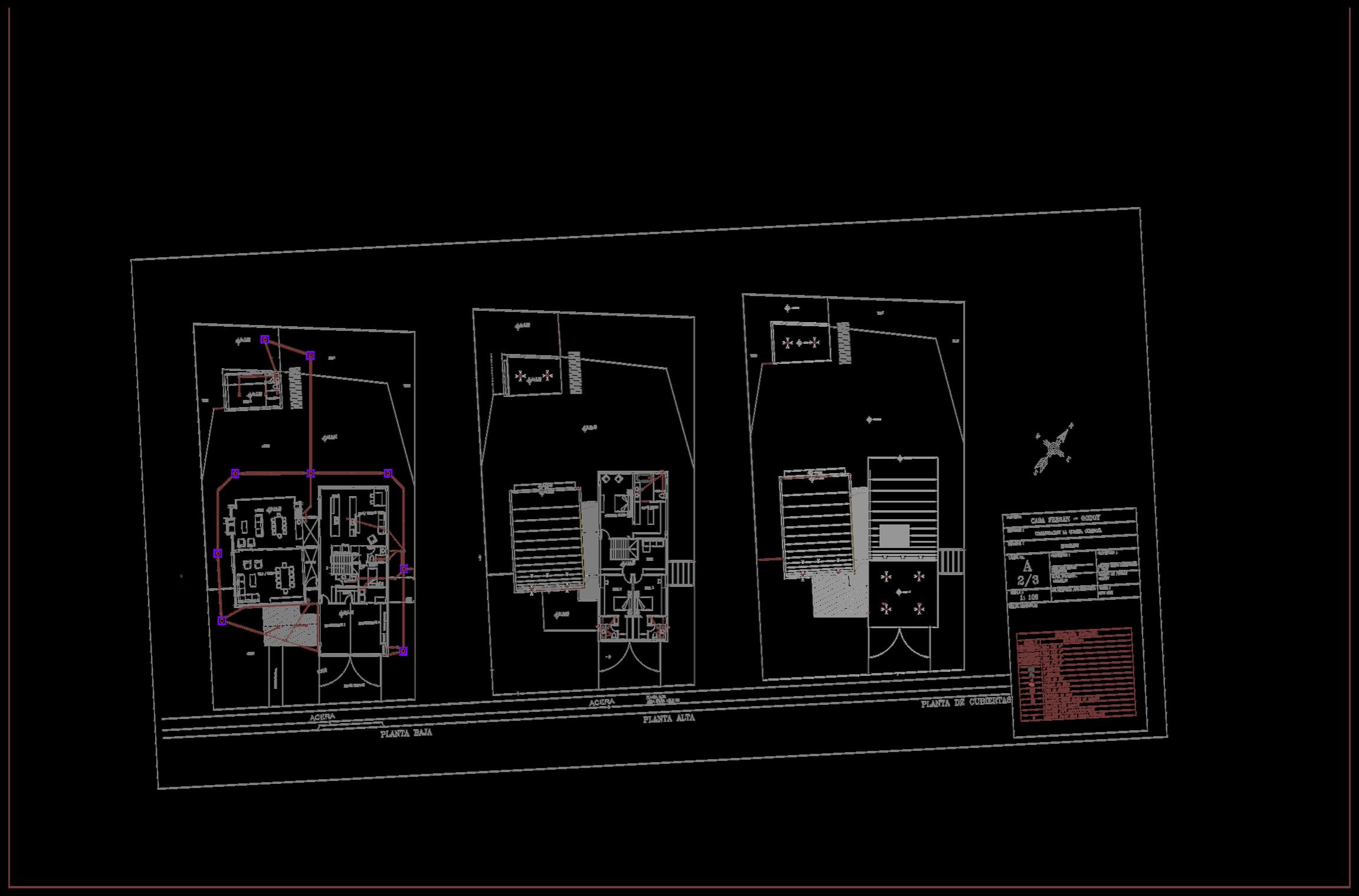
House Fresan/Godoy Hydraulic Floor Plan
House Fresan/Godoy Finished Project

House Atler/Tobar Floor Plans
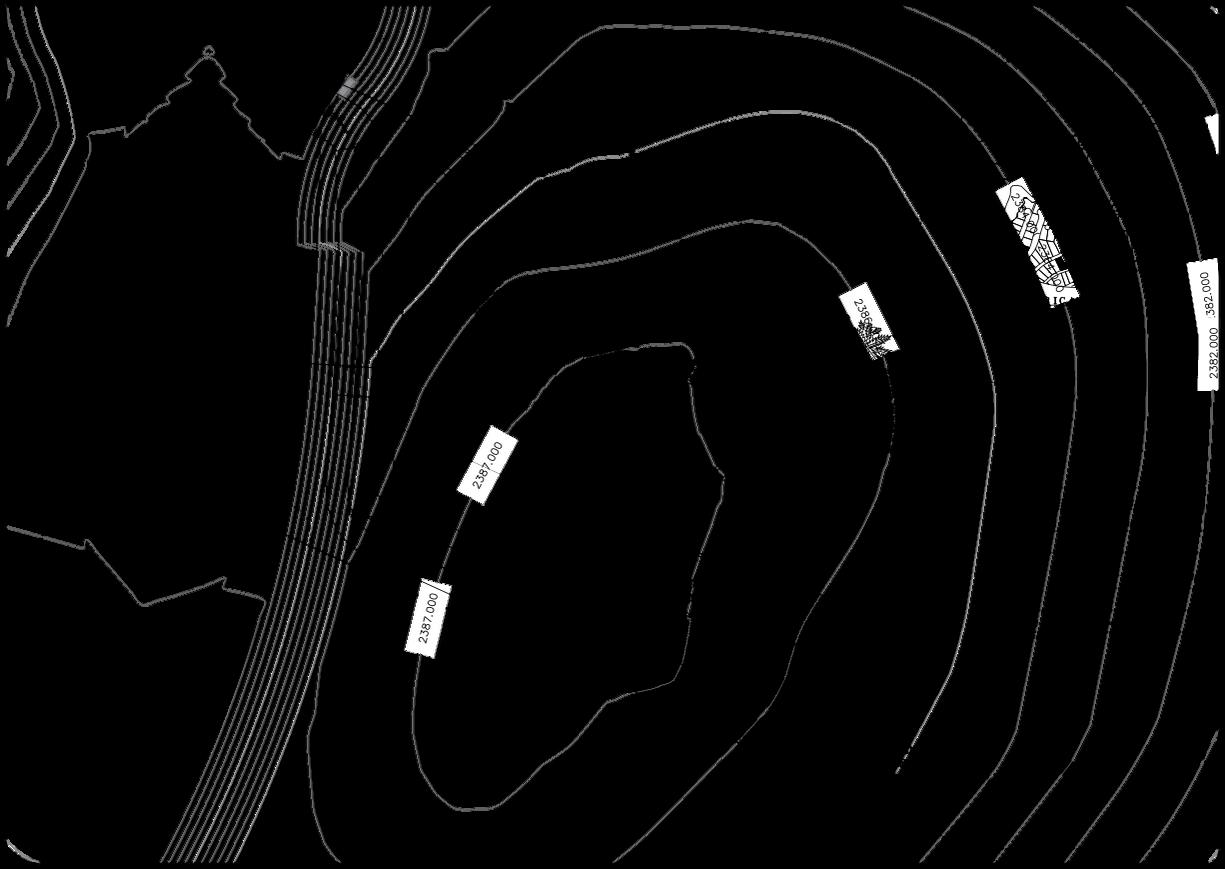
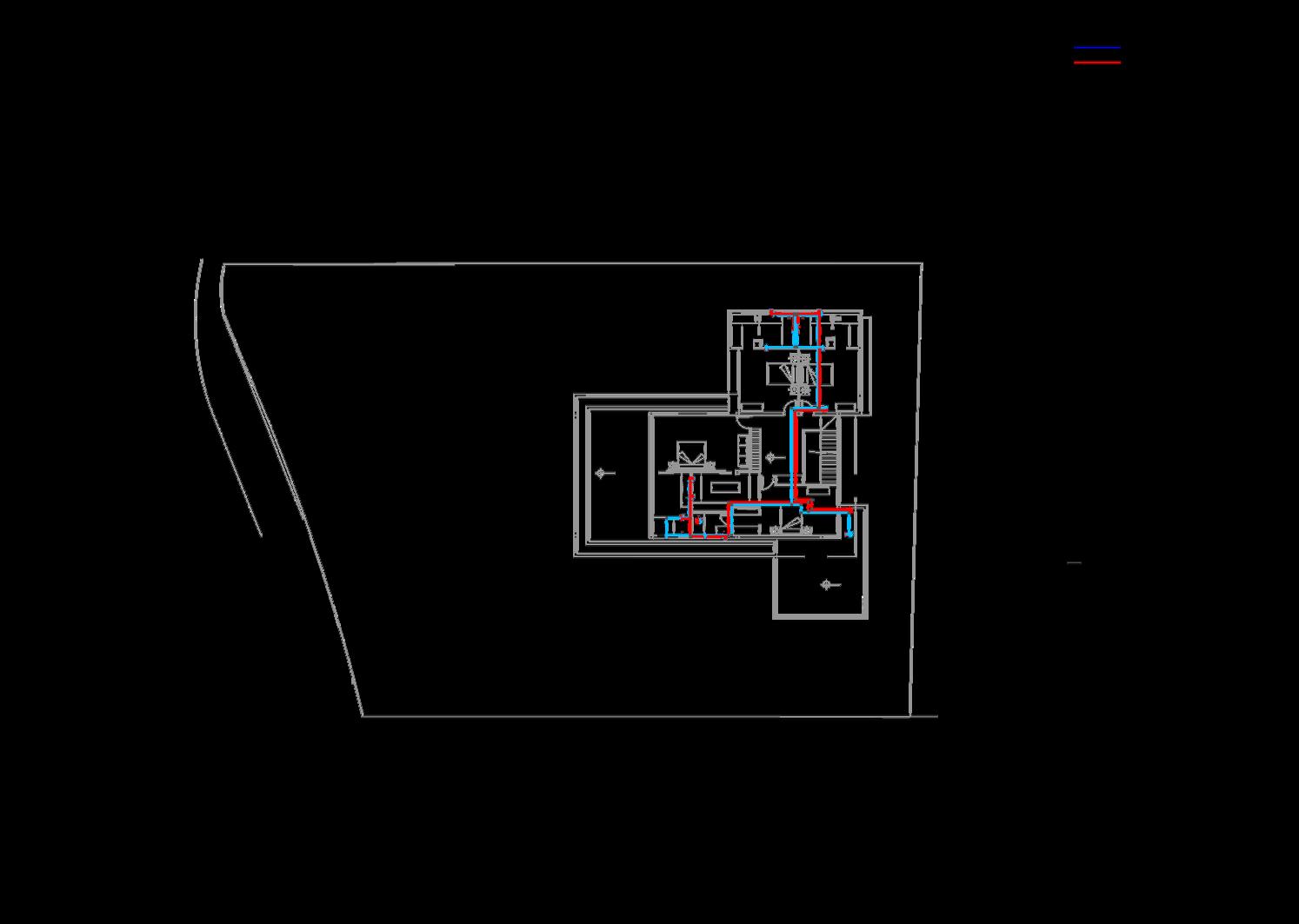
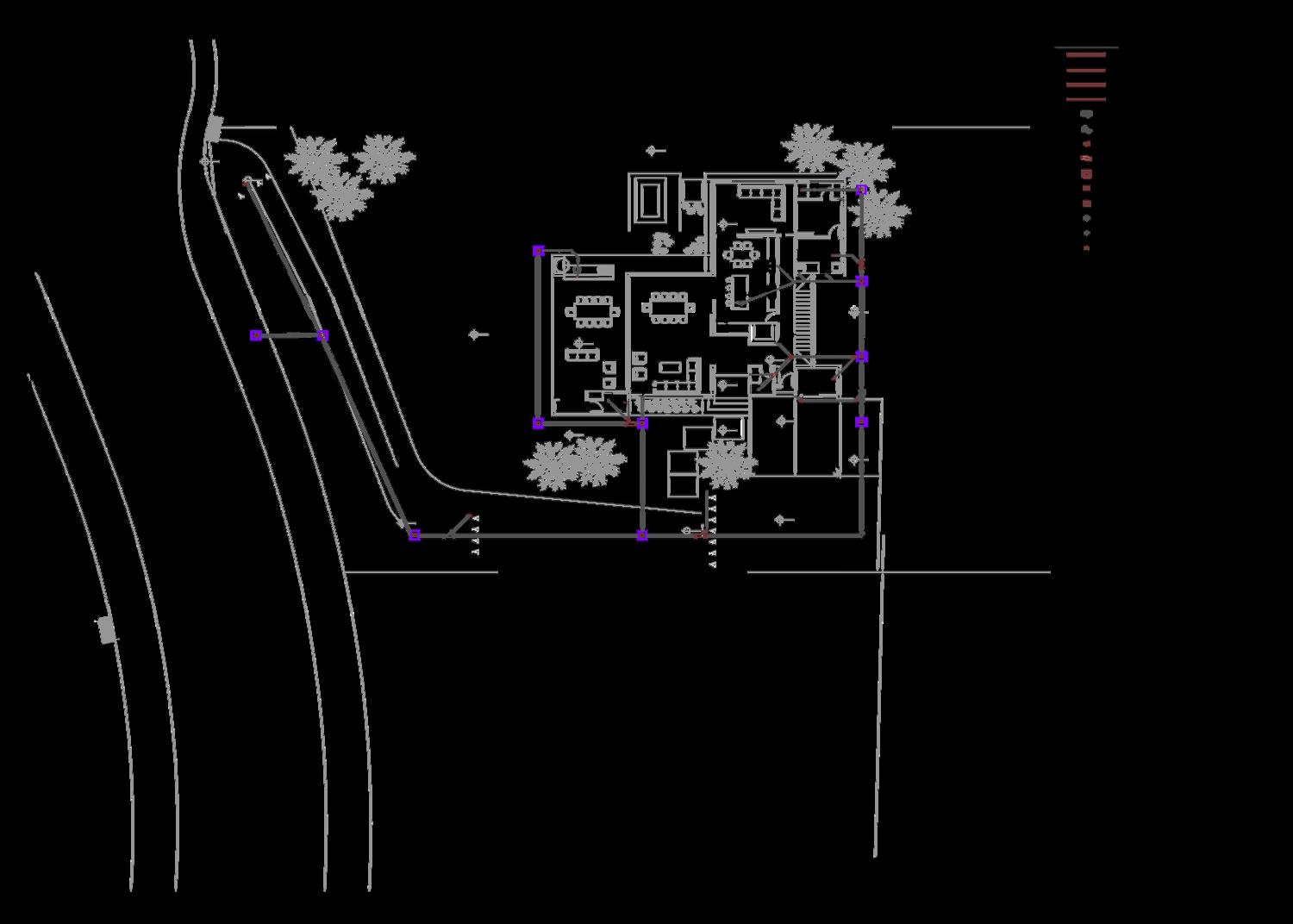
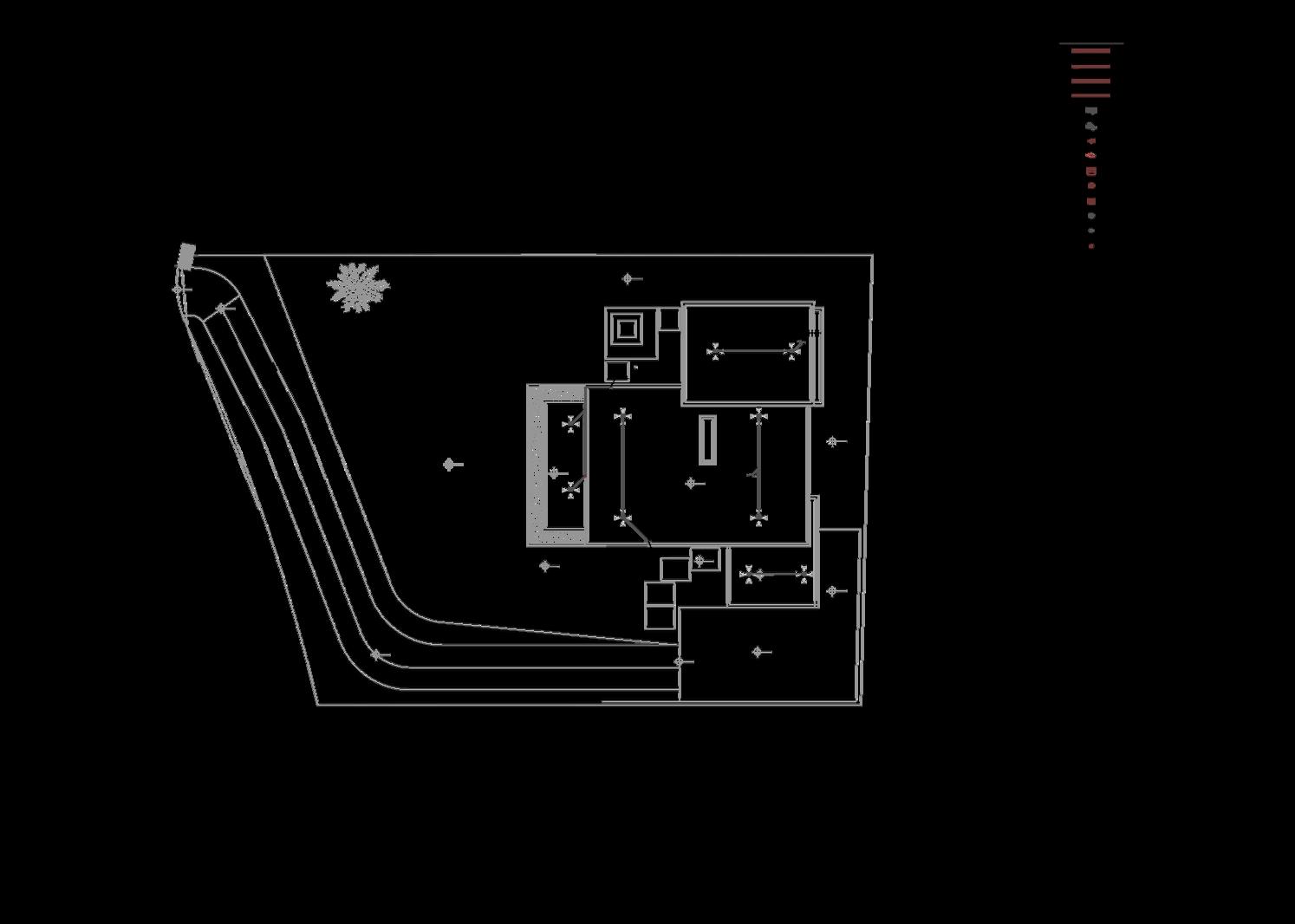
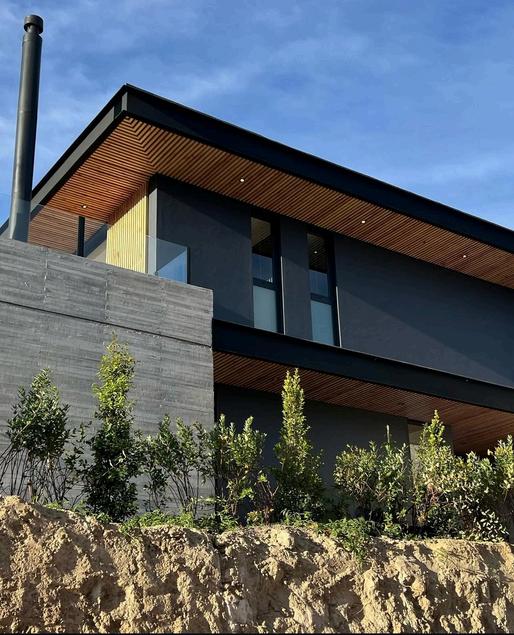
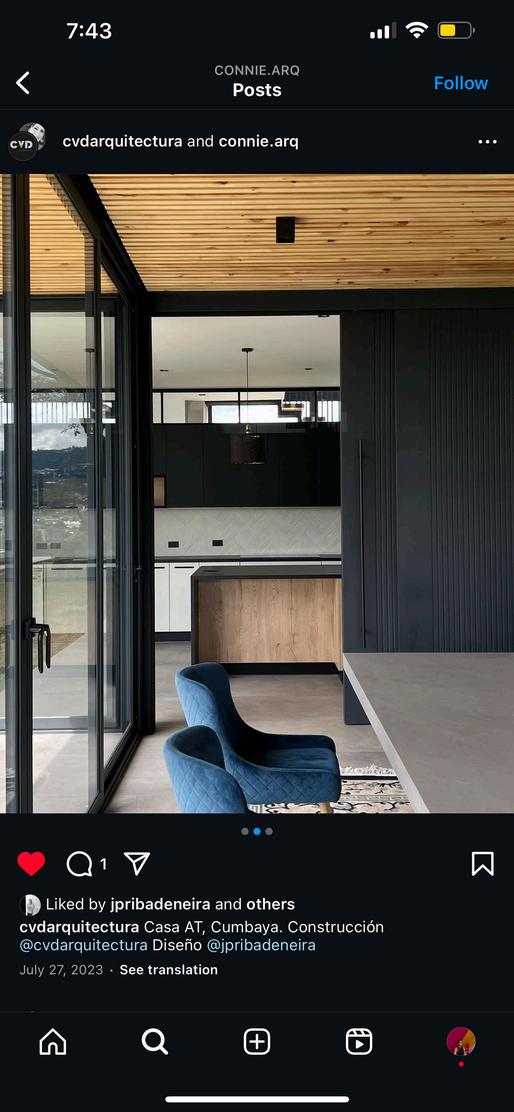
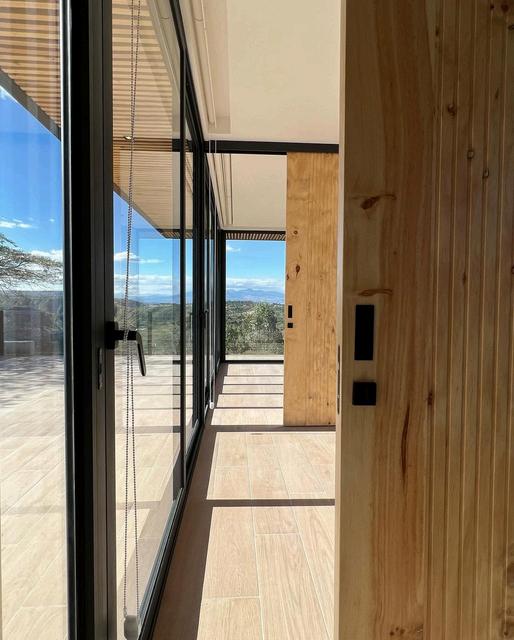
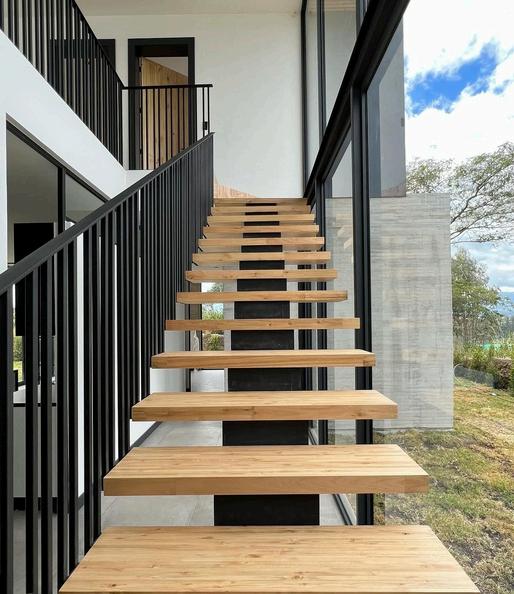
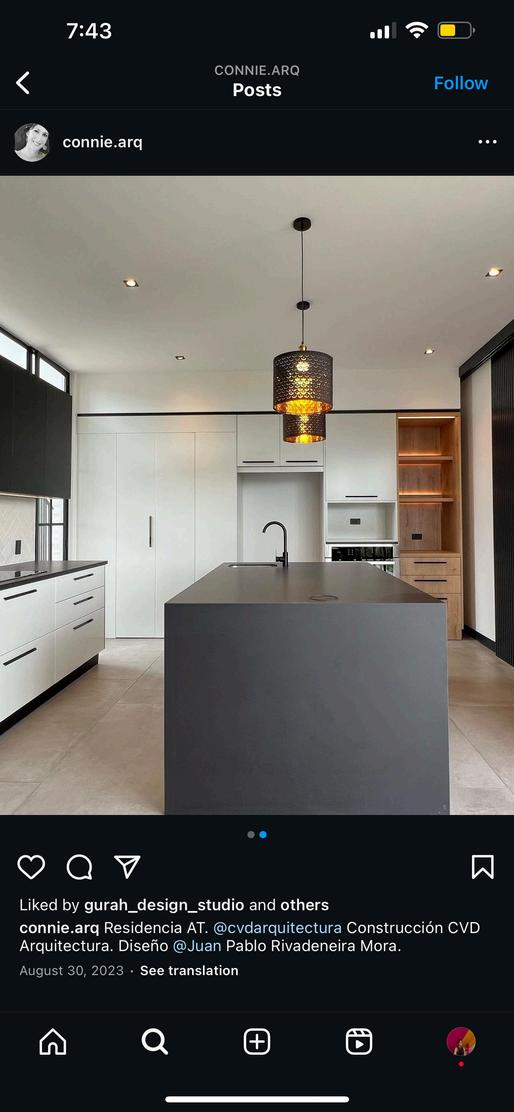
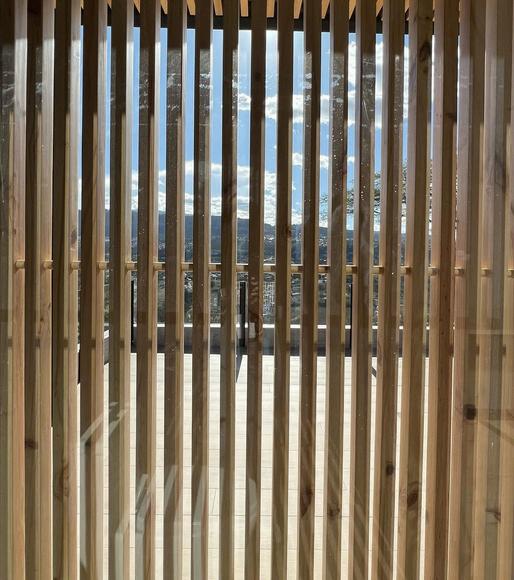
This house is located in Ecuador, in the parish of Cúmbaya in the Gated Community of La Loma Pillagua. It features a modern architectural style with an emphasis on clean lines and material contrast. The design utilizes exposed concrete, wooden slats, and dark metal frames, creating a minimalist yet warm aesthetic. Large glass panels enhance natural light and integrate the interior with the stunning views of the surrounding landscape. Inside, floating wooden stairs and sleek finishes blend functionality with elegance.


RearElevation
FrontElevation
LateralElevation
LateralElevation

TransversalSection
LongitudinalSection
House Atler/Tobar Hydraulic Floor Plan

SIMBOLOGÍAELEMENTOSHIDROSANITARIO
TuberaCobre(AC
Inodo ocontanque
Lavamanos
Ducha
Fregaderodecocna
Máquna avadoraderopa
Lavaderoderopa
Llavepa amanguera
Laveparamanguera
Caentadordeagua
Con ado deconsumodeagua
Lavegeneral
Lavedepaso
Válvuaderetencón
Vávua eductoradepresón
TuberaPVCRoscabe AF) N21
Bombaeléct ica(inc T Hidroneumátco
Depos o tpocsterna
Nomencaturadetube a
Csterna Nudo
Meddor
CASAADLERTOBAR
SIMBOLOGÍAELEMENTOSHIDROSANITARIO
TuberaCobre(AC
Inodo ocontanque
Lavamanos
Ducha
Fregaderodecocna
Máquna avadoraderopa
Lavaderoderopa
Llavepa amanguera
Laveparamanguera
Caentadordeagua
Con ado deconsumodeagua
Lavegeneral
Lavedepaso
Válvuaderetencón
Vávua eductoradepresón
TuberaPVCRoscabe AF) N21
Bombaeléct ica(inc T Hidroneumátco
Depos o tpocsterna
Nomencaturadetube a
Nudo
Csterna
Meddor
CASAADLERTOBAR
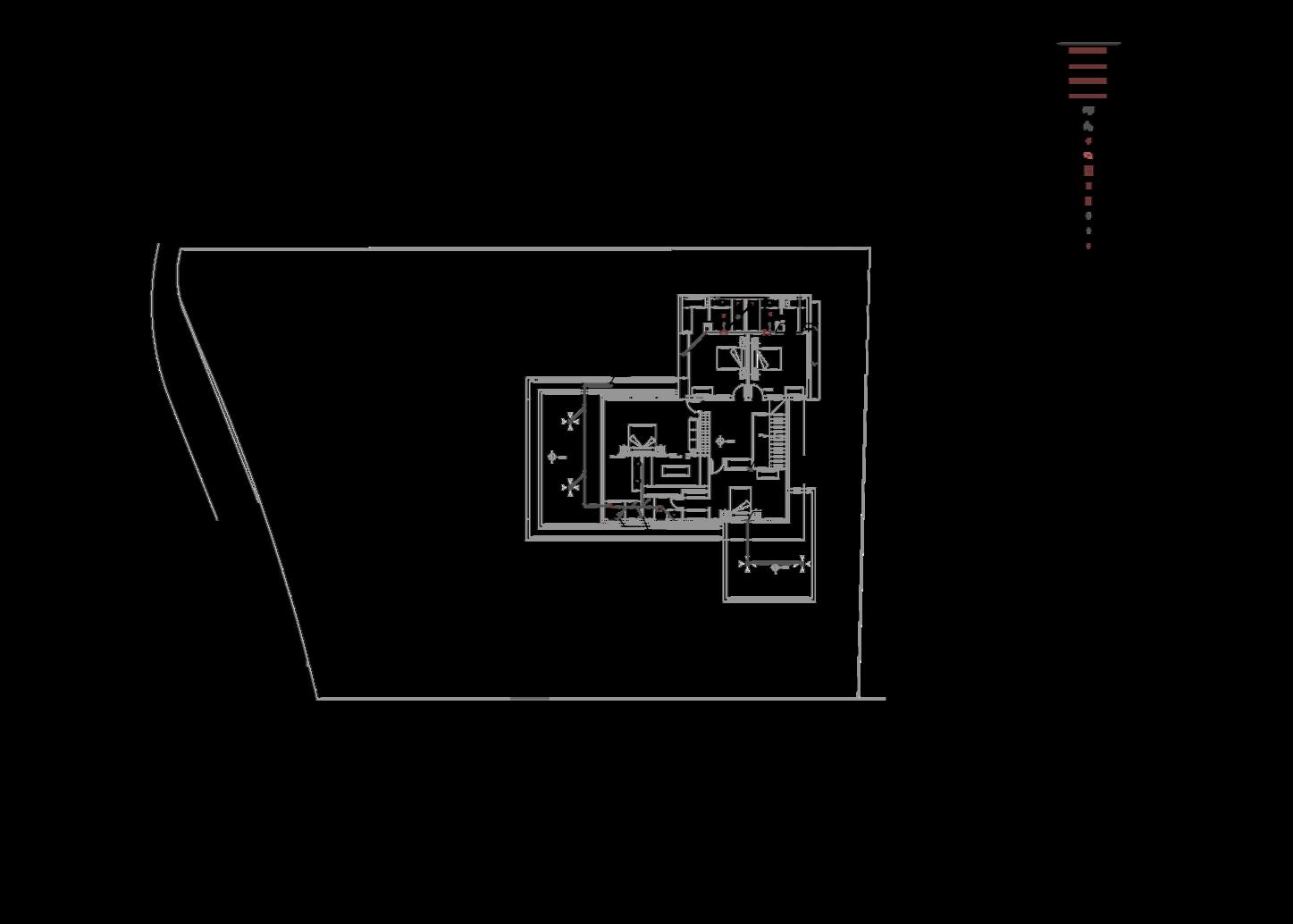
House Atler/Tobar Sanitary Floor Plan
SIMBOLOGÍA
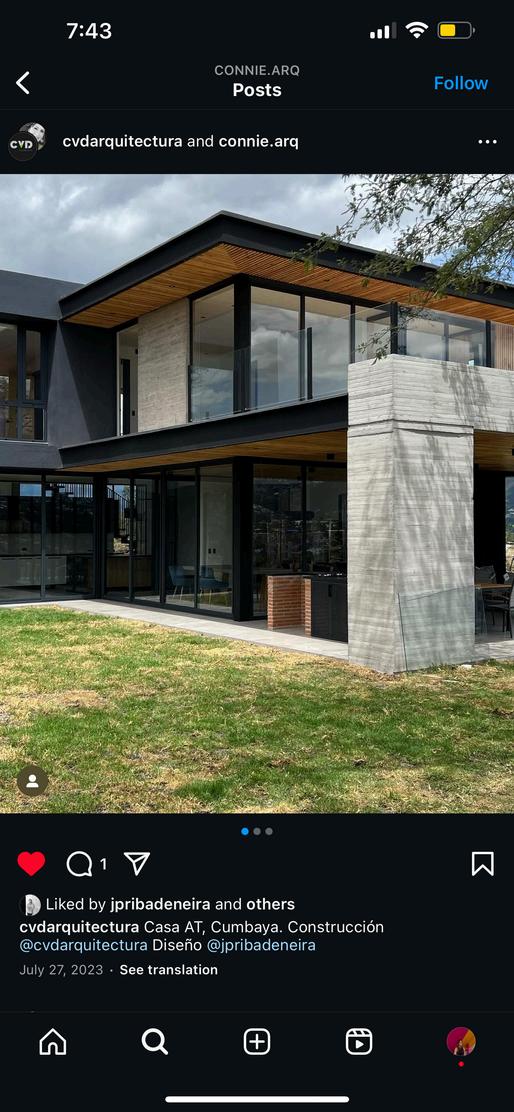
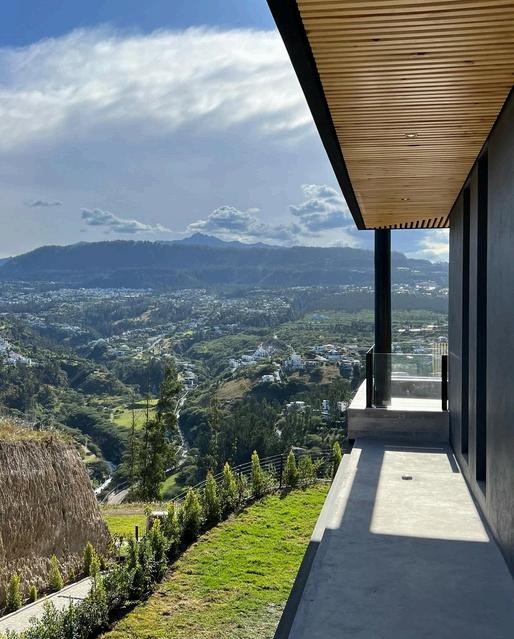
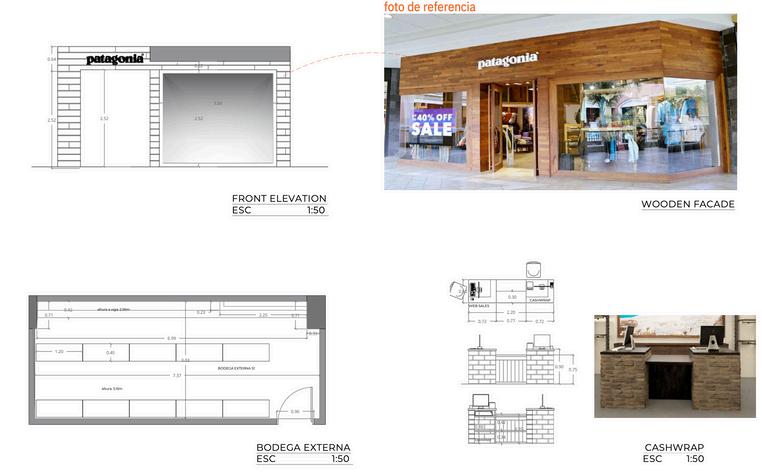
Patagonia Store Quicentro, Floors Plan and Concept
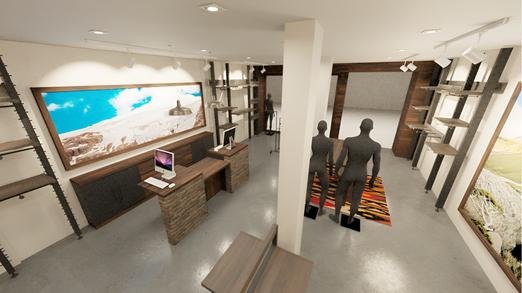
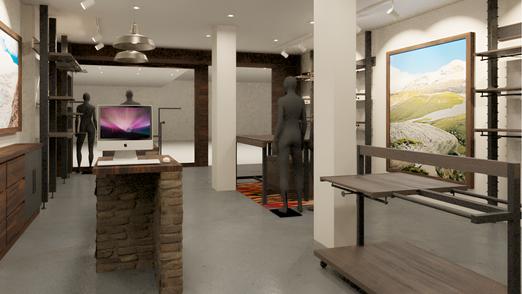
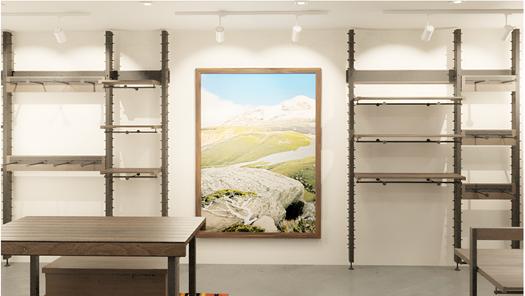
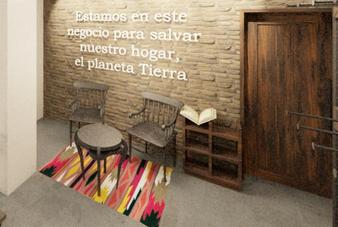
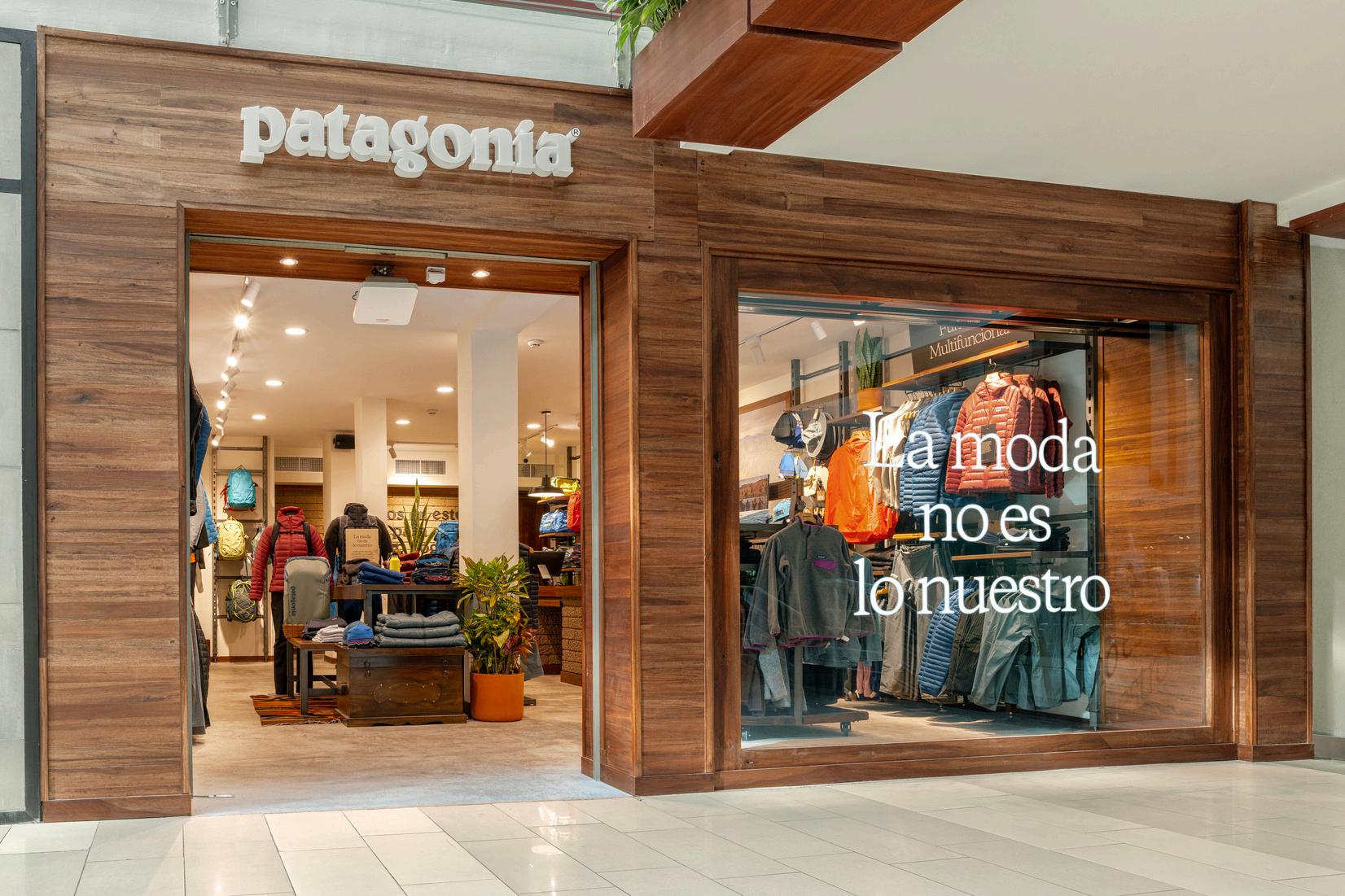
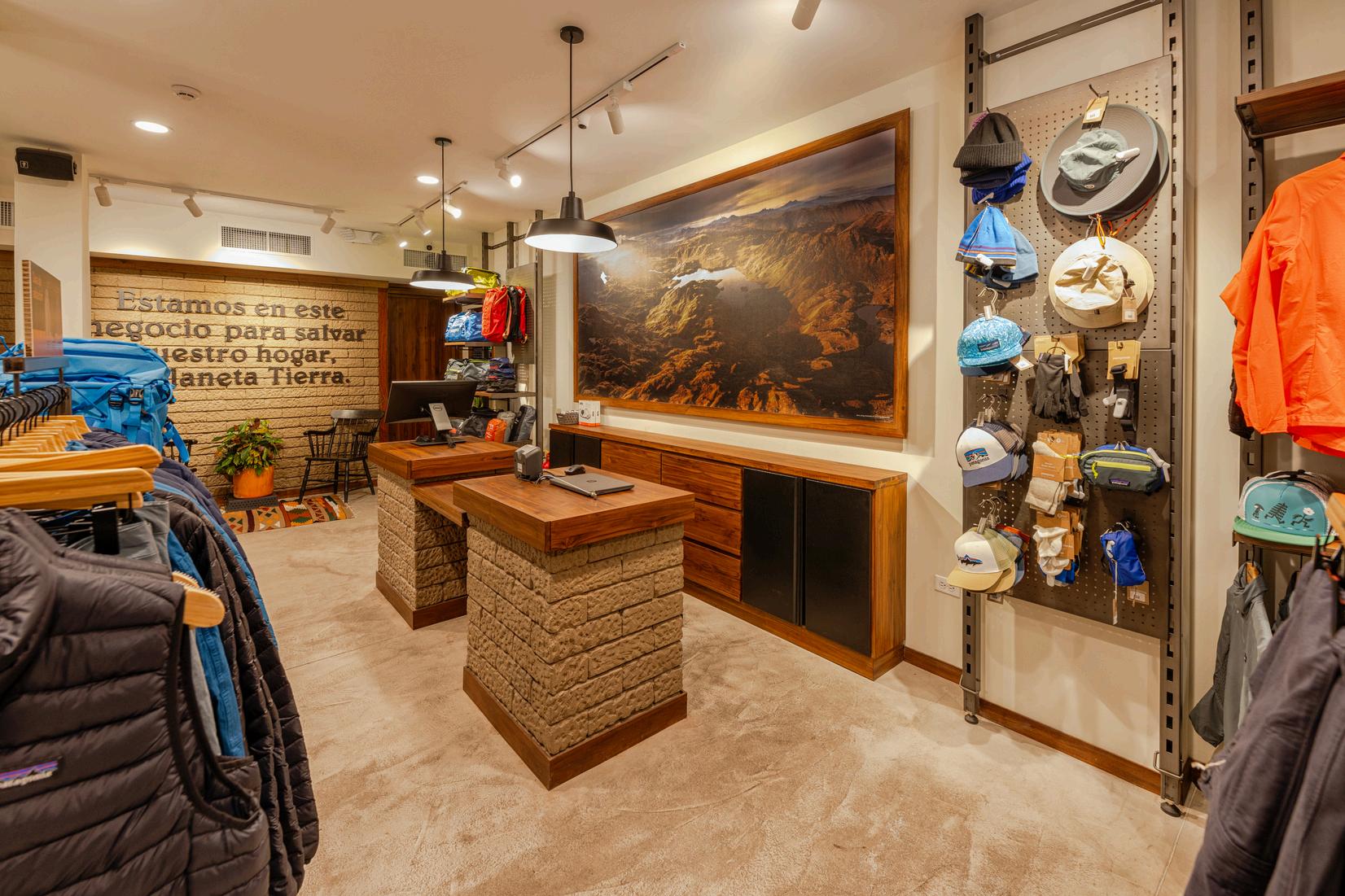
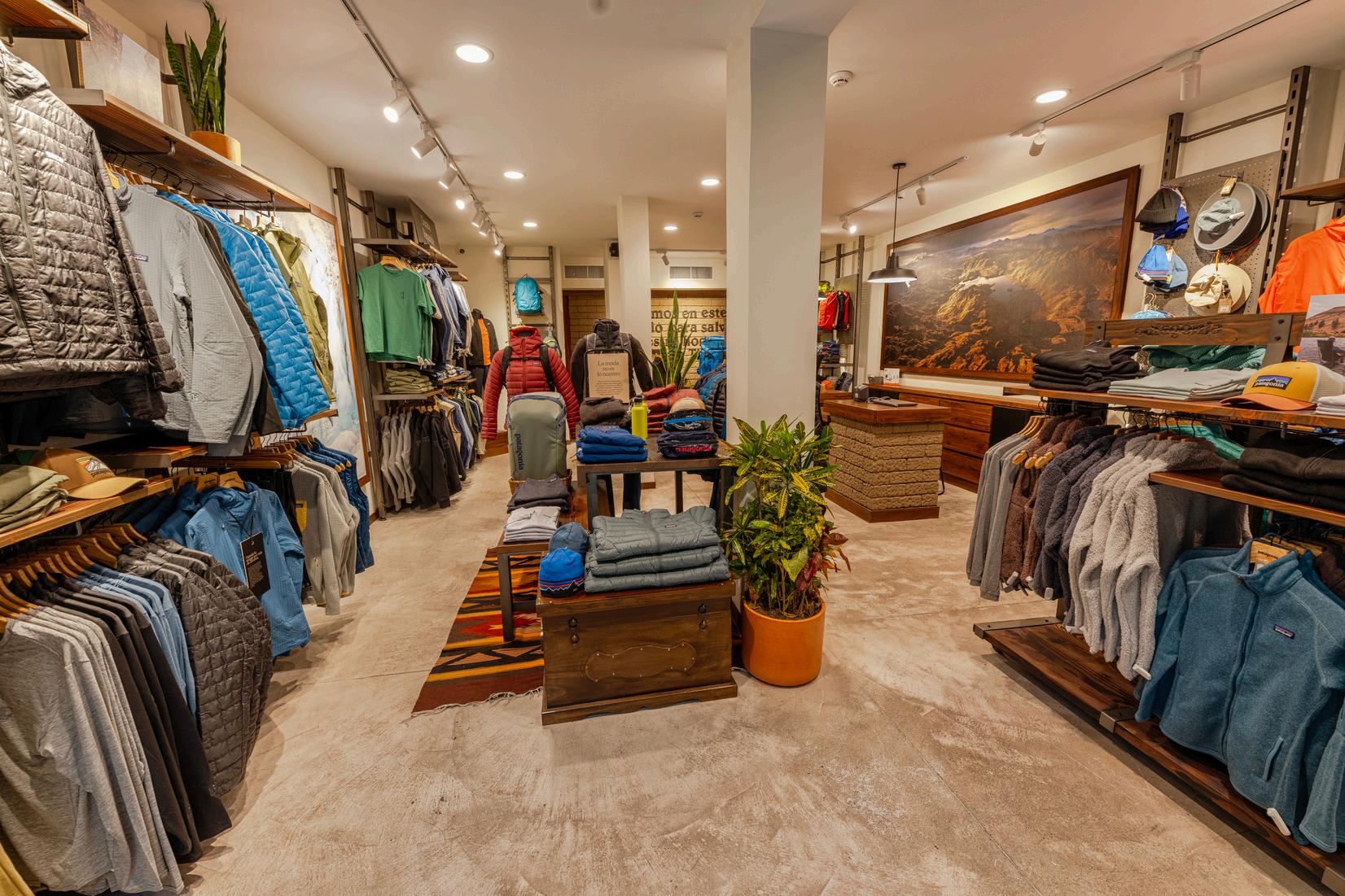
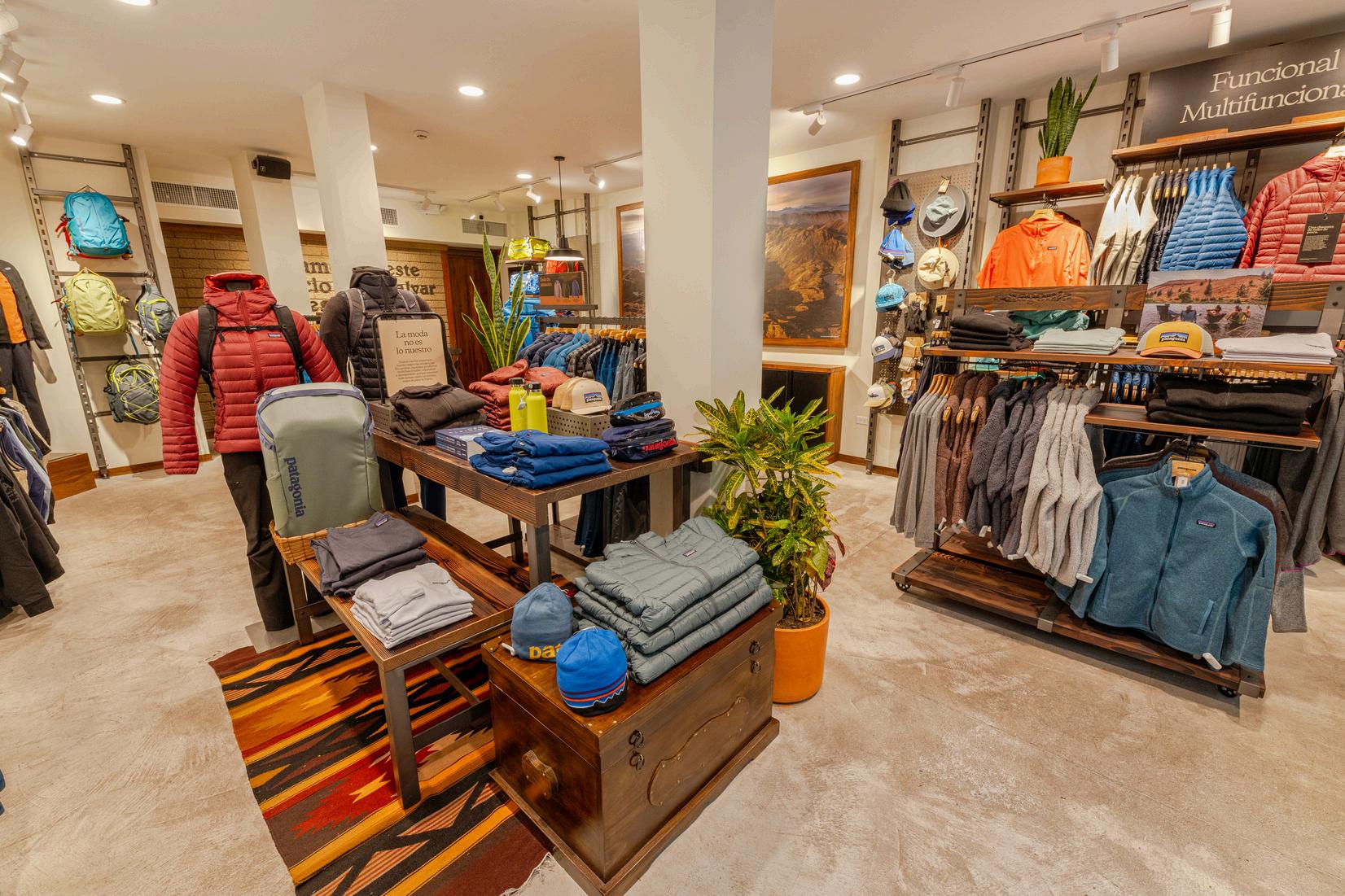
This store is in Quicentro Mall, Quito, Ecuador. It emphasizes activism and conscious consumption and is strategically located in a high-traffic mall near the financial district. Focused on river conservation, it integrates Worn Wear, ROA, and Unfashionable campaigns. The design blends traditional and modern elements, inspired by Quito’s heritage, with warm minimalism using earthy tones and raw materials. The facade features Ecuadorian laurel wood, while the interior combines adobe walls, black steel, and handcrafted Otavalo rugs. A Purpose Wall, seating area with antique furniture, and large-format photography of Ecuador’s rivers reinforce Patagonia’s commitment to sustainability.
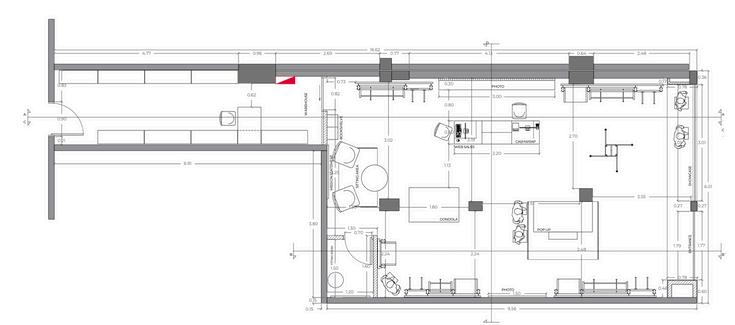
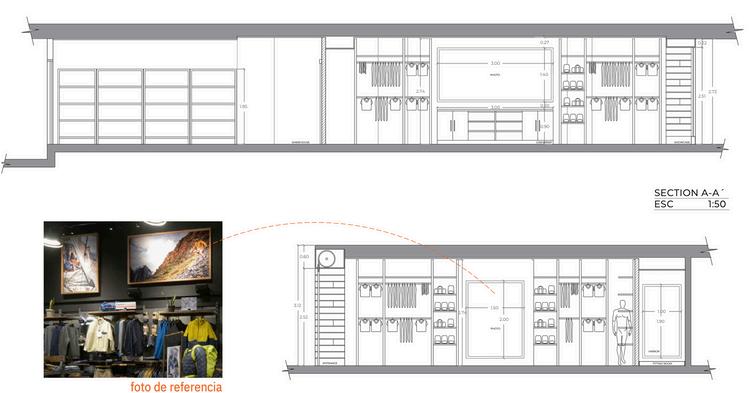
Patagonia Store Quicentro, Section Floor Plans
Patagonia
Store Quicentro, Section Floor Plans
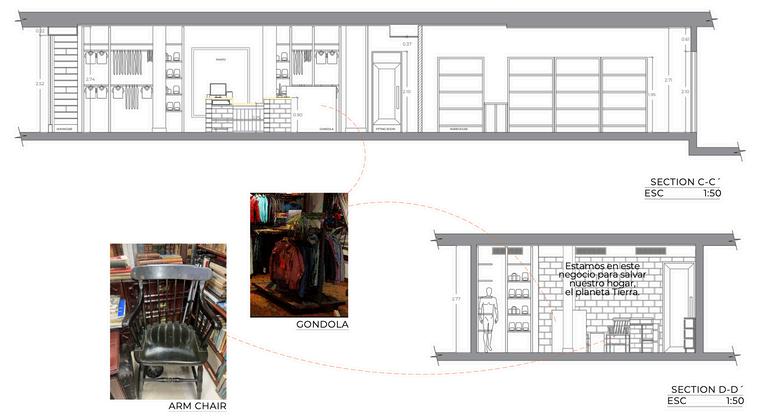
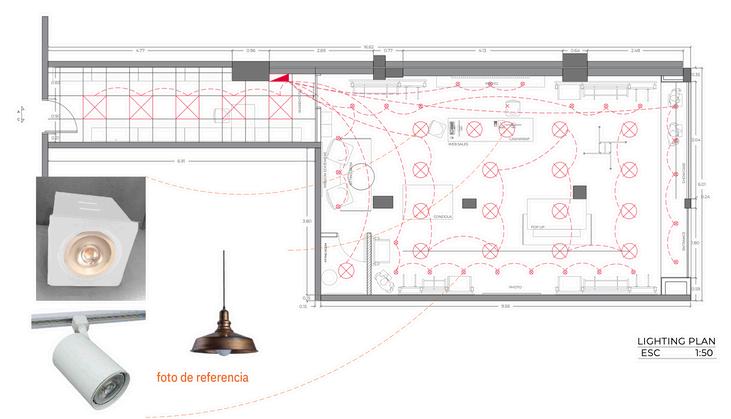
Patagonia Store Quicentro, Lighting Floor Plans
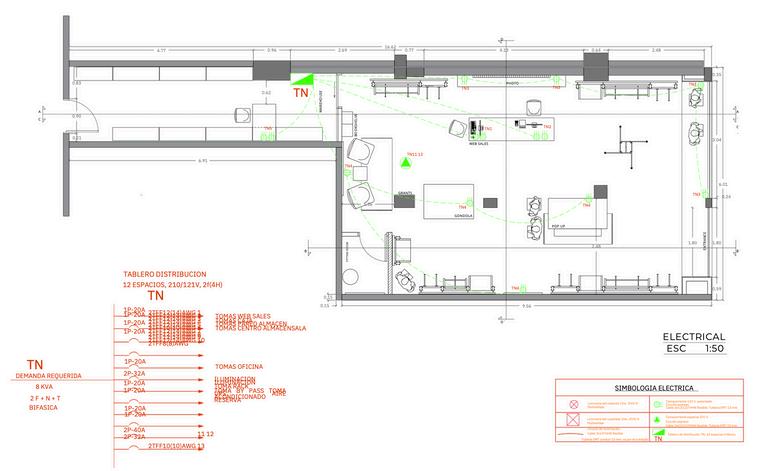
Patagonia Store Quicentro, Electrical Floor Plans
Patagonia Store Quicentro, Elevation, Storage and Cashwrap Floor Plans ExteriorStorage
Patagonia Store Quicentro, Ceiling Detail and Flooring Detail Floor Plan
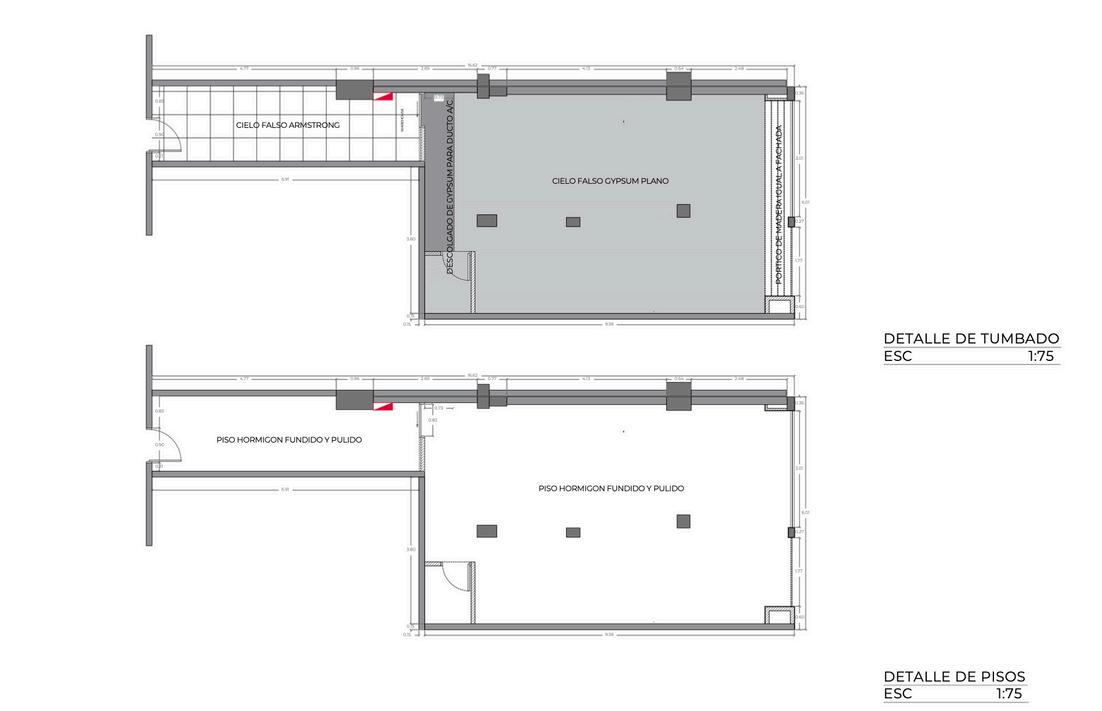
Detail
Ceiling
Flooring Detail
Patagonia Store Quicentro, Renders
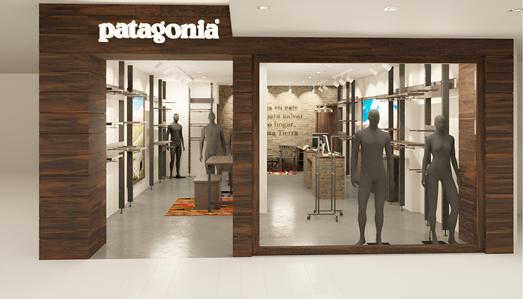
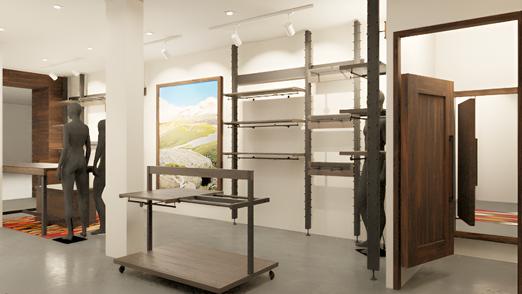
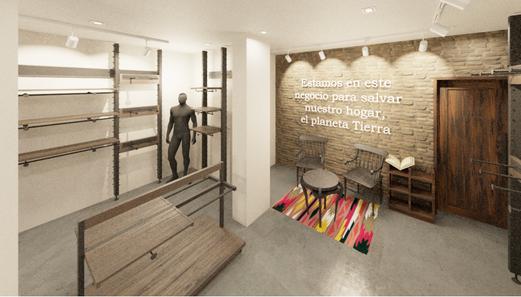
Patagonia Store Quicentro, Renders
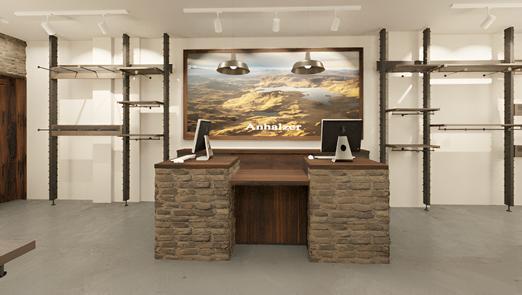
Patagonia Store Quicentro, Renders
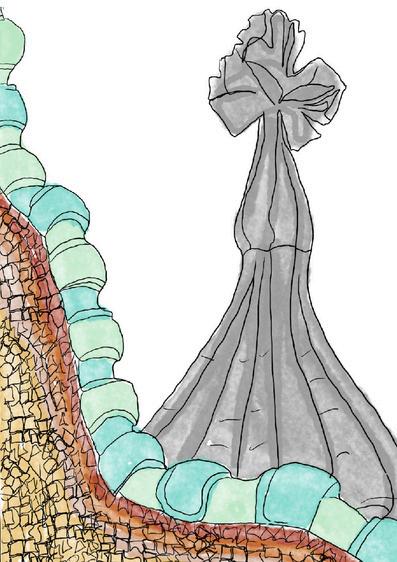
Batllo House, Rooftop
Scale A4
Pens and watercolors
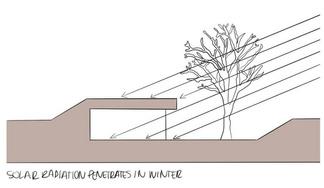
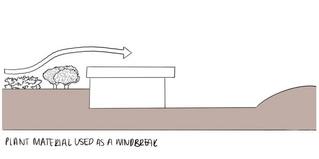
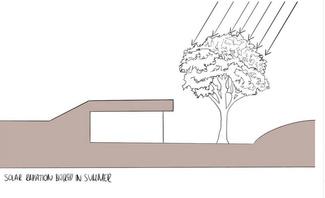
Houses with Earthen Berms
Scale A4
Markers of various thicknesses and pens
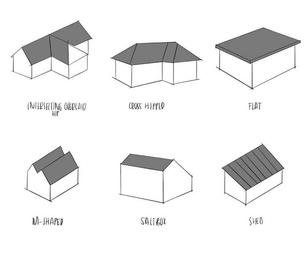
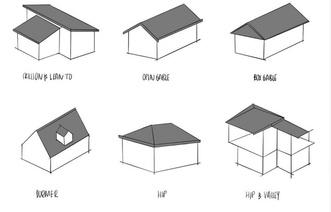
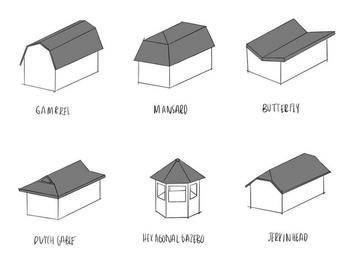
Types of Roofs
Scale A4
Markers of various thicknesses and pens
Hyperbolic Paraboloids in Ecuador
Scale A4
Various thicknesses of pens
Barcelona Buildings
Scale A4
Pens of various thicknesses and watercolors
Types of Windows
Scale A4
Markers of various thicknesses and pens
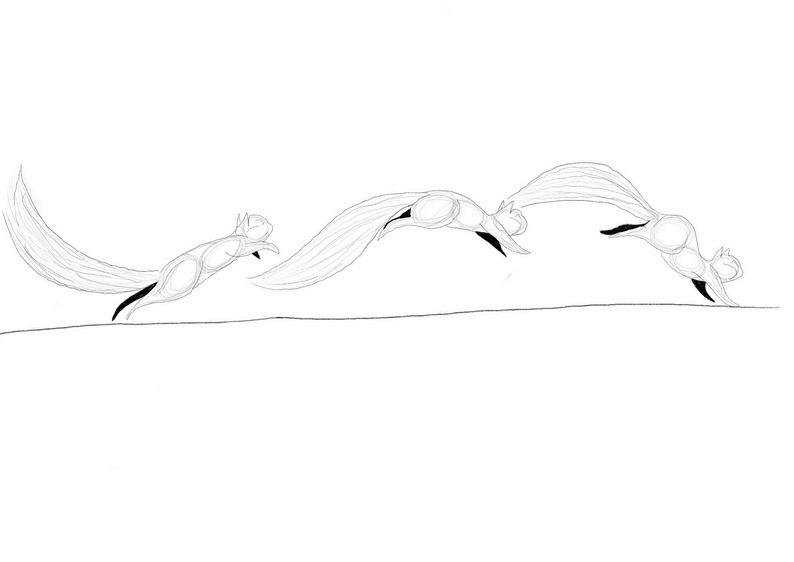
Squirrel In Motion
Scale A5
Pencils of various thicknesses and marker
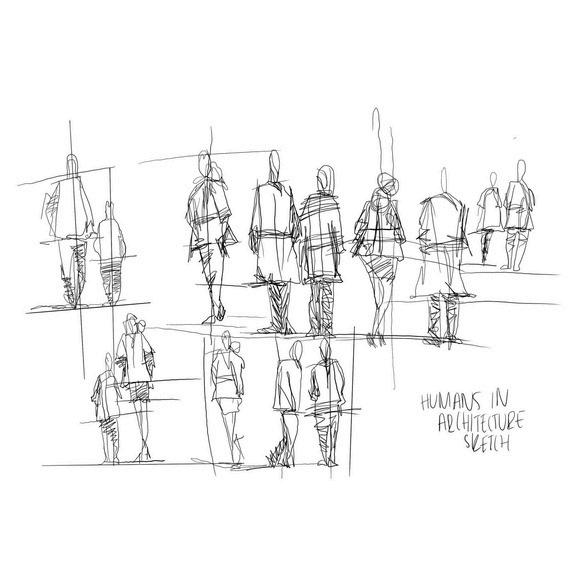
Humans
Scale A5
Pencils h, hb, b and their derivatives
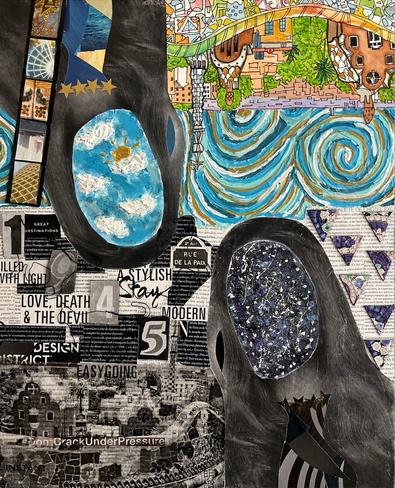
Who am I
Trees Perspective
Scale A3
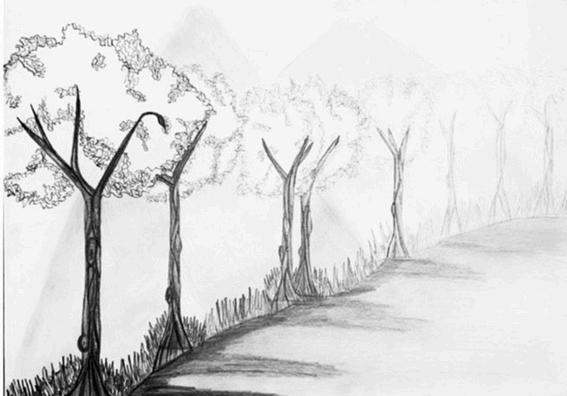
Pencils h, hb, b and their derivatives
Scale A5
Monochromatic acrylic paint
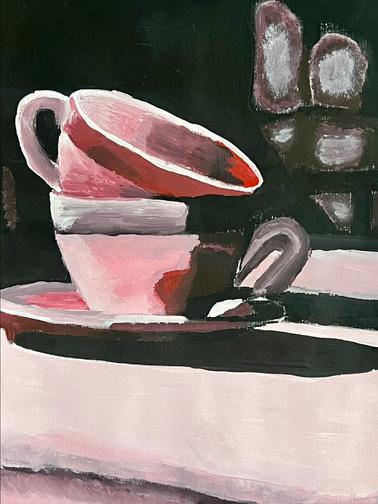
2 Tea Cups
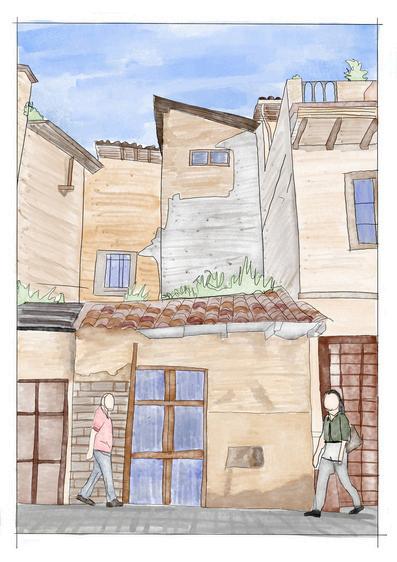
Building of Quito
Scale A4
Markers of various thicknesses and pens
Room with Shadows
Pencils h, hb, b and their derivatives
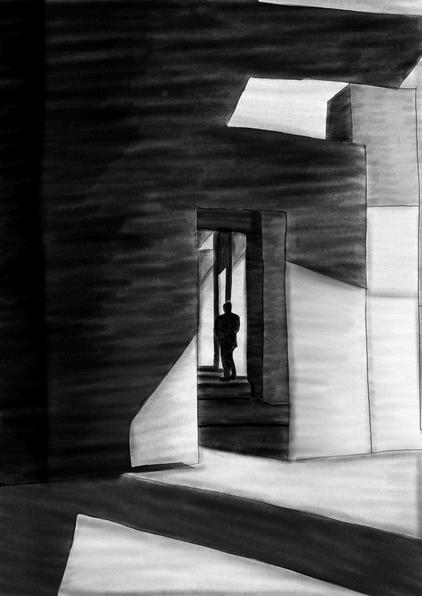
Scale A4
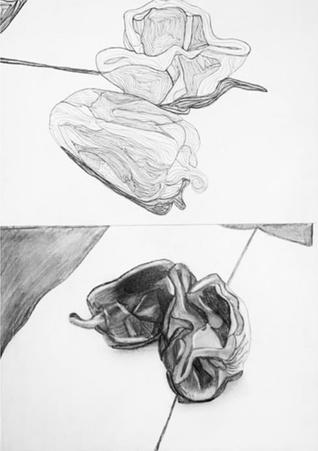
Bell peppers
Scale A3
Pencils h, hb, b and their derivatives
Scale A5
Lithography
China Town Street
Scale A4
Markers of various thicknesses and pens
Azuma House Interior Perspective
Scale A4
and their derivatives
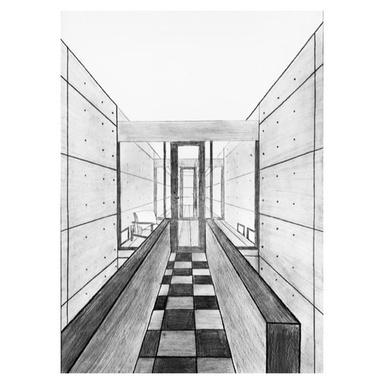
Pencils h, hb, b
Section
Scale 1:50
Markers of

Facade elevation of a Building in Cumbayá Park detail, Quito
Scale A4
Markers of various thicknesses and pens
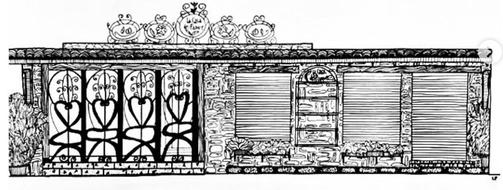
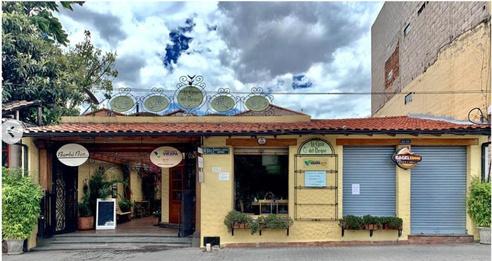
Gu Doksan Library
Markers of various thicknesses and pens
Scale
Floor
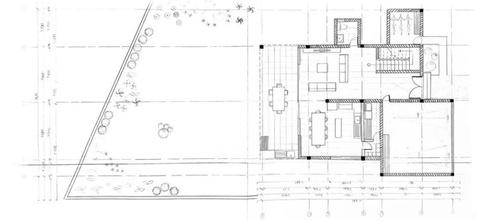
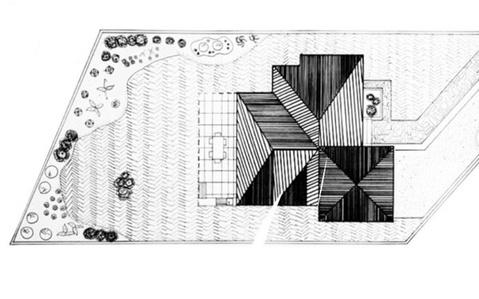
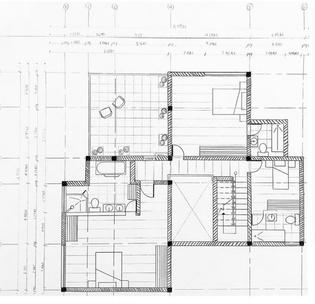
Plan House, 2 Floors
Scale A3
Markers of various thicknesses and pens
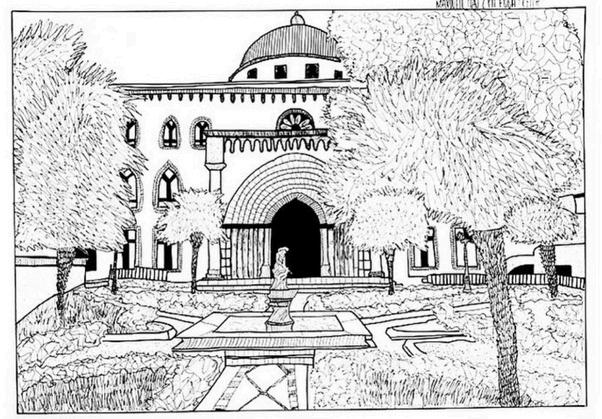
Maxwell Building at USFQ, Quito
Scale A3
Markers of various thicknesses and pens
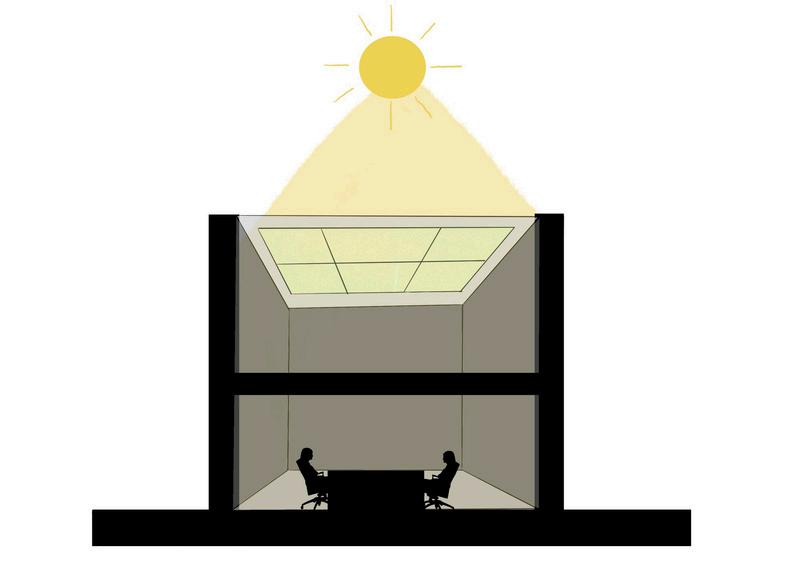
Direct Sunlight Over Building
Markers of various thicknesses and pens
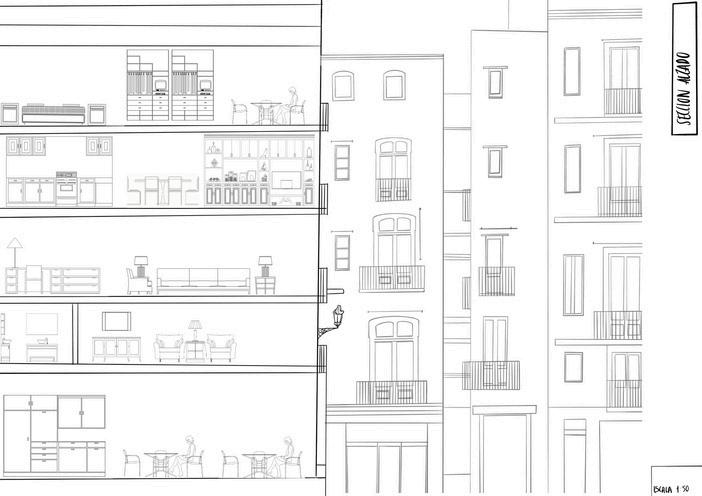
Section Cut Buildings at Plaza Santa María, Barcelona
Scale 1:50
Markers of various thicknesses and pens
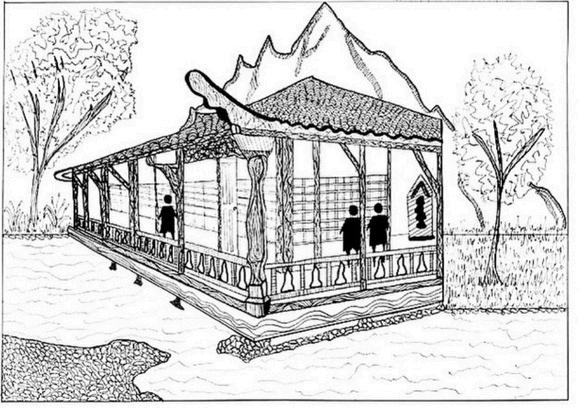
Pagoda Building at USFQ, Quito
Scale A3
Markers of various thicknesses and pens
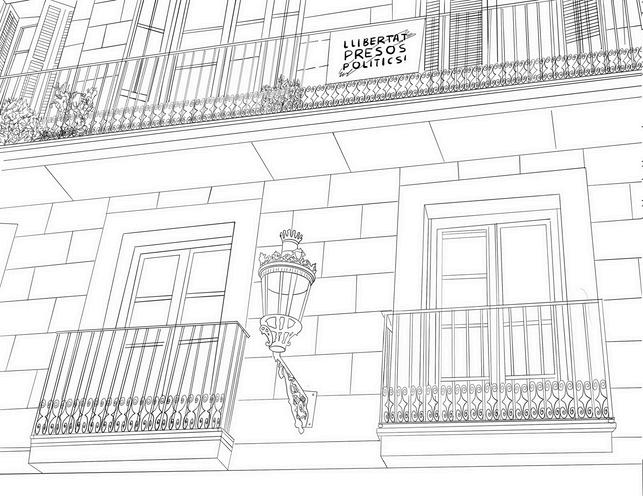
Perspective of Building, Barcelona
Scale A3
Markers of various thicknesses and pens
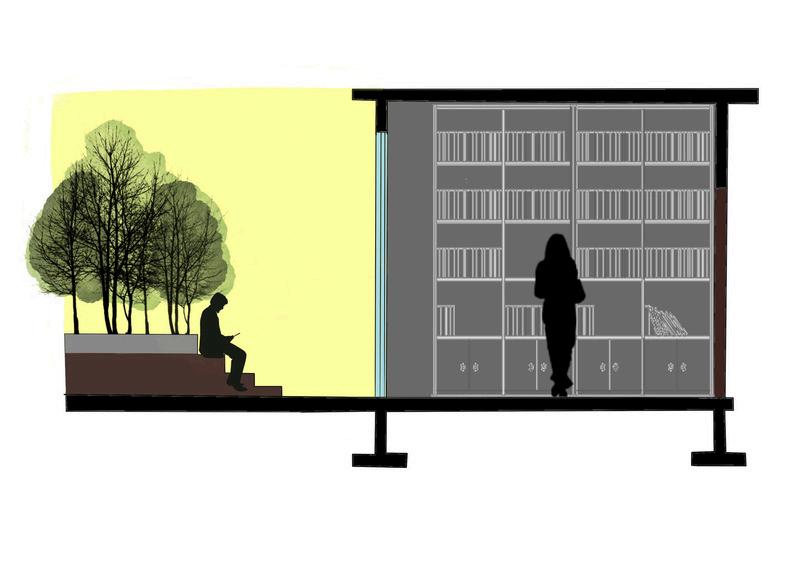
Library Section
Scale A4
Markers of various thicknesses and pens
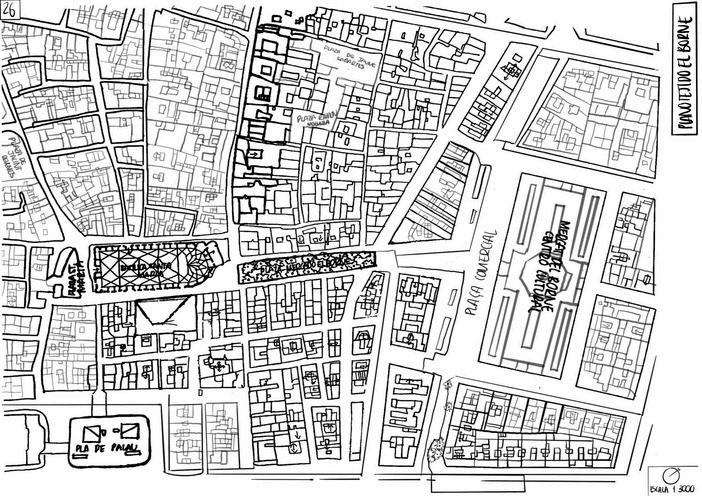
Urban Fabric of Borne, Barcelona
Scale 1:3000
Markers of various thicknesses and pens
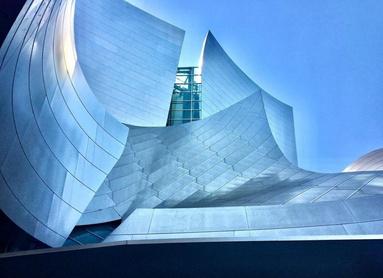
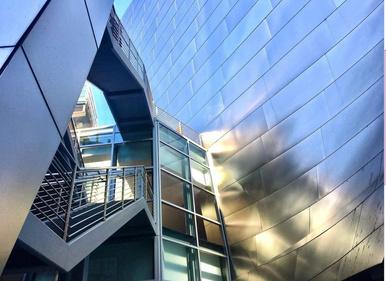
Walt Disney Concert Hall
Architect Frank Gehry
Built 1999-2003
Los Angeles, California, USA
Walt Disney Concert Hall is recognized for the world's most acoustically sophisticated concert halls and is an international architectural landmark. Since the day of its inauguration, metal surfaces have been associated with the designer and architect Frank Gehry. The concert hall was designed as a single volume, with orchestra and audience occupying the same space. Seating is located on either side of the stage, providing some audience members with distant views of the performers' score. For Disney Hall, Frank envisioned projecting fragments of the action onto musicians onstage wielding their instruments, each image appearing on a different panel of the building's angular surface, like a kind of abstract portrait set to a classic.
Basilica Di San Pietro
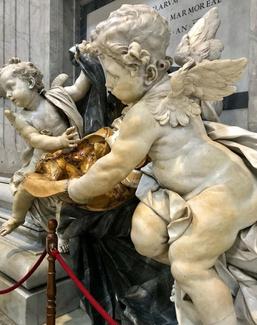
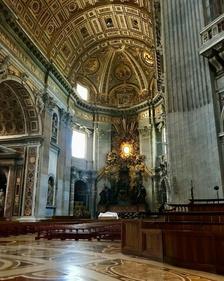
Main architects Donato Bramante, Michelangelo, Carlo Maderno, Raphael
Built 1506-1626
Rome, Vatican City, Italy
The Basilica Di San Pietro is considered one of the most sacred temples of the Catholic Church and an important pilgrimage site. It is one of the largest churches in the world. This church began its construction when the old basilica was demolished. When you enter the basilica the first thing you notice is the size, that means that it was designed so as not to understand how big it is because everything is proportional inside. The dome was inspired by the Pantheon. The dome is so large that the Statue of Liberty could fit inside it. The Baldacchino was designed by Lorenzo and its purpose was to mark the tomb of Saint Peter. The Basilica houses the tombs of 91 popes, including Pope John Paul II, who was recently buried in 2005.
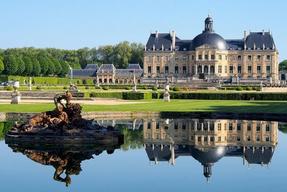
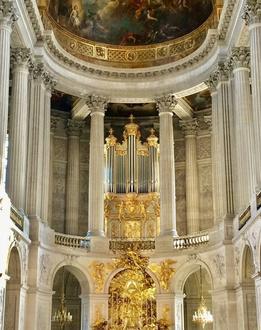
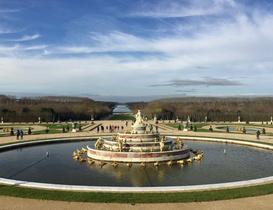
Palace of Versailles
Principal architects Louis Le Vau, Jules Hardouin, André Le Nostre, Ánge-Jacques, Robert de Cotte
Built 1624-1698
Place d'Armes, Versailles, France
The Palace of Versailles was the former French royal residence and the center of government is now a national monument. It is an example of French Baroque architecture and is the most famous royal Chateau in Paris, France. During his reign, Louis XIV converted this chateu into one of the largest palaces in the world. The grand scale of Versailles demonstrates the architecture's theme of creation and division that is marked by repetition. Inside we can see mini-Renaissance and decorative art. The garden palace was made to meet the ceremonial and festive requirements of the king. The park constitutes the natural and ideal setting for endless festivities based on close relationships. The palace had 700 rooms inside it, each room is different. An emblematic place of the palace is the Hall of Mirrors in which there are 375 mirrors. This room is where the Treaty of Versailles and the Proclamation of the German Empire were signed.
Dome of the Reichstag Building
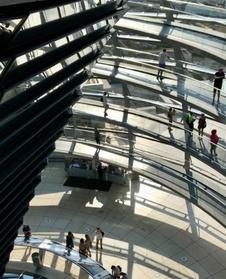
Designed
by Norman Foster Built by Wagner-Biro Built 1992-1999
Platz
der Republik, Berlin, Germany
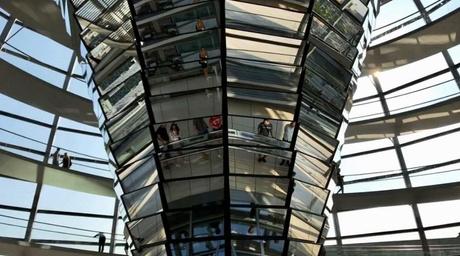
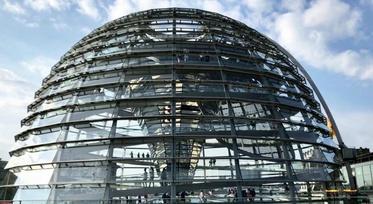
It is one of the main symbols of Berlin and is capable of communicating, in a single glance, that communion between past and present that turns the German capital today into an architectural laboratory and a true and adequate open-air exhibition of the dome. Reichstag is the result of the ingenuity of Norman Foster, winner in 1993, the international convened with the aim of rebuilding the structure demolished in 1954. The dome of the Reichstag is a large glass dome with a 360- degree view. The debating chamber of the Bundestag, the German parliament, can be seen below. A reflected cone in the center of the dome directs sunlight toward the building, so visitors can see the camera's operation. The dome is open to the public and can be reached by climbing two spiral steel ramps reminiscent of a double helix. The Dome symbolizes that the people are above the government, as was not the case during Nazism.
House Vicens
Architect Antonio Gaudí
Built 1506-1888
Barcelona, Barcelona, Spain
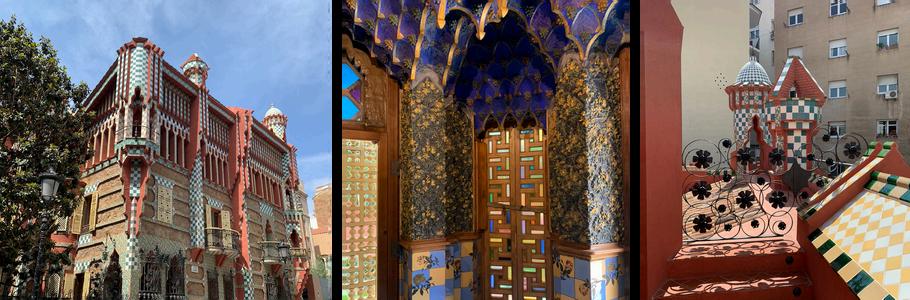
Casa Vicens, designed by renowned architect Antoni Gaudí, stands as a pioneering work in the context of Catalan Modernisme, which is Spain's version of the Art Nouveau movement. Constructed between 1883 and 1888 in Barcelona, this residential masterpiece showcases Gaudí's distinctive architectural style characterized by a harmonious integration of natural forms and ornamentation. The house exhibits a vibrant color palette, intricate ceramic tiles, and neo-Mudejar elements that highlight Gaudí's fascination with geometry and nature. Casa Vicens is renowned for its avant-garde design, marked by an asymmetrical façade, whimsical towers, and an eclectic blend of architectural influences. The innovative use of materials, including brick, iron, and ceramics, reflects Gaudí's commitment to experimentation and a departure from conventional building techniques of the time. With its unique combination of architectural fantasy, structural innovation, and meticulous attention to detail, Casa Vicens stands as a testament to Gaudí's visionary approach and remains an iconic representation of Catalan Modernisme.
Basilica of the National Vote
Architect Emilio Tarlier
Constructed 1874-1988
Centro Histórico, Quito, Ecuador
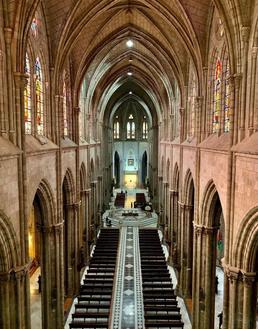
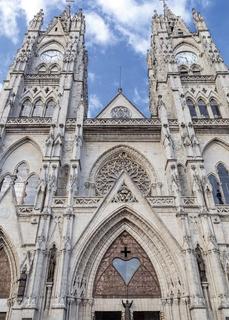
It is also called the Consecration of Jesus or the Basilica of Saint John. It is the most important work of Ecuadorian neo-Gothic architecture and one of the most representative of the American continent, being at the same time the most important of the lands of the New World. Due to its structure and style, it is compared to two of the great cathedrals in the world: St. Patrick's Basilica, located in New York, and Notre Dame Cathedral, in Paris. The Basilica was blessed by Pope John Paul II on January 30, 1985, and was consecrated and officially inaugurated on July 12, 1988. The Basilica has two entrances and six access doors. Inside this majestic construction is the National Pantheon of Ecuadorian Heads of State, where some former presidents are buried.