/// architecture
portfolio
Marcus van
Vuuren
2021 - 23

University of Queensland
2017 - 2019 (Graduating with a Credit)
Commenced Doctor of Medicine in 2020
University of Queensland
2021 - 2023 (Graduated with a GPA of 6.565)
Dean’s List (GPA <6.5) 2021, 2022, 2023
Production Manager (Kustomize It)
Produce and design custom garments and merchandise
Ensure quality control and timely production
Inventory and dispatch
Machine maintenance
Research Assistant (UQ)
360 degree photography on construction sites
Construction of virtual teaching environments
Documentation of specific construction techniques
Reading of construction documents
Representative for the Architecture faculty at UQ
Run workshops for school students to introduce design thinking
Generate interest in the field of archtiecture in future students
Provide tours of the facilities
Adobe Photoshop
Adobe Illustrator
Adobe InDesign



Autodesk Revit



Coordinator: Dr Kristina Knox
Date: 24/10/23
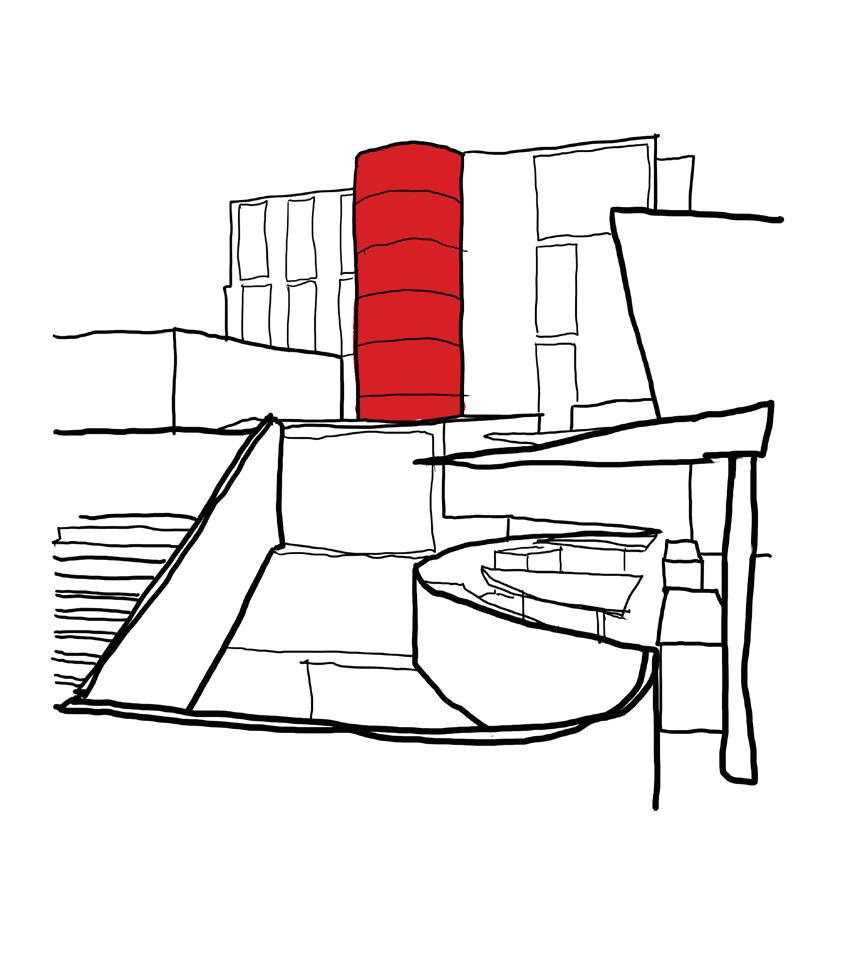
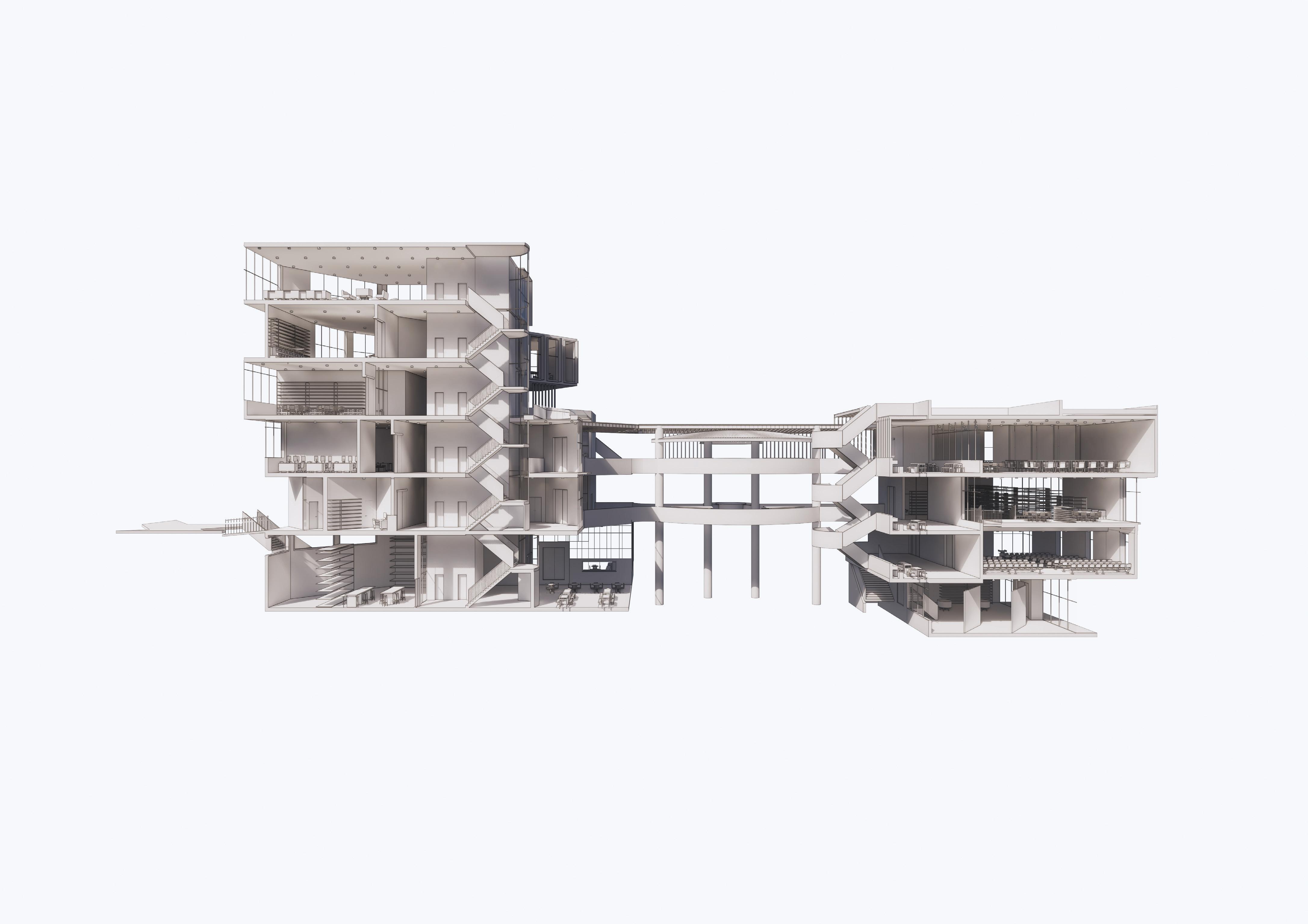
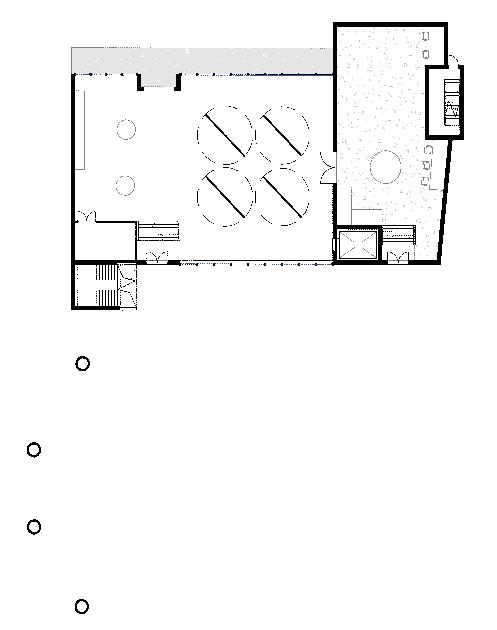
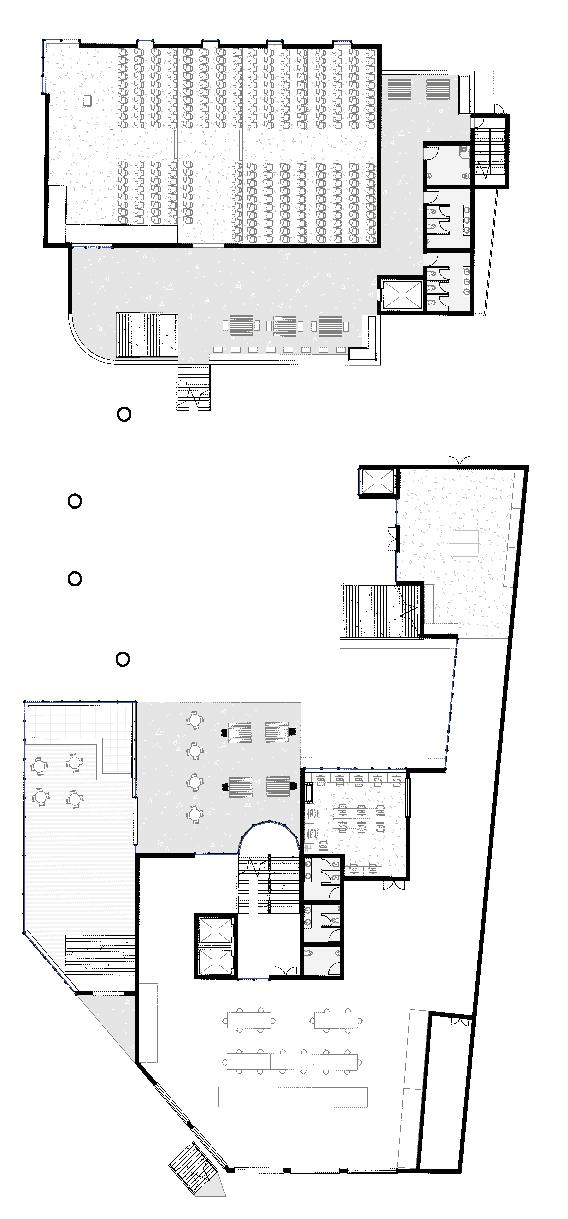
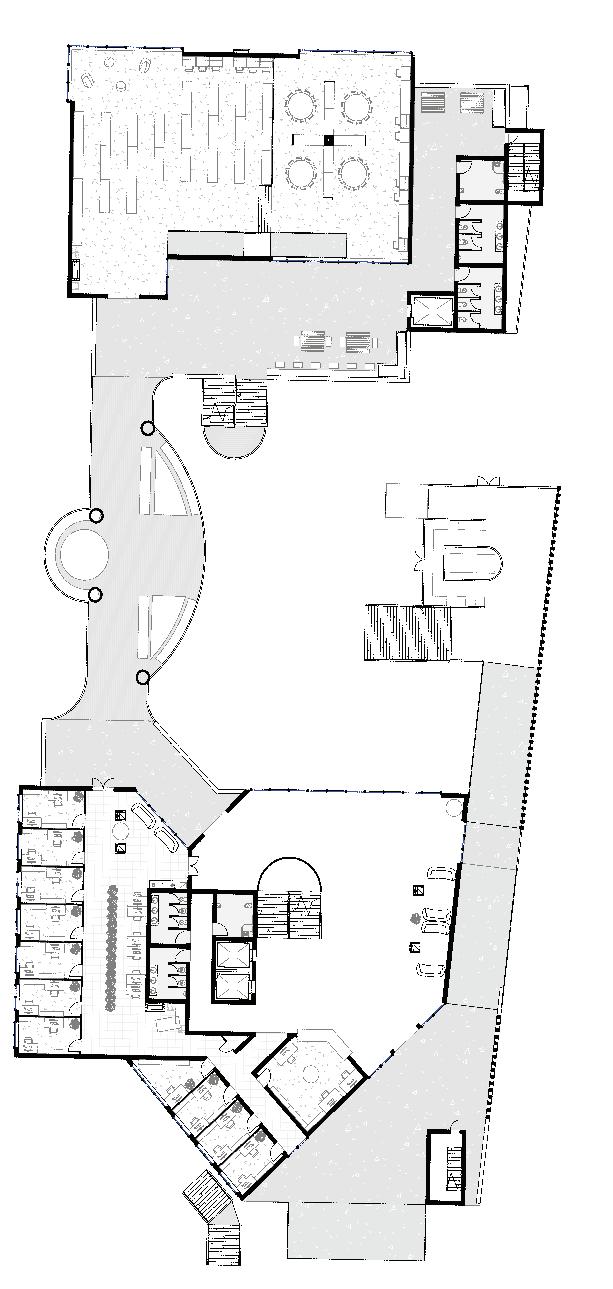
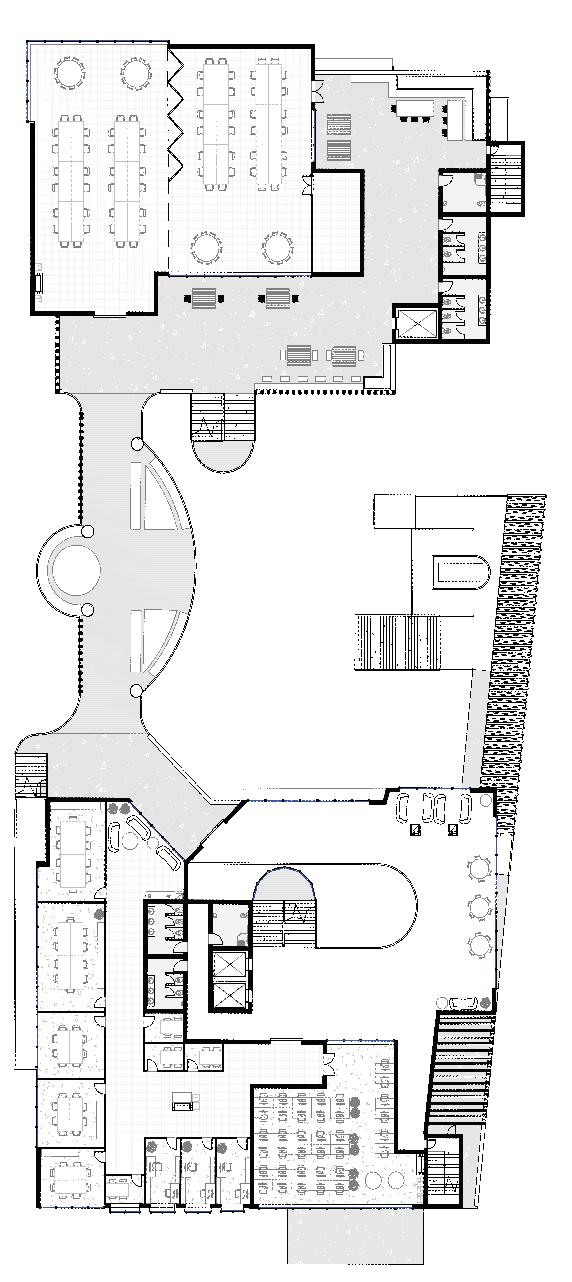
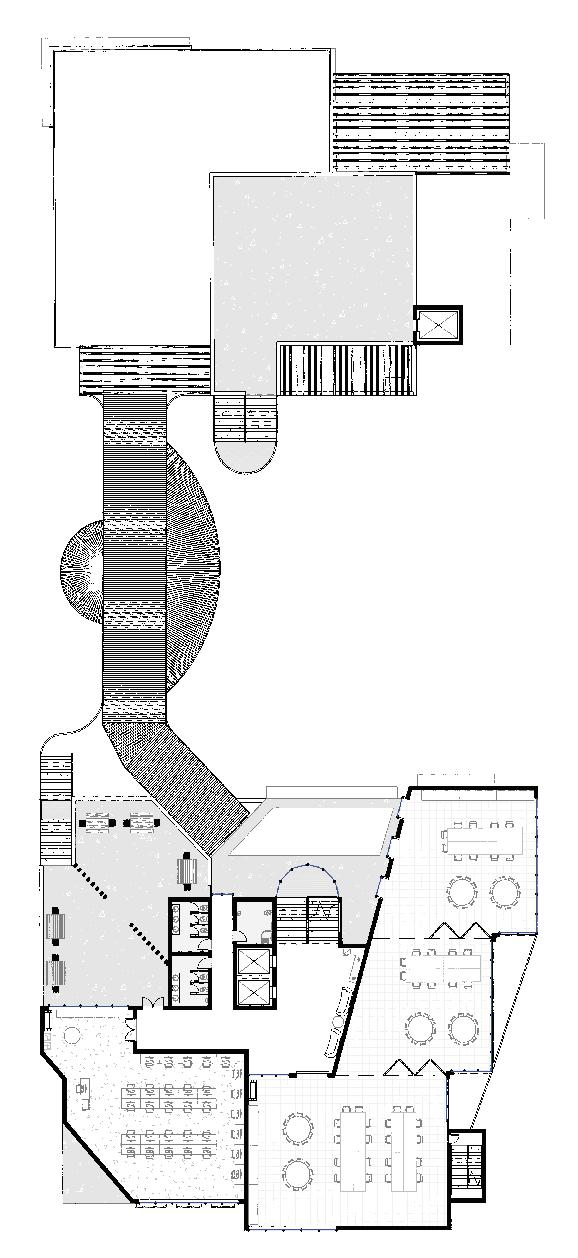
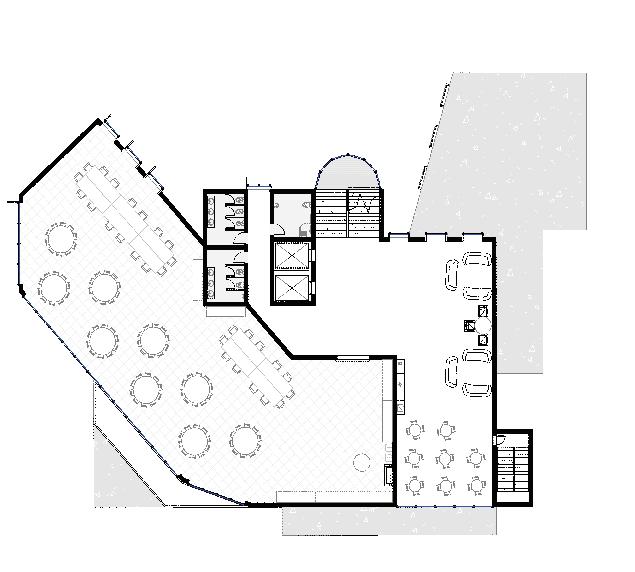
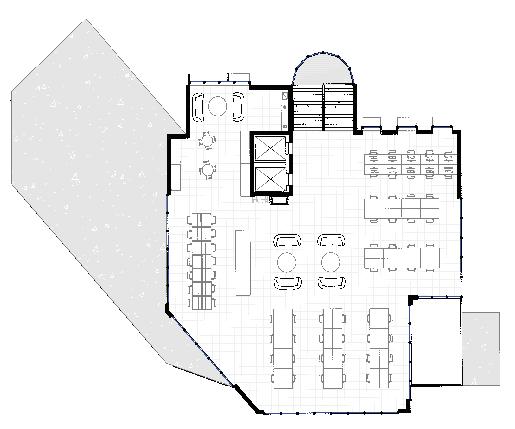
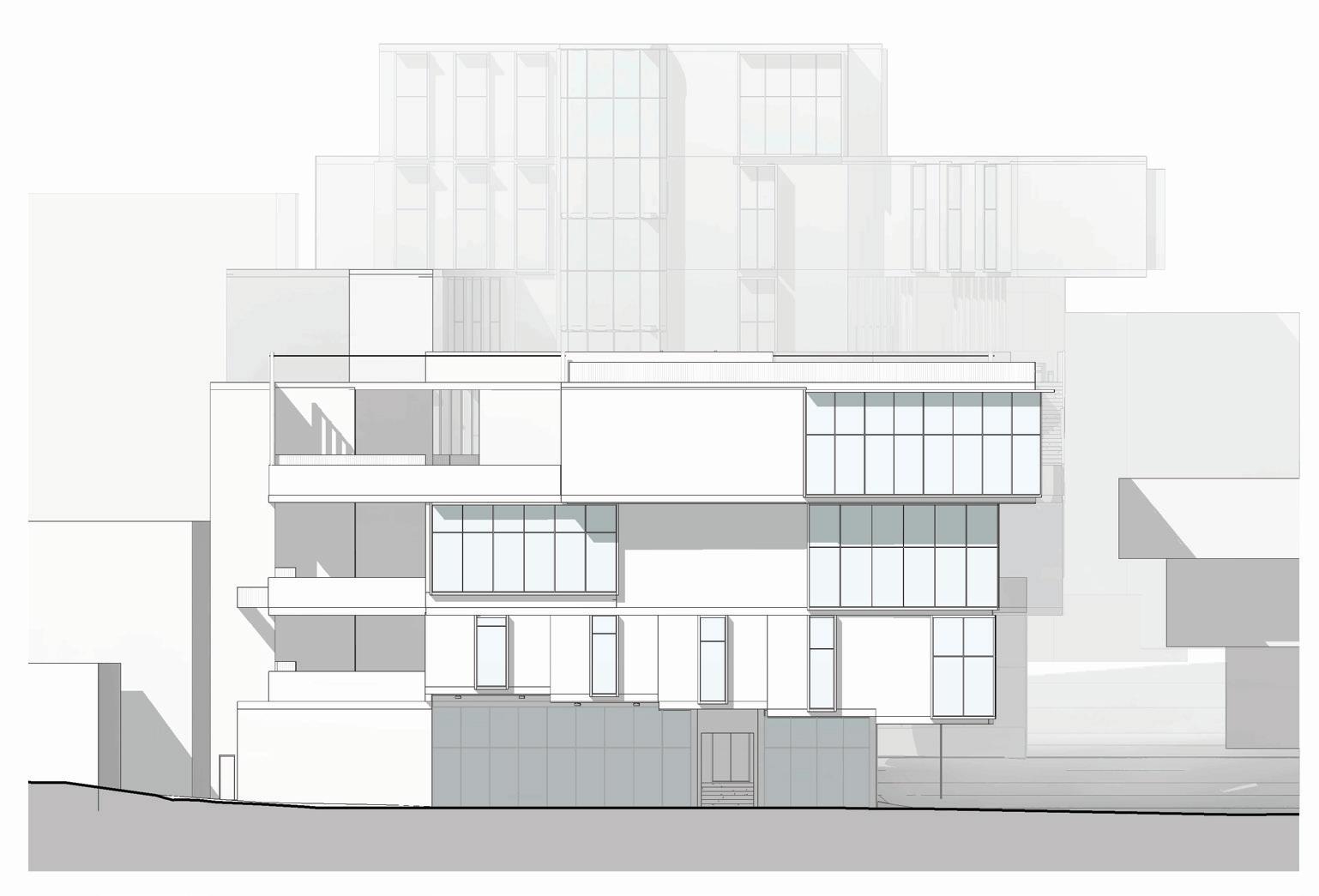
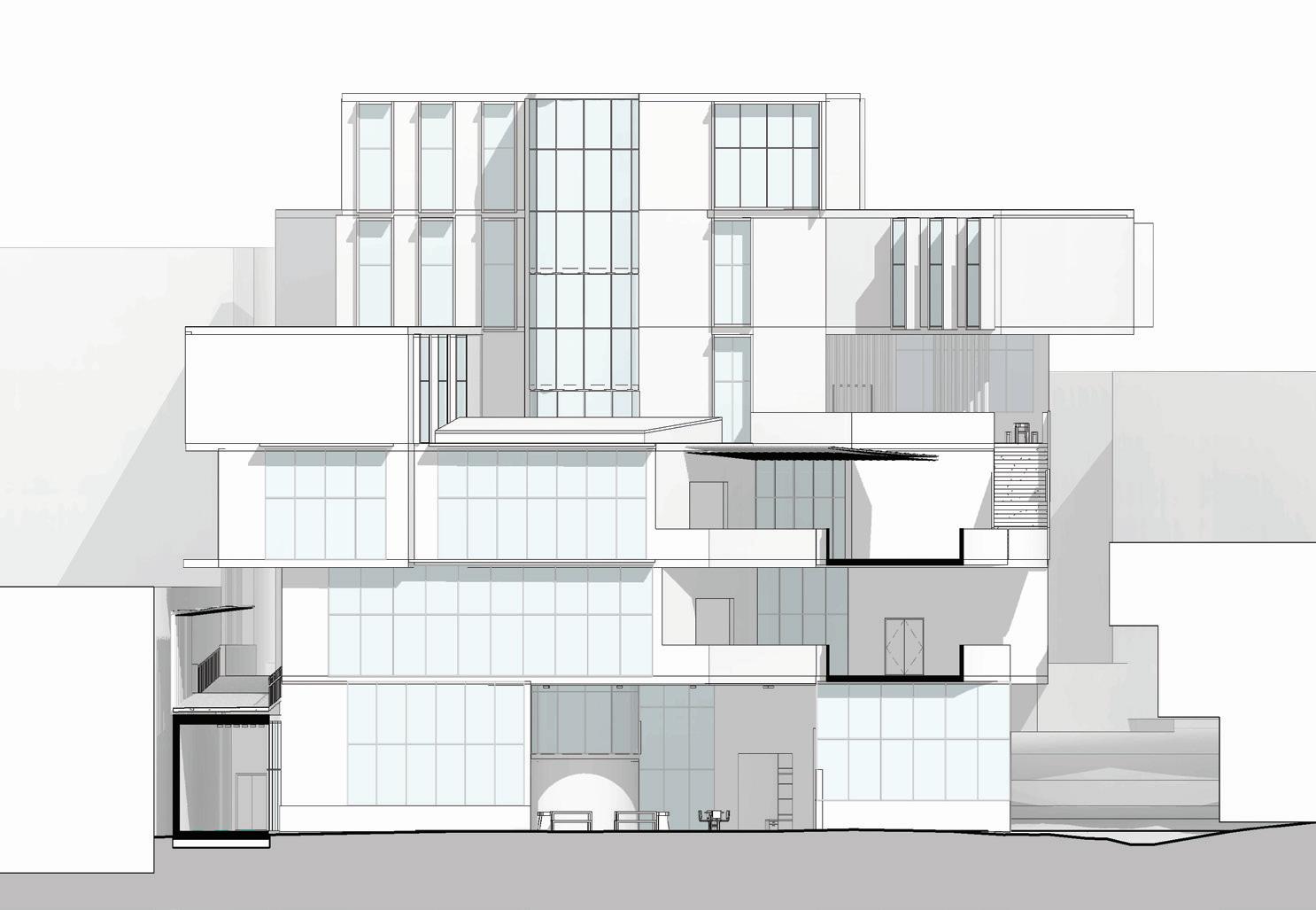
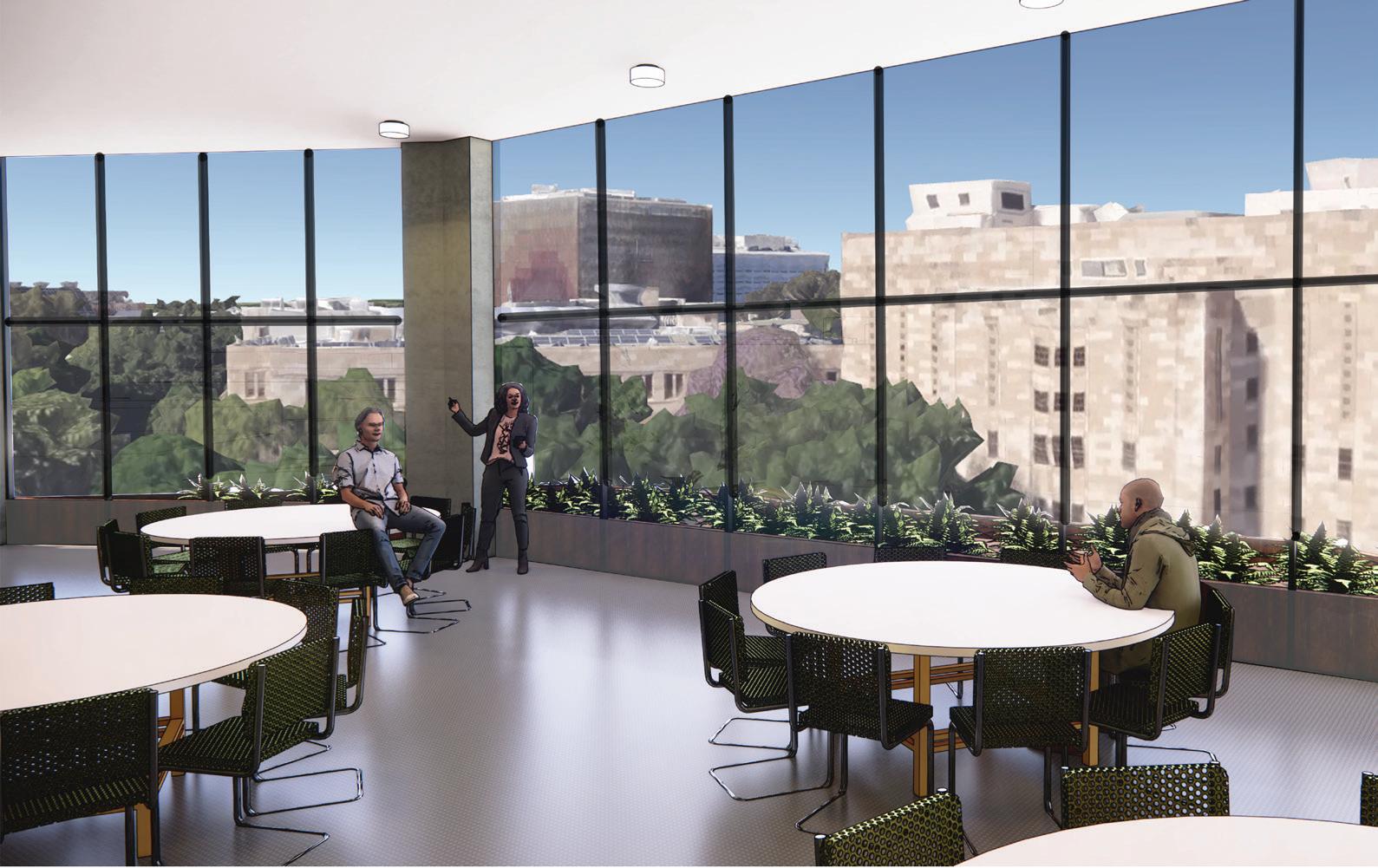
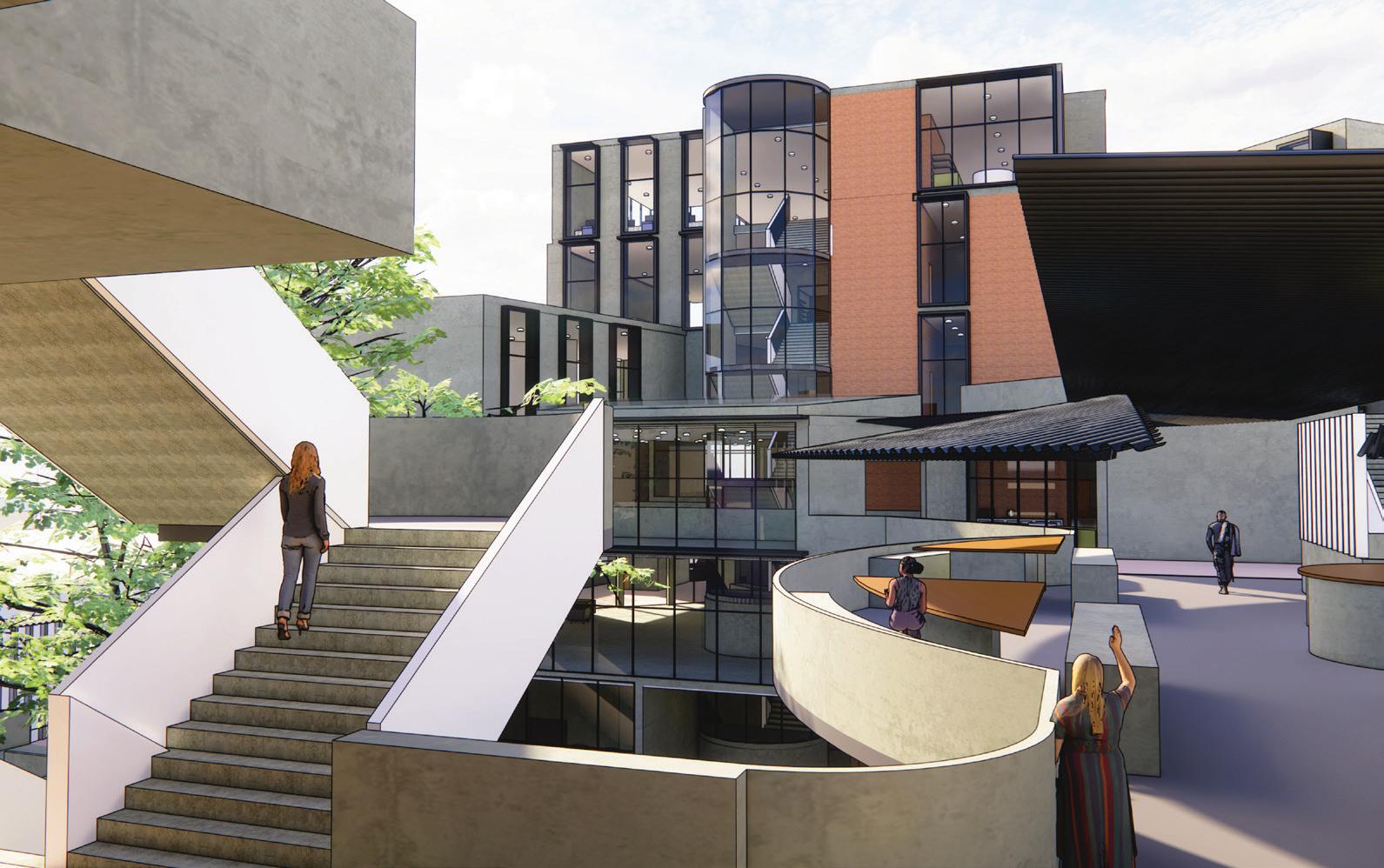
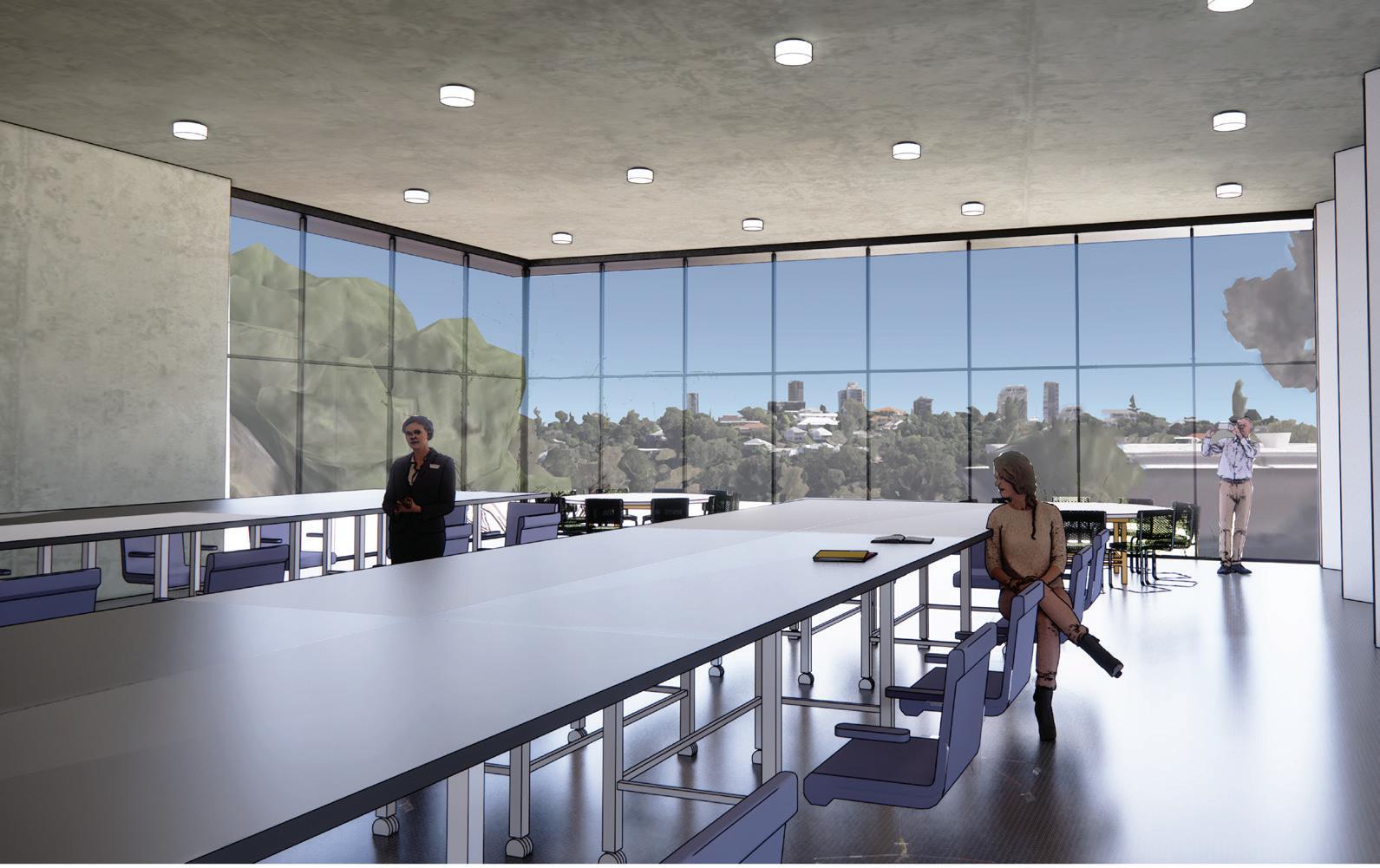
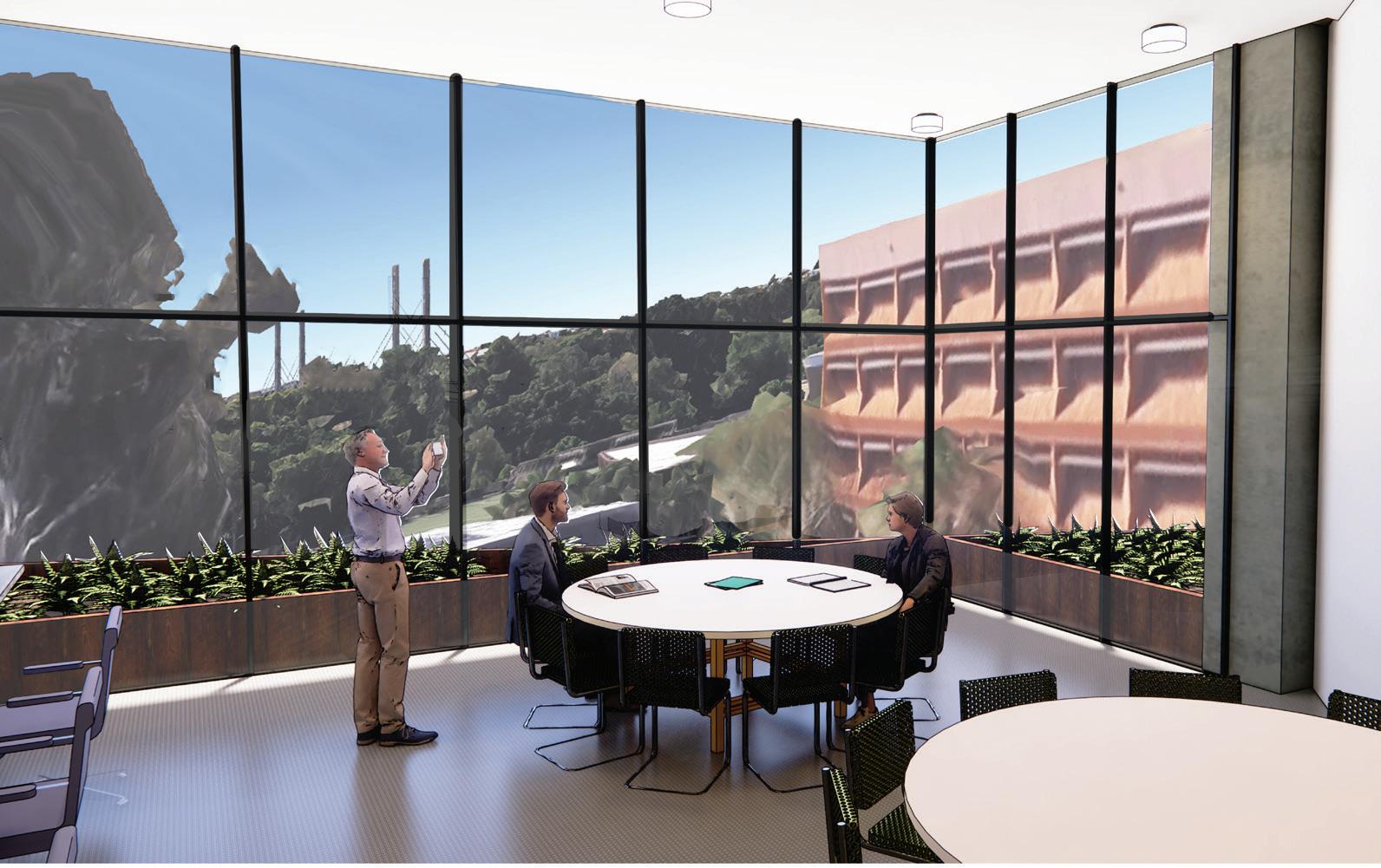
The goal for the proposed new School of Architecture is to create a learning environment which, rather than being an insular private experience, opens the students up to the archi tecture and environment of the city around them. By taking advantage of the height of the towers and specific geometry of the floorplates as the two distinct towers ascend, views of the city skyline, the river and UQ’s famous sandstone Great Court are framed in the learning spaces.
The courtyard acts as the void between the two major structures, shaped by the connecting bridge walkway. Central circulation around the courtyard encourages connection between students as well as the faculty. This ensures visual connection between horizontal and ver tical circulation at all times to allow a constant understanding of the building and its current users for students.
The view to the North aims to frame the silhouette of the Brisbane City skyline that is visible above the hill across the river, connecting the library and 1st year studio to the city beyond the campus. The view to the West visually highlights the sandstone centre of the UQ campus, connecting students in the studio to the heritage and materiality of the campus.
The circulation, both vertical and horizontal, occurs centrally around the courtyard. This allows students to see their peers as they travel through the facility and wait for classes, creating a connection between staff, students and the building itself. The East facing studio provides a framed view of the river and Eleanor Schonell Bridge, connecting visitors to the natural aspects of Brisbane and its transportation network.











Coordinator: Dr Aparna Datey
Date: 27/10/22
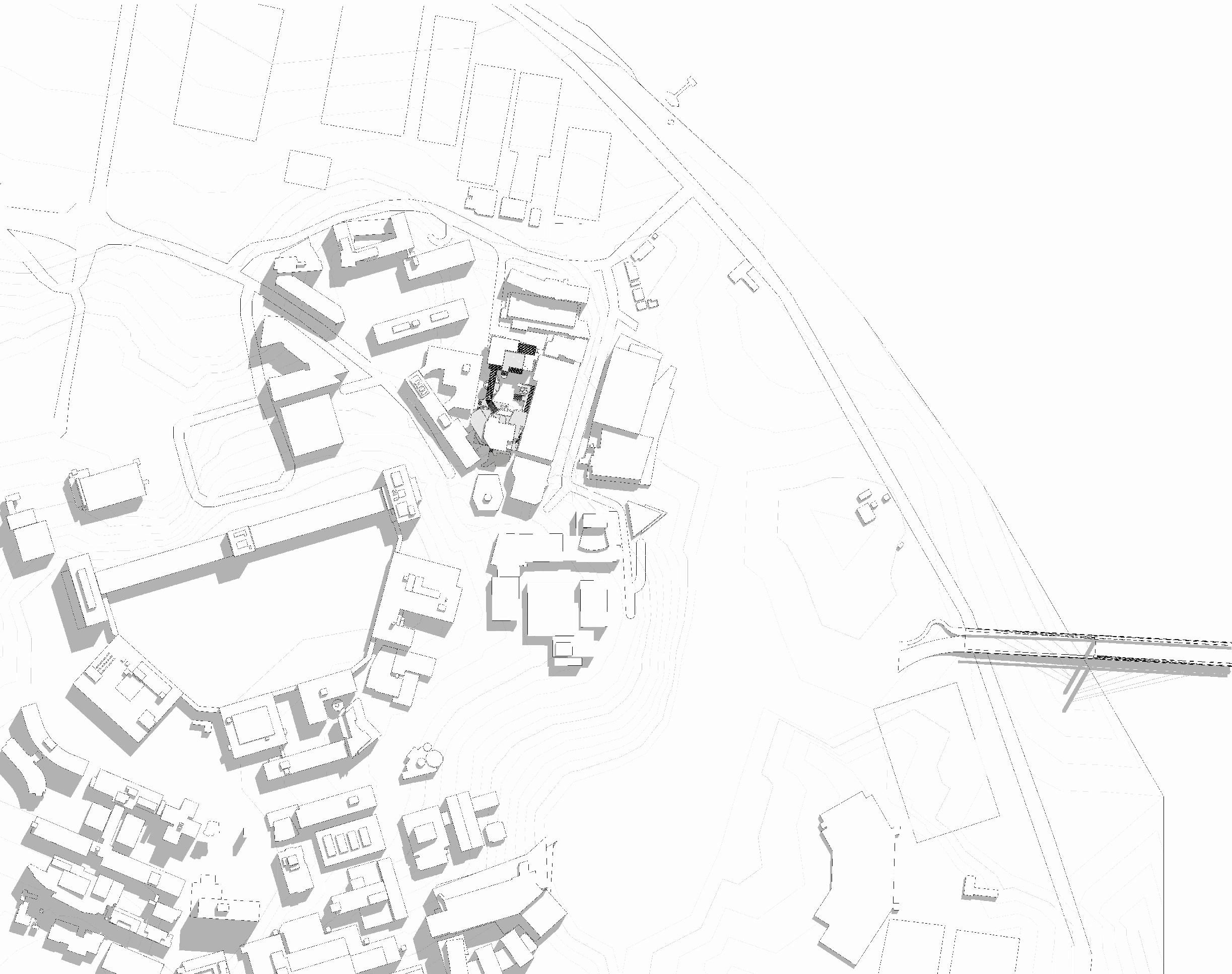
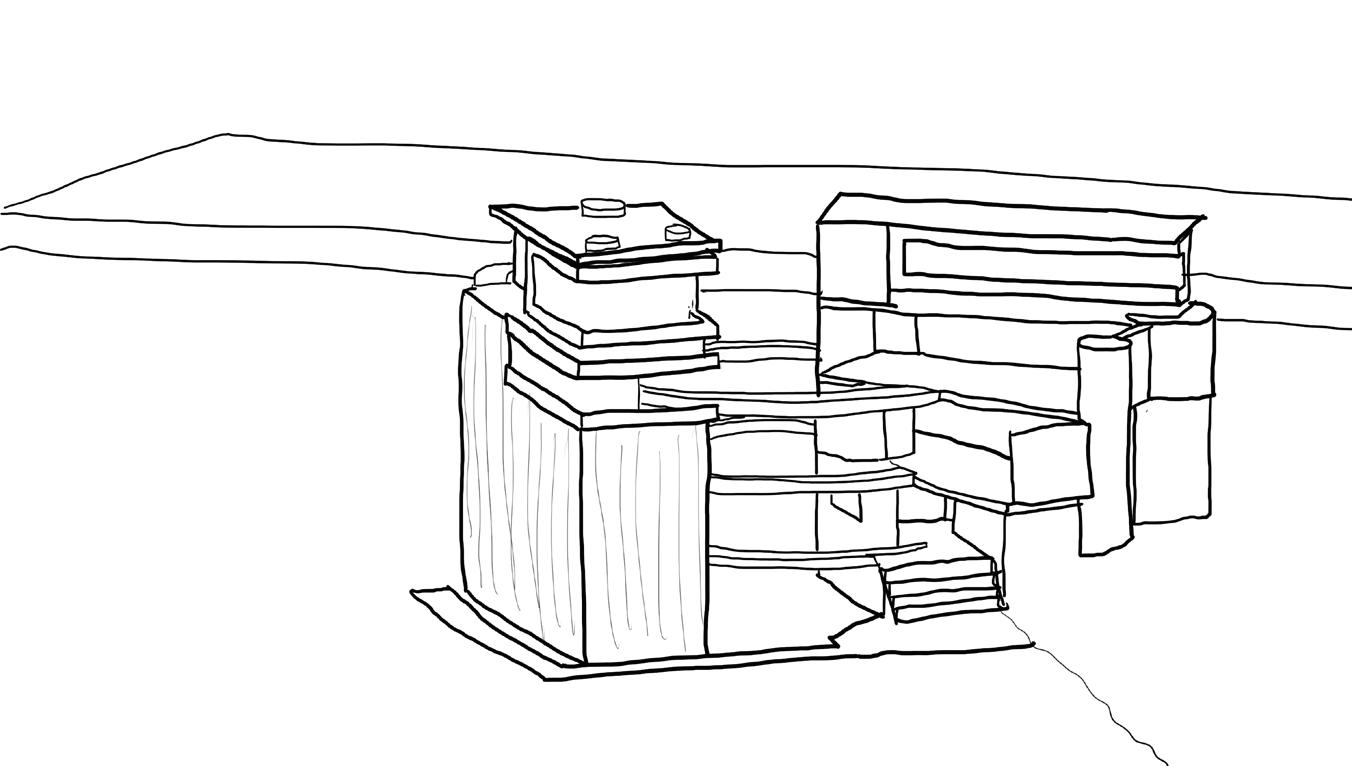
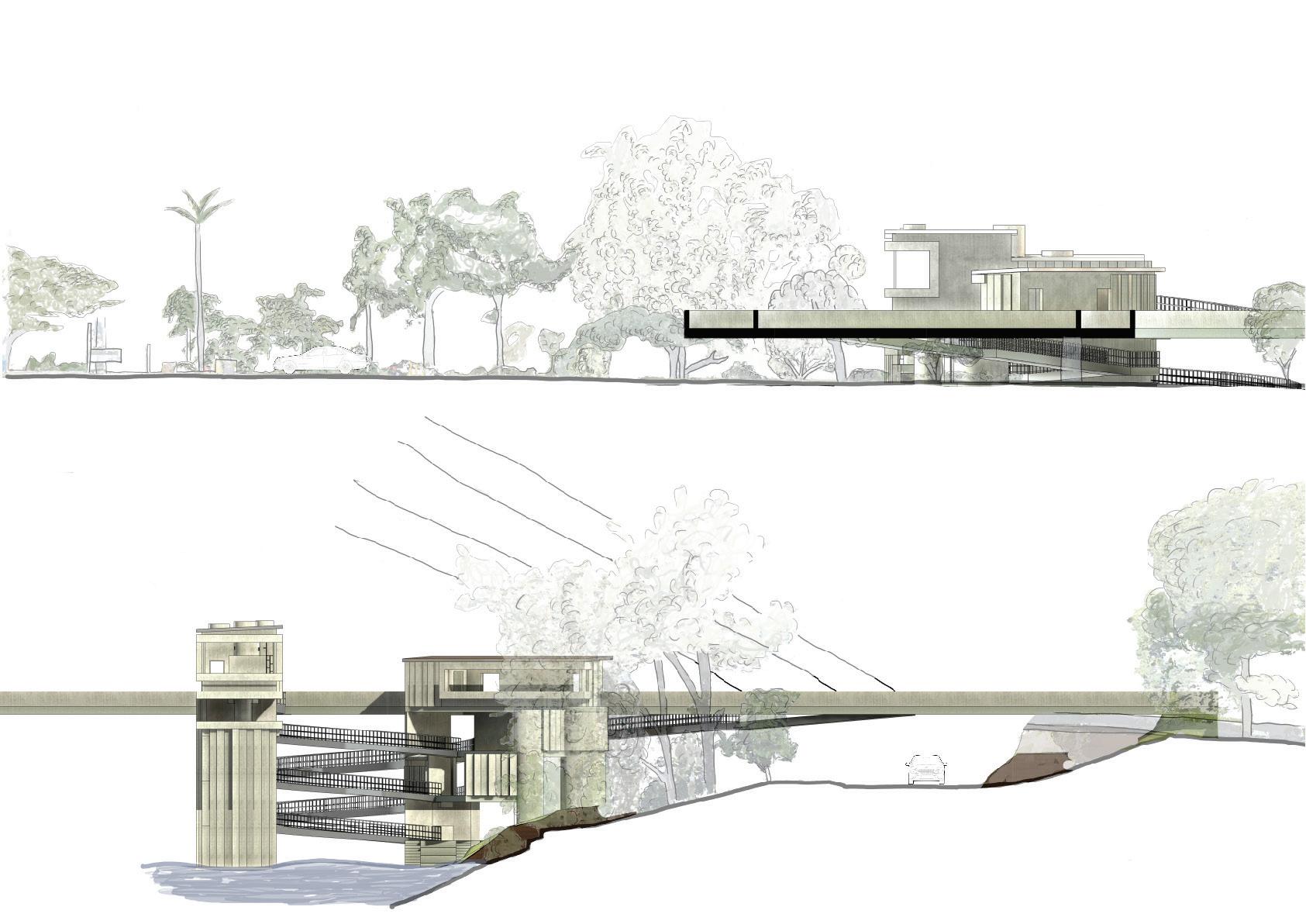
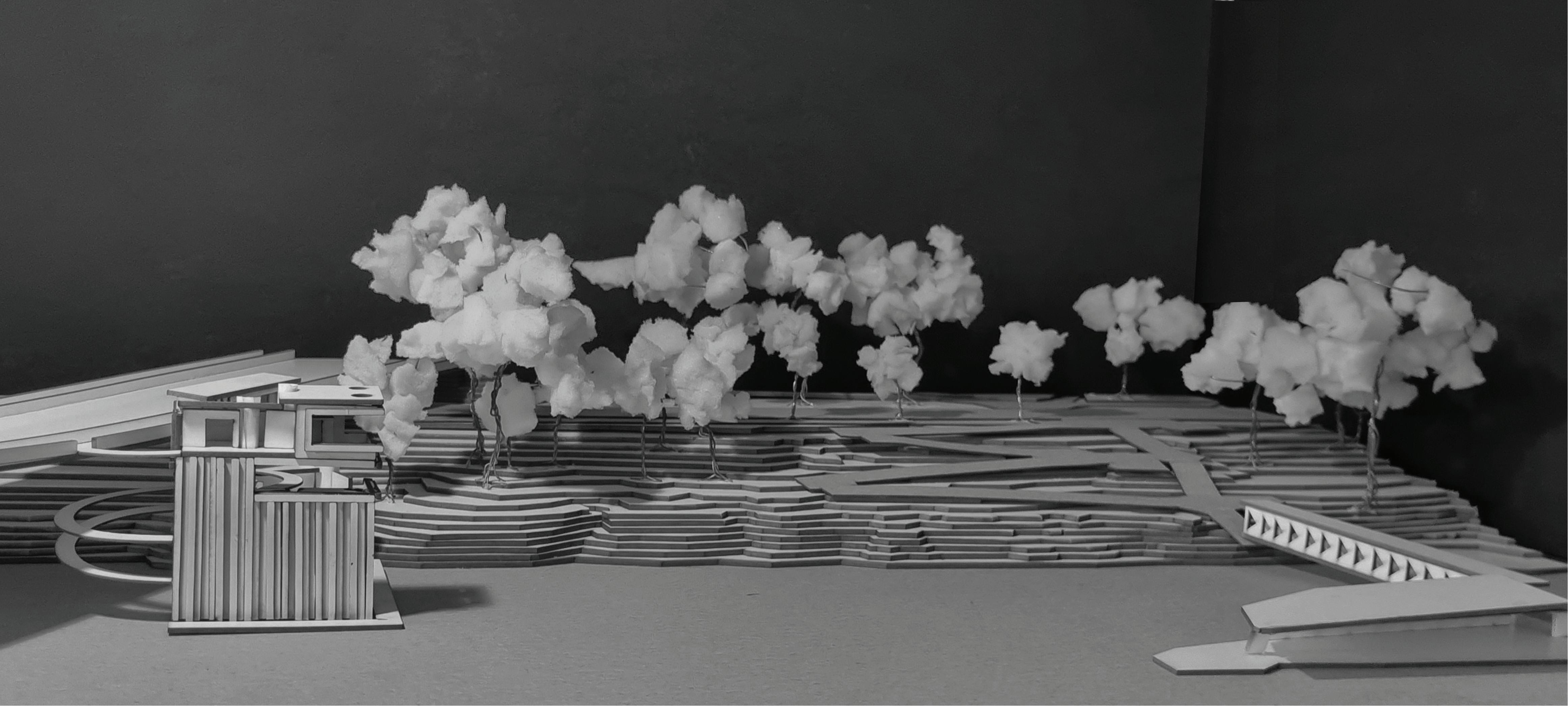
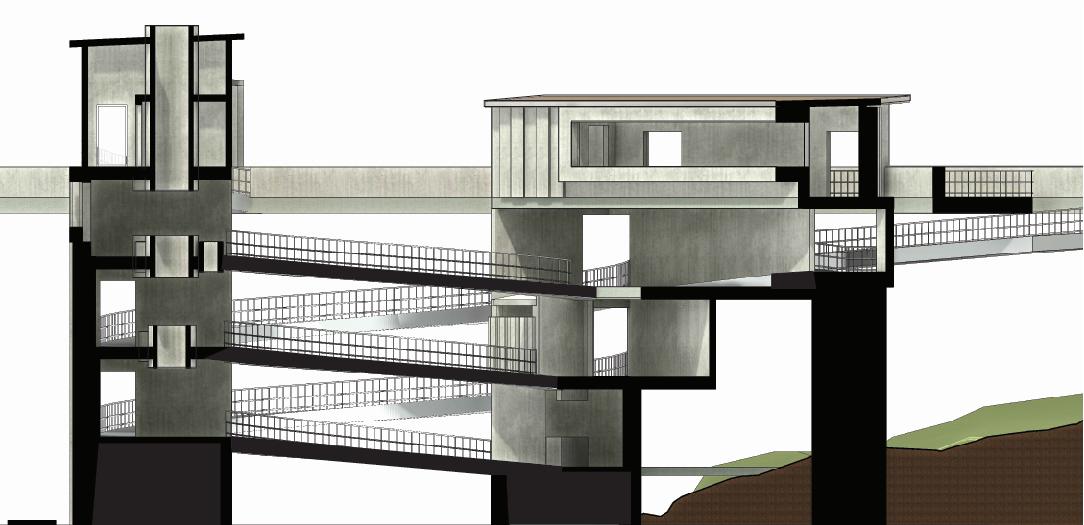
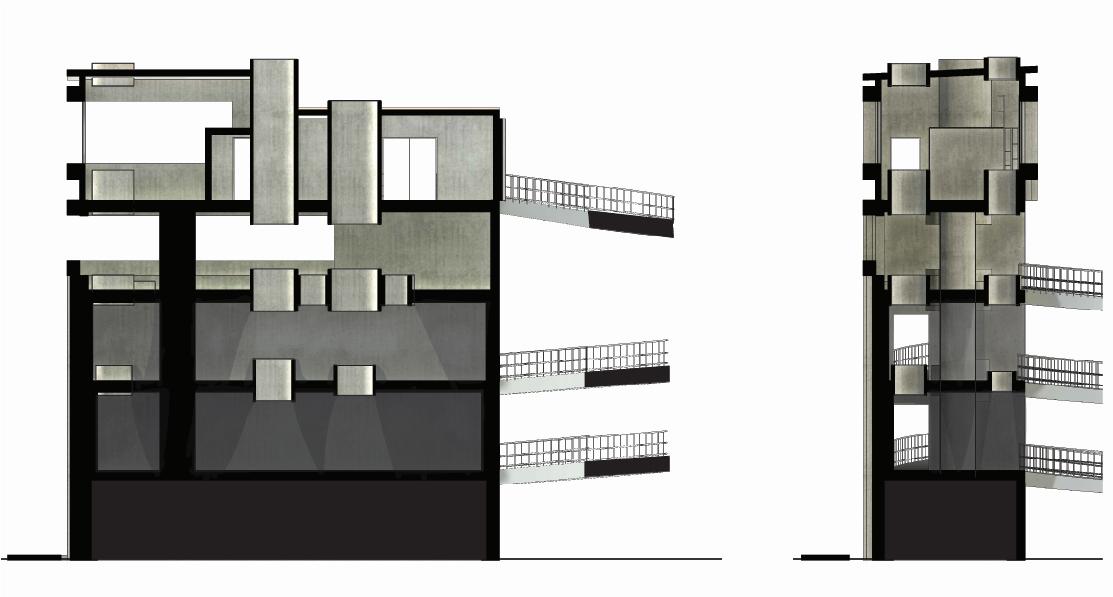
The aim of the flood resilience gallery was to create a space on the river at the University of Queensland that educates about the river, its history and the future importance that it has to the city of Brisbane. To achieve this, two goals were denoted during the design phases: to use the architecture to allow the river itself to communicate its story and to connect the isolate walkway across the bridge to the network of nodes that are planned to be constructed along the river.
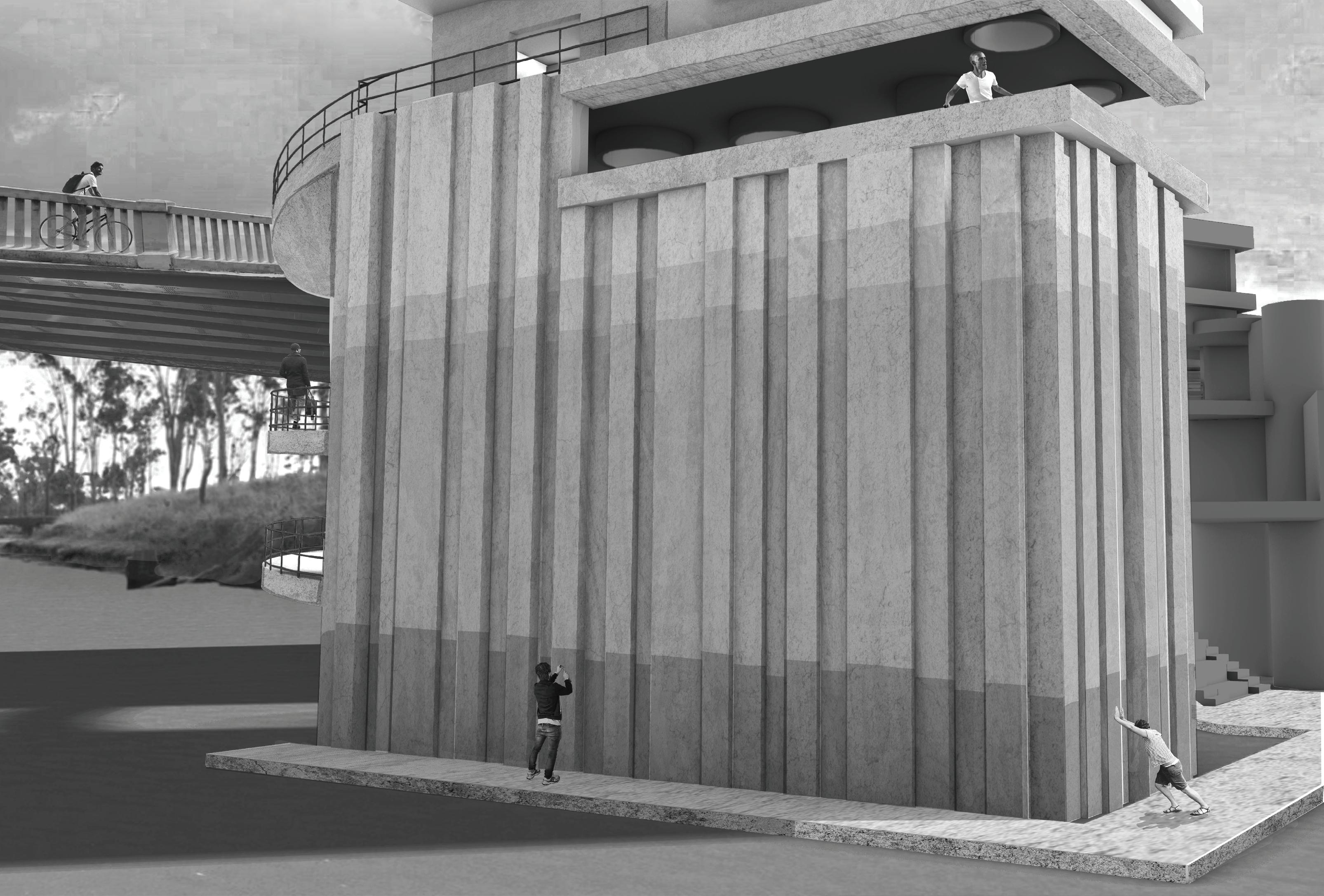
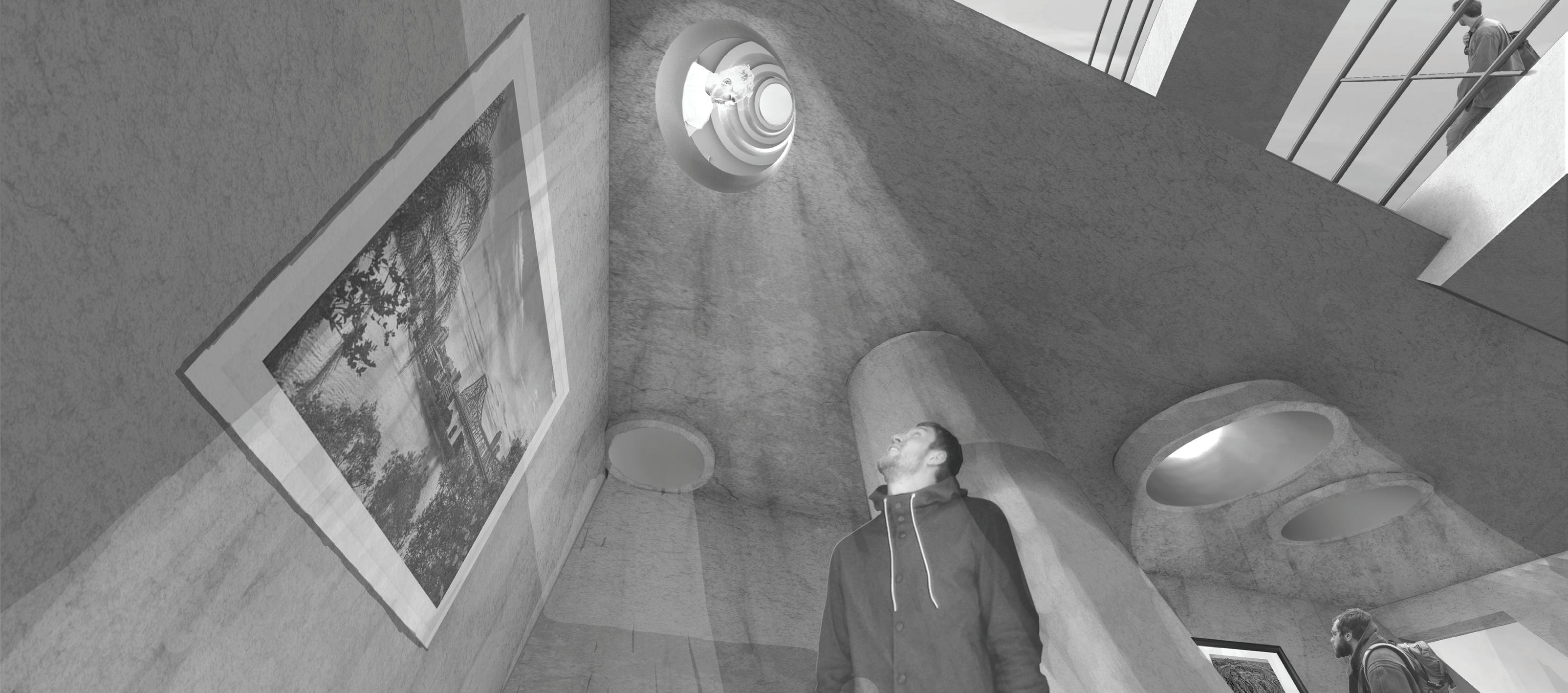
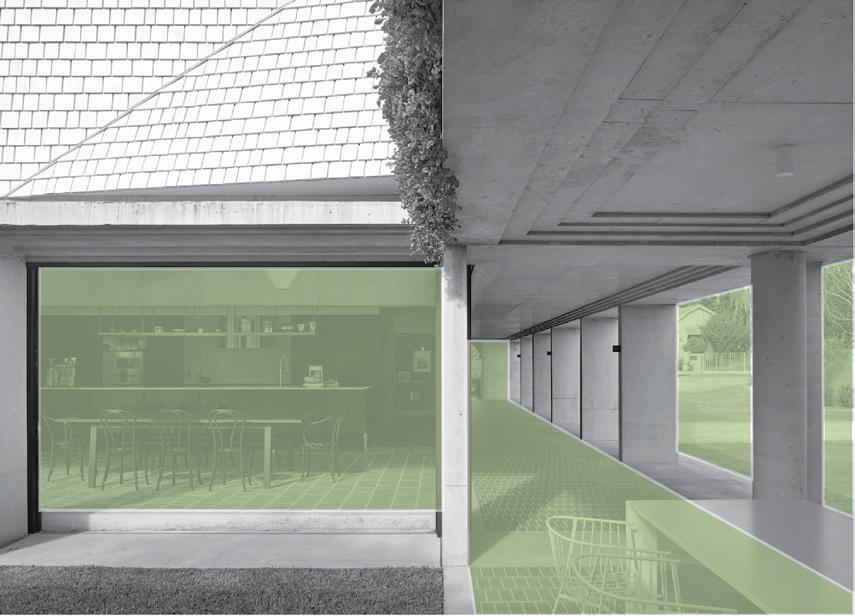
The goal of highlighting the river as a piece of art, always on display and changing in the gallery, was achieved in a number of ways. The use of concrete for the major construction material allows the pigments of the river to stain the exposed walls, showing the progression of tides and flooding over time. Concrete extrusions on the exterior and the internal river passage are designed to capture and amplify the sounds of the flowing water.
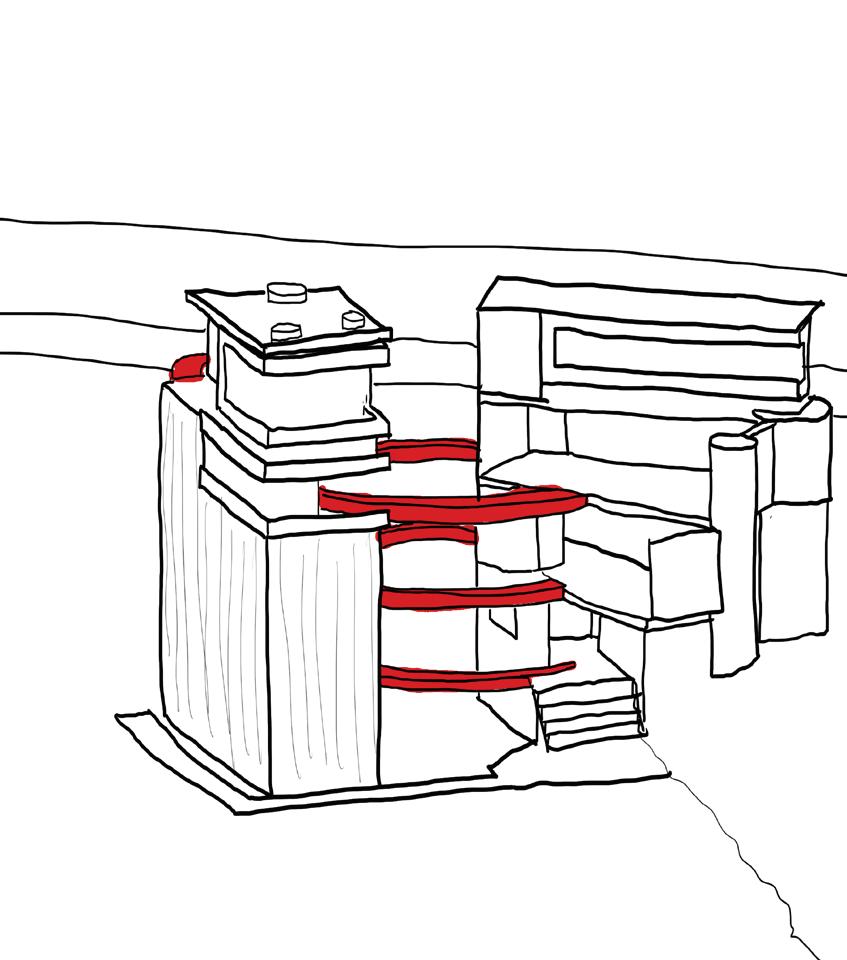
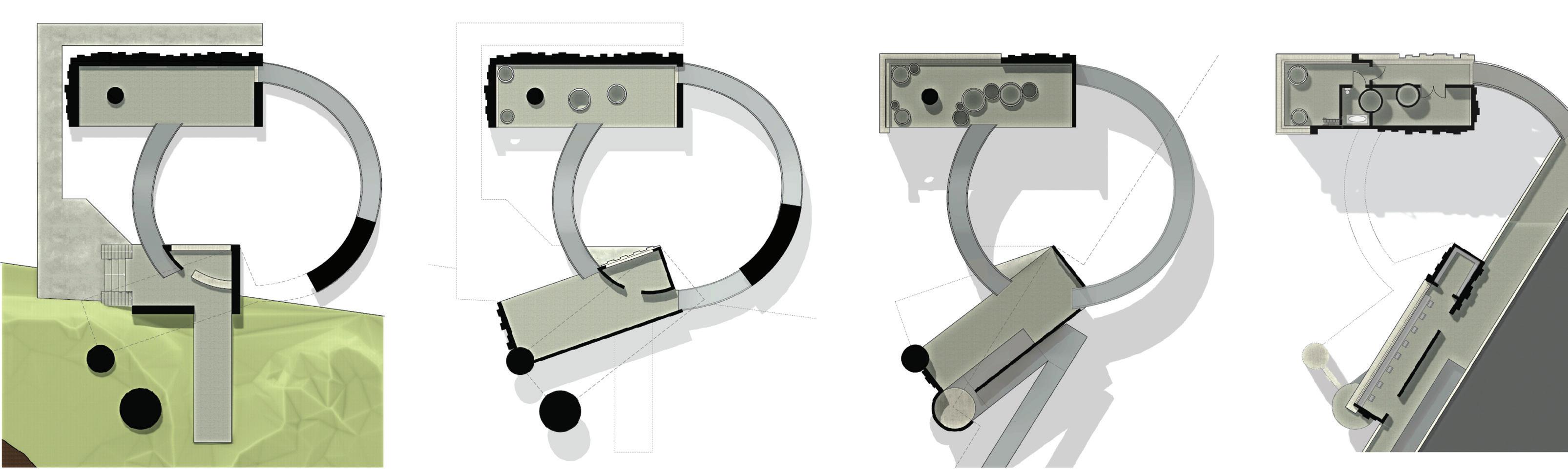
The connection between the bridge and the river lies at the core of the design philosophy. The aim is to change this portion of the campus from a zone of transportation to a point of interest. The system of circular ramps downward emulates the downwards directionality of water, furthering the connection of visitors with the river. The ramp system guides visitors to constantly cross the river that travels through the gallery, educating and binding the experience to the water.
The interior experience further builds upon the theme of the gallery being a reflection of the river and its conditions. Interior walls are also designed to be stained, showing tides and flooding events of the past. Light wells that travel through the gallery vertically create an internal light gradient, as the light wells decrease in quantity at the lower floors. This emulates the gradient created from the pigment staining of the river on the exposed walls.

Coordinator: Ms Caroll Go-Sam
& Dr Kelly Greenop
Date: 23/05/23

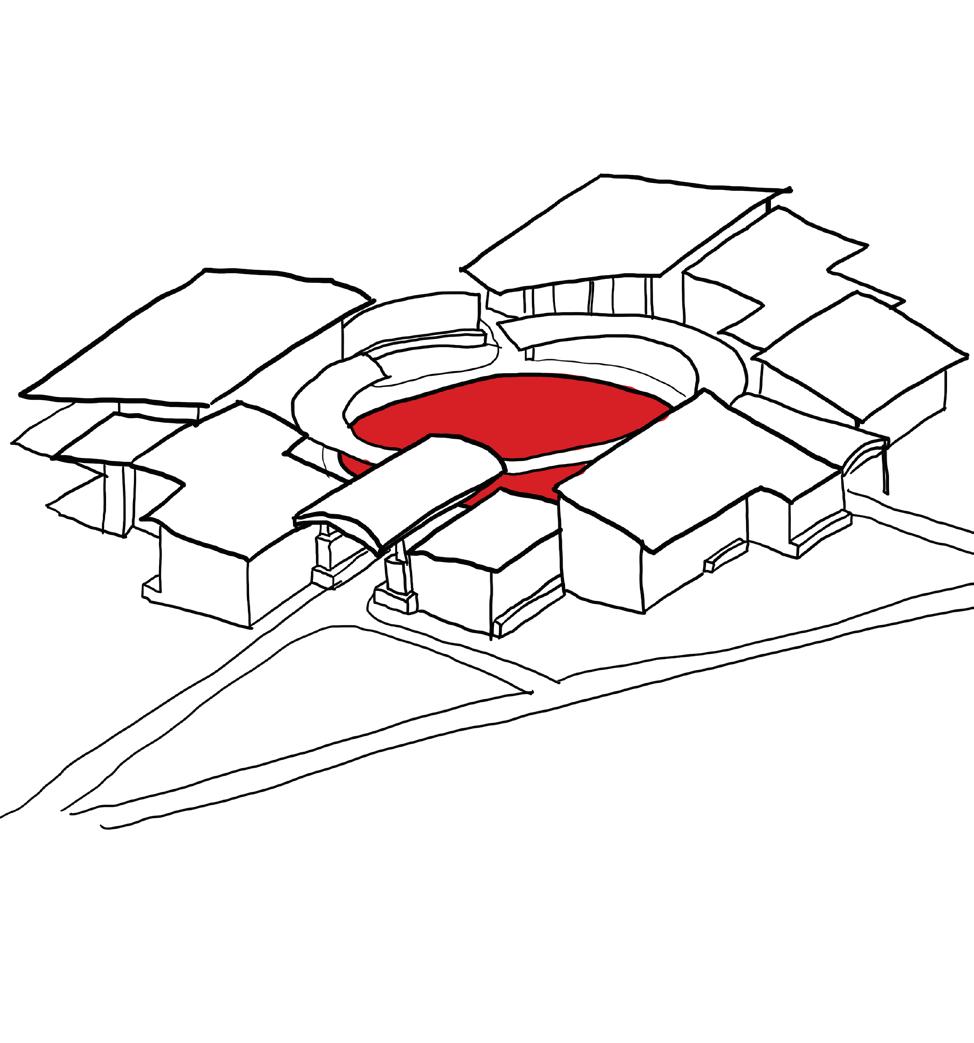
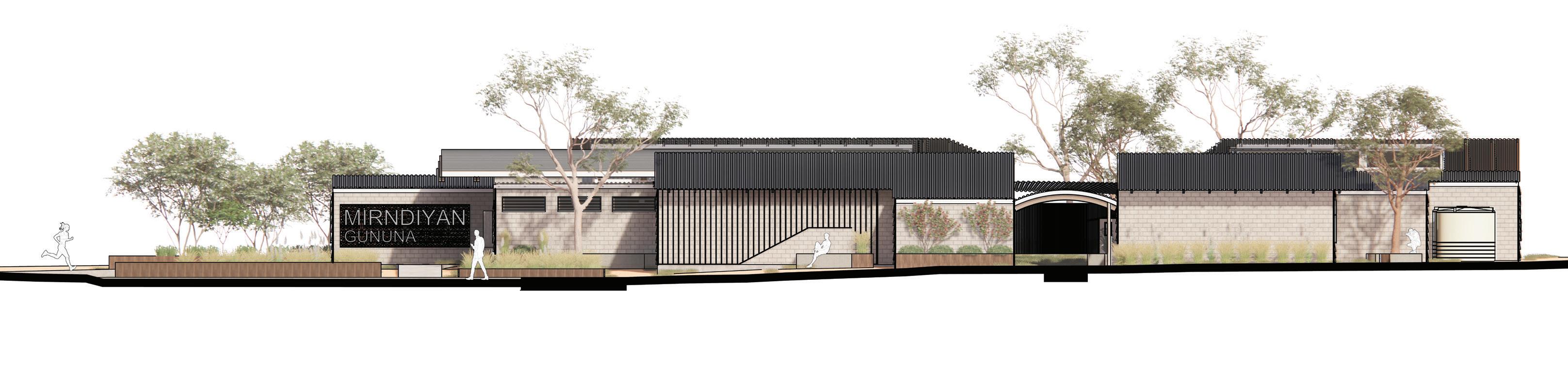
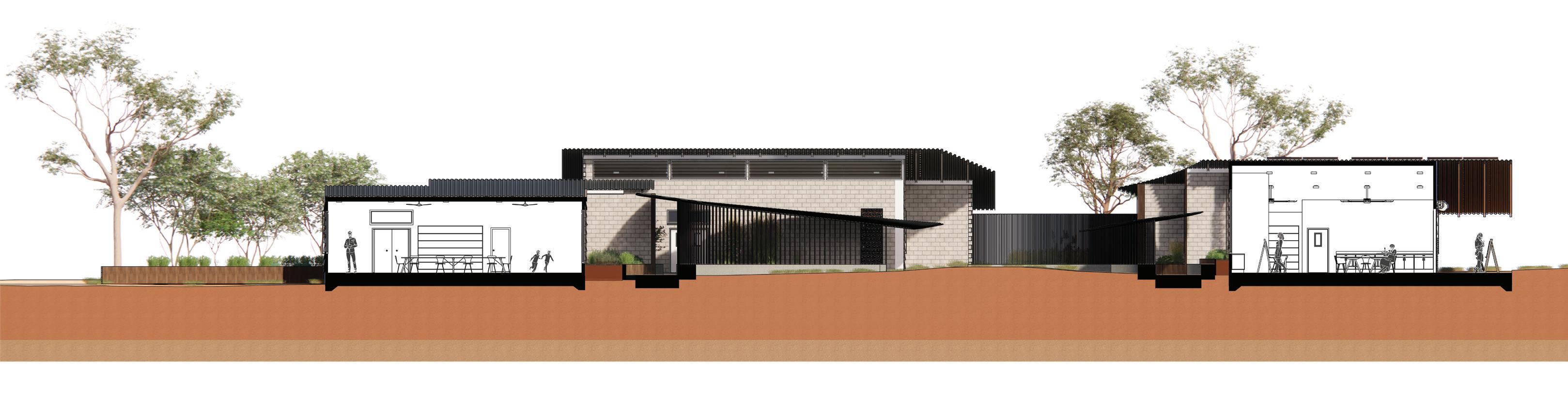
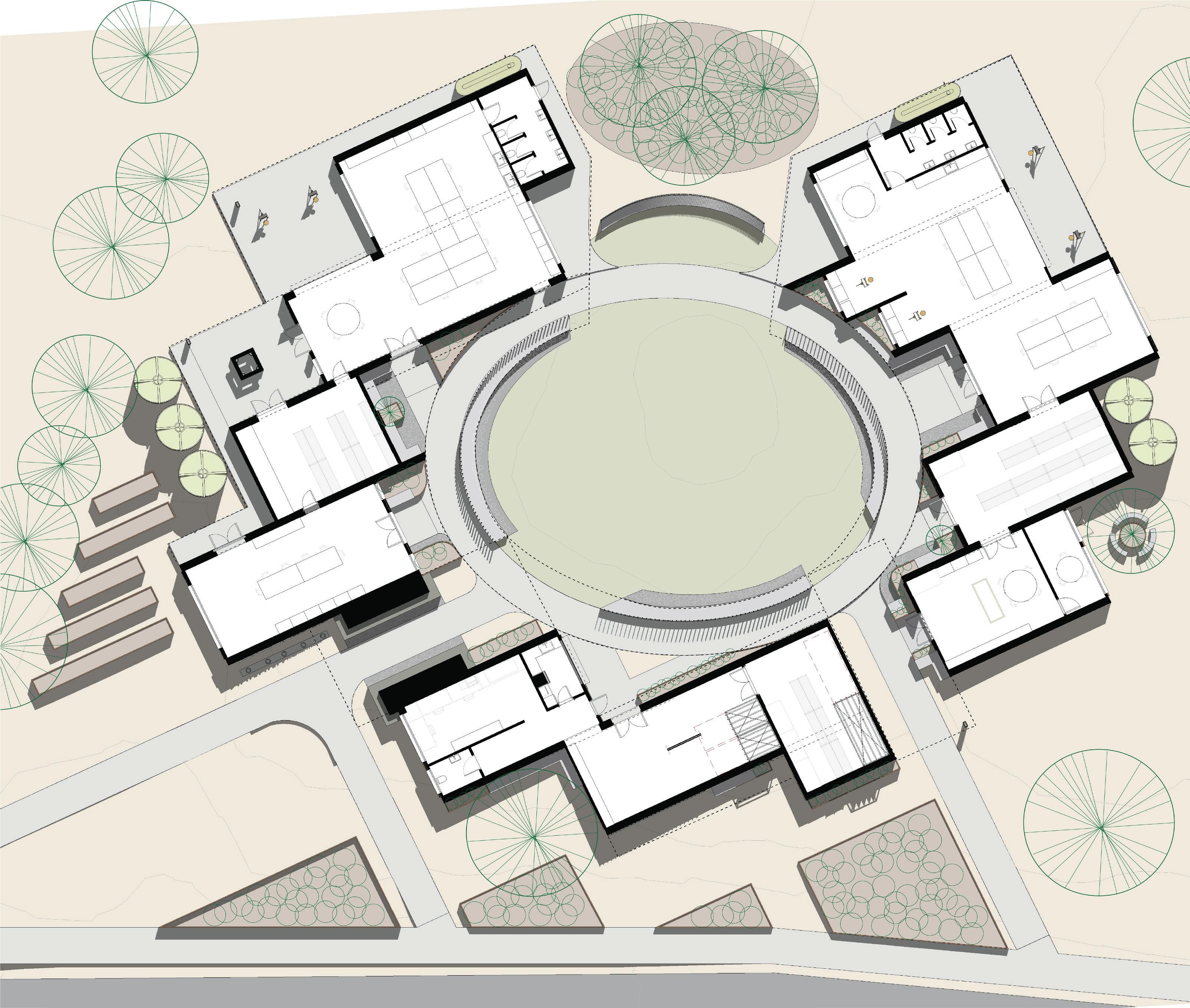
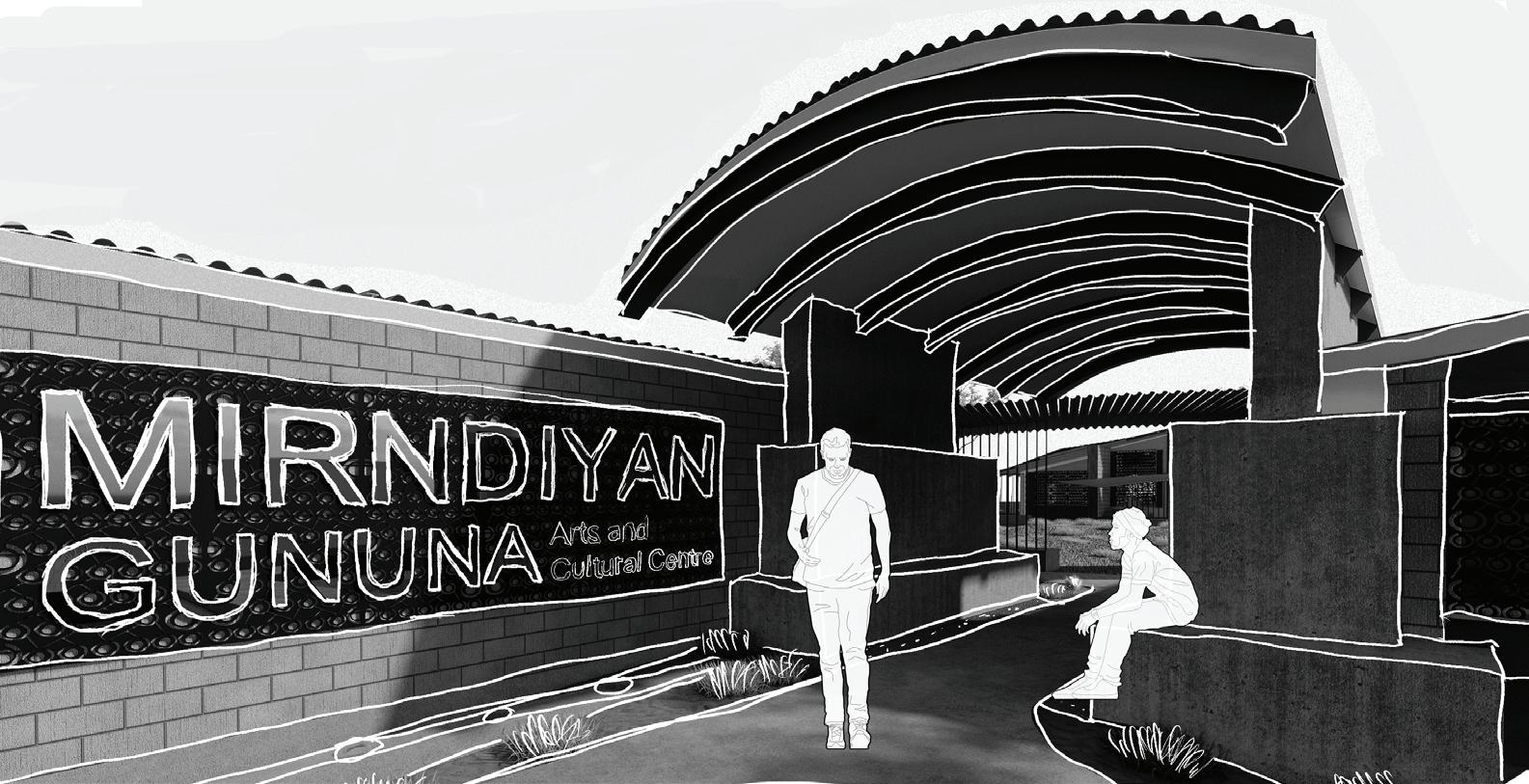
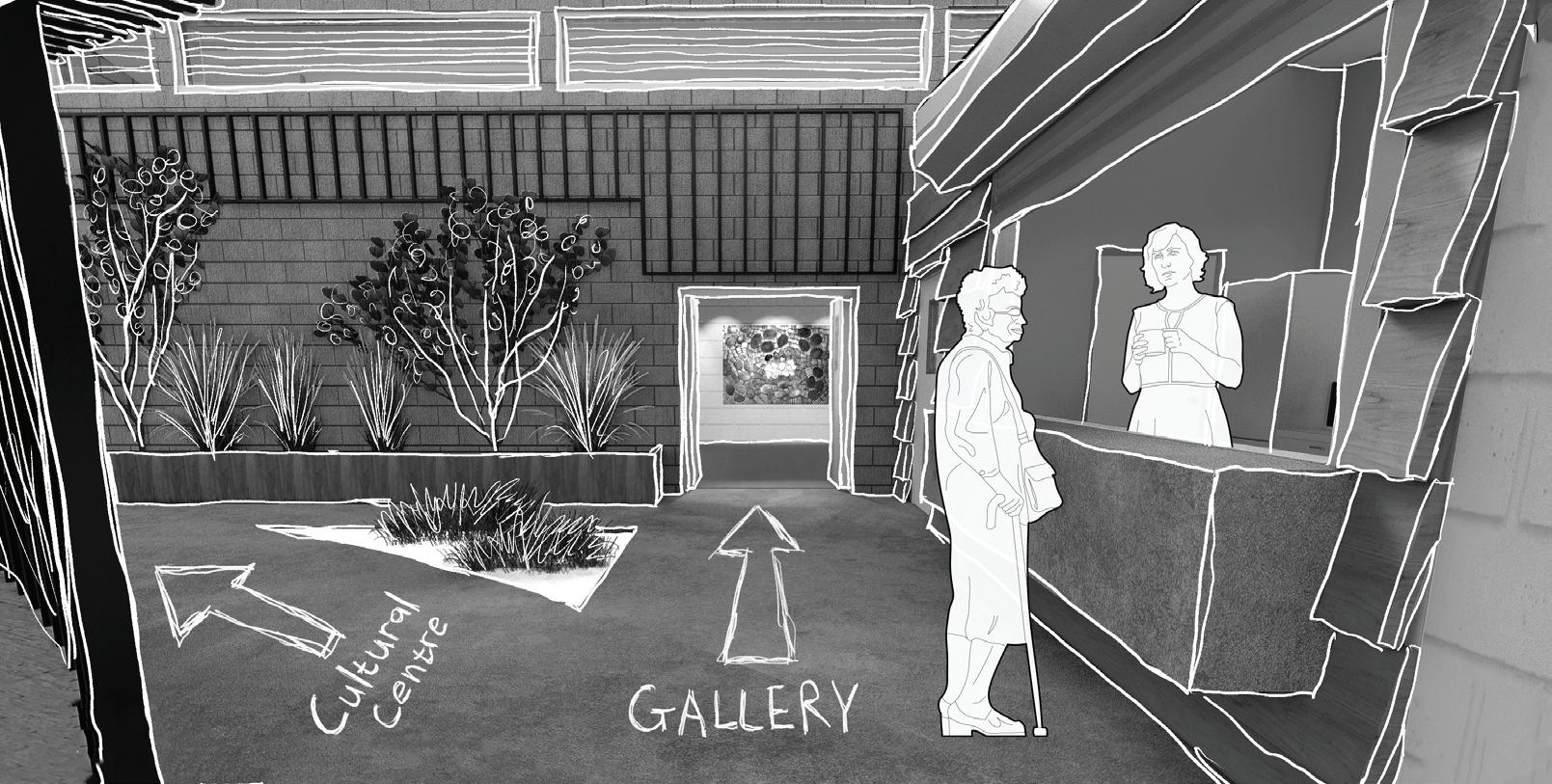
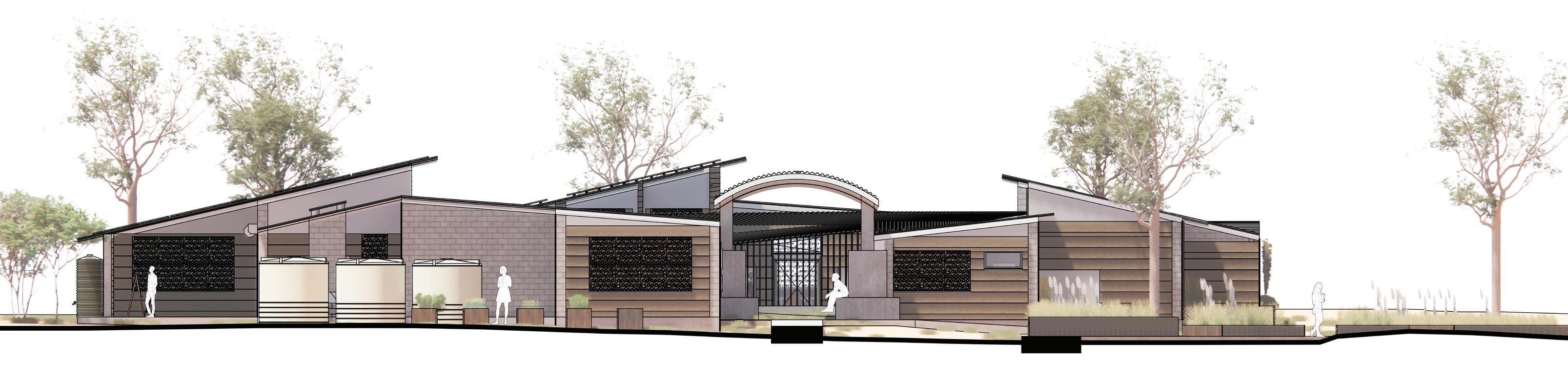
The proposed design was for an Arts and Cultural Centre in the remote indigenous island community of Gununa, Mornington Island. The pieces produced by the artist are important for funding the community as well as telling their unique stories, hence the centre is an essential part of the township.
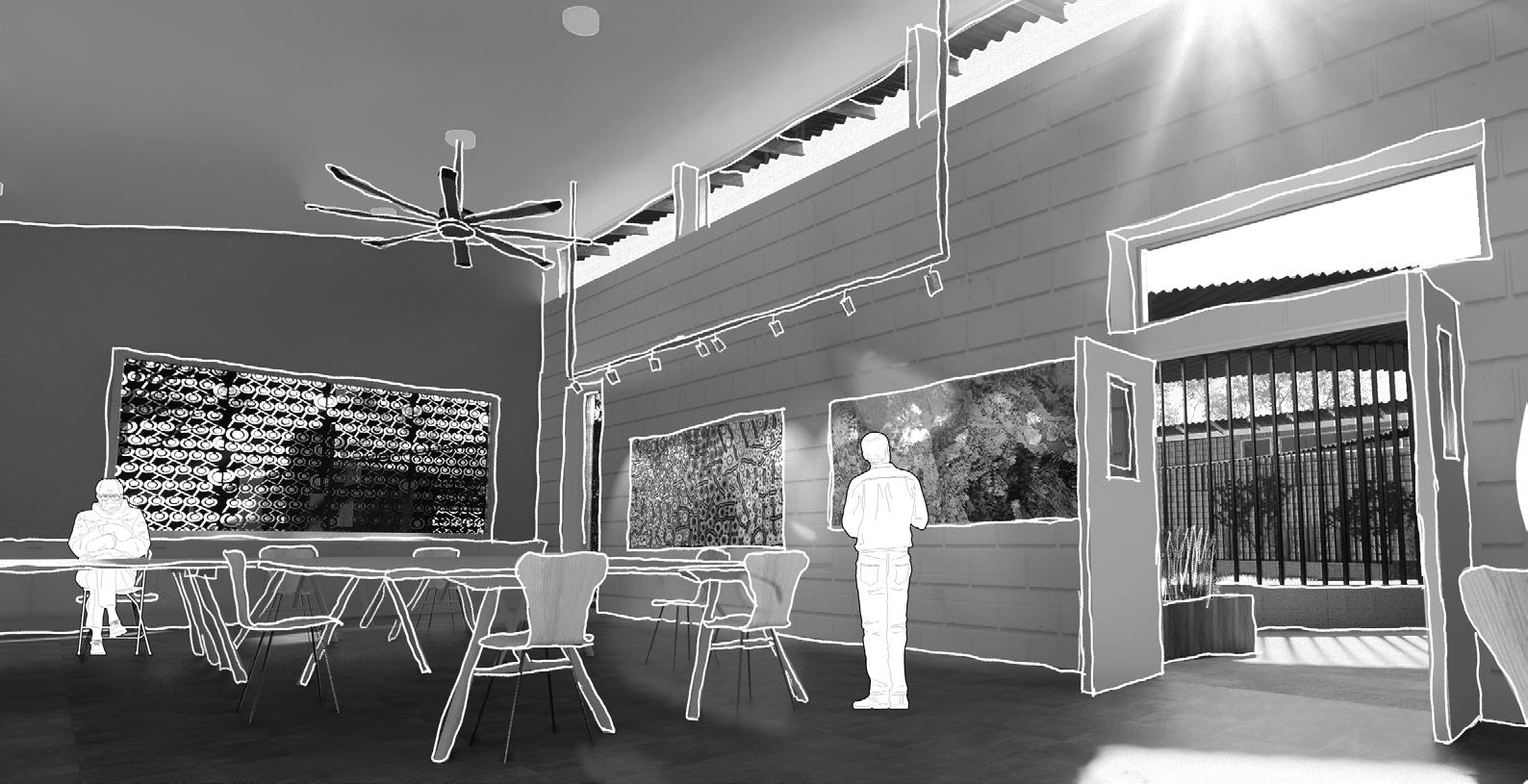
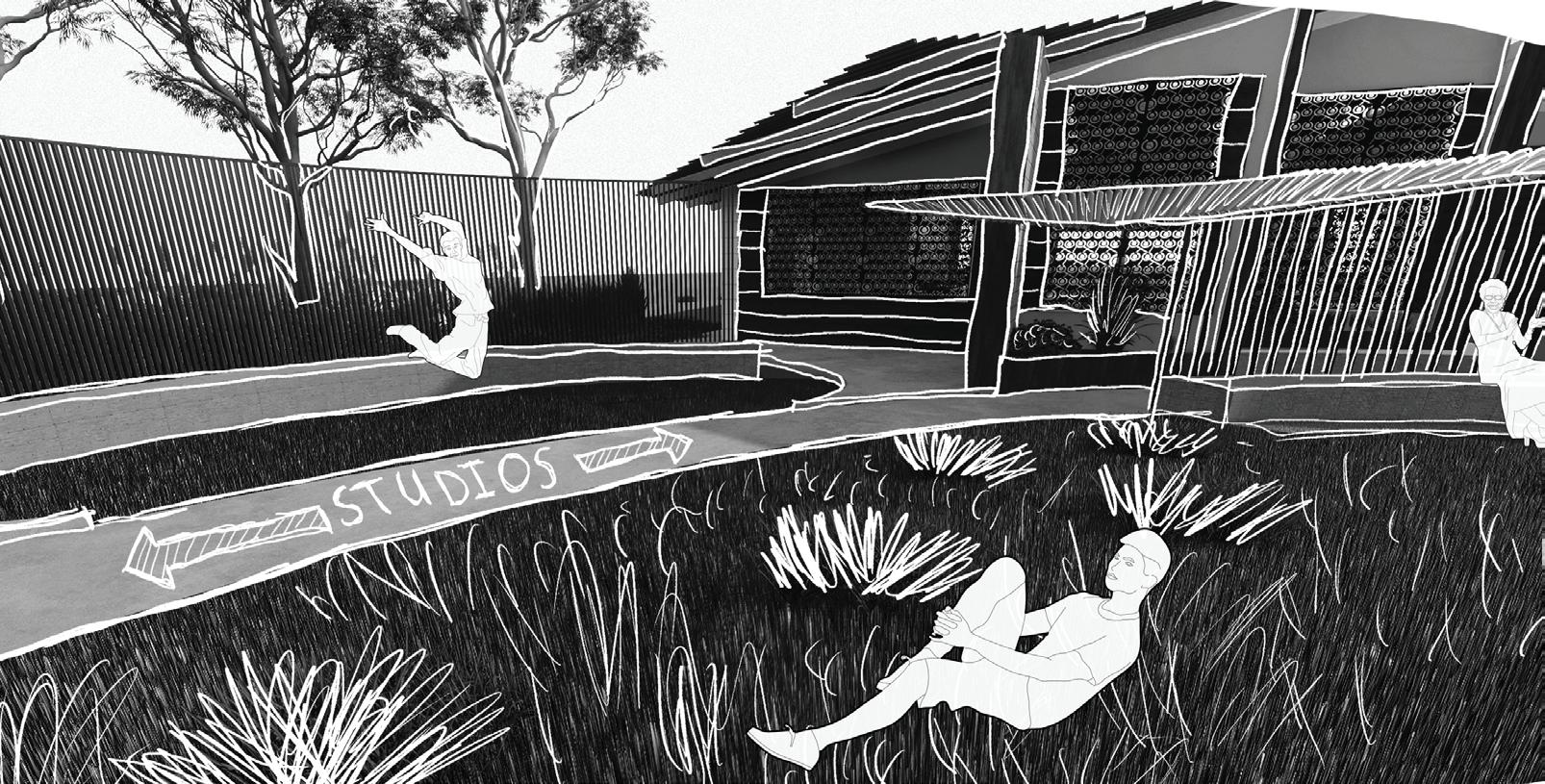
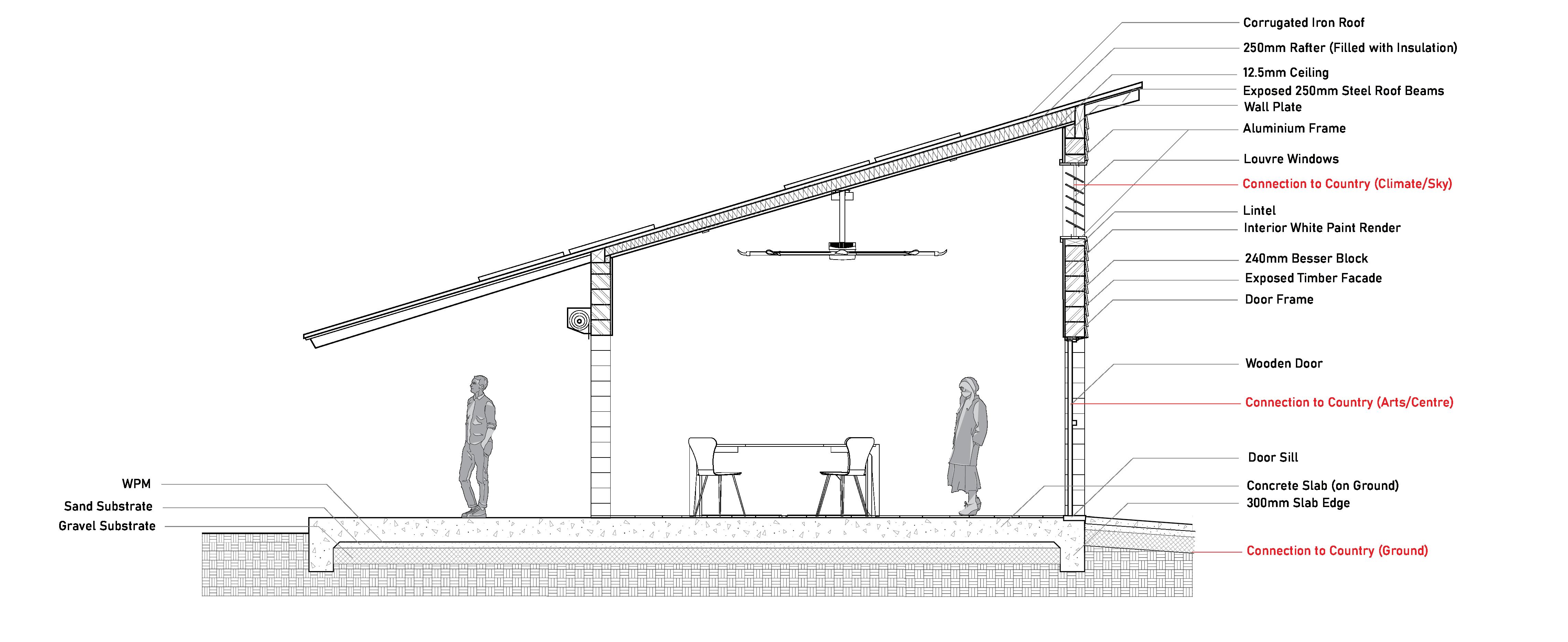
The goal of the proposed new design was to facilitate connection to Country, allowing the artists to have a physical connection to what they are painting, while also surrounding a central gathering space to be used by the community at large and encourage future engagement with the arts. This connection to the surrounding environment and the internal gathering space, in conjunction with an angled grid of tiered privacy, creates a space to facilitate production of art and connection to culture. Careful consideration into cultural aspects and gender separation has been implemented into the layout and design.
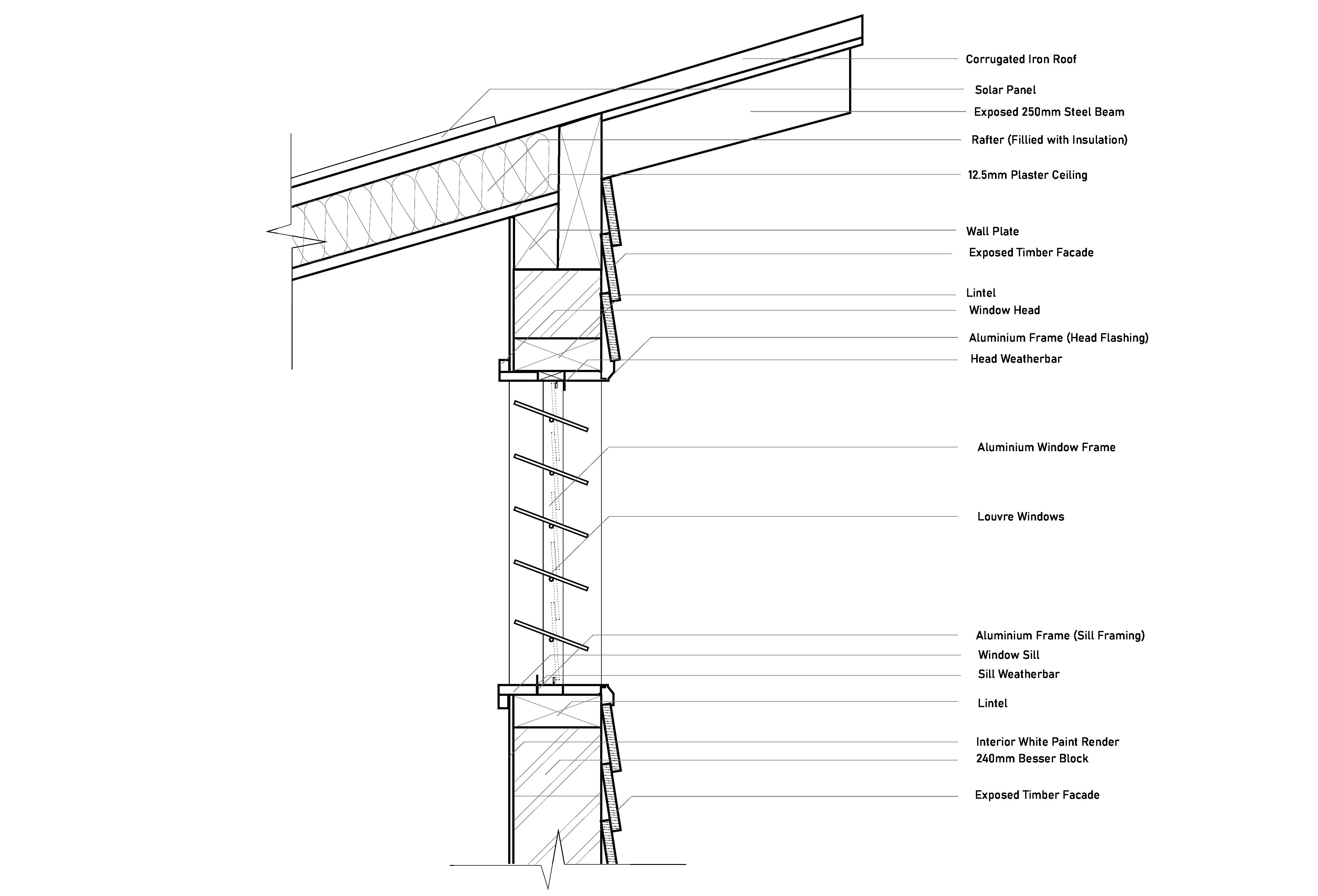
A harsh tropical climate, as well as the constraints of the limited electrical grid in the township of Gununa made passive design and climatic factors a major design consideration. This was investigated through detailing, particularly in the artist studios that are not air conditioned. Natural ventilation, shading overhangs, material choices and construction techniques as well as utilisation of renewable energy technology were all considered and communicated through detail studies.


Coordinator: Frederico Fialho
Date: 26/10/21
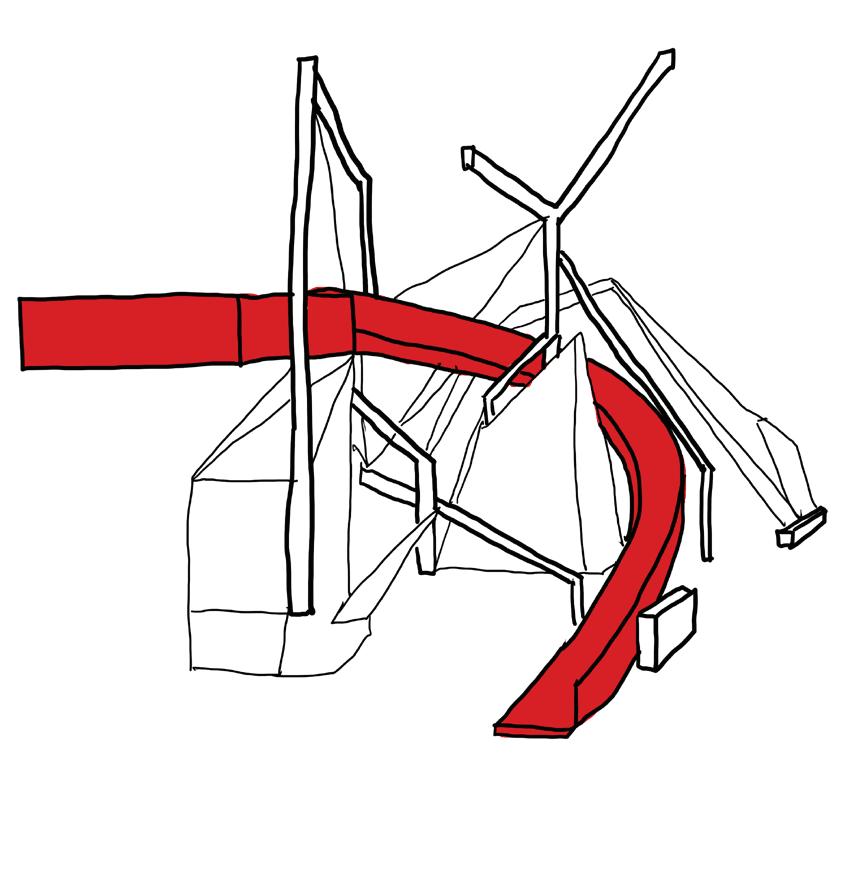
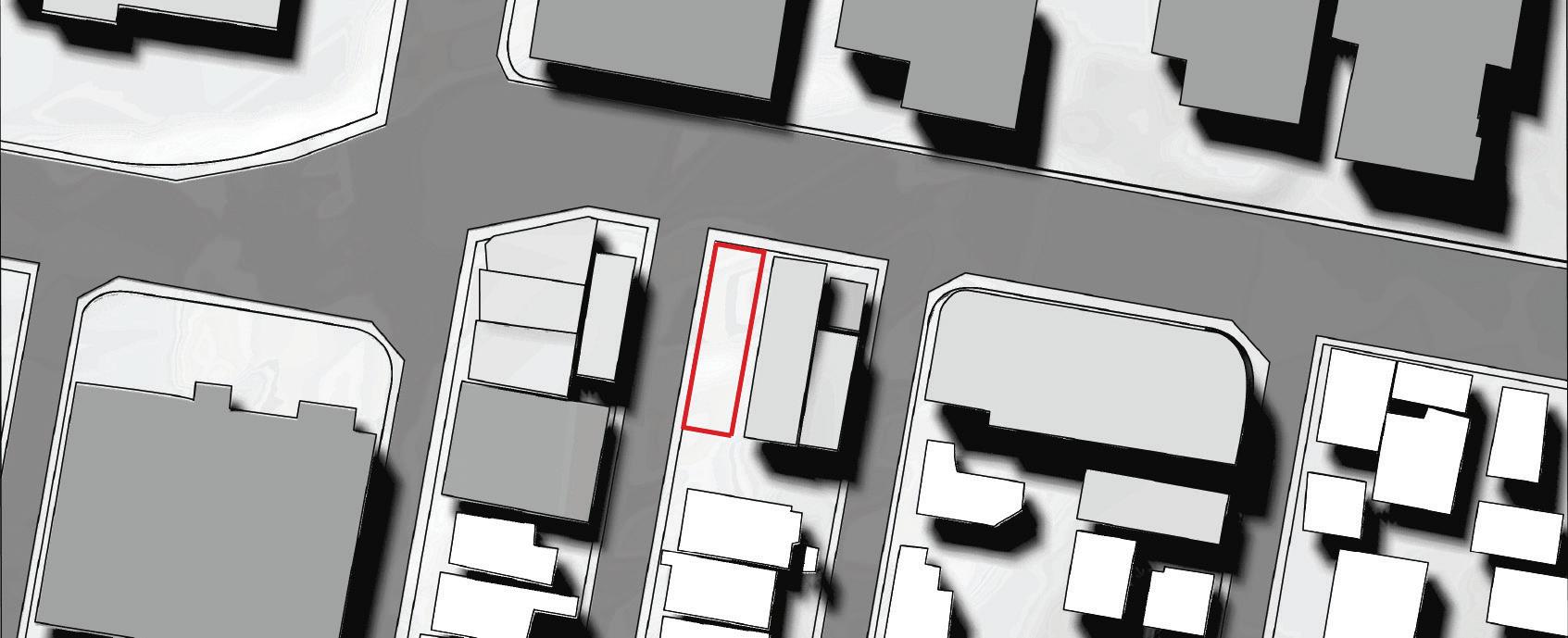
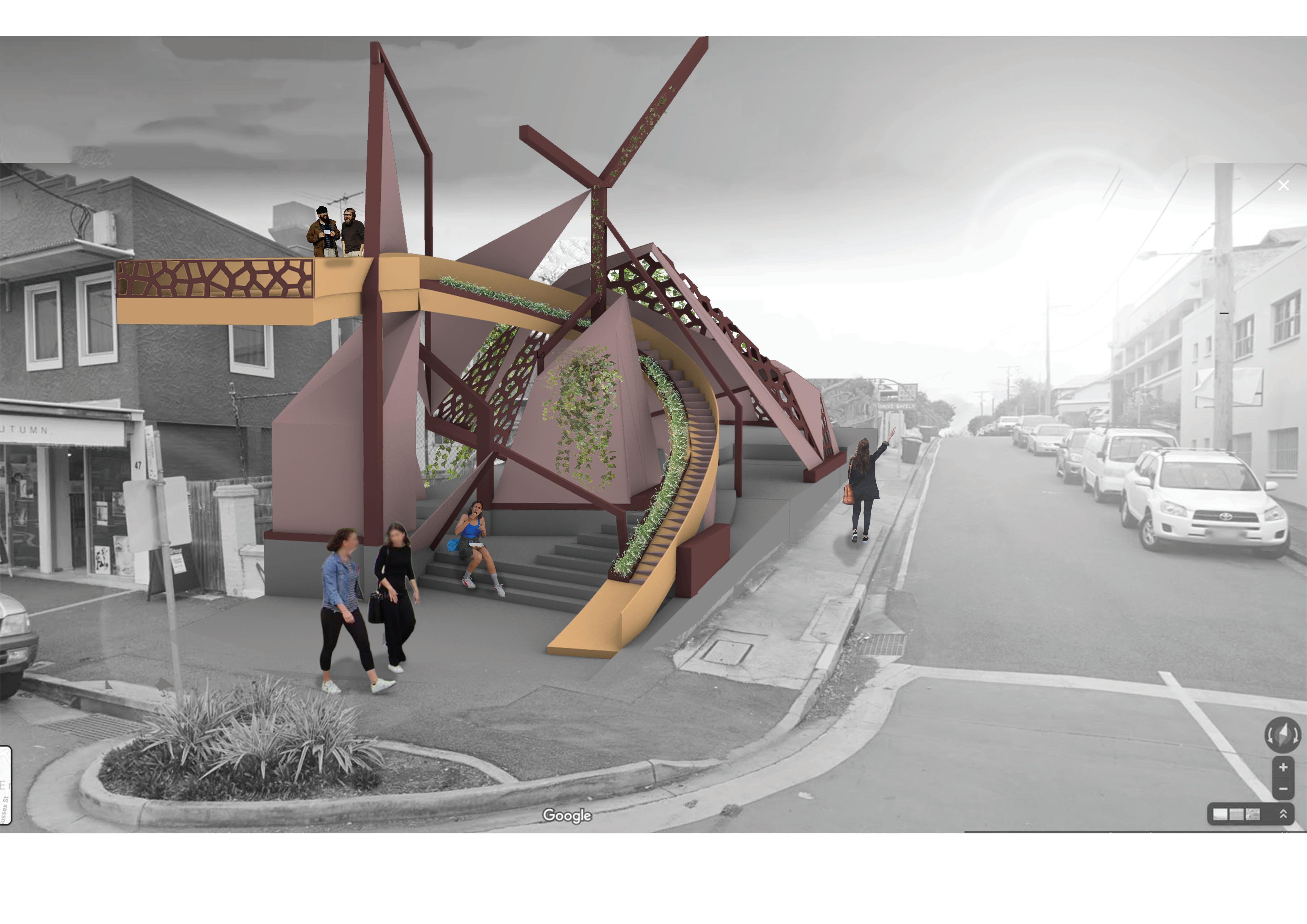
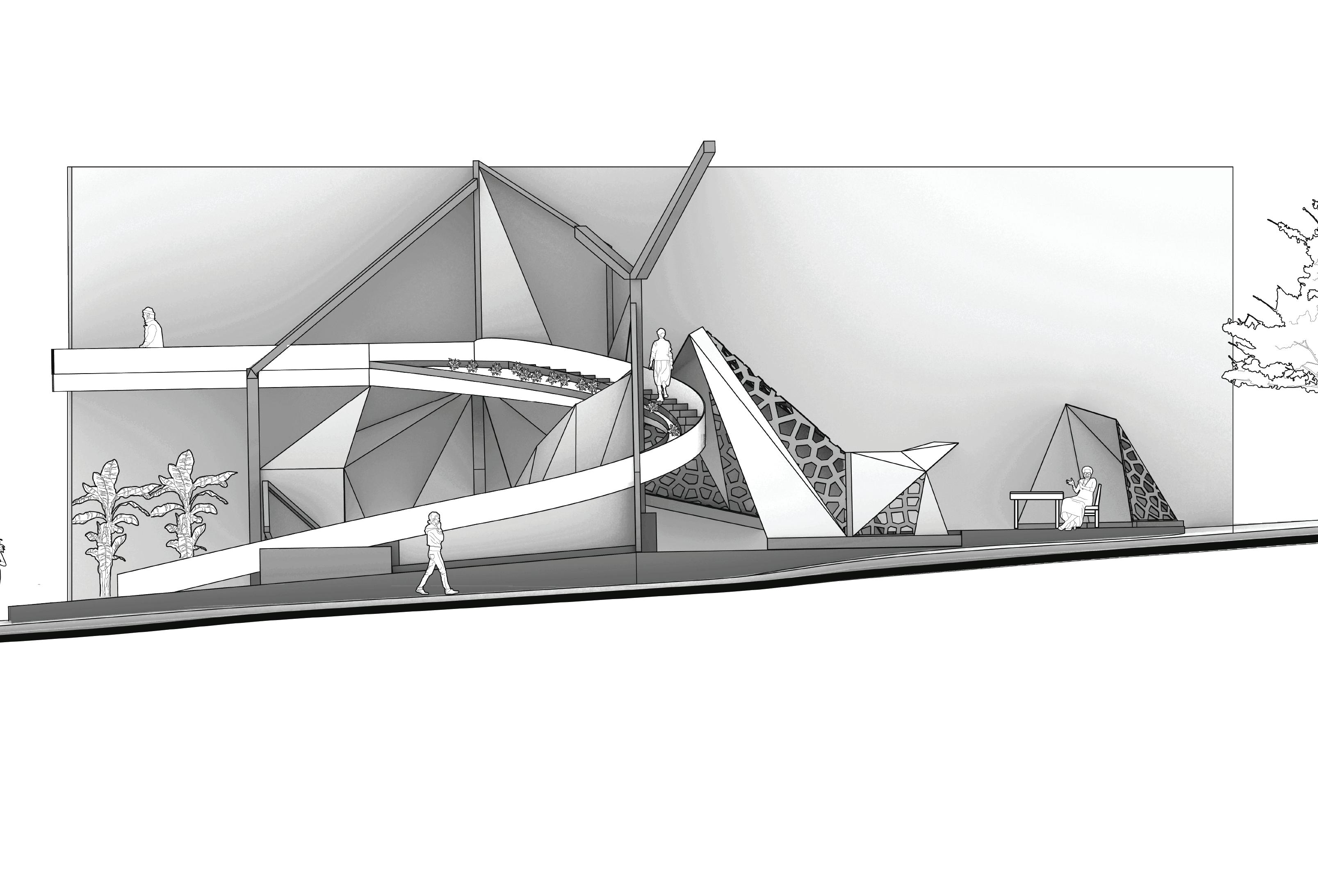
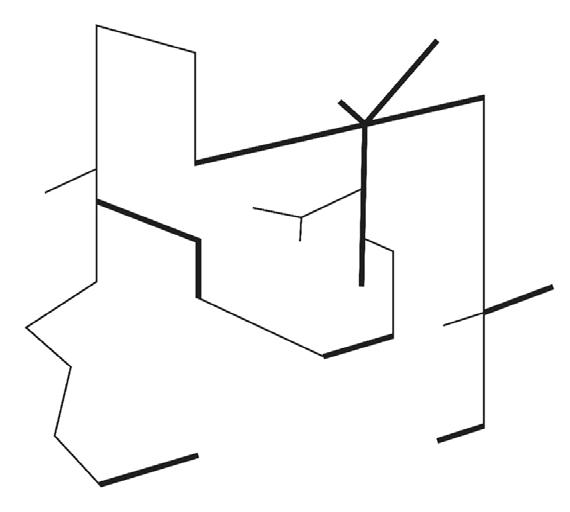
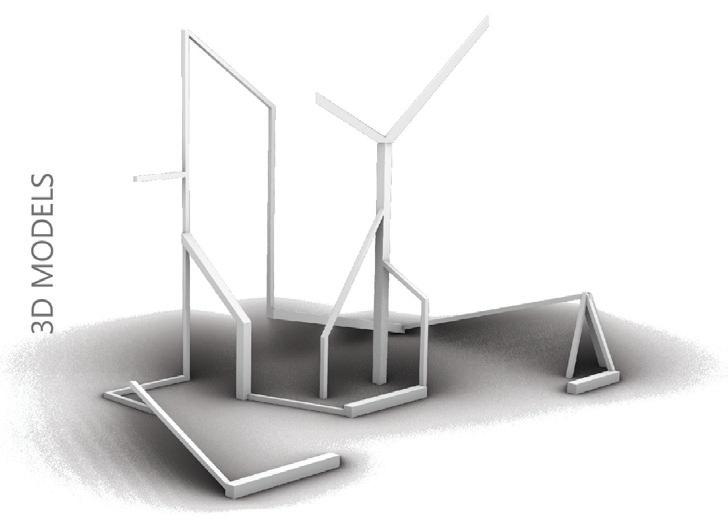
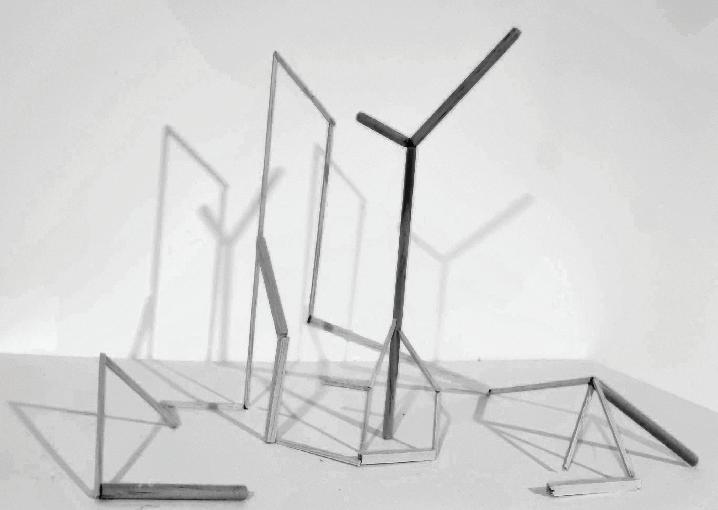
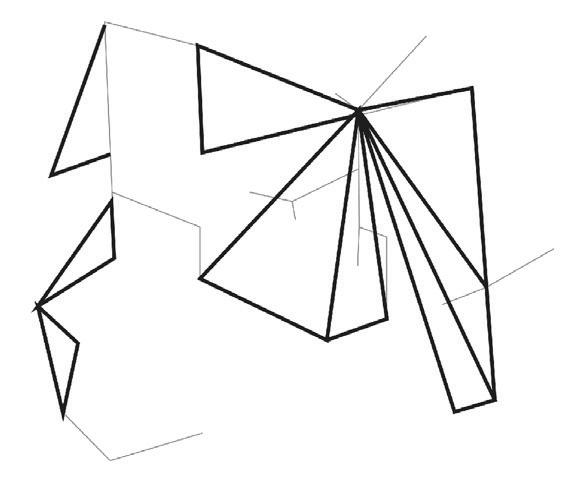
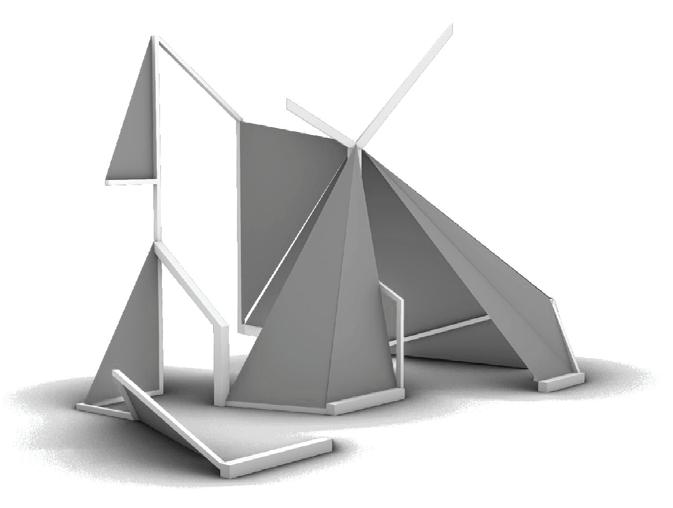
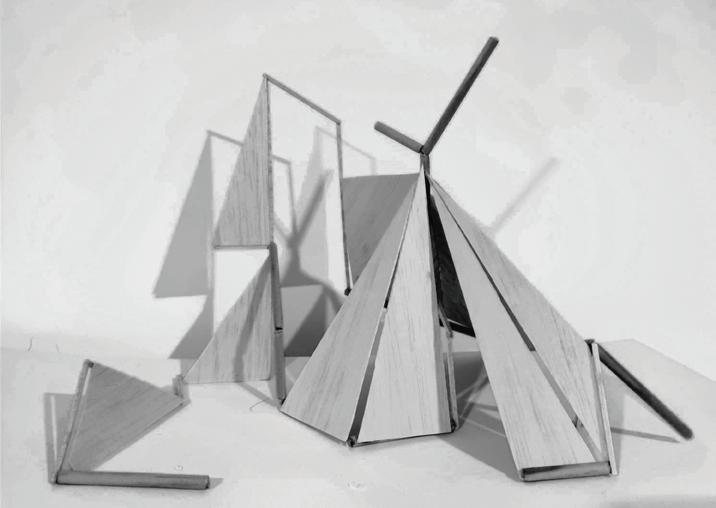
The design process centred around analysing the existing physical site features and deriving the basic structure for an eco-café through the process of abstraction. A series of abstraction studies were conducted, taking existing elements to produce the design. Each stage of abstraction was first drawn and 3D modelled before being constructed as a basic physical model.
The first abstraction series aimed to represent the existing site as a purely linear series of joined lines, varying in weight to represent physical elements such as surrounding buildings, fences and vegetation. This linear product was then further abstracted upon, adding surfaces to represent the shadows that are cast by the physical site elements. The final product from the series of abstractions was used to derive the eco-café. The challenge was to find volumes in the structure to use as spaces in the final design, with only minor changes to the form being allowed.
Coordinator: Dr Paul Matthew
Date: 16/11/23
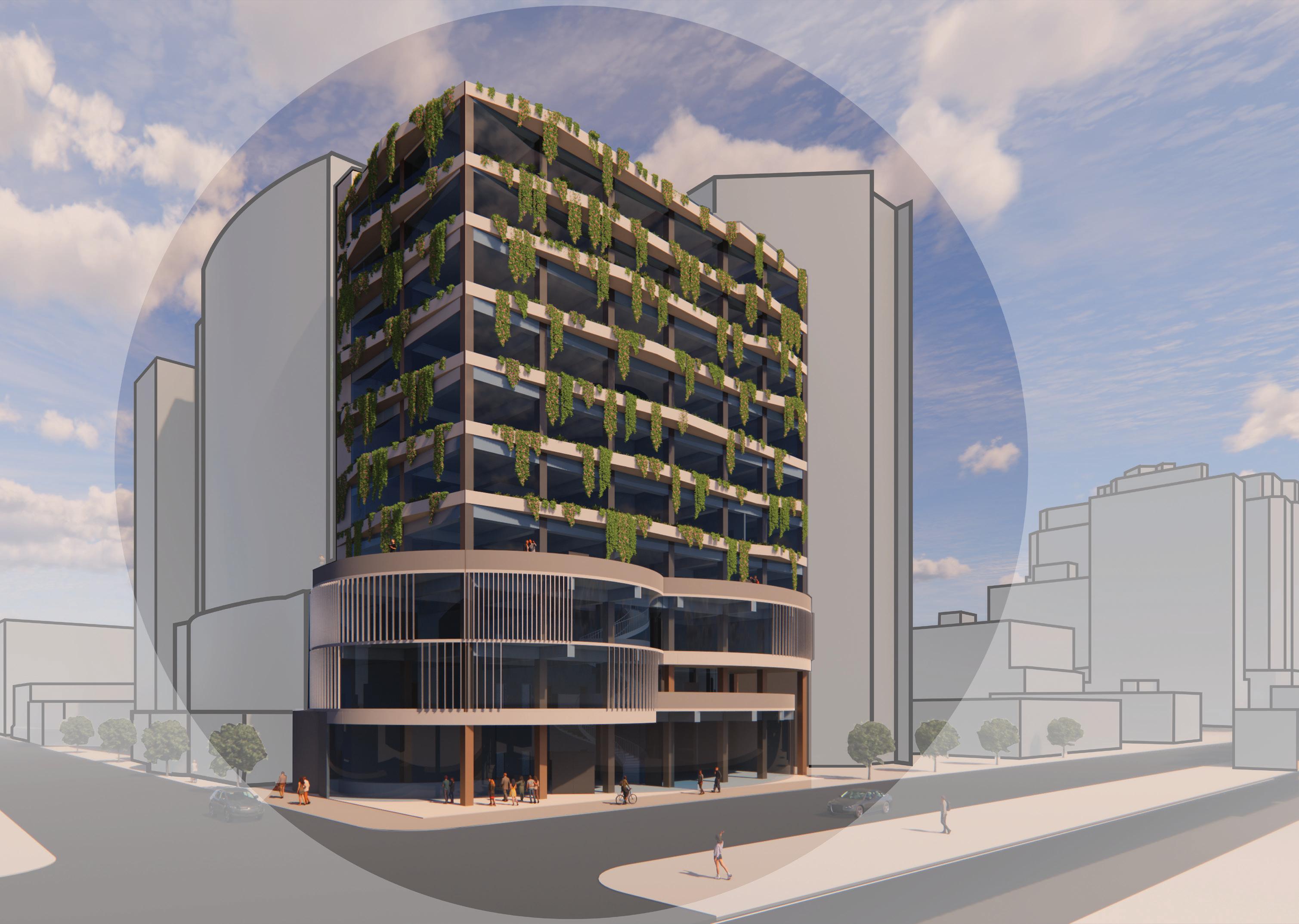
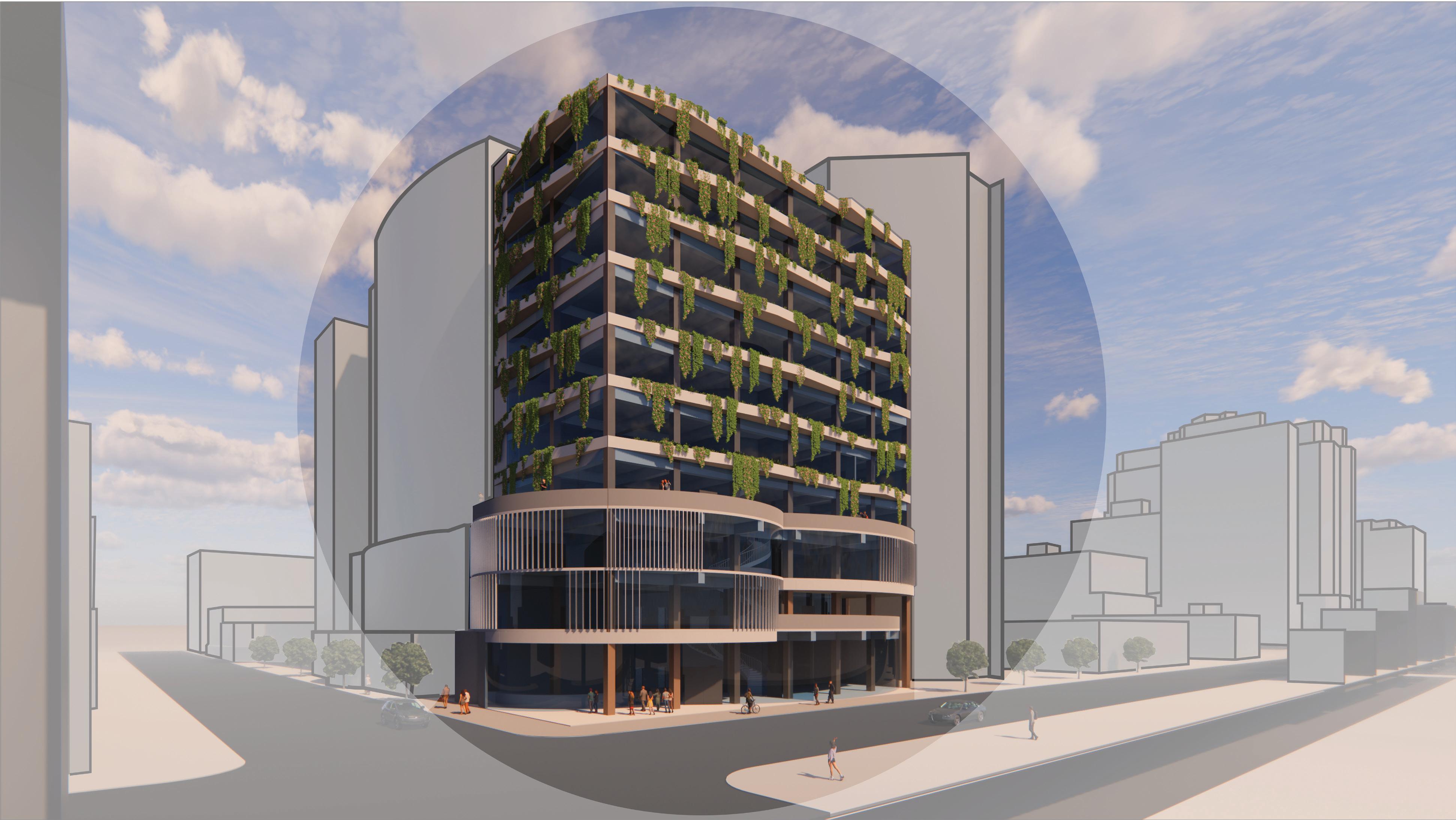
A new building for the School of Architecture was proposed in the Brisbane CBD. The design process for the new building occurred over three weeks, hence was supported and accelerated through group work and three allocated practises to use as inspiration. Once the basic designs was established, groups further developed through detailing analysis.
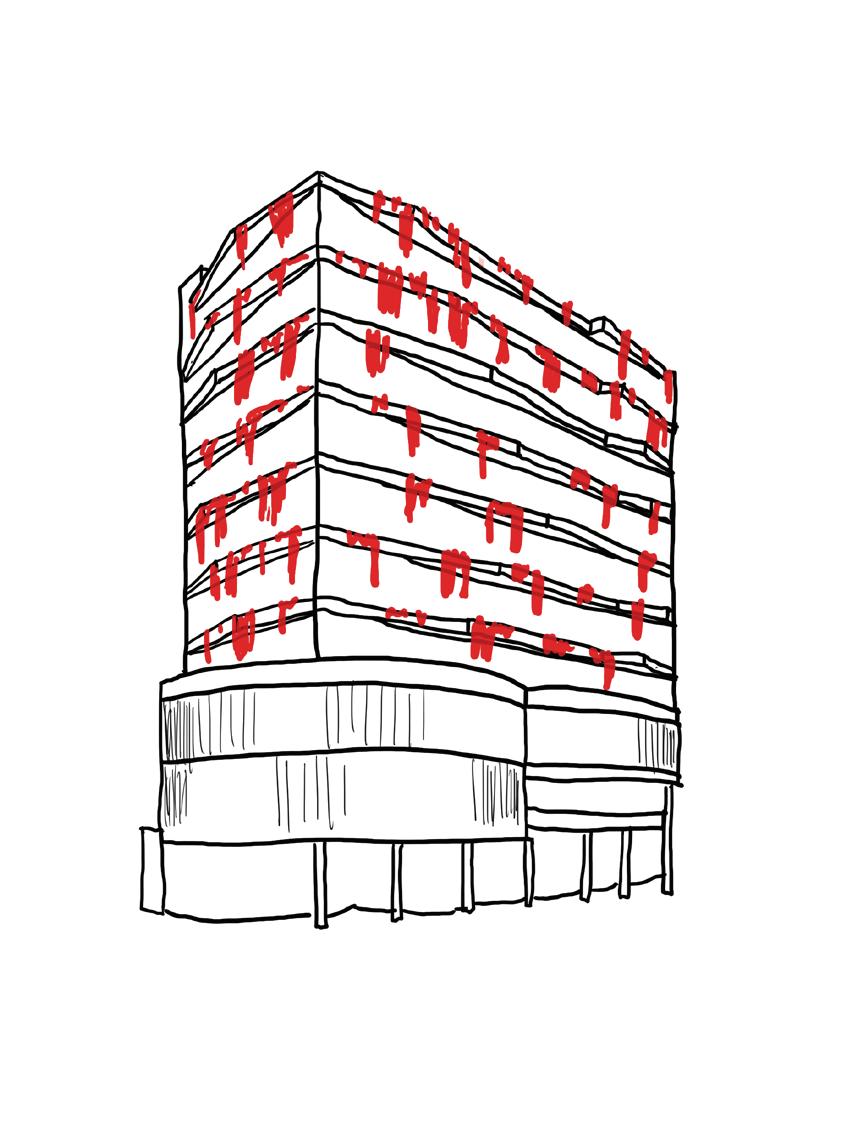
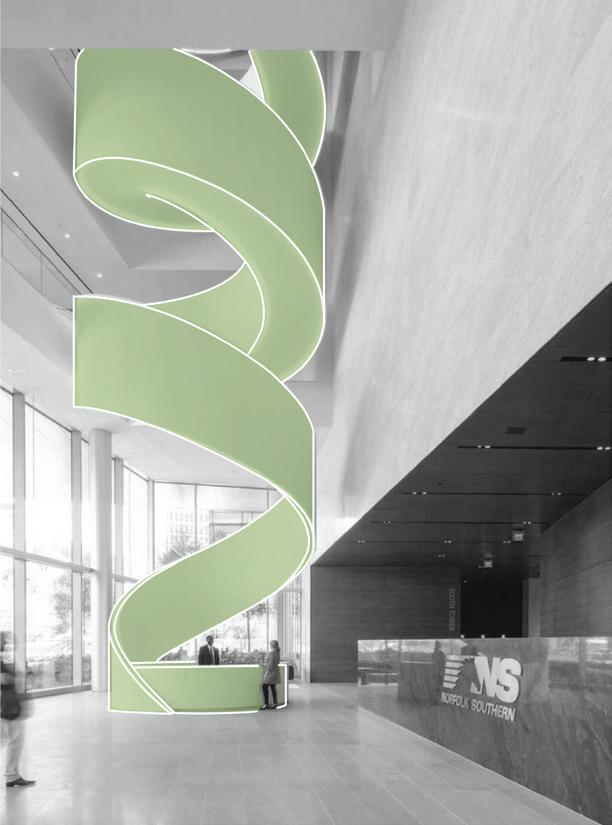
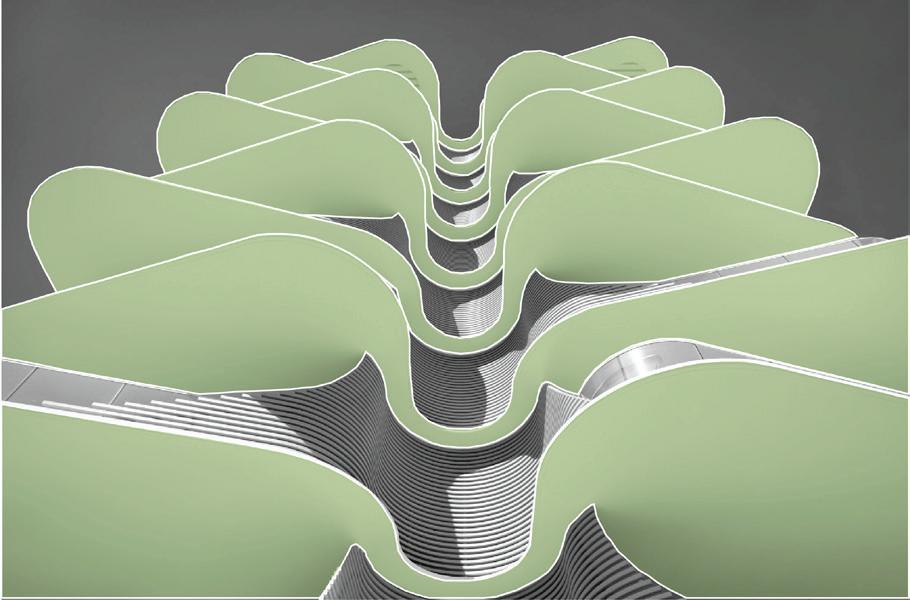
At the core of the proposed new School of Architecture is the idea of students achieving growth and development as they ascend the building. This is represented by the circular podium levels, signifying the trunk of a tree, housing the first- and second-year students.
The tower features large salient external planter boxes, representing the foliage of a tree and signifies the growth and development of the students throughout their study. The tower houses the learning areas for more senior students, including masters’ and PhD students.
Views of the surrounding buildings, as well as exposed structural elements such as the CLT columns in the new school itself, are intentionally framed to provide examples and inspiration to the students.
Biophilia , Biomi mi c
tnemevoMgnitaerC
Pri
Enhanced by Artificial Intelligence
Coordinator: Dr Dan Lou
Date: 07/06/23

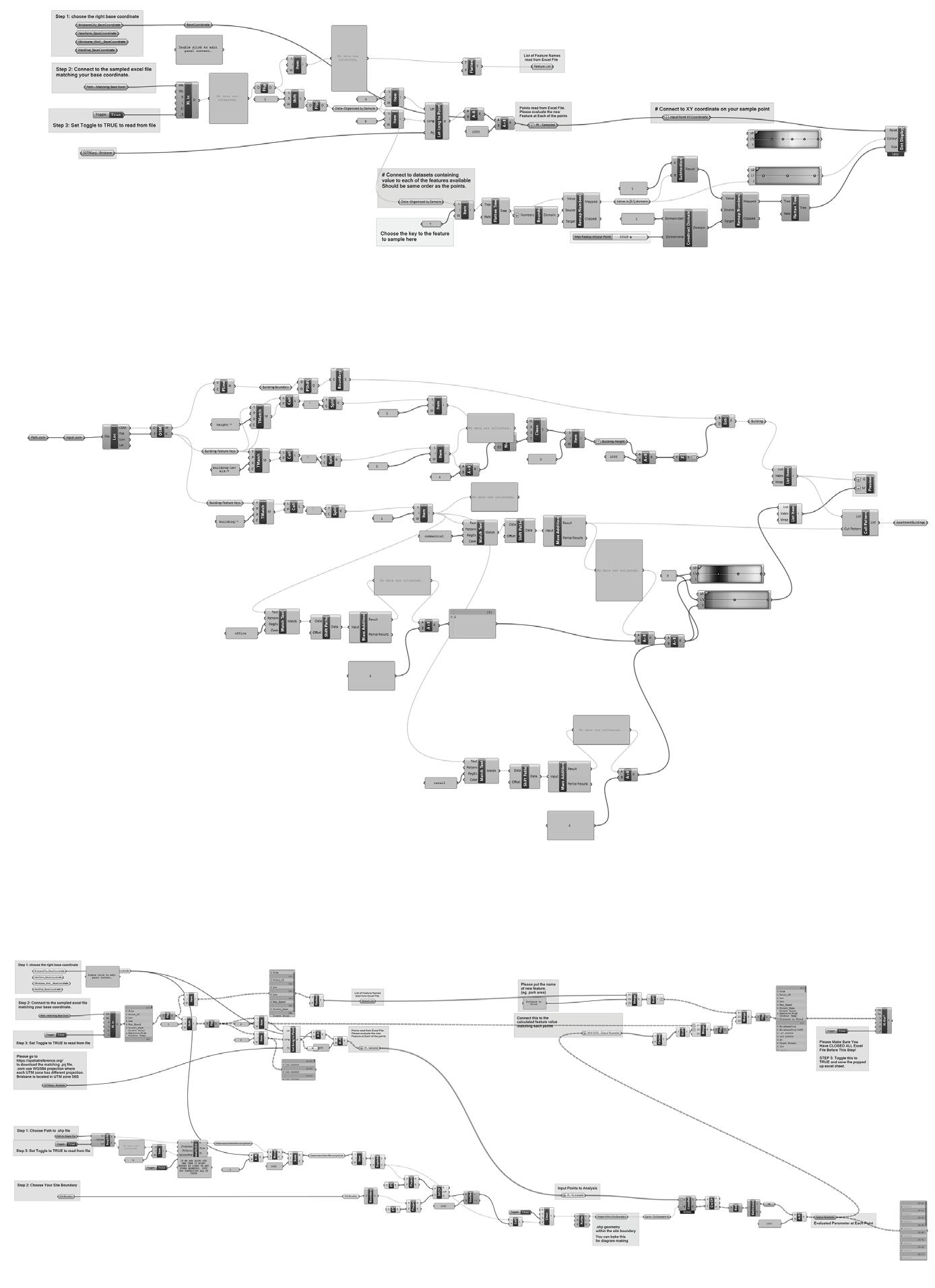
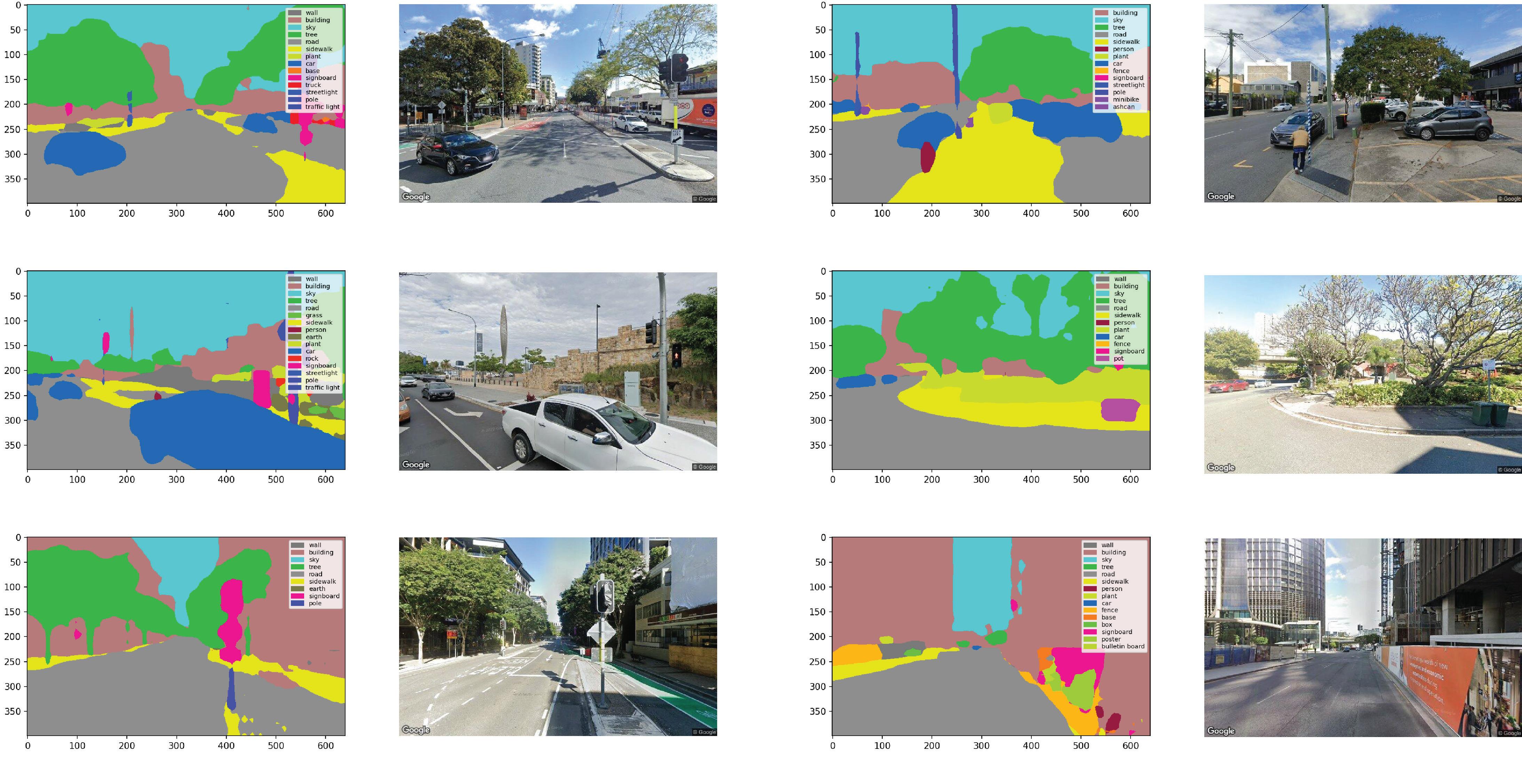
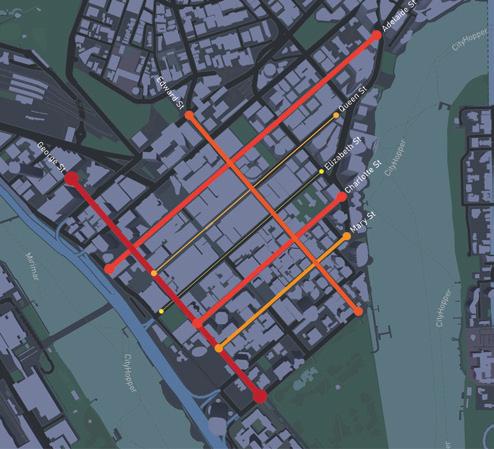
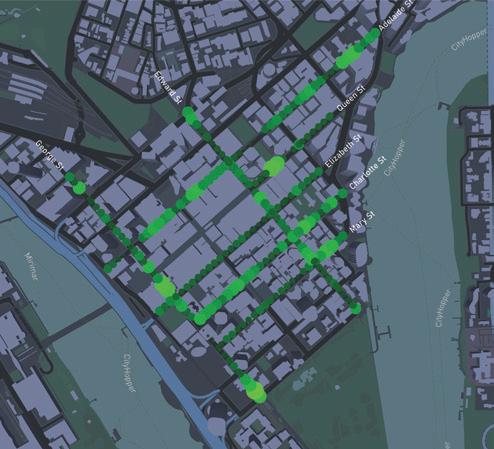
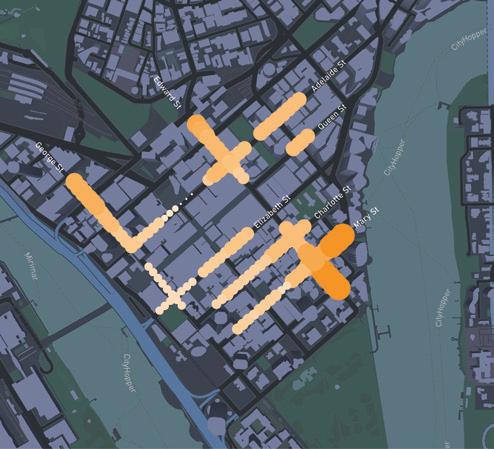
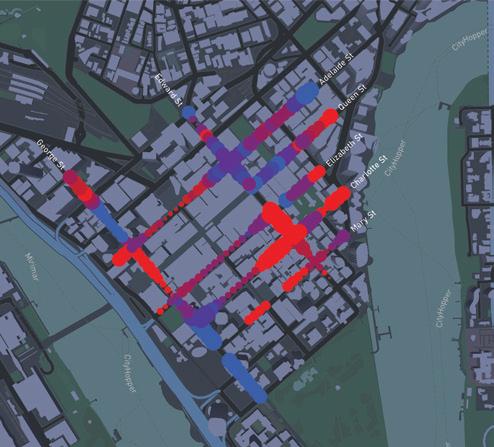
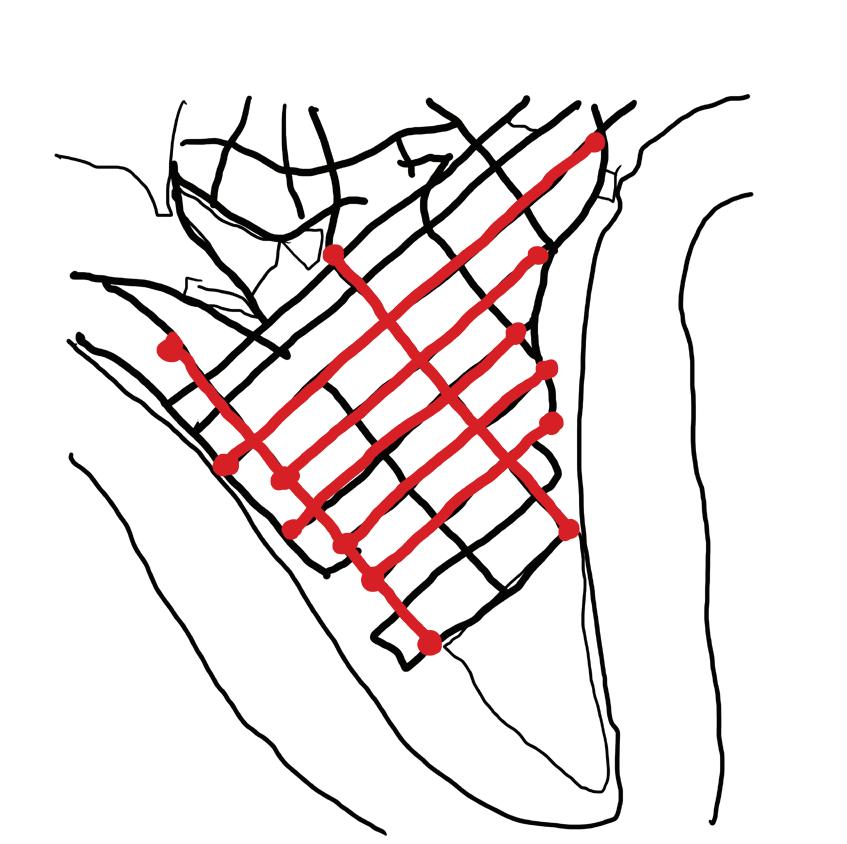
Machine learning is a controversial yet powerful tool in all fields of design. While AI driven design and art is rightfully frowned upon, machine learning can be effectively and ethically utilised to conduct mass site analysis. This project aimed to harness Google Maps API and Google Street View imagery to find the “most runnable street” in the Brisbane CBD.
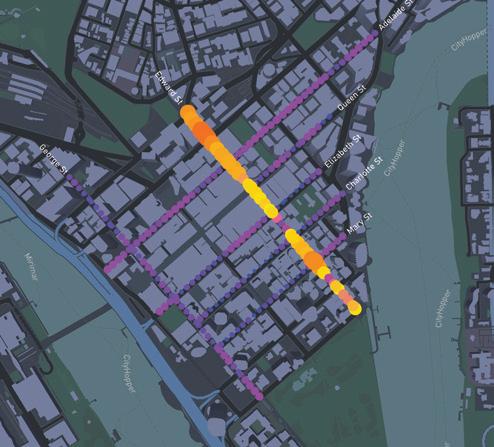
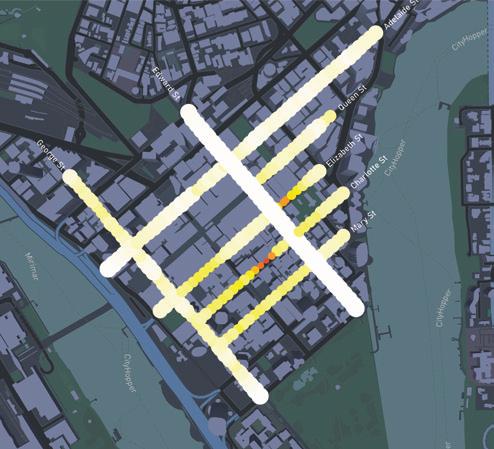
Machine learning was used to analyse and collate data of the streets in question, including solar exposure, number of street crossings and proximity to cafes. This data was then visualised on a map through the use of Grasshopper in Rhino. Similarly, screenshots from Google Street View were gathered and processed through a machine learning algorithm in Grasshopper. This allowed percentage of greenery, average footpath width and number of pedestrians. This data could then be added to the visualisation.
Data was then used to conducted thorough site analysis, using the criteria to define the best street through the CBD to run. This result was also tested by a physical run through the top three contending streets.