FALL/WINTERNEWSLETTER2025
Harvesting Hope: Community-Focused Cultivation
How The Morehouse School of Medicine
Prevention Research Center is Transforming Public Health Through Community Partnerships
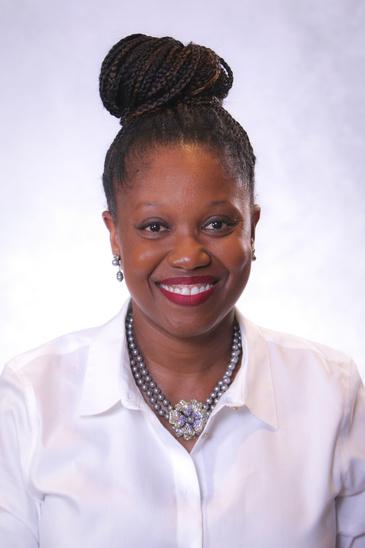
By: Dr. Tabia Henry Akintobi, Principal Investigator
In a time when public health faces unprecedented challenges—from chronic disease to systemic inequities —Morehouse School of Medicine’s Prevention Research Center (MSoM PRC) stands as a beacon of resilience, innovation, and hope. Recently awarded continued funding from the Centers for Disease Control and Prevention, the PRC’s work is not only sustained, it’s expanding. And in this moment, that matters more than ever
Founded in 1998 and as the only Prevention Research Center located within a Historically Black College and University (HBCU), the MSoM PRC has long been a national model for community-based participatory research (CBPR). Its mission is clear: to conduct interdisciplinary, community-driven public health research that uplifts underserved populations and trains the next generation of leaders that make a difference, whether in research, practice or clinical settings
But the PRC is more than a research hub, it’s a movement that has been built and sustained through community partnership
�� A Model Rooted in Community
At the heart of the MSoM PRC is the Community Coalition Board (CCB), a governing body composed primarily of neighborhood residents, faith leaders, health professionals, and academic partners. This isn’t an advisory group, it’s a policymaking force. The CCB ensures that every research initiative reflects the lived experiences of the communities it serves, with interventions that are culturally tailored, racially inclusive, and geographically relevant.
This governance model, known nationally as “The Morehouse Model,” has revolutionized how institutions engage with communities It’s not just about outreach—it’s about ownership.
�� Research That Responds
The PRC’s research portfolio is as dynamic as the communities it serves, collaborates with or is led by. Its current Core Research
Project, Family DRREAM (Diabetes Resources and Research for Education, Awareness, and Management), addresses diabetes self-management among Black and Latinx families, populations disproportionately affected by diabetes.
Family DRREAM and other initiatives build on findings from the Community Health Needs and Asset Assessment (CHNAA), a recurring survey that identifies pressing health concerns like hypertension, mental health, and cancer. We will launch the next CHNAA in the coming year so stay tuned!
Over the past decade, the PRC has produced more than 140 peer-reviewed articles, 20 book chapters, and five books, including the landmark publication Community-Centered Public Health: Strategies, Tools and Applications for Advancing Health Equity Many of which are community co-authored because the stories of our processes, impacts and outcomes are about the collective. They aren’t just academic, they are actionable.
�� Cultivating the Next Generation
Training is central to the PRC’s mission. Through programs like the IMHOTEP John Lewis Scholars Program and the Community Engaged Course and Action Network (CECAN), the PRC mentors, trains and builds the capacities of more than 120 learners annually—from elementary students to postdoctoral fellows. Many go on to become or expand their leadership and service as public health professionals, researchers, and community leaders This pipeline is intentional. It’s about building capacity for and within communities, not parachuting in from the outside.
�� Partnerships That Scale Impact
With more than 200 collaborations across academic institutions, health systems, and grassroots organizations, the PRC’s reach is vast. From Georgia
Tech to Harvard, from the Hispanic Health Coalition of Georgia to Albany Area Primary Health Care, these partnerships amplify the PRC’s ability to deliver evidence-based interventions and scale them across urban and rural communities alike.
The PRC’s leadership in national networks —like the National Academies of Science, Engineering, Education and Medicine, the National COVID-19 Resiliency Network and the Undiagnosed Diseases Network further cements its role as a trusted voice in community-engaged research.
�� A Future Funded by Trust
In an era of shrinking public health budgets and rising community needs, the PRC’s continued funding is a testament to its impact. With over $125 million secured in the past decade from federal, state, and philanthropic sources, the PRC has built a resilient infrastructure that can weather uncertainty and continue to innovate
As Morehouse School of Medicine celebrates 50 years of shaping health equity, the PRC, entering its 26th year, reminds us that hope isn’t just harvested, it’s cultivated--intentionally, over time Through deep-rooted partnerships, visionary leadership, and a relentless commitment to justice, the PRC is growing something extraordinary: a future where every community thrives.
Let this be a call to action. Let this be a celebration. Let this be a reminder that in the soil of struggle, MSoM PRC plants seeds of transformation.
Morehouse School of Medicine Prevention Research Center Takes on the American Public Health Association
Annual Conference in Washington D.C.
By: Dr. Rhonda Holliday Multiple Principal Investigator
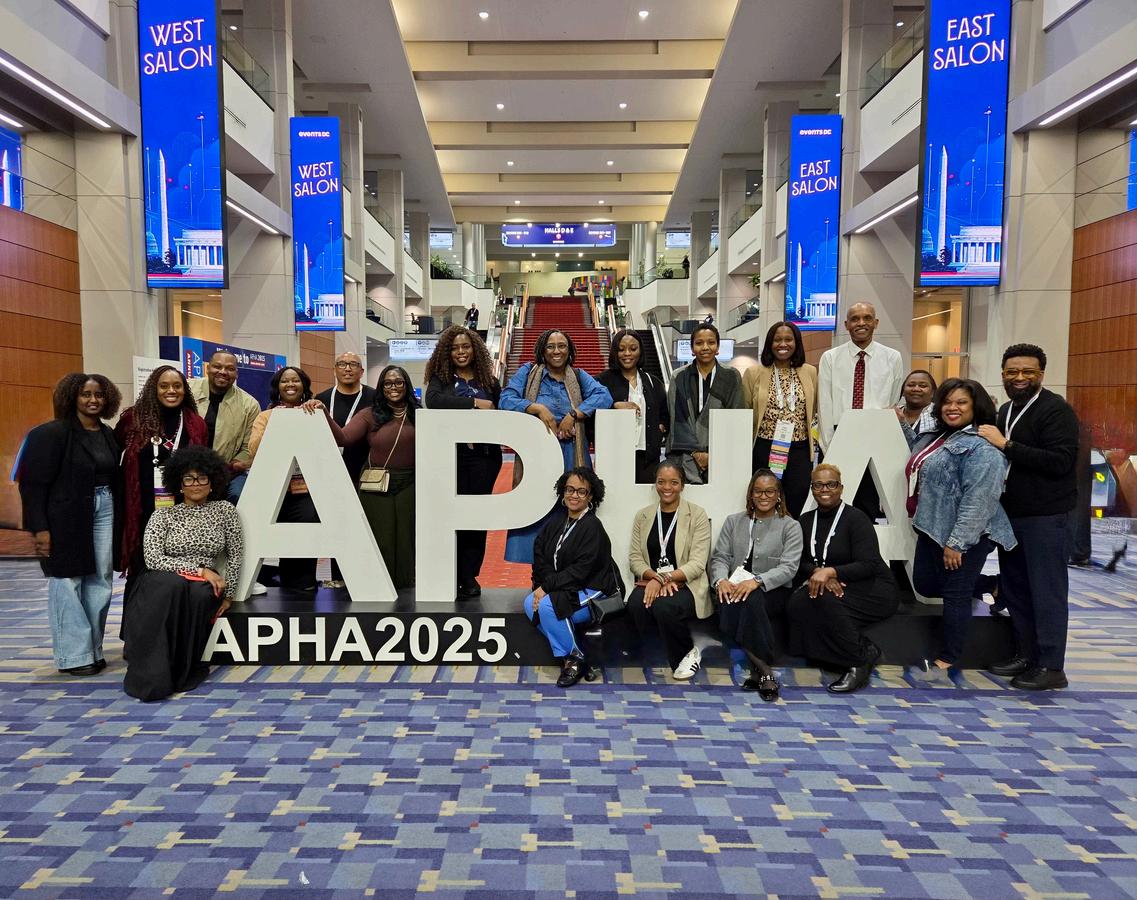
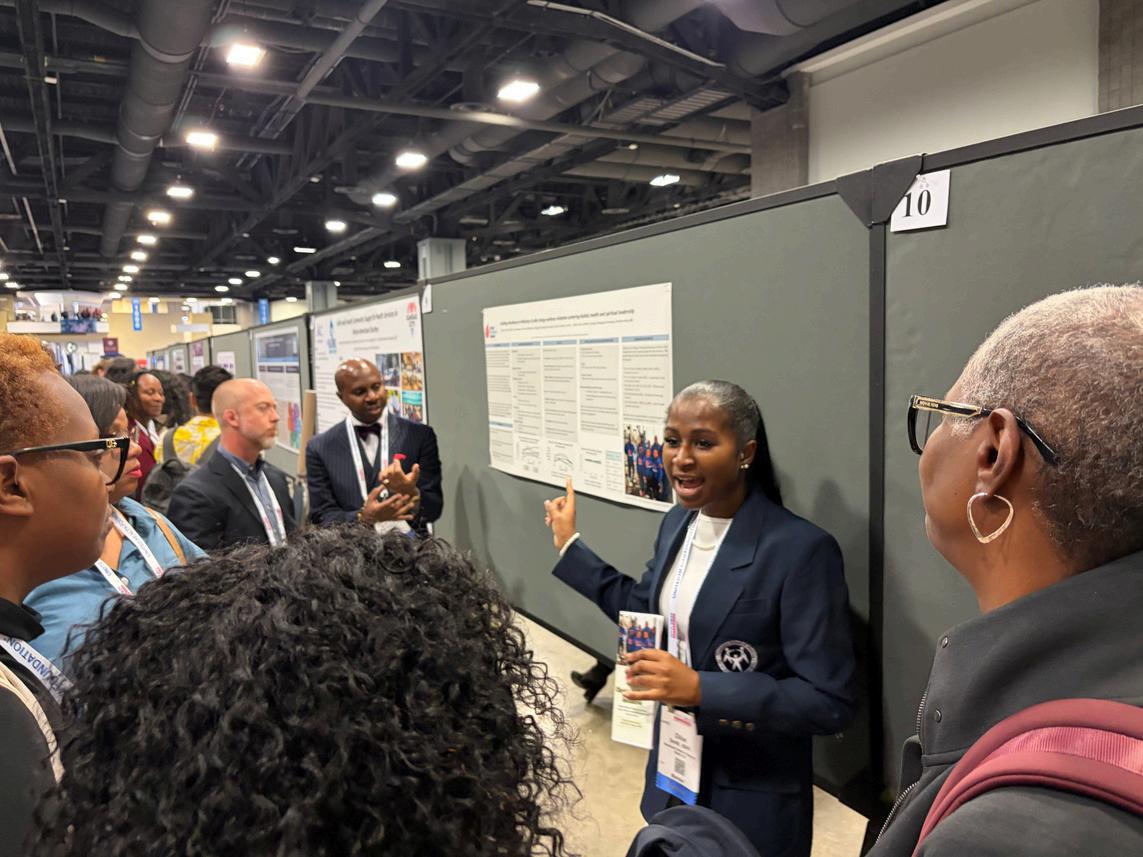
The MSoM PRC showed up and showed out at the American Public Health Association’s Annual Meeting held in Washington, D.C. from November 2–5, 2025. Hosted at the Walter E. Washington Convention Center, the 2025 APHA theme, “Making the Public’s Health a National Priority” underscored the urgent need to elevate public health across policy, practice, and community action amid evolving national and global challenges.
With more than 12,000 public health professionals, researchers, advocates, and community leaders in attendance from around the world, the conference served as a critical platform to address pressing issues impacting the state of public health. Throughout the meeting, MSoM PRC was at the forefront of this
important dialogue—serving not only as attendees, but as presenters, facilitators, thought leaders, and advocates advancing community-engaged and equity-driven research.
MSoM PRC Presentation Highlights
MSoM PRC faculty, staff, students, and community partners delivered 14 impactful poster and oral presentations spanning areas of urgent national importance including mental and behavioral health, HIV prevention, diabetes care and selfmanagement, reproductive health, and community-centered pandemic response.
Full List of Presentations:
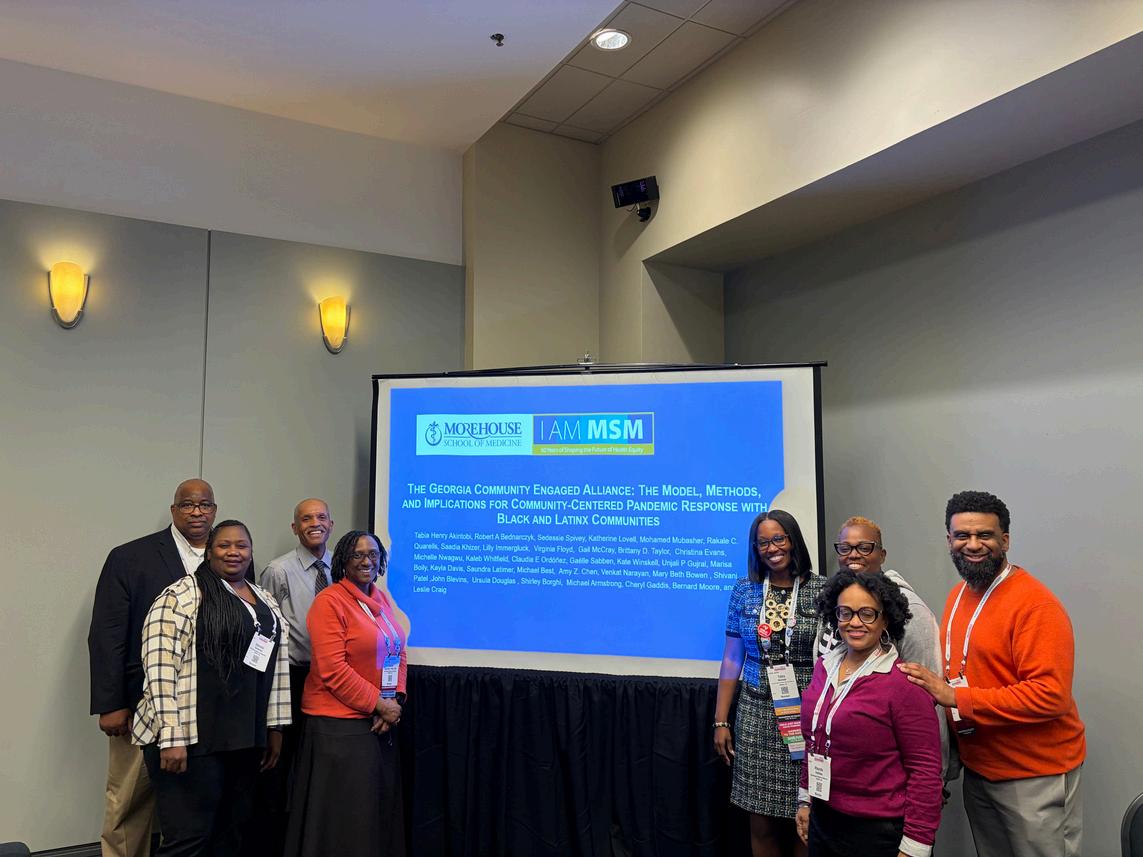
Akintobi, T. H., Bedmarczyk, R., Spivey, S., Lovell, K., Mubasher, M., Quarells, R., … Craig, L.(2025) The Georgia Community Engaged Alliance: The model, methods, and implications for community-centered pandemic response with Black and Latinx communities [Oral presentation].
Akintobi, T. H., Brantley, K., Chen, A. Z., Drummond, F., Francis, G., Hewlin, R., … Quarells, R. (2025). The planning and implementation of a multilevel intervention to prevent diabetes and address social determinants of health utilizing a community-based participatory research approach [Oral presentation].
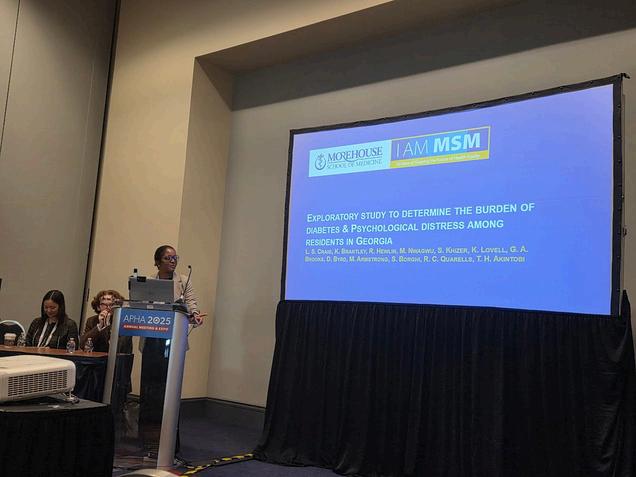
Craig, L., Brantley, K., Hewlin, R., Nwagwu, M., Khizer, S., Lovell, K., Brooks, G. A., Byrd, D., Armstrong, M., Borghi, S., Quarells, R. C., & Akintobi, T. H. (2025) Exploratory study to determine the burden of diabetes and psychological distress among residents in Georgia [Oral presentation].
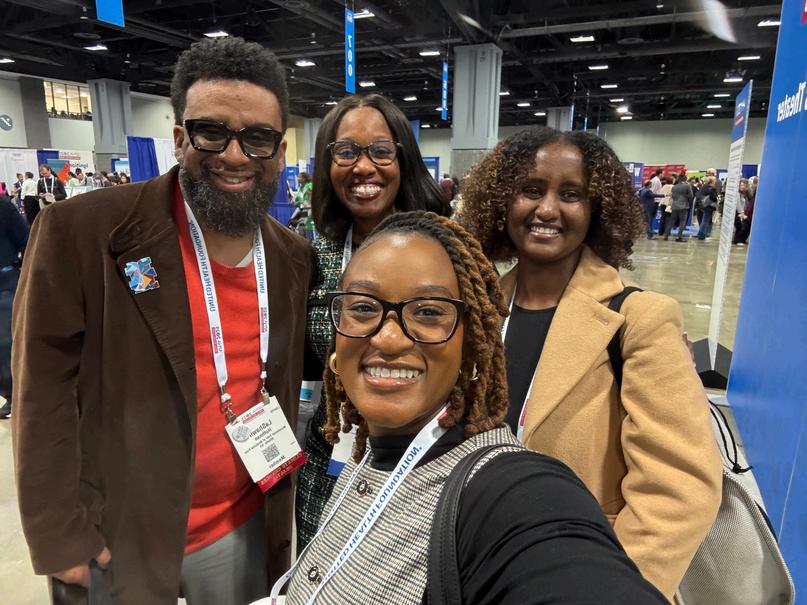
Group Photo in front of the APHA Sign at Exhibition Hall
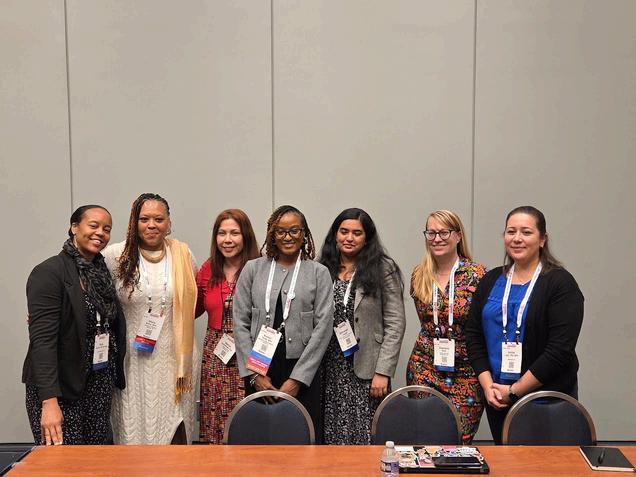
Kourtnii Farley with fellow panel members
Cotton, T., III, Rollins, L., & Youmans, L (2025). Community-driven systems alignment to support Black fathers experiencing homelessness and advance equity [Oral presentation].
Destа, L., Holliday, R., Phillips, R., & Wicks, B. (2025). Examining HIV and PrEP knowledge among African American women: A study of two Southern states [Poster presentation].
Farley, K., Allen, L. L., Shahin, Z., Cliatt, C., Koffie, O., Reddy, S., Barrett, R., Akintobi, T. H., & Holliday, R.(2025). From research to action: Advancing mental and behavioral health equity in Fulton County, Georgia [Oral presentation].
Phillips, R., Holliday, R., Martin, S., Wicks, B., Desta, L., & Samuel, S. (2025). Factors influencing condom use, PrEP awareness, and intent to take PrEP among Black women [Poster presentation].
Rollins, L., Washington, R., King Gordon, T., McGregor, B., & Smith, N. (2025). Addressing the drivers of health in early care and education and economic support programs to improve the health and well-being of Black families [Conference presentation]. .
Rollins, L., Martin, S., Roberts, J. D., Alston, T., & Lemmons, B. (2025). Assessing fathers’ and maternal and child health services’ staff perceptions of father-friendliness and father challenges to improve health outcomes for all [Oral presentation].
Rollins, L., Talabi, G., Gazarik, I., Thrasher, S., & Miller, E. (2025). The impact of father involvement on creating peace for young, Black male adolescents in Pittsburgh, PA [Oral presentation].
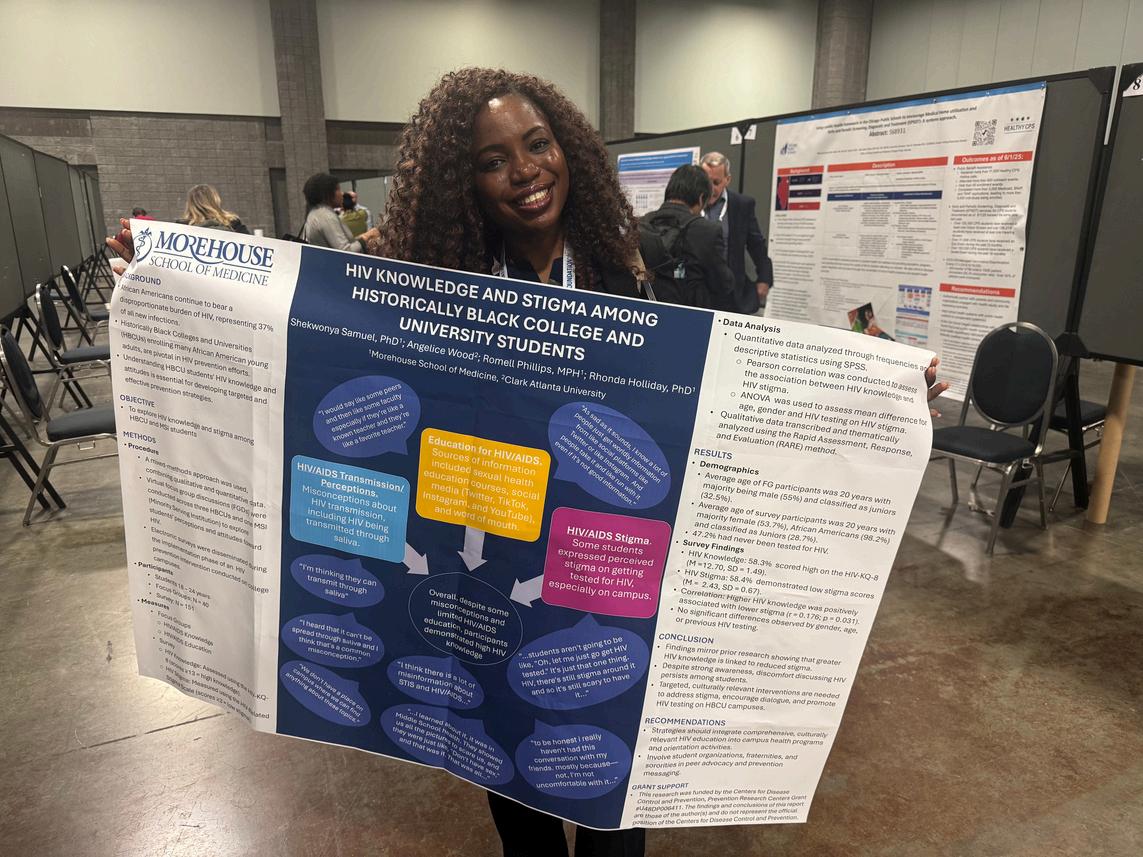
Samuel, S., Phillips, R., Holliday, R., Martin, S., Wicks, B., & Desta, L. (2025). HIV knowledge and stigma among Historically Black College and University students [Poster presentation].
Smith, C. A., Smith, B. E., & Horn, C. (2025). Health and healing: Exploring the intersection of faith, innovation, and public health—Building resilience in ministry: A pilot clergy wellness initiative centering holistic health and spiritual leadership [Conference presentation].
Smith, A., Young, L., Verty, V., Palomino, K., Holliday, R., & Stevens-Watkins, D. (2025). Differences in PrEP intentions among Black women across age groups [Poster presentation].
Verty, V., Smith, A., Palomino, K., & Stevens-Watkins, D. Holliday, R. (2025). Does partner-focused sexual satisfaction influence attitudes toward PrEP within Black women? [Poster presentation].
The MSoM PRC’s contributions at APHA reflected not only the depth and breadth of its research portfolio, but its unwavering commitment to ensuring that the public’s health remains a national priority
See picture highlights below:
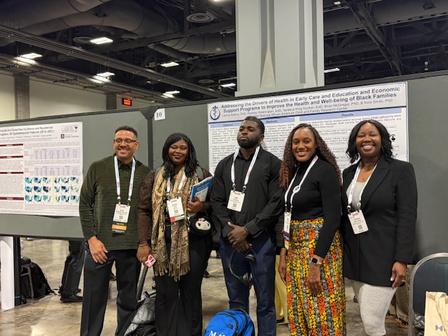
Supporting Dr. Rollins & Dr. Craig During their Presentations
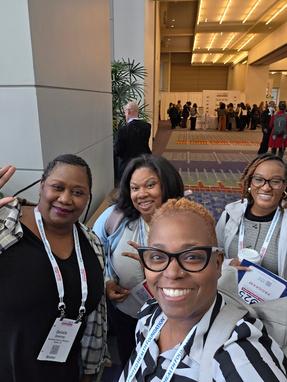
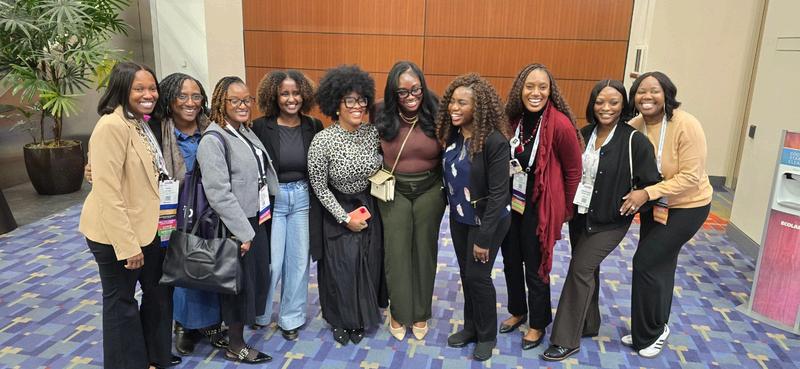
Supporting Dr. Akintobi after Presenetation Posing for Fun Candid
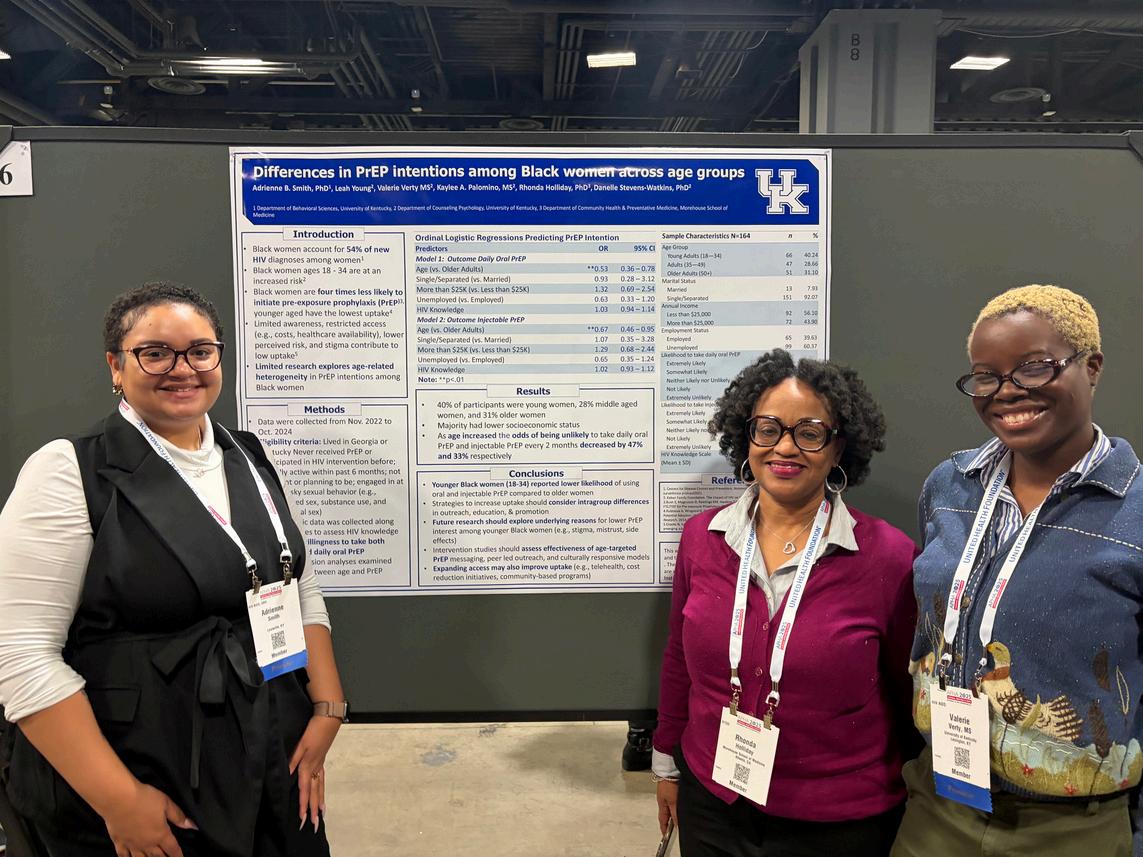
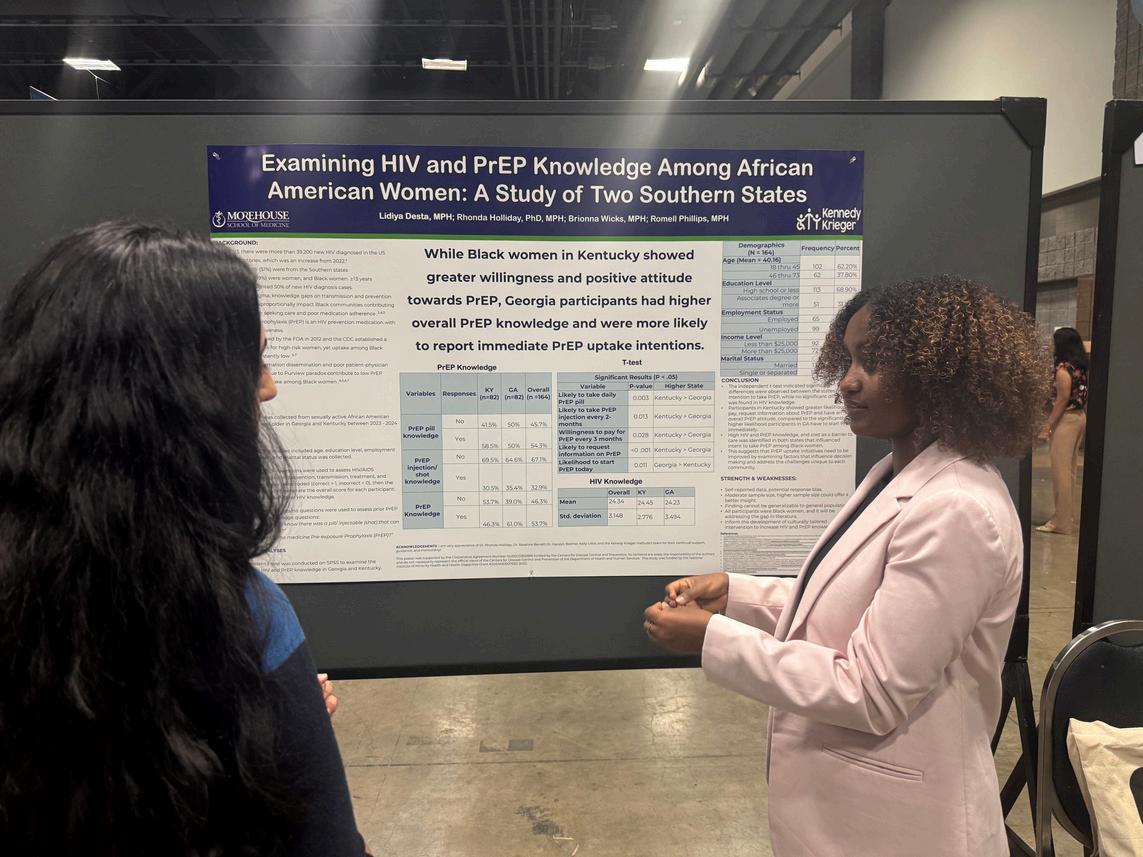
Selfies & Team Fun
Community Engagement Day
Draws Strong Turnout as the Center Expands Its Community Reach
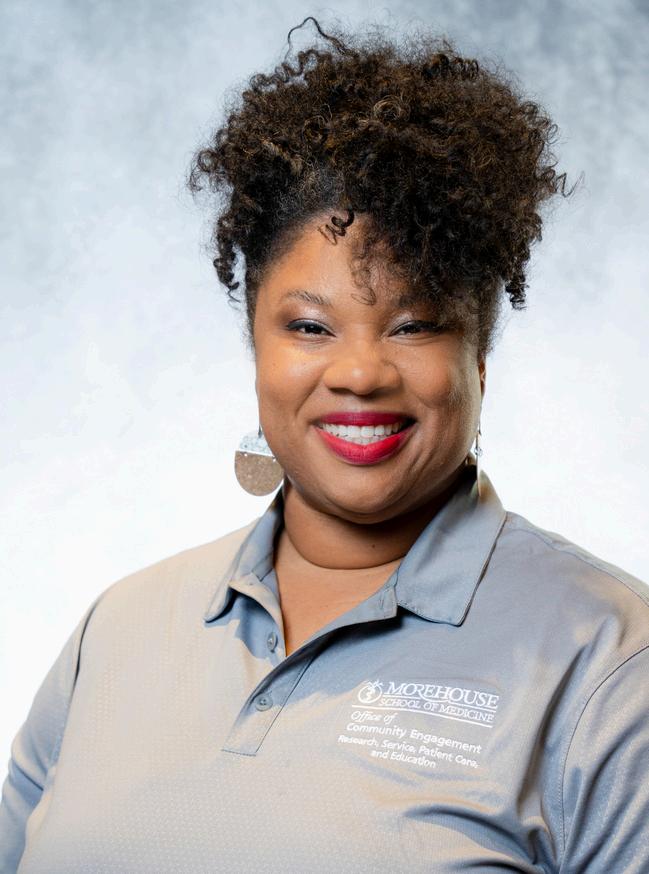
By: Dr. Charity Mitchell Director, The Office of Community Engagement
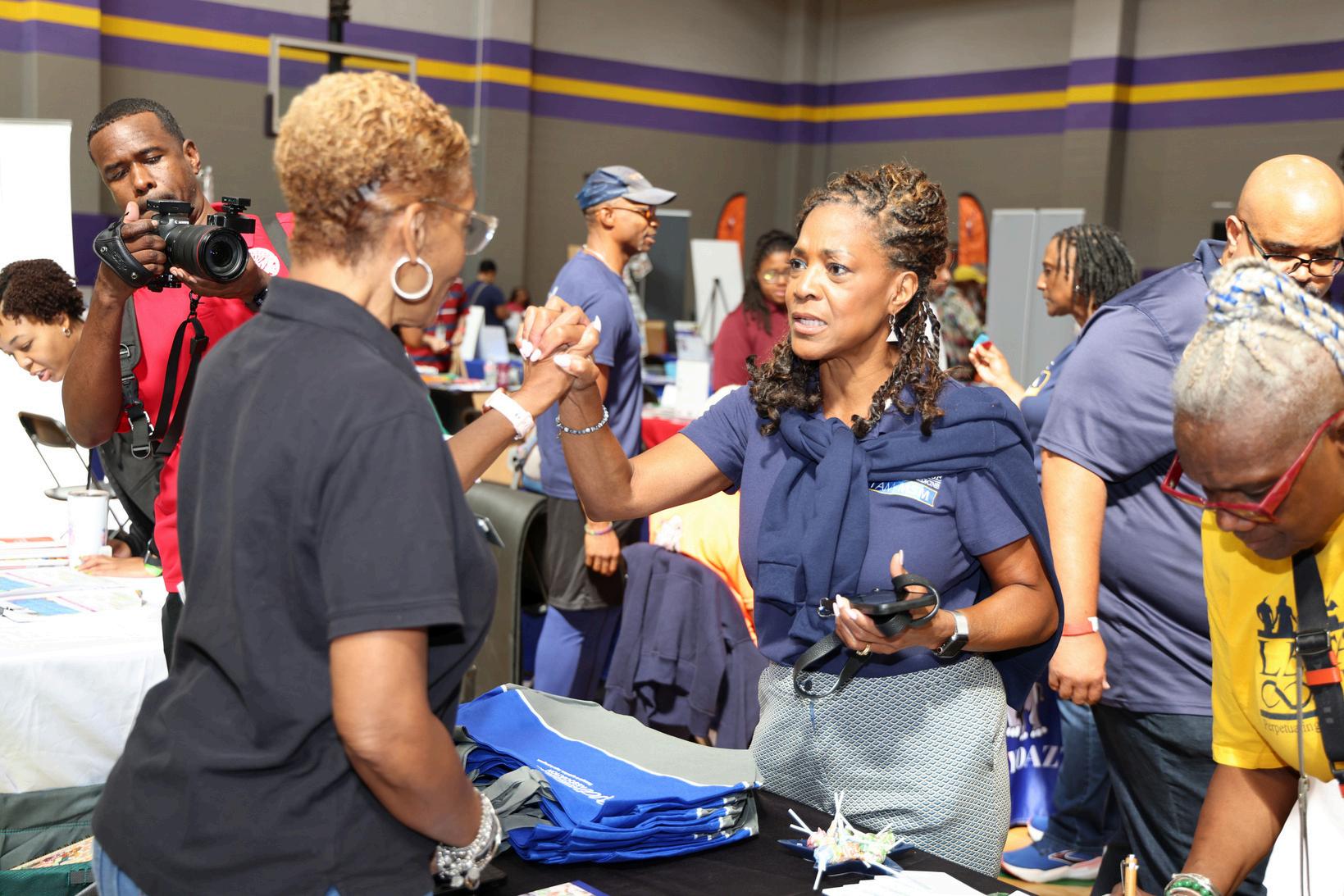
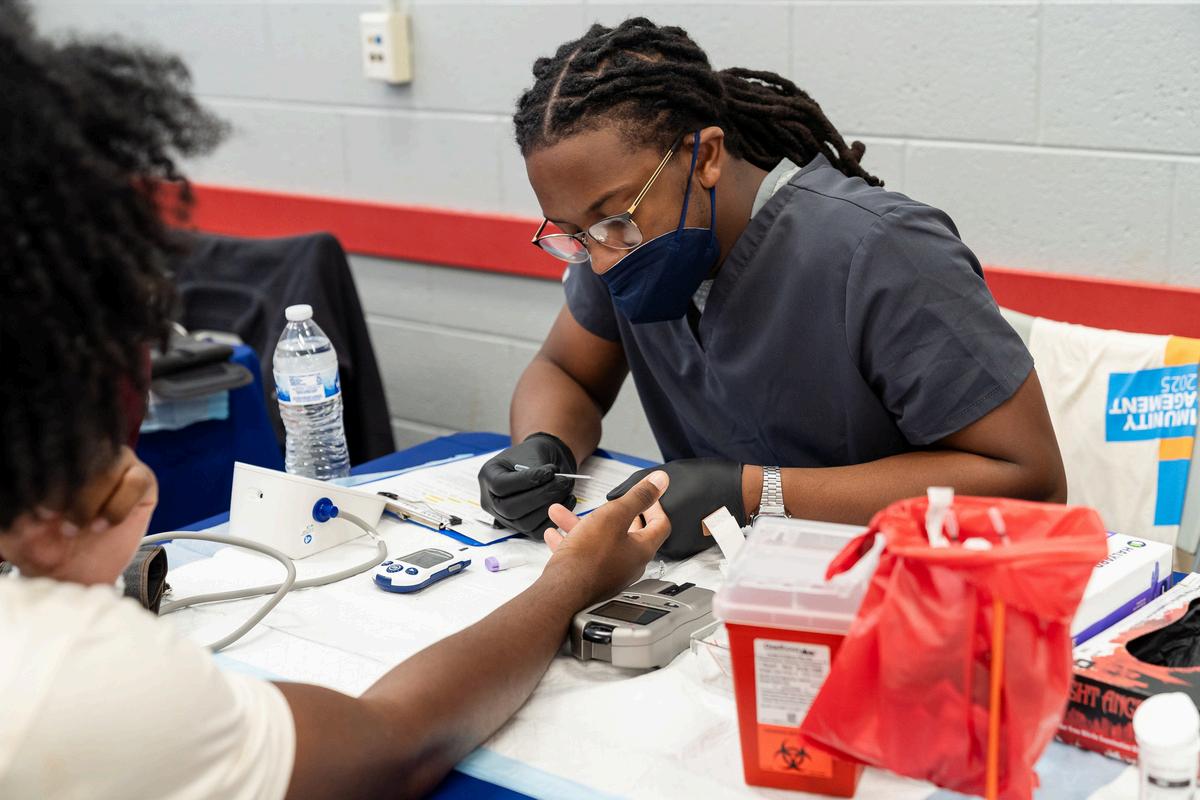
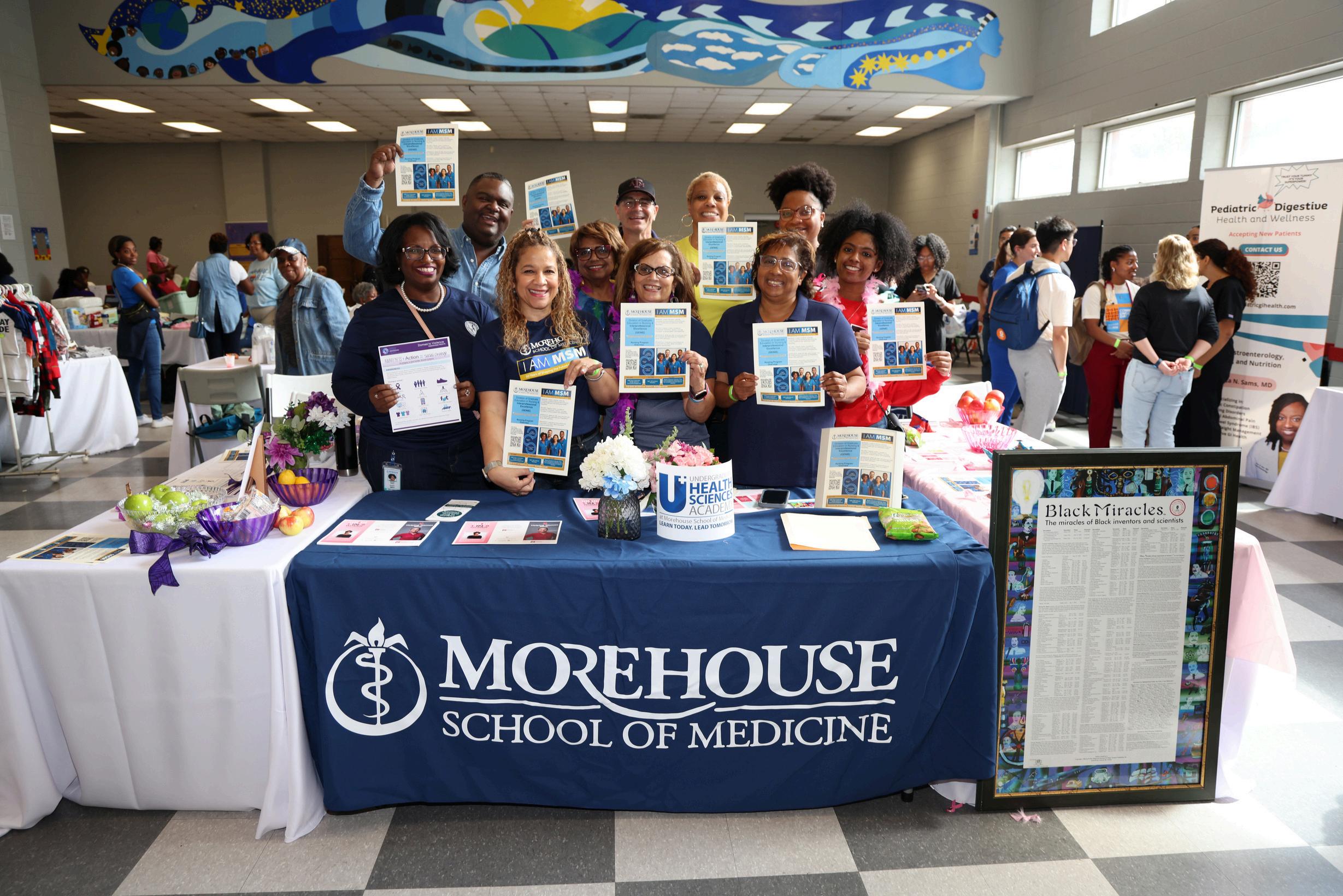
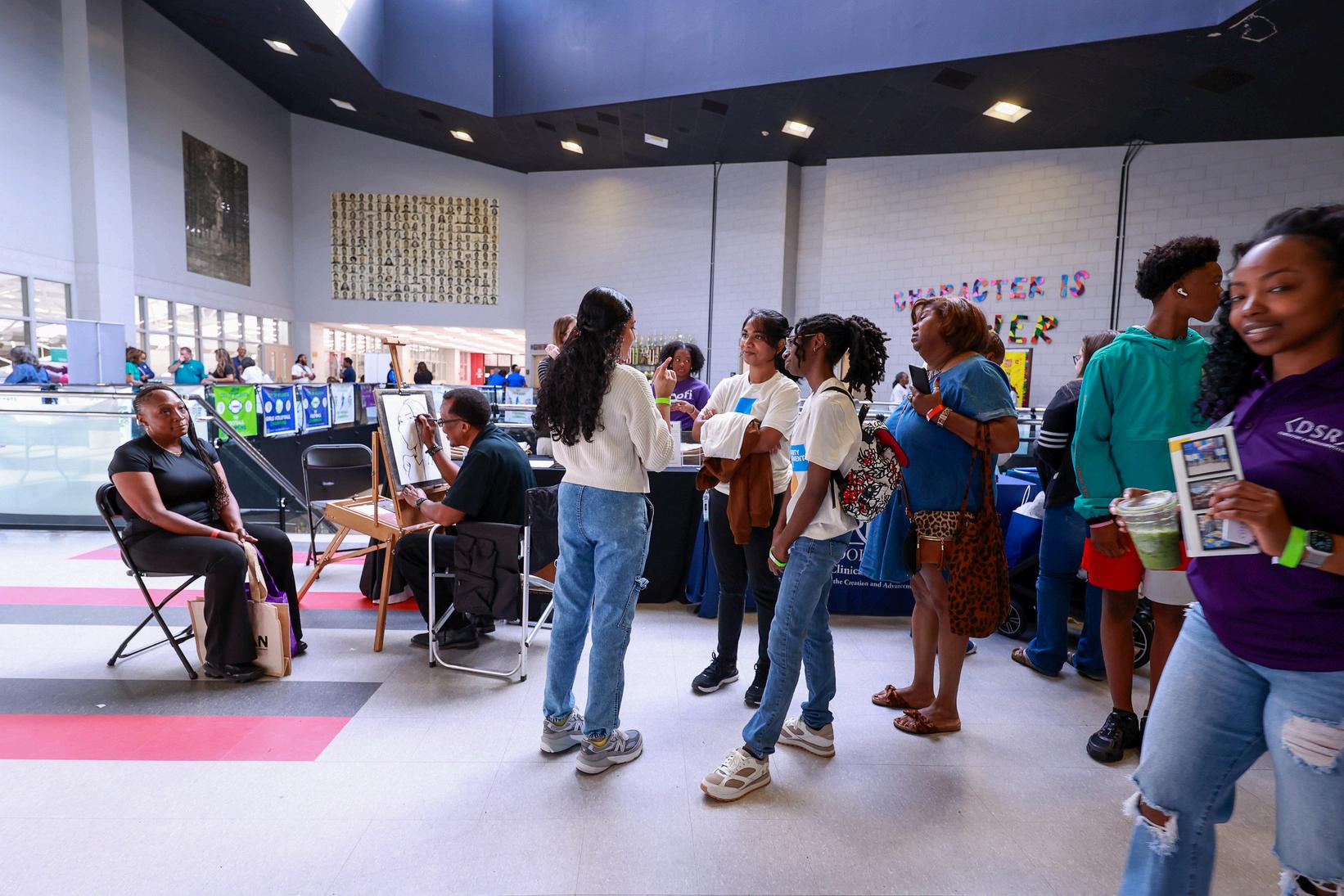
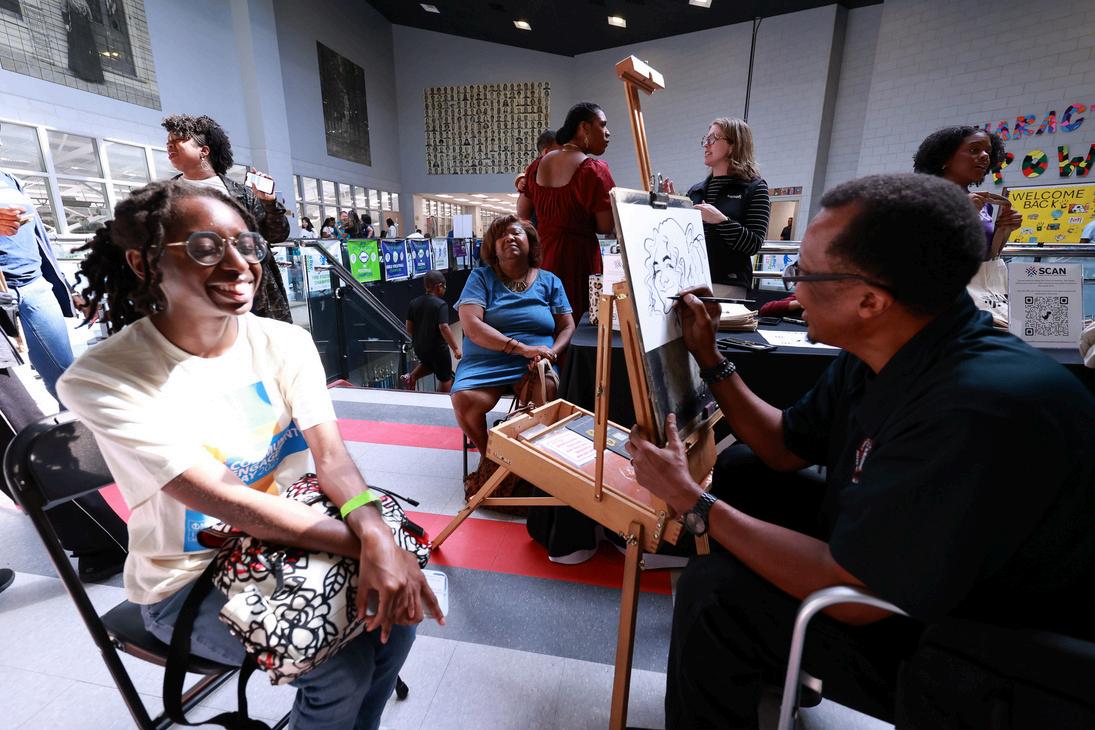
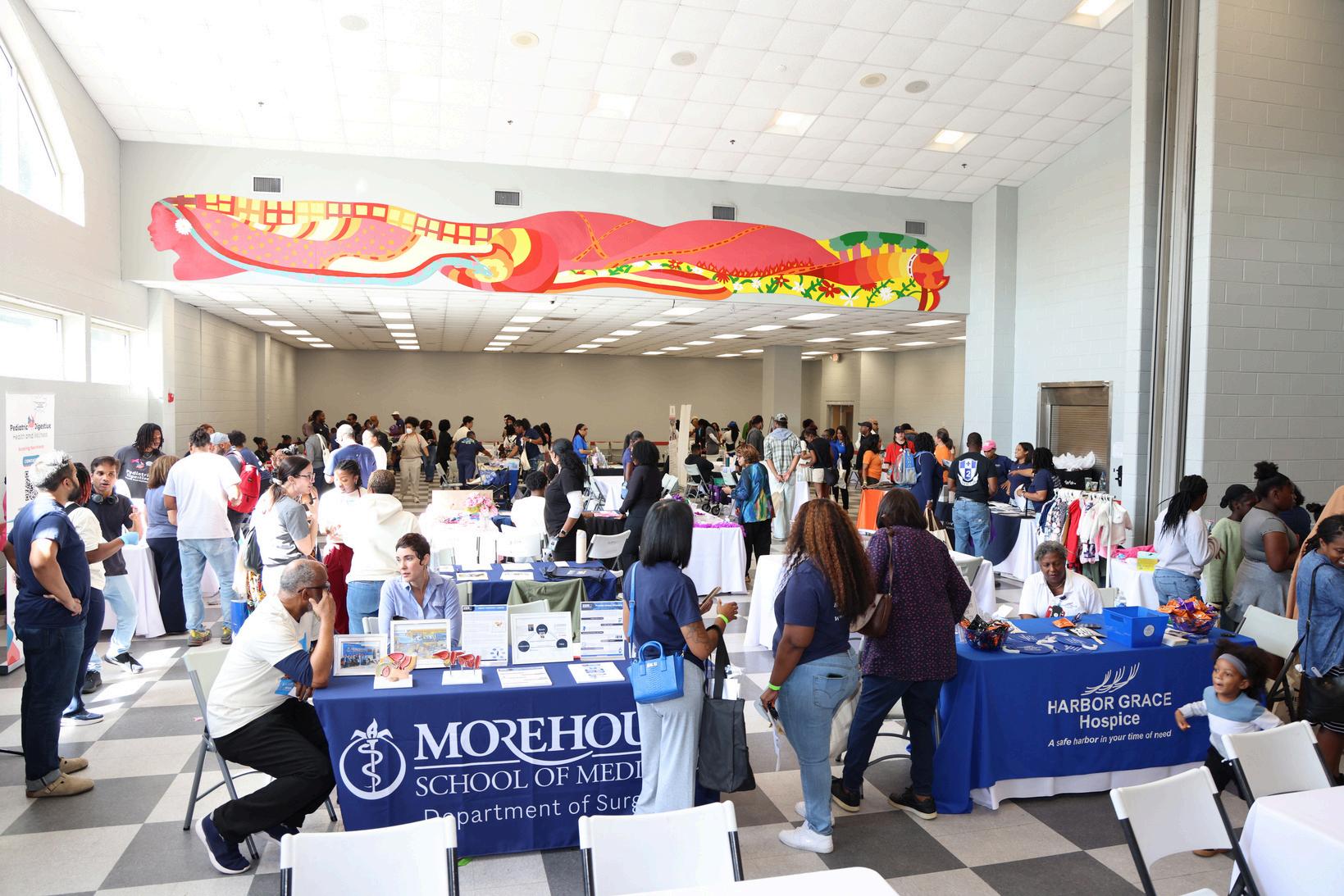
The MSoM Community Engagement Day (CED) was more than a one-day celebration of partnership, it was a powerful demonstration of the institution’s commitment to community collaboration, resilience, and mutual support across Atlanta and the State of Georgia.
CED 2025 was intentionally designed to provide hope and empowerment during a shifting political and social landscape. Through access to resources, knowledge sharing, and civic engagement education, the event equipped community members with tools to strengthen perseverance and actively participate in shaping healthier, more thriving communities.
Led by the Office of Community Engagement (OCE) in collaboration with the CED Taskforce Teams, MSoM leveraged existing institutional programming to deliver a unified message of resilience during a time of national uncertainty. This year’s theme, Resilient Together: Building a Stronger Today for a Healthier Tomorrow, reflected the enduring strength of communities committed to progress despite challenges.
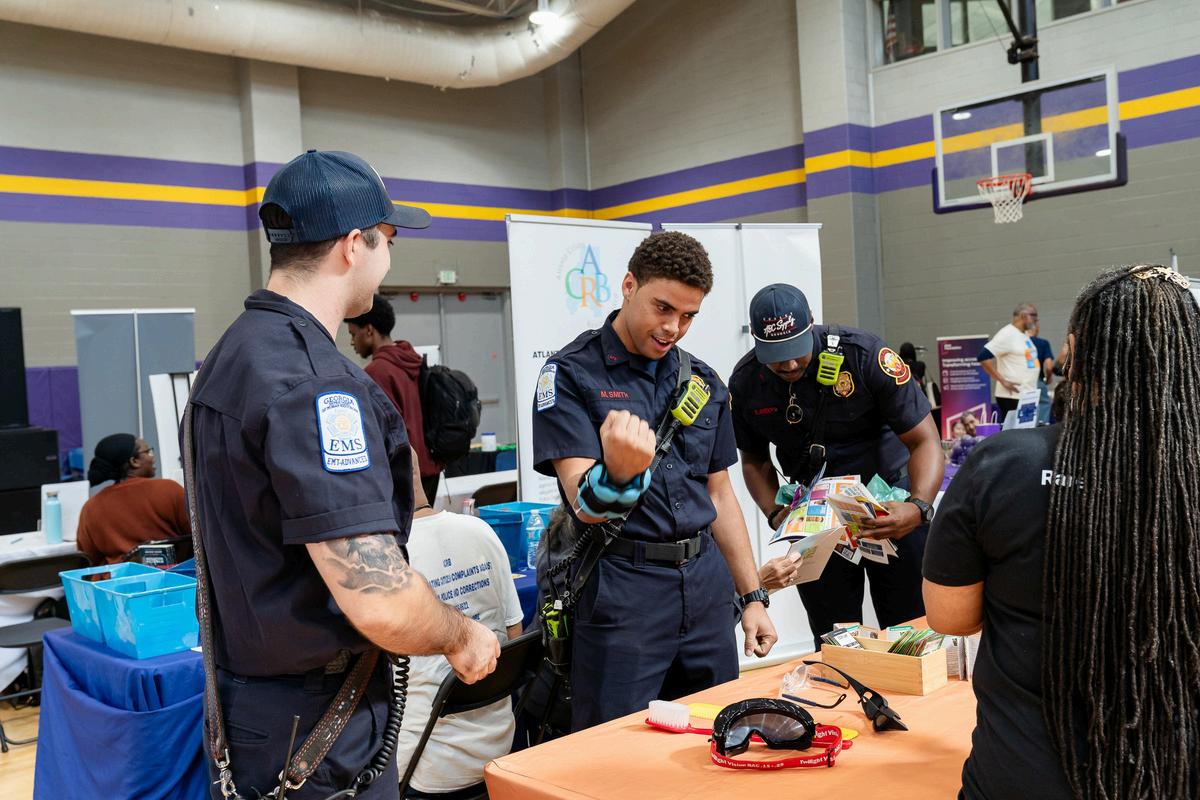
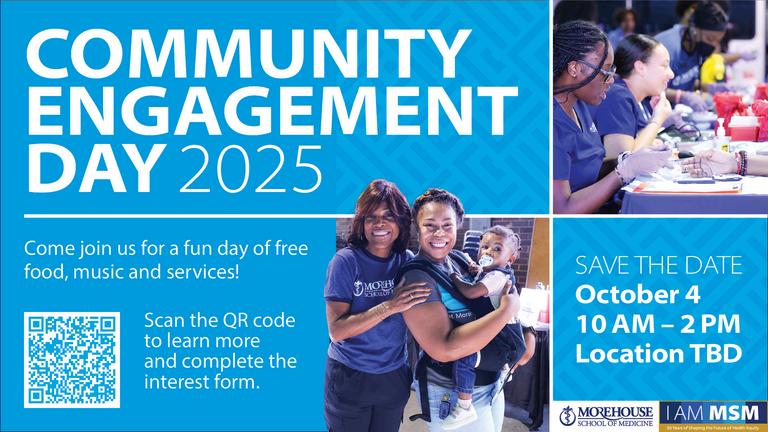
Hosted at the C.T. Martin Natatorium and Recreation Center, one of Fulton County’s most active community hubs, the event provided an accessible, family-centered space for engagement and connection. With the partnership of Atlanta City Council District 10 Councilwoman Andrea Boone, the OCE engaged more than 1,000 community members, underscoring the reach and trust built through sustained community partnerships.
In advance of CED, OCE expanded civic engagement efforts through its Talk, Learn, and Collaborate (TLC) Series, offering The Urgency of Now and Next: Community Meetings on Policy, Advocacy, and Health across three sessions. Facilitated by MSoM health policy faculty, these dialogues equipped residents with knowledge to better understand policy changes and navigate local and national political systems—further reinforcing MSoM’s commitment to education, empowerment, and health equity.
CoreResearchProject
Introducing Family DRREAM: Advancing Family-Based Diabetes Self-Management
By: Samantha Martin, M.A. Project Director, Family DRREAM
Family DRREAM (Family Diabetes Resources and Research for Education, Awareness, and Management)—formerly Family DSMES—was officially named by members of our Community Coalition Board (CCB) during the annual 2025 MSoM PRC retreat. Through a collaborative naming activity, CCB members helped shape a title that reflects the project’s vision, values, and impact
Family DRREAM represents our shared commitment to family-centered, culturally tailored approaches to diabetes prevention and management within Black and Hispanic/Latino communities. More than a name, it embodies our belief that diabetes management is strongest when families are empowered with the knowledge, resources, and support to take charge of their health— together
We are deeply grateful to our CCB members for their creativity, leadership, and continued partnership in guiding this work.
Collaborative Curriculum Development:
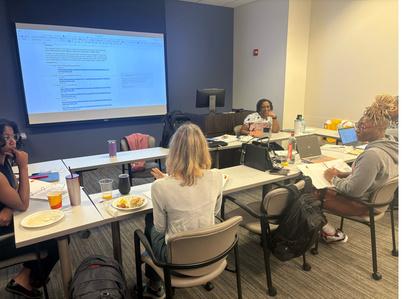
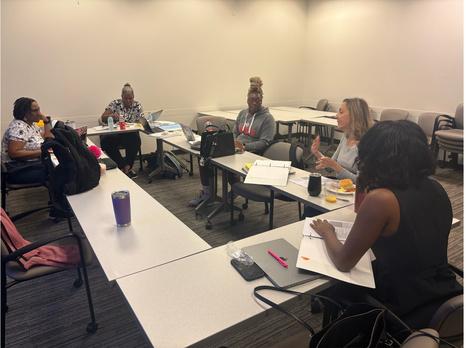
Building Family DRREAM together over the past several months, our training partners and PRC team have been hard-at-work developing the Family DRREAM curriculum. In September, we hosted in-person sessions to collaboratively design the five-session curriculum that will guide our family-based diabetes self-management education (F-DSME). During these sessions, Family DRREAM staff and community partners came together to review existing diabetes selfmanagement education programs, discuss key topics for inclusion, and ensure the curriculum reflects the lived experiences of families in our target communities. The resulting curriculum is grounded in the ACDES7 Self-Care Behaviors framework — a nationally recognized model that supports individuals in managing diabetes through seven core behaviors: healthy eating, being active, monitoring, taking medication, problem-solving, healthy coping, and reducing risks
Our training team will continue refining and adapting this curriculum to meet the needs of families across the lifespan, including an upcoming adaptation for adolescents aged 13–17. Recognizing that young people often play vital roles in family health and caregiving, this next phase of curriculum development aims to ensure that youth are engaged as active participants and partners in diabetes care
We extend our deepest thanks to our community training partners for their invaluable time, expertise, and insights during our in-person work sessions:
• Lisa Graham, Certified Diabetes Educator, Diabetes You Can Win
• Ina Flores, Certified Diabetes Educator, Emory Latino Diabetes Education Program
• Dr. Xavier Bryant, Community Pharmacist, Rx MTM
• Dr. Felicia Drummond, Health and Wellness Coach, Ditch, Inc. and Program coordinator, Morehouse School of Medicine
• Wen Bojnowski, Health and Wellness Coach
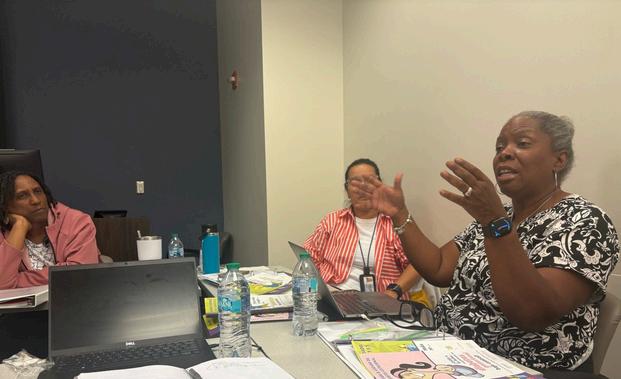
Their collective expertise helped shape a curriculum that is both evidence-based and culturally responsive, a reflection of the rich collaboration that defines our center’s approach to community-engaged research. The next phase of this work will focus on curriculum adaptation capacity building. The project team will conduct interviews and focus groups with community stakeholders, staff at implementation sites, and Black and Hispanic/Latino families living with Type 2 Diabetes. These sessions will help us refine the curriculum materials, ensure cultural relevance, adapt our implementation strategy, and strengthen our community partner’s capacity to implement Family DRREAM.
We also want to recognize our implementation partners — Diabetes You Can Win, CLILA, and Fitsquad Studios — who will bring Family DRREAM to life in their communities. Their leadership, commitment, and on-the-ground expertise are essential to ensure that this program makes a meaningful impact for families across metro Atlanta. As we continue our work through Diabetes Awareness Month, we celebrate this spirit of collaboration, innovation, and communitydriven action that fuels Family DRREAM.


Family DRREAM Planning Meeting
About Family DRREAM
Family DRREAM is a family-based diabetes self-management intervention for parents with Type 2 Diabetes (T2D) and their children (including other household family members). The program is being adapted and implemented in collaboration with community partners in Atlanta, Dalton, and Dekalb County GA. The program has the potential to improve health outcomes associated with diabetes among Black and Hispanic/Latino families. Participation in the program is limited to Black and Hispanic/Latino families with at least one parent (diagnosed with T2D) and one child (ages 13–17) living in metro Atlanta.
The study aims to: adapt the Family DRREAM curriculum and implementation strategies for Black and Hispanic/Latino parents and their children living in low-resource areas in Georgia; evaluate the
effectiveness, implementation, and cost-effectiveness of the Family DRREAM intervention; and develop a toolkit for translation and dissemination to guide future implementation of Family DRREAM in other communities across the state of Georgia and beyond.
For more information about Family DRREAM, contact Dr. Rakale Quarells at rquarells@msm.edu or Samantha Martin at sammartin@msm.edu.
Center Named Community Quarterback for Westside Health Collaborative
By: Dr. Latrice Rollins, Principal Investigator, Westside Health Collaborative & Tylah Hankerson, MPH, Program Coordinator
The Morehouse School of Medicine Prevention Research Center (MSoM PRC) has been chosen to lead the Westside Health Collaborative as its new community quarterback, guiding efforts to improve health outcomes and advance health outcomes in Atlanta’s Westside neighborhoods.
This important role positions MSoM PRC to steer the vision, strategy, and implementation of health initiatives in collaboration with community partners. “We’re honored the Collaborative has entrusted us with this role,” said Dr. Latrice Rollins, Principal Investigator of the Quarterback project and Assistant Professor in the Department of Community Health and Preventive Medicine.
“Together, we will build on past successes to support a shared vision of better health and stronger communities.”
Founded nearly a decade ago by the Arthur M. Blank Family Foundation, the Westside Health Collaborative brings together nonprofit partners to address health and the social drivers that impact wellness in the Westside. As the Foundation transitions its focus to areas like financial security and affordable
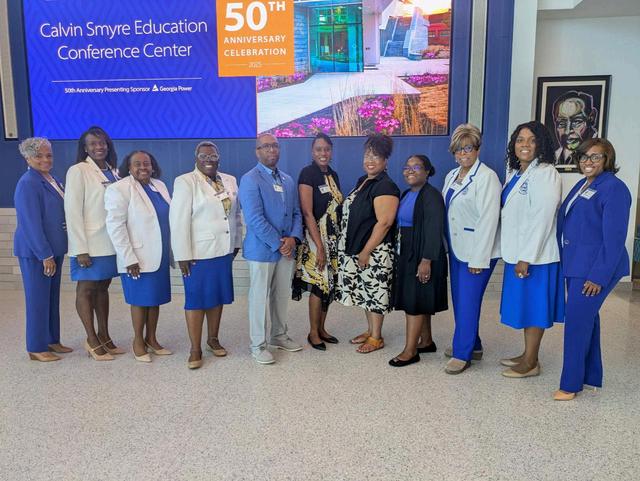
MSoM PRC Leadership Poses with members of Zeta Phi Beta Sorority Inc.
Family DRREAM Planning Meeting
housing, MSoM PRC will assume leadership of the Collaborative's health-related work.“Morehouse School of Medicine has a long-standing presence and history of service,” said Daniel Shoy, Jr., Managing Director, Youth Development and Atlanta’s Westside at the Foundation. “We’re proud the Collaborative selected Morehouse School of Medicine Prevention Research Center to continue this important work.”
As a CDC-funded academic research center, MSoM PRC brings deep expertise in:
Conducting community-based research
Training public health professionals
Supporting community coalitions
Sharing research findings to improve realworld health outcomes
In its new role, the MSoM PRC will carry out six core responsibilities as the community quarterback:
Develop and implement a strategic community health improvement plan
Foster strong community engagement and cross-sector partnerships
Oversee program planning and execution for the Collaborative
Secure and leverage funding to support initiatives
Evaluate and track impact across programs
Maintain transparency and accountability to both Collaborative members and Westside residents
This appointment marks a new chapter in the Collaborative’s journey and reaffirms MSoM PRC’s commitment to community-led solutions and health outcomes
To ensure residents’ perspectives are central to its work, the Collaborative launched a series of Community Conversations, intentional gatherings designed to foster meaningful dialogue around health issues identified by the community itself. Through these conversations, six priority areas emerged:
Increasing access to preventive and primary care, including resources that address social determinants of health
Improving maternal and early childhood health outcomes, with a focus on birth through age three
Expanding access to mental health and substance use services for adults
Strengthening cross-sector collaboration to support community-wide health improvement
Enhancing HIV care retention and PrEP adherence
Reducing illness and mortality related to cardiometabolic syndrome
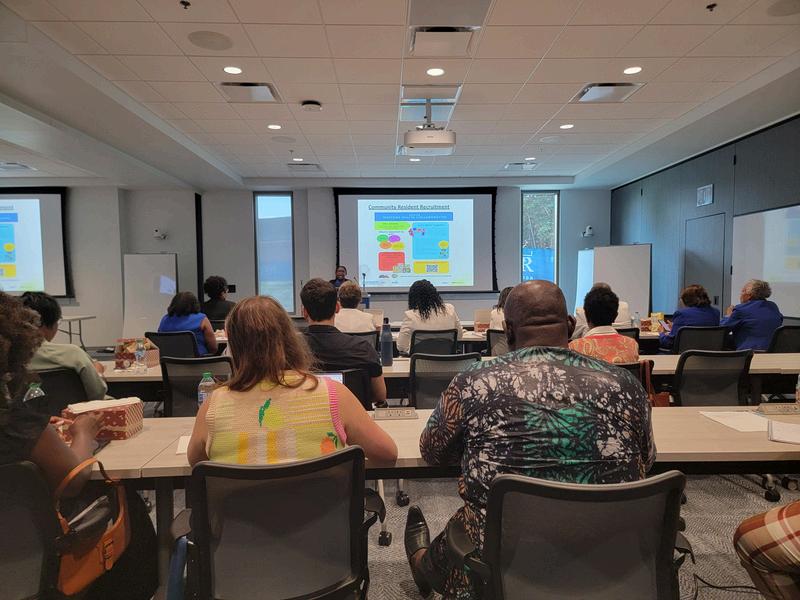
Insights gathered from these Community Conversations will inform the development of a comprehensive Community Health Improvement Plan (CHIP). This plan will serve as a strategic roadmap for targeted interventions, shared accountability, and coordinated action to improve health outcomes across the Westside.
The Westside Health Collaborative remains committed to building a healthier, more equitable future—one conversation, one partnership, and one priority at a time.
Interested in Joining the Collaborative?
For more information or to get involved, please contact Tylah Hankerson at thankerson@msm.edu
Family DRREAM Planning Meeting
CommunityCoalitionBoard
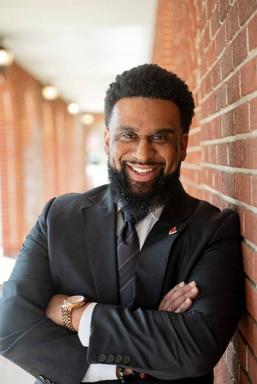
Community Coalition Board: A Year of Reflection, Strategy, and Momentum
By: LaShawn Hoffman Community Coalition Board Chair
As we turn the page on another impactful year, the MSoM PRC celebrates the CCB for its continued leadership in shaping communitydriven public health solutions. This year, the CCB deepened its role as both a thought partner and action catalyst amplifying community priorities, guiding research translation, and modeling meaningful engagement across disciplines.
In 2025, the CCB convened for its annual retreat, which served as a pivotal moment to reflect on our collective progress and recommit to a shared vision for the year ahead. The retreat led to the development of key strategies focused on increasing visibility, clarifying member roles, and strengthening alignment with the PRC’s research priorities. From co-developing recruitment messaging to participating in community –engaged research groups, CCB members demonstrated the power of community leadership in motion.
CCBMemberSpotlight
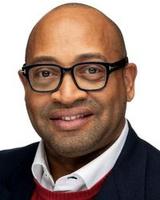
V.
MPH, MA
Throughout the year, the board supported efforts in HIV/STI prevention, chronic disease and diabetes management, and broader health access initiatives, including a sharpened focus on rural health, faith-based outreach, and housing equity. Several members also advanced youth engagement, food security, and mental wellness initiatives in their own communities, reinforcing the board’s commitment to action beyond the meeting room.
As we welcome new members and build on the groundwork laid in 2025, the CCB remains a powerful force for change— ensuring that the PRC’s work is not only informed by community voices but led by them.
Mark V. Mooney is a dedicated public health leader with over a decade of experience advancing population health, health equity, and community wellbeing. He brings a wealth of expertise in program development, evaluation, advocacy, and community engagement.
Mark currently serves as the National Senior Program Lead for the American Heart Association Scholars Program, mentoring the next generation of diverse leaders in science, research, medicine, and public health. Previously, he led the National Hypertension Control Initiative, strengthening community-clinical linkages and improving chronic disease management nationwide.
He also serves as Founder & Principal Consultant of The Gray Owl Public Health Services, helping organizations build capacity, design evidence-based programs, and embed equity-centered practices. His work reflects a deep commitment to connecting communities with practical solutions that improve health outcomes.
Mark
Mooney
A proud alumnus of Morehouse School of Medicine (MPH) and The Ohio State University (MA), Mark has earned numerous accolades, including the 2024 City of East Point Health Champion Award. As a new board member, Mark brings vision, strategy, and heart to the Coalition, helping guide initiatives that strengthen community partnerships and advance health equity.
Fun Fact: Mark is not just shaping programs—he’s shaping the future of public health!
MSoMPRCSpotlight:CommunityHealth WorkerCorner
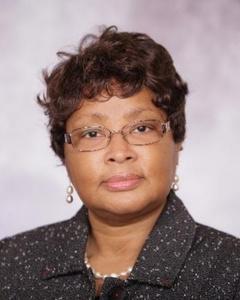
Sabrina Mobley Department of Community Health and Preventive Medicine (CHPM)
Years of Service: 12
Sabrina Mobley has served as a dedicated Community Health Worker with CHPM since January 2014, bringing more than a decade of compassion, commitment, and lived experience to the communities she supports. Her path into community health began through a Morehouse School of Medicine community pilot program founded by the Anne E. Casey Foundation, which centered trusted residents
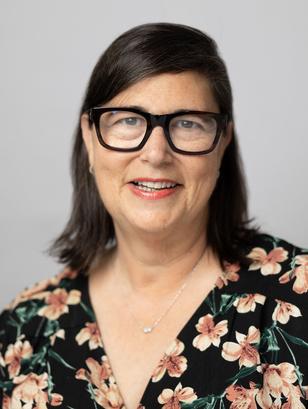
Adrianne Serrano Proeller
Prevention Research Center
Years of Service: 10+
Adrianne Serrano Proeller is a seasoned Community Health Worker with the Morehouse School
of Medicine Prevention Research Center, where she has spent more than a decade advancing health equity and strengthening community capacity. She currently supports CHW capacity-building initiatives within the Community Engagement Core of the Georgia Clinical and Translational Science Alliance, a collaboration among Georgia Tech, the University of Georgia, Emory University, and MSoM.
Adrianne’s work has focused on food insecurity, chronic disease prevention, healthcare workforce diversity, and ensuring community voices
as connectors to resources and support.
Driven by a passion for health education and advocacy, Sabrina embraced the CHW role long before knowing its formal title and has remained committed ever since. What she values most is the opportunity to offer hope, care, and consistent support, viewing community health work as a calling rather than a job.
Her message to aspiring CHWs is clear: while the work can be challenging, it is deeply rewarding and opens doors to meaningful clinical and non-clinical career pathways grounded in service.
remain central to public health research. A former National Association of Community Health Workers Ambassador for Georgia, she is a founding board member of the Georgia CHW Network and currently serves as Co-Chair of the Georgia Community Health Worker Advisory Board.
Her commitment to justice and advocacy extends beyond health, including service on the Fulton County Citizens Commission on the Environment and the Atlanta Citizens Commission Review Board. Prior to becoming a CHW, Adrianne worked in corporate communications at Turner Broadcasting System/CNN and Georgia Tech. She is a graduate of Loyola University New Orleans
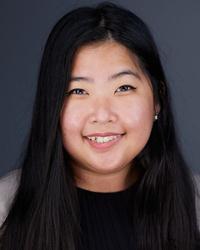
Cindy Chaengjamras
Office of Community Engagement
Years of Service: 2+
Cindy Chaengjamras joined Morehouse School of Medicine in March 2023 as a Community Health Worker in the Office of Community Engagement, bringing a passion for service rooted in her own lived experiences. Inspired by the support her family once received from community organizations, Cindy was drawn to the CHW role as a natural extension of her commitment to giving back.
She finds fulfillment in building her skills and sharing knowledge directly with the community, particularly through initiatives like the CHW Gardening Project,
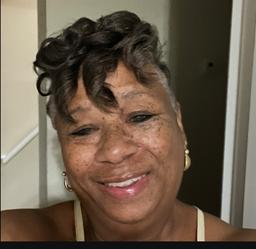
Crystal Brown-Helem Prevention Research Center Years of Service:
5
Crystal Brown-Helem is a key leader within the Morehouse School of Medicine Prevention Research Center (PRC) providing senior administrative leadership and overseeing all administrative staff. She serves as the primary grant liaison, ensuring compliance with federal and institutional funding requirements and sustaining the infrastructure that supports community-engaged research and prevention efforts.
Although formally recognized as a Community Health Worker more recently, Crystal has embodied the role for more than a decade— strengthening systems, removing barriers, and ensuring programs are well-resourced and accountable.
where she addressed food disparities while helping construct a raised garden bed for an Atlanta resident. Cindy also values in-person engagement and enjoys supporting community conversations, lunch and learns, and MSM’s annual Community Engagement Day
Her advice to aspiring CHWs: build genuine connections. Every story offers insight, and the CHW role provides a meaningful entry point into a career in health grounded in service and community impact
Her work represents the essential, behindthe-scenes foundation of community health, supporting researchers, CHWs, and community partners alike.
Crystal’s recognition as a CHW honors her long-standing commitment, leadership, and service, and reflects the many forms community health work takes in advancing prevention and health equity.

PreventionResearchCenterUpdates
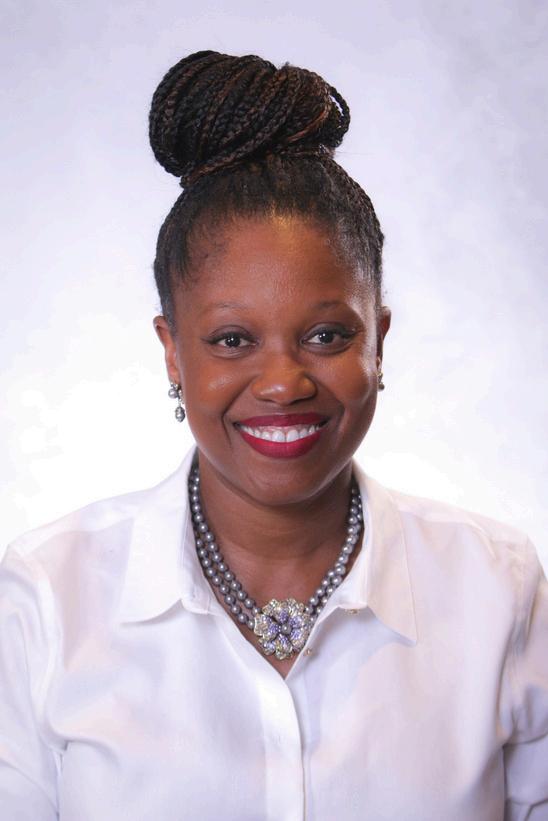
Dr. Tabia Henry Akintobi Appointed to National Academies Standing Committee
Morehouse School of Medicine proudly celebrates the appointment of Dr. Tabia H. Akintobi, to the National Academies of Sciences, Engineering and Medicine (NASEM) Standing Committee on Advancing Science Communication. This prestigious appointment recognizes Dr. Akintobi’s national leadership in bridging science, public health, and community engagement to advance equitable access to knowledge. A globally recognized social and behavioral scientist, Dr. Akintobi has helped transform how academic institutions partner with communities through community-driven research and public health practice
Dr. Akintobi’s service on the NASEM Standing Committee reflects her commitment to ethical, evidence-informed, and community-centered science communication—values that align closely with Morehouse School of Medicine’s mission to advance health equity and achieve health justice.
Read more here: https://www.msm.edu/blog/2025/DrTabiaAkintobiNASEM.php
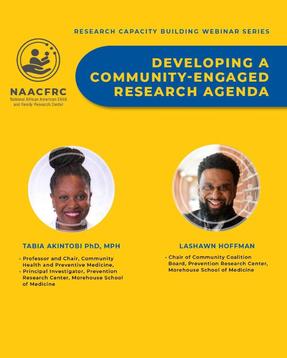
Featured Webinar: Developing a Community-Engaged Research Agenda
You can now tune in to this impactful webinar which was hosted by the National African American Child and Family Research Center, on December 15 2025, featuring Tabia H. Akintobi, PhD, and LaShawn Hoffman.
th
This session highlighted how the MSoM PRC partners with communities by providing the tools, training, and sustained support needed to ensure residents are not merely participants in research—but active drivers of the solutions that matter most to them.
�� View webinar here: https://www youtube com/watch?v=tZ7ibS10a6Y
MSoM PRC Scholars Lead International Journal
Special Issue on Health Literacy
The Prevention Research Center is proud to announce that Dr. Rakale C. Quarells and Dr. Rhonda C. Holliday have been appointed as Guest Editors for a Special Issue of the International Journal of Environmental Research and Public Health titled “The Role of Health Literacy in Health Promotion and Disease Prevention.” This distinguished editorial role recognizes their leadership and scholarly contributions to advancing health equity, community-engaged research, and innovative approaches to strengthening health literacy and disease prevention efforts.
Read more on this special issue here:
�� https://www.mdpi.com/journal/ijerph/special_issues/6GF8T28Q02
Take CHARGE Toolkit Now Live
Take CHARGE offers a comprehensive, evidence-informed approach to reducing HIV, STI, and substance use risks on college campuses. Designed specifically for African American young adults ages 18–24 attending HBCUs and Minority Serving Institutions (MSIs), the Take CHARGE Toolkit guides institutions in developing, implementing, and evaluating a site-specific response to meet the sexual health and substance use prevention needs of their students
The toolkit is organized into four sections:
Assessment – Helps campuses identify assets, existing resources, and needs through data collection and community input
Infrastructure & Capacity Building – Supports the development of partnerships, staffing, policies, and systems needed to sustain effective prevention efforts.
Implementation – Provides guidance for delivering evidence-based sexual health and substance use education and prevention activities.
Evaluation – Provides guidance for process and outcome evaluation to measure program effectiveness and ensure continuous quality improvement
The Take CHARGE Toolkit is featured on the Morehouse School of Medicine Prevention Research Center website and can be accessed via the QR code above or link here:
��https://www.msm.edu/Research/research_centersandinstitutes/PRC/take-charge-toolkit/index.php
LaShawn Hoffman Appointed to Editorial
Review Board
of
Progress in Community Health Partnerships: Research, Education, and Action Journal
LaShawn Hoffman has been appointed as an associate editor to the Editorial Review Board of Progress in Community Health Partnerships: Research, Education, and Action, a leading peer-reviewed journal dedicated to advancing community-engaged research and practice.
In this role, Hoffman will contribute scholarly expertise to the peer-review process, supporting the journal’s mission to elevate equitable, community-driven approaches to improving public health outcomes. Hoffman’s appointment reflects a strong commitment to community partnerships, translational research, and the advancement of evidence-based strategies that center community voice and impact.
Managing Diabetes Together As
A Family
By: Romell Phillips, MPH Communications Lead
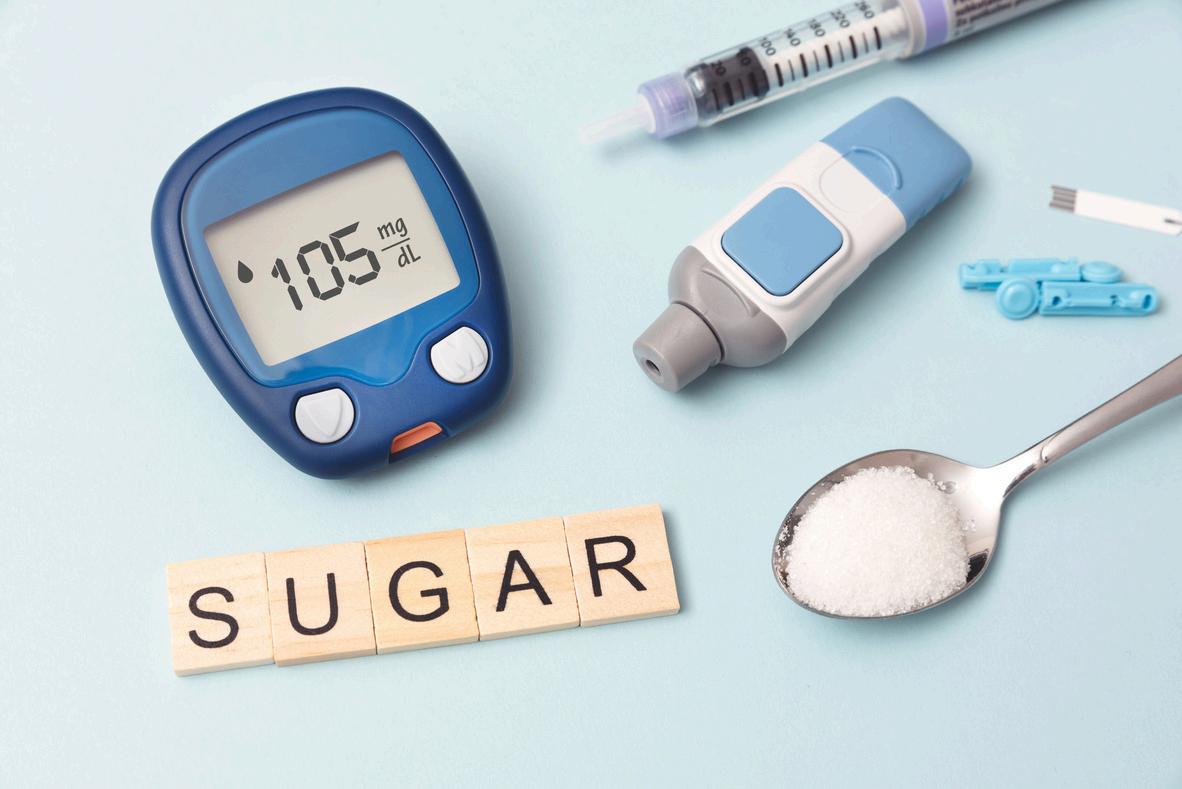
Diabetes management does not happen in isolation. It unfolds at the dinner table, during grocery shopping, on family walks, and through shared daily routines. Family based diabetes self-management places support, consistency, and empowerment at the center of care, helping individuals thrive while strengthening the health of the home.
Why Family Based Diabetes Self-Management Matters
When families learn and act together, healthy choices become easier and more sustainable. Shared goals reduce stress, improve adherence to treatment plans, and create an environment where no one feels alone in managing diabetes. Family involvement has been shown to improve blood glucose control, encourage healthier lifestyles, and support emotional well-being for both adults and children.
Healthy Steps Families Can Take Together
1. Build balanced meals as a team.
Planning and preparing meals together encourage healthier eating for everyone
Fill half the plate with non-starchy vegetables
Choose lean proteins such as beans, fish, chicken, eggs, or tofu
Include whole grains in appropriate portions
Limit sugary drinks and highly processed foods
Tip for parents: Model healthy choices and involve children in age-appropriate tasks like washing vegetables or choosing healthy snacks.
Tip for children: Help pick new fruits or vegetables to try each week and share your favorites with the family.
2. Make movement a family routine.
Physical activity helps manage blood sugar and improves mood
Take family walks after meals
Ride bikes, play sports, or dance together
Set fun challenges such as step goals or activity charts
Tip for parents: Keep activities fun rather than competitive and praise effort.
Tip for children: Choose activities you enjoy so movement feels like play, not a chore.
3. Support medication and care routines.
Daily care works best with teamwork
Use reminders or schedules for medications and insulin Keep supplies organized and easy to access
Encourage regular sleep and stress management
Tip for parents: Teach children gradually about their care routine to build independence and confidence.
Tip for children: Ask questions about your care and practice taking responsibility with support
4. Monitoring as a shared responsibility.
Tracking blood glucose together
Monitoring blood sugar helps guide healthy choices
Record readings in logs or apps
Look for patterns related to meals, activity, or stress
Celebrate improvements and discuss challenges calmly
Tip for parents: Avoid reacting with frustration to high or low readings. Use them as learning moments.
Tip for children: Share how you feel during checks and speak up if something does not feel right.
Watching for warning signs
Everyone in the family should recognize signs of high or low blood sugar, such as shakiness, confusion, sweating, headaches, or unusual fatigue. Quick action and calm support can prevent emergencies
Stay connected with health care providers
Attend appointments together helps families stay informed and aligned
Prepare questions in advance
Review care plans as a family
Encourage children to speak during visits when appropriate
Create a culture of encouragement
Positive communication builds confidence. Focus on progress rather than perfection and avoid blame or fear-based language. Celebrate small successes, support setbacks with patience, and problem solve together. Family based diabetes self-management turns everyday moments into opportunities for better health. By taking healthy steps together and supporting consistent monitoring, parents and children can build lifelong habits that protect wellbeing and strengthen family connections.
When families work together, managing diabetes becomes a shared journey toward a healthier future.
Content Sourced From:
American Diabetes Association. (2024). Standards of care in diabetes 2024. Diabetes Care, 47(Supplement 1), S1–S350. https://doi.org/10.2337/dc24-Sint→ Supports family involvement, monitoring, lifestyle behaviors, and psychosocial care.
Centers for Disease Control and Prevention. (2023). Family health history and diabetes https://www.cdc.gov/diabetes/family-history → Supports the role of family routines, shared behaviors, and prevention.
2025 Highlights: A Year of Prevention and Health Equity
By Romell Phillips, MPH, Communications Lead & Dr. Emma Bicego, Assistant Director, Evaluation
In 2025, the Morehouse School of Medicine Prevention Research Center (MSoM PRC) continued to advance community-engaged public health research, strengthen cross-sector partnerships, and elevate prevention science—particularly among African American and other historically underserved communities. Guided by its mission of risk reduction and early detection, the PRC made meaningful strides that influenced research, policy, and community health outcomes.
Below are five notable highlights from the year:
1. Advancing Family Diabetes Support Through Research Implementation
One of the year’s most significant milestones was the implementation of DRREAM (Diabetes Resources and Research for Education, Awareness, and Management)—a CDC-funded, familybased diabetes self-management education and support initiative serving communities in Atlanta and Dalton, Georgia. The project focuses on parents with type 2 diabetes and their children (ages 8–15), utilizing community health workers to deliver culturally responsive education and support in community-based settings.
Why it matters: This initiative bridges research and real-world practice by strengthening familycentered approaches to diabetes prevention and management in communities disproportionately impacted by the disease.
2. Sustained and Expanded Funding to Advance Health Equity
In 2025, the MSM PRC secured and sustained critical investments that support its prevention science infrastructure and health equity mission. Funding included more than $1 million in CDC support through the PRC Core: Advancing Health Equity and Justice Through Community-Powered Implementation Science. Additional awards also were secured from NIH, NSF, Robert Wood Johnson Foundation (Health Equity Research for Action HERA) and Wholistic Inc.
Why it matters: Sustained funding enables long-term research continuity, strengthens community trust, and supports scalable prevention strategies that address health disparities.
3. Strengthening Community Coalition Leadership and Engagement
Community leadership remains central to the PRC’s work through its Community Coalition Board (CCB). In 2025, the CCB welcomed 11 new members, expanding both expertise and community reach. Results from the 2024–2025 CCB Satisfaction Survey reflected high engagement, strong mission alignment, and appreciation for collaboration, diversity, and professional development opportunities.
The survey also identified opportunities for growth, including increased engagement with elected officials, improved hybrid meeting technology, and enhanced communication with both community members and MSM leadership. Members offered actionable recommendations such as developing policy one-pagers, strengthening technology infrastructure, and expanding media outreach—to further elevate the CCB’s visibility and policy impact.
Why it matters: Authentic community leadership ensures that research priorities and interventions reflect lived experiences and remain relevant, actionable, and sustainable
4. Expanding Cross-Sector Partnerships
and Knowledge Exchange
In 2025, the PRC deepened collaboration with academic, governmental, and community partners at the local and national levels. A key partnership included strengthened collaboration with Community-Campus Partnerships for Health (CCPH), grounded in shared principles of trust, equity, shared power, and co-learning. This partnership supports joint training, dissemination, and policy-informed initiatives that elevate community-engaged research practice
Why it matters: Cross-sector partnerships expand reach, enhance resource sharing, and accelerate the translation of effective community-driven solutions.
5. Leading the Translation of Research into Action
Throughout the year, PRC leadership and staff played a visible role in advancing implementation science through community dialogues, technical assistance, training, and dissemination of tools rooted in community-based participatory research (CBPR). These efforts emphasized culturally responsive strategies that move beyond data generation to create tangible change in community health outcomes
Why it matters: Translating research into action ensures prevention science improves environments, strengthens systems, and advances health equity.
Looking Ahead
As the MSoM PRC enters 2026, it remains firmly rooted in its core values of community leadership, partnership, and equity. With strong infrastructure, engaged communities, and strategic investments, the PRC continues to lead in prevention science—working alongside communities to build healthier, more equitable futures.
Stay connected with Morehouse School of Medicine PRC!
�� Follow and like our social media pages website and to stay up to date on groundbreaking research, community programs, and health equity initiatives Join the movement your support helps power change.
UpcomingEvents
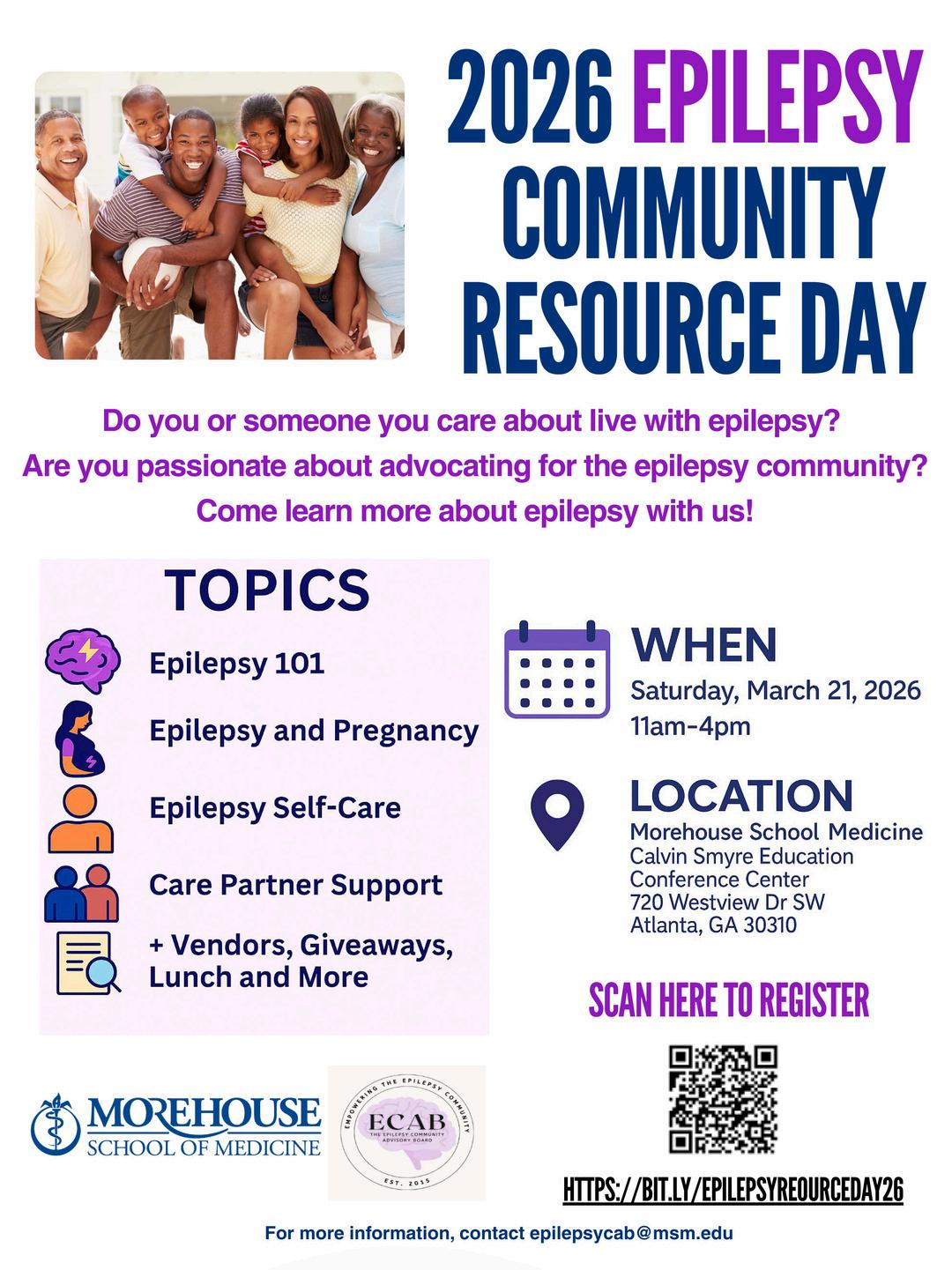
Morehouse School of Medicine, in partnership with the Epilepsy Community Advisory Board (E-CAB), invites individuals, families, caregivers, and advocates to attend the 2026 Epilepsy Community Resource Day, a free, community-focused event centered on education, connection, and support for people impacted by epilepsy.
In Georgia, an estimated 110,000 to 150,000 people are living with epilepsy or seizure disorders, and about 1 in 26 individuals will be diagnosed with epilepsy in their lifetime. This free event will feature interactive sessions, community resources, vendors, giveaways, and free lunch for all attendees.
�� Date: Saturday, March 21, 2026
�� Time: 11:00 a.m. to 4:00 p.m.
�� Location: Calvin Smyre Education Conference Center, Morehouse School of Medicine, 720 Westview Dr SW, Atlanta, GA 30310
Community members are encouraged to attend, learn more about epilepsy, and connect with services that promote health, wellness, and advocacy.
�� Register here: https://bit ly/epilepsyresourceday26
�� More information: epilepsycab@msm.edu