Lightsail
September 2024 – November 2024
Shortwave
Laser, Galvonometer, TouchDesigner, Phosphorescent Fabric, Table Fan
This piece began when I came across Hans Haacke’s Blue Sail - a mid-century installation featuring a blue chiffon veil blown by an oscillating fan. Wind makes me feel alive, and seeing its essence so elegantly communicated called to me. Blue Sail conveys the momentary state of the wind, but I wanted to create a process that could represent the gusting irregularity of wind over time.
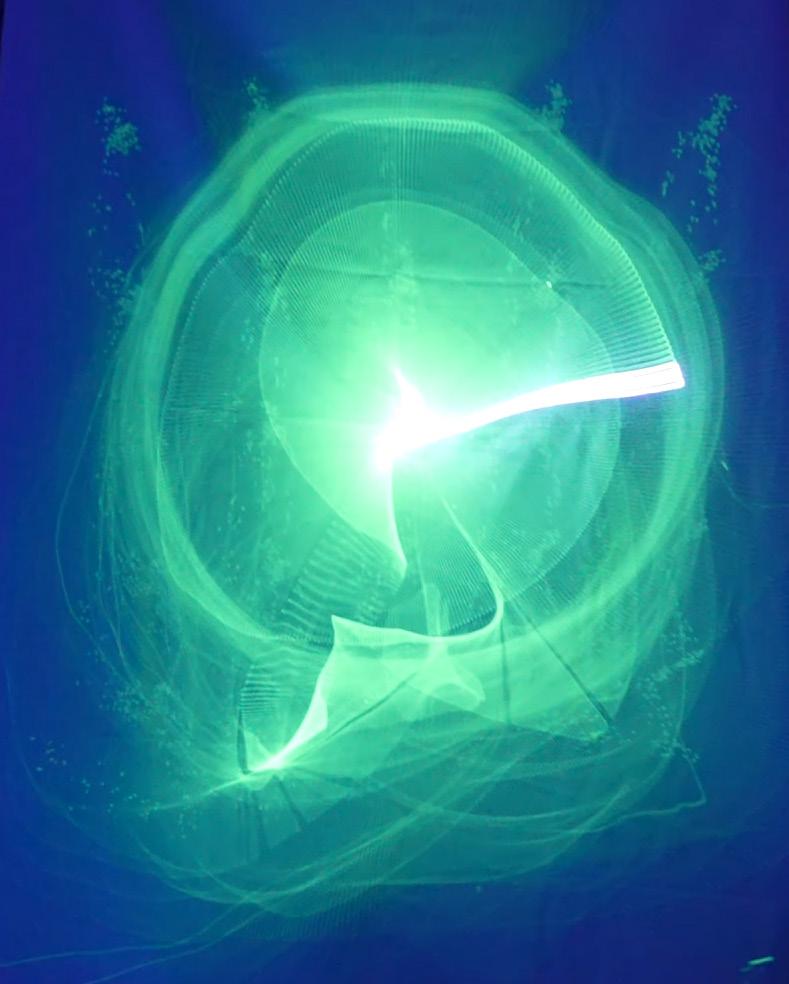
Lightsail is sensitive to its environment. Subtle differences in air currents vary how the sail flows, resulting in a unique signature of the wind for every space.
This process embodies the wind through a flowing sail that holds a record of the wind’s currents upon its surface. Lightsail uses a galvanometer to project a shortwave near-ultraviolet laser onto a phosphorescent sail fluttering in the wind of a fan. The galvanometer rapidly moves the point of the laser according to programs that I wrote in TouchDesigner, resulting in the illusion of continuous shapes. The phosphorescent sail is excited by the high energy light of the laser, causing it to glow wherever it is struck. This results in the sail fleetingly capturing a record of its own shifting motion as the wind changes the relative positions of the laser’s point and the sail.
Lightsail was exhibited in 2024 at Tech25 in Pittsburgh, Pennsylvania and in 2025 at The Kirkland Gallery in Cambridge, Massachusetts.

Interview at Tech25 (Pittsburgh, October 2024) (URL: https://youtu.be/-sncnZK-srs?si=AT0rpCagbRJGU7CL)
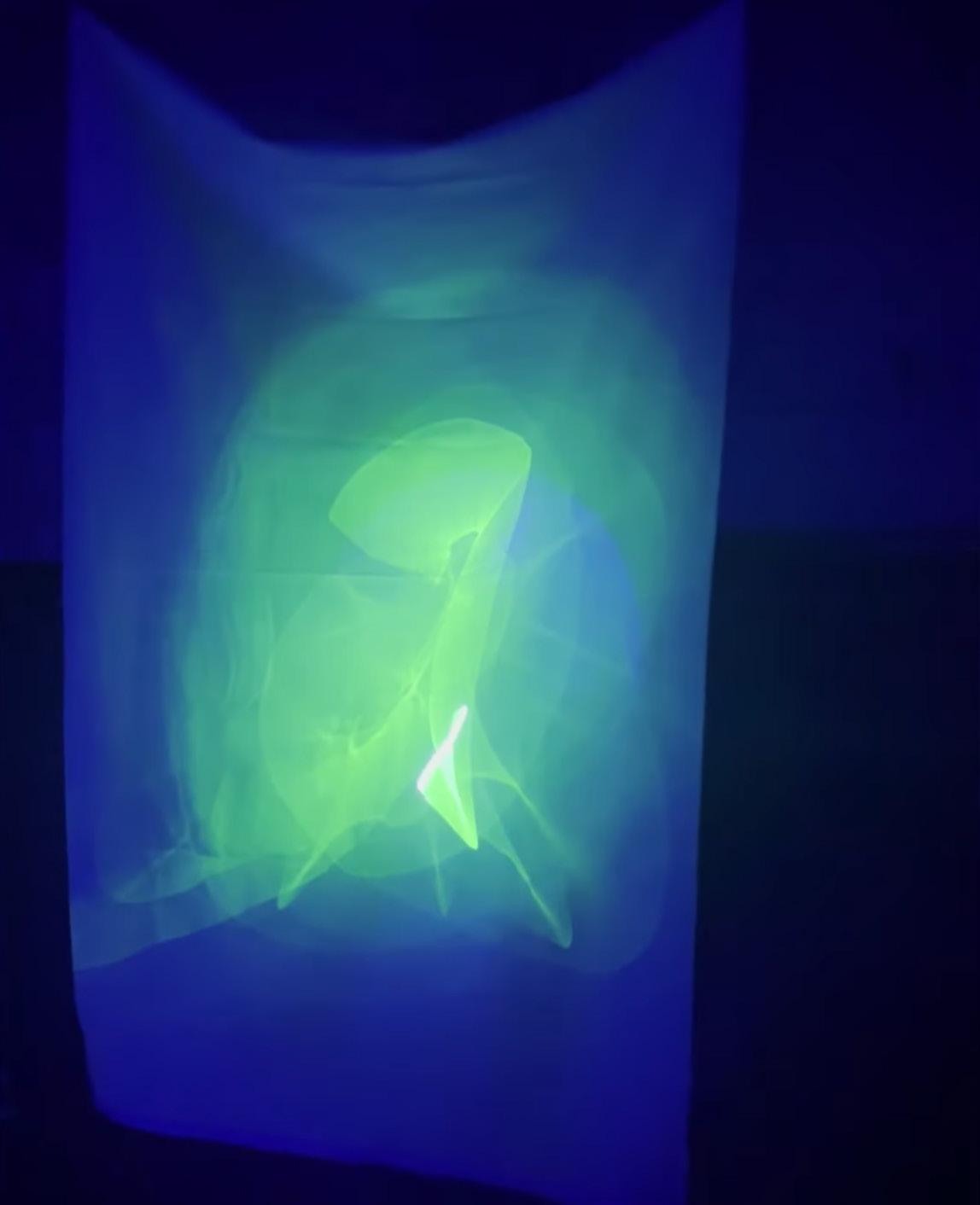
Lightsail rotating bar mode
(URL: https://youtu.be/yeVCoVuP9-U)
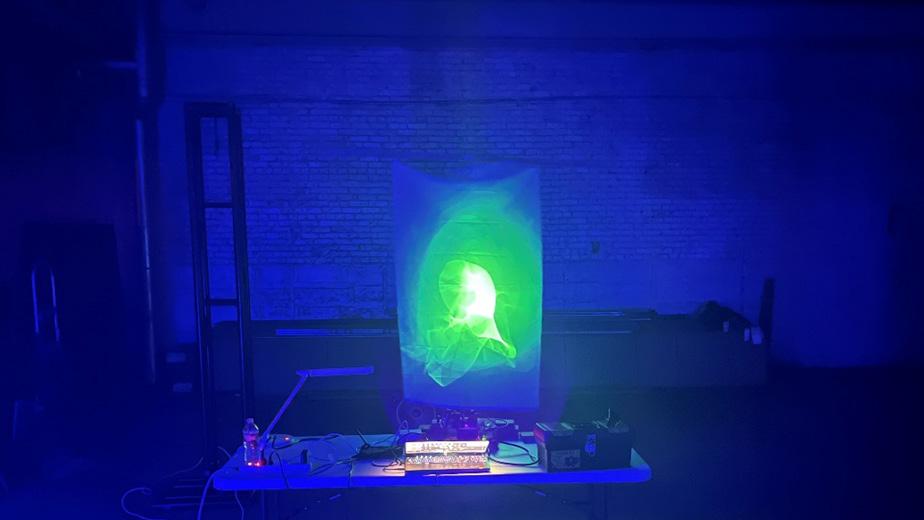
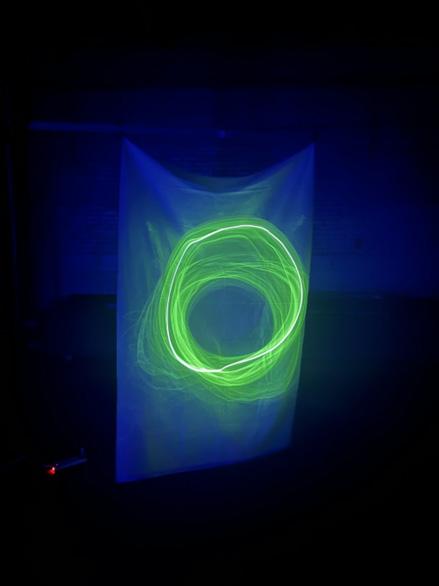
Audience interacting with Lightsail with eye protection
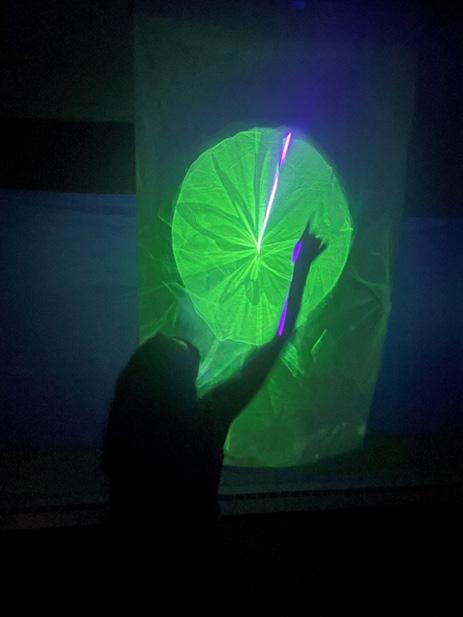
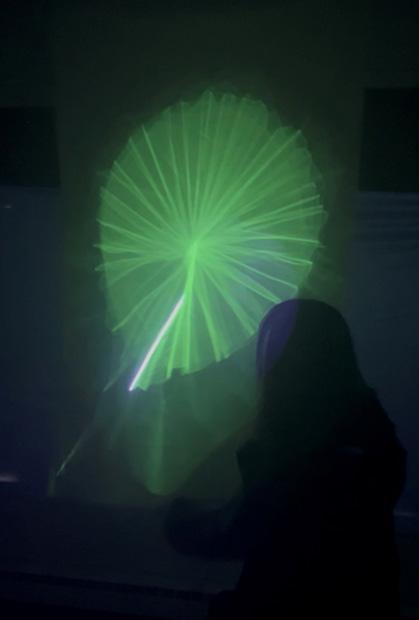
Audience interacting with Lightsail
with eye protection
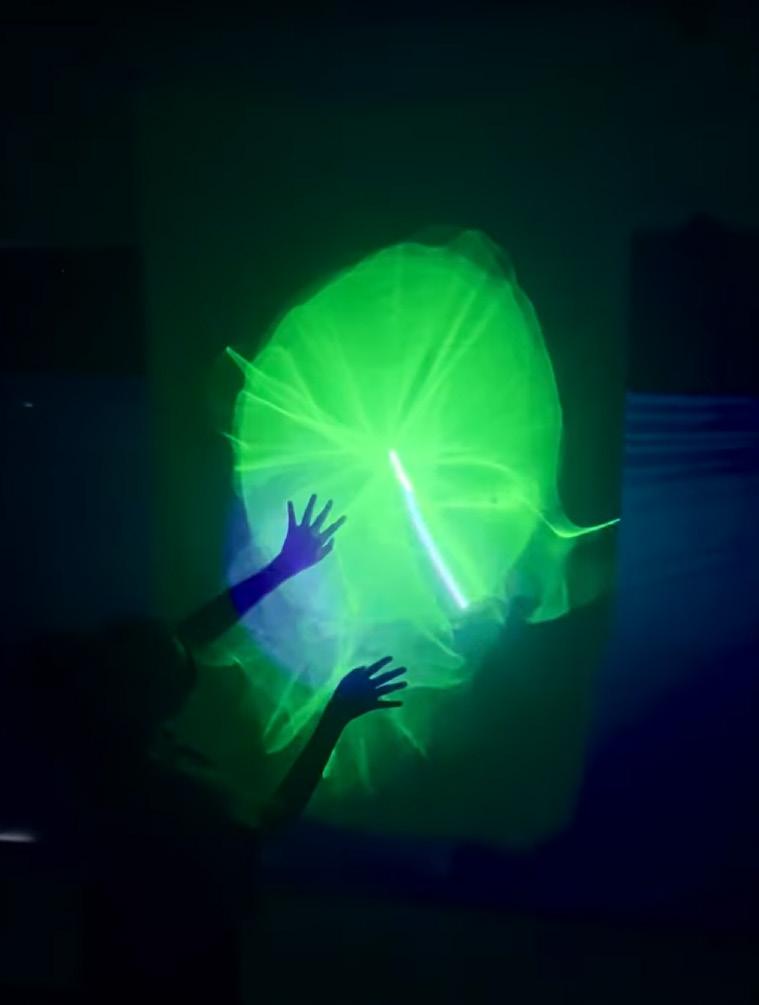
Audience interacting with Lightsail with eye protection (URL: https://youtube.com/shorts/ZZQ_qRbR6yM)
Lightsail
The Paper Marbling Machine
Collaboration with: David Selles, Quentin Bolsee
Supported by: The Center for Bits and Atoms, MIT Media Lab
September 2025 - Ongoing
Water, Marbling Ink, Gantry, Python
Paper marbling – an ancient craft in which pigments are manipulated on the surface of water – first emerged in Japan during the 12th century. The innate spontaneity of the generated patterns connected marbling to early Zen influences– a tradition that has now lasted a millennium.
Throughout its history, the power of paper marbling has lain in its capacity to synergize the fine control of its master craftsmen with the natural fluidity of the medium, leading to one of the oldest and richest forms of generative art.
The Paper Marbling Machine is designed to explore this interplay in a contemporary context. Machines and manufacturing with sub-millimeter precision surround us, so how does such unprecedented precision interact with an art form where chaos and serendipity are an innate part of the process?
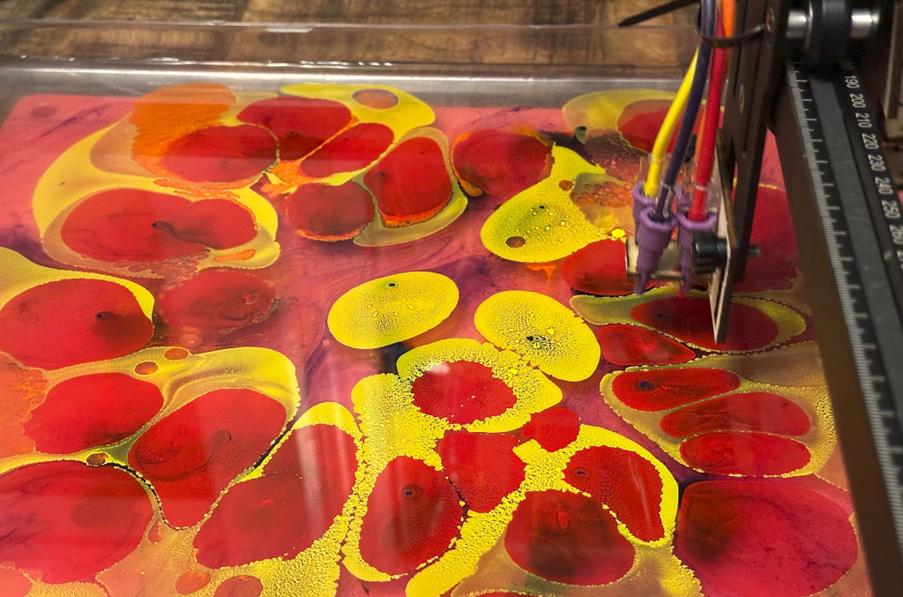
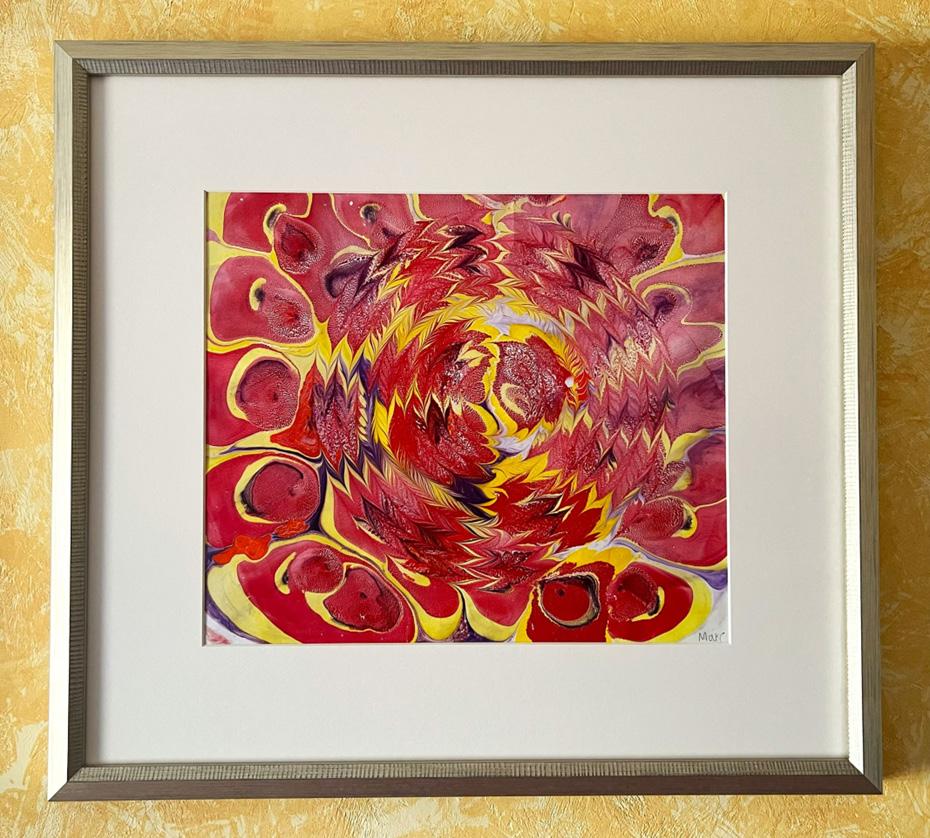
The Paper Marbling Machine uses an experimental coreXYZ gantry system to robotically apply and manipulate pigments on water, producing highly intricate designs. Advised by Quentin Bolsee of the Center for Bits and Atoms, and by a master of the paper marbling craft, the Paper Marbling Machine aims to author an entirely novel genre of machine art: computational paper marbling.
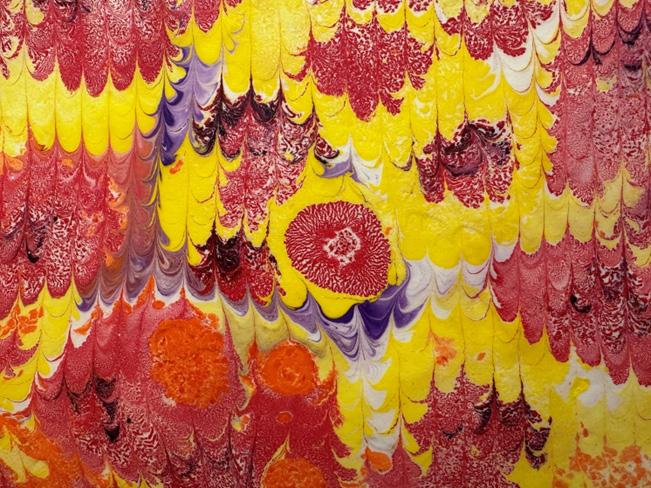
Final step: Finished marbling dries on paper
First step: Paper Marbling Machine applies ink
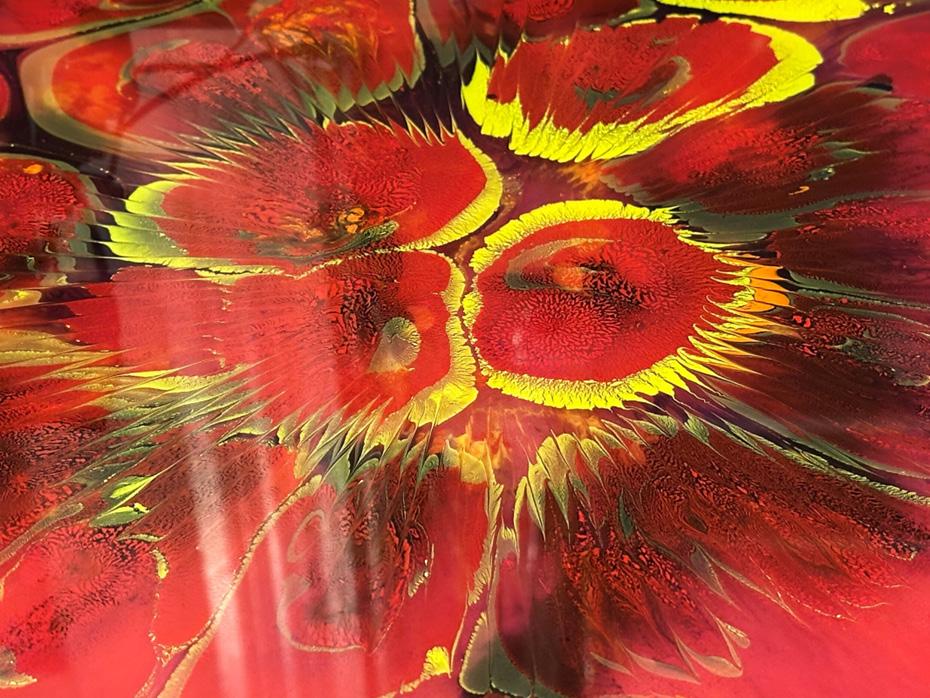
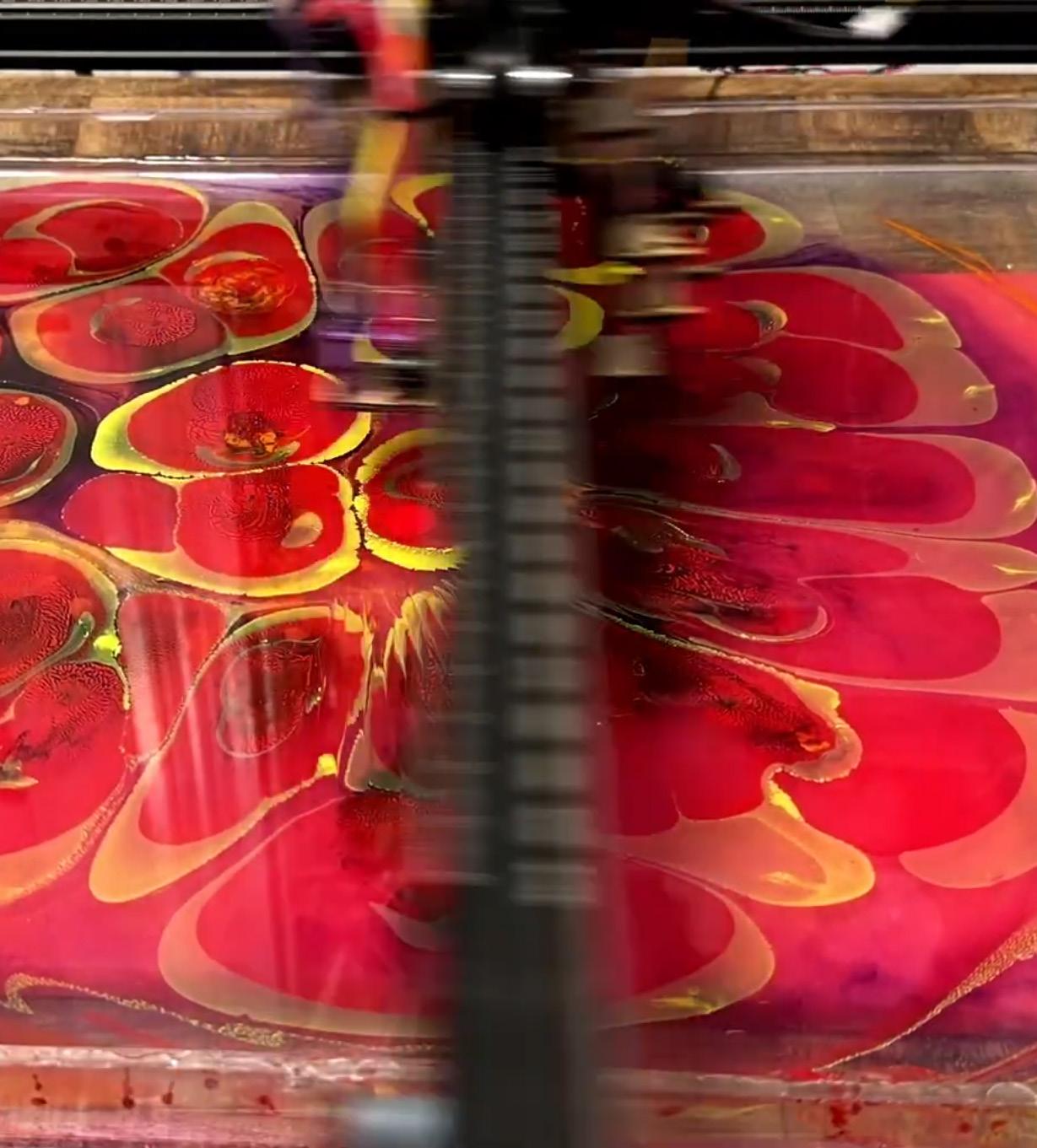
Demonstration of the Paper Marbling Machine generating a spiral-radial pattern (URL: https://youtu.be/8Up5kAhq0gQ)
Scribbler
July 2024 – January 2025
Axidraw, Pen, Paper, vSketch
Asemic script - meaningless scribbles that mimic handwriting - has always fascinated me. It implies that, regardless of cultural background, there are consistent graphical elements to written language. Scribbler is a speculative research project focused on isolating those elements. When a person attempts to create an asemic script, they will inevitably get caught up in their own cultural biases. The script they create will be subtly influenced by the specific written languages they have learned. I attempt to remove this influence by using the agent that exists external to culture: the machine.
Scribbler is a process. Though its output is written by a machine, the piece is still ultimately designed by me. As such, it has elements of my own culture clearly present, such as horizontal writing and a phonographic alphabet.
This process embodies writing by allowing us to see the structures of text external to the form of language. To build my script, I created a procedural algorithm in Python that allows me to fine tune the behavior of my asemic script according to a set of thirty parameters, such as character tilt, alphabet size, and line waviness. My Axidraw pen plotter uses a custom-constructed “wiggly pen” to render this algorithm in realistically imperfect handwriting.
Find a record of the script evolution here. (URL: https://photos.app.goo.gl/fYZv4rSVFuVWXSfH6)
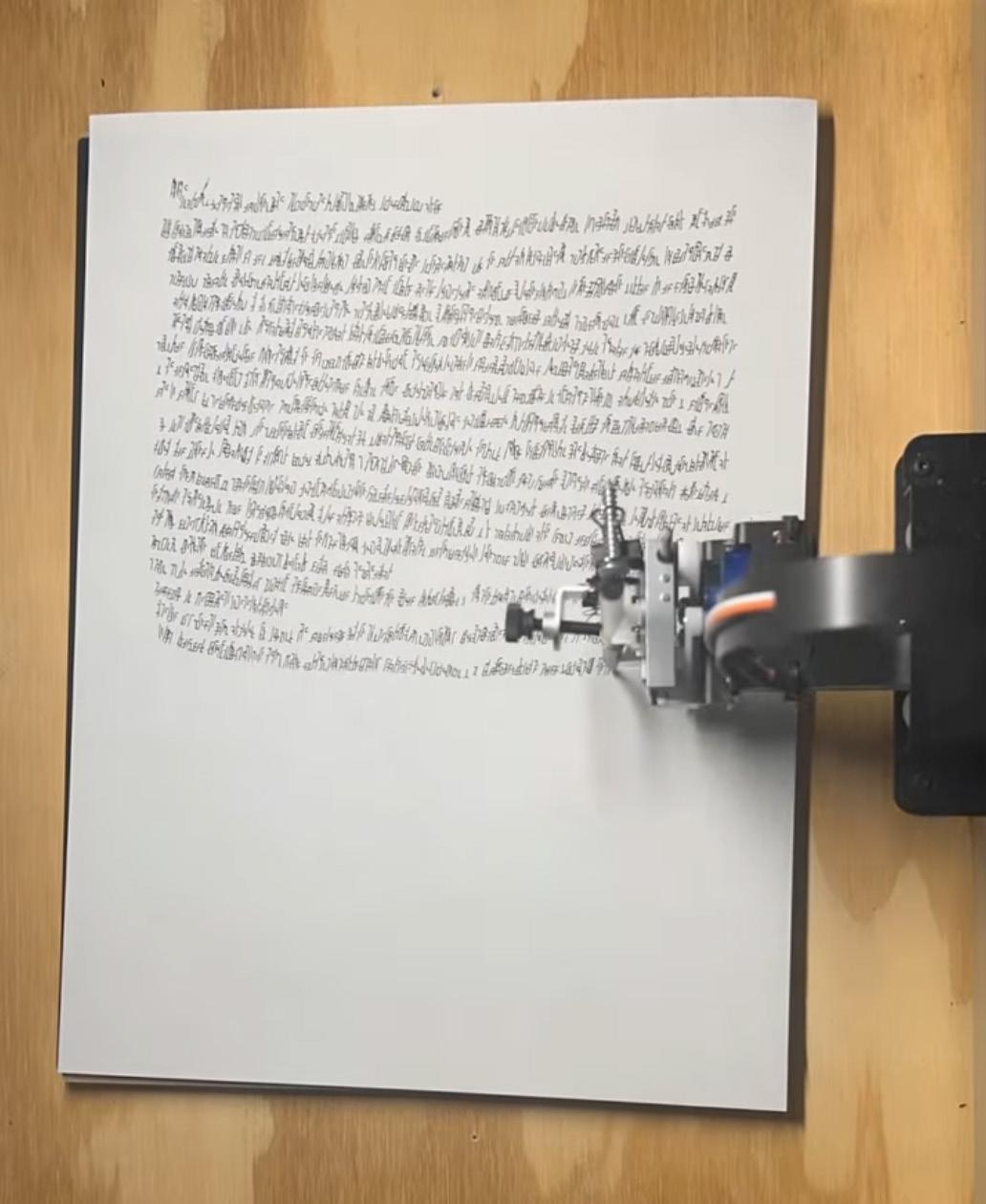
Timelapse of Scribbler generating a page of asemic script (URL: https://youtu.be/k3VcJ_9kpg8?si=5NBIZiOgSyuL4_1i)
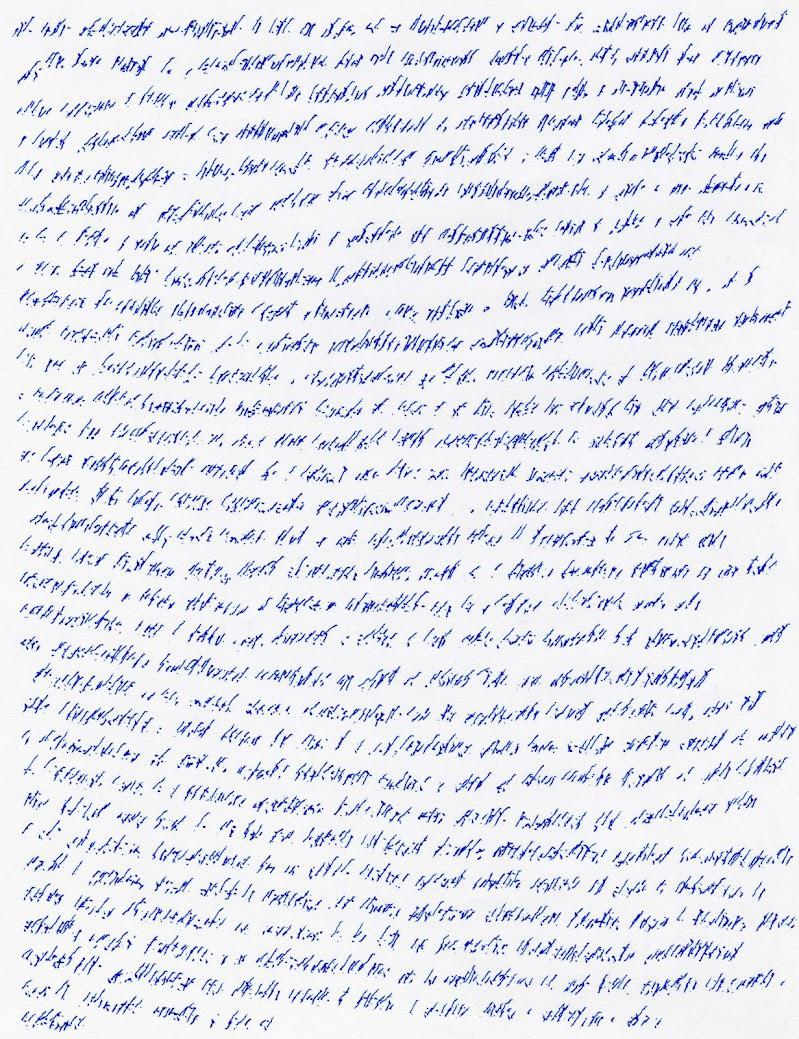
Scribbler run on low-intensity high-chaos settings
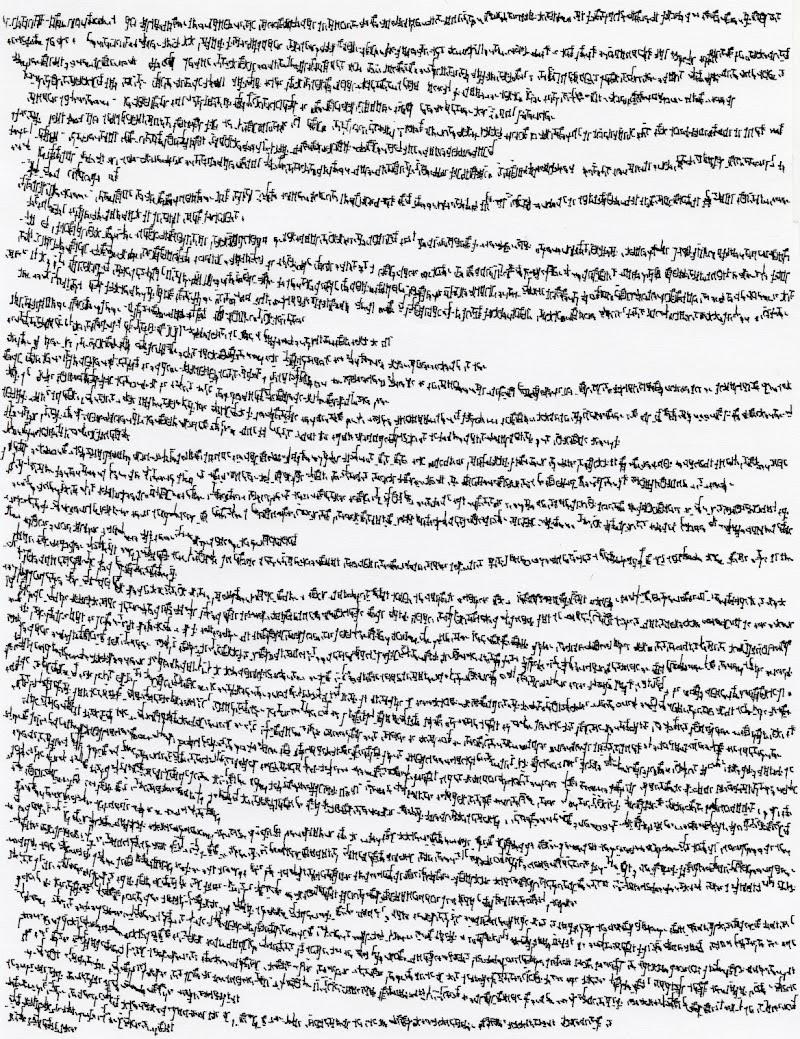
Scribbler run on high-intensity medium-chaos settings
Scribbler: Educational Asemic Script Video
I collaborated with educational YouTube content creator PurpleMind to produce a video handwriting with machines. The video, sponsored by Brilliant.org, was crafted to be accessible My contribution to this video was to co-write the script and visual elements, generate all
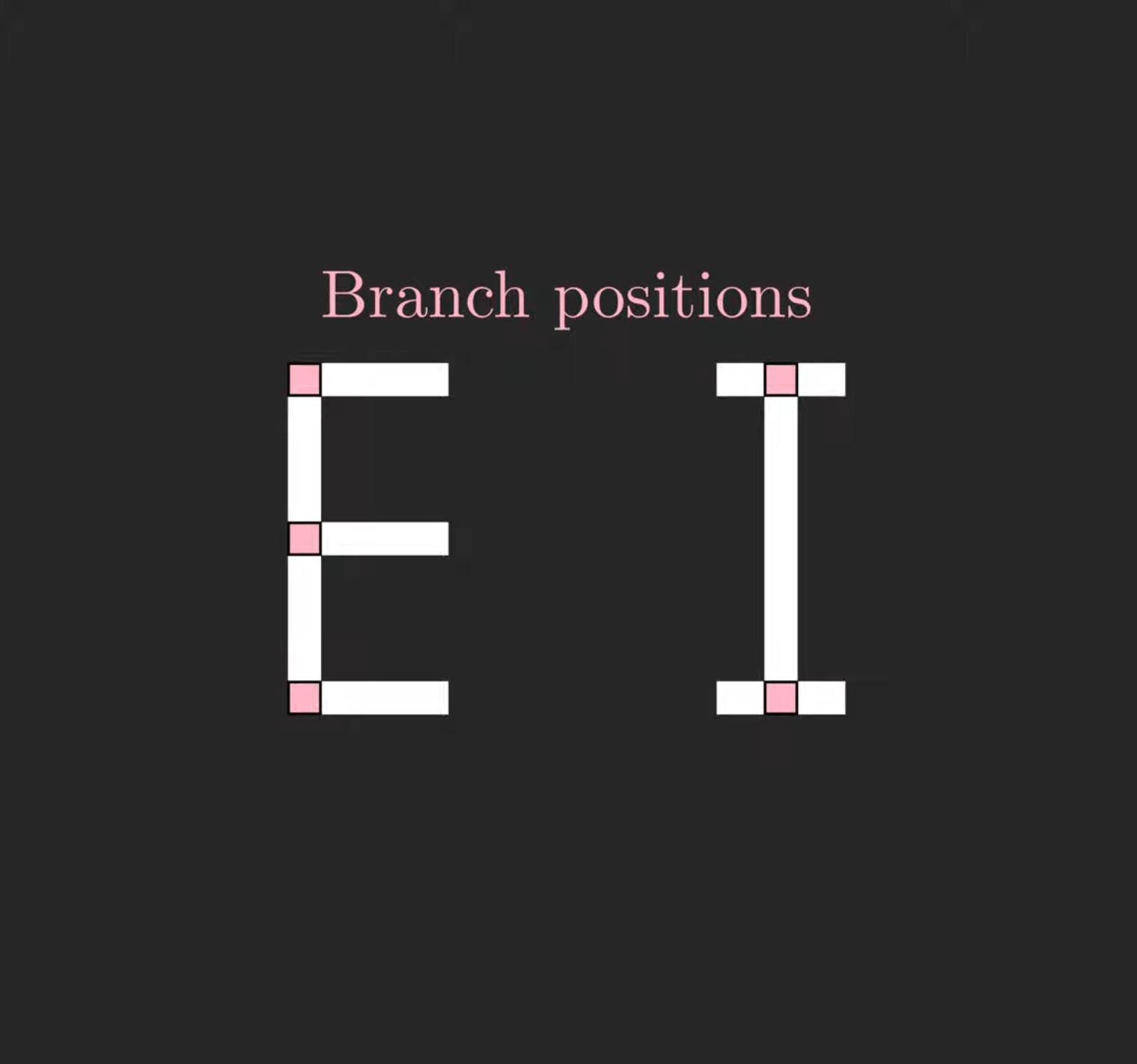
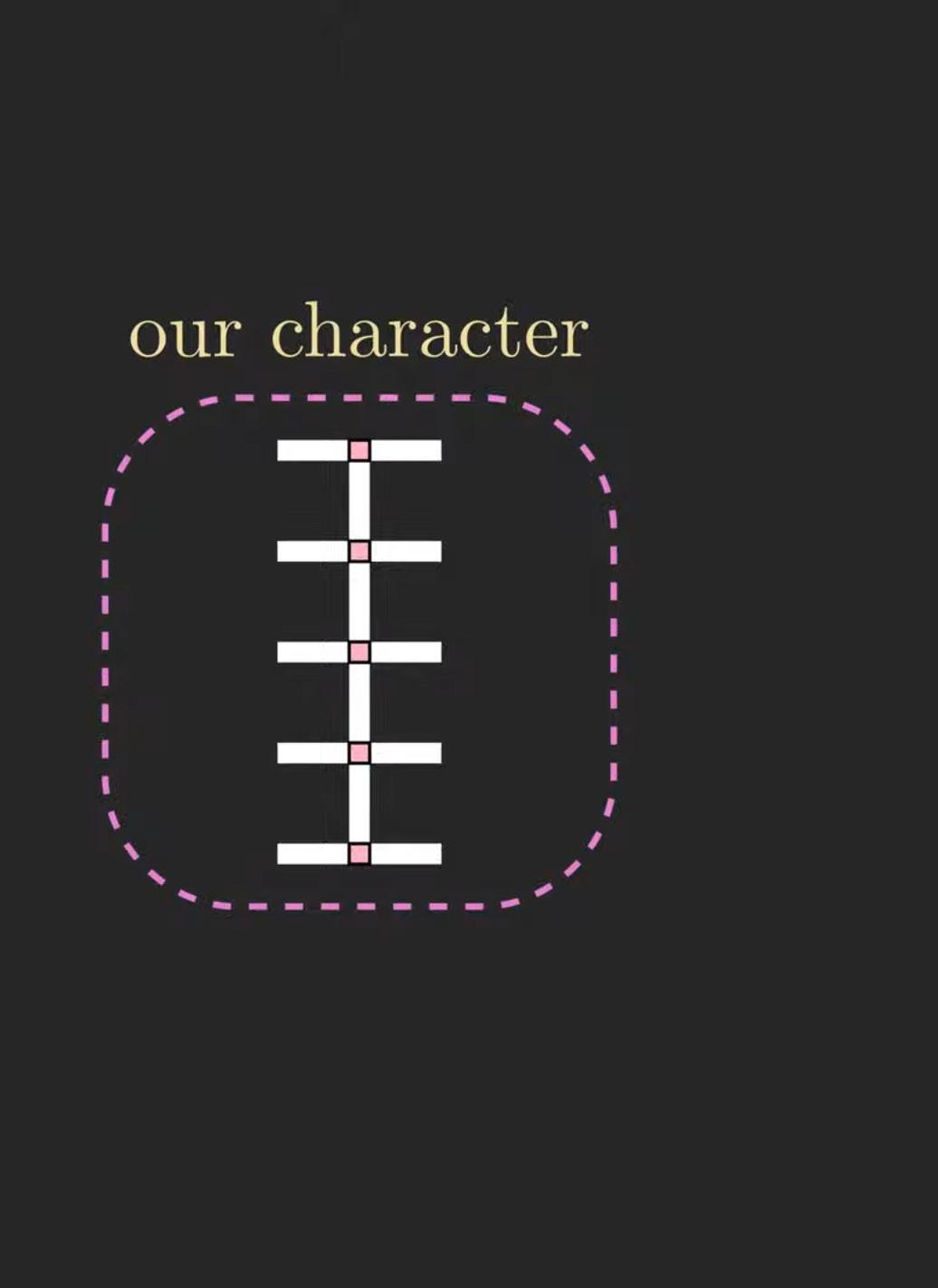
Deep dive into asemic script generation with Scribbler
Collaboration with educational content creator PurpleMind (URL: https://youtu.be/oVxW6aG08HI?si=wtpYZd3xN2NMEmdC )
video exploring the mechanics behind generating realistic asemic script and simulating accessible to viewers of all knowledge levels. all physical and virtual asemic writing, and edit the video.
Blick Typology
January 2025 - August 2025
Blick Pens, Blick Scratch Paper, Blick Customers
I have always been fascinated by “text in the wild”. I’ll be the first to take a picture of graffiti or a hand-made poster on a telephone pole. To me such text and drawings are generative art - generated by people rather than physical processes.
This piece is the result of eight months of weekly scratch paper collection from a Blick art store. The typology showcases the wild variety of responses to the simple prompt of “draw something”. Through this typology, trends emerge in the words, icons, and intention of its hundreds of authors, while personal traces remain scattered across its pages as faint signatures of its many authors.
This piece is best viewed here on my website. (URL: https://marcdunand.com/blick-typology)
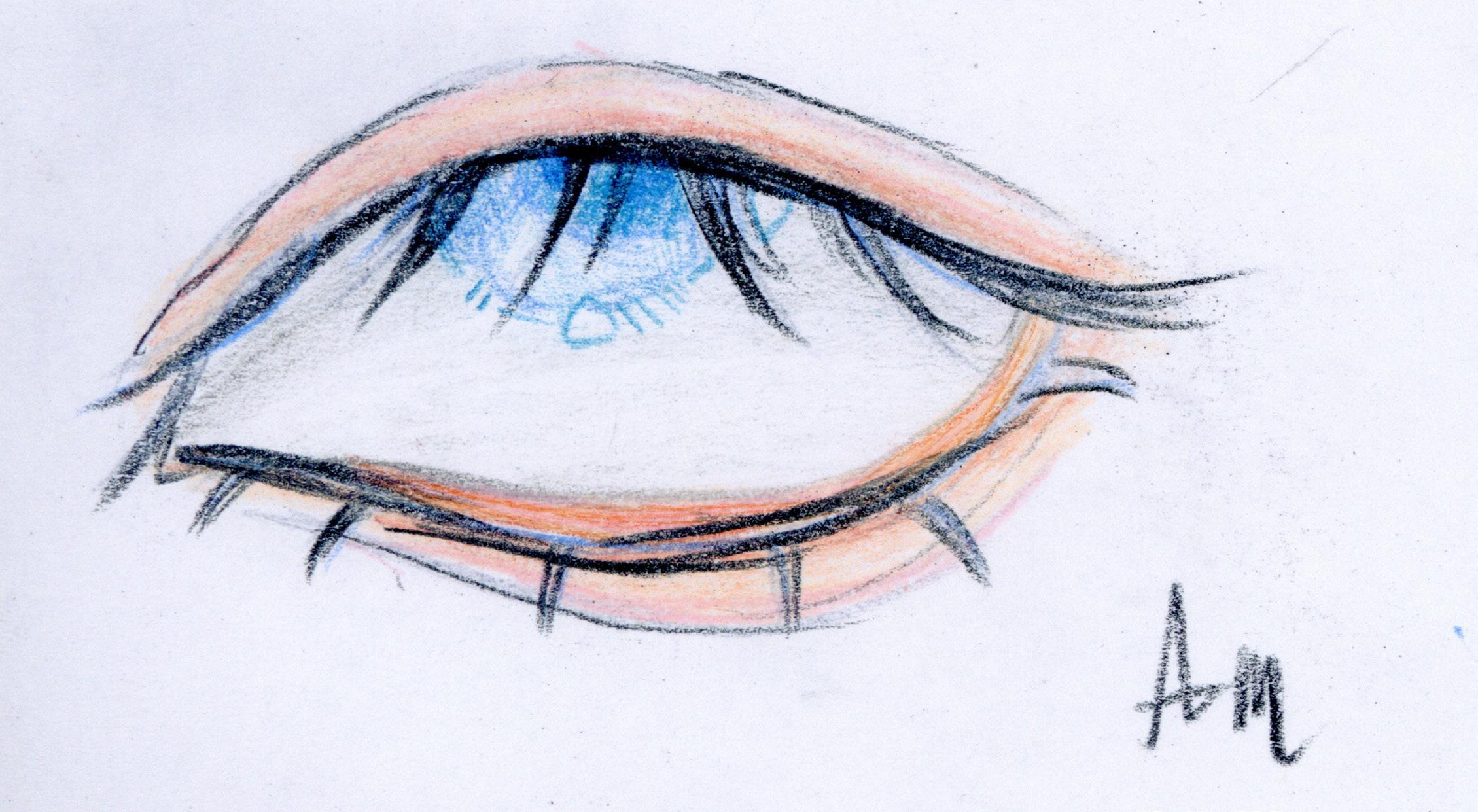
Typology sample
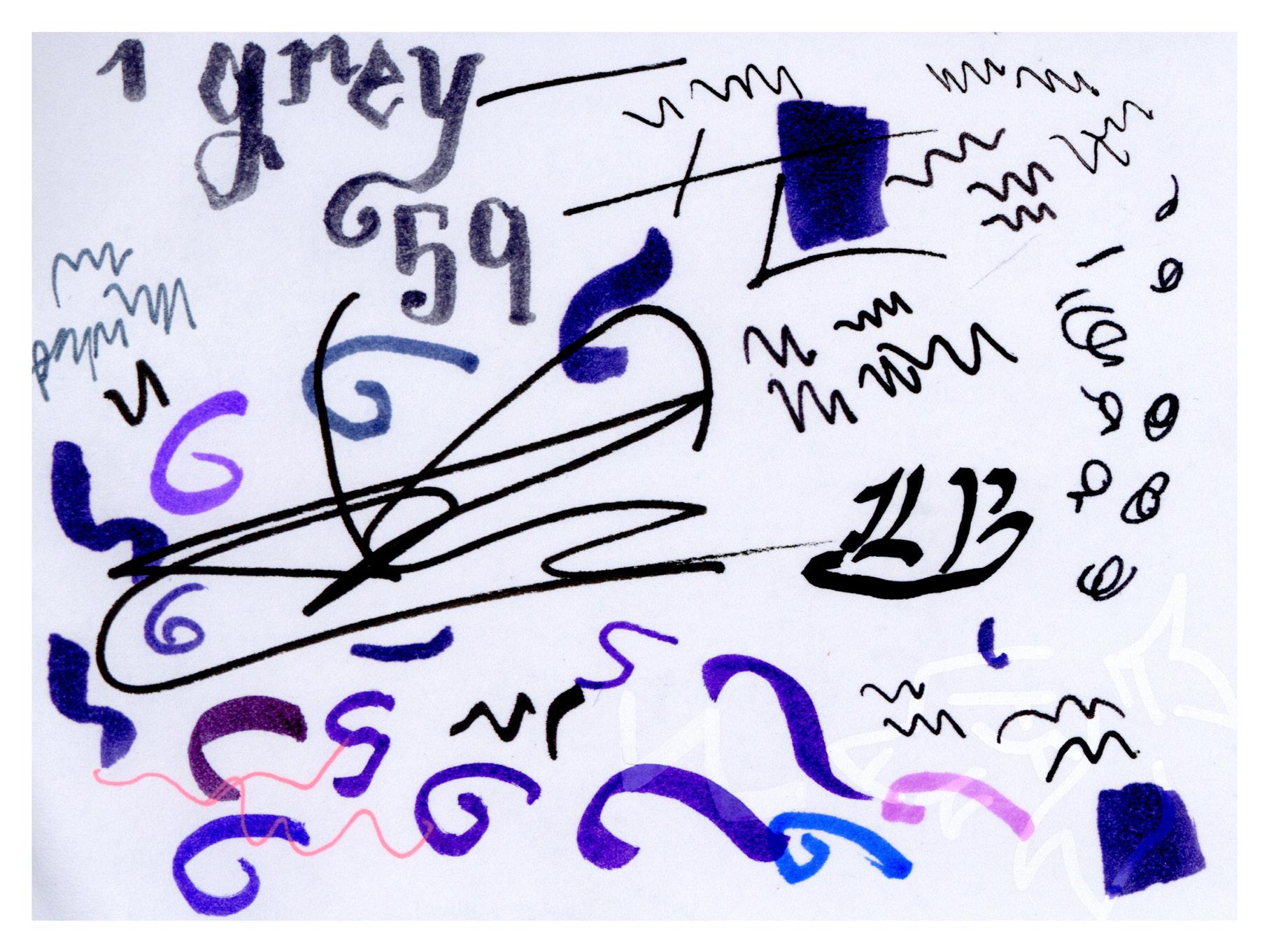
Typology sample
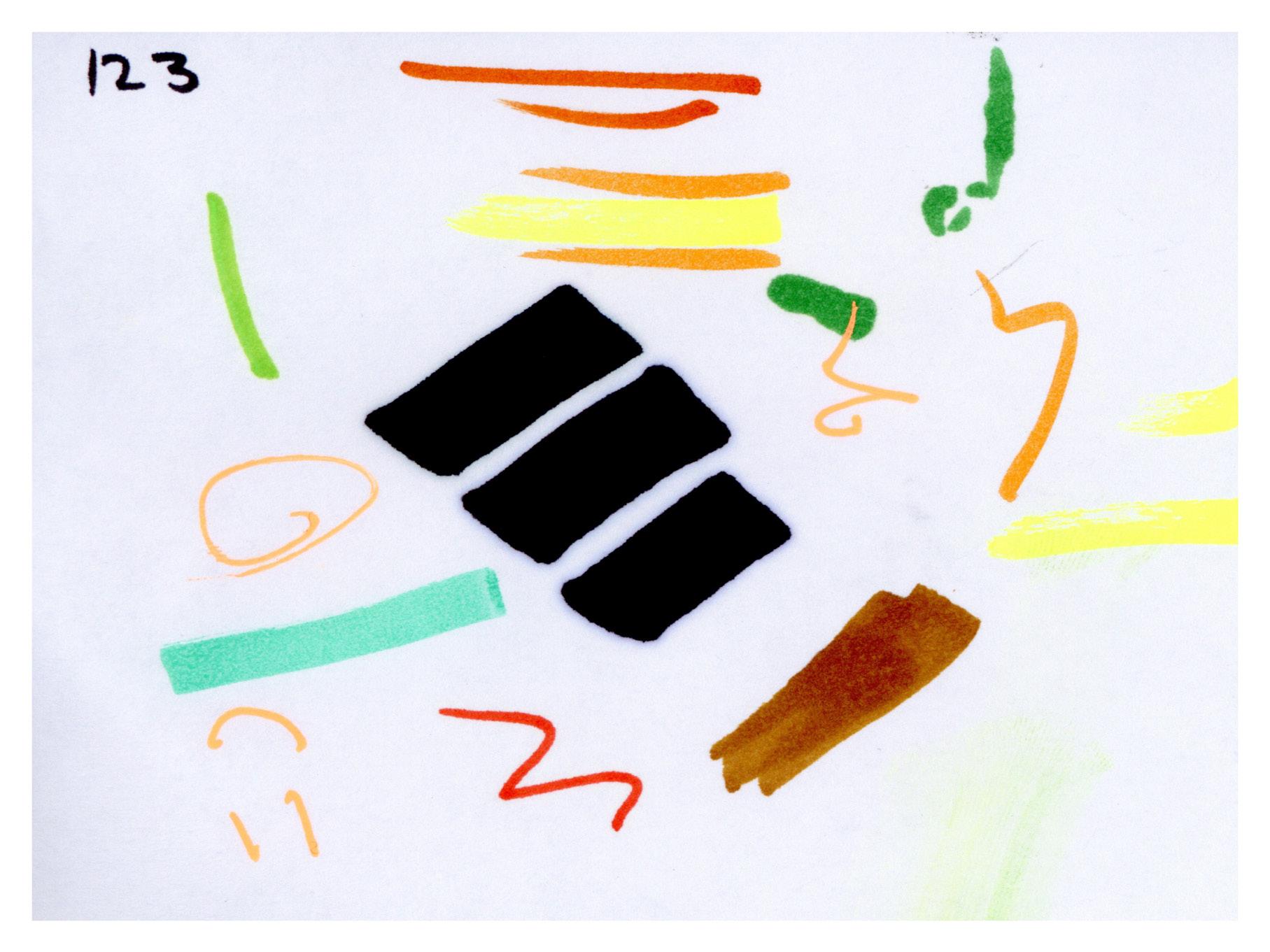
Typology sample
What We Share
March 2022 – April 2022
Tablets, Glitch
This piece began from the loss of connection with loved ones during quarantine. No matter how many hours I spent on FaceTime and on Zoom dinners, it could not fill this deep sense of loneliness. I tried to get specific: was it the lack of eye contact, of body language, physical touch, or the knowledge that you could always disconnect? The intimacy of connection was missing, and only the lack of connection made me fully aware of its importance. What We Share allows users to feel a sense of connection by physically touching the same virtual space. Linking fingers through the Share interface creates a sense of closeness with others, yet the impassible barrier of the screen remains.
This process embodies human connection by limiting what connection can permeate the Share interface. Awareness of what is missing brings users’ attention to all that human connection can include. What We Share uses a server that tracks the multitouch points from all current users. I capture this information and generate a web of attenuated connection between all touchpoints.
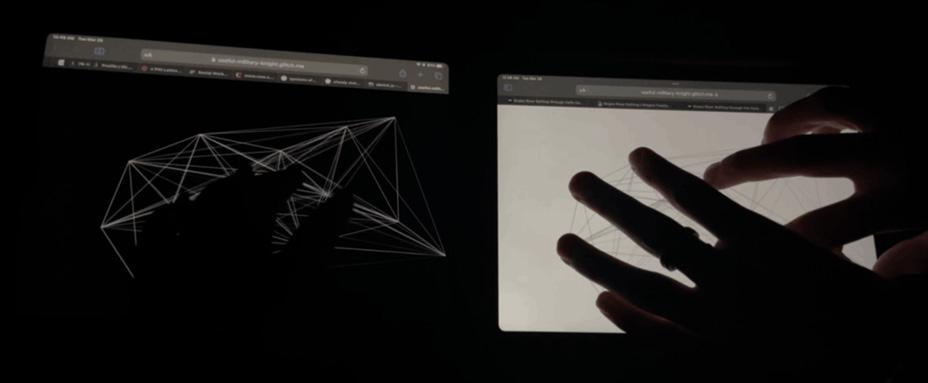
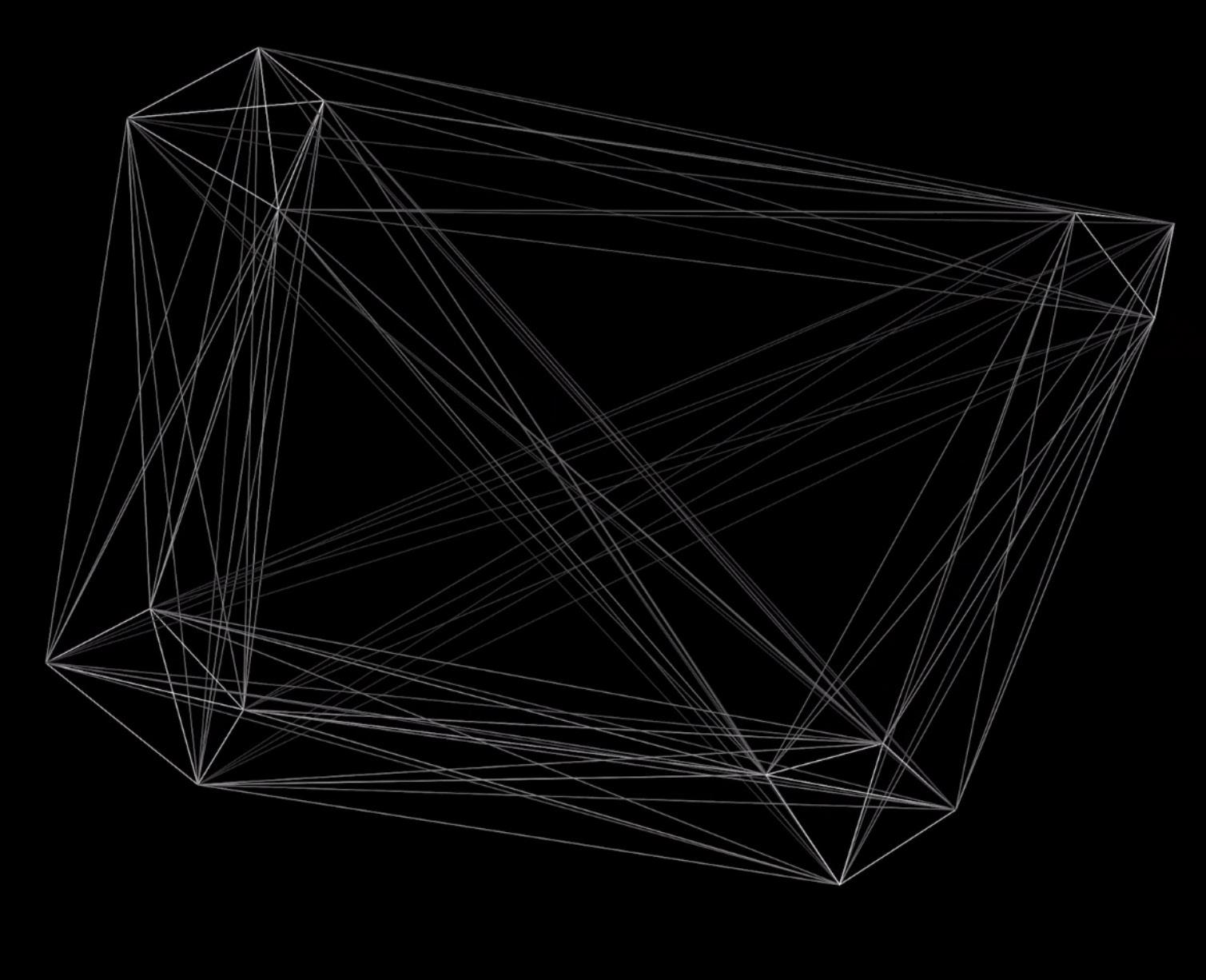
Video Demonstration and Artist Statement
(URL: https://youtu.be/XgQfvkgnixY )
Ball & Line
November 2024 – December 2024
Axidraw, Sensel, Pen, Paper, Assorted Marbles
This piece is an inquiry into perpetual motion and pointless tasks. Ball & Line is comprised of an Axidraw pen plotter, a Sensel Morph touchpad, paper, and a tungsten ball. The paper is placed on top of the Sensel touchpad with the ball on top of the paper. The Sensel detects the weight of the ball through the paper and directs the Axidraw to draw a line to the ball. As the Axidraw approaches it, the ball is inevitably knocked by the pen to a new position, beginning the chase all over again.
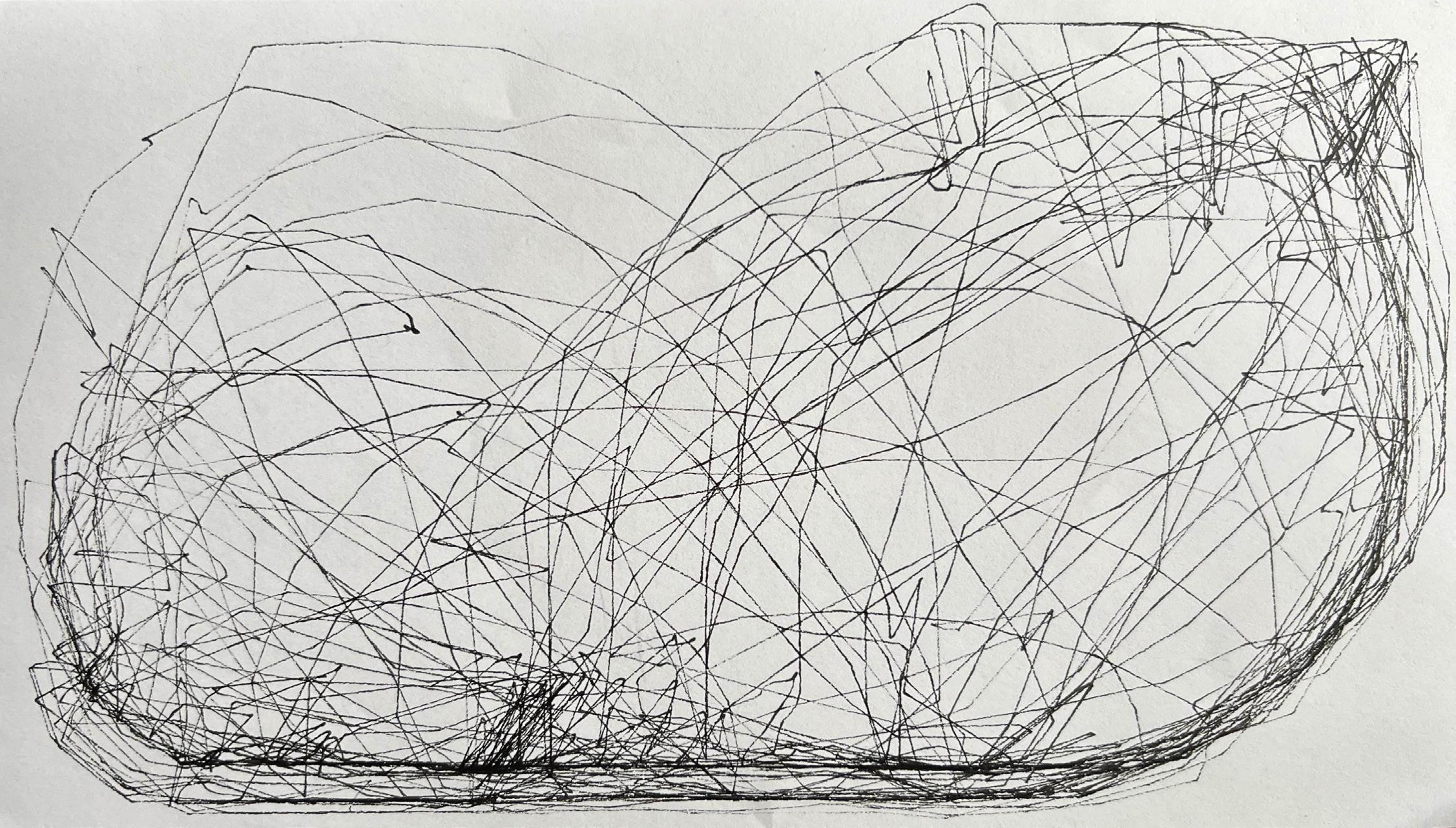
Inspired by the thermodynamically impossible perpetual motion machines of the past, Ball & Line argues for a new type of perpetual motion: that of an impossible task met with an unbreakable will. By recording their eternal chase, the ball and pen author a greater work; one completed only when the viewer intervenes, finally allowing the system to come to rest.
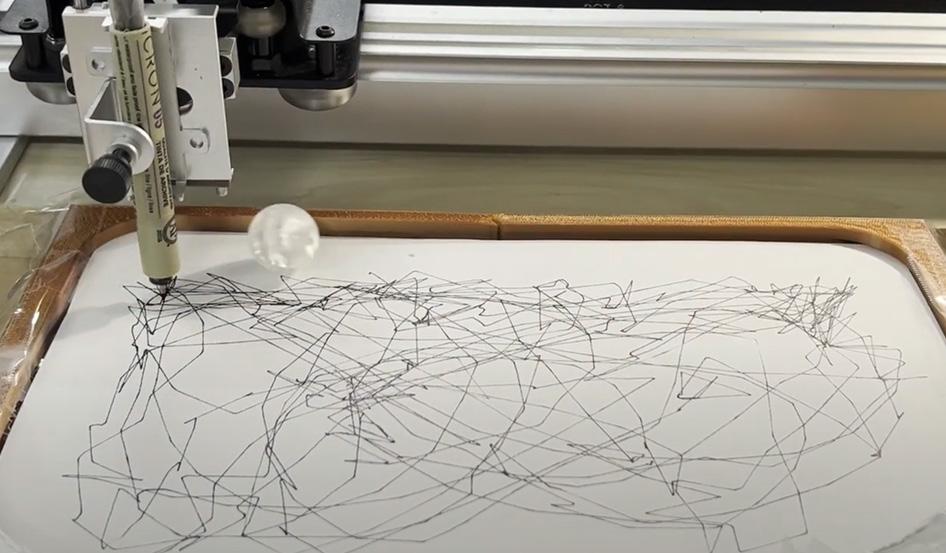
Video Demonstration and Artist Statement (URL: https://youtu.be/iY5gsvAcMkk)
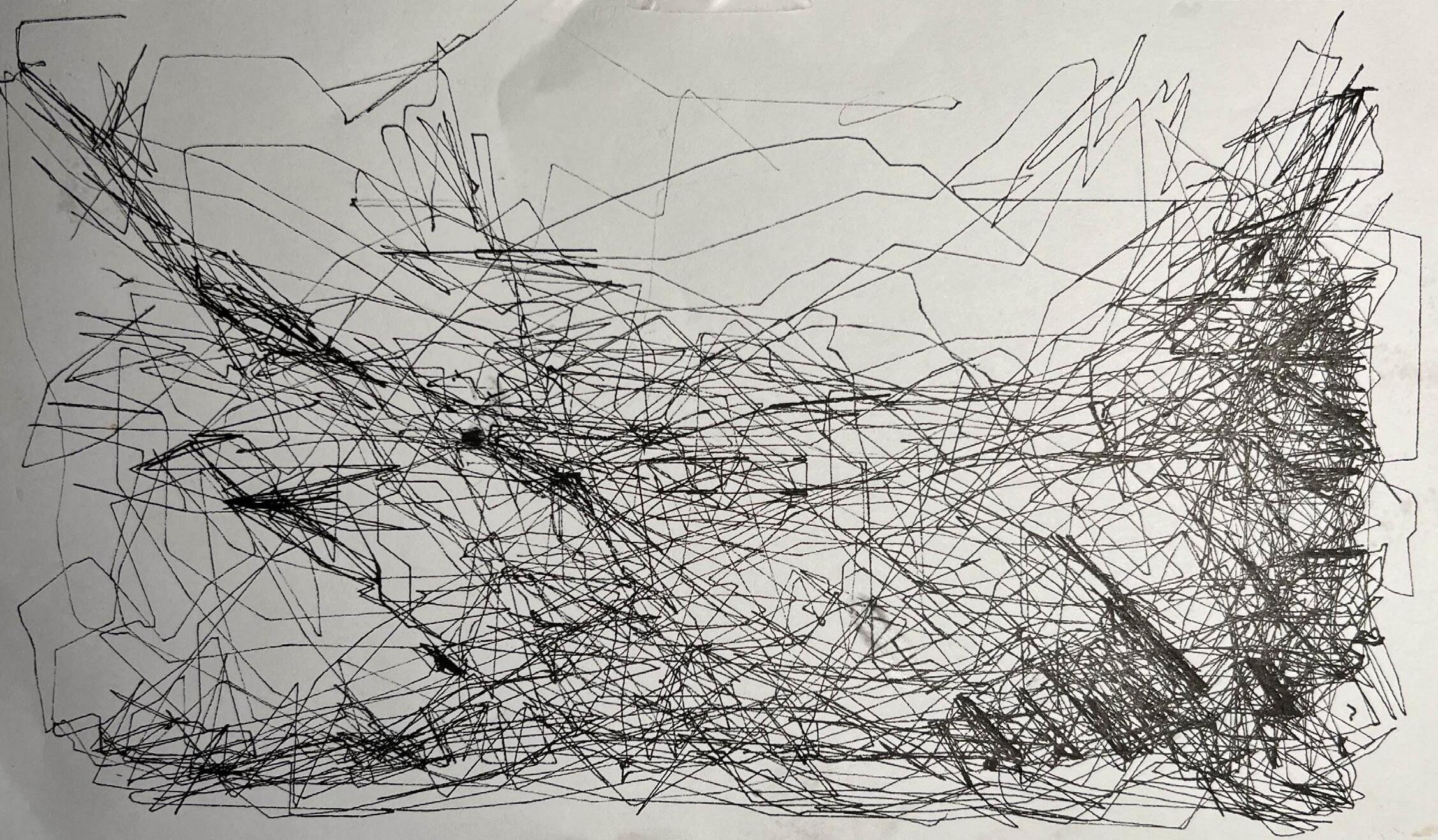
Ball Chaser: Heavy marble two-hour sample
Ball Chaser: Light marble 30-minute sample