The Dilemma
I Will Trust In The Lord
AteachingfromMarbenBland
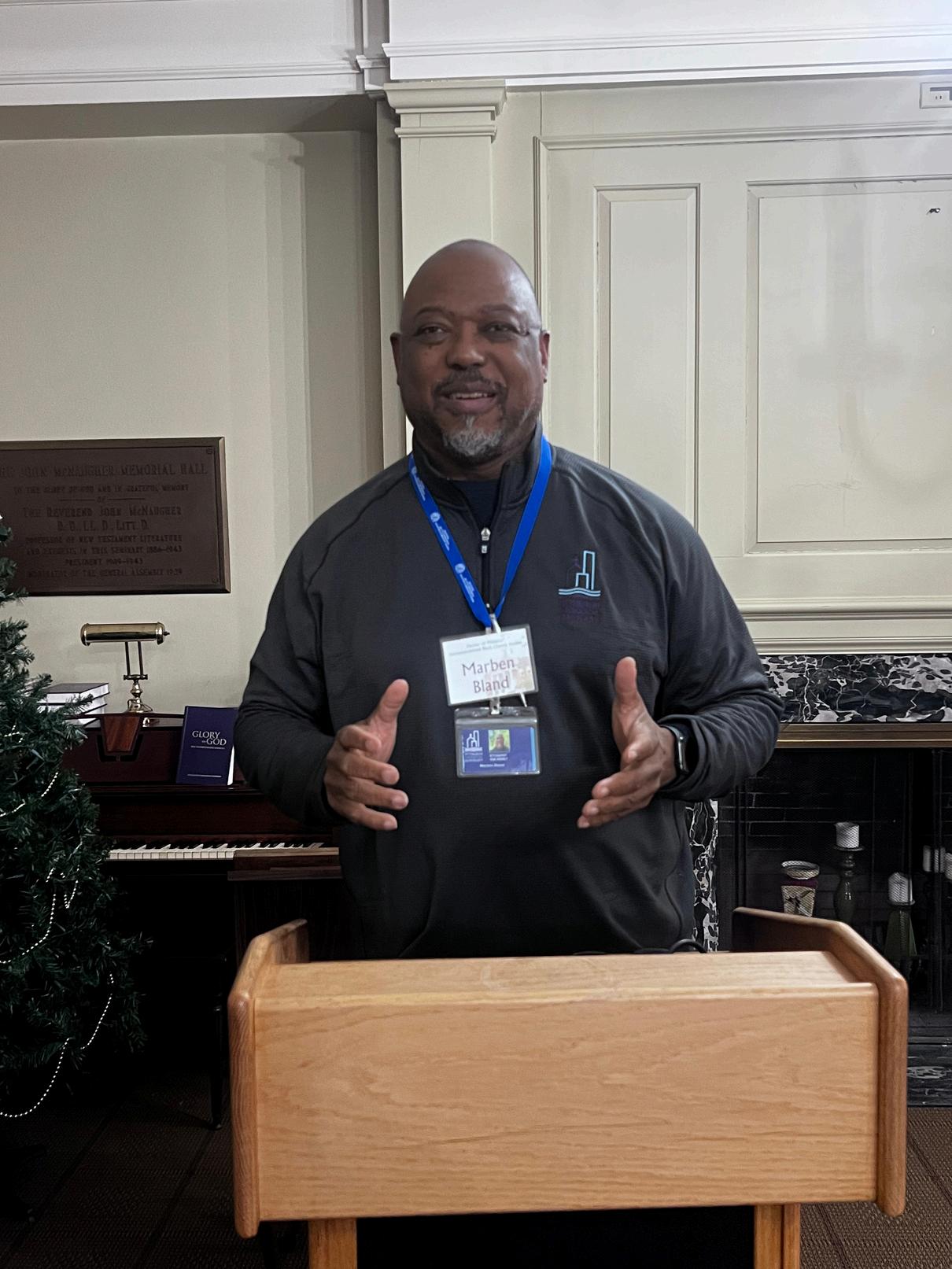

AteachingfromMarbenBland
The king of Egypt said to the Hebrew midwives, one of whom was named Shiphrah and the other Puah, “When you act as midwives to the Hebrew women and see them on the birthstool, if it is a son, kill him, but if it is a daughter, she shall live.” But the midwives feared God; they did not do as the king of Egypt commanded them, but they let the boys live.
So the king of Egypt summoned the midwives and said to them, “Why have you done this and allowed the boys to live?” The midwives said to Pharaoh, “Because the Hebrew women are not like the Egyptian women, for they are vigorous and give birth before the midwife comes to them.”
So God dealt well with the midwives, and the people multiplied and became very strong. And because the midwives feared God, he gave them families. Then Pharaoh commanded all his people, “Every son that is born to the Hebrews you shall throw into the Nile, but you shall let every daughter live.”
The Dilemma: I will trust in the Lord
In Exodus 1:15–22, Pharaoh issues a deadly command aimed at controlling a growing and oppressed people. Fearing the strength of the Hebrew population, he orders the midwives to kill Hebrew baby boys at birth.
The Dilemma: I will trust in the Lord
Shiphrah and Puah are caught in a moral dilemma: obey the most powerful ruler in the world or honor the God who gives life. Choosing reverence over fear, they refuse to comply. Scripture tells us they “feared God,” and because of their faithful resistance, God protects the children and blesses the midwives.
This passage reveals that ordinary people, when rooted in faith, can disrupt unjust systems and become instruments of God’s deliverance.
Exodus 1:15-22
1.Power in Fear – Pharaoh fears the Hebrews’ growth and responds with violence.
2.A Deadly Order – Authority is used to preserve power rather than protect life.
3.Moral Courage – The midwives fear God more than the king.
4.Faithful Resistance – They practice civil disobedience in the service of life.
5.Divine Response – God blesses those who protect the vulnerable.
Exodus 1:15-22
When human authority demands injustice, faithfulness to God requires courage, resistance, and trust that God honors obedience.
1.Why was Pharaoh threatened by the growth of the Hebrew people?
2.What risks did the midwives face by disobeying Pharaoh’s command?
3.What does it mean, practically, to “fear God” in unjust systems today?
4.How does God use ordinary people to confront extraordinary evil?
5.Where might God be calling us personally or as a church to protect life and stand against injustice?
Project SAFE in Athens serves survivors of domestic violence by providing emergency shelter, crisis intervention, counseling, legal advocacy, and prevention education. Project
SAFE works to empower individuals and families to rebuild their lives with dignity, safety, and hope. Through compassionate care and community partnerships, the organization addresses immediate needs while advocating for long-term healing and justice.
Ways members of Greater Bethel can help
Volunteer & Serve: Assist with shelter support, hotline services, or community education efforts.
Give & Donate: Contribute funds, hygiene items, household supplies, or gift cards for survivors.
Advocate & Pray: Raise awareness, support prevention efforts, and pray for survivors, staff, and healing.