2026-2031

CITY COUNCIL
Sean P. Kelly, Mayor
Didem Pierson, Deputy Mayor
Les Burberry
Victoria Schroff
Syd Dawson
PARKS & RECREATION COMMISSION
Rosemary Boelens, Chair
George Wright, Vice Chair
Steve Thurin
Elk Run Farm
Gaffney’s Grove Disc Golf
Greater Maple Valley Community Center
Kristin Haapasaari
Jennifer Winchester
Alex Villarreal
Lake Wilderness Advisory Committee
Lake Wilderness Arboretum Foundation
Laura Philpot, City Manager Dave Johnson, Parks & Recreation Director/Asst City Manager
Dana Parnello
John Herbert
Erin Gildea
Ben Sjavik
Maple Valley Creative Arts Coalition
Maple Valley Historical Society
Robert Eaton, Parks & Recreation Deputy Director
THE DEDICATED PARKS & RECREATION TEAM
Allison Scott, Recreation Coordinator
Amanda Halverson, Administrative Assistant I
Ben Danielson, Parks Maintenance Worker II
Bobby Quick, Recreation Coordinator
BERRYDUNN
Chad Snow, Principal
Dannielle Wilson, Project Manager
Adrian Newman
Caylon Vielehr
Dante Cavaz
Jeffrey Milkes
Brandyn Winkley, Parks Maintenance Worker II
Brian Wargo, Parks Manager
Karin Taylor, Rental & Facilities Specialist
Mark Hafar, Parks Maintenance Worker II
Matthew Kerns, Recreation Manager
Miranda Hanson
Ryan Hegreness
Jennifer Fink, Parks Capital Projects Manager
Rachiah Whipple, Rental & Facilities Manager
Roger Larson, Parks Maintenance Worker II
Roy Wells, Facilities Maintenance Technician
Tracy Kelly, Administrative Assistant III
SITEWORKSHOP
Clayton Beaudoin
Sarah Canepa
Madison Hutchings
SHANNON & WILSON
Merci Clinton
ETC INSTITUTE
Jason Morado
City of Maple Valley Residents,
I am pleased to share with you the City of Maple Valley Parks, Recreation, and Open Space (PROS) Plan. This six-year (2026-2031) strategic plan establishes the framework towards meeting the needs of our diverse, growing community and helps provide direction for our dedicated staff to continue serving the community with quality parks, relevant programs, safe facilities, and capital improvements.
This plan represents a collaborative effort and significant community engagement through a statistically significant survey, community partner meetings, pop-up booths at community events, interactive project website, open house meetings, and interviews with staff.
Guided by our City’s Mission, Vision, and Values, and built on the community engagement, the plan identifies the following themes:
• Grow Supply to Meet Demand
• Acquire the Resources to Meet the Community’s Service Level Expectations
• Serve as Regional Park and Recreation Industry Leaders
• Continue a CommunityCentric and Service-First Approach
• Preserve Spaces and Places
• Foster Opportunities for an Active, Healthy Community
This PROS Plan is a critical tool for guiding our staff in continuing our efforts to provide safe and clean spaces, foster inclusive and welcoming experiences, care for our city’s natural spaces, and promote healthy community and wellbeing. We are committed to being a thriving organization that delivers exceptional value to our community members.
I would like to extend my heartfelt gratitude to the community, partners, commissioners, and staff for their invaluable participation and contributions in the development of this Plan. Your insights, feedback, and dedication have been instrumental in shaping a roadmap that reflects our collective vision and commitment to excellence. Together, we will work towards realizing our vision and fulfilling our mission.
Sincerely,
Dave Johnson
Parks & Recreation Director/Ass’t City Manager

In the fall of 2024, the City of Maple Valley’s (City’s) Parks and Recreation Department (Department) embarked on an update of its Parks, Recreation, and Open Space (PROS) plan. The PROS plan is the City’s long-term planning document that depicts the path forward for providing high-quality, community-driven parks, trails, natural areas, and recreational opportunities throughout the City. It provides a vision for the City’s park and recreation system, describes the City’s inventory of parks and recreation facilities, discusses community demand and future needs, outlines goals and policies, and offers a capital facilities plan—as well as implementation strategies—to further enhance the City’s park, recreation, and open space system.
The PROS plan update project included a robust community engagement strategy that outlined a multifaceted approach to involve residents in the planning process. Focus groups, engagement booths at community events, and an interactive project website enlisted resident input and insight. A community needs survey facilitated an opportunity for a randomly selected set of households to provide feedback that yielded statistically significant results.
Department Profile
29,320 Population Served
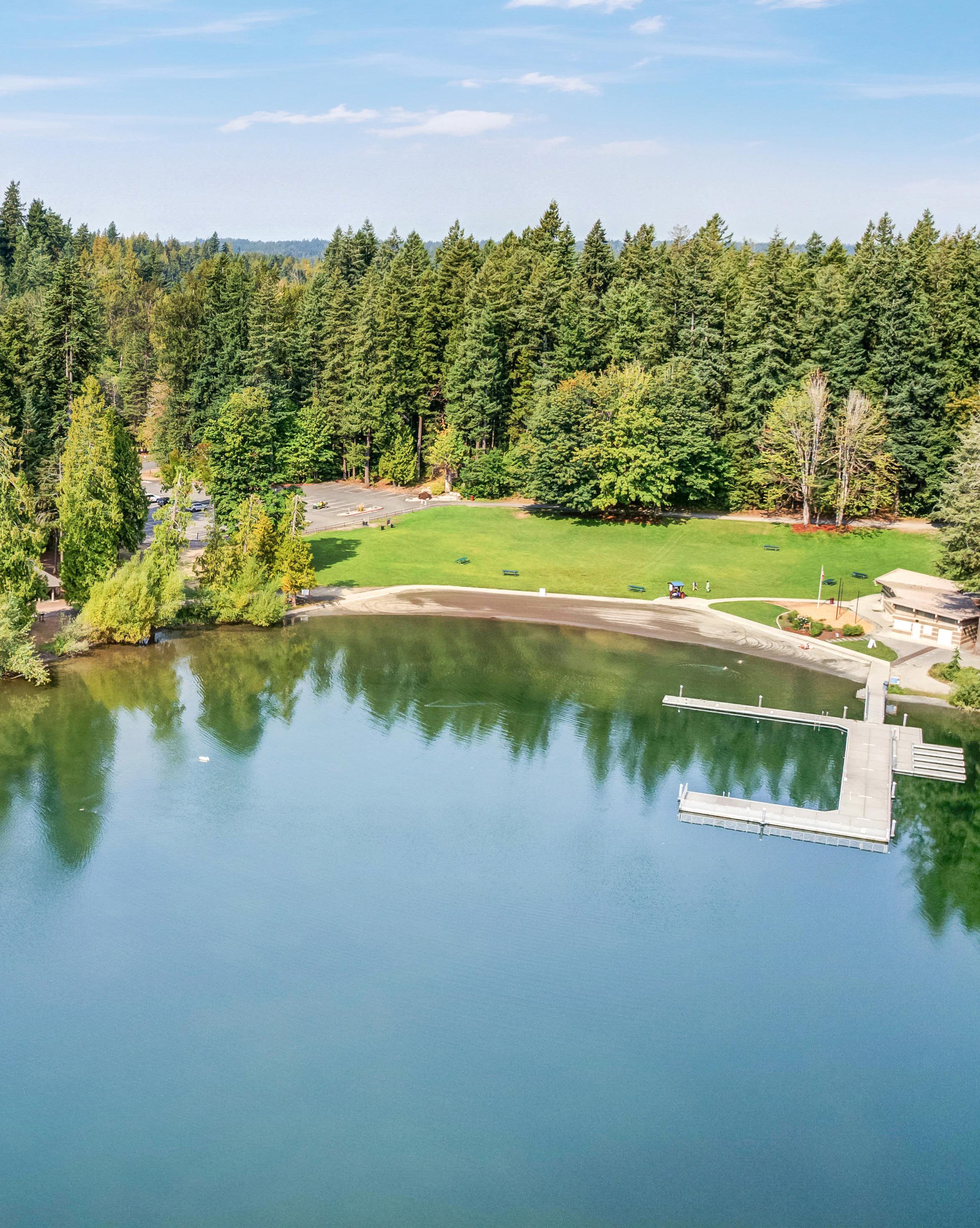
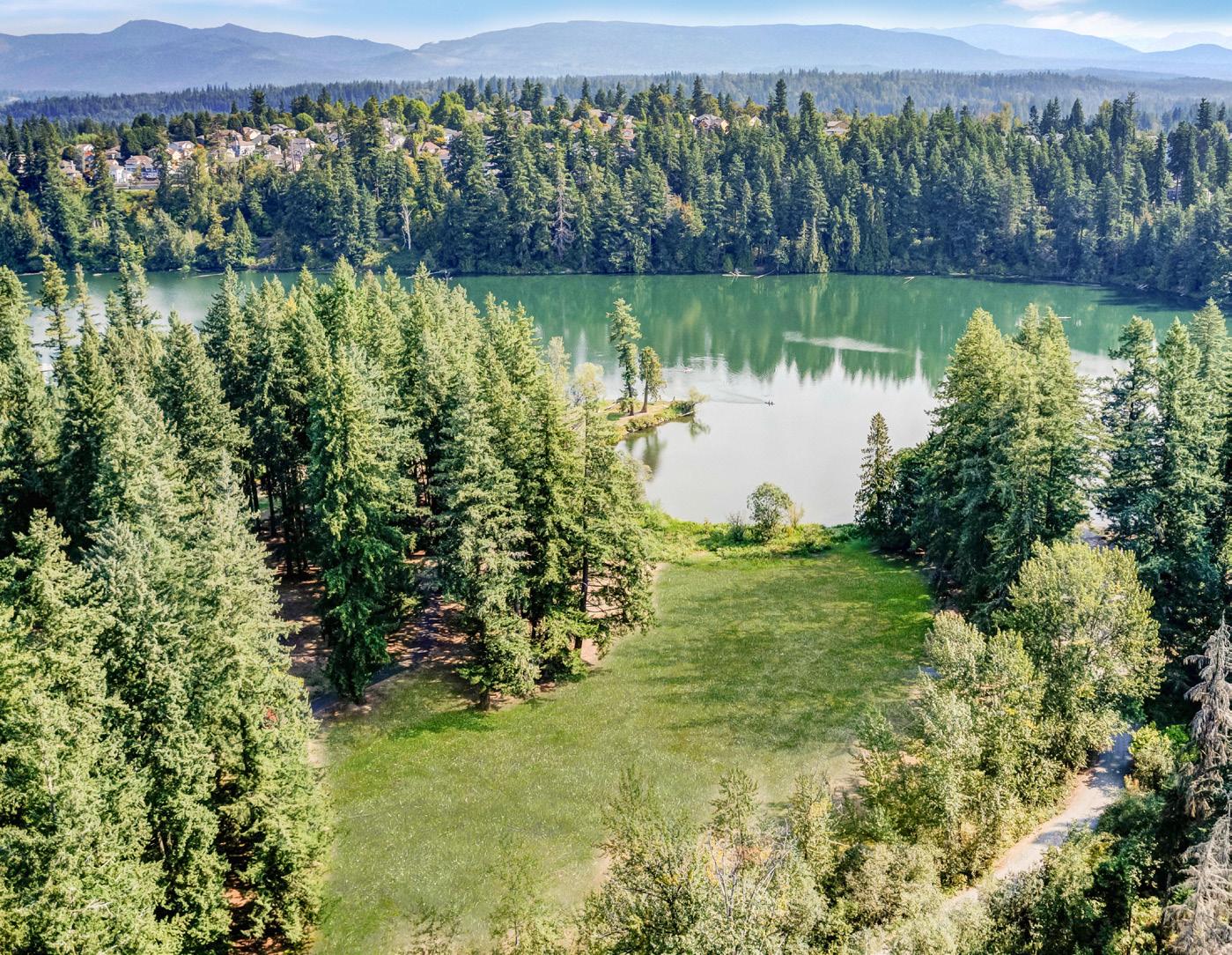
The heart of Maple Valley’s park system is the 111.21-acre Lake Wilderness Park (LWP). Adjacent to Lake Wilderness, LWP hosts a variety of passive and active recreational experiences, including walking, biking, fishing, swimming, picnicking, disc golf, pickleball, tennis, summer camps, and more. LWP is home to the Independence Day Event, Maple Valley Days, and many other community events. It also experiences primarily local use on weekdays and a mix of local and regional use on weekends and during community events. An update of the 2007 LWP master plan ran concurrently with the PROS planning process, offering the opportunity to glean park-specific and systemwide insights.
To inform the PROS planning process, the BerryDunn consulting team analyzed the system’s parks and open spaces, facilities, recreation services, and habitats. Using existing data sets, on-site observations, staff insights, and research, analyses of the components revealed strengths, weaknesses, and improvement opportunities. Key insights and observations informed a visioning process that resulted in a set of desired outcomes, objectives, and initiatives outlined in the PROS 2026 Action Plan.
8 Parks
359.6 Park Acres
$4,738,930 Operating Budget 16 Full-Time Equivalents (FTE’s)
In 2024, Maple Valley’s population was estimated at 29,320 residents, a 105.4% increase from 14,277 residents in 2000. This tremendous growth rate has challenged the City to keep up with demand for core park and recreation services. The 2024 community needs survey results demonstrated respondents’ extremely high satisfaction with the Department’s services and depicted a strong desire for more.
Projections provided in the City’s 2024 Comprehensive Plan suggest a slight population increase, with an anticipated 29,680 residents by 2029 and an anticipated 34,420 residents in 2044. Although this estimated 17.4% increase is much less than the previous 20 years, the City continues to try to keep pace with the demand for recreational services that meet current resident needs as well as for the estimated additional 5,000 future residents.
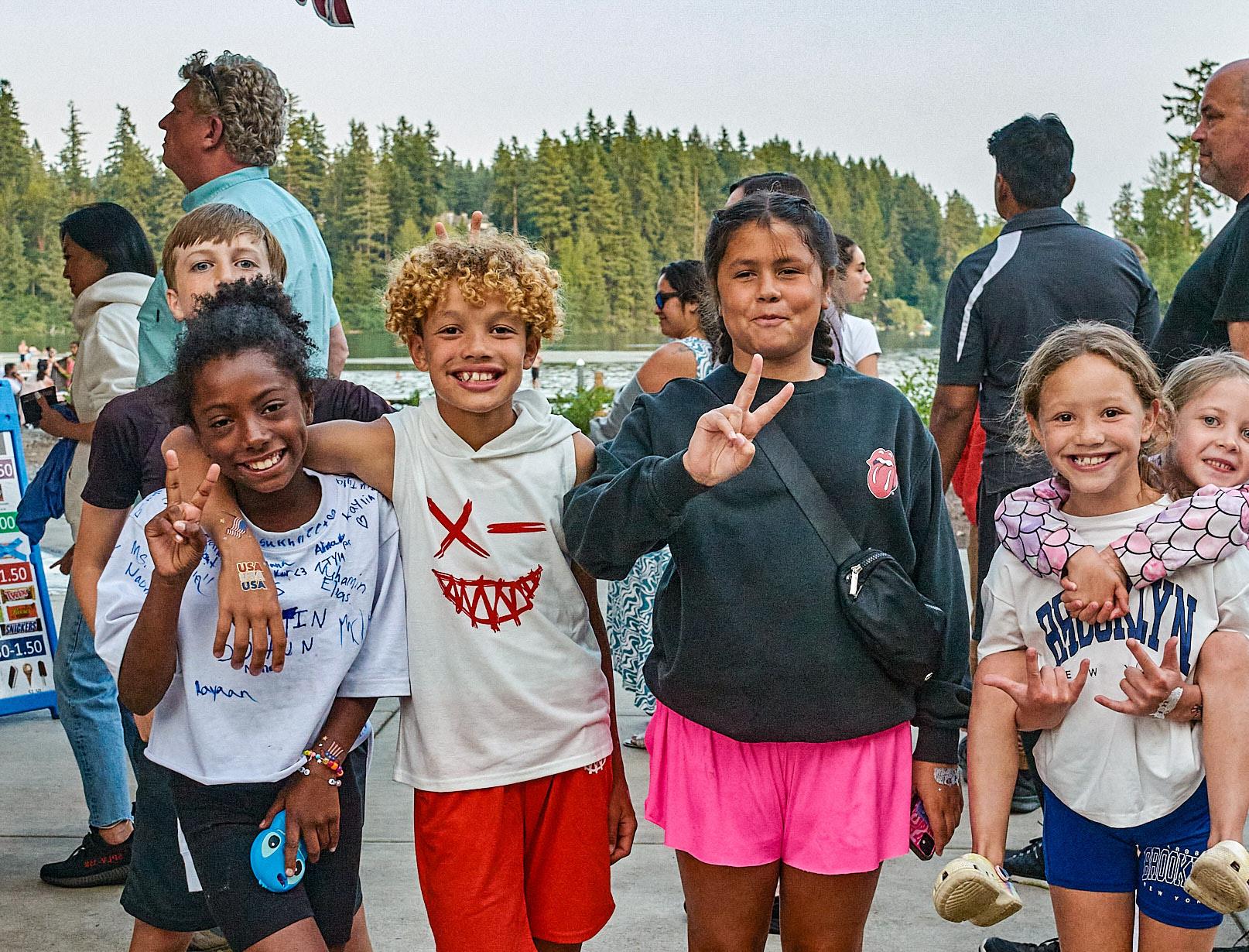

Over the next five years, the young adult population is projected to experience the most significant growth, with the 20–34 age group expected to increase by 2.79%. This change reflects a large teenage population within the youth category who will become young adults in the next five years. Adult and youth populations will see the most significant decrease, with both populations declining by more than 2.50% over this same period. Meanwhile, the senior population will experience the smallest change––only growing by 0.68%.
Youth (0-19 years)
Maple Valley’s median household income ($138,699) is significantly higher than that of both Washington ($97,013) and the United States ($79,068). Maple Valley has a lower proportion of residents living below the federal poverty level when compared to state and national averages. An estimated 4.44% of Maple Valley residents live below this level, which is a lower proportion than both Washington (9.59%) and the United States (12.42%).
Maple Valley is expected to continue experiencing changes in racial diversity, which follows nationwide and worldwide trends. The percentage of those who are white is expected to continue decreasing (to 68% by 2029), and the population of those who identify as two or more races is anticipated to increase by 14% by 2029.
An estimated 7.6% of City residents have a disability, compared to 13.9% in the State of Washington. The most common types of disabilities in Maple Valley are independent living and ambulatory difficulties—both at 2.9%.

To help ensure an effective engagement process, BerryDunn collaborated with City staff to design a multifaceted community engagement approach that would resonate with a broad cross-section of Maple Valley residents. The community engagement strategy focused on a single goal: to welcome as many community voices as possible into discussions about the future of parks, recreation facilities, services, and potential LWP enhancements.
The engagement strategy included a series of creative and meaningful ways for the community to provide input. These included four focused meetings with staff, two interactive events at local festivals, and three meetings with key community partners. Insights from these activities informed the
development of questions for the statistically valid community needs survey. Additionally, an online project page hosted on Social Pinpoint invited widespread input, further enriching the planning process with valuable perspectives from Maple Valley’s community members.
The community engagement effort generated significant feedback that reflects diverse perspectives on the future of parks, recreation facilities, and services in Maple Valley. Residents provided detailed comments, suggestions, and preferences regarding LWP and other systemwide recreational priorities. BerryDunn estimates that the engagement process resulted in approximately 10,450 touchpoints by more than 2,750 community members.
3 groups, 17 participants
4,223 visitors, 673 contributions
403 responses 388 participants
Several key themes emerged from focus groups, engagement booths, and Social Pinpoint digital engagements, including the following highlights:
▶ INDOOR RECREATION FACILITIES: There was notable interest in developing indoor recreation amenities—such as gymnasiums, fitness spaces, and multipurpose rooms—to offer year-round activity options for the community. Expanded recreational programming is desired, and increased space is necessary to accommodate the demand.
▶ CROWDING AND PARKING ISSUES: Community members noted concerns regarding crowding and parking limitations at LWP, calling for strategic solutions to improve parking, manage peak usage, and enhance the overall visitor experience.
▶ TRAIL CONNECTIVITY: Feedback emphasized the importance of creating a connected, accessible network of trails, enabling safer walking, biking, and outdoor recreation opportunities throughout Maple Valley and within LWP.
▶ AQUATICS: Many community members voiced strong support for aquatic facilities, expressing a need for swimming options and water play areas (splash pads) to serve residents of all ages.
▶ NATURAL SPACES: Community members emphasized the importance of environmental stewardship, highlighting a critical need to preserve the natural space while updating park infrastructure.
▶ NEW AND EXPANDED PROGRAMMING: There was community enthusiasm for new and innovative programming—such as expanded events, classes, and cultural activities—that fosters a sense of belonging and celebrates local identity. In addition to a need for aquatic programming, adult fitness and wellness programs, outdoor adventure activities, community special events, and after-school programs for youth were identified priorities.
The community needs survey asked respondents to identify any participation barriers. Respondents emphasized the need for more amenities and better parking access to facilities. Although respondents indicated their awareness of current offerings, they noted their inability to participate because classes are full. These barrier results surpassed the national averages, indicating a high need for amenities, access, and programs.
Lack of amenities we want to use
Lack of parking to access parks/facilities
Lack of restrooms
Lack of shade
Lack of lighting
Not aware of parks' or facilities' locations
Use parks/facilities in other cities/county
Parks/facilities are not well maintained
Do not feel safe using parks/facilities
Too far from our home
Lack of handicap (ADA) accessibility
Lack of transportation by percentage of respondents (multiple selections could be made)
by percentage of respondents (multiple selections could be made)
I don't know what is o ered
Classes are full Too busy/not interested
Program not o ered
Program times are not convenient
Lack of quality programs
Fees are too high
Use programs of other agencies
Online registration is not user friendly
Old & outdated facilities
Registration is di cult
Lack of quality instructors
Lack of right program equipment
Poor customer service by sta
Lack of transportation
Do not feel safe participating
Language/cultural barriers
Too far from our home
The ETC Institute’s Priority Investment Rating (PIR) provides organizations with an objective tool for evaluating the priority that should be placed on recreation and park investments. The PIR equally weighs (1) the importance that residents place on facilities and (2) how many residents have unmet needs for the facilities. The higher the PIR, the higher priority the item is for respondents.
Based on the PIR, the following facilities were rated as high priorities for investment:
• Indoor swimming pools (PIR = 200)
• Splash pads or spray parks (PIR = 139)
• Community center (PIR = 112)
• Indoor courts (PIR = 109)
• Multiuse hiking, biking, and walking trails (PIR = 101)
Based on the PIR, the following programs were rated as high priorities for investment:
• Swim lessons (PIR = 193)
• Water fitness programs/lap swimming (PIR = 172)
• Adult fitness and wellness programs (PIR = 163)
• Outdoor adventure activities (PIR = 157)
• Community special events (PIR = 139)
• After-school programs for youth of all ages (PIR = 111)
Indoor swimming pools
Splashpads or spray parks
Community center
Indoor courts
Multi-use hiking, biking, walking trails
Outdoor covered play or recreation space
Large community parks
Outdoor exercise/fitness areas
Performing arts theater
Shade and trees
Outdoor pickleball courts
Small neighborhood parks
Playgrounds
Open space conservation areas
Picnic areas and shelters
O -leash dog park(s)
Environmental/nature education center
Bicycle pump track
Rectangular sports fields
Outdoor volleyball courts
Mountain bike trails and/or skill building element
Outdoor basketball courts
Outdoor tennis courts
Golf courses Diamond sports fields Skateboarding parks Disc golf
Swim lessons
Water fitness programs/lap swimming
Adult fitness & wellness programs
Outdoor adventure activities
Community special events
After school programs for youth of all ages
Outdoor environmental/nature camps & programs
Pickleball lessons & leagues
Youth sports programs
STEM classes
Adult performing arts programs
Preschool programs/early childhood education
Adult visual arts/crafts programs
Cultural enrichment programs
Adult sports leagues
Teen programs (ages 12-18)
Youth summer camps
Teen sports (ages 12-18) Senior programs Youth performing arts programs
fitness & wellness classes
Youth visual arts/crafts programs
Cheer/gymnastics/tumbling programs
Tennis lessons & leagues
Programs for people with cognitive disabilities
eGaming/eSports
Programs for people with physical disabilities
According to key community needs survey findings, respondents demonstrated high participation in and high satisfaction with the City’s park and recreation amenities and programs.
Survey respondents also indicated a high need for, and potential use of, an indoor aquatics facility. Although City leaders acknowledge this interest, they are also aware of how costly an indoor aquatic center is to construct and operate. The City would need significant resources to afford such an amenity.
Full community engagement summary and community needs survey results are provided in Appendix 2 and 3.
▶ 87% rated parks and facilities in excellent or good condition
▶ 89% rated programs or events as excellent or good quality
▶ 90% would use local walking/ jogging trails
▶ 78% support preserving existing natural areas at LWP
▶ 80% participated in the City’s recreation and sports activities in the past year


The key findings represent the most critical insights identified through this assessment. They are intended to guide decision-making and priority setting for the Department’s future investments and strategies. Full technical reports and data summaries are included in the appendices for reference.

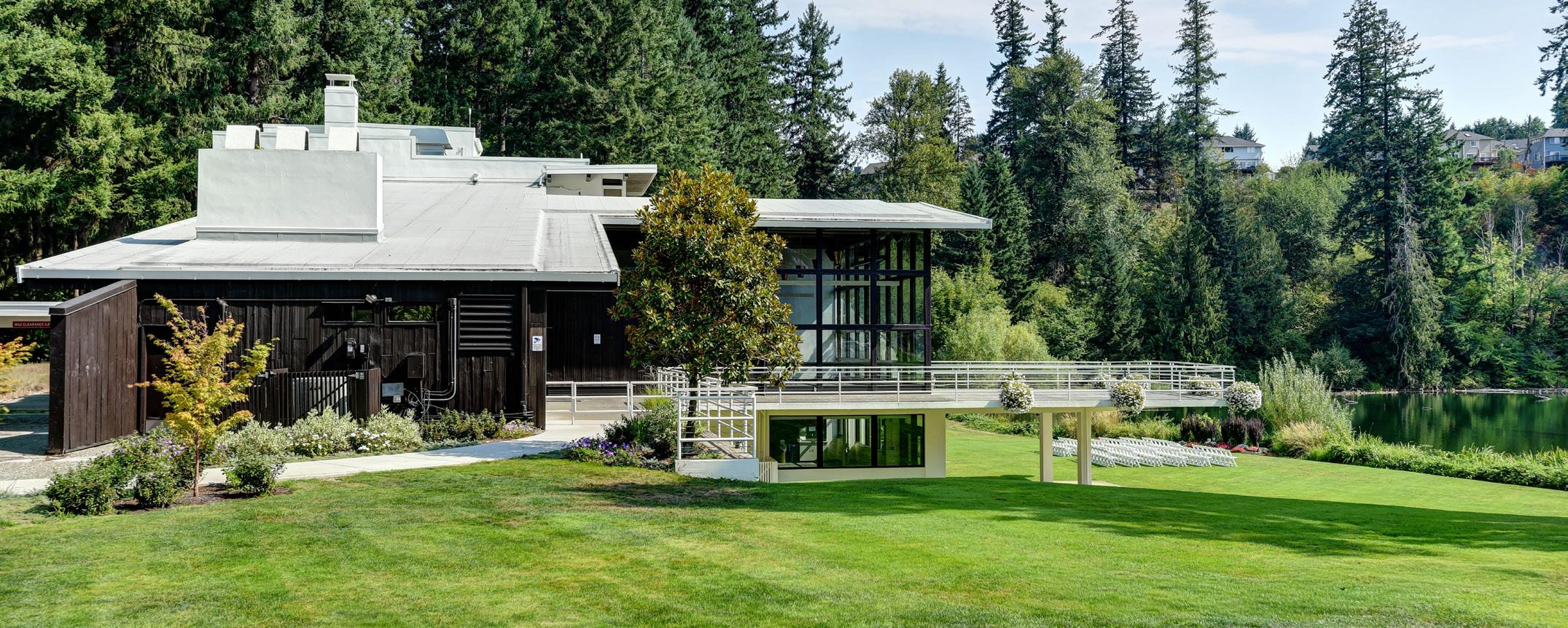
The City manages a wide-ranging system of parks, trails, natural areas, and recreation facilities. Together, these spaces create a vital, interconnected system that is essential to the quality of life, wellness, and experience of Maple Valley residents and visitors. In total, Maple Valley owns eight park sites, nearly 360 acres of open space, and 4.68 miles of trails. The City also oversees Lake Wilderness Lodge, the Lake Wilderness Golf Course clubhouse, and City land is host to an arboretum, community center, disc golf course, and museum that are operated by partners.
Park Inventory
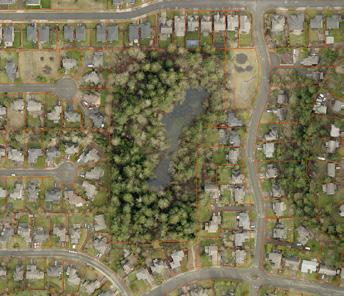
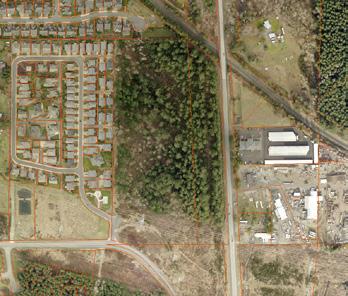
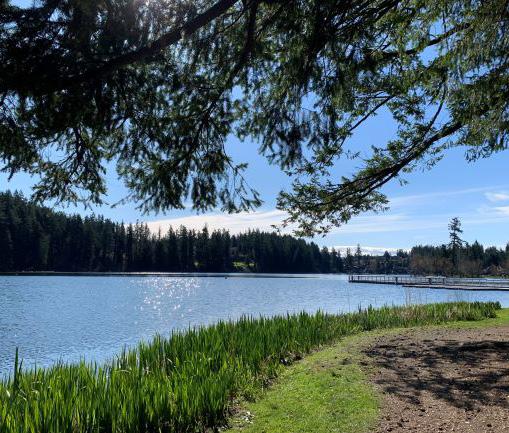
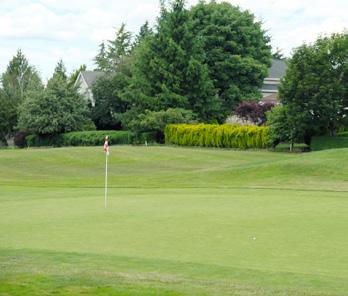
Elk Run Natural Area
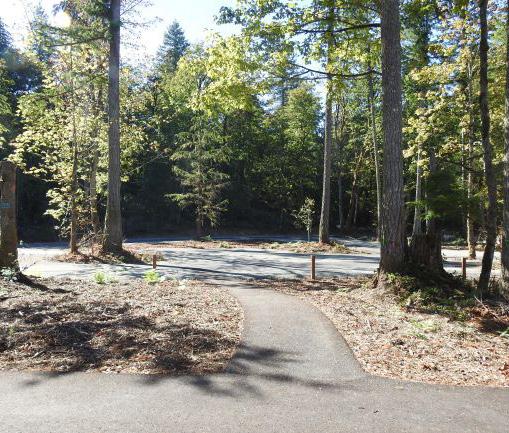
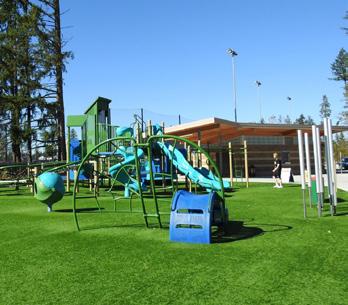
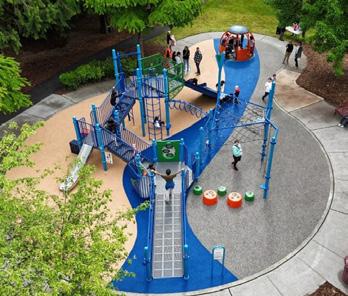
Pedestrian barriers, such as highways, major streets, railroads, and natural features like rivers, can significantly limit walkable access to parks. These obstacles divide the City into zones where residents can reach parks without crossing a major street or hazard. Using a 10-minute walk (half a mile) service area for Maple Valley parks and a 5-minute walk for alternative recreation providers—while accounting for pedestrian barriers—16.9% of residents (4,882 people) lack walkable access to a park regardless of park classification. This highlights a shortfall in the equitable distribution of recreational facilities and underscores the opportunity for targeted improvements in park planning and pedestrian connectivity.
This finding highlights a key planning challenge: Although the City excels in providing large-scale community parks and natural areas, its smallscale neighborhood parks and pocket parks do not quite serve residents’ daily recreational needs within a walkable distance. The concentration of major parks like LWP and Summit Park and Ball Fields, while valuable for community-wide recreation, leaves many residential areas without convenient pedestrian access to green space and places tremendous pressure on those major facilities.
These walkability gaps represent critical opportunities for strategic investment in neighborhood-scale parks, trail connections, and pedestrian infrastructure improvements to enhance equitable access to recreation for all residents, particularly in areas currently underserved by the existing park network.
Full page image in Appendix 5:

Using pedestrian barrier analysis, the consulting team further evaluated areas that lack walkable 10-minute access to outdoor recreation. Currently, 10 areas within the system lack walkable access to outdoor recreation space. The gap areas with the highest potential population impact are the best locations for the City to target future acquisitions, improve connections by way of pedestrian infrastructure to surrounding parks and open spaces, or create trail connections to other regions. These areas collectively include significant residential populations and feature the following priority zones:
▶ GAP 1 (HIGHEST PRIORITY): Gap 1 is in western Maple Valley northwest of Witte Road SE and SE 272nd Street and encompasses approximately 1,871 residents in primarily single-family residential developments. This area currently has no City parks and faces limited access due to a lack of sidewalks and crosswalks, significant surrounding roadways, and long distances from existing park facilities.
▶ GAP 2 (MEDIUM PRIORITY): Gap 2 is in northeast Maple Valley, east of Maple Valley Black Diamond Road SE, and serves approximately 756 residents in established neighborhoods. This gap could be alleviated by capitalizing on pedestrian infrastructure across WA-169 to the Legacy Site and by improving connections to the Rock Creek Natural Area and Pipeline Trail to the east.
▶ GAP 3 (LOWER PRIORITY):
This underdeveloped area in south-central Maple Valley, located between Tahoma High School and SE 280th Street, is home to approximately 917 residents (according to census data) despite being largely undeveloped. Its central location and proximity to schools suggest the area may be targeted for future development. If so, long-term planning should include provisions for resident access to recreational amenities. Developing a trailway along the utility easement on the north side would significantly improve connectivity to both Elk Run and Summit Parks as well as Tahoma High School, with benefits extending well beyond the immediate neighborhood.
▶ GAPS 4–10 (LOWER PRIORITY):
These smaller residential clusters, located at the far northwest and southeast edges of Maple Valley, are home to approximately 1,338 residents. While their service needs are more dispersed, these areas still lack walkable access to City parks or trailways. In the future, it may be worthwhile to explore opportunities for expanding recreational access to better serve these neighborhoods.
This analysis reveals that strategic investment in improved pedestrian crossings, trail connectivity, and—possibly—future neighborhood parks, particularly in the highest priority areas, would significantly enhance access to recreation and quality of life for the approximately 5,364 residents who currently have the least walkable access to outdoor recreational opportunities.
Maple Valley’s Parks and Recreation Commission, City management, and previous planning efforts have identified priority trail improvements that will help transform the system into a more cohesive and functional network. These strategic connections represent the highest impact investments for enhancing system connectivity and accessibility.
• Connect the Legacy Site to the Green to Cedar Rivers Trail (Maple Valley Parks and Recreation Commission Recommendation, October 8, 2025).
• Coordinate with King County for trail connections to the future southerly extension of the Green to Cedar Rivers Trail, specifically at the Henry’s Switch Open Space site.
• Support the Maple Valley Public Works in the design and construction of a pedestrian bridge over State Route 169 to connect the Legacy Site and eastern neighborhoods.
• Connect Elk Run Natural Area to Summit Park
• Connect Elk Run Natural Area to State Route 516
Trail connections enhance recreational opportunities beyond individual park sites. They create corridors for walking and cycling, present opportunities to appreciate nature, and support wildlife movement and environmental connectivity throughout the region. When implemented together, the priority connections transform Maple Valley’s trail network into an interconnected system where residents can seamlessly move among destinations, neighborhood parks, and regional resources. The result is a wide-reaching recreation network that increases property values, supports public health, and positions Maple Valley as a destination for active recreation in the greater Seattle metropolitan area.
Based on the full inventory and analysis of the City’s parks and recreation system, several key findings emerge. These findings are outlined below.
The City’s parks and open space system demonstrates high quality and maintenance standards, with 97.8% of amenities meeting or exceeding expectations.
A robust network of regional trails—managed by the City, King County, and other partners—creates an interconnected system that extends recreational opportunities beyond park boundaries.
Over 46% of the system’s acreage consists of greenways and natural areas. These spaces offer environmental benefits, passive recreation options, and wildlife habitat preservation opportunities.
Collaboration with King County Parks and alternative providers expands recreational capacity and enables resident access to regional trail networks and neighborhood park facilities.
With 12.45 acres per 1,000 residents, the City provides parkland access that exceeds national benchmarks. Increasing the amount of developed land within the owned acreage would expand community access to parks.
Although the system performs well overall, two identified components require attention to maintain quality standards: the diamond field in LWP and the trail access points in Henry’s Switch Open Space. Specific gaps in walkable service areas should be addressed to help ensure equitable access for all residents.
The 50.37-acre Legacy Site Master Plan reflects strategic long-term planning for recreational development and community access.
Maple Valley operates a parks and recreation system that works to balance resident needs with environmental stewardship. The combination of diverse facilities, extensive natural areas, and strategic partnerships creates a recreation network that enhances quality of life for the community.
The City’s park system plays a vital role in both community well-being and regional ecological health. As urban development intensifies in the Puget Sound region, parks have become critical refuges for native fish and wildlife, supporting diverse habitats such as upland forests, lakes, wetlands, and streams. Parks also serve as essential corridors for various species, ranging from salmon and trout to elk, deer, and numerous bird species; furthermore, their proximity to larger county-owned open spaces amplifies their regional habitat value. Beyond ecological significance, these natural areas provide substantial environmental services, including stormwater management, water quality improvement, and opportunities for environmental education and recreation.
The City’s commitment to environmental stewardship is reflected in comprehensive policies that prioritize preservation and restoration, especially as population growth increases pressure on these irreplaceable resources.
▶ WETLANDS
Preserve existing systems and strategically restore degraded sites.
▶ FISH-BEARING STREAMS AND RIPARIAN CORRIDORS
Connect aquatic habitats to upland forests through restored riparian buffers and native plant corridors that accommodate seasonal movement patterns of amphibians, small mammals, and birds.
Key habitats identified within the park system include salmon-bearing streams, multistory upland forests, wetlands, lakes, and transitional edge environments, which all support a rich array of species. Notably, LWP stands out as the City’s most ecologically significant property, featuring a mosaic of critical habitats and serving as a hub for biodiversity, recreation, and environmental education. However, challenges such as invasive species—particularly Eurasian watermilfoil and yellow flag iris—threaten the integrity of these ecosystems. The City addresses these threats through collaborative partnerships, targeted management, and ongoing restoration efforts, balancing public access with habitat protection.
Strategic priorities include enhancing habitat connectivity, restoring native vegetation, and implementing sustainable recreation infrastructure to help ensure that Maple Valley’s parks continue to thrive as both wildlife sanctuaries and cherished community assets for generations to come.

▶ LAKES AND SHORELINES
Maintain ongoing partnerships, regular monitoring programs, and adaptive management approaches.
▶ UPLAND FORESTS
Maintain and improve habitat connectivity by removing barriers to wildlife movement, establishing continuous native vegetation zones, and strategically placing trails.
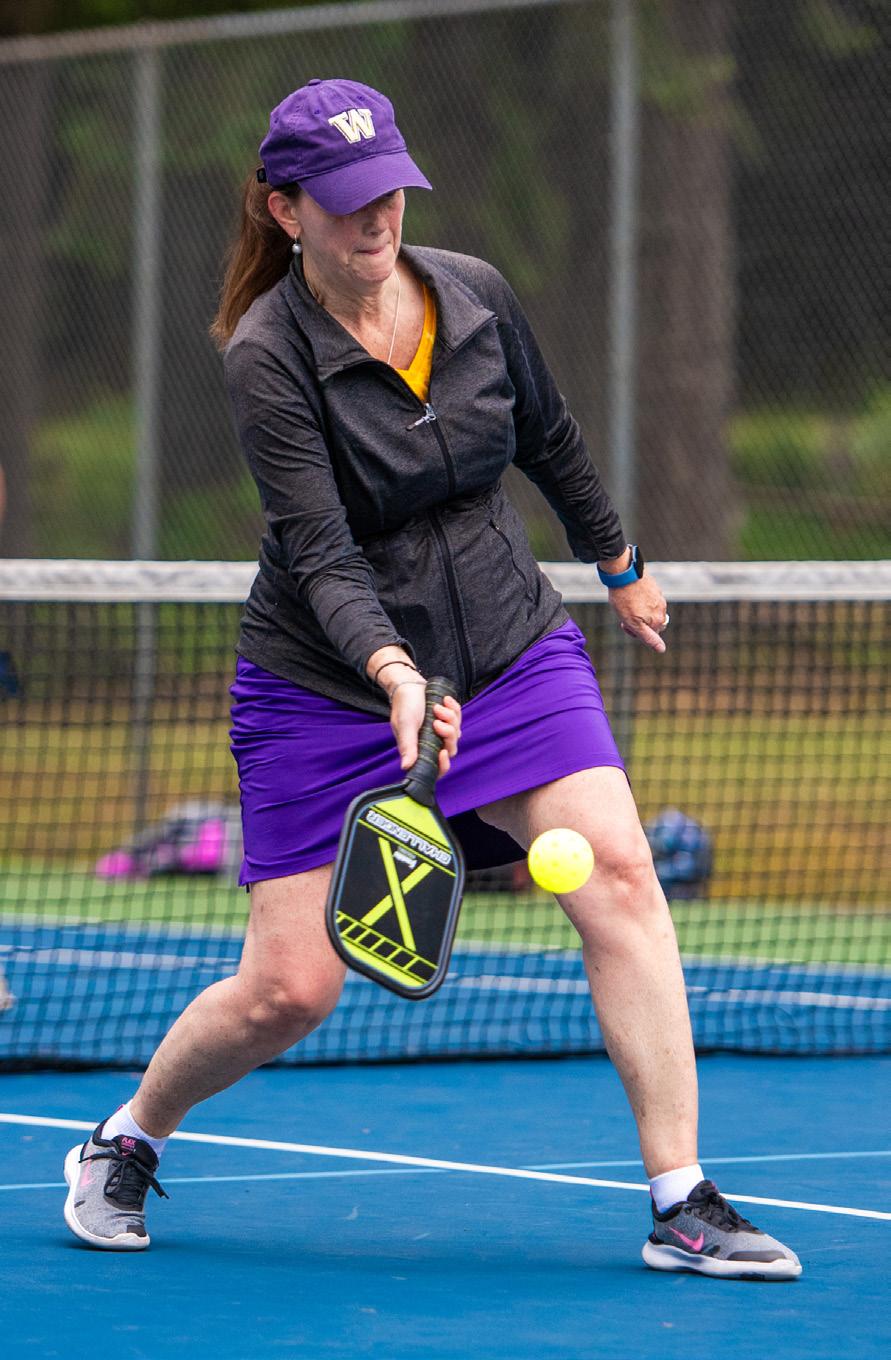

As the City has grown, so have Department-provided recreation programs, activities, services, and events. The community has responded favorably to these recreational opportunities—so much so that programs and camps fill to capacity within minutes of registration opening. The analysis of the City’s recreation services incorporated a series of assessment components that help illustrate what is offered, who is participating, and how services can be strengthened. Key data points from each assessment component are summarized here; full data can be found in Appendix 7.
The Department offers programming across five core areas: adult sports; camps; education, music, and art; fitness and dance; and youth sports. In 2024, most of the 525 programs (76.1%) were offered for youth under the age of 18 years, with more programs offered in the spring/summer season (238) than in other seasons.
In 2024, total enrollment for Department programs was 7,165 participants. Youth sports made up the largest portion of overall enrollment at 35.1%, followed by adult sports (24.6%) and fitness and dance (22.1%). Overall participation was significantly higher among City residents, who accounted for the majority (77.7%) of enrollments across all program types. Members of the general public accounted for 22.3% of all enrollments in 2024. When broken down by program type, there were more resident enrollees than general public in four of the five types.
The Department’s registration software indicated that 557 people remained on a waitlist in 2024. Of these people, 315 were waitlisted for camps, 48 were waitlisted for adult sports, and 120 were waitlisted for youth sports. It is typical for programs to have a few participants remaining on a waitlist at the end of a season; however, the percentage of unmet need is rather high, especially for camps. Waitlist participants represent an opportunity for the Department to increase supply to meet demand if sufficient staffing and facility resources are available.
The life cycle analysis demonstrated that the Department maintains a healthy balance between established offerings and new, innovative programs that respond to changing community interests. Most programs are in the growth (37%) and mature (34%) stages, indicating strong development and stability. A smaller portion is in the decline phase (17%), while introduction accounts for just 12%, suggesting fewer new programs are being launched.
The Department offers programs that are either facilitated by Department staff or by independent contractors. In 2024, all the fitness, dance, education, music, and art programs were facilitated by independent contractors, while the other programs were led by a mix of staff or contractors. There is no ideal mix of delivery methods; what matters most is that services are provided efficiently, effectively, and to the community’s satisfaction. This balanced approach allows the Department to deliver a wide range of programs while leveraging external expertise.
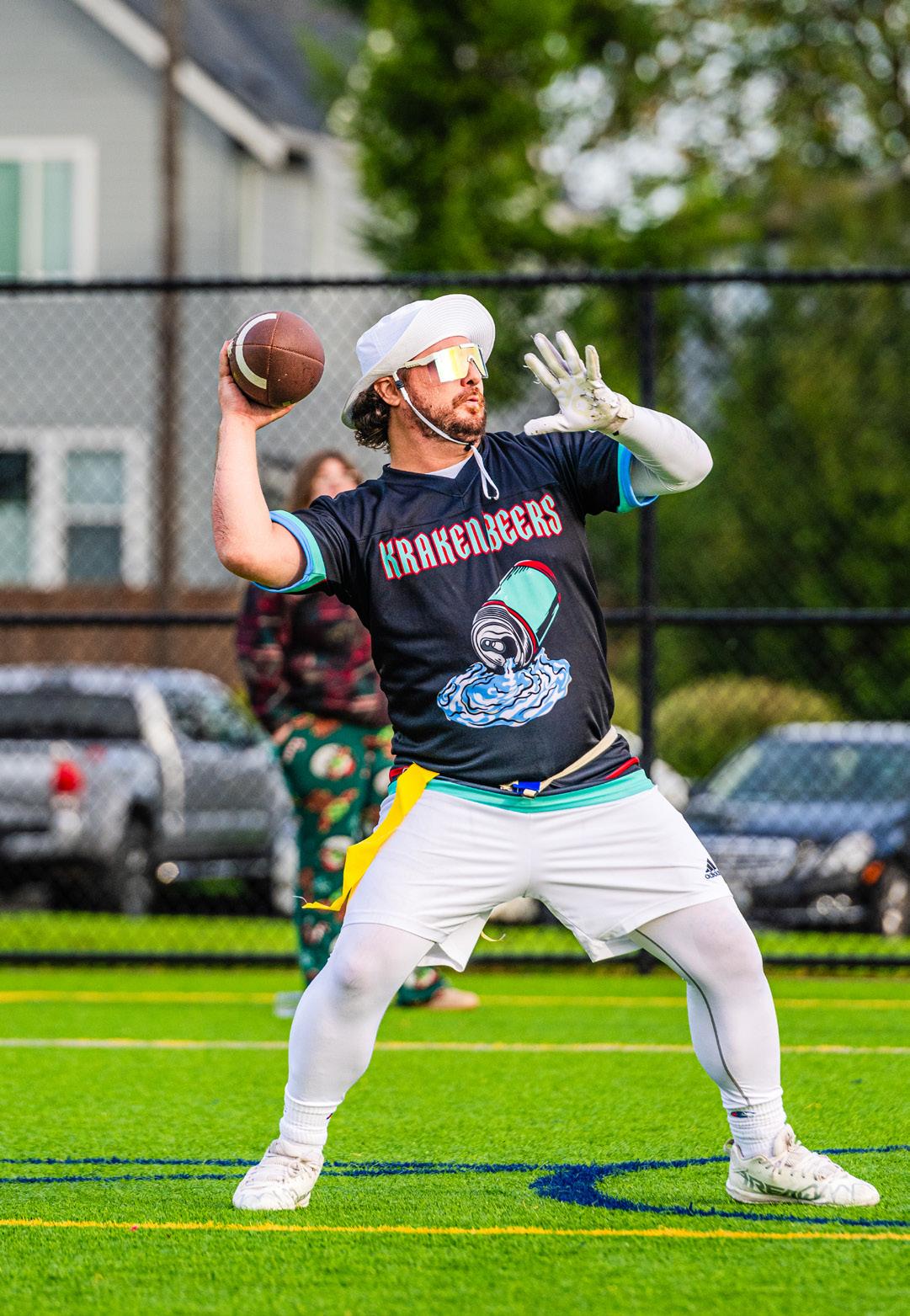
The City facilitates a mobile recreation program called Destination Recreation, where Department employees bring a brand-wrapped van filled with recreation supplies to three local parks throughout the summer. LWP recorded the highest number of household or group check-ins at 246, followed by the Legacy Site with 209, and Take-A-Break Park with 204, resulting in a total of 659 check-ins.
In addition to organizing and facilitating six community events annually, the Department also supports six partner-led events and five City-led events through logistical coordination, setup, event execution, trash pick-up and removal, and take-down. Significant departmental staff resources are committed to these community-wide celebrations.
The City offers structured recreational activities at its parks and facilities and offers opportunities for private groups to rent picnic shelters and sites, a pavilion, sports fields, and indoor rooms. The City earns revenue by renting these spaces, which helps offset facility maintenance expenses. For example, weddings garnered more than $390,000 in 2024, followed by sports fields ($91,844) and boat rentals ($31,008).
The distribution of use at the City’s four main recreational spaces varied by location. Summit Park demonstrated a balance of program versus non-program usage. LWP and the Legacy Site experienced a majority of non-program usage in 2024, while Lake Wilderness Lodge experienced more program usage than non-program usage.
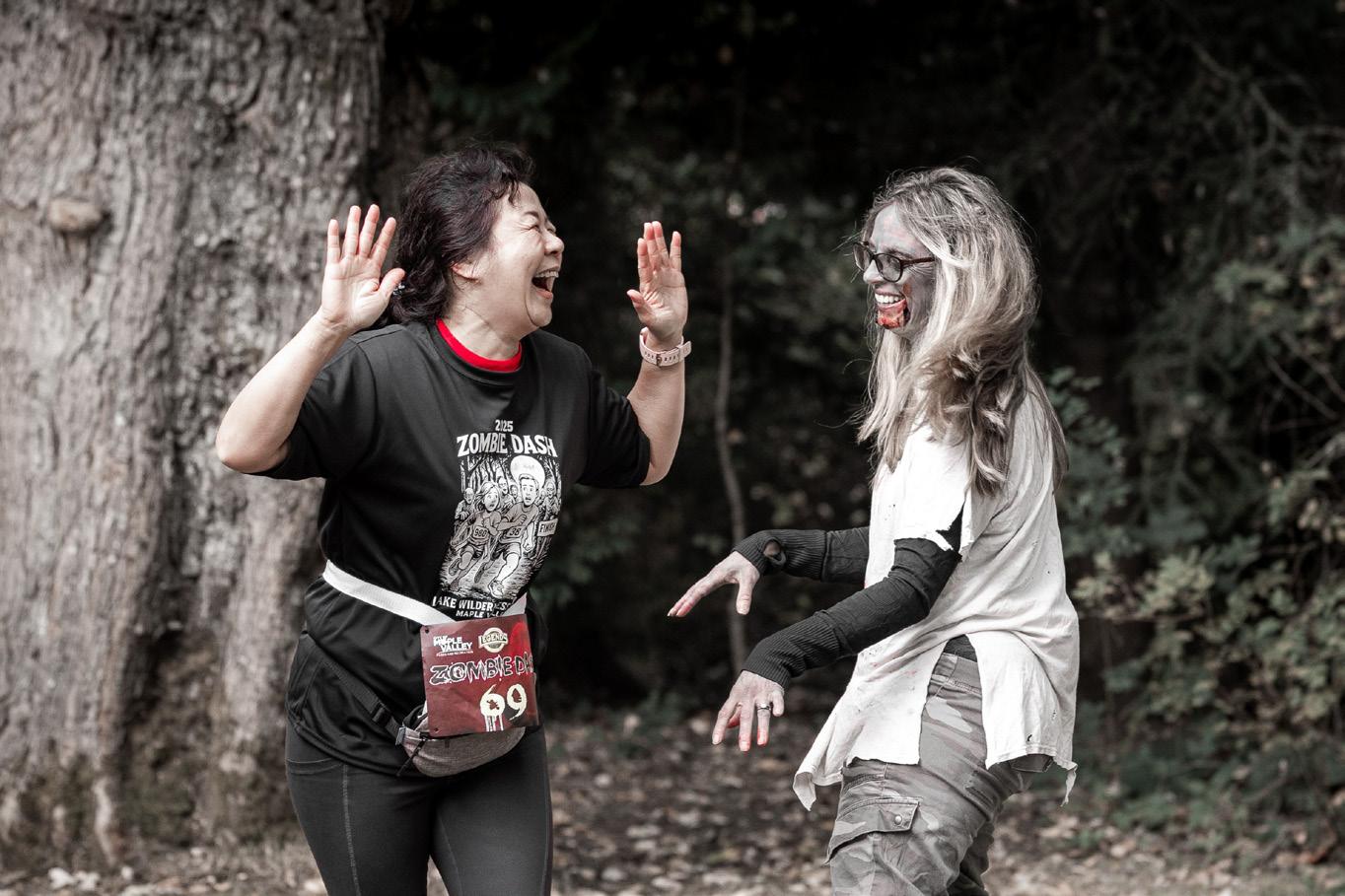

The City attracted participants for its recreation programs, mobile recreation service, and facility rentals from both local City boundaries and the broader region. Regional participants spread from South King County and into major population centers including Renton, Kent, Seattle, and Tacoma; at times, participants were from as far as Arizona, Texas, and Michigan.
7,165 Enrollments
1,353 Mobile Recreation
5,029 Rental Hours
35,000+ Event Attendance
To continue serving more of the community’s recreational needs, the City can consider several programmatic and administrative opportunities, including the following:
• Expand facility access by leveraging partnerships, creating new indoor spaces, or providing covered outdoor structures to help meet growing program demand, especially for fitness and aquatics programming.
• Improve technology integration between registration and accounting systems.
• Increase staffing to enhance capacity and stabilize seasonal staffing by converting seasonal roles to longer-term positions.
• Develop a more robust adaptive and/or inclusion support approach for participants with special needs.
• Refresh declining programs to strengthen efficiency and adaptability.
• Increase adult programming to better align with demographics.
• Expand program areas to meet unmet demand (i.e., fitness and wellness, camps, sports, STEM, outdoor adventure, pickleball, senior activities).
With enhanced staff resources, the Department could address short-term growth opportunities without additional indoor space. Several programs would need additional indoor space to be expanded and/or introduced and are, therefore, longer-term initiatives.

• Continue work to reduce waitlists
• Examine decline stage programs
• Integrate adaptive/inclusion support
• Consider before- and after-school care
• Use outdoor spaces
– Outdoor adventure
– Outdoor fitness/wellness
– Pickleball lessons, leagues
• Fitness/wellness
• Sports
• Aquatics
• Camps
• After-school
• Cultural enrichment and visual arts expansion
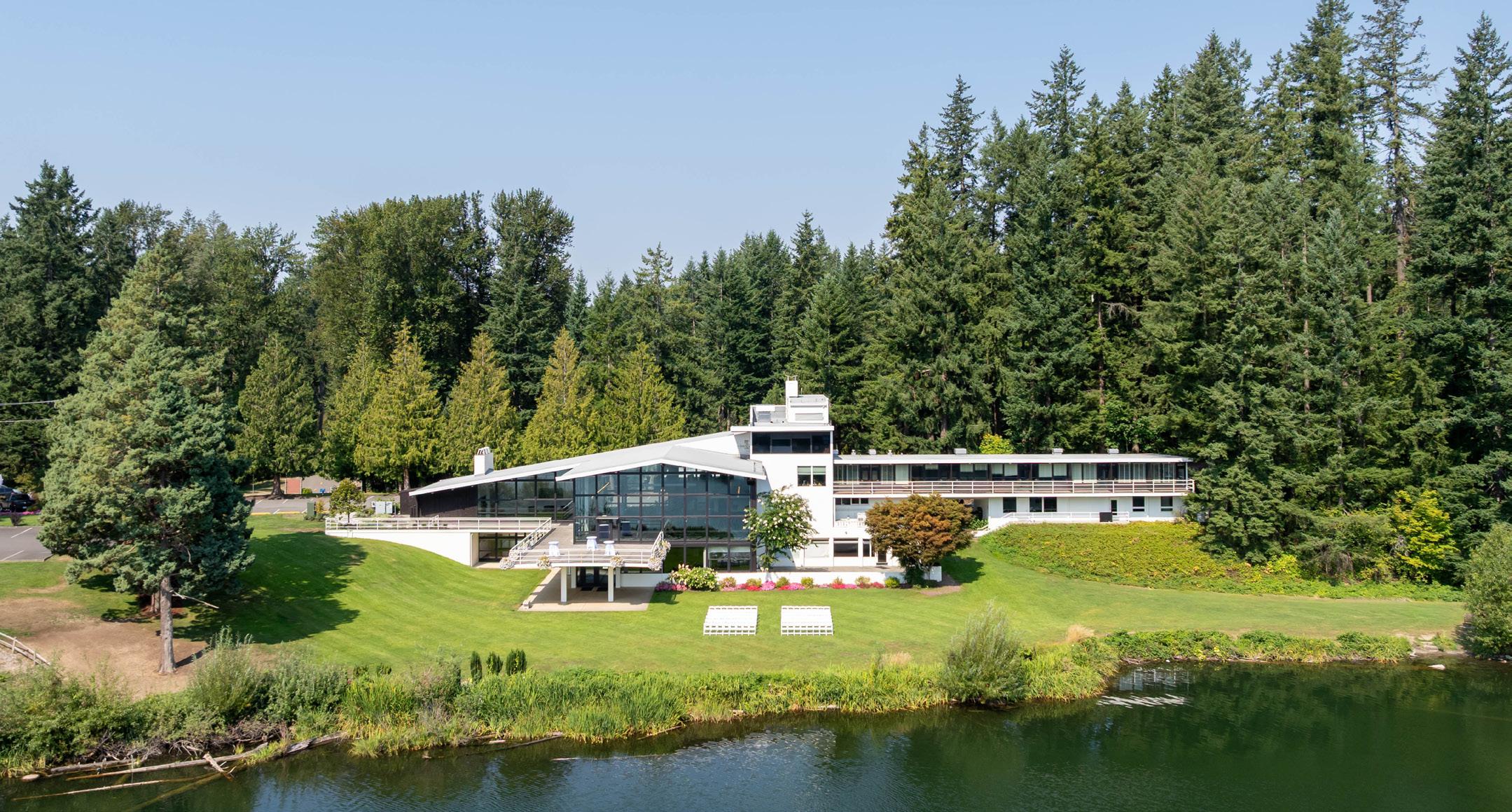
The Department provides indoor recreational services at its single indoor facility, at Lake Wilderness Lodge, and occasionally at local school sites. The school space is not guaranteed; it is subject to availability, in competition with other users. Community feedback, staff insights, and demonstrated unmet demand for programs and services all point to the need for additional indoor space to support the community’s recreational endeavors. Modifications to the Lake Wilderness Lodge are limited and must be treated carefully due to the building’s historical significance. The community craves a recreation center with a pool and courts. While short-term solutions could include leasing space and/ or enhancing partnerships with community agencies, schools, and other organizations, a covered outdoor space could help fill the space gap more quickly and economically.
The City’s operating budget, FTE’s, number of parks, and park acres were compared to national and local metrics to provide operational context. The City exceeds benchmark averages in acres of parkland per 1,000 residents but falls below benchmarks in FTE’s per 10,000 residents, number of residents per park, operating expenditures per capita, and operating expenditures per acre. While these results may suggest that the City has an abundance of useful outdoor space, the data does not provide context regarding the usability and/or active management of these spaces. Overall, the City’s investment in its fiscal and human resources to manage its recreational land use acreage is lower than local and national benchmarks.
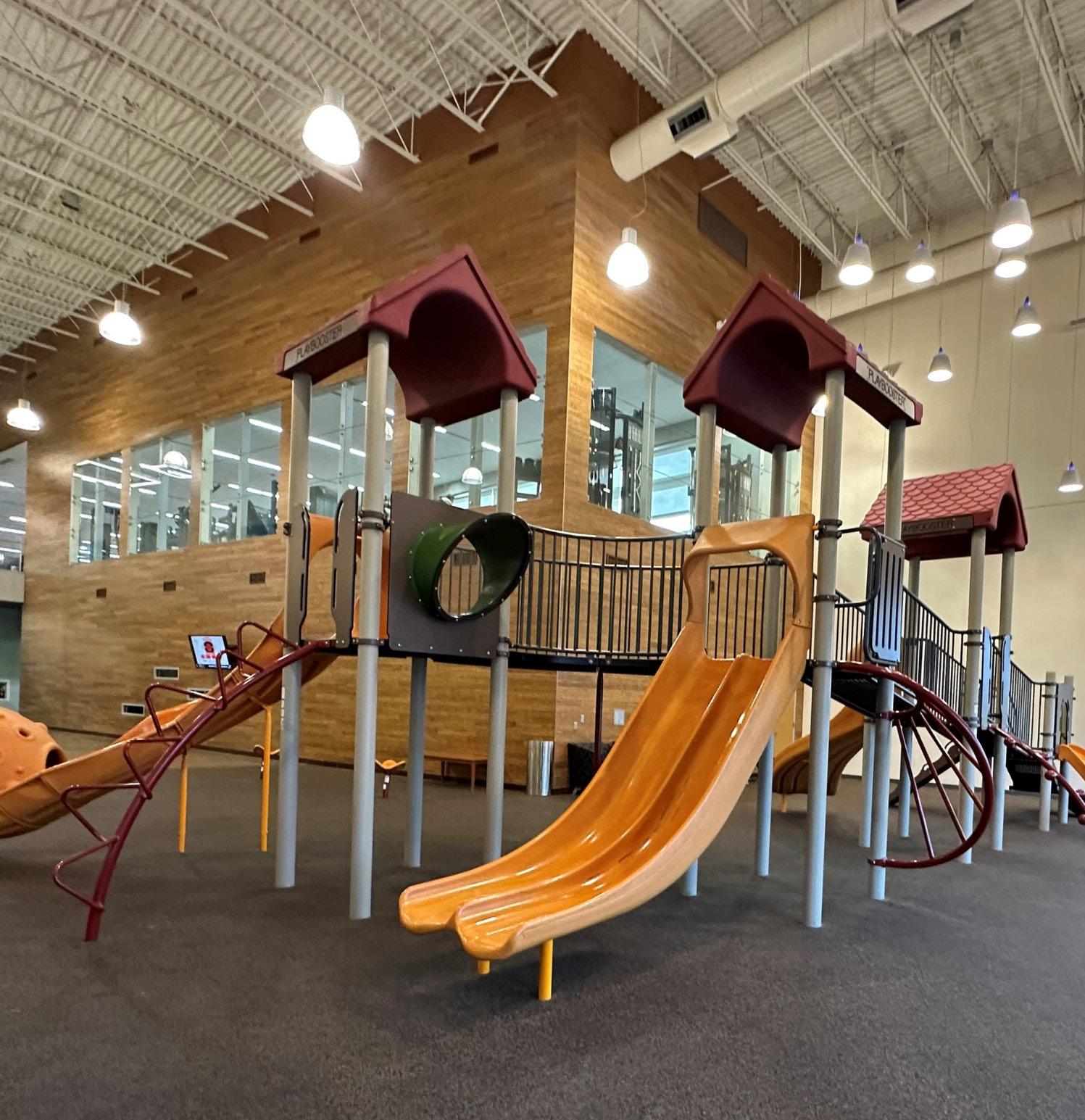
Williston, North Dakota, is an example of a similar-sized community that experienced tremendous growth in a short amount of time—the population doubled in less than five years. Through a one-cent sales tax, the population influx helped fund a 250,000 square foot recreation center. The state-ofthe-art facility was groundbreaking for the community. Beyond providing stability and connection for community members, the recreation facility became a tool for local schools and hospitals to recruit new staff, a source of revenue for the parks department, and a destination for health and wellness opportunities. In the first six months after the Williston Recreation Center opened its doors, 13,000 memberships were sold, and daily visitation topped 16,000 people. During that initial timeframe, the center took in around $340,000 in revenue every day. This case study demonstrates the positive impact a recreation center can have on a community.
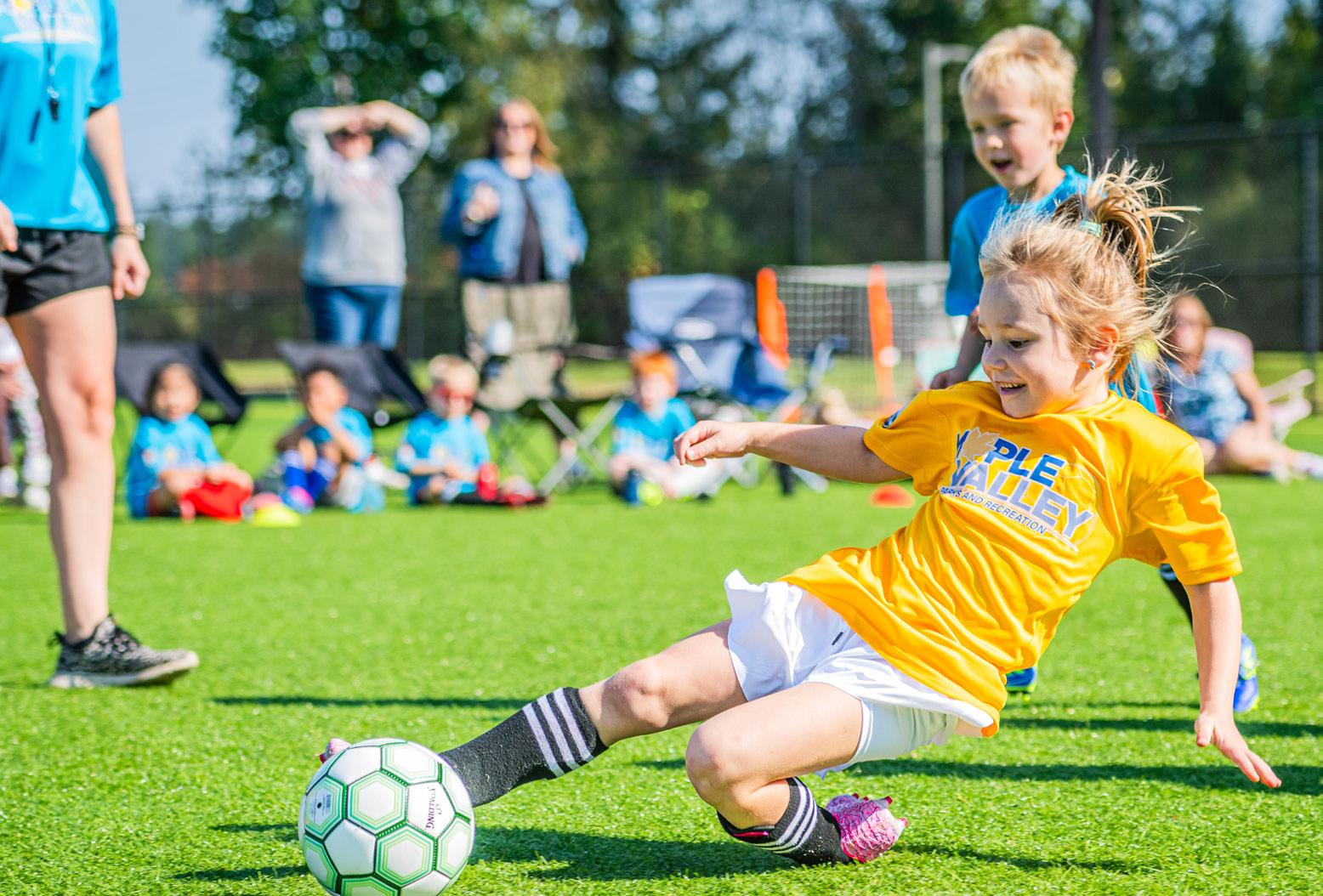
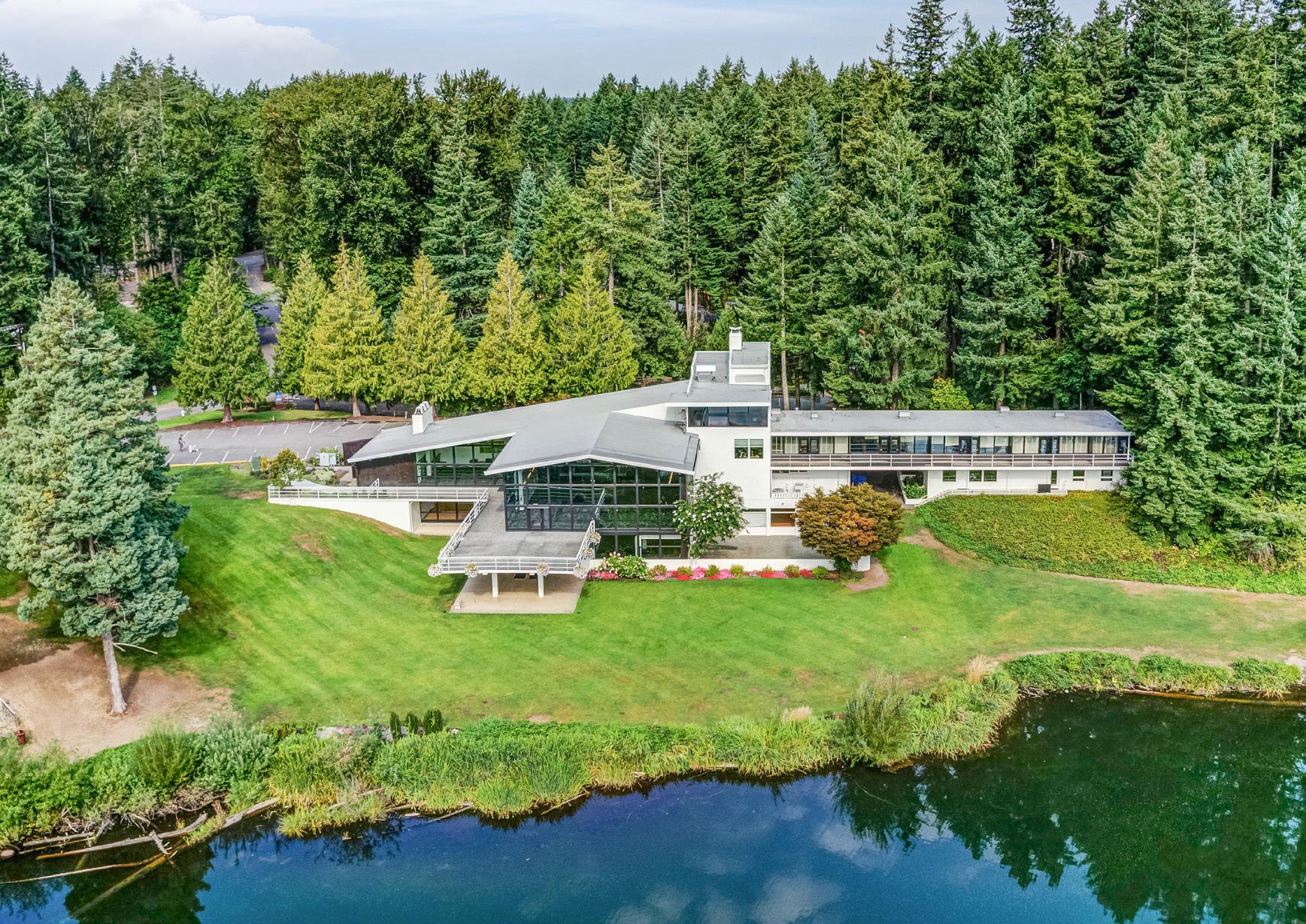
The Action Plan is structured in a hierarchal framework to support a shared understanding of how broad strategic concepts inform the detailed plan. Guided by the City's Mission, Vision, and Core Values, the hierarchy starts with what the City believes in (principles) and how it operates (policies). In the next six years, the City aims to achieve certain accomplishments (outcomes); to accomplish those outcomes, here is what the City plans to do (objectives) and how it will do it (initiatives).
PRINCIPLES What We Believe in
Principles What We Believe in
The City’s 2024 Comprehensive Plan approved 31 policies from the Department’s 2020 PROAS Plan. The following policies reflect the currently approved City policies, with four modifications to PR-P7.1, PR-P7.3, PR-P7.4, and PR-P8.1.
PR-P1.1 The City shall encourage and support active and ongoing participation by all community members in the planning and decision-making for parks and recreation through robust and culturally responsive community engagement.
PR-P2.1 The City shall encourage developers to provide public connections to existing and planned active transportation facilities and parks and recreation facilities, as part of site design.
PR-P2.2 The City shall strive to provide and maintain a developed community park within a 2-mile travelshed of all residents to provide multiuse recreation areas.
PR-P1.2 The City shall develop and maintain system-wide and site-specific plans for the development and management of the park and recreation system to guide future actions.
PR-P2.3 The City shall endeavor to provide special facilities and use areas to accommodate a variety of recreation uses, such as golf courses, sport field complexes, sites for community centers, etc.
PR-P2.4 The City shall support the preservation and improvement of state, county and municipal parks, trails, and facilities that provide park and recreational opportunities to City residents.
PR-P2.5 The City shall endeavor to continue providing and installing ADA play equipment at all City parks.
PR-P3.1 The City shall endeavor to preserve significant natural areas to provide opportunities for residents to recreate and connect with nature and to meet habitat protection needs, with a focus on areas with higher proportions of residents with low incomes.
PR-P3.2 The City shall strive to manage City-owned natural areas to protect and enhance their ecological health, sensitive habitats, and native species.
PR-P4.1 The City shall develop a network of shared-use trails and neighborhood greenways that connect within and between parks, nearby neighborhoods, key community destinations, and major routes for pedestrians, bicyclists, and people who use wheelchairs or other mobility devices as identified in the Non-Motorized Transportation Plan.
PR-P4.2 The City shall develop and implement a network of neighborhood greenways that increase pedestrian, bicycle, and ADA access to parks and greenspace through the City’s existing paved and unpaved facilities, greenways, forested paths, and facilities along the City’s roadway network.
PR-P4.3 The City shall ensure the City’s trail and pathway network is accessible, identifiable, convenient, and safe for users of all ages and abilities.
PR-P5.1 The City shall design, develop, and manage the City’s park sites and facilities to ensure the safety and enjoyment of users, maximize recreational experience, and minimize maintenance and operational costs.
PR-P5.2 The City shall strive to reduce barriers to participation and ensure facilities and programs are accessible and welcoming to all users.
PR-P5.3 The City shall provide informative, convenient, and consistent signage, communication, and informational materials to help residents fully utilize the City’s recreational resources.
PR-P6.1 The City shall provide a diversity of recreational facilities, including sports fields, courts (both indoor and outdoor) and specialized facilities (e.g. golf courses, skateparks, offleash areas, disc golf) to meet a wide range of community needs, interests, and abilities.
PR-P6.2 The City shall endeavor to develop recreation facilities that provide maximum flexibility for current uses and can be adapted for emerging sports.
PR-P6.3 The City shall explore options with the community for developing enhanced facilities for all age groups and abilities.
PR-P6.4 The City shall collaborate with sport groups, the Tahoma School District, and other providers to facilitate the development of a variety of affordable recreation facilities and options for residents of all ages and abilities.
PR-P6.5 The City shall maintain and manage recreation facilities to ensure the safety and enjoyment of participants and protection of the City’s capital investment.
PR-P7.1 The City shall ensure the provision of inclusive programming.
PR-P7.2 The City shall foster positive, collaborative relationships with recognized athletic and recreational providers and organizations to provide recreational programs.
PR-P7.3 The City shall administer a registration and reservation process for recreational programs and services that supports fair and equitable access for all community members.
PR-P7.4 The City shall remove financial barriers by administering a financial aid process that supports equitable access to programs and services.
PR-P8.1 The City shall work with the community and recognized organizations to foster and support a variety of cultural events and community celebrations that are relevant to our diversifying community.
PR-P9.1 The City shall use a variety of funding sources to adequately, equitably, and costeffectively acquire, develop, and maintain park and open space land.
PR-P10.1 The City shall provide clear leadership for the development and management of the park and recreation system.
PR-P10.2 The City shall strive to provide sufficient staff resources to maintain the overall parks and recreation system to the City’s standards.
PR-P8.2 The City shall seek opportunities to support heritage facilities within City limits.
PR-P9.2 The City shall require dedication of parkland, recreational areas, and/or open space or a fee in lieu of dedication in conjunction with all new residential development, consistent with the requirements of the City’s Development Regulations.
PR-P10.3 The City shall promote volunteerism to engage individuals, groups, organizations, and businesses in the planning, development, and stewardship of the park and recreation system.
PR-P10.4 The City shall continually advance its equity-focused work through internal trainings and regular review of equity-focused best practices.
Community feedback and consultant analysis revealed needs in six thematic areas. These themes guided visioning discussions about the actions needed to continue to serve the community through parks, recreation, and open space. The City’s intended direction for the next six years is shaped by the following themes: growing supply to meet demand, acquiring the resources to meet the community’s service level expectations, serving as regional park and recreation industry leaders, continuing a community-centric and service-first approach, preserving spaces and places, and fostering opportunities for an active, healthy community. This direction is reflected in the five desired outcomes of the 2026-2031 PROS Plan.
a menities | i ndoor s pace | Programs | trail c onnectivity
As the community has grown, so has its appetite for more park and recreation services. Evidenced by high recreation program fill rates, high event attendance numbers, and extensive feedback, the community desires more indoor and outdoor recreational facilities to support its recreational endeavors. This includes additional outdoor amenities, indoor spaces, program offerings, and trail connections.
Fiscal | l and | Personnel
In order to meet the community’s demand for park and recreation services, the City must invest in and prioritize maintenance and improvement of capital assets and development, as well as acquire and enhance fiscal investment, land asset, and personnel resources to support increased supply.
c ommunity s atisfaction | e xceptional e xperiences and s pace
Department staff identify themselves as a team of regional recreation industry leaders and aim to continue that role by providing exceptional spaces and experiences. While awards and accolades have validated their leadership role, staff desire to pursue continued high resident satisfaction ratings as evidence of success.
b alance a menities and s ervices e quitably t hroughout the system | i nvolve r esidents i n Decision- m aking
Community health and well-being are integral to the park, recreation, and open space system. Providing access for all—in a balanced and equitable manner—is key to serving the community. Involving residents in decisionmaking promotes a sense of belonging and elevates the community’s collective voice.
b alance active and Passive s paces | Habitat c are | l ake Wilderness l odge History
The Department will continue to preserve natural spaces and care for natural habitats. By maintaining a balance of active and passive use of indoor and outdoor spaces throughout the system, the Department will retain a wide variety of recreational opportunities for all. Preserving the history of key community spaces, like Lake Wilderness Lodge, will exemplify the City’s role as community resource stewards.
The City strives to provide spaces, places, and activities that promote an active, healthy community. The array of essential community services will grow individuals personally and connect residents socially, which is integral to the community’s overall well-being.
▶ OUTCOME 1: Foster opportunities for community members to connect with others
▶ OUTCOME 2: Ensure accessible parks, trails, and open spaces for every community member
▶ OUTCOME 3: Preserve and manage natural areas
▶ OUTCOME 4: Provide adequate resources for a sustainable and vibrant parks and recreation system
▶ OUTCOME 5: Provide robust recreation program and service offerings
To achieve the five outcomes, the City has identified 25 objectives that define what the City will do, and 99 initiatives specify how these objectives will be implemented. Together, these objectives and initiatives form the foundation of the City’s 2026-2031 PROS Action Plan. Each initiative is directly linked to the analysis findings, community feedback, best practices, carryover items from the 2020 PROAS Plan, and/or insights from City staff or leadership. Checkmarks in the Action Plan table indicate the specific sources that informed each item.
Community Feedback
City Staff or Leadership
Carry Over, 2020 PROAS
Best Practice
Analysis
OUTCOME 1: Foster opportunities for community members to connect with others
OBJECTIVE 1.1: Promote the Department as the community connection to healthy, safe, and fun experiences
Conduct a community educational campaign on the benefits of parks and recreation.
Tell the story of parks and recreation by connecting personal experiences to departmental operations.
Establish placemaking locations for community members to gather and socialize.
Develop a plan to further celebrate the Department’s identity and role.
Provide public information to educate the community about park stewardship, rules and regulations, and safety.
OBJECTIVE 1.2: Provide right-sized facilities to meet community needs
Adopt innovative indoor recreation facility solutions to increase the supply of programmable space.
Build a new recreation center that includes a mixture of classrooms, multipurpose rooms, fitness spaces, and—potentially—aquatics to meet the community’s need for indoor recreation space.
Renovate Lake Wilderness Lodge to foster more community connection opportunities.
Continue and expand partnerships with King County, the Tahoma School District, local organizations, and other regional providers to ensure coordinated planning, support the availability of recreation facilities, and explore further joint-use opportunities.
Develop and apply prioritization criteria to help determine annual and long-term capital facilities and maintenance action plans that address facility improvement needs.
Community Feedback
City Staff or Leadership
Carry Over, 2020 PROAS
Best Practice Analysis
OBJECTIVE 1.3: ensure the most efficient and effective use of l ake Wilderness lodge
Balance recreation programming with rental opportunities to maximize return on investment.
Explore alternative recreation program locations to reallocate more time in Lake Wilderness Lodge for nonprofits, community meetings, and social gatherings.
OBJECTIVE 1.4: support and facilitate community events and social connection opportunities
Develop a strategy to balance the community’s interest in events with staff and fiscal resources to support these events.
Examine event life cycles and potential evolution options.
OBJECTIVE 1.5: ensure representative decision-making
Support the Parks & Recreation Commission as the forum for public discussion regarding parks and recreation issues.
Involve residents and valued partners in park and recreation facility planning, facility design, and recreation program development to solicit community input, facilitate project understanding, and build public support.
OUTCOME 2: ensure accessible parks, trails, and open spaces for every community member
OBJECTIVE 2.1: Develop outdoor amenities that support extended “collar season” recreation
Add covered sport courts that encourage multi-sport use.
Replace aging picnic shelters and add large picnic pavilions to increase and diversify the amount of shaded community spaces systemwide.
Require that recreational amenity developments conform to the City’s minimum guidelines and the general needs outlined in this plan.
City Staff or Leadership
Carry Over, 2020 PROAS
Best Practice
Analysis
OBJECTIVE 2.2: Provide aquatics facilities and opportunities
Add splash pad(s) to promote water-based sensory experiences for small children and people with special needs.
Create a lap swim area in Lake Wilderness to help meet the community’s need for aquatic fitness and water safety/swim lesson.
Consider indoor aquatic space as a component of a future recreation center.
OBJECTIVE 2.3: Position l ake Wilderness Park as the city’s signature destination and centerpiece for community engagement and recreation
Complete the Lake Wilderness Park master plan projects that address parking and vehicular circulation challenges and improve pedestrian and bicycle connectivity.
Refresh and enhance existing Lake Wilderness Park amenities, such as trail, shelter, picnic tables, boat launch, and swimming beach area improvements.
Preserve green space by restoring wetland, creek, shoreline, and natural areas, and utilizing boardwalks and elevated canopy walks.
Elevate the Lake Wilderness Park user experience by adding restrooms, an interpretive center, sport courts, nature play, overlooks, and/or fishing floats as outlined in the Lake Wilderness Park master plan.
OBJECTIVE 2.4: increase access to outdoor recreation
Create trail connections at priority locations to expand the regional trail network.
Consider implementing alternative parking solutions in strategic locations throughout the system.
Enhance trailhead accommodations, as appropriate, which may include signage, restrooms, bike repair stations, and other amenities.
Enhance mobility and support non-motorized transportation by including sidewalks, paths, and other connectivity integrations. Support coordinated implementation of the Non-Motorized Transportation Plan—in partnership with Public Works and Community Development—to provide a comprehensive pedestrian and bicyclist network.
City Staff or Leadership
Carry Over, 2020 PROAS Best Practice Analysis
Coordinate with King County to plan for the development and management of county-owned parks, trails, and open space areas within or near the City.
Partner with local utilities, public agencies, and private landowners to secure trail easements and access to open space for trail connections.
Pursue opportunities to develop east/west pathway, trail, and sidewalk connections to complement the north/southeastern route provided by the Green to Cedar River Trail.
OBJECTIVE 2.5: Provide a balance in park and open space use between active and passive use
Utilize existing park master plans to guide capital improvement plan decision-making.
Implement components of existing park master plans that support active and passive uses to diversify opportunities throughout the City’s system.
Use and implement a trail system hierarchy to accommodate different user types and user experiences.
Prepare master plans for park sites prior to development or major improvement to ensure development meets community needs, is within available resources, and is consistent with the City’s park and recreation objectives.
OBJECTIVE 2.6: Provide an inclusive environment and promote a sense of belonging to foster opportunities for all
Implement the City’s Americans with Disabilities Act transition plan.
Develop clear and consistent wayfinding signage and information materials throughout the City system.
OBJECTIVE 2.7: elevate park structures and amenities to exceed national standards
Provide the fiscal and staffing resources to proactively conduct preventive maintenance and deploy timely repairs.
Strategize the timely replacement of amenities.
Exceed national standards for the quantity and quality of park amenities.
Construct new amenities where none exist and/or equitable gaps exist.
City Staff or Leadership
Carry Over, 2020 PROAS Best Practice Analysis
OUTCOME 3: Preserve and manage natural areas
OBJECTIVE 3.1: improve management of upland forests
Develop a PROS tree maintenance plan.
Develop an urban forest management plan.
Prepare for wildfire risks.
OBJECTIVE 3.2: Preserve and restore wetlands, riparian corridors, and other natural areas
Use boardwalks, bridges, and low-impact maintenance practices that prevent soil compaction and erosion and support passive recreation and environmental education.
Actively pursue and coordinate efforts to improve the health and functioning of local water bodies and fish-bearing streams, especially Lake Wilderness.
Connect aquatic habitats to riparian corridors through restored buffers that accommodate seasonal wildlife movement patterns.
Work with local partners to monitor invasive species populations and implement targeted management strategies.
Create a plan to remove wildlife movement barriers and establish continuous native vegetation zones that link different habitat types.
OUTCOME 4: Provide adequate resources for a sustainable and vibrant parks and recreation system
OBJECTIVE 4.1: maintain current funding strategies to retain current service levels
Maintain general fund support of parks, recreation programs, and maintenance.
Manage and update the Park Impact Fee program to ensure new development contributes its proportional share toward the provision of community park lands and facilities to meet adopted service standards.
Place priority on maximizing grants and other external sources of funding, or inter-agency cooperative arrangements, to develop the City’s park resources.
City Staff or Leadership
Carry Over, 2020 PROAS Best Practice Analysis
Utilize voter-approved initiatives, such as general obligation bonds and serial levies, to finance future acquisitions, programs, facilities, and maintenance.
Continue developing rental facilities, such as reservable picnic areas or sports fields, to meet community needs and generate additional operating resources.
OBJECTIVE 4.2: create a long-term financial plan for parks and recreation funding that helps the city obtain and manage funds for capital improvements, maintenance, and operations
Develop cost recovery standards and subsequently adapt pricing strategies to align with cost recovery goals.
Explore the concept of developing an independent municipal district to secure sustained, dedicated resources.
Activate a nonprofit foundation focused on fundraising for scholarships and capital improvement initiatives.
Prioritize revenue generation as a growth or expansion decisionmaking factor.
Develop robust alternative funding sources for parks, facilities, and programs, including private donations, partnerships, sponsorships, state and federal grant sources, dedicated local taxes, and local bonds or levies.
OBJECTIVE 4.3: equip the Department with staffing levels to meet current and future operational demands
Consider reducing reliance on seasonal staff, shifting toward regular part-time and full-time positions.
Create independent contractor standard operating procedures.
Develop a phased staffing model to support current, short-term, and long-term service growth.
Estimate the maintenance costs and staffing levels associated with acquisition, development, or renovation of parks or natural open space areas, and ensure adequate long-term maintenance and operation funding is available prior to action.
Assess the Department’s staffing needs regularly and hire adequate staff to manage the City’s park and recreation system.
City Staff or Leadership
Carry Over, 2020 PROAS Best Practice Analysis
OBJECTIVE 4.4: secure strategic land assets to enable long-term growth
Use predetermined site selection criteria to identify and select potential recreation center locations.
Target walkability gaps to provide equitable access to active parklands.
Prioritize acquisition of locations with key adjacencies that enable future expansion and/or support preservation efforts.
Pursue low-cost and/or non-purchase options to preserve open space, including acquisition of surplus properties, conservation easements, and development covenants.
Evaluate acquisition opportunities based on criteria such as appropriateness for park use and potential contribution to level of service, connectivity, preservation, and scenic or recreational opportunities for residents.
Coordinate with private development for the siting and development of parklands in deficient areas, as identified in this plan.
OBJECTIVE 4.5: supply the Department with tools and equipment to support efficiency and deliver exceptional service
Enhance the use of technology across all service areas.
Provide equipment that supports staff members’ ability to perform their duties efficiently, safely, and effectively.
Sustain a fleet that will adequately support staff members’ ability to serve the community.
Design, improve, and maintain parks and facilities in a manner that will conserve the use of energy and other resources and minimize maintenance needs (e.g., consistency in furnishings and construction materials, use of native vegetation).
City Staff or Leadership
Carry Over, 2020 PROAS Best Practice Analysis
OBJECTIVE 4.6: Develop a greater, more robust volunteer program
Create a volunteer manual that identifies volunteer roles (i.e., coaches, parks, trees, clean-ups), task descriptions, requirements, application process, training, supervision, etc.
Consider an incentive program to attract and retain volunteers.
Work with the City’s volunteer outreach program to promote volunteer park improvement and beautification projects.
Pursue opportunities to engage community volunteer groups in the care and restoration of natural areas.
OUTCOME 5: Provide robust recreation program and service offerings
OBJECTIVE 5.1: Focus on recreation programs that emphasize healthy and active lifestyles
Expand aquatic programming at Lake Wilderness Park beach.
Introduce a fitness and wellness program menu that targets each age segment’s interests and needs.
Expand access to outdoor adventure activities.
OBJECTIVE 5.2: Provide community connections through learning and skill building
Expand core program areas to align with expressed community needs.
Build program menu to target underserved age segments.
Integrate a “bring programs to people” approach into programming.
Increase the use of outdoor assets for structured recreation opportunities.
City Staff or Leadership
Carry Over, 2020 PROAS Best Practice Analysis
OBJECTIVE 5.3: adopt techniques to enhance program administration sophistication
Develop strategies to best meet the needs of waitlisted participants.
Monitor programs in the mature and decline stages to consider refreshing or retiring.
Enhance the use of existing and new technologies for increased efficiency, reporting, and user experiences.
Establish a prescribed user experience measurement system.
Align fiscal reporting with service structure to monitor key program areas’ fiscal performance.
Develop and maintain field use policies, agreements, and fees to help ensure responsible field stewardship, cost recovery, and future replacement.
OBJECTIVE 5.4: strengthen and grow partnerships to enhance community services
Re-establish a memorandum of understanding (MOU) with the Tahoma School District.
Continue to grow relationships with partners providing services on City property, including the Lake Wilderness Arboretum, the Gaffney’s Grove Disc Golf Association, the Maple Valley Historical Society, the Greater Maple Valley Community Center, and the Elk Run Farm.
Expand relationships and partnerships with private and nonprofit organizations to provide recreation services to the community.
Maintain written partnership agreements that specify responsibilities, legal, financial, and other terms.
OBJECTIVE 5.5: Develop programs and services for special needs populations
Explore strategies to partner with special needs service providers to provide support and inclusion opportunities.
Consider establishing an internal special needs programming division as a centralized means of serving the special needs population.
The Department’s Capital Improvement Plan (CIP) is a long-term planning document that outlines major investments in physical assets and infrastructure for the City’s parks, recreation, and open space. It spans a 20-year period and serves as a roadmap for the Park Improvement Plan. The CIP identifies and prioritizes projects based on factors like community needs, safety, regulatory requirements, major maintenance, and access, and focuses on large-scale improvements that have long-term benefits. Using short-, mid-, and long-term timeframes, the projects are categorized by location or systemwide initiative, estimate cost, and connect to the PROS action plan initiatives. The following provides a summary of the CIP; please see Appendix 11 for CIP details.
• Demographics
• Community Engagement Summary
• Community Needs Survey Report
• Atlas
• LOS Analysis
• Habitat
• Recreation Programs and Services Assessment
• Benchmarks
• Maps
• Current Park Master Plans
• Capital Improvement Plan