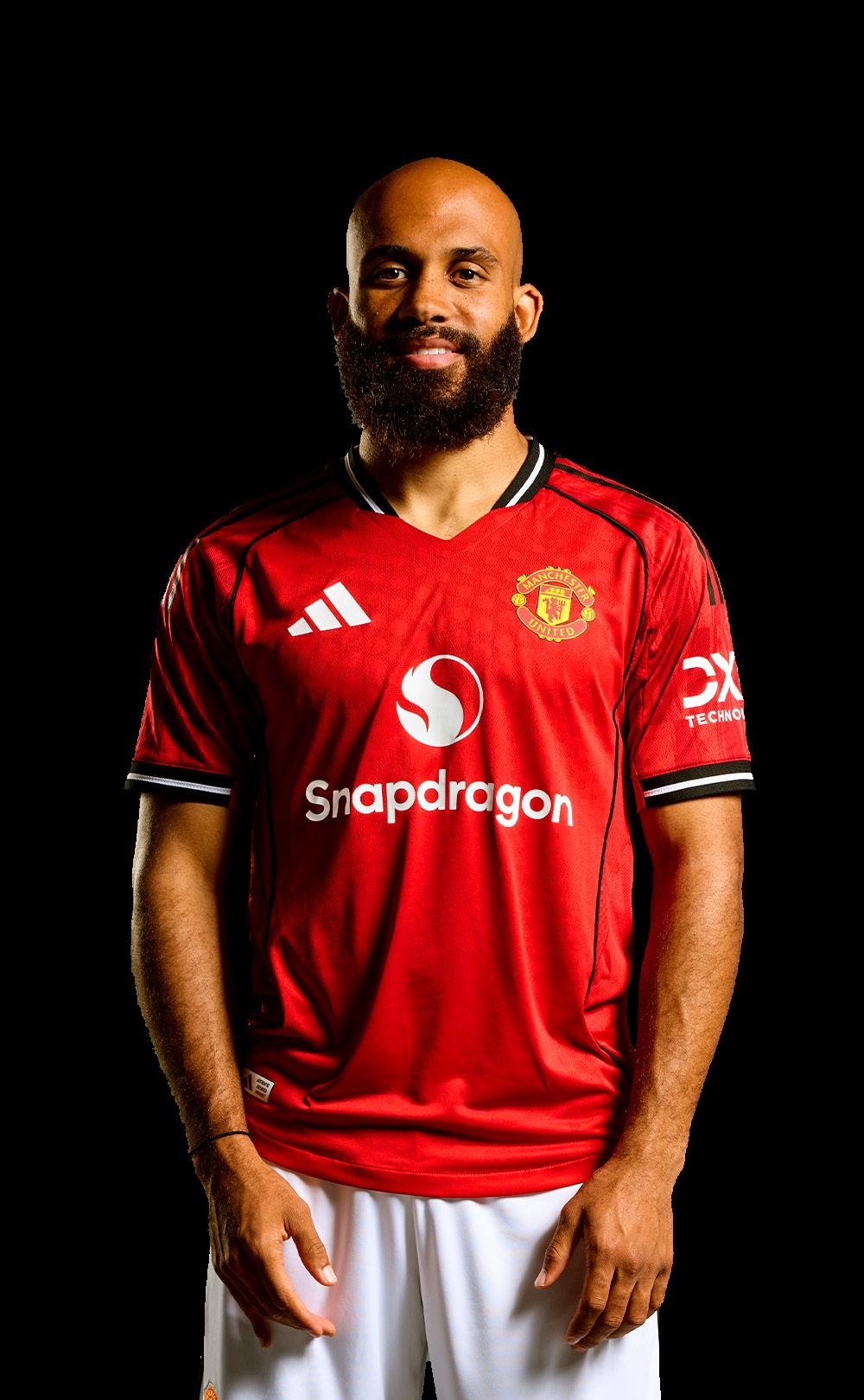
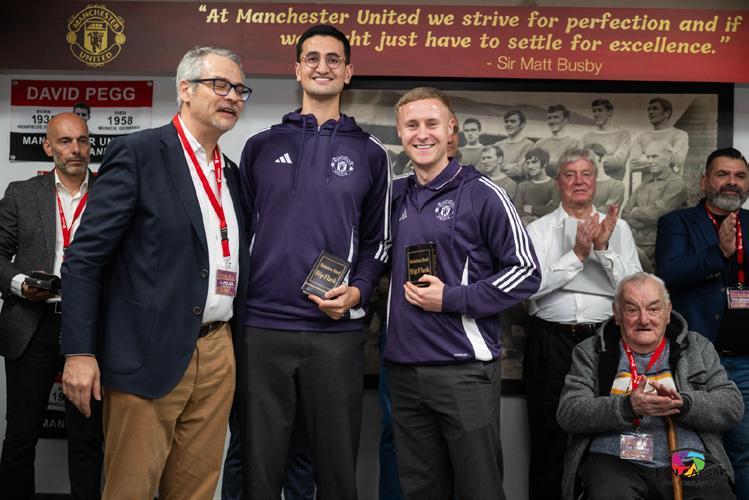
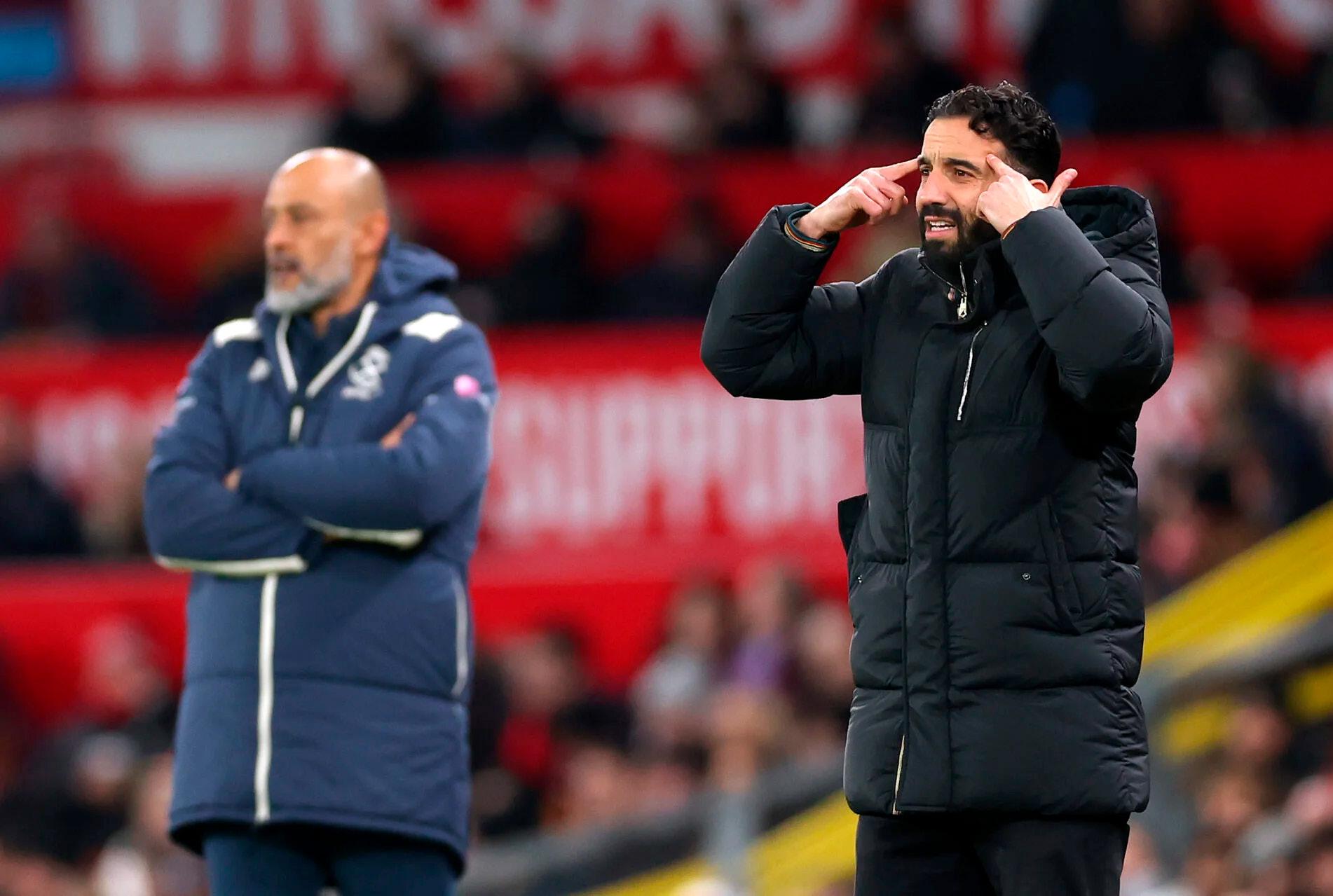
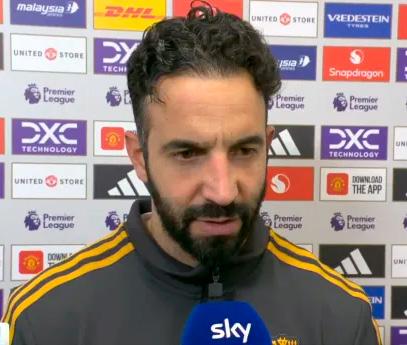
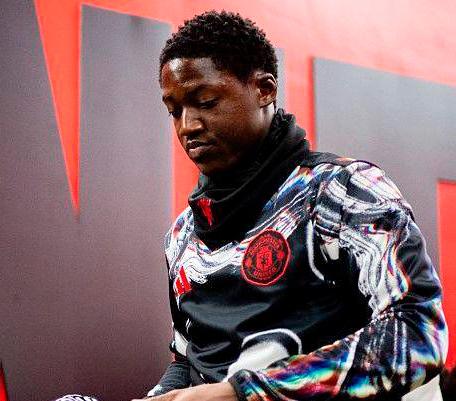
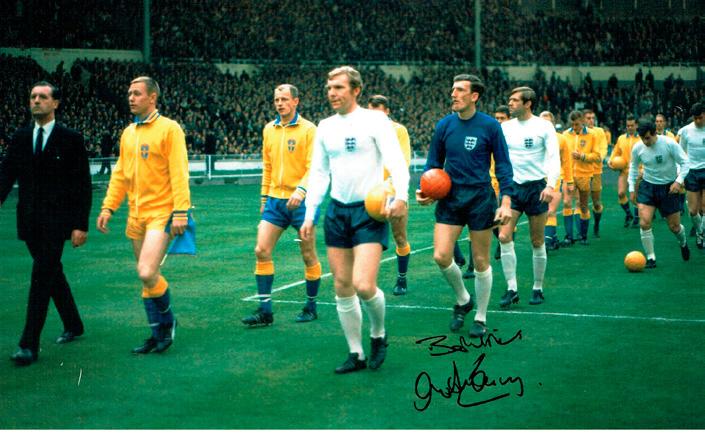
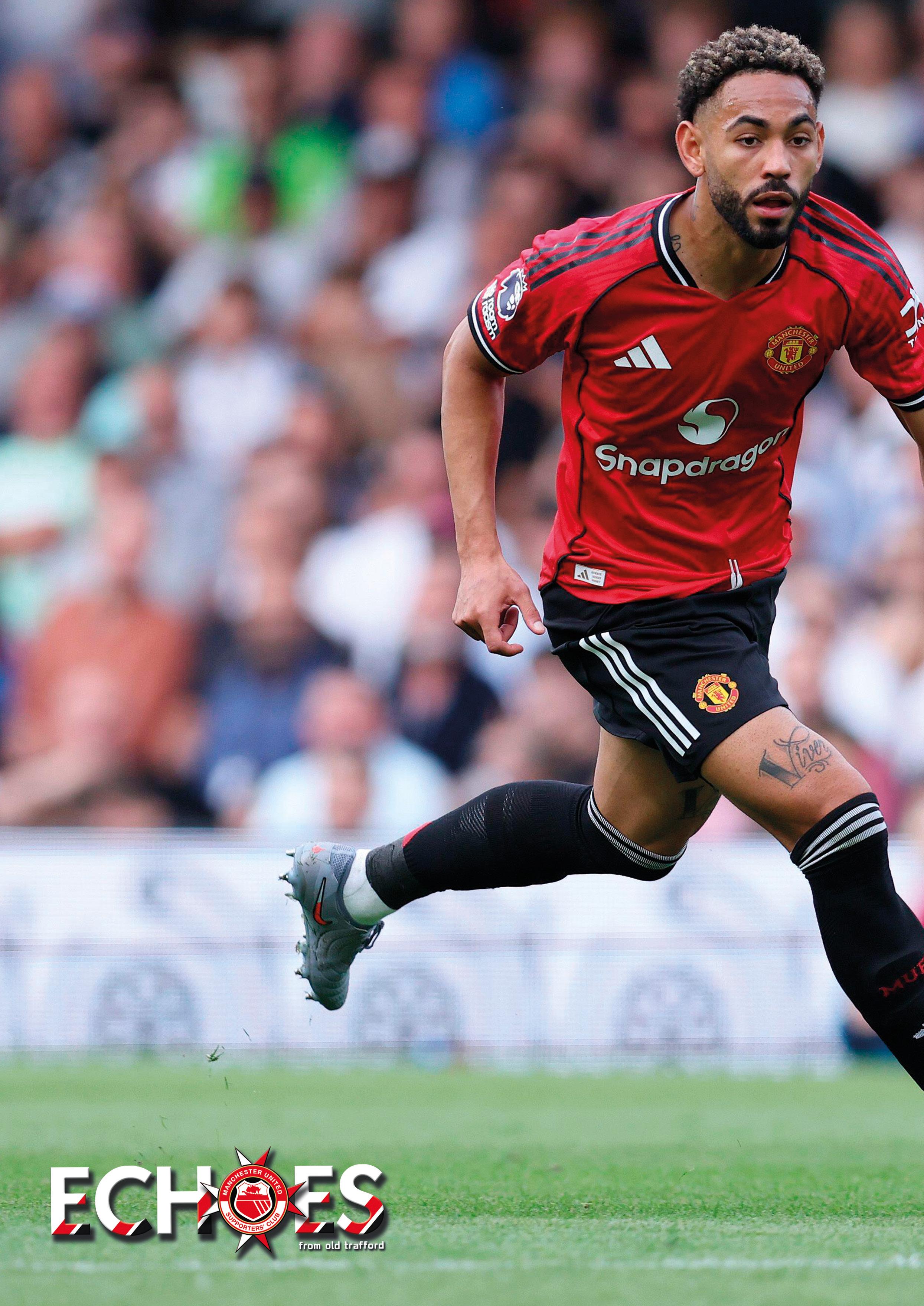
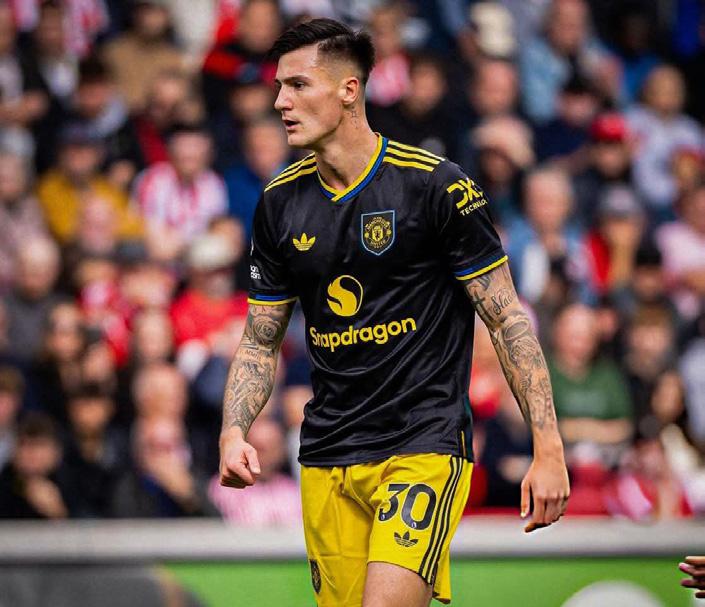
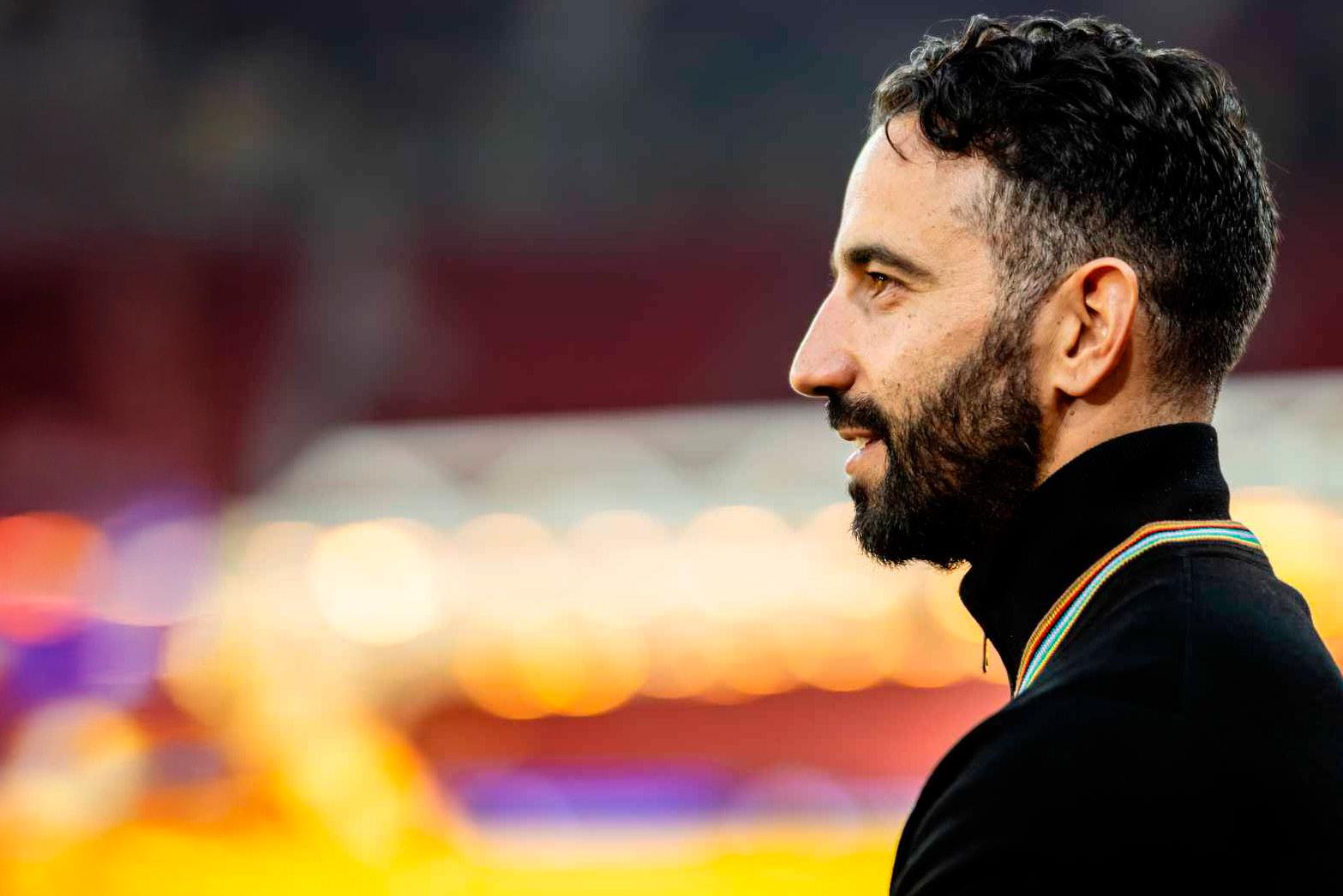
“ The aura of the club it’s massive...You can almost feel it when you walk into it.”
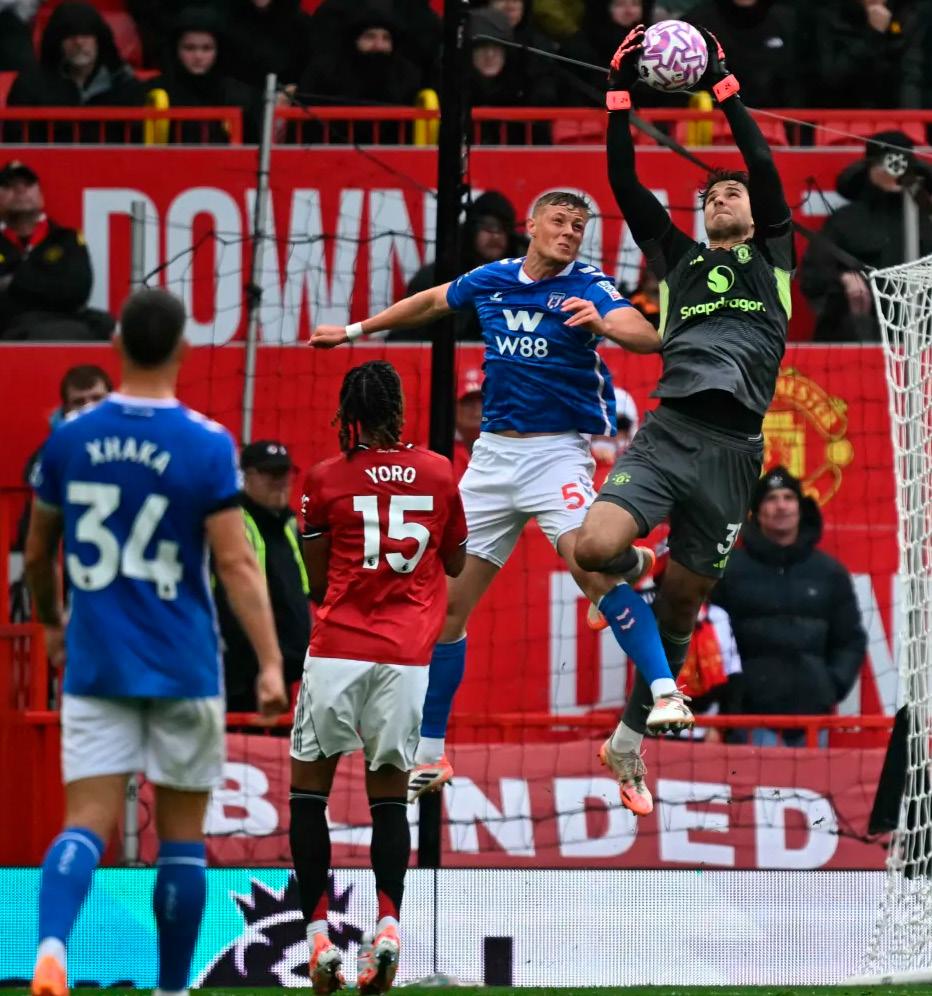
Senne Lammens
Manchester United Supporters’ Club-Malta Founded 1959, is officially recognized by the Manchester United Football Club.
Official publication of the Manchester United Supporters’ Club Malta
editorial team
Clint Camilleri – Joseph Busuttil – Dr. Michael Calleja
advertising executive Joseph Busuttil
contributors
Dr.Michael Calleja Clint Camilleri
Robert Mizzi Kevin, Justyn & Wayne Tabone
Iain McCartney Kenneth Abela
Alex Dudley Julian Tabone
Stefan Attard Joseph Busuttil
Daniel Micallef Daniel Cuschieri
Mari0 Grima
patron Sir Alex Ferguson
club founder John Calleja
club president Joseph Tedesco
club committee
Joseph Tedesco President - Match Tickets Coordinator
Joseph Catania Vice President - Tours Coordinator
Clint Camilleri Secretary - Media & Design Coordinator
Antoine Portelli Assistant Secretary
Kevin Tabone Treasurer & PRO
Egidio Sciberras Assistant Treasurer
Robert Mizzi Membership Secretary
Marvin Grech Events Manager
Joseph Busuttil Advertising Executive & Publishing Coordinator
Etienne Tabone Souvenir Shop Manager
Chris Sammut Club Manager
graphic designer James Trapani
United Club Gozo Archbishop Pietru Pace Street, Victoria, Gozo. E-mail: gozobranch@manutd-malta.com Telephone: +356 99825090
business partners
MALTA FOUNDED 1959 MALTA
Editorial A Season of Reckoning and Resurgence at Manchester United
by Dr. Michael Calleja
At the midway point of the 2025-26 Premier League campaign, the revered institution of Manchester United finds itself at a pivotal juncture: neither completely adrift nor fully restored, but teetering on the cusp of something that could become either revival or regression. Having now accumulated 25 points from 15 matches—yielding an average of 1.67 points per game and placing the side sixth in the table—United must honestly assess where progress has been made and where deep structural work remains.
The Stunning 2-1 Win at Anfield
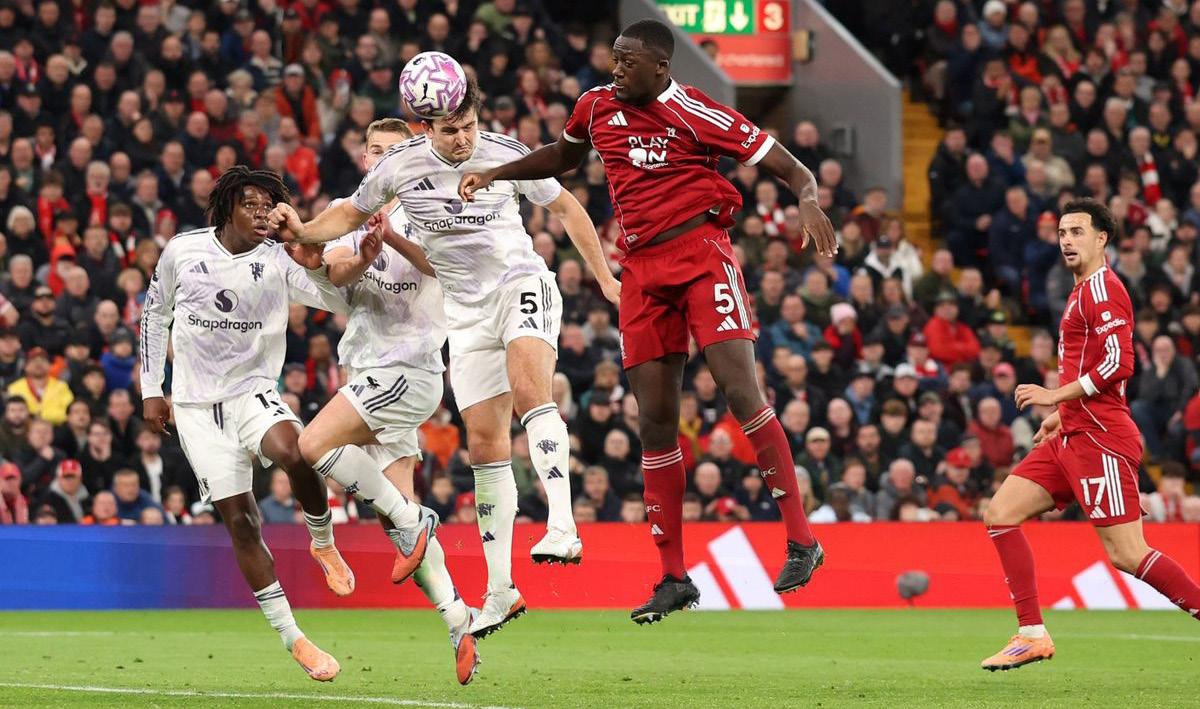
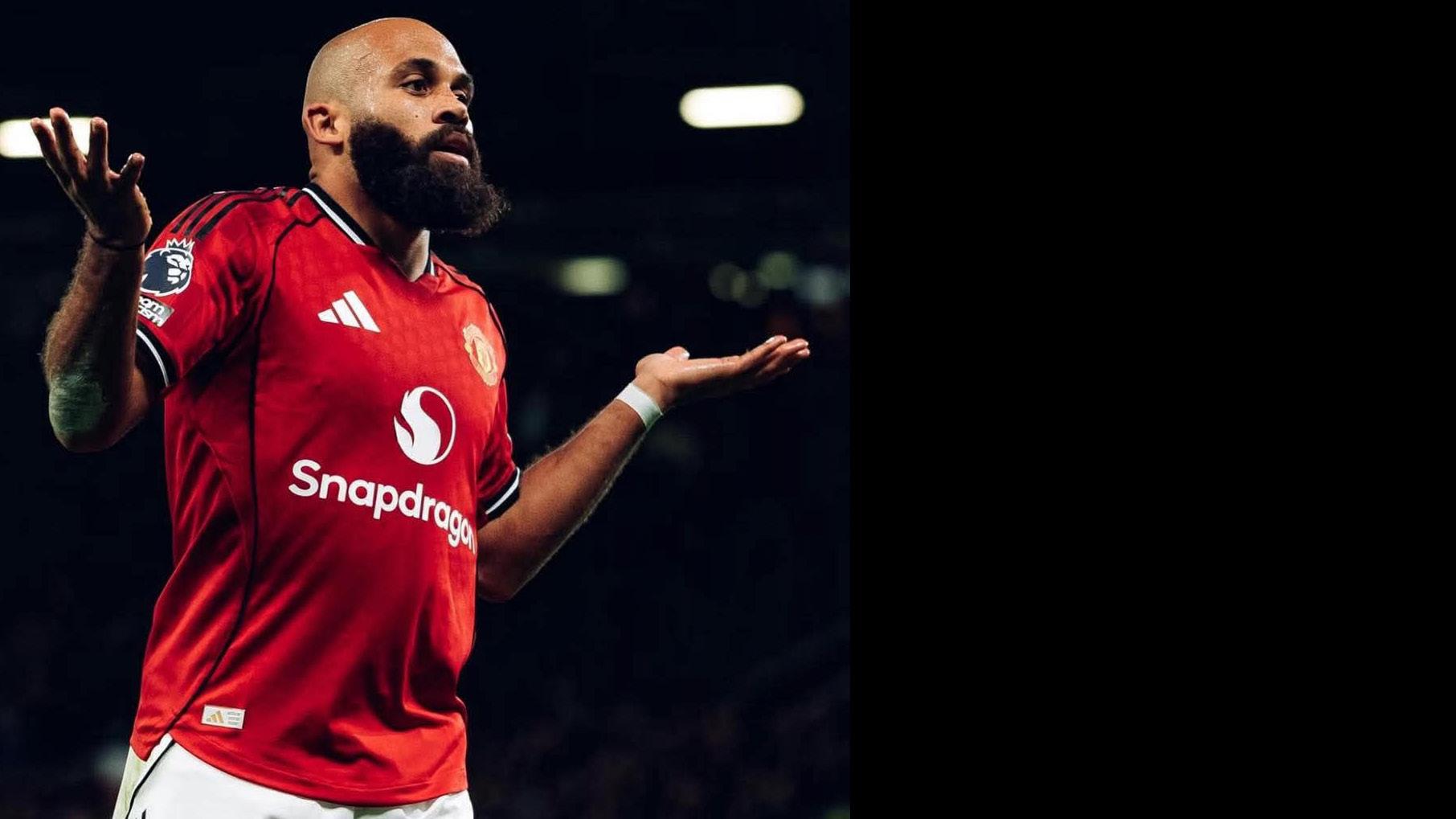
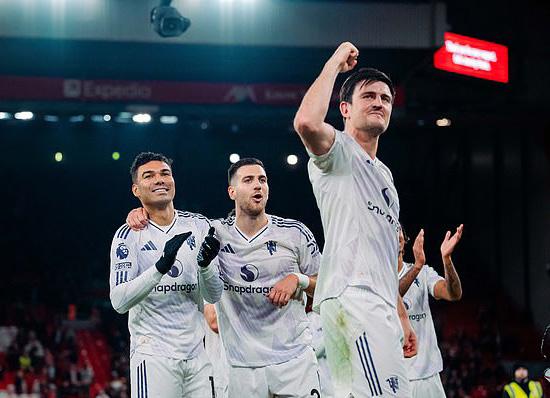
This season featured a moment of real uplift: United’s dramatic 2–1 victory at Anfield against Liverpool — their first ever Premier League win on Merseyside since January 2016. Bryan Mbeumo stunned the home crowd with an opener inside the first minute, and although Cody Gakpo levelled in the 78 th minute, a late, powerful header from Harry Maguire in the 84th delivered the long-awaited three points. The result not only snapped a near-decade hoodoo but provided tangible momentum under Rúben Amorim’s tenure. The psychological effect cannot be overstated: winning at Anfield—a ground where United had laboured for years—signals that belief is returning and the club can, when properly aligned, still win the big matches.
The Tactical Thread Under Amorim
Since his appointment, Amorim has steadied
the ship enough to gain breathing space, but his record remains patchy and questions linger. Recent tactical analysis describes how his implementation of a 3-4-2-1 system produced a run of “four wins three draws and one loss in the last eight matches” but also showed a “clear imbalance” — particularly on the left flank. Elsewhere, leading commentary has applauded the revival of Casemiro, whose resurgence has been a key factor in United’s improved performances under Amorim.
Nonetheless, dark clouds still gather for the Portuguese coach. A headline from a recent football-transfers piece bluntly described “the alarming stat that is killing Rúben Amorim and Manchester United” — pointing to the club’s continued frailty in matches decided by the first half or in failing to consistently dominate across entire 90-minute spans. United’s underlying issue remains one of consistency: the victories have been pleasing, but the losses and draws have tended to come from predictable seams of structural deficiency.
The Human Dimensions: Squad Depth and Individual Agency
In a season where United are battling to recapture identity as much as form, player performances matter. Bruno Fernandes tops the assist charts with six as of early December, while Mbeumo leads in goals with
six from 15 Premier League appearances. To those dry numbers one must add narrative value: Fernandes remains the heartbeat of the team, Mbeumo the spark of its future. Meanwhile, veteran Casemiro brings experience and steel—elements vital in transitional seasons.
That said, statistics also betray a squad still unsettled. Conversion rate from shots stands at 7.6%, with an average of 16.1 shots per match — some way shy of the elite conversion rates required to contend for titles. The sense of one foot forward, but the other still trailing, is strongly evident in those numbers.
Off the Pitch: Culture, Infrastructure and Institutional Ambitions
Beyond the 11 men on the pitch, United’s path to relevance revives through culture and infrastructure. Sir Alex Ferguson has expressed renewed optimism regarding the club’s ethos, pointing to the newly opened £50 million training complex at Carrington and its “open-plan layout” he believes fosters greater human connection across staff and players. Under Sir Jim Ratcliffe’s
ownership, there are heavy bets placed on United reclaiming not just trophies but institutional coherence.
It is this dual quest—a return to domestic and continental competitiveness, and a reclamation of cultural identity—that defines the moment. Success will require much more than tactical reset or new signings. It demands alignment of income, wage control, squad refreshment and above all, stability of vision. As one statistical preview noted: United plan to reduce more than £1 million per week in wages, clearing the way for major midfield upgrades next summer.
Where the Road Divides
As the league heads into the winter period, United face a number of inflection points. The club’s home fortress remains an advantage but no trophy is won merely by defending Old Trafford. Away form must be addressed, the full ninety-minute intensity must be ingrained and underlying metrics improved. The challenge lies not purely in tactical alteration—though that remains vital—but in embedding a winning mentality, converting promising structures into consistent
Moreover, the scoreboard may show signs of revival, but the mood among supporters remains cautious. The club’s recent history of underachievement, coupled with high expectations, means that any return to the “good but not great” will not satisfy loyal fans accustomed to higher standards. United’s seventh place standing
today may appear acceptable compared to last autumn’s chaos, but in the long-term lens it remains inadequate.
The Verdict: Momentum Without Guarantee For Manchester United, 2025-26 is neither the start of a full renaissance nor the continuation of decline — it is a season of transition. Under Rúben Amorim the skid has been arrested; the haemorrhage stemmed. Yet what lies ahead is the hardest phase: converting stability into ambition, culture into consistency, potential into trophies. The advanced training facility, the board’s wage discipline, the resurgence of key players—all these are means to an end.
If United can address the structural flaws exposed by the away-record and build on the encouraging home metrics — especially the landmark win at Anfield — then the club will be in position to move from “on the rise” to “rising again”. If not, momentum may dissipate and once more United risk becoming a case study in how brilliant institutions drift when vision, execution and culture fail to align. For now, the only guarantee is that the fans will demand nothing short of greatness.
In the theatre of Old Trafford they are back in seats, the floodlights are on, and the script is being rewritten. The question is whether the next chapters will deliver the rewrite demanded by history — from the great “Red Devils” battalions to the elite of Europe — or become yet another act of transition. How Manchester United chooses to perform over the coming weeks will tell whether this season is a prologue or a turning point.
Stagun ta’ kalkolu u qawmien mill-gdid f’ Manchester United.
F’
nofs il - kampanja tal - Premier League 2025 - 26, l - istituzzjoni rispettata ta’ Manchester United issib ruħha f’punt kruċjali: la huwa punt kompletament skomdu u lanqas kompletament restawrat, iżda punt li qiegħed f’xifer li jista’ jkun il‑qawmien mill‑ġdid jew rigressjoni. Wara li issa akkumulaw 25 punt minn 15-il partita li jrendu medja ta’ 1.67 punti għal kull logħba u li jpoġġuhom fis seba’ post tal-klassifika il- United onestament iridu jevalwaw fejn sar progress u fejn għad fadal xogħol strutturali profond.
Ir- Rebħa Kbira ta’ 2-1 f’ Anfield Dan l‑istaġun kellu mument ta’ refgħa sostanzjali: ir‑rebħa drammatika ta’ 2‑1 li l - United kisbu f’ Anfield kontra Liverpool –l‑ewwel rebħa tagħhom fil‑Premier League ġewwa Merseyside minn Jannar 2016. Bryan
EditorJal . .
Mbeumo sikket il‑folla tagħhom meta fetaħ lis‑skor fl‑ewwel minuta, u għalkemm Cody Gakpo llivella il - partita fit-78 minuta, daqqa ta’ ras tard, u b’saħħtu minn Harry Maguire fl- 84 minuta gab it-tliet punti tant mistennija. Ir‑riżultat mhux biss waqqaf seħta ta’ kważi għaxar snin iżda pprovda momentum tanġibbli taħt il‑mandat ta’ Rúben Amorim. L‑effett psikoloġiku ma jistax jiġi esaġerat: ir‑rebħa f’ Anfield – Grawnd fejn il‑United sofrew għal xi snin u turi li t-twemmin qed jirritorna u l-klabb jista’, meta orjentat kif suppost, wkoll jirbaħ partiti kbar.
Id- Dilemma tat-Tattika taħt Amorim Sa mill‑ħatra tiegħu, Amorim għamel biżżejjed biex jistabilizza il-flotta u jikseb daqsxejn tan‑nifs, iżda r‑rekord tiegħu tibqa inkonsistenti u l‑mistoqsijiet ma jonqsux. Analiżi tattika
riċenti tiddeskrivi kif l‑implimentazzjoni tiegħu ta’ sistema ta’ 3‑4‑2‑1 fl‑aħħar tmien partiti ipproduċiet erbgha rebħiet u tlett draws u telfa li iżda wriet ukoll “żbilanċ ċar” ‑ partikolarment fuq in‑naħa tax‑xellug. Kummentarju ewlieni faħħar il‑qawmien mill‑ġdid ta’ Casemiro. Dan kien fattur ewlieni fil-prestazzjonijiet imtejba ta’ United taħt Amorim.
Madankollu, is‑sħab għadu jinġema għall‑kowċ Portugiż. Artiklu ewlieni riċenti ta’ trasferimenti tal-futbol iddeskriviet b’mod sfaċċat “l‑istat allarmanti li qed joqtol lil Rúben Amorim u Manchester United” – li jindika l‑fraġilità kontinwa tal‑klabb f’partiti deċiżi fl‑ewwel taqsima jew li naqsu milli jiddominaw b’ mod konsistenti tul medda sħiħa ta’ 90 minuta. Il‑kwistjoni tal‑United tibqa’ waħda ta’ konsistenza: ir‑rebħiet kienu
The Echoes Editorial Board & the Committee of the Manchester United Supporters’ Club Malta would like to wish you and your families
a Merry Christmas & a Prosperous New Year.
ta’ pjaċir, iżda t‑telfiet u d‑draws kellhom it‑tendenza li jiġu minn sitwazzjonijiet prevedibbli ta’ defiċjenza strutturali.
Id‑Dimensjonijiet tal‑Bniedem: Il‑Fond ta’ l- Iskwadra u Aġenzija Individwali Fi staġun fejn United qed jissieltu biex jerġgħu jiskopru l‑identita’ kif ukoll il‑forma, il - prestazzjonijiet tal ħafna. Bruno Fernandes l‑ewwel fil klassifika tal -assists b’sitta kmieni f’Dicembru, filwaqt li Mbeumo l 15‑il logħba tal‑Premier League. Ma’ dawk in‑numri xotti wieħed irid iżid il‑valur narrattiv: Fernandes jibqa’ l t- tama tal - futur. Intant, il jġib l‑esperjenza u stabbiltà – elementi vitali f’staġuni tranżitorji.
Minkejja dan, l skwadra li għadha mhix stabbilita. Ir‑rata ta ’konverżjoni mix‑xuttijiet hija ta’ 7.6%, b’ medja ta’ 16.1 xuttijiet għal kull partita – il‑bogħod mir‑rati tal‑aħjar konverżjoni meħtieġa biex wieħed jiggieled għat‑titli. Is‑sens ta sieq il quddiem, imma l‑oħra lura, huwa evidenti ħafna f’ dawk in‑numri.
Lil Hinn mill
Infrastruttura u Ambizzjonijiet
Istituzzjonali
Lil hinn mill‑11‑il raġel fil‑grawnd, it‑triq tal‑United għar‑relevanza terġa’ tqum permezz tal‑kultura u l - infrastruttura. Sir Alex Ferguson esprima ottimiżmu rigward l familja” tall‑kumpless ta’ taħriġ ta’ £50 miljun li għadu kif infetaħ f’ Carrington u t‑tqassim tal‑pjan miftuħ tiegħu jemmen li jrawwem konnessjoni umana akbar fost il‑ħaddiema u l‑plejers. Taħt is‑sjieda ta’ Sir Jim Ratcliffe, hemm nies lesti jilgħabu flushom fuq ir - reklamazzjoni mhux biss tat‑trofej iżda tal-koerenza istituzzjonali.
Hija din it-tfittxija doppja –ritorn għal kompetittivita domestika u kontinentali, u reklamazzjoni tal identita’ kulturali – li tiddefinixxi l Is‑suċċess se jirrikjedi ħafna aktar minn risettjar tattiku jew firem ġodda. Titlob li jkun hemm kontroll tad‑dħul u tal‑pagi, reviżjoni tal‑iskwadra u fuq kollox, viżjoni stabli. Kif innutat previżjoni statistika: United qed jippjanaw li jnaqqsu aktar minn £1 miljun fil‑ġimgħa f’pagi, u jwittu t‑triq għal titjib kbir f’nofs il‑grawnd fis‑sajf li ġej.
Fejn tinqasam it‑Triq
Hekk kif il‑kampjonat jidħol fil‑perjodu tax‑xitwa, United taffaċċja salib it‑toroq. Il‑fortizza tad‑dar tal‑klabb tibqa’ vantaġġ iżda l‑ebda trofew ma jintrebaħ billi sempliċiment tidefendi Old Trafford. Il - forma barra min darna trid tiġi indirizzata, l‑intensità sħiħa
Barra minn hekk, lis-skorbord jista’ juri sinjali ta’ qawmien mill‑ġdid, iżda l‑burdata fost il‑partitarji tibqa’ kawta. L‑istorja riċenti tal - klabb ta’ nuqqas ta’ unuri, flimkien ma’ aspettattivi għoljin, tfisser li kwalunkwe ritorn għat‑tifsira ta’ “tajjeb iżda mhux tajjeb biżżejjed” mhux se jissodisfa lill‑partitarji leali mdorrijin bi standards ogħla. Is‑seba’ post tal - United li jinsab illum jista’ jidher aċċettabbli meta mqabbel mal‑kaos tal‑ħarifa li għaddiet, iżda fil‑lenti fit‑tul jibqa’ inadekwat.
Il-Verdett: Momentum Mingħajr Garanzija Għal Manchester United, l‑2025‑26 la huwa l‑bidu ta’ rinaxximent sħiħ u lanqas kontinwazzjoni l’isfel – huwa staġun ta’ tranżizzjoni. Taħt Rúben Amorim iż‑żliq ġie arrestat; l‑emorraġija mwaqqfa. Madankollu, dak li għandna quddiemna huwa l‑aktar fażi diffiċli: nikonvertu l‑instabbiltà f’ ambizzjoni, kultura f’ konsistenza, potenzjal fi trofej. Il‑faċilità ta’ taħriġ avvanzat ta’ Carrington, id‑dixxiplina tal‑pagi, il‑qawmien mill‑ġdid ta’ players ewlenin – dawn kollha huma mezzi ta’ tnaqqis ta’ prestazzjonijiet ħżiena.
Jekk il‑United jistgħu jindirizzaw id‑difetti strutturali esposti barra min darhom u jibnu fuq il‑metrika nkoraġġanti gewwa darhom – speċjalment bħar‑rebħa storika f’Anfield – allura l‑klabb ikun f ’pożizzjoni li jgħaddi minn posizzjoni tajba għal post aktar l‑fuq. Jekk le, il - momentum jista’ jisparixxi u għal darb’ oħra jirriskja li jsir studju tal‑każ dwar kif l-istituzzjonijiet brillanti jitbiegħdu meta l‑viżjoni, l‑eżekuzzjoni u l-kultura jonqsu milli jallinjaw. Għalissa, l - unika garanzija hi li l - partitarji ma jitolbu xejn inqas minn suċċess.
Fit - teatru ta ’Old Trafford il - partitarji jinsabu lura fis‑siġġijiet, id‑dwal mixgħulin, u l‑iskript qed jerġa’ jinkiteb. Il - kwistjoni hija jekk il - kapitli li jmiss humiex se jwasslu l‑kitba mill‑ġdid mitluba mill - istorja — mill - battaljuni l - kbar tar – “Red Devils” sal - elite tal - Ewropa — jew inkella humiex se jsiru att ieħor ta ’tranżizzjoni. Kif Manchester United jagħżlu li jwettqu dan matul il‑ġimgħat li ġejjin tindika jekk dan l‑istaġun huwiex prologu jew żvolta għas‑suċċess.
NEWS CLUB
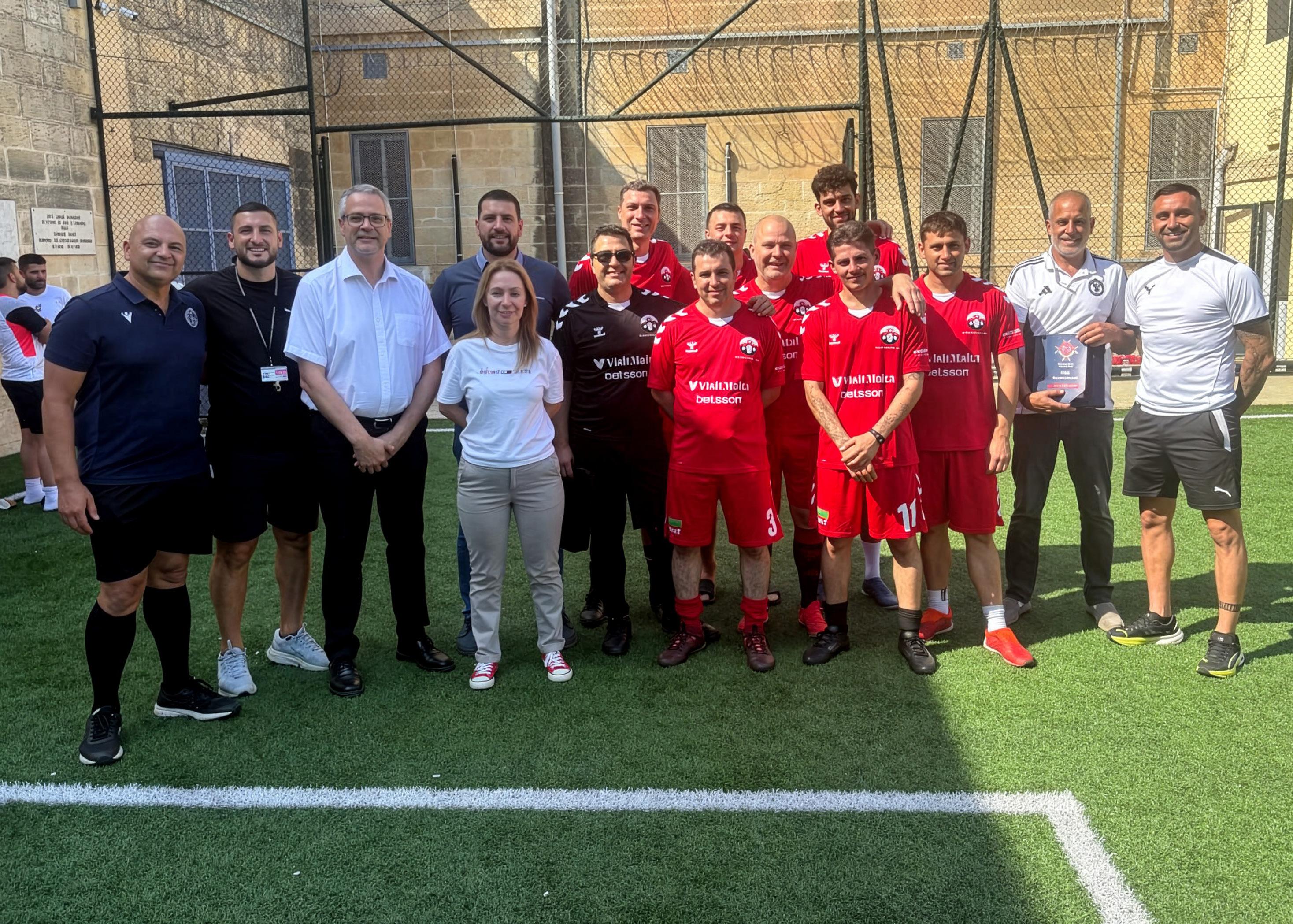
The Correctional Services Agency Football Tournament:
On Saturday, 11th October, the Correctional Services Agency hosted a special football tournament featuring two inmate teams, the Liverpool Supporters’ Club Malta, and our very own MUSC Malta. It was a spirited morning of fair play and respect, with everyone coming together to enjoy the game and support a positive initiative within the facility.
A big well done to all those who took part and made the event a meaningful success.
by Clint Camilleri
MALTA FOUNDED 1959 MALTA
Fenkata:
On Friday 11th, we hosted our Fenkata and the turnout was fantastic. The atmosphere was relaxed, the food was spot-on, and it was great seeing everyone come together for an enjoyable evening.
A big thank you goes to all the lottery winners as well — your support is appreciated!
Breakfast and All Souls Day Mass:
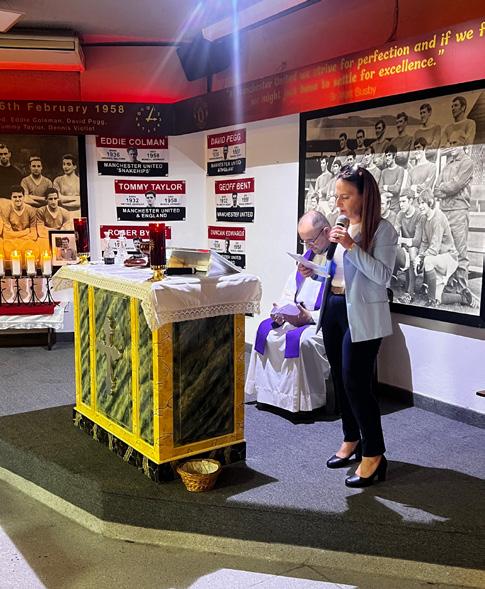
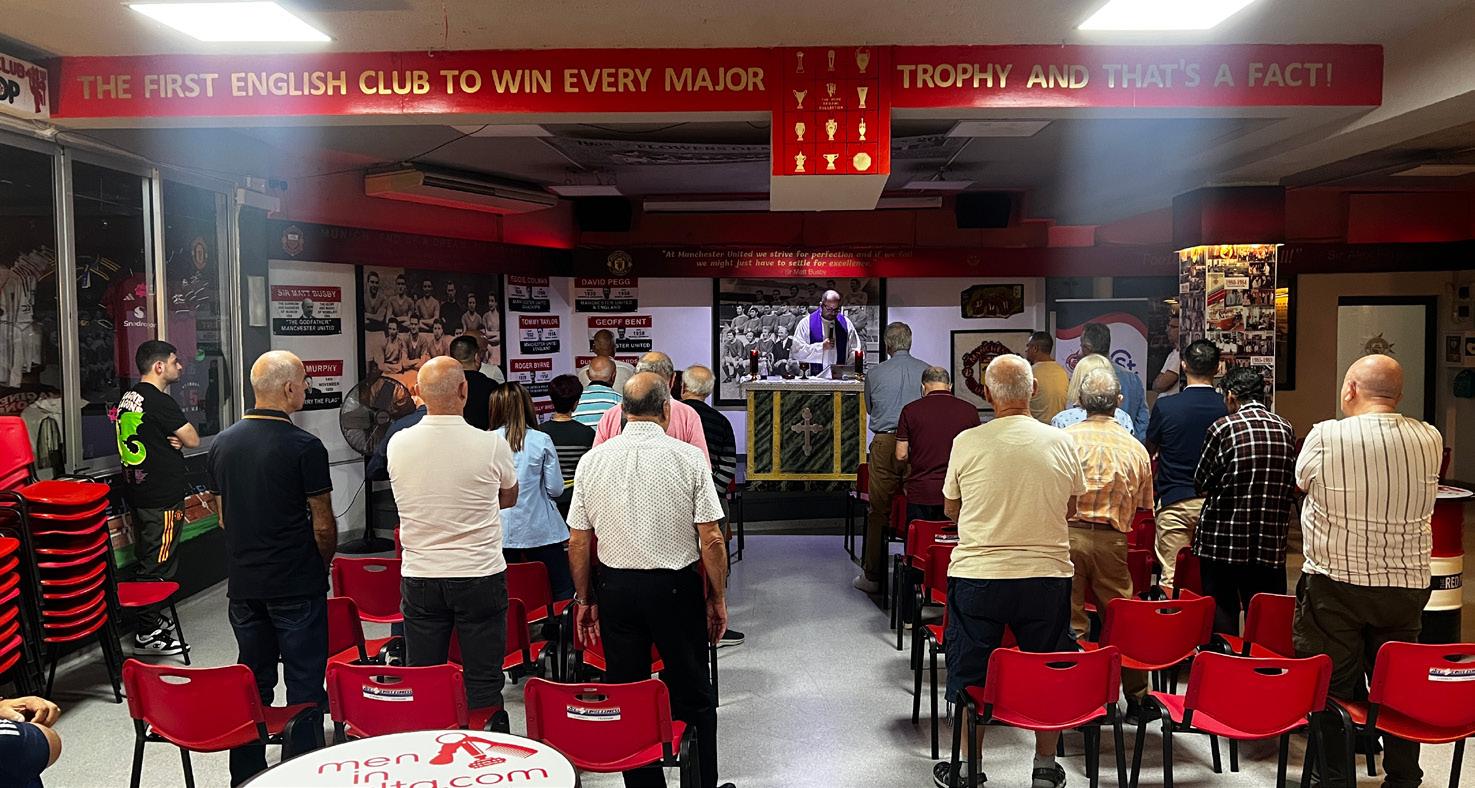
On Sunday, 2nd November, we gathered for our traditional Breakfast and All Souls Day Mass. It was a calm and meaningful morning, giving everyone a chance to come together, share a meal, and honour the memory of our loved ones. Thank you to all who attended and helped make the occasion both warm and heartfelt.
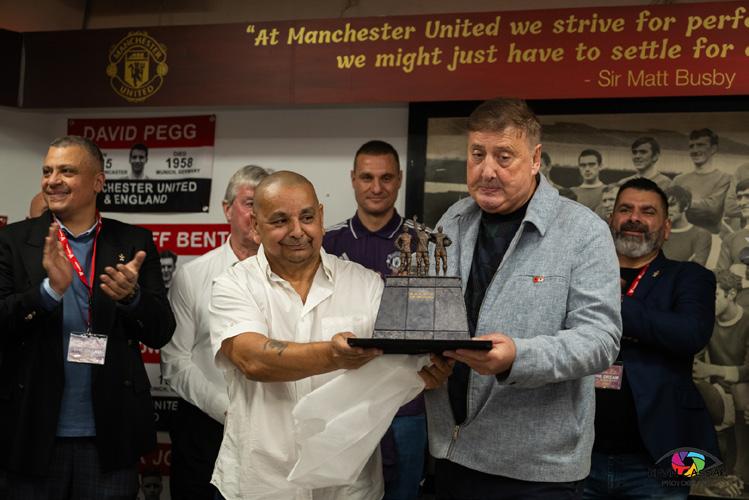
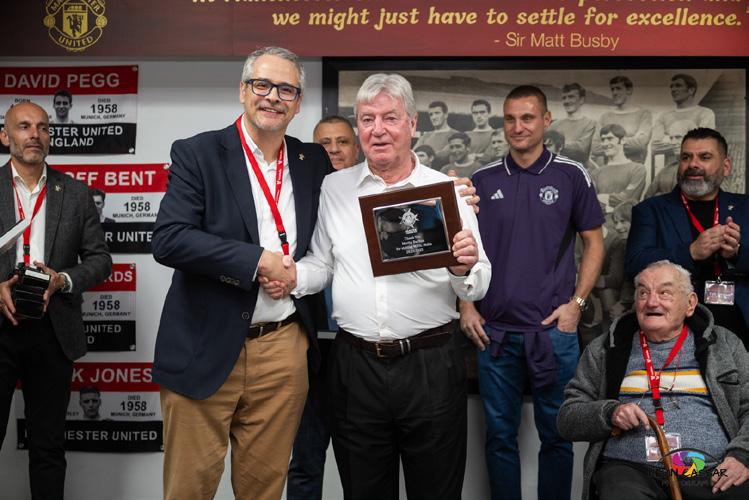
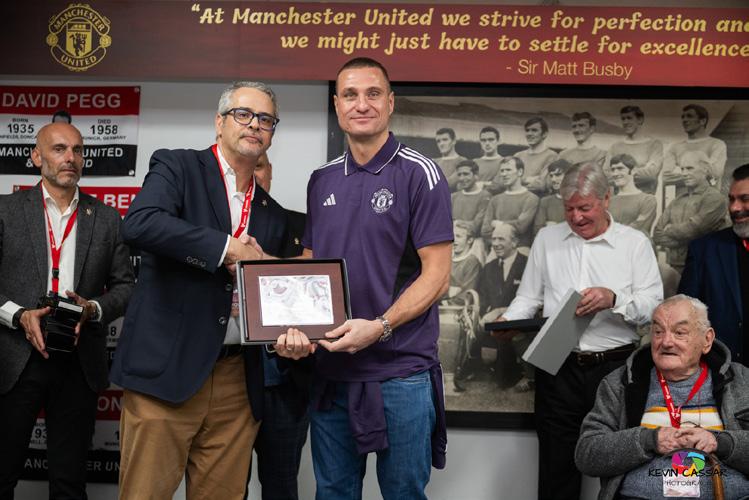
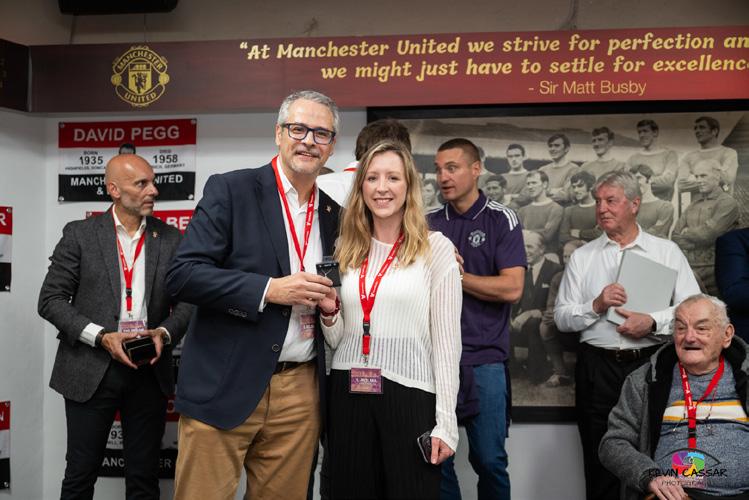
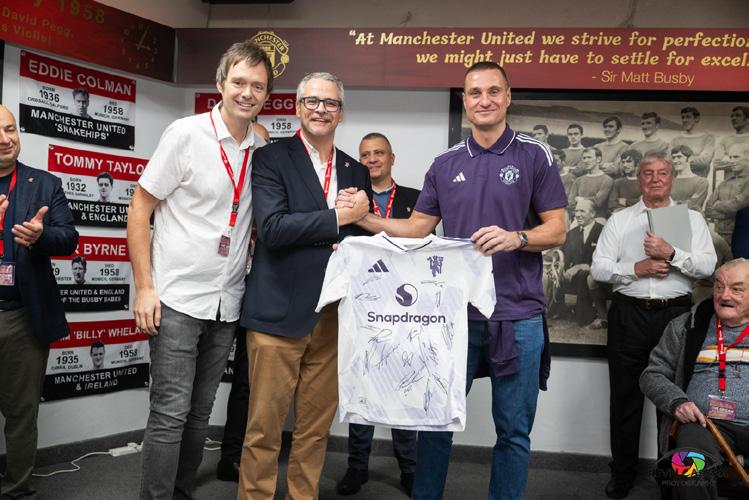
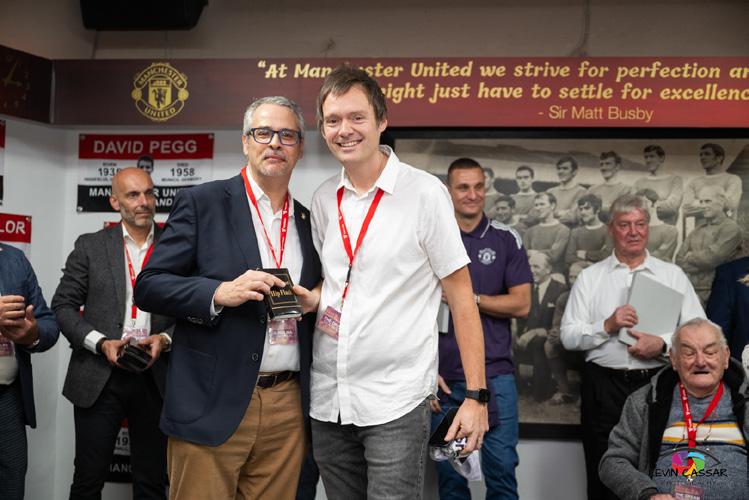
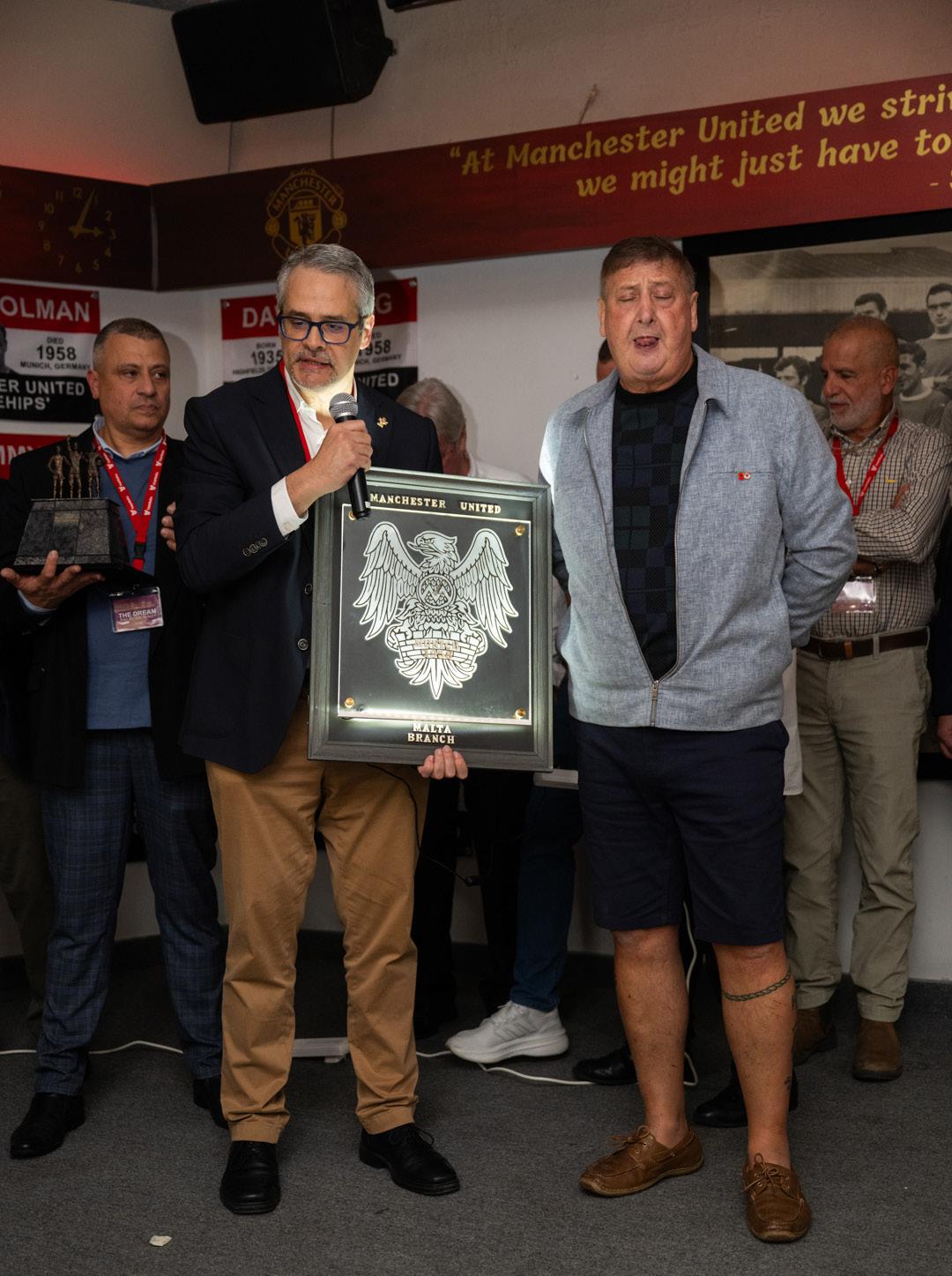
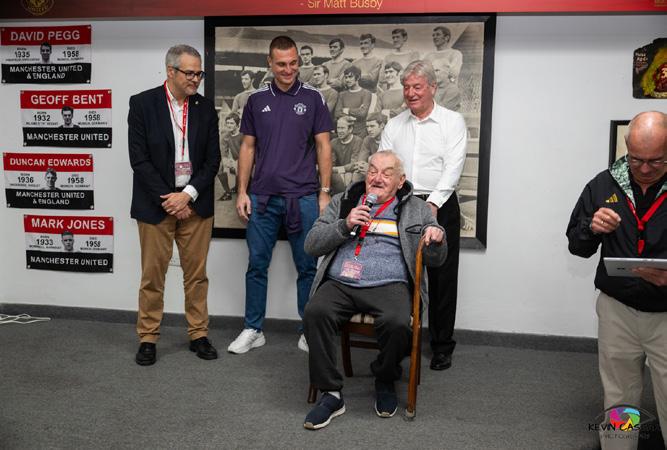
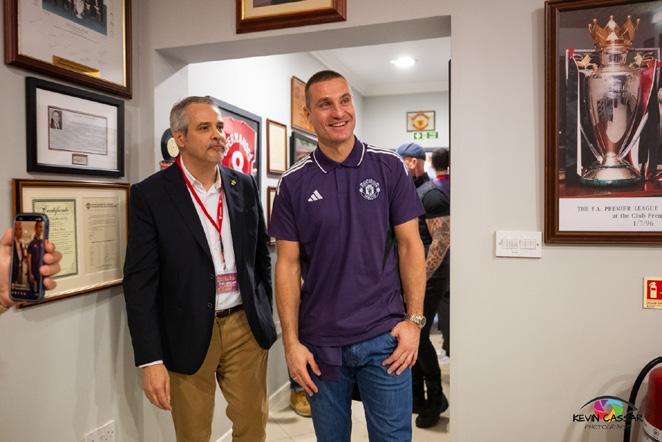
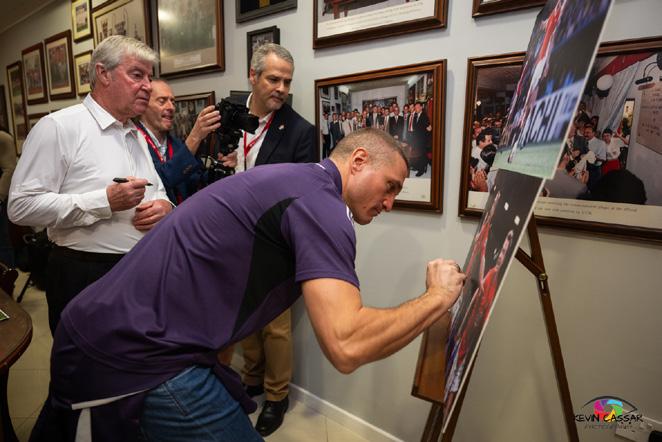
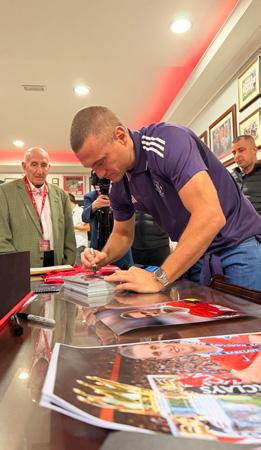
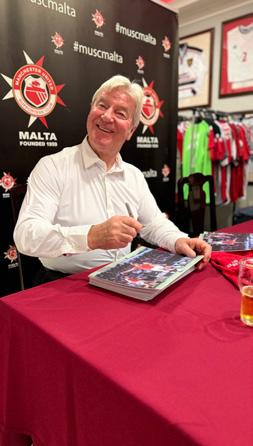
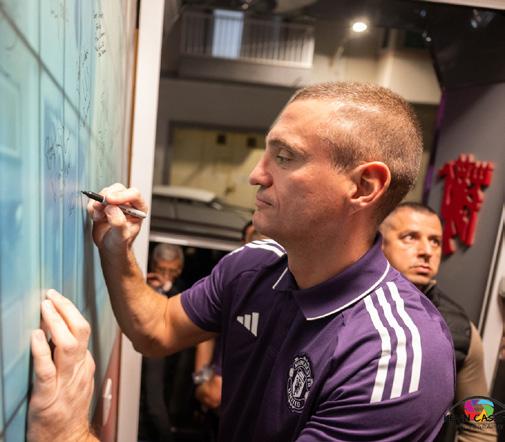
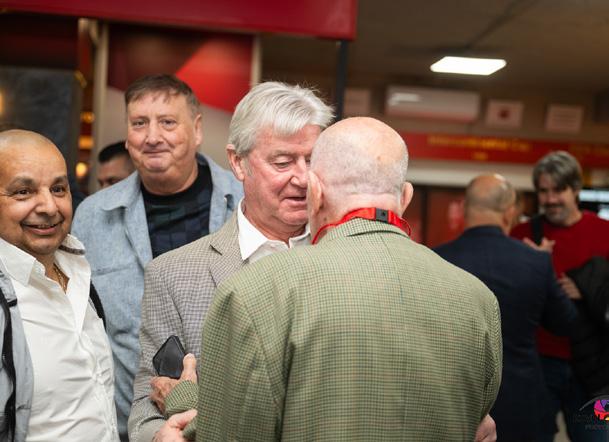
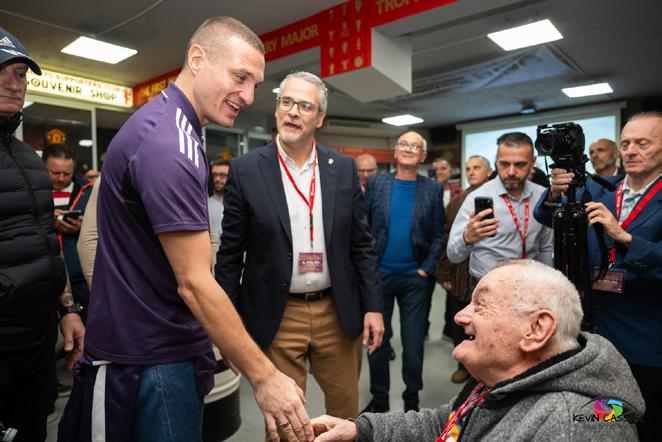
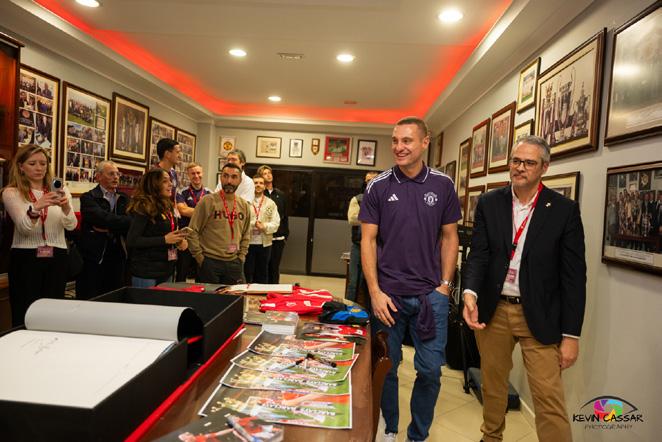
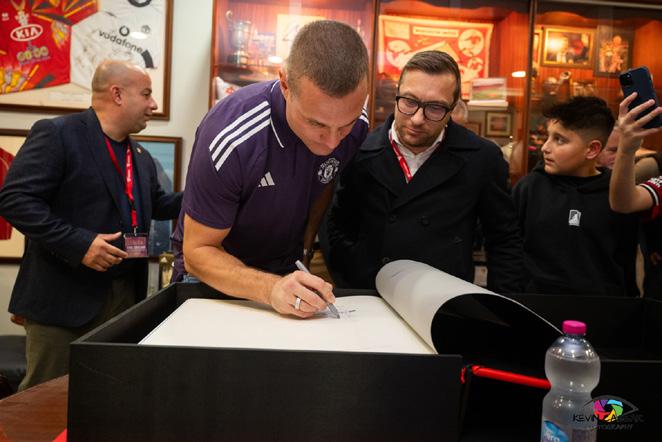
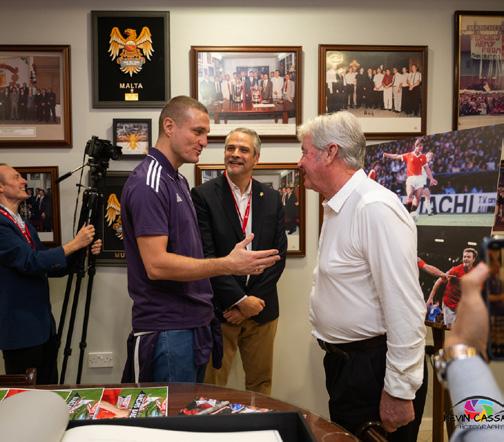
Martin Buchan & Nemanja Vidic Visited our Club for the 30th Anniversary and the purchase of the Club:
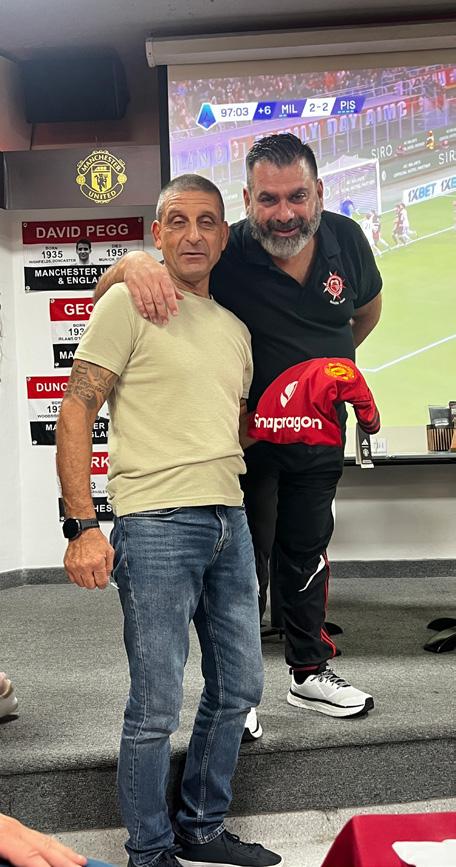
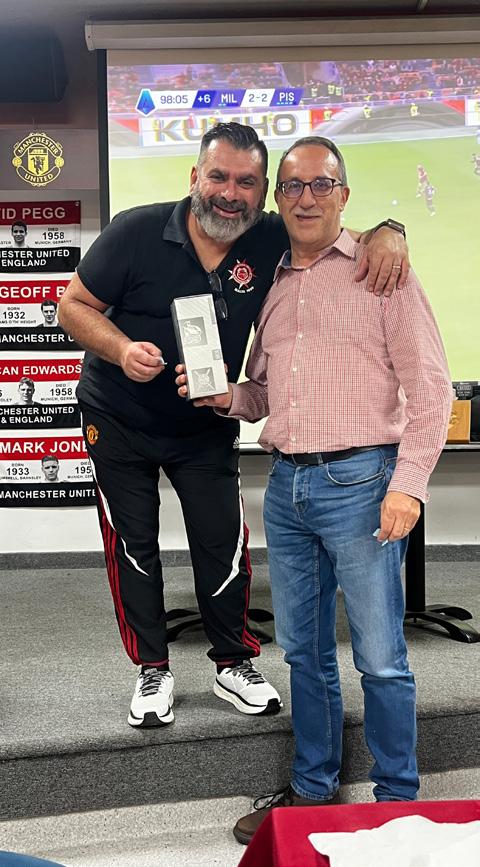
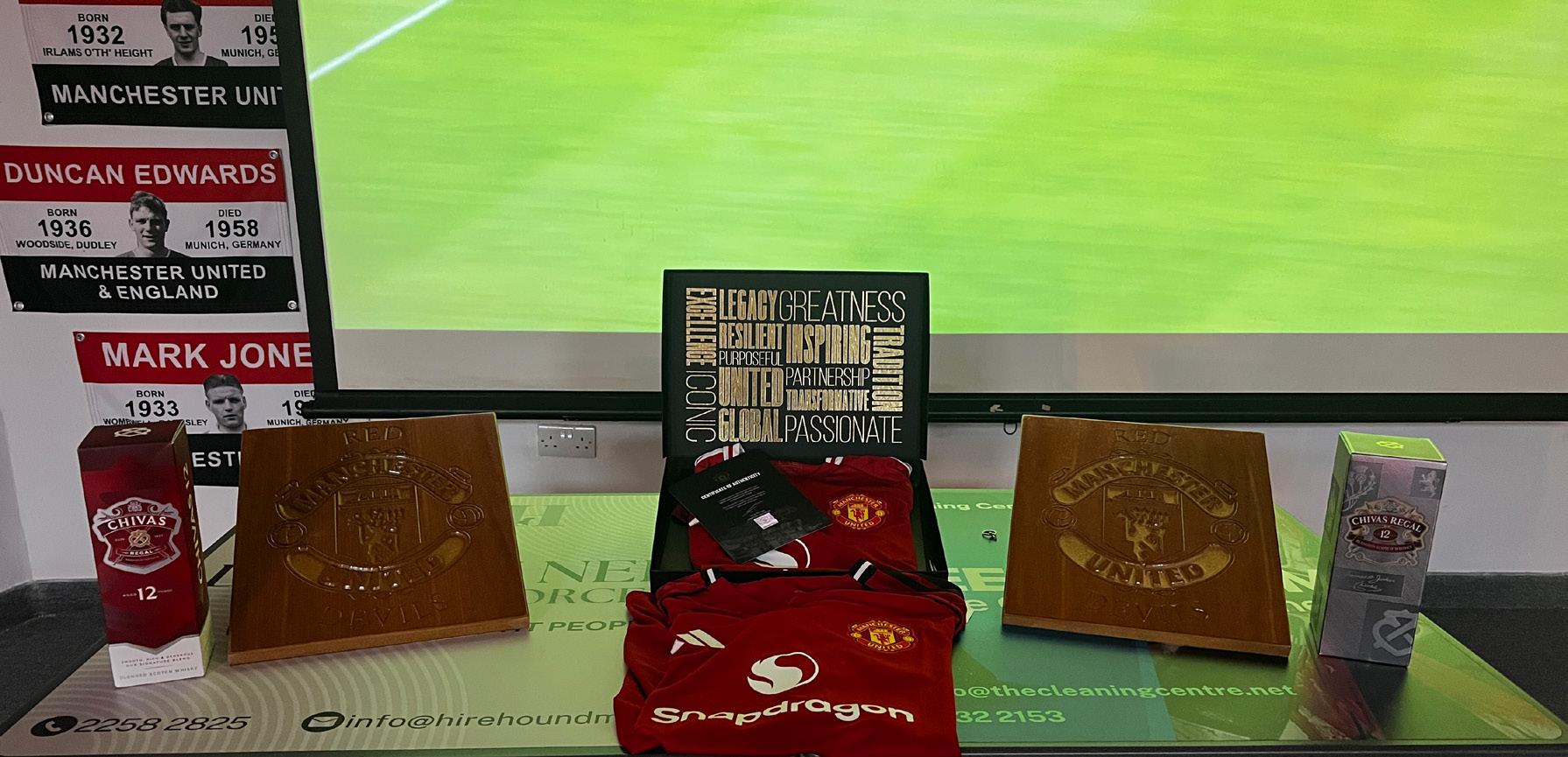
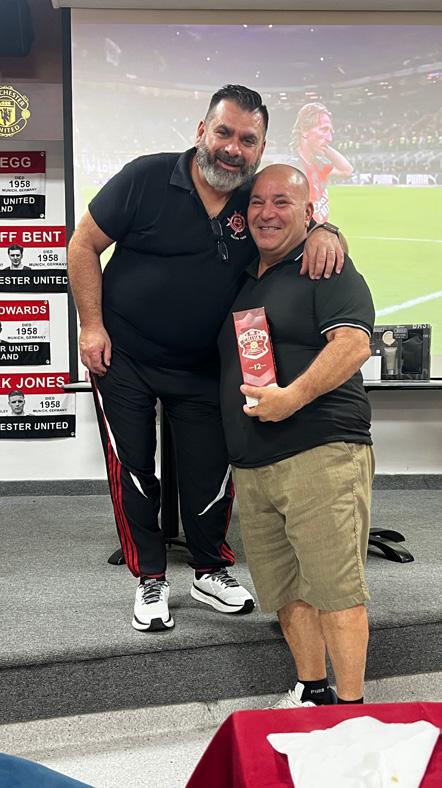
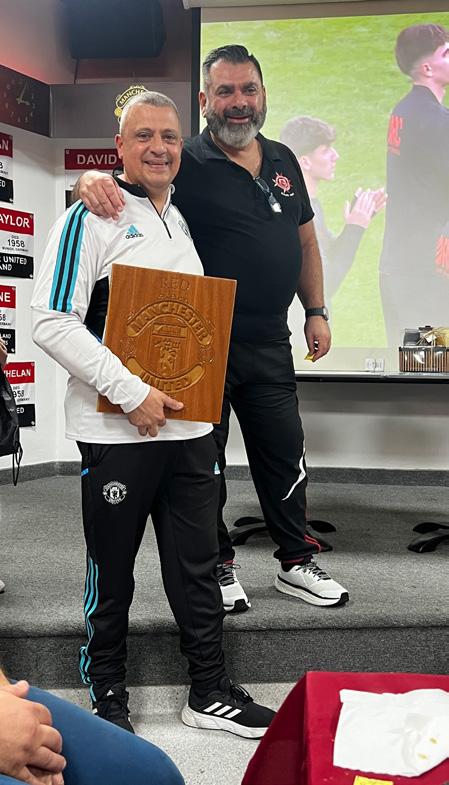
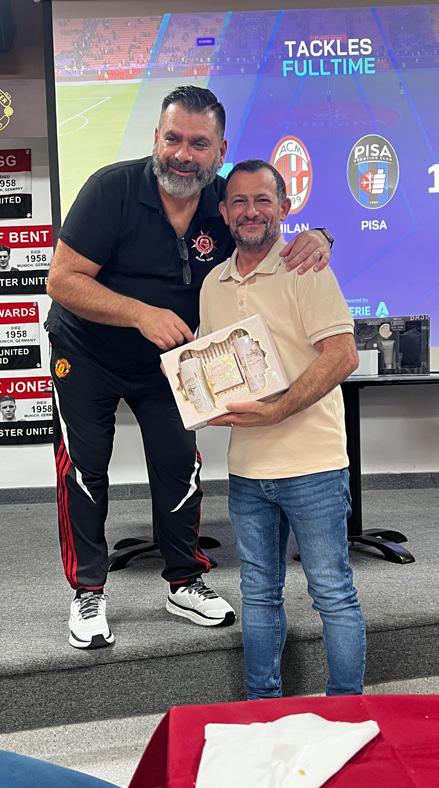
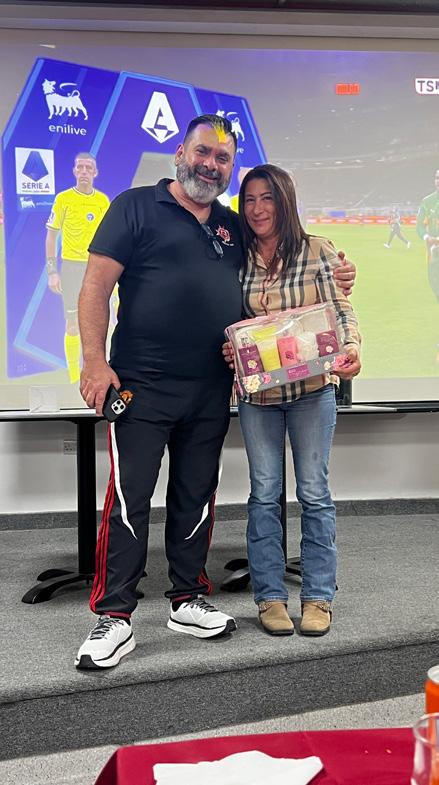
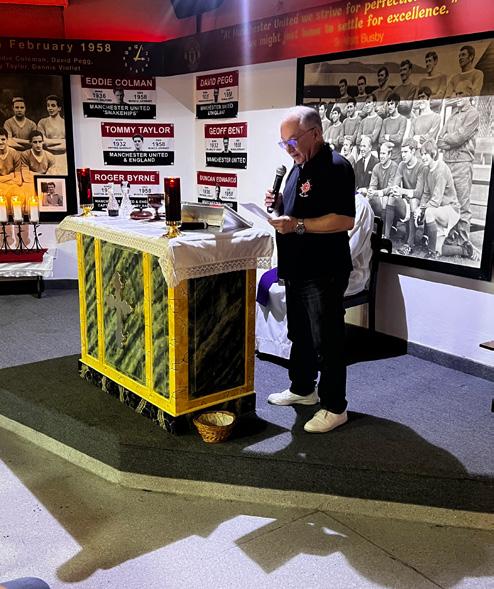
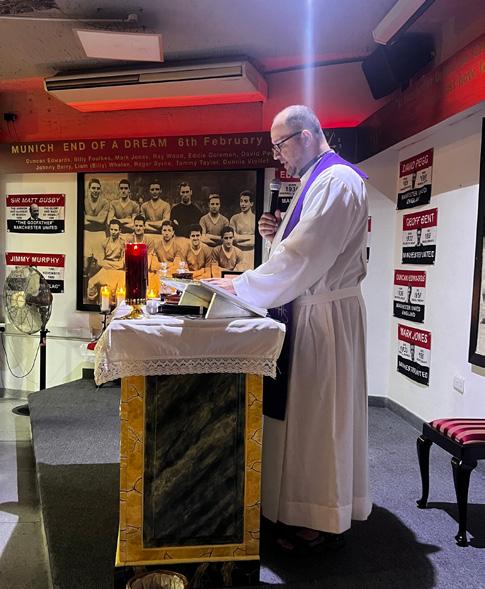
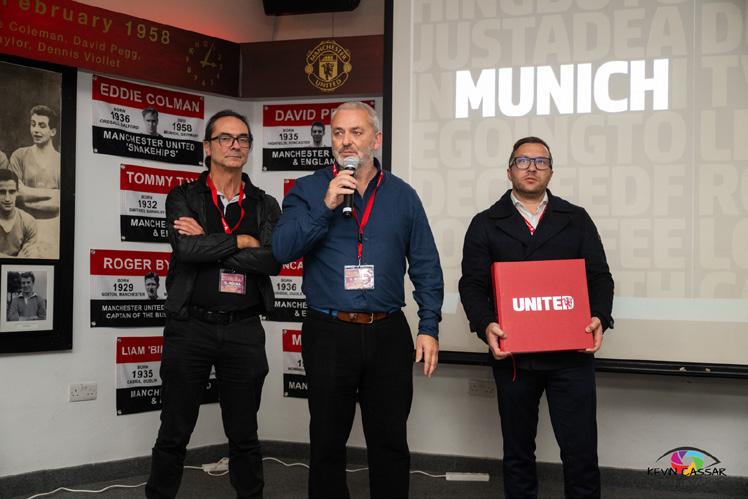
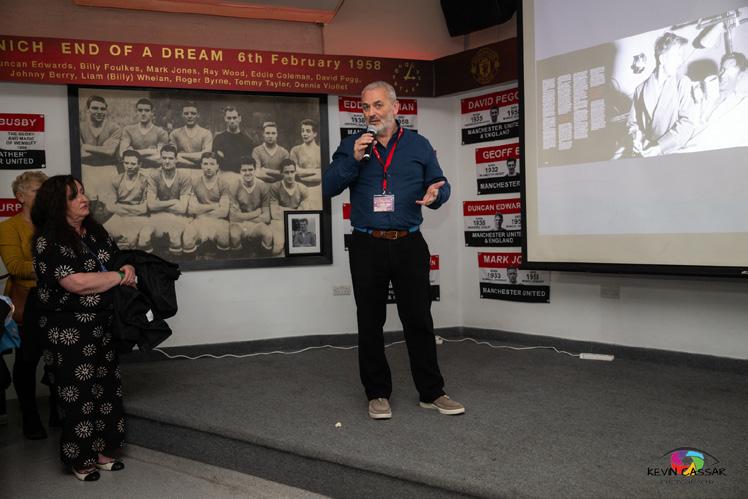
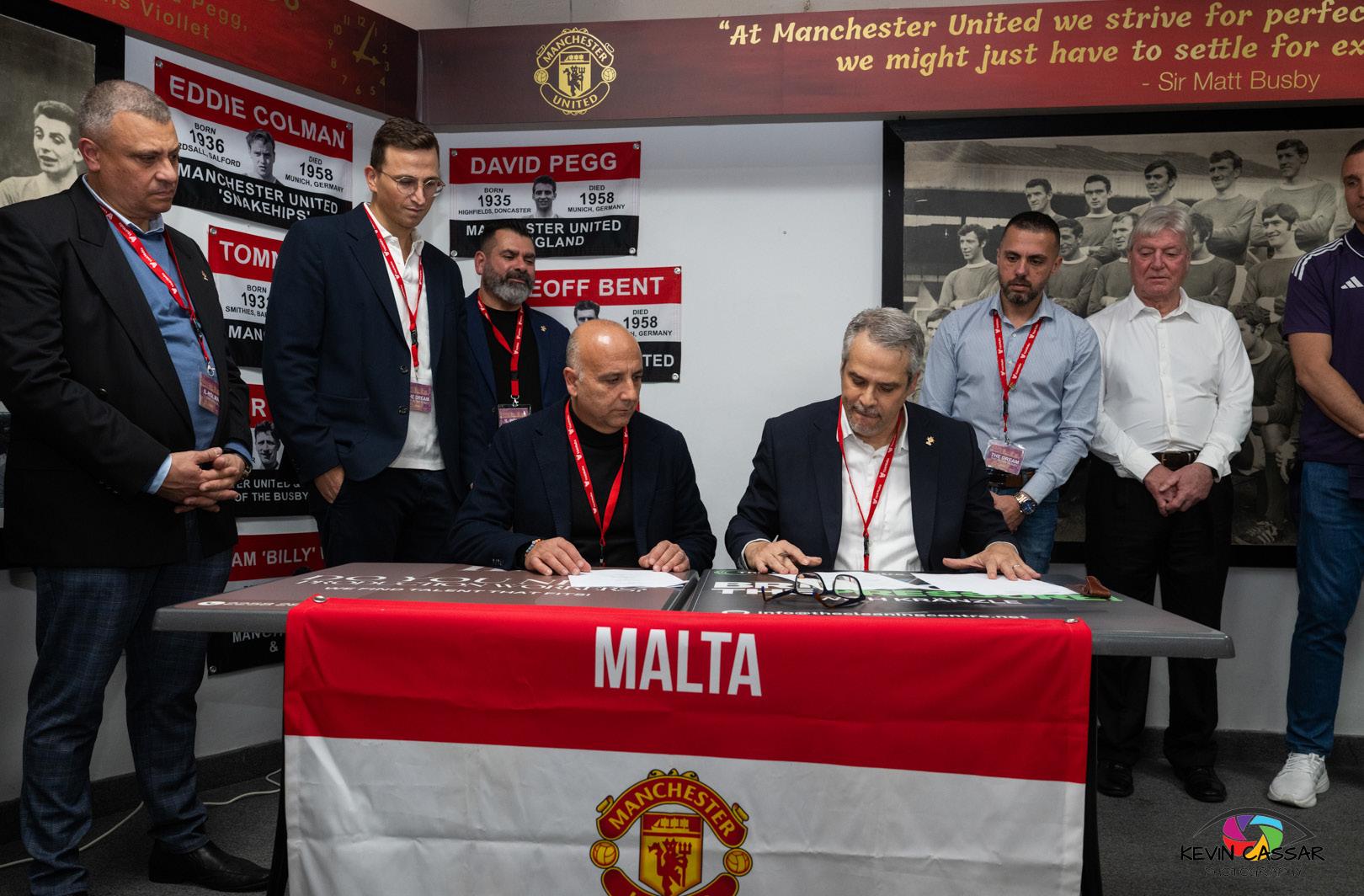
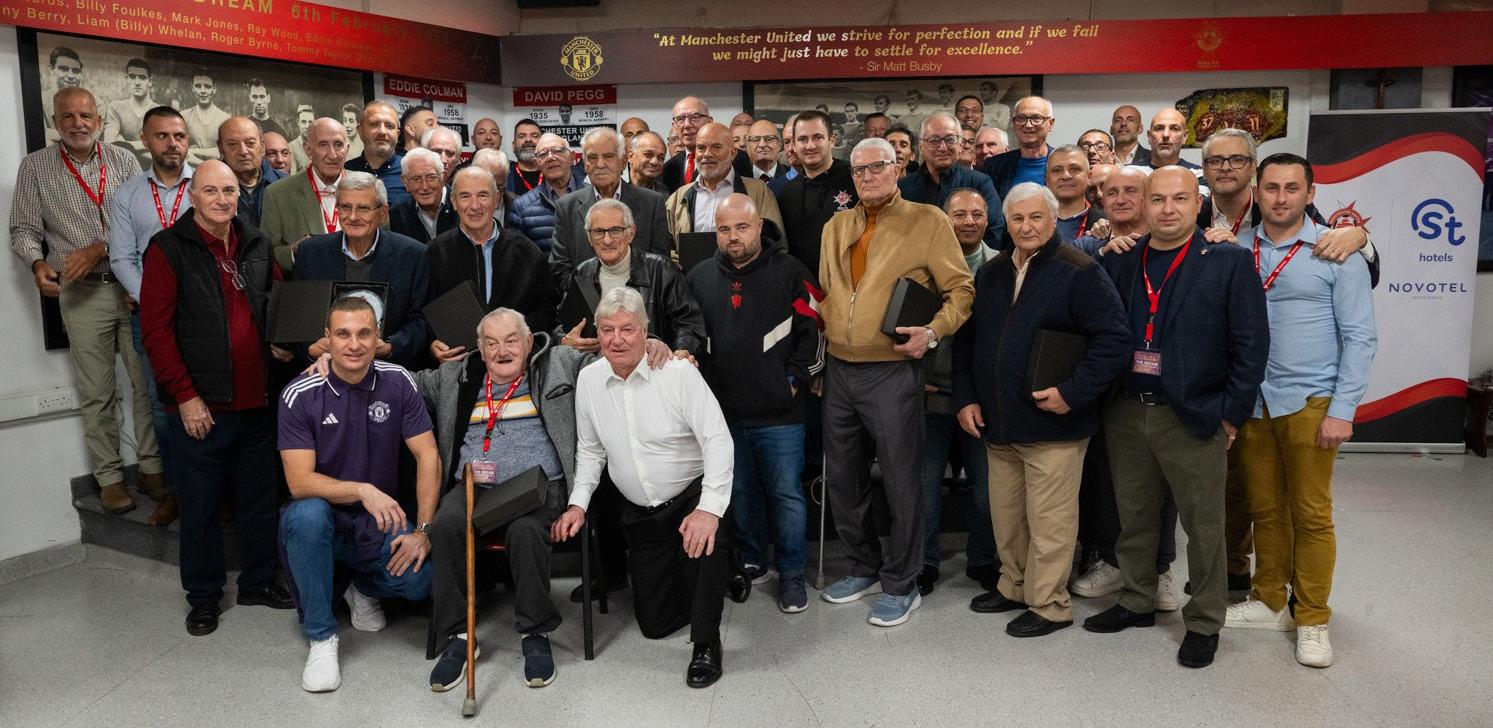
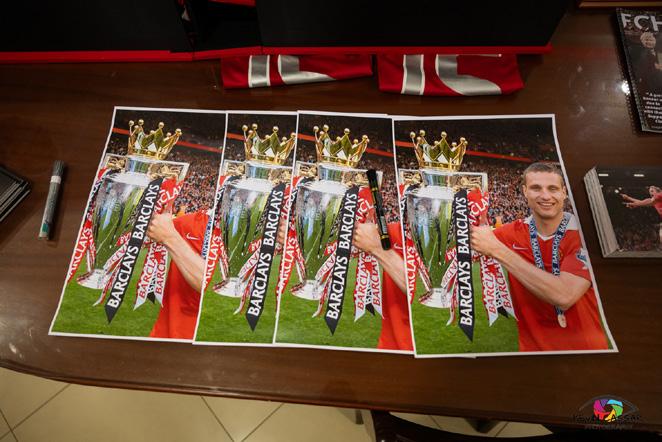
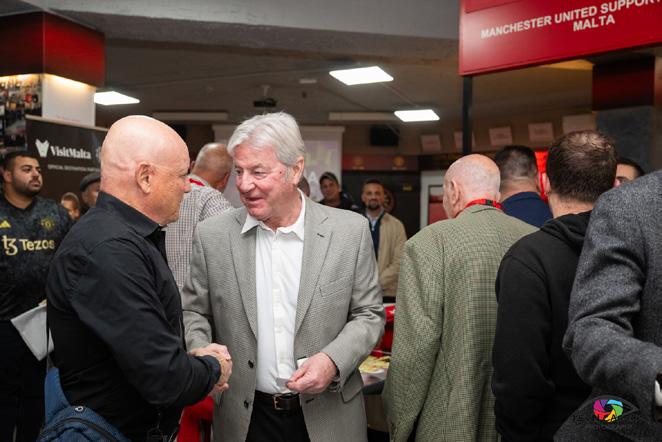
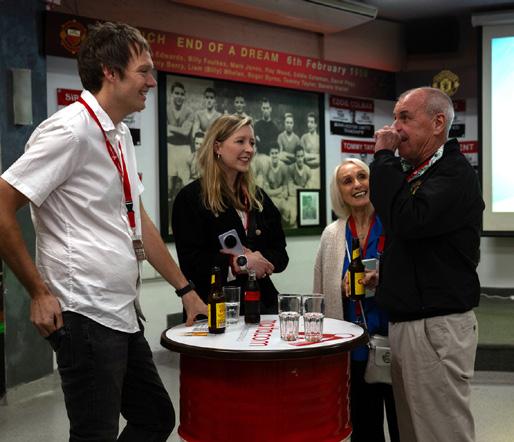
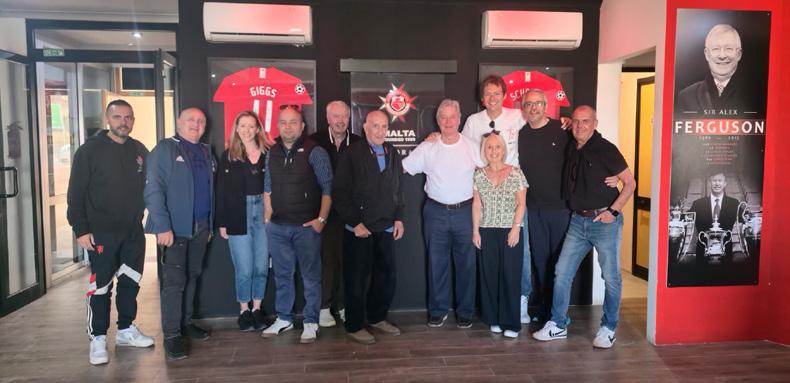
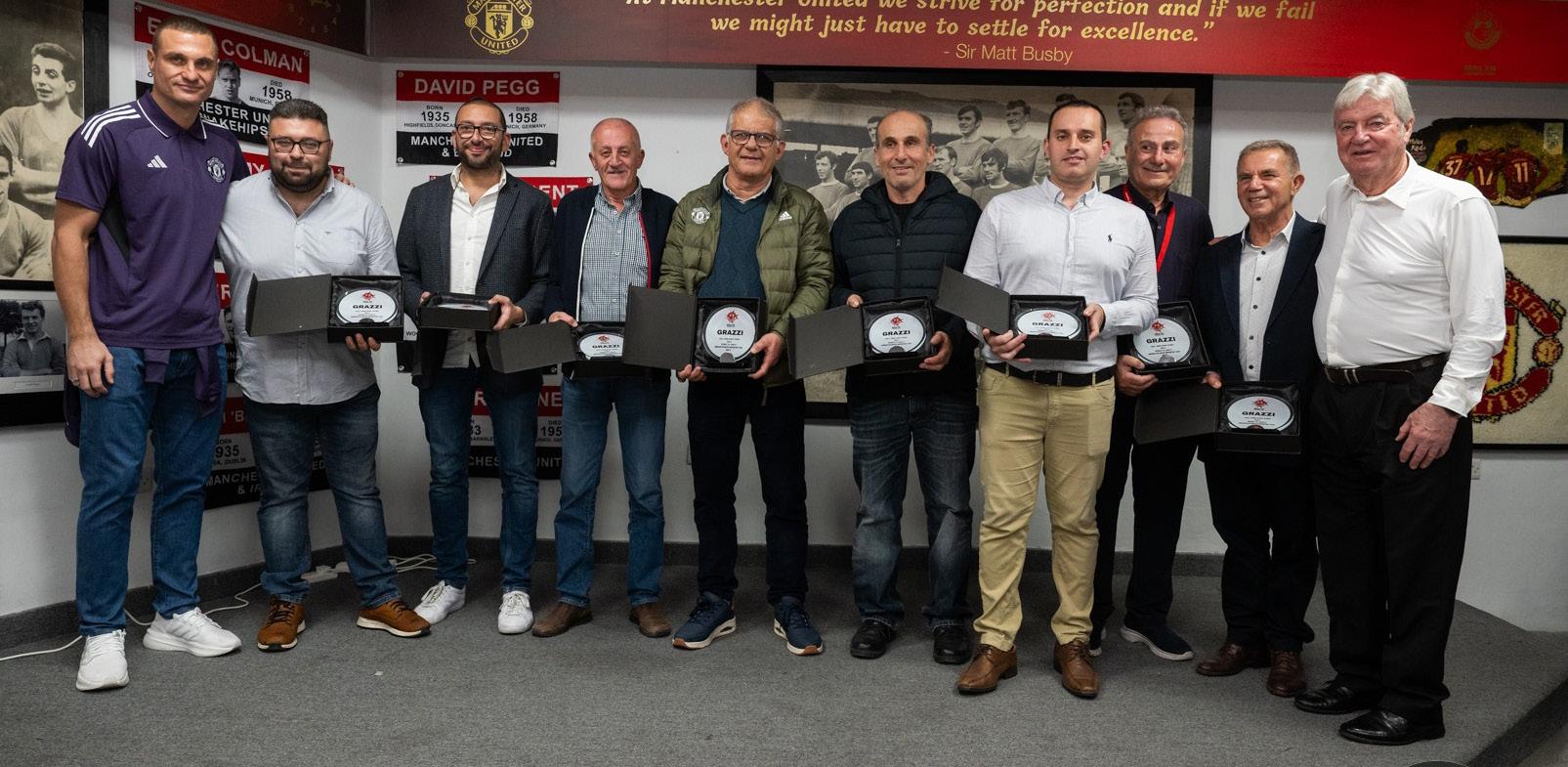
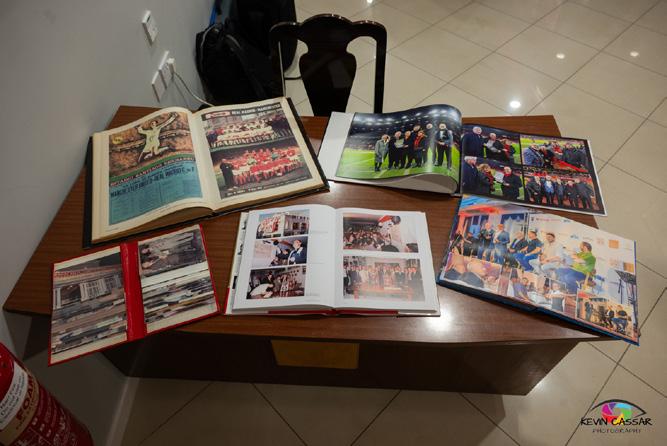
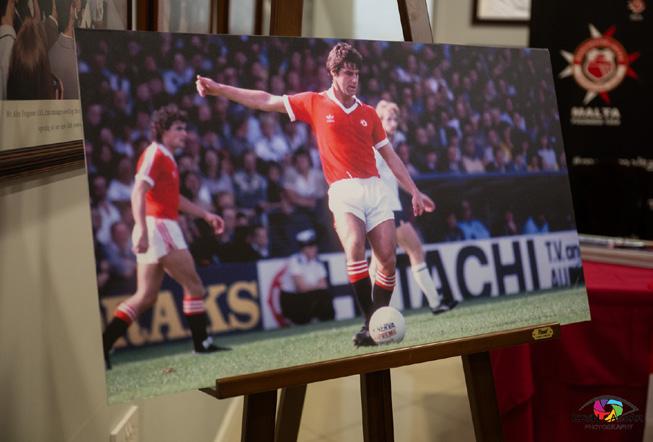
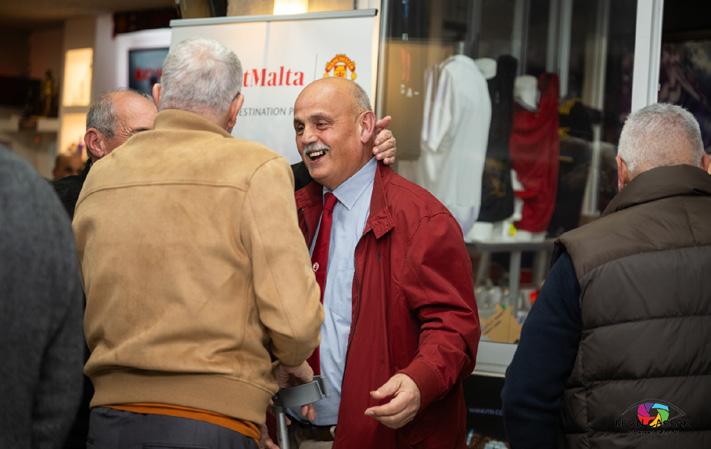
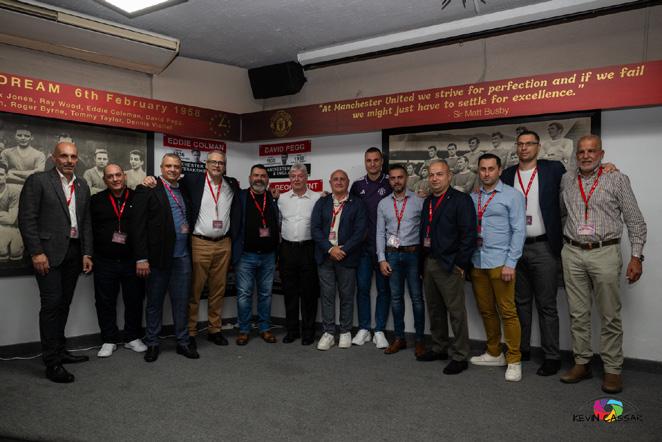
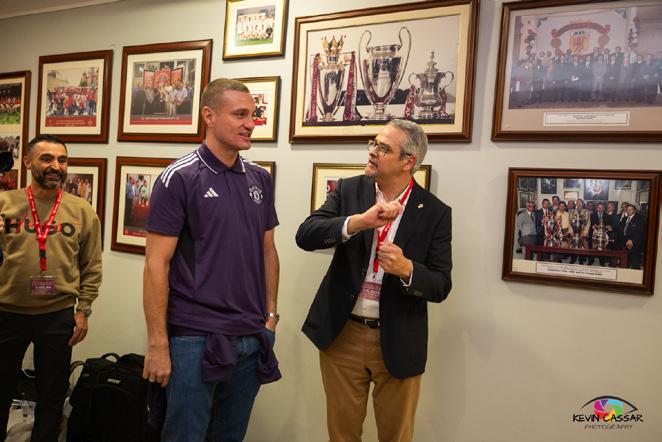
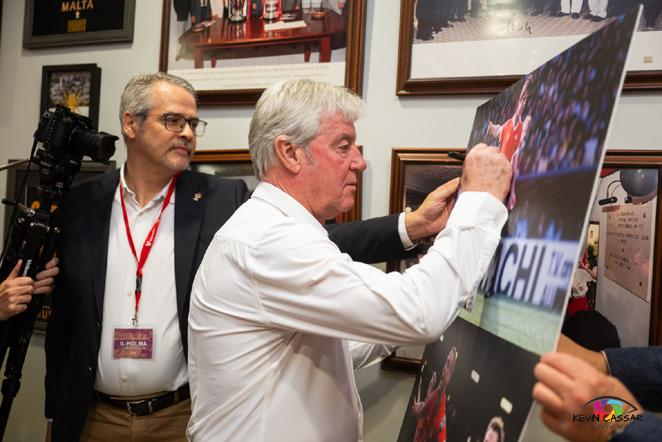
On Friday, 28 th November, MUSC Malta proudly marked the 30th anniversary since our move from Valletta to Msida, celebrating this milestone with the signing of the deed confirming the official purchase of our premises. The evening was made even more memorable with the visit of Manchester United legends Martin Buchan and Nemanja Vidić, who were truly impressed by our Club. They took photos, signed memorabilia for our members, and presented a special memento to every past and current committee member. The event also featured the launch of the midi-opus, and was expertly compered by Paul Anthony. We were honoured to welcome Rick McGagh, Head of Manchester United Fan Engagement, and Nicola Wellington from the Fan Engagement team, making the celebration even more significant for our Club.
The signing of the deed confirming the official purchase of our premises.
The Midi-Opus launch.
Malta Current and ex-Committee Members.
Gozo Committee Current & ex-Members.
Manchester United Fan Engagement Team and Martin Buchan at the Gozo Branch. Door Lottery Winners.
TEDDY’S corner
Dear All
‘Ruben Amorim, he’ll bring the glory days again, we’ll back him from the Stretford End, he’ll turn the reds around…’ The famous chant sung to the tune of Bonnie Tyler’s 1977 hit song, ‘It’s a Heartache’. That has been the most sung tune on the terraces in the last year. 4 months into what I still hope it will be Ruben’s first full season, it’s clear that not all Man United fans have warmed up to the philosophy of the Portughese head coach and the chant is not echoing as it used to be at the beginning of this season. With my hope of this being his first full season, I am self-admitting straight away that I am definitely not on the ‘Ruben Out’ bandwagon because it is only fair that a manager is given at minimum one whole season in order to have some kind of fair judgement. Given the status Ruben found our team in one calendar year ago, one season is not enough to be fair but the pressure at this football Club is only matched at Real Madrid and Barcelona so bringing consistency is a matter of urgency now. We finally beat Liverpool away, Palace away, Brighton at home but we cannot lose against Everton at home playing against 10 men for 80 minutes! This one hurt a lot. Even drawing at home to West Ham felt like a defeat. Mentality? Squad Depth? Culture?
It seems, that given the enormity of the Man Utd fanbase and the ultra-high expectations associated with this vast sporting institution, the jury is always out from everywhere. Podcasts galore. Sensationalism non-stop. Clickbait has become an obsession for some. Now Man Utd ex-players making a living out of their non-stop armchair criticism. Nobody turns on their own Club, manager and players
faster than this fan base. Everybody at the moment seems to be forgetting last season. Light-bulb memory, delusion through the roof. Last season was a disaster. Ten Hag lost the dressing room, results declined, and Ruben had to step in earlier than planned. We were a complete mess. And yet, this season we are winning or drawing games we absolutely lost last year. That is progress, whether the fans like it or not.
Let us call a spade, a spade. Mentality. This club has not had a winners’ mentality since Sir Alex. Under him standards were brutal. Training was war. Old Trafford was a fortress. Nowadays teams come in believing they could get a result. Not because our players are useless, but
because the belief is weak. Ruben is trying to fix that. You do not fix mentality in one season unless you replace half the squad. That takes time and money. But the new boys Mbeumo, Cunha, Sesko…they are hungry, they do not fold. Even when we concede, they fight. That is new. That is progress. The problem is some players can raise their level but their level still is not good enough.
Squad Depth. The drop off after substitutions is insane. The pressing dies, the intensity dies, the ideas die. Lack of urgency slips in. Compare our bench to any top four side, and one can understand why top four is fantasy right now. We do not have the depth, we do not have the consistency, and we do not have the mentality throughout the squad. And with
the Glazers draining this club for a decade, one cannot rebuild the squad in one summer unless you print money.
Culture. This is the biggest monster. After Sir Alex left, players became bigger than managers. Managers were sacked to protect Instagram stars who sold shirts. That created entitlement. Some players thought they would start regardless of training. Standards disappeared. Ruben is dragging the club back to a culture where the manager is the boss. Train like you play, or you do not play. But if players simply are not good enough, that gap shows on match day.
A dear friend of mine wrote this in a WhatsApp chat I am in: ‘We are still only built not to be beaten. Still not built to win matches when we should.’ If I would be sitting next to the journalists in front of Ruben, I would like to hear his feedback on this one. In my modest opinion it encapsulates the moment. At half time when playing Tottenham away we were second in the league. If we beat Everton we would have gone up to 5th. Same when we played West Ham. I am writing this on the eve we play Wolves away – I just hope it will not be their first league win of the season. The gap between Top 4 and our blessed 12th place is so narrow that winning at Molineux will drag us back to 5th or 6th (depending on Crystal Palace result). This Dr Jekyll and
Mr Hyde attitude hurts. You would not know which Man Utd is turning out on the pitch.
There is one thing I cannot understand with Ruben. And it is not just me. What is so wrong
with Kobbie Mainoo? Why Ugarte merits to come in the last 12 minutes against West Ham, when we so desperately needed a goal and Kobbie is kept warming the bench. I may understand that in his eyes, Kobbie plays the same game as Bruno and he is preferring Bruno but that Ugarte substitution is showing that the issues with Kobbie are far deeper. One of Ten Hag’s criminal deeds was to get rid of McTominay. I hope Kobbie will not give you the same label whenever it is time for you to leave Mr. Amorim.
The bottom line…I am still supporting our Manager because I believe he is brave, he knows what he wants, and though I do not agree with all his decisions I am sure he is doing his utmost best to get us back to where we belong. I honestly hope whatever there is between him and Kobbie is resolved. The vacant places we will have in the coming weeks with some of our key players leaving for the African Cup of Nations will give a clearer verdict on this matter.
May I take this opportunity to wish You All a Merry Christmas and a Happy New Year full of good health and happiness! GGMU!
Best United Players To Have Never Played at a World Cup
2026
marks the start of a World Cup year, and many of United’s leading lights will be away in the Americas representing their nations next summer.
Some will still have a fight on their hands to secure a place in a travelling squad, with England trio Kobbie Mainoo, Harry Maguire, and Luke Shaw having been overlooked by Thomas Tuchel since the German’s arrival.
However, despite their on-going issues, United will still be well-represented across Canada, Mexico, and the United States next summer, with Bruno Fernandes (Portugal), Matthijs de Ligt (Netherlands), Casemiro and Matheus Cunha (Brazil) all likely to play important roles in their respective nation’s chase for glory.
However, representing your country at a World Cup hasn’t been achieved by every United legend throughout history, with some having gone throughout their time at Old Trafford without playing in the world’s most famous tournament. But who are some of the best United players that never got the opportunity to strut their stuff on the biggest stage of all?
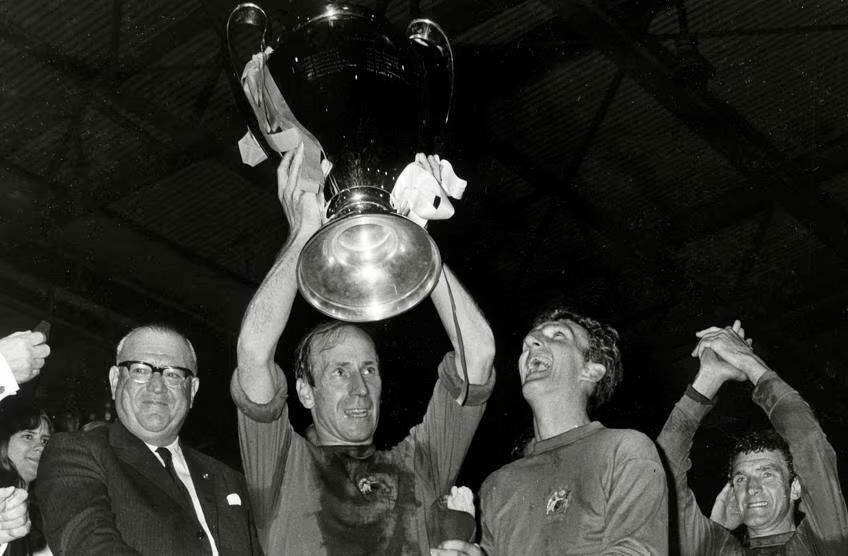
Alex Stepney (England)
Alex Stepney was Manchester United’s goalkeeper for the European Cup-winning success in 1968, but he featured just once for England during his storied career. Despite making over 500 appearances for the Red Devils, the goalkeeper was unfortunate to have been around in the time of the great Gordon Banks.
Stepney came close to appearing at the 1970 World Cup but was overlooked in favour of Peter Bonetti as the Three Lions crashed out in the quarterfinal stage.
Clayton Blackmore (Wales)
Clayton Blackmore came through the
prestigious youth system at United, and was part of the 1982 FA Youth Cup team that reached the final. Blackmore was an immediate favourite with Sir Alex Ferguson following his appointment in 1986, making over 30 appearances in each of the 1990-91 and 1991-92 seasons.
The full-back would win the Premier League title in 1992-93 before departing for Middlesbrough in 1994. However, despite featuring for Wales on 39 occasions, he never featured at the World Cup.
Jonny Evans (Northern Ireland)
Jonny Evans is one of the best Northern Irish defenders in history, and he featured over 100 times for his nation, including appearing at EURO 2016. After coming through the United youth setup, he would become a regular first team player in the 2007-08 season.
During a nine-year stay, Evans won eleven major trophies, including the Premier League on three occasions. The central defender would achieve notable success away from the club, first at West Bromwich Albion, before winning the FA Cup at Leicester. A memorable return to Old Trafford followed in 2023, winning the FA Cup in 2024.
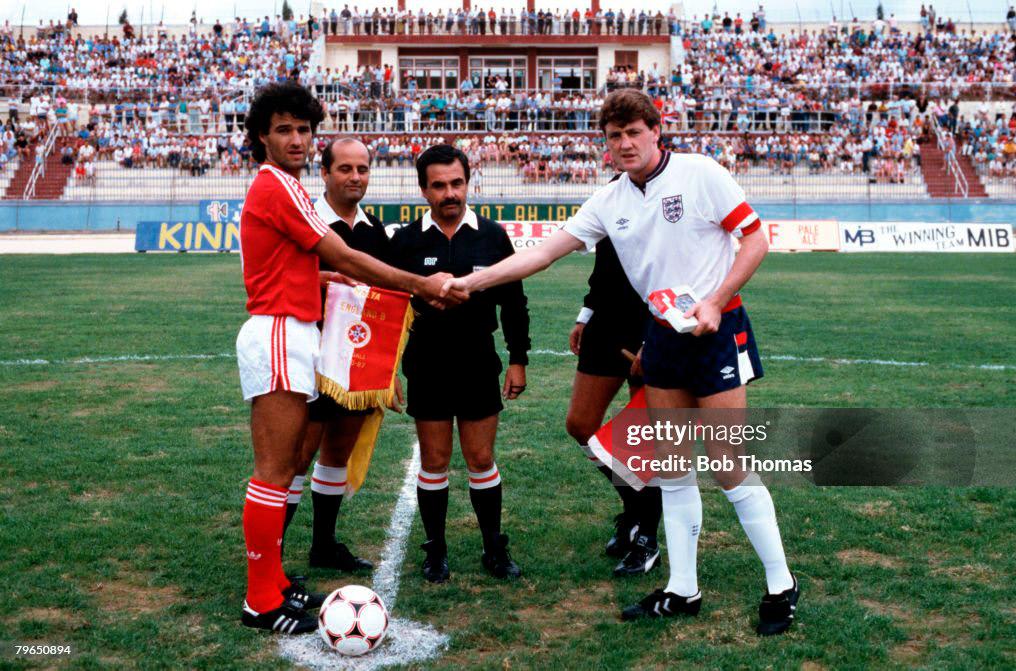
Steve Bruce (England)
It could be argued that Steve Bruce is the best central defender never to have played for England at a World Cup. Bruce appeared over 400 times for the Red Devils across a ten-year stay, winning 12 major trophies, including three Premier League titles.
However, his England career was a case of what could have been, as he was typically overlooked despite being regarded as the best defender in the 80s and 90s. Bruce arguably had the last laugh, as Graham Taylor’s preferred combination of Des Walker
Duncan Edwards (England)
Duncan Edwards could have become one of the greatest players in the history of the game had it not been for a cruel twist of fate in Munich in 1958. Largely regarded as one of United’s best players of the 50s, Edwards was a core member of the Busby Babes, playing 177 games for the club. During his time on the field, Edwards played an important role in two Football League Championship-winning campaigns for the Red Devils.
One can only wonder how much he would have achieved in the game, but he likely would have been a key member of England’s 1966 World Cup-winning team.
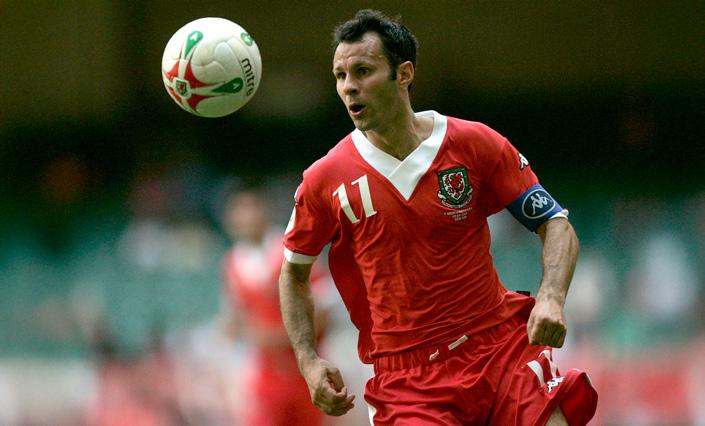
Ryan Giggs (Wales)
Regarded by many as the greatest player to have never appeared in a World Cup, the closest Ryan Giggs ever got to the tournament came in 1993 when a missed penalty cost them qualification against Romania.
Giggs played for Wales between 1991 and 2007, but did play at a major tournament in 2012
and Tony Adams couldn’t even get England to the 1994 World Cup.
by Alex Dudley
after representing Team GB at the Olympics. For United, Giggs played a staggering 963 times, winning virtually every trophy on offer, including 13 Premier League titles and the Champions League on two occasions.
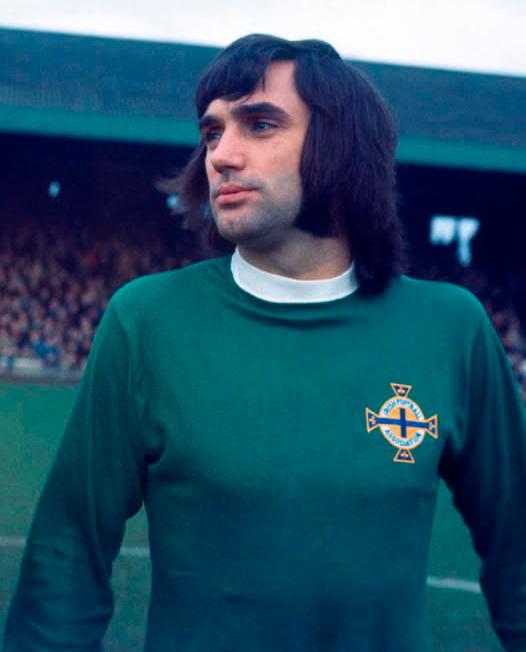
George Best (Northern Ireland)
Talented wingers not being able to strut their stuff at the World Cup is a common theme when it comes to United, as older fans will argue that George Best is the most talented player to have never featured at a World Cup.
The wing wizard was a key man in United’s 1968 European Cup-winning campaign, scoring 181 goals in 474 games across an
eleven-season stay at Old Trafford. Best had hoped to feature at the World Cup after Northern Ireland qualified in 1982, but this was overlooked by head coach Billy Bingham due to Best playing in the third tier of England at the time.
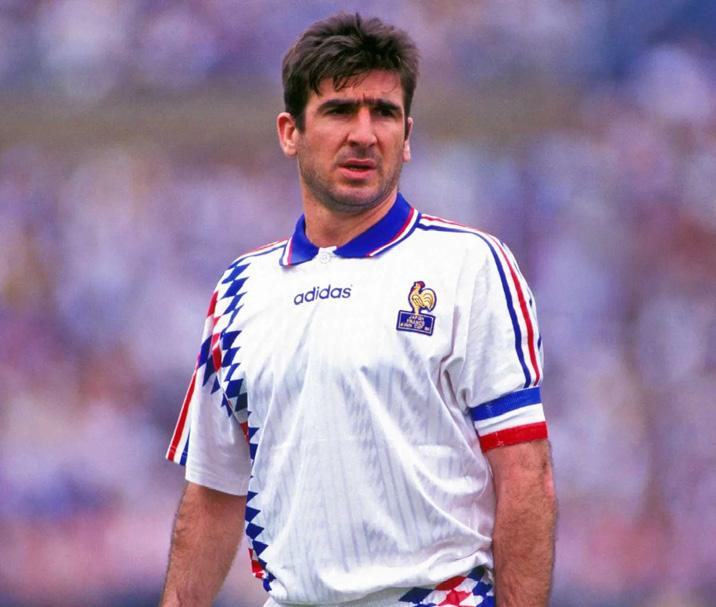
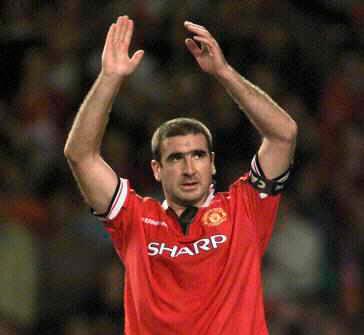
Eric Cantona (France)
King Eric missed out on an appearance at the World Cup after an implosion by France in qualifying for the 1994 tournament. Requiring just a point from home matches against Israel and Bulgaria, the French lost back-toback games. Eric Cantona did get his taste of international tournament football at the 1992 EUROs, but he retired before France’s World Cup success in 1998.
At club level, Cantona was the transformative figure that took United to the promised land, winning four Premier League titles between 1992 and 1996 before retiring early from the
sport when regarded as United’s greatest ever player among fans in 1997.
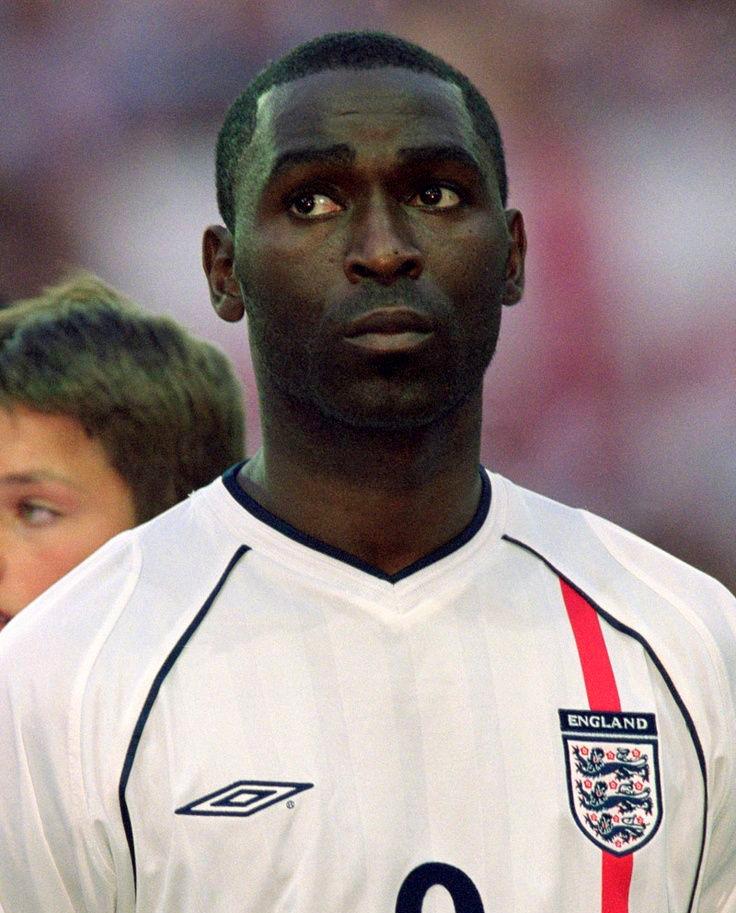
Andy Cole (England)
During the 1990s, England were graced with no shortage of world-class talented at the top of the field, meaning names such as Ian Wright and Andy Cole were typically overlooked.
It was incredibly harsh on Cole, as he scored 17 league goals in 1998-99, with only Michael Owen managing more of the English strikers in the Premier League. During his prestigious career, Cole would feature on just 15 occasions for England, scoring once against Albania in qualification for the 2002 World Cup.
United: A Season of Tumult and Tentative Turnaround
by Kenneth Abela & Daniel Micallef
Manchester United, a club synonymous with success, is finding itself in a period of intense scrutiny and flux. The start of the 2025/2026 season for the Red Devils under Rúben Amorim has been a turbulent affair, following a historically disappointing 2024/2025 campaign that saw them finish in an alarming 15th place in the Premier League. The current season is characterized by a desperate search for consistency, with recent signs suggesting a fragile, yet promising, upturn in fortunes.
A Stuttering Start to the 2025/2026 Season
The hangover from the disastrous 2024/2025 season—which included a 15th place finish and failure to secure European football through the league—clearly affected the beginning of the new campaign. Early results were mixed, including a heavy defeat to local rivals Manchester City and a humbling Carabao Cup exit. Manager Rúben Amorim, who took over mid-season last year, faced immense pressure, with many questioning his tactical approach and his reluctance to adapt.
As of late November 2025, United are positioned in seventh place in the Premier League table after nine games, one of five teams on 18 points. This is a substantial improvement from their previous standing. Their current record stands at five wins, three draws, and three losses, accumulating those 18 points.
By the end of October 2025 the club had finally achieved three straight league victories, the first under Amorim. A momentous 2 1 victory over Liverpool at Anfield, a victory against Chelsea, and a dominant 4-2 win against Brighton at Old Trafford was a significant positive shift.
Notwithstanding, the daggers are still out. Prior to the Nottingham Forest game, Sky Sports insisted, ‘This version of United under Ruben Amorim remain a deeply unreliable, defensively chaotic team. Defensively, they’re still hanging on by their fingernails. They’ve conceded 22 big chances in the Premier League this season, more than any other team. That’s not bad luck, that’s structural fragility, especially in the central midfield area.’
Although Sky sports predicted a United loss for that match, United responded with a hard earned draw to an ever improving Forest side. It was sadly a lost opportunity to temporarily at least, move up to 2nd place in the Table.
United repeated this ‘feat’ in the following match versus Spurs, once again missing out on leaping to 2nd place, but at least getting a very late goal to salvage a draw. Benjamin Sesko once again failed to find the net, even when through on goal. Questions have began to be asked, ‘is the Manchester United striker the real deal or another Rasmus Hojlund?’
The Manager and Tactical Evolution Manager Rúben Amorim has been at the epicenter of the team’s narrative. Following heavy criticism for his initial rigid tactical setup, characterized by a passive 5-2-3 shape off the ball, recent match performances suggest a willingness to adapt. The shift to a more traditional 4 4 2 shape out of possession appears to be a key change. This adjustment has made the team less exposed in midfield, more dangerous on the counter, and more effective in their pressing.
Furthermore, a change in build-up play, including a more frequent use of long balls from the goalkeeper to bypass the opposition’s
press, was notably employed against Liverpool. While this provoked criticism from opposition managers, Amorim defended his need to “adapt to the game.” The strategic victory against Liverpool, the team’s first at Anfield in nine years, was lauded by some as a “tactical masterclass” that demonstrated a new level of structure and discipline. The key appears to be a greater emphasis on attitude and forcing the players to execute the basics, even when under pressure.
Key Players and New Signings
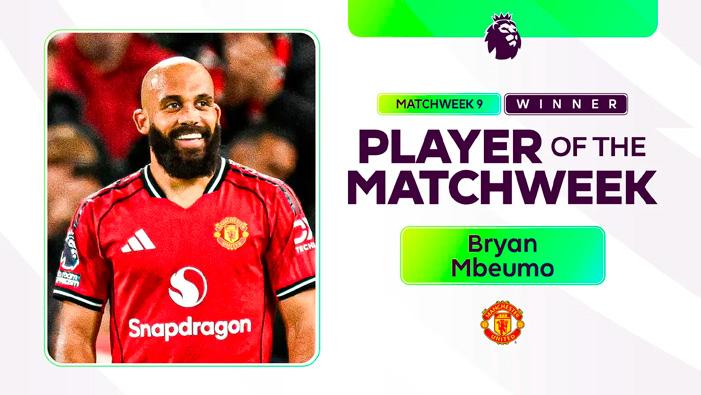
The current squad has seen new faces, and their integration has been vital to the recent upturn. The new signings, including young striker Benjamin Šeško, defensive midfielder Manuel Ugarte and Bryan Mbeumo (who previously played for Brentford) have all begun to make an impact. The latter has been a revelation, providing the attacking impetus that was sorely missing. His brace in the 4-2 win over Brighton earned him a spot in the Premier League Team of the Week, and his pace and directness are proving crucial.
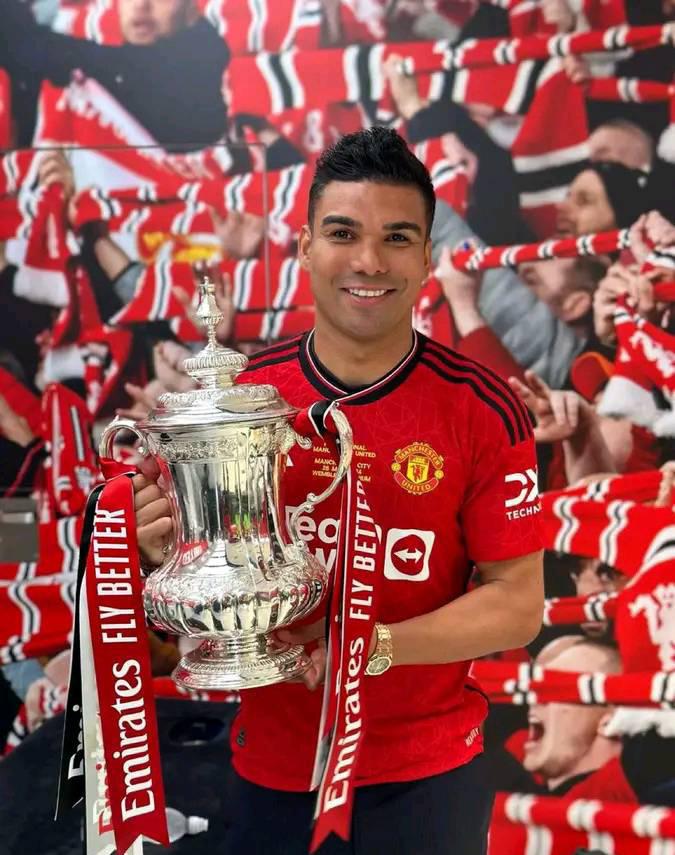
The injection of new talent and the resurgence of established stars like Casemiro are helping to stabilize a team that struggled profoundly for goals and defensive solidity last season. Casemiro has shown a recent return to his best form, with an immense performance
against Brighton, scoring and assisting a goal. His experience in midfield is invaluable, providing much-needed steel and composure.
Captain Bruno Fernandes remains the club’s creative and driving force, continuing to set the high standards expected at Old Trafford. The attacking threat has also been bolstered by Matheus Cunha and Amad Diallo, while the defense relies heavily on the experience of Harry Maguire and the quality of fullbacks like Diogo Dalot and Luke Shaw when fit.
However Casemiro is in the final year of his Manchester United contract, 33 years old and it’s fair to admit he’s also past his pomp; but he is a crucial cog in Ruben Amorim’s midfield. Of the 20 goals United conceded this season, five have come when Casemiro was on the pitch. The other fifteen goals they’ve shipped have come without him. That pattern was clear in United’s 2-2 draw at Spurs. Casemiro was taken off with less than 20 minutes to go and United leading through Bryan Mbeumo’s first half header. Spurs then scored twice late on when he left the field. Amorim’s
over-reliance on the Brazil international is a further reflection of the club’s need to find an appropriate heir in midfield. United have made signing a new midfielder a priority in the summer, but they might need to accelerate those plans.
An Uncertain Outlook
Despite the recent run of wins, the overall picture for Manchester United remains one of cautious optimism rather than assured dominance. The team’s league position (Seventh) is respectable but sits well behind the top-performing sides. The defensive unit has often looked shaky, as evidenced by a recent 3-1 loss to Brentford. The challenge for Amorim is to transform a momentary surge in form into a sustained period of consistency, which has been the club’s most elusive trait in the post-Ferguson era.
The transfer strategy over the summer, which focused on securing high-impact players, suggests a clear intent to
reshape the squad in Amorim’s image. However, the true test lies in the immediate future, with upcoming fixtures poised to determine if the recent wins are a genuine turning point or merely a temporary reprieve from deeper-seated issues. The pressure remains immense, but for the first time in a long time, the Red Devils have a tangible platform of form from which to build.
B outique S er vice meets Grand Facilities
We’re at your ser vice
e Grand Hotel Gozo is ideally situated on top of the gateway to Gozo Island, Mgarr Harbour. e hotel enjoys spectacular views of the Mediterranean Sea and the Gozo channel. e to and fro of the shing boats and the incomparable vistas add a unique touch to the excellent hospitality o ered at the hotel. e property o ers en-suite four star accommodation, with predominantly sea view rooms; ranging from standard double rooms to spacious family suites. e Grand Hotel Team are committed to ensure you make the most of your stay by o ering the services you need, the amenities you expect, and the extras you deserve.
New United reads
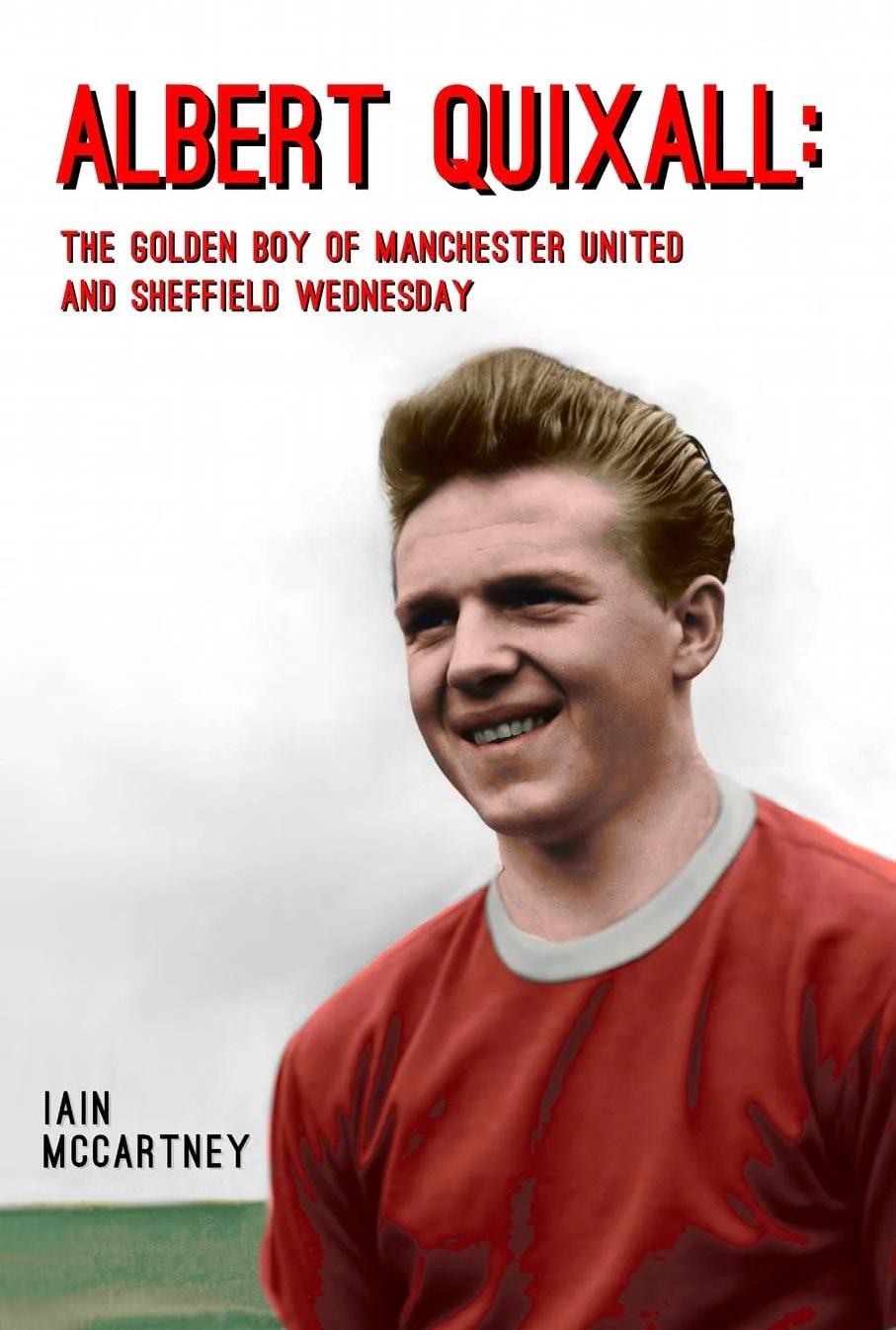
Celebrate the Legacy of Albert Quixall
Albert Quixall: The Golden Boy of Sheffield Wednesday and Manchester United—written
by the acclaimed football historian Iain McCartney— explores the story of one of English soccer’s most dazzling inside forwards. With his trademark attention to detail, McCartney charts Quixall’s dramatic rise from Sheffield Wednesday’s youth teams to the legendary pitches of Old Trafford, examining how his flair and vision illuminated the game throughout the 1950s and 1960s. The book is steeped in the history of English football, weaving in essential terms like FA Cup, transfer record, and Busby Babes to paint a picture of a sport and culture in transition. Through McCartney’s crisp writing, Albert Quixall emerges not just as a Manchester United and England star, but as a defining figure in the golden age of British soccer.
Iain McCartney, long recognized for his exhaustive knowledge of Manchester United, offers more than just a biography—he brings the archive to life. As chairman of the Manchester United Writers Association and the driving force behind the Manchester United Review Collectors Club, McCartney seamlessly connects the dots
between Quixall’s career and wider changes in football tactics, training, and player development. He taps into his unparalleled private collection of match reports and interviews, delivering rare insight into both clubs’ legacies. Fans and researchers alike will relish McCartney’s balanced analysis and compelling storytelling, which root soccer’s icons firmly in their historical context.
The narrative captures how Quixall’s landmark transfer to Manchester United broke British football records, signaling a new era in player movement and wages. McCartney highlights the immense pressures faced by footballers in a post-Munich Air Disaster world, focusing on Quixall’s role in rebuilding Manchester United as part of Matt Busby’s vision. Soccer enthusiasts will enjoy keyword-rich sections on Old Trafford’s heritage, Sheffield Wednesday’s unique club culture, and the evolution of the inside forward position—a role Quixall redefined through skill and determination. These SEO-rich discussions ensure the book’s relevance to readers searching for key soccer terms and historic match moments.
Above all, Iain McCartney’s passion for Manchester United and English soccer shines through every page. His decades of expertise make Albert Quixall: The Golden Boy of Sheffield Wednesday and Manchester United an irresistible read for fans of classic football, Manchester United history, and anyone seeking a rich narrative of soccer’s past. By celebrating both club and legend, McCartney affirms his standing as one of the game’s premier chroniclers, delivering a book filled with heart, history, and the true spirit of football.
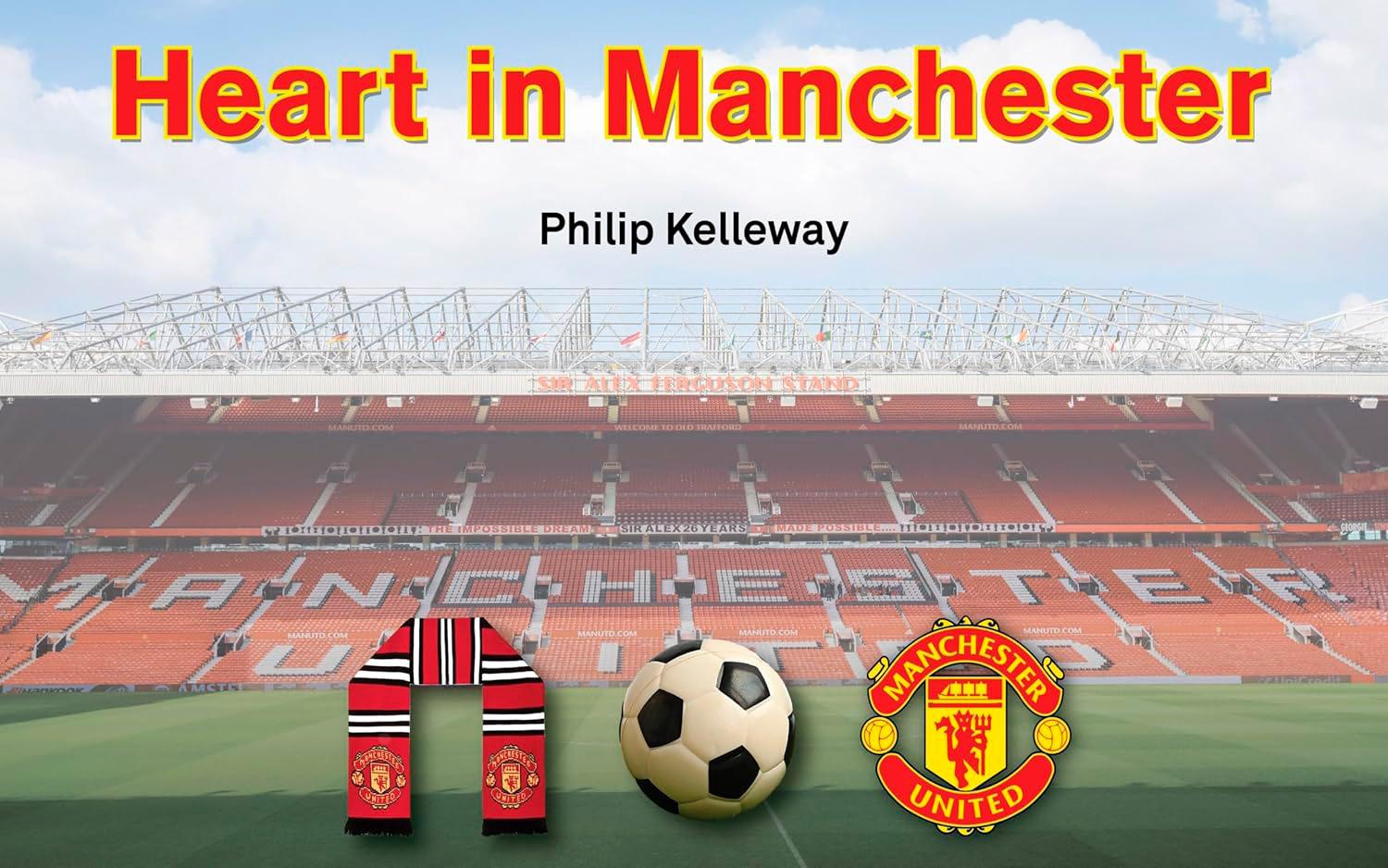
Heart In Manchester : A Kiwi Fan's Football Romance Part 1 Kindle Edition
by Philip Kelleway (Author) Format: Kindle Edition
Dive into the passionate journey of Philip, a Kiwi whose heart beats for Manchester United across decades and oceans. From his first ritualistic match day cheers in New Zealand to witnessing the 1993 Premier League triumph in England, this memoir captures the highs and lows of a lifelong fandom. Meet iconic players like Cantona and Giggs, relive historic moments, and feel the thrill of supporting from afar. A unique blend of personal anecdotes and football lore, this book is a tribute to unwavering loyalty and the global language of the beautiful game.
The Golden Boy Returns
Manchester to Malta a Labour of Love
by Daniel Cuschieri
This article for Echoes from Old Trafford carries a different kind of story—one that is both personal and deeply connected to the unique bond between Manchester United and Malta. As many of you know, the Malta Supporters’ Club was the very first official Manchester United supporters’ club outside England. Its creation sparked a chain reaction that helped forge a special, decades-long relationship between the club and our islands.
I have been a Manchester United fan since the age of nine or ten. I was lucky enough to watch them live during the 2008–09 season, in a match against Everton that United won 1–0 thanks to a Cristiano Ronaldo goal.
Back in the 2007–08 season I had a Sunday ritual: I would buy the News of the World, pick up four pastizzi, and sit on a step in the middle of San Ġwann reading the sports section. Once the pastizzi were gone and the match review finished, I’d head home. While waiting for Sunday Supplement to start, my late mother would have Sky News on.
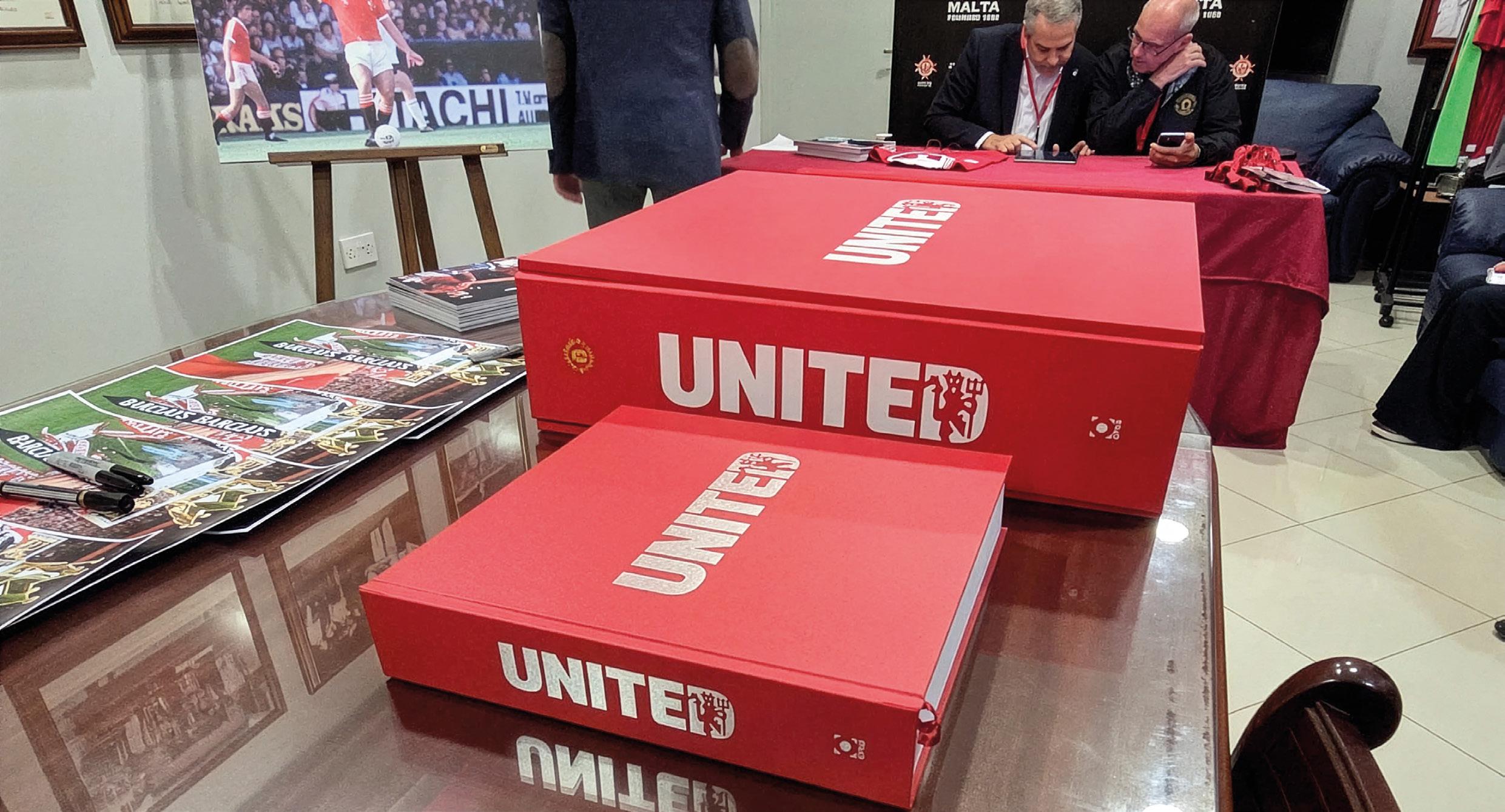
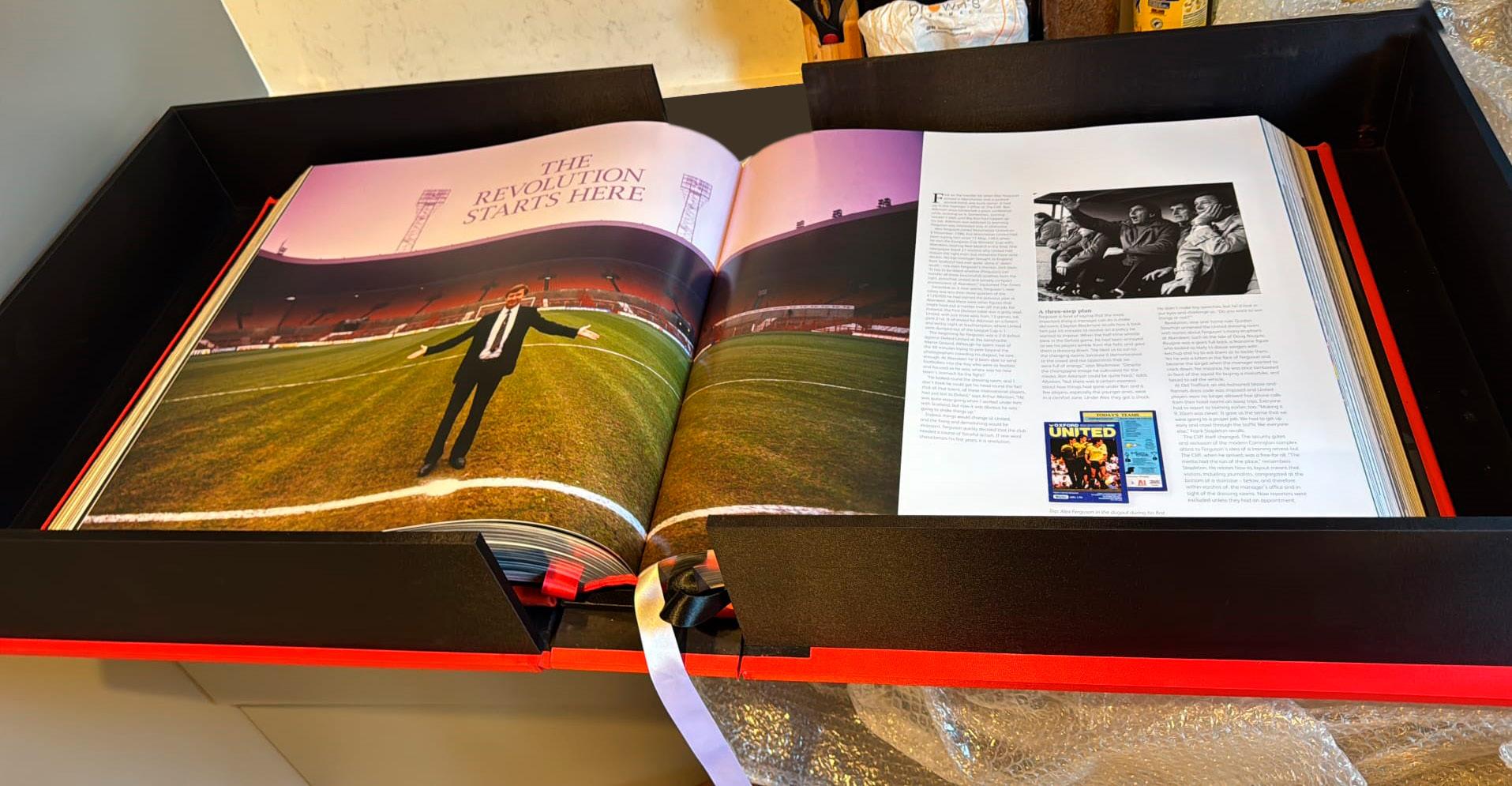
One particular Sunday, everything felt the same—but one news story caught our attention. It was about a massive Manchester United book: more than 30 kilograms in weight, nearly 80 centimetres wide when opened. “Daniel, this should be your book,” my mother told me. I remember that moment vividly. It was the first publication by OPUS.
Being a book lover, with shelves full of United books—including my oldest, a 1993–94 season review—and countless magazines I used to buy with my pocket money, I
immediately wanted it. But at the time I had just started my ACCA studies, and between paying for my education and enjoying the odd night out in Paceville, finances were tight. The dream had to wait.
Yet every time I visited the supporters’ club and stepped into the committee room, my eyes were drawn to the pedestal that held the Manchester United OPUS. My curiosity would overwhelm me. What is inside that book? I wondered.
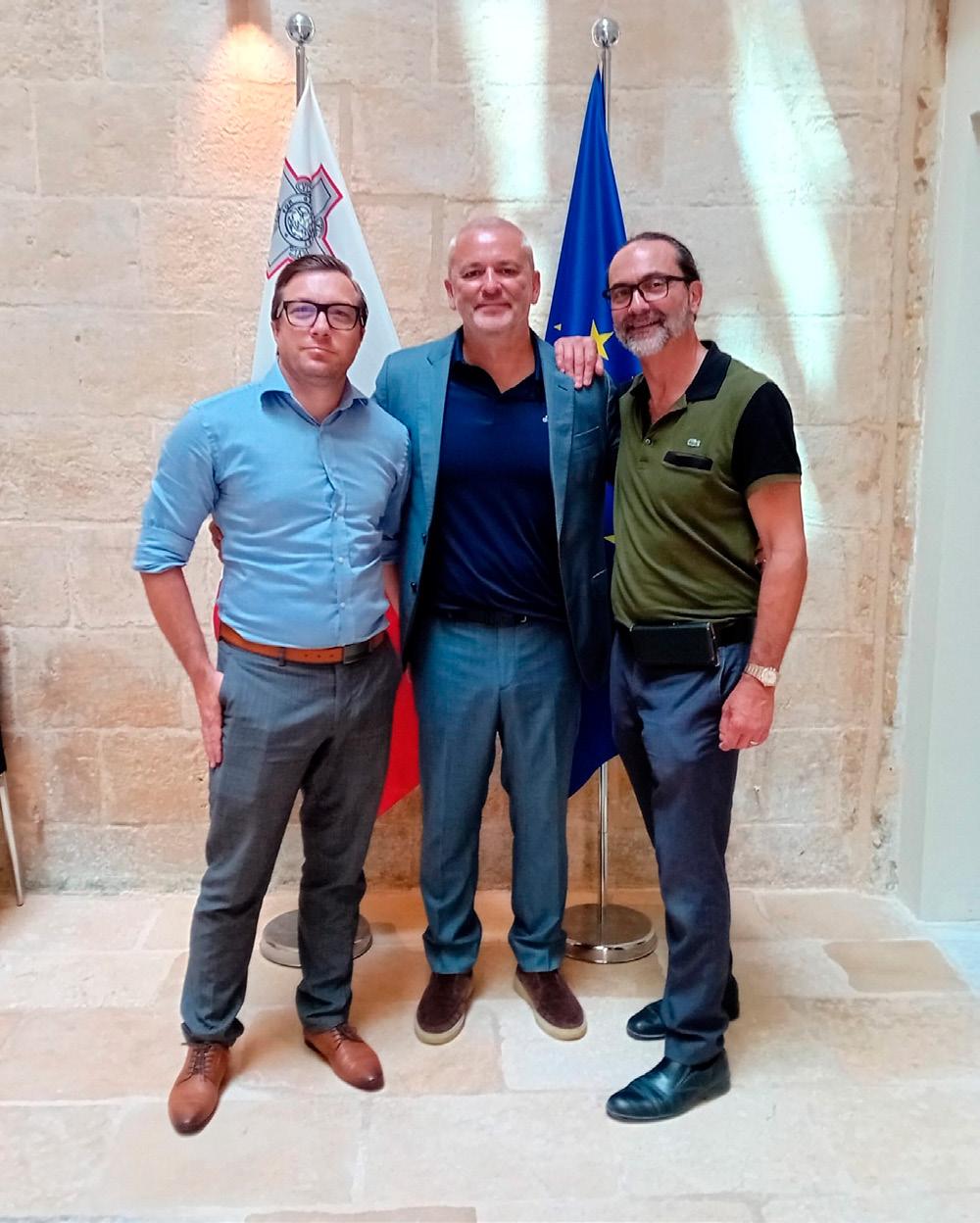
Fast forward to 2024. After years of contacting OPUS and trying to track down a copy, OPUS CEO, Karl Fowler, finally managed to locate one for me. I travelled to the UK to collect it, feeling as though I was finally grasping the Manchester United Bible—the largest book ever created about a football club, and the very first of its kind. After craving it for so many years, it became one of the prized possessions of my collection.
You may be wondering what all this has to do with the title of this article. Here is where the story reveals the powerful way Manchester United connects people.
While collecting my OPUS and sharing a beer with Karl, I suggested an idea to him: what if OPUS created a book not about a club or an athlete, but about a country? Something cultural and educational. “Which country?” he asked. “Malta,” I replied. “We have more history per square metre than Rome.” He was intrigued. “Come and visit,” I told him. “See for yourself.”
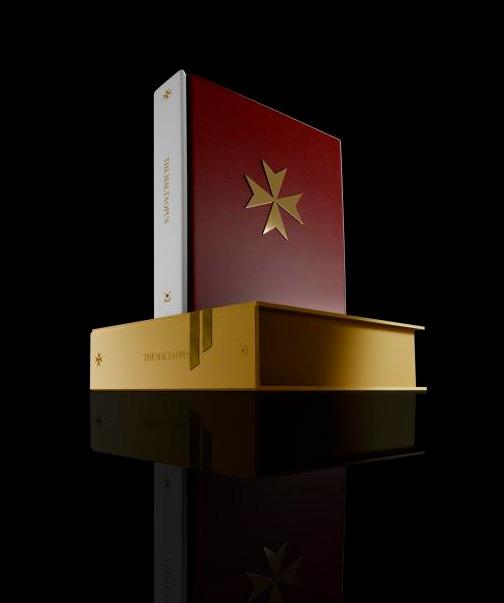
A few days later, Karl called again—this time to discuss whether a Malta OPUS could truly be created, and if the Government would endorse it, as every OPUS requires the backing of the institution, estate, or subject it represents. The Malta OPUS was created and has now been officially launched—the first OPUS ever produced about a country, just like the Manchester United OPUS was the first produced about a football club.
Manchester United’s history—born from working-class roots, shaped by the tragedy of Munich, rising again to win the European Cup within ten years, then weathering difficult, trophyless periods—mirrors the resilience of Malta itself. Our island has faced centuries of turmoil, hardship, and sacrifice to become the nation it is today. Through tears, sweat,
and even the ultimate cost of life, our people endured. Today Malta welcomes visitors from all over the world, just as Manchester welcomes thousands of football pilgrims to “our Vatican”—Old Trafford.
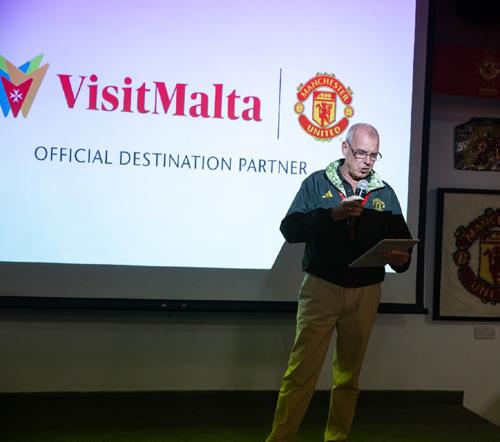
These parallels helped forge the bond between Malta and Manchester United. The supporters’ club may have begun as a simple initiative, but decades later it shaped a relationship strong enough that Malta became an end-of-season destination for the club’s players and for Sir Alex Ferguson. The partnership eventually grew into Malta becoming an official travel destination partner for Manchester United benefiting both sides.
Football unites people. It brings together nations divided by politics, and fans separated by borders. And in my case, my simple love for Manchester United led me to acquire the MU OPUS and eventually to help, alongside many contributors, bring The Malta OPUS to life.
With great pride I can now say that our country has been recognised for its
incredible, romantic story—so much so that on OPUS marketing material, it stands alongside giants of sport and entertainment. When founder John Calleja convinced Sir Matt Busby to allow the creation of the first supporters’ club outside England, he ignited a relationship that brought together a great football club and a great nation.
And as history shows, we Maltese have always been very good at being the first to achieve, the first to create—we lead, others follow.
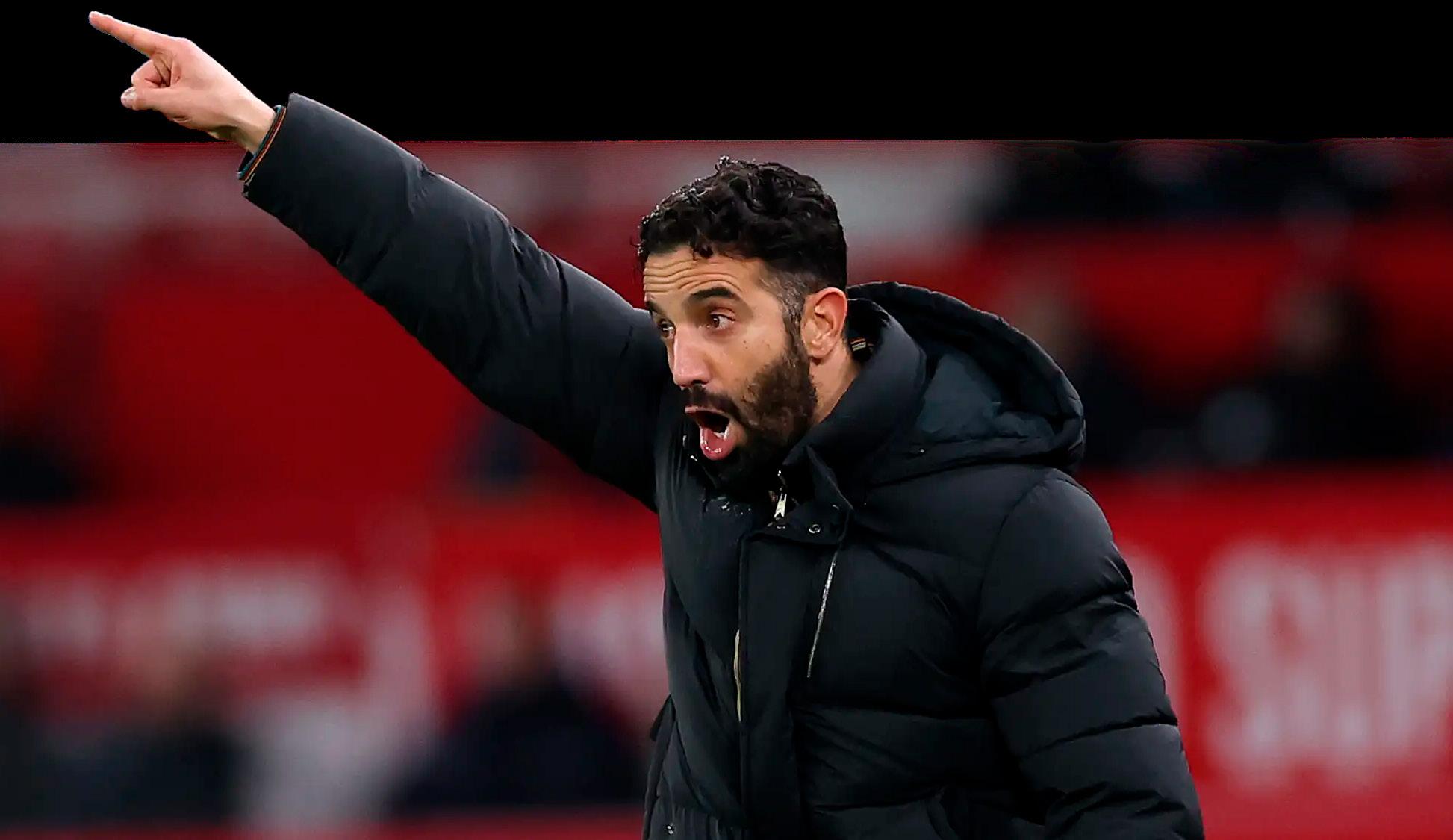
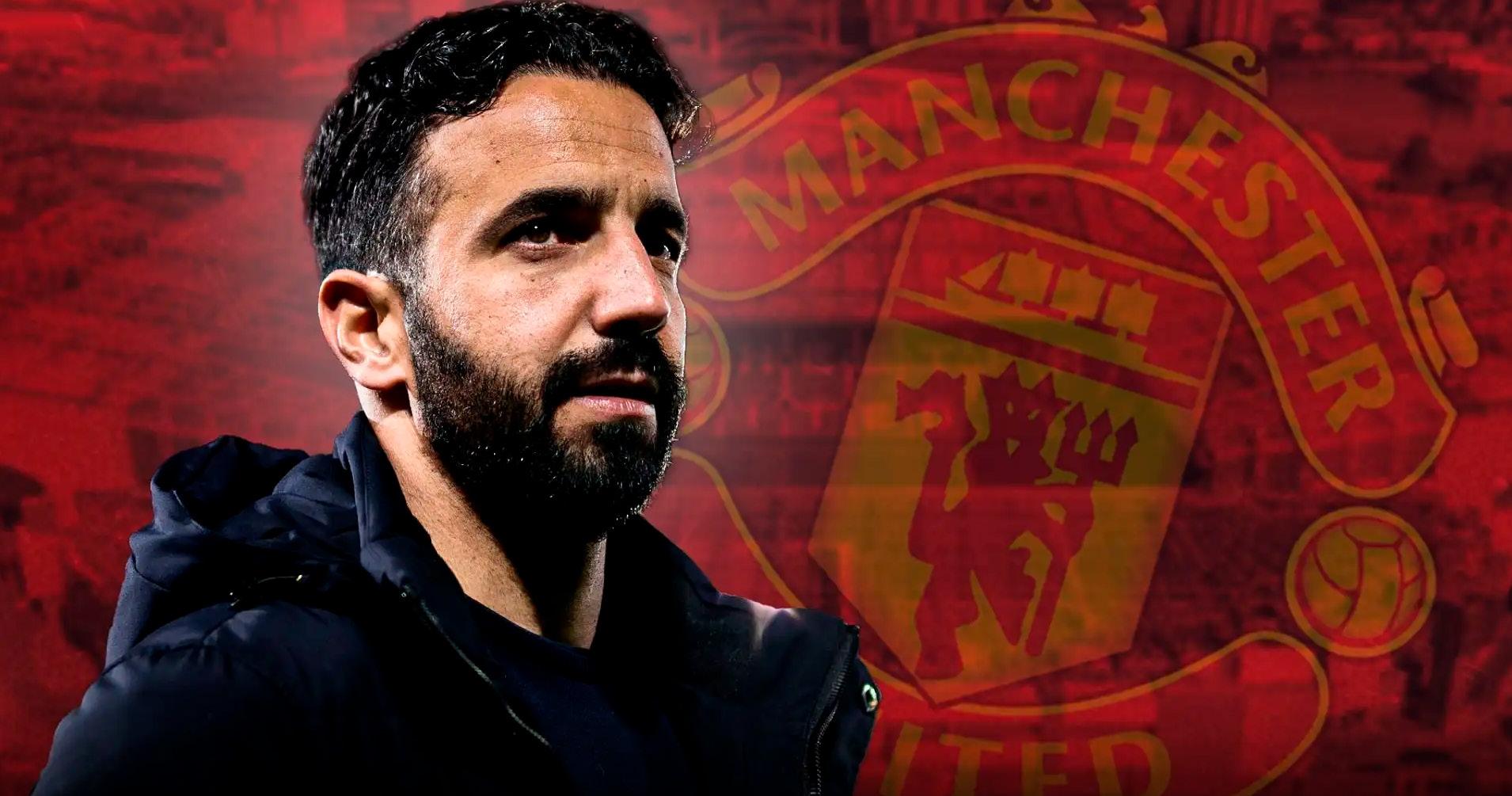
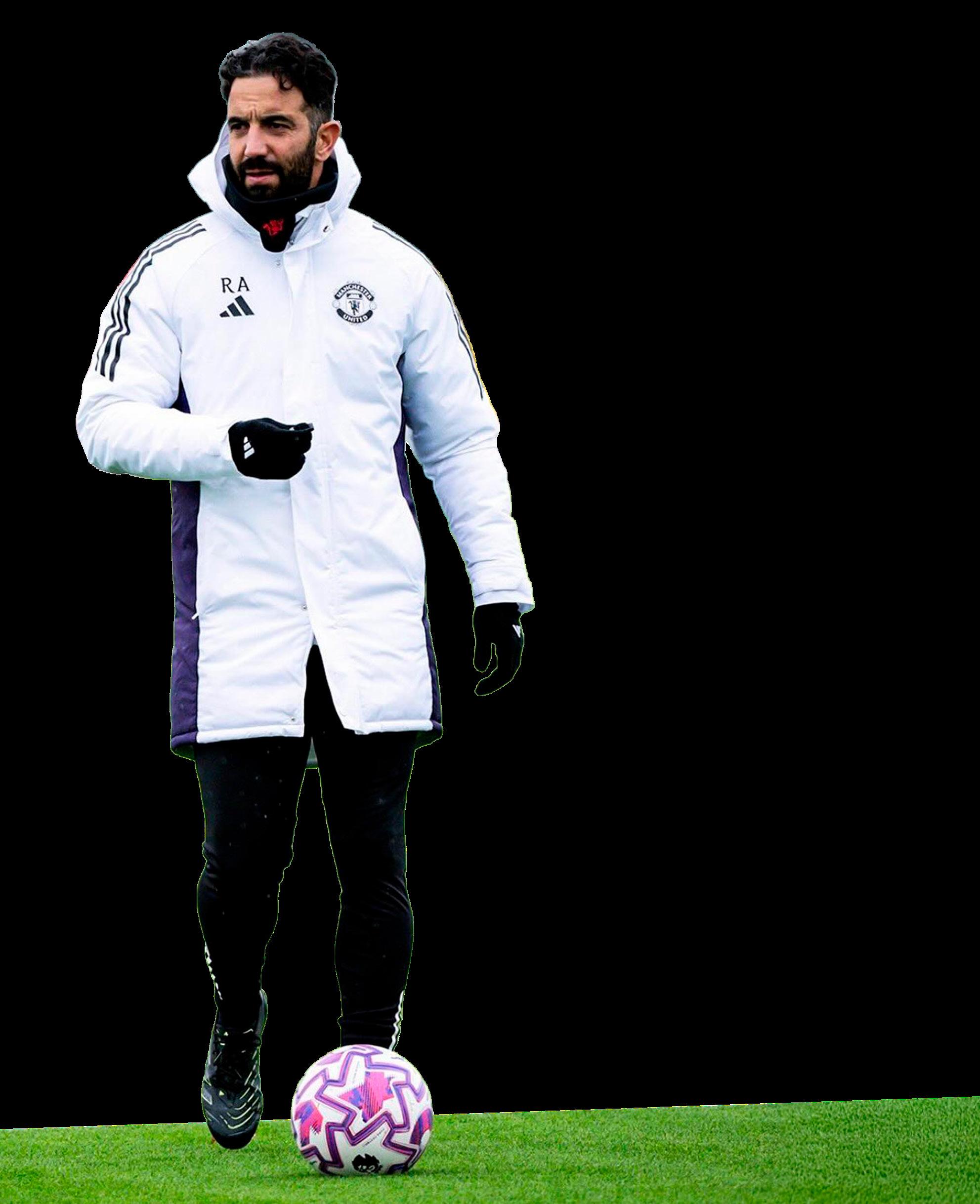
One year on from the day Ruben Amorim was announced as our new Head Coach, I find myself reflecting on what has been, without a doubt a bumpy ride. We are finally perhaps seeing a corner turned, but the story of how the Portuguese ended up in the Old Trafford dugout is as complex and dramatic as any last-minute winner we have ever celebrated.
Amorim was not even in the running initially. The new powerbrokers at the club—Jean Claude Blanc, Sir Dave Brailsford, and Jason Wilcox—were deeply concerned after a truly wretched run of form in May 2024, culminating in that crushing 4-0 defeat at Crystal Palace. Even reaching the FA Cup final did not mask the deep seated issues; scraping past Coventry City on penalties in the semi final was chaotic, to say the least. A new coach was needed.
The Initial Search: Experience First
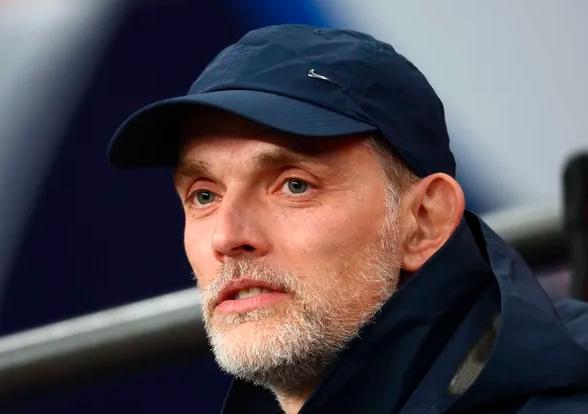
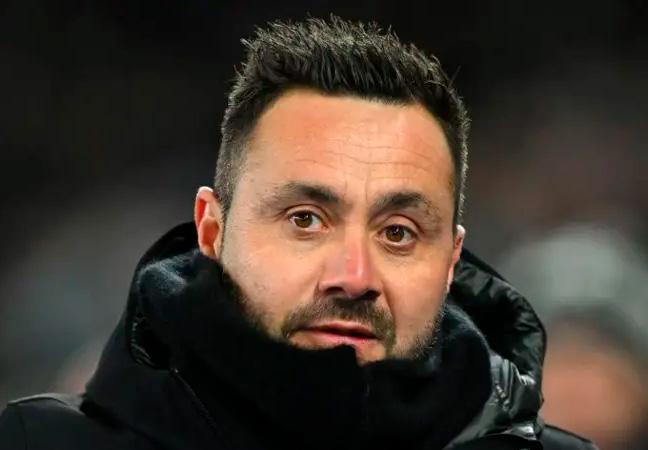
The club’s first deep dive into the managerial market was heavily focused on a few key areas: an attacking 4-3-3 system, analysing in- and out-of-possession play, and crucially, Premier League experience. This led to a shortlist of six big names: Thomas Tuchel, Mauricio Pochettino, Roberto De Zerbi, Thomas Frank, Marco Silva and Graham Potter.
Tuchel and De Zerbi quickly emerged as the prime targets. The weighting towards English experience is the simple reason why Amorim wasn’t on that first list. Yet, his name kept popping up. When Jason Wilcox reached out to his contacts to find the game’s next great coach, Amorim was consistently mentioned alongside Thiago Motta.
Wilcox had an informal chat with Amorim and came away thinking he was “fantastic”.
How Manchester United Landed Ruben Amorim
by Stefan Attard
But the scale of change at the club—with Dan Ashworth and Chris Vivell coming in, cost-cutting and a £50million overhaul of Carrington—meant the new decision-makers felt bringing in a coach new to the country would be too big a leap.
A Brief Return to the Status Quo
The focus returned to Tuchel and De Zerbi. Tuchel, fresh from a difficult time at Bayern Munich, met with the hierarchy in Monaco two weeks after we won the FA Cup final. He came across incredibly well, but the German was not ready to jump straight back into the pressure cooker of the United job.
De Zerbi then became the frontrunner. Financial terms were discussed, but when the club’s proposed package was rejected, United chose not to improve it. It is telling that De Zerbi ended up at Marseille, unlikely to be on the same United-level pay.
This left the club in a tricky spot, leading them back to Erik ten Hag. Sixteen days after the FA Cup final, they told the Dutchman he could stay. Brailsford and the team even flew to Ibiza to try and mend the relationship and offered a contract extension, conditional on a change to his coaching team. It was a period of ‘opportunistic’ and difficult transfer activity, too, with Financial Fair Play a real
like
Noussair
and Leny
but with little of the scrutiny and long-term planning that would follow a year later.
The October Decision
The 2024-25 season started badly. By October, it was clear that communication between Ten Hag and the dressing room had broken down. The new management, having settled in, concluded it simply was not going to work.
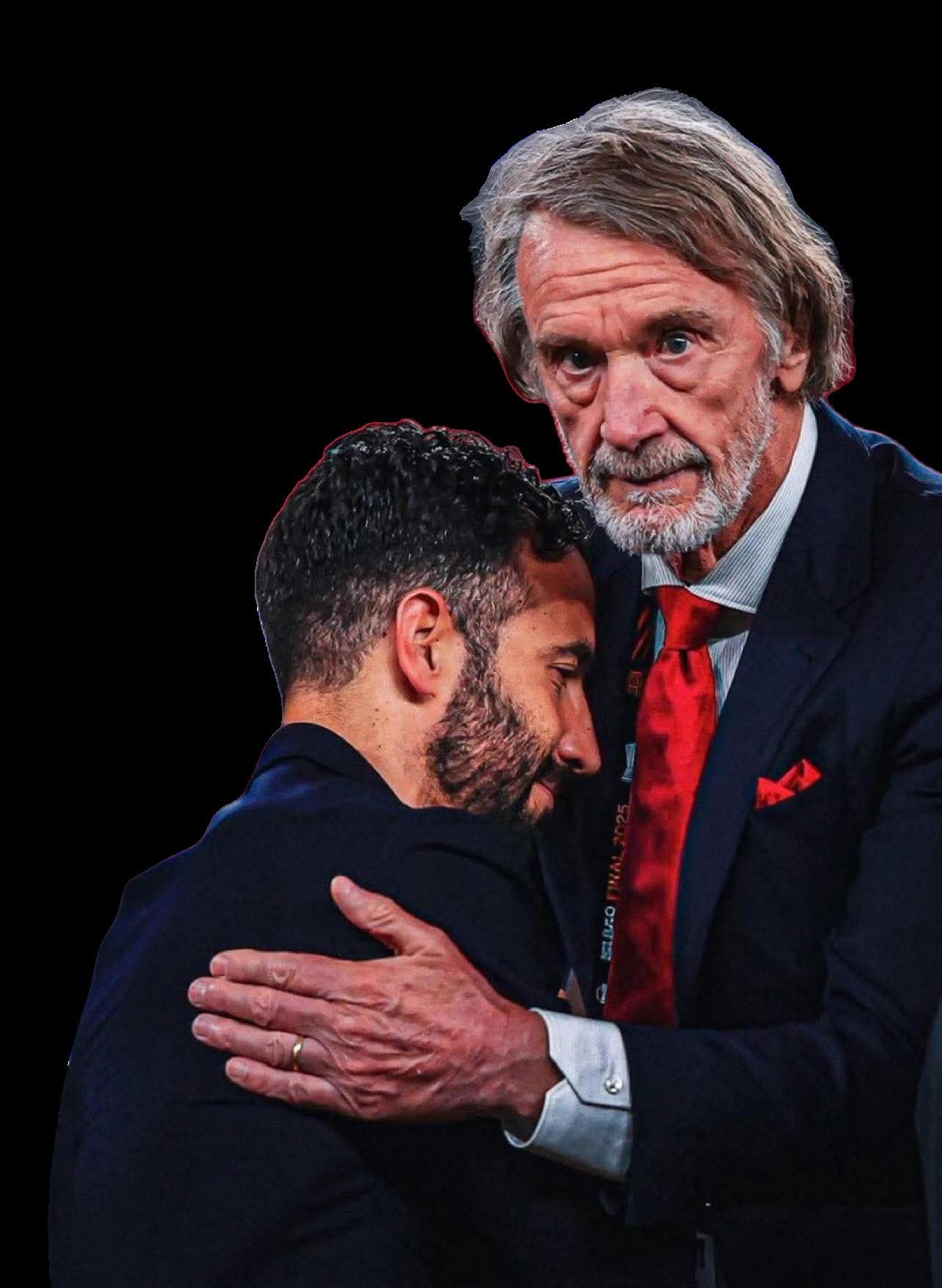
A crucial meeting was held in the Barcelona offices being used by Sir Jim Ratcliffe’s INEOS America’s Cup operation. Present were Wilcox, Dan Ashworth, Omar Berrada, Blanc, Brailsford, and Ratcliffe. They learned from the summer’s indecision and this time wanted to be decisive. The green light was given to terminate Ten Hag’s contract at a further meeting in London. Ruud van Nistelrooy was lined up to step up as interim manager.
But who for the permanent job? Another meeting in Barcelona reached a consensus: Ruben Amorim.
The Secret Seville Summit Omar Berrada was immediately charged with executing the deal. He moved fast,
concern. United signed players
Manuel Ugarte, Joshua Zirkzee, Matthijs de Ligt,
Mazraoui,
Yoro,
using his contacts to establish the crucial details: Amorim’s interest, his manageable €10million buyout clause at Sporting, his wage demands and his staff.
Then came the moment that sealed the deal: a secret meeting in Seville, in late October. Berrada, Ashworth, and Wilcox flew out, followed later by Ratcliffe and Brailsford. Amorim and his agent drove two hours from Portugal to a private house for the five hour long talks.
Amorim detailed his entire footballing vision. He was crystal clear: a back three, but with flexibility and a willingness to evolve. He stressed the need for tactically versatile players who could handle multiple systems. The main difference was his use of wing backs instead of wingers, but the core style was seen as being in line with the flexible, modern approach of modern successful clubs.
Everyone was blown away by his charisma, emotional intelligence, and tactical clarity. They saw him as a man for a full three-tofour-year project. The only sticking point was the timing. Amorim repeatedly asked: “Why now? Why not at the end of the season?”.
The hierarchy’s answer was an investment for the future. As Berrada later put it, having him start mid season, suffering through those
first difficult months in the Premier League, was invaluable knowledge that will only help United moving forward.
Following Seville, Berrada hammered out the final deal with Amorim’s agent. The numbers and contracts were locked down by Friday, October 25. On the Saturday, Amorim hesitated. Sporting were flying high, but his ambition won out – he chose United.
Erik ten Hag was dismissed on Monday, October 28, the day after our defeat to West Ham—a result that left us 14th in the league. Berrada immediately flew to Lisbon to negotiate his release with the Sporting president. Sporting initially asked for much more than the €10million buyout. A deal was finally reached where the Reds paid a bit extra, and Amorim agreed to stay for two final games: a Champions League clash against the noisy neighbours and a league match against Braga.
Amorim formally took over on November 11. It had been a convoluted, highlycharged process that involved secret meetings, months of consideration, and a clear shift in club strategy. But we got our man. Now, a year into his tenure, with the team finally starting to show his identity, it’s clear the belief the club showed in him— and the decisiveness they finally
demonstrated—was absolutely the right call. The ride might have been bumpy, but
Manchester United’s post-war goalkeeping lineage into the Premier League era
by Robert Mizzi
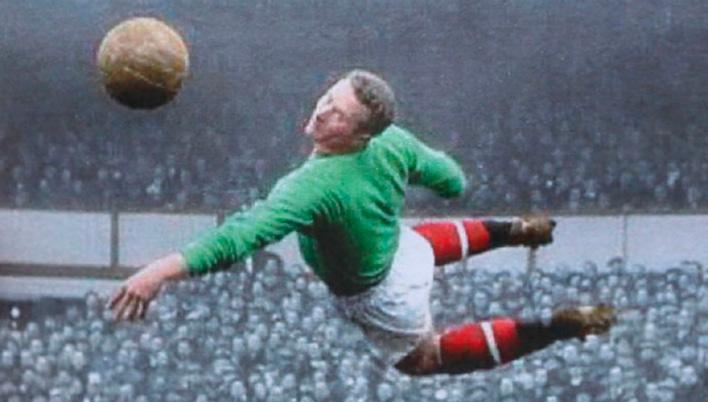
Manchester United’s reputation for producing and recruiting top-class goalkeepers stretches back well before the Premier League’s formation in 1992. In the years following the Second World War, the club forged a lineage of custodians who not only protected the goal but shaped United’s identity.
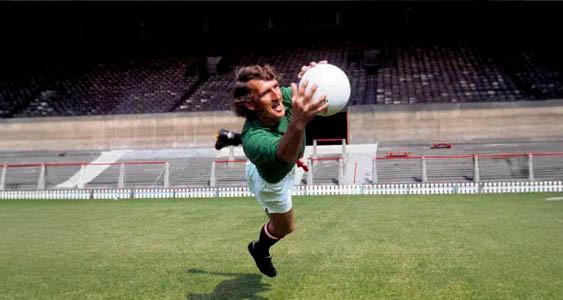
In the late 1960s and through the 1970s, Alex Stepney became a club icon. His crucial save from Eusébio in the 1968 European Cup final remains one of the most replayed moments in United history. Stepney’s blend of leadership, consistency and longevity stabilised the club across turbulent years.
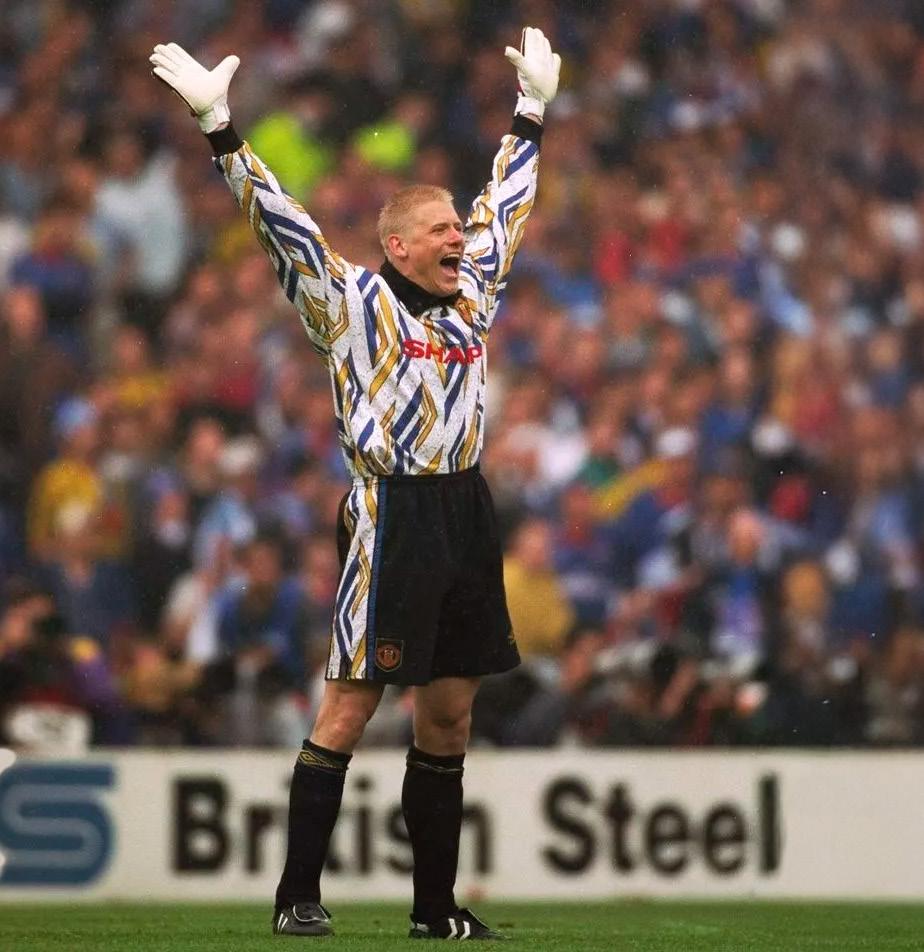
Peter Schmeichel (1991–1999)
The first United goalkeeper of the Premier League era set a standard few have matched. Schmeichel’s dominance, shot-stopping, distribution, and sheer presence helped drive United’s early-1990s resurgence under Sir Alex Ferguson.
In the late 1940s and early 1950s, Jack Crompton anchored Matt Busby’s post-war revival, helping the team to the 1948 FA Cup and the 1951–52 league title. He was succeeded by Ray Wood, whose agility and sharp reactions helped the first great Busby Babes side, winning league titles in 1955–56 and 1956–57 before injuries curtailed his progress.
The 1980s brought Gary Bailey, a technically polished and reliable goalkeeper who represented England and helped United win domestic cups before injuries accelerated his decline. This period also saw steady figures like Chris Turner, who helped transition the club toward the Sir Alex Ferguson era.
From this foundation of courage, consistency and presence, Manchester United entered the Premier League era with a deeply ingrained expectation of goalkeeping excellence. What followed has been a rich and often dramatic journey of log serving legends, cult heroes, steady deputies, and some rather forgettable characters as well.
Manchester United goalkeepers in the Premier League era: Performances, clean sheets & goals conceded
Trophies: 5× Premier League titles, 3× FA Cups, 1× Champions League, League Cup and others.
His ability to command the penalty area and organise the defence made him arguably the most influential keeper in Premier League history.
Fabien Barthez (2000–2004)
Signed after United struggled to replace Schmeichel, Barthez brought flair, reflexes and a sometimes volatile style.
Trophies: Premier League (2000–01), FA Cup (2003–04).
Stats: ~92 appearances, ~30 clean sheets, 85 goals conceded — 0.924 goals per match. Brilliant at his best but error-prone at times, he remains one of the most memorable keepers of the early 2000s.
Roy Carroll (2001–2005)
A dependable deputy who enjoyed spells as first choice.
His numbers are strong, though based on a smaller sample and many cup appearances.
Tim Howard (2003–2006)
Arrived with promise and initially impressed, including a strong debut season, but form fluctuated.
Trophies: Featured in Community Shield and cup competitions.
Stats: Moderate Premier League appearances; clean sheets and goals conceded vary slightly
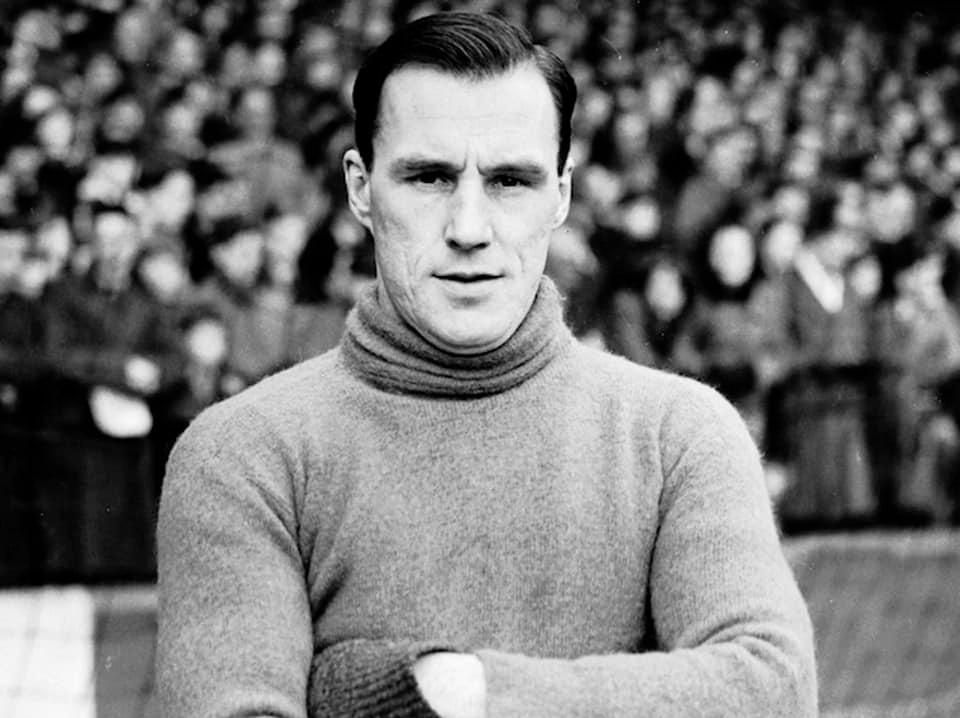
The late 1950s introduced Harry Gregg, a commanding and courageous presence widely regarded as one of Europe’s finest. Forever remembered for his heroism during the Munich air disaster, Gregg set a standard of bravery and authority that would become synonymous with United keepers.
by source, but his tenure remains a brief transitional period.
Tomasz Kuszczak (2004–2012)
A long serving backup, often trusted in cup competitions.
Trophies: Member of multiple Premier Leaguewinning squads.
Stats: 32 PL appearances, ~15 clean sheets, ~20 conceded — 0.625 goals per match. Reliable when called upon and a steady presence behind more established No.1s.
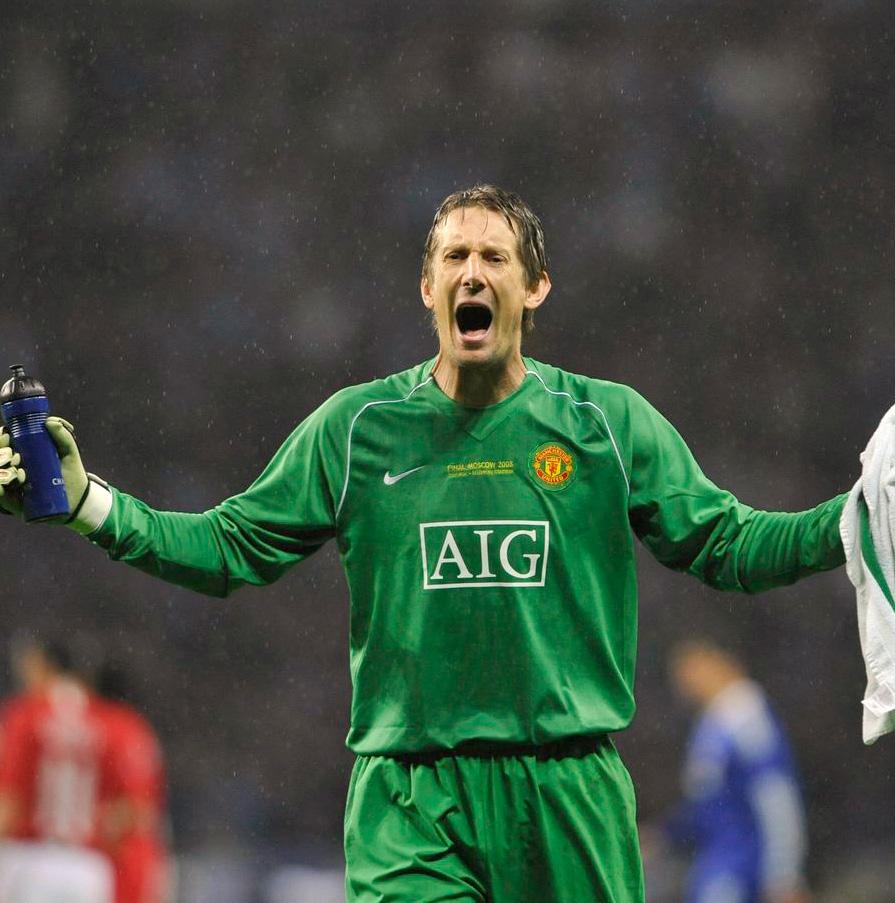
Edwin van der Sar (2005–2011)
The goalkeeper United spent six years searching for after Schmeichel. Calm, intelligent and technically refined, Van der Sar brought a second golden era.
Trophies: 2× Premier League, Champions League 2008, multiple Community Shields. Stats: 266 appearances, 135 clean sheets, 202 conceded — 0.759 goals per match. His record speaks for itself; United were at their most cohesive defensively during his tenure.
Sergio Romero (2015–2021)
Perhaps the finest backup goalkeeper in the club’s history.
Trophies: Europa League (2016–17), FA Cup (2015–16).
Stats: 61 apps, 39 clean sheets, 26 conceded — 0.426 goals per match across competitions. A cup specialist with outstanding clean-sheet returns.
Dean Henderson (2015–2022)
An academy product who impressed on loan before challenging De Gea briefly.
Stats: 13 PL appearances for United, 12 goals conceded — 0.923 goals per match. Good shot-stopper but never established as permanent No.1.
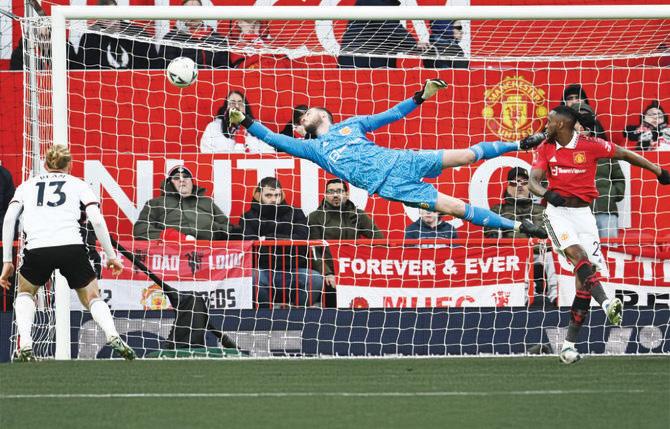
David de Gea (2011–2023)
The defining keeper of the post Ferguson era and one of the club’s most important modern players.
Trophies: Premier League (2012–13), FA Cup (2015–16), Europa League (2016–17), 2× League Cups.
De Gea combined breathtaking shot-stopping with occasional periods of inconsistency. His sheer longevity explains the higher concession rate.
While the headline names dominate United’s goalkeeping history, several short-term or transitional keepers also played important roles during periods of change.
Mark Bosnich (1999–2001) returned to Old Trafford to help fill the void left by Peter Schmeichel. A strong shot-stopper with clear ability, his United career was ultimately limited by injuries and competition.
Massimo Taibi (1999–2000) is remembered for a short but dramatic spell. Despite some excellent saves, high profile errors overshadowed his tenure.
Ricardo López (2002–2003) served as a backup, remembered most for a decisive Champions League penalty save.
Ben Foster (2005–2010) arrived with great promise, shone in cup matches — notably the 2009 League Cup final — but couldn’t displace Van der Sar.
Anders Lindegaard (2010–2015) provided steady, reliable cover and shared minutes with De Gea early in the Spaniard’s development. Lee Grant (2018–2022) offered experience and leadership as a third-choice option, valued more for mentoring than match appearances.
André Onana (2023–2025)
Signed to modernise United’s build-up play and bring a sweeper keeper profile.
Trophies: Still building his United honours list. Stats: ~102 apps, 24 clean sheets, ~150 conceded — 1.471 goals per match (across all competitions as of 2025).
His United story is hopefully over. I personally rate this keeper as the weakest ever in this list. A calamity waiting to happen.
Together, these short-tenure keepers contributed in their own way to United’s continuity during transitional periods, ensuring the club remained competitive even when the No. 1 spot was in flux.
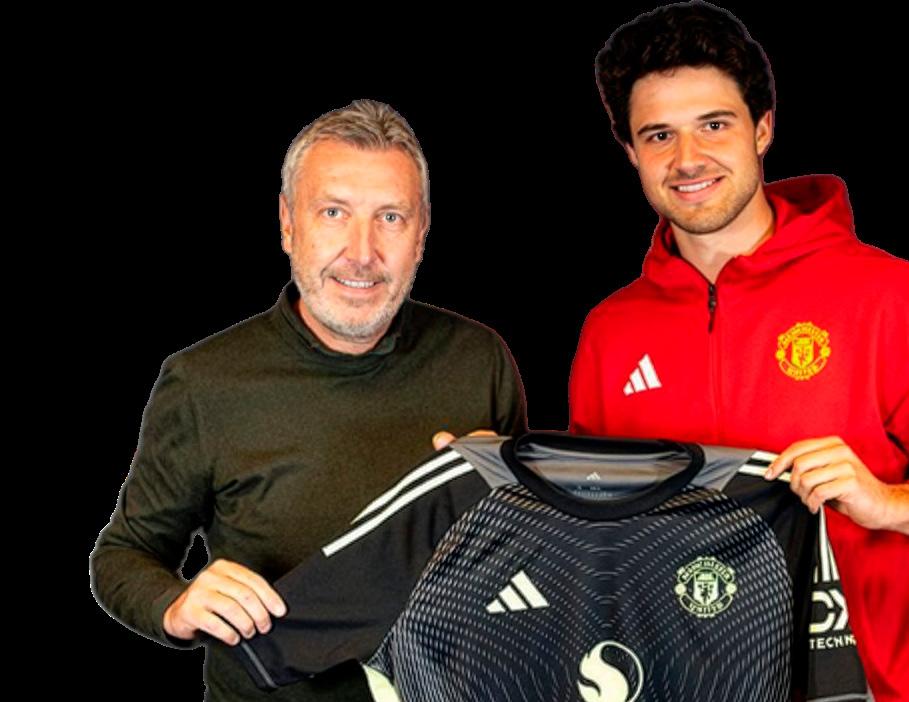
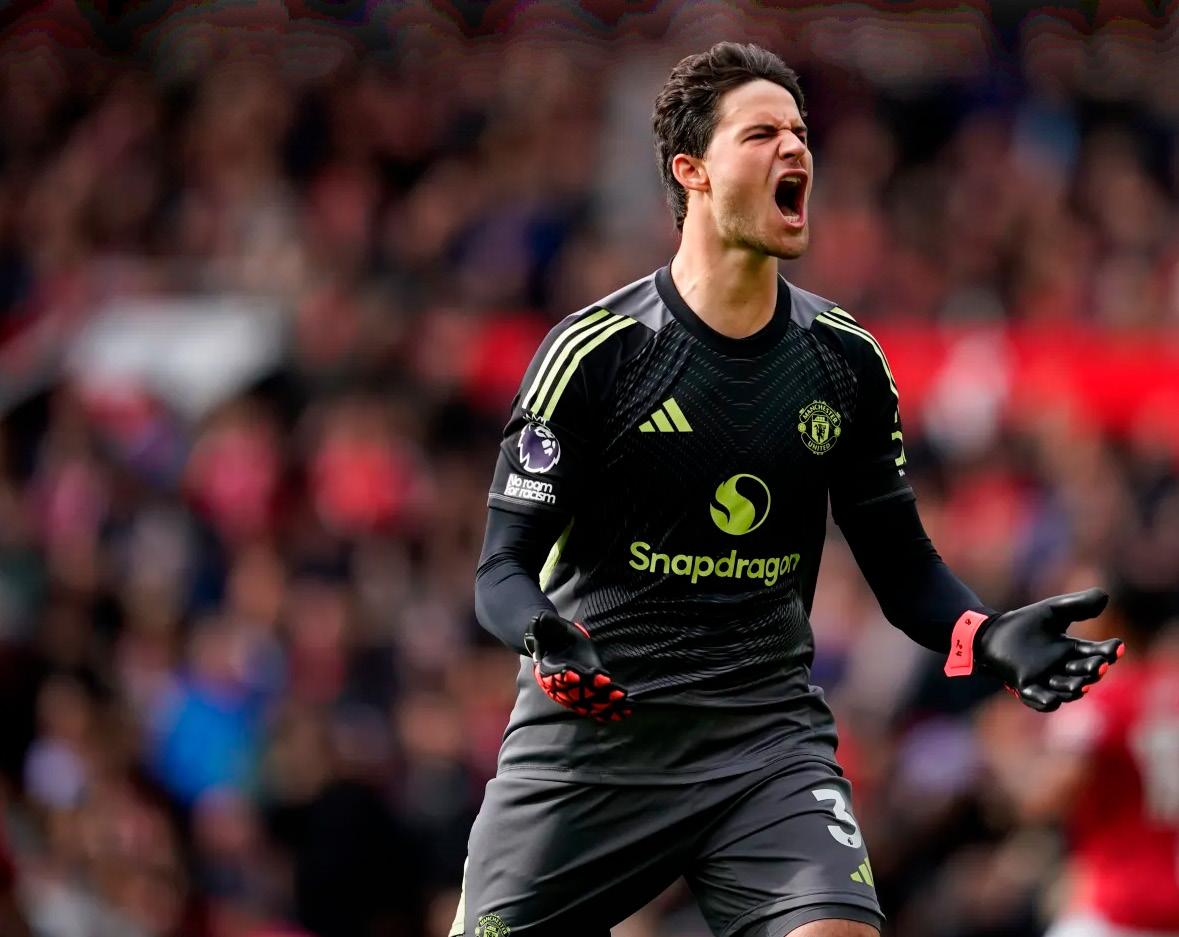
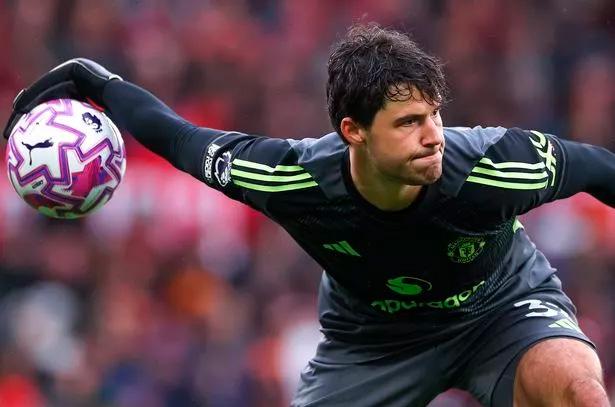
Senne Lammens – The New Hope in Goal
Senne Lammens joined Manchester United on 1 September 2025,
signing a five year contract after a fee of about £18.2 million (plus add-ons) from Belgian club Royal Antwerp. The 23-year-old arrived with a strong reputation: in the 2024/25 season at Antwerp he made 173 saves, more than any other goalkeeper in Europe’s top 10 leagues, and was widely praised for his shot-stopping, composure and distribution.
On his debut for United in October 2025, Lammens kept a clean sheet — an encouraging start that suggested the potential the club saw when they signed him. His style — tall, calm under pressure, comfortable with the ball at his feet — draws frequent comparisons to modern “sweeper-keepers,” and many believe he could offer long term stability between the posts for United.
That said, he remains very young and unproven at Premier League level. As of now, his United career is only just beginning. If he continues to progress, he may become a foundational figure for the club’s next era of goalkeeping.
Comparative Summary
Best goals conceded average (large sample): Edwin van der Sar (0.759) and Peter Schmeichel (0.824) — the twin pillars of United’s two great Premier League dynasties.
Most clean sheets:
David de Gea – 190, a club record driven by longevity and heavy European involvement.
Best ratio in a small sample: Sergio Romero, whose extraordinary cup form produced elite defensive metrics.
From post-war pioneers like Stepney and Gregg to modern legends like Schmeichel, Van der Sar and De Gea, Manchester United’s history is inseparable from the men who guarded the goal. The evolution of their roles mirrors the evolution of the club itself — from Busby’s rebuild, to Ferguson’s dominance, to the shifting tactical demands of the contemporary game.
Y & Z United Perspectives
by Kevin, Justyn & Wayne Tabone
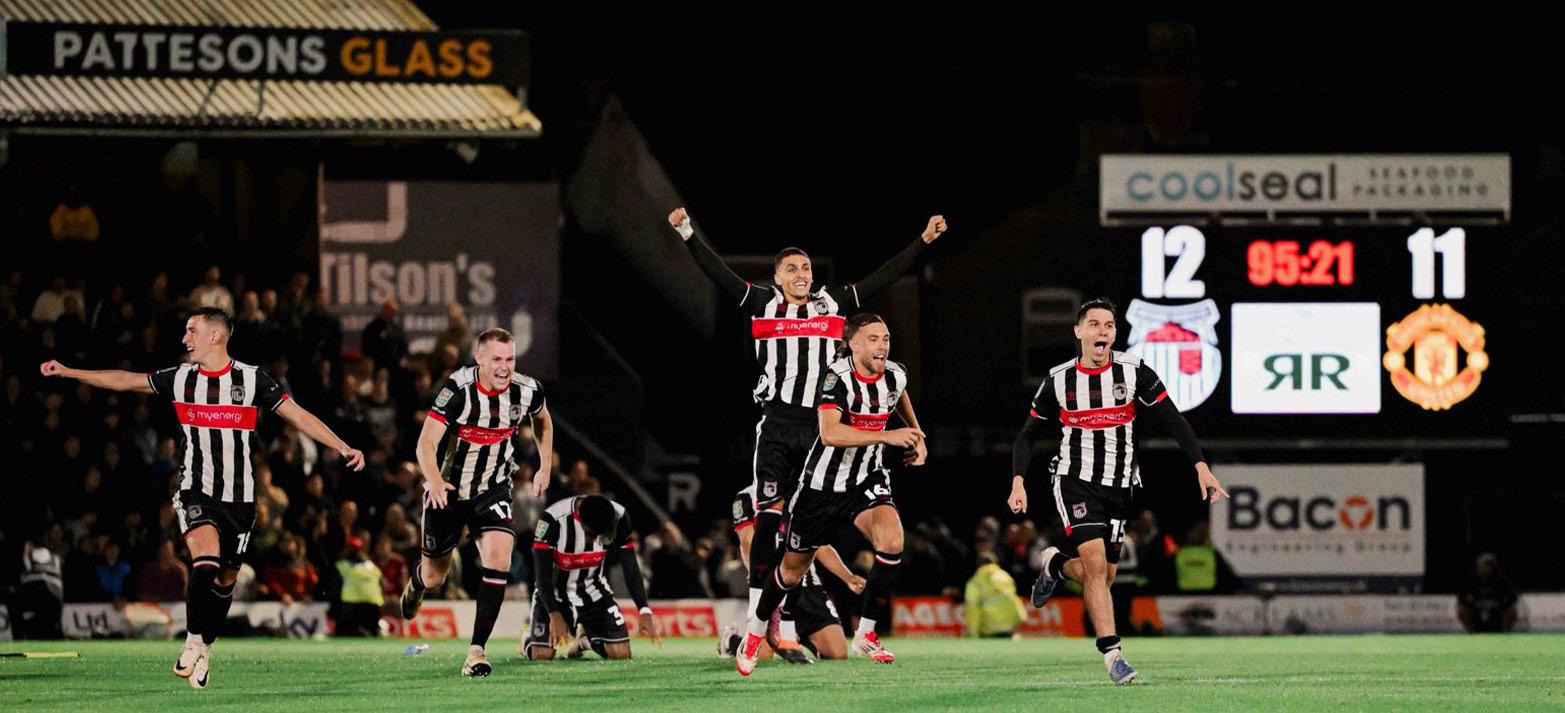
After a turbulent start to the season and the embarrassment of a Carabao Cup exit to Grimsby in August, Manchester United seem to have steadied the ship under Ruben Amorim. The Portuguese coach, who was under intense scrutiny earlier in the campaign, has now guided the team through an unbeaten run of five Premier League matches, featuring draws against Nottingham Forest and Tottenham Hotspur and impressive victories over Brighton and Liverpool. United currently sit seventh in the table with 18 points from 11 games, just one point off the top four. The upcoming fixtures will be crucial, particularly with key players such as Mbeumo, Amad and Mazraoui set to depart for the Africa Cup of Nations in Morocco. The festive period is notoriously demanding for most sides, but navigating this hectic schedule successfully and securing vital points could provide the foundation for United’s ambitions for the remainder of the season.
Is Ruben Amorim finally turning things around at Manchester United, or is this just another false dawn?
Wayne: I believe that the recent transfers have been very impactful and most of all
have integrated amazingly in the team. More importantly, the team is showing patterns, something that the team had been lacking, and when the results did not go our way, the performance was decent. The team last year was individual dependent, always on the same two players; Amad or Bruno but this season there have been different match winners. I believe that the team performed the same throughout the whole season but players have been more clinical, which in my opinion has been the most noticeable difference from this season to the previous. What has changed is the moral in the dressing room and the team seems more united and as a family.
Justyn: Recent results have certainly improved, and many believe that Ruben Amorim has finally managed to get the players executing his plans effectively. However, in my view, I haven’t noticed significant changes compared to the start of the season. For me, the main issue early on, aside from the Manchester derby, was simply that we weren’t putting the ball in the back of the net. Other than that, I don’t think performances were as poor as some suggested, and now I wouldn’t go as far as saying we’re genuine title contenders either. There have been slight improvements
tactically and in terms of overall performance, but I wouldn’t say we’re doing things drastically differently. There are still areas that need work, particularly in the second half of matches, where we tend to become too pragmatic and end up conceding in games that should be comfortable, such as against Forest and Brighton. We are moving in the right direction, but more progress is needed if we’re to return to the top.
Kevin: It certainly feels like the start of something promising. That said, with a club of our stature, we must ensure that one wrong step doesn’t undo the work already achieved. Early in the season, I often had my heart in my mouth—not because I lacked confidence in the manager, but because of the immense pressure Amorim was under after a difficult start. Aside from the Grimsby loss, I could see clear improvements in our play compared to last season. The patterns were beginning to emerge, even if it was obvious we were still far from the finished article. Long may this progress continue!
How crucial has Senne Lammens been to United’s recent resurgence and in your opinion is he the long-term solution in goal?
Wayne: I think that Lammens has brought a sense of calmness between the posts as he has been exceptionally good in his first run of games and has proven that he has quality in shot stopping as well as technically although not having much chance building up, mostly booting the ball up for the forwards to
Justyn: My expectations haven’t changed, I still don’t think we’re at the level of the top four teams in the country. For me, the goal remains to secure a European spot in the league, perhaps pushing for fifth place, which could provide a route into the Champions League. Consistency has been United’s biggest issue in recent years, and it’s not something that can be fixed overnight. That said, I believe we’re good enough to finish in the European places and
hopefully enjoy a decent run in the FA Cup later on in the season.
Kevin: Friends who know me will remember that, before the season even began, my expectations were: an improved style of play, more consistent patterns on the pitch, and a side that is competitive in every match. A decent run in one of the domestic cups and a league finish between 5th and 8th would have represented solid progress in my eyes.
AUTONOMOUS CLEANING
I stuck to my guns even after the Grimsby defeat and, having seen genuine improvement in the last few league games, I’m remaining true to those predictions. Of course, I hope I’m proven wrong and that we surpass them — which would also mean my dear friend Joseph Busuttil wins the bet! To balance things out, I’m confident I’ll beat him in the Fantasy
Round-Up of Major European Leagues
by Dr. Michael Calleja
By mid-November 2025, Europe’s major leagues have begun to take clear shape. With roughly a quarter of the campaign completed across the continent, familiar giants are generally setting the pace, yet almost every championship has its own subplot: tight title races, managerial changes and big-name players under scrutiny. What follows is a tour d’horizon of where things stand in Serie A, Ligue 1, La Liga, the Bundesliga, as well as the Portuguese, Dutch and Greek top flights as of 17 November 2025.
chasing pack. The margins are small enough that a single bad week can reshuffle the top six. Below the summit, Atalanta’s struggles have produced one of the season’s first major coaching changes: Ivan Jurić was dismissed after a 3–0 home defeat to Sassuolo, and Raffaele Palladino has been brought in on a contract to 2027 with the task of reviving a side marooned in 13th place after a seven game winless run. Even Juventus, sixth and within reach of the Champions League spots, are under pressure; their forwards have gone 50 days without a goal from open play in Serie A, a remarkable drought that has framed Luciano Spalletti’s early weeks in charge and underlined how fragile form remains in a stillcompressed table.
In Italy, Serie A has rediscovered the feel of a multi-club race. Inter and Roma go into the international break locked together at the top, both on 24 points after 11 matches, with AC Milan just two points behind and Napoli, Bologna and Juventus forming a compact
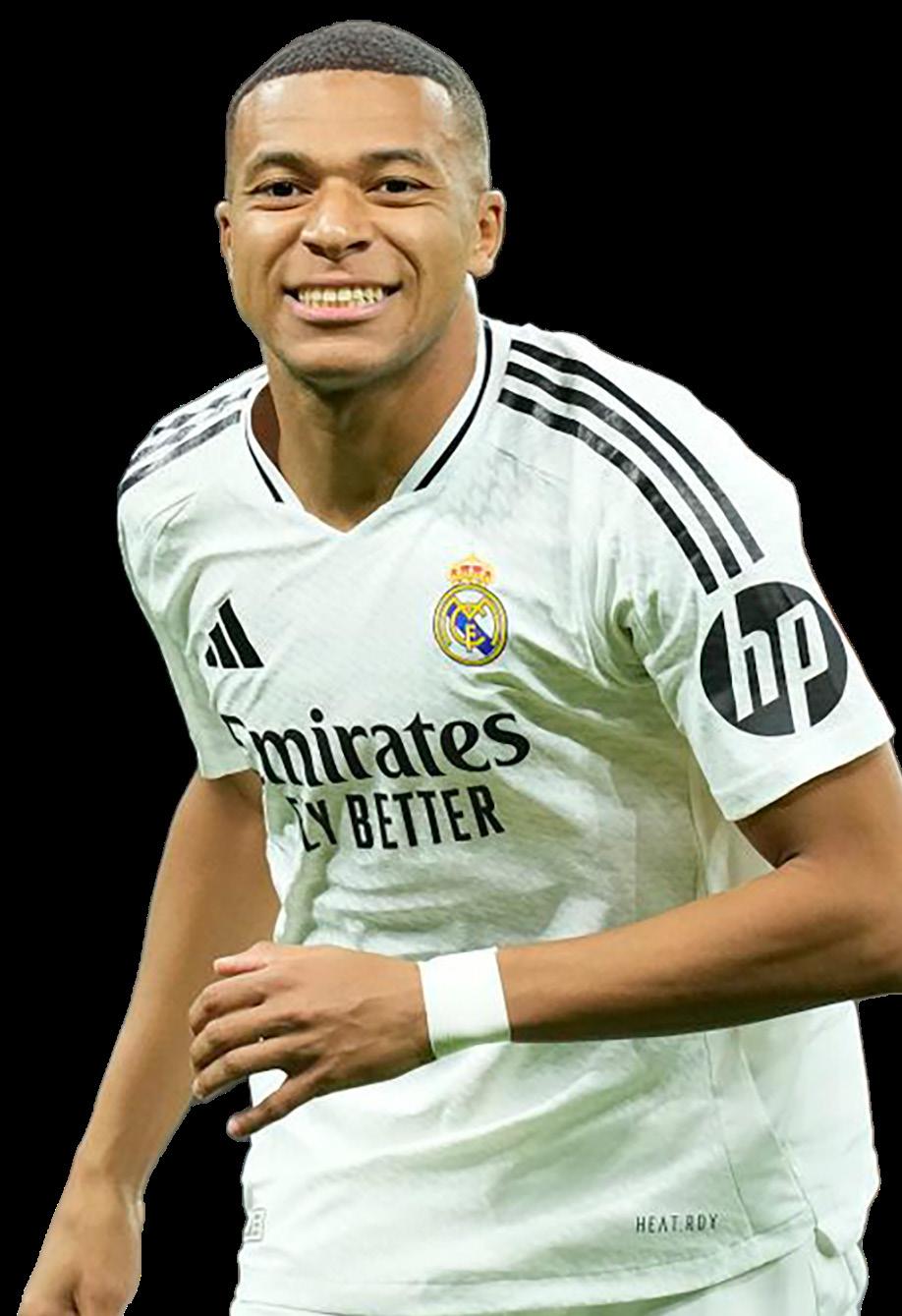
In Spain, the headline is more straightforward: Real Madrid are top of La Liga and, for the moment, clearly so. After 12 rounds they sit on 31 points, three clear of Barcelona (28), with Villarreal (26) and Atlético de Madrid (25) forming a compact first chasing group. Xabi Alonso’s side have combined a strong defensive record – just 10 goals conceded –with a rejuvenated attack built around Kylian Mbappé, who leads the league’s scoring charts and has already produced a string of decisive performances. Yet the mood in Madrid is not entirely serene: defeats to elite opponents
and a flat 0–0 draw against Rayo Vallecano have led to growing scrutiny of Alonso’s ingame management and substitution patterns, even as the club remain league leaders and well placed in Europe. Off the pitch, Mbappé’s high profile legal dispute with former club Paris Saint-Germain – involving claims and counter-claims worth hundreds of millions of pounds – is an unwelcome distraction that nonetheless highlights how central he has become to the European game’s political economy as well as its sporting narrative.
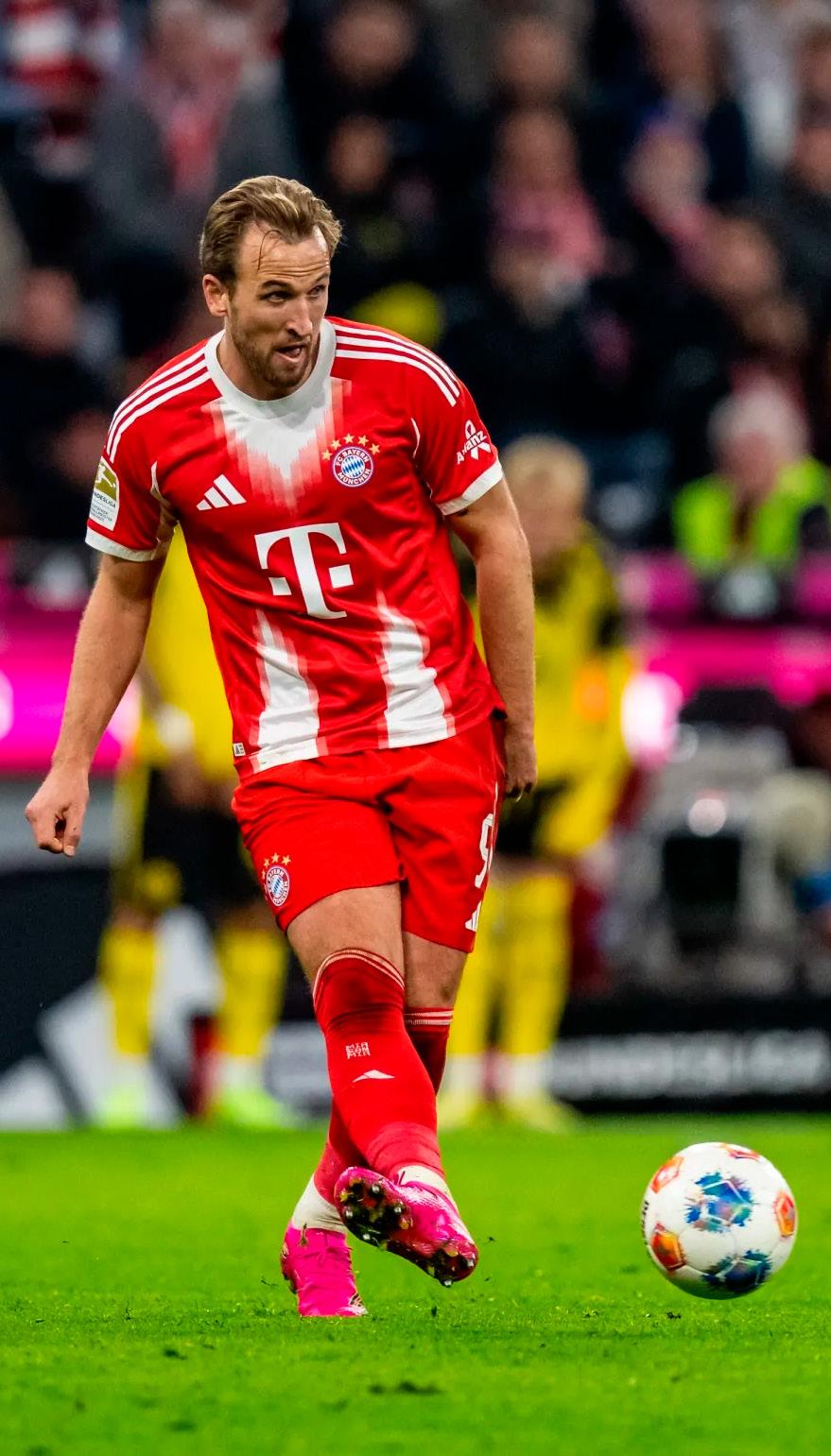
Germany’s Bundesliga, by contrast, is following a more familiar script. Bayern Munich have started in ominous fashion, unbeaten after 10 fixtures with nine wins and one draw, a +29 goal difference (35 scored, six conceded) and 28 points on the board. RB Leipzig, on 22 points, and Borussia Dortmund, on 21, are doing enough to keep the champions honest, while VfB Stuttgart round out a top four that is already starting to separate from the pack. The pattern is of a Bayern side that still possesses an extra gear in both penalty areas, with the rest of the league jostling to secure European positions and avoid being cut adrift before the winter break. For Leipzig and Dortmund, the challenge over the next two months will be to turn solid performances into the sort of relentless winning run required to apply real pressure on the record champions.
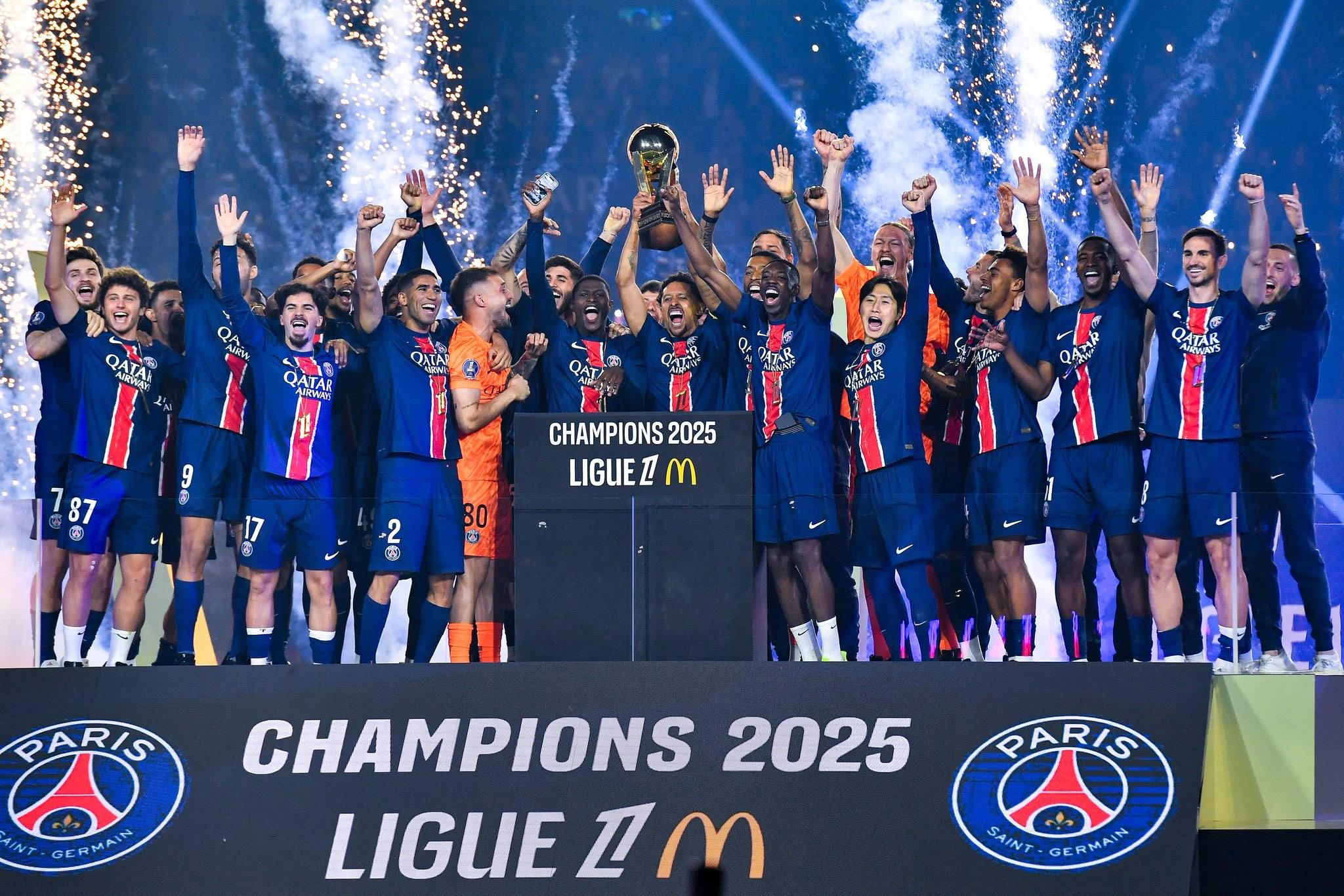
after stitching together the league’s longest winning run to date, while Lille’s spectacular score lines – including a 7–1 away win at Lorient and a 6–1 home victory over Metz –have added further drama near the top. PSG’s domestic calm sits uneasily alongside a more turbulent European and legal landscape, with a recent home defeat to Bayern Munich in the Champions League and the continuing fallout from Mbappé’s departure ensuring that the champions’ season is being played under an intense spotlight on and off the pitch.
In France, Ligue 1 McDonald’s is delicately poised but Paris Saint-Germain remain the team to catch. After 12 games PSG lead the standings with 27 points from eight wins, three draws and a single defeat, scoring 24 and conceding 11. Marseille are their closest rivals, just behind in both points and momentum
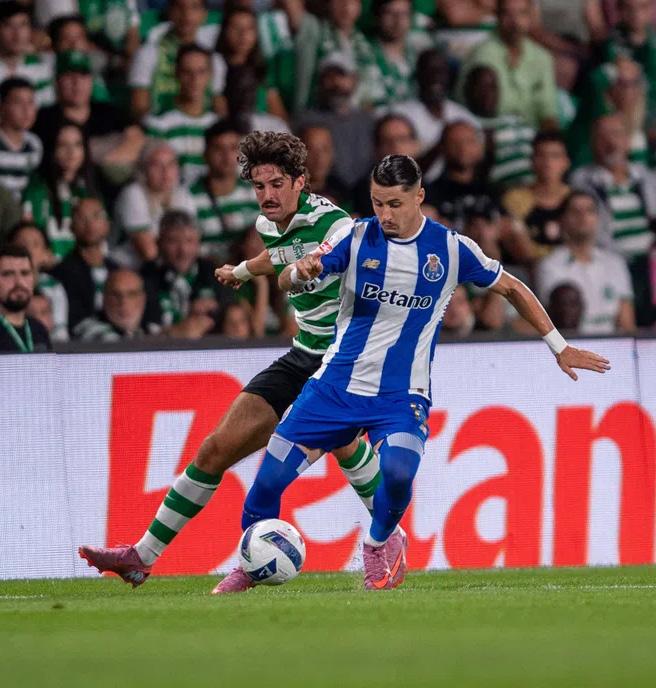
In Portugal, the traditional “Big Three” are once again dictating the pace. FC Porto currently lead the Liga Portugal Betclic table, with Sporting CP and Benfica immediately
behind in what already looks like another classic three-way tussle for the title. Porto’s early consistency – both in grinding out onegoal victories and in keeping clean sheets – has given them a narrow advantage, but the points spread among the top three remains tight, leaving little margin for error as European fixtures return in December. Behind them, Gil Vicente and Famalicão have made eye-catching starts and currently occupy the positions that would bring continental qualification, an early sign that the race for the remaining European slots may be as compelling as the title battle itself.
of the campaign. As ever in the Netherlands, attacking football and high score lines are a defining feature, and the sense is that the title race may hinge on which of the leading clubs can best balance domestic ambitions with demanding European schedules in the new year.
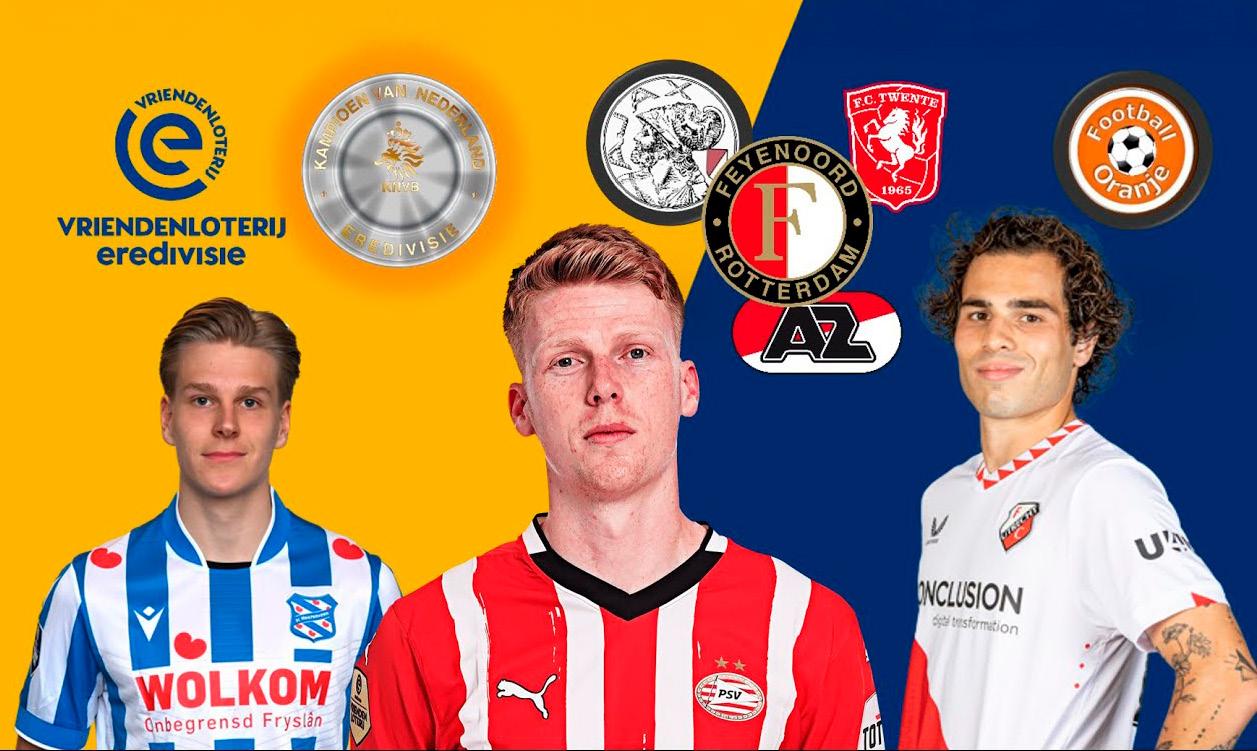
The Dutch Eredivisie is once again showcasing its familiar cast of attacking protagonists. PSV Eindhoven sit atop the table, with Feyenoord, AZ Alkmaar and Ajax making up a top four that evokes many of the league’s classic seasons. FC Utrecht and FC Groningen are also well placed in the upper half, giving the standings a distinctly traditional look, even if the detailed points spread underlines how volatile the situation remains after only a third
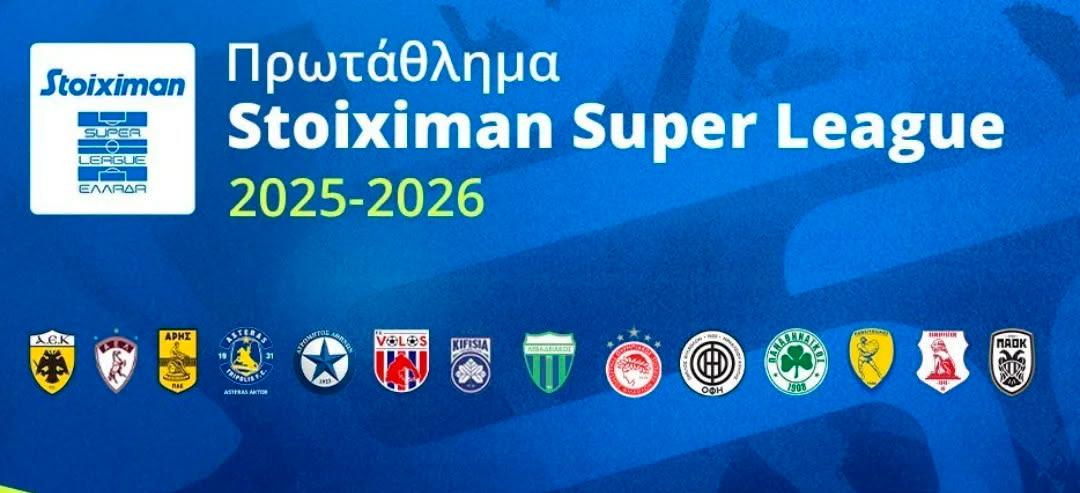
neutrals but fray nerves among supporters of its leading clubs. Olympiacos have taken an early lead at the summit, but PAOK and AEK Athens are close behind, ensuring that all three harbour realistic championship ambitions as winter approaches. Levadiakos and Volos, meanwhile, are punching above their traditional weight in the top half of the table, while Panathinaikos find themselves having to play catch up after an inconsistent start. In Greece, where the league system funnels into a championship play off round, positioning within the top six is almost as important as the absolute points tally at this stage, and every direct duel between the big three carries the feeling of a sixpointer.
Taken together, the picture across Europe’s leading championships is one of both continuity and change. Bayern, Real Madrid, PSG and Porto are all where their supporters expect them to be – in or around first place – but beneath them the dynamics are far from settled. Serie A appears poised for one of its tightest multi-club battles in years; La Liga’s leaders are strong but not unassailable; and in France, Germany, Portugal, the Netherlands and Greece there is enough depth in the chasing packs to suggest that the coming winter will be marked by shifting momentum rather than early coronations. For now, the contours of each title race are visible, but no champion can yet feel secure.
The 2025–26 season still has a long way to run, and November’s tables are better read as a snapshot of form than a final verdict on who will be celebrating next May.
Further east, the Greek Super League has opened in a manner that will delight
The Modern Manchester United
by Julian Tabone
Football has changed massively in the past 10–15 years. The Premier League especially has grown into something completely different. New broadcasting models, new owners, new recruitment strategies, and much more have turned it into a relentless show.
“Played in England, watched all around the world,” the advert says. And it’s true.
But all this comes at a price. And it has also happened at the same time as Manchester United’s decline.
A whole generation of United fans, who grew up with last-minute winners, exciting football, and regular titles, now finds itself living in a very different world. Now, we never quite know what kind of United team will turn up. We’ve almost accepted these short managerial cycles that reset every two or three years.
Football fans everywhere have had to adapt over the last decade. But in many ways, Manchester United fans have had to adapt more than most. It’s not easy. Not for a club like ours. Not for a fanbase raised to believe that the next great chapter was always around the corner.
It hurts to see other clubs overtake us, especially when they now show the same ruthlessness that used to define us.
For many of us, the past few seasons feel like sitting at our school desk at the start of a brand-new topic in our least favourite subject - nervous, unsure, and already lacking confidence. By the end of the lesson, we would be bored to death.
The current United side often feels exactly like that.
Modern football brings huge pressure: kneejerk reactions online, endless stats, ex-players arguing on TV, fans demanding instant results.
Patience is rare, especially at a club like ours. It’s all extremes: one week we’re in crisis, the next we’re “back.” It is exhausting, really. And United fans feel it the most.
But our loyalty means success alone does not define us. Our identity does. That’s why
it hurts to see players who don’t show up or who simply give up. In truth, United’s identity has not disappearedit’s just harder to see these days.
When I hear the away fans singing at Anfield, or when I hear the songs inside our Supporters Club, I feel hope. When I see my son reading our history books and learning why this club really matters, that hope grows even stronger.
The values we care about – the youth, the attacking football, that desire - will never be replaced by ‘modern football.’
But at the same time we must be honest: football today needs a different mindset from the one we grew up with. We have to accept that football is now a global business, with non-stop coverage. Adapting to this though, doesn’t mean giving up our identity.
Our expectations have changed, and not because we feel entitled. They’ve changed because we remember what this club really is.
The real challenge for the modern United fan is to stay demanding without becoming too disappointed. To stay hopeful without being naive.
In an environment built to provoke us, we need to stay calm.
And if the last decade has proved anything, it’s that United fans have got a resilience that runs deep. Being a Manchester United fan in 2025 isn’t the same as it was in the glory years - and maybe it never will be again. But that doesn’t take away who we are. If anything, it’s revealed the strength behind the badge. We’ve learned to endure the pain and the noise that is always surrounding our club.
And still we turn up. Still we sing. Still, we believe.
Modern football may be testing us in new ways, but it will never break us, no matter what happens.
Because being a Manchester United fan, modern or not, has never just been about trophies. It’s about the experience and the memories we pass on to our kids, it’s the history we guard and the identity we refuse to let fade.
It’s about staying United.
THE CHANGED FACE OF Football
by Iain McCartney
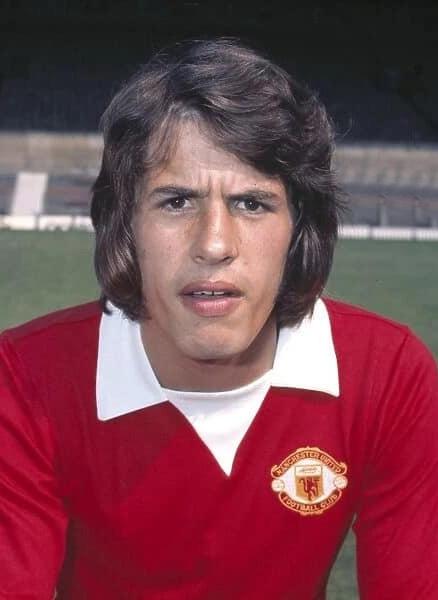
From time to time you might get asked who your favourite player is. Had the question been revised and asked who your favourite player was, it would be a completely different answer, as I honestly don’t think I have had a favourite player since the now cobweb covered days of the seventies and an individual by the name of Jim Holton.
Why did I take to the big, rugged centre half, I have no idea, but since then I can’t think of anyone else that I could call a favourite. Norman Whiteside comes close and would probably get the runner up spot, while Eric perhaps would receive a mention. But what of the original question – who is your favourite player of the present day?
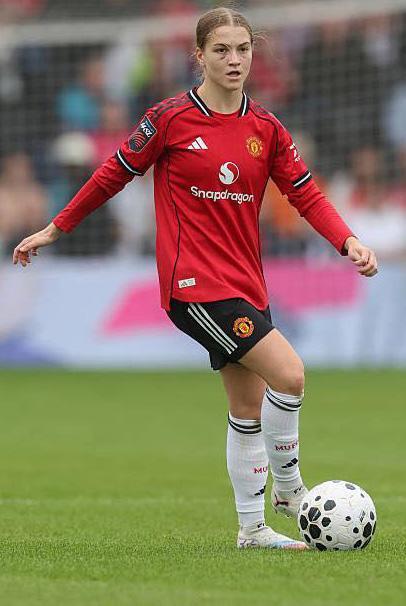
I hope you are reading this sitting down, as I am going to perhaps shock with my answer – Jess Park.
As the men’s game and its players fail to create much in the way of excitement, perhaps I live too much in the past, or being something of
a historian I find the days of yore in the clubs history far more interesting than the Premier League days of the present, I find the women’s game more entertaining and certainly more akin to the football of the past than that of the overpaid mercenaries who haunt the Premier League. [By the way, those latter few words apply to all clubs and not just United].
The women’s game has certainly gone up a few notches in recent years and there is an undoubted level of skill and above all, there are not the histrionics of the men’s game. If they are injured, then they are injured. No cheating either, just the simple game of football. And so, we come to Jess Park.
As I only watch the women’s game and have never bothered with player details or whatever, I had to do a quick check on Jess, as she is someone who has, for me at any rate, simply appeared out of the blue this season, but low and behold it appears that she played for the other half of the divide at
the Etihad, with a loan spell at Everton, so I must have seen her play before.
Anyway, here is the Paul Scholes of the women’s game, a tireless worker, with an eye for goal
But why do none of the men’s squad find favour?
I don’t think it is so much them, as individuals, but the game that they participate in which as shadow of the one that I played as a schoolboy and as an amateur. The game is an imposter of the one that was created all those years ago. It has been spoilt by money, greed, individuals who govern the game and by cheats, all because of the vast difference between success and failure, which takes away the fact that football was originally “a game”, a pastime and played purely for enjoyment from the view of both the individuals who played the game and the paying public who were not of a standard that allowed them to be one of those players.
Watching the present day game at different levels, thanks mainly to the numerous games shown on television and venturing across town to watch the locals in Scottish League One, I am often left shaking my head at what is witnessed. The rules of the game had endured the test of time, but now they are seemingly changed every season, often leaving you totally confused. VAR, I suppose does have its good points, but has more bad ones, whilst all this added time simply does ones head in. I went to a game yesterday [as I write] and in the second half, there were a few substitutions, a couple of injuries, but the referee blew for full time dead on the ninety-minute mark. But my biggest moan in regards to the current game is when a goalkeeper is outside his area when he kicks the ball out of his hands. How is this allowed?
If that same keeper were to come out of his area and handle the ball, he would be penalised, possibly sent off, but yet he can be outside the area with the ball in his hands before he kicks it!!!!
Enough of the thoughts and what about United?
I still feel that they are miles off where they should be, with the manager disillusioned in respect to his tactics and game plans. The players, on the whole, are still well below the required standard, but having said that, the Premier League is infested by individuals who would not get a game for their clubs years ago.
Yes, the game has changed, but can someone not take the gamble and change it back again? Could a coach/manager not throw away those flip charts, the laptops, boards with magnetic discs and whatever else they clutter the dugout with, alongside their twenty odd members of staff – well it seems like that number at times, and simply get back to basics.
Imagine the confusing if a defender had a direct winger running at him over the course
of ninety minutes. If a goalkeeper didn’t have twenty bodies cluttering up his penalty area at a corner it might prevent the scrum that materialises. Whilst mentioning that, it is akin to the goalkeeper being outside his area when he kicks the ball, because if you grabbed an opponent in the general run of play the way you did at a corner, then it would be a free kick and a booking, so.............
Before venturing on, if you are not fed up reading this article by now, a true story.
A former United youth team captain was on loan at a League Two club, where a friend is employed, and the said player was called into the manager’s office and asked why was it that every time he took a throw-in, he was pulled up by the referee for taking a foul throw. His reply was “centre-halves don’t take throw ins at United”!
As I write, United have climbed out of the relegation area of the Premier League but still dally amongst the
also rans and it leaves you shaking your head when you see the likes of Sunderland and Bournemouth above them. Not by much granted, but they are equidistant between the leaders and the relegation area. There is still much of the season to go, but I think United are still a far cry off being championship challengers. In what is a poor league, they could be capable of gaining a place in European football, but that is not guaranteed, although the mickey mouse competition should be easily within their reach. Then again...
Anyway, summer and my visit to Malta is nothing but a mere memory, but it was great to see old friends again and enjoy the hospitality that they so kindly offer. It was also pleasing to actually watch a match live at the Supporters Club, the power failure adding to the excitement of the afternoon. I only hope that the supporters who attend appreciate what they have, comfortable surroundings alongside likeminded people and snacks to enjoy even if the football is not satisfying. First class and hopefully I will be able to return at some point.
ECHOES FUN PAGE christmas QUIZ 2025
a) Real Madrid b) Genk c) Royal Antwerp
5. How many goals did Sir Bobby Charlton score against Benfica in the 1968 European Cup Final?
a) 0 b) 2 c) 3
a) 2001 b) 2005 c) 2003
(You can find the answers to the above questions on page 42.)
they beat Millwall 3–0 in the 2004 FA Cup Final?
8. How many goals did Michael Owen score for Manchester United?
a) 14 b) 12 c) 17
10. Our new striker Benjamin Šeško represents which country?
a) Slovakia b) Slovenia c) Switzerland
• Bonus Tip: No googling allowed!
• Scoring:
• 0–3 = Glory hunter ��
• 4–6 = Decent Red ⚽
• 7–9 = True Red ��
• 10/10 = United Legend ��
1. Who scored the first goal away against Liverpool this season?
a) Harry Maguire b) Bryan Mbeumo c) Amad Diallo
a) Tim Howard b) Tomasz Kuszczak c) Fabien Barthez
6. When did United sign Juan Sebastián Verón from Lazio?
2. While playing for Club Brugge U19, our new goalkeeper Senne Lammens scored a stoppage-time header against which U19 side?
3. Which manager signed Casemiro from Real Madrid in 2022?
a) Erik ten Hag b) Ole Gunnar Solskjær c) Ralf Rangnick
4. How old was Eric Cantona when he retired from football in 1997?
31 b) 30 c) 28
9. Brazilian forward Matheus Cunha made his senior debut against which club in the 2017/18 season?
a) FC Sion b) Flamengo c) Santos
7. Who was United’s goalkeeper when
by Joseph Busuttil
Rúben Amorim’s New
Coaching Staff at Manchester United: A Comprehensive Overhaul from Sporting CP
by Joseph Busuttil
When Manchester United appointed Rúben Amorim as manager in November 2024, the club also welcomed a significant reshaping of its backroom team. Five trusted lieutenants from Amorim’s time at Sporting Clube de Portugal followed him to Old Trafford, each bringing a specialised skill set forged through years of shared experience, tactical innovation, and performance success.
The Arrivals: A United Sporting Front Carlos Fernandes, Amorim’s long-time assistant and tactical right-hand man, takes on the role of assistant head coach. Aged just 29, Fernandes has followed Amorim through every stage of his senior managerial career— from Casa Pia to Braga to Sporting—and now
into the Premier League. His commitment to high-intensity, possession-based football underpins the new era at United. He had a brief spell as head coach at União Santarém in Portugal’s Liga 3 during the 2024/25 season, leading the side in 22 matches, recording 9 wins, 4 draws and 9 defeats, scoring 27 goals and conceding 25, which translated to an average of 1.3 points per game
Jorge Vital, the new first team goalkeeper coach, formerly at Braga and Sporting. Vital’s methods have helped produce some of Portugal’s top custodians. He now works alongside Craig Mawson, aligning with Amorim’s modern approach to goalkeeper
distribution and defensive structure. Vital boasts over two decades as a goalkeeping coach, spending ten seasons at SC Braga and four years (2020–2024) at Sporting CP, totalling more than 220 first team matches in charge of the gloves. Under his stewardship, Sporting’s goalkeepers consistently ranked among the league’s most effective outlets, contributing to multiple domestic cup finals and a strong clean-sheet record.
Adélio Cândido, joins as a first team coach. Having served as Amorim’s assistant for 231 matches across Casa Pia, Braga and Sporting CP, Cândido has earned a reputation as a specialist for his meticulous session planning and innovative use of data. His youthcoaching background underpinned Sporting’s fluid attacking play during back-to-back title challenges, and he has been instrumental in bridging training ground concepts into first team consistency.
Emanuel Ferro, a UEFA Pro Licence holder and former Sporting U23 and academy coach, adds further depth to the technical bench. With over two decades of coaching experience— much of it in youth development—Ferro began coaching at 22, leading Benfica’s youth setup before reuniting with Amorim at Sporting CP, he was central to developing academy graduates into first-team contributors, many of whom now feature regularly at senior international level.
Performance Credentials
Paulo Barreira, a sports scientist with a PhD in hamstring injury prevention underpins Barreira’s role as a physical performance coach. At Liverpool (2011–2014) and Arsenal, he pioneered isokinetic muscle assessments and led rehabilitation for internationals like Lucas Leiva, significantly reducing re-injury rates. Since 2020 at Sporting, he has overseen GPS tracking and wellness monitoring programmes that have driven down injuries and optimized peak-performance cycles that could prove crucial for United’s demanding fixture load.
Each coach brings a proven track record. Fernandes helped implement one of the most effective pressing and possession systems in the Primeira Liga. Cândido and Ferro were central to Sporting’s fluid attacking transitions and youth-senior integration. Vital maintained one of Portugal’s top clean-sheet records across multiple seasons. Barreira’s scientific approach reduced injury rates while maximising athletic output at elite clubs.
Notably, all five played key roles in Sporting’s back-to-back Primeira Liga titles (2020–21, 2021–22), and domestic cup successes between 2020 and 2024.
Looking Ahead
With Amorim’s core team now in place, the
spotlight turns to how this collective will reshape Manchester United’s tactical identity. Key questions remain:
• Can Amorim’s pressing and possessionbased system flourish in the Premier League?
• Which players will benefit most from tailored physical and technical training?
• Could Sporting’s youth-to-senior model be replicated at Carrington?
While answers will unfold on the pitch, one thing is clear: Amorim isn’t just bringing a new philosophy—he’s bringing a cohesive, battle-tested team equipped to implement it.