4-13 14-23

30-37
38-39
4-13 14-23
30-37
38-39
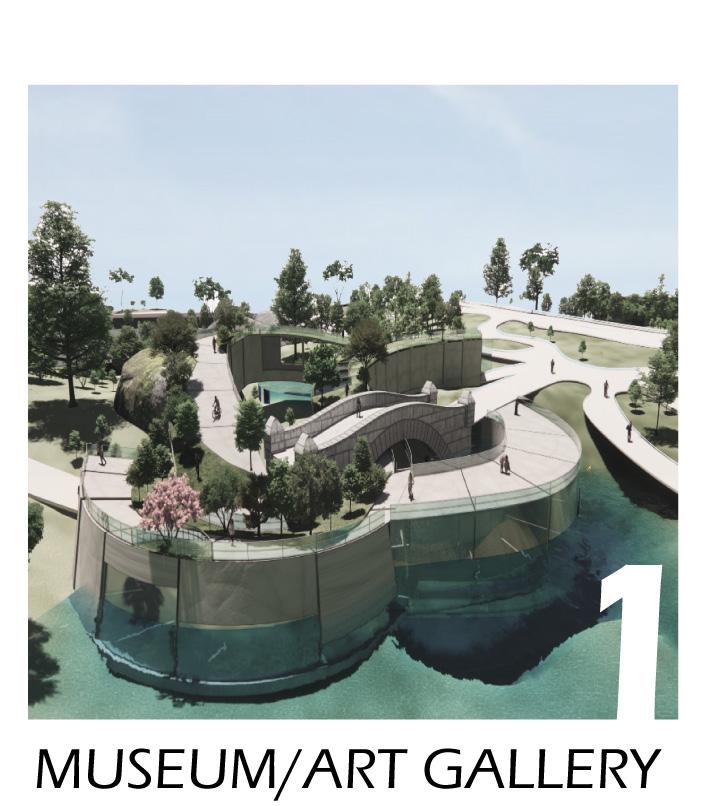
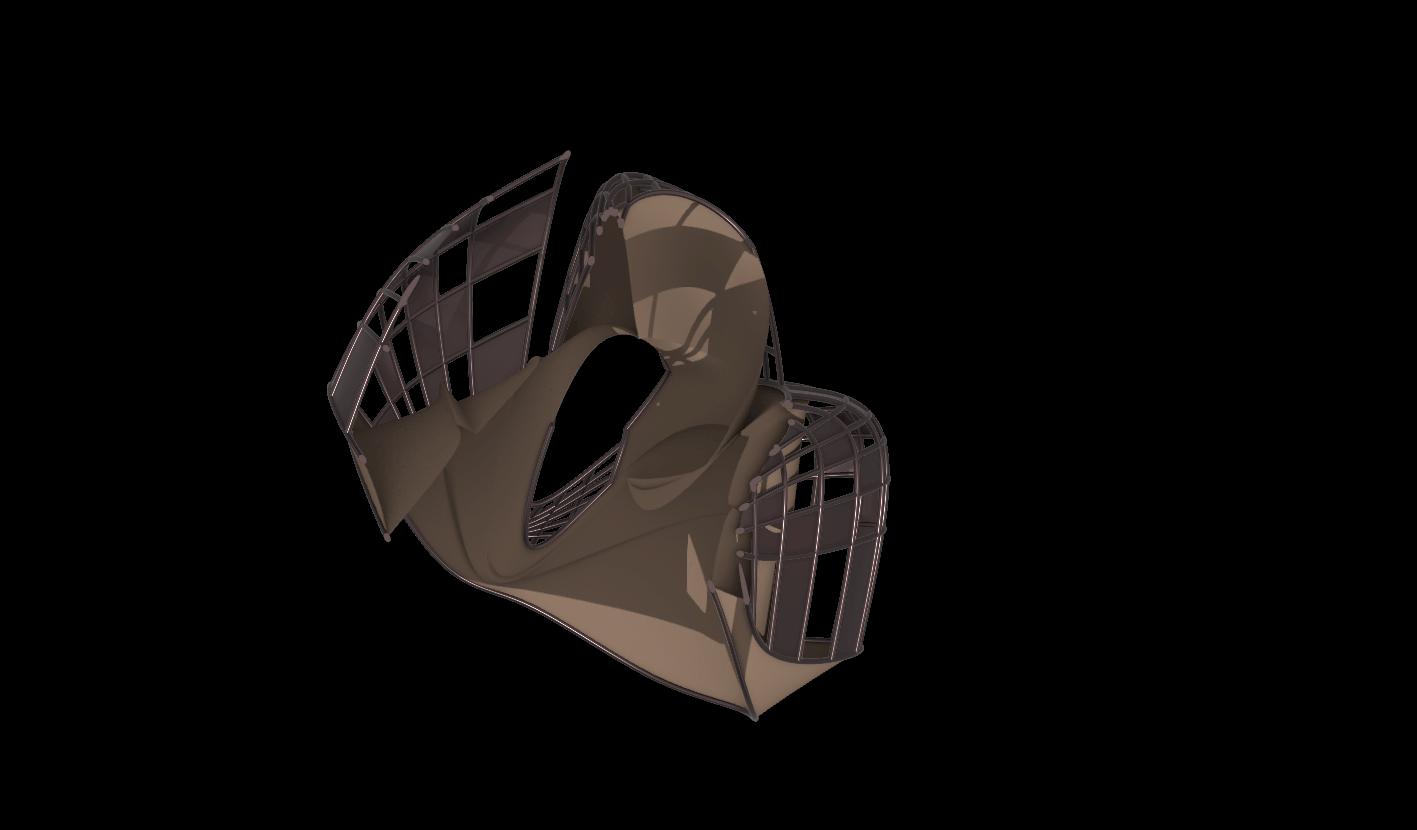
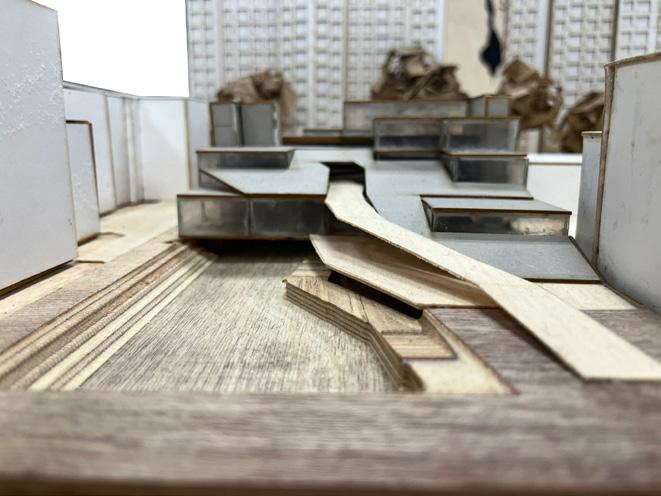
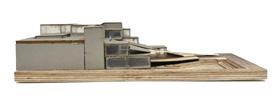
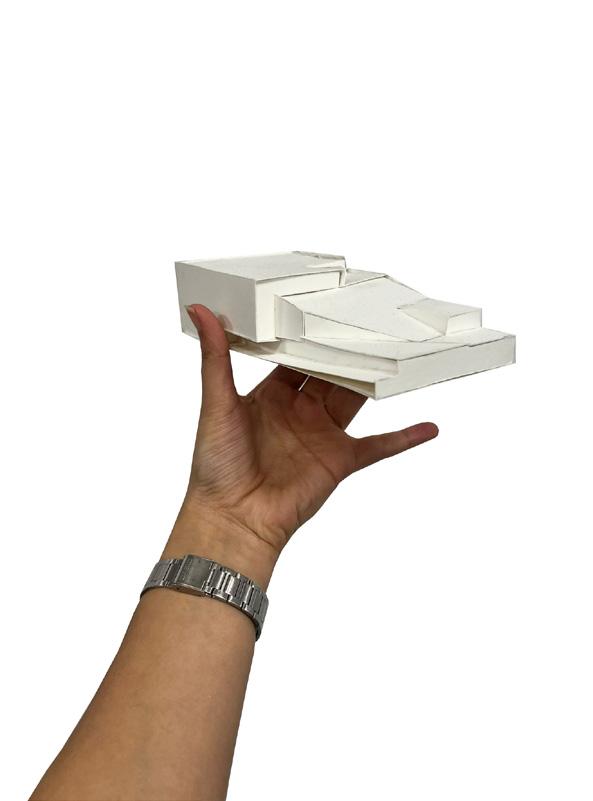
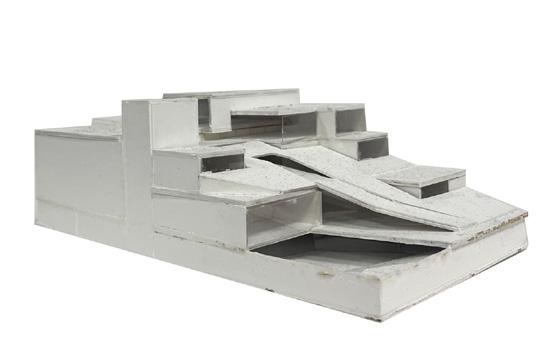
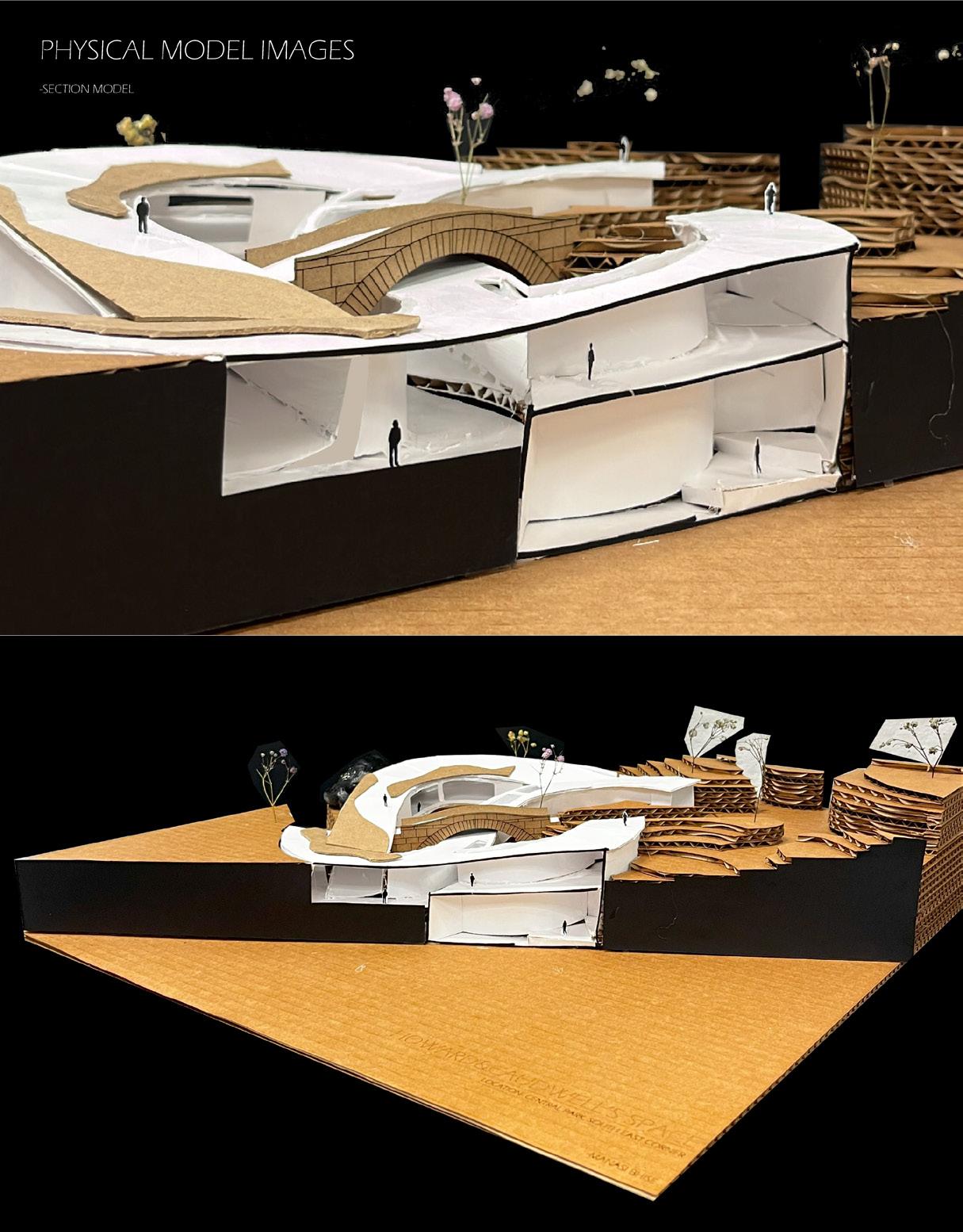
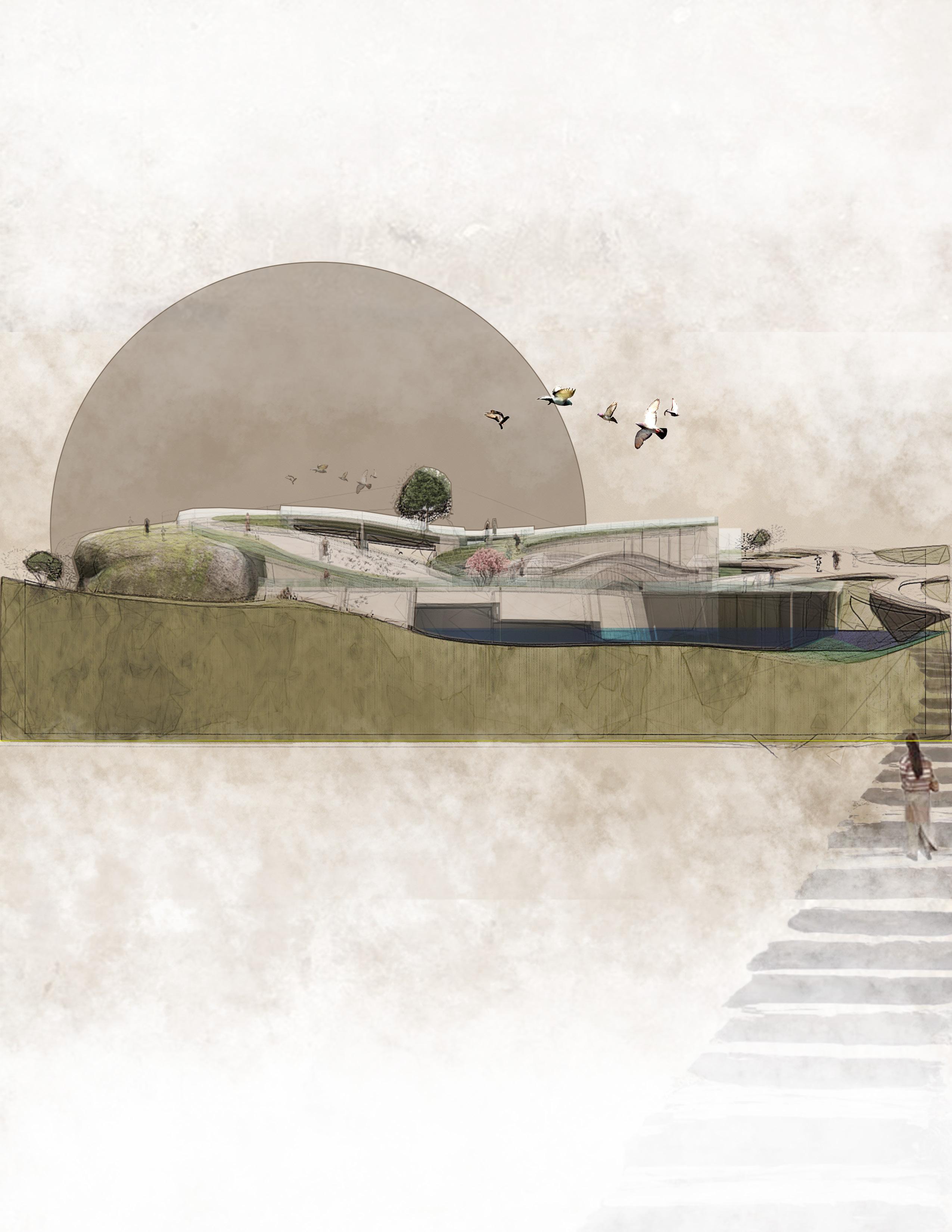
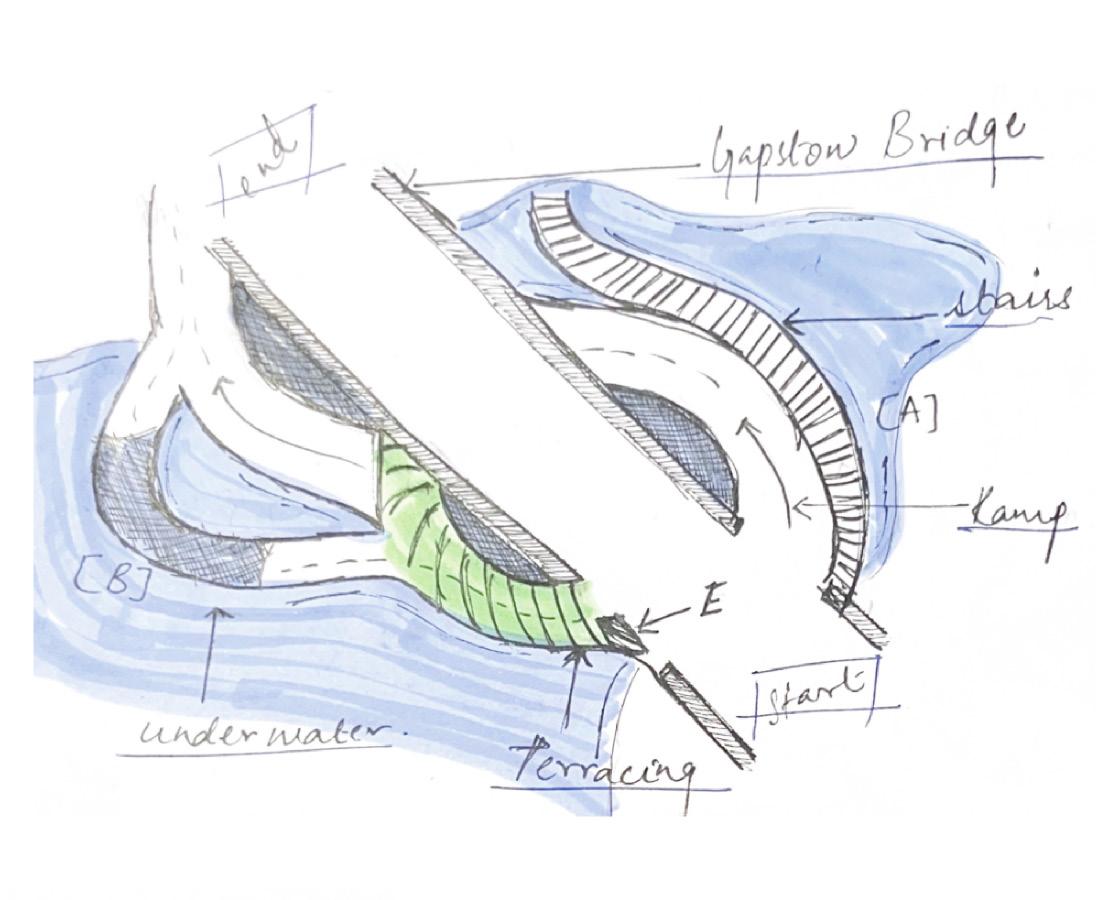
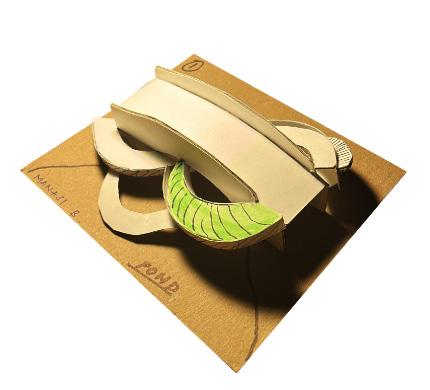
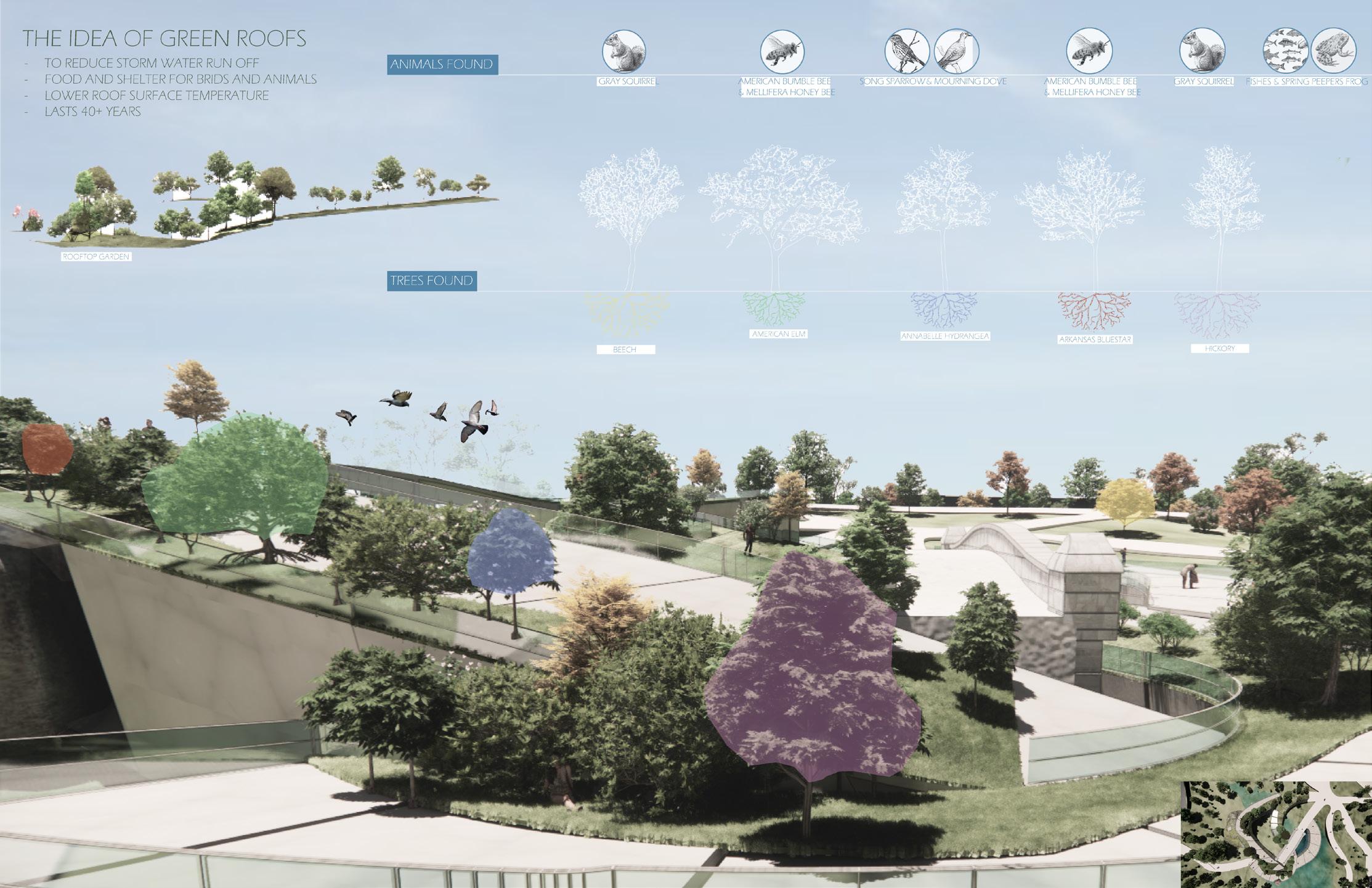
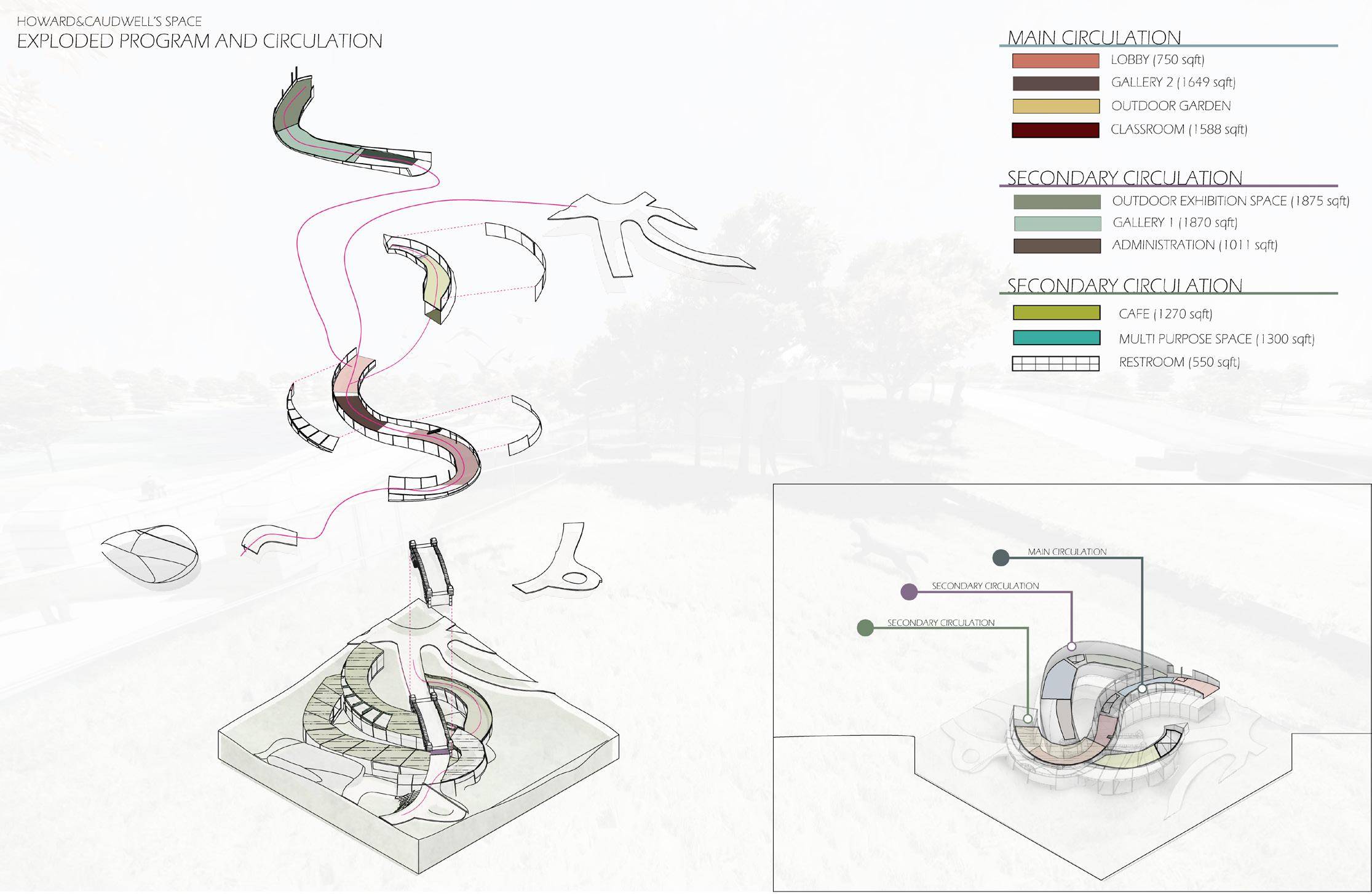
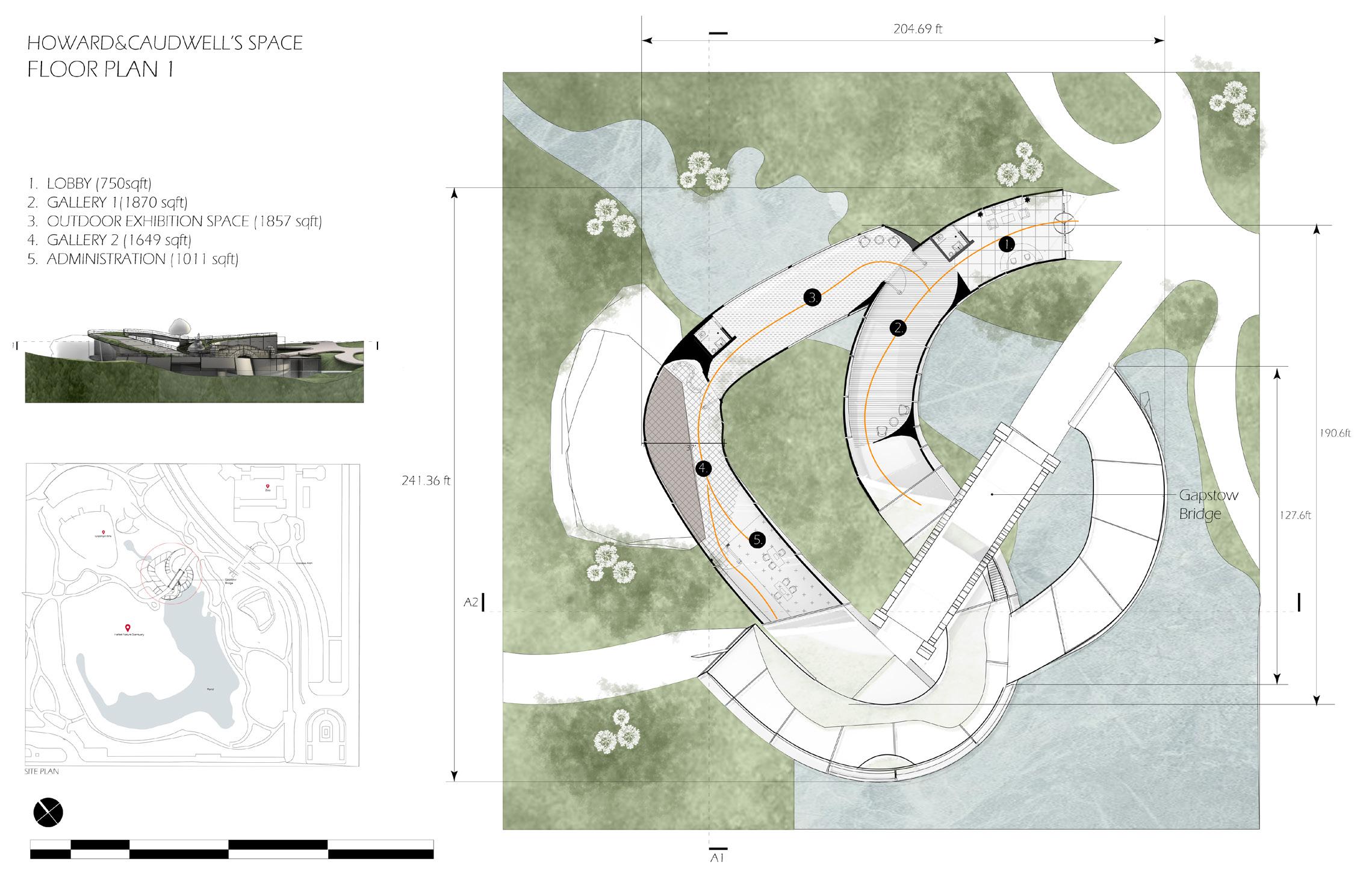
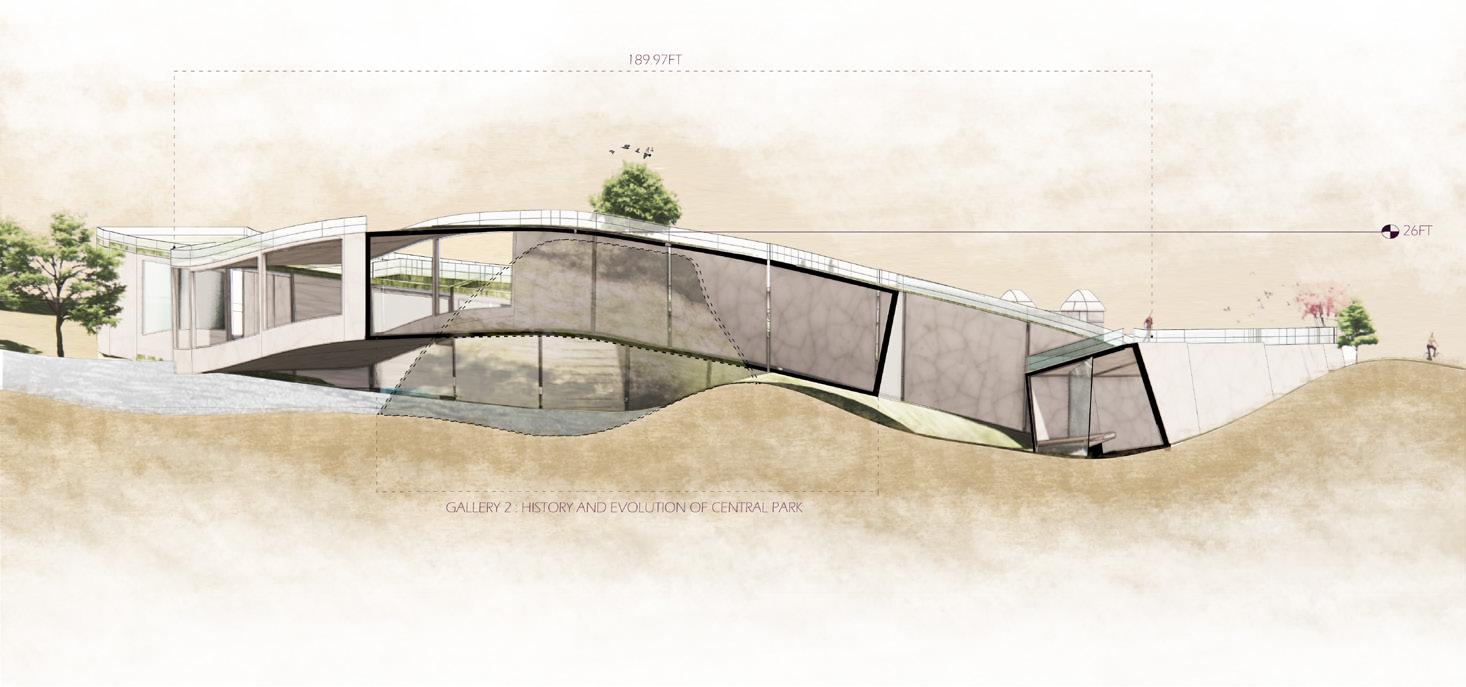
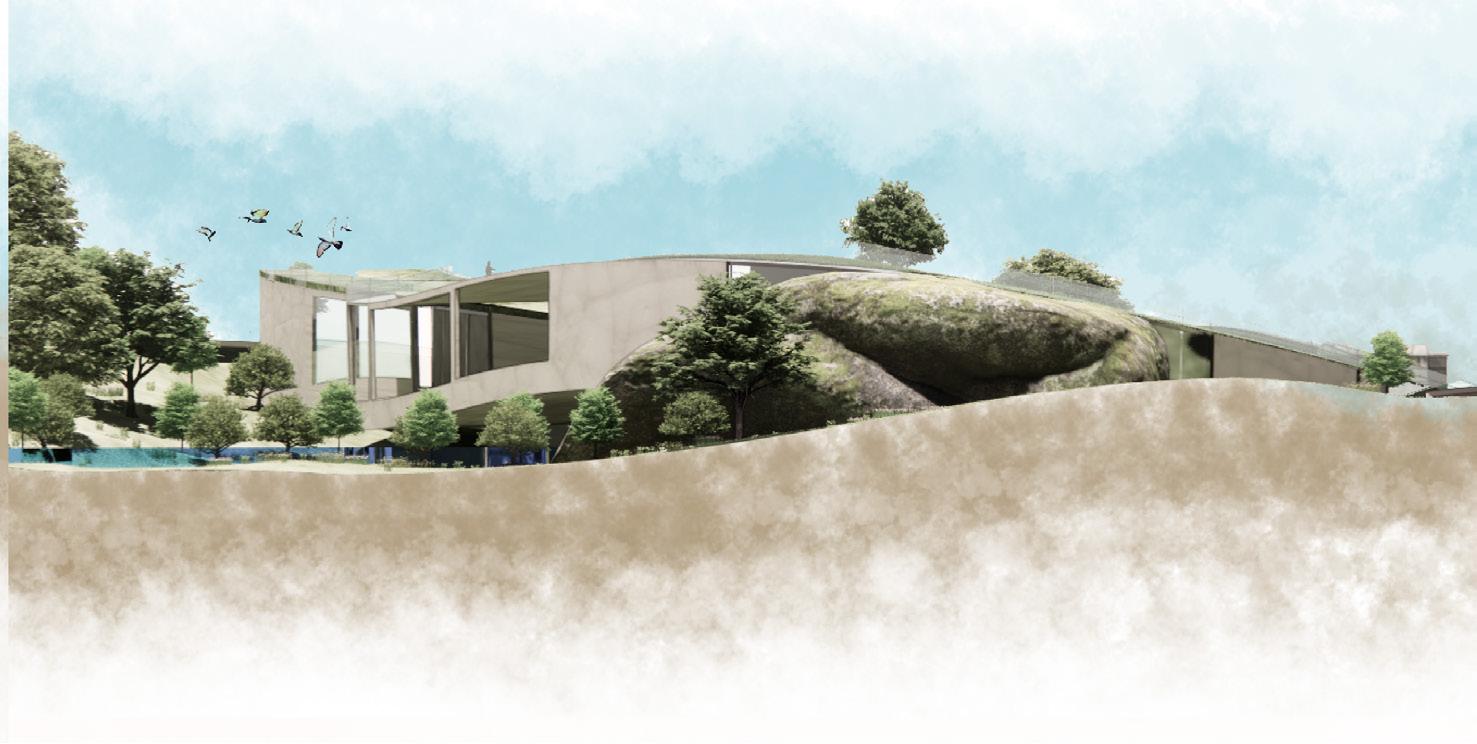
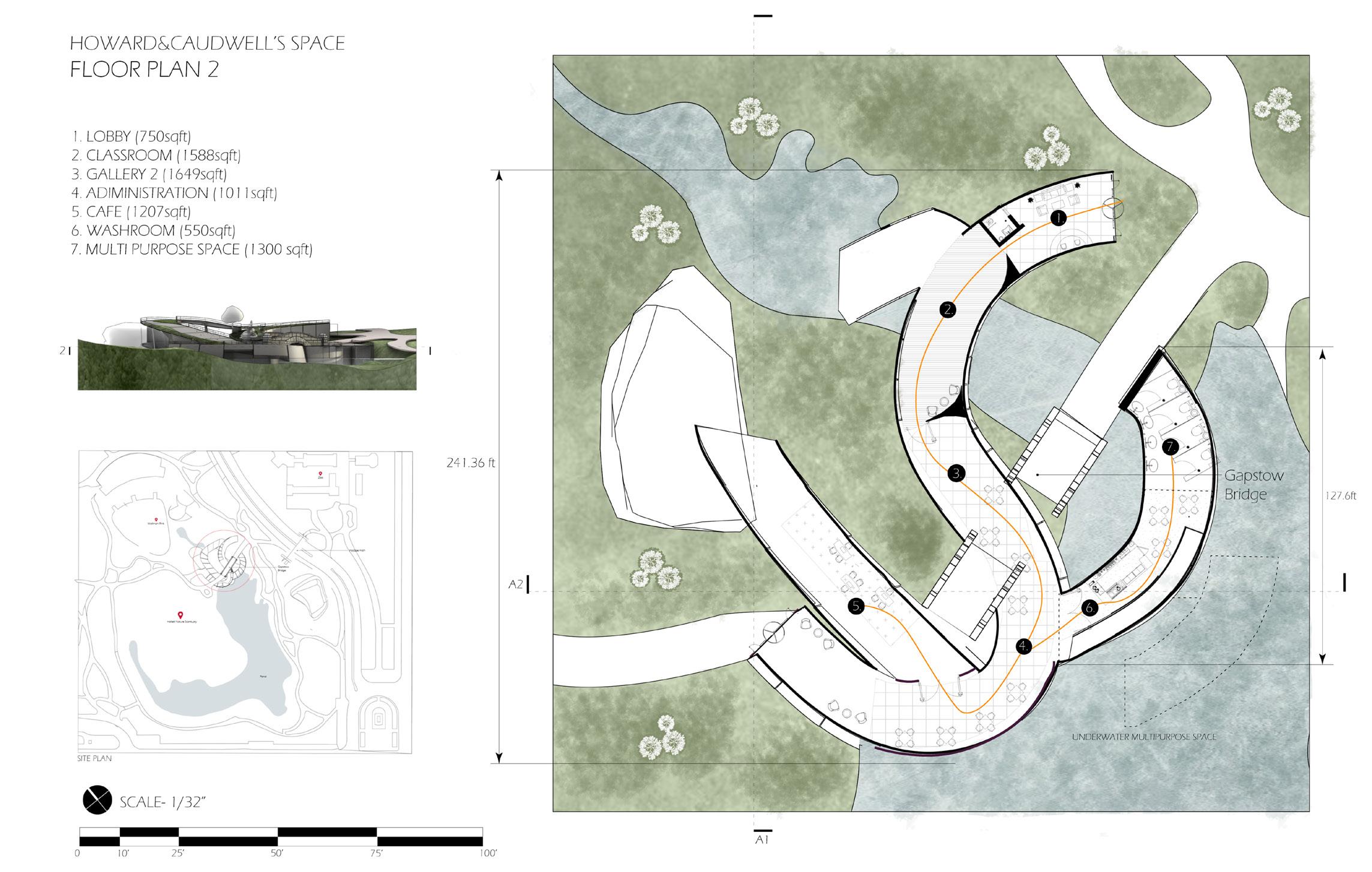
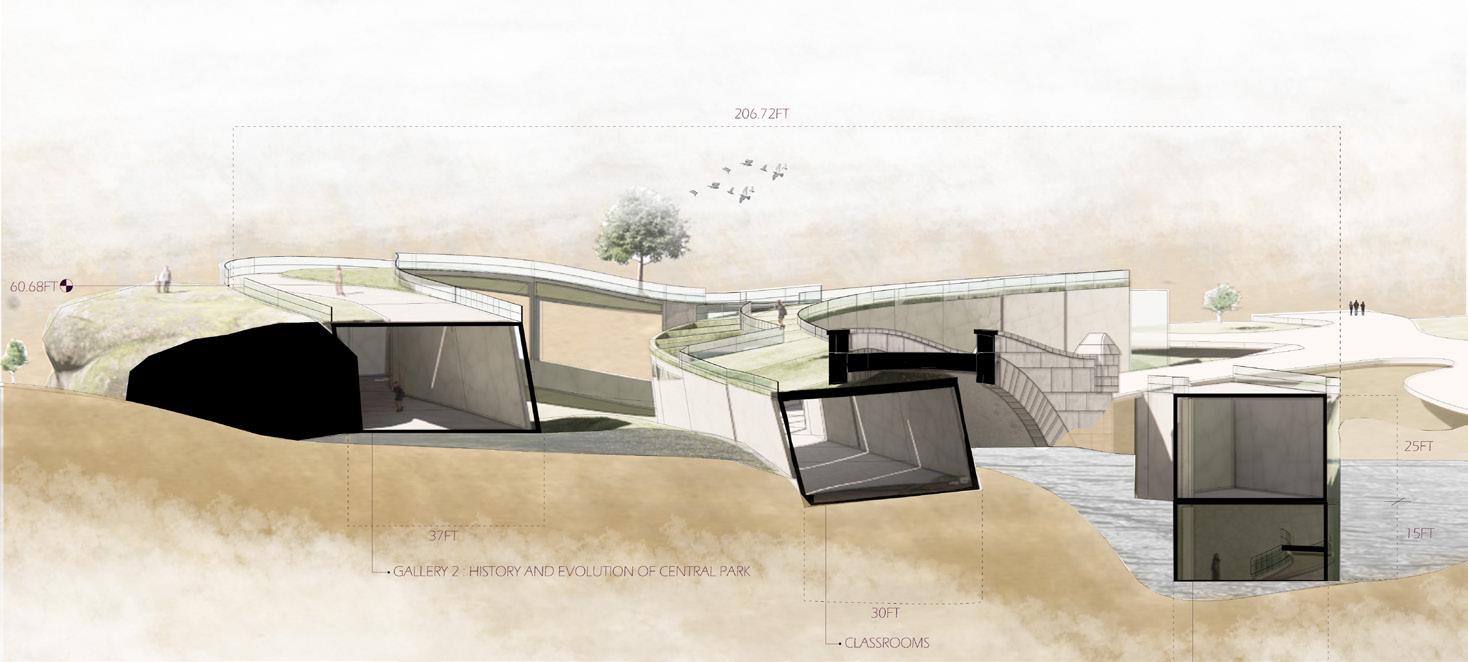
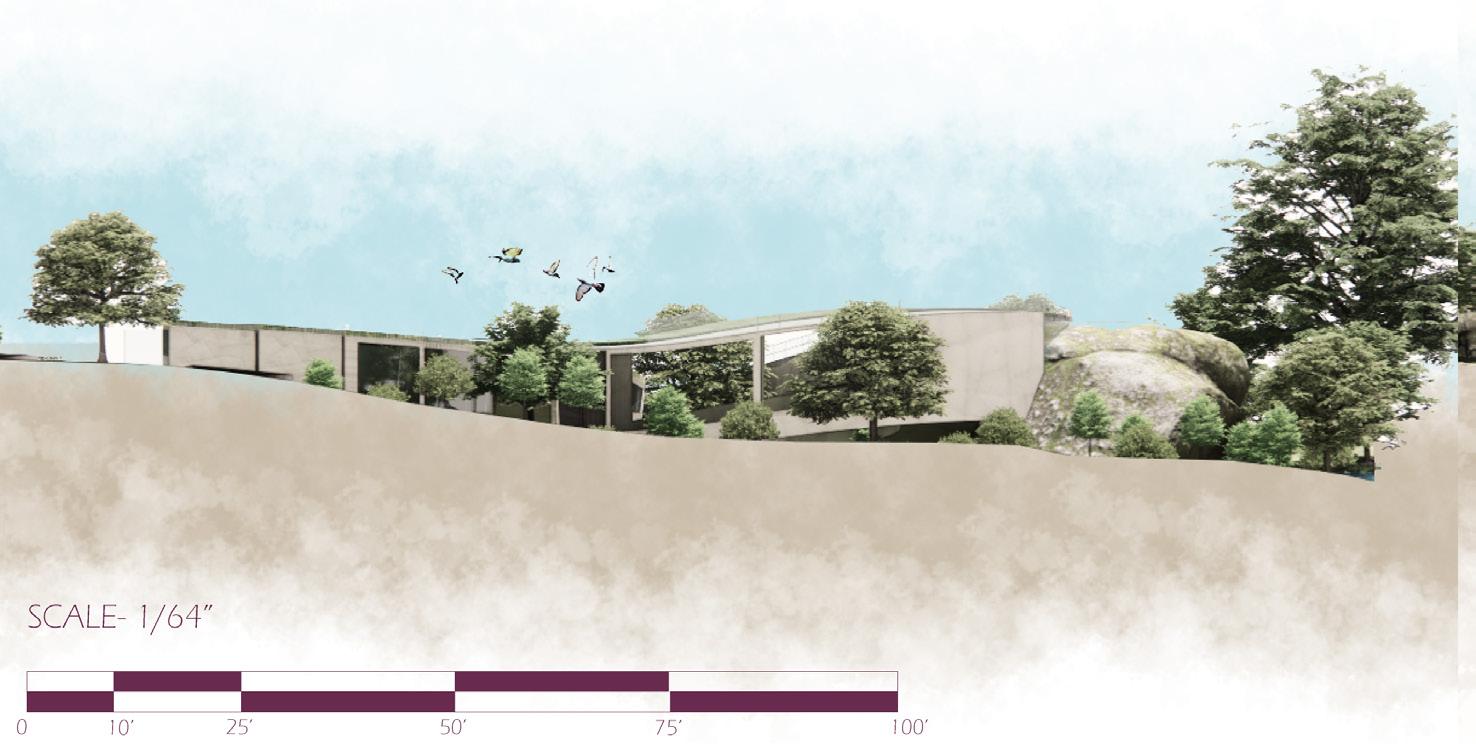
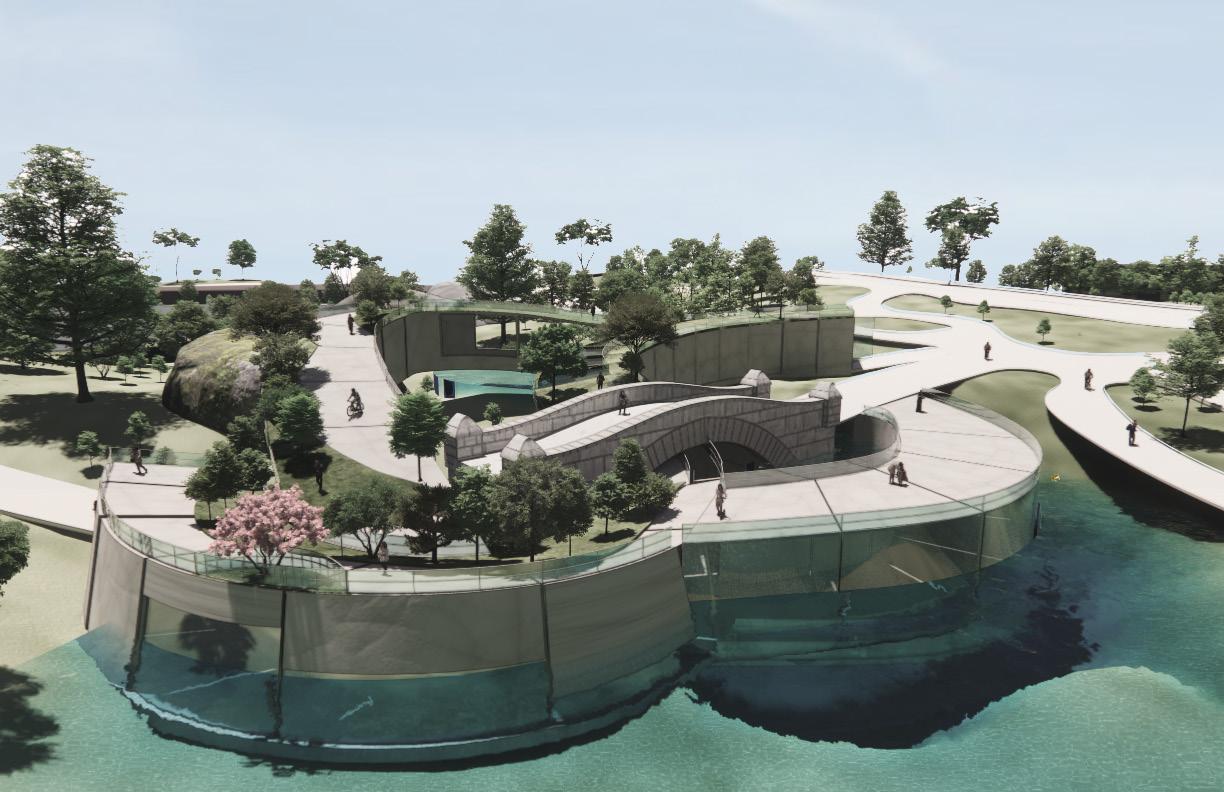
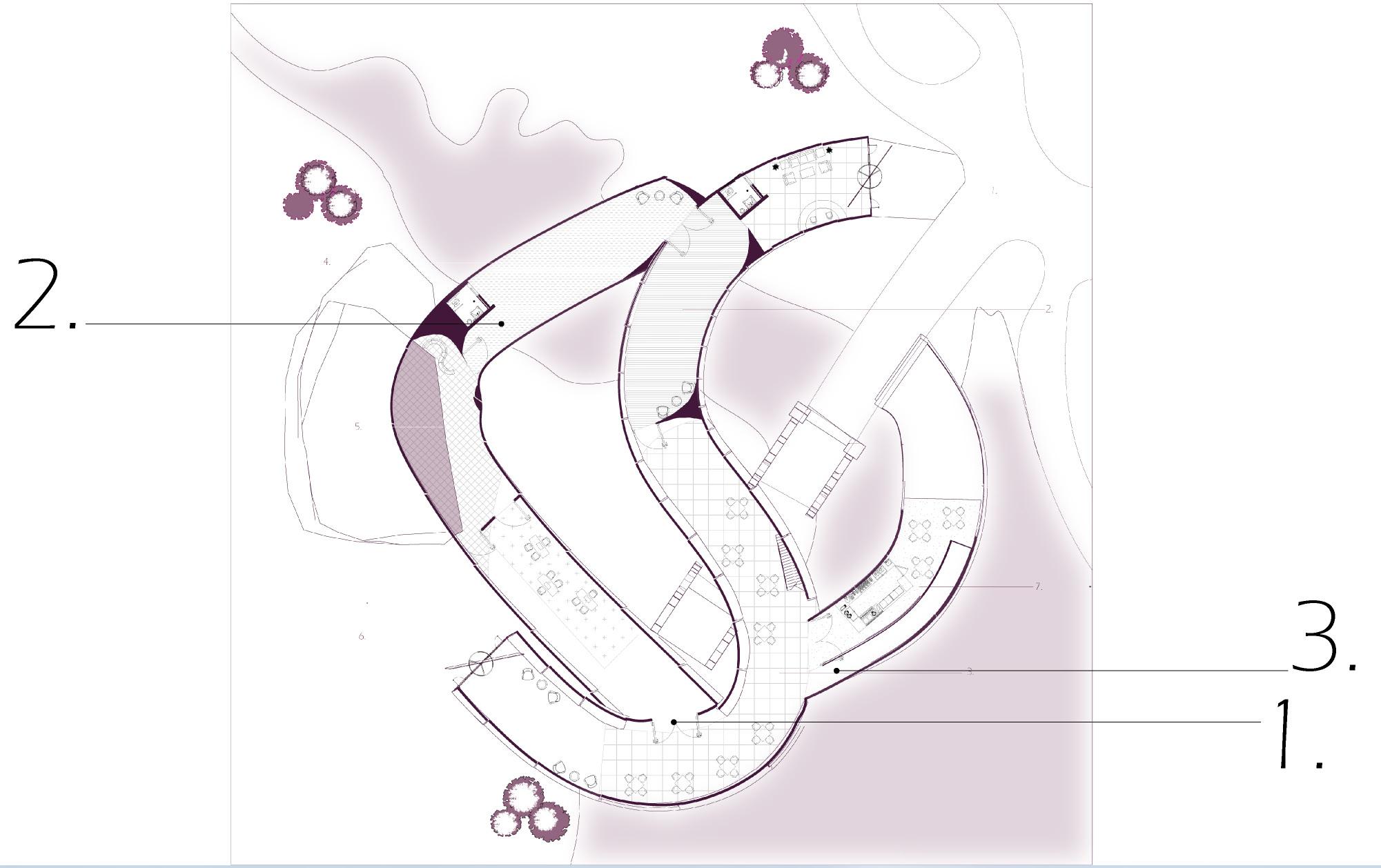
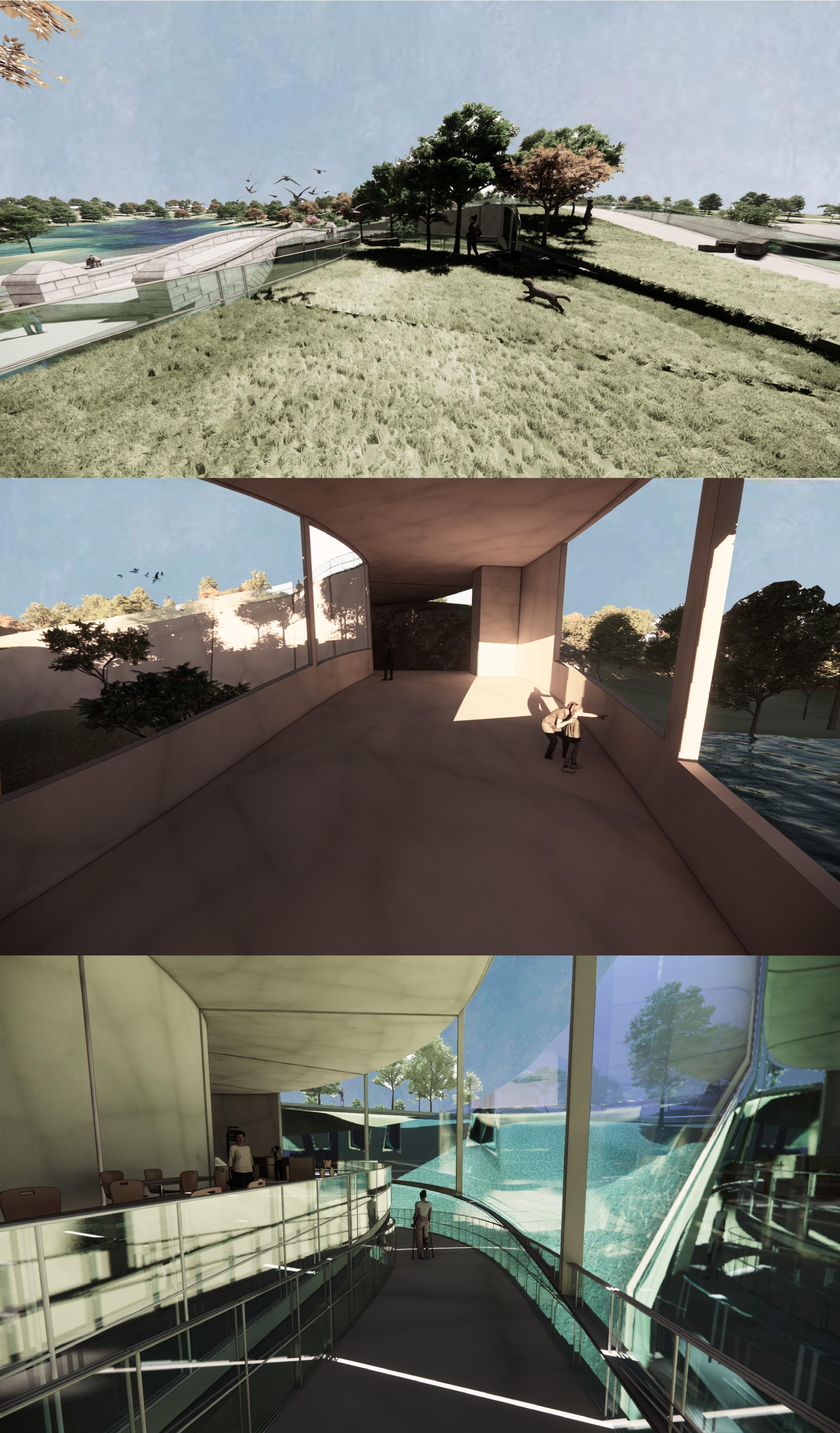
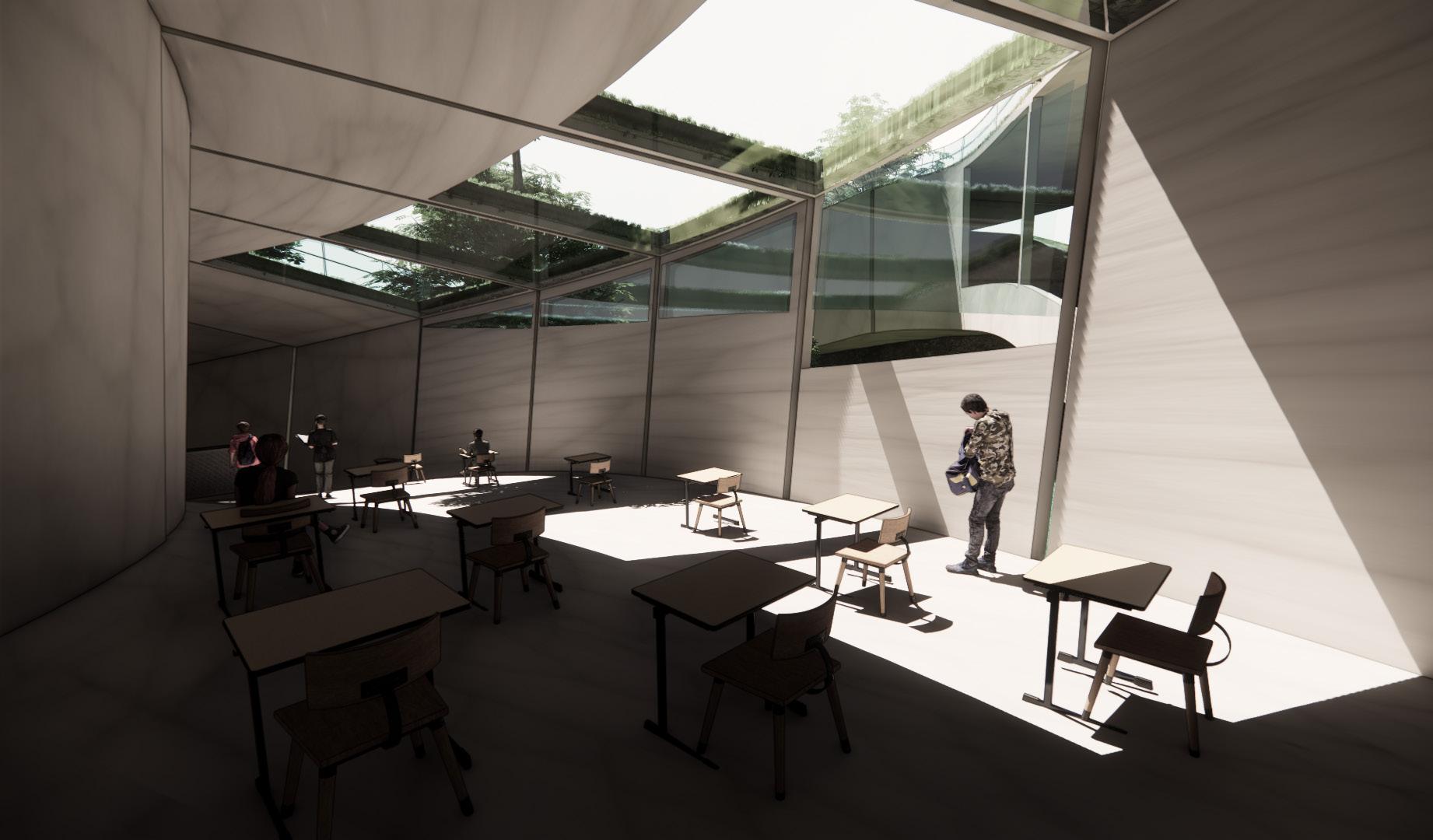
Howard & Caudwell's Space, a community center and gallery nestled near Gapstow Bridge in Central Park. This unique center seamlessly integrates with its natural surroundings, symbolizing the harmony between earth, water, and sun. Located strategically in an area lacking vegetation, the project aims to enhance the greenery while providing an accessible and inclusive space. Wheelchair-friendly green roofs not only facilitate circulation but also contribute to sustainability efforts. A key aspect of the design is its direct connection to the nearby pond, emphasizing the importance of water ecosystems. While preserving the existing Gapstow Bridge structure, new components are added to showcase both its original form and a modern interpretation. The center serves as a hub for education and preservation, inviting visitors to explore Central Park's rich history and biodiversity. Through various meeting spaces, exhibition galleries, rooftop gardens, and cafes, visitors are immersed in an environment that fosters learning and appreciation for nature.
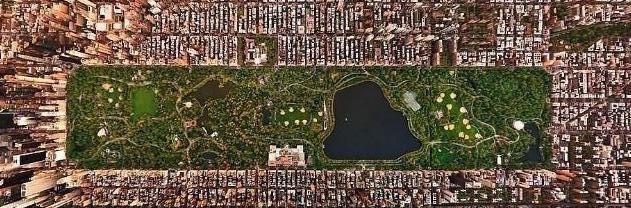
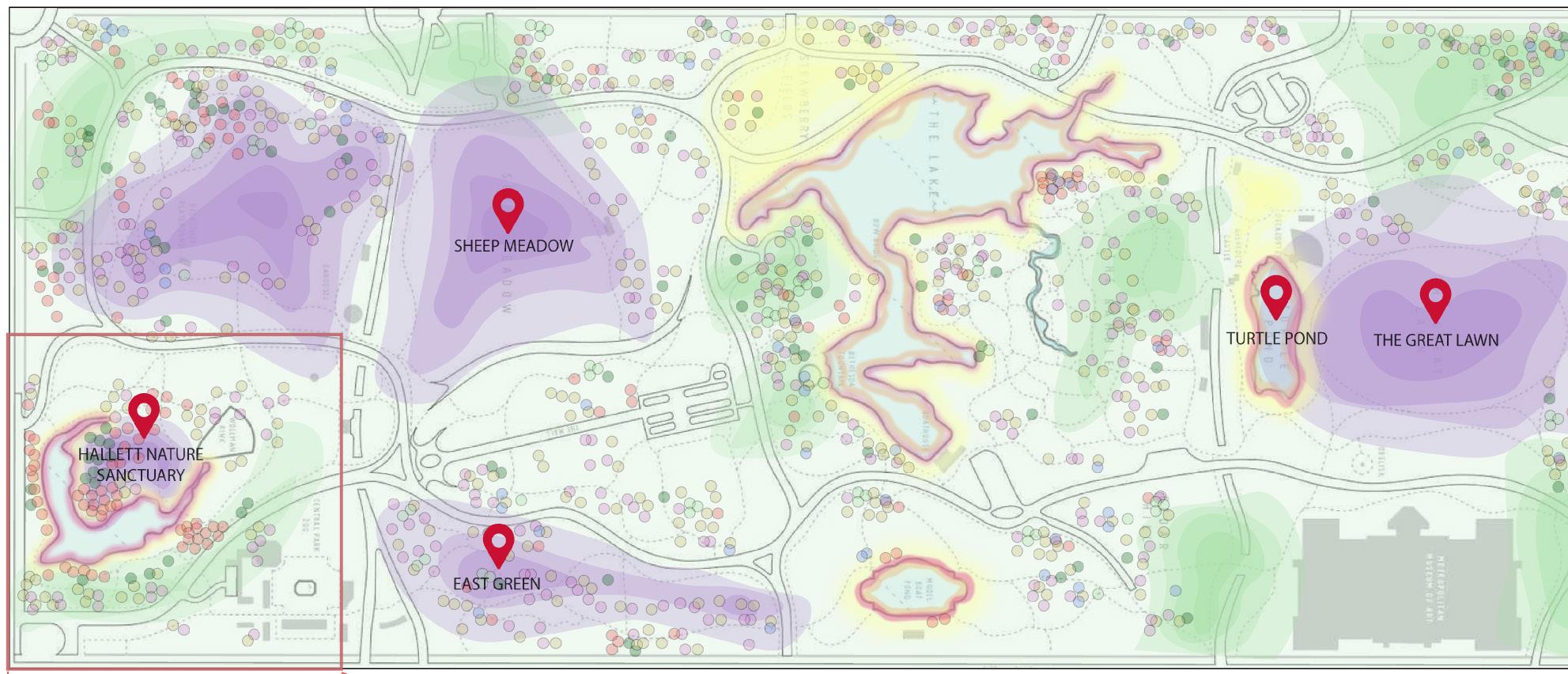
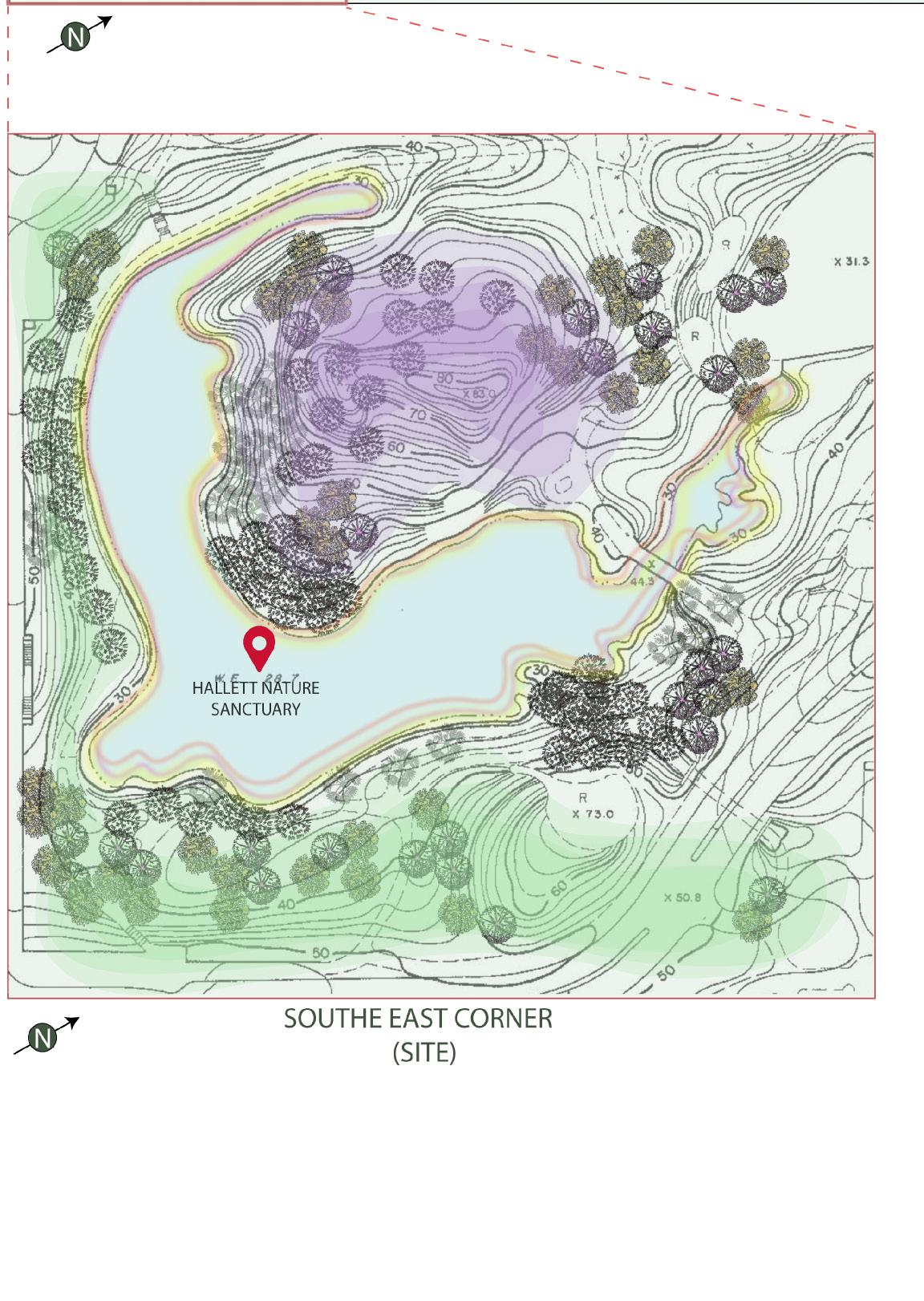
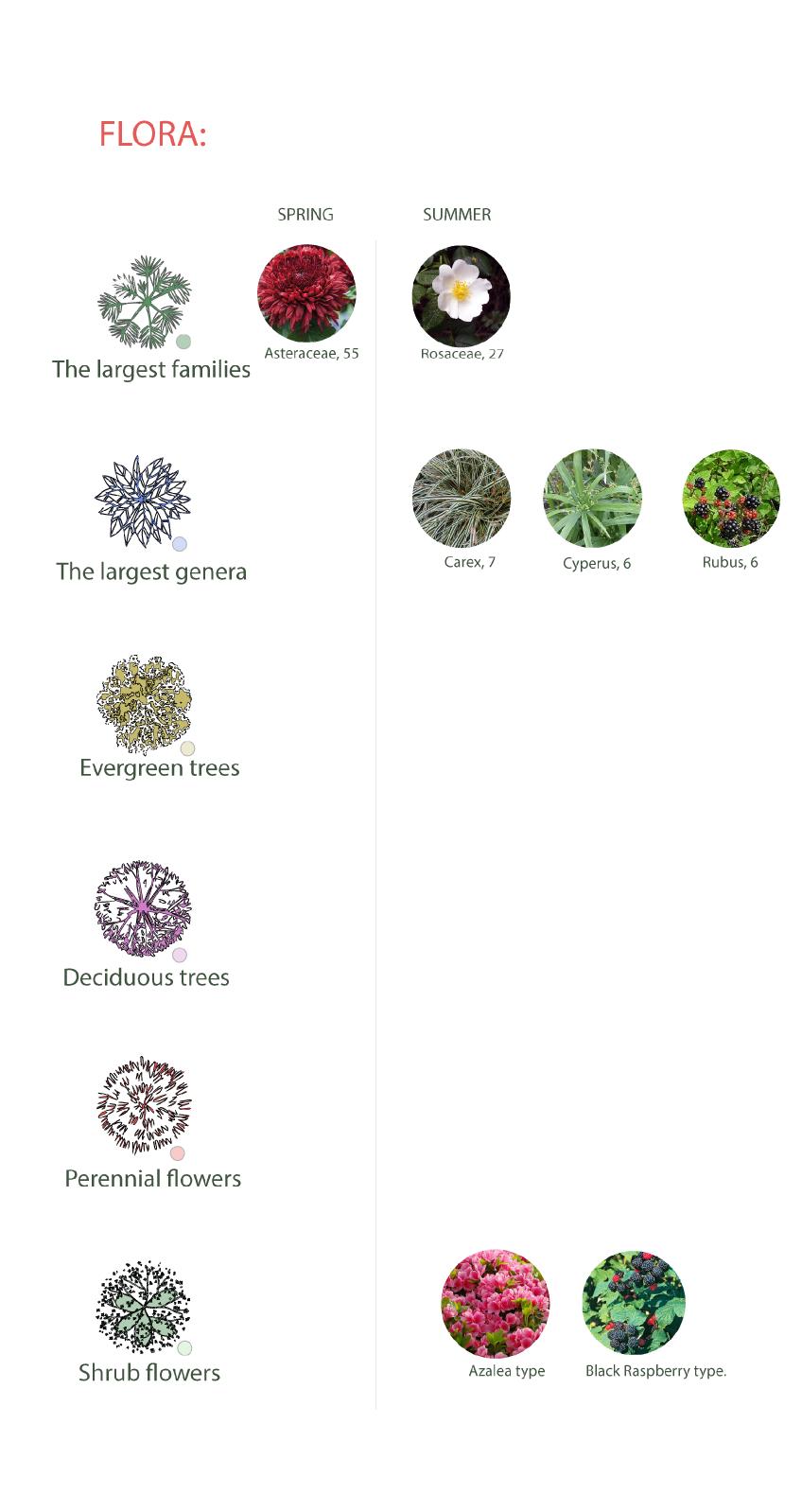
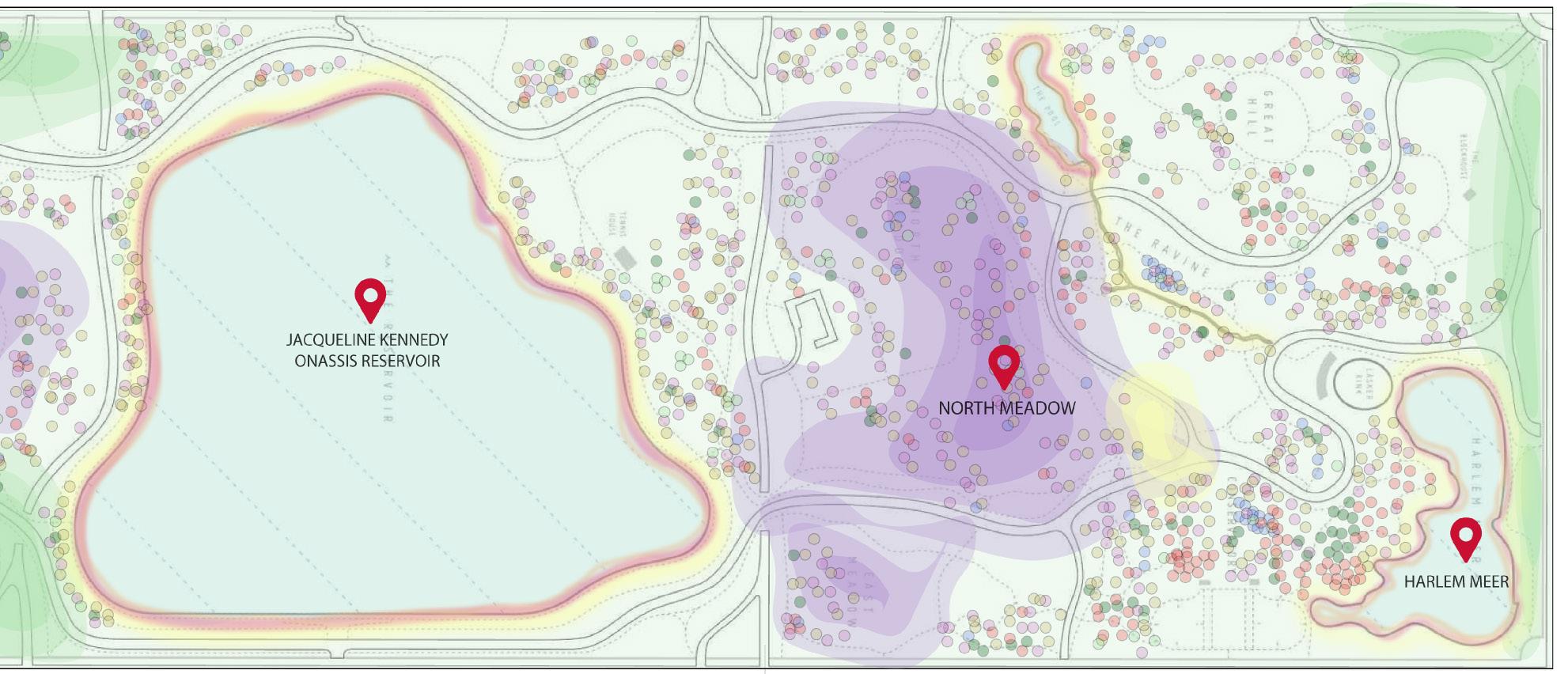
My research group and I selected biodiversity as the focus for our studio project because we were deeply interested in exploring how its principles could be integrated into my final design. This topic not only aligns with our collective curiosity but also provides an opportunity to address critical environmental concerns. By studying biodiversity, we aim to uncover innovative ways to enhance ecological balance and sustainability within architectural spaces, ensuring our designs contribute positively to the environment.
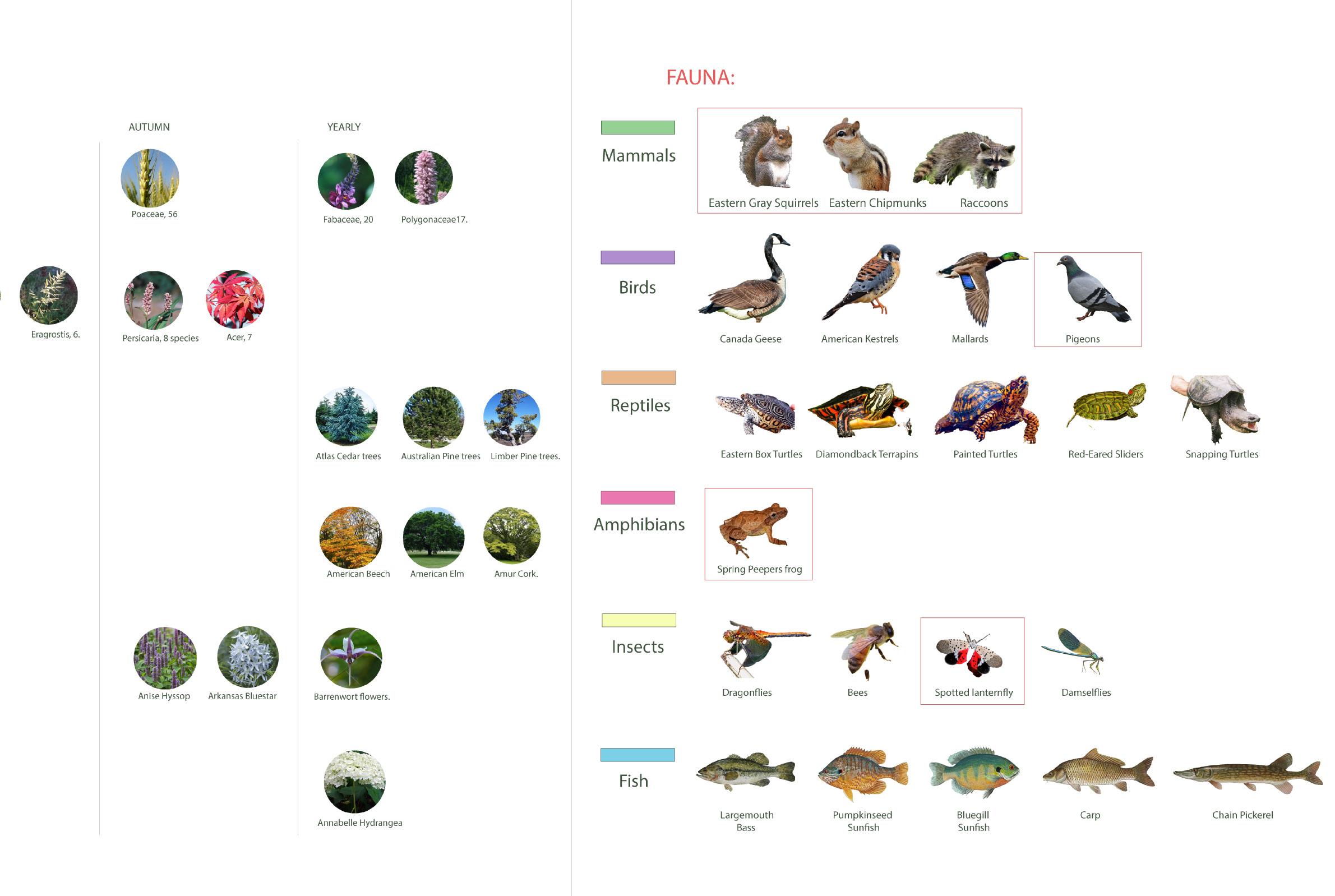
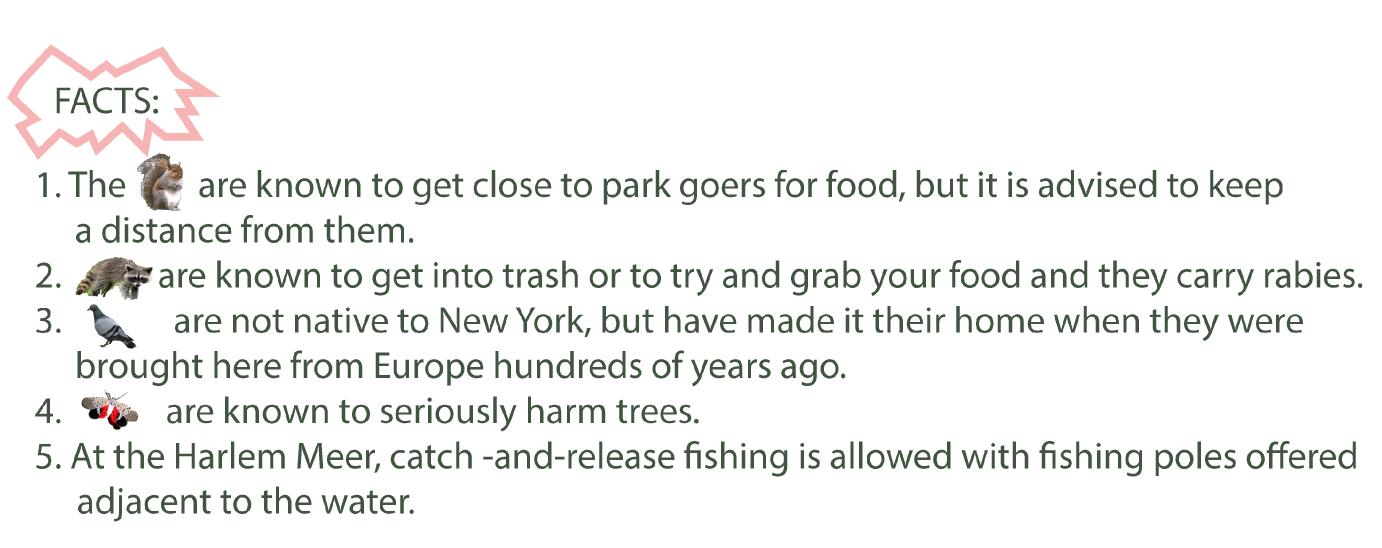
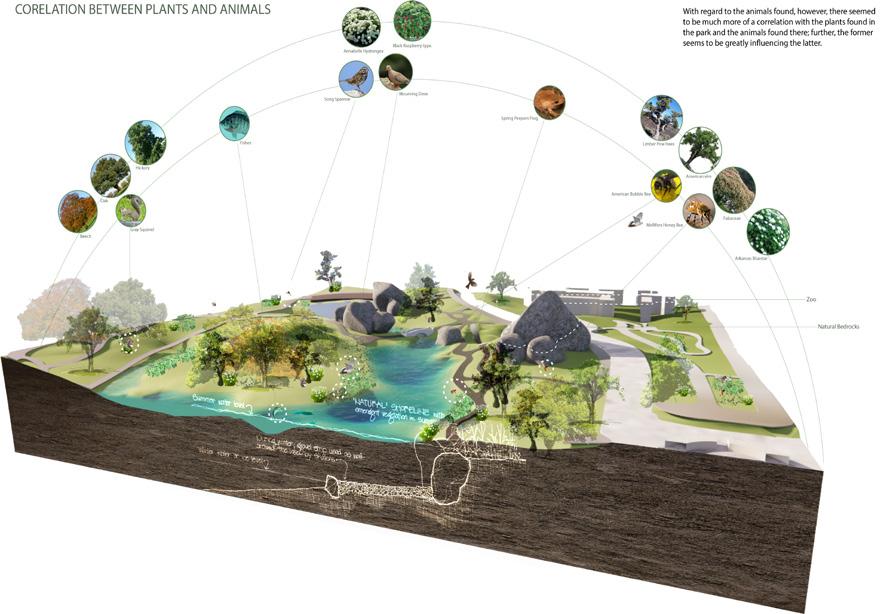
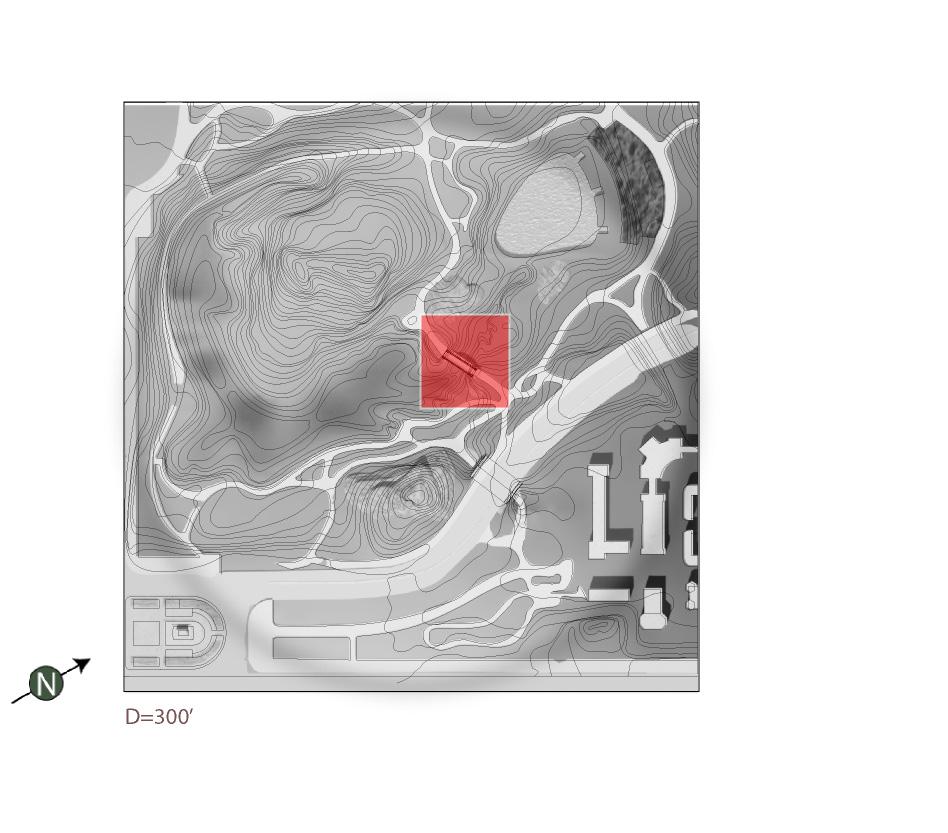
. Does have direct and easy coonection to the main road.
. Can see different elevations from the Gapstow bridge.
. Has mid-low frequency sound level.
. Recieves light ost of the day.
. Vegetation and wildlife is comparitively modretate than the entier park.
.Vegetation near the pond and the bridge mostly consists of shrubs and having a project there would not disturb much of it.
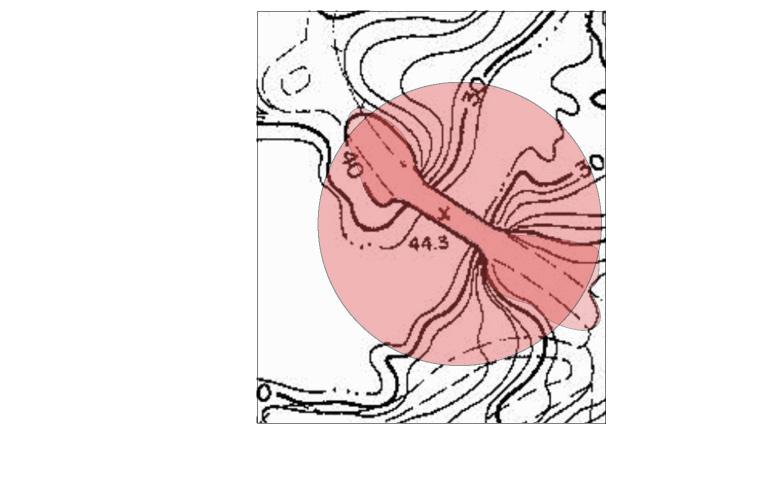
The main objective us to create a precedent that originally fits the topography. I found that this particular location’s entier south-east corner lacks much vegetation, and that by building a project there, the vegetation will be taken care of. It will also be less complicated to build a useful drainage system that connects to the park’s surrounding drainage system. Even on the project’s roof, circulation will be helped in part by wheelchair-accessible green sloping roofs. Due to the fact that it serves as both a bridge and the the project, it may feature some tessellations for optimal lightings. I wanted to explore the concepts of over vs under, rigid vs flux and repetition vs layering. And the primary goal is to demonstrate a direct relationship with the pond. In order to demonstarte both the actual gapstow bridge and my version of the structure, I wanted the leave the previous structure in place while also adding new components.
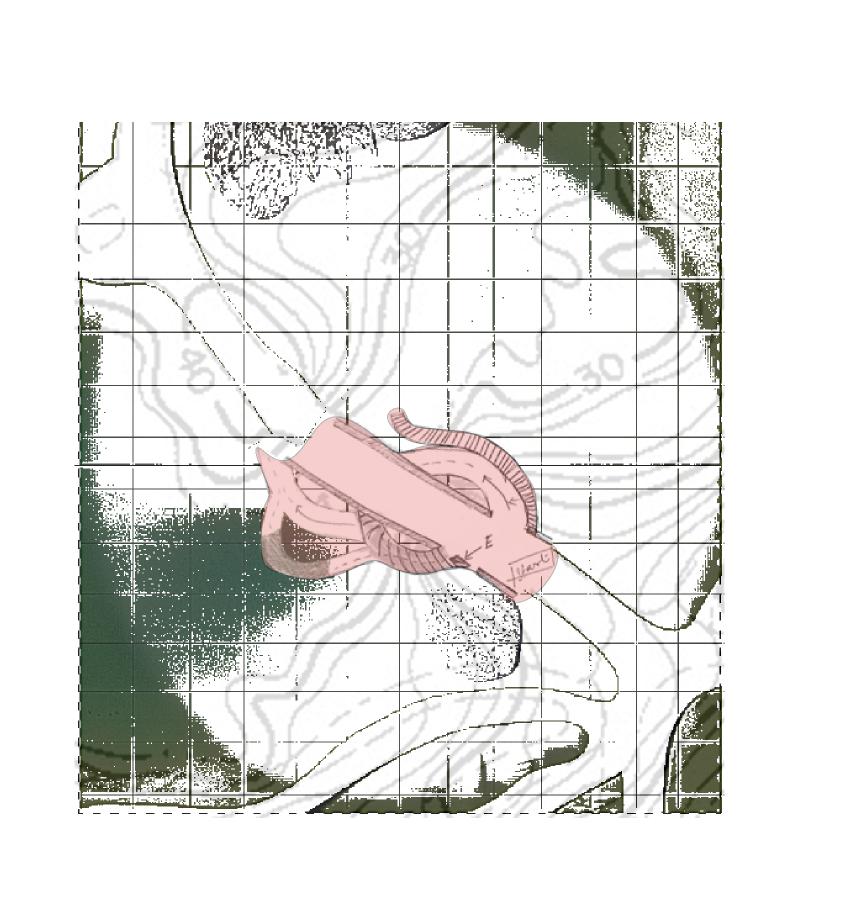
SITE SELECTION AND MAIN CONCEPT
Location: Bed-Stuy (Brooklyn)
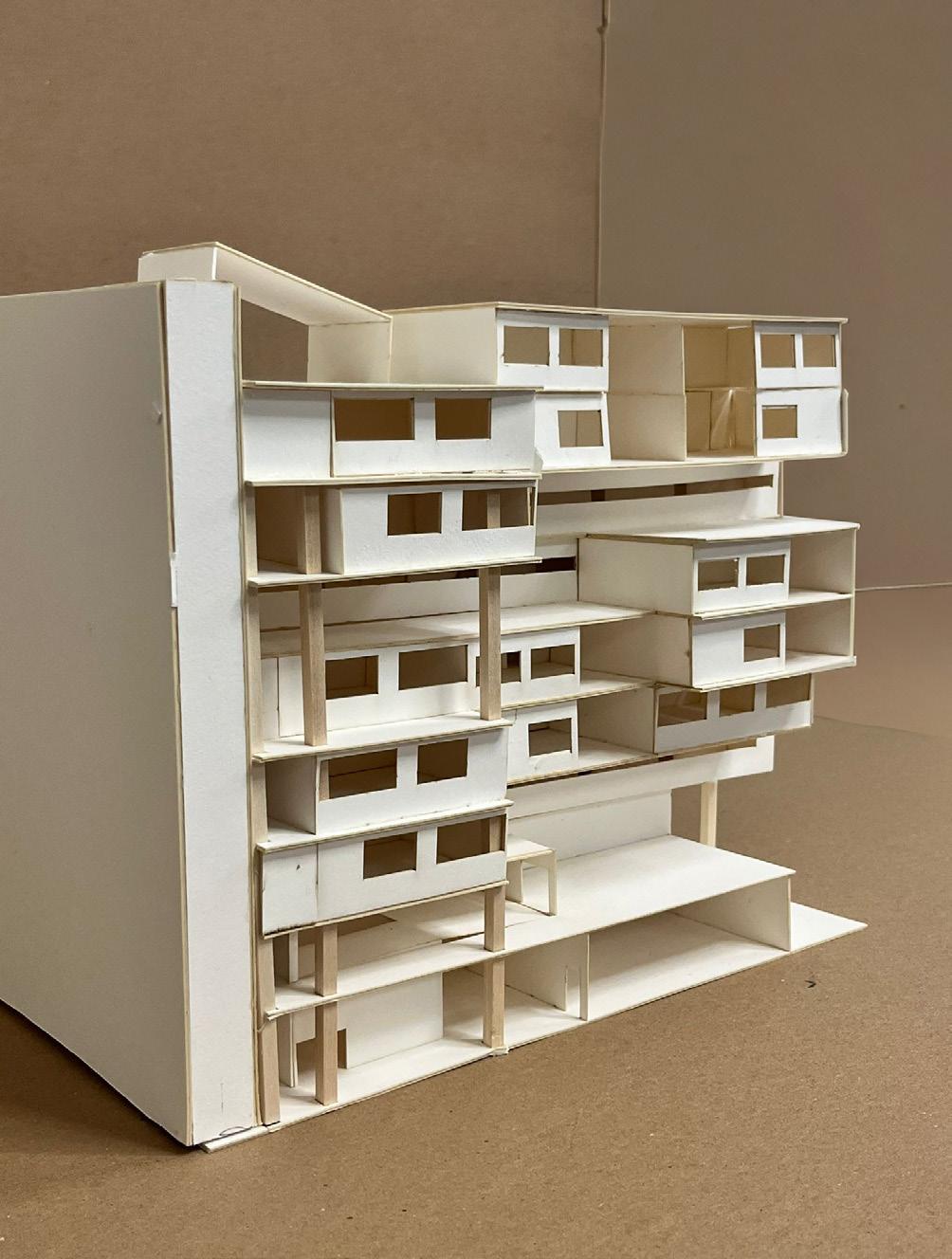
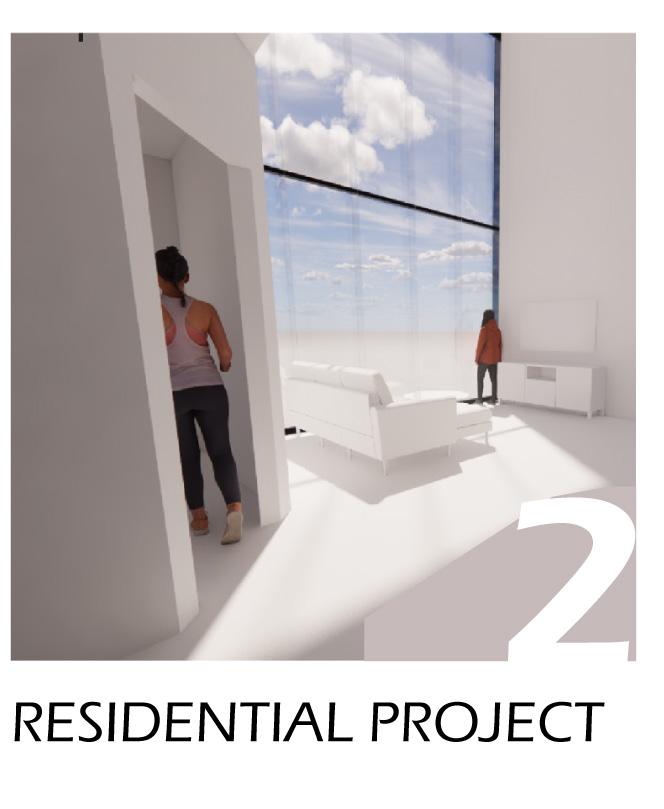
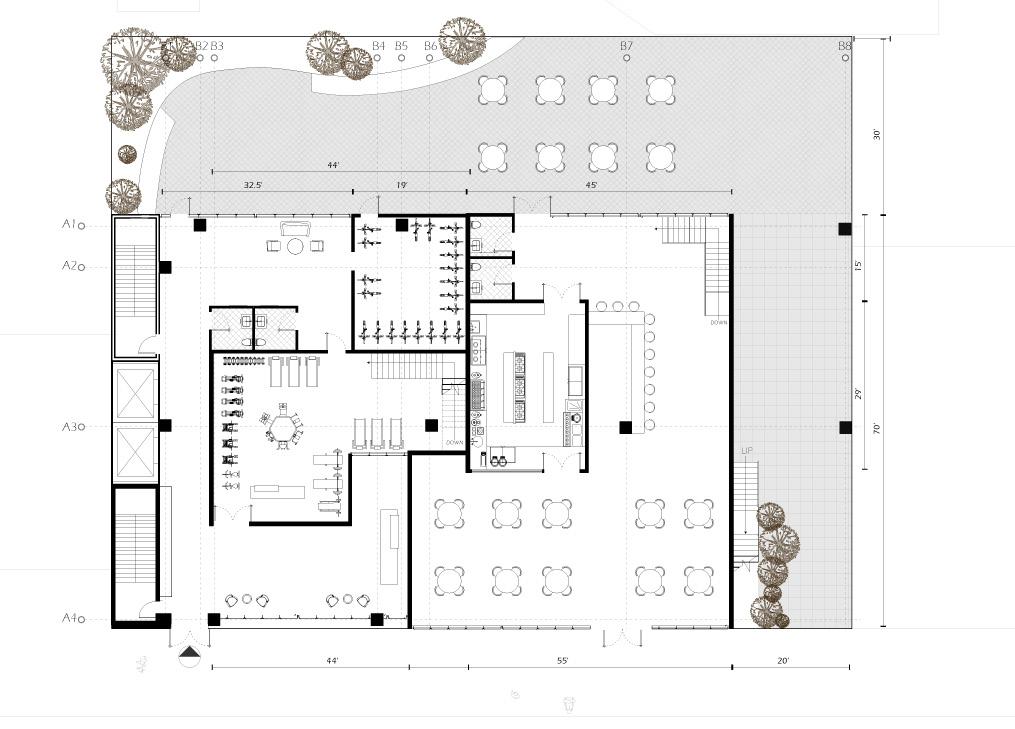
The Stuy-Grove Residenceis an multi family eight-story building nestled in the heart of Bed Stuy, boasts a captivating architectural design that seamlessly integrates with its urban surroundings. This contemporary structure harmonizes modern aesthetics with functionality. StuyGrove Residenes”resonates well,emphasizing both the residents and open spaces. The term “Grove” evokes images of a communal gathering spot within nature, symbolizing a natural, open area. It implies a serene and communal environment, suggesting that the residents will have ample open spaces within the complex. It not only caters to the people living there but also hints at the presence of green spaces or communal areas within the project where residents can gather, socialize, and enjoy open, natural settings.The interior design likely focuses on maximizing space efficiency and comfort. The layout is meticulously planned to accommodate various amenities, such as communal areas, perhaps a gym or lounge, and potentially a rooftop garden or terrace for communal use, enhancing the residents’ quality of life. Additionally, the building incorporate sustainable features, such as energy-efficient systems or green spaces, aligning with contemporary architectural trends focused on environmental consciousness.
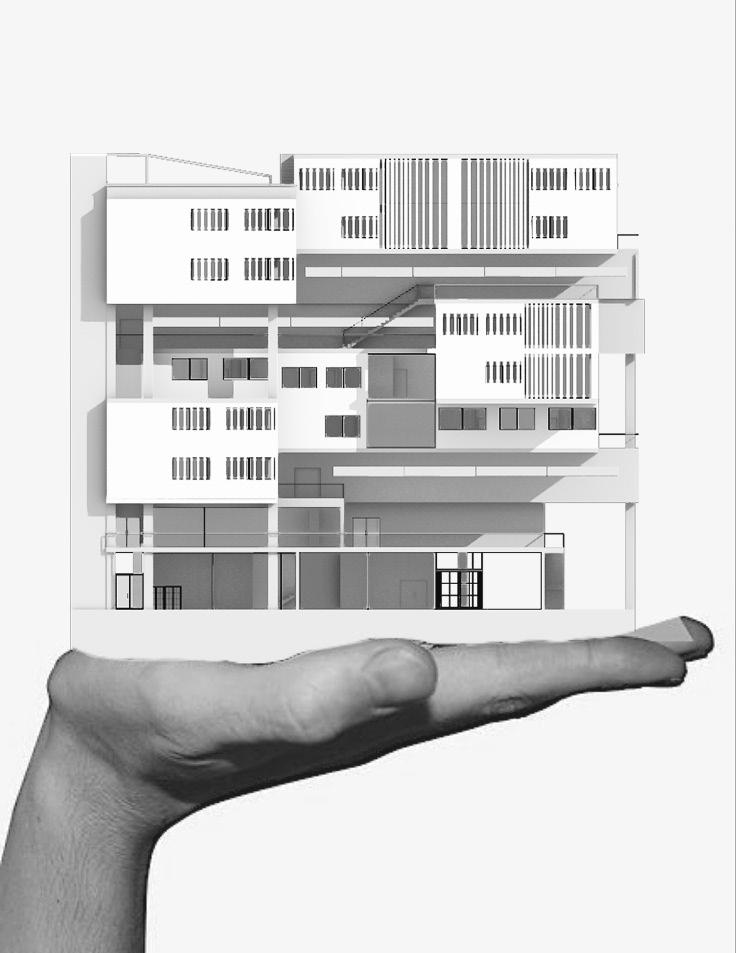
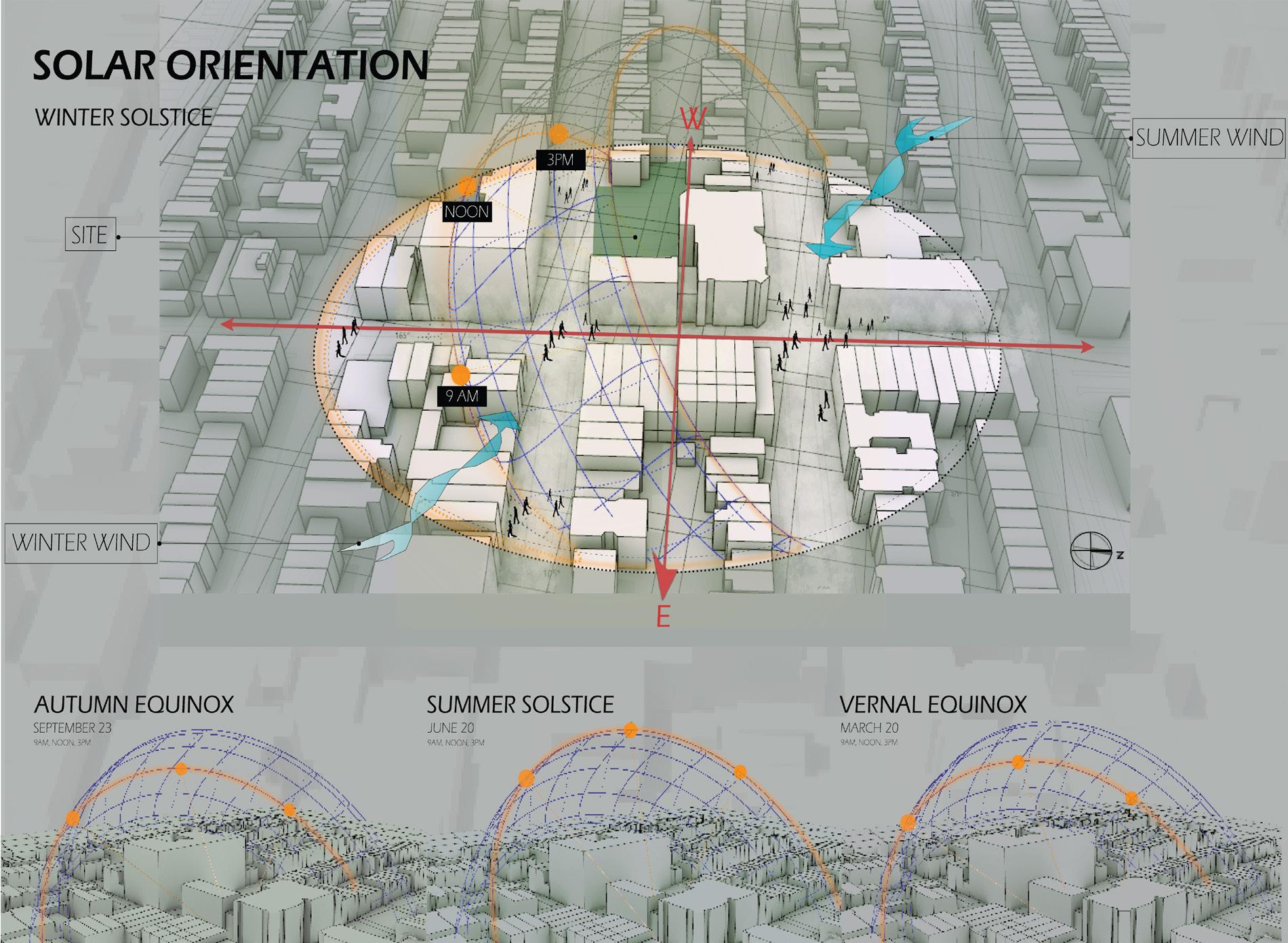
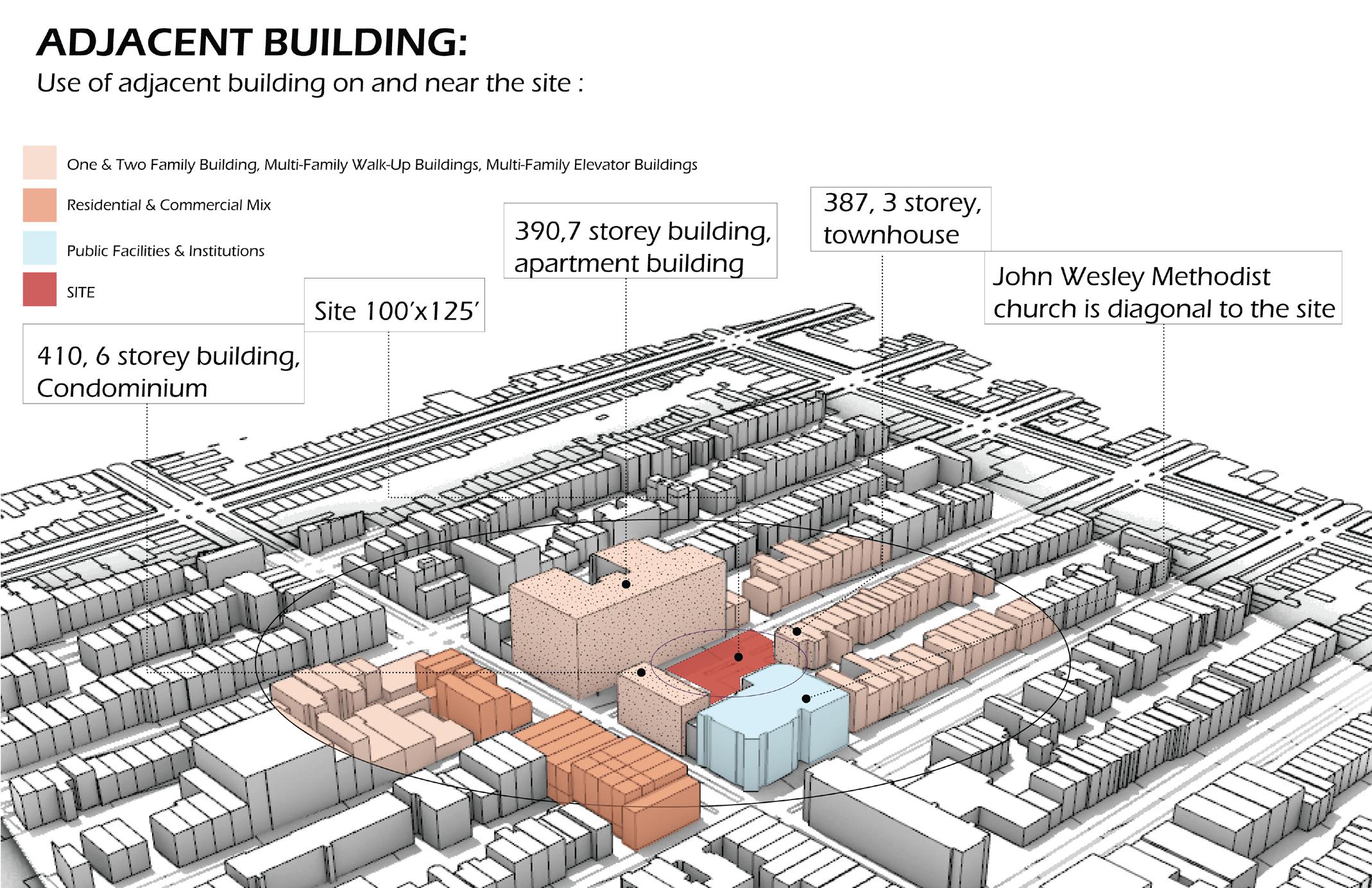
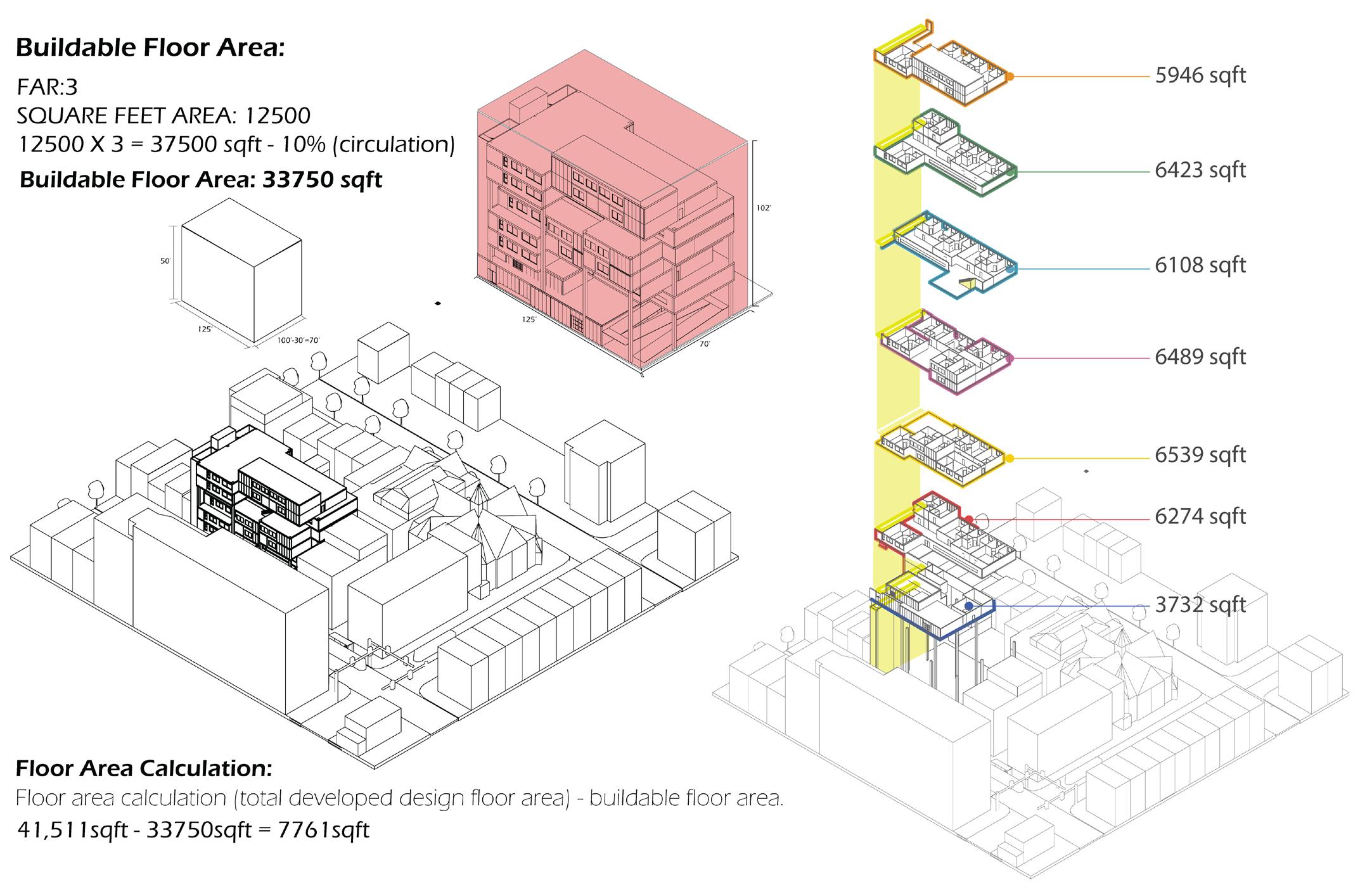
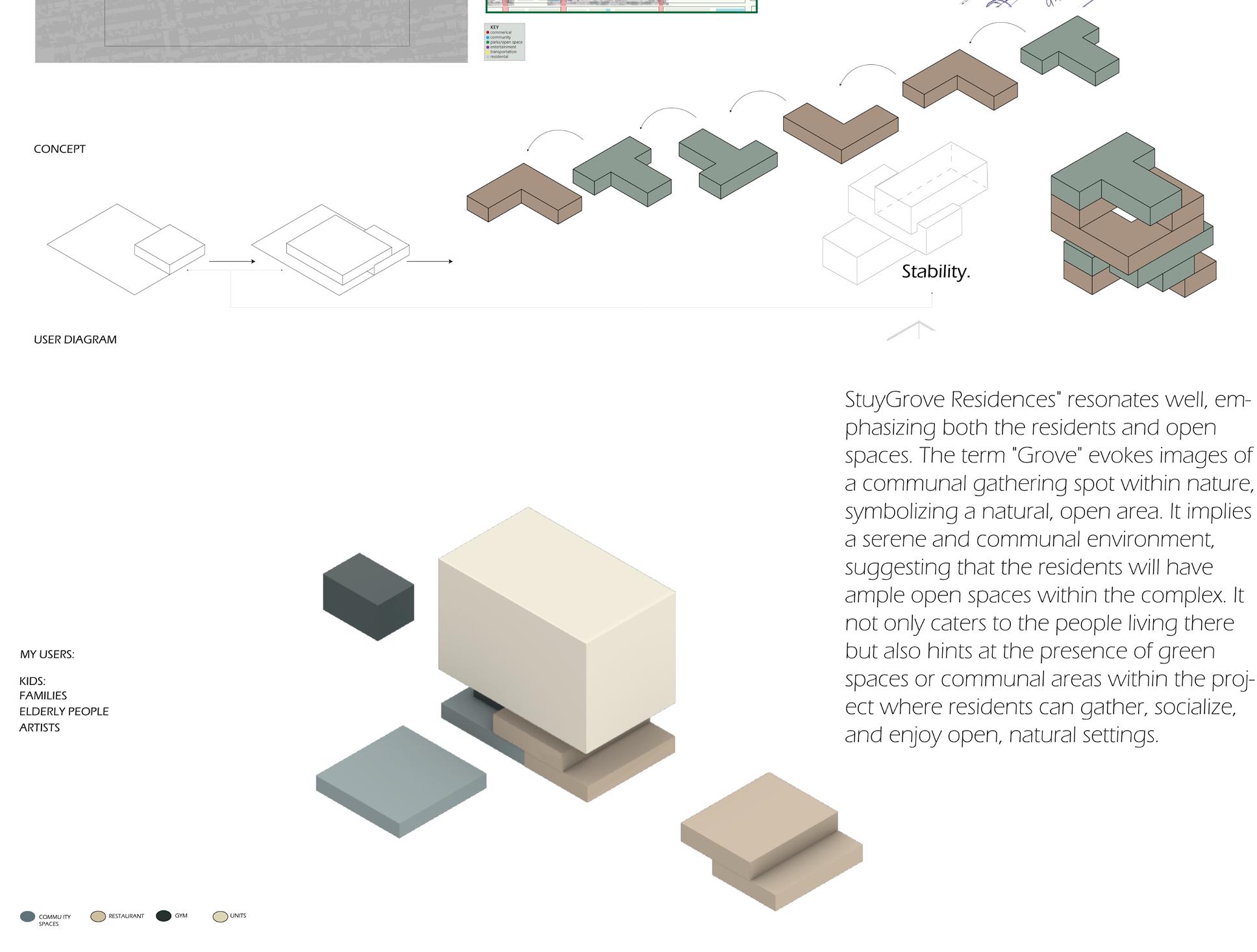
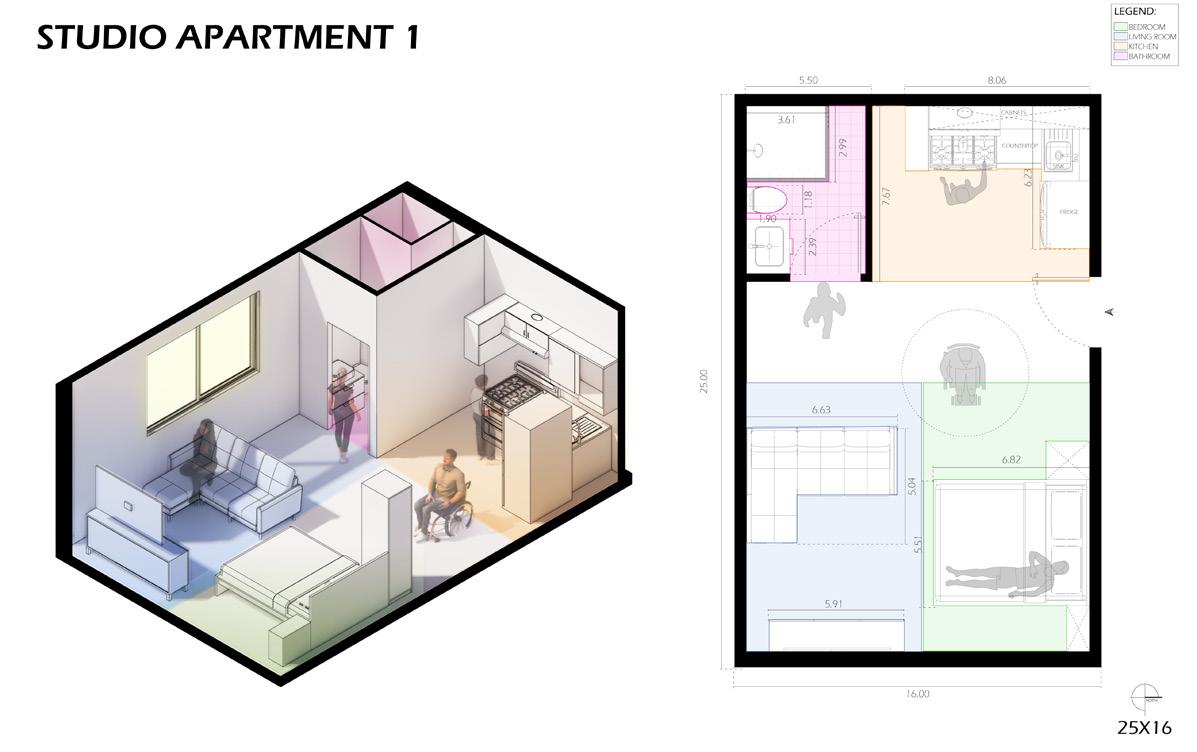
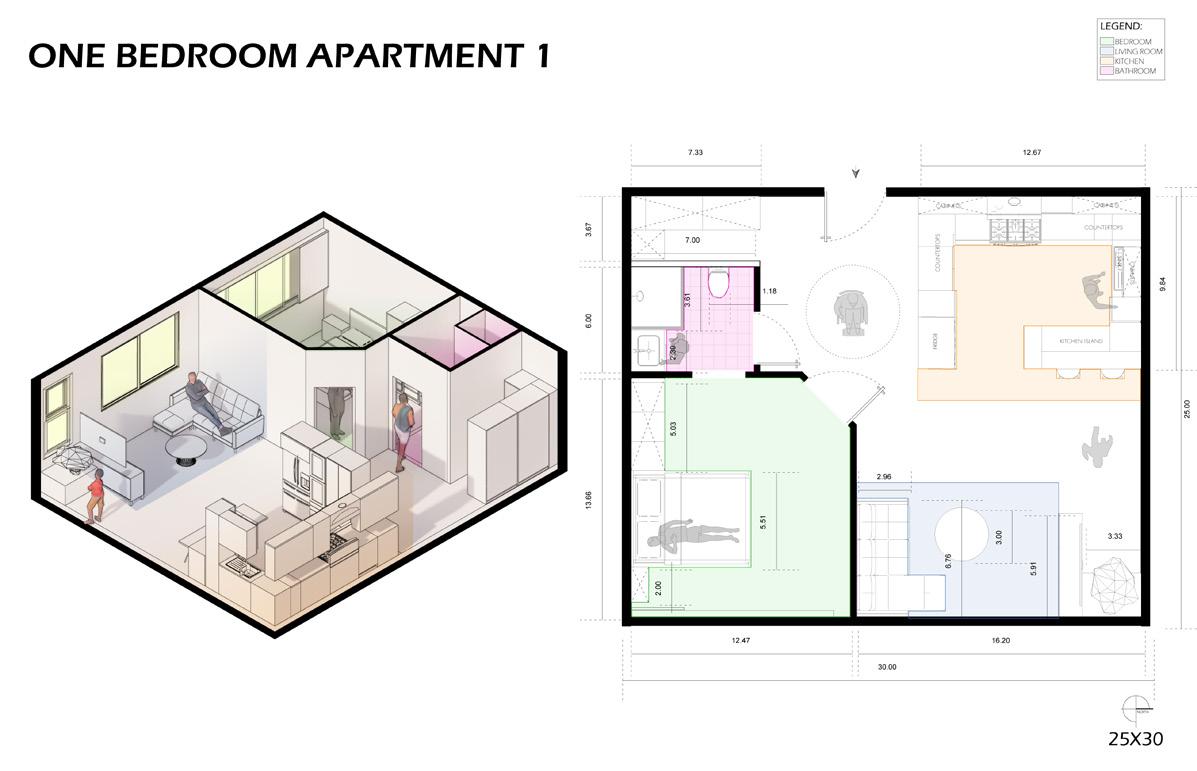
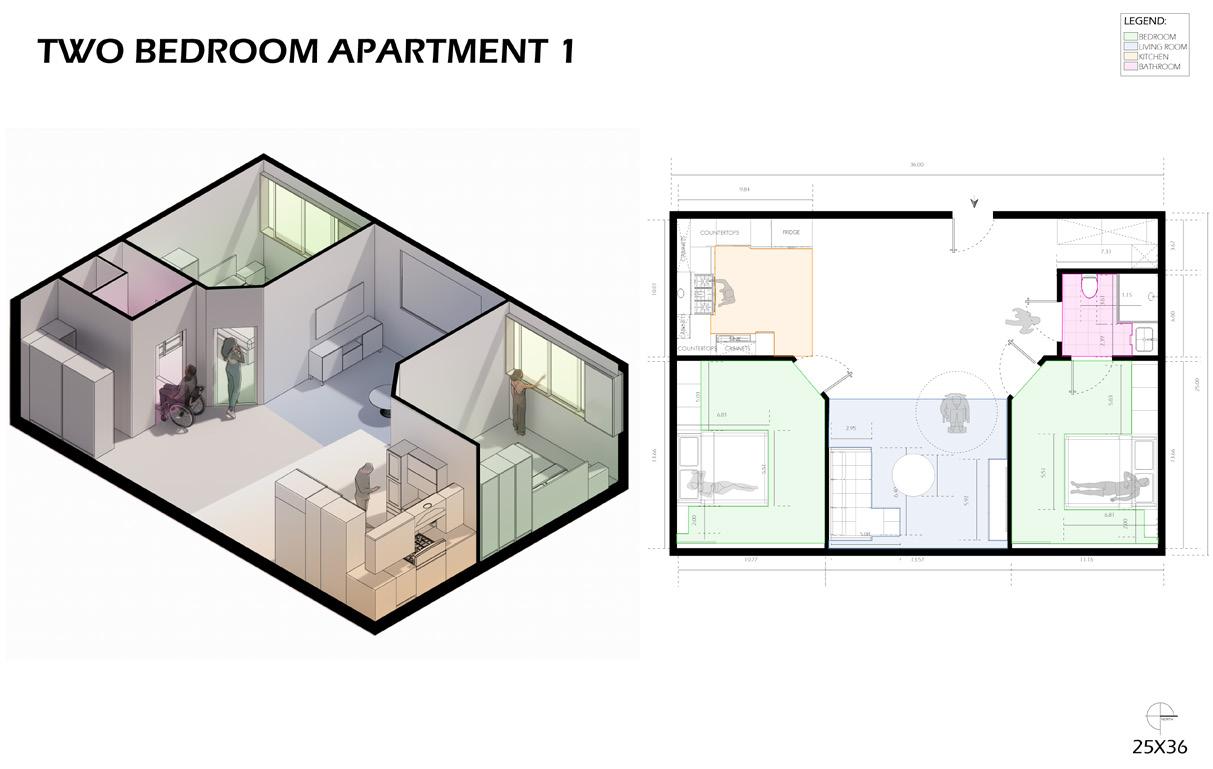
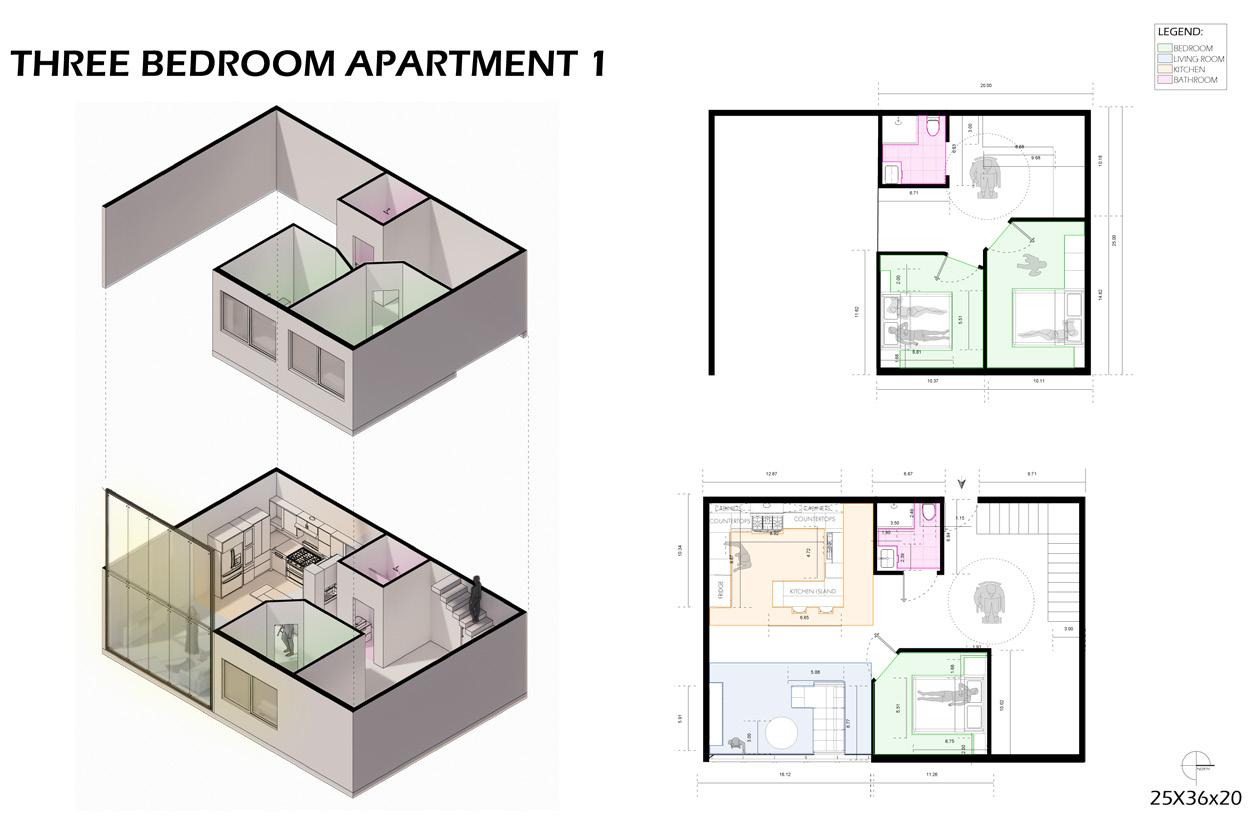
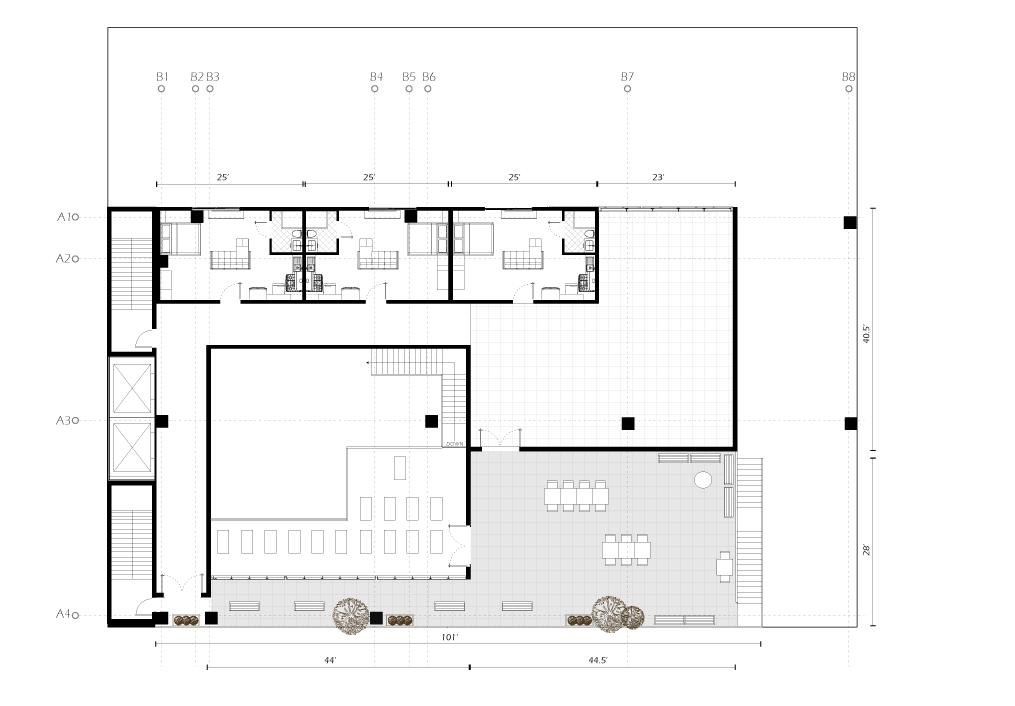
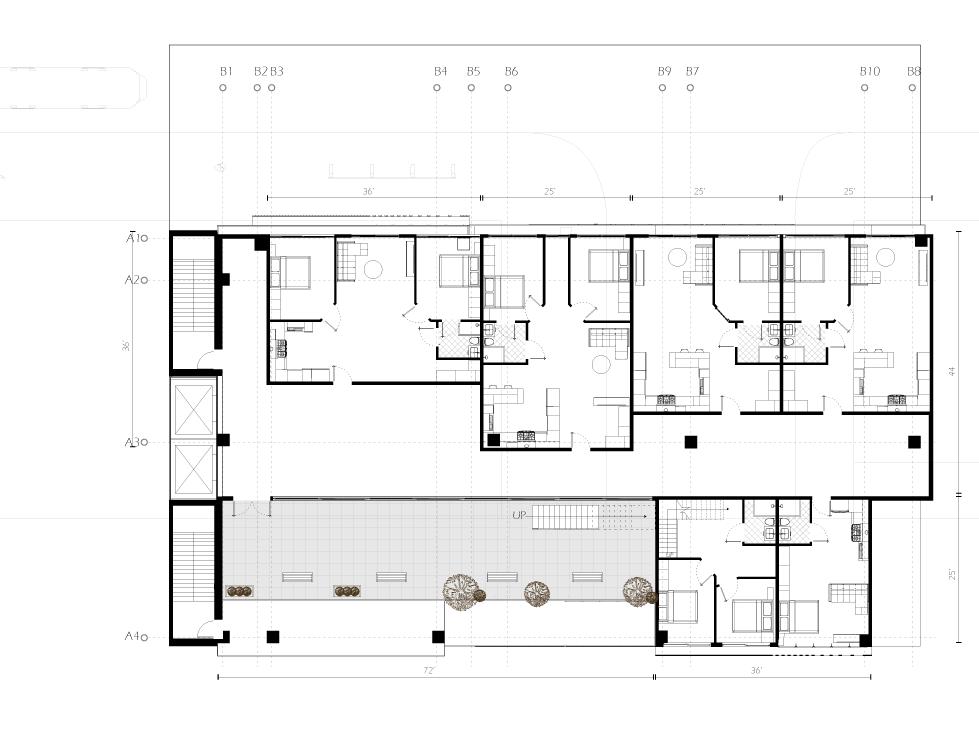
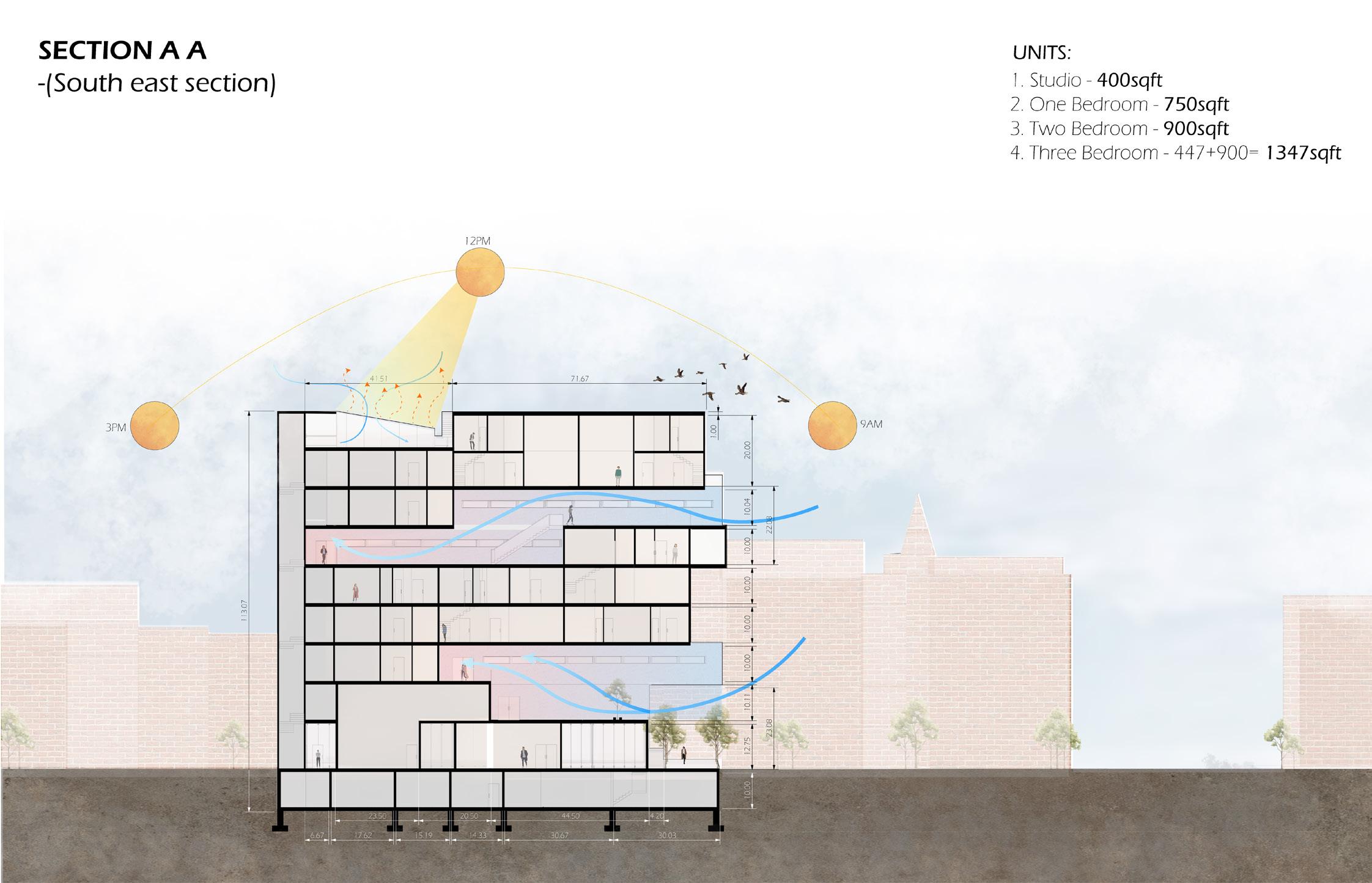
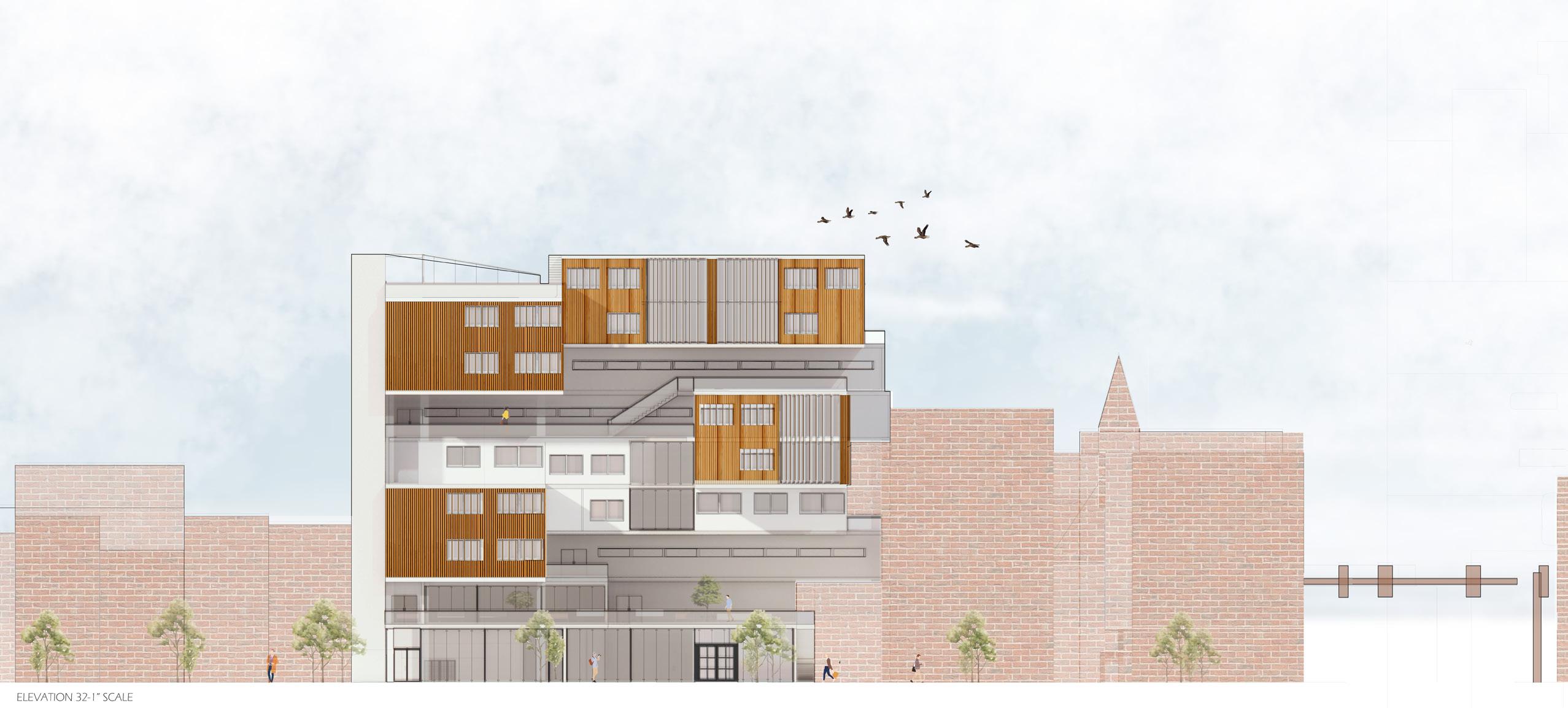
An apartment building with a facade combining wood louvers and concrete exudes a contemporary yet warm aesthetic, blending the natural warmth of wood with the robustness of concrete for a harmonious urban look. The incorporation of double-height spaces within this 8-floor structure introduces a sense of spaciousness and vertical connectivity, enhancing natural light penetration while creating dynamic living areas that foster a sense of openness and modernity within each apartment unit.
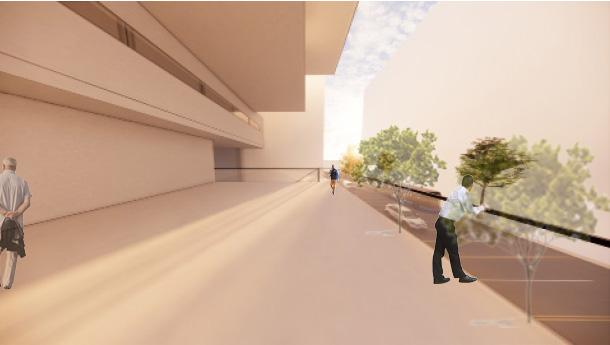
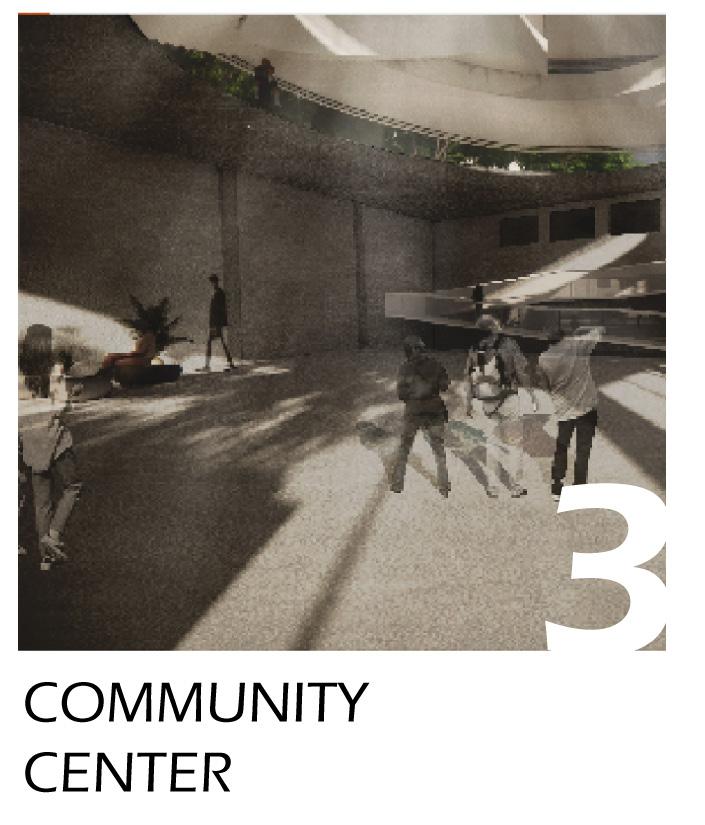
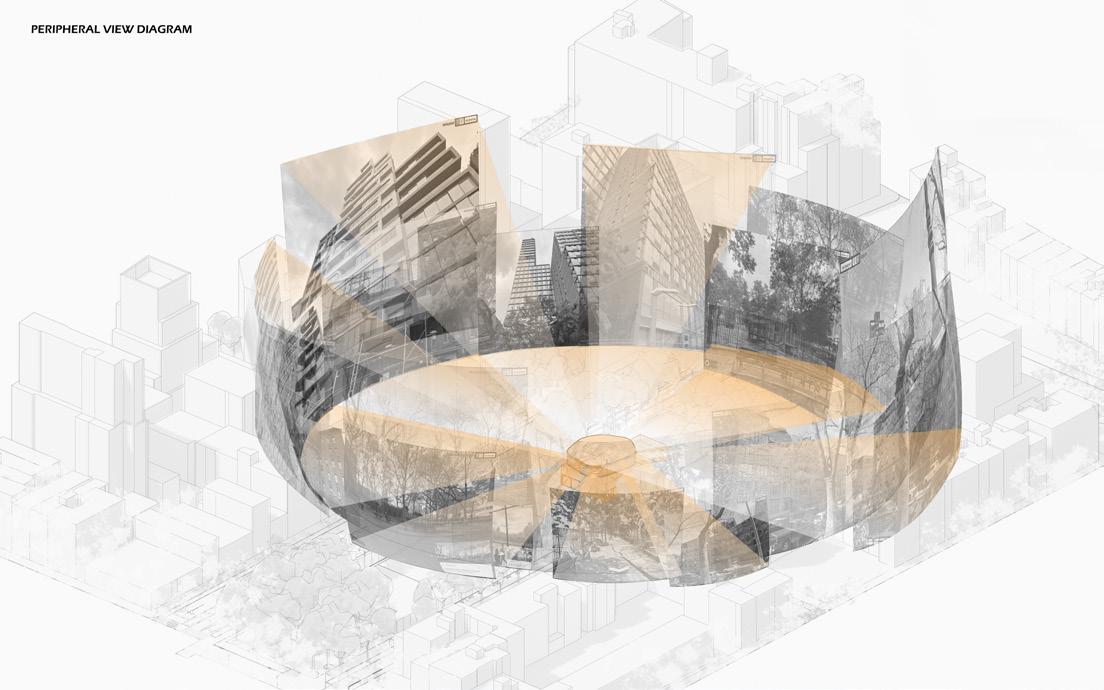
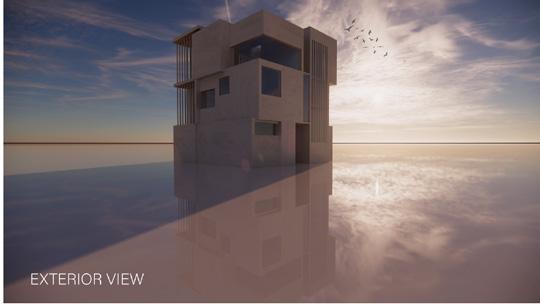
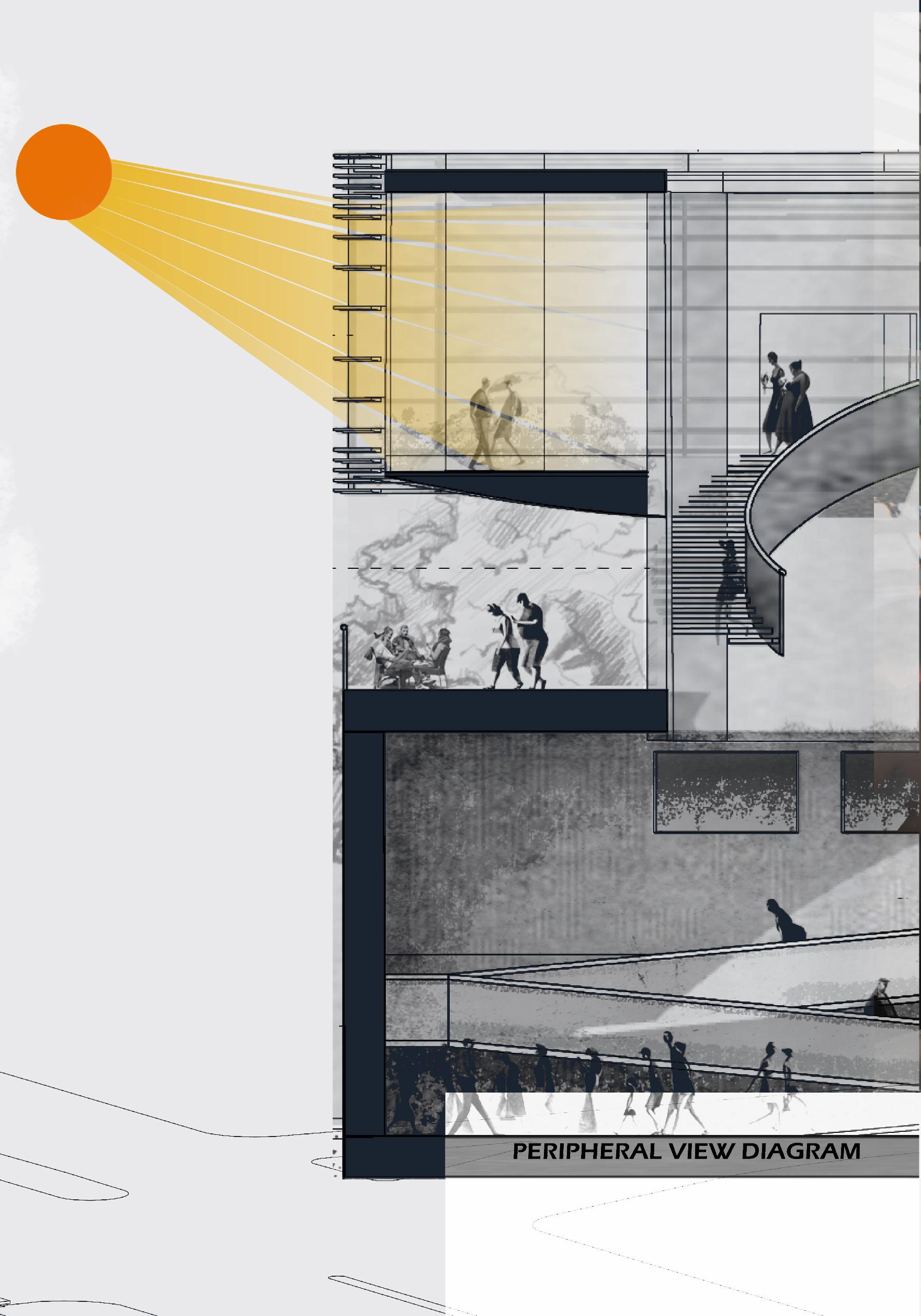
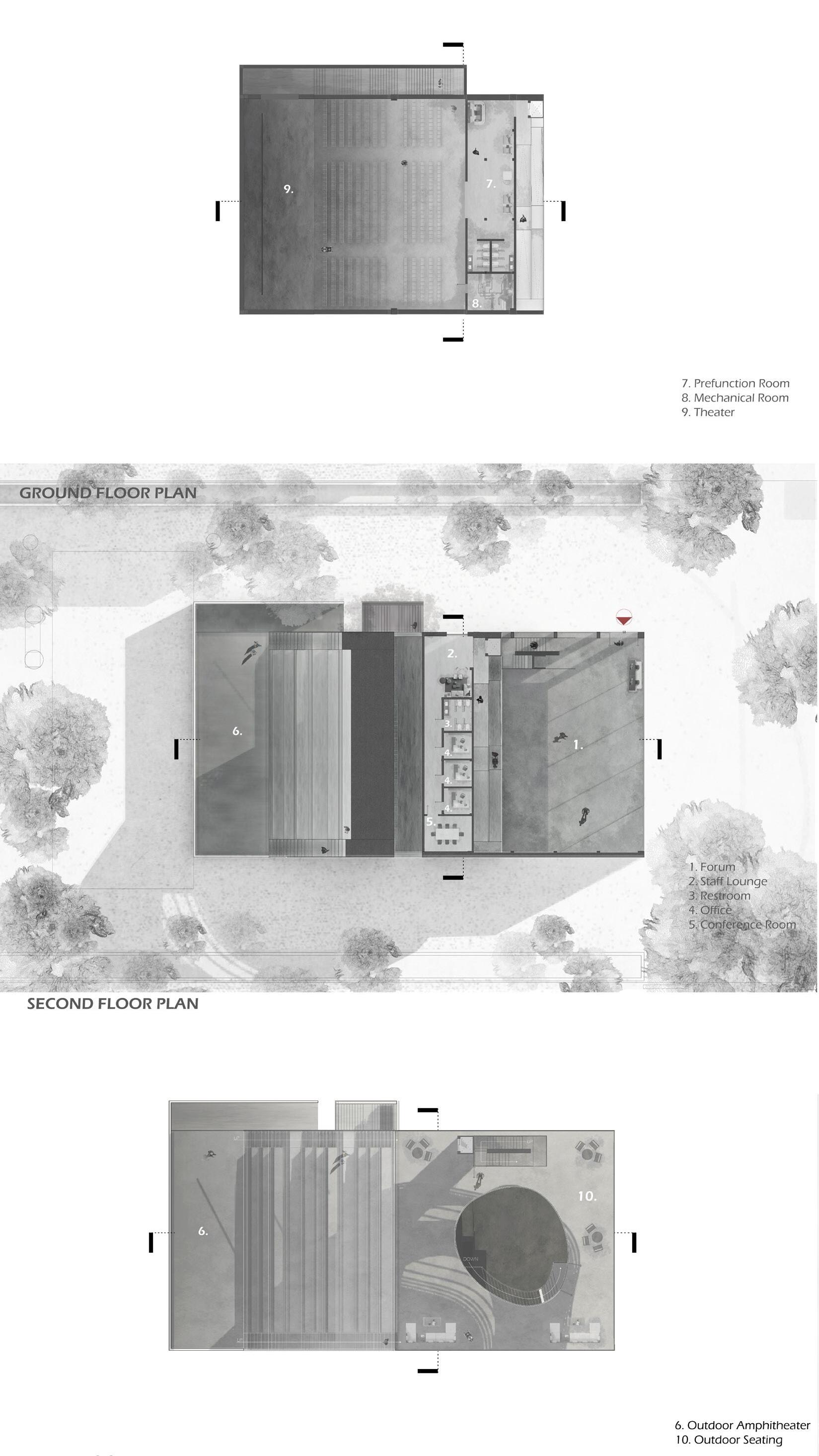
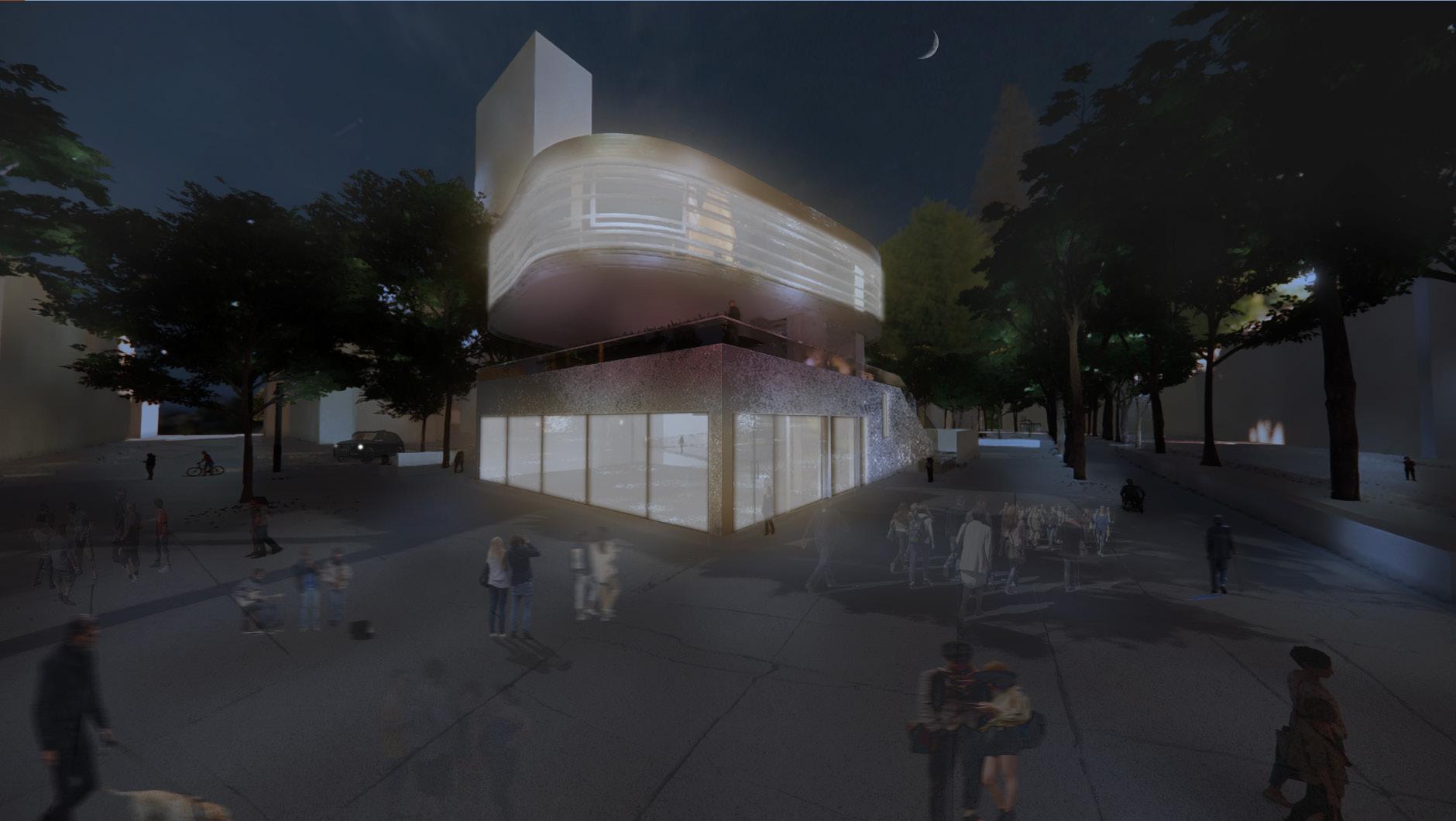
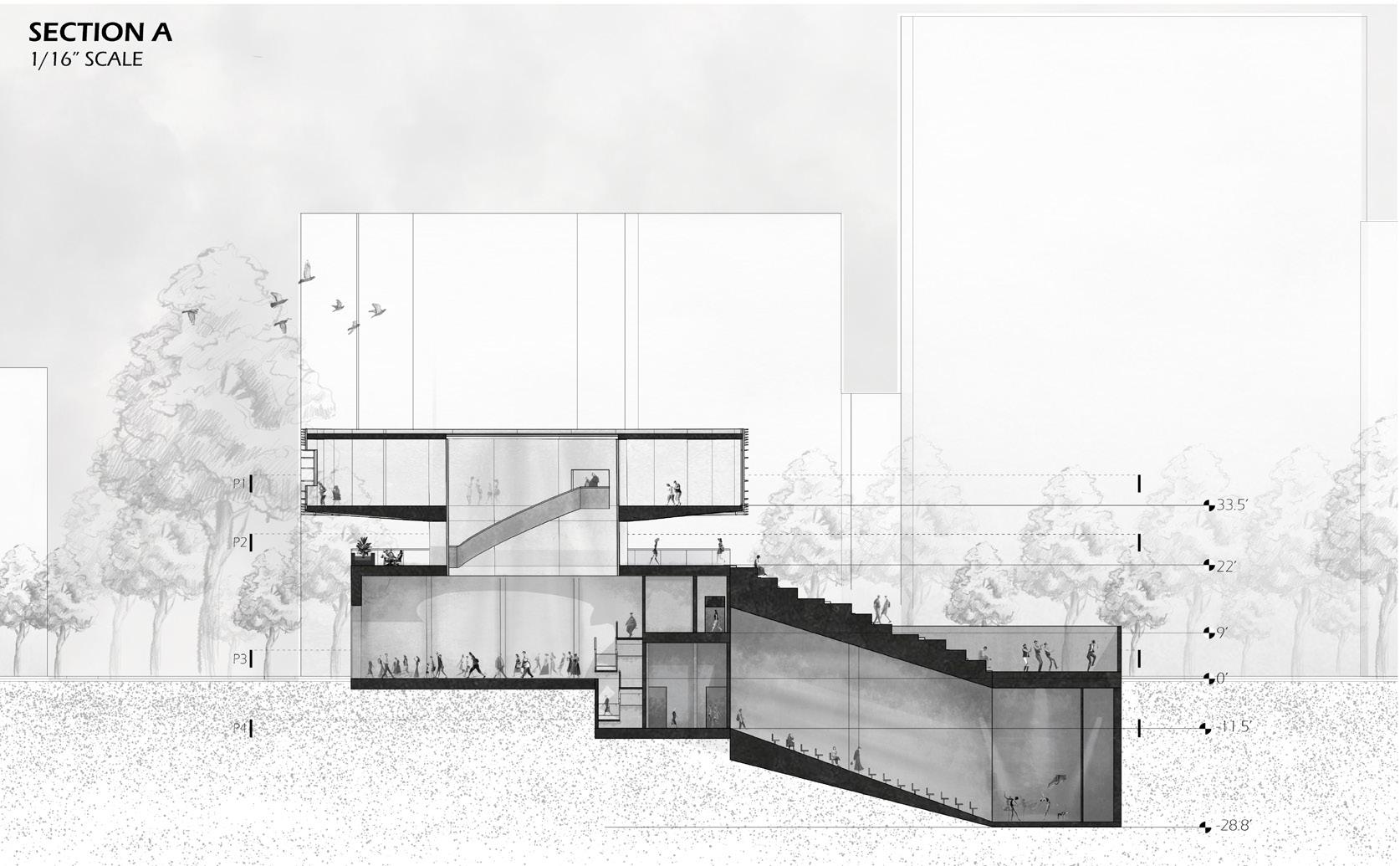
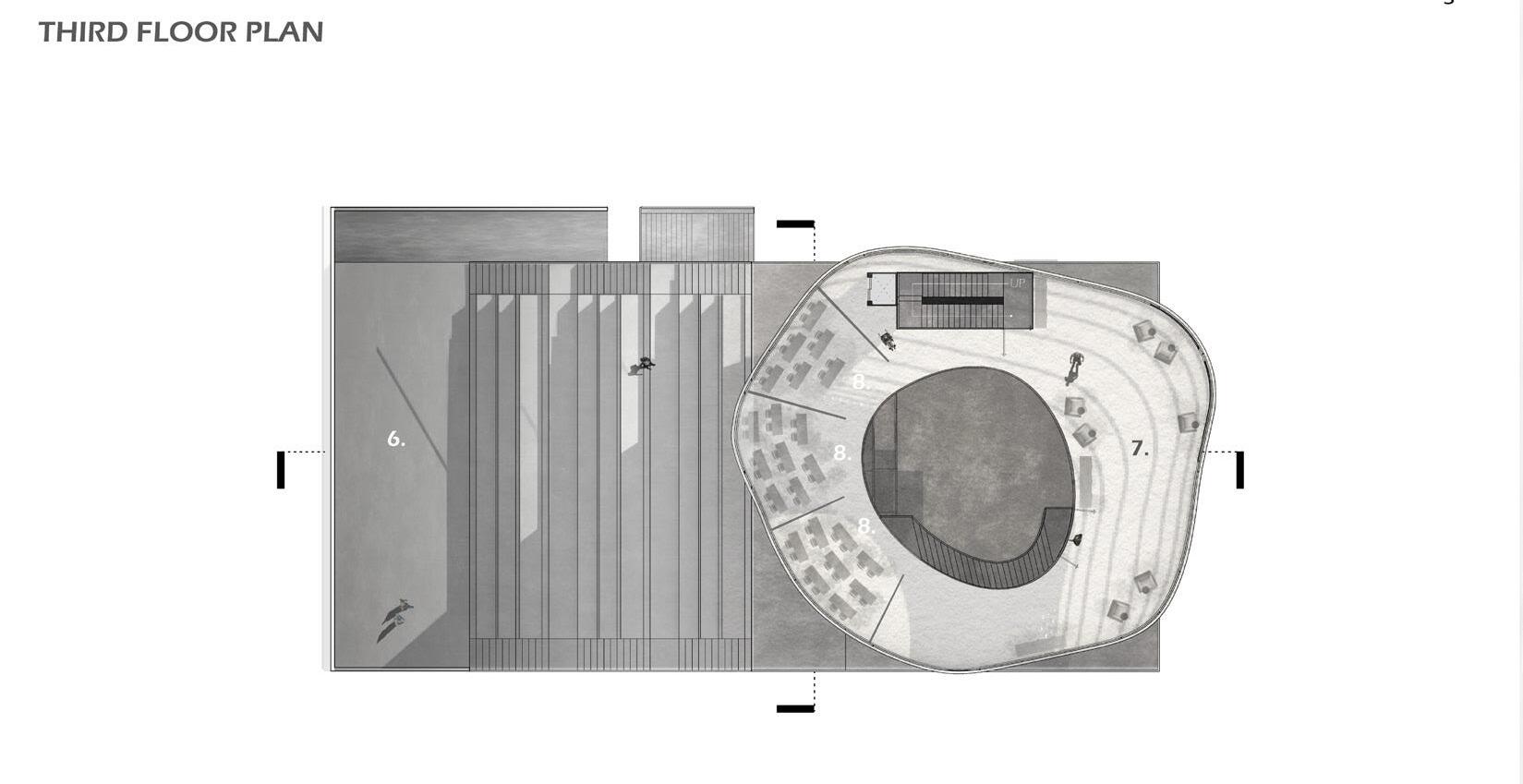
The community center’s groundbreaking design seamlessly blends symbolism and functionality, with a glass ring representing the boundless sky resting atop a solid concrete base that anchors it to the earth. At its heart lies a distinctive reading room, nestled within the transparent glass structure, where visitors are immersed in an abundance of natural light and expansive panoramic views of the city. This design not only provides a tranquil retreat from the city’s hustle and bustle but also fosters a deep connection with nature and the surrounding urban environment. By harmonizing modern aesthetics with purposeful symbolism, the space offers an inspiring setting for reflection, learning, and community engagement.
INTRODUCTION:
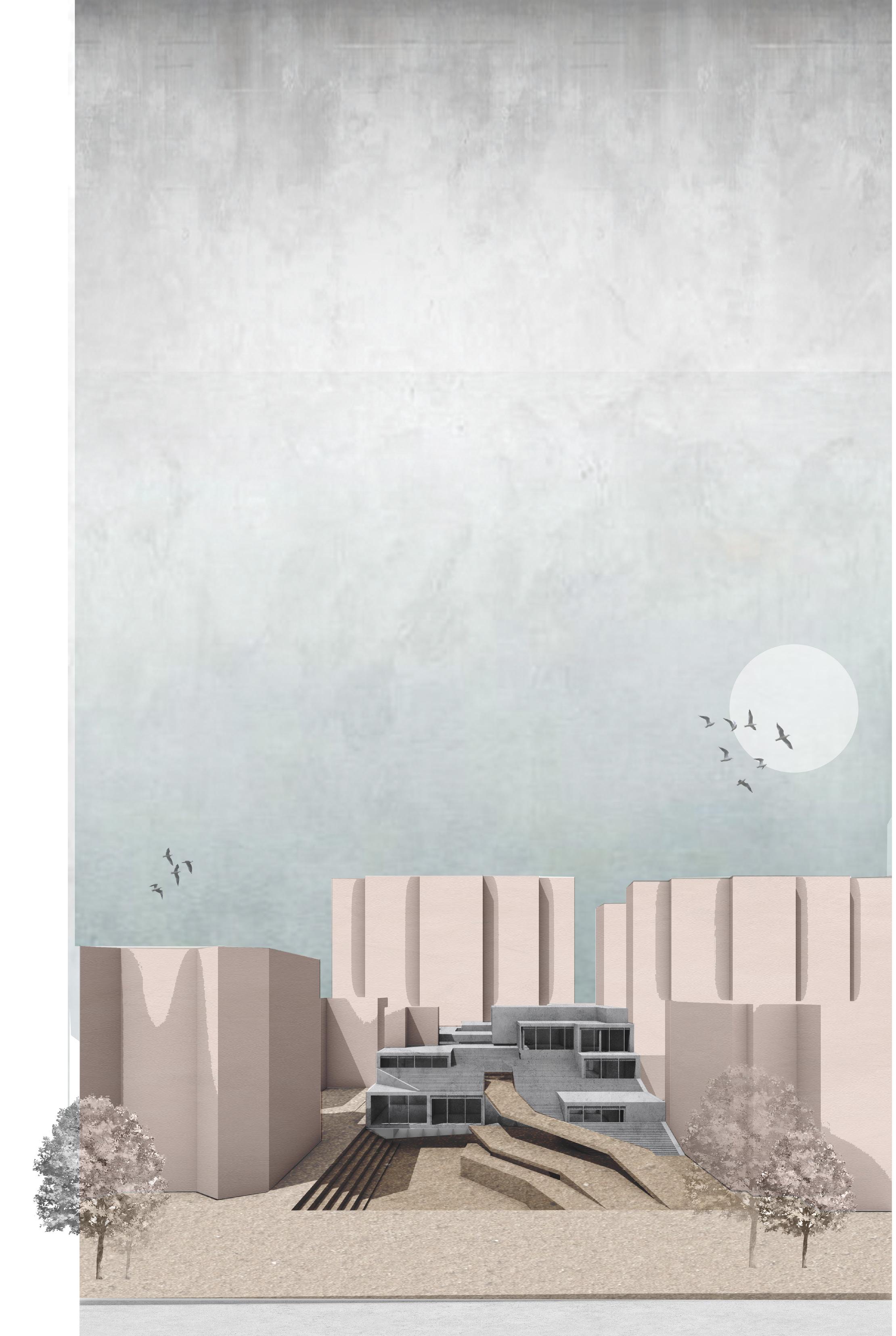
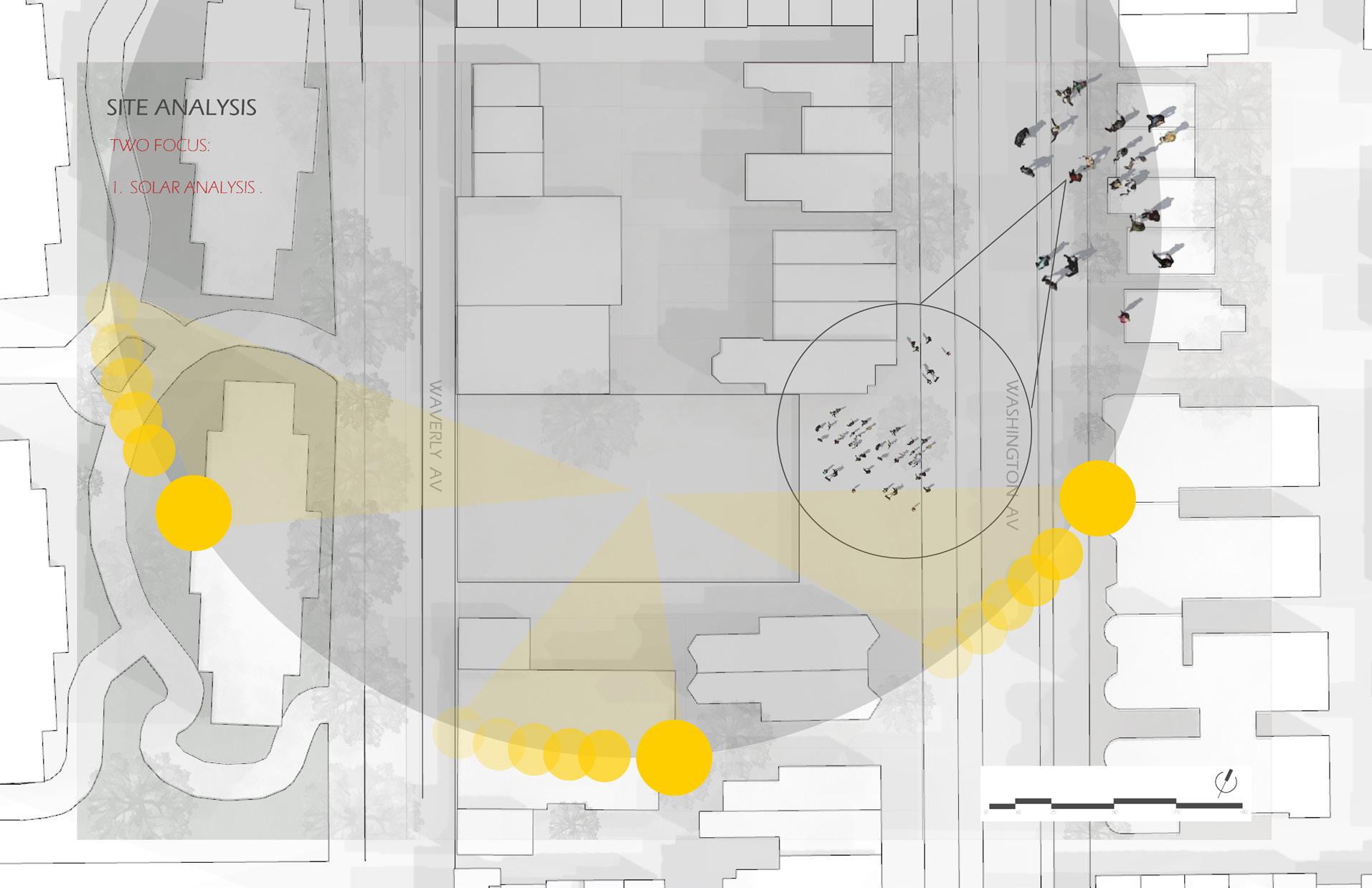
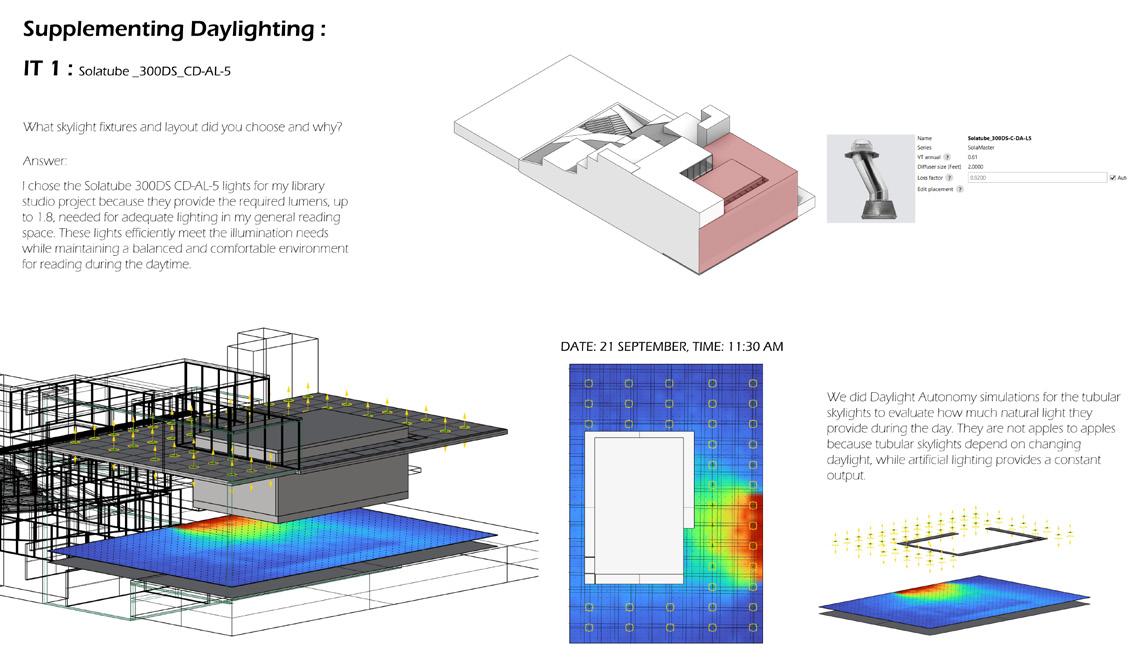
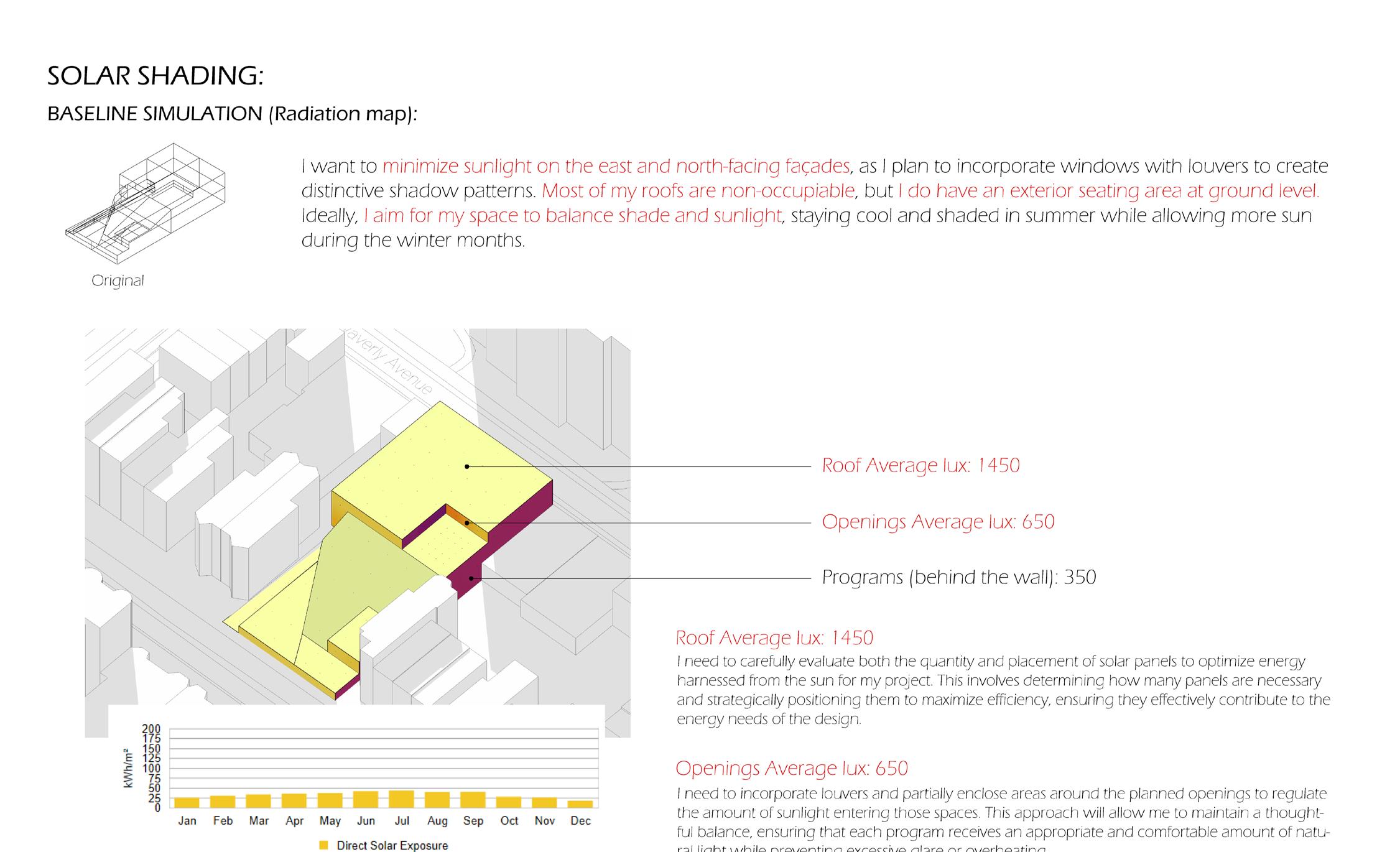
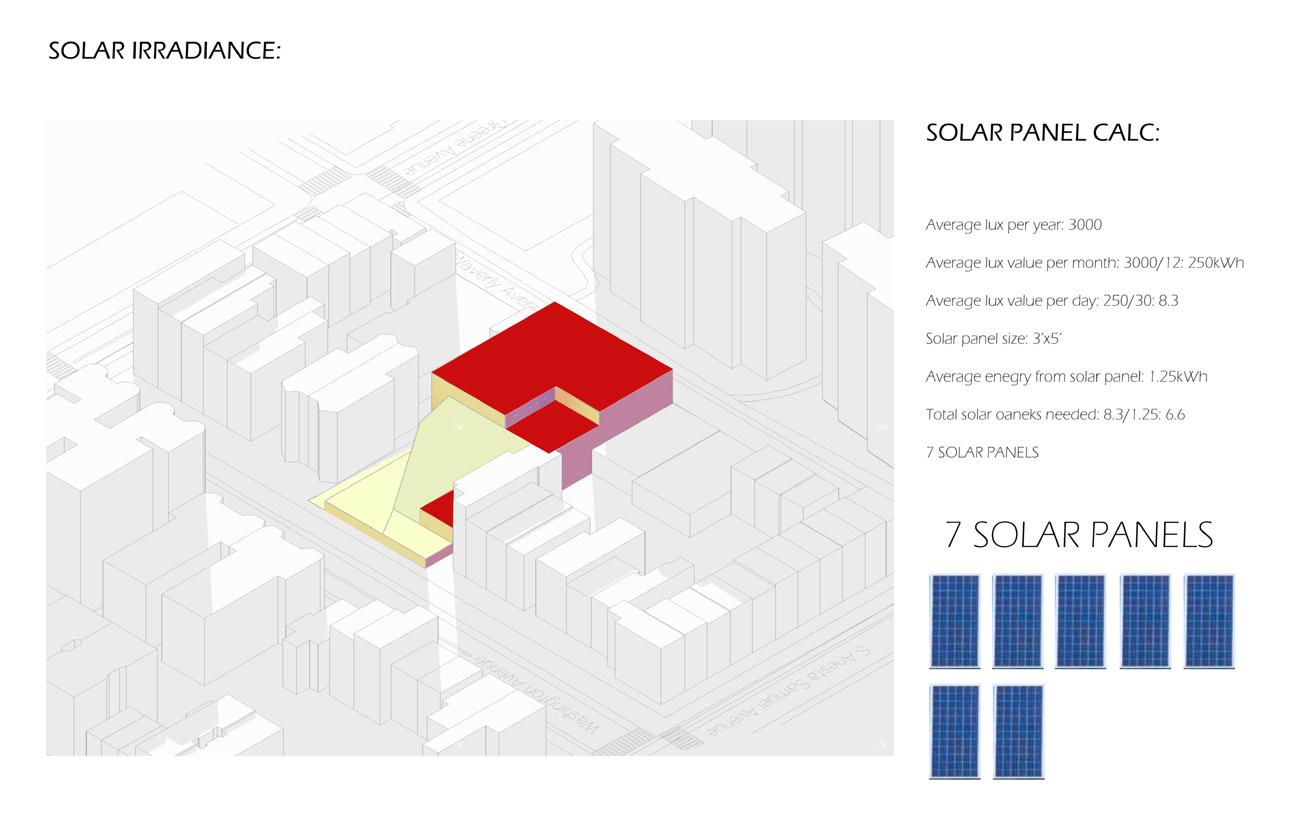
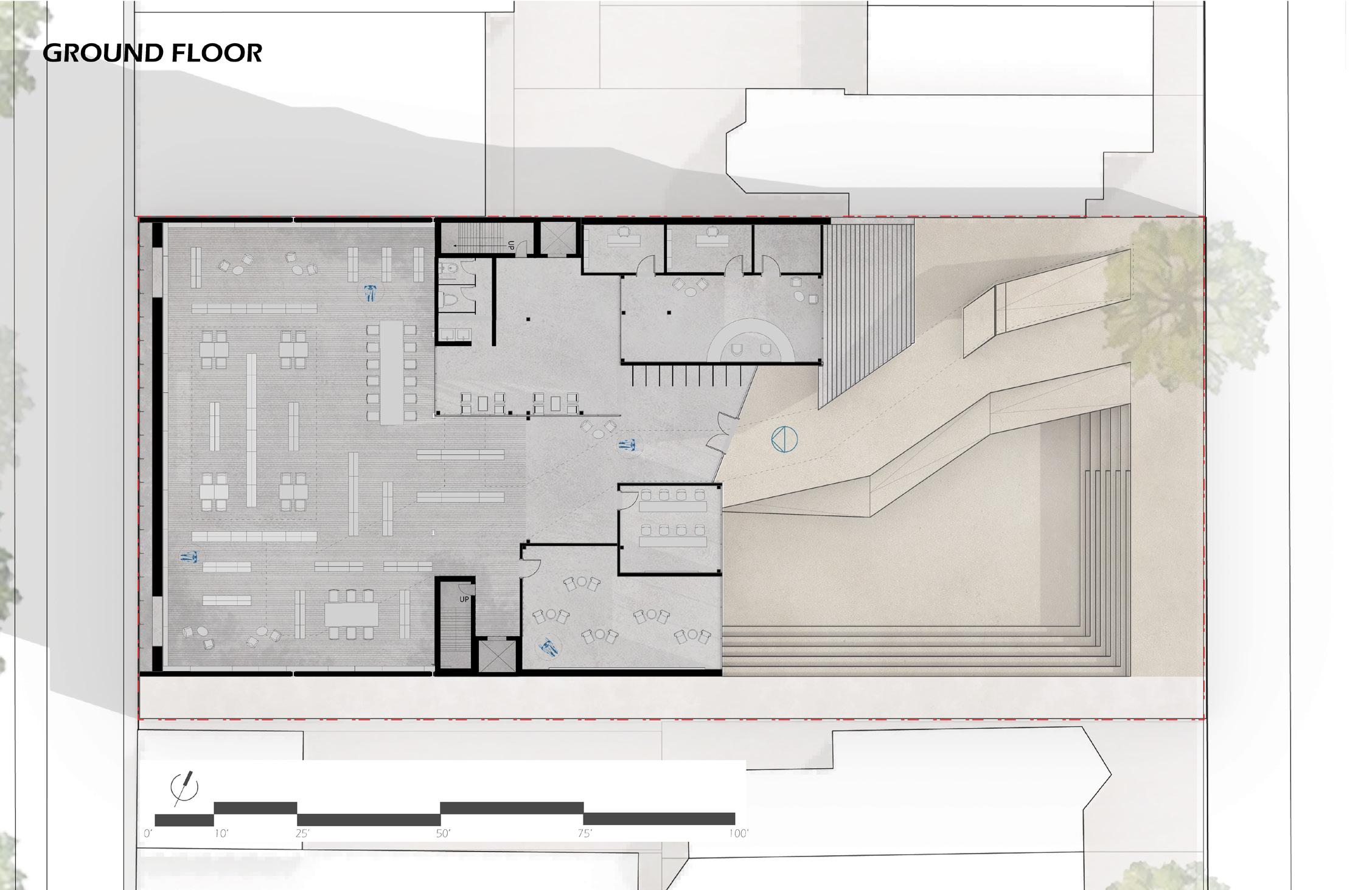
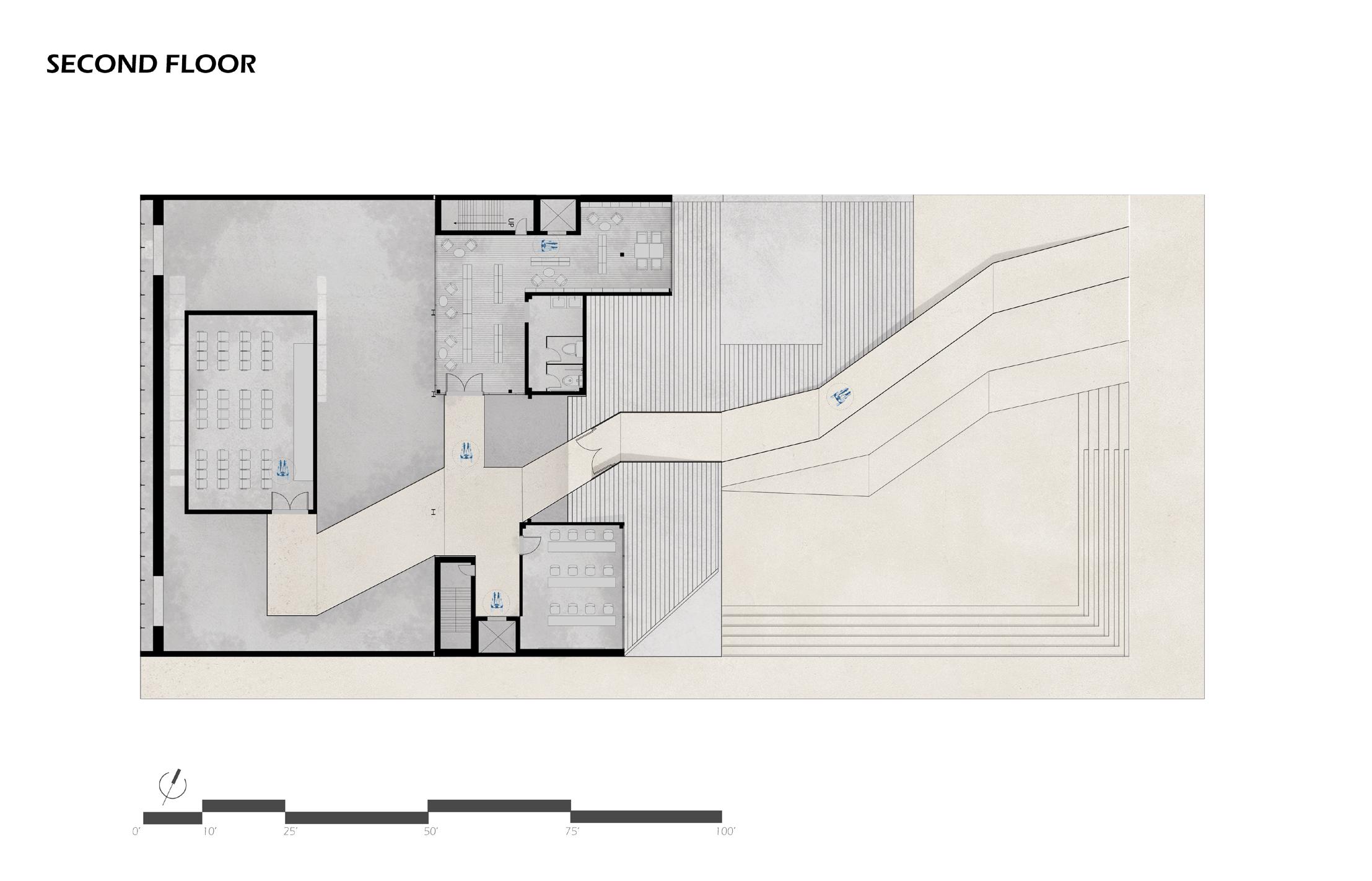
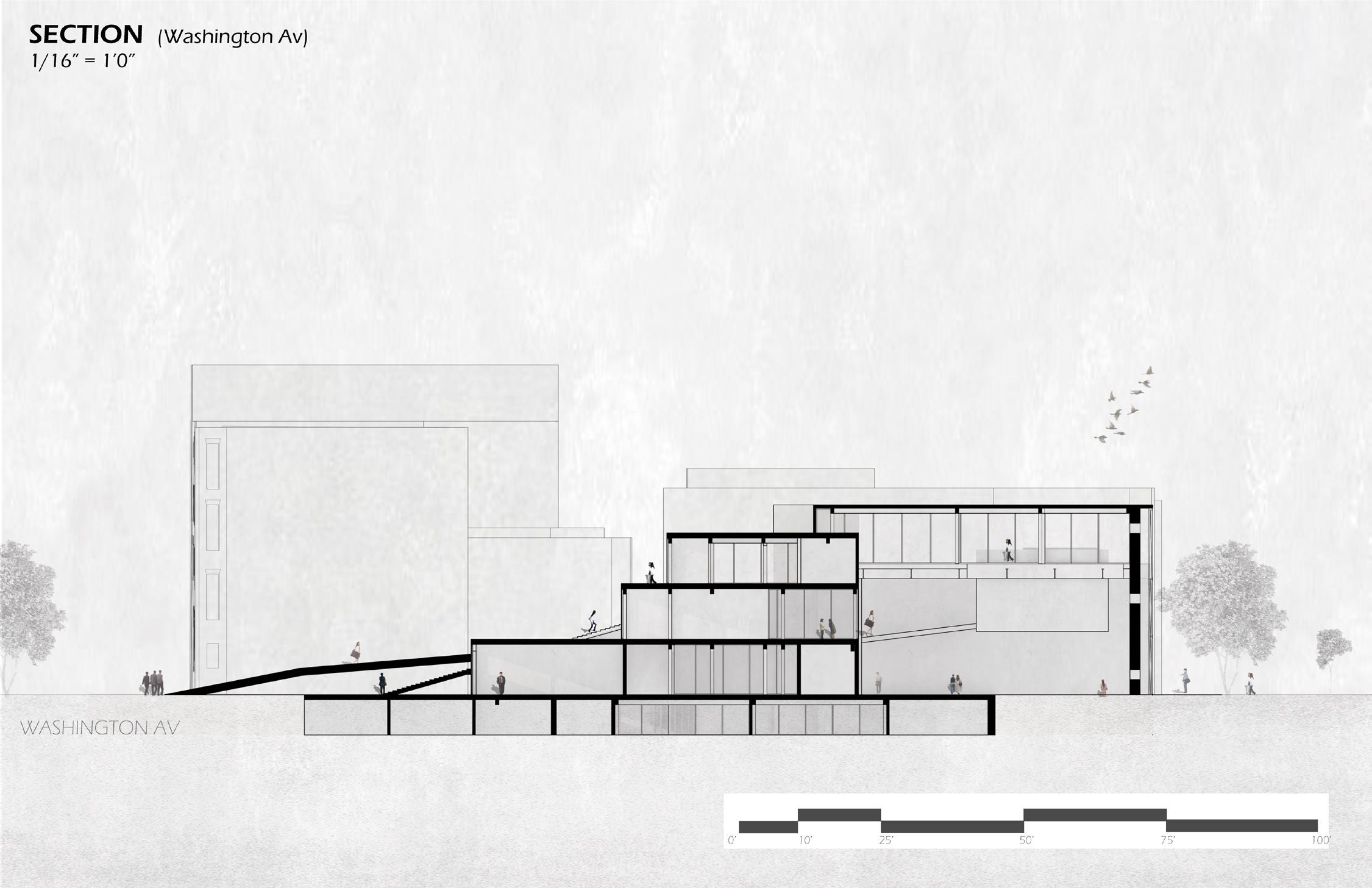
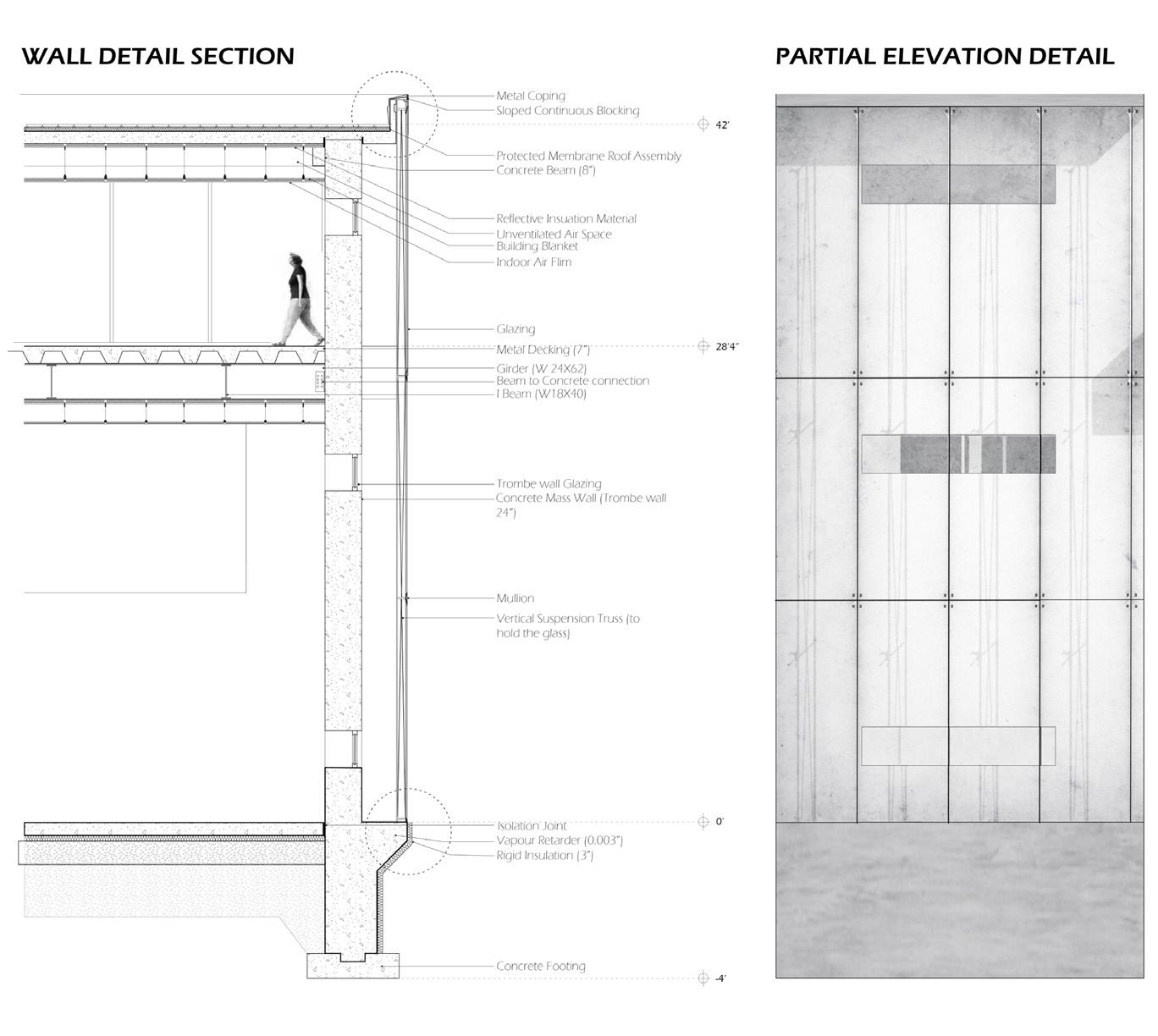
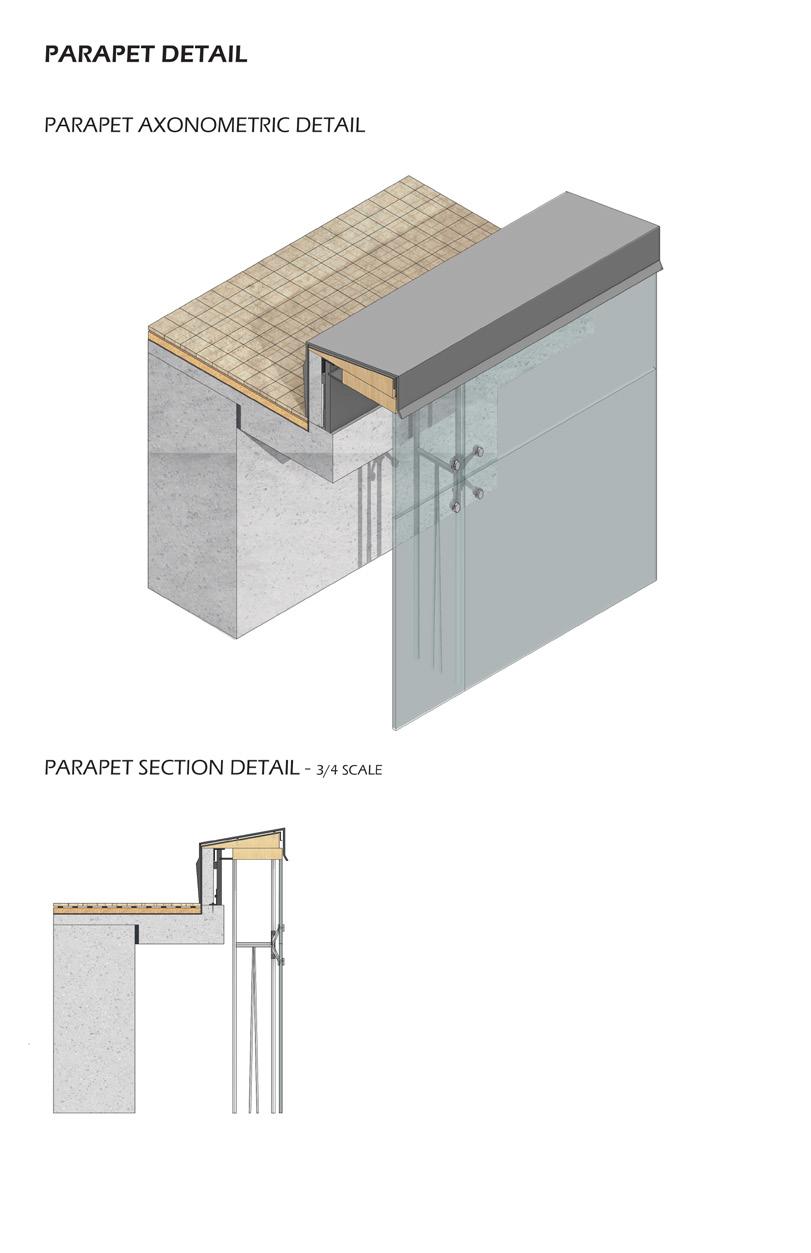
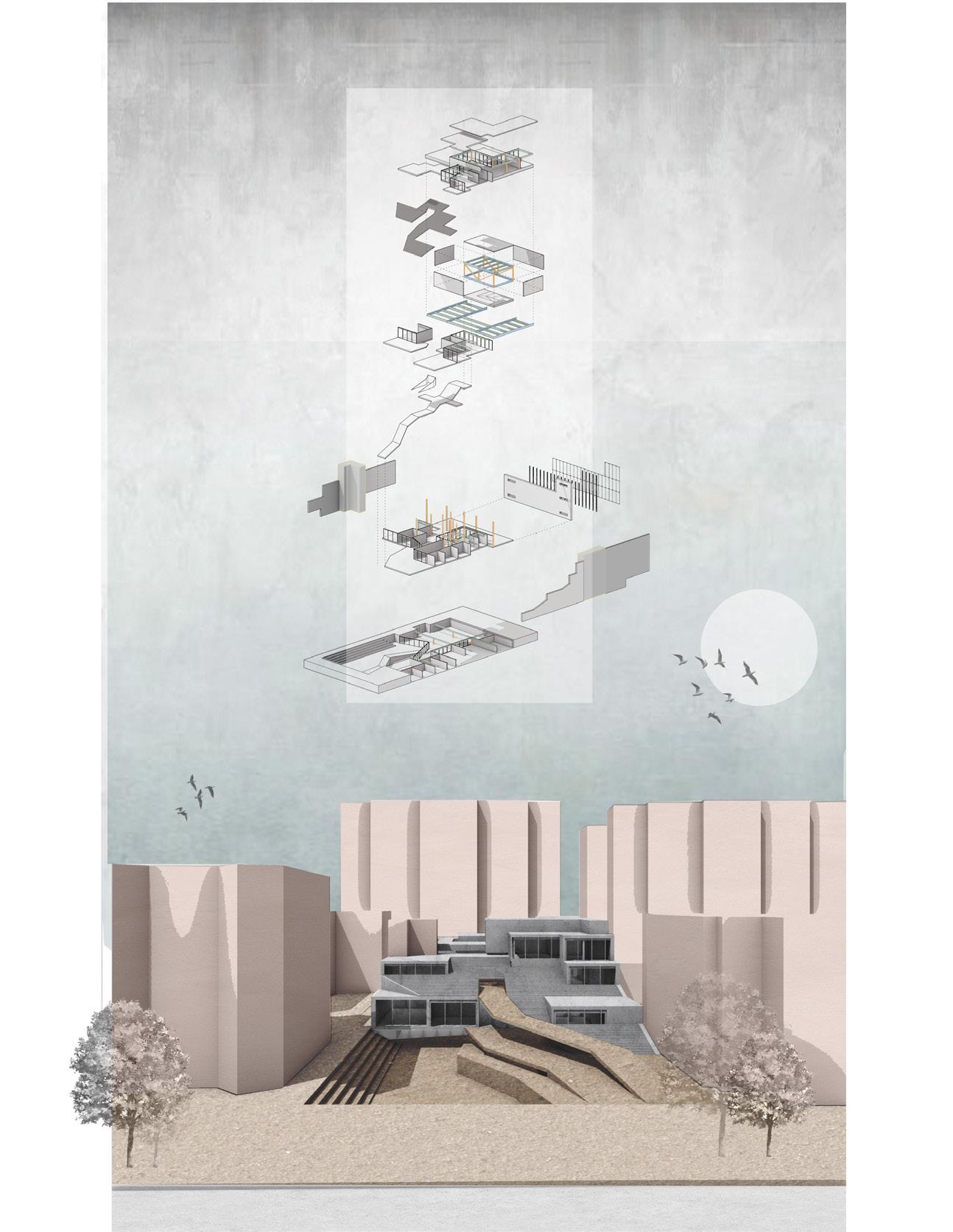
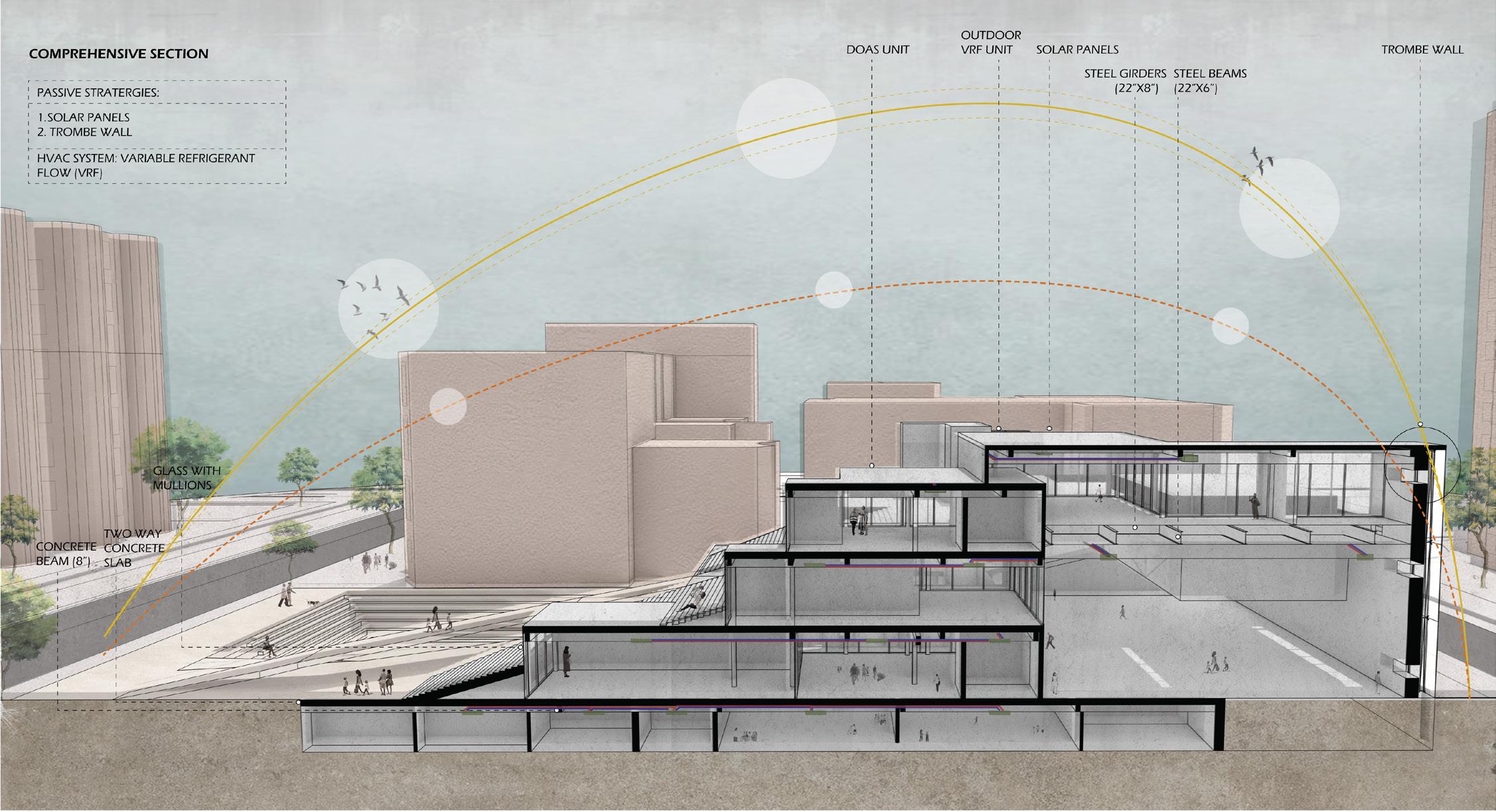
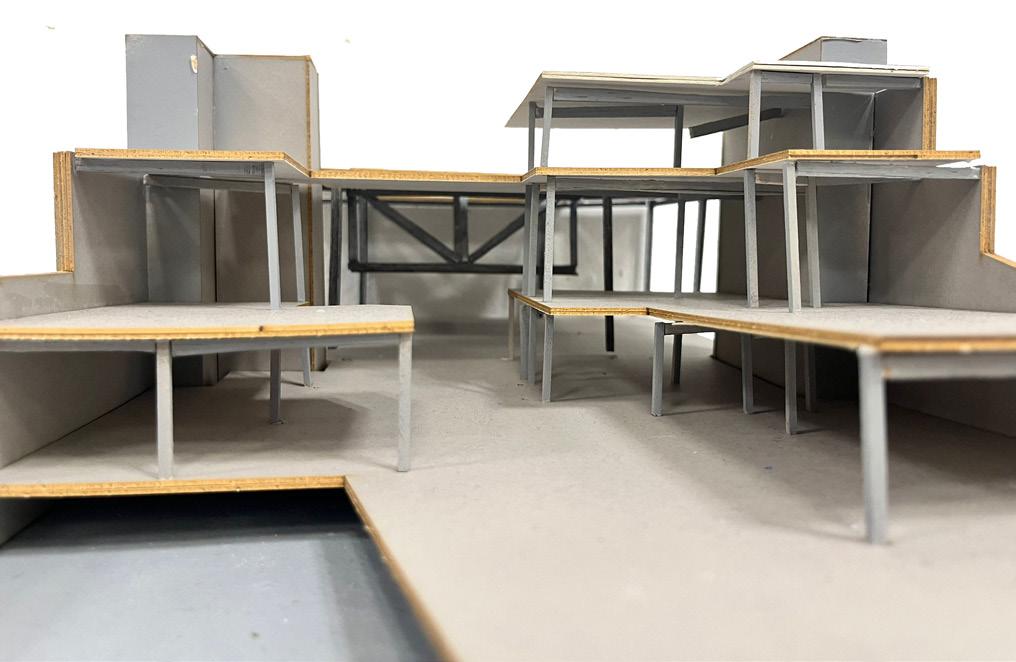
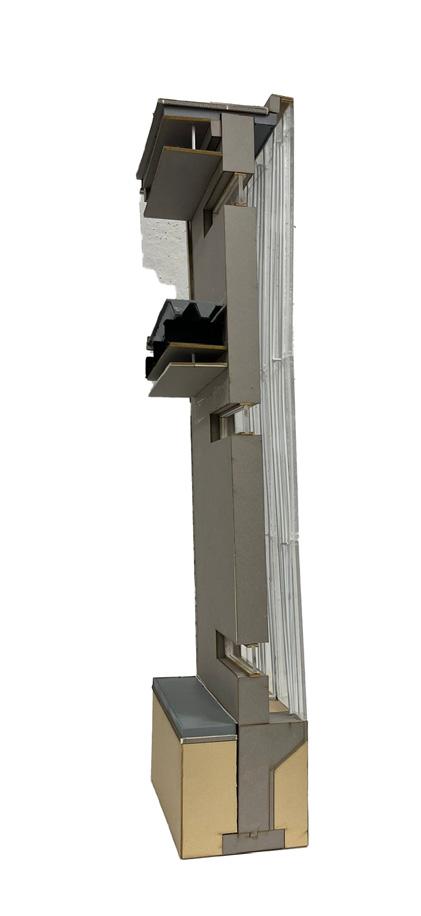
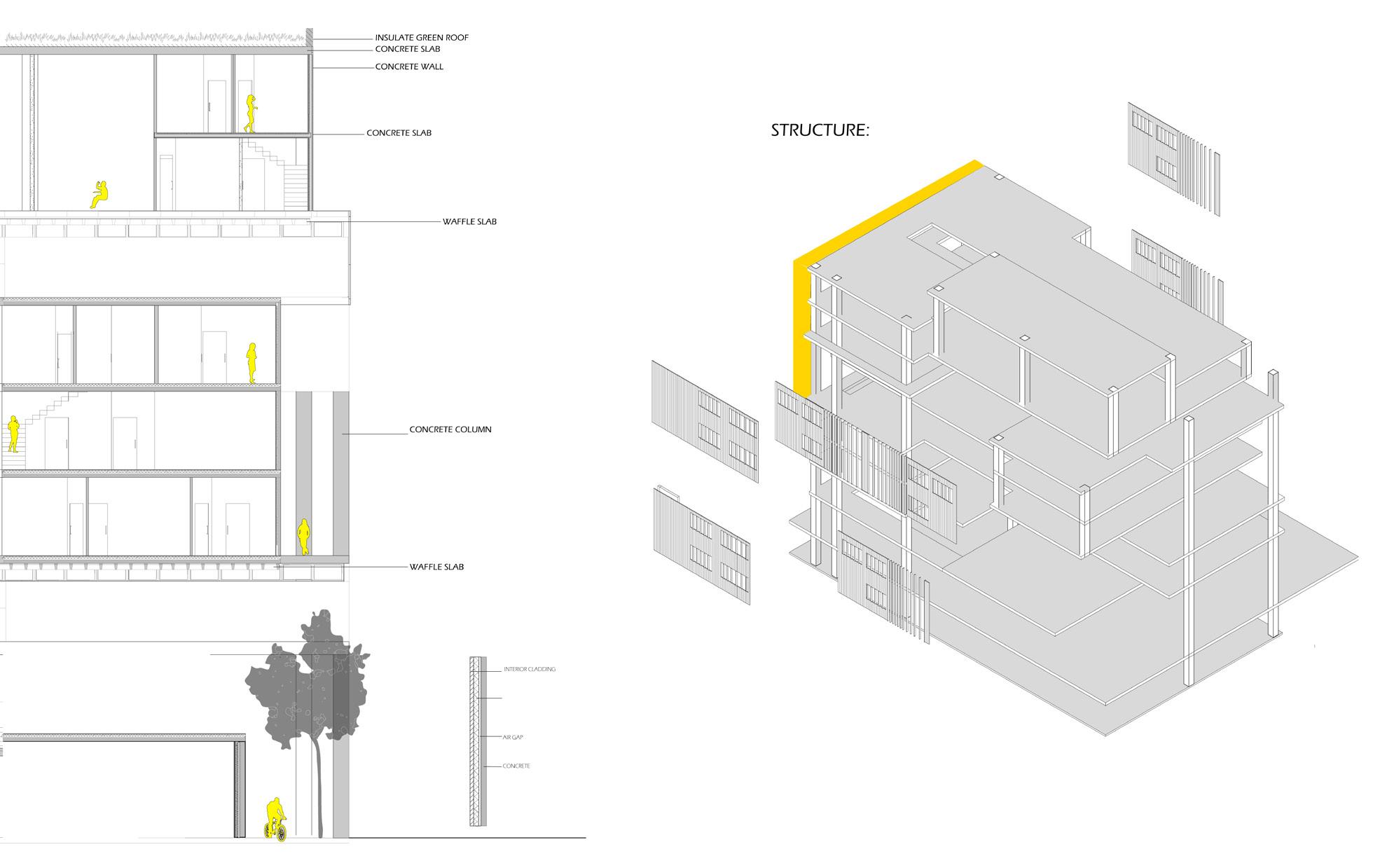
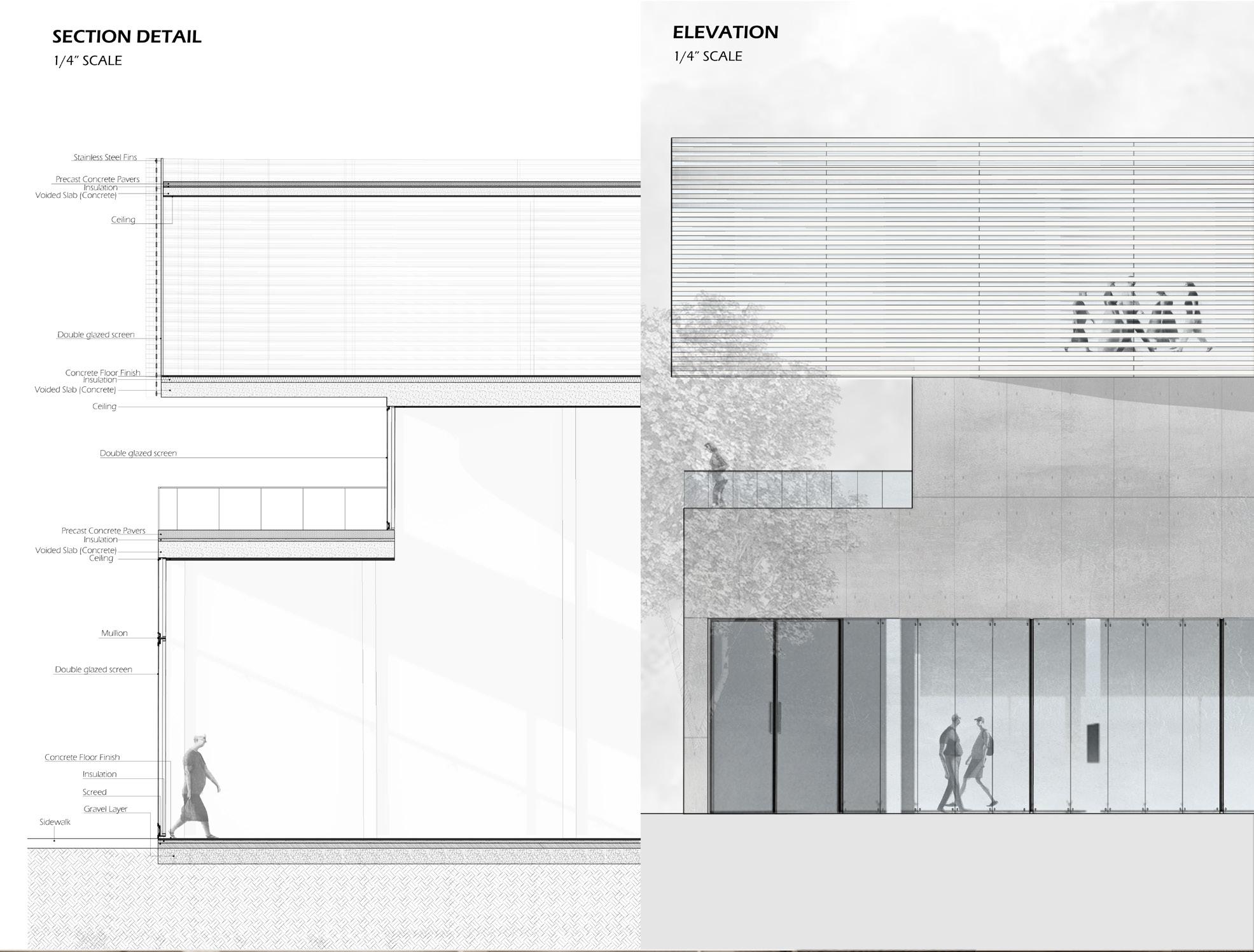
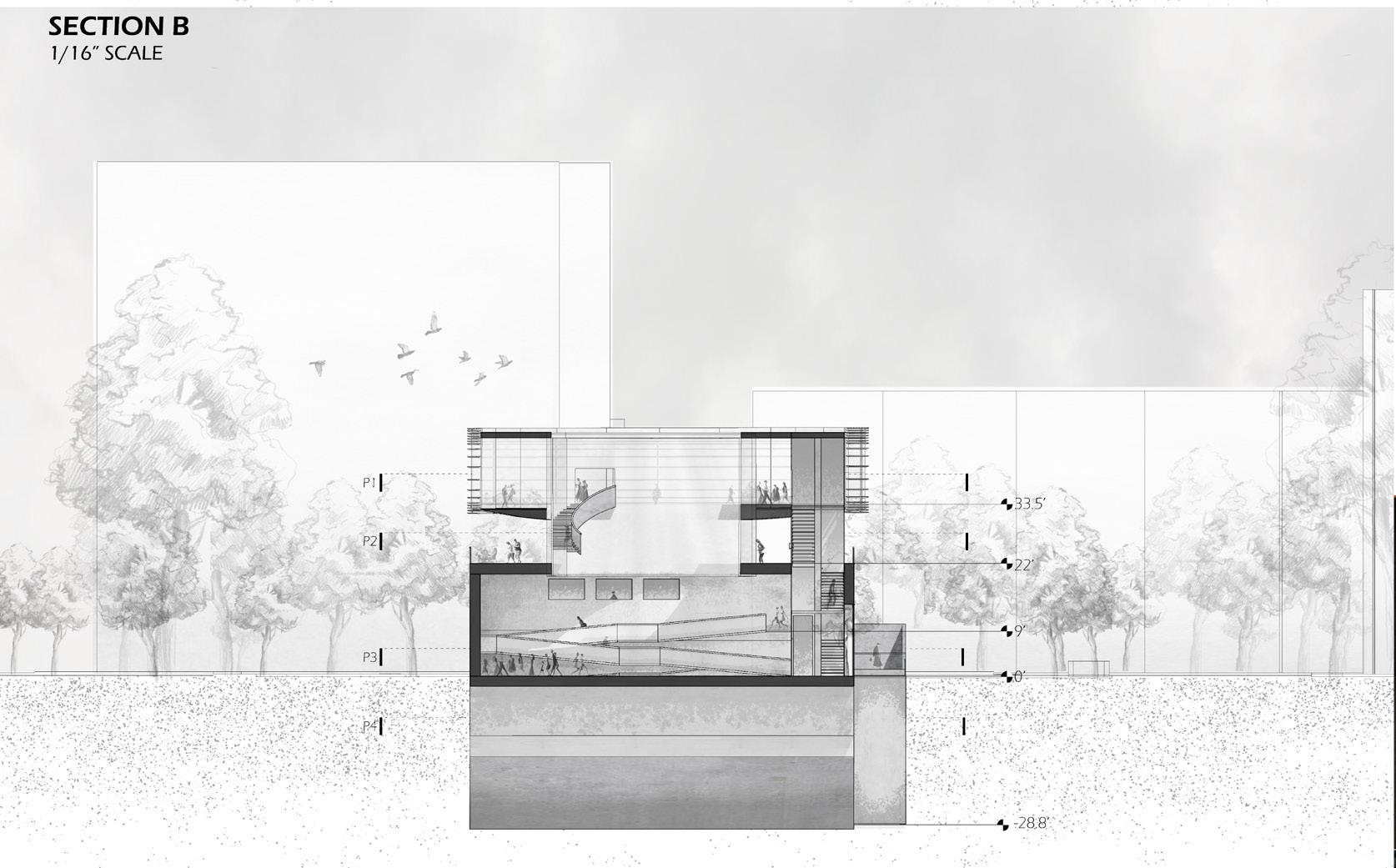
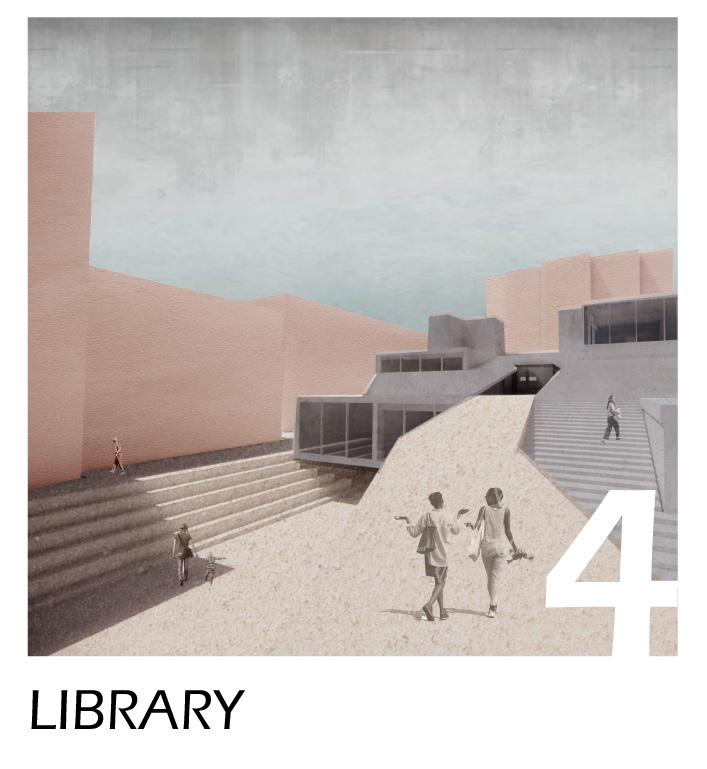
Located in the vibrant, historic neighborhood of Clinton Hill, Brooklyn, the Clinton Hill Branch Library sits at 380 Washington Avenue, extending through two adjacent lots to the west. This project aims to achieve a synergistic integration of sustainable and equitable architectural and structural expression, addressing key issues such as spatial and haptic qualities, ecologic material choices, and innovative construction solutions. The design prioritizes passive energy strategies, rainwater capture, and shading systems to reduce reliance on active energy, while leveraging landscape elements like roof gardens and terraces to enhance the building's sustainability. By carefully considering materiality, local context, and resilient systems, the project reimagines a community-centered library that responds to its environment and promotes responsible design practices.
THESIS:
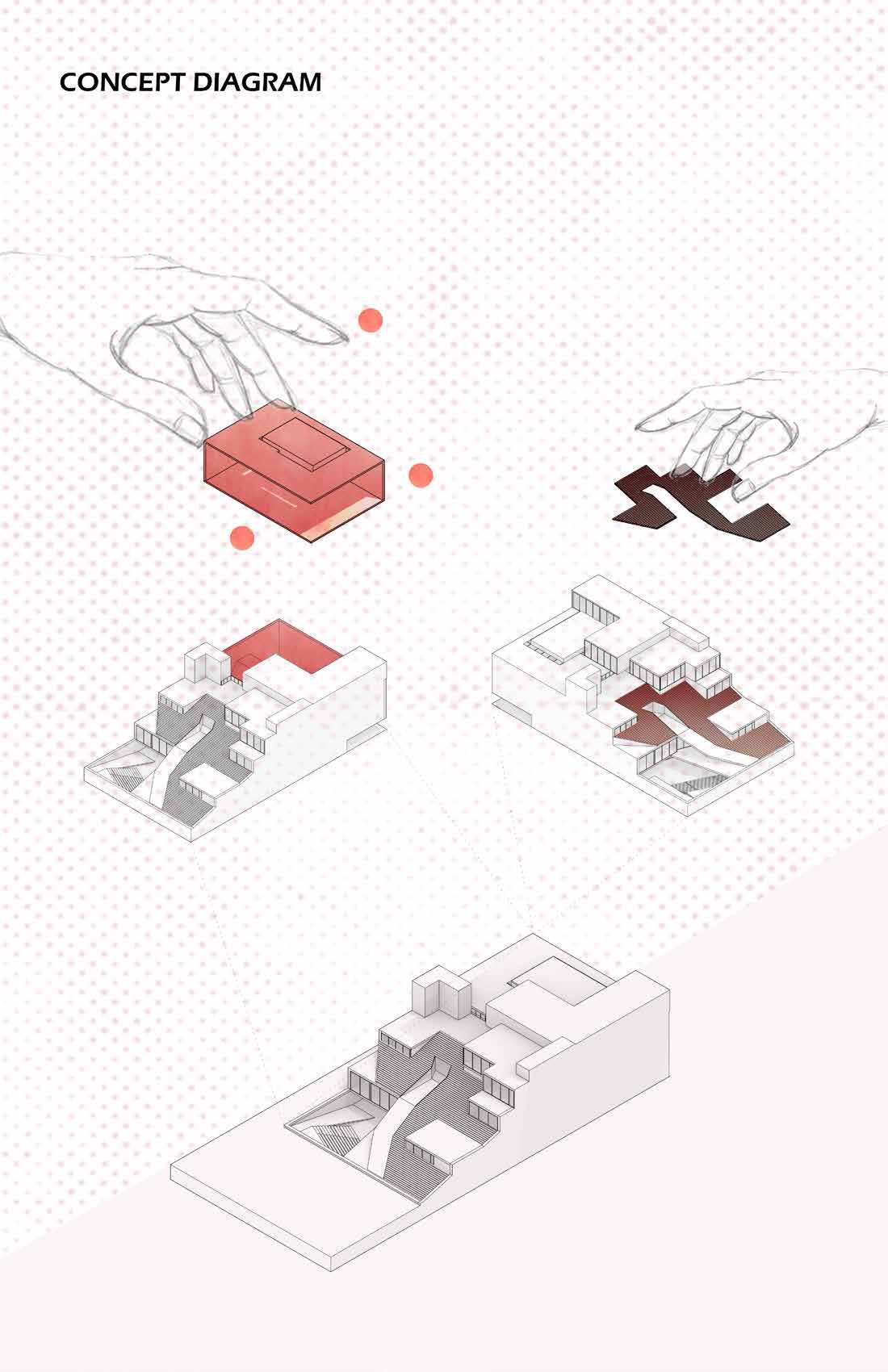
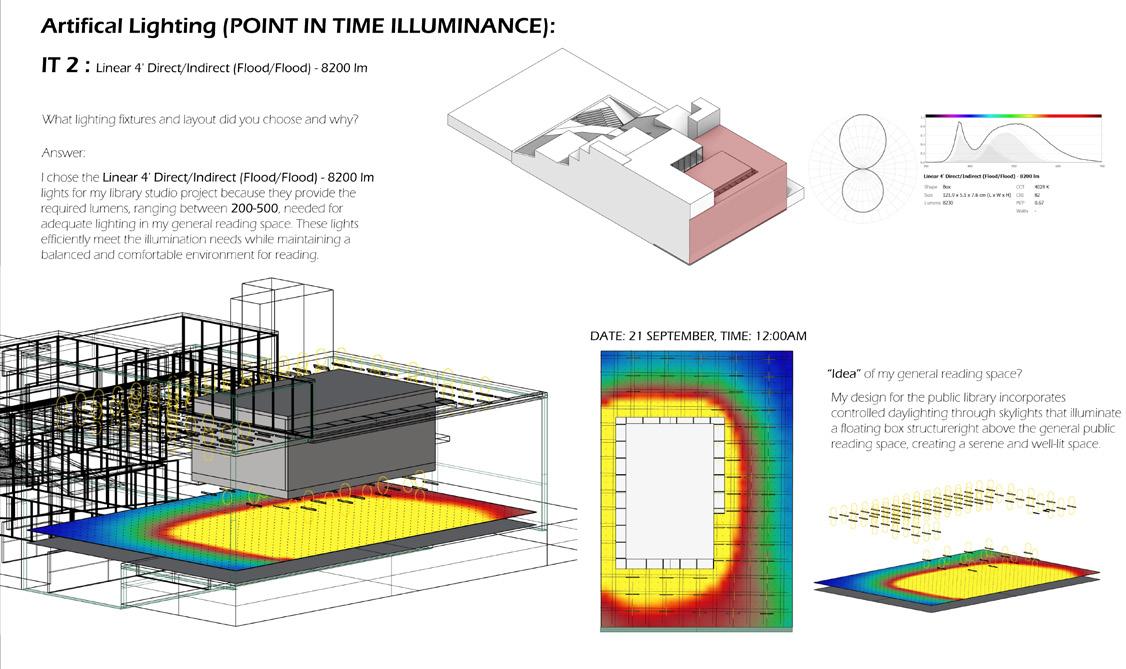
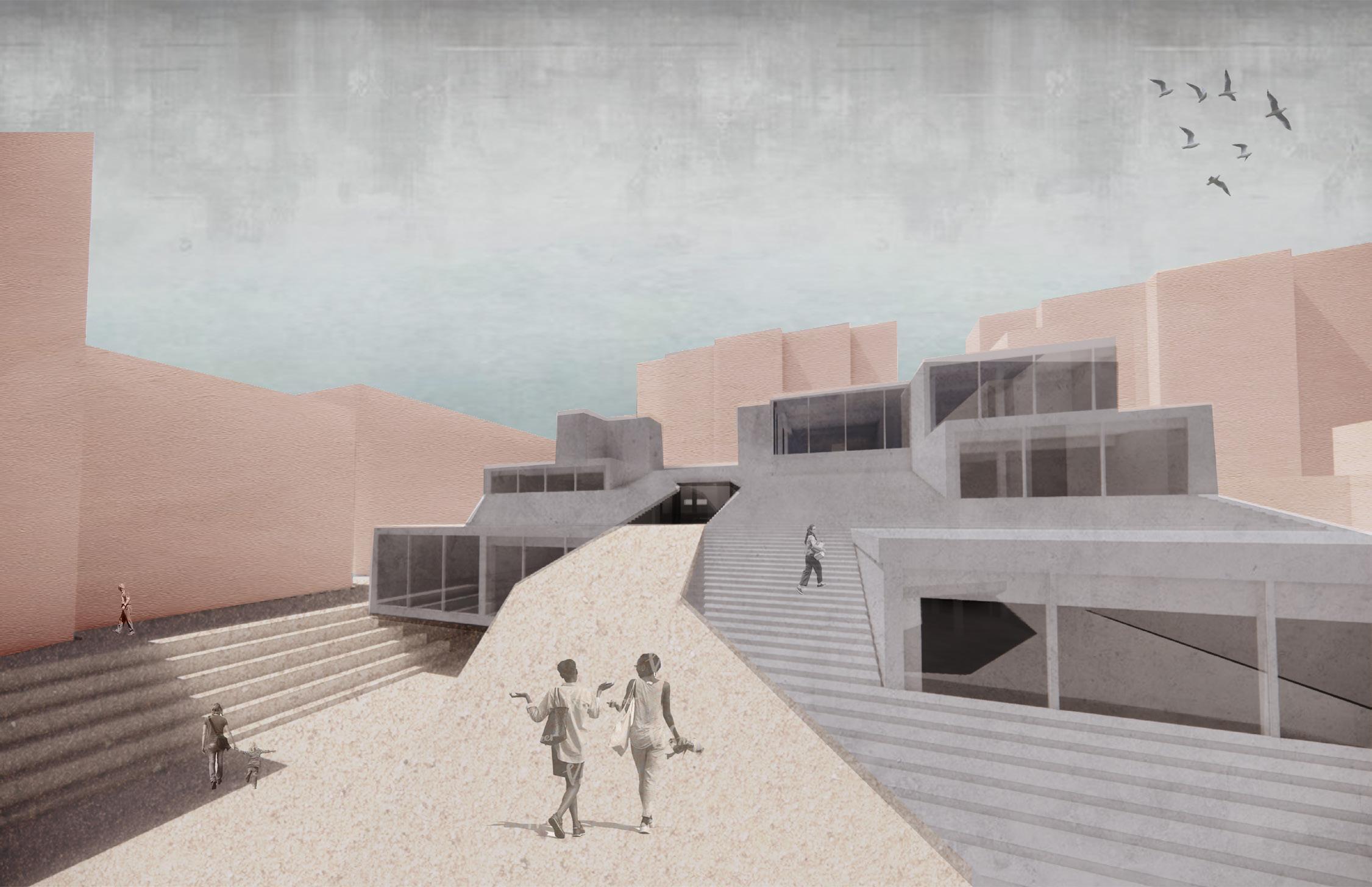
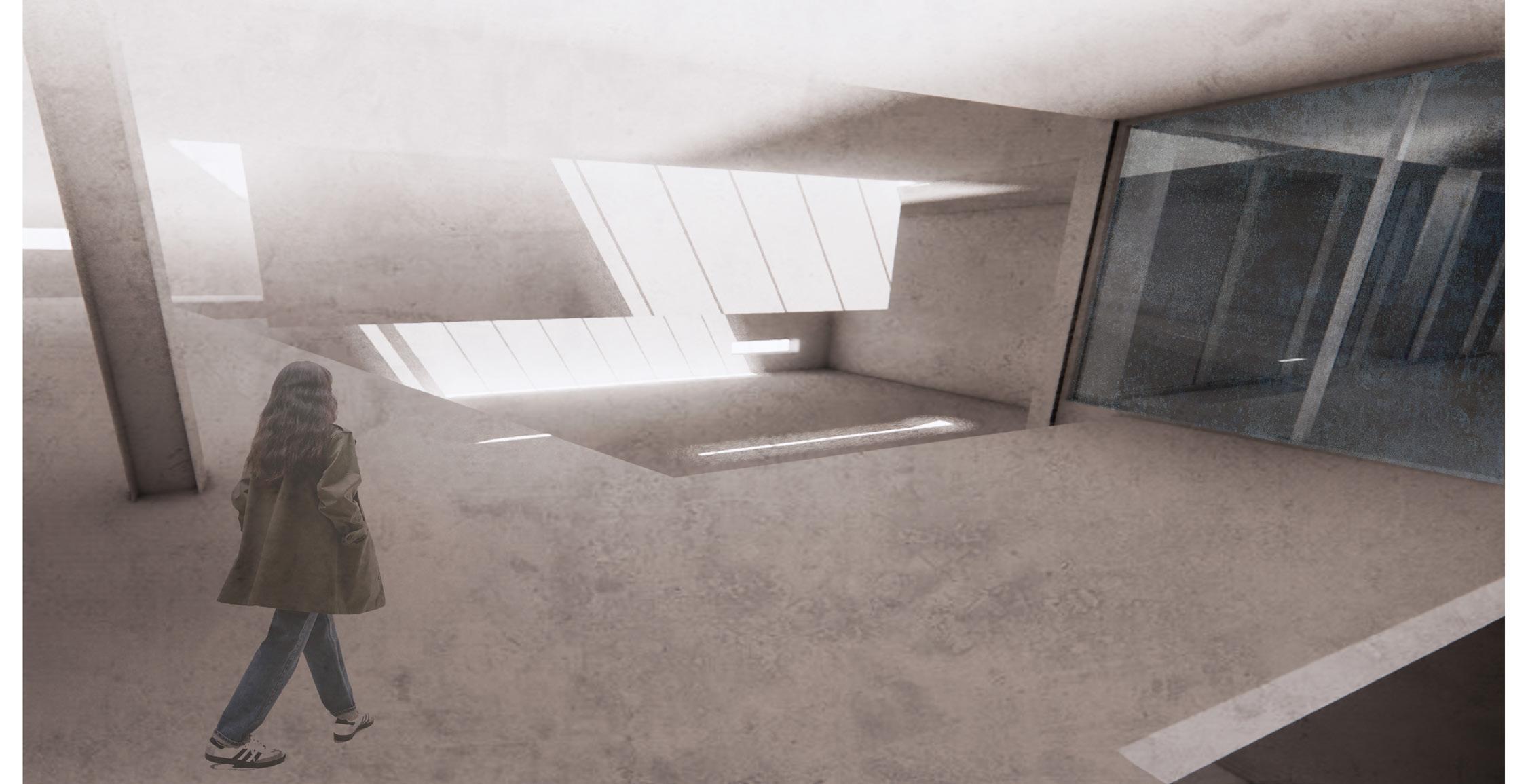
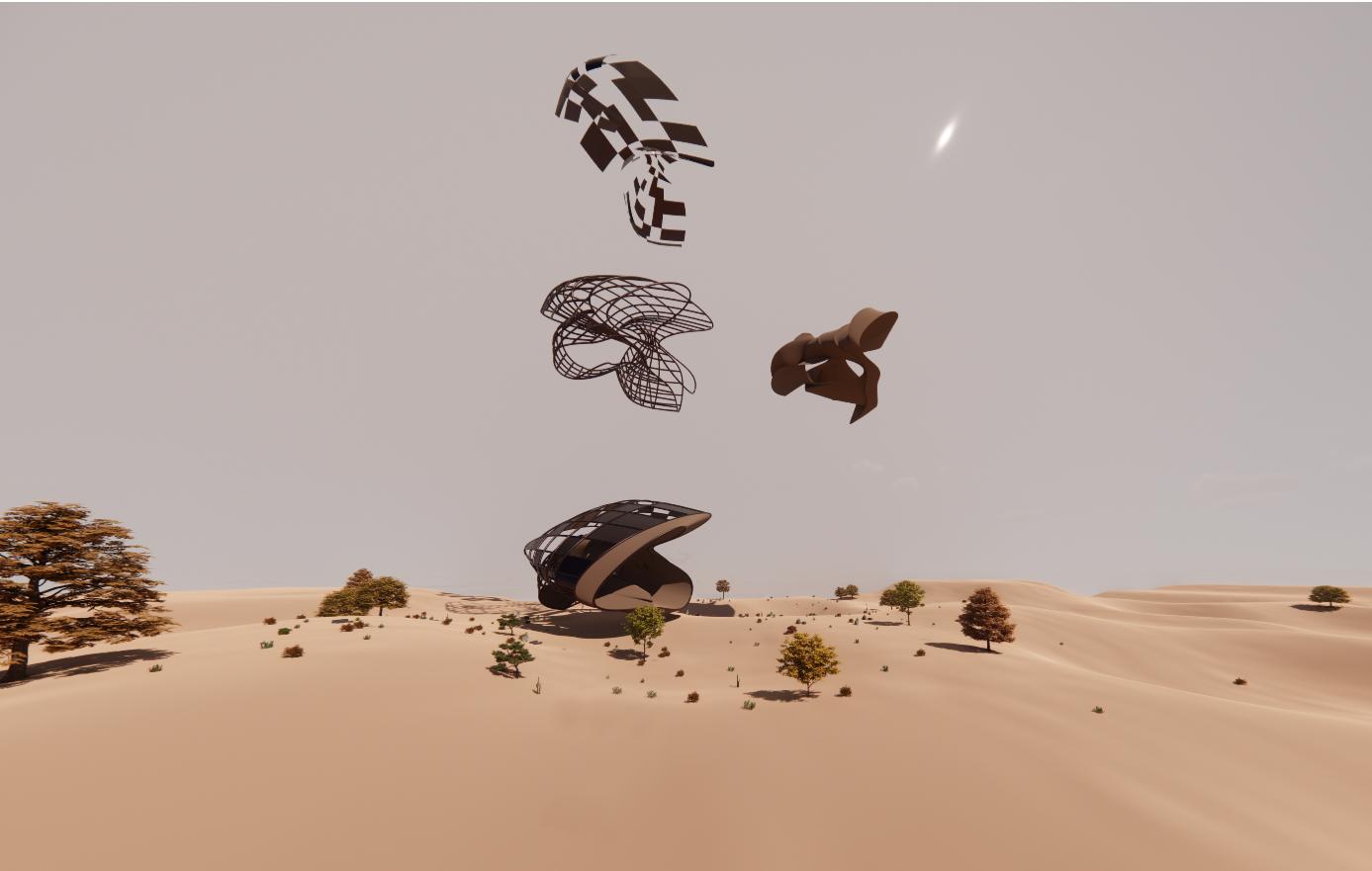
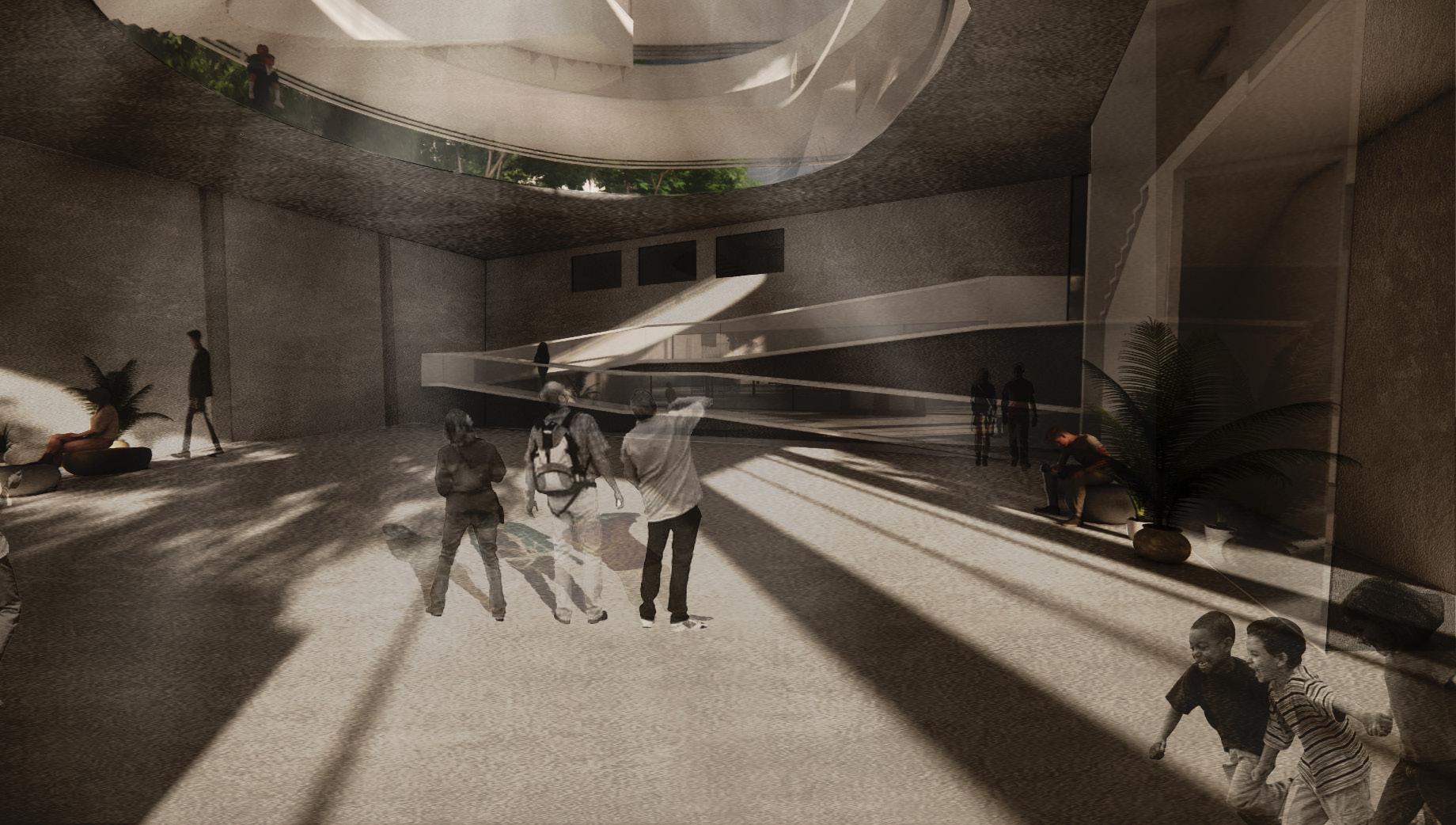
The project envisions a dynamic, multi-functional space that fosters community engagement and connection. At its core, a grand staircase acts as a central spine, leading visitors to a welcoming café that doubles as a vibrant, open public area for gathering, socializing, and contemplation. The integration of a floating box with external walkways creates a seamless dialogue between interior and exterior spaces, encouraging fluid movement and interaction while blurring the boundaries between public and private realms. By emphasizing transparency, circulation, and spatial layering, the design not only accommodates diverse user activities but also enhances the architectural experience, making the library a place of discovery, exchange, and community connection.