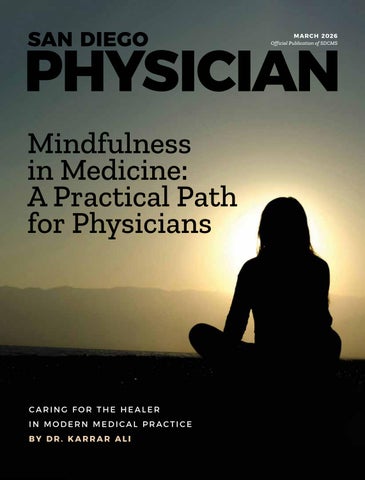
Mindfulness in Medicine: A Practical Path for Physicians

CARING FOR THE HEALER
IN MODERN MEDICAL PRACTICE
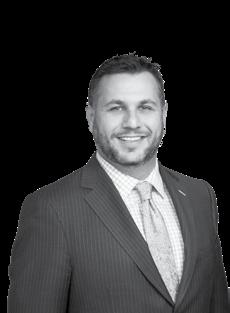
BY DR. KARRAR ALI
BY DR. KARRAR ALI
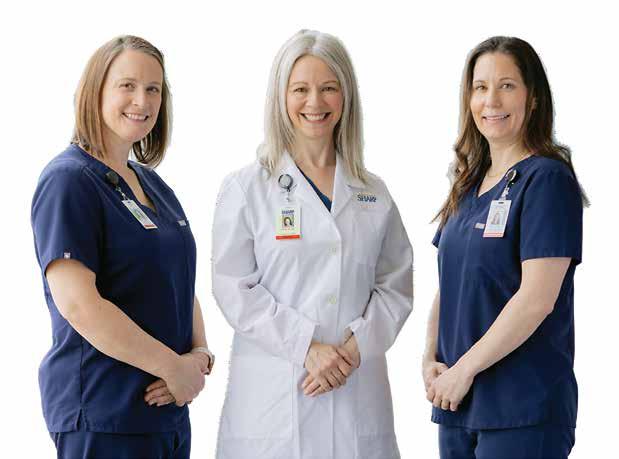
Help your patients access exceptional care for older adults. The Generational Health Program at Sharp Memorial Hospital provides comprehensive, multidisciplinary care tailored to the unique needs of aging patients. Our team of geriatric specialists offers advanced protocols and ACS-verified excellence in geriatric surgery to improve outcomes.
Visit sharp.com/healthyaging to refer a patient today and partner with us in delivering specialized care.
Editor: William T–C Tseng, MD, MPH
Editorial Board: James Santiago Grisolia, MD; William T-C Tseng, MD; Holly B. Yang, MD, MSHPEd, HMDC, FACP, FAAHPM
Marketing & Production Manager: Jennifer Rohr
Art Director: Lisa Williams
Copy Editor: Adam Elder
OFFICERS
President: Preeti S. Mehta, MD
President–Elect: Maria T. Carriedo-Ceniceros, MD
Immediate Past President: Steve H. Koh, MD
Secretary: Karrar H. Ali, DO, MPH
Treasurer: Rakesh R. Patel, MD, FAAFP, MBA
GEOGRAPHIC DIRECTORS
East County #2: Rachel B. Van Hollebeke, MD
Hillcrest #1: Vikant Gulati, MD
Hillcrest #2: Stephen R. Hayden, MD (Delegation Chair)
Kearny Mesa #1: Anthony E. Magit, MD, MPH
Kearny Mesa #2: Dustin H. Wailes, MD
La Jolla #1: Toluwalase (Lase) A. Ajayi, MD
La Jolla #2: Audra R. Meadows, MD
La Jolla #3: Emily A. Nagler, MD
North County #1: Arlene J. Morales, MD (Board Representative to the Executive Committee)
North County #2: Phil E. Yphantides, MD
North County #3: Nina Chaya, MD
South Bay #1: Paul J. Manos, DO
South Bay #2: Latisa S. Carson, MD
AT–LARGE DIRECTORS
#1: Steven L.W. Chen, MD, FACS, MBA (Board Representative to the Executive Committee)
#2: Kelly C. Motadel, MD, MPH
#3: Kyle P. Edmonds, MD
#5: Daniel D. Klaristenfeld, MD #6: Alexander K. Quick, MD
#7: Karl E. Steinberg, MD, FAAFP #8: Alejandra Postlethwaite, MD
ADDITIONAL VOTING DIRECTORS
Young Physician: Quinne C. Sember, MD
Retired Physician: Mitsuo Tomita, MD
Medical Student: Adarsh Jagadish
CMA OFFICERS AND TRUSTEES
Trustee: Sergio R. Flores, MD
Trustee: Timothy A. Murphy, MD
Trustee: William T–C Tseng, MD, MPH
Trustee: Holly B. Yang, MD, MSHPEd, HMDC, FACP, FAAHPM
AMA DELEGATES AND ALTERNATE DELEGATES
District I: Mihir Y. Parikh, MD
District I Alternate: William T–C Tseng, MD, MPH
At–Large: Kyle P. Edmonds, MD
At–Large: Sergio R. Flores, MD
At–Large: Robert E. Hertzka, MD
At–Large: Theodore M. Mazer, MD
At–Large: Albert Ray, MD
At–Large: Holly B. Yang, MD, MSHPEd, HMDC, FACP, FAAHPM
CMA DELEGATES
District I: Christopher M. Bergeron, MD, FACS
District I: Corrie D. Broudy, MD
District I: Mojgan Hosseini, MD
District I: Quinn K. Lippmann, MD
District I: Yolanda Marzan, MD
District I: Bijal V. Patel, MD
District I: Eric L. Rafla-Yuan, MD
District I: Ran Regev, MD
District I: Kristen N. Rice, MD
District I: Kosala Samarasinghe, MD
District I: Mark W. Sornson, MD
District I: Wynnshang (Wayne) C. Sun, MD
District I: Patrick A. Tellez, MD, MHSA, MPH
District I: Randy J. Young, MD
District I: Nicholas (dr. Nick) J. Yphantides, MD, MPH
RFS Delegate: Shawn A. Ali, MD
Opinions expressed by authors are their own and not necessarily those of SanDiegoPhysician or SDCMS. SanDiegoPhysicianreserves the right to edit all contributions for clarity and length as well as to reject any material submitted. Not responsible for unsolicited manuscripts. Advertising rates and information sent upon request. Acceptance of advertising in SanDiegoPhysicianin no way constitutes approval or endorsement by SDCMS of products or services advertised. SanDiegoPhysicianand SDCMS reserve the right to reject any advertising. Address all editorial communications to Editor@SDCMS.org. All advertising inquiries can be sent to DPebdani@SDCMS.org. SanDiegoPhysicianis published monthly on the first of the month. Subscription rates are $35.00 per year. For subscriptions, email Editor@SDCMS.org. [San Diego County Medical Society (SDCMS) Printed in the U.S.A.]
VOLUME 113, NUMBER 3

4
Mindfulness in Medicine: A Practical Path for Physicians. Caring for the Healer in Modern Medical Practice By Karrar Ali, MD
8 A Special Thank-You! Volunteer Physicians for Champions for Health for 2025 By Adama Dyoniziak
DEPARTMENTS
2 Briefly Noted: Advocacy • CMA Benefits • Practice Management
14
CMA Endorses Eric Swalwell in Wide Open Governor’s Race By Paul Hegyi, MBA

18
16 Does AI ‘De-Skill’ Doctors? Artificial Intelligence May Make Doctors Worse, but It Exposes an Old Problem We’ve Ignored By Arthur Lazarus, MD, MBA
18
More Evidence Supports Exercise for Depression, Anxiety: Data From Randomized Trials Provided Robust Evidence for Benefit of Exercise By Susan Jeffrey
20 Classifieds
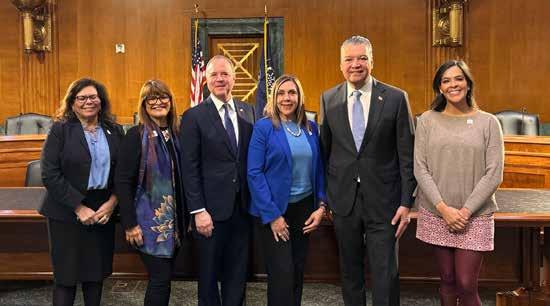
FEBRUARY SAW A STRONG PRESENCE of San Diego physicians on Capitol Hill in Washington, DC.
SDCMS President-Elect Maria Carriedo-Ceniceros, MD met with both of California’s U.S. senators on Capitol Hill as part of the National Association of Community Health Centers (NACHC) legislative “Day on the Hill.”
At the same time, Dr. Sergio Flores, former SDCMS president and current chair of the Board of Trustees of CMA, Paul Hegyi, CEO of the San
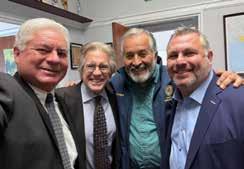
Diego County Medical Society, and Dr. Robert E. Hertzka, former CMA and SDCMS president and current legislative chair, were in Washington, DC to meet with key federal legislators to advocate for physician workforce funding, prior authorization reform, and additional Medicare funding.
Among the members of Congress they met with on Capitol Hill were Senator Adam Schiff and Representative Juan Vargas. They also recently met with Representatives Mike Levin and Scott Peters locally.
TO HELP PHYSICIANS STAY CURRENT ON fast-moving policy and practice issues, the California Medical Association (CMA) is launching CMA Audio News, a new members-only feature available exclusively in the CMADocs app.
CMA Audio News delivers timely audio updates on the issues shaping the practice environment for California physicians — from federal and state policy developments to regulatory changes and practical guidance. Designed to be concise and accessible, these updates make it easier to stay informed during
a commute, between patients or whenever you have a few spare minutes.
It’s one more way CMA is working to ensure you have the information you need — in formats that fit the realities of today’s practice environment.
Download the “CMADocs” app today from the Apple or Google Play app stores and make sure you receive all the latest updates by enabling notifications both in the “Settings” section found in the CMADocs app menu and in the “Notifications” settings on your mobile device.
COVERED CALIFORNIA ENROLLEES ARE SHIFTING TO BRONZE PLANS with higher deductibles or cancelling their plans entirely due to the expiration of ACA subsidies. Practices are advised to verify patient eligibility and benefits before visits to avoid uncompensated care.
With the expiration of the enhanced Affordable Care Act (ACA) premium tax credits, Covered California is seeing a marked increase in enrollee-generated plan cancellations and enrollees moving toward lower-premium Bronze plans, which carry higher deductibles and cost-sharing responsibilities.
Given these developments, the California Medical Association (CMA) is advising physician practices to exercise diligence in verifying patient eligibility and benefits prior to visits.
California Shifts in Cancellations and Plan Enrollments
The start of a new calendar year resets deductibles, but the shift in enrollment caused by the expiring ACA credits makes this particularly impactful in 2026. This year, Covered California reports a 57% increase in enrollee-generated plan cancellations (not counting consumers who will be cancelled for nonpayment). Additionally, a significant share of Covered California enrollees are choosing Bronze plans with significantly higher deductibles; for example, the 2026 Standard Bronze plan features a $5,800 deductible for individuals and $11,600 deductible for families.
Because open enrollment may have brought changes to your patients’ benefit plans or coverage options, practices should not assume coverage status has remained the same. Failing to verify these details can lead to uncompensated care, particularly if a patient has unknowingly entered the federal three-month grace period for nonpayment of premiums.
To help practices adapt to these changes, CMA has published Navigating Covered California: Preparing for Changes in 2026, a comprehensive guide (available free to members) to managing the current exchange environment. The guide highlights two critical strategies for addressing changes in enrollees’ status:
• Ensure Staff Clarity and Proactive Communication: It is critical that all front office staff clearly understand the physician’s participation status with each plan offered in the area. Ideally, staff should discuss participation status and potential out-of-network costs with patients before scheduling appointments. This proactive approach avoids potential out-of-network costs and patient frustration from unexpected bills.
• Re-verify patient eligibility: Best practice is to remind patients upon scheduling that their plan deductible may have reset on Jan. 1 and that, if that is the case, payment will be due at the time of service. Failure to collect deductibles, copays, and coinsurance at the time of service can be costly, as a practice’s ability to successfully collect decreases significantly once the patient leaves the office.

BY DR. KARRAR ALI

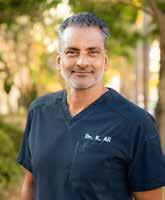
Modern medicine is practiced in an environment of sustained pressure. Clinical complexity, administrative burden, time scarcity, and emotional intensity are no longer episodic challenges but structural features of contemporary healthcare. Physicians are expected to deliver high-quality, compassionate care while navigating rapid clinical decisionmaking, documentation demands, and rising rates of burnout.
National data suggest that 40–60% of physicians experience symptoms of burnout, including emotional exhaustion and depersonalization.¹ Burnout is associated with higher rates of depression, increased medical error, reduced patient satisfaction, and premature departure from clinical practice.²
Importantly, burnout is not a personal failure. It is a predictable response to prolonged stress in systems that often leave little room for recovery, reflection, or emotional processing.
In this context, mindfulness has emerged not as a wellness trend or optional add-on, but as a practical, evidence-informed approach to sustaining physician wellbeing while strengthening the quality of patient care. This article explores what mindfulness is, how it entered medicine, why it matters for physicians and patients, and how it can be practiced in clinically meaningful ways.
Mindfulness is commonly defined as paying attention to present-moment experience with openness and curiosity, and without judgment. Practically, this means noticing thoughts, emotions, bodily sensations, and environmental cues as they arise rather than functioning on automatic pilot.
In medicine, mindfulness is not about disengagement, slowing care, or emotional withdrawal. Rather, it is about cultivating clarity, emotional regulation and presence — capacities essential for sound clinical judgment, effective communication, and
resilience under pressure. A mindful physician is better able to notice subtle clinical cues, recognize internal cognitive and emotional reactions, and respond deliberately rather than reflexively.
Mindfulness can be understood as both a momentary state and a trainable skill. While brief moments of awareness occur naturally, regular practice strengthens attention, empathy and the ability to remain grounded amid uncertainty. Importantly, mindfulness is learnable and does not require prior meditation experience.
Although mindfulness has roots in ancient contemplative traditions, particularly Buddhism, its integration into Western medicine is relatively recent. The modern clinical application of mindfulness is often traced to the work of Jon Kabat-Zinn, PhD, who developed the Mindfulness-Based Stress Reduction (MBSR) program at the University of Massachusetts Medical Center in the late 1970s.
Initially introduced to support patients with chronic pain and stressrelated conditions, MBSR demonstrated improvements in pain perception, mood, stress, and quality of life. Over time, mindfulness-based interventions expanded across medical disciplines, including oncology, cardiology, psychiatry, primary care, and rehab medicine.
As evidence accumulated, mindfulness began to be studied not only for patients, but also for clinicians. Over the past two decades, research has shown that mindfulness training for physicians is associated with reductions in burnout and emotional exhaustion, along with improvements in empathy, communication, and job satisfaction.³ Today, mindfulnessbased programs are offered at major academic medical centers, incorporated into medical education and endorsed by professional organizations focused on clinician wellbeing.
Burnout affects not only physicians, but also the care they provide. Emotional exhaustion and depersonalization are linked to impaired professionalism, increased medical error, and reduced patient satisfaction.²
Mindfulness addresses burnout at its roots by strengthening selfawareness and emotional regulation. Physicians who cultivate mindfulness are more likely to recognize early signs of stress, work skillfully with difficult emotions, and maintain connection to meaning in their work. Mindfulnessbased interventions have been shown to reduce burnout while improving empathy and professional fulfillment.³
From a cognitive perspective, mindfulness enhances attention and reflective awareness, which are critical for diagnostic accuracy and clinical judgment. It also strengthens metacognition, the ability to reflect on one’s own thinking, supporting recognition of bias, uncertainty, and assumptions in clinical decision-making.
Equally important is the impact of mindfulness on the physician-patient relationship. Patients consistently identify presence, attentive listening, and empathy as core elements of high-quality care. Studies demonstrate that higher physician mindfulness is associated with improved patient-centered communication and perceived care quality.⁴ In this way, mindfulness serves as a bridge between physician wellbeing and patient outcomes.
My interest in mindfulness is not purely academic; it arose from lived experience. Like many physicians, I entered medicine with a deep sense of purpose and commitment to service. Over time, however, the cumulative pressures of clinical responsibility, administrative burden, and emotional labor began to take a toll. I found myself experiencing the three
cardinal signs of burnout: Emotional exhaustion, depersonalization, and a diminished sense of personal accomplishment
Emotional exhaustion manifested as a persistent sense of fatigue that rest alone did not resolve. Depersonalization followed more quietly, subtle emotional distancing from patients and colleagues, a protective mechanism that ultimately eroded the very human connection that had drawn me to medicine. Perhaps most distressing was the growing feeling that my work no longer carried the meaning it once did. At my lowest point, I seriously contemplated leaving clinical medicine altogether.
It was during this period that I was introduced to mindfulness as a practical skill rather than an abstract concept. A pivotal moment in my journey was meeting Mick Krasner, MD and Ron Epstein, MD, leaders in the field of mindfulness in medicine. Through their mentorship, I attended the University of Rochester’s Mindfulness Practice in Medicine program. The training provided not only formal instruction in mindfulness meditation, but also a framework for integrating presence, reflection, and compassion into everyday clinical work.
The experience was transformative. Mindfulness offered me a way to meet stress and uncertainty with greater clarity rather than resistance and to reconnect with the values that originally led me to medicine. Over time, these practices helped restore a sense of meaning and sustainability in my work. I now serve as adjunct faculty at the University of Rochester Mindfulness in Medicine Program, an opportunity that allows me to support other clinicians navigating similar challenges.
My work in physician wellness has also extended into organized medicine. Through the Vituity Wellness Program, I have collaborated with Vanessa Calderon, MD, to facilitate wellness webinars and physician retreats.
These experiences have reinforced a consistent message: Burnout is not a personal failure, but a predictable response to a demanding system. When physicians are given practical tools, supportive community, and permission to care for themselves, meaningful change is possible.
This personal journey continues to inform how I practice medicine and how I teach mindfulness. It has deepened my appreciation for the importance of presence, not only as a clinical skill, but as a foundation for professional longevity and personal wellbeing.
Mindfulness in medicine can be cultivated through both formal practices and integrated clinical habits. Two approaches particularly relevant for physicians are contemplative meditative practice and narrative medicine
Formal mindfulness practices train attention and awareness. Common approaches include mindful breathing and body awareness. No need for special clothing, or yoga mats, or classes.
Mindful breathing involves bringing attention to the sensations of the breath and gently returning attention when the mind wanders. Even brief daily practices of five minutes can improve focus and emotional regulation when practiced consistently.
Mindfulness does not require separation from clinical work. Simple integrations — three conscious breaths before entering a patient’s room, noticing posture while washing hands, or pausing briefly between encounters — can meaningfully shift how physicians experience their day and respond under pressure.
Practiced regularly, this exercise strengthens attentional stability, emotional regulation, and the capacity to pause before reacting — skills essential to clinical care.
This short practice can be done at the start of the day, between patient encounters, or at the end of a shift.
1. Arrive (30–60 seconds)
Sit or stand comfortably with an upright but relaxed posture. Bring attention to physical sensations of contact, your feet on the floor, your body on the chair, or your hands resting where they are.
2. Attend to the Breath (1–2 minutes)
Gently bring attention to the natural rhythm of your breathing. You do not need to change it. Notice where you feel the breath most clearly. When the mind wanders, acknowledge it without judgment and return attention to the breath.
3. Expand Awareness (30–60 seconds)
Broaden awareness to include the body as a whole. Notice sensations, tension, or ease without trying to fix or change anything. You may silently note, “This is what is here right now.”
Want to deepen your practice? Explore additional mindfulness tips and resources to keep building your skills by scanning here.

Narrative medicine offers a complementary pathway to mindfulness that emphasizes attention, reflection and meaning-making through story. Developed by Rita Charon, MD, a general internist and literary scholar at Columbia University, narrative medicine is defined as the practice of medicine informed by narrative competence, the ability to recognize, absorb, interpret, and be moved by the stories of illness.⁵
At its foundation, narrative medicine is a discipline of relationship. It asks clinicians to listen beyond symptoms and diagnoses, attending instead to the human experience of illness, how disease disrupts identity, family roles, work, meaning, and hope. This kind of listening is inherently mindful: It requires presence, curiosity, humility, and a willingness to remain with uncertainty rather than rushing toward closure.
Narrative medicine builds trust and empathy across multiple dimensions of medical practice.
At the healer-patient level, narrative medicine strengthens empathic engagement. When physicians listen attentively to a patient’s story, patients feel seen, heard, and respected. This trust enhances communication, improves adherence, and deepens the therapeutic alliance. Importantly, narrative attention allows clinicians to witness not only what is wrong physiologically, but who is suffering — an essential distinction that lies at the heart of compassionate care.
At the healer-healer level, narrative medicine supports reflection in practice. Through reflective writing and shared discussion, clinicians process difficult encounters, moral distress, grief, and uncertainty. These practices foster professionalism not as emotional detachment, but as mature engagement grounded in self-awareness, ethical reflection, and mutual respect. Sharing stories within a professional community reduces isolation and normalizes vulnerability, reinforcing a culture of support rather than silence.
Narrative medicine also operates at the healer-society level by strengthening public trust in medicine. When physicians are trained to listen deeply, communicate clearly, and honor patient narratives, medicine is experienced as more humane and responsive. In an era of skepticism and fragmentation, narrative competence helps restore confidence in the profession by reaffirming its moral and relational commitments.
From the perspective of physician wellbeing, narrative medicine plays a critical role in preventing burnout by restoring meaning. Emotional exhaustion is mitigated when experiences are acknowledged rather than suppressed. Depersonalization is countered when patients are recognized as whole persons and clinicians are permitted to acknowledge their own emotional responses. A diminished sense of accomplishment is often repaired when physicians reconnect with purpose through the stories of care, even when clinical outcomes are uncertain.
Narrative medicine is one of my favorite aspects of mindfulness practice. It offers a tangible and humane way to bring mindfulness into the heart of clinical work, especially during moments of complexity, suffering, and uncertainty. Over time, narrative practices have helped me remain connected to my patients, my colleagues, and my own sense of purpose as a physician.
Narrative medicine reminds us that medicine is not only a technical enterprise, but a moral and relational one. By creating space for reflection, empathy, and meaning, it sustains physicians as healers while improving the quality of caring for patients and communities alike.
A brief narrative practice: At the end of a clinical week, choose one patient encounter that lingered with you. Write continuously for five minutes without editing or censoring yourself. Focus not on the diagnosis or outcome, but on the human experience: what the patient was going through and what
you noticed in yourself. Read what you have written with curiosity rather than judgment. Or find a colleague to share the experience. Tell your story without editing and have the person listen without interruption or judgement. Share the narrator-listener experience once you are done. How did it feel telling the story? How was it like being listened to?
Mindfulness in medicine is not about adding another task to an already full schedule. It is about changing the quality of attention physicians bring to the work they are already doing.
In an era of rising burnout and complexity, meditation and narrative reflection offer a grounded, evidencebased, and humane path forward. By cultivating presence and honoring story, physicians can care for themselves while strengthening judgment, deepening connection, and reconnecting with the meaning at the heart of medicine.
For readers who wish to explore mindfulness and narrative medicine more deeply, the following works provide accessible and foundational perspectives relevant to clinical practice.
Kabat-Zinn J. Full Catastrophe Living
A practical introduction to mindfulness drawn from the Mindfulness-Based Stress Reduction (MBSR) program, emphasizing present-moment awareness amid stress, illness, and uncertainty — highly applicable to medical practice.
Charon R. Narrative Medicine: Honoring the Stories of Illness. A foundational text outlining narrative medicine and narrative competence, with practical insights into attentive listening, reflection, and meaning-making in clinical care.
Epstein R, Street R. Attending: Medicine, Mindfulness and Humanity. An exploration of mindful presence in medicine, examining how attention, communication, and self-awareness shape clinical judgment, relationships, and professionalism.
References
1. Shanafelt TD, Dyrbye LN, West CP. Addressing physician burnout: The way forward. JAMA. 2017;317(9):901–902.
2. Panagioti M, Geraghty K, Johnson J, et al. Association between physician burnout and patient safety, professionalism and patient satisfaction. JAMA Internal Medicine. 2018;178(10):1317–1330.
3. Krasner MS, Epstein RM, Beckman H, et al. Association of an educational program in mindful communication with burnout, empathy and attitudes among primary care physicians. JAMA 2009;302(12):1284–1293.
4. Beach MC, Roter DL, Korthuis PT, et al. Association of physician mindfulness with patient-centered communication and care quality. Annals of Family Medicine. 2013;11(5):421–428.
5. Charon R. Narrative Medicine: Honoring the Stories of Illness. New York, NY: Oxford University Press; 2006.
Dr. Ali is an emergency medicine physician and senior partner with Vituity. He maintains an interdisciplinary clinical practice that includes emergency care at Sharp Chula Vista and Sharp Coronado Medical Centers, and concierge medicine practice with Coastal Concierge Physicians. Since 2018, Dr. Ali and colleague Vanessa Calderon have offered wellness workshops and retreats for physicians across Vituity, supporting resilience, presence, and wellbeing in demanding clinical environments. He currently serves as secretary of the San Diego County Medical Society. Outside of medicine and leadership roles, Dr. Ali values practices that support balance and resilience, including tennis and time with family. He lives in La Jolla with his wife, Dr. Shahrzad Nooravi, an organizational psychologist. He can be reached at Karrar.Ali@Vituity.com.
By Adama Dyoniziak
CHAMPIONS FOR HEALTH EXTENDS OUR SINCERE GRATITUDE TO OUR MANY volunteer physicians supporting Project Access San Diego. Your compassionate care fulfills our patients’ greatest wish: to be healthy. The patients feel normal again and they can begin to live their life alongside their families anew. We honor your steadfast dedication and the extraordinary difference you make in our community.
Project Access San Diego provides medically necessary specialty healthcare and surgeries for uninsured adults, with finances that are between 139% and 322% of the federal poverty level, making them ineligible for Medi-Cal, and cannot afford Covered California premiums. Since 2008, Project Access has served 9800 uninsured patients in receiving 18,100 free specialty consultations and more than 2,000 free surgeries — totaling $28.5 million in pro-bono services.
“As a practicing physician, volunteering for Champions for Health is perfect,” says otolaryngologist-head and neck surgeon Dr. Hernan Goldsztein. “The process is simple: You receive medical information in advance to optimize the patient and physician time during consultations. You get to provide state-of-the-art care in top-notch hospitals. I still receive thank-you cards from Project Access patients I had years ago. It is so rewarding to transform lives.”
Adama Dyoniziak is executive director of Champions for Health.

















By Paul Hegyi, MBA
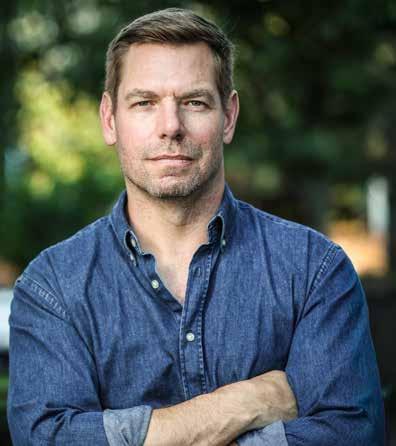
THE CALIFORNIA MEDICAL ASSOCIATION (CMA), representing more than 50,000 physicians across the state, has endorsed Democratic Congressman Eric Swalwell for governor of California. CMA cited his demonstrated commitment to strengthening the healthcare system, expanding access to care, fighting to restore the devastating federal funding cuts and supporting physicians on the front lines.
“Congressman Eric Swalwell is the clear choice for California physicians because he understands that a strong healthcare system is the backbone of a strong economy and healthy
tendent of Public Instruction Tony Thurmond on the Democratic side; and former FOX News host Steve Hilton and Riverside County Sheriff Chad Bianco on the Republican side.
communities,” said CMA President René Bravo, MD. “At a moment when our healthcare system is under enormous strain, we need proven, decisive leadership, and Eric Swalwell has shown he is ready to lead.”
Politico’s California Playbook covered the endorsement by “one of the most active players in state politics” and noted that this makes the CMA one of the first major organized groups in Sacramento to issue an endorsement in the wide-open gubernatorial campaign. In 2018, the California Medical Association was also an early endorser of then-Lt. Governor Gavin Newsom’s campaign for governor.
Other candidates for governor besides Swalwell include former Congresswoman Katie Porter, former Biden Health and Human Services Secretary Xavier Becerra, billionaire businessman and former presidential candidate Tom Steyer, former Los Angeles Mayor Antonio Villaraigosa, former State Controller Betty Yee, San Jose Mayor Matt Mahan, and Superin-
The next several years promise to be challenging ones for California’s physicians and healthcare community given the severe cuts in healthcare funding at the federal level, and the state’s projected ongoing budget deficit.
“I’m grateful to earn the endorsement of the California Medical Association, an organization whose voice carries enormous weight because its members see, every day, what patients and families are up against,” said Swalwell. “As governor, I will continue to fight for a healthcare system that supports the doctors and health professionals on the front lines and ensures every family can afford the care they need, when and where they need it.”
The governor’s race isn’t the only one on the June 2nd primary ballot where physicians have an important stake in the race.
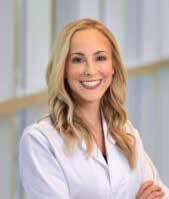
State Senator Akilah Weber Pierson is the only medical doctor certain to be in the Legislature next year. Dr. Joaquin Arambula is termed out of his Central Valley seat in the State Assembly and Dr. Jasmeet Bains, another Central Valley physician and state assemblymember, is running for Congress.
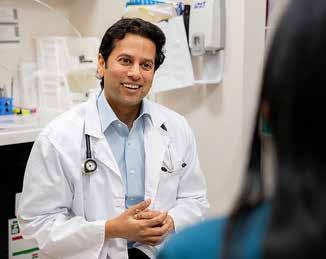
That’s why Dr. Sion Roy’s race for state Senate in a heavily Democratic seat based in Santa Monica is a key priority for the California Medical Association.
Dr. Roy is a cardiologist, associate professor of medicine, and former president of the Los Angeles County Medical Society. We’ve seen repeatedly the difference physician legislators can
make by bringing their real-world experience to healthcare policy and funding decisions made in the Legislature.
Dr. Bains is in a fierce Democratic primary to take on Republican incumbent David Valadao in California’s 22nd Congressional District. Unfortunately, Congressman Valadao ended up being one of the
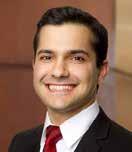
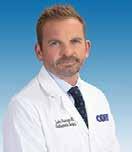
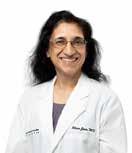
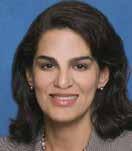
Left: Dr. Sion Roy, candidate for California State Senate, has been endorsed by the California Medical Association, California Democratic Party, and the San Diego County Medical Society.
key votes at the end to severely cut healthcare funding in H.R. 1, known as “the One Big Beautiful Bill” that will only prove to be ugly for California’s patients and physicians.
Richard Pan, MD, is a former Democratic State Senator now running for the Democratic-leaning open 6th Congressional District in the Sacramento area. Pan was a powerful advocate for patients and physicians during his time in the Legislature and if he makes it to Capitol Hill, we can count on him being a leading voice on federal healthcare policy.
2026 promises to be a crucial year politically at both the state and federal level for health care policy. The California Medical Association and San Diego County Medical Society will be working aggressively to advance the best interests of California patients and physicians in this election.



Paul Hegyi is the Chief Executive Officer of the San Diego County Medical Society.


By Arthur Lazarus, MD, MBA

I RECENTLY WROTE ABOUT AN MIT MEDIA LAB study that raised concerns about “cognitive debt,” a term referring to the idea that repeated reliance on artificial intelligence (AI) for complex tasks may weaken learning, memory, and critical thinking. In the MIT study, this concern was associated with reduced EEG activity among participants who relied heavily on AI.
That research was soon followed by another troubling finding reported in The Lancet Gastroenterology & Hepatology. In the study, seasoned gastroenterologists — averaging nearly three decades of experience and more than 2,000 colonoscopies each — adopted AI-assisted polyp detection. Initially, the results were reassuring. When AI was active, adenoma detection improved. But when those same physi-
unsettled many doctors. If AI makes endoscopists worse at their jobs once it is removed, should we be worried about its widespread deployment across medicine, where virtually every specialty is cognitively demanding?
The short answer is yes: this deserves serious attention. The longer answer is that we should be very careful about what, or whom, we blame.
—
Let’s start with what this study is, and is not.
It is a retrospective, observational study, not a randomized trial. The exposure window — three months before and three months after AI implementation — was short. The cohort was limited to four endoscopy centers in Poland, comprising 1,443 patients. Patient populations may not have been identical. And the proposed mechanism is speculative, not proven.
cians later performed colonoscopies without AI, their detection rates dropped sharply, from 28.4% to 22.4%. The proposed explanation was that clinicians had grown accustomed to the AI’s visual cues and paid less attention once those cues disappeared.
The word used to describe this phenomenon is “de-skilling.” Unsurprisingly, the result has
But here is what makes the study genuinely important: It is one of the first to ask what happens to clinician skills when AI is not available.
We have hundreds of studies asking whether AI improves detection, speed, or accuracy. I’m not aware of many asking what prolonged AI use does to the human operator’s baseline competence.
That imbalance matters, because AI is not always available. Systems go down. Vendors fail. Hospitals switch platforms.
Rural or resource-limited settings may never have access in the first place.
A physician who cannot function competently without AI is not practicing augmented medicine — they are practicing dependent medicine.
That is a real risk.
Didn’t Start With AI
Here is where perspective matters.
Medicine has struggled with skill drift since long before large language models or computer vision entered the exam room. Procedural volume requirements exist for a reason. Board recertification exists for a reason. We already acknowledge — often uncomfortably — that skills wither without deliberate practice.
We did not blame stethoscopes for dulling percussion skills. We did not blame calculators for weakening mental arithmetic. We did not blame imaging for reducing reliance on physical examination findings. And we certainly did not blame books for making self-education optional. Books expanded access to knowledge; they did not excuse physicians from the responsibility to read, reflect, and think critically. If anything, they raised expectations.
AI belongs in that same category. The problem is not that AI assists detection. The problem arises when clinicians allow assistance to replace attention — attention that is a prerequi-
site for learning. That is not a technological failure. It is a professional one.
The MIT study on AI and “cognitive debt” sparked intense debate for similar reasons. One camp argued that skills decay when they are no longer exercised, invoking well-known principles of neuroplasticity. Others countered that the observed EEG changes (reduced activity) may reflect cognitive economy rather than loss — the brain reallocating effort as AI assumes portions of the task that are mechanical or organizational, rather than core reasoning itself.
The brain adapts to demand. Learning requires active engagement first; when AI performs the hardest parts of a task before that engagement occurs, the learning signal is blunted or lost. What matters, then, is not whether AI is used, but when and how it is used.
Experienced clinicians who think first and consult tools second are unlikely to lose core skills. Those who defer primary cognition to technology may lose those skills or never fully develop them.
This is not new. It is simply more visible now.
The most important insight from the colonoscopy study is not that AI “made doctors worse.” It is that implementation matters.
If clinicians unconsciously outsource vigilance — waiting for a “green box” rather than actively scanning — then AI integration has failed at the human-factors level. The answer is not to retreat from AI, but to design its use so that it reinforces attention rather than replaces it.
That might include:
• Periodic practice without AI to preserve baseline skills
• Training programs that emphasize fundamentals alongside AI use
• Interfaces that require active confirmation rather than passive acceptance
• Credentialing standards that assume AI will not always be present
These concerns apply even more acutely to physicians in training. If AI is introduced before foundational skills are established, the risk is not de-skilling but never skilling at all. Medical education therefore deserves special attention when discussing how — and when — AI should be used.
None of this requires abandoning AI. It requires respecting the limits of automation. If a physician becomes less competent when a tool is removed, the failure is not that the tool existed. The failure is that competence was allowed to atrophy unchecked. AI does not absolve clinicians of vigilance any more than textbooks absolved them of thinking. It simply raises the stakes for how we train, practice, and selfmonitor. Tools matter. But professionalism matters more.
So, does this study demonstrate a real risk, or is it an overblown concern?
It is a real risk if we are complacent. It is an overblown fear if we are deliberate.
The correct response is not to slow AI adoption reflexively, nor to dismiss early warning signs as technophobia. It is to ask better questions: How do we preserve human competence in AI-rich environments? What skills must remain explicitly human, even when automation is available? How do we train physicians to use AI as a partner rather than a crutch?
If we fail to ask those questions, de-skilling will not be an unintended side effect. It will be an avoidable outcome.
Arthur Lazarus, MD, MBA is a former Doximity Fellow, a member of the editorial board of the American Association for Physician Leadership, and an adjunct professor of psychiatry at the Lewis Katz School of Medicine at Temple University in Philadelphia. This column first appeared in MedPage Today. Dr. Lazarus is the author of several books on narrative medicine and the fictional series Real Medicine, Unreal Stories. His latest book, a novel, is Against the Tide: A Doctor’s Battle for an Undocumented Patient .

A meta-metaanalysis of randomized trials showed exercise reduced depression and anxiety symptoms.
Data From Randomized Trials Provided Robust Evidence for Benefit of Exercise
By Susan Jeffrey
EXERCISE EFFECTIVELY REDUCED SYMPTOMS OF depression and anxiety, comparable to results seen with pharmacological or psychological interventions, according to a systematic umbrella review with a meta-meta-analysis of randomized trials.
Exercise had a medium-sized effect on reducing depression symptoms (standardized mean difference [SMD] -0.61, 95% CI -0.69 to -0.54), while it had a small-to-medium effect on reducing anxiety symptoms (SMD -0.47, 95% CI -0.59 to -0.36), James Dimmock, PhD, of James Cook University in Queensland, Australia, and colleagues reported in the British Journal of Sports Medicine.
Aerobic exercise had the most substantial effect on both depression and anxiety. Greater reductions in depression were seen when exercise was offered in group and supervised settings, while exercise of shorter duration and at lower intensity was most associated with reductions in anxiety.
Group aerobic exercise appeared to be most effective for depression, while exercise of shorter duration and lower intensity was most associated with reductions in anxiety symptoms.
The researchers concluded that tailored exercise programs are an “accessible and cost-effective” treatment for depression and anxiety.

While exercise was effective across all age groups, the greatest benefits of exercise on depression were seen in adults ages 18 to 30 years (SMD -0.81, 95% CI -1.06 to -0.57), as well as among postnatal women (SMD -0.70, 95% CI -0.92 to -0.48).
“I think our key message would be to recognize that exercise can play a part in the management of depression and anxiety symptoms,” co-author Neil Munro, MPhil, a PhD candidate at James Cook University, told MedPage Today
Given the evidence that different types of exercise appeared to affect depression and anxiety differently, “tailored exercise programs
must be prescribed,” Munro added. “Exercise is an accessible and costeffective treatment option for depression and anxiety, so these findings must be translated into clear, actionable guidelines for ensuring widespread adoption and long-term impact.”
Aerobic exercise, including running or walking, had the biggest impact on depression symptoms with an SMD of -0.81, followed by resistance training (-0.62), mixed exercise modalities (-0.60), and mind-body activities such as yoga (-0.53).
For anxiety, the effects were broadly similar, Munro said, with SMDs of -0.60 for aerobic exercise, -0.56 for resistance training, and -0.50 for mindbody exercise, and -0.45 for mixed exercise.
For depression, supervised (-0.69) and group exercise (-0.71) showed a more pronounced effect, suggesting “social components of exercise can have a compounding impact,” he added. The data for anxiety showed a similar effect for group activity (-0.60), “although we found little to no data available on supervised exercise impact for anxiety,” Munro said. “This may be an area for researchers to explore.”
The effectiveness of exercise compared favorably with those achieved with pharmacological therapy (SMD -0.36) and psychotherapies (SMD -0.34), found in a previous umbrella review of metaanalyses, Munro noted.
The findings are “direc-
tionally consistent” with the broader literature, said Avani K. Patel, MD, a psychiatrist in private practice at Mississippi Psychiatry & Wellness in Ridgeland, and a member of the Council on Communications for the American Psychiatric Association. And while the comparative effect sizes reported relative to medication and psychotherapy are “compelling,” she said they should be interpreted with “appropriate caution” since many of the meta-analyses included were rated as low or critically low quality on the AMSTAR-2 scale, and there was some heterogeneity in exercise definitions, intensity, and program structure.
“What this study adds meaningfully to the field is scale, methodological tightening, and clinical granularity,” Patel said. “From a clinical standpoint, these findings reinforce exercise as a core component of comprehensive psychiatric care rather than an adjunctive afterthought,” she added. This new analysis, “strengthens the evidence base supporting this approach and provides clinicians with greater confidence in offering exercise as a formal, evidence-based component of treatment.”
For the study, the researchers aimed to determine the effect of exercise on depression and anxiety across population groups, but excluding those with preexisting chronic physiological conditions such as heart disease, cancer, or Parkinson’s disease, that might be a potentially confounding motivation to exercise. They also wanted to look at populations such as children, those over 65 years of age, or perinatal women, groups sometimes excluded from these studies, Munro noted.
They conducted a meta-meta-analysis, using the Preferred Reporting Items for Overviews of Reviews (PRIOR) framework, that provides guidance for overviews of healthcare intervention reviews. Five electronic databases were searched for eligible meta-analyses of randomized controlled trials looking at exercise interventions for depression and anxiety symptoms published up to July 2025.
All included meta-analyses had to compare exercise with an active control, placebo, or no intervention, and had to report SMD or Hedges’ g, with 95% confidence intervals. For depression, 57 pooled analyses of 800 component studies with 57,930 participants were included. For anxiety, 24 pooled data analyses of 258 component studies with 19,368 participants were included.
A key limitation of the study was the need for more anxiety based meta-analytic data for wider ranging population groups, including late adulthood, youth, and perinatal populations.
Susan Jeffrey is a contributing writer to MedPage Today, where this article first appeared.
PRACTICE ANNOUNCEMENTS
CRANIO/MAXILLOFACIAL AND HEAD & NECK
SURGERY: Accepting new adolescent and adult patients seeking evaluation and management of head and neck masses, multidisciplinary assessment of oral/facial cancers and reconstruction, nasal airway assessment and functional rhinoplasty, corrective jaw surgery including jaw advancement for obstructive sleep apnea, cleft and craniofacial reconstruction, maxillofacial fracture management and secondary facial and jaw reconstruction. We work with Medicare, Tricare, most PPO insurance plans, and some HMO plans. Referrals may be called in to (619) 452-7332, or emailed to jaw@scrippshealth.org. [2887-0808]
VIRTUAL SPEECH THERAPY AVAILABLE: Accepting new pediatrics and adult patients. We accept FSA/HSA, Private pay, Medicare, Medi-Cal, and several commercial insurance plans pending credentialing. Visit virtualspeechtherapyllc.org or call (888) 855-1309.
PSYCHIATRIST AVAILABLE: Accepting new patients for medication management, crisis visits, ADHD, cognitive testing, and psychotherapy. Out of network physician servicing La Jolla & San Diego. Visit hylermed.com or call (619) 707-1554.
PHYSICIAN OPPORTUNITIES
PULMONOLOGY PHYSICIAN | PHMG NORTH COUNTY: Palomar Health Medical Group is seeking a board–certified Pulmonology/Critical Care Physician to join our multi–specialty, not–for–profit practice in North San Diego County. The ideal candidate will offer expert pulmonary care in a comprehensive outpatient and inpatient setting, supported by advanced facilities at Palomar Medical Center Escondido and Poway. Responsibilities include diagnosing and treating a wide range of pulmonary conditions, performing both inpatient and outpatient procedures, and collaborating with specialists across the Palomar Health network. Candidates must hold a valid California medical license, be board–certified in Pulmonology, and preferably have at least two years of clinical experience. Per diem roles are also available, offering competitive pay and flexible scheduling. Join us in reimagining healthcare with compassion and excellence. To apply, send your application and CV to clayton.trosclair@palomarhealth. org. [2893-1015]
UCSD DEPARTMENT OF FAMILY MEDICINE | FACULTY POSITIONS AVAILABLE: UCSD Department of Family Medicine seeks motivated faculty to join our team in clinical, teaching, and scholarly roles. Faculty participate in comprehensive patient care, resident and fellow education, and research or quality improvement initiatives. We welcome candidates with diverse experiences and a passion for family medicine, community engagement, and academic medicine. Opportunities are available at various academic ranks, with salary commensurate with experience, rank, and step. Join a collaborative, supportive environment committed to excellence in primary care and education. Apply here: https:// apol-recruit.ucsd.edu/JPF04341. [2889-0822]
OB/GYN PHYSICIAN | PHMG ESCONDIDO: Palomar Health Medical Group is seeking a full–time, board–certified/eligible Obstetrics and Gynecology Physician to deliver comprehensive reproductive care, including labor and delivery management, gynecologic surgeries, and OB call rotations. The ideal candidate will possess strong surgical skills, California licensure, and a commitment to maternal health. We offer competitive compensation, performance–based incentives, and a collaborative team environment. Please email CV to clayton.trosclair@ palomarhealth.org or phil.yphantides@phmg.org. [2882-0626]
PHYSICIAN
Palomar Health Medical Group is seeking a Family Medicine or Internal Medicine Physician (MD/DO) to join our multi–specialty practice at our Rancho Penasquitos clinic location. Experienced physicians and new graduates are encouraged to apply. Clinic schedule is Mon — Fri, outpatient only, no weekends or holidays. We offer competitive salary of $300k/ year or more depending on experience. In addition, we offer productivity and other bonuses, PTO, CME reimbursement, health, dental, vision insurance, participation in 401K with partial employer match, short and long–term disability, and life insurance. Student loan repayment assistance is also available. Join Palomar Health Medical Group, where we’re reimagining healthcare with compassion, excellence, and integrity. Please email CV to clayton.trosclair@ palomarhealth.org or phil.yphantides@phmg.org. [2881-0626]
PHYSICIAN: La Jolla Village Family Medical Group is seeking a PT/FT primary care physician to join our well–established private practice. We’ve been caring for our La Jolla/UTC area neighbors for 35+ years providing comprehensive, longitudinal care to patients of all ages. Call responsibilities are minor; hours consistent with a healthy work/life balance. Our office is new, clean, modern, and well–appointed. Our clinical team is collegial, passionate, and close–knit, with a supportive, cohesive support staff. A true private practice where physicians practice artfully and build enduring relationships with patients and colleagues. Seeking a Board–certified, California–licensed MD/DO physician, passionate about medicine and looking to establish roots in a practice dedicated to the art of good medicine. Competitive salary and excellent benefits including medical, dental, vision, and retirement. Send a cover letter and CV to jcataluna@lajollafamilymedical.com. [2880-0520]
CLINICAL DIRECTOR | BEHAVIORAL HEALTH SCIENCES | COUNTY OF SAN DIEGO: The County of San Diego is seeking a dynamic physician with a passion for building healthy communities. This is an exceptional opportunity for a California licensed, board–certified physician to help transform the local behavioral health continuum of care and lead important work within the Health and Human Services Agency’s Behavioral Health Services department. Visit our website to view a detailed brochure outlining the duties and responsibilities of the position. Anticipated Hiring Range: $310,000 to $320,000 annually. In addition to the base salary, the incumbent may receive a 10 % premium for Board Certification or a 15 % premium for Board Certification and Sub–specialty. [2877-0225]
VENOUS DISEASE SPECIALIST | NORTH COUNTY: La Jolla Vein & Vascular, the premier vein care provider in San Diego, is seeking a highly skilled and experienced Venous Disease Specialist to join our team at our newest location in Vista, CA, nestled in the stunning coastal region of North County San Diego. This full–time position offers competitive salary and benefits, including profit-sharing and a 401(k). Our state–of–the–art facility operates Monday through Friday, with no weekend or night shifts, promoting an excellent work–life balance. Ideal candidates may also consider a locum or locum–to–hire arrangement. Join us in making a difference in our patients’ lives while enjoying your dream location! Email cv to jobs@ljvascular.com. [2875-1030]
PART–TIME PRIMARY CARE PHYSICIAN:
Primary Care Clinic in San Diego searching for part–time physician for 1 to 2 days a week, no afterhours calls. Please send CV to medclinic1@yahoo.com. [2872-0909]
OB/GYN POSITION AVAILABE | EL CENTRO: A successful Private OBGYN practice in El Centro,
CA seeking a board eligible/ certified OB/GYN. Competitive salary and benefits package is available with a tract of partnership. J-1 Visa applicants are welcome. Send CV to feminacareo@gmail.com or call Katia M. at (760) 352-4103 for more information. [2865-0809]
COUNTY OF SAN DIEGO PROBATION DEPT.
MEDICAL DIRECTOR: The County of San Diego is seeking dynamic physician leaders with a passion for building healthy communities. This is an exceptional opportunity for a California licensed, Board-certified, physician to help transform our continuum of care and lead essential medical initiatives within the County’s Probation Department. Anticipated Hiring Range: Depends on Qualifications Full Salary Range: $181,417.60 - $297,960.00 annually. As part of the Probation Administrative team, the Medical Director is responsible for the clinical oversight and leadership of daily operations amongst Probation facilities’ correctional healthcare programs and services. As the Medical Director, you will have significant responsibilities for formulating and implementing medical policies, protocols, and procedures for the Probation Department.
FAMILY MEDICINE/INTERNAL MEDICINE PHY-
SICIAN: San Diego Family Care is seeking a Family Medicine/Internal Medicine Physician (MD/DO) at its Linda Vista location to provide outpatient care for acute and chronic conditions to a diverse adult population. San Diego Family Care is a federally qualified, culturally competent and affordable health center in San Diego, CA. Job duties include providing complete, high quality primary care and participating in supporting quality assurance programs. Benefits include flexible schedules, no call requirements, a robust benefits package, and competitive salary. If interested, please email CV to sdfcinfo@sdfamilycare.org or call us at (858) 810-8700.
PHYSICIAN POSITIONS WANTED
PART–TIME CARDIOLOGIST AVAILABLE: Dr. Durgadas Narla, MD, FACC is a noninvasive cardiologist looking to work 1-2 days/week or cover an office during vacation coverage in the metro San Diego area. He retired from private practice in Michigan in 2016 and has worked in a San Marcos cardiologist office for the last 5 years, through March 2023. Board certified in cardiology and internal medicine. Active CA license with DEA, ACLS, and BCLS certification. If interested, please call (586) 206-0988 or email dasnarla@gmail.com.
OFFICE SPACE / REAL ESTATE AVAILABLE
AVAILABLE TO RENT | MID–CITY: Practice for sale, medical office available for rent. Centrally located in San Diego’s Mid–City community at 3250 El Cajon Blvd, San Diego, CA 92104. Contact Miguel Losada, MD at (619) 282-2178 or by fax at (619) 2822179. [2894-1215]
AVAILABILITY OF UTC MEDICAL OFFICE: Office in UTC area. 2–3 exam rooms, ample waiting room, 2 private offices. Ground floor location. Just one block from 805 exit. Close to Genesee Ave, all major shopping and restaurants in UTC. Parking available. Ground floor office, handicapped accessible. Six month–one year lease available with possibility to renew. Call (619) 585-0476. Ask for Alisha. [2890-0825]
OFFICE SPACE FOR LEASE | AESTHETIC SETTING: Take your practice to the next level with this beautifully appointed office space available in a modern, fully equipped clinical environment. Whether you’re already in aesthetics or starting an aesthetic practice, we offer flexible, high–end rental options. Rentals include use of PicoSure Pro Laser and Potenza Microneedling with Radiofrequency, two private treatment rooms and staff breakroom in a professional, clean and serene setting. Available Mondays, Tuesdays, Thursdays & Fridays at $1,000/
day between the hours of 8:30am–5:00pm. Ideal for dermatologists/plastic surgeons, cosmetic physicians, nurse injectors or other licensed professionals in the aesthetic field. Must see to appreciate the quality and atmosphere. Contact us today at Vivian@ sandiegomobiledoctor.com to schedule an in–person tour of this great opportunity. [2886-0804]
OFFICE SPACE FOR LEASE | MEDICAL SETTING: Take your practice to the next level with this beautifully appointed office space available in a modern, fully equipped clinical environment. Whether you’re in primary care or specialty medicine, we offer flexible, high–end rental options. Rentals include use of two medical exam rooms and waiting (lobby) area in a clean, professional setting. Available Mondays, Tuesdays, Thursdays & Fridays at $350/half day or $600/day between the hours of 8:30am–5:00pm. Ideal for primary care physicians and specialists seeking flexible space. Must see to appreciate the quality and atmosphere. Contact us today at Vivian@ sandiegomobiledoctor.com to schedule an in–person tour of this great opportunity. [2885-0804]
LA JOLLA/XIMED OFFICE TO SUBLEASE: Modern upscale office on the campus of Scripps Hospital — part or full time. Can accommodate any specialty. Multiple days per week and full use of the office is available. If interested please email kochariann@ yahoo.com or call (818) 319-5139. [2866-0904]
SUBLEASE AVAILABLE: Sublease available in modern, upscale Medical Office Building equidistant from Scripps and Sharp CV. Ample free parking. Class A+ office space/medical use with high-end updates. A unique opportunity for Specialist to expand reach into the South Bay area without breaking the bank. Specialists can be accommodated in this first floor high-end turnkey office consisting of 1670 sq ft. Located in South Bay near Interstate 805. Half day or full day/week available. South Bay is the fastest growing area of San Diego. Successful sublease candidates will qualify to participate in ongoing exclusive quarterly networking events in the area. Call Alicia, (619) 585-0476.
MEDICAL OFFICE FOR SALE OR SUBLEASE:
A newly remodeled and fully built-out primary care clinic in a highly visible Medical Mall on Mira Mesa Blvd. at corner of Camino Ruiz. The office is approximately 1000 sq ft with 2 fully equipped exam rooms, 1 office, 1 nurse station, spacious and welcoming waiting room, spacious reception area, and ADA accessible restroom. All the furniture and equipment are new and modern design. Ample parking. Perfect for primary care or any specialty clinic. Please contact Nox at (619) 776-5295 or noxwins@hotmail.com. Available immediately.
RENOVATED MEDICAL OFFICE AVAILABLE | EL CAJON: Recently renovated, turn-key medical office in freestanding single-story unit available in El Cajon. Seven exam rooms, spacious waiting area with floorto-ceiling windows, staff break room, doctor’s private office, multiple admin areas, manager’s office all in lovely, drought-resistant garden setting. Ample free patient parking with close access to freeways and Sharp Grossmont and Alvarado Hospitals. Safe and secure with round-the-clock monitored property, patrol, and cameras. Available March 1st. Call 24/7 on-call property manager Michelle at the Avocado Professional Center (619) 916-8393 or email help@ avocadoprofessionalcenter.com.
OPERATING ROOM FOR RENT: State of the Art AAAASF Certified Operating Rooms for Rent at Outpatient Surgery of Sorrento. 5445 Oberlin Drive, San Diego 92121. Ideally located and newly built 5 star facility located with easy freeway access in the heart of San Diego in Sorrento Mesa. Facility includes two operating rooms and two recovery bays, waiting area, State of the Art UPC02 Laser, Endoscopic Equipment with easy parking. Ideal for cosmetic surgery. Competitive Rates. Call Cyndy for
more information (858) 658-0595 or email Cyndy@ roydavidmd.com.
PRIME LOCATION | MEDICAL BUILDING LEASE OR OWN OPPORTUNITY IN LA MESA: Extraordinary opportunity to lease or lease-to-own a highly visible, freeway-oriented medical building in La Mesa, on Interstate 8 at the 70th Street onramp. Immaculate 2-story, 7.5k square foot property with elevator and ample free on-site parking (45 spaces). Already built out and equipped with MRI/ CAT machine. Easy access to both Alvarado and Sharp Grossmont Hospitals, SDSU, restaurants, and walking distance to 70th St Trolley Station. Perfect for owner-user or investor. Please contact Tracy Giordano [Coldwell Banker West, DRE# 02052571] for more information at (619) 987-5498.
KEARNY MESA OFFICE TO SUBLEASE/SHARE: 5643 Copley Dr., Suite 300, San Diego, CA 92111. Perfectly centrally situated within San Diego County. Equidistant to flagship hospitals of Sharp and Scripps healthcare systems. Ample free parking. Newly constructed Class A+ medical office space/ medical use building. 12 exam rooms per half day available for use at fair market value rates. Basic communal medical supplies available for use (including splint/cast materials). Injectable medications and durable medical equipment (DME) and all staff to be supplied by individual physicians’ practices. 1 large exam room doubles as a minor procedure room. Ample waiting room area. In office x-ray with additional waiting area outside of the x-ray room. Orthopedic surgery centric office space. Includes access to a kitchenette/indoor break room, exterior break room and private physician workspace. Open to other MSK physician specialties and subspecialties. Building occupancy includes specialty physicians, physical therapy/occupational therapy (2nd floor), urgent care, and 5 OR ambulatory surgery center (1st floor). For inquiries contact kdowning79@gmail.com and scurry@ortho1.com for more information. Available for immediate occupancy.
LA JOLLA/UTC OFFICE TO SUBLEASE OR SHARE: Modern upscale office near Scripps Memorial, UCSD hospital, and the UTC mall. One large exam/procedure room and one regular-sized exam room. Large physician office for consults as well. Ample waiting room area. Can accommodate any specialty or Internal Medicine. Multiple days per week and full use of the office is available. If interested please email drphilipw@gmail.com.
ENCINITAS MEDICAL SPACE AVAILABLE: Newly updated office space located in a medical office building. Two large exam rooms are available M-F and suitable for all types of practice, including subspecialties needing equipment space. Building consists of primary and specialist physicians, great for networking and referrals. Includes access to the break room, bathroom and reception. Large parking lot with free parking for patients. Possibility to share receptionist or bring your own. Please contact coastdocgroup@gmail.com for more information.
NORTH COUNTY MEDICAL SPACE AVAILABLE: 2023 W. Vista Way, Suite C, Vista CA 92082. Newly renovated, large office space located in an upscale medical office with ample free parking. Furnishings, decor, and atmosphere are upscale and inviting. It is a great place to build your practice, network and clientele. Just a few blocks from Tri-City Medical Center and across from the urgent care. Includes: multiple exam rooms, access to a kitchenette/break room, two bathrooms, and spacious reception area all located on the property. Wi-Fi is not included. For inquiries contact hosalkarofficeassist@gmail.com or call/text (858) 740-1928.
MEDICAL EQUIPMENT / FURNITURE FOR SALE
FRIDGE & FREEZER EQUIPMENT AVAILABLE | MINT CONDITION: Pristine medical cold stor-
age refrigeration equipment available for purchase by Champions for Health, SDCMS’ philanthropic 501(c)3. Used to store vaccines. Includes 2 (two) commercial–grade Accucold ARG49ML 49 cu ft upright pharmacy refrigerators each with two glass doors, automatic defrost, digital thermostat and stainless steel cabinets (83.75” H x 55.25” W x 31.0” D), plus 1 (one) pharmaceutical–grade TempArmour BFFV15 compact freezer built to ensure stable temperatures and virtually eliminate supply losses (26.5” H x 25.0” W x 31.0” D). All units were acquired new, in use between 2-4 years and in very gently used condition. Units meet all CDC guidelines for vaccine storage. Asking price for each fridge is $4,000 OBO and $2,500 OBO for the freezer. Purchase individually or as a set. Contact Adama at (858) 300–2780 or adama.dyoniziak@championsfh.org. [2879-0502]
NON–PHYSICIAN POSITIONS AVAILABLE
NURSE PRACTITIONER | PHYSICIAN ASSISTANT: Open position for Nurse Practitioner/ Physician Assistant for an outpatient adult medicine clinic in Chula Vista. Low volume of patients. No call or weekends. Please send resumes to medclinic1@ yahoo.com. [2876-1121]
POSTDOCTORAL SCHOLARS: The Office of Research Affairs, at the University of California, San Diego, in support of the campus, multidisciplinary Organized Research Units (ORUs) https://research. ucsd.edu/ORU/index.html is conducting an open search for Postdoctoral Scholars in various academic disciplines. View this position online: https:// apol-recruit.ucsd.edu/JPF03803. The postdoctoral experience emphasizes scholarship and continued research training. UC’s postdoctoral scholars bring expertise and creativity that enrich the research environment for all members of the UC community, including graduate and undergraduate students. Postdocs are often expected to complete research objectives, publishing results, and may support and/ or contribute expertise to writing grant applications https://apol-recruit.ucsd.edu/JPF03803/apply. [2864-0808]
RESEARCH SCIENTISTS (NON–TENURED, ASSISTANT, ASSOCIATE OR FULL LEVEL): The University of California, San Diego campus multidisciplinary Organized Research Units (ORUs) https:// research.ucsd.edu/ORU/index.html is conducting an open search for Research Scientists (non–tenured, assistant, associate or full level). Research Scientists are extramurally funded, academic researchers who develop and lead independent research and creative programs similar to Ladder Rank Professors. They are expected to serve as Principal Investigators on extramural grants, generate high caliber publications and research products, engage in university and public service, continuously demonstrate independent, high quality, significant research activity and scholarly reputation. Appointments and duration vary depending on the length of the research project and availability of funding. Apply now at https://apolrecruit.ucsd.edu/JPF04188/apply. [2867-0904]
PROJECT SCIENTISTS: Project Scientists (non-tenured, Assistant, Associate or Full level): The University of California, San Diego, Office of Research and Innovation https://research.ucsd. edu/, in support of the Campus multidisciplinary Organized Research Units (ORUs) https://research. ucsd.edu/ORU/index.html is conducting an open search. Project Scientists are academic researchers who are expected to make significant and creative contributions to a research team, are not required to carry out independent research but will publish and carry out research or creative programs with supervision. Appointments and duration vary depending on the length of the research project and availability of funding: https://apol-recruit.ucsd.edu/JPF04189/ apply. [2868-0904]