CALPAC, the California Medical Association Political Action Committee, works to elect candidates who share our vision for the future of health care in California, as well as to maintain relationships with these legislators once in office.
Please donate today by scanning the code with your smartphone or visiting: calpac.org/donate.
CALPAC is a voluntary political organization that contributes to candidates for state and federal office who share our philosophy and vision of the future of medicine. Contributions are not deductible for state or federal income tax purposes. More information available at CALPAC.org
Editor: William T–C Tseng, MD, MPH
Editorial Board: James Santiago Grisolia, MD; David E.J. Bazzo, MD; William T-C Tseng, MD; Holly B. Yang, MD, MSHPEd, HMDC, FACP, FAAHPM
Marketing & Production Manager: Jennifer Rohr
Art Director: Lisa Williams
Copy Editor: Adam Elder
OFFICERS
President: Preeti S. Mehta, MD
President–Elect: Maria T. Carriedo-Ceniceros, MD
Immediate Past President: Steve H. Koh, MD
Secretary: Karrar H. Ali, DO, MPH
Treasurer: Rakesh R. Patel, MD, FAAFP, MBA
GEOGRAPHIC DIRECTORS
East County #2: Rachel B. Van Hollebeke, MD
Hillcrest #1: Vikant Gulati, MD
Hillcrest #2: Stephen R. Hayden, MD (Delegation Chair)
Kearny Mesa #1: Anthony E. Magit, MD, MPH
Kearny Mesa #2: Dustin H. Wailes, MD
La Jolla #1: Toluwalase (Lase) A. Ajayi, MD
La Jolla #2: Audra R. Meadows, MD
La Jolla #3: Emily A. Nagler, MD
North County #1: Arlene J. Morales, MD (Board Representative to the Executive Committee)
North County #2: Phil E. Yphantides, MD
North County #3: Nina Chaya, MD
South Bay #1: Paul J. Manos, DO
South Bay #2: Latisa S. Carson, MD
AT–LARGE DIRECTORS
#1: Steven L.W. Chen, MD, FACS, MBA (Board Representative to the Executive Committee)
#2: Kelly C. Motadel, MD, MPH #3: Kyle P. Edmonds, MD #5: Daniel D. Klaristenfeld, MD #6: Alexander K. Quick, MD #7: Karl E. Steinberg, MD, FAAFP #8: Alejandra Postlethwaite, MD
ADDITIONAL VOTING DIRECTORS
Young Physician: Quinne C. Sember, MD
Retired Physician: Mitsuo Tomita, MD
Medical Student: Christina Noravian
CMA OFFICERS AND TRUSTEES
Trustee: Sergio R. Flores, MD
Trustee: Timothy A. Murphy, MD
Trustee: Holly B. Yang, MD, MSHPEd, HMDC, FACP, FAAHPM
AMA DELEGATES AND ALTERNATE DELEGATES
District I: Mihir Y. Parikh, MD
District I Alternate: William T–C Tseng, MD, MPH
At–Large: Kyle P. Edmonds, MD
At–Large: Sergio R. Flores, MD
At–Large: Robert E. Hertzka, MD
At–Large: Theodore M. Mazer, MD
At–Large: Albert Ray, MD
At–Large: Holly B. Yang, MD, MSHPEd, HMDC, FACP, FAAHPM
CMA DELEGATES
District I: Christopher M. Bergeron, MD, FACS
District I: Corrie D. Broudy, MD
District I: Mojgan Hosseini, MD
District I: Quinn K. Lippmann, MD
District I: Yolanda Marzan, MD
District I: Bijal V. Patel, MD
District I: Eric L. Rafla-Yuan, MD
District I: Ran Regev, MD
District I: Kristen N. Rice, MD
District I: Kosala Samarasinghe, MD
District I: Mark W. Sornson, MD
District I: Wynnshang (Wayne) C. Sun, MD
District I: Patrick A. Tellez, MD, MHSA, MPH
District I: Randy J. Young, MD
District I: Nicholas (dr. Nick) J. Yphantides, MD, MPH
RFS Delegate: Shawn A. Ali, MD
Opinions expressed by authors are their own and not necessarily those of SanDiegoPhysician or SDCMS. SanDiegoPhysicianreserves the right to edit all contributions for clarity and length as well as to reject any material submitted. Not responsible for unsolicited manuscripts. Advertising rates and information sent upon request. Acceptance of advertising in SanDiegoPhysicianin no way constitutes approval or endorsement by SDCMS of products or services advertised. SanDiegoPhysicianand SDCMS reserve the right to reject any advertising. Address all editorial communications to Editor@SDCMS.org. All advertising inquiries can be sent to DPebdani@SDCMS.org. SanDiegoPhysicianis published monthly on the first of the month. Subscription rates are $35.00 per year. For subscriptions, email Editor@SDCMS.org. [San Diego County Medical Society (SDCMS) Printed in the U.S.A.]
113, NUMBER 2
4
Journal of Emergency Nursing Publishes Groundbreaking Local Study on Improving Patient Care Following Pregnancy Loss By Barry Jantz
DEPARTMENTS
2 Briefly Noted: Healthcare Fraud • PACE • Healthcare Funding
7 We Want You! Make a Difference and Join an SDCMS Committee Today! By Paul Hegyi, MBA
8
How Often Do Physicians Encounter ‘Difficult’ Patients? Meta-Analysis Points to Characteristics Associated with Perceived Difficutly By Jennifer Henderson
9 Understanding California’s New Health Laws By California Medical Association Staff
10
COVID Shots Tied to a Lower Risk of Death From Any Cause By Terrence Rudd
12
At-Home HPV Sampling Endorsed in ACS Cervical Cancer Screening Guidelines By Charles Bankhead
14 California Ends Medicaid Coverage of Weight-Loss Drugs Despite TrumpRX Plan By Don Thompson
16
Physician Advocacy By Dustin Corcoran
18 Healing Hearts By Adama Dyoniziak
19
Connecting Pathways: Building Visibility for the Next Generation of Health Professionals By Andrew Gonzalez
20 Classifieds
HEALTHCARE FRAUD
Fraud Warning: CMS and Noridian Warn of Fraudulent Correspondence Targeting
Medicare Providers
THE CENTERS FOR MEDICARE AND Medicaid Services (CMS) and Noridian are warning physician practices about fraudulent correspondence being sent to Medicare providers that falsely claims to be from CMS. These letters instruct providers to fax sensitive information — such as enrollment or identifying details — that CMS already maintains in its records. CMS has confirmed that the letters are not authentic and is working to address the activity.
Unlike earlier scams that relied on email or faxed “audit” requests, this scheme uses official-looking mailed letters designed to create urgency and appear legitimate. Providers should be aware that CMS does not request
PACE
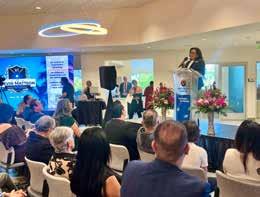
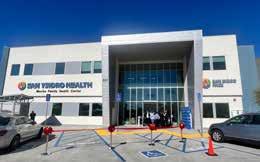
San Ysidro Health and Dr. Maria T. Carriedo-Ceniceros Unveil New PACE Facility in National City
CONGRATULATIONS
TO SAN YSIDRO
Health on the ribbon cutting of the brand-new National City PACE Facility! Located in the heart of National City, the 143,000-square-foot facility will expand access to comprehensive healthcare for the community, offering medical, dental, behavioral health, and senior care services. Incoming San Diego County Medical Society President Dr. Maria T. CarriedoCeniceros highlighted the compassionate, patient-centered care that providers deliver to PACE participants. Thank you for all you do for the community!
providers to resubmit enrollment information via fax, particularly information already on file with Medicare.
Several consistent warning signs have been identified in these fraudulent letters. They often list only “CMS” as the sender, without naming a specific individual, office, or department. Some instruct providers to call 1-800-MEDICARE, a number intended for beneficiary inquiries rather than provider communications. Others request information Medicare already has on file or rely on urgent or threatening language to pressure providers into responding quickly.
Providers who receive correspondence requesting sensitive information should proceed with caution. Requests should be verified directly with Noridian or CMS using official contact channels, and practices should not use phone or fax numbers listed in suspicious letters. Suspected fraud or phishing attempts should be reported to CMS.
For additional information on Medicare fraud prevention, visit cms.gov/fraud.
CMA: California’s Budget Must Address Massive Federal Cuts to Healthcare
IN RESPONSE TO GOVERNOR
Gavin Newsom’s 2026–27 budget proposal, California Medical Association
President René Bravo, MD, issued the following statement:
“Californians are facing significant uncertainty because of H.R. 1 and other Trump administration policies that will lead to substantial cuts to the state’s budget. While we recognize the volatility coming out of Washington, the reality is that these federal actions will have real financial consequences for California and its residents. A ‘wait and see’ approach, particularly when it comes to healthcare, leaves the state vulnerable at a moment when preparation is essential.
“Healthcare affordability remains a top concern for Californians and Americans alike. In California, voters have repeatedly and decisively directed the state to invest in safeguarding and strengthening our healthcare system, most recently through the
overwhelming passage of Proposition 35 in 2024. In fact, voters have funded 270 new physician positions this year alone through new graduate medical education funding via Prop 35 — an essential step toward meeting California’s growing healthcare needs and addressing longstanding workforce shortages.
“While we appreciate the uncertainty created by an unpredictable federal administration, Californians cannot afford to be caught unprepared. At a time when federal support is being rolled back, costs continue to rise, and healthcare is of paramount importance to voters, state leaders must lean in and take proactive steps to protect patients, access to care, and the stability of our healthcare system. We look forward to reviewing the May Revision after the administration has engaged with the legislature on the best path forward to ensure California is prepared to meet these challenges.”
JOURNAL OF EMERGENCY
LOCAL STUDY ON IMPROVING PATIENT CARE FOLLOWING PREGNANCY LOSS
Scripps Health and Institute of Reproductive Grief Care Collaborated on Assessment By Barry
Jantz
In the fast-paced and ever-changing environment of the emergency department, early pregnancy loss is an emotionally impactful event that all too often isn’t fully addressed.
Yet the incidence is high, with one in four U.S. pregnancies ending in miscarriage. Busy hospital emergency departments are reporting an average of five pregnancy losses each day. That amounts to nearly 900,000 visits annually for early pregnancy loss. Those numbers are just part of the approximately 2.4 million fetal and neonatal deaths that occur in the perinatal period — four times more than the annual number of deaths from cancer.
Additionally, this reflects just one kind of reproductive loss. The numbers don’t include infertility, which carries its own often repeated, emotional pain.
Against this backdrop, 60 percent of patients experiencing such loss experience mental health challenges such as depression, anxiety, or PTSD, while frequently reporting limited emotional support from hospital staff, inadequate provider understanding, and insufficient communication.
Hospitals know that patient satisfaction scores generated from the labor and delivery experience
are often good to excellent, driven by the joy of a newborn. Seldom, however, are assessments made of patient satisfaction following pregnancy loss. When a loss occurs, the care focus must shift from medical treatment to communication, empathy, and emotional support, a challenging reality for hospital staff rarely trained to provide this type of care.
The San Diego-based Institute of Reproductive Grief Care knows these realities. Its mission is to educate frontline medical teams to reduce emotional trauma following reproductive loss, thus setting patients on a healthy healing trajectory, bringing comfort and hope during a time of grief. The Institute conducts and promotes research to help those who are experiencing such loss.
In approaching Scripps Health to partner on an assessment, the goal was straightforward. “Let’s not just train the frontline staff, let’s study the outcomes,” said Dr. Michaelene Fredenburg, president and CEO of the institute.
In considering a study, Scripps asked its emergency nurses what they were experiencing, resulting in a compelling response. Yes, nurses reported, the need for specialized education to adequately assist patients suffering miscarriage was very real. Nurses said they often felt inadequate to provide the appropriate emotional support, in turn having an impact on them as well.
This correlated with what the Institute already knew from existing research. While reproductive loss can result in longterm trauma when emotional needs are unmet, healthcare professionals frequently report a lack of adequate preparation to deliver compassionate, trauma-informed care.
The resulting peer-reviewed study, a collaboration between Scripps Health and the Institute of Reproductive Grief Care, was recently published by the Journal of Emergency Nursing in its January 2026 edition.
Titled “Psychosocial Care of Pregnancy Loss in the Emergency Department,” the study revealed that staff at Scripps Health, trained by the institute, showed significant improvements in the caregivers’ perceived knowledge, attitude, and supportive care for patients experiencing reproductive loss.
The paper was authored by researchers Rebecca Mattson, PhD, RN, PHN, of San Diego State University, and Shandeigh “Nikki” Berry, PhD, RN, CNE, of Saint Martin’s University, in collaboration with the institute. Evidence-based training was implemented in two Scripps Emergency Departments, Mercy Hospital’s Hillcrest and Chula Vista campuses. Preand post-intervention survey data was collected to assess changes in perceived knowledge, attitudes, and emotional support capacities.
The study examined the impact of an innovative, educational intervention designed to equip healthcare professionals with the skills needed to provide high-quality, trauma-informed reproductive grief care. As a result of the training provided during the November 2022 to June 2023 intervention period, marked improvements were observed in several areas, including emotional support, patient-centered care, discharge planning, bereavement care, community resources, staff support, and communication skills, thus increasing nursing and other staff’s ability to address complex emotional needs.
“In the midst of clinical urgency, even brief moments of compassionate presence can transform miscarriage care from an experience of isolation to one of dignity and support,” said researcher Mattson. Researcher Berry added, “Nurses, often at the front lines of life’s most profound losses, rarely receive education in reproductive grief care. Our findings reveal that when given the training they so desperately seek, nurses can offer transformative care in life’s most vulnerable moments that is not only clinically sound, but deeply human.”
Scripps’ reaction to the results was equally positive. “We are so pleased to have taken part in such an important study,”
said Tom Gammiere, regional chief executive of Scripps. “Improving patient-centered care aligns perfectly with the mission and values of Scripps Health. It gives us the power to move ahead with the knowledge that patient outcomes following pregnancy loss can be greatly improved, while doing all we can to lift up both our caregivers and those entrusting us with compassionate care.”
In 2024, in presenting its more than two dozen “Celebrating Women” awards, San Diego Magazine recognized the institute’s Dr. Fredenburg, the nonprofit’s founder, as “Pioneer of the Year” for her groundbreaking work to support those suffering from the very personal and far-too-often unacknowledged grief that follows reproductive loss. Dr. Fredenburg noted it’s the innovative work of the entire team that deserves recognition, as evidenced by the collaboration with Scripps Health.
“Our mission is to equip frontline medical teams to reduce emotional trauma and set patients on a healthy healing trajectory, bringing comfort and hope during a time of great loss,” Dr. Fredenburg said. “That the Journal of Emergency Nursing would publish this study is a significant milestone not only for us, but in providing other emergency departments across the country the knowledge and incentive to adequately prepare their own caregivers for this crucial work. It is our continued goal to lead the way in providing new hope for grieving patients and their families.”
The full study is available through the Journal of Emergency Nursing: https://www.sciencedirect.com/science/article/pii/ S009917672500337X
For more information about implementing reproductive grief care training in your hospital, visit https://www.reproductivegrief.org.
Additional technical details of the study
Impact: Miscarriage results in significant emotional, spiritual, and cultural impacts. It increases the risk of complicated grief, including depression, anxiety, post-traumatic stress disorder, substance misuse, eating disorders, and endocrine, cardiovascular, immune, and sleep disorders. Patients and partners may experience adverse psychosocial outcomes.
Problem Description: The paper describes the problem as emergency department staff being “trained for physiological but not emotional emergencies,” while noting that “miscarriage, an emotionally traumatic event, is recognized as an emotional emergency requiring immediate support. Without support, the risk of complicated grief and posttraumatic stress increases. National guidelines recommend team-based, compassionate miscarriage care. Despite this, emergency department staff report discomfort and inadequate preparation.”
Methods: A pre- and post-intervention design was used to assess emergency department staff knowledge, attitudes, and supportive care skills related to reproductive grief. Demographic data were collected. Paired t-tests evaluated changes across seven educational domains.
Interventions: Reproductive grief care education was delivered as multidisciplinary, evidence-based training on psychological care for emergency department patients experiencing miscarriage, including lectures, case studies, and role play. Role-play exercises emphasized compassionate communication in response to emotional emergencies, including topics such as memorialization, companioning, and bereavement care. All such courses are available through the Institute.
Barry Jantz, CEO of the Grossmont Healthcare District from 2004 to 2021, is now a community affairs consultant and serves as chairman of the County of San Diego Health Services Advisory Board. Reach him at barryjantz@gmail.com.
Results: The analytic sample consisted of mostly nurses, while also including chaplains, patient care assistants, radiology technicians, social workers, and emergency department technicians. Postintervention analyses demonstrated increased mean scores across all assessed domains.
Discussion: The findings suggest that staff education may improve miscarriage care. As in any such assessment, additional research is necessary to confirm these results, establish validity, and assess generalizability across settings.
WE WANT YOU!
Make a Difference and Join an SDCMS Committee Today!
By Paul Hegyi, MBA
THE LAST FIVE YEARS HAVE REPEATEDLY demonstrated the importance of organized medicine as a necessity to fight for California’s patients and physicians. From securing PPP during the COVID-19 epidemic, to Proposition 35 to help overcome chronic state underfunding of healthcare, to the recent moves by the CDC and the Department of Health and Human Services against common-sense vaccinations to keep California’s children healthy, the San Diego County Medical Society, in conjunction with the California Medical Society, has been relentless in standing up for patients and physicians.
There has never been a more important time for physicians to aggressively push back against the dangerous forces arrayed against science and healthcare best practices. Please consider getting involved in the San Diego County Medical Society (SDCMS) by serving on one of our many committees. You are needed! We want your expertise, experience, and talents to help us in the battle to improve healthcare in California.
Please review the list of SDCMS Committees below and email us at sdcms@sdcms.org to let us know where you are interested in serving.
San Diego County Medical Society Committees
Open to SDCMS members at the appointment of the medical society president, SDCMS committees typically meet three to four times per year.
BENEFITS
Solicit and scrutinize partnerships with businesses and organizations that wish to offer benefits to SDCMS members.
COMMUNICATIONS
Advise society on topics of interest for San Diego Physician magazine, News You Can Use, website, and social media strategy. Committee members are expected to generate contact through direct writing or personal solicitation.
DELEGATION
Responsible for assisting the Delegation Chair in preparing for the YearRound Resolution process and Annual HOD.
FINANCE
Oversee society investment practices and returns. Consider strategic financial recommendations for society.
MEMBERSHIP
Strategize efforts to recruit and retain members, particularly in small and medium practices.
SDCMS Commissions
Whereas an SDCMS committee consists of SDCMS member physicians only, an SDCMS commission can consist of SDCMS member physicians, nonmember physicians, and nonphysicians.
Group to Eradicate Resistant Microorganisms (GERM) Commission
SDCMS’s GERM Commission advises the SDCMS board of directors on antibiotic-resistant microorganisms and provides expert input on infectious disease and bioterrorism.
Emergency Medicine Oversight Commission (EMOC)
SDCMS’s EMOC is the San Diego County Emergency Medical Oversight Commission. The commission is represented by physicians and nurses from all of San Diego’s emergency departments as well as representatives from the EMS community and the Hospital Association of San Diego and Imperial Counties. The commission meets monthly to collaborate and share ideas and projects that improve emergency medical care for the people of San Diego. EMOC has worked collaboratively with EMS, law enforcement, community clinics, the psychiatric community, and other groups that link with emergency patients.
Bioethics Commission
SDCMS’s Bioethics Commission promotes best and innovative practices in bioethics, including clinical, organizational, systems issues, and bioethics committee functions.
Paul Hegyi is the chief executive officer of the San Diego County Medical Society.
How Often Do Physicians Encounter ‘Difficult’ Patients?
Meta-Analysis Points to Characteristics Associated With Perceived Difficulty
By Jennifer Henderson
NEARLY ONE-FIFTH OF ADULT PATIENT ENCOUNTERS in non-psychiatric settings were considered difficult by physicians, a meta-analysis found.
The prevalence of difficult encounters was 17% across 10 studies measuring this parameter, Jeffrey Jackson, MD, MPH, of the Medical College of Wisconsin and Clement J. Zablocki Veterans’ Administration Medical Center in Milwaukee, and colleagues reported.
Patient characteristics associated with increased difficulty included personality disorders (relative risk [RR] 2.2, 95% CI 1.5-3.1), depression (RR 1.9 in clinic settings, 95% CI 1.7-2.2), anxiety (RR 2.1 in clinic, 95% CI 1.7-2.6), and chronic pain (RR 1.9, 95% CI 1.5-2.4), the researchers noted in the Annals of Internal Medicine.
“Clinicians have always experienced some of their patients as difficult,” Dr. Jackson told MedPage Today in an email. “Frankly, they’ve been ashamed of that and felt it was ‘just them.’”
In the current study, Dr. Jackson and colleagues found that “physicians rate 1 in 6 of the patients they treat as difficult but not because they have more medical problems,” they noted. “Rather, patients considered difficult were more likely to have chronic pain, personality disorders, and mental health disorders — chronic problems for which nonpsychiatric physicians often have limited training and few efficacious treatments.”
Key Takeaways
Physicians viewed 17% of patient encounters as difficult, according to a meta-analysis
Patient characteristics associated with perceived difficulty included personality disorders, depression, anxiety, and chronic pain
The researchers suggested a need for more training in handling difficult encounters
“It’s OK to experience patients as difficult; accept it as part of practice,” Dr. Jackson said. “Training in managing difficult patients works [to] reduce difficulty for clinicians.”
In an editorial accompanying the study, Cédric Lemogne, MD, PhD, of Université Paris Cité and Hôpital Hôtel-Dieu in Paris, and Pascal Cathébras, MD, MSc, of Saint-Étienne University Hospital in France, said the study raises the “existential question” of “[w]hat would clinicians’ experiences be if we only cared for ‘easy’ patients presenting with clear diagnoses, expressing little anxiety, and never challenging our advice?”
“It would no doubt be more comfortable and probably more amenable to automation by artificial in-
telligence,” they wrote. “Yet, it would also be stripped of what makes the clinical encounter meaningful and interesting: the negotiation of uncertainty, the work of mutual understanding, and the shared effort to manage symptoms that cannot be eliminated.”
“Difficult patients challenge our care models, our skills, and our capacity for empathy,” they continued. “Jackson and colleagues have provided an important map of where and with whom difficulty tends to arise. The next step is to use that map not to avoid these patients but to better prepare ourselves to care for them.”
Indeed, Dr. Jackson’s group wrote, “We suspect the ability to successfully treat these patients might change physicians’ perception of them from ‘difficult’ to ‘rewarding.’”
The study turned up no evidence of differences in the prevalence of difficult patient encounters between clinic, inpatient, and emergency department settings (P=0.83).
However, providers perceiving patient encounters as difficult had a weighted average of 3.5 years less clinical experience, as assessed across seven studies.
Meanwhile, patients perceived as difficult were more likely to have unmet visit expectations (RR 1.9, 95% CI 1.4-2.5, in three studies) and lower satisfaction with their provider (RR 0.76, 95% CI 0.65-0.88, in four studies).
For their study, the research team drew from MEDLINE, Web of Science, SciELO, ProQuest, Theses, Scopus, PsychInfo, Cochrane Central Register of Controlled Trials, Global Index Medicus, and EMBASE to identify 45 studies on difficult patient encounters.
Most studies were from the U.S. (24), with four each from China and Japan, three from Germany, and the rest scattered across the world.
Twenty-eight studies (63%) sampled an appropriate patient population, and more than half (53%) included a valid and reliable gold standard, Dr. Jackson and colleagues noted. Fewer than half used random or consecutive sampling (47%), did sample size calculations (35%), adequately described the site or patients (35%), adequately described the analytic approach (14%), or had an adequate response rate (47%).
Limitations included low strength of evidence for most of the associations assessed by the metaanalysis, heterogeneity in the prevalence of difficulty across studies, and that some studies focused on established patient-provider relationships while others focused on new patient visits.
Jennifer Henderson is an enterprise and investigative writer for MedPage Today, where this article first appeared.
Understanding California’s New Health Laws
A 2026 Guide for Physicians
By California Medical Association Staff
Many new California healthcare laws took effect Jan. 1, 2026, including CMA-sponsored measures to curb misleading use of AI, protect independent physician judgment from corporate interference, and reduce unnecessary prior authorization.
A WIDE RANGE OF NEW California healthcare laws took effect Jan. 1, 2026, reshaping how physicians practice medicine and how patients access care. Many were sponsored or supported by the California Medical Association (CMA) and reflect CMA’s priorities: reducing administrative burdens, protecting the physician-patient relationship, and preserving equitable access to essential treatment.
Three CMA-sponsored measures are among the most significant changes this year.
• AB 489 (Bonta) protects patients from misleading artificial intelligence by requiring clear disclosure when an AI tool is being used, and prohibiting systems from misrepresenting themselves as licensed medical professionals.
• SB 351 (Cabaldon) responds to concerns about private equity and corporate influence by reinforcing protections for independent physician clinical judgment and strengthening enforcement against the corporate practice of medicine, including empowering the attorney general to take action when entities improperly interfere with care.
• SB 306 (Becker) tackles one of the most persistent sources of delay
and frustration in healthcare by giving regulators new authority to eliminate certain prior authorization requirements statewide on a code-by-code basis.
Several other laws taking effect this year will also have direct impact on patients and physician practices.
• AB 144 safeguards vaccine access by allowing state public health officials to maintain broad immunization coverage requirements even if federal guidance narrows, helping ensure patients continue receiving recommended vaccines without cost-sharing barriers. For patients with diabetes,
• SB 40 (Wiener) eliminates deductibles for prescription insulin under state-regulated plans and caps out-of-pocket costs at $35 for a 30-day supply, while the state’s CalRx initiative is now making generic insulin pens available at pharmacies for a recommended price of $11 per pen.
• SB 729 (Menjivar) expands access to infertility care by requiring large group health plans issued on or after Jan. 1, 2026, to cover infertility diagnosis and treatment, including in vitro fertilization.
Helping Physicians Navigate
What’s New
To support physicians as these changes roll out, CMA has published its annual roundup, “Significant New California Laws of Interest to Physicians for 2026,” a comprehensive guide to the most important new laws affecting medical practice. The report is available free to members only.
COVID Shots
Tied to a
Lower Risk of Death From Any Cause
Advantage Held Even After Removing Coronavirus-Related Deaths From the Mix
By Terrence Rudd
YOUNG AND MIDDLE-AGE ADULTS WHO HAD AT least one dose of a COVID-19 mRNA vaccine were less likely to die of any cause in the following four years compared with those who weren’t vaccinated, a nationwide French cohort study found.
Among over 28 million adults under 60 years of age, the incidence of all-cause mortality among those who received a first dose of mRNA vaccine from May 1 to Oct. 31, 2021, was 0.4% after a median follow-up of 45 months, compared with 0.6% in those who were unvaccinated by Nov. 1, 2021.
After standardizing characteristics between the two groups, all-cause mortality incidence was 25% lower in those who had received an mRNA shot (weighted hazard ratio [wHR] 0.75, 95% CI 0.75-0.76), according to Mahmoud Zureik, MD, PhD, of the French National Agency for the Safety of Medicines and Health Products in Saint-Denis, and colleagues.
Vaccinated people were 74% less likely to die in a hospital because of COVID-19 compared with those who weren’t vaccinated (wHR 0.26, 95% CI 0.21-0.32). Even when those COVID-related hospital deaths were excluded from the analysis, people who’d been vaccinated were still 24% less likely to die of any cause during the follow-up period (wHR 0.76, 95% CI 0.75-0.77), the researchers reported in JAMA Network Open.
Key Takeaways
In a French cohort, the incidence of all-cause mortality among those who received a first dose of an mRNA COVID vaccine was 0.4% after a median followup of 45 months, compared with 0.6% of those who were unvaccinated.
After standardizing characteristics between the two groups, all-cause mortality incidence was 25% lower in those who had received a COVID shot.
Vaccinated people were 74% less likely to die in a hospital because of COVID-19 compared with those who weren’t vaccinated.
“Although vaccinated individuals in our study were generally older and tended to have more comorbidities — factors that would typically bias the association toward higher mortality in the vaccinated group — this was not observed in the crude hazard ratio,” Dr. Zureik and colleagues wrote. People who were vaccinated were more socioeconomically advantaged and probably had better healthcare management, they added, factors that “may partly explain the observed negative association between vaccination and mortality, counterbalancing the effects of age and comorbidities.”
The findings come as the Trump administration turns sharply against mRNA vaccines due to supposed concerns about effectiveness and safety.
Federal health authorities in August ended research funding on 22 mRNA vaccine-related projects — a move critics called “reckless.”
In October, the CDC’s Advisory Committee on Immunization Practices stopped recommending COVID-19 vaccination for anyone — even for high-risk groups such as seniors — instead saying the choice should be a personal one. And just last week, the FDA’s top vaccine regulator, Vinay Prasad, MD, MPH, told staff in a memo that an FDA review determined that at least 10 children had died due to a COVID shot.
The study from Zureik and co-authors analyzed national health data covering all 68 million residents
of France. The study cohort included all people ages 18 to 59 years in France as of Nov. 1, 2021, resulting in 22,767,546 people vaccinated with a first dose of mRNA vaccine between May 1 and Oct. 31, 2021, and 5,932,443 individuals still unvaccinated by Nov. 1. Follow-up began 6 months after one dose of COVID-19 mRNA vaccine or a randomly assigned index date for unvaccinated people within those time periods. Among those unvaccinated, 10.8% were vaccinated during follow-up.
The positive association between vaccination and lower all-cause mortality waned over time. The wHR favoring vaccination was 0.61 (95% CI 0.58-0.64) in the first 6 to 9 months of follow-up but slid to 0.79 (95% CI 0.75-0.82) at 39 to 42 months of follow-up.
Declining COVID-related mortality among the unvaccinated by the end of the follow-up period may have helped drive that decline, Zureik and colleagues noted, given increasing vaccine-induced protection and changes in circulating SARS-CoV-2 viruses. In the first 6 to 9 months of follow-up, 10.5% of deaths among the unvaccinated were related to COVID-19, compared with 1.9% in those who were vaccinated. By 24 to 27 months of follow-up, those percentages dropped to 0.5% and 0.3%, respectively.
The researchers were able to determine causes of death only for 59% of people in the study. However, the main causes of death among vaccinated and unvaccinated people were cancer (769 and 853 cases per million, respectively), external causes of mortality such as unintentional injuries or self-inflicted injuries (493 and 597), and circulatory system diseases (282 and 367).
To control for some risk behaviors linked to vaccination status, the researchers removed deaths involving hospitalization for traumatic injury or involuntary injury from the all-cause mortality calculations. Those deletions dropped the wHR favoring vaccination to 0.80 (95% CI 0.79-0.81) and 0.83 (95% CI 0.81-0.84), respectively.
Vaccinated people were older compared with those who were unvaccinated (mean age 38 vs 37.1 years) and more frequently women (51.3% vs 48.5%). Those vaccinated also were less likely to live in an area that was in the most disadvantaged quintile (19.1% vs 27%) and to be covered by complementary state health insurance (9.2% vs 20.9%). Vaccinated adults had more cardiac comorbidities than unvaccinated adults (9.3% vs 7.8%), more chronic respiratory diseases (3.3% vs 3.1%), and more cancer of any type (1.5% vs 1.4%).
Study limitations included the impact socioeconomic status has on vaccination and mortality, which the study’s source data couldn’t account for completely and may lead to unmeasured confounding. People who chose vaccination also may have other factors that differentiate them from those who remain unvaccinated, potentially creating more confounding bias in the results.
Terrence Rudd is a staff writer at MedPage Today, where this article first appeared, and has been a medical writer and editor for more than 30 years.
At-Home HPV Sampling Endorsed in ACS Cervical Cancer Screening Guidelines
Start Screening Tests at 25, Stop at 65 in Absence of High-Risk Circumstances
By Charles Bankhead
WOMEN AT AVERAGE RISK FOR CERVICAL CANCER
can collect screening samples at home for human papillomavirus (HPV) analysis, according to updated guidelines from the American Cancer Society (ACS).
That recommendation was one of two key updates to ACS guidance on cervical cancer screening. The other was on when to stop screening: Average-risk patients can discontinue screening if they have negative primary HPV tests (clinician- or self-collected) or negative co-testing using HPV and cytology at ages 60 and 65. If primary HPV testing or co-testing is unavailable, patients can stop screening at 65 if they have three consecutive negative cytology tests.
The guidelines were published in CA: A Cancer Journal for Clinicians. “These updated recommendations will help to improve compliance with screening and reduce the risk of cervical cancer,” senior author Robert Smith, PhD, ACS senior vice president for early cancer detection science, said in a statement. “They are made possible as we continue to evolve
our approach to screening for cervical cancer, primarily through research advancements and the development of self-collection tools to broaden access to screening.”
According to the statement, screening has decreased cervical cancer incidence by more than 50% since the mid-1970s. Even so, more than 13,000 cases are detected each year and an estimated 4,320 will die of the disease. The disease burden is disproportionately distributed in minority and socioeconomically disadvantaged populations.
With the update, the ACS recommends that averagerisk women begin cervical cancer screening at age 25 and have primary HPV testing — every 5 years if clinician-collected samples or every 3 years if self-collected — through age 65.
The update incorporates the recent FDA approval of HPV self-collection tests as a safe and effective screening option. The ACS does not recommend screening before age 25, after age 65 (with adequate prior screening and no high-
Key Takeaways
Patients at average risk of cervical cancer can selfcollect samples at home for HPV analysis, per the American Cancer Society (ACS).
Updated ACS guidelines allow discontinuing screening after negative primary HPV testing or co-testing at age 60 and 65.
If primary HPV testing is unavailable, screening may stop at age 65 following three negative cytology tests. risk characteristics), or for patients who have had a hysterectomy, unless they have a history of high-grade precancerous lesions.
The U.S. Preventive Services Task Force (USPSTF) recommendations for cervical cancer screening are in the process of being revised, but draft guidance released late last year are largely in line with its 2018 recommendations. The task force recommends screening with cervical cytology alone every three years for patients ages 21–29. For
patients 30–65, USPSTF recommends screening every three years with cytology alone or every five years with high-risk HPV testing alone or in combination with cervical cytology. The task force recommends against screening for patients younger than 21, patients who have had a hysterectomy and no history of high-grade cervical intraepithelial neoplasia grade 2–3 or cervical cancer, and patients older than 65 with adequate prior screening and no high-risk characteristics.
If finalized, the new USPSTF guidance would add selfcollection as an option for the HPV testing every five years for women ages 30 to 65, with an A grade recommendation.
Deana M. Baptiste, PhD, MPH, of the ACS and a contributing author on its guideline, emphasized points of unity between the USPSTF and ACS guidelines.
They both point to “HPV-based strategies as the foundation of effective screening,” she told MedPage Today
“Both organizations recognize the strong evidence supporting high-risk HPV testing and the role of self-collection in expanding access for individuals who face barriers to in-clinic screening,” said Baptiste. “Importantly, both sets of recommendations share a commitment to improving screening uptake, reducing disparities, and ensuring that individuals receive evidence-based options that promote prevention and
early detection of cervical cancer.”
The American College of Obstetricians and Gynecologists (ACOG), American Society for Colposcopy and Cervical Pathology, and Society of Gynecologic Oncology have endorsed the USPSTF recommendations. ACOG issued the following statement in response to the ACS guidelines update:
“ACOG is aware of the American Cancer Society’s new guidelines on cervical cancer screening. ACOG’s clinical experts continue to review all emerging data on HPV screening, and we also look forward to publication of the forthcoming Women’s Preventive Services Initiative and U.S. Preventive Services Task Force (USPSTF) guidelines. ACOG recognizes the potential benefits of self-collection for HPV screening, including the possibility to improve access to screening, and will address this recommendation in future guidance pending review of the data surrounding self-collection for HPV screening.”
Charles Bankhead is a senior editor for MedPage Today, where this article first appeared, with primary responsibility for oncology, as well as ophthalmology and dermatology.
California Ends Medicaid Coverage of Weight-Loss Drugs Despite TrumpRx Plan
By Don Thompson
MANY LOW-INCOME CALIFORNIANS PRESCRIBED wildly popular weight-loss drugs lost their coverage for the medications at the start of the new year.
Health officials are recommending diet and exercise as alternatives to heavily advertised weight-loss drugs like Wegovy and Zepbound, advice experts say is unrealistic.
“Of course he tried eating well and everything, but now with the medications, it’s better — a 100% change,” said Wilmer Cardenas of Santa Clara, who said his husband lost about 100 pounds over about two years using GLP-1s covered by Medi-Cal, California’s version of Medicaid.
California joined several other states in restricting an option they say is no longer affordable as they confront soaring
obesity on Jan. 1, they continue to cover the drugs for other health issues, such as Type 2 diabetes, cardiovascular disease, and chronic kidney disease.
Michigan, Rhode Island, and Wisconsin are planning or considering restrictions, according to KFF’s most recent survey.
That reverses a trend that saw 16 states covering the medications for obesity as of Oct. 1. Interest in providing the coverage “appears to be waning,” the survey found, likely due to the drugs’ cost and other state budget pressures.
pharmaceutical costs and steep Medicaid cuts under the Trump administration, among other financial pressures. Despite negotiated price reductions announced in November that the White House said would make the drugs available at a “dramatically lower cost to taxpayers” and enable Medicaid to cover them, states are going ahead with the cuts, which providers say may undermine patients’ health.
“It will be quite negative for our patients” because data shows people typically regain weight after stopping the drugs, said Diana Thiara, medical director of the University of California-San Francisco Weight Management Program.
While California, New Hampshire, Pennsylvania, and South Carolina stopped covering adult GLP-1 prescriptions for
North Carolina pulled back GLP-1 coverage in October, but Gov. Josh Stein reinstated it in December, bowing to court orders despite a lingering budget shortfall.
Catherine Ferguson, vice president of federal advocacy for the American Diabetes Association and its affiliated Obesity Association, said it’s not clear how states will adjust to the White House plan to lower the cost of several of the most popular GLP-1s through TrumpRx, an online portal for discounted prescription drugs.
The price of Wegovy, for example, will be $350 per month for consumers, versus the current list price of nearly $1,350, and Medicare and Medicaid programs will pay $245, according to the plan.
“Many states are facing budgetary challenges, such as deficits, and are working to address the impacts of the changes to Medicaid
and SNAP,” Ferguson wrote, referring to the Supplemental Nutrition Assistance Program. “As more details become available for the Administration’s agreements, we will see how state Medicaid responds.”
The Department of Health and Human Services referred questions to the White House, which did not respond to requests for comment on states’ termination of Medicaid coverage for the weight-loss drugs.
California projected its costs to cover GLP-1s for weight loss would have more than quadrupled over four years to nearly $800 million annually if it didn’t end Medi-Cal coverage for that use. Medi-Cal has covered weight loss drugs since 2006, but use of GLP-1s soared only in recent years. By 2024, more than 645,000 prescriptions were covered by Medi-Cal across all uses of the medications. The California Department of Health Care Services could not readily provide a breakdown of whether the drugs were for weight loss or other conditions.
When asked whether the state would reconsider its plans in light of the announced price cuts, Department of Finance spokesperson H.D. Palmer said it had no plans to do so. California’s cut is written into the state’s budget law.
California officials would not say how much it could save under the TrumpRx plan, citing federal and state restrictions on disclosing rebate information.
Health providers don’t expect the Trump administration’s negotiated price cuts to make much difference to consumers, because pharmaceutical companies already offer some discounts.
“The out-of-pocket costs will still be very cost-prohibitive for most, especially individuals with Medicaid insurance,” Thiara said.
New Hampshire is among the other states that ended their coverage Jan. 1. Officials with the New Hampshire Department of Health and Human Services did not respond to requests for comment.
About 1 in 8 adults are now taking a GLP-1 drug for obesity, disease, or both, up 6 percentage points from May 2024, according to KFF poll results released in November. Over half of users said their GLP-1s were difficult to afford, and many who had stopped the treatment cited the cost.
Public and private payers have been trying to wean patients off to save costs. California health officials said MediCal members and their healthcare providers should consider “other treatment options that can support weight loss, such as diet changes, increased activity or exercise, and counseling.” That echoes advice from the New Hampshire Medicaid program.
California Department of Health Care Services spokesperson Tessa Outhyse said in an email that the official advice to try those other approaches now “is not meant to dismiss any past efforts, but to encourage Medi-Cal members to take a renewed, proactive, and medically supported approach with
their healthcare provider that may appropriately include these additional options.”
But that may be unrealistic, said Kurt Hong, founding director of the Center for Clinical Nutrition at Keck School of Medicine of the University of Southern California.
“We definitely want patients to do their part with the diet and exercise, but unfortunately, and from a practical standpoint, that itself frequently is not enough,” Hong said, adding that usually by the time patients see doctors they have already failed at achieving results through those means.
Hong understands why Medicaid programs, as well as private providers, want to cut back on covering the drugs, which can cost thousands of dollars per patient per year. However, they can produce twice the weight loss as the medications typically used previously, he said.
A school of medical thought supports patients’ gradually ending their use, but Hong said obesity is generally considered a chronic condition that requires indefinite treatment.
“Once they reach their target weight, a lot of people will try to see whether or not they can wean off,” Hong said. “We do see a lot of patients — when they try to get off, unfortunately, then the weight comes back.”
Medi-Cal members under age 21 remain covered for purposes including weight loss, California officials said, citing a federal requirement.
Medi-Cal members are able to keep their GLP-1 coverage if they can demonstrate it is medically necessary for purposes other than weight loss, the department said. Members who are denied coverage can seek a hearing, the department said in a letter to members.
Members will still be able to pay for the prescriptions outof-pocket and may be able to use various discounts to lower costs. Another option is new pills to treat obesity, which will be cheaper than their injectable counterparts. The FDA approved a pill version of Wegovy on Dec. 22, which will likely run $149 per month for the lowest dosage, and similar weight-loss pills are expected to be available in the first half of the year.
While Cardenas said his husband, Jeffer Jimenez, 37, uses GLP-1s primarily for weight loss, Jimenez’s prescription is for his diabetes, so the couple hoped to continue receiving coverage through Medi-Cal.
“He tried a thousand medications, pills, natural teas, and exercise programs, but it doesn’t work like the injections,” Cardenas said. “You need both.”
Don Thompson is a journalist for KFF Health News, where this article first appeared. It is a national newsroom that produces in-depth journalism about health issues and is one of the core operating programs at KFF — an independent source of health policy research, polling, and journalism.
Keeping in step with the changing realities of the practice of medicine and the business of health care, the California Medical Association (CMA) understands the unique challenges facing physicians. Change is inevitable – and CMA remains ready to meet the demands of the future and provide physicians and physician groups with the necessary support to surpass these challenges and succeed in the rapidly changing health care landscape.
Keeping in step with the changing realities of the practice of medicine and the business of health care, the California Medical Association (CMA) understands the unique challenges facing physicians. Change is inevitable – and CMA remains ready to meet the demands of the future and provide physicians and physician groups with the necessary support to surpass these challenges and succeed in the rapidly changing health care landscape.
CONTACT
A snapshot of our member advocacy and service programs is provided below.
Keeping in step with the changing realities of the practice of medicine and the business of health care, the California Medical Association (CMA) understands the unique challenges facing physicians. Change is inevitable – and CMA remains ready to meet the demands of the future and provide physicians and physician groups with the necessary support to surpass these challenges and succeed in the rapidly changing health care landscape.
Keeping in step with the changing realities of the practice of medicine and the business of health care, the California Medical Association (CMA) understands the unique challenges facing physicians. Change is inevitable – and CMA remains ready to meet the demands of the future and provide physicians and physician groups with the necessary support to surpass these challenges and succeed in the rapidly changing health care landscape.
A snapshot of our member advocacy and service programs is provided below.
A snapshot of our member advocacy and service programs is provided below.
A snapshot of our member advocacy and service programs is provided below.
Regards,
Regards,
Regards,
Regards,
When you join CMA, you hire a powerful professional staff to protect the viability of your practice. By protecting your practice from legal, legislative, and regulatory intrusions, your CMA membership lets you focus on what’s really important: your patients.
When you join CMA, you hire a powerful professional staff to protect the viability of your practice. By protecting your practice from legal, legislative, and regulatory intrusions, your CMA membership lets you focus on what’s really important: your patients.
(800) 786-4262 cmadocs.org
When you join CMA, you hire a powerful professional staff to protect the viability of your practice. By protecting your practice from legal, legislative, and regulatory intrusions, your CMA membership lets you focus on what’s really important: your patients. (800) 786-4262 cmadocs.org
When you join CMA, you hire a powerful professional staff to protect the viability of your practice. By protecting your practice from legal, legislative, and regulatory intrusions, your CMA membership lets you focus on what’s really important: your patients.
(800) 786-4262 cmadocs.org
(800) 786-4262 cmadocs.org
Dustin Corcoran Chief Executive Officer
Dustin Corcoran Chief Executive Officer
Chief Executive Officer
The Center for Strategic Engagement provides research and analysis on a broad range of health policy issues that impact physicians and patient care. The center performs a wide array of functions that are focused on CMA’s core mission of supporting physicians and ensuring that CMA’s advocacy positions are rooted in sound public policy and preserve the ability of physicians to care for their patients. Center functions include health policy research, regulatory advocacy, council and committee management, and physician education.
The Center for Strategic Engagement provides research and analysis on a broad range of health policy issues that impact physicians and patient care. The center performs a wide array of functions that are focused on CMA’s core mission of supporting physicians and ensuring that CMA’s advocacy positions are rooted in sound public policy and preserve the ability of physicians to care for their patients. Center functions include health policy research, regulatory advocacy, council and committee management, and physician education.
The Center for Strategic Engagement provides research and analysis on a broad range of health policy issues that impact physicians and patient care. The center performs a wide array of functions that are focused on CMA’s core mission of supporting physicians and ensuring that CMA’s advocacy positions are rooted in sound public policy and preserve the ability of physicians to care for their patients. Center functions include health policy research, regulatory advocacy, council and committee management, and physician education.
The Center for Strategic Engagement provides research and analysis on a broad range of health policy issues that impact physicians and patient care. The center performs a wide array of functions that are focused on CMA’s core mission of supporting physicians and ensuring that CMA’s advocacy positions are rooted in sound public policy and preserve the ability of physicians to care for their patients. Center functions include health policy research, regulatory advocacy, council and committee management, and physician education.
The Center for Government Relations is the voice of physicians at the state Capitol. Center staff work with legislators to educate them on how legislation could enhance or threaten patients’ health or a physician’s ability to practice medicine. Each year the center monitors over 500 bills and takes an active, public position on over 200 bills. The center’s activities include reading and tracking bills and amendments, shaping bill language, meeting with legislators, testifying in committee, conducting research, and preparing policy papers and position letters.
The Center for Government Relations is the voice of physicians at the state Capitol. Center staff work with legislators to educate them on how legislation could enhance or threaten patients’ health or a physician’s ability to practice medicine. Each year the center monitors over 500 bills and takes an active, public position on over 200 bills. The center’s activities include reading and tracking bills and amendments, shaping bill language, meeting with legislators, testifying in committee, conducting research, and preparing policy papers and position letters.
The Center for Government Relations is the voice of physicians at the state Capitol. Center staff work with legislators to educate them on how legislation could enhance or threaten patients’ health or a physician’s ability to practice medicine. Each year the center monitors over 500 bills and takes an active, public position on over 200 bills. The center’s activities include reading and tracking bills and amendments, shaping bill language, meeting with legislators, testifying in committee, conducting research, and preparing policy papers and position letters.
The Center for Government Relations is the voice of physicians at the state Capitol. Center staff work with legislators to educate them on how legislation could enhance or threaten patients’ health or a physician’s ability to practice medicine. Each year the center monitors over 500 bills and takes an active, public position on over 200 bills. The center’s activities include reading and tracking bills and amendments, shaping bill language, meeting with legislators, testifying in committee, conducting research, and preparing policy papers and position letters.
The Center for Legal Affairs provides legal advice and representation to the CMA Board of Trustees, officers, executive management and staff on legal and regulatory issues, including corporate governance, ethics, employment, health care, and nonprofit and political law. The center also defends the rights of physicians in the courts by filing lawsuits on behalf of California physician members and weighing in on cases before the courts as amicus curiae, or “friend of the court,” to influence health policy. The center maintains CMA’s comprehensive online health law library and provides information and resources to help CMA members comply with laws and regulations that impact the practice of medicine.
The Center for Legal Affairs provides legal advice and representation to the CMA Board of Trustees, officers, executive management and staff on legal and regulatory issues, including corporate governance, ethics, employment, health care, and nonprofit and political law. The center also defends the rights of physicians in the courts by filing lawsuits on behalf of California physician members and weighing in on cases before the courts as amicus curiae, or “friend of the court,” to influence health policy. The center maintains CMA’s comprehensive online health law library and provides information and resources to help CMA members comply with laws and regulations that impact the practice of medicine.
The Center for Strategic Communications crafts and delivers the organization’s mission to members, health care stakeholders, media and the general public. The center provides an internal and external resource through public affairs, media outreach, social media, video production and the development of marketing campaigns, newsletters, publications and webinars to effectively communicate the organization’s policy positions and strategic objectives.
The Center for Strategic Communications crafts and delivers the organization’s mission to members, health care stakeholders, media and the general public. The center provides an internal and external resource through public affairs, media outreach, social media, video production and the development of marketing campaigns, newsletters, publications and webinars to effectively communicate the organization’s policy positions and strategic objectives.
The Center for Membership and Marketing’s two pillars are undoubtedly member retention and recruitment, but at its core are the myriad member services tailored to reach each of our unique membership segments, which include large integrated medical groups, physician practices of all sizes, and academic and hospital-based physicians. This center is also responsible for CMA’s corporate development and strategic partnerships.
The Center for Membership and Marketing’s two pillars are undoubtedly member retention and recruitment, but at its core are the myriad member services tailored to reach each of our unique membership segments, which include large integrated medical groups, physician practices of all sizes, and academic and hospital-based physicians. This center is also responsible for CMA’s corporate development and strategic partnerships.
Component Medical Society Services works in partnership with our 29 local medical societies to provide administrative support, executive services and affinity programs to meet physician needs at the local level.
Component Medical Society Services works in partnership with our 29 local medical societies to provide administrative support, executive services and affinity programs to meet physician needs at the local level.
The Center for Governance coordinates the association’s physician decision-making bodies, including, but not limited to, the Executive Committee, House of Delegates, Board of Trustees, and councils and subcommittees. The Center for Governance helps facilitate the smooth function of those bodies to conduct business, and ensures compliance with relevant association policies and bylaws.
The Center for Governance coordinates the association’s physician decision-making bodies, including, but not limited to, the Executive Committee, House of Delegates, Board of Trustees, and councils and subcommittees. The Center for Governance helps facilitate the smooth function of those bodies to conduct business, and ensures compliance with relevant association policies and bylaws.
The Center for Federal Government Relations is on the front lines, directly advocating the perspective of California’s practicing physicians before Congress and federal regulatory agencies. CMA is one of the largest state medical associations in the country, and our federal representatives are in key congressional leadership positions. This puts CMA in a unique position to effectively shape federal legislation that impacts physicians and their patients.
The Center for Federal Government Relations is on the front lines, directly advocating the perspective of California’s practicing physicians before Congress and federal regulatory agencies. CMA is one of the largest state medical associations in the country, and our federal representatives are in key congressional leadership positions. This puts CMA in a unique position to effectively shape federal legislation that impacts physicians and their patients.
The Center for Economic Services is staffed by practice management experts with a combined experience of over 125 years in medical practice operations, providing one-on-one practice management assistance to physician members and their staff. Assistance ranges from coaching and education to direct intervention with payors or regulators. The center also empowers physicians by providing resources and guidance to improve the success of their practices. Over the past 16 years, CMA successfully recouped nearly $50 million from payors on behalf of physicians.
The Center for Economic Services is staffed by practice management experts with a combined experience of over 125 years in medical practice operations, providing one-on-one practice management assistance to physician members and their staff. Assistance ranges from coaching and education to direct intervention with payors or regulators. The center also empowers physicians by providing resources and guidance to improve the success of their practices. Over the past 16 years, CMA successfully recouped nearly $50 million from payors on behalf of physicians.
The Center for Political Operations is responsible for strategic utilization of CMA’s political resources to support candidates for office and initiatives that maintain a physician’s role in health care. This center also strives to connect individual physicians with legislators to support the activities of the Center for Government Relations through grassroots organization.
The Center for Political Operations is responsible for strategic utilization of CMA’s political resources to support candidates for office and initiatives that maintain a physician’s role in health care. This center also strives to connect individual physicians with legislators to support the activities of the Center for Government Relations through grassroots organization.
Healing Hearts
By Adama Dyoniziak
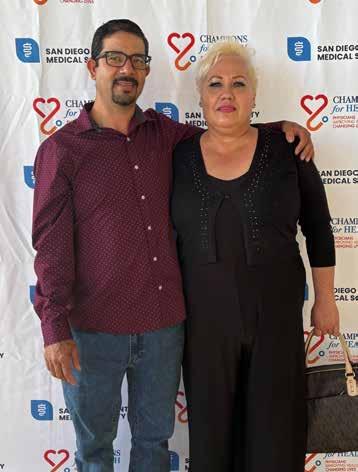
GABRIEL, A TYPICALLY HEALTHY PERSON, spent most of a year wondering what was happening to him. His symptoms started as being very tired and out of breath to a racing heart and very fast heart palpitations. He was unable to work due to fear. “My wife was worried when we didn’t know what was happening or what could happen to me.”
He frequented emergency rooms several times over a couple of months. His symptoms initially were diagnosed as an anxiety attack. During the third ER visit, his heart was arrhythmic and the medicine he received had no effect. “They put a patch on my chest and a patch on my back, and they shocked me,” he said. “This was a frightening experience, and I still didn’t know the cause of my symptoms.”
Gabriel’s initial cardiology referral resulted in several visits, $500 in tests, and no answers. Since he couldn’t afford to continue these visits, the team at Neighborhood Health Care referred Gabriel to Project Access San Diego (PASD). His diagnosis at that time was right bundle branch block with intermittent chest pain. PASD connected Gabriel to Dr. John Backman with San Diego Cardiovascular Associates.
Gabriel recalls feeling welcomed and respected at that first visit. More importantly for Gabriel, he received answers. “Dr. Backman put me on a treadmill, with patches on me, and had me walk,” he said. “Then he took images of my heart.” In that appointment, Dr, Backman provided a diagnosis of atrial septic defect and began discussing a treatment plan.
Gabriel had an atrial septal closure device placed in his heart. He recalls noticing a change in himself quickly after that. “I felt more secure and my family did too,” he said. Gabriel is very grateful. “My fear at that time was that something would happen to me, and I might die,” he explained. He thought about his family and what would happen to them. Now, he feels confident and more secure. “I try and
take advantage of all the time I have,” he said. His 4-year-old daughter was found to have the same heart problem and had a procedure to repair it. It was identified by her pediatrician and addressed quickly.
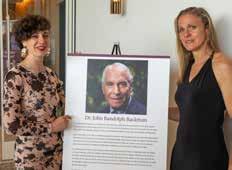
When asked about his experience with Dr. Backman, Gabriel states, “He was a very kind person, very personable, very attentive. …God is perfect and he sent me to Dr. Backman.” Since 2010, Dr. John Rudolph Backman has treated 40 patients with multiple appointments, pro bono. He was proud to help uninsured patients who would otherwise not receive treatment. He continued to see patients until his last day of life Jan 15, 2025. Champions for Health staff were
heartbroken to hear that he had passed away. We will always remember him, his compassion, and his impact. Dr. Backman posthumously received the 2025 President’s Award for his service, which his daughters, Ashley and Shelby, accepted on his behalf.
“The best and most beautiful things in the world cannot be seen or even touched — they must be felt with the heart.” — Hellen Keller.
Volunteer with Champions for Health to provide pro bono specialty care for Project Access patients by calling (858) 300-2780 or emailing adama.dyoniziak@championsfh.org.
Adama
Dyoniziak
is executive director of Champions for Health.
Connecting Pathways: Building Visibility for the Next Generation of Health Professionals
By Andrew Gonzalez
ACROSS SAN DIEGO COUNTY, THERE ARE DOZENS of programs designed to support students interested in becoming physicians or pursuing other health professions. These opportunities range from clinical exposure and research internships to mentorship programs, summer academies, and enrichment experiences. Yet for many students and families, navigating this landscape can feel fragmented and overwhelming.
To help address this, the San Diego County Medical Society (SDCMS) has soft-launched a new Health Pathways and Pre-Health Opportunities initiative. At its core, this effort is about visibility, connection, and access, highlighting existing programs and resources so students can more easily find opportunities aligned with their interests and training stage.
Rather than creating a single new program, SDCMS is taking a coordinating approach. The new Pathways webpage serves as a curated resource hub, featuring open opportunities available locally, statewide, and nationally that are relevant to students in San Diego. Programs vary widely in structure and eligibility, including experiences for high school students, community college learners, undergraduates, and early-career trainees.
This initial phase focuses on making information easier to find and share. Over time, SDCMS will continue listening to educators, pathway program leaders, and physicians to
better understand where coordination, mentorship, and clinical exposure are most needed. The longterm vision is to strengthen connections across the ecosystem while respecting the important work already being done by schools, health systems, and community organizations.
Physicians play a vital role in this effort. Many already support pathway programs as mentors, speakers, or preceptors.
By increasing awareness
of these opportunities, SDCMS hopes to make it easier for physicians to engage in ways that align with their interests and availability, while helping students gain early insight into careers in medicine and healthcare.
The Health Pathways & Pre-Health Opportunities page is a living resource and will continue to grow. You can find it at sdcms. org/pathways on the San Diego County Medical Society’s website. SDCMS welcomes suggestions for featured programs and looks forward to ongoing collaboration as this initiative evolves.
Andrew Gonzalez serves as project director for the SDCMS Health Pathways initiative and is the director of community health at Champions for Health. He works at the intersection of healthcare, education, and workforce development, focusing on building partnerships that expand access for future health professionals across San Diego County.
CLASSIFIEDS
PRACTICE ANNOUNCEMENTS
CRANIO/MAXILLOFACIAL AND HEAD & NECK
SURGERY: Accepting new adolescent and adult patients seeking evaluation and management of head and neck masses, multidisciplinary assessment of oral/facial cancers and reconstruction, nasal airway assessment and functional rhinoplasty, corrective jaw surgery including jaw advancement for obstructive sleep apnea, cleft and craniofacial reconstruction, maxillofacial fracture management and secondary facial and jaw reconstruction. We work with Medicare, Tricare, most PPO insurance plans, and some HMO plans. Referrals may be called in to (619) 452-7332, or emailed to jaw@scrippshealth.org. [2887-0808]
VIRTUAL SPEECH THERAPY AVAILABLE:
Accepting new pediatrics and adult patients. We accept FSA/HSA, Private pay, Medicare, Medi-Cal, and several commercial insurance plans pending credentialing. Visit virtualspeechtherapyllc.org or call (888) 855-1309.
PSYCHIATRIST AVAILABLE: Accepting new patients for medication management, crisis visits, ADHD, cognitive testing, and psychotherapy. Out of network physician servicing La Jolla and San Diego. Visit hylermed.com or call (619) 707-1554.
PHYSICIAN OPPORTUNITIES
PULMONOLOGY PHYSICIAN | PHMG NORTH COUNTY: Palomar Health Medical Group is seeking a board–certified Pulmonology/Critical Care Physician to join our multi–specialty, not–for–profit practice in North San Diego County. The ideal candidate will offer expert pulmonary care in a comprehensive outpatient and inpatient setting, supported by advanced facilities at Palomar Medical Center Escondido and Poway. Responsibilities include diagnosing and treating a wide range of pulmonary conditions, performing both inpatient and outpatient procedures, and collaborating with specialists across the Palomar Health network. Candidates must hold a valid California medical license, be board–certified in Pulmonology, and preferably have at least two years of clinical experience. Per diem roles are also available, offering competitive pay and flexible scheduling. Join us in reimagining healthcare with compassion and excellence. To apply, send your application and CV to clayton.trosclair@palomarhealth.org. [2893-1015]
UCSD DEPARTMENT OF FAMILY MEDICINE | FACULTY POSITIONS AVAILABLE: UCSD Department of Family Medicine seeks motivated faculty to join our team in clinical, teaching, and scholarly roles. Faculty participate in comprehensive patient care, resident and fellow education, and research or quality improvement initiatives. We welcome candidates with diverse experiences and a passion for family medicine, community engagement, and academic medicine. Opportunities are available at various academic ranks, with salary commensurate with experience, rank, and step. Join a collaborative, supportive environment committed to excellence in primary care and education. Apply here: https://apol-recruit.ucsd. edu/JPF04341. [2889-0822]
OB/GYN PHYSICIAN | PHMG ESCONDIDO: Palomar Health Medical Group is seeking a full–time, board–certified/eligible Obstetrics and Gynecology Physician to deliver comprehensive reproductive care, including labor and delivery management, gynecologic surgeries, and OB call rotations. The ideal candidate will possess strong surgical skills, California licensure, and a commitment to maternal health. We offer competitive compensation, performance–based incentives, and a collaborative team environment. Please email CV to clayton.trosclair@ palomarhealth.org or phil.yphantides@phmg.org. [2882-0626]
FAMILY MEDICINE/INTERNAL MEDICINE
PHYSICIAN | PHMG RANCHO PENASQUITOS: Palomar Health Medical Group is seeking a Family
Medicine or Internal Medicine Physician (MD/DO) to join our multi–specialty practice at our Rancho Penasquitos clinic location. Experienced physicians and new graduates are encouraged to apply. Clinic schedule is Mon–Fri, outpatient only, no weekends or holidays. We offer competitive salary of $300k/ year or more depending on experience. In addition, we offer productivity and other bonuses, PTO, CME reimbursement, health, dental, vision insurance, participation in 401K with partial employer match, short and long–term disability, and life insurance. Student loan repayment assistance is also available. Join Palomar Health Medical Group, where we’re reimagining healthcare with compassion, excellence, and integrity. Please email CV to clayton.trosclair@palomarhealth. org or phil.yphantides@phmg.org. [2881-0626]
FAMILY PRACTICE | INTERNAL MEDICINE
PHYSICIAN: La Jolla Village Family Medical Group is seeking a PT/FT primary care physician to join our well–established private practice. We’ve been caring for our La Jolla/UTC area neighbors for 35+ years providing comprehensive, longitudinal care to patients of all ages. Call responsibilities are minor; hours consistent with a healthy work/life balance. Our office is new, clean, modern, and well–appointed. Our clinical team is collegial, passionate, and close–knit, with a supportive, cohesive support staff. A true private practice where physicians practice artfully and build enduring relationships with patients and colleagues. Seeking a Board–certified, California–licensed MD/ DO physician, passionate about medicine and looking to establish roots in a practice dedicated to the art of good medicine. Competitive salary and excellent benefits including medical, dental, vision, and retirement. Send a cover letter and CV to jcataluna@ lajollafamilymedical.com. [2880-0520]
CLINICAL DIRECTOR | BEHAVIORAL HEALTH
SCIENCES | COUNTY OF SAN DIEGO: The County of San Diego is seeking a dynamic physician with a passion for building healthy communities. This is an exceptional opportunity for a California licensed, Board–certified Physician to help transform the local behavioral health continuum of care and lead important work within the Health and Human Services Agency’s Behavioral Health Services department. CLICK HERE to view a detailed brochure outlining the duties and responsibilities of the position. Anticipated Hiring Range: $310,000 to $320,000 annually. In addition to the base salary, the incumbent may receive a 10 % premium for Board Certification or a 15 % premium for Board Certification and Sub–specialty. CLICK HERE to file your application. [2877-0225]
VENOUS DISEASE SPECIALIST | NORTH COUNTY: La Jolla Vein & Vascular, the premier vein care provider in San Diego, is seeking a highly skilled and experienced Venous Disease Specialist to join our team at our newest location in Vista, CA, nestled in the stunning coastal region of North County San Diego. This full–time position offers competitive salary and benefits, including profit-sharing and a 401(k). Our state–of–the–art facility operates Monday through Friday, with no weekend or night shifts, promoting an excellent work–life balance. Ideal candidates may also consider a locum or locum–to–hire arrangement. Join us in making a difference in our patients’ lives while enjoying your dream location! Email cv to jobs@ljvascular.com. [2875-1030]
PART–TIME PRIMARY CARE PHYSICIAN: Primary Care Clinic in San Diego searching for part–time physician for 1 to 2 days a week, no afterhours calls. Please send CV to medclinic1@yahoo.com. [28720909]
OB/GYN POSITION AVAILABE | EL CENTRO: A successful Private OBGYN practice in El Centro, CA seeking a board eligible/ certified OB/GYN. Competitive salary and benefits package is available with a tract of partnership. J-1 Visa applicants are welcome. Send CV to feminacareo@gmail.com or call Katia M. at (760) 352-4103 for more information. [2865-0809]
COUNTY OF SAN DIEGO PROBATION DEPT.
MEDICAL DIRECTOR: The County of San Diego is seeking dynamic physician leaders with a passion for building healthy communities. This is an exceptional opportunity for a California licensed, Board-certified, physician to help transform our continuum of care and lead essential medical initiatives within the County’s Probation Department. Anticipated Hiring Range: Depends on Qualifications Full Salary Range: $181,417.60 - $297,960.00 annually. As part of the Probation Administrative team, the Medical Director is responsible for the clinical oversight and leadership of daily operations amongst Probation facilities’ correctional healthcare programs and services. As the Medical Director, you will have significant responsibilities for formulating and implementing medical policies, protocols, and procedures for the Probation Department. Medical Director.
FAMILY MEDICINE/INTERNAL MEDICINE
PHYSICIAN: San Diego Family Care is seeking a Family Medicine/Internal Medicine Physician (MD/ DO) at its Linda Vista location to provide outpatient care for acute and chronic conditions to a diverse adult population. San Diego Family Care is a federally qualified, culturally competent and affordable health center in San Diego, CA. Job duties include providing complete, high quality primary care and participating in supporting quality assurance programs. Benefits include flexible schedules, no call requirements, a robust benefits package, and competitive salary. If interested, please email CV to sdfcinfo@sdfamilycare. org or call us at (858) 810-8700.
PHYSICIAN POSITIONS WANTED
PART–TIME CARDIOLOGIST AVAILABLE: Dr. Durgadas Narla, MD, FACC is a noninvasive cardiologist looking to work 1-2 days/week or cover an office during vacation coverage in the metro San Diego area. He retired from private practice in Michigan in 2016 and has worked in a San Marcos cardiologist office for the last 5 years, through March 2023. Board certified in cardiology and internal medicine. Active CA license with DEA, ACLS, and BCLS certification. If interested, please call (586) 206-0988 or email dasnarla@gmail.com.
OFFICE SPACE / REAL ESTATE AVAILABLE
MEDICAL OFFICE SPACE TO SUBLEASE IN VISTA: Recently updated and well–appointed medical office space for partial or full sublease in Vista, CA. This approximately 6,000 square foot clinic is located at 2067 West Vista Way, within a prime medical office building. The space is equipped with 16 exam rooms, 3 restrooms, and ample dedicated office and lab space. The building itself is ADA compliant and offers several amenities, including ample parking, an outdoor atrium, elevators, and public restrooms on all floors. For more information or to discuss sublease terms, please contact Denise at dporter@tpirc.org. [2895-0108]
MEDICAL OFFICE AVAILABLE TO RENT | MID–CITY: Practice for sale, medical office available for rent. Centrally located in San Diego’s Mid–City community at 3250 El Cajon Blvd, San Diego, CA 92104. Contact Miguel Losada, MD at (619) 282-2178 or by fax at (619) 282-2179. [2894-1215]
AVAILABILITY OF UTC MEDICAL OFFICE: Office in UTC area. 2–3 exam rooms, ample waiting room, 2 private offices. Ground floor location. Just one block from 805 exit. Close to Genesee Ave, all major shopping and restaurants in UTC. Parking available. Ground floor office, handicapped accessible. Six month–one year lease available with possibility to renew. Call (619) 585-0476. Ask for Alisha. [2890-0825]
OFFICE SPACE FOR LEASE | AESTHETIC SETTING: Take your practice to the next level with this beautifully appointed office space available in a modern, fully equipped clinical environment. Whether you’re already in aesthetics or starting an
aesthetic practice, we offer flexible, high–end rental options. Rentals include use of PicoSure Pro Laser and Potenza Microneedling with Radiofrequency, two private treatment rooms and staff breakroom in a professional, clean and serene setting. Available Mondays, Tuesdays, Thursdays & Fridays at $1,000/ day between the hours of 8:30am–5:00pm. Ideal for dermatologists/plastic surgeons, cosmetic physicians, nurse injectors or other licensed professionals in the aesthetic field. Must see to appreciate the quality and atmosphere. Contact us today at Vivian@ sandiegomobiledoctor.com to schedule an in–person tour of this great opportunity. [2886-0804]
OFFICE SPACE FOR LEASE | MEDICAL SET-
TING: Take your practice to the next level with this beautifully appointed office space available in a modern, fully equipped clinical environment. Whether you’re in primary care or specialty medicine, we offer flexible, high–end rental options. Rentals include use of two medical exam rooms and waiting (lobby) area in a clean, professional setting. Available Mondays, Tuesdays, Thursdays and Fridays at $350/half day or $600/day between the hours of 8:30am–5:00pm. Ideal for primary care physicians and specialists seeking flexible space. Must see to appreciate the quality and atmosphere. Contact us today at Vivian@ sandiegomobiledoctor.com to schedule an in–person tour of this great opportunity. [2885-0804]
LA JOLLA/XIMED OFFICE TO SUBLEASE: Modern upscale office on the campus of Scripps Hospital — part or full time. Can accommodate any specialty. Multiple days per week and full use of the office is available. If interested please email kochariann@ yahoo.com or call (818) 319-5139. [2866-0904]
SUBLEASE AVAILABLE: Sublease available in modern, upscale Medical Office Building equidistant from Scripps and Sharp CV. Ample free parking. Class A+ office space/medical use with high-end updates. A unique opportunity for Specialist to expand reach into the South Bay area without breaking the bank. Specialists can be accommodated in this first floor high-end turnkey office consisting of 1670 sq ft. Located in South Bay near Interstate 805. Half day or full day/week available. South Bay is the fastest growing area of San Diego. Successful sublease candidates will qualify to participate in ongoing exclusive quarterly networking events in the area. Call Alicia, (619) 585-0476.
MEDICAL OFFICE FOR SALE OR SUBLEASE:
A newly remodeled and fully built-out primary care clinic in a highly visible Medical Mall on Mira Mesa Blvd. at corner of Camino Ruiz. The office is approximately 1000 sq ft with 2 fully equipped exam rooms, 1 office, 1 nurse station, spacious and welcoming waiting room, spacious reception area, and ADA accessible restroom. All the furniture and equipment are new and modern design. Ample parking. Perfect for primary care or any specialty clinic. Please contact Nox at (619) 776-5295 or noxwins@hotmail.com. Available immediately.
RENOVATED MEDICAL OFFICE AVAILABLE | EL CAJON: Recently renovated, turn-key medical office in freestanding single-story unit available in El Cajon. Seven exam rooms, spacious waiting area with floor-to-ceiling windows, staff break room, doctor’s private office, multiple admin areas, manager’s office all in lovely, drought-resistant garden setting. Ample free patient parking with close access to freeways and Sharp Grossmont and Alvarado Hospitals. Safe and secure with round-the-clock monitored property, patrol, and cameras. Available March 1st. Call 24/7 on-call property manager Michelle at the Avocado Professional Center (619) 916-8393 or email help@ avocadoprofessionalcenter.com.
OPERATING ROOM FOR RENT: State of the Art AAAASF Certified Operating Rooms for Rent at Outpatient Surgery of Sorrento. 5445 Oberlin Drive, San Diego 92121. Ideally located and newly built 5 star facility located with easy freeway access in the heart
of San Diego in Sorrento Mesa. Facility includes two operating rooms and two recovery bays, waiting area, State of the Art UPC02 Laser, Endoscopic Equipment with easy parking. Ideal for cosmetic surgery. Competitive Rates. Call Cyndy for more information (858) 658-0595 or email Cyndy@roydavidmd.com.
PRIME LOCATION | MEDICAL BUILDING LEASE OR OWN OPPORTUNITY IN LA MESA: Extraordinary opportunity to lease or lease-to-own a highly visible, freeway-oriented medical building in La Mesa, on Interstate 8 at the 70th Street on-ramp. Immaculate 2-story, 7.5k square foot property with elevator and ample free on-site parking (45 spaces). Already built out and equipped with MRI/CAT machine. Easy access to both Alvarado and Sharp Grossmont Hospitals, SDSU, restaurants, and walking distance to 70th St Trolley Station. Perfect for owner-user or investor. Please contact Tracy Giordano [Coldwell Banker West, DRE# 02052571] for more information at (619) 987-5498.
KEARNY MESA OFFICE TO SUBLEASE/SHARE: 5643 Copley Dr., Suite 300, San Diego, CA 92111. Perfectly centrally situated within San Diego County. Equidistant to flagship hospitals of Sharp and Scripps healthcare systems. Ample free parking. Newly constructed Class A+ medical office space/medical use building. 12 exam rooms per half day available for use at fair market value rates. Basic communal medical supplies available for use (including splint/ cast materials). Injectable medications and durable medical equipment (DME) and all staff to be supplied by individual physicians’ practices. 1 large exam room doubles as a minor procedure room. Ample waiting room area. In office x-ray with additional waiting area outside of the x-ray room. Orthopedic surgery centric office space. Includes access to a kitchenette/ indoor break room, exterior break room and private physician workspace. Open to other MSK physician specialties and subspecialties. Building occupancy includes specialty physicians, physical therapy/occupational therapy (2nd floor), urgent care, and 5 OR ambulatory surgery center (1st floor). For inquiries contact kdowning79@gmail.com and scurry@ortho1. com for more information. Available for immediate occupancy.
LA JOLLA/UTC OFFICE TO SUBLEASE OR SHARE: Modern upscale office near Scripps Memorial, UCSD hospital, and the UTC mall. One large exam/procedure room and one regular-sized exam room. Large physician office for consults as well. Ample waiting room area. Can accommodate any specialty or Internal Medicine. Multiple days per week and full use of the office is available. If interested please email drphilipw@gmail.com.
ENCINITAS MEDICAL SPACE AVAILABLE:
Newly updated office space located in a medical office building. Two large exam rooms are available M-F and suitable for all types of practice, including subspecialties needing equipment space. Building consists of primary and specialist physicians, great for networking and referrals. Includes access to the break room, bathroom and reception. Large parking lot with free parking for patients. Possibility to share receptionist or bring your own. Please contact coastdocgroup@gmail.com for more information.
NORTH COUNTY MEDICAL SPACE AVAILABLE: 2023 W. Vista Way, Suite C, Vista CA 92082. Newly renovated, large office space located in an upscale medical office with ample free parking. Furnishings, decor, and atmosphere are upscale and inviting. It is a great place to build your practice, network and clientele. Just a few blocks from Tri-City Medical Center and across from the urgent care. Includes: multiple exam rooms, access to a kitchenette/break room, two bathrooms, and spacious reception area all located on the property. Wi-Fi is not included. For inquiries contact hosalkarofficeassist@gmail.com or call/text (858) 740-1928.
MEDICAL EQUIPMENT / FURNITURE FOR SALE FRIDGE & FREEZER EQUIPMENT AVAILABLE | MINT CONDITION: Pristine medical cold storage refrigeration equipment available for purchase by Champions for Health, SDCMS’ philanthropic 501(c)3. Used to store vaccines. Includes 2 (two) commercial–grade Accucold ARG49ML 49 cu ft upright pharmacy refrigerators each with two glass doors, automatic defrost, digital thermostat and stainless steel cabinets (83.75” H x 55.25” W x 31.0” D), plus 1 (one) pharmaceutical–grade TempArmour BFFV15 compact freezer built to ensure stable temperatures and virtually eliminate supply losses (26.5” H x 25.0” W x 31.0” D). All units were acquired new, in use between 2-4 years and in very gently used condition. Units meet all CDC guidelines for vaccine storage. Asking price for each fridge is $4,000 OBO and $2,500 OBO for the freezer. Purchase individually or as a set. Contact Adama at (858) 300–2780 or adama.dyoniziak@ championsfh.org. [2879-0502]
NON–PHYSICIAN POSITIONS
NURSE PRACTITIONER | PHYSICIAN ASSISTANT: Open position for Nurse Practitioner/ Physician Assistant for an outpatient adult medicine clinic in Chula Vista. Low volume of patients. No call or weekends. Please send resumes to medclinic1@ yahoo.com. [2876-1121]
POSTDOCTORAL SCHOLARS: The Office of Research Affairs, at the University of California, San Diego, in support of the campus, multidisciplinary Organized Research Units (ORUs) https://research. ucsd.edu/ORU/index.html is conducting an open search for Postdoctoral Scholars in various academic disciplines. View this position online: https://apolrecruit.ucsd.edu/JPF03803. The postdoctoral experience emphasizes scholarship and continued research training. UC’s postdoctoral scholars bring expertise and creativity that enrich the research environment for all members of the UC community, including graduate and undergraduate students. Postdocs are often expected to complete research objectives, publishing results, and may support and/or contribute expertise to writing grant applications https://apol-recruit.ucsd. edu/JPF03803/apply. [2864-0808]
RESEARCH SCIENTISTS (NON–TENURED, ASSISTANT, ASSOCIATE OR FULL LEVEL): The University of California, San Diego campus multidisciplinary Organized Research Units (ORUs) https:// research.ucsd.edu/ORU/index.html is conducting an open search for Research Scientists (non–tenured, assistant, associate or full level). Research Scientists are extramurally funded, academic researchers who develop and lead independent research and creative programs similar to Ladder Rank Professors. They are expected to serve as Principal Investigators on extramural grants, generate high caliber publications and research products, engage in university and public service, continuously demonstrate independent, high quality, significant research activity and scholarly reputation. Appointments and duration vary depending on the length of the research project and availability of funding. Apply now at https://apolrecruit.ucsd.edu/JPF04188/apply. [2867-0904]
PROJECT SCIENTISTS: Project Scientists (nontenured, Assistant, Associate or Full level): The University of California, San Diego, Office of Research and Innovation https://research.ucsd.edu/, in support of the Campus multidisciplinary Organized Research Units (ORUs) https://research.ucsd.edu/ORU/index. html is conducting an open search. Project Scientists are academic researchers who are expected to make significant and creative contributions to a research team, are not required to carry out independent research but will publish and carry out research or creative programs with supervision. Appointments and duration vary depending on the length of the research project and availability of funding: https:// apol-recruit.ucsd.edu/JPF04189/apply. [2868-0904]