“Ni
Italiens, ni Anglais, ni Arabes” – Henry Frendo
“Ni
Italiens, ni Anglais, ni Arabes” – Henry Frendo
A
lecture series in honour of
Professor Henry Frendo
Public Lectures Series 2024–2025 of the National Library of Malta
Coordinators: Carmel Cassar, André P. DeBattista, Mevrick Spiteri
In collaboration with: The Institute of Maltese Studies, University of Malta All lectures start at 18.30hrs. Free entrance. No Booking required. For more information: events.library@gov.mt
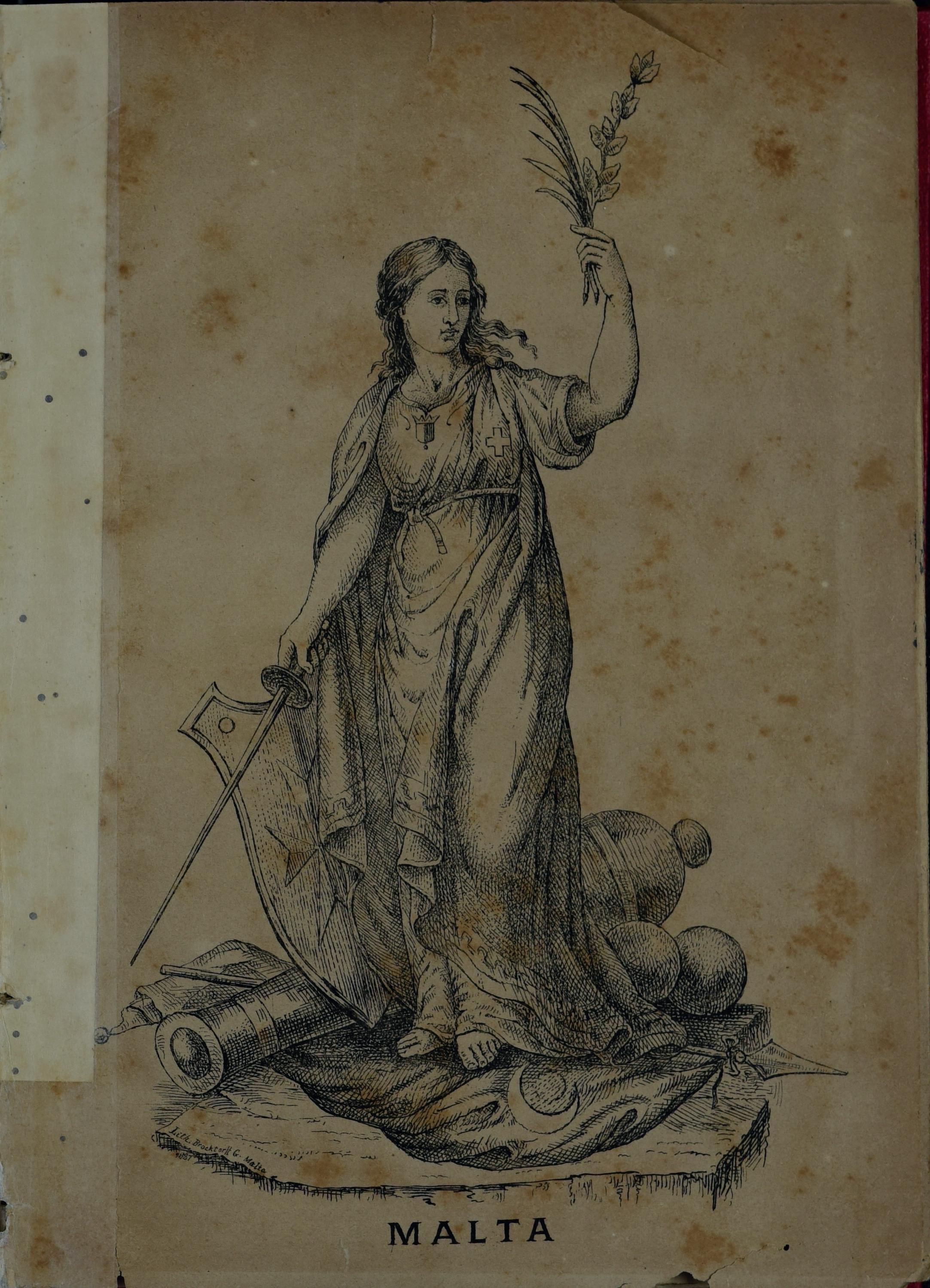
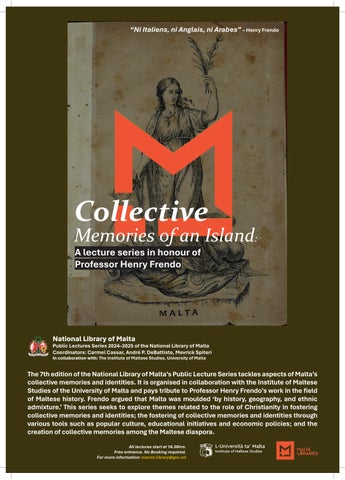
The 7th edition of the National Library of Malta’s Public Lecture Series tackles aspects of Malta’s collective memories and identities. It is organised in collaboration with the Institute of Maltese Studies of the University of Malta and pays tribute to Professor Henry Frendo’s work in the field of Maltese history. Frendo argued that Malta was moulded ‘by history, geography, and ethnic admixture.’ This series seeks to explore themes related to the role of Christianity in fostering collective memories and identities; the fostering of collective memories and identities through various tools such as popular culture, educational initiatives and economic policies; and the creation of collective memories among the Maltese diaspora.

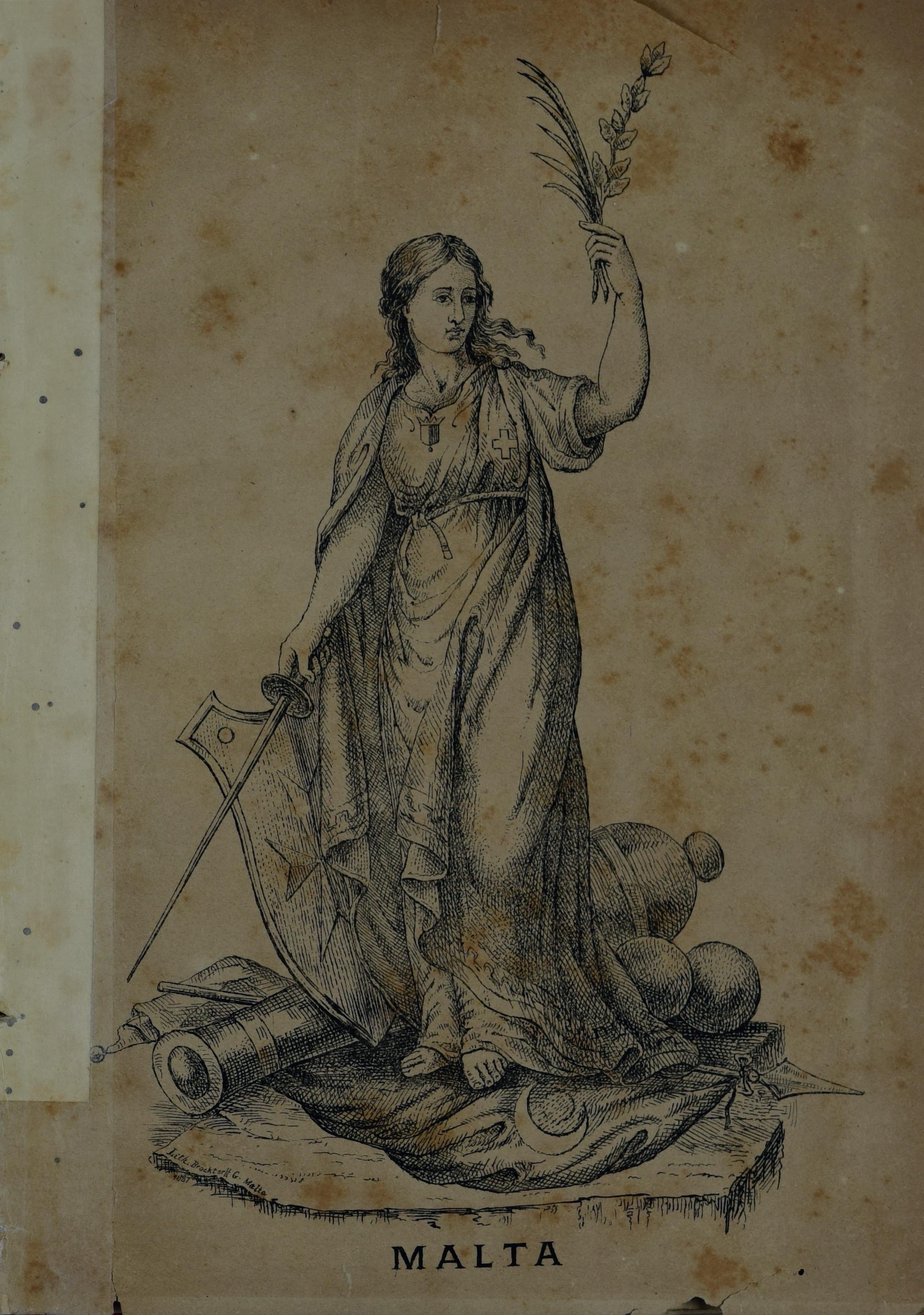
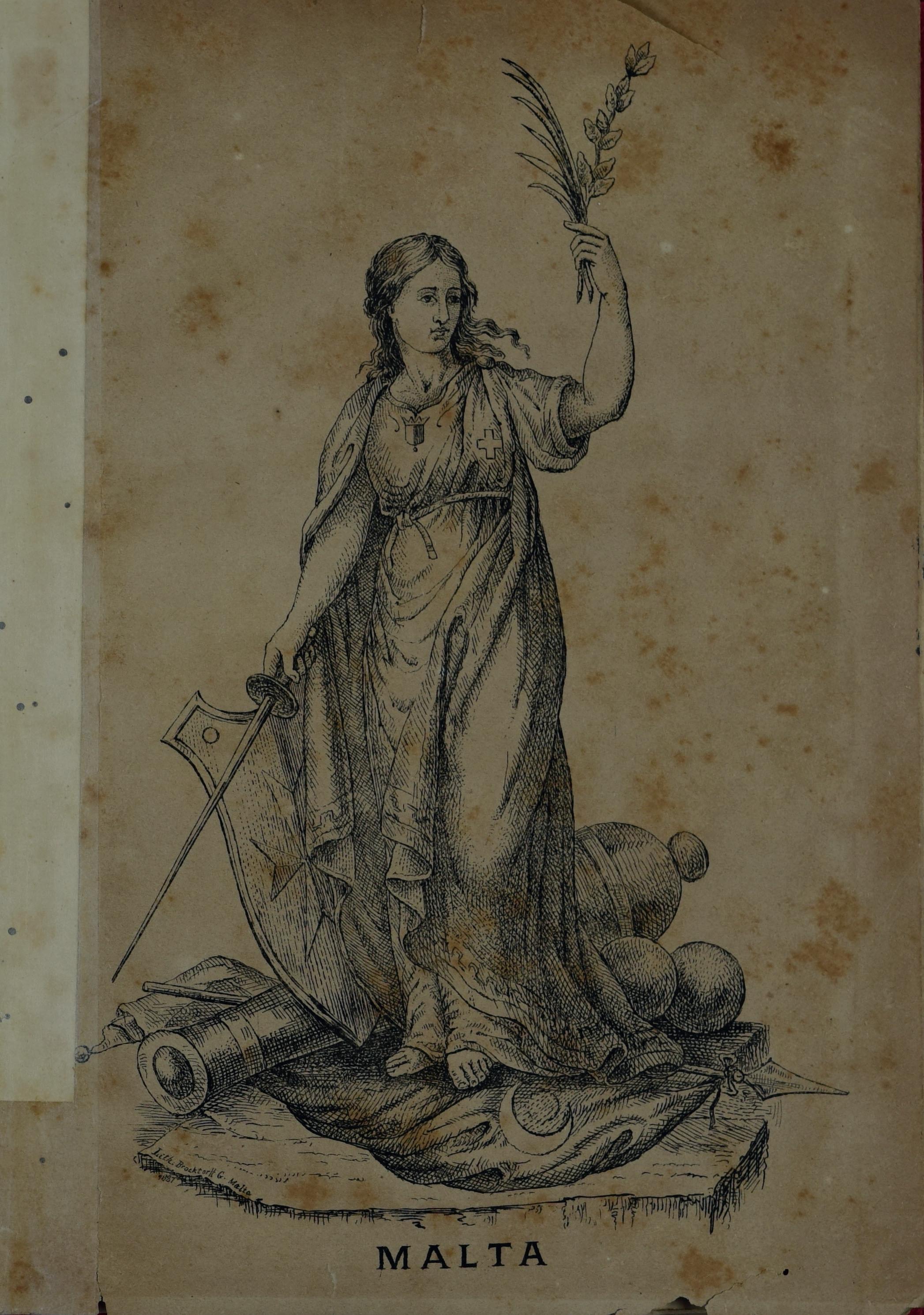
23 October 2024 // The Ottoman Turk in Maltese Collective
– Carmel Cassar
The rule of the Knights Hospitallers of St. John in Malta is a theme constantly debated by the Maltese, and it is mostly focused on the Order’s incessant warfare against the Ottoman Turks and their Muslim allies in North Africa. The Ottoman siege of 1565 came to represent a very crucial episode in a complex of memories that contributed towards the creation of a Maltese identity, both in fact and in concept. As a result, the term ‘Turk’ by which representatives of Ottoman, or indeed Muslim, culture were called, came to symbolise the other. These ‘Turks’ were at that time virtually undifferentiated from Islam itself. Thus, in spite of the original ethnic meaning, in the West European Christian mind the term ‘Turk’, became synonymous with ‘Muslim’, or someone from the Levant.
Carmel Cassar is Professor of Cultural History and Director of the Institute of Maltese Studies at the University of Malta. Cassar was responsible for the cataloguing of large sections of the Cathedral archives particularly those pertaining to the Roman Inquisition and was later responsible for the Ethnography Section with the then Malta Museums Department. Cassar has published widely on Maltese and Mediterranean culture and history. Cassar’s recent book publications includes: Health, Plague and Society in Early Modern Malta and Il Cibo mediterraneo. Modi alimentari mediterranei: tendenze e sviluppi storici.
27 November 2024 // Shaping “Public History” in a PostColonial Malta – An analysis of two school textbooks – André P. DeBattista
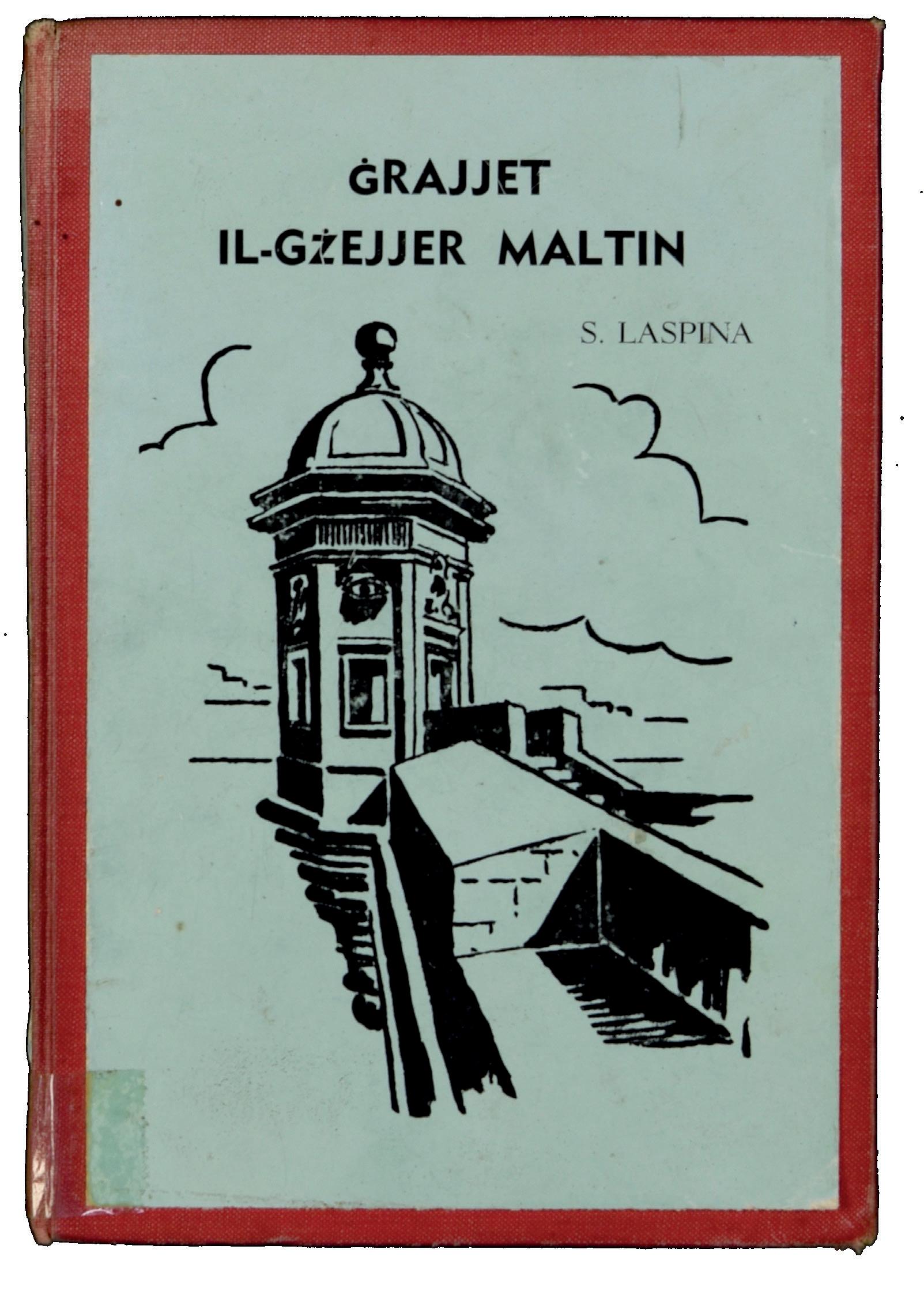
Nascent nation-states tried to create “official nationalisms” through various means, not least state-sponsored events and initiatives that helped weave official narratives and rewrite history. Education proved to be an essential tool for these new political creations. This lecture seeks to identify the attempts at creating this narrative within an educational context, specifically by looking at two ubiquitous history textbooks used in the first years following Malta’s independence. The textbooks “Gateway to our Nation’s History” (Bonavia C, & Demanuele J.M., 1969) and “Grajjiet il-Gzejjer Maltin” (Laspina S, 1971) provide a glimpse into the narratives which were constructed during this period, thus creating a historical narrative which not only emphasised the uniqueness of Malta, but also placed the recent historical developments in a broader historical continuum.
André P. DeBattista is a Lecturer at the Institute for European Studies at the University of Malta. He is also a Research Associate at the Wilfried Martens Centre for European Studies in Brussels. Since 2024, he is co-coordinator of the public lecture series organised by the National Library of Malta. His latest publications include the edited volumes “The Different Faces of Politics in Literature and Music” and “The Different Faces of Politics in the Visual and Performative Arts” (with Mario Thomas Vassallo), published by Routledge in 2024.
11 December 2024 // France in the Maltese Collective Memory: meeting the challenges of a lingering manipulated perception – Charles
Xuereb
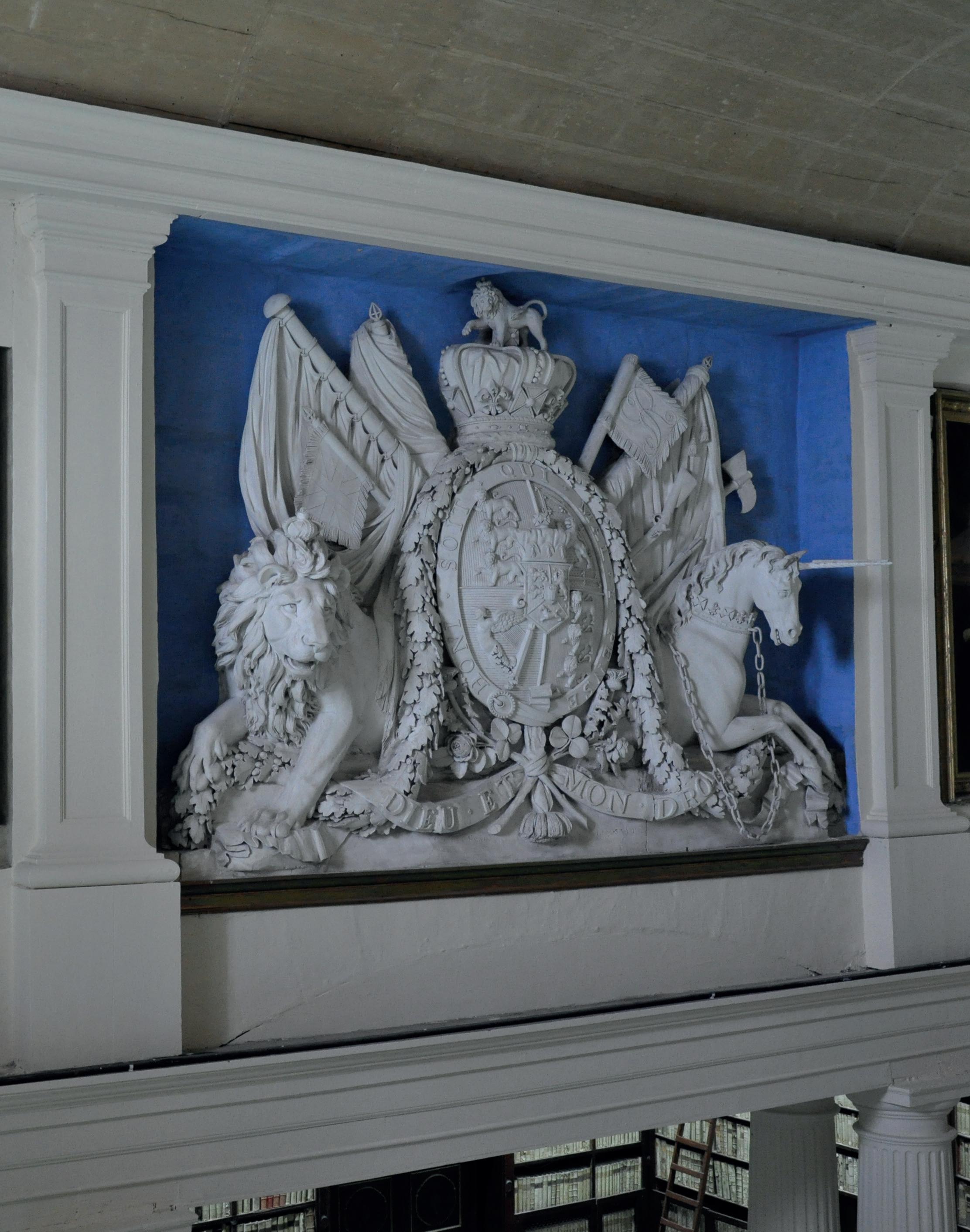
France’s image in the Maltese mindset was negatively and permanently impacted after the 1798-1800 period, notwithstanding the positive perceptions it enjoyed during the epoch of the Order of the Knights as a result of a close relationship with the Ancien Régime, especially during the 18th century. This lingering perception was mostly due to how the 1798-1800 short but crucial events were portrayed to subsequent generations through manipulated text and image. During the past two centuries most historians and authors tended to visit the Bonaparte period in Malta with disdain until this author challenged the contrived past with a revisionist approach.
Charles Xuereb, broadcaster and historiographer, lectures on collective memory and identity, postcolonial studies, critical thinking and communication. He read for an M. Sc. in Media Management (Stirling University) and a Ph. D. at L-Università ta’ Malta with his thesis France in the Maltese Collective Memory, Perceptions, Perspectives, Identities after Bonaparte in British Malta, published by Malta University Press (three editions, 2014/2021). In 2022, Dr Xuereb authored Decolonising the Maltese Mind, in search of identity (Midsea Books), and recently Bellilote u l-Bjar ta’ Napuljun (KKM, 2024).
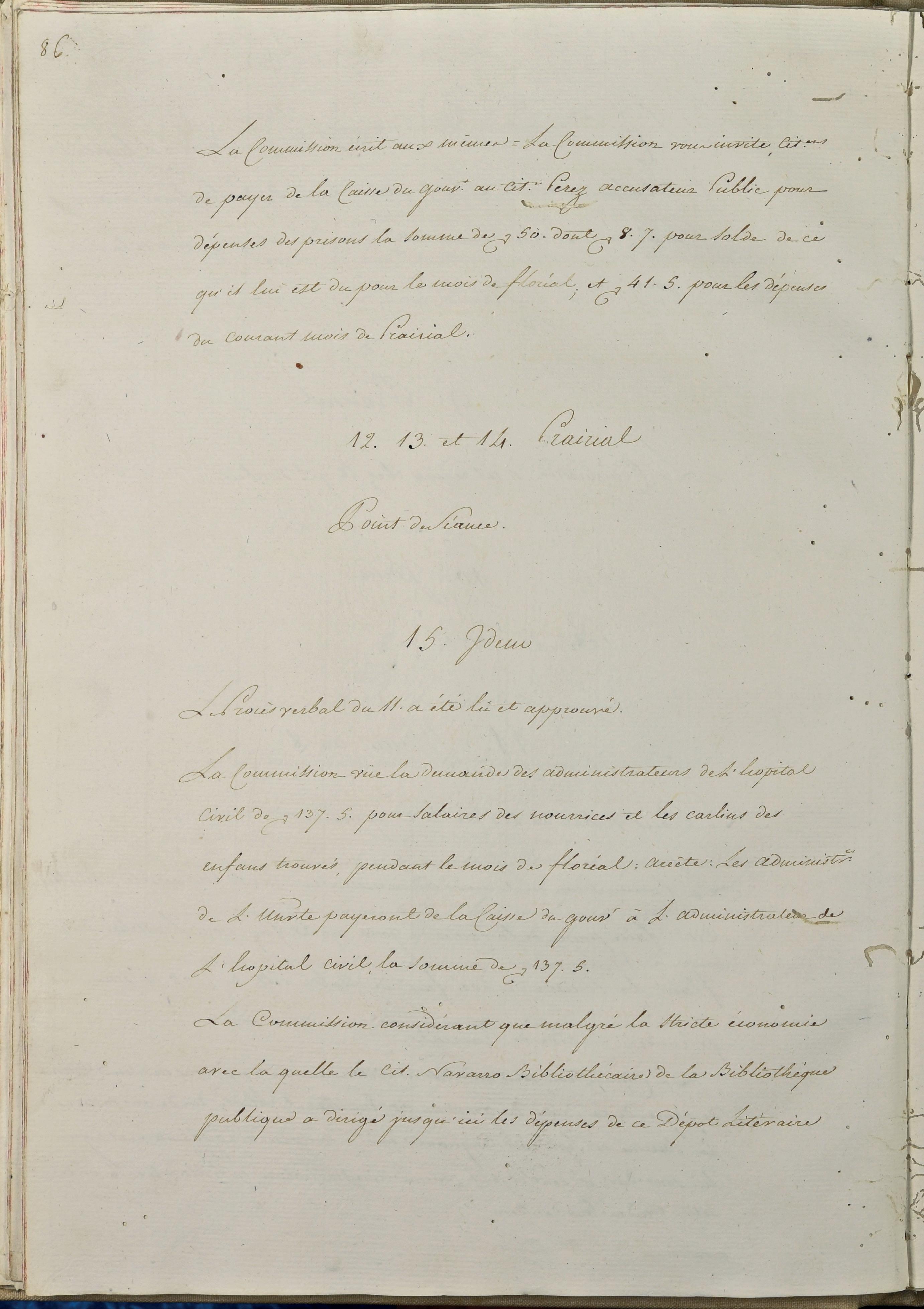
Report on the government’s gratitude shown to the librarian Citizen Navarro for keeping the Bibliotheca open during the two-year blockade of the French garrison inside Valletta and Cottonera. (NLM, AOM 6523e, f.86)
The lecture sheds light on Archbishop Michael Gonzi’s (1885–1984) views on identity and how these changed during his long episcopal tenure as Bishop of Gozo (1924–1943) and Archbishop of Malta (1944–1976). It will tackle key issues concerning the relationship between the Church and the British Colonial Government in Malta; the role played by Archbishop Gonzi during the Second World War and the issues surrounding his succession of Archbishop Maurus Caruana and his views on Imperialism and the role of the British in Malta. In addition, this lecture will analyse Archbishop Gonzi’s views in relation to various contemporary themes including the main political proposals of his period such as Integration, Independence and the Republican constitution.
Sergio Grech was born in 1975 in Żejtun. In 2022, he was awarded the Degree of Doctor of Philosophy from the University of Malta. He is the editor of the Bejn Storja u Miti series. His academic articles were published in Il-Malti, Arkivju and Melita Historica. He broadcast several radio programmes on Radju Malta and Campus 103.7 FM. Grech was the first executive director of the National Book Council.
18 February 2025 // Malta and Sicily: An Overview of their
Mario Cassar
The geopolitical, cultural and religious connections between Malta and Sicily have been extensively reviewed by several historians and ethnographers. In this lecture, this manifest bond is backed up in a collateral way. In fact, the aim of this paper is to enhance the knowledge of the long-standing ties between the two neighbouring islands via the scrutiny of their overlapping cognominal pool. The number of Sicilian surnames in Malta is simply staggering; however, Maltese surnames are equally discernable in Sicily. Thereby, this cross-fertilization of family names has undoubtedly been a two-way affair. The conditions and circumstances underlying this intriguing process are therefore worthy of examination.
Mario Cassar, B.Ed. (Hons), M.A. (Maltese), Ph.D. (Maltese Studies) is an Associate Professor within the Department of Maltese at the University of Malta Junior College. Between 1992 and 1994 he was president of the Għaqda tal-Malti (Università), whereas between 2017 and 2018 he was president of the Akkademja tal-Malti. He is the author of Ir-Reqqa tal-Kitba (Malta, 2000), The Surnames of the Maltese Islands: An Etymological Dictionary (Malta, 2003), Storja tal-Ilsien u l-Letteratura Maltija: Kronoloġija (Malta, 2021), and several critical essays and papers related to the study of Maltese onomastics, language, and literature. He has also co-authored L’ultima città musulmana: Lucera (Bari, 2012) and Dizionario dei cognomi italiani di origine araba (Pisa, 2017).
Noel D’Anastas
Malta’s transition from an island-fortress colony to a developed independent nation-state was marked by significant transformations. Developments in popular culture also actively contributed to the emergence of a new Malta. The lecture will explore the relationship between popular music and society as a barometer of social change. It will trace this connection from the re-releases of the first Maltese records, through the influence of the Sanremo Festival on the Malta Song Festival, to the iconic ‘Viva Malta’ and the stunning beauty of Għanjiet minn Malta; delving into the emergence of timeless songs from the Malta Folk Song Contests and the cantautore festival ‘L-Għanja tal-Poplu’. Furthermore, it will examine the Church’s influence on popular music following the Second Vatican Council, as well as the impact of tourism on the Maltese recording industry and entertainment scene during the dynamic and occasionally turbulent 1970s.
Noel D’Anastas holds a Bachelor’s degree in Library, Archives and Information Studies, and a post-graduate degree in Maltese Studies, Culture and Identity from the University of Malta. Since 2004, he has been an archivist in charge of the ‘Courts and Tribunals’ judiciary section at the National Archives of Malta. He is a founder member of the Friends of the National Archives of Malta, and an honorary founding member of the Malta Media Memory Project (M3P). Noel D’Anastas is a musician and holds a diploma from the London College of Music and the Victorian College of Music, London. He is an associate member of the Performing Right Society of London.
25 April 2025 // ‘Io sono maltese di nazionalità britannica’: Expressions of identities and the Maltese diaspora in the early 20th century – Mario Xuereb
Ethnically Maltese, politically British but culturally Italian. Addressing British Malta’s First Minister in 1933, the Maltese Tripolino Emilio Carabot declared, “Io sono maltese di nazionalità Britannica” – “I am a Maltese British national.” His statement reveals the hybridity of the Maltese Tripolini ‘imagined identity.’ The use of Italian to express himself sheds light on a community of Maltese migrants who had to balance their attachment to Malta and their Italian heritage while claiming Britishness out of self-interest, all the while resisting assimilation by a colonial power. This lecture will demonstrate how the multiplicity of identities was a perceptible reality among all the constituent elements of the Maltese diaspora across the Mediterranean, whether they resided in French Algeria or Tunis, Turkish Izmir, or Greek Corfu.
Mario Xuereb is a journalist and a visiting lecturer at the University of Malta. He holds a Bachelor’s degree in History and a European Master in Mediterranean Historical Studies. He is currently pursuing a doctoral degree at the Institute for Maltese Studies. Producer of several audio-visual documentaries on Maltese history and the Maltese diaspora aired on national TV, his work has been recognised at the Malta Television Awards and by the Institute of Maltese Journalists. He has worked for TVM and is now part of the editorial team at Allied Newspapers.
23 May 2025 // The Anglo-Japanese Alliance and Malta 1917–19 –
Daniel Borg
The Japanese Naval Memorial, located at the Kalkara Naval Cemetery in Malta, stands as a testimony to the presence and contributions of the Japanese navy during World War I between 1917 and 1919. In accordance with the Anglo-Japanese Alliance, Malta served as the base for the 2nd Special Squadron of the Imperial Japanese Navy. This squadron played a crucial role in protecting Allied shipping in the Mediterranean Sea. This study will delve deeper into this period, exploring not only the military endeavors but also the relationships between the Japanese sailors and the locals, as well as the significance this period holds for the Japanese people.
Daniel Borg is an established archaeologist. He graduated in Archaeology from the University of Malta in 2003 and later pursued a Master of Arts in Geography of Cities at the same university, achieving a distinction in 2011. With over 22 years in the field, Daniel Borg has contributed significantly to numerous archaeological projects and has published a number of papers that delve into historical landscape studies.
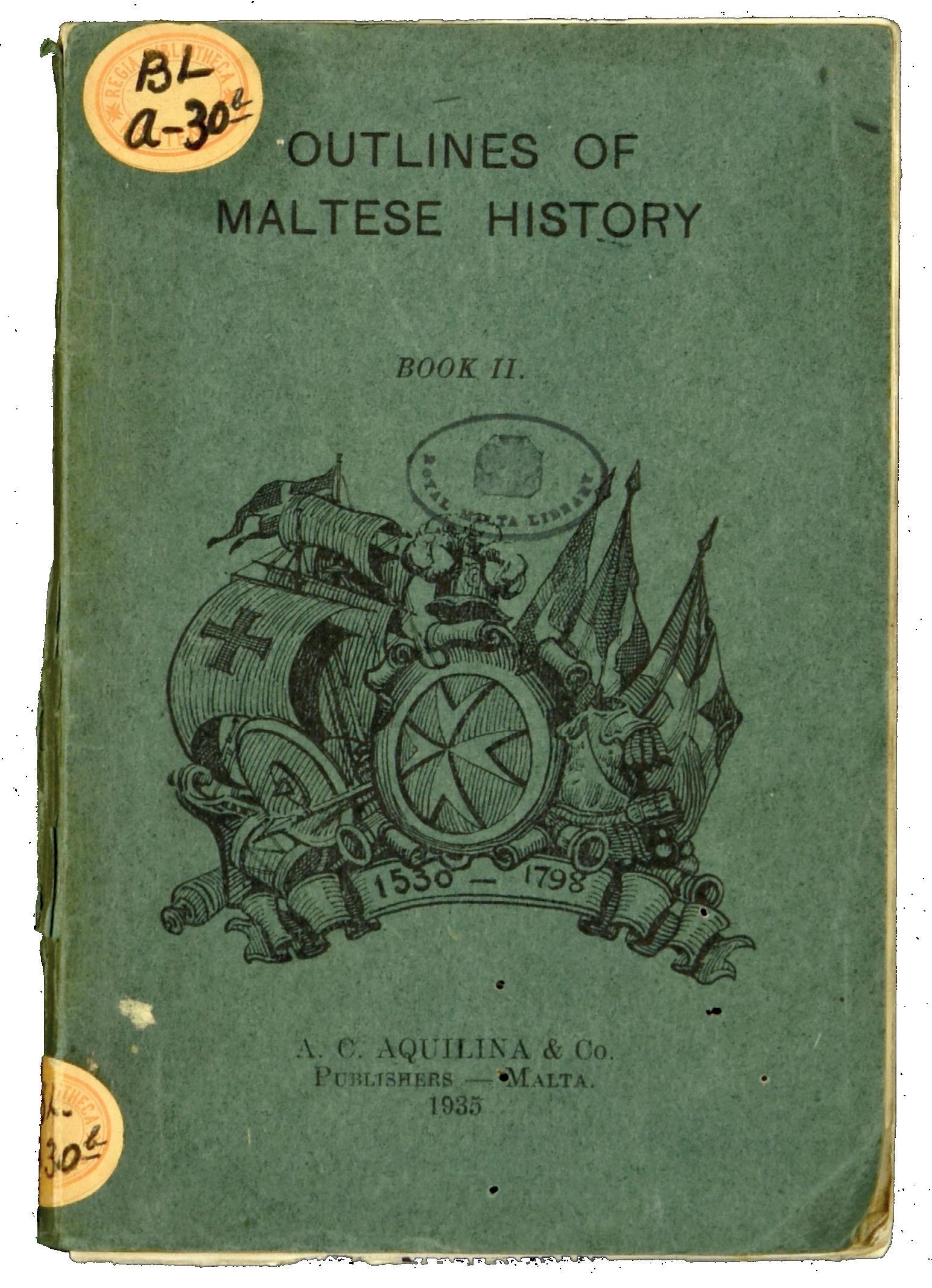
The first edition of Outlines of Maltese History, Book II published in 1935. This book written by Dun Salvatore Laspina remained a staple textbook in Maltese schools until 1971.
Grajjiet il-Gzejjer Maltin authored by Dun Salvatore Laspina and published in 1971, is the Maltese version of Laspina’s school textbook titled Outlines of Maltese History.