

















































performing arts high school
studio VI spring 2021

public beach house
studio VII fall 2021
Performing Arts High School
Studio VI: Hybrid
Professor: Kindon Mills
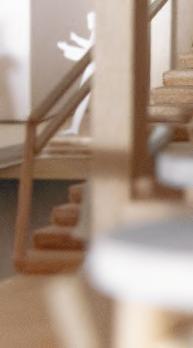
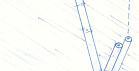
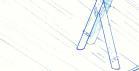
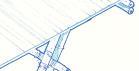
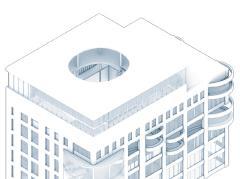
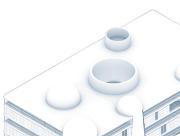
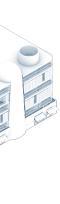
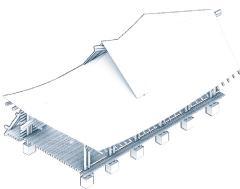
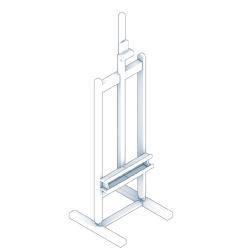
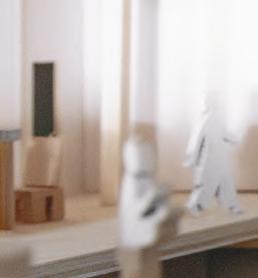
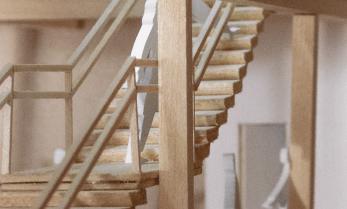
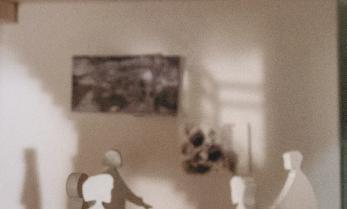
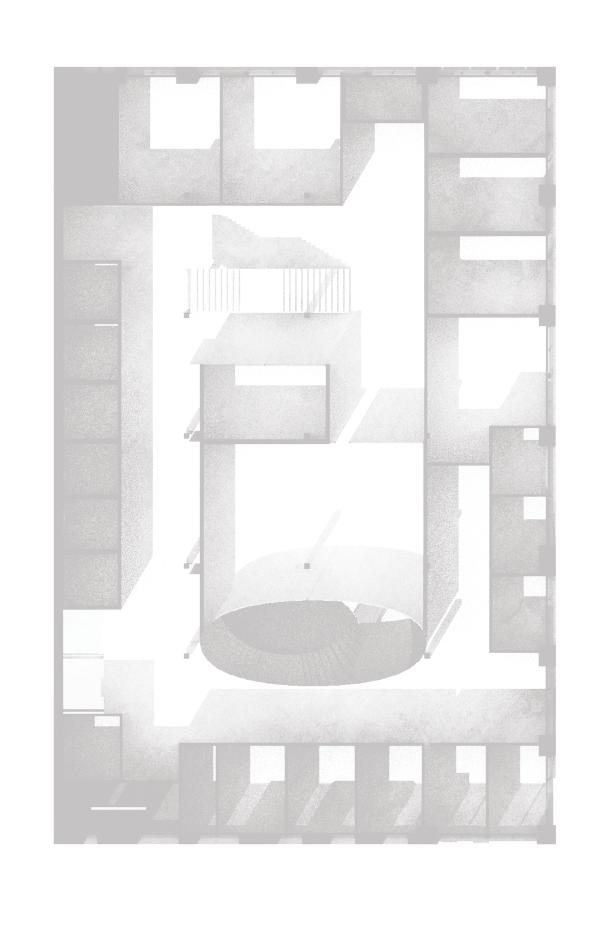
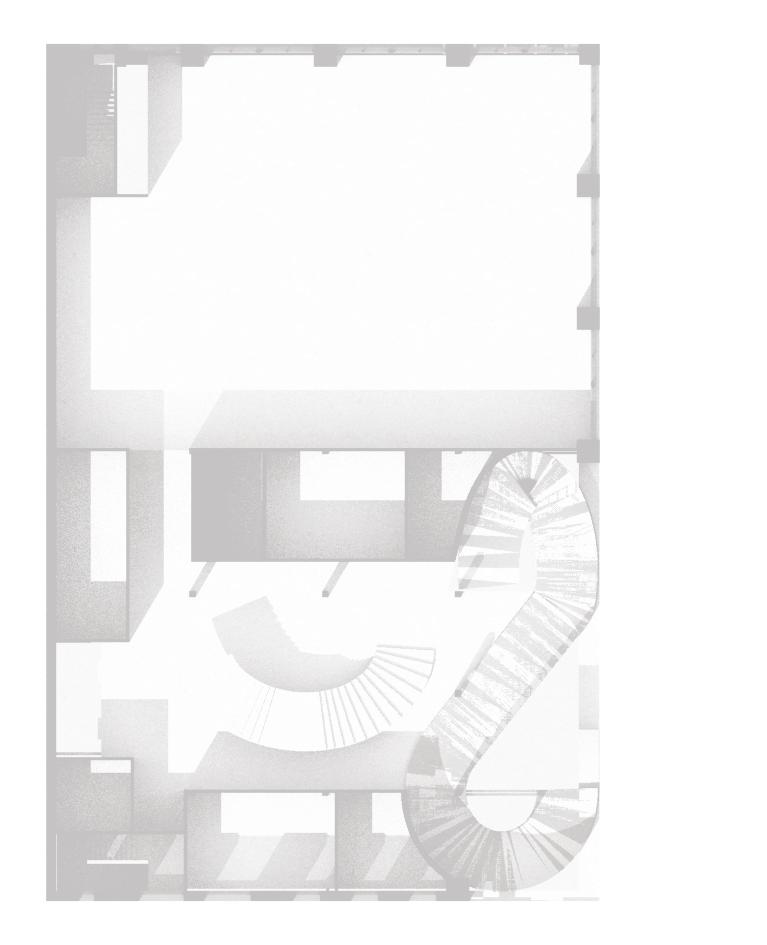
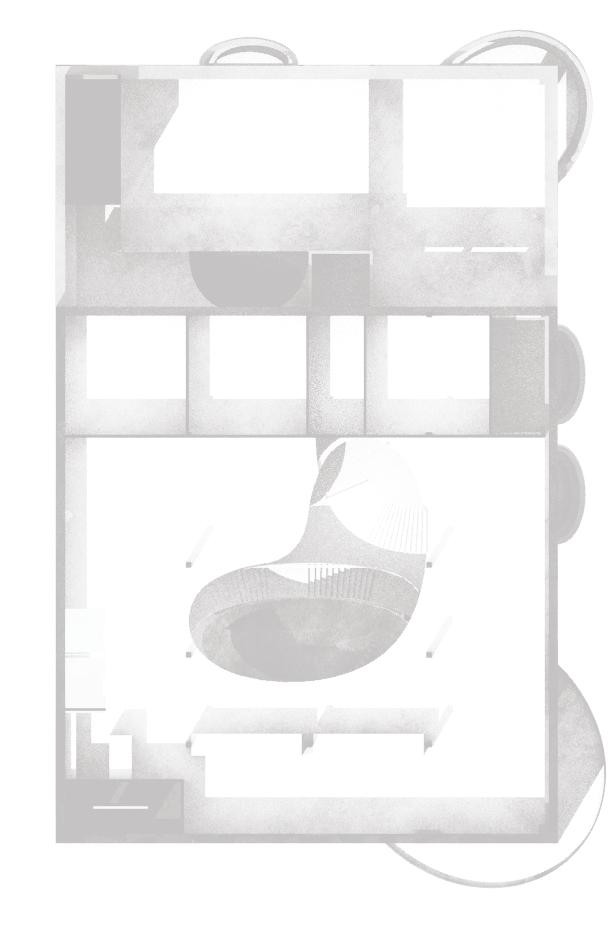
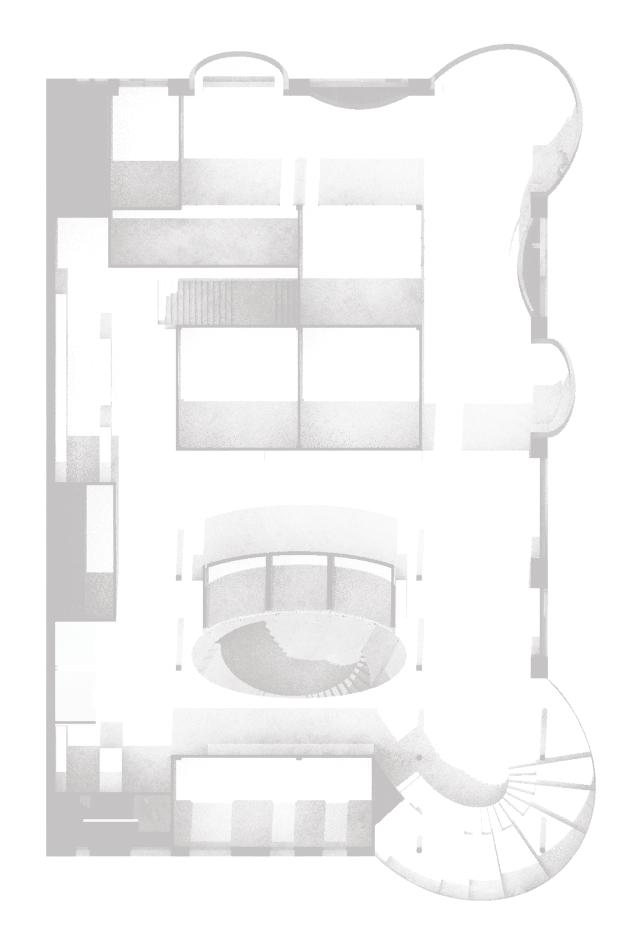
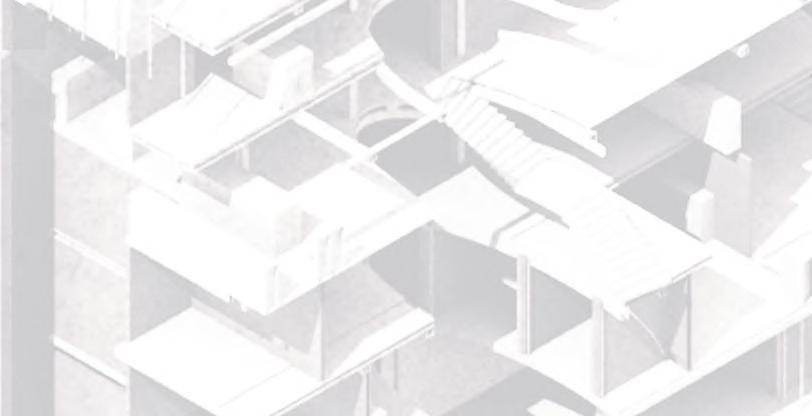
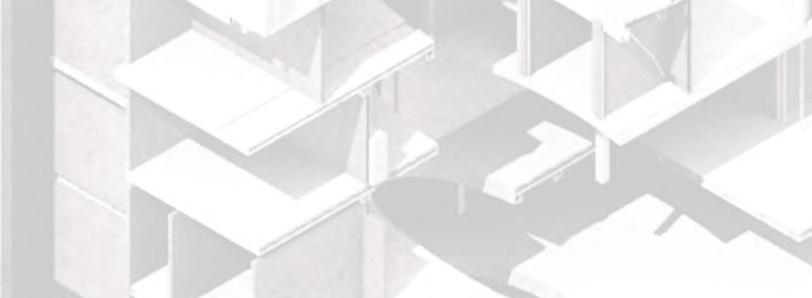
A performing arts high school revitalizes a Chicago timber and masonry warehouse. The school explores the idea of performance everywhere. The fluid program asks the question: what does it mean to watch, and what does it mean to be watched? Movement in the facade and the atrium offer privacy in portions and audience in others. The atrium is a conduit for both in terms of light and activity. The curved additions follow the principles of the atrium as the circulation becomes part of the more significant gathering space. Thus, different moments of the program bleed into the surrounding context.

intertwinement
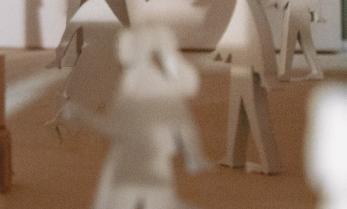
Concept diagram exploring merging and intertwinement of student paths.
performance everywhere
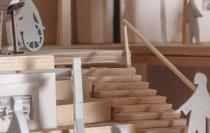
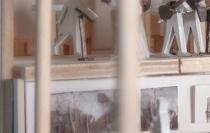
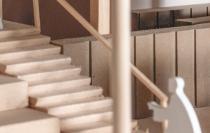
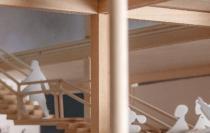
The atrium merges learning, social, gathering, and performance spaces from lunch to class to an impromptu concert.


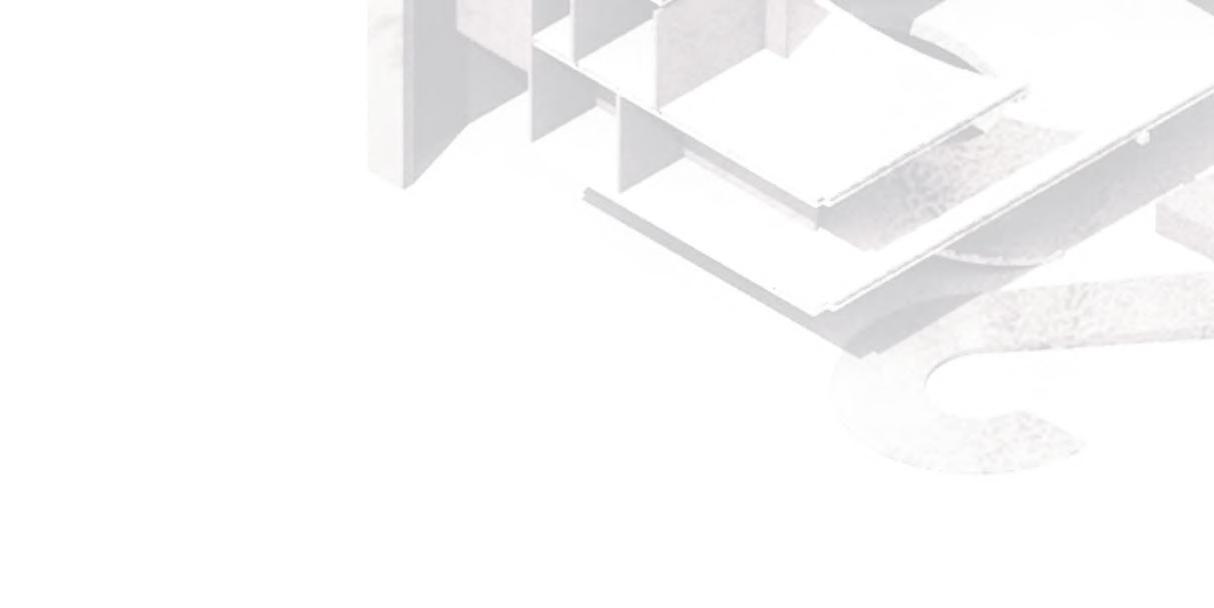


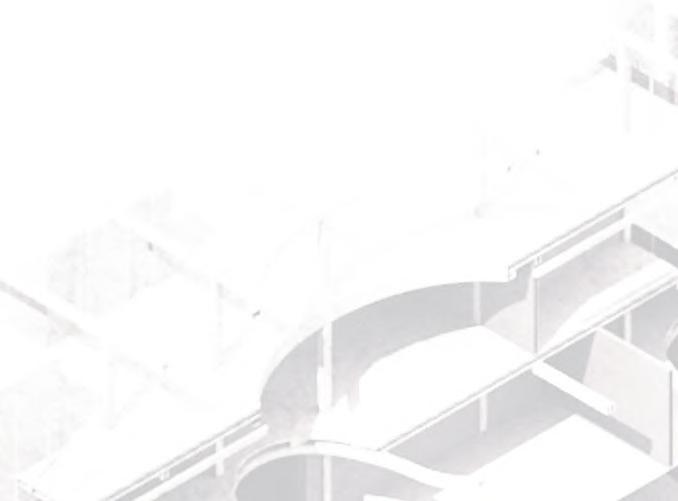


















































































































































































































































































































































Beach House
Studio VII: Synthesis
Partner: Harsha Pillai
Professor: Vladimir Radutny
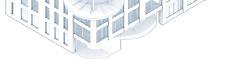
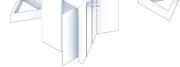
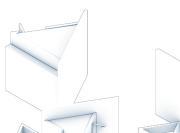
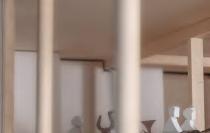
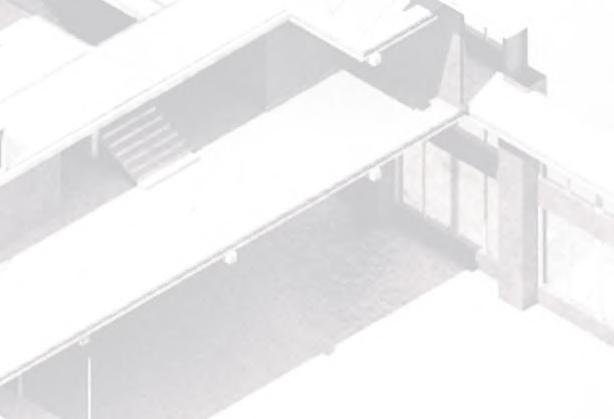
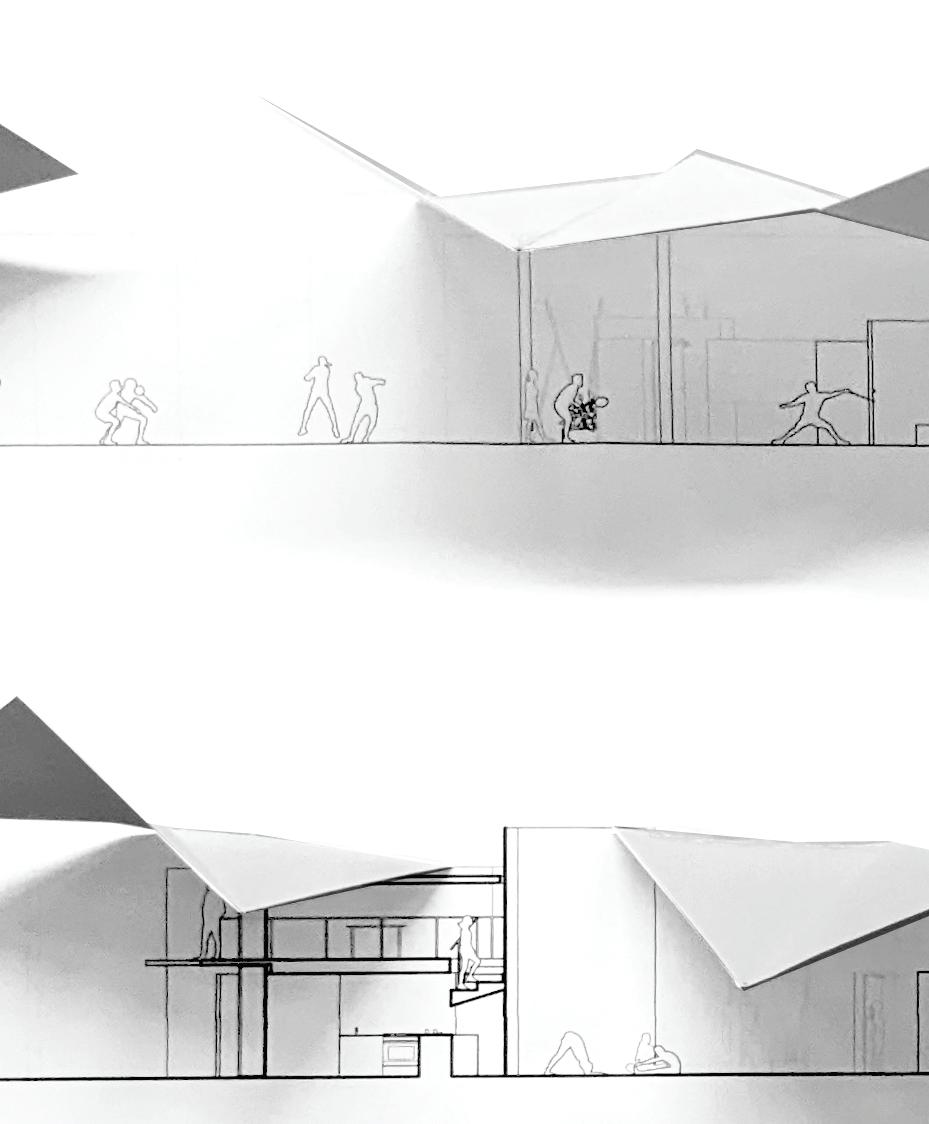
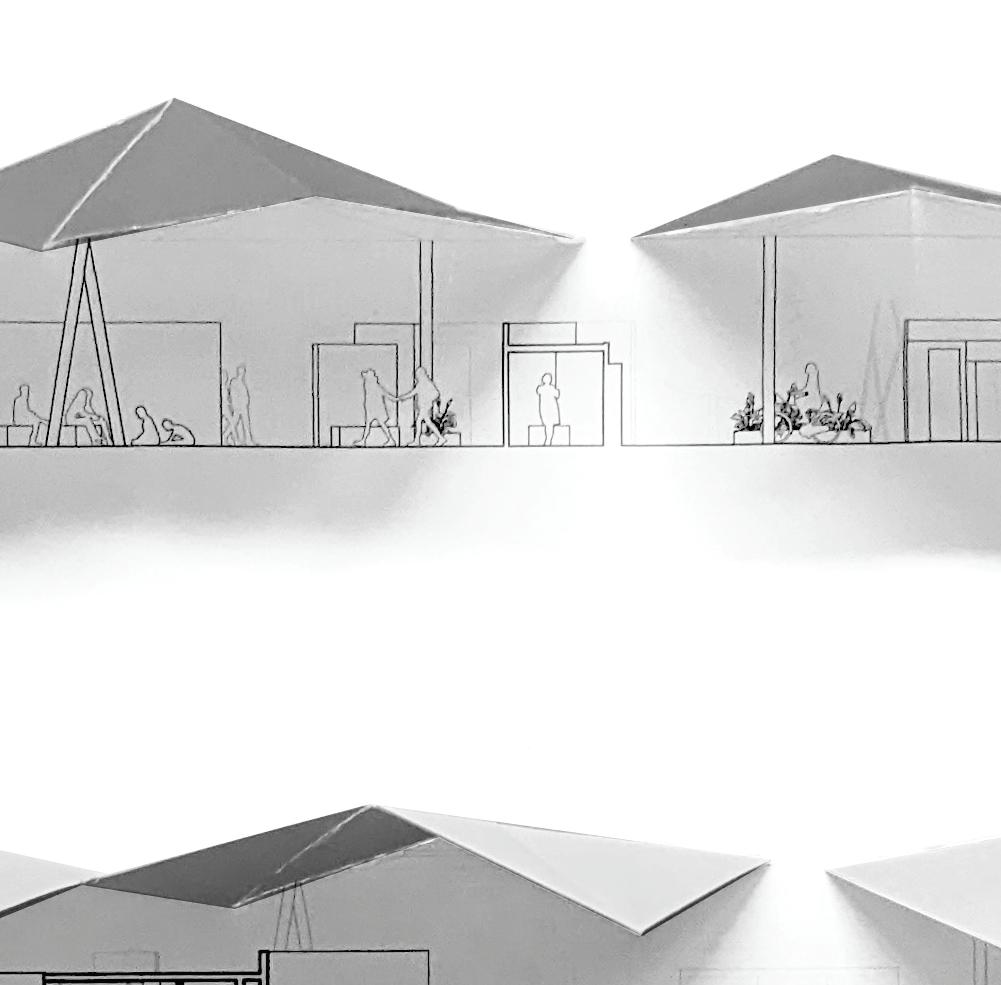
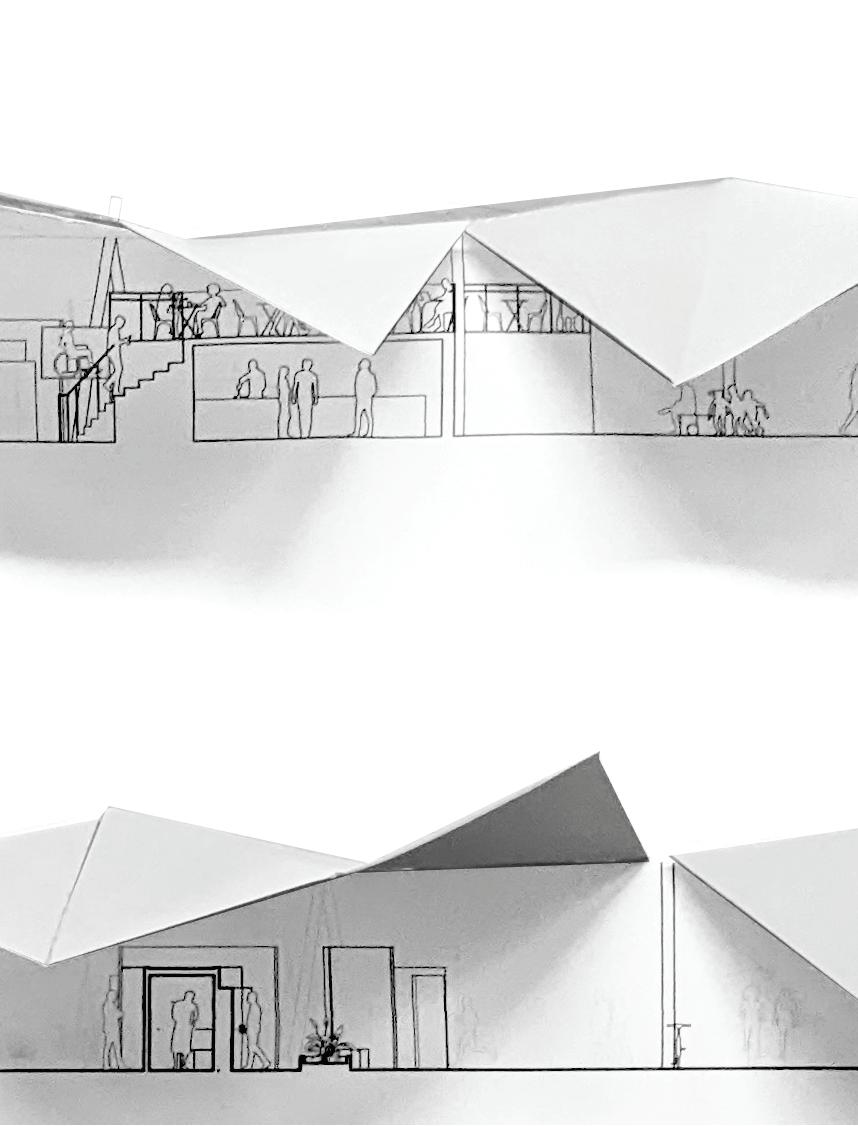
A beach house to suit the needs of civilians in the park activates the Chicago Lakefront Trail. On a larger scale, Public Tessellations break down into smaller programmed pavilions. The modularity system derives through a grid system from which the pavilions grow. The same grid derives infrastructure such as benches, showers, lockers, and planters. The pavilions extend across both beach and park to blend the two zones. A series of geometric canopies and plazas connect the pavilions to pull and push the beach and park back together.

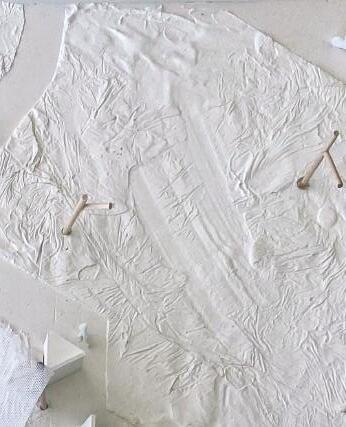
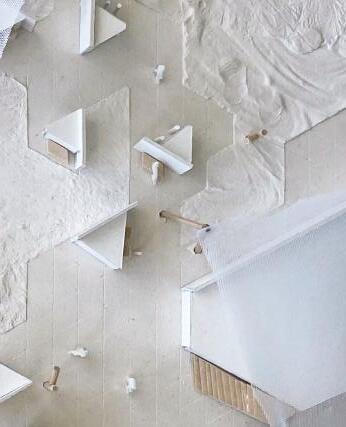
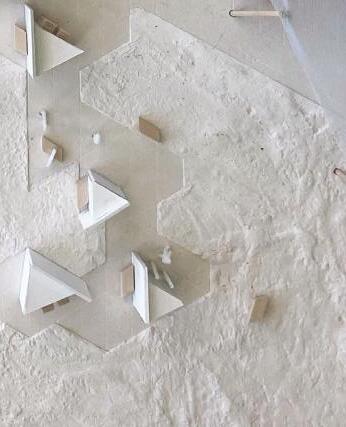
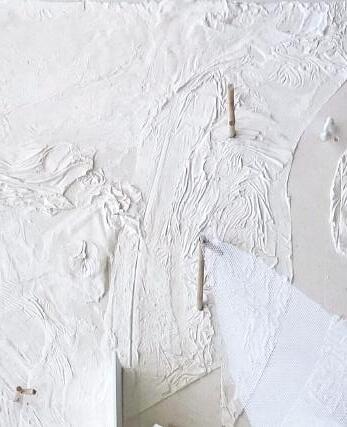
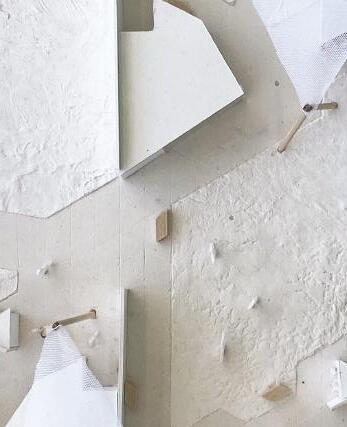
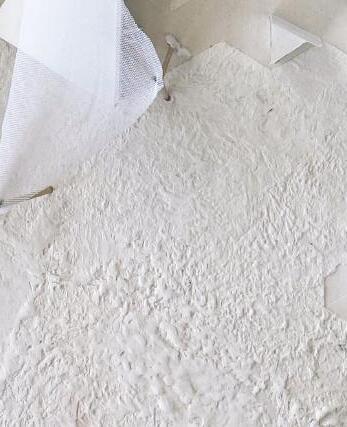
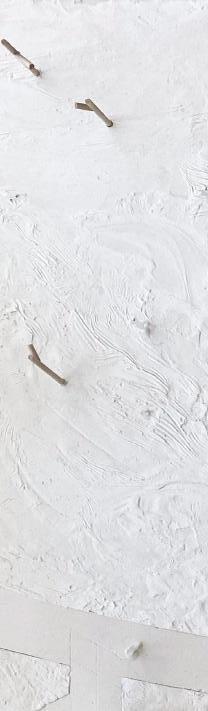
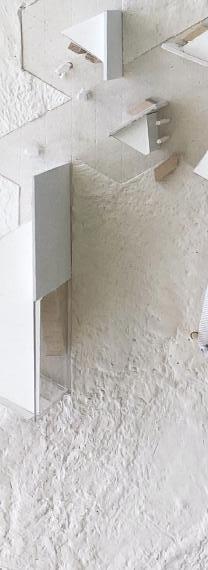
transition between beach and park
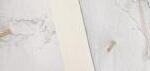
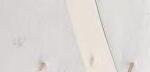
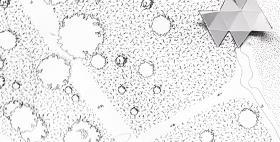
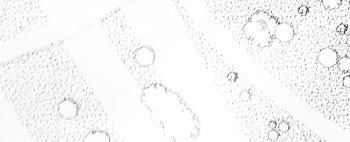
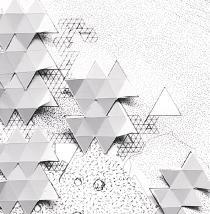
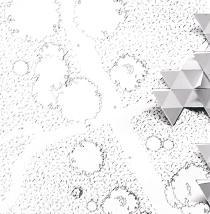
These studies explore the programmatic arrangement derived from the paths present on the site. The explorations examine the disruption of the current pathways to connect the park and beach.

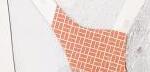

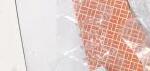






extending plaza
The plaza extends into both contexts, with a permeable roof added to facilitate different programs within the plaza.
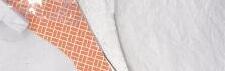

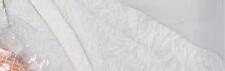
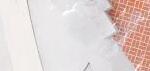
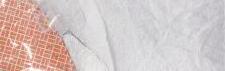
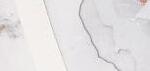
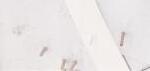
facade studies
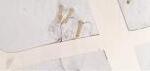
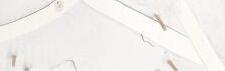
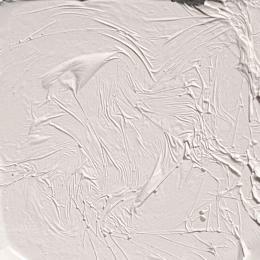
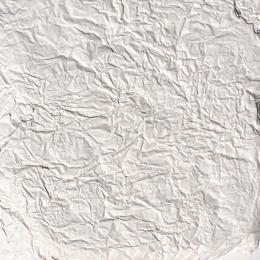
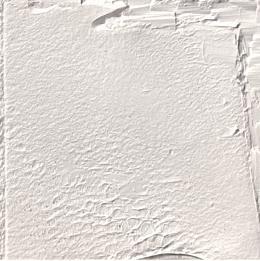
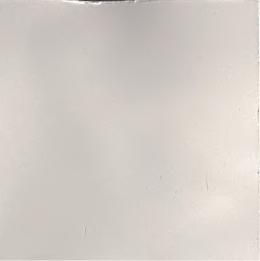
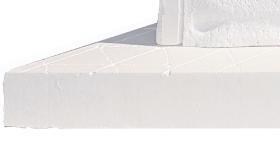
Plaster studies for model representation and physical facade manipulation to emulate the gradation of zones vertically by moving from a rough to a smooth surface.
changing rooms bathrooms
individual modules
The formal arrangement of each module is developed by exploring scale shifts in a triangular grid.wayfinding

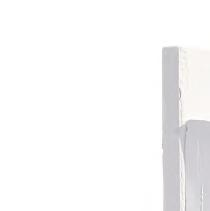
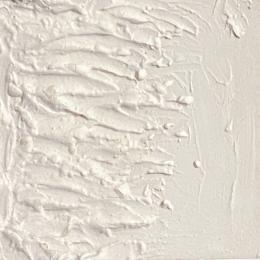
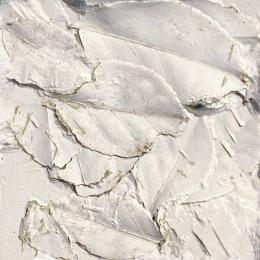
The undulating white walls soften the concrete, allowing it to blend into the natural environment. The walls are also at different heights as a form of way-finding.
Arts Archive Facility

Studio VI: Hybrid
Partner: Davis Housman
Professor: Michal Ojzanowski
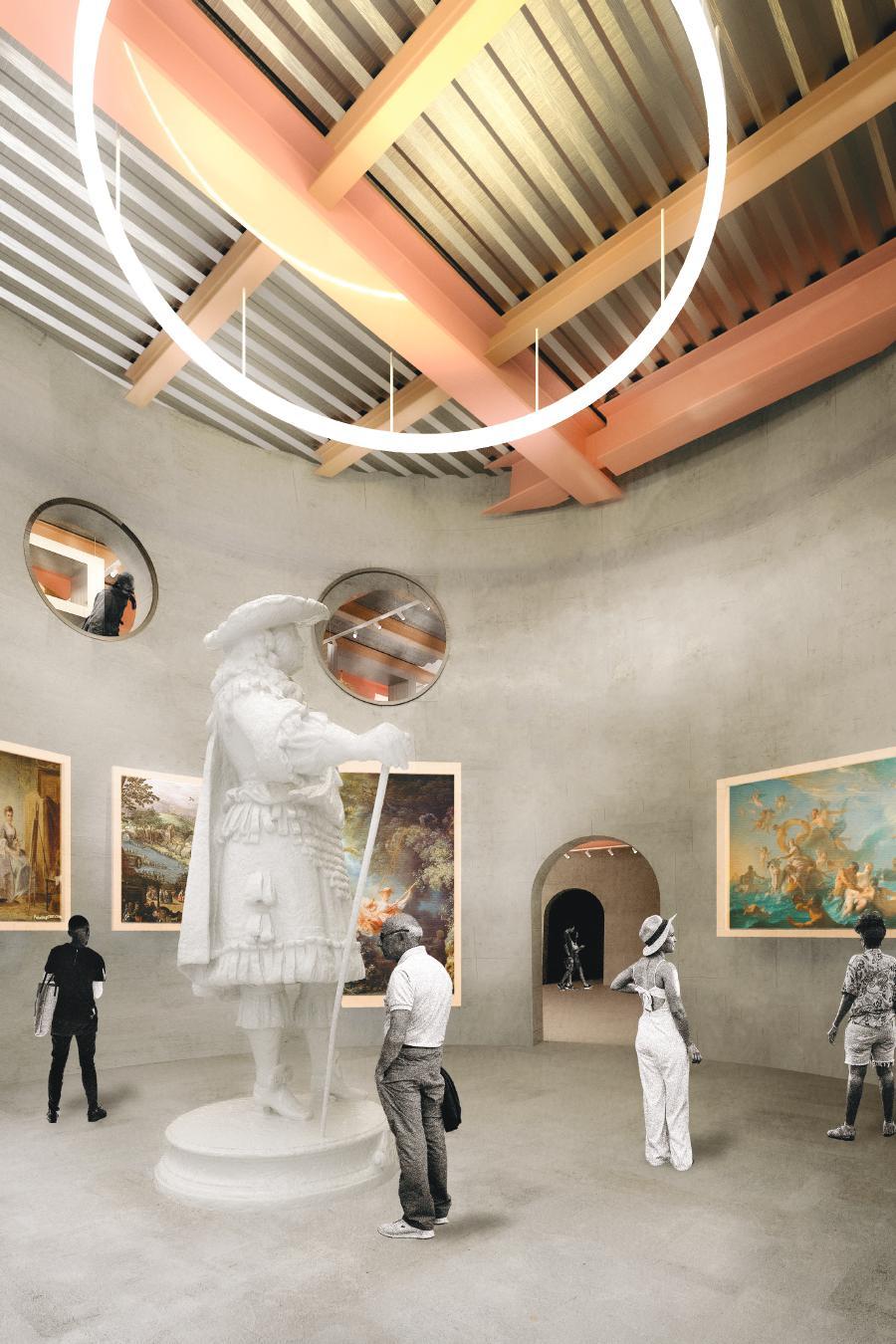
Conical Community is a remote art depot located in East Garfield Park, which serves the Art Institute of Chicago’s vast collection of work currently not on display. The building effectively provides spaces designed for the creation and presentation of art within traditional archives, which immerses both artists and patrons in new and old artistic trends. This collision of experiences centered around the creative process informed the design of the building into an exuberant fixture within a relatively stagnant community of brick warehouses. Conical Community echoes art’s iterative, fluctuating design process and celebrates the story behind each addition, subtraction, and element with juxtaposing yet harmonious material treatments. This attitude mirrors the artistic process and relates the project to the sporadic nature of ordinary life.


collaging over time
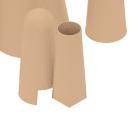
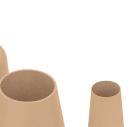
As a building for art, Conical Community collages different architectural styles together over time. The collaging reflects the different types and eras of art housed inside.
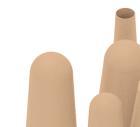



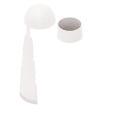

collaging over time






























places to pause
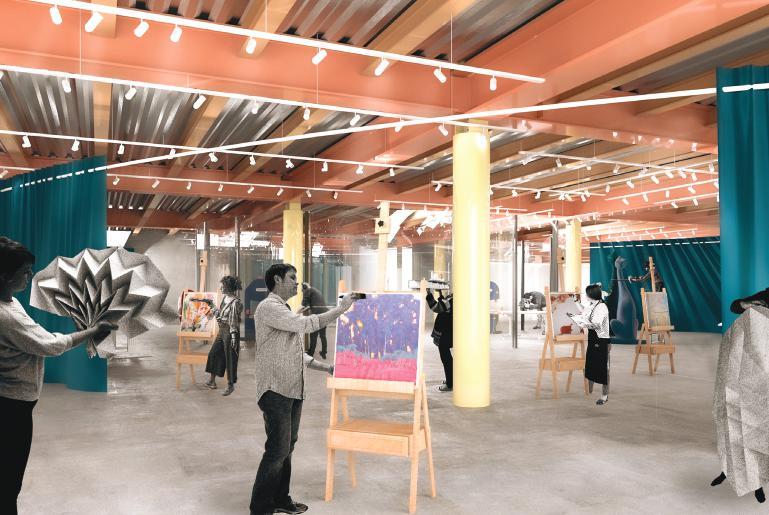
Conical Community plays with the idea of momentary glimpses. Gallery spaces are double-height concrete cones with reveals into archive floors. The artists’ studio also has a curtain that artists can pull back to give visitors insight into the artists’ work.
expression of structure








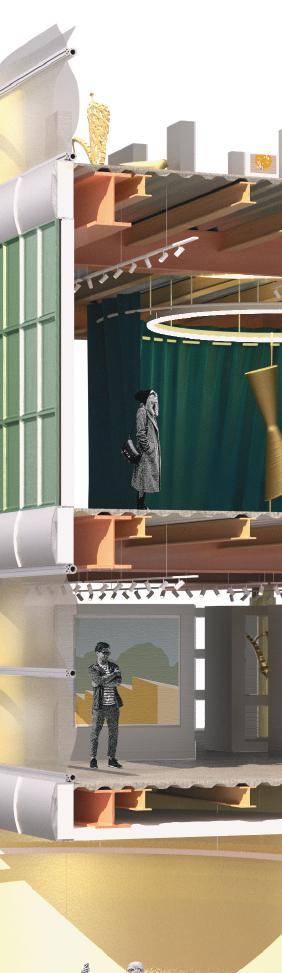
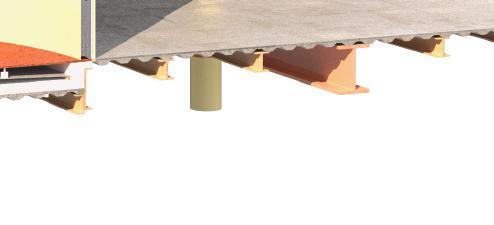
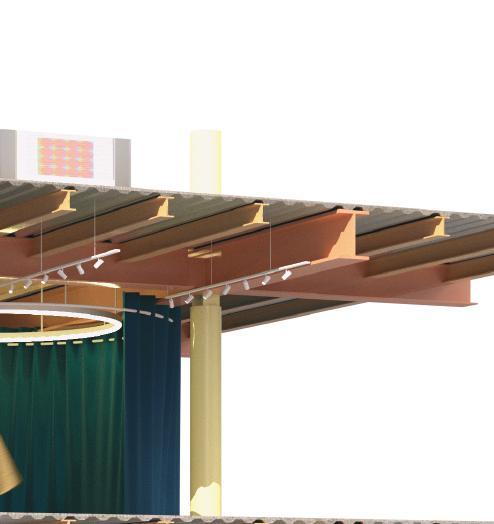
The steel structure that is left exposed such that the architecture, engineering, and systems of the building become an exhibit of their own. To further celebrate the assembly of the whole, each element is painted a color to unionize each level and enliven the space.
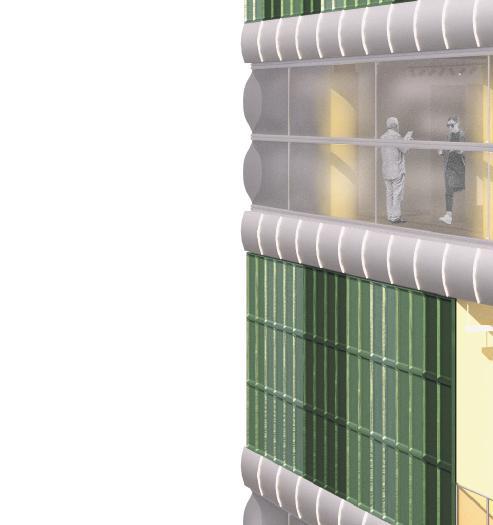
The two alternating facade systems correspond to the repetitive stacking of archive and programmed space. The archives are treated with an ETFE facade to accept light without harming the work and artifacts stored inside. The programmed floors are enclosed by a textured aluminum panel facade.
Spandrel System
textured aluminum spandrel panel

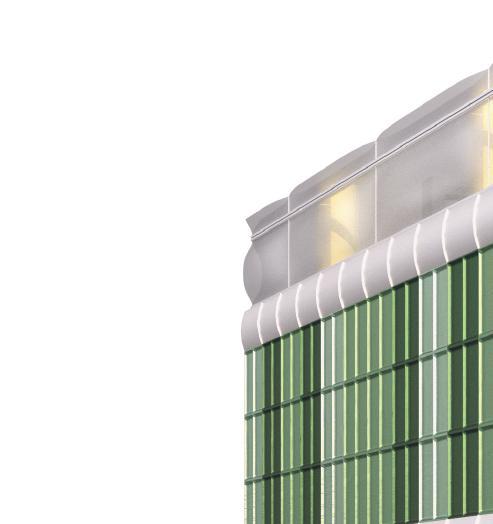
rigid insulation
Etfe Facade (archive floors)
etfe pneumatic cushion facade alu. profiles for etfe membrane
Rainscreen Facade
textured alu. panel
rigid insulation
gypsum board
Ext. Terrace
terracotta pavers
adjustable paver pedestal
rigid insulation
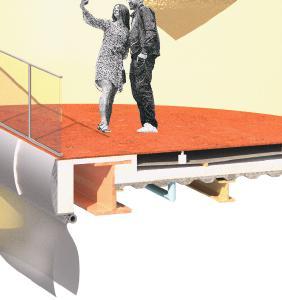
Floor System
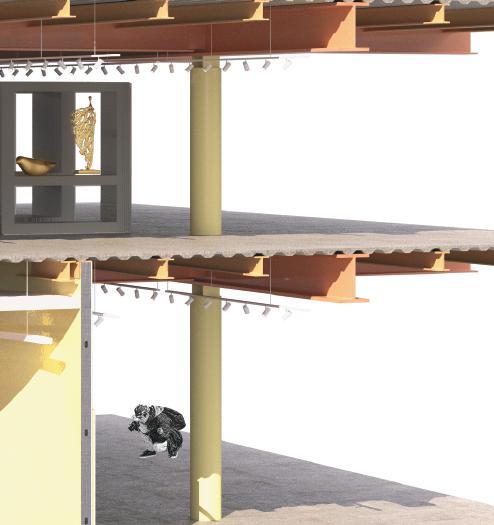
steel deck w/ concrete slab steel w shape girder steel w shape joist
Column
steel w shape w/ alu. cladding painted alu. panel steel stud
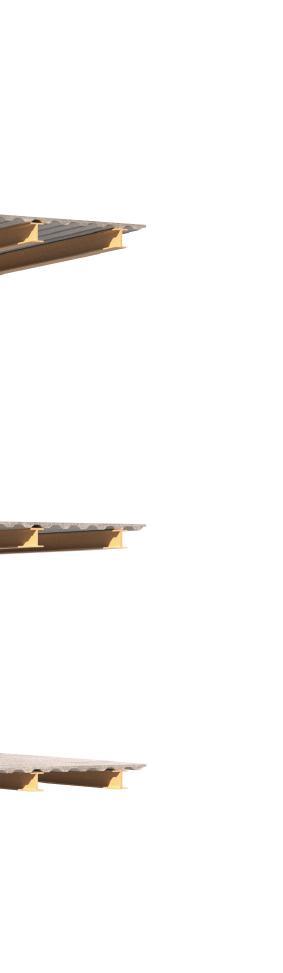
Ext. Stud Wall
batt insulation gypsum board

Long -Term Community Center
Studio IX: Hybrid

Partner: Trae Horne
Professors: Gustavo Utrabo and Brianda Mirales
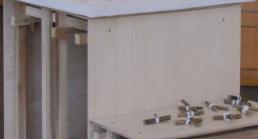

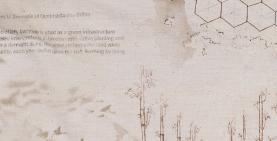
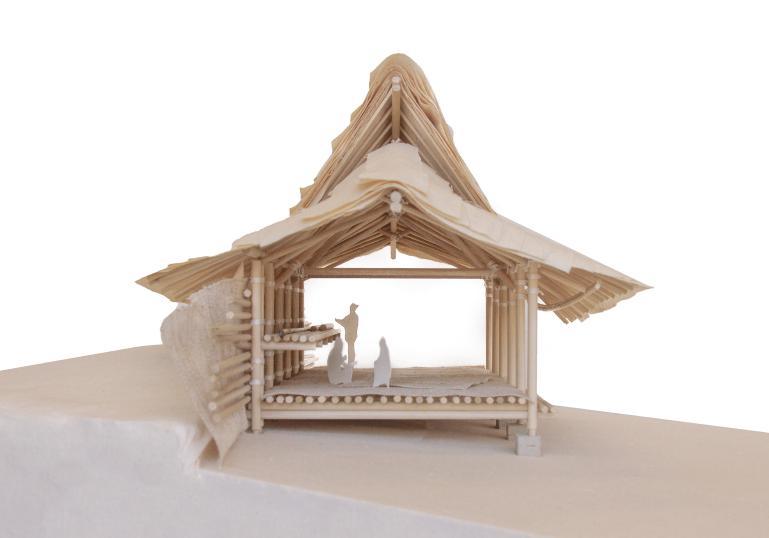
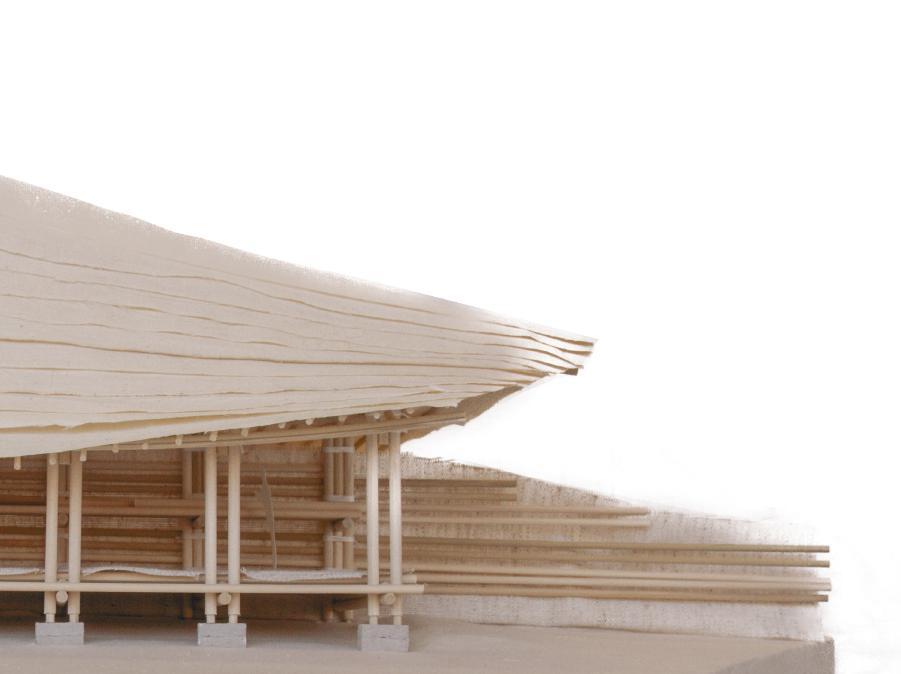
The Seam transitions from the dunes of Lençóis Maranhenses in Brazil to the oasis of Queimada dos Britos, a community located within the dunes. Using bamboo as green infrastructure and renewable building material, the Seam invests time in land regeneration. The proposed interventions, in tandem with native planting and bamboo, prevent further erosion and create a dormant dune. The Seam reclaims the land while giving building resources back to the community. Each year builds upon the last, learning by doing.

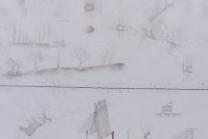
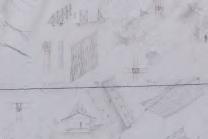

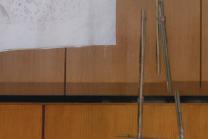
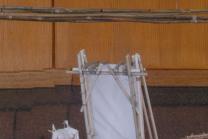
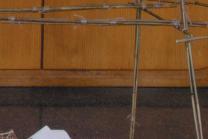
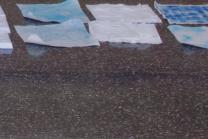
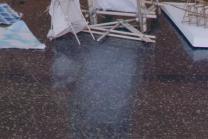
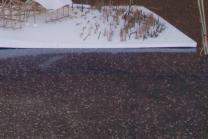
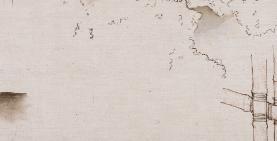
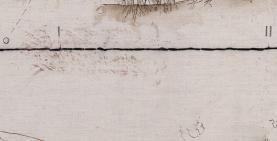
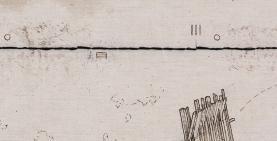
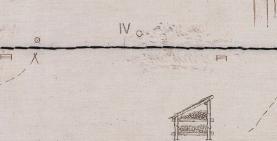
ten year planting and protection scheme
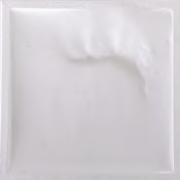
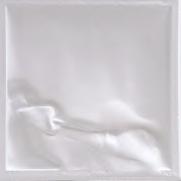
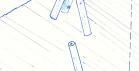
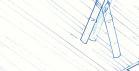
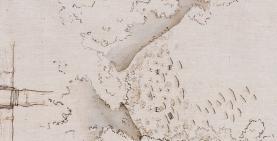
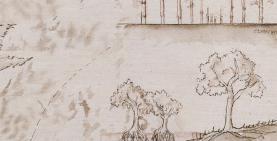
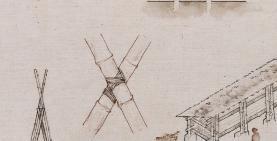
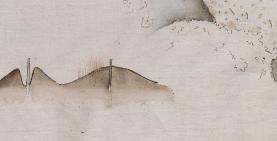
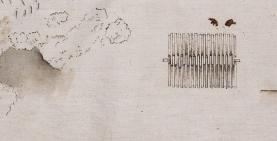
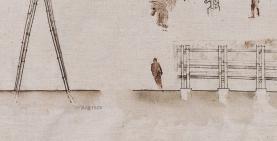
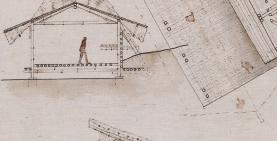
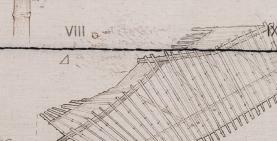
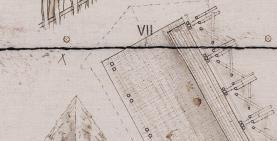
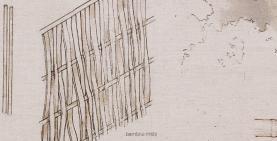
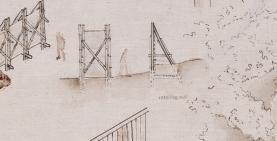
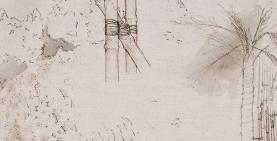
The process of the final intervention is a handmade one, developed over the years. The timeline shows different objects used to protect the community and stabilize a dune, cultivate and store bamboo, and further grow.

sand and wind studies
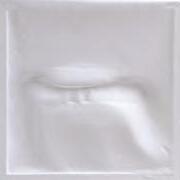

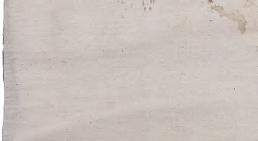
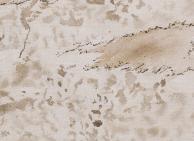
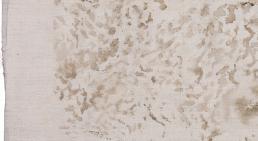
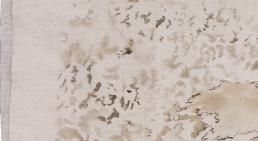
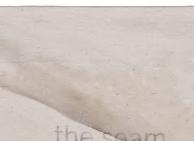
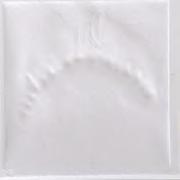
Vacuum form captures of a sandbox. These studies looked at an object’s impact on the sand when a fan blew the wind on it. This process led to the integration of bamboo to stabilize the dune.
sand fencing from local materials

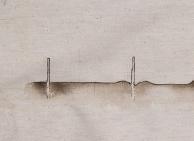
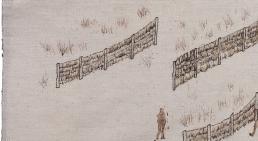






long-term retaining walls community center is contructed


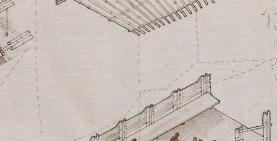
continuation of planting community from encrouching dunes
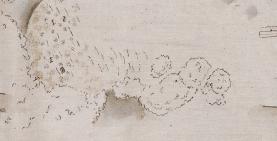

extension of the community








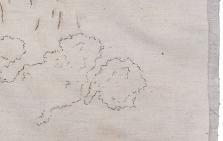
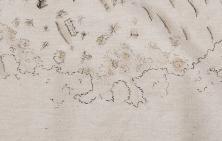
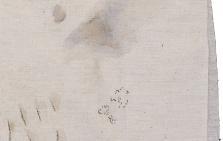
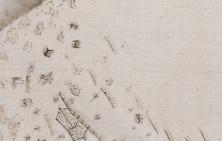
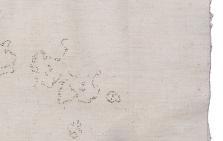
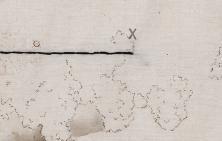

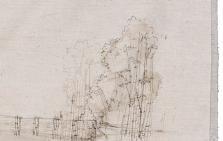
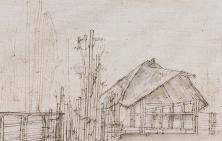
Over ten years, The Seam will bring together the community and new skills learned. Planting initially starts near the entrance of the Britos comminty. First, mangroves and grasses are added to fill in the existing restinga. Then bamboo follows. This is to rehabilitate the landscape and stabilize the sand dune the site rests on.
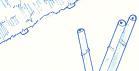
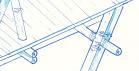
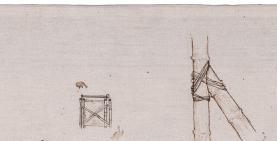
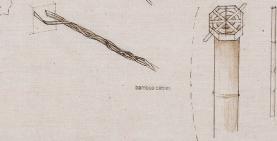
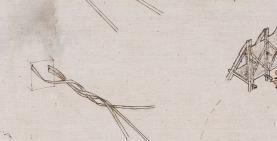
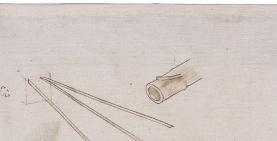
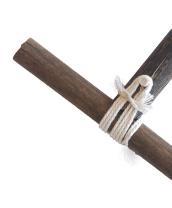
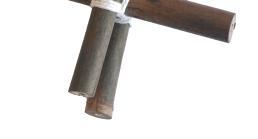
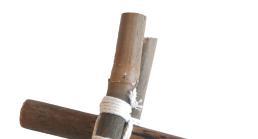
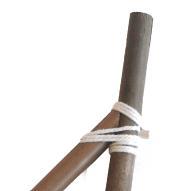
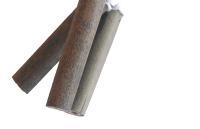
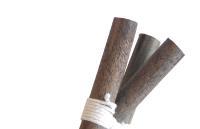
tied bamboo connections

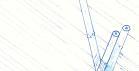
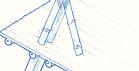
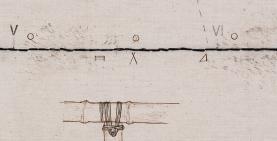
Knotted rope connections with bamboo were the primary connections used in the Seam. The connection method utilizes a green resource and could be constructed quickly on-site without additional tools.


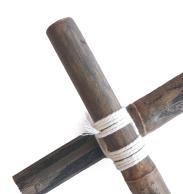
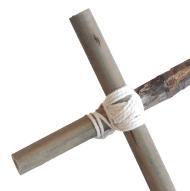
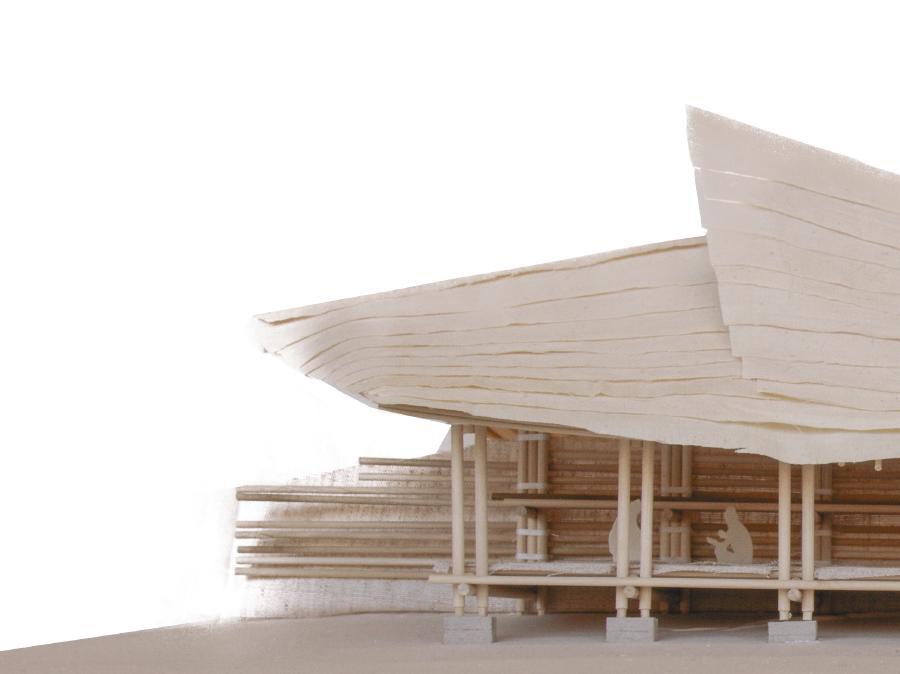
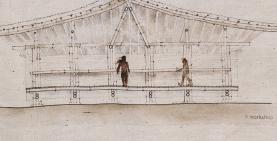
dual purpose in the exchange of knowledge
The workshop combines the skills learned from the previous structures. It is a tool for learning by utilizing knots and bamboo, and it also serves as a shelter from sand for the community to gather and grow.
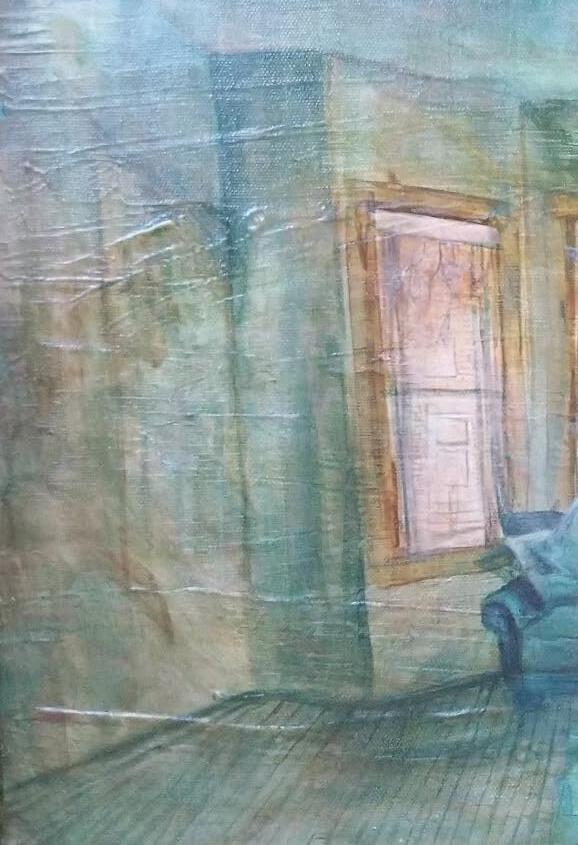
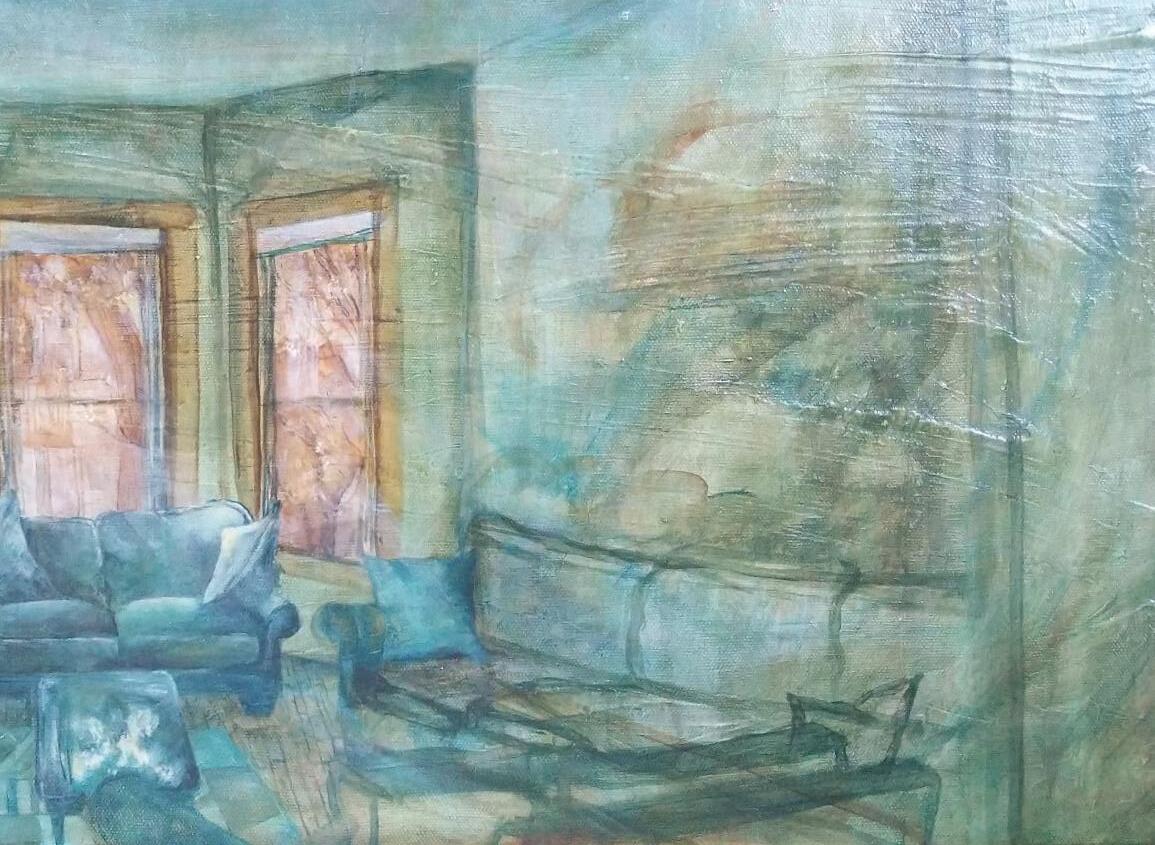
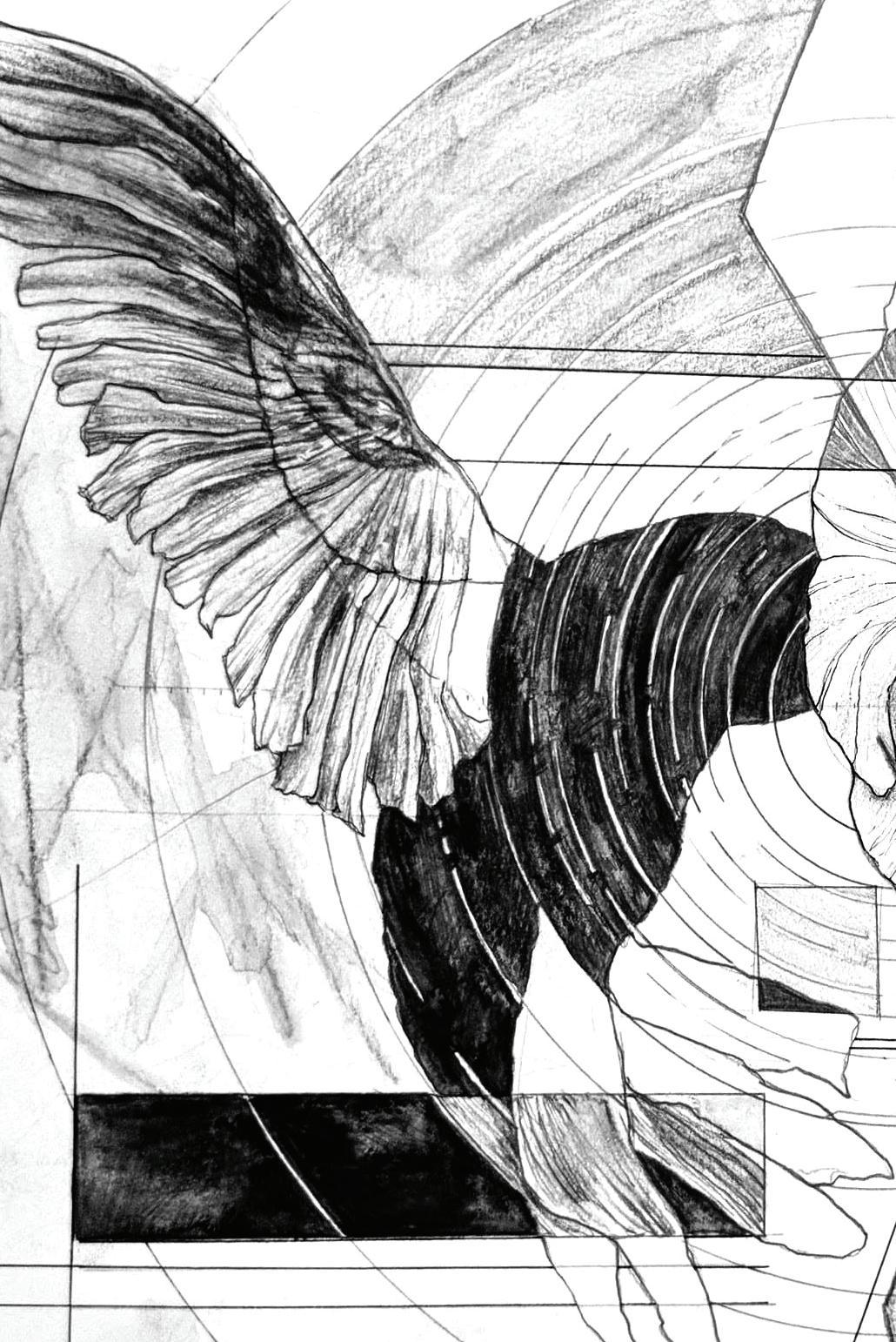
Paintings
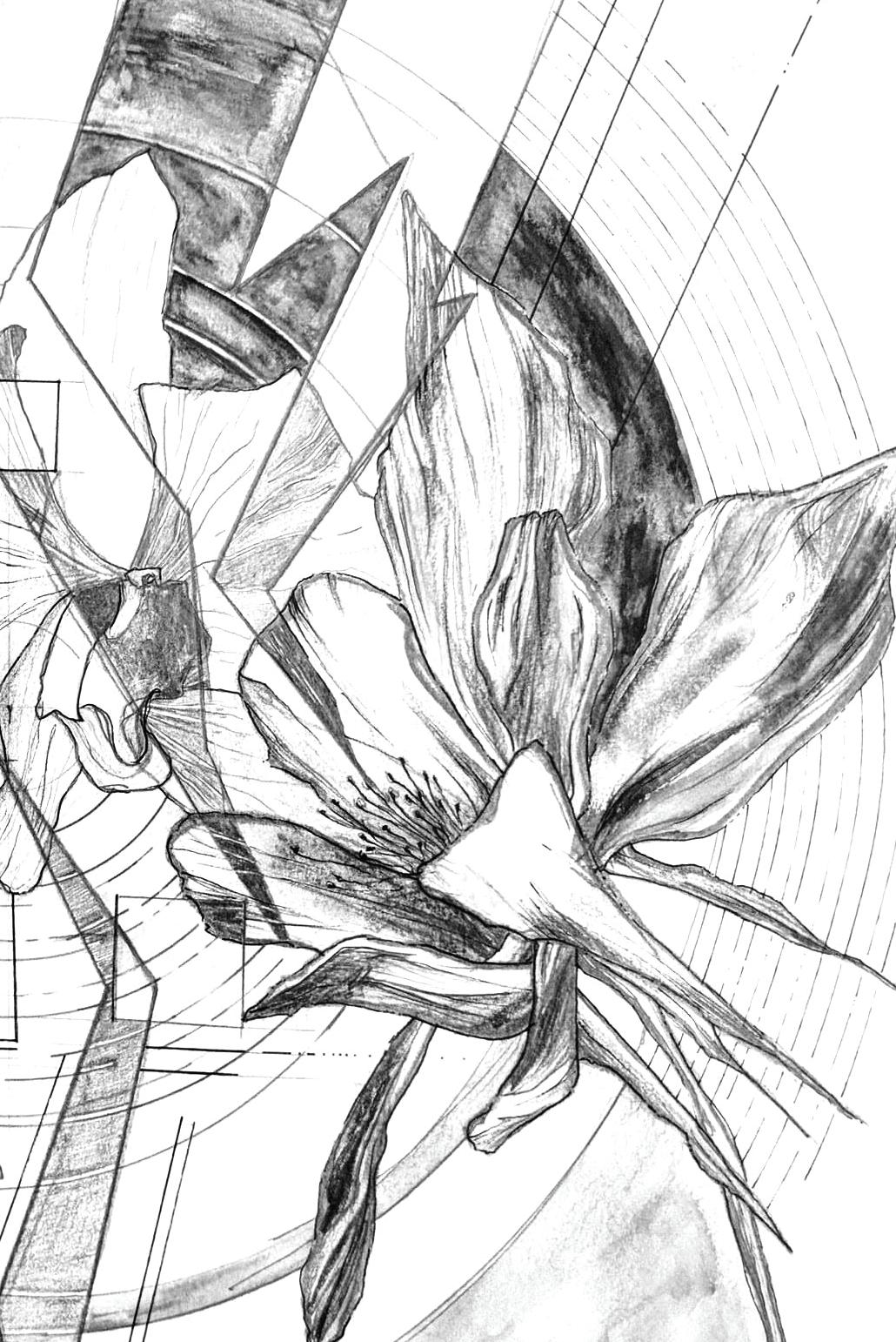
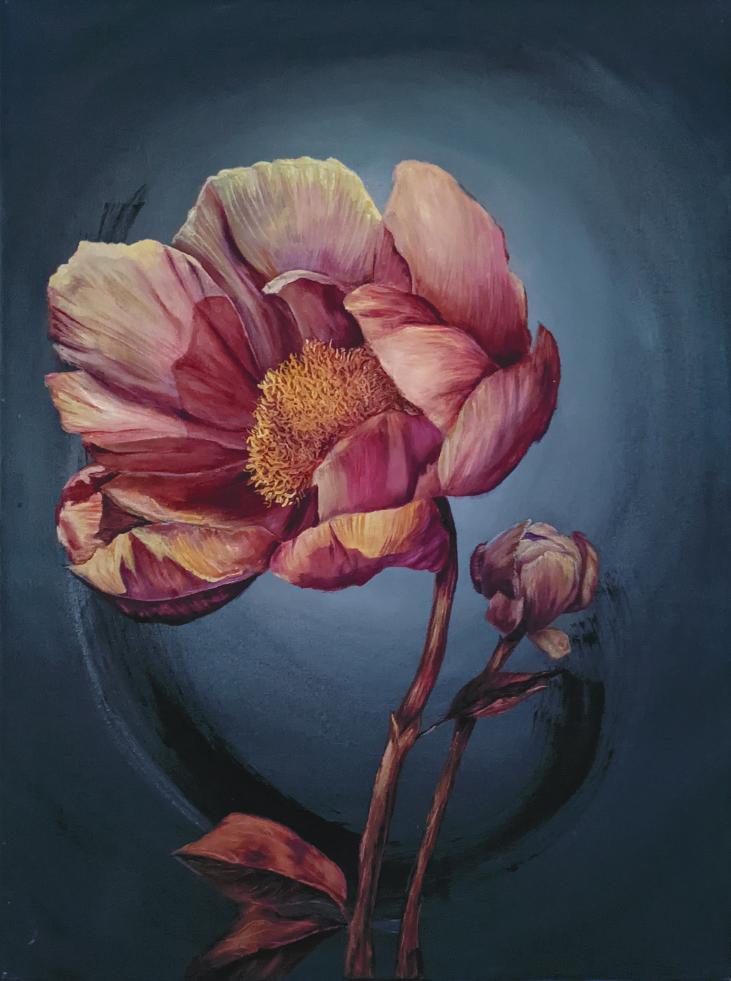
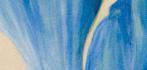
I started painting as a creative outlet outside of school. The paintings first started as floral compositions looking at the shape and textures in nature and delved into color harmony using primary colors and a limited palette. Later work incorporated some floral imagery but started to explore moments of my daily life.