Architecture Portfolio
Maiwenn Le Berre
Maiwenn Le Berre

lbmaiwenn@gmail.com
+44 7547 761436
LinkedIn - maiwenn-le-berre
I’m a recent MArch graduate with distinction from the Manchester School of Architecture, looking for a full-time Part 2 Architectural Assistant role. I have a particular interest in retrofit, leisure, cultural, and sustainable projects, but I’m equally excited to broaden my focus and discover new fields within architecture. My skills span hand drawing, modelmaking, and digital workflows in Rhino and Adobe Suite. I enjoy working collaboratively, learning from others, and contributing to projects at every stage.
Manchester School of Architecture Studio atelier: Infrastructure space
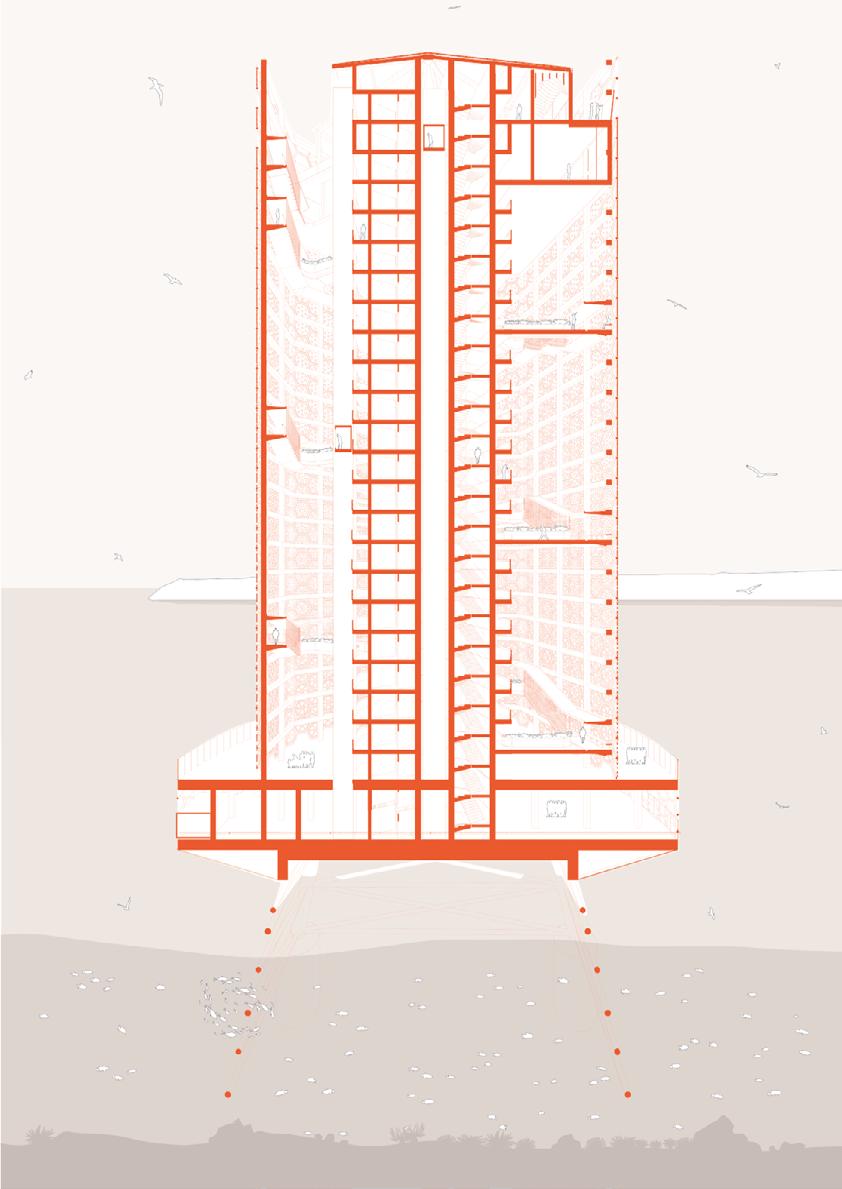
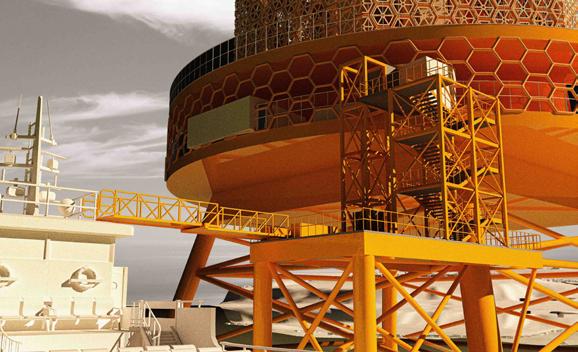
MArch 2 design thesis project: How do we manage degrowth of declining postindustrial urban spaces ? Designed an observation tower offshore from a nature reserve. Nominated for the Howells Clean Award .
MArch1 project: Cinema/Theatre in Cleator Moor , Cumbria, UK. Adaptive reuse project centred around community need
Soissons Architect, in Dunkerque (France)
Worked on residential project with Linkcity (bouygues construction), individual houses, industrial project with Arcelor mittal and extensions project
Chapman Taylor mentor
Richard Morton - Tutor (MSA) r.morton@mmu.ac.uk
+44(0)7725039985
Jerome Soissons - Employer soissonsarchitecte@gmail.com
+33 (0)3 28 66 66 00
French - Mother Tongue
English - Fluent
Japanese - Beginner
German - Beginner
Manchester School of Architecture Studio atelier: Computation Planning and Urbanism (Architectural Intelligence). Humanities elective: Anthropology of Home by Dr Raymond Lucas)
Photoshop Illustrator InDesign AfterEffect Procreate AutoCAD Sketchup Rhino 3D Enscape D5 render VRay Cura
Hand Sketching Digital Sketching 3D Printing Painting
Clifton High School, Bristol A Levels - Fine Art(A*), Maths(A), Physics(B) AS Levels - German (B)
Partaking in meeting with a mentor architect: gaining insight on the project timeline and implications, obtaining feedback on personal projects
Bristol, Workshop (October)
Initial approach to the professional side of the practice of architects by meeting architects, contractors, building surveyors, and visiting construction sites.
Bristol, Workshops (weekly)
Exploring different sector of architecture: meetings with civil engineers and architects in retail, education, entertainment...
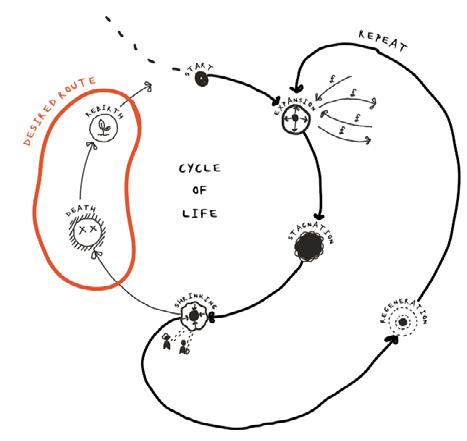
How do we manage the degrowth of declining post-industrial urban space?
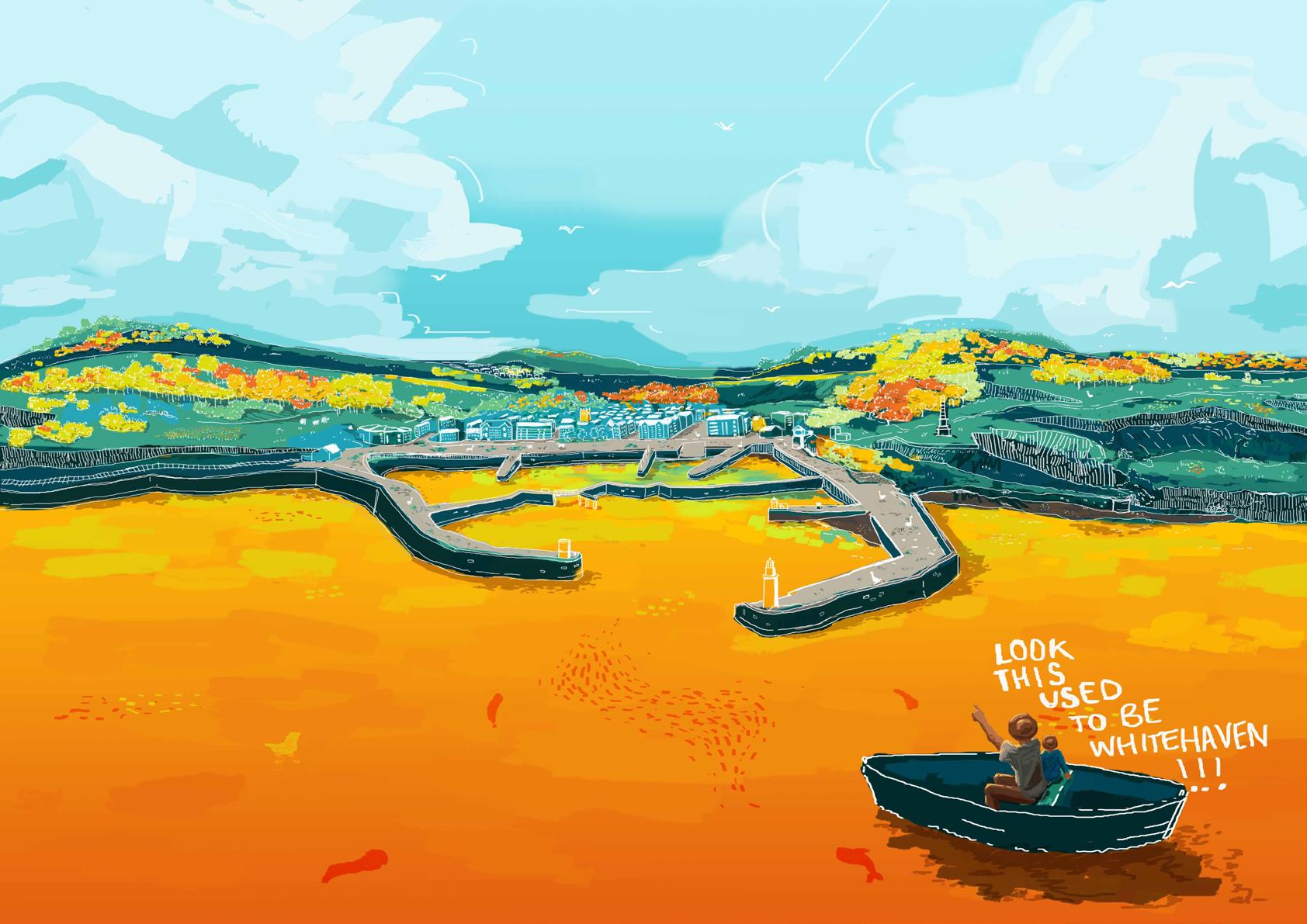
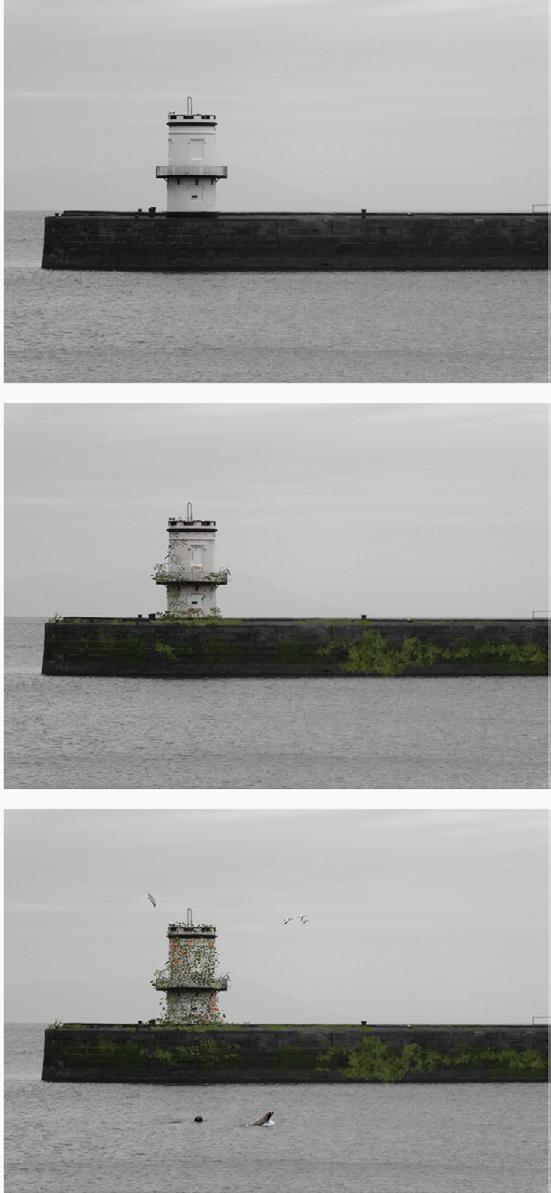
This design thesis explores degrowth as a structured retreat from human habitation, allowing nature to reclaim post-industrial landscapes. Using Whitehaven, Cumbria as a case study, it envisions a phased withdrawal where buildings are decommissioned, roads fade into forests, and selected structures become relics, reoccupied by wildlife. Guided by local communities, this transition ensures a thoughtful departure rather than abandonment. Whitehaven does not decay but transforms into a thriving natural reserve, where the human footprint fades, and the land is fully returned to nature.
of the Project
Existing Natural Environment
Brownfield
Heritage landmark to keep left untouched - Heritage brownfield
SSSI
SSSI
Arable habitat - can be used for sustainable food production during meanwhile use
SSSI
Saltmarsh and Coastline
Saltmarsh and Coastline
Woodland Existing
Saltmarsh and Coastline
Woodland
Woodland
Woodland
Grassland
Grassland
Grassland
SSSI
Brownfield
Brown eld
Coastline
Brown eld
Saltmarsh and Coastline
Brown eld Grassland
Woodland
Initial Corridors
Initial Corridors
Initial Corridors
Proposed Merge
Proposed Merge
Brown eld Grassland
Proposed Merge
Large-scale Mosaic
Large-scale Mosaic
Large-scale Mosaic
Initial Corridors
Proposed Merge
Large-scale Mosaic
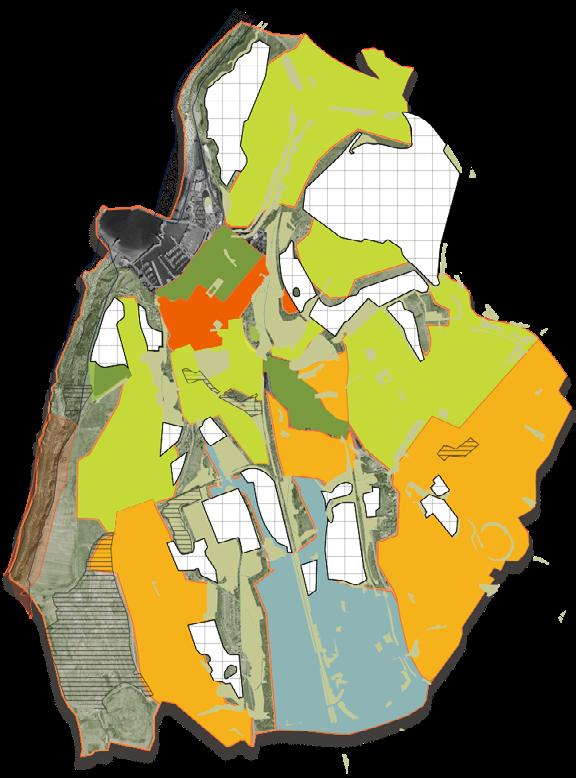
BIODIVERSITY GROWTH
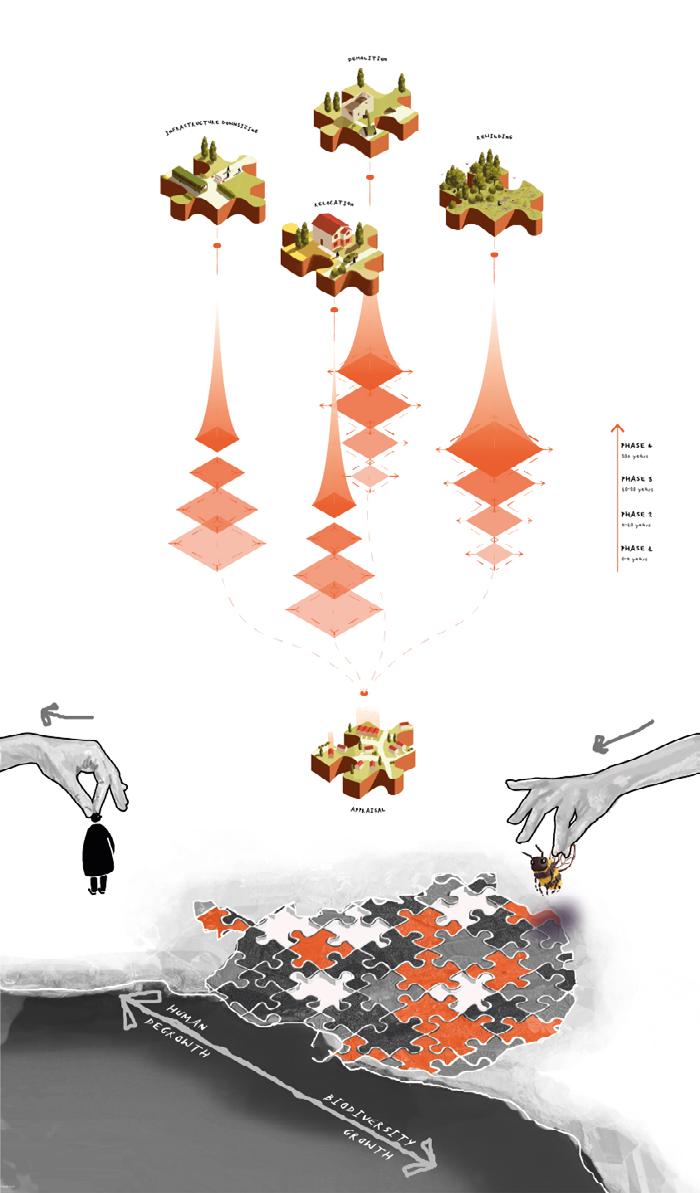
Inter-Scalar Diagram
This diagram demonstrates the degrowth process and the axes around which it happens
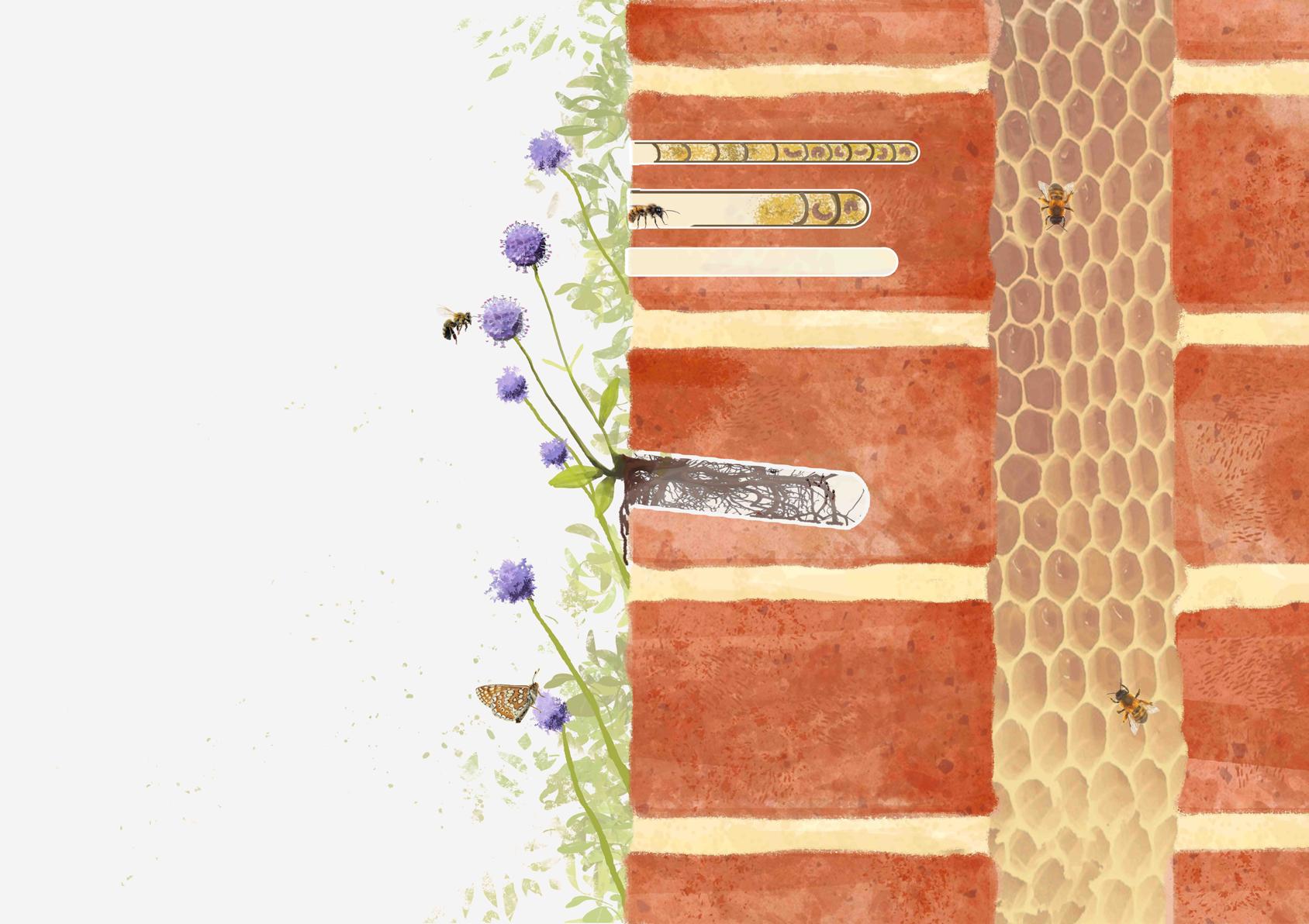
Detail
This detail display how existing structure can be adapted to catered other species and fastword the process of nature taking over the town
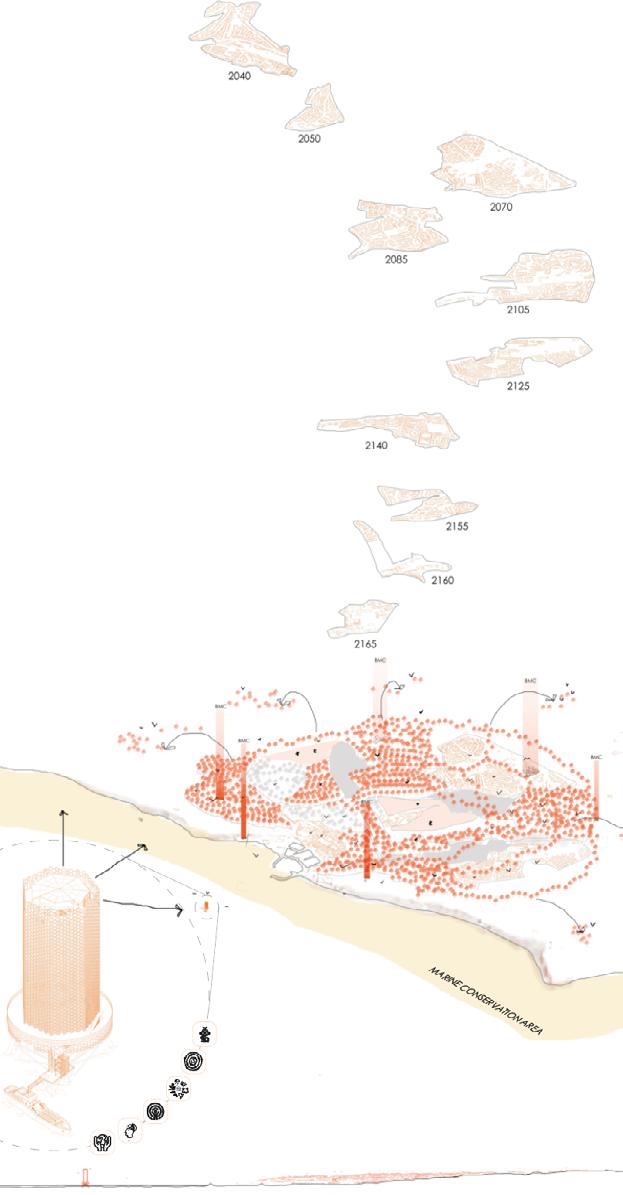
Principle Diagram
Diagram depicting the whole scheme with the degrowth through time and the nature reserve.
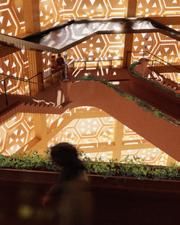
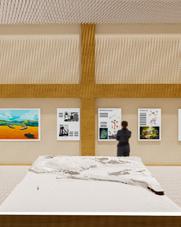
BMC- Biodiversity Monitoring Centres
Perspective Section 1:200 @ A0
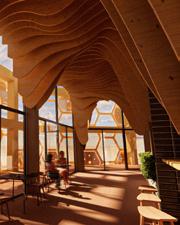
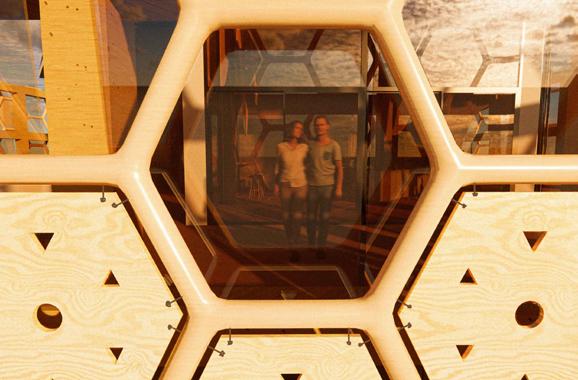
1. 13mm OSB Board, VCL, 2x150mm Steico® Solid Wood fibre insulation in between 300x300mm CLT joists, DPM, 40mm ventilation gap between 40x40mm wood battens, 13mm OSB Board, Zinc standing seam cladding
2. Sliding glass door
3. Suspended metal lattice ceiling, concealed services (ventilation, lighting) within 300m gap of unistrut system, 75mm Steico® Solid Wood fibre insulation, 300mm hollow concrete deck, 1º concrete incline, VCL, 140mm Insulation, DPM, adjustable pedestals, 50mm concrete tiles.
4. 13mm perforated OSB Board, VCL, 300mm Sheep Wool insulation, 13mm Sheathing Board, DPM, Z shape vertical profile 50x60mm, Horizontal fixing system profile 30x60mm, Reclaimed slate, 300mm gap, 200mm Ø aluminium hexagonal Structure.
5. Transparent glass protective railing
6. 500x500mm CLT Beam, projected connection to aluminium hexagonal Structure
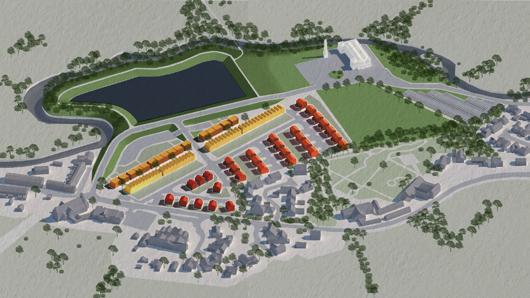
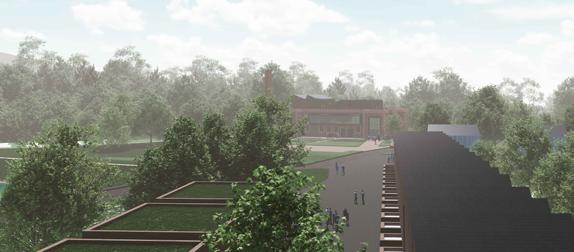
This project proposes a masterplan to revitalise Cleator Moor, Cumbria, by attracting a younger population through new housing, food and beverage spaces, and community amenities. Addressing the area’s lack of cultural and leisure facilities, the adaptive reuse of Cleator Theatre transforms it into a multi-functional hub with a cinema, theatre, and community hall. As the masterplan introduces more families to the area, this space fosters social connection and cultural engagement, filling a vital gap in local infrastructure while supporting long-term community growth.
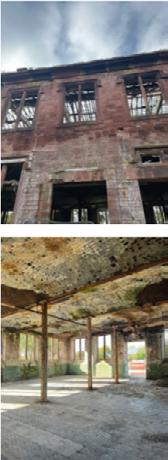

This is the building on which adaptive reuse is design
Masterplan
The adaptive reuse scheme was designed in correlation with a phased masterplan scheme providing food and beverages and different housing typologies.
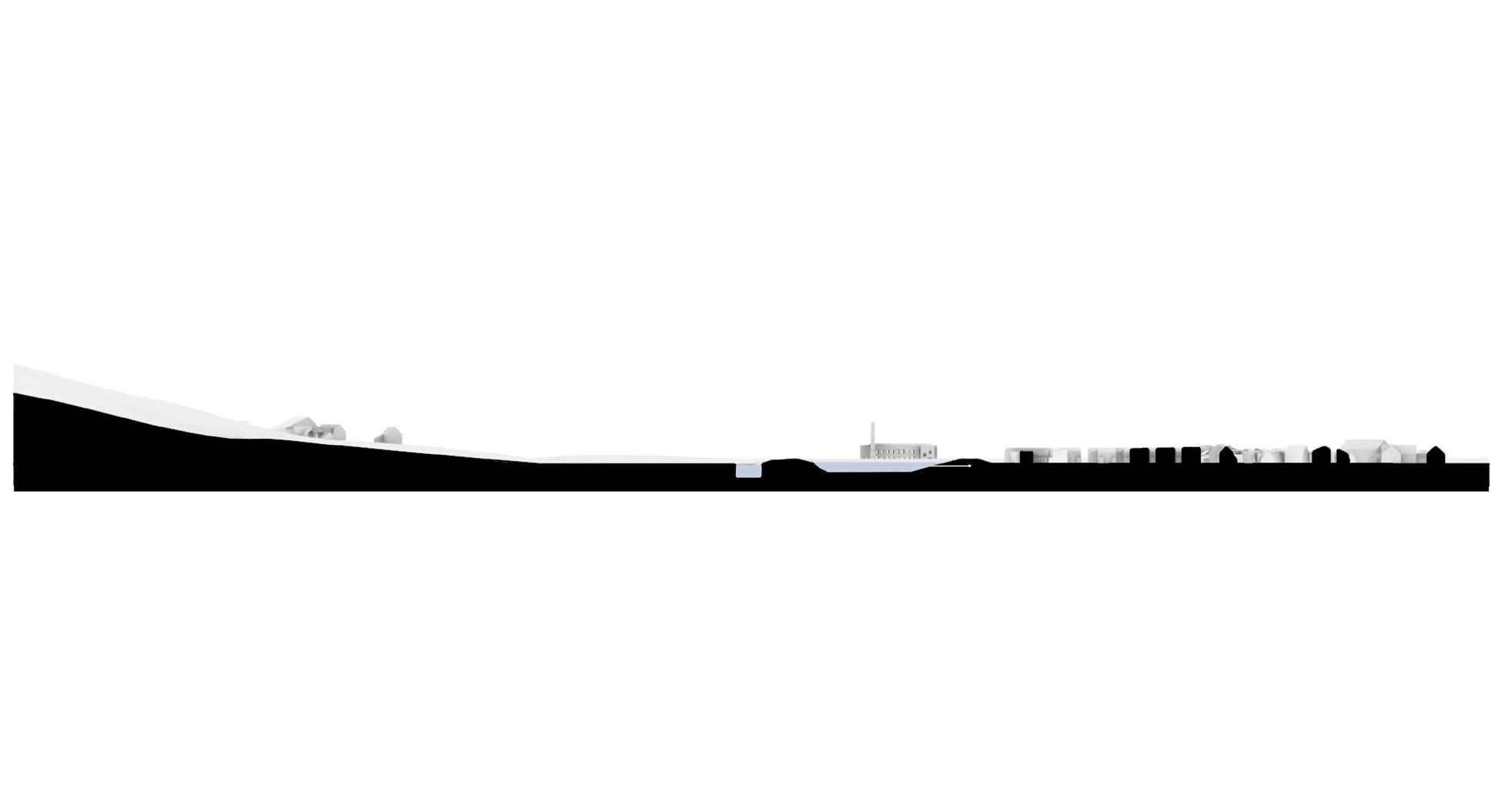
Section 1:2500 @A3
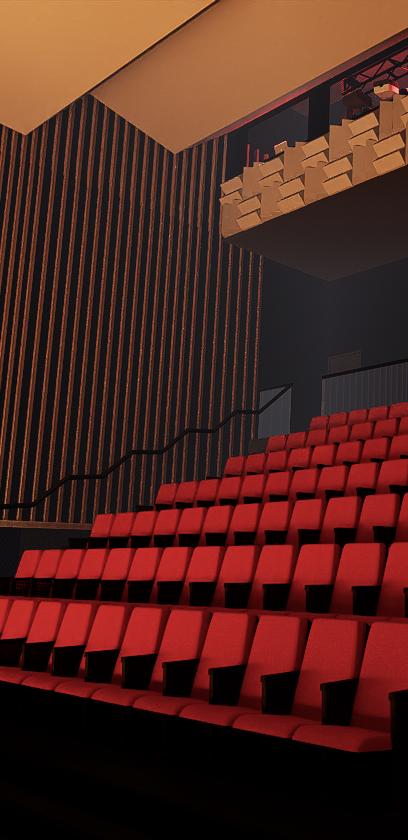
Visual
A View of the auditorium and its acoustic panels
Technical Detail 1:20 @ A1
1. 150mm soil substract, drainage channel, DPM, 13mm OSB board, 250 mm rigid wood fibre insulation, 13mm sheathing board , VCL, 12.5mm TR80+ metal deck, cellular steel beam with services running through, unistrut system, suspended acoustic panels
2. Climbing plants, 15mm Corten Steel, 50mm air cavity, DPM, 12.5 mm OSB board, 200mm sheep wool insulation in between primary structure, VCL, 50mm rock wool insulation between C strut, V brace 90 degree fixation to 13mm OSB sheathing board, double plaster board, acoustic panels.
3. Acoustic panel, Double plaster board, 50mm rock wool insulation panel between C strut, V brace 90 degree fixation to 13mm OSB sheathing board, VCL, 200mm Sheep wool insulation in between Steel primary structure, existing building structure.
4. 13mm OSB sheathing board, 50mm rockwool insulation, 13mm sheathing board, RAL 8017 Anodised aluminium, in between Mullins
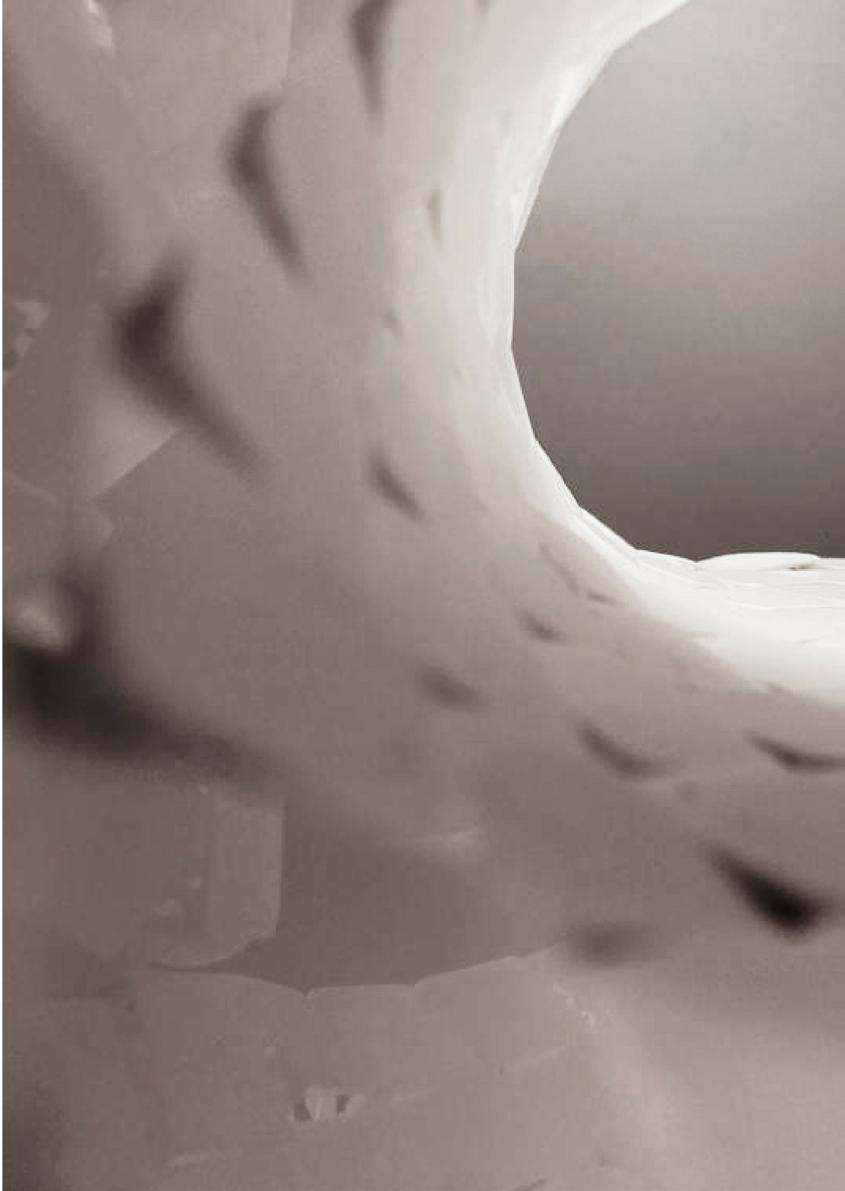
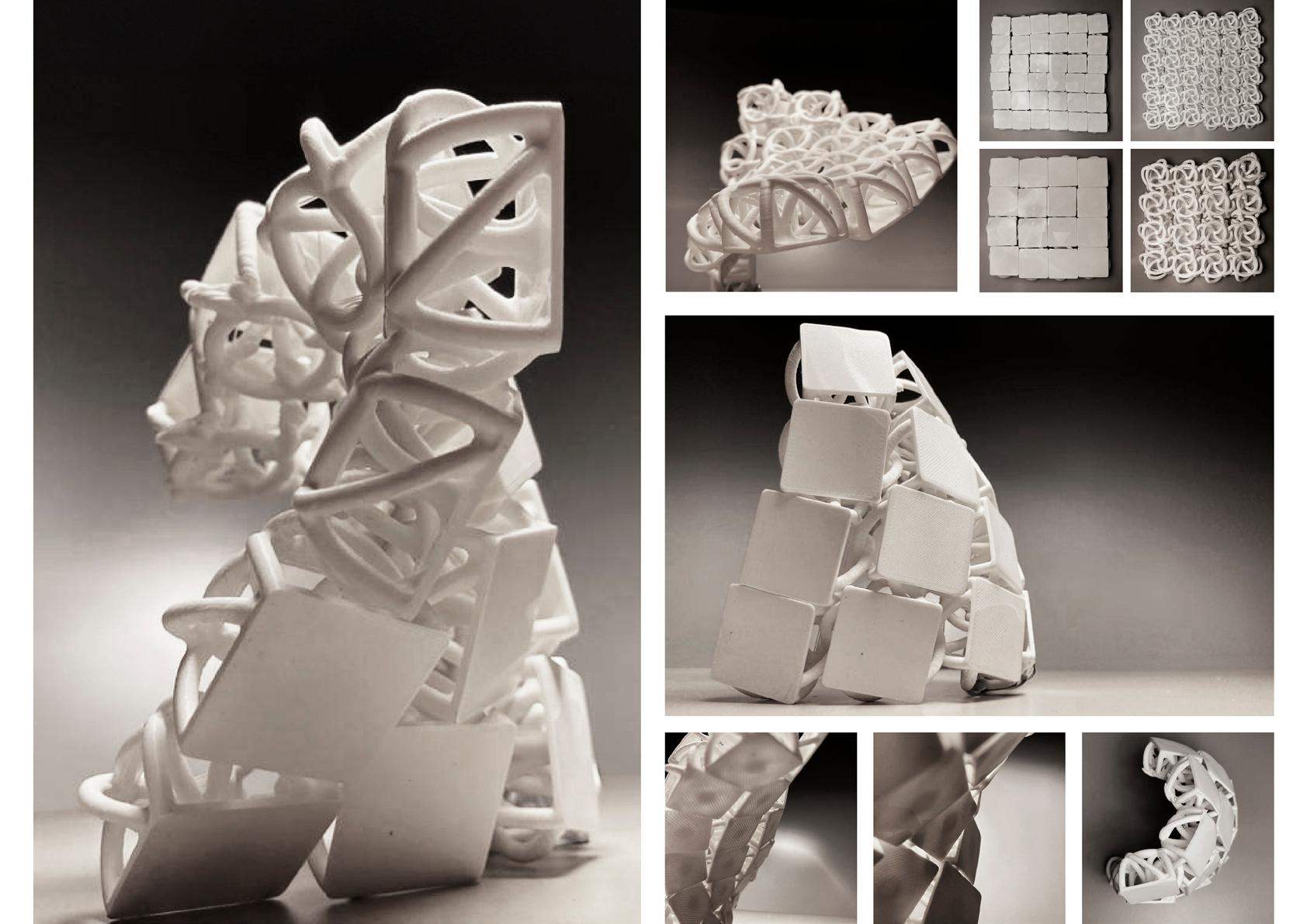
Exploring the role of textiles tectonics in term of flexibility through digital design
This project explores the intersection of digital architecture, parametric design, and textileinspired tectonics to create an adaptive architectural installation. Using Grasshopper for modelling and 3D printing for prototyping, it explores flexibility, modularity, and sustainability. Drawing from textile principles, the design incorporates interlocking components 3D printed in as one element. It aims to respond dynamically to site constraints and environmental conditions as a temporary pavilion structure that can be reused in multiple location
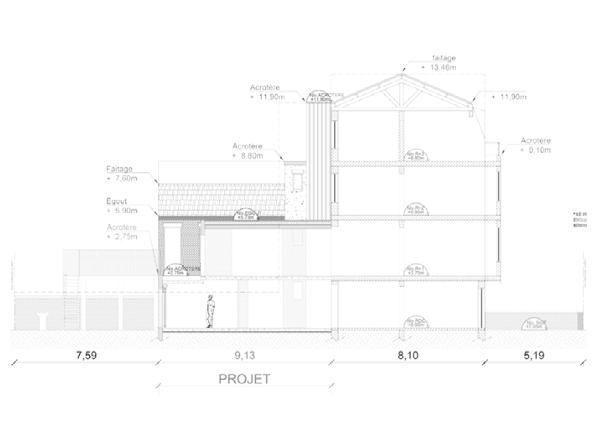
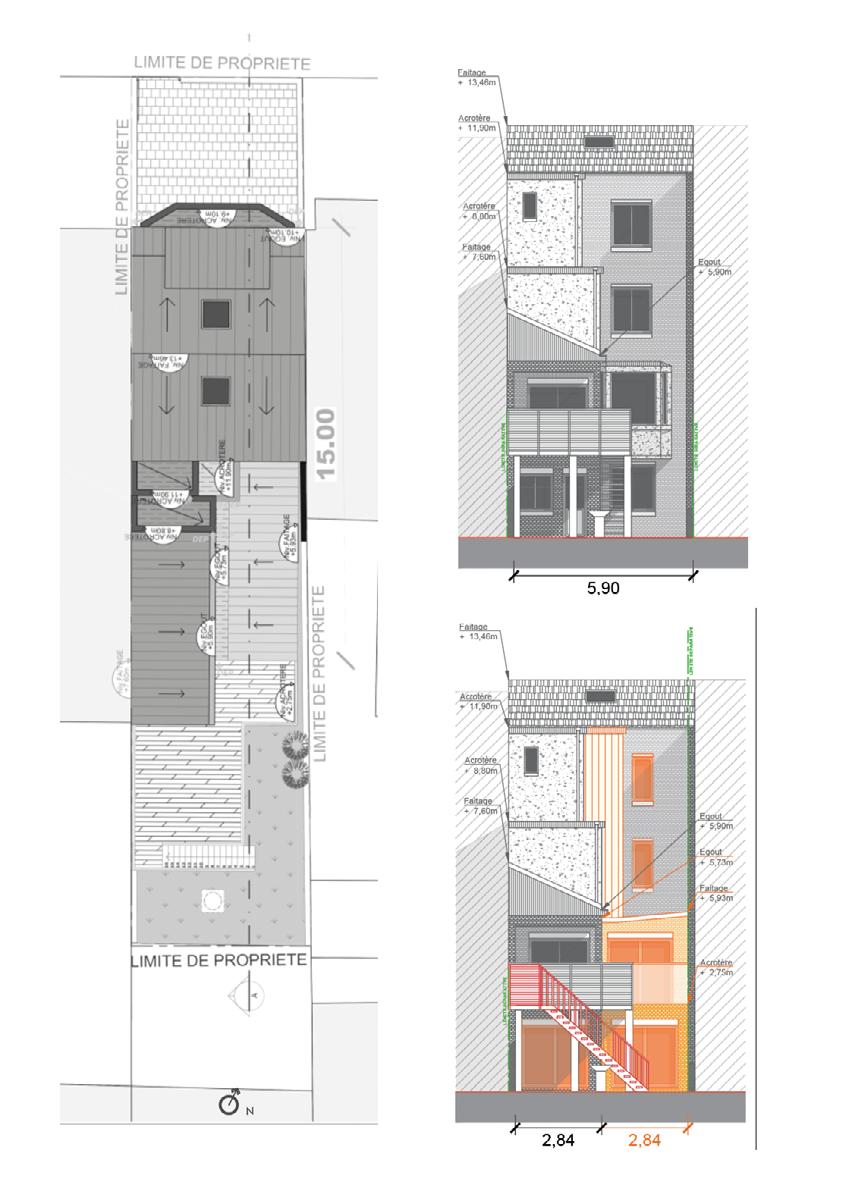
Brief: Extension work on an existing house
Location: Malo-les-bains,France
Client: Private Client
The project transformed the ground floor into a self-contained flat, incorporated an elevator for improved accessibility, and added a second-floor extension to enhance living space. Through careful coordination and regulatory adjustments, the proposal successfully balanced design intentions with practical feasibility.
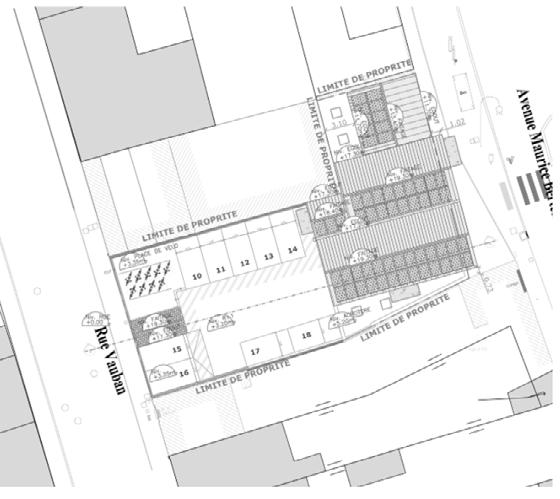
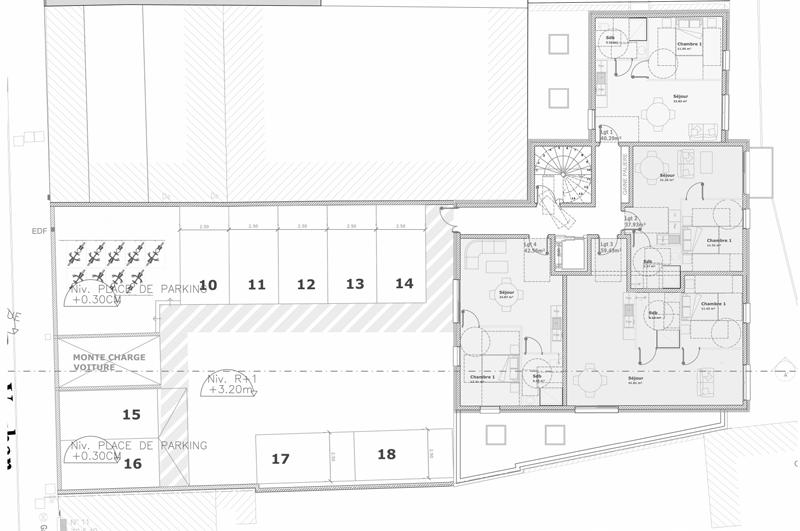
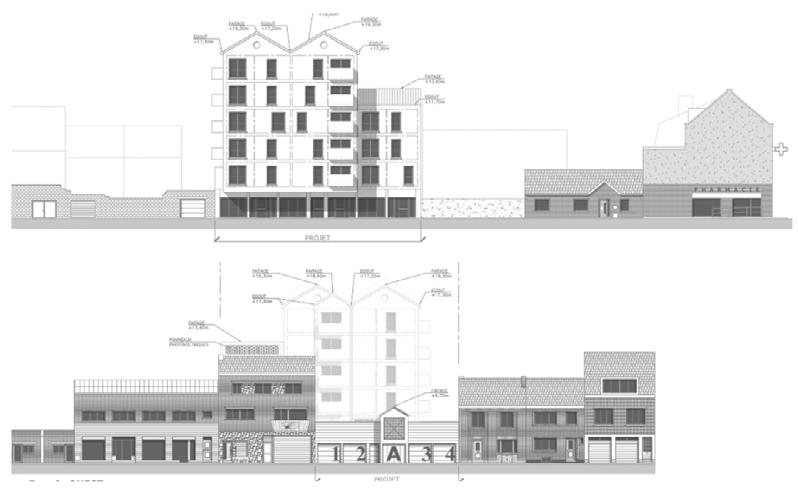
Brief: Residential building with shops on the ground floor and 15 flats above.
Location: Dunkirk, France
Client: Private Client
This professional project involved preparing the planning application for a five-storey mixed-use building with 18 flats, a commercial space on the ground floor, and parking at the rear. While I did not design the scheme, I contributed by refining minor details to ensure compliance with space constraints and regulations and put together the graphic document of the planning application.
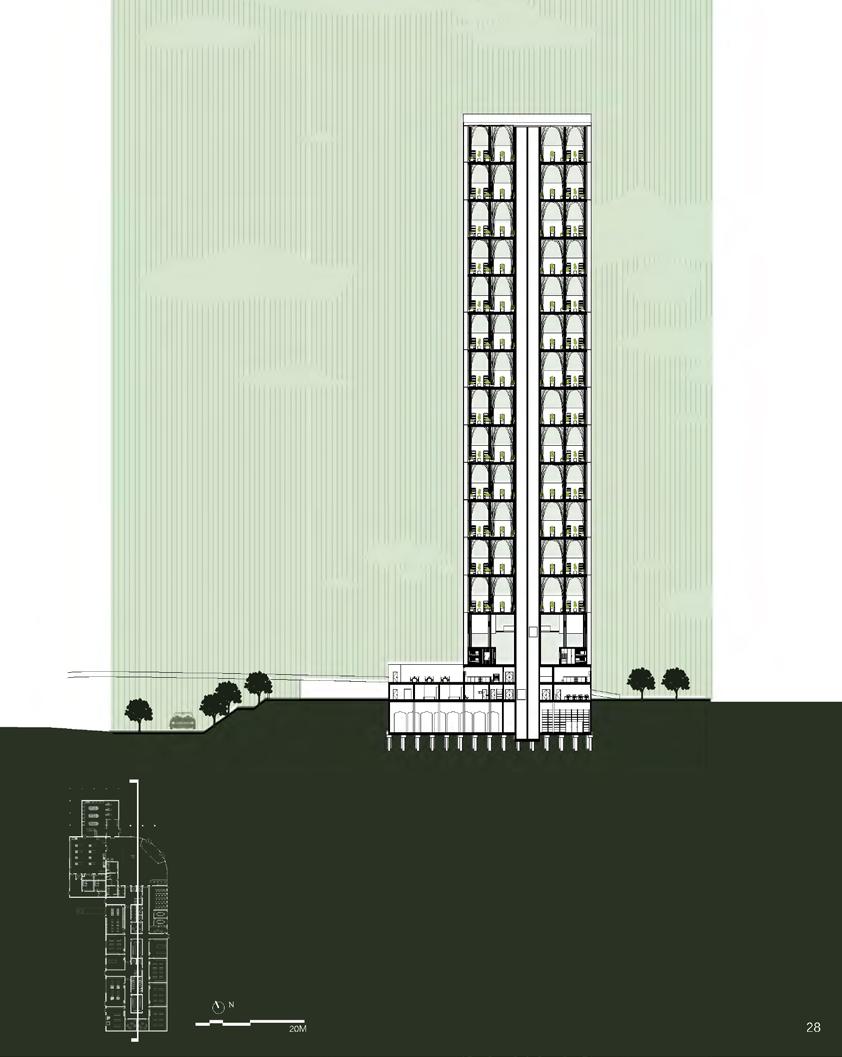
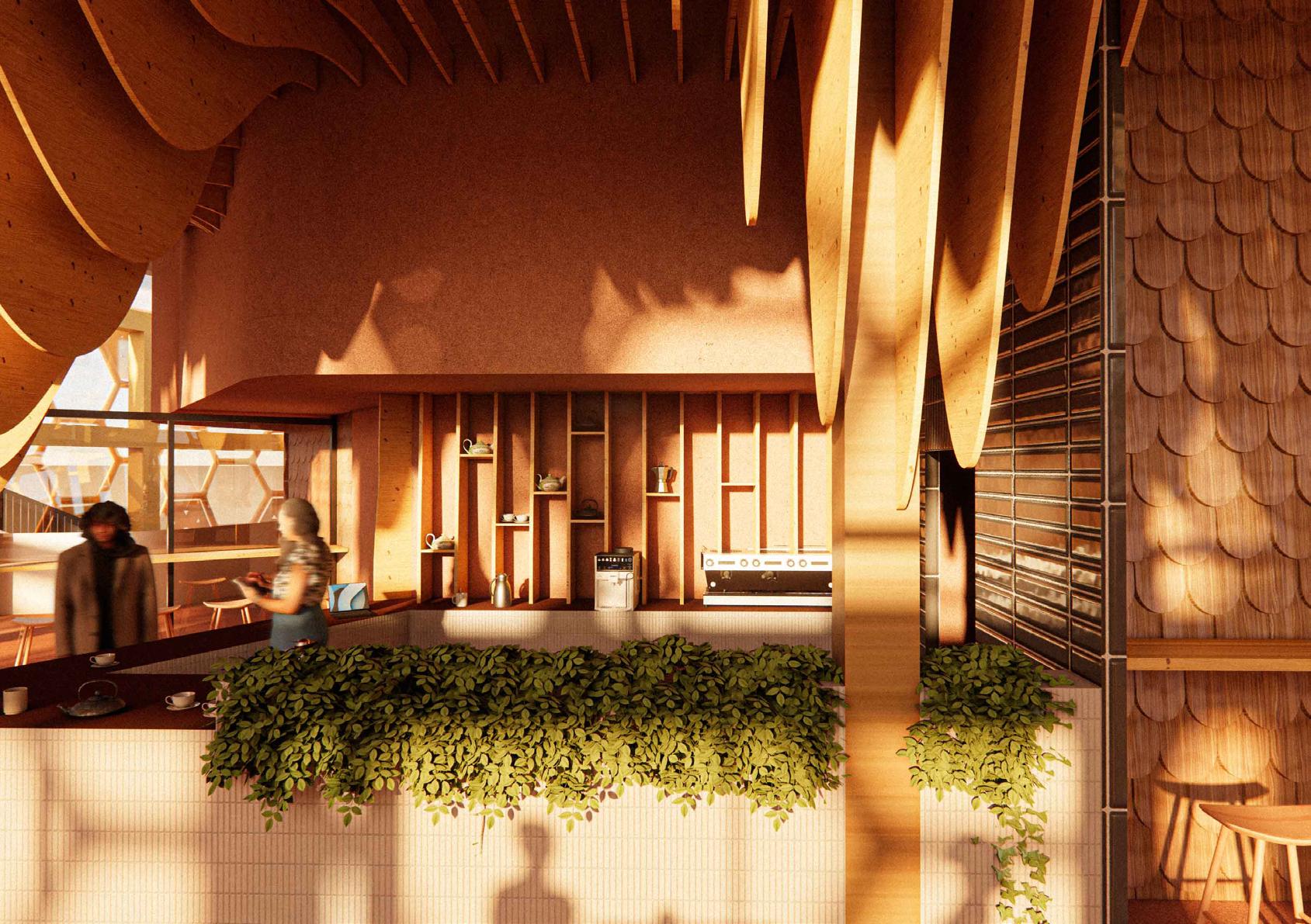
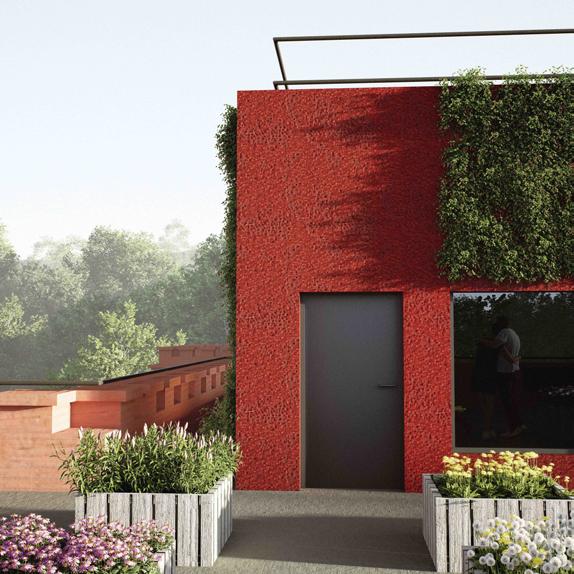
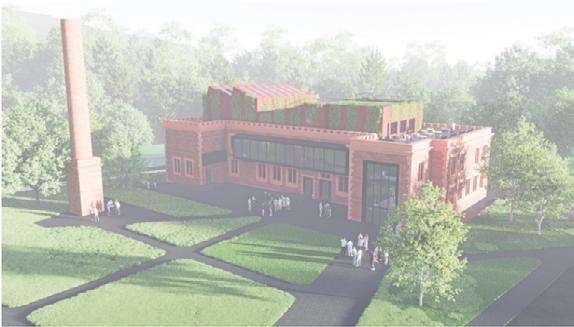
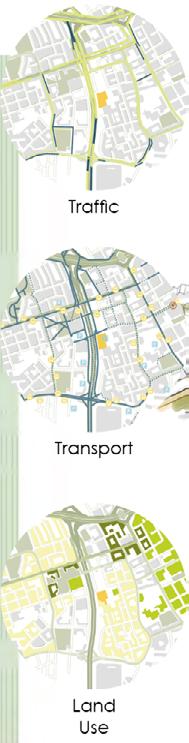
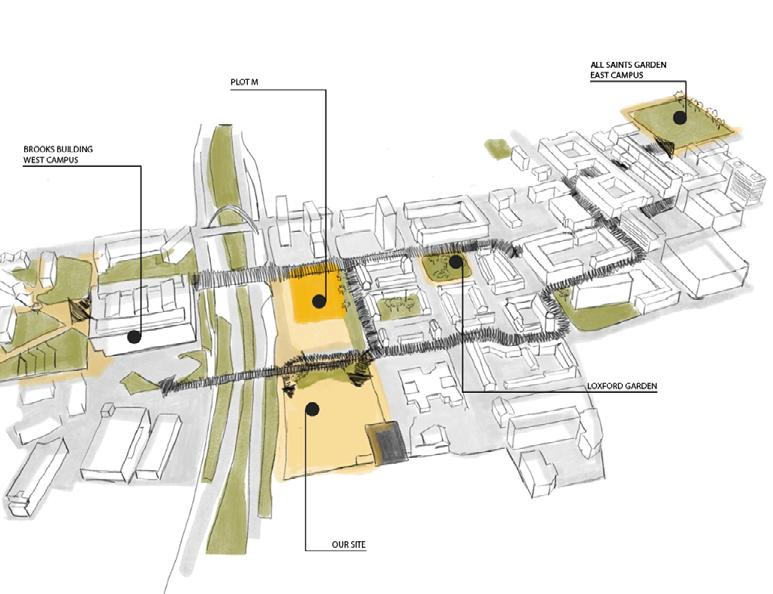
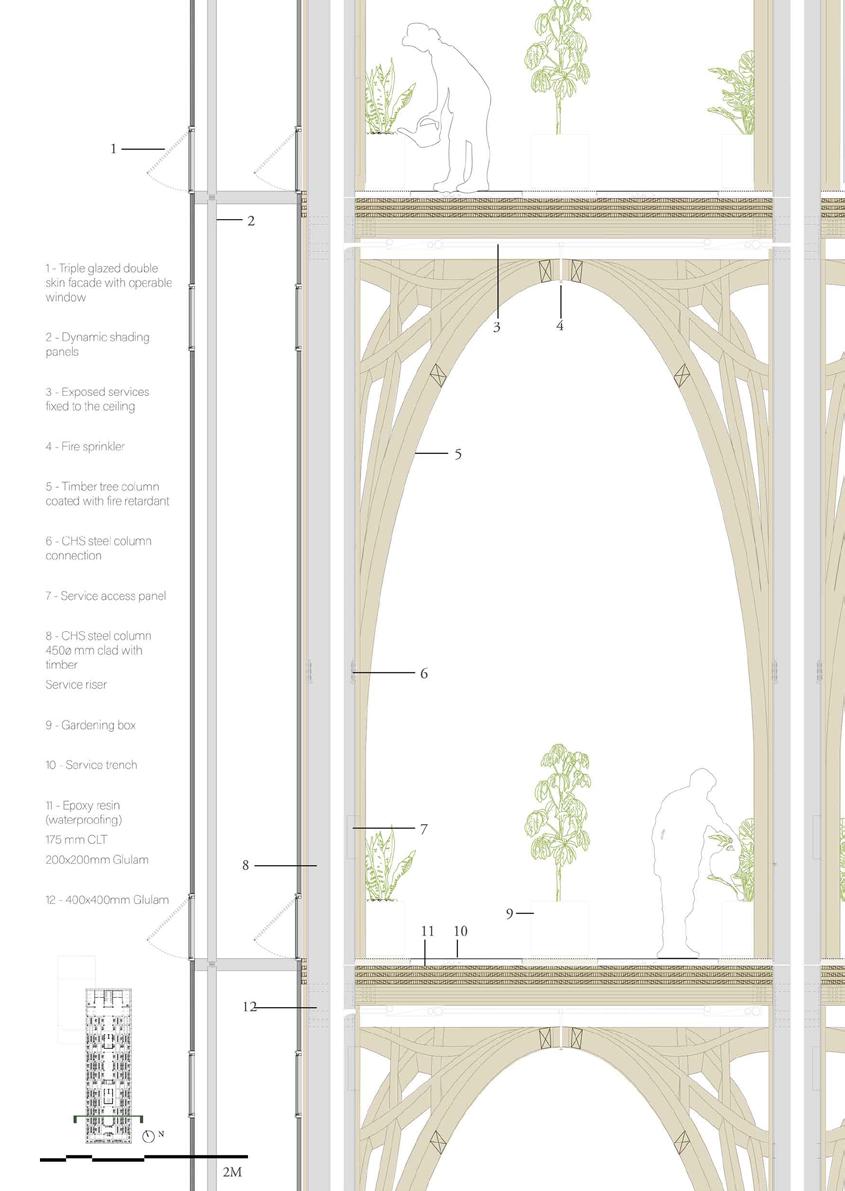
“HomeFarm” is a combination of a three main space: a vertical farm, research laboratories and housing for the homeless as part of the reinsertion scheme where we provide food and a living space while they obtain qualifications in various field (animation of workshop, horticulture, manager, etc...). Homefarm would be part of the Manchester Metropolitan University’s Health and Education faculty, by helping with research in method of growing plants, food packaging, food waste and our daily diet. Our aim: produce healthy, local vegetable, fruit and mushroom and reach out to Manchester’s community in order to limit our food importation consequently our carbon emissions footprint.
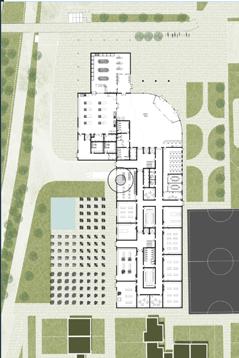
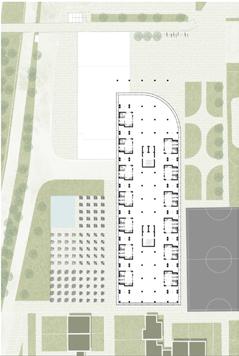
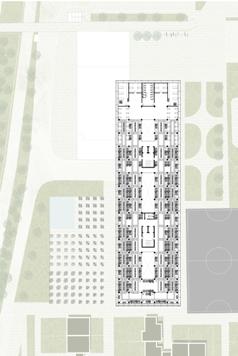
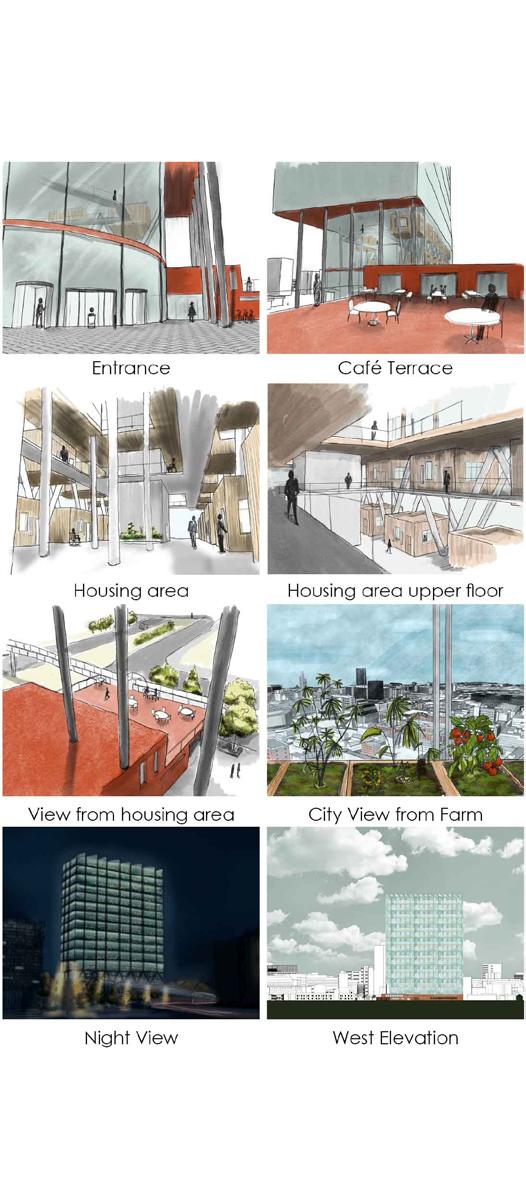
Concept Visuals
Detail Section 1:20 @ A3 Portrait
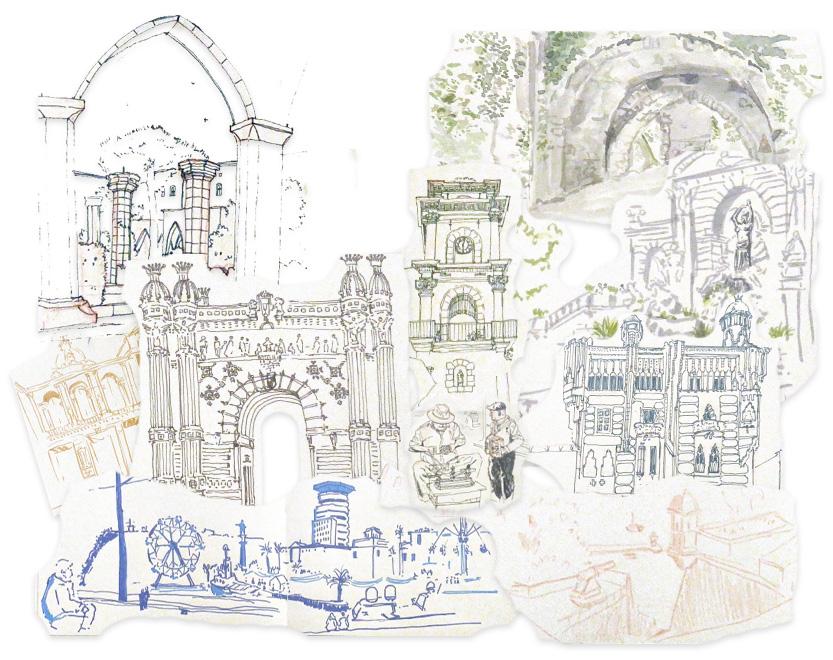
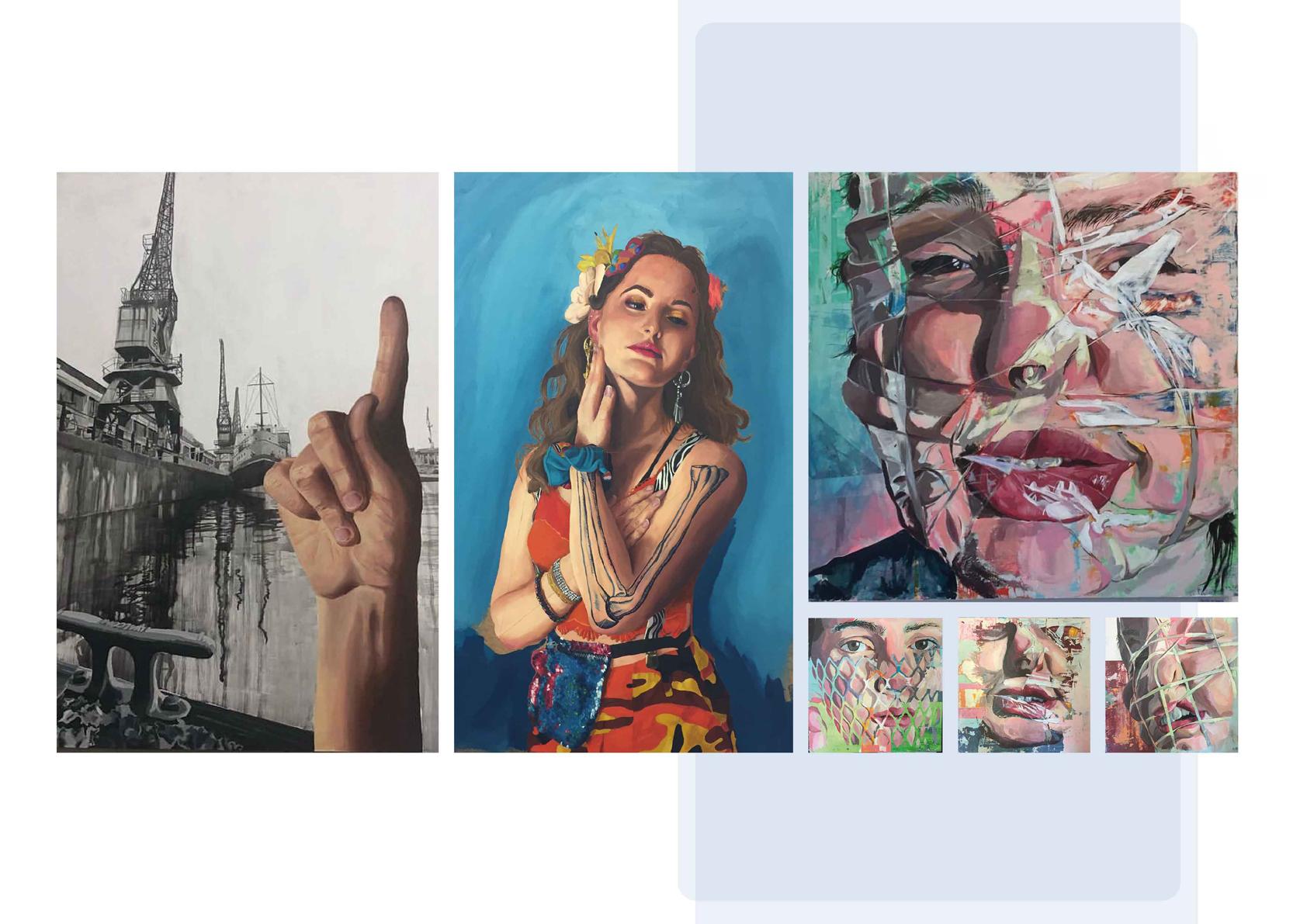
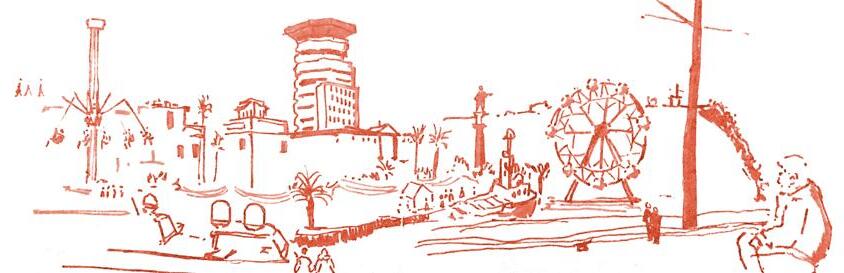
This collection showcases a series of urban sketches and paintings I have created over the past three years. Using a mix of mediums, these sketches are a personal record of my experiences. Drawing these scenes is something I truly enjoy, finding happiness in capturing the small details that make each place unique.