Rail Fast, Non-disruptive Solutions for Rail Infrastructure Assets

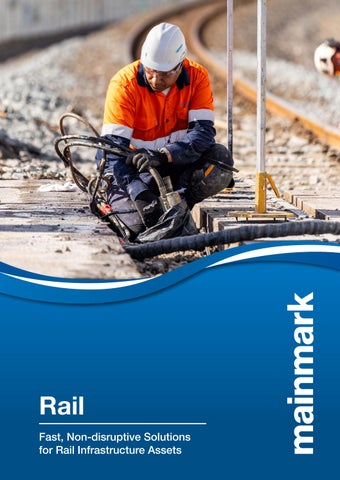
Rail Fast, Non-disruptive Solutions for Rail Infrastructure Assets
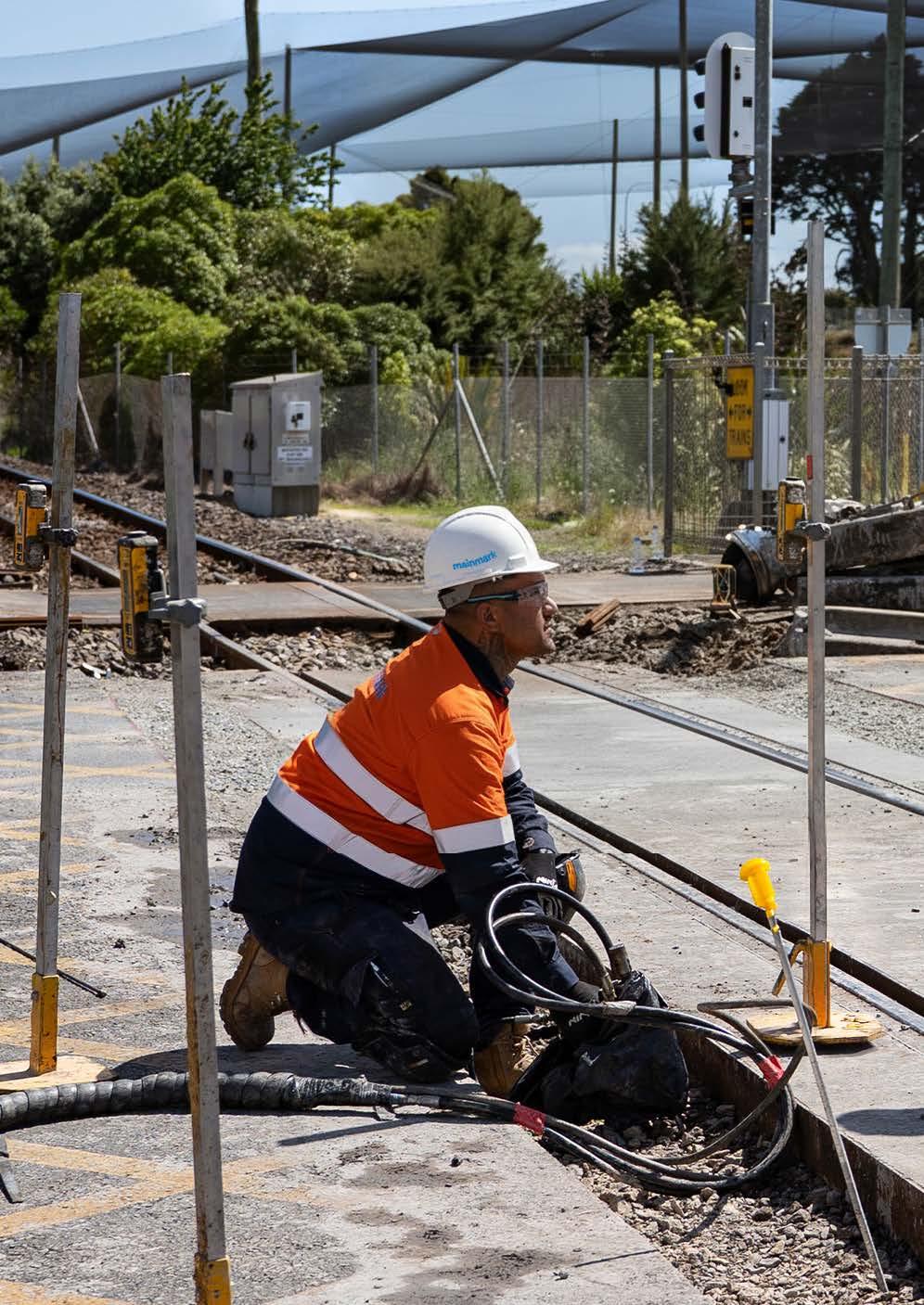
Founded in 2008, Mainmark pioneered Ground Improvement Technologies in New Zealand.
Our In-house Engineers bring extensive knowledge and experience to every project.
ISO Accreditation: Guaranteeing risk mitigation and operational excellence.
Award-winning global ground engineering organisation delivering the world’s most advanced, innovative, and accurate solutions.
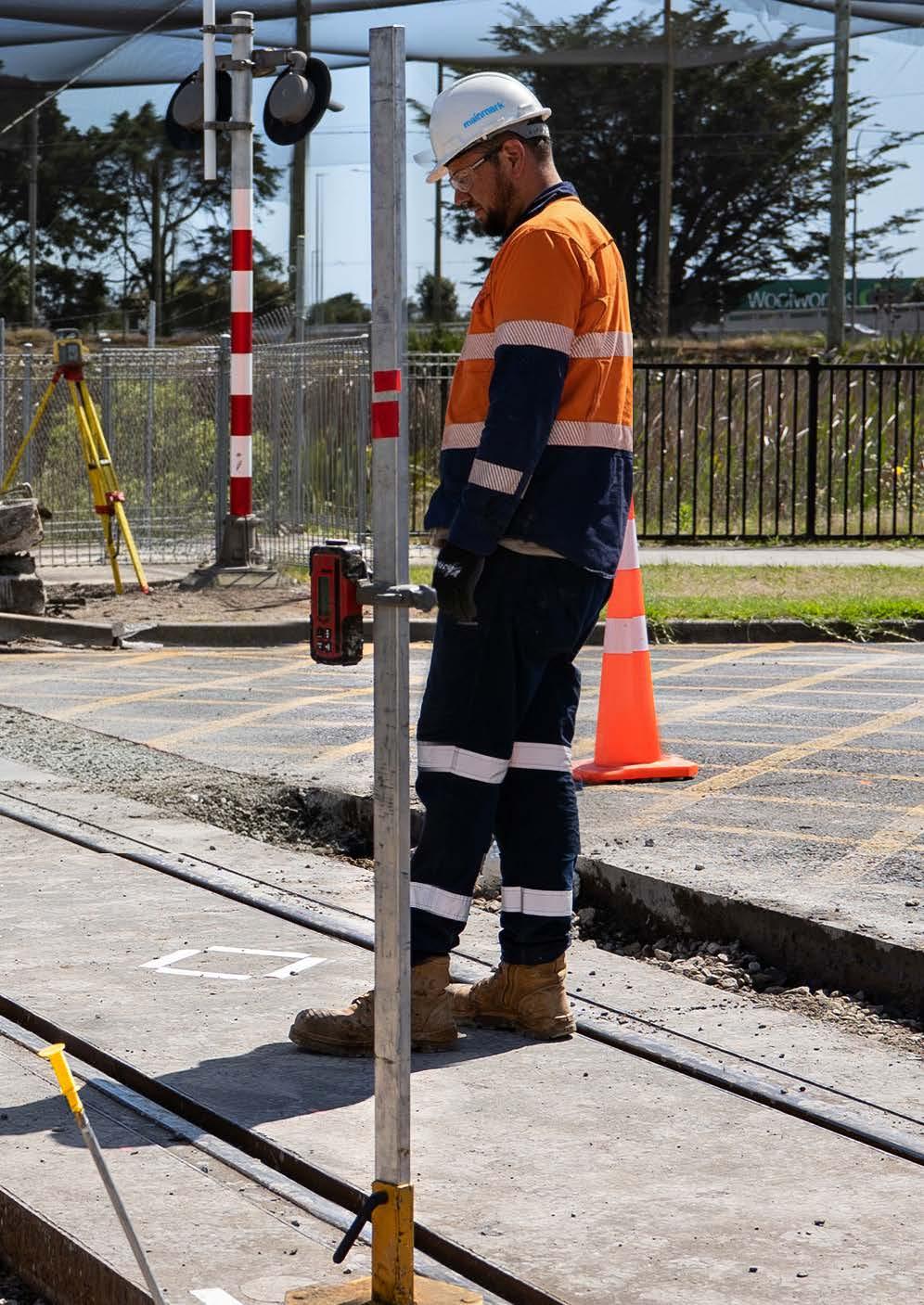
Mainmark is a trusted partner to the rail sector, delivering advanced ground engineering solutions that strengthen assets, extend service life, and keep rail networks moving. With more than 30 years of experience delivering successful rail projects, we understand the technical, operational, and safety demands of working in live rail environments.
Proudly Australian-owned and operating since 1989, Mainmark is at the forefront of ground engineering innovation. We specialise in ground improvement, re-levelling, and void filling using proprietary, noninvasive technologies that stabilise tracks, formations, and associated infrastructure affected by settlement, voiding, or ground instability.
Our solutions offer a fast, precise, and cost-effective alternative to traditional excavation and replacement, reducing downtime, construction footprint, and whole-of-life costs. We work collaboratively with asset owners and operators to deliver within tight possession windows, planned shutdowns, and emergency response scenarios, prioritising safety while minimising disruption to rail operations.
Mainmark is committed to ensuring the Health, Safety, and Well-Being of all our Employees, Subcontractors, Customers, and Stakeholders.
Our robust integrated system has successfully met rigorous assessment against international standards, demonstrating our dedication to Work Health and Safety, with critical focus areas on:
Risk management
Training and competency
Leadership
Plant and equipment management
Management of change
Continuous improvement
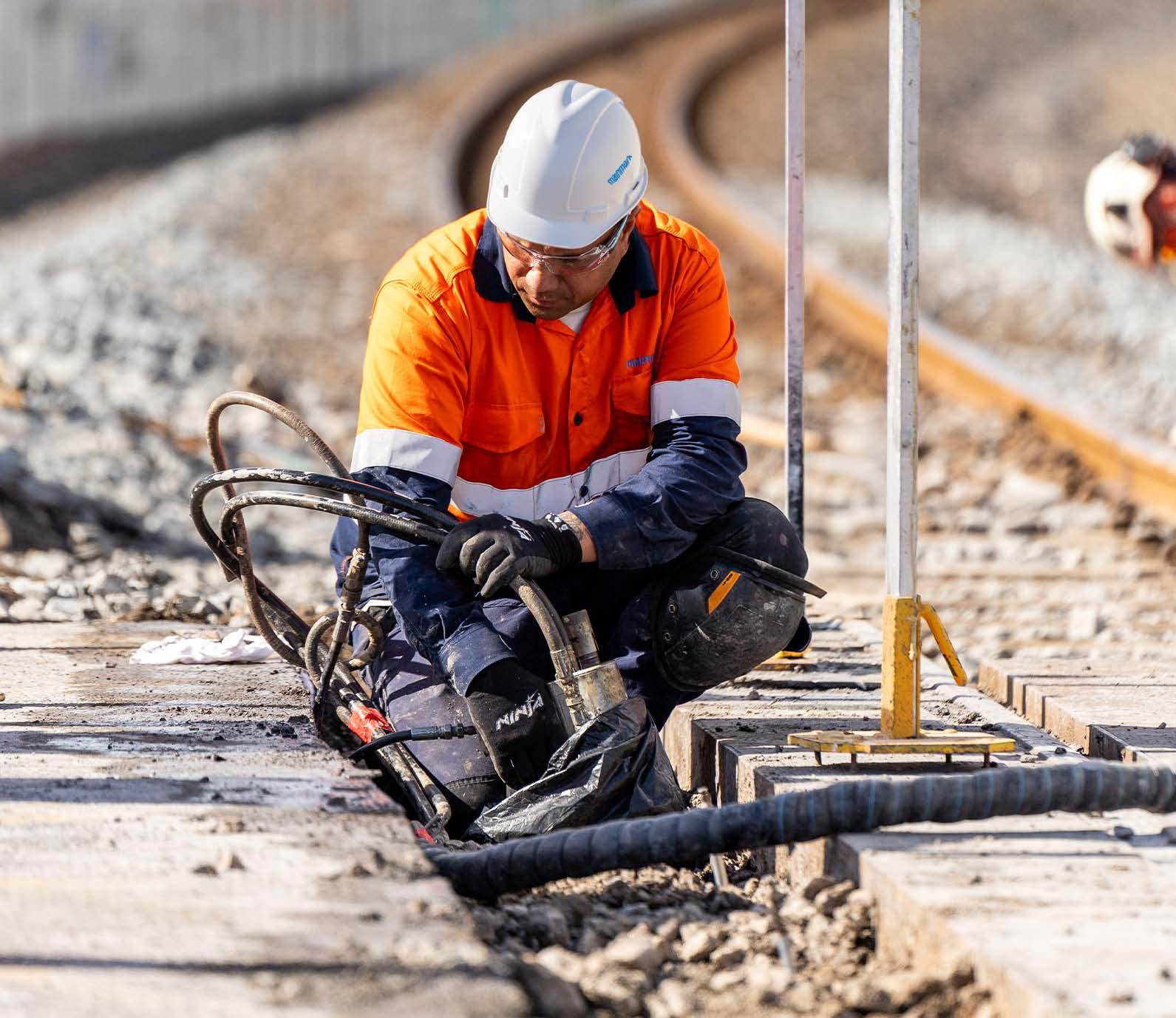
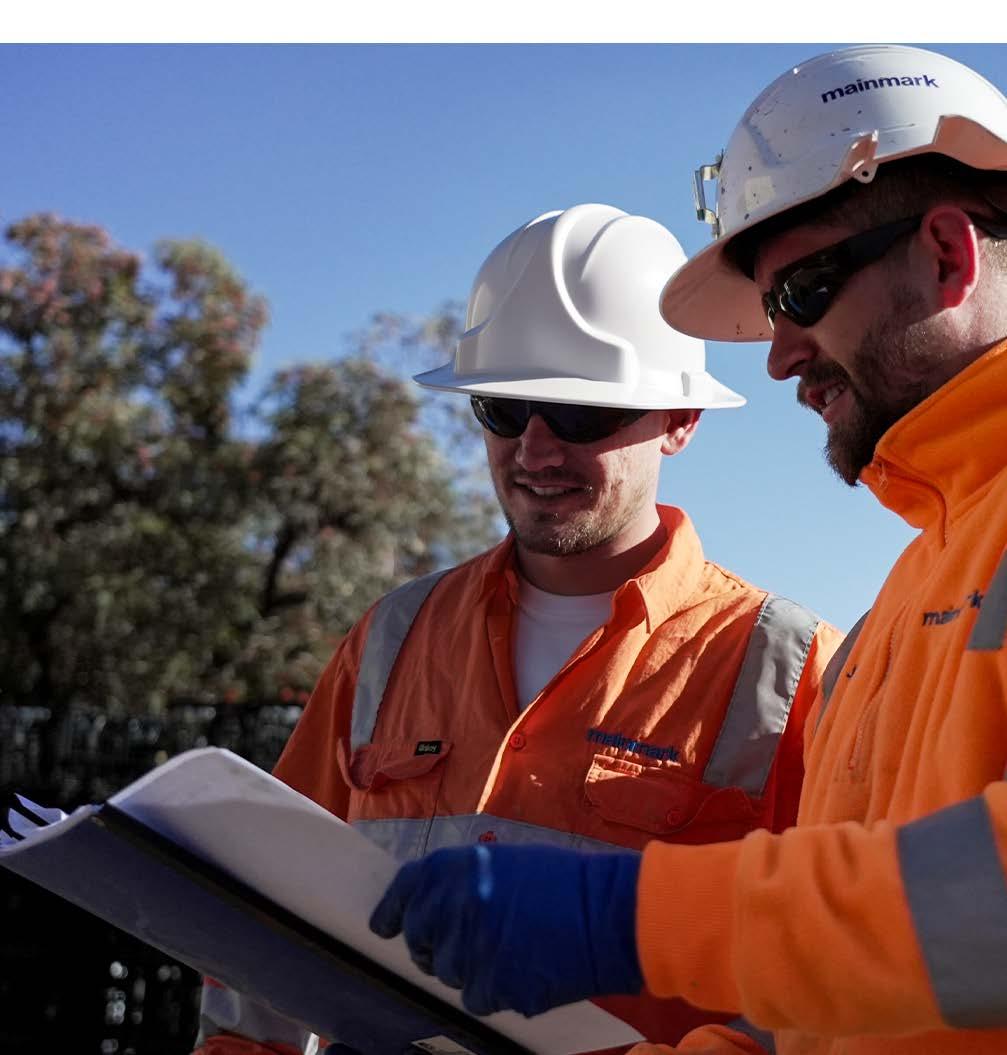
At Mainmark, we take great pride in our team of experienced personnel. Each member is a subject-matter expert in delivering our specialised technologies and has completed all the regulatory requirements, including Health Monitoring and Training Competencies. This ensures that our projects are completed to the highest standards of safety, quality, and in accordance with rail competency requirements.
Mainmark has built and developed a fleet of hi-rail plant and equipment for effective delivery, tailored for rail compliance and safety.
We remediate and re-level rail infrastructure, affected by differential settlement and subsidence resulting from soil consolidation, compaction, or long-term creep under structural loads and vibration. Our solutions restore structural integrity, alignment, and operational performance, mitigating further deformation and extending asset life.
Providing advanced in-situ ground improvement and engineered soil replacement solutions tailored to the rail industry, enhancing the bearing capacity of soils supporting rail infrastructure and equipment to address settlement, and improve foundation performance in challenging ground conditions.
Specialised void filling solutions for the rail industry, using advanced chemical and cementitious grouts to re-support foundations, backfill decommissioned underground services, and fill large voids. Our approach is tailored to the void size, location, and site-specific challenges, providing a cost-effective alternative to traditional methods while minimising operational disruptions.
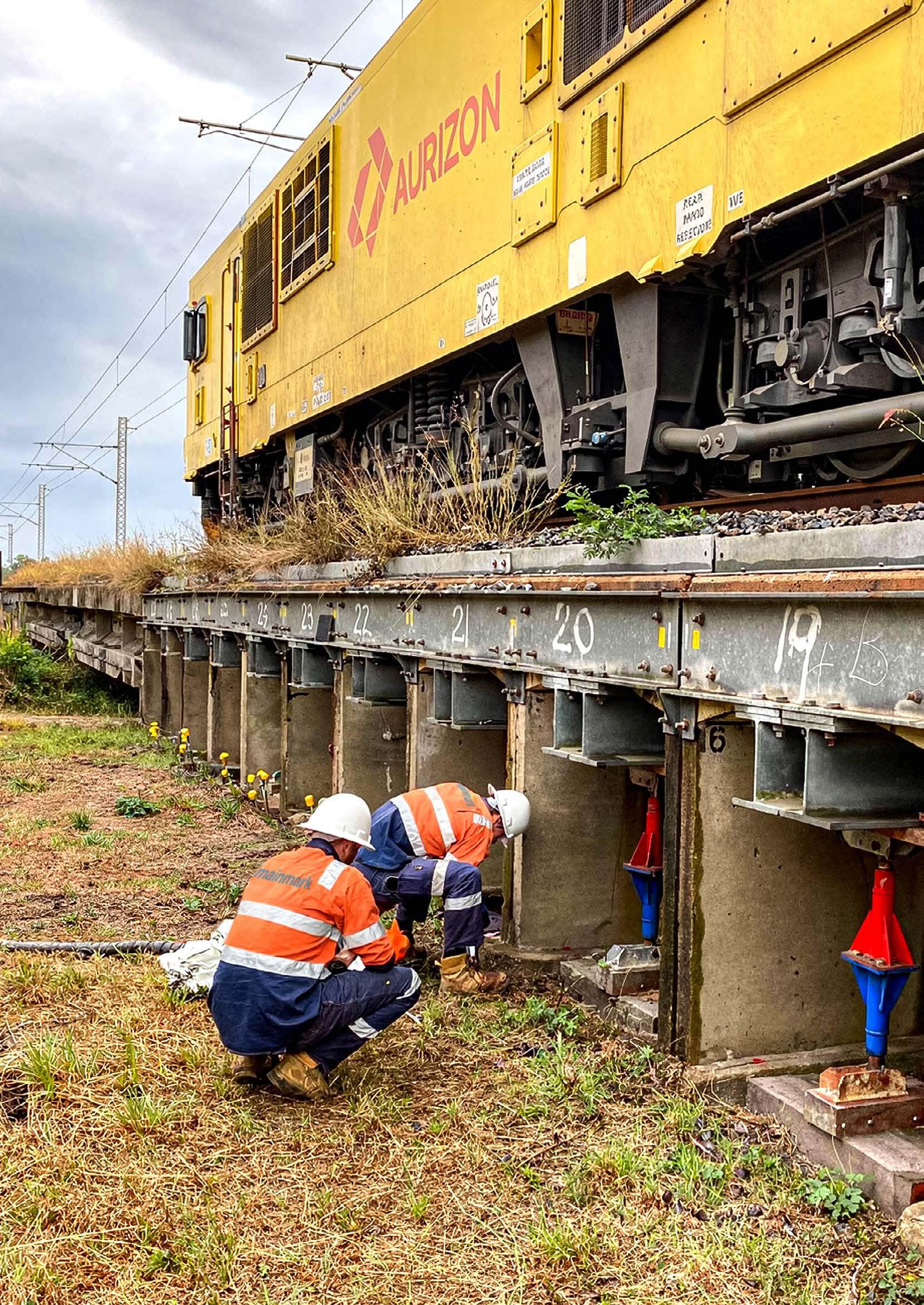
Some of the more common applications for the remediation of rail assets include:
Enhancing & Stabilising Rail Structure Foundations
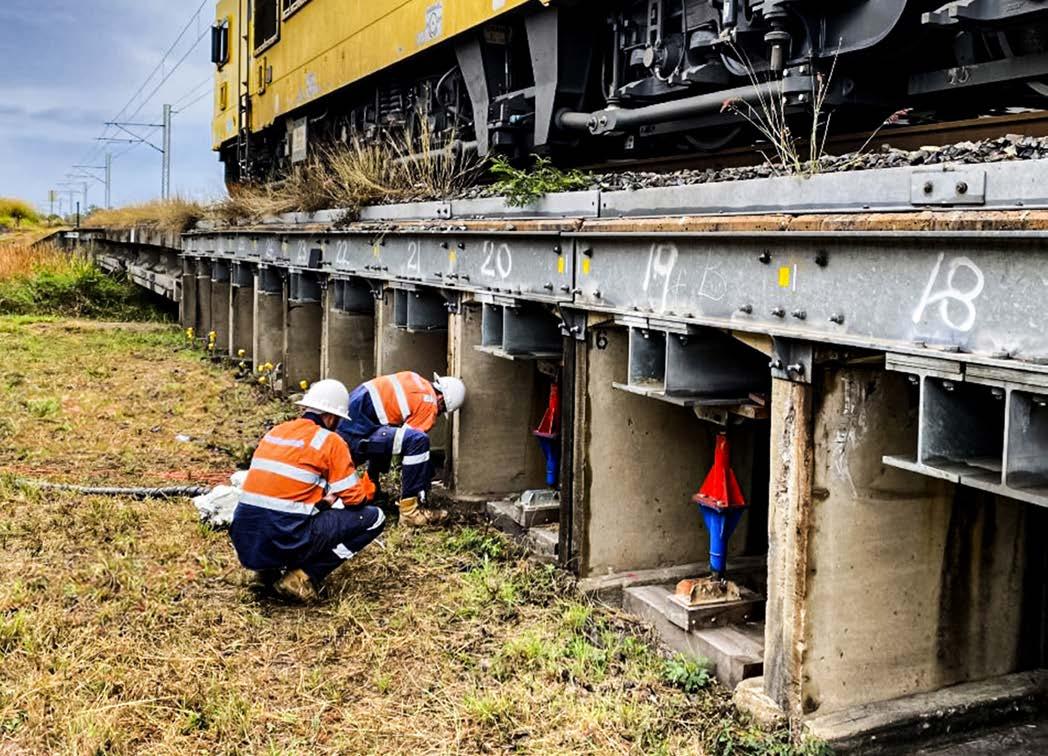
Track Formation & Ballast Remediation
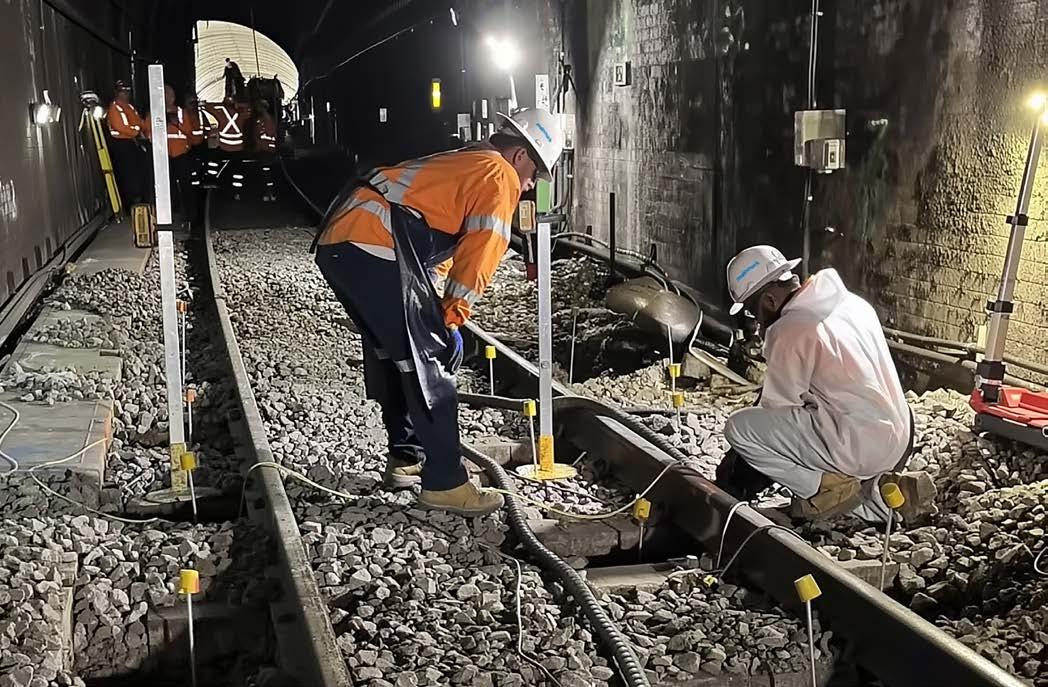
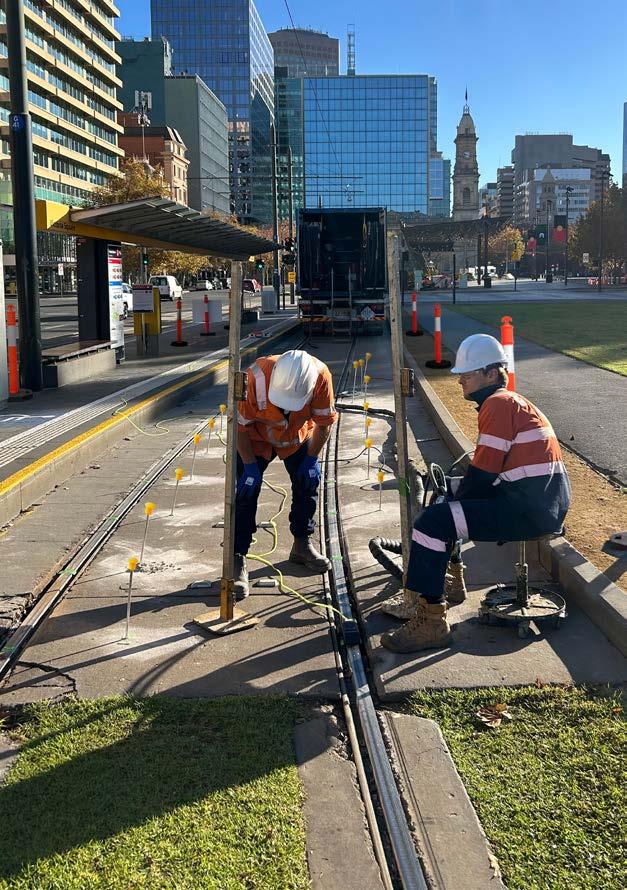
Correcting Track Slab Voids & Re-levelling
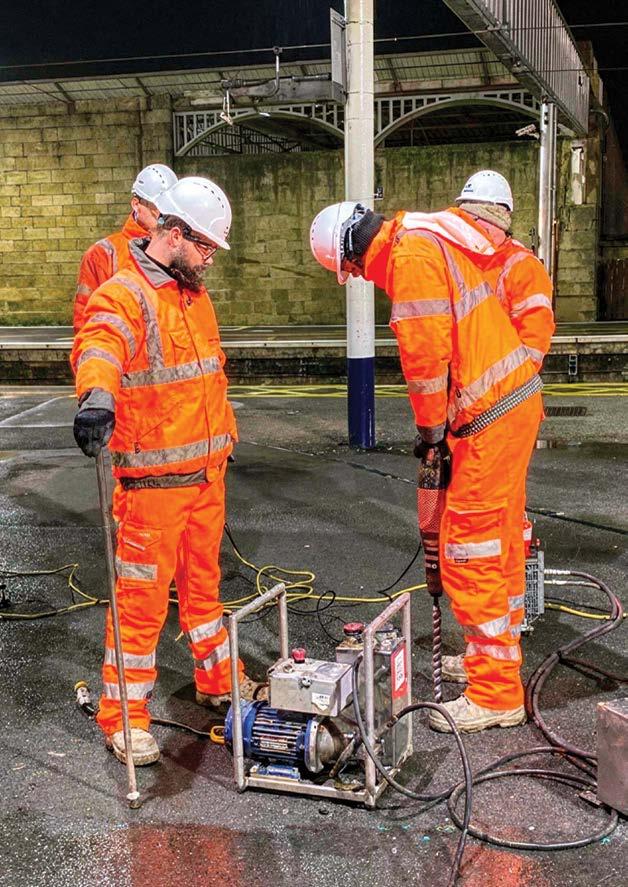
Stabilising Station Platforms & Buildings
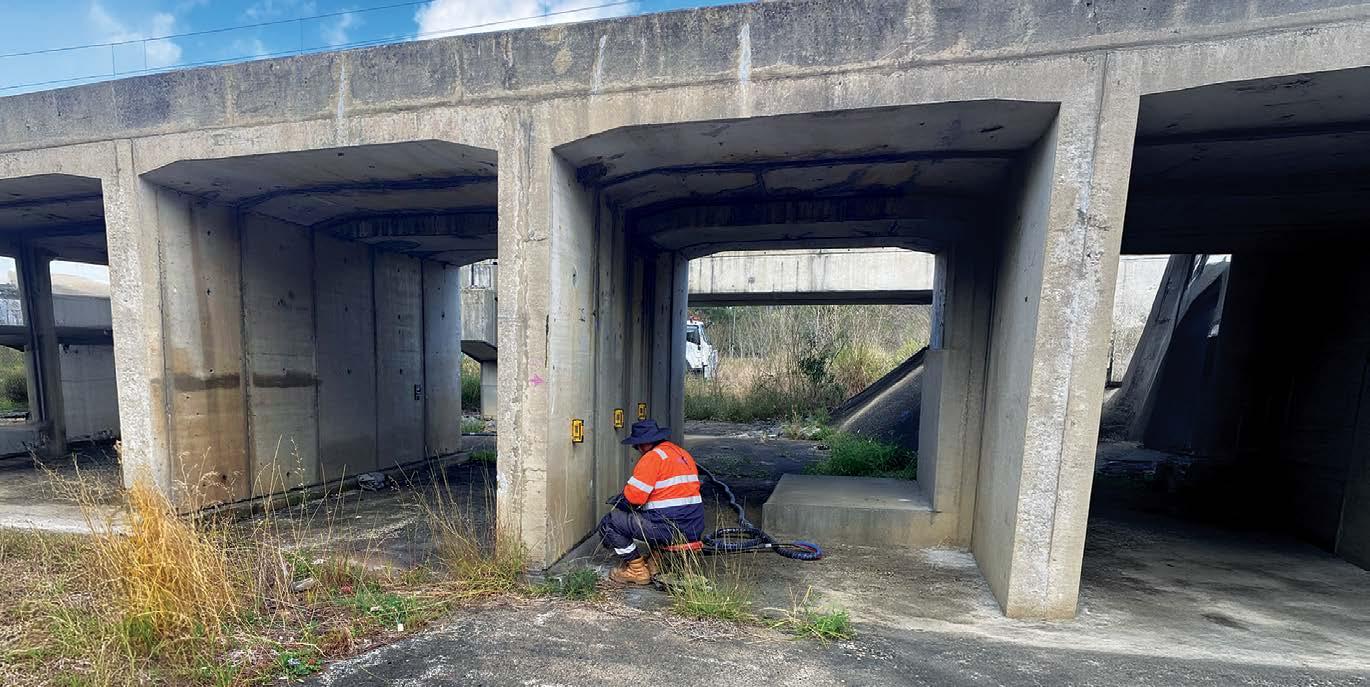
Strengthen or Replace Railway Culverts, Pipes, & Drainage Systems
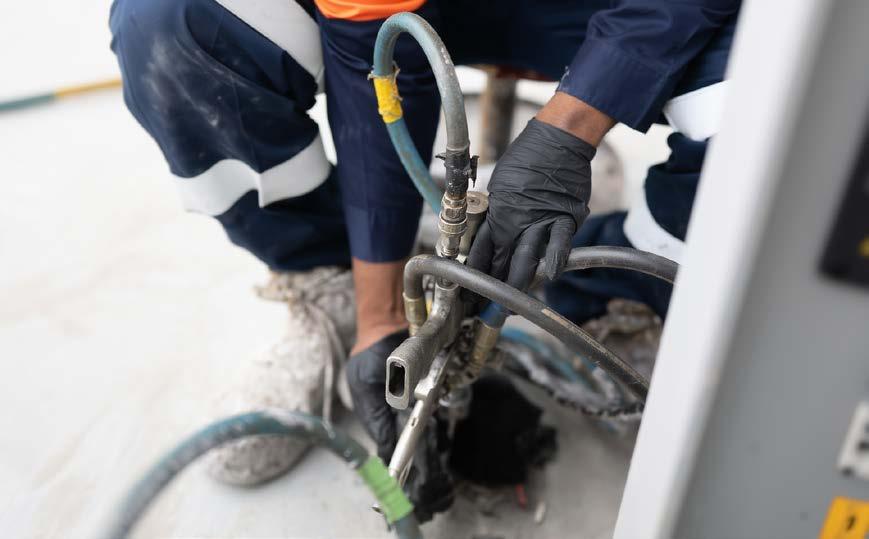
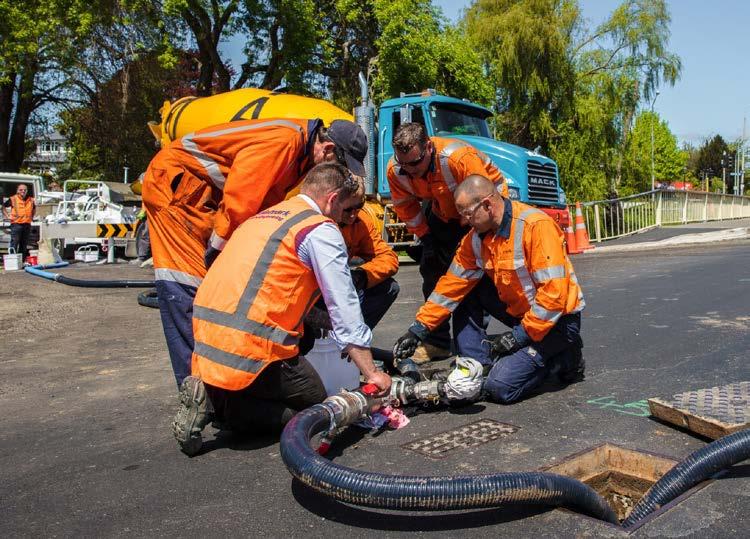
Our Teretek® technology lifts subsided structures, strengthens ground, and fills voids.
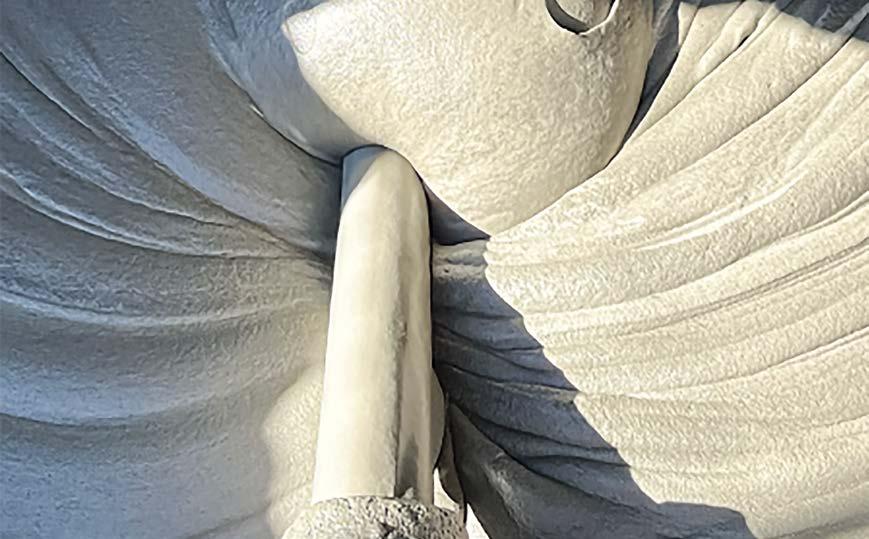
Terefil® is a lightweight engineered foamed concrete for soil replacement, large void filling, and pipe abandonment.
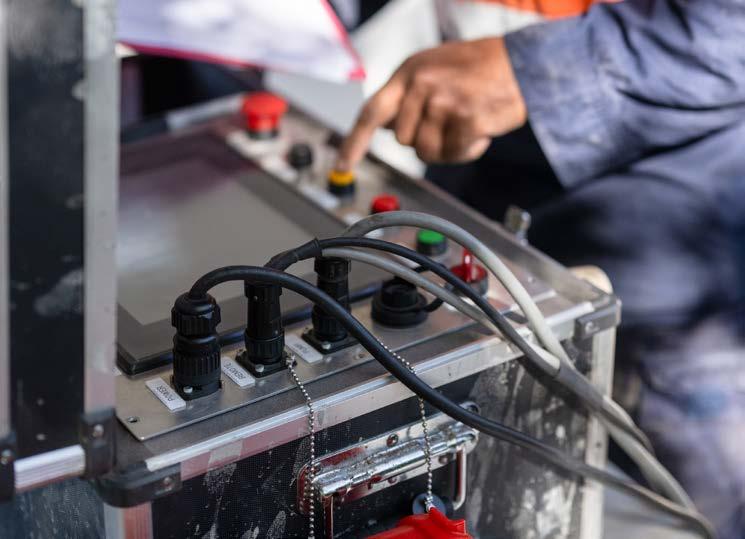
JOG Computer-Controlled Grouting
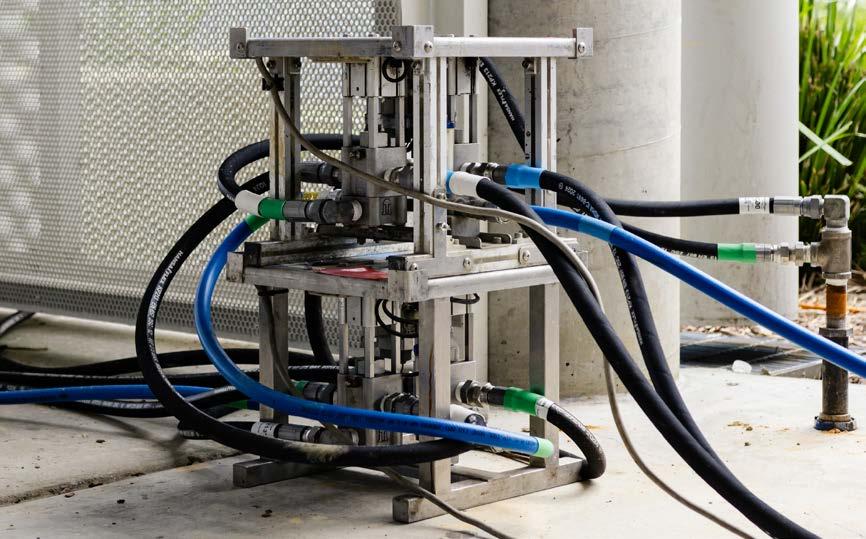
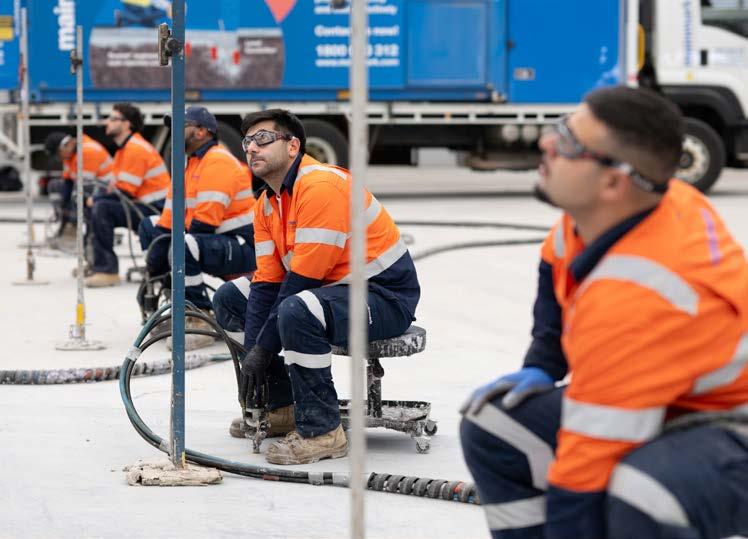
JOG is a computer-controlled, multipoint injection system designed for precise level correction of large or complex structures.
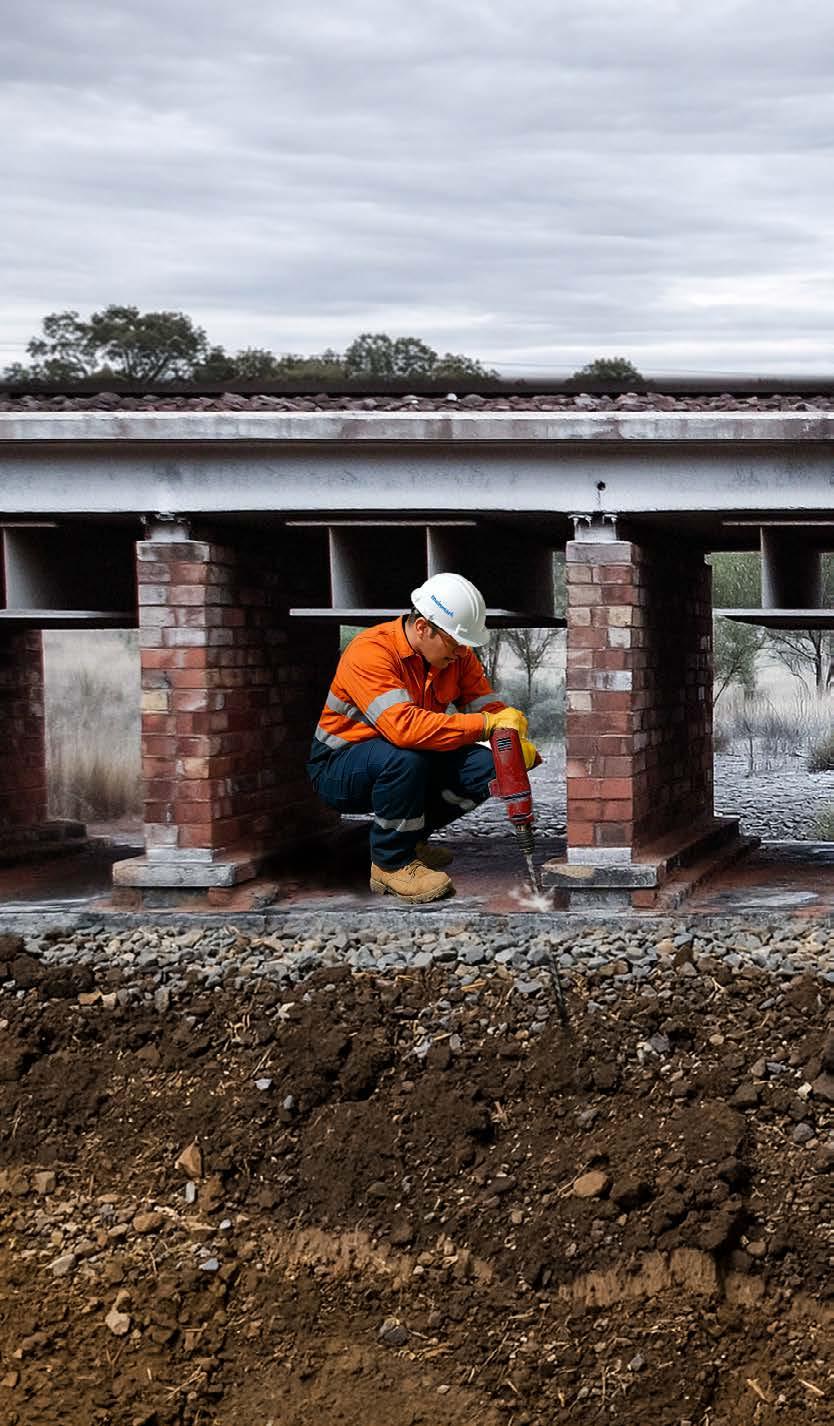
1.
Small injection tubes are installed to target the treatment zone.
Teretek® material is injected, quickly expanding to fill voids and compact loose or weak sub-grade soils.
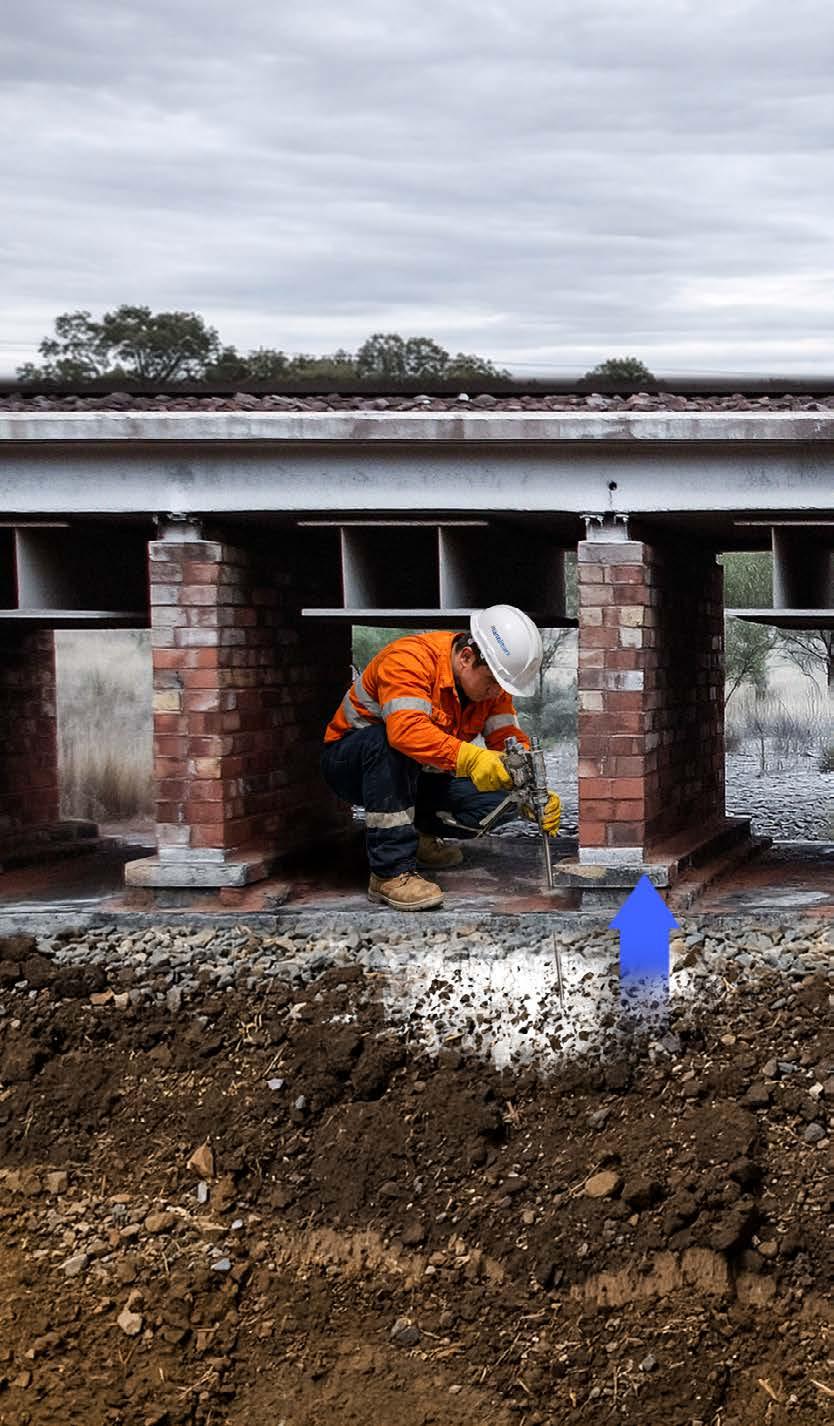
2.
Continued injection raises and re-supports the structure.
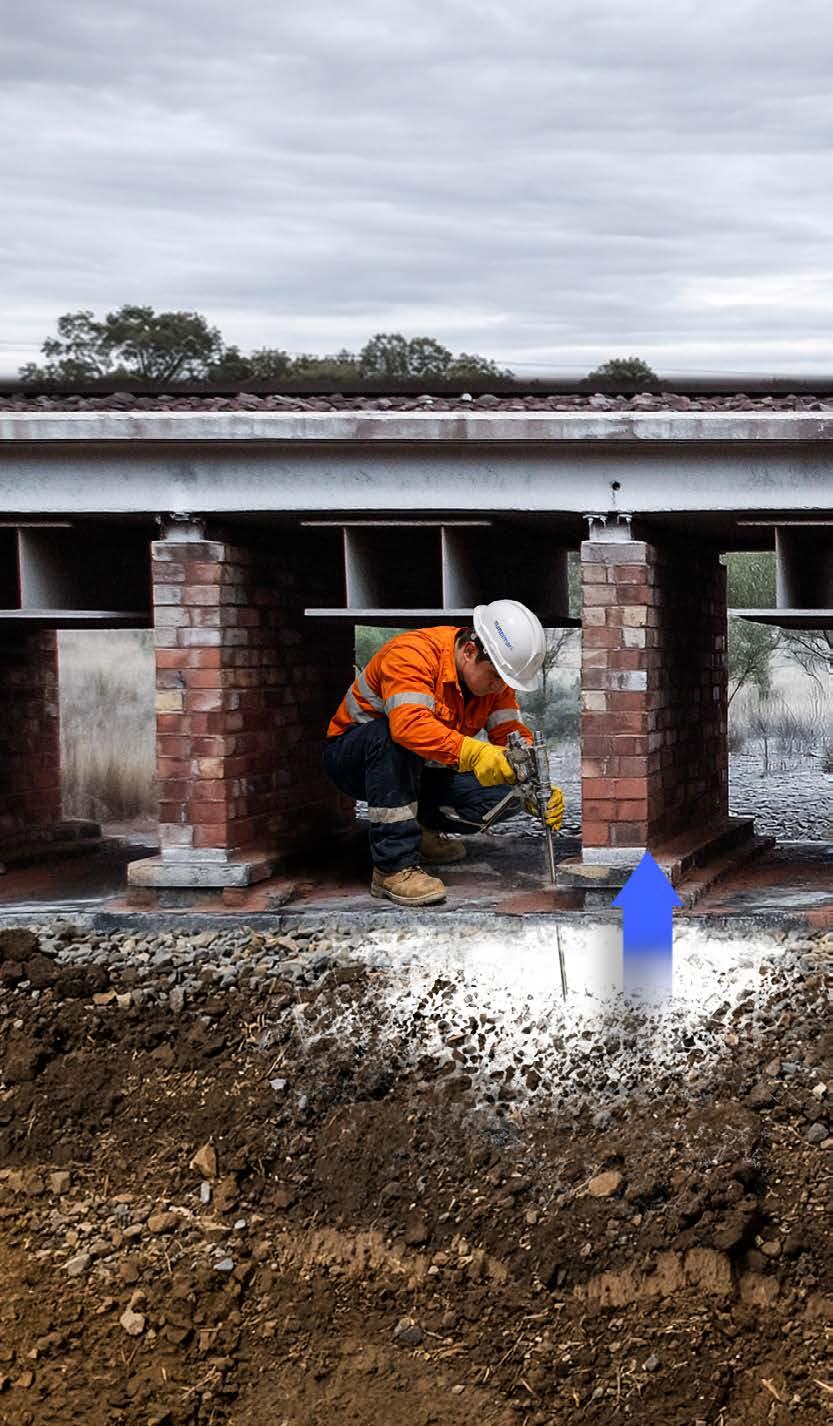
The treated area is ready for use immediately after the work is completed. 4.
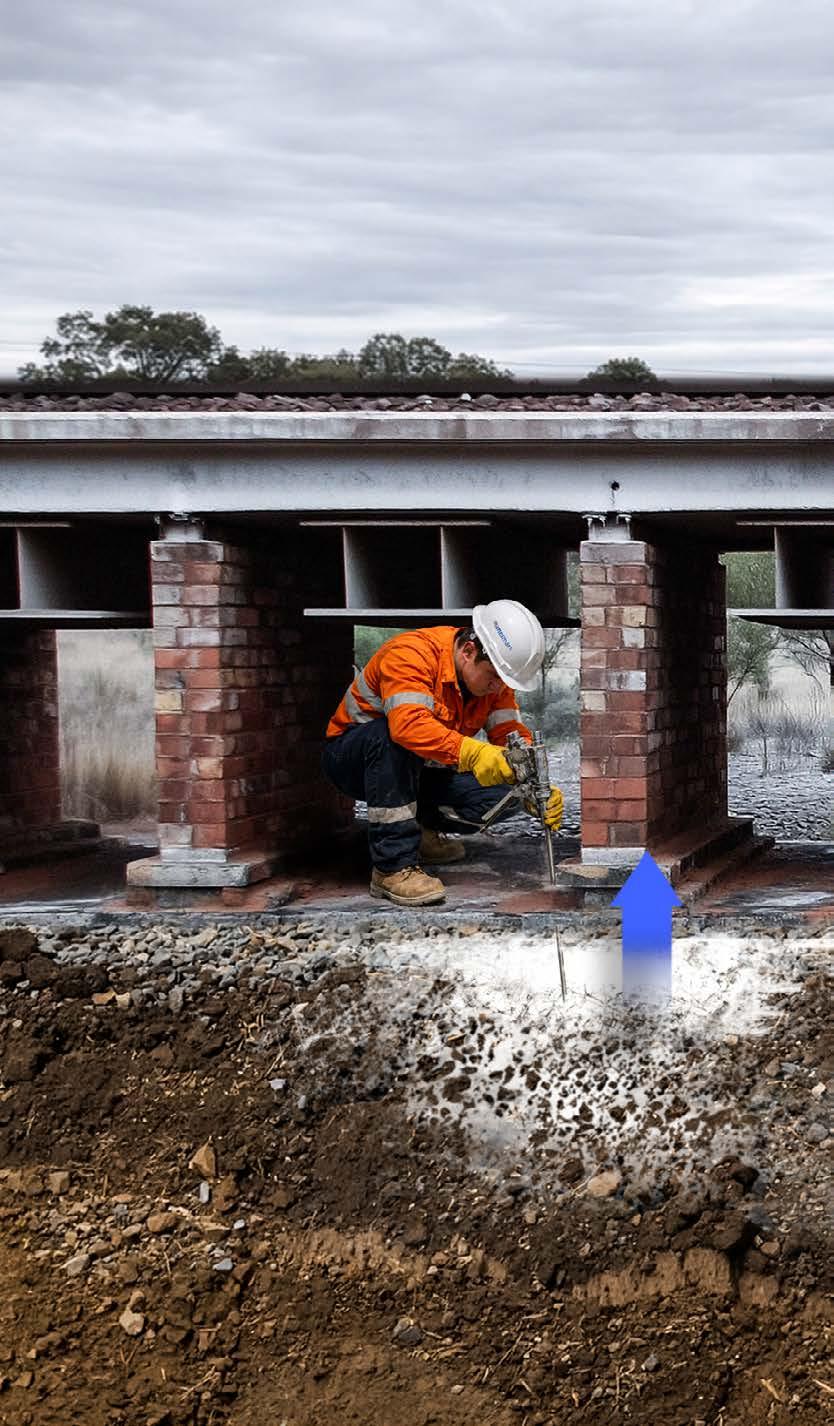
Low-Impact Installation: Teretek® requires only minimal access points, reducing disruption to operations and preserving structural integrity.
Rapid Deployment: Teretek® enables quick application and curing, minimising operational downtime and maintaining productivity.
Precision Correction: Teretek® delivers controlled, accurate re-levelling and ground improvement beneath critical infrastructure.
Mainmark’s Teretek® technology provides efficient re-levelling and ground improvement solutions by utilising specialised expanding resins to lift and level structures without adding weight to the underlying soils. This method allows for quick and precise adjustments, enhancing bearing capacity beneath existing structures.
Non-invasive
Enhanced Structural Longevity: Strengthening ground conditions helps safeguard assets, extend infrastructure life, and reduce long-term maintenance needs.
Environmentally Safe: Teretek® is chemically inert, non-toxic, water-resistant, and does not leach harmful substances into the surrounding environment.
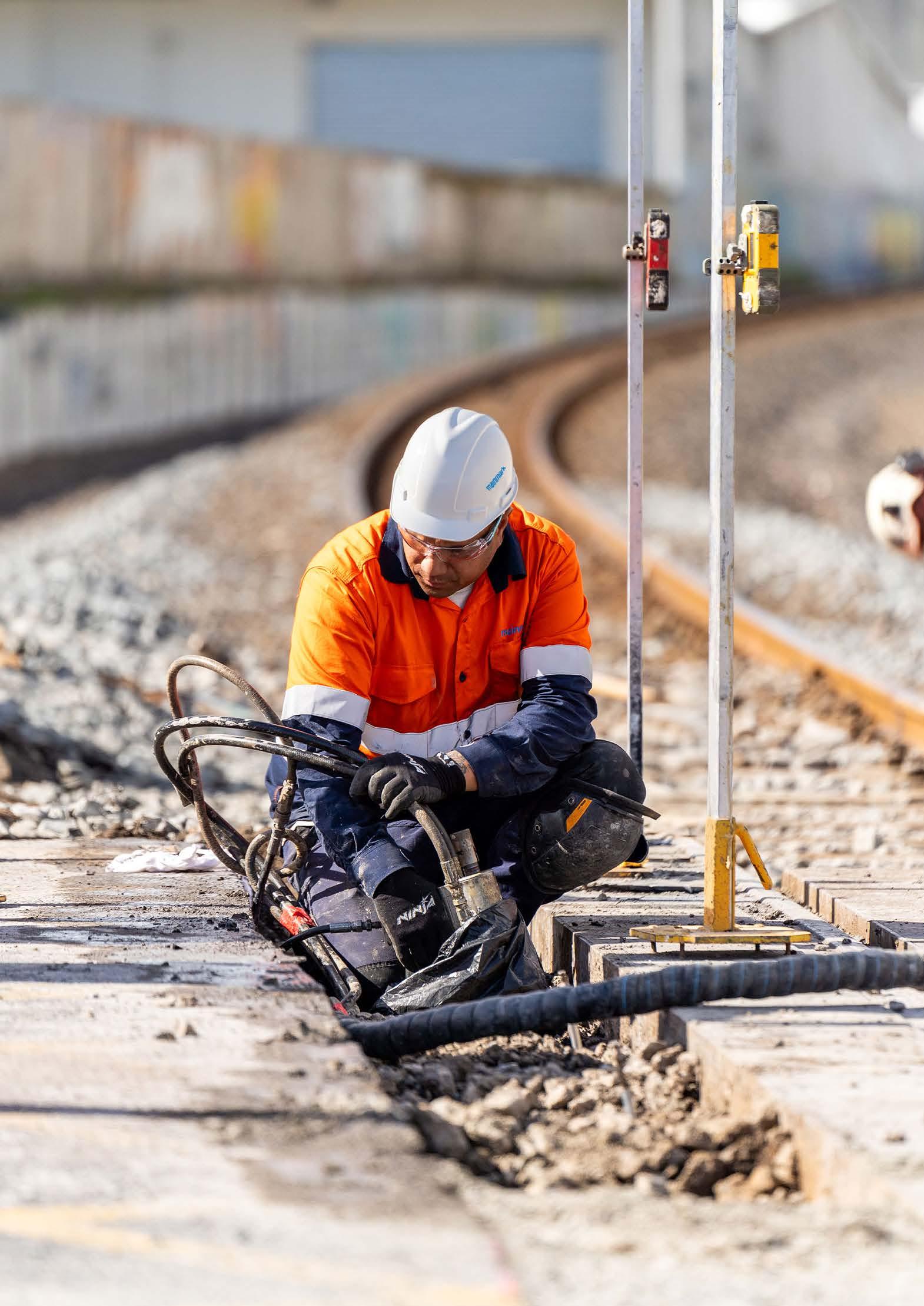
The applied density and correlated compressive strength of Teretek® materials is typically between 0.3 - 3 MPa.
Based on extensive research and experience with Teretek® and in combination with accelerated ageing tests comprising mechanical stresses, heat, moisture, temperature cycling, and chemical, mechanical and biological degradation, it was concluded that Teretek® materials under geological conditions will maintain their mechanical properties for well in excess of 50 years.
Based on several environmental impact studies of Teretek® materials to different soil and ground water conditions, it was concluded that the Teretek® materials are environmentally inert and do not generate leachate.
Chemical Resistance
The degree of volume change during the immersion has been used to measure the material’s chemical resistance.
Chemical Resistance Rating Volume Change
Chemical resistance of the Teretek® resins according to DIN 53428 and ISO 2869.
Water / Salt Water
Methanol
Ethanol
Butanol
Acetone
Ethyl acetate
Benzene
Toluene
Chlorobenzene
Monostyrene
Petrol/Benzene
Mineral Oil
Diesel
Petrol
Trichloroethylene
Ammonium Hydroxide (10%)
Ammonium Hydroxide
Sodium Hydroxide (10%)
Sodium Hydroxide
Nitric Acid
Sulphuric Acid (10%)
Hydrochloric Acid (10%)
Citric Acid (10%)
Citric Acid (50%)
Hydrocarbons
Bases (Alkalis)
Acids
Our Terefil® technology provides an advanced lightweight foamed concrete for soil replacement, large void filling, and pipe abandonment.
Advantages of Foamed Concrete: Beyond Traditional Mixes
Foamed concrete stands out for its unique properties, catering to a wide spectrum of applications. It boasts a lower density, ranging from 500 to 1,200 kg/m3, which is a stark contrast to the 2,400 kg/m3 found in traditional concrete. Though its compressive strength, which spans from 0.5 to 5 MPa, might seem low compared to standard concrete, it perfectly meets the needs of scenarios prioritising a lightweight, free-flowing material.
The Fluidity Factor: Foamed Concrete in Action
One of the standout attributes of foamed concrete is its high fluidity. This material can be pumped over long distances, filling gaps, trenches, or voids. There is typically no need for levelling or compaction. This fluid nature proves invaluable when filling trenches, decommissioned pipelines, or spaces behind retaining walls, as it seamlessly flows around obstructions, ensuring a consistent fill.
Adjustable Density: Terefil® can be tailored to a density range between 500 – 1,200 kg/ m3, fitting diverse project needs.
Compressive Strength: Can be modified based on application requirements, with a range from 0.5 - 5MPa.
Environment: Terefil® reduces site and local traffic congestion, embodied carbon, and project emissions.
Rapid Installation: With a rate of up to 50m3 per hour, Terefil® ensures a timeefficient installation process.
Quick & Consistent: Terefil® sets in just a few hours and offers a self-levelling, highly flowable application.
Technical Design Team Support: Where long distance flowability or other special requirements are needed, please contact Mainmark’s technical team for advice.
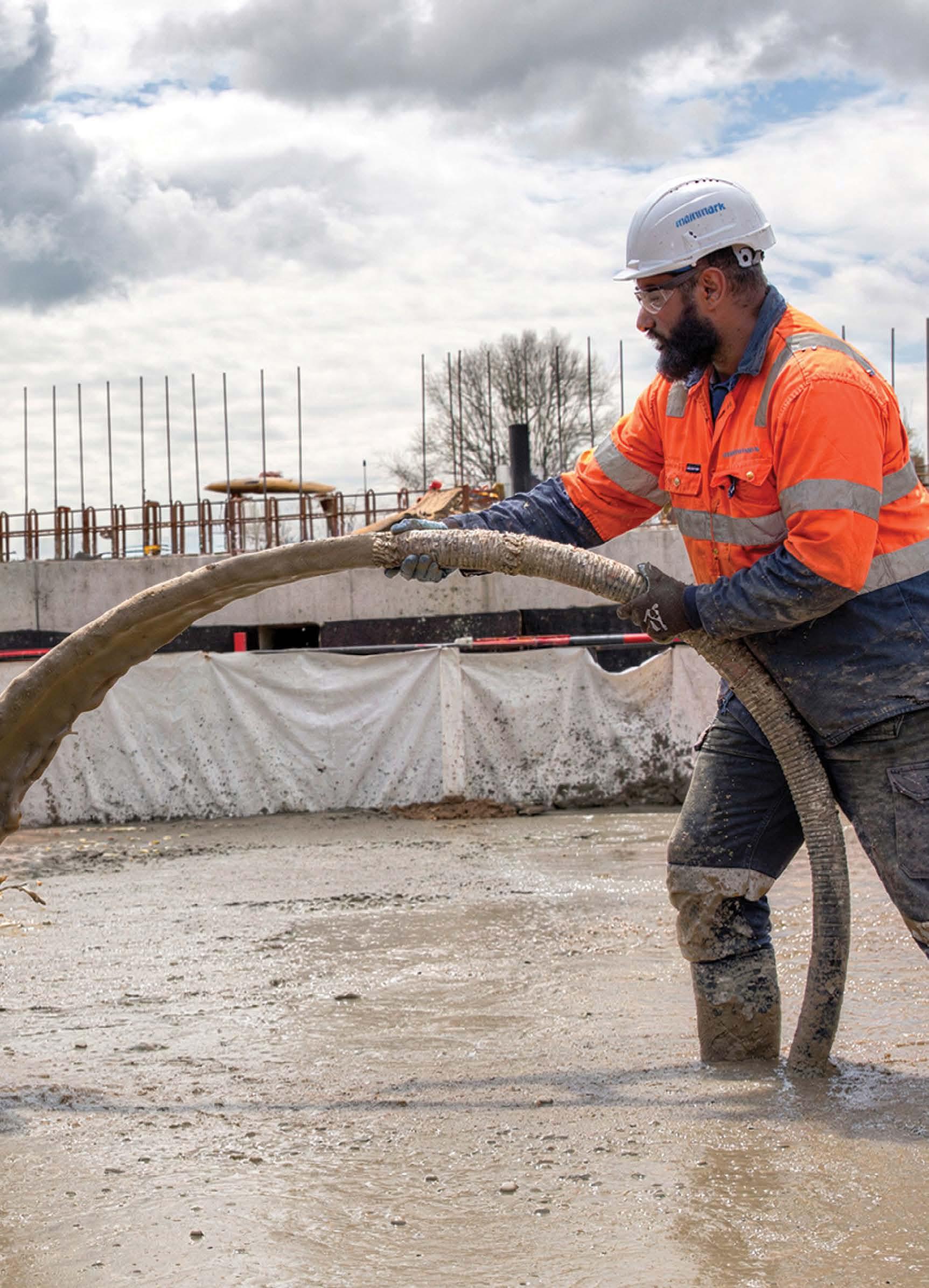
Terefil® Foamed Concrete
Terefil® Foamed Concrete is specified by a minimum 28-day compressive strength and a cast density.
Core elements to form Terefil® Foamed Concrete materials mix:
Portland Cement – complies with AS3972:2010
Water – potable and free from deleterious substances.
1. Cast Density at the time of placing Terefil® Foamed Concrete.
2. Compressive strength at 28-days after placing the Terefil® Foamed Concrete.
3. Data in graph based on historic Mainmark testing records. Notes on Figure 1:
Table 1: Terefil® Foamed Concrete Typical Specification Range:
Foaming Surfactant Agent – complies with ASTM C796 or approved equivalent.
Sand – natural or manufactured to AS2758.1 – Part 1 Fine Concrete Aggregate requirements.
Cement-base, durable, stable, and environmentally inert once set.
High fluidity makes it easily gravity-placed, add pressure or pumped for rapid installation over long distances.
Negligible bleed, separation, and shrinkage.
Lightweight, although if required Foamed Concrete can be designed to displace water on a case-by-case basis.
Flowable and fills underground voids without vibration, with positive displacements of air towards the outlet.
Excellent thermal insulator.
Terefil® Foamed Concrete Production
Terefil® Foamed Concrete is produced on site using a base grout with a foam mixture.
Base Grout - The base grout is typically made from a cement, sand, and water, and is produced to a Mainmark mix design by a premixed concrete supplier and delivered to site in conventional agitator trucks.
Foam Mixture - The foam is produced on site by Mainmark using the foaming surfactant and water in a foam generation unit to produce a stable foam mixture.
The Terefil® Foamed Concrete is produced by mixing the base grout and foam inline or mechanically to form the specified design mix and design density product.
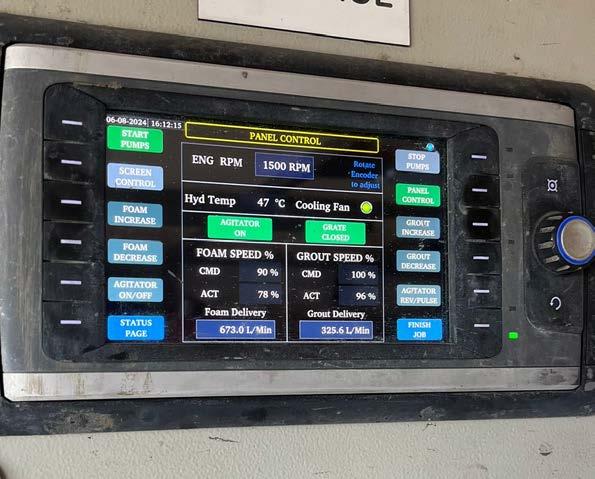
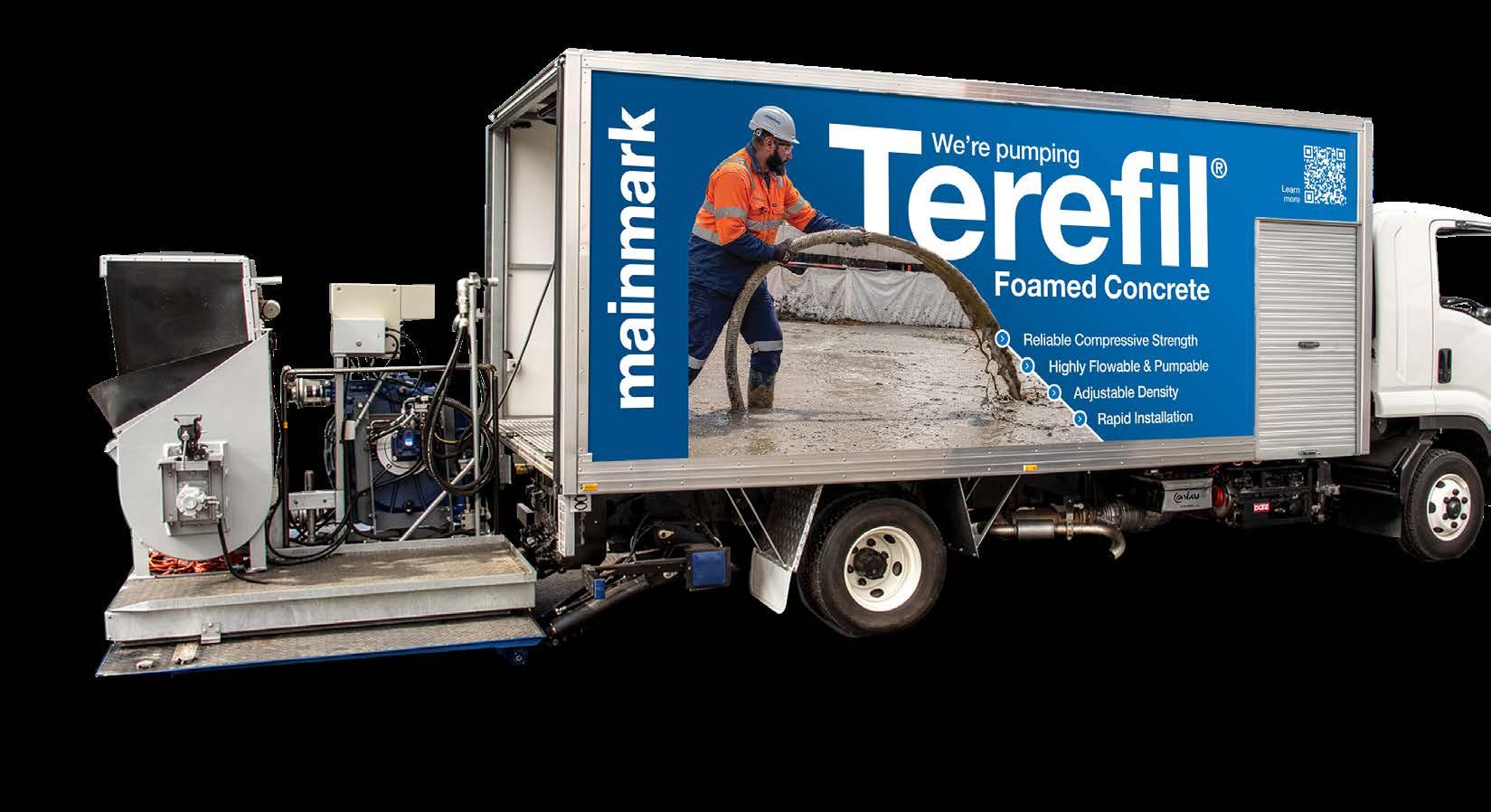
Mainmark produces Foamed Concrete using a self-contained Terefil® mixing and pumping rig. In remote or difficult access conditions, the equipment may be segmented to allow flexibility of access and ease of transport.
The following ASTM and ACI standards and procedures are typically used to determine various properties of these materials.
ASTM C5213 - “Standard Test Method for Securing, Preparing, Obtaining and Testing Specimens from Hardened Lightweight Insulating Grout for Compressive Strength”.
ASTM C495 - “Standard Test Method for Compressive Strength of Lightweight Insulating Grouts”.
ACI 229R-99 - “Controlled Low Strength Materials”, Chapter 8 “LD_CLSM using Preformed Foam.
Terefil® (Foamed Concrete) shall be tested for compressive strength in accordance with AS 1012.9 without soaking, using a 0-50 kN testing machine.
Our JOG technology is a cutting-edge, computer-controlled, multipoint injection system designed specifically for large and complex structures.
This advanced technology uses cementitious grouts with controlled settime properties to re-level and re-support a wide range of assets, from large buildings to extensive mining infrastructure and large-scale processing plants.
The JOG system operates through a sophisticated network of interconnected injection ports, all managed and sequenced by a central computer, enabling precise injection across vast, intricate structures.
This ensures consistent and accurate levelling, even in the most challenging environments.
Mainmark delivers this innovative solution with custom-built mixing and pumping equipment, which is often segmented to facilitate easy transport and access in remote or hard-to-reach locations.
This flexibility ensures our technology can be deployed effectively regardless of the site’s complexity or conditions. Non-Invasive
Precision Re-levelling: JOG ensures highly accurate and fast setting grout injection beneath existing structures, delivering precise re-levelling with exceptional accuracy.
Minimally Invasive: The technology requires only small access holes, providing a low-impact, non-disruptive solution that preserves the structure's integrity.
Quick and Efficient: JOG offers a fast, effective re-levelling solution, reducing downtime and minimising operational disruption. The gentle, incremental lift carefully restores the structure to its original level without causing stress or damage.
Computer-Controlled: The system utilises interconnected injection ports, all managed and sequenced by a central computer, ensuring seamless and precise control throughout the process.
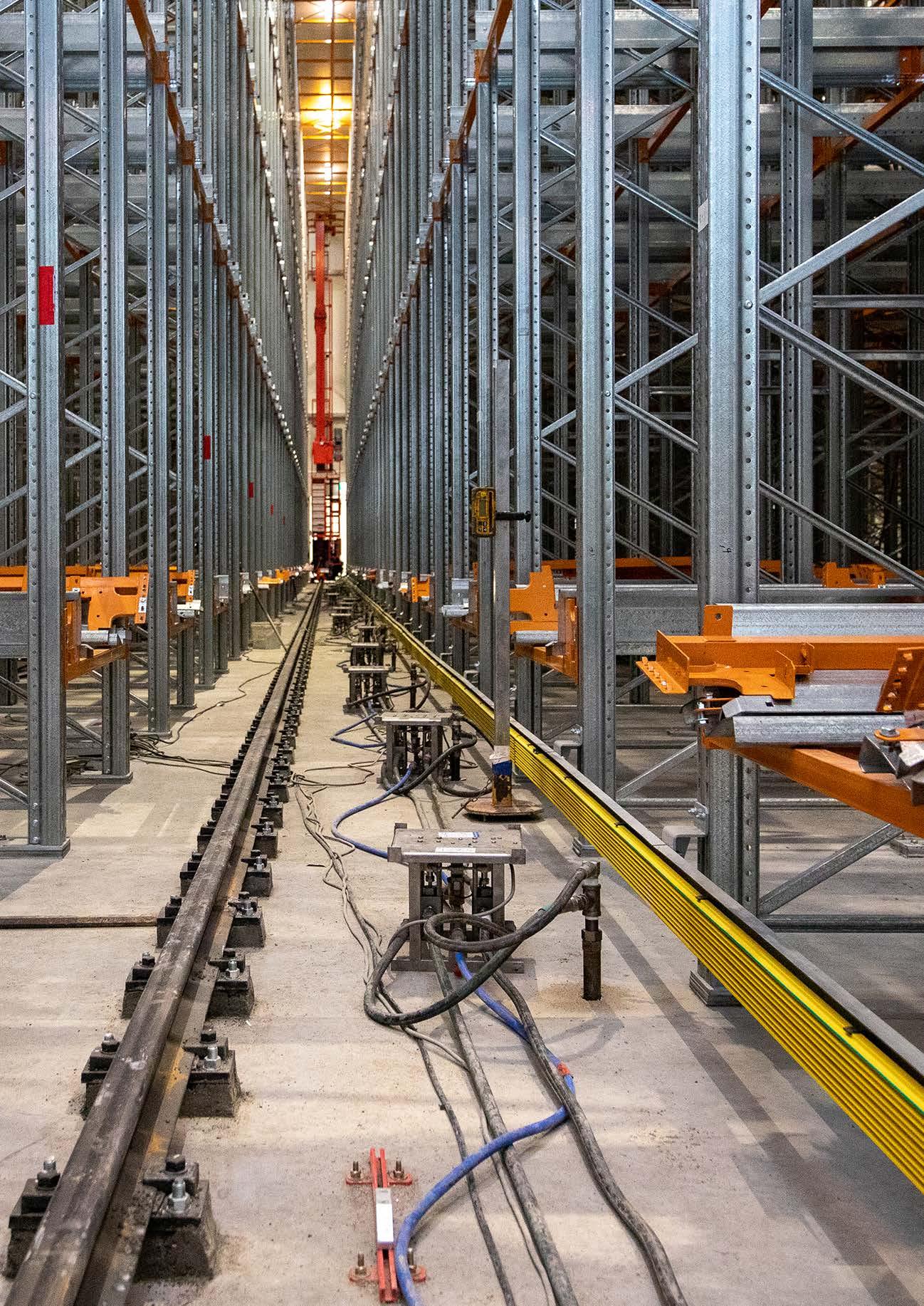
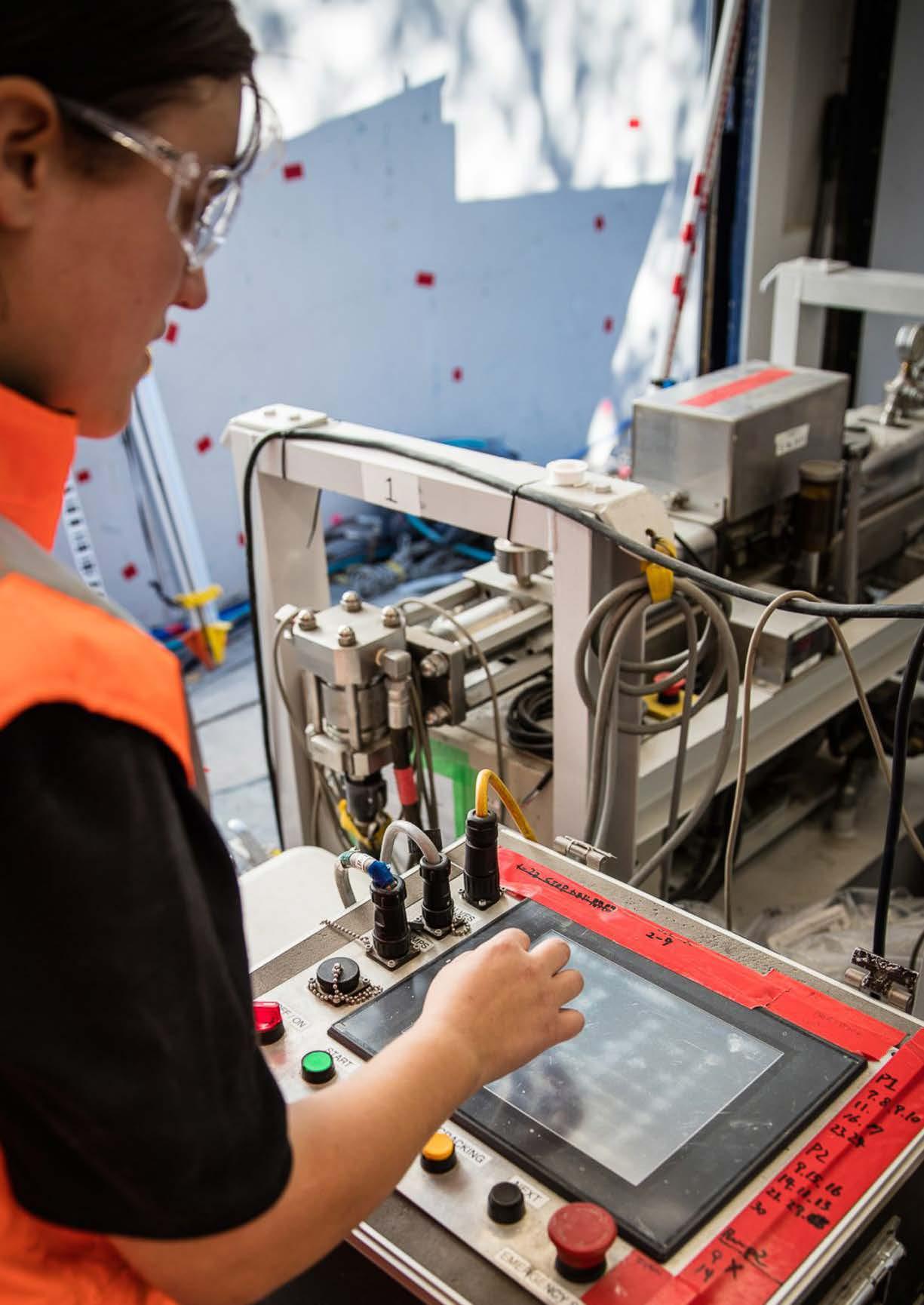
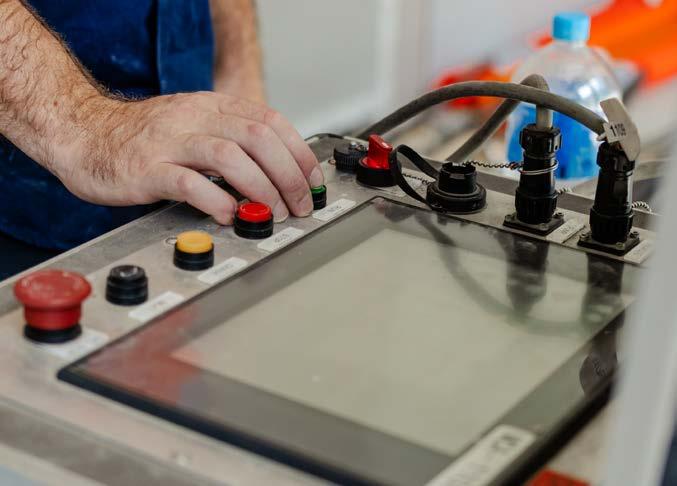
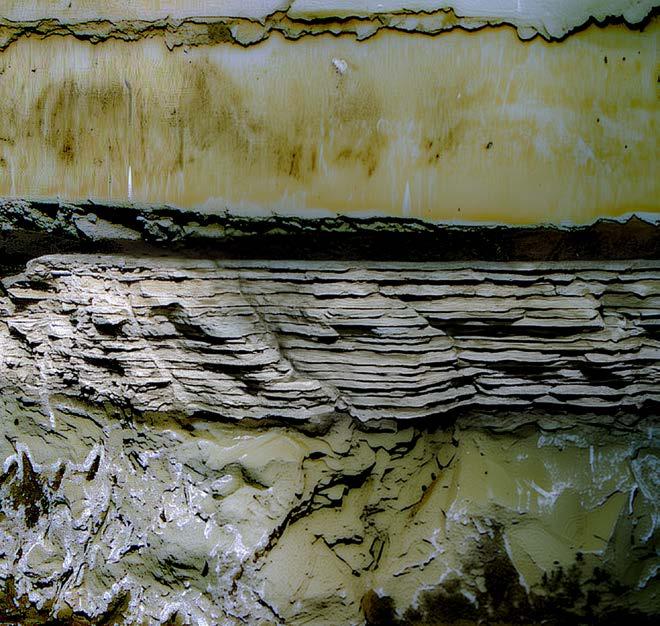
The re-levelling process is managed by Computer Control Units (CCUs) that are programmed with an "injection sequence" tailored to the specific structure. These sequences account for the structure’s contour, position, structural capacity, and the required amount and rate of lift required. This ensures the process is gentle, uniform, and incremental, gradually "floating" the structure back to level, millimetre by millimetre.
2.
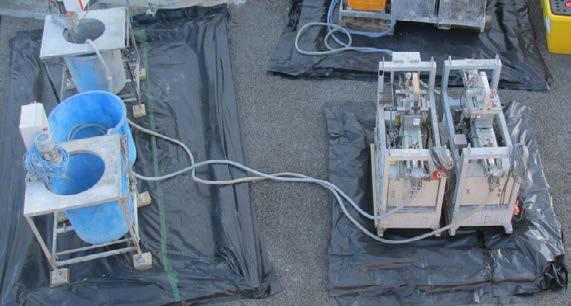
Small, precise injectors (25 to 40mm in diameter) are strategically placed across the target structure. These injectors can be installed up to 10 meters or more, ensuring accuracy in injection points. Androids actuate each injector based on the CCU's sequence, individually or grouped remotely, to ensure seamless control over the injection process.
3.
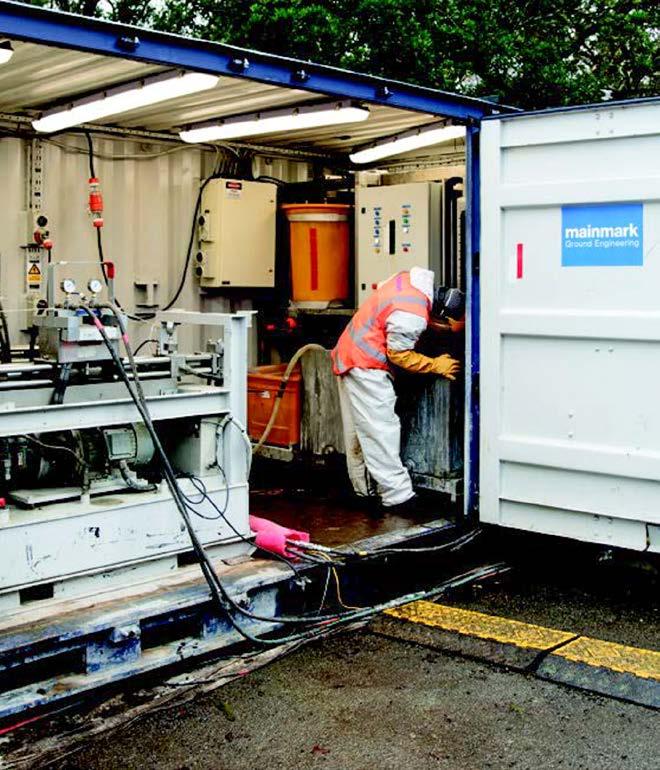
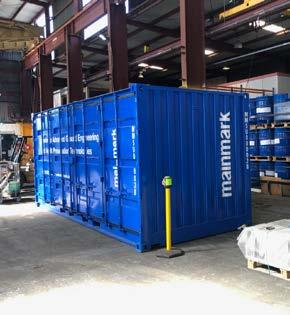
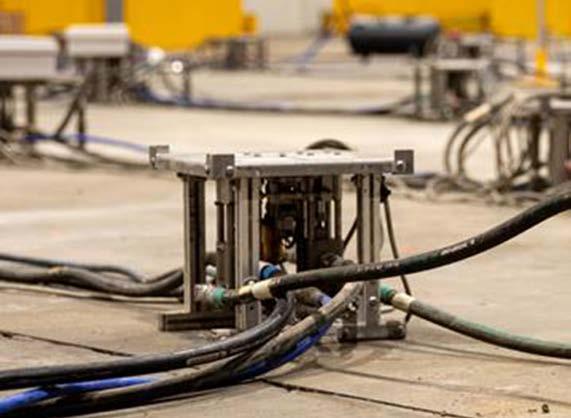
The equipment is designed to be compact, self-contained, and highly mobile to meet varying project needs. Automated containerized units can be easily segmented for access in challenging sites. The production plant and materials can be set up in as little as 40m², making it adaptable for remote locations, including international projects.
4.
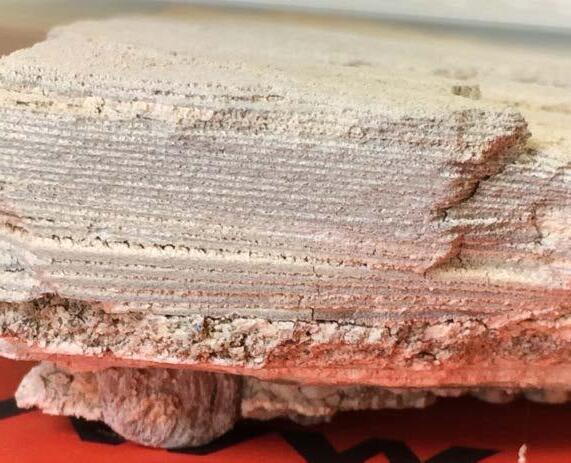
JOG material formation reflects the laminar injection and lifting sequence, ensuring consistent and controlled re-levelling of the structure.
Sector
Infrastructure
Technology
Teretek®
Location
Tauranga, NZ
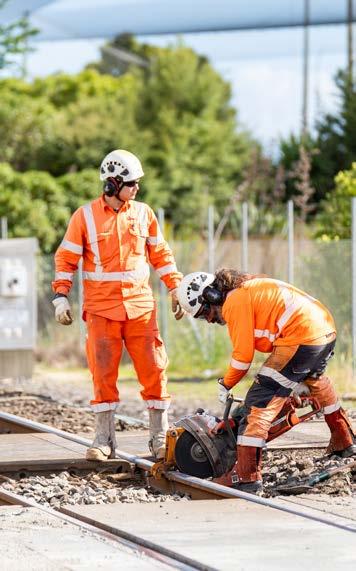
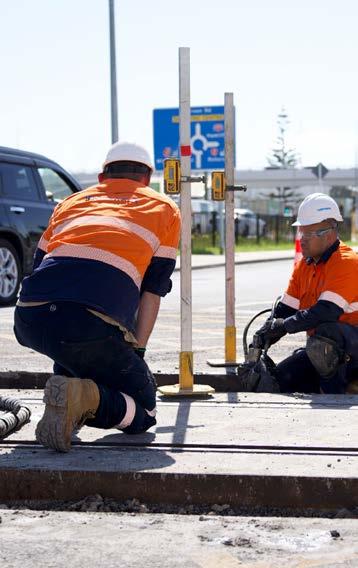
The Matapihi rail crossing in Mt Maunganui, Tauranga had begun to show significant signs of subsidence, leading to uneven track levels, vehicle disturbance, and growing safety concerns for both rail and road users. With rail operations relying on precise geometry and minimal disruption, KiwiRail needed a fast, accurate, and non-invasive solution to restore correct alignment.
Mainmark was engaged to deliver a targeted ground improvement program using Teretek® engineered resin injection, providing a controlled, precise lift to reinstate track performance and ensure long-term stability.
The Matapihi rail crossing in Mt Maunganui, Tauranga, had experienced notable subsidence, causing the track and surrounding ground to settle unevenly.
This unevenness created significant disturbances for vehicles travelling over the crossing and raised concerns about long-term safety and performance for rail operations. KiwiRail required a fast, reliable, and non-invasive solution to restore correct levels and ensure a smoother, safer crossing for both rail and road users.
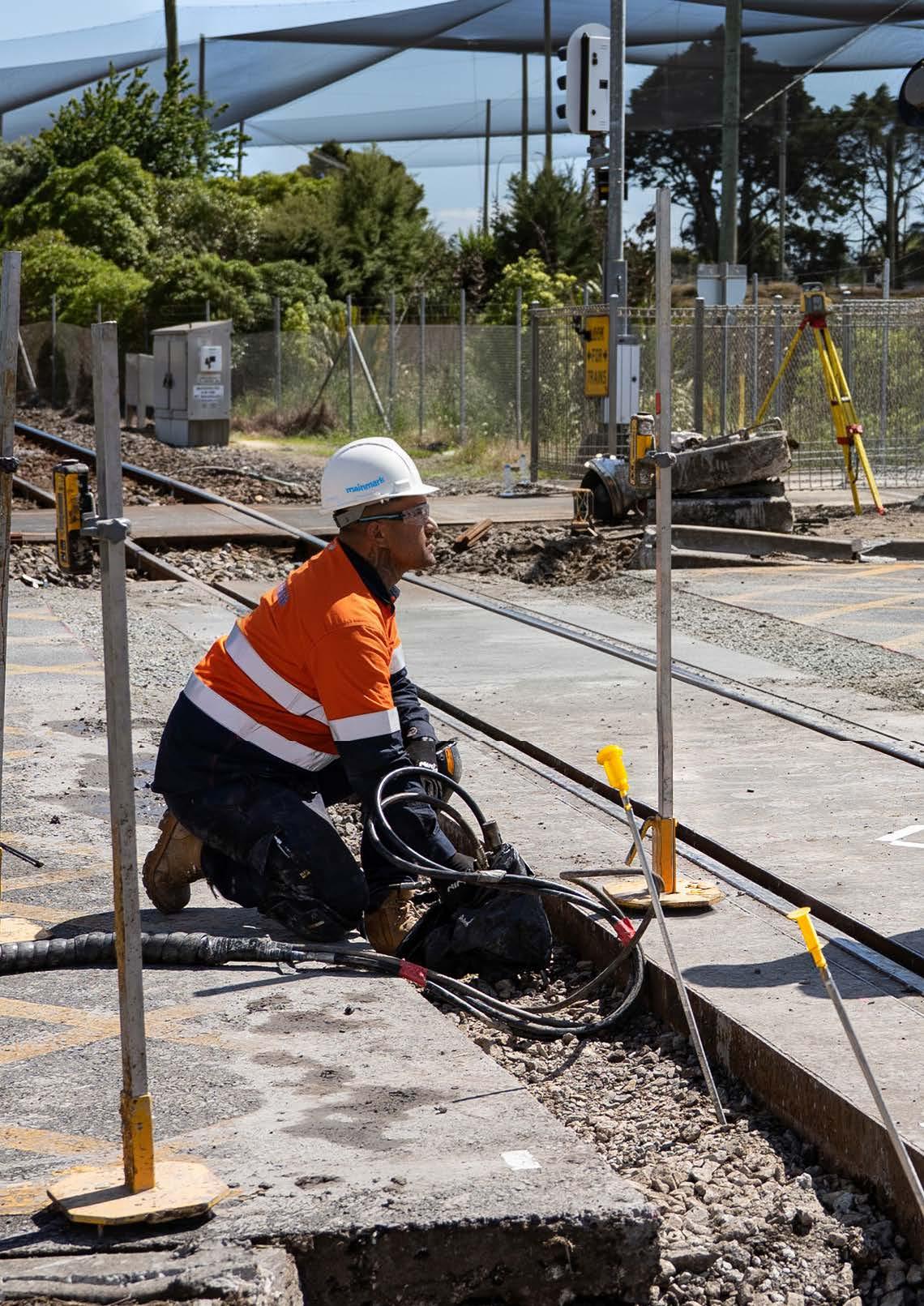
Mainmark implemented a precise ground correction program using Teretek® engineered resin injection to lift, level, and re-support the affected railway track. Before work began, the team surveyed existing ground levels and developed a treatment strategy involving angled 1-metre injection tubes placed at a depth of 500 mm from outside the track slab. Once on site, the resin injection process was carried out in controlled stages to provide the required lift while maintaining track stability throughout the operation.
During the treatment, the track being raised by up to 94 millimetres to meet the project requirements. The opposite side of the track was then carefully adjusted to create the required camber, ensuring the final geometry aligned with KiwiRail’s specifications. Throughout the process, multiple checks and tests were undertaken to verify accuracy, and KiwiRail remained closely involved in reviewing and approving each stage.
The project successfully lifted and levelled the Matapihi rail crossing, achieving the required lift. The outcome delivered a smooth, cambered, and correctly aligned track in accordance with KiwiRail’s requirements. All ground levels and track geometry were verified through repeated testing, including confirmation runs with the tamper train.
KiwiRail expressed satisfaction with the result, and the project was completed, documented, and handed over as a successful example of Mainmark’s ability to restore critical rail infrastructure quickly, safely, and with minimal disruption.
Sector
Infrastructure
Technology
Teretek®
The Kaimai Tunnel is New Zealand’s longest railway tunnel and the only rail link from the Port of Tauranga. Around 20 freight trains use the 8.8 km tunnel daily, moving over five million tonnes of goods each year.
Location
Tauranga, NZ
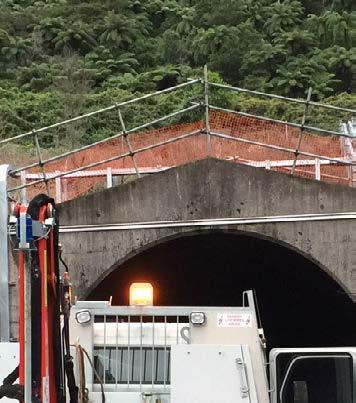
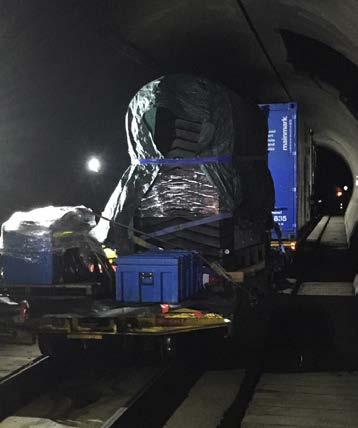
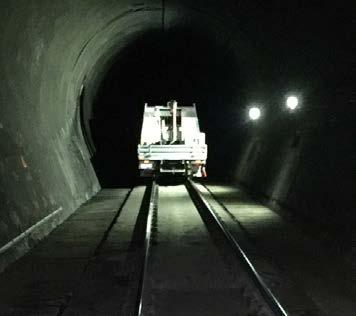
Built through a volcanic range, groundwater damaged sections of the tunnel floor. KiwiRail identified the issue early and engaged Mainmark in 2018. Using Teretek® resin injection and TamPur grout, Mainmark stabilised the subgrade, preventing major damage and tunnel closure, and supporting heavier future freight operations.
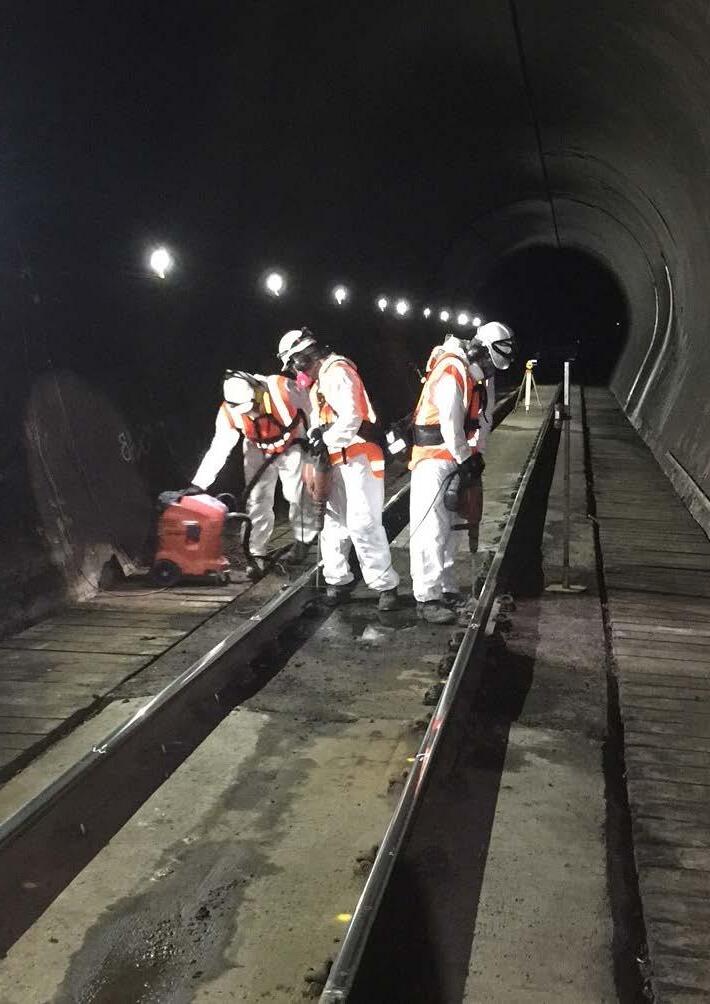
The project aimed to fill voids beneath the railway, re support the slab, lift the track to its original level, and bond the subgrade and cracked base slab to the tunnel bedrock. Because the tunnel is operational and vital to exports, the solution needed to be fast, reliable, and safe. Works were tightly planned around remote access, strict tunnel restrictions, and mandatory training for all site personnel.
The project aimed to fill voids beneath the railway, re support the slab, lift the track to its original level, and bond the subgrade and cracked base slab to the tunnel bedrock. Because the tunnel is operational and vital to exports, the solution needed to be fast, reliable, and safe. Works were tightly planned around remote access, strict tunnel restrictions, and mandatory training for all site personnel.
The engineered resin was applied via small injection points, using a process likened to keyhole surgery, to minimise disruption to operations. Lifting was completed in controlled stages, with careful monitoring to ensure the rail was returned to its original level.
The resin injection holes were then sealed, and additional injection points were created so the specially formulated grout could be applied to a depth of 1500 mm below the base slab, bonding the PaCT slab to the subgrade.
Works could only be undertaken during the single weekly maintenance window, when the tunnel was closed to train traffic for 12 hours. All personnel, equipment, and vehicles were transported to site the day prior, allowing maintenance vehicles to travel from the single western portal access point.
Limits on the number of vehicles permitted on the track further reduced productive time. KiwiRail Project Manager Bob Cook noted that Mainmark’s expertise and tailored solutions were vital to achieving positive outcomes despite the site’s unique constraints.
Sector
Rail
Technology
Teretek®
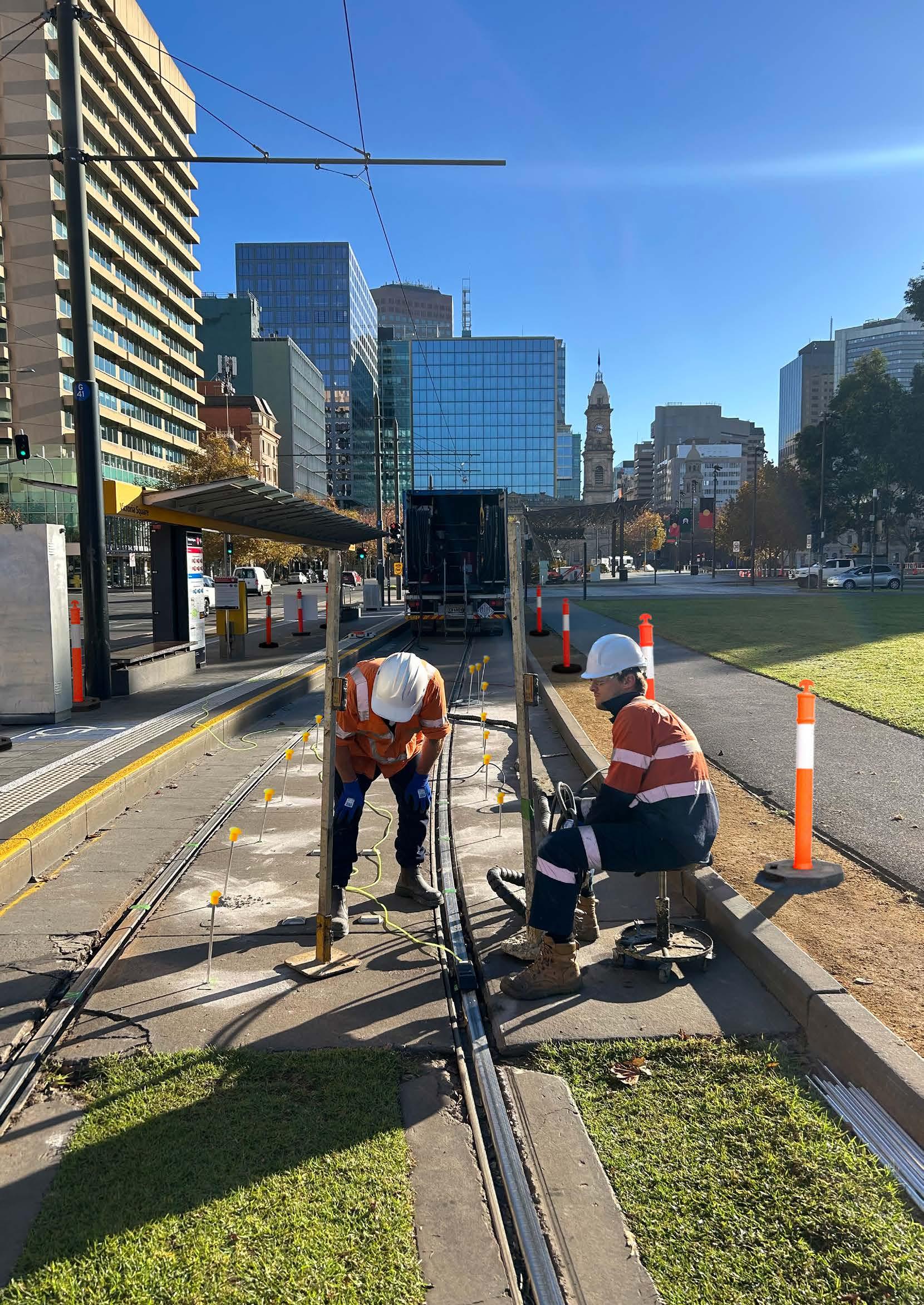
An irrigation failure at Victoria Square Station in Adelaide caused soil erosion beneath the tramline, creating voids and instability that led to track rocking and safety risks. During a planned shutdown, Mainmark used Teretek® resin injection to fill voids and stabilise a 30m² section of track.
Location
Adelaide, SA
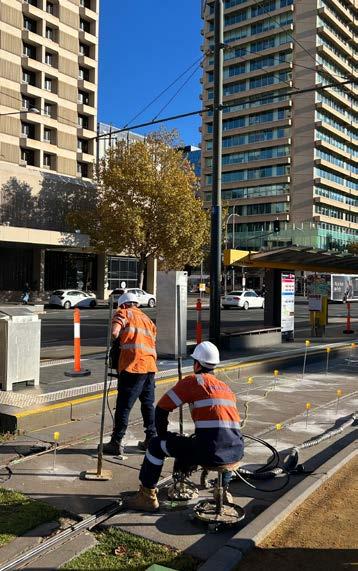
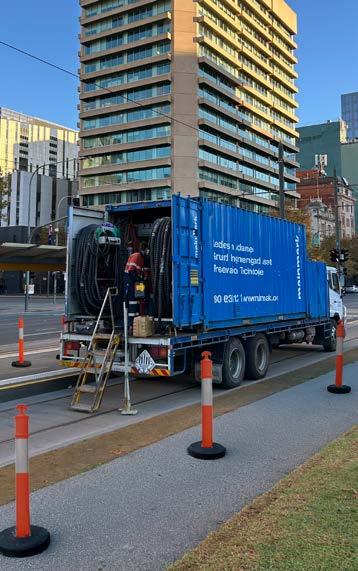
The fast-acting geopolymer restored ground support with minimal disruption. Within hours, the rocking was eliminated, structural integrity restored, and tram services resumed without delay. The project improved safety and showcased a non-invasive solution for critical infrastructure challenges.
The tramline at Victoria Square Station in Adelaide faced a significant structural challenge due to an irrigation failure. Excessive water from the malfunctioning irrigation system seeped into the ground beneath the tracks, causing erosion of the supporting soils.
This erosion resulted in the formation of voids that compromised the support beneath the concrete tramline. The instability was evident through early signs of track rocking and deflecting under load, which raised safety concerns and heightened risk of potential service disruptions.
Taking advantage of a scheduled tramline shutdown, Mainmark was engaged to rectify the problem through the application of Teretek® resin injection technology.
This process involved injecting a resin-based geopolymer beneath the 30m² section of the compromised track. The innovative solution effectively filled voids, provided ground improvement and restored a solid support base beneath the concrete tramway. Teretek® rapid strength gain properties allowed for effective reinforcement with minimal disturbance to the existing infrastructure.
Within just a few hours, Mainmark successfully eliminated the rocking and deflection of the track restoring support, and significantly reducing safety risks and restoring structural integrity. The rapid delivery ensured minimal downtime with all works completed within a scheduled shutdown, enabling the tram service to recommence without any extra delays.
This successful project improved passenger safety and maintained the tram system’s operational reliability. It showcased how a fast, non- invasive approach can effectively address infrastructure issues while ensuring safety and preserving service quality.
As a global ground engineering and asset preservation company, we draw on over three decades of experience and knowledge in leading, developing and delivering the most advanced and accurate ground improvement, re-levelling and void-filling solutions across residential, commercial, infrastructure and mining sectors.
With an extensive portfolio of completed projects across New Zealand, Australia, United Kingdom and Ireland we have achieved a global reputation for delivering innovative solutions to some of the most iconic projects worldwide, earning us international recognition as an award-winning ground engineering organisation.