P O R T F O O L I
MAHTAB AMIRSARDARI ARCHITECTURE PORTFOLIO 2016-2021
Portfolio Selected works 2016-2021
I’m Mahtab, born on April 18, 1994, and I hold a master’s degree in architecture. As a dedicated professional, I am a member of the Iran Construction Engineering Organization (IRCEO). I work as a supervisor and executor, and I contribute to projects by integrating Building Information Modeling (BIM) technology.
Mahtab Amirsardari
1994/18/04 Lorestan, Iran
+989163368529
mahtab.amirsardari@gmail.com
Linkedin: linkedin/in/Mahtab Amirsardari
Issuu: Issuu.com/mahtabamirsardari
Instagram: Instagram.com/mahtabamirsardari
Brief Bio 4
Academic Experience
2019-2022
Master degree of Architecture
Jundi Shapour university of technology
GPA: 4/4
2013-2017
Bachelor degree of Architecture
Ayatollah Boroujerdi university
GPA: 3.6/4
Professinal Experience
2021-Present
2020-2021
2020
Certificate
2023
2022
2022
2022
2021
Supervising Engineer
Iran Construction Engineering Organization
Freelancer Architect
BIM modeler
Senior Architect
Loutus Studio - Lorestan, Iran
Transportation, Sustainable Buildings, Green Construction
John Hopkins University
Revit for Architectural Design Autodesk
Greening the economy: sustainable cities Lund University
Sustainability in Architecture University of Valencia
Iran Construction Engineering Organization
Autodesk Autocad 2D Sketch up Autodesk Revit Inscape 3D Ecotect Analysis Adobe Photoshop Adobe Indesign Adobe Illustarator 0 50
Resume summery 5
100
08-17
18-29
30-35
35-41
42-47
Chogha Zanbil Expedition Base 2018
Designing a residential and research complex around the Chogha Zanbil Ziggurat
Caravanserai-Inspired Mall Design
Designing a mall based on data obtained from the interrelationships of microspaces within caravanserais
GreenSpaces Apartment
Designing an apartment with the principles of sustainable architecture
Koushki’s Historic Remnants Transformed
Preserving the remnants of a historical building and constructing a new structure as an extension
Other works
Architectural presentation, Sketches
Chogha Zanbil Expedition Base
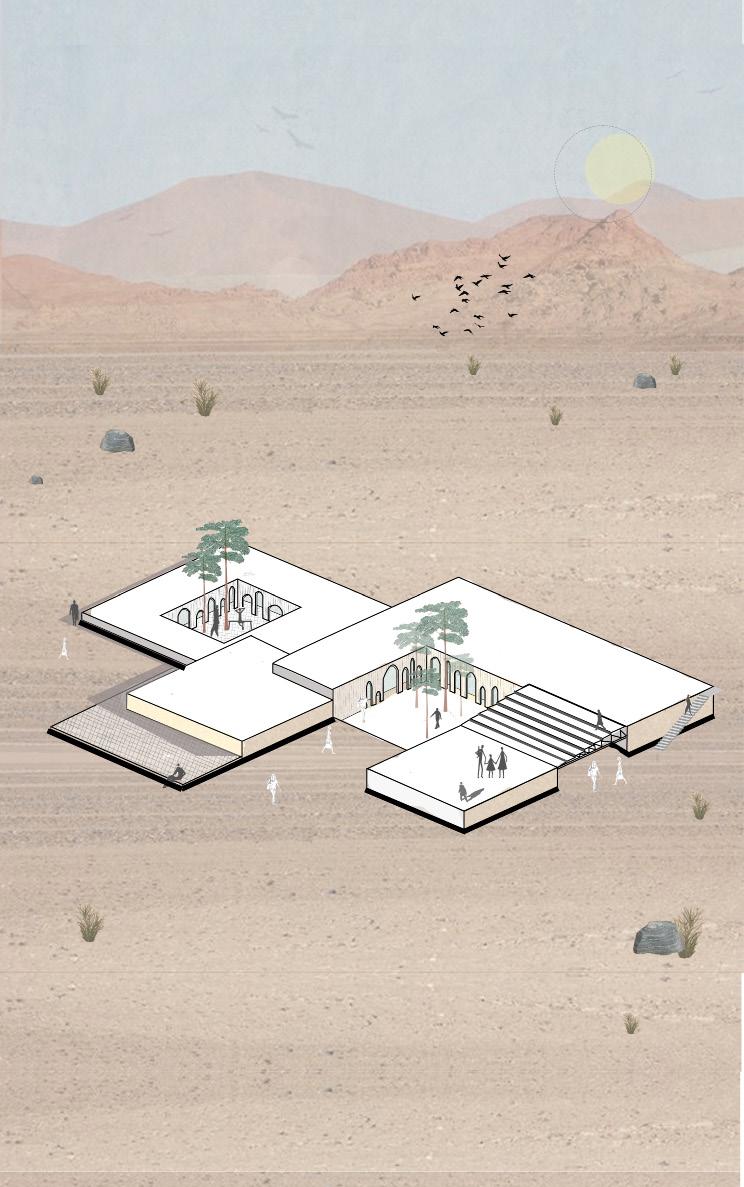
The architectural project involves the creation of a complex, near Chogha Zanbil for conducting research on this significant area. Chogha Zanbil is recognized as a UNESCO World Heritage site and as per the guidelines set by the UNESCO World Heritage Center there are height restrictions in place. Therefore it is necessary to design the complex within these limitations ensuring that it does not exceed a height of 4.5 meters. The design should consider the architectural context and aesthetics of the surrounding area, taking inspiration from the local culture and historical elements. Furthermore, sustainability and friendly practices should be prioritized in designing this complex. This could involve incorporating energy systems utilizing energy sources and integrating green spaces or gardens, within the overall design.
Tutor: Dr. Didehban, Dr, Dinarvand & Dr. Attarian
Final score: 18.5/20
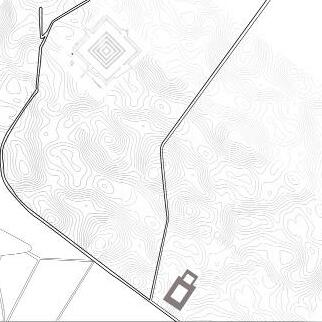
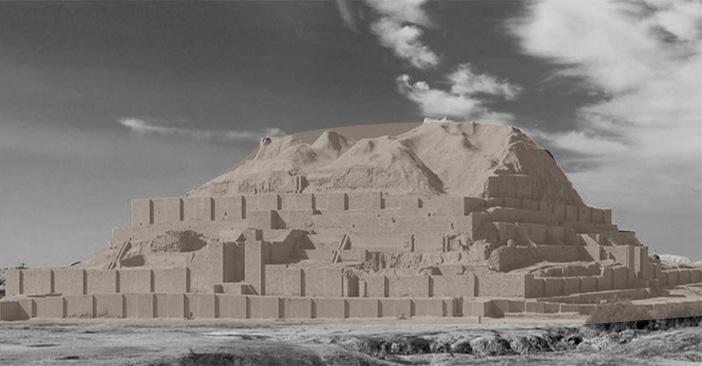
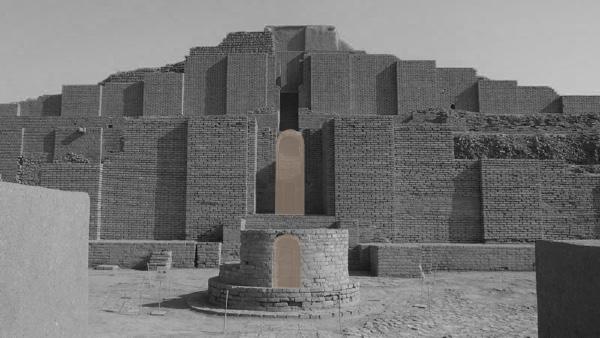
The Chogha Zanbil ziggurat is an ancient architectural masterpiece that dates back to the Elamite civilization. The name “Chogha Zanbil” translates to “basket mound” in the Persian language, referring to its shape, which resembles a massive stepped pyramid. The ziggurat, made of sun-baked bricks, stands at an impressive height of around 25 meters (82 feet) and has a base of approximately 105 meters (344 feet) on each side. Its monumental scale and remarkable architectural features have made it a UNESCO World Heritage Site since 1979. Today, the Chogha Zanbil ziggurat stands as a remarkable testament to the ancient architectural hveritage of Iran and attracts visitors from around the world who are fascinated by its historical significance and impressive design.
9
Chogha Zanbil Historical Site
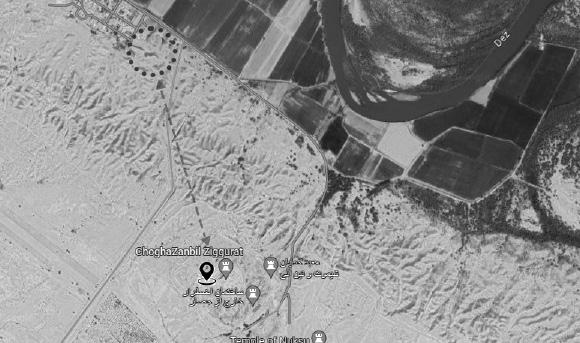
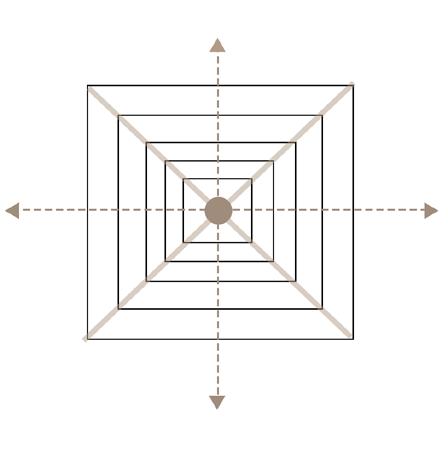
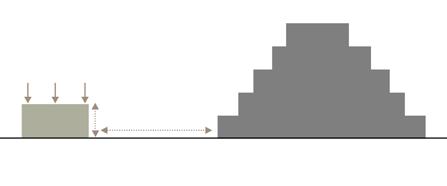
Height= 4.5 m N S E W 1 km 10
Chogha Zanbil Historical Site
Distance= 1 Km
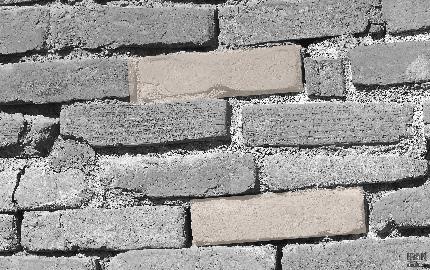
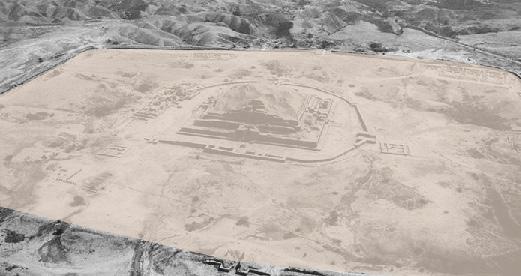
Chogha Zanbil Ziggurat, boasting a commanding 100-meter length on each side and standing at 25 meters tall with five stories, is enclosed by a formidable outer wall that encompasses a significant archaeological area. The architectural ingenuity is evident in the innovative use of circular arches, while the ziggurat’s primary construction material, mud brick, underscores the resourcefulness of its builders.
Diagrams
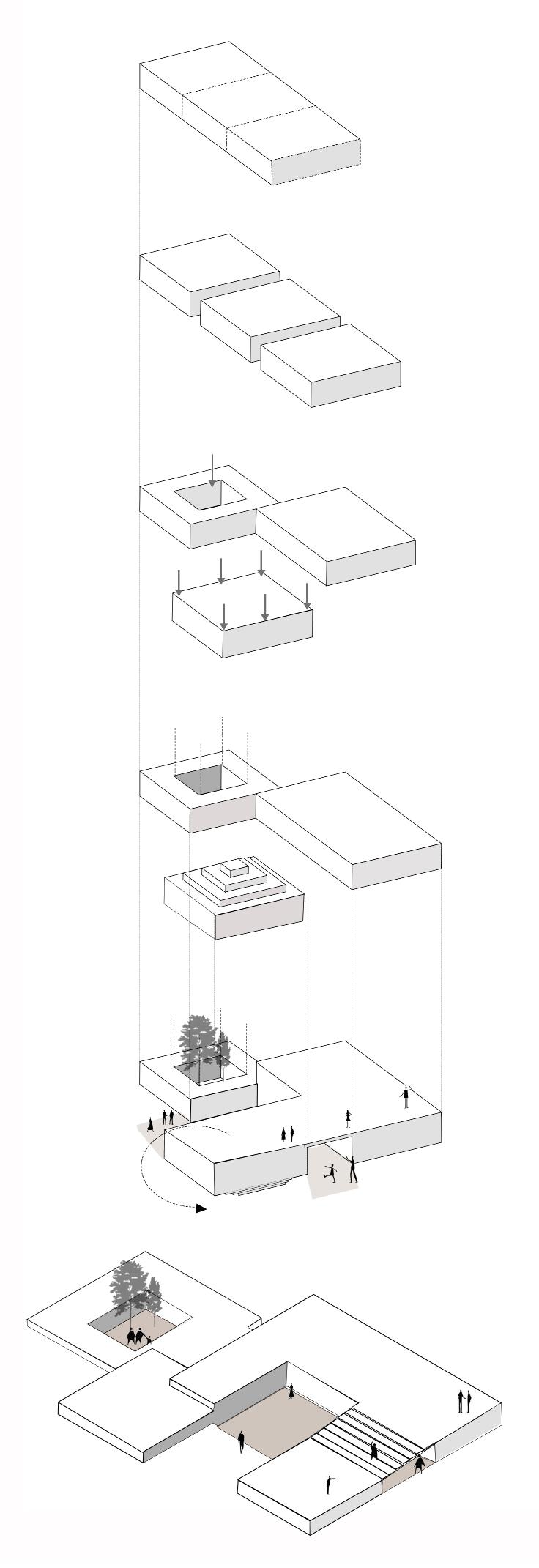
Disign Process & Project Description
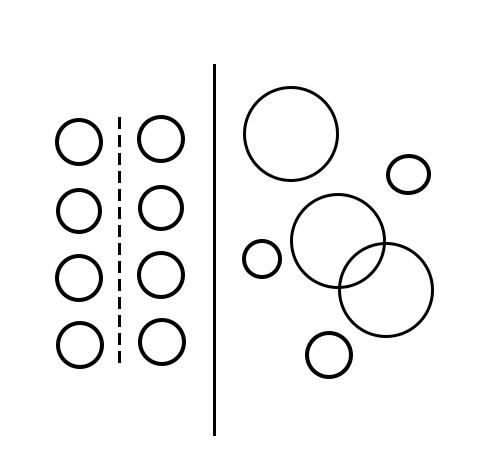
This complex is divided into three main parts:
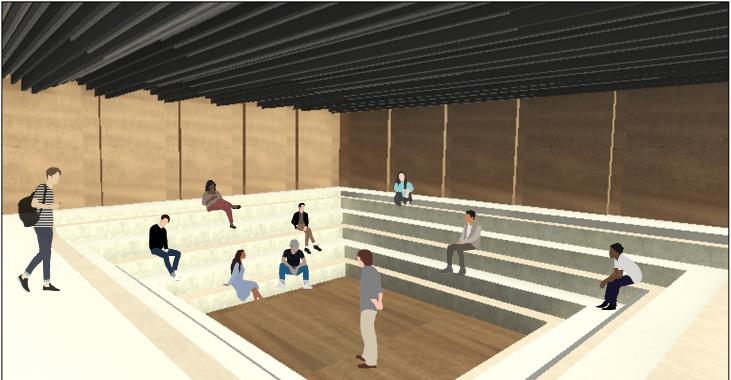
The first part is designed to facilitate intellectual exploration, providing a platform for researchers, scholars, and visitors to engage with the rich history and culture of the Chogha Zanbil site. Additionally, The gathering space, designed in a zigguratlike structure, offers an intriguing and visually captivating space for visitors to come together, exchange ideas, and engage in cultural activities
The second section is designed to cater to the needs of the rest of the visitors and incorporates elements of vernacular architecture. The highlight of this section is the private yard located in the center of the building. The private yard serves as a focal point and provides a tranquil space for visitors.
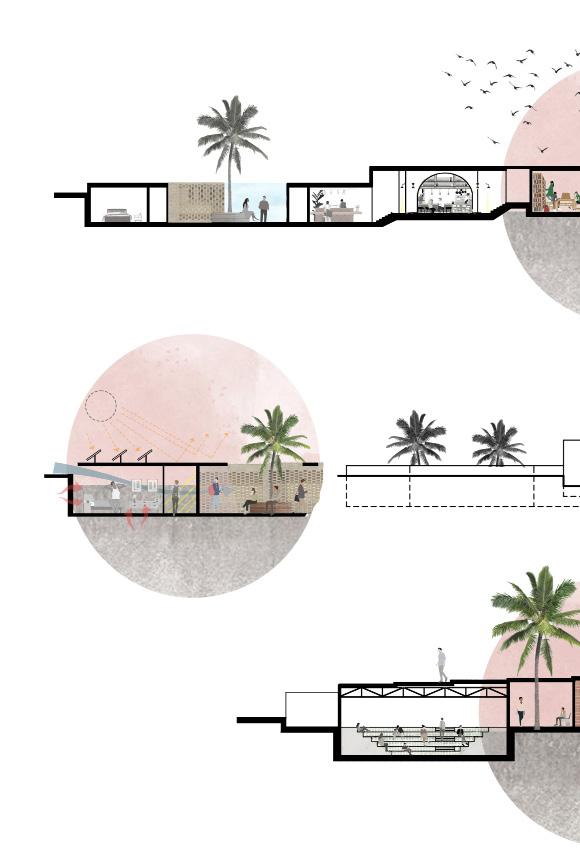
One of the notable features of this section is its specific placement on level -2. This decision allows the building to take advantage of its position to mitigate extreme weather conditions. Being situated underground helps to shield against the scorching hot weather in the summer, keeping the area cool and comfortable for visitors.
The last part serves as a bridge between the research area and the rest area. This particular section is dedicated to providing a restaurant and cafe for the convenience and enjoyment of the visitors.
11
Site
Chogha Zanbil Historical
12
Chogha Zanbil Historical Site
Residential Space Courtyard
Conference Hall Research Area Cafe Reception
Entrance
No.1
Sola Panels Detail
Sections
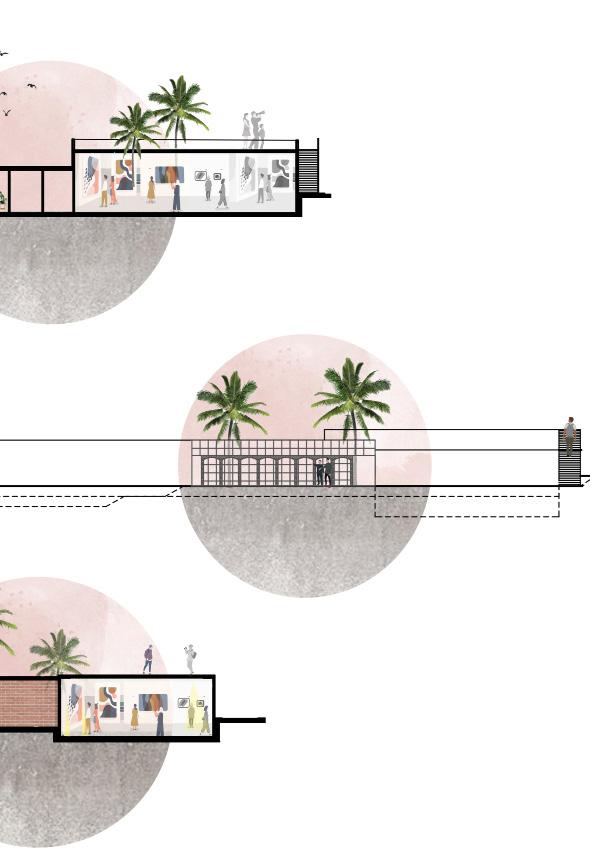
13 Chogha Zanbil Historical Site
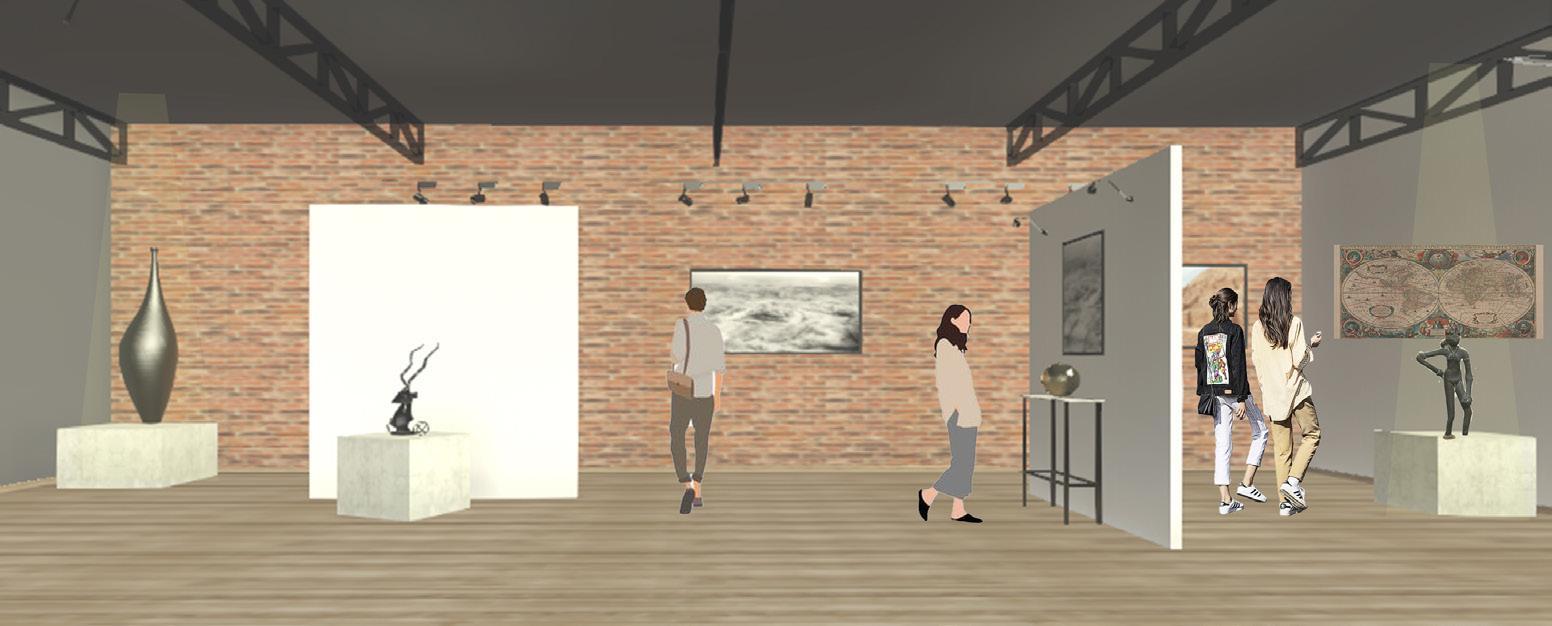
Gallery
Gallery
Observation Deck Main Entrance Observation Deck Detail No.2
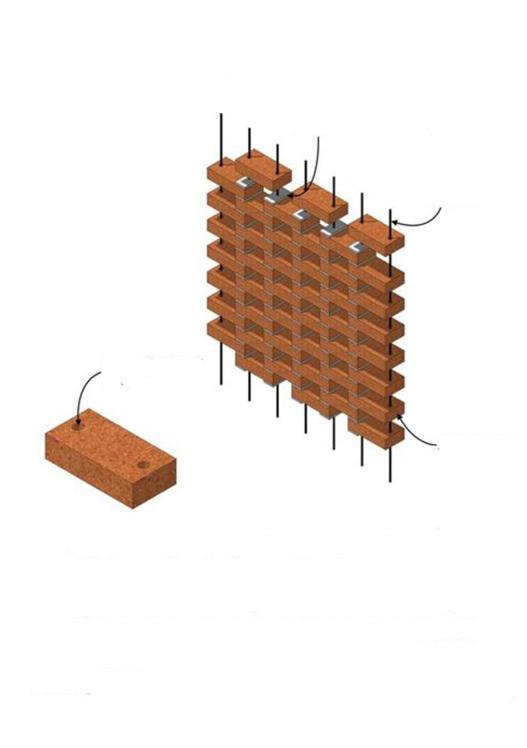
Red bricks are first drilled and perforated for reinforcement, then adhesive is applied inside. Subsequently, they are arranged in a crossed pattern and adhesive is applied.
Inspired by the architectural elegance of the Choghazanbil ziggurat, the proposed design envisions a harmonious blend of form and function. Utilizing bricks and incorporating graceful arcs, the envisioned wall seeks to establish a symbiotic relationship with its environment. The choice of brick shells and arcs not only pays homage to the historical construction methods of the ziggurat but also serves a practical purpose. The deliberate arrangement of these elements aims to control the amount of sunlight, providing a balanced interplay of light and shadow. This dual-purpose design not only contributes to the aesthetic appeal of the monument but also demonstrates a thoughtful integration of architectural elements to enhance environmental comfort and sustainability.
14
Red brick
Iron D8
Adhesive for cement casting
Hole for reinforcement
Chogha Zanbil Historical Site
Detail No.1
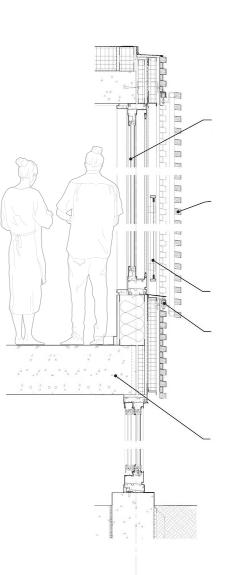
Sliding aluminum window
Perforated brick wall
wire mesh rail
Brick wall
Concrete slab
The intricate details in the window’s construction are aimed at controlling the amount of sunlight entering the space. The Perforated Brick Wall functions as a complementary element, contributing to the management of solar exposure by allowing some sunlight to filter through while offering shading, thereby enhancing the overall efficiency of sun control in the architectural context.
15
Chogha
Zanbil Historical Site
Detail No.2
Sections
16
Chogha Zanbil Historical Site
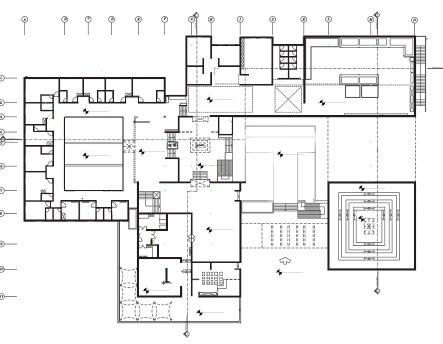
Chogha Zanbil Historical Site Level -4 Level -3 Level -2 Level -1 5. Main Gallery / Exhibition Hall 9. Private Lobby 6. Lobby / Information 10. WC Men / Women 7. Waiting area 8. Management Offices 1. Main Entrance 2. Parking Entrance Path 3. Restaurant/Coffee shop 4. Main Yard 11. Private Yard 12. Room 13. Reception/ Information 14. Event Space 1 11 17 12 13 4 14 2 7 6 9 8 8 10 5 3 3 3 Plan -1.00 -3.00 -3.00 -3.00 -1.00 -1.00 -4.00 -2.00 -2.00
Caravanserai-Inspired Mall Design
Caravanserai-Inspired Mall Design
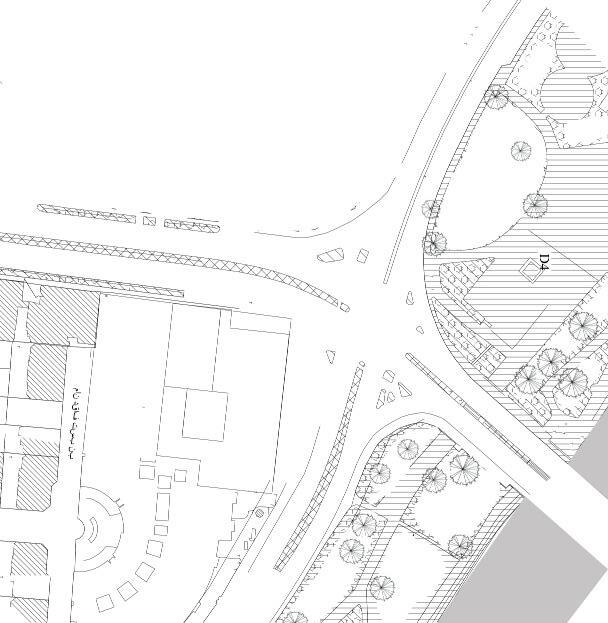
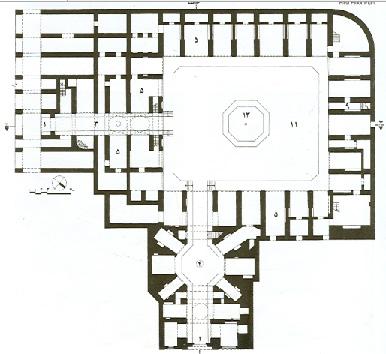
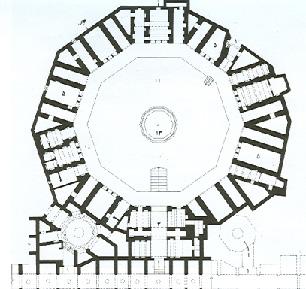
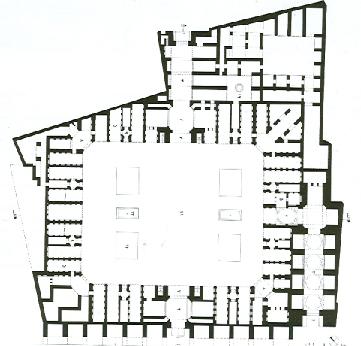
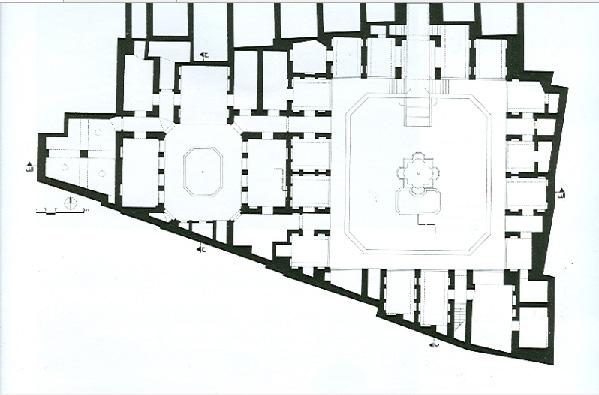
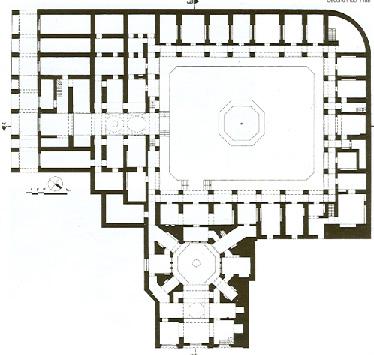
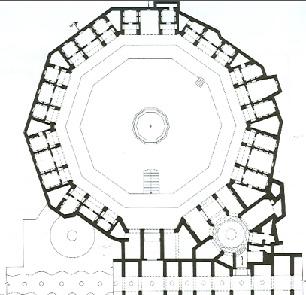
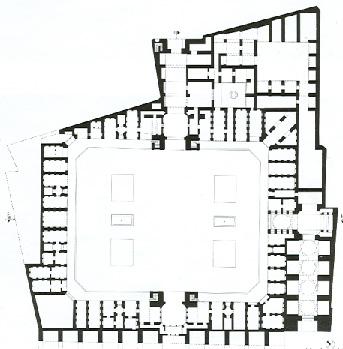
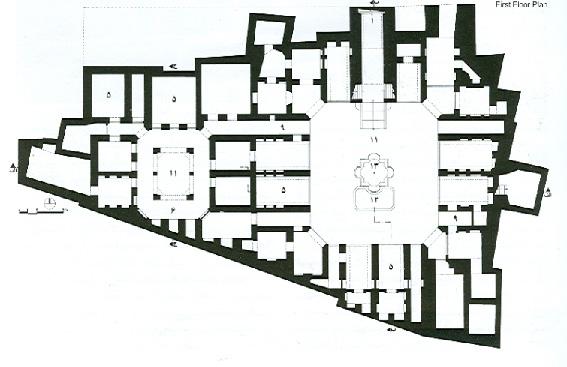
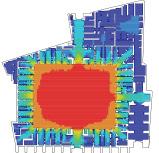
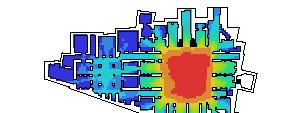
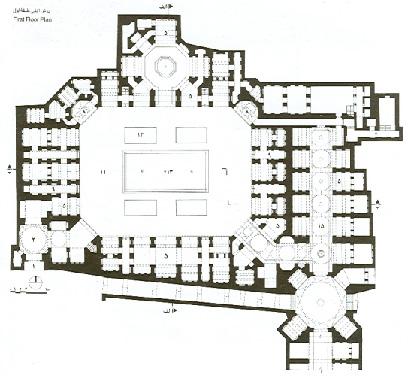
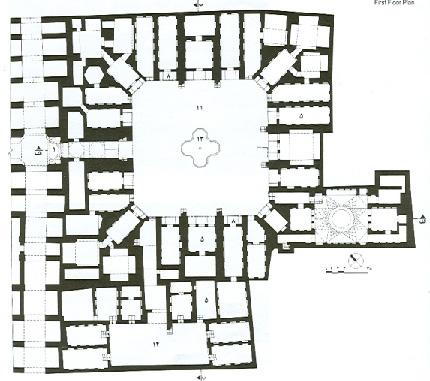
This project aims to investigate the spatial relationships, connectivity, and visibility properties of the 7 Saras located in one climate zone in Iran.
By employing the syntax method and Depthmap analysis to uncover valuable insights into the organization, structure, and visual characteristics of these carvanserais in Iran’s hot and dry climate.
About the locations:
These 4 provinces in Iran, Yazd, Isfahan, Kerman and Fars, are located in hot and dry climate, which has long, hot, dry summers and short, cool winters.
Tutor: Dr. Vasigh
Final score: 19/20
19 Caravanserai-Inspired Mall Design
Main Concept
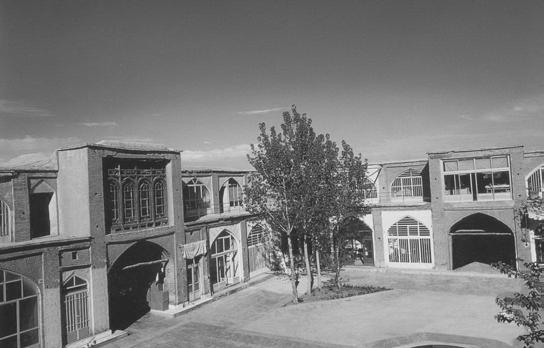
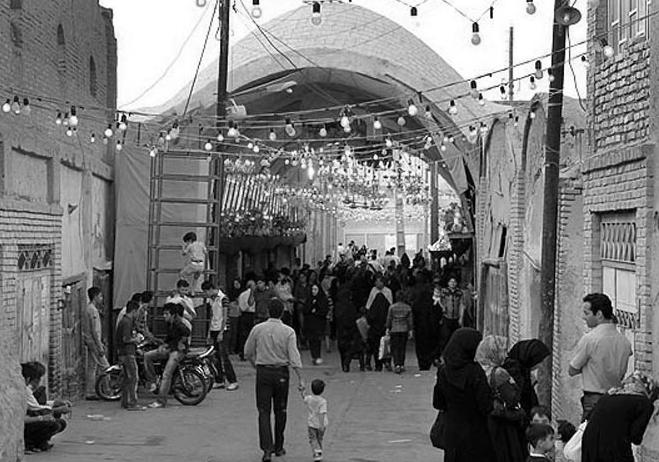
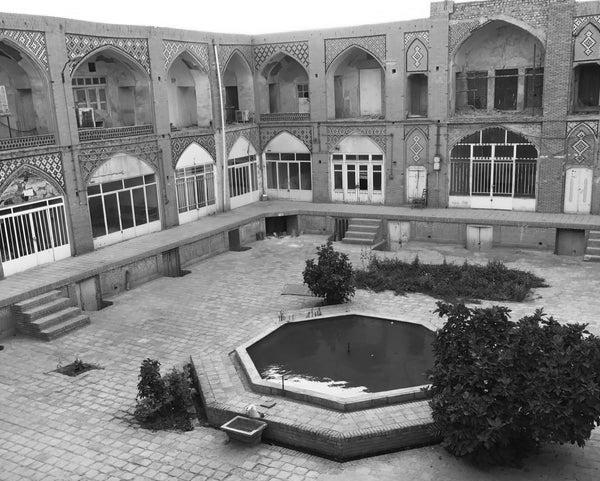
There are certain elements that make up the space of traditional markets and bazzar in Iran. A “Sara” is a section of the bazzar where goods are sold in bulk and then distributed to other shops. Saras were built in very large spaces and consisted of two floors. The upper floor housed the offices of merchants, while the lower floor contained warehouses and production workshops.
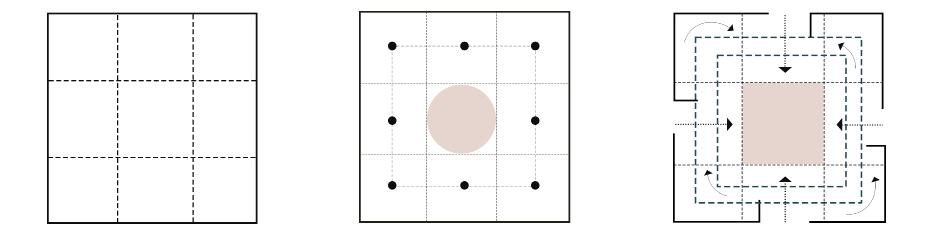
Courtyards serve as vital hubs in caravanserais, facilitating social interactions and trade. The corridors that encircle these courtyards not only provide access to lodgings and facilities but also create a dynamic communal space where diverse cultures and commerce converge.
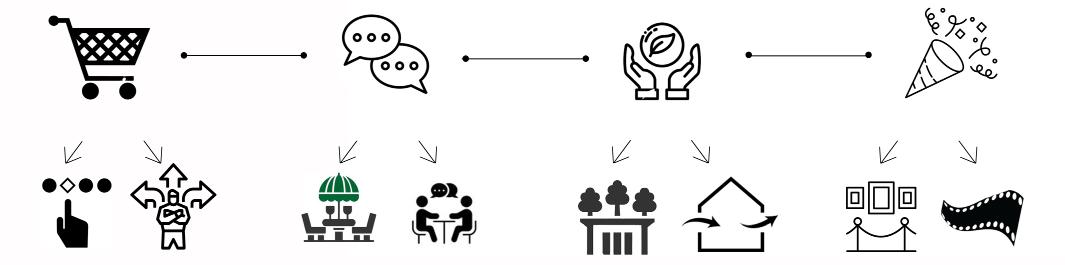
Shopping
Connection
Sustainibility Entertainment
Designing a mall is like crafting a unique experience, focusing on easy access, fostering connections, providing entertainment, and embracing sustainability. It ensures effortless entry, offers diverse stores, provides communal spaces, and designs an eco-friendly environment—aiming to leave a positive impact on surroundings while enhancing the overall visitor experience.
20 Caravanserai-Inspired Mall Design
Utilizing natural elements like ventilation, shading, and insulation for indoor temperature control.
Create a sense of connection among visitors through shared spaces and the collective experience of shopping and leisure activities.
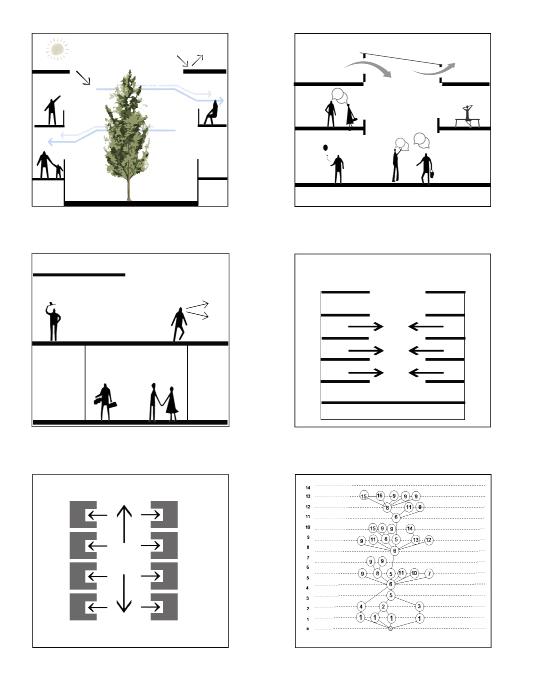
Combining unrestricted areas with partially enclosed environments for a harmonious spatial design.
Introverted building design emphasizes considerations that foster environmental harmony and energy efficiency.
The mall adopts a linear design with straight lines and a structured layout, creating a streamlined and cohesive architectural aesthetic.
Analyzing the arrangement, order, and organization of elements.
21 Caravanserai-Inspired Mall Design
Diagrams
Caravanserai-Inspired Mall Design
Analysis (Isovist, Visibility, Syntax)
Ground Floor Plan
GomrokIsfahan
Saraye noFars
VakilKerman
VakilYazd
First Floor Plan


22



23 Caravanserai-Inspired Mall Design
Visibility
Isovist
Syntax Graph
GolshanFars
Ali AghaYazd
H.KarimIsfahan
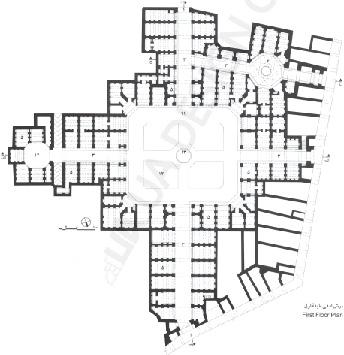
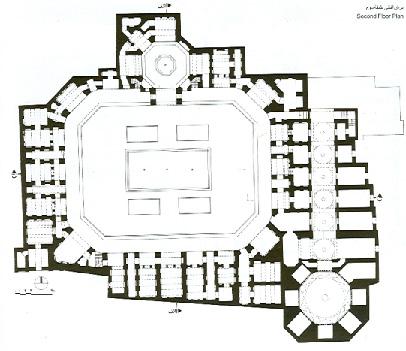
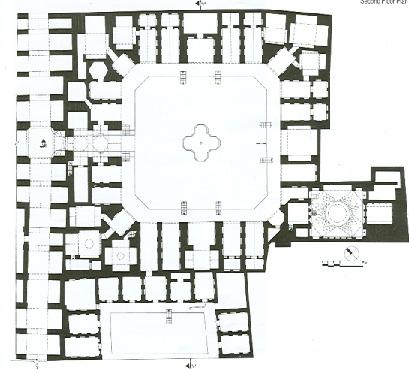
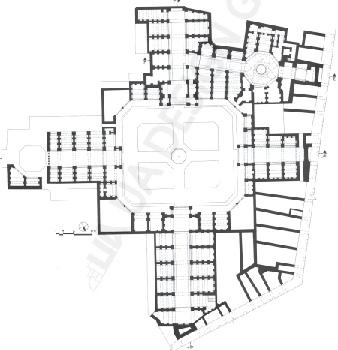










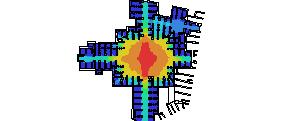
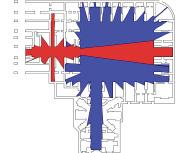
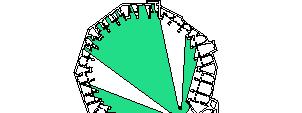
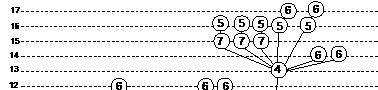
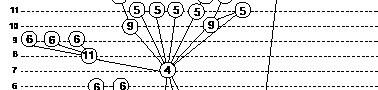
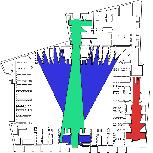
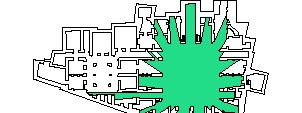
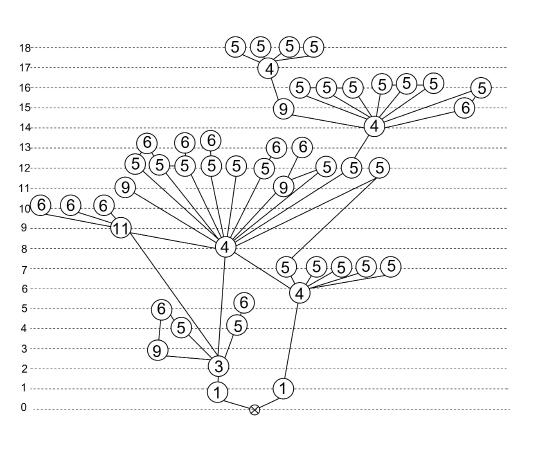
This project focuses on studying the 7 caravanserais (urban trade and commerce) located in four provinces in Iran: Isfahan, Kerman, Yazd, and Fars. These caravanserais are characterized by a hot and dry climate. The primary objective of this study is to analyze the spatial relationships within these areas using two specific methods: syntax analysis and Depthmap analysis. The syntax method is utilized to examine the connections between different spaces within the studied neighborhoods. This approach aims to understand how various elements and features in the urban environment are arranged and interconnected.
This approach aims to understand how in the urban environment are arranged applying the syntax method, we identified hierarchies between different spaces, timche(), entrance and storeroomand. underlying structure and organization to the syntax method, researcher extract information about isovist and areas.
24
Mall Design
Floor Plan
Floor
Caravanserai-Inspired
Ground
First
Plan
Analysis (Isovist, Visibility, Syntax)










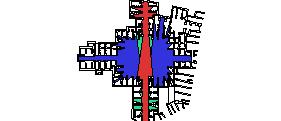
how various elements and features arranged and interconnected By identified patterns, correlations, and spaces, such as stores, yard, tim and storeroomand. This analysis helped uncover the organization of the neighborhoods. In addition employed Depthmap analysis to and visibility within the case study
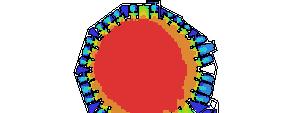
Isovist analysis involves studying the visual properties of spaces, specifically how visible or hidden different areas are from specific vantage points This analysis helped to understand the visibility patterns within the neighborhoods, including the extent to which certain areas are visible from various viewpoints. By mapping the isovist and visibility data, we can gain insights into how the urban environment influences visual perception and spatial experiences.
25 Caravanserai-Inspired Mall Design
Isovist Visibility Syntax Graph
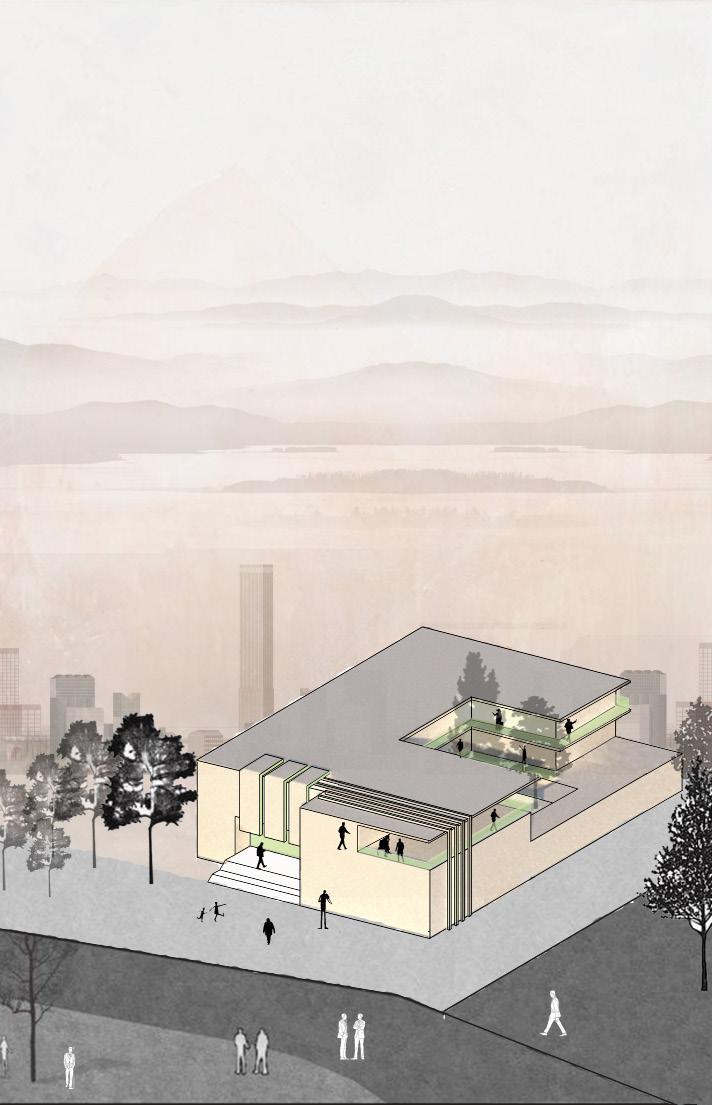
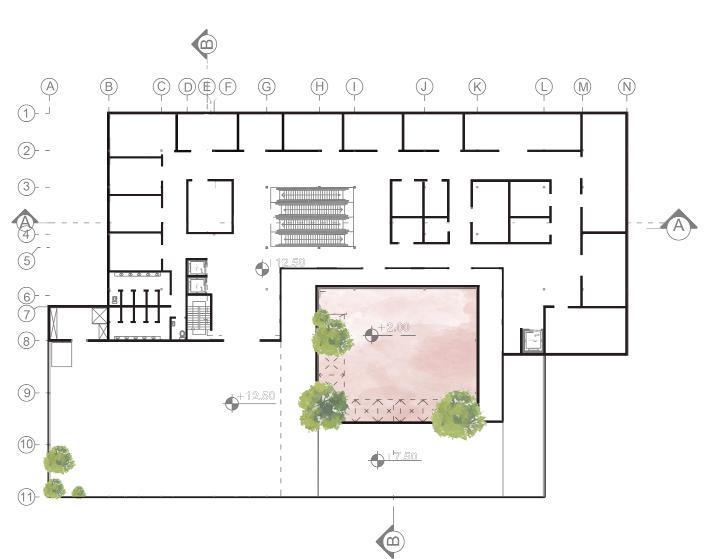
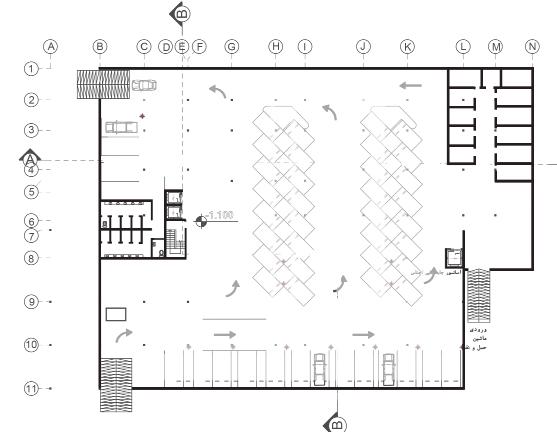
Given that the courtyard played a fundamental role in shaping the spaces, designing the courtyard in the plan not only created a space for communication among buyers but also helped provide natural ventilation, use of natural light, and a suitable view of the Zayandeh Rud river in the upper-level courtyards and terraces of the complex.
26
Caravanserai-Inspired Mall Design
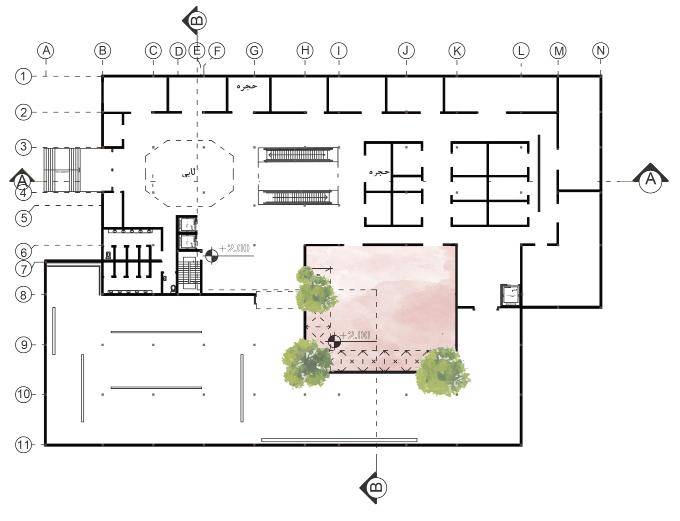
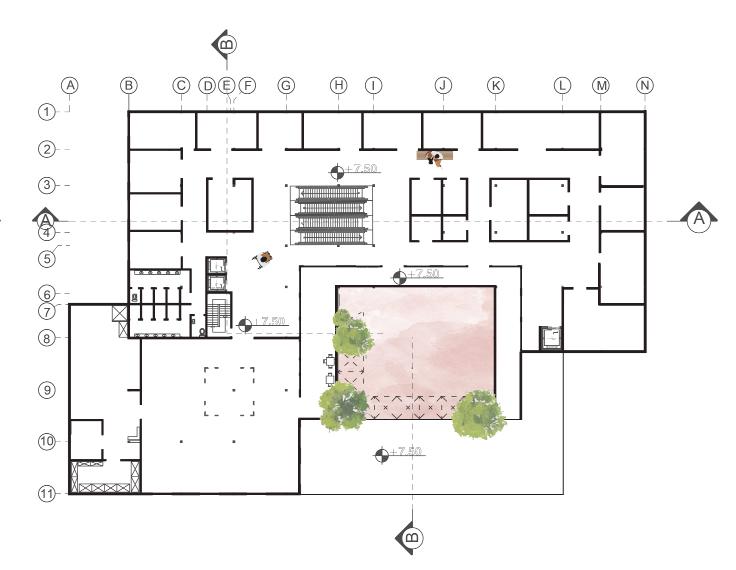
1. Main Entrance
2. Lobby
3. Vertical circulation
4. Wc Men/Women
9. Management Offices
10. Corridors
11.Terrace
12. Roof Garden
5. Gallery
6. Stores
7. Yard
8. Food court/cafe, snack bar
13. Parking lots 14. Store Rooms 15. Entrance No.1 16. Entrance No.2
Plans
Design Process
In this architectural project, inspired by the dry and hot climate, I have incorporated a design concept that centers around a courtyard as the heart of the plan. The courtyard acts as a refreshing oasis, providing a serene and cool gathering space, shielded from the scorching heat outside.
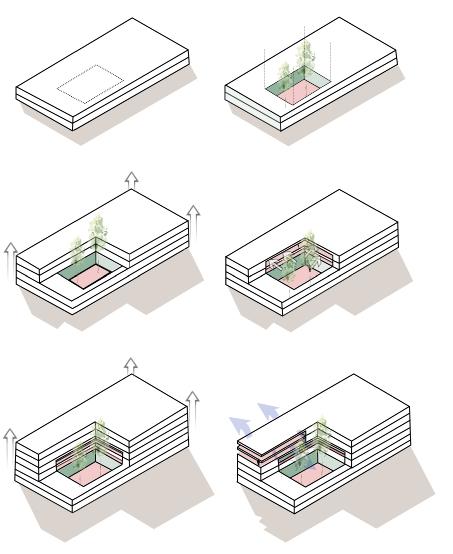
The central courtyard acts as the heart of the building. It should be designed to encourage social interaction and serve as a communal space. Emphasize natural ventilation and lighting throughout the building. Design the structure in a way that allows for cross-ventilation and ample natural light in living spaces. This space can serve as a peaceful retreat for residents and also promote environmental sustainability by reducing the building’s environmental footprint.
27 Caravanserai-Inspired Mall Design
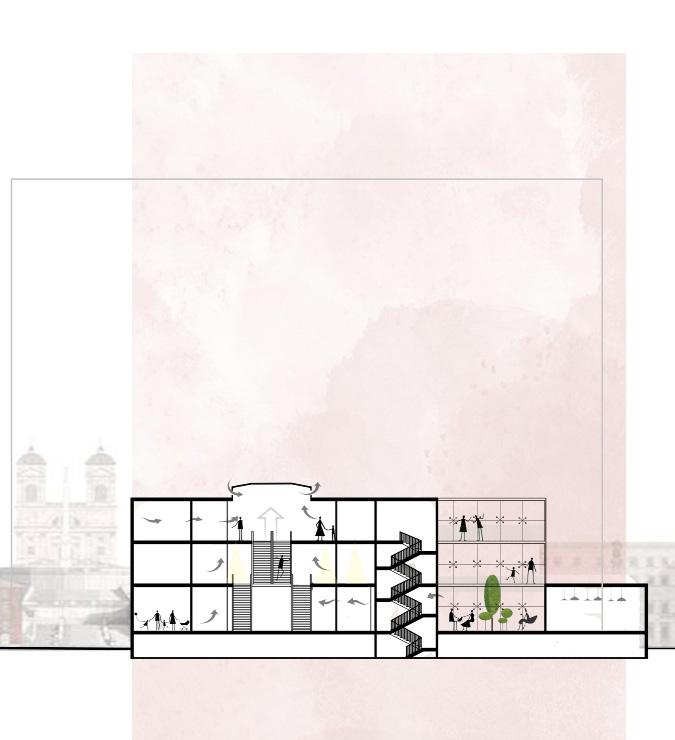
28 Caravanserai-Inspired Mall Design Section
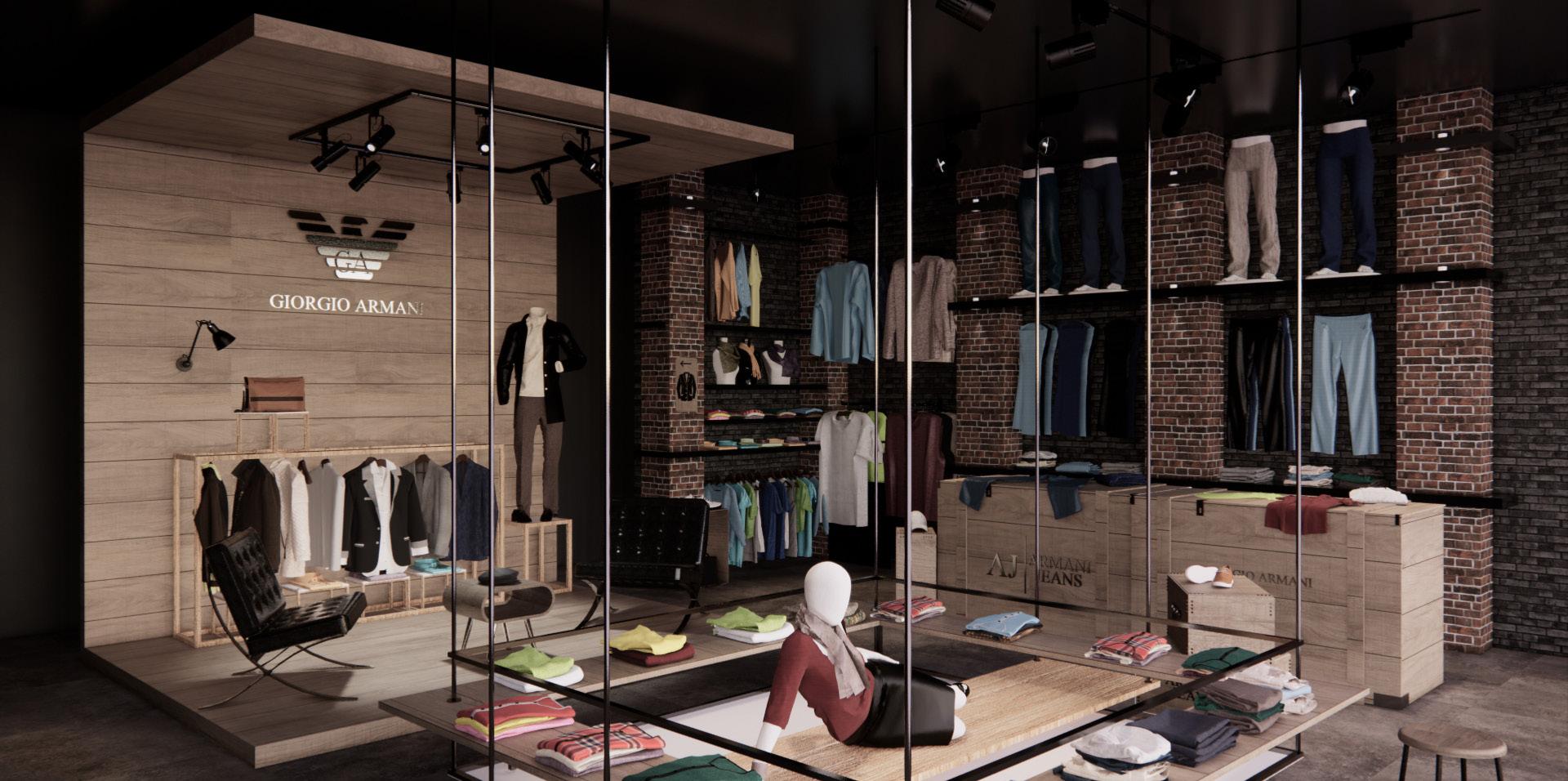
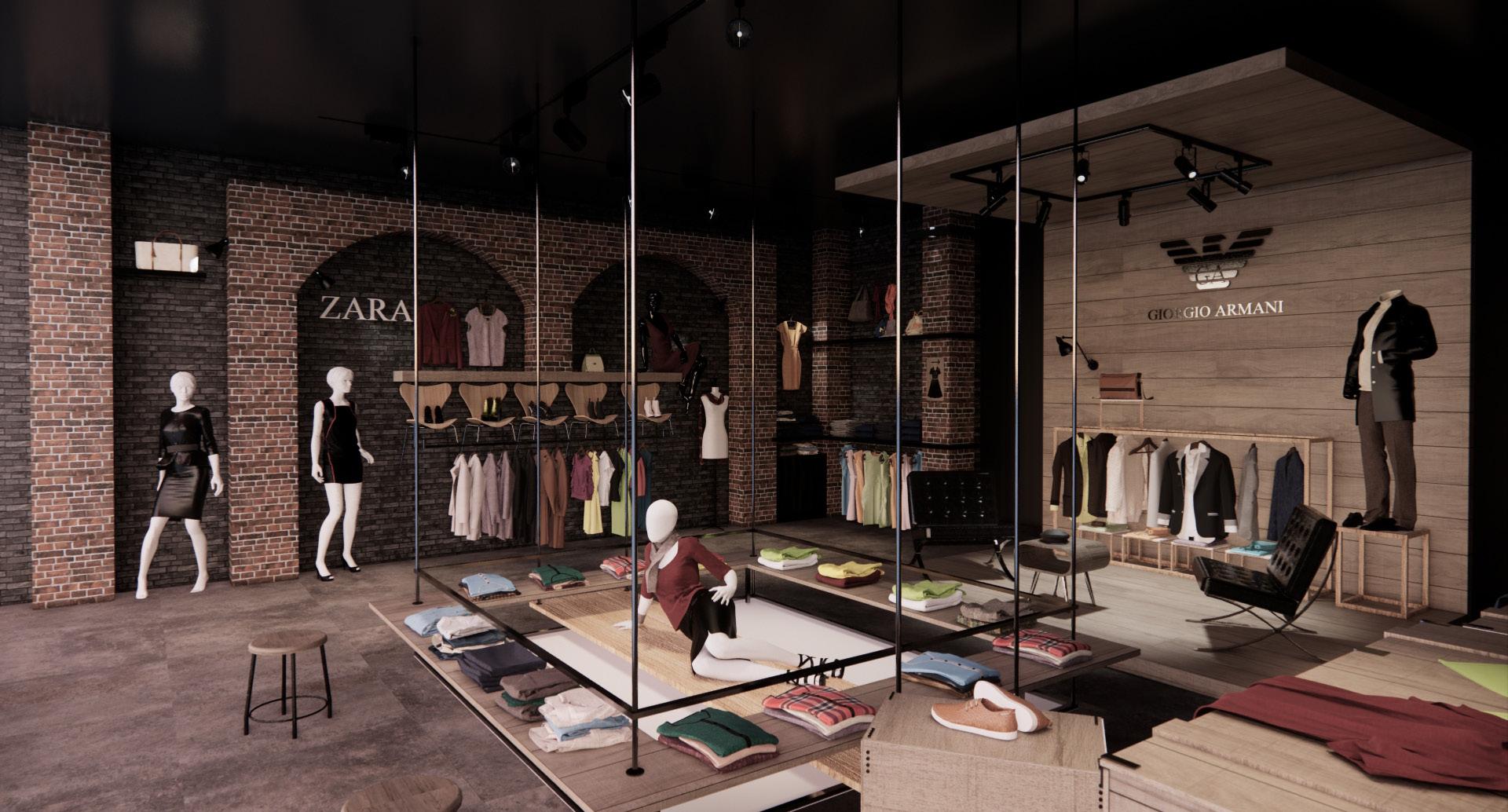
29 Caravanserai-Inspired Mall Design Interiors
Bringing Green Back to Urban
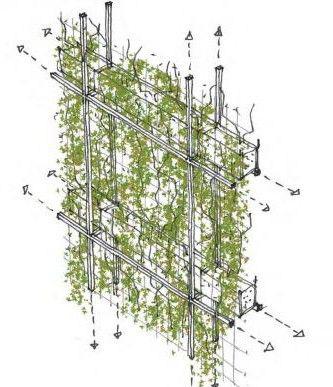
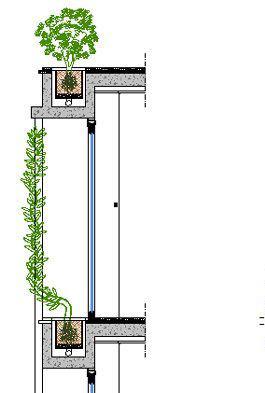
This project is about creating a better and greener way of living in a 6-story apartment building in Tehran .The primary objective of this project was to design a unique type of building known as ‘green architecture. As traditional yards and green spaces have become less common in modern apartments, we aimed to incorporate nature into the design. What did we do? We added lovely flower boxes on the balconies and chose a special plant, Bougainvillea, to grow on the facade. It thrives in Iran’s arid climate because it requires minimal water. My project demonstrates how we can create environmentally-friendly apartments that foster a deeper connection to nature.
Tutor: Dr. Momeni
Final score: 19/20
GreenSpaces Apartment
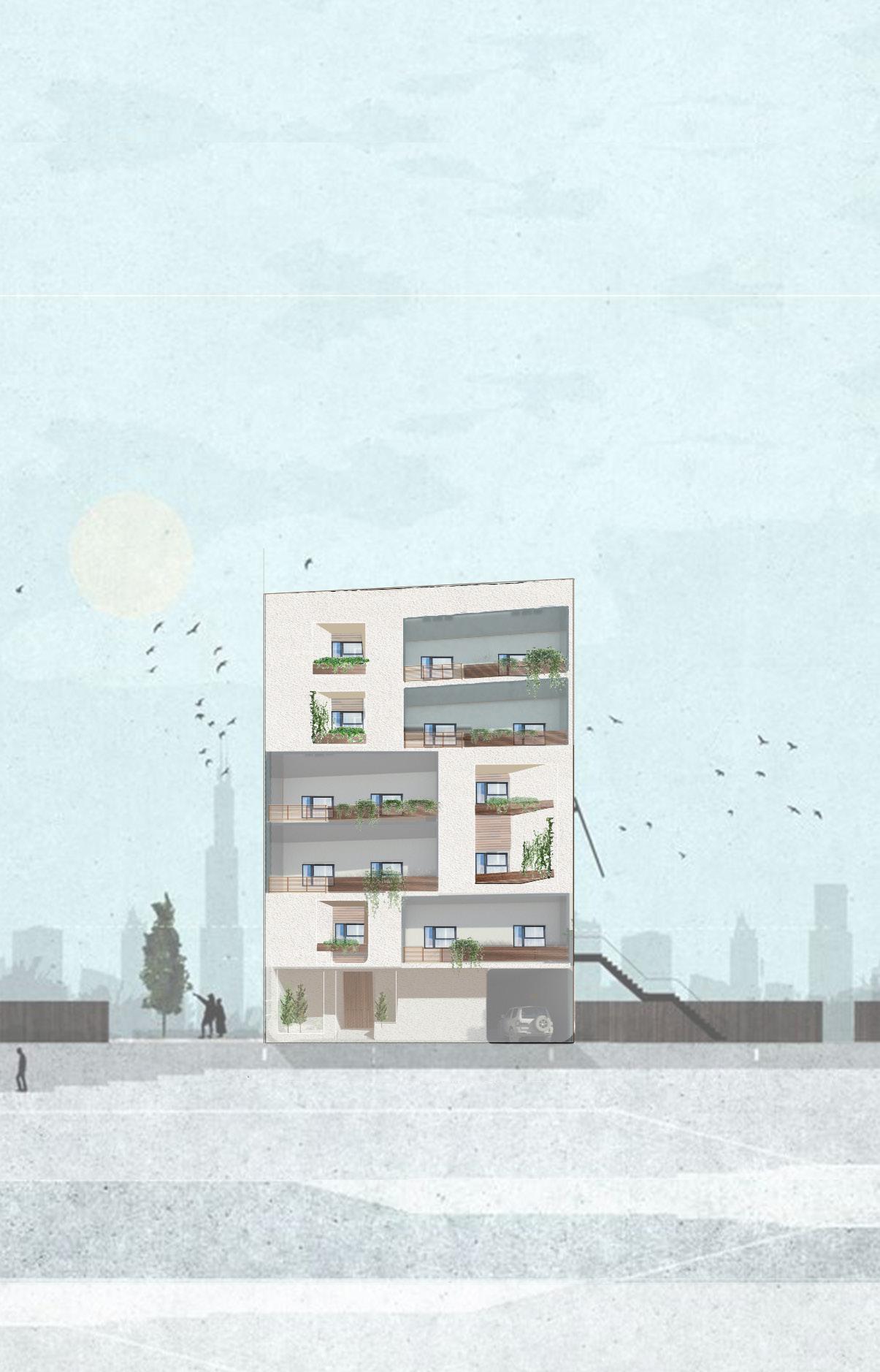
31 GreenSpaces Apartment
Nature is not just a source of inspiration; it is an integral partner in the symphony of architecture. Incorporating plants into design is not merely an aesthetic choice; it’s a fundamental dialogue with the environment, a harmonious collaboration that breathes life into spaces and connects us with the essence of our surroundings
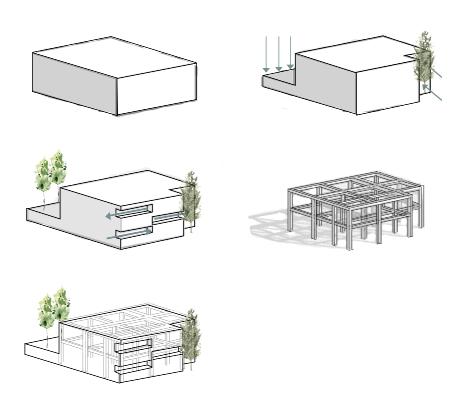
Sustainability is not just a design choice; it’s a moral responsibility. Green architecture is not about constructing buildings; it’s about creating ecosystems that harmonize with nature, ensuring a legacy of balance and beauty for generations to come. One intriguing challenge we encountered was preserving a large, old tree that already existed on the site.
Design Final Achievment
1. Respect to the enviornmen
2. Compatible to the site conditions
3. Meeting the users’ special needs
32
4. preserve an existing tree in the site
Diagrams
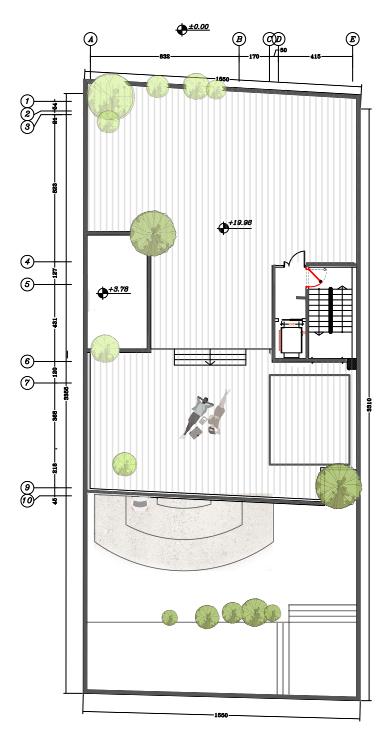
Roof Garden
“Study nature, love nature, stay close to nature. It will never fail you.”
Frank Lloyd Wright
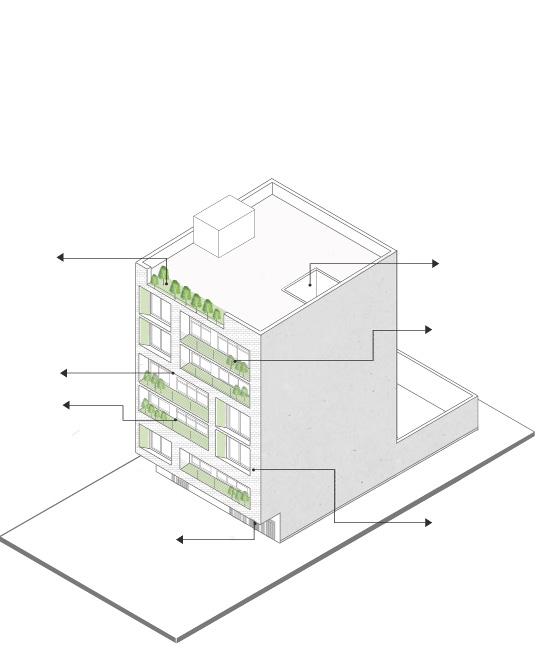
Canopy
Green Terrace
Sky Light
Iron Handrail
Brick Facade
Car Entrance
33
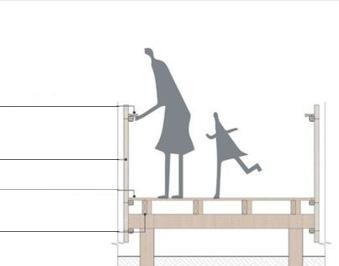
Wooden handrail Wooden posts Wooden flooring
Details Powercoated aluminium sheed metal Metal conecctor for role fixing
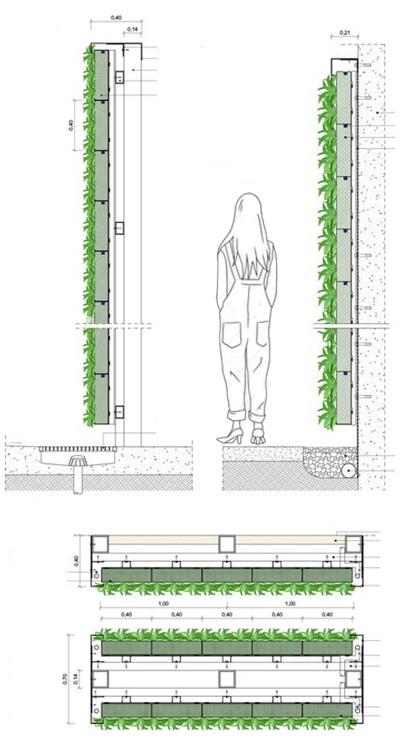
A notable feature of these atrium spaces is the incorporation of green walls, which serve a dual purpose. Firstly, they provide an aesthetically pleasing green view, adding to the visual appeal of the interior. Secondly, the green walls actively contribute to air purification, enhancing the overall air quality within the indoor environment, thereby promoting a refreshing and healthier atmosphere.
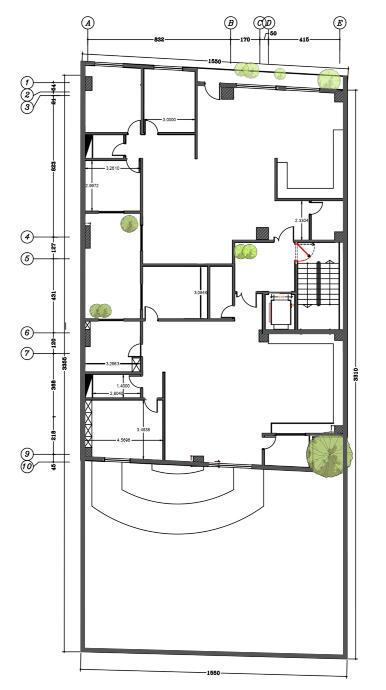
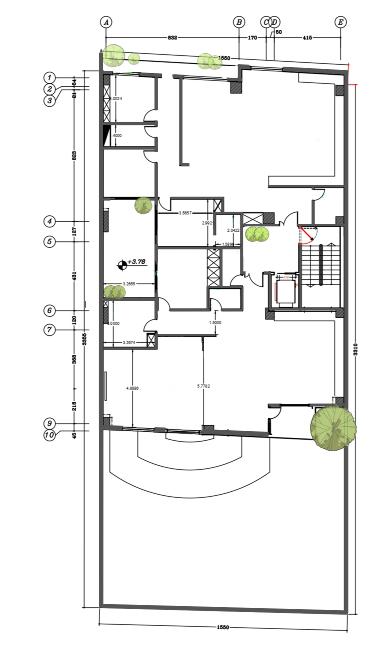
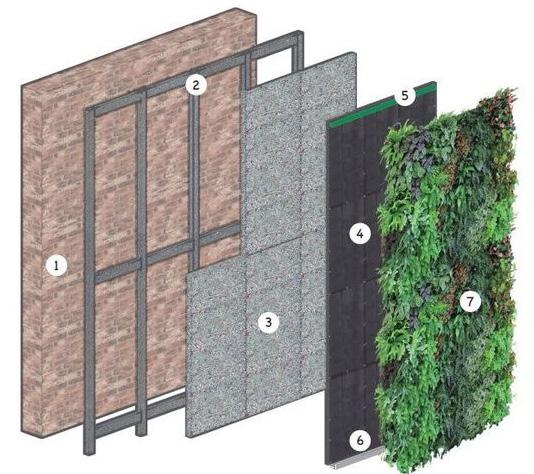
Two distinct floor plans have been created, each differing in the number of bedrooms they offer. In both designs, the living room and kitchen areas are strategically positioned to receive direct sunlight, ensuring a bright and welcoming atmosphere. However, in the bedroom areas, natural light is sourced from the central atrium, creating a unique and tranquil ambiance.
34 GreenSpaces Apartment
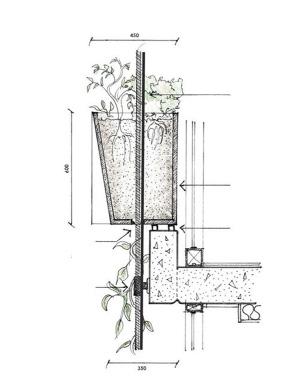
Facade detail
Atrium’s wall detail
Green network attached to the wall
v
Detail No.1
Detail No.2
Plans & Details
The site is situated on Pasdaran Street in the bustling city of Tehran, Iran. Notably, the architectural plan includes a unique provision for vertical expansion, allowing an additional 1.2 meters to be integrated into the structure. This additional space can be thoughtfully allocated for the creation of inviting terraces or open-air areas, designed to serve as ideal spaces for consultations or consular services.
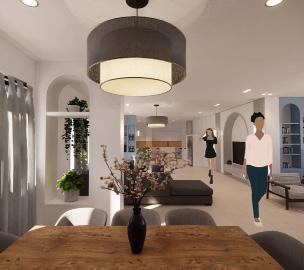
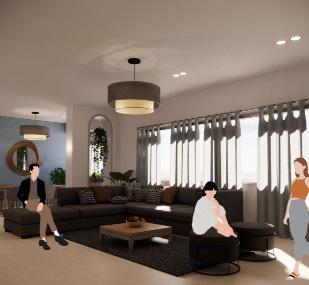
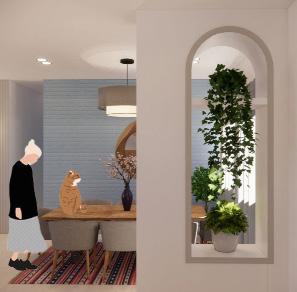
These outdoor spaces will be a valuable asset, considering the favorable weather conditions in Tehran, characterized by warm, dry summers and mild, pleasant winters. Such climatic conditions make the outdoor areas suitable for year-round use and contribute to the overall functionality and aesthetic appeal of the facility
Apartment
GreenSpaces
35
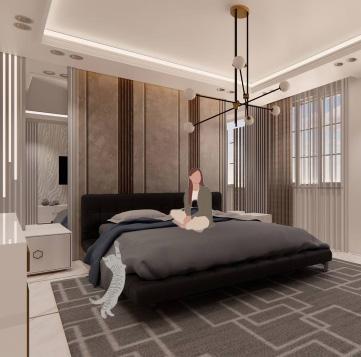
Interiors
GreenSpaces
Detail No.1
independent steel structure
concrete wall
irrigation
green panel
waterproofing
irrigation
green panel
drainage area with gravel
drainage pipe
back cover insulation
horizontal steel frame
angular profile
Side covering in steel or aluminum to ensure the alignment of the corner
Steel or aluminum corner cladding
angle profile
Horizontal steel frame
36
Apartment
drain cover
37 GreenSpaces Apartment 7 2 3 4 4 4 2
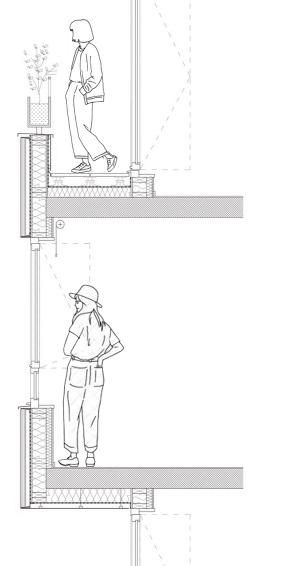
1. wooden floor
2.Termal insulation
3.Accustic ceiling
4. Aluminium double sliding window
5. underslab termal insulation
6. Concrete floor slab
7. Waterproof membrane
3 8 1 6
8. Termal and accustic insulation
Detail No.2
Koushki’s Historic Remnants Transformed
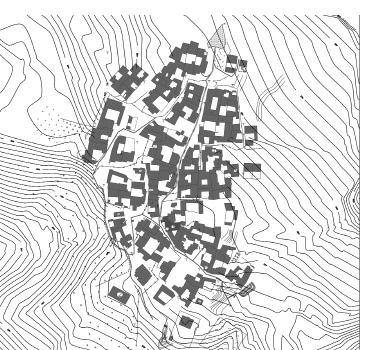
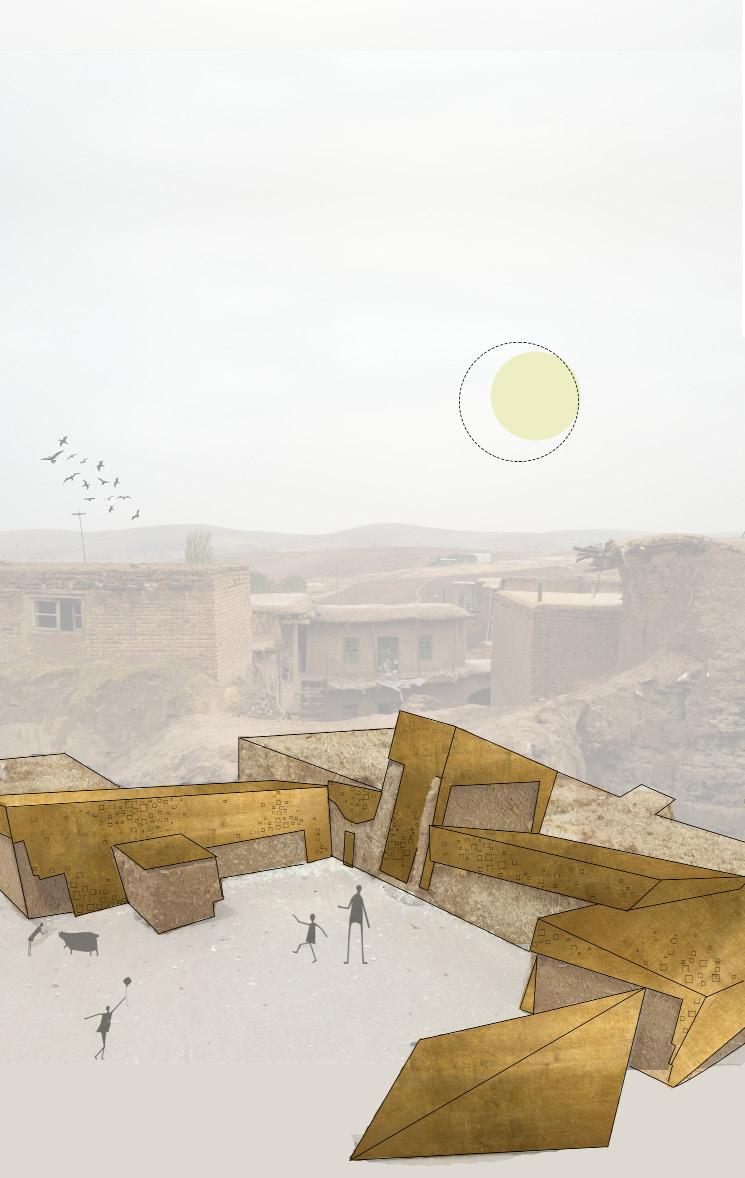
Koushki, a historical rural area, nestled in the heart of our beloved region, is a testament to the rich tapestry of our past. This project was born out of a deep passion for preserving the heritage of Koushki, which, like many similar places, faced the threat of disappearing with the passage of time. The goal was clear: to rescue the remains of old buildings, honor their legacy, and breathe new life into them while creating a sustainable and meaningful connection to our local community.
The heart of this project lies in the preservation of the remaining walls and land from old, decaying structures in Koushki. These walls, imbued with the stories of generations gone by, held secrets of a bygone era. These fragments of history were at the brink of vanishing, and it was crucial to salvage and celebrate them.
Tutor: Dr. Berenji & Dr. Moazzen
Final score: 18.25/20
38
Remnants Transformed
Koushki’s Historic
39 Koushki’s Historic Remnants Transformed
40
Koushki’s Historic Remnants Transformed
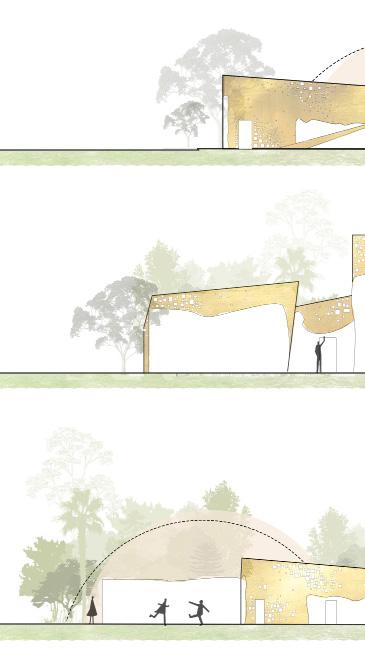
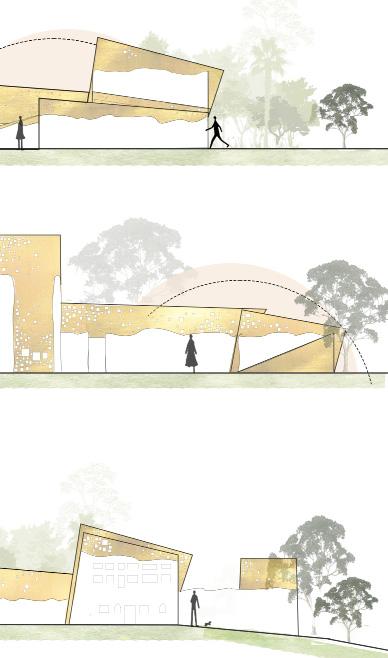
Sections
41 Koushki’s Historic Remnants Transformed
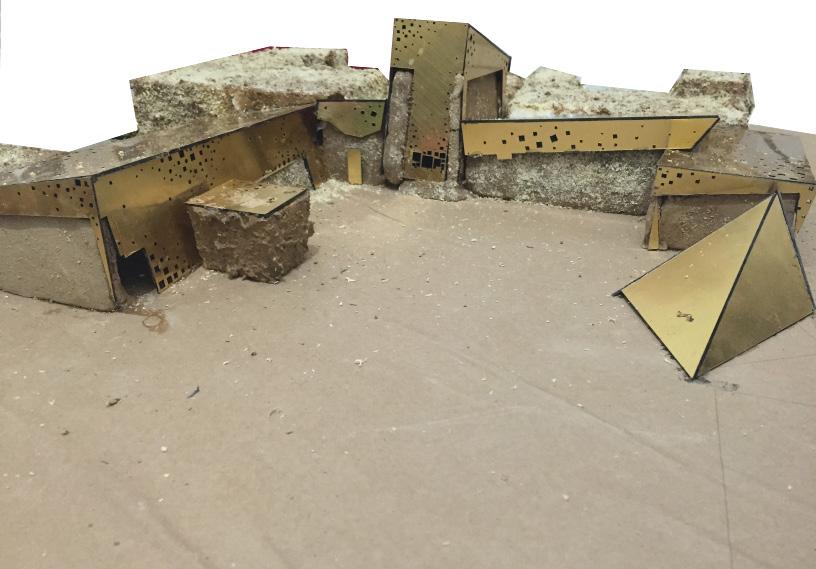
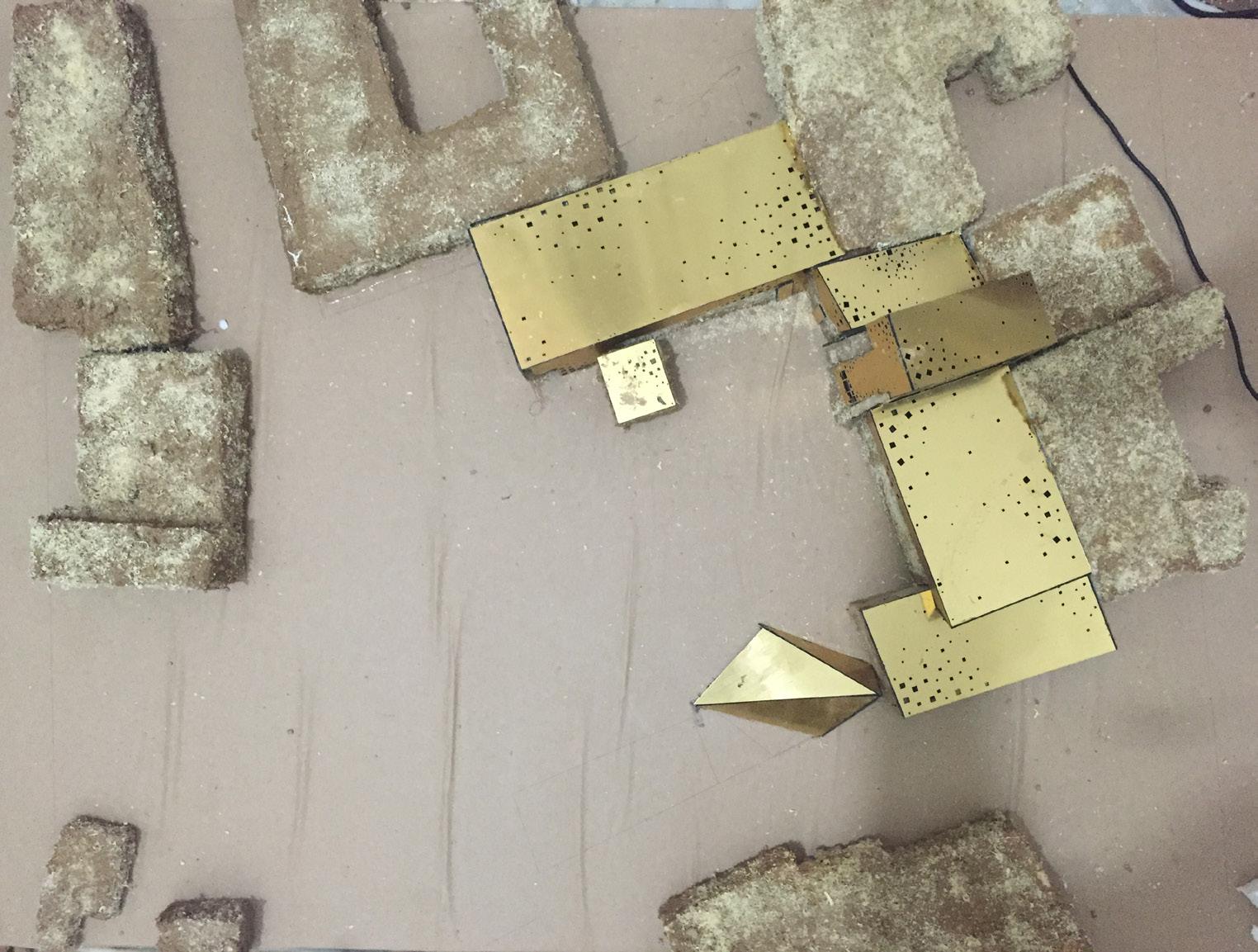
The project in Koushki rural aims to establish a marketplace where local settlers can showcase and sell their indigenous products, including handicrafts, traditional cuisine, and agricultural goods, to visitors exploring the historical significance of the area. This initiative seeks to empower the community economically, promote tourism, and preserve the local culture, offering a diverse and authentic cultural and culinary experience for both locals and tourists, while fostering sustainable development within the rural setting.
42
Transformed
Koushki’s Historic Remnants
Exterior
Hatches
Ceilings
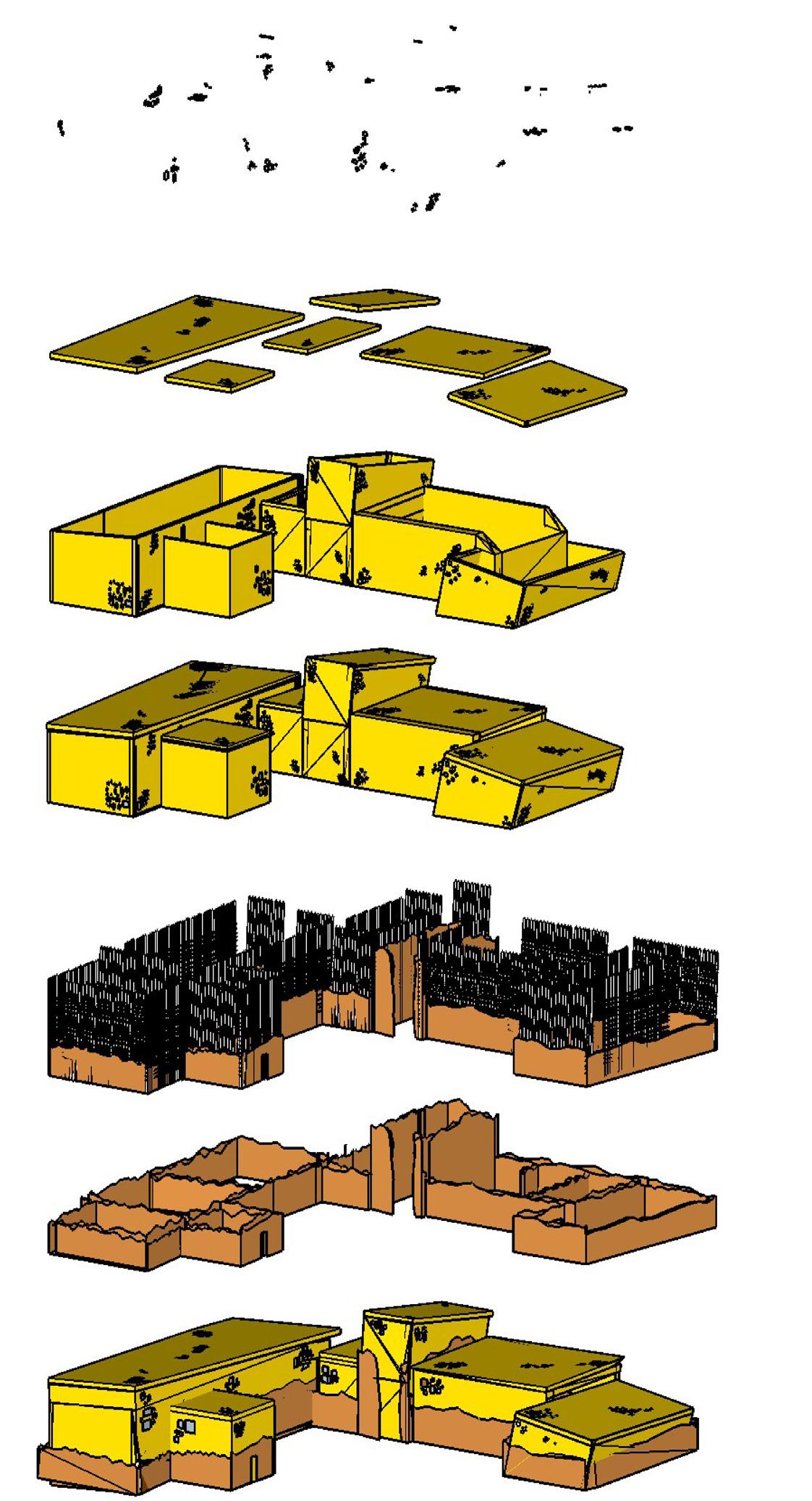
Exploded Diagram
New Structures
Nailings
Old remaining structure
The heart of this project lies in the preservation of the remaining walls and land from old, decaying structures in Koushki. These walls, imbued with the stories of generations gone by, held secrets of a bygone era. These fragments of history were at the brink of vanishing, and it was crucial to salvage and celebrate them.
43 Koushki’s Historic Remnants Transformed
Other works
Sketches & Renders
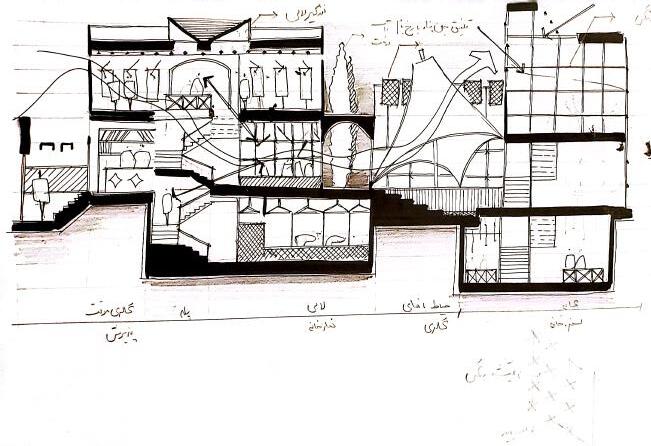
Sketches
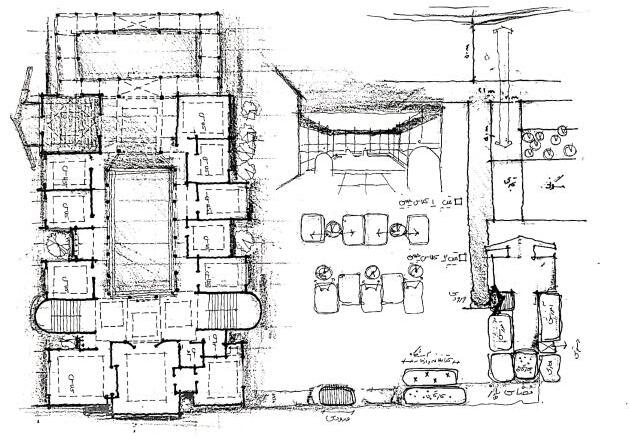
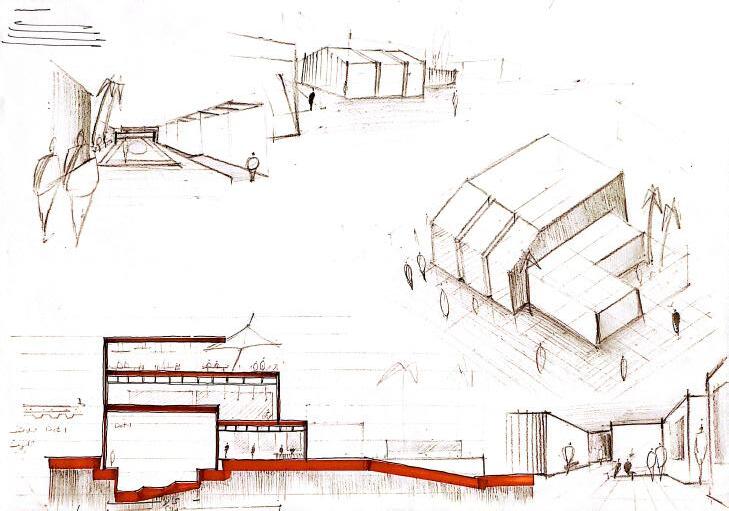
Before embarking on the design process, architects must possess a comprehensive understanding of various architectural domains, landmarks, the proportional relationships of building elements, and the amalgamation of forms within existing structures. The careful observation and documentation of prevailing architectural spaces are instrumental in enabling architects to comprehend the nuances of architecture, equipping them with the knowledge necessary for future design endeavors. In my creative journey, a collection of sketches has played a pivotal role in refining my hand-drawing skills and mastering the language of architecture as a means of expressing and communicating my ideas. Each sketch has contributed significantly to my growth, serving as a valuable tool in translating conceptual thoughts into tangible design expressions.
46 Other works
47 Other works
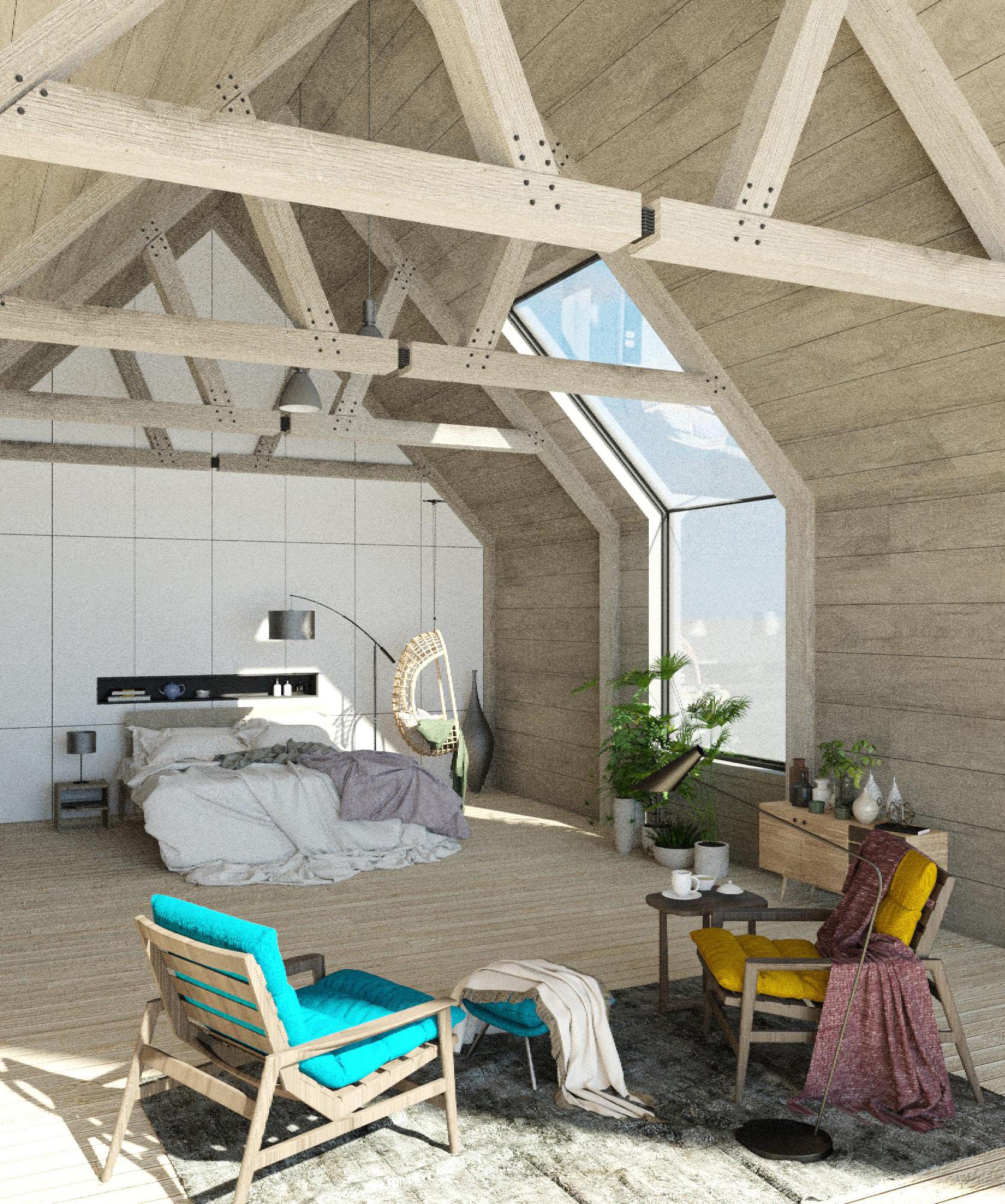
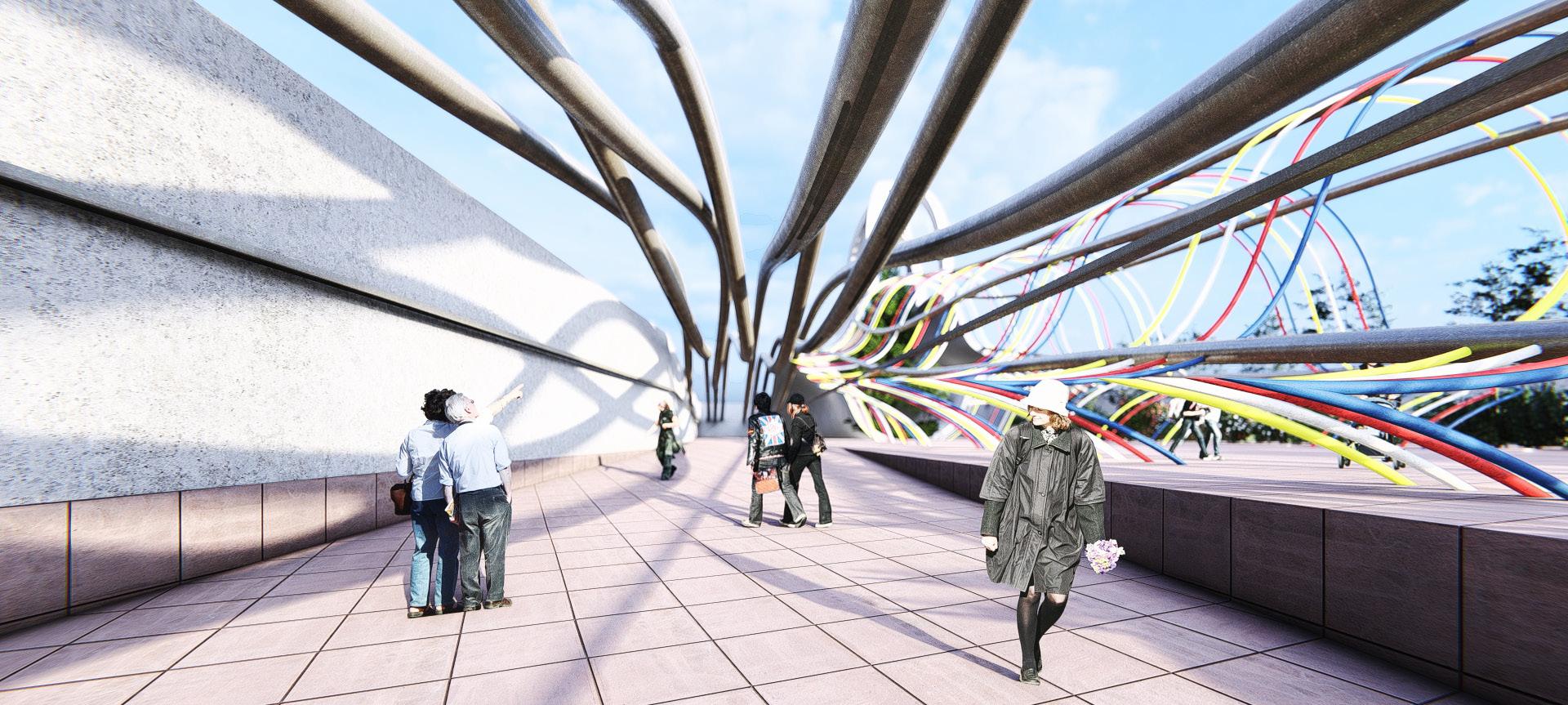
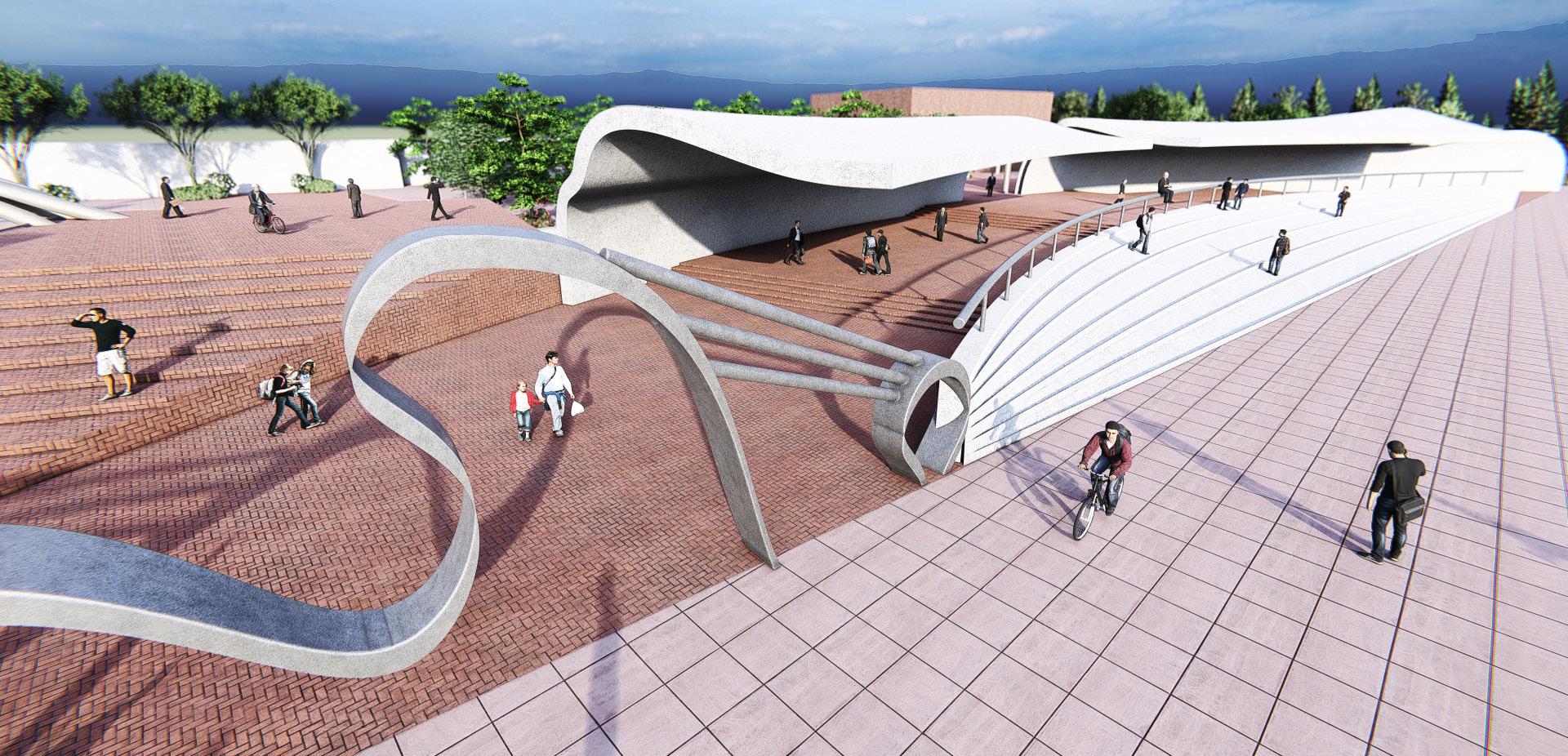
Renders
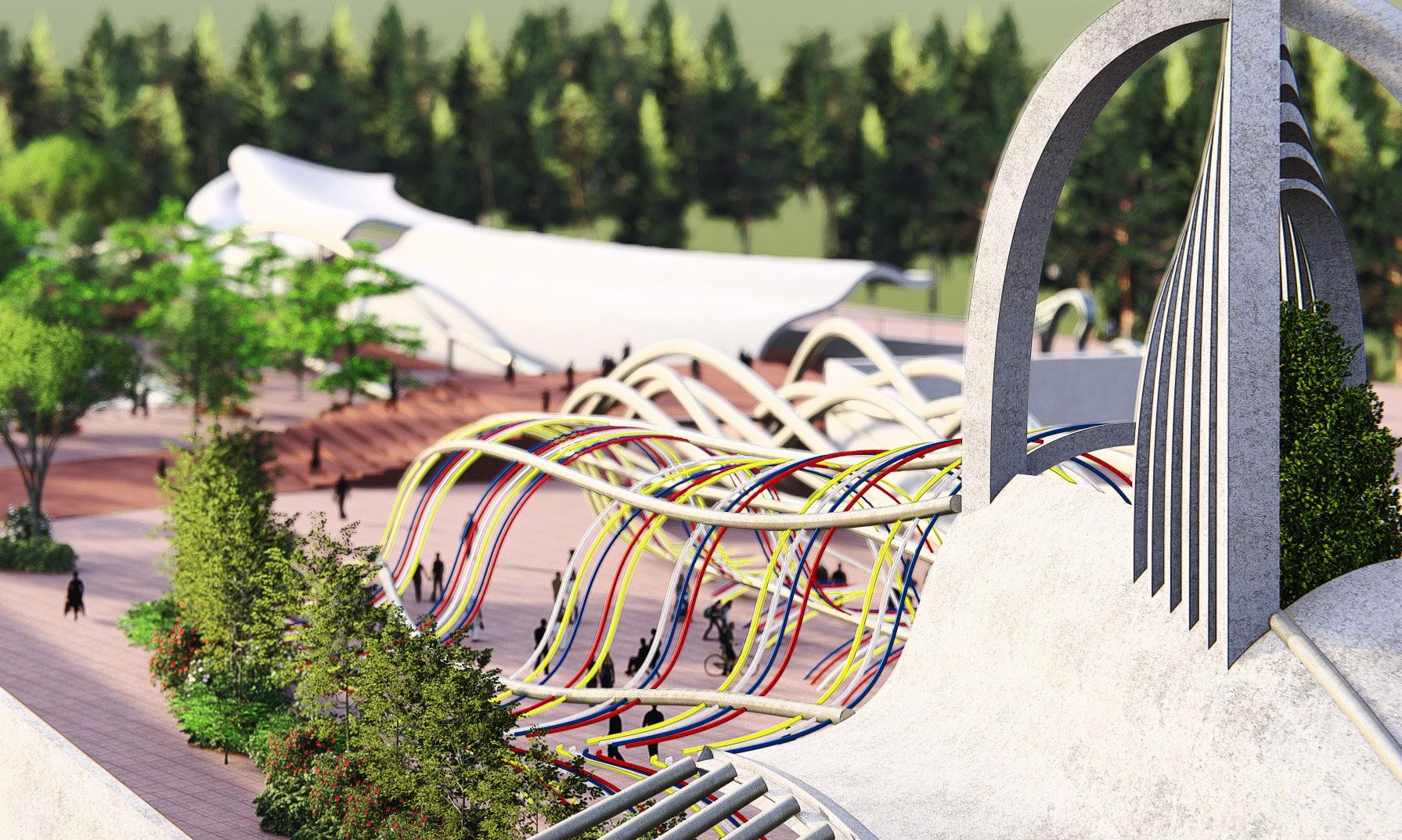
Rendering in architecture is a powerful tool, turning spaces into immersive experiences by skillfully combining light, materials, and spatial elements. Successful rendering not only captures the physical design but also breathes life into the architect’s vision, allowing stakeholders to immerse themselves in the interplay of shadows, natural light, and material essence. Architects adeptly manipulate visuals to evoke specific atmospheres, whether it’s the calm of a residential interior, the energy of a bustling urban scene, or the timeless grandeur of a historic structure.
48 Other works
49 Other works