Oslo School of Architecture and Design (AHO) 2024-2025
09. Moelv 2025 Proposal for the future of Moelv Semester assignment
10. Housing Exhibition Minimum Dwelling with Maximum Inclusion Studio Semester assignment
11. Echoes Rethinking Spaces of Death and Memory Diploma project (not finished)
Tectonics
01 Svartlamoen Tiny House
A tiny house for and architecture student
Project Status
Second semester project, imagined
Location Svartlamoen, Trondheim (Norway)
Building Area 35m²
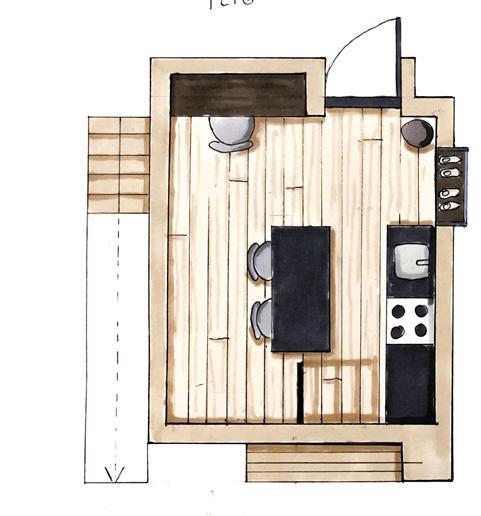
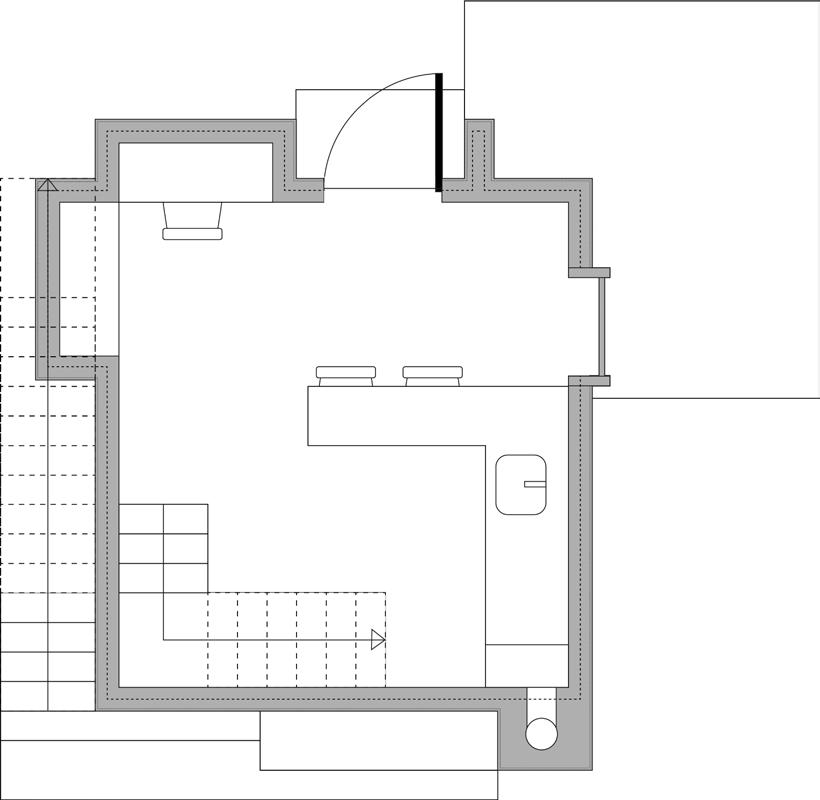
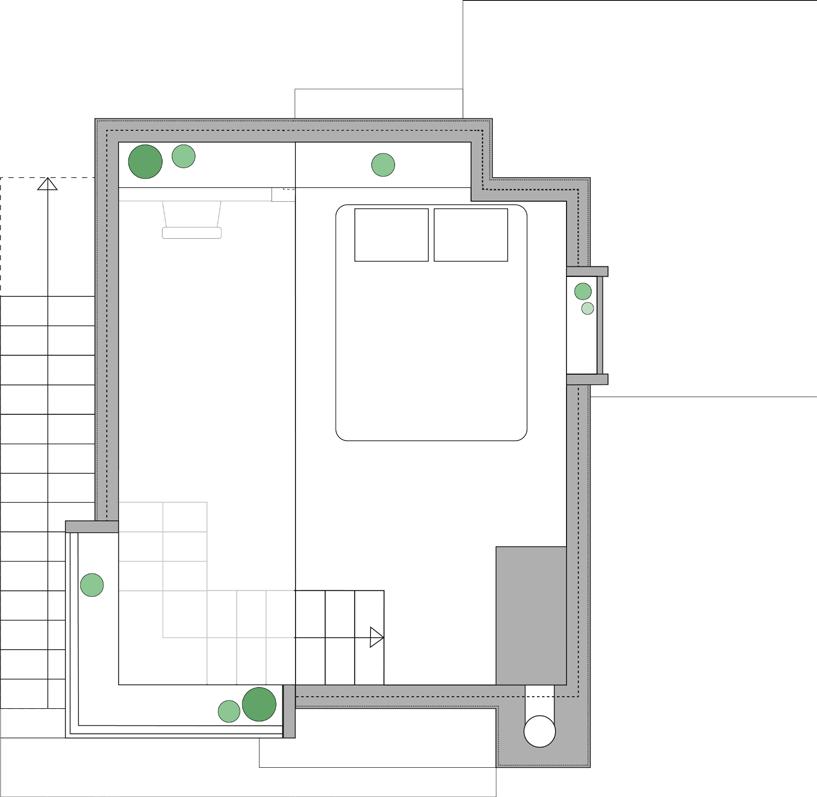
The assignment was to create a tiny house for one or two students, to save money and the environment. The home should leave minimal footprint and will not be connected to water or electricity. We had to create well-oranized homes with an area limitation of 25-35m².The interaction between site and material was particularly important, since the semester focus was tectonics.
Svartlamoen is a place for residents who want to live a social and affordable lifestyle, which is reflected by the houses in the area.The green areas are valuable and should be preserved as much as possible.
My housing capsule contributes to the community by making the outside of the house suitable for social events and gatherings. The student who lives in this house can use the roof terrace and the garden to organize social gatherings and make some extra money from catering.
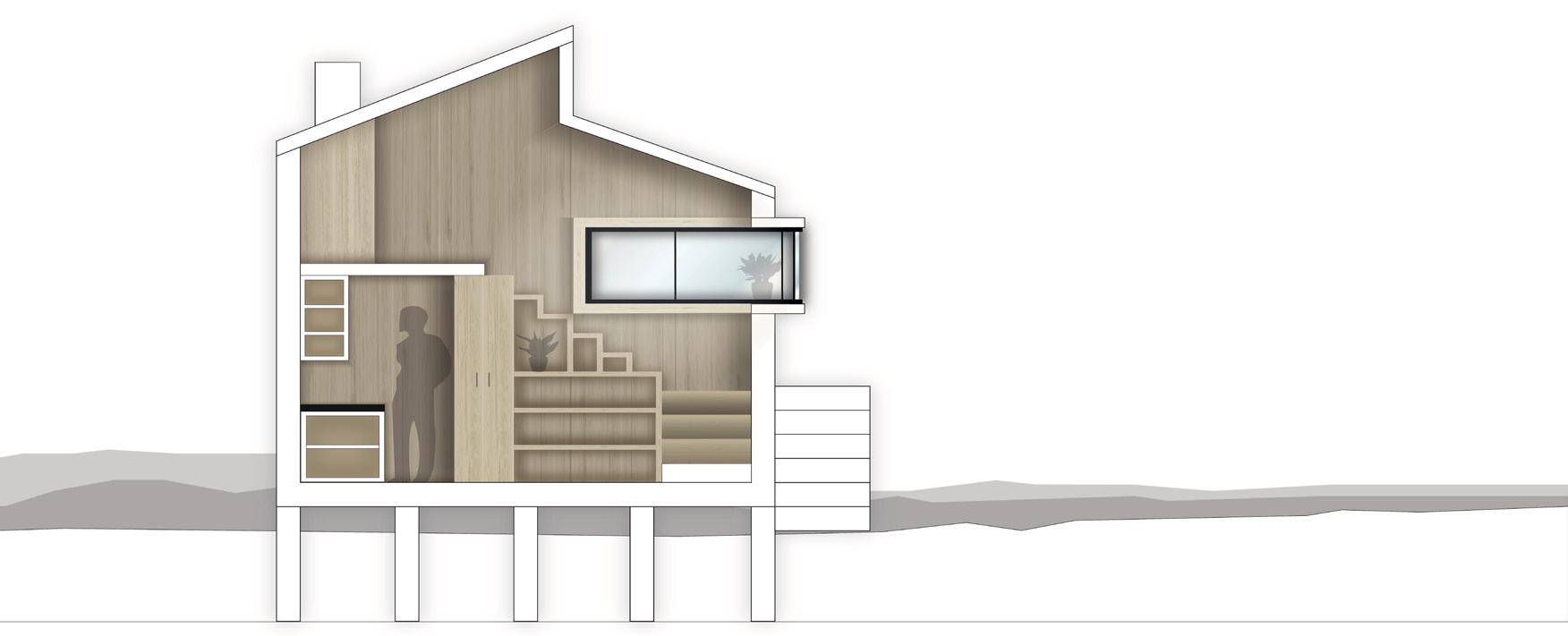
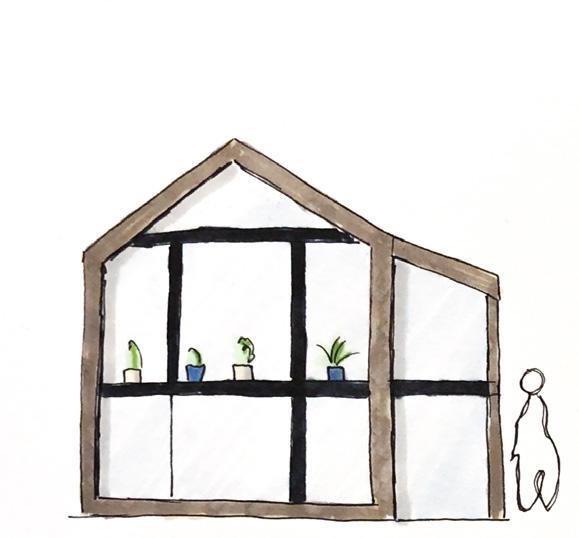
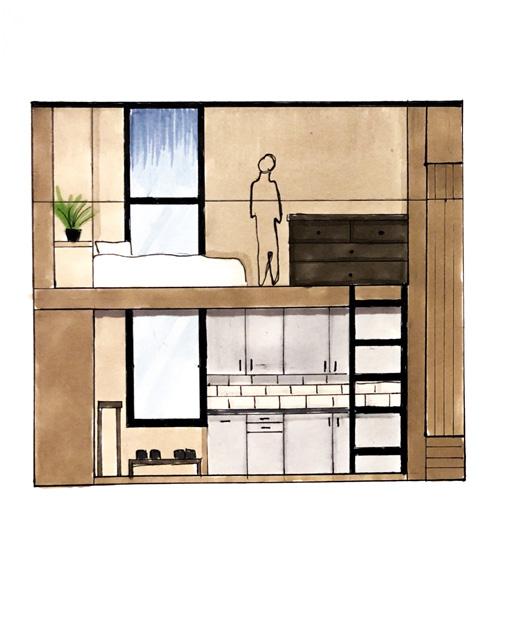
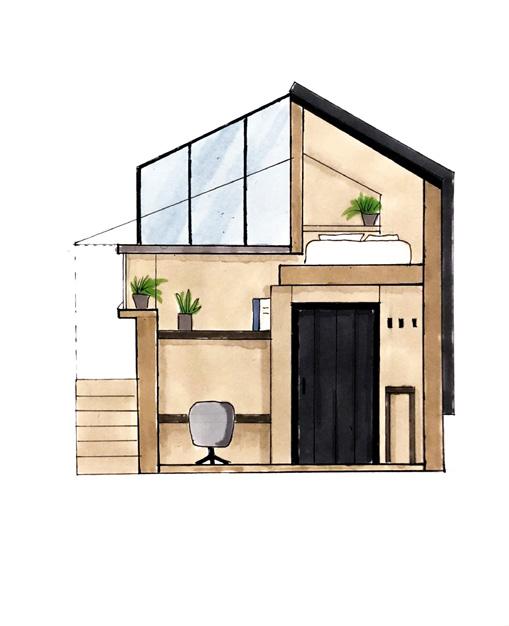
Section of project, showing interior
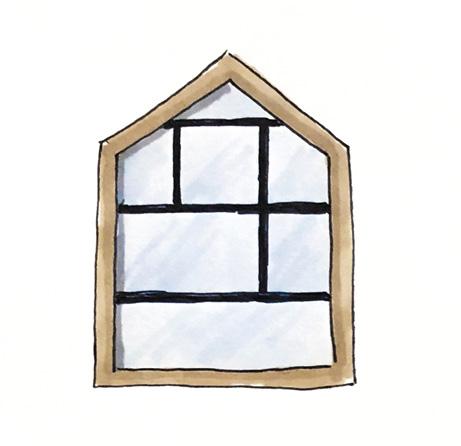
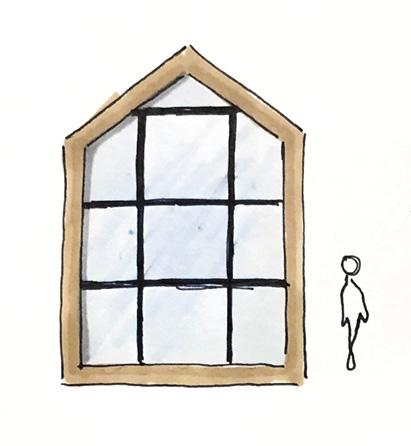
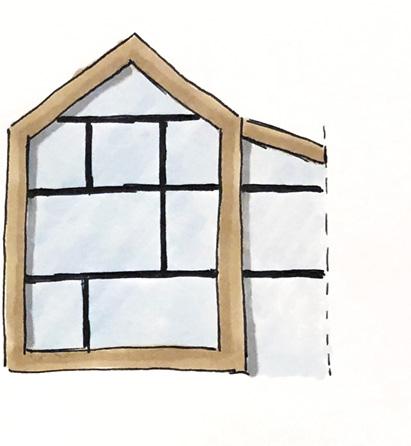
drawn sketches showing project ideas
Hand
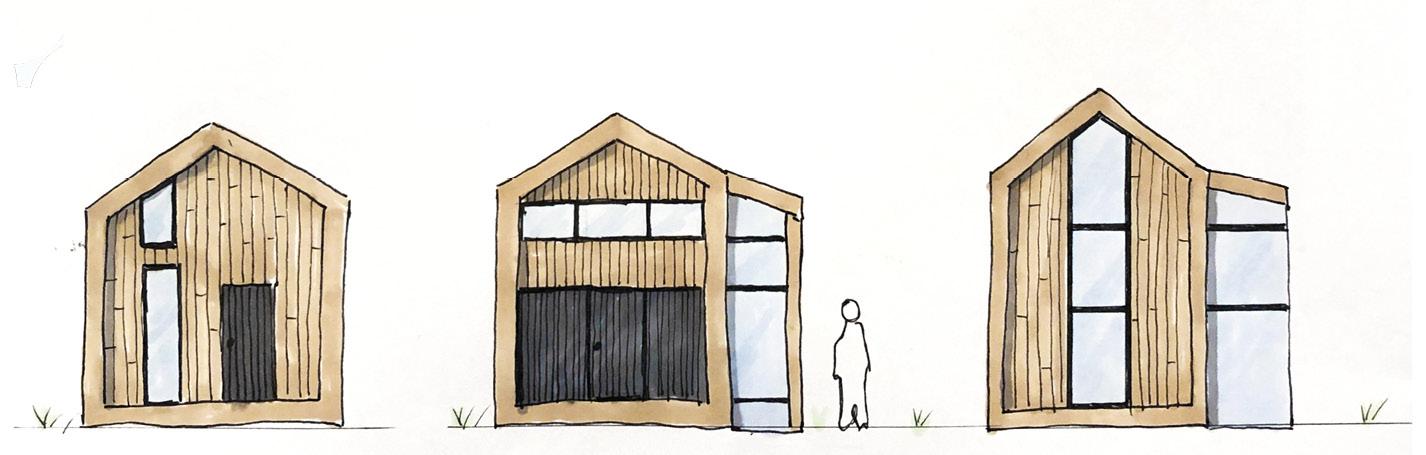
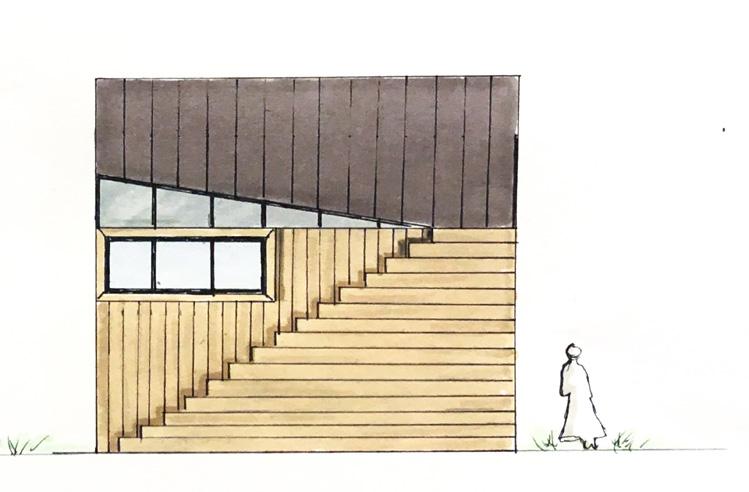
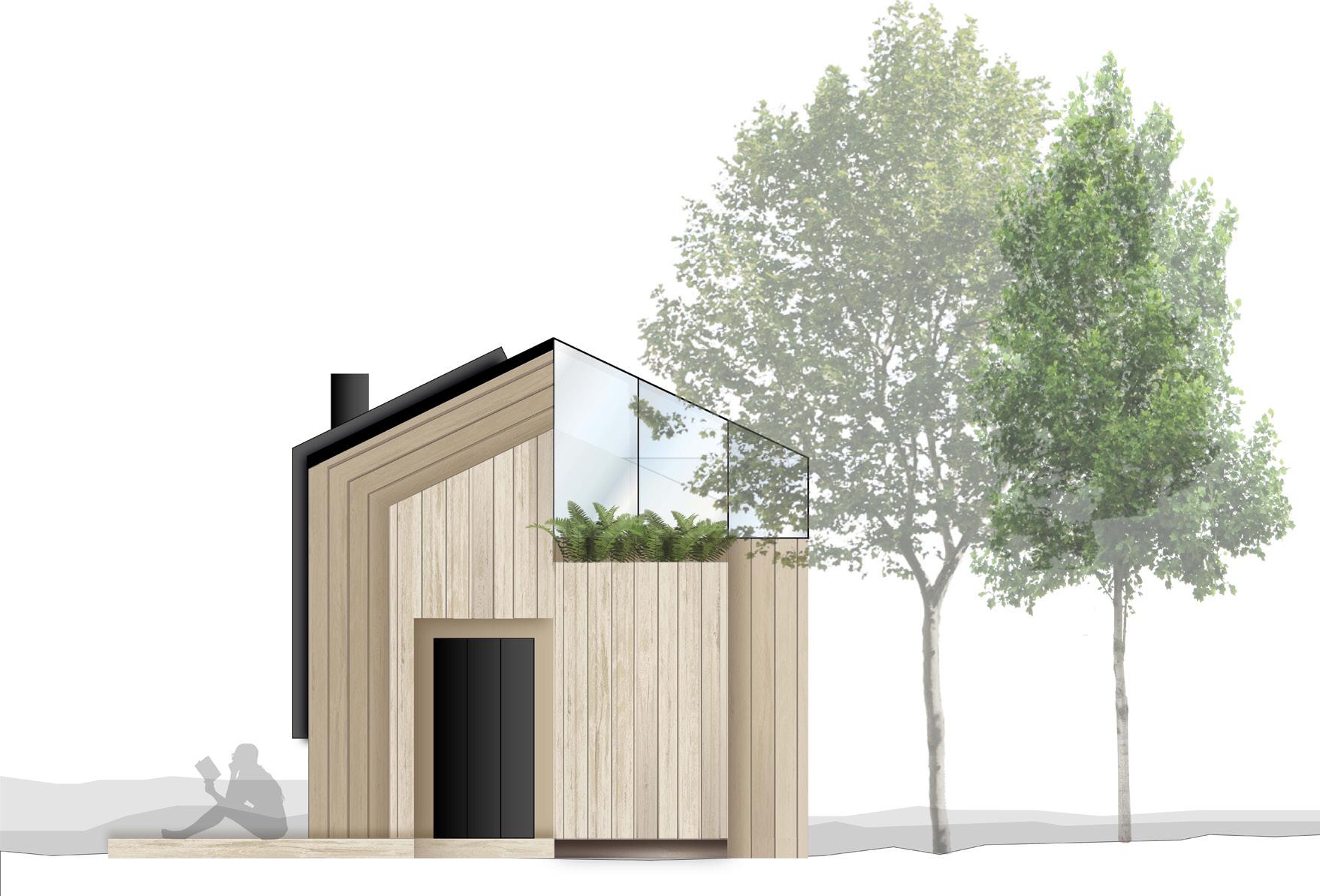
Facade facing north
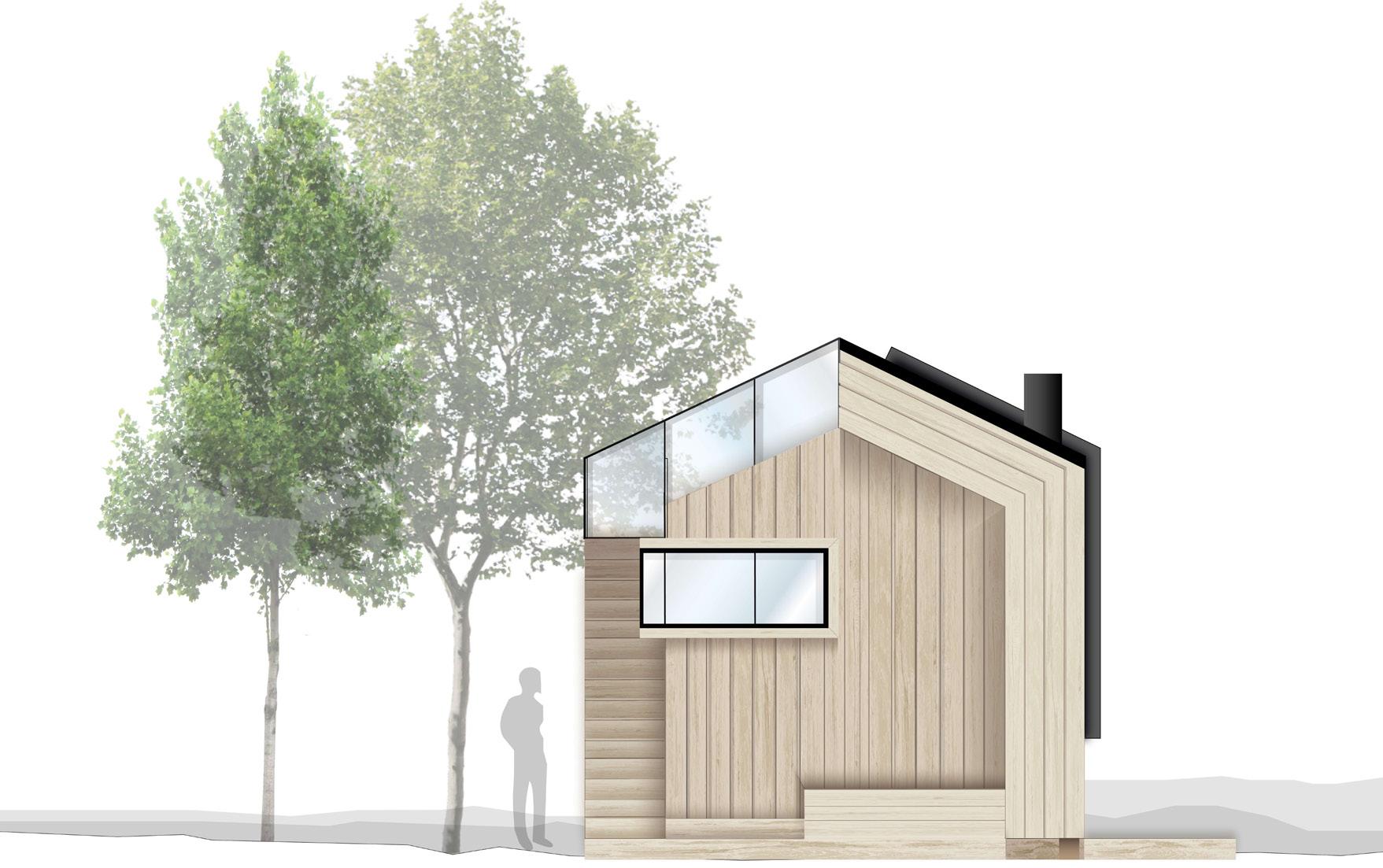
Facade facing south
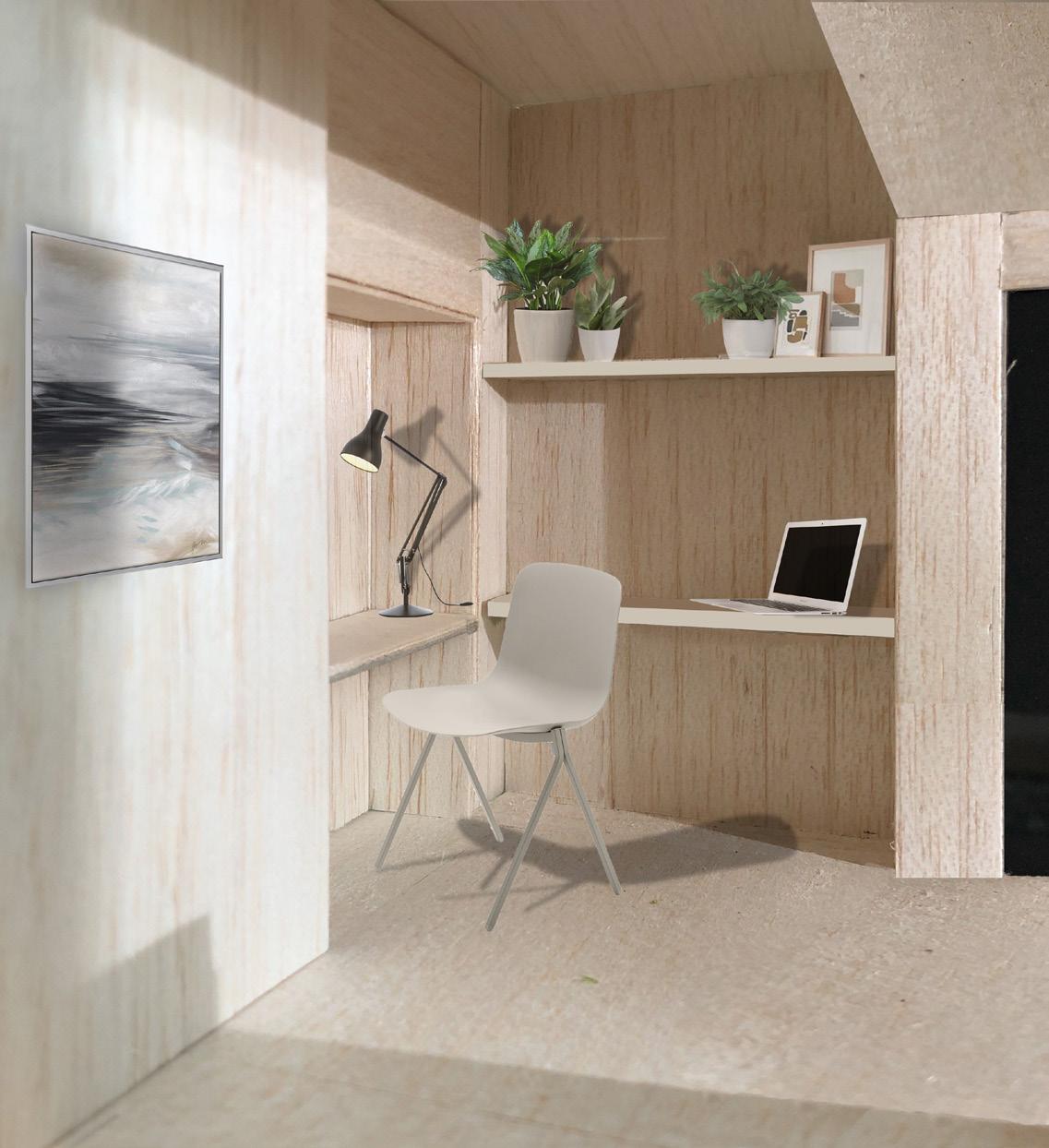
An important part of this house is that the owner of the house has enough privacy while the outdoor areas can be used around the clock by other residents. The architecture student living here also needs a workplace to work on projects from home.
The house will be built in mass timber construction. This material that is growing in popularity as it has a simple and quick construction process, which creates less waste. It is also locally sourced and is considered a sustainable material. Solid timber walls have good bearing capacity, and opens up a space. The wood is exposed on the inside, creating a good indoor climate.
The house has some protruding parts that create a natural interior. On the inside it creates space for shelves, windows and work areas. On the outside it creates benches, protection from rain and planters.
First floor plan
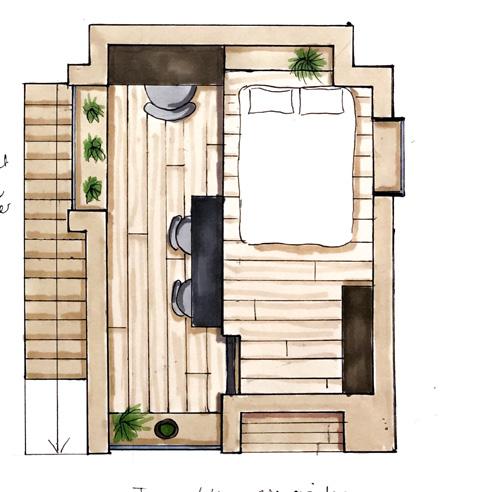
Secod floor plan
Real life model photograph, edited in Photoshop
Public Building
Adamstuen Cultural Centre and Sports Arena
Transformation of an old building
Project Status
Fourth semester project, imagined
Location Adamstuen, Oslo (Norway)
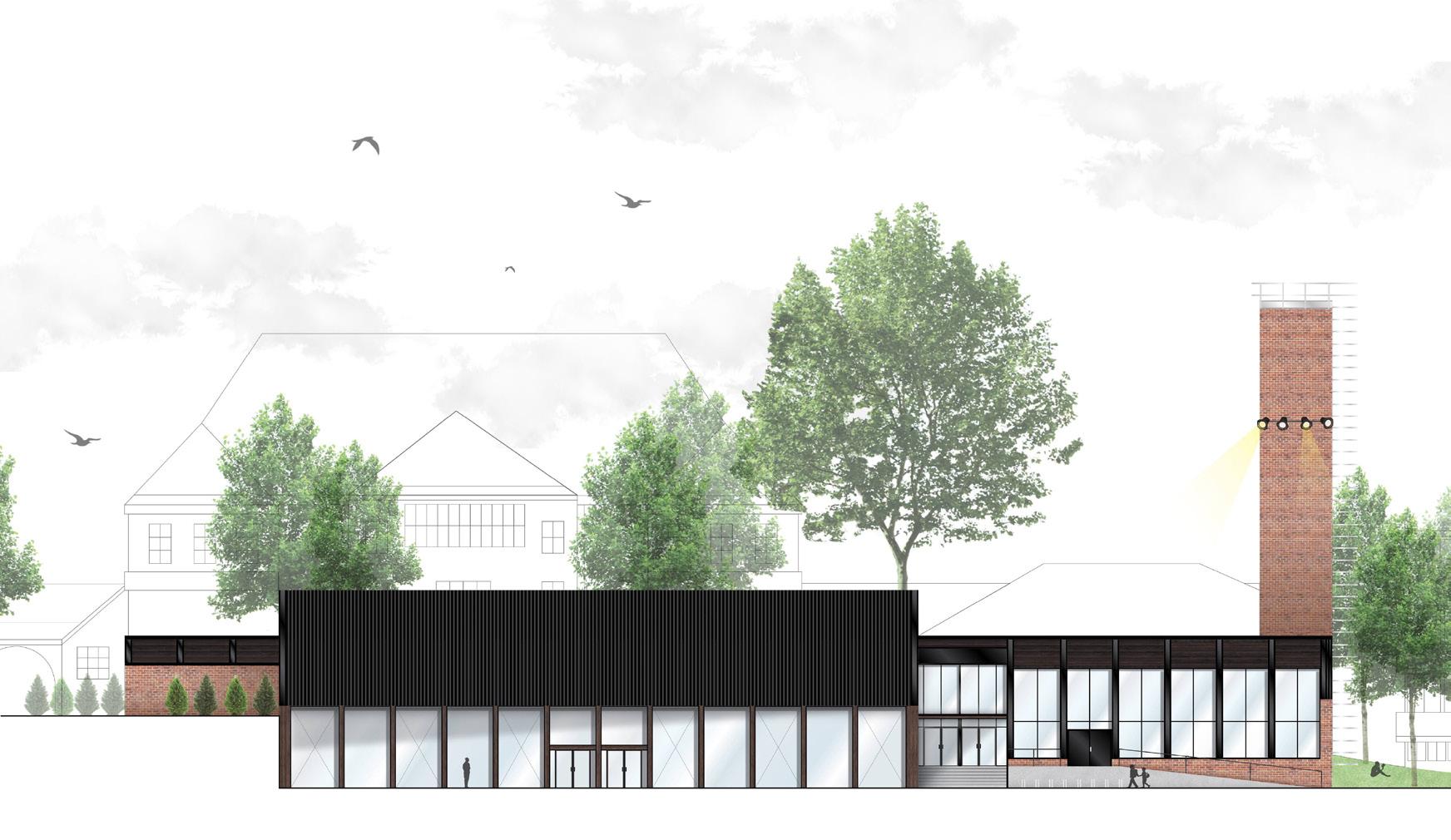
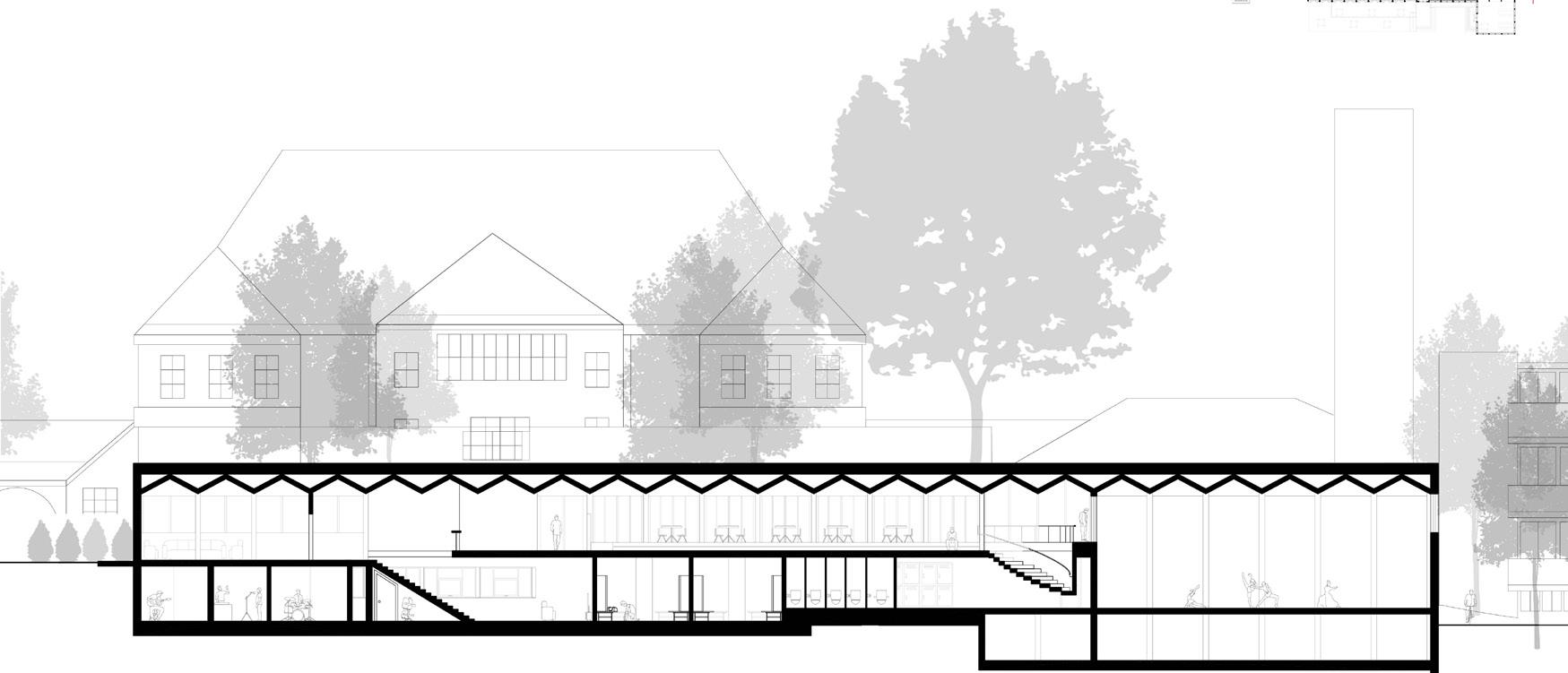
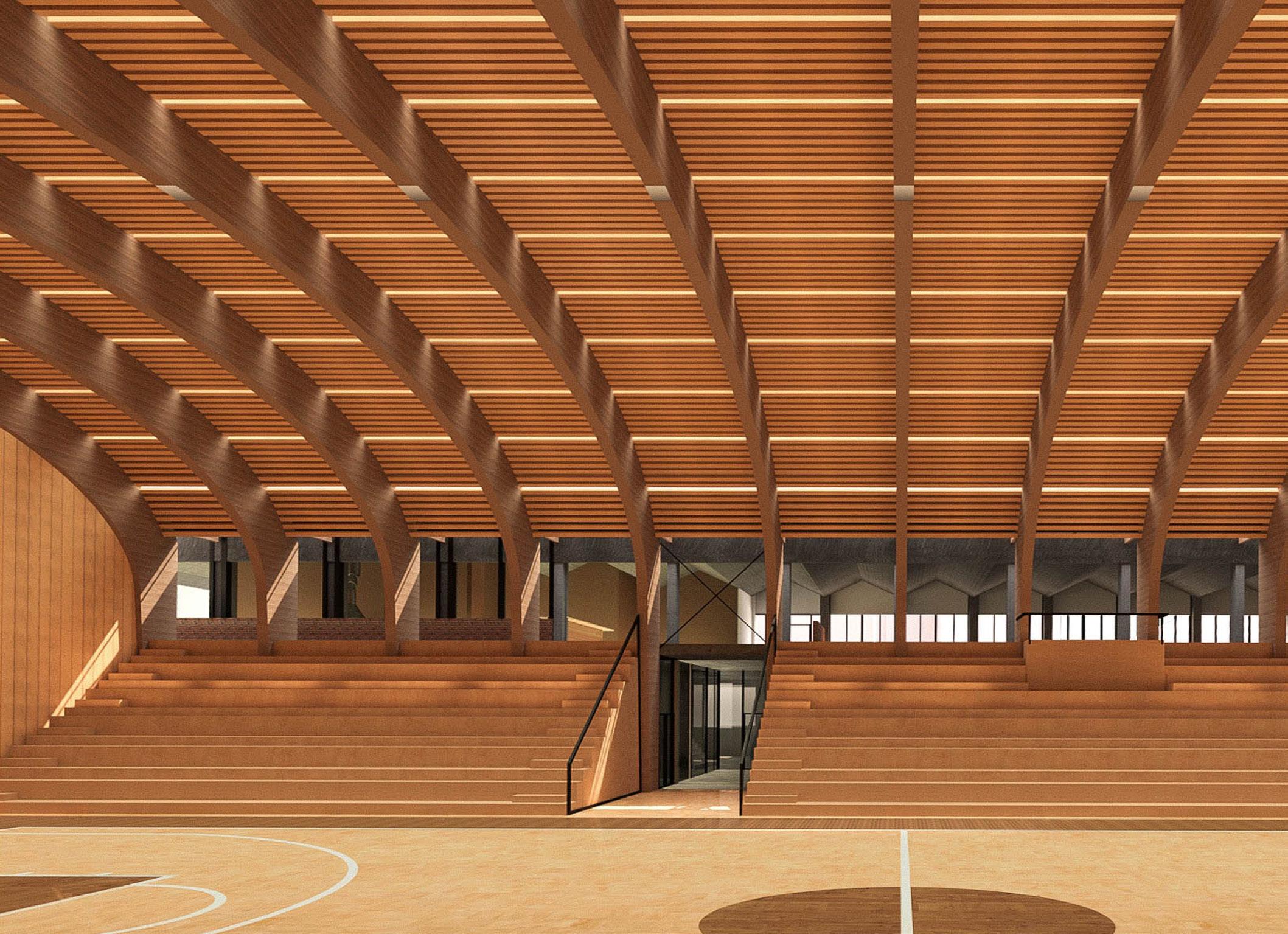
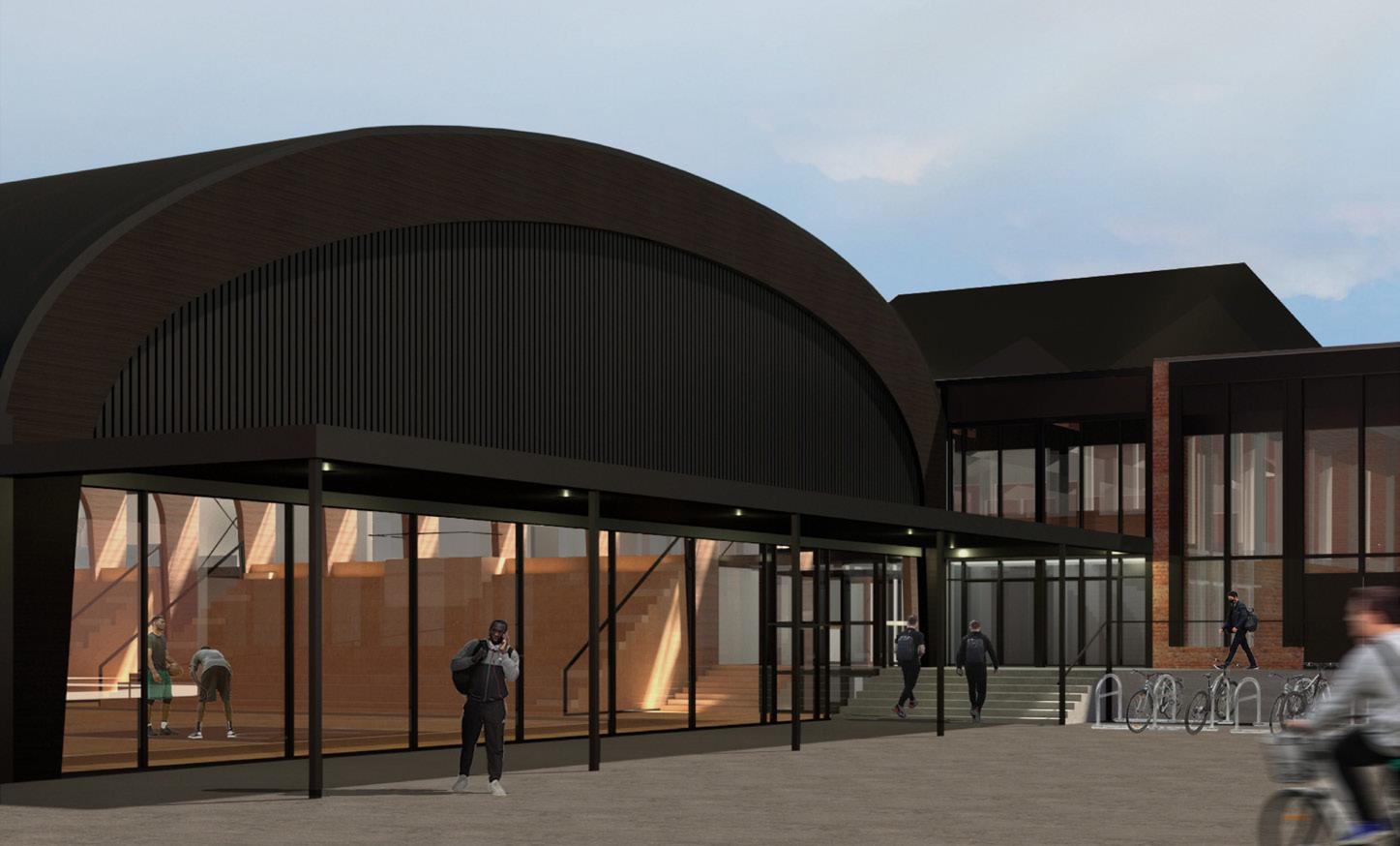
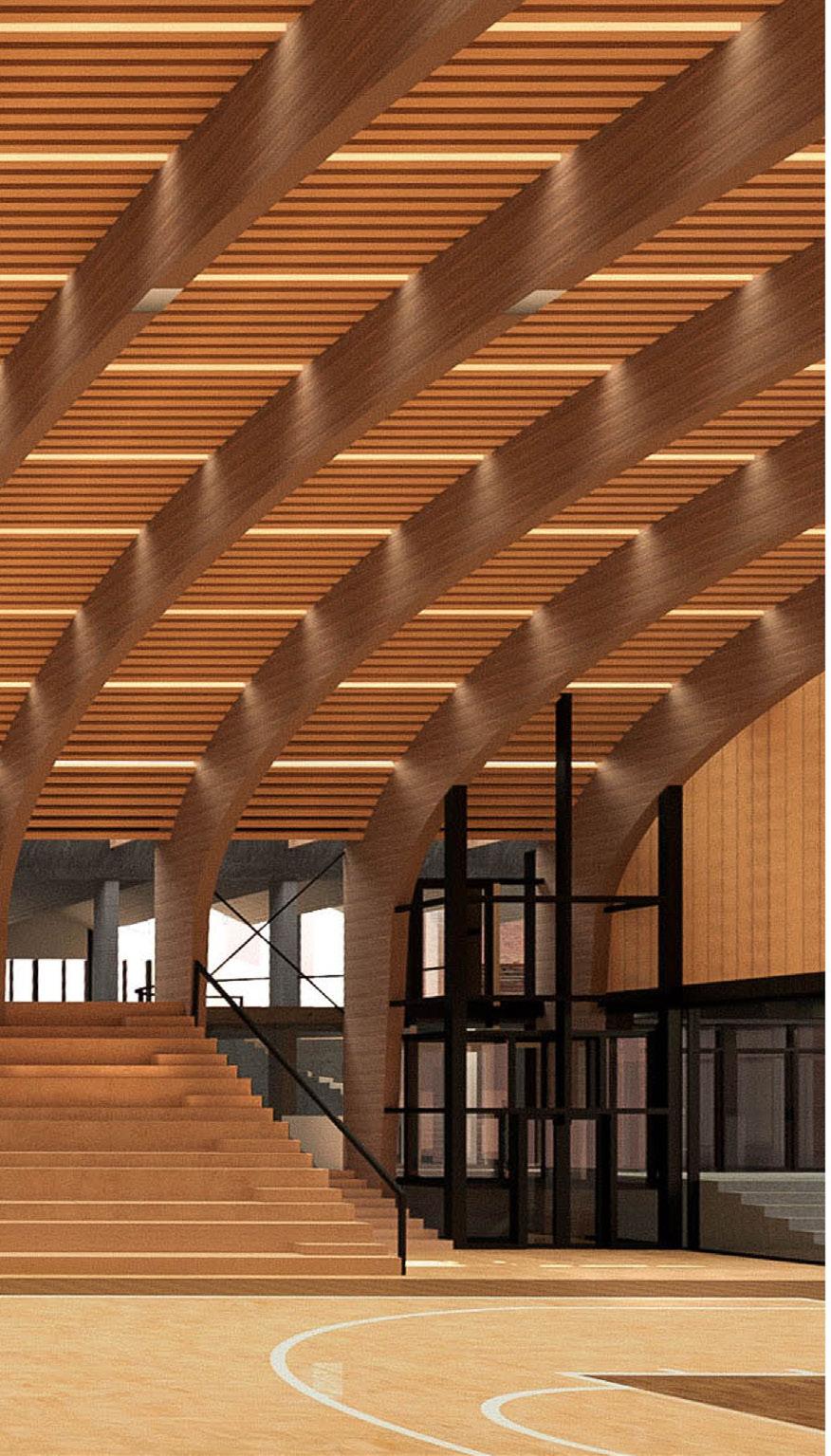
The assignment was to transform the old center of operations building on Adamstuen into a community cultural centre that can function as a gathering place in a new fictitious district. We were also asked to design a new multi-purpose sports hall as a new part of the building. We were free to choose how much of the old building we wanted to preserve.
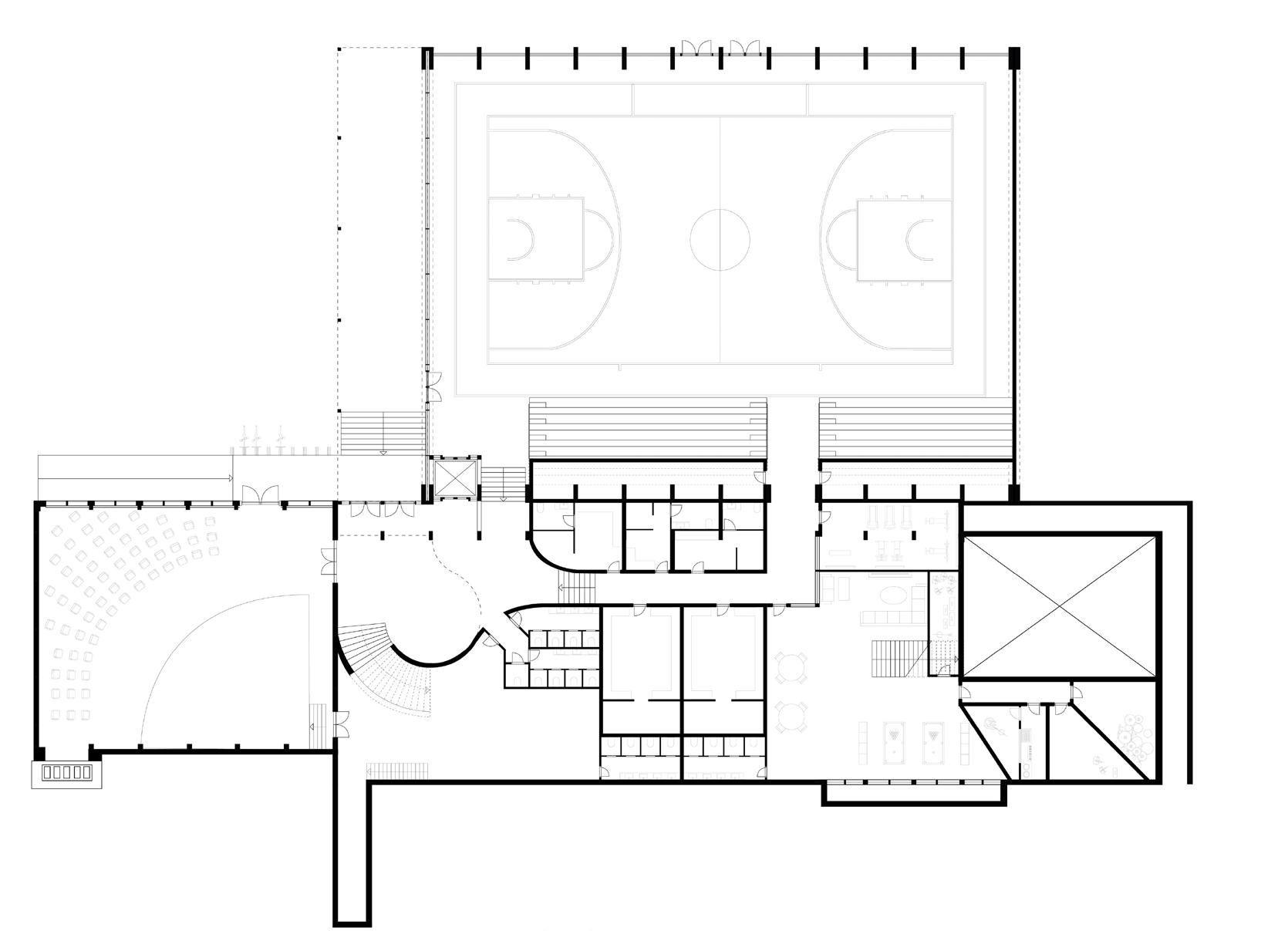
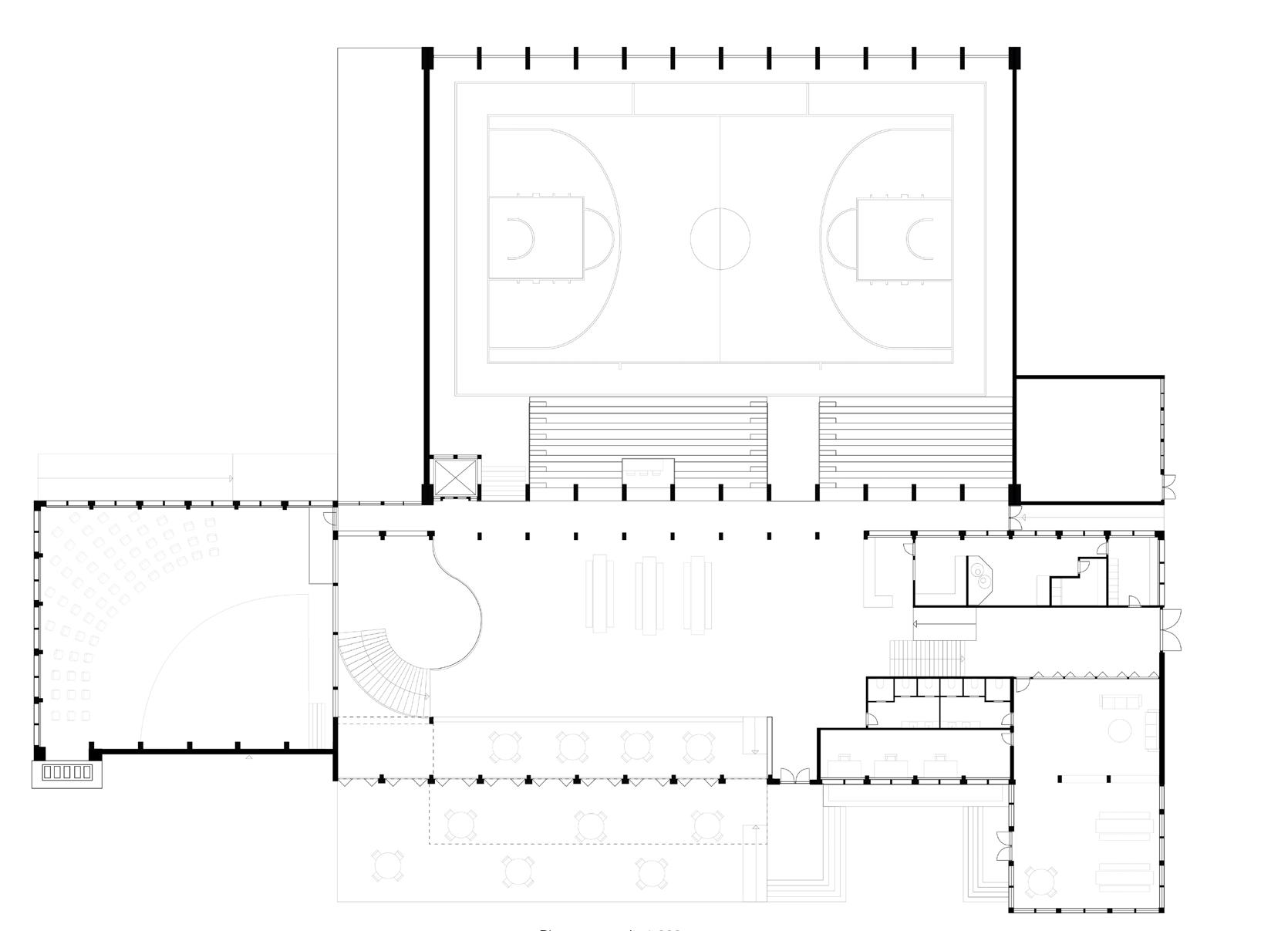
We decided to preserve large parts of the existing building, especially the construction. Our main idea was a free passage from the entrance door in the south all the way down to the new multi-purpose hall.
It is important that children and young people from the whole district can come to the cultural center and find their place. The cultural centre therefore includes a youth club that spans two levels. It should be an inclusive place where you can come to get help with homework after school, explore your abilities in the music studio or be a pizza chef in the kitchen.
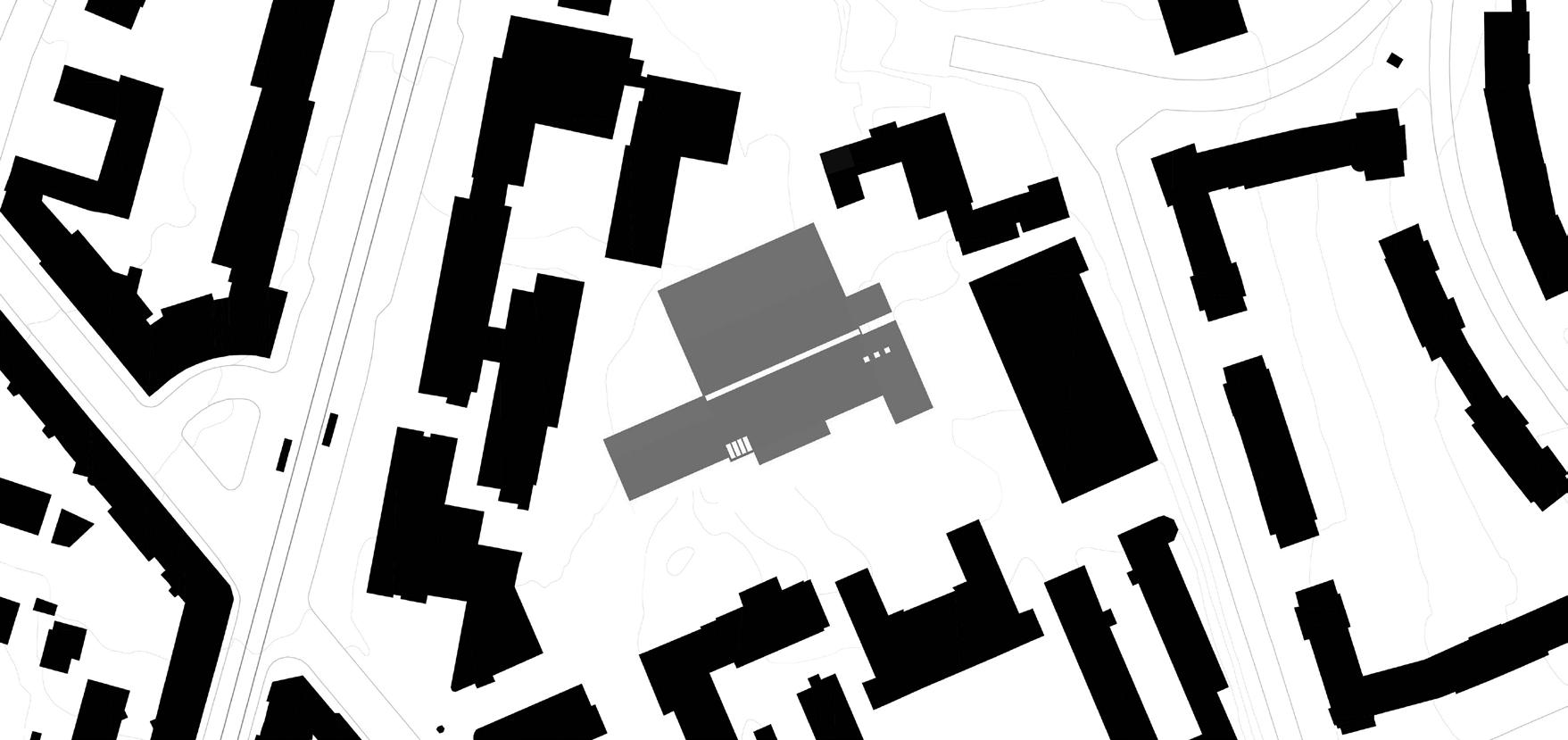
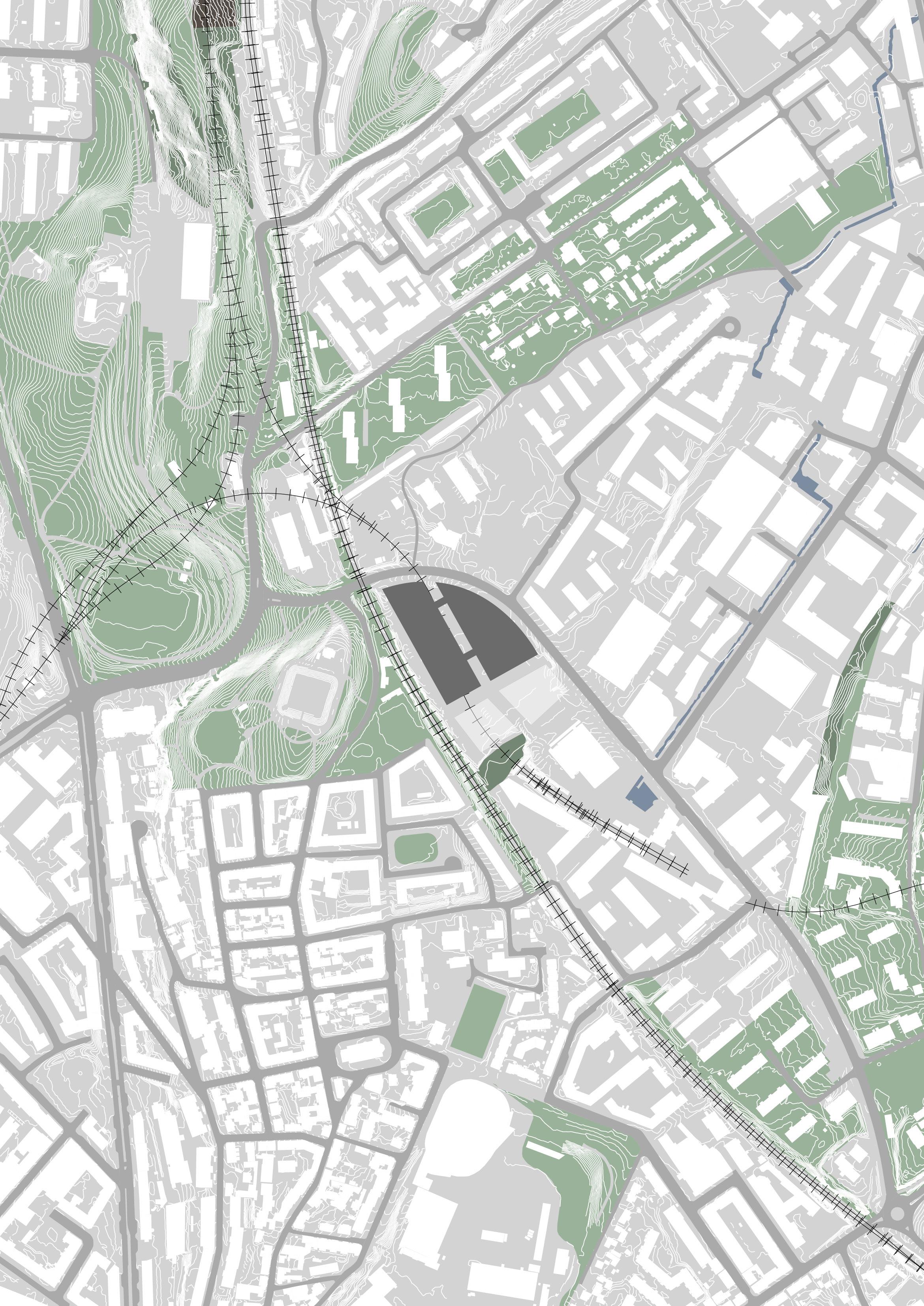
Area map for Adamstuen, showing project location
Facade facing north
Ground floor plan
First floor plan
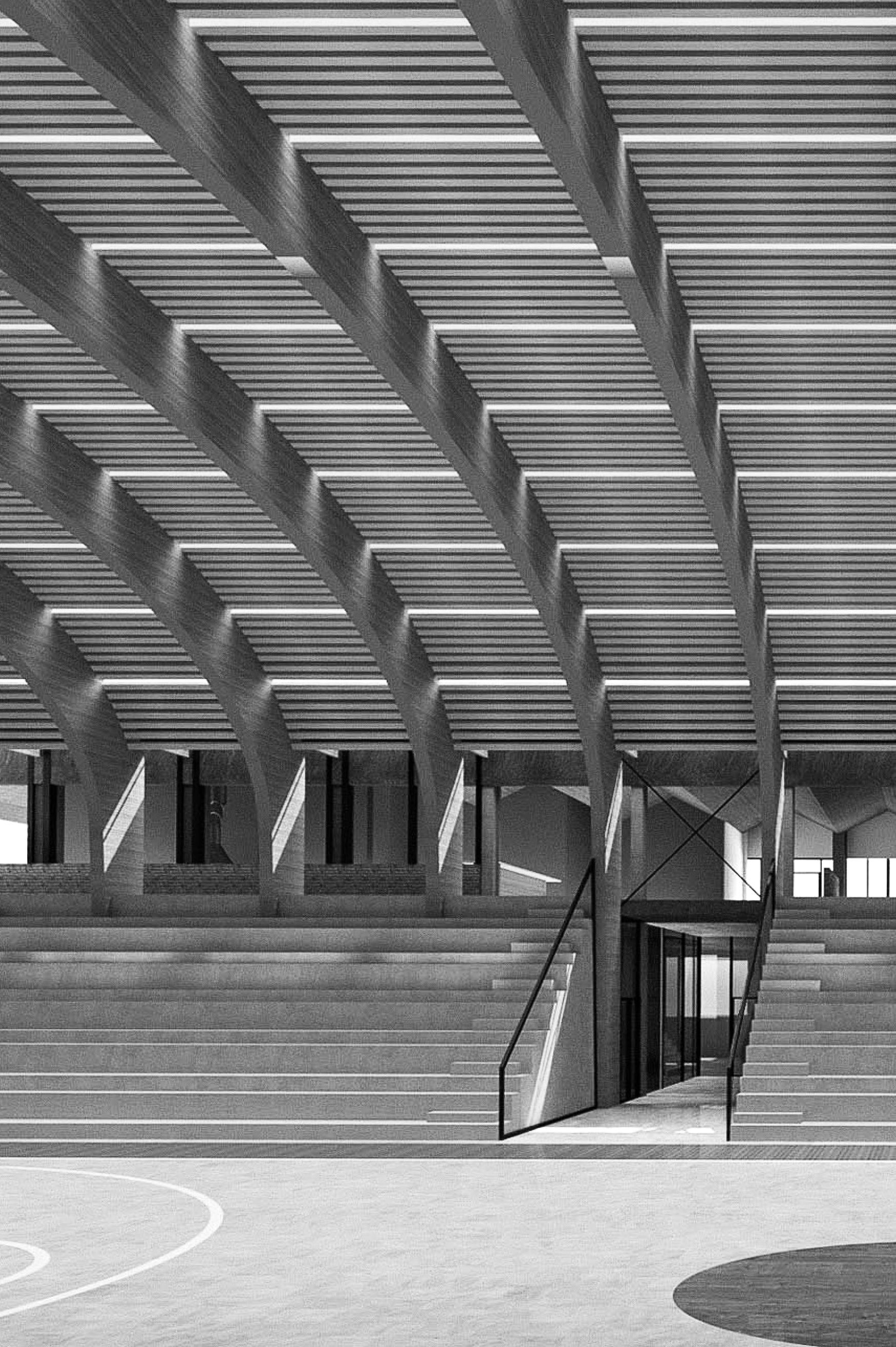
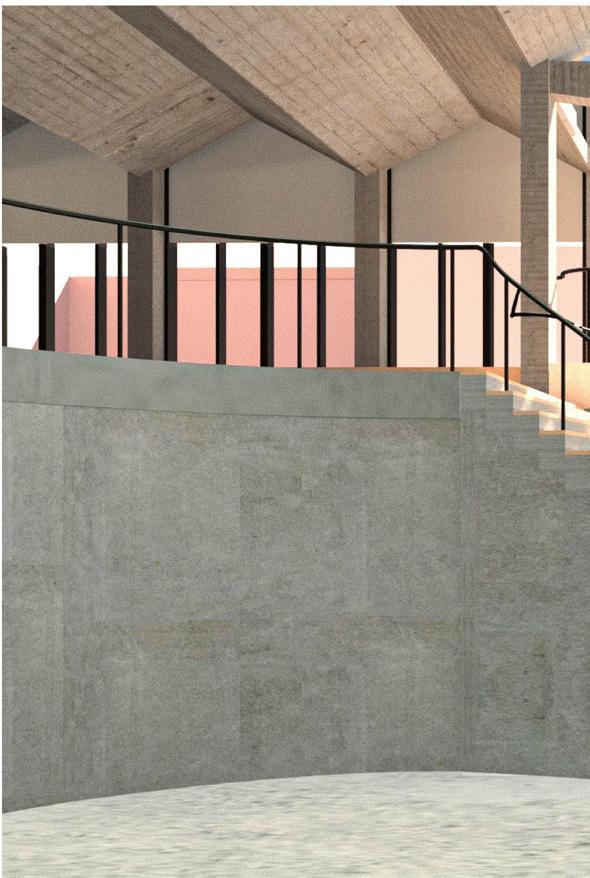
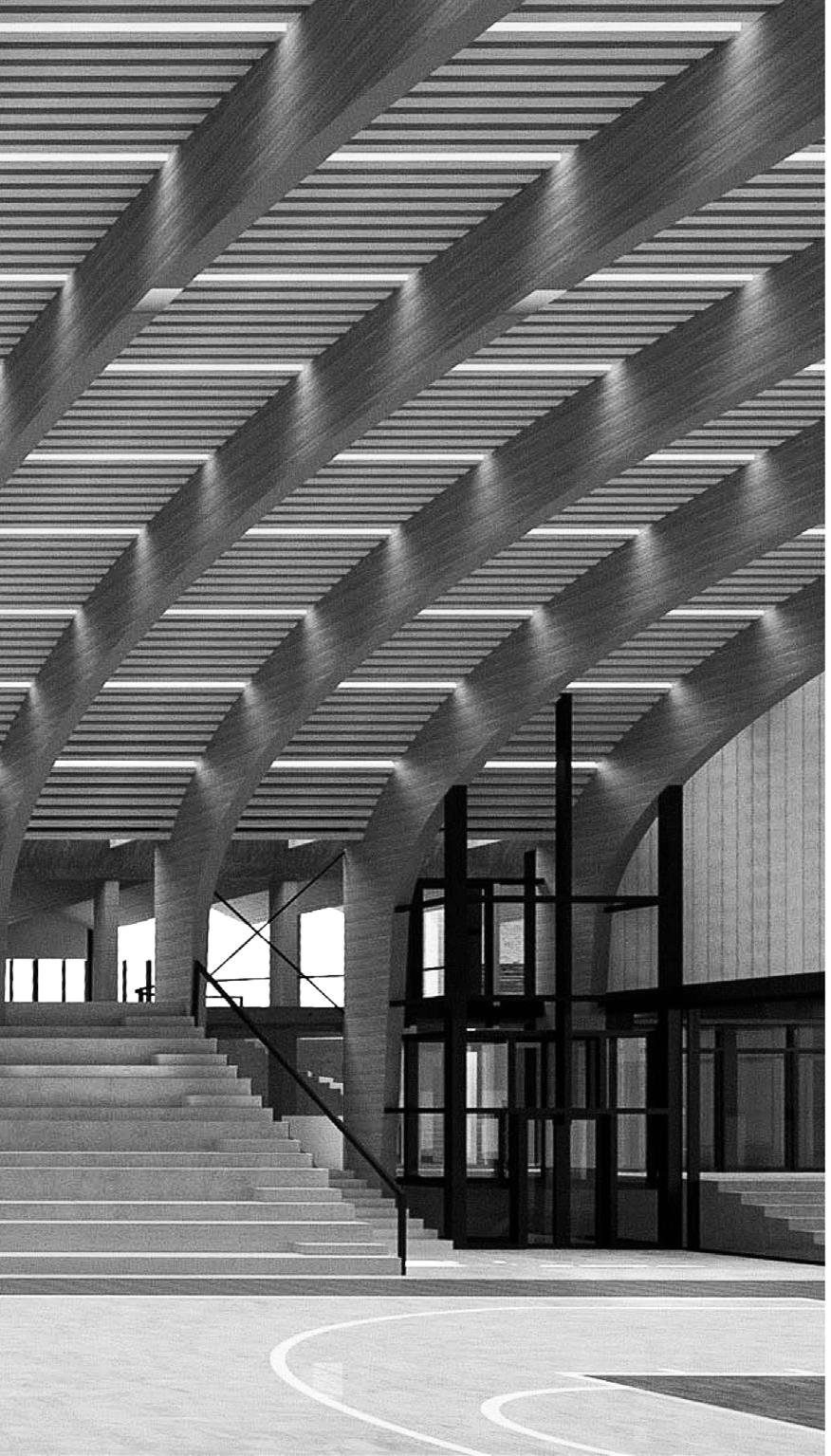
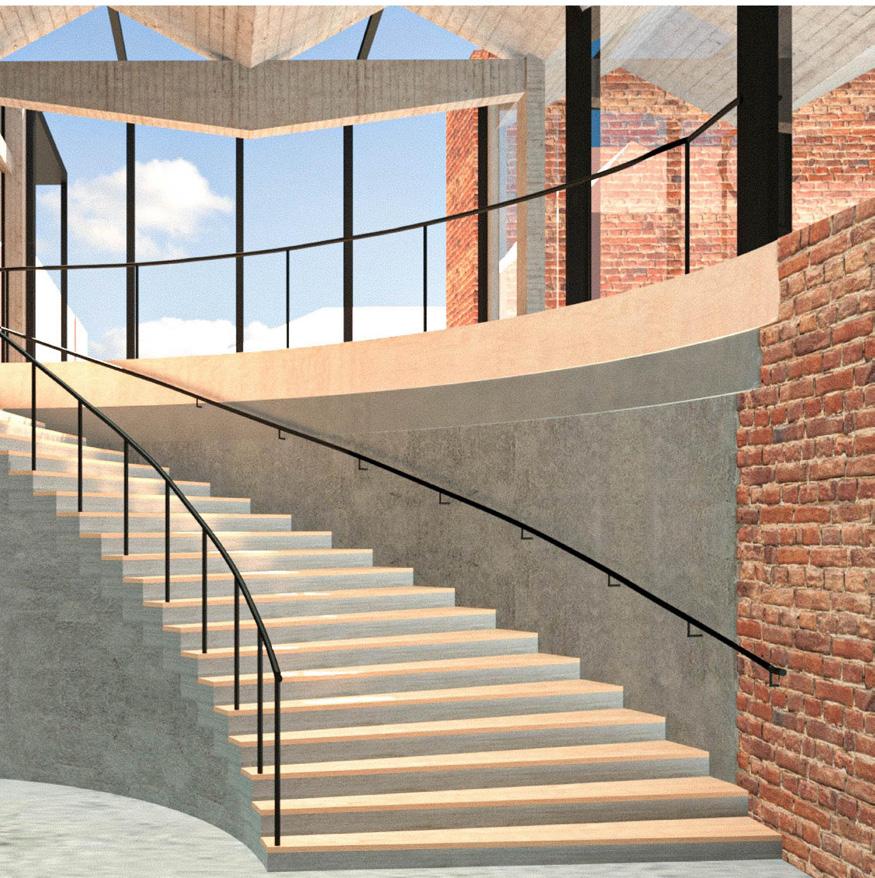
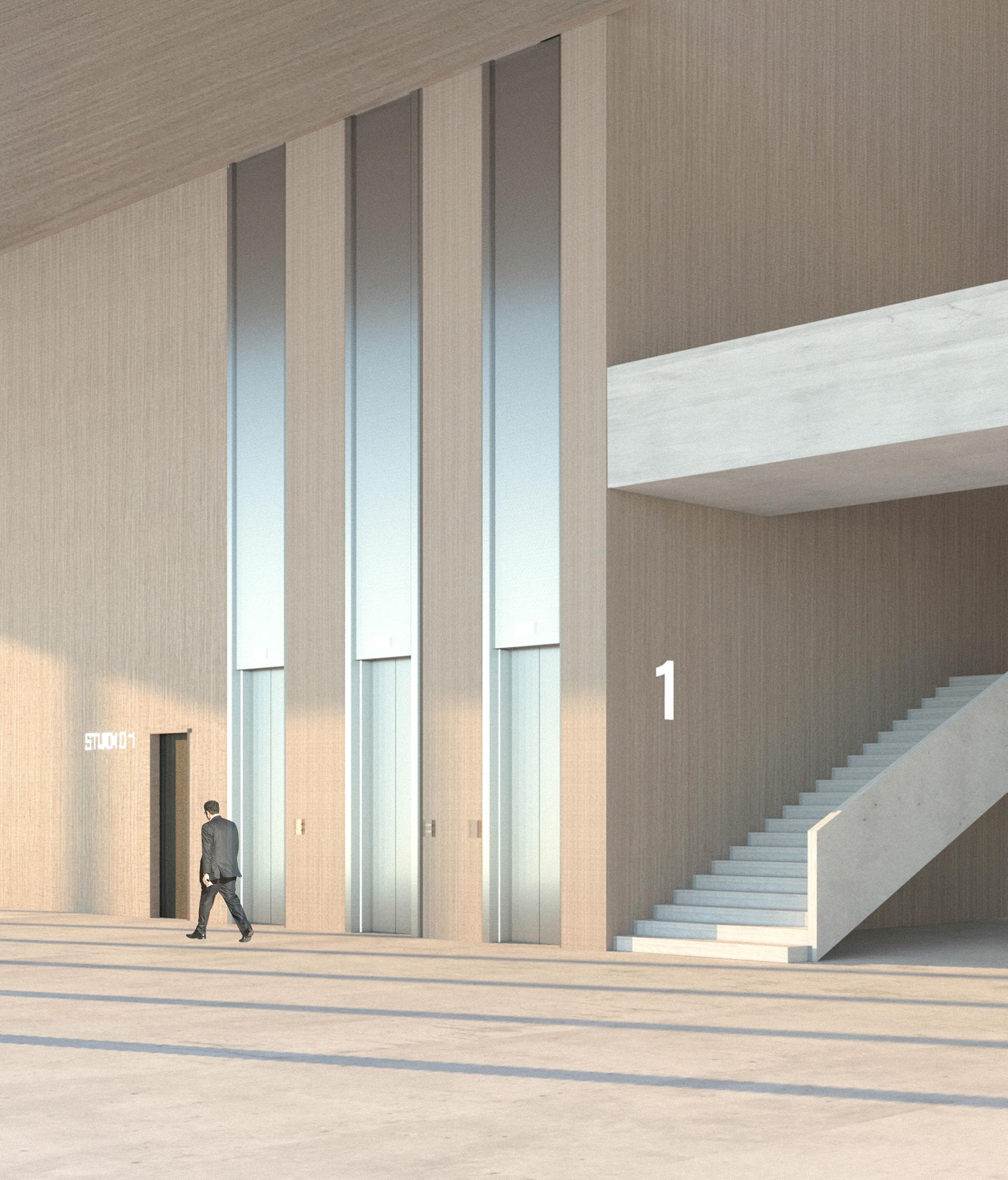
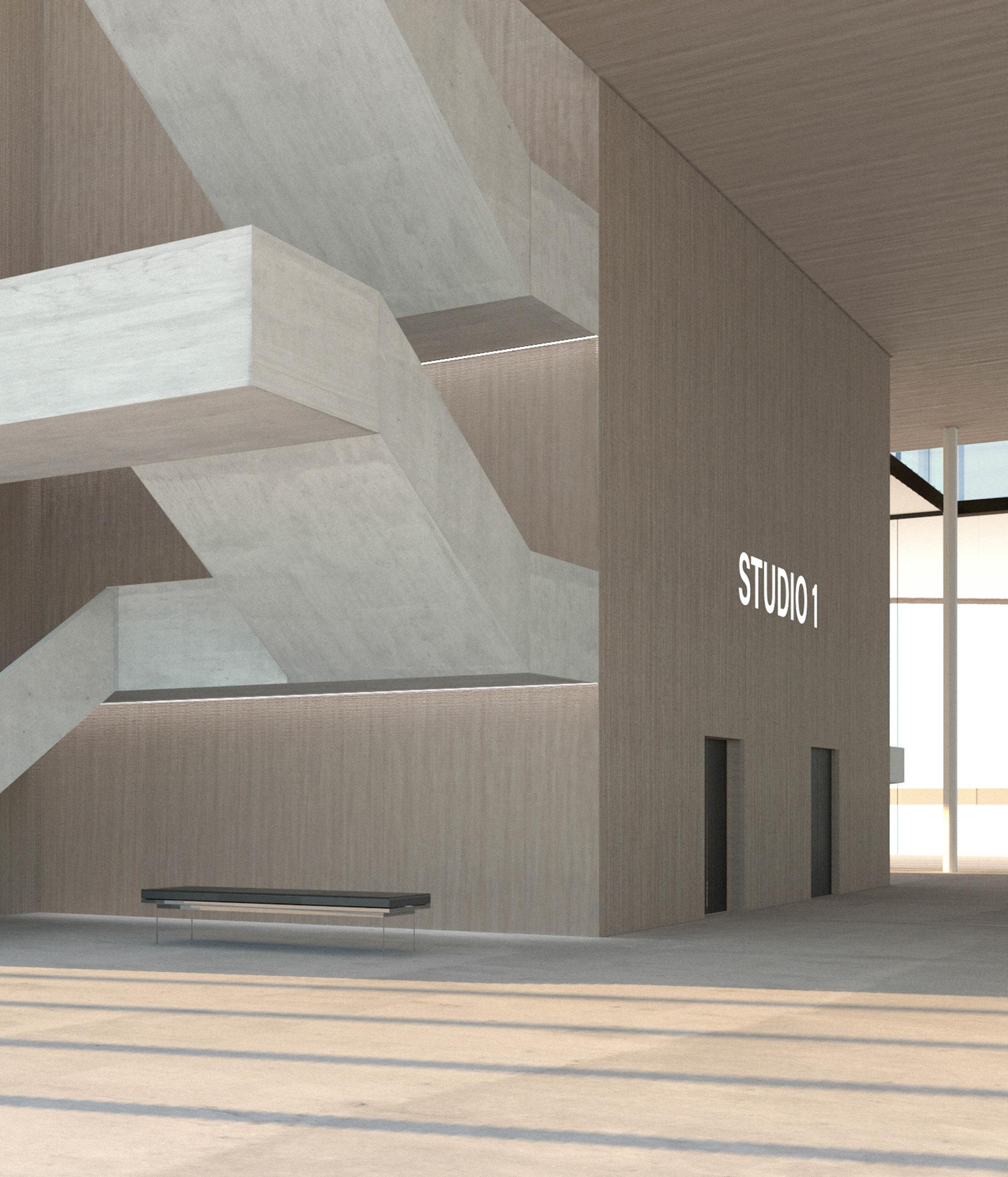
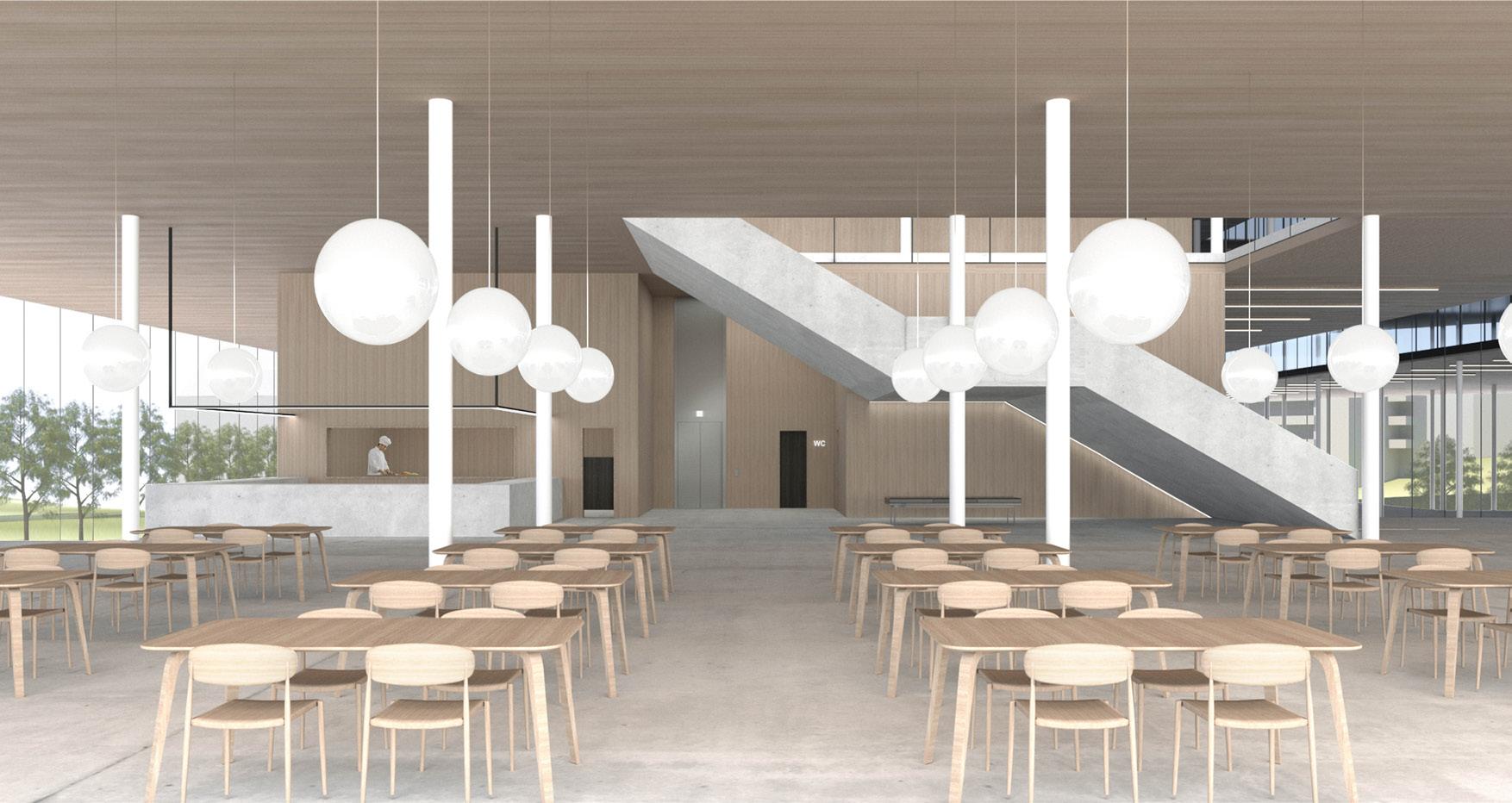
Visualizations from Rhinoceros model, made with Vray and photoshop
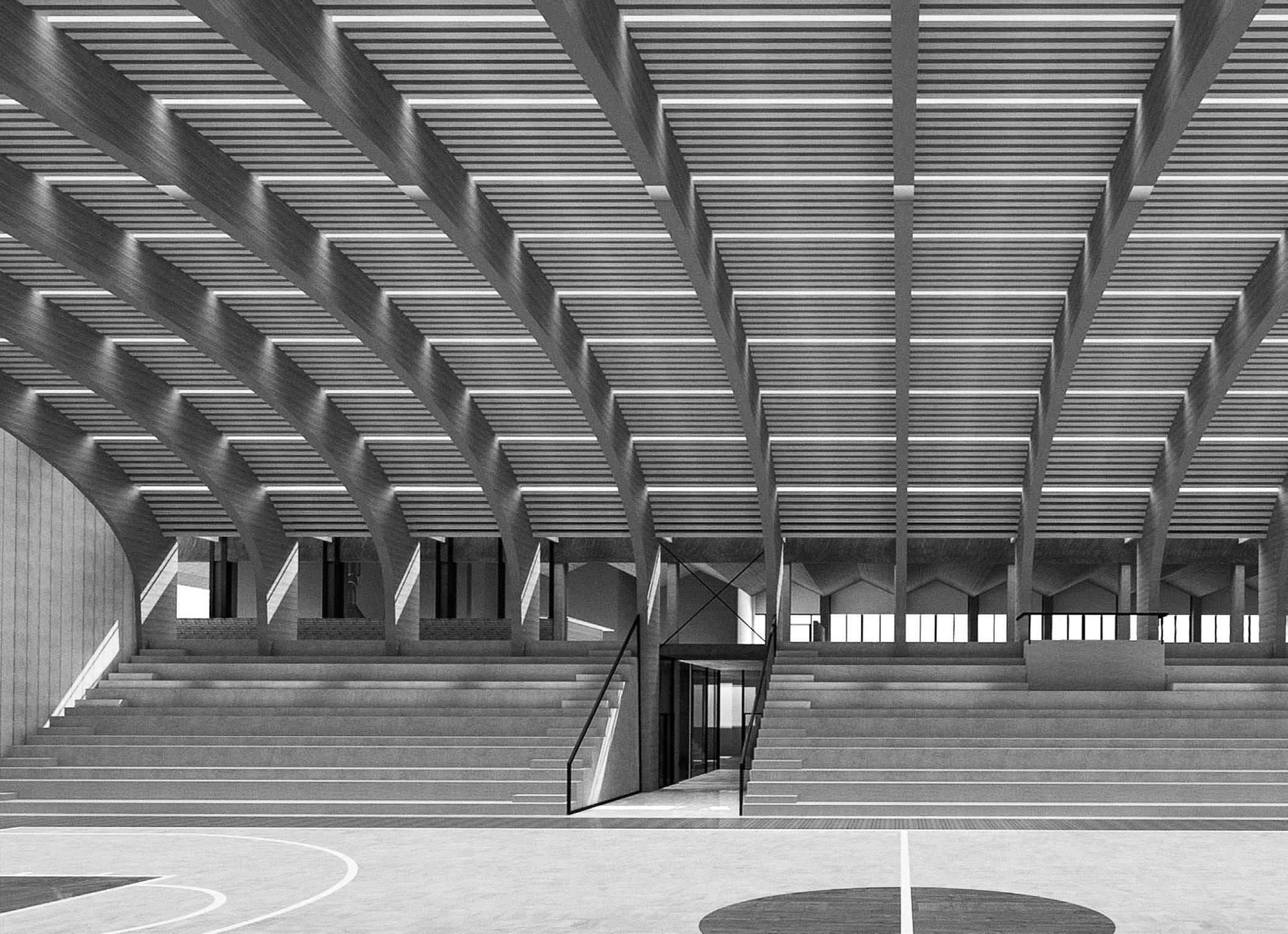
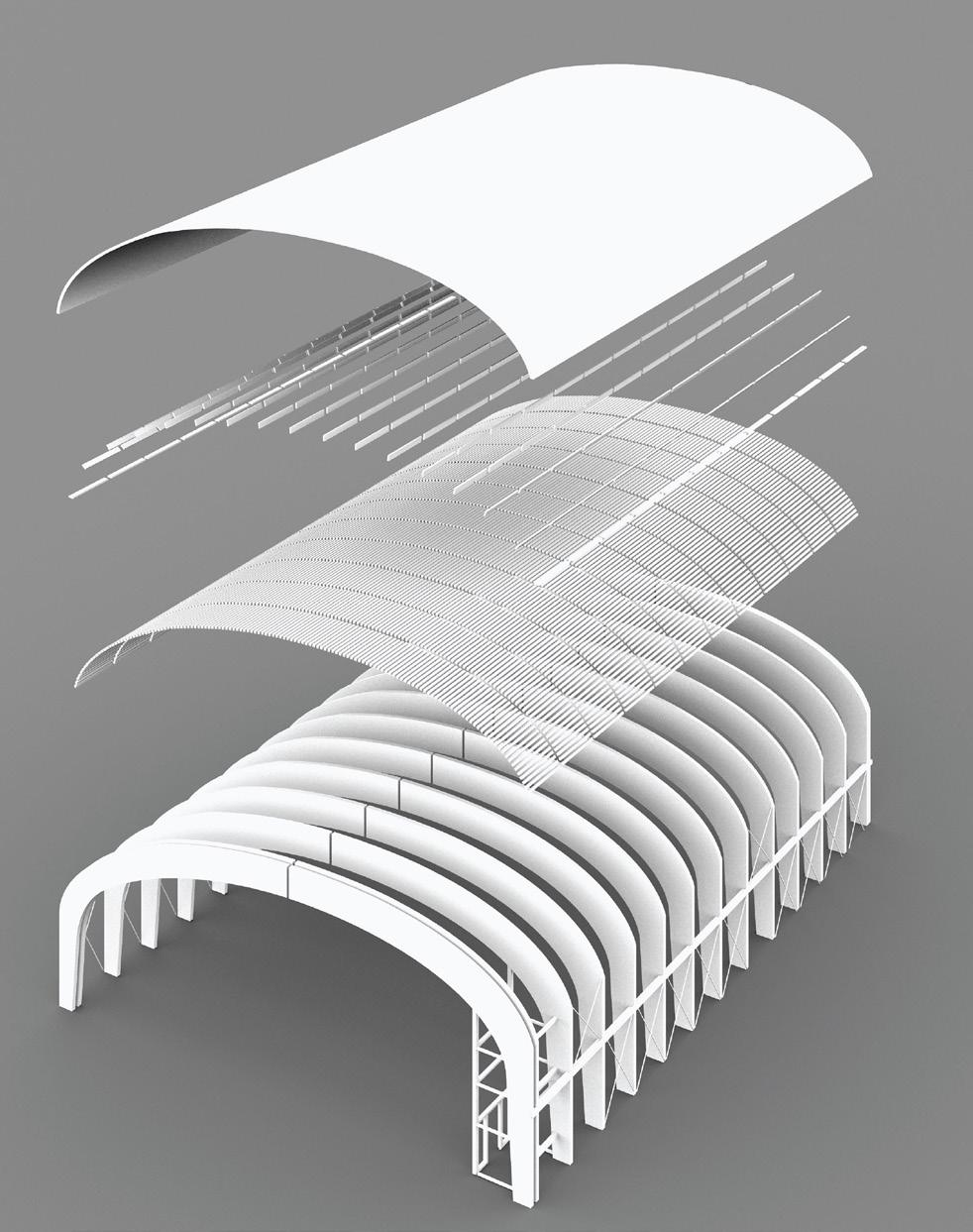
The new multi-purpose hall consists of wooden frames which are connected by beams. The hall is attached to the existing building using a truss construction that runs along its entire length. This construction lets light in along the entire hallway.
There is an existing balcony on the building, which is used to attach the new tribune to. Beneath the tribune there are walls that have a bracing effect, in order to achieve the open solution on the first floor.
When you enter the main entrance in the north, this concrete staircase is the first thing you meet. The shape leads you up and creates a natural sirculation space around it. The stairs lead up to the restaurant.
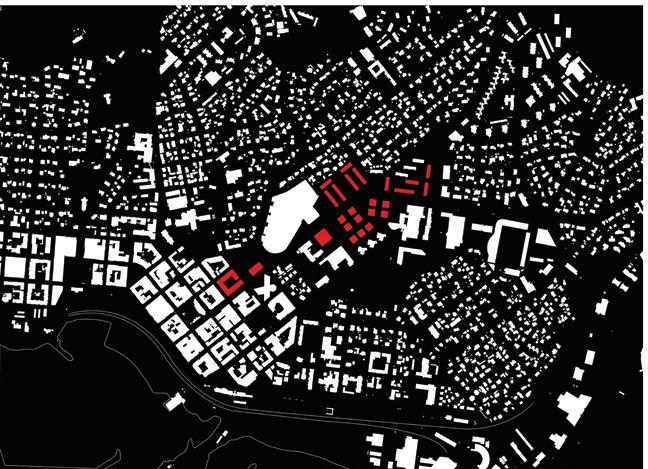
Section of project area, planned new buildings shown in red
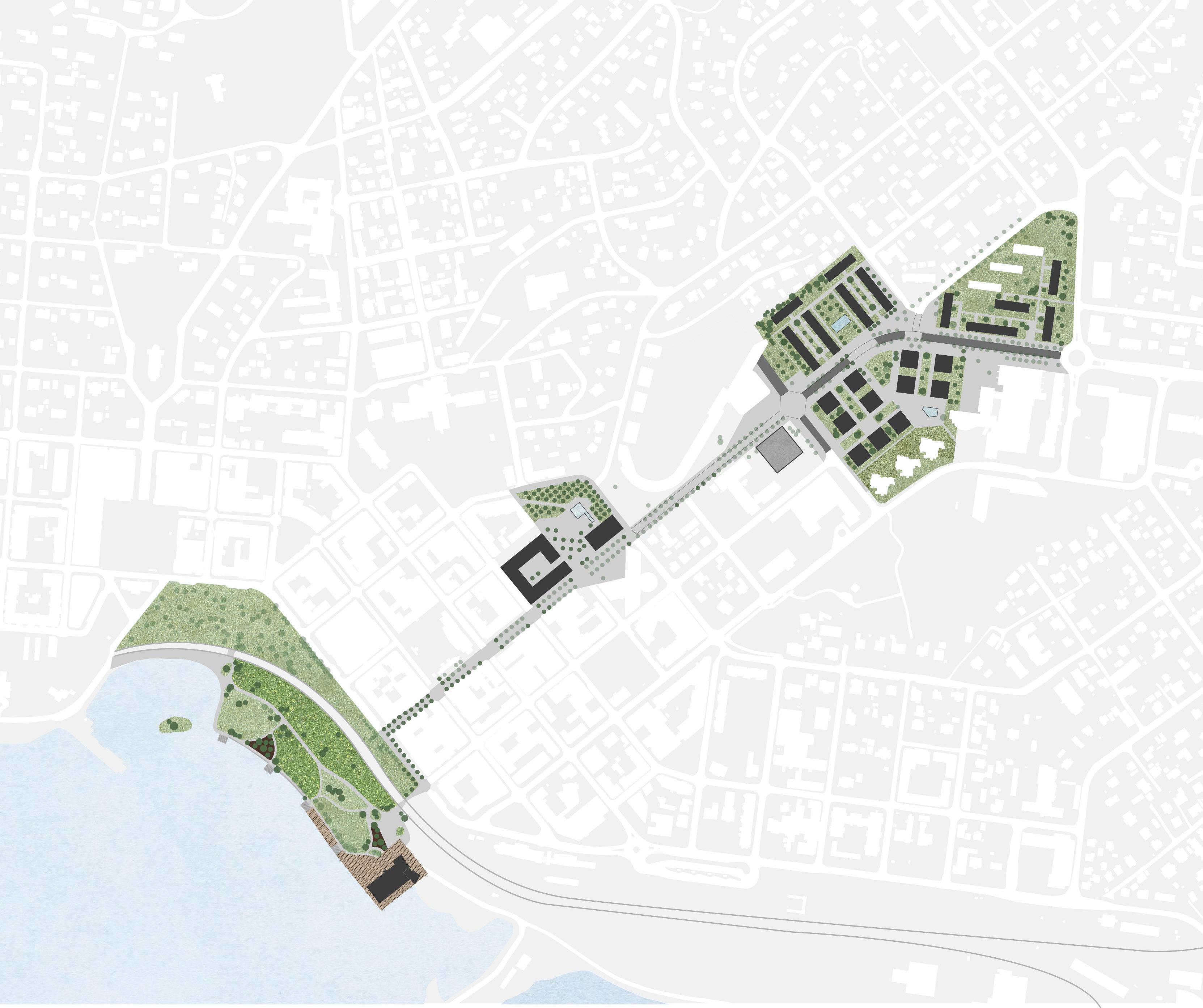
Area plan Hamar, showing the connection to the lake Mjøsa
Studio Hamar
“Connection through density”
Group project
Project Status Fifth semester project, proposed Location Hamar (Norway)
Hamar has an existing identity along the county road which consists of industry, large-scale retail, gardens and the town square. With our project we hope to strengthen Hamar’s identity and function as a growing city by adding elements such as housing, student housing and public spaces.
This assignement was a collaboration with Hamar municipality. They wanted to connect the city better by improving the connection between the city and Mjøsa.We propose filling the existing voids with functions to reduce the perceived distance down to the river Mjøsa. By doing this we achieve a connection through density.
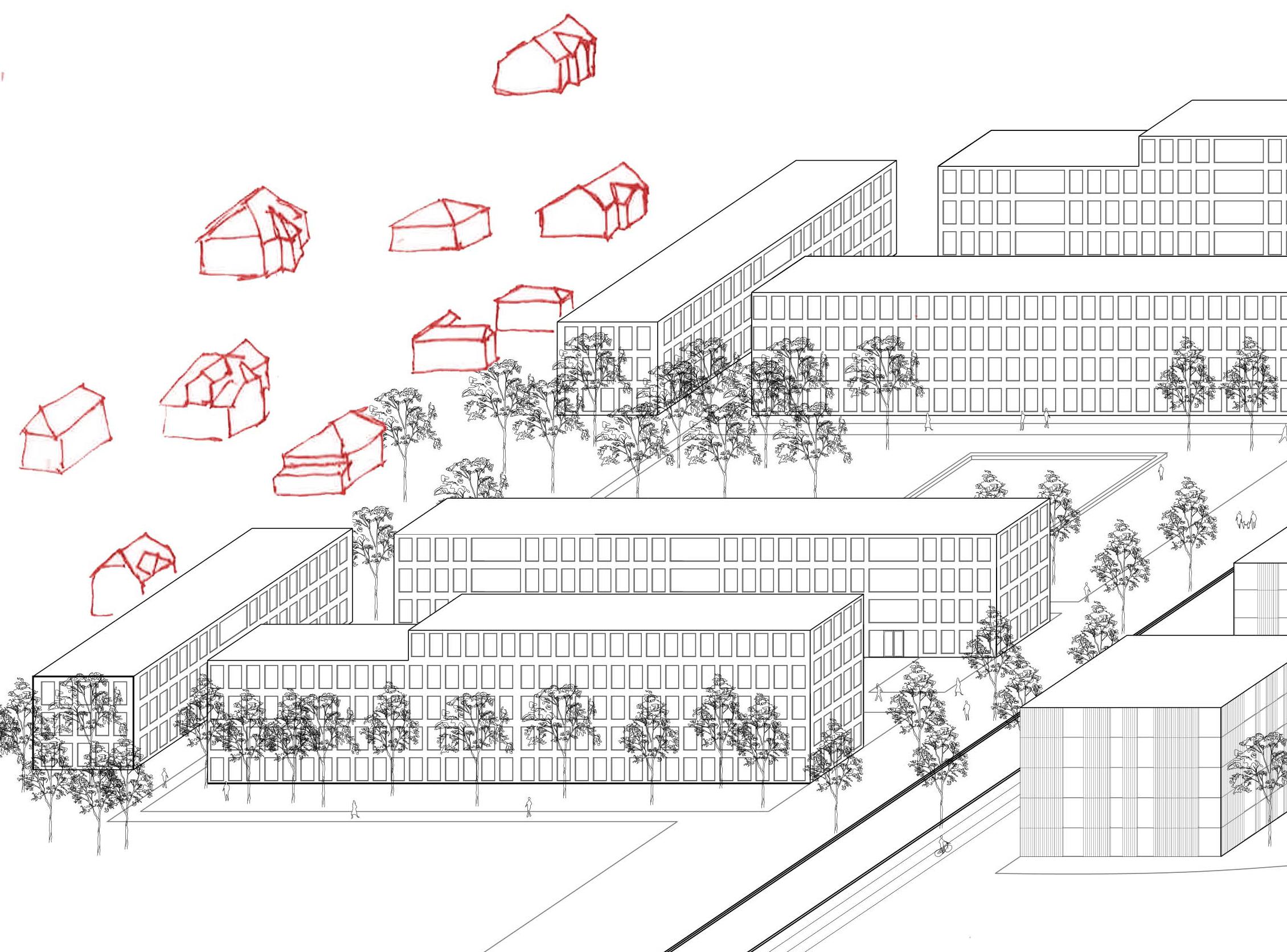
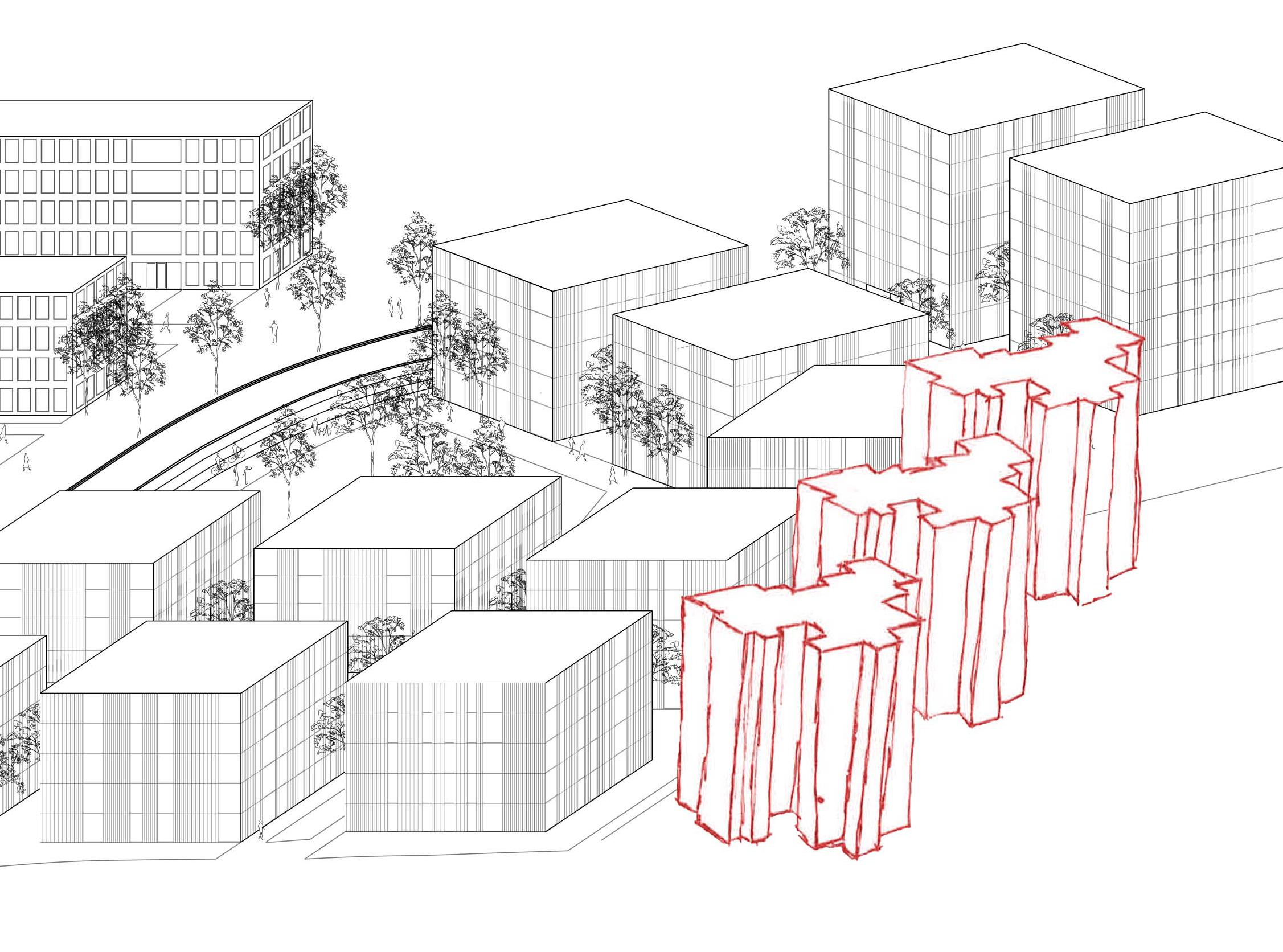
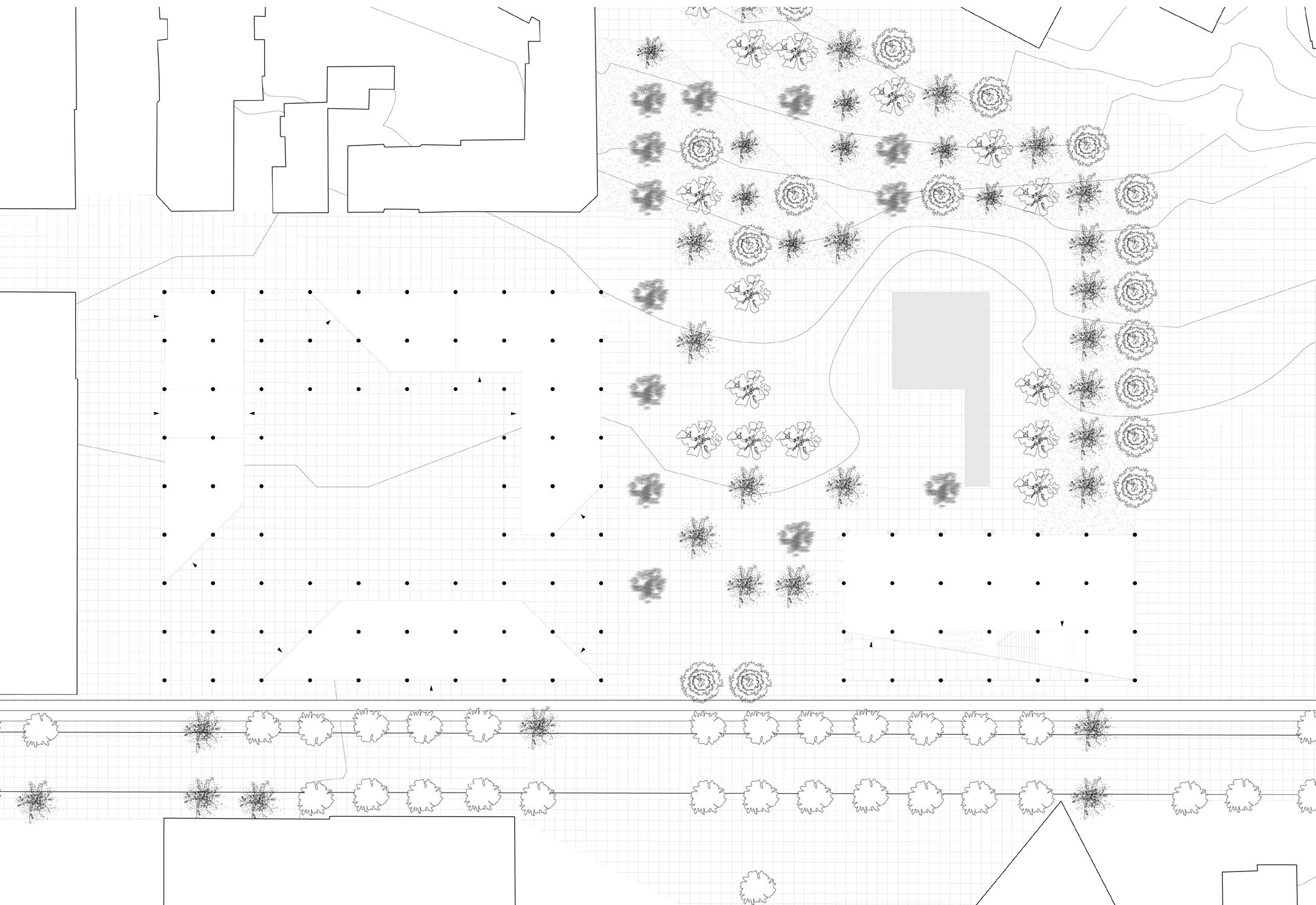
The project is divided into three focus areas. We are working on a transitional development that softens the transition between existing houses and industrial buildings in the north-east. The new proposed residential area has a nearby parking structure with a skate park on the ground floor, and a shared garden on top.
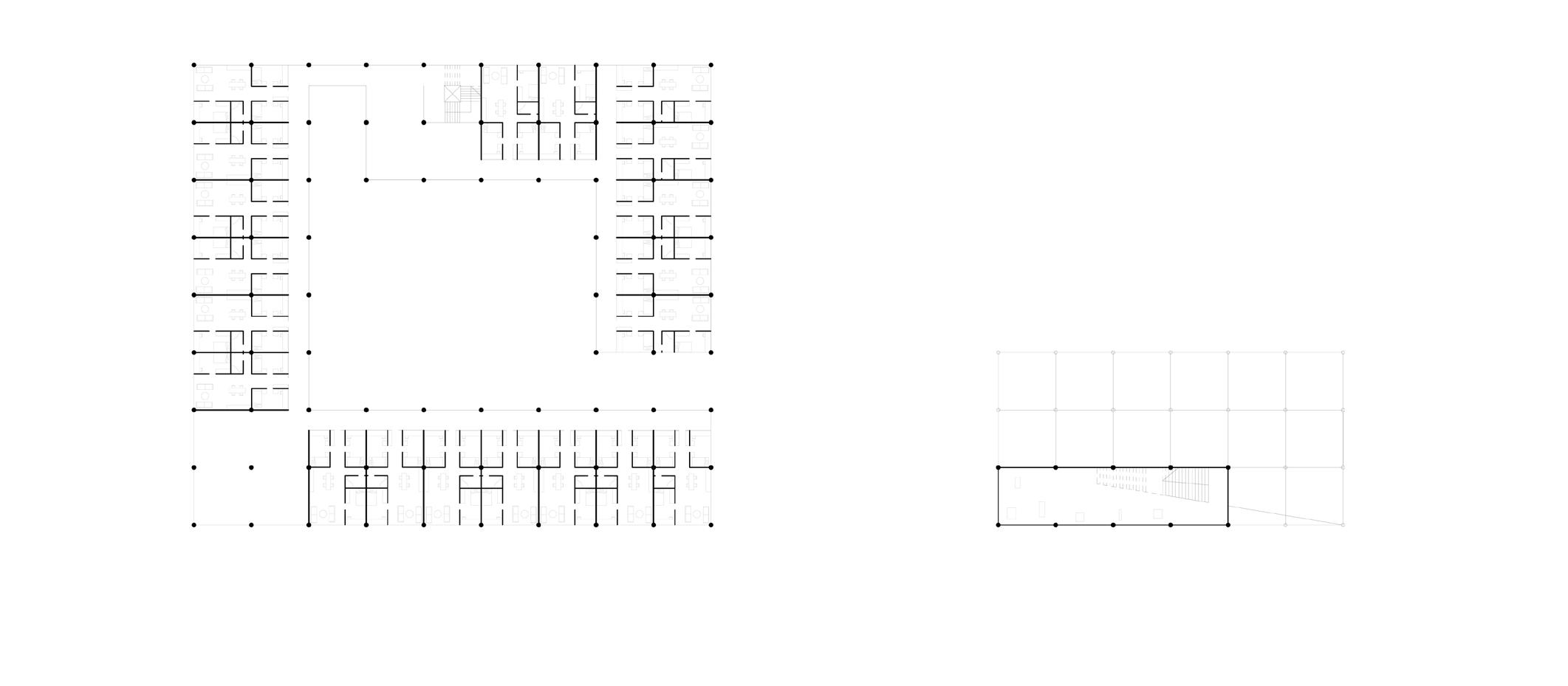
Further down, we have placed a student residence that connects to the nearby college. Next to this building we have placed a public pavilion that can be used by the whole city. We also propose a new park and swimming area close to the waterfront.
Isometric drawing of new residential area
Section A
Section B
Visuals showing the new residential area, previously a large main road and industrial buildings. A proposal to connect the two sides of the road better together, forming a neighbourhood and a more pedestrian friendly place, where walking and biking is encouraged.
Second floor plan for student housing unit and gallery space
Ground floor and ladscape plan for student housing unit and gallery space
Urbanism
NRK Ensjø
TV & Broadcasting head office proposal
Project Status Sixth semester project, proposed to NRK
Location Ensjø, Oslo (Norway)
Building Area 50 000m²
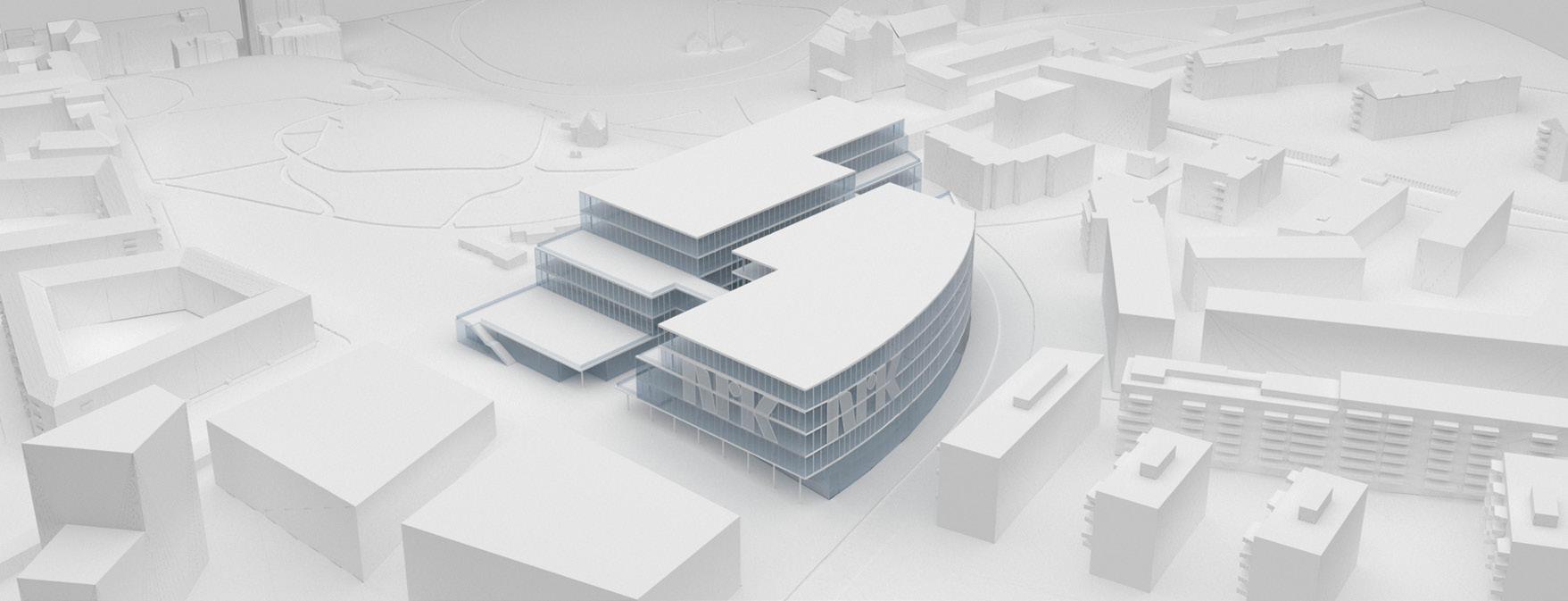
Ensjø has for a long time been characterized by industial buildings and cars. This is something that is changing. There are many big plans for the future of Ensjø, and this includes many new homes, schools and NRK TV & Broadcasting head office at Ensjø.
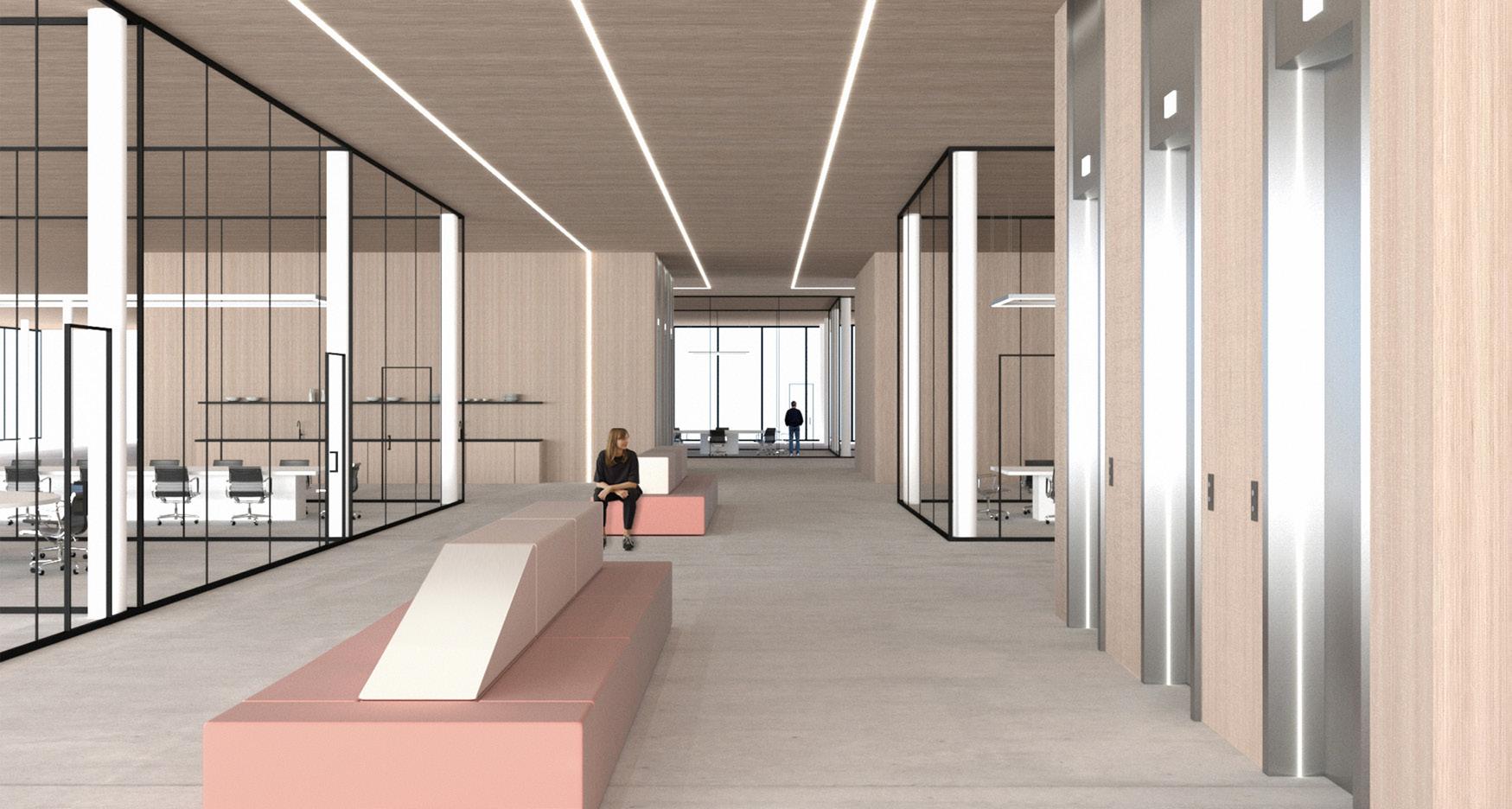
When NRK presented their ambitions for NRK on ensjø, they mentioned accessibility, multi-functionality, openness and longevity. Their new head office must be experienced as open and inviting for neighbors and visitors. These are the main ideas behind my project.
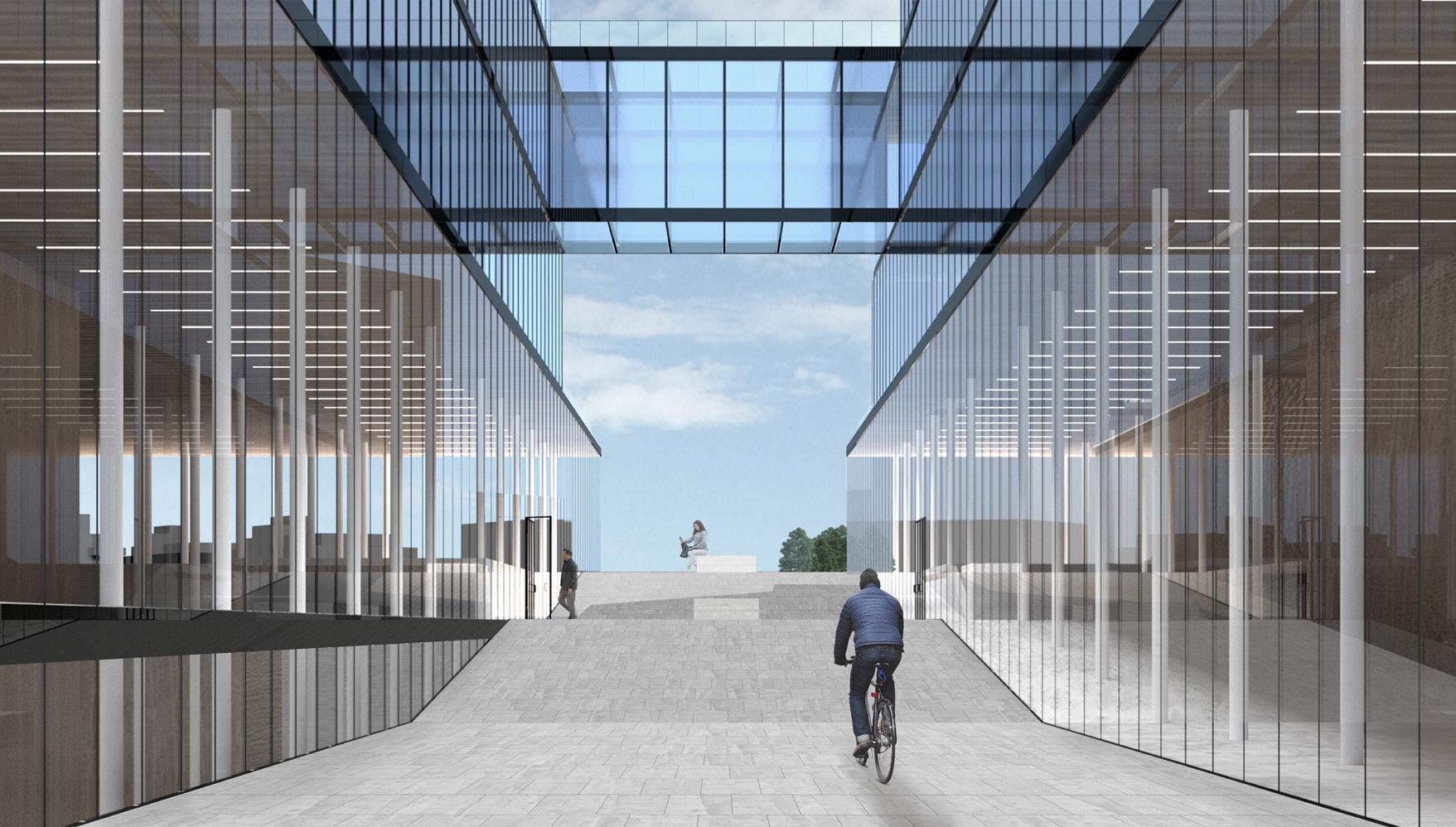
My project is accessible to everyone, including those with special needs. The building takes its surroundings into consideration and gives an insight into what NRK is doing through a passage between two building volumes. It takes advantage of the differences in height on the plot to create a gradual escalation both inside and outside, making all sides of the building accessible to everyone, using any mode of transportation.
Visualization of project in existing enviroment, made with Rhinoceros render
First floor plan
B
All public areas of the building are placed in a way so that they can be used and sectioned off at any given time. Even though this head quarter building belongs to NRK, it is important to me that the citizens can use the building for other purposes outside of office hours. Multi-use spaces that are easily adjustable are important for a sustainable future.
This building is also powered by solar energy, using window frames that have solar cells in them. Sustainability is a very important part of the future of architecture.
Second floor plan, office, library and co-working spaces
Diagram showing the distribution of space, according to client needs:
Storage
Parking
Workshop
Logistics
TV- studio
Lobby / audience areas
Radio/ Podcast
TV- production
Rooftops
Administration
Section A
Section B
Visualization showing first floor lobby, made with Rhino, Vray and photoshop
of mulit-use canteen/resturant
Visualization
Facade facing west
Facade facing south
Visualization of office and co-working space
Visualization of passage way through the two building volumes and connecting bridges. Solar cell window frames all around the building.
Competition project
Rona Torg
Proposal for a township mall and square Team project, LPO Architects
Project Status Proposed to the client
Location Rona, Kristiansand (Norway)
Project Area 23 000m²
Rona is defined as the district centre for Randesun Kristiansand. In this project the client wanted to activize the existing mall by activizing the surrounding areas, expanding the existing mall area. Our project emphasizes including the old mall in a meaningful way. We achieve this by creating an intimate urban space using new buildings and outdoor spaces. We have also maintained the existing connections and roads, to ensure easy access for everyone.
The project consists of three main elements:
• The district building with offices, a large grocery store with “hang-arounds”, a health related center and the new Rona library.
• A building that can accommodate the future Rona cultural center with a great hall, rehearsal room, dance halls as well as co-working and various creation spaces. This building can also accommodate office activities in the future.
• Housing with an active urban floor surrounding it.
Diagrams showing main intentions of the project: transportation, green areas, open first floor and big connecting public spaces
Phase 1
Phase 2
Phase 3
Phase 4
This project will be built in 4 phases, to make the most important services available first.
First floor plan
Visualization showing proposal for new Cultural Centre, with a dance studio at the top.
Transformation project
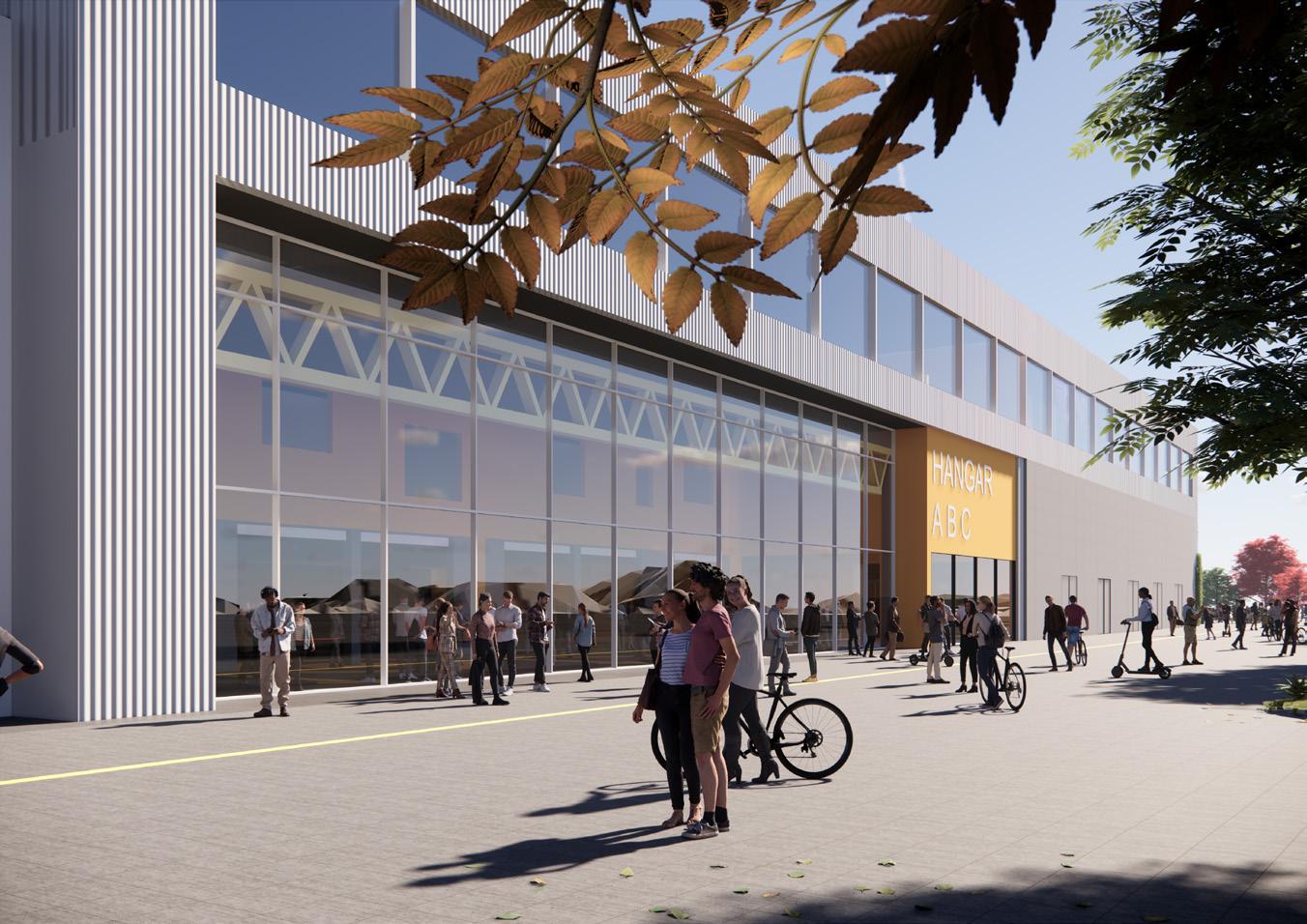
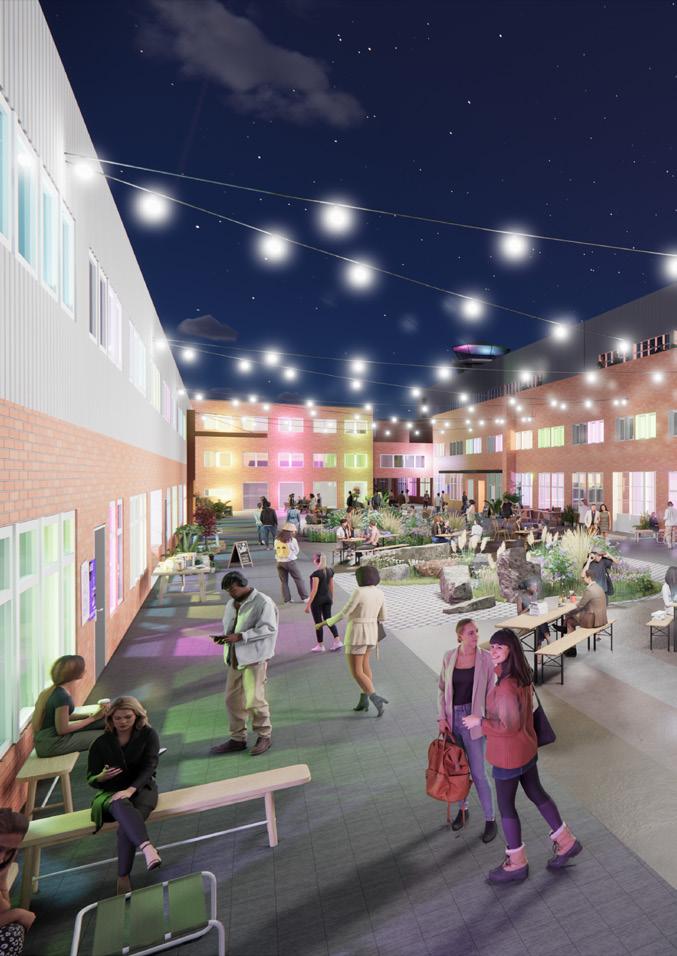
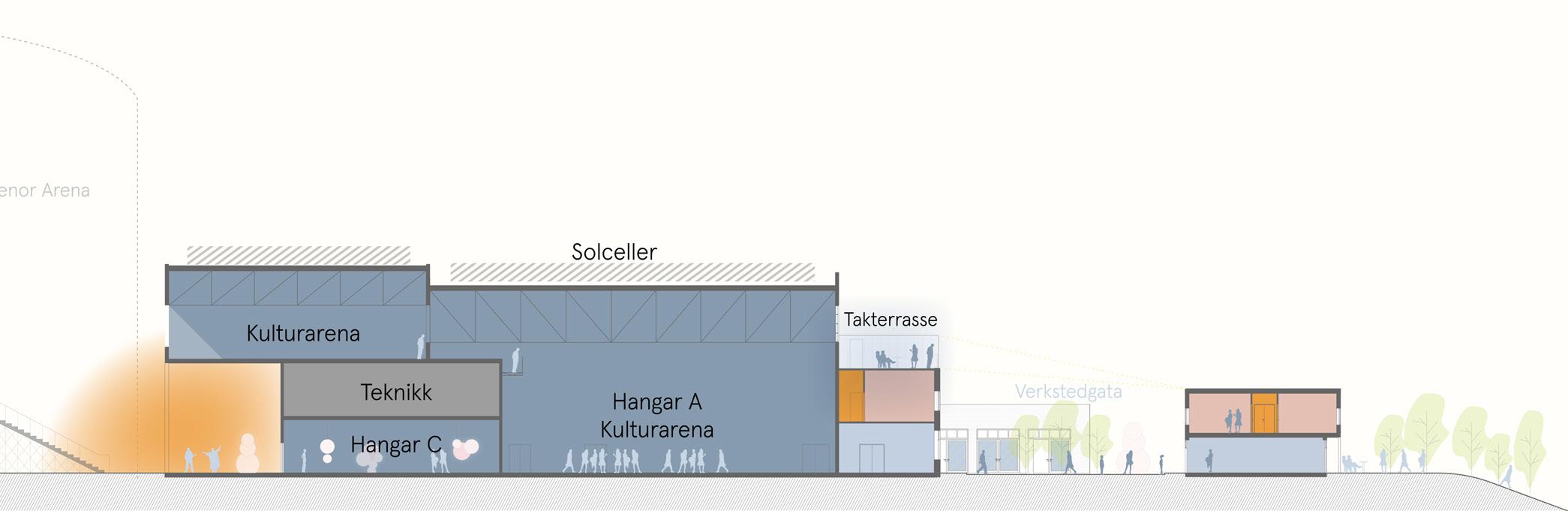
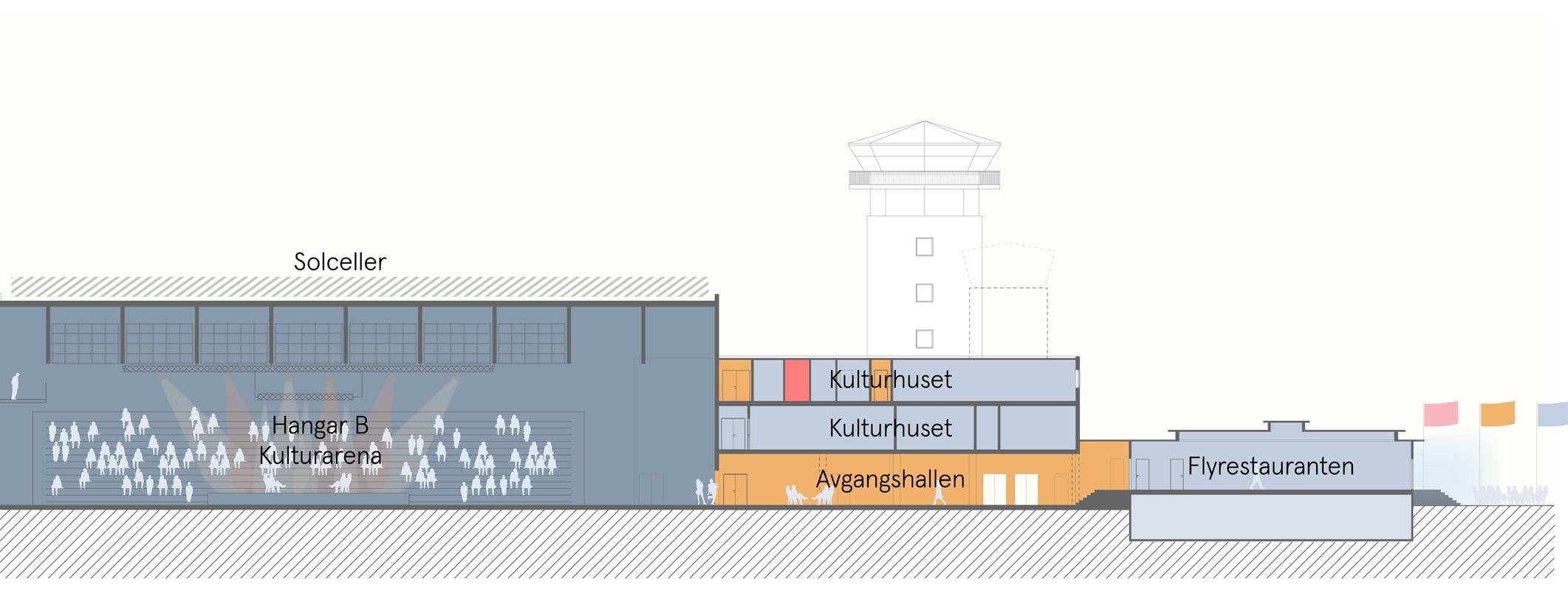
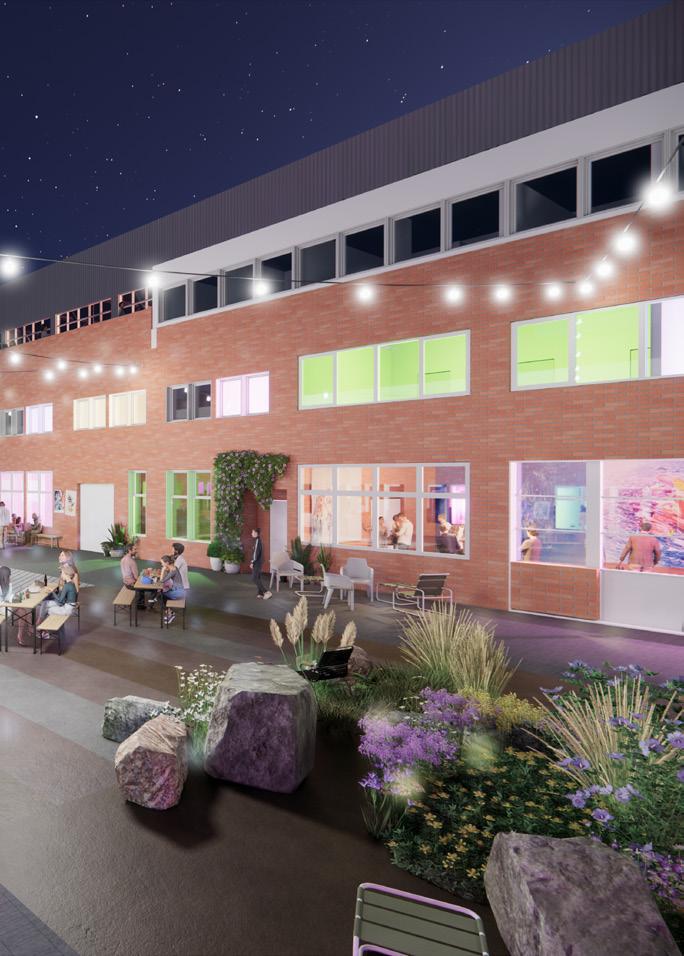
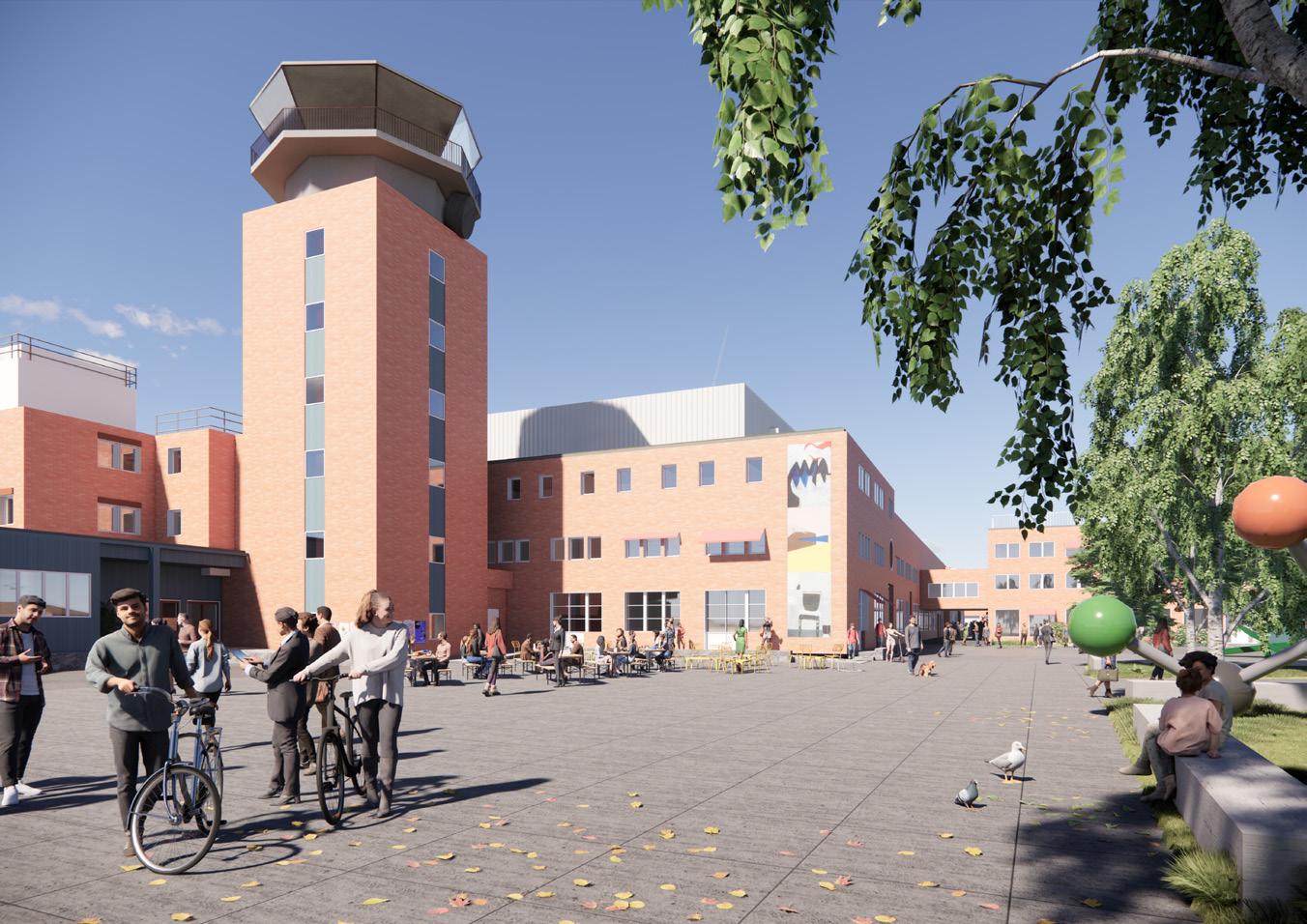
Masterplan 2035 Fornebu Lufthavn
Transformartion of an old airport building
Project Status Ongoing (to be finished in 2035)
Location Fornebu, Bærum (Norway)
Building Area 18 000m2
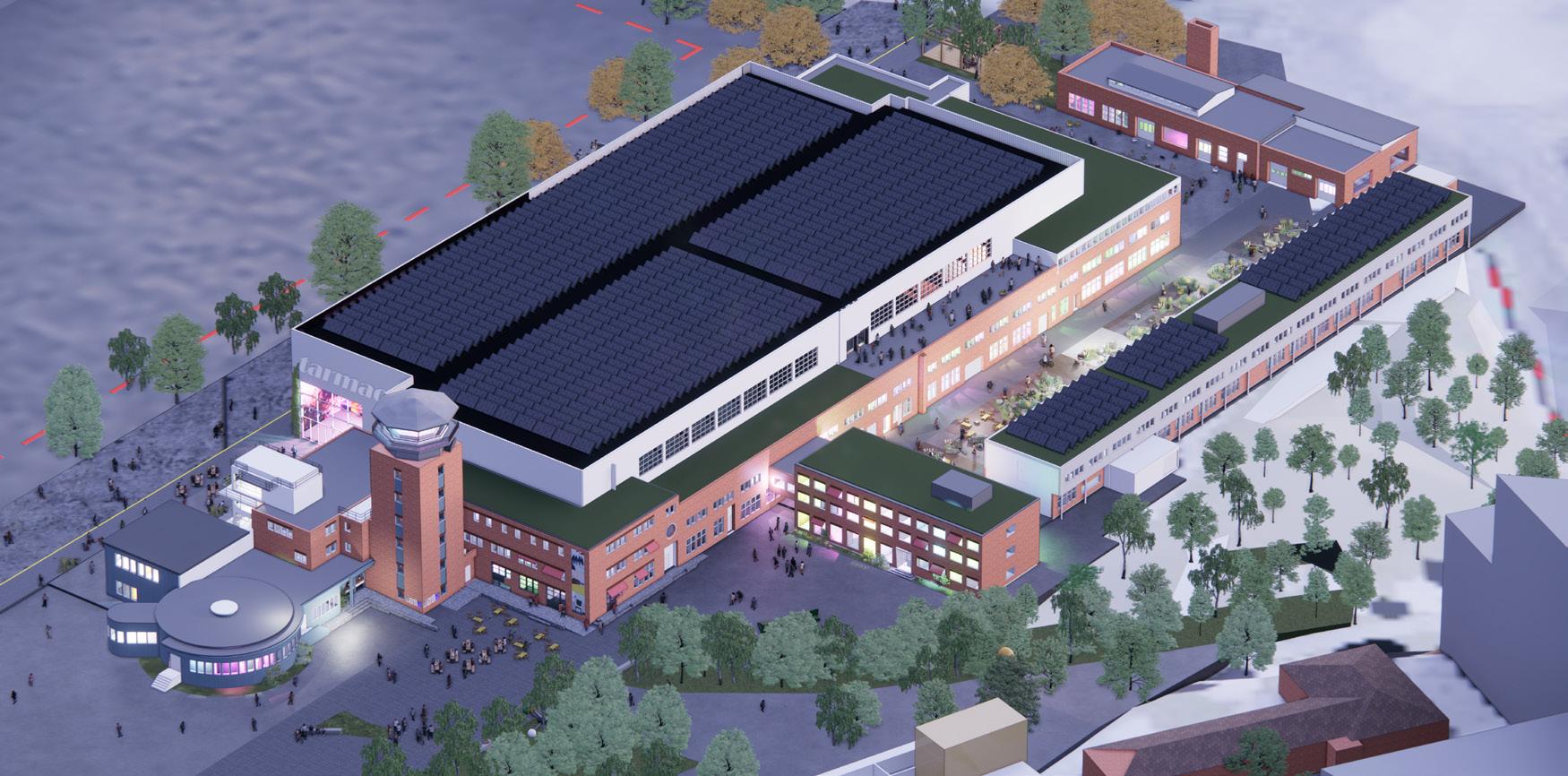
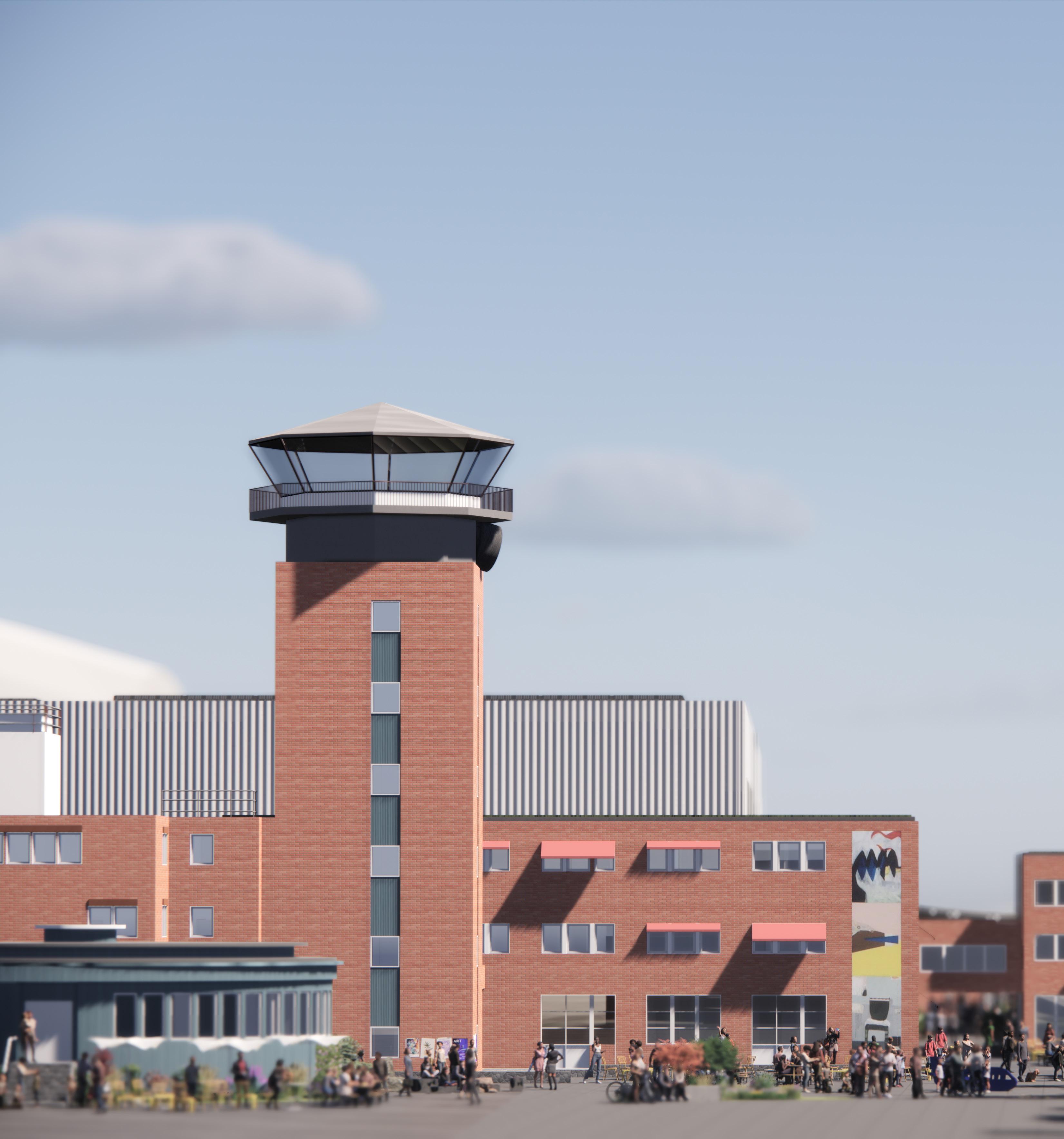
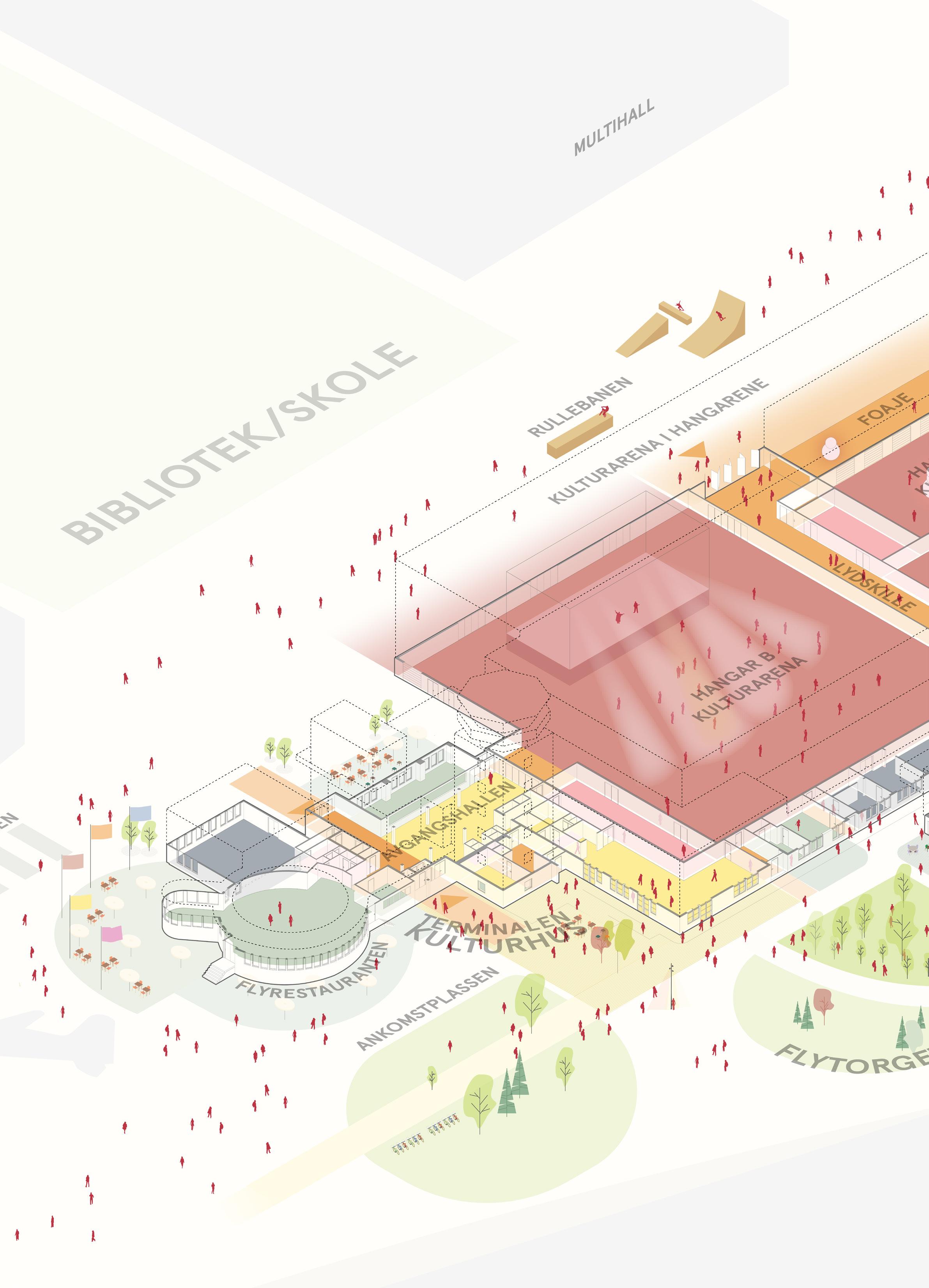
The old Fornebu airport is located in the centre of an area which is under development. There are apartments and schools being built. This old airport is going to serve as a meeting place for the people living here. LPO has created a strategic master plan for the new identity and use of Fornebu Lufthavn. The goal of this plan is to propose ideas that will increase the activity. The facility is a unique modernist building designed by Odd Nansen, where rehabilitation and single-use measures must be balanced with cultural heritage protection and adaptation to new use.
The project will be a role model project for sustainability, also known as a Futurebuilt project. The new development must provide an increased biological diversity, facilitate local recycling as well as adding to the existing workshop, art and cultural acitivity that already exists here.
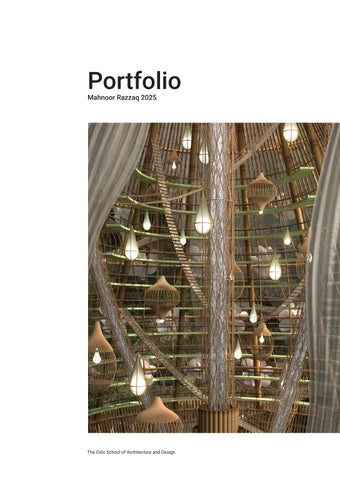
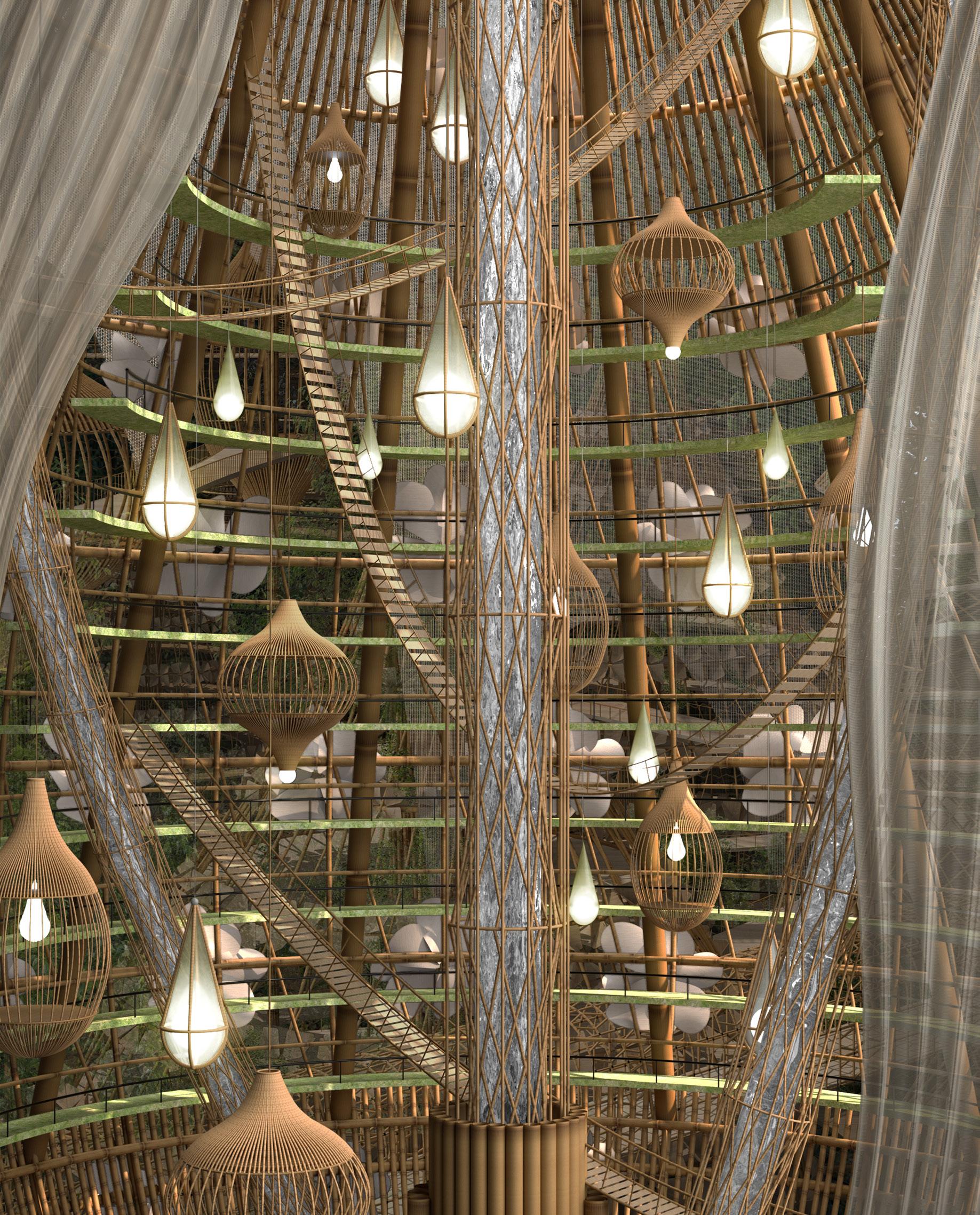
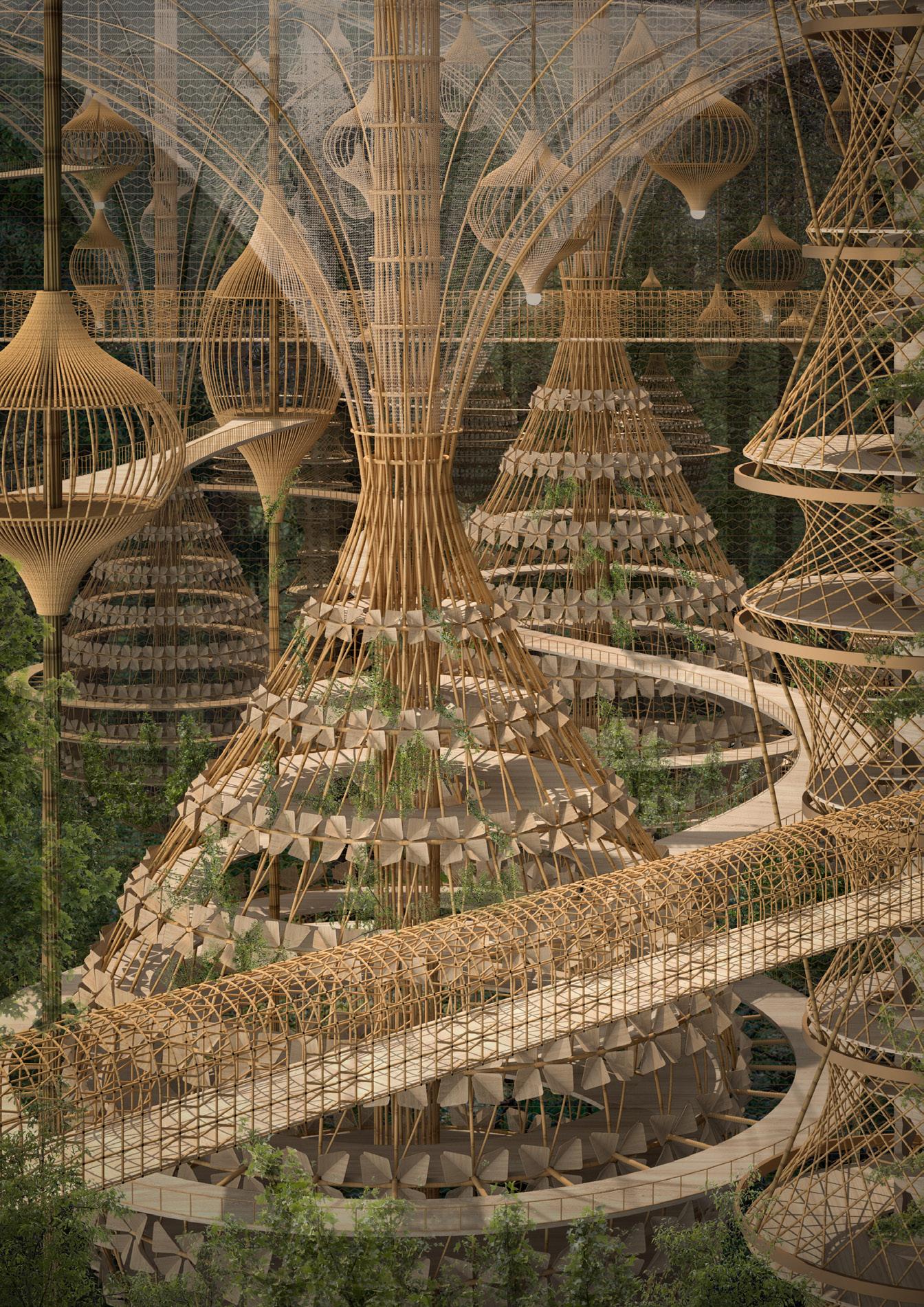
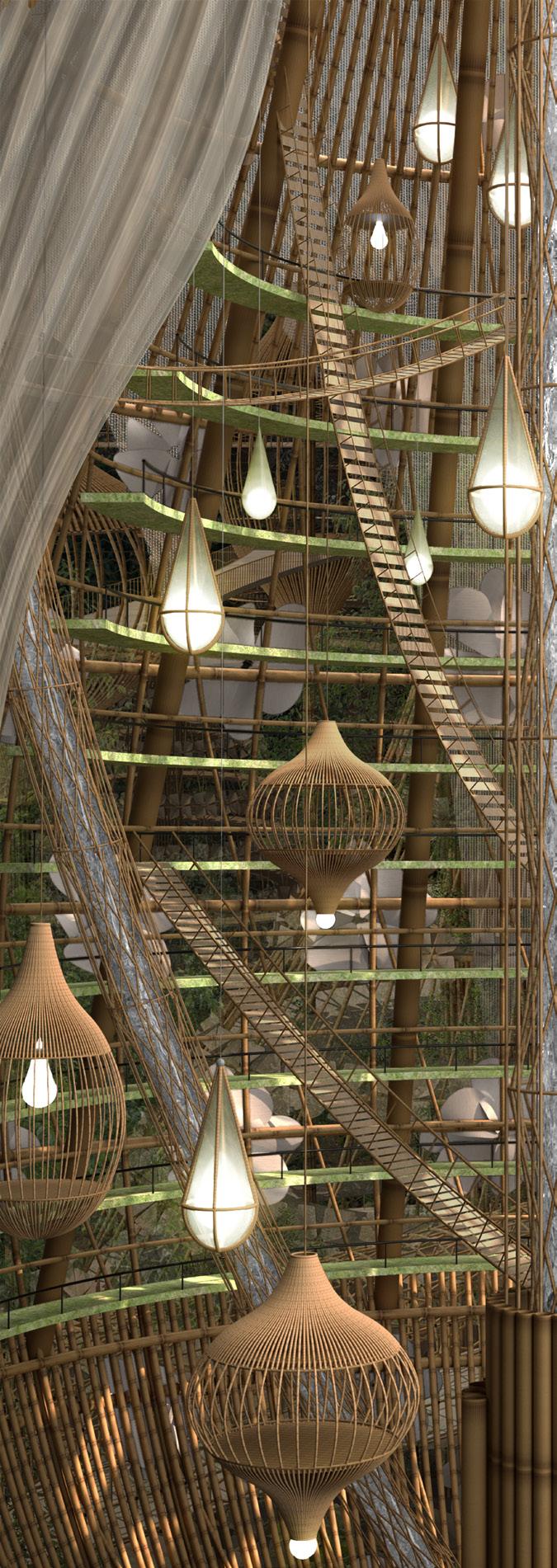
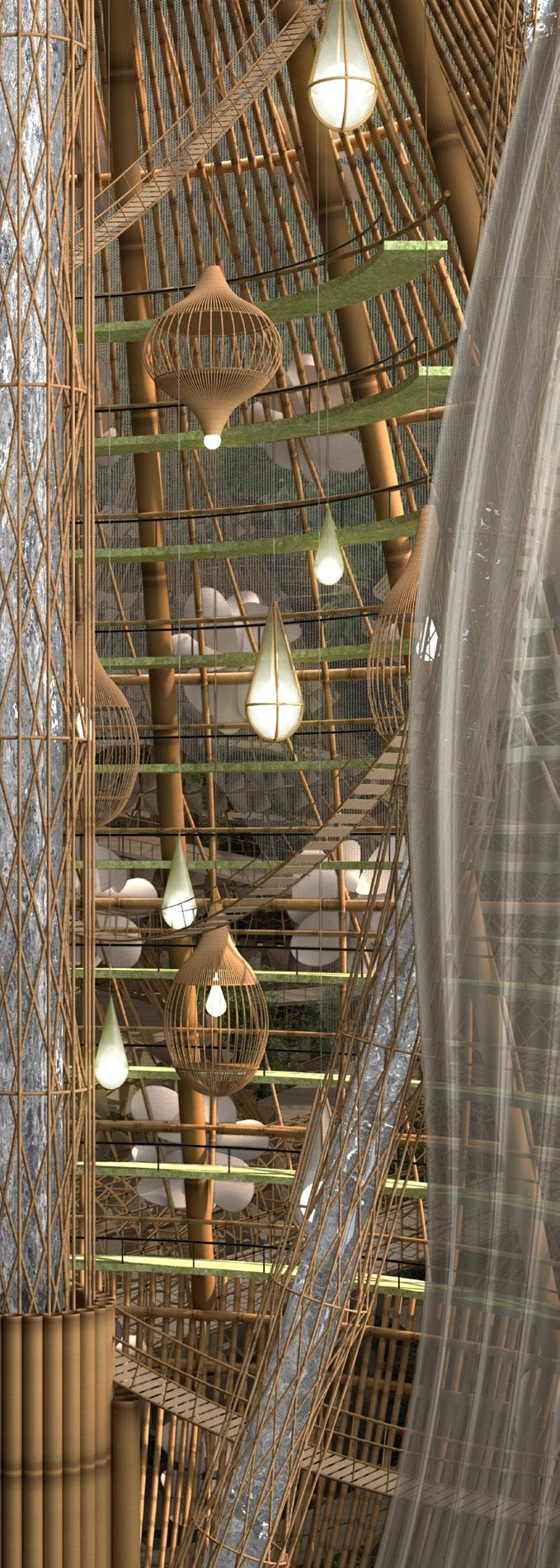
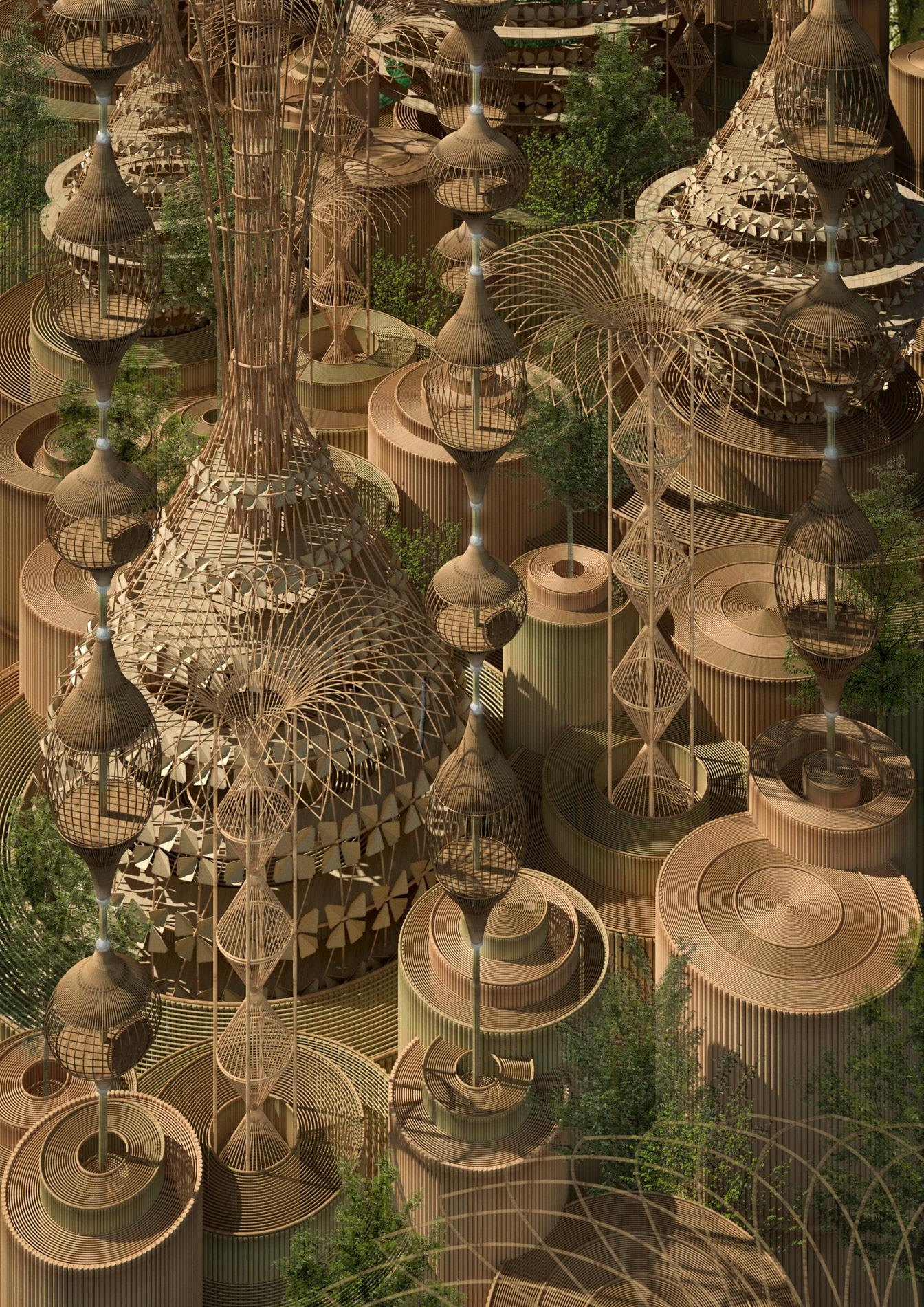
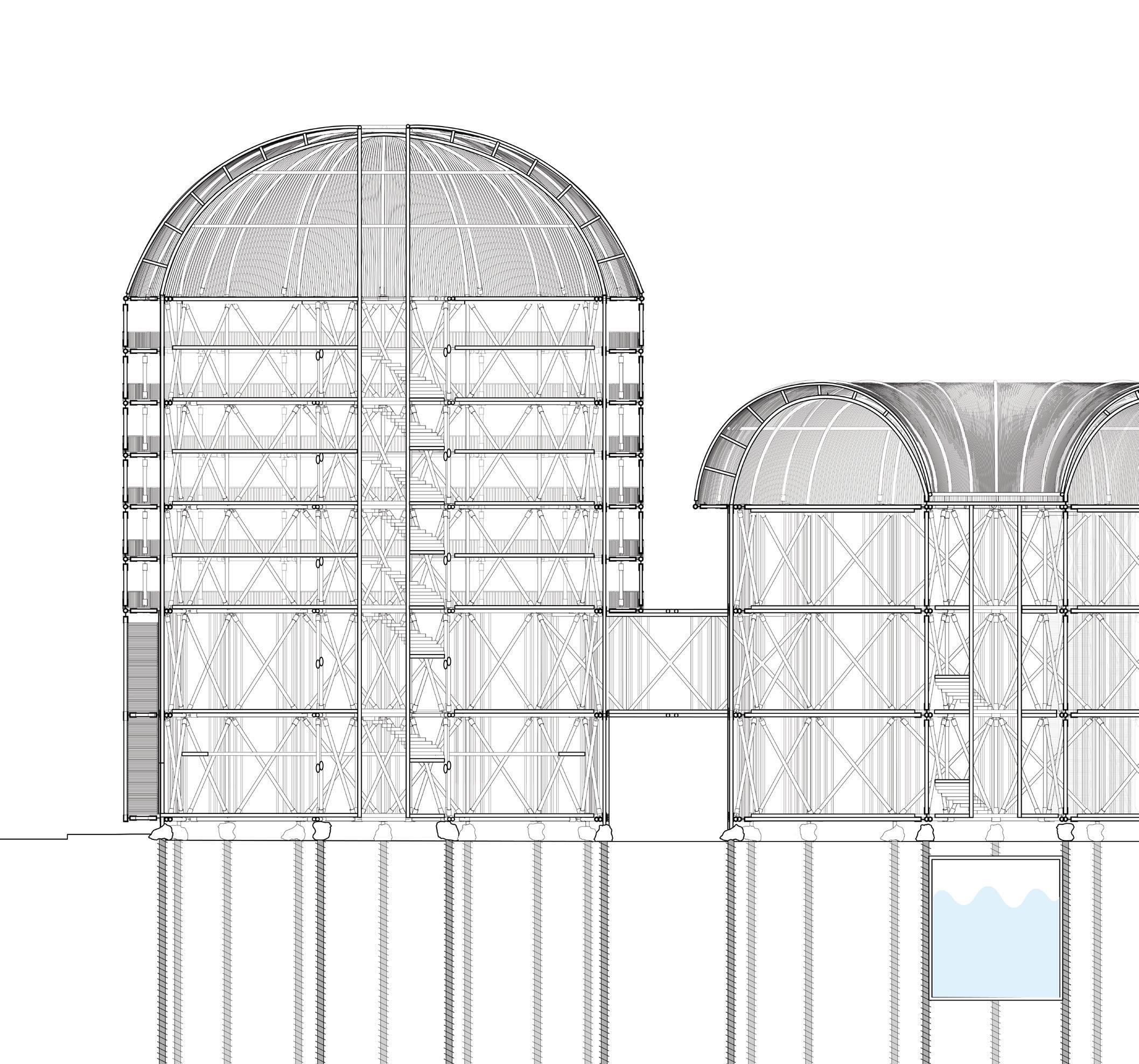
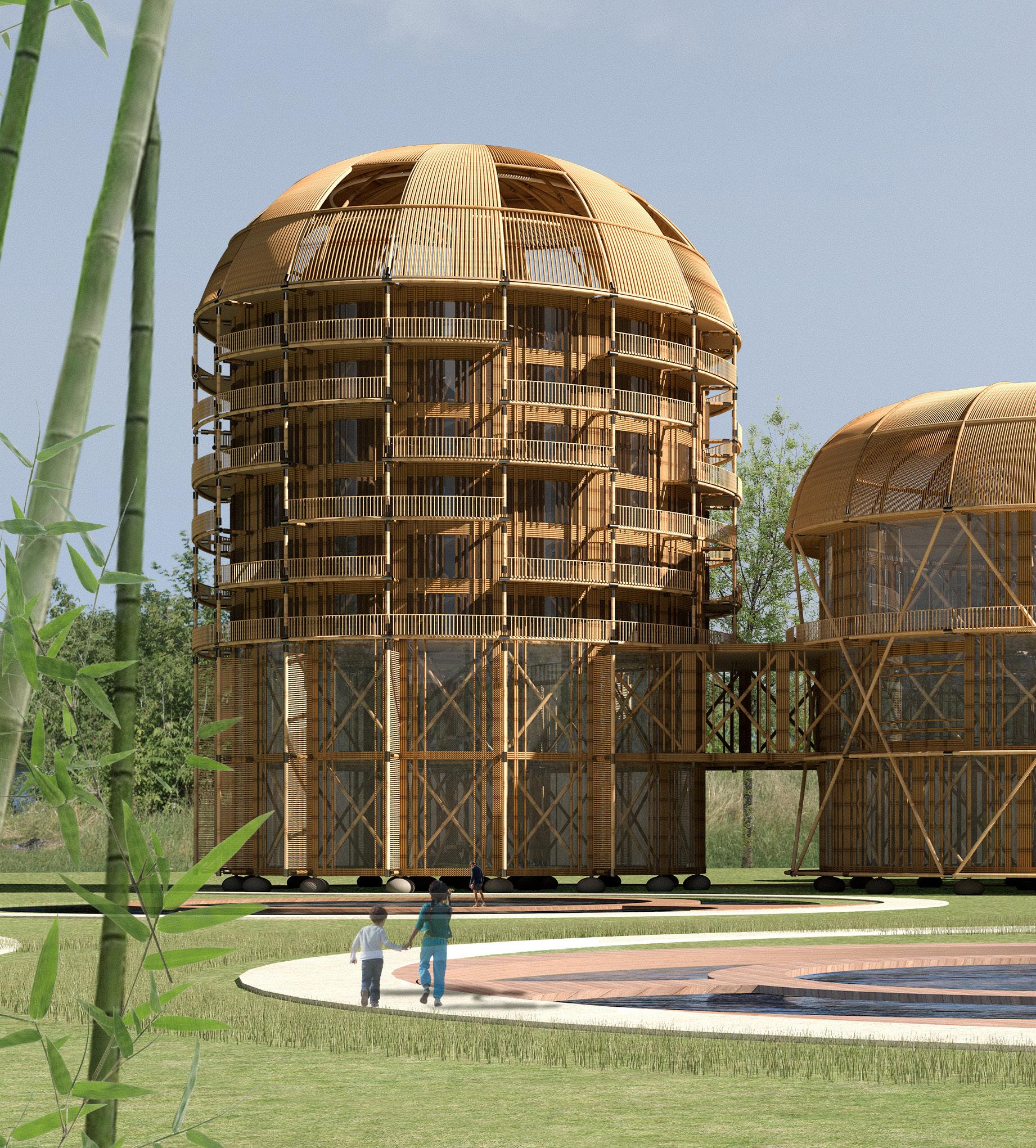
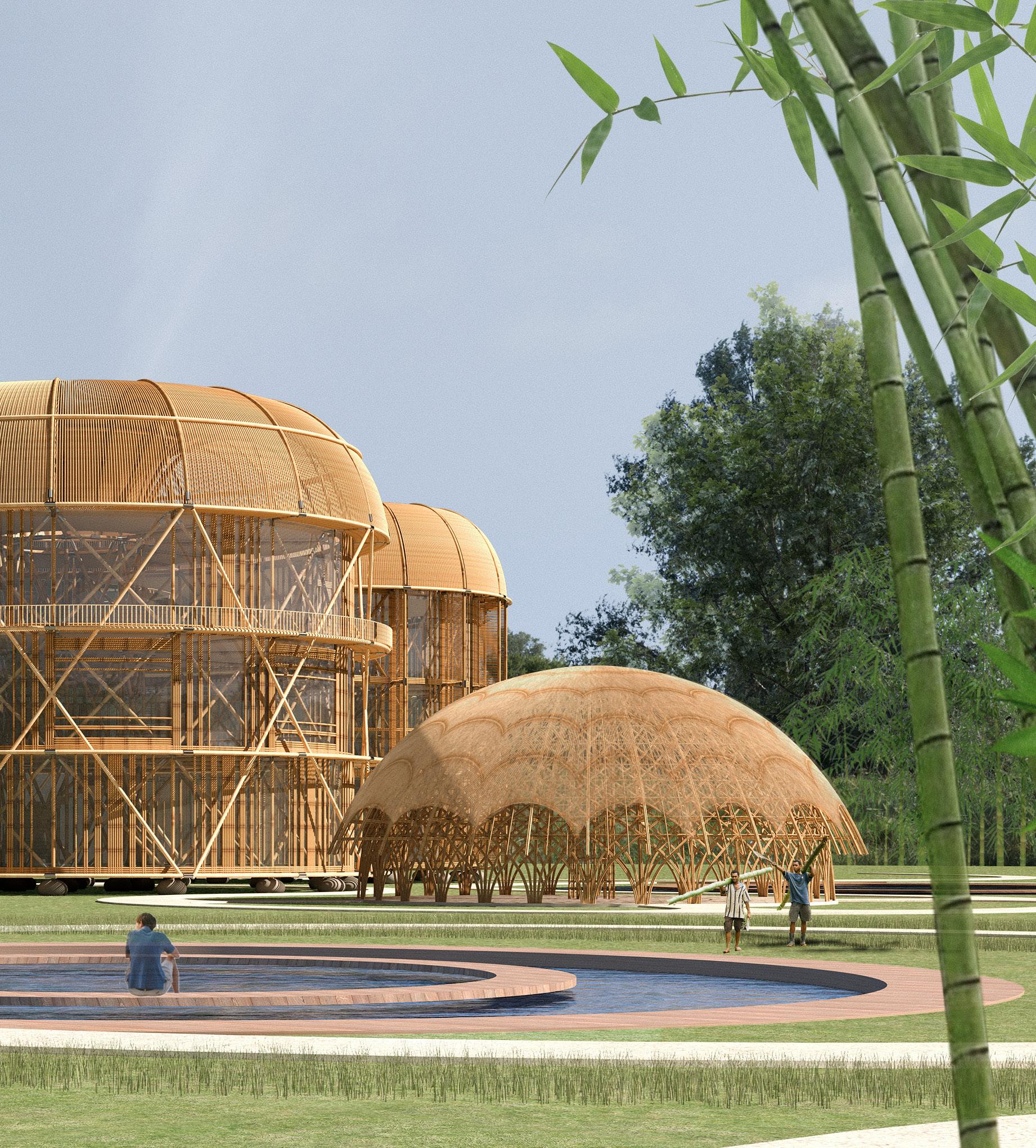
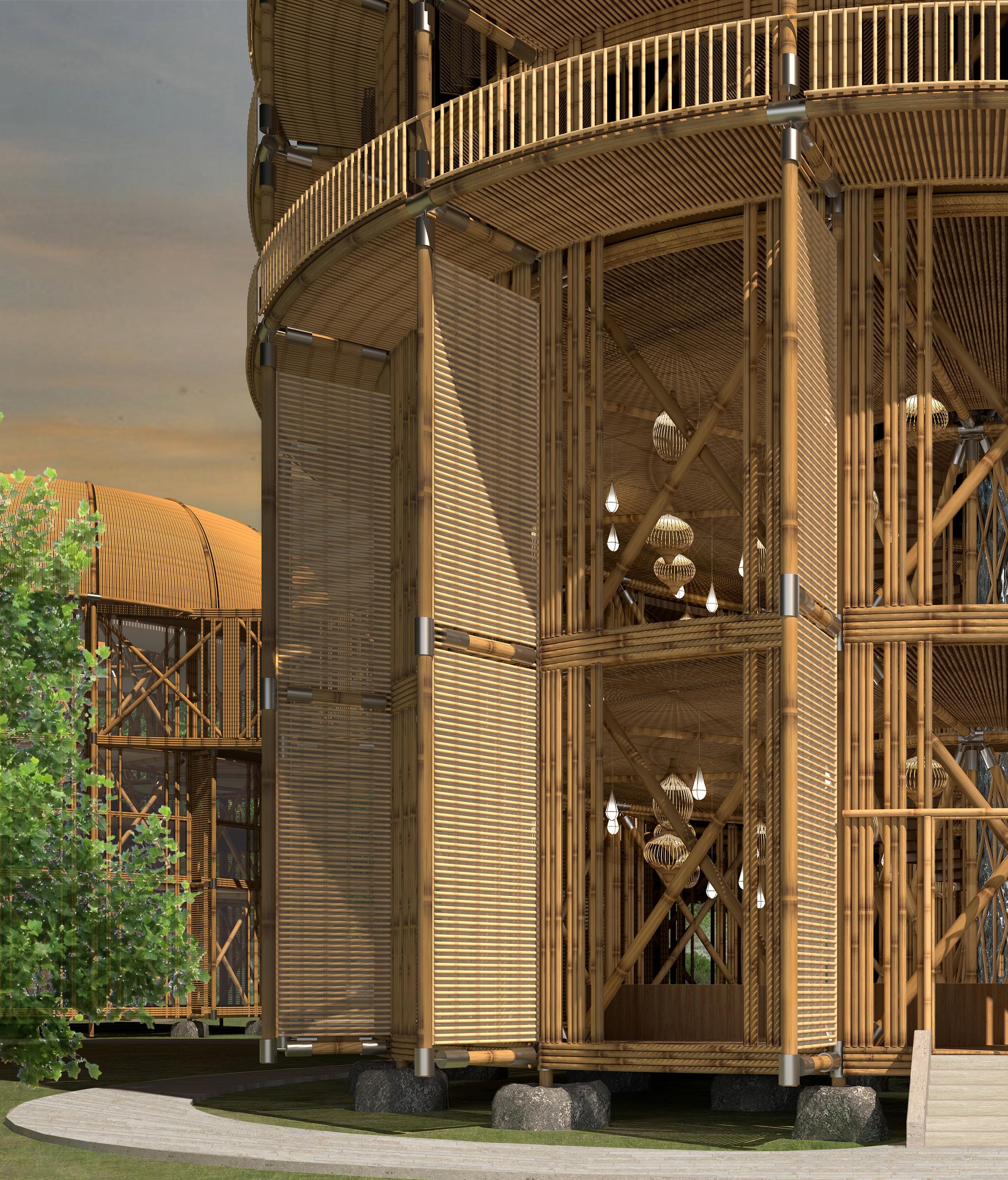
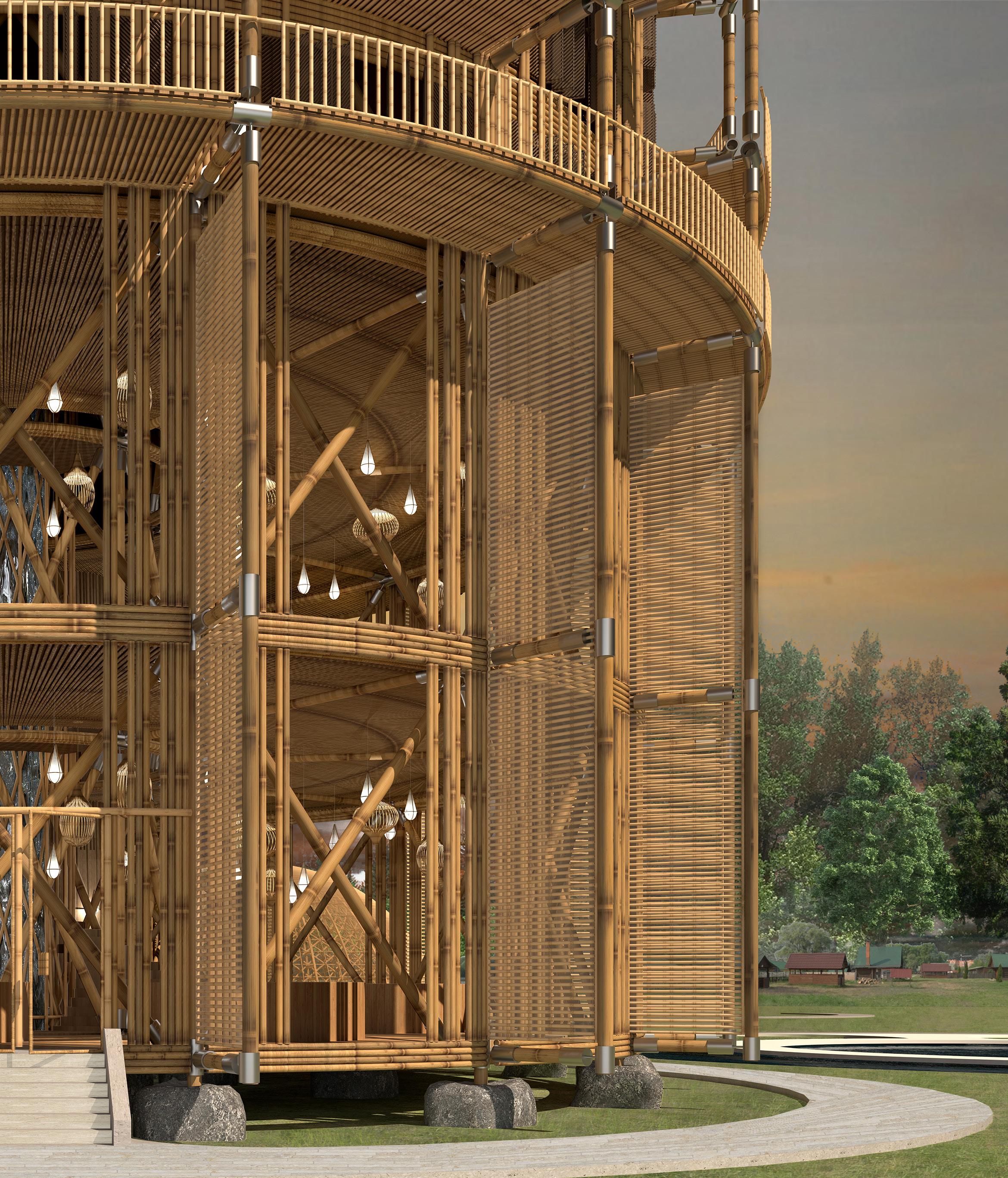
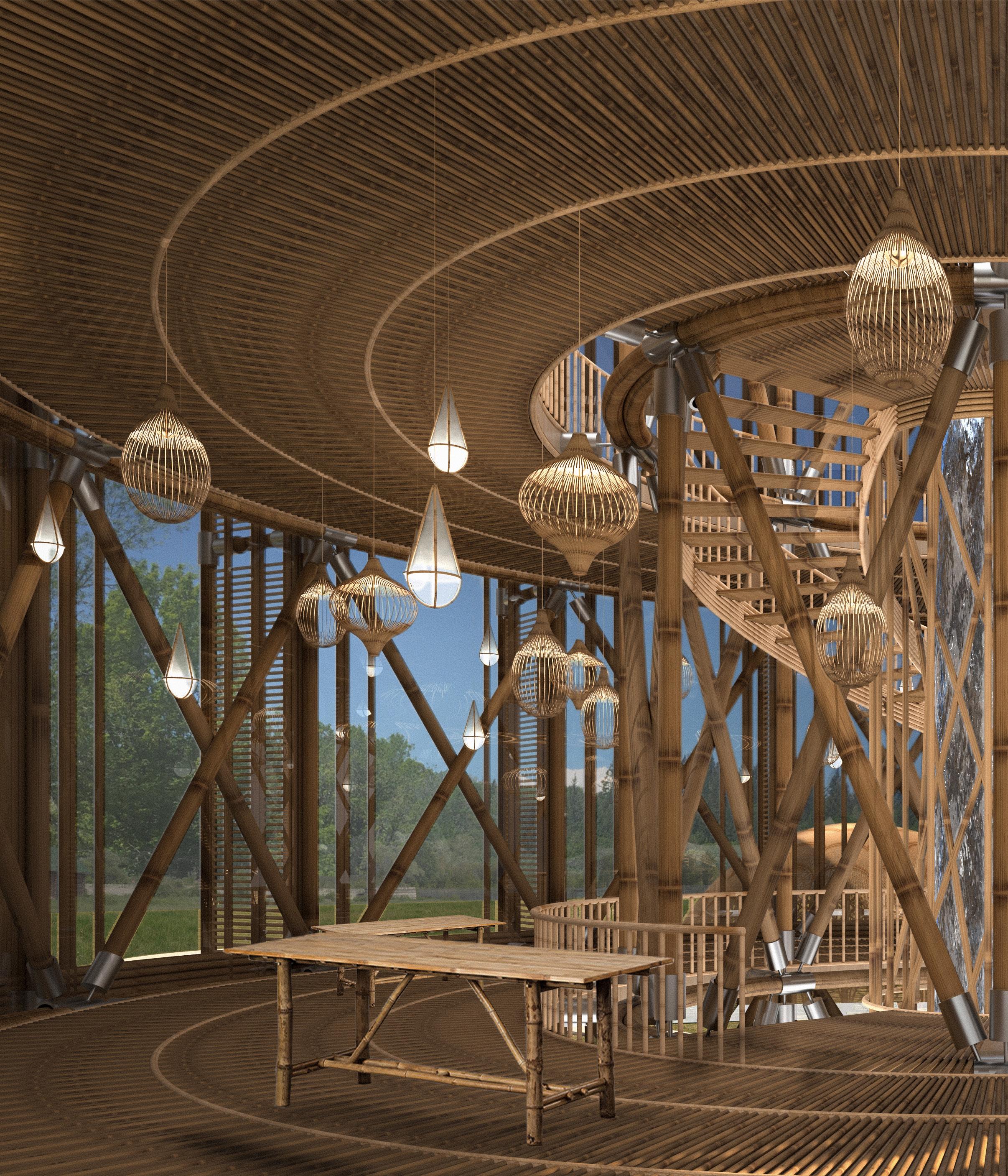
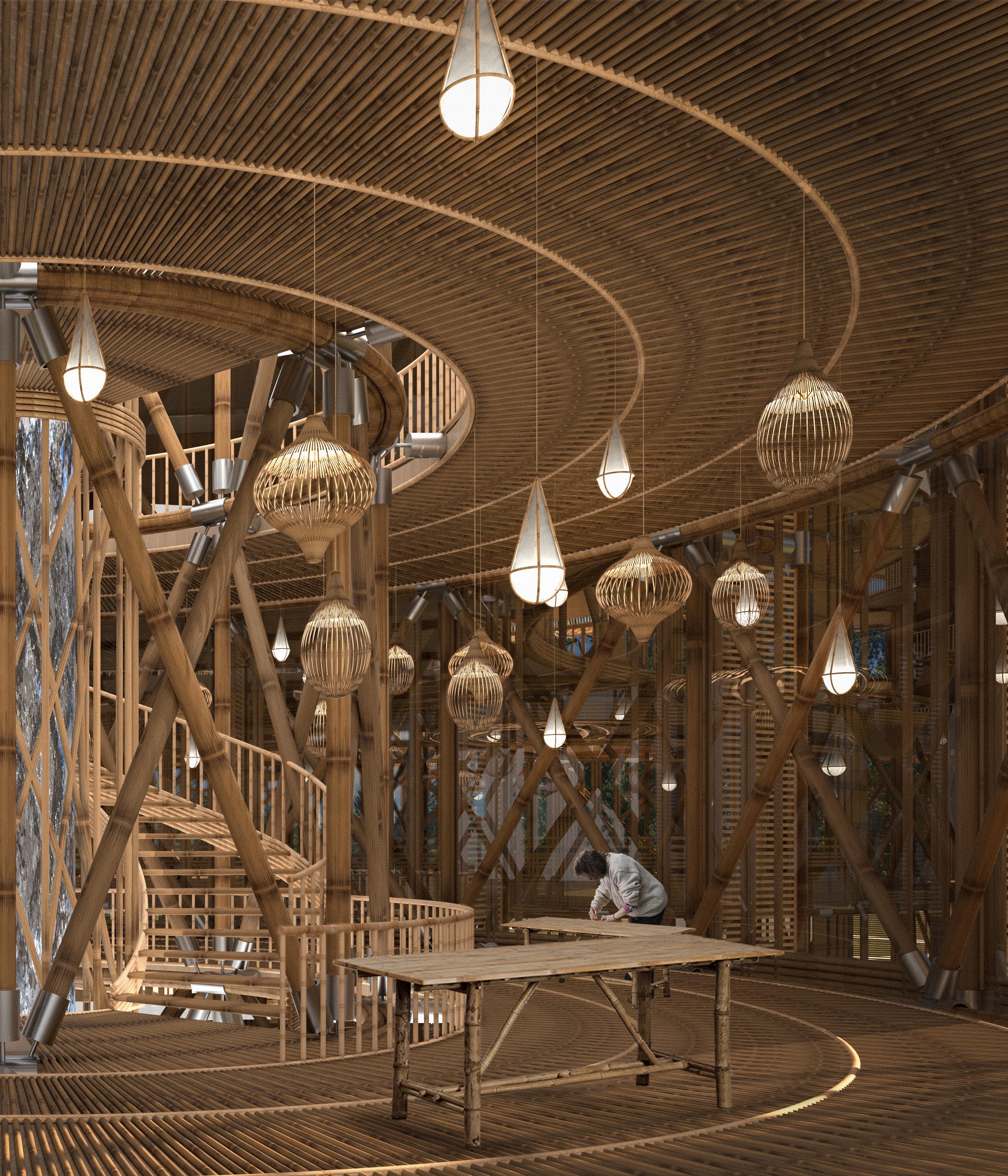
A bamboo sanctuary high up in the trees, unaffected by the destructive forces of earthquakes.
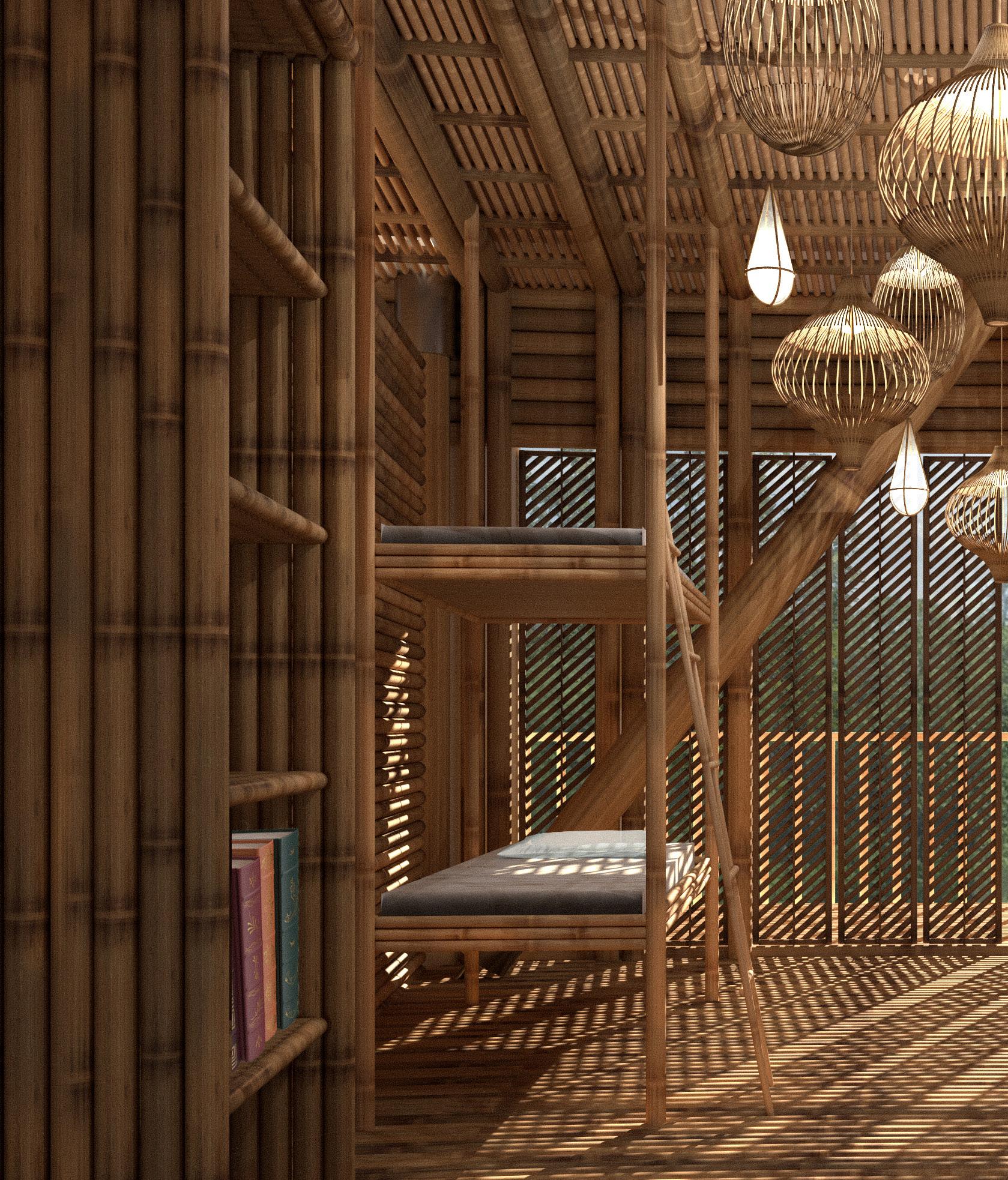
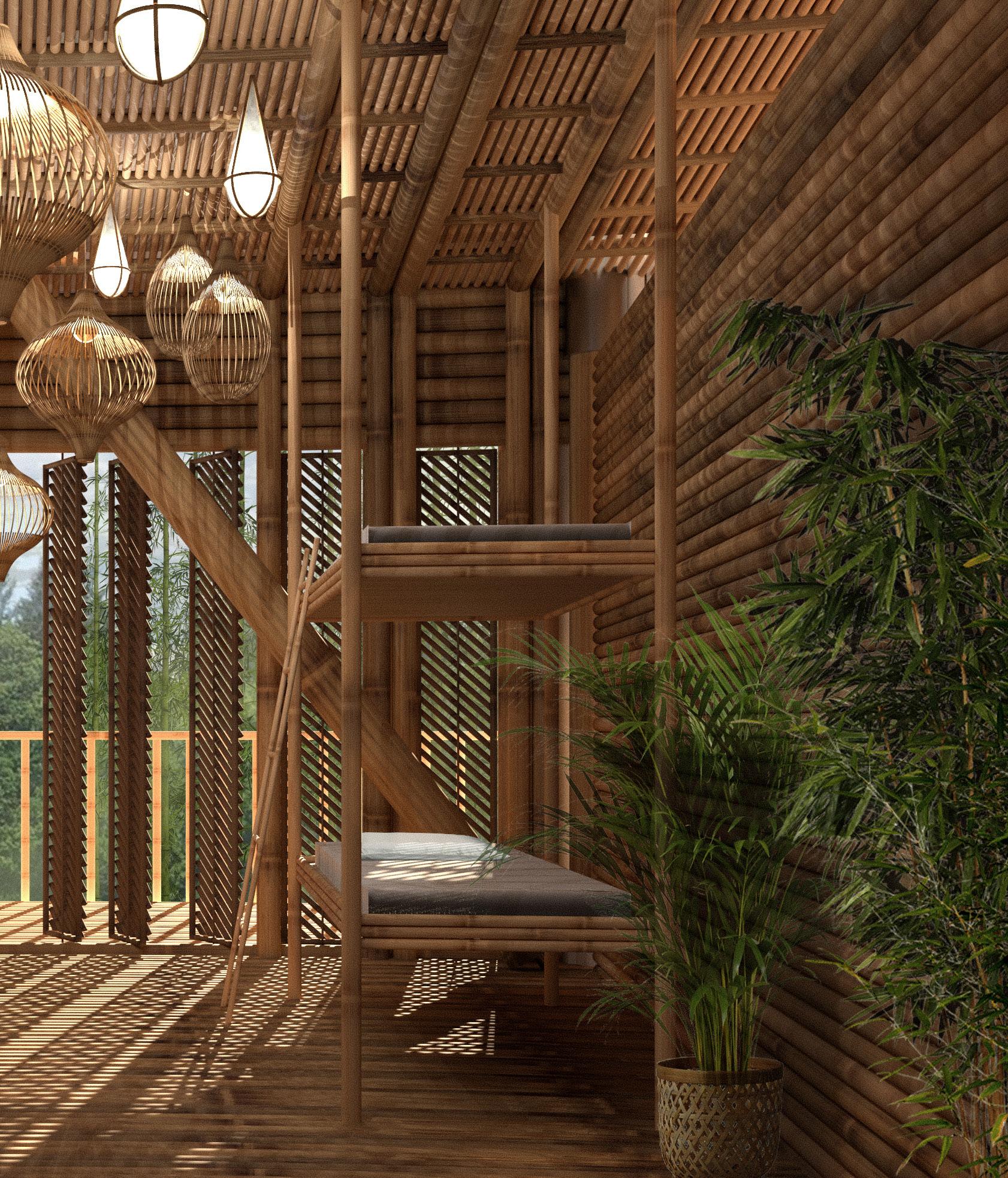
This project was made for the subject ¨Future Representations¨ at University of Greenwich first semester. The three images were first 3D modelled using Rhinoceros. V-ray was then used to render these images. Photoshop was used to add details post-production.
Earthquake Resistance and Sustainability
08
Project Status
The Bamboo Sanctuary
Earthquake Education and Protection Centre
Second semester project, imagined
Location Bishnupur, Manipur (North India)
Building Area 10 000m²
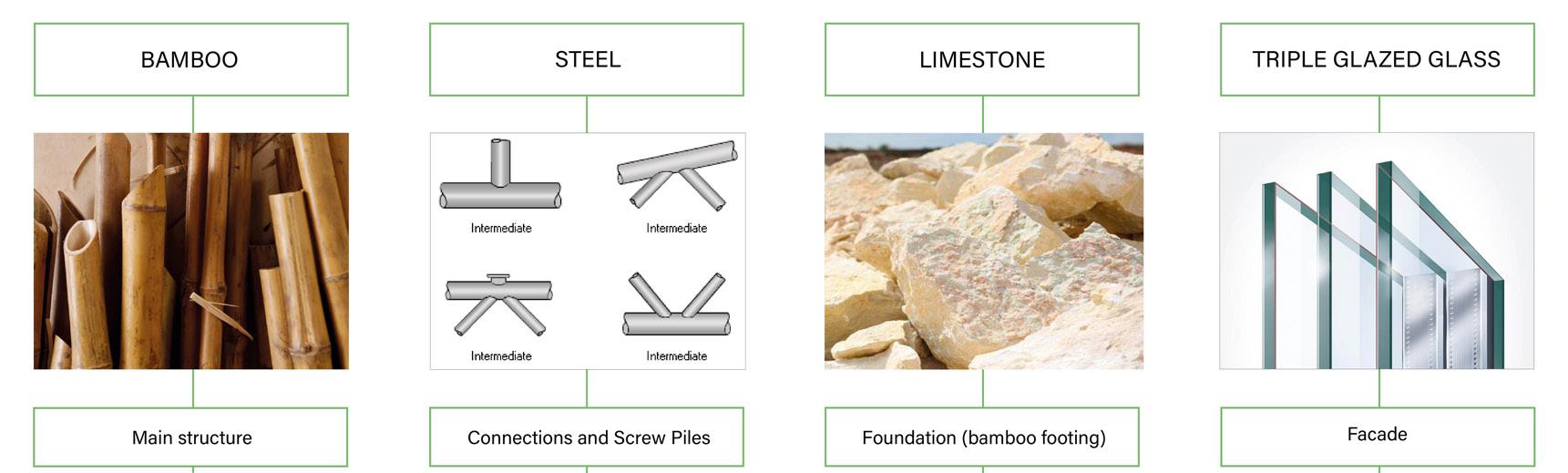
North India is a seismically active zone where earthquakes frequently occur. Places like Manipur in North India are ill-equipped and vulnerable when earthquakes occur due to ill planned urbanization and shortage of labor. This project showcases the opportunity to use locally available and sustainable materials like bamboo and stone to build earthquake resistant structures. Educating the people about this will increase the earthquake preparedness of the city.
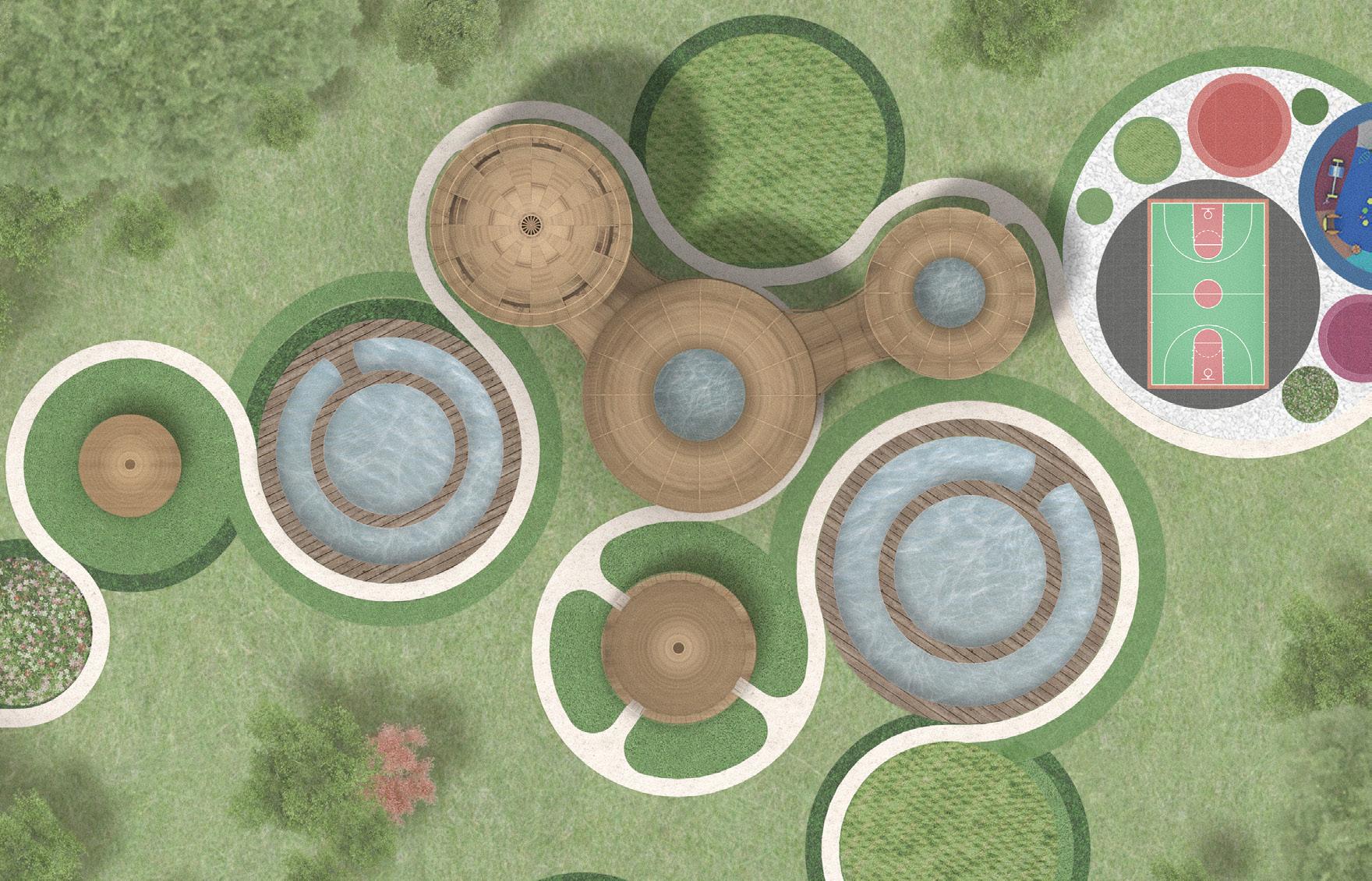
This community centre will also work as a shelter for those people when needed. The housing spaces can also be used for residents travelling to attend seminars. The building will be situated close to bamboo forests for easy access to bamboo for education purposes. Rainwater will be collected in balancing lakes to prevent flooding, and to prepare for a crisis. The building concept can easily be replicated all over India.
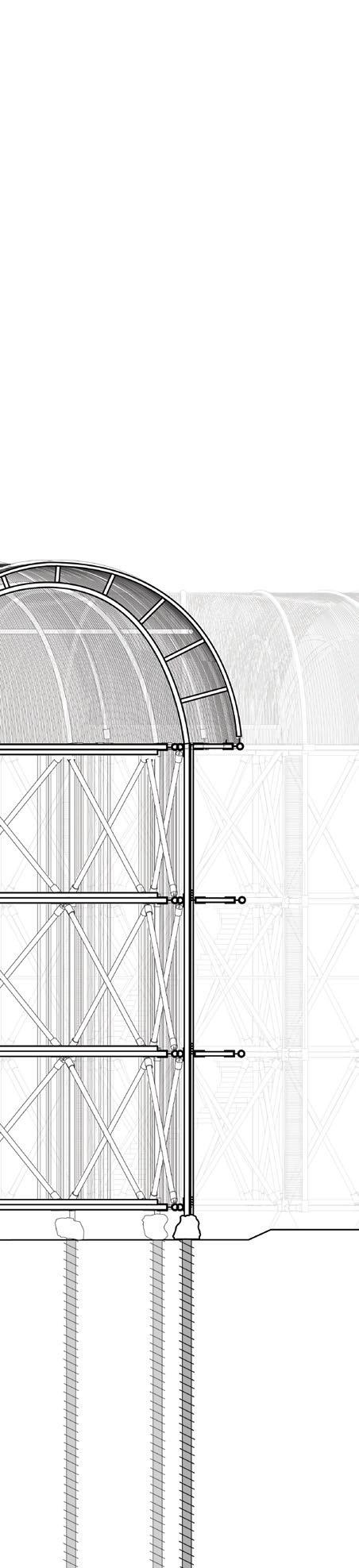
Manipur is prone to flooding, due to heavy rains during monsoon season. The bamboo structure is lifted from the ground to prevent bamboo from deteriorating, and to prevent water from flooding the first floor of the building. There are also drainage canals that connect the water collection tank under the ground, to further combat flooding.
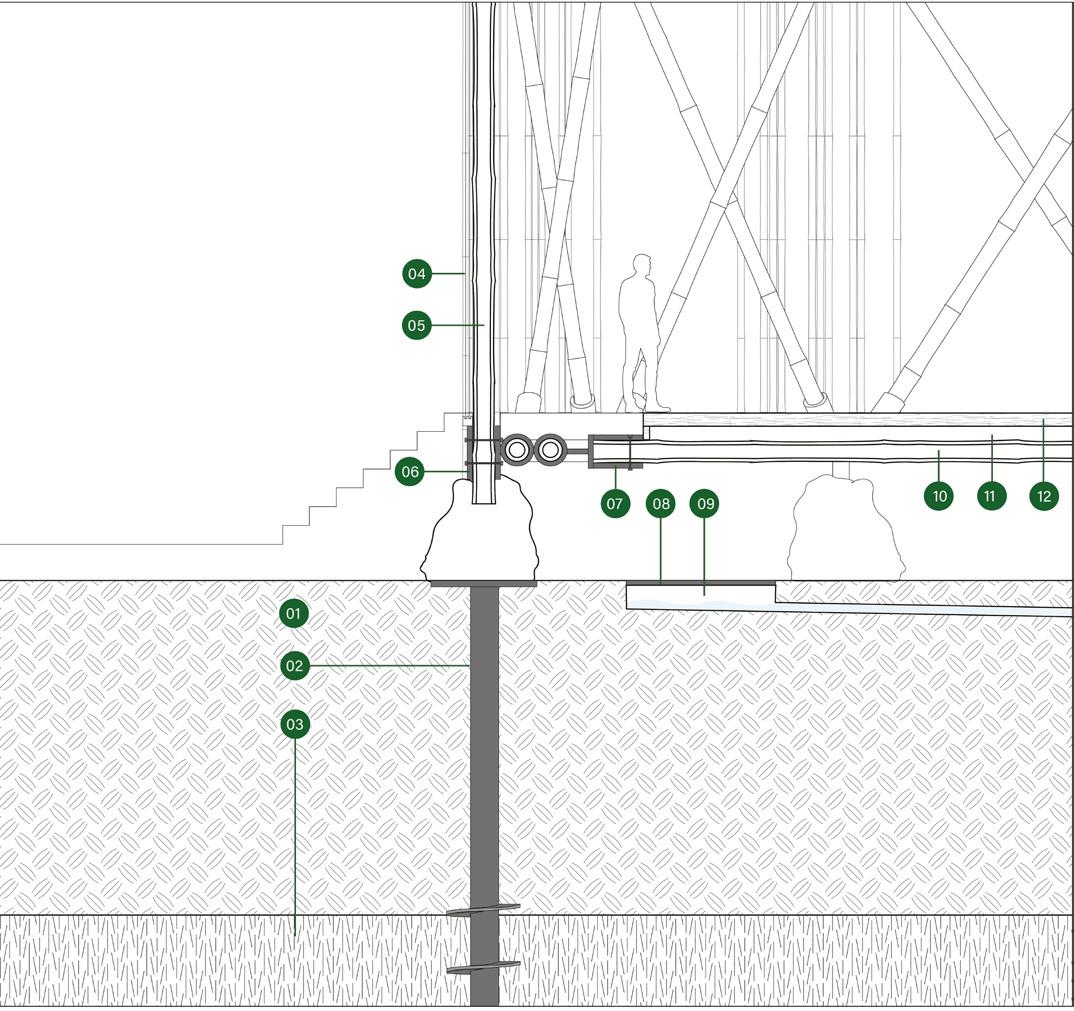
Foundation:
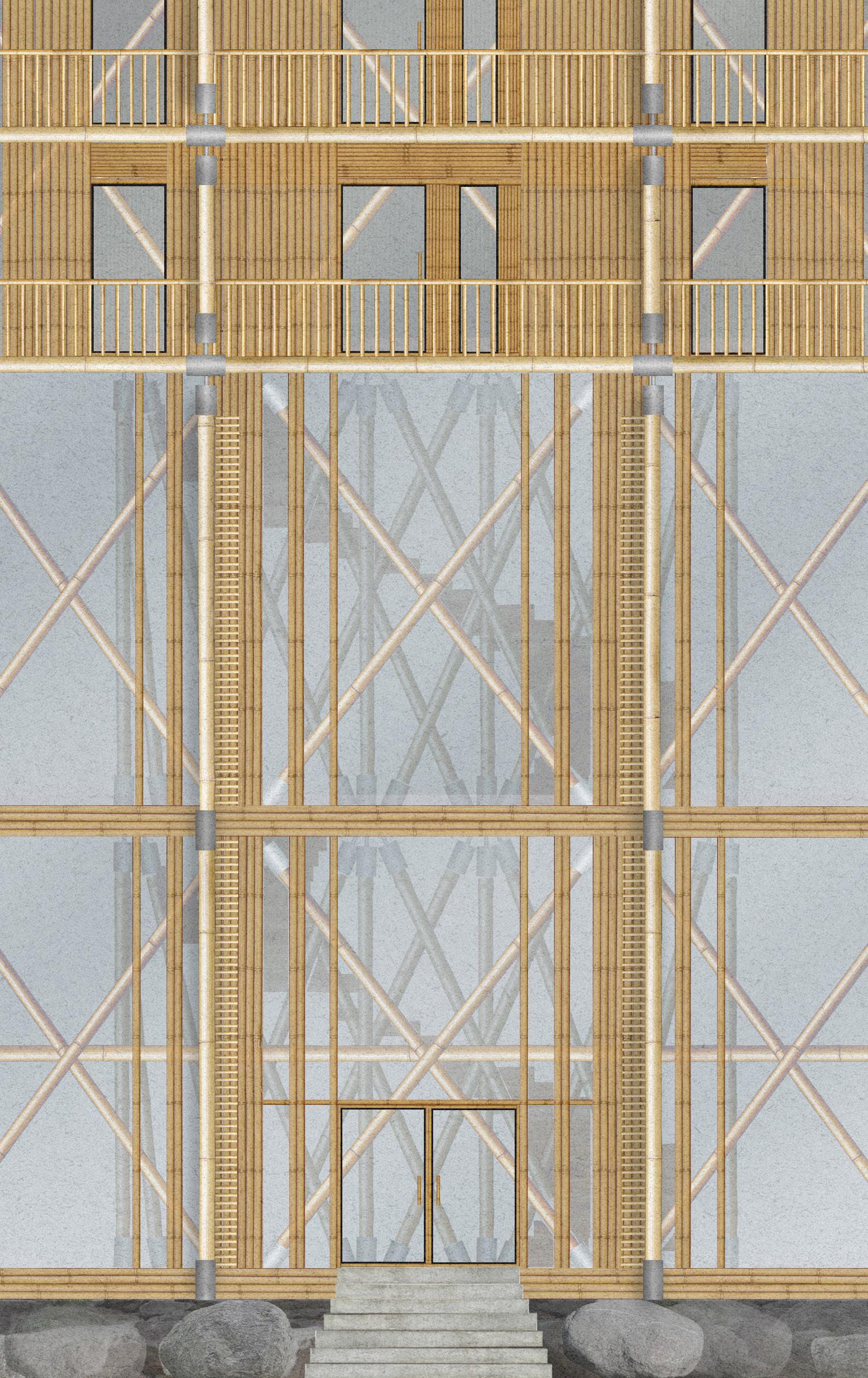
Screw Piles are driven deep into the ground, reaching stable soil or bedrock layers. This depth helps in transferring building loads to stable zone, reducing the risk of settlement or tilting during an earthquake. Screw piles provide strong support and stability, which during earthquakes. They can withstand the lateral forces generated by earthquakes better than other foundation types.
prevent the connect to to a more is crucial
Foundation detail
1. Soft Soil
2. Screw Pile (steel)
3. Hard Soil
4. Triple Glazed Glass
5. Bamboo Column 20mm
6. Steel Connector
7. Steel Connector
8. Drain Lid
9. Flood Water Drain
10. Bamboo Beam 20mm
11. Natural ventilation shaft
12. Bamboo Flooring
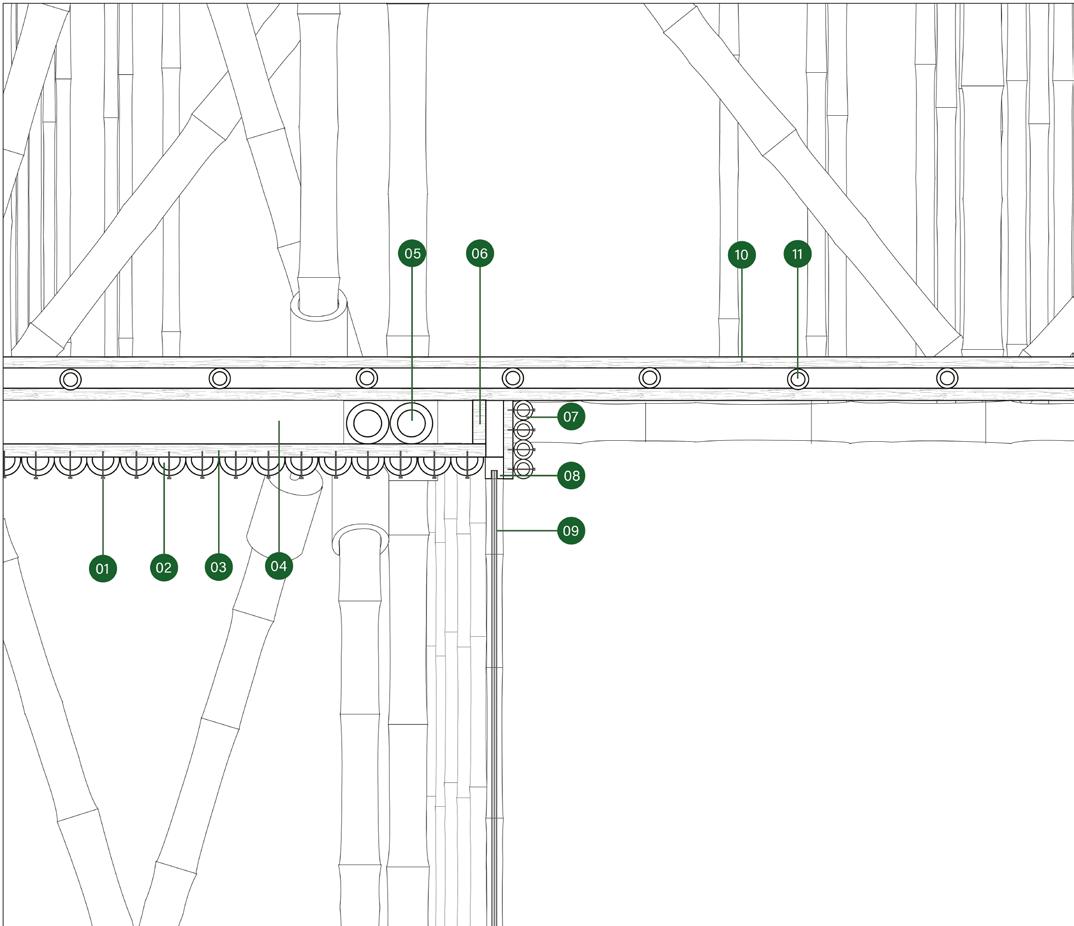
Construction detail
1. Screw
2. Bamboo planks
3. Bamboo ceiling
4. Space for pipes and services
5. Main bamboo construction
6. Bamboo plank support
7. Bamboo facade
8. Window frame
9. Triple glazed glass
10. Bamboo flooring
11. Bamboo floor support
Sustainable materials
The most important driver for this project is seismic resilience. My design philosphy places importance on ensuring the structural integrity of the building, as Manipur is highly vulnerable to earthquakes due to its geographical location.
Sustainability is another cornerstone of my design philosophy. Bamboo is a rapidly growing and renewable resource that embodies ecological consciousness. Using locally sourced bamboo promotes a harmonious relationship between nature and the built environment in Manipur.
Seismic resiliance
Flood resistance
My design proposal will integrate flood resistance measures, due to Manipur being a region that is susceptible to flooding, especially during monsoon season.
Community resiliance and education
Community resilience and education are goals that drive my project forward. I want my project to serve as more than just a physical structure, but also a symbol of empowerment and knowledge.
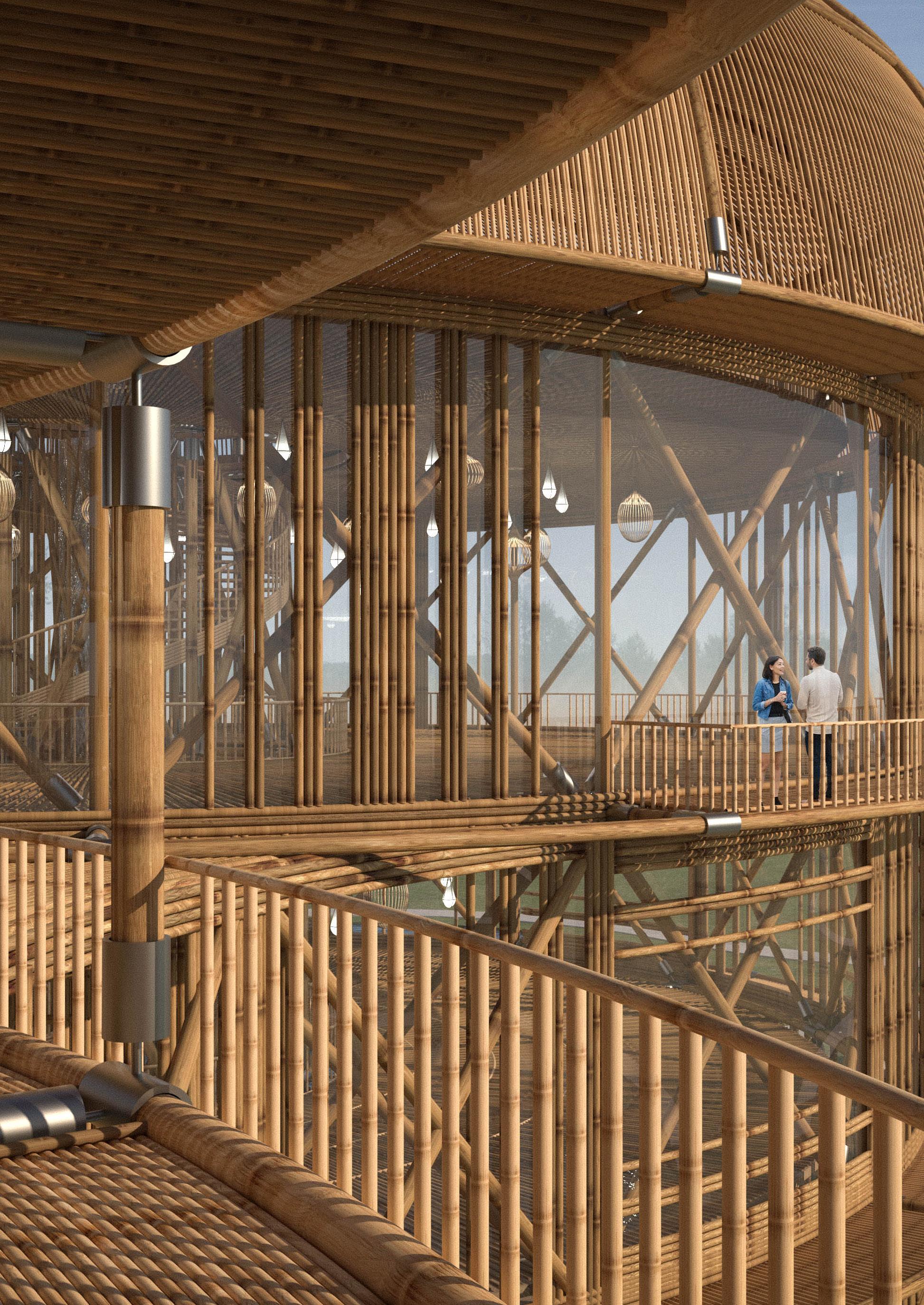
The facade for the first floor is open and inviting, and allows for a lot of light to come through. The facade for the residentials is much more closed, to prevent overheating and to create more privacy for the residents. The balconies also provide sun shading and privacy. Bamboo is used everywhere that it can be used. The glass is triple glazed glass, which helps to reduce over-heating.
All images are 3D modelled using Rhinoceros and Rendered using V-ray. Minimal post-rendering touch-ups in Adobe Photoshop.
Visualization of shelter rooms, to be used for seminars or in the case of an earthquake.
All images are 3D modelled using Rhinoceros and Rendered using V-ray.
Minimal post-rendering touch-ups in Adobe Photoshop.
Visualization of public workshop. Image shows water collection feature in the core of the building. When an earthquake hits, this water will drop to the basement to signalize to everyone inside that an earthquake is now happening, and that they should stay inside.
All images are 3D modelled using Rhinoceros and Rendered using V-ray. Minimal post-rendering touch-ups in Adobe Photoshop.
Sustainable Architecture and Urban Studies
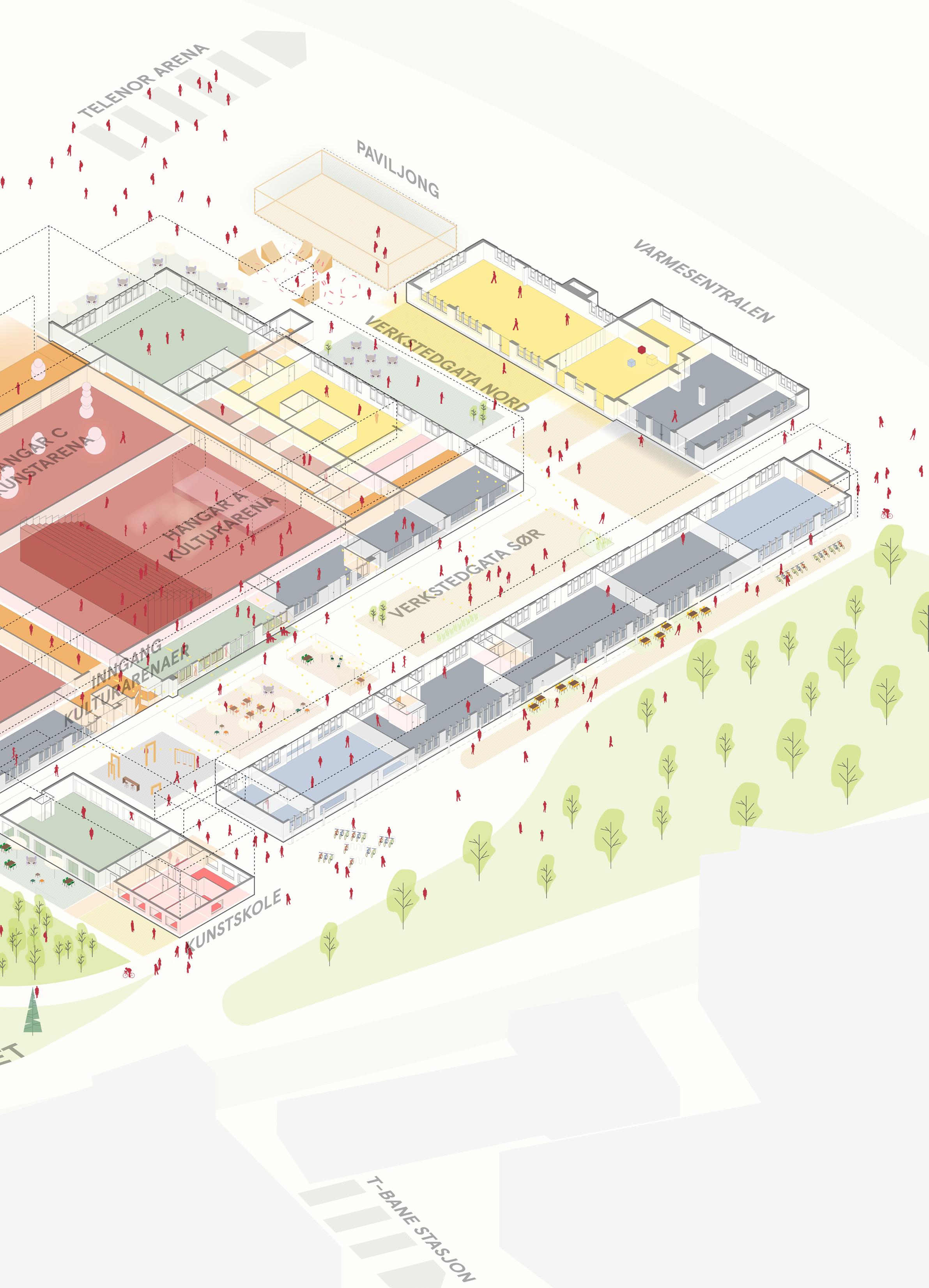
Moelv 2025
Proposal for the future of Moelv
Project Status Presented to Moelv Municipality
Location Moelv, Ringsaker (Norway)
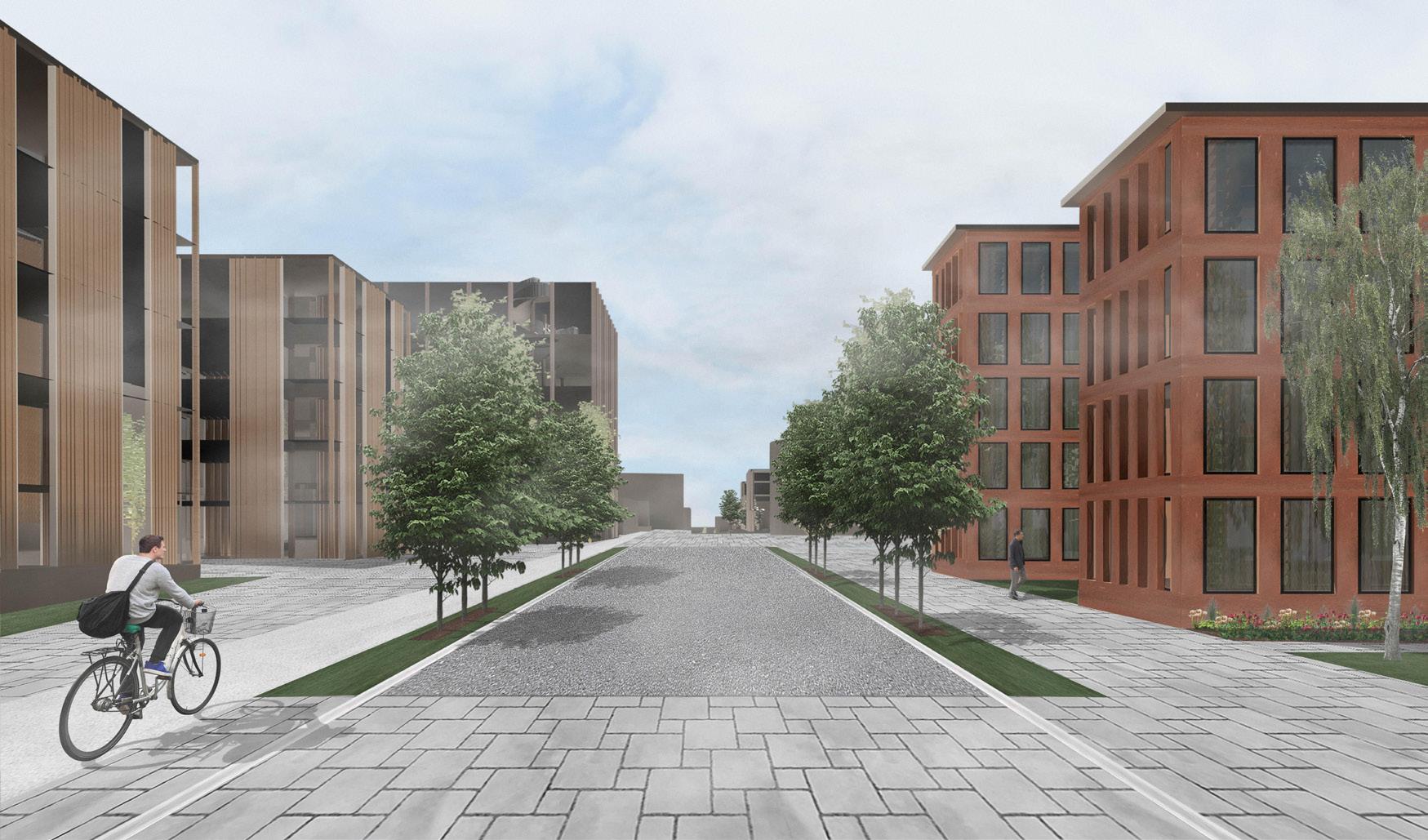
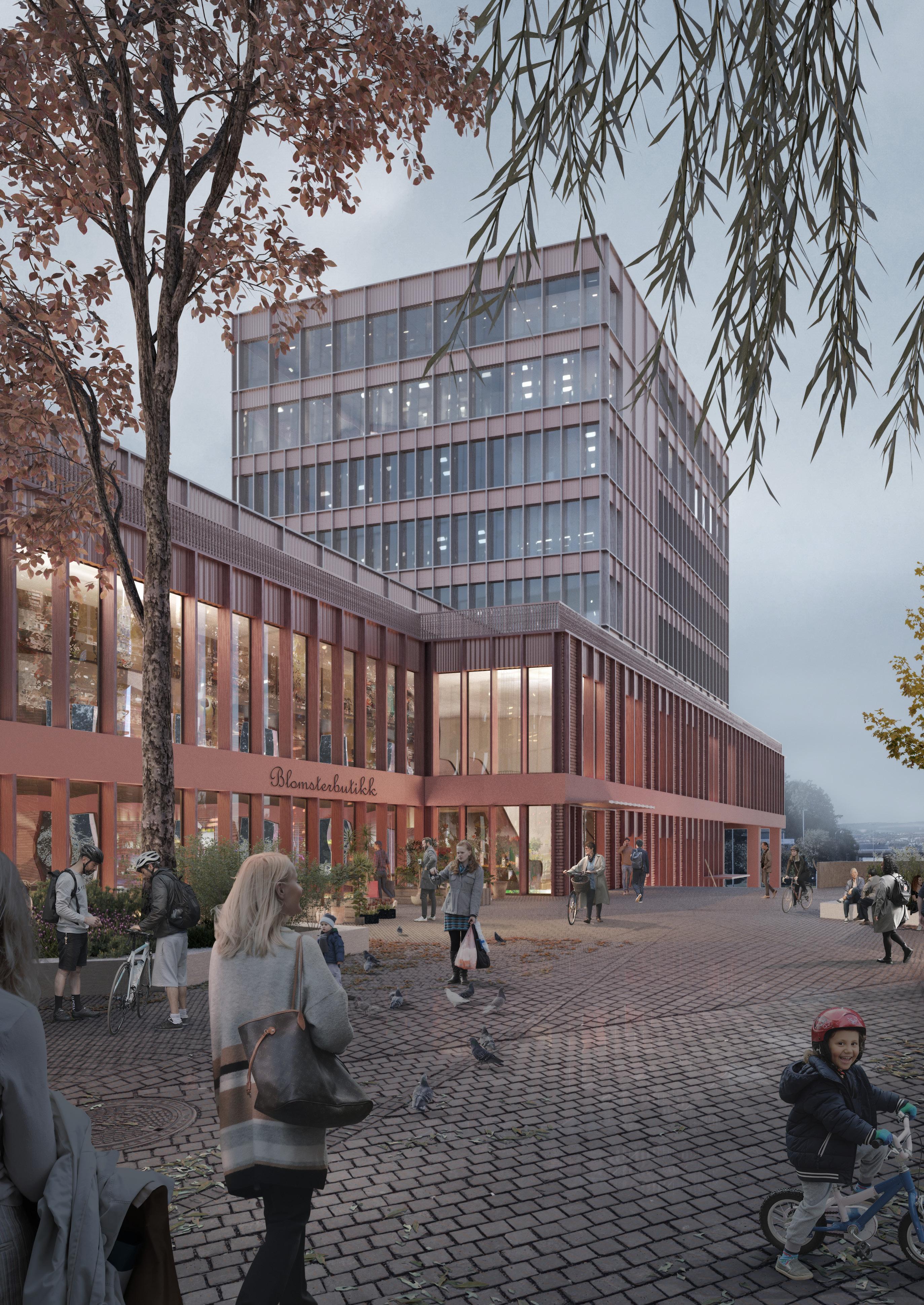
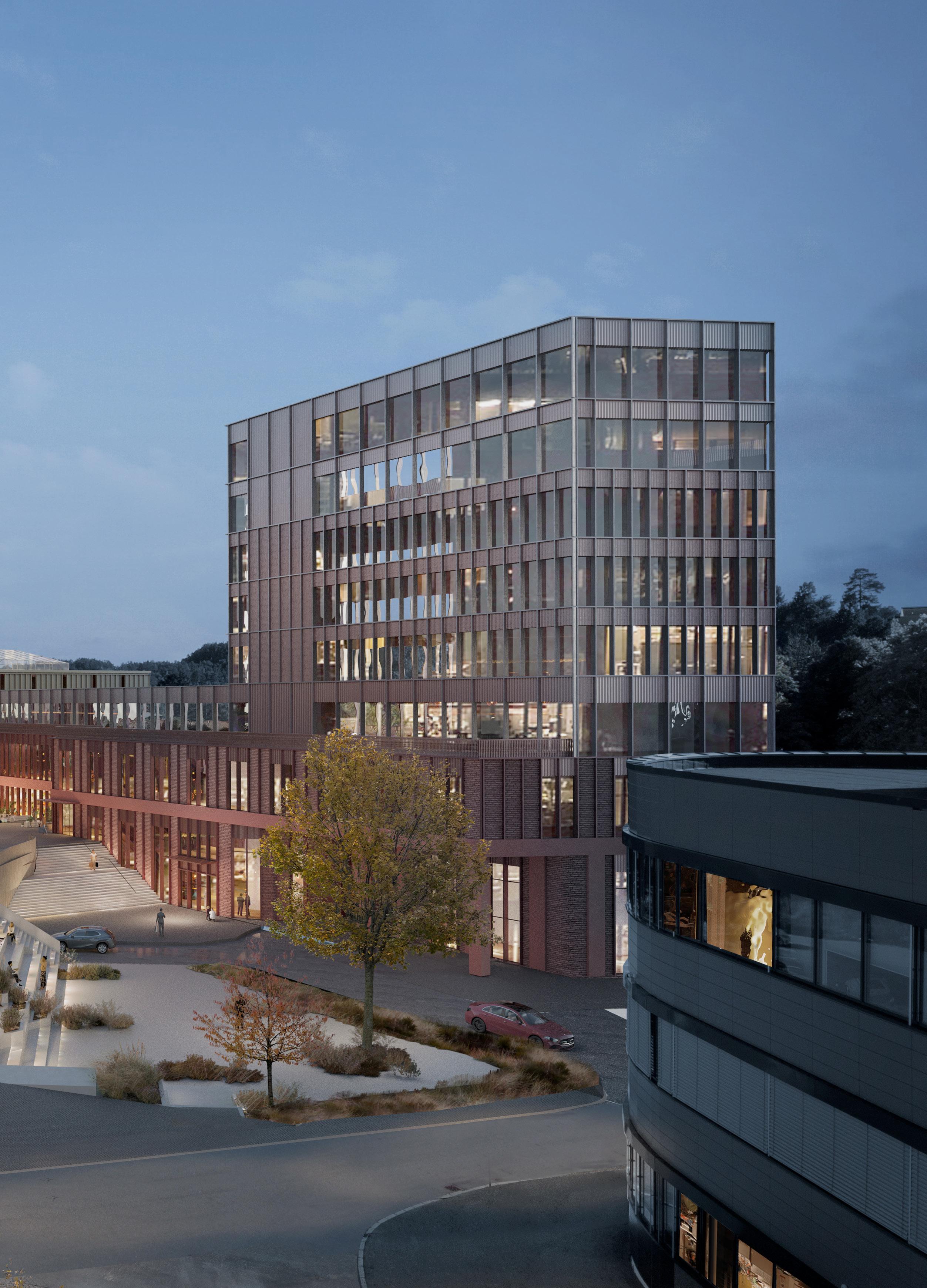
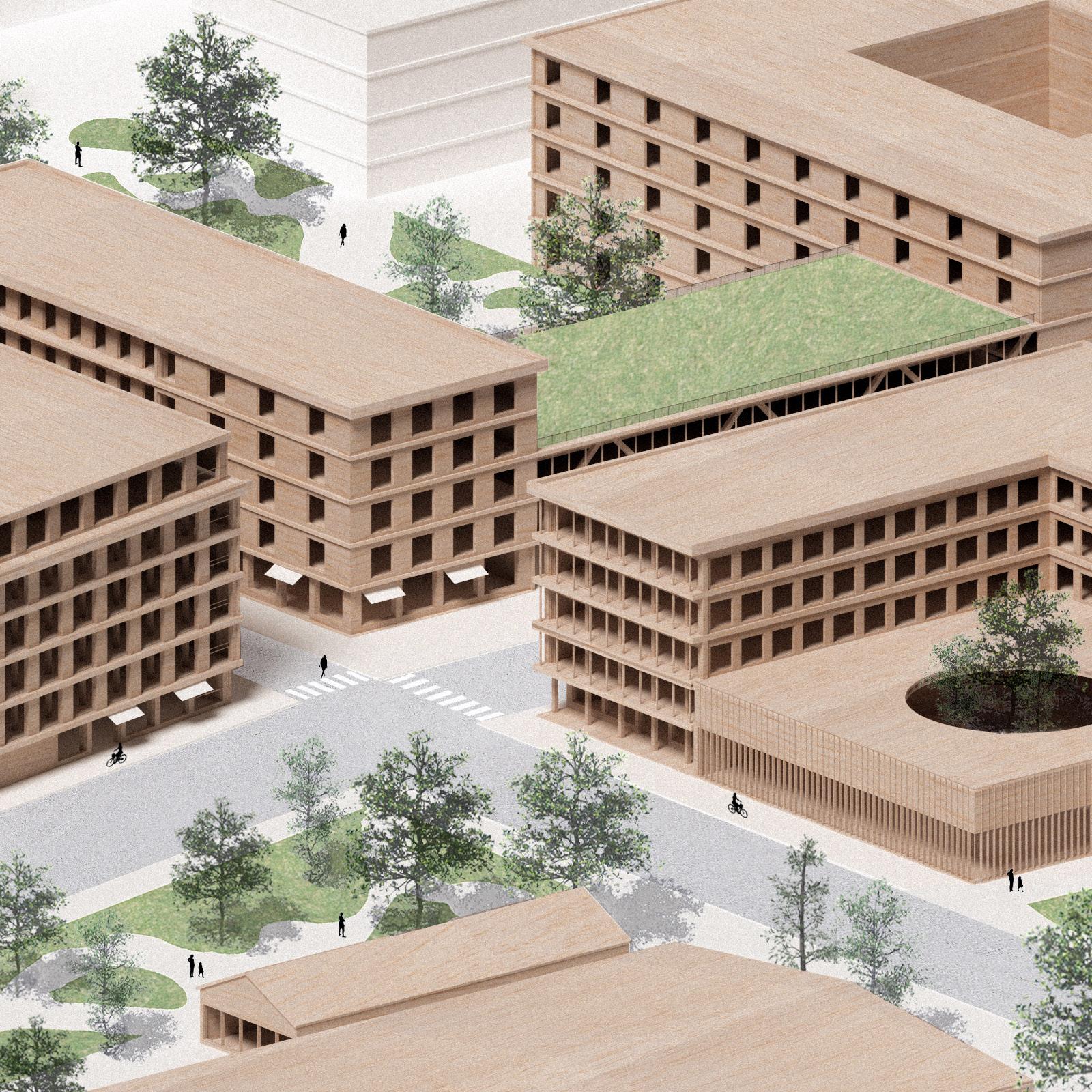
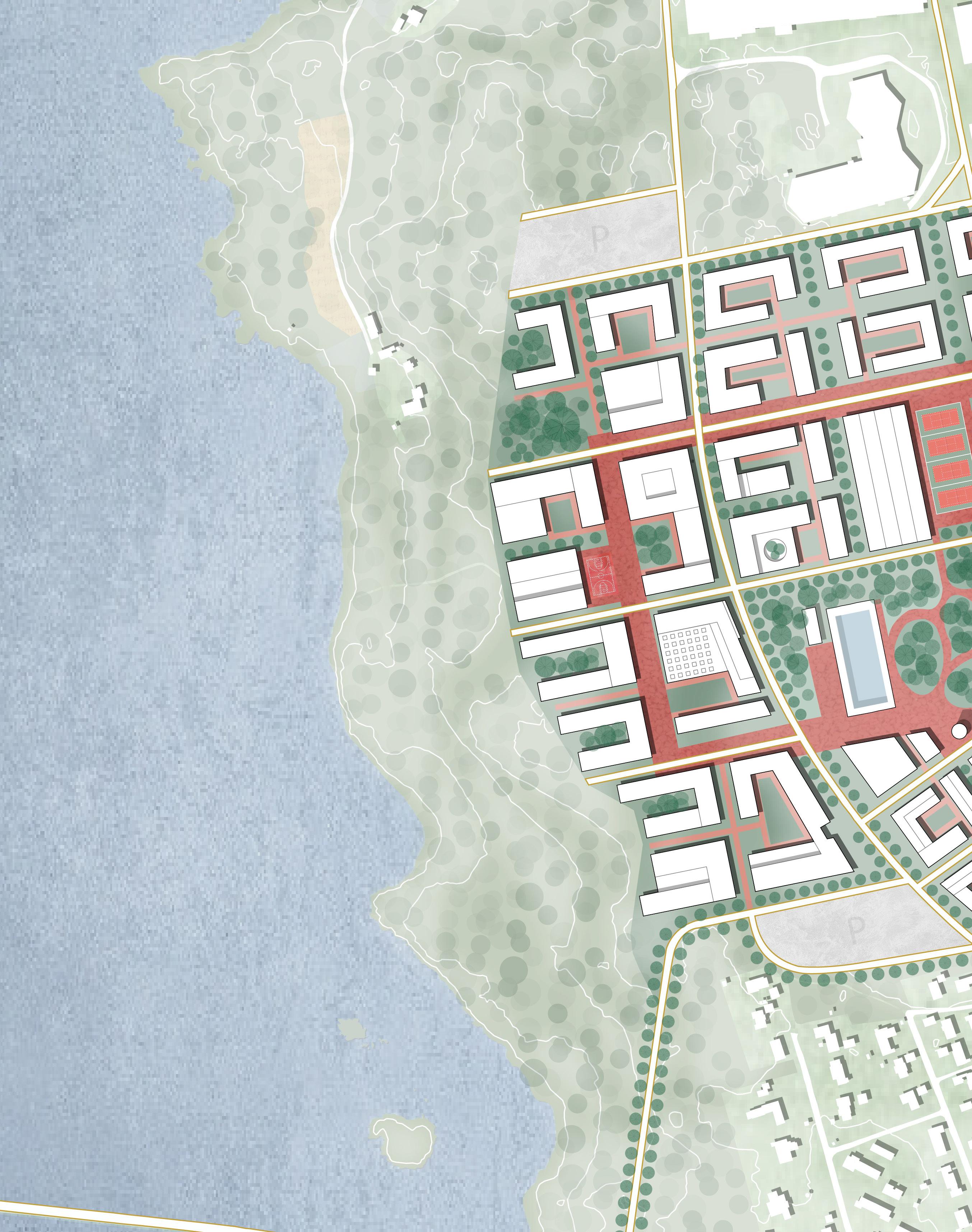
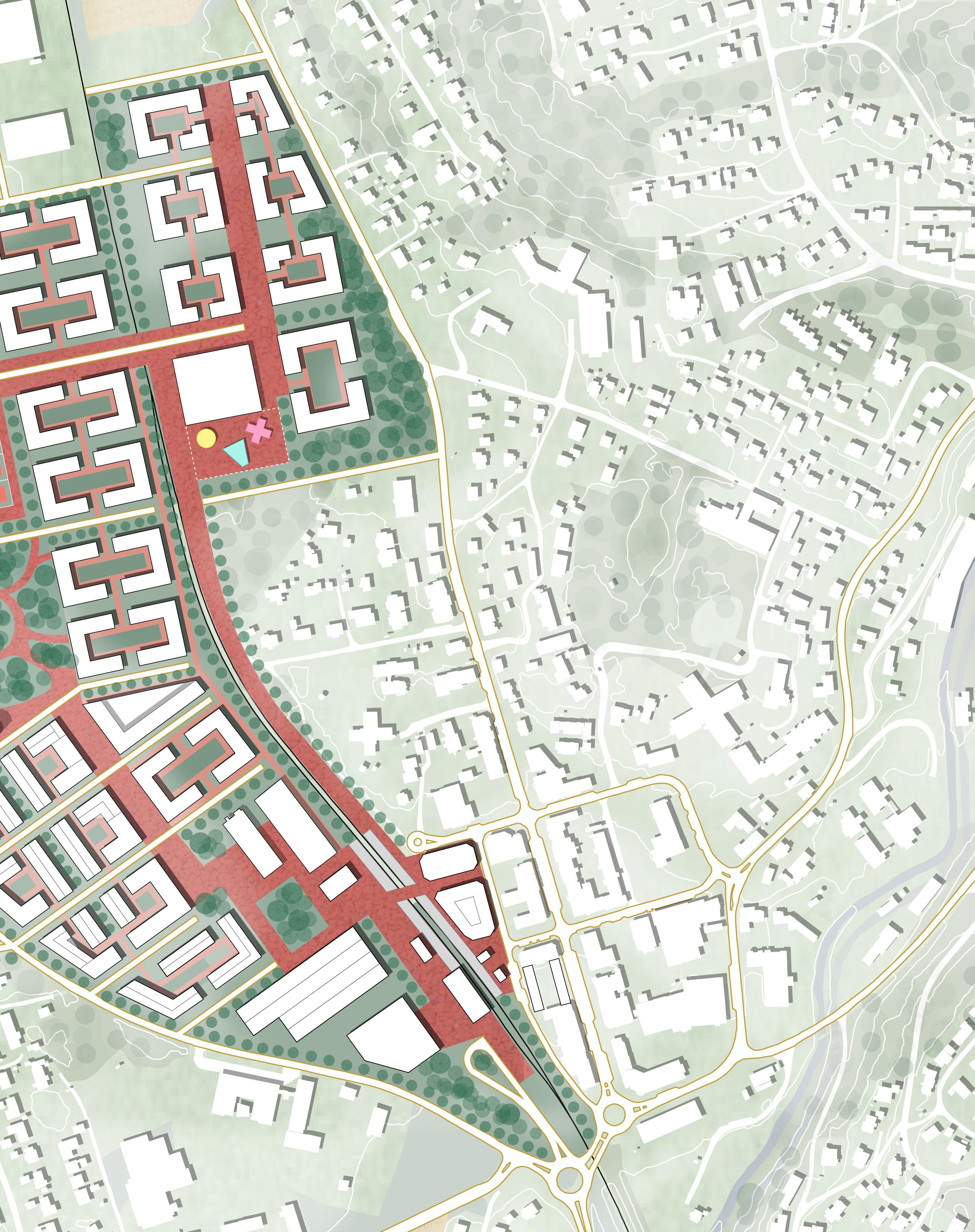
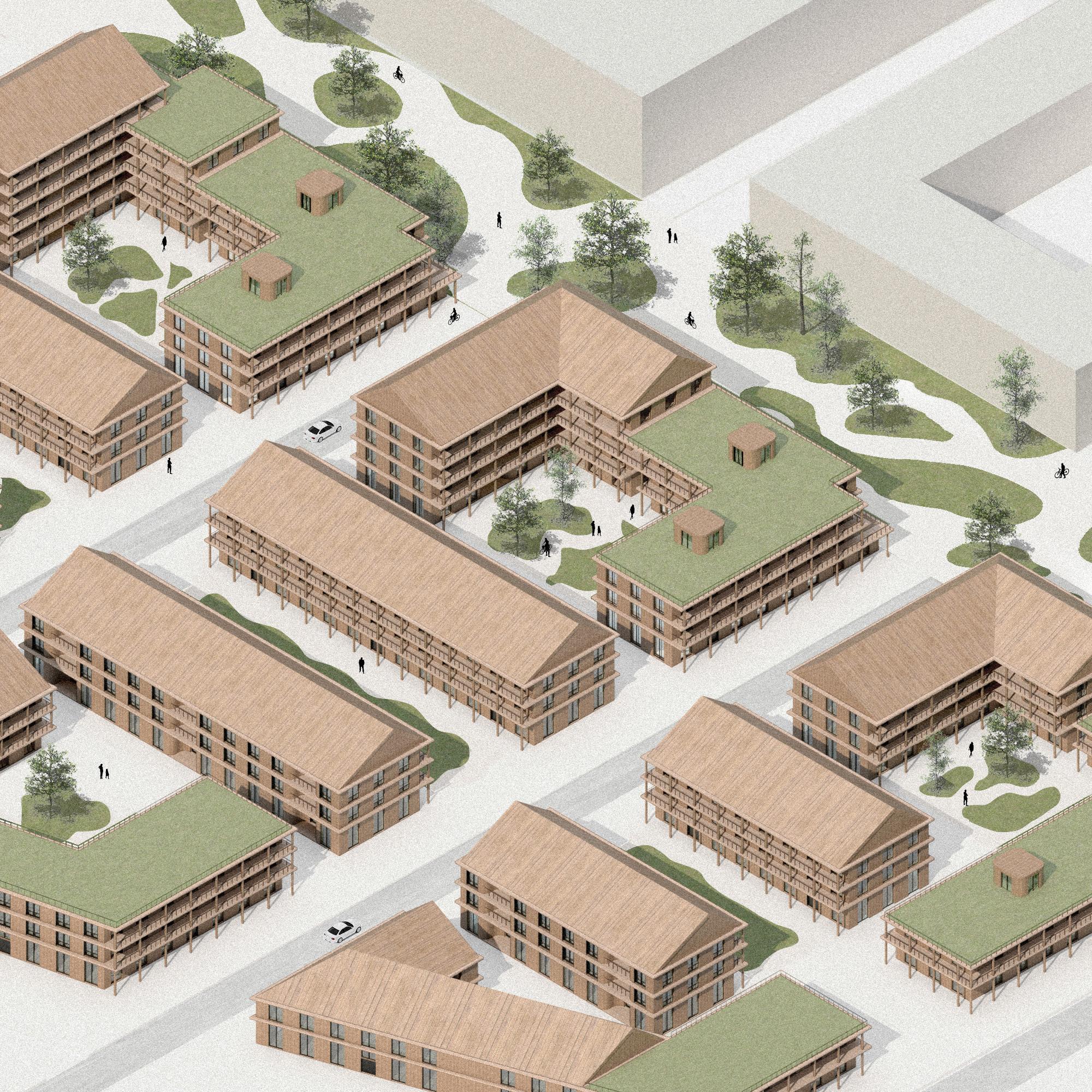
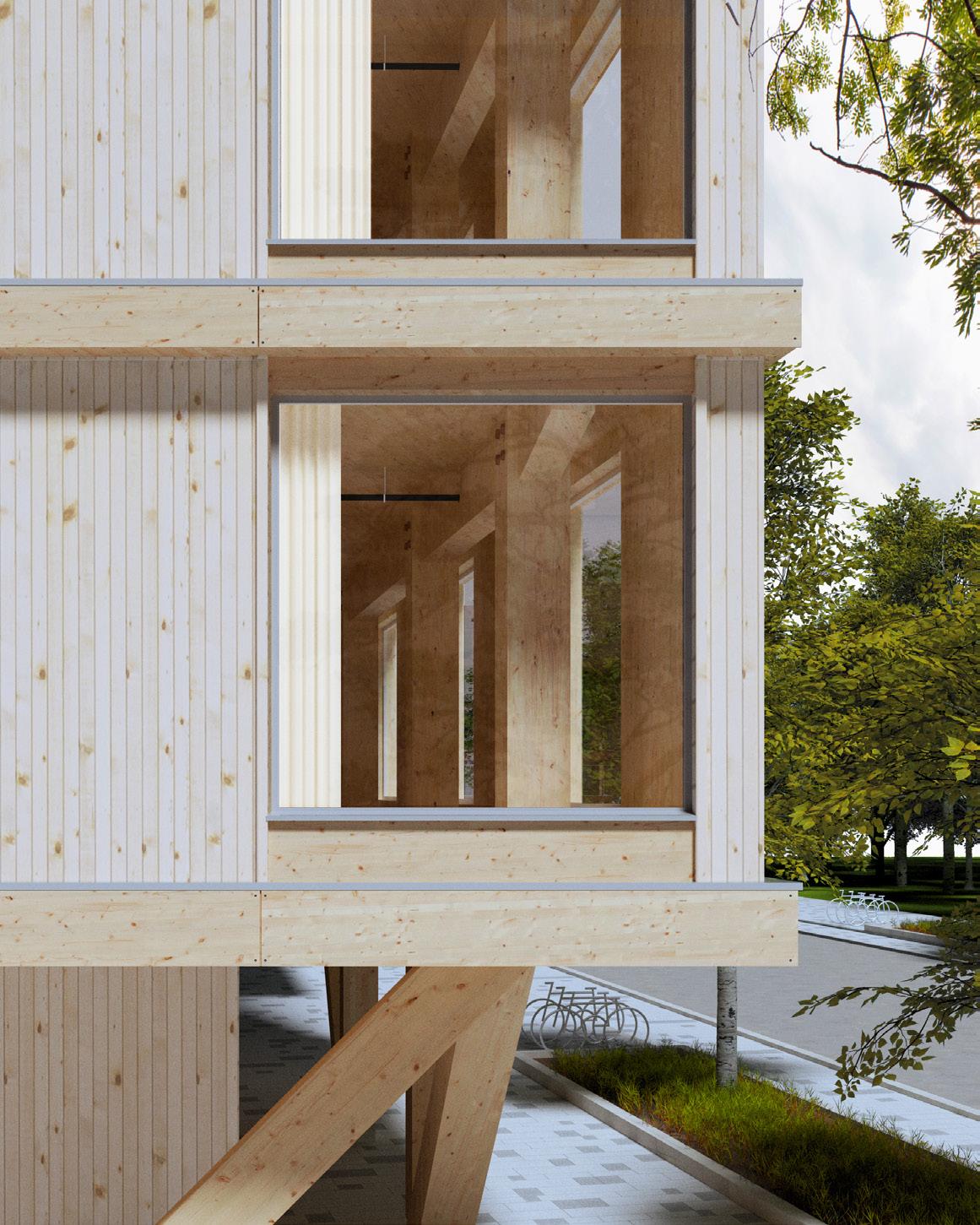
The municipality has decided to locate the new Inland Hospital in Moelv, choosing a site in the forest west of the town. This placement risks isolating one of Norway’s largest health institutions from the urban fabric, limiting its potential to stimulate growth and integrate with everyday life.
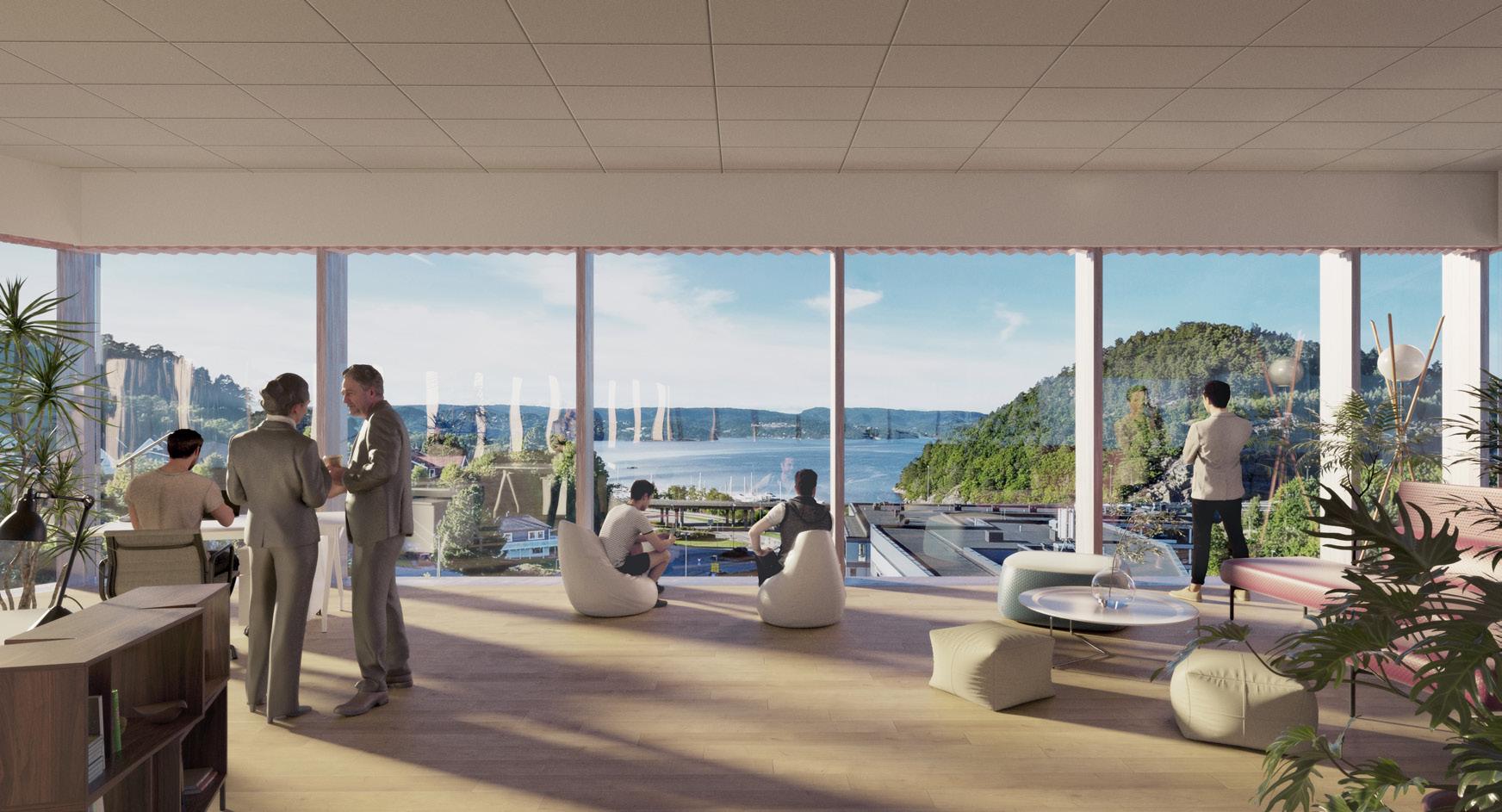
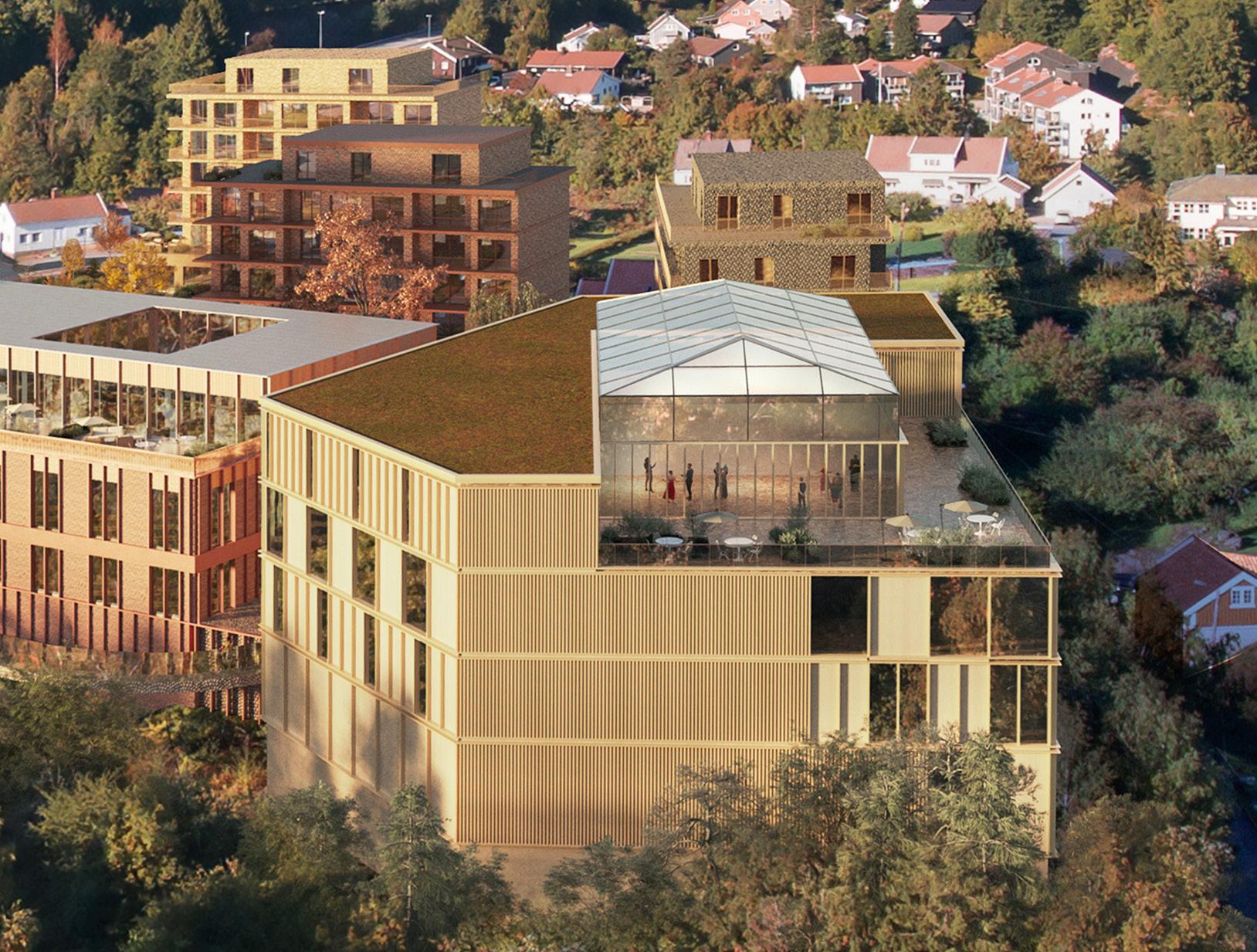
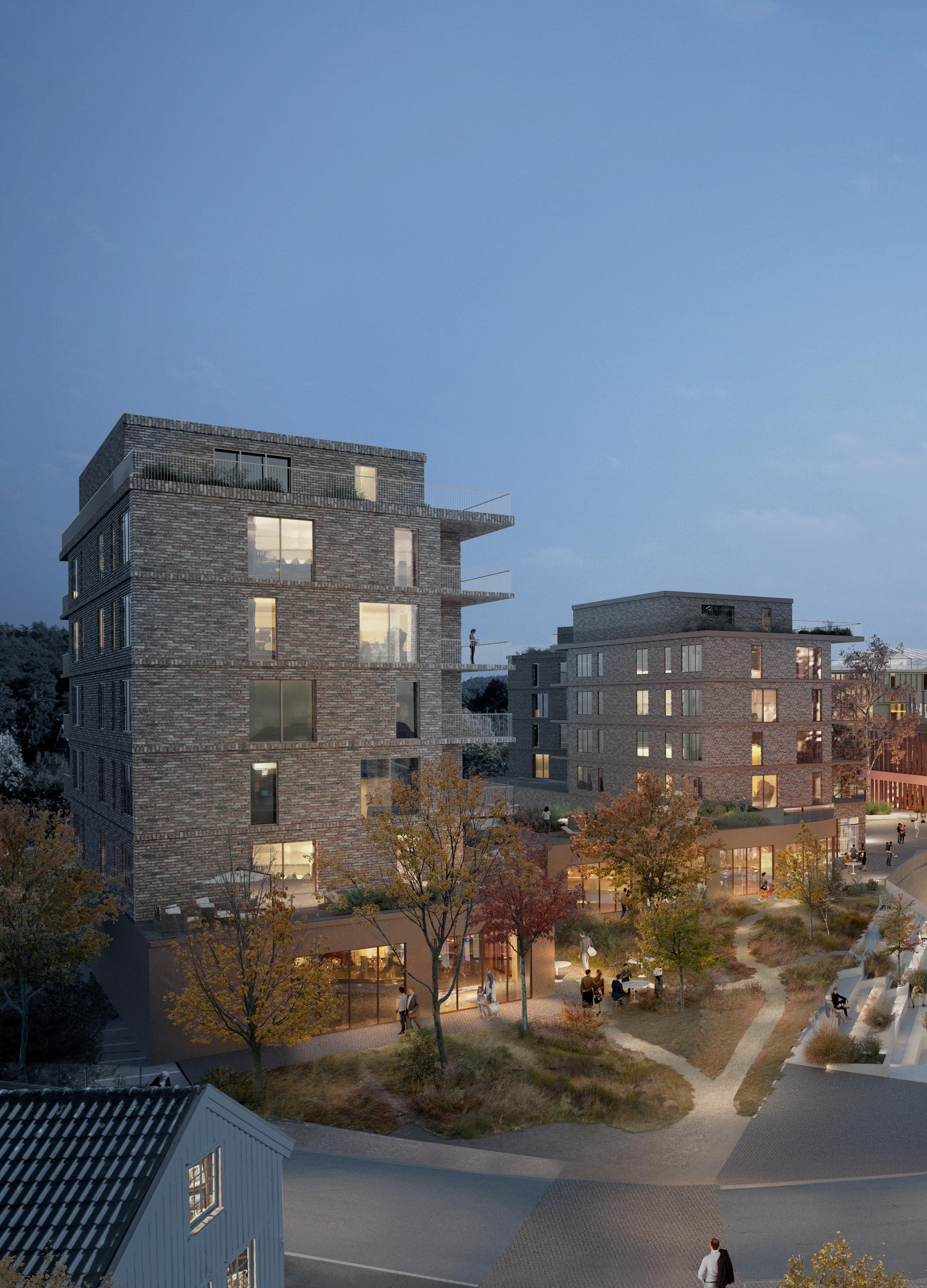
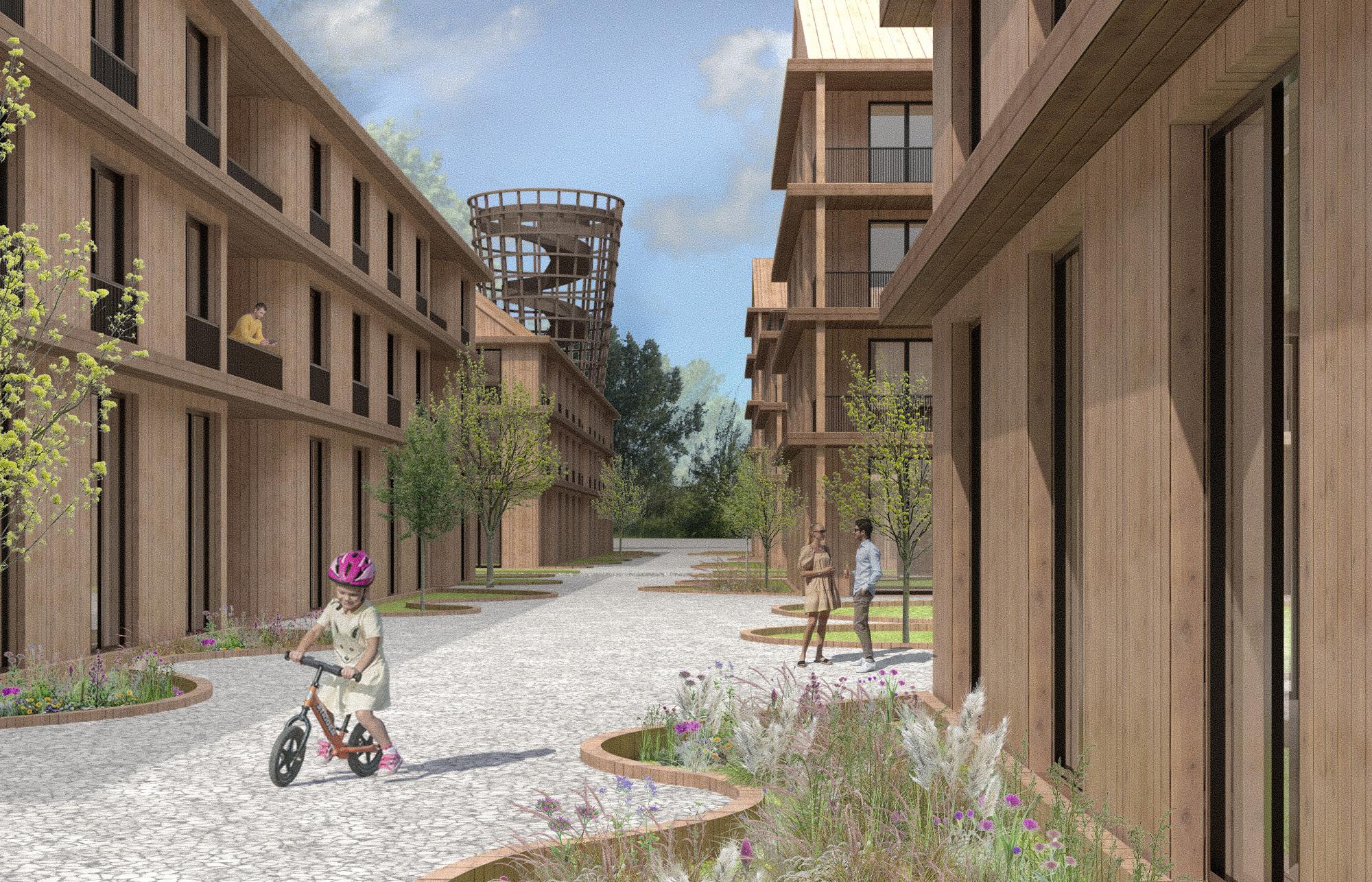
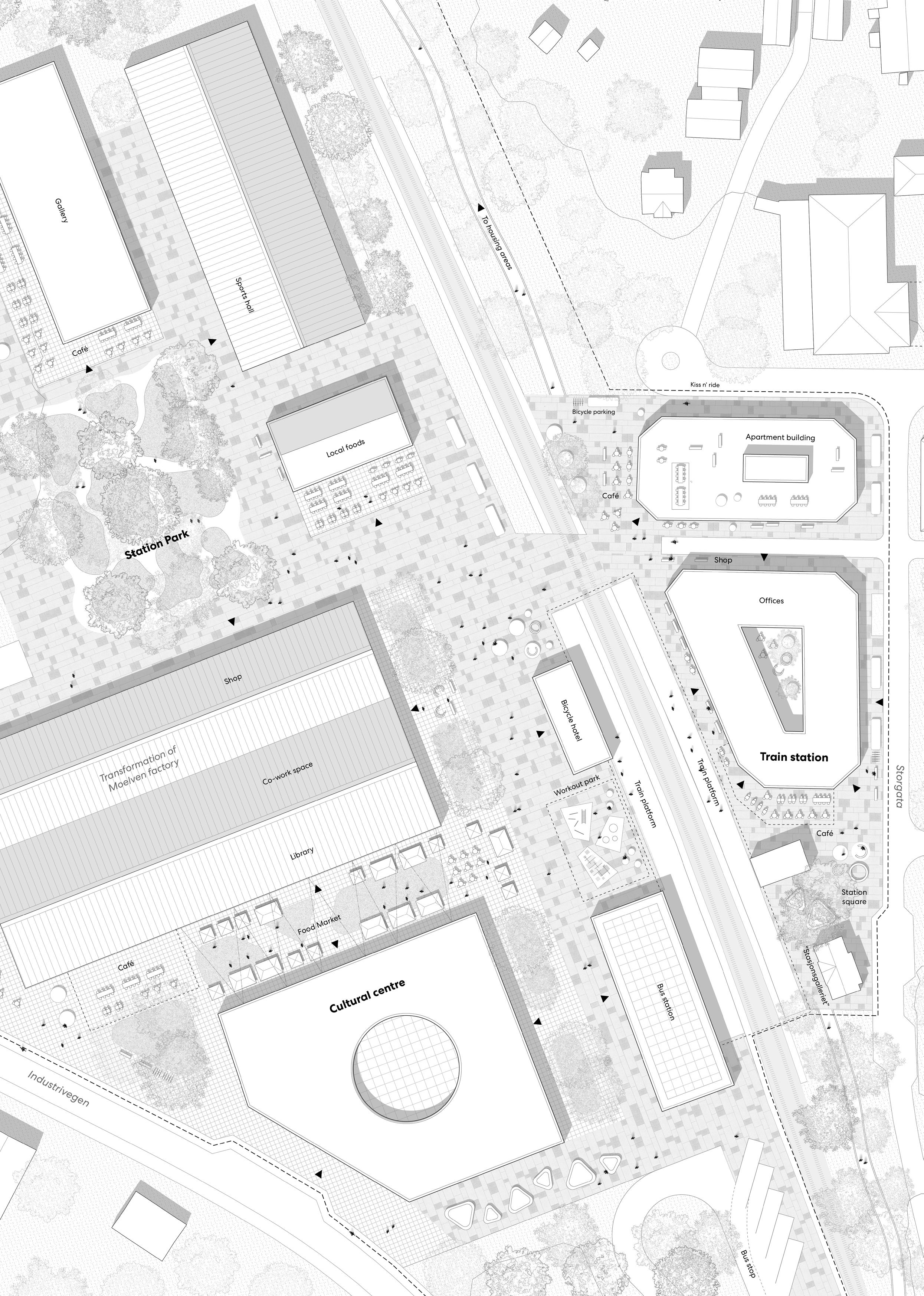
The task of this project was to explore an alternative urban strategy: how could the hospital instead become a driver for Moelv’s development? By rethinking the location and placing the hospital in the industrial zone between the existing town and the railway station, the project proposes a new city structure where health, housing, technology, education, and commerce coexist.
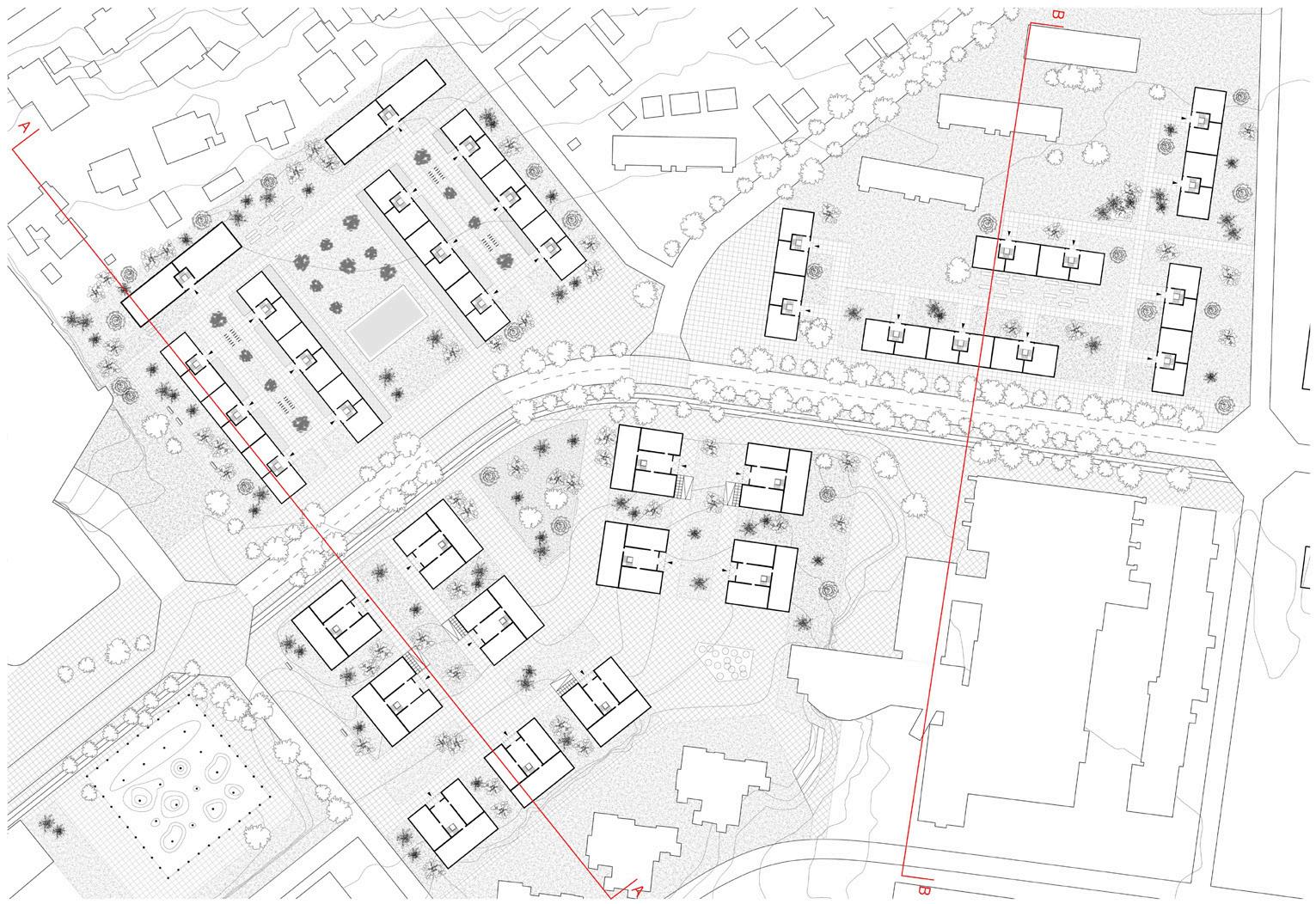
The assignment involved developing urban planning principles that could guide the integration of hospital facilities with mixed-use programs, creating synergies between healthcare and civic functions. Alongside this, schematic maps, growth scenarios, and activity loops for pedestrians and cyclists were used to illustrate Moelv’s potential as a regional hub.
This project frames the hospital not only as a medical institution, but as the heart of a new city district — a place where healthcare and community life reinforce one another.
The Activity Loop
A central element of the project is the design of an activity loop for pedestrians and cyclists. The loop connects the train station, the hospital, and the town center, forming a continuous urban circuit that ties Moelv’s key functions together. Along the route, public programs such as green spaces, sports facilities, cultural venues, and commercial activities are introduced, ensuring that the loop is not only a connector but also a destination in itself.
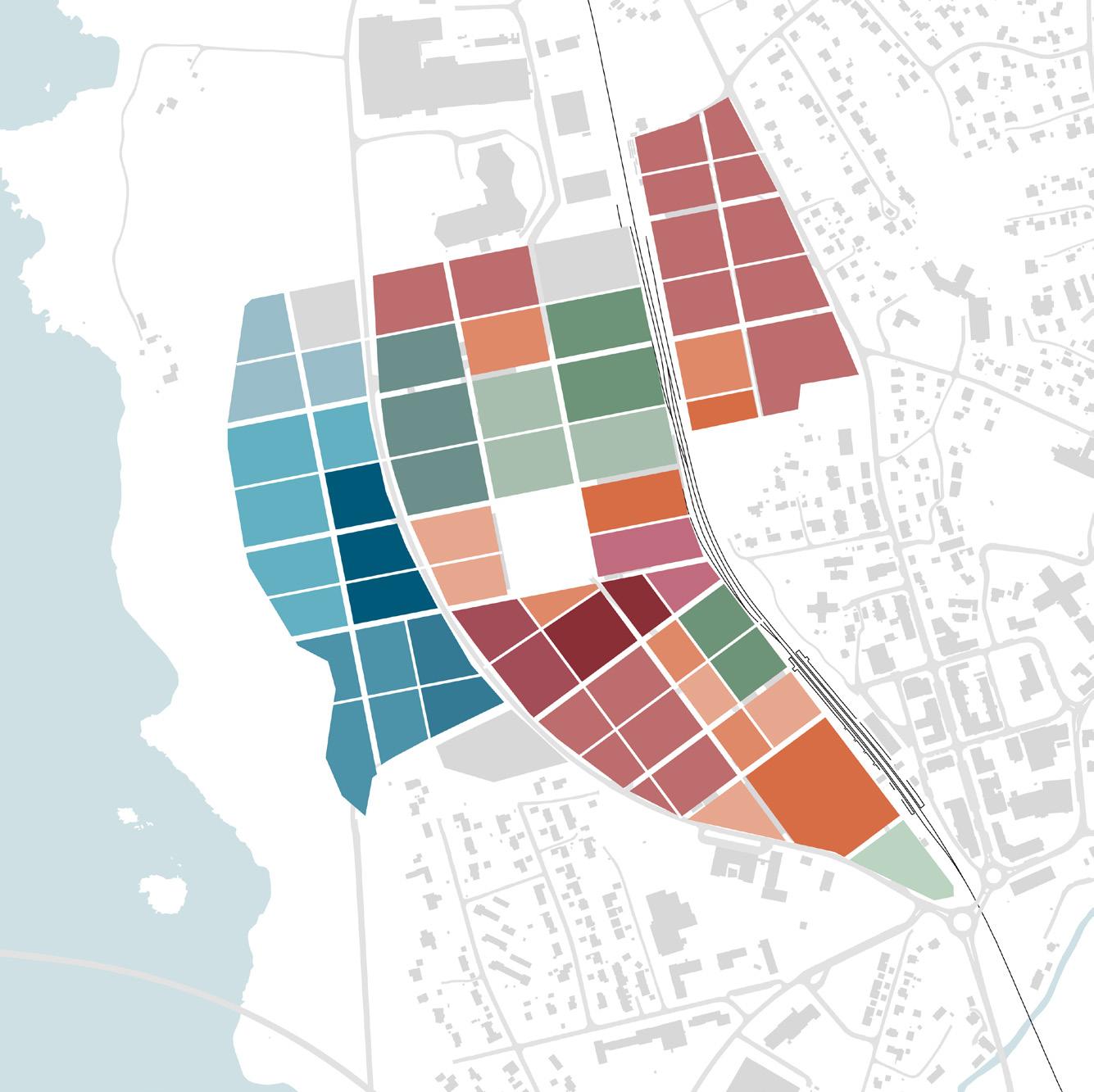
Programmatic diagram showing new proposal
Health Care:
Main Hospital Building
Visitors Centre
Emergency Room
Surgery / General Medicine
Rehabilitation
Science and Education:
Research / Science Centre
Offices / Commercial
Education
Commercial and Recreational: Housing:
Student Accomodation
Senior Housing
Housing
Hotel / Visitors Accomodation
Cultural Centre / Commercial
Recreational Facilities
Retail / Hospitality
Mobility Hub
Parking
New town structure
Roads for cars
Roads for pedestrians
Public spaces
Efficient area use
Activity loop
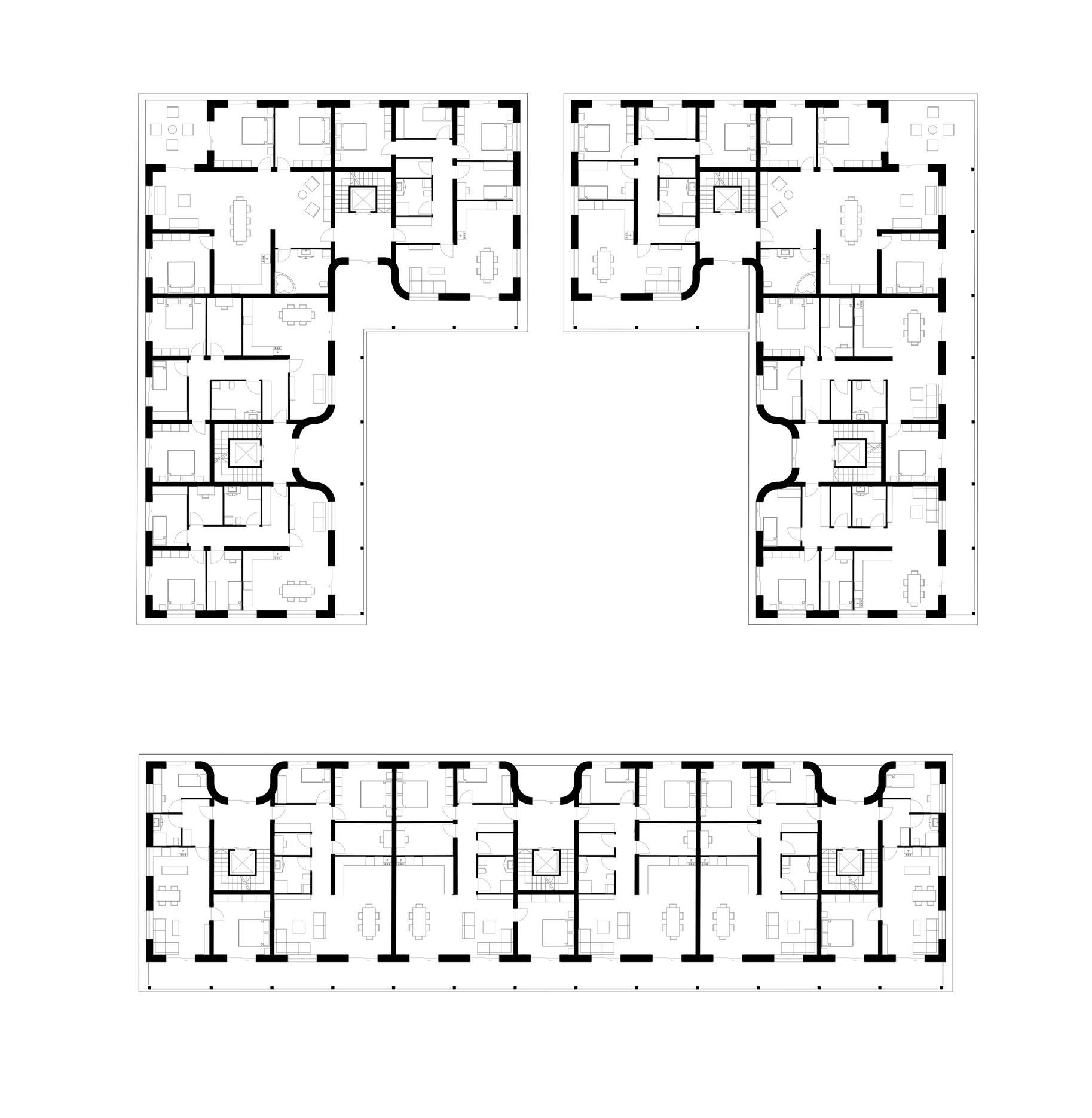
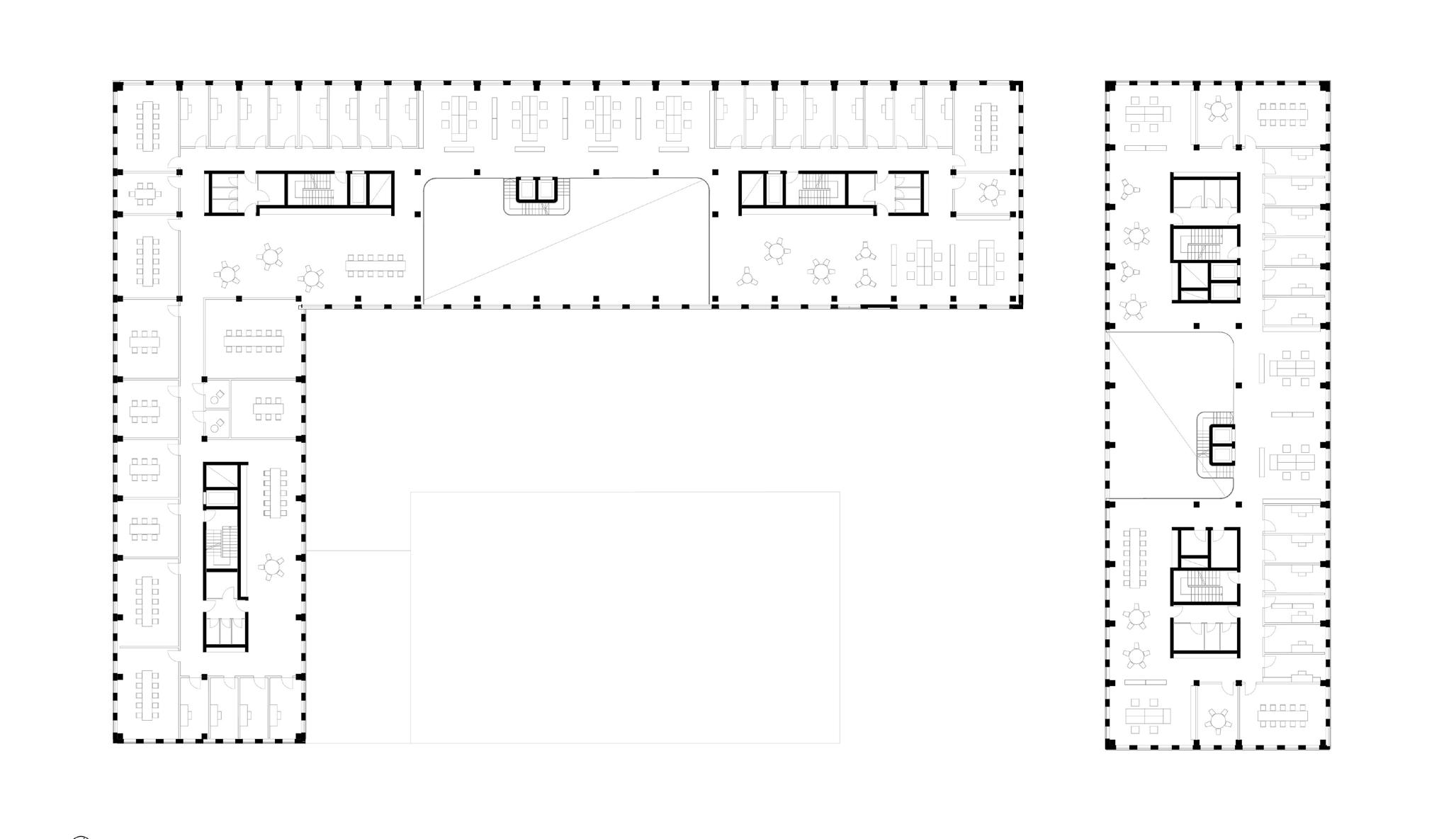
Plan and section for new housing complex
made with Rhino and V-ray
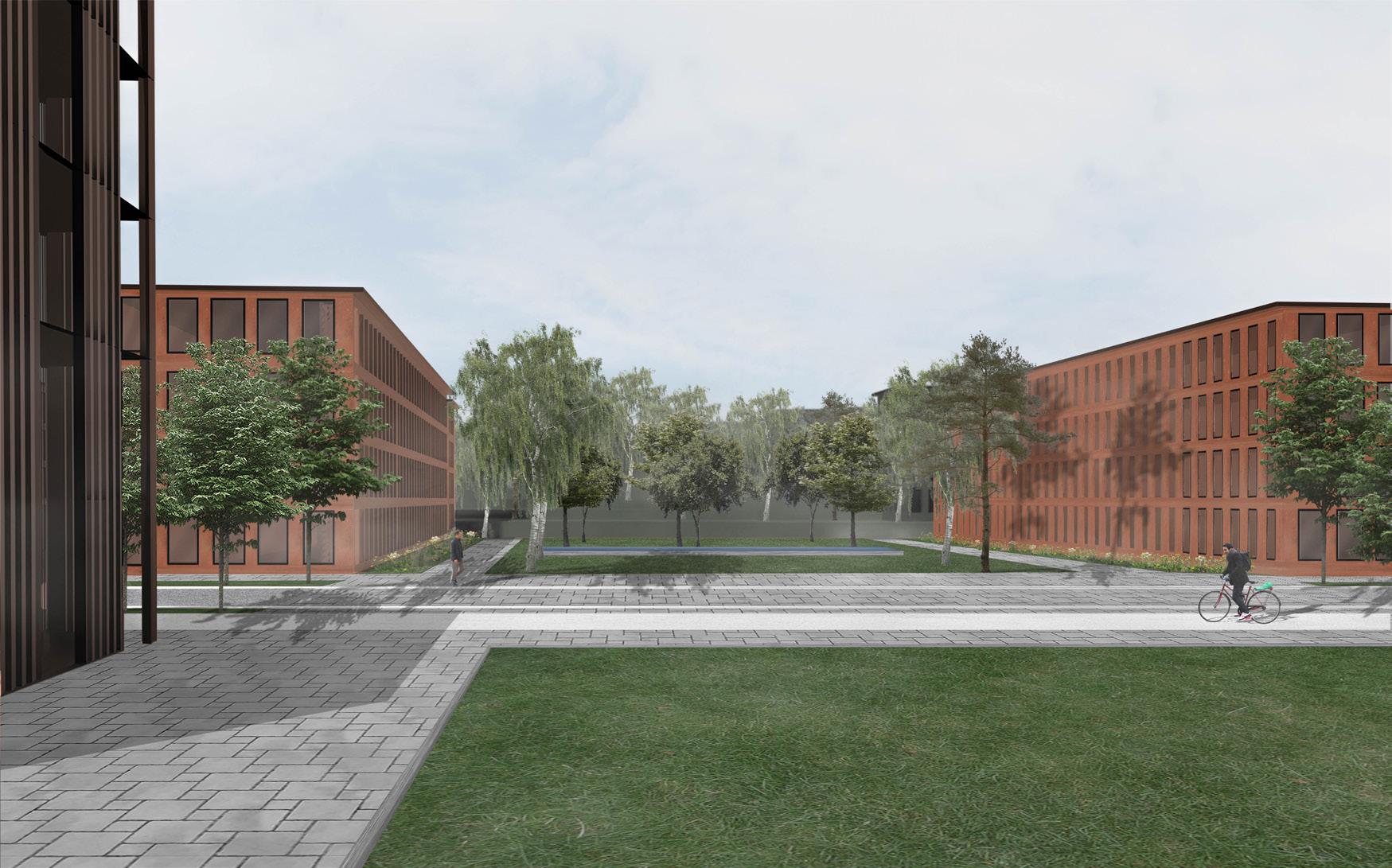
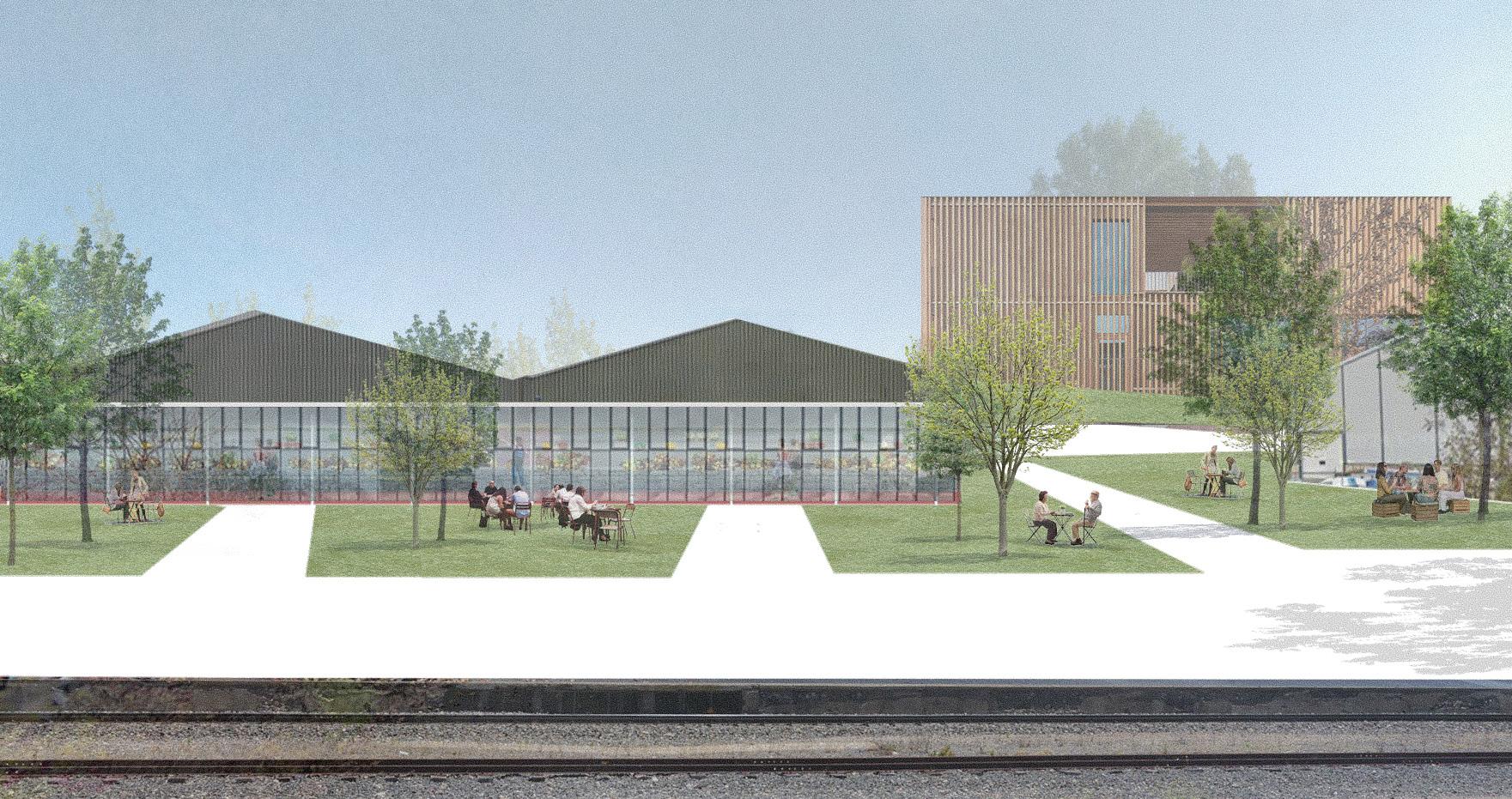
Visualisations
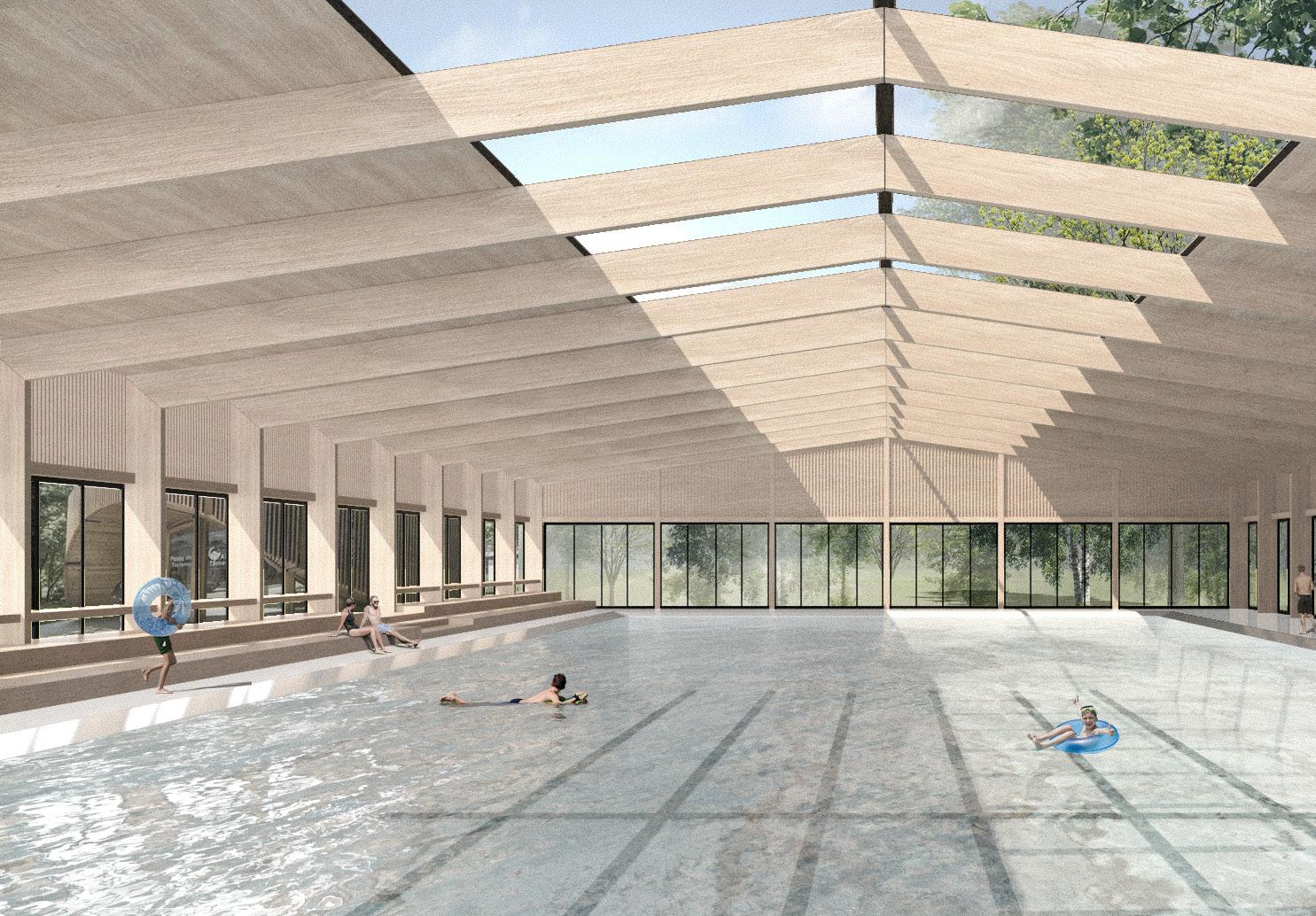
Transformation of old shed into community pool
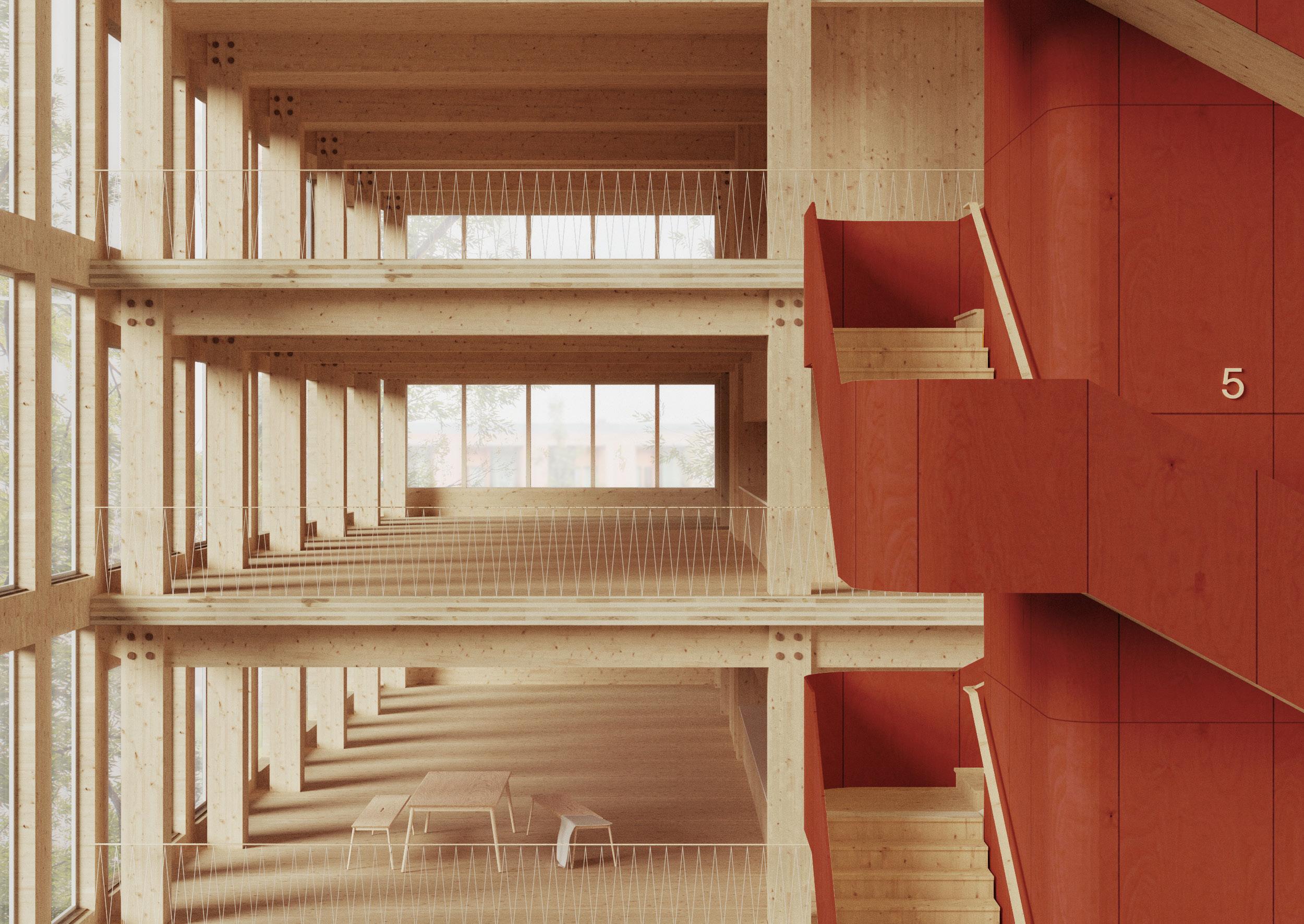
Visualisations of hospital buildings. Made with V-ray and Rhino
Plan and visualisation of office building
Housing and Urbanism
10
Housing Exhibition Studio
Minimum dwelling with maximum inclusion
Project Status Semester project, imagined
Location Ensjø, Oslo (Norway)
Area 43 m²
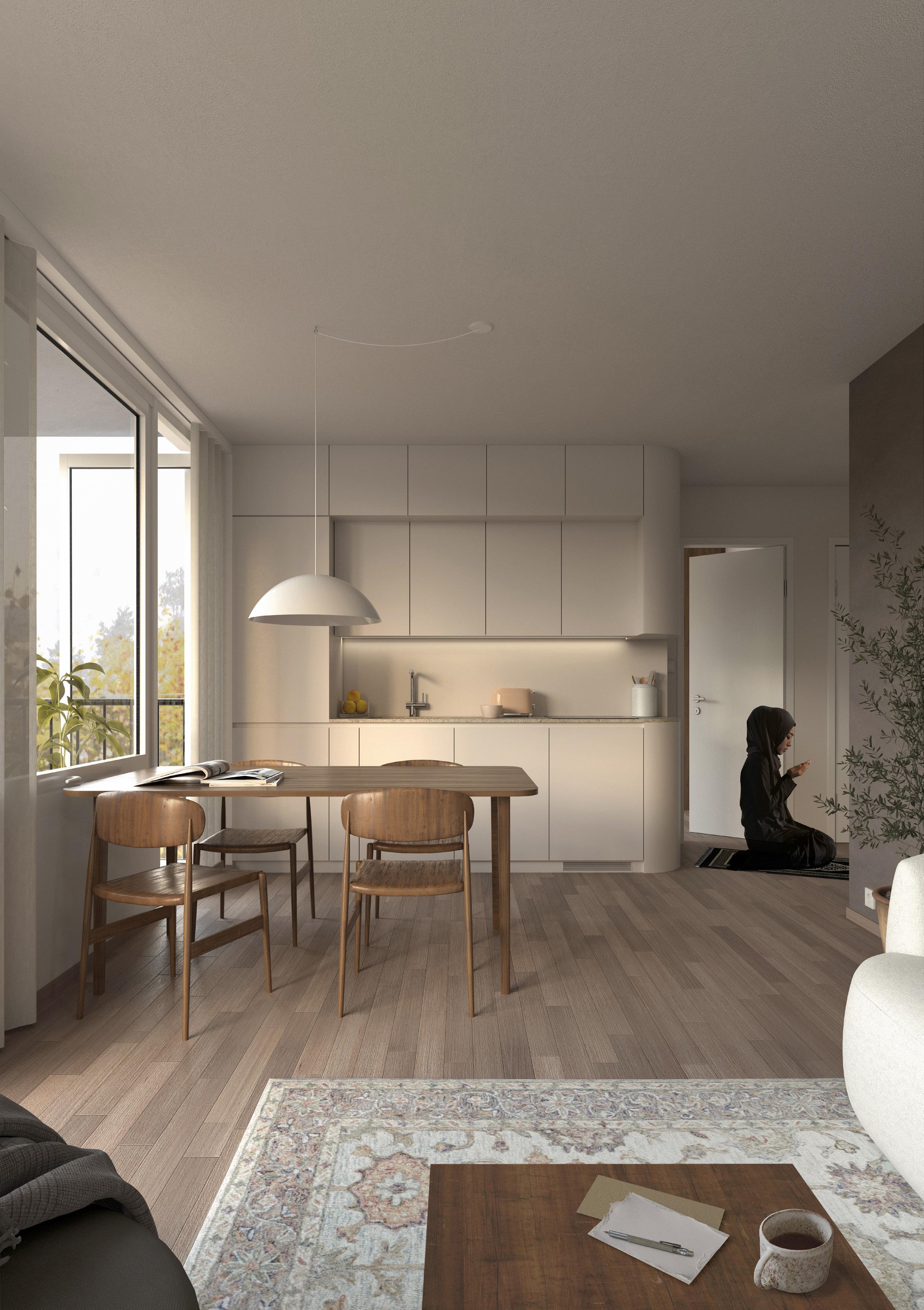
This 43 m² apartment is part of this larger whole and demonstrates how a minimum dwelling can be adapted to different cultural and religious needs. It is designed with a practicing Muslim in mind, providing space for a prayer mat with the correct orientation without compromising everyday functionality.
Today, Muslims make up around 10% of Norway’s population. Yet this group is often underrepresented in housing architecture. Including space for prayer and cultural practice in the design of even the smallest apartments is an important step toward a more inclusive and representative housing market. This project demonstrates that minimum dwellings, too, can provide space for both faith and community.
The 43 m² apartment is designed with flexibility and inclusion in mind, allowing different daily routines and belief systems to coexist within a compact home. The illustration shows how religious practices, such as prayer, can be naturally integrated into the living space without requiring special adaptations or separate rooms. By accommodating such needs through a thoughtful layout, the project demonstrates how small apartments can be adapted to a diverse society—where housing reflects the actual lives and values of its residents.
The building is organized around the idea of social community within compact forms of living. Each floor contains shared functions accessible to all residents—such as laundry rooms, hobby spaces, or a small café. The entire ground floor is dedicated to communal areas. This includes a kitchen, dining space, and flexible rooms for work, meetings, or social activities. Together, these spaces foster an urban neighborhood where sharing and collective use strengthen both the social and economic framework for residents.
Diploma Project
11
Echoes
Rethinking Spaces of Death and Memory
Project Status In progress, to be submitted in January 2026
Location Oslo, Norway
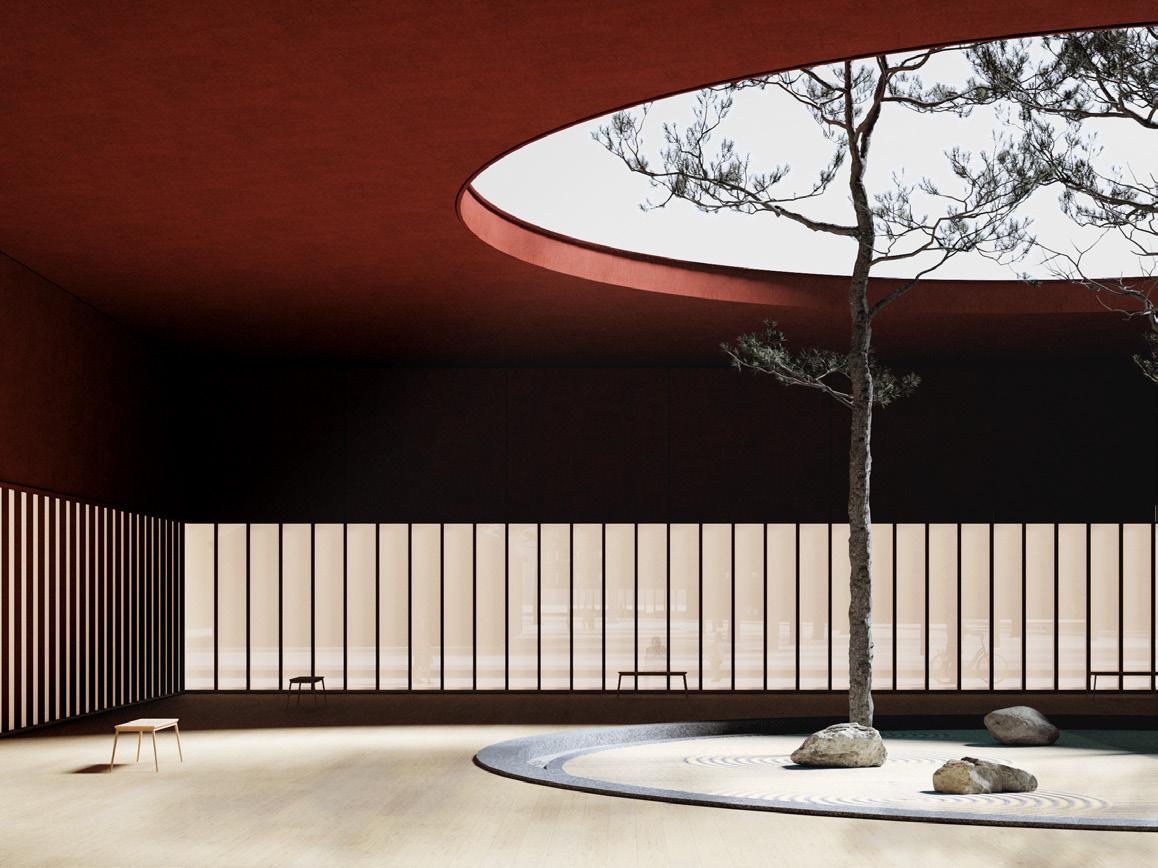
Echoes reimagines how cities can hold memory without relying on traditional burial grounds. Set in Oslo, the project envisions a fragmented network of memorial spaces dispersed throughout the urban fabric — subtle architectural insertions that invite reflection within the rhythms of daily life.
Each of the three fragments transforms an urban void — a bridge, a triangular gap, and a narrow rooftop site — into a quiet threshold between the visible and the invisible, the individual and the collective. Together, they form a distributed landscape of remembrance embedded in the living city.
Through a digital layer, visitors can access and contribute to stories, sounds, and memories via QR-based markers placed across the fragments, forming a collective memory network that evolves over time.
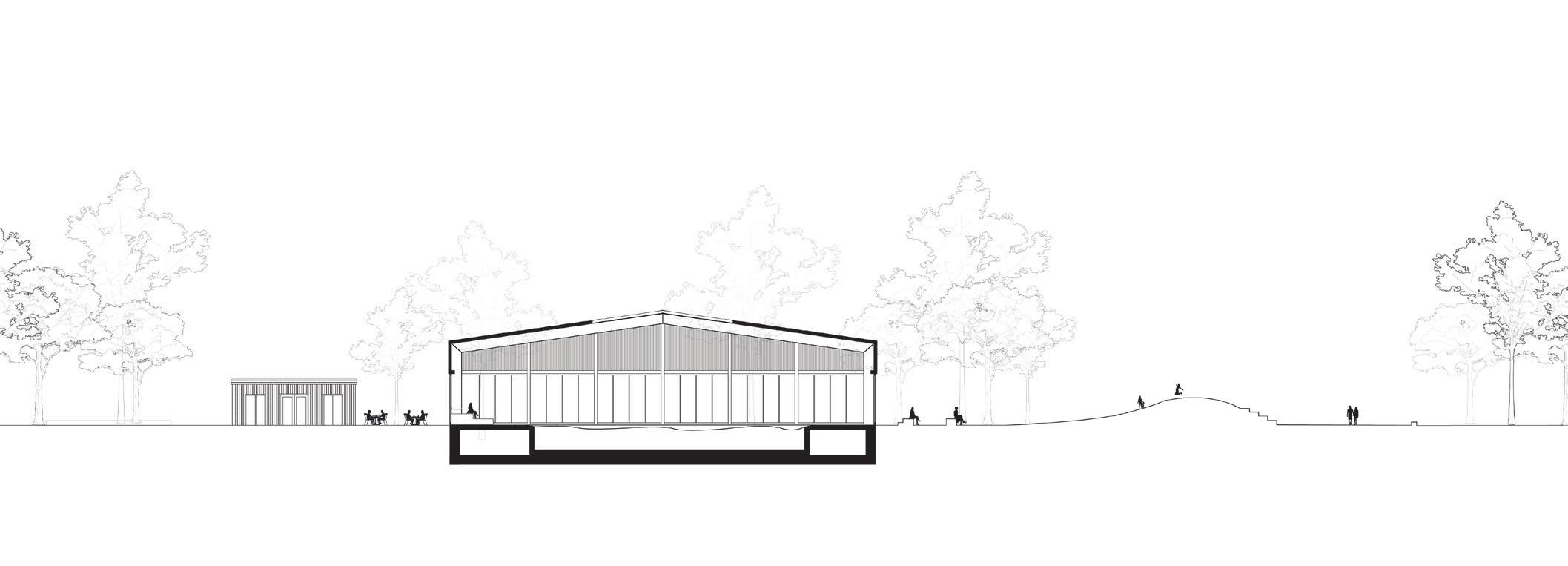
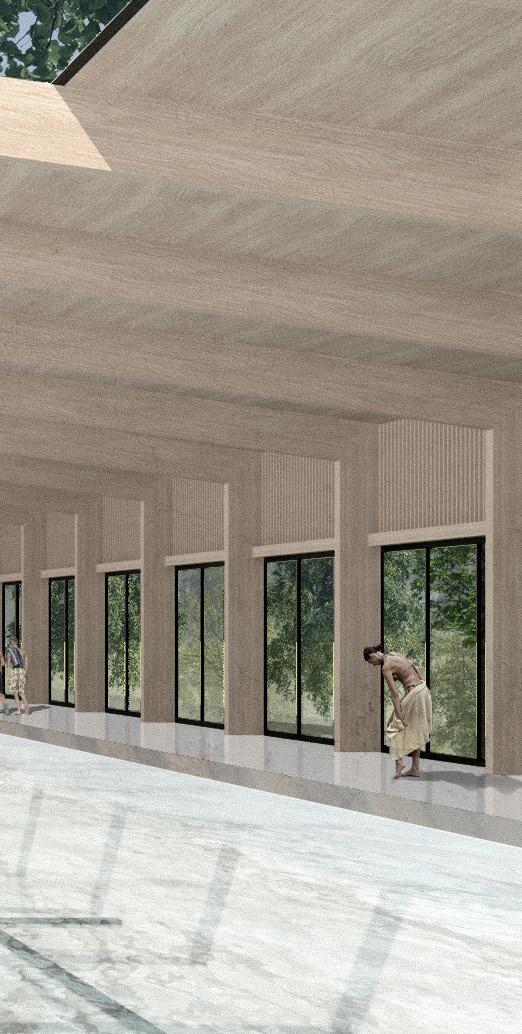
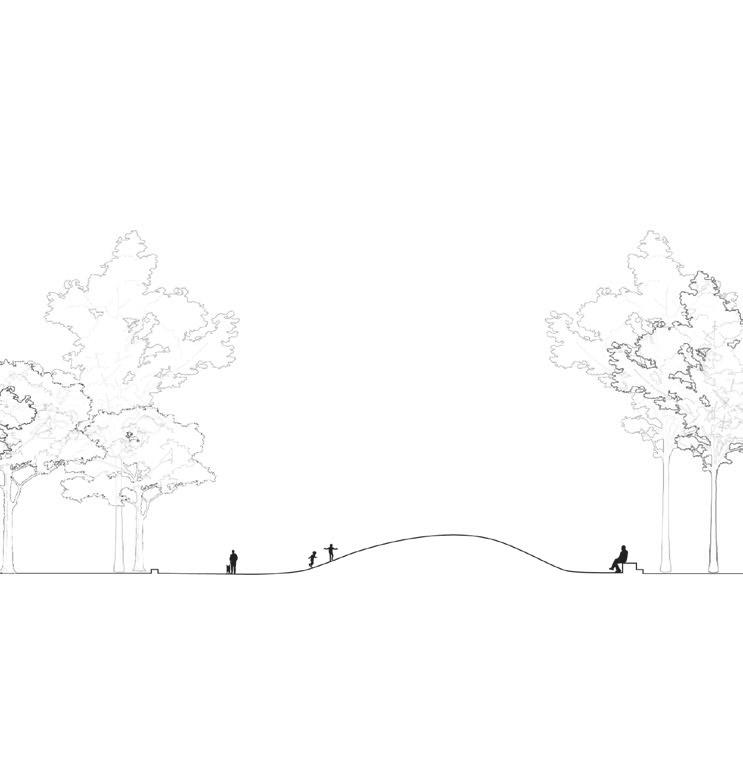
Echoes explores how architecture can make absence tangible — transforming the act of remembrance into a living, spatial experience woven into the everyday.