TheHub at St Benedict’ s
Build . Grow. Flourish
TheHub at St Benedict’ s
Build . Grow. Flourish
Benedict’s Catholic High School
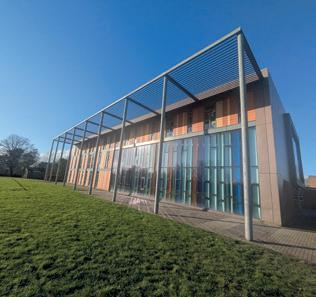
Welcome to The Hub at St. Benedict’s - an innovative approach to Year 7 transition. Our provision is supported by a curriculum rooted in the teachings of the Catholic Church. The word “Catholic”, meaning ‘universal’, underpins our aim to ensure every pupil has access to a full and rounded curriculum that goes beyond the classroom or the end of the school day. We are excited with the space we have developed to enhance this crucial stage of learning and believe we offer the perfect place to move, with confidence, into secondary education.
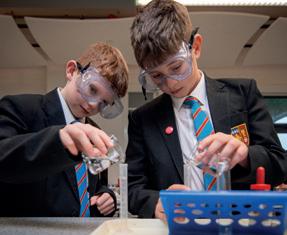
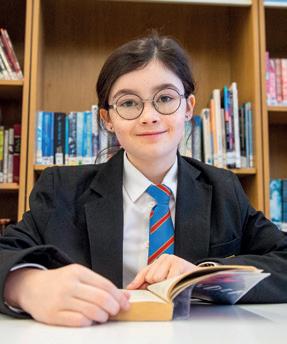
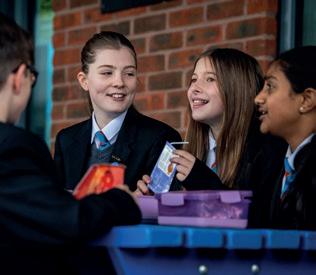
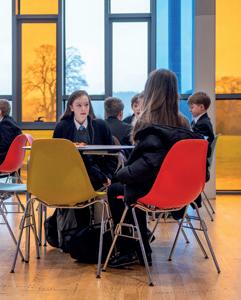
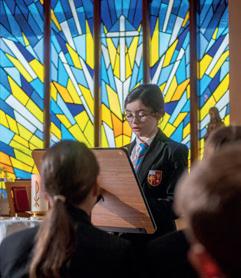
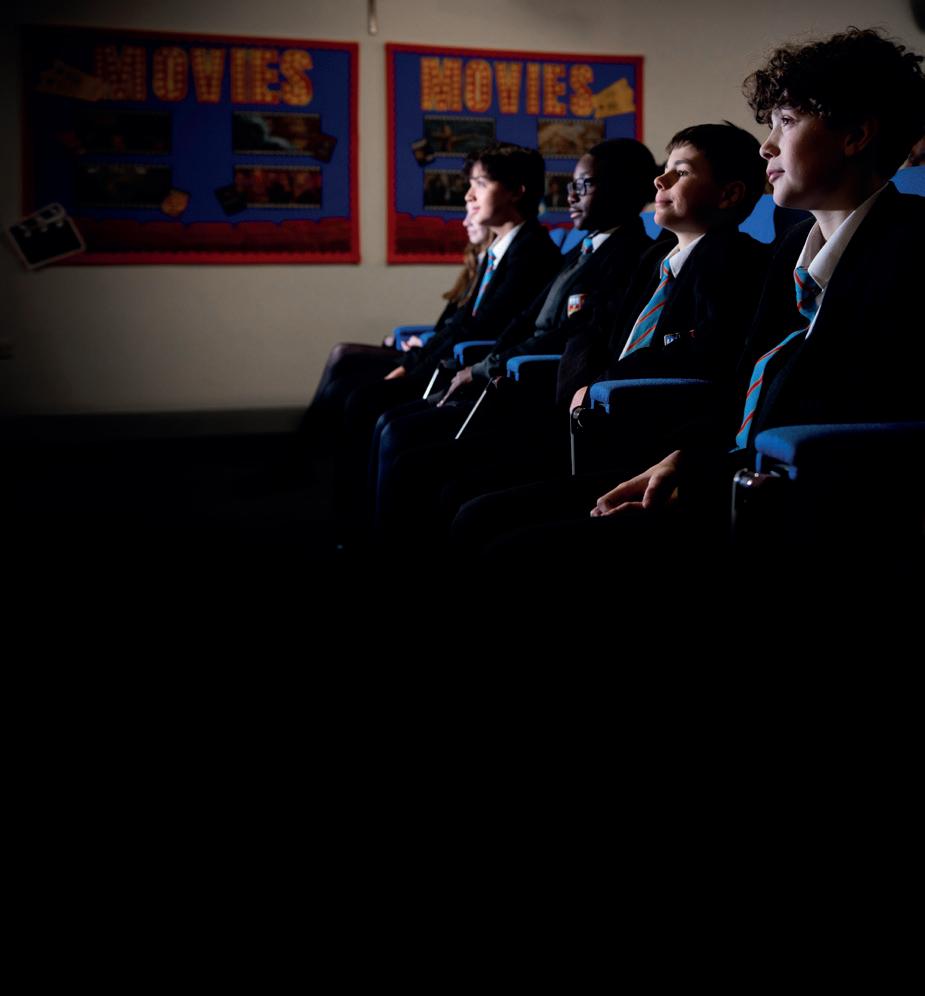
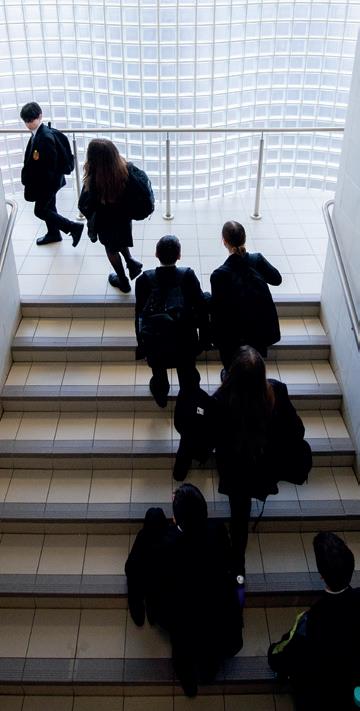
We have reflected on how, nationally, many pupils find this a challenging time as they adapt to a larger environment with lots of different teachers and many movements in their day. At St. Benedict’s, we are supporting this by dedicating a refurbished building for the use of our Year 7 pupils. In The Hub, they have dedicated home classrooms, a learning resource centre and state of the art science laboratories. Beyond the classroom, we will support socialisation by ensuring they mingle in their own canteen and engage in enrichment activities delivered in our cinema, dance studio, chapel, roof garden or outside on the sports field.
The Year 7 curriculum has been carefully designed to ensure that students enjoy learning, make clear progress and achieve their full potential. Our subject leads have worked in collaboration with their peers in KS2 to ensure their topics and skills build effectively on prior knowledge and avoid unnecessary repetition. They have taken time to ensure every lesson focuses on building subject specific vocabulary, modelling skills and then allowing pupils the freedom to apply knowledge with growing confidence.
Although we are only at the start of their secondary journey, thoughtful planning means the skills that students gather leaves them fully prepared for the next stage. This booklet is a guide to the curriculum your child will study during Year 7. It gives an overview of all the content covered for each of the subjects that they study, allowing you to help them plan their studies and think how you can support beyond school. We hope you find the information useful and it underpins the first part of our partnership to ensure your child flourishes when they arrive at St. Benedict’s Catholic High School.
Yours sincerely,
Ms C Paddock - Principal
"Peace builds bridges, whereas hatred is the builder of walls. You must decide, in life: either I will make bridges, or I will make walls"
Pope Francis
Benedict’s Catholic High School
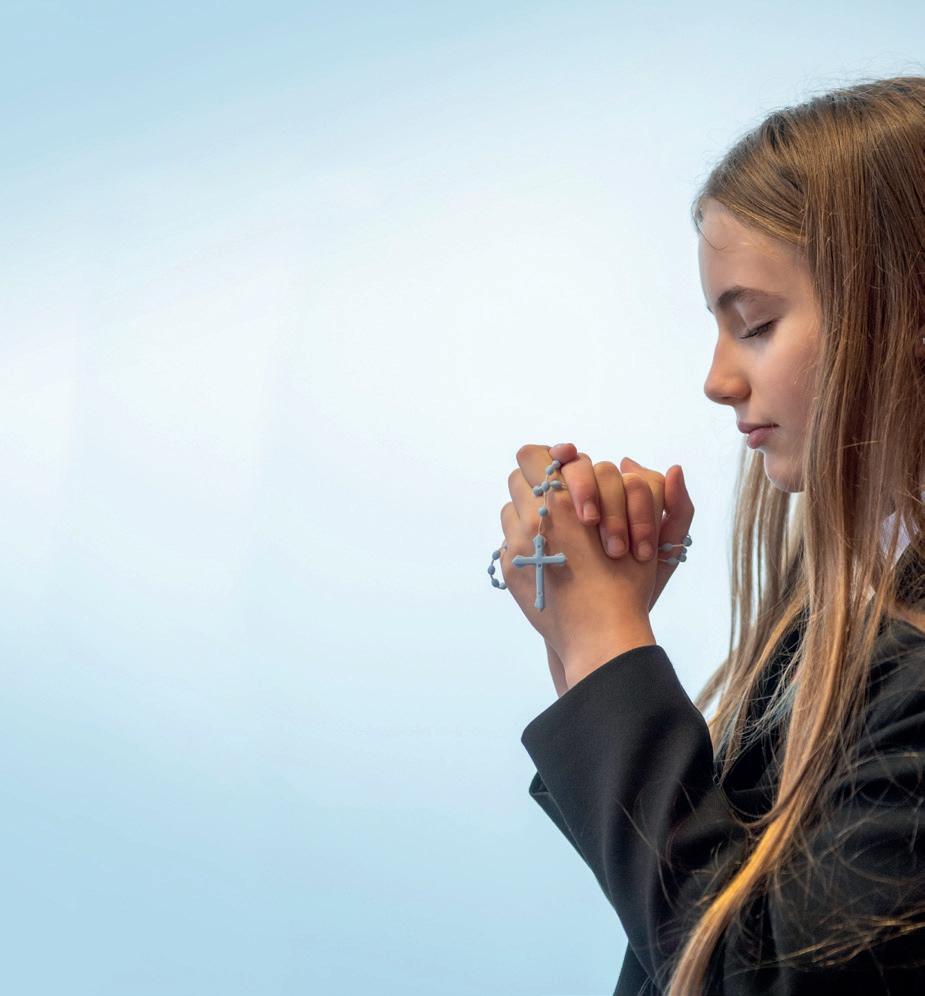
The distinctive change when pupils enter Key Stage Three is the growing expectation and opportunity for each student to independently develop their learning, personal characteristics and faith. Students have access to a Head of Year, Teaching Assistants and the School Chaplain to offer guidance and pastoral support. Within The Hub, to complement and enhance the Year 7 taught curriculum, we have planned a series of opportunities and experiences which stretch beyond the classroom. The commitments made cover the following areas:
As a Catholic MAC, we play a key role in the faith formation of every child. A student’s experience of the Catholic life of the school will undoubtedly influence their faith as an adult and so it is important we offer an experience which is truly outstanding. We recognise the importance of students maintaining strong links with our MAC Primary schools. For this reason, all Year 7 pupils will have the opportunity to plan, lead and deliver in groups a service to younger pupils.
Our aim for every pupil is to ensure that they are compassionate young people who recognise and support the needs of those who are vulnerable. For this reason, we place great emphasis on charities and educating all pupils about their potential to make a positive contribution to society. Year 7 are given opportunities to engage with fundraising, chaplaincy and ecology projects, thus supporting the whole school Live Simply Award.
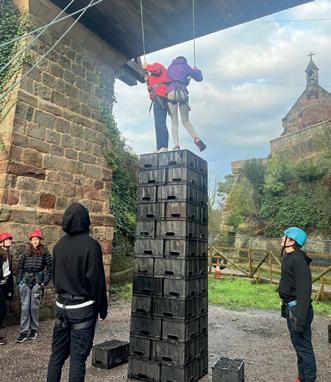
One of the greatest experiences a young person can have is the opportunity to take part in a residential trip. For many pupils, a residential school trip will be their first experience of being away from home and it is a memory which lasts a lifetime. Every pupil in Year 7 is enabled to experience a residential experience at Pioneer Outdoor Centre, which builds resilience and confidence. Additionally, this provides a fantastic opportunity for those entering Key Stage Three from a variety of settings to get to know each other, forming a clear identity as a new year group in our inclusive secondary school.
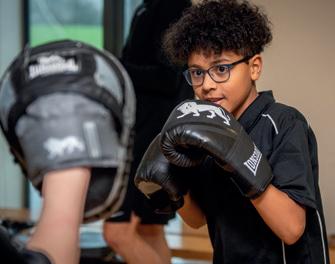
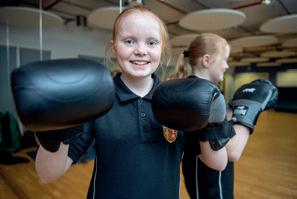
Whether pupils demonstrate a natural aptitude for sport or whether they just enjoy occasionally experiencing the enjoyment of competing against their peers, we believe that every student should have access to high quality sporting opportunities. Year 7 benefit from exclusive access to their own section of our extensive and beautiful grounds along with a purpose-built dance and fitness studio to sample boxercise, pilates and circuit sessions. Upon arrival, pupils are placed into our house system and encouraged to support each other in competitive events including our Winter and Summer Sports Days. In addition, Year 7 pupils can engage in a range of clubs that run both at lunchtime and after school. Pupils also compete against other schools in Warwickshire across a wide range of sports including rowing, football, netball, basketball, athletics, rounders, tennis and cricket.
We place huge importance on providing numerous opportunities for our pupils to experience as many cultural and creative experiences as possible. Beyond school we aim to broaden pupils’ horizons by regular visits to art galleries, the theatre, museums, musical performances, historical sites and places of educational interest. Within school we are passionate about art, drama, music and physical education and have timetabled an afternoon every week for Year 7 pupils to pursue their individual interests and meet with external providers. These sessions are wide ranging and led by pupil interests such as: Warhammer, Task Master and Lego Masters. During this dedicated time, Year 7 pupils can work towards completing their Hub Enrichment Diploma which leads to a celebratory graduation day at the close of the academic year.
We want to ensure that every pupil in The Hub aspires to achieve their full potential. We encourage all pupils to recognise and develop their unique skills and talents and to know how they can make a positive difference in the world. For these reasons we have included a range of activities which support each pupil’s understanding of their personal vocation and the possible destinations and career paths available to them. Year 7 pupils are introduced to the world of work through a carefully planned programme that builds awareness, confidence and ambition. Students will take part in an in-house Careers Fair, giving them direct access to local employers and further education providers, alongside inspiring assemblies by external specialists, including participation in the BAE Systems STEM Roadshow. Our Careers lead ensures that all Year 7 students will benefit from a financial awareness workshop and a visit to a local employer, helping them to understand realworld applications of their learning.
The English curriculum will introduce students to a range of texts from various times whilst also exposing them to different genres. Throughout the year, pupils will revisit skills learnt in KS2 and consolidate and develop these to equip them for the requirements of KS3 and to prepare them for study at KS4.
Topics have been carefully chosen to ensure that learning is built upon and extended with a clear learning journey from KS2 to KS4.
By ensuring reading becomes increasingly fluent, writing is purposeful and oracy is supported, we aim to develop successful communicators.
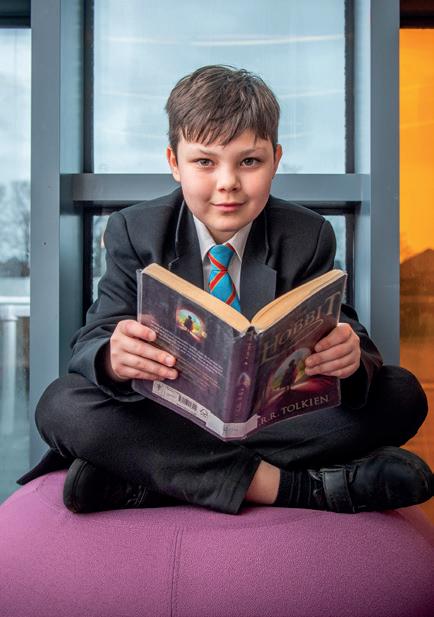
By visiting different worlds through literature, pupils begin to understand the experiences of others. This is also supported and drawn out through a range of writing tasks and oracy activities. We aim to support this through relevant experiences such as the creation of our thematic poetry anthology, The British Council pen pal scheme with a partner school in Spain, and at least one visit to the theatre or a literary festival.
There are many websites and apps that extend the skills covered in lessons. We would recommend Wordle, Connections, Scrabble and BBC Bitesize. Try to expose your child to current affairs, encouraging them to read newspaper articles online or perhaps watching the news. The importance of reading cannot be underestimated and many modern adaptations for the screen can be a perfect way into a new genre.
The Mathematics curriculum will refresh students’ basic number skills, before applying to the various fields of applicable mathematics: algebra, proportion, statistics, geometry and probability. Topics are sequenced specifically to allow pupils to build upon their prior knowledge and then develop their higher order thinking. Pupils will be exposed to multiple methods to solve real-life mathematical problems, consolidate methodology and develop the ability to reason logically.
Autumn Spring Summer Transition into KS3
Four Operations and Decimals
Number Properties and Rounding Fractions
Ratio and Proportion 2D and 3D Shapes Angles and Expressions
Equations
Probability and Data Sequences and Graphs
Year 7 pupils will have the opportunity to compete in our MAC Mathematics Challenge allowing them to build skills in teamwork, communication, problem solving and self-reflection. They will be able to explore mathematics in the real world with visits to Bletchley Park to discover the work of World War II codebreakers and explore the thrills of engineering at Silverstone in connection with the Williams F1 team.
Repetition of times tables will develop confidence in your child but also allow for proficiency in other topics. Daily newspaper games, such as Sudoku or Quick Sums, can aid fluency with mental numeracy. Ask your child about the maths that they have studied that day and encourage the use of www.corbettmaths.com to help consolidate the learning.
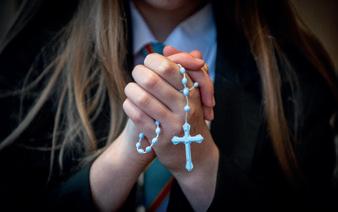
Religious Education is an essential part of our curriculum, providing young people with the opportunity to explore a world outside their own experience. The subject provides the perfect environment to consider some of life’s most challenging questions. To enable a smooth and inclusive transition, we build upon the varied prior learning and life experience of our students coming from different primary schools by exploring the beliefs of different faiths.
Transition into KS3
Creation & Covenant Prophecy & Promise
Where did the universe come from? Why are we here?
Why is the Bible important for so many people?
Galilee to Jerusalem Desert to Garden
To the Ends of the Earth
What is the Trinity and what does incarnation mean? Exploring the person of Jesus. Are some things beyond human understanding? Jesus left but what happened next?
Dialogue & Encounter: Islam
How does faith affect behaviour? What can we learn by talking to people of other faiths or none?
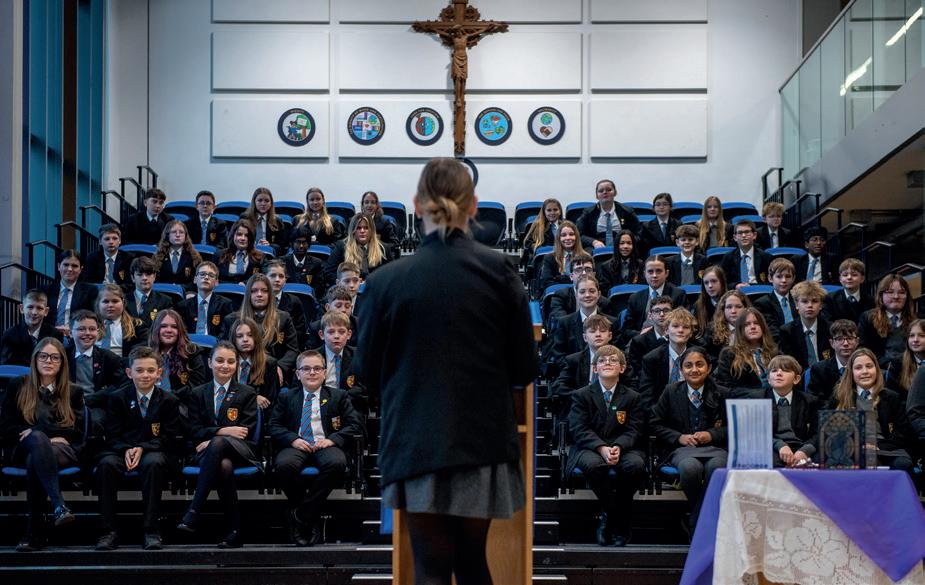
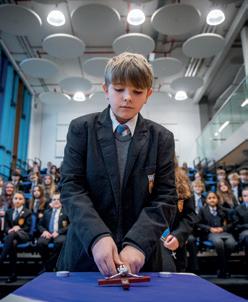
Our mission is to develop religious literacy, essential in today’s world, and to support students on their own faith journeys. Through an exploration of Christianity, students gain an excellent understanding of religion and faith and the impact it has on our modern world. Using Catholic Social Teachings as our inspiration, we believe in putting our faith into action through opportunities to support charities, visit places of worship and to fight against climate change by contributing to the Live Simply Award. Everybody is welcome to join the chaplaincy group and work together for the common good.
Parents can support their child by exploring places of worship and encouraging them to ask questions. Local historical sites such as Coughton Court, Havington Hall and Worcester Cathedral are steeped in Church history and are fascinating places to visit. Catholic parents can support faith to flourish by helping their child to get involved with parish life.
Catholic High School Build. Grow. Flourish.
Our Science curriculum aims to develop pupils’ curiosity, critical thinking, and understanding of the world around them linked by Ten Big Scientific Ideas.
Through a carefully sequenced programme of study, pupils gain the knowledge, scientific vocabulary, and investigative skills needed to explain natural phenomena and make reasoned predictions.
We foster a hunger for justice by encouraging pupils to consider how scientific knowledge can be used ethically to address global challenges such as climate change, sustainability, and health inequalities.
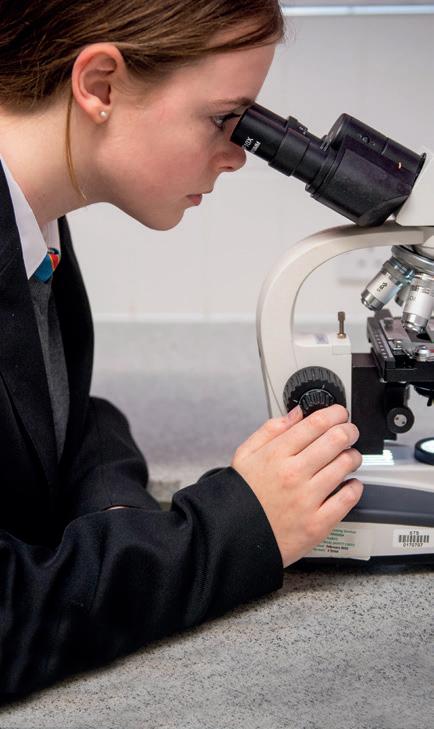
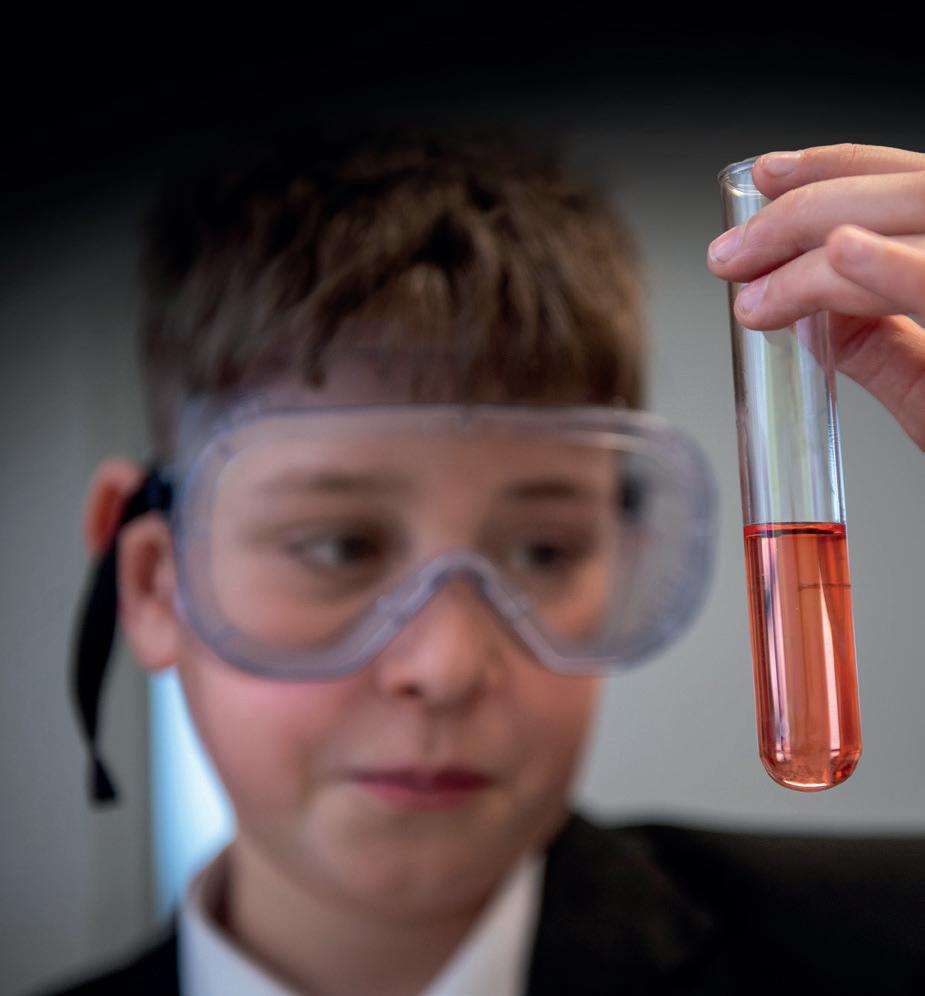
We support students’ thirst for knowledge by offering a range of engaging activities such as science clubs, STEM competitions, and regular hands-on workshops in our bespoke laboratories. Enrichment opportunities include visits to The National Space Centre and Lapworth Geological Museum, alongside engaging themed science weeks which help pupils see the relevance of science outside of school and inspire future aspirations.
Parents can support their children in science by talking about everyday scientific phenomena, such as weather changes or how appliances work, and encouraging children to ask questions and explore possible explanations.
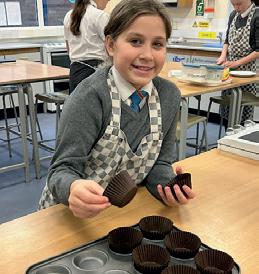
The curriculum allows students to foster and develop their love of food regardless of their prior knowledge. Through this foundational year of learning, students will have the opportunity to create individual dishes, influenced by theoretical knowledge.
The curriculum is reflective of the six principles of learning for GCSE: food, nutrition and health, functional and chemical properties of food, food safety and hygiene, food choice, food provenance and practical cooking skills.
Transition into KS3
Michaelmas Term Lent Term
Healthy Eatingintroduction to the Eatwell Guide & nutrients
Food safety & hygienepassport to practical
NutrientsCarbohydrates; starch, sugar and fibre
Practical skills - functions of ingredients
In addition to enriching and developing students love of food and education on healthy living, key life skills are developed such as teamwork, creativity, time management and problem solving. Students will have the opportunity to transfer their theory work via workshops delivered by Linking Education and Farming - LEAF. For those who have a real passion for Food, there are three enrichment cooking sessions run after school: Christmas treats, Easter treats and Prepare for Summer. All are supported to participate in the Alcester Schools’ Bake Off in the annual Alcester Food Festival.
Trinity Term
Food Science - raising agents
Food choice - food trend design & make task using fruit and vegetables

To enrich and advance their practical skills further, encourage your child to take part in preparation and cooking at home. This builds confidence and accuracy during practical sessions back in school.
We recommend encouraging your child’s thirst for knowledge by watching food programmes, listening to food podcasts and exploring websites such as BBC Bitesize, Food - A Fact of Life and the British Nutrition Foundation.

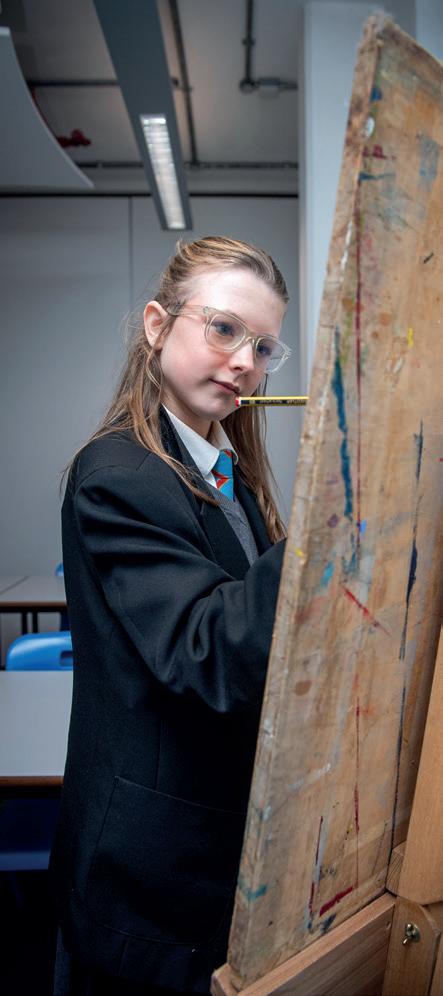
The Art curriculum aims to build confidence and encourage students to take ownership of their work, giving students the opportunity to explore a range of starting points for practical work. In Year 7, students enjoy exploring a wide range of creative experiences using both digital and non-digital media, including photography and sculpture.
They also build skills in painting, printmaking, and artist analysis, alongside learning how to carry out research to support their ideas.
Through studying the work of artists such as Vincent Van Gogh, Georgia O’Keeffe, Pablo Picasso, and photographer Karl Blossfeldt, students are encouraged to reflect on their own artwork as it develops, using evaluations linked to the formal elements of art.
Autumn Term
Natural Form’, ‘Still Life & Colour’
Drawing, Painting and Printing
Materials:
Sketching pencils
Fine liners
Colour Pencil
Mono printing ink
Paint
Spring Term
Endangered species
Drawing, Sculpture, Mixed Media, and Photography
Materials: Oil Pastel Monoprint
Photography
Drawing
Clay
Summer Term Birds, Insects, Reptiles and landscape
Mixed Media, Printing and Painting
Materials: Chalk Pastels
Oil Pastels
Oil Pastels graffito
Watercolours and Fine liners
Mono printing
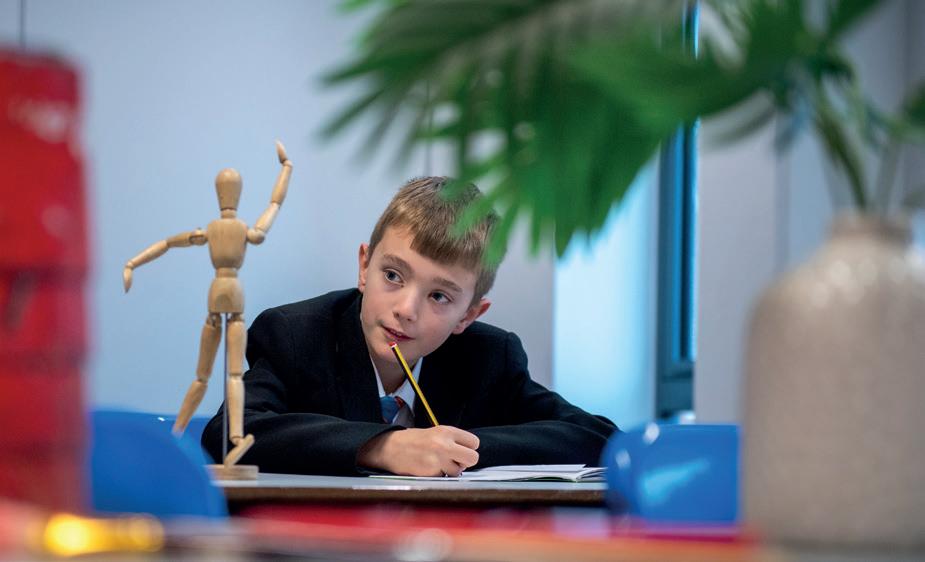
Beyond the Art curriculum itself, we have extra-curricular activities run at lunchtime with an open-door policy. All Year 7 students can take part in the Bronze Arts Award which can progress to a Silver Arts Award. It is our mission to consolidate the learning that takes place in art lessons through extra-curricular activities. In these sessions students can develop their work on canvas, create large paintings or sculptures and enhance their photography skills.
We are lucky to have fabulous free to enter art galleries in our region, such as Birmingham Art Gallery and Museum and Wolverhampton Art Gallery. Visits will expose your child to a wide range of cultures and ideas, helping to spark curiosity and inspiration. Exploring websites such as Tate Kids, BBC Bitesize, and the National Gallery can also support learning and enjoyment of art outside the classroom. Students have keyword lists in their sketchbooks, and practising spellings and meanings at home will help reinforce their understanding.
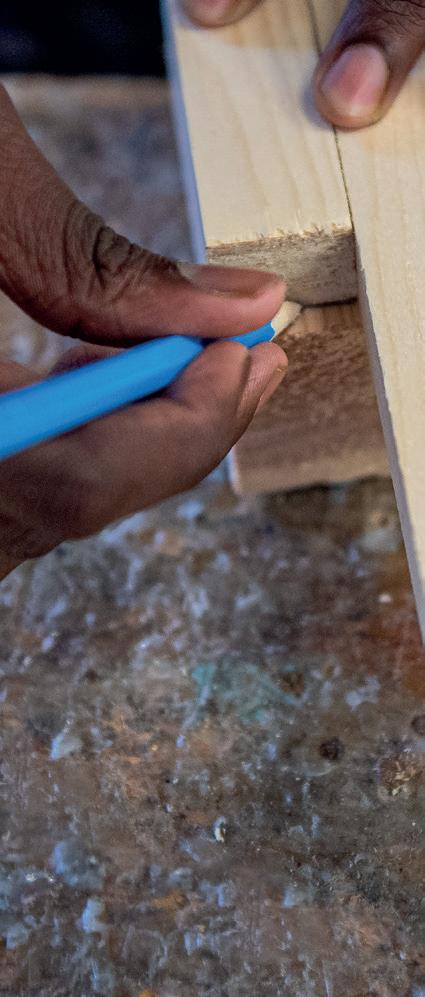
The introductory phase in Design Technology allows pupils to have the opportunity to learn how new technology and emerging technologies are evolving and the impact this is having on the design and organisation of the workplace.
Year 7 consists of two projects which have been carefully formed around ‘culture’. Pupils will explore the creative and cultural design industry, engage with designs and consider contexts from their own and other cultures. The designers we’ve chosen represent a wide range of different people and challenge some of the gender stereotypes related to different areas of the subject.
Autumn - Introduction
Autumn - Design processes
• Health and safety processes
• Tools and equipment
• Design methods
• Quality control
• Designer research
• How to carry out investigations
• Identification of problems and needs
• Evaluation of prototype
-
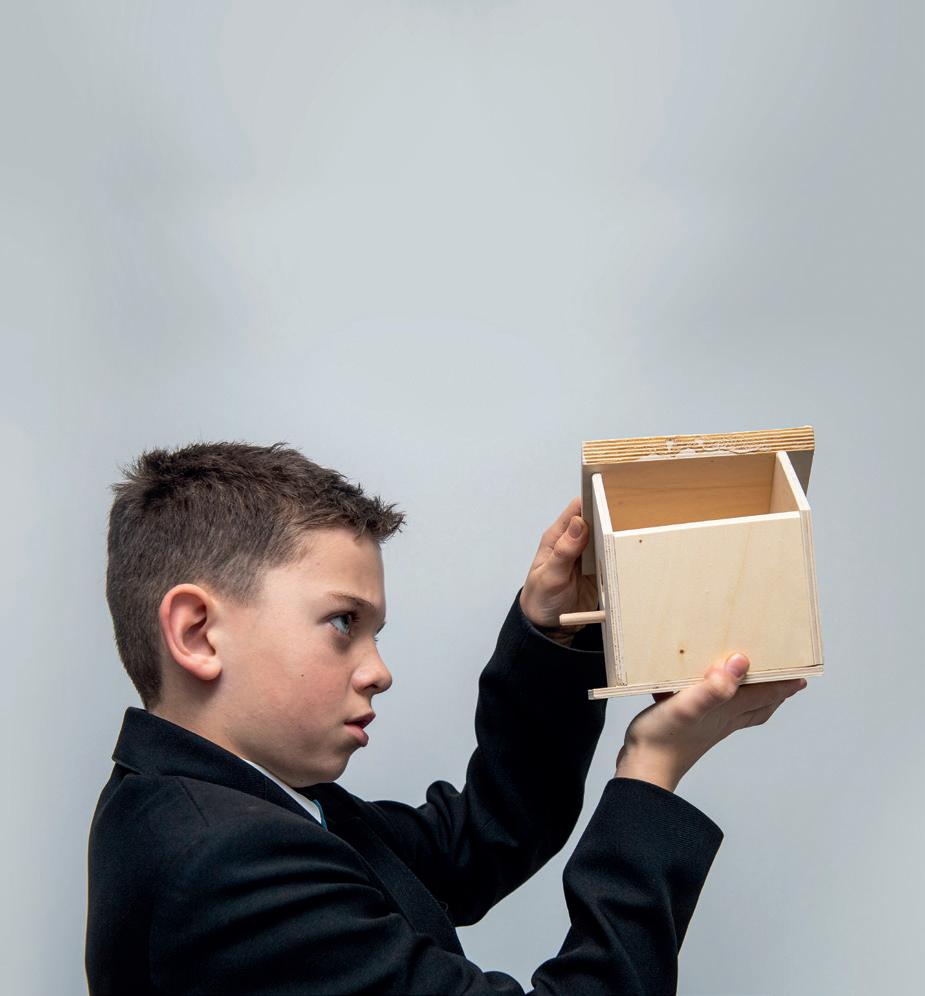
Pupils could take part in V&A Innovate, an annual National Schools Challenge. Working collaboratively pupils follow a human-centred design process and develop solutions to realworld problems inspired by the V&A collections. They learn about future-focused designers and innovators, engage with innovative objects from the V&A collections, explore a range of design processes, and hopefully win awards and prizes for their school.
To support your child’s learning encourage them to document their ideas as much as possible, including taking photographs of good design they notice on outings, visits, or holidays. Practising drawing skills regularly and setting small creative challenges can further motivate and inspire your child.
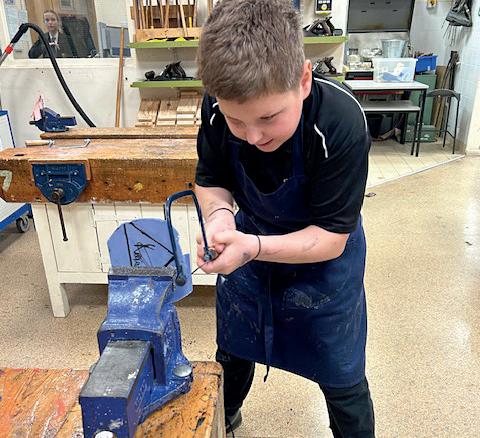
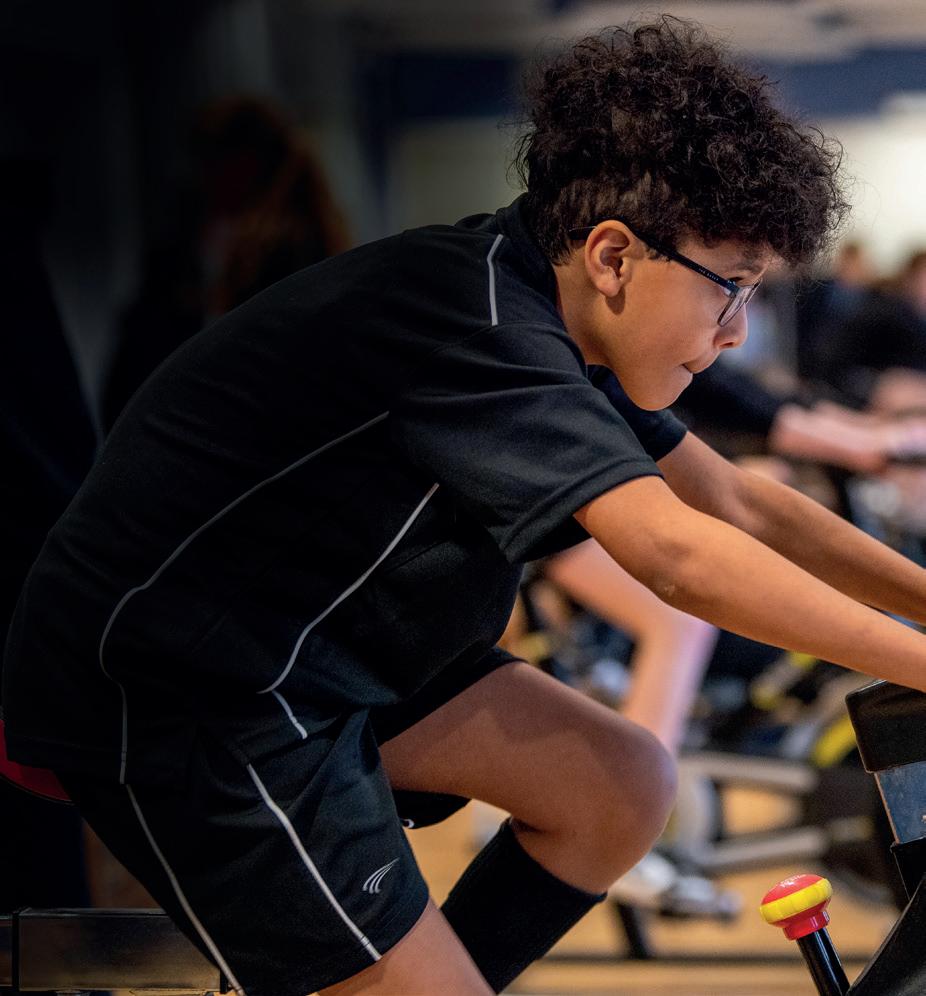
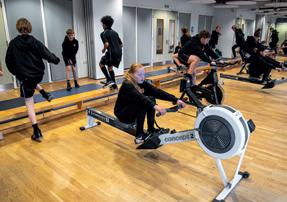
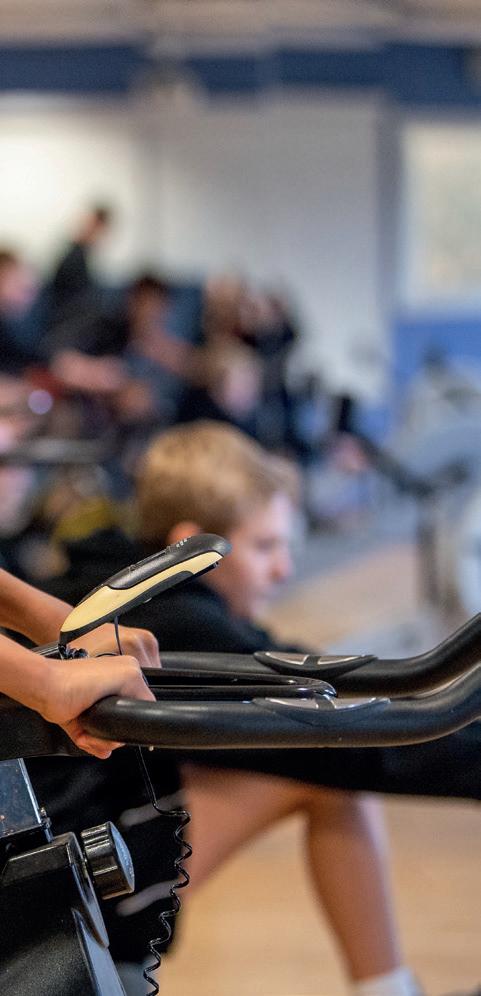
We aim to provide all pupils with the opportunity to develop their physical skills and interests in our extensive range of physical activities, and to enable gifted games players and athletes to pursue their chosen sport to high levels of achievement. We promote a healthy lifestyle and so everyone participates in four hours of P.E per fortnight. We deliver traditional sports such as Netball, Football, Cricket, Rounders and Tennis but have also developed Trampolining, Rowing and Softball. Our dedicated Year 7 fitness suite means we can offer dance and circuit training as part of the weekly enrichment sessions.
Transition into KS3
Fundamentals
The importance of regular exercise. Different types of physical fitness: cardiovascular endurance, strength, flexibility, and co-ordination.
Acquiring new skills across a variety of sports Comparison of rules across various sports Understanding how sports strategy works.
Impact of exercise on physical performance & health. Benefits of exercise on mood and reduce stress.
The role of teamwork in sports. Effective communication to aid motivation Leadership roles within a team.
Pupils will grow in confidence as they learn and develop their knowledge and understanding of health and fitness. Pupils will all be encouraged to continue to grow their sporting confidence by representing their House in inter-school competitions with and against their peers. They are encouraged to build their confidence further by representing St. Benedict’s across a wide variety of sporting competitions against schools in Warwickshire.
You can help your child to flourish by talking to your child about what sports and activities they are doing in school. Supporting your child with attending after school sports clubs and representing St. Benedict’s against other schools is very appreciated. Encouraging your child’s desire to participate in a physical activity with regularity will, undoubtedly, have life-long benefits.
The curriculum introduces students to a range of locational and place knowledge and providing opportunities to develop geographical skills and fieldwork. The Year 7 curriculum builds on the foundational skills and knowledge from KS2 and develops pupil understanding of how to become responsible citizens and stewards of our planet.
The subject develops knowledge of the challenges that face the Earth and encourages curiosity about the potential possibilities of our world for future generations.
Transition into KS3
How does the environment of our school vary?
What skills do I need to learn to be an OS Map expert?
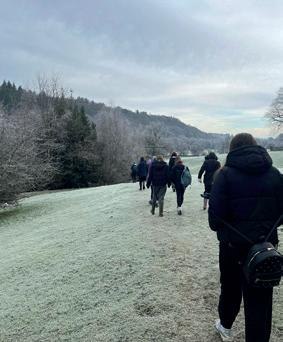
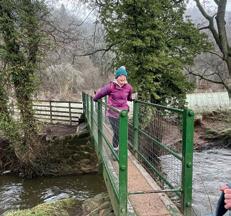
Students will grow in their confidence and understanding of both Physical and Human Geography. In an ever-changing technological world, students will learn the capabilities of GIS systems to enhance their understanding of geographical landscapes and the challenges faced by communities. Year 7 will complete their own fieldwork through at least one site study within the local area to collect, analyse and compare their own data.
What is the story of Earth?
Why are some countries rich whilst others are poor? How and why does the weather vary across Britain?
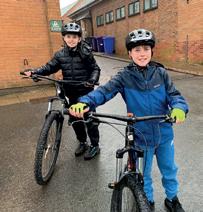
During lessons students are introduced to and encouraged to make links between their learning and the world they see around them. Geographical skills and knowledge can be applied to many aspects of everyday life, supporting your child to be curious about the physical world around them will help your child’s understanding. Conversations around locations and direction, migration and weathering will provoke deeper understanding. Websites such as BBC Bitesize, YouTube and extended documentaries offer excellent and engaging resource materials.
The History curriculum introduces students to a range of historical knowledge, skills and interpretations. Students study a range of key questions and evaluate different interpretations of the work of historians such as Simon Schama. The key questions have been carefully structured to build on knowledge and skills developed at Key Stage 2 and ensure that students are confident historians by the end of the year in the way they think, speak and write about History.
Transition into KS3 Did the Normans bring a ‘truckload of trouble?’
Why was the Church so important in Medieval England?
Could Medieval monarchs do as they pleased?
Why did people believe that 1348 was the end of the world?
Why was there a ‘religious rollercoaster?’ in Tudor England?
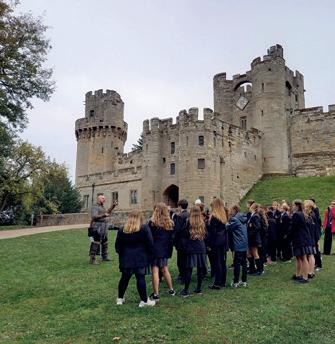
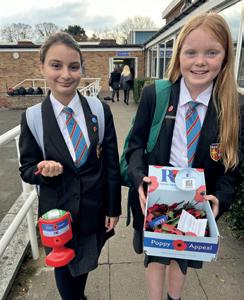
Students will grow in confidence as they learn about the impact of the Norman Conquest and will complete at least one local site study. The first site study is completed at Warwick Castle which provides an immersive and hands-on experience looking at the key features of Norman castles whilst exploring the castle’s history and what it tells us about the impact of Norman control. Students will extend their learning through involvement in whole school History projects such as Black History Month, our Remembrance Day Service and Holocaust Memorial Day.
You can help your child to flourish by talking to your child about the work that they are doing in school. We recommend encouraging your child’s thirst for knowledge by reading local and global news and making links between current affairs and topics learned. Websites such as BBC Bitesize and English Heritage also have some excellent resources to extend learning.
Why did the English kill their king in 1649?
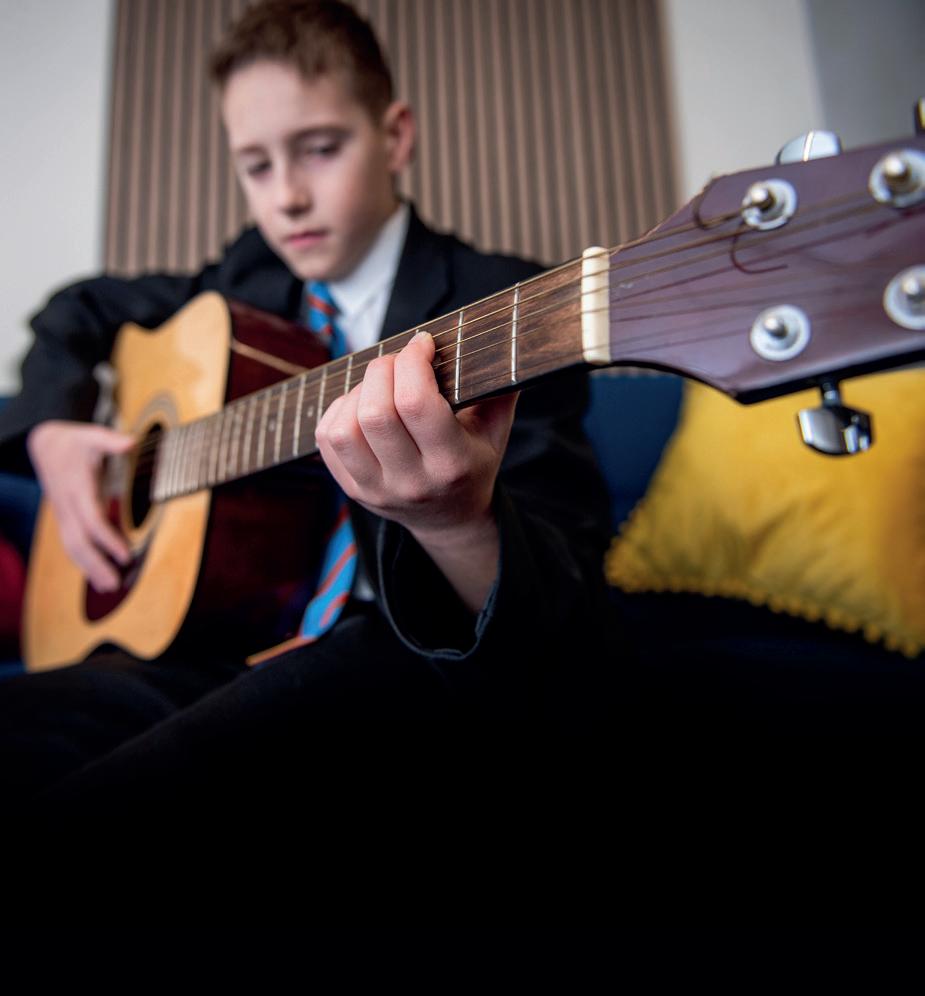
The curriculum introduces students to a wide range of musical styles, traditions, and historical periods while developing their practical, listening, and composing skills. Throughout the year, pupils will revisit and build upon skills developed in KS2, consolidating their understanding of musical elements such as rhythm, pitch, structure, and notation. These foundations are extended to equip students for the demands of KS3 and to prepare them for further study at KS4. Topics are carefully sequenced to ensure clear progression, allowing students to develop confidence as performers, composers, and listeners. By developing musical literacy, ensemble skills, and critical listening, we aim to nurture well-rounded and expressive musicians.
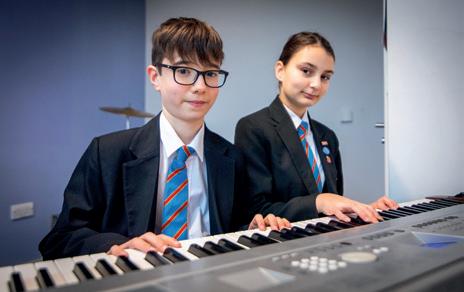
By exploring music from different cultures, time periods, and genres, pupils begin to understand how music reflects the experiences and identities of others. This understanding is reinforced through practical performance (singing and on the keyboard), composition, and discussion based activities. Where possible, learning is enriched through live music experiences, workshops, school performances, and opportunities to collaborate with others. All students are encouraged to take part in our extra-curricular musical opportunities which include Windband, Rockschool and two choirs. All of Year 7 are invited to perform at our Annual Carol Service and Summer Concert. We offer peripatetic music lessons on specific instruments from our highly qualified visiting music teachers. Lessons are delivered on piano, keyboard, violin, saxophone, flute, clarinet, drum kit and vocals. Lessons are weekly and during the school day. Students in receipt of Pupil Premium are entitled to half price lessons.

There are many resources, websites and apps that can extend musical learning beyond the classroom. We recommend BBC Bitesize Music, GarageBand, and FL Studio to support listening, composing, and theory skills.
Encouraging students to listen to a wide variety of music at home, attend live performances, or watch concerts and documentaries can greatly enhance their musical understanding.
In this subject we use Ten Ten resources which build on the topics delivered in our feeder schools to ensure consistency. The topics explored require empathy, compassion, integrity and understanding as we open discussions on fundamental age-appropriate questions. We examine what healthy relationships are by exploring what makes a good friend, when and where to seek help for us and others. Later we turn our attention to the challenges of the outside world as we start to consider vocations and positive representations of self.
• Managing change
• Who am I?
• Identity
• Building effective relationships
• Solving conflict
• Communicating emotions
• What is a career?
• Dream jobs
• Entrepreneurs
• Work life balance
• My future
• Changing bodies
• Puberty
• Unhealthy comparisons
• Online safety
• Living responsibly
The topics develop our young people to be well-rounded, compassionate and empathetic individuals ready for the challenges of our modern world. It is well recognised that students will not achieve academically if they are not happy personally - our curriculum is designed to give them the knowledge and skills to equip them for life so that they can thrive and achieve their full potential.
You can help your child to flourish by talking to your child about the work that they are doing in school. We recommend encouraging your child’s enthusiasm for knowledge by reading/watching local and global news and making links between current affairs and topics learned.
Year 7 Spanish unlocks the power of fluency. Students continue along their path to becoming independent, resilient and confident Spanish speakers. We will build on the curiosity and enthusiasm sparked in transition activities with our primary school by giving our linguists the keys to the engine so they can drive the language themselves. Our Year 7 curriculum has been designed to upgrade from memorisation to mastery through activities that repeat core skills. Students will learn what to say but also how it works as they focus on core grammar.
Transition into KS3
Describing self, family, pets and others using a range of full sentences and understanding how adjectives agree
Talk about Free time, hobbies and activities giving a range of opinions and reasons
Talk about school including descriptions and opinions on school rules
Describing your town/ village and give opinions on other places. Make plans using the future tense
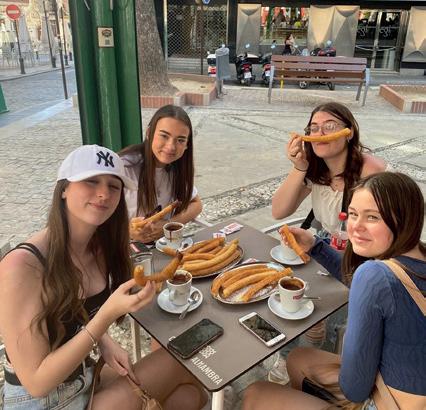
Throughout their studies Year 7 will be provided with the tools to perfect their accent and boost their confidence in speaking performance as they master phonics. They will be able to deepen their expression as the curriculum introduces past and future tenses. In enrichment time they will explore cultural differences through experiences of European food, engagement in The British Council activities and opportunities to explore Latin American dance.
Language learning is a superpower in the modern world. Year 7 is the critical moment when students become linguists. At St Benedict’s they will have the opportunity to become Language Ambassadors and work on projects with other language learners in our region. They can also look forwards to the opportunity to travel through our KS3 Barcelona and Brittany Trips and see language in action. Our aim is to equip students with a global mindset and a cognitive toolkit that will serve them for the rest of their lives.
St Benedict’s
Catholic High School Build. Grow. Flourish.
Kinwarton Road, Alcester, Warwickshire B49 6PX
Tel: 01789 762888
E-mail: sbe-office@sbe.magnificat.org.uk
www.sbe.magnificat.org.uk