As a graduate architect student, the work presented showcases skills from the last year of my education as well as some selected works from my undergraduate studies. As I learn more about Denver and the current displacement happening, my shift is for the benefit of people, and maintaining the diverse neighborhoods we are so lucky to have. Through my career, everything I create is a public service for all to enjoy, and I plan to carry that wish into my professional career. My skill and knowledge has changed drastically, from online learning to a passion for creating. Whilst being a work in progress, this portfolio highlights my process through my education and my desires to build stronger communities.
Madylin Kessler
Involvement
Present - December 2022
NOMA Member
2024 Future of the Chapter Award
Co-chair of the Historical and Community Outreach Commitee. Working with NOMA chairs to help organize events, including a yearly kids camp to teach underpriveleged kids about architecture.
Present - May 2022
Puksta Scholar, University of Colorado
Denver
Learning skills to make an impact in the Denver communities. Currently forming a project and research ways to educate and help people under the threat of displacement.
August 2020 - May 2021
JEDI Scholar, University of Colorado Denver
Demonstated the want to create a more equitable and diverse community in Denver
Work
Present - June 2024
COCO Event Group - Co-founder
Curated events to bring Denver community together while uplifting local artists, photagraphers, and creators.
November 2020 - May 2024
Lola and Rob Salazar Student Wellness Center
Program Manager and Facility Supervisor
Recruit, hire, train, and mentor 20 Operations Associates, and improve operational efficiency by creating weekly/ monthly trainings and staff training.
Present - 2 year
The Woods at The Source - Server
June 2021 - July 2022
Terminal Bar Denver - Server
Education
Present - August 2024
Masters of Architecture, University of Colorado Denver
2020-2024
BS of Architecture, Minor in Landscape Architecture and Construction Management, University of Colorado Denver
Personal Values
◊ Community Engagement
◊ Youth Involvement
◊ Responsibility and Accountability
3
2 STEREOTOMIC/TECTONIC P. 15 1
4
RESIDENCY P. 7
NATURE CENTER P. 1 HOUSE MUSEUM P. 11
WOODLAND HABITAT
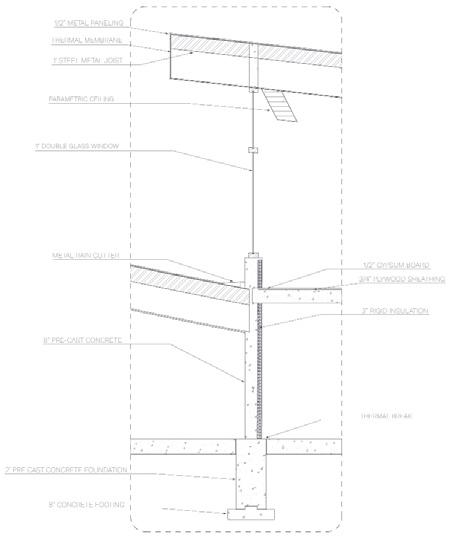
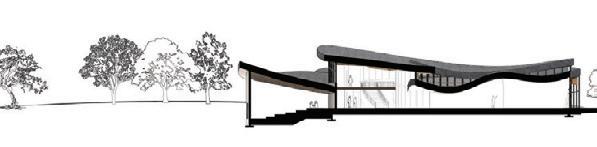
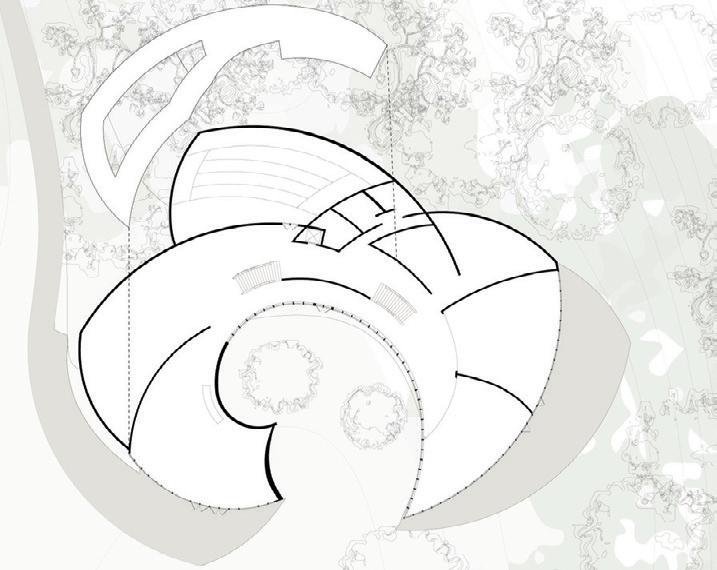
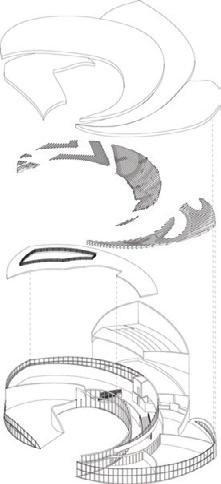
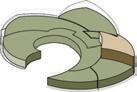
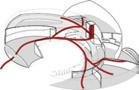
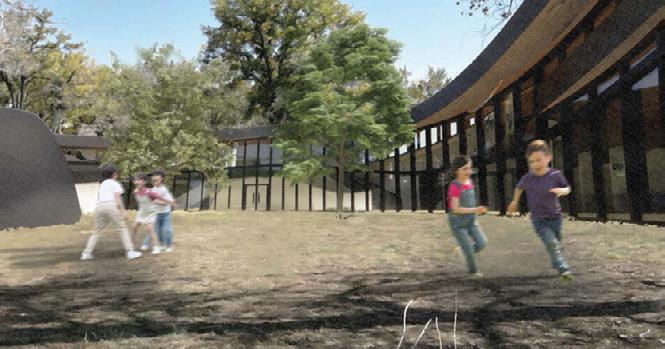
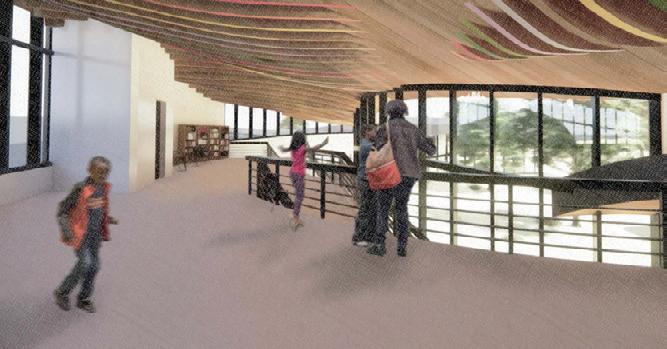
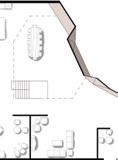
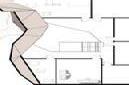
The Woodland Habitat Nature Center is a designed nature center located in Chatfield, Littleton, Colorado, dedicated to creating safe and engaging outdoor spaces for children and fostering a deep connection with nature. The project features a semi-enclosed playground that encourages free play while ensuring safety, as well as multiple classrooms where visitors can learn about the natural world and use elements of nature to create unique crafts. A key architectural feature of the building is its parametric ceiling, which not only enhances the spatial experience but also serves as a wayfinding tool, subtly guiding visitors to scenic viewpoints throughout the space. At the entrance, an exhibit provides educational insights about the rich ecological and cultural significance of the Chatfield area, inviting guests to begin their journey with a deeper understanding of the environment. Woodland Habitat seamlessly blends play, learning, and exploration into an inspiring experience for visitors of all ages. With two large learning rooms, an ampitheater, and a second floor observation area, this nature center offers a creative and exploratory space for children. The building has slowly morphed with intentions of a biophilic design, utilizing curves to promote the procession and movement through the space.
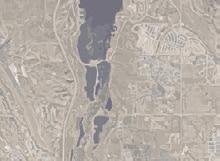
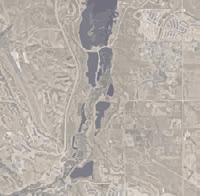
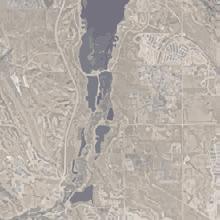
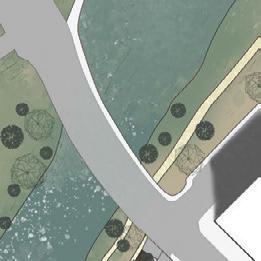
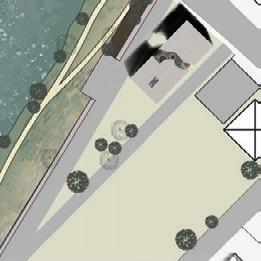
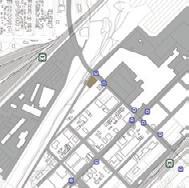
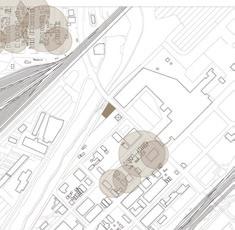
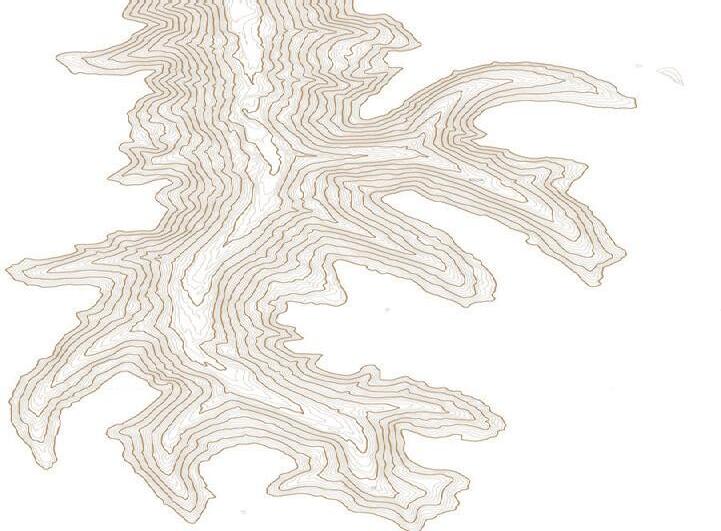
SITE CONTEXTCHATFIELD STATE PARK
FLOOR PLAN KEY
A LOBBY/ENTRANCE
B EXHIBIT SPACE
C AMPITHEATER
D VEIWING/ OBSERVATION
E STORAGE
F RESTROOMS
G CONFERENCE SPACE
H OFFICE SPACE
I CLASSROOM 1
J CLASSROOM 2
K OUTDOOR CLASSROOM
L FOUNTAIN
ROOF CURVES
CIRCULATION
SAFE PLAY
PARAMETRIC CEILING PANELS
OBSERVATION / VIEWING FLOOR
PRIVATE VS PUBLIC
AMPITHEATER
ACCESSIBILITY private public
OUTDOOR COURTYARD
OBERVATORY/ VIEWING FLOOR
STONETRAIL STUDIO
This residency, located in RiNo Denver, was designed with the prompt of holding two types of thinkers that would inhabit the space for a 16-week project. Our first thinker is a lapidary, someone who specializes in the finding of various gems and using them to create beautiful works of art and jewelry. Lapidaries have knowledge on the worth of gems, where to find them, and how to refine them into an art piece. Our second thinker is a soil ecologist, someone who is passionate to learn about the various types of soils that exist and how erosion and movement affects each ecological region. Soil organisms and how they interact with the environment is crucial for the way life moves around, and seeing the response to human impact is essential for ecosystems. The topic of mining is relevant to Colorado, and both thinkers can apply their skill and knowledge to the table. There is a difference between the two thinkers, as they tackle cultural and economic issues differently. At the end of the residency, there will be a final gallery showcasing the artists and the local/regional issue that they tackled within their research. They could be looking at mountain erosion, water quality, filtration, and wildlife vegetation and how mining affects those systems. Our thinkers will be doing collaborative work and general research on the validity and ethics of exploiting natural resources for the trade of custom jewelry and general ornaments. However, both thinkers will work collaboratively to create a display by using the site and surrounding areas (field days) to obtain information materials tied directly to their concept. This project seeks to thoroughly inform and educate the public on the positive AND negative impacts of extracting natural resources for beauty purposes.
CARVE
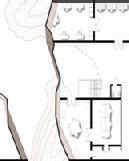
In the center space of the building allows the general public to experience the art pieces being created by the thinkers inhabiting the space.
The north side of the building consists of a series of work spaces, with a lab for the ecologists and a grinding room for the lapidaries. The second floor has collaboration space to produce a joint final project.
LIVE WORK
The southern side is where the thinkers reside, with a large lounge area and relaxation space to de-stress from the work being created. There is a large kitchen with all the essentials and coffee to gear up for the day. Upstairs are individual rooms with joint bathrooms.
FLOOR PLANS - 1ST FLOOR
2ND FLOOR
CARVE WALKTHROUGH
FLOOORPLANS FLOOR
IRONCLAD HERITAGE HOUSE
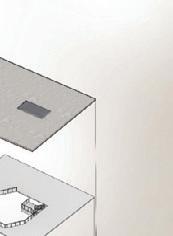
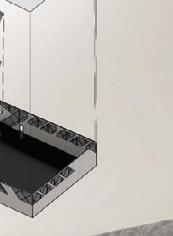
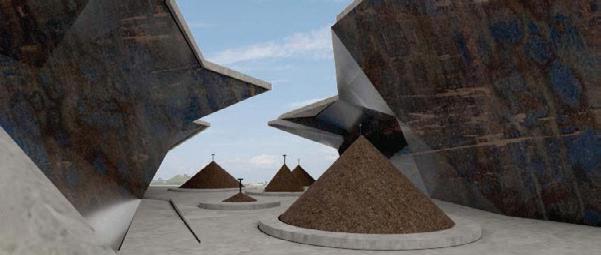
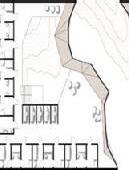
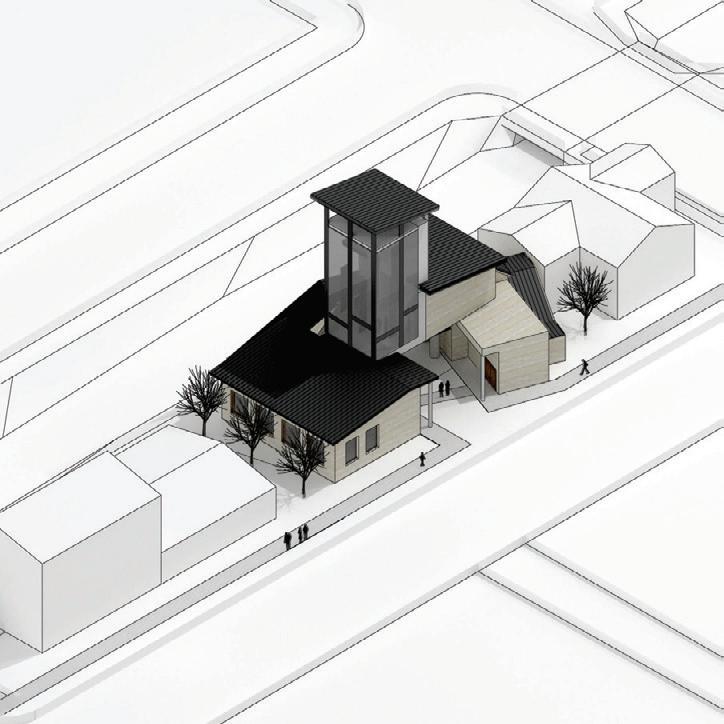
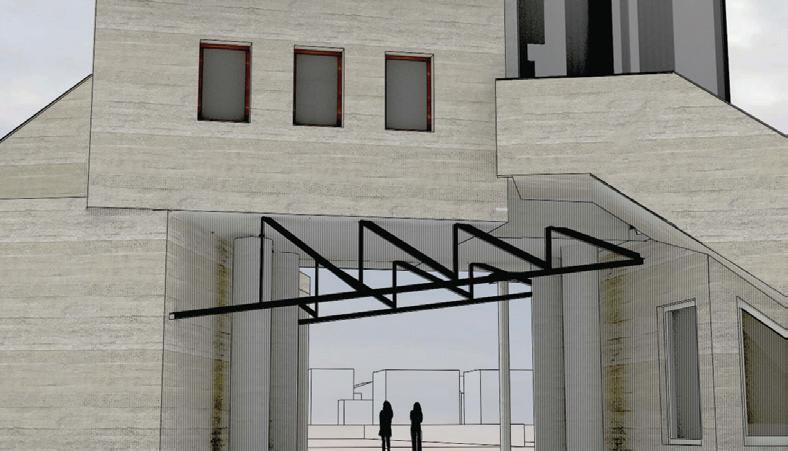
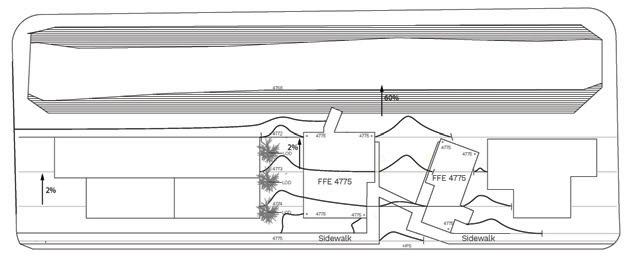
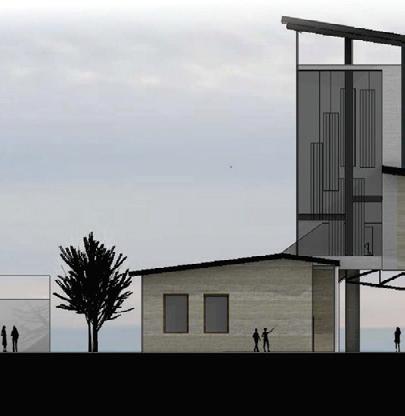
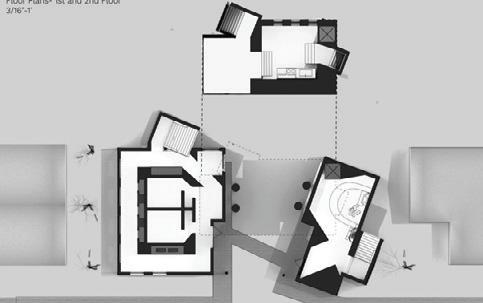
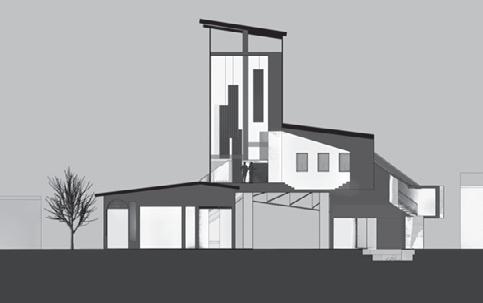
For studio 3, the Ironclad Heritage House focused on designing a museum building that honored the lives and labor of the workers at the Bessemer Steel House in Pueblo, Colorado. The design highlighted the textiles and clothing worn by the workers and their families, offering a tangible connection to their daily lives through carefully curated exhibits. A key feature of the museum was a hot room, designed to simulate the intense heat and conditions near the crucible where workers toiled. This immersive experience allowed visitors to understand the physical demands faced by the steelworkers. Additionally, a second-floor space provided a reflective area, showcasing pieces of the workers’ homes—objects that offered a glimpse into their personal lives and resilience. This thoughtful blend of artifacts and environments created a space for both education and contemplation of the human cost of industrial labor.
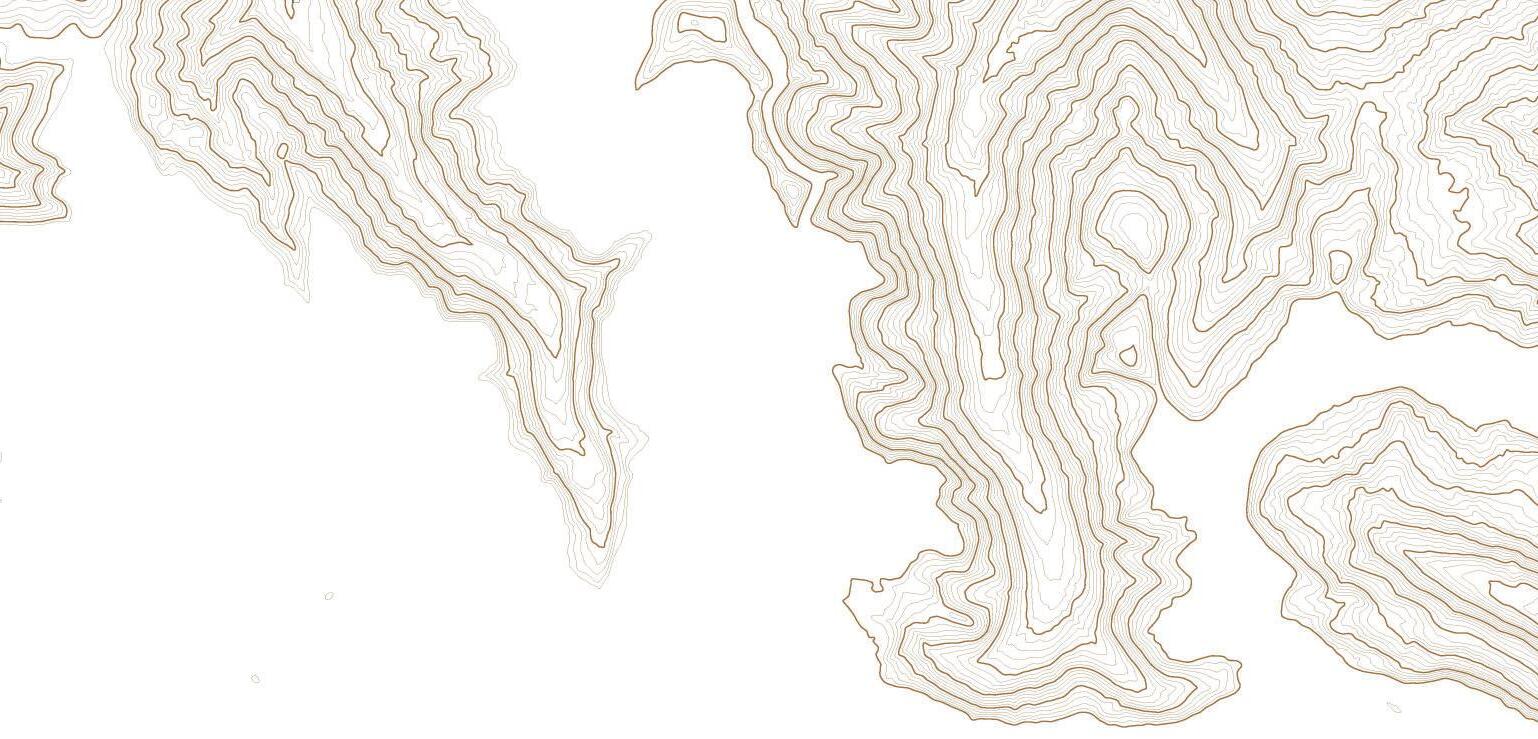
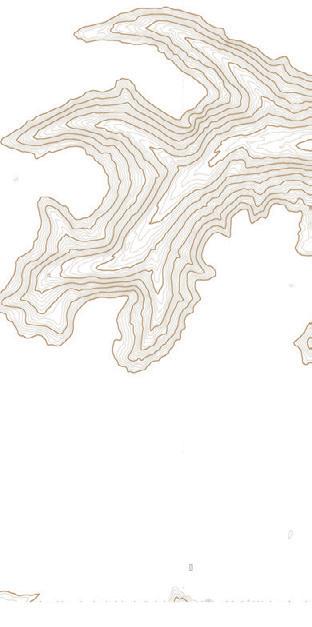
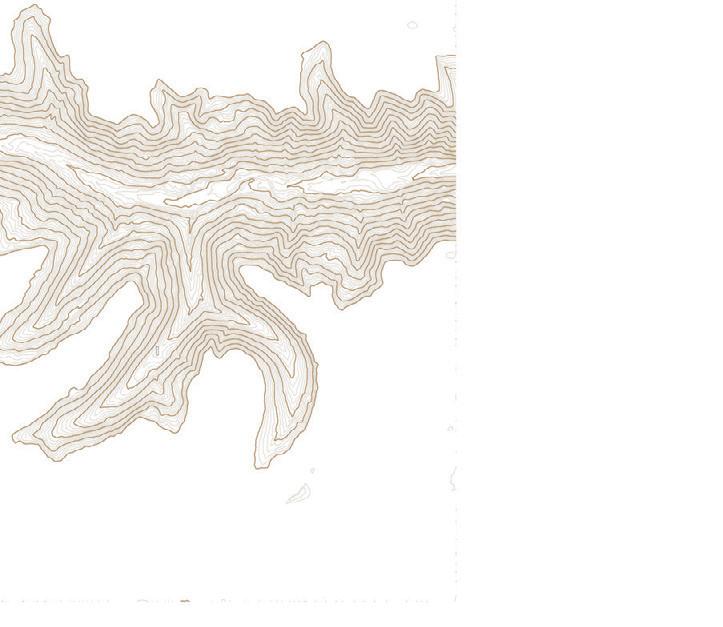
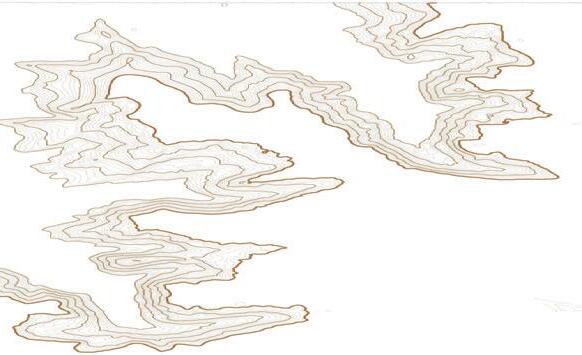
SITE GRADING
BUILDING SECTION CUT
FLOOR PLANS - 1ST AND 2ND FLOOR
STEREOTOMIC/TECTONIC
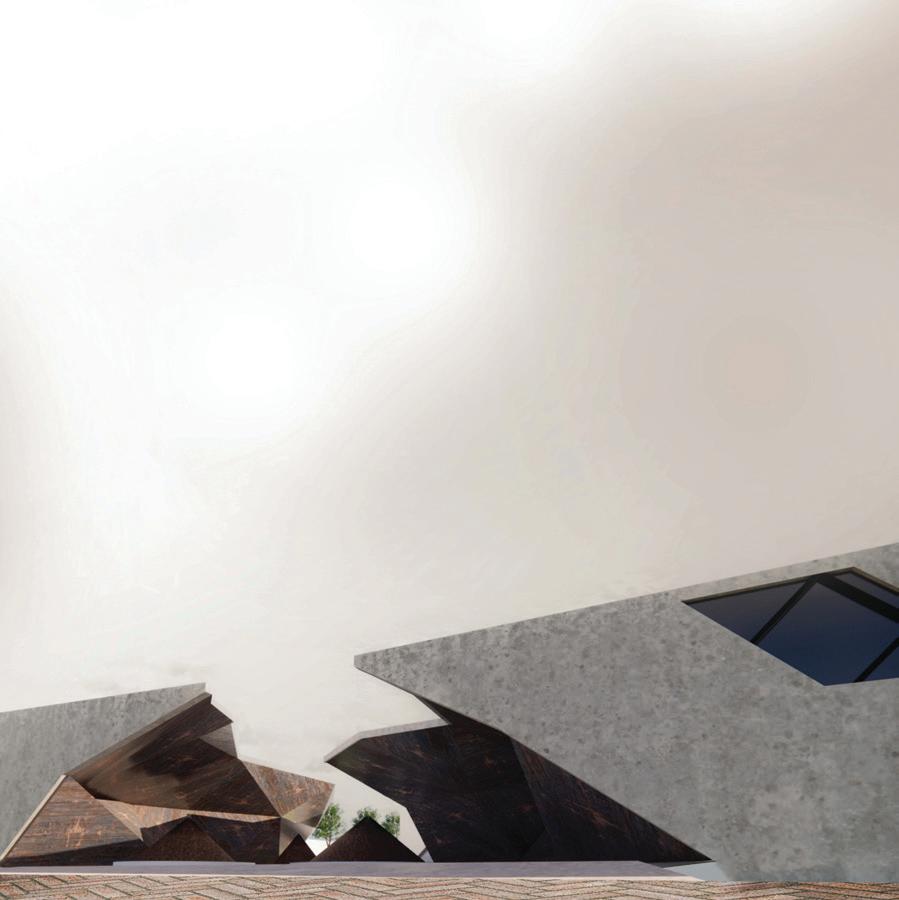
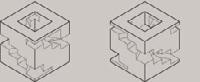
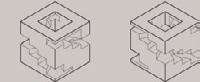
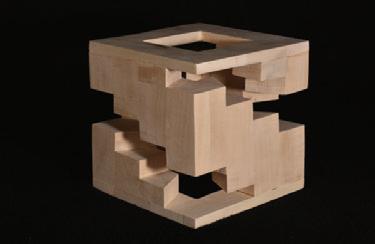
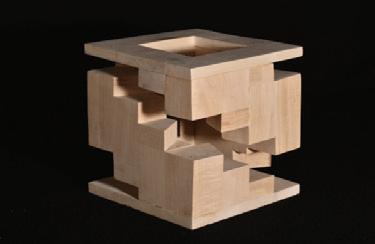
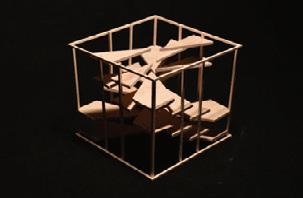
With the idea of a spatial relationship of the voids, I sought after balance within the moving parts of the cube. The object has the envisionment of each component containing spaces that stand freelance, while having enough of the mass to remain stereotomic. The thin layers that top two sides of the piece allow the flow of movement to stop, refraining the spiral continuation. Each block implemented moving upward is measured out and equal to the symmetric piece on the other side, continuing harmony within the equity of the shape.
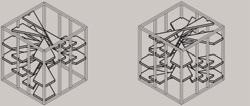
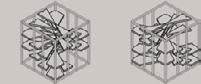
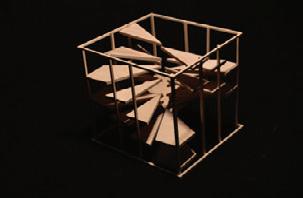
For the tectonic portion, ideas of spiral, ascension, and confinement within the same frame of the new object. The idea of the spiral staircase is a key portion that is aimed with the tectonic object, maintaining the core aspects of the stereotomic box. In order to hold both spiral motions soundly, rods are attached to the end of each dowel, allowing freedom of shape and motion with each geometric shape. In the stereotomic object, the spiral is confined with rectangular prisms on each side of movement. To the contrary of the stereotomic, the confinement of continuation is allowed to be continued and the movement upward is assumed through the openness of the object. In comparison to a DNA strand, the tectonics allows the movement up and around, less restrictions to the airy movement allowed.