Work Sample | 2025 | USC School of Architecture | Class of ‘25
Blooming into View: The Evolution of Hacienda Yaxcopoil
Growing Forward: Planting Generational Routes
Designing Maximal Housing: Pollination Education
The Money Train: Growing Beyond the Classroom
The Reading Room
Work Experience
Architectural Intern at Intoto Studio - Detroit
June-July 2021
Utilized Rhino 7, Grasshopper, and Autocad to produce wall tile schemes for a commercial recreation center. Built study and presentation models. Created graphic standards for presentation creation. Conducted precedent research.
May-August 2022
Softwares
Rhinoceros 7/8
AutoCad
Enscape
Adobe Illustrator, InDesign, Photoshop
Premiere Pro, Lightroom
Microsoft Office
Google Workspace
Additional
Graphite drawing
Acrylic Painting
Oil Pastels
Architectural Intern at Solomonoff Architecture Studio - New York City
Participated in schematic design and design development of an adaptive reuse non-profit using Rhino 7 and Enscape, and the creation of study models. Assisted in presentation creation and precedent research in InDesign. Worked on residential, educational, and commercial projects. June-July 2023
Assisted in completion of As-built drawing set for single-family residential project using AutoCad. Created material sample palettes. Participated in the 3D modeling of topographical site model to 3D print study models. Participated in the design of a coat rack and lamp for the office space utilizing Rhinoceros 7 and Grasshopper.
Architectural Intern at SmithGroup - Los Angeles
June-August 2024
Gained experience working on healthcare and higher education projects in the schematic design, design development, and construction administration phases, as well as LEED credit documentation.
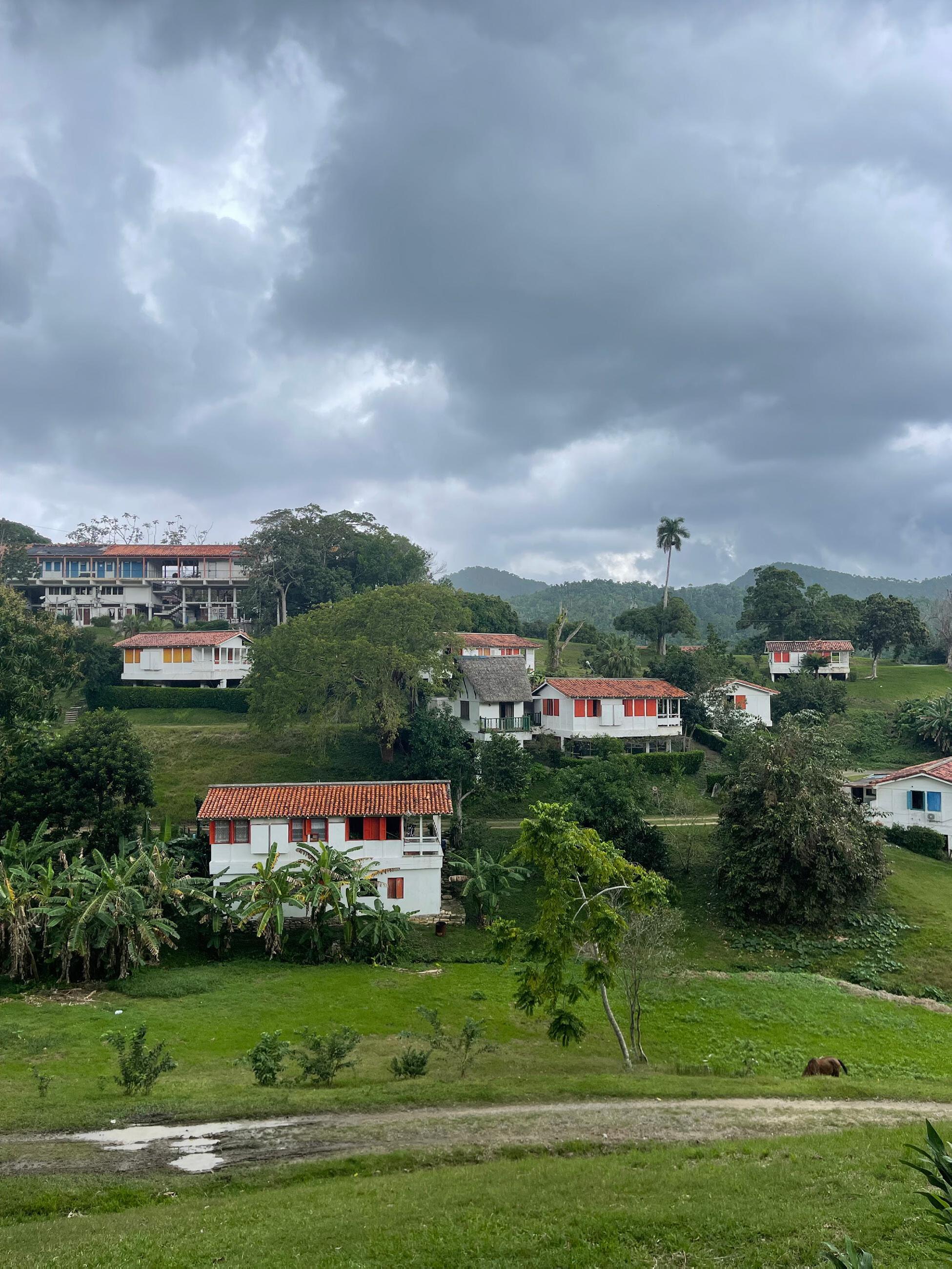
Blooming into View: The Evolution of Hacienda Yaxcopoil
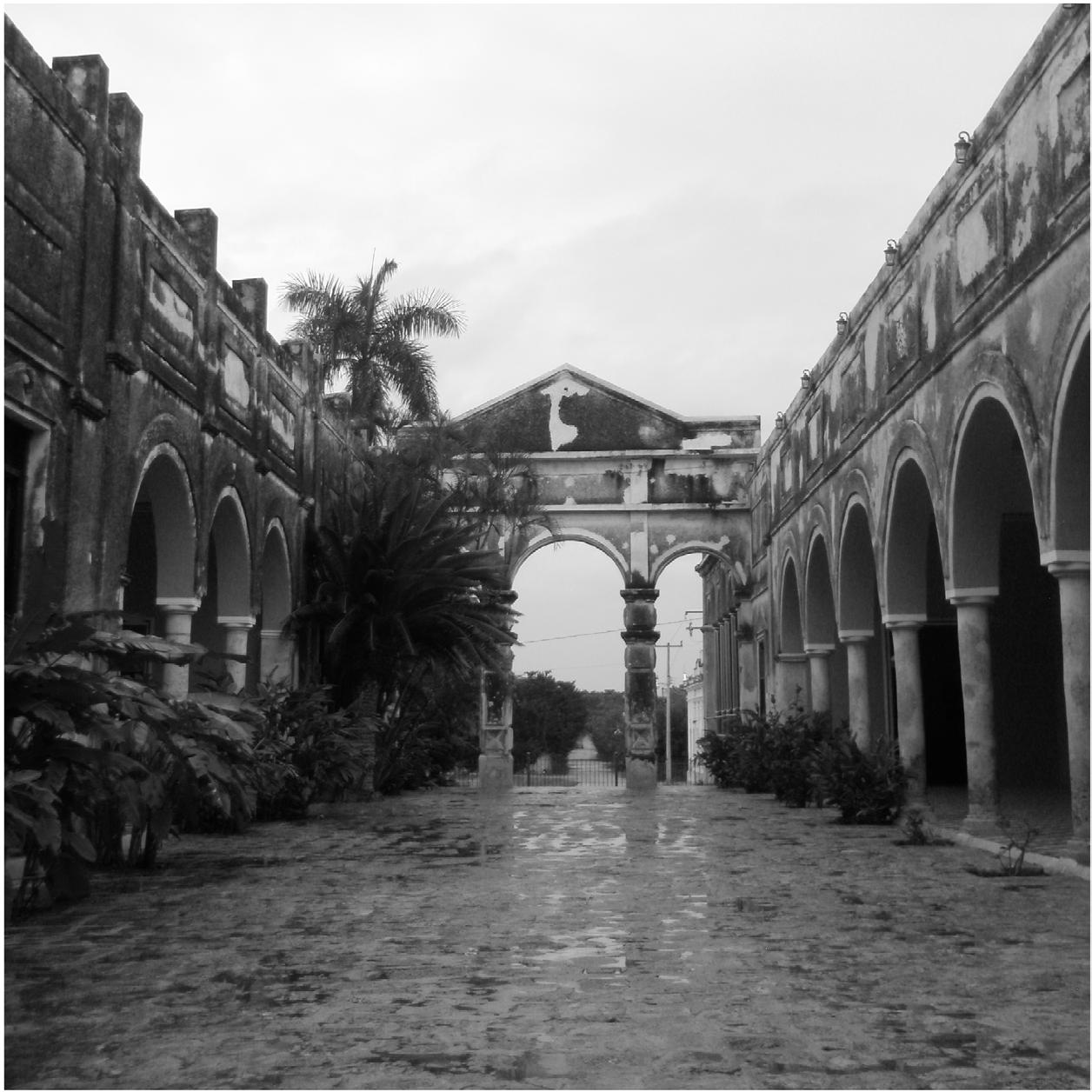
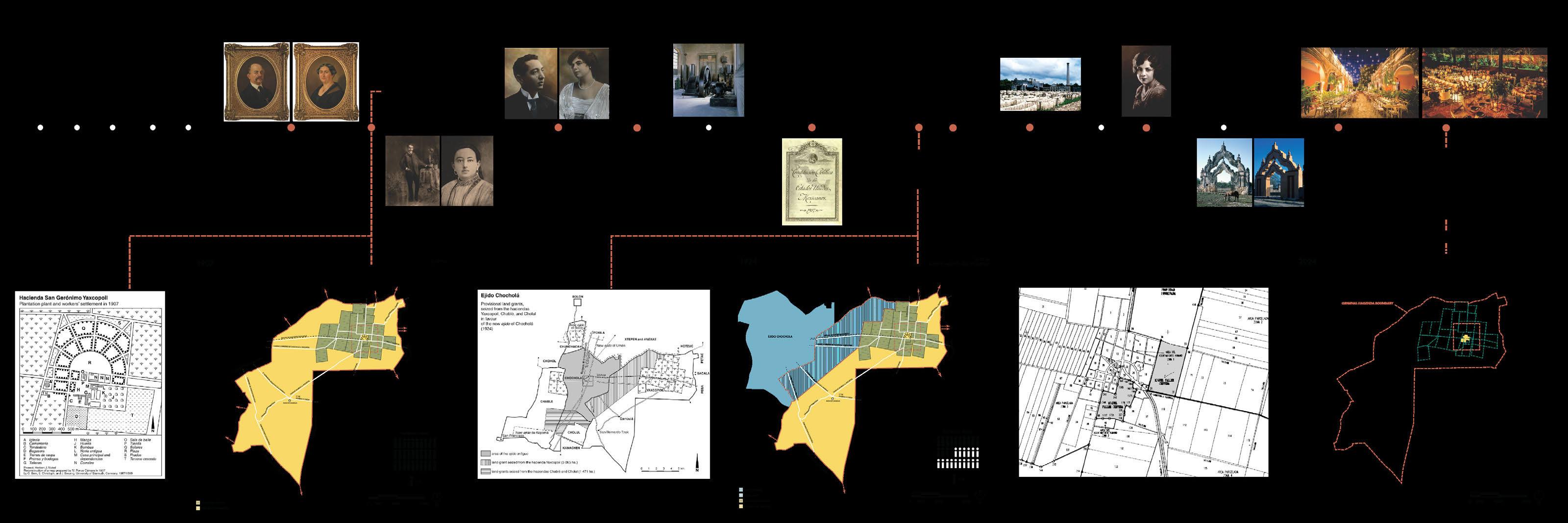
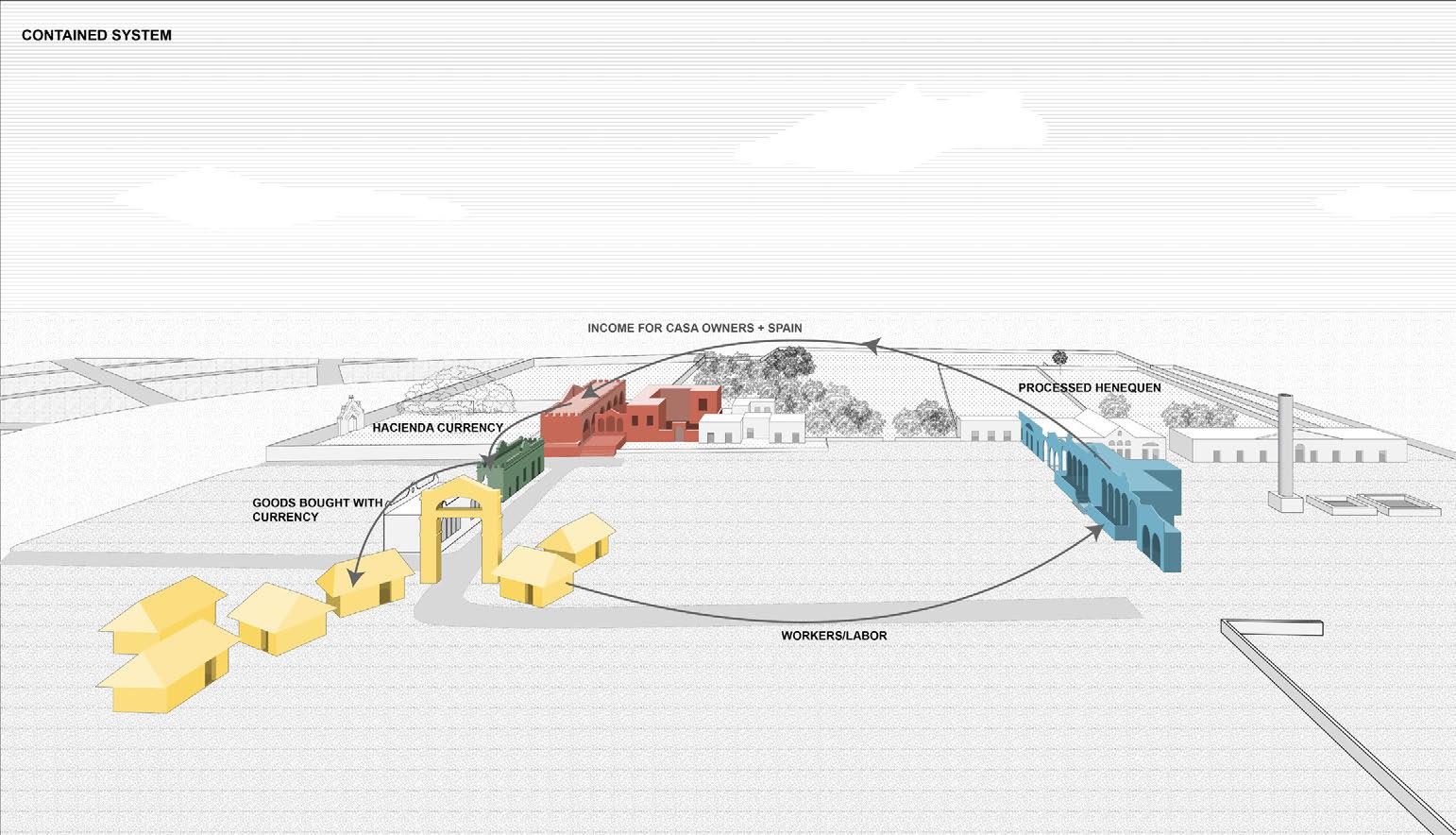
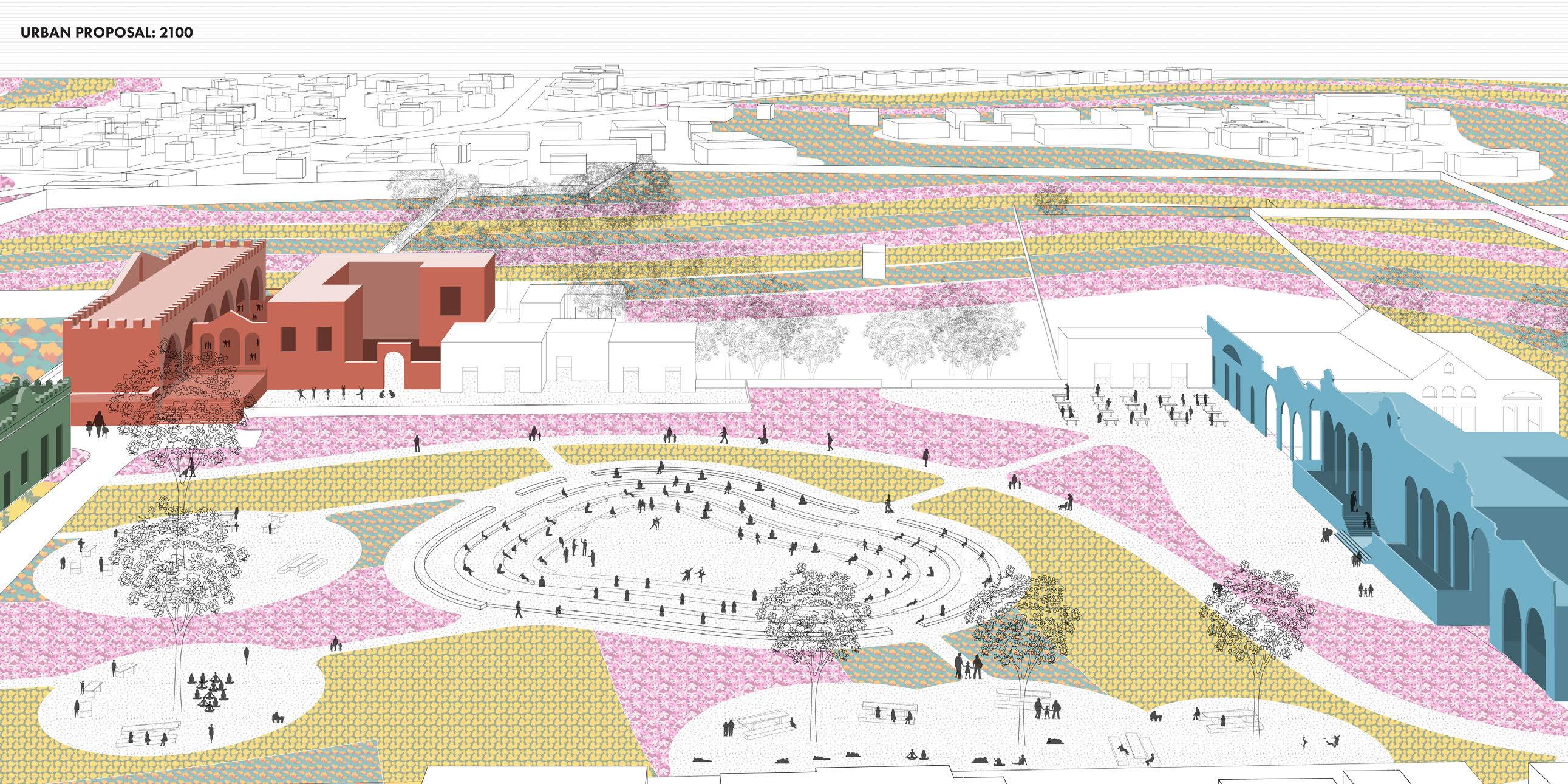
The history of Hacienda Yaxcopoil as a mechanized plantation to produce Spanish capital has for decades been obscured by its present-day role as a scenic tourist site.For the better part of a century the hacienda relied on the labor of indigenous people kept in peonage to grow, process, and sell henequen fiber.The hacienda is simultaneously a ruin, historic monument, object of preservation, and most recently, a romantic events destination.
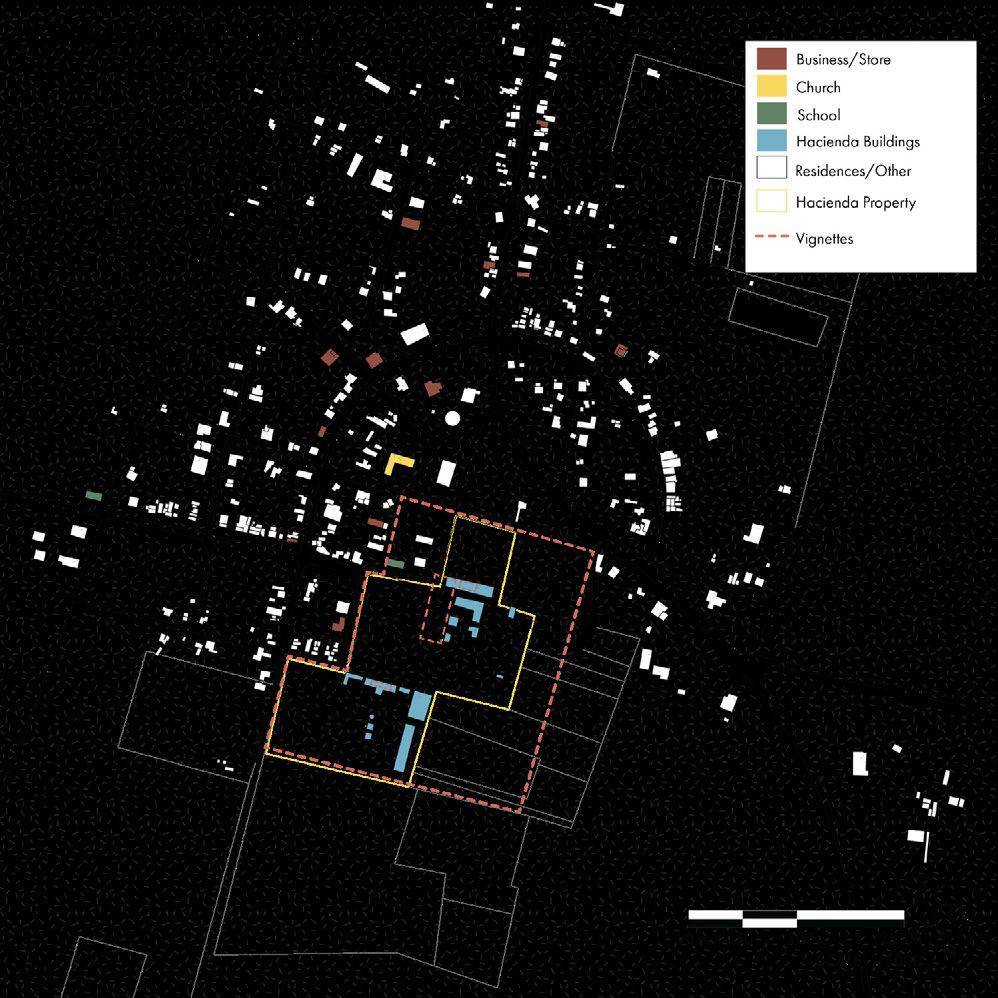
Today, vestiges of the old production system remain, albeit without the bluntness of its previous exploitative nature. As a tourist attraction and events venue, the old plantation site draws increasing income from its visitors.Its current employees are a handful of residents from the town, some of whom are former hacienda workers or their descendants from henequen processing days.
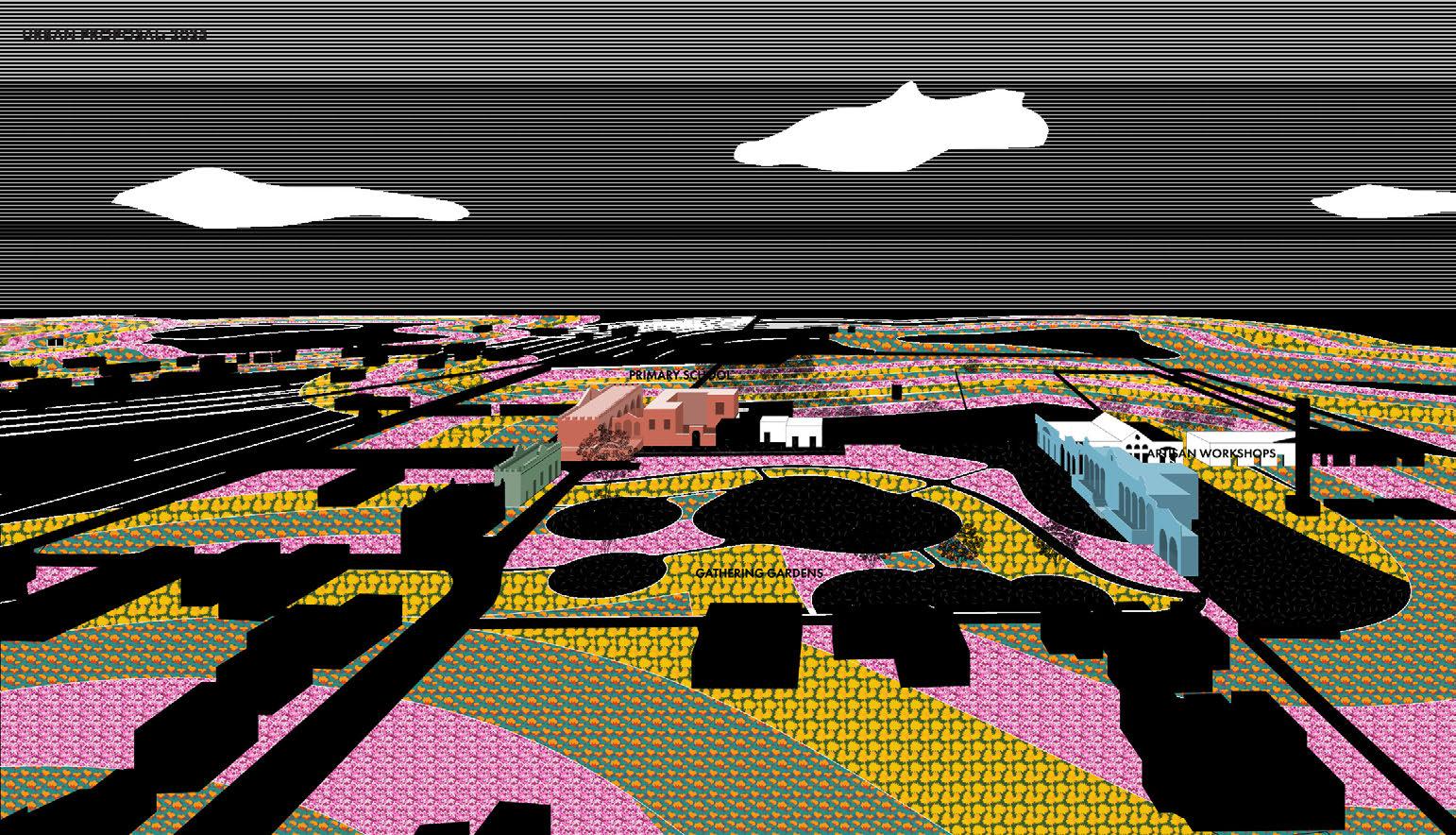
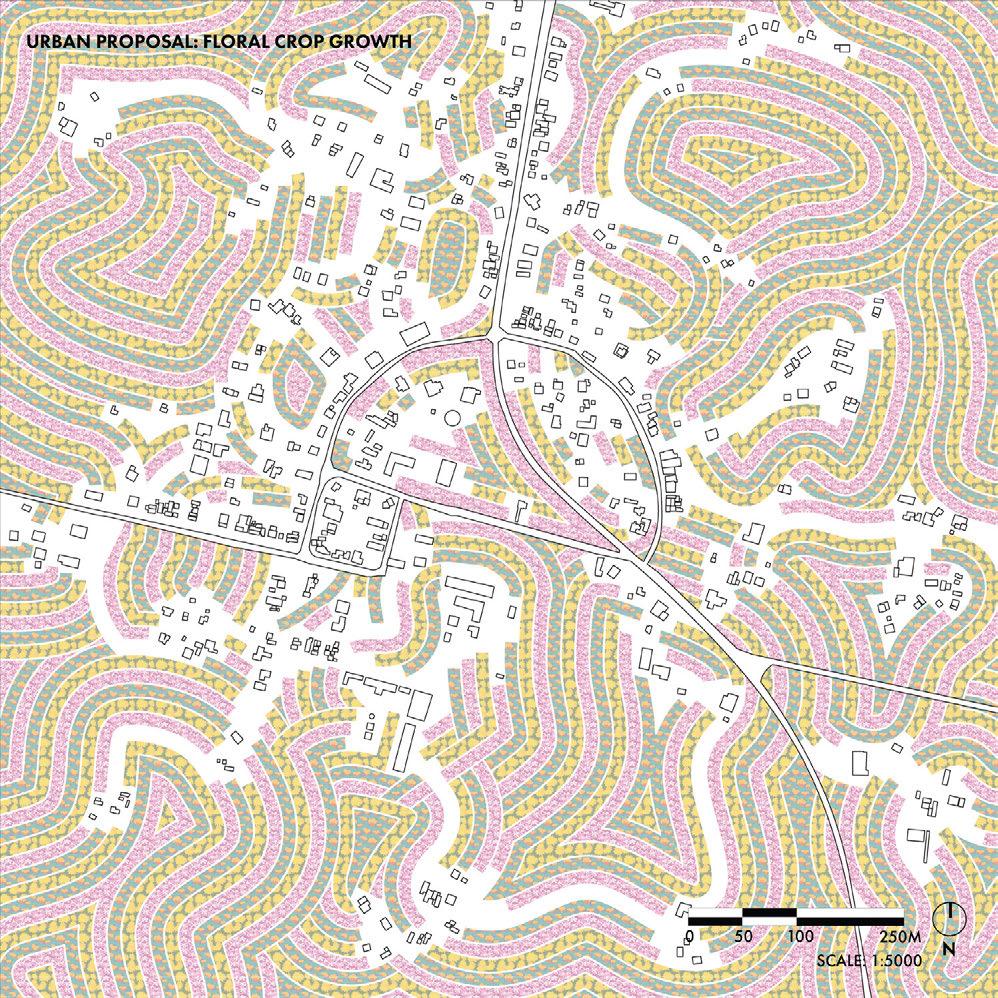
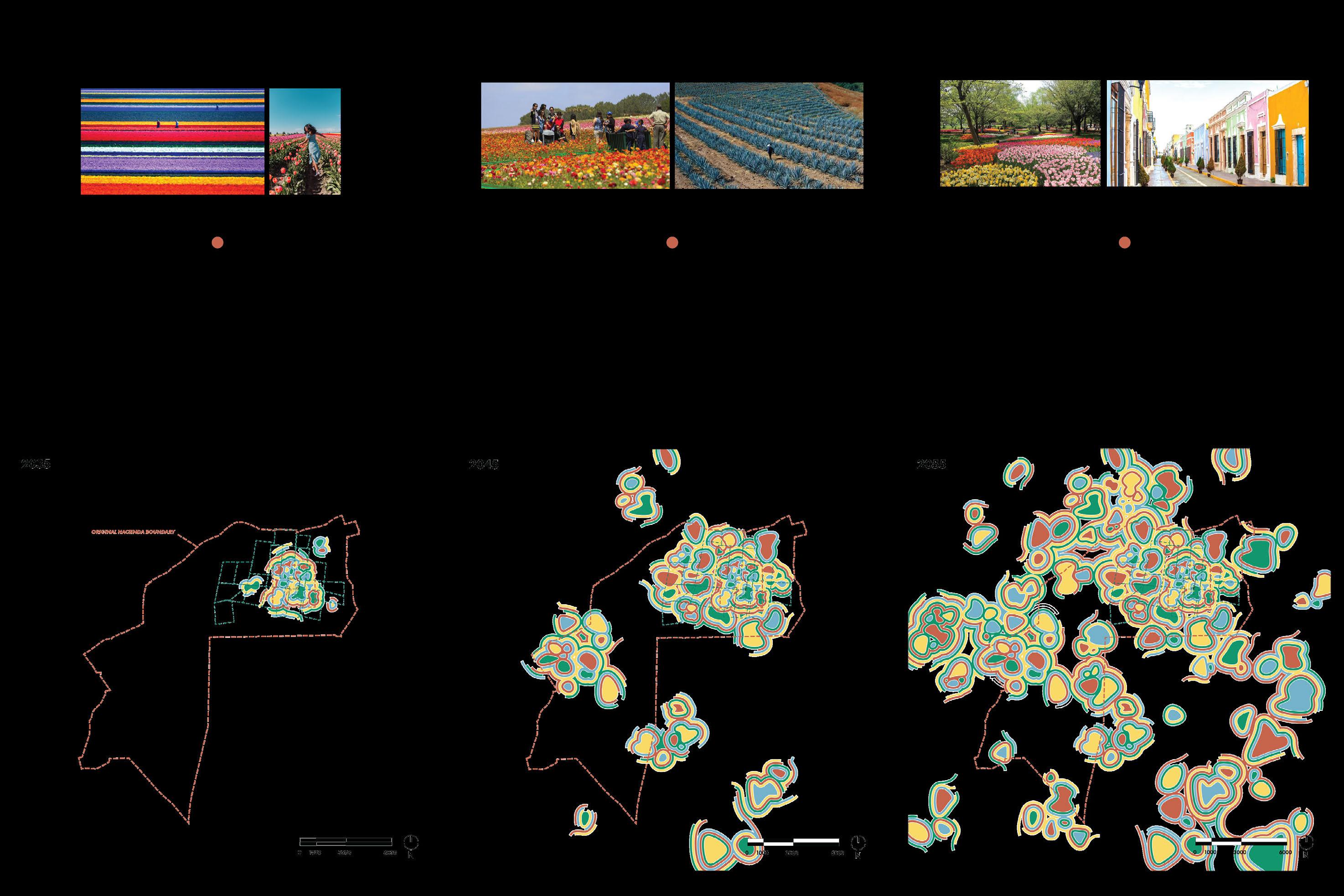
It is likely that in the future, a boom in flower growing or existing crops will occur in the area, taking advantage of the abundance of open land and growing population.In our proposal, Hacienda Yaxcopoil’s buildings would be repurposed as artisan workshops, a marketplace, and a school, returning land and resources back to residents, in contrast to the old economic system. The main quadrangle layout of the hacienda buildings, previously a space where voices of the town residents were silenced, now becomes an agora-- a site of civil discourse, community engagement, and for the cultivation of the historic town’s identity.
A Future-casting project on the trajectory of Hacienda Yaxcopoil- Yaxcopoil, Yucatan, Mexico
This is a collaborative project with Izabella Flores
Completed Fourth Year, Spring 2024, LATAM Study Abroad
Growing Forward: Planting Generational Roots
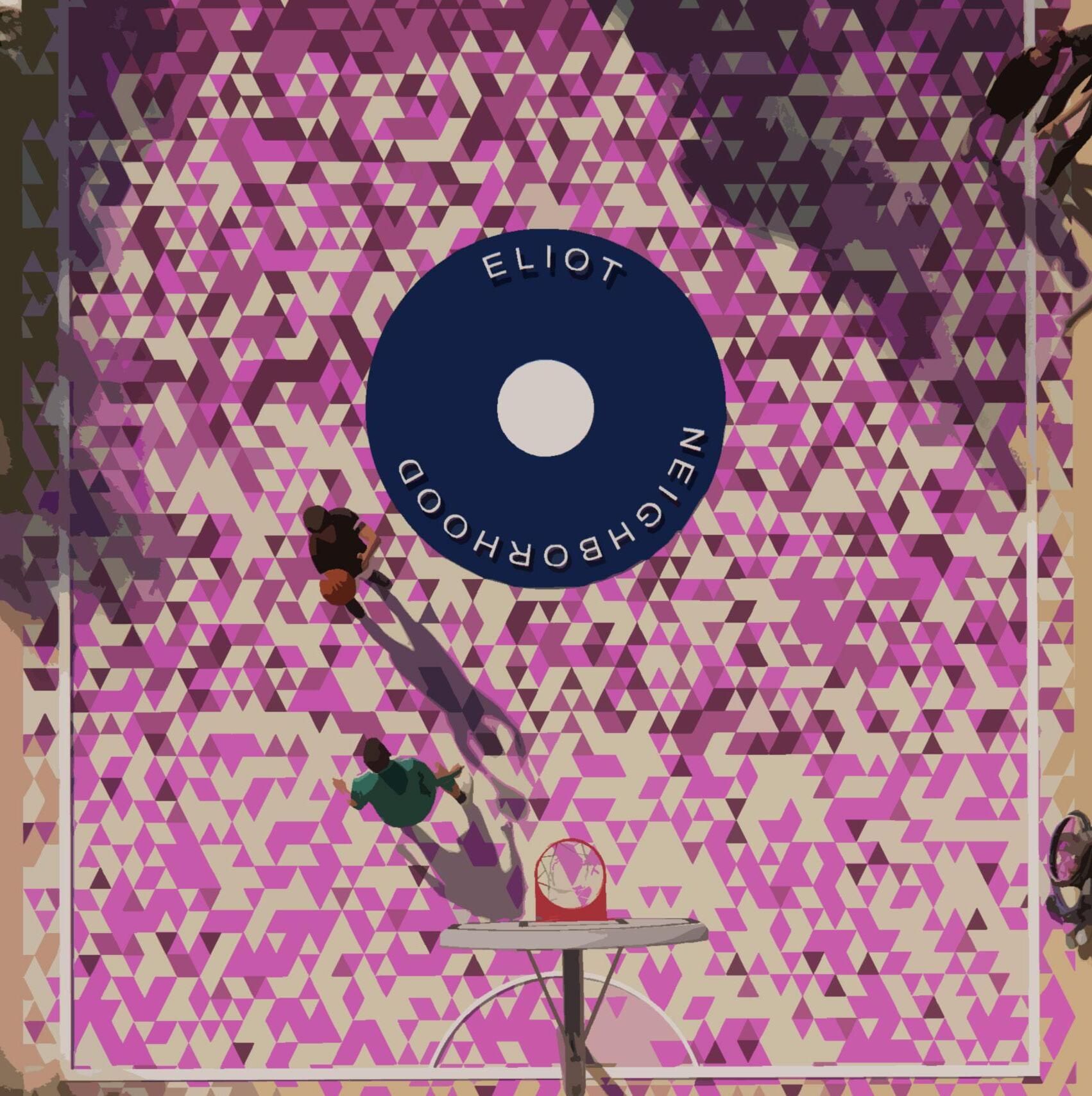
Growing Forward: Planting Generational Roots is about connecting generations through the retelling of history as well as cultivating intergenerational interactions. The documentation of the historically black Eliot neighborhood is present not only through the library but through the murals of Daren Todd, whose artwork focuses on capturing the significance of the black community in Portland.
The modular form of the complex creates spaces for different generations to live alongside one another. The landscape programming also creates these intergenerational links.Two playgrounds and the basketball court are connected to the rose garden via the outdoor community plaza, connecting the younger and older generations. Steel rails in the plaza pay homage to Portland’s black railroad workers.
In addition, through the urban forest, gardens, and kitchen, we provide healthy meals and job training opportunities. There are bike paths that connect with public transportation systems.
Finally, a variety of retail and makerspaces allow for unique community entrepreneurship. Through these interconnecting programs we create a root system that ensures Eliot’s legacy remains resilient.
This is a collaborative project with the 2023 USC National Organization of Minority Architecture Students (NOMAS) Design Competition Team
Barbara G. Laurie Student Design Competition, Fall 2023
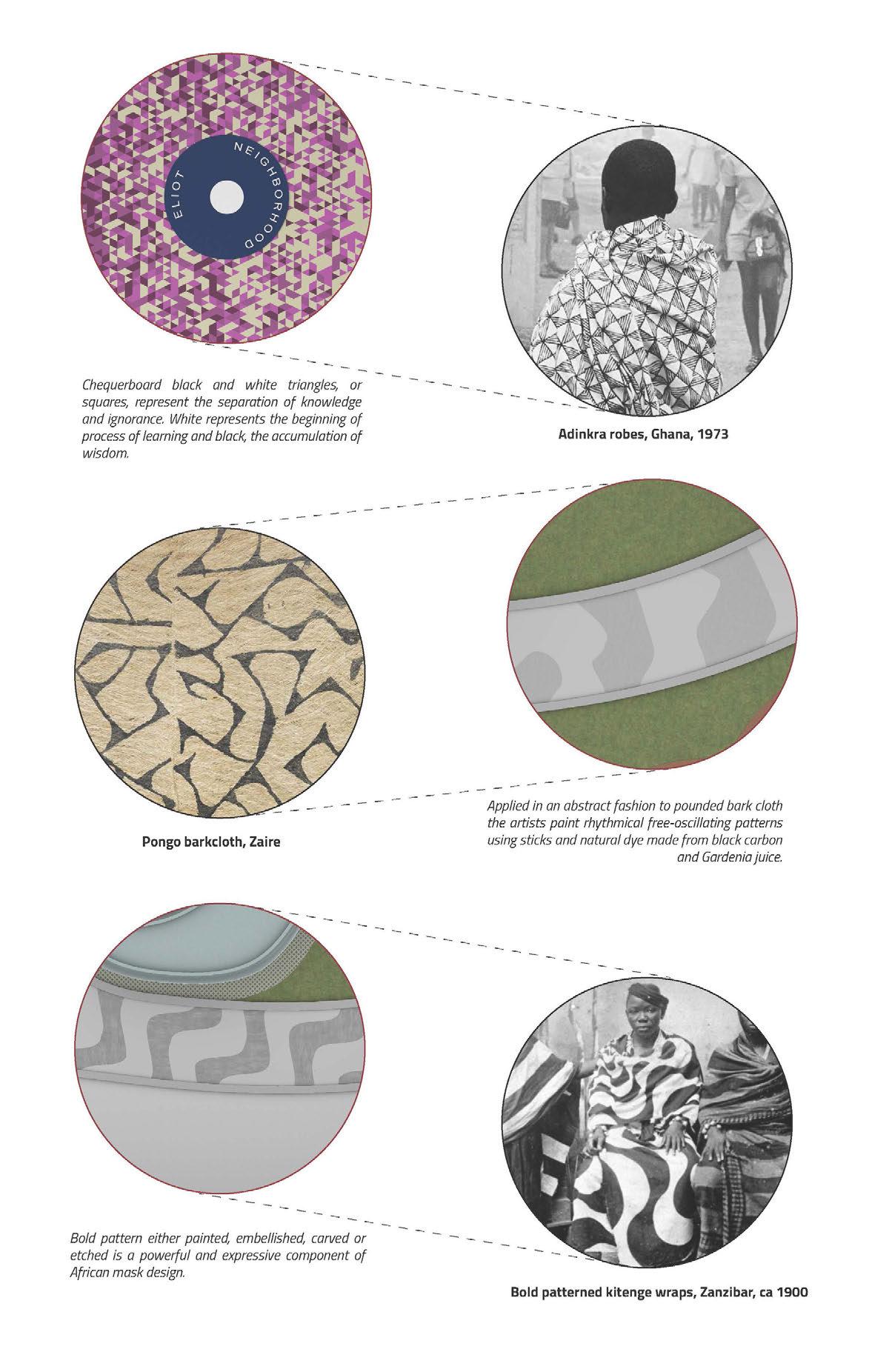
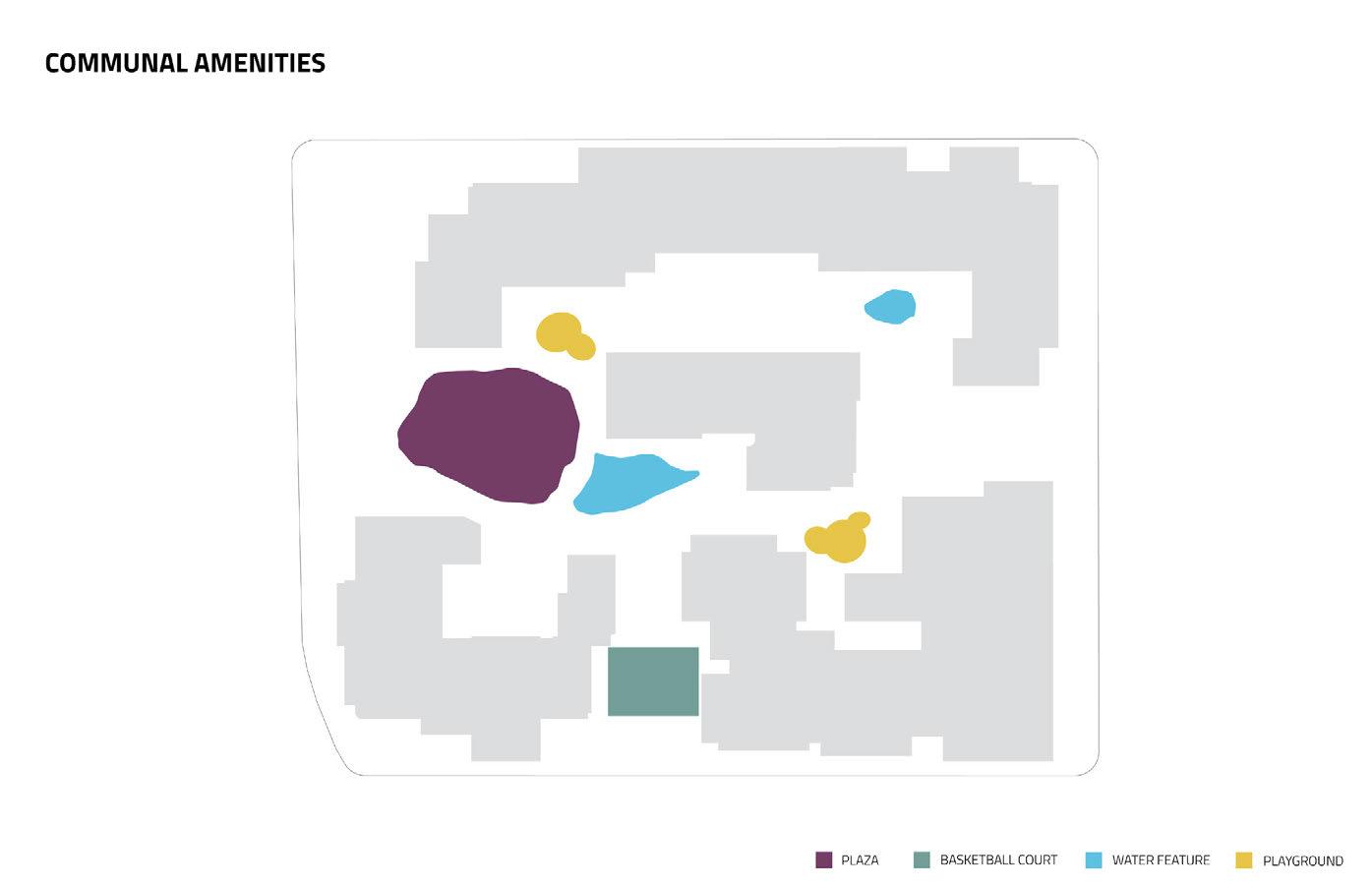
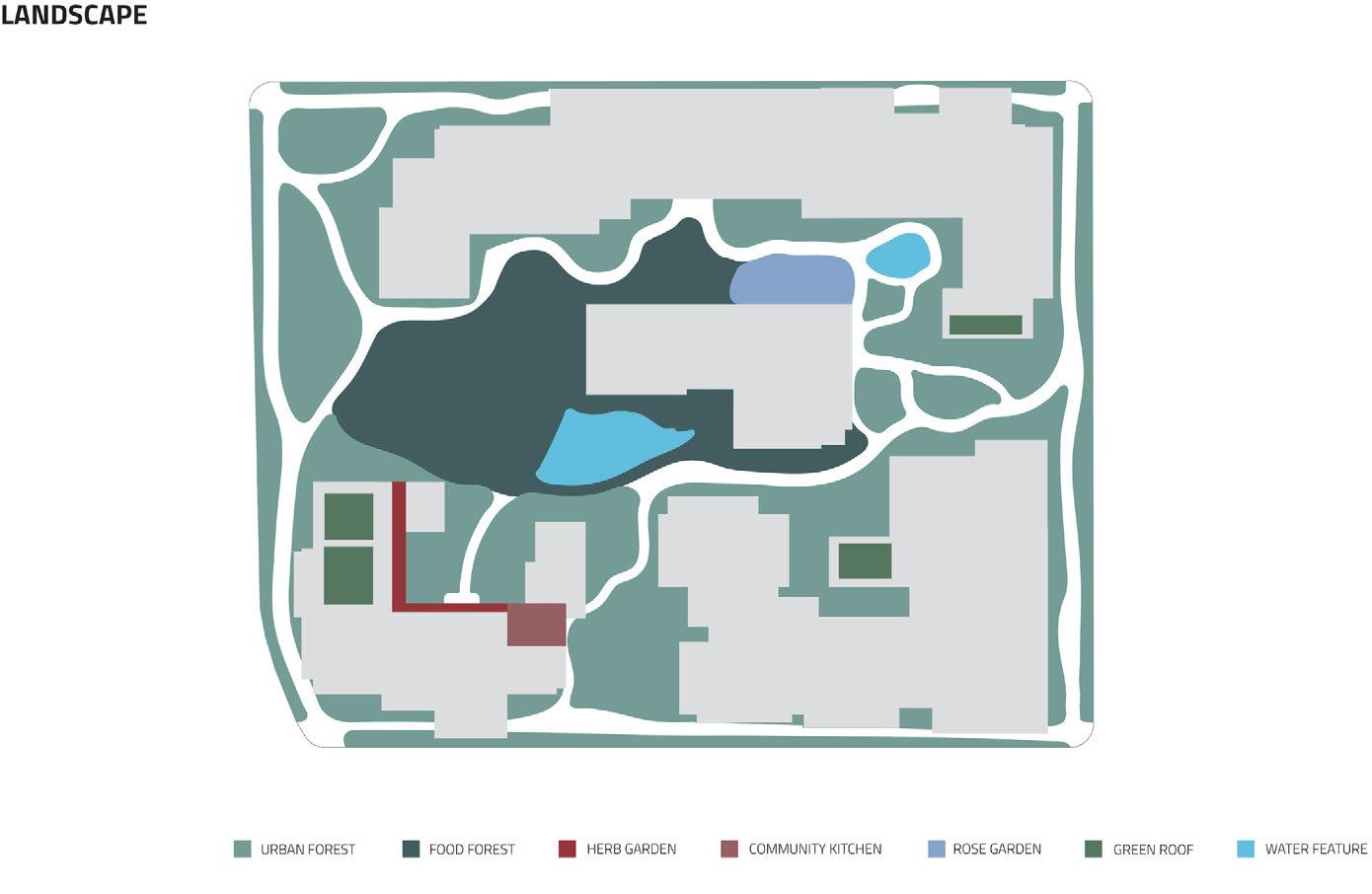
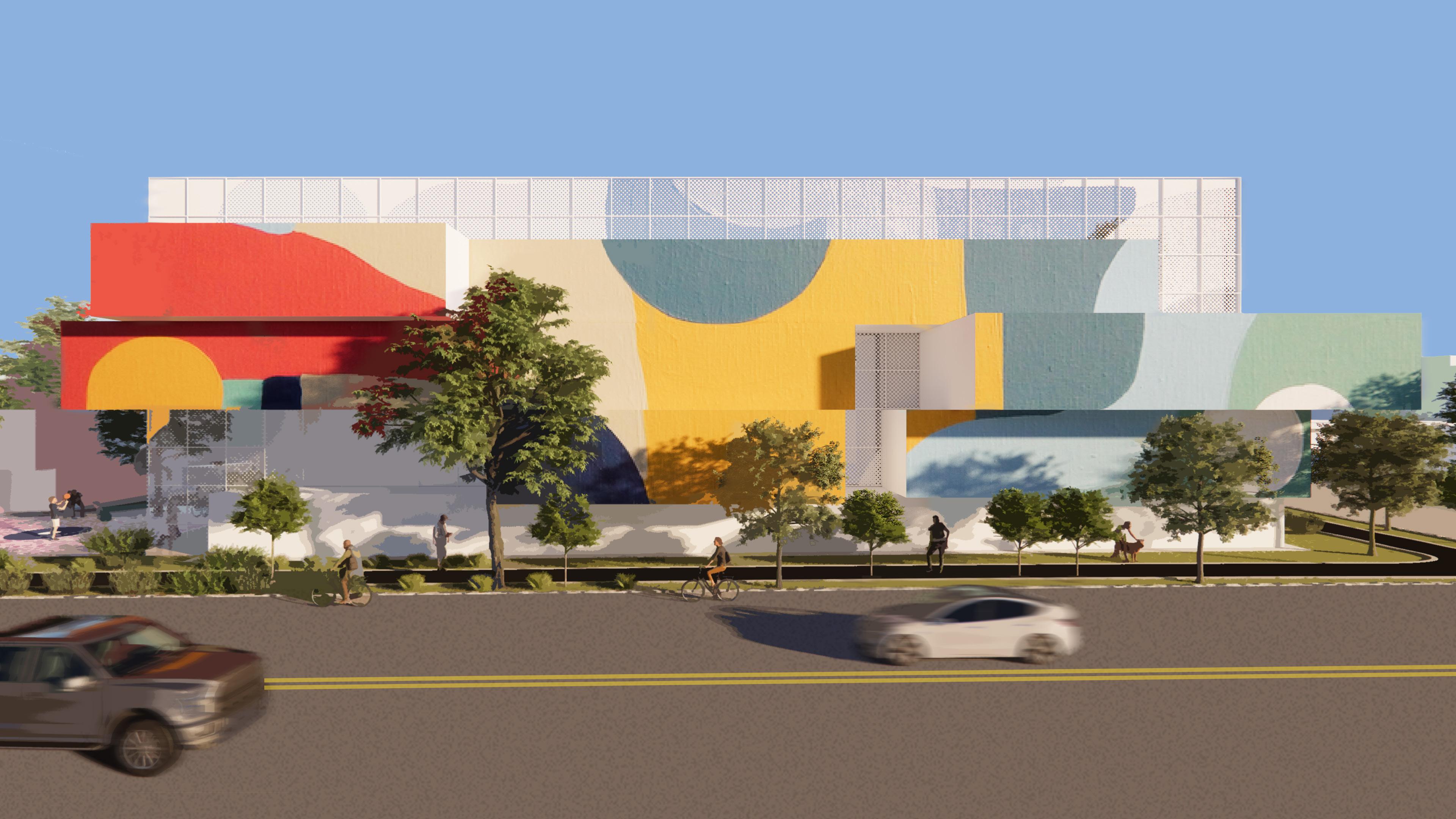
Designing Maximal Housing: Pollination Education
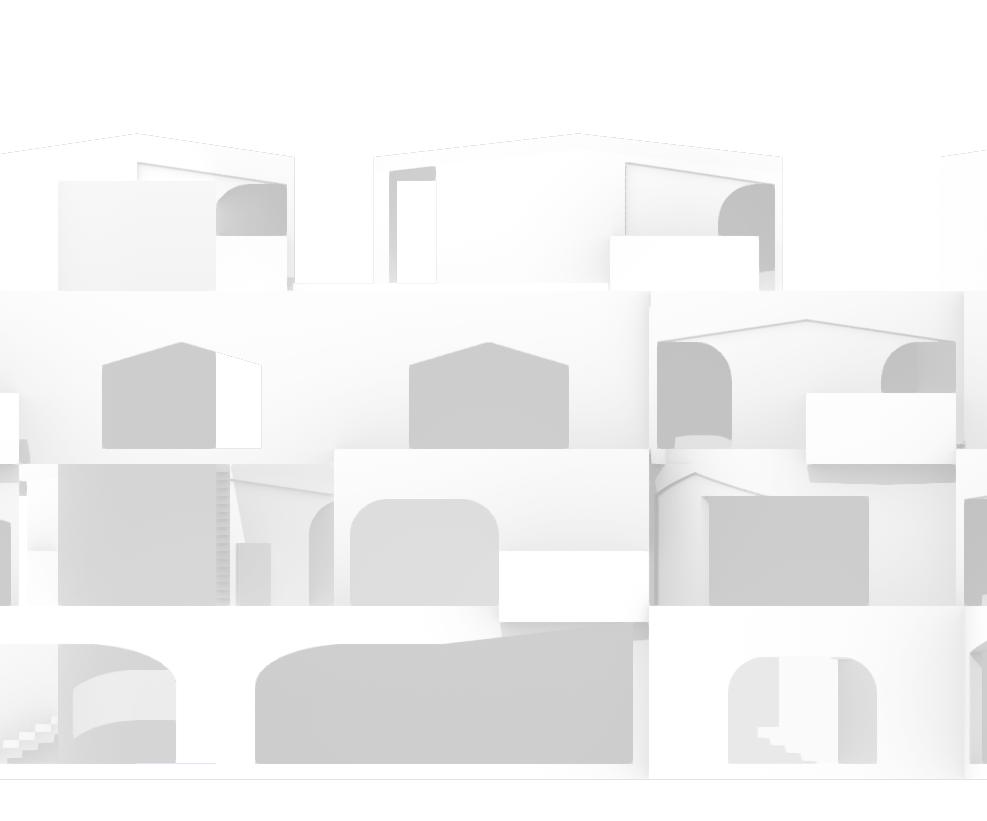
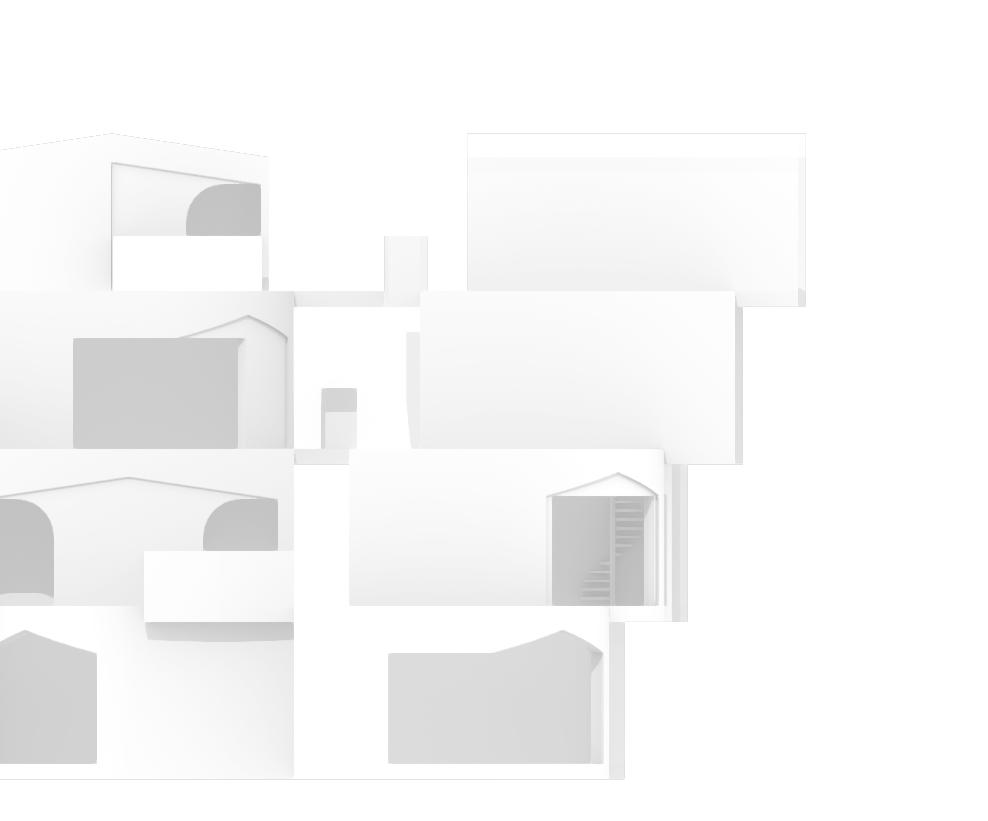
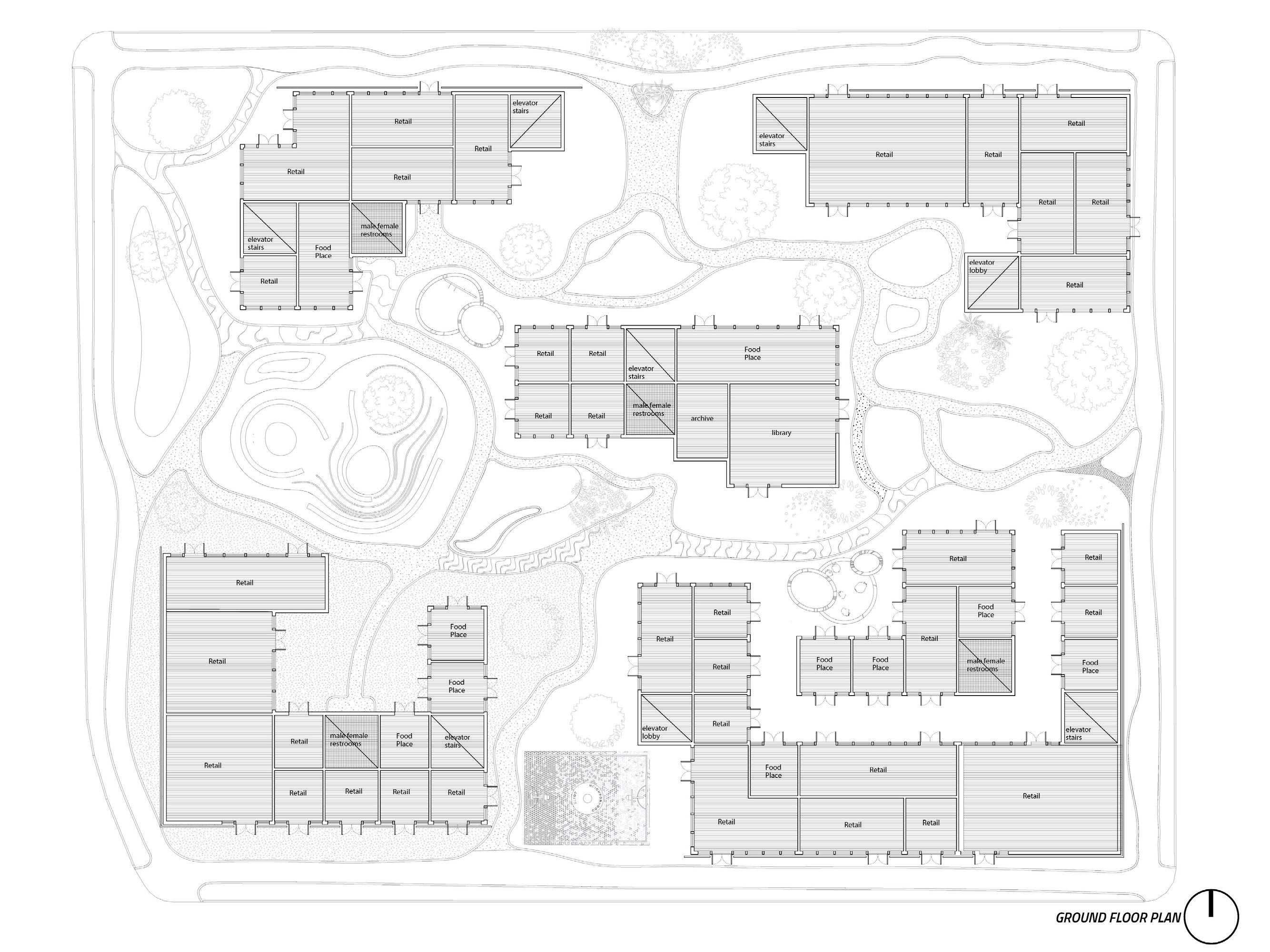
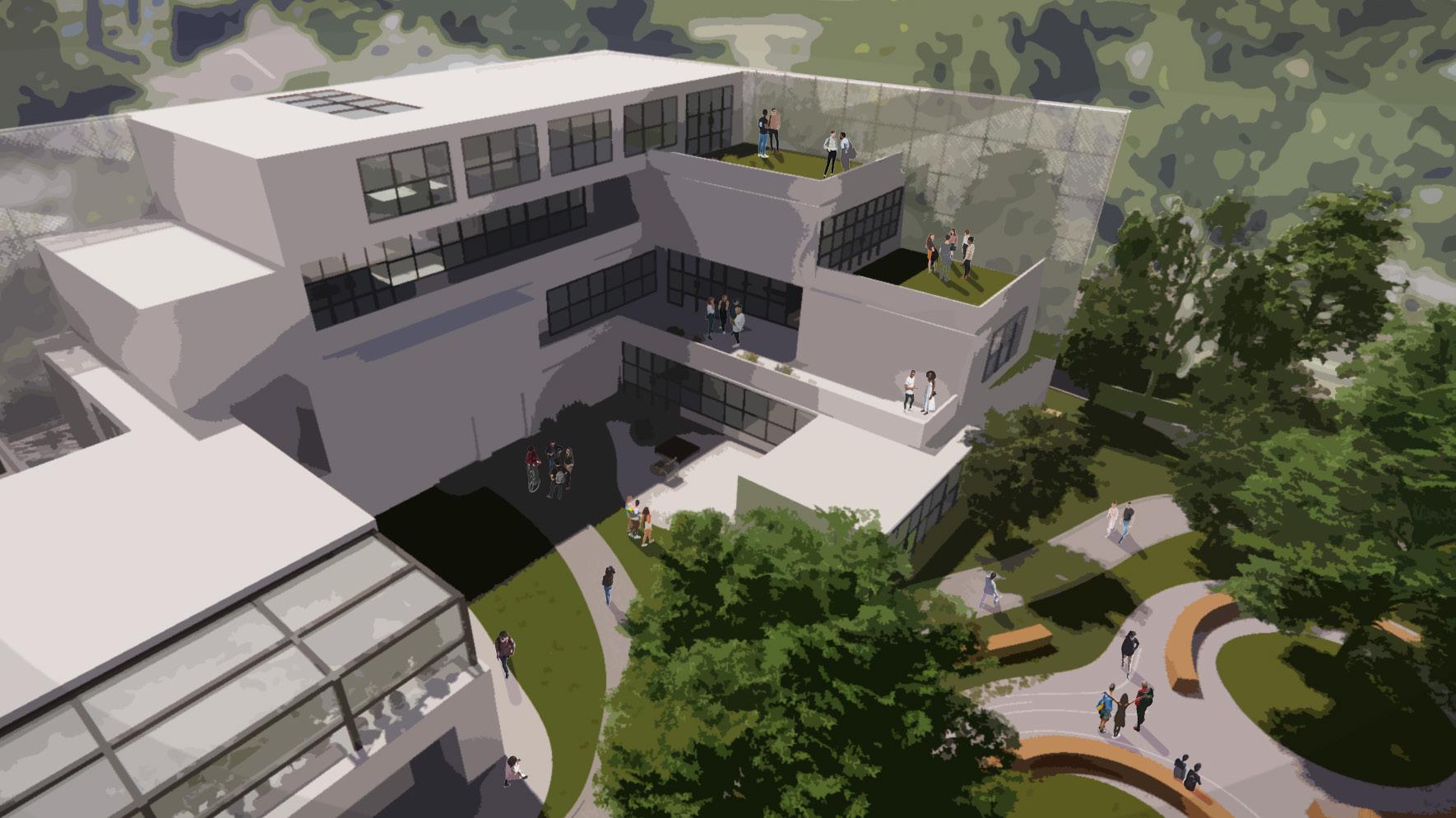
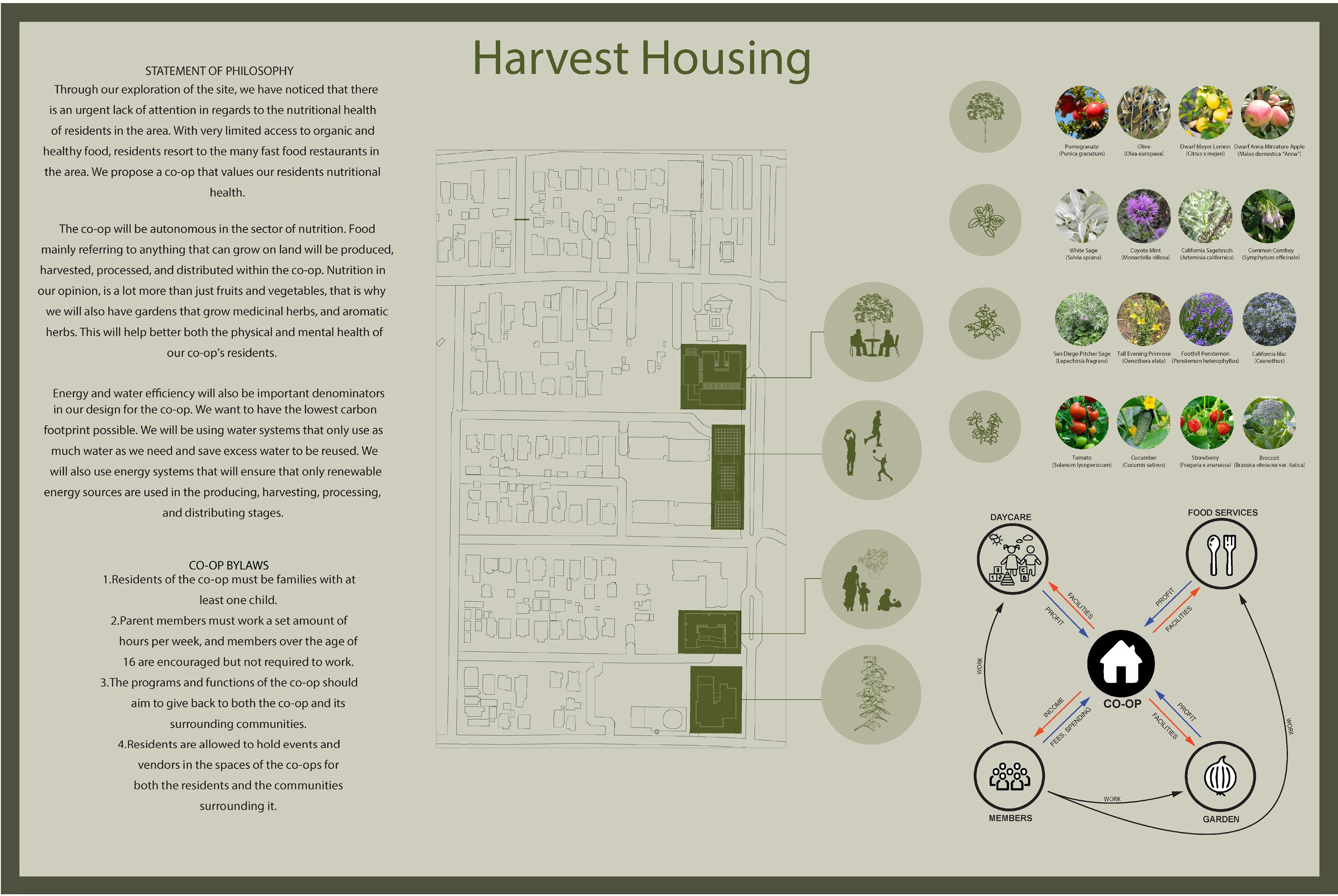
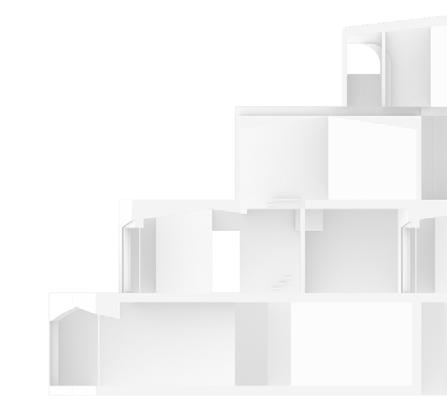
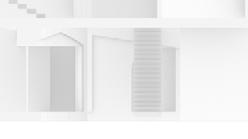
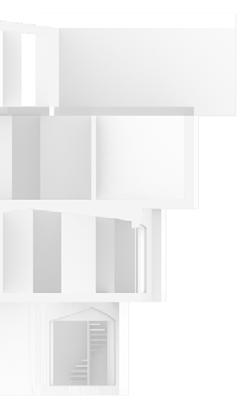
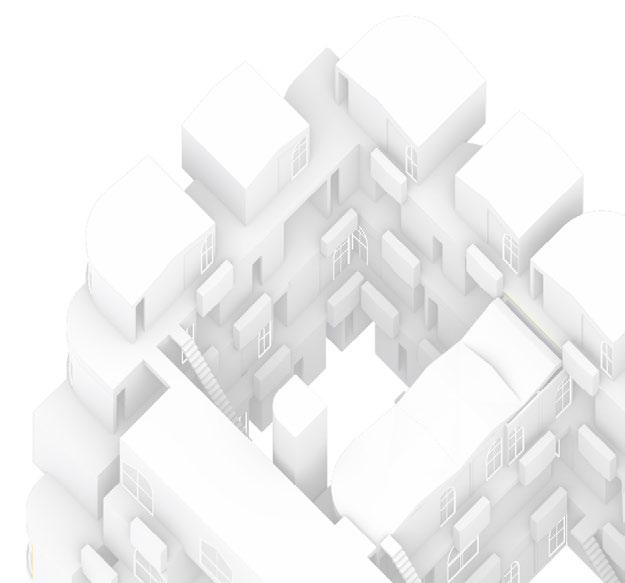
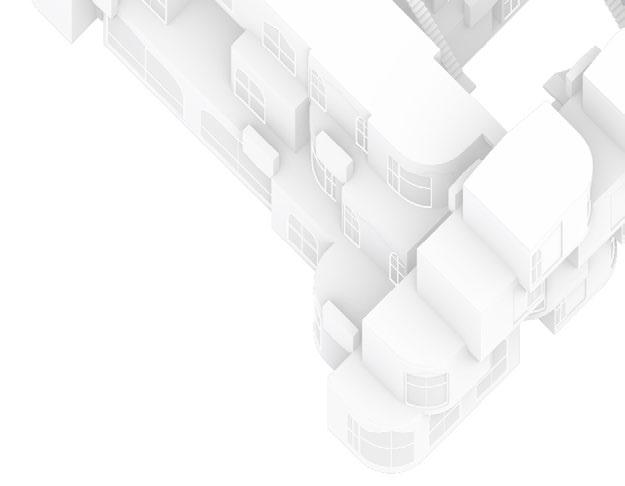
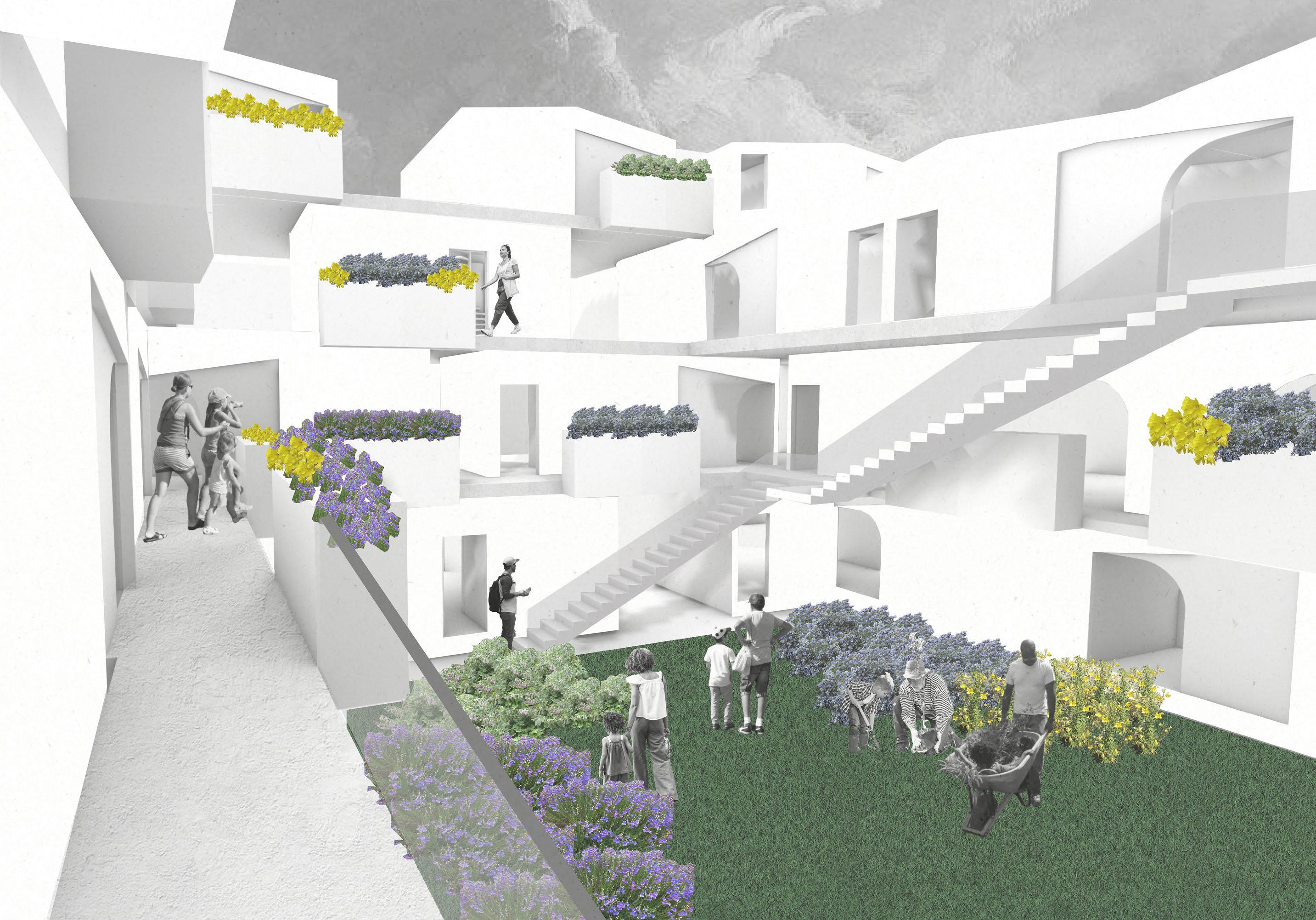
Site C of Harvest Housing contains the after school/daycare center of the cooperative, as well as the main pollinator-attracting plants and flowers. Three main architectural tools exist in my project: the curved wall, stepping, and the pitched roof. The units, consisting of two, three, and four person arrangements, are placed around two central courtyards on the ground floor. The west courtyard contains the flower ground floor flower garden, and the east courtyard features gathering and playspace for the children, situated next to the daycare. Curved walls within each unit act as a main reveal for each unit, defining the external spaces between the units. Some act as private balcony space, while others act as public growth pockets, for flowers that require less sunshine. The stepped form allows for better shading of the units and some flower species, and is also seen through the offsetting of the multi-level units. The internal pitches thicken the floor and ceiling to allow for soil space and utility space for the apartments. Ultimately, the driving philosphy is to create ample space for flower and pollinator cultivation. By situating the daycare on this site, the residents engage in education about the importance of gardening and pollination.
Completed Third Year, Fall 2022

















The Money Train: Growing Beyond the Classroom
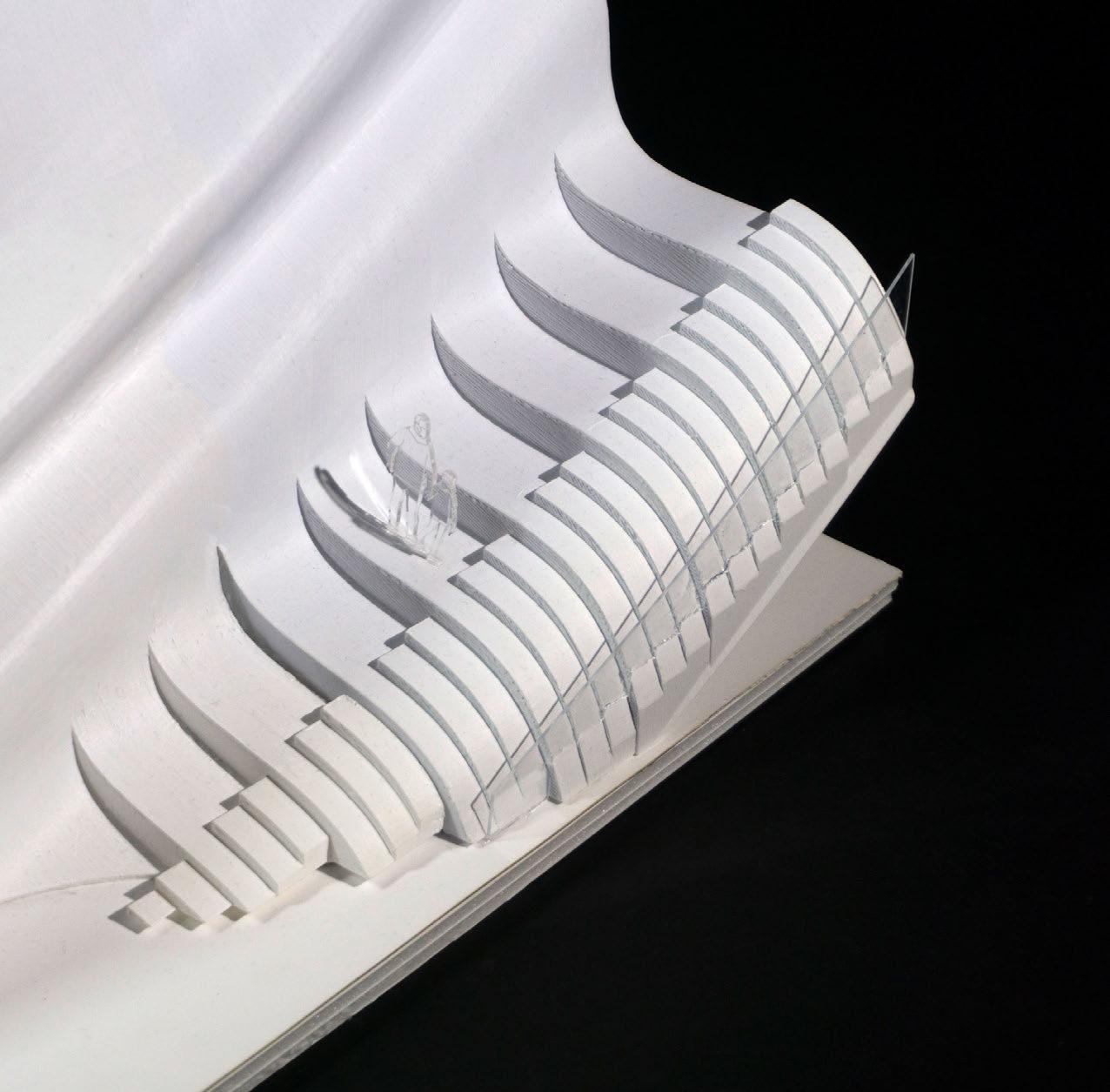
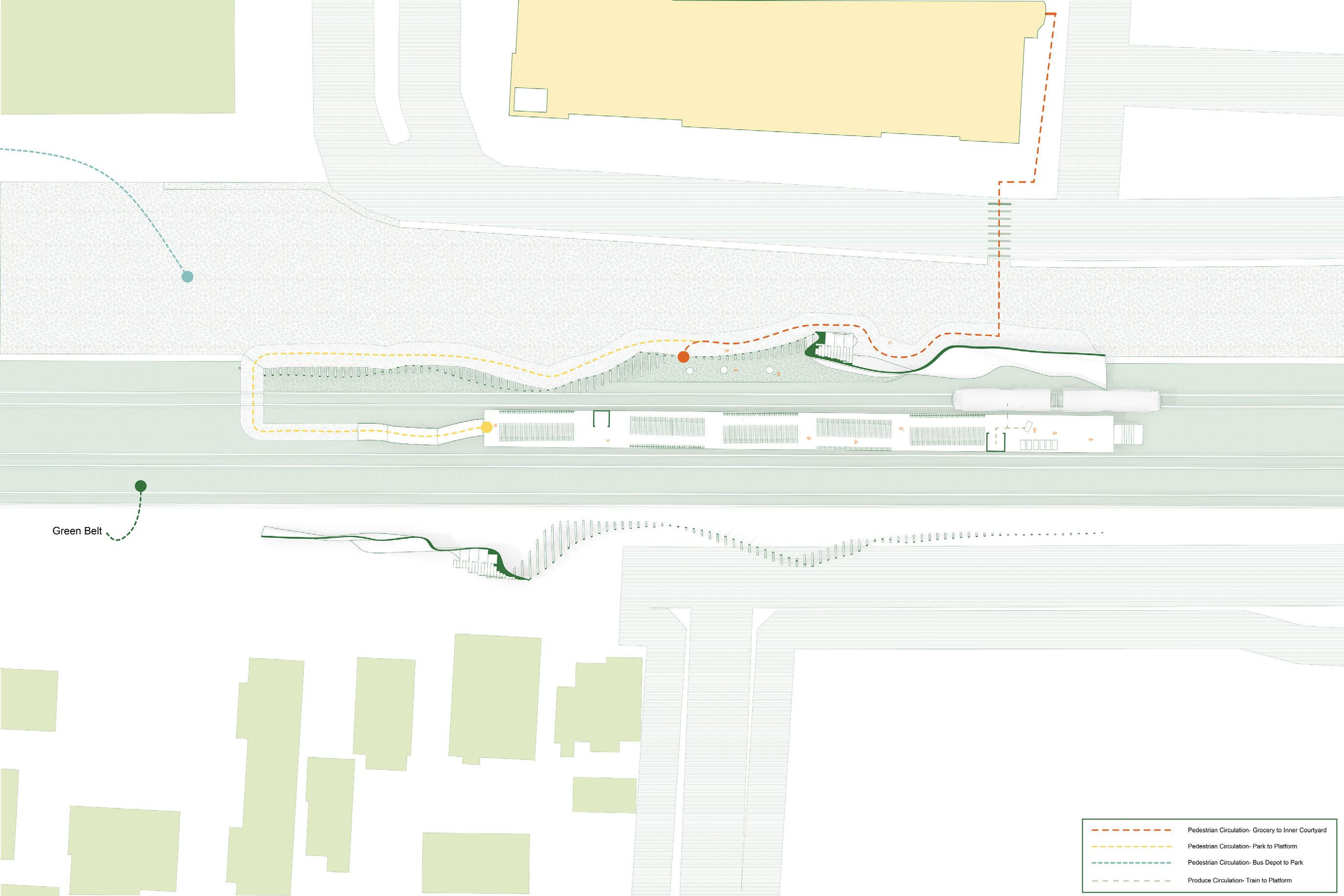
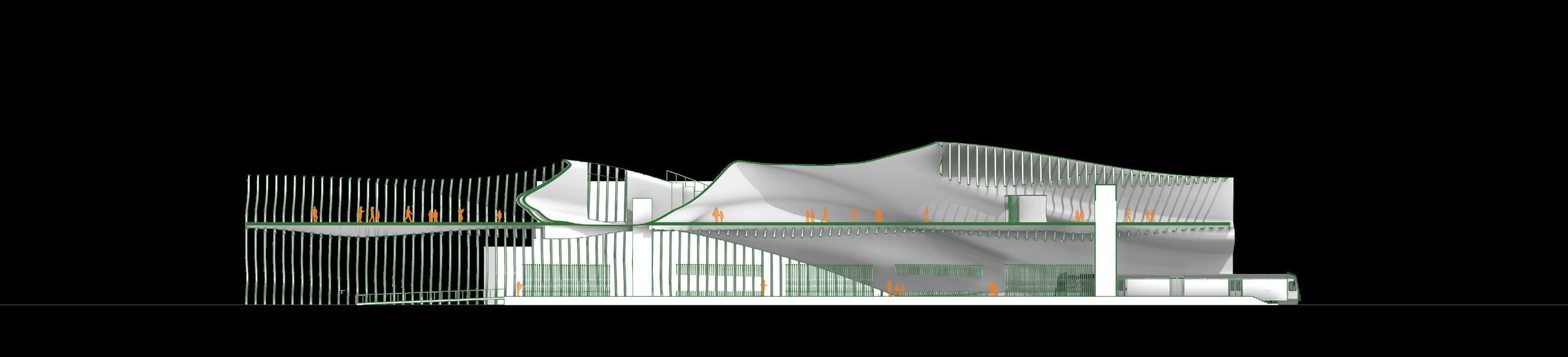
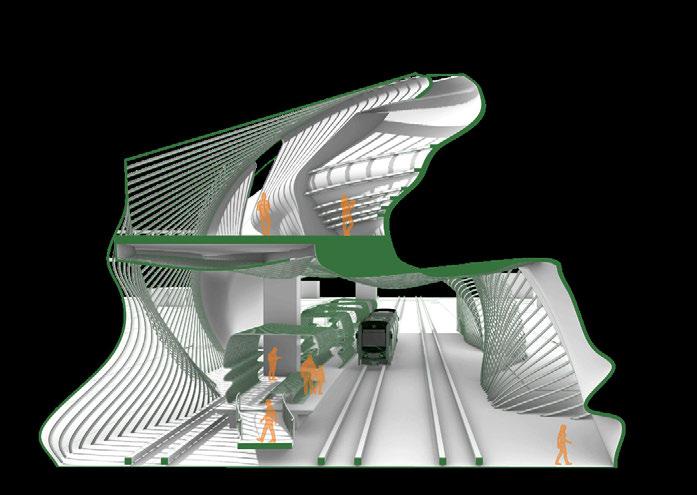
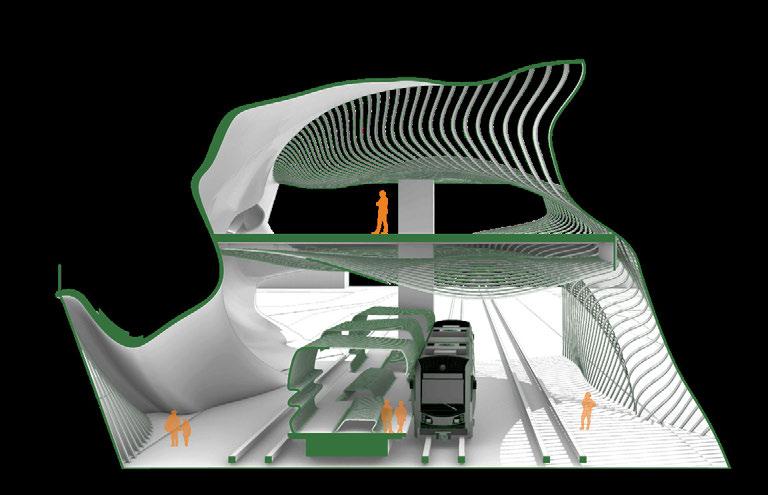
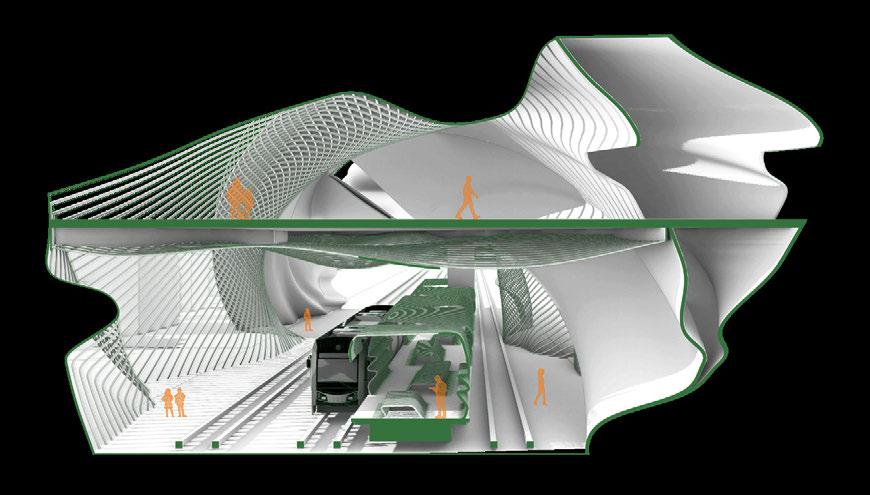
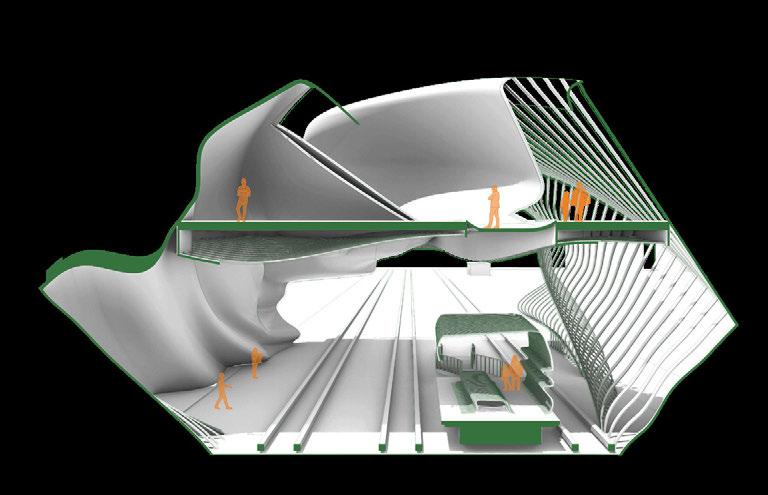
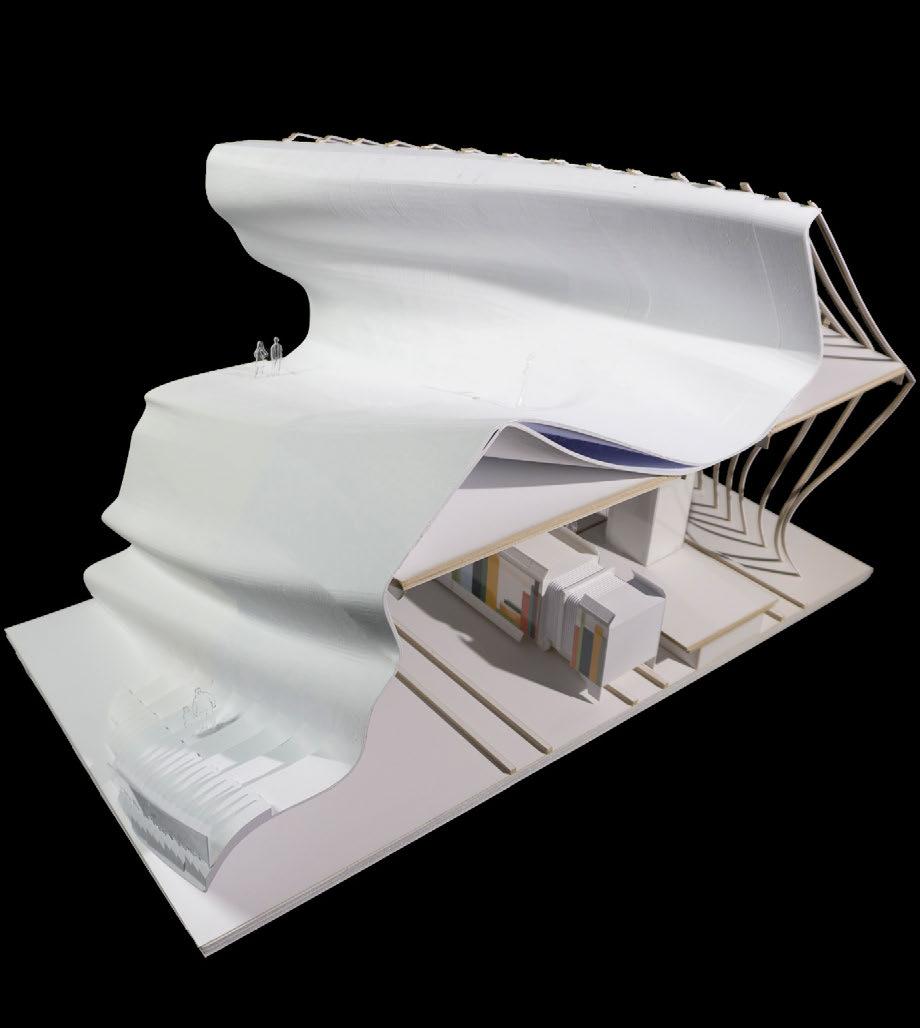
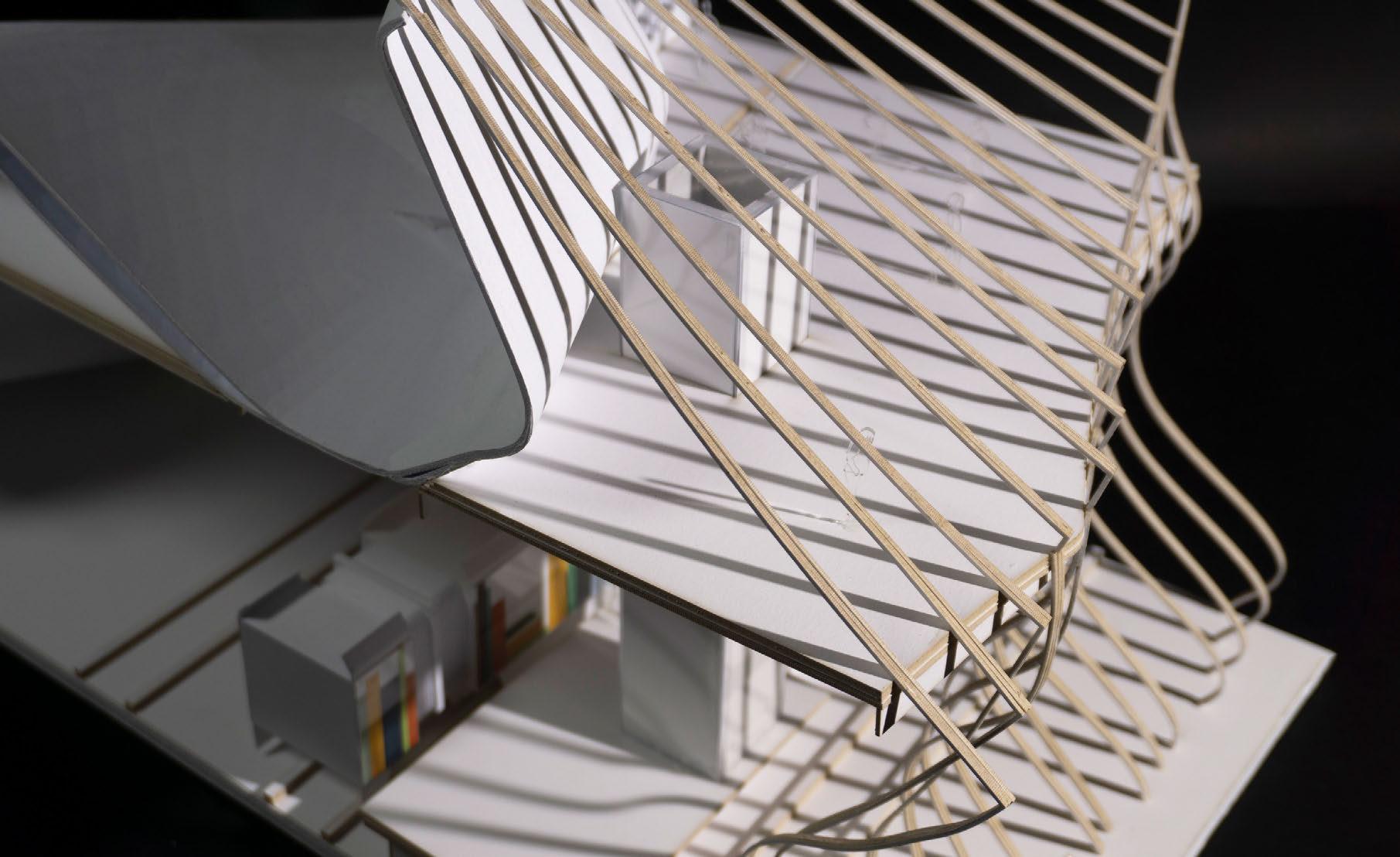
The Money Train: Growing Beyond the Classroom, reimagines the way in which we move fresh produce and educational opportunities throughout Los Angeles. Utilizing the Los Angeles Blue Line, running all the way from Azusa to Long Beach, the Money Train hits a core of primarily African American and Latino communities. Growing Beyond the Classroom provides a mobile classroom experience for elementary aged students. Students while riding learn more about their local Los Angeles History through panoramic tours and stops to museums and cultural sights, while also gaining culinary lessons on using fresh produce from local chefs. Phase two of the project, the train station, we decided to set our station in Compton due to its proximity to elementary schools, Superior Grocers, and Compton Library. The station provides arts exhibition space, library space, and book swap opportunity all within the curved forms of the structure, inspired by the organic forms of the train interiors. Views, and visibility in and out of the station are prioritized by the twisting circulation up and onto the roof, as well as the undulating ribs that make up a portion of the structure. The elevator core provides circulation up to the library and exhibition space, as well as a means of transferring produce from the train cars and up and into the grocery store connected to the train station.
This is a collaborative project with Lilly Tung.
Completed Fourth Year, Fall 2023

The Reading Room
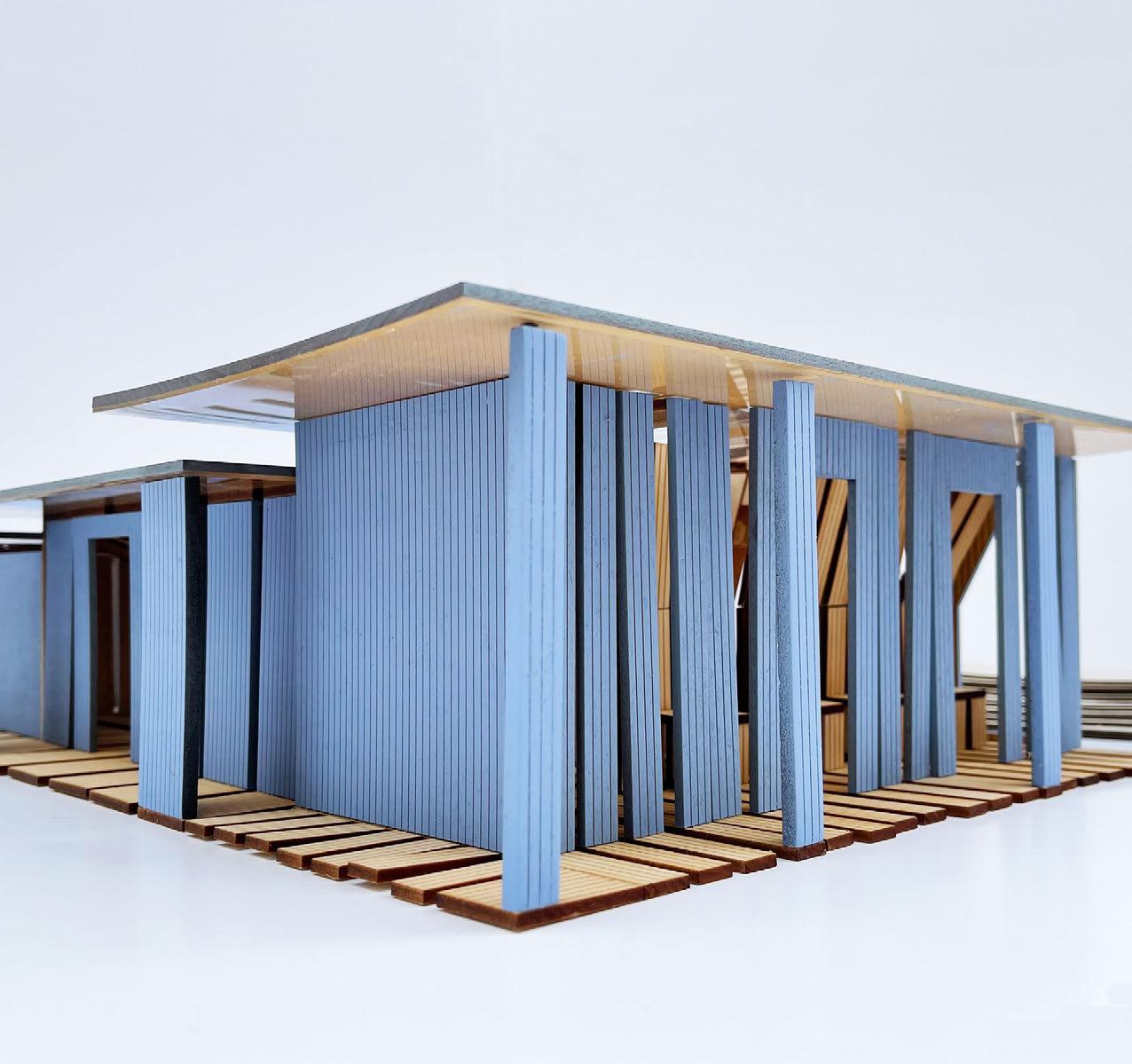
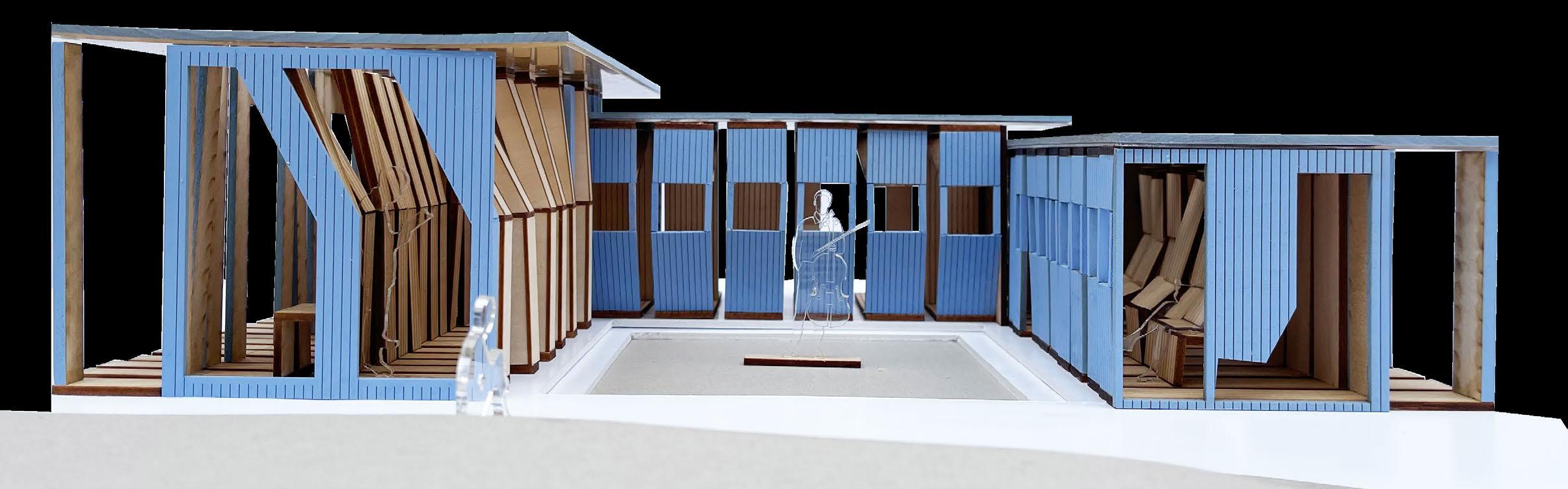
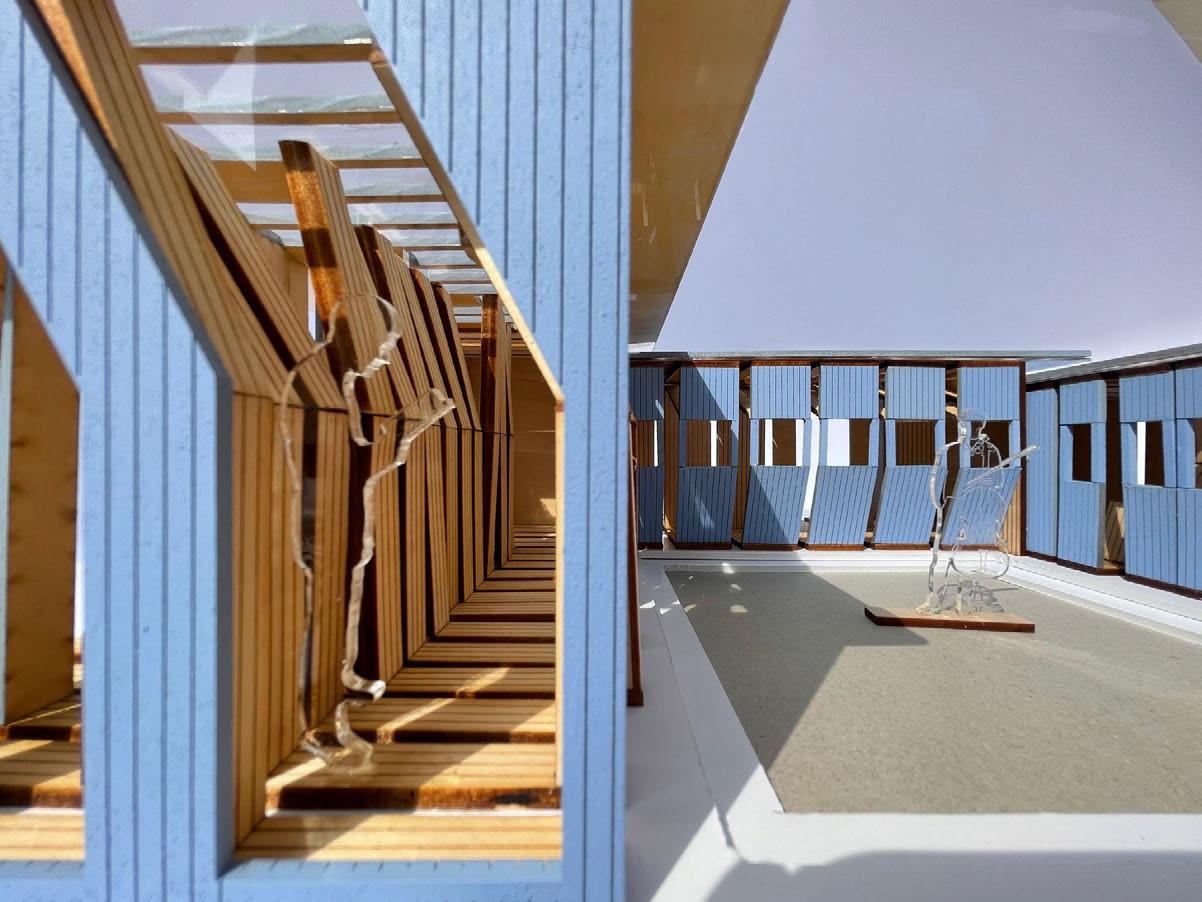
The Reading Room, located in the Los Angeles State Historic Park, acts as a quiet reading and gathering space by day, and a performance space by night. Shaped by the three characters I created for the park, the reading room offers a variety of program.
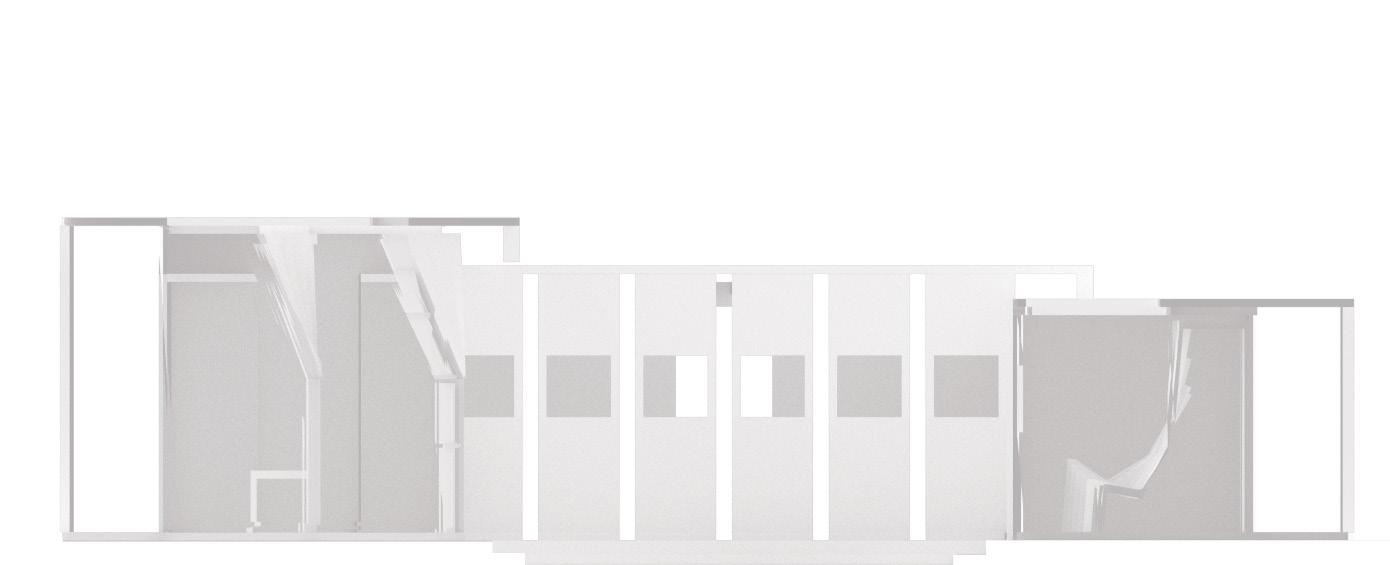
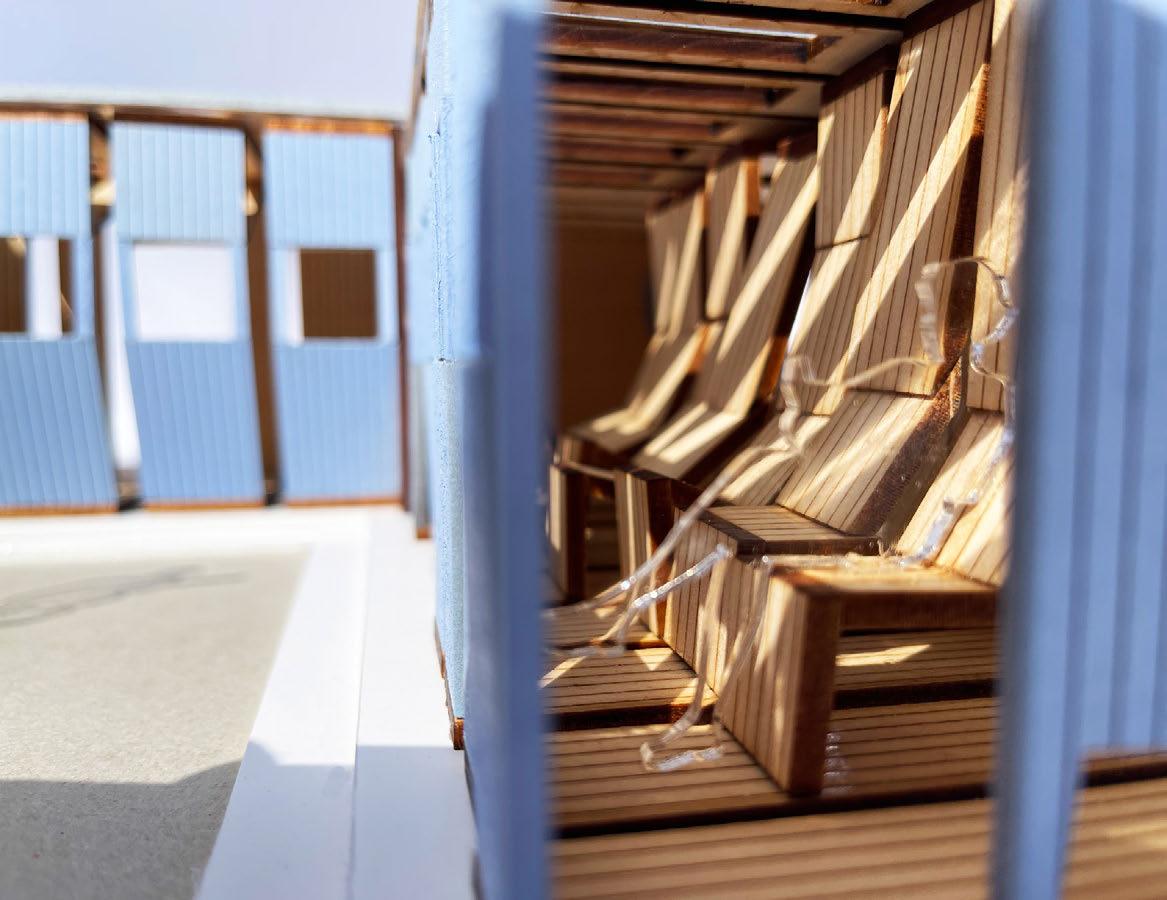
The U-shaped organization of the reading room is inspired by linear and continuous nature of the park that it sits within. The linear circulation path is layered around the U, with an exterior circulation path defined by an exterior collonade and roof overhang. The U, divided into three sections, starts with the book stacks, then transitions to exhibition space, and then finally the reading and work space. The wood panels vary in thickness, with one thickness assigned to each section. The books, all consisting of literature on yoga and mindfulness practice. The shifting and movement of the body through yoga practice inform the folds and angles of the project. Within the bookstack section, the stacks derive from thickening the panels that enclose the space, and other panels shift up and out to create seating. Openings viewing into the central sunken courtyard get bigger as one walks through the project, with the seating area being the area with the largest panel. By night, these areas can become viewing spaces for the performers that practice within the courtyard.
Ultimately, the reading room promotes mindfulness and supports the performing arts scene of the Chinatown and Downtown areas of Los Angeles.
Completed Second Year, Spring 2022
Experiential Storyboard
Longitudinal Section Characters

































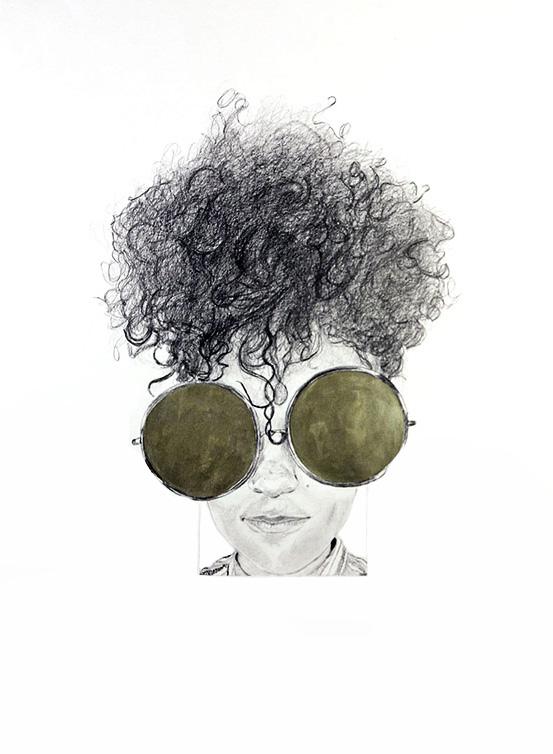
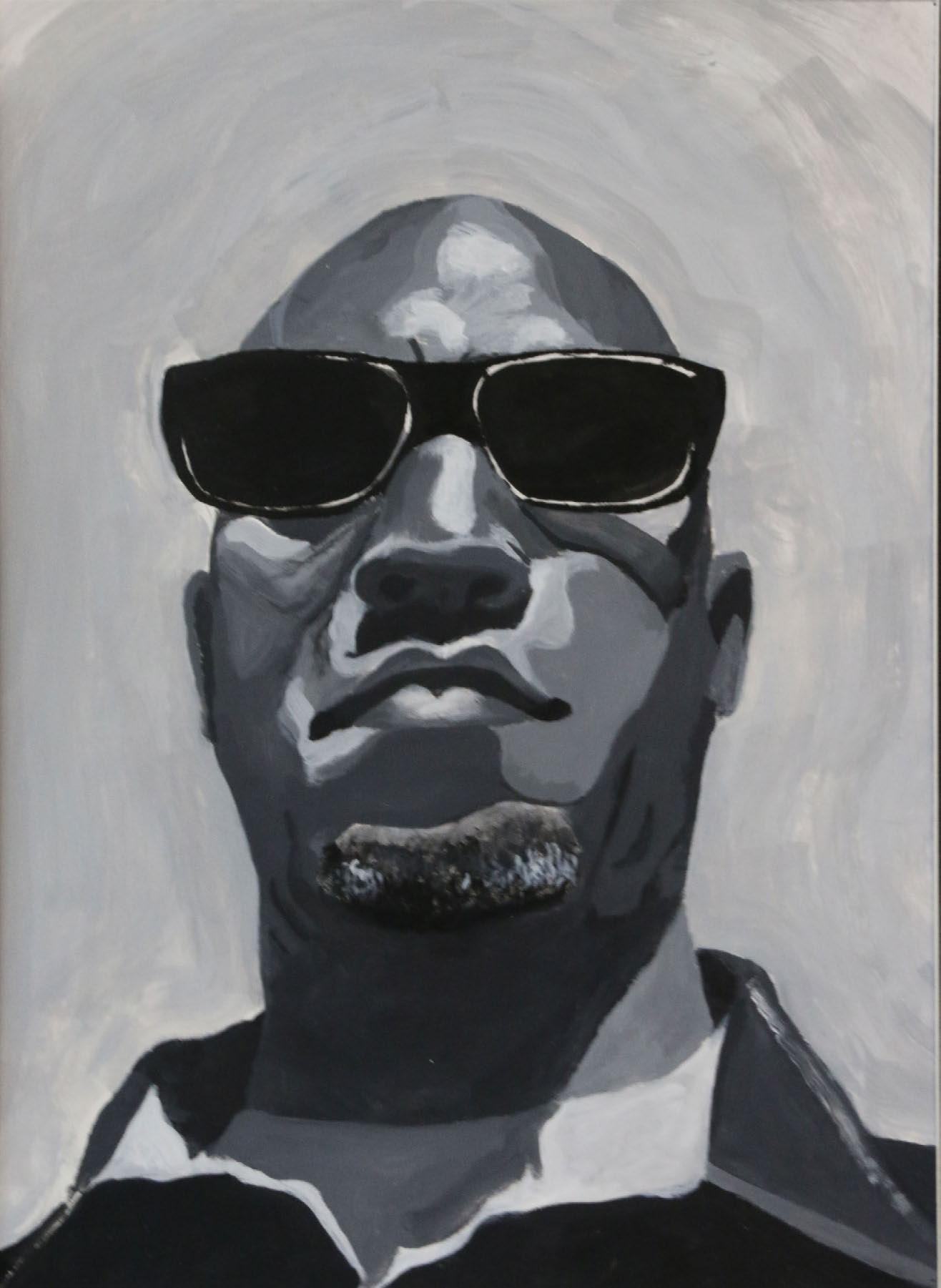
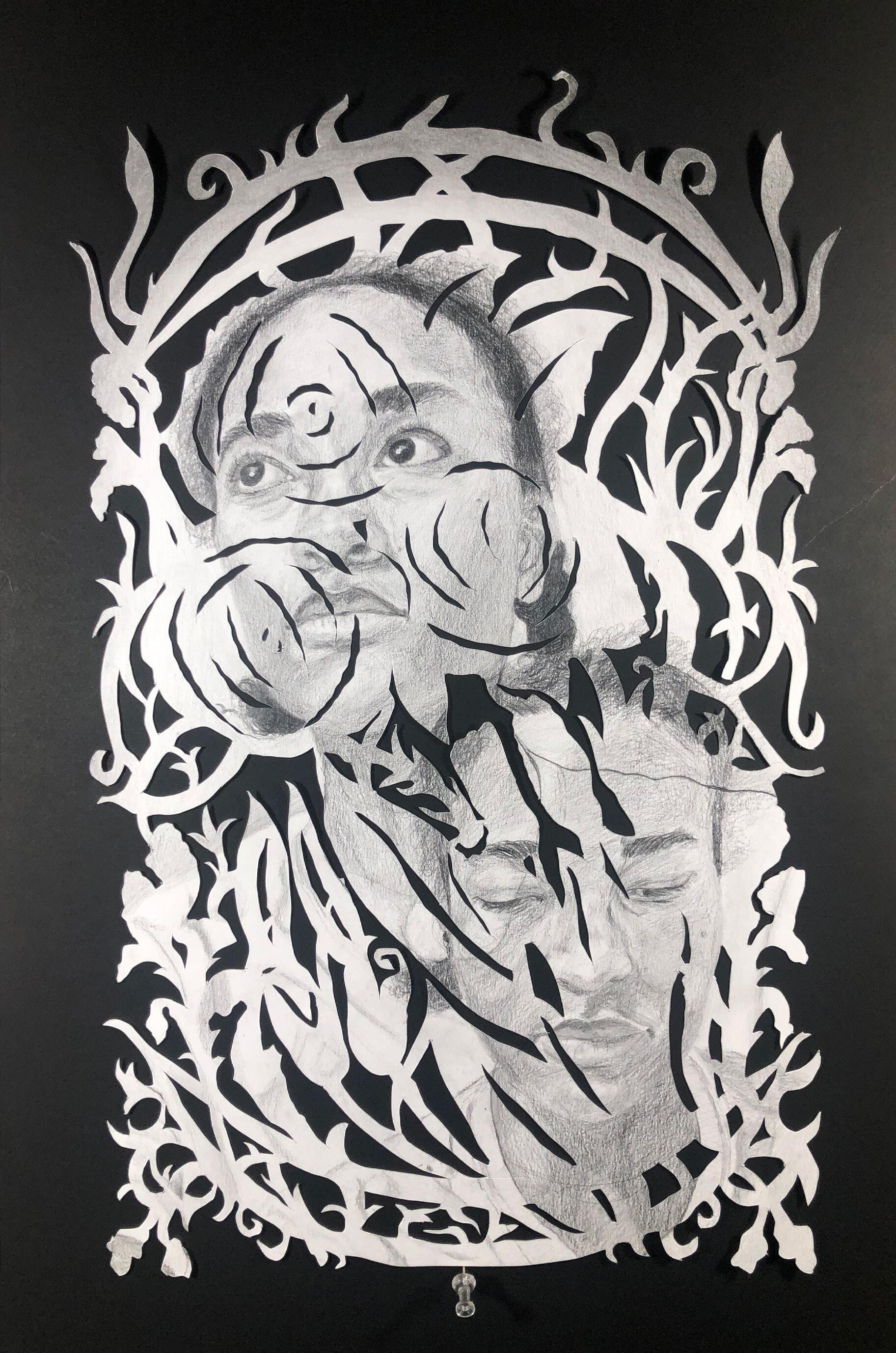
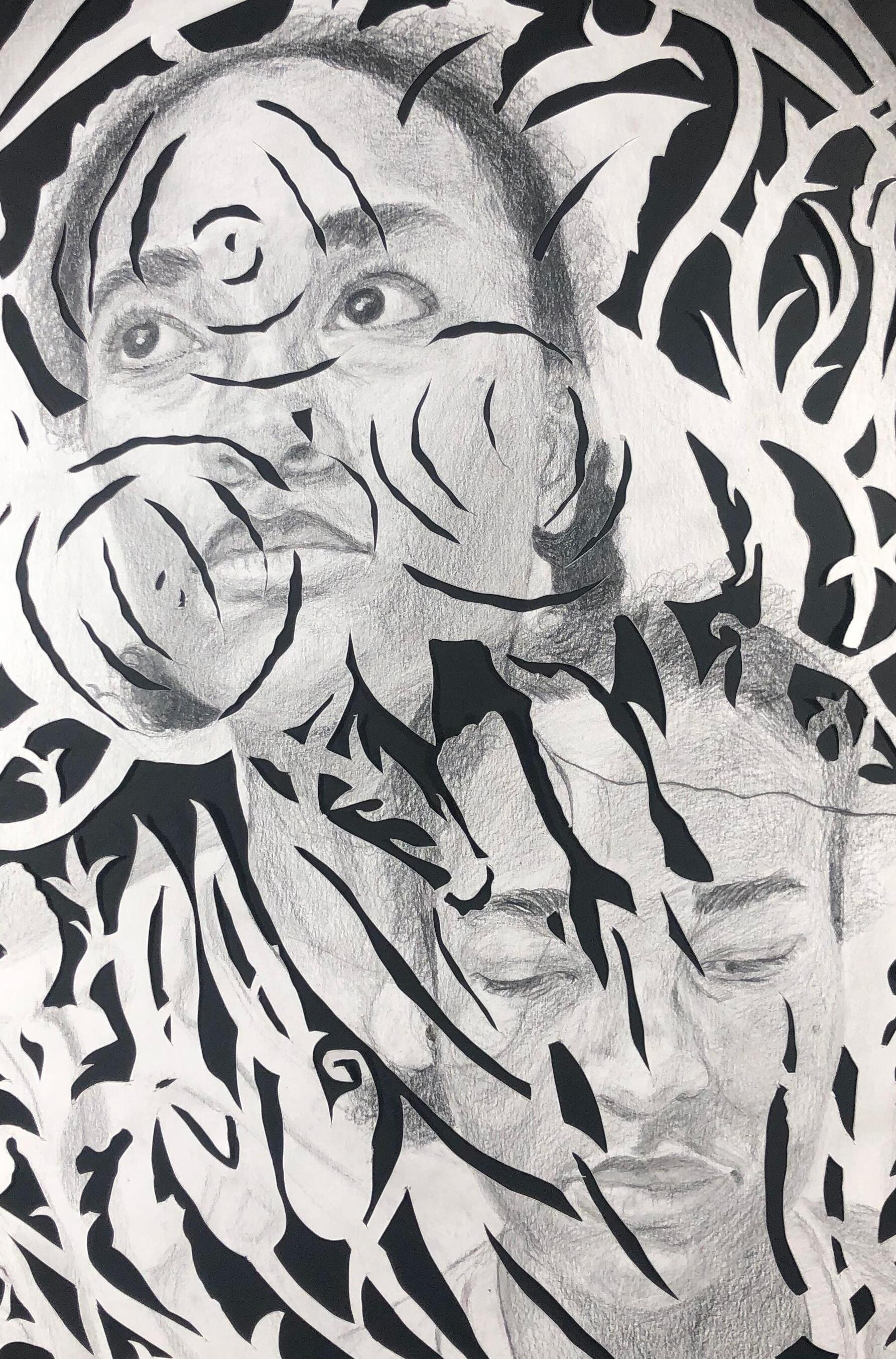
Selected Artworks