Madison Tenney
University of Washington Master of Landscape Architecture - 2nd Year madison.tenney@gmail.com (510) 520-0042
Madison Tenney
University of Washington Master of Landscape Architecture - 2nd Year madison.tenney@gmail.com (510) 520-0042
Collaborative daylighting of an urban park in West Seattle, WA
SOFTWARES UTILIZED
- QGIS
- Cloudcompare
- AutoCAD
- Rhino
- Adobe Suite
PROJECT DESCRIPTION
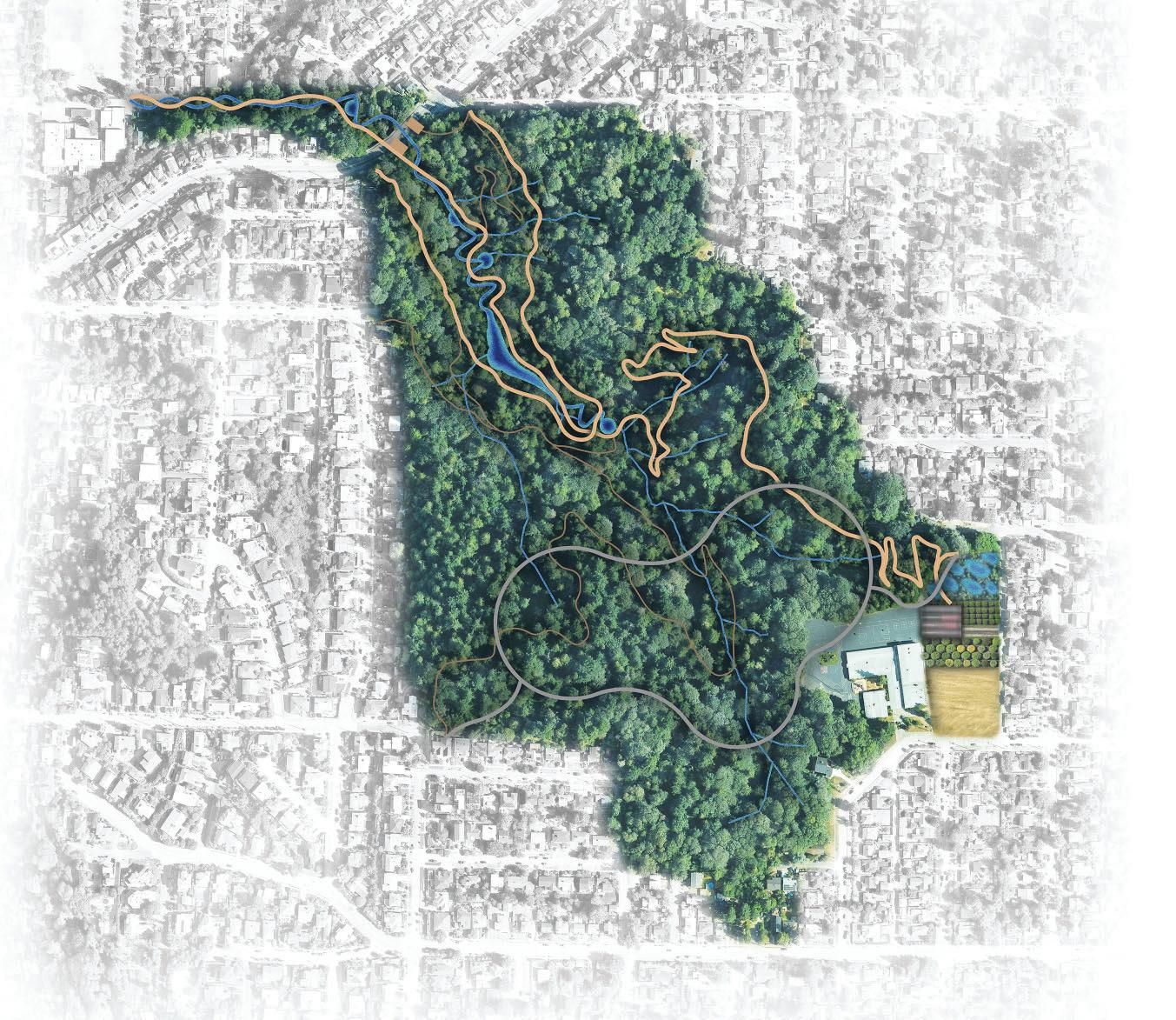
- Participatory design with citizen’s committee Schmitz Park Creek Restore
- Reimagining daylighting of Schmitz Creek through Alki Beach
- Increasing ecological connectivity and human accessibility
- Watershed restoration
- Enhancing the forest’s climate resilience
RESIDENTIAL RAIN INTO STORM SEWER
ROAD RUNOFF INTO STORM SEWER
SCHMITZ PARK SCHOOL PARKING LOT
MODERATE SEEPS INTO FOREST
- Group project with Joe Minsky and Charlie Wakenshaw
- 3D models constructed with groupmates
MODERATE CREEK FLOW
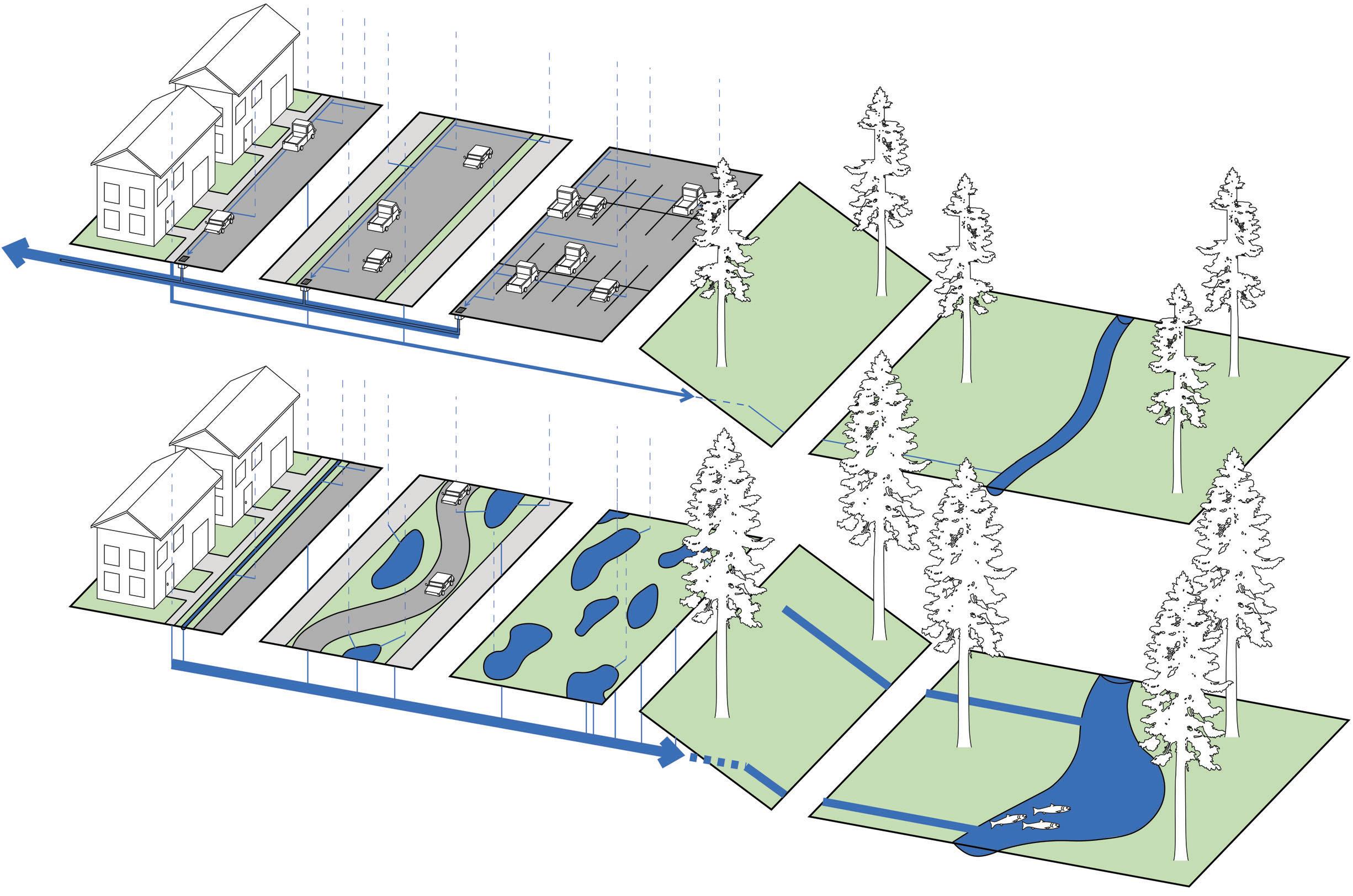
RESIDENTIAL BIOSWALE RAIN GARDEN ROAD
HISTORIC BOG RESTORED
GREATER SEEPS INTO FOREST ENHANCED CREEK FLOW
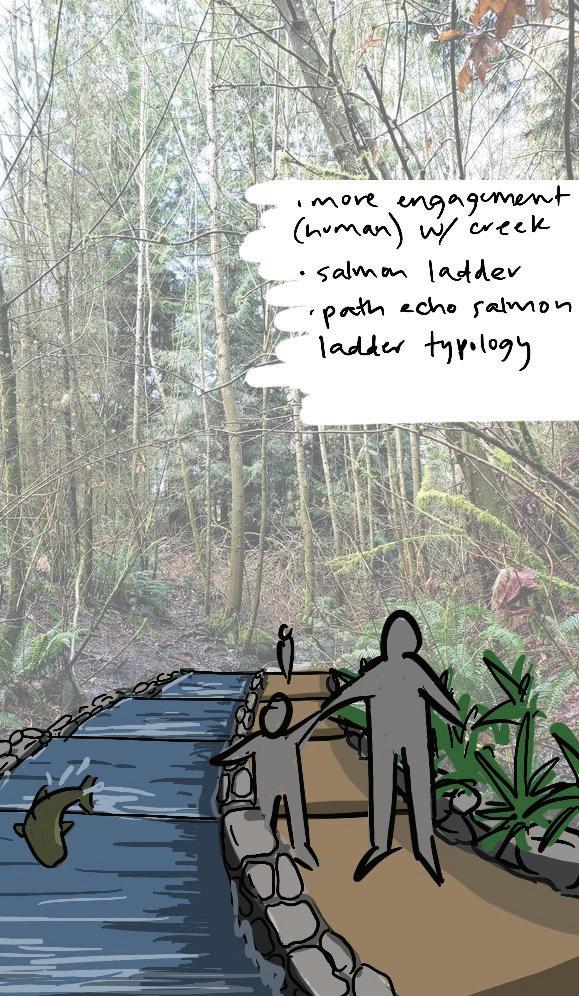
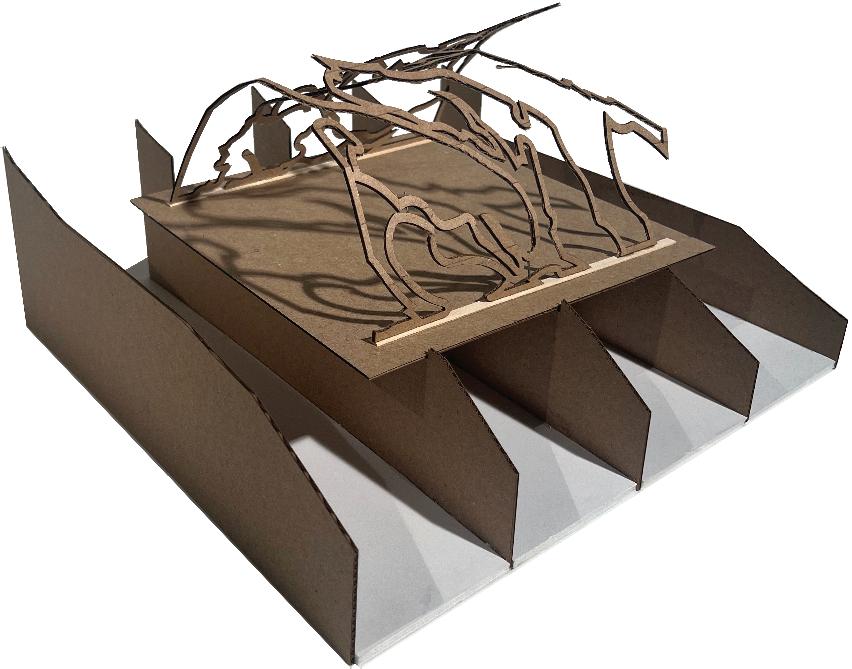

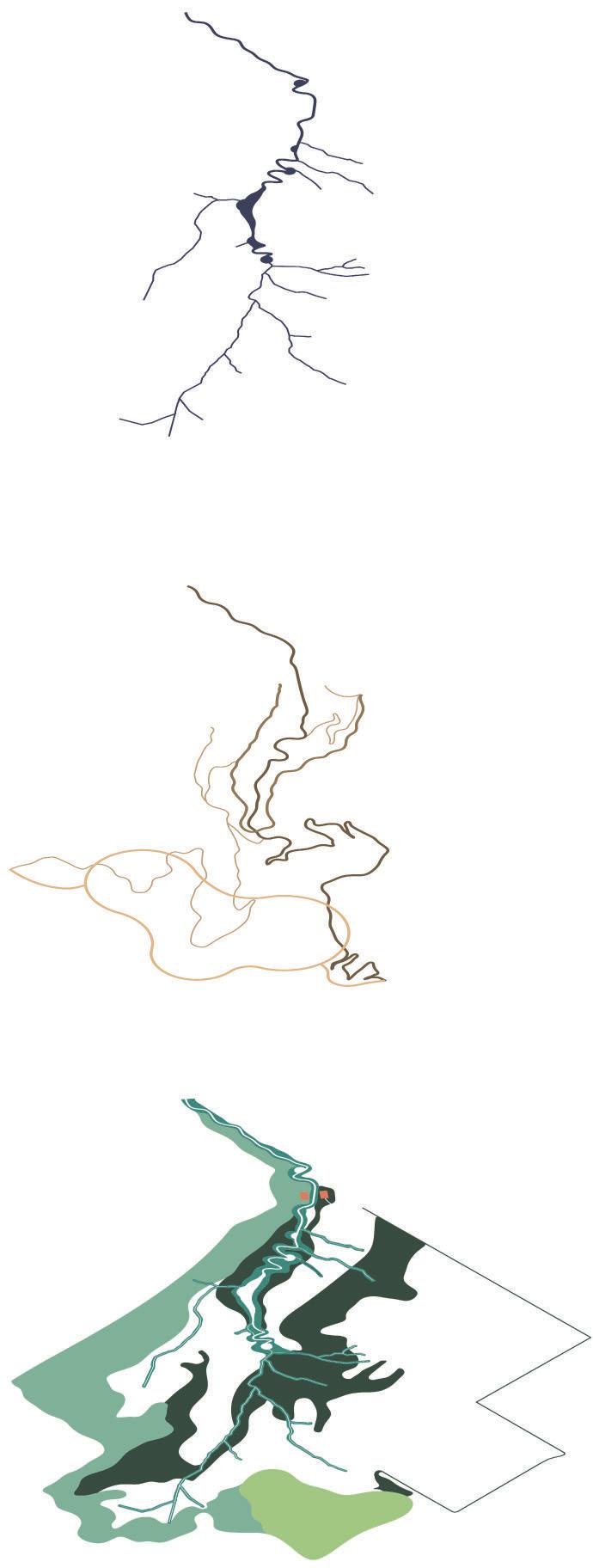
Resilience via a daylit creek, protective paths, and adaptive plantings
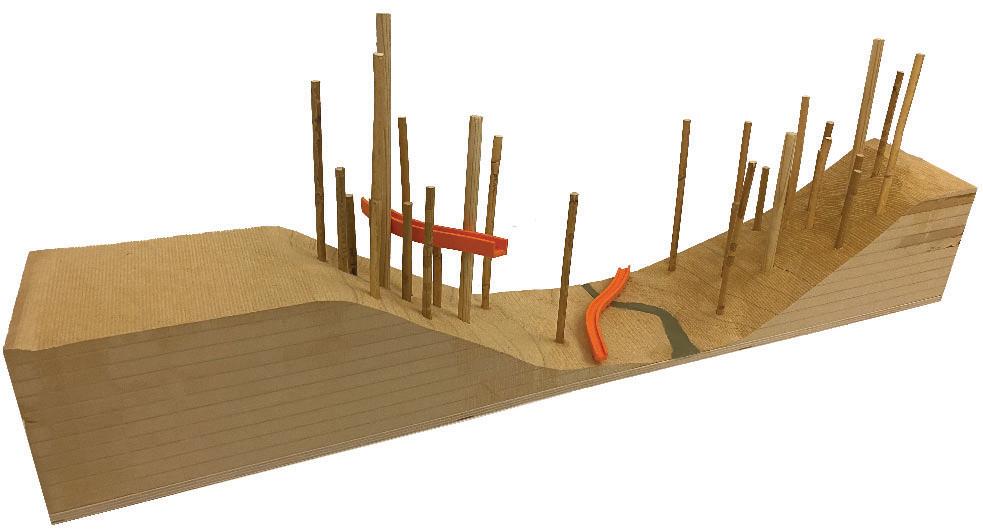
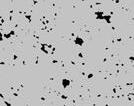
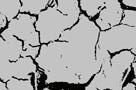
REPLENISHING THE WATERSHED THROUGH NEIGHBORHOOD SEEPS Supporting
































































Green roof park kiosk assembly
- Independent Project - Innovative design and detailing of kiosk assemblage - AutoCAD - Rhino




Planting proposal for urban right-of-way
SOFTWARES UTILIZED PROJECT DESCRIPTION ROLE
- Procreate
- AutoCAD
- Land F/X
- Geometric planting design emulating hardscaping within adjacent housing complex
- Selecting hardy plants for streetscape conditions and within bioretention planters
- Seasonal planting palette
PLANT COMMUNITY SKETCHES
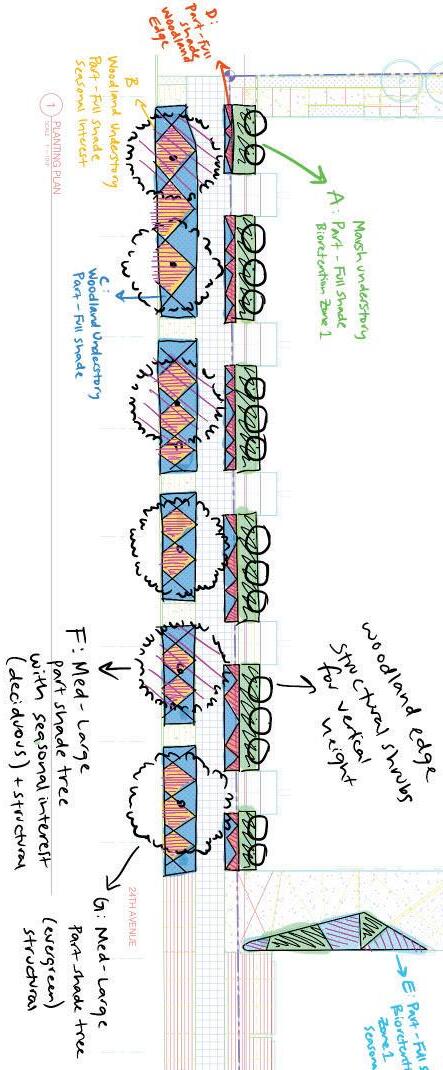
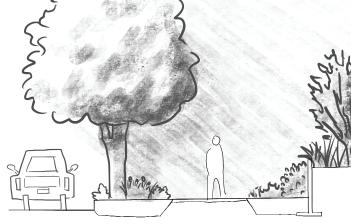
FINAL PLAN AND SCHEDULE
- Individual Project
Designing and grading an extension of Terry Pettus Park in Seattle, WA
- AutoCAD
- Developing a grading plan for a park neighboring Lake Union in Seattle, WA - Design features bioretention ponds to capture 15% of site stormwater, a plaza for summer food trucks, terraced seating for lounging adjacent to lake, and elevated shelters evoking forms of adjacent houseboats
- Group project with Maisie DeBruyn
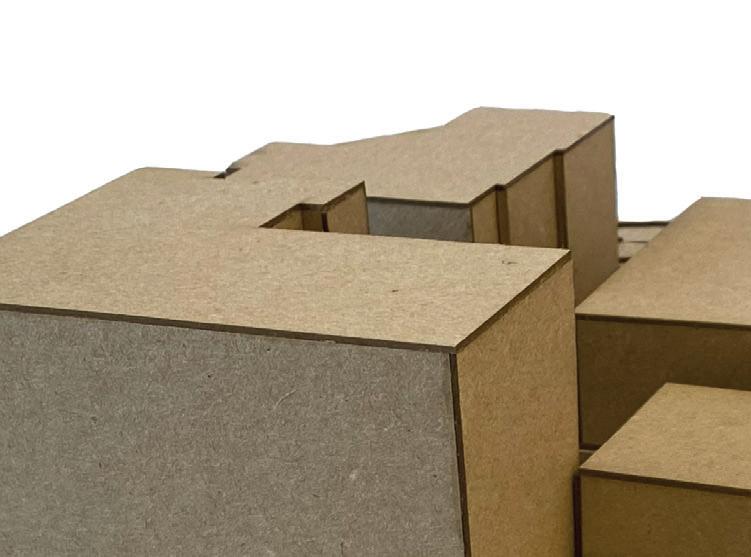
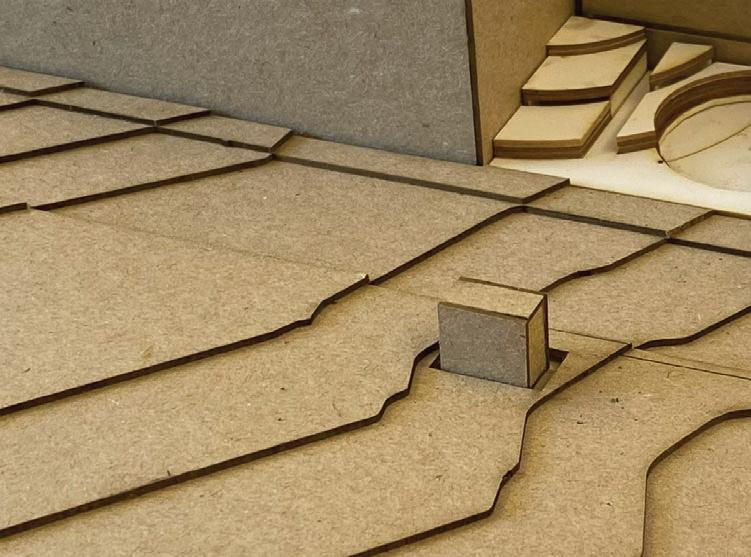
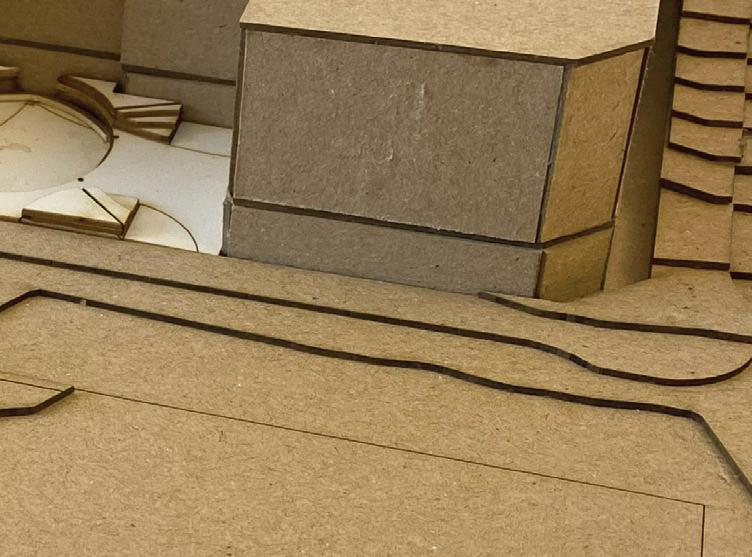
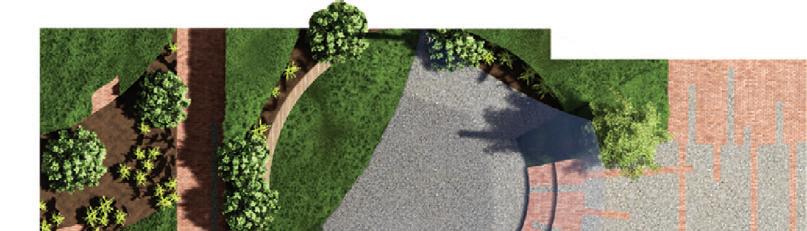
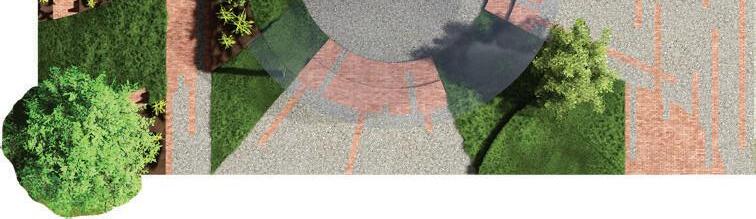
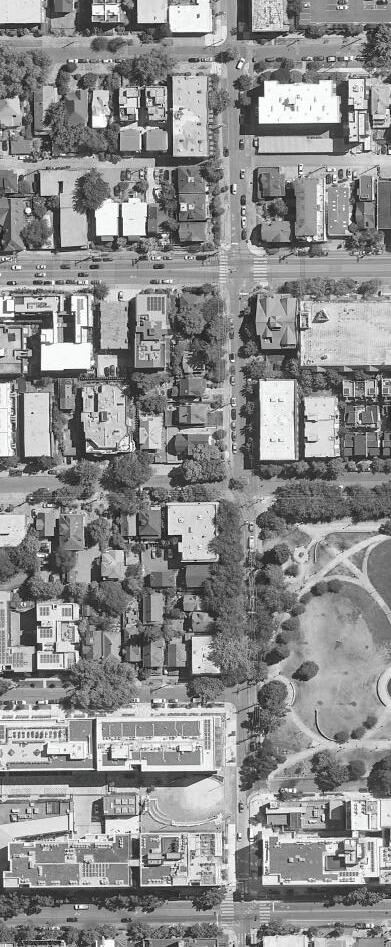
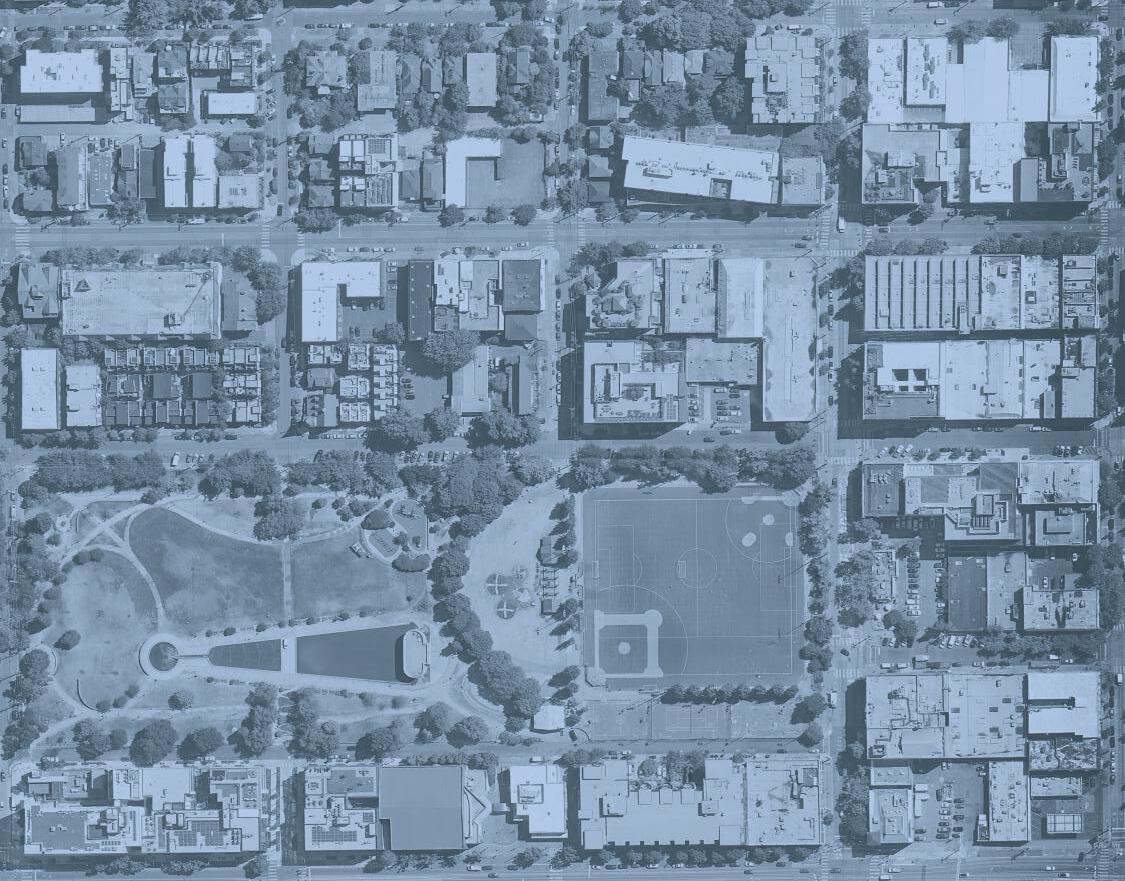
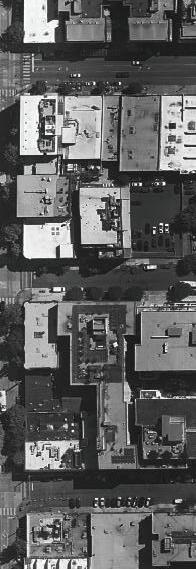
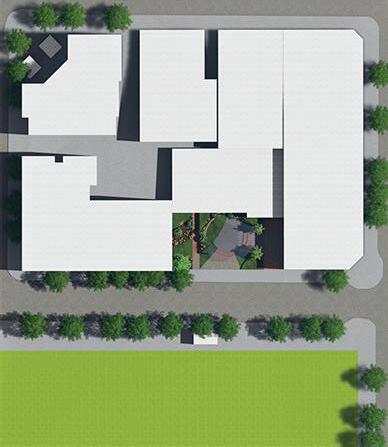
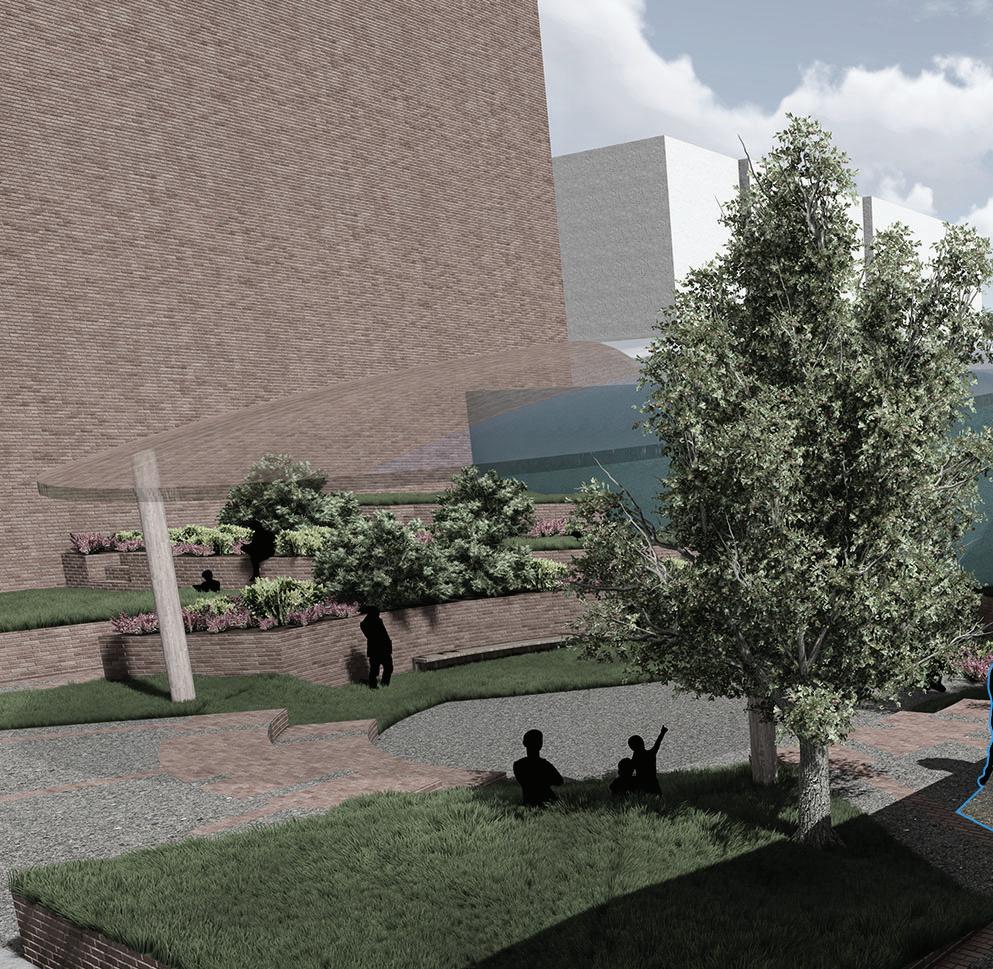
Urban park design transforming a parking lot into a gathering space in Capitol Hill, Seattle, WA
SOFTWARES UTILIZED PROJECT DESCRIPTION ROLE
- QGIS
- AutoCAD - Rhino - Adobe Suite - Lumion
- Fostering “nourishment” through art, learning, and mutual aid on site - Inspiration from Capitol Hill Occupied Protest’s (CHOP) guerrilla garden and Black Lives Memorial Garden
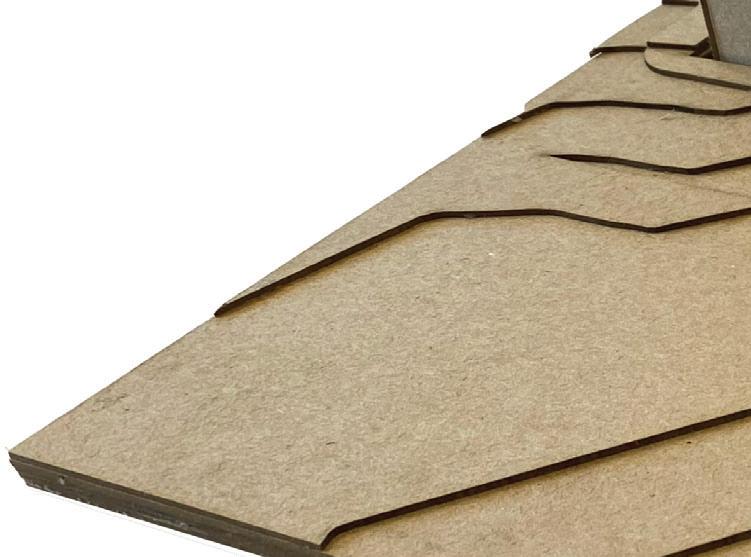
- Primarily independent - 3D model generated as a group project; I made Rhino model and team laser cut/assembled












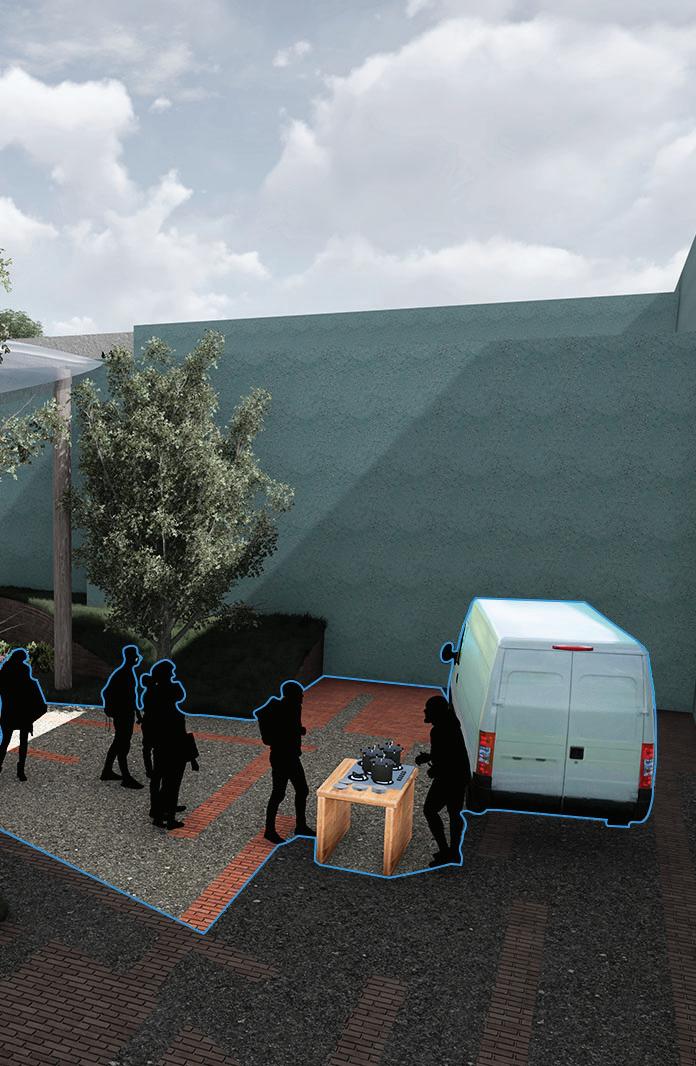
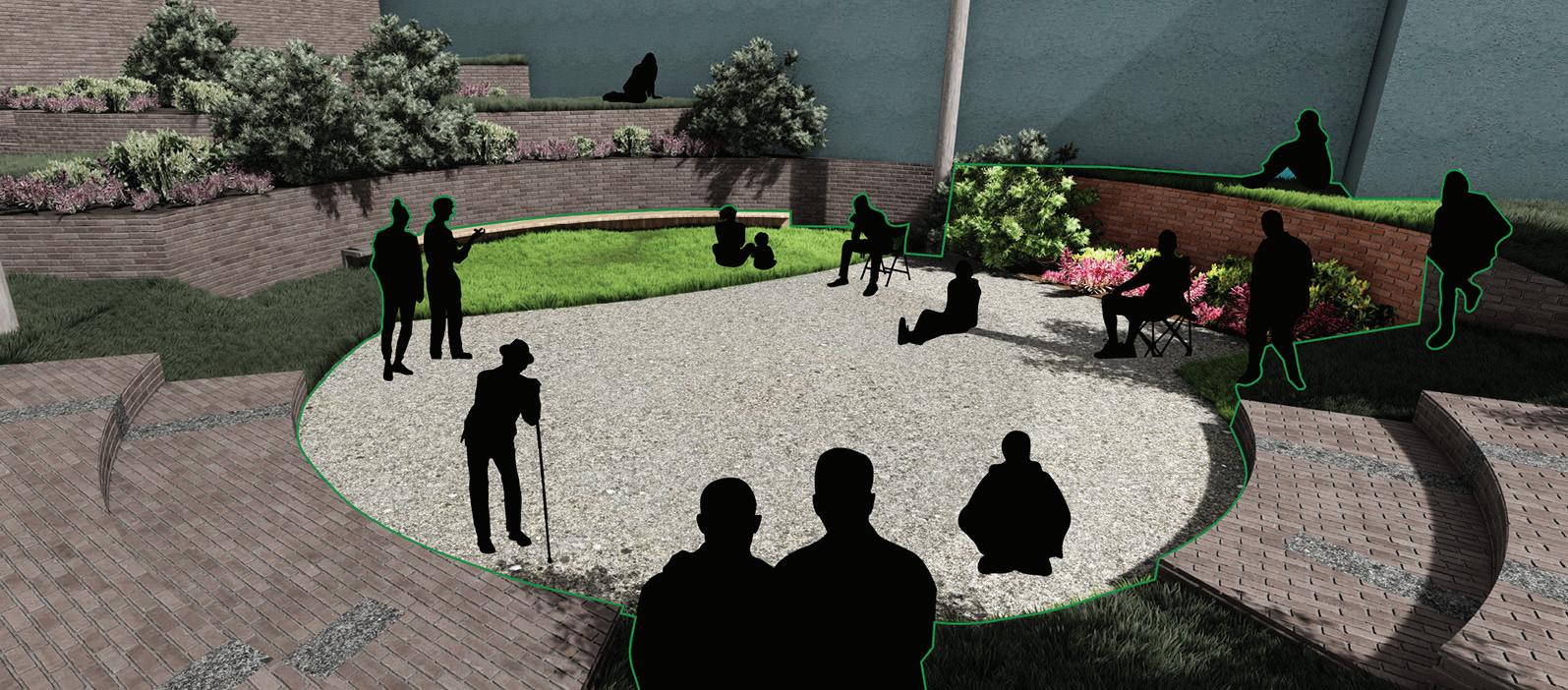
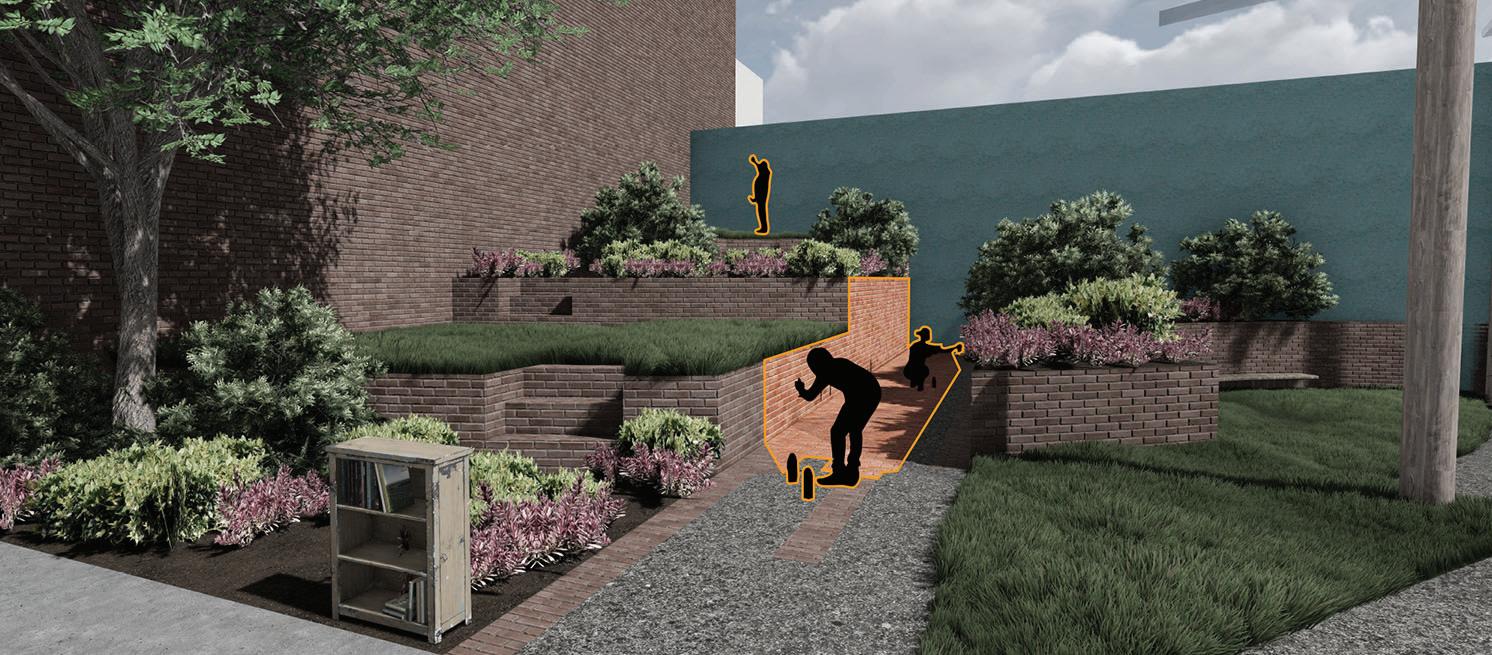
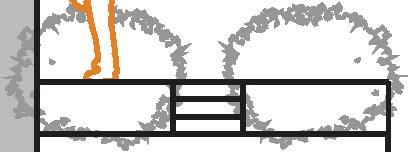


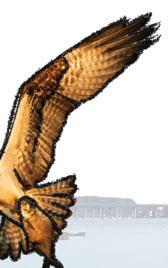
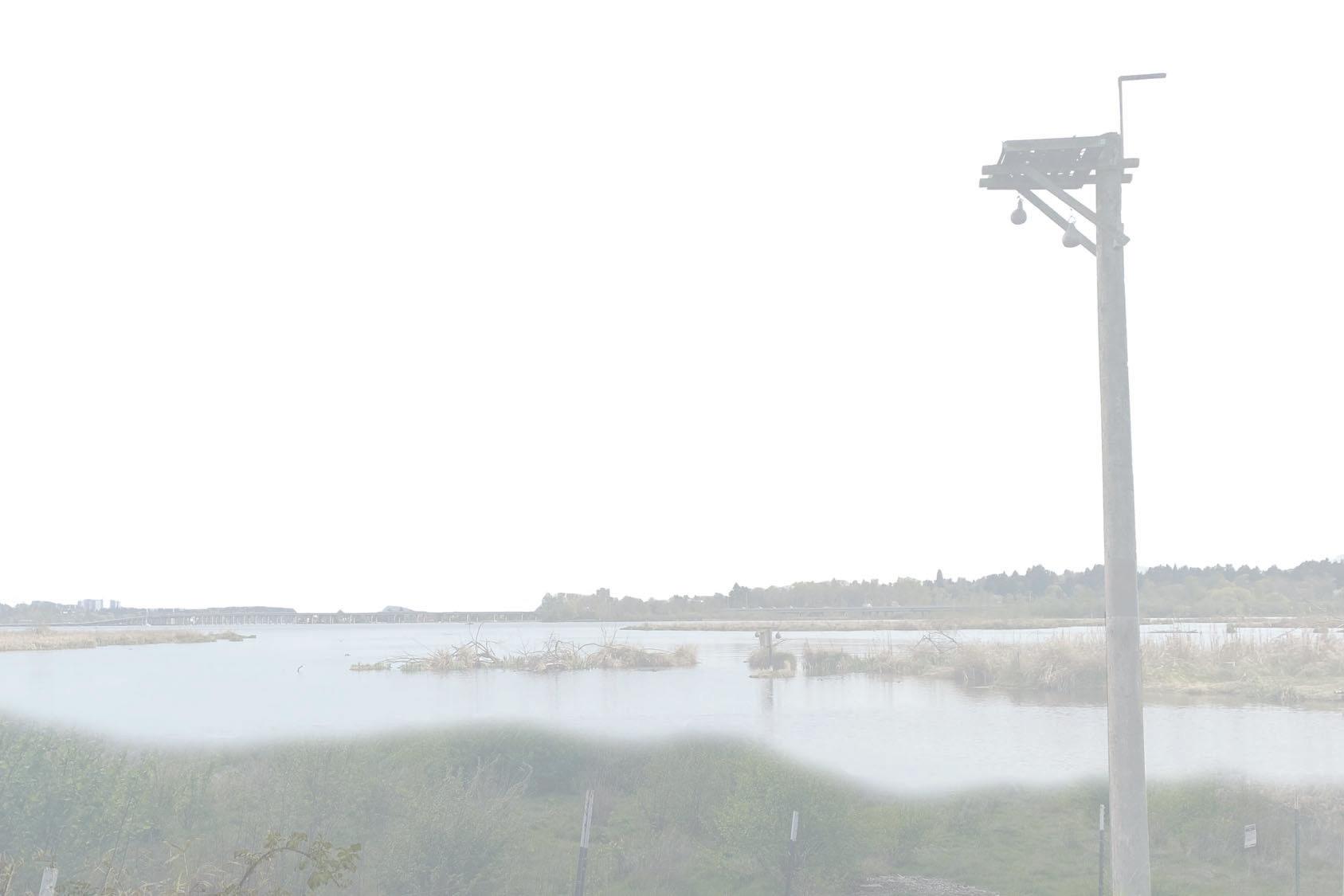
Commensalism between Ospreys and Tree Swallows at Union Bay Natural Area
SOFTWARES UTILIZED PROJECT DESCRIPTION ROLE
- Procreate -Adobe Suite
- Studying interspecies dynamics at Union Bay Natural Area
- Researching migration patterns, nesting periods, and lifestyles of non-humans - Individual Project












































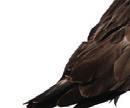





















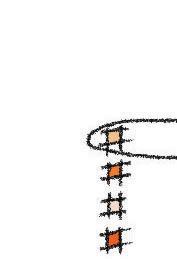













Breeding Migration Winter Year-Round

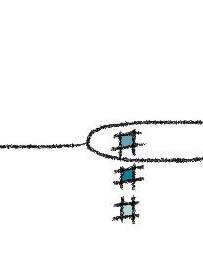










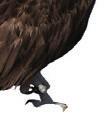




















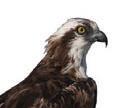
Breeding Migration Nonbreeding Osprey




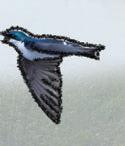
Length: 4 7-5 9in
eng




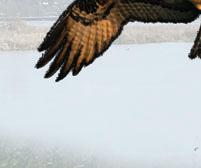
















































Weight: 49.4-70.5oz
Wingspan: 59.1-70.9in




















relationships
No sighted antagonistic relationships between Ospeys and Tree Swallows. Ospreys, primarily eating fish, and Tree Swallows, primarily eating insects, have no dietary competition

and Tree










Length: 21 3-22 8in Weight: 0.6-0.9oz


Wingspan: 11.8-13.8in







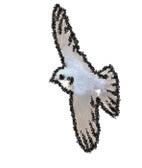










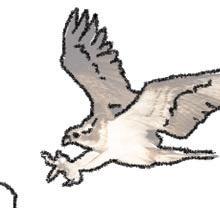









Ospreys attack Tree Swallows’ predators in “protective nesting” of their own nests. Great Horned Owls and raccoons are shared predators between the species



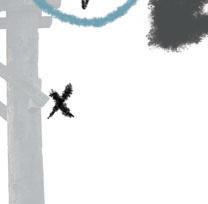








Tree Swallows collect nesting materials and have greater access to insects from Osprey nests. Both prefer living near bodies of water - such as those at UBNA - for food

greater access to proximity








Digitizing expansion plans for Beacon Food Forest in Seattle, WA
SOFTWARES UTILIZED PROJECT DESCRIPTION ROLE
- Procreate - AutoCAD
- Adobe Suite
- Adding accessible planting areas, community gathering plots, improved circulation systems, and gathering spaces
- Volunteer project
- Collaborated on design with Khalil Griffith, Beacon Food Forest Employee
- Initial plan conceptualized by community members
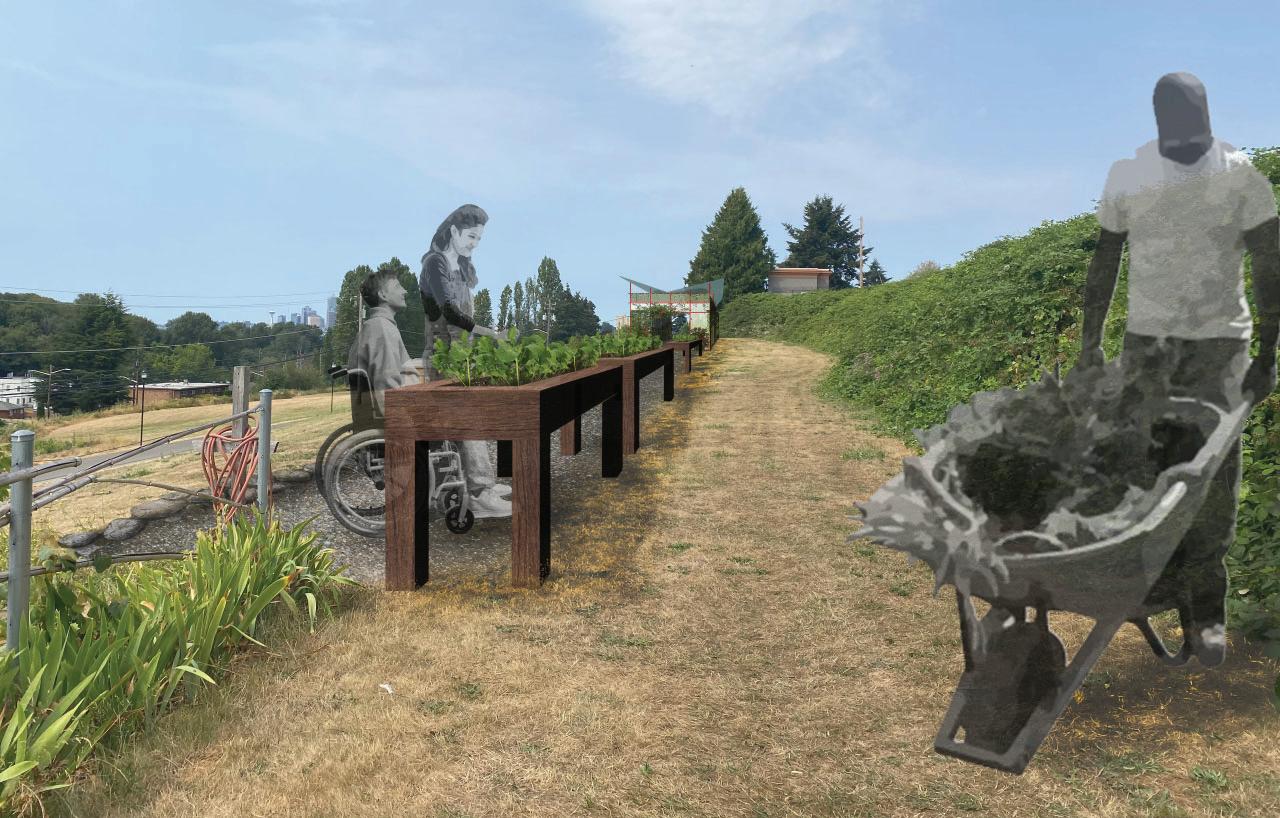
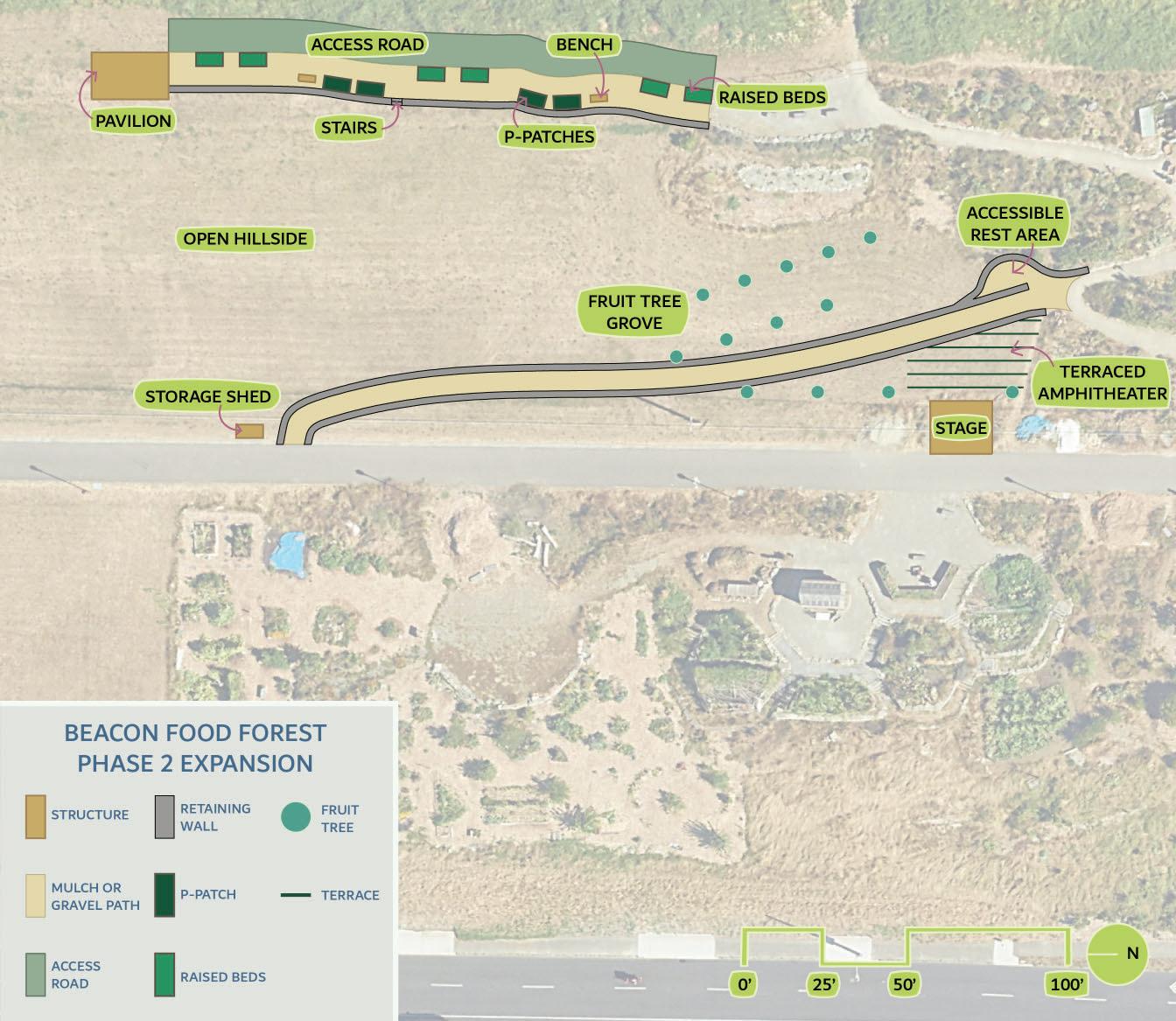
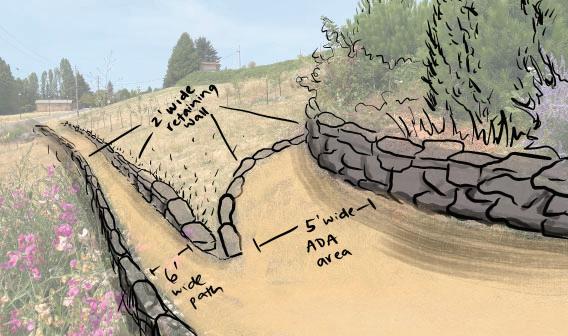
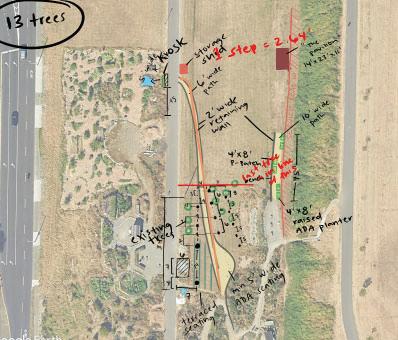
Expansion plan bolsters urban farming production, expands access to fresh food, and increases community gathering spaces
DESIGNING FOR ACCESSIBILITY
PLACING COMMUNITY FEATURES
Experimental design for the dystopian city of Sophronia
SOFTWARES UTILIZED PROJECT DESCRIPTION ROLE
- Inspired by Italo Calvino’s “Individual Cities” novel and Navy Yard Central Green in Philadelphia, PA
- Individual Project - Rhino - Adobe Suite
- Envisioning a dystopian narrative, where the city of Sophronia (represented as boxes) has gained the agency (represented in yellow) to control humans and interact with non-human entities

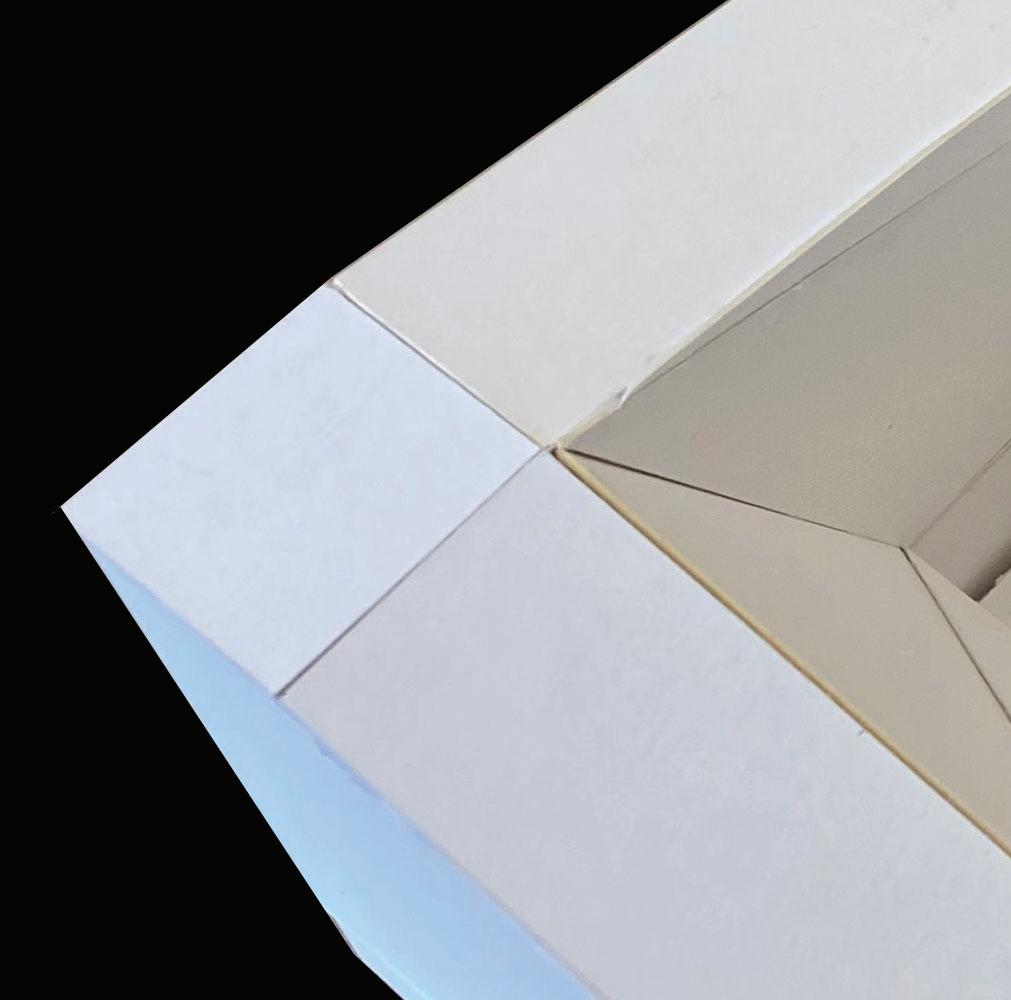
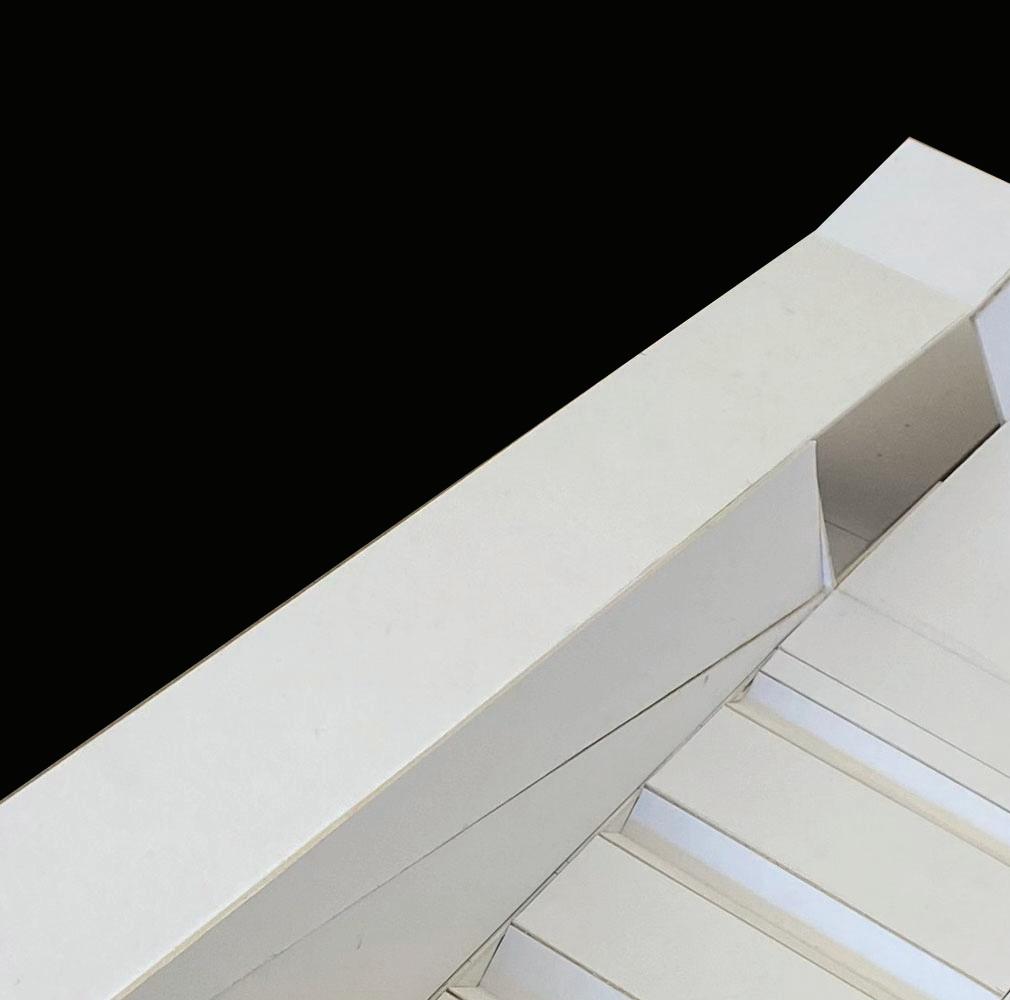
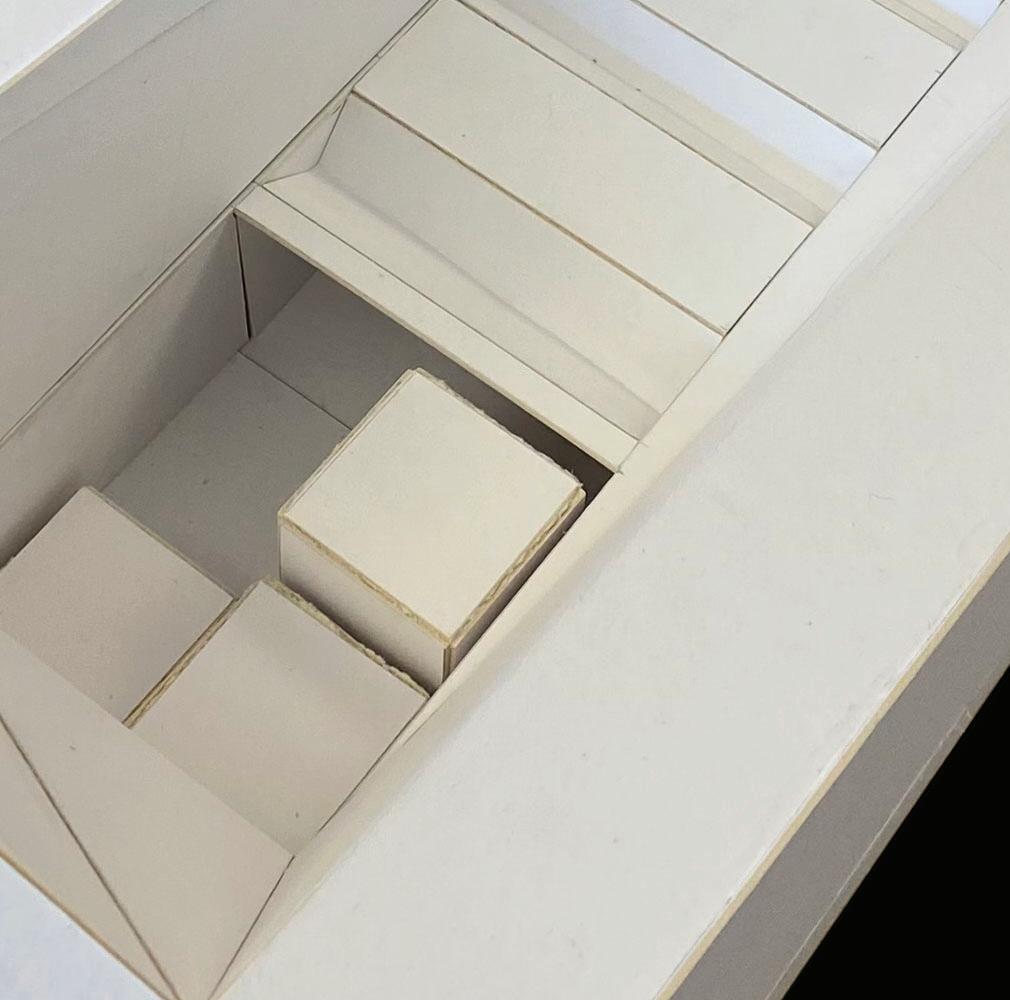

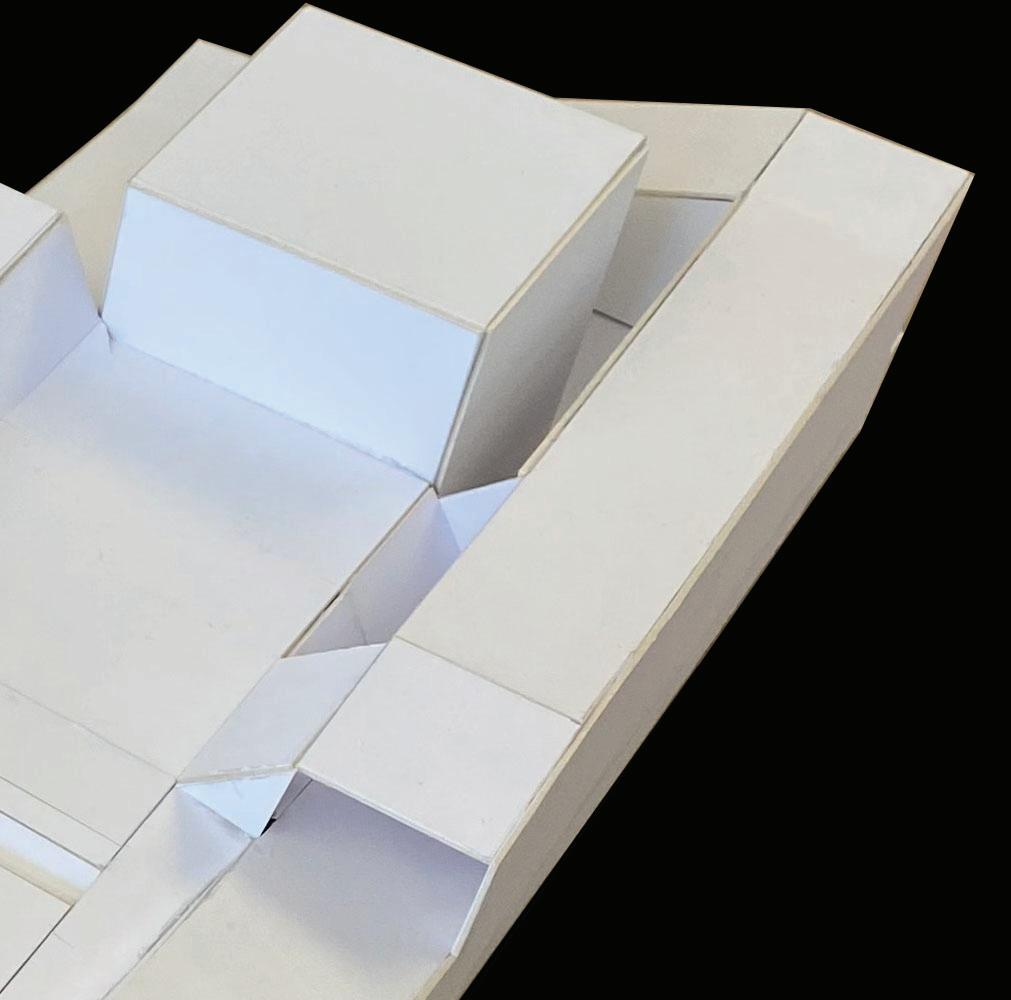



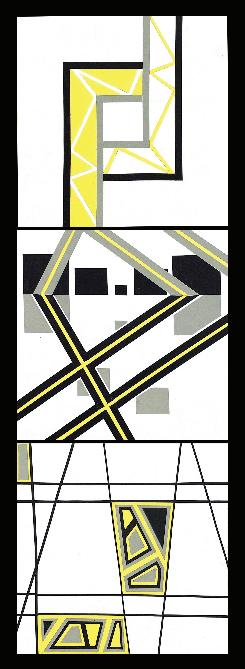
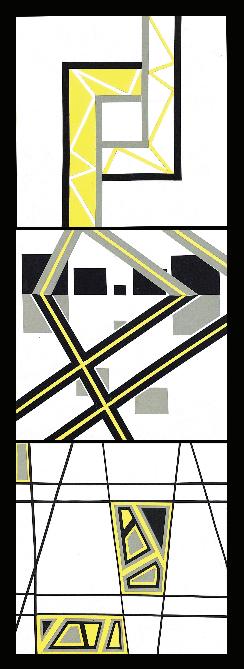

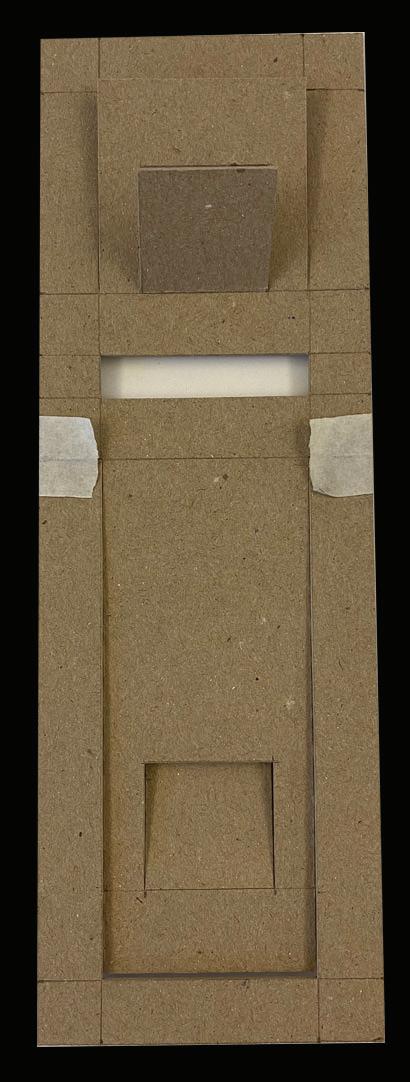
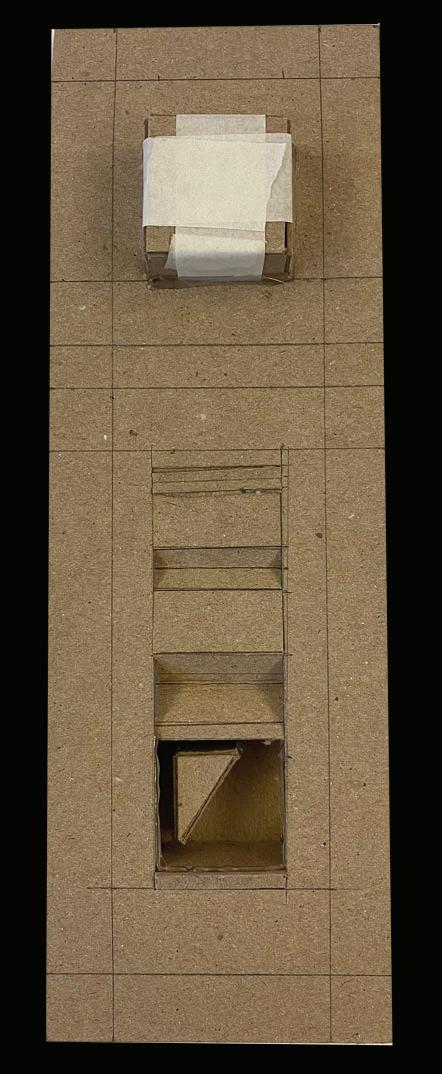
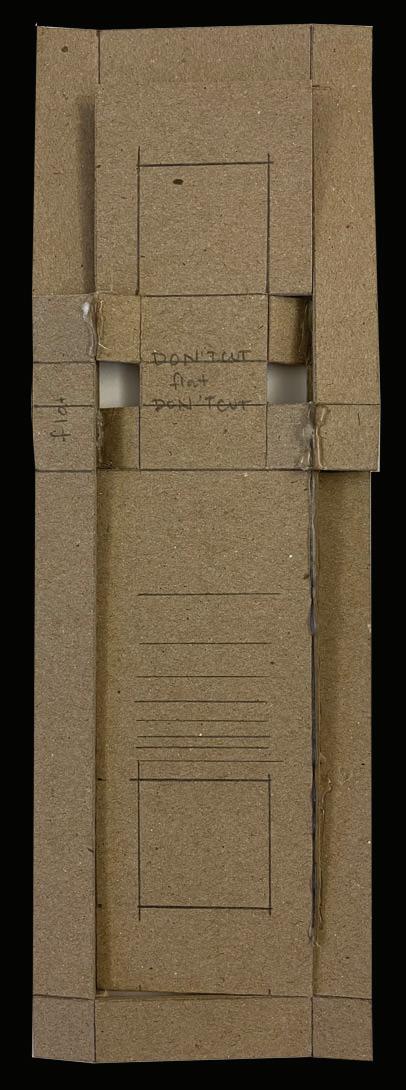
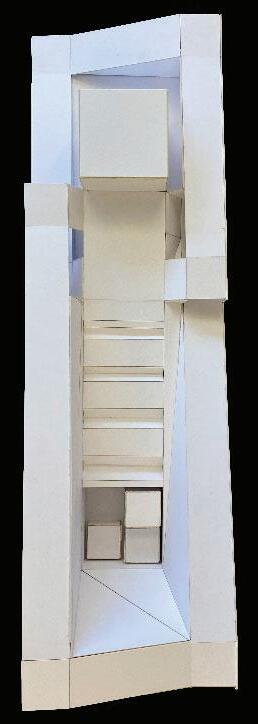
The city of Sophronia initiates, expands, and establishes control over humans, gaining agency (yellow) over time
LOST HUMAN AGENCY
Expanding urban farming and food distribution at Union Bay Natural Area in Seattle, WA
SOFTWARES UTILIZED PROJECT DESCRIPTION ROLE
- QGIS
- Adobe Suite
- Procreate
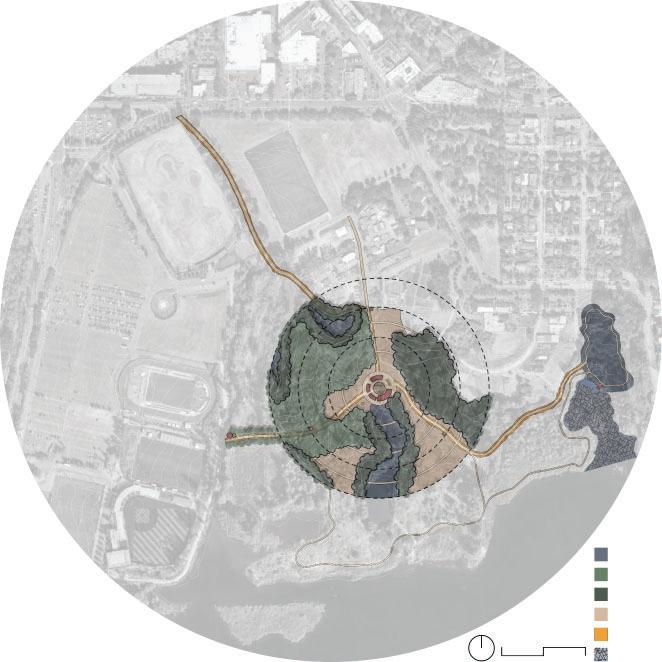
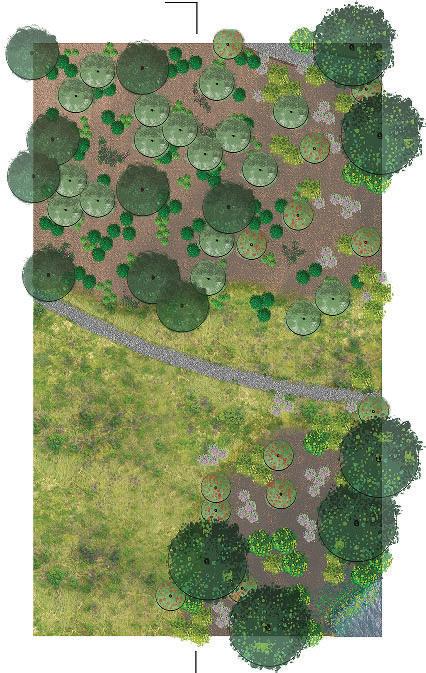
- Subverting capitalist systems through urban farming and free food distribution to local food banks and organizations
- Farm expansion in 3 phases over 10 years
- Landscapes for harvesting and open foraging
WINTER WALKS AND SUMMER HARVESTS
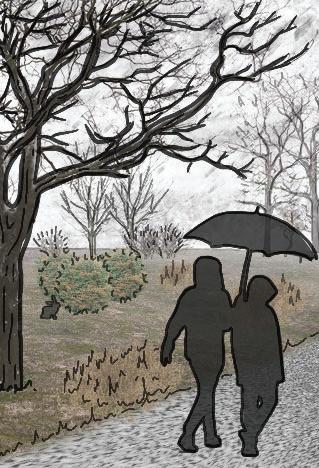
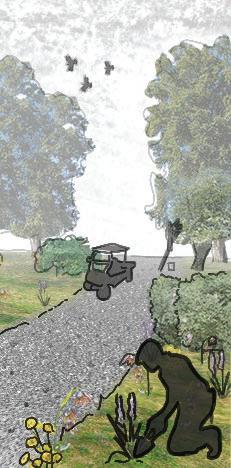
PHASED EXPANSION
- Group project with students Efe Ulucay and Maisie deBruyn
- Individually generated graphics

Woodland
Strawberry
Pacific
Osoberry
Clustered
Salmonberry
Camas
Chickweed
Chocolate
Common
Wapato
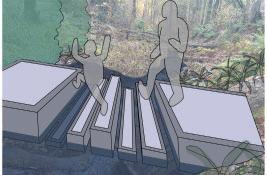
Designing for prospect, enclosure, and wetness in Ravenna Park, Seattle, WA
- Adobe Suite
- Procreate
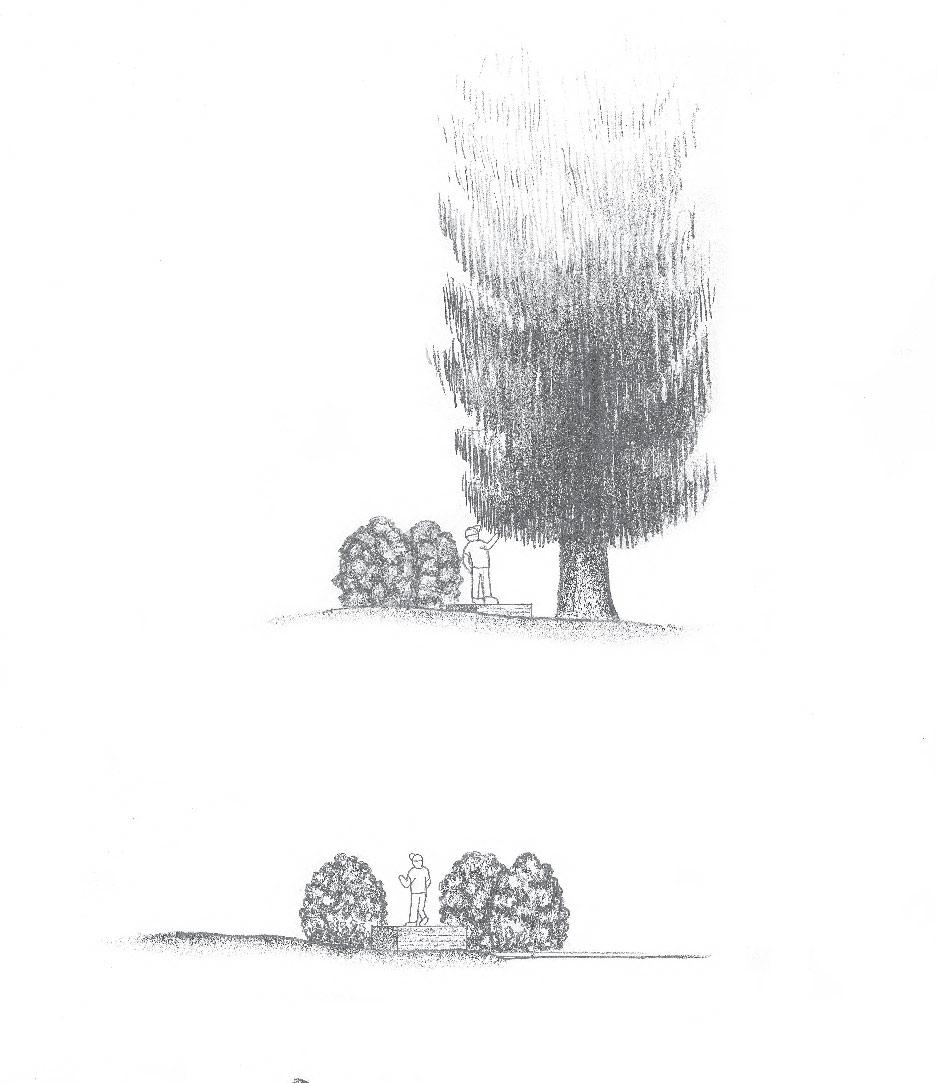
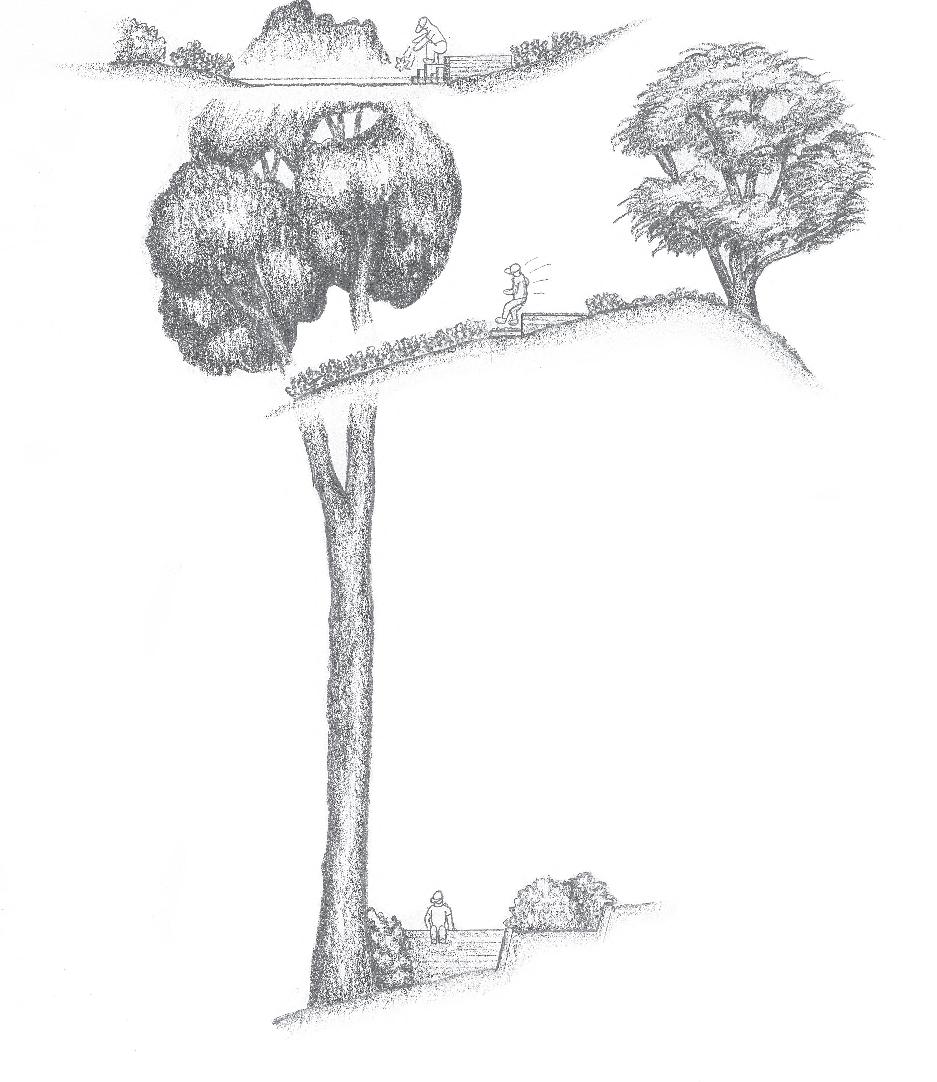
- Redesigning a 100-yard long region in Ravenna Park
- Engaging curiosity through prospect, enclosure, and wetness
- Exaggerating existing elements on site
- Exploring temporality through changing creek levels
- Individual Project
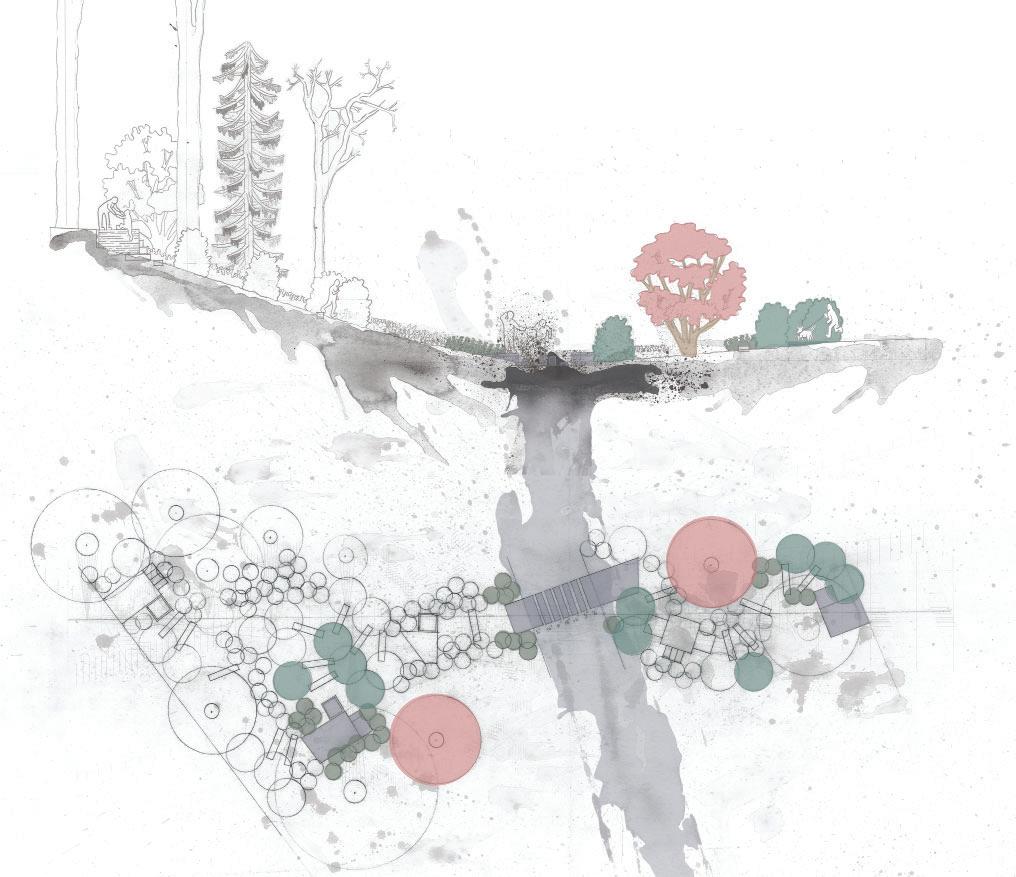
Terraces offer vantage, vegetation creatures enclosure, foliage signals seasonality, and a partially submerged creek crossing indicates change over time
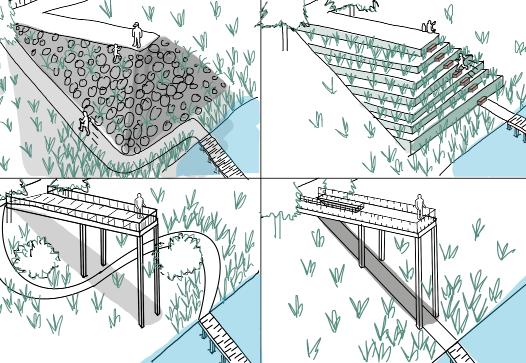
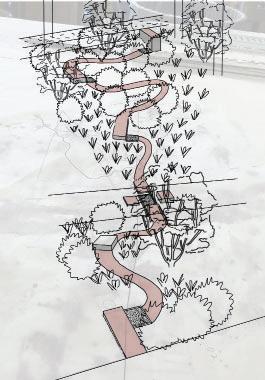
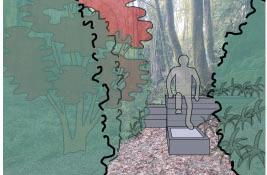
Artistic works through a range of years and mediums