le bijou
ISSUE NO.
1
“BijouFrench Noun; Jewel
“An object of adornment made precious by its material or by the delicacy of its creation.
Cover Photo by Olga Anna Markowska
Flowers Make You Feel Better - Photo Essay by Yoshiyuki Okuyama
Desiderata - a poem by Max Ehrmann
Exerpt from Caitlin Moran’s Theory of The Afterlife
Artwork by Abdelkader Benchamma
Photo by Polina Washington
A Manifesto for A Way of Life - Text and Poster by Bella Landry
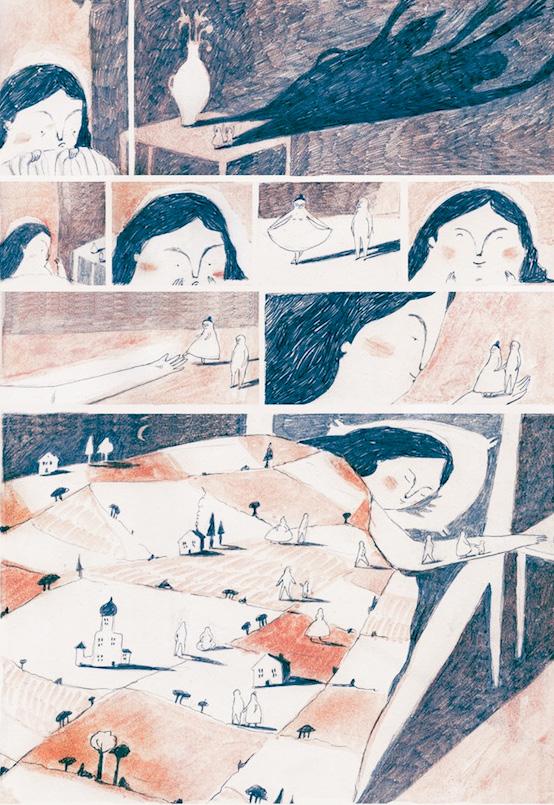
In The Night - Comic by Melissa Castrillon
Why The Sky is Far Away - A Nigerian Folktale
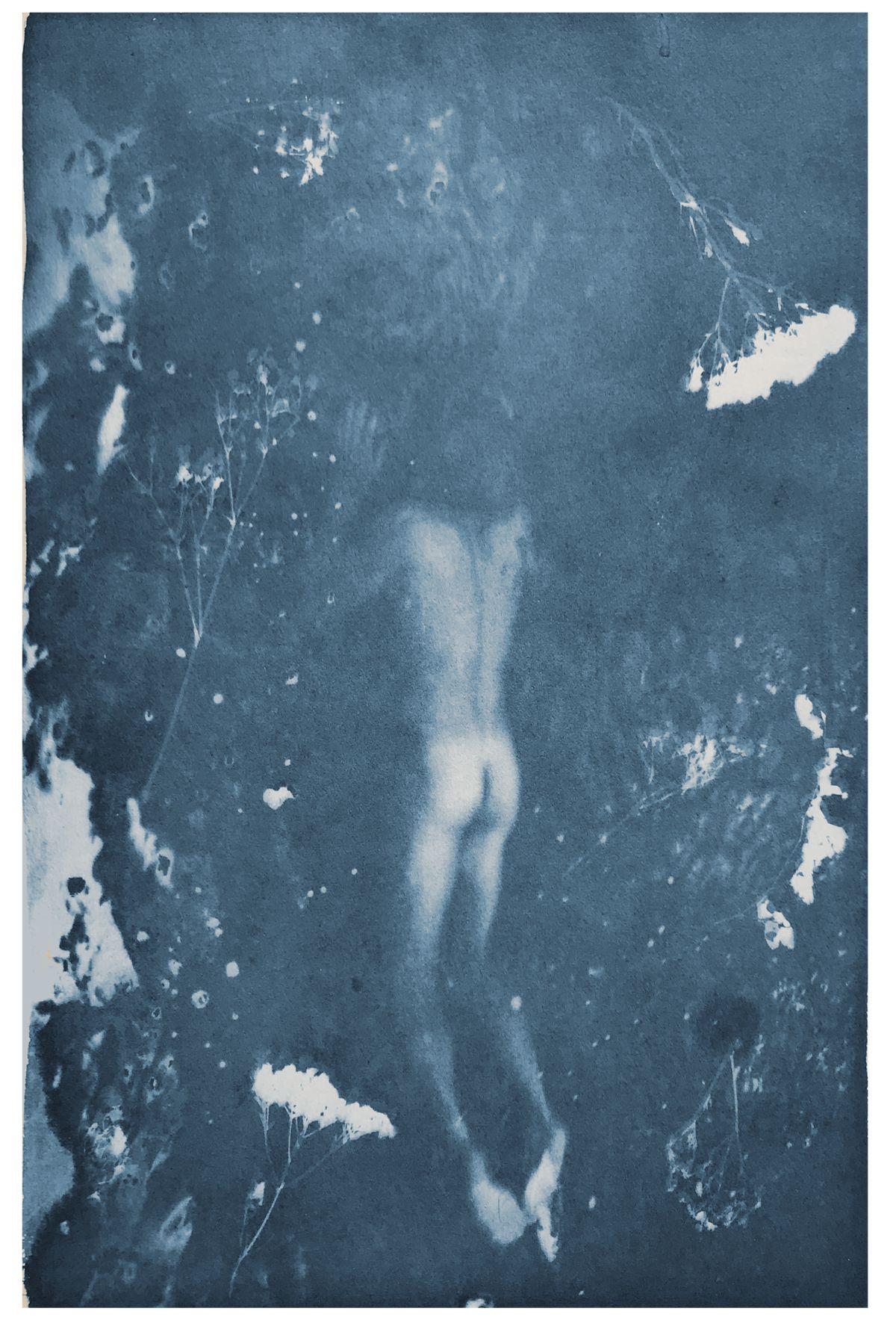
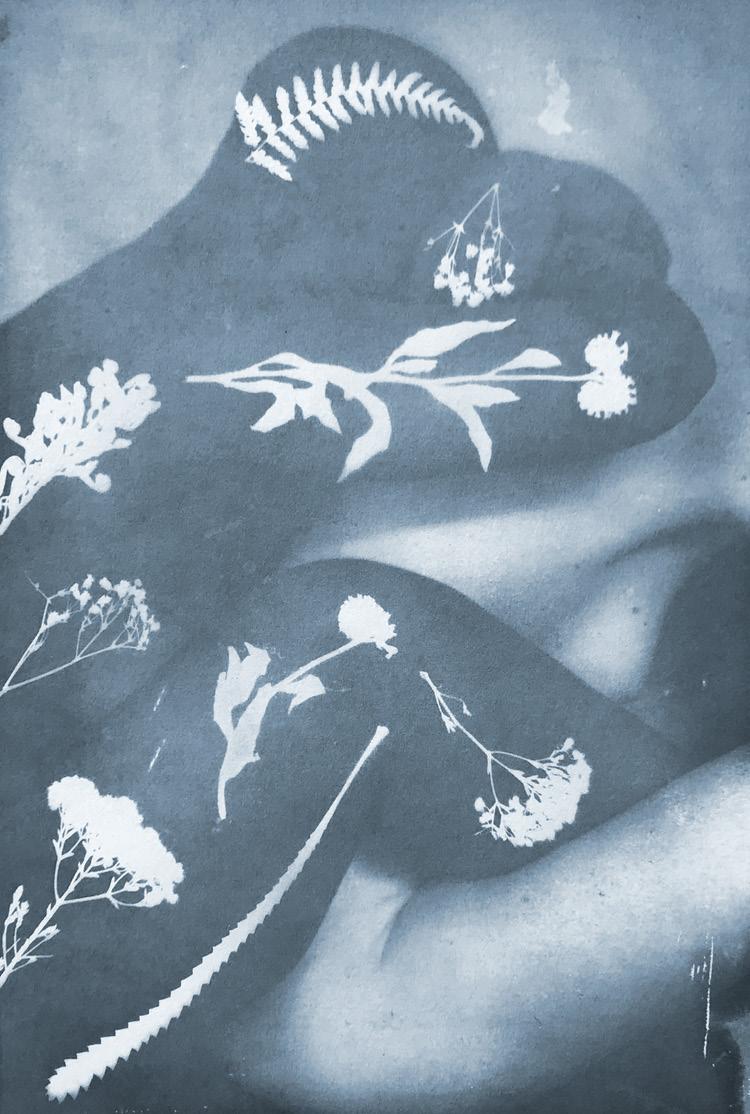
Cyanotypes by Filippa Edghill
We Are Dead Stars by Michelle Thaller
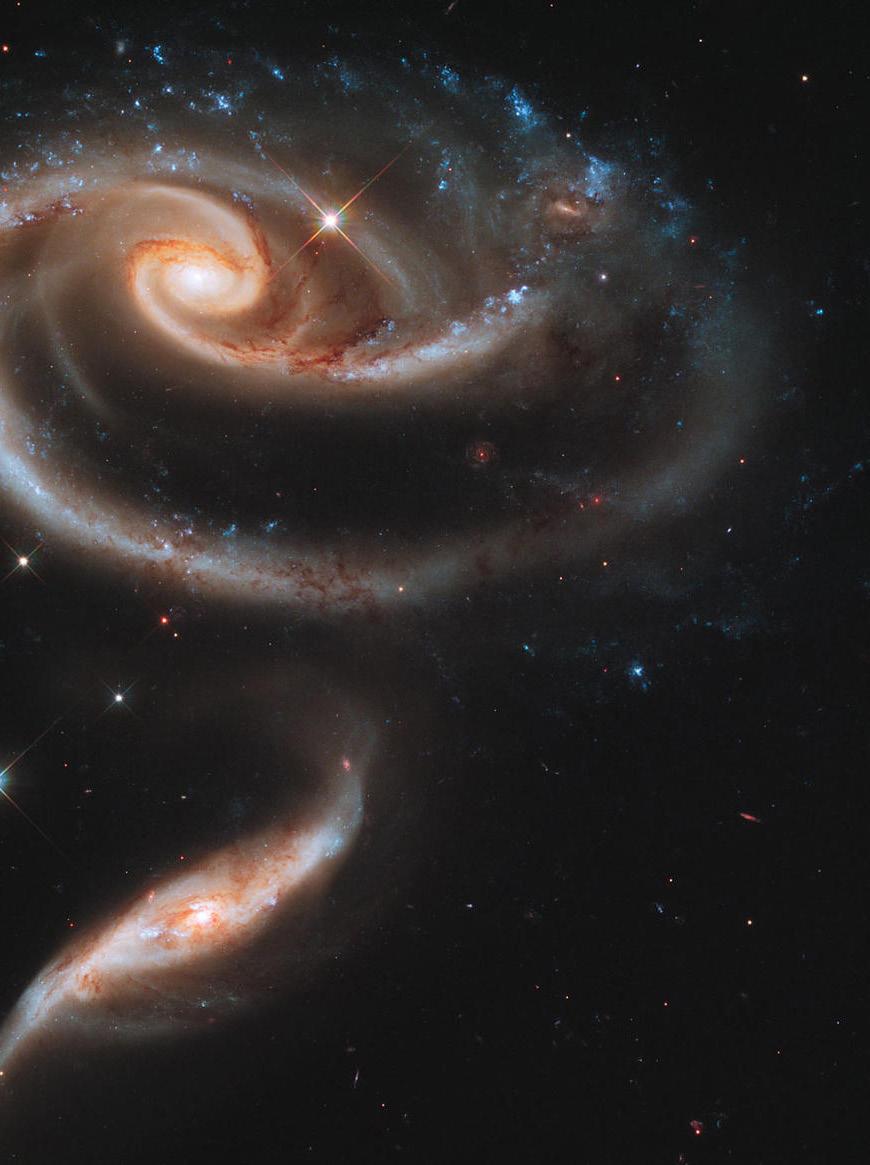
Hubble Telescope Images
A Conversation with Mum
Photograph by Rinko Kawauchi and poetry by Yumi Sakugawa
Dissections by Jean Faucheur
https://sites.google.com/view/bella-landry
In association with The University of Toronto Custom Typeface
3 copies made
There Must Be More To Life Than This
Summer Uno Game - Unknown 1 4 5 6 7 8 10 12 14 16 18 22 24 26 28 29 30
by Anthony Gerace
March 2024
Go placidly amid the noise and the haste, and remember what peace there may be in silence. As far as possible, without surrender, be on good terms with all persons. Speak your truth quietly and clearly; and listen to others, even to the dull and the ignorant; they too have their story.
Avoid loud and aggressive persons; they are vexatious to the spirit. If you compare yourself with others, you may become vain or bitter, for always there will be greater and lesser persons than yourself.
Enjoy your achievements as well as your plans. Keep interested in your own career, however humble; it is a real possession in the changing fortunes of time.
Exercise caution in your business affairs, for the world is full of trickery. But let this not blind you to what virtue there is; many persons strive for high ideals, and everywhere life is full of heroism.
Be yourself. Especially do not feign affection. Neither be cynical about love; for in the face of all aridity and disenchantment, it is as perennial as the grass.
Take kindly the counsel of the years, gracefully surrendering the things of youth. Nurture strength of spirit to shield you in sudden misfortune. But do not distress yourself with dark imaginings. Many fears are born of fatigue and loneliness.
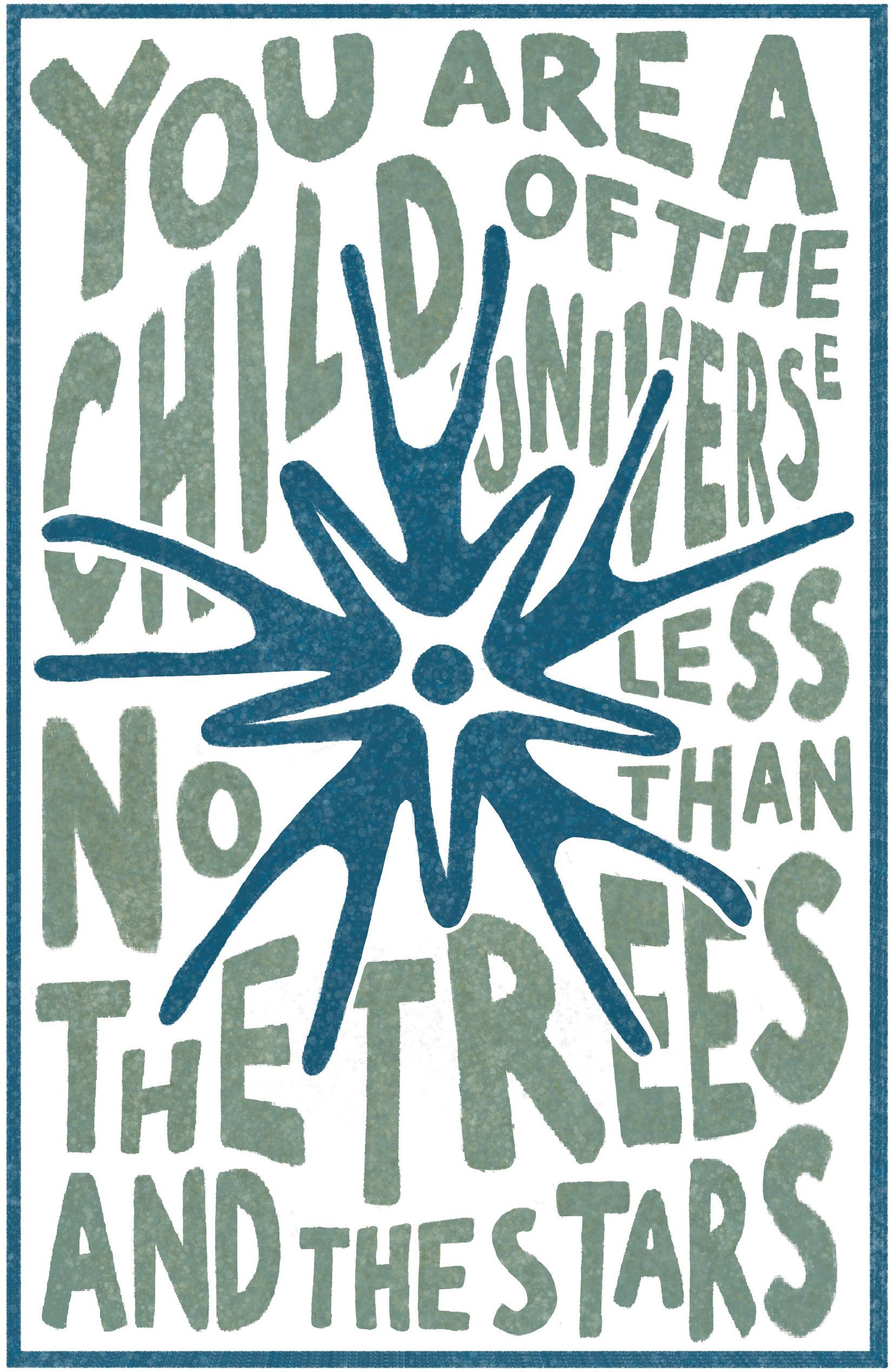
Beyond a wholesome discipline, be gentle with yourself. You are a child of the universe no less than the trees and the stars; you have a right to be here.
And whether or not it is clear to you, no doubt the universe is unfolding as it should.
Therefore be at peace with God, whatever you conceive Him to be. And whatever your labors and aspirations, in the noisy confusion of life, keep peace in your soul.
With all its sham, drudgery and broken dreams, it is still a beautiful world. Be cheerful. Strive to be happy.
Desiderata: A Poem For A Way of Life by Max Ehrmann
At 19, I read a sentence that re-terraformed my head:
“The level of matter in the universe has been constant since the Big Bang.“
In all the aeons we have lost nothing, we have gained nothing - not a speck, not a grain, not a breath.
The universe is simply a sealed, twisting kaleidoscope that has reordered itself a trillion trillion trillion times over.
Each baby, then, is a unique collision a cocktail, a remix - of all that has come before: made from molecules of Napoleon and stardust and comets and whale tooth; colloidal mercury and Cleopatra’s breath: and with the same darkness that is between the stars between, and inside, our own atoms.
When you know this, you suddenly see the crowded top deck of the bus, in the rain, as a miracle: this collection of people is by way of a starburst constellation.
Families are bright, irregular-shaped nebulae. Finding a person you love is like galaxies colliding.
We are all peculiar, unrepeatable, perambulating micro-universes - we have never been before and we will never be again.
Oh God, the sheer exuberant, unlikely face of our existences.
The honour of being alive. They will never be able to make you again. Don’t you dare waste a second of it thinking something better will happen when it ends.
Don’t you dare.
 Caitlin Moran
9
10
In a world increasingly dominated by technology, political divisiveness, and social unrest, the need for empathy in our society today is more pressing than ever. Empathy - the ability to understand the feelings and lived experiences of others - is not just a social nicety. It is a fundamental human capability that should be nurtured and prioritized, a tool for building stronger, more inclusive communities and societies. Empathy encourages kindness and understanding. It is the bridge that connects us to others, fostering a sense of unity and shared humanity. It reminds us that beneath our many differences - of race, culture, religion, or political beliefwe are all human beings with similar hopes, fears, and dreams. By fostering empathy, we can break down the walls of prejudice and discrimination that divide us.
We are at a turning point in global history and empathy is the catalyst for social change that we need. It drives us to take action against injustice and inequality. It is the feeling in the air at a march or vigil - and it is powerful. By stepping into the shoes of those suffering or marginalized, we can begin to understand the depth of their struggles and work towards creating a society that respects and values all its members and thus may reach its utmost potential for prosperity. Let us elect leaders who stand for humanity in this way. Who are not only intelligent
but emotionally intelligent. Let us build a world of an entirely new kind. Down with the individualist mentality and the dehumanization of others. Down with the glorification of productivity and capital gain above all. Our eyes can all be opened if we realize that we are all connected in a deep and ancient capacity. Reflect on the vast infinity of our universe and know that we are it, and it is us. Let us understand the weight of this reality and accept that there is a better way.
This shift is something that will take work. It requires intentionality and practice. We must actively seek to understand others’ perspectives, to listen without judgment, and to respond with compassion. We must challenge our biases and step out of our comfort zones. And above all, we must teach these skills to our children, modeling it in our own behaviour and promoting it in our schools, in our communities, and in our media. The human ability to feel - to love, to grieve, to laugh - is the glue that holds our society together, the driving force behind everything we do, the birthplace of all social change, and the key to building a more inclusive, understanding, and compassionate world. A world like we dreamt of as children. Let us strive to cultivate empathy in our hearts, our homes, and our communities, recognizing that our strength lies in our diversity and our capacity for this gift that is emotion.
11
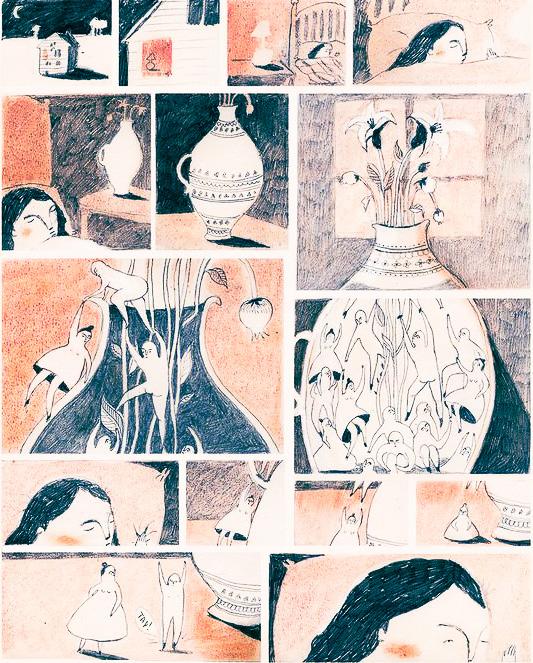
In the beginning, they sky was close to the earth. So close you could reach up and touch it. And you could eat it! In those days, people always had enough to eat, without ever having to work for it. Men and women did not have to plow the fields and sow the seeds and gather the crops. Children did not have to fetch sticks for the fire. Whenever anybody was hungry, they just reached up and tore off a piece of the sky. But people grew careless with the sky’s gifts. They broke off more than they needed. After all, the sky was so big; there would always be enough for everybody. Who cared about a little wasted sky?
But the sky cared. Soon the sky’s sorrow turned to resentment, and its resentment grew to anger. “I offer myself every day to these people,“ the sky brooded, “and they throw me away, half eaten, like garbage.“
“People of Earth! The sky’s eyes flashed light lightning. Clouds bubbled and boiled. “You have not treated me with respect. You have wasted my gifts. I warn you. If you are greedy, I will leave. I will move far away.“
The people listened and promised to be more careful. After that, no one broke off more than they could eat. And they always remembered to thank the sky. But then the time came for the greatest festival of the year, in honor of the chief of the kingdom. The night rang with music. Bells clanged and drums banged. People stamped and clapped and laughed.
The tables were heaped with dishes of specially prepared sky. Sky in every flavor, from custard apple to coco plum. There was plenty for everyone, for the sky was generous. It trusted the people to take only what they needed.
But there was one woman who was never satisfied. Osato always wanted more. Her arms were heavy with brass bracelets. But brass wasn’t good enough for her - she wanted coral beads. And most of all, she loved to eat.
First she helped herself to a handful of noon-yellow sky that tasted like pineapple. Chunk after chunk disappeared into her mouth. Then she ladled out some sky stew, spicy and warm. She lifted the dish to her lips, draining it, dumplings and all. Soon her stomach was stuffed. She loosened her robe. What next? Delicate slices of morning sky, pink and glistening. With a swift movement, she scooped them up and slurped them down all at once.
At last the tables were empty. And Osato was full. She waddled home.
She was full to bursting, but her eyes kept wandering up to the sky. What would it taste like right now? Citrus storms? Her taste buds tingled. Luscious mango? Her mouth watered.
Why The Sky is Far Away a Nigerian Folktale
Honey sunsets? She licked her lips.
Her fingers began to pull out her spoon - the one she kept tucked in her headscarf - just in case. She stopped herself just in time. Osato knew that the sky offered itself only because no one ever took more than they needed. And she knew she didn’t need any more. But oh, how she wanted some! Just one more spoonful. “The sky is so huge,“ Osato said to herself. “It can’t hurt just to have a little bit more.“
She pulled out her spoon and plunged it in. She savored a mouthful of sky. And another. She threw down her spoon and scooped with her hands, sucking the delicious sky from her fingertips. Finally, without another thought, Osato pulled down a great slab of sky. Enough to feed a family for weeks.
She licked all around the edges, chewing more slowly now. She stared up at the huge hole above her. She stared down at the enormous mound of sky. And she knew she had taken more than even she could eat. Above her head, there were rumblings. “What have I done?“ Osato gasped. “I cannot waste this sky. What shall I do?
She called to her husband to help, but he had been feasting too and was slumped in his chair, too full even to move. Still, he managed a few mouthfuls.
She called to her children to help, but they too were full from the wonderful feast. Still, they forced down a few fingerfuls.
She called to her neighbors to help, but they had been at the festival too and at the sight of more food, they held their stomachs and groaned. But they ate as much as they could, with worried frowns on their faces and anxious glances above their heads.
But even with the help of the entire village, they could not eat that last piece of sky. Osato had taken too much. “What does it matter?“ Osato told herself at last. “Just a bit of waste.“ But the feeling in the pit of her stomach told her otherwise. No one slept well that night.
The next morning, the sky did not offer his food to the people. Parents had nothing for breakfast. Children cried, hungry. Osato knelt on the ground, rocking and sobbing. “I’m so sorry... “
But the sky just sighed. With a great rush of air, it lifted itself up. High as the treetops. High as the mountaintops.
High above the earth rose the sky, far beyond the reach of humans. “I gave you all you needed,“ its voice floated down to Osato, “but still you took more. I cannot stand such greed. I must leave. I will not return.“
“But how will we live?“ wept Osato. “What will we eat?“
There was silence.
Osato’s tears fell to the Earth. And the Earth spoke. “Dry your tears,“ it said gently. “I can feed you. But you will have to work for your living. You will have to learn to plow fields and sow seeds and harvest crops. And remember what you have learned today. Take only what you need. And I will give it gladly.“
16 The
Blues
2020 17
I want to tell you the best story that I have ever heard, and it has the added advantage of actually being a true story.
Now, I’m an astrophysicist, which means that my profession, my passion, is studying things in the Universe that are incomprehensibly large, extremely far away, and very old. The numbers, really, the human brain doesn’t even comprehend them.
And I think sometimes people don’t realize that scientists actually do respond to this with some emotion. People often ask me: “What’s it like to be an astrophysicist? When you learn all these things, does it affect the way you view the rest of your life?“ And the answer is yes. It’s changed the way I view absolutely everything. And I want to tell you that story because I never responded to science just as the mathematics, just as the technical aspects. I responded to the story and to the drama of it all. My favourite story is where we all come from, and in order to start that story, we need to go to some very, very large scales indeed.
A lot of people know the word galaxy, that’s okay - but I don’t think people understand what monsters these really are. Galaxies are incredibly huge.
Light year is one of those famously confusing words in astronomy. When you hear the word “year“, you think it’s a unit of time. But instead it’s a unit of distance, because light travels through space at 186,000 miles per second. And if you go at that speed for one year, you cover about 6 trillion miles. And that’s one light year.
This galaxy is so huge (see figure 10), it’s 100,000 light years from end to end. 100,000 times 6 trillion miles. And we live in a galaxy very much like this, called the Milky Way. And in fact, the Sun is spinning around the centre of the Milky Way right now. All the stars in the Galaxy orbit around a common centre of mass. And right now, you, and this planet, and this whole Solar System is moving at about half a million miles an hour around the centre of our Galaxy.
But the Galaxy is so huge, it’s going to take us about a quarter billion years to make one transit. Now I actually like the term light-year because there is a time element in it as well. The Andromeda Galaxy is 2 million light years away. You can actually see Andromeda in the night sky in the winter. And the light that’s hitting your eyes left Andromeda 2 million years ago. And it being the nearest galaxy, Hubble has made some beautiful scans of all of the millions of stars that we can see in that galaxy. And that is a 2-million-year old image as it arrives at our
telescopes at this moment. And if you were on the Andromeda Galaxy, and you took a picture of Earth, you’d be looking back 2 million years ago, to the very dawn of humanity. So, there is this time aspect too; And this becomes very profound when we look farther and farther out into the Universe, because, when you look really far out, say billions of light years away - we can do this - the Universe is then billions of years old; you’re looking back in time. And the Universe doesn’t look the same as it does today. The farthest out we can look right now with our most sensitive specialized telescopes is 13.7 billion years into the past. And this is not something that’s conjectural; this is not a theory. This is actually a picture you can take. We have telescopes that are that powerful. And when you look at what the Universe looked like 13.7 billion years ago, it’s very different indeed. There are no galaxies, there are no stars, there are no planets. We can look back to a time when there was nothing but hydrogen gas. Hydrogen and a little bit of helium. And when you look around you, I’m a being made of carbon, and oxygen, and nitrogen, and phosphorus. The Universe is somehow very different.
So what happened? What happened to change the Universe this way? And here is where we all come from. It’s our nearest star. The Sun. Stars are giant balls of hydrogen gas. And in the very center of the star, it’s hot enough; it’s millions of degrees hot, that a nuclear fusion reaction is going on. Little tiny atoms of hydrogen ram together in a nuclear fusion reaction, and they make bigger and bigger atoms. And the star gets energy out of that, and that’s what makes the star shine.
And the incredible thing is that this is where every atom in the Universe comes from, besides the original hydrogen and helium. And stars are amazing things. You could fit about 110 Earths to cross the diameter of the Sun, and volume-wise, you could fit a million Earths inside the Sun. But if you think the Sun is big, we talked about the scale of the galaxy, if the Sun were the size of a dot of an “i“ on a page, it would contain one million Earths, then our galaxy, the Milky Way, would be about the size of the Earth. That’s the scale of a star to a galaxy.
So what happens inside a star is that bigger and bigger atoms are created. Eventually, all the hydrogen inside the core is depleted, and then the star dies. And stars like the Sun unravel gently back into space. After a star like this dies and its nuclear reactions fades away, all of those wonderful new atoms and elements that it created will be distributed back into space. but no two stars die the same way.
If a star was a little bit more massive than the Sun, about five to ten times the mass of the Sun, the death isn’t quite so gentle. In fact, it explodes violently in a supernova explosion. These violent star deaths created iron, the element that makes our blood red; iron combined with oxygen gives you red blood. And you better believeit’s actually true - that whenever I bleed I think about that:
the iron in my blood red created the instant a star died.
Now what happens over time is that lots of stars in the galaxy are dying and distributing their material into space. Dark material, trillions and trillions of miles of it, debris from many dead stars. And then a beautiful thing happens in the galaxy: as the stars orbit around the galaxy. Going half a million miles an hour - all of that dust is swept up and creates beautiful, dark, spiral patterns in the galaxy. And now something really wonderful happens when you sweep up the dust, and you form these big clouds: gravity has a chance to bring the clouds together, to clump them up, and to actually make them hot inside, hot enough to ignite a nuclear fusion reaction, and another star is born. And this is a star-forming cloud in the Carina Nebula (see figure 5). Hundreds of new stars are forming in there right now.
This is another beautiful picture of a star-forming cloud (fig. 7). Wherever you see these weird little jets coming out of the cloud, that means there’s a star that has just turned on. Stars, when they just turn on, are a little unstable, and they jet away from their poles.
Over time, new born stars blow away the cloud that they were formed in. There’s all this light and heat radiation, winds, and particles, and the Sun and all of our sister stars blew away the cloud we were formed in. We don’t even know where it is. (fig. 4)
But it’s kind of fun because a little bit of the cloud can hang around a young star. And if you’re lucky enough, some of this debris will form stable orbits around the star. And these are actually baby solar systems. These are tiny young stars that have gravitationally held onto a little bit of that debris that’s beginning to orbit around now. All of that wonderful and rich material, you actually give it a stable place to land on, you form a planet out of it, and pretty soon you have something like our home.
This is the story of where we came from. And it’s a story that we had to piece together bit by bit, and that’s the fun part about being a scientist. We are such brief creatures that we can’t observe a star being born, living,
and dying, that’s a billion-year journey. But instead, as scientists, we look at millions of stars at once. And some are being born, some are living their lives, and some are dying. And we try to figure out the story.
So, how has this story affected me? Well, it’s an amazing thing to tell you that I know where you come from, and I know where I come from. We come from the stars, Literally. You may have heard we are stardust’, and you thought it was something poetic, something that was kind of a nice analogy, but your body literally had to be forged inside a star that died. And the amazing thing is that, if you ever wanted a connection to a larger universe, you already have it. You don’t need to go looking for it. It’s right here inside you. It’s not just a single star either. The Sun has been around the Galaxy about 20 times since our star formed. And that means that we swept up material from stars clear across the galaxy, stars that are hundreds of thousands of light-years away when they died, we’ve been through their clouds, Their material is in us today.
So if you think that the galaxy is something huge and distant - if you think astronomy is the study of things that are so far away and unrelated to you, Well, You are the freaking galaxy, right? Right here. Right here, you are the galaxy.
And sometimes people ask me, “How do you cope with the sort of a view of the Universe and a view of life? And I often say, “I’m sorry to give you the impression if you think I figured out how to cope with it.“
There are times when - I don’t respond to science in an unemotional way. There are times when I feel such exultant joy. I can’t believe how beautiful this is, the system that I’m a part of.
And there are other times where I have these dark nights of the soul, and I hide under the covers and cry because, in my view, we are very, very brief things. My atoms come together for a little while. There’s never been something quite like me or like you.
You are a miracle of cosmic proportions, every single one of you out there. And it’s not just other humans or other life; it’s the very bones of the Earth. Think of what the Earth is made of - the silicon, the magnesium, the zinc, the iron, the copper, the silver - all of those were formed in the same explosions which created all of the atoms in your body right now.
I often like to hike up into the mountains and sit on the rocks, and feel the presence of my ancestors, and my brothers, and sisters. Not only are we all connected; everything here is the same thing.
Sometimes I wonder, as human beings, why we aren’t all just standing in the middle of the road, embracing, being these brief things? I think in my life, I’ve honestly made a fool out of myself many times because I try to connect with people too strongly and too quickly. I feel like I don’t have enough time. So I have let what I’ve learned in astronomy fill me with joy, and I’ve let it fill me with fear, and this story has changed me.
And I don’t know why we don’t do more art, and literature, and dance, and poetry about this story that we know is true; we can actually take pictures of it.
So let me challenge all of you out there. I let this story change me. How is it going to change you?
We Are Dead Stars
Michelle Thaller PhD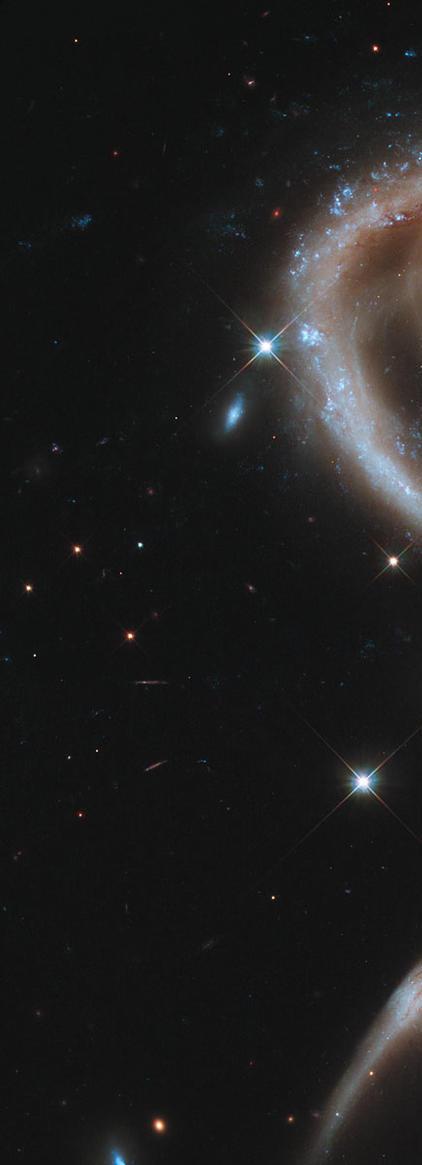
1
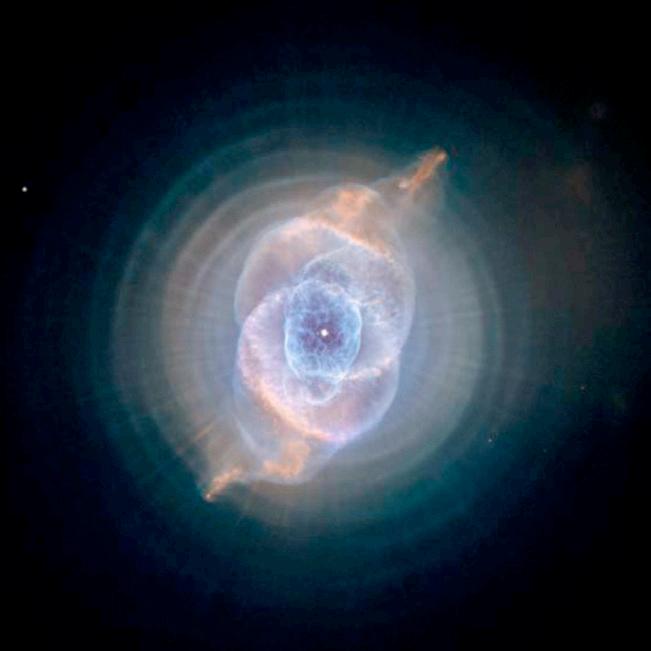
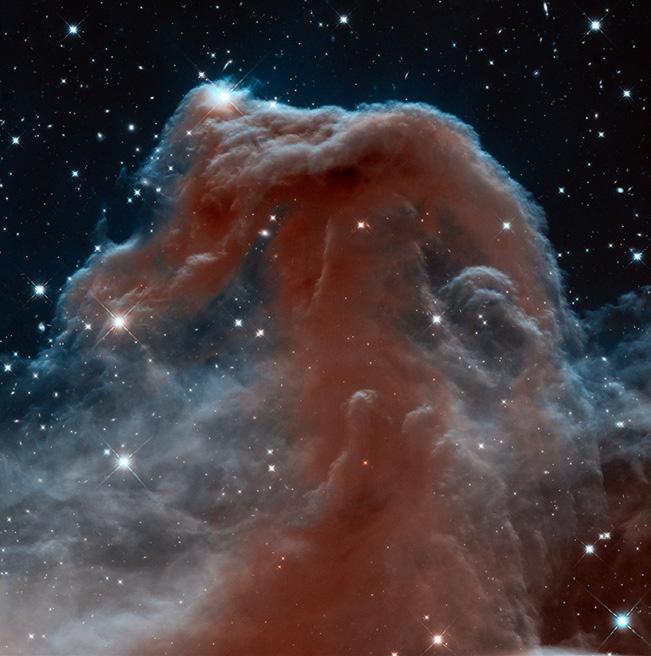
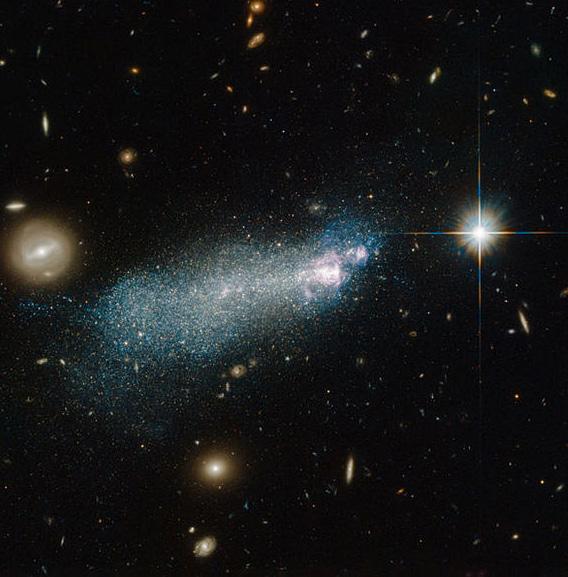
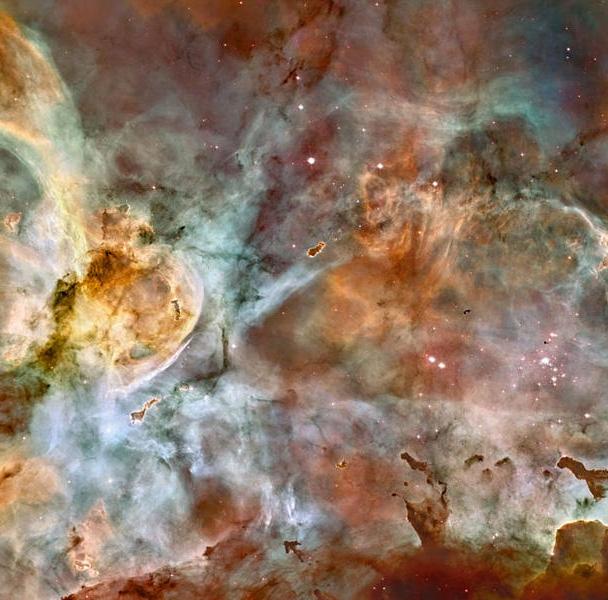
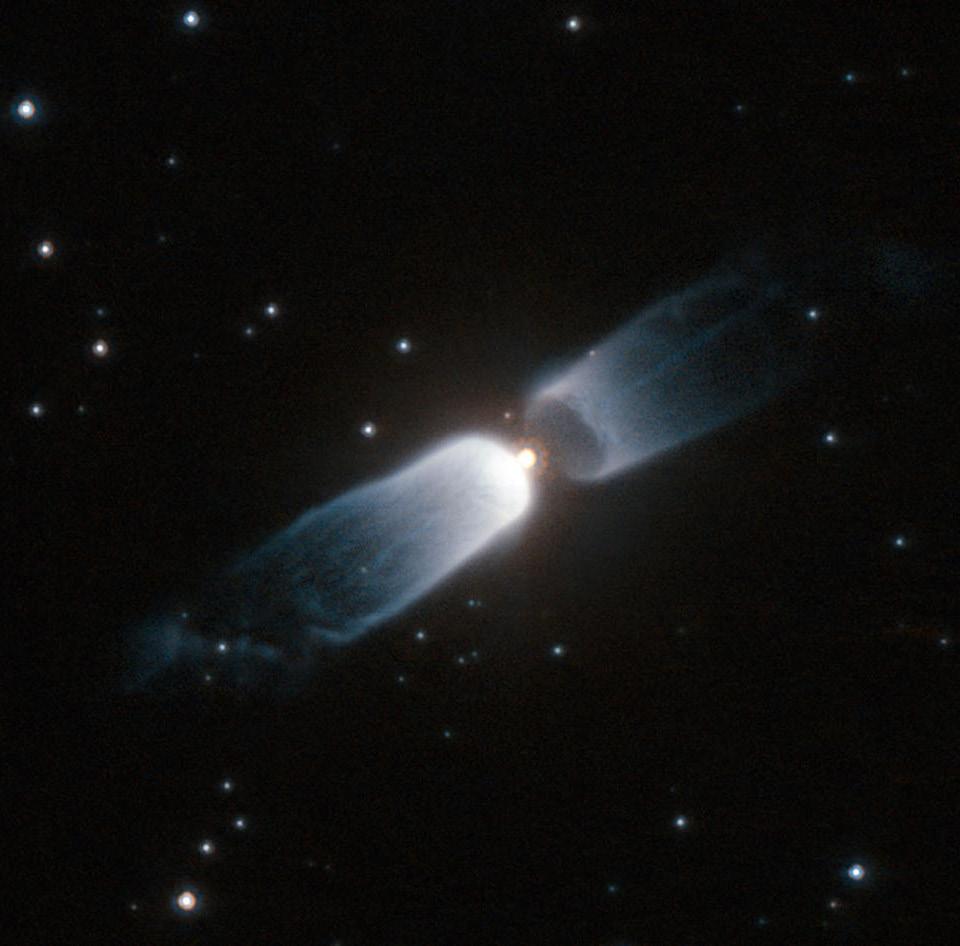
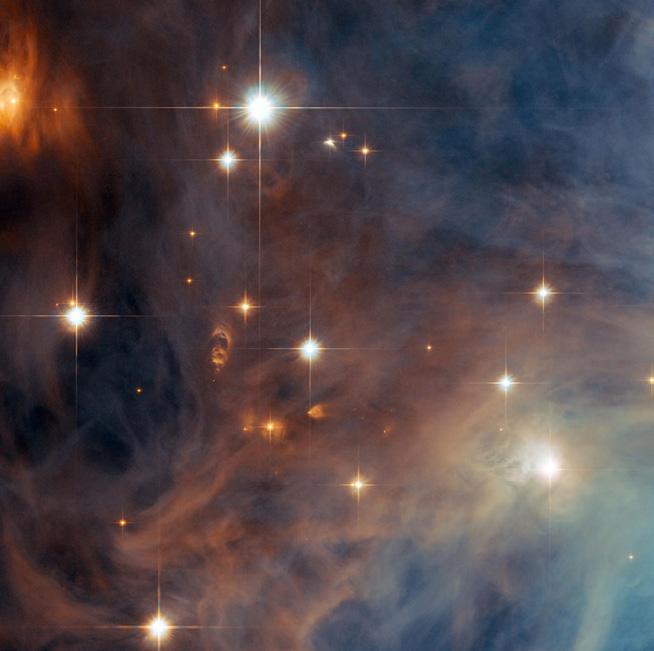
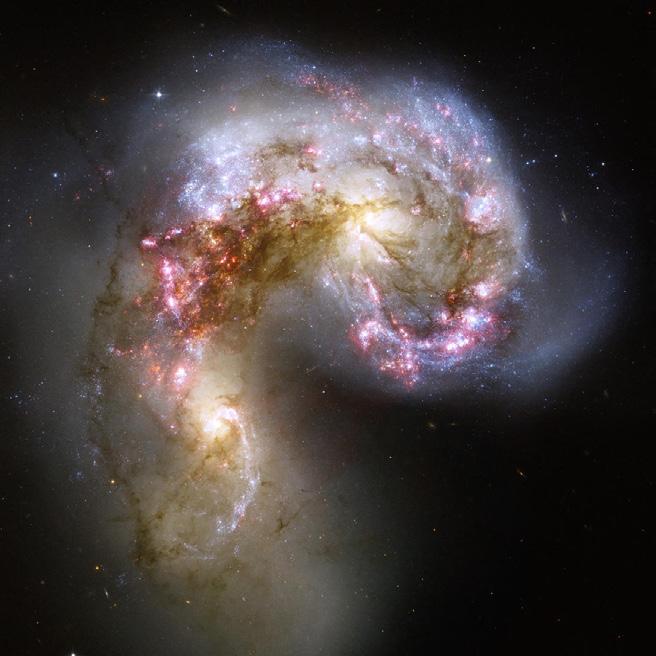
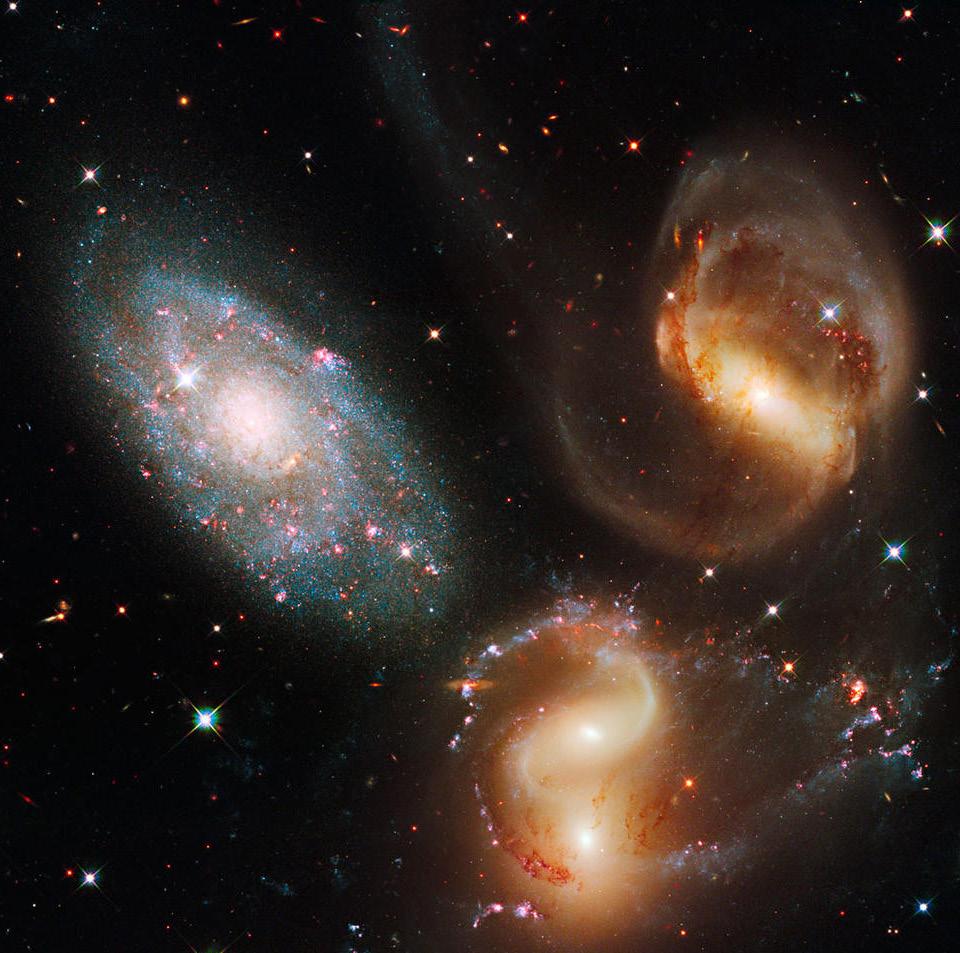
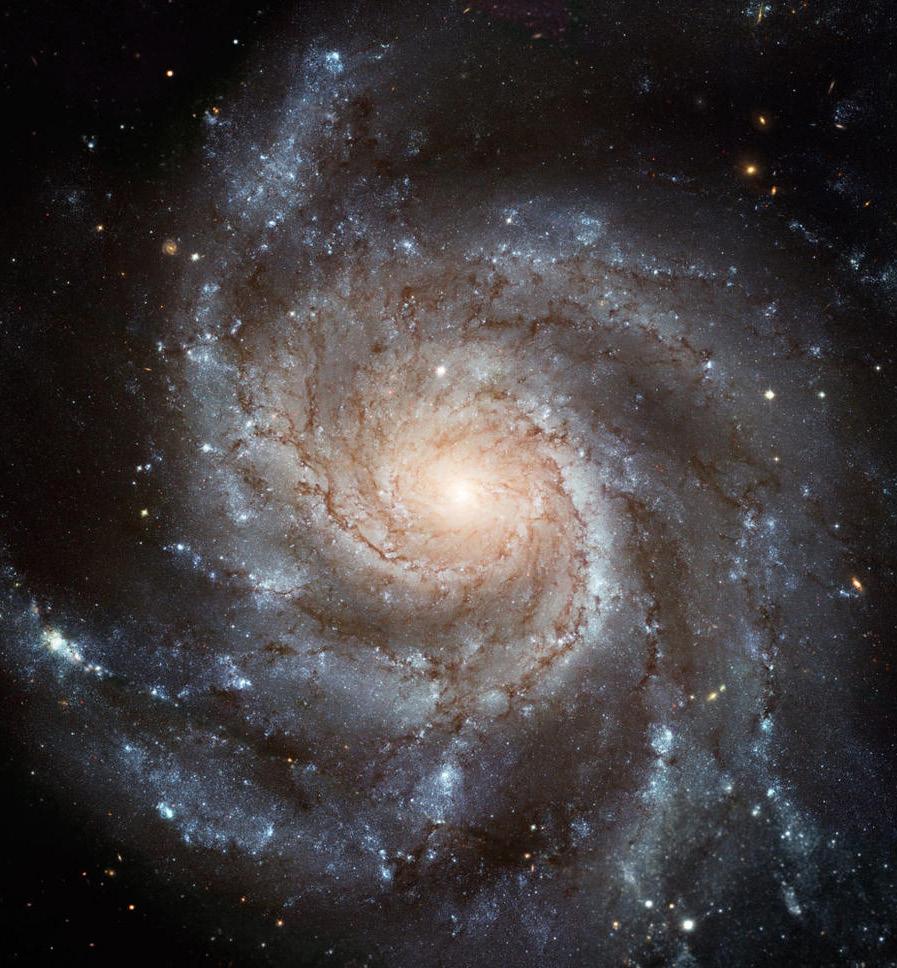 The Cat’s Eye Nebula Horsehead Nebula Blue compact dwarf galaxy
Carina Nebula
Celestial prologue: IRAS 13208-6020
Orion Nebula’s Little Brother
Antennae Galaxies
Stephan’ Quintet
The Cat’s Eye Nebula Horsehead Nebula Blue compact dwarf galaxy
Carina Nebula
Celestial prologue: IRAS 13208-6020
Orion Nebula’s Little Brother
Antennae Galaxies
Stephan’ Quintet
22
Messier 101
23
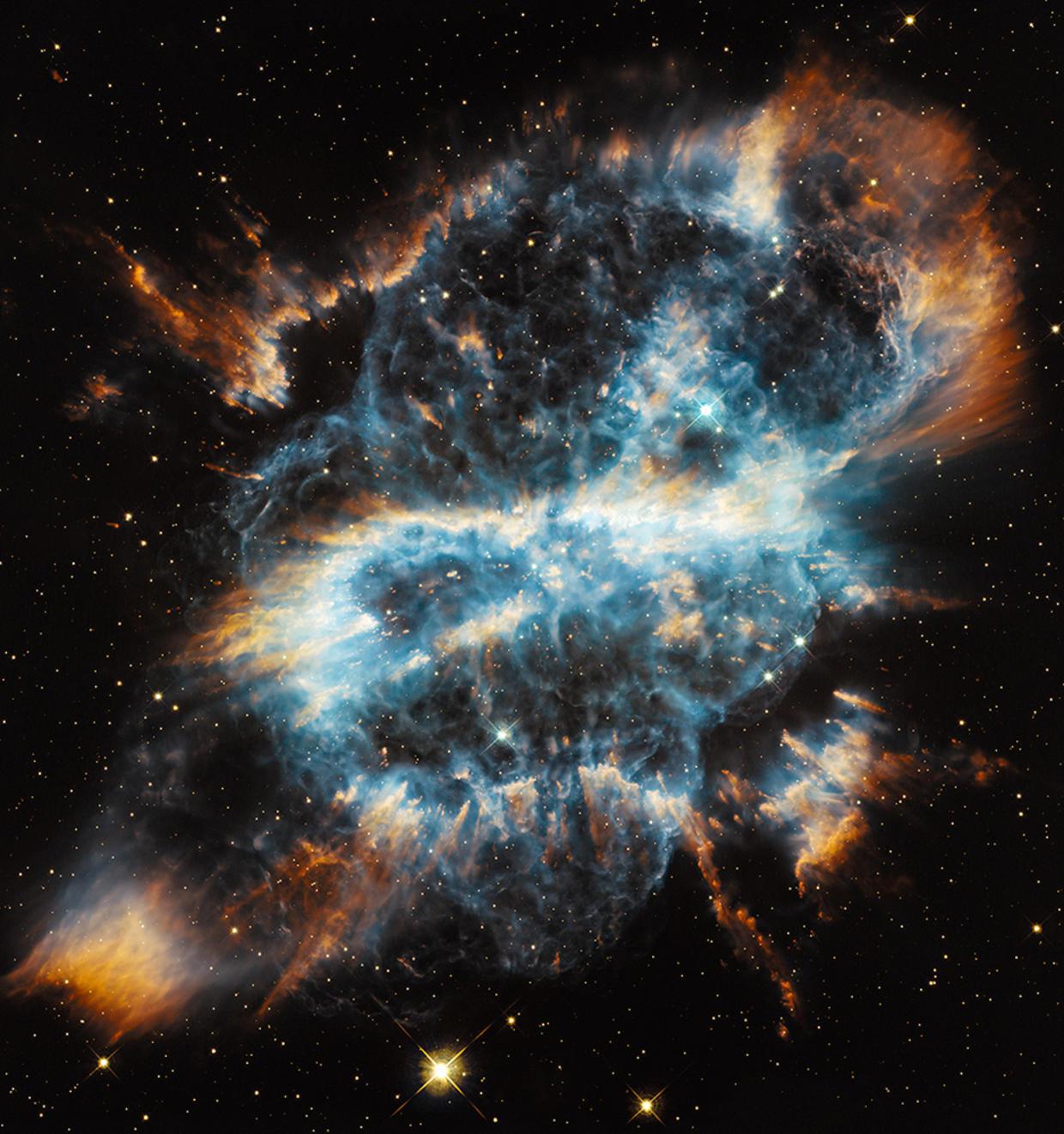
Planetary nebula: NGC 5189
A Conversation with Mum
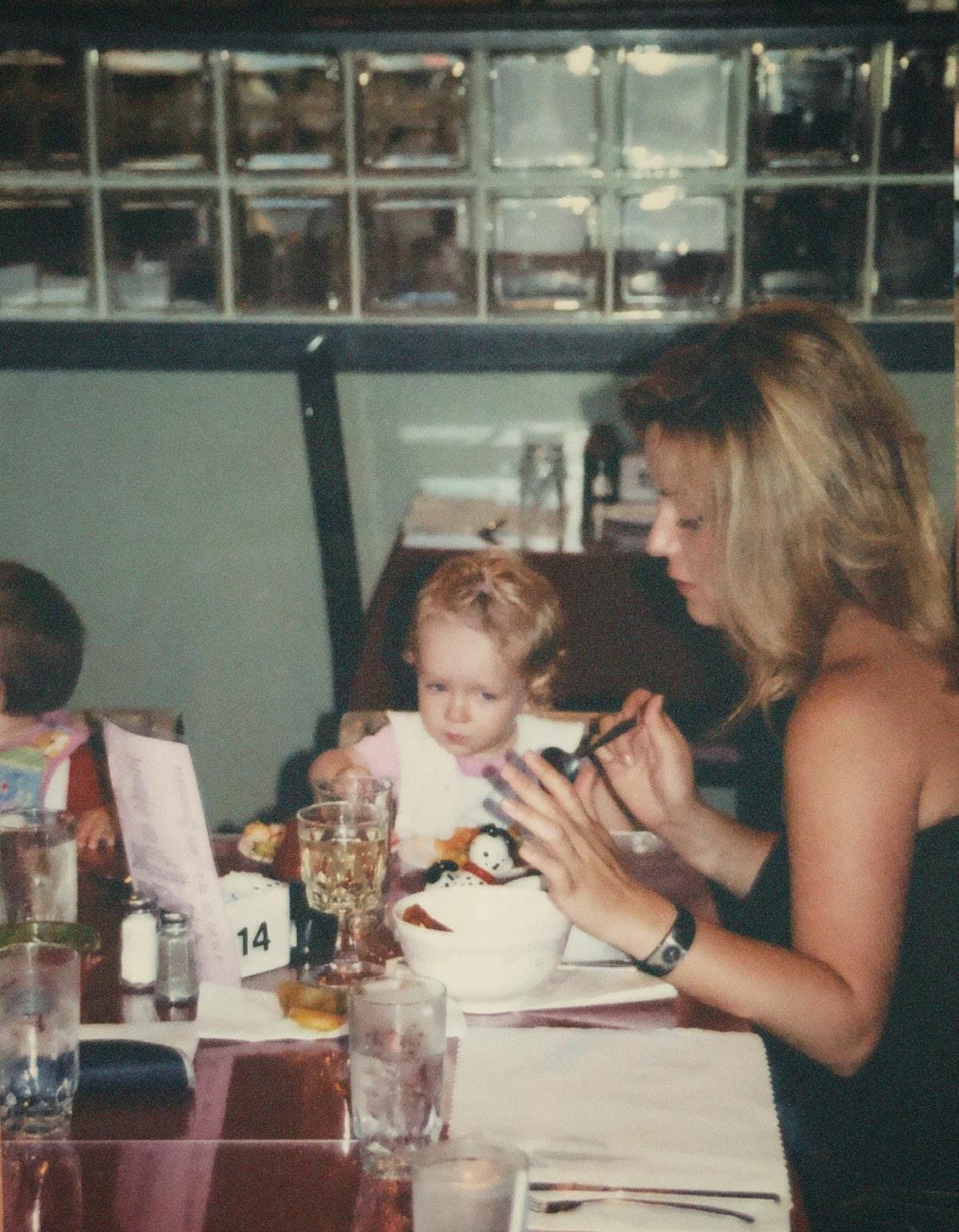
Mum came to stay at my apartment for a couple weeks, Each night - before we pull out the futon for her - we sit on the couch by candlelight with mugs of peppermint tea and talk - about all sorts of things like religion, and food, and morals, and dogs. Today, we chat about perspective, ways of being, how she navogated parenting, and what makes her the woman she is.
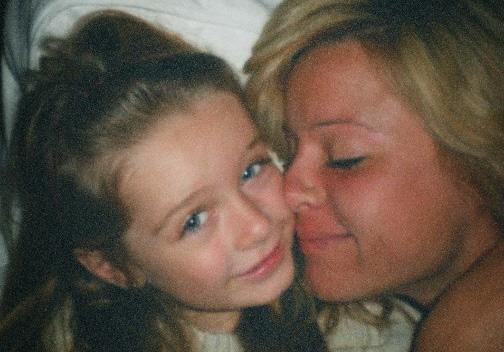 Isabella Joy
Melissa Ann (mum)
Isabella Joy
Melissa Ann (mum)
You always instilled such a profound sense of perspective in me growing up. I think as a young person its very easy to get trapped in your own bubble and forget the bigger picture. What was it that initially taught you the importance of being grounded in this way.
I think it all goes back to how I was raised, I lived in a very strict home with a set of rules that you were expected to live by. Everybody was kind of painted with the same brush, there was no room for individuality, and I felt that deeply growing up. Now, my Nan was a different influence, we got along really well and we had a very deep connection. She really nurtured my individual personality and all of my characteristics, I always felt like she valued me and it was always very reassuring. Even though I felt this pressure, there was space for me to be myself. There’s obviously a lot of other parts of my life that I don’t need to get into, but I think that I became a person that was able to feel and understand how others felt. Even if I never experienced their situation, I sympathize with them, I had empathy for them. I mean, I understood what it meant to feel different, you know. I wouldn’t change anything about it though, I think it made me a much better parent. I had some very very good women who were very happy despite suffering significant losses at early ages too. My Nan and Aunt Dot both lost their husbands when they were very young and they talked about it. I spent every summer with them, I knew how catastrophic it was back in that time, with teenage children to take care of all alone. But they did what they had to do and their outlook on life was so positive. They really did try to see the best in everybody, but they had boundaries and a lot of self respect too. They were just happy people and they saw the value of life. They were aware of the short time they had here and they really made the most of it. I think I got a lot of my outlook from them. I always wanted to be as positive as possible. I’m very aware as well though, that I’m not perfect - I wasn’t a perfect mom, but you learn - and you can admit you’re wrong sometimes and self-correct. I think that previous generations parents always wanted to create the illusion to their kids that they were perfect, that they didn’t make mistakes, and that their life always went in a perfect sequence and worked out. As we all know, that’s not true, but it’s very hard as a young person to understand that when it seems like everybody’s got their shit together. I was very aware though, that that wasn’t the case, that it wasn’t real life. So I was always very forgiving of myself for mistakes that I made and allowed myself to feel hurt or embarrassed. That is life, life is full of consequences. Nobody is perfect - nobody goes through it without making mistakes, and if you want people to afford you forgiveness and a little bit of grace, then you have to do that for other people. You can’t expect it in return if you’re not that way.
You had such a challenging childhood, did you ever wonder if you were making it too easy for me?
Absolutely, we talked every night about everything and I thought maybe I should have let you feel some of these things, done more problem solving by yourself, but no. Though your challenges were so different from mine, your challenges were probably even harder. Your health problems, the traumatic things that went on for our family. As an adult it was overwhelming, I can’t imagine your perspective as a child. Those things were huge that you experienced and that we got through as a family. I think a lot of that taught you perspective, not that I would wish that on any other child, but I think that most people your age don’t experience things like that until adulthood.
It’s true for anyone, you haven’t gotten to this point in your life without major hurdles - whether they were physical or emotional. People may dismiss small things too, like a loss of childhood friendship - but these are actually very significant things. I think it’s how you handle those as a parent with your kids that really teaches them moving forward how life really plays out - that everything does turn out okay.
All those little lessons weren’t little at the time though, they seem small now because time has passed and you’re able to reflect. Like, if you wanted to do ballet, yeah great do ballet! but if you hated it or were terrible - I didn’t care if you continued. I wasn’t one of those parents that just forced you to do something because none of those things really matter. There has to be perspective of what’s the big picture. So if it was something that you loved and you wanted to really do, then I’d pour my heart and soul into it for you and I’d let you do the same. But if it wasn’t, I didn’t really care. And you ended up trying so many cool things! So I think that that allowed you to kind of be a little bit more gentle on yourself, you know.
Ithink having you to talk to was really important, we always had a really open honest relationship. Even now, you know me inside and out.
Yes, a lot of kids when they have feelings growing up, they don’t communicate them. I didn’t. So when I lost a friend, or I didn’t get invited to a party, or somebody called me ugly in school or any number of things - I didn’t have anybody to work that out with. As a kid, you’re internalizing that all the time and it’s heavy - it’s really really heavy. It develops into all kinds of shit when you’re older, which is what virtually every adult then has to work through. I remember, before I had you, I said that when I have a child there’s no way they’re ever going to feel like they have to go through anything alone - even the most insignificant thing.
Beyond that, I wanted you to know the difference between a good relationship and a bad relationship - because there are bad relationships. Even now, you’re twenty and I find myself constantly reminding you that you have to be aware of the people that you give yourself to and how much of yourself you give. Sometimes, being a person like you and I, you over-give and you lose a little piece of yourself every time. So it’s important you always feel your two feet on the ground first and respect the space that you occupy in this world.
That’s the other part of all this whole idea, building self-respect and confidence. So that you can make the important decisions. I always wanted you to have that independence, I always wanted you to have your own friends. I wanted you to be in situations where you may have decided to do the wrong thing, but I knew that it wasn’t the end of the world because I would be there. My biggest goal was that I really just wanted you to be a good person; the person that puts themselves out there for people. Not to tell people about it, just being that genuine person that can do something for someone without having to receive anything back.
What would your advice be to someone trying to embrace this perspective for the first time, where can they start?
Giving something to your community - volunteer, do something out of your comfort zone that makes you understand what else is going on in this world. Instead of buying yourself a coffee one day, buy one for the guy on the corner. Just be present and aware of your place. It’s so cliche, but if everyone just does a little bit, it really makes you see the people around you and their value. Suddenly, your problems may not seem so big. Especially with the internet, I feel like everyone needs to remember that rule - if you don’t have something nice to say, just dont fuckin say it! I look at these Instagram comments and it’s just so hateful and it makes me sad. I don’t want to contribute negativity like that. It’s just effort.
If you didn’t grow up with that, you got to find it in the people you choose. You have every right to be sad and to grieve, but you also have a responsibility - you have a very short time on this Earth so you have to do it. So many people don’t appreciate this opportunity - just to be here! This can be whatever you want it to be! Choose to be happy, choose to have fun, choose to be a good person, and choose good people to surround yourself with. Even though misery is easy and comfortable and predictable. Just try your best to make the right choices, start small you know, just do the next right thing.
Isabella
Melissa
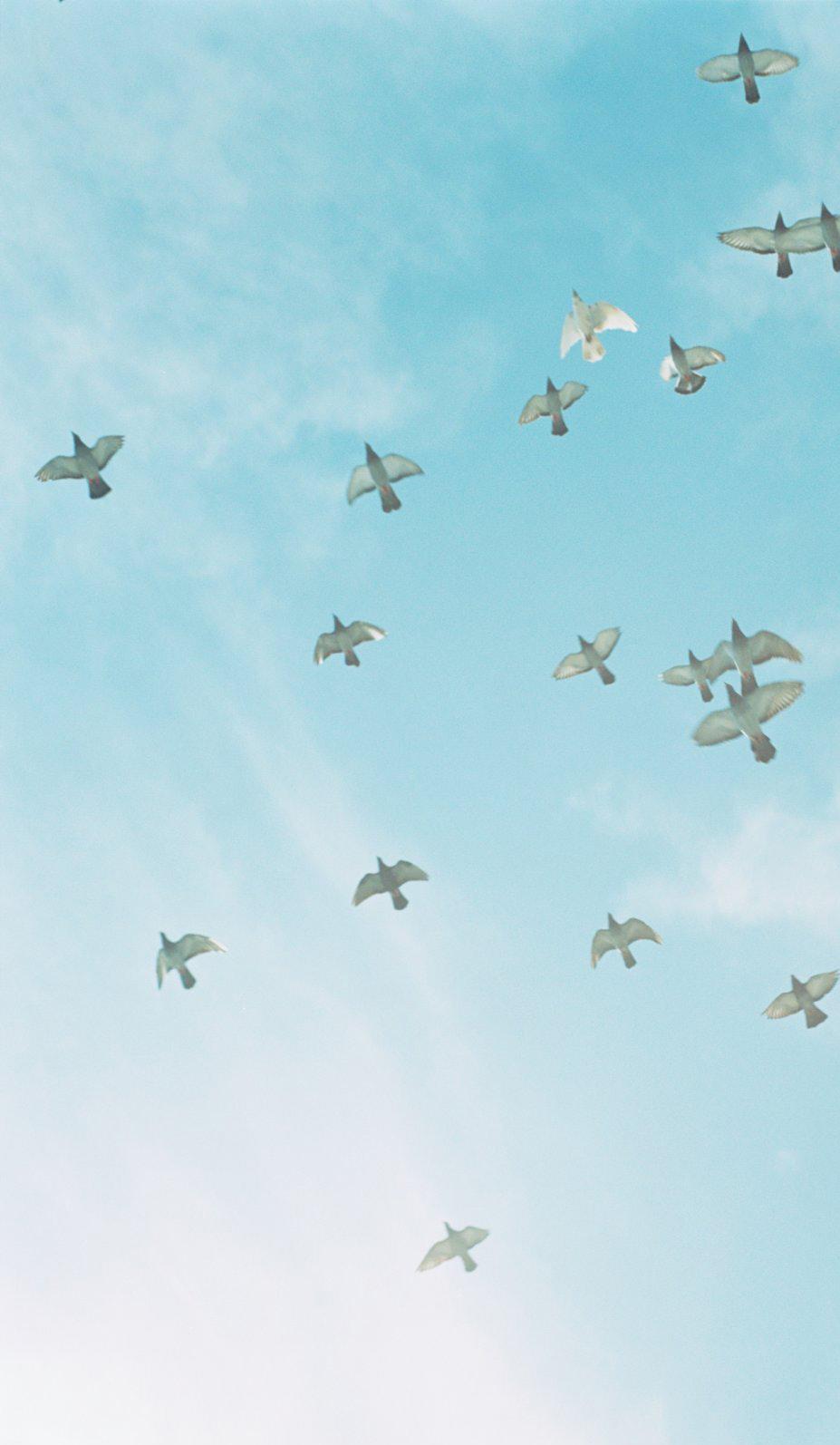
Most of the time, the universe speaks to us very quietly in pockets of silence, in coincidences, in nature,
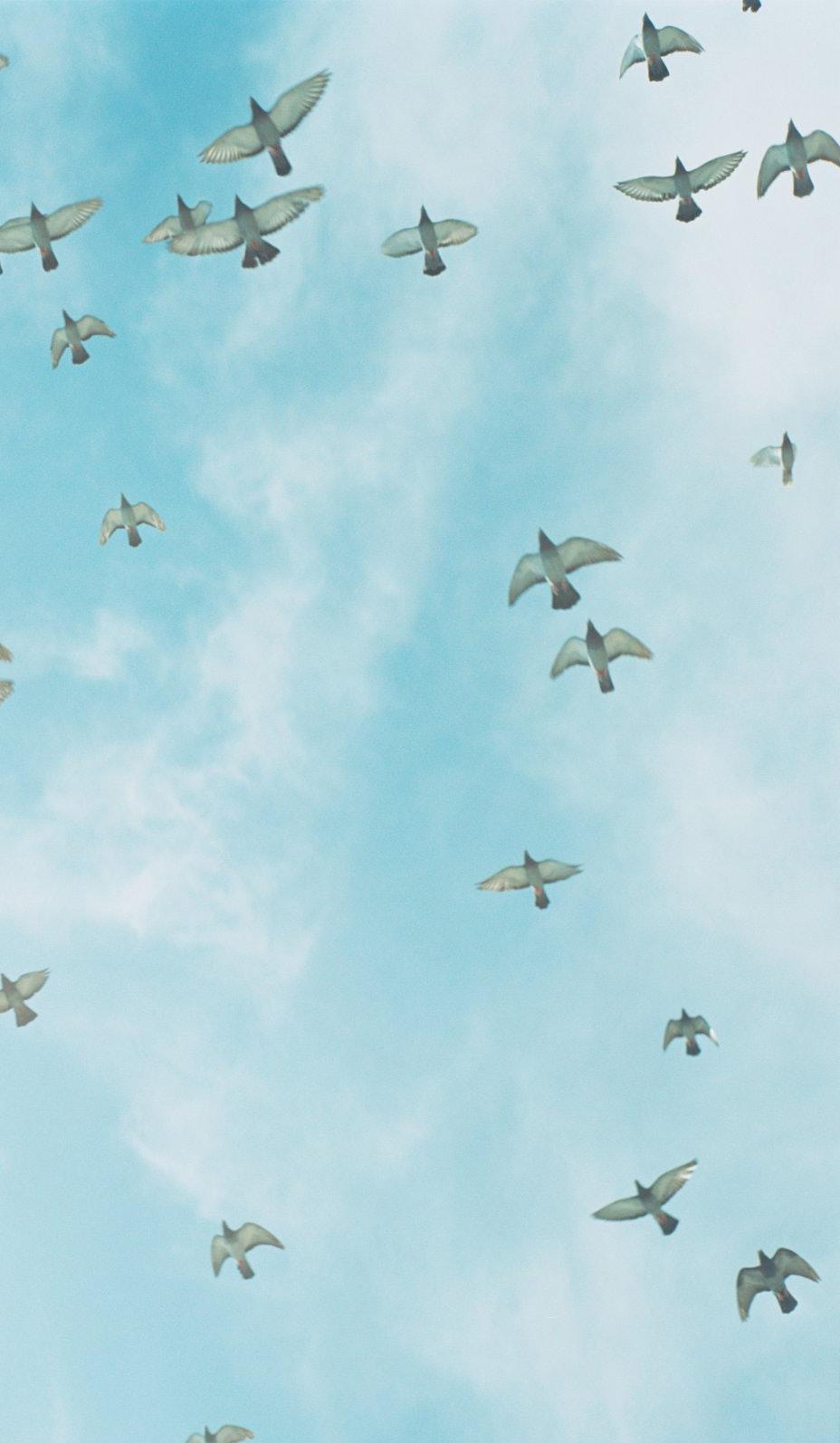
in forgotten memories, in the shape of clouds, in moments of solitude, in small tugs at our hearts.
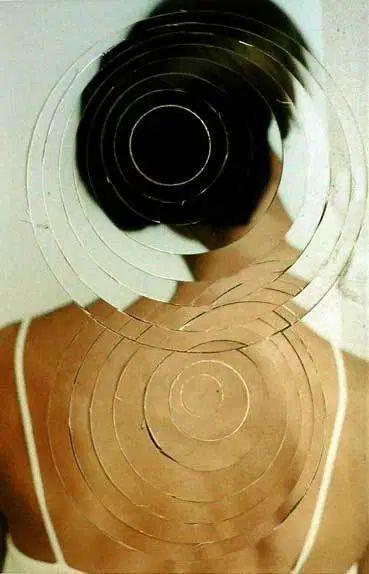
Dissections
28
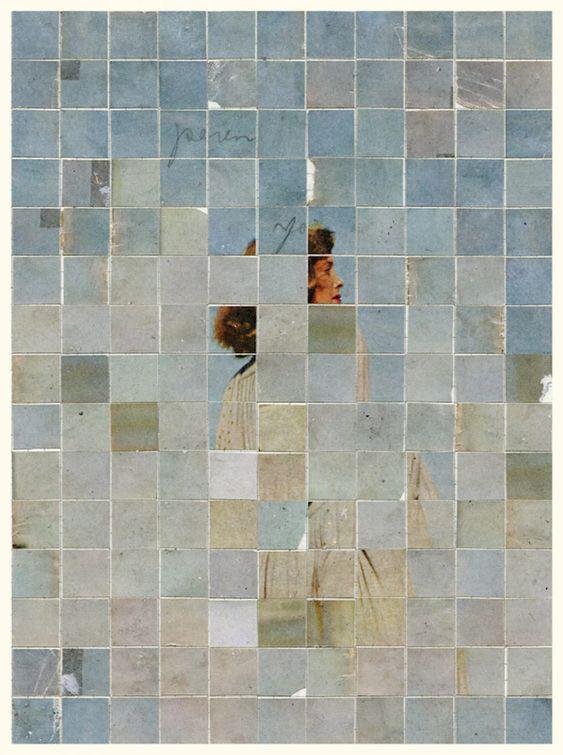
There Must Be More To Life Than This 29