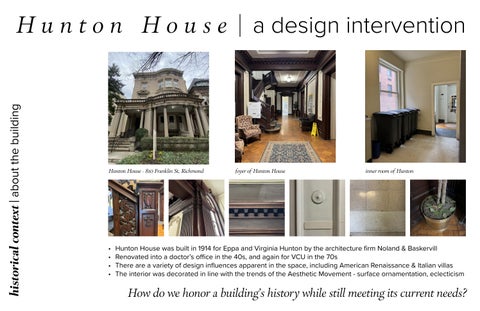
• Hunton House was built in 1914 for Eppa and Virginia Hunton by the architecture firm Noland & Baskervill
• Renovated into a doctor’s office in the 40s, and again for VCU in the 70s
• There are a variety of design influences apparent in the space, including American Renaissance & Italian villas
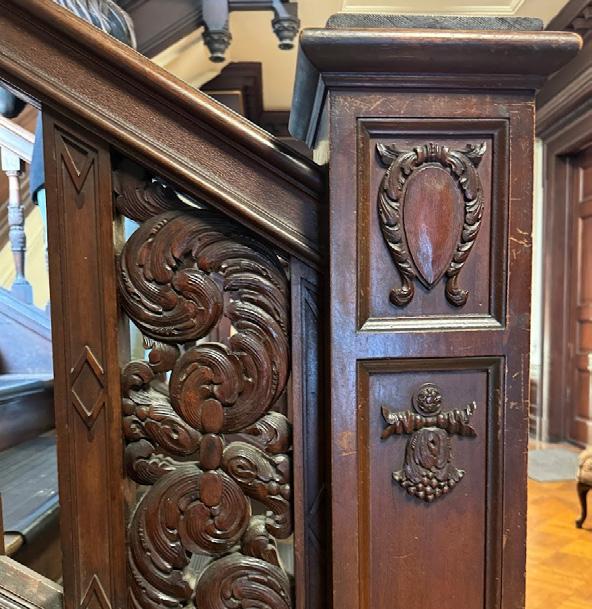
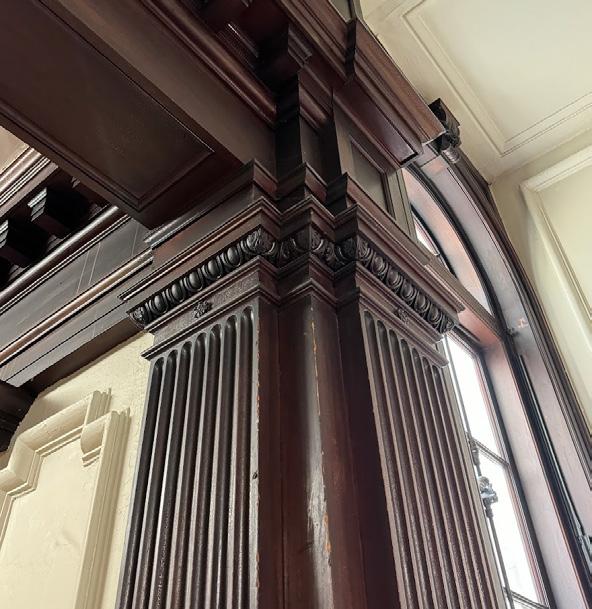
• The interior was decorated in line with the trends of the Aesthetic Movement - surface ornamentation, eclecticism
How do we honor a building’s history while still meeting its current needs?
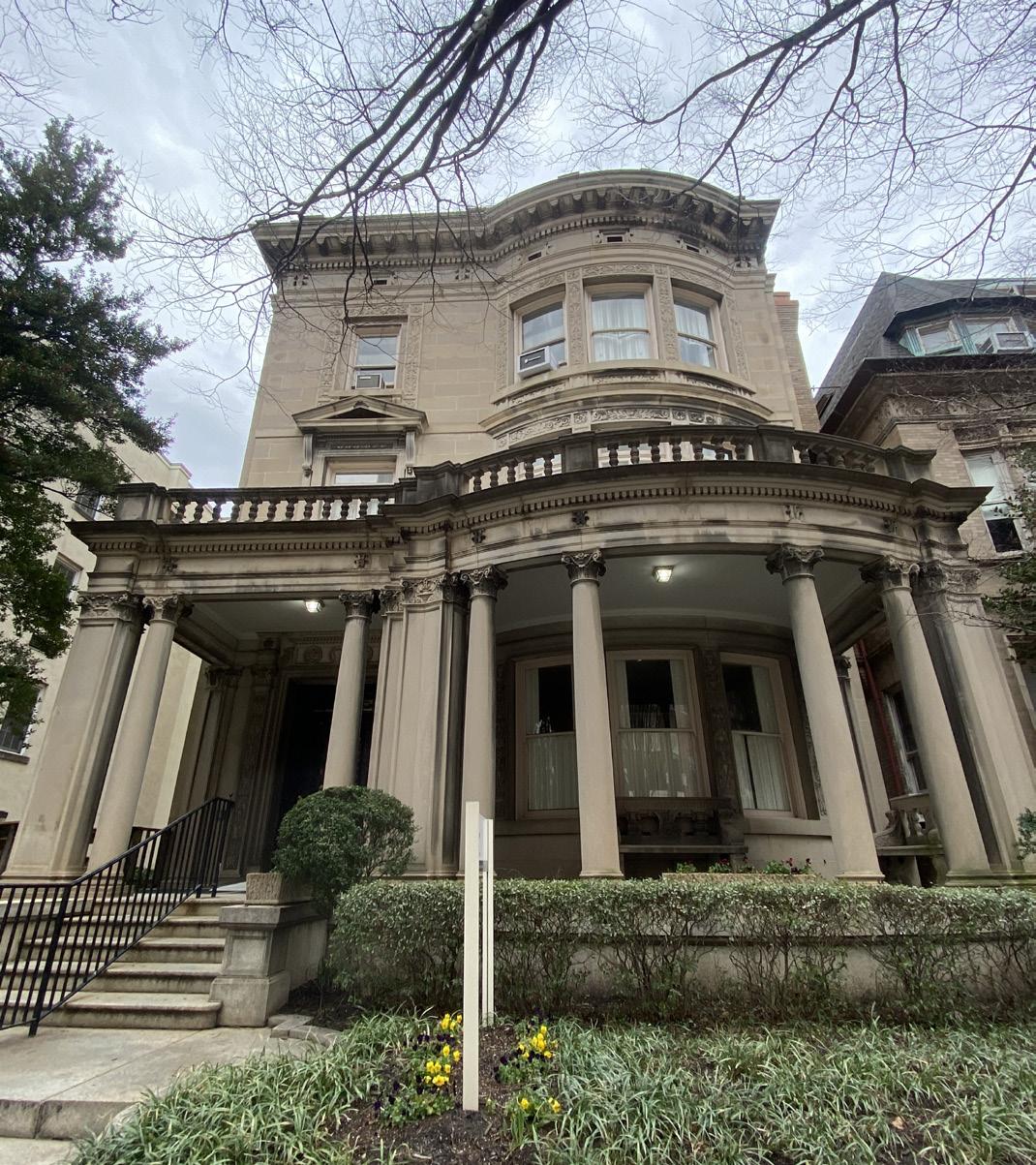
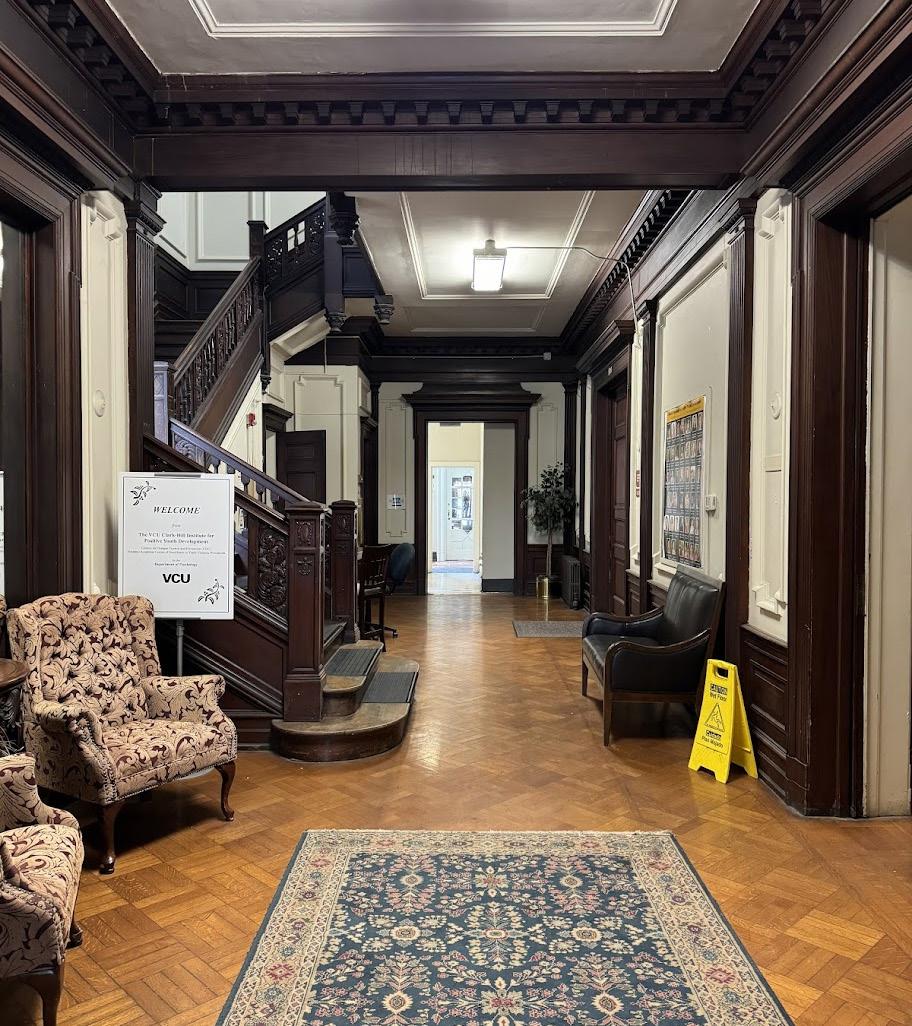
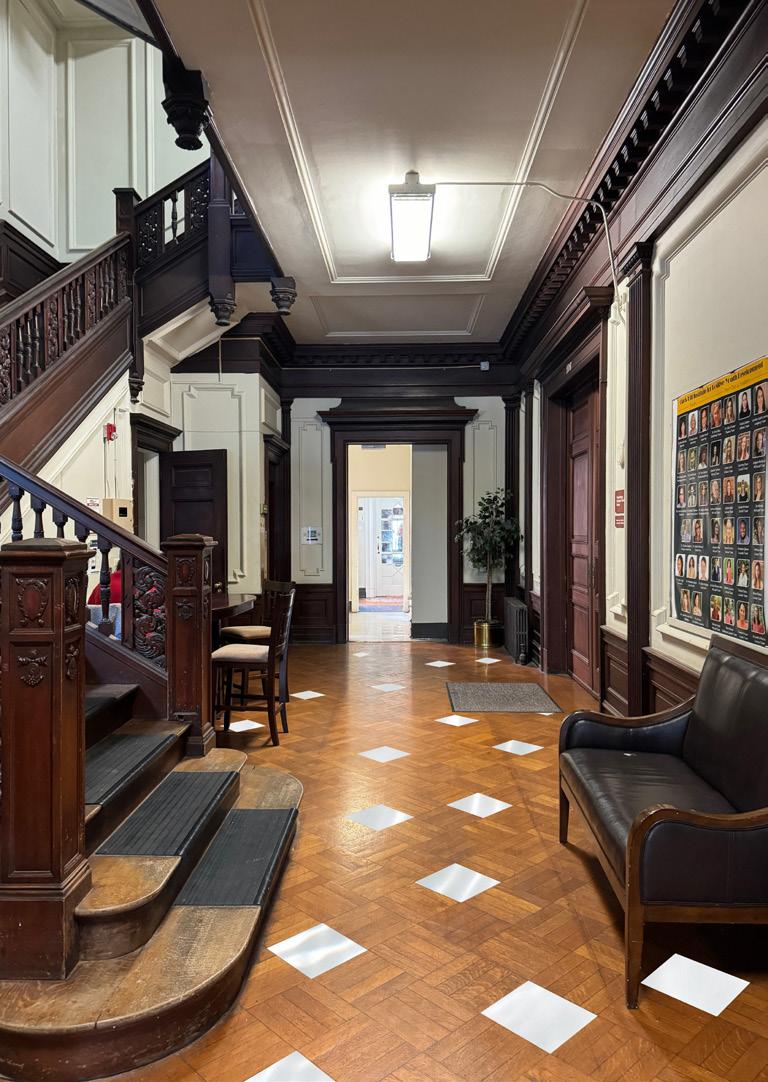
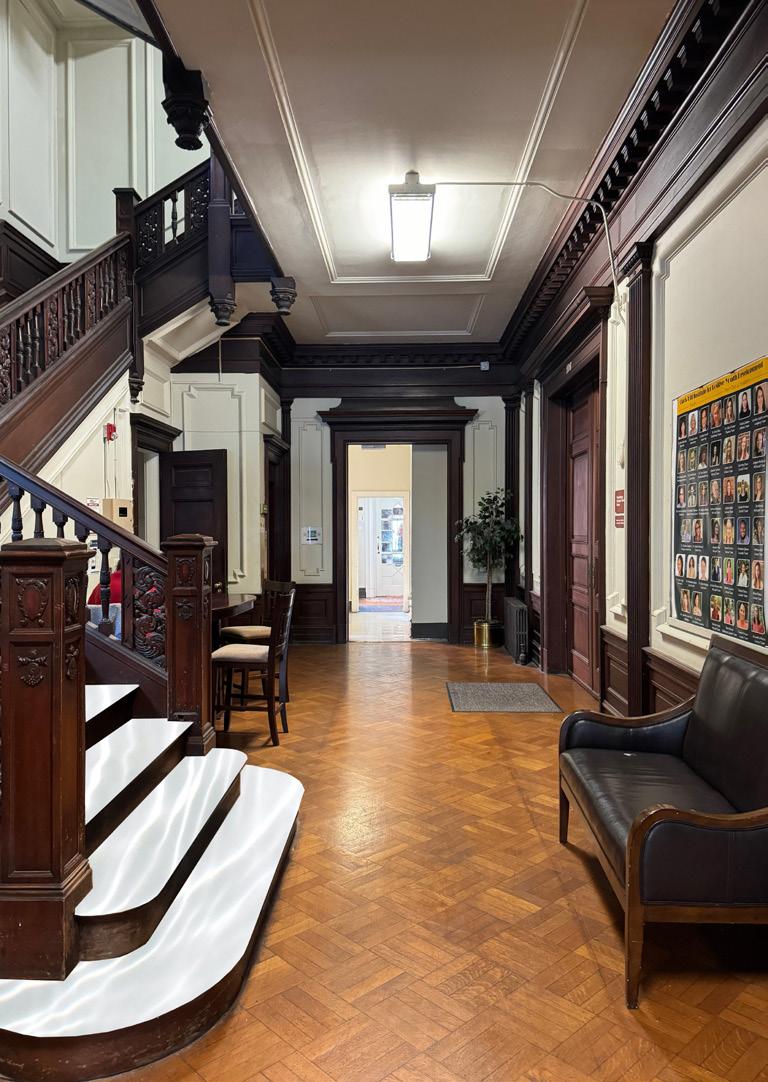
Hunton House - 810 Franklin St, Richmond foyer of Hunton House
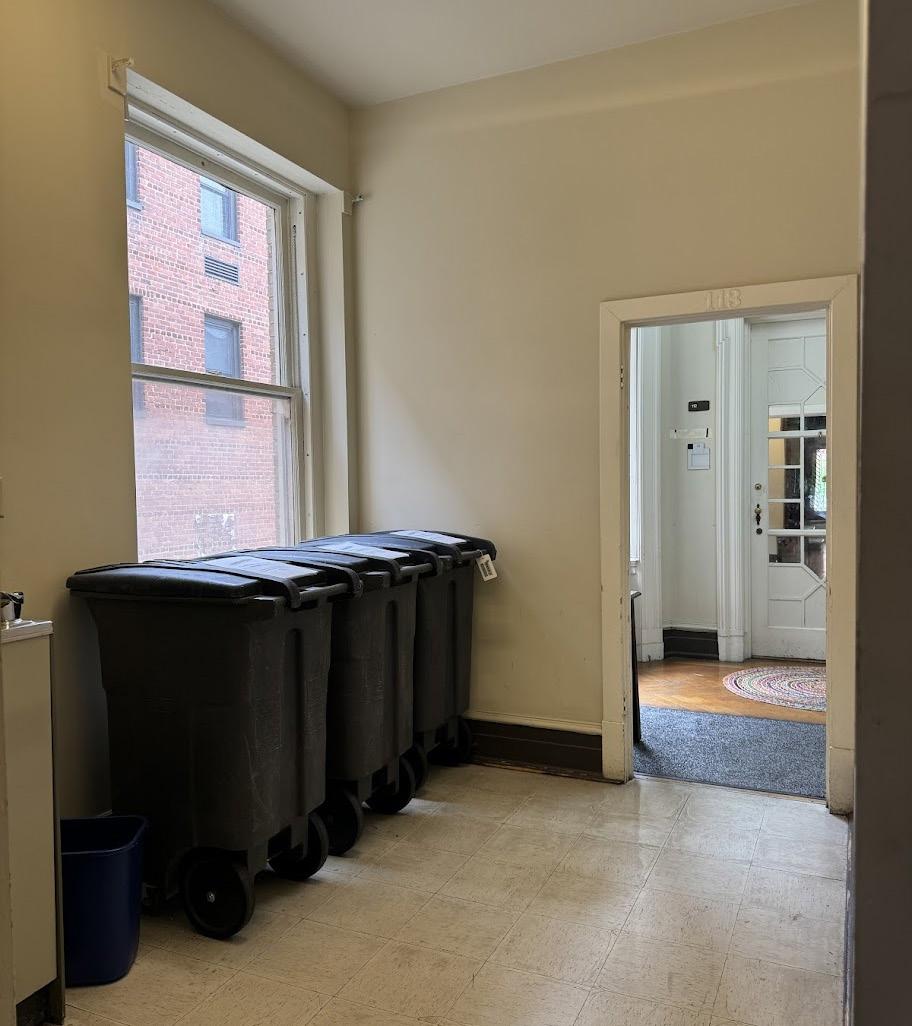
inner room of Hunton
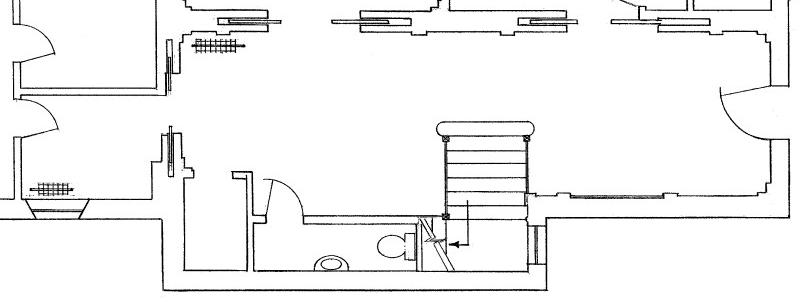
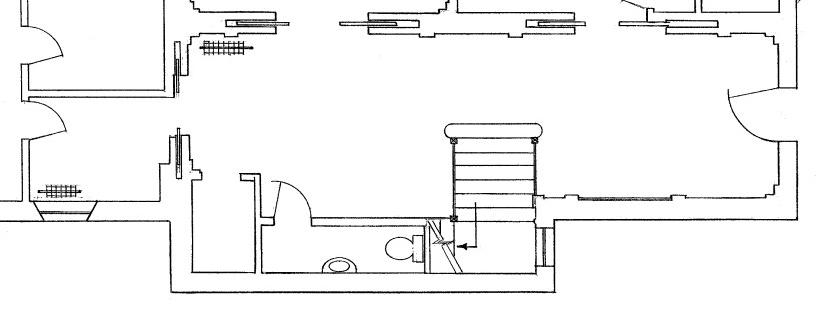
House foyer - 1/16” = 1’ (approx) = scope of project
Hunton House is a Psychology Department building and home to VCU’s Clark-Hill Institute for Positive Youth Development - primary users are faculty, grad students, and staff
Users have general fondness for Hunton, along with the sense that it could use some updates/better upkeep
The concept of care - for both a building and its users
The foyer, high ceilings, molding, banisters, mirror, staircase, front door, and pocket doors = favorite features
As a visitor’s entry point to Hunton and the work done there, the foyer is as ideal space to stage an intervention
Interest in preserving the historicity of the building while making it clean, inclusive, warm, functional, and updated
Hunton
design intervention iterative development
concept 1 - light forms
Inspired by precedents that inserted something new into something old, I explored the replacement of architectural elements (parquet tiles, banister, steps) in Hunton’s foyer with glowing LED forms in the same shape.
old vs. new; traditional vs. unexpected; function vs. aesthetic
concept 2 - empty frames
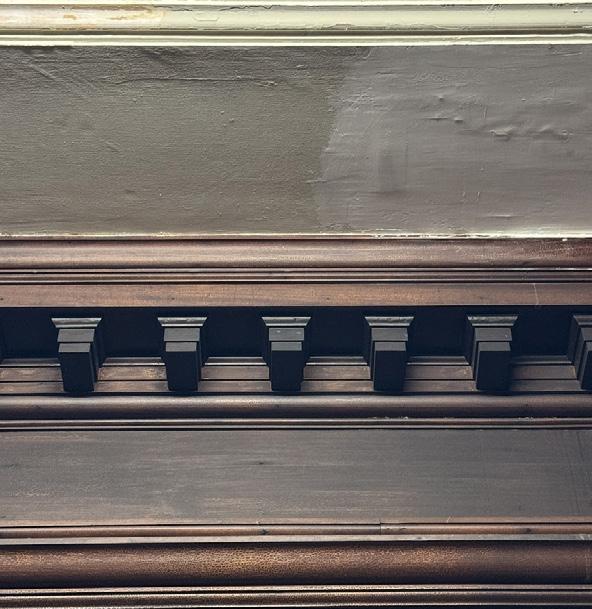
There is a lot of obsolete molding in Hunton’s foyer - that is, molding that frames nothing, or less than it could. What if these voids were filled with something that added to the space, aesthetically or functionally?
concept 2.a. - already there
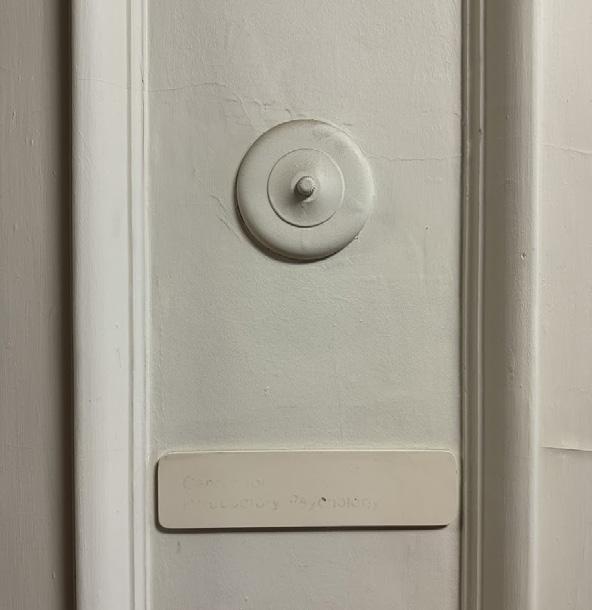
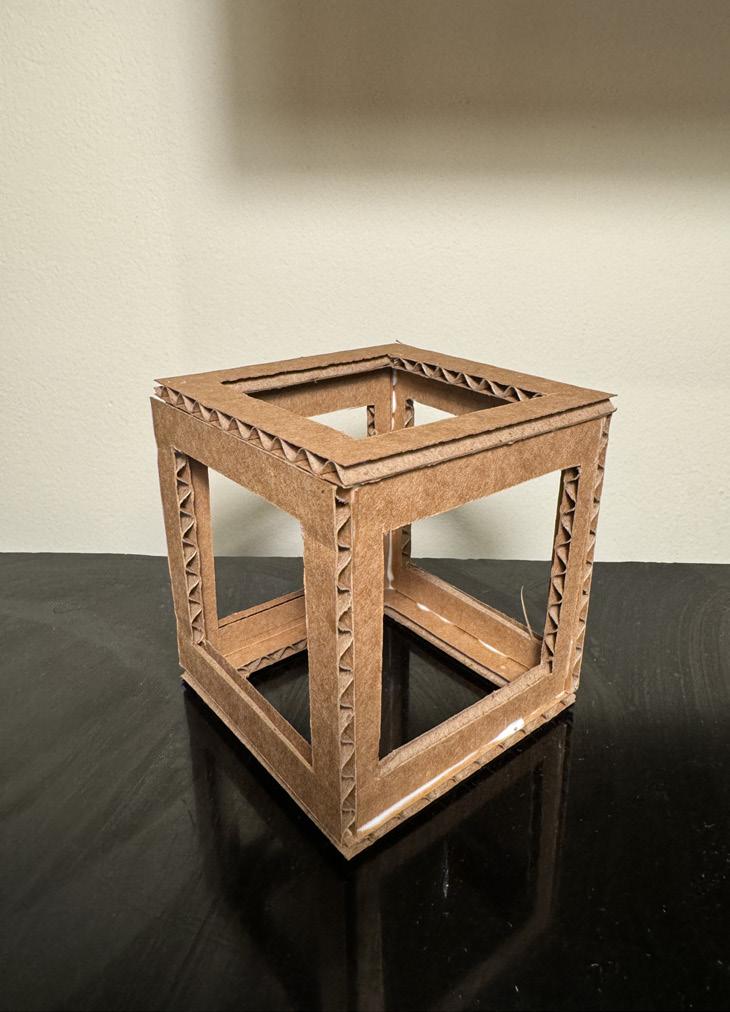
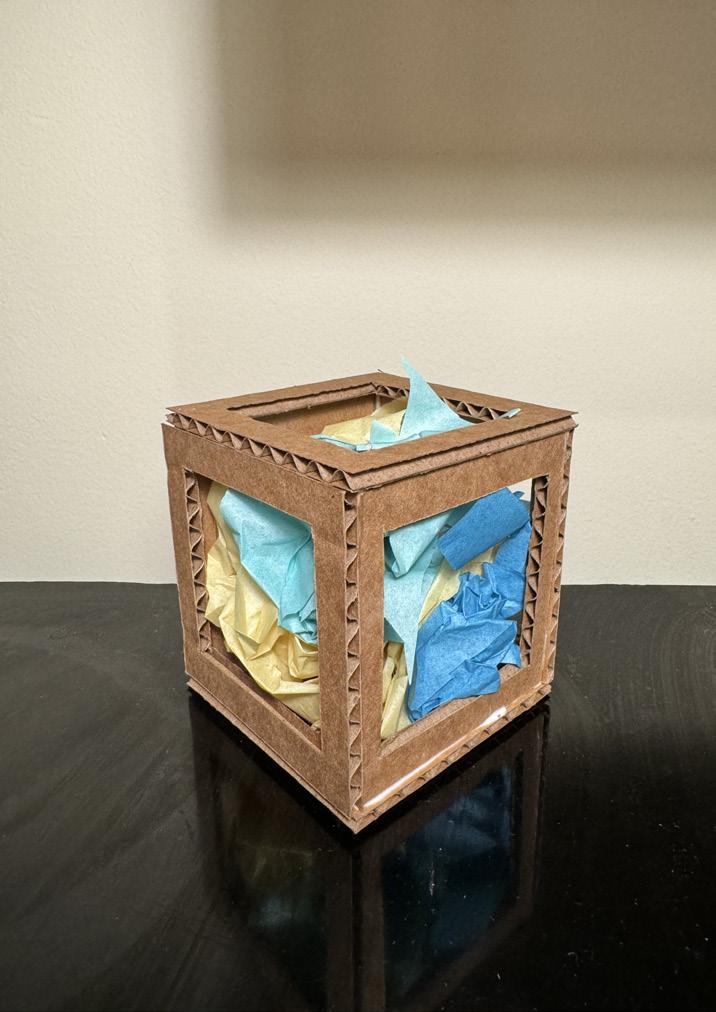
When studying the visual elements of Hunton, I was inspired by the huge variety of shapes that made up these features. These forms become a starting point for new design choices - a way to play with light and enhance function.
negative vs. positive space; empty vs. full; purpose vs. irrelevant unique vs. same; complex vs. simple; parts vs. the whole
How is the effect of the whole changed by a disruption to uniformity?
How to intentionally fill the gaps in Hunton’s design/use?
How to use these forms change the space for the better?
design intervention final proposal
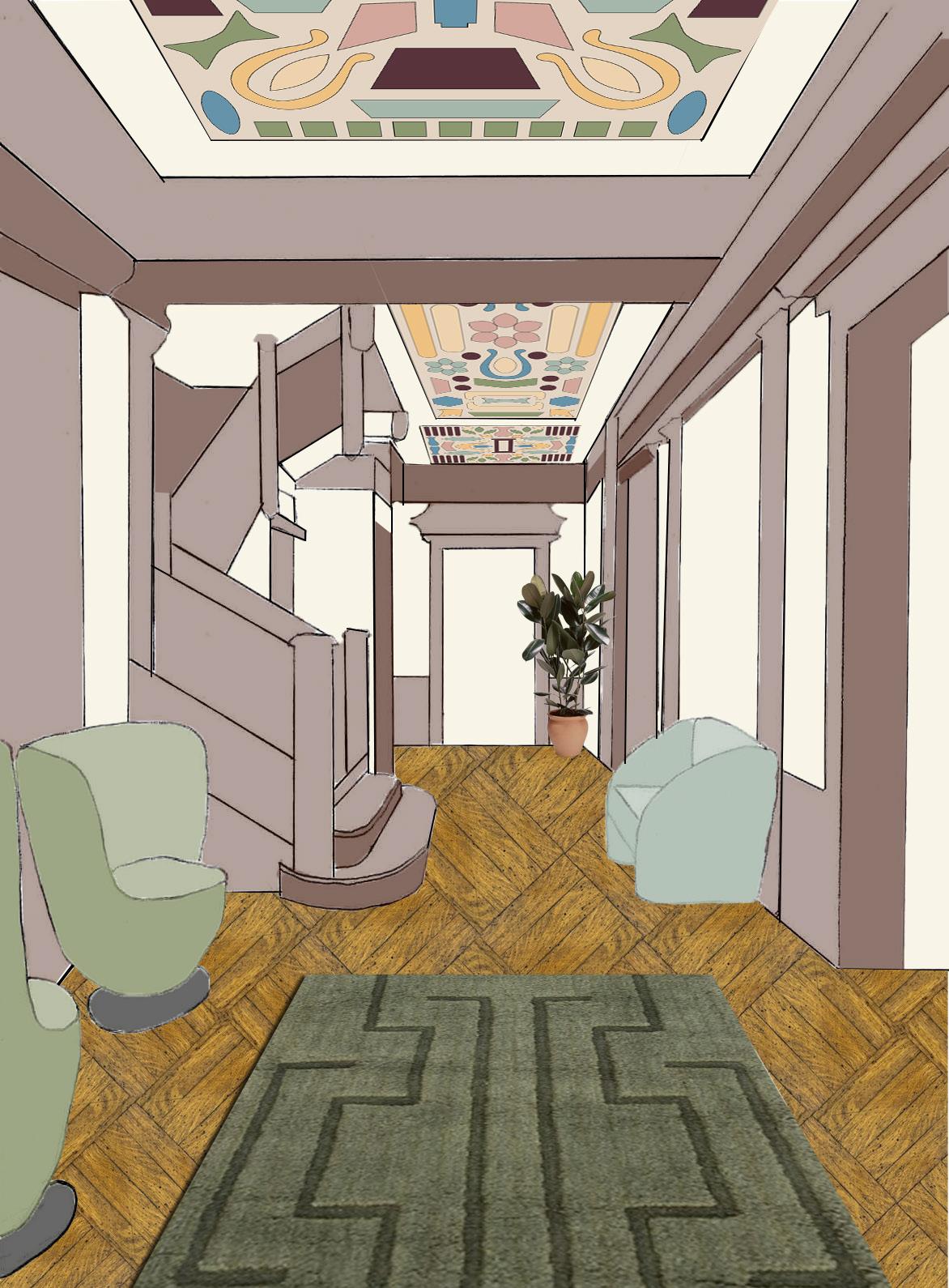
rendering of the updated foyer from the view of the front door
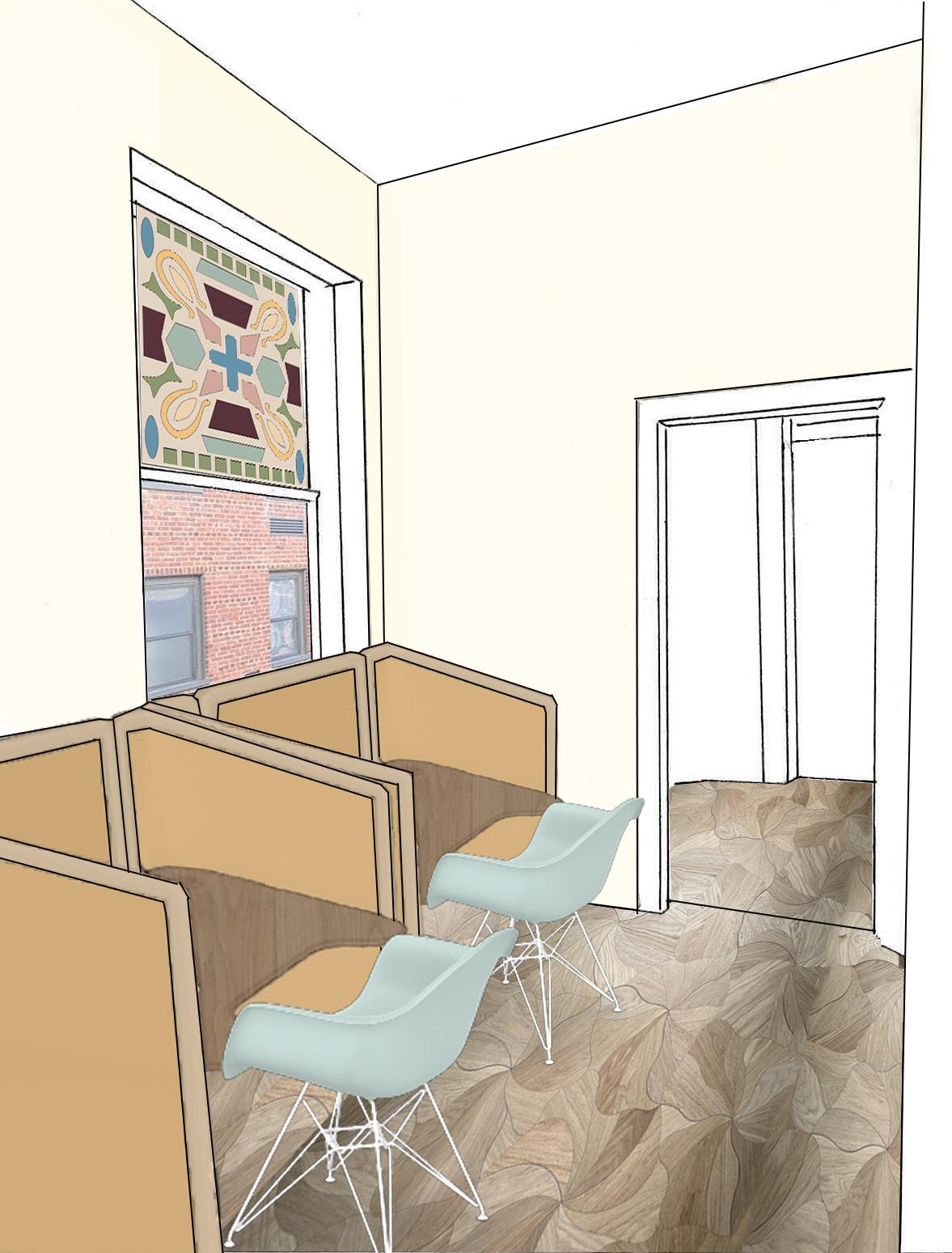
rendering of room beyond the foyer
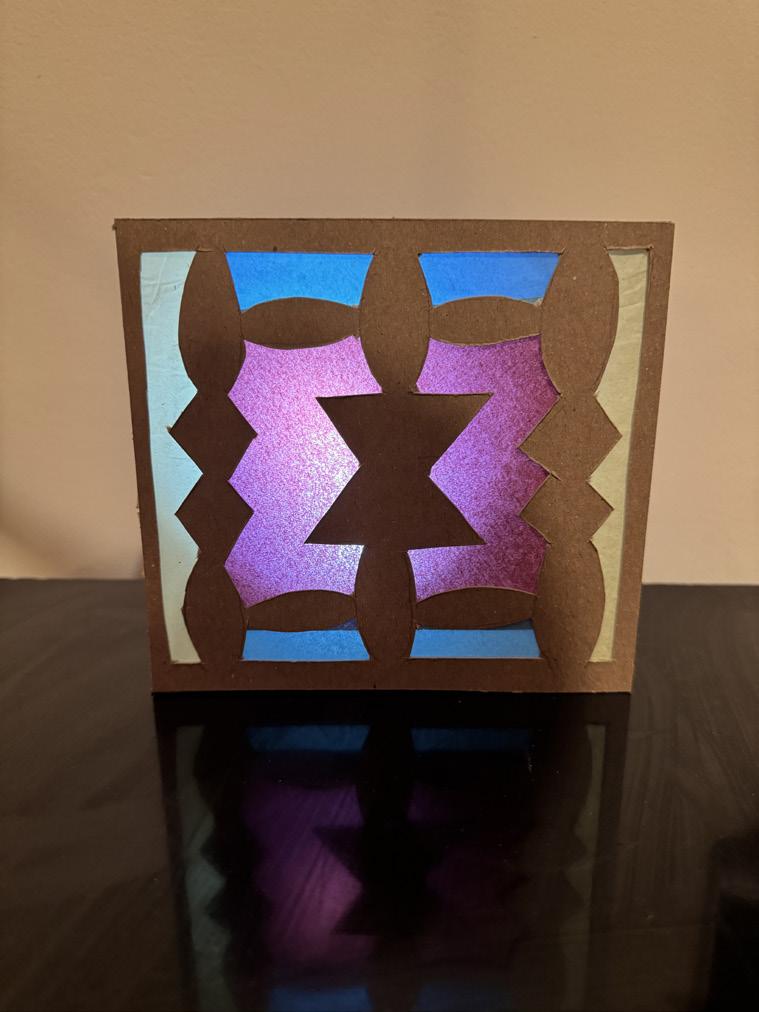
My intervention proposes to use simplified forms, drawn from both historical and contemporary elements in Hunton’s foyer, as the basic design language to guide the creation of new stained glass light fixtures and the selection of new furnishings.
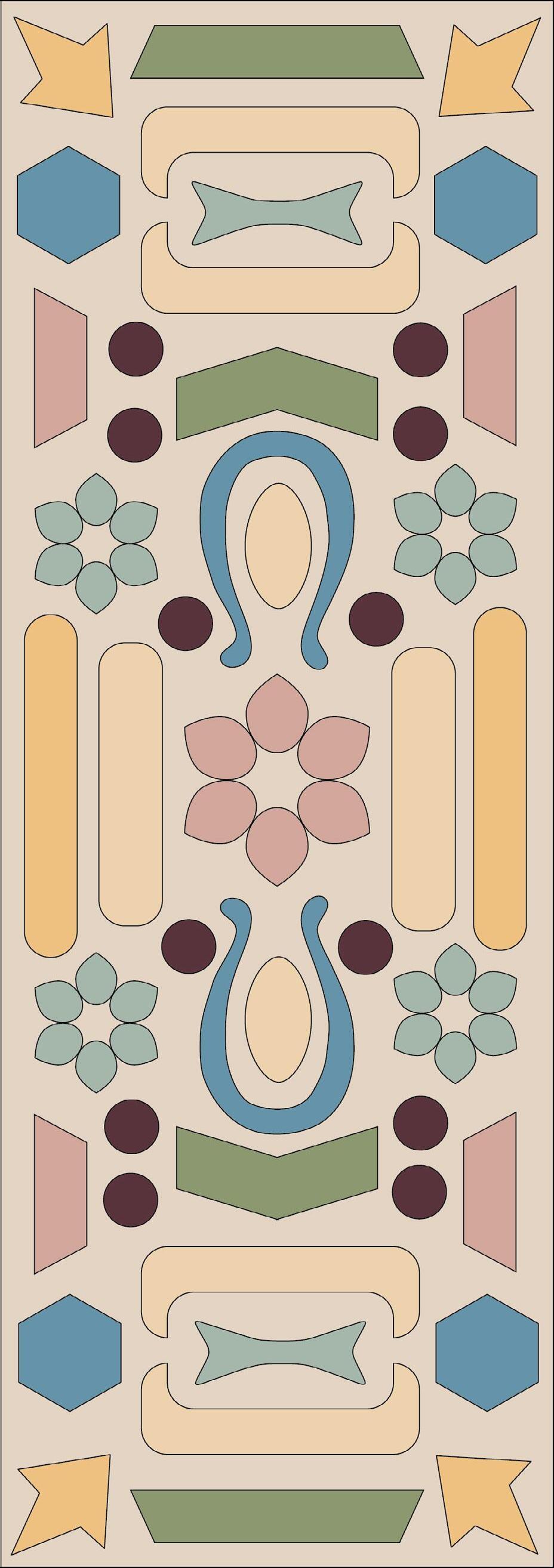
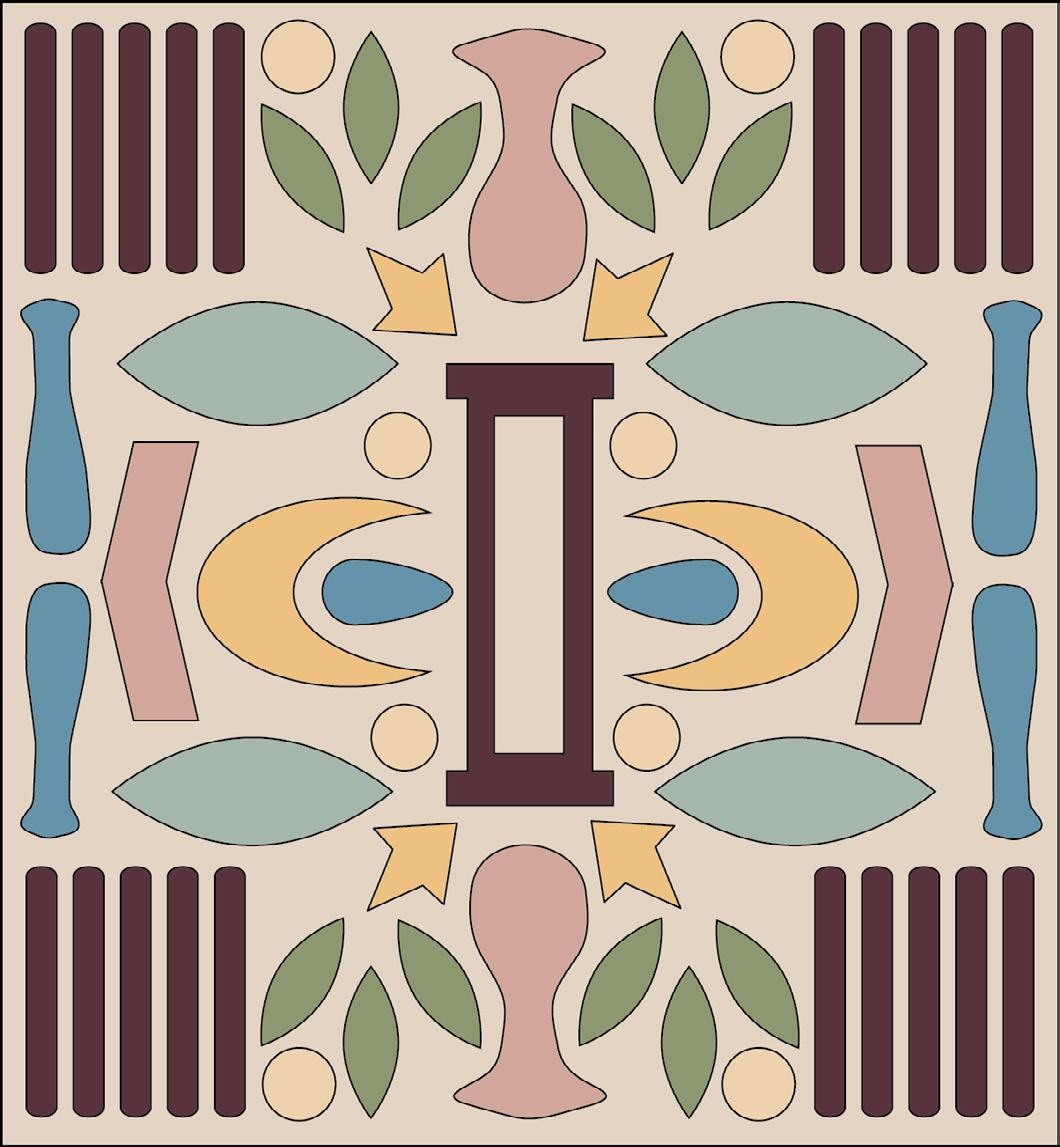
3 large, custom stained glass fixtures are the star of this intervention, lining the ceiling of the foyer and guiding you through the space. The fixtures are designed to fit into the molding-lined “frames.”
detail of middle stained glass fixture
design intervention final proposal
detail of final fixture (furthest from from front)
detail of first fixture (closest to front)
= placement of proposed stained glass light fixtures
Plan view of intervention NTS
The color scheme is inspired by Papers and Paints “Colours from the Neoclassical Era” color range
Rich, warm, earthy tones are well-suited to the dark mahogany wood of the foyer
design intervention final proposal
=
Hunton House furniture plan NTS
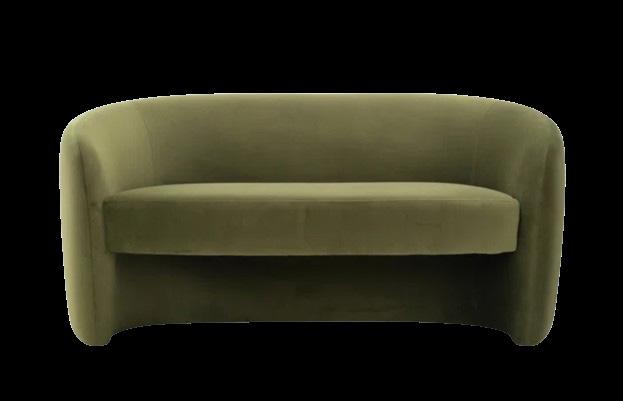
= All Modern velvet upholstered loveseat
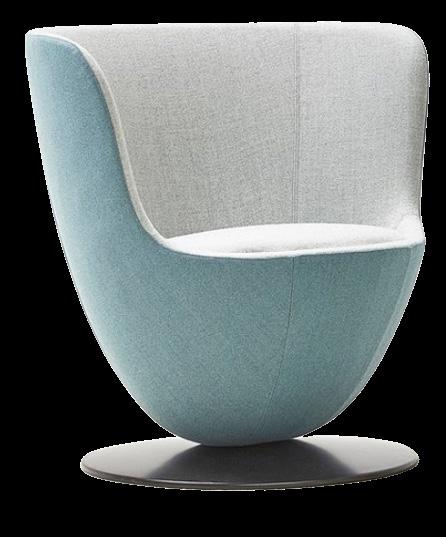
= Nienkamper swivel base chairs
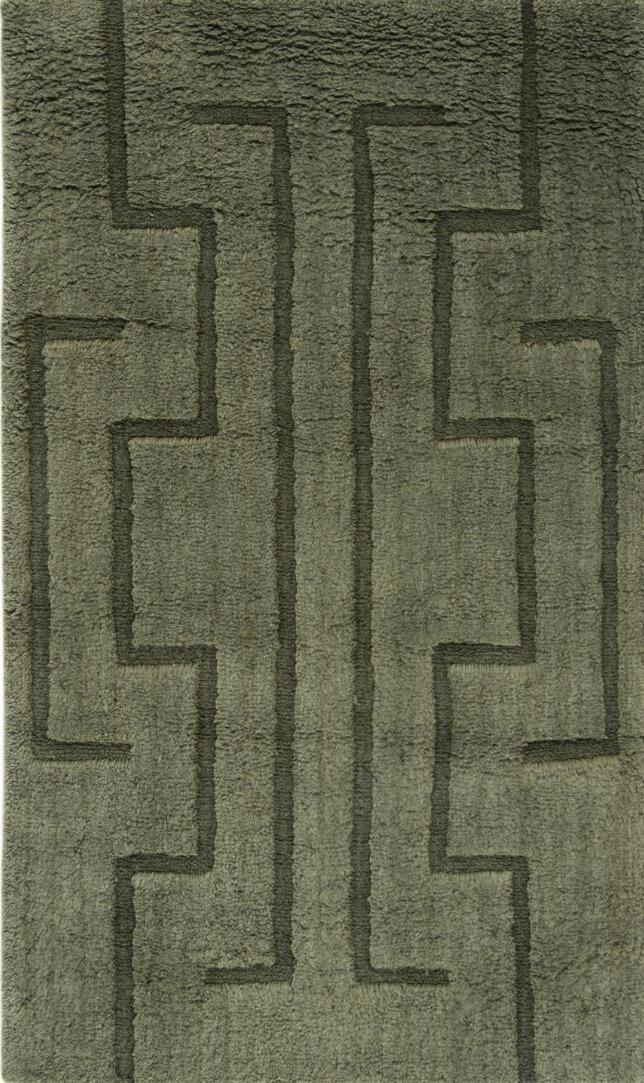
Revival washable wool rug
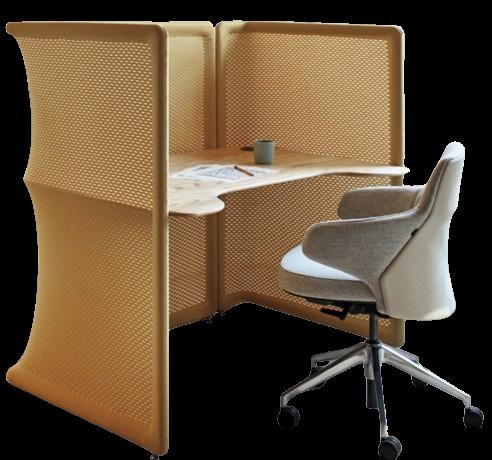
= Coalesse desk with privacy screen
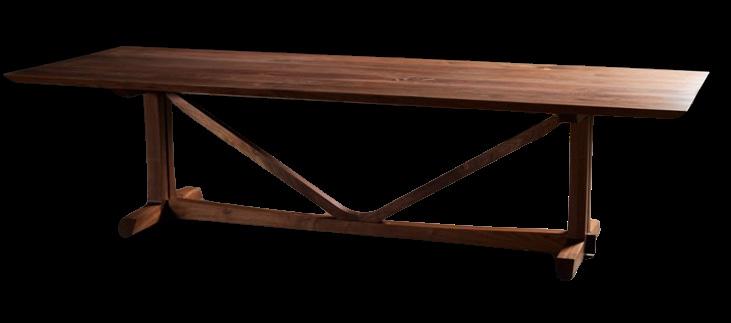
= Daniel Rickey walnut trestle work table
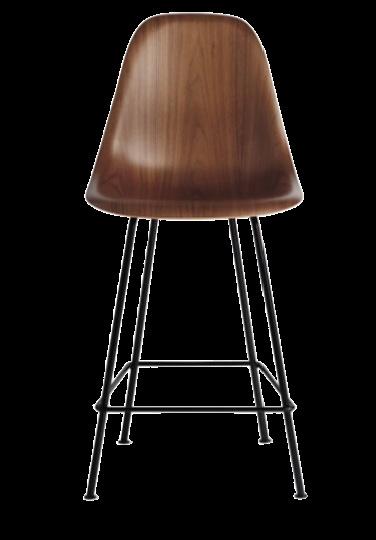
= Eames molded plywood stool
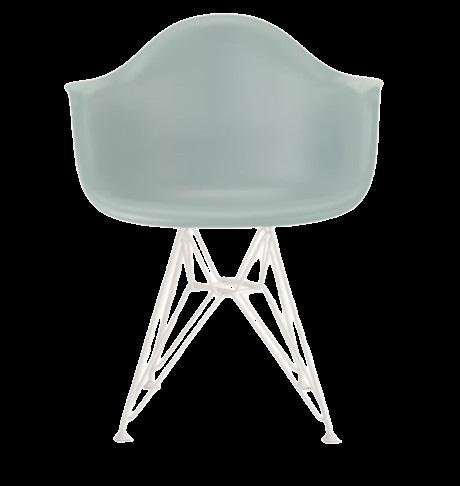
= Eames molded plastic armchair
Eames molded plastic chair
All Modern loveseat (in rose)
Eames molded plywood stool
Daniel Rickey walnut trestle work table
Nienkamper swivel base chairs
Revival washable wool rug
Coalesse desk with privacy screen
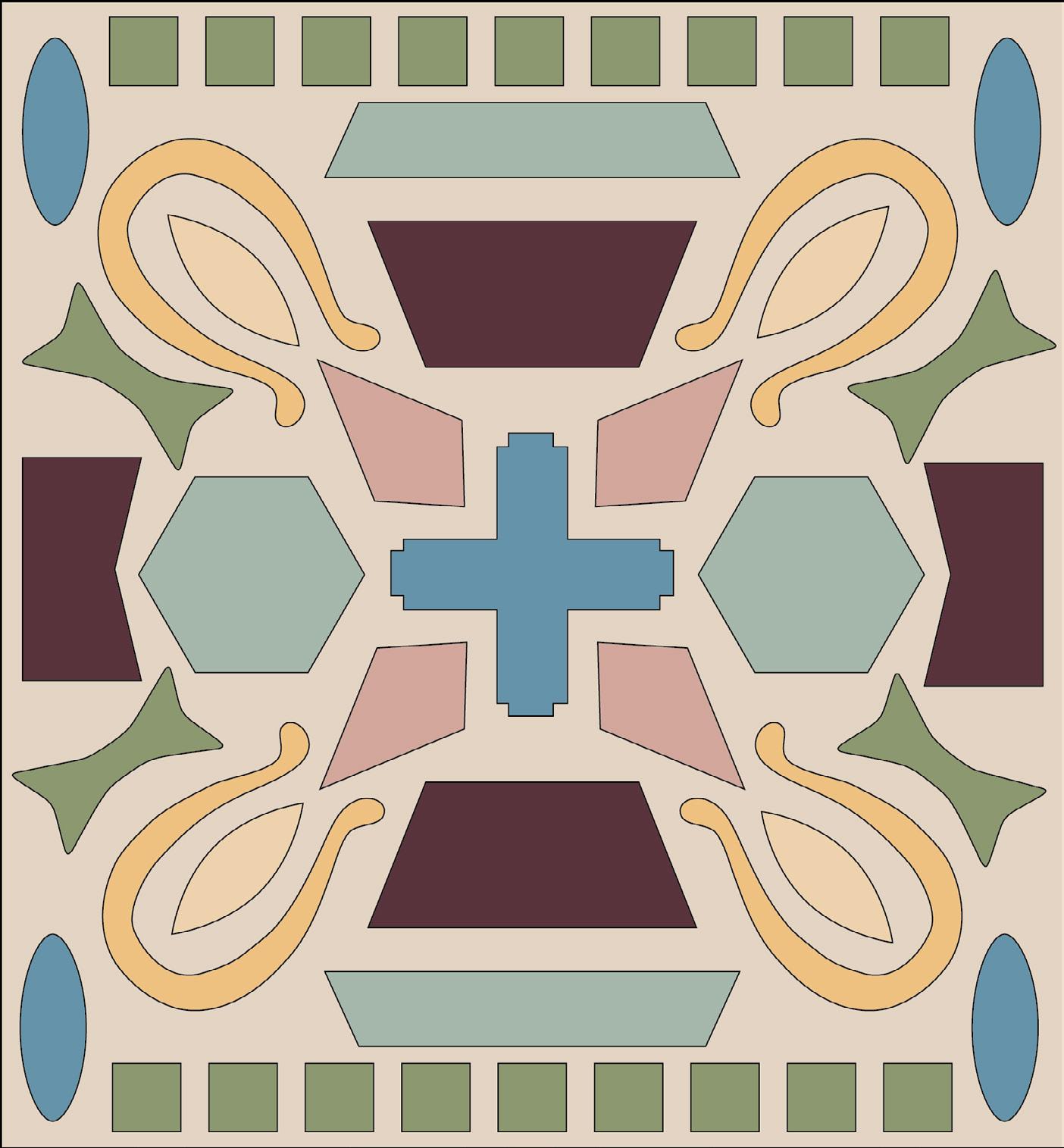
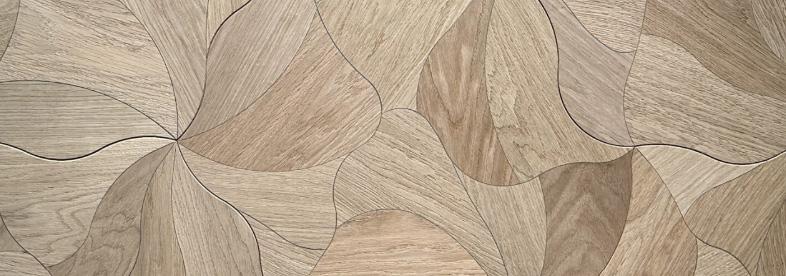
‘Blooming’ parquet wood flooring
= Giovanni Barbieri “Blooming” oak parquet
There’s already a lot to love about Hunton House... but that doesn’t mean that improvements couldn’t be made...
The proportions, scale, and original architectural details
It’s an important part of Richmond’s architectural history.
Spacious and relatively quiet, with room to work with
The historicity of the building and its interior make renovations challenging.
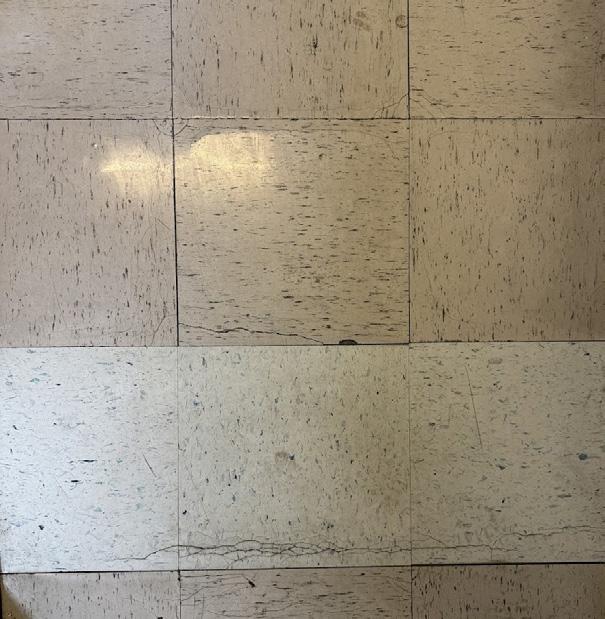
Older buildings naturally show their age and accumulated wear.
The shortcomings of the building lead to it being used less, creating a cycle
Perhaps a start could be made here...
Small changes = big impact
• rethinking trashcan placement
• improved way-finding
• re-thinking/improving the use of the smaller rooms beyond the foyer
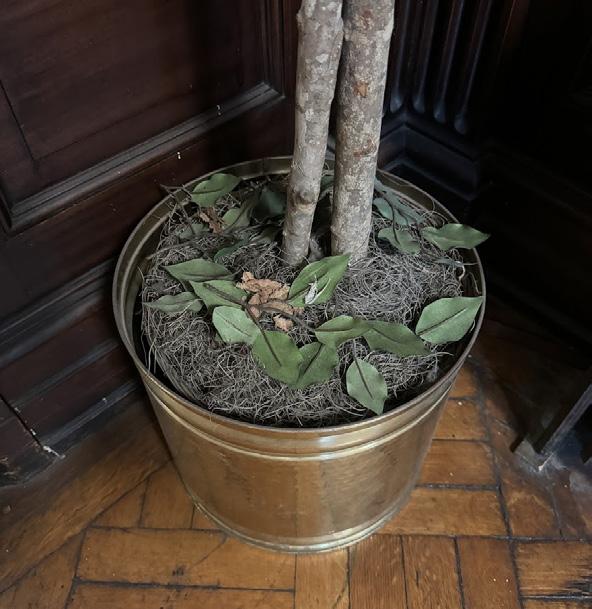
• real plants?
Ask the users what they would like; try and find consensus about priorities
Ultimately, I hope this intervention exercise shows that new additions to a historic building can be thoughtful, attractive, functional, and deserving of care and upkeep.