BIBLICAL ANSWERS TO FIVE TOUGH QUESTIONS YOU AND YOUR CHURCH FACE IN TODAY’S WORLD
Q&A
A SEASON OF GROWTH: CELEBRATING OUR CAMPUS RELOCATION AND THE LORD’S PROVISION
SEE PAGES 16–18 FOR A Q&A AND PHOTOS FEATURING OUR NEW CAMPUS!
Our ministry is entering one of the most exciting seasons in our history as we joyfully prepare for the relocation of our campus. What began as a prayerful desire to better serve our students, families, and community has grown into a clear demonstration of the Lord’s faithful provision. Each step of this journey has reminded us that when God calls His people to move forward, He also equips them for the mission ahead.
The decision to relocate was not made lightly. For years we have sought to steward our resources wisely while pursuing opportunities to expand and strengthen our programs. As enrollment has grown and our outreach has broadened, it became increasingly clear that our Cordova facilities could no longer support the vision God has placed before us. Through countless conversations, strategic planning sessions, and earnest prayer, the Lord opened doors that we could not have opened ourselves.
Our new campus represents far more than a change of address—it is a platform for deeper ministry, stronger community engagement, and greater opportunities for discipleship. The expanded space will allow us to enhance our academic offerings, develop new ministry initiatives, and create an environment where students can thrive spiritually, academically, and socially. Already we have seen God’s hand at work through the generosity of supporters, the unity of our staff, and the enthusiasm of the families we serve.
At every turn, the Lord has confirmed that this relocation is not merely a logistical move but a step of faith toward a broader Kingdom impact. We are witnessing answered prayers in real time: provision arriving at just the right moments, partnerships forming that strengthen our mission, and renewed energy among all those connected with our ministry. It is humbling and inspiring to see how God uses willing hearts to accomplish His purposes.
As we look ahead, our excitement continues to grow. We anticipate new friendships, new opportunities for service, and new stories of lives changed through the Gospel. We also remain committed to honoring the rich legacy that brought us to this moment. The same God Who has guided us faithfully in the past is leading us into a future filled with promise.
We invite our supporters, alumni, and friends throughout the Mid-America family to rejoice with us as we take this step forward. The Lord is blessing our ministry in remarkable ways, and we are grateful to be part of His ongoing work. May this new campus become a place where Christ is exalted, truth is taught, and generations are equipped to serve Him wholeheartedly.
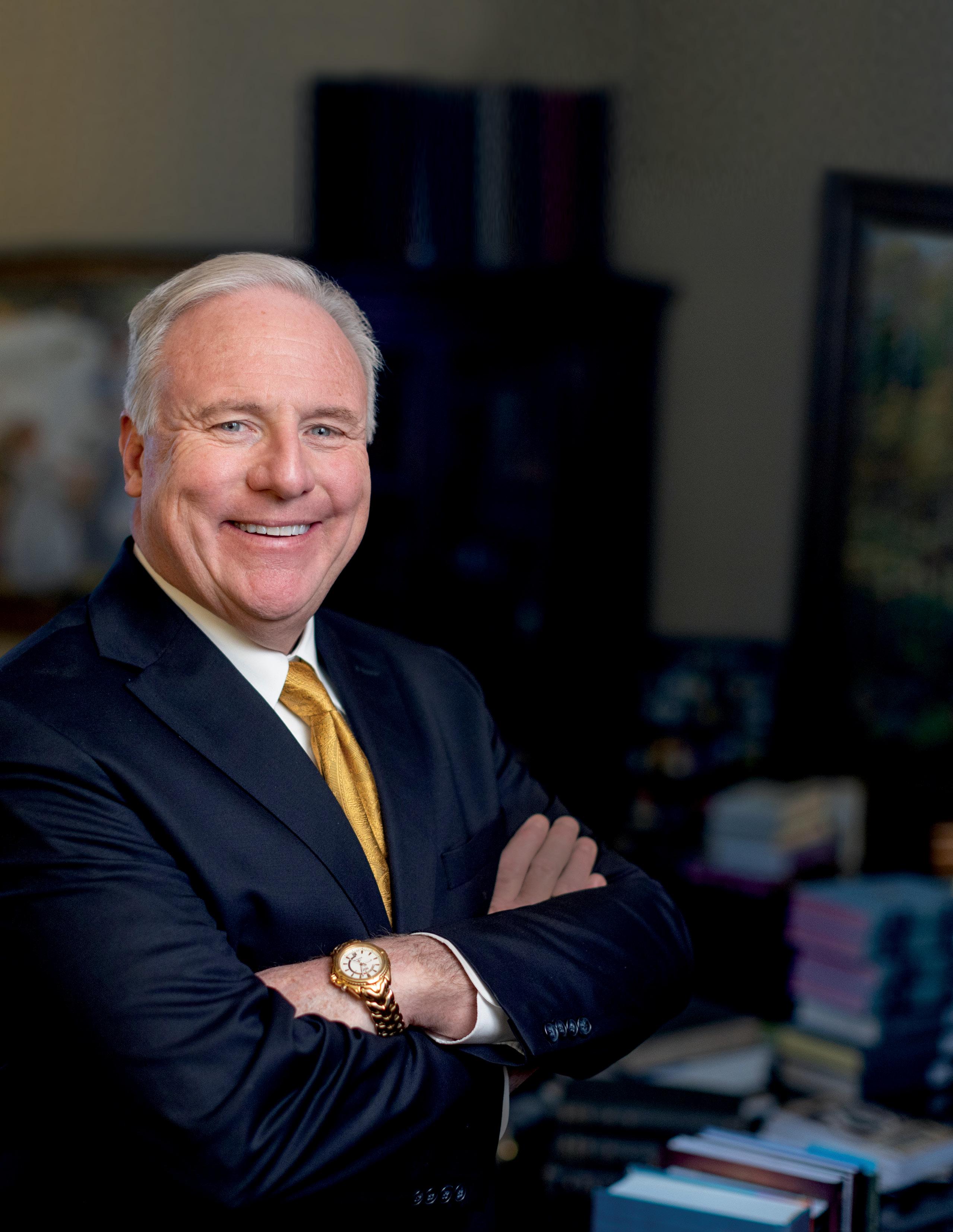
MICHAEL R. SPRADLIN, PHD PRESIDENT, MID-AMERICA SEMINARY AND COLLEGE
INSID E
WINTER 2025
VOLUME 53, NUMBER 2
Published by Mid-America Baptist Theological Seminary and Mid-America College
PRESIDENT Michael Spradlin, PhD
EDITOR Randy Redd, PhD
DESIGN
Eternity Communications
WEB mabts.edu
midamericacollege.com
EMAIL info@mabts.edu
SOCIAL
facebook.com/mabts.edu twitter.com/mabts
instagram.com/mabts_
4
LIGHT THE WAY Q&A SERIES
Mid-America faculty are thought leaders in Christendom, and they have addressed five intriguing questions that are relevant for churches and biblical leaders in today’s culture:
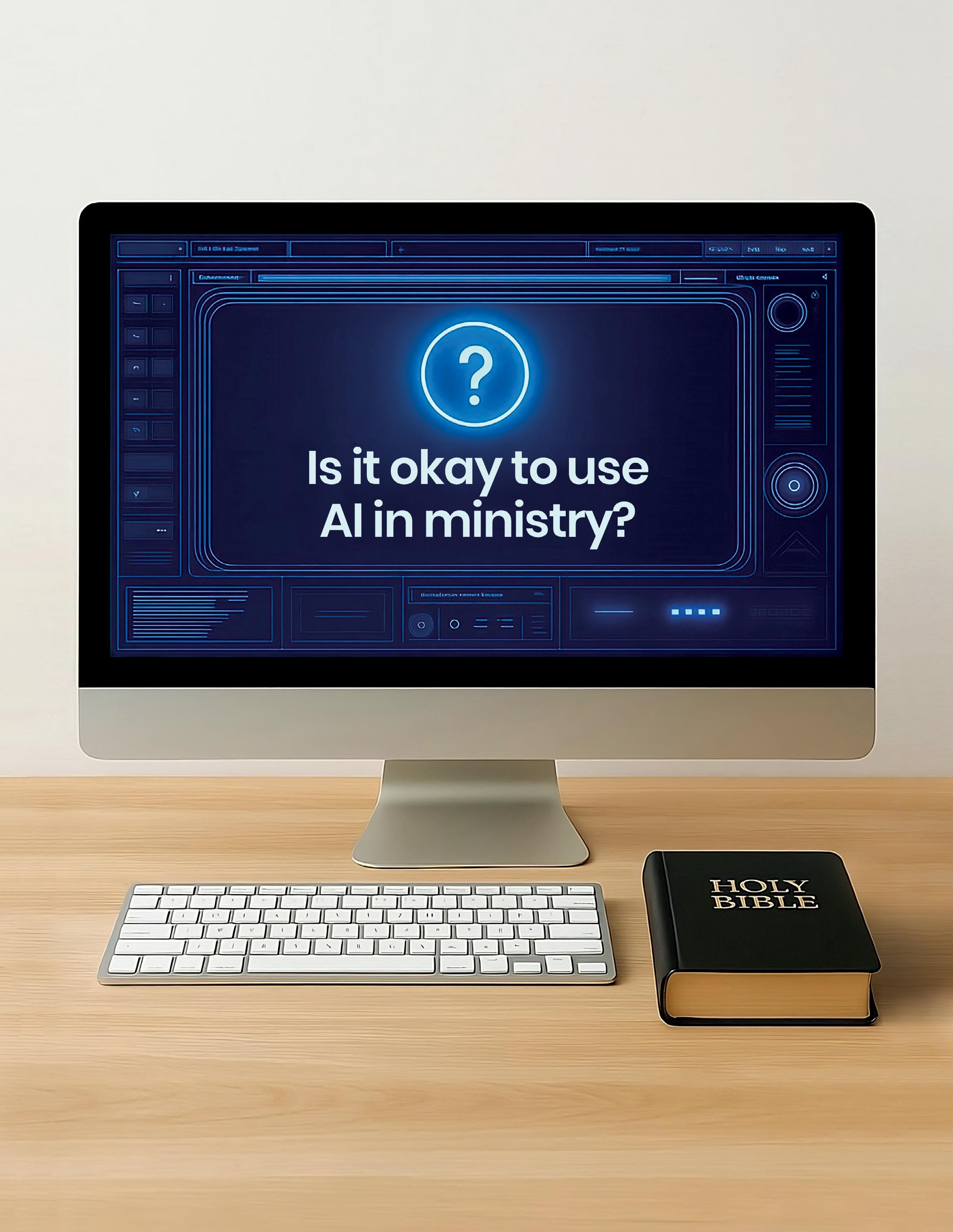
z AI in ministry
z Evangelism in a privacy-minded culture
z Christianity’s most neglected aspect
5640 Airline Road Arlington, TN 38002
901-751-8453
z Women in ministry
z LGBTQ+ and the church
16
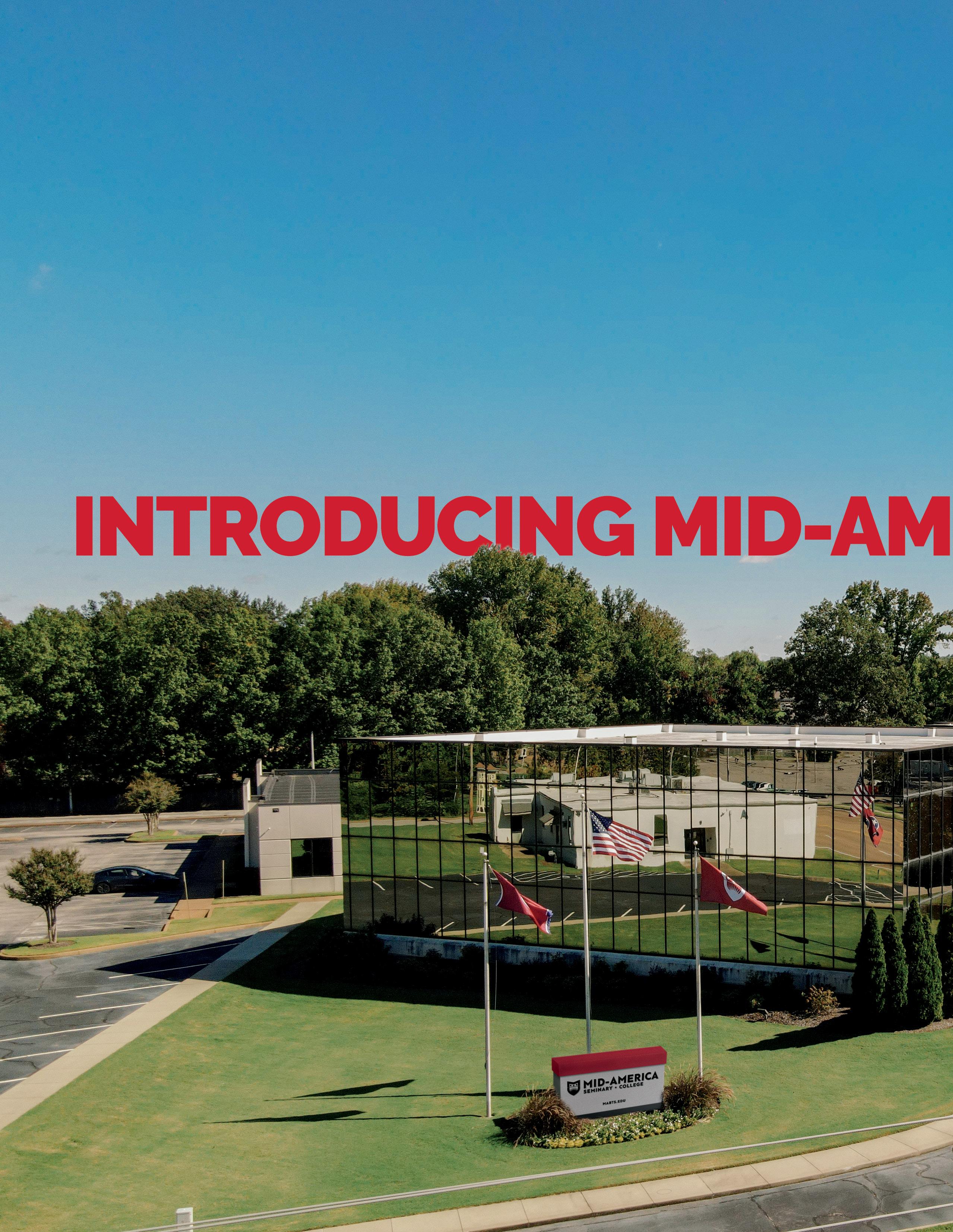
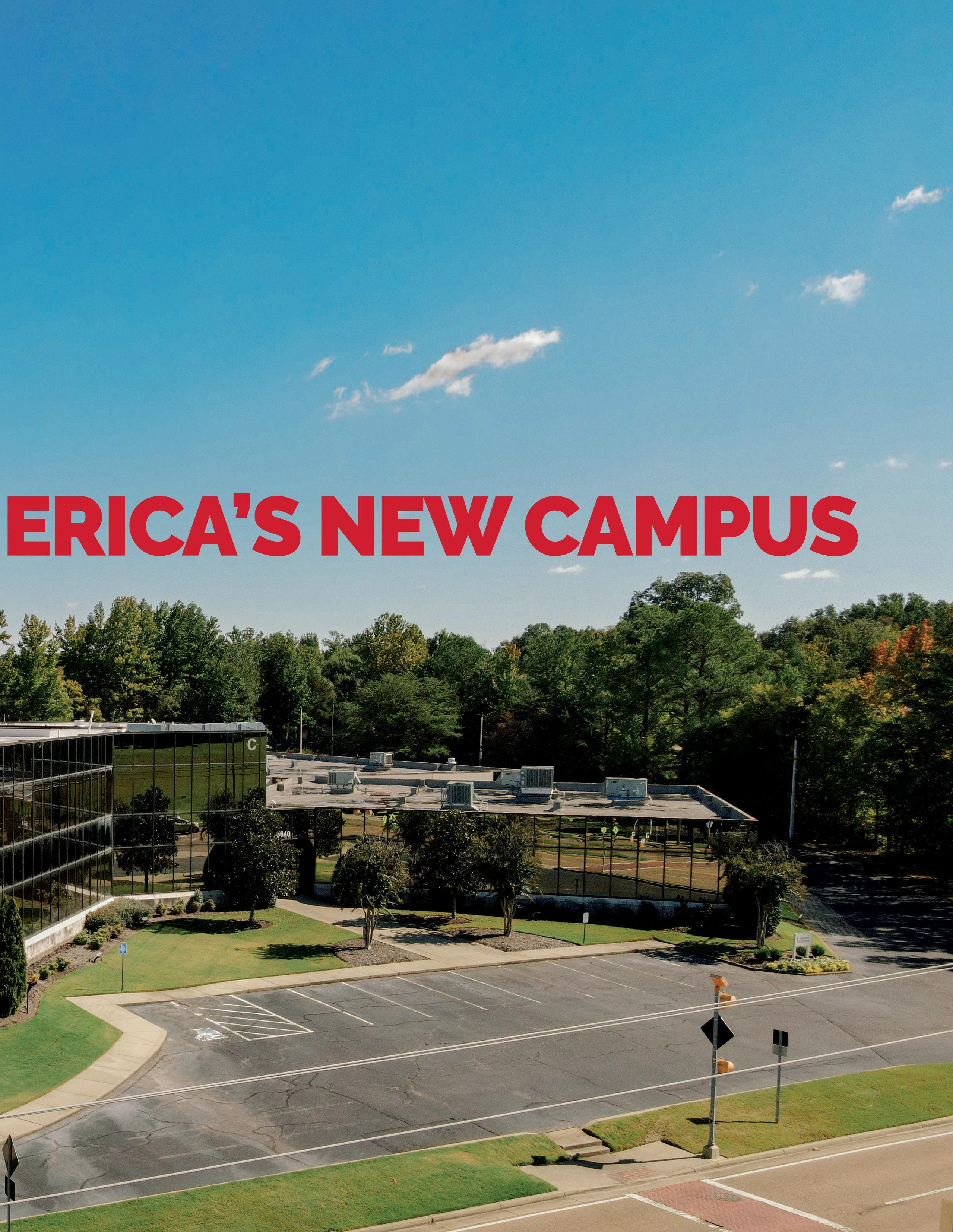
MID-AMERICA’S NEW CAMPUS!
Mid-America is reenvisioning the way that we will equip the next generation of biblical leaders. In order to connect more students to their future ministries and callings—faster, more efficiently, more effectively—the school is moving to a new campus in Arlington, Tennessee. Discover all the benefits of the new campus and get answers to how our new vision will position us to be better stewards of resources and enhance student experiences.
20
SEEING GOD’S FINGERPRINTS
Our donors love seeing the Practical Missions results grow semester after semester. When you see the number of professions of faith and the ministry commitment of our Mid-America students (see page 19), you are seeing God’s fingerprints on the lives of those being saved, our students’ lives, and on our school. With MidAmerica’s expanding vision and new campus, the opportunities for investing in Mid-America’s mission are expanding as well.
FOR GOD, WHO SAID, “LET LIGHT SHINE OUT OF DARKNESS,” MADE HIS LIGHT SHINE IN OUR HEARTS TO GIVE US THE LIGHT OF THE KNOWLEDGE OF GOD’S GLORY DISPLAYED IN THE FACE OF CHRIST. 2 CORINTHIANS 4:6
TODAY’S TOUGHEST QUESTIONS STILL FIND ANSWERS IN THE LIGHT OF GOD’S WORD. ?
The countless changes, conflicts, and complexities of modern life often leave our heads spinning in a world filled with information and viewpoints yet short on truth and wisdom. The darker the backdrop, however, the brighter the light shines. At Mid-America, we’ve been lighting the way for more than half a century, equipping biblical leaders who will guide the next generation with the light of Gospel truth— and we’re just getting started!
THE LAMPSTAND FROM WHICH THE LIGHT HAS SHINED HAS ALWAYS BEEN MID-AMERICA’S EXTRAORDINARY FACULTY. Committed to scholarship as well as a stalwart stand for Scripture, the Mid-America faculty are scholars, soul-winners, churchmen and women, educators, thought leaders, and biblical experts. Mid-America has carefully and prayerfully assembled a faculty, as our founder Dr. B. Gray Allison put it, “where every professor would believe all the Bible, all the way through without any question at all. Where every professor would be an active member of a local cooperating Southern Baptist Church. Where every professor would be a soul-winner....unashamedly conservative...unashamedly evangelistic and mission-minded.”
In this special edition of the Mid-America Messenger, we asked a halfdozen of our world-class faculty to shed biblical light on a wide assortment of questions that you might encounter in life and ministry. Each answer is shaped with a biblical worldview and aimed at helping you apply God’s Word to real-world issues. You’ll find the result on the next 10 pages. If you like this kind of Bible-centered approach to thorny issues, check out the Mid-America Blog at mabts.edu/blog for insightful articles on a variety of subjects by Mid-America faculty and friends. Better yet, sign up for one of dozens of courses taught each semester. Join us, as we light the way.
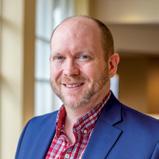
BY DR. AL SANTOS DIRECTOR OF INFORMATION TECHNOLOGY, ASSISTANT PROFESSOR OF THEOLOGY, NEW TESTAMENT, AND CHURCH HISTORY
Artificial intelligence is no longer science fiction but has become part of everyday life through smartphones, televisions, wearables, home appliances, e-commerce, and social media platforms. Some public leaders have raised concerns about the risks of AI, prompting world governments to create policies for the ethical use of AI systems. With the various concerns and the growing use of AI in society, church leaders are asking the question, “Is it okay to use AI in ministry?”
THE PERIL OF AI
Artificial Intelligence is a powerful tool with many perils if not properly used. The first caution is the fine line between delegation and dependency. Delegation is using a calculator to save time, but dependency is forgetting how to do math altogether. An MIT research study, “Your Brain on ChatGPT,” found that 83% of people who used ChatGPT to write essays could not recall the content they wrote minutes later. Information transferred but not learned leads to “cognitive atrophy.” Just as muscles weaken from lack of use, so do mental skills when critical thinking and concentration are consistently off-loaded to a computer.
The danger of habitual dependence on AI goes beyond mental concerns and impacts a person’s spiritual well-being. Trials and hardships build character, endurance, and maturity (Romans 5:3–4; James 1:2–4). Engaging and wrestling with Scripture for sermon or lesson preparation deepens understanding, strengthens faith, and promotes spiritual growth. AI short-circuits this process by offering instant answers. Using AI for critical thinking and problem-solving is like using a computer to play chess for you. The computer may win all your chess matches, but did it make you a better chess player? Spiritual growth requires personal struggle.
While AI is quasi-omniscient, it is not infallible. AI models can generate “hallucinations,” which are inaccurate, inconsistent, or completely fabricated information presented as fact. Users must doublecheck and verify the information provided. AI algorithms have the potential to introduce bias that may mislead or undermine Christian values. One suggestion is to prompt AI to “assume an open frame” at the beginning of a conversation. This setting prevents AI from limiting responses to only mathematical, scientific, and rational views.
THE PROMISE OF AI
AI can be a very promising tool when used responsibly and ethically. Some practical uses of AI include media generation. Pastors can create images for their sermons, helping the congregation to visualize biblical scenes and bring the stories to life. AI is a great research assistant for finding sources, quickly gathering information, and analyzing large data sets. For example, if a student is researching a subject, they can ask ChatGPT about the leading thinkers and subject matter experts of the particular topic, along with books and journal articles they’ve written.
Many AI tools for research are emerging. NotebookLM, developed by Google, is a powerful AI-powered research assistant that summarizes and organizes information from documents, websites, and YouTube videos provided by the user. Unlike ChatGPT, which relies on a broad dataset, NotebookLM focuses only on user-provided sources for more targeted research.
Another practical use of AI is the advancement of Bible translation, which has proved invaluable in the mission field. Computer software significantly improved the efficiency and accuracy of Bible translation work into other languages. AI can also translate sermons and Gospel conversations into various languages in real time.
THE PATH OF DISCERNMENT
As technology continues to advance, the challenge lies in exercising discernment to avoid the extremes of total adoption or overall rejection of AI. Ministers need to adopt an “AI-enhanced,” rather than “AI-dependent” mindset. Pastors must be cautious that delegation does not turn into dependency (AI cannot replace the Holy Spirit in illuminating Scripture). Technology should be used where it adds value rather than simply adopting technology for technology’s sake. Proper use of AI should support and not replace ministry tasks to allow the pastor to focus on pastoral care.
The biblical principle of stewardship encompasses all assets placed under one’s care, which includes people, money, time, talents, and resources, including technology. As faithful stewards, Christians are called to manage technology with integrity, wisdom, and accountability.
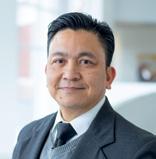
BY DR. JOHN CHARPING CHAIRMAN OF THE MISSIONS DEPARTMENT; ASSOCIATE PROFESSOR OF MISSIONS AND THEOLOGY
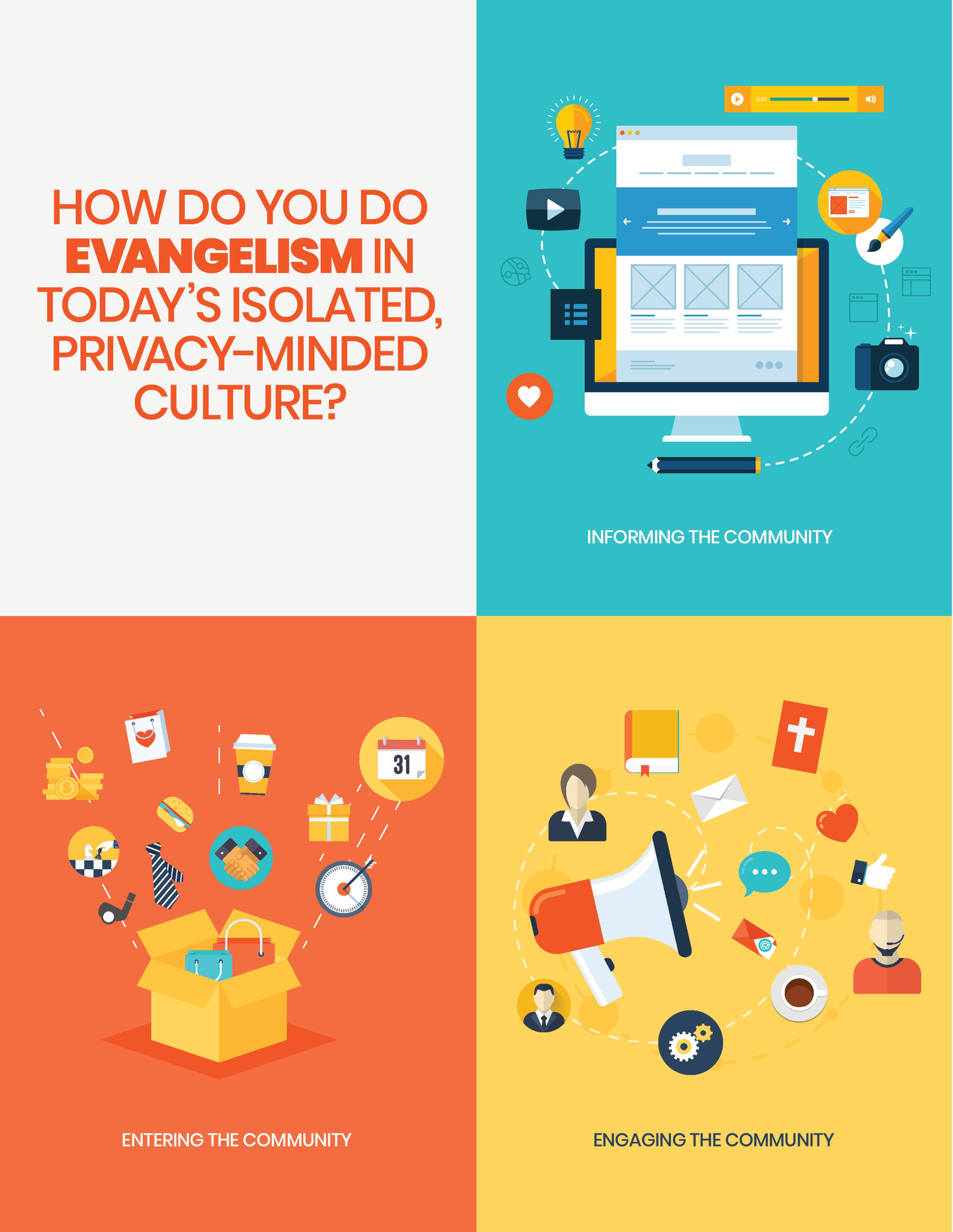
Today’s culture appears to be more isolated from personal interaction than ever before. While technology has made access to people more immediate, it has also affected face-to-face interactions. Think about the number of personal interactions that have been replaced with a mobile app—depositing checks, purchasing groceries, ordering food, etc. With the increased use of technology comes the real concern of identity theft. This concern causes many to limit who can contact them and to what extent they can be contacted. Given these realities, how should churches do evangelism in today’s isolated, privacy-minded culture?
At the heart of evangelism, people must hear the Gospel in order to respond to the Gospel (Ephesians 1:13–14; Romans 10:13–15). Churches should use all available means to engage their context by informing, entering, and engaging their community.
INFORMING THE COMMUNITY
Most visitors to your church will check out your church’s website and social media posts before they visit in person. It is important to inform your community of your presence and of your message. If someone in your community wants to know more about your church, can they find that information online? Does your website and social media platforms provide service times, meeting location, belief statements, access to previous messages, vision and mission of the church, and what to expect as a visitor? Can someone learn about the Gospel simply by going to your website and social media posts? Is your church leveraging these tools to inform your community of the Gospel and ways to know more?
ENTERING THE COMMUNITY
Having an online presence is not the same as having an actual presence in the community. There are four main ways that churches gain access to their community: providing help, offering hope, connecting through hobbies, and taking advantage of holidays. Help can come in the form of many things, such as meeting basic needs of food and clothing. One church takes coins into a laundromat and helps people pay for washing their clothes. This approach affords them an opportunity to use the time to share the Gospel.
Hope is enabling people to change their life’s situation. This could be anything from helping them find work to helping them overcome substance abuse. One church helps people know the resources around them to get a job. Another church provides free counselling for those seeking freedom from addiction.
Hobbies are a great venue to meet people and build community. Many churches have faculties where a variety of hobbies could take place—hobbies such sports, exercise, or crafts. Churches are not limited only to what can take place on their property. Often there are places and events in the community in which churches can participate in order to know their neighbors more.
Holidays are not all equally observed, but there are some major holidays that most all people recognize annually. Most people try to do something at least on key holidays such as Valentine’s Day, Easter, July 4th, Thanksgiving, Christmas, and New Years. Most churches offer services related to religious holidays such as Easter and Christmas. Some churches also try to use other seasonal and patriotic holidays as opportunities to connect with their community.
ENGAGING THE COMMUNITY
Having a presence in the community is not the same as Gospel proclamation. Help, hope, hobbies, and holidays are temporal events that create a context, an opportunity, to engage the community with the Gospel. Churches should take advantage of these opportunities to evangelize. Sharing the Gospel can take place in a variety of ways from providing a Gospel tract, to personal interactions, to the preaching of a message. Each situation affords a variety of ways to share our ultimate hope of redemption through Jesus Christ.
Churches should leverage who they are and where they are in order to provide as many opportunities as possible for their community to come to a saving knowledge of Christ. While it may appear that some people are wanting to live more isolated, we need to remember that God has wired us for community. In reality, people long for community, communication, and caring. That’s why God has placed your church in that community. Your church’s mission—and the Great Commission—compels you to take the initiative to connect with your community.
WHAT IS THE MOST NEGLECTED ASPECT OF CHRISTIAN LIVING IN TODAY’S AMERICAN CHURCH?
BY DR. MATT AKERS
ASSOCIATE DEAN OF THE SEMINARY; SENIOR DIRECTOR OF ACADEMIC SERVICES; CHAIRMAN OF THE OLD TESTAMENT DEPARTMENT; ASSOCIATE PROFESSOR OF NEW TESTAMENT AND GREEK, OLD TESTAMENT AND HEBREW, MISSIONS, BIBLICAL COUNSELING, AND THEOLOGY; DIRECTOR OF THE HISPANIC INSTITUTE
When I consider the most neglected aspect of Christian living in today’s American church, one concern immediately comes to mind. I believe this concern deserves top priority because of its profound influence on nearly every other challenge facing believers in the United States. The problem? It’s the disconnect between Sunday morning and the rest of the week. This deficiency is a serious problem because many Christians fail to see how biblical truth speaks directly to everyday life. This challenge manifests itself in at least two ways.
THE PASTOR SHOULD CONNECT BIBLE TRUTH TO EVERYDAY LIFE
First, even pastors who faithfully exegete Scripture and communicate its message clearly to their congregations can unintentionally separate truth from application. Consider a real-life example from a church that will remain unnamed.
During his sermon, the pastor emphasized that the Bible provides answers for the daily struggles people face. Afterward, a man reluctantly approached him and said, “I’m glad to know the Bible can help me. Because of setbacks in my life, I’ve been feeling anxious, and I worry there’s no hope for me.”
After listening to the man’s concerns, the pastor felt he lacked the time and skill to address the situation. He replied, “Maybe there’s a counselor in the area who can help you. We’ll do our best to find someone for you.” Although the pastor had proclaimed from the pulpit, “The Bible can help you,” his response in private implied, “The Bible can’t help you.”
This disconnect illustrates a neglected area of Christian living. A pastor who neglects to minister personally to a congregant’s spiritual needs is not faithfully carrying out his calling. Instead of outsourcing pastoral care, pastors and spiritually mature believers should provide Scriptural guidance for church members in need.
Paul reminds us that all Scripture is breathed out by God and is profitable for dealing with real-life concerns (2 Timothy 3:16). In the above case, the pastor could have directed the man to Christ’s command not to be
anxious, since God lovingly governs every situation and cares deeply for His children (Matthew 10:29–31). He could then have helped the man consider how to apply this truth practically, cultivating a mindset shaped by God’s promises.
This deficiency is precisely why Mid-America has been steadfastly committed to equipping biblical leaders for more than 50 years. America needs pastors and other leaders who can effectively apply the truth of God’s Word to people’s lives not just inside the church bubble, but Monday and the rest of the week— at home, school, work, and every aspect of life.
BELIEVERS SHOULD CONSULT THE BIBLE, NOT OTHER SOURCES, FOR PRACTICAL TRUTH
The second way this disconnect manifest itself is the tendency of believers to ignore sound biblical counsel in favor of advice that contradicts Scripture. Many evangelicals affirm the authority and inerrancy of God’s Word yet live as though truth does not apply when it comes to practice. Jesus confronted this very problem: “Why do you call me ‘Lord, Lord,’ but do not do what I tell you?” (Luke 6:46). His question is as relevant for 21st-century American Christians as it was for His original audience.
The Bible is not a book of outdated stories irrelevant to modern life. It is living and active, penetrating to the deepest parts of our hearts (Hebrews 4:12). Therefore, it addresses all our spiritual needs. Each passage is given for our instruction so that we might remain faithful and hopeful in every trial (Romans 15:4).
In summary, Sunday morning worship is not an isolated hour filled with ancient tales or arbitrary rules. Scripture speaks with authority to every moment of our lives, and Christ expects us to apply His standards consistently, whether in a church service, at work, at home, or in seasons of suffering. May we not neglect that truth. American Christians must abandon the false division between the sacred and the secular. There is only one reality, in which believers are called to love God, love others, and obey Him with wholehearted and consistent devotion.
What do you say to a woman who believes she is called to be a pastor?
BY DR. CANDI FINCH ASSOCIATE DEAN OF MID-AMERICA COLLEGE; DIRECTOR OF ADMISSIONS; DEAN OF WOMEN; ASSOCIATE PROFESSOR OF WOMEN’S STUDIES IN THEOLOGY
These types of conversations are always tough! In our day and age, any discussion that relates to gender roles can be uncomfortable. I believe that God’s Word, however, is good news for women, and my hope is that any woman who believes she is called to be a pastor would understand that God never calls us to do something that violates His Word
If I immediately launch into telling a woman why I believe she is wrong, two things happen: she stops having ears to hear me, and her defenses go up— neither is helpful for a productive discussion. Instead, I work through a paradigm I first learned from a former pastor of mine: Identify, Care, Clarify, Probe, and Teach
z Identify: I try to relate to where she is, so I may share briefly how I first sensed God was calling me into full-time Christian service.
z Care: Since she has been vulnerable enough to share, I thank her for trusting me enough to open up and let her know I care about her walk with the Lord.
z Clarify: Then, I ask her to describe her journey to understand why she believes God is calling her to be a pastor, asking clarifying questions when appropriate. If you start with these three steps, you open dialogue instead of shutting it down.
z Probe: Once I hear her story, I will start asking probing questions to try to discern what her ultimate authority is for determining God’s leading in her life. It should be God’s Word, but it may not be. I am trying to determine if anything “trumps” Scripture in her life.
z Teach: Finally, I will ask her if we could look together at the passages that help us understand God’s plan for how women serve in the church (see Genesis 1–2; 1 Timothy 2:9–15; 1 Corinthians 11:2–11; Titus 2:3–4). The goal is to let the Word of God teach her so she is convinced by Scripture and not by cleverly worded arguments.
SO, WHAT DOES THE BIBLE SAY?
God made each one of us and fashioned us (Psalm 119:73). Like any good designer, God has blueprints (found in Scripture) for how we fit together as the church. When it comes to how women serve in the church, I have found it helpful to remember some foundational truths as you approach this sometimesheated topic:
1. True Christianity has raised the dignity of women. Where societies or even some other religions have treated women as simply property, true Christianity teaches that women, as well as men, are created in the image and likeness of God (Genesis 1:26–31).
2. God has designed each of us and equipped us as He has pleased—it’s not about us; it’s about Him (1 Corinthians 12:18). We can and should trust Him (Isaiah 40:28–31).
3. Women and men are called to be a living witness of the goodness of God’s design by living obedient lives (Ephesians 4:1).
4. The Church needs each member of the body— men and women, boys and girls—working together in biblically appropriate ways to build each other up (Ephesians 4:12).
5. Despite the fact that there are some distinctions between men and women in terms of their roles within the church, the Bible is clear that both are equal in terms of their worth before God and in terms of the inheritance they have in Christ (1 Peter 3:7; Galatians 3:28). Neither sex is more loved or more valued or more important than the other.
6. While women have been given two boundaries within ministry (not to teach men in the church nor have authority over men in the church; 1 Timothy 2:12), there is a vast field of ministry women can and should do (Titus 2:3–5).
At the end of the day, God’s design for the church will be accomplished whether we choose to be obedient to Him or not. Isn’t it cool, however, that He wants to use us? And, doesn’t it just make sense to do things His way? He is, after all, the Master Designer.
CARECLARIFYPROBETEACH
How do addressyou an LGBTQ+ person or couple who wants to join your church?
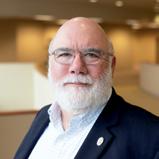
BY DR. JOHN BABLER CHAIRMAN OF THE BIBLICAL COUNSELING DEPARTMENT; PROFESSOR OF BIBLICAL COUNSELING
Jesus said to him, “I am the way, and the truth, and the life; no one comes to the Father but through Me.” —John 14:6
BE PROACTIVE
In addressing hot topic questions such as this one, it is essential for the church to be proactive. Begin by reviewing your church’s constitution, bylaws, or covenant to see what it says about marriage, as well as the requirements for church membership. Your foundational documents should include a statement regarding convictions based on biblical principles, teaching that marriage is limited to a union between a man and a woman. Additionally, consider including a statement to the effect that anyone involved in ongoing unrepentant sin would not be a candidate for membership. Policies regarding the process for removing membership, as well as whether nonmembers are allowed to serve in any formal positions in the church, should also be included in your documents. Include Scriptural references that support your positions. If your church does not have such statements, consider seeking legal counsel to determine the best way to craft these additions. Being proactive will help protect the church against legal action, as well as provide a clear testimony of the church’s biblical stance on marriage.
RECOGNIZE THE OPPORTUNITY
If a person or couple who identifies as LGBTQ+ seeks to join your church, recognize it as an opportunity. It might seem intimidating or uncomfortable, but it is truly an opportunity. For some reason or reasons, this individual or couple is seeking to enter into fellowship with your church, providing an opportunity for you to share the Gospel with them.
The Gospel sets people free from bondage to sin. In sharing the Gospel, we need to practice self-confrontation first. Matthew 7:5 teaches the importance of removing the log from our eye so that we can see effectively to remove the speck from our brother’s eye. It is easy for us to become judgmental,
yet we need to be reminded that all of us have sinned and fall short of God’s glory (Romans 3:10–12, 23). As we remember this, it becomes easier to effectively share the Good News with others. Ephesians 4:15 says, “But speaking the truth in love, we are to grow up in all aspects into Him who is the head, even Christ.” If we are not careful, we can focus on speaking the truth without doing it in love.
While there are people who think differently from us on such a significant subject as sexual intimacy, it’s important to remember to follow Jesus’ example of having compassion. Matthew 9:36 shares insight into Jesus’ compassion: “Seeing the people, He felt compassion for them, because they were distressed and dispirited like sheep without a shepherd.” Sheep without a shepherd do not survive long, and that motivated Jesus to have compassion for those whom He saw. We need to have compassion like Christ, recognizing that those who come to join the church in their sin are in need of a Shepherd. They need someone to share and show them the love of Christ.
MINISTER THE WORD
While evangelism must include a clear verbal presentation of the Gospel, it should also involve an ongoing relationship, if possible. As long as an LGBTQ+ individual or couple is open to being in a relationship with us and willing to attend our church, the opportunity to share and demonstrate the Gospel continues. Relationship provides an opportunity to show love, compassion, and sincerity as we continue to speak the truth. The goal of the relationship is to show them God’s love and His provision for the forgiveness of their sins—not just sexual sins, but all sins. The best way to introduce them to God is through using Scripture. Avoid the temptation to debate whether their beliefs are correct. While it is important to teach the meaning, significance, and application of biblical teachings on sexuality, keep the focus on God and His love. Teach them who Jesus is, what He has done, and how He loves them. Help them fall in love with the God who created them and loves them.
We are reenvisioning the way that Mid-America will equip the next generation of biblical leaders,” says Mid-America President Dr. Michael Spradlin. “We will never change our mission of training those who will take the Gospel to all the world for Jesus’ sake. But our methods will change. We want to connect more students to their future ministries and callings—faster, more efficiently, more effectively.” Read on for a Q&A about our exciting new campus.
THE CURRENT CAMPUS IS WONDERFUL! WHY IS MID-AMERICA MOVING?
Indeed, each of Mid-America’s campuses has been an amazing gift from God that met our needs wonderfully well for the period in which we called it home. Our new Arlington campus will actually be
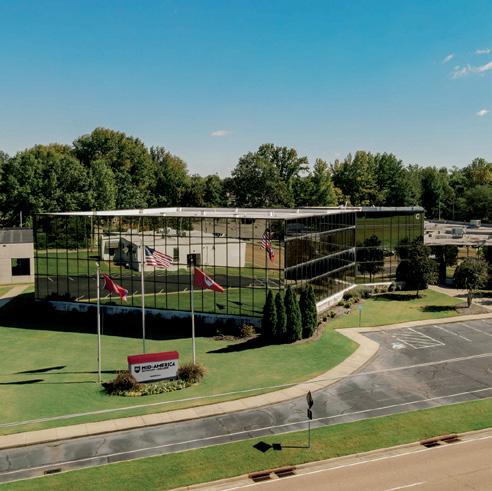
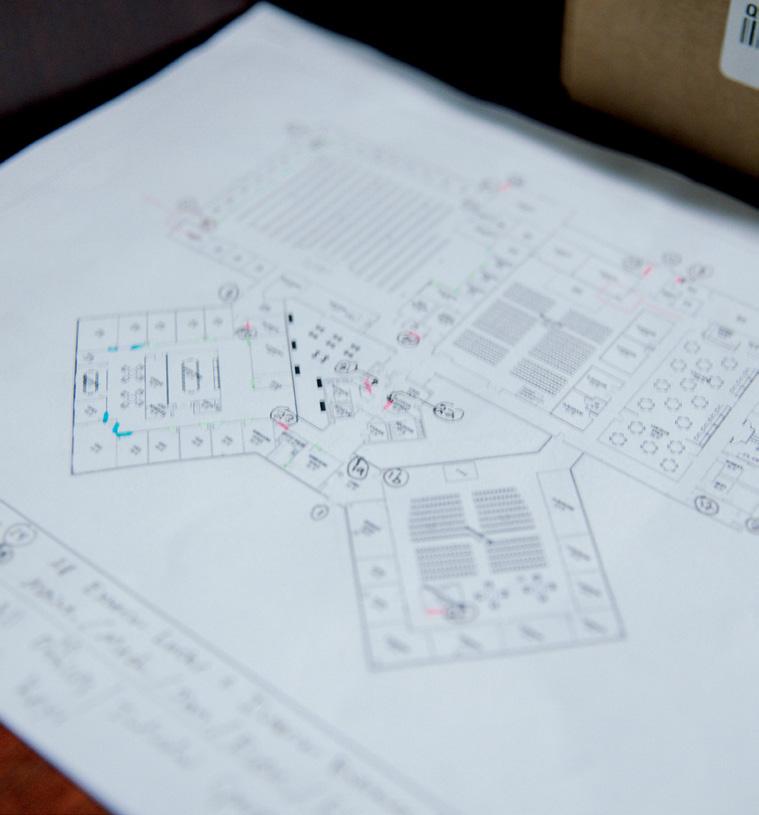
MID-AMERICA’S NEW CAMPUS is located at 5640 Airline Road in Arlington, Tennessee. Sitting just off I-40, about 11 miles east of our current Cordova campus, our new campus is conveniently located in the thriving city of Arlington, one of the state’s fastestgrowing communities. As the school’s sixth campus in our 53-year history, it provides a solid and secure base for local and global training for years to come.
Mid-America’s sixth campus in our 53-year history. Our longest-tenured campus homes were our Midtown Memphis campus (21 years) and our most recent campus in Cordova (20 years). But Mid-America has always been much more than a campus. It’s a mission—one that will never change—focused on the Bible, missions, and evangelism. The campus is simply a tool. When God shows us a different tool that will better accomplish our mission, we are open to using it. The decision to move our campus has been saturated in prayer at every step of the way, and we have seen God at work as we have carefully navigated through the process. Mid-America’s leadership team has prayed and discussed, analyzed and prayed some more, and we are 100% convinced that God has led us to our new Arlington campus “for such a time as this.”
WHAT ARE THE BENEFITS OF THE NEW CAMPUS?
The primary benefits of the new campus are: 1) More efficient stewardship of resources; 2) Enhanced student experiences; and 3) Expanded opportunities for training. By right-sizing our campus to fit the new higher education landscape, we are able to lower the costs of maintaining our campus and offer a more safe and secure environment. Mid-America is aligning our future need for classrooms, offices, and other physical facilities with current trends in education.
IS MID-AMERICA BECOMING AN ONLINE ONLY SCHOOL? WHAT ABOUT RESIDENTIAL STUDENTS?
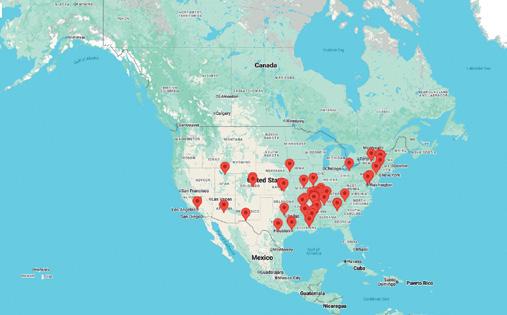
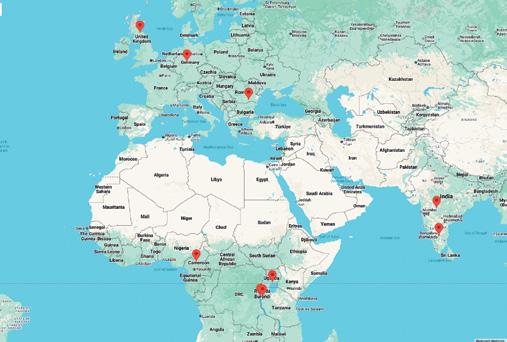
The school will certainly continue to welcome and train on-campus students who choose the residential educational experience. Yet by reallocating resources
that were previously used to purchase, maintain, and secure a large and ever-aging physical campus, more funds are available to develop a local, global, virtual campus that is able to deliver more courses to more students in more locations than ever before. Our new Arlington campus will feature state-ofthe-art technology, making it possible for students to choose in-person learning, distance learning, or a combination. Students won’t necessarily need to relocate to our area. They can continue to minister on the field where God has currently called them. See maps at right where current Mid-America students live.
OUR NEW ARLINGTON CAMPUS is currently being converted to a high tech global center for training the next generation of biblical leaders. Areas will be renovated to create classrooms, chapel, library, faculty and staff offices, and spaces for study and social interaction.
IS MID-AMERICA IN THE PROCESS OF CLOSING?
Absolutely not! To the contrary, our vision is expanding to global proportions! Recent examples of MidAmerica’s broadening academic programs include the new Bachelor of Science in Pre-Law and Public Policy introduced during the Fall 2025 semester and the Bachelor of Arts in Communication introduced in Fall 2023. These kinds of new degree programs for both ministry and marketplace help Mid-America bring a biblical worldview to reach an ever-expanding generation of biblical leaders. Also, Mid-America has always been a leader in online education and was one of the first seminaries to offer all our degrees 100% online. Our new campus will enable us to continue that leadership as we upgrade our online learning experiences with the latest technology.
IS MID-AMERICA HAVING MONEY PROBLEMS?
As our founder Dr. B. Gray Allison put it, “Yes, of course we’re having money problems. We’ve had money problems since the beginning!” Mid-America has always been a faith-based, God’s-hand-to-our-mouth
ministry. That will likely never change, and we thank God for keeping us dependent on Him. He has always provided right on time. That’s the Miracle of MidAmerica! We need your support now just as always. Please read the story on page 21 for more information about ongoing needs in view of our new campus.
WHEN WILL MID-AMERICA MOVE TO THE NEW CAMPUS?
We are on schedule to be ready at our new Arlington campus to begin the Spring 2026 semester, which starts on January 20, 2026.
HOW HAS THE NEWS OF THE NEW CAMPUS BEEN RECEIVED BY STUDENTS, FACULTY, STAFF, AND DONORS SO FAR?
The feedback has been overwhelmingly positive. Friends of Mid-America understand the many benefits of the new campus, the expanded impact it will have for the sake of the Gospel, and the prayerful process by which we’ve arrived at this new milestone. The Mid-America family has celebrated the news and supported our school as they always have.
NUMBER OF HOURS OUR STUDENTS SPENT DOING PRACTICAL MISSIONS 25,415
169 , 678
PROFESSIONS OF FAITH WITNESSED BY OUR STUDENTS SINCE 1972
NUMBER OF PEOPLE OUR STUDENTS WITNESSED TO 5 , 841
NUMBER OF PROFESSIONS OF FAITH THROUGH THE WITNESSING OF OUR STUDENTS THIS YEAR 667
Practical Missions program results reported for Fall 2024 and Spring 2025 semesters
MID-AMERICA MEMPHISMISSIONS
BUILDINGABRIDGEBETWEENCAMPUS,COMMUNITY, AND CHRIST
BY DR. RANDY REDD | VICE-PRESIDENT OF
As I talk with our donors, I have been amazed at their love for God, His Word, His Kingdom work, and our students. Our donors love seeing the Practical Missions results grow annually. When you see the number of professions of faith and the ministry commitment of our Mid-America students (see previous page), you are seeing God’s fingerprints on the lives of those being saved, our students’ lives, and on our school.
KEEPING TUITION COSTS REASONABLE
When you donate to the school, you become part of this Kingdom ministry. Our dependence on God to provide funding has helped keep tuition costs reasonable over time. When you give, you play a crucial role in making it possible, and our students are deeply grateful for your generosity. When they come to Mid-America, they learn how to share the Good News of the salvation offered in a relationship with Jesus Christ. Our students become soul-winners. Your financial support helps make this happen!
EXPANDING TRAINING OPPORTUNITIES
Another thing I hear from our donors is, “Well, it’s not much, but every little bit helps, I guess.” I love and appreciate their humility. All of these gifts combine to make a significant impact on our school. You may not be aware of this, but year after year, approximately 80 percent of the annual operating budget has come from gifts and donations to the school. Approximately, 20 percent comes from tuition and fees. I am not aware of many, if any schools that can make such a claim. Most schools have a tuition-driven model for funding operations, which is why they must charge higher tuition. Each year, God has provided sufficient funds to sustain the ministry of Mid-America. Online training methods have allowed training to extend beyond the residential classroom to the virtual classroom. Technology like this enables us to literally take the message and training “to all the world for Jesus’ sake” using new tools and training methods. The message of our training has remained constant through the years, but the methods used in
our training continue to change. We can train people anywhere on the planet—literally anywhere that a signal can travel, whether via the internet or satellite. When you see all this occurring in a school our size, you are, once again, seeing God’s fingerprints.
SUPPORT WITH PRAYER AND DONATIONS
We would like to extend a heartfelt “thanks” for your support of our school through your prayers and donations. When you pray for us and give from the Lord’s leading, you are helping to extend the “Miracle of Mid-America” another year! As we approach the move to our new campus, we will incur additional costs for renovations and relocation, in addition to the ongoing operational funds required to run the school. We trust that God will continue to provide new students to train, the needed facilities and the methods to train them, as well as the funds to enable the miracle to continue.
Would you pray for our students, faculty, and staff? You know how difficult a move can be, so you know how to pray for all the logistical issues involved (renovation, packing, moving, updating everything from stationery to signage, and more). God has provided this strategic move for our school, positioning us to carry out His mission. Please pray about what God would have you do to help train this next generation of pastors, missionaries, and Christian leaders. This ongoing miracle has God’s fingerprints all over it!
As we complete another year of ministry training, would you consider how God may lead you to invest in this ministry? Without your prayers and financial support, students who feel called by God to ministry would have a difficult time preparing for their vocation. As we begin a new year, you can help make 2026 one of the best years ever. Moving into the new facility, reaching more online students, exercising stewardship with integrity, and seeing people come to know Jesus Christ through Practical Missions—your prayers and support have never been more critical.
We look forward to seeing God’s fingerprints on our next year and our next campus. Praise God from Whom all blessings flow!
2025 ALUMNUS OF THE YEAR: DR. JERRY HARMON
One of our featured guest speakers at Mid-America’s annual Founders’ Days, August 19–21, 2025, Dr. Jerry R. Harmon serves as Senior Pastor of Grace Bible Baptist Church in Catonsville, Maryland. A two-time Mid-America graduate, he has earned from Mid-America both a Master of Divinity and a PhD, majoring in Hebrew and Old Testament with minors in New Testament Greek and Theology. Dr. Harmon and his wife Carolyn live in his hometown, Baltimore, Maryland.
Dr. Harmon is the author of Living and Leading by Faith: Strategies for Victory in the Christian Life Through the Book of Joshua, He also writes a weekly blog called Grace Point. In addition, his sermons and other media resources can be found at his website, The Everliving Story.
Preview Day
z Be part of our first Preview Day on our new Arlington campus!
z Explore our Christ-centered, affordable, accredited programs and meet our world-class faculty
z Experience a special Preview Day Chapel, sit in on a class, meet new people, and make friends
z Learn about financial aid, student life, community involvement programs, Memphis area, and more!
z MABTS.EDU/PREVIEWDAY
FOUNDERS’ DAYS 2025
‘ FRESH VISION, FRESH FIRE’ WAS THEME OF FOUNDERS’ DAYS, AUGUST 19–21, 2025
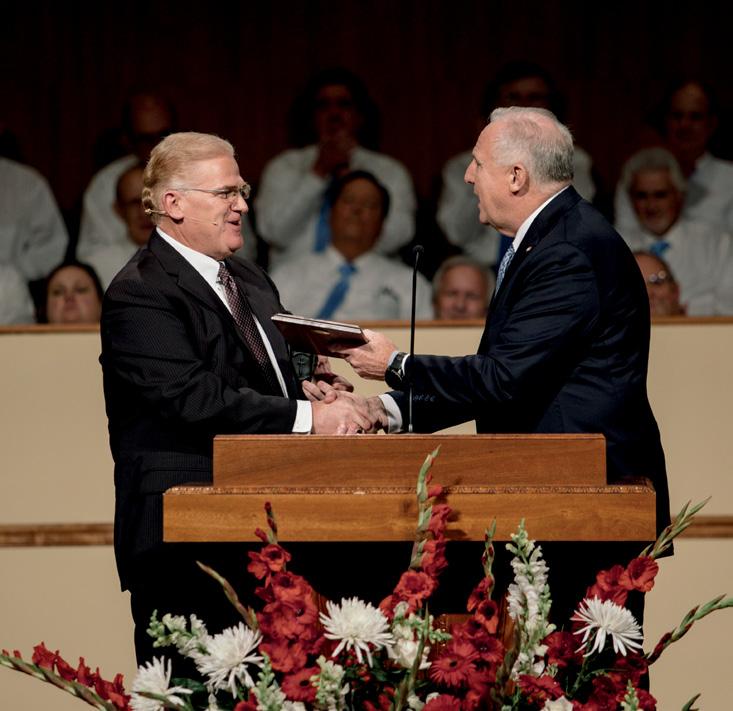
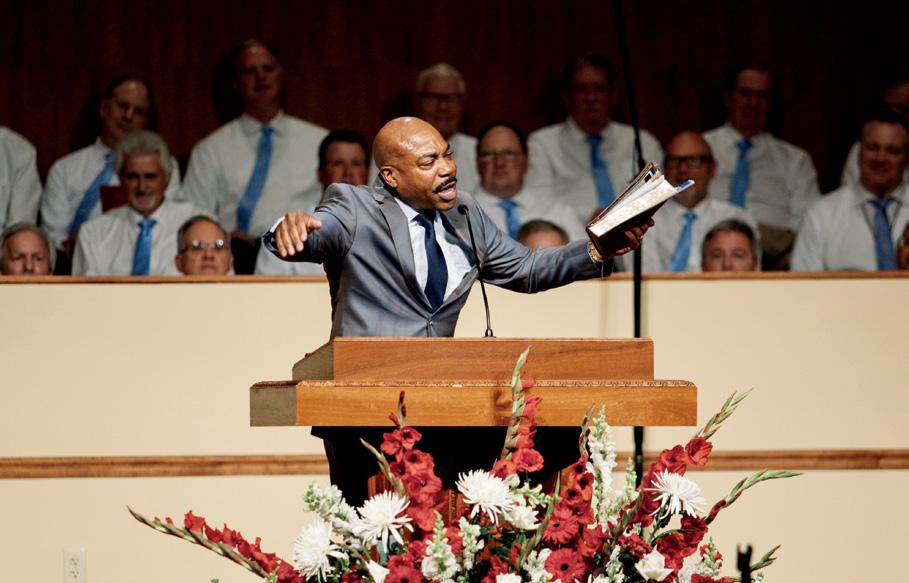
Mid-America recently celebrated our annual Founders’ Days, kicking off the 2025–2026 school year. We welcomed special guest preachers Dr. Bartholomew Orr (above), Senior Pastor of Brown Missionary Baptist Church, Southaven, Mississippi, and Dr. Jerry Harmon, who was recognized at our 2025 Alumnus of the Year (see story at left). Worship was led by Dr. James Whitmire and the Crossroads Baptist Church Choir, as well as Chad Stewart, Ellendale Baptist Church, Bartlett, Tennessee. Mid-America’s own Dr. Michael Spradlin and Dr. David Allen also brought inspiring messages. You can view all three special sessions at mabts.edu/foundersdays.
TUESDAY APRIL 14, 2026
8:00 A.M.– 2:00 P.M.
Scan and explore more online
z MIDAMERICACOLLEGE.COM/PREVIEWDAY
INTRODUCING MID-AMERICA’S NEW ATHLETIC PROGRAM AND COORDINATOR
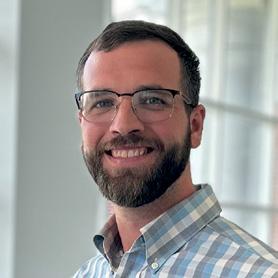
Mid-America is adding an Athletic Coordinator to our all-star staff lineup! Meet Tim Tipton. He’s helping MidAmerica kick off a whole new dimension to Student Life, including competitive sports. We’ll begin with intramural sports and possibly community recreation leagues, with the eventual goal of competing against other schools. You got to walk before you run—or shoot or kick or swing or whatever sport you like. So welcome Coach Tim to Mid-America! And let’s play ball!
5640 Airline Road, Arlington, TN 38002
901-751-8453 • info@mabts.edu • mabts.edu
When you give to Mid-America, what are you investing in?
The Gospel.
The Bible, missions, evangelism. The next generation of biblical leaders. All of the above.
When you give to Mid-America, you’re investing in lives impacted for eternity. Last academic year, our students alone—not even counting our alumni—witnessed 667 professions of faith. That’s as many people coming to faith as 125 average Southern Baptist churches baptize in a year. We think you won’t find a better investment in Kingdom work than Mid-America.
Want to have a part in that harvest? Invest in the ongoing mission of Mid-America by scanning the “Give Now” QR code at right. To explore more ways to support Mid-America, scan the “Learn More” code or email development@mabts.edu and ask for a time to meet and discuss options. Your investment will help Mid-America continue its mission to equip the next generation for Gospel ministry. To all the world for Jesus’ sake!
“For where your treasure is, there your heart will be also.”