





SUMMARY
-Projects realized within the AUXAU o ce page 6 3 renovation projects of typical brussels housing, from light to heavy transformations
-Master 2 - Architecture construite (Gil Honoré - Vincent Pierret) page 18
Design of a new faculty of architecture, with renovation and extension of the building of Flagey following the hypothesis of the annexation of the neighboring building of Bpost
-Master 2 - Architecture construite (Gil Honoré - Vincent Pierret) page 22
Design of an experimental housing unit of 30 m2 using sustainable techniques of adobe (rammed earth) techniques in Škocjan, in the south-east of Slovenia
-Master 1 - Architecture and urban space (Michele Bonino) page 26
Elaboration of an urban development strategy for the city of Lanzhou New Area, an airport-city located in the desert of Gansu province and future logistic and commercial and commercial center
-BA3 - Logement innovant (Pierre Blondel - Jean-Marc Simon - Irène Lund) page 30
Reconversion of the Hermann-Debroux viaduct around a mixed program of housing and within the framework of a master development plan
-BA3 - Mutations (Maud de Rijck - Sylvie Burgeon) page 34
Design of a parliamentary system and its architecture in 30 years
AUXAU OFFICE
Residential Rue Le Corrège, Brussels, Belgium
Surface : 290m2
LE CORREGE PROJECT
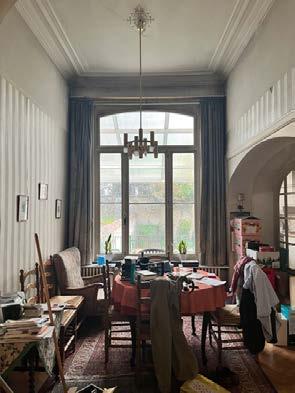
The client of this project inherited his childhood home following the death of his parents and now wished to carry out a major transformation in order to move in. He communicated a number of wishes to us regarding the new configuration of the house.
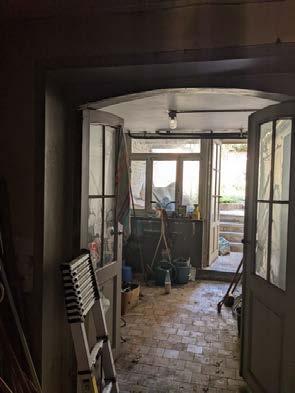
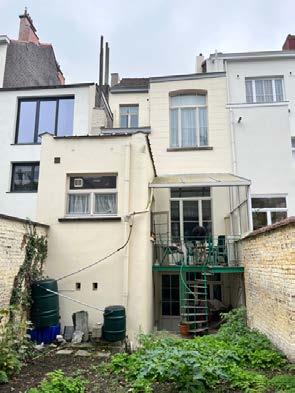
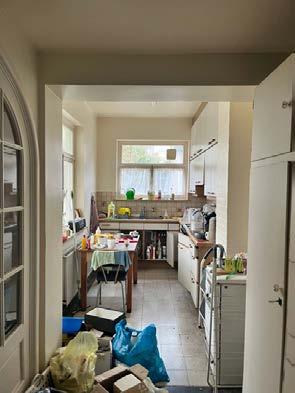
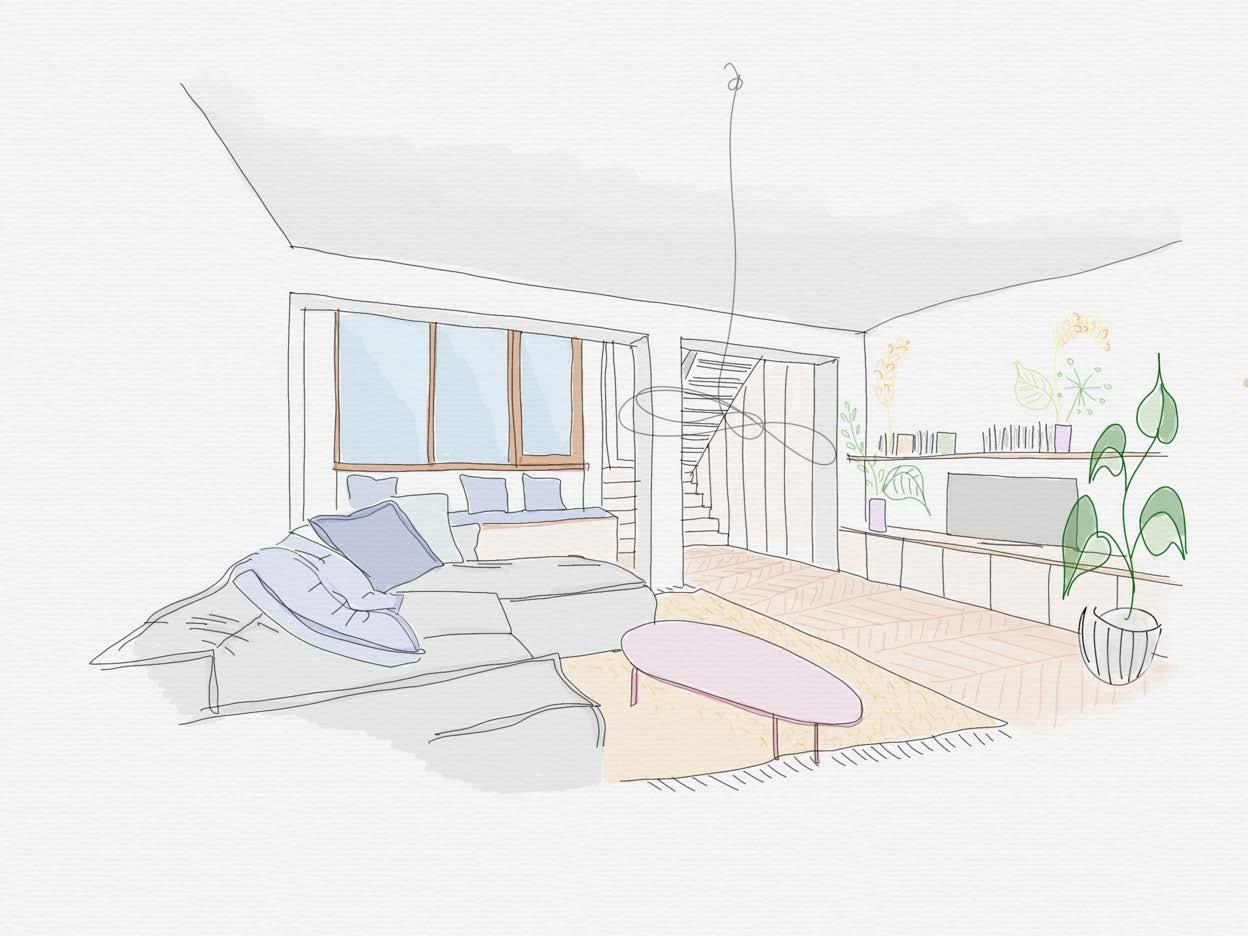
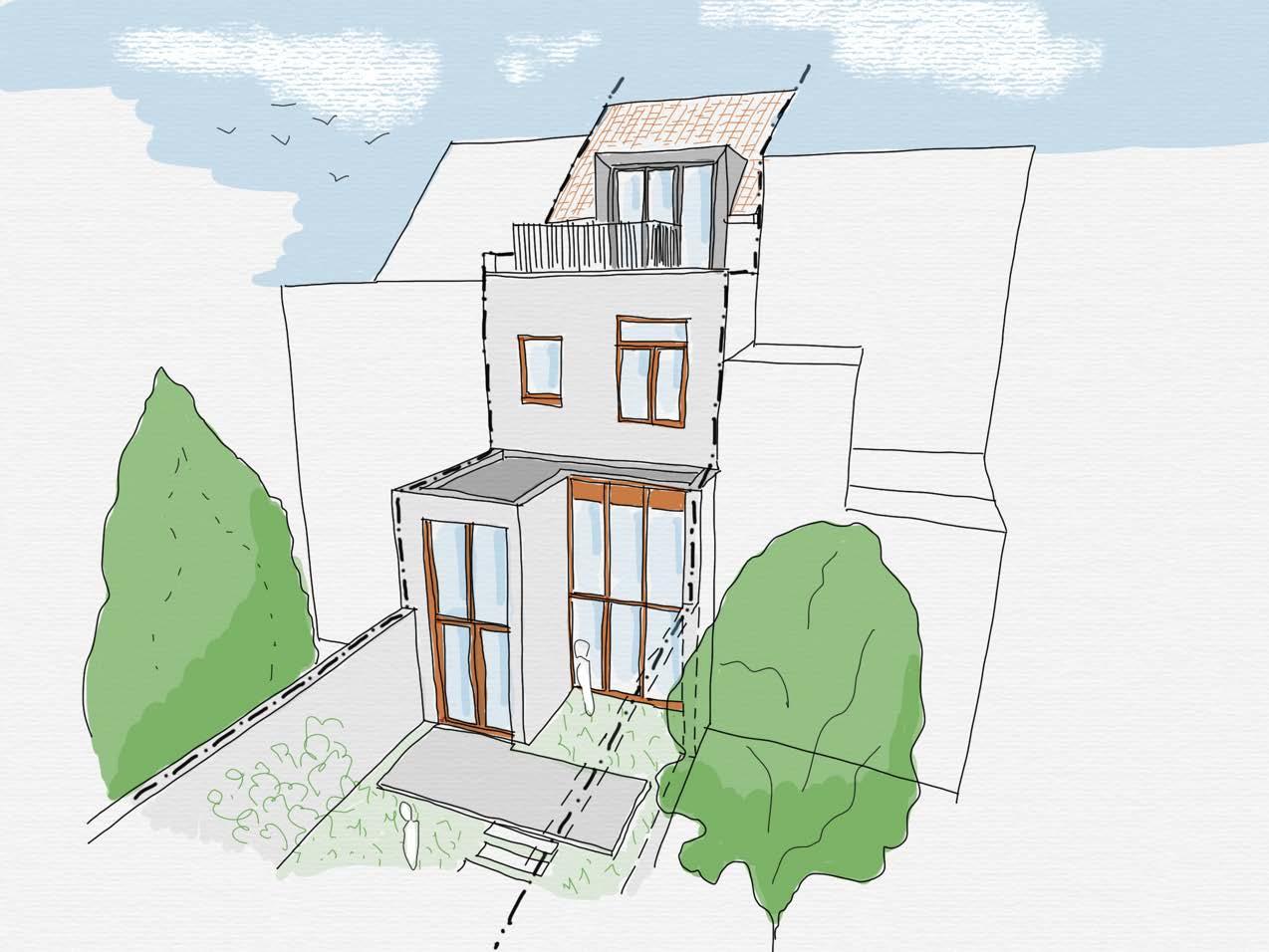
The areas of attention that we retained, are in priority to reallocate the function of cellar in the basement so that it participates in the living spaces and communicates with the garden, to separate the spaces of reception and the spaces of the everyday life, to study an evolutionary installation for the old age and finally to study the installation of an independent and rentable studio on the last floor of the house.
I was fully solicited for this project since I followed it from the survey, to the encoding of the plans, to the realization of the sketch until the preliminary project in conciliation with the owner
CROQUIS 30/11/2022
CROQUIS FACADE ARRIERE
CROQUIS SOUS-SOL
CORREGE 78
LE
Residential Avenue Jean Vanhaelen, Auderghem, Belgium
Surface : 235m2
VANHAELEN PROJECT
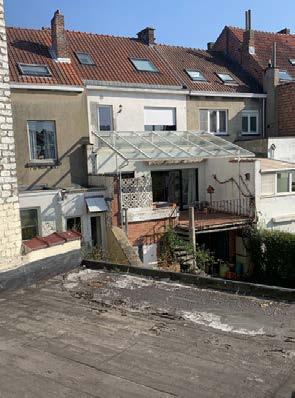
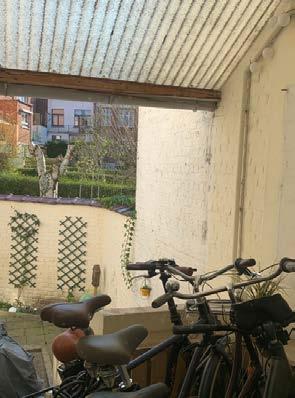
The clients of this project contacted us for a light transformation only. The purpose of their request is to create a large deck over their back annex building.
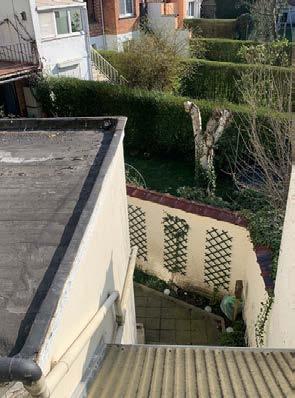
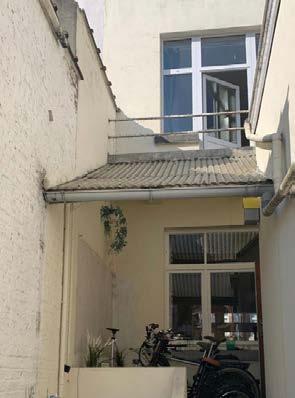
Their original courtyard being narrow and dark, they are looking for a new outdoor space, this space must be green and must benefit from a better sunlight. They also want to take advantage of this transformation to reconnect their kitchen to the rest of the house and to open up to the outside.
Not having had the opportunity to visit the site, I had to encode the plans on the basis of the photographic report as well as on the basis of the archive plans. Then we made the sketch in consultation with a collaborator. Following the agreement of the client, I have assisted a student in the realization of the permit.
VAN ARTEVELDE PROJECT
This project is rather atypical. I did the sketch and permit for this project during my academic internship. It turns out that the client is actually one of the partners of the office. So it was a good exercise because he was able to advise me for the program but also for the design.
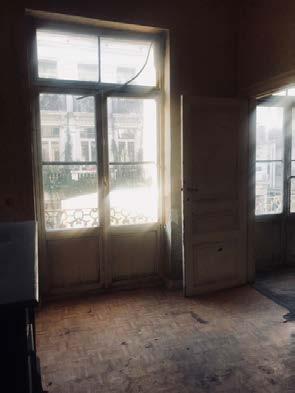
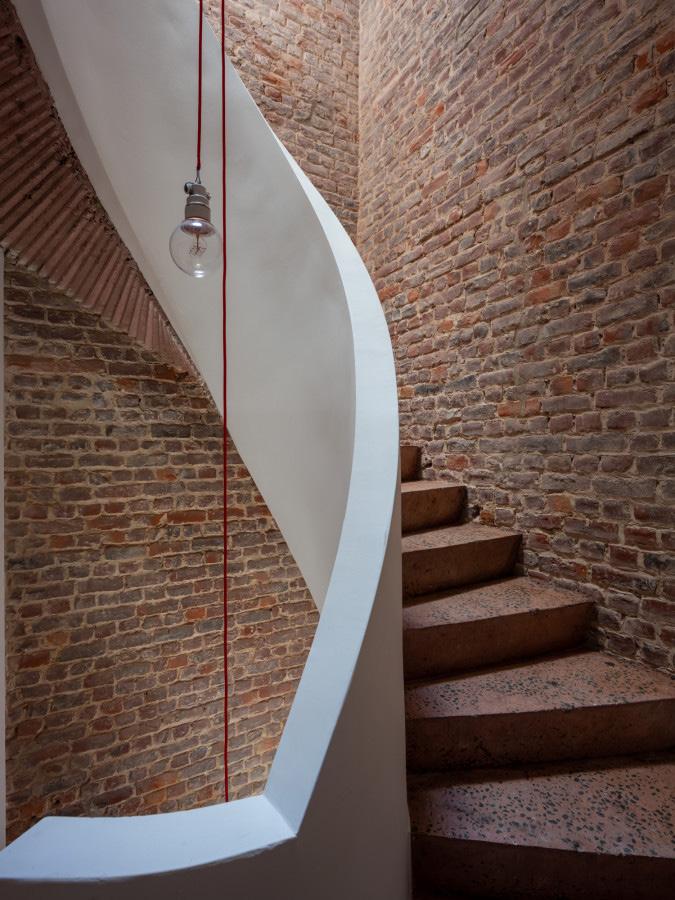
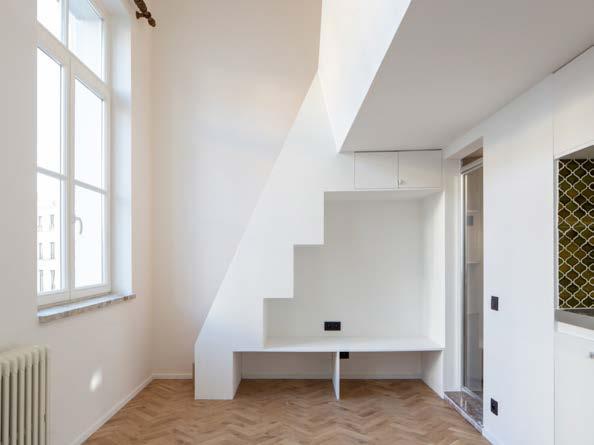
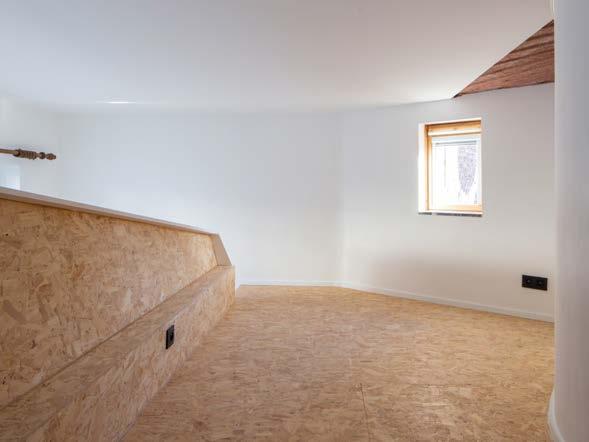
The idea was to rehabilitate this apartment building with three studios on the upper floors and a shop on the first floor. The building was subject to 2 insalubrity notices and the stairwell collapsed during the project.
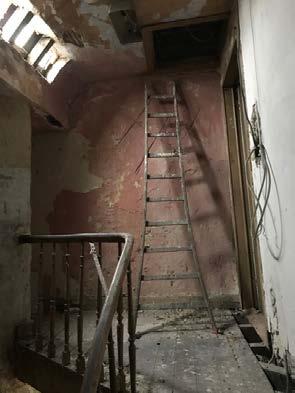
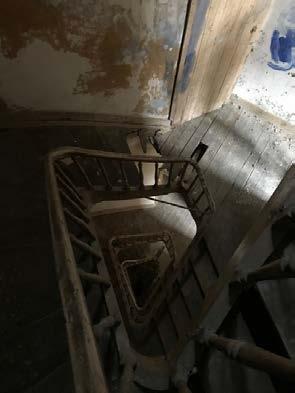
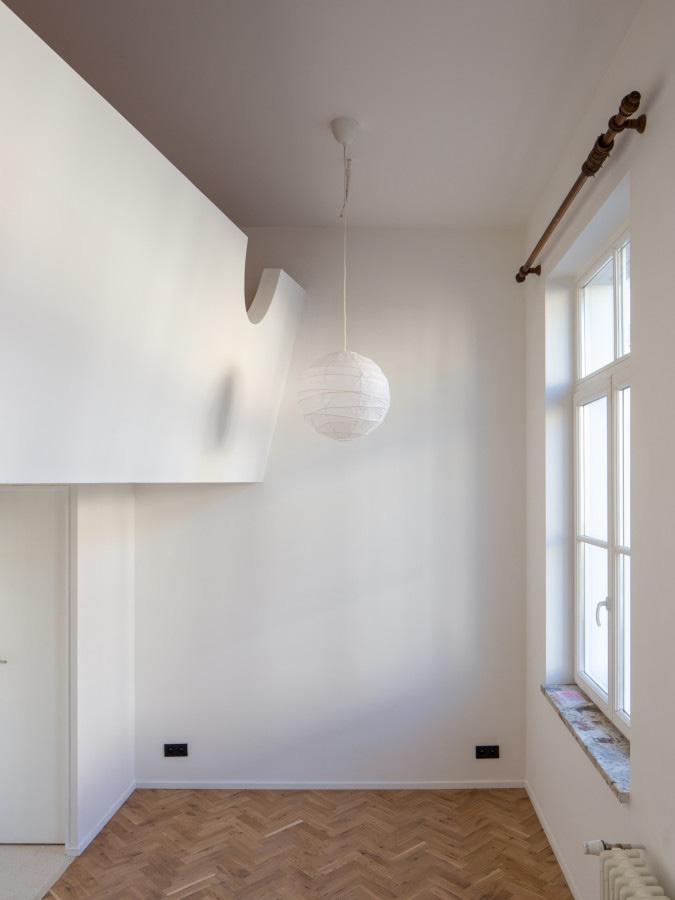
The real challenge behind this project was to find the square meters in the smallest corners and to organize the servants spaces to free up the served spaces, inside the studios. Thus 29 square meters were found per studio thanks to the arrangements, instead of the initial 18 square meters.
 Residential Rue Van Artevelde, Bruxelles, Belgium
Surface : 160m2
Residential Rue Van Artevelde, Bruxelles, Belgium
Surface : 160m2

FACULTY OF REUNITED ARCHITECTES
Renovation and extension de Flagey + Reconversion of Bpost
Education
Ixelles, Belgium
Surface : 18.000 m2
Master 2, Atelier Architecture Construite (Gil Honoré and Vincent Pierret)
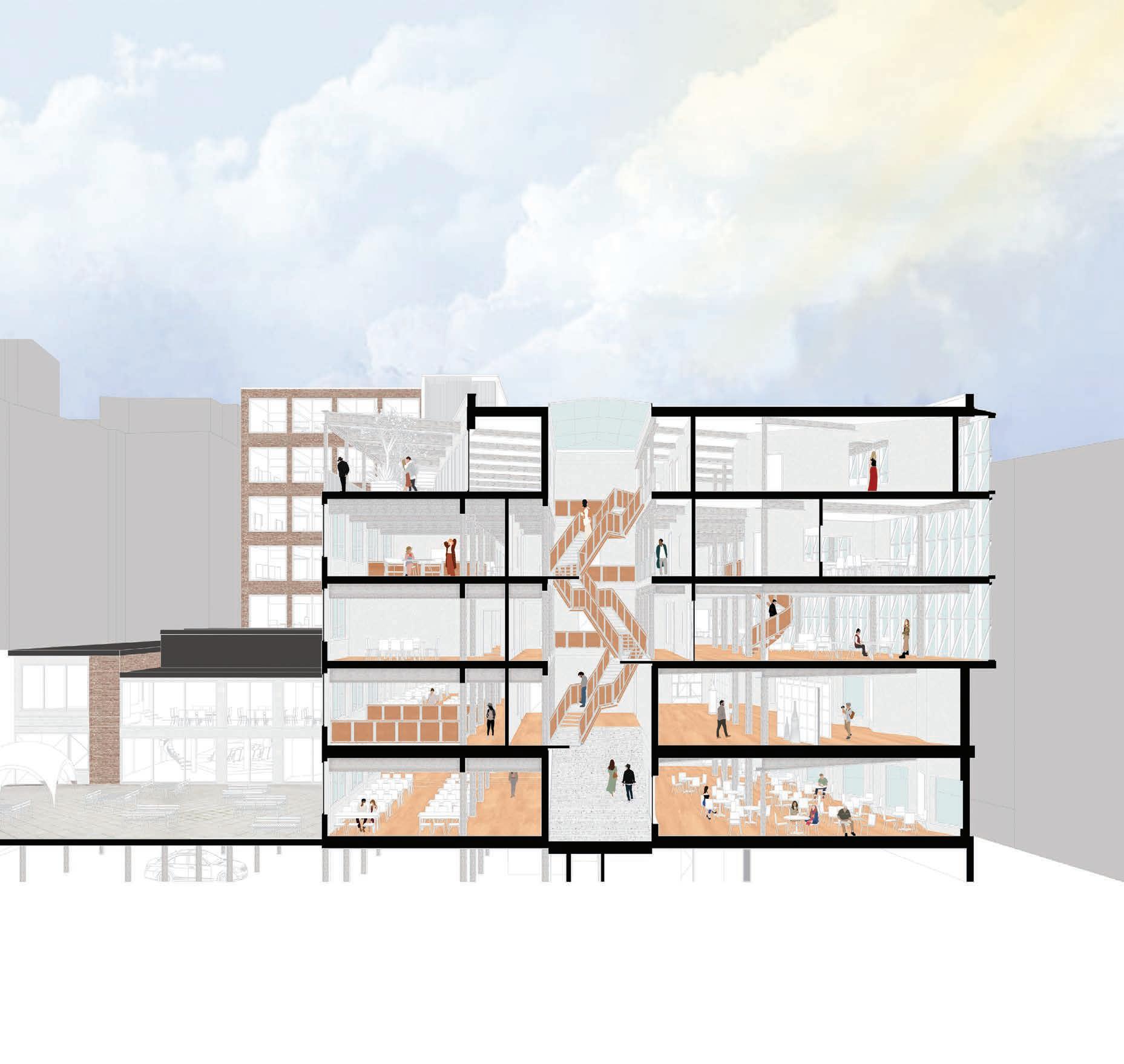
This project concerns the extension and transformation of the Flagey site in order to accommodate the entire faculty of architecture of the Université Libre de Bruxelles. The imagined project starts from the hypothesis of the annexation and renovation of the neighbouring building of the postal services. The project was studied at 4 di erent scales and required the study of technical details such as fire, evacuation, structure, etc...
Centralizing all of its infrastructures on a same site o ers major opportunities to the faculty of architecture. In particular, the opportunity to find an identity, to belong to a community and to acquire personal premises.
We wanted to materialize this unification through three gestures: the first was to create a student street, linking the two interior spaces in a fluid manner. Secondly, a common square, joining the two entrances by the same floor and allowing to recreate the universe of a university campus. Finally, a work of facade was carried out to associate in a visual way the two buildings of di erent origins.
The typology of the former postal sorting o ce, all in length, lends itself better to the reception of administrative functions while the faculty building, with its extension, o ers more possibilities for workshops and classes. Bringing the undergraduate and graduate programs together on the same site allows us to rethink studio learning, which until now has lacked exchange and interaction between the di erent generations of students. We wanted to encourage friction between students by multiplying the interfaces and alternating open and closed workshop spaces. Then we made the circulation a place of exchange and sharing in order to give more visibility to the students’ work.
18
19
20 0 0 1 2 3 4 3 2 1 -1 Accueil Auditoire Bibliotheque Bibliotheque Archives et recherche Enseignants Recherche Administration Recherche Cafétéria Auditoire Musée Espaces flexibles Ateliers Skunk Room Ateliers Salle de classe Ateliers Salle de classe FabLab Magasin et imprimeur Espace flexible Entrée musée Skunk Room Salle informatique Enseignants Accueil Auditoire =13010 m2 =5250 m2 démolition et extension Répartition des fonctions
21
SCULPTURE IN THE WOODS
Design of a living unit for 2 persons
Residence
Skocjan, Slovenia
Surface : 30 m2
Competition «Rammed Earth House» in the framework of, Master 2, Atelier Architecture Construite (Gil Honoré and Vincent Pierret)
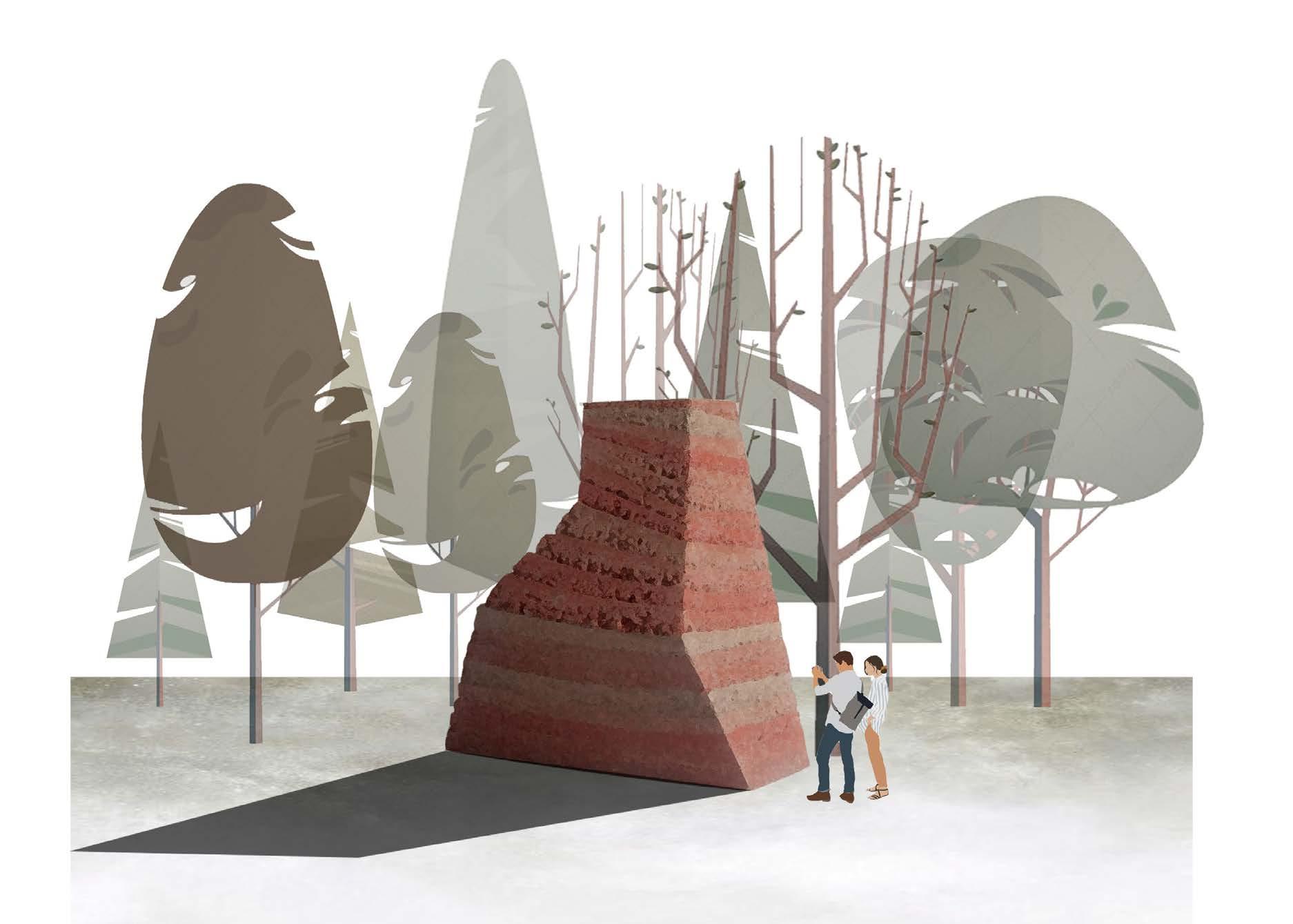
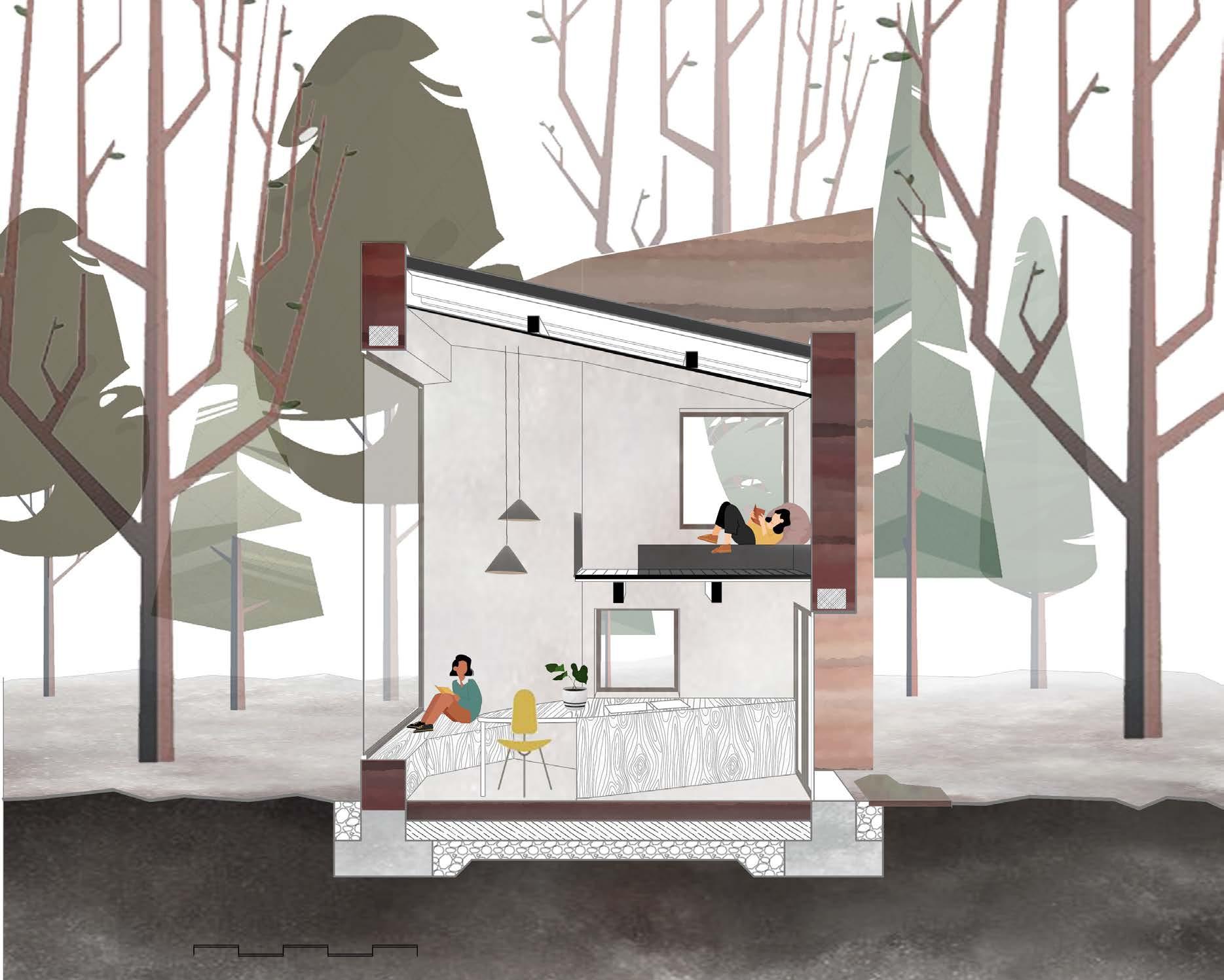
The aesthetics of rammed earth was the starting point of our project. Its sculptural aspect became the guideline of our architectural concept. Raw earth itself has plastic qualities due to the di erent colored layers obtained by the construction technique. This is the reason why our concept becomes the staging of the material. The idea is to obtain an inhabited sculptural object implanted in the woods.
We identified 3 clearings in the woods, to become our 3 buildable spaces. Our choice was to give an autonomous status to our sculpture, which we obtained by choosing the site of implantation farthest from the existing farm building complex.
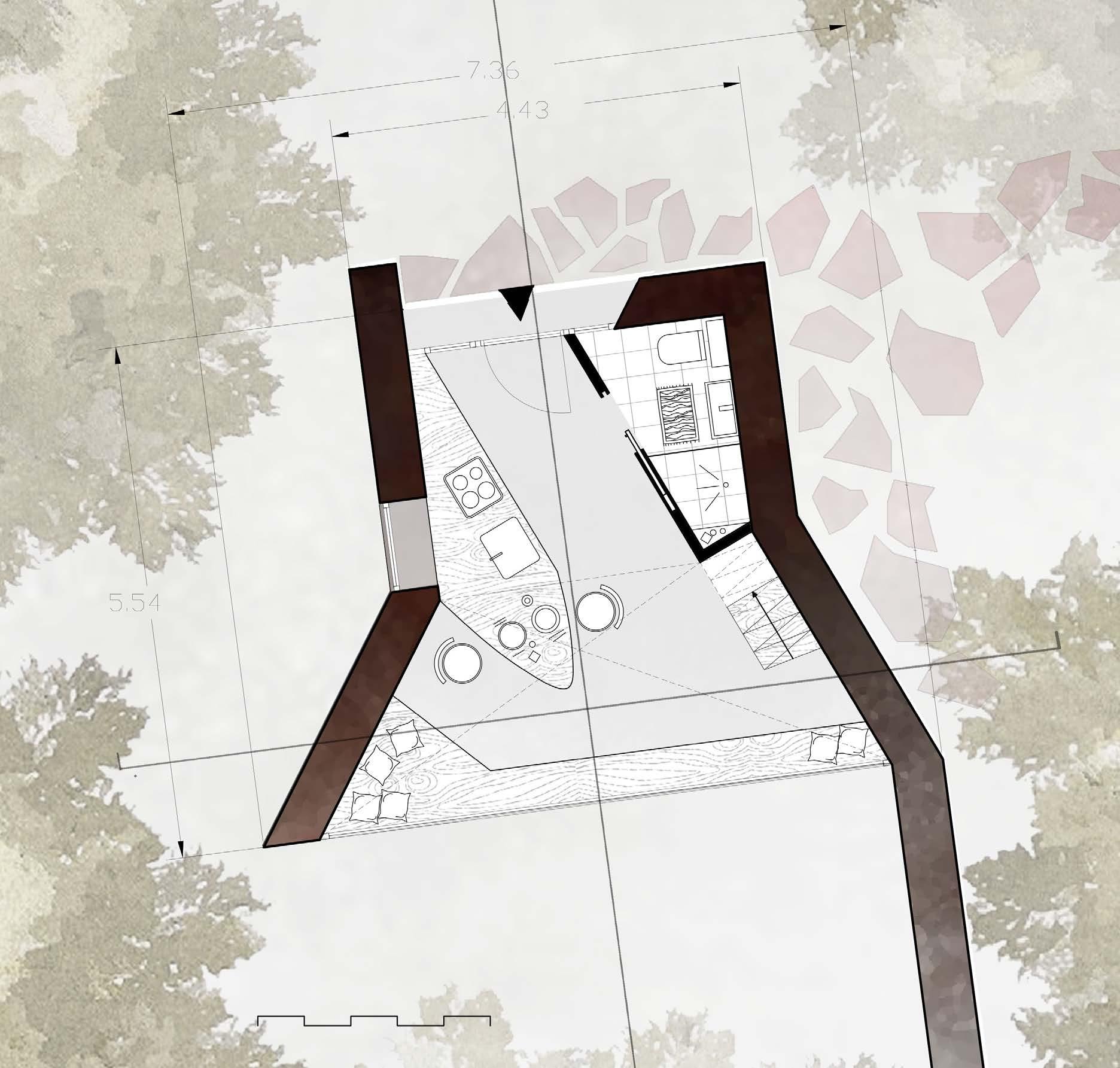
On the side of the building complex, we created a blind wall. The role of this wall is to expose the material as well as to give privacy to the inhabitants. On the other side of this «mysterious» wall, a view through the building o ers a total immersion in nature.
To achieve our interior’s spatial composition and qualities, we began by opening the corner to gain views and openings to nature. We placed the closed functions on the side of the blind wall and opened up all the main living functions in the open space. The idea of continuing the blind wall gives the opportunity to the inhabitants to admire the sculptural materiality also from the inside. On the other side, this wall completes its privacy role for the inhabitants.
22
23
24
25
THE GLOBAL VILLAGE
Urban planning
Lanzhou, China
Surface : 150.000 m2
Master 1 - Architecture and Urban Space (Michele Bonino)
Project selected for the exhibition «China goes Urban» at the MAO of Turin
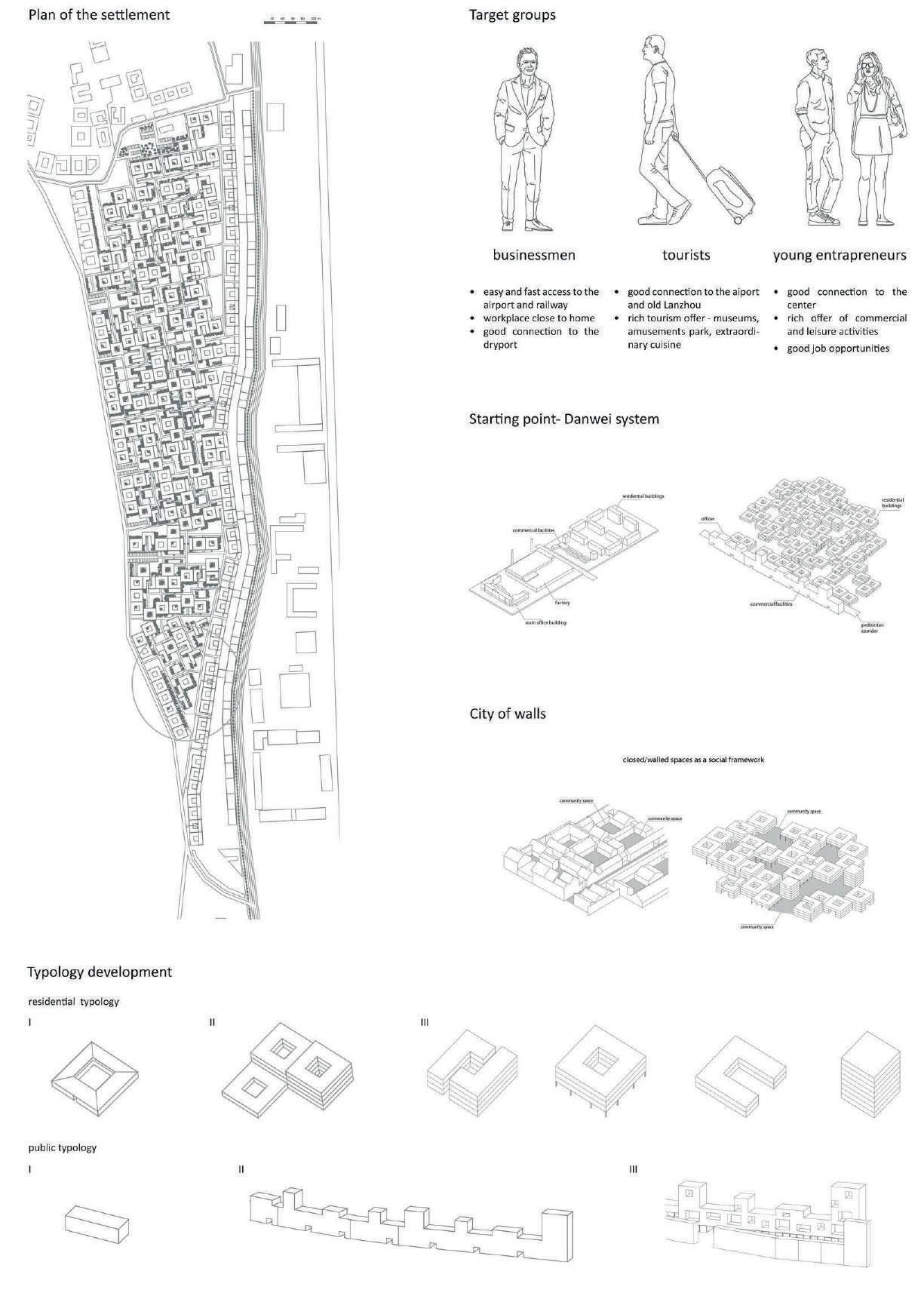
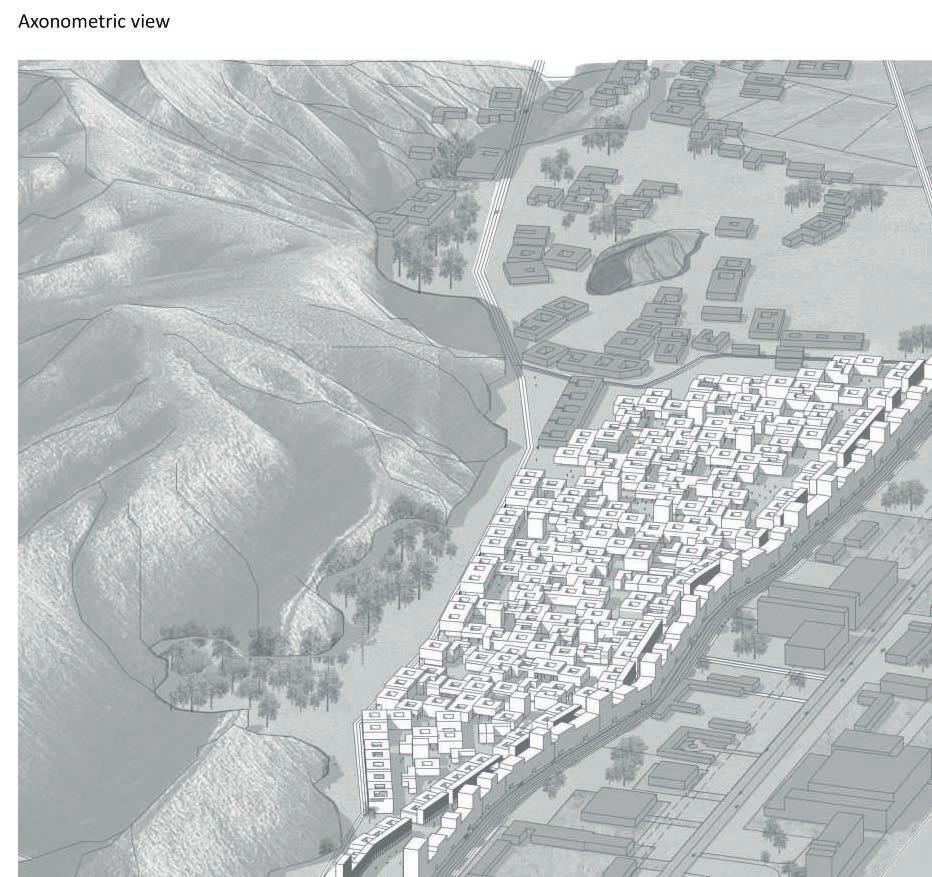
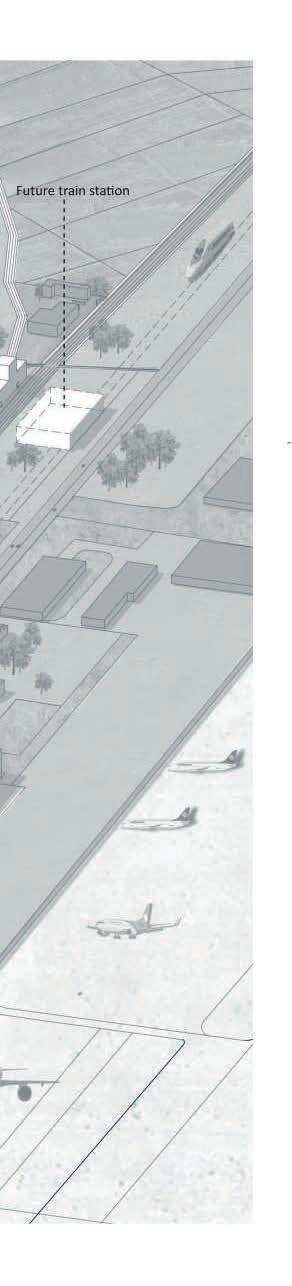
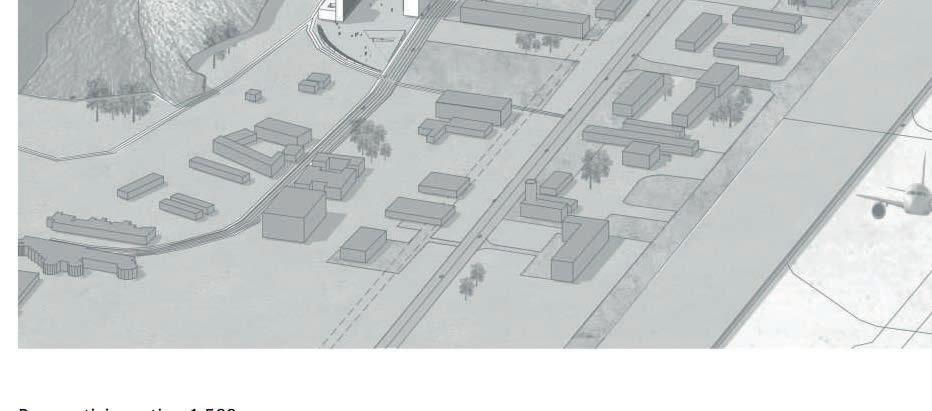
Lanzhou New Area is an example of one of the many cities created in recent years in the less populated regions of China. According to government policy, the primary objective of these new cities is to attract people from rural areas of the country. The ultimate goal of each of these cities is to reach a population of at least 1 million citizens. Lanzhou’s geographical location, international airport and dry port create a strong commercial attraction for companies from all over the world. In addition, the constantly developing infrastructure such as roads, highways and especially railroads provide an excellent opportunity to create potential urban settlements throughout the Lanzhou New Area.
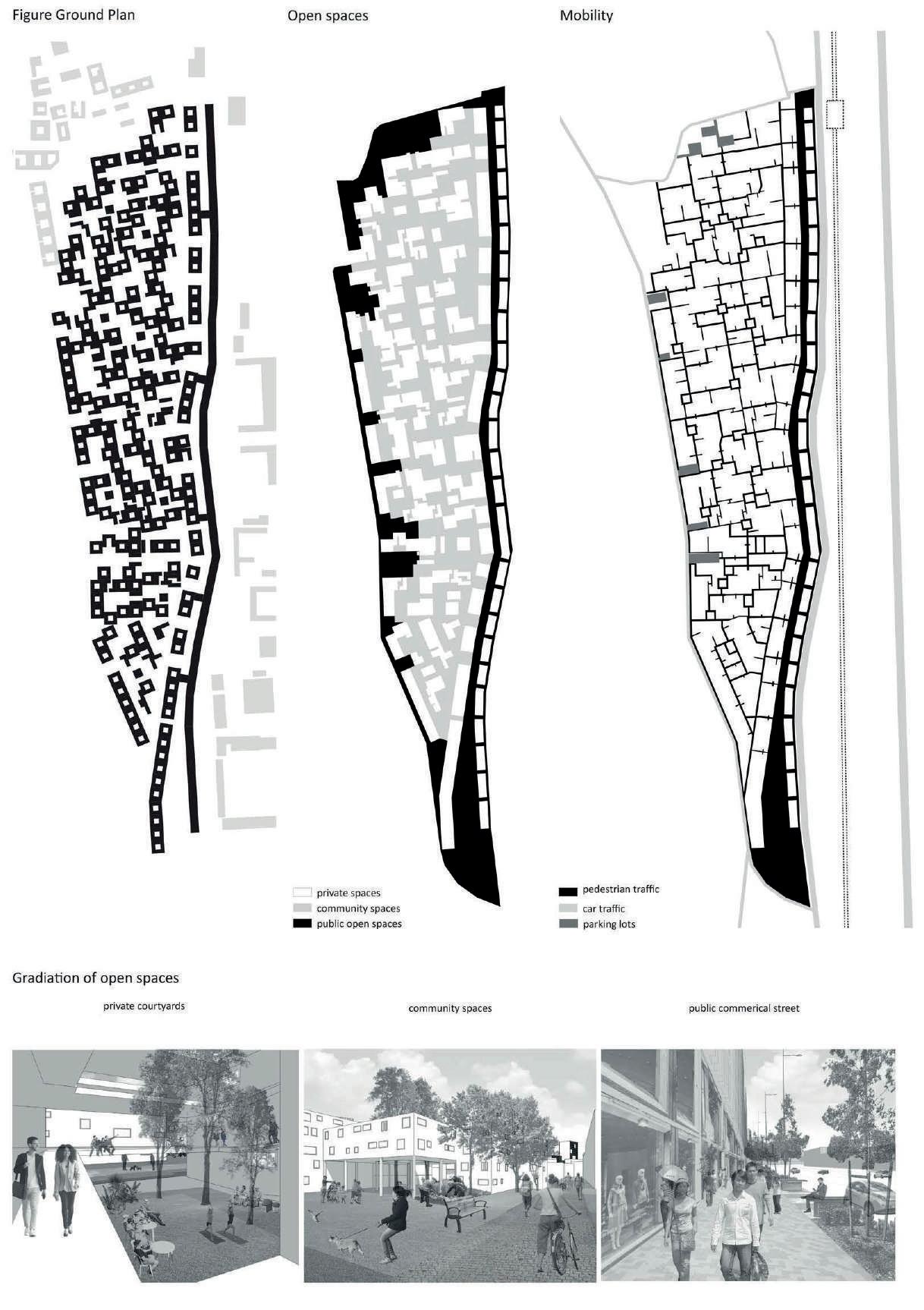
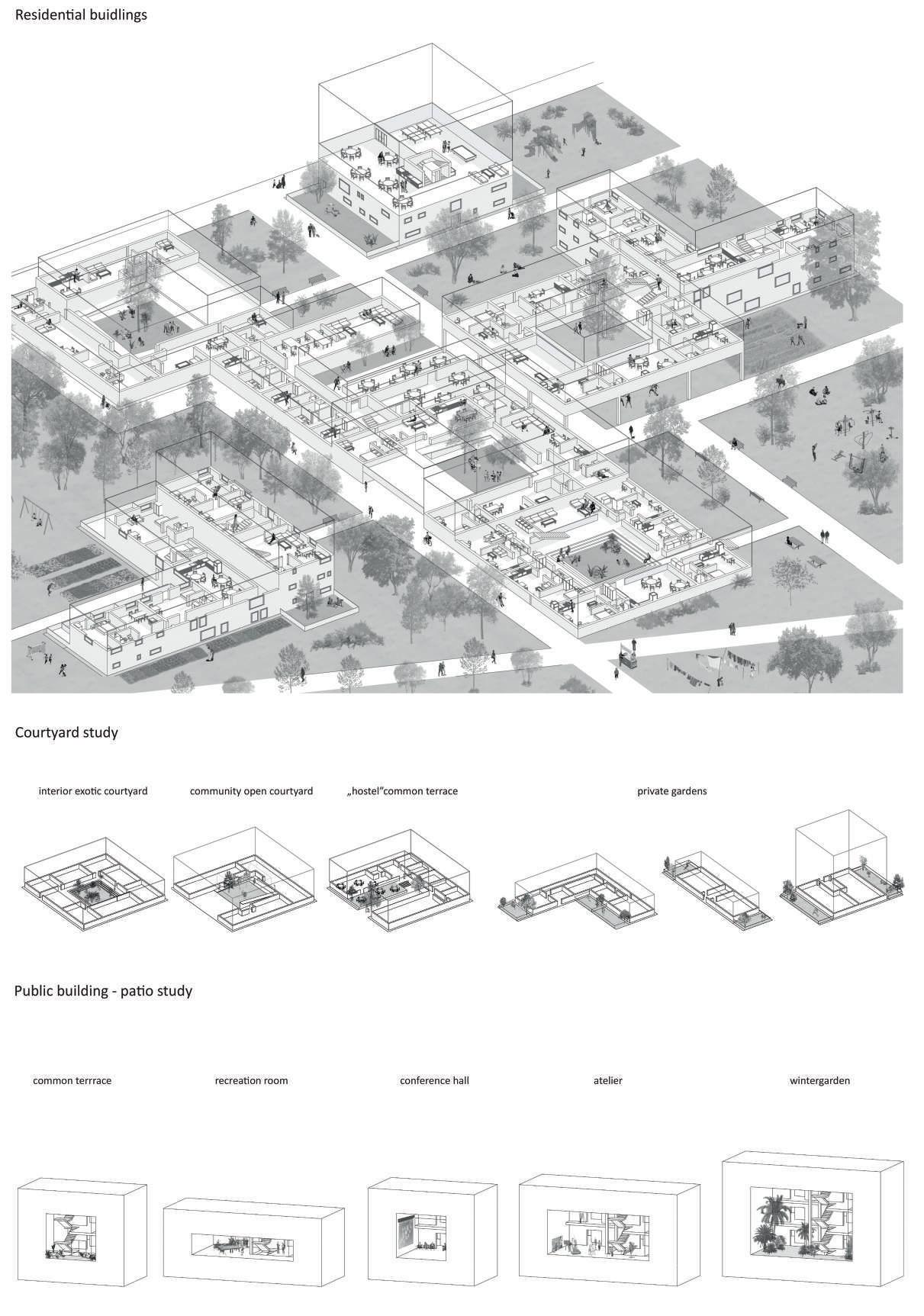
Therefore, the strategy of the project is to design both workplaces and housing. The model of the settlement is inspired by the traditional Chinese Danwei unit that combines work and living functions. After considering the rural roots of the potential residents as well as the neighbors, we designed an estate based on the traditional courtyard houses, but in a denser urban environment. In addition, a wide range of di erent types of apartments as well as the provision of commercial facilities make the Global Village a friendly and welcoming place to live for all residents of New Lanzhou.
26
Masterplan of Lanzhou New Area along the railroad, design of a residential block flanked by a strip of economic activity
27
28
29
THE (GREEN) PARENTHESIS
Reconversion of the Hermann Debroux
Urban planning
Auderghem, Belgium
Surface : 14.000 m2
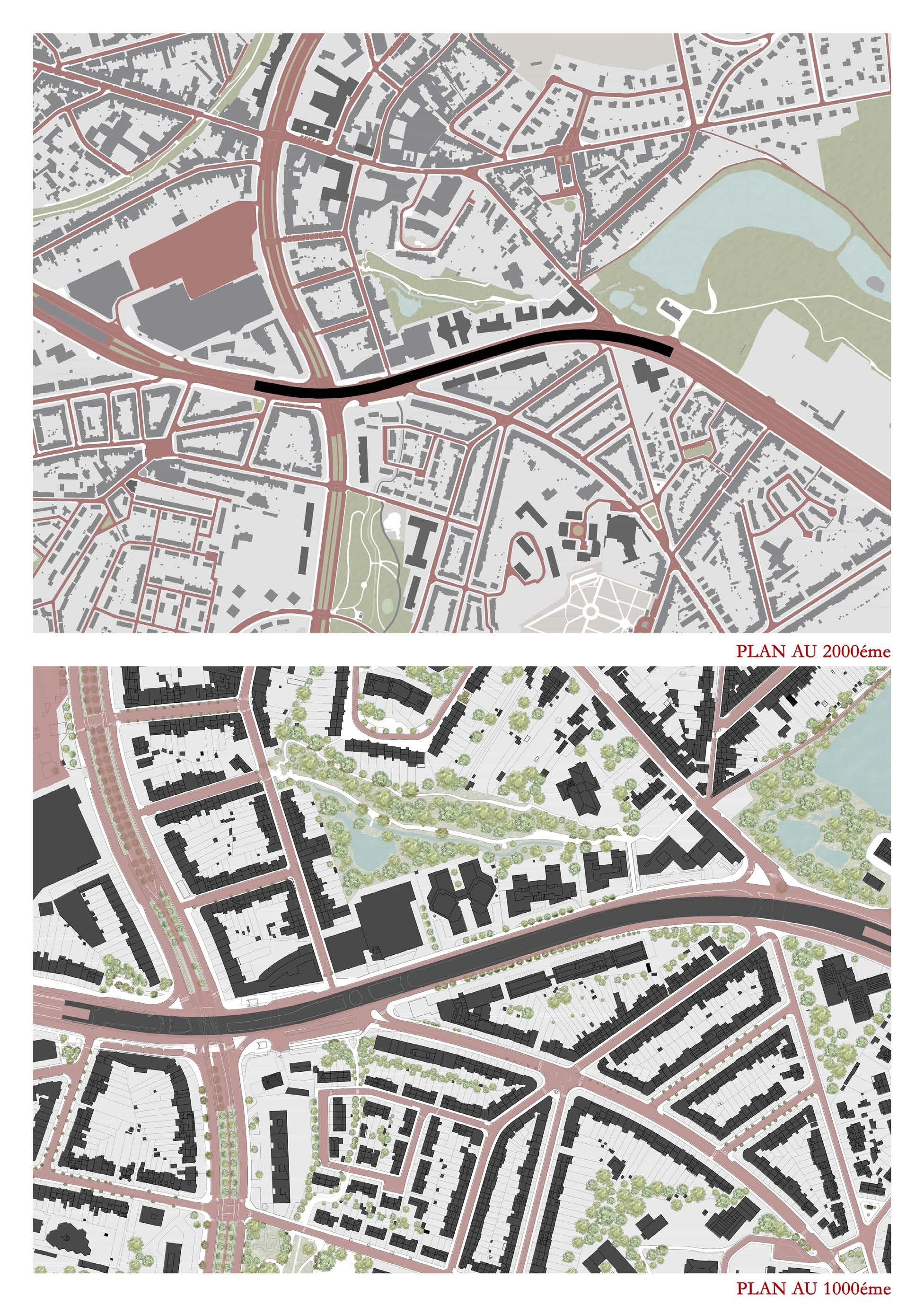
The Master Plan of the viaduct of Hermann Debroux, as well as its numerous studies and analyses, demonstrate once again the urban fracture from which the Municipality of Auderghem su ers. The reason for this is the section of freeway that penetrates into the city.
Amongst the prejudices caused, we can note the rejection of the pedestrian at the expense of the motorist, the development of an inhospitable urbanization as well as the infrastructure around the viaduct, the impossibility to create relationships within the district or to find a unity.
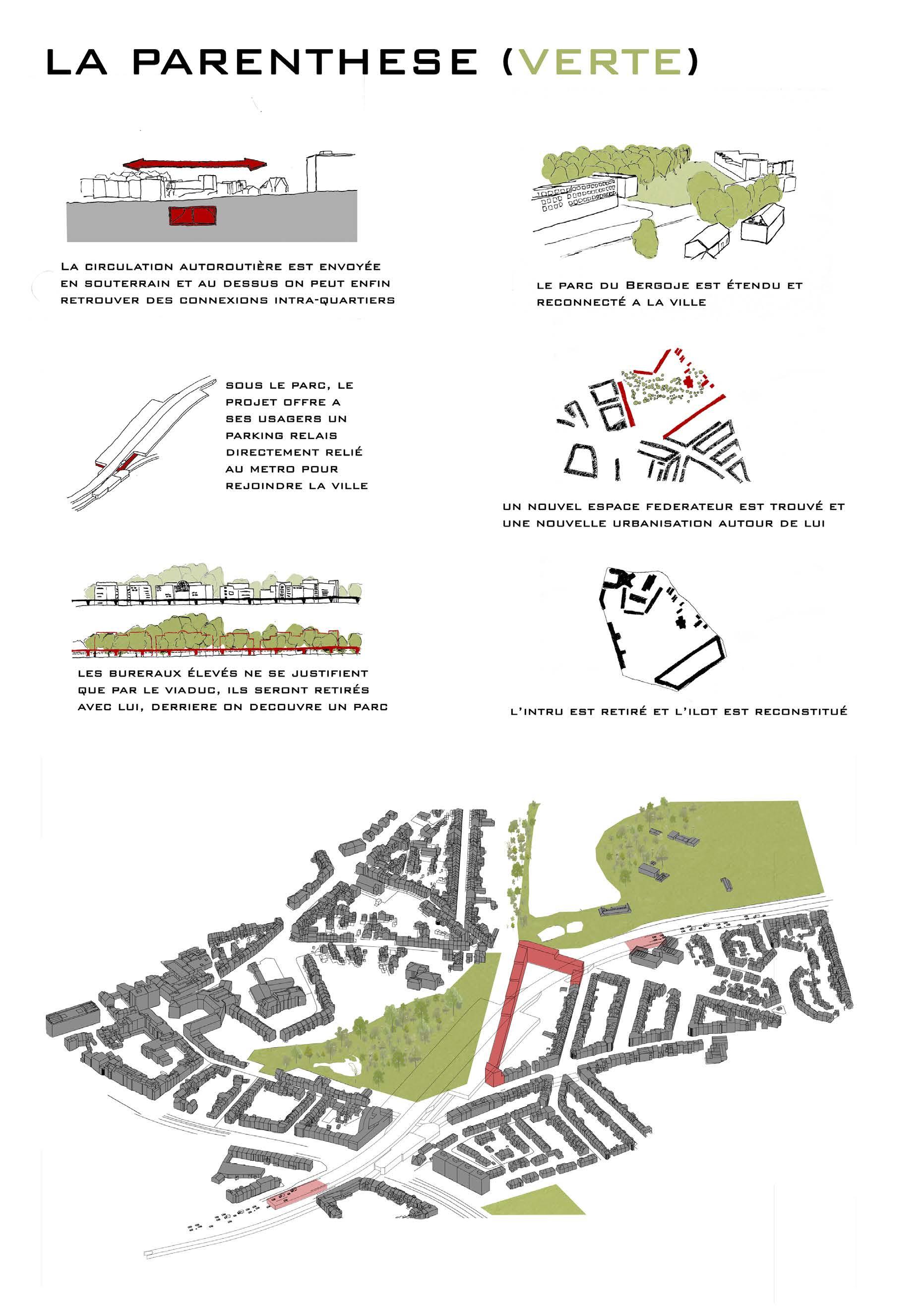
In view of these observations, my proposal was to send the tra c underground to allow the neighborhood to reconstitute itself above the viaduct. This tunnel would be flanked by a large relay parking lot directly connected to the nearby subway station.
30
viaduct
Bachelier 3, Atelier Logement Innovant (Pierre Blondel and Jean-Marc Simon)
THE MOTORWAY TRAFFIC IS SENT UNDERGROUND AND ABOVE IT WE CAN FINALLY FIND INTRA-DISTRICT CONNECTIONS
THE BERGOJE PARK IS EXPANDED AND RECONNECTED TO THE CITY
UNDER THE PARK, THE PROJECT OFFERS ITS USERS A RELAY PARKING DIRECTLY LINKED TO THE METRO TO REACH THE CENTER
A NEW FEDERATIVE SPACE IS FOUND AND A NEW URBANIZATION AROUND IT
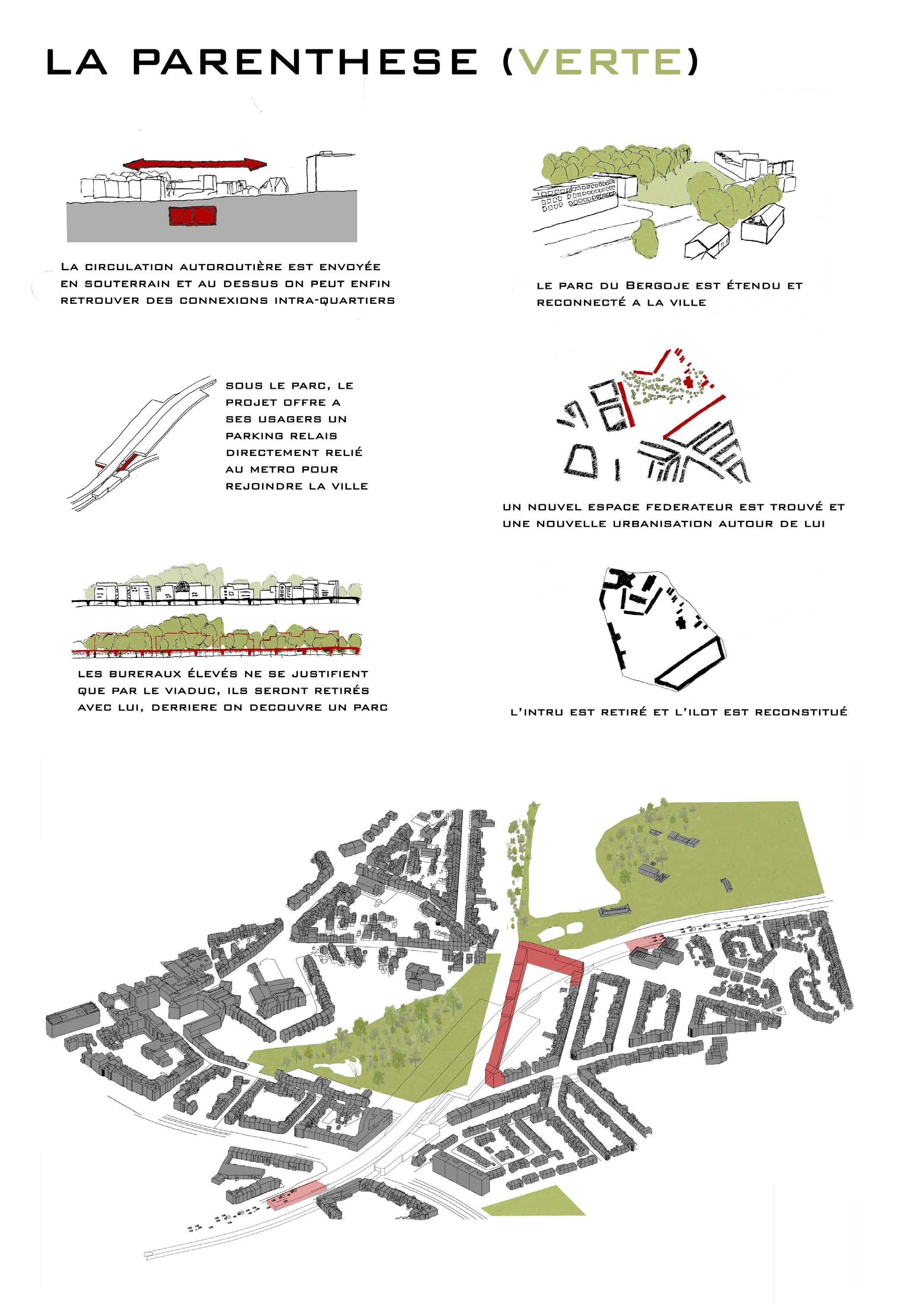
THE HIGH OFFICES ARE ONLY JUSTIFIED BY THE VIADUCT, THEY WILL BE REMOVED WITH IT, BEHIND WE DISCOVER A PARK
THE INTRUDER IS REMOVED AND THE BUILDING BLOCK IS RECONSTITUTED
33
THE CITIZEN’S RETURN
Design of a parliamentary system and its architecture
Administration
Brussels, Belgium
Surface : 7500 m2
Winning project of the competition «Habiter la démocratie» organized by the Brussels Parliament, project selected for the exhibition «30 ans du Parlement» Bachelier 3, Mutations (Maud de Rijck and Sylvie Burgeon)
For the 30th anniversary of the Brussels Capital Region, the Brussels Parliament decided to organize a competition for Brussels architecture schools entitled «Living in Democracy. The Architecture of Parliaments». The aim of the competition was «to present a model of a place intended to host a parliament and which represents the image of tomorrow’s democracy.»
When we were asked to think about what the Brussels parliament would look like in 30 years, it was important to target the flaws of the current political system. It emerged that the voice of the citizens is reduced and that the citizens have little control over the decision-making of their elected representatives. This cleavage leads to a lack of interest of the citizens towards a political system from which they feel excluded. Our reflection has therefore focused on a new political system in which the citizen could, in the same way as the deputies, introduce legislative proposals. Moreover, this system would allow citizens and politicians to pass the baton in certain stages of the legislative process.
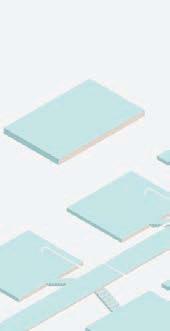
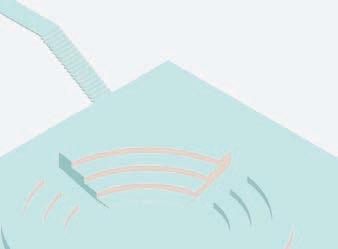
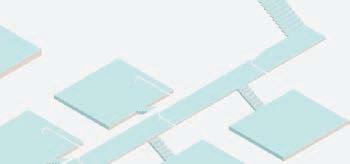
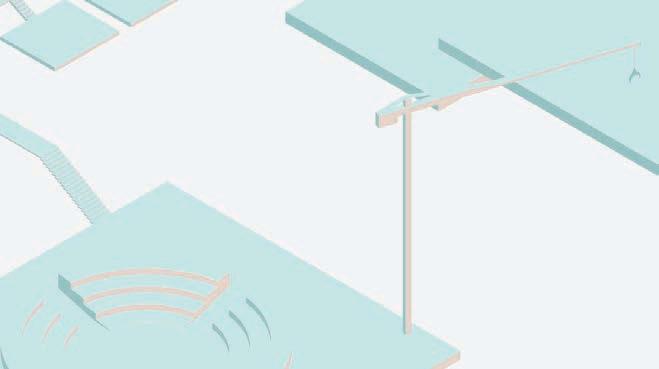
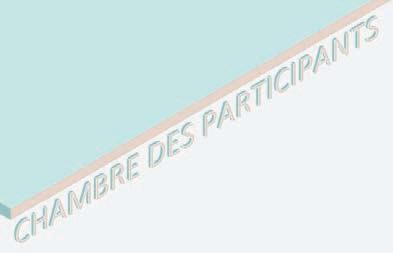
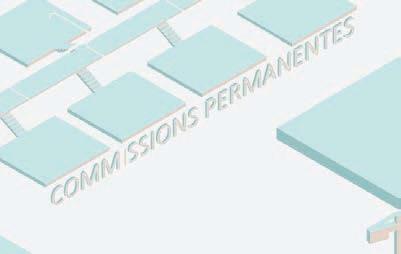
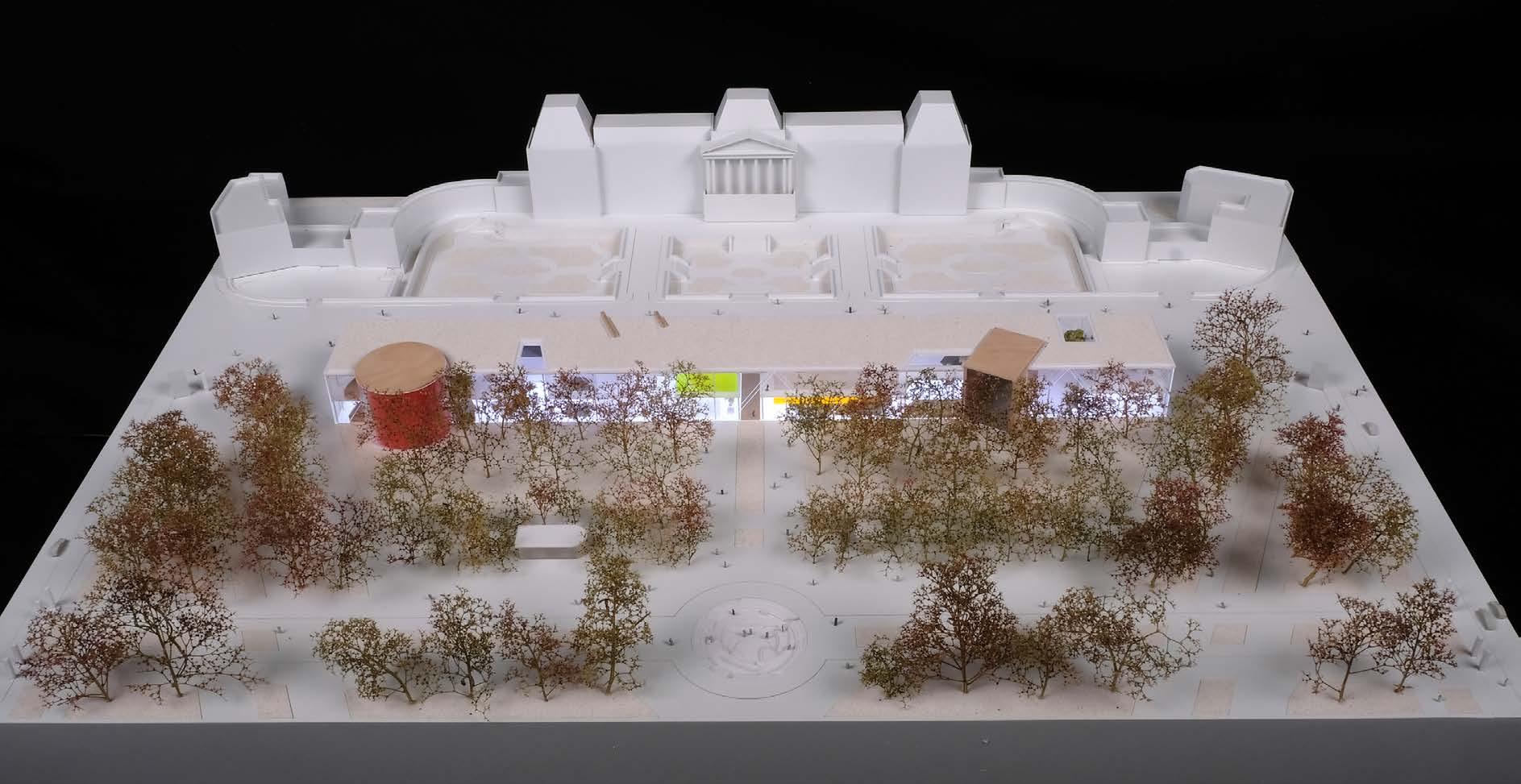
We took as a starting point the structures of the current Brussels political system and we added our new instances. We first imagined a citizen forum, a space for exchange entirely dedicated to citizens who wish to debate. It is a place where we centralize citizens’ requests but also a place of training to provide citizens with the tools for understanding and analysis essential to a beneficial insertion in the political world. Secondly, we have set up the participants’ chamber, whose main purpose is to report the proposals and reflections formulated in the citizen forum, and then to translate them into political language. Finally, some members of the participants’ chamber will be drawn by lot to sit in the plenary assembly and bring more objectivity, through a citizen’s eye, the decisions that are taken there.
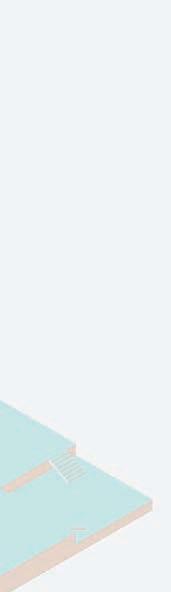
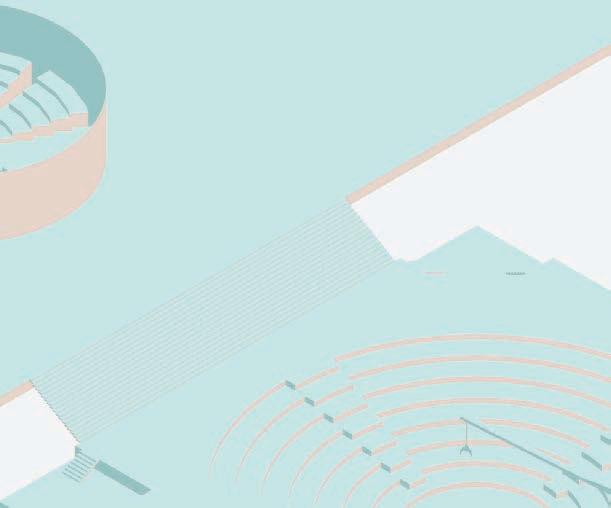
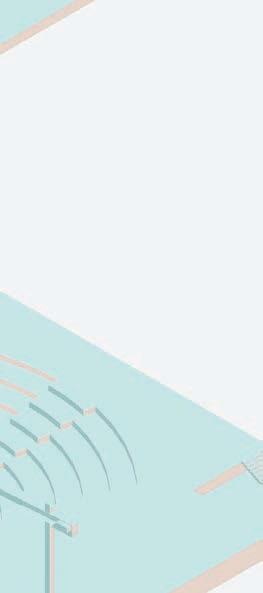
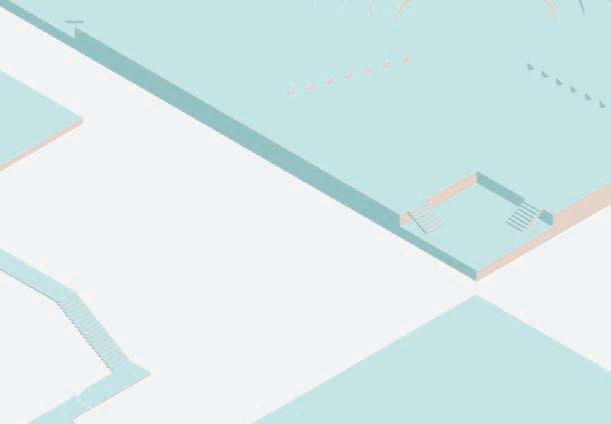
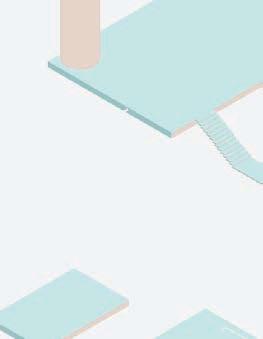
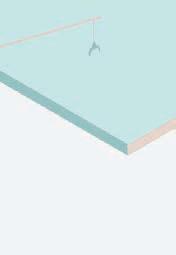
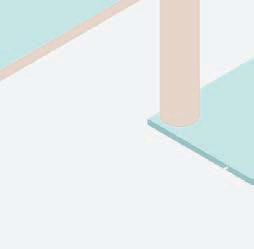
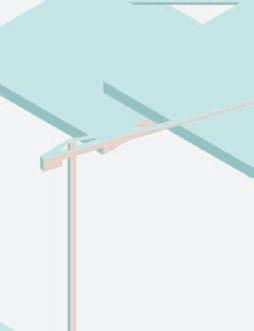
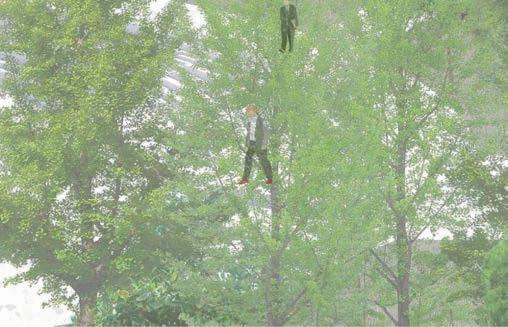
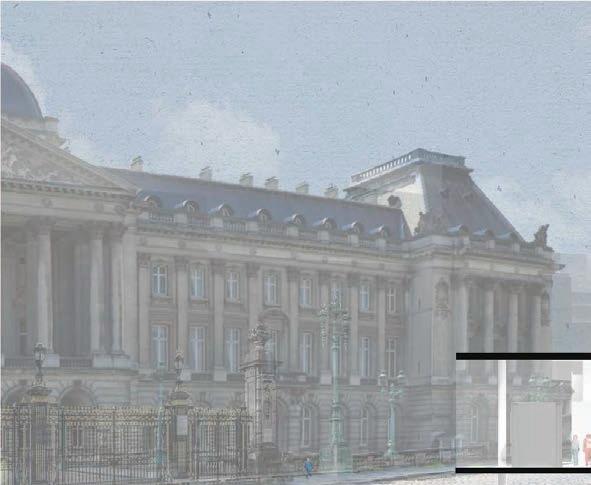
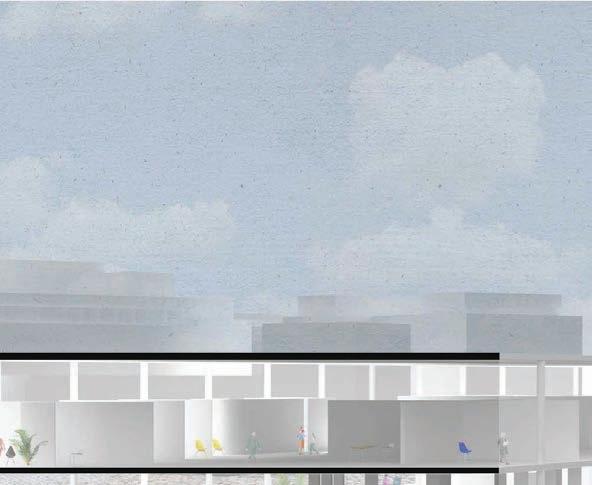
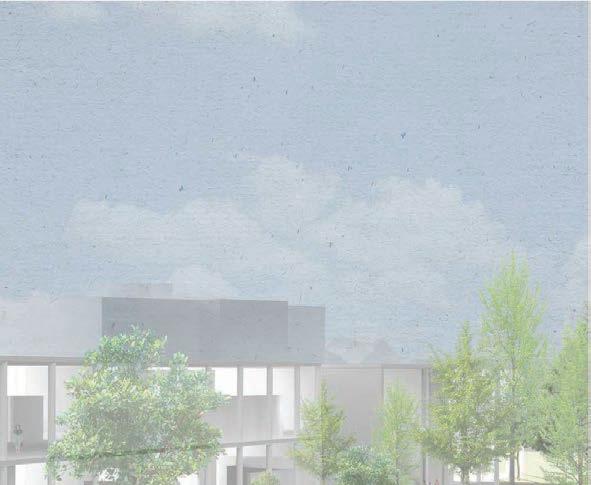
In response to the current demonstrative architecture of parliaments, we have sought an architecture that is the bearer of our new political values. An architecture at human height, accessible to all, open and transparent.
34

































































































35 CONCOURS PARLEMENT 2048
36 V. APPLICATION DU CONCEPT NOVATEUR
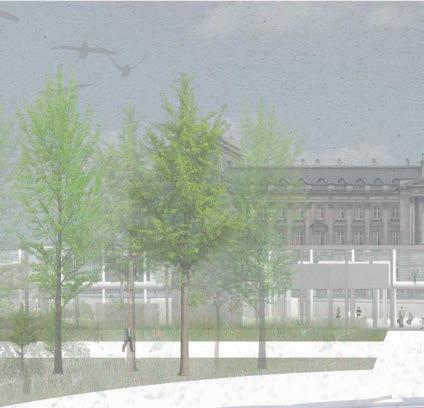
Vue du Forum Citoyen vers le Palais Royal
Plan RDC+1
AA’ AA’ CONCOURS PARLEMENT 2048
Plan RDC
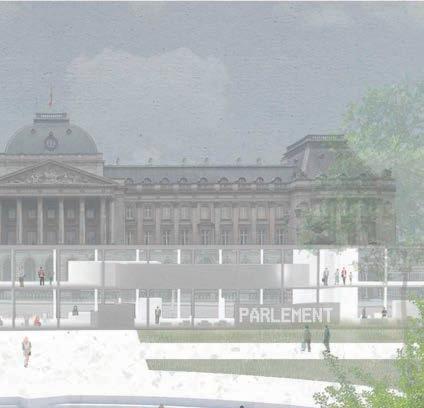
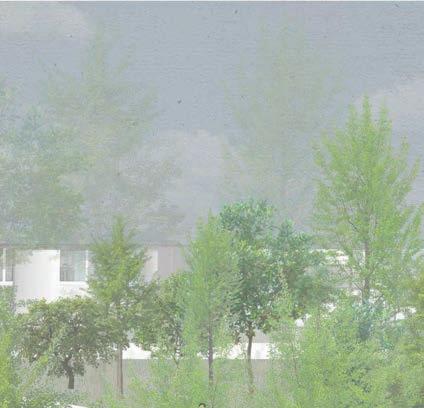
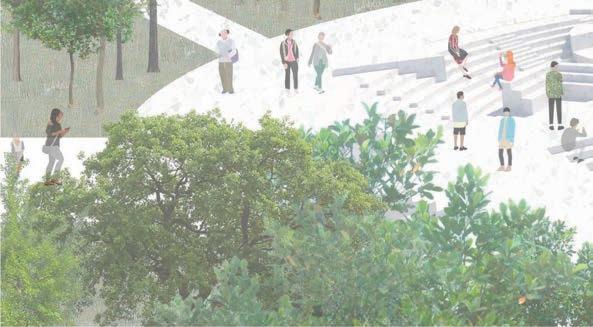
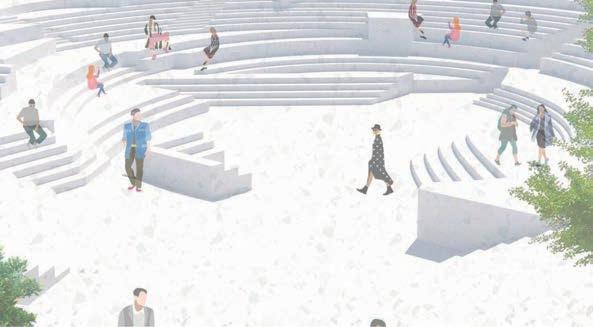
37 V. APPLICATION DU CONCEPT NOVATEUR Vue du Forum Citoyen vers le Palais Royal Plan RDC AA’ CONCOURS PARLEMENT 2048 6181 Coupe perspective AA’ Vue des gradins publiques vers l’hémicycle et le parc Plan RDC+1 Plan RDC AA’ Vue de la chambre des participants et de l’espace de formation

38