Lynden man participates in time-speed-distance racing
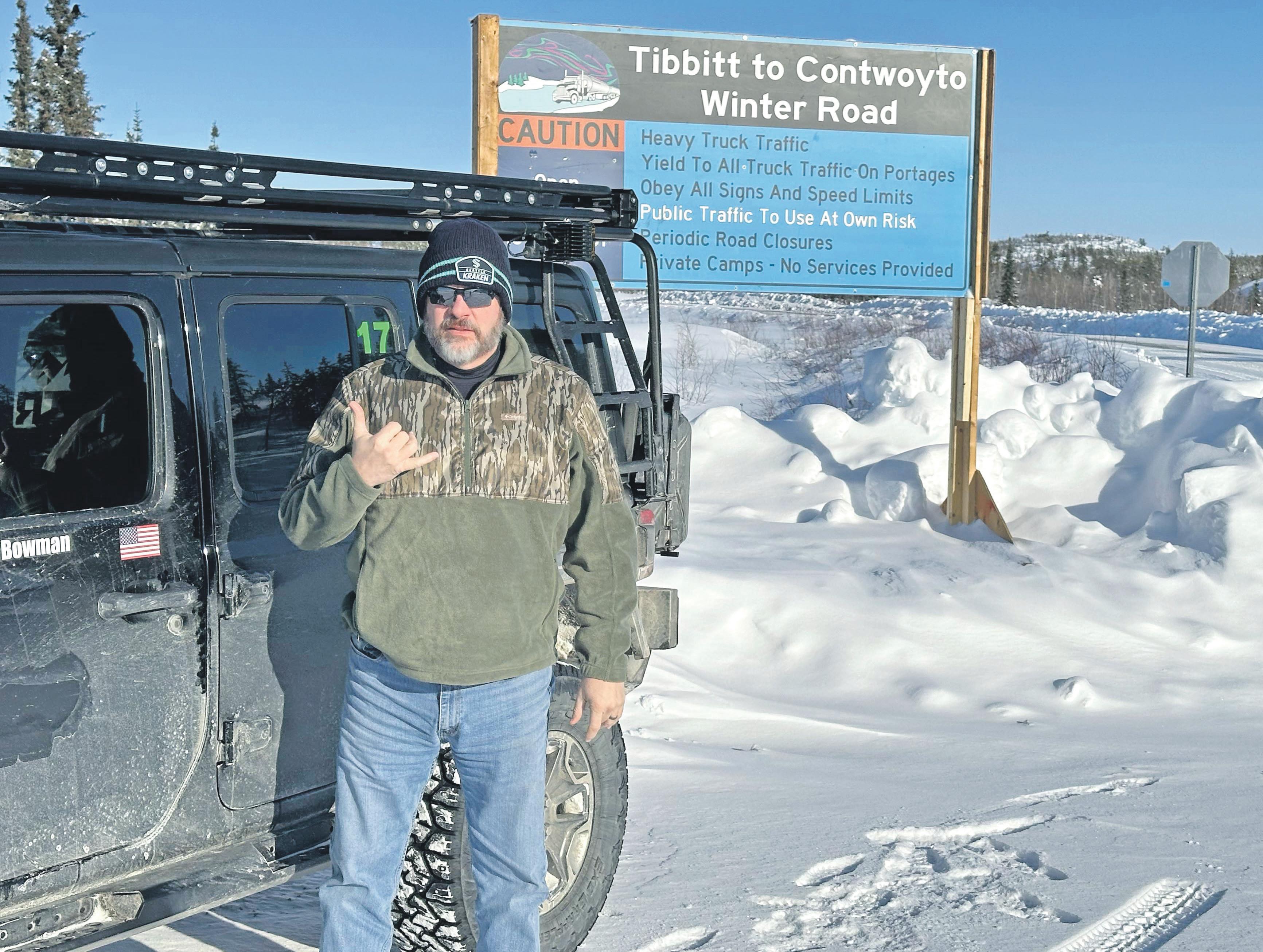
Lynden resident John Williams is photographed during a recent Alcan 5000 competition. Williams competes in Alcan 5000 with his friend Shane Bowman, of Battle Ground. (Photo courtesy Mercedes Lilienthal)
John Williams competes in Alcan 5000 Rally two years running
By Bill Helm Editor
LYNDEN — John Williams has collected and restored vehicles for nearly five decades. When Williams was a lad, his uncle would drag race. Williams too got into drag racing, also road racing and autocross — even four-wheeling with friends where he spent “a lot of time off roading while hunting in all kinds of conditions.”
Thanks to a friend and former colleague, the 64-year-old Williams has gotten into timespeed-distance rallying — TSD for short. Williams is part of a two-person team that for the past two years has participated in the Alcan 5000. Alcan — which stands for Alaska Canada — has taken motorists 5,000plus miles across some interestingly rough terrain since its inception in 1984.
“I love it. We love it,” Shane Bowman of Battle Ground said about his and Williams’s Alcan partnership.
According to Bowman, a typical day in the life of an Alcan 5000 competitor means out of bed by 6 a.m., take a quick shower, load their bags into offroad vehicle, eat, then check on the vehicle and be ready to hit the road — all before 8 a.m.
“We’re usually up early so we’ll start right away,” Bowman said. “Also so we can make sure our calculations are right.”
Williams said the duo normally starts with a TSD segment at 8 a.m. “and then there are transit runs in between.”
“We traveled 500-600 miles many days which means you are stopping for fuel and snacks along the way,” Williams said.
A full day of Alcan sometimes means 15-plus hours on the road. Once teams are finished for the day they unpack, eat dinner and they rehash the day’s work.
See John Williams on 4
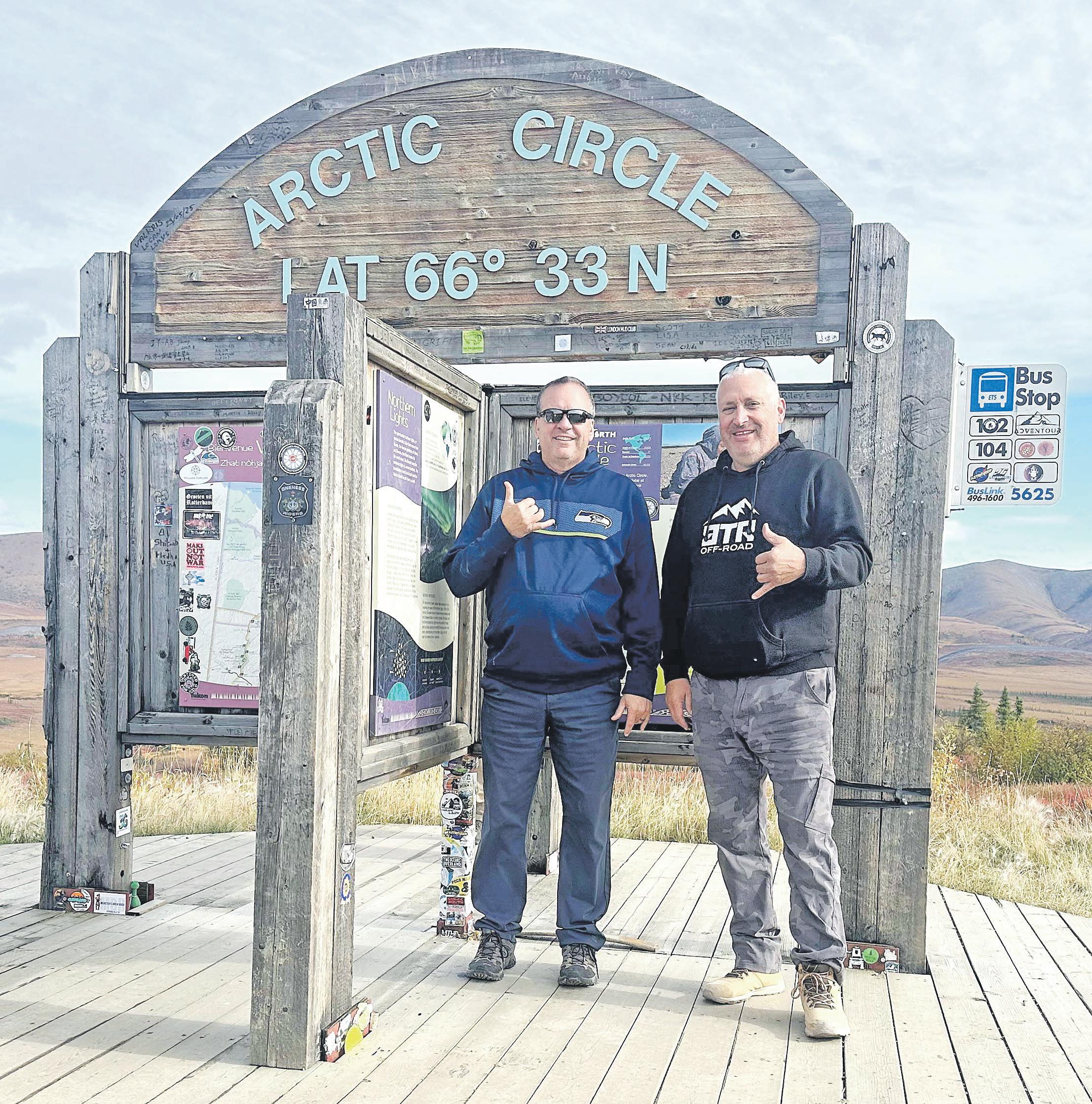
Lynden resident John Williams and Battle Ground resident Shane Bowman take a break for a quick photograph during a recent Alcan 5000 competition. Alcan — which stands for Alaska Canada — has taken motorists 5,000-plus miles across some interestingly rough terrain since its inception in 1984. (Photo courtesy Mercedes Lilienthal)
John Williams: Competes in Alcan 5000 Rally two years running
taining a specific average speed for each leg of the rally.
“Drivers talk about everything,” Bowman said. “But the navigators talk about the navigations.”
They then go to bed exhausted — then they start all over again the next morning.
Alcan 5000
At its website, the Alcan competition is defined as “a competitive adventure that rewards experience, good judgement, consistency, reliability and resourcefulness.
A level playing field where private and factory teams compete on even terms. Ninety percent of the route is scenic touring, where scoring is in short regularity sections with equal penalty for early or late arrival. In the Alcan 5000, teams of a driver and navigator must arrive at check points at a predetermined time by main-
Unlike traditional races, the goal is not to be the fastest, but to be the most precise, with penalties given for arriving too early or too late. Teams are scored based on how closely they adhere to the required times, aiming for the lowest possible score.
Williams explained that while most forms of racing are about speed, TSD rallying “is the challenge of taking the speed and distance variables you are given for the course and turning them into the amount of time it should take you to travel that distance.”
As with golf, the overall goal is precision — and to score as few points as possible.
“Every second you are early or late to a checkpoint is a point,” Williams said. “Low score wins.”
Road type is another factor that plays into each race section.
“We traverse paved roads,
gravel roads and even logging roads during the stages,” Williams said. “This means you need to control your vehicle with a level of precision to maintain your time and speed through uphill, downhill, corners, mud, traffic and other variables.”
For Williams, both the mental and physical challenges of this type of event are fun. Williams and Bowman navigate a 2019 Jeep Unlimited four-door Rubicon. They built the Jeep for the first race Bowman participated in, which he ran with his father in 2020.
“My parents did Alcan,” Bowman said. “My wife, she won’t do it.”
According to Bowman, there are more than a few husbandand-wife teams who run Alcan and other similar races.
“It’s not super hard or taxing,” Bowman said. “It’s interesting to see the different teams. A broad
range of people. Doesn’t cost a lot of money. Can use any vehicle.”
Teamwork
Williams first joined Bowman for Alcan in 2024. The two have known each other for years.
Bowman drives the Jeep, Williams is the navigator, although each can fill either role. The driving part is pretty self-explanatory.
“I’ve got the easy job,” Bowman said. “None of the speeds are more than the speed limit. When I get to a certain place John will tell me what speed I need to be at. He’s following the computer, doing all of that."
Drivers at one point might drive as fast as 50 MPH — or slower than 20 MPH.
“Can be really difficult,” Bowman said. “This is where communication comes in.”
For Williams, the first step as navigator is completing the calculations for time of each checkpoint.
“I am constantly checking the mileage at checkpoints and adjusting the odometer when variances occur,” Williams said. “We go out to 1/1000th of a mile on the odometer. The navigator is normally running the rally computer, the scoring computer and managing the route book during the racing — and using a calculator and stopwatch when needed to make on-the-fly adjustments.”
Alcan races are either winter or summer. Winter Alcan races allow two people in the vehicle — driver and navigator — because of safety and “to recover your vehicle should you slide off,” Williams said.
Each team is assigned a buddy team.
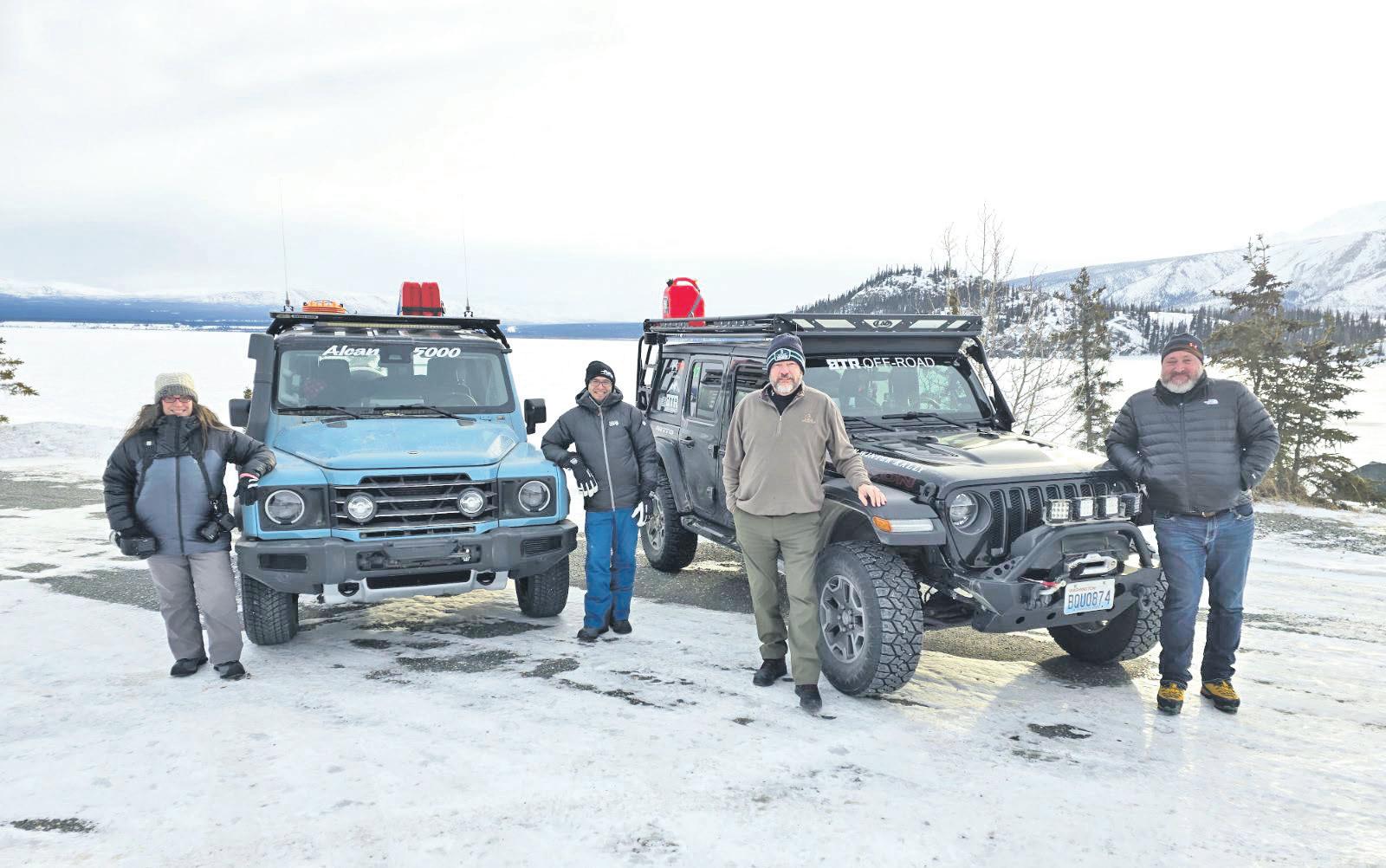
The Bowman Williams team travels with Portland residents Mercedes and Andy Lilienthal, whom the team has gotten to
know pretty well. Andy is the driver, Mercedes is the navigator. Andy and Mercedes Lilienthal run Crankshaft Culture, an automotive and adventure travel media outlet.
In winter 2024, Williams and Bowman finished second in their class. In summer 2025, they finished third in their class. Will Williams and Bowman compete this year? Absolutely, Bowman said.
“The plan is to run this year,” he said. “Leave Sept. 1, finish Sept. 11. Still in the 2019 Jeep although Bowman said they “may switch vehicles in the future.”
“This Jeep has one more Alcan in it,” Bowman said.
More about Alcan 5000 at alcan5000.com.
-- Contact Bill Helm at bill@lyndentribune.com.


EAT - ENGAGE - ENJOY
Lynden resident John Williams and Battle Ground resident Shane Bowman travel from TSD to TSD with their buddy team, Portland residents Mercedes and Andy Lilienthal. Both teams compete in Alcan 5000. Alcan stands for Alaska Canada. (Photos courtesy Mercedes Lilienthal)

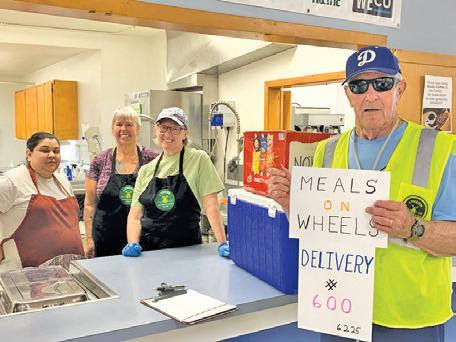


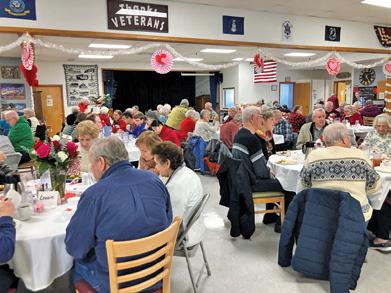
Our Meal Program provides a hot, fresh lunch Mon-Fri, with pick up and delivery options available. Call us or come by the center to learn more! In house/delivery/pickup meals - $7 Frozen meals $6

Daily Delivery or pickup - call by 10am Daily meals served - 12-12:30pm Menus available on our website, Facebook, and at the Center.
Past ‘TP Queen’ now a daily caregiver of two daughters
Friends help Sally Postma mark her 70th birthday
By Cal Bratt For the Tribune
LYNDEN — For Sally Holleman Postma, the initials TP have taken on new meaning over the years.
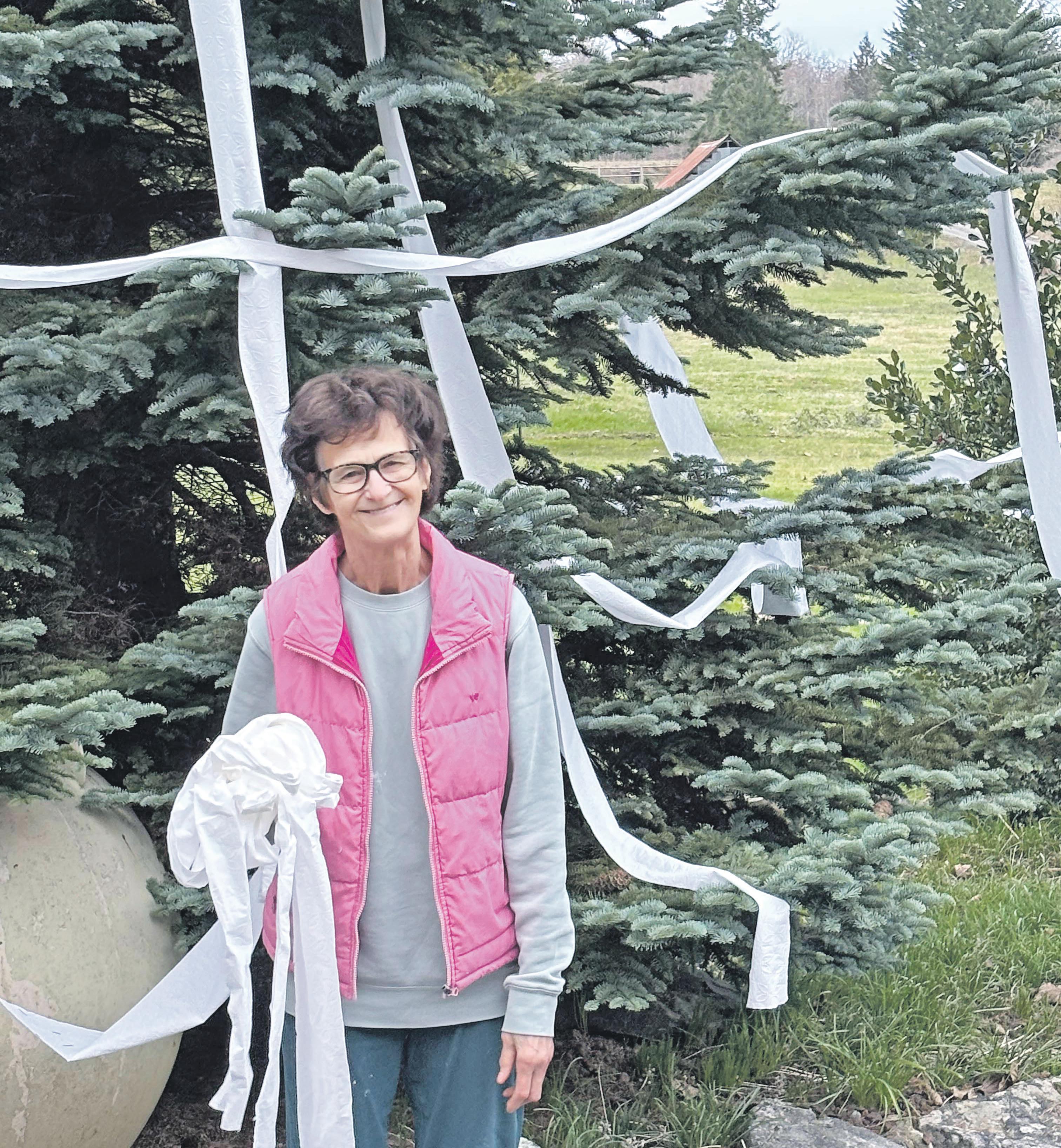
Back in high school days, TP-ing someone meant giving them the toilet paper treatment, rolls of TP tossed and wrapped around cars and buildings and bushes, a prank of friends and a mess to clean up.
Postma was one of the best, “Lynden’s TP Queen,” said friend Doreen Meenderinck. So as fun for Postma’s 70th birthday on Jan. 27, friends gave her the TP treatment at the Postma property on H Street Road.
Postma and her husband Ron took it in good jest.
Forward to today, TP has a different meaning. These are the initials of the Postmas’ nine children, in order: Todd, Taya, Travis, Tasha, Tyson, Troy, Trent, Tara and Tanner, ranging in age from 44 to 26.
The six studly sons have certainly appeared on the Lynden scene in various ways over the years – on Lynden High School
For Sally Holleman Postma, the initials TP have taken on new meaning over the years. Back in high school days, TP-ing someone meant giving them the toilet paper treatment, rolls of TP tossed and wrapped around cars and buildings and bushes, a prank of friends and a mess to clean up. (Photo courtesy Doreen Meenderinck)
football and track teams, competing in the Lynde’ 500 pushcart races (pushing their mom), and now working for local businesses.
All the kids are out of the house and on their own except two, who require constant attention. They are 38-year-old Tasha and 27-year-old Tara, who were born with severe disabilities. Sally Postma is their primary daily caretaker.
“For these girls God has given me, God has given me the gift to be able to take care of them,” she said.
Postma credits other daughter Taya with being “a wonderful helper” two or three times per week. All the children and spouses are very supportive. Also, her husband adjusts his trucking and rental businesses to be available as much as possible.
Two churches have been communities of support.
Even though the family had to make sacrifices for the care of Tasha and Tara, there has not been resentment, she said.
“They’re my teachers. They’ve taught me more than I have ever taught them,” Postma said of the two daughters.
“They can’t talk. They can’t speak. But they can hear, oh my. And they have their own communication, and they can pray,” she said.
Besides the family, Postma said she has several “dear, dear friends” who are “willing to jump in” with the caregiving if needed – and she treats an old-fashioned TP-ing from them as a sign of their love.

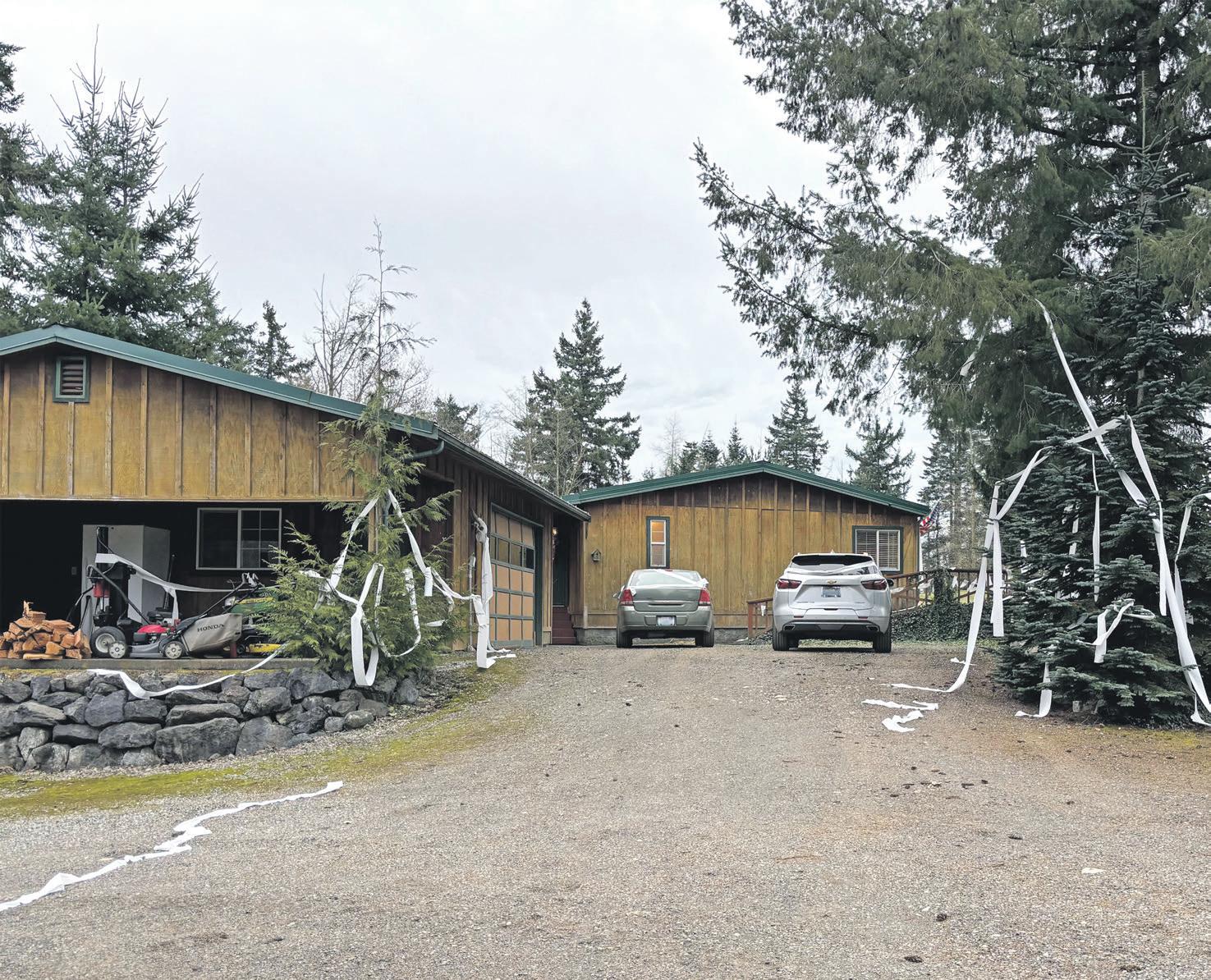
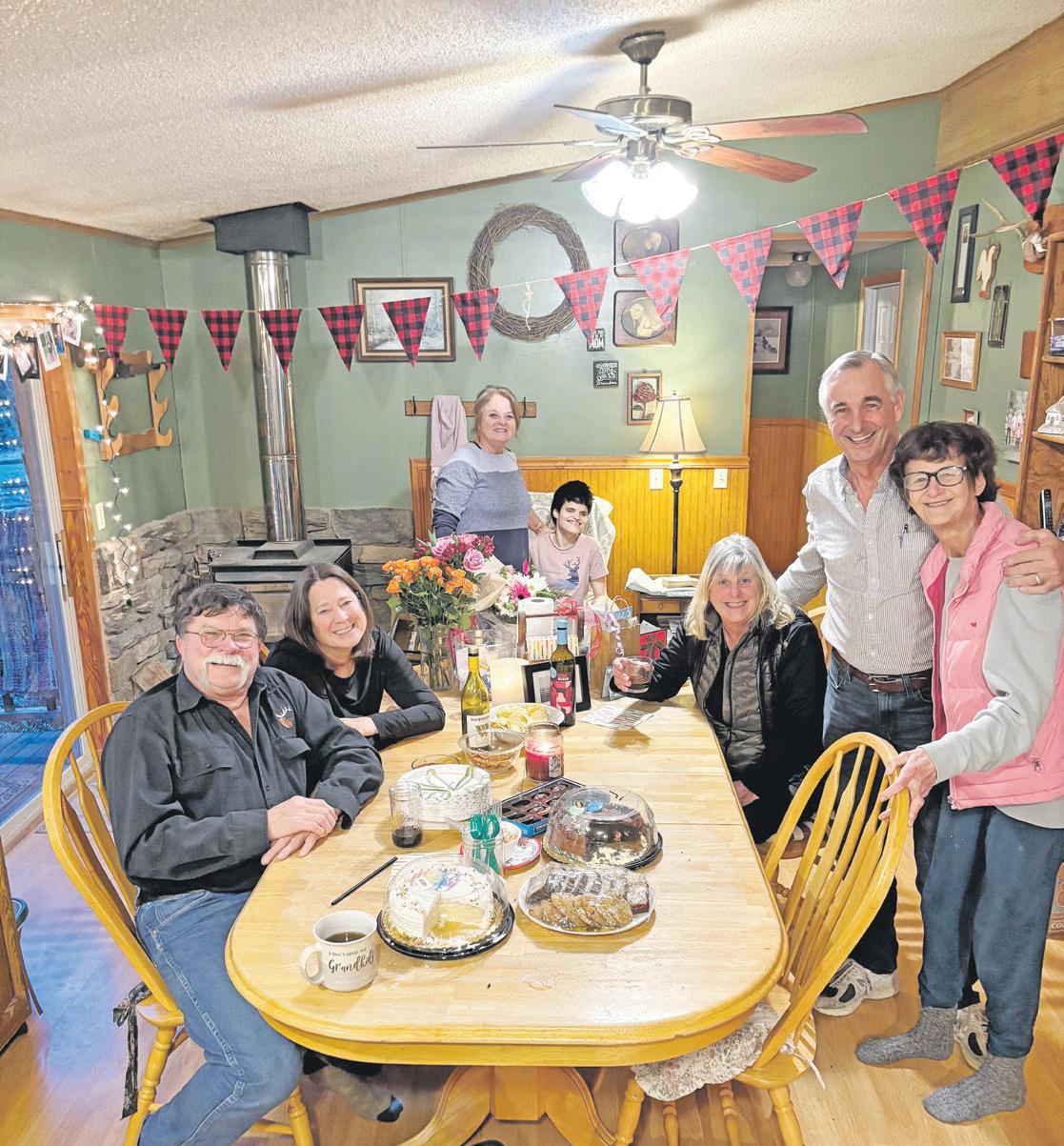
(Top photo and photo at left) The friends of Sally Postma gather with her after owning up to the prank. (Far left) Yard and buildings at the Postma place get the TP treatment by friends. Recently, Postma's friends helped her celebrate her 70th birthday. (Photos courtesy Doreen Meenderinck)
Celebrating a milestone with Lynden Skateway
Octogenarian Brenda Van Ornum looks back on life
By Hazel Moore-Travison For the Tribune
LYNDEN — In 1946, Lynden Skateway opened so its community could lace up their skates to glide across a smooth wooden floor on wooden wheels.
Also in 1946, Miriam and Harold Yates welcomed infant Brenda, youngest of three children, to their family home in Lacey. Both Skateway and Brenda are octogenarians this year.
Generations have enjoyed Lynden Skateway. Friendships and romance, birthdays and anniversaries, holiday parties, school parties, even memorials are part of Skateway’s history. For 80 years, this wholesome recreation has long been a sturdy thread in the fabric of Lynden community and continues to hold strong with Brenda’s love for roller skating.
Brenda was smitten as a 6-year-old when her brother encouraged her to try skating at the Lake Patterson roller rink near their home. He was an avid speed skater and roller hockey player. And he was right. Brenda and her mother found their place at the little rink where Brenda wanted to spend every moment she could skating around and around in circles.
By the mid-1950s, Brenda was in lessons with her first professional instructor, Tommy Torgeson, at Tacoma Roller Bowl. She was a natural athlete who quickly learned to jump and spin — and she loved to practice. Soon, she was competing in Artistic skating, a sport that had state, regional and national competitions.
In her first regional championship, Brenda skated freestyle singles and team dance. In team dance, keeping time to the waltzes and tangoes, polkas and marches was a significant part of the scoring.
“They had adults at each corner of the rink, clapping hands to the beat to help us stay on time,” Brenda recalled recently. After one season of competitive dance skating, Brenda focused on freestyle.
Still, she remembers the public dance sessions with dance cards that listed the dances to be skated for that evening with a line where the boys would write their name to reserve a dance with a girl.
“That’s who you would skate with for that dance,” she said. “It was so much fun.” They even square danced on skates and were featured on the local television station as the skating square dancers, calling them the Rolympians.
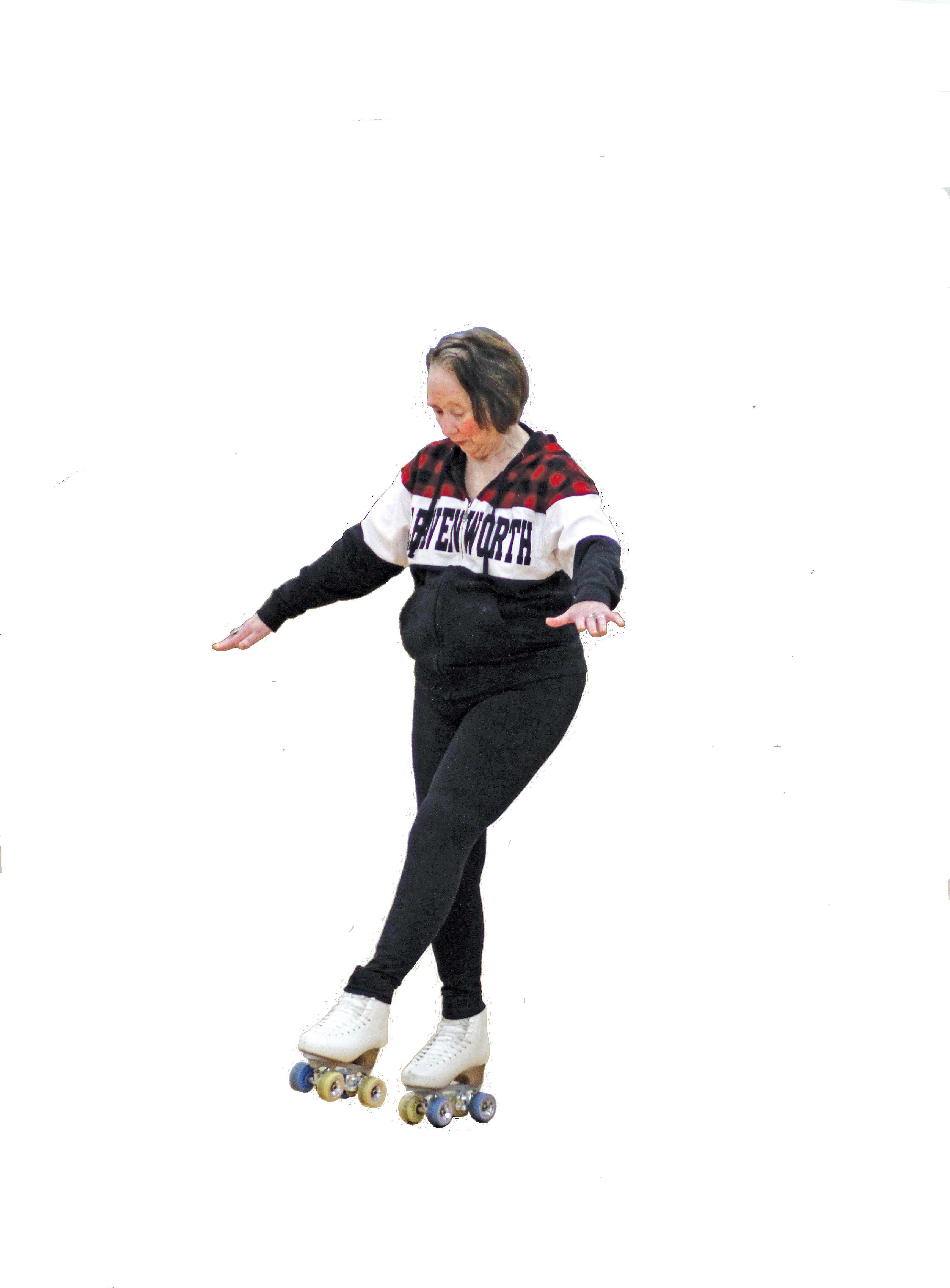
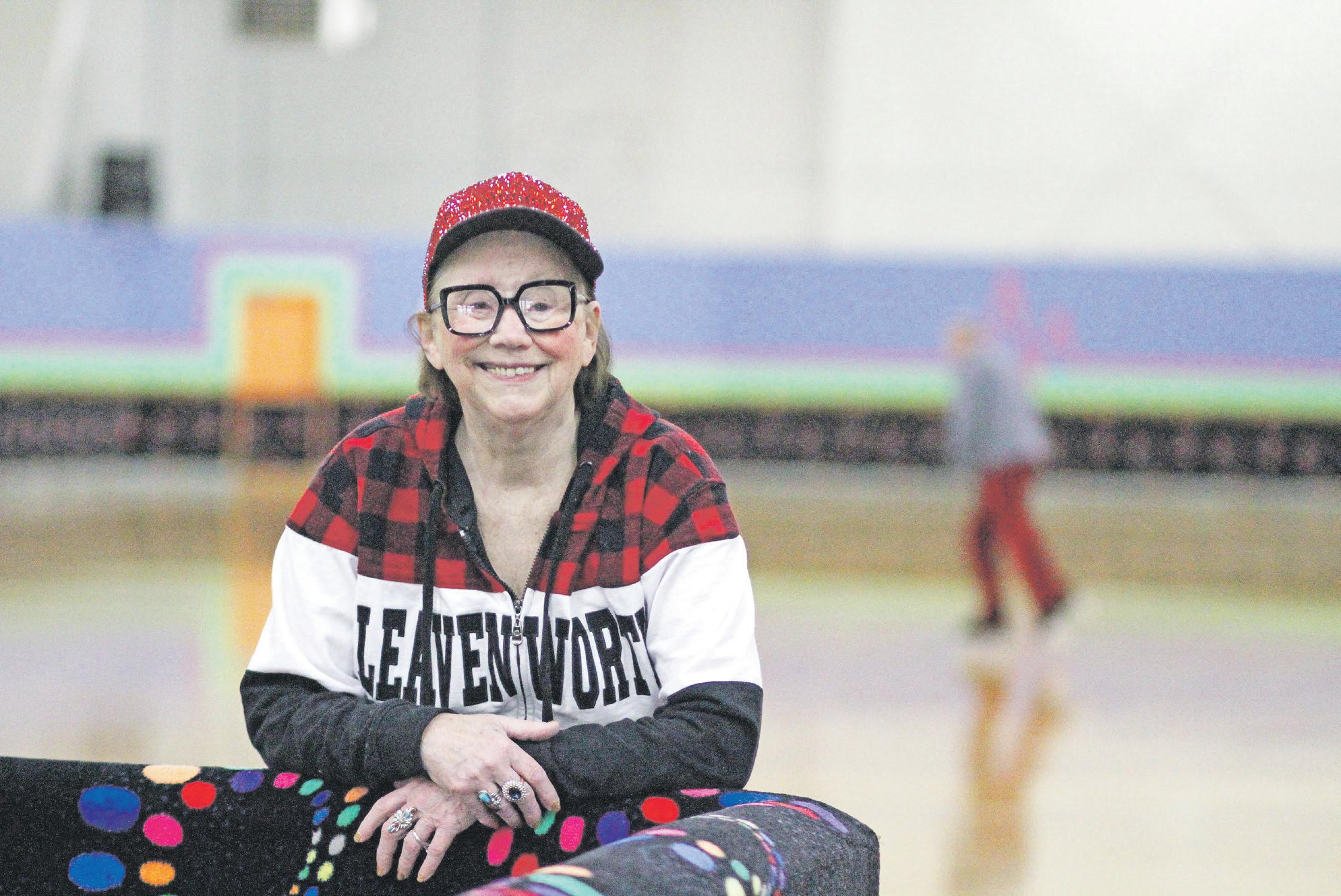
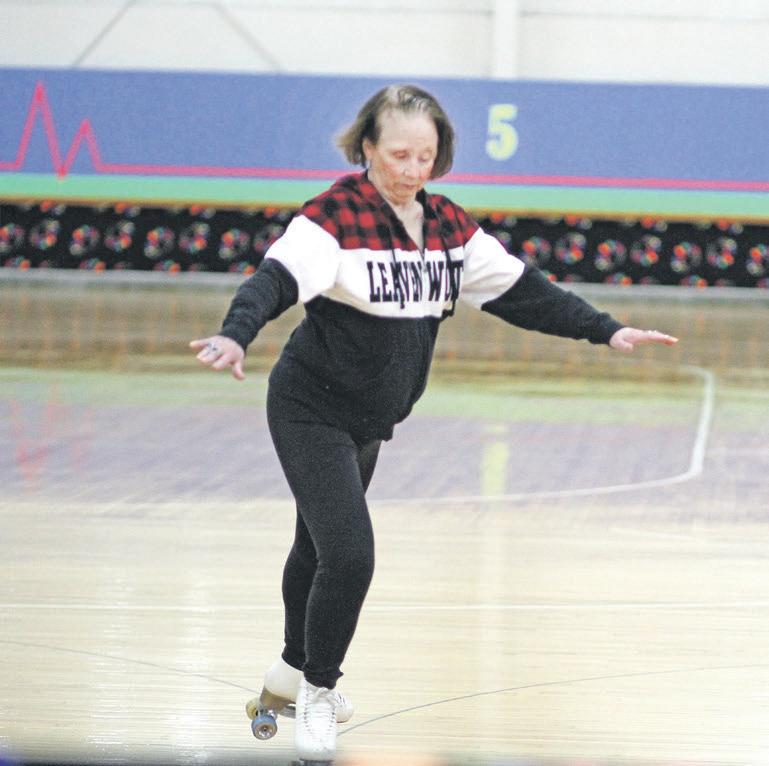
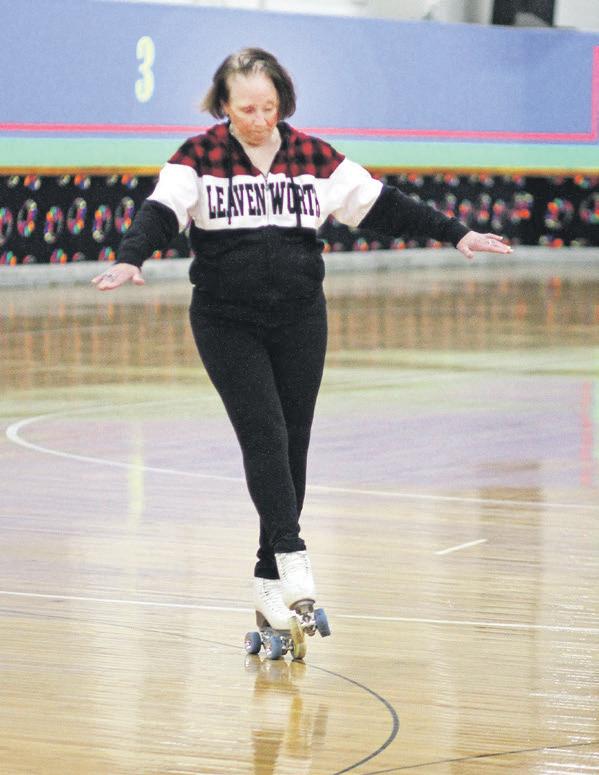
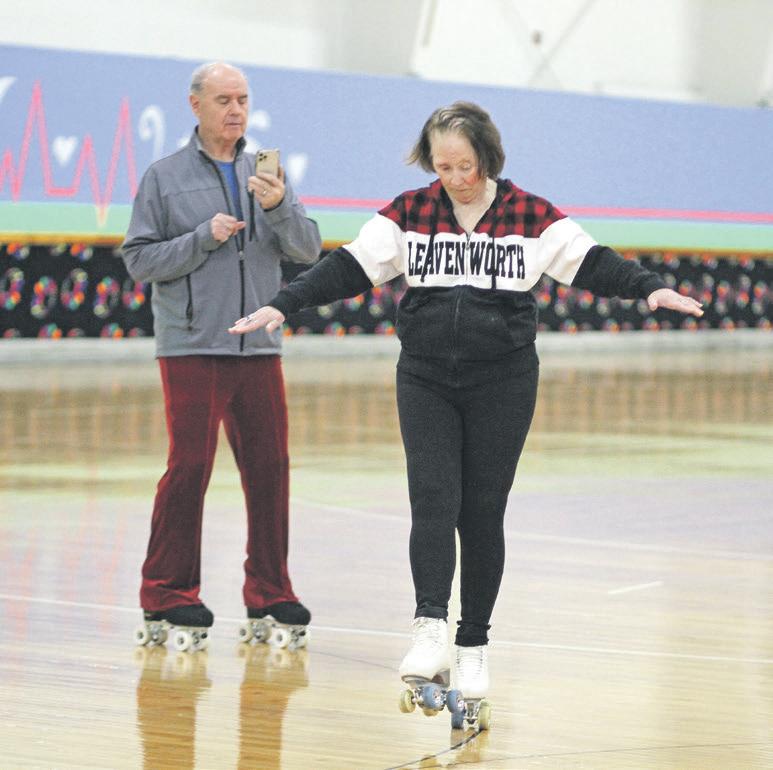
Brenda Van Ornum, pictured above and skating below with her coach, John Lehni, has owned Lynden Skateway since she and her husband Pete bought it in 1976. (Bill Helm/Lynden Tribune)
“I loved that so much,” she said.
In 1956, Torgeson left Tacoma Roller Bowl to teach at the Patterson Lake rink where Brenda began. She followed him. When in 1957, Torgeson took a job at Renton Rollerland, she followed him there, her mother chauffeuring Brenda to each rink. The drive to Renton from Lacey was long and slow before the completion of Interstate 5 through Western Washington in 1969. Brenda felt a responsibility to practice, to not waste time, given her mother’s dedication to her skating.
“My mother never missed a skating competition, never missed a practice. She was always there with me,” Brenda said. Her mother had found a community of friends among the other skate moms and a way to be involved in costuming and helping with skating shows.
Pete Van Ornum, Brenda’s future husband, worked in the Renton Rollerland Skateshop. In those days, the rink staff polished the skating club members’ skates.
“I would throw my skates at him and he had to polish them,” Brenda remembered with a laugh. “I would say, ‘polish my skates.’”
They didn’t interact beyond this exchange until some years later. Brenda left the Renton rink to skate with a pairs partner at Tacoma Roller Bowl, under the instruction of Don Norlan, 1962.
Picture young Brenda balancing atop her partner’s extended arm, above his head, while he skated turns across the floor. Picture him throwing her into jumps,
and her landing squarely on four wheels, leg and arms extended, perfect balance. Picture their unison spins and the spins where he lifted Brenda off the floor.
“I loved it. I loved it,” Brenda sighs. Later, in her marriage to Pete, the couple skated pairs together but not competitively.
They both grew up skating. Brenda was solidly in artistic skating but learned freestyle, dance and school figures, and performed in shows. Pete also skated artistic, performed in shows and played roller hockey. They both held an enduring love for wheels on wood.
They met again in the mid1960s and married in 1968. Pete worked for the State of Washington in Olympia. They owned a home, had two daughters, Cindi and Nikki.
“I loved my life there,” Brenda said. “My family was there. We lived a block from the elementary school, but Pete wanted to buy a rink really bad. The Olympia and Lynden rinks were both for sale.”
When the Olympia rink sold, Pete persuaded Brenda to move to Lynden. “He kept on me,” she recalled. “He said, ‘Let me take you up there to take a look.’ Finally, I relented. We bought the rink and moved up here.”
They purchased Lynden Skateway and Bowl from Gordon and Dorothy Graham in 1976 and moved to Lynden. Their third child, Terri, was born here the next year.
The eight-lane bowling alley was below the skating rink on the hillside property along Judson Street Alley. Pete added four
lanes, installed auto-scoring, a new pin-cleaning machine, and upgraded equipment in the bowling alley. Together, they ran the public skating sessions and hosted skating clubs for speed, artistic and hockey. They lived in an apartment above the rink.
They worked together, growing their dreams, their family and their business for 12 years when a terrible accident left them badly injured.
In March 1988, Brenda and Pete were riding the motorcycle that Brenda had given Pete for a birthday gift. Heading to his birthday dinner in Bellingham, a vehicle drove through the stop sign at Ten Mile Road and Hannagan and collided with them. They were hospitalized for months and each suffered grave injuries, requiring multiple surgeries.
Brenda believes that Pete saved her life that day. She had left her helmet in the apartment and didn’t want to wear it. Pete would not let her ride without it and insisted she go back upstairs to get it, which she did with reluctance. Pete’s insistence on safety saved her life, even as the injuries caused the loss of her eye.
Another tragedy struck six years later.
In August 1994, on the last day of the NW Washington Fair, a fire broke out behind the lanes of their bowling alley. Before it had reached the rink above, Brenda wanted to retrieve sentimental items and scrapbooks and salvage whatever she could. But Pete would not let her rush in. They helplessly watched everything for which they’d worked
and sacrificed — the bowling alley, the rink, their home — burn to cinders. Yet they were grateful that they and their daughters were not harmed.
Brenda later discovered her scrapbooks had been spared. The snapshots her mother had taken over the years, the mementos given her by her instructors and friends. Treasures, each, within the scrapbooks’ pages. Not lost in the fire, after all.
Perhaps they learned discipline and determination in their early skating days. Perhaps it was their innate character, their strong faith and trust, that carried them through hardship. They rebuilt. Even when the banks wouldn’t lend them money, citing a population too sparse for a roller rink to be a viable lending risk.
They took the insurance money and laid a foundation for a brand-new roller rink. They put every cent they had into it. They purchased equipment — flooring, skates, skate racks, skate counters, an old popcorn machine and used furnishings from Don Baldwin who had owned Burlington’s Roller Frolic rink. With volunteer help from skating friends, they pieced together a skating floor from storage where, as rinks closed, the precious wood floors were often saved and sold.
Pete laid the floor in a way that provided a little flex and spring for the freestyle skater. He insisted on a good floor and good rental skates, knowing that was most important for enjoyable roller skating. The business re-
opened in 1996 as a rink without the bowling alley below.
Pete, Brenda and their daughters worked with renewed energy to re-create a roller rink.
Their new Lynden Skateway is still known throughout the Pacific Northwest as having an excellent skating floor, second only to the historic Oaks Park Roller Rink in Portland. Skateway continued to host artistic, speed, hockey and derby clubs and had a reputation for elite level skating and coaching with many national champions.
“Owning a skating rink is an up and down business,” Brenda said. “To really run a roller rink the right way, you have to deep, deep, deep down love roller skating, and I have since I was 6 years old.”
When Pete became ill with cancer, Brenda had to learn his role in the business, while seeing to her own responsibilities and caring for him.
“I had always handled the finances,” she said. “Pete had done everything else.”
Pete died of cancer in 2017. He was 72 when he passed on a Saturday. The next day, Brenda worked the public sessions, the beloved rink they built together a small salve for grief’s rawest days.
When the COVID-19 pandemic came in 2020 and the state closed all non-essential business, Brenda wondered, as she often did, “What would Pete have done?”
“COVID was on my shoulders,” she said.
See Van Ornum on 10
Van Ornum: Celebrating a milestone with Lynden Skateway
Continued from 9
Her strong financial sense kept Lynden Skateway open during a year when other rinks in Washington were forced to sell, their owners unable to continue without income.
Rinks in Auburn and Everett were demolished to become a used car dealership and an apartment complex. The rink in Puyallup was destroyed in fire and not rebuilt.
Lynden Skateway remained financially healthy as it survived the pandemic, thanks to the Lynden community’s support and Brenda’s belief in saving, investing and putting the income back into business improvements.
“I have to pat myself on the back a little bit,” Brenda said. “I didn’t choose to live in a very nice house with a big mortgage. I didn’t choose to do that. My house is paid for. It’s a very old mobile home. I have no credit card debt. All the extra money goes into the business to keep the rink going. Other business owners who had mortgages, children at home. I don’t know how
they could have stayed in business through the shut down.”
As her 80th birthday and 80 years of roller skating in Lynden coincide, Brenda said she feels proud to have sustained a roller rink in Lynden, to have overcome hardship, and to provide a place for her family and community to gather in friendship.
She continues to skate school figures and dance, continues to operate Lynden Skateway full-time with help from her daughter and rink manager Terri Johnson, and Katrina Williams, who serves as assistant rink manager. Terri also teaches skating lessons and classes and works full-time as a paraeducator in public school.
As Brenda Van Ornum looks back, she said, “The moral of my life is, ‘Don’t let things get you down.’ You always have to look on the bright side.”
She laces up her white, artistic skates and rolls across the wood. Then she tells herself, “Keep on skating, Brenda, as long as you can. Keep on skating.”
Lynden Skateway is at 421 Judson St. More information at lyndenskateway.com.
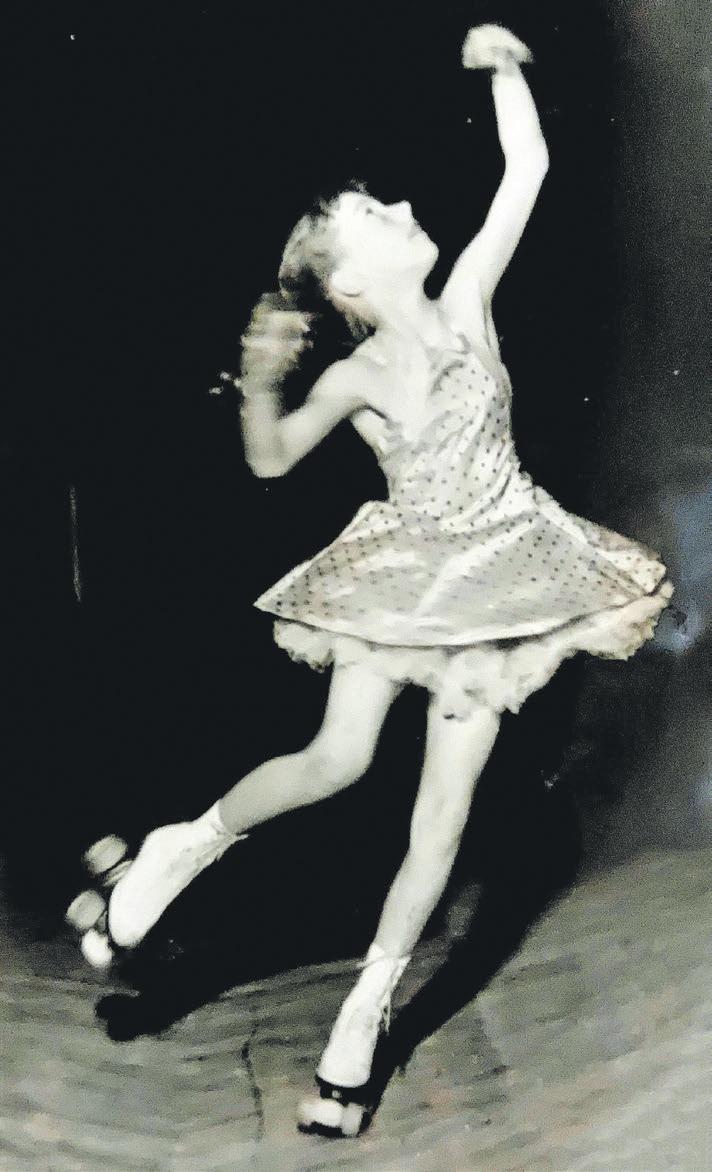
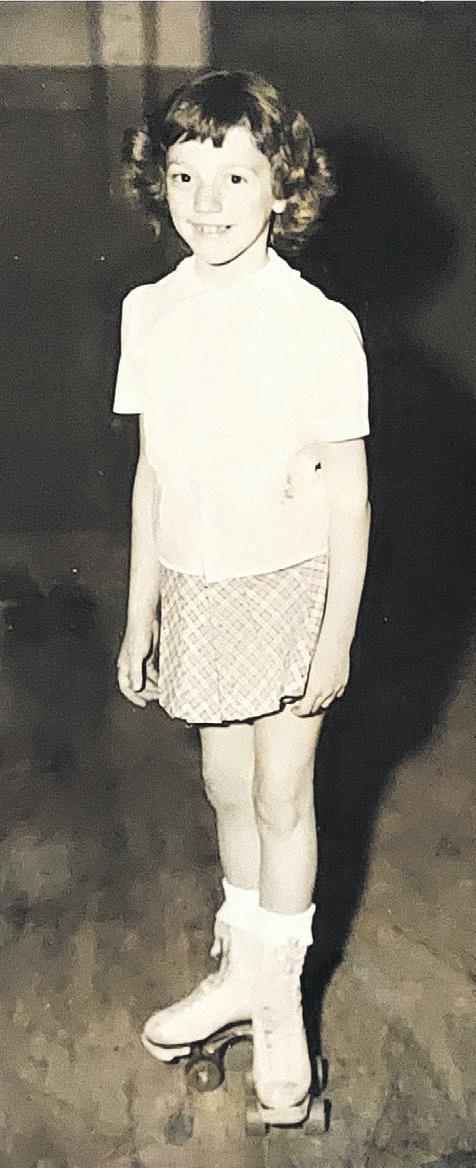



Brenda Van Ornum first tried skating at age 6 when her brother encouraged her to try it out.
(Photos courtesy Hazel MooreTravison)
Lynden Community/Senior Center in the news
The Lynden Community/ Senior Center is a 501(c)(3) nonprofit organization that seeks to provide a place and environment to experience great food, friendship and fun.
The Center particularly encourages seniors to continue in a physically and emotionally healthy lifestyle.
Programs are designed to meet individual needs, develop inherent potential, promote personal growth and increase independence.
Membership
Membership is open to anyone and is just $45.
Memberships now are
valid for one year starting the day you join.
Purchasing a membership helps support the Center for its members and the community at large. Membership includes:
• Monthly newsletter
• Parking sticker for parking in the Community Center parking lot while visiting
• Allows use of the gym equipment (after training)
• Entitles you to participate in or be part of the election to the Board of Directors
• Member rate on footcare services and other activities offered at the Center
• But most importantly, it shows your support for the
operation of the Center.
For more information on membership, or to become a member, call 360-354-2921, or just come on by.
Membership updates
Frequently asked questions
Q. Why are you changing from calendar year renewals to anniversary date renewals?
A. This allows members to sign up at any time of the year which is more equitable and spreads out the sign-ups.
Q. When do I renew my membership?
A. In general, you will renew your membership at the one-year anniversary of when you previously joined and
paid your fee.
If you joined on May 24, 2025, you would renew in one year on May 24, 2026.
However, if you became a member between Oct. 1, 2024 and Jan. 31, 2025, your membership expired on Dec. 31, 2025.
Q. How do I know when my membership expires?
A. When you sign into the computer (My Senior Center) at the Lynden Community/ Senior Center, a reminder will pop up 2-3 weeks before your membership expires.
You can renew your membership then and well give you a parking pass.
Q. What if I haven’t been
into the Center in a while?
A. We will mail out reminders to those whose memberships have expired within the last month.
Q. How will I get my parking pass if I mail in my membership?
A. The next time you come into the Center, we’ll give you a new pass.
Lynden Community/Senior Center is at 401 Grover St.
Hours are from 8 a.m. until 4 p.m. M-F. Coffee bar is open from 9 a.m. until noon.
Gift shop is open from 10 a.m. until 2 p.m. More information at lyndencommunitycenter.org.