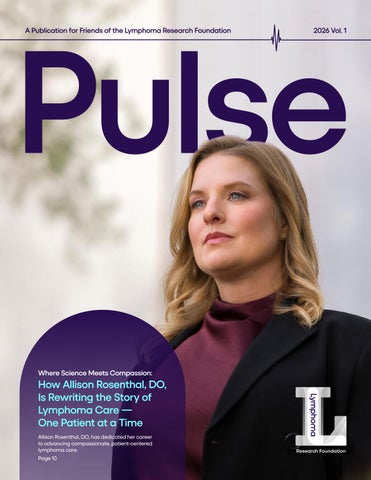
A Publication for Friends of the Lymphoma Research Foundation
Pulse is a publication of the Lymphoma Research Foundation, providing the latest updates on the Foundation and its focus on lymphoma research, awareness, and education.
The Lymphoma Research Foundation is devoted to funding innovative lymphoma research and serving the lymphoma community through a comprehensive series of education programs, outreach initiatives, and patient services.
Foundation Leadership
Steven Eichberg
Chair, Board of Directors
Andrew M. Evens, DO, MSc, FACP Chair, Scientific Advisory Board
Meghan Gutierrez
Chief Executive Officer
Editor Nichole Musumeci
Associate Editor
Paige Butler
Editorial Board
Micah Banner
Victor Gonzalez


National Headquarters
Wall Street Plaza
88 Pine Street, Suite 2400
New York, NY 10005
212 349 2910 lymphoma.org
Helpline
800 500 9976
helpline@lymphoma.org
Kyle Haines
David Meehan-Romero
Eva Migliore
Sarah Quinlan
Jessica Sharrow
Laura Wallenstein
The Lymphoma Research Foundation’s YouTube channel offers a wide variety of educational videos to help the lymphoma community learn about lymphoma. These videos provide disease-specific information as well as education regarding diagnosis, treatment options, clinical trials, and other resources for people dealing with a lymphoma diagnosis. Visit YouTube.com/c/LymphomaResearch to watch and subscribe.
Features
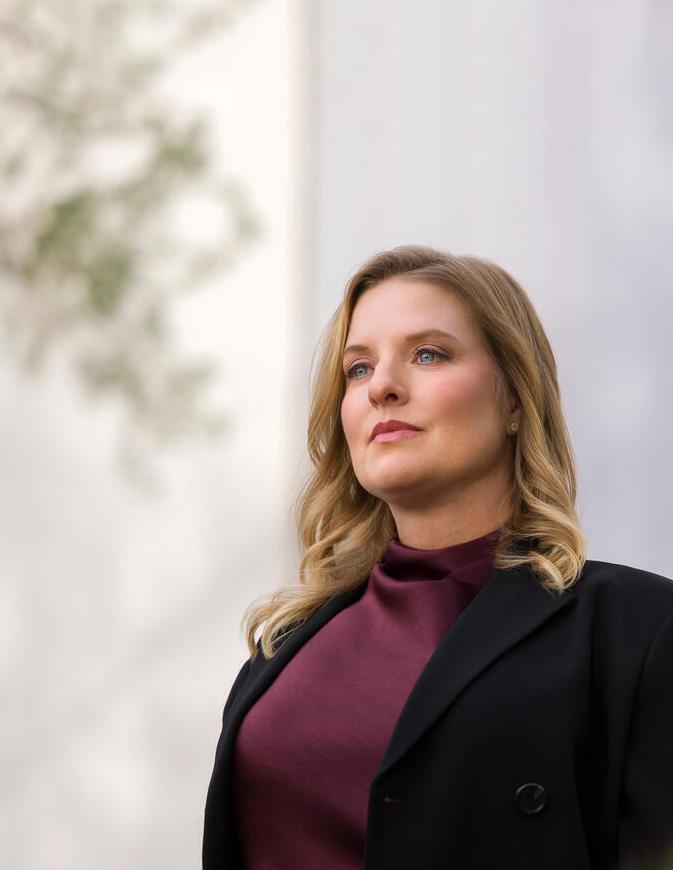
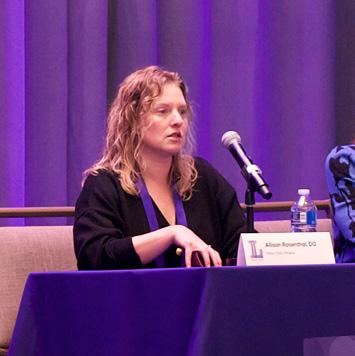
Where Science Meets Compassion: How Allison Rosenthal, DO, Is Rewriting the Story of Lymphoma Care — One Patient at a Time
Allison Rosenthal, DO, has dedicated her career to advancing compassionate, patient-centered lymphoma care. A cancer survivor herself, Dr. Rosenthal combines clinical excellence with a deep commitment to adolescent and young adult patients, survivorship research, and whole-person care, while also contributing to the future of the field through her leadership, research and long-standing partnership with the Lymphoma Research Foundation.
Following his mantle cell lymphoma diagnosis, Robb Early and his wife, Kristin, found clarity, hope, and trusted guidance through the Lymphoma Research Foundation — an experience that inspired them to transform gratitude into lasting impact.
The Foundation returned to the American Society of Hematology (ASH) Annual Meeting and Exposition with Foundation researchers contributing to 674 lymphoma-related abstracts.


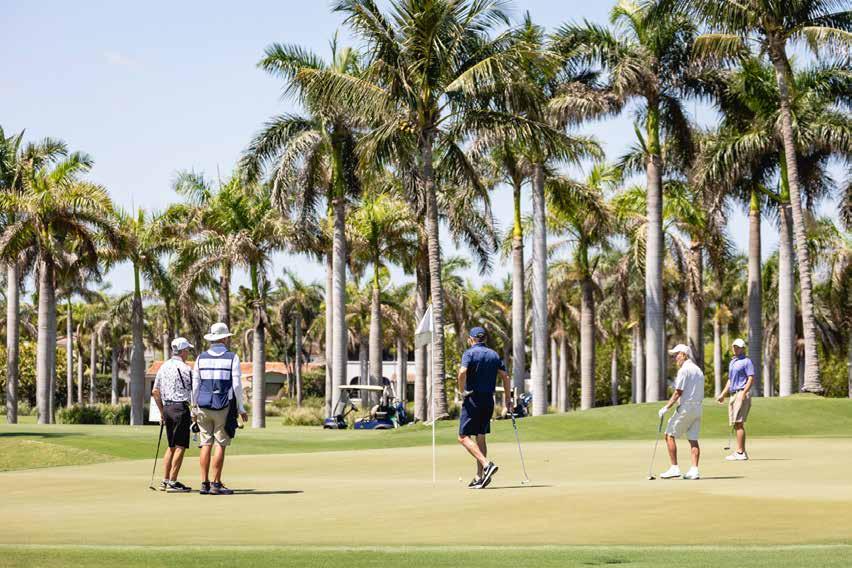
Join the Lymphoma Research Foundation at the iconic La Gorce Country Club and put your golf skills to the test at one of the most exclusive private golf clubs in the U.S., designed by Jack Nicklaus, while being a catalyst in finding cures. Golfers will enjoy premium gift bags, breakfast and lunch, course refreshments, a cocktail reception, heavy hors d’oeuvres, and prizes
Monday, May 4, 2026
La Gorce Country Club, 5685 Alton Road, Miami Beach, FL 33140
BENEFIT COMMITTEE
Walter Andrews | Barbara Freundlich | Patricia Kaine | Leigh & Cory Olson (Chairs)
SCIENTIFIC COMMITTEE
Jacqueline Barrientos, MD, MS | Andrew M Evens, DO, MSc, MBA | Ann S LaCasce, MD, MMSc
Leah & John Leonard, MD | Eduardo M. Sotomayor, MD
PRICING TIERS
$8,000 Foursomes | $2,500-$100,000 Sponsorships
PLEASE RSVP BY MONDAY, APRIL 20, 2026
You may visit us online at lymphoma.org/FloridaGolf to RVSP For more information, please contact Fatima Hameed at fhameed@lymphoma.org or by phone at (347) 920-8535
THANK YOU TO OUR SPONSORS
Presenting Sponsors
Leigh & Cory Olson
Platinum Sponsors
Laura & Lloyd Blankfein
The Patricia Kaine Family
Gold Sponsors
The Connors Family Prince Family Foundation
Hole Sponsors
Walter Andrews | Jean & Steven Eichberg
Foursome Sponsors
Kimberly & Kevin Shea
The Freundlich Family | Hendriks’ Heroes (Kristi and Liam Hendriks) Madhvi & Ramesh Subrahmanian | Chike Springer Foundation
At the Lymphoma Research Foundation, we are working tirelessly toward a brighter future for those touched by lymphoma. But we don’t do this work alone: Each and every day, we are joined by our researchers who strive to break new ground in understanding, treating, and ultimately curing lymphoma, our supporters who show up for our mission and for each other, and our entire community that remains dedicated to bringing us even closer to our shared goal of a world without this disease.
This issue of Pulse highlights some of the scientific leaders working to get us nearer to that future as we introduce the newest members of our renowned Scientific Advisory Board (SAB): Jeremy Abramson, MD (Massachusetts General Hospital); Megan So-Young Lim, MD, PhD (Memorial Sloan Kettering Cancer Center); Dr. Matthew Maurer, SC.D, MS (Mayo Clinic, Rochester); and Scott Rodig, MD, PhD (Dana-Farber Cancer Institute). Together with their fellow SAB members, these world-class researchers and clinicians will help steer the Foundation’s research profile and guide us toward new scientific breakthroughs.
You’ll also have the chance to learn more about some of the most exciting advances in the field of lymphoma research as we share updates from the 2025 American Society of Hematology (ASH) Annual Meeting. This annual program, considered to be the world’s premier blood cancer conference, gathers the leading scientific minds to discuss the latest findings and explore new breakthroughs as they work together to get us closer to a cure.
Finally, we profile Dr. Allison Rosenthal, whose own experience as a blood cancer survivor informs her work treating lymphoma patients with compassion and care at the Mayo Clinic. Dr. Rosenthal’s approach fuses boundless scientific curiosity with deep-rooted empathy as she focuses on whole-person care with a special emphasis on the youngest of lymphoma patients — those who, just like herself, had their early adulthood disrupted by an unexpected cancer diagnosis.
There is plenty of hard work to be done, but I continue to be heartened by the enduring strength and commitment of our community and our shared belief that a brighter future for those touched by lymphoma is ahead of us. Thank you for your support as we work to make that future possible.
Sincerely yours,

Meghan Gutierrez Chief Executive Officer

Each year, on September 15, the lymphoma community rallies together to celebrate Lymphoma Giving Day and to raise critical funds to support lifesaving research and patient programs. This year, donors surpassed our original goal of $30,000 for our 30th anniversary, raising an impressive $39,000. This success was made possible both by the incredible generosity of our community and the invaluable support of several public figures, including The Golden Bachelor’s Gerry Turner, The Cure keyboardist Roger O’Donnell, both of whom are lymphoma survivors, as well as the social media accounts for Joey Ramone, all of whom urged their fans to donate to the Lymphoma Research Foundation.

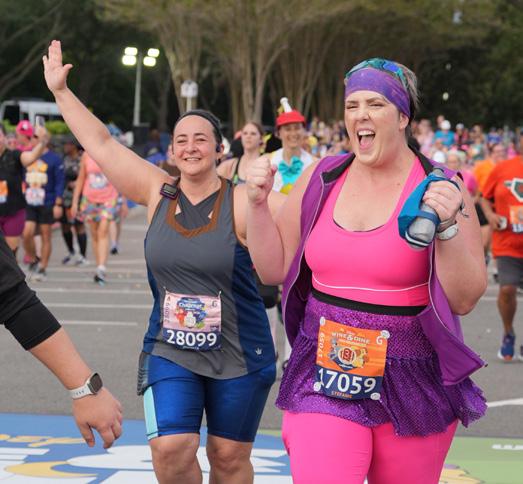
Each year, the Lymphoma Research Foundation hosts and partners with different endurance events, offering athletes the opportunity to challenge themselves while raising money in support of the Foundation’s lifesaving mission. This year, nearly 50 runners raced for a cause across the country, participating in five different endurance events including the Hamptons Marathon and Half Marathon, the Amica Newport Marathon, the Disney World Wine and Dine Half Marathon Weekend, the Disneyland Halloween Half Marathon, and most recently, the largest marathon in the world, 2025 TCS New York City Marathon. This year’s team of runners, which included lymphoma survivors, healthcare professionals, and those running in honor of someone they love with lymphoma, raised over $163,000 and counting. Congratulations to all of the runners on their determination and hard work!



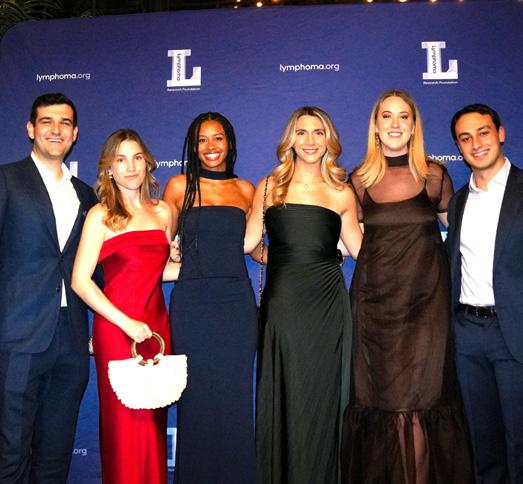
On October 24, over 300 guests enjoyed an evening of cocktails, hors d’oeuvres, and dancing, set against the backdrop of The Bowery Hotel’s elegant atmosphere, at our second annual Emerging Philanthropists Gala. A special highlight of the evening was the silent auction, offering exclusive items and experiences generously donated by Foundation supporters. Attendees raised over $200,000 for the Foundation’s mission to realize the promise of science to eradicate lymphoma and serve the community touched by this disease. A special thanks to our co-chairs Alexandra Rose, Isabel Sessions, and Margot Werner.
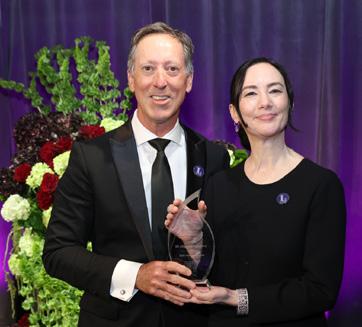
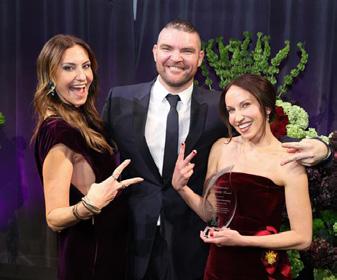
Over 450 guests joined us at the Ziegfeld Ballroom in New York City for our 30th Anniversary Annual Gala on November 14, honoring three decades of advancements in research and patient care as well as the visionaries, researchers, and advocates who make them possible. This year’s gala honored MLB star and lymphoma survivor Liam Hendriks and his wife, Foundation Board of Directors member Kristi Hendriks, with the Distinguished Leadership Award, as well as Eli Lilly and Company, with the Corporate Leadership Award. This special evening, which was chaired by Maggie Gold Seelig, Jessica Turco, and Katie Palay, raised over $1.8 million in support of the Foundation’s critical work.
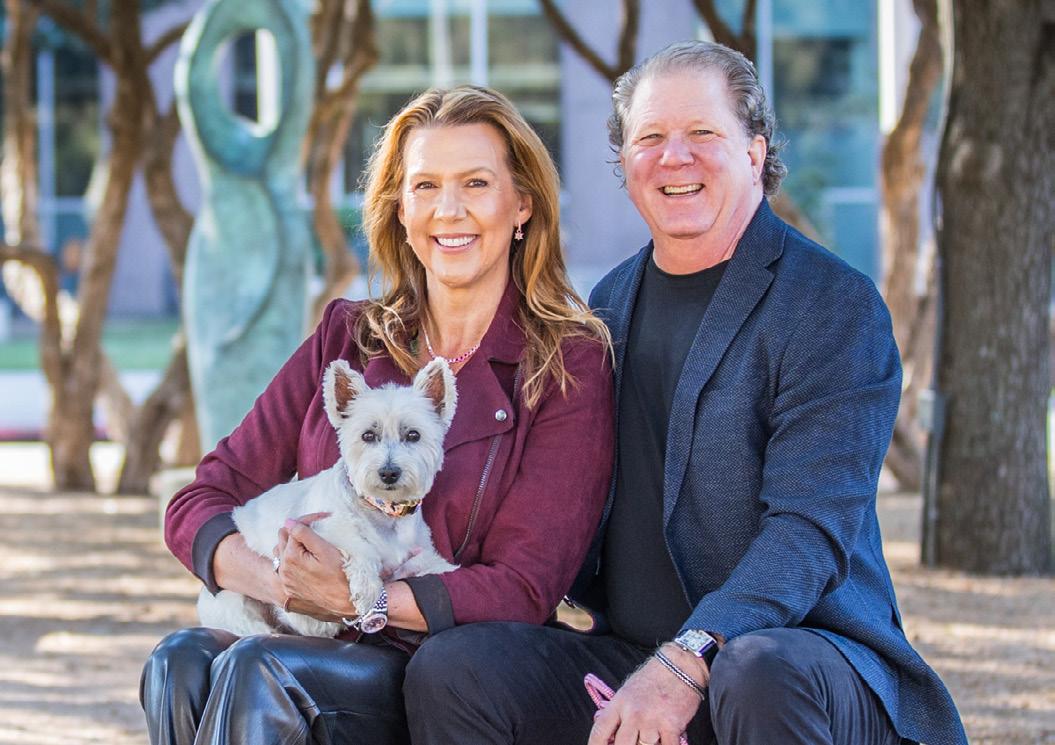
When Robb Early felt two swollen areas in his groin during a wedding anniversary trip in September 2023, he never imagined the discovery would lead to a cancer diagnosis — let alone a new sense of purpose as a supporter and advocate for the lymphoma community.
Robb, a retired information technology executive living in Frisco, TX, with his wife, Kristin, their youngest son, Matthew, and their two beloved Westies, was very active, playing ice hockey and riding dirt bikes. Robb spent several months undergoing tests before finally receiving the news that “blew their minds”: He had mantle cell lymphoma (MCL), a rare and aggressive form of non-Hodgkin lymphoma.
The diagnosis arrived, fittingly and ironically, on April 1 — April Fool’s Day.
“There was nothing funny about it,” Robb says. “Kristin and I immediately went into research mode.”
Like many newly diagnosed patients, Robb turned first to the internet, only to be met with outdated, alarming statistics that intensified his fear.
“Everything we found made it seem like this was an extremely rare disease with potentially limited life expectancy. So, we were pretty freaked out.”
It wasn’t until his local oncologist provided him with educational materials from the Lymphoma Research Foundation that he found some relief.
“My doctor gave me those materials and said, ‘Robb, this is one of the best resources you can use,’” Robb says. “And he was right. They helped me understand what we were dealing with and gave us trustworthy, current information. I still have them to this day.”
From then on, the Foundation’s website, webinars, and other resources became essential to Robb and Kristin as they navigated his diagnosis.
Soon after, Robb was referred to MD Anderson Cancer Center, where he began an immunotherapy-based approach using Bruton tyrosine kinase (BTK) inhibitors — targeted treatments that kill malignant B cells while sparing healthy T cells.
After eight months of treatment, he was declared in remission in February 2025 and is now in maintenance treatment. But even as he pushed through treatment, Robb says the Foundation remained a “constant source of comfort.”
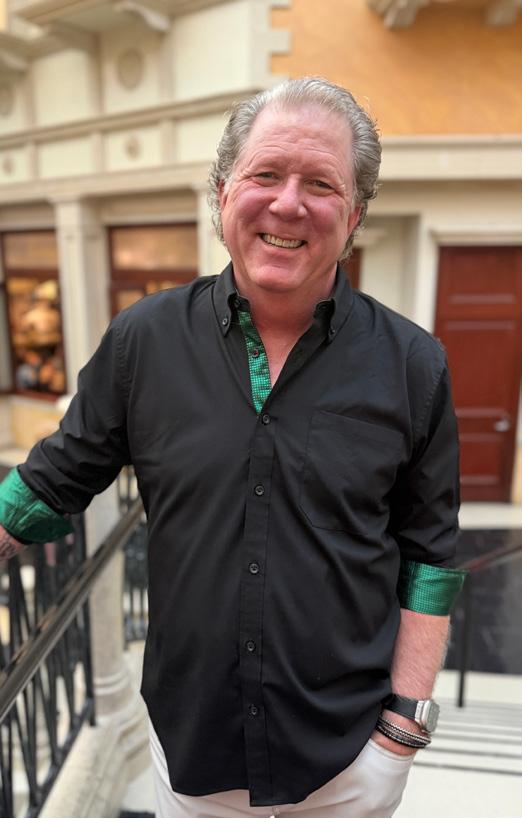
The Foundation gave me a sense of hope, control, and clarity that nobody else could.
As Robb engaged more deeply with the Foundation’s programs, he became increasingly inspired by the Foundation’s mission.
“The Foundation gave me a sense of hope, control, and clarity that nobody else could,” he says.
Robb and Kristin have long believed in supporting charitable organizations with strong focus and impact. After his diagnosis, they knew they wanted their giving to reflect the people and programs that guided them through their cancer experience.
“From the moment I was diagnosed, the Foundation became one of the few places offering clear, current, trustworthy information,” Robb said. “Supporting the Foundation felt like our way of saying thank you — and helping the next person who finds themselves where I once was.”
Robb was also excited to support an organization that supports the research and science that is helping to advance cures.
“With my engineering background, I naturally gravitate toward understanding how things work,” said Robb. “The Lymphoma Research Foundation provides opportunities to hear directly from doctors and researchers who are advancing the field, and for the first time, I could see how far treatments have come and what the plans for the future are. To be able to support that future is one of the many reasons we support the Foundation.”
What began as a single annual appeal gift soon grew into deeper involvement. Robb and Kristin became monthly supporters and joined the Foundation’s Circle of Hope, followed by Founders’ Society, which honors the generosity and vision of those whose cumulative contributions have reached $1,000 or more in one year.
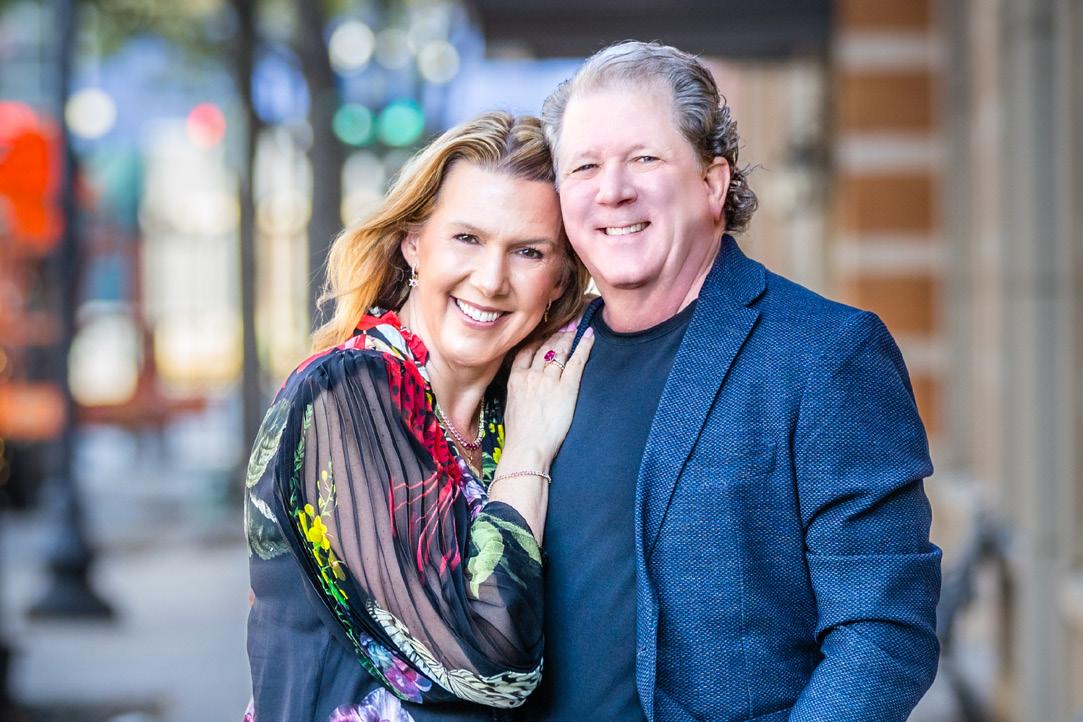
“It is so meaningful to me to be able to give back and support the research and education and contribute to something that is larger than my individual journey,” said Robb.
Most recently, Robb and his wife made their biggest contribution of all in the form of an estate gift — also known as a planned gift — to the Foundation. Shortly after Robb was diagnosed, he and Kristin went through the process of putting together an estate plan. After being involved with the Foundation for a while, they decided to revisit their plans this past summer and chose to include the Lymphoma Research Foundation in them.
“It just felt natural,” he says. “We had only ever thought about family when planning our estate. But after everything the Foundation has given us — knowledge, reassurance, support — it became clear that the Foundation should also be part of our legacy.”
For Robb and Kristin, the planned gift is more than a gesture — it’s an investment in hope. Hope for continued advancements in treatment protocols and, ultimately, to find a cure.
Robb and Kristin are also planning to provide a grant to the Lymphoma Scientific Research Mentoring Program to support a Scholar conducting research specifically on MCL.
“What stood out to me about the Lymphoma Research Foundation is its focus,” Robb said. “They aren’t dabbling in every blood cancer. They are completely centered on lymphoma — and that focus makes all the difference. I want my gift to help keep it that way.”
Robb encourages others — patients, care partners, and even those without a personal lymphoma connection — to consider supporting the Foundation.
“Every contribution, no matter the size, directly supports people whose lives have been upended by lymphoma,” he says. “It’s a way to turn a very personal journey into something that helps countless others.”
Through remission, reflection, and renewed purpose, Robb remains grateful — for excellent medical care, for the support of his family, and for the lymphoma community that welcomed him with open arms.
“It’s been a challenging journey but one that’s made me a better person,” he says. “If my story or my gift can help someone else find hope a little faster, then that means everything to me.”
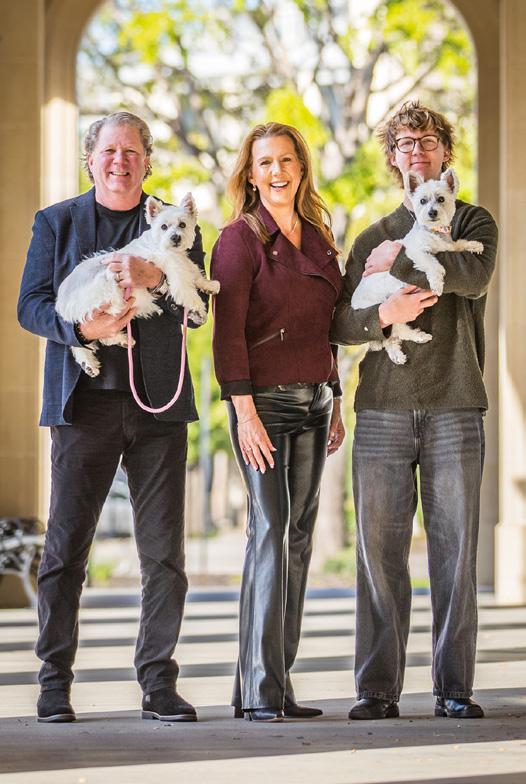
If my story or my gift can help someone else find hope a little faster, then that means everything to me.
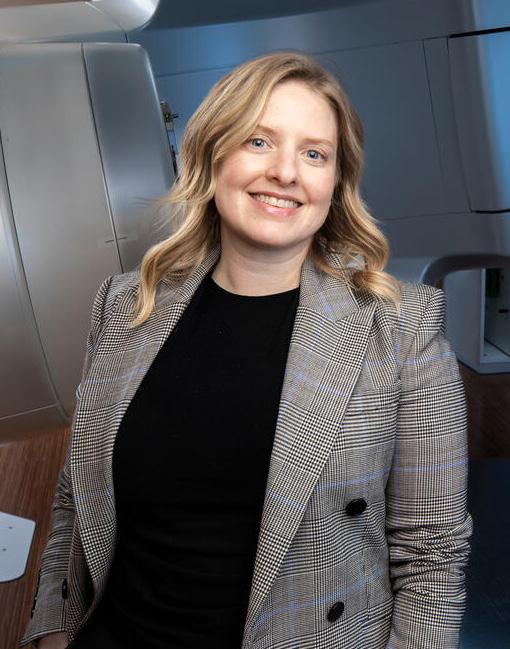
When Allison Rosenthal, DO, walks into a patient’s room, she brings with her more than medical expertise. She brings lived experience — a life marked by grit, reinvention, and an unwavering belief that people facing cancer deserve not only the right treatment but also the right kind of care.
A renowned lymphoma specialist at Mayo Clinic, Arizona, Dr. Rosenthal is powered by the institution’s primary value: “The needs of the patient come first.” For many physicians, that phrase is a mantra. For Rosenthal, it’s autobiographical. Rosenthal is a survivor herself of acute promyelocytic leukemia. She understands better than most how a cancer diagnosis can change the course of a person’s life. It is the unspoken engine behind everything she does now. Her story is not only one of medical achievement but also of perspective — her work is reshaping the future of lymphoma research, challenging outdated norms, and offering a new model of care that honors both science and humanity.
Long before she became a lymphoma specialist, Rosenthal’s world revolved around uneven bars and balance beams. Growing up in a suburb of Chicago as the eldest of three sisters, she was a competitive gymnast whose discipline and drive shaped her ambitions early.
“I was one of those kids who just knew what I wanted to do — I wanted to be a doctor,” she says.
Her road to medical school started with a full athletic scholarship to Utah State University for undergrad. She attended medical school at Midwestern University in Arizona, with a plan to pursue orthopedic surgery — a natural extension of her years being cared for by orthopedists who, in her words, “pieced me back together time and time again.”
But life doesn’t always stick the landing you planned for.

Halfway through her second year of medical school, she was diagnosed with acute promyelocytic leukemia. She took a year off from school to receive the more intensive part of her treatment, then returned determined to resume her surgical plans.
“My oncologist kept planting the seed: ‘Maybe you’re meant to do something else,’” she recalls. “I ignored him — at first.”
Then, when she didn’t match into orthopedic surgery, she decided the universe maybe had a different plan for her.
“It was a panic moment for me because I had spent all of my primary care rotations doing sports medicine, but I decided that I was supposed to do something different with my life.”
She went on to complete her internal medicine residency at Saint Joseph’s Hospital and then her fellowship at Mayo Clinic, Arizona, ultimately earning a coveted Mayo Clinic Scholar designation that allowed advanced specialty training at Mayo Clinic, Rochester, and Memorial Sloan Kettering Cancer Center.
Lymphoma appealed to Rosenthal because it offered everything she loved about medicine — complexity, continuity, and the chance to think deeply and creatively. Lymphoma wasn’t just a good fit for Rosenthal — it was a revelation.
“There’s so much variety. I care for patients aged 18 to 100 navigating several different subtypes of lymphoma,” she says. “Some patients are acutely ill, and some are in need of long-term care. But all in all, there’s just so much opportunity to make things better.”
I take care of my patients the way I want to be taken care of. Or the way I’d care for a family member.
Through her work, she realized lymphoma wasn’t one disease but a landscape — diverse, challenging, and rich with unanswered questions.
“I take care of my patients the way I want to be taken care of. Or the way I’d care for a family member.”
Whole-person care isn’t a slogan for her — it’s an imperative. She gently dismisses the notion that suffering in silence is noble.
“You don’t get bonus points for not telling me you feel terrible,” she tells patients. “If I don’t know, I can’t help.”
She wants to know what her patients do for joy, what matters to them, what dreams and milestones are on hold while they navigate a diagnosis. She helps her patients live a life with lymphoma, not around it.
Sometimes, she even shares pieces of her own story — when it will help a patient feel less alone.
The aspect of Dr. Rosenthal’s work that fuels her greatest passion is her research and care for adolescent and young adult (AYA) cancer patients. A passion born directly from her own experience.
“Technically, my care was excellent,” she says. “But once I was in remission, after a long two-and-a-half years of therapy, everyone just expected I was fine — but emotionally, how could anyone in their 20s facing a cancer diagnosis just move on and be fine?”
Adolescents and young adults (AYA) are defined by the NIH as patients aged 15 to 39 years. Every year, nearly 70,000 AYAs in the U.S. are diagnosed with cancer, and lymphomas are responsible for nearly 1 in 5 cancer diagnoses among them.
Dr. Rosenthal knows firsthand that a cancer diagnosis can disrupt and derail myriad milestones, including school, career building, financial independence, relationships, dating, fertility, identity, and more.
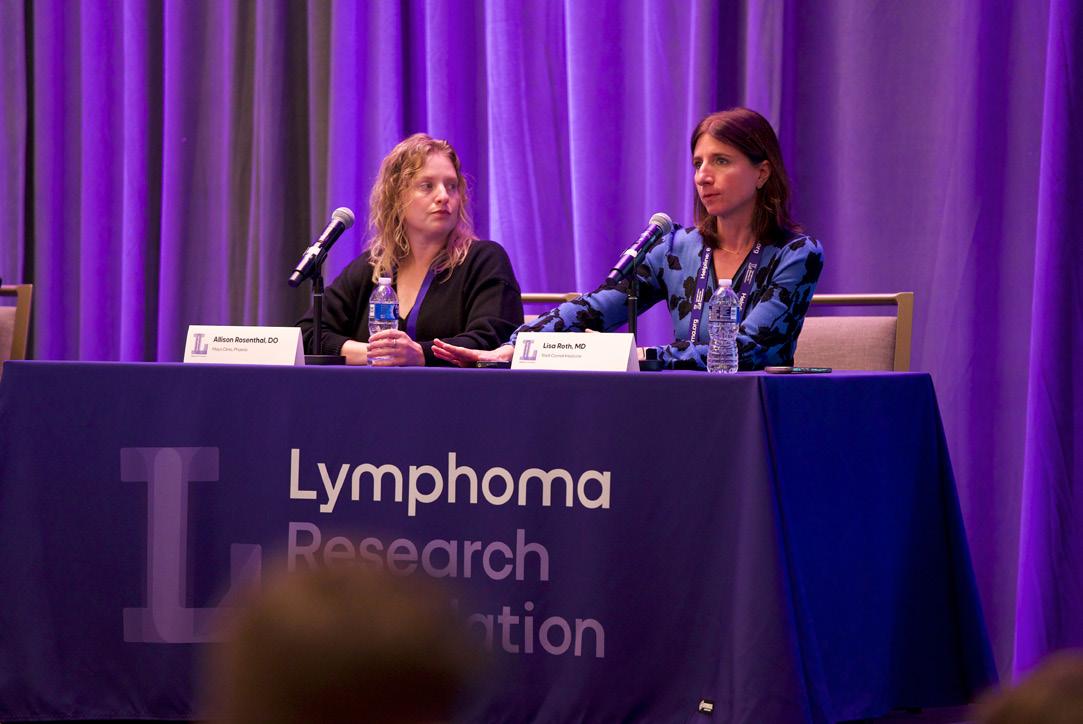
“If you’re 24 and bald, walking back into the dating world is no small thing,” she says.
Dr. Rosenthal recognizes that AYAs present unique medical and psychosocial challenges, and there is much work to be done in identifying research gaps, optimizing outcomes, and supporting young patients from diagnosis through survivorship.
“We still do too much extrapolating from data in children or older adults. There’s a huge gap in true ageappropriate care,” she says. “It’s not good enough. And we can fix that.”
After seven years of persistent advocacy, Rosenthal helped establish a formal AYA cancer program at her own institution — a program she now co-leads across all Mayo sites. She hopes fewer young people will fall through the cracks the way she once did.
Unlike some researchers who begin with a hypothesis, Dr. Rosenthal begins with people.
“The things I’m interested in doing from a research point of view are related to the patients I’m seeing in my clinic,” she explains. Her work isn’t just about publishing papers — it’s about tackling the real-world challenges she encounters every day.
Her research spans a wide range of topics: long-term outcomes and survivorship, the challenge of ensuring every patient can be cured, care delivery, and, of course, adolescents and young adults with lymphoma. She also brings unique expertise in cutaneous lymphomas, a rare form of the disease. This area has become a personal interest, and she hopes to develop it into a focus of her research in the future.
Dr. Rosenthal is candid about the limits of current understanding:
“Most people don’t know why they have lymphoma. And we don’t either — not yet. We need more preventive research. We need more data. We need more answers.”
That’s why she emphasizes the importance of patient participation in clinical research — whether through trials or surveys that inform the design of future studies.
“Research isn’t just about treatment,” she says. “It’s about understanding the human experience of lymphoma.”
For Rosenthal, the most exciting advances in lymphoma research lie beyond traditional chemotherapy.
“For years, we have treated patients with chemotherapy, but chemo is rough and unintelligent, and we can do better,” she says bluntly. “The future is targeted therapies, treatments based on biology, and reducing toxicity wherever we can.”
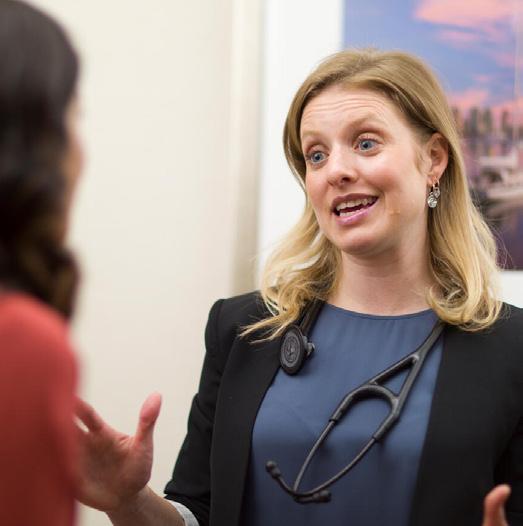
Dr. Rosenthal’s relationship with the Lymphoma Research Foundation began with the Foundation’s Lymphoma Scientific Research Mentoring Program (LSRMP) — an experience she describes as “career-launching.”
Highlighting its commitment to young investigators, the Foundation launched the LSRMP in 2014. Program participants, known as Foundation Scholars, attend and participate in an intensive week-long workshop in which they learn from and network with the Foundation’s renowned Scientific Advisory Board members and world-leading lymphoma experts. Over the course of the two-year program, Scholars gain the skills needed to successfully design and administer clinical, translational, and/or laboratory research studies; apply for future grant funding; and establish themselves as independent researchers.
The LSRMP workshop connected her with mentors and cohort members with whom she still collaborates a decade later.
“We still email and text,” she said. “Just this morning, someone from my cohort reached out about a project. These are lifelong relationships.”
Now she serves as faculty for the program, helping the next generation of early-career investigators navigate opportunities that are best for them.
“My career growth has been a bit non-traditional,” she says. “I have always focused on my strengths, and when I speak as faculty for LSRMP, I get to talk about my experience, some of the things I did, and how I learned how to say no to opportunities that were serving someone else and not serving me and my goals.” “The Foundation invests in people,” she says. “And people are what move this field forward.”
For Dr. Rosenthal, the Lymphoma Research Foundation represents the epicenter of community, momentum, and shared purpose. She says the Foundation is “integral” to
the lymphoma community — both by funding lymphoma research and advancing cures and by providing patient education and support.
“Whether it’s providing grants and funding to early-career scientists; providing resources, education, and support to lymphoma patients and their loved ones; or building a sense of community among all of us, the Foundation is at the heart of it all.”
When asked about the highlights of her career, Rosenthal doesn’t reference awards or titles. Instead, she talks about the people and moments that have shaped her along the way.
“The highlights of my career are the milestones my patients celebrate,” she says. “It is so cool that after everything they have been through and faced, their lives move forward, past lymphoma, and I get to share in that with them.”
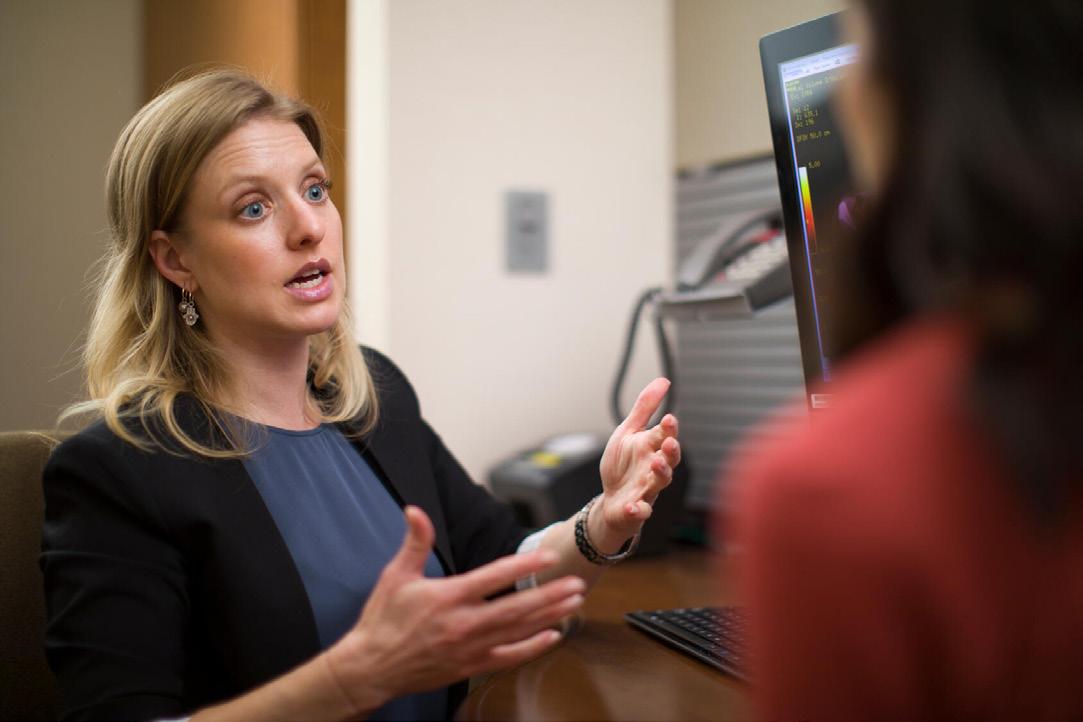
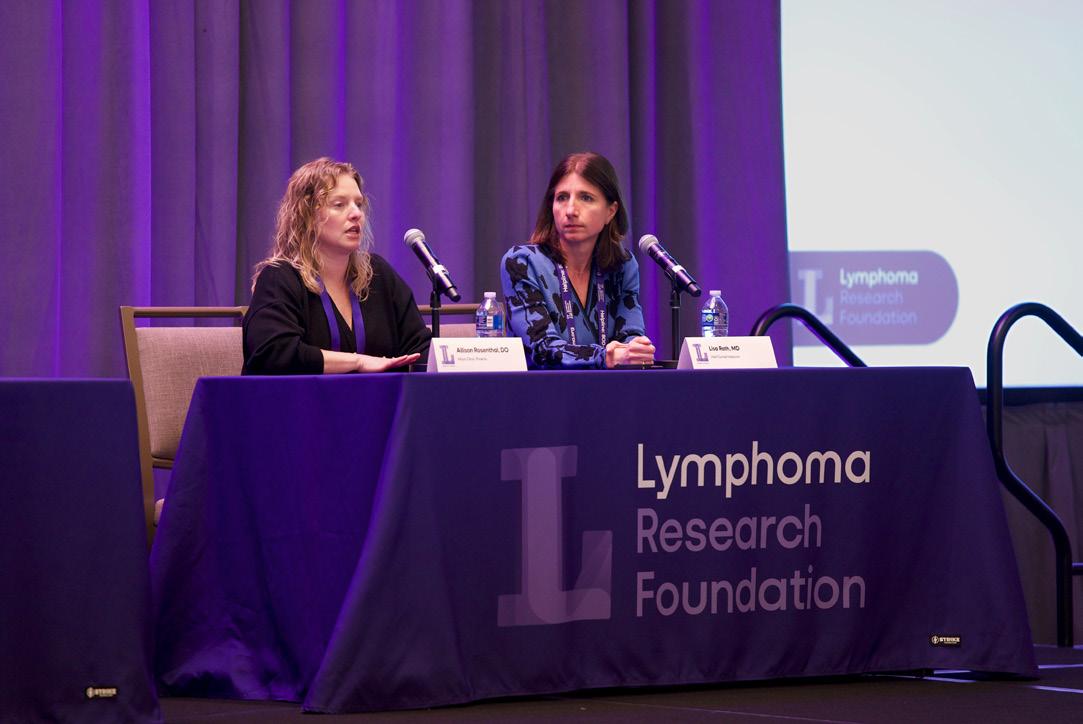
The stories she carries span generations — from young adults returning to college to a 92-year-old patient celebrating his 75th wedding anniversary to patients welcoming children into the world.
“Just recently we said it was ‘baby palooza,’” she says, chuckling. “We had so many AYA patients become pregnant after treatment, and I kept a list of all of them and sent them onesies that said tiny blessings.”
This is the heart of her work — not the accolades, the programs, the publications, or even the breakthroughs. It’s human connection. The belief that medicine, at its best, is personal.
“I tell my patients, ‘Let me do the worrying,’” she says. “And I mean it. Because someone once did that for me.”
Her life is proof that even the most unexpected detours can shape a calling. And her work is shaping a future where every patient has someone in their corner who truly understands.
It is so cool that after everything they have been through and faced, their lives move forward, past lymphoma, and I get to share in that with them.
Sanket Shah, PhD, is currently is a postdoctoral fellow at Weill Cornell Medicine
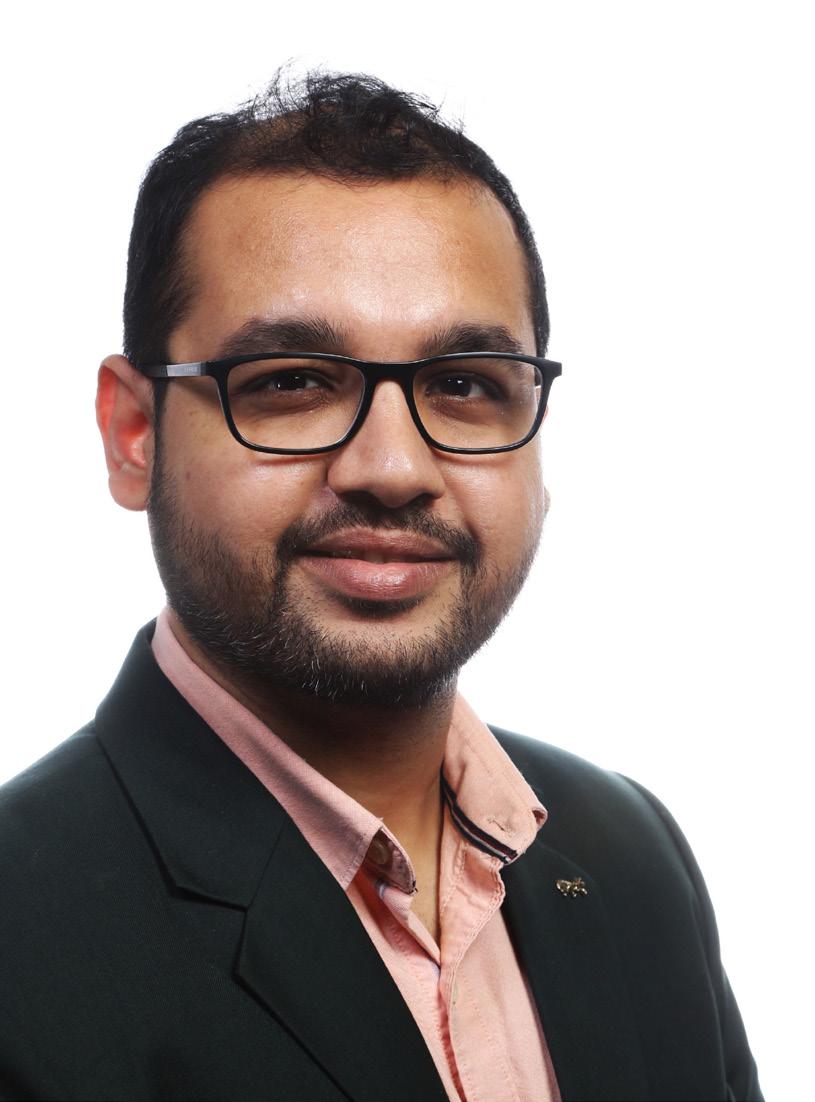
When did you become interested in studying science as a career and oncology specifically? In lymphoma specifically?
My interest in science started early. My father is a doctor, and growing up, I watched him treat patients as a general physician. Seeing medicine up close was the first step in my curiosity about how diseases work inside the body.
During my college years, oncology quickly became my favorite subject. I was fascinated by how cancer alters normal biology, and the more we learn, the more questions are emerging. That curiosity contributed to my decision to build a long-term career in cancer research.
My specific interest in lymphoma began during my postdoctoral training, when I was exposed to the complexity of B-cell biology and the heterogeneity within diffuse large B-cell lymphoma (DLBCL). The more I learned, the more I wanted to understand how molecular diversity contributes to disease biology and how precision therapy can influence it.
At what point in your career did you receive funding from the Lymphoma Research Foundation? What kind of grant did you receive?
I received the Dr. Bruce D. Cheson Postdoctoral Fellowship from the Lymphoma Research Foundation in 2023, during the early phase of my postdoctoral training at Weill Cornell Medicine.
What scientific project did you pursue as part of your postdoctoral fellowship? What do you hope your project will contribute to our understanding of lymphoma? To treating people with lymphoma?
My fellowship supported a project investigating how SETD2 mutations, which are enriched in African ancestry DLBCL, drive a senescence-associated secretory phenotype (SASP) and reshape the lymphoma microenvironment. I hope this work deepens our understanding of how immune evasion occurs in specific genetic backgrounds and contributes to more precise treatment strategies for the patients.
Was the support and grant funding you received from the Foundation vital to advancing/ dedicating your career to studying lymphoma?
Please explain why you feel this way.
Yes, absolutely. The Lymphoma Research Foundation Postdoctoral Fellowship grant gave me the resources and confidence to pursue a high-risk, hypothesis-driven project. When I started, I had no preliminary data, only a strong scientific idea. The fellowship made it possible to follow the biology, generate foundational data, and now build a bigger scientific question.
How has epigenetic therapy evolved since you were funded by the Foundation?
Knowing that DLBCL frequently carries mutations in epigenetic modifiers and the disease shows heterogeneity, the future seems promising for precision epigenetic therapy. These therapies not only modulate tumor-intrinsic programs but also reshape the tumor microenvironment, opening the door to combinations with immunotherapy.
How has your involvement with the Foundation continued since receiving funding from the Foundation?
I have stayed actively connected with the Foundation community through meetings, seminars, and interactions with other fellows. The network has been amazing in shaping my growth and connecting me with other researchers focused on understanding lymphoma biology.
Why is the Foundation’s mission and focus on lymphoma-specific research and programming important? Put another way: How would the lymphoma community be impacted if there were no Lymphoma Research Foundation?
The Foundation fills a critical gap. Lymphoma is a diverse set of diseases, and many biologically important questions would remain unexplored without dedicated, diseasespecific funding.
When I began my project, I only had a hypothesis-driven idea. The Lymphoma Research Foundation’s support allowed me to take that risk. Without organizations like them, early-stage investigators would have fewer opportunities to pursue innovative ideas that could meaningfully contribute to disease understanding and effectively contribute to patient care.
Your abstract has been selected to be presented at the ASH Annual Meeting this year. What does that mean to you, and why do you feel that it is important to share your research with the broader community? How do you hope your ASH abstract will impact the lymphoma community?
Being selected for an ASH Plenary session is an incredible honor — especially because our work is defining a new subtype of DLBCL driven by DNAdamage-sensing mutations, particularly enriched in patients of African ancestry.
This subtype can be readily identified using clinical markers, which means it has real potential for immediate clinical translation. It also opens the door for precision epigenetic therapy combined with immunotherapy, tailored to ancestry-linked biology.
Sharing these findings at ASH ensures that the broader lymphoma community becomes aware of this biology and can begin to integrate it into research, diagnosis, and precisely for treatment.
What research or projects are you currently pursuing that you would like to share with our readers?
I am currently focused on understanding how DNAdamage-associated mutations contribute to specific phenotypes and how they shape the lymphoma microenvironment.
I am also studying how precision epigenetic drugs change the immune landscapes and how they can be combined with immunotherapies to improve responses. These projects cover patient samples, genetically engineered mouse models, and advanced spatial proteomics.
Do you have a personal connection to lymphoma? Can you share a little bit about how that motivates your work?
Yes. While I was recovering from a severe episode of necrotizing pancreatitis last year, my mother was diagnosed with DLBCL. Experiencing the disease I study every day suddenly within my own family was really difficult.
Her diagnosis has given my work an even deeper meaning and a personal interest. I feel extremely fortunate to be alive and healthy today, and it motivates me every day to push the science forward.
What are you most excited about in the field of lymphoma research today? Why?
I am most excited about our growing ability to integrate genomics, epigenetics, spatial profiling, and immunology to identify new biological subtypes of lymphoma. We are able to understand why certain groups of patients respond differently and design therapies tailored to those differences.
It feels like the field is moving toward a future where treatments are promising, and that is inspiring.
I am most excited about our growing ability to integrate genomics, epigenetics, spatial profiling, and immunology to identify new biological subtypes of lymphoma.

Lymphoma Rounds provides a forum for practicing physicians from academic and community medical centers to meet throughout the academic year and address issues specific to the diagnosis and treatment of their lymphoma patients. Physicians network, share best practices, and learn the latest information on new therapies and advances in the management of lymphoma through interactive case studies presented by lymphoma experts.
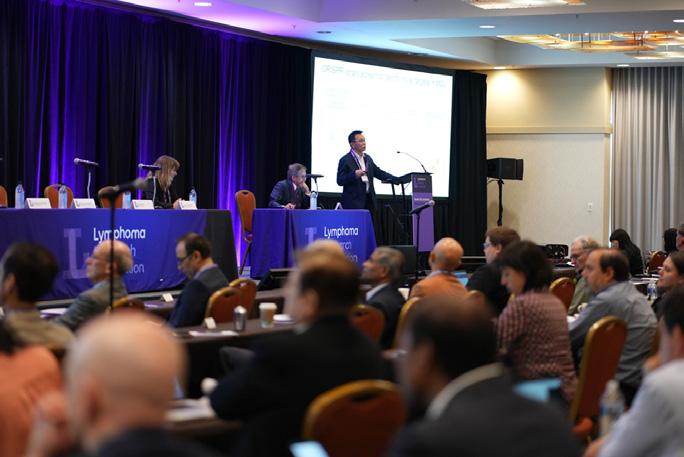
Visit lymphoma.org/hcpeducation to register and learn more. 2026 Schedule 5/2 – Lymphoma Rounds Symposium at Chicago
Lymphoma Rounds programming is supported by educational grants from: AbbVie; Acrotech Biopharma; ADC Therapeutics; AstraZeneca; BeOne Medicines USA, Inc.; Bristol Myers Squibb; Genmab; Incyte; Kite Pharma, Inc.; Pfizer; Secura Bio; SERB Pharmaceuticals
The Lymphoma Research Foundation returned to the American Society of Hematology (ASH) Annual Meeting and Exposition, with 276 Foundation-affiliated scientists, including past and present members of the Foundation’s world-leading Scientific Advisory Board (SAB) and grantees, contributing to an abstract presented at the conference.
Widely regarded as the premier event in malignant and non-malignant hematology, the ASH Meeting provides a critical forum for leading hematologists/oncologists to present their findings to over 20,000 of their peers. Among the distinguished scientists attending, more than 80 Foundation-affiliated scientists presented at the 2025 ASH Annual Meeting. In addition to the Foundation’s representation through presentations, the Foundation’s researchers contributed to 674 lymphoma-related abstracts.
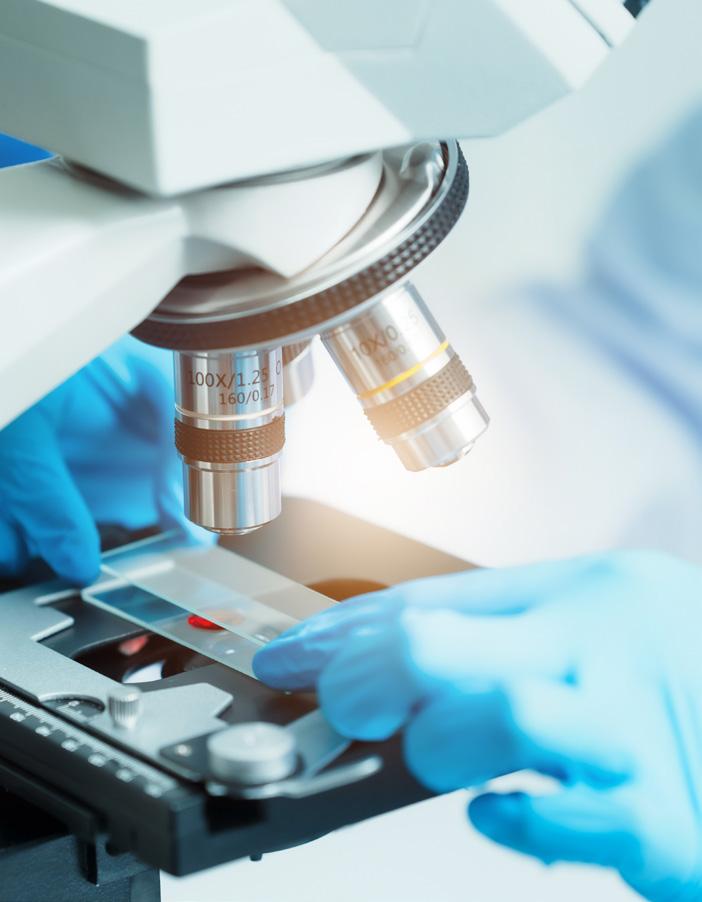
Several studies have demonstrated the efficacy of lenalidomide plus rituximab, known as R2, in follicular lymphoma (FL). The long-term outcomes of this treatment approach when used in the frontline setting have previously been unknown, but investigators have now been able to analyze data from 15 years of follow-up in the pivotal phase 2 trial. These results were presented by Foundation Lymphoma Scientific Research Mentoring Program (LSRMP) scholar Dai Chihara, MD, of MD Anderson Cancer Center.
The original trial included 79 patients with previously untreated FL and a median age of 56 years (range, 29-84 years). About half of participants had high tumor burden and half had low tumor burden. Most participants had low- (45%) or intermediate-risk (41%) disease; 14% had high-risk disease. Participants received a time-limited course (6 or 12 cycles) of lenalidomide and rituximab. In the initial analysis, 99% of participants with available results had a response to treatment, with a best complete response rate of 87%.
Over the course of the study, nearly half of participants (46%) were lost to follow-up (many during the COVID-19
An estimated 1 in 8 people with chronic lymphocytic leukemia (CLL) or small cell leukemia (SLL) develop another type of cancer at some point during their lifetime. This may be partly the result of the cytotoxic effects of chemotherapy, and investigators were interested in understanding how the introduction of more targeted treatment options may have impacted the risk for other cancers. To this end, investigators analyzed the rates of other cancers in newly diagnosed patients with CLL/SLL. The results of this study were presented by Foundation Lymphoma Scientific Research Mentoring Program (LSRMP) scholar Helen Ma, MD, of VA Long Beach Healthcare System.
pandemic). Among participants with available outcomes data, 30 experienced disease progression. The 10-year progression-free survival rate was 61%, and the median progression survival was over 16 years. At 30 months, 76% of participants were in a complete response; these people had longer periods of remission than those who did not achieve a complete response at 30 months.
The 10-year overall survival rate was 95%. Over the course of follow-up, 9 participants died; only 1 death was from lymphoma. Overall survival was shorter for people who experienced disease progression within 24 months of treatment, but this difference was not statistically significant.
After nearly 15 years of follow-up, most patients with FL who received frontline R2 remained in remission, demonstrating durable responses even in the absence of maintenance therapy. The investigators noted that these results will serve as an important reference for long-term outcomes in future trials of FL therapies.
This study also included contributions from Foundation SAB member and Chair-elect Christopher Flowers, MD, MS, of The University of Texas MD Anderson Cancer Center and Foundation grantees Paolo Strati, MD, of The University of Texas MD Anderson Cancer Center and Jason Westin, MD, of The University of Texas MD Anderson Cancer Center.
The study included outcomes from 6,844 people across multiple health systems in the United States, including the Department of Veteran Affairs (VA), MD Anderson Cancer Center, and the Mayo Clinic. Records were only included for patients newly diagnosed after January 1, 2016. Approximately one-third of patients received CLLdirected therapy, of which 77% received targeted therapy and 12% received chemoimmunotherapy (4% received combination targeted/chemoimmunotherapy and 6% received monoclonal antibody therapy only). The most common targeted therapies used were ibrutinib (50%), acalabrutinib (20%), and venetoclax (15%).
A total of 583 people in the analysis were diagnosed with another cancer. The estimated risk was 4.2% at 24 months and 9.7% at 60 months. Risk for other cancers was found to be highest in older patients, males, and those who received CLL-directed therapies. Among the
latter group, the risk was highest for those who received chemoimmunotherapy, with or without targeted therapy (60% increased risk relative to those who did not receive any CLL-directed therapy); however, patients who received targeted therapy only were still at elevated risk for other cancers relative to those who received no therapy for CLL (27%).
Based on these results, the investigators estimated that about 1 in 10 people with newly diagnosed CLL/ SLL develop another cancer within 5 years. Although the risk is higher among people who received chemoimmunotherapy, there is still an elevated risk associated with targeted therapies for CLL.
This study also included contributions from former Foundation SAB member Susan O’Brien, MD, of University of California, Irvine and Foundation grantee Yucai Wang, MD, PhD, of Mayo Clinic, Rochester.
Chimeric antigen receptor (CAR) T-cell therapies have emerged as an important component of the treatment arsenal for B-cell malignancies. Their use, however, has been complicated by a high rate of serious and potentially life-threatening toxicities, including cytokine release syndrome (CRS) and immune effector cell–associated neurotoxicity syndrome (ICANS). Investigators, therefore, sought to understand the mechanisms that lead to the development of these toxicities and potential mechanisms to interrupt these processes.
To start with, the team analyzed cytokine levels within the plasma of patients who had recently received CD19-directed CAR T-cell therapy (CART19) for relapsed/ refractory large B-cell lymphoma (LBCL) or relapsed/ refractory follicular lymphoma (FL). Among this group, 88% developed CRS and 16% developed ICANS. Within the first 30 days after treatment, the investigators found that IL-5 was one of the most highly enriched cytokines, with 6.6-fold increase from Day 0 to peak in people who experienced CRS and an 11.9-fold increase in those who experienced ICANS.
Using a mouse model of B-acute lymphoblastic leukemia (B-ALL), researchers then examined the effect of IL-5
inhibition in animals treated with CART19. They found that the mice treated with an IL-5 inhibitor had reduced weight loss, improved neuroscores, and reduced expression of CRS-associated cytokines compared with mice who received a control treatment. They also found that while all CART19-treated mice were able to clear the tumor burden, those who received an IL-5 inhibitor had longer overall survival than those who did not.
To further explore the impact of IL-5 on survival outcomes, the researchers knocked out IL-5 or the IL-5 receptor in CART19 cells before infusing them into mice. They found that the knockout mice had improved antitumor activity and improved survival relative to those who still expressed IL-5 or its receptor.
While more research is needed to understand the impact of IL-5 inhibition on CAR T-cell treatment outcomes in patients, the investigators suggested that this may be a promising strategy to improve both efficacy and safety of CAR T-cell therapy for patients with lymphoma.
This research was presented by Foundation Postdoctoral Fellowship grantee Alberto Carturan, MD, of the University of Pennsylvania.
This study also included contributions from Foundation grantee Marco Ruella, MD, of Perelman School of Medicine at the University of Pennsylvania.
African Americans with diffuse large B-cell lymphoma (DLBCL) are susceptible to cancer development at an earlier age and worse survival outcomes. Genetics are thought to play a role in these disparities, as individuals with African ancestry (from both America and Malawi) have been found to have an increased frequency of genetic mutations associated with DNA damage and genomic instability than their European counterparts.
In the present study, Foundation Postdoctoral Fellowship grantee Sanket Shah, PhD, of Weill Cornell Medicine described the effects of this mutation profile in a mouse model of DLBCL.
The investigators found that there was enrichment of exhausted (or dysfunctional) T cells in the African ancestry DLBCL mice. They also found high rates of genomic instability relative to control mice, consistent with what is seen in human cells. Genomic instability can lead to senescence in cells, or the loss of their ability to grow and divide. Although it is not typically thought of as a characteristic of DLBCL, researchers found high rates of senescence in both mouse models and human cells with the African ancestry mutation profile. Senescence was found to correlate with the enrichment of exhausted T cells, suggesting it may play a role in immune modulation.
To better understand this relationship, investigators examined the growth of cells based on their expression of senescence-associated proteins (SASP+ and SASP-). They found that while SASP+ and SASP- cells grew the same in culture and in immunodeficient mice, when they were
Covalent Bruton tyrosine kinase inhibitors (cBTKis) have been a cornerstone of treatment for relapsed/refractory mantle cell lymphoma (MCL) for many years, but it remains unclear how well patients respond to these
transplanted into mice with a fully functioning immune system, only the SASP+ cells could form tumors. These results suggested that senescence is required to evade immune suppression, which the researchers hypothesized was related to T-cell exhaustion levels. When exhausted CD4+ T cells were depleted in the mice, lymphoma progression was impaired.
Although checkpoint inhibitors are generally ineffective in DLBCL, the investigators also hypothesized that they may be more effective in the cells with high rates of genomic instability at baseline. Indeed, they found that the DLBCL mice with the African ancestry profile were highly sensitive to checkpoint inhibitor therapy, with prolonged complete remissions. Additional studies of combination therapies targeting specific mutations commonly seen in individuals with African ancestry are currently underway.
The results of this study help to explain differences in outcomes for people with African vs European ancestry. Researchers hope that ongoing research on the use of targeted therapies associated with the distinct DLBCL mutation profile observed in people with African ancestry will help to reveal new treatment options that will improve outcomes in this historically underserved population.
This study also included contributions from Foundation SAB member and Chair-elect Christopher Flowers, MD, MS, of The University of Texas MD Anderson Cancer Center; Foundation SAB members Lisa Giulino Roth, MD, of Weill Cornell Medicine and Ari Melnick, MD, of Weill Cornell Medicine; and Foundation grantees Michelle Lee, MD, PhD, of Winship Cancer Institute of Emory University; Vignesh Shanmugam, MD, of Brigham and Women’s Hospital, Inc.; Daniela Magliulo, PhD, of Weill Cornell Medicine; Wendy Béguelin, PhD, of Weill Cornell Medicine; and Jean Koff, MD, MS, of Winship Cancer Institute of Emory University.
therapies in real-world settings. Investigators, therefore, used electronic health records from the nationwide Flatiron Health database to examine outcomes for people with MCL who received cBTKi therapy in the second line or later. The results of this analysis were presented by Kami Maddocks, MD, of Ohio State University Comprehensive Cancer Center, a Foundation Scientific Advisory Board (SAB) Member and member of the Foundation’s Mantle Cell Lymphoma Consortium (MCLC) Executive Committee.
The analysis included records from 745 patients with MCL who had received a median 3 lines of therapy. Most (80.5%) received their first cBTKi in the second line (16.4% in third line, 3.2% in fourth line or later). Approximately two-thirds of patients received cBTKi monotherapy as their first cBTKi treatment, of which acalabrutinib was most commonly used (33.8%; 20.1%, zanubrutinib; 13.0% ibrutinib). The median time from diagnosis to initiation of cBTKi therapy was 12.6 months, and most patients had high-risk disease characteristics at the start of treatment. The 24-month survival rate in the full group was 56.5%.
The median time from starting cBTKi therapy to the last observation or death was 13.3 months, with similar survival intervals regardless of line of therapy. The median time to next treatment (or death) was 10.8 months overall for those who received cBTKi monotherapy, but was markedly shorter for those in later lines of therapy – 12.1 months for those in the second line, 7.1 months in the third line, and 3.9 months in the fourth line or later. Median time to treatment discontinuation or death was 8.0 months. These intervals were shorter in patients who received cBTKi combination therapy (median time to discontinuation, 5.9 months; median time to next treatment, 9.0 months).
The researchers concluded that these results suggest that patients with relapsed/refractory MCL frequently have high-risk disease at the start of cBTKi therapy, and that the time from diagnosis to second-line therapy or beyond is short in this population (just over a year). The poor outcomes in this population emphasize the need for improved treatment options in patients with aggressive diseases such as MCL.
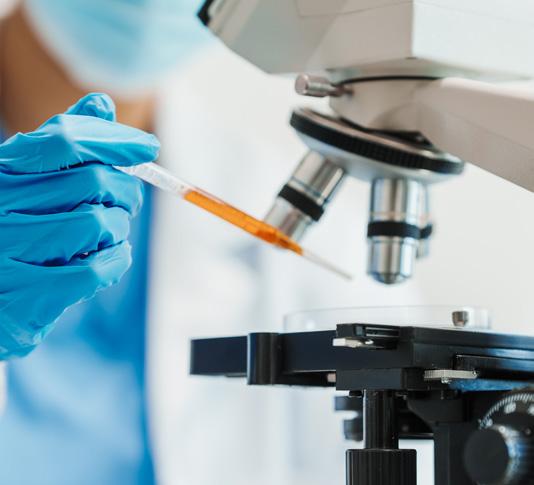
Clinical trials represent an important opportunity to access cutting-edge therapies in hematologic malignancies. In general, AYA with blood cancers have worse survival outcomes compared with their younger counterparts, which may be related to clinical trial participation. In this study, led by Foundation Scientific Advisory Board (SAB) Member Sharon Castellino, MD, MSc, of Winship Cancer Institute, researchers investigated potential factors associated with clinical trial enrollment among pediatric and AYA patients with hematologic malignancies treated at Children’s Healthcare of Atlanta.
The analysis included 602 patients ages 0 to 21 years who were offered and eligible for clinical trial enrollment. Among these patients, 15.9% were AYA (≥15 years old), 27.7% identified as non-Hispanic Black, and 25.8% were classified as having high acuity of illness at diagnosis (defined as requiring an intensive care unit visit within 30 days before or 72 hours after cancer diagnosis).
Within this group, 72.6% enrolled in a clinical trial. The investigators found that AYA age, public insurance coverage, non-Hispanic Black race/ethnicity, and high acuity of illness were all negatively associated with clinical trial enrollment. A diagnosis of leukemia was positively associated with enrollment. After adjusting for sex, race/ethnicity, primary language, health insurance type, and blood cancer subtype, AYAs and people of non-Hispanic Black race/ethnicity were still 55% and 49% less likely, respectively, to enroll in a clinic trial relative to their counterparts. Patients with leukemia were more than 5 times as likely as those with lymphoma to enroll in a clinical trial.
The investigators noted that ongoing research in this study is aimed at understanding the reasons for clinical trial nonparticipation based on age and race/ ethnicity.
Whether you're a patient, care partner, family member, or friend, we're here to provide the information, guidance, and support you need. We team up with experts to host programs providing clear, easy-to-use information to help you navigate every step of your or your loved one’s journey. Scan the QR code to learn more.

Ask the Doctor About Lymphoma is a virtual two-hour program that combines a comprehensive and accessible overview of lymphoma by an expert with an extensive question-and-answer session. The Foundation offers this program on three different topics: newly diagnosed, relapsed/refractory, and a lymphoma overview in Spanish.
Recommended for: Ask the Doctor programs are considered the Foundation’s hallmark program and are a great introductory program for those just beginning their journey with lymphoma.
Lymphoma Talks are a two-hour weekday evening in-person program led by lymphoma experts that provide information about lymphoma in three breakout sessions. These sessions will be comprised of aggressive lymphomas, indolent lymphomas, and chronic lymphocytic leukemia/small lymphocytic lymphoma (CLL/SLL).
Recommended for: Lymphoma Talks are great for those who prefer to learn in person and are interested in networking. This is an ideal program for anyone interested in in-depth education regarding treatment options, including FDA-approved therapies and those being investigated in clinical trials.
Webinars are hour-long interactive programs led by lymphoma experts who discuss the diagnosis and treatment of specific lymphoma subtypes and key research and treatment updates. Webinars feature a presentation from the featured expert, with the remainder of the time allocated to an extensive Q&A session.
Recommended for: Webinars are recommended for patients and their care partners who prefer an interactive learning experience and seek in-depth information on specific lymphoma or cancer-related topics.


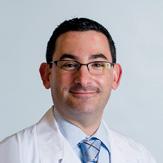
Jeremy Abramson, MD Massachusetts General Hospital
Dr. Abramson is the director of the Lymphoma Program at the Massachusetts General Hospital Cancer Center and an associated professor of medicine at Harvard Medical School. He earned his medical degree from Mount Sinai School of Medicine and a master’s degree in medical sciences from Harvard Medical School. He was first inspired to a career in lymphoma research during his time as a hematology and oncology fellow at the DanaFarber Cancer Institute. “I was inspired by the resilience and optimism of the lymphoma patients I cared for during my first year of fellowship training,” he says. “I subsequently became fascinated with the heterogenous biology across disease subtypes and the range of treatments available and in development.”
Today, Dr. Abramson’s research is focused on conducting clinical trials of novel targeted therapies and immunotherapies. His long-term goals are to reduce oncologists’ reliance on traditional chemotherapies while simultaneously improving outcomes and quality of life for patients with lymphoma. He led pivotal trials leading to the approval of the chimeric antigen receptor (CAR) T-cell therapy lisocabtagene maraleucel for large B-cell lymphomas as well as others in the large B-cell and Hodgkin lymphoma spaces.

As part of the Scientific Advisory Board, Dr. Abramson is eager to help the Foundation push the envelope of research into novel therapies, particularly at a time when federal support is declining. “I look forward to working with an inspiring team of colleagues and Foundation staff to address the most pressing needs for our lymphoma patients and advance the research and young investigators who will drive our field forward,” he says.
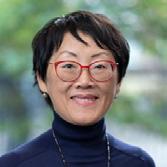
Megan So-Young Lim, MD, PhD
Memorial Sloan Kettering Cancer Center
Dr. Lim is an attending hematopathologist at Memorial Sloan Kettering Cancer Center, where her research focuses on understanding the cellular mechanisms that drive lymphoma. Her interest in lymphoma biology began early in her career as a medical student at the University of Calgary, where she earned both her medical degree and a PhD. “I have a long-standing interest in understanding the cellular mechanisms involved in lymphoma formation and progression,” she says. With a clearer understanding of lymphoma biology, Dr. Lim’s research aims to identify clinically relevant biomarkers that can aid in early detection of lymphoma and long-term disease monitoring.
As a member of the Scientific Advisory Board, Dr. Lim is eager to leverage her knowledge and experiences to help enhance the quality of science being supported by the Foundation. “I am passionate about sharing my experiences with junior members of the scientific community,” she says. “I have a unique combination of pathologic and biologic insights that will be valuable for the scientific community.”

I have a unique combination of pathologic and biologic insights that will be valuable for the scientific community.
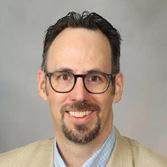
Matthew Maurer, ScD, MS Mayo Clinic, Rochester
Dr. Maurer is a biostatistician and lymphoma researcher at the Mayo Clinic in Rochester, MN. He earned his master’s degree in statistics from Iowa State University and a Doctor of Science in medicine from Aalborg University in Denmark. “As a biostatistician initially working on clinical trials in solid tumors, I was fortunate early in my career to have the opportunity to work with some wonderful lymphoma-focused collaborators and tackle some challenging problems,” he says. “Through this work I learned a lot about the disease and found a niche where I felt I could apply my skills to help patients and improve the lives of those diagnosed with lymphoma. I now consider myself a lymphoma researcher who just happens to be a biostatistician.”
“As a statistician, I have the opportunity to collaborate with researchers across a wide range of lymphoma studies,” Dr. Maurer explains. Using large datasets from these studies, his research team is working to build statistical models and interactive tools to help predict outcomes for patients with lymphoma as well as improve the statistical design of future clinical trials. “I am very proud of the work we’ve done to improve how we think about prognosis and outcomes in aggressive B-cell lymphomas such as diffuse large B-cell lymphoma (DLBCL) as well as to make sure clinical trials in this setting are able to enroll the patients who have the greatest need for new therapeutic options,” he says. “We recently published a new prognostic model called the FLIPI24 that we believe will improve our understanding of prognosis and how we design clinical trials in indolent lymphomas such as follicular lymphoma.”
With his colleagues on the Scientific Advisory Board, Dr. Maurer looks forward to sharing his skills as both a lymphoma researcher and statistician. “In my collaborations with the Foundation, I have seen firsthand how the SAB contributes in many ways,” he says. “The SAB helps bring experts together to determine research priorities and facilitate collaborations between investigators across the lymphoma research community.”
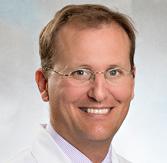
Scott Rodig, MD, PhD Dana-Farber Cancer Institute
Dr. Rodig is a professor of pathology at Brigham and Women’s Hospital and Harvard Medical School. He earned his medical degree from Washington University School of Medicine and completed residencies in anatomic pathology and hematopathology. Throughout this training, he developed a keen interest in understanding the immunobiology of lymphoma.
“The immune system has an important role in both inhibiting and promoting the development of lymphoma,” he explains. My research involves identifying the key immune cell types and proteins that govern the patient’s immune response to lymphoma and exploring how old and new therapies harness the patient’s immune system to combat lymphoma.” His research has resulted in the discovery of several major mechanisms that drive immune evasion in Hodgkin lymphoma and has led to the development of clinical trials that supported the approval of PD-1 inhibitors to treat patients with this disease.
As a member of the Scientific Advisory Board, Dr. Rodig looks forward to supporting educational and research initiatives that help further our understanding of lymphoma biology, diagnostics, and treatment as well as reviewing new research proposals that will move the field forward. “There have been tremendous advances in our understanding of lymphoma,” he says. “Its causes, clinical course, response, and resistance to treatments…if the current pace of discovery and new treatments continue, I believe patients will continue to have improved chances of cures and better long-term health with their disease.”
Policy
Lymphoma research has long been a catalyst for innovation across the field of oncology. Yet, because lymphoma and chronic lymphocytic leukemia (CLL) are considered rare diseases, they have historically received less federal research funding when compared to other disease states. Now, that gap may widen.
Proposed changes to agencies like the National Institutes of Health (NIH), the Centers for Disease Control and Prevention (CDC), and the U.S. Food and Drug Administration (FDA) could stall vital progress – jeopardizing care, discovery, and hope for the lymphoma community. These cuts don’t just slow progress, they also threaten researchers’ careers.
Early career scientists, the very pipeline to tomorrow’s cures, are at risk. Job offers are being rescinded. Projects are stalled. Mentorship and training opportunities are reduced. Once lost, these researchers may not return to careers in lymphoma research.
Despite federal uncertainty, the Lymphoma Research Foundation remains committed to advancing lifesaving research, supporting the next generation of lymphoma experts and serving every person touched by this disease. To that end, the Foundation is announcing the creation of the Early Career Investigator Fund
By making a gift to support our Early Career Investigator Fund today, you will help ensure that the Foundation can fully support its world-class mentoring programs and early-career grants for the next generation of lymphoma and CLL experts.
Thanks to your continued generosity, we can keep moving forward. Together, we can protect progress, empower researchers, and push toward a world without lymphoma.
Visit giving.lymphoma.org/research to support the future of lymphoma research today!

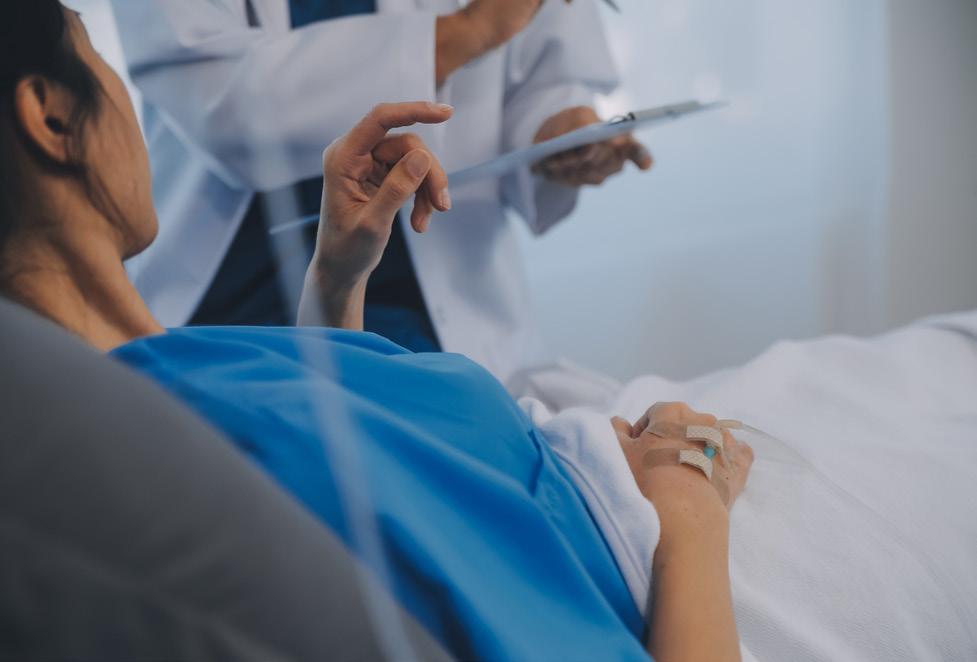
One of the most revolutionary breakthroughs in cancer care comes from within a patient’s own cells: chimeric antigen receptor (CAR) T-cell therapy, which harnesses the powers of the body’s immune system to hone in on and destroy cancer cells. As the landscape for lymphoma continues to evolve, with highly targeted therapies offering new treatment avenues across the disease’s many subtypes, CAR T-cell therapy remains one of the most innovative immunotherapy options available — and its therapeutic potential is still being realized.
While the immune system’s cancer-killing capabilities have long been studied, CAR T has proven to be a powerful treatment option for many patients for several years now. While CAR T is being studied for its applications across all types of cancer, its early roots can be found in blood cancer research.
After years of incremental progress and clinical trials, tisagenlecleucel (Kymriah), a CAR T-cell therapy, was first approved as a treatment for acute lymphocytic leukemia in August 2017, followed by axicabtagene ciloleucel (Yescarta), which was approved later that year in October for patients with certain types of relapsed or refractory large B-cell or follicular lymphomas who have had at least two other lines of treatment.
Today, there are even more CAR T-cell therapies available to lymphoma patients approved for an even greater number of subtypes, including brexucabtagene autoleucel (Tecartus) for patients with relapsed or refractory mantle cell lymphoma and lisocabtagene maraleucel (Breyanzi) for patients with relapsed or refractory chronic lymphocytic leukemia/small lymphocytic lymphoma (CLL/ SLL) as well as mantle, follicular, marginal zone, and certain large B-cell lymphomas. Originally approved for leukemia, tisagenlecleucel, the very first FDA-approved CAR T-cell therapy, is now approved for relapsed and refractory large B-cell lymphomas as well.
Our knowledge of the potential therapeutic applications for CAR T continues to grow, thanks to scientists studying the disease through research and clinical trials supported by the Lymphoma Research Foundation. CAR T is being studied as an option not just for new subtypes of lymphoma but also for other blood cancers like multiple myeloma as well as solid tumor cancers and autoimmune diseases such as lupus.
CAR T-cell therapy taps into the immune cell’s innate offensive capabilities to target and destroy lymphoma cells. The first step for a patient undergoing CAR T is extracting the body’s T cells. They are then sent to a special processing center, where they are genetically engineered to target the antigens present on a lymphoma cell’s surface.
When these genetically reprogrammed cells are reintroduced to a patient’s immune system in the form of an infusion, they have been trained to target and destroy cells with the lymphoma-specific antigen marker CD19.
CAR T is especially significant for the lymphoma community because of its potential to effectively treat patients whose disease has not responded to more traditional treatments and for the hope it offers those with previously thought incurable diagnoses, such as follicular lymphoma. It also offers durable, long-lasting responses without the long-term side effects of other types of lymphoma treatments like allogeneic stem cell transplants, which can sometimes lead to complications like graft vs. host disease, or high-dose chemotherapies that can be harsh on the body.
For all of the significant advances that CAR T-cell therapy represents, there are also a number of challenges that it faces toward widespread adoption: a dearth of both patient and physician knowledge when compared to more traditional treatments, difficulties with insurance coverage, lack of access to specialized CAR T centers, and lack of awareness of how to manage potential side effects.
To that end, the Lymphoma Research Foundation convened the CAR T-cell Therapy Stakeholder Summit in January 2023 to discuss the factors preventing CAR T from reaching its full potential as a therapeutic option and to develop practical solutions for the barriers facing patients, their families, and their physicians. Led by Dr. Caron Jacobson (Dana-Farber Cancer Institute) and Dr. Javier Munoz (Mayo Clinic, Arizona), the Summit aims to improve access to CAR T by improving patient and physician education and access, better connecting physicians with specialized CAR T centers, and working with institutional and industry partners to remove barriers to care.
Together with our partners in research institutions, the pharmaceutical industry, and patient advocacy groups, the Foundation plans to continue to use its convening power to address gaps in care and areas of critical need in accessing this lifesaving treatment option and to support scientists and groundbreaking research to make the next generation of cures like these possible.


4.26
New York Lymphoma Walk
5.2
Lymphoma Rounds Symposium Chicago
5.3
TD 5 Boro Bike Tour
5.4
3rd Annual South Florida Golf Invitational
5.28 Chicago Partners in Purpose
6.6 Minnesota Lymphoma Walk
7.26
Disney Wine & Dine Half Marathon Weekend
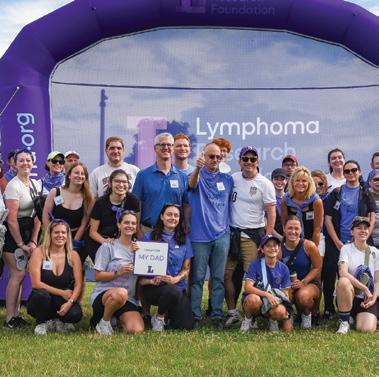
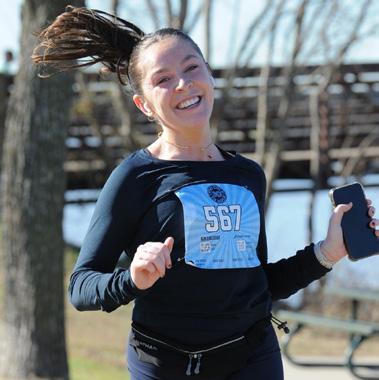
Want to receive information about Lymphoma Research Foundation events happening in your area? Visit lymphoma.org/emailsignup to select your email preferences and stay up to date with the latest from the Foundation.
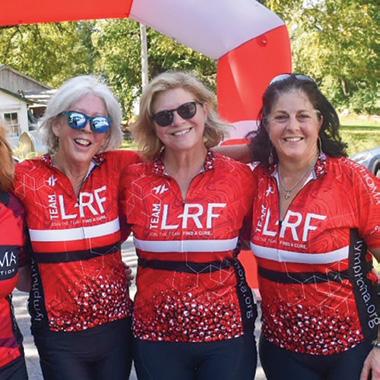
To learn more about Planned Giving, c Jessica Sharrow at jsharrow@lymph or visit lymphoma.org/legacy. Wall
When you include the Lymphoma R Foundation in your estate plan, you in the most promising research that greatest potential to dramatically im lives of those impacted by lymphom