PORTFOLIO ARCHITECTURE
LYDIA 2022-2024
KRAMER SELECTED WORKS
Pages: 1-10 Pages: 11-20
NORTHWEST VIEW DAY
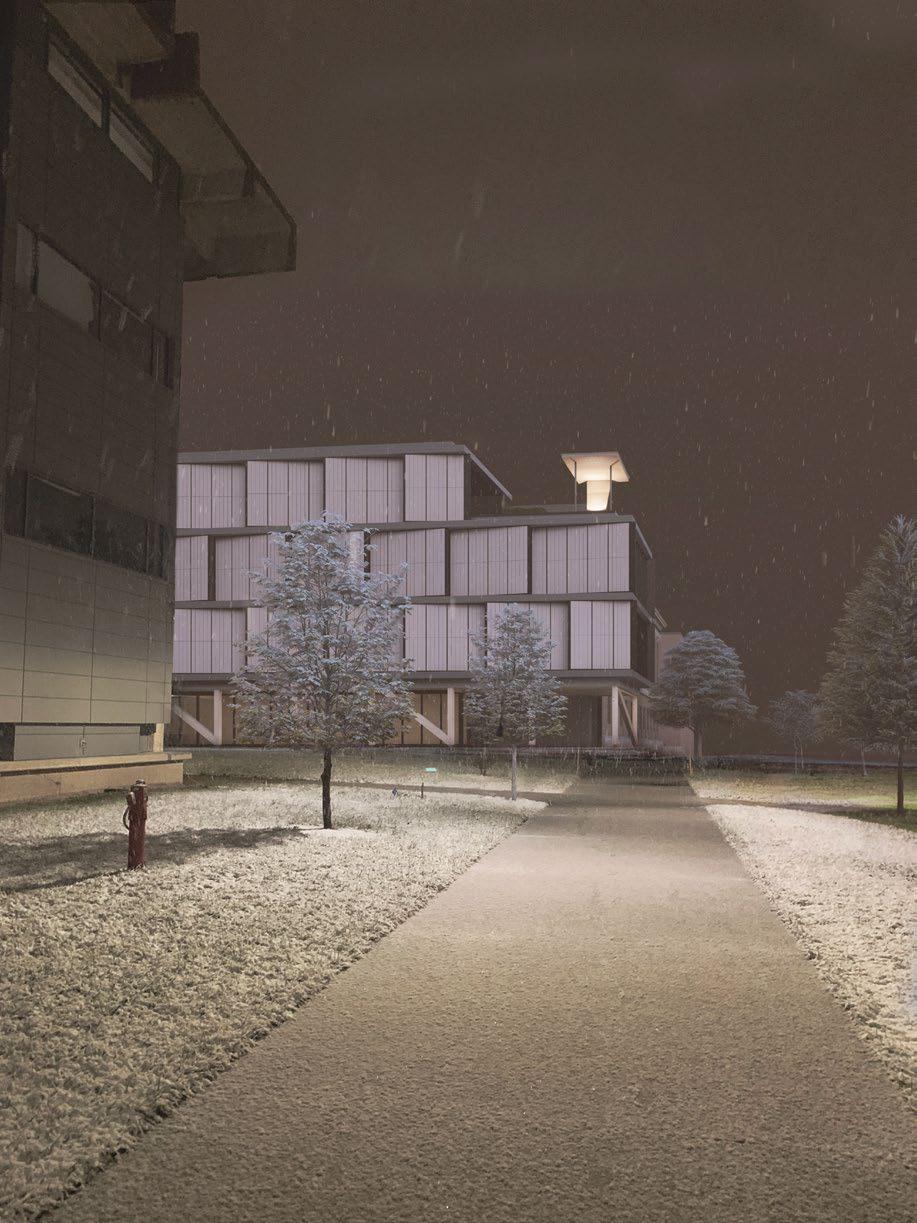
NORTHWEST VIEW NIGHT
Project Partner: Anna Miles
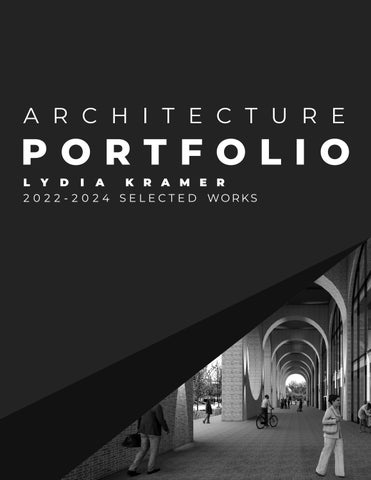
LYDIA 2022-2024
KRAMER SELECTED WORKS
Pages: 1-10 Pages: 11-20
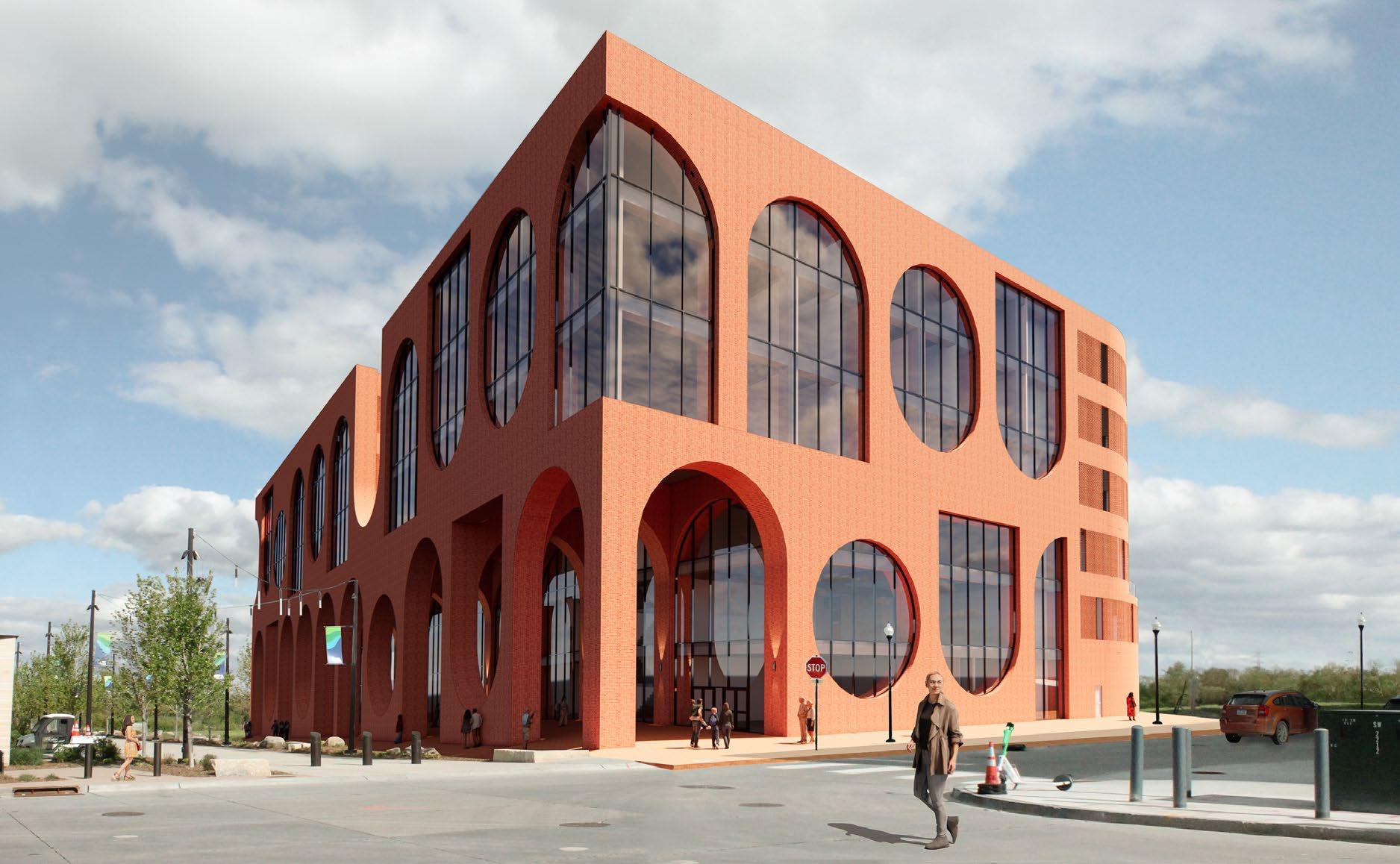
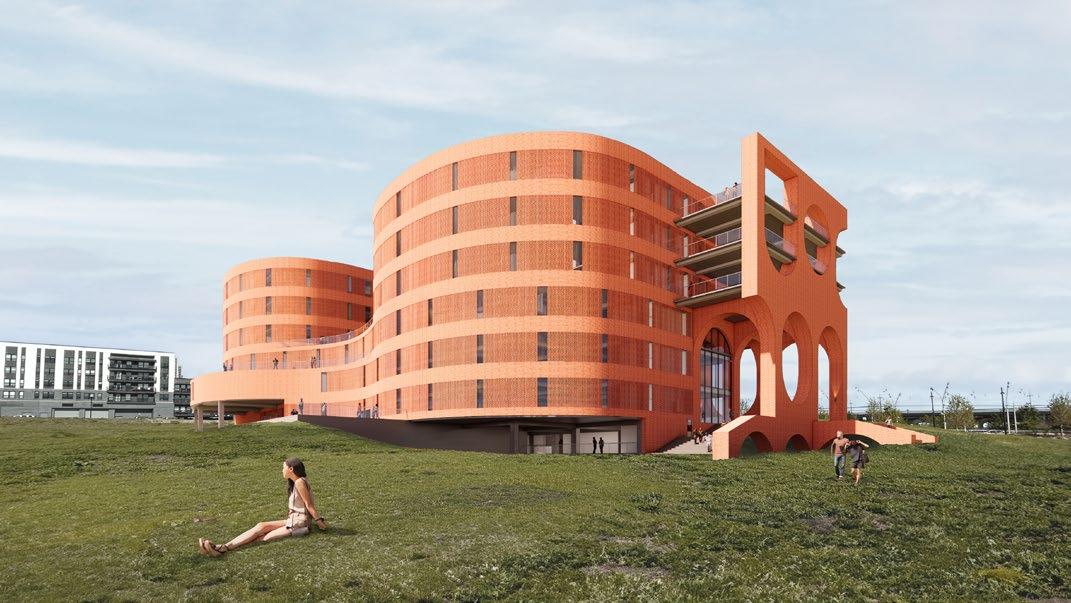
NORTHWEST VIEW DAY
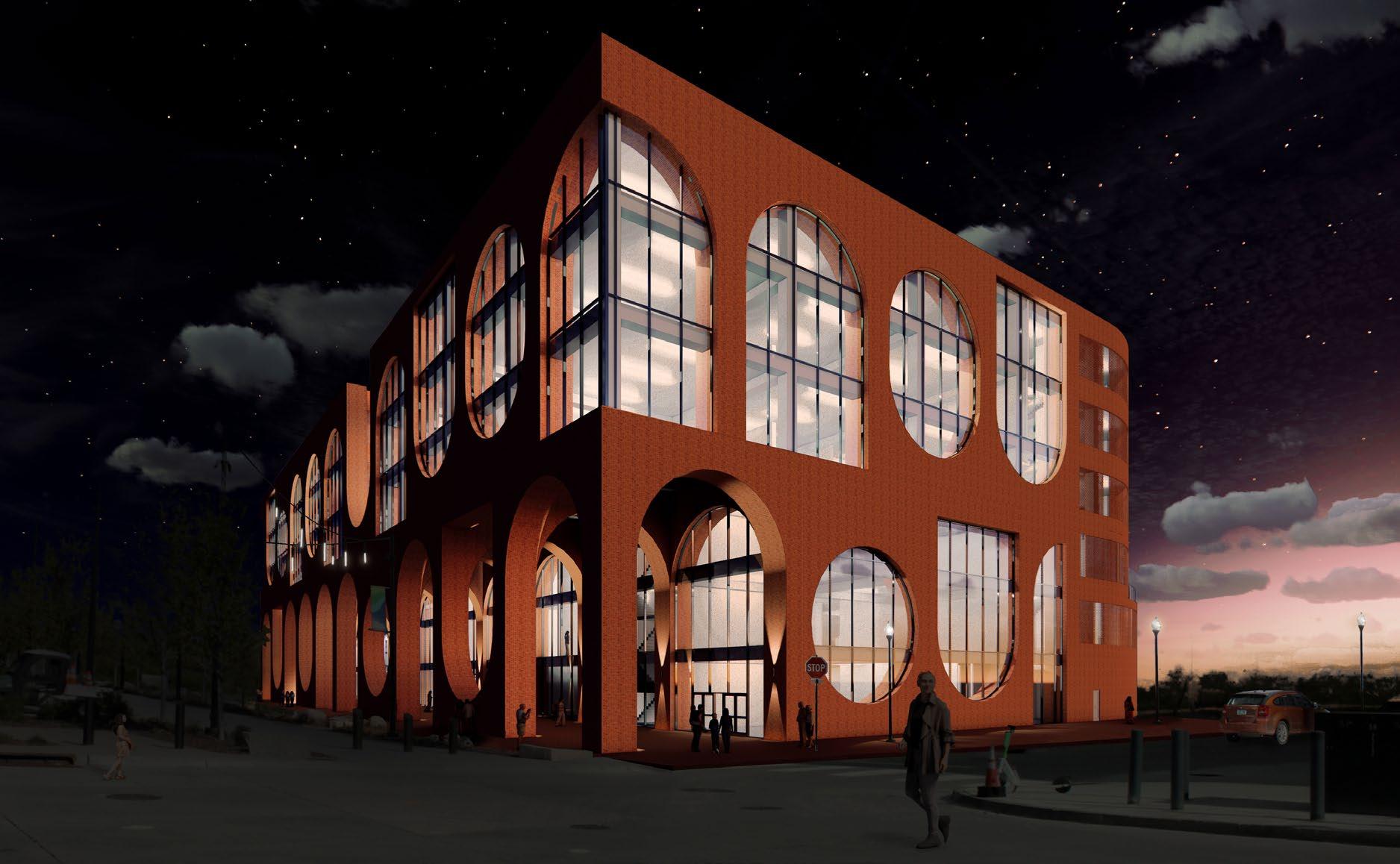
NORTHWEST VIEW NIGHT
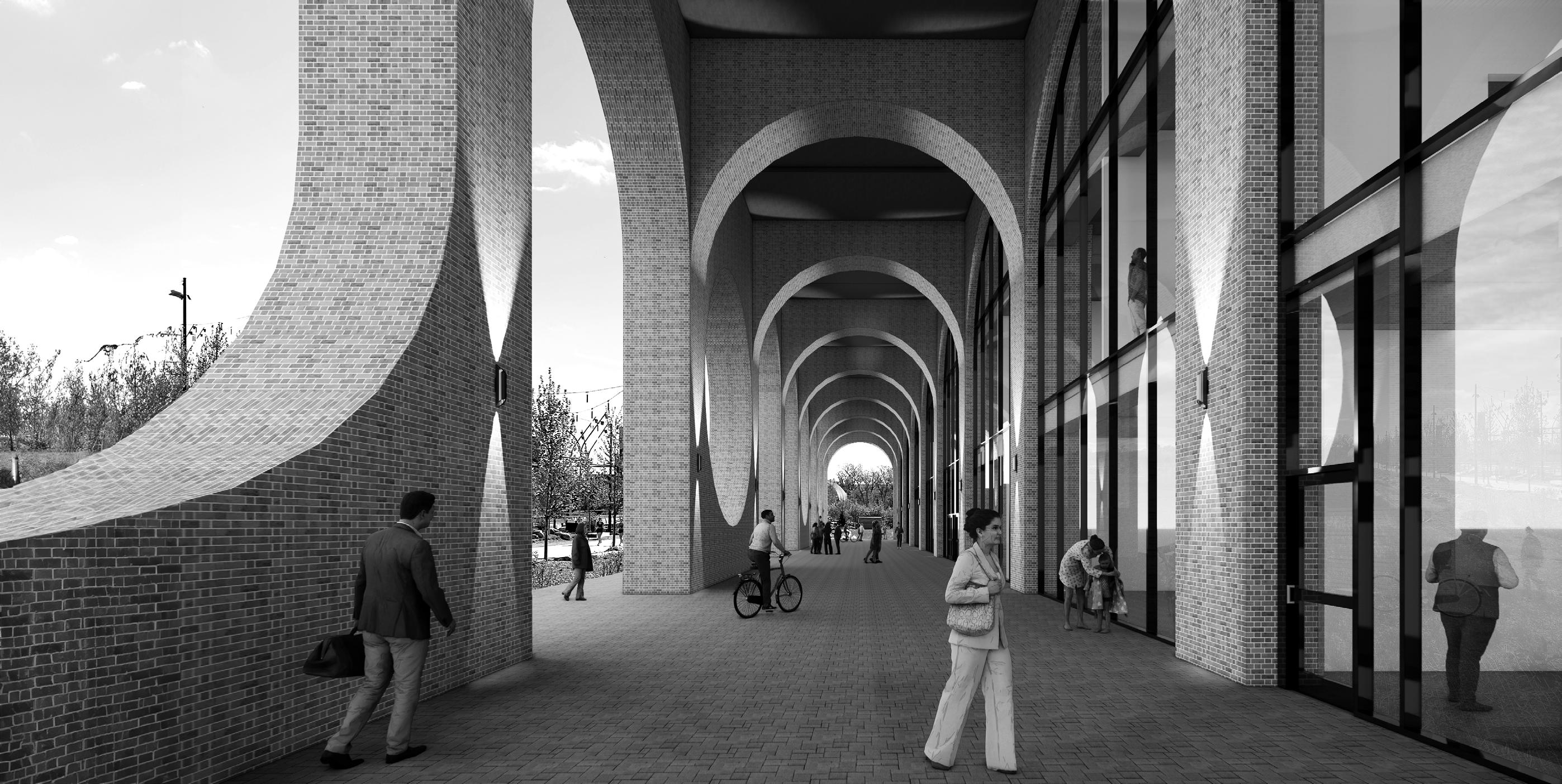
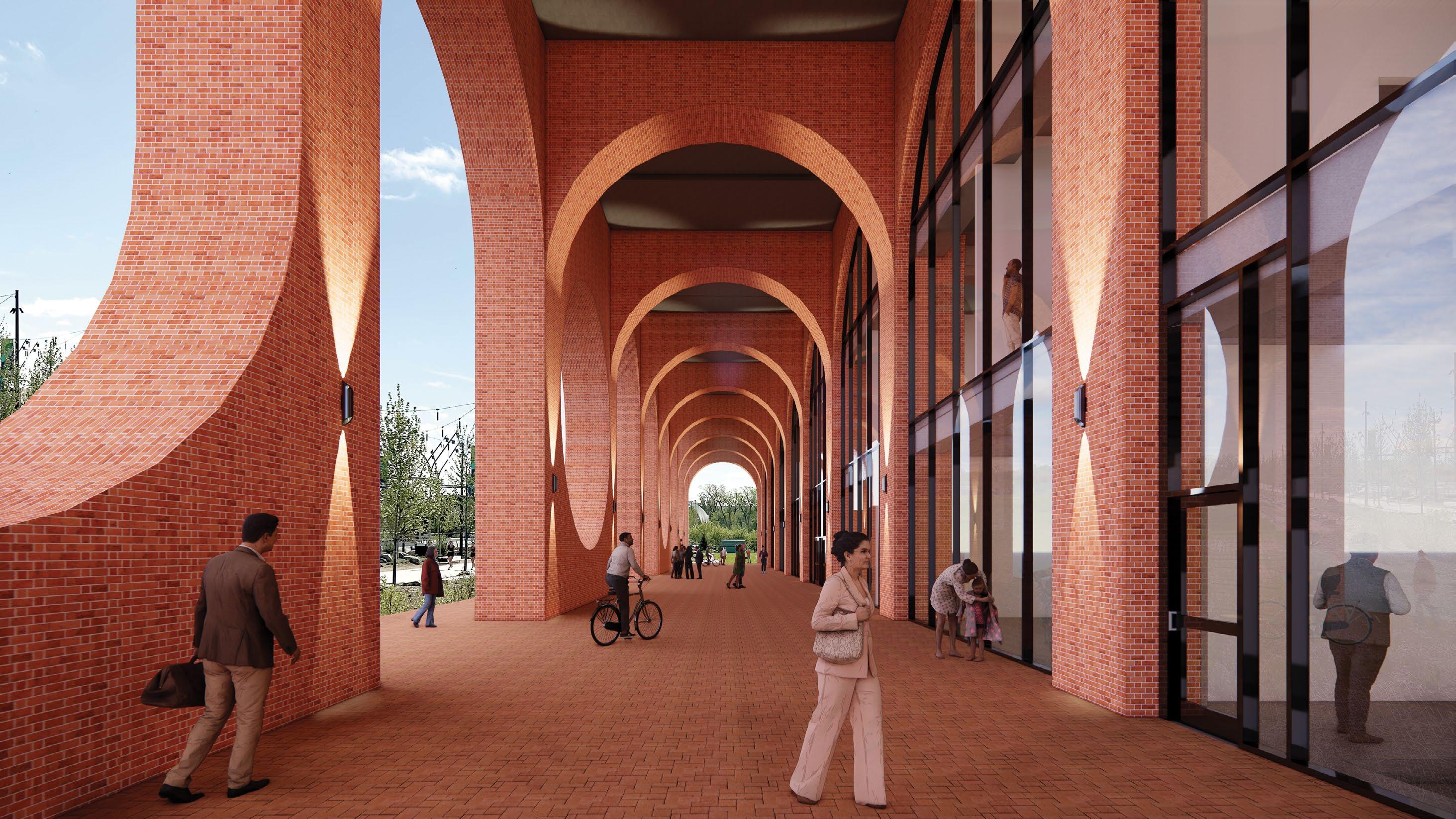
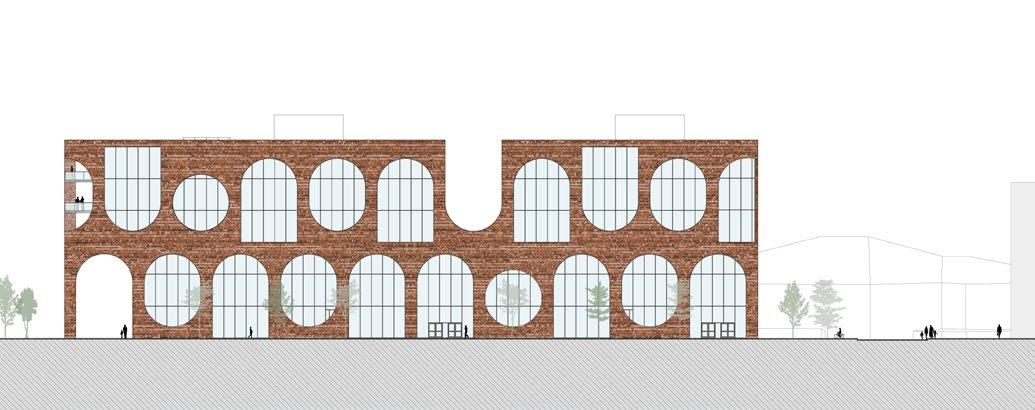
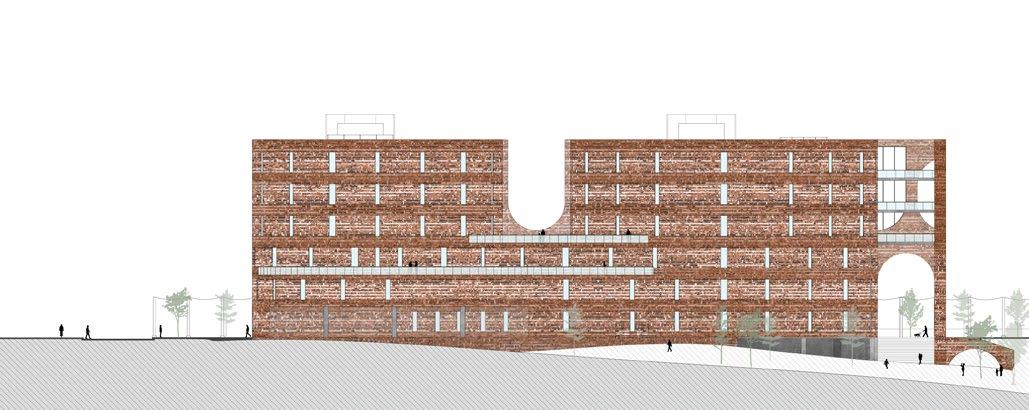
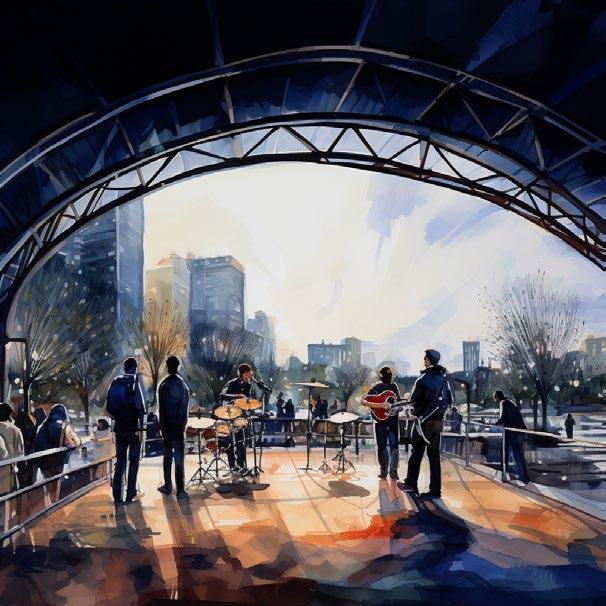
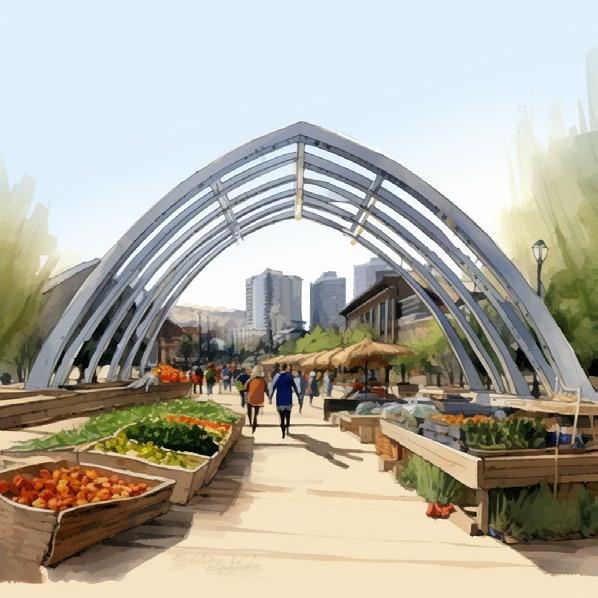
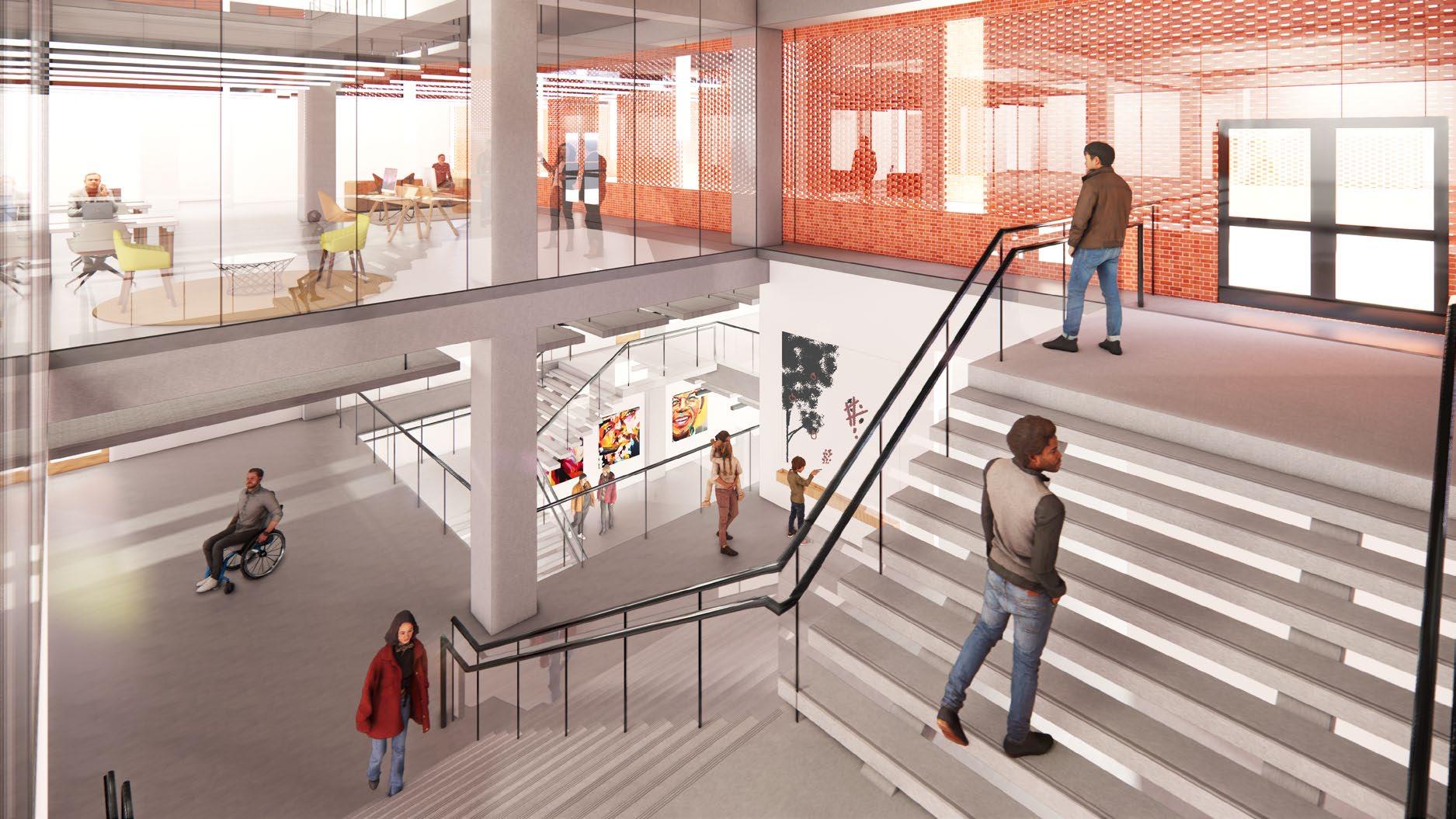
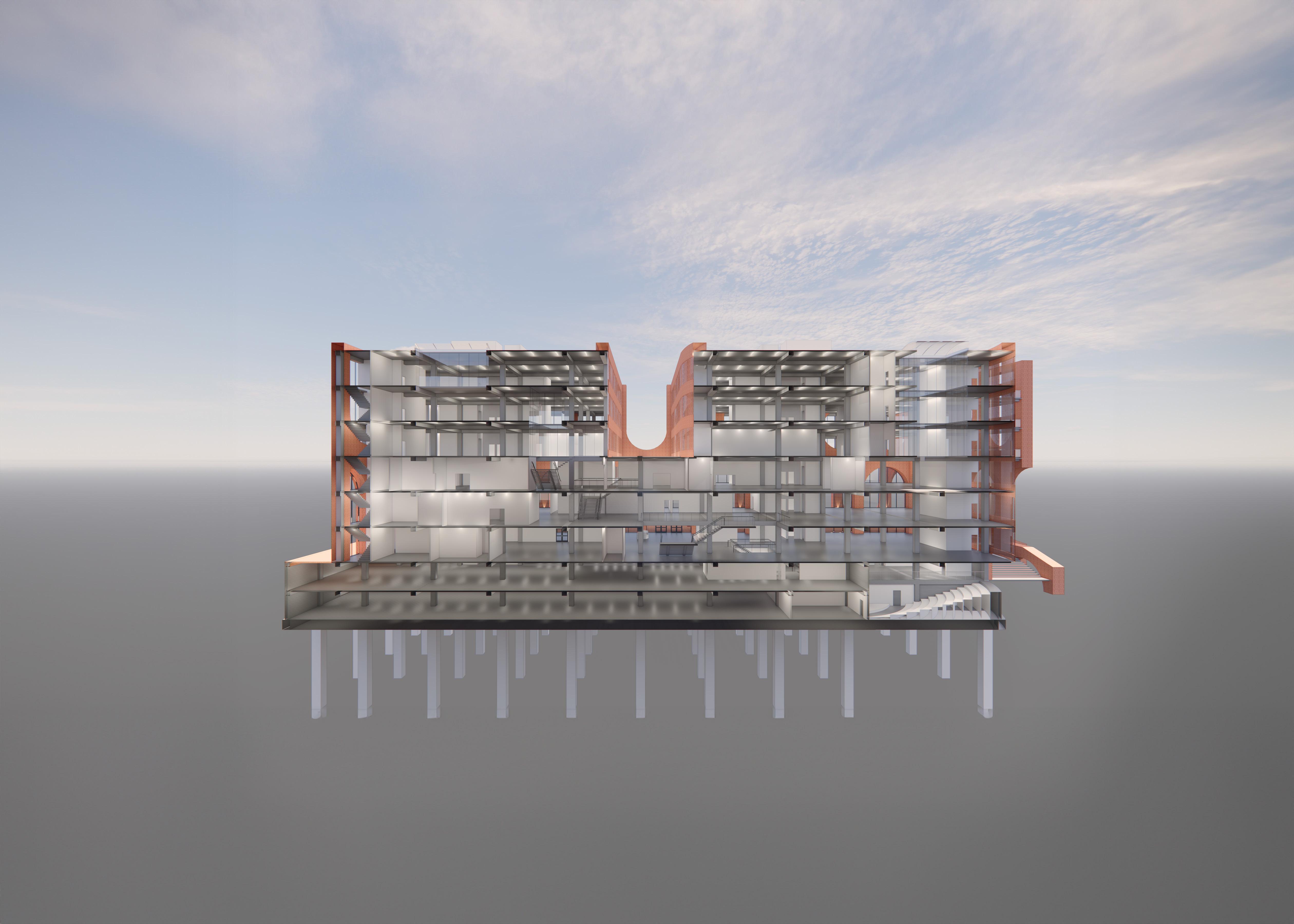
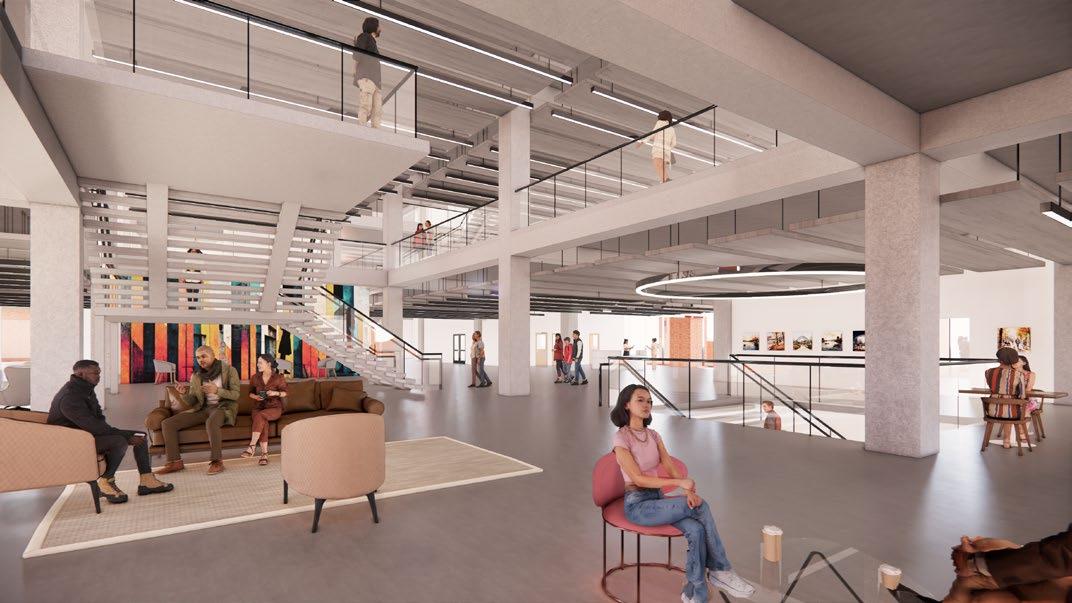
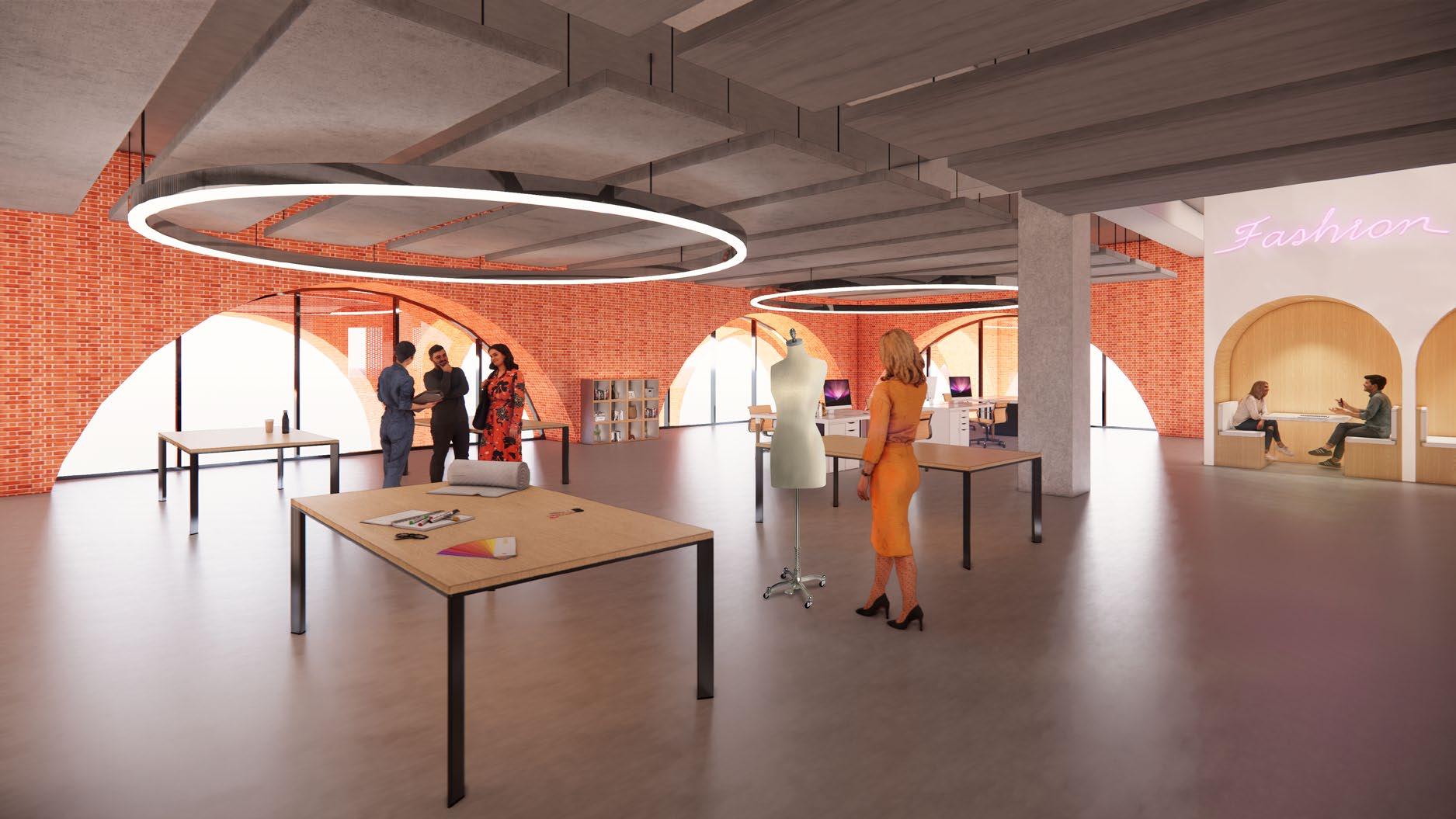
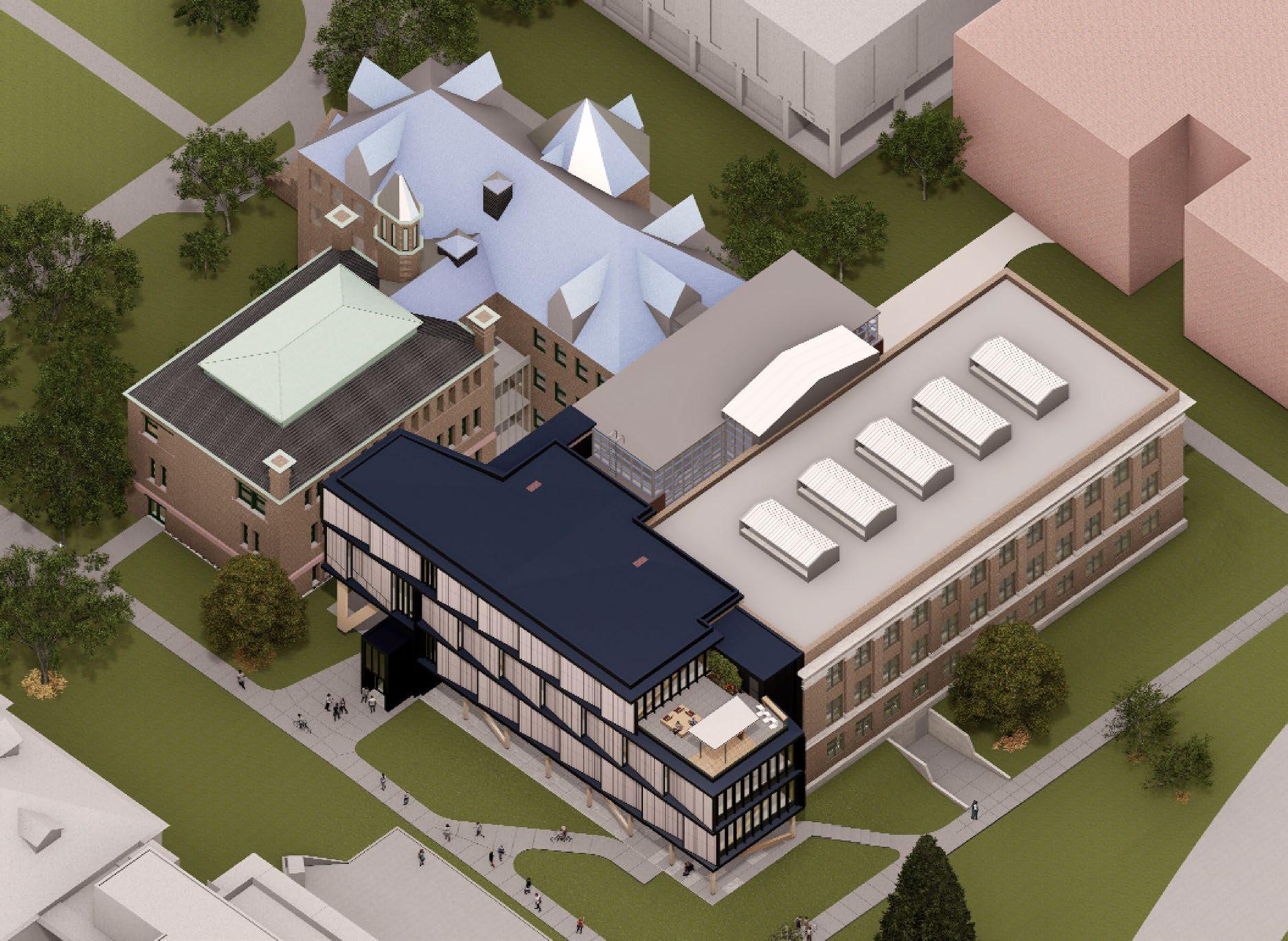
Riverfront Foundry is a reimagined office for creatives along the Missouri River and Gene Leahy Mall in Omaha, NE. The office revolves around one objective: connecting art to the workplace and the public. This objective is accomplished through three design strategies: respond to the existing site conditions by reflecting the unique site edges in the form and facades, invite the public into the building through an arcade that facilitates the transition between exterior and interior, and inspire fellow creatives through connectivity and collaboration. Geared towards any creative design disciplines such as graphic design, animation, fashion design, and photography, it provides a space for artists to showcase their craft. The office revolves around a series of central atriums and staircases that invite the public to explore the various floors and galleries. The central staircase culminates in a fourth-floor sculpture garden with views of the river reinforcing the connection between the building and the landscape.

ART
PERFORMING ARTS
SELLING ART
COLLABORATIVE SPACES
ARTIST STUDIOS
“STREET”
INTERACTIVE EXHIBITS
PARKING
CLASSROOMS
PROGRAM BUBBLE DIAGRAM
3RD SPACE
CREATIVE OFFICES
MAKER SPACE
OUTDOOR SPACES
PUBLIC
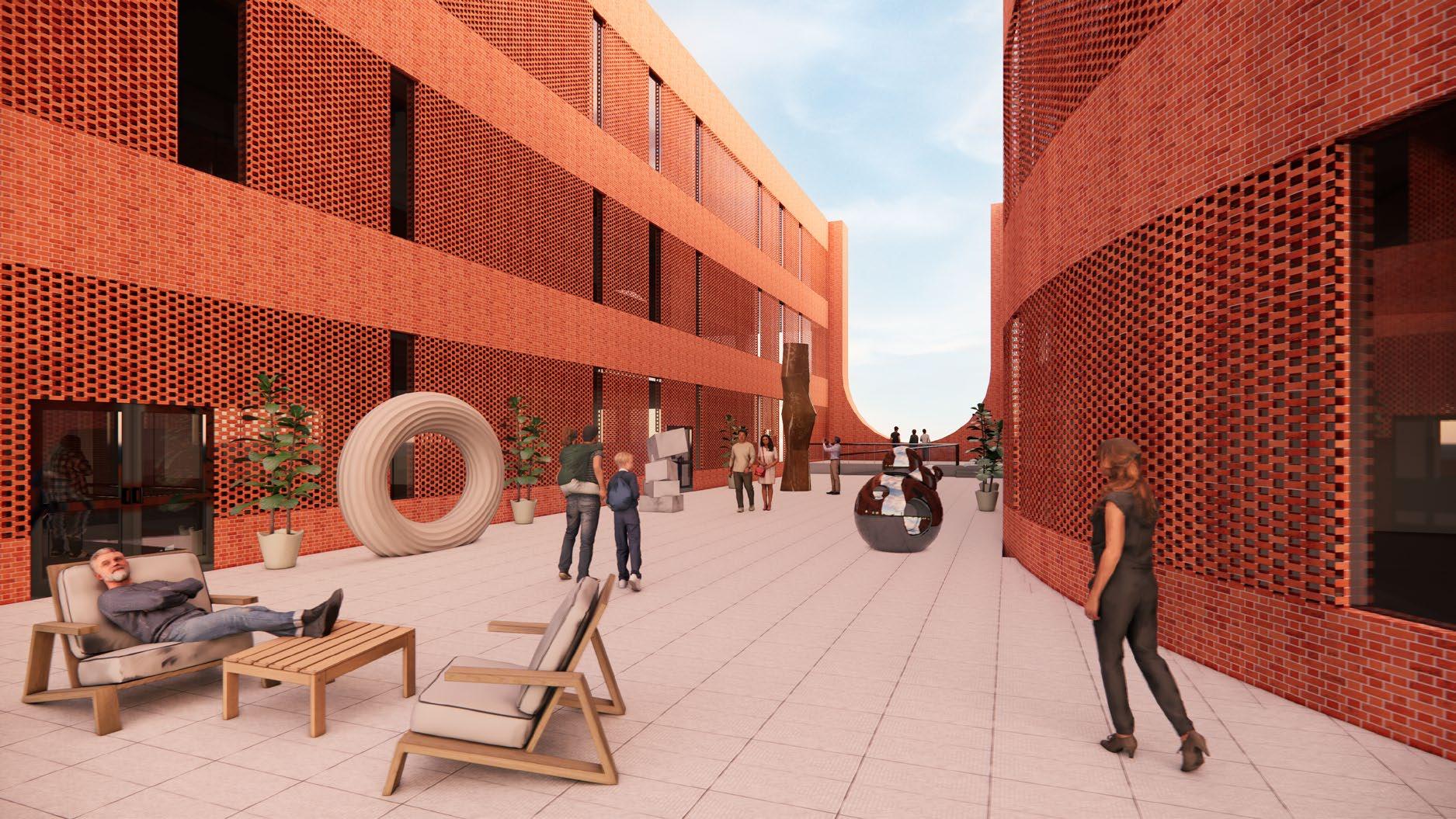
SCULPTURE GARDEN FOURTH FLOOR VIEW
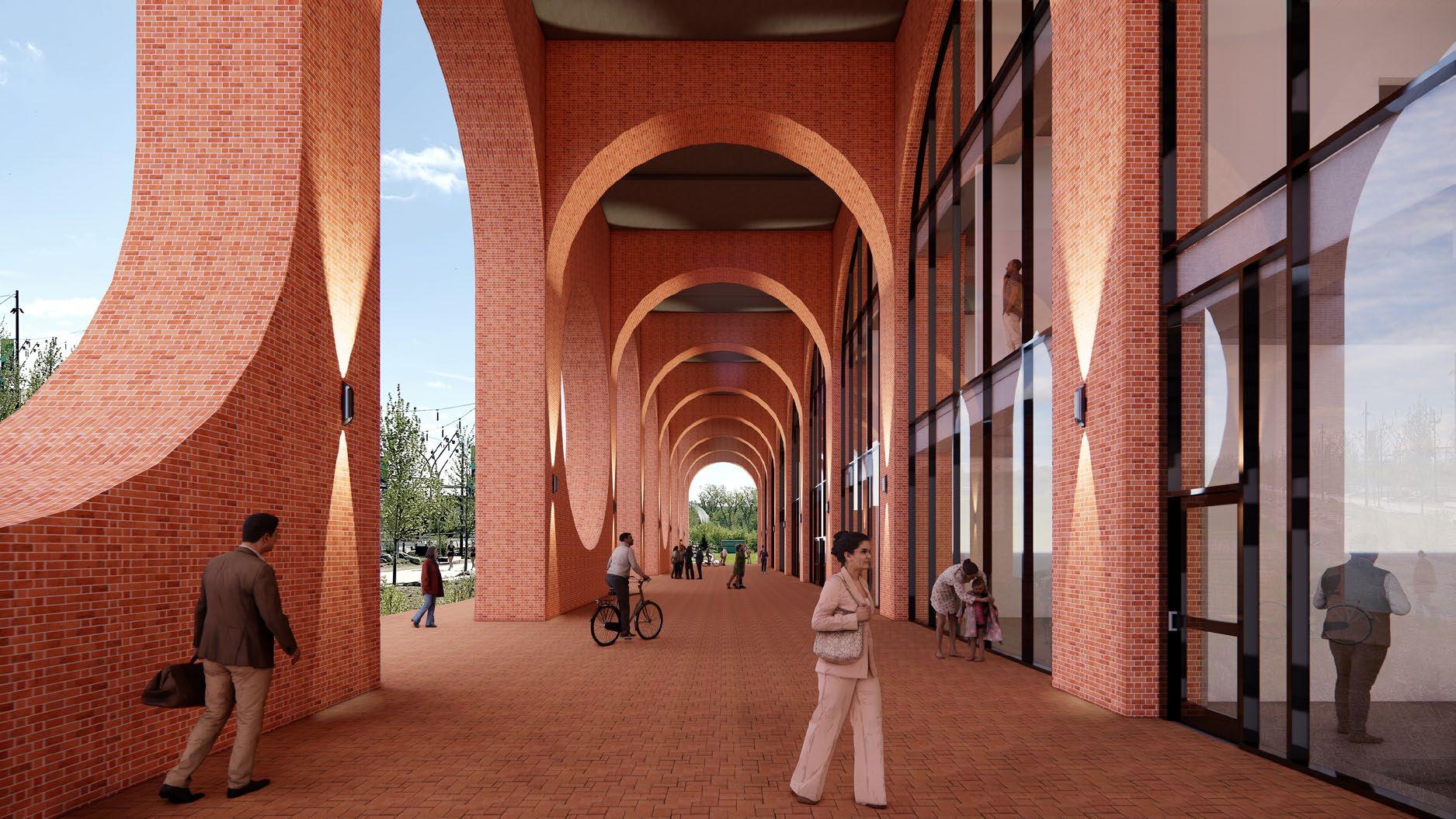
ARCADE VIEW
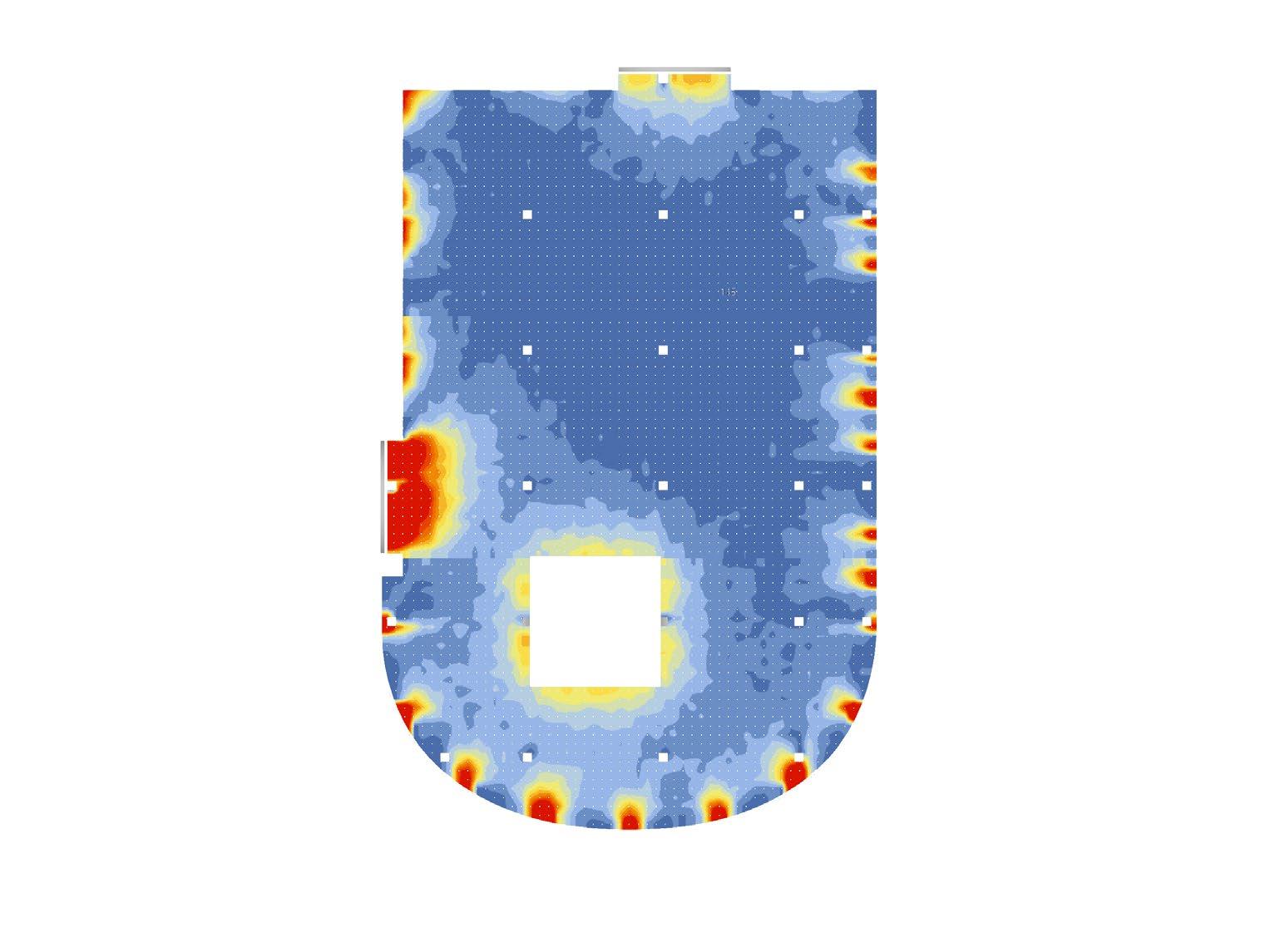
DAYLIGHTING ANALYSIS BEFORE FACADE DESIGN
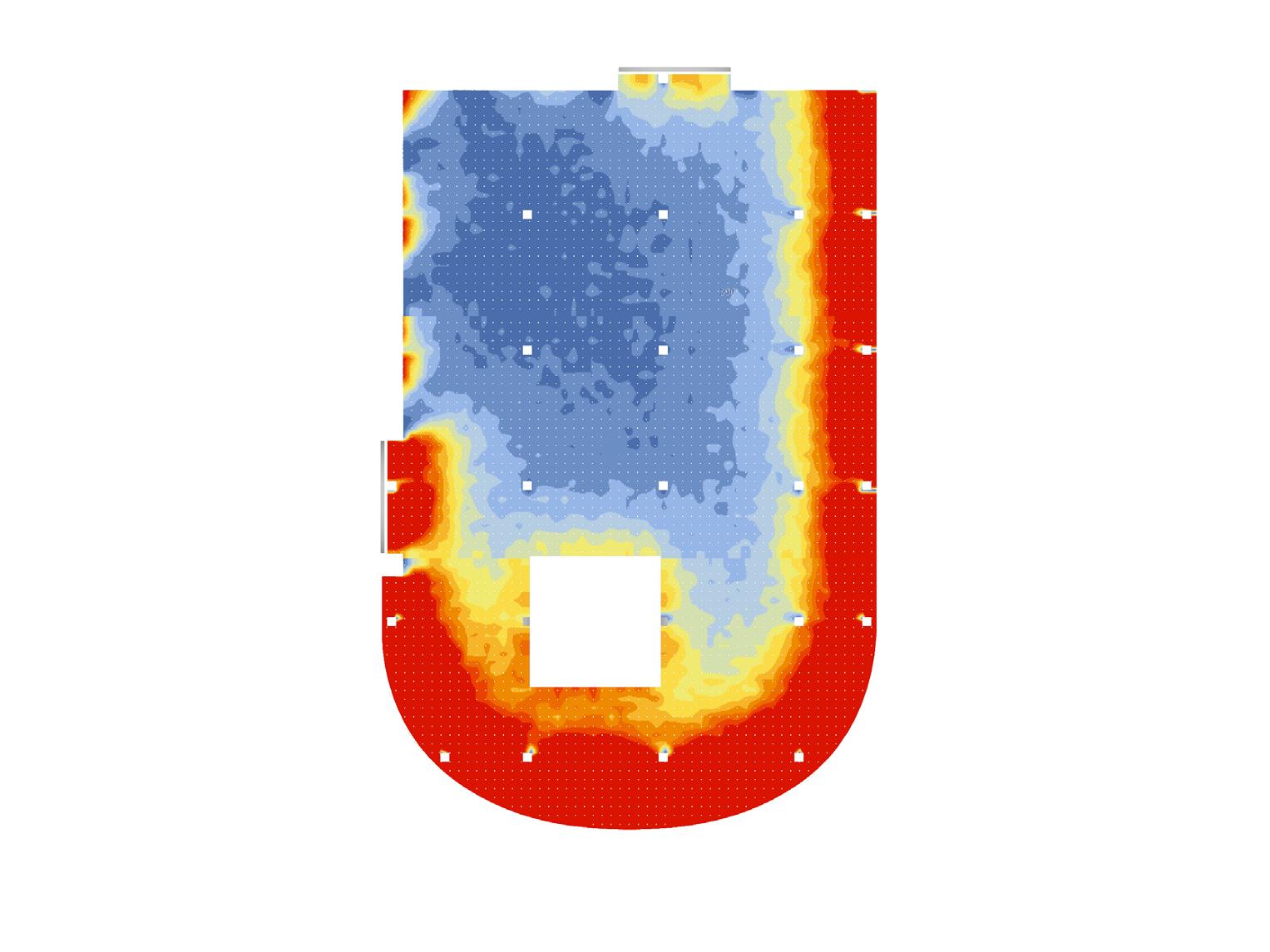
DAYLIGHTING ANALYSIS AFTER FACADE DESIGN


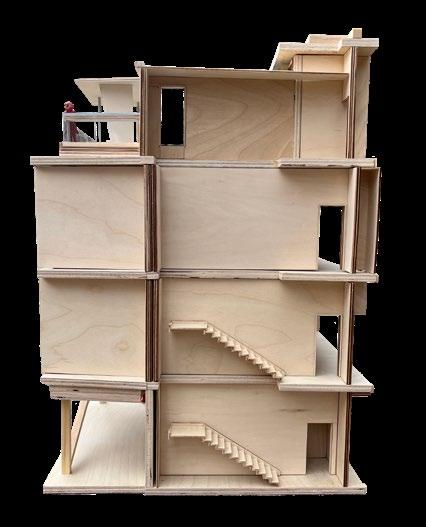
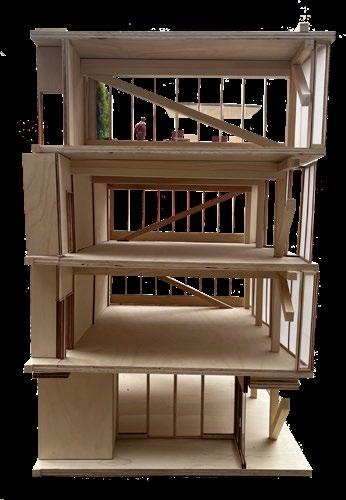
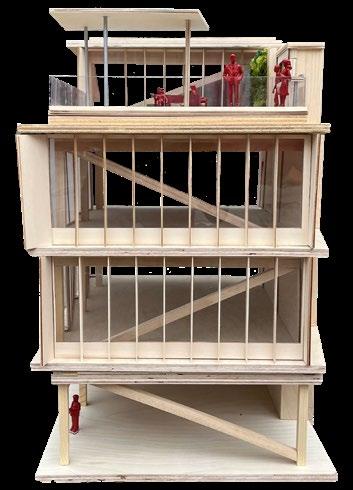
PHYSICAL MODEL AT 1/2” = 1’-0” SCALE
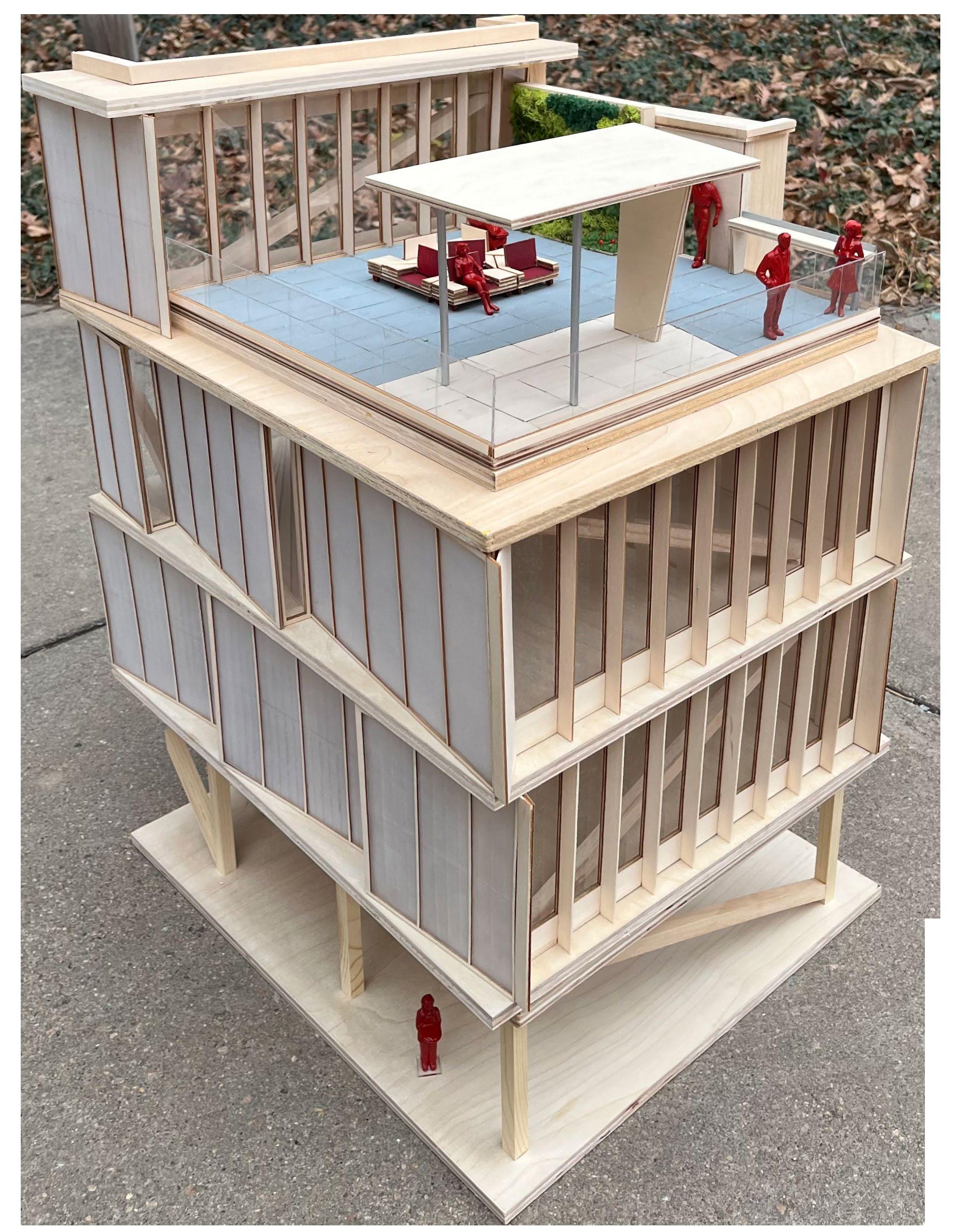
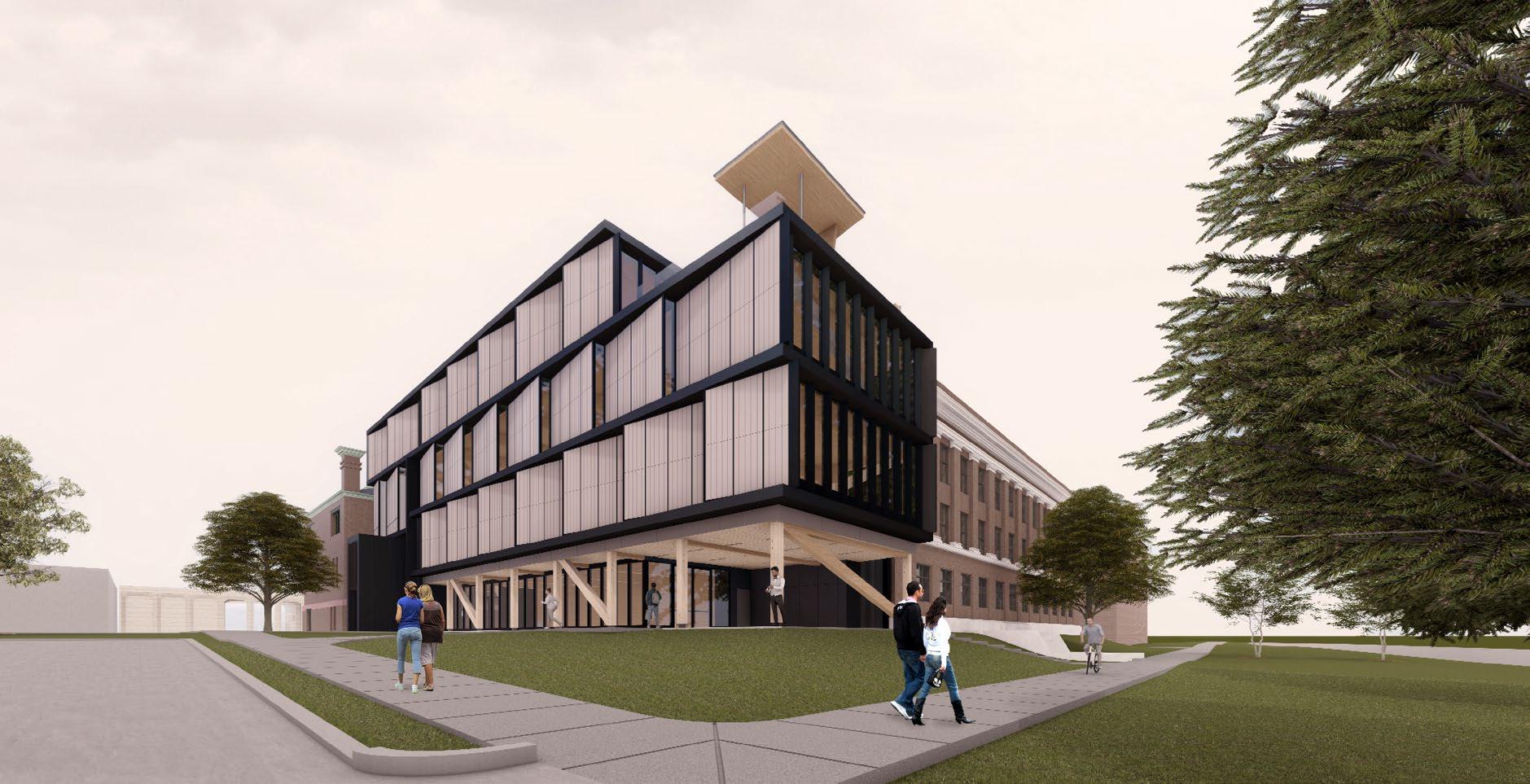
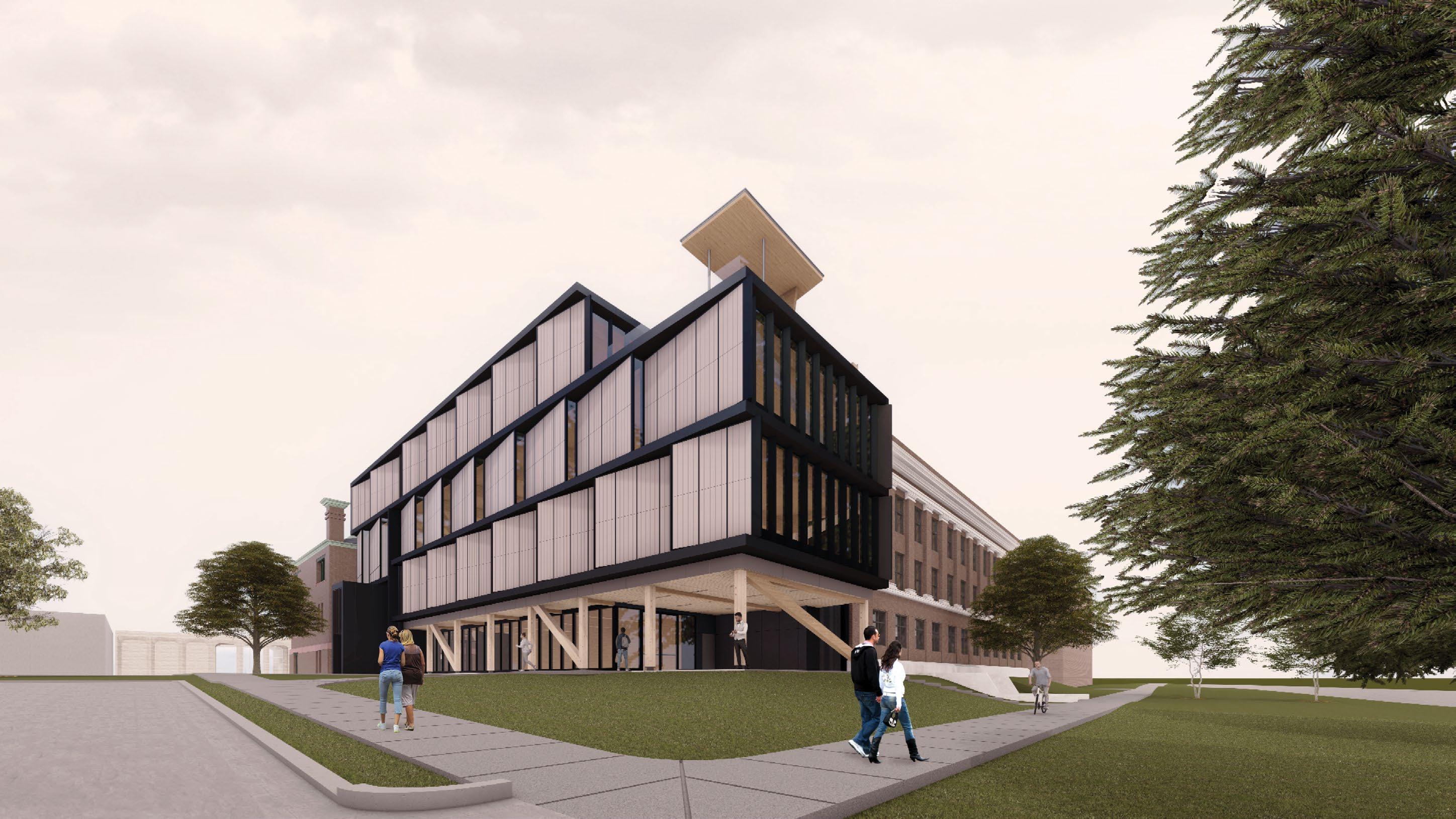
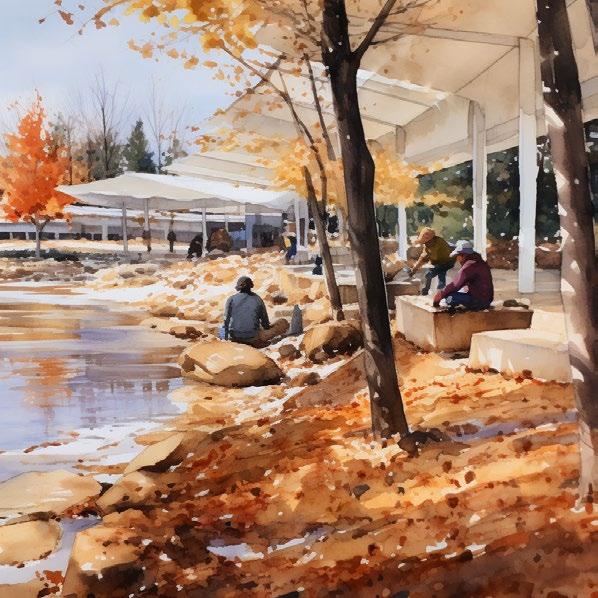
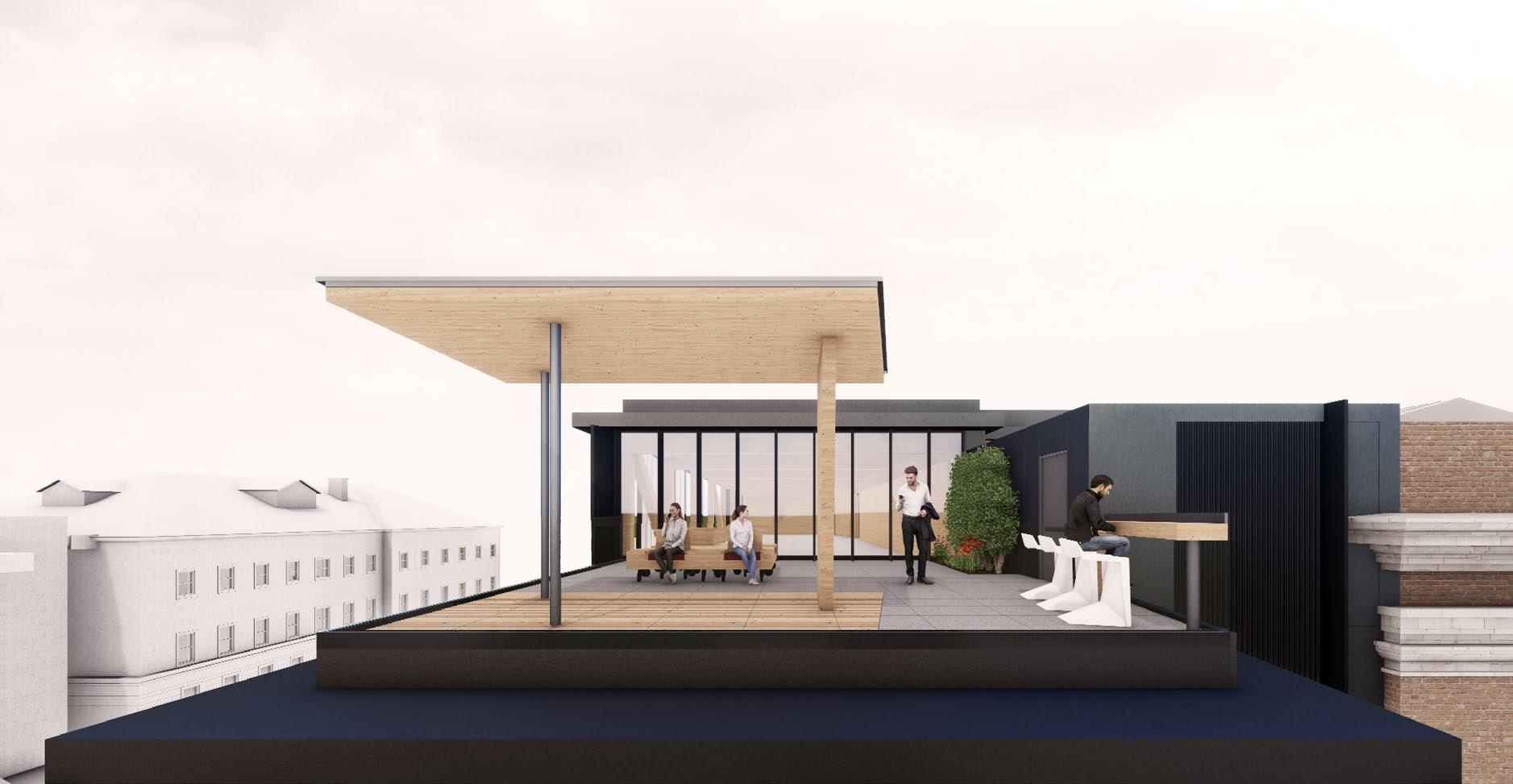
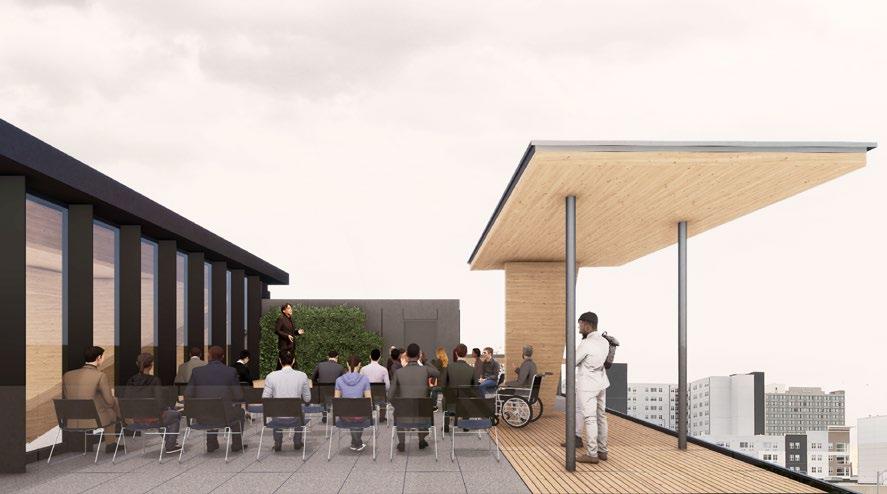
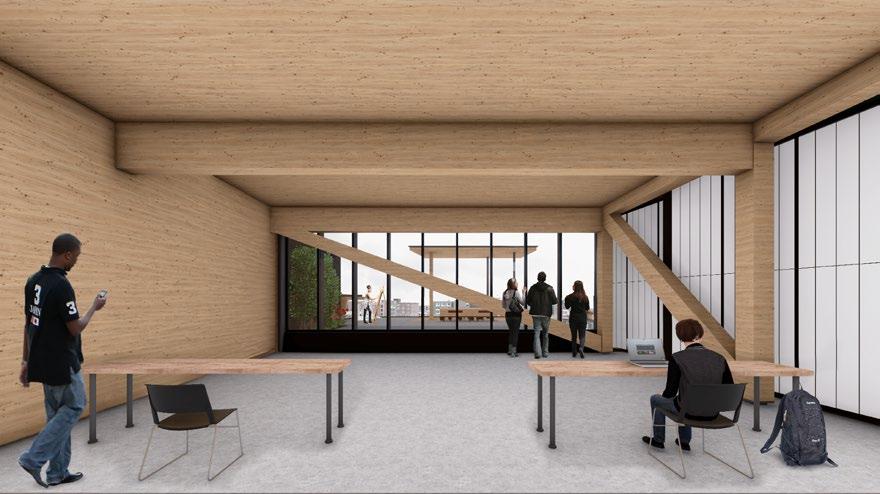
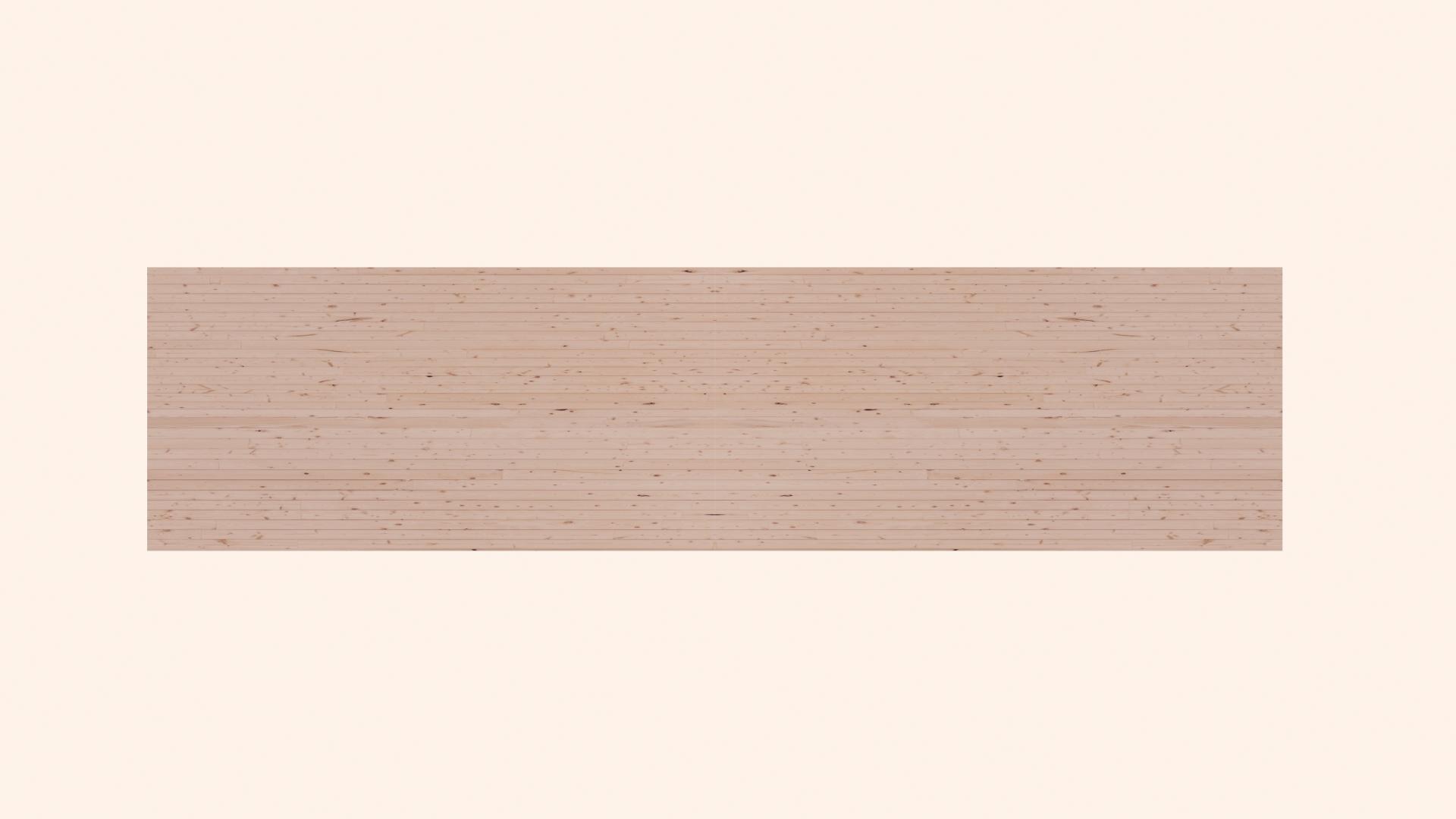
Above Architecture (Arch) Hall is a design proposal for the fourth-floor roof deck of the new addition to architecture hall (building design by HDR and NADAAA) in Lincoln, NE. This project is a part of the College of Architecture’s FACT (fabrication and construction team) studio. The roof deck is a space intended to serve students and staff in a variety of functions such as a study spot, gathering place, and area to host events. The floor of the roof deck is composed of a tile paver system out of concrete and wood pavers supported by adjustable pedestals. Four main design components were decided upon including a canopy structure to provide shade, bar top, green wall, and custom moveable furniture. The canopy, bar top, and furniture are all cut out of the same 10’x40’ CLT blank to reduce waste and allow students to visually reassemble the construction process. The canopy appears as a floating plane or object from below, with minimal steel columns as support. The choice of mass timber on the roof deck reflects the use of CLT and glulam on the interior of the building.
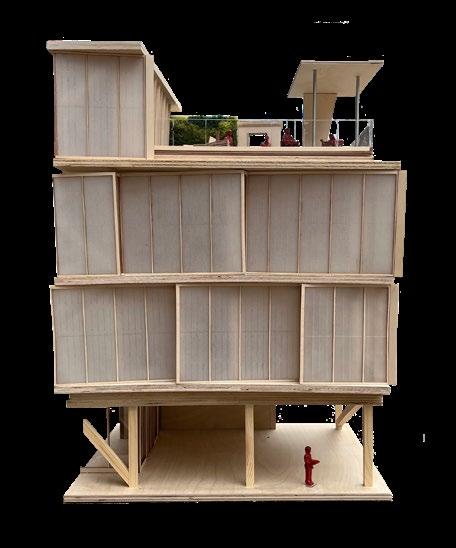
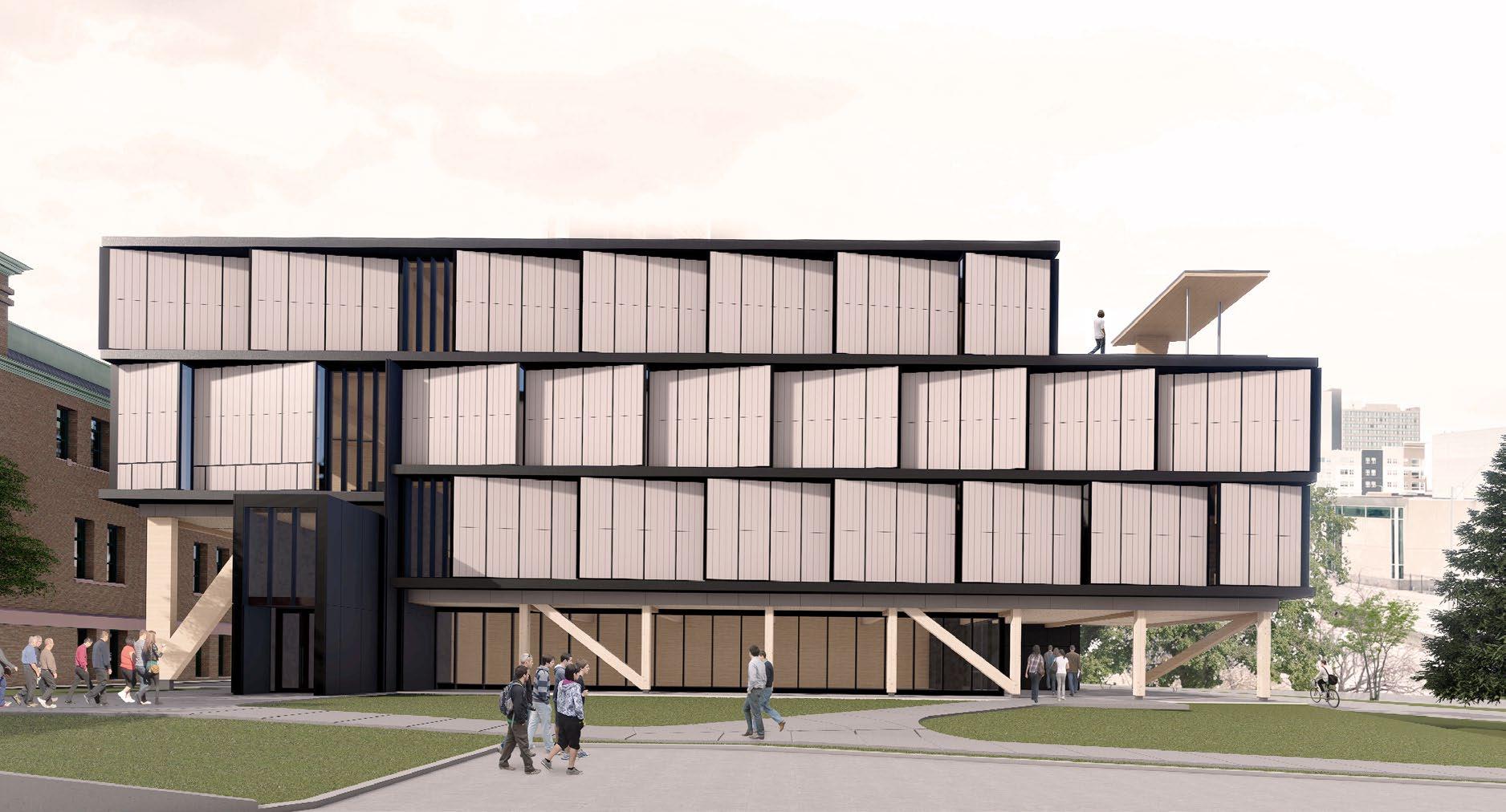
NORTH ELEVATION VIEW
OVERALL PLAN OF FOURTH FLOOR ARCHITECTURE HALL:
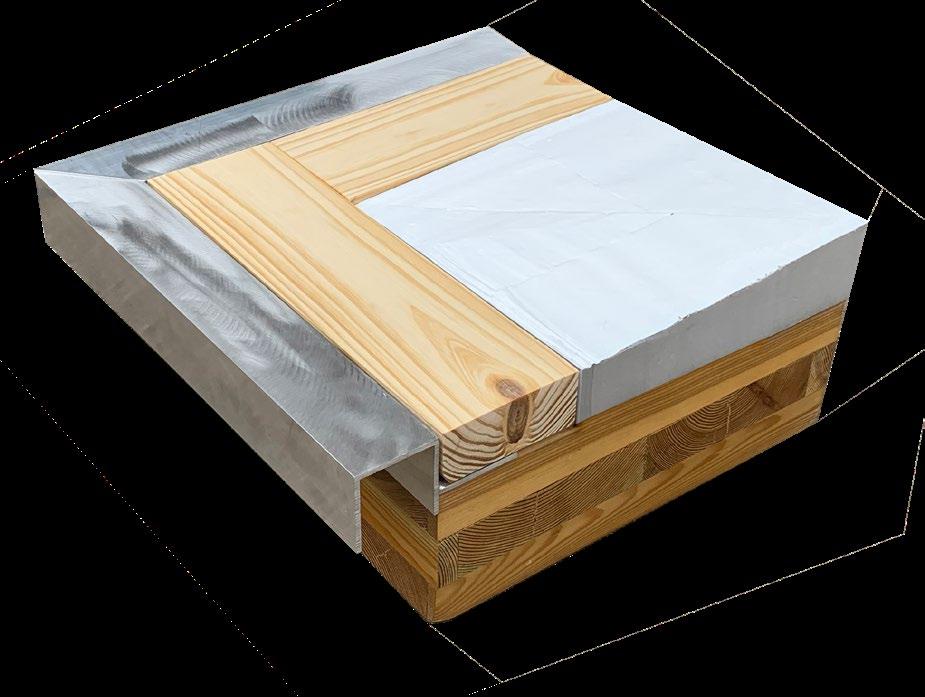
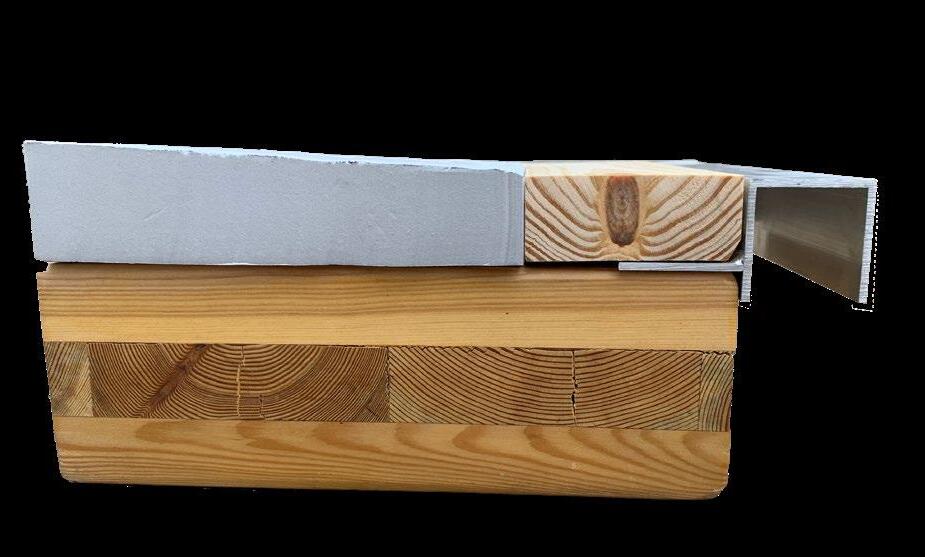
EXPLODED ISOMETRIC SECTION
CHAIRS AS STAGE ISOMETRIC
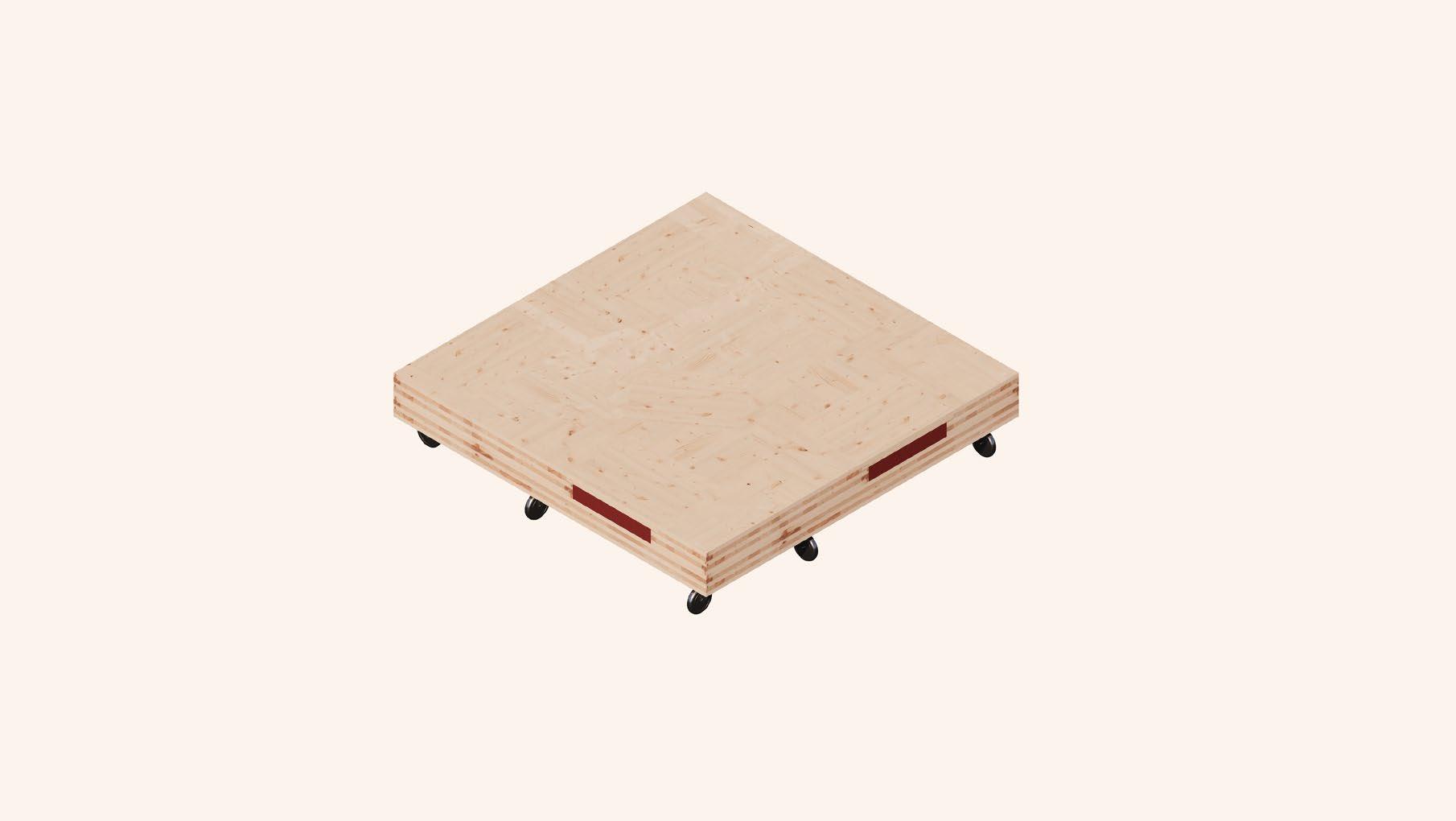
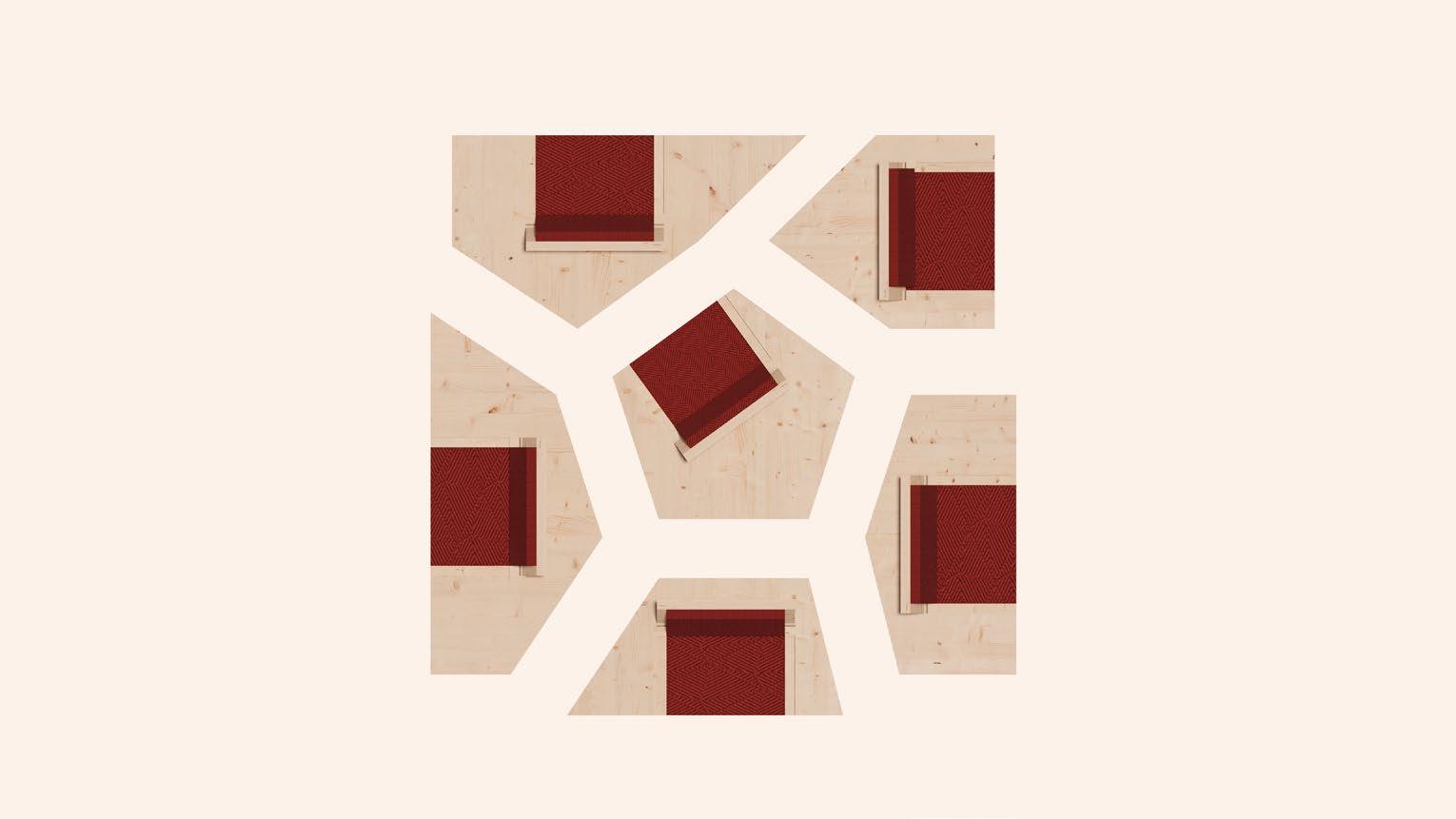
CHAIRS PLAN
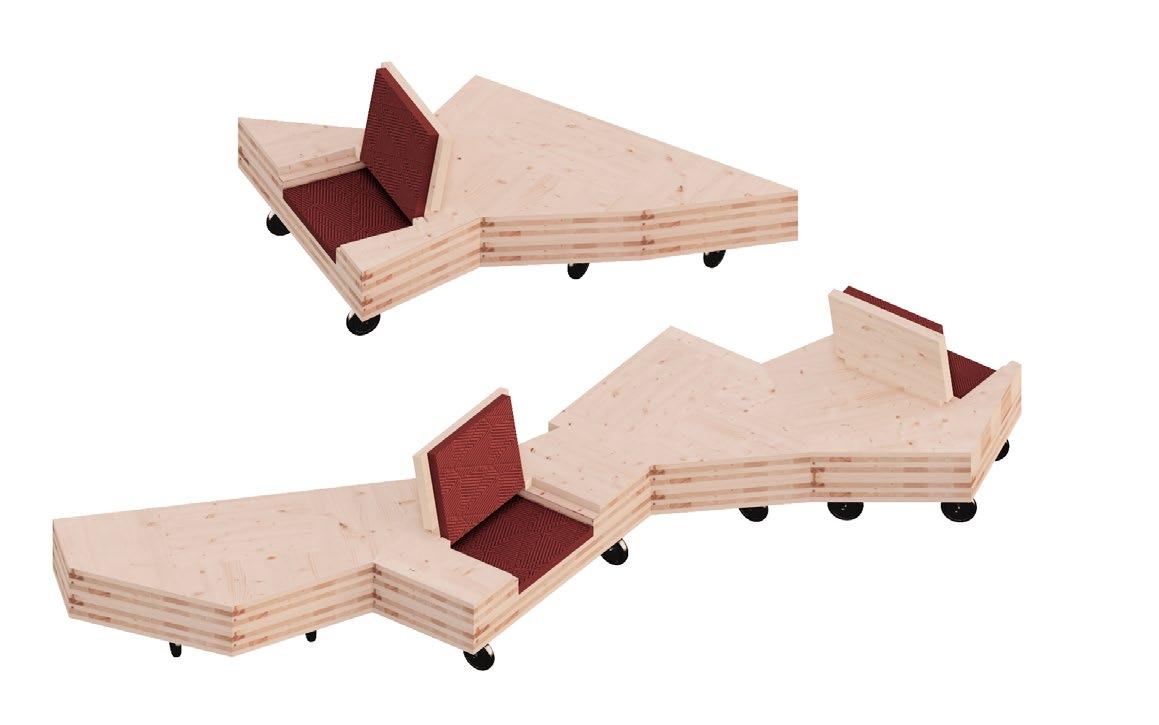
CHAIRS ARRANGED ISOMETRIC
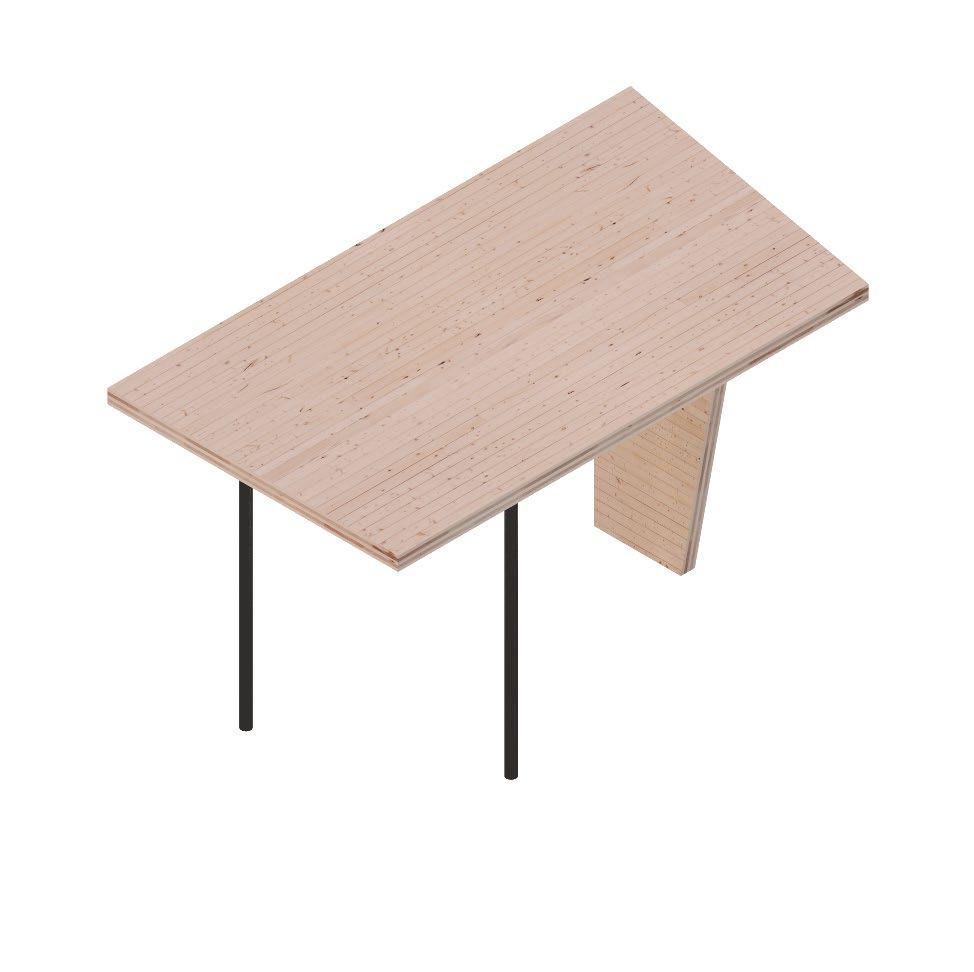
CANOPY ISOMETRIC
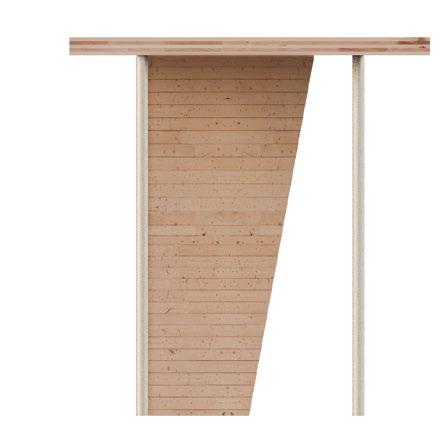
CANOPY NORTH ELEVATION
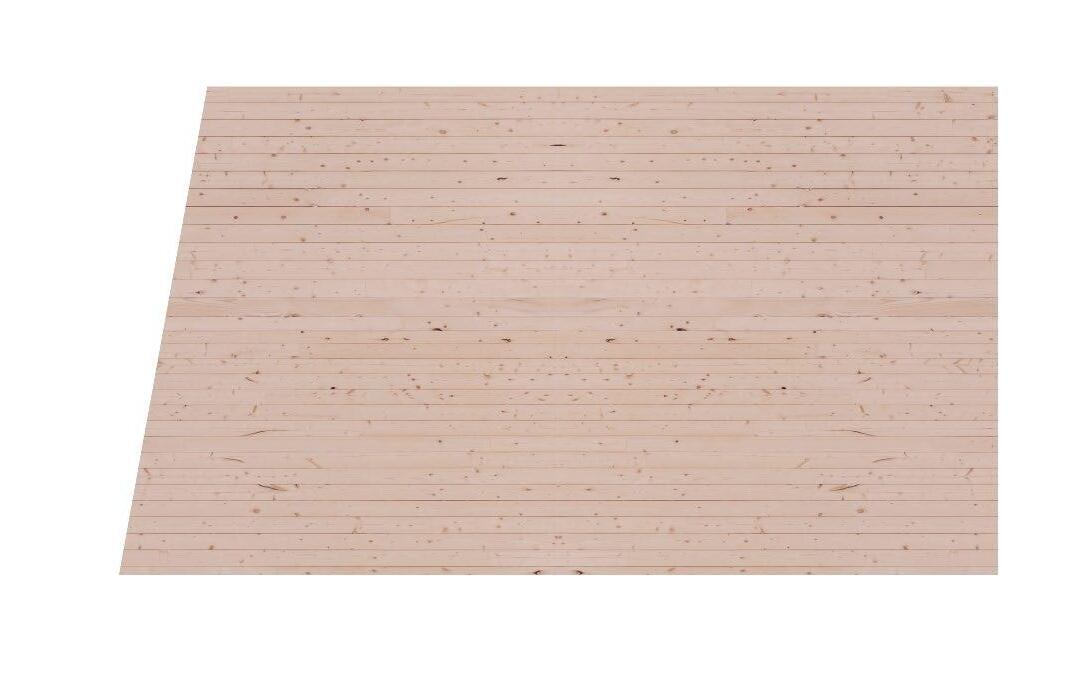
CANOPY PLAN
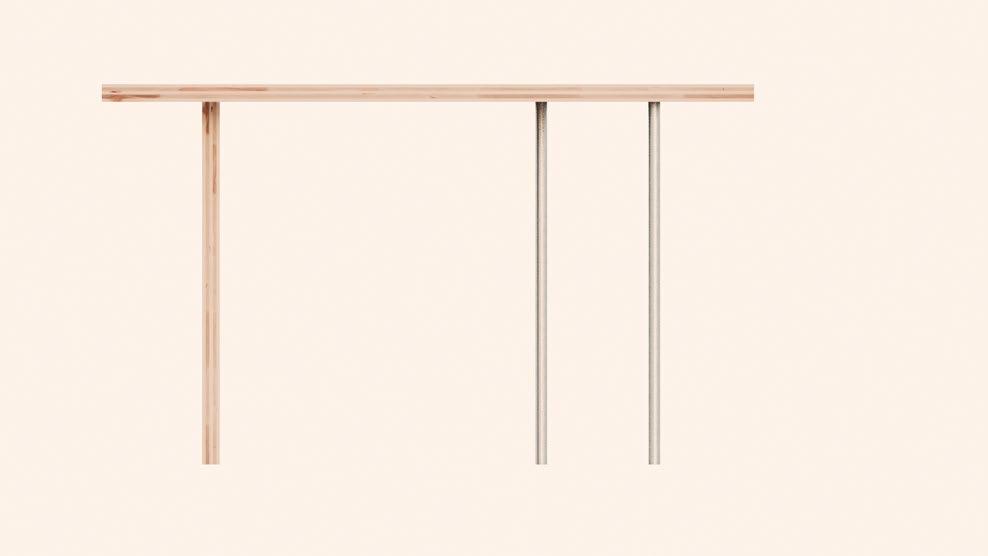
CANOPY EAST ELEVATION
DESCRIPTION
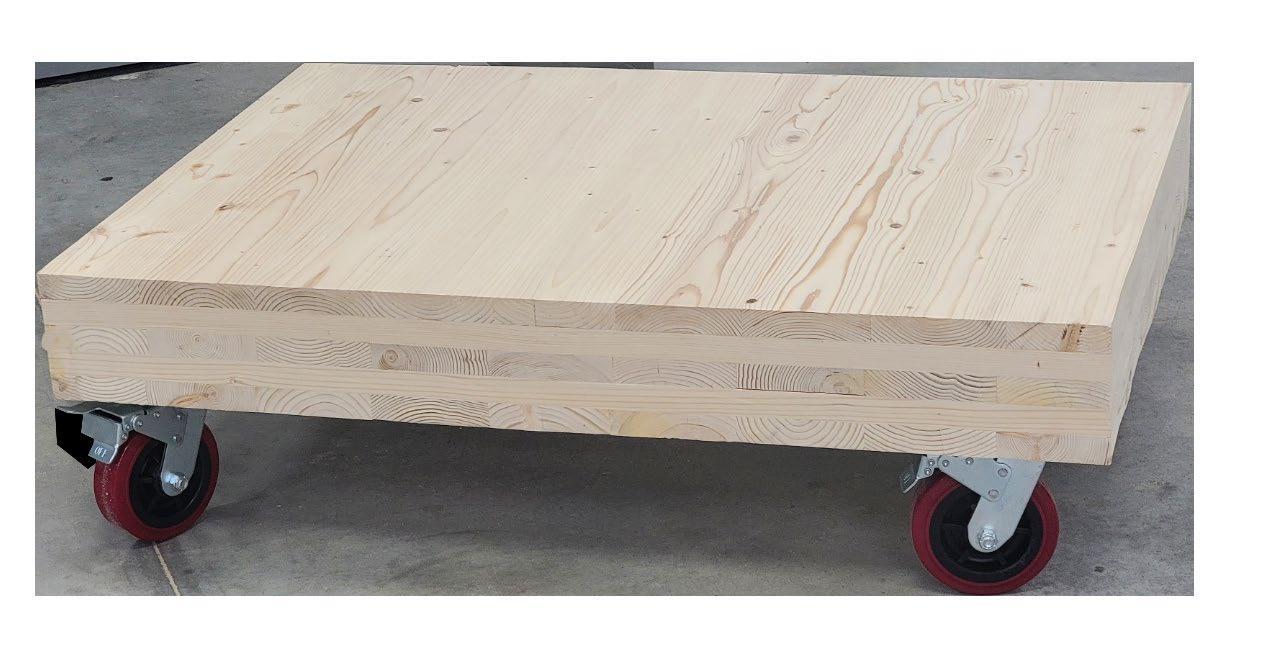
The 10’x40’ CLT blank forms the canopy roof, one of its columns, both layers of the custom furniture, and the bar top. The canopy provides structure to the space without constricting flexibility. The custom furniture serves three functions. When open it can be used as a seat. When it is closed it becomes a bench or table. When it is arranged in a square it serves as a stage. The hinge on the back allows the top to fold down to create a flat surface and the casters below lock to prevent any movement when arranged in the stage formation. The base layer of one prototype chair was fabricated to test feasibility and movement. It was constructed using 2x6 fir boards that were planed and joined to create flat edges. The refined boards were then cut to size, domino joined, and glued together to form panels. Each panel was then sanded, laid in alternating layers, and sealed with a vacuum bag to create CLT.
NORTHWEST AXONOMETRIC
Project Partners: Landyn Bish and Aaron Gust
ARCH 311 | Zeb Lund & Emelia Alvis
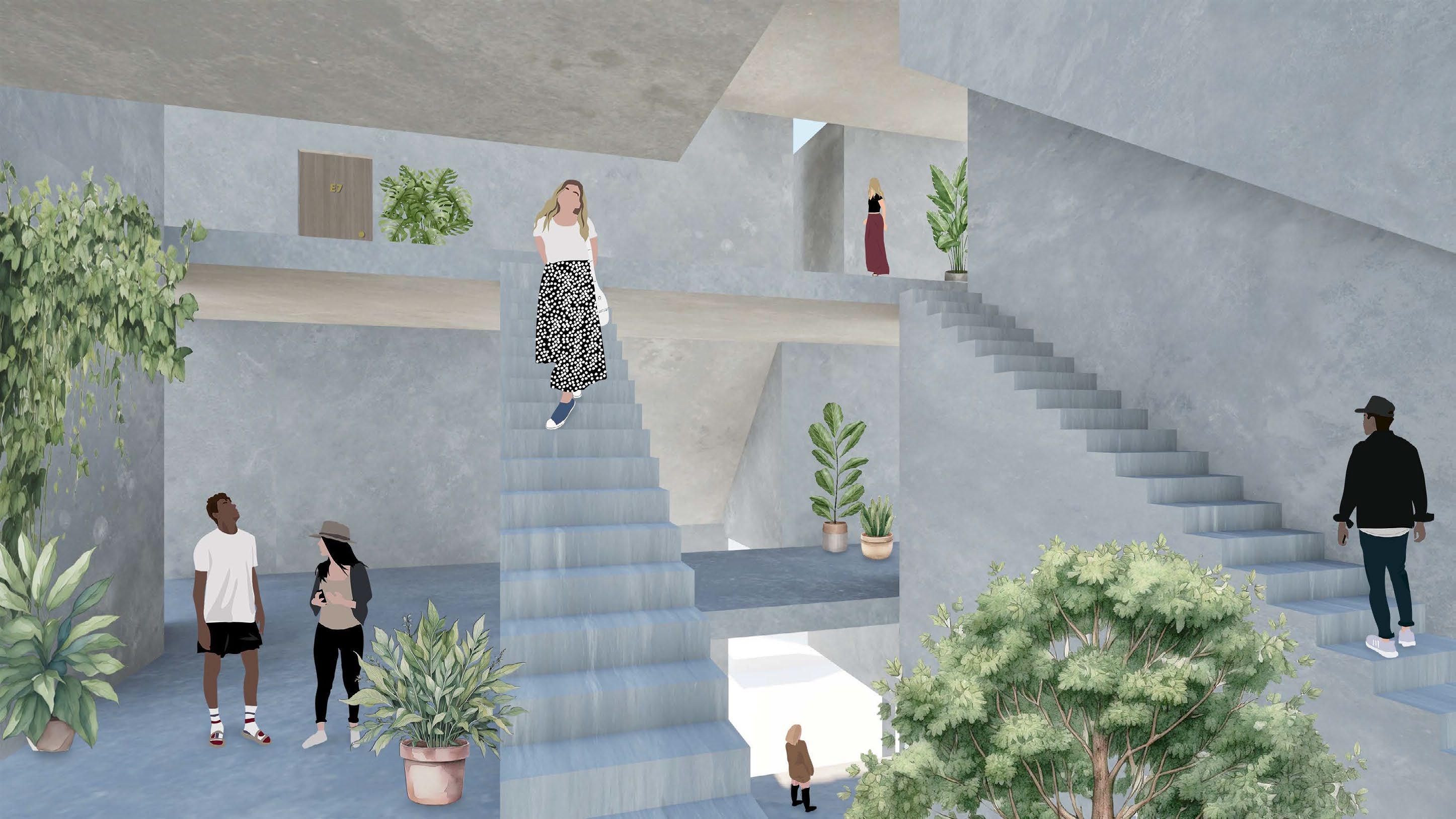
Situated in Steamboat Springs, Colorado, this multi-use multi-family housing complex provides residents with a sense of community at an affordable price. Most of the housing options in the ski town of Steamboat Springs are luxury vacation rentals, leaving those employed by the in the tourist industry in the town without an affordable place to live that is close to their work. Many who come to visit remain isolated from the neighborhoods in the rest of the town. The site’s location is directly adjacent to the ski slope, which is advantageous to those who work in the winter sports industry. Within the proposed residency, the multi-family side is located on the right and the multiuse provides a live-work condition on the left. The gym is an amenity for residents while the pizza bar, arcade, and ampitheater appeal to the rest of the town by providing a wide range of activities.
The design’s form is deeply connected to history as it modifies the A-frame archetype commonly used in Colorado for its ability to shed incredible amounts of rain and snow throughout the year. The A-frame is traditionally used as a single-family home and was adapted within our project to serve the purpose of multi-family housing on one end of the spectrum and a wide variety of programs on the other. We wanted to preserve the unique angular form of the A-frame and make sure each level could experience the slanted walls the A-frame is known for so we created the A-Typical Frames. The courtyard in-between the two serves as a circulatory point that encourages community interaction and the forging of new relationships between residents and visitors.

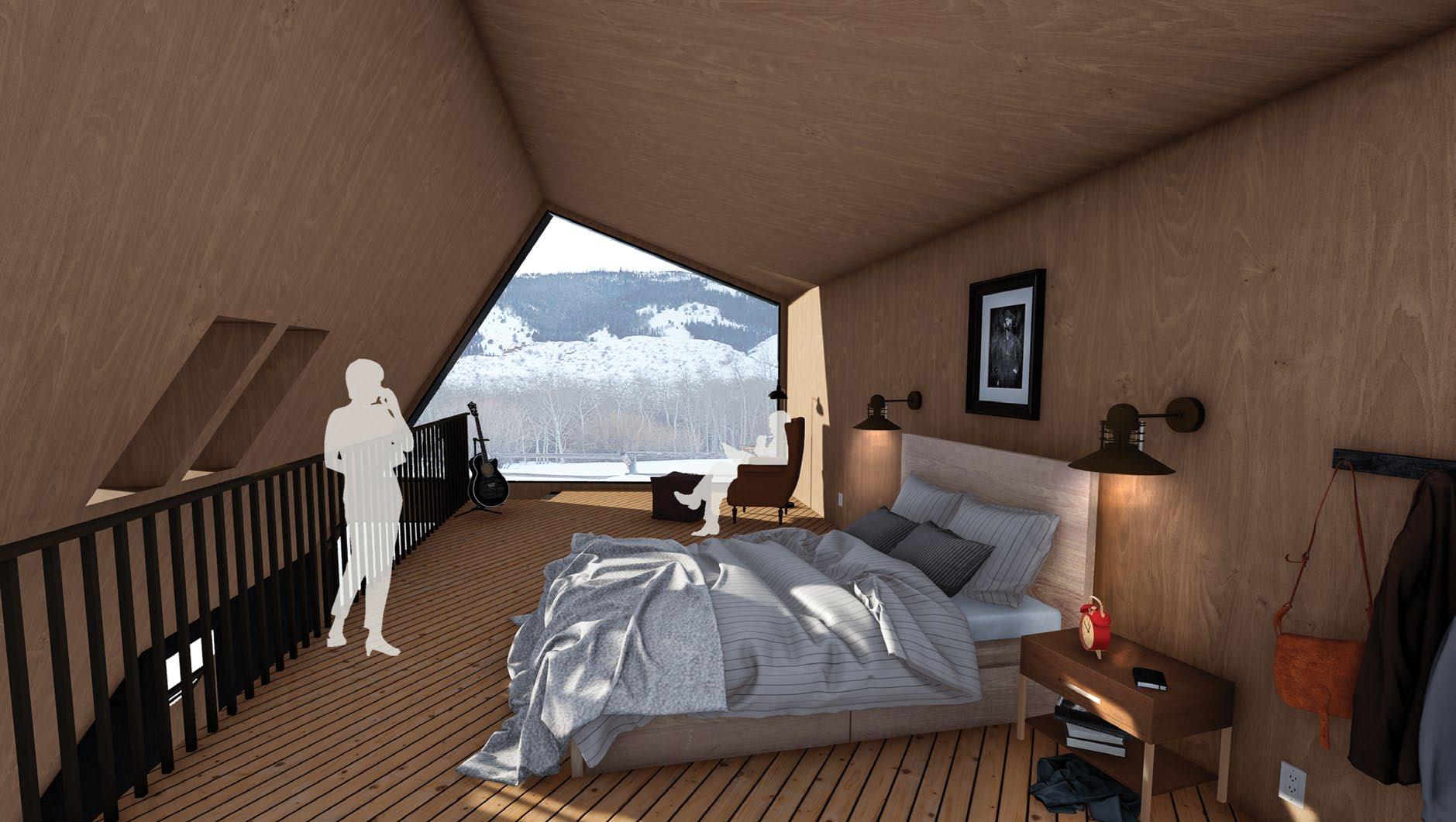
UNIT VIEW
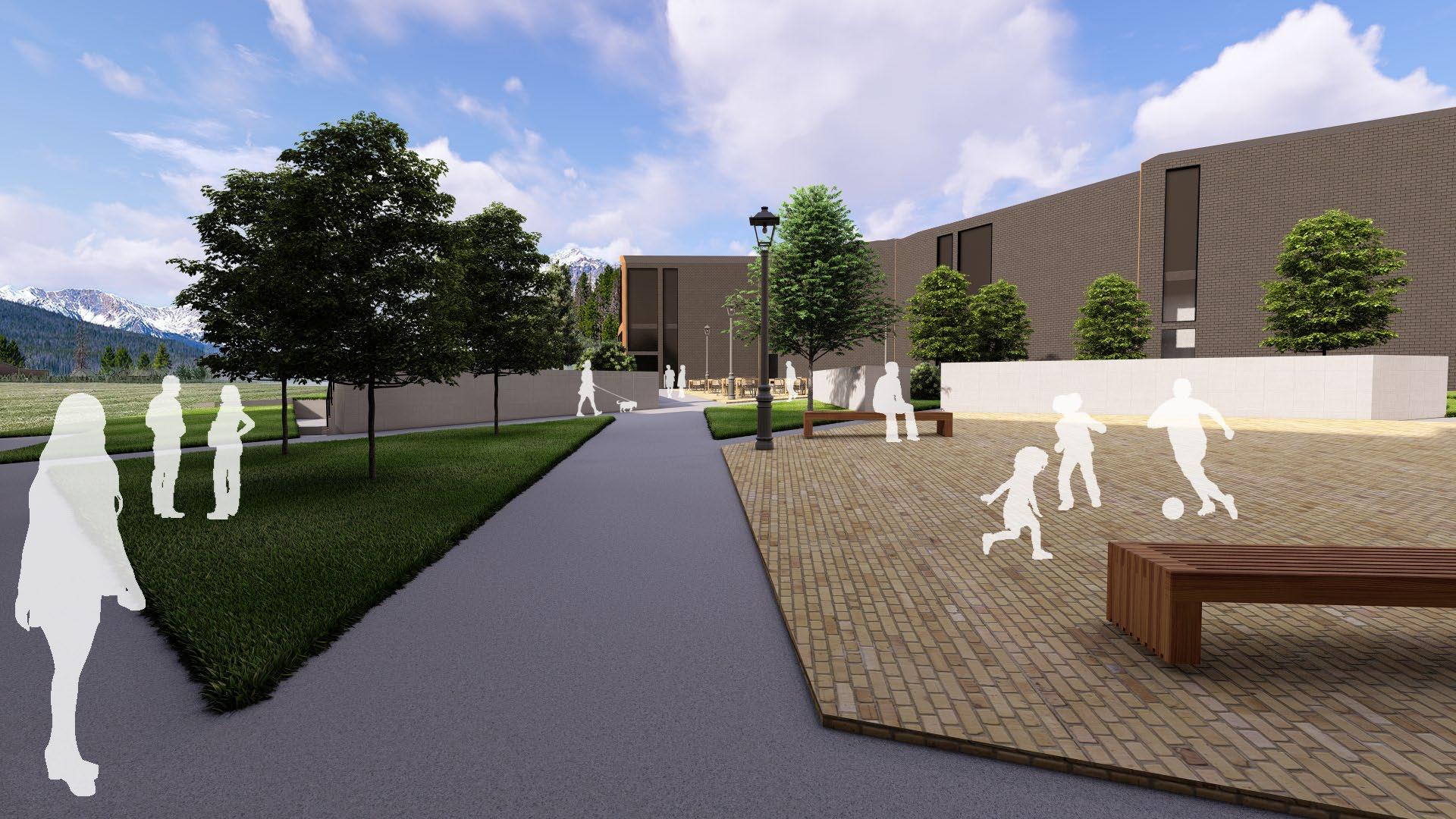
COURTYARD VIEW
SOUTHWEST AXONOMETRIC
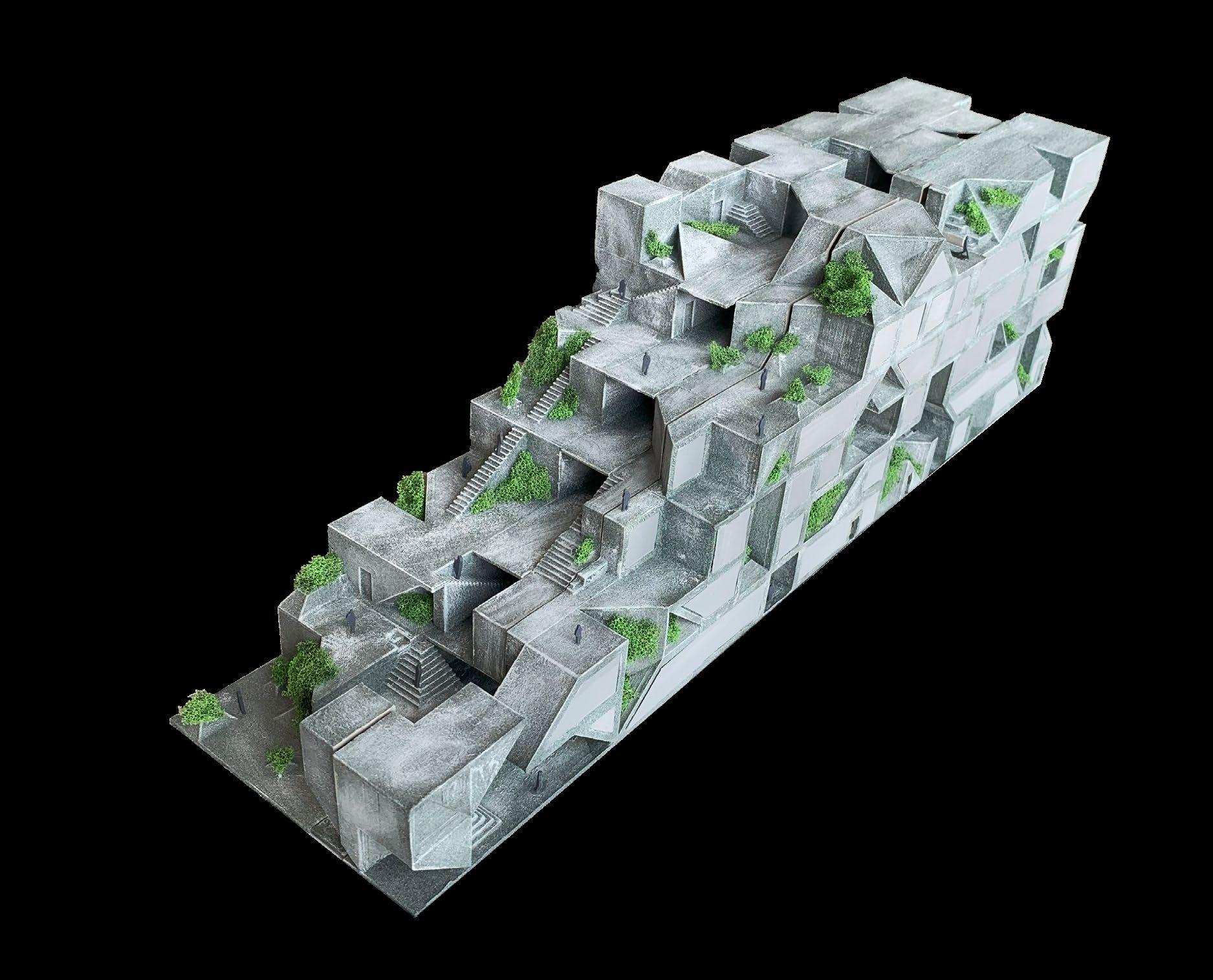
PHYSICAL MODEL ISOMETRIC VIEW
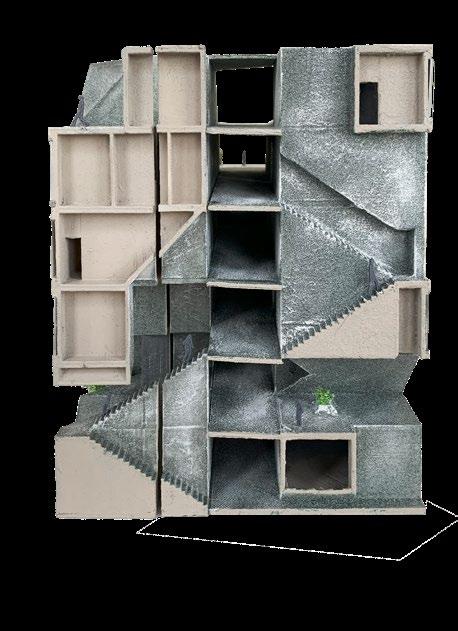
PHYSICAL MODEL TRANSVERSE SECTION
Project Partner: Grace Colister ARCH 60113 | Taraneh Meshkani
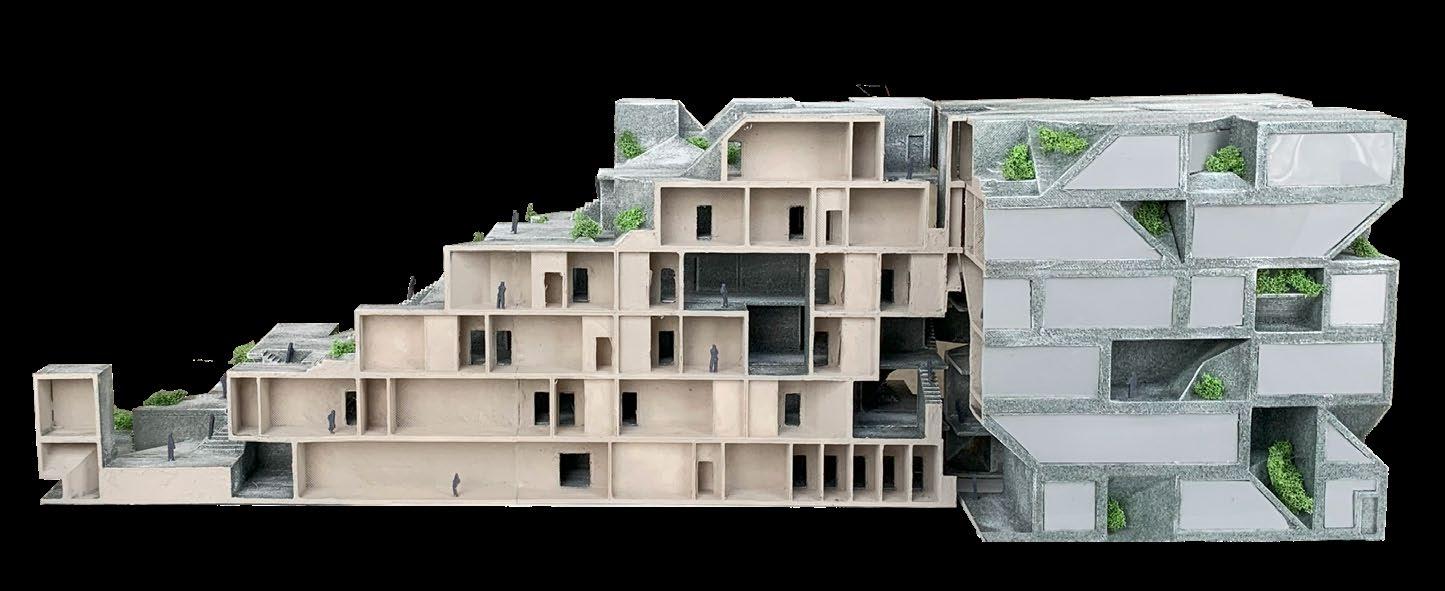
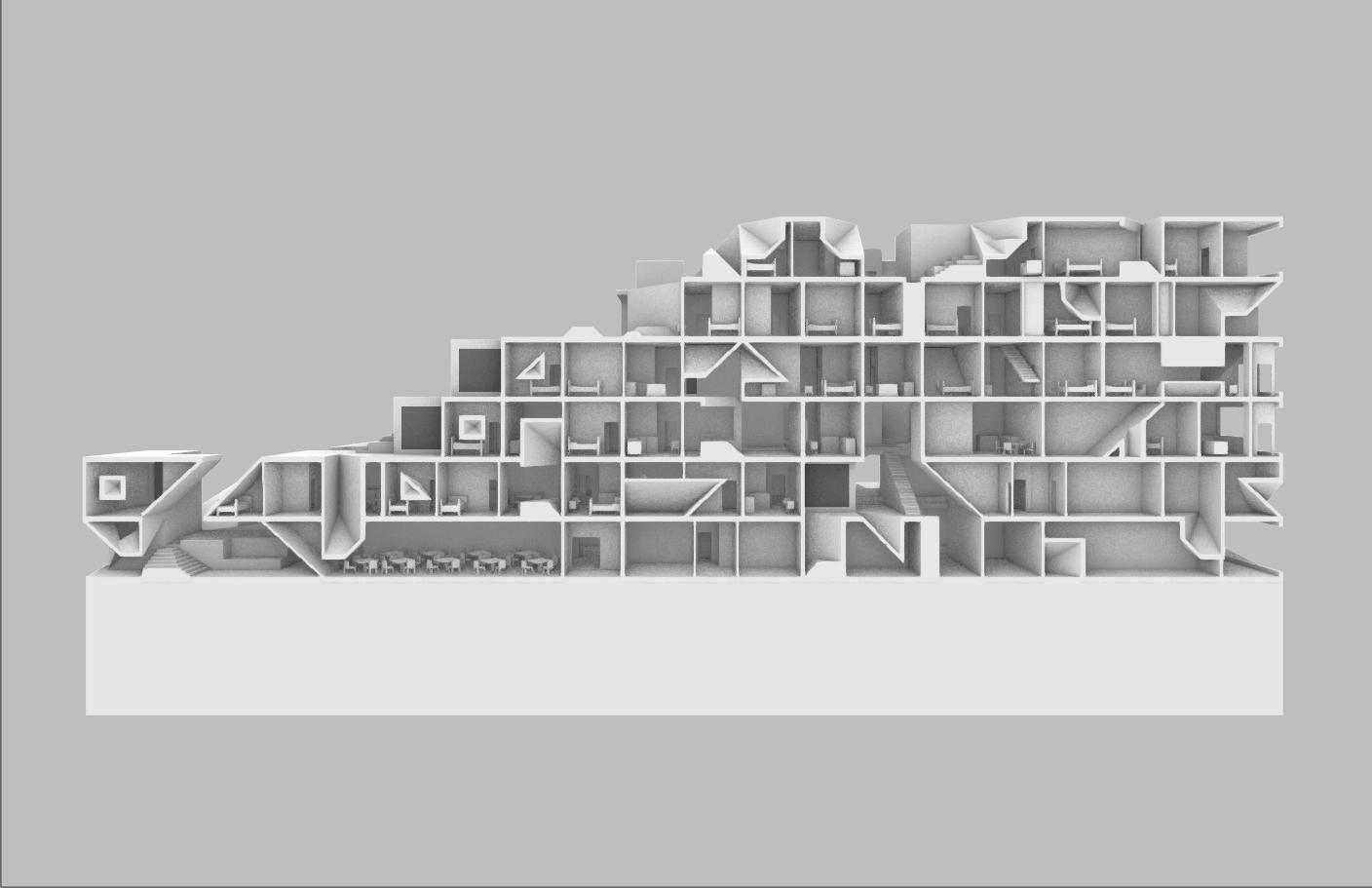
PHYSICAL MODEL LONGITUDINAL SECTION
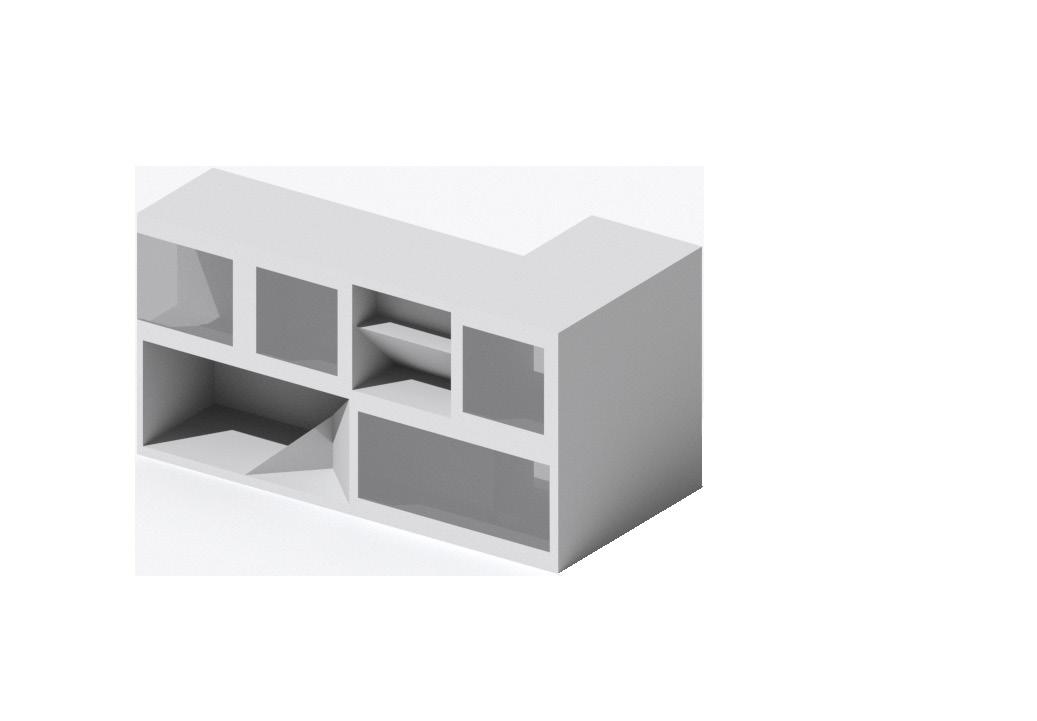
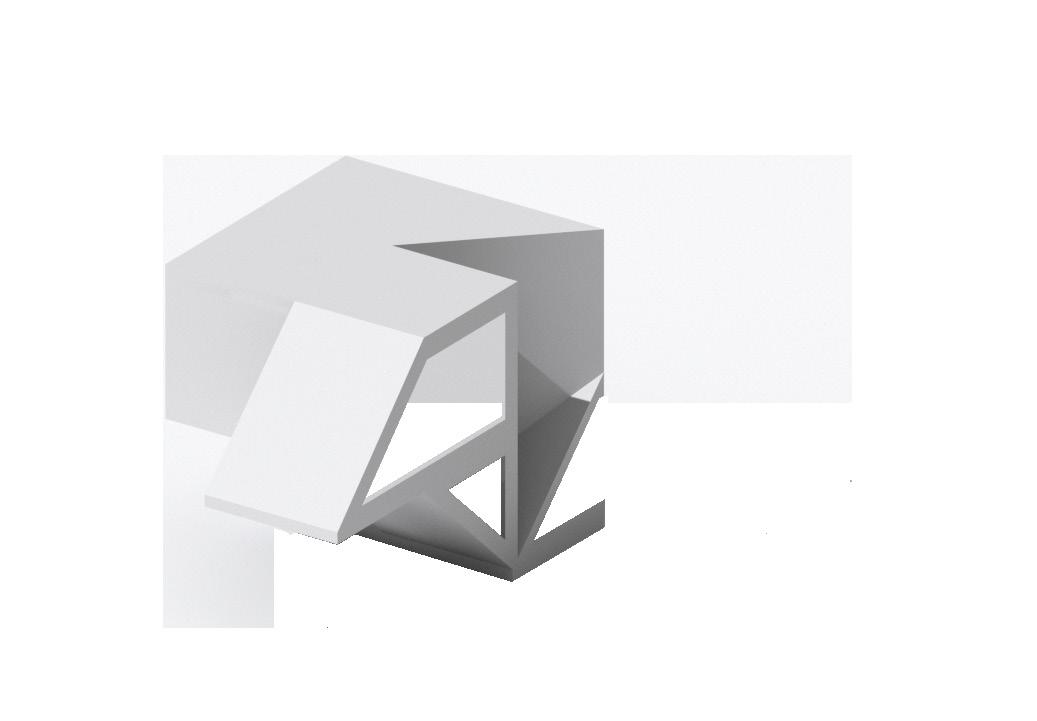
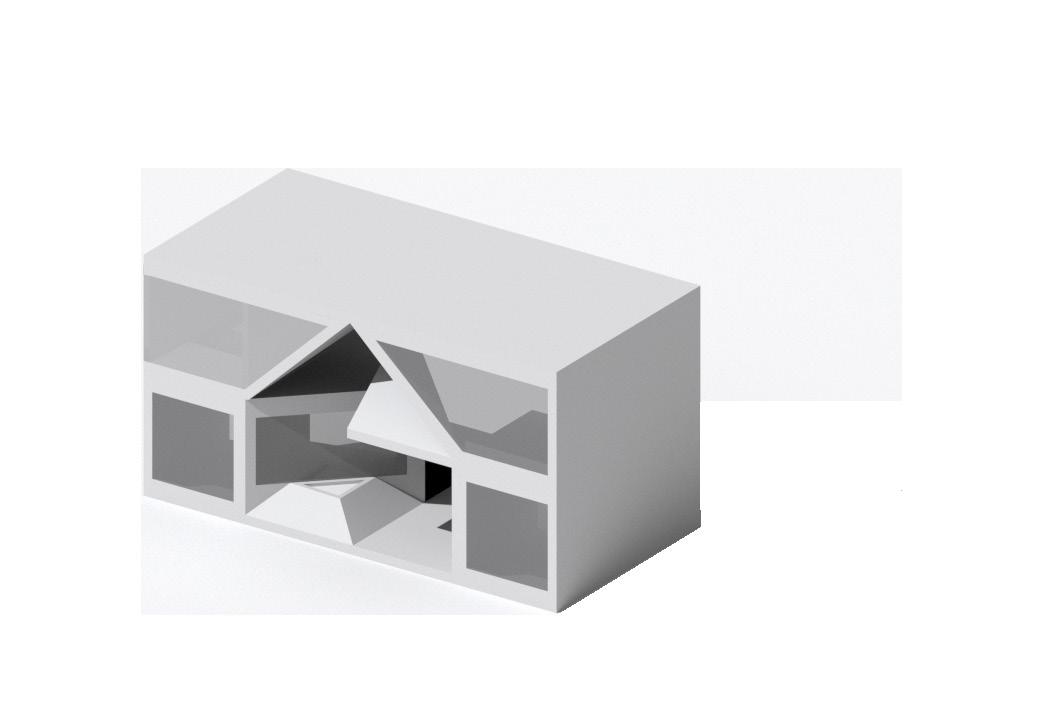
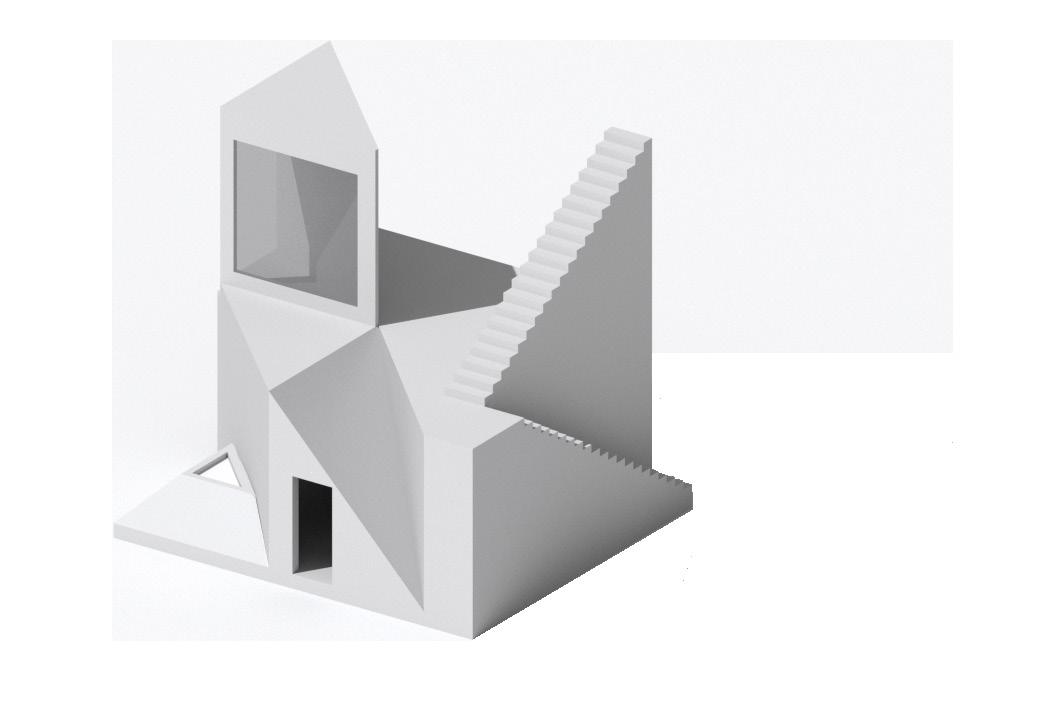
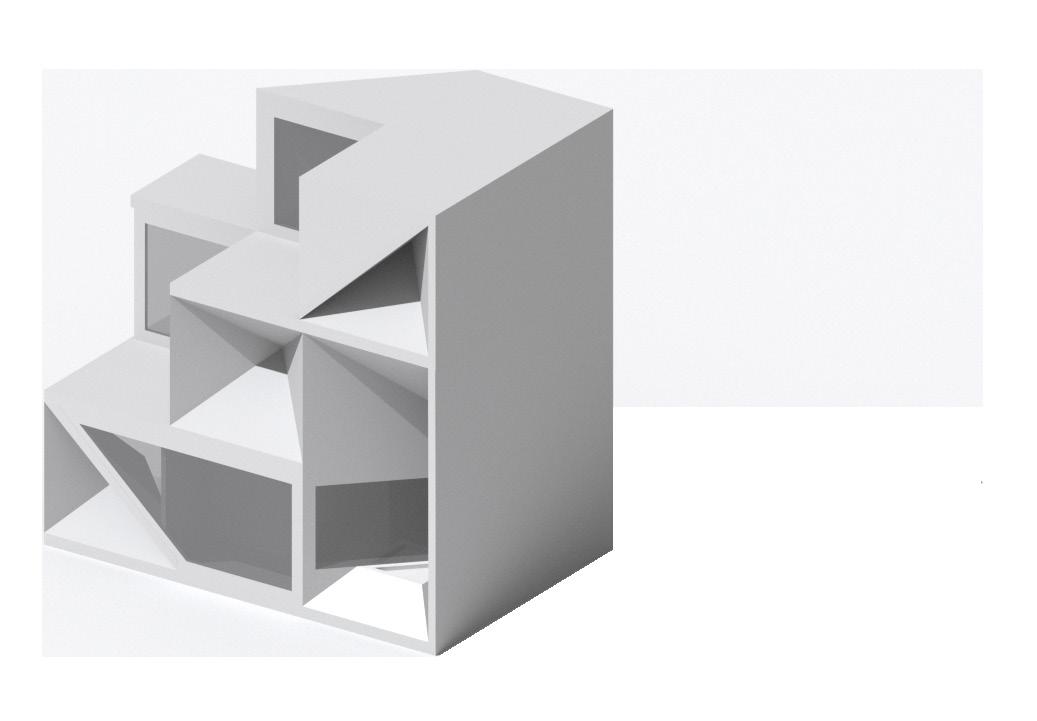
The project focuses on inserting green space to create a more welcoming environment for the unsheltered population in Skid Row, Los Angeles. This area of downtown Los Angeles has hardly any green space available in private or public form. Spaces that offer relief from the harsh sun, showcase native foliage, and provide flexibility are paramount. These goals are achieved through a housing structure that combines low-income and transitional housing.
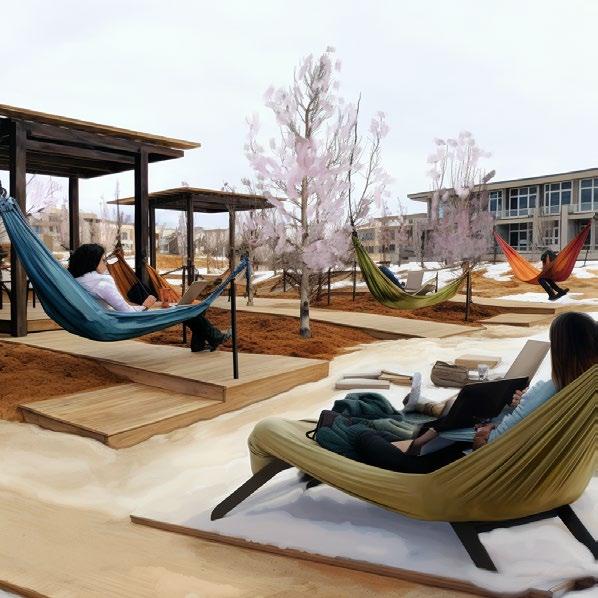
Our form arose from a desire to provide a wide range of spaces as the needs and uses of outdoor space vary extensively from individual to individual. Implementing modularized voxels allowed for great flexibility with the types and styles of apartments and green spaces. As the voxels fragment and tesselate unique spaces form. Balconies, planters, and mini-parks arise from these formations. The structure rises out of the landscape, transitioning to more solid and bar-like as the tessellations give way to more regular organization. The catalogue of green spaces imagines the many ways the areas could be used including lounging, walking dogs, and growing fresh food. It has areas that provide relief from the street and spaces for the community to gather. The insertion of green space is an urban initiative that will provide refuge from the streets and serve the unsheltered population.
SECOND
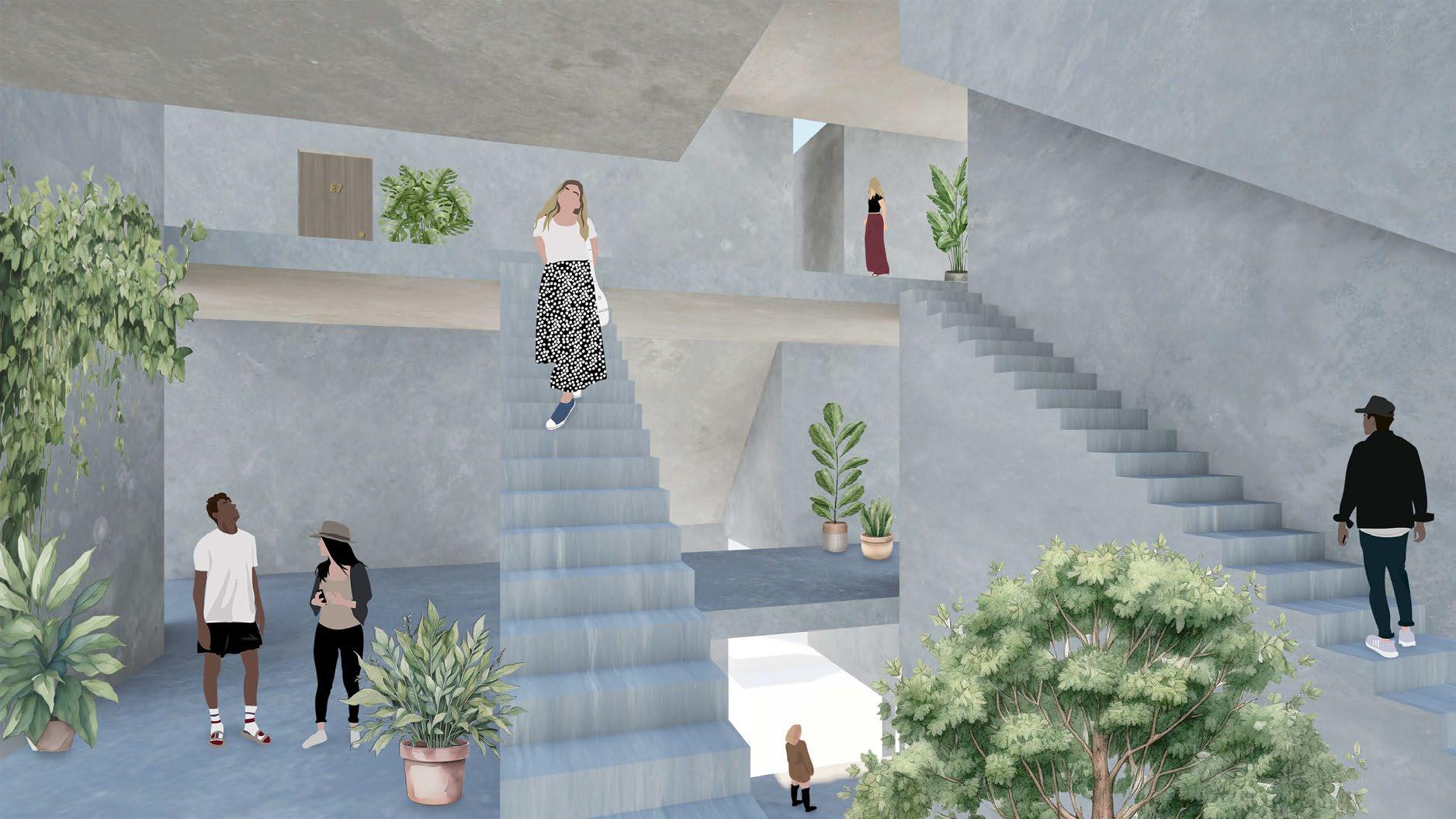
VIEW
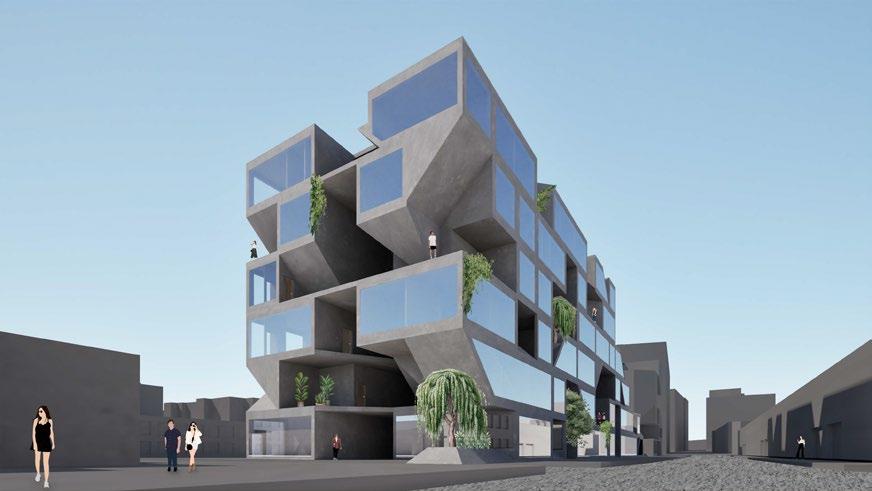
EXTERIOR CORNER VIEW
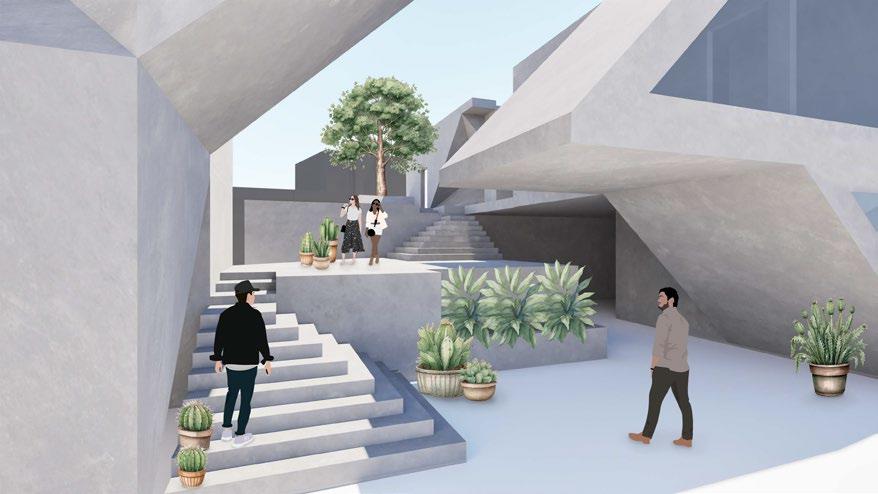
EXTERIOR GROUND LEVEL VIEW
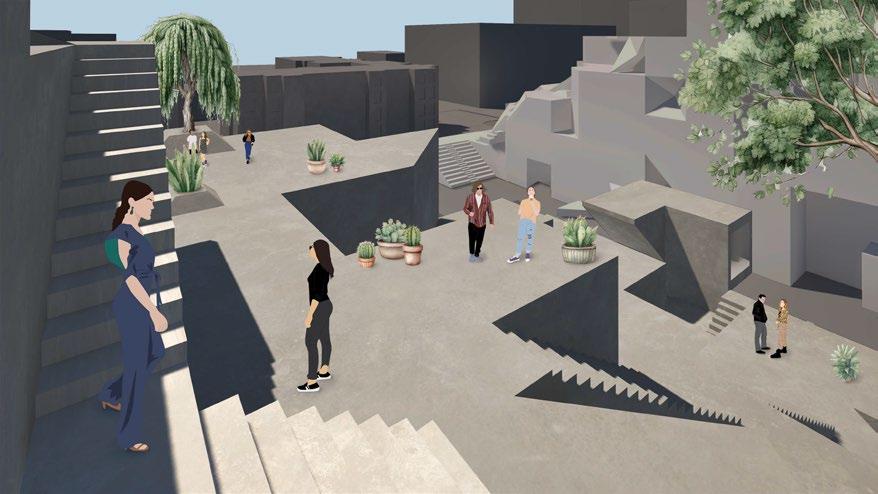
EXTERIOR TERRACES
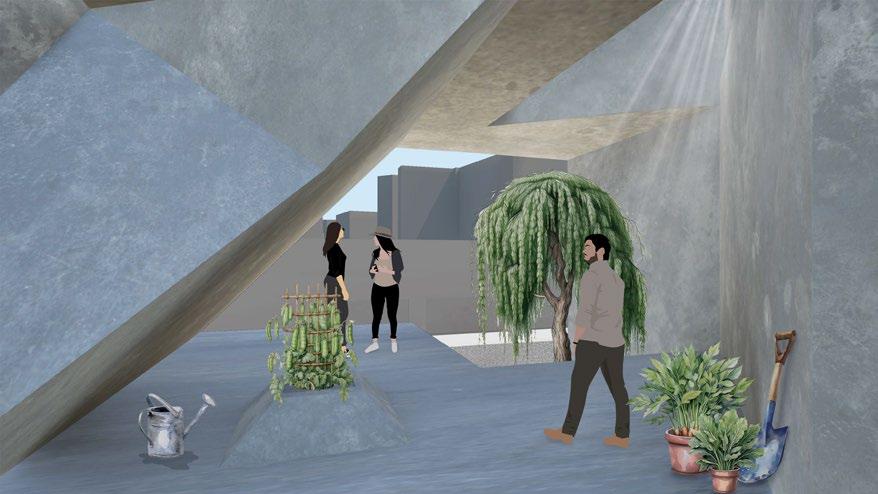
COMMUNITY GARDEN VIEW

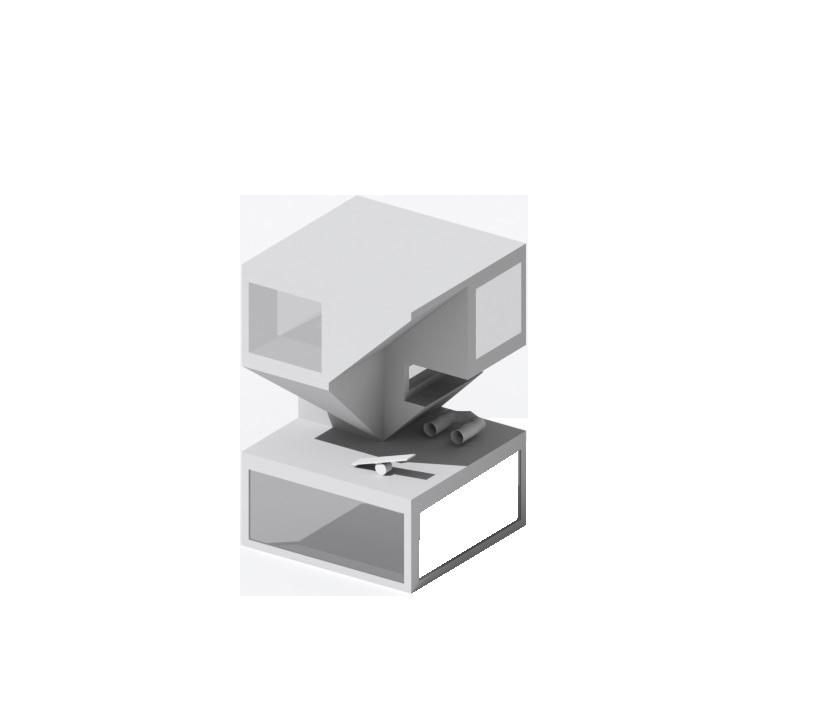
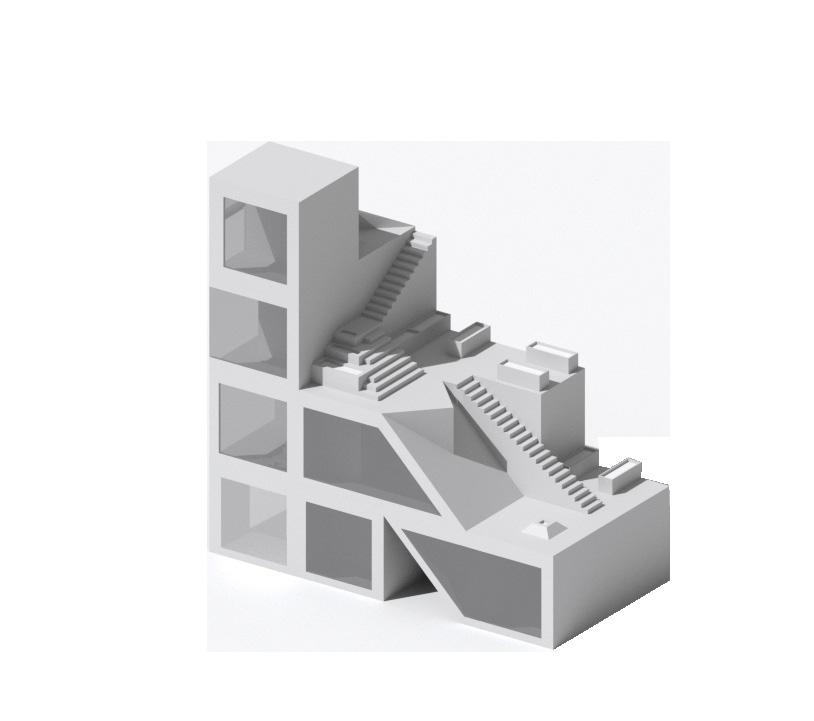
VEGETABLE GARDEN
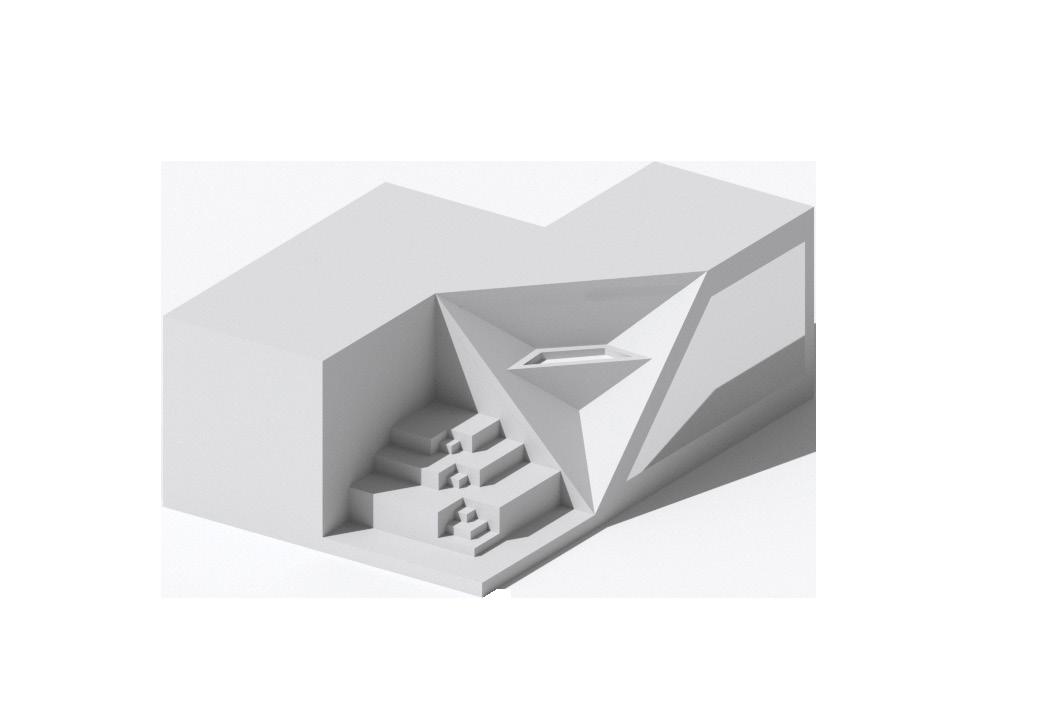
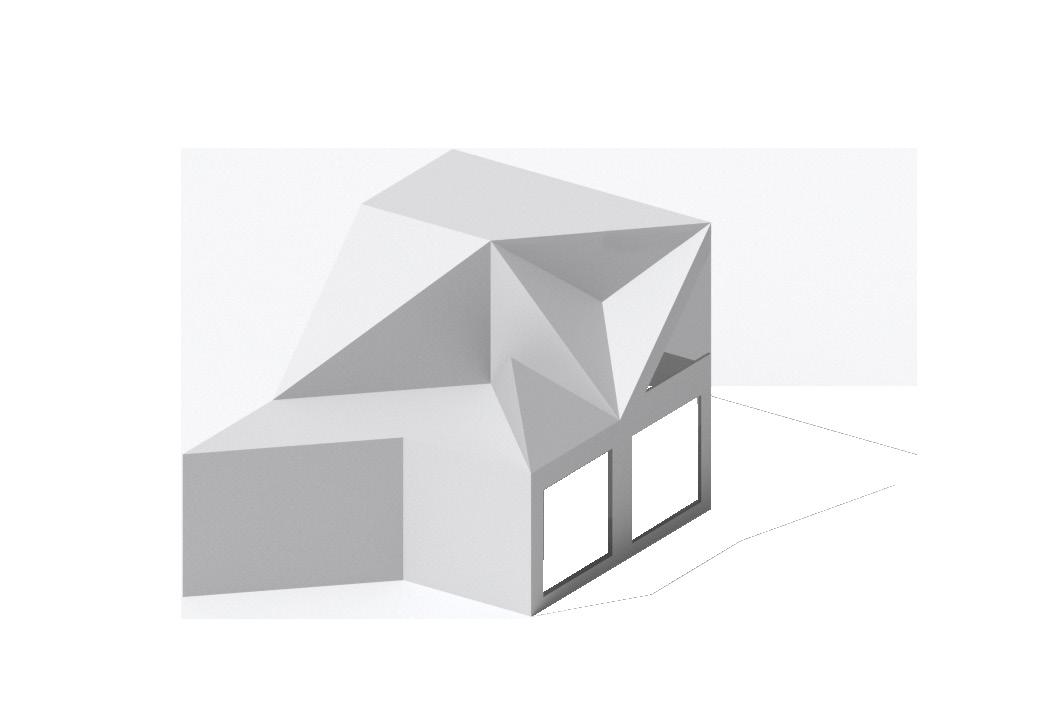
OBSERVATION DECK GREEN SPACE TYPOLOGIES
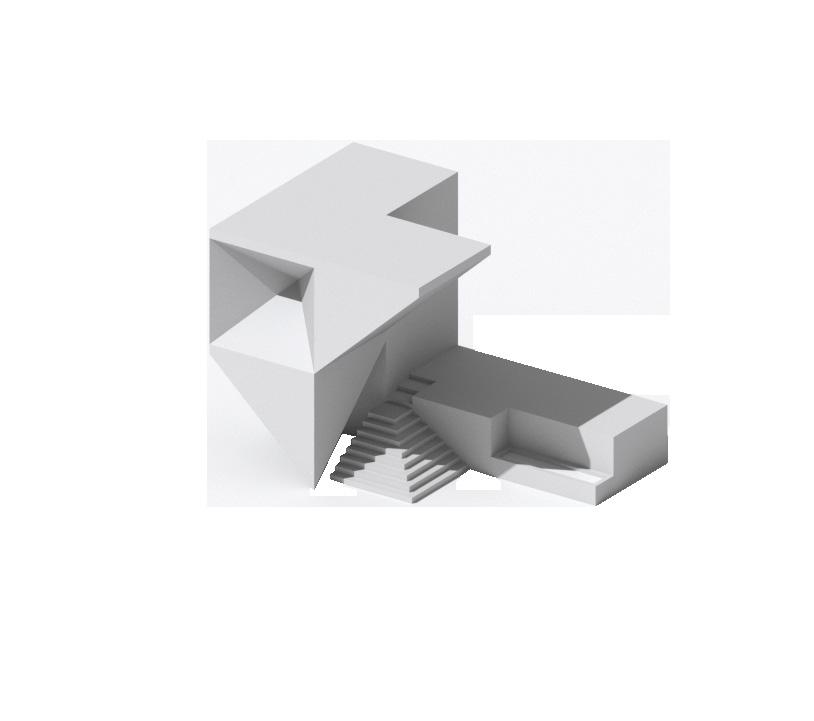
VERTICAL PLANTERS