


We Are I-Car Gold Class Certified And Have The Collision Repair Industry’s Highest Training Recognition. NORTH COUNTY'S PREMIER AUTO BODY DESTINATION chrisamatosbodywerks.com 3018 SAN LUIS REY RD. | OCEANSIDE, CA 92058 | (760) 433-5050 SPECIALIZING IN: • Automotive Body Painting • Collision Repair • Bumper Repair • Paintless Dent Removal Chris Amato’s Body Werks holds several factory certifications and is a trusted partner of the local dealerships. A proven leader in the world of fine automotive workmanship with over 35 years of industry experience.
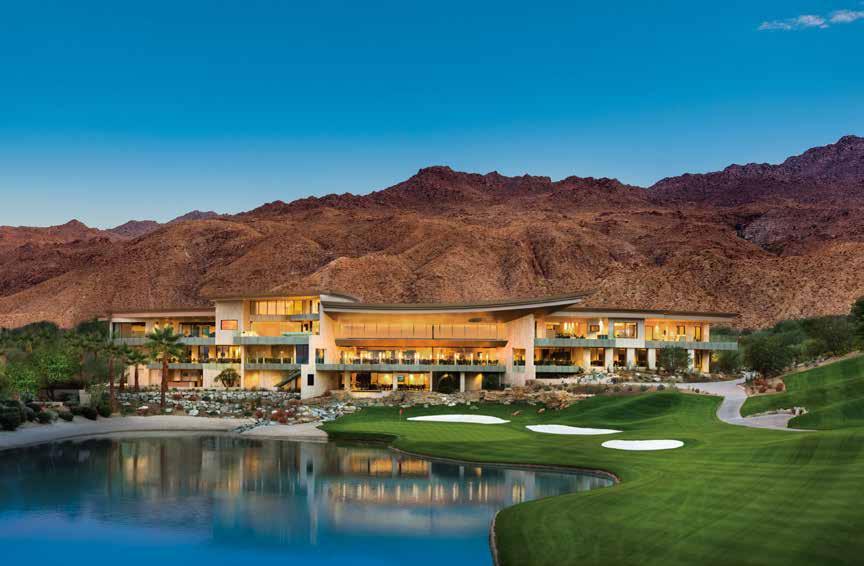




WWW.LUSARDI.COM | 760-744-3133 | CONTRACTORS LICENSE NO. 207287 HOSPITALITY | EDUCATION | OFFICE | INDUSTRIAL | MEDICAL | AUTOMOTIVE | RETAIL Lusardi Construction Company is a full service General Contractor building projects throughout California and across the U.S. since 1958. Big Horn Country Club

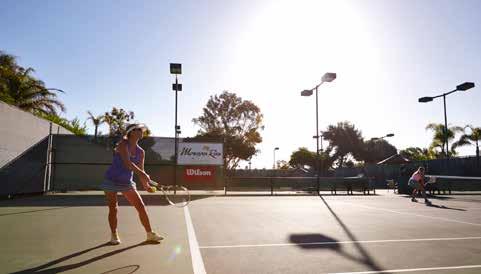


Experience the Morgan Run difference With 27 holes of golf, 11 lit tennis courts, fitness, pool, and a vibrant social scene, it truly is more fun at Morgan Run. *Some restrictions apply. See Club for details.©ClubCorp USA, Inc. All rights reserved. 44472 0419 SS 858.759.2157 | morganrun.com 5690 Cancha De Golf, Rancho Santa Fe, CA 92091
Legal Experts with Humanity


S tefanie Blue, TrueBlueBrandingSD.com
From (L to R): Sarah B. Pinkerton, Steven K. Brumer, Scott Neinas, Myra Chack Fleischer*, Daniel J. Martin, Tana Landau *SELECTED TO 2019 SUPER LAWYERS
more than two decades, Fleischer & Ravreby has an attorney team with a rare, powerful mix of legal, financial and psychological expertise and insight to arrive at options and solutions in ways others can’t.
Spanning
Asset Divorce California Divorce
Conflict Custody Military Divorce Alternative Dispute Resolution 2755 Jefferson St., Ste. 200 Carlsbad, CA 92008 Phone: 858-720-8250 www.frfamilylaw.com
We can provide clarity on where your legal decisions may be stuck as part of the dynamic of the marriage, not part of what is best for you getting through your divorce process. Contact us to learn more about how our unique perspective and approach can help you. High
High


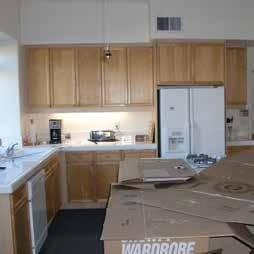
Don’t Replace... REFACE!TM Transform Your Kitchen in as Little as 3-5 Days before VISIT OUR SHOWROOM 7020 Carroll Road • San Diego (Off Miramar between I-805 & 15) CALL FOR FREE IN-HOME ESTIMATE 888-802-2630 Monday–Friday 8am–4:30pm Saturday by appointment

lic.#838590 What is Refacing? • New Doors & Drawer Fronts • New Material on Exteriors • New Mouldings • New European Hinges • New Soft Close Drawers & Pullouts Optional before www.boyars.com
John Winfield
editor Al Menconi
art/design director



Jeff Adamoff
Mac McBride
Arielle Kaimana Taramasco
Marla Zanelli
Kaylee Bosse
Korina Borash

Publisher
contributing writers
account
advertising inquiries
editorial submissions
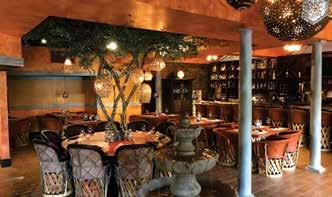
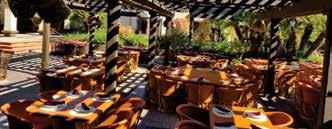
Published by Winbush Media, LLC dba / Luxury Magazines 1309 Coffeen Avenue STE 1200 Sheridan, Wyoming 82801 858-213-4856 www.luxuryhomesandlifestyles.com Rancho Santa Fe Plaza Hacienda de Vega Restaurant | Lounge Special Events 162 S. Rancho Santa Fe Rd. Encinitas, Ca. | 92024 haciendadevega.com 760.738.9804 Mexican Restaurant & New Restaurant Categories Receive a Special gift from Moët & Chandon when you bring this ad.
executive Robert S Morey
858-213-4856 / John@winhush.com
John@winhush.com
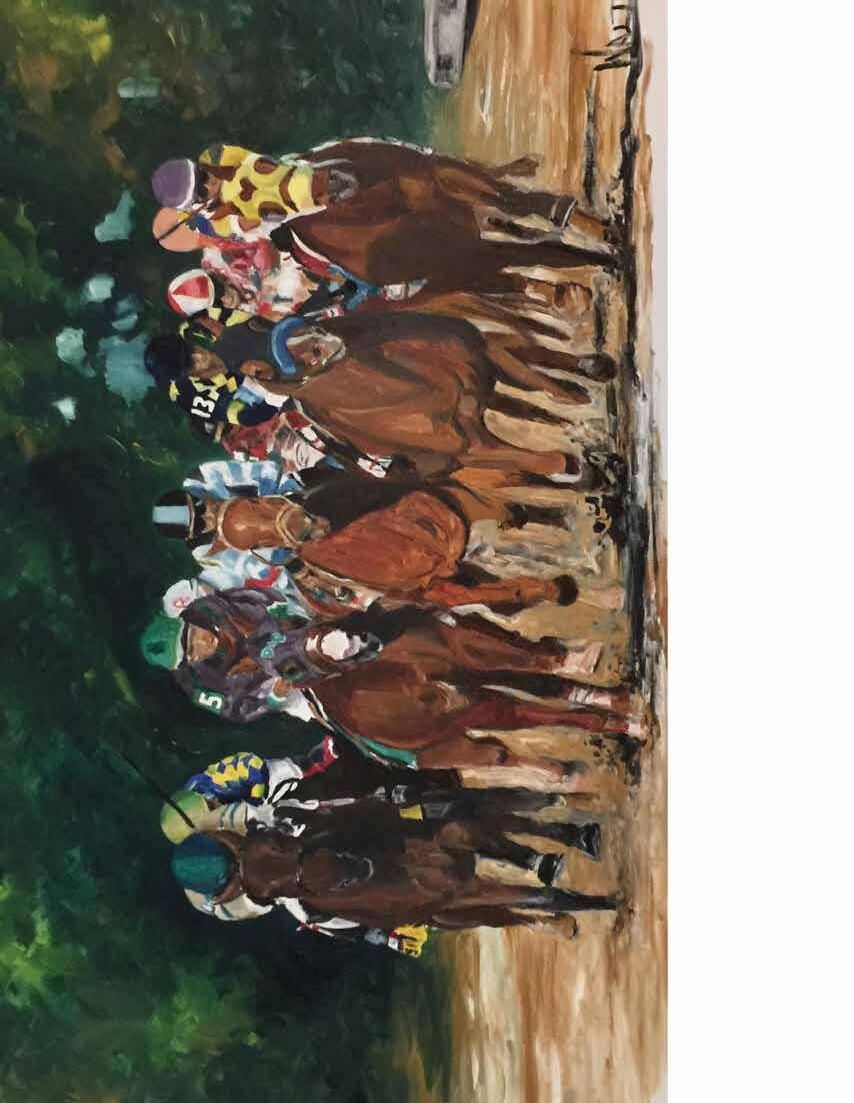

Commissions Available | ScottWaltArt.com | 760.334.1688
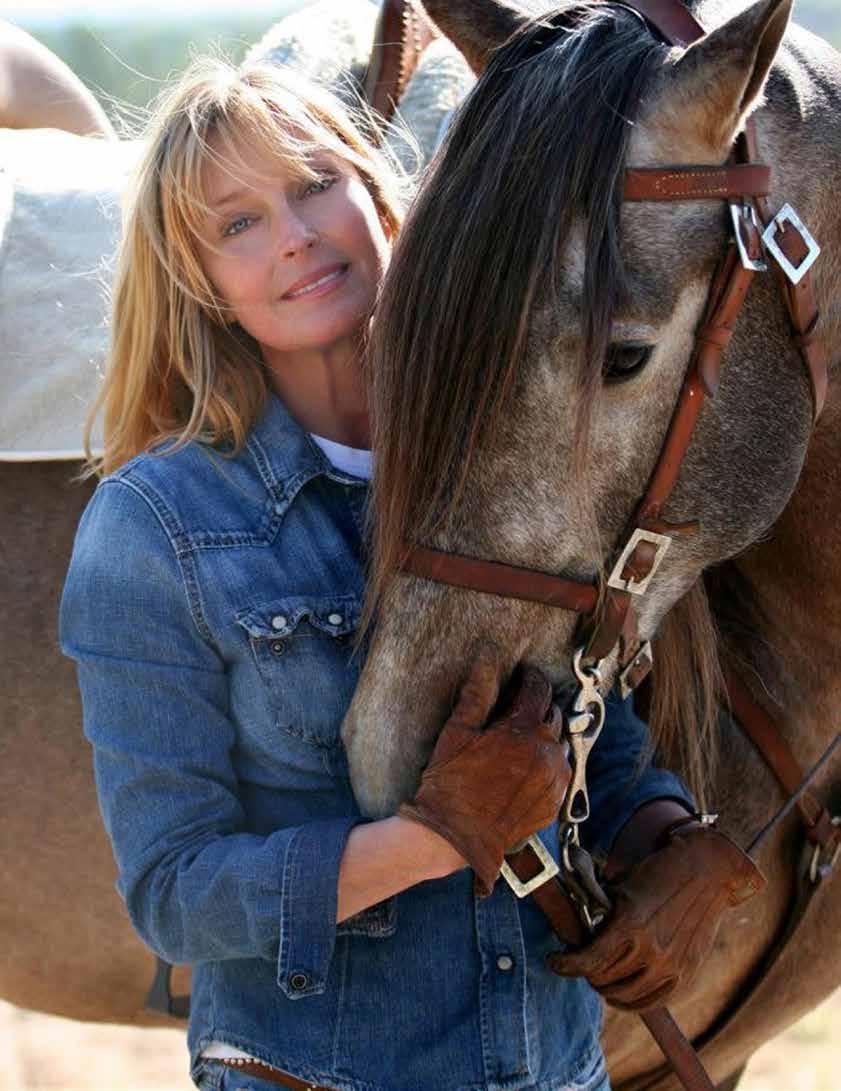
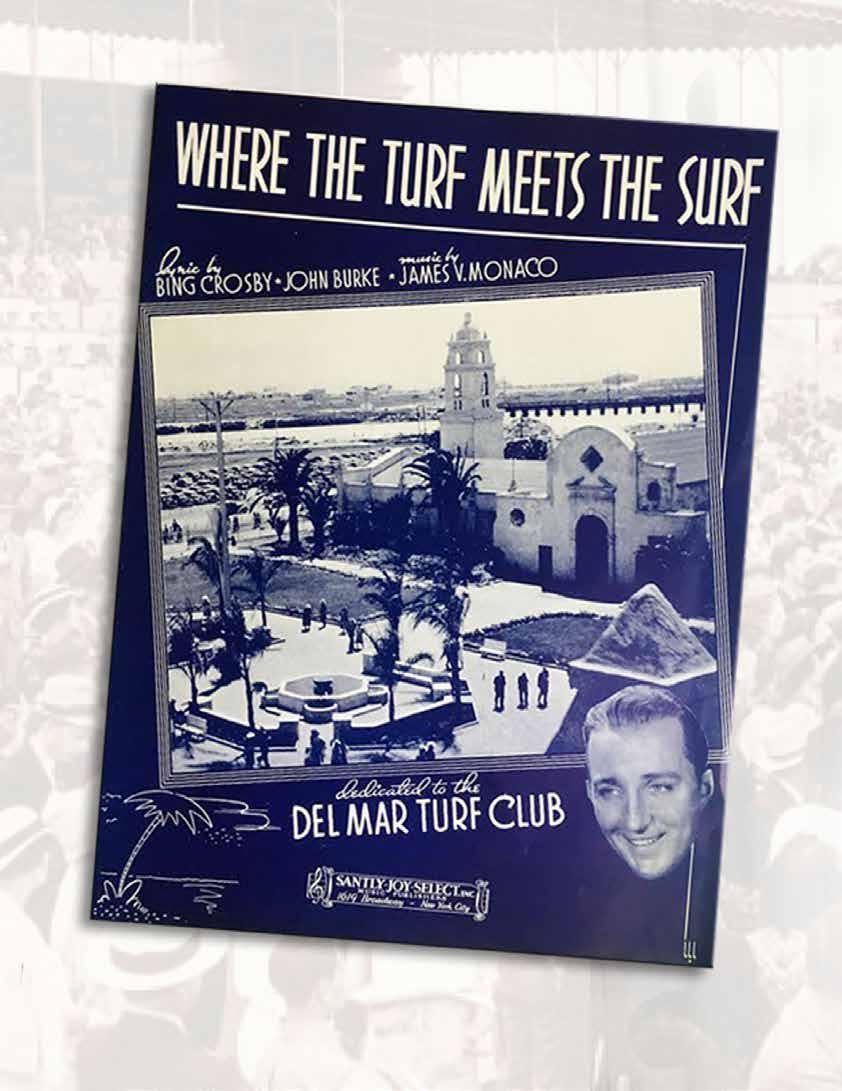
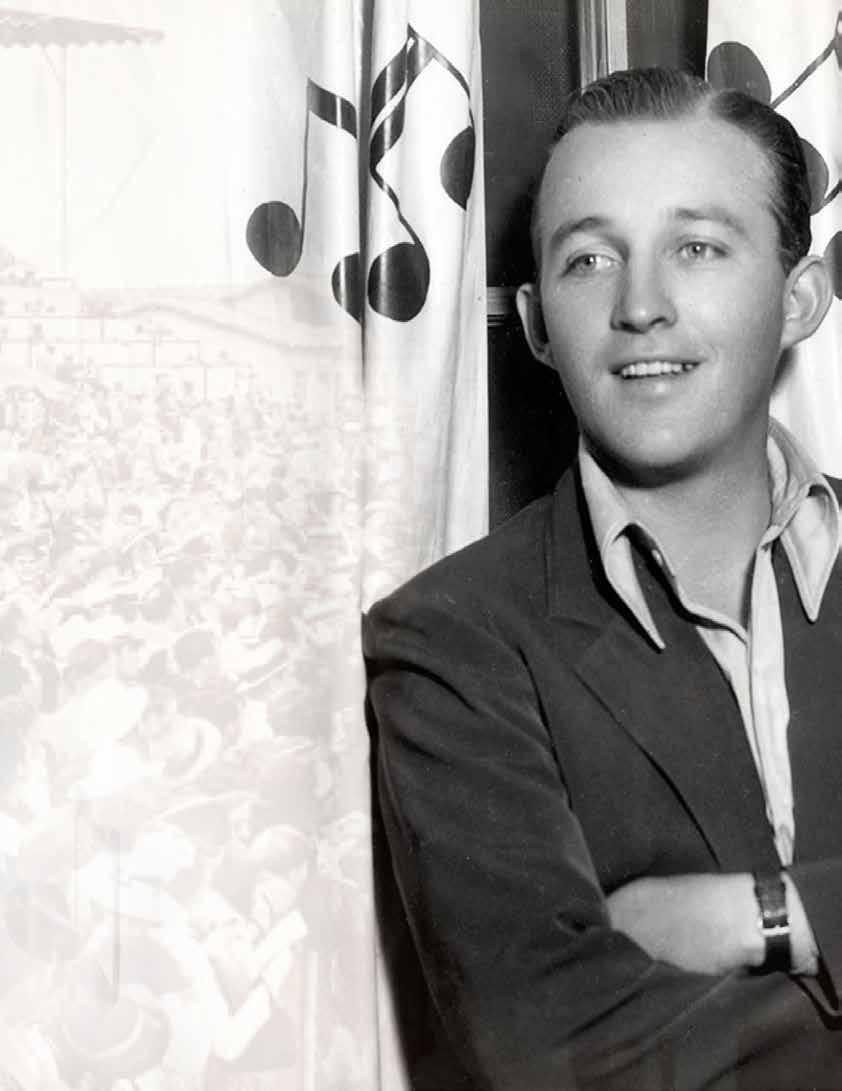
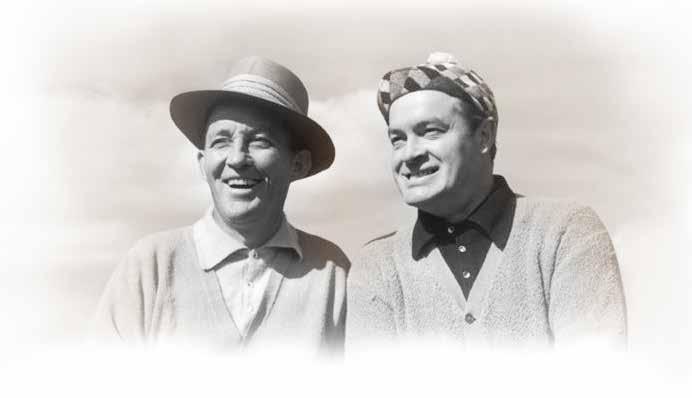
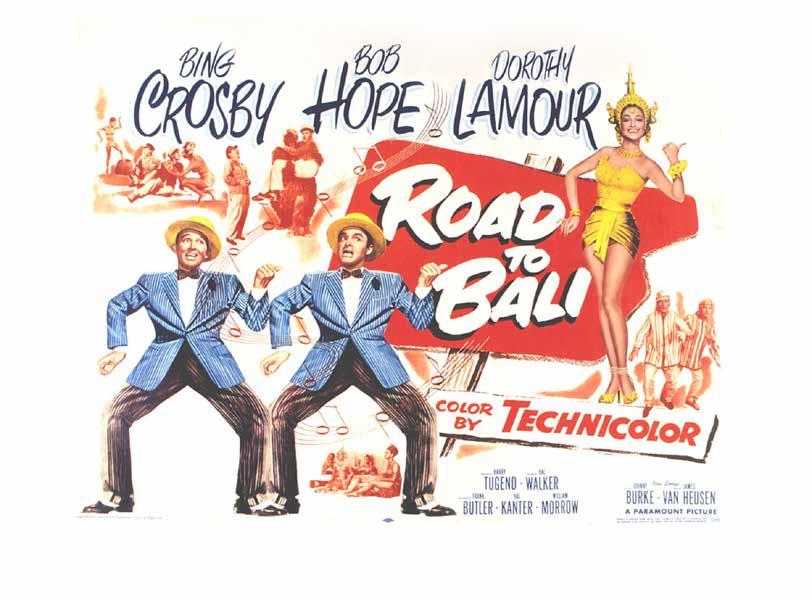
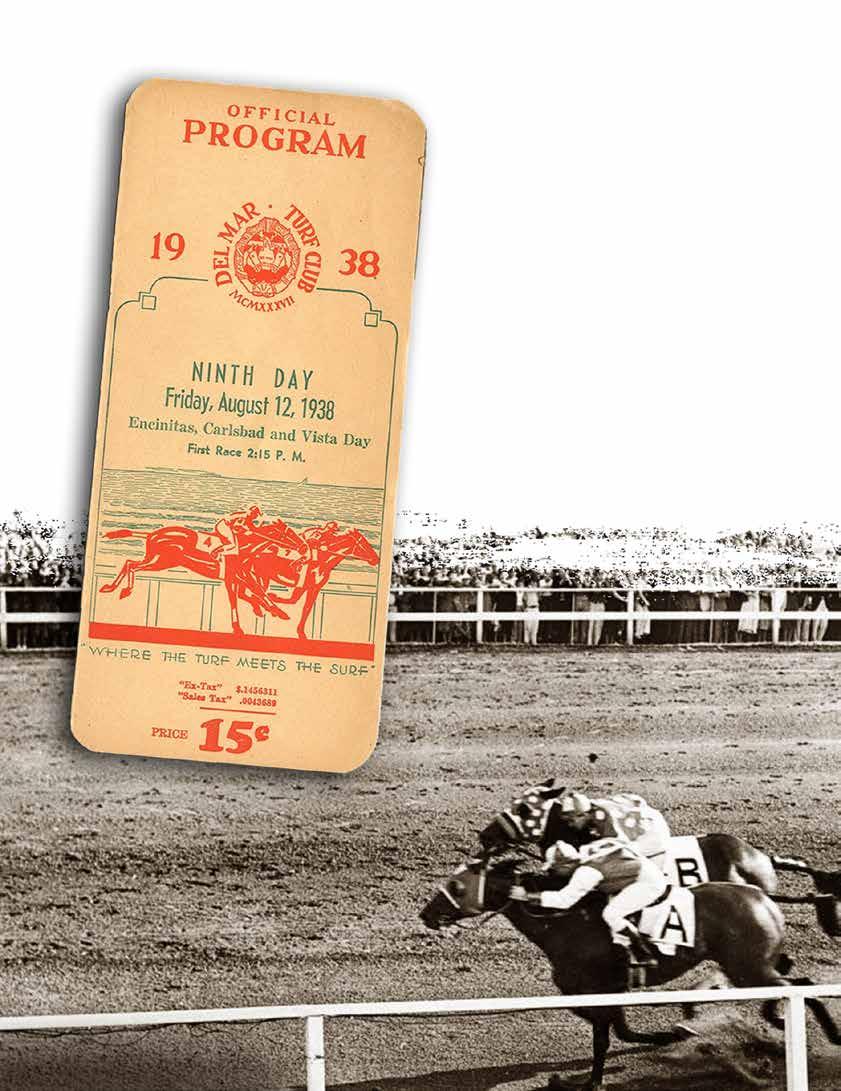
table of contents 1 0 Where the Turf Meets the Surf 12 Hollywood Glitterati Then 14 Bing and Bob and Friends 18 The Race that put Del Mar on the map 22 Forgotten Del Mar Airport 24 Bridle-less in Del Mar 26 Hollywood Glitterati Now 30 Joe Harper Jockeys for Safety 32 Julie Krone 36 Bo Derek 38 Summer Concert Schedule






 Dorothy Lamour






18 Del Mar 2019 Commemorative Edition




bridle-less in del mar
by Marla Zanelli
Dallas and Donna Keen are the consummate couple. Their love and talents with horses have blessed them with lifelong careers with thoroughbreds, beginning in Texas, and now in Southern California.


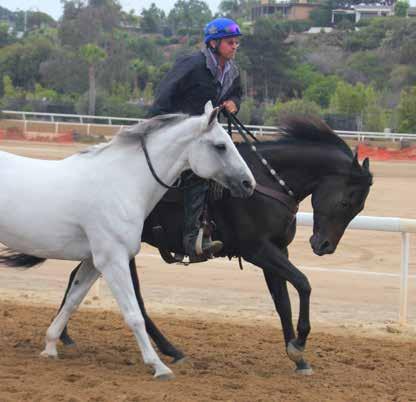
Donna Keen was 5 years old at home in bed when she heard a horse nickering during the night. She thought the horse was talking to her, and she became enamored with horses. When she was 13, her dad bought her a horse, and with her desire to be a jockey, she bought an English saddle, put additional holes in the stirrups to make them shorter and practiced race riding. When she turned 16, she went to the racetrack to gallop horses and ride in match races, and at 22, she got her trainers license.
Dallas Keen grew up as a fourth-generation horse trainer. His father had trained race horses in California in the 1960s. Dallas was 7 years old when he started galloping racehorses. He also rode races at the small time race tracks. Dallas has been known throughout his career for his ability to work with difficult, tough horses. He would get them straightened out and behaving so they could race and win races. One of his talents he will tell you is training horses to go a distance of ground in a race. He has trained a couple of horses to win the Trails End going 1 ¾ miles in Arkansas.
Dallas and Donna work well training horses together. Listening to
the horse is important to them, and they believe in giving them physical therapy and time off when needed. They use a Vibe Plate Machine, which is a vibrating machine often seen in local gyms. It brings blood flow to the body, which creates healing. All of their horses stand on the Vibe Plate. They also have their own Magna Wave Machine, which is a machine used for muscle soreness. One of their recent runners who has experienced success with their training program is Curlin’s Journey.
Owned by La Costa couple Mike & Peggy Crowley and partners, Curlin’s Journey finished second three times and won an Allowance race, which is an upper level race.
Both Dallas and Donna ride ponies on the racetrack with no bridle. That speaks volumes of their understanding and connection with the horses because most of the communication in riding the horse is with their body and no reins. They do use a neck strap on a bridleless horse and Dallas designed the neck strap they use on their bridleless horses.
Bridleless Wyatt is Donna’s horse, whom she rescued from a kill buyer when he was a 2-year-old. Wyatt is famous for his eye-catching white color and sculpted head with a brand of a racetrack on his cheek. Wyatt has thousands of followers on his social media page. Dallas currently rides Tortuga Straits, who is a retired thoroughbred runner who earned more than $800,000 during his racing career. They have trained a few horses to be ridden bridleless that they have sold. One horse, True Swither, was sold at an auction at Del Mar for $12,000, raising money for CARMA and Remember Me Rescue, both charities for horses. Donna started Remember Me Rescue in 2008 when the Texas Horse of the Year, Lights On Broadway, was discovered in a kill pen. She rescued the horse and took him to her ranch, where he lived out his days. A few years later, it was rumored that a ranch in Louisiana had hundreds of horses being starved by the owner. The authorities would do nothing about Clay Ryder and he would not let anyone on his ranch to check on the horses, so Donna took it upon herself to hire a helicopter to fly her over the ranch and what she saw horrified her. Bodies of dead horses, horses that were skin and bones. And with her evidence she got the authorities to go in and remove the animals and press charges against the owner.
Currently, Dallas and Donna Keen have a string of horses at Del Mar and a ranch in Bradbury where they take in layup horses, which are race horses who are resting and taking a break from training. They continue to operate their ranch in Texas, but hope to sell that and keep Southern California as their home. You can find them at the Del Mar Race Track this summer or on Facebook at Dallas Keen Racing Stables.
24 Del Mar 2019 Commemorative Edition

Award-Winning Music & Entertainment for your Special Event Every Reason To Celebrate! Call Us! 858.967.0167 www.BonnieFosterProductions.com

26 Del Mar 2019 Commemorative Edition
“But the everyone knows by name professional athletes that fill up TV social media
GLITTERATI NOW
 Mac McBride | Photos provided by DMTC
The “stars” still turn up at Del Mar these sunny afternoons, though not to the degree they once did. Nonetheless, amidst the bubbling clamor of a racing day lately you might have run across Uma Thurman, Luke and Owen Wilson, Elizabeth Banks, Greg Kinnear, the late Tim Conway, or Bo Derek. (The last-named lady, a horsewoman deluxe, in fact joined Del Mar’s board of directors in 2018.) Other TV types – like David Hasselhoff, the Wayan Brothers, Bobby Flay and Mario Lopez, Jr. --have also been spotted up close and personal at the seaside cavalry grounds.
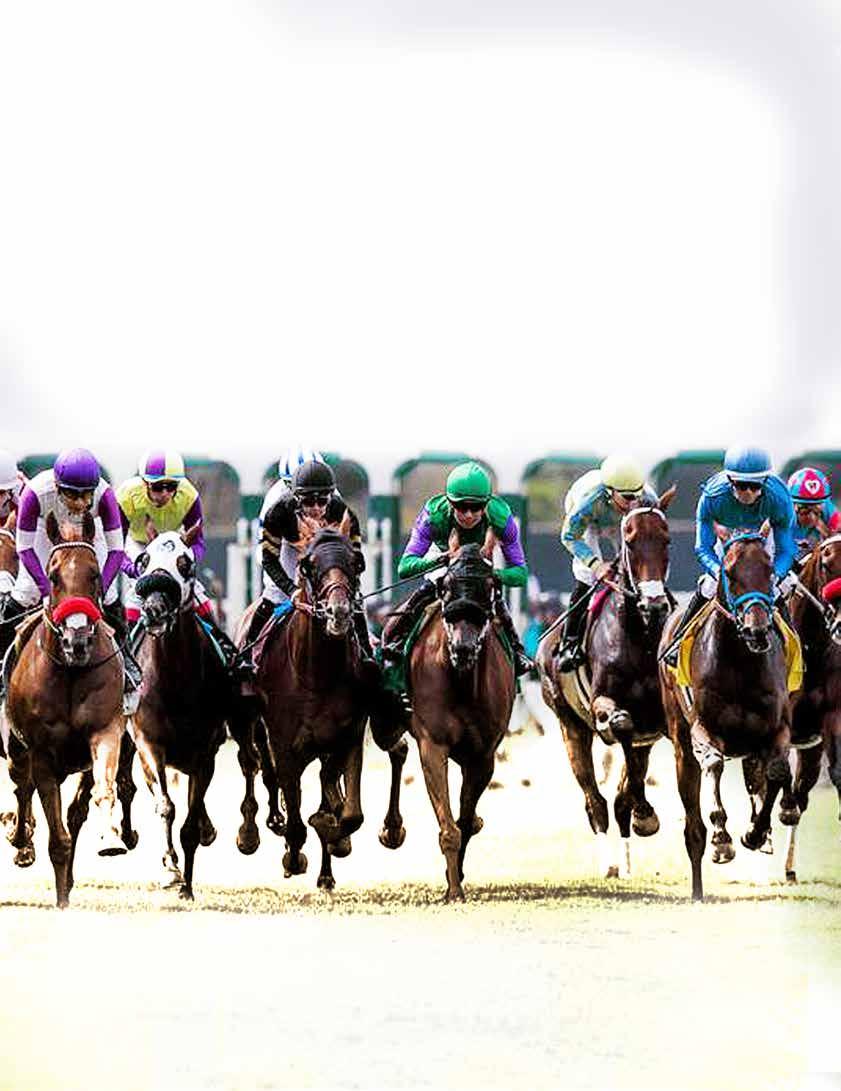
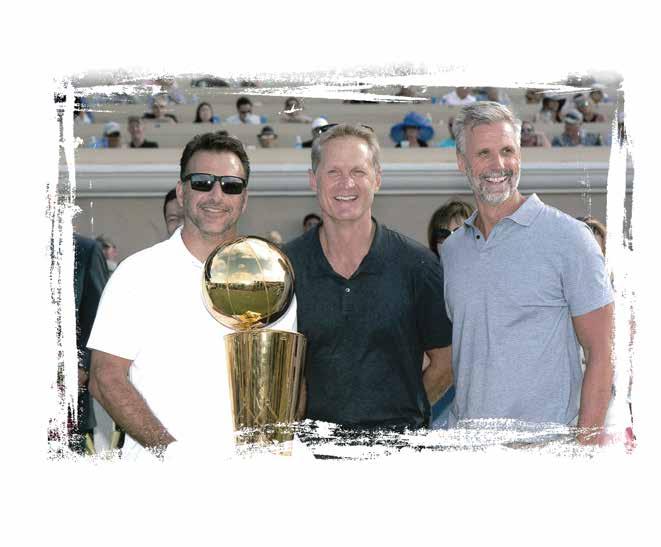
But the “real stars” these days – the folks who everyone knows by name/fame/bankroll – are the professional athletes that fill up TV/ newspaper/social media scenes day in and day out in our sportscrazy society. And those types seem tolike Del Mar a bunch, drawn no doubt by its beauty and history, but also very much by the fierce competition out on the track that they can identify with.
Just for openers, New Orleans Saints Super Bowl-winning quarterback Drew Brees (who owns a home in Del Mar) is a regular each summer. Other NFLers who’ve been seen mixing and mingling among the shore crowds are Tony Gonzalez, Eric Weddle, Carson Palmer, Warren Moon, Aaron Rogers, Marshall Faulk, Jim Harbaugh, LaDainian Tomlinson and Darren Sproles. Those extra-long NBA guys show up all the time, too. Fellas like Jimmy Butler, Deron Williams, Richard Jefferson, Luke Walton, Dennis Rodman, Steve Kerr, Jud Buechler and Kawhi Leonard have stood head and shoulders above the rest.
The track seems to have a special lure for practitioners of the pugilistic arts, as witnessed by the appearances of Sugar Shane Mosley, Floyd Mayweather, Canelo Alvarez and Sugar Ray Leonard. Why you can even throw in the wrestler Goldberg, who took up almost as much space in the winner’s circle as the winning horse. Baseballers make their pitch to be seen near the seaside, too. Pete Rose, Don Zimmer, Trevor Hoffman, Joe Torre, Wil Myers, Brooks Robinson, Bruce Bochy, Bobby Grich, Adrian Gonzalez and Buddy Black have all passed a day or two (or three or four) at Del Mar. For good measure, you could also include sporting types like Steve Fisher, the late Dick Enberg, Hawk Harrelson, Al Michaels, Lute Olson, Verne Lundquist, Meadowlark Lemon, Bill Frieder, Rick Pitino, Juli Veee, Phil Mickelson, Lee Trevino, Fred Couples, Craig Stadler, Charlie Hoffman, Steve Timmons, Bucky Lasek and Rob Machado.
So you can see, the “stars” still shine at Del Mar. They just wear different hats (and gloves and sneakers and helmets) than those movies types used to.

28 Del Mar 2019 Commemorative Edition

Joe Harper Jockeys for Safety at the Del Ma r Racetrack
Audiences need not fear accidents
By: Kaylee Bosse
Considering accidents at other race tracks recently in the news, you may be concerned about horse safety and wondering whether you should attend the Del Mar races this year. However, Joe Harper, President and CEO of the Del Mar Thoroughbred Club, has invested time, money, and effort to combat these concerns. His pursuit of optimal horse safety procedures has yielded extremely desirable results. In fact, Harper recently released a statement addressing what the DMTC has done and continues to do to support horse safety. In his letter, Harper revealed that the following steps have been taken to protect the horses at the DMTC in recent years:
• Reducing race days to allow more time to prepare racing surfaces
• Investing $12 million in state-of-the-art racing facilities and surfaces
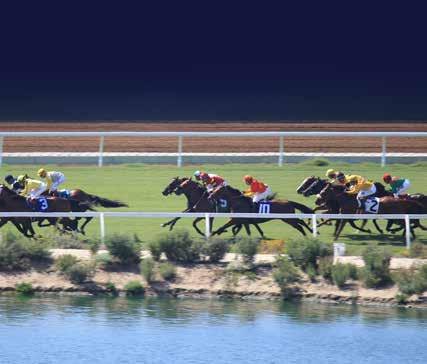
• Enhancing pre-race veterinarian inspections
• Reducing the horse population in the stable area
• Adding Mick Peterson, the pre-eminent track surface analyst in the country, to our team

• Adjusting morning training routines to allow for surfaces to be in optimal condition
Harper stated, “I’m happy to report those changes contributed to a 70% reduction in catastrophic injuries.” The race toward optimal horse safety is being won at Del Mar. Yet Del Mar is not stopping there. Stricter safety procedures continue to be enacted to ensure ongoing reduction of injuries for everyone involved. Harper provided a list of additional procedures Del Mar is following to prepare for the upcoming racing season, including:
• Instituting International Federation of Horseracing Authorities medication standards – the strictest in the world
• Revising training protocols including additional veterinarians to oversee workouts and eliminating the use of riding crops
• Increasing out-of-competition testing
• Enhancing stable security
• Developing a stakeholder advisory committee
30 Del Mar 2019 Commemorative Edition
Harper’s brief yet straightforward delivery of concrete, progressive steps that the Del Mar Thoroughbred Club is taking to optimize horse safety while including stakeholders at every turn is reassuring, as are the visible difference these protocols are making. Del Mar certainly is not horsing around when it comes to the safety of all who walk through the racetrack gates. These safety protocols not only ensure that the highest industry standards are being met and everyone involved in the Del Mar races are safe but guarantee that beloved horses and their handlers can continue to do what they love.
Lupe Perez is a barn foreman for Del Mar staple Peter Eurton and has been working in the same barn for 24-25 years. Perez says of his fellow workers, “we all feel like a family.” When he retires, Perez says “I tell my wife [...] I want to come back once or twice a month to see my horses because it’s a part of my life for more than half of my life.” These new safety protocols will allow Perez to continue to care for the horses he loves.
26-year-old trainer Anna Meah has likewise spent a large portion of her life caring for and riding horses. According to America’s Best Racing, Meah says Del Mar is one of her favorite tracks to visit because it is “work and vacation all in one! Can’t beat it.” Harper’s commitment to providing a safe environment for horses will ensure that Del Mar remains a favorite among all. According to the San Diego History Center, Bing Crosby was a passionate racehorse enthusiast who envisioned the Del Mar Thoroughbred Club as a place where everyone could relax and enjoy the races. The openness and attentiveness with which Del Mar has approached the improvement of horse safety ensures the continued fulfillment of Crosby’s vision for his creation.
Don’t miss the start of Del Mar’s 80th summer season on Wednesday, July 17. The fun will take place Wednesday through Sunday. With these new safety protocols set, you can bet on the fact that the surf and the turf meet safety at Del Mar.



32 Del Mar 2019 Commemorative Edition
julie krone 2003 Pacific Classic Champion
By: Korina Borash
Del Mar is gearing up for its most prestigious thoroughbred race of the season: the Pacific Classic. Famous racing horses from around the country will compete in San Diego County for a chance at the $1 million purse and free entry into the Breeders’ Cup World Championships.
The first Pacific Classic took place in 1991, and has since gained popularity and grown into a Grade I race, the highest rating a race can receive based on prize money and horse status. It’s presented by the most popular online, cable, and satellite horse betting business, Television Games Network (TVG). Jockeys race a 1.25-mile dirt track for the purse and shot at the championships.
The winner receives an automatic “Win and You’re In” spot in the Breeders’ Cup World Championships. The Pacific Classic is just one race of the Breeders’ Cup series awarding free entry to the winner. Otherwise, world-wide competitors must pay the pre-entry fees equal to 1% of the purse. This year’s Grade I championship race will be held Nov. 1-2 at Santa Anita Race Track in Arcadia, California.
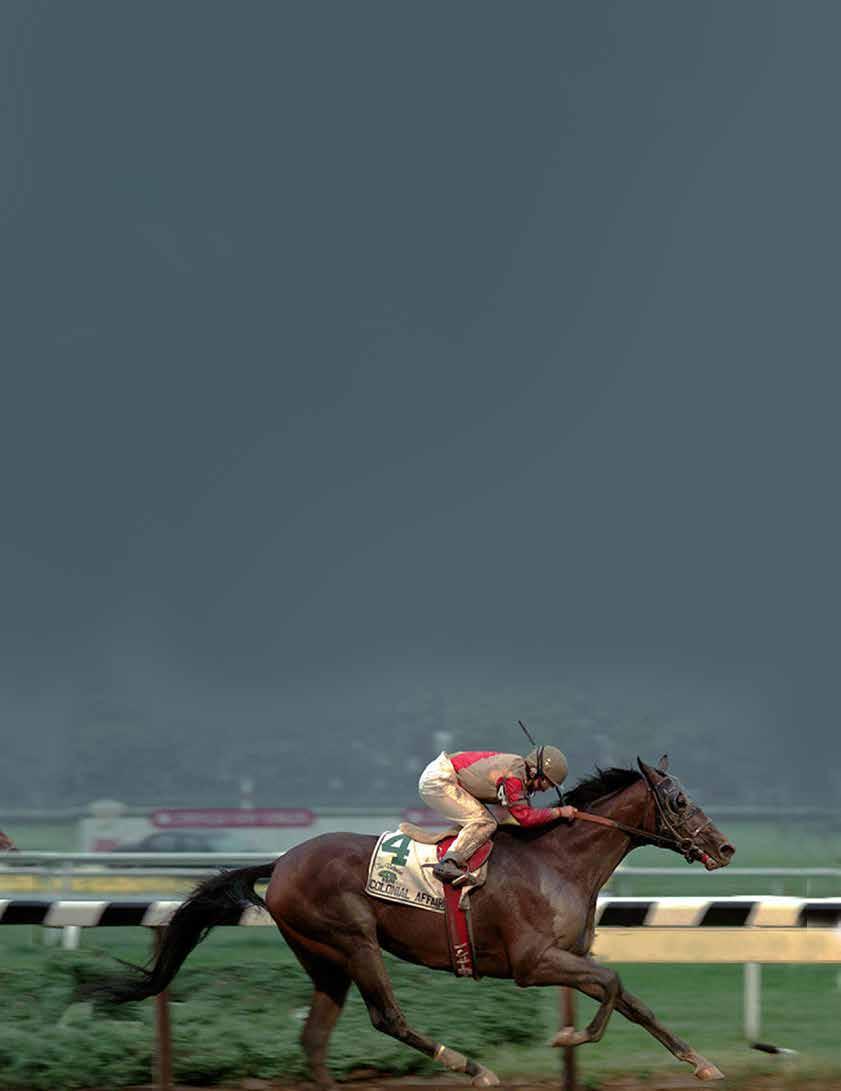
Perhaps the most significant Pacific Classic, which is still talked about today, is the 2003 Julie Krone victory with Candy Ride, the 4-year-old Argentinean stallion originally scheduled to be ridden by Gary Stevens. However, when Stevens suffered an injury shortly before race day, horse owners Sid and Jenny Craig chose Krone. They made history that day by recovering from an unsteady start and winning in a record track time. Candy Ride over took the undefeated Medaglia d’Oro (2nd) near the eighth pole for the finish line in 1:59.11.
I spoke with Julie about this historical day and to learn what she’s up to now. Krone still remembers meeting Candy Ride before the 2003 race day. During our conversation she mentioned, “He [Candy Ride] was so easy to ride and such a beautiful horse. I wasn’t worried at all.”
“There’s different mentalities and horse personalities, but if you want to be a successful jockey you teach yourself to be a master of all the personalities. Some horse traits may not be as fun, like if a horse is prancing around and has trouble standing still in the starting gate. You have to help them, and it makes your job a little more complicated. If you want to be a champion jockey you help the horse to be the very best it can be no matter what the personality,” she instructed.
At the 2003 Pacific Classic Julie and Candy Ride set a record time that is still upheld today.
“That’s pretty cool. Those are just flat out bragging rights! Like ‘oh yeah, aha, that’s me,’” she joked. “He was a really fast, beautiful horse and it was a really fun day.”
When I asked if she’d like someone to break the record, Julie responded with humble humility.
She said, “I don’t really care. I don’t have thoughts about stuff you can’t control. It’s fun to have it [the record] for a while, and then if somebody breaks it be like, ‘oh well, he broke Candy Ride’s record.’”
Among being the first woman to be inducted into the Thoroughbred Racing Hall of Fame, National Women’s Hall of
Fame, and win a Triple Crown event, Krone was also the first woman to champion a Pacific Classic. When all this was happening, she was just doing what she loved: racing.
Julie commented, “I was in the industry for 20-some years. People didn’t treat me as the first girl to do things, I was a jockey doing my job… Sometimes I think ‘oh maybe I could inspire someone!’ But racing is an individual sport, so they’re still going to have to tote their own line and be the one that is talented and dedicated to the job.
“Maybe someone would say, ‘well girls can do it because Julie Krone did it.’ But they still individually have to bring something to the game,” she answered.
Throughout the early days of her career, Julie received encouragement that left a motivating impression. As an apprentice at Tampa Bay Downs, Julie remembers a specific mentoring interaction.
“One time this jockey, Dave Penna, in Florida had taken me out of the jockeys room in the morning when the racetrack [Tampa Bay Downs] was empty with no one on it,” she recalled. “He took me all the way out to the inside rail, and I thought, what is he doing? Why are we walking along the track? He said, ‘here I want you to meet somebody. This is the inside rail. Your object
is to stay close to it.’ First of all, this was very very funny. Dave was always kind of funny, and it was also him taking the time to help me be a better jockey. I had a lot of help from a lot of people along the way.”
To aspiring jockeys, Julie advises that horsemanship is very important and to treat yourself well. This is a sport with many early mornings and hard work, so eat well and bring a lot of passion each day.
“If they want to do it you’re not going to talk them out of it, and if they don’t want to do it you’re not going to talk them into it,” she cautioned.
At this point in life, Julie doesn’t know what legacy she wants to leave or how she should be remembered. “I don’t know,” she sighed. “I’m just not ready to leave a legacy yet.”
Since her retirement 15 years ago, Julie is well known for her success as a champion jockey and being the first female in the sport with so many accomplishments. She continues to work with horses today in philanthropic efforts within the industry.
In San Diego County, she will be talked about longtime for her historical victory at the 2003 Pacific Classic. The TVG Pacific Classic this summer is scheduled for Saturday, Aug. 17 at the Del Mar Racetrack.
34 Del Mar 2019 Commemorative Edition










15 San Diego County Locations! CAFE.COM
Golden State Benedict Waffle Sandwich
French Toast Brea kfast Combo
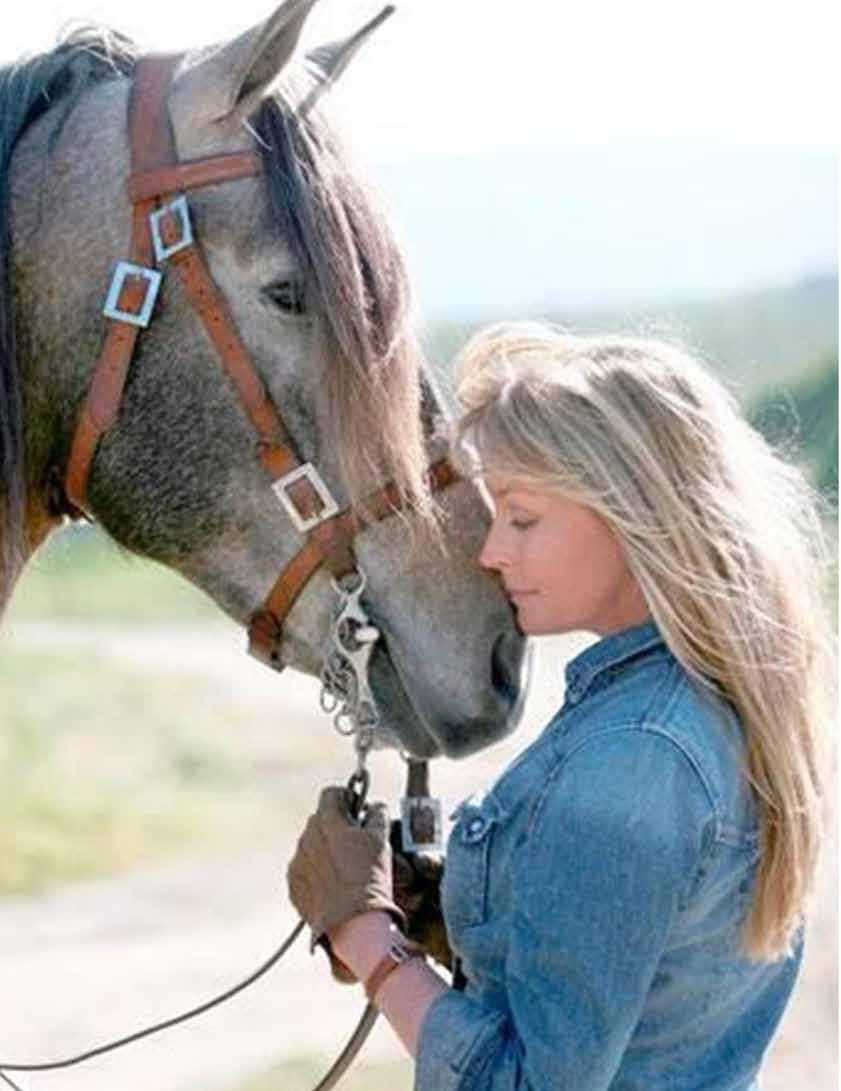
Bo Derek Begins Second Year as Board Member
 By Zara Wehrung
36 Del Mar 2019 Commemorative Edition
As Del Mar’s racing season approaches, racing enthusiasts and curious spectators alike are marking their calendars, among them actress turned activist and recently added Del Mar Thoroughbred Club board member, Bo Derek.
You might remember Derek as the starlet America fell in love with after her role in the 1979 hit movie “10”. Beyond her career as an actress, Derek has amassed quite the impressive animal advocacy resume. From 2008-2015, Derek was the commissioner for the California Horse Racing Board; she’s served as spokeswoman on behalf of the animal welfare institutes campaigns to put an end to horse slaughter, served as a special envoy of the Secretary of State for Wildlife Trafficking, and created her own line of animal care products; a portion of the proceeds are donated to organizations supporting retired military dogs.
“I think I was born with a genetic marker that indicates an affinity for animals,” Derek said. “I’m drawn to the beauty of them, and maybe it’s the fact that they can’t speak [that] makes my relationship with animals so simple and pure and honest.” Derek grew up in the concrete suburbs of Los Angeles, spending her time sailing and surfing, but always found horses beautiful. “... From the time I can remember, I wanted to have a relationship with that magnificent creature.”
In 2018, Derek was added to the board of the DMTC. She called the Del Mar Thoroughbred Club ‘her favorite group of people in horse racing.’ “It’s a small community and Del Mar is just always doing the right thing before anyone else. I think it’s a great board, if I get word there might be something to reform or change, so far every time I call and I’ve been on the board just over a year now, every time I call they’re already doing it…” Derek’s genuine passion for horses and racing is unquestionable, but the activist isn’t just setting her sights on horse advocacy. For 15 years, she has been working with WildAid, an organization trying to minimize the market for the consump-
tion of wild animal products by using large scale ad campaigns. “Most of the consumption is in Asia, so we have a huge presence in Asia with big campaigns reaching, most of the time, a billion people and its working. Shark fin consumption is down from 15 years ago maybe 85% so that’s huge.” Derek confidently reports. She goes on, “I was involved in a project [where] I found some dogs that we delivered to the Galapagos Island that were trained to detect shark fins, because sharking finning was rampant some years ago even in this protected area...so we brought down two dogs as a gift to the government and they made some busts, it was fantastic.”
When asked which role has been the most fulfilling, Derek sighed in contemplation, taking a moment to process before responding, as a true animal lover would, “They’re all fulfilling in their own way...they’re all worthwhile.” She said she never seeks out a cause; “Every single one I’ve stumbled on. You never know who you’ll sit next to at dinner. And if you might find out that your dinner partner is doing something important and has a logical solution to a problem—and then this partner asks for your help—how can I say no?”
After all her years of acting and devoting her time to causes she’s passionate about, Derek still isn’t sure how she’d define herself. “It’s not important to me to be remembered for anything. It seems so much of my life has been chapters where I find myself in the middle of something and devote a lot of time to it, and then something else comes along and [once] I’ve done all I can do for something I then move on I don’t know. I’m an actress and I’ve helped truly incredible people do amazing work.”
Derek plans to spend more of her time with WildAid in the fight against wildlife trafficking and the health of the world’s oceans. “If you love what you do, as they say, you’ll never work a day in your life.”
CONCERT SERIES 2019 SCHEDULE
The All-American Rejects
When: Friday, July 19 @ After Last Race


Where: Seaside Stage
Presented by
Reggae Fest w/ Ziggy Marley
When: Saturday, July 20 @ After Last Race
Where: Seaside Stage
Presented by J Boog
When: Friday, July 26 @ After Last Race

Where: Seaside Stage
Presented by
Midland

When: Saturday, July 27 @ After Last Race

Where: Seaside Stage
Presented by
Trombone Shorty & Orleans Avenue
When: Friday, August 2 @ After Last Race
Where: Seaside Stage
Presented by
Iration
When: Saturday, August 3 @ After Last Race
Where: Seaside Stage
Presented by
4 O’Clock Friday Concert Series
When: Friday, August 9 @ After Last Race
Where: Seaside Stage
Presented by
Chase Rice
When: Friday, August 16 @ After Last Race
Where: Seaside Stage
Presented by
SOJA
When: Friday, August 23 @ After Last Race
Where: Seaside Stage
Presented by
Steel Pulse

When: Friday, August 30 @ After Last Race

Where: Seaside Stage
Presented By
Angels & Airwaves
When: Saturday, August 31 @ After Last Race

Where: Seaside Stage
Presented by
38 Del Mar 2019 Commemorative Edition
The All-American Rejectss




 Chase Rice
Reggae Fest w/ Ziggy Marley
Midland
Trombone Shorty & Orleans Avenues
Sooja Angels & Airwaves
Steel Pulse
Iration
J Boog
Chase Rice
Reggae Fest w/ Ziggy Marley
Midland
Trombone Shorty & Orleans Avenues
Sooja Angels & Airwaves
Steel Pulse
Iration
J Boog
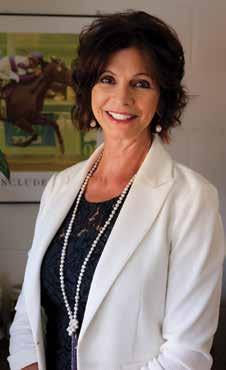
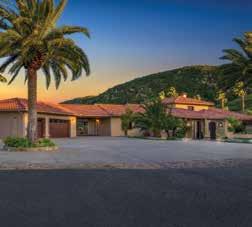
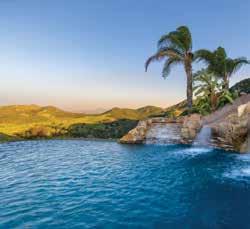
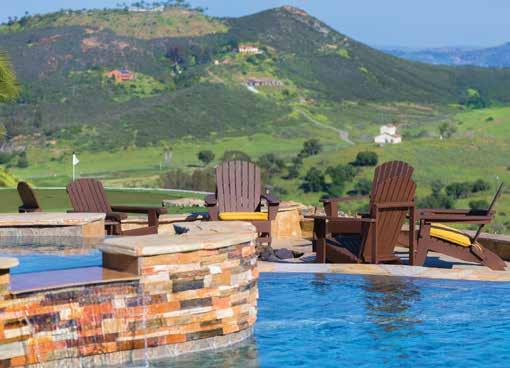
Selling Coast & Ranch Real Estate Since 1989! Marla Zanelli (858) 922-1341 RealEstate@DelMarLa.com MarlaZanelliRealEstate.com Coldwell Banker Residential Brokerage CAbre#01040946 Marla Zanelli MZ Own your own Valley with this 48 acre magnificent estate adjacent to 185 acres of open space! Private & serene with panoramic pastoral views, custom quality home with room for horses, vineyards and so many options for this one of a kind property! Just 20 minutes to the coast! SerenityValleyRanch.com From Horses to Houses – with years of professionally working with horses to 30 years of being a top producing realtor, I bring you preeminent experience for your Coastal, Luxury or Equestrian Real Estate needs!
Family Mediation. Now.
Family conflict is inevitable. Let us help you manage it cost-effectively and efficiently.
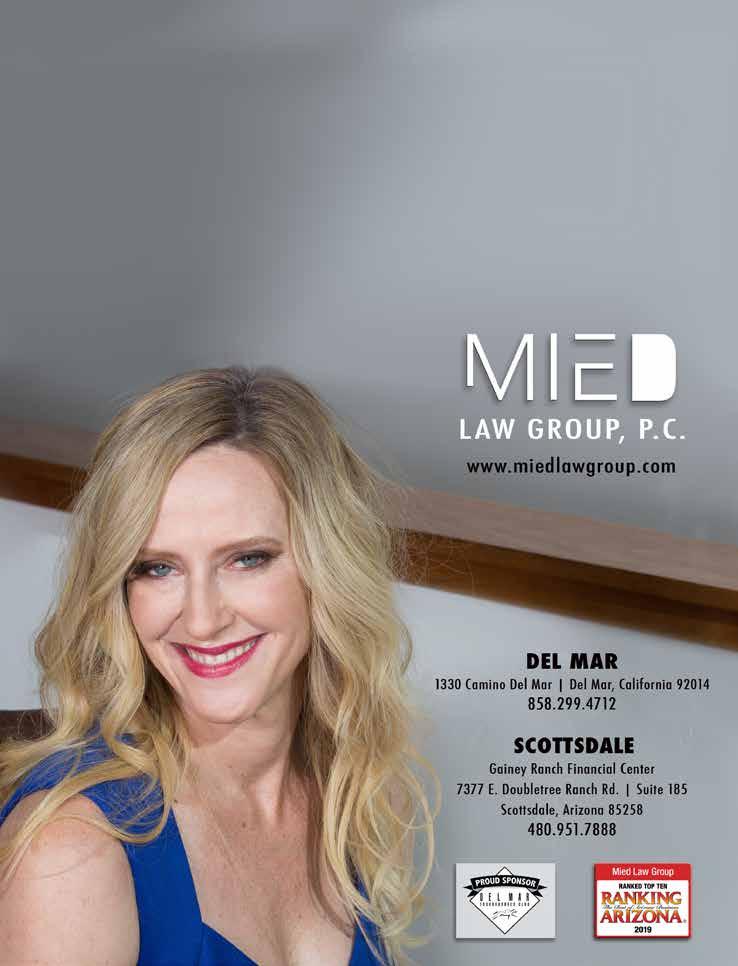 Amber L. Mied, Attorney


Breathtaking statement pieces from top designers “Dài, è solo un bacio.” Come on, it's just a kiss. Hat Designer Arturo Rios 135 S. HWY 101 Solana Beach, Ca 92075 Coming Soon 100 S. Cedros Solana Beach, Ca 92075 858-837-2669 UnBacioBoutique.com Mon-Sat:10am-6pm Sunday: 11am-6pm
