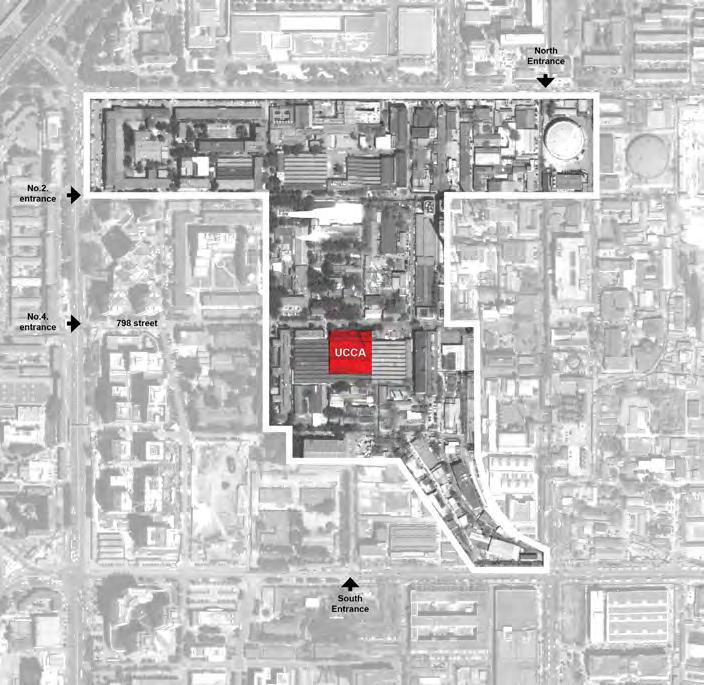
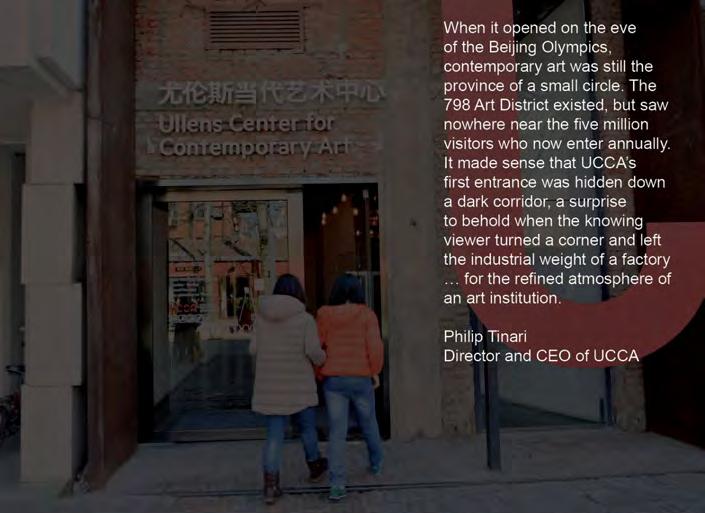
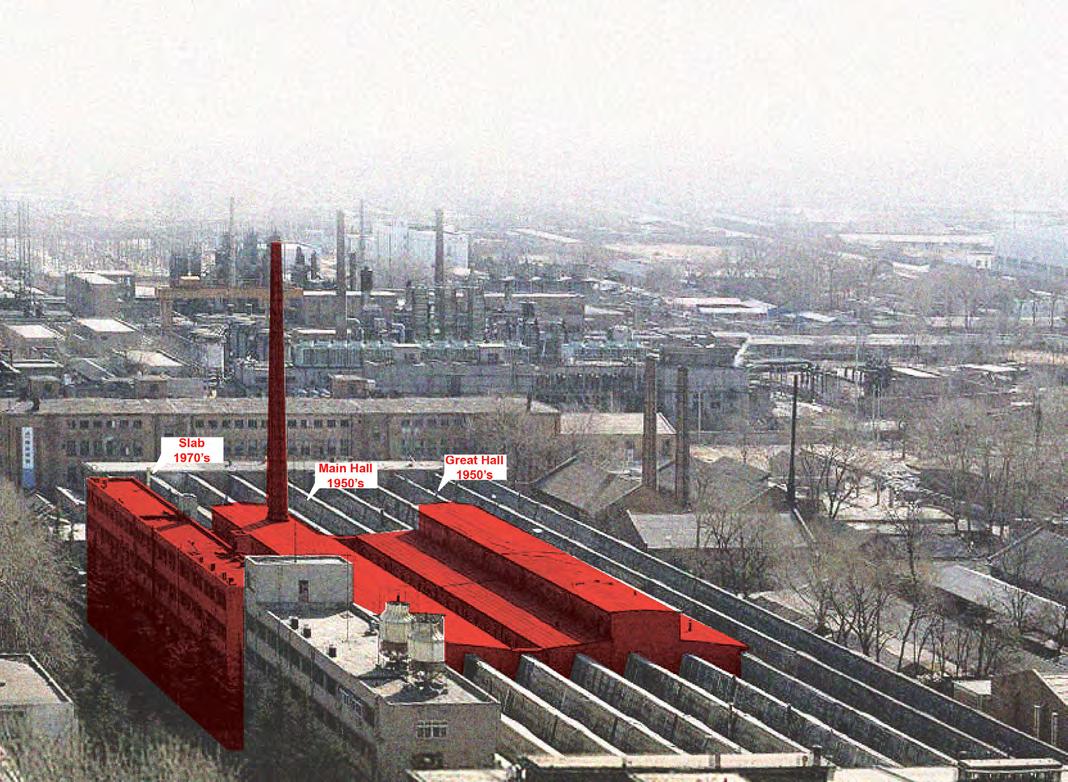
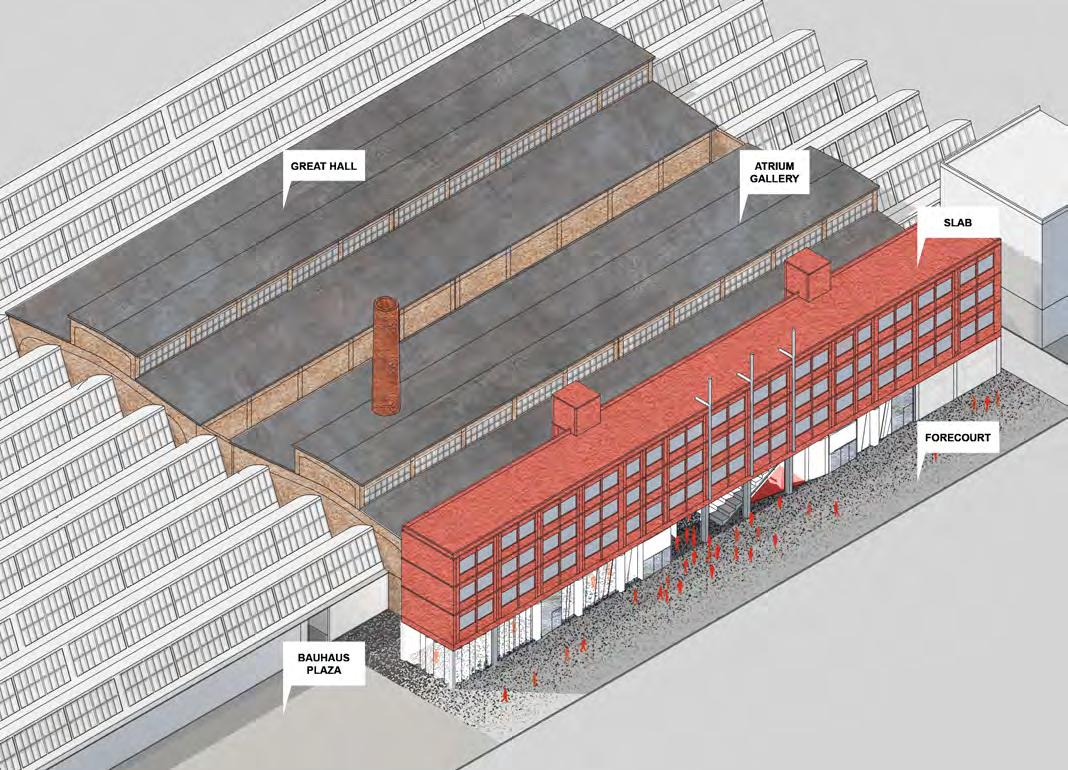
The development of UCCA and Beijing’s 798 district are closely intertwined. A former industrial complex of electronic appliances, 798 gained momentum as an art district during the 90s owing to its large industrial spaces and affordable rent. Since UCCA opened its doors in 2007 to the public, the economic boom in China has brought new funding and international recognition to the area. Lacking an overall masterplan, the art district has gradually morphed into an ensemble of disparate architectural and programmatic elements, with ad hoc rehabilitations and patchwork renovations.
UCCA Center for Contemporary Art was one of China’s first private museums for contemporary art, founded in 2007 at the heart of the 798 art district in Beijing with the aim to bring Chinese art into global dialogue. Following the center’s internal restructuring in 2017, OMA’s renovation project seeks to give this internationally renowned institution the public image and visual identity it deserves.
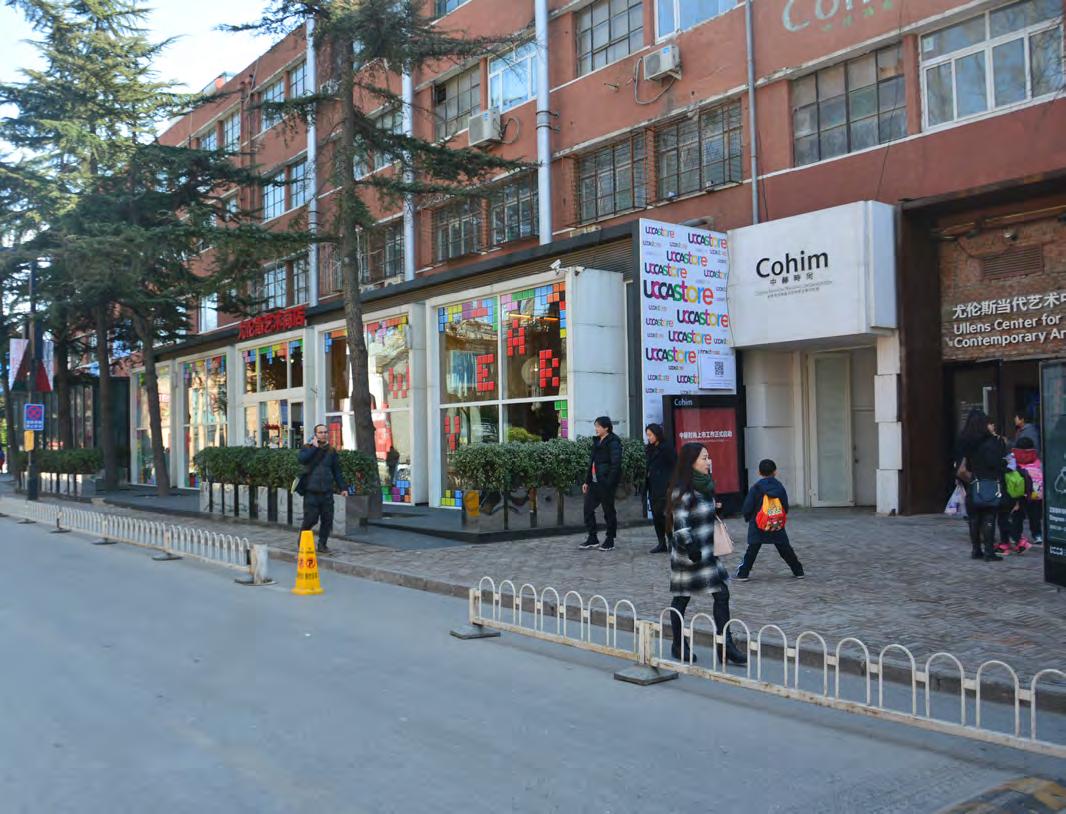
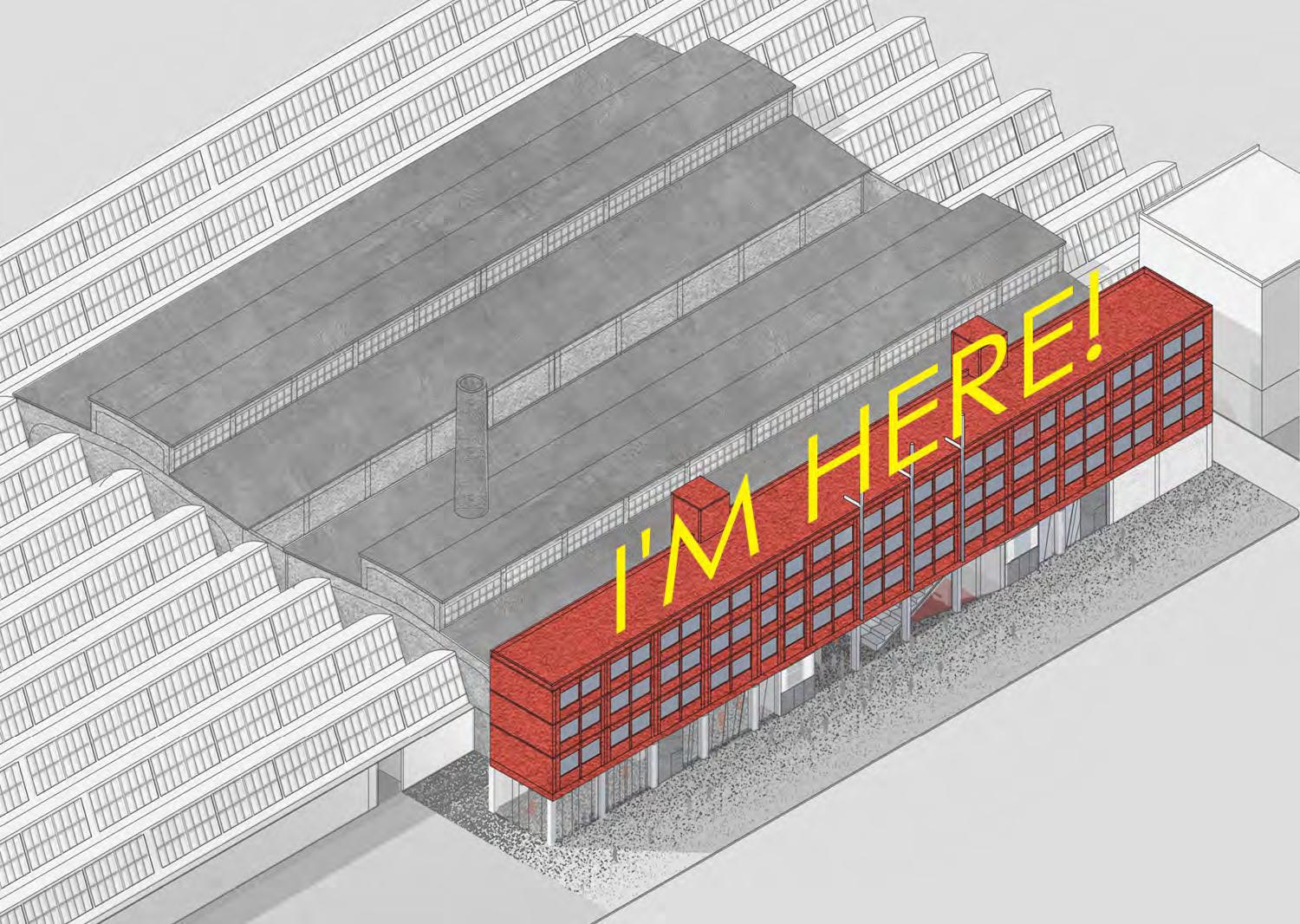
ENTRANCE PRE-RENOVATION
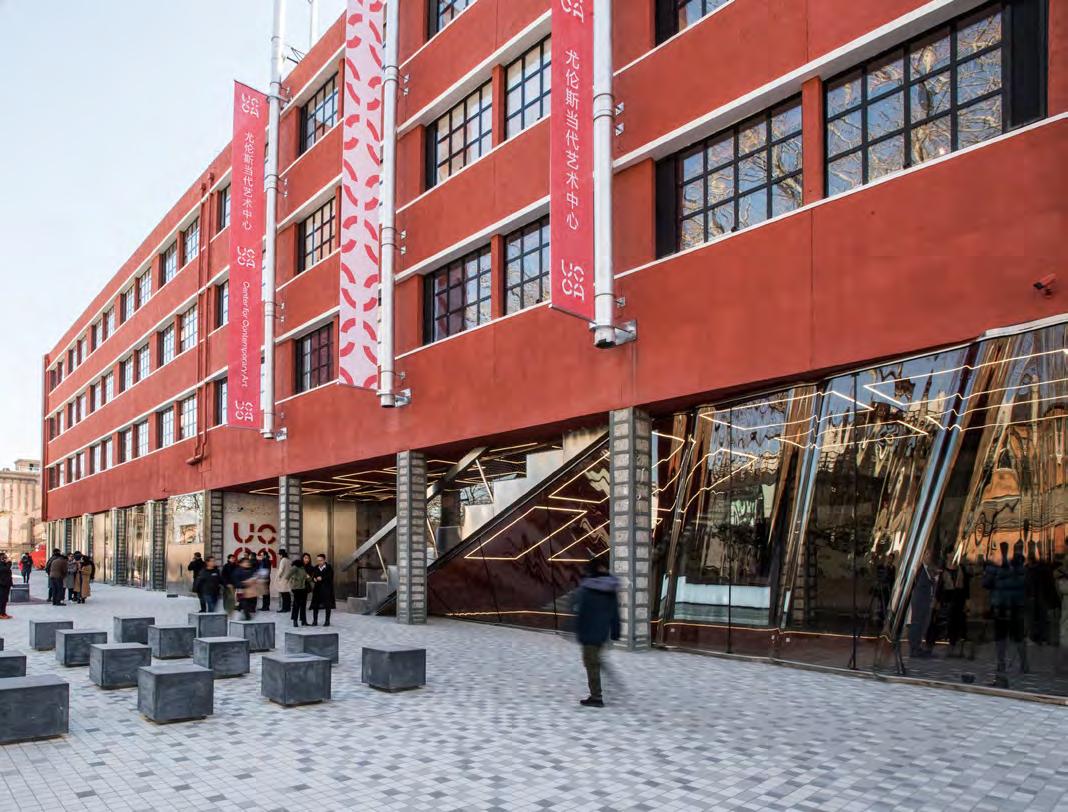
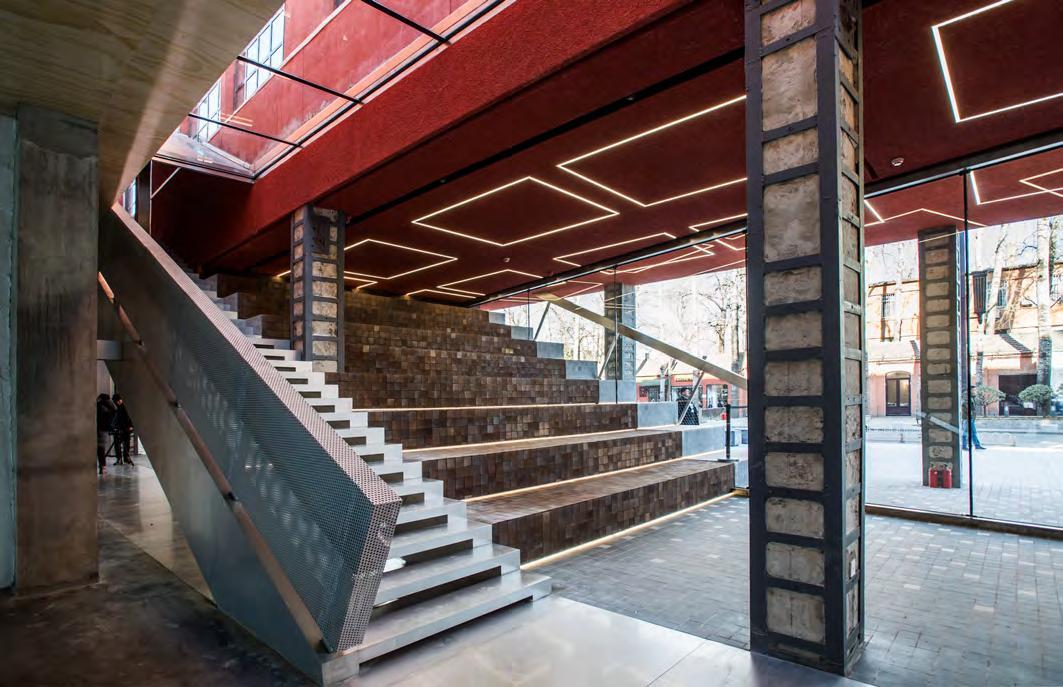
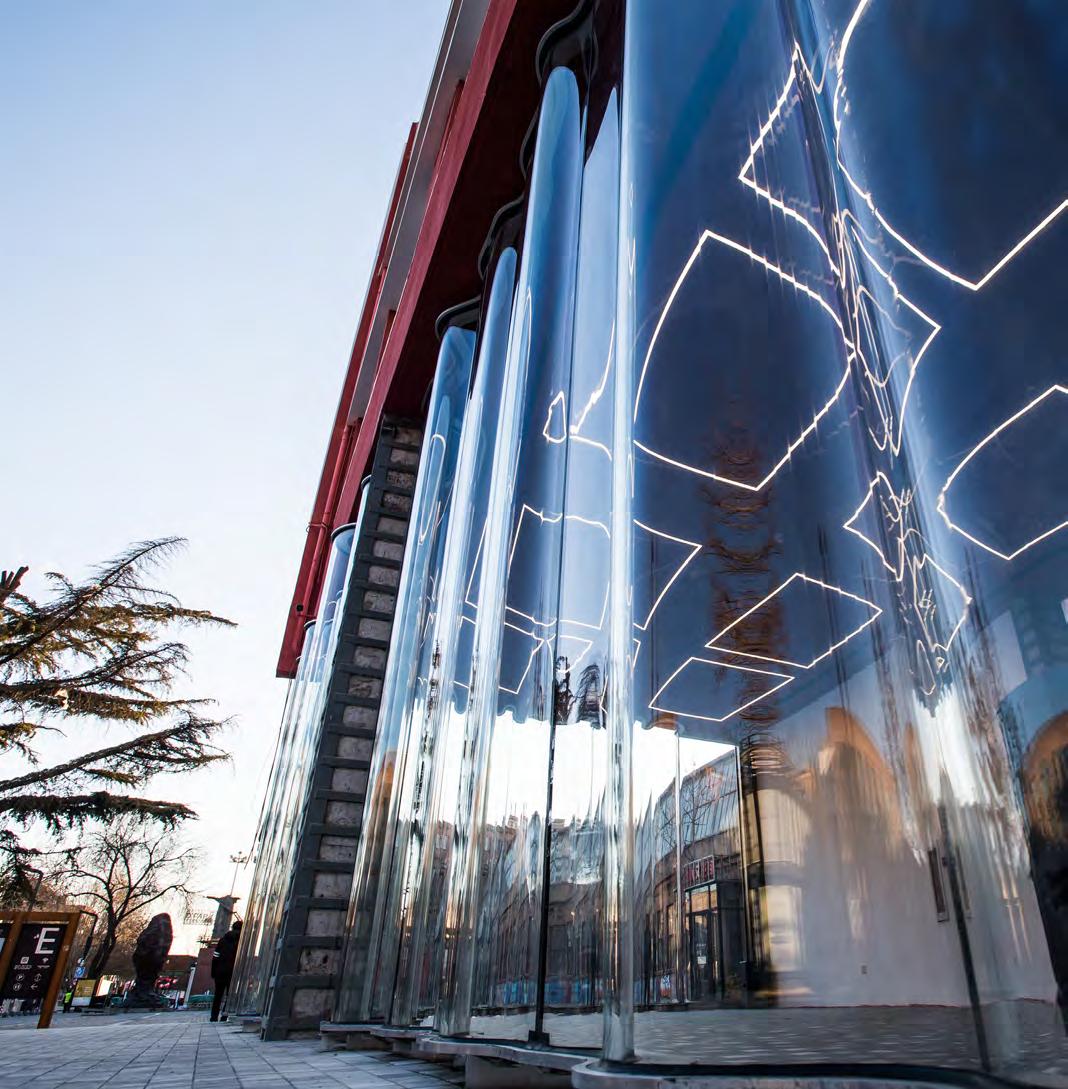
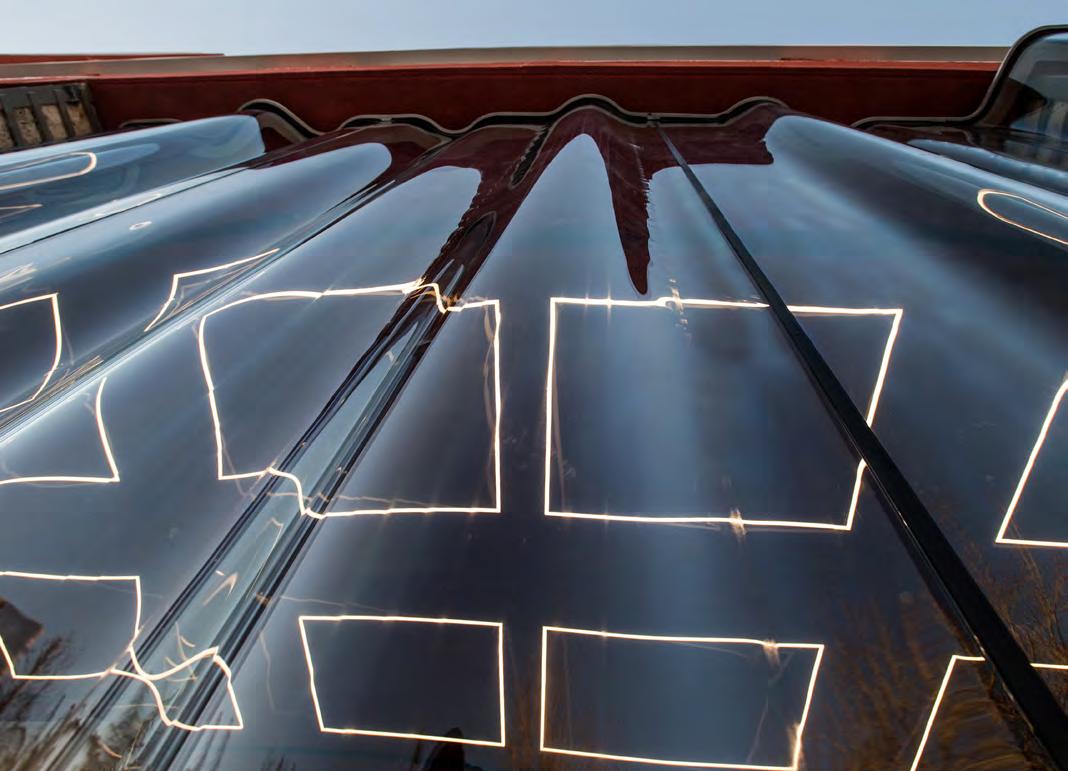
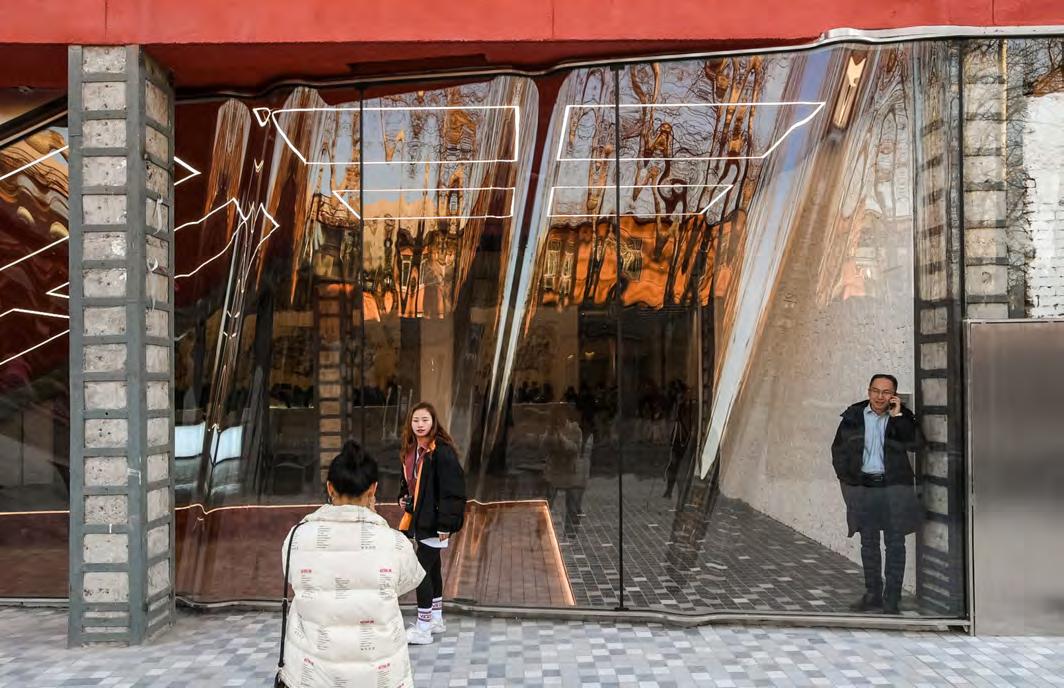
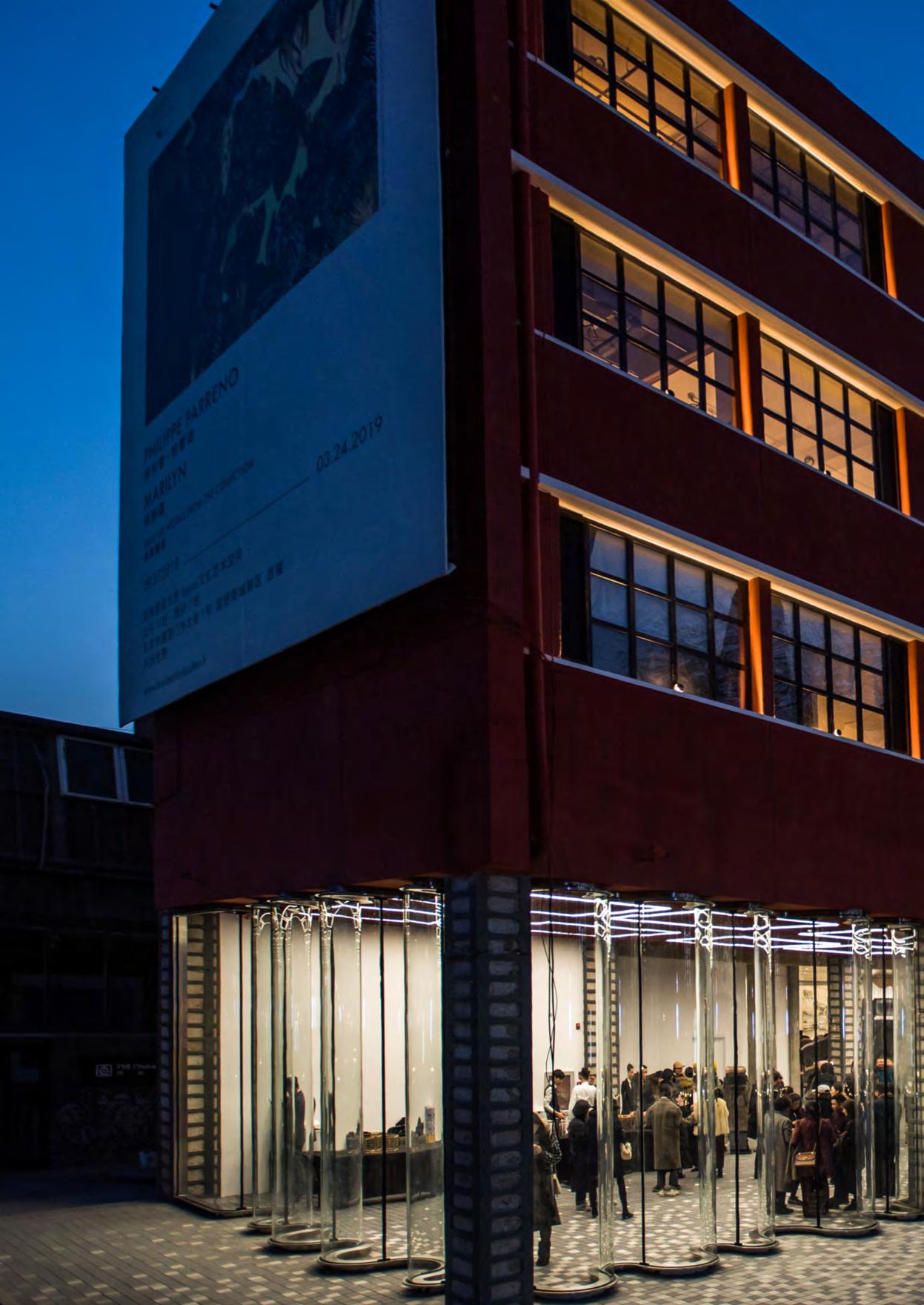
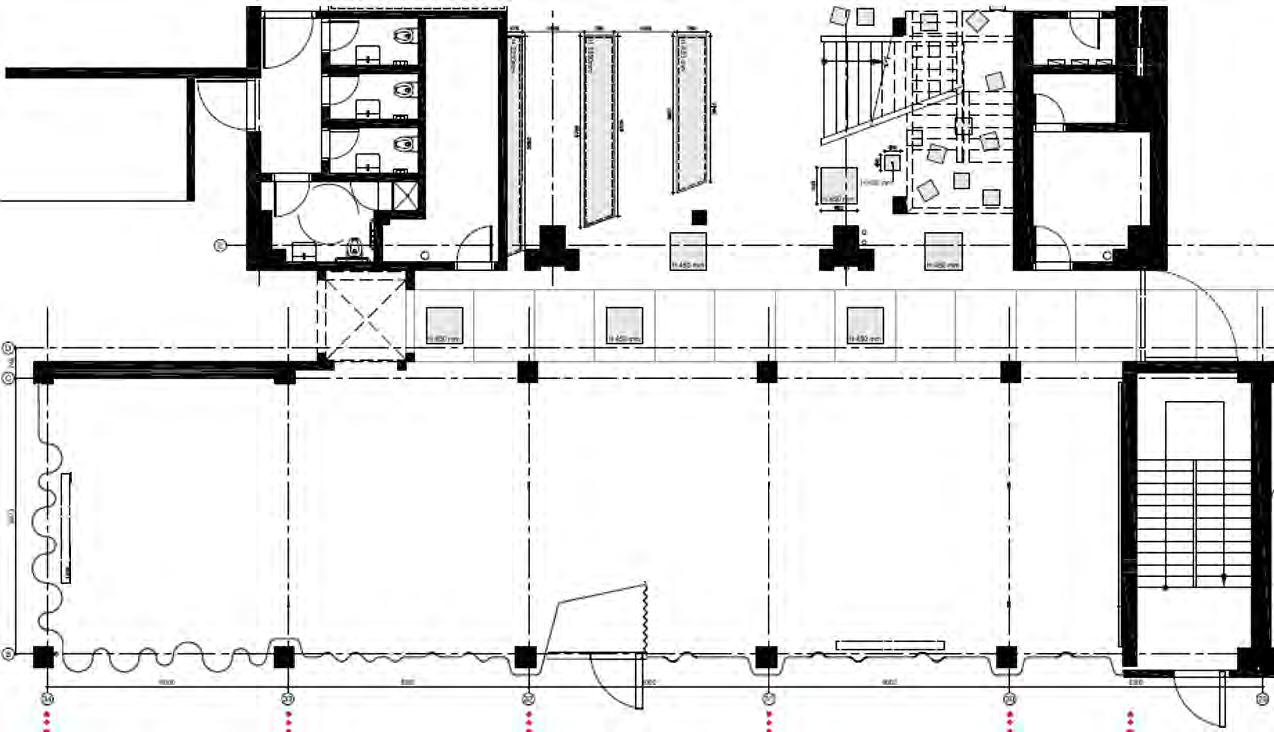
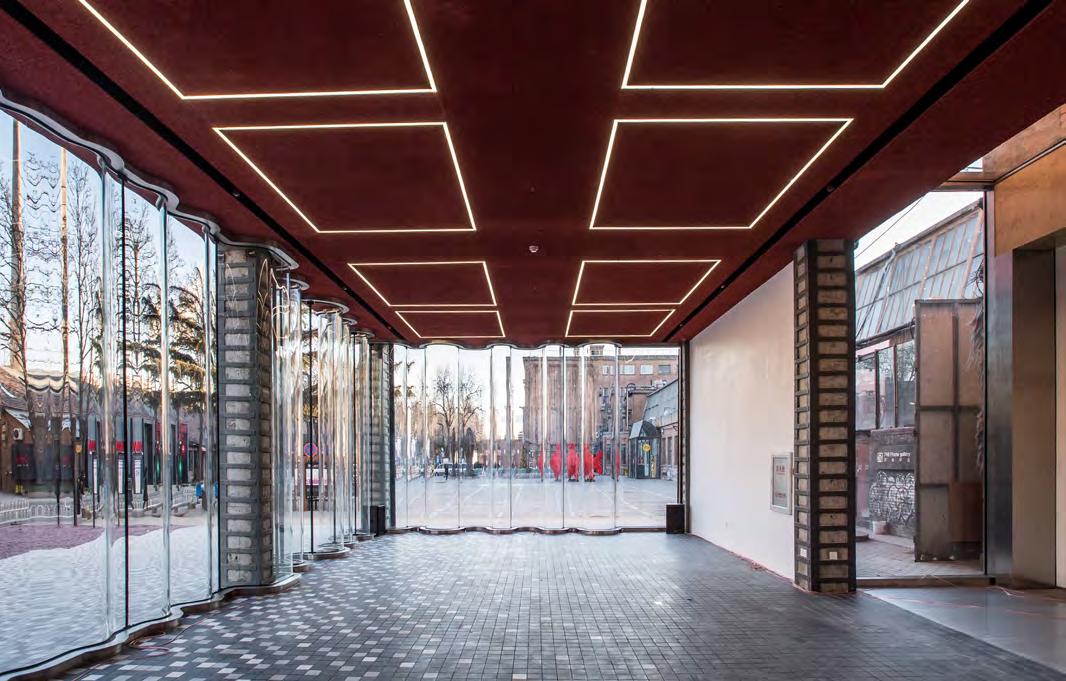
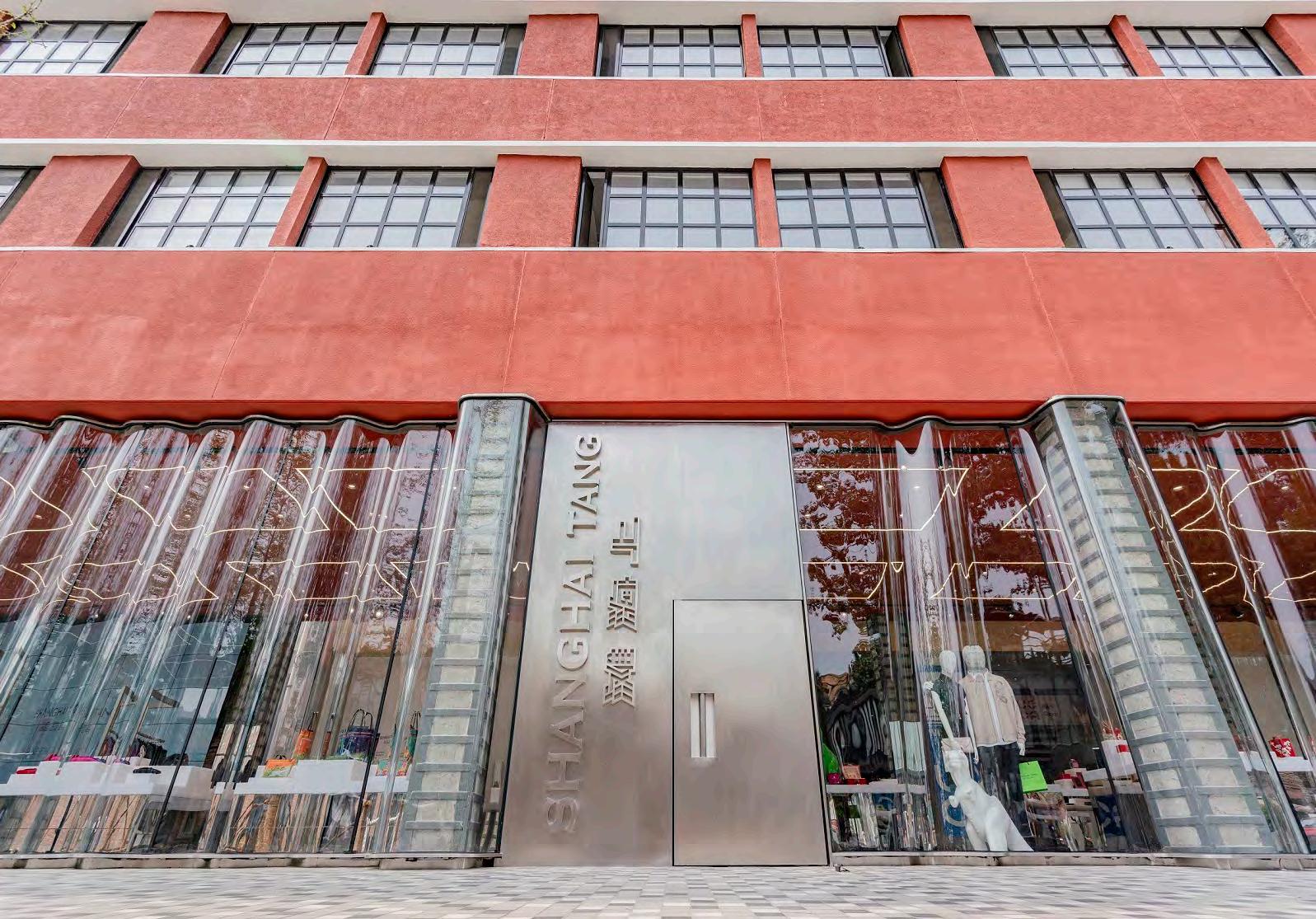
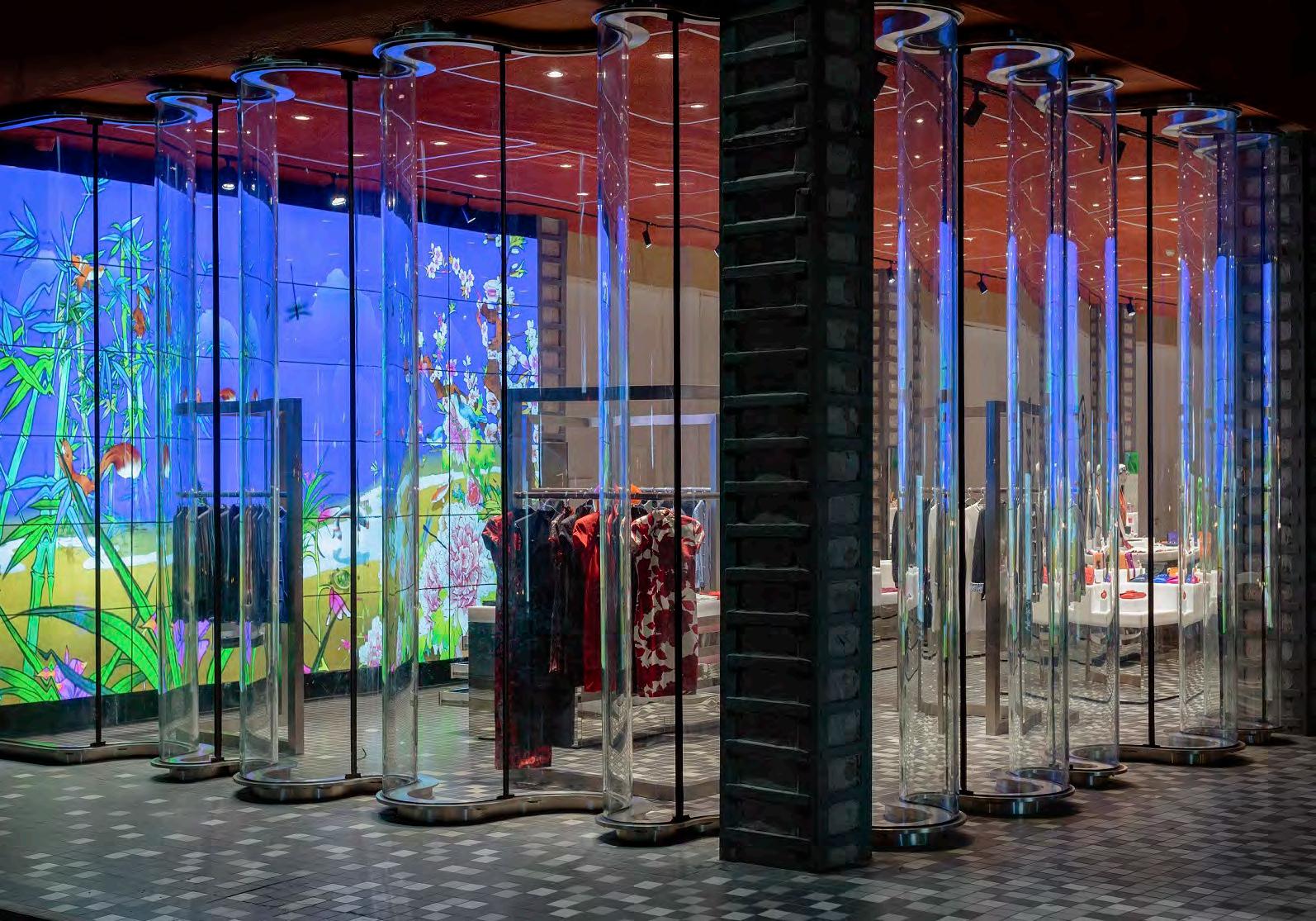
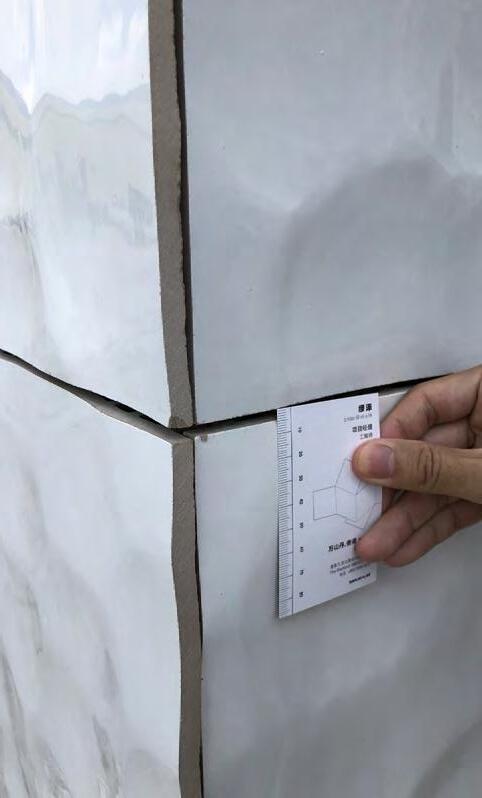
OMA sought to create an image of openness and clarity for the new entrance sequence that starts below the red 1970s administrative slab building. Columns and cores remain, while a thin layer of glass elegantly curves and folds around them; not as a traditional flat storefront but as an experiment on different ‘imperfections’ of glass: corrugations, creases, bulges and bends enacting the internal strength of the material and unravelling waves of visual illusions.
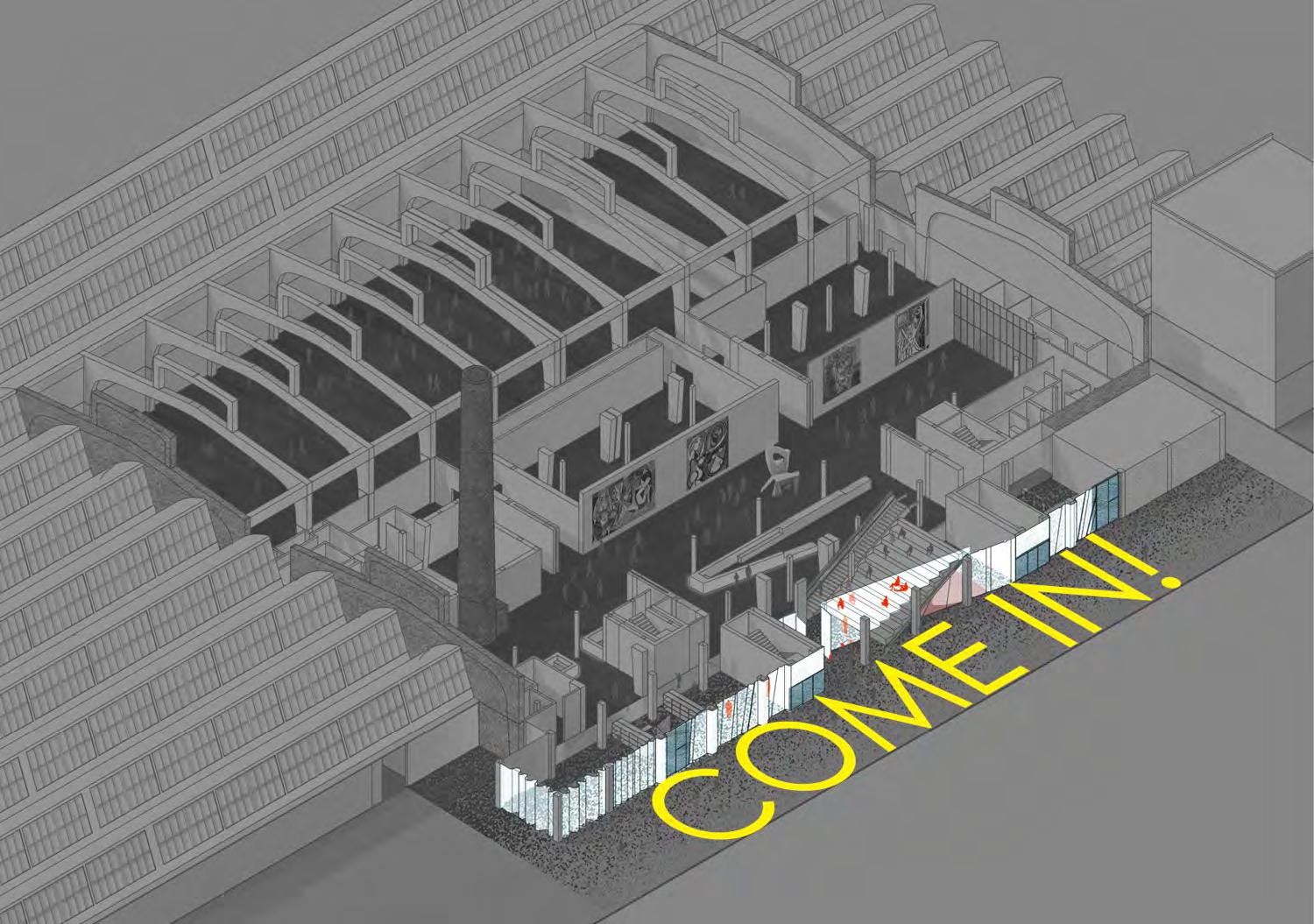
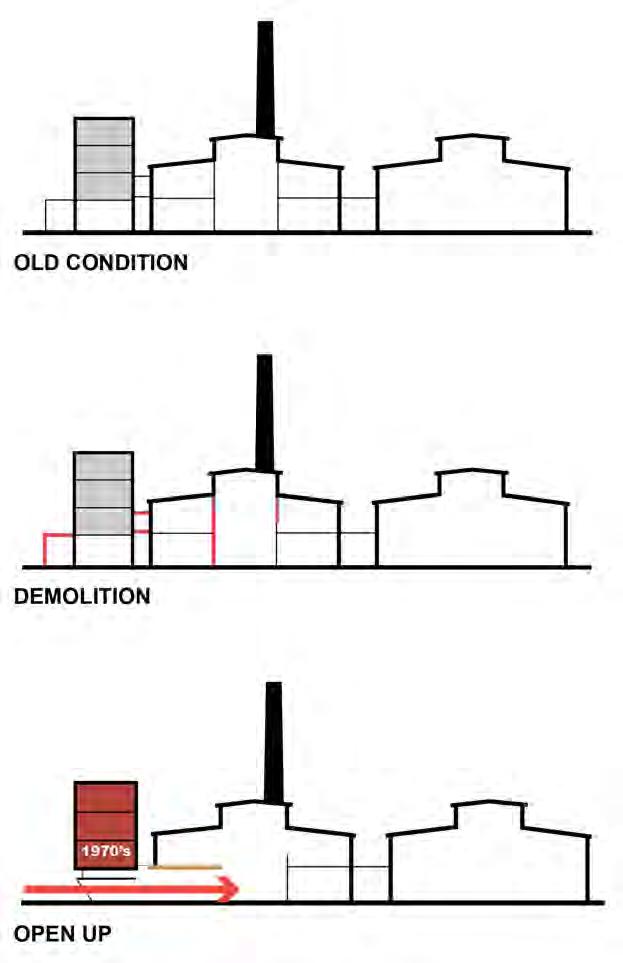
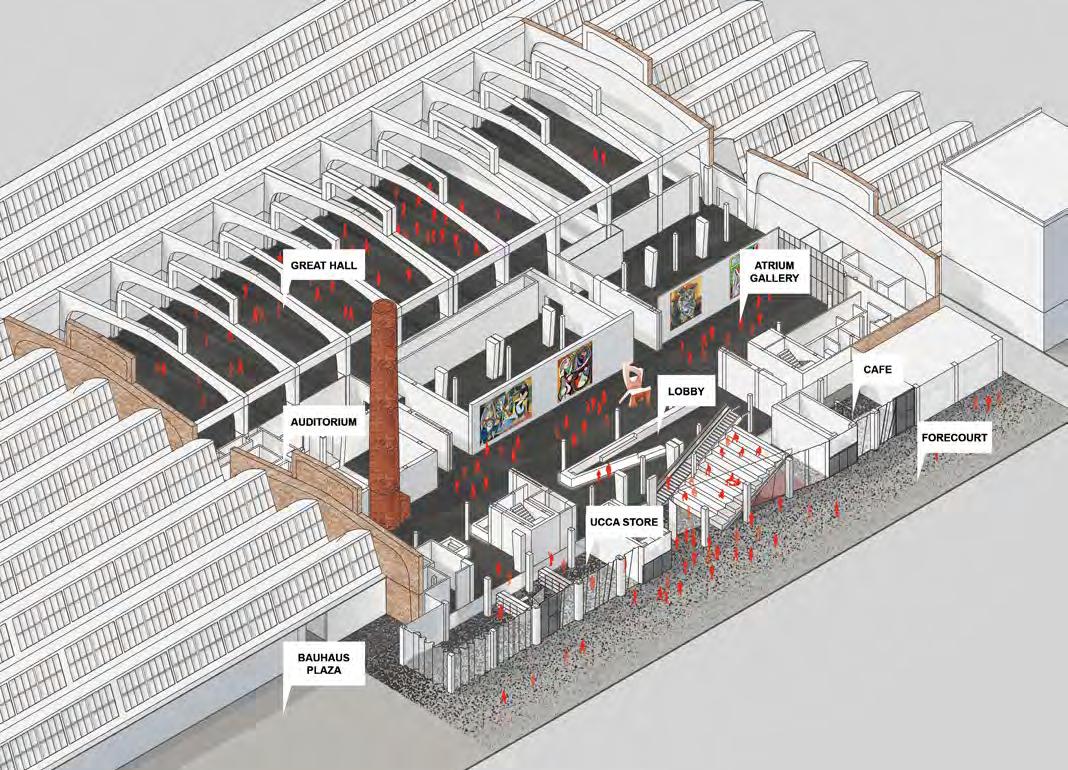
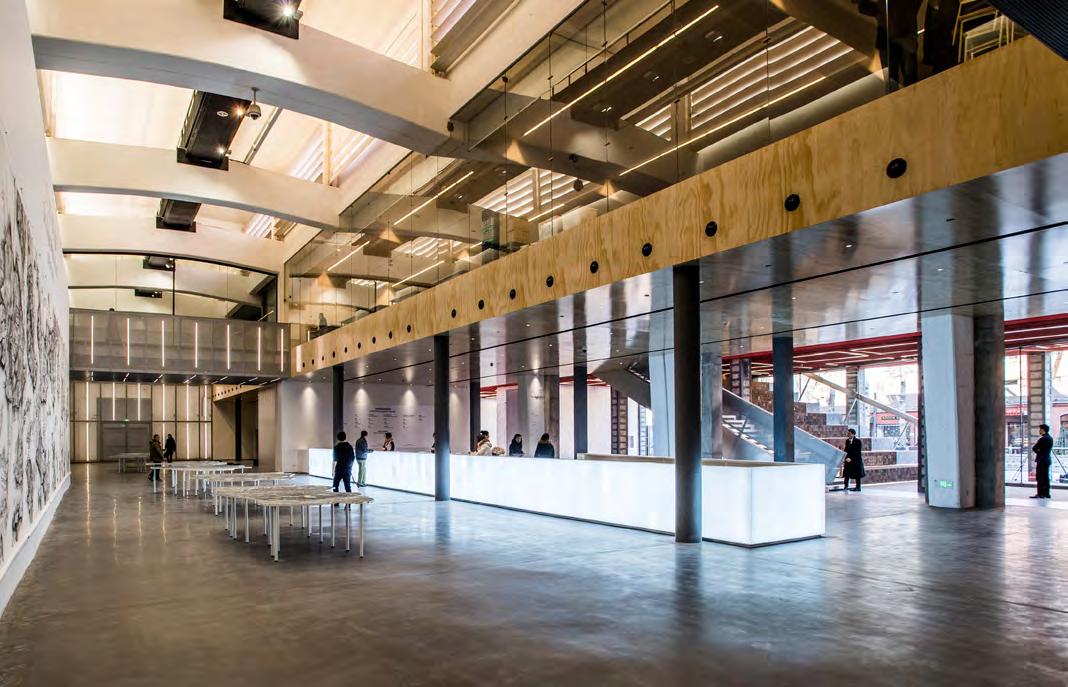
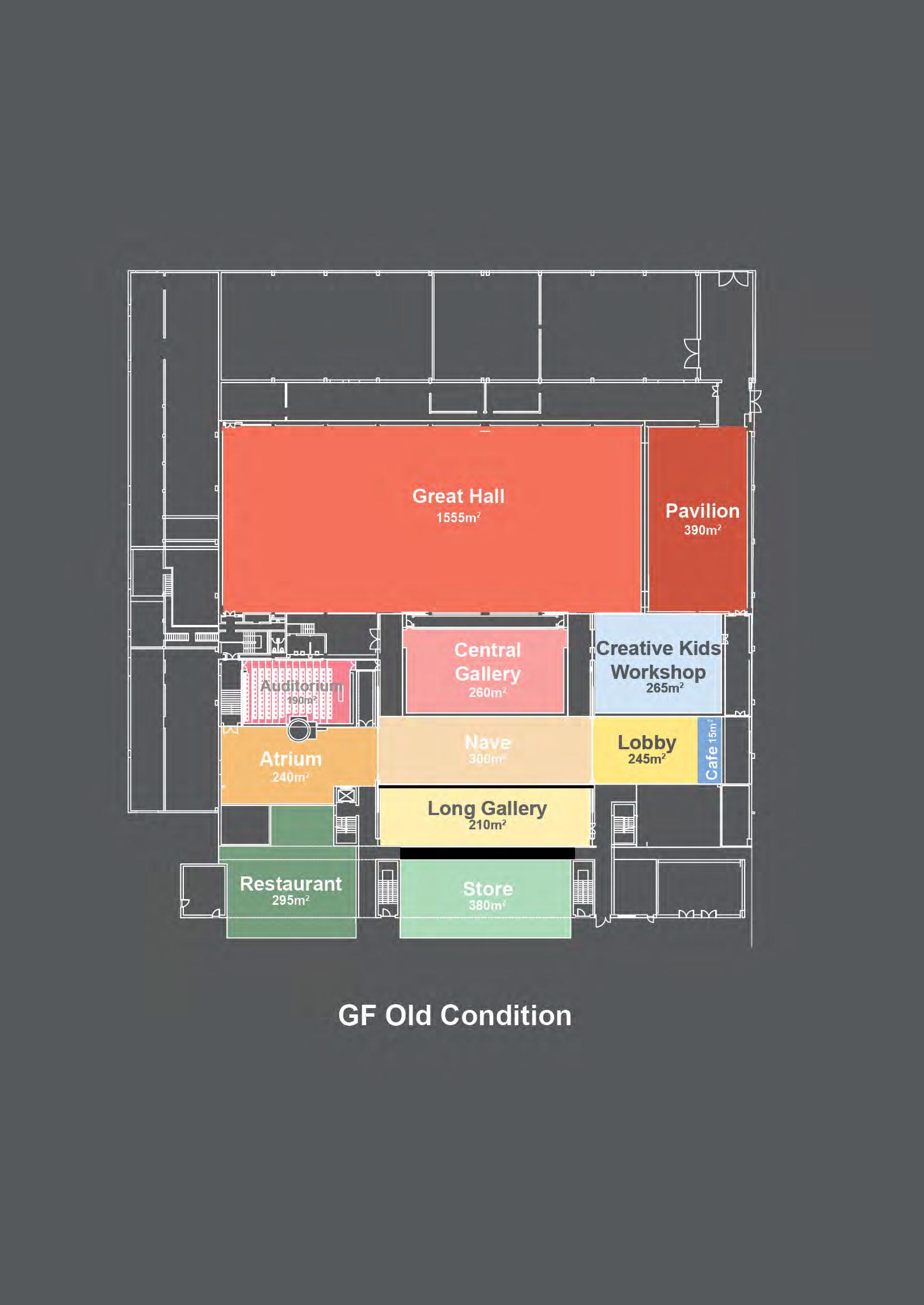
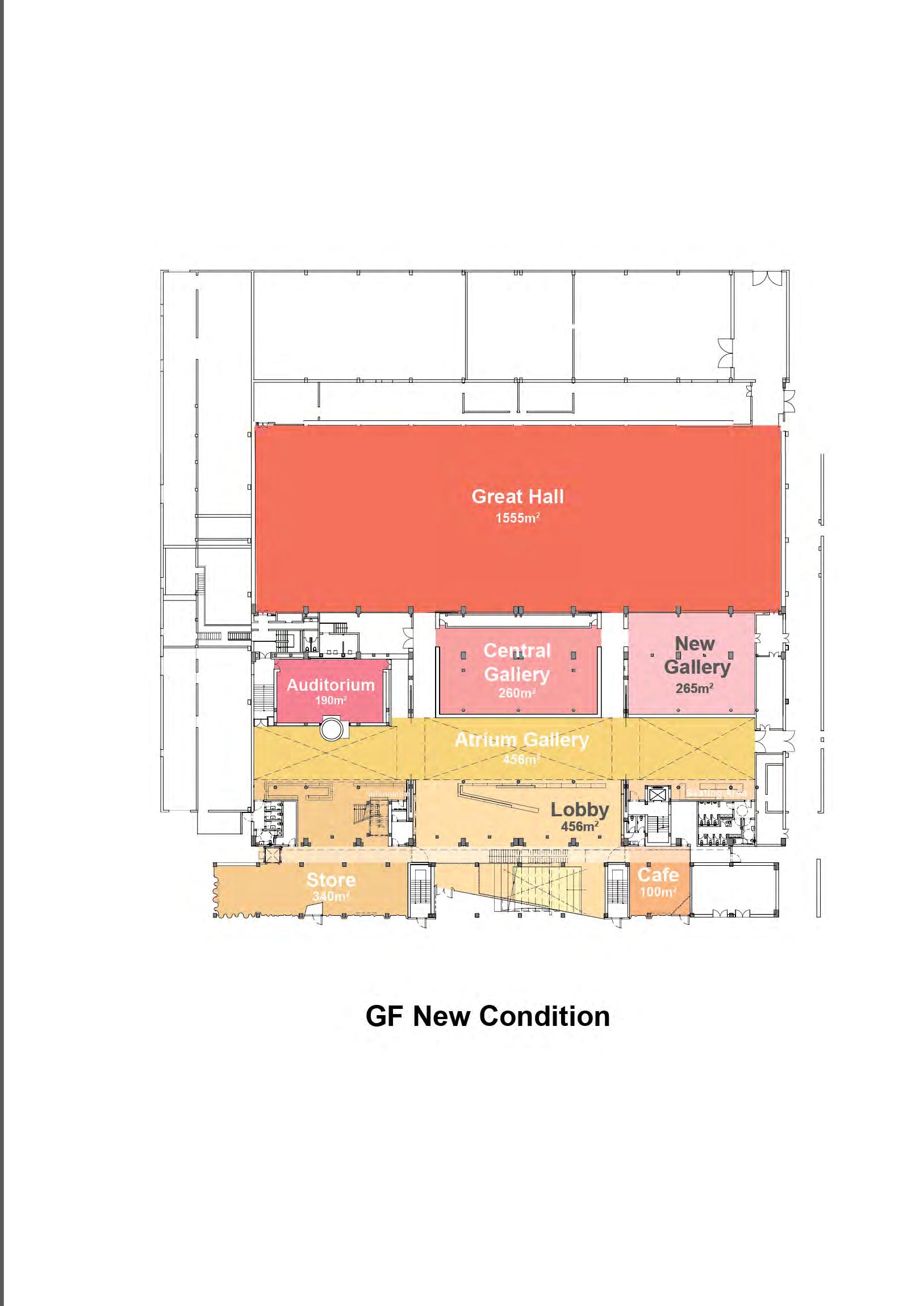
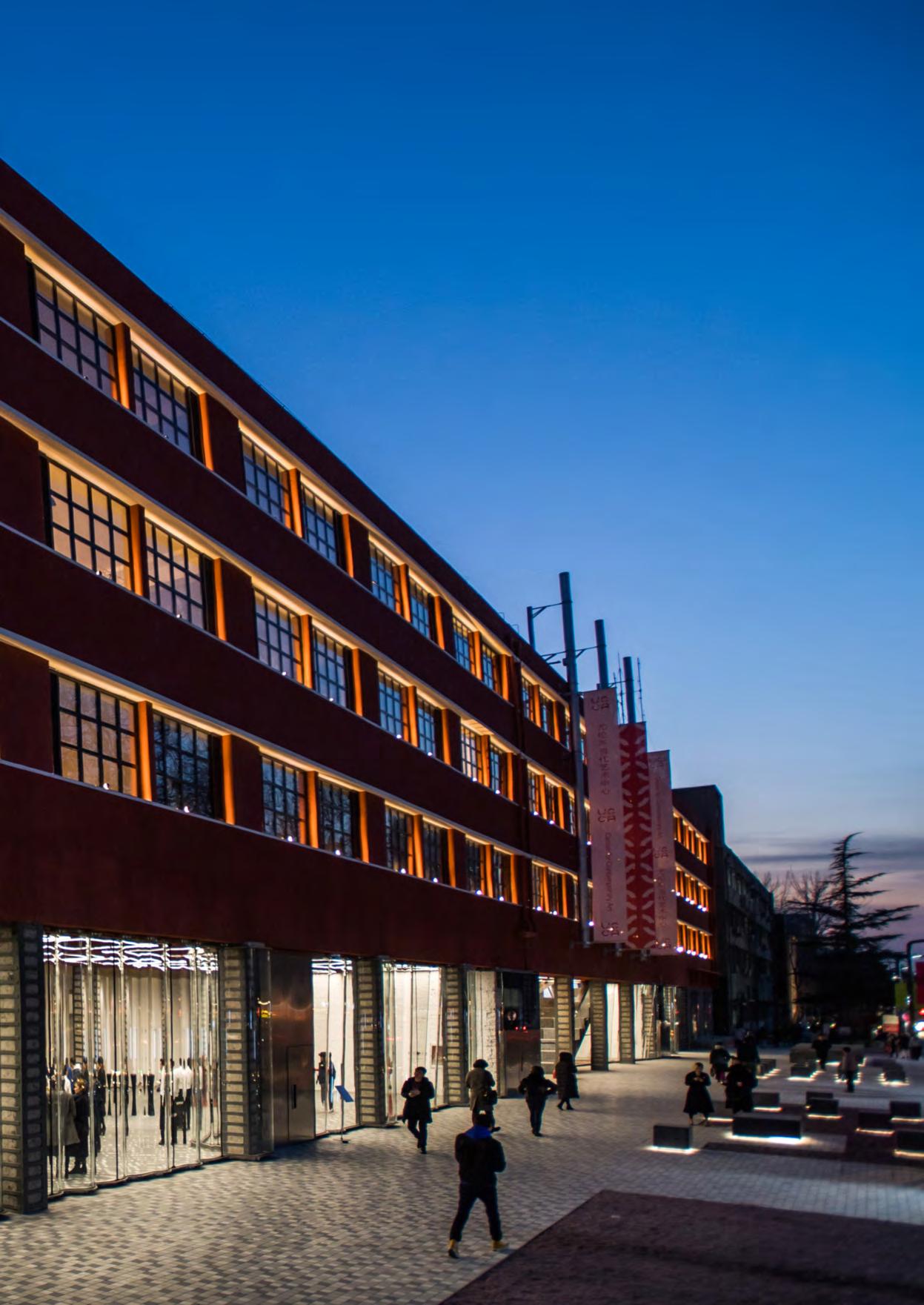
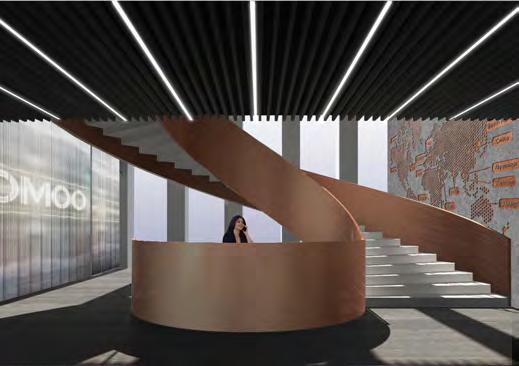
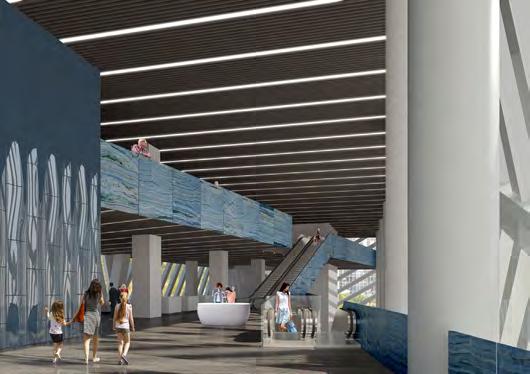
To re-conceptualize its spatial interface with the public, the renovation features a band of curvilinear glass façade wrapping around the museum store, the grand entrance lobby and a small café on the ground floor, uncovering the exhibition halls beyond. The design reinstates the clear difference in spatial qualities between the existing buildings: two 1950s factory halls and the red Slab, a former administrative building from the 1970s, and visually reconnects UCCA’s interior to the 798 art district.
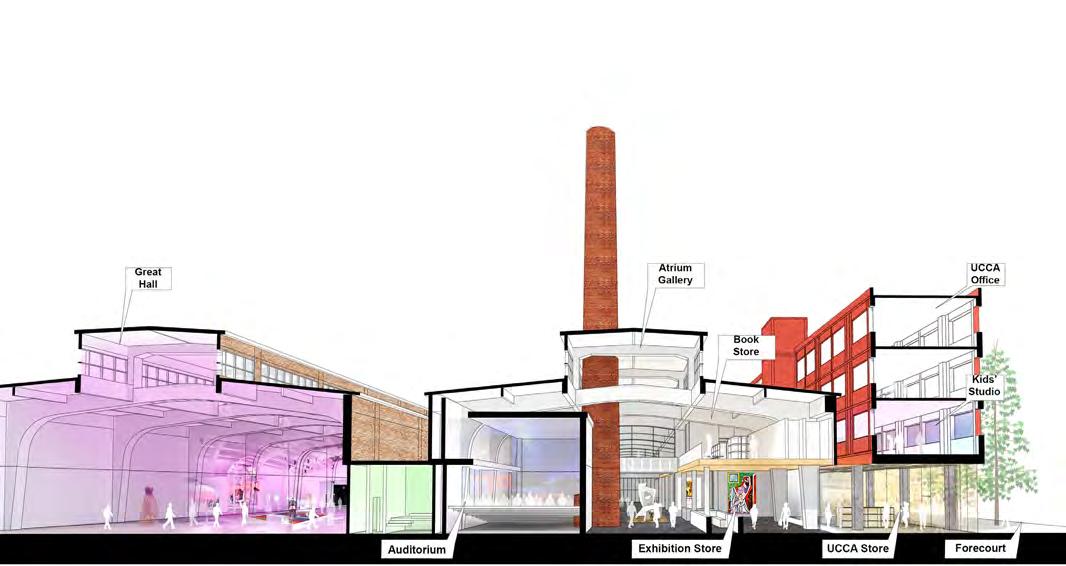
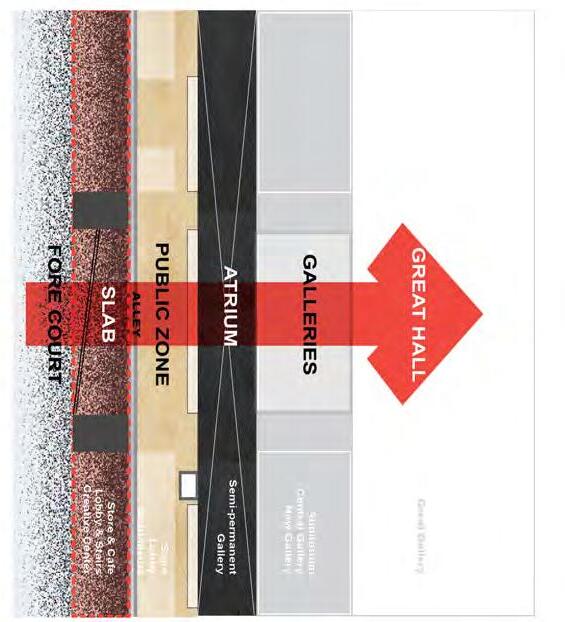
The façade reveals a clear sequence of spatial bands: the new navigation leads from a large landscaped forecourt through the colonnaded space under the slab, passing the alley between the slab and main hall over the aisle underneath a mezzanine floor and through the ‘nave’ of the main hall, to the existing galleries, and ending at the Great Hall.
The existing red plastered slab building hovers above the ground floor, giving space for a transparent façade and a view through the building into the public spaces and galleries. The new glass layer separates interior and exterior, not as a traditional flat storefront but an experiment on different ‘imperfections’ of glass: folds, corrugations,
bulges and curves enacting the internal strength of the material and unravelling waves of visual illusions.
Independent of the programs behind, the scroll of glass heightens the interior as it dances around the structure under the slab building, interacting with it in various
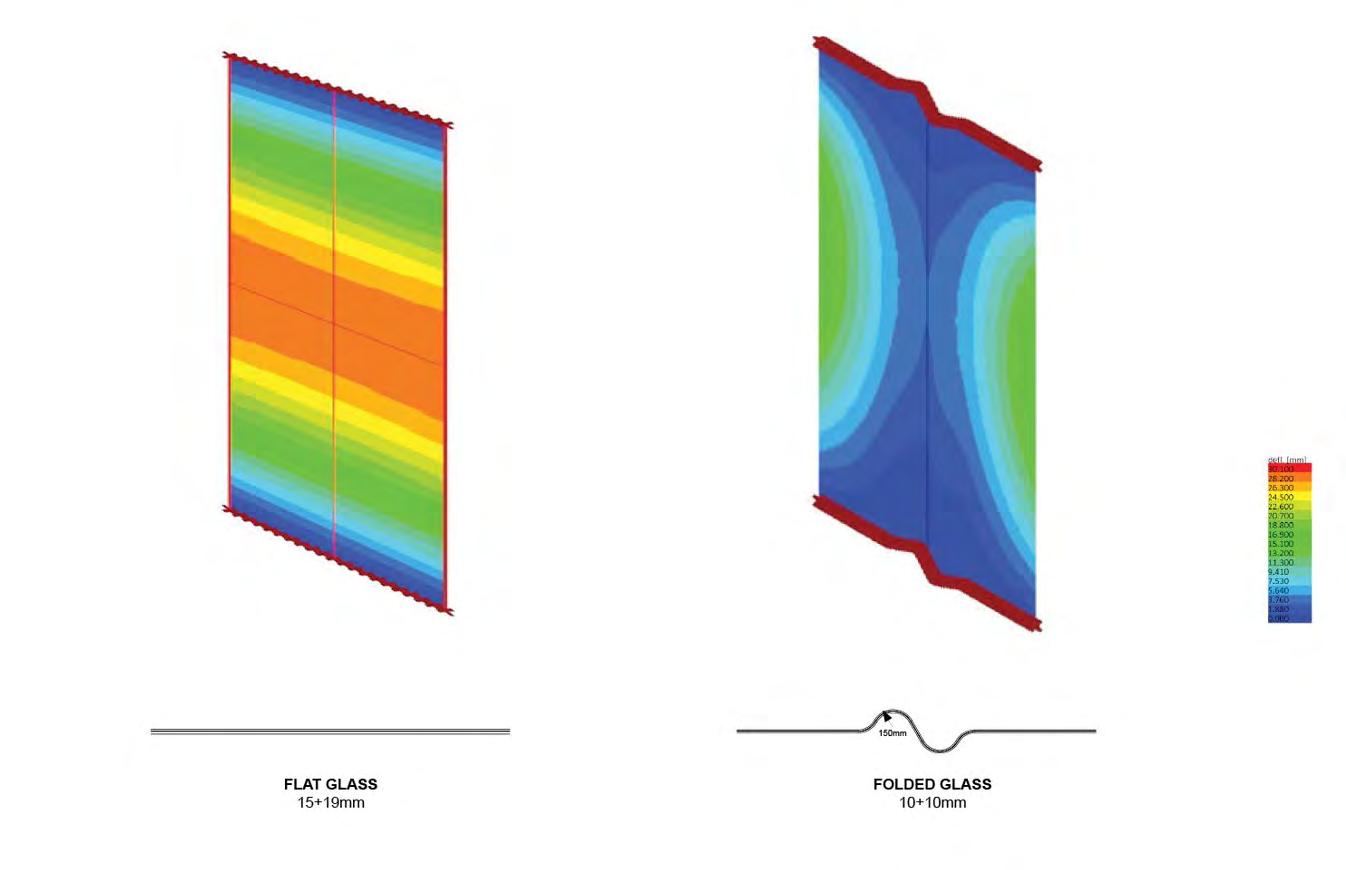
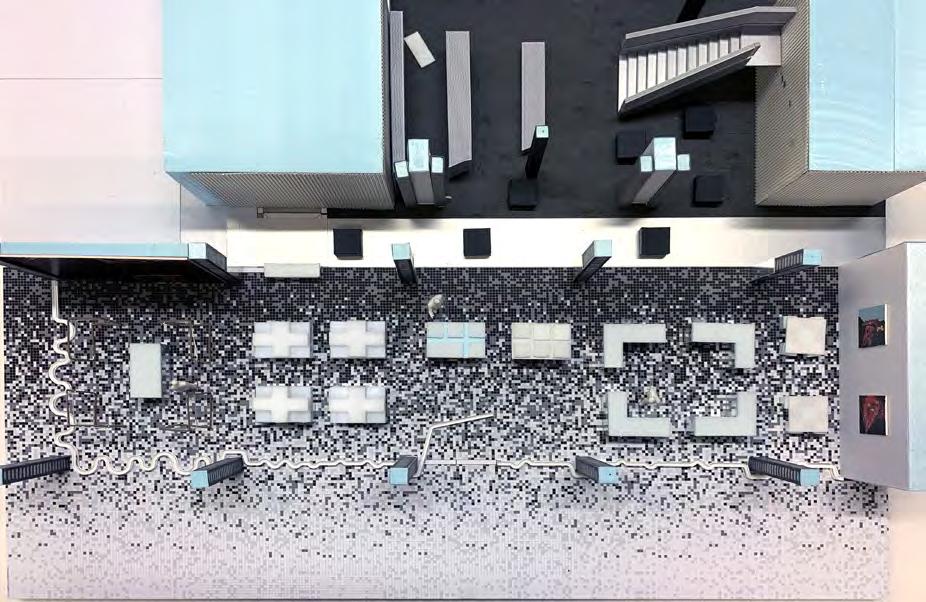
ways. A series of ripple extrusions gradually increase in density from right to left, tumbling back to vertical and transitioning into the big S curves at the left corner. The curvature of the glass panels also provides internal strength, freeing the façade of vertical mullions.
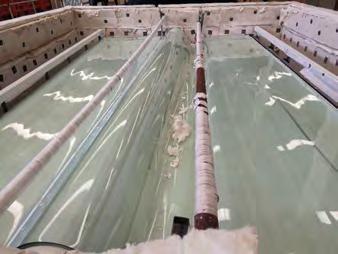
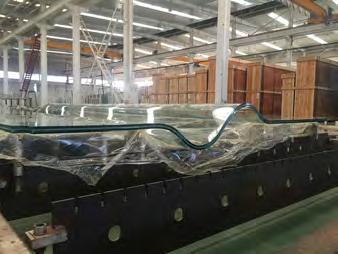
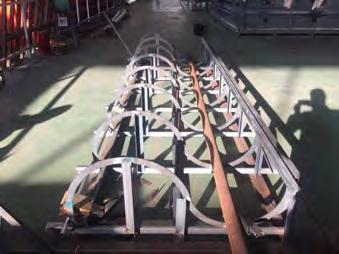
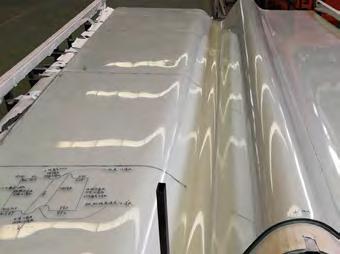
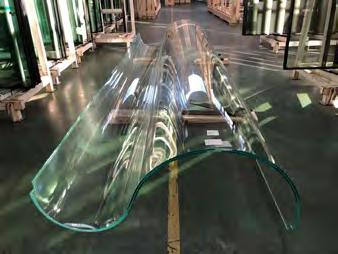
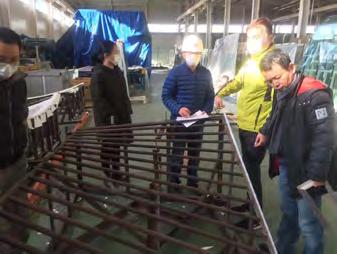
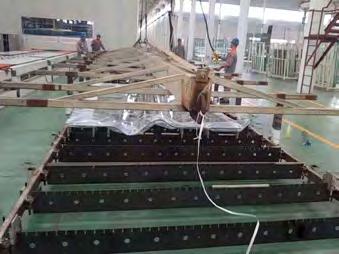
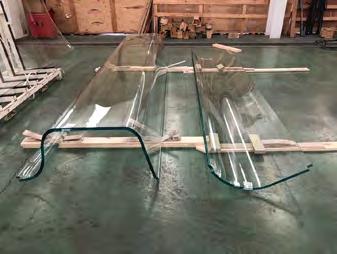
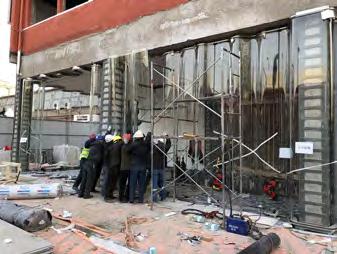
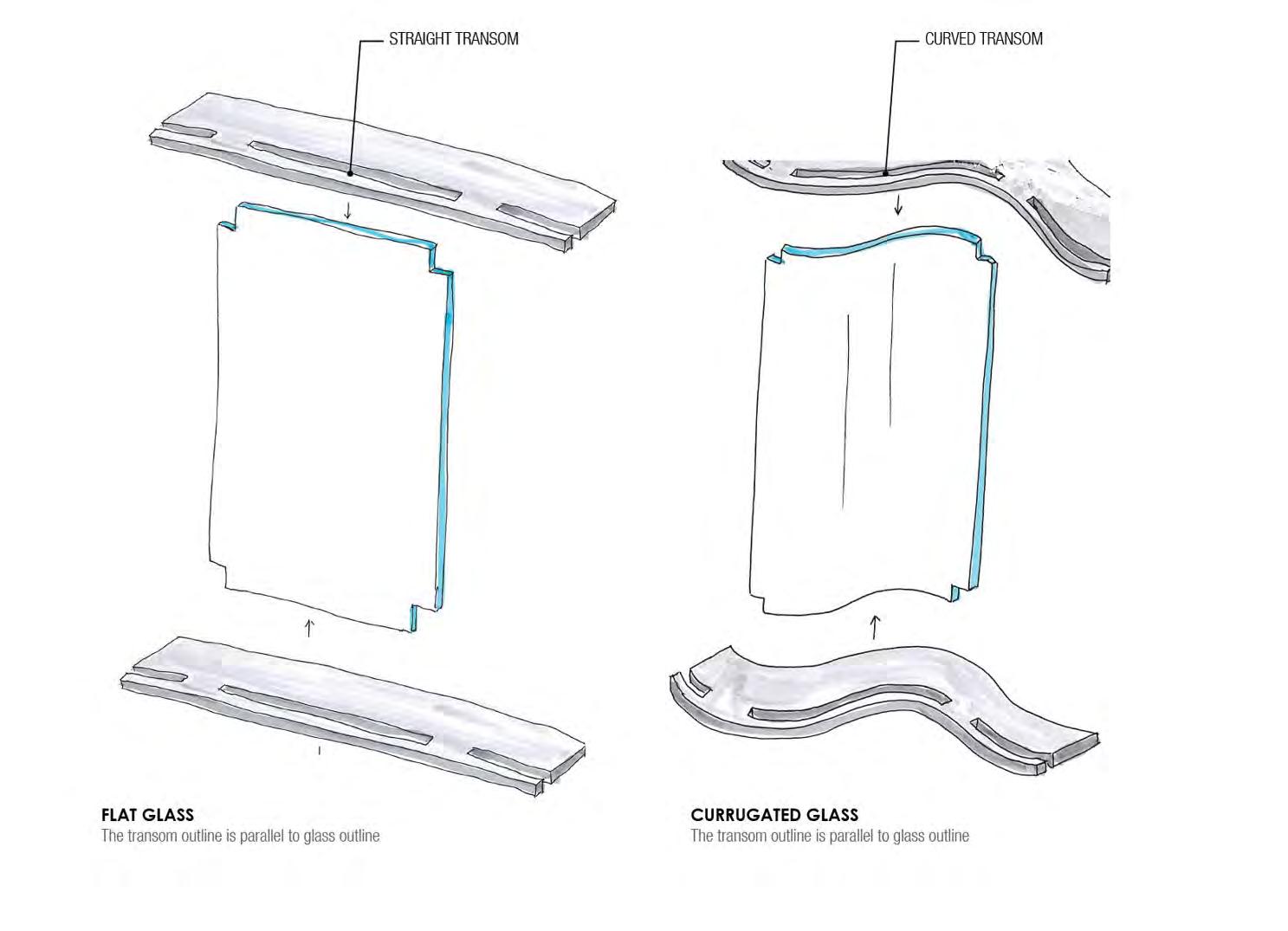
To allow for artistic freedom and structural integrity, the tight curvatures of the glass panels present enormous challenge for the standardized, industrialzed, mechanical production so prevalent in modern glass technology. Instead, a much dated, hand-crafted process is employed where a pair of annealed glass panels are
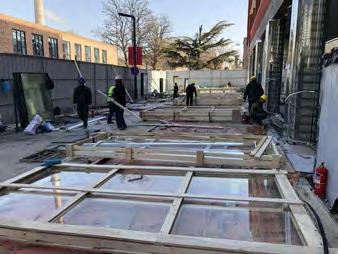
placed on top of a steel mold and heated to form the desired curvatures. Laminated and shipped to the site in tailor-made wood boxes, the glass panels are hoisted vertical and inserted into the stainless steel transoms at the top and bottom. Design, engineering and craftsmanship are thus united and crystalized in the unique facade of UCCA.
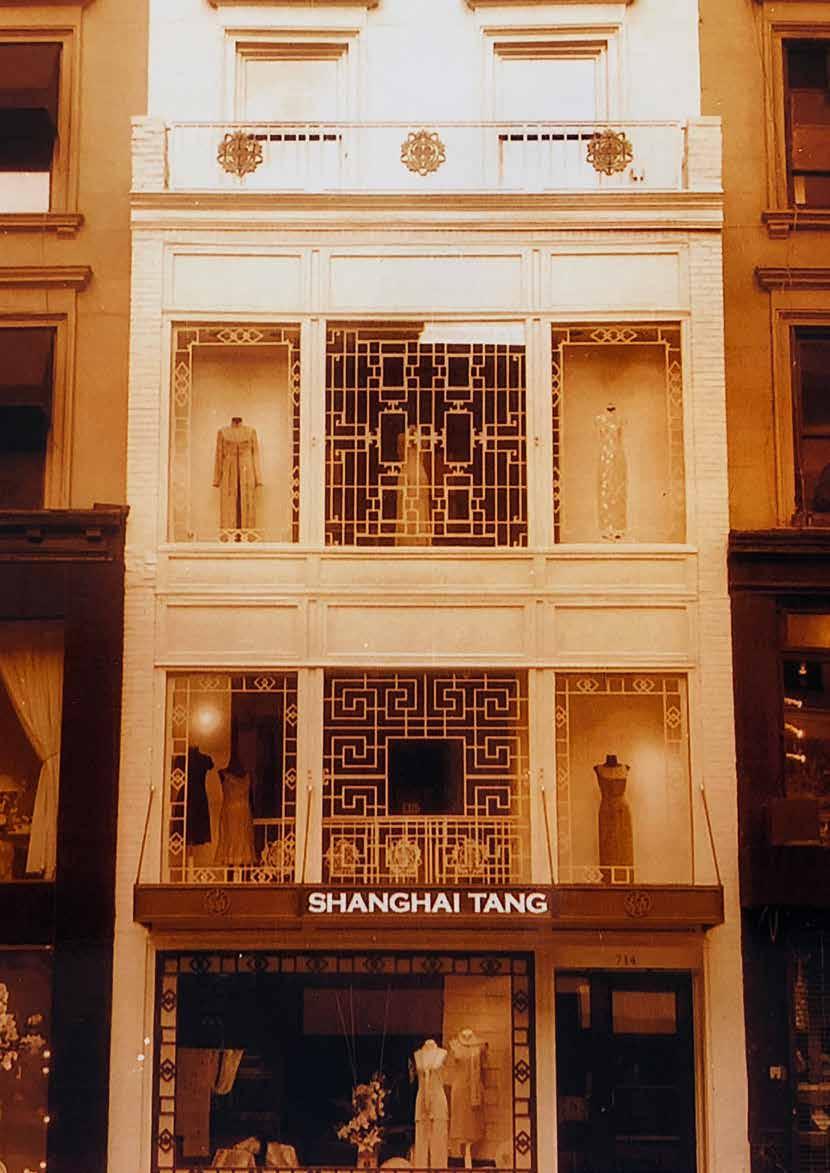
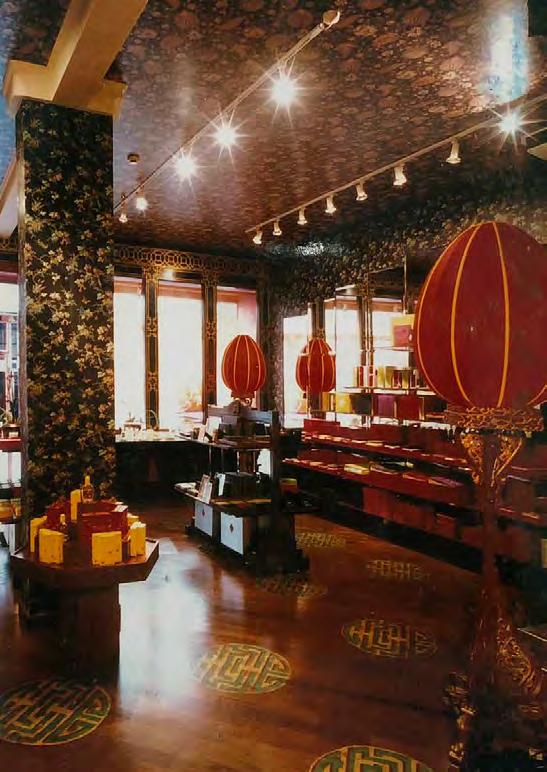
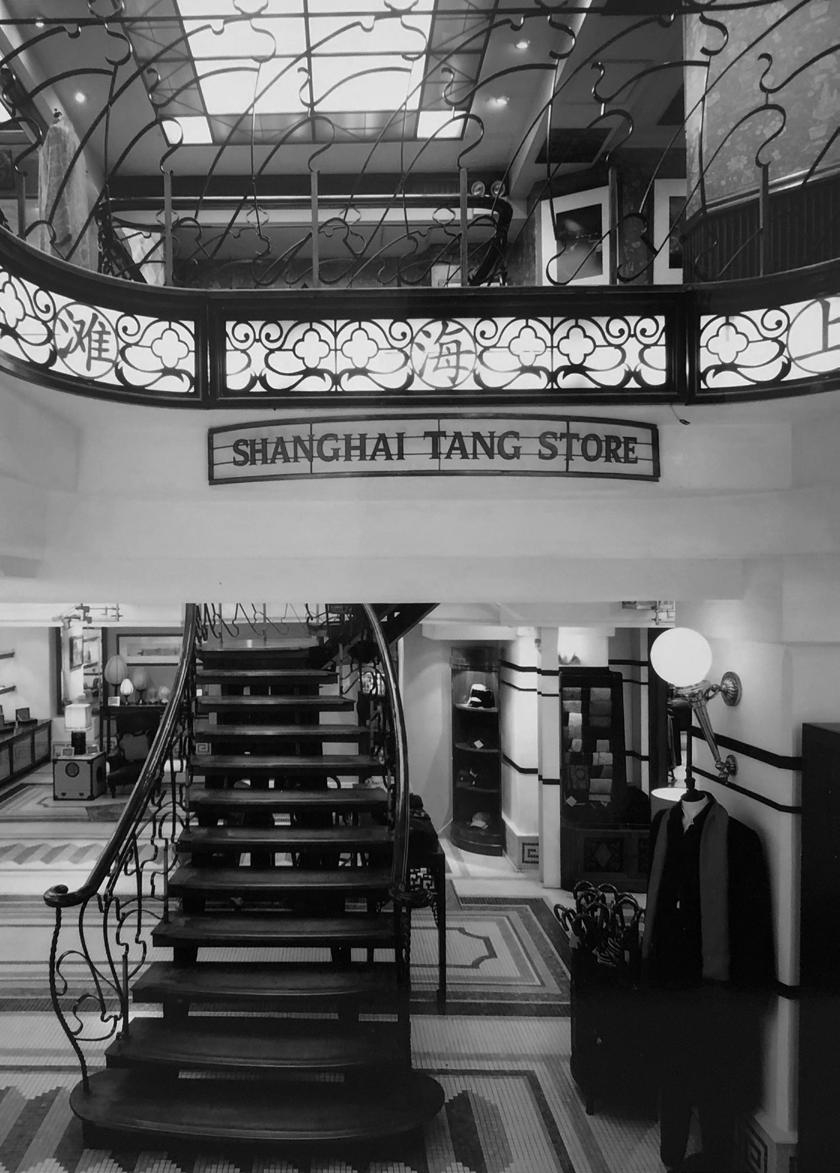
SHANGHAI TANG
UCCA STORE
Beijing, China
Feb 2019 - May 2019
Client: Shanghai Tang
Status: Completed
Program: Retail Interior
GFA: 380 sqm
Founded in 1994 as a bespoke tailor in the iconic Pedder Building in Hong Kong, Shanghai Tang was inspired by the glamour and glory of the Shanghai Bund in the 1930s, a vibrant era during which this world-class entertainment playground was the melting pot for culture, fashion, architecture, commerce and art.
With a record of setting up flagship stores at renowned cultural heritage sites across the globe, Shanghai Tang looked to the newly renovated UCCA store as their next attraction.
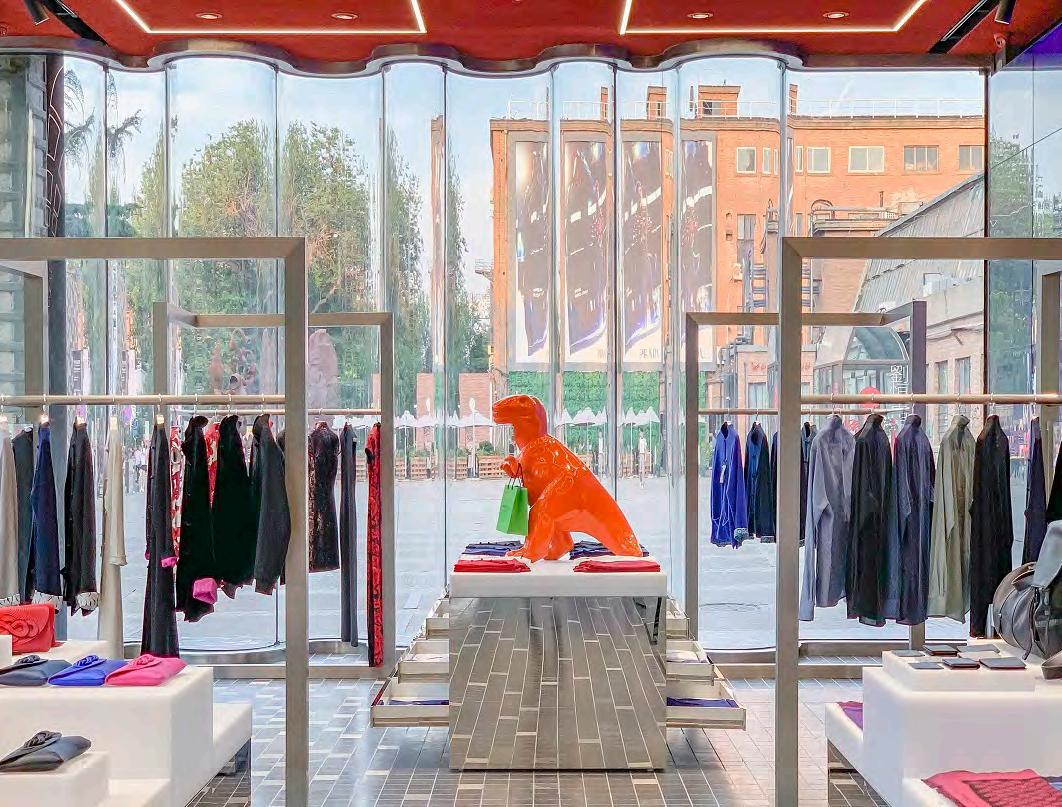
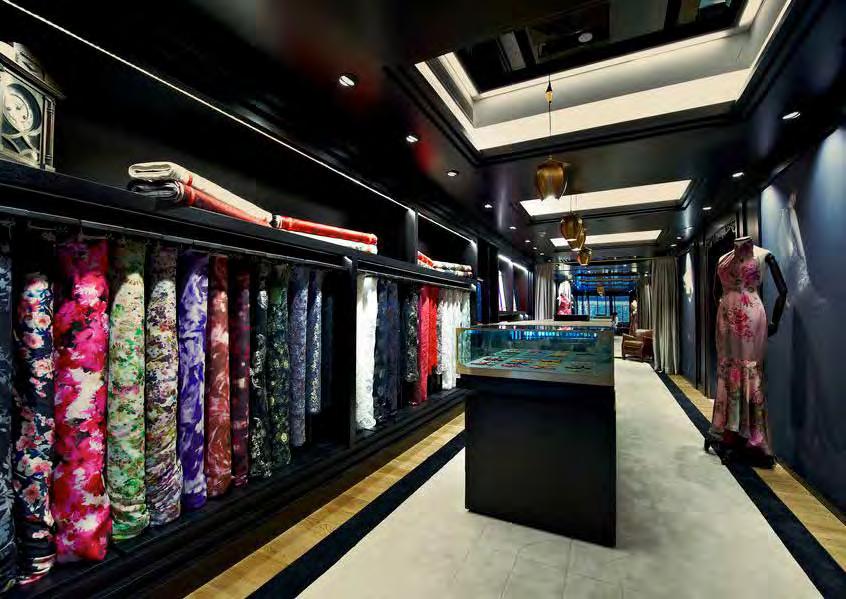
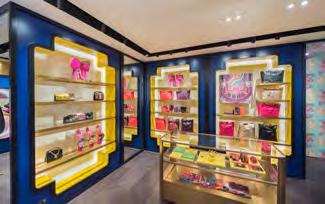
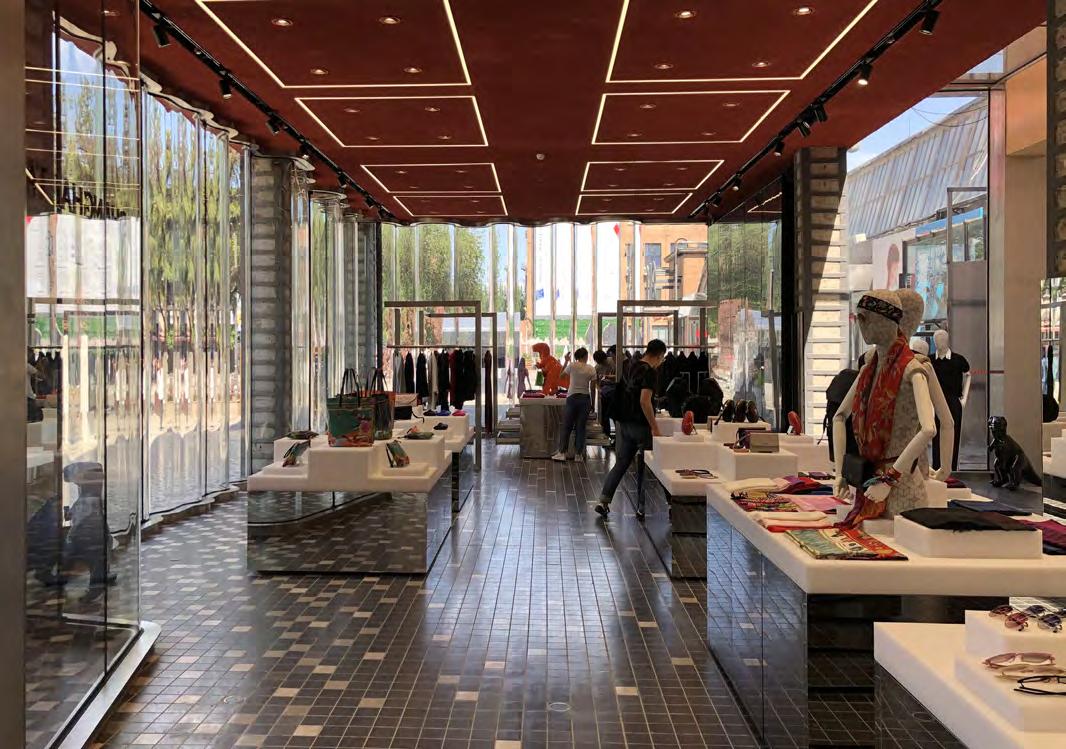
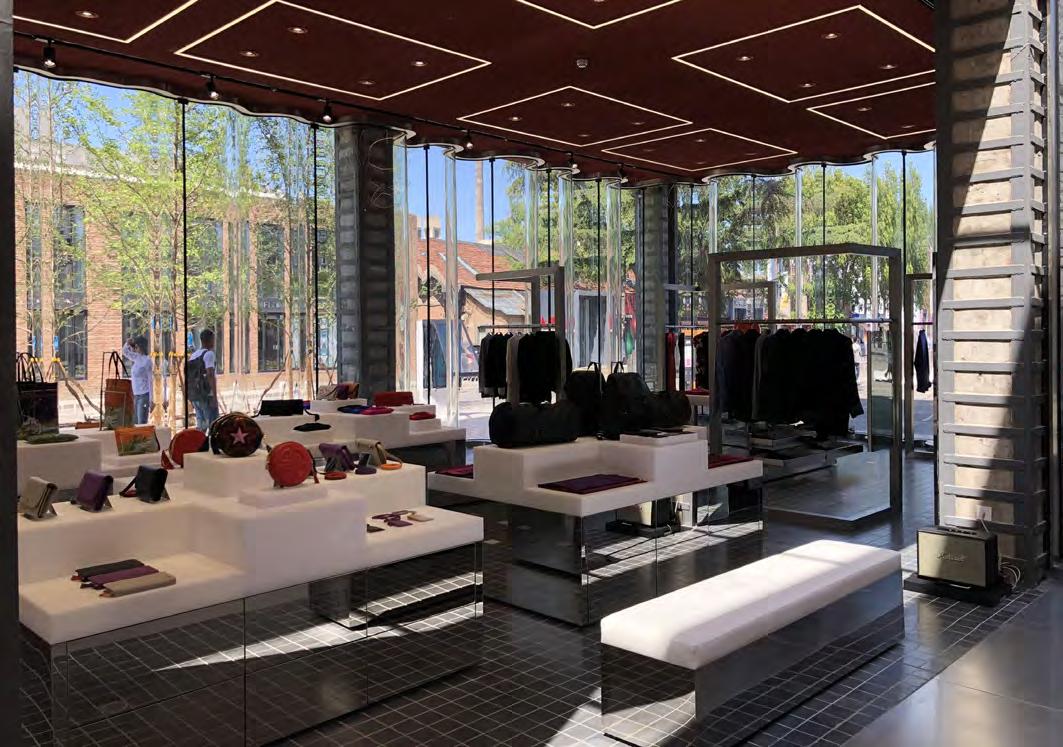
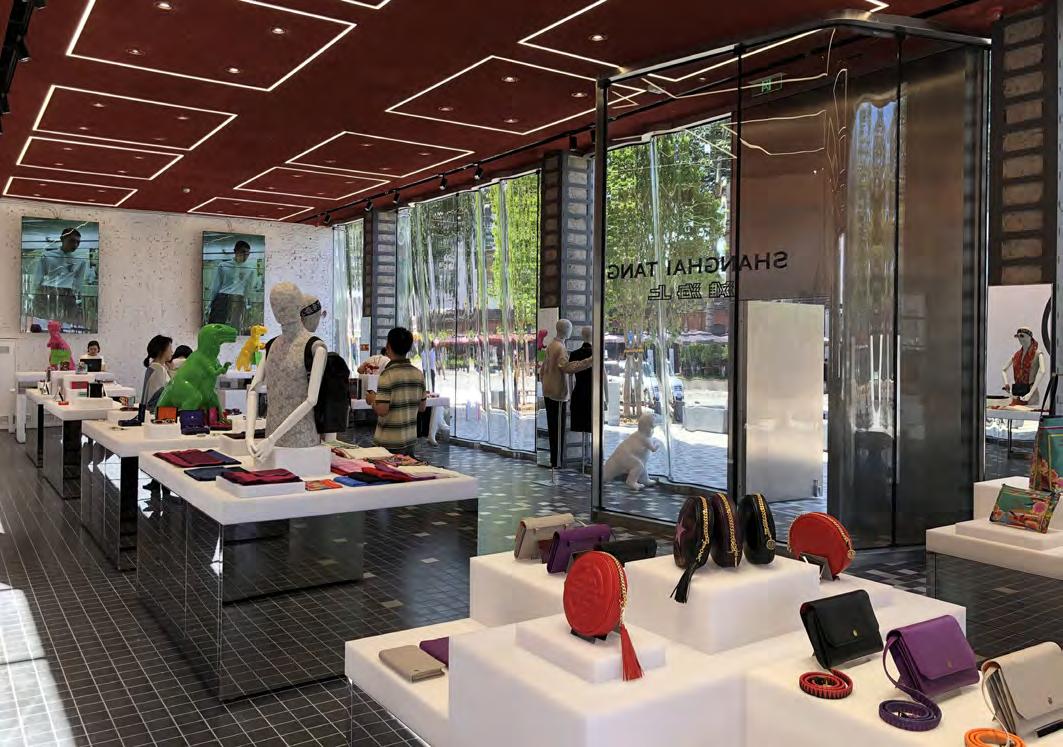
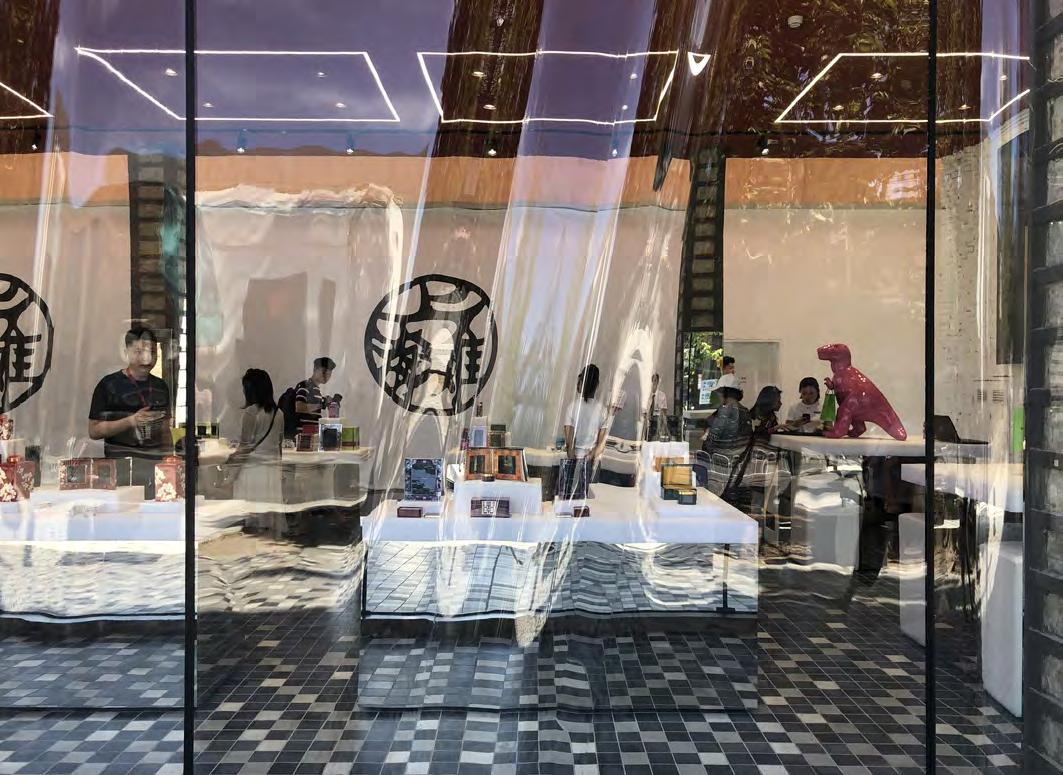
Different from the chic, Chinese art deco style interior in all its previous locations, the UCCA store was conceptually the extention
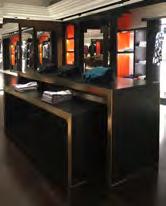
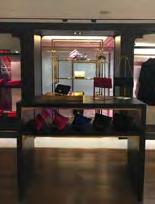
of the museum space itself. Sitting behind the soft glass curtainwall, the interior is extremely visible from the street.
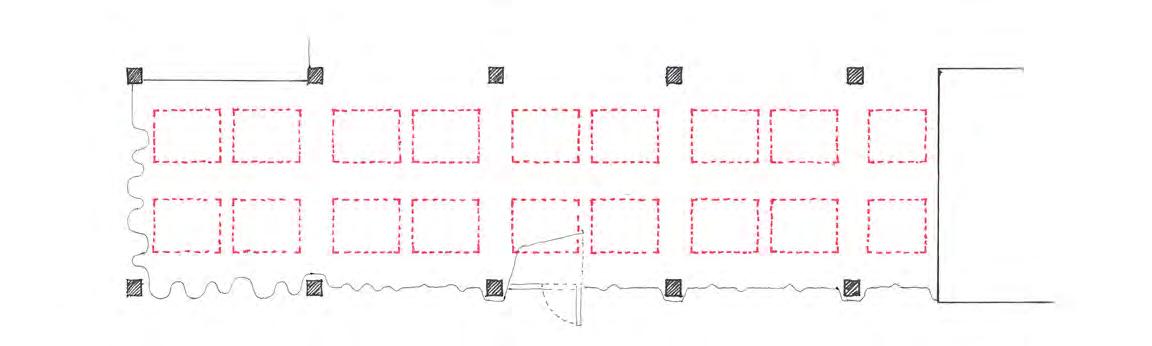
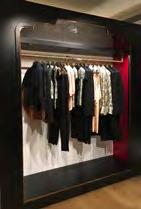
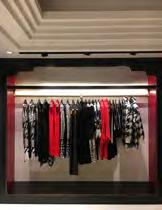
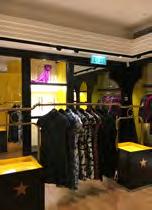
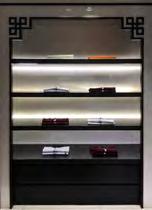
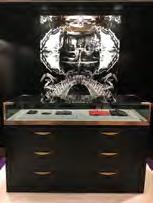
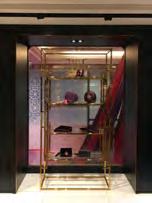
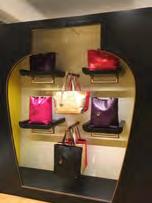
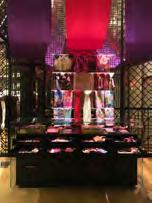
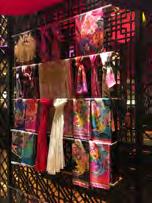
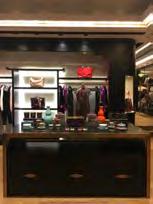
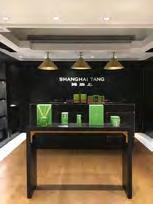
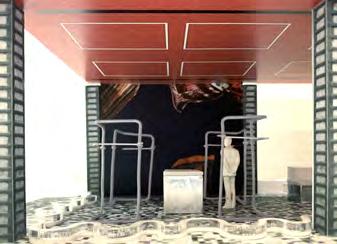
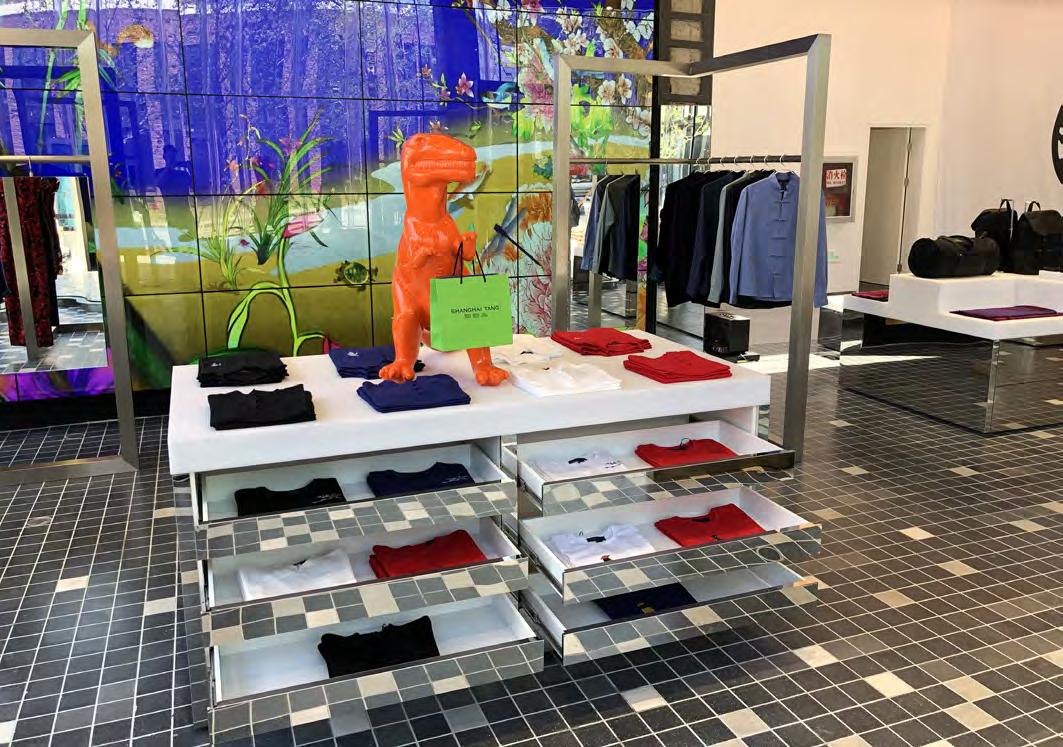
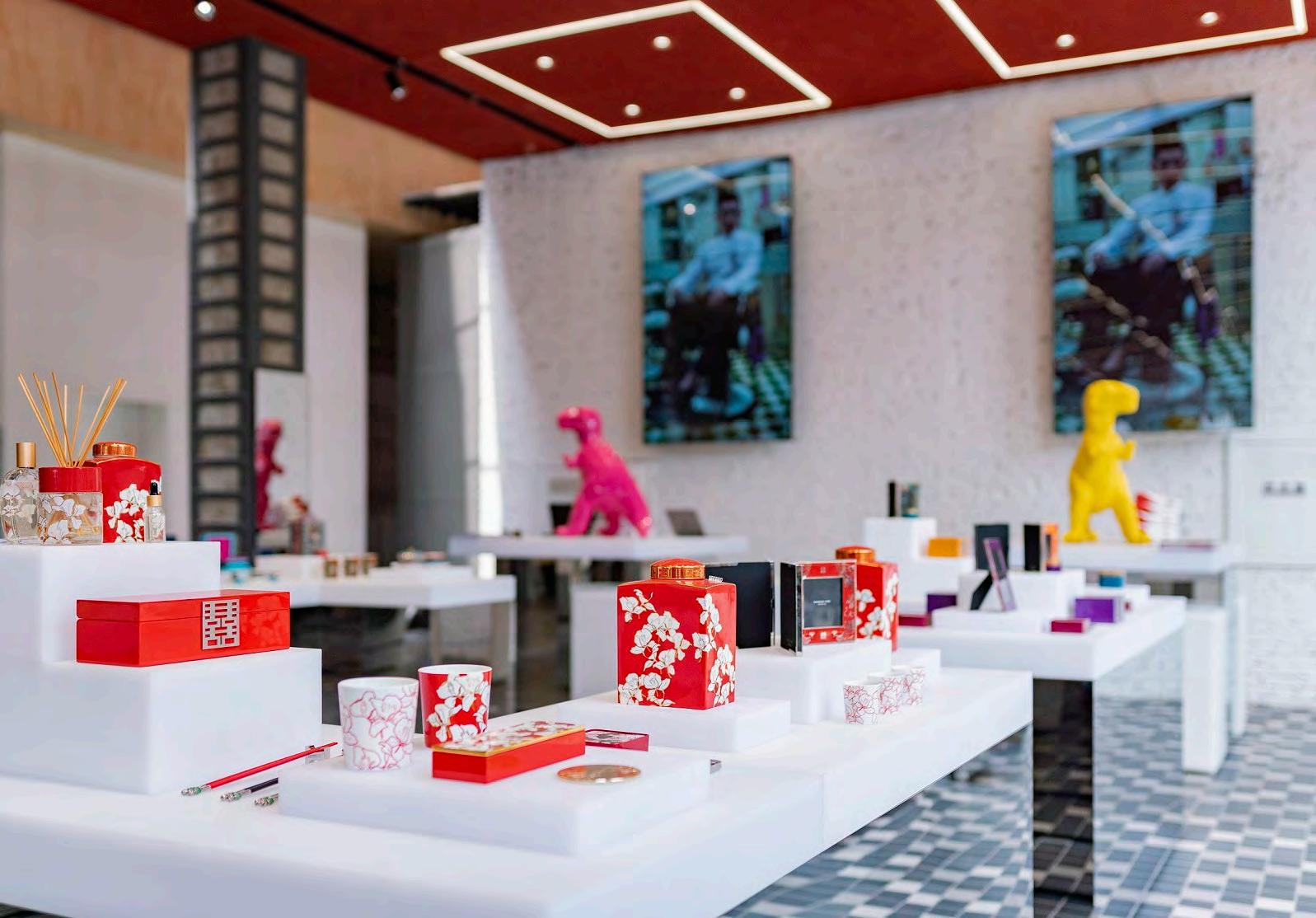
The display tables are aligned to the ceiling rectangular lights above, with different shapes to adapt to the sku types: RTW, Accessories+Travel, Gifting, Home+UCCA, and the Workshop Area.
The tops of the cabinets are white acrylic, mounted on top of mirror stainless steel boxes, creating the illusion of floating islands, and the square floor tiles appear uninterrupted.
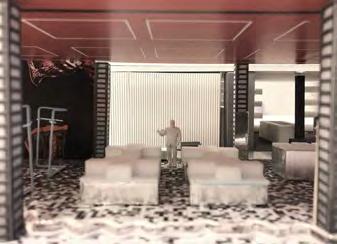
UCCA STORE LIGHTING GRID
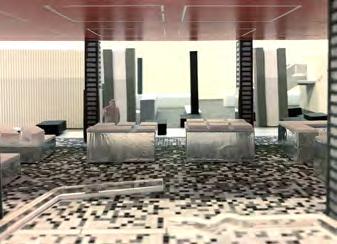
UCCA STORE DESIGN LAYOUT (PRIOR TO SHANGHAI TANG’S INVOLVEMENT)
UCCA
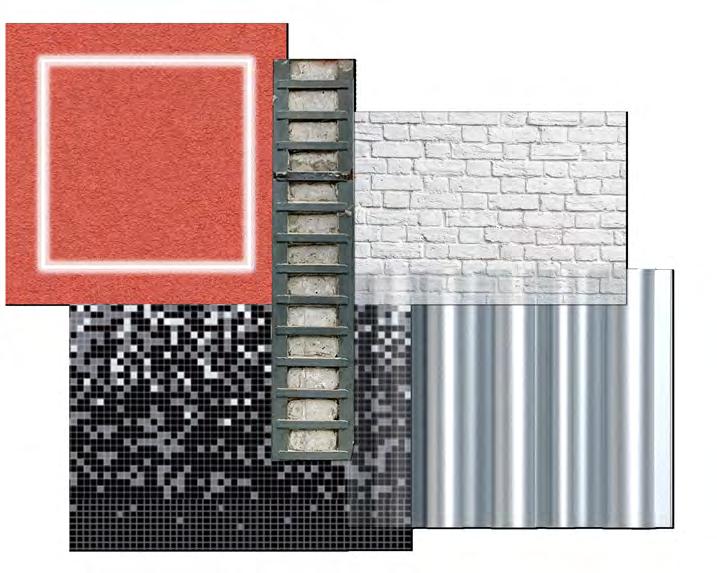
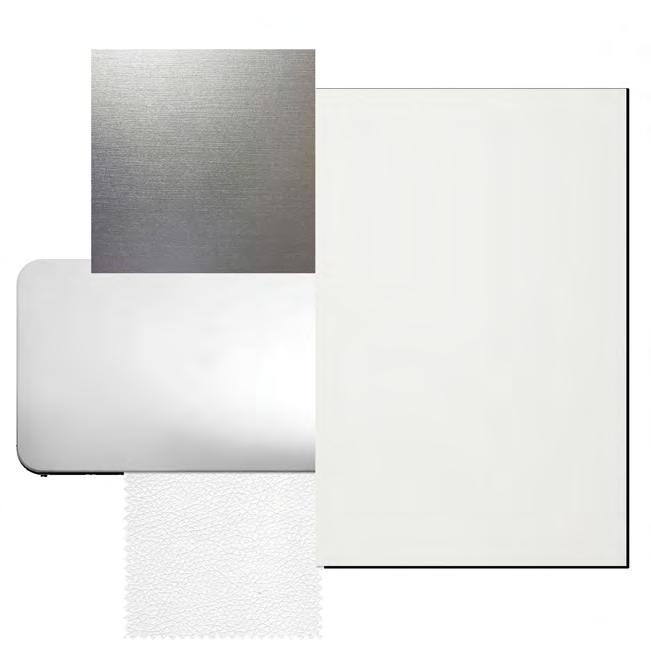
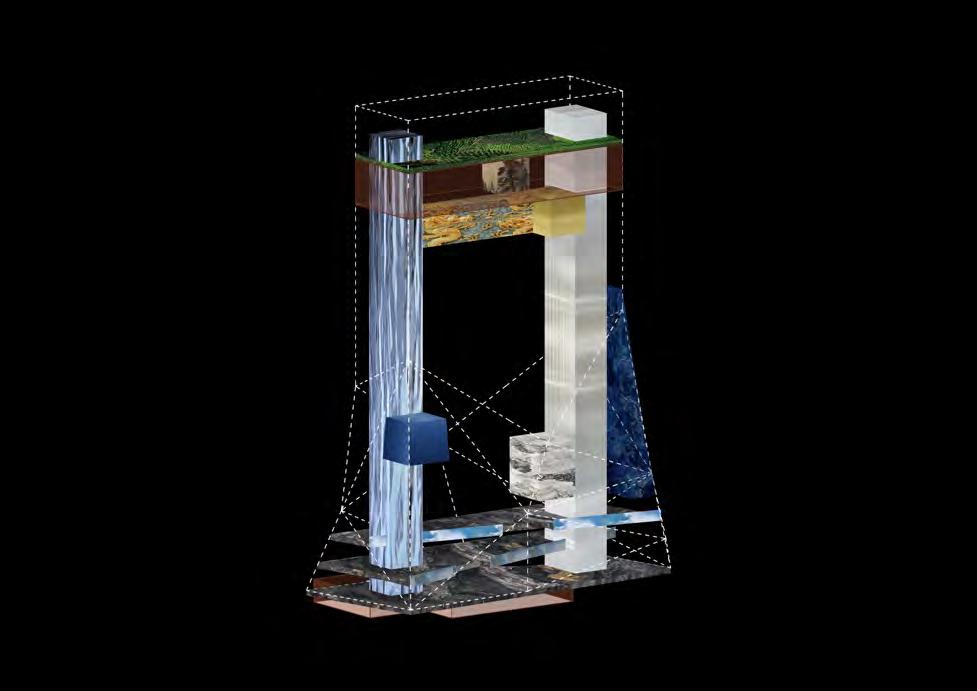
MATERIAL PALETTE: ARCHITECTURE VS STORE INTERIOR
MATERIAL STORE FURNITURE MATERIAL
STORE FURNITURE MATERIAL
STAINLESS
MIRROR FINISH
White brickwork
Curved glass facade
Red plaster (embedded LED strip)
Gradient concrete tiles
braced columns
WHITE UPHOLSTERY
STAINLESS STEEL MIRROR FINISH
STEEL
WHITE RESIN
UPHOLSTERY
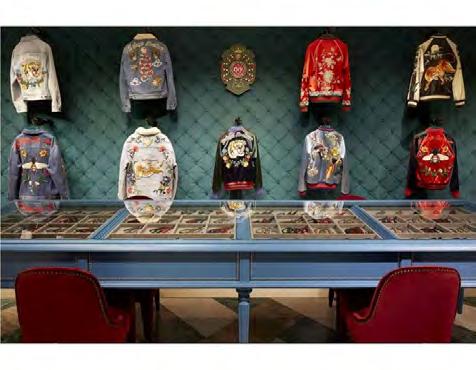
STORE INTERIOR: BEFORE VS AFTER
CATERGORY STACKS OF FOLDED CLOTHING
TRAVEL BAGS (LARGE) SMALL LEATHER GOODS: WALLETS,CARDHOLDERS, TRAVEL ACC, FOLIOS
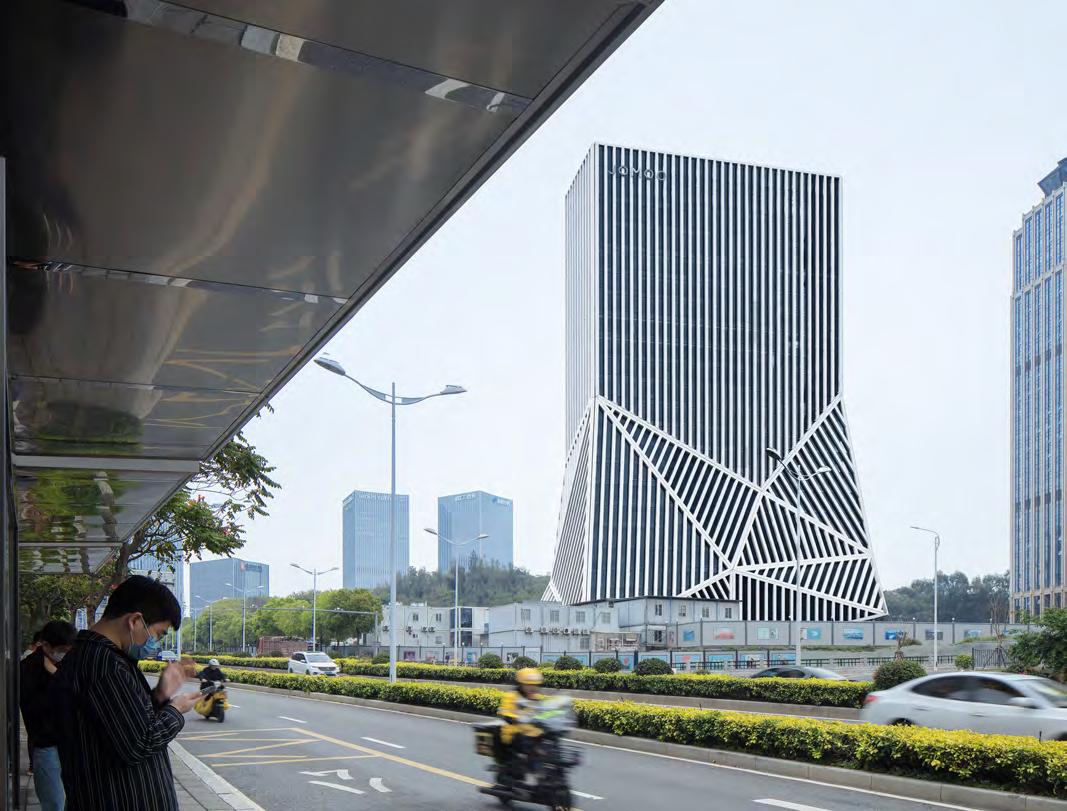
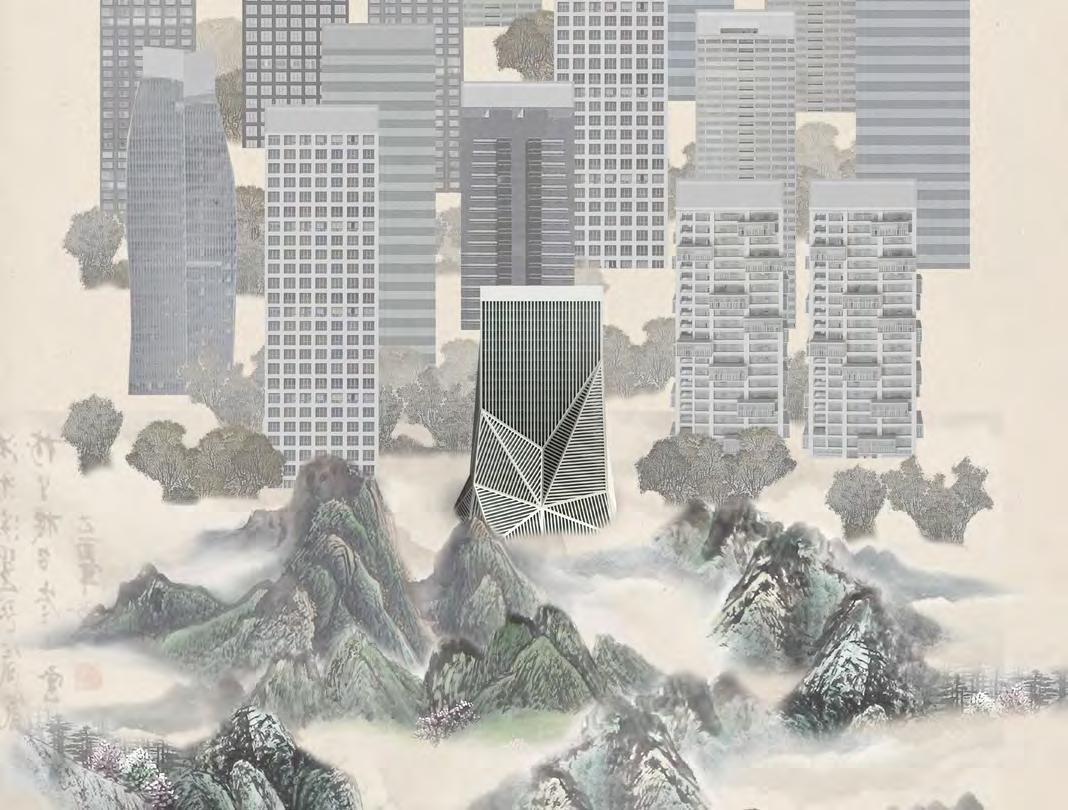
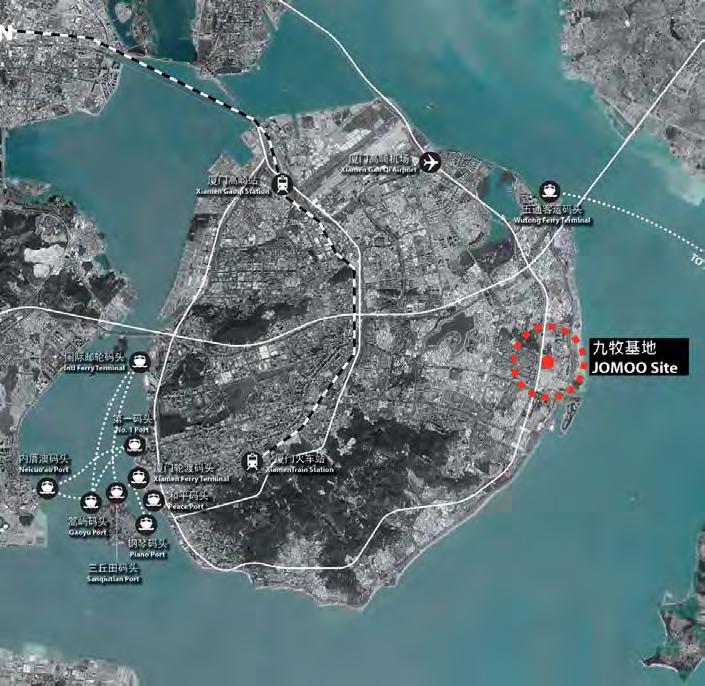
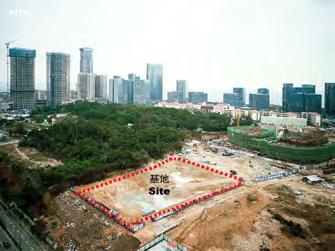
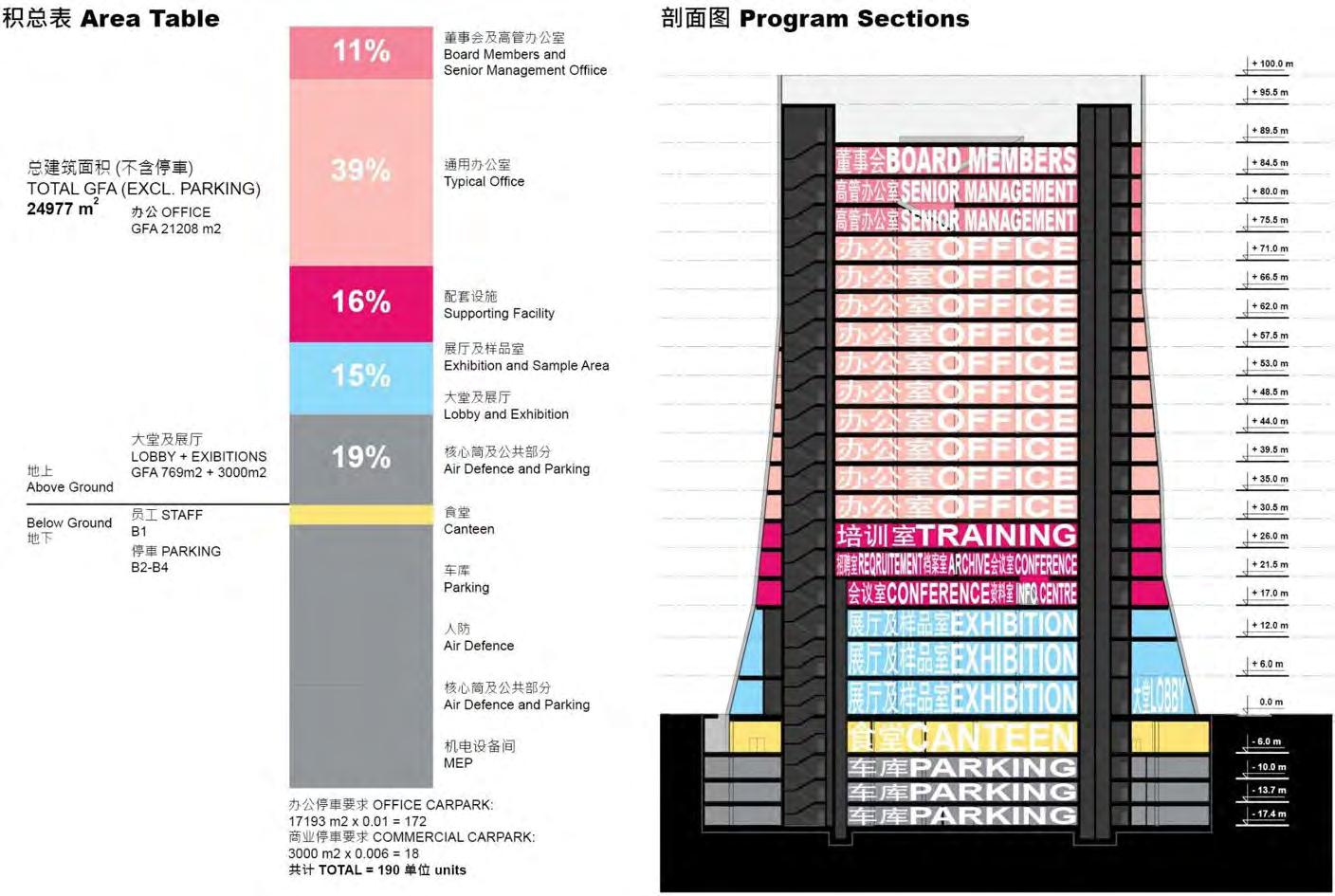
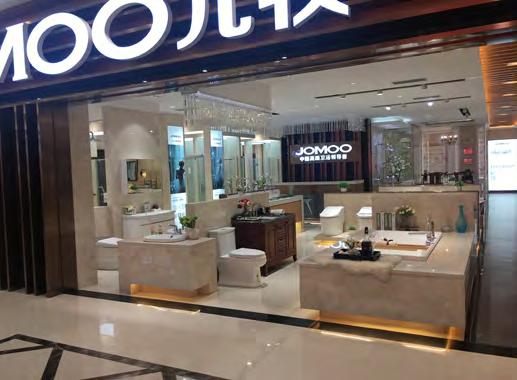
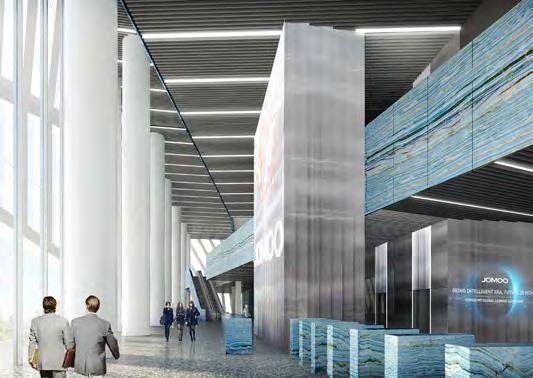
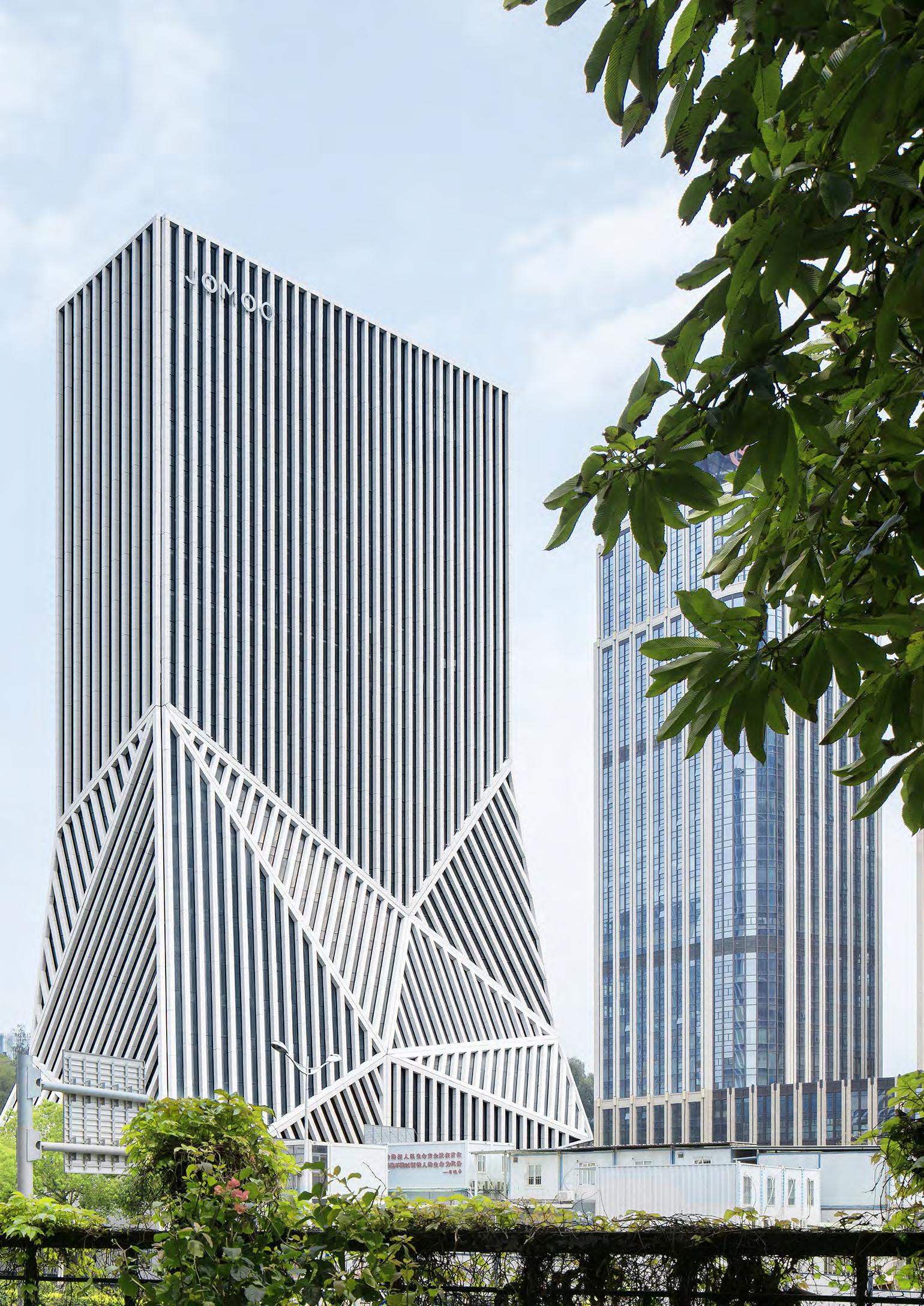
The experience of Xiamen’s newly developing business district is like those found throughout China. However, on this island the typical grid of towers negotiates lush mountains and existing pockets of urban development from the city’s long history. Within such contrasting context, JOMOO HQ embraces strategies that merge. Site qualities, spatial requirements, cultural references, and client’s corporate identity are collapsed into a singular urban statement.
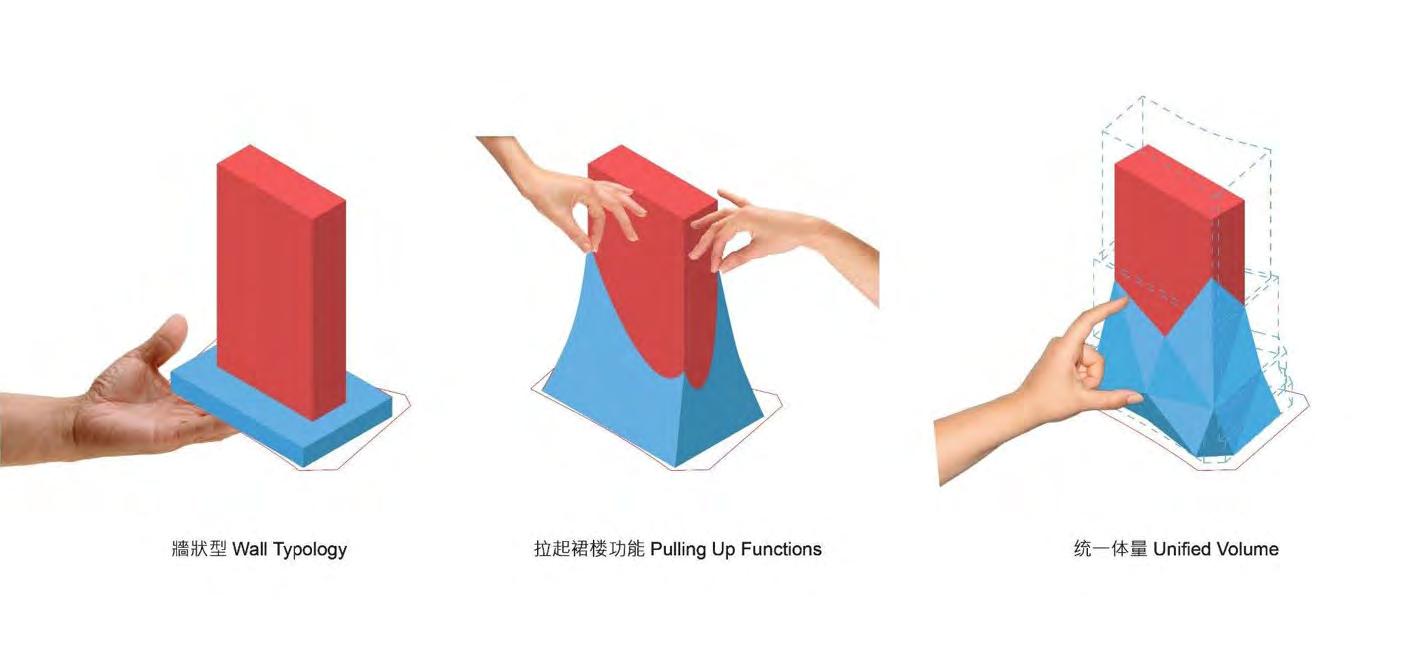
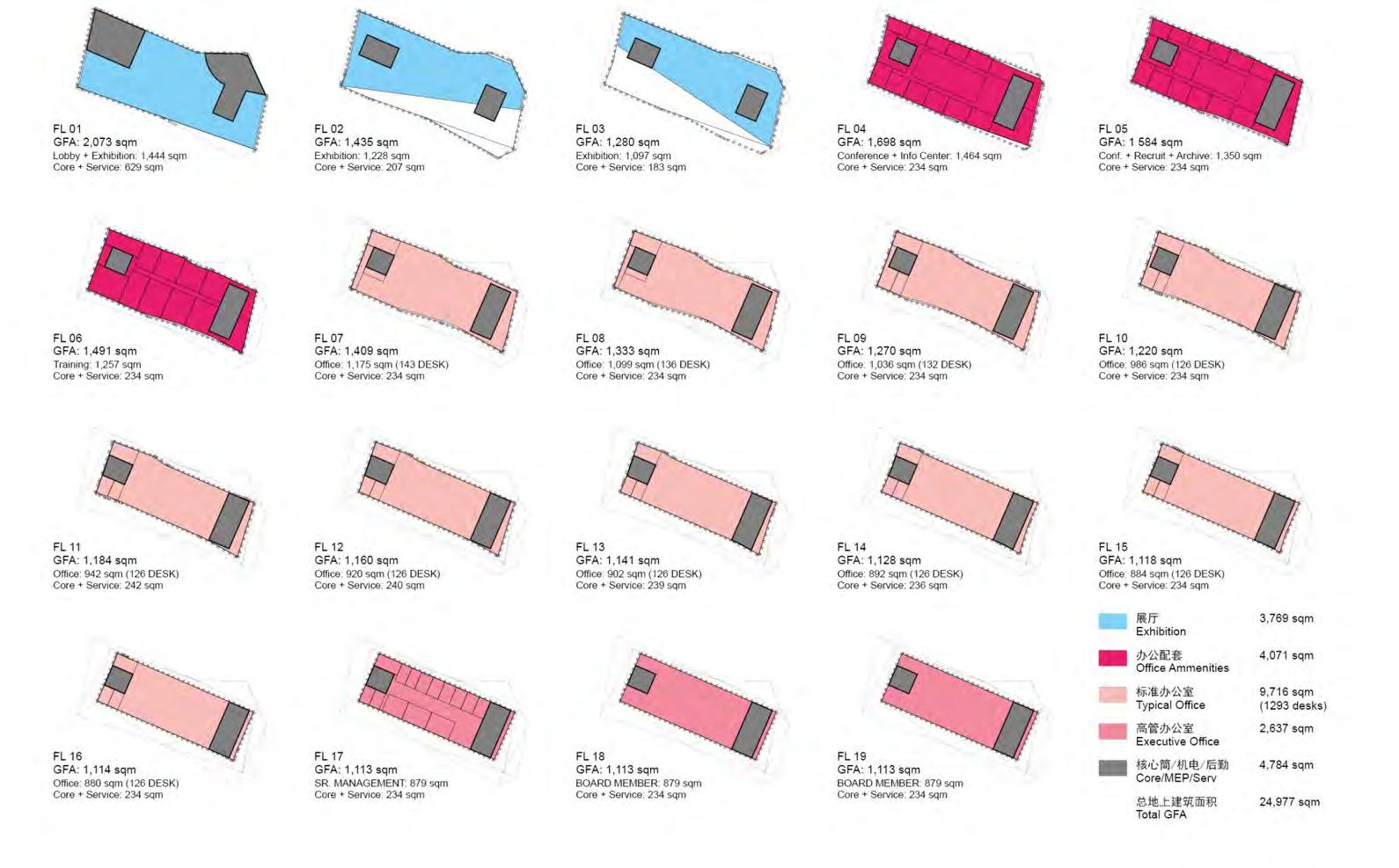
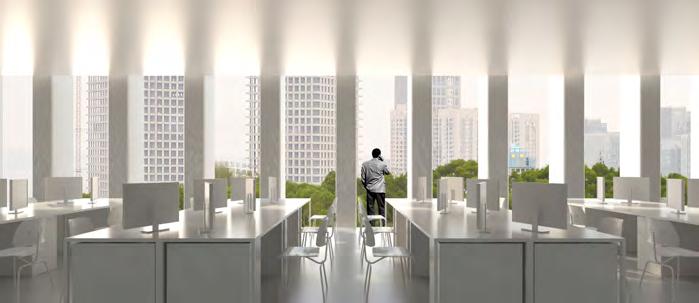
Rocky, green hillside and the dense CBD flank either side of the 100m tower. To address both we reject typical tower-podium solutions, instead reshaping the building’s middle, amenity levels into an expanding, faceted vol-
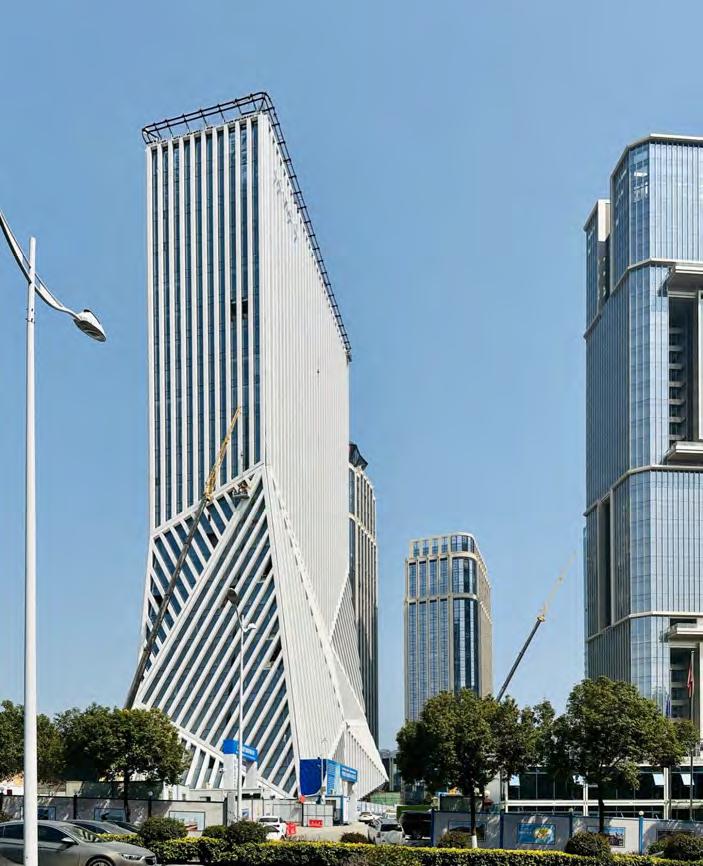
ume that blends an efficient office slab and mountain-like base. The irregular geometry folds and rises to form entrances, with triple height lobby and exhibition halls open to the main road.
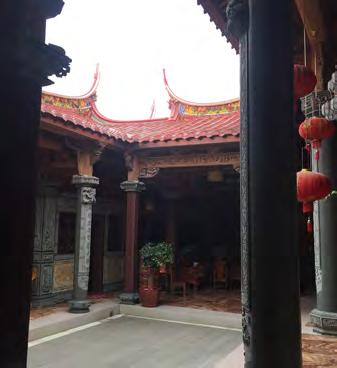
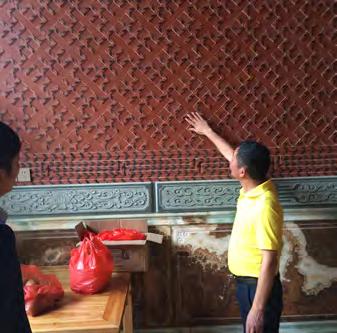
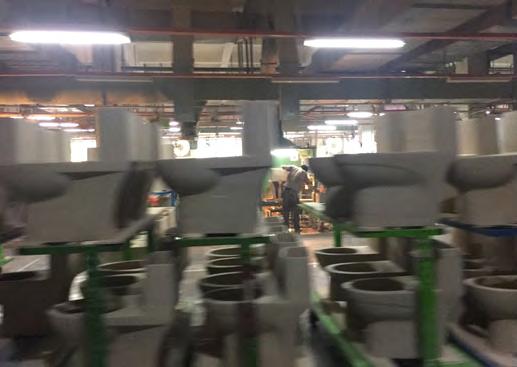
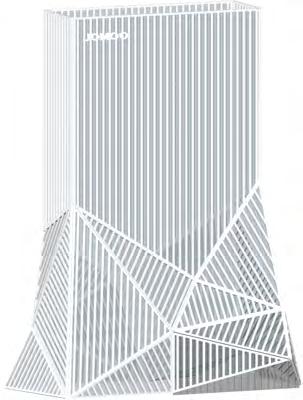
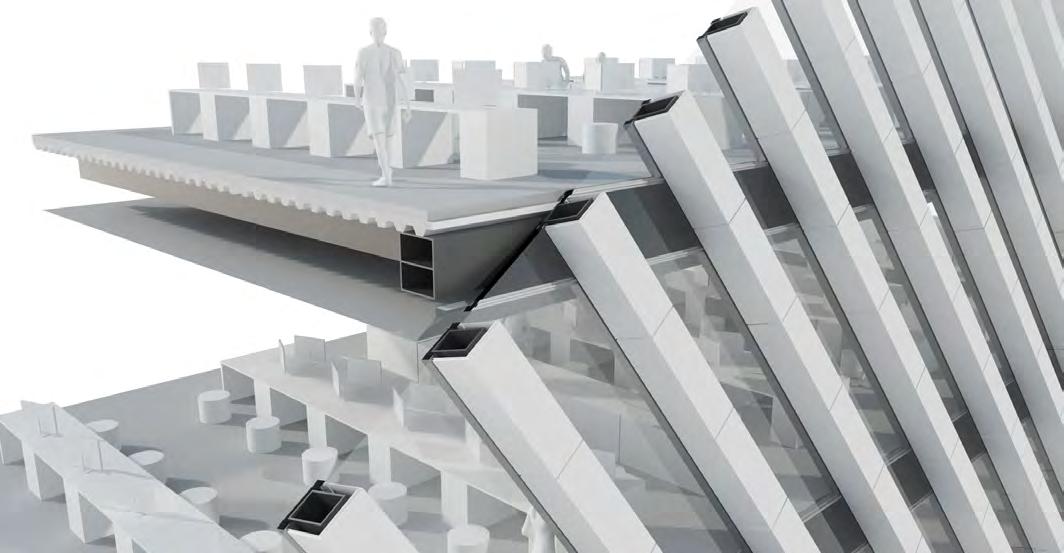
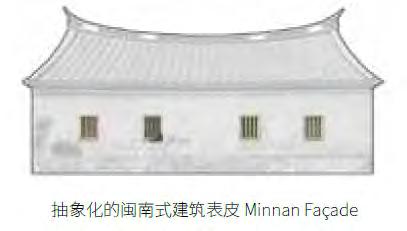
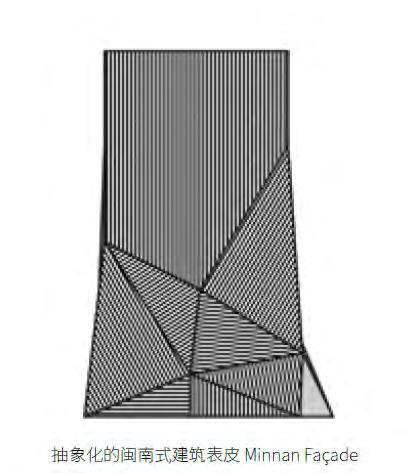
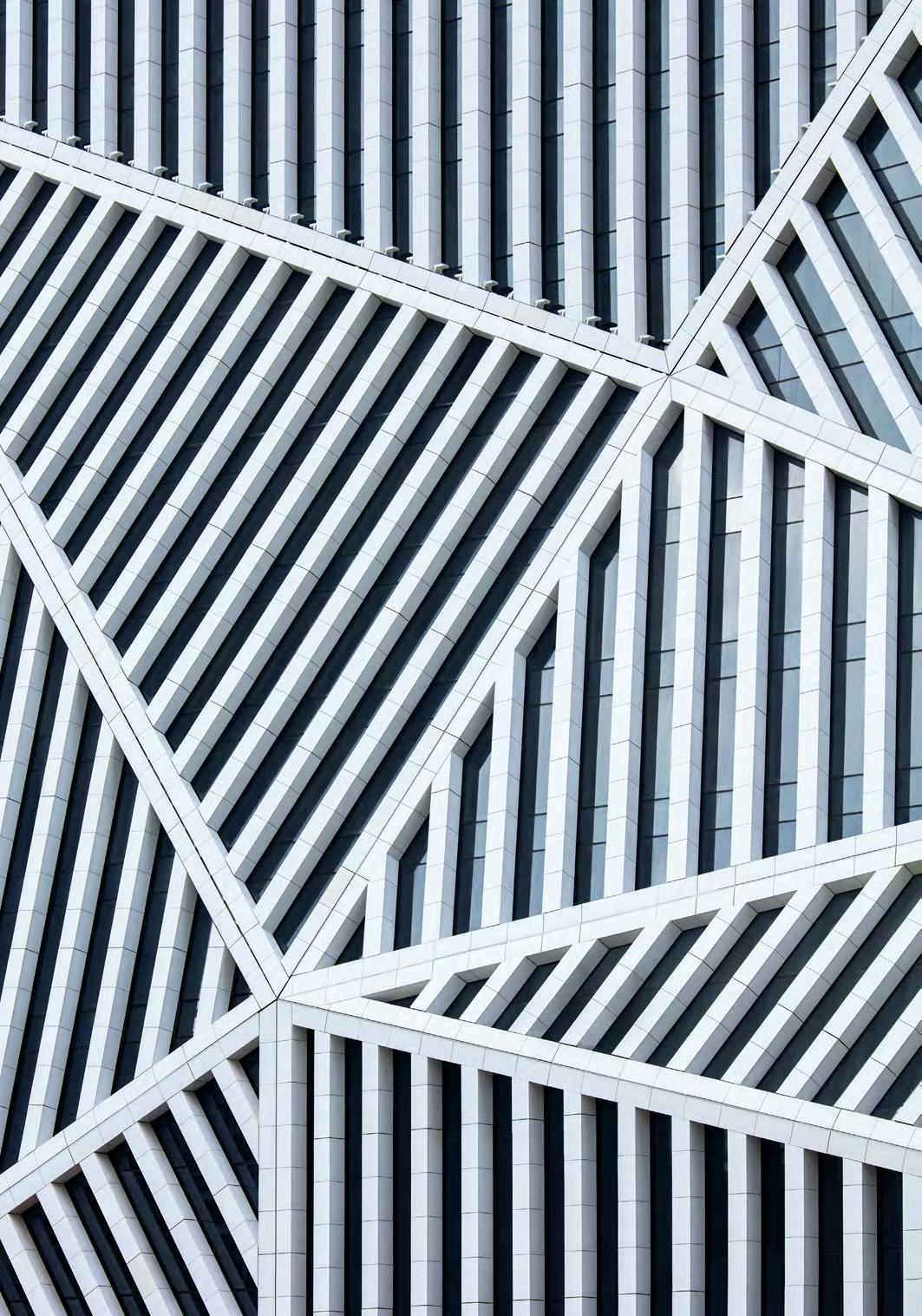
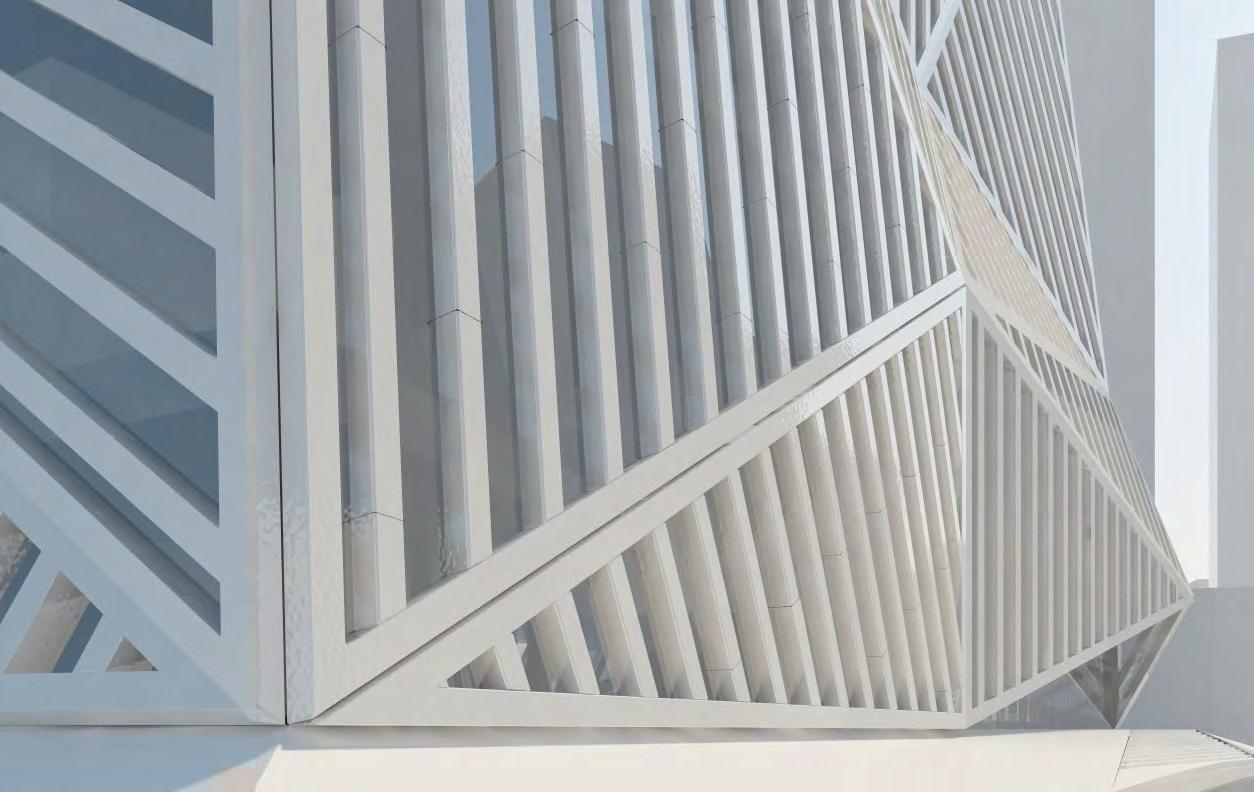
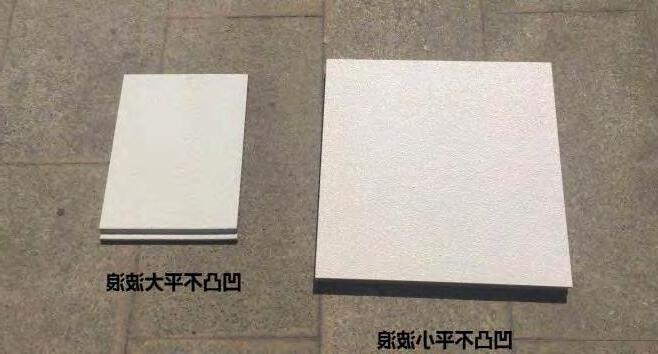
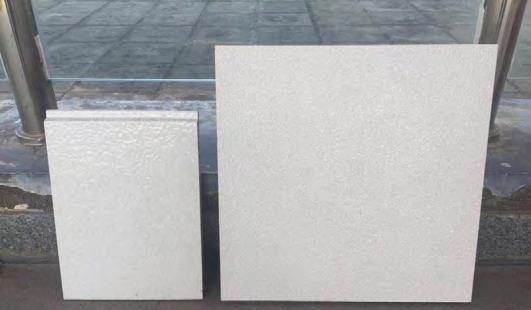
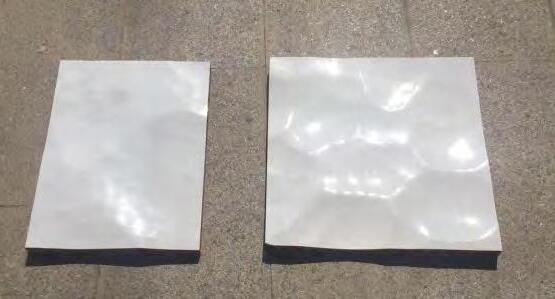
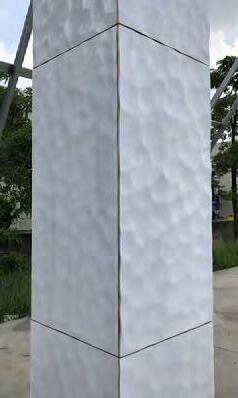
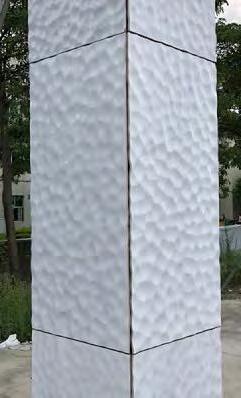
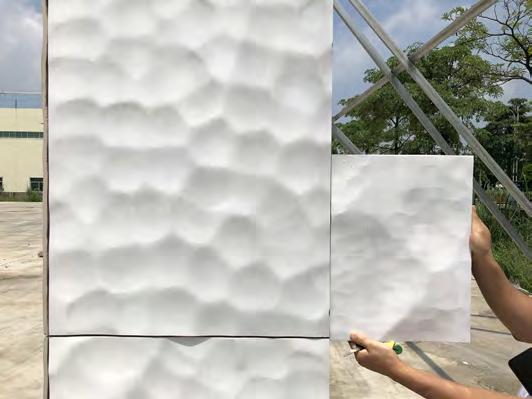
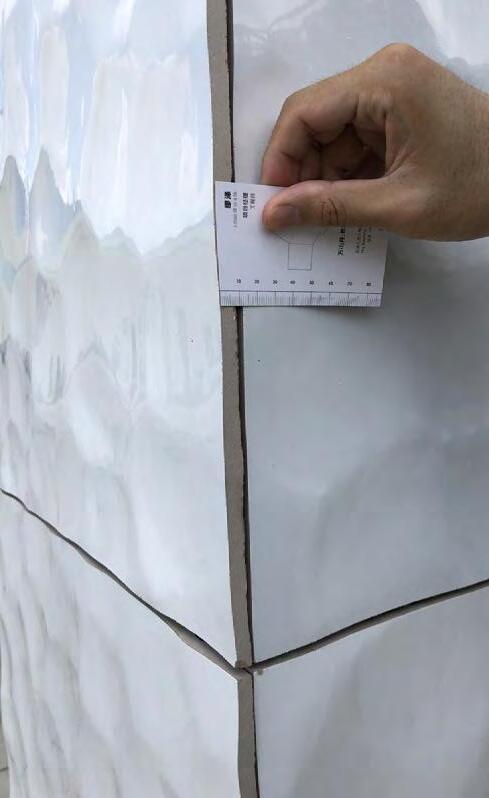
To achieve this contextual form, the tower’s irregular façade also demands a unified system that generates flexible floorplates within a visually distinct envelope; its structural members form thick lines that fold along the faceted façade. The resulting pattern represents the traditional window barring of local Minnan houses. The crisp façade is rendered in the only material appropriate for China’s largest sanitation fixture company: white ceramic.
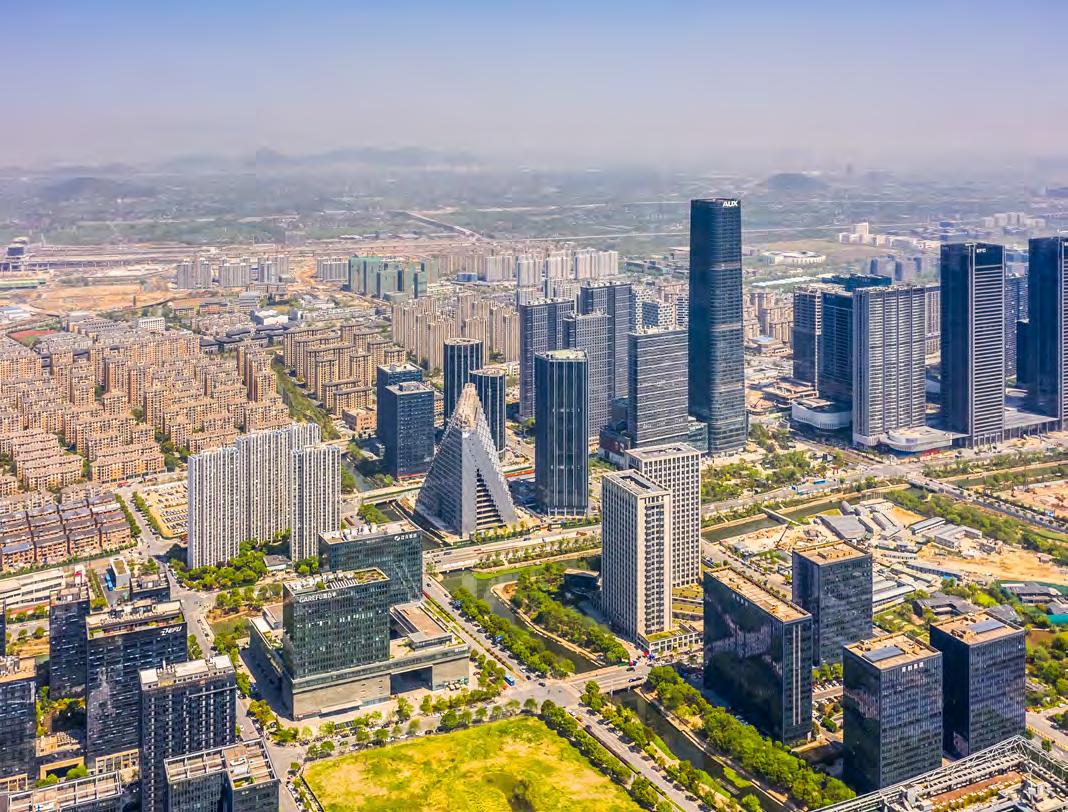
Hangzhou, the capital of Zhejiang Province, is known as one of China’s most beautiful cities with a high quality of life. The city is rapidly developing into an important techhub, home to some of China’s largest technology companies(including Alibaba Group Holding and NetEase) and a burgeoning start-up scene. Hangzhou competes with Beijing and Shanghai to attract China’s new economy workforce and young tech graduates.
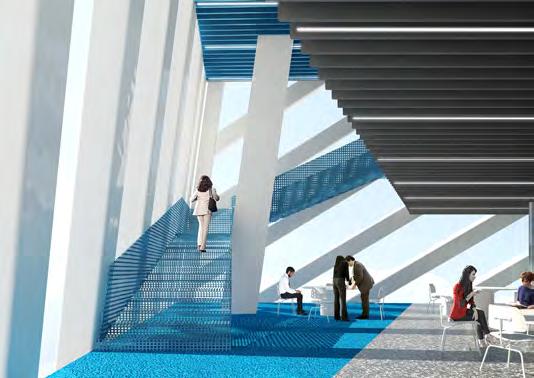
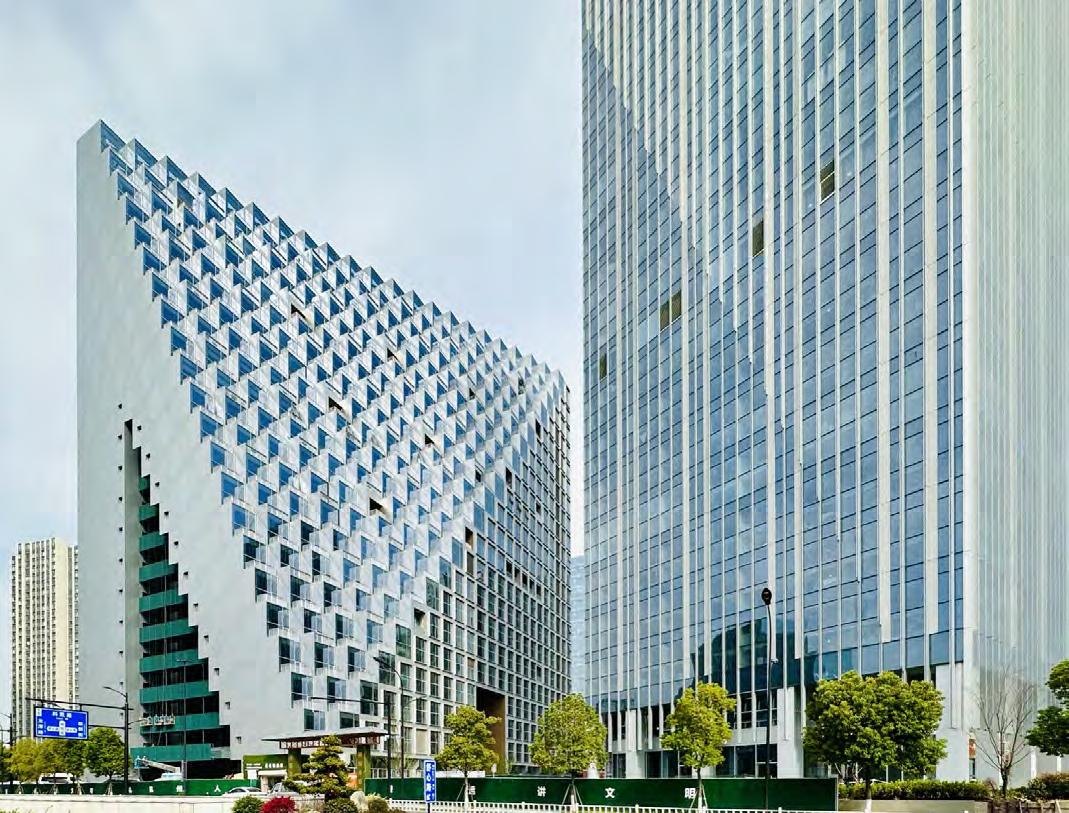
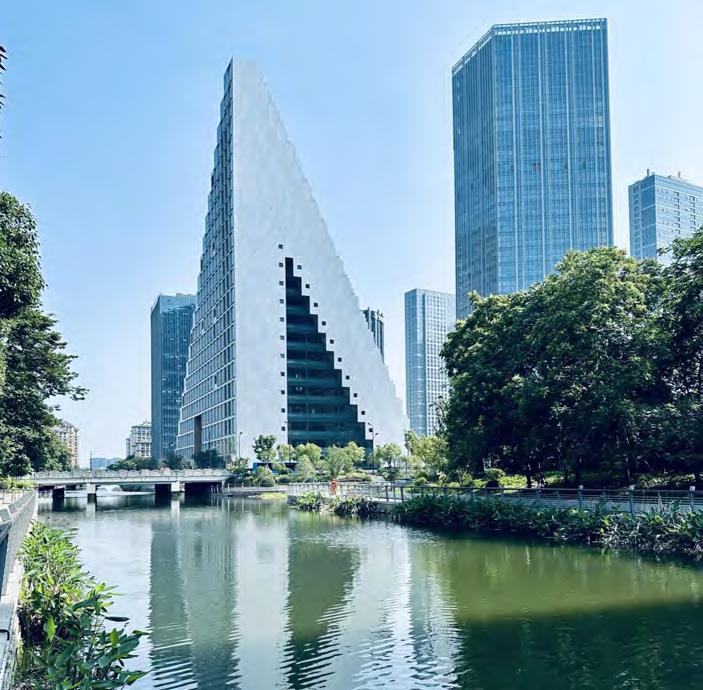
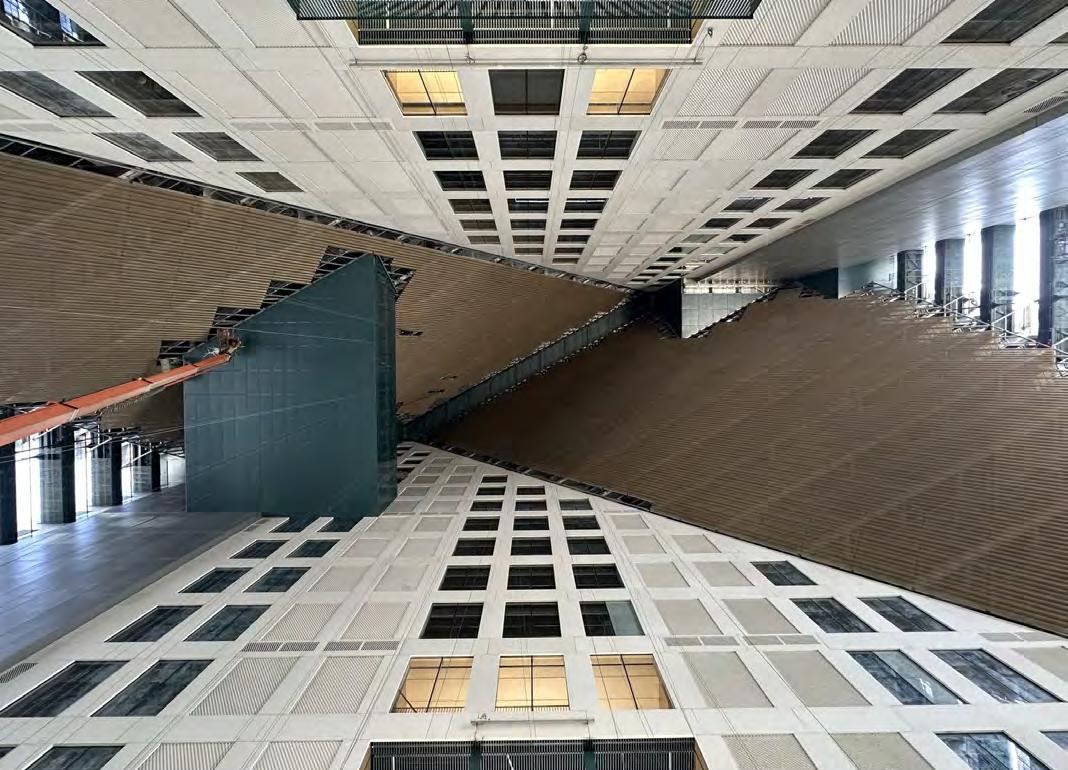
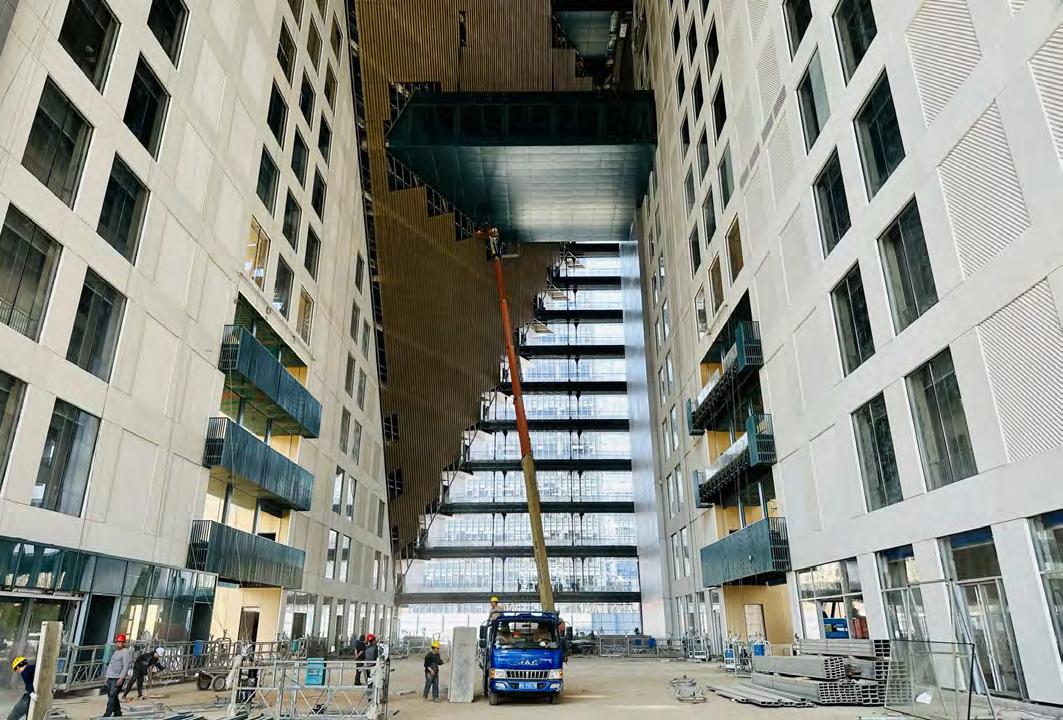
A pinnacle reaching into the sky, the Hangzhou Prism pays homage to the ancient saying that there is “paradise above, and Hangzhou below.” The 50,000-square-meter building is
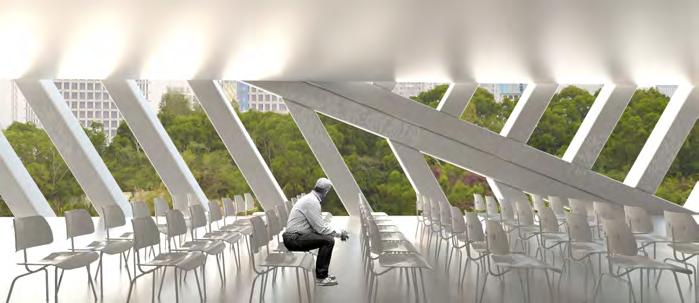
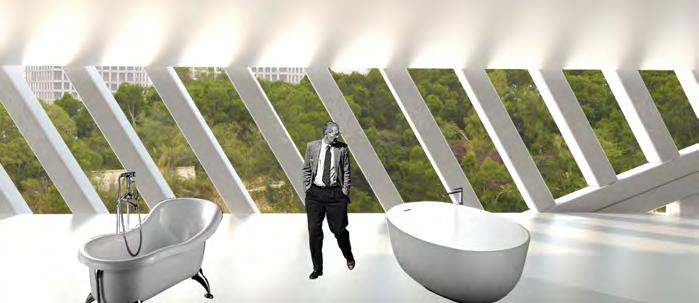
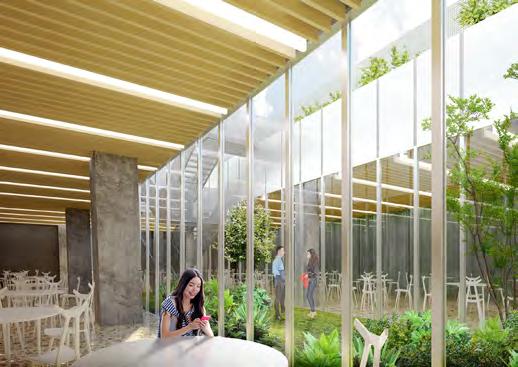
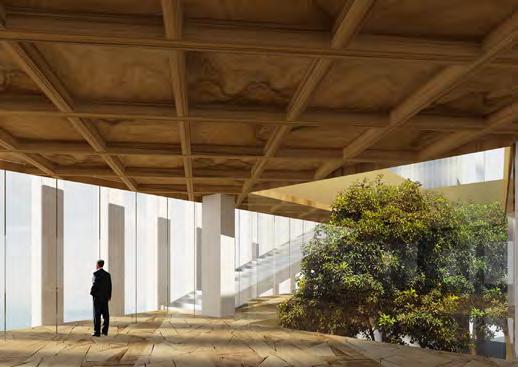
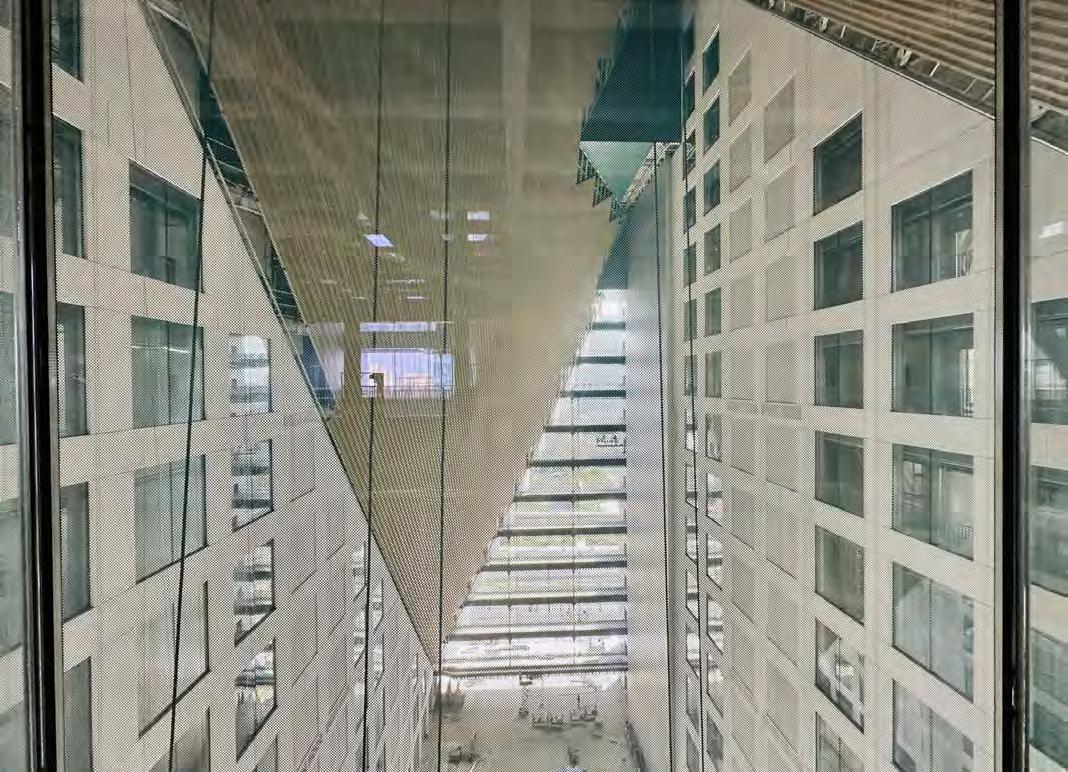
shaped by two radical oblique cuts through the building envelope, creating terraced lofts with generous scenic views. A large interior void creates a publicly accessible garden with water features and playgrounds.
The Prism is complemented by an adjacent 35,000-squaremeter residential tower, to encourage the development of a creative community in the new CBD of Hangzhou. The two buildings form a complex that enables flexible programming and a broad repertoire of communal outdoor spaces, while maintaining a strong visual identity: archetypical yet contemporary.