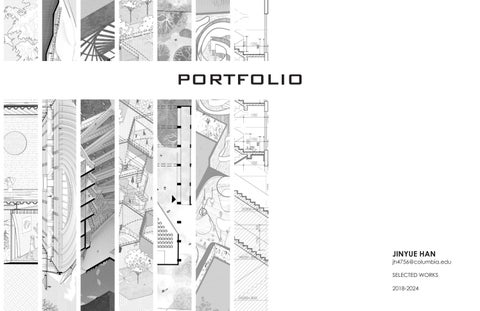
Ordering In The Chaos
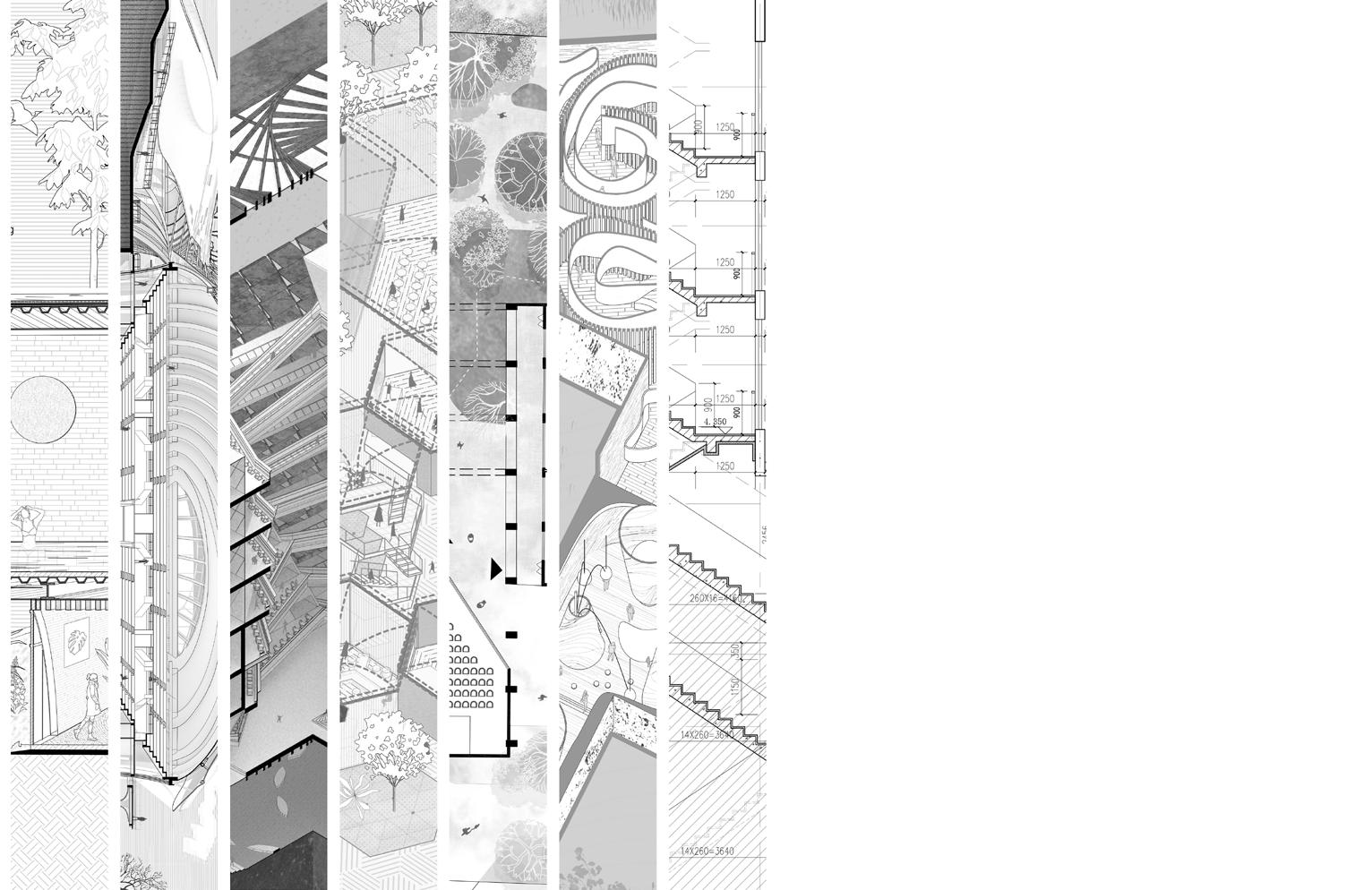
Ordering is followed by designers and architects since houses have been first invented. It can be the clearest evidence we follow when appreciating the architecture. In this portfolio, I'm trying to classify ordering and discuss some of them, including ordering in symmetry, vertical and horizontal, and three dimensions.
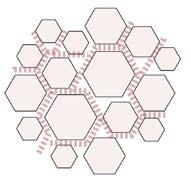
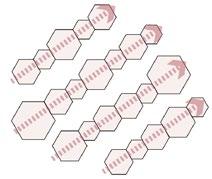
Symmetry is considered the simplest ordering. But instead of studying the shape, mainly focus on the axis and surface that complete the full shape. Special materials are used to achieve the goal. Bringing the topic to the next level, the order is emphasized in one direction through repetition, horizontally in Under the Tree and vertically in Spiral Church. Special spaces are created through the process. The most complicated ordering is the one in three dimensions, which is indicated in the work Twisting Shell. Similarities and changes are embraced to create a well-organized arrangement
All the orderings vary from each other but are all well-presented and expected to offer us guidance in the chaos.
"Transparency means a simultaneous perception of different spatial locations. Space not only recedes but fluctuates in a continuous activity."
——Colin Rowe and Robert Slutzky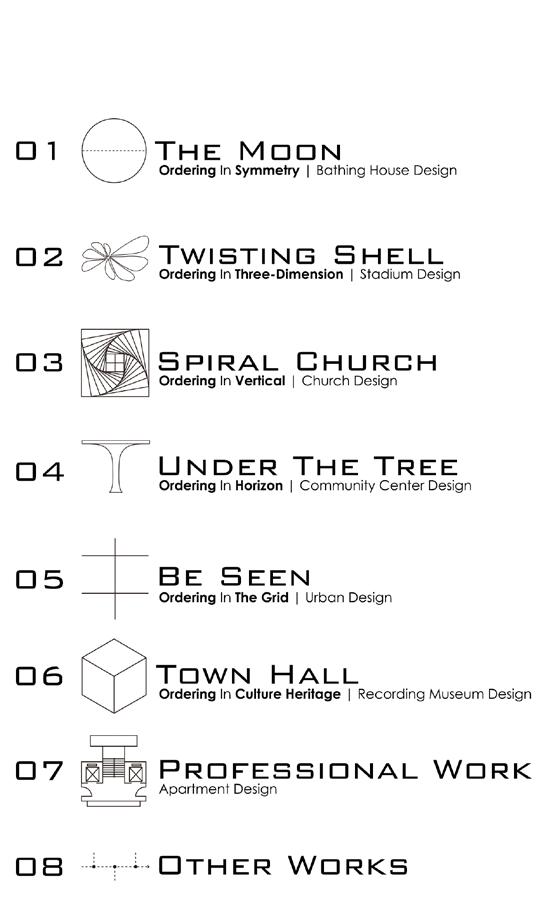
CONTENTS
h4756@columbia.edu
929-384-2592 Education
05/2023-Present Columbia University
M.S. Advanced Architecture Design Program
09/2018-06/2023 Chongqing University (CQU)
Bachelor of Architecture (5ys)
GPA: 3.67/4.00
06/2022-07/2022 Harvard GSD Design Discovery Virtual
Program Certificate Work Experience
09/2022-12/2022 Tianjin Tianhua Northern Architecture Design Co., Ltd.
Internship
Project Types Residential Buildings
Team Member of the Technical Drawing Team/Collaborated with the Architectural Design Team, Interior Design Team, and Construction Team
RESUME
Skills
Languages English, Chinese
Software AutoCAD, Photoshop Rhino Revit illustrator InDesign, Sketchup, 3DMax Blender, Lumion, Enscape, V-ray
Others HTML, CSS, Java script, Python Competition
2021-2022 The 7th China Habitat Environment Design Academic Year Award
Bronze Award in Urban Design (12/2022)
Project: Slowly, Slowly, Slowly
Team Member, Rendering/Modeling and Drafting/Type Setting
Bronze Award in Interior Design(11/2021)
Project: Back to Nature-A Healing Garden in Seclusion in a Modern City
Team Member, Working Drawing/Modeling and Drafting/Type Setting
Architectural Design Excellence Award(11/2021)
Project: Planting Academy-Factory Reconstruction Based on Psychological and Environmental Restoration
Team Member, Schematic Design/Modeling and Drafting/Type Setting
07/2020 National Green Buildings Design Competition
Grand Prize
Project: Travelling In Clouds
Team Member Research
05/2019 Annual International Conference for Students
Third Prize
Team Leader Preliminary Study on the Passive Cooling Methods Applied in Traditional Architecture in Ba -Yu Area A Case Study on Huguang Guild Hall
Honor
2023 GSAPP Merit-based Scholarship
2021 The 2nd Prize of CQU Outstanding Student Comprehensive Scholarship (Twice)
2021 CQU Excellent Student Cadre
2021 CQU Advanced Individual in Scientific and Technological Academic Innovation
2020 The 3rd Prize of CQU Outstanding Student Comprehensive Scholarship (Twice)
2020 CQU Merit Student
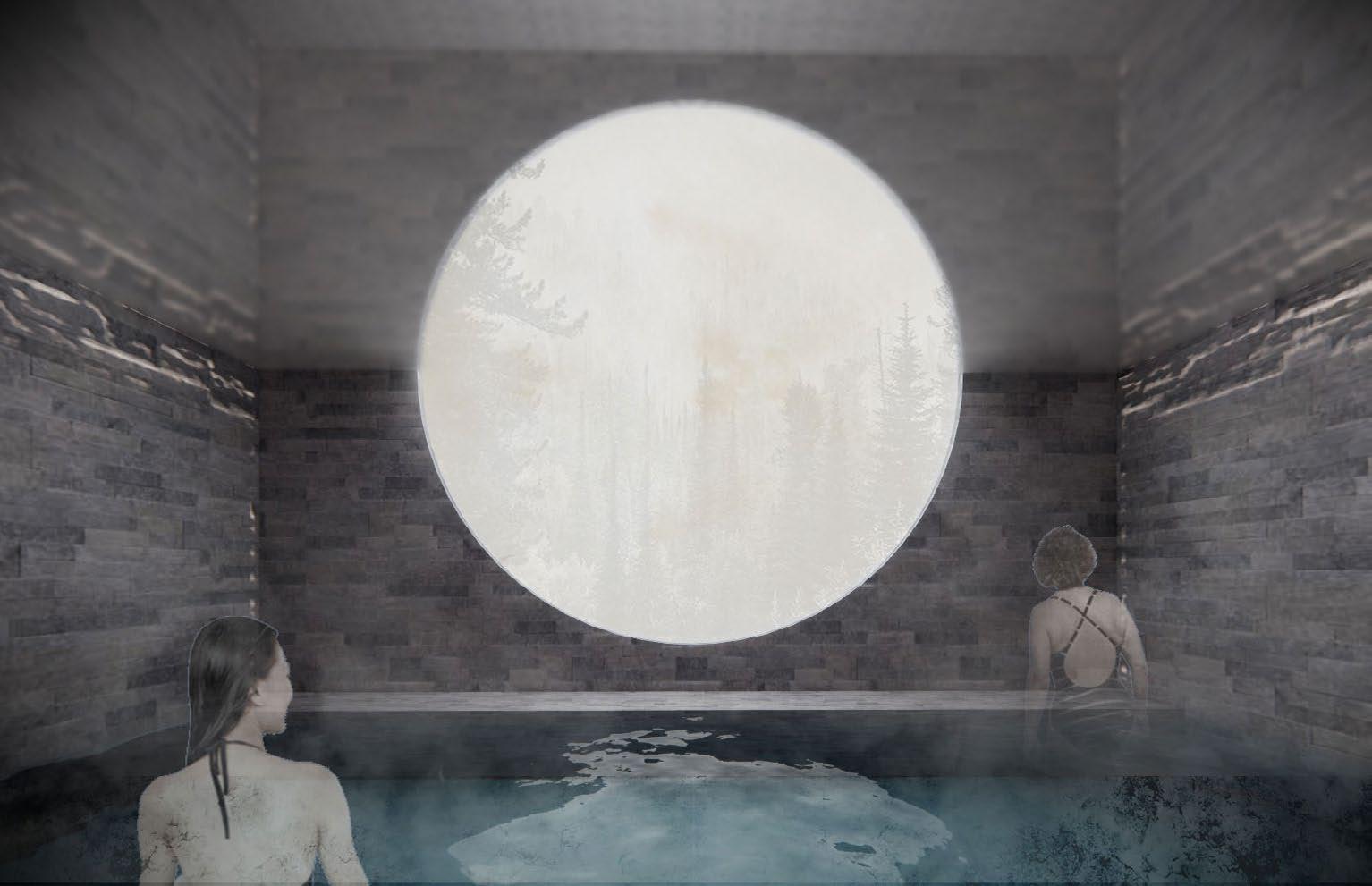
01 The Moon
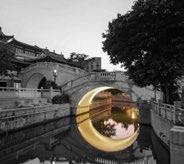
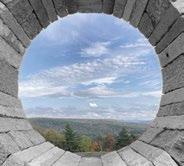
Mirror & Symmetry
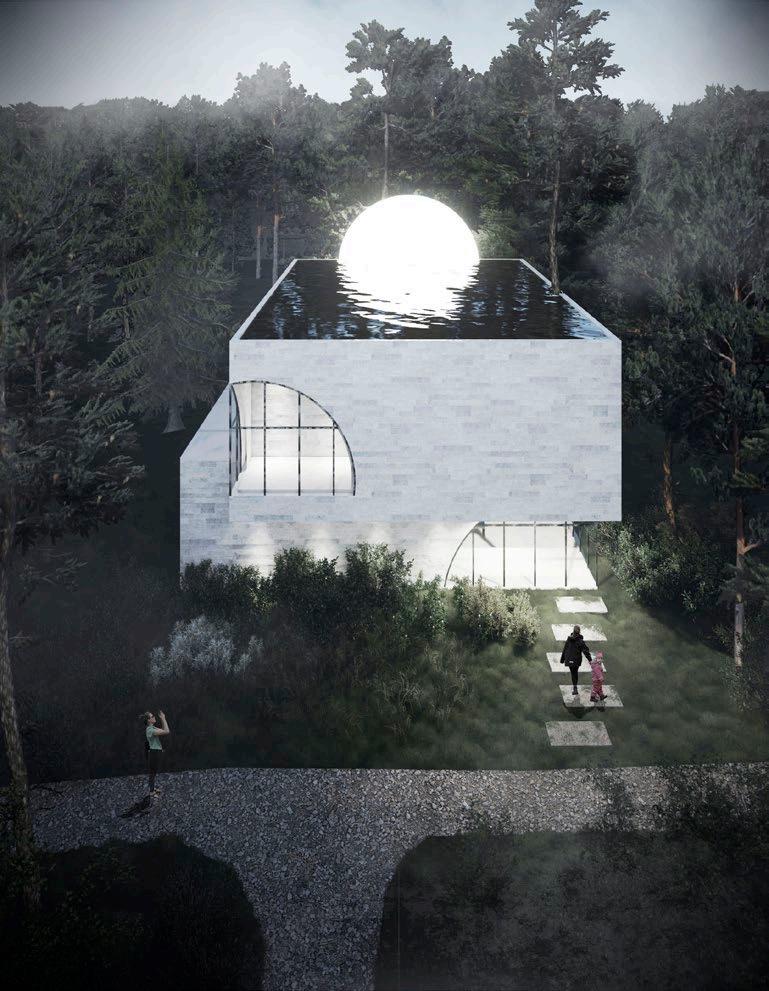
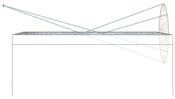
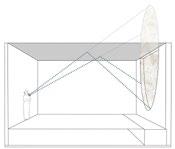
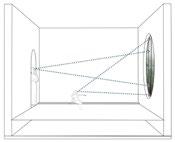
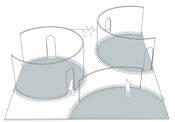
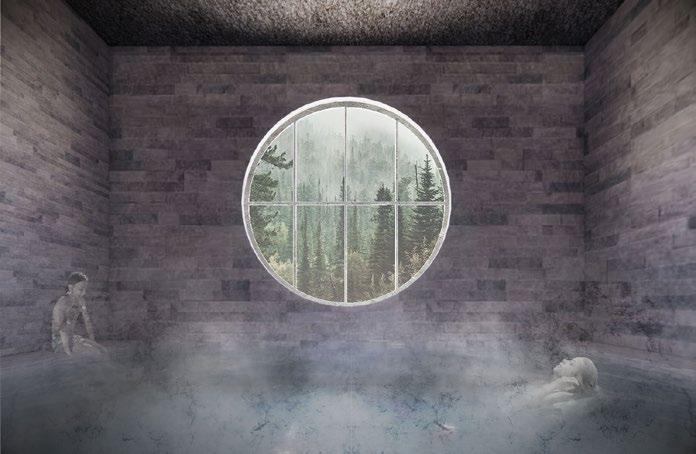
The simplest and commonest ordering is symmetry, familiarly from the animal in nature to man-made objects in daily life, which provides the idea of cleanness and succinctness without introducing a new element. Symmetry in architecture mainly focuses on symmetrical facade or layout, such gothic cathedrals.
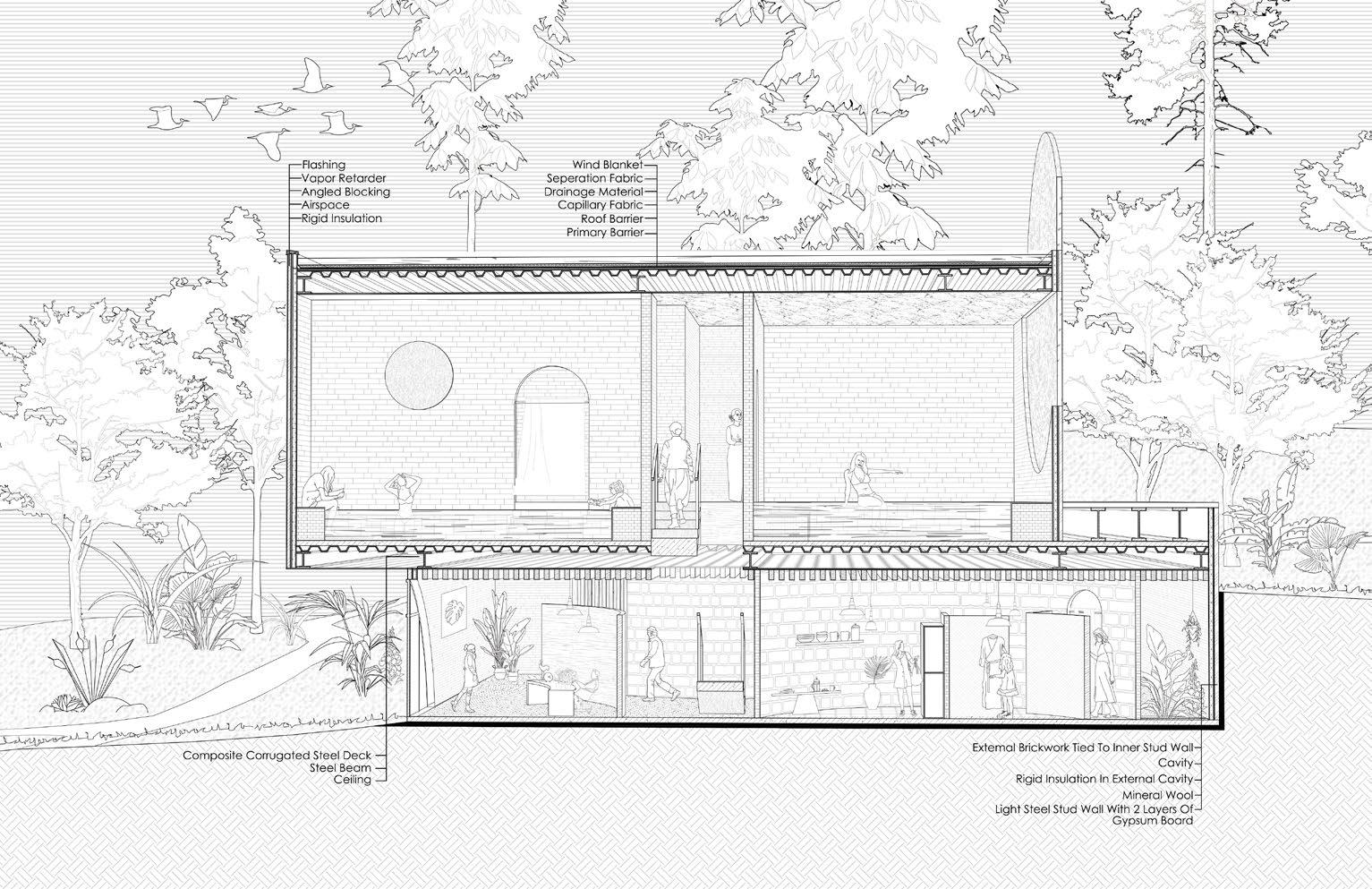
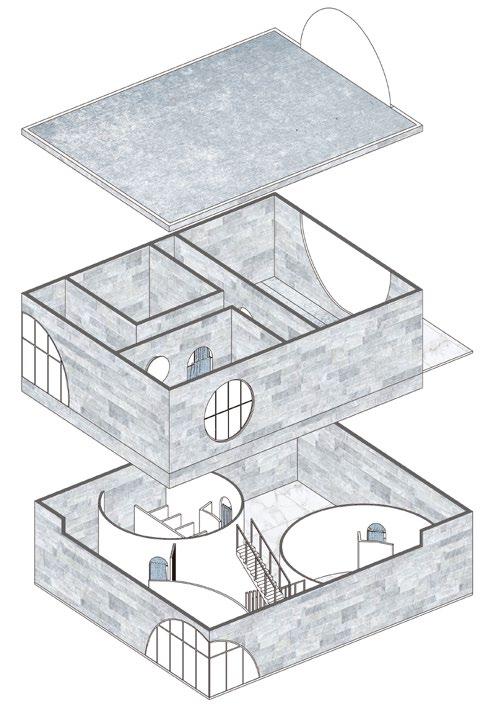
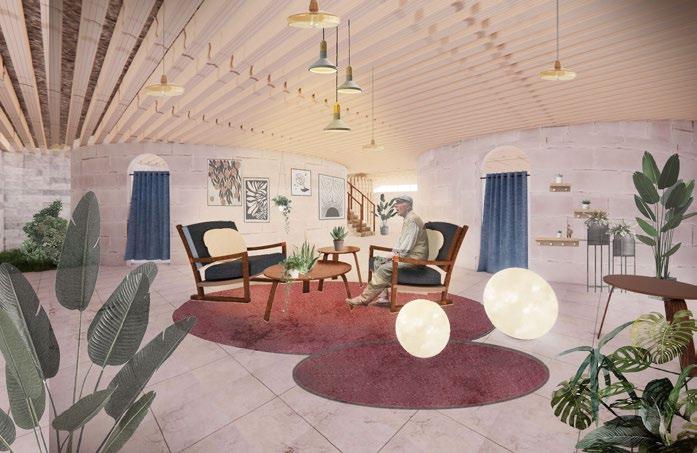
This design, however, pays attention on the process that complete the shape, highlighting the axis and surface of the symmetry shape. High-reflectance materials, such as water surfaces, helps a semicircle becomes. Other symmetrical elements, such as the window bring the concept further, creating a series of non-traditional symmetric spaces.
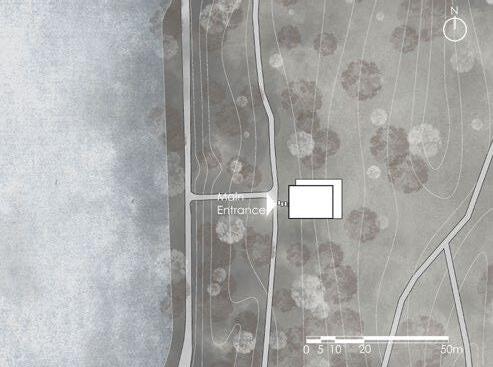
Resting Area Perspective
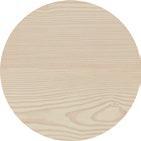
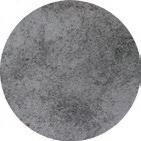
Material
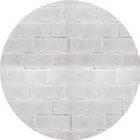
Water
02 Twisting Shell
STADIUM DESIGN
ACADEMIC WORK
Twist & Expand
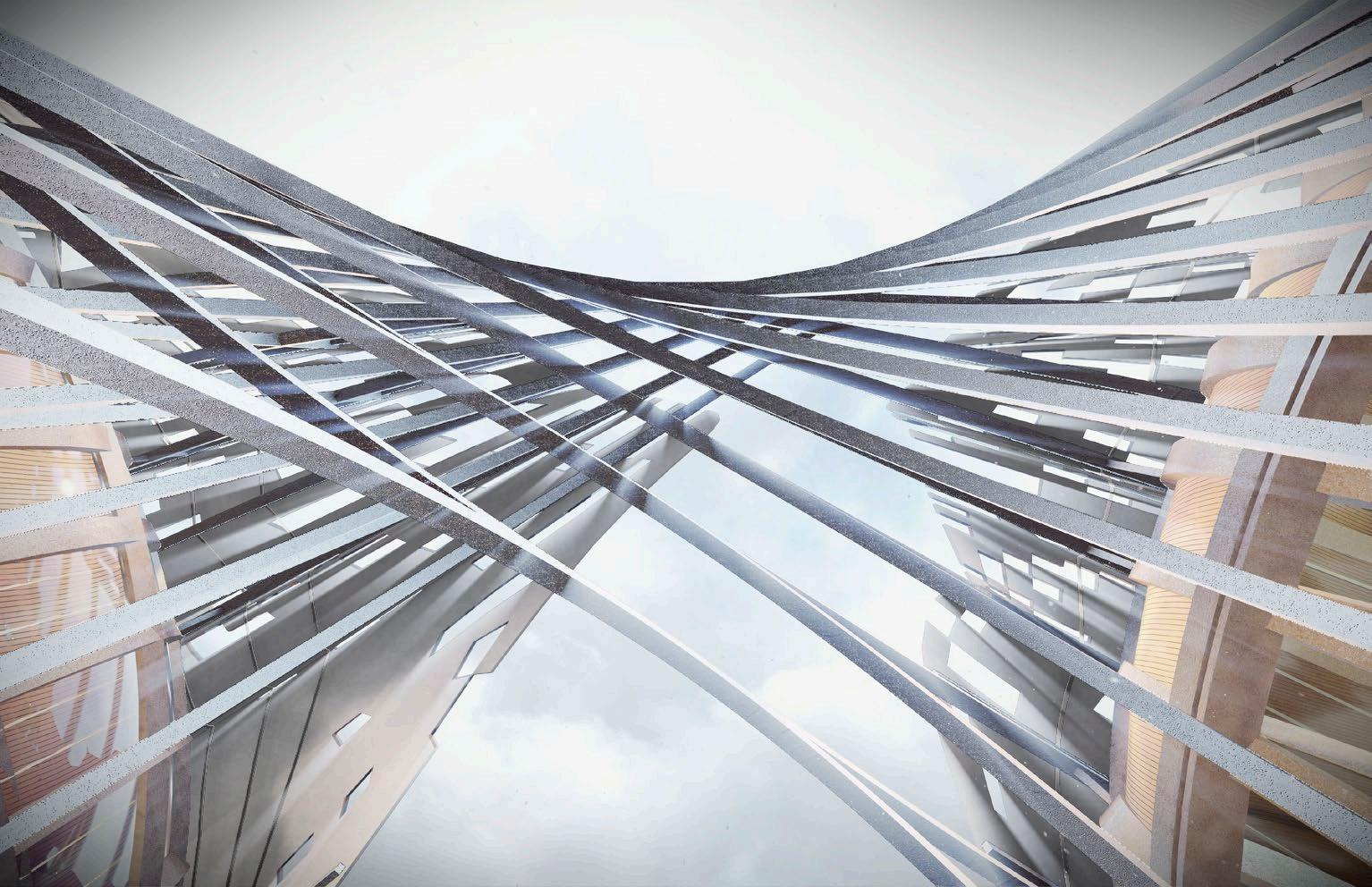
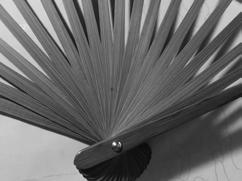
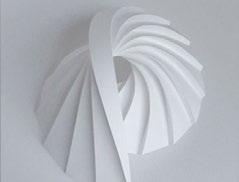
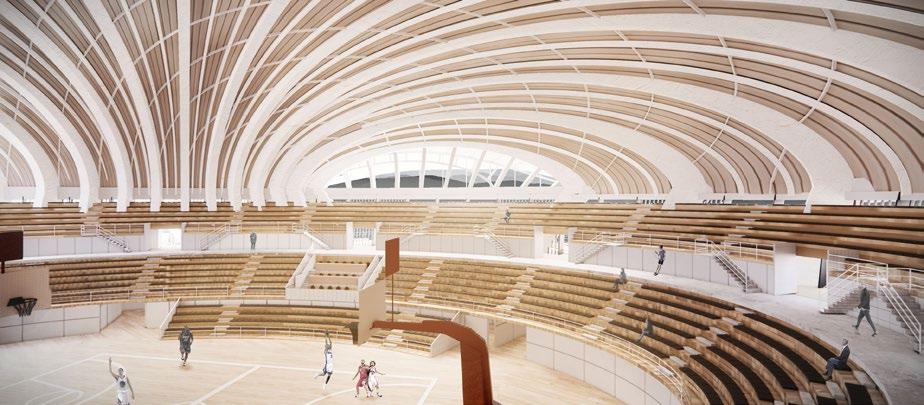
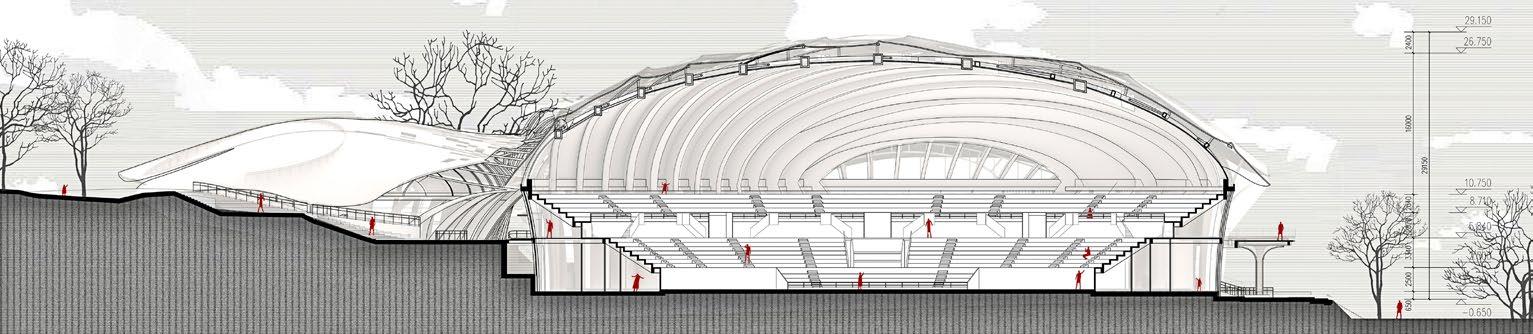
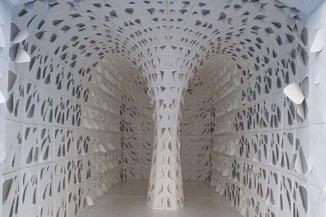
Fan art is known for its beauty and ingenious, but what makes fan art different from other drawing art is the existence of fan bones . Serving as the structure, a single piece of fan bone can seems tedious and simple while an unexpected view was created when a fan with a handful of bones opens. During the process, it is the tiny twist that keeps the whole structure balanced and harmonious when expanded.
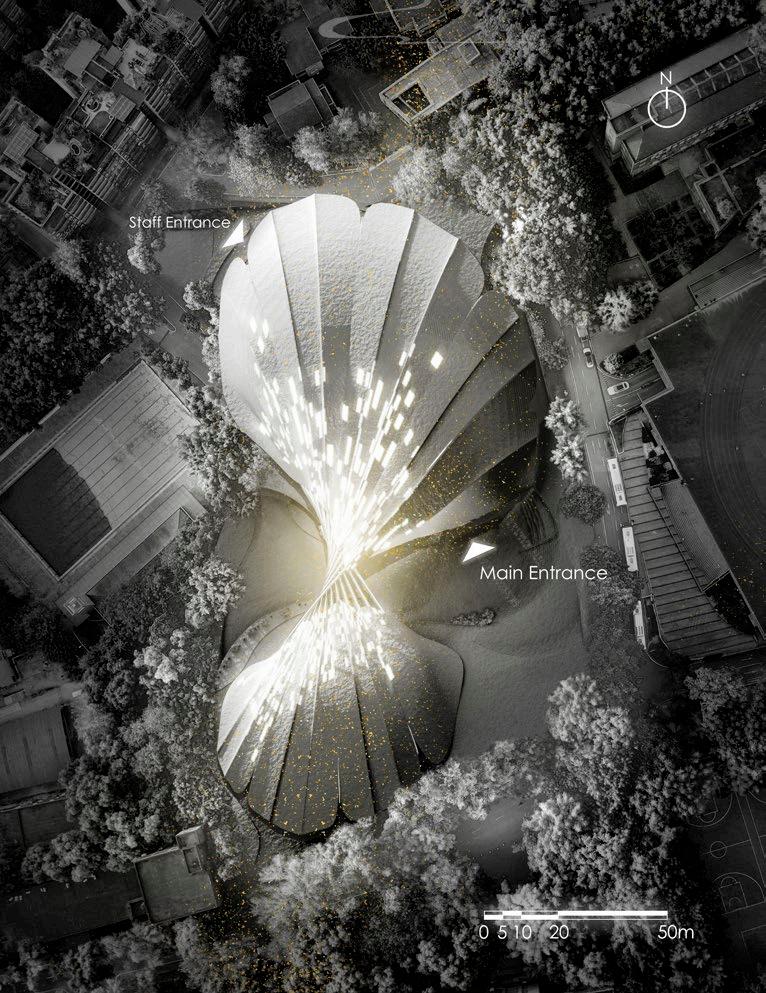
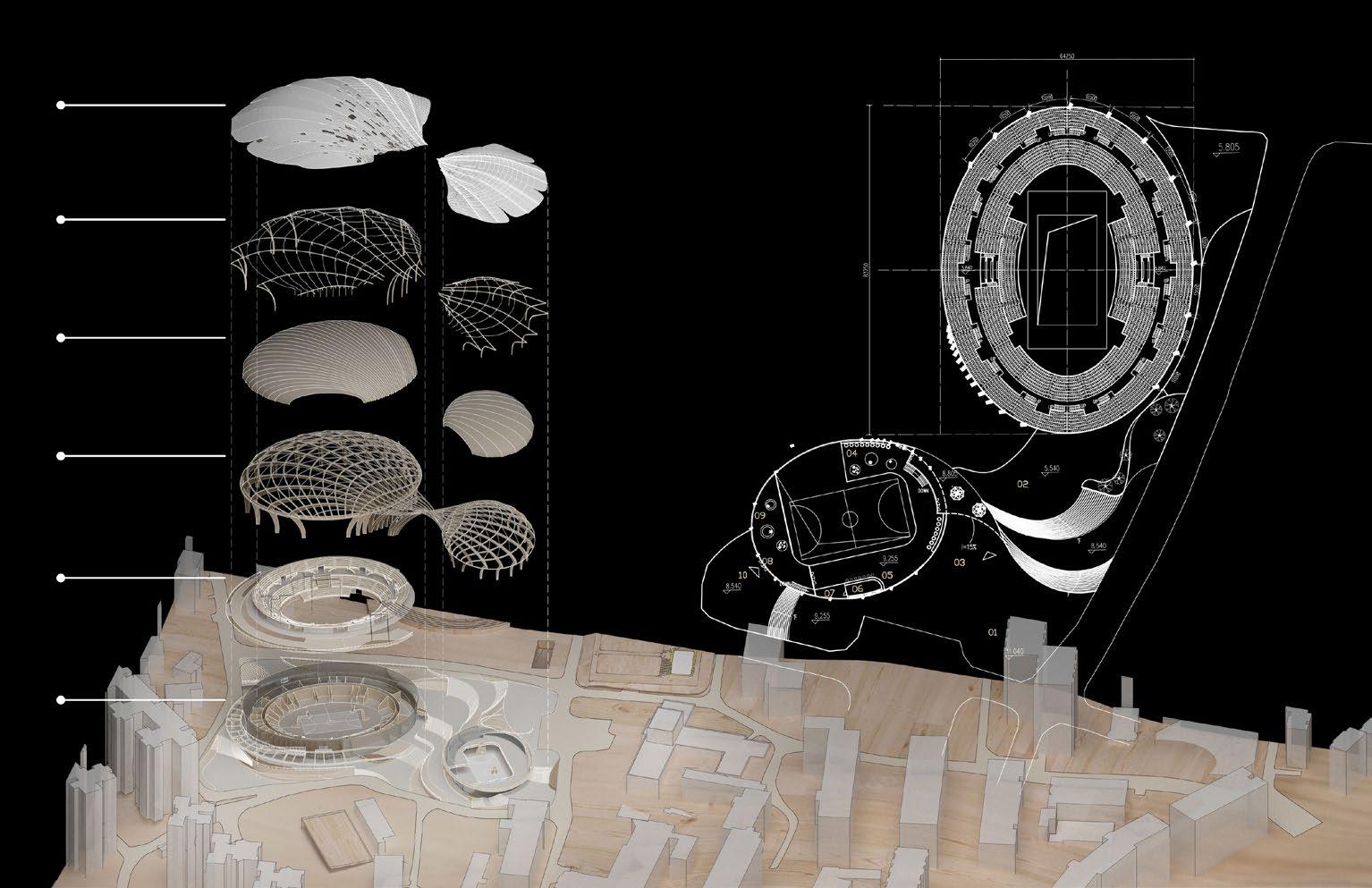
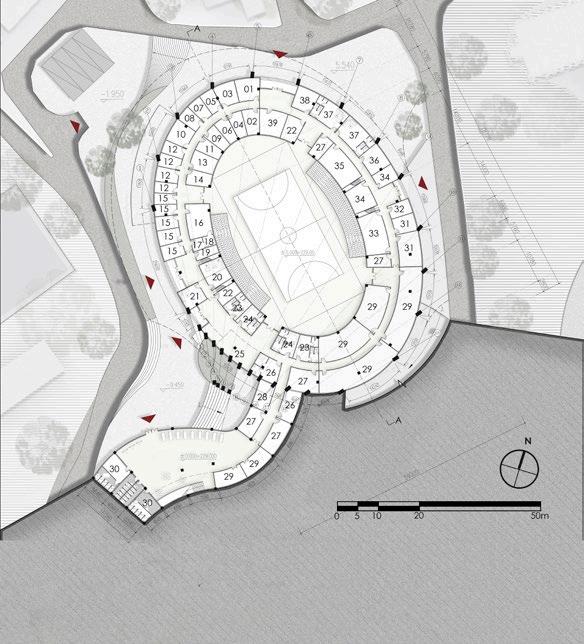
When the twist of the fan bones was studied and used as the main supporting structure of architecture, it creates two similar spaces while keeping their characteristics. In a campus stadium, these similar and differences fit the function and the need of the training hall and competition venue.
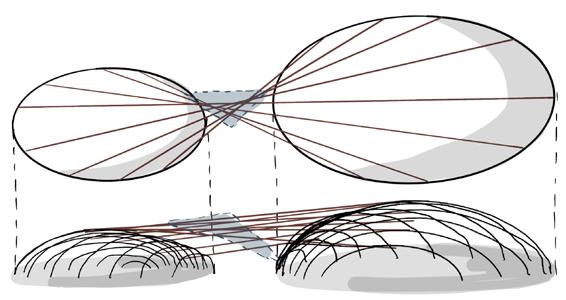
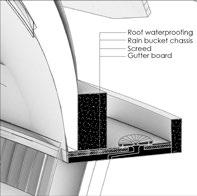
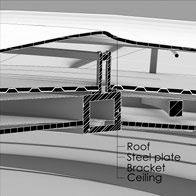
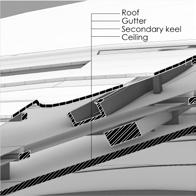
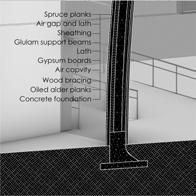
The structure intersects in a triangle on the plan, making it more steady
Avoid adding too much pressure on one point
03 Spiral Church
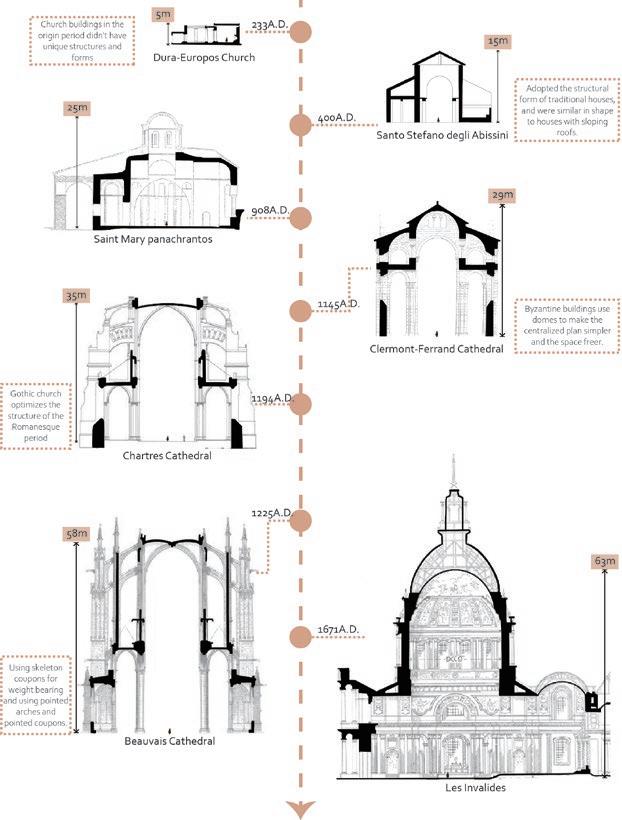
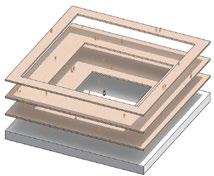
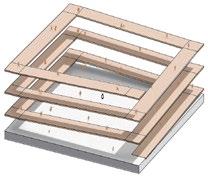
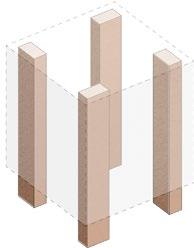
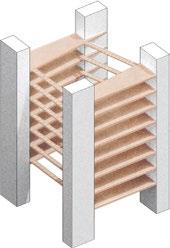
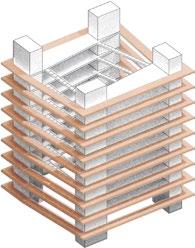
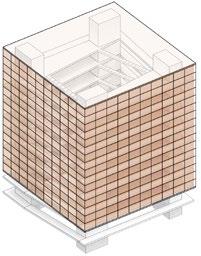
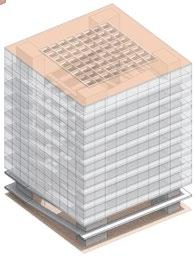
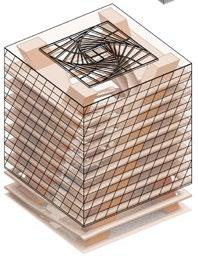
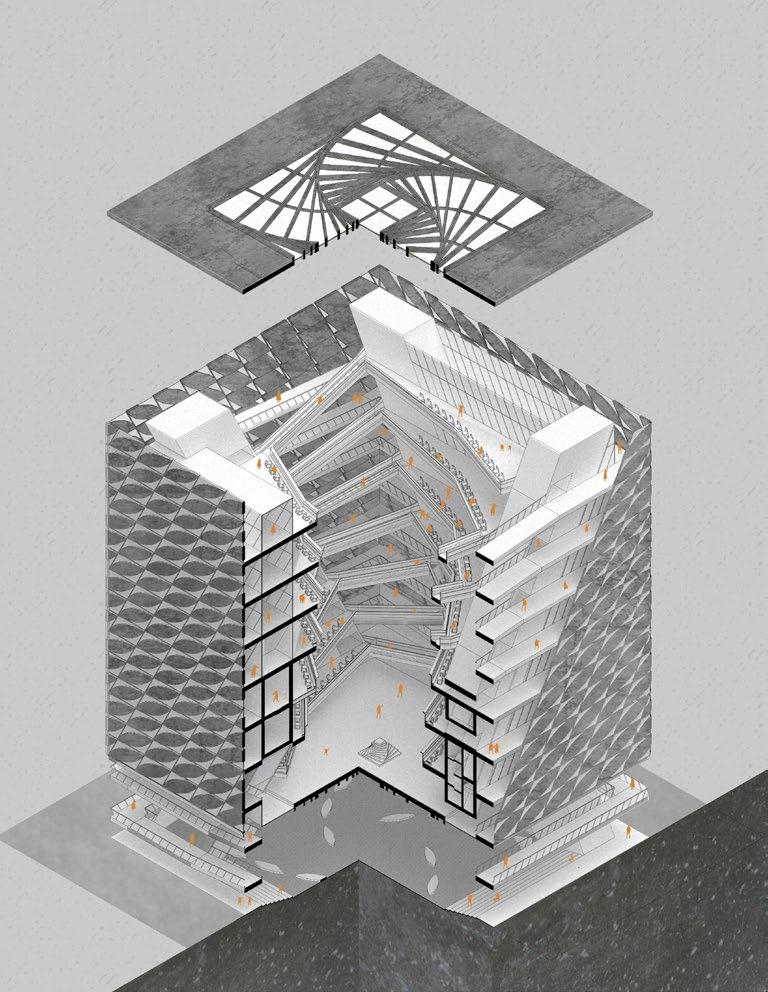
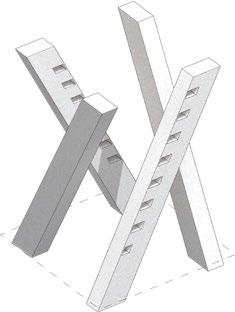
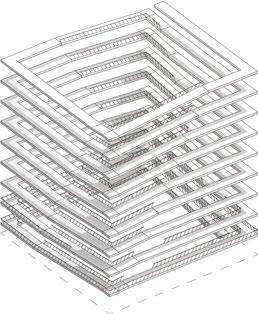
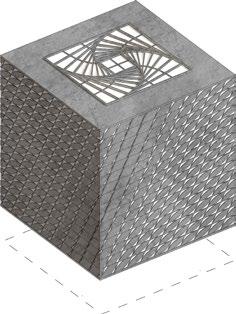
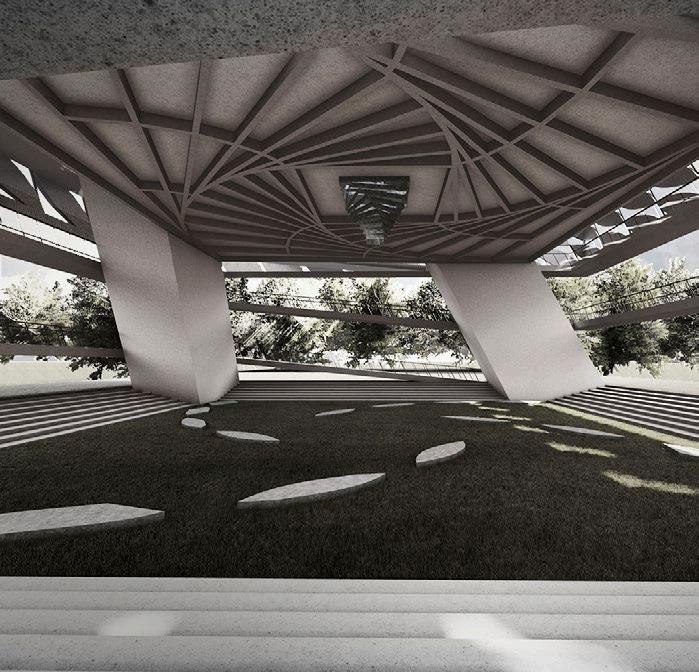
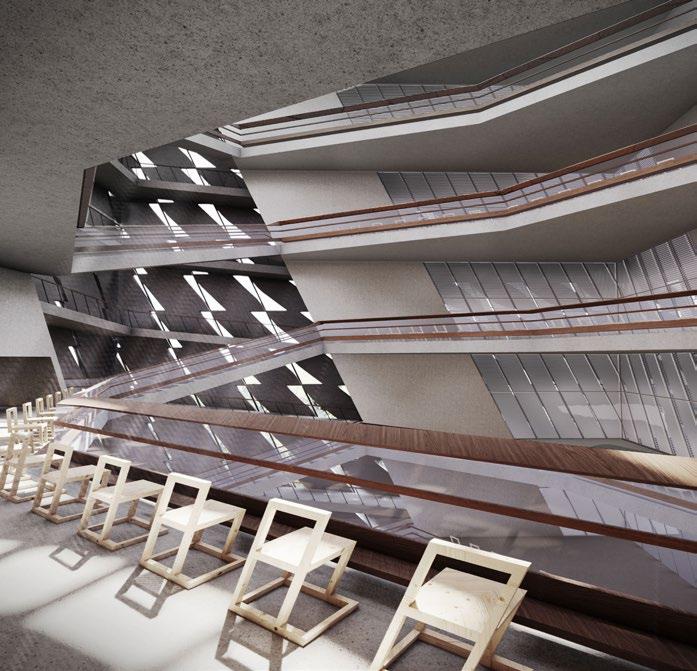
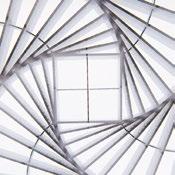
From ancient times to the present, church architecture has been exploring different structures and plane forms to achieve higher heights and purer divine spaces. The continuous developing structure allows the church to have more floating plan and incredible height that helps the church become more sacred.With the exploration of structure and development of techniques, high-rise buildings have gradually evolved a unique structural system that allows us to achieve height and atmosphere that we've never experienced before. So what will it happen if a church was applied to the structural system of high-rises?
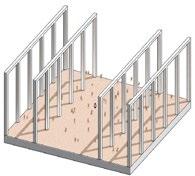
The traditional church only uses the ground space, divides the space by pillars. The space above only serves as decoration and visually worship
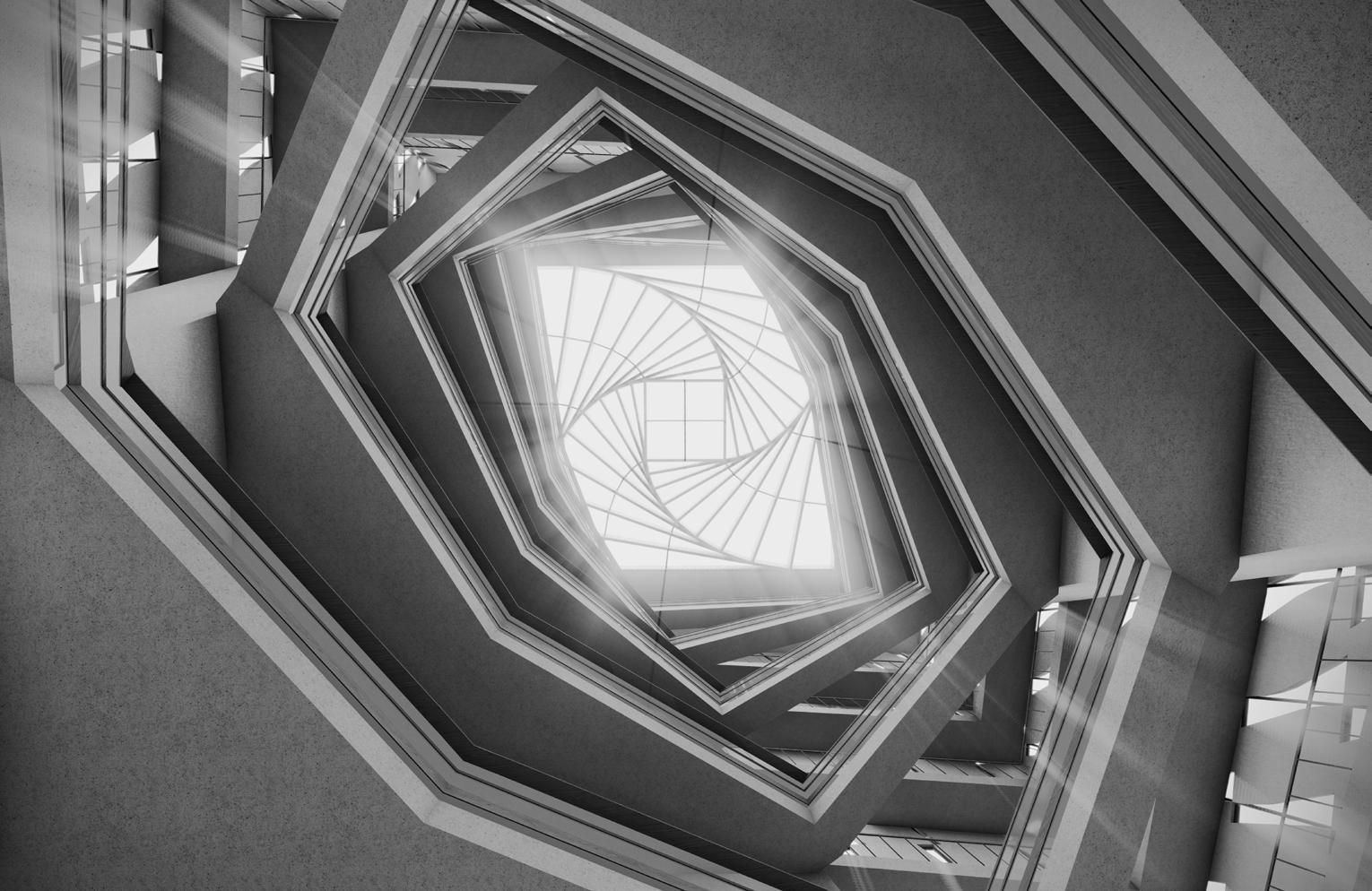
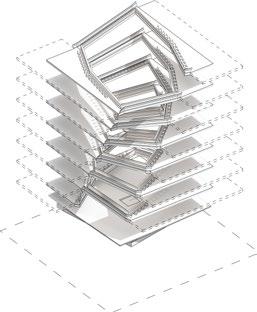
Adding floors above the ground helps build up the vertical space. Gradually setting back floor boundaries promote visual communication.
Using continuous slopes to connect floors not only makes the circulation more complete, but also keeps people keep going upwards.

04 Under The Tree
COMMUNITY CENTER DESIGN ACADEMIC WORK
Tree&Space
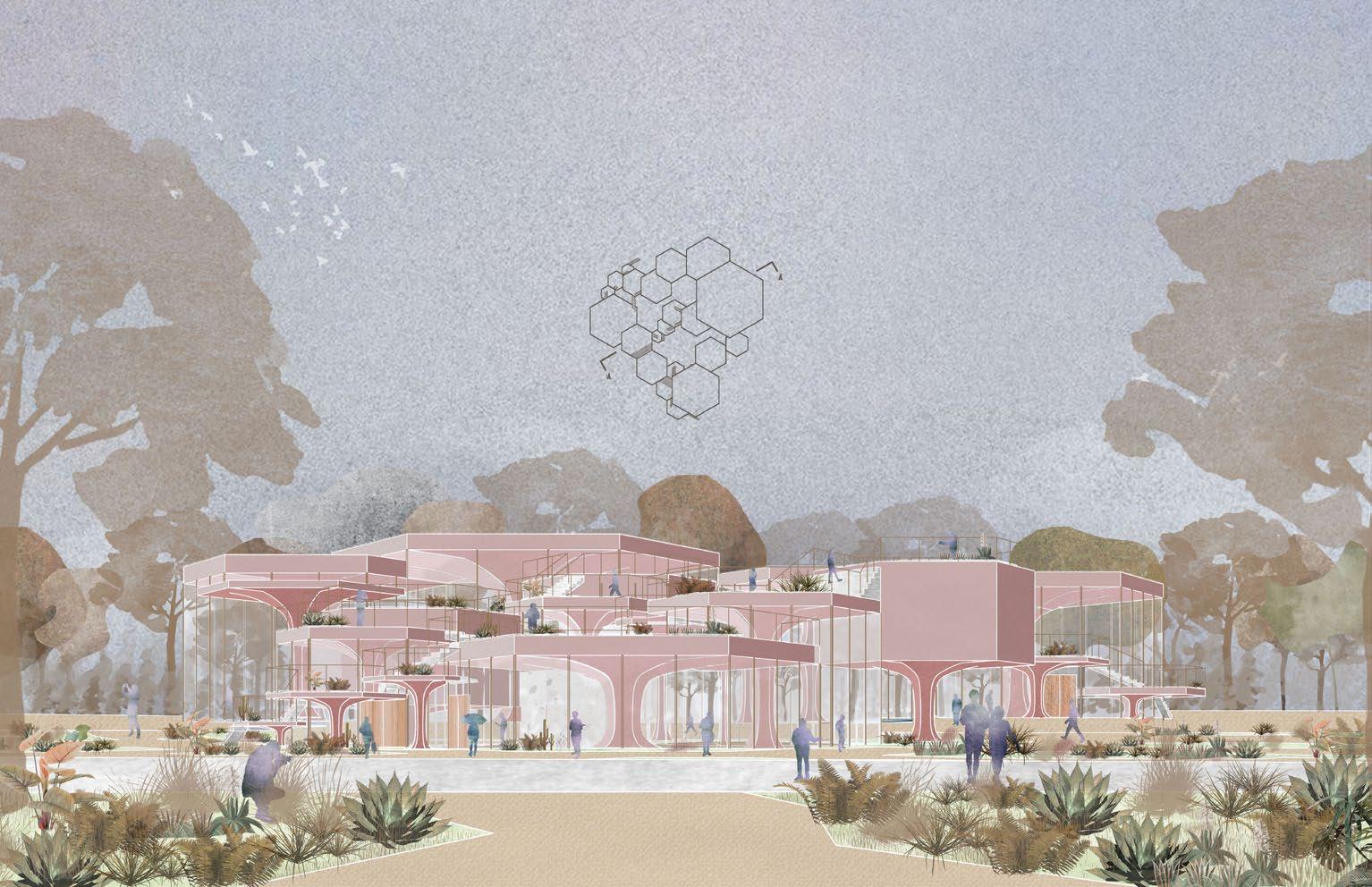
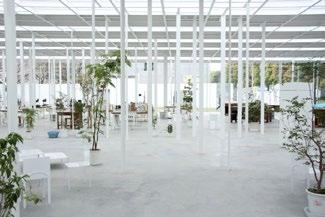
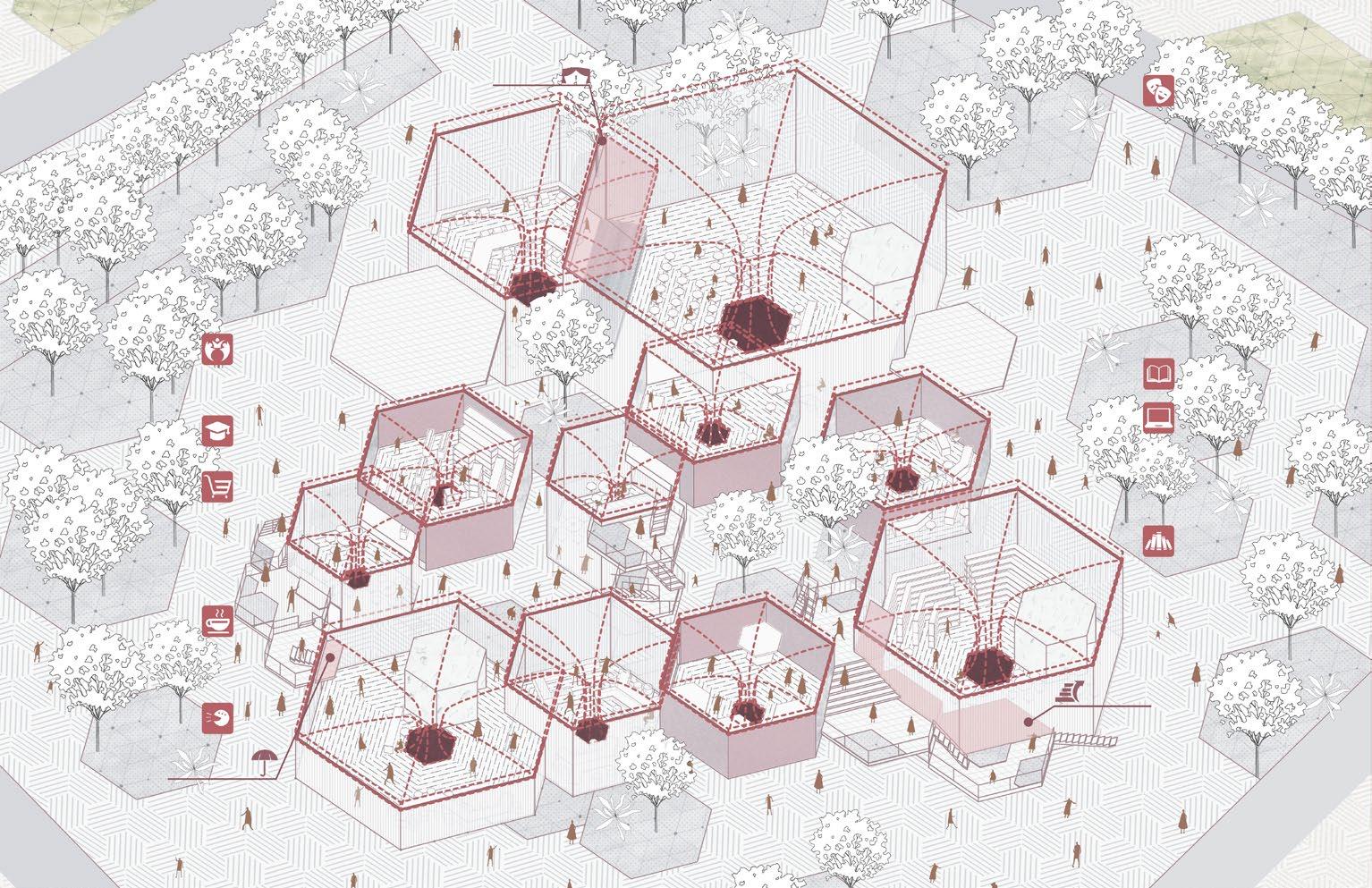
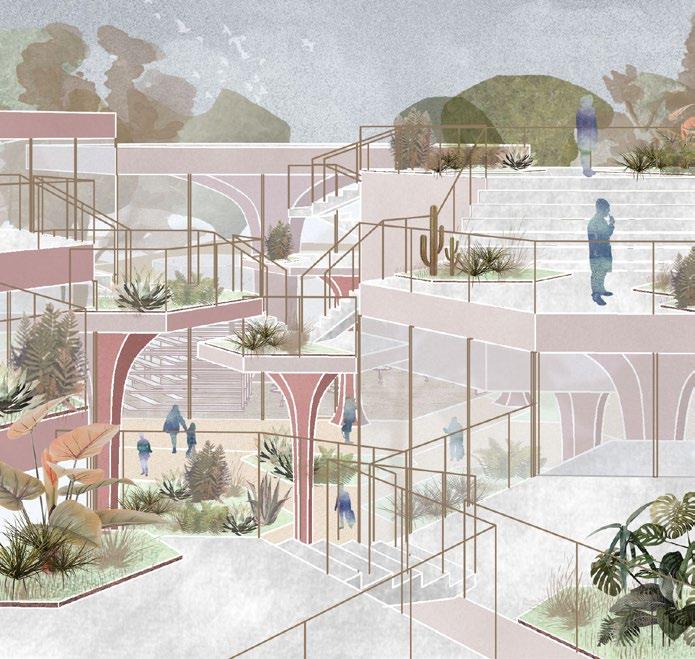
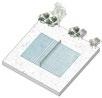
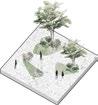
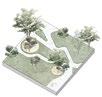
From the beginning of its invention, architecture was designed to protect people from nature and unknown threats outdoor. But as civilization develops, the essential spirit has changed. More and more people advocate the natural environment. As a significant part of daily life, architecture started to play a role in helping people come back to nature.
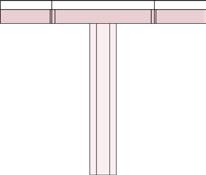
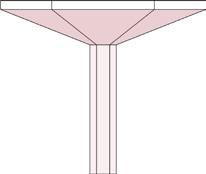
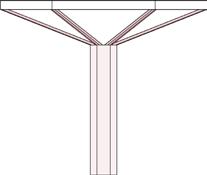
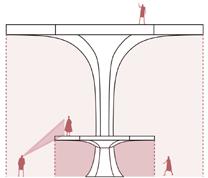
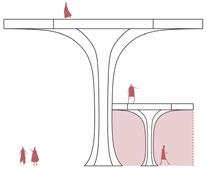
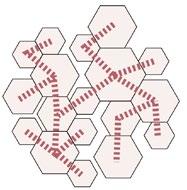
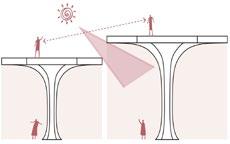
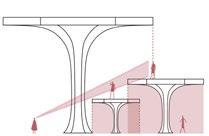
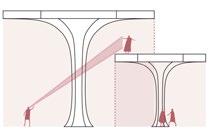
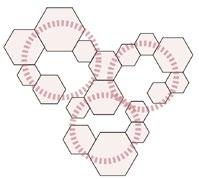
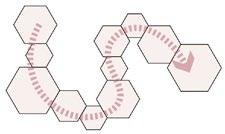
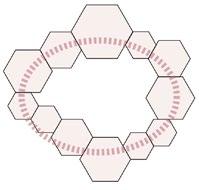
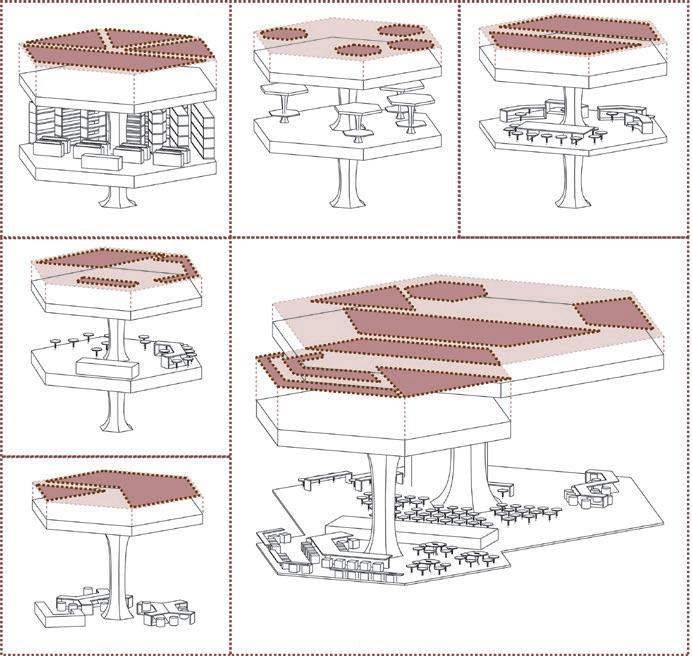
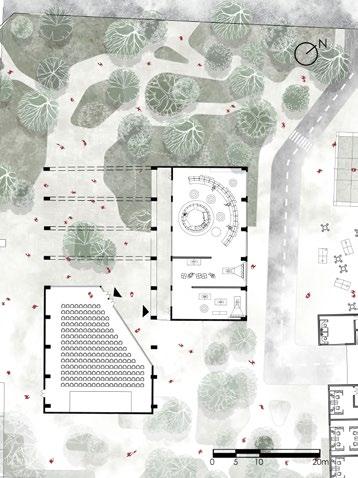
The tree is nature itself and space itself. The shielding shadow it creates can be considered one of the earliest spaces in the world. Trees divide space in a way that's completely different from that of architecture. The up-head branches and leaves indicate the space underneath without using blocks insight, such as walls. Therefore, the design is trying to extract this way of limiting space and create a community center that blends the building with nature around. Umbrella-like columns are used to imitate the tree trunk and branches while become the main structure of the architecture.
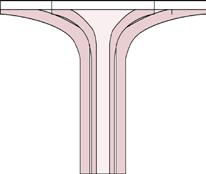
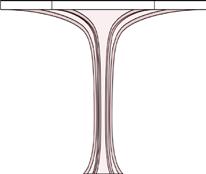
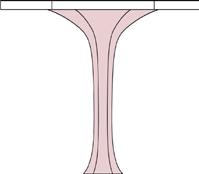
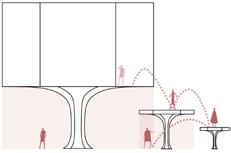
 Section A-A
Symmetry
Section A-A
Symmetry
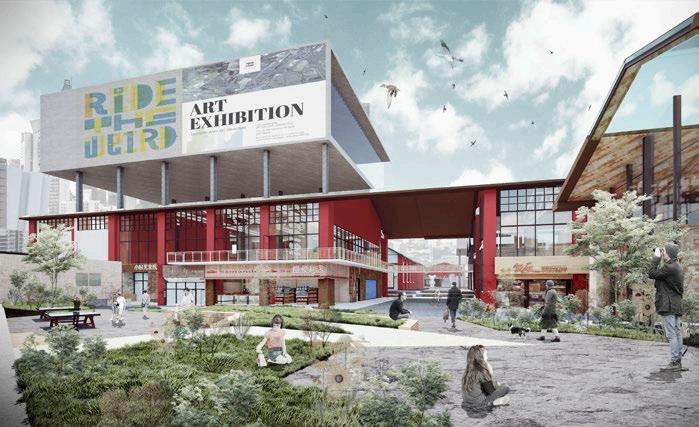
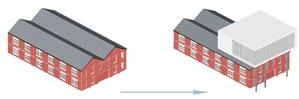
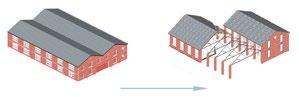
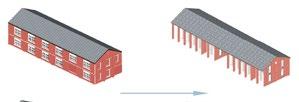





06 TOWN HALL
FOR RECORDING INTANGIBLE HERITAGE
RECORDING MUSEUM DESIGN
ACADEMIC WORK
Axonometric
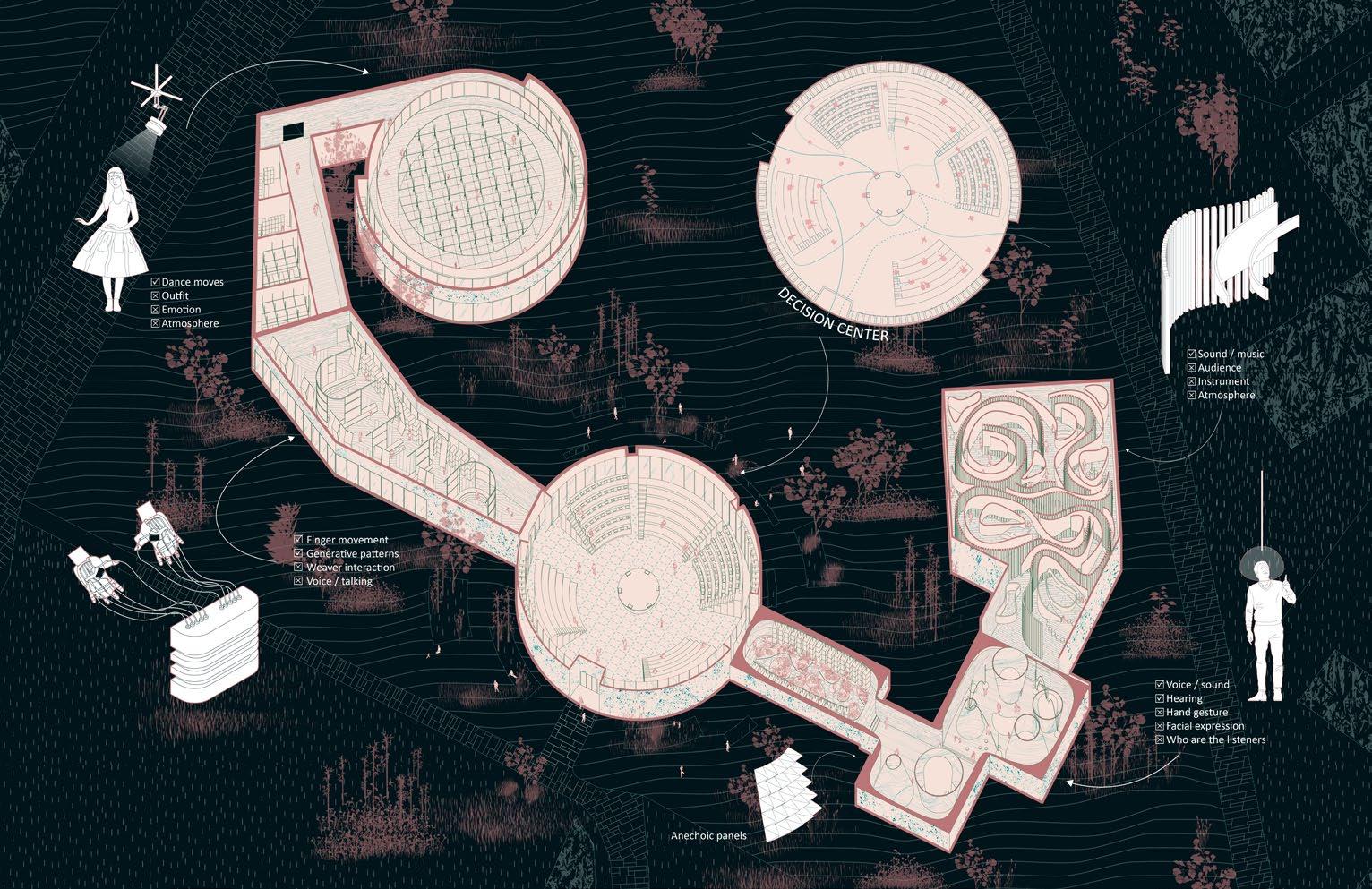
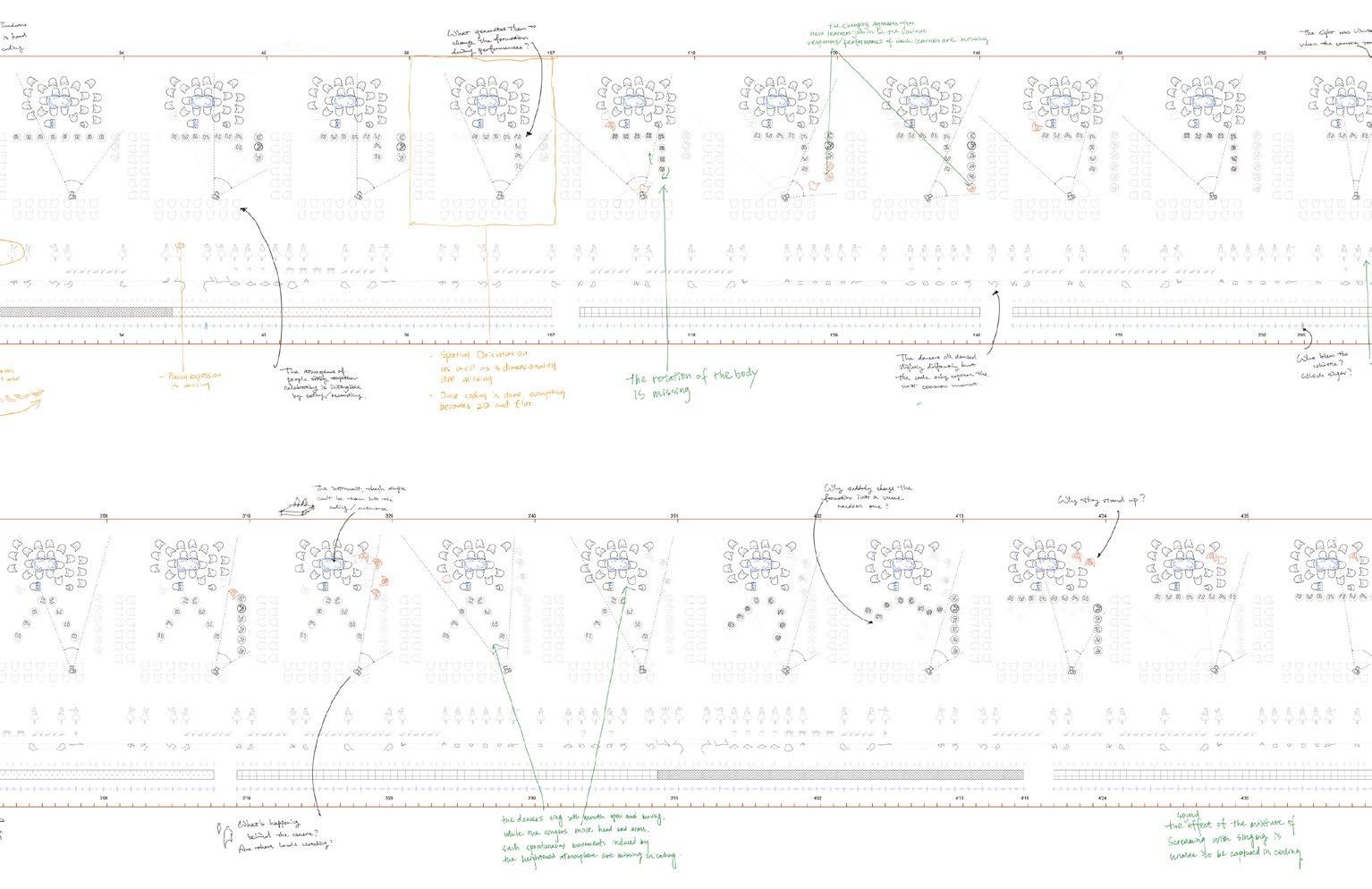
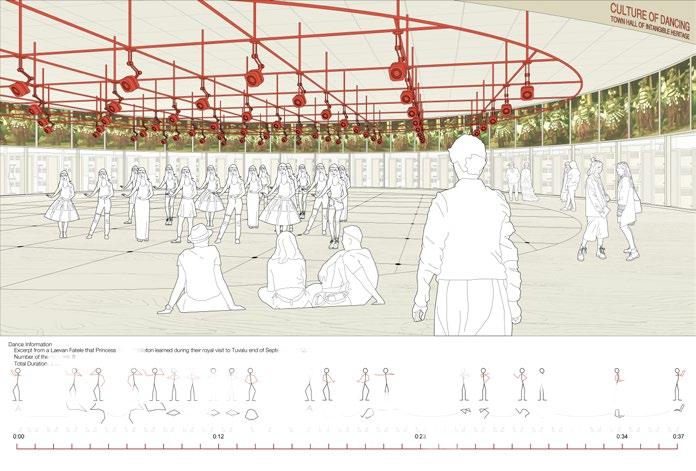
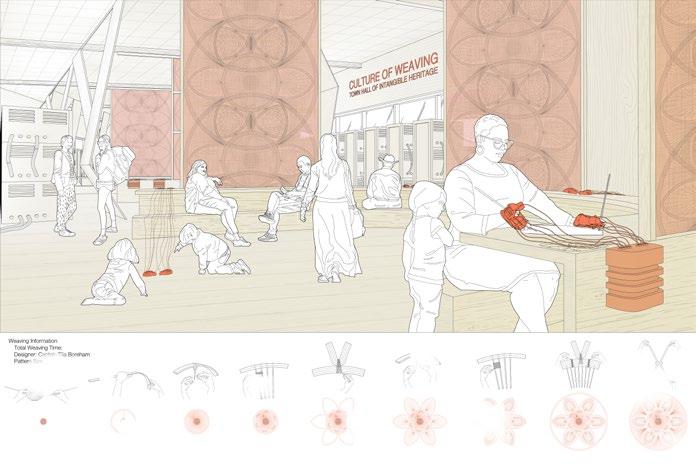
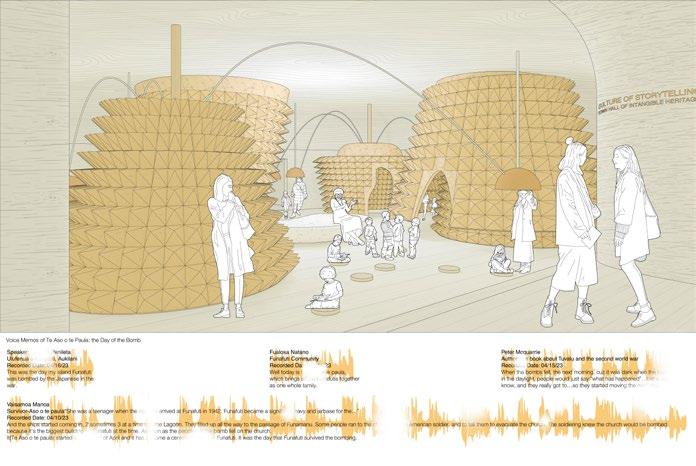
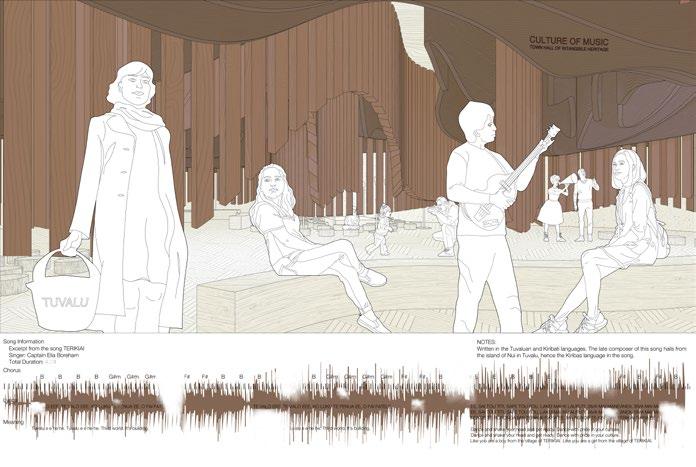
The project goal is to respond to Tuvalu’s government announcement of its plans to create a digital twin of its submerging nation by digitizing its tangible material. We propose a digital archive as a collective practice and form of governance over a community's memory. The Town Hall for recording intangible heritage is concerned not only with the tangible translation of data, but also the gathering of the people and the sense of community and belonging which cannot be fully captured through recording devices. It is an embodied and communal archive.
Space For Dance Recording
Space for Story-telling Recording
Space For Weaving Recording
Space for Music Recording
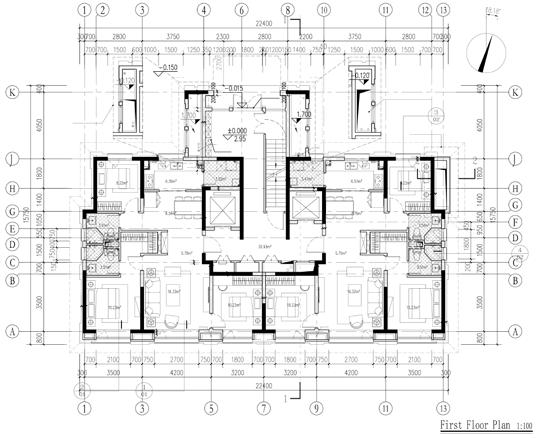
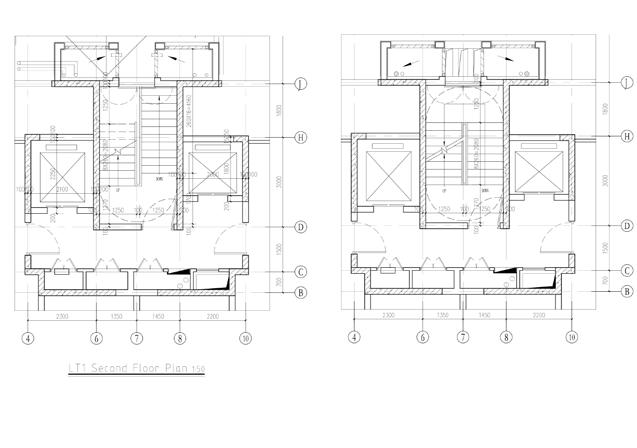
APARTMENT DESIGN
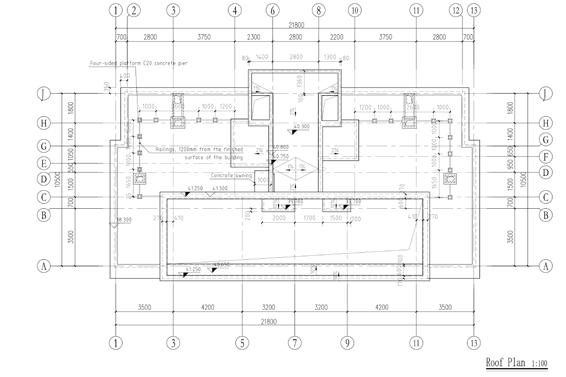
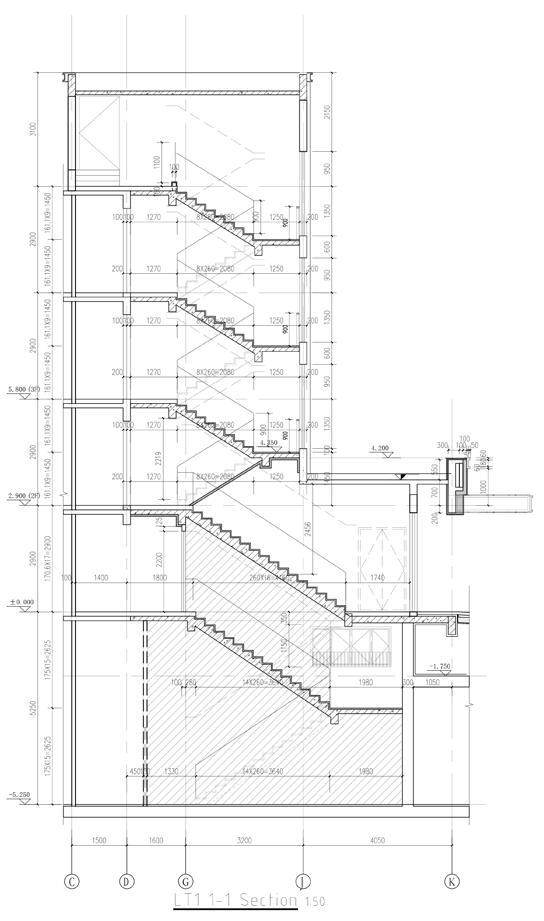
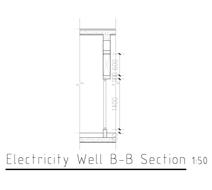
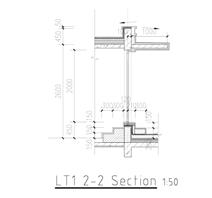
APARTMENT DESIGN
Other Works
09/2020-10/2020
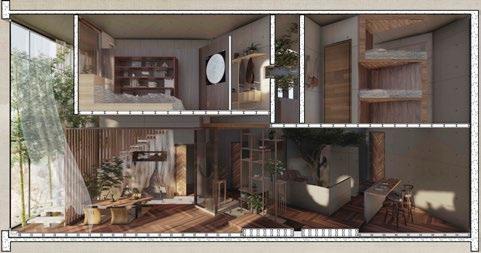
Loft Design Back To Nature
08/2019
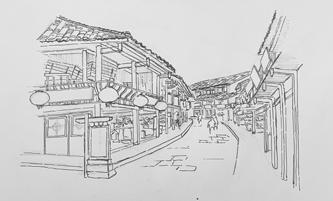
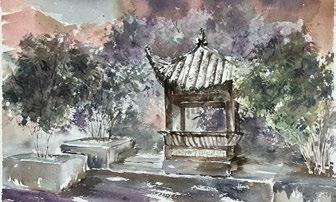
Pen-Sketch&Watercolor Shangli Alley
01/2020-02/2020
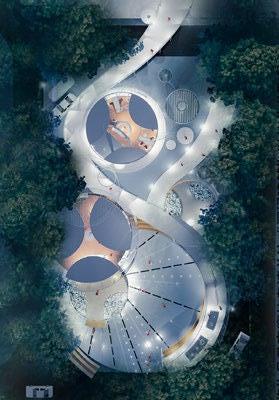
Student Center Design Travelling
09/2021-10/2021
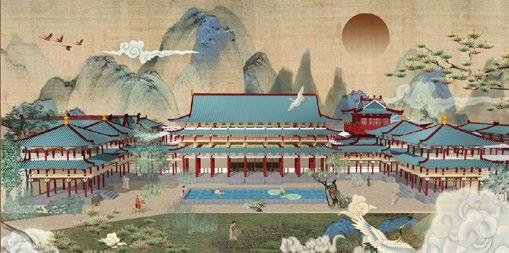
Ancient Building Recovery
Jingshan Temple
05/2021-07/2021
Factory Reconstruction Design Planting Factory


07/2023
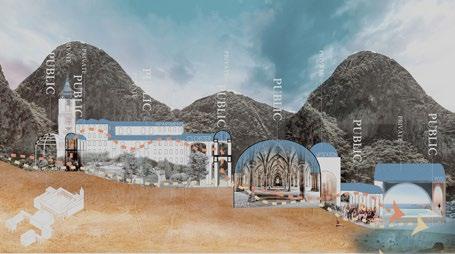
Community Design To The Sea


12/2023
High-Rise Design Interweave City