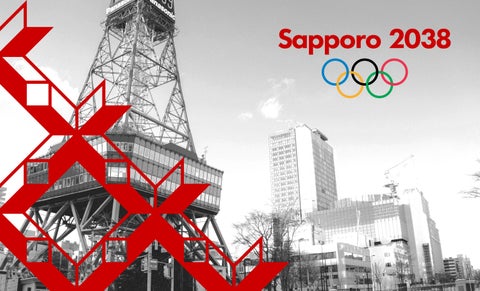
Sapporo 2038
Contents 1 – Introduction Why Sapporo? 01 Sapporo's Culture 02 Modern Day Sapporo 03 2 – Logo Design Logo Design 04 Alternate Colors 05 Initial Concepts 06 Symbols and References 07 Color Palette 08 Typography 09 3 – Logo Application Event-Specific Tickets 10 Outdoor Display Banners 11 Merchandise 12 Olympic Medals 13 4 – References References 14
Introduction Why Sapporo?
The International Olympic Committee (IOC) are facing somewhat of a crisis currently, as the potential for future candidates to host the Olympic Winter Games are diminishing due to many factors. One of the main factors of this is Climate Change, which is lessening to qualified areas due to lack of snowfall in the winter. The IOC are also quite strict on allowing nations to host events, as they must meet specific qualifications, including the need for pre-existing infrastructure for events.
Sapporo, Japan, is one location that is qualified for such as task. It is located in the Hokkaido Prefecture of Japan, which encompasses the island of Hokkaido, Japan’s second largest island. The region is known for its volcanoes, natural hot springs, and ski areas and resorts. The latter of which is quite important as due to a high traffic of tourists, the area has accumulated a large infrastructure of sites for which the Winter Olympics events can be performed at.
01 sapporo 2038 n introduction
Sapporo's Culture
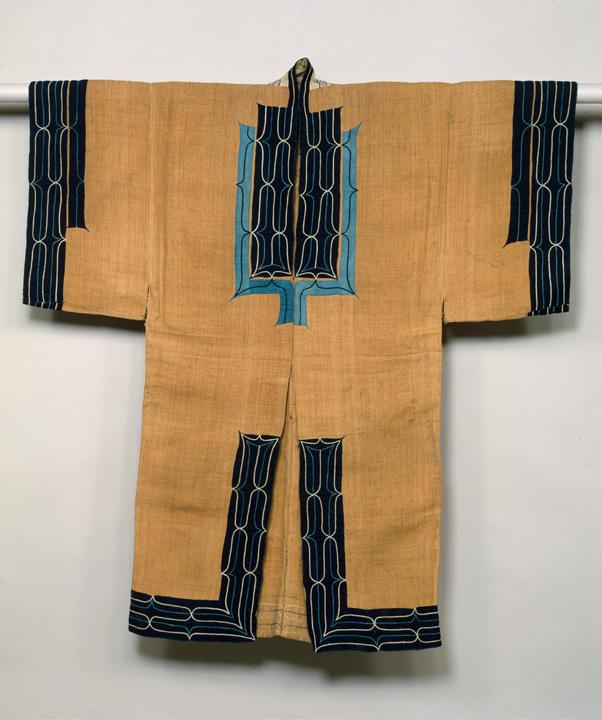
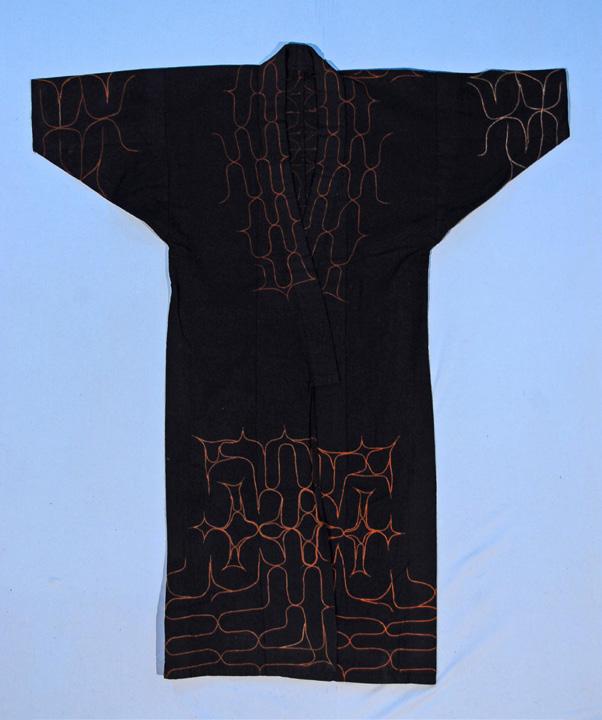
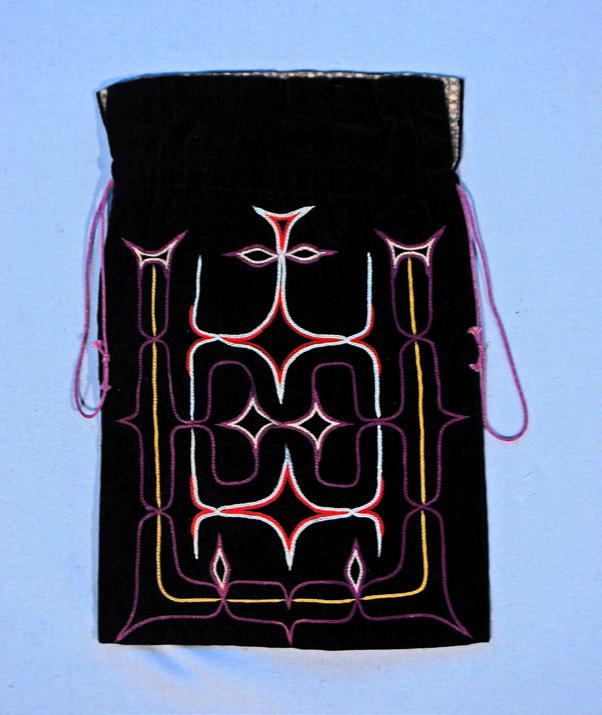
The land of Sapporo is native to the Ainu people. They originally inhabited Hokkaido and the north of Honshu, Japan. They also inhabitated the Kuril Islands and Sakhalin, which in the modern day are owned by Russia. The Ainu people created many forms of art during their existence, the most notable of which are intricately designed textile pieces. The following are examples of textile designs that have been recovered and are displayed in various museums today.
02 sapporo 2038 n introduction
Modern Day Sapporo
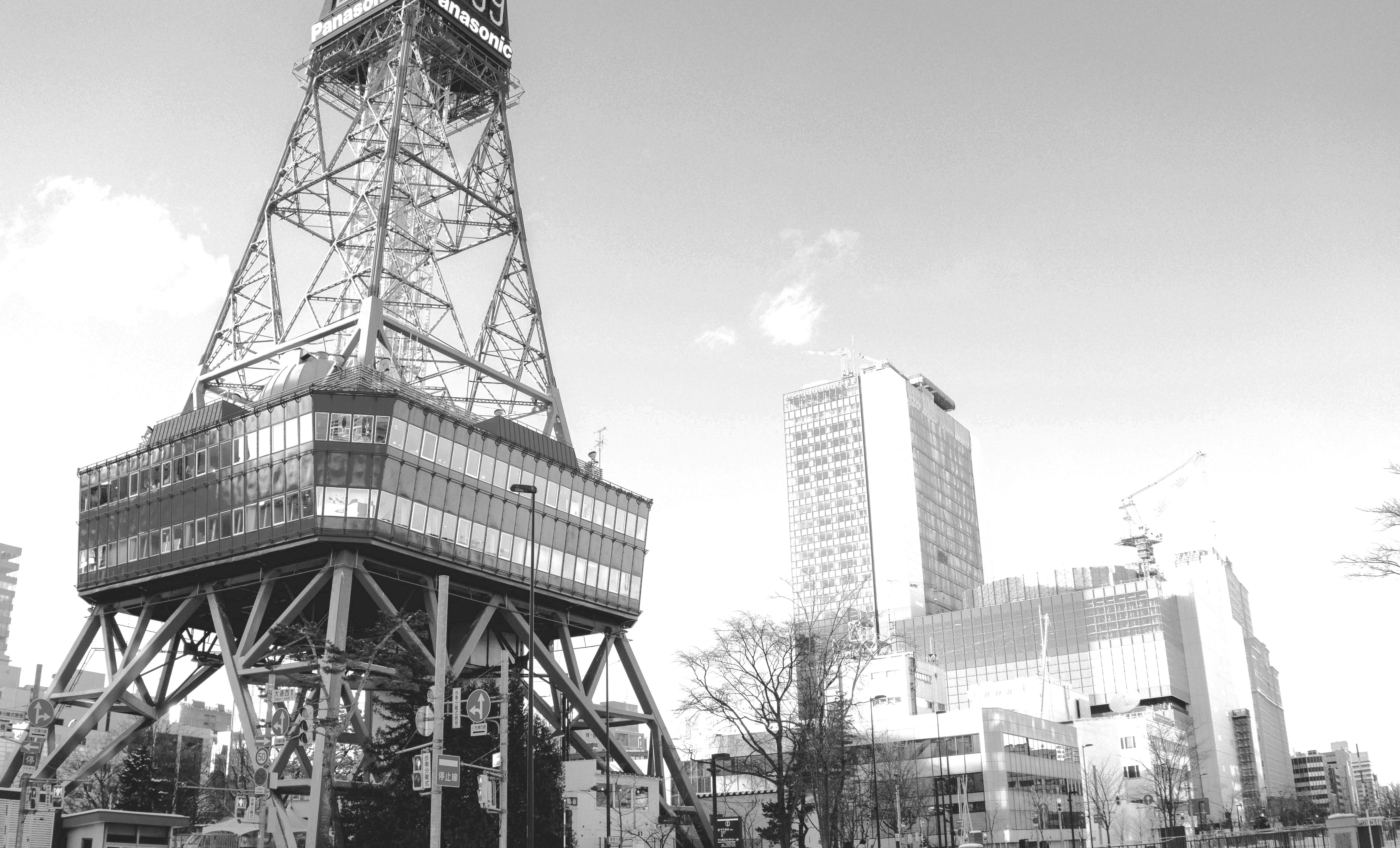
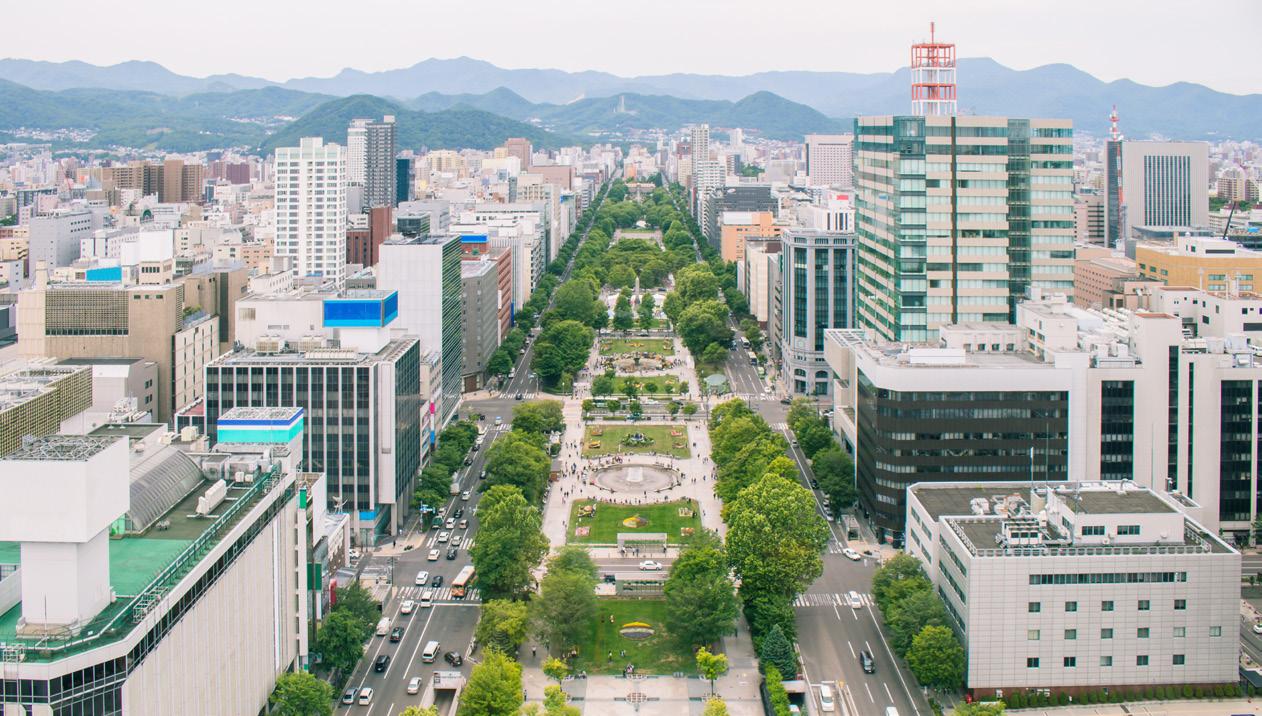
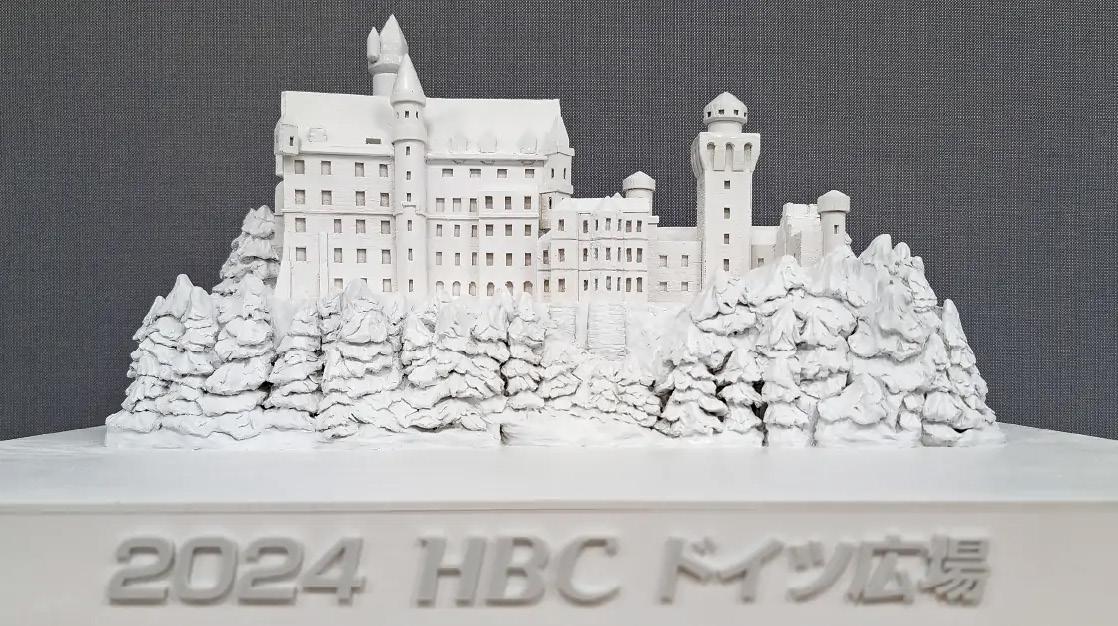
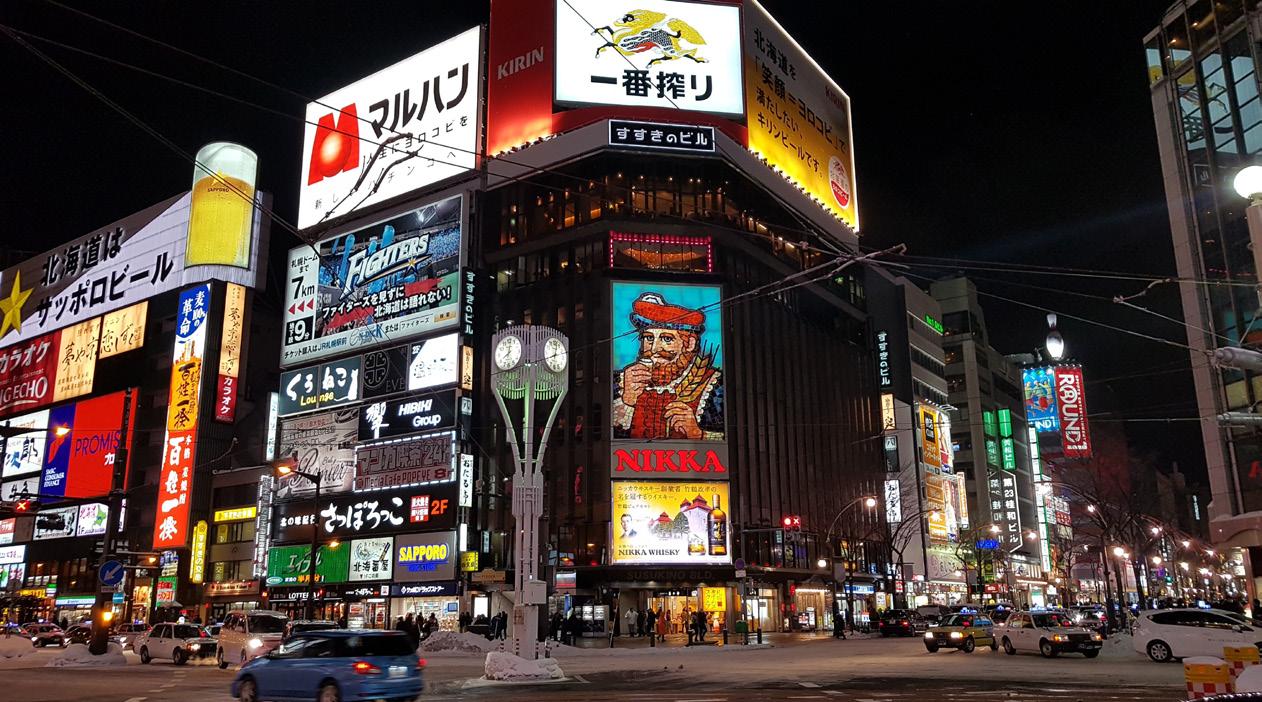
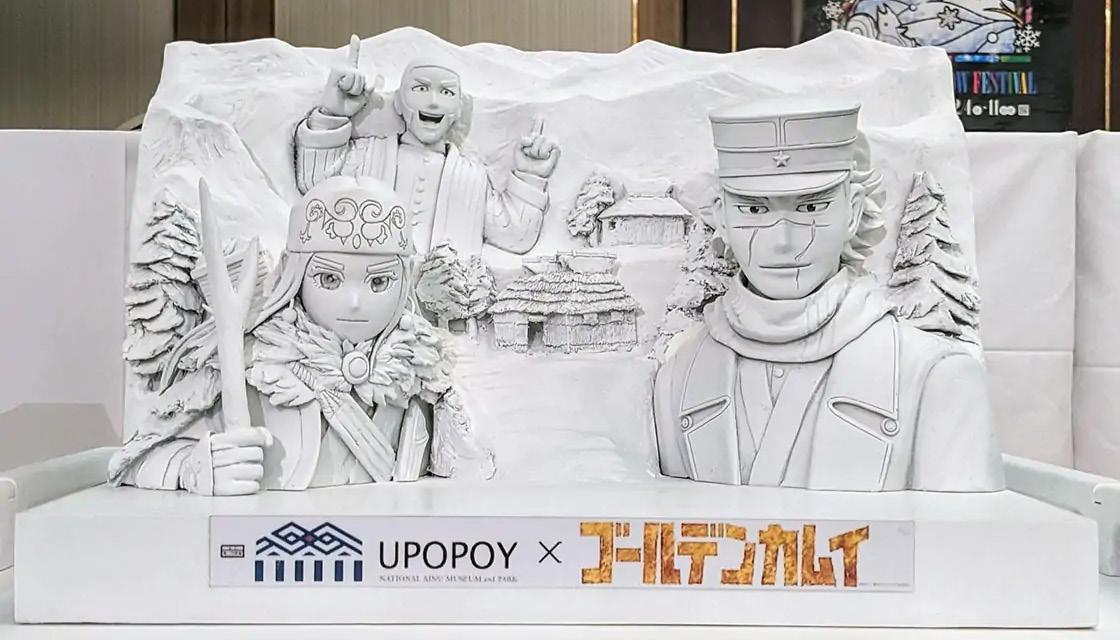
Today, Sapporo features a very modern infrastructure and sleek appearance. The architecture and infrastructure are very accessible and well developed for being the host of an Olympic Event. The location is already a center for tourism, as the region's rich culture and winter sporting events being the main draw for tourists in the area. Another highly succesful event is SnowFes, also known as the Sapporo Snow Festival. This event features delicately constructed snow and ice sculptures that are displayed in several locations throughout the city during the winter.
03 sapporo 2038 n introduction
Logo Design
04 sapporo 2038 n logo design
Alternate Colors
These color variations were created as additional options for flexibility of application where necessary.
05 sapporo 2038 n logo design
Initial Concepts
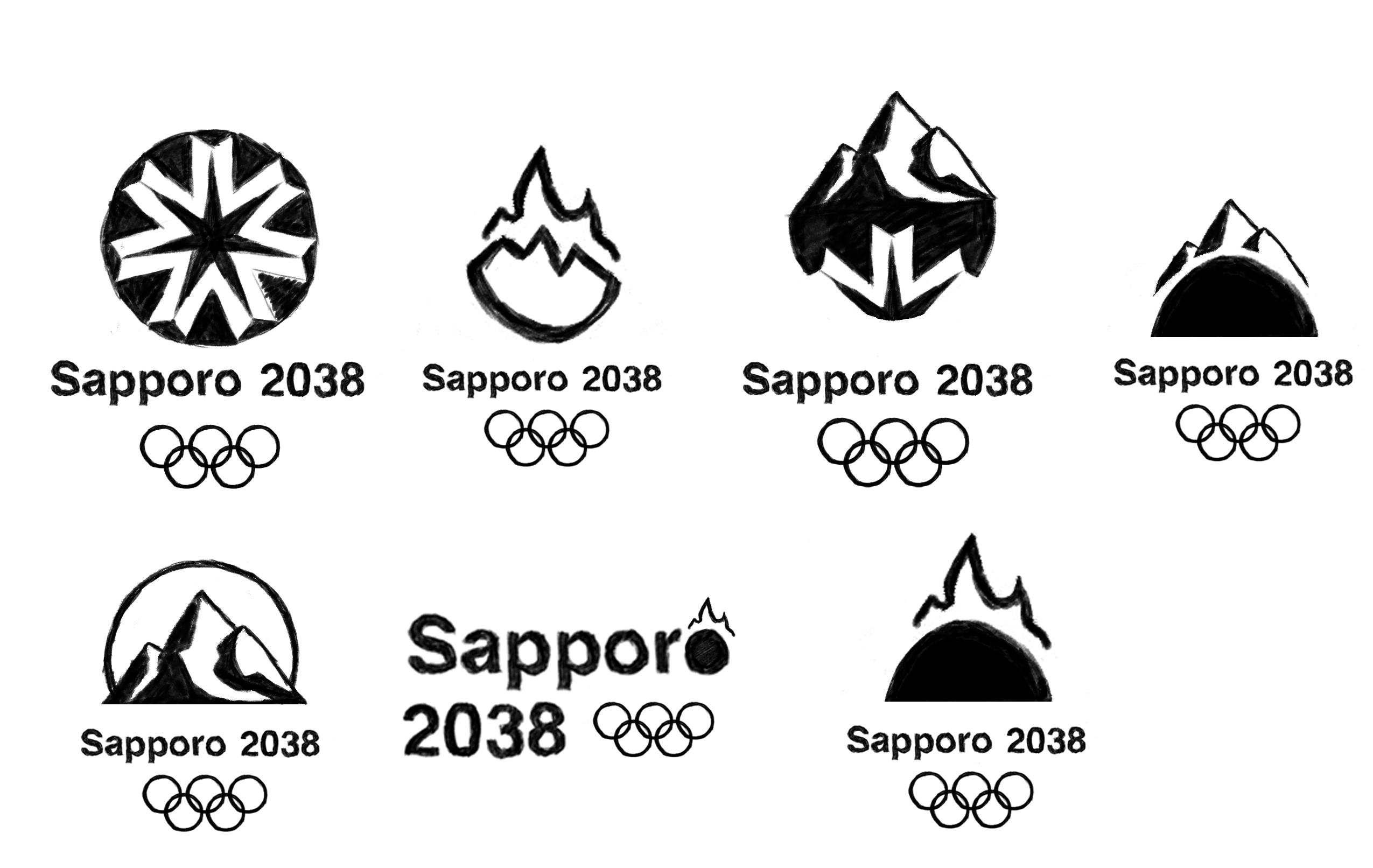
The logo was created through careful iterations with intention of reflecting the regional and cultural symbols through it. The first iterations and ideas were created as digital sketches, which were then evolved upon once converted to vector graphics
06 sapporo 2038 n logo design
Symbols and References
As mentioned previously, symbols were very important in the design and intention of the logo, and were incorporated in various ways as an attempt to depict the region and culture.
The "Rising Sun". This symbol is important in Japanese culture, normally appearing simply as a full red circle. It is only partially shown here, only depicting the top half of the circle. This symbol can be seen on the flag of Japan
This symbol is representative of mountains, as well as a flame. This symbol has two correlations, the first of which is to the mountainous region that encompasses Sapporo. The second is the Olympic Torch, an important symbol in the event.
Derived from the flag of the Hokkaido Prefecture, this symbol is important as it directly relates to the region and culture and its impact.
07 sapporo 2038 n logo design
Color Palette
Selecting the right colors was vital, as they need to align with the mission and further emphasize the values of the brand. The decision to utilize a bold red was made due to its correlation with Japan and the country’s culture. It signifies the Rising Sun, a symbol in Japanese culture. There is a feeling of intensity established by using these colors, one that aligns with the competitiveness of the events.
08 sapporo 2038 n logo design
HEX CC0000 RGB 204 0 0 CMYK 13 100 99 4 HEX FFBDBD RGB 255 189 189 CMYK 0 31 15 0 HEX 9F1C20 RGB 159 28 32 CMYK 25 100 99 21 HEX FFFFFF RGB 255 255 255 CMYK 0 0 0 0
Typography
A suitable typeface and fonts is essential to accompany the color palette in developing a successful visual approach, which is why I carefully selected the type family Futura PT for the project.
Futura PT Heavy
Futura PT Demi
Futura PT Medium
Futura PT Book
09 sapporo 2038 n logo design
Aa Bb Cc Dd Ee Ff Gg Hh Ii Jj Kk Ll Mm Nn Oo Pp Qq Rr Ss Tt Uu Vv Ww Xx Yy Zz 012345789 !@#$%^&*()
Logo Application
Event-Specific Tickets
This series of designs includes physical event ticket designs to either be printed, or displayed digitally to allow for secure and efficient vistior entry to events. Accompanying the ticket designs is a series of eventspecific pictograms which are unique symbols that can quickly and accurately depict meaning to the viewer.
10 sapporo 2038 n logo application
Sapporo 2038 A00 9th FEB Starting Time 00:00 Gate 1 Aisle A Luge Level 1 Seat 00 Olympic Stadium Olympic Park Sapporo 2038 A00 9th FEB Starting Time 00:00 Gate 1 Aisle A Bobsleigh Level 1 Seat 00 Olympic Stadium Olympic Park Sapporo 2038 A00 9th FEB Starting Time 00:00 Gate 1 Aisle A Speed Skating Level 1 Seat 00 Olympic Stadium Olympic Park
Outdoor Display Banners
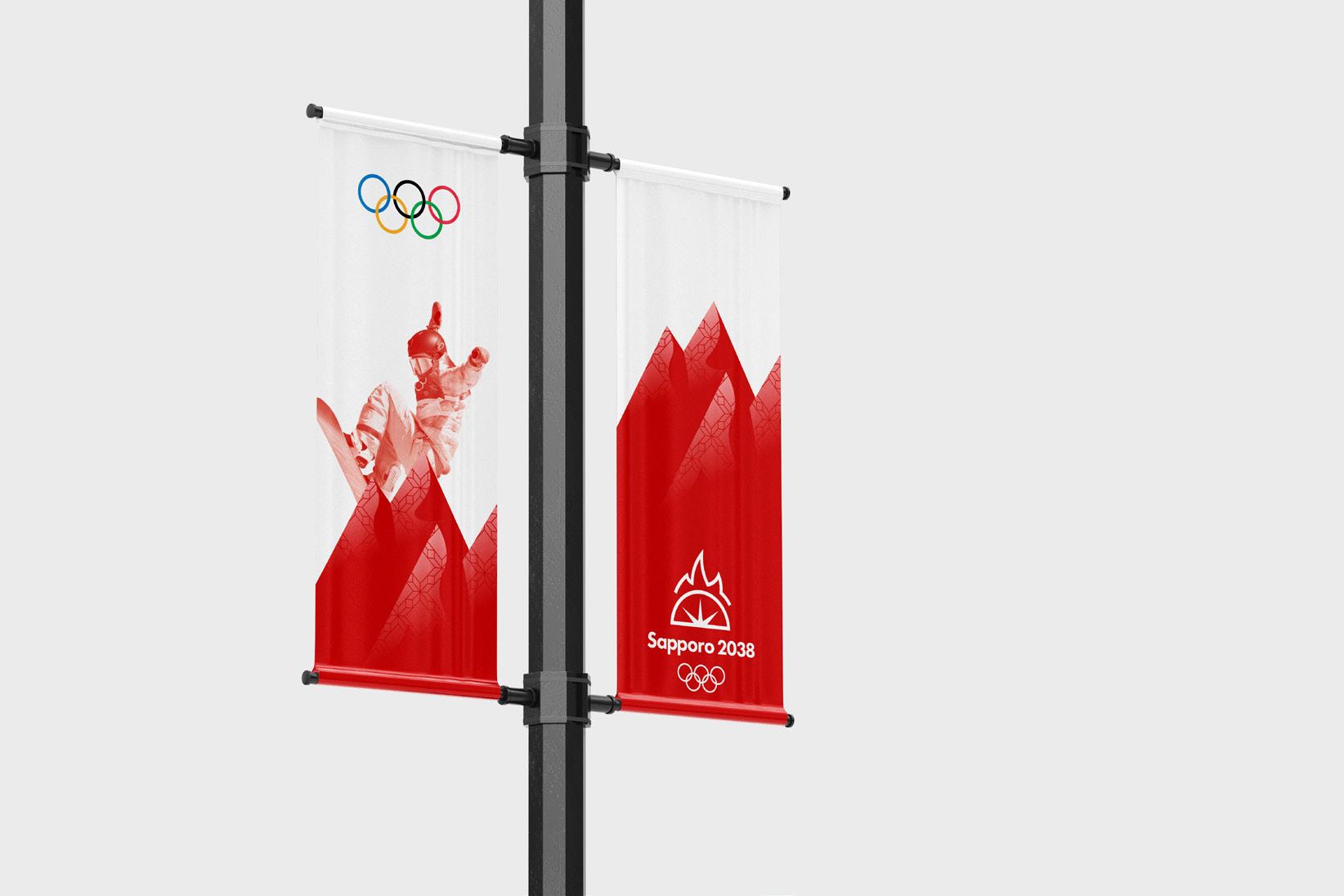
Advertisement is important for anything that needs funding. This display banner size can be used as an advertisement as well as being displayed at the sites of Olympic events to create a setting of competition.
11 sapporo 2038 n logo application
Merchandise
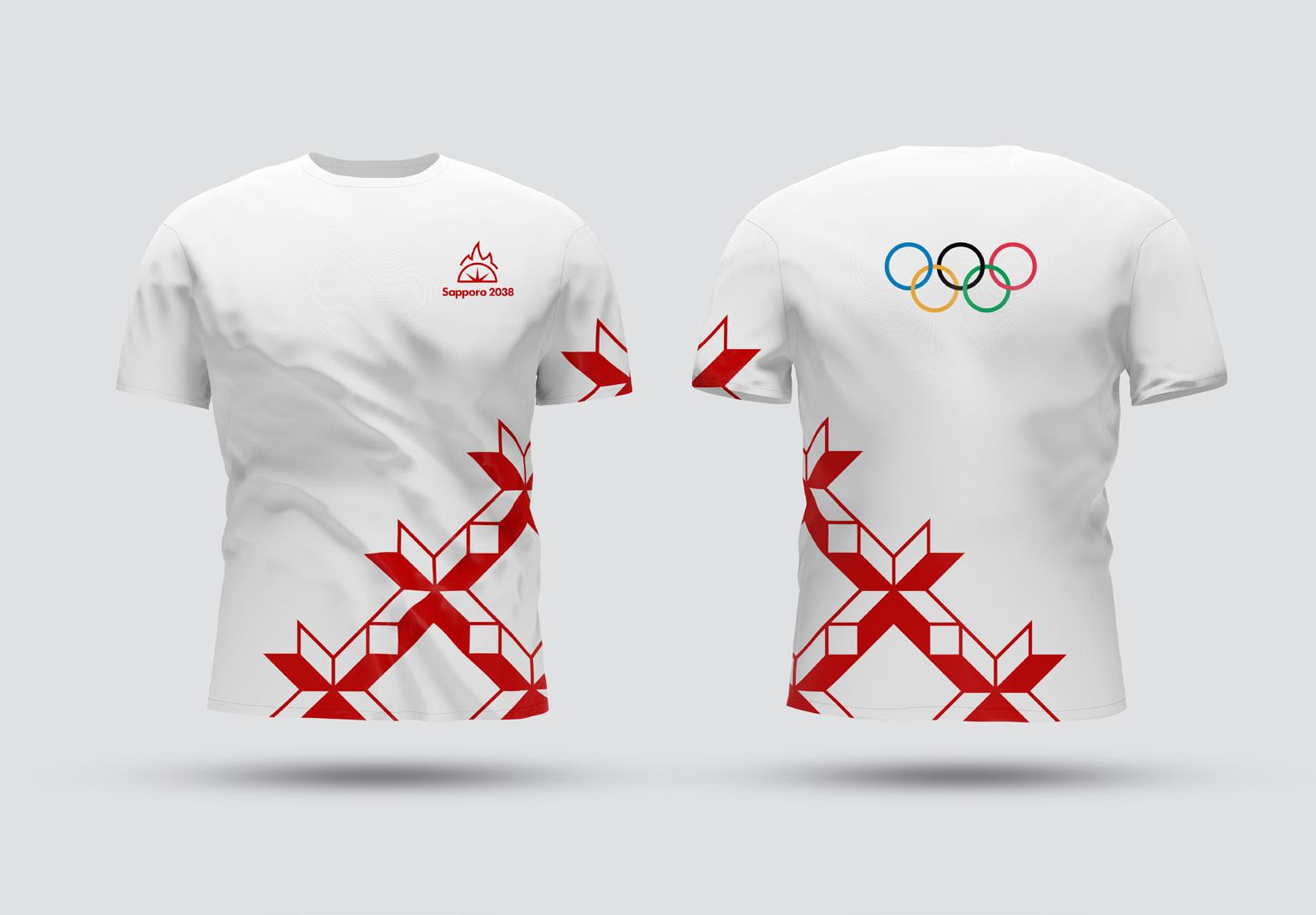
The following are a set of merchandise designs that utilize the logo and texture created through patterns.
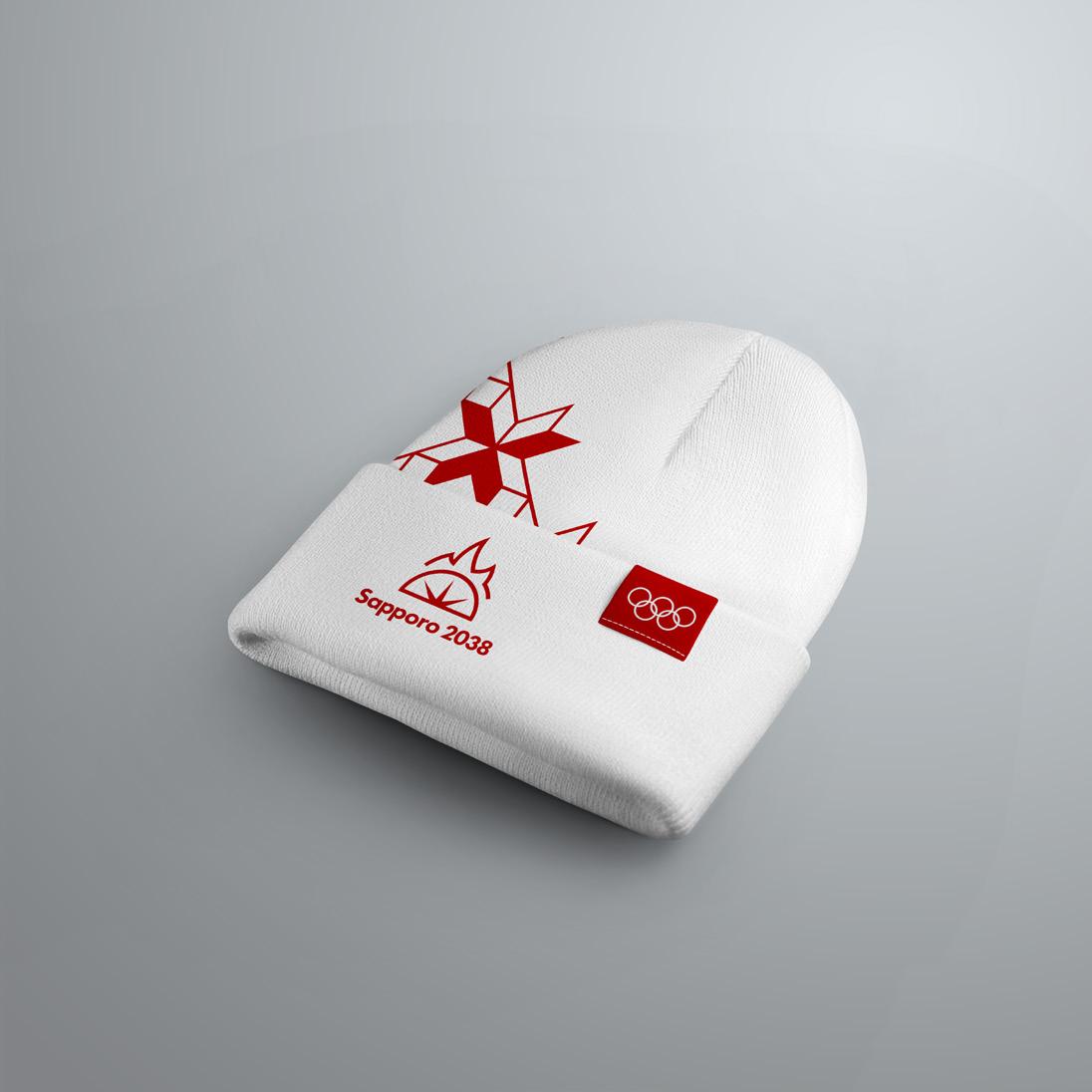
12 sapporo 2038 n lgoo application
Olympic Medals
Every Olympic events needs a set of custom medals. I created 3D models and renders for these, and they include symbols from the logo as well as other cultural symbols in a unique shape that I believe is representative of the cultural and regional influence, as well as the influence of past Olympic Winter Games.
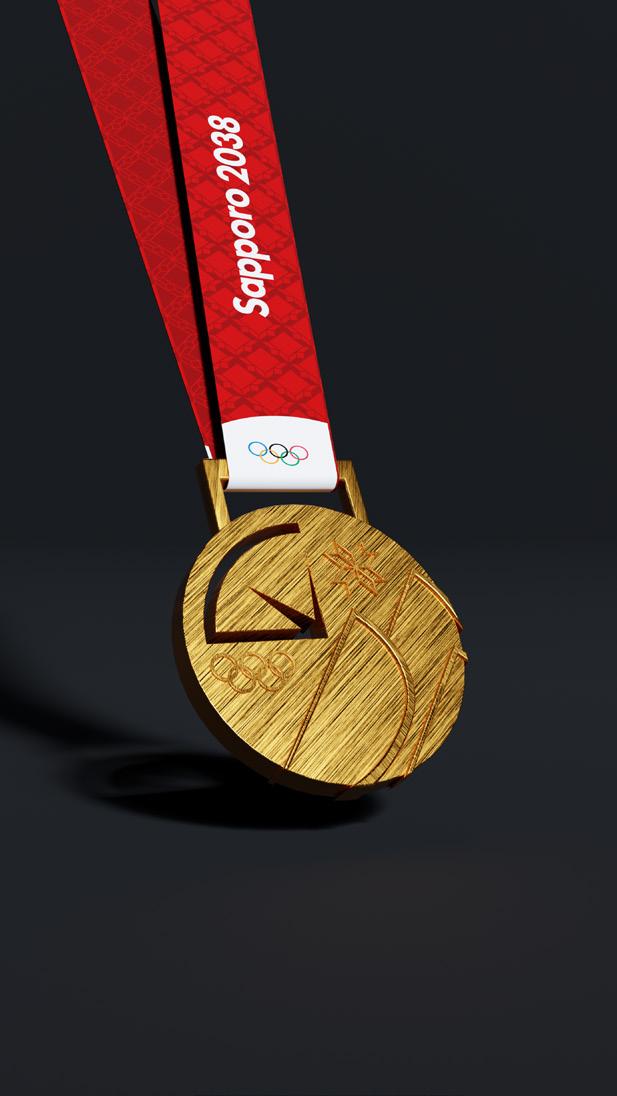
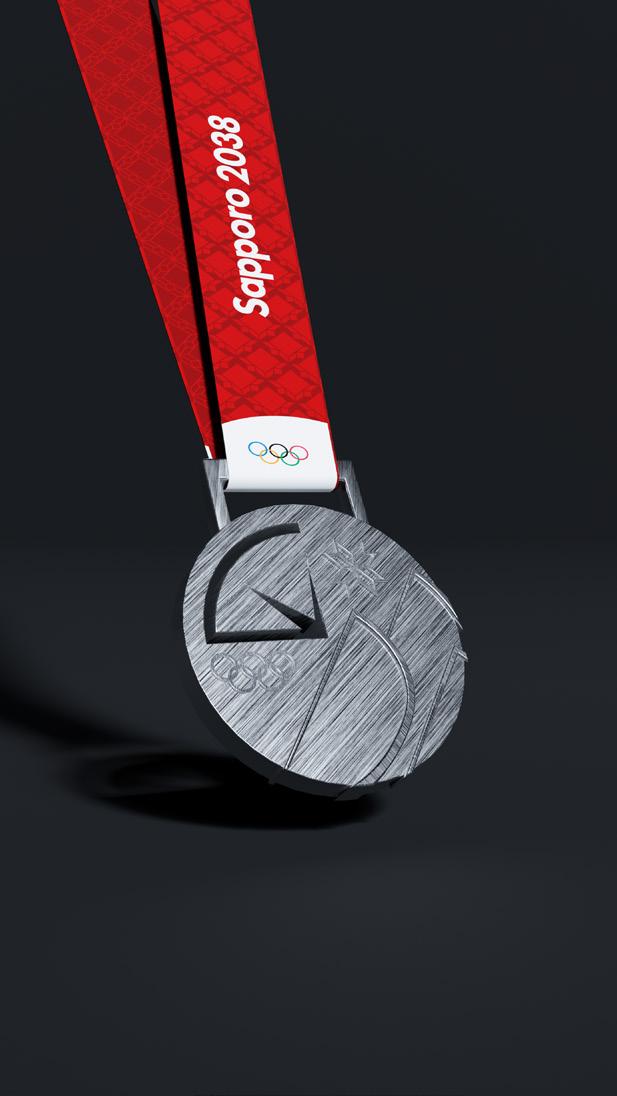
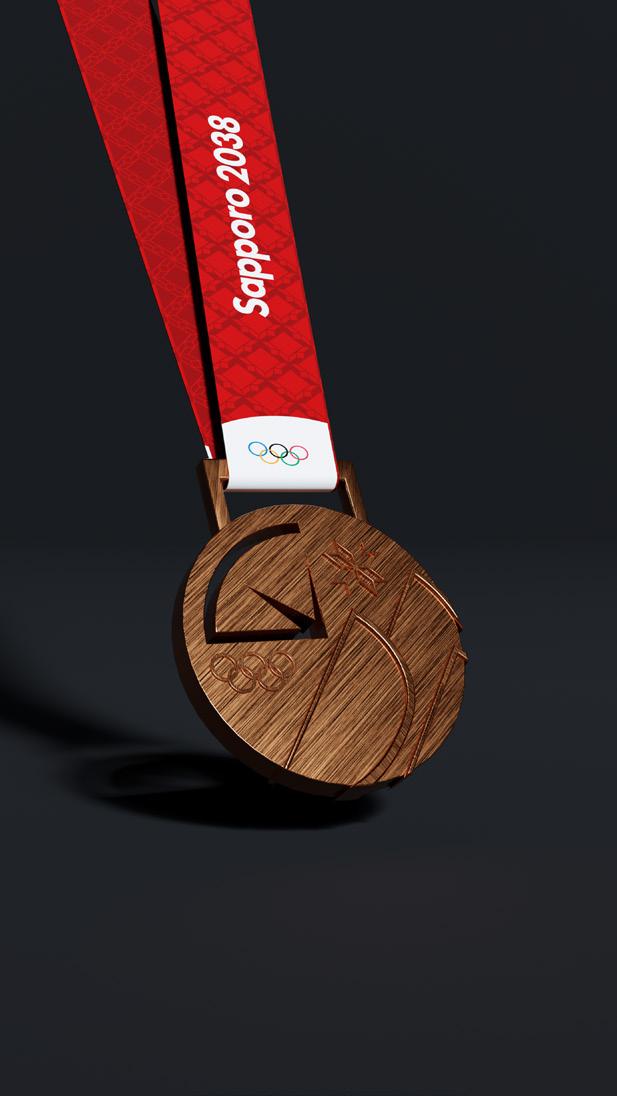
13 sapporo 2038 n logo application
References
Ainu costume, 19th century. Metropolitan Museum of Art. https://www.metmuseum.org/art/collection/ search/51082.
Ainu. coat. Silk. British Museum. https://www. britishmuseum.org/collection/object/A_As1944-03135.
Ainu. bag. Silk. British Museum. https://www. britishmuseum.org/collection/object/A_As19090622-6.
Angkana. Bird eye view of Beautiful Cityscape and Odori Park from Sapporo TV Tower in the morning time at Hokkaido, Japan. n.d. Adobe Stock. https://stock.adobe.com/images/bird-eyeview-of-beautiful-cityscape-and-odori-park-fromsapporo-tv-tower-in-the-morning-time-at-hokkaidojapan/277274591?prev_url=detail.
https://unsplash.com/photos/vehicles-on-roadWOYR9YAG9P4?utm_content=creditCopyText&utm_ medium=referral&utm_source=unsplash
HBC広場EMBLEY ©HBC Hokkaido Broadcasting Co., Ltd. 2023. https://www.snowfes.com/en/sites/ odori/.
©STV ©北海道大学総合博物館. https://www. snowfes.com/en/sites/odori/.
14
sapporo 2038 n references
References