

Final Log-Book
Eren Lukas Ekinci IND212
Table of Contents
#1 The Vanity of Small Differences
2013. Grayson Perry
#2 Miss K. 2003 Philippe Starck
#3 Vegetal Chair. 2008 Erwan Bouroullec
#4 The Evolution of Steering Wheels
#5 The Evolution of Steering Wheels’ Poster
#6 UP Series Chair 1969 Gaetano
Pesce
#7 Bauhaus Manifesto Report

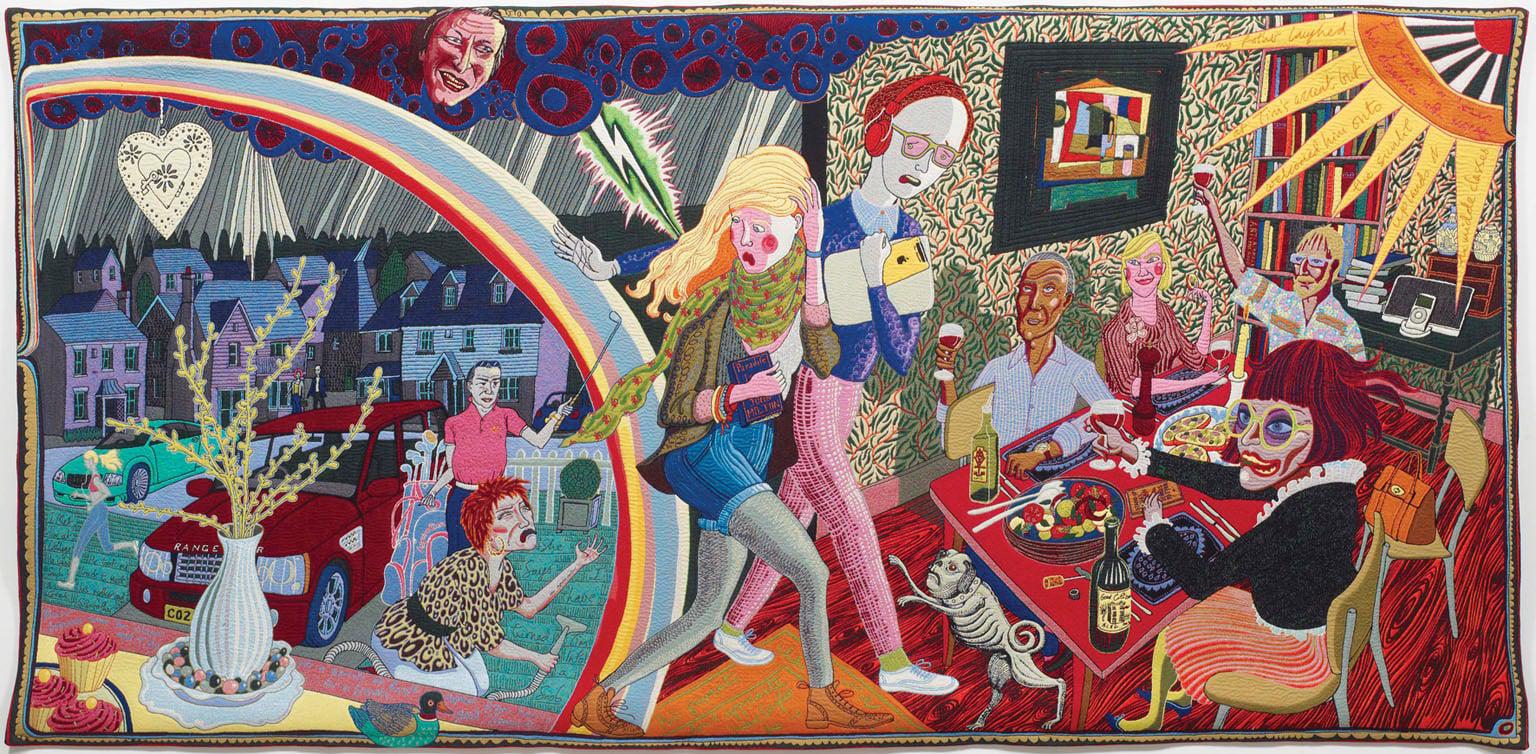
The Vanity of Small Di erences 2013. Grayson Perry
These carpets are designed inspired by the details of daily life and the class di erences. Perry drew and colored the designs of each carpet by hand before weaving them. This work o ers an interesting contribution to contemporary art by interpreting the relationship between craftsmanship and art and daily life in a contemporary way, which the Arts and Crafts movement emphasized.
L

Philippe Starck
The lamp is designed using modern techniques and manufacturing techniques, while referencing the sinuous lines and elegant nature motifs of Art Nouveau.Details similar to the spiral lines and oral motifs of classical Art Nouveau were used in the design of the lamp.The design harmonizes the romantic and elegant style of Art Nouveau with today's modern interiors and creates a product that attracts attention with its design.
Lorem
ipsum
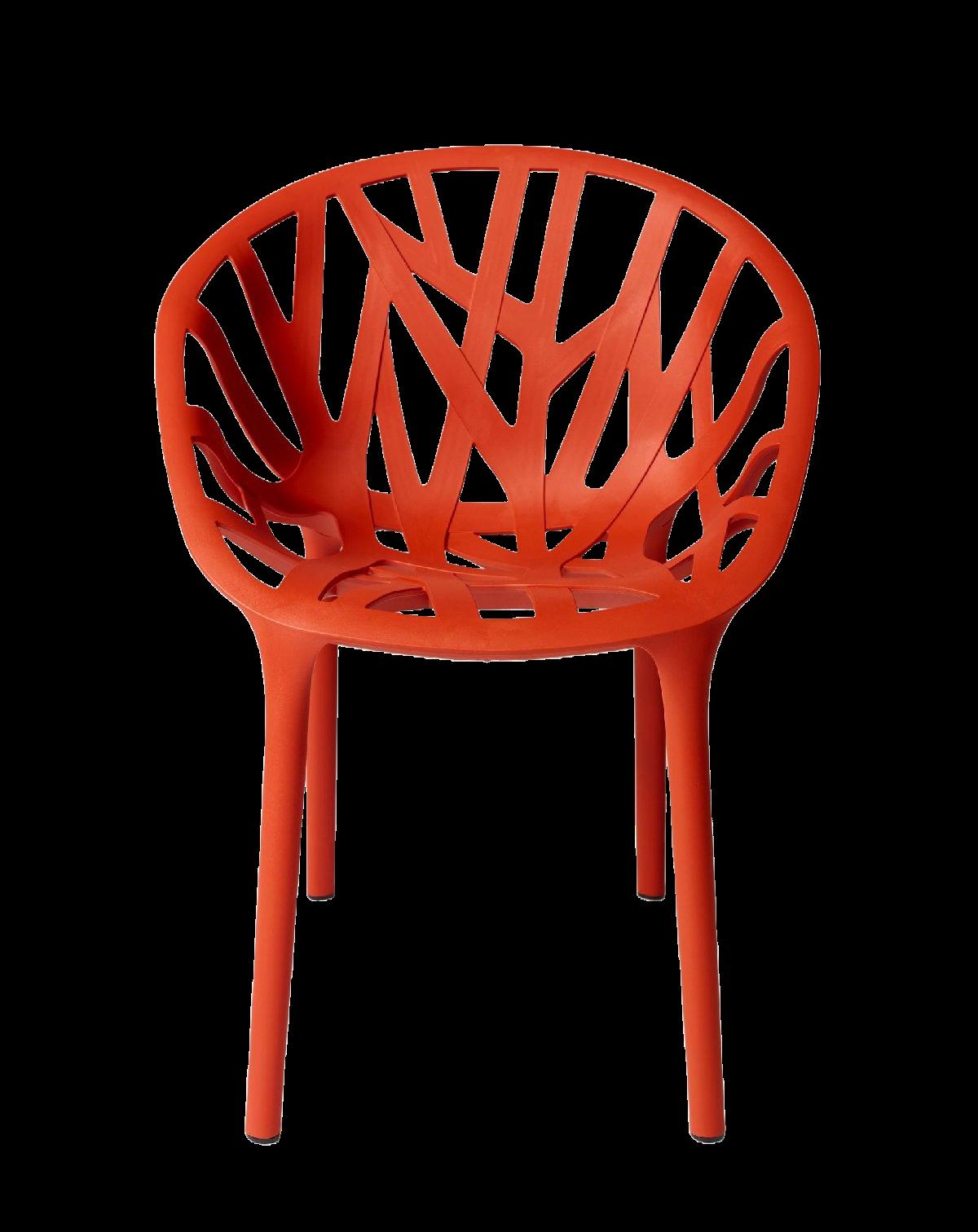
Vegetal Chair. 2008 Erwan Bouroullec
Vegetal chair was designed for Vitra in 2008 and stands out with its organic forms. Inspired by Bauhaus functionalism, the designers aimed to create a chair that recalled plant forms. The chair is made of polyamide using injection molding technique and is designed to be suitable for outdoor use. The Vegetal Chair combines a modern design language with the original ideas of the Bauhaus, o ering a new interpretation.

The Evolution of Steering Wheels
IND212
Eren Lukas Ekinci
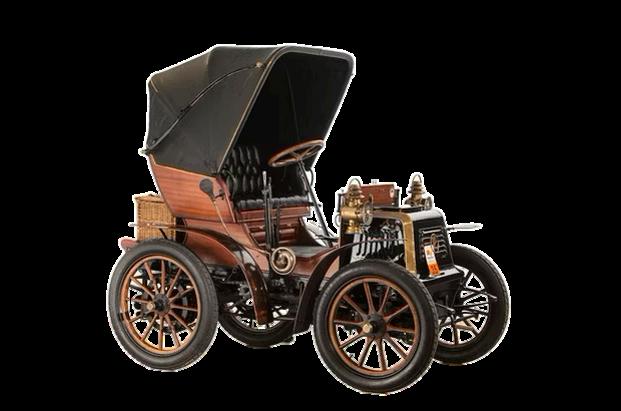

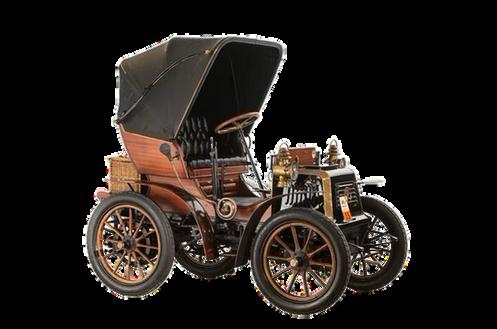
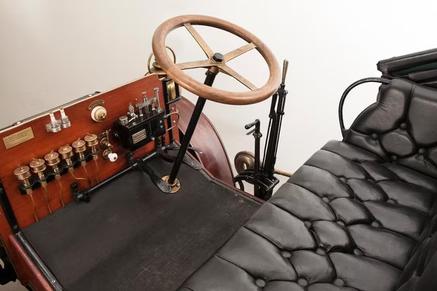
1894 Panhard
First Steering Wheel
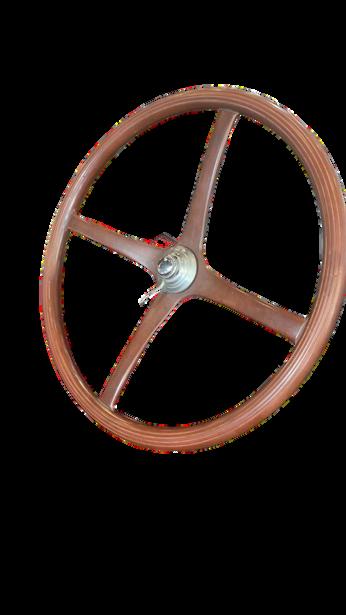
Alfred Vacheron created the first steering-wheeled automobile in 1894, and it used a proprietary "directional wheel" technology. One of the first cars with a steering mechanism resembling modern ones was this one. The device that allowed the car to turn and drive forward and backward was called the directional wheel. To alter the direction of the car, one had to turn a wheel that was attached to the steering system.
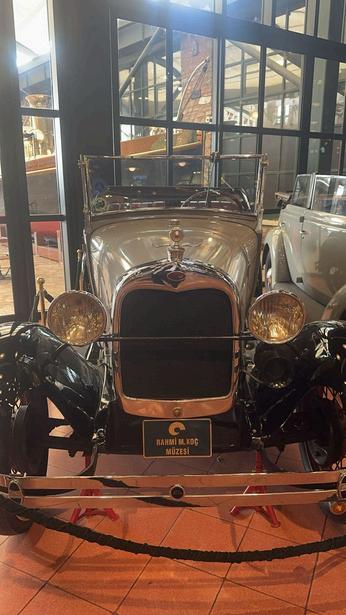
1927 Ford Model 40
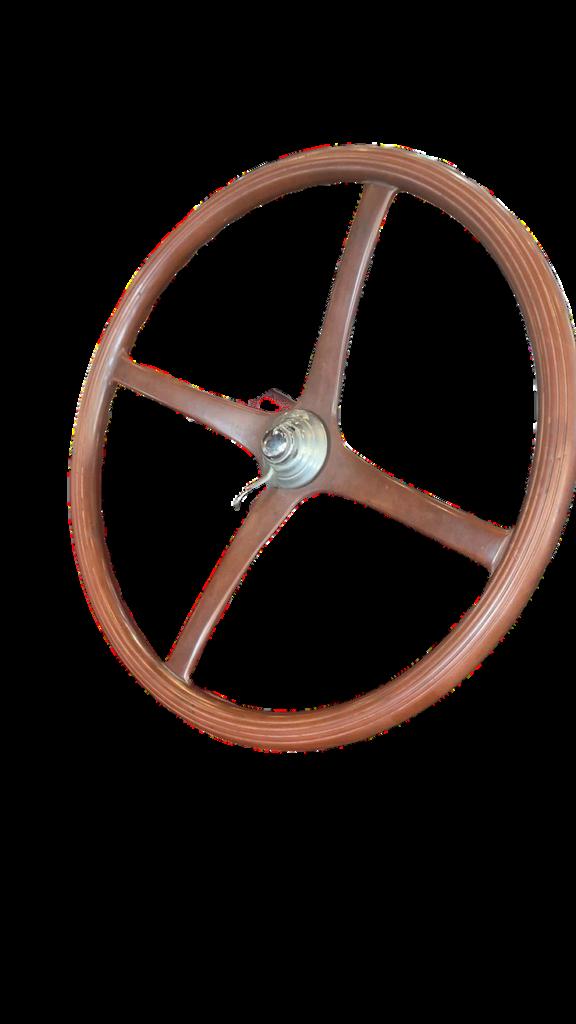
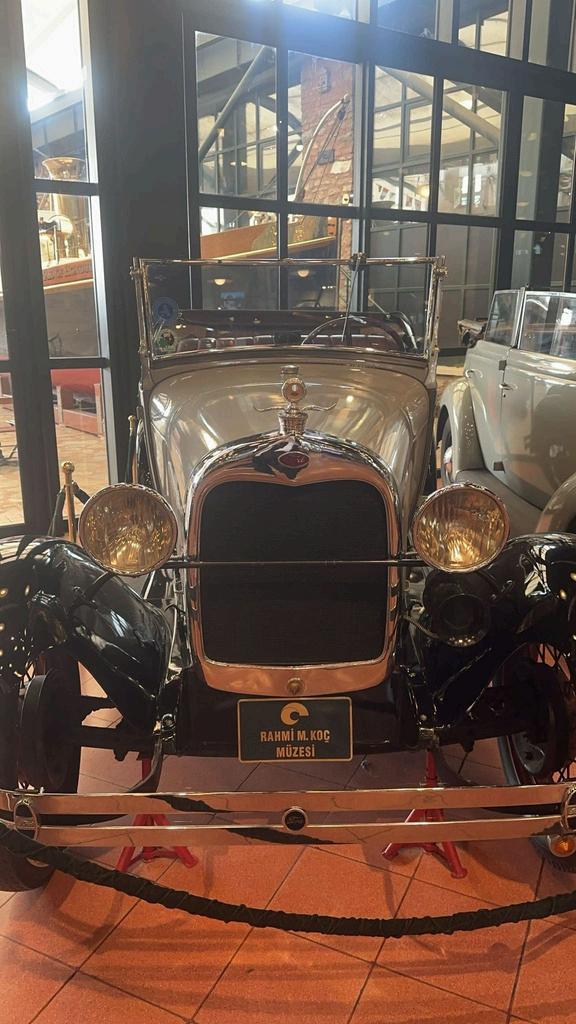
Mechanical Steering System
The steering system of the 1927 Ford Model A 40 was standard for the period. Usually, these cars used a straightforward mechanical steering system.
Typically, the 1927 Ford Model A 40's steering system turned the front wheels directly using a rod or gear mechanism. When the driver turned the steering wheel, this arrangement enabled the wheels to change direction and propel the car. But this system needed more resistance and was stiffer than contemporary steering methods.
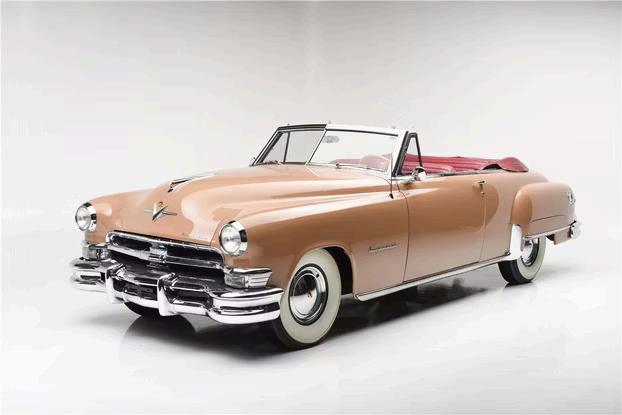
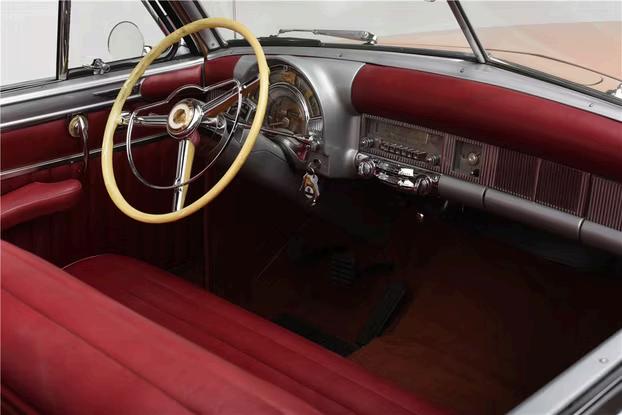
1951 Cadillac Imperial
First Power Steering System
Power steering has been developed since the 1920s to make steering vehicles easier.
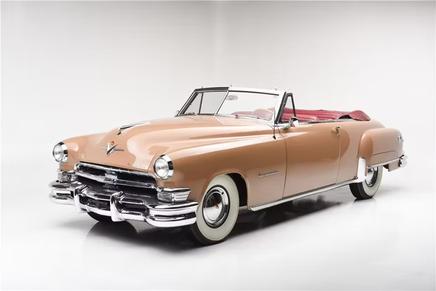
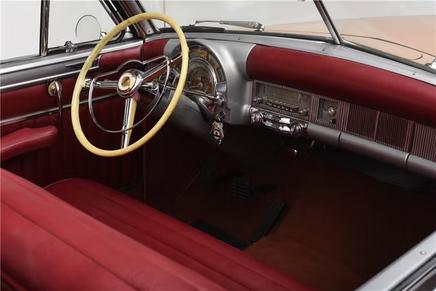
Inventor Francis W. Davis signed a contract with GM to develop the technology, but its use was delayed by the Great Depression and World War II. In 1951, Chrysler Imperial became the first production car to feature power steering. Since then, hydraulic power steering has been standard, but the industry is transitioning to fully electric systems.

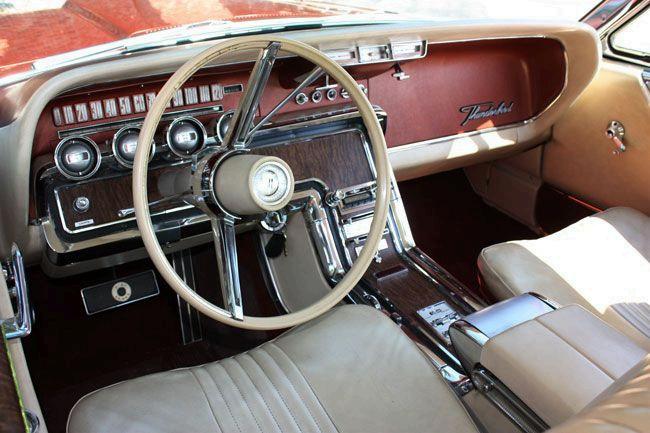
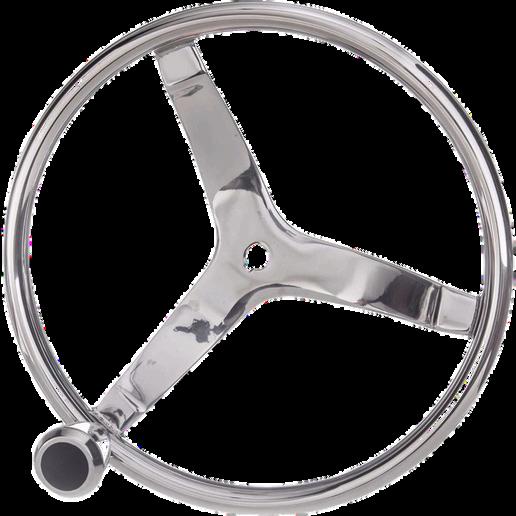
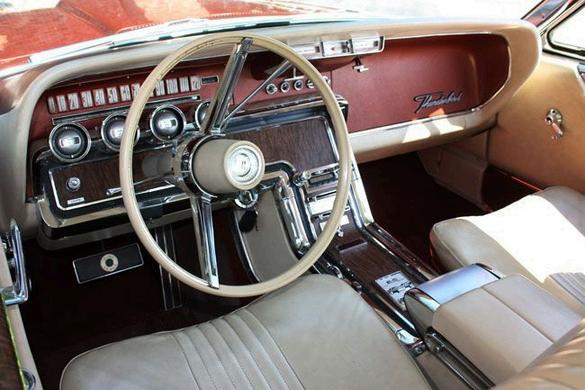
1965 FORD THUNDERBİRD
First Tilt&Telescopic Steering
The 1965 Ford Thunderbird has been identified as the first production automobile to use tilt and telescopic steering. For the first time, drivers could now rotate the steering wheel both vertically and horizontally thanks to a feature Ford added as an option for the Thunderbird. A major development in automotive ergonomics, the Ford Thunderbird's tilt and telescopic steering set a new benchmark for driver comfort and convenience.

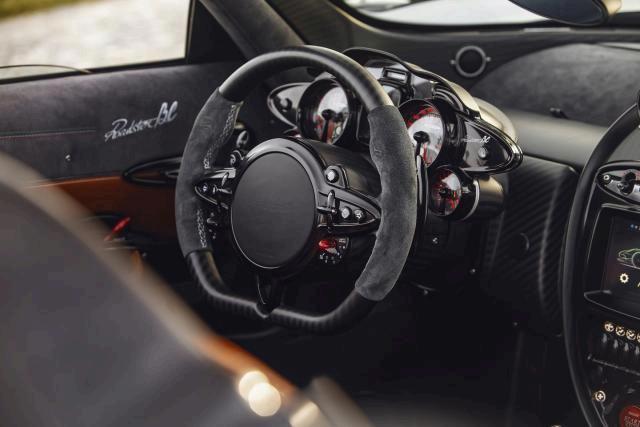
2021 PaganiHuayra Roadster BC
Electronic Power Steering
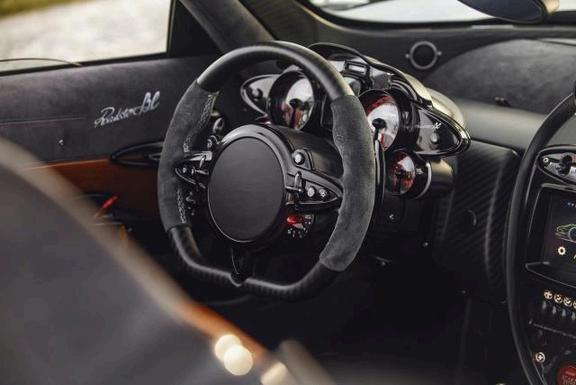
The Pagani Huayra Roadster BC's steering wheel is made of carbon fiber. The luxury and focused on performance cars produced by the Pagani brand are made of materials that are lightweight and durable, such carbon fiber. Because carbon fiber is lightweight and strong, it is ideal for automotive parts.
K. (2023, May 13). The Evolution of the Steering Wheel: From Tiller to Modern-Day Design. Mr. Steering Wheel Cleaner. https://mrsteeringwheelcleaner.com/the-evolutionof-the-steering-wheel/
Wright, I. (2021, December 14). Evolution Of The Steering Wheel. CarBuzz. https://carbuzz.com/features/reinventing-the-wheel-the-history-and-future-of-the-steering-wheel/
A. (2020, June 10). A Brief History of the Steering Wheel for Students in Auto Mechanic School. Auto Mechanic Training School | Automotive Training Centre. https://www.autotrainingcentre.com/blog/history-steering-wheel-students-auto-mechanic-school/
References
Alfred Vacheron created the first steering-wheeled automobile in 1894, and it used a proprietary "directional wheel" technology.

First Power Steering System
Typically, the 1927 Ford Model A 40's steering system turned the front wheels directly using a rod or gear mechanism.
Mechanical
Chrysler Imperial became the first production car to feature power steering. Since then, hydraulic power steering has been standard, but the industry is transitioning to fully electric systems.
Electronic Power Steering

Steering System

First Tilt&Telescopic Steering
The 1965 Ford Thunderbird has been identified as the first production automobile to use tilt and telescopic steering.

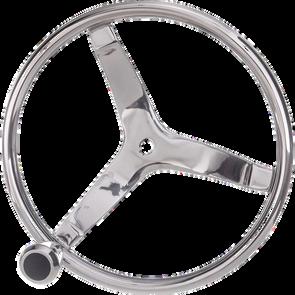
The Pagani Huayra Roadster BC's steering wheel is made of carbon fiber. The luxury and focused on performance cars produced by the Pagani brand are made of materials that are lightweight and durable
Steering
First
Wheel
Ekinci IND212
Eren Lukas
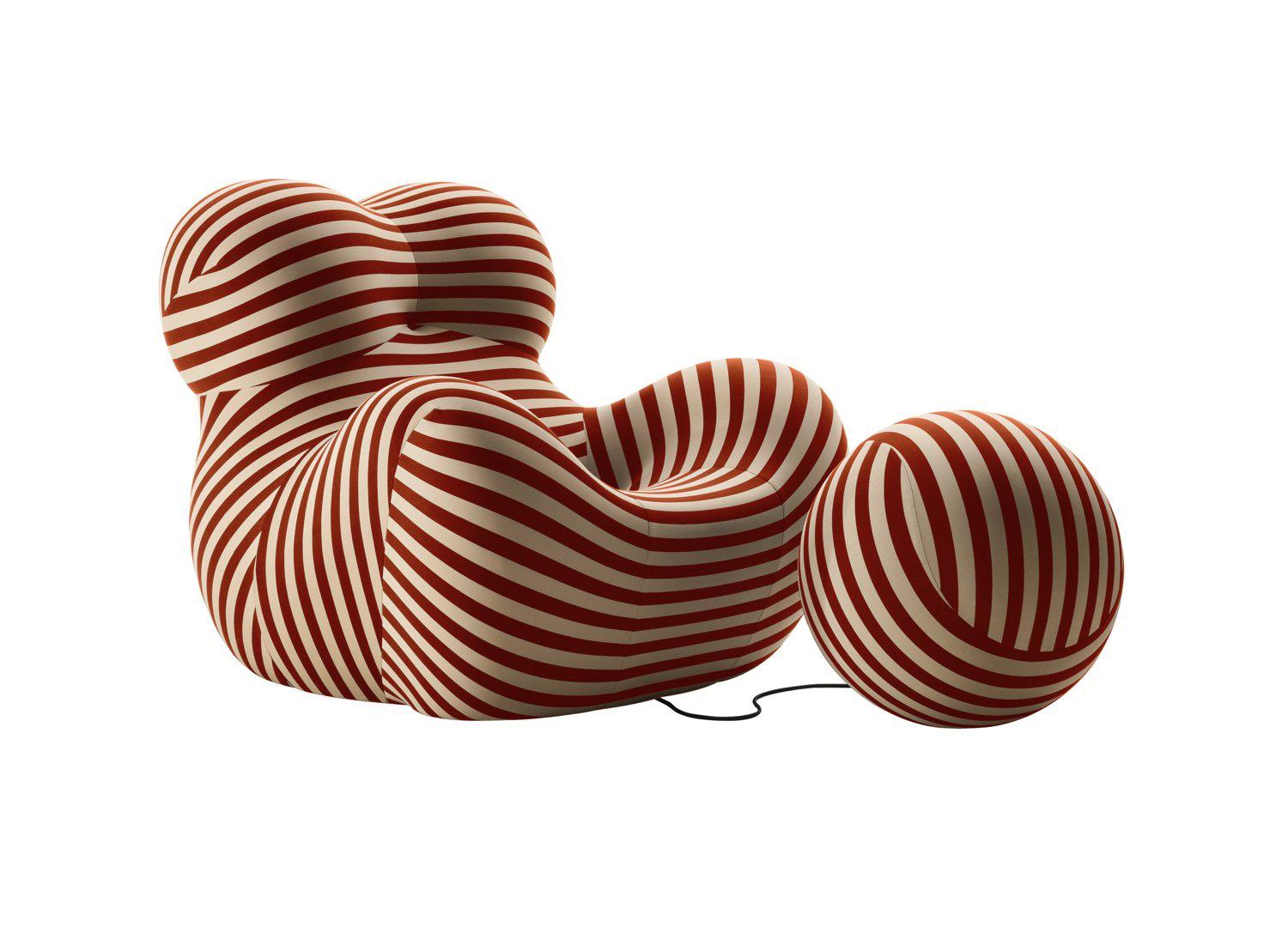
UP Series Chair 1969
Gaetano Pesce
Designed in 1969, right from the onset the Up series has been one of the most outstanding expressions of design with its expressive shapes upholstered with elastic fabric. This innovative solution, poised midway between design and art, and conceived to be o ered to a wide audience, stems from B&B Italia’s extensive technological know-how in terms of polyurethane injection moulding.
The Bauhaus Manifesto is an movement towards modernism, but it also reflects a combination of concepts from earlier design groups. It adopted the appreciation of handicraftsmanship from the Arts and Crafts Movement and the Art Nouveau style of incorporating art into useful products. Its socially futuristic vision, creative teaching technique, affection to functionalism, and acceptance of modern technologies set it apart, yet. The successful fusion of art, craft, and industry that the Bauhaus produced continues to influence contemporary architecture and design.The Bauhaus left behind a successful blend of art, craft, and industry that still has an impact on modern architecture and design. The Arts and Crafts Movement and the Bauhaus Manifesto share many fundamental principles, especially with reference to the importance placed on craftsmanship and mixing art into daily life. Gropius, like the proponents of the Arts and Crafts movement, believed that greatness in creative undertakings required mastery of a profession and a return to the workshop. Both groups aimed to bring back the dignity and excellence of the artisan's labor and resisted the industrial value of their work.
#1 Grayson Perry: The Vanity of Small Differences. (n.d.). Victoria Miro. https://www.victoriamiro.com/exhibitions/429/
#2 Miss K Modern Table Lamp by Philippe Starck | Flos USA. (n.d.). DESIGNHOLDING. https://flos.com/en/us/miss-k/M-miss-k.html
#3 Bouroullec, E., & Bouroullec, R. (2009). Vegetal
#6 Serie Up 2000. (n.d.). B&B Italia. https://www.bebitalia.com/en-us/en-us-serie-up2000-poltrone.html
References