
PORTFOLIO ARCHI TECTURE FR.EN 2025
Rue
27 avril 1995
L’architecture est née d’un intérêt et d’une curiosité de longue date pour les possibilités et les potentialités présentes dans la réflexion et la transformation de l’espace par le dessin. L’admission à la faculté d’architecture de Porto, la période d’échange à Buenos Aires, les différentes expériences professionnelles, les différents voyages, lectures, concours et études que j’ai entrepris ; tous ces moments ont apporté avec eux la révélation de la complexité du projet architectural.
De la construction de l’idée à son ajustement et à sa formalisation en tant qu’œuvre; de l’esquisse au détail constructif ; de la conception à le suivi de l’œuvre; du travail en équipe au travail individuel; de la réflexion critique à la constante volonté d’apprendre; tous ces points sont, également, de mon intérêt.
Toujours avide de nouveaux défis et après plus de deux ans chez LRS Architectes, je suis à la recherche d’une nouvelle opportunité professionnelle me permettant de m’enrichir en tant qu’architecte.
Architecture appears as a lasting interest and curiosity for the possibilities and potential present in the reflection and transformation of space through design. The entrance in the Faculty of Architecture of Porto, the period of exchange in Buenos Aires, the different professional experiences, the different travels, readings, competitions and studies that I carried out; all these moments brought with them the revelation of the complexity of the architectural project.
From the construction of the idea to its correctness and formalization as a work; from the sketch to the constructive detail; from design to construction monitoring; from the team work to the individual work; from the critical reflection to the constant will to learn; all of these are, equally, of my interest.
Always keen to take on new challenges, and after more than two years with LRS Architectes, I’m looking for a new professional opportunity that will enable me to development as an architect.
BIOGRAPHIE
Expérience professionnelle
Work Experience
Architecte (2 an et 2 mois)
Architect (2 year and 2 months)
Lin Robbe Seiler Architectes
Genéve, Suisse
Stagiaire en architecture (1 an et 5 mois)
Architecture Intern (1 year and 5 months)
André Tavares Arquitecto
Porto, Portugal
Stagiaire en architecture (1 an et 9 mois)
Architecture Intern (1 year and 9 months)
Arquitecto Manuel Araújo Silva
Porto, Portugal
Qualifications académiques
Academic Qualifications
Master intégré en architecture
Integrated Master Degree in Architecture
FAUP, Faculdade de Arquitectura da Universidade do Porto
Programme d’échange + Bourse Erasmus Mundus
Exchange Program + Scholarship Erasmus Mundus
FADU-UBA, Facultad de Arquitectura, Diseño y Urbanismo
Buenos Aires, Argentina
Workshop: Cité hypothétique
Workshop: Hypothetical City
Porto Academy Summer School, Workshop Leader: BAST
Sélectionné pour présentation et publication dans le cadre du 5e Congrès international d’Arcos de Valdevez, Casa Nobre: un patrimoine pour le futur, avec le travail intitulé “Paço de Lanheses: de l’ouverture de l’espace d’entrée à l’organisation de la Casa Nobre”.
Selected for presentation and publication on the 5th International Congress of Arcos de Valdevez, Noble House: a heritage for the future, with the work entitled “Paço de Lanheses: from opening the entrance space to the organization of the Nobel House”.
Concours
Competitions
(1er prix) Bar temporaire pour l’Association des étudiants FAUP (1st prize) Temporary Bar for Student Association of FAUP
Queimódromo, Porto, Portugal
Autres Expériences Others Experiences
Serveur Waiter
Restaurant “A Floresta”, Guarda
Membre du département des politiques éducatives
Member of Educational Policies Department AEFAUP
Langues
Languages
Português (native)
Français (level B2)
Castellaño (level B2)
English (level B2)
Compétences digitales Digital Skills
Archicad
AutoCad
Rhinoceros 3D
Adobe Photoshop
Adobe Indesign
Adobe Premiere
Cinerender
V-Ray (basic)
Autres Centres d’Intérêts Others Interests
Politique, Cinéma, Photographie, Musique, Voyages, Sport
Politics, Cinema, Photography, Music, Travelling, Sport
TRAVAUX SÉLECTIONNÉS
01 PROFESSIONNELLE
02 ACADÉMIQUE
03 CONCOURS
01.1 / Logements Caserne des Vernets Housing Caserne des Vernets
01.2 / Pôle Santé Le Rolliet Le Rolliet Health Centre
01.3 / Maison à Ucanha House in Ucanha
01.4 / Maison de Campagne à Pontemieiro Country House in Pontemieiro
02.1 / La “F” The “F”
02.2 / École Campo 24 de Agosto School of Campo 24 de Agosto
03.1 / “Boîte Noire” “Black Box”
LRS Architectes SA
Genève, Suisse
46.1936980, 6.1358110
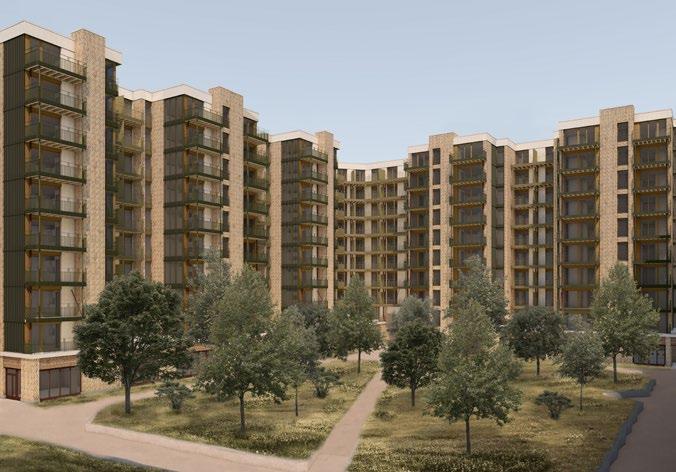
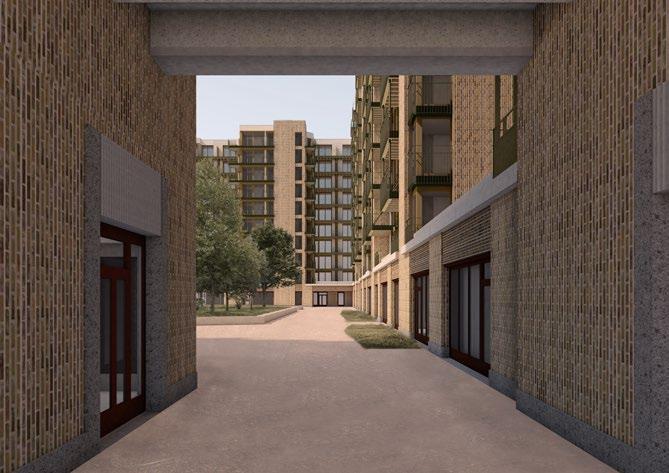
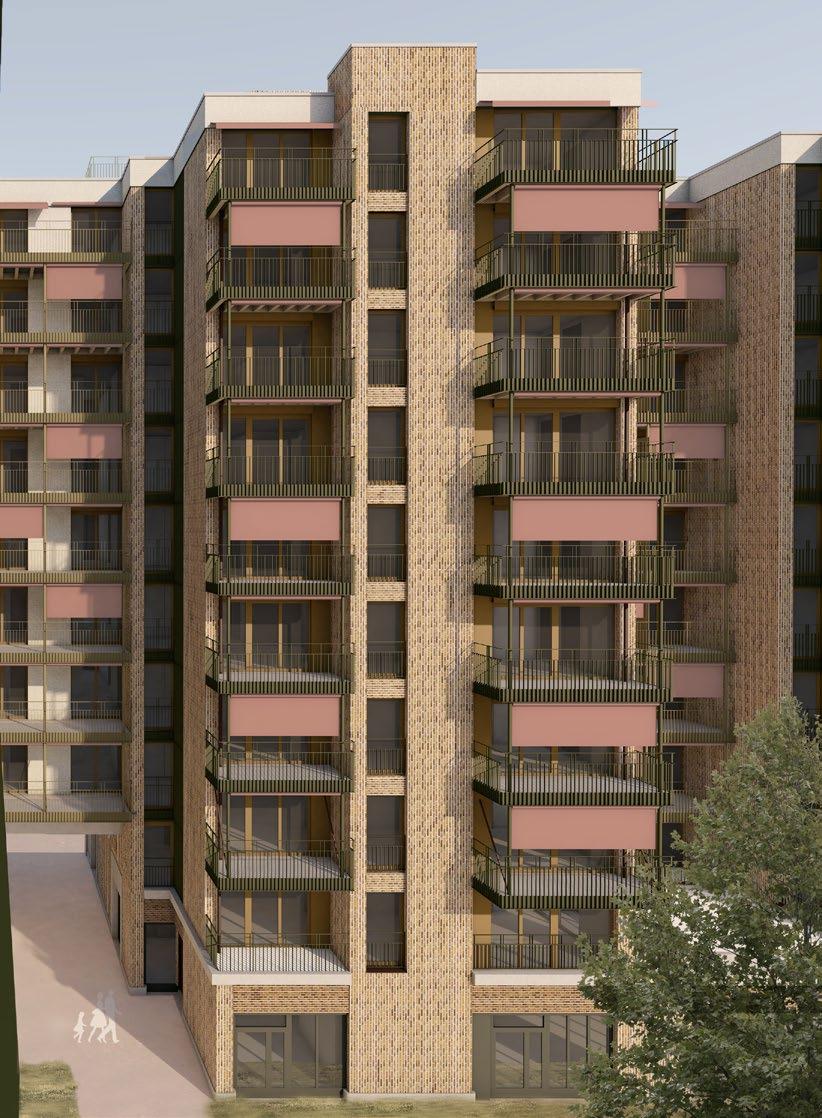
En intégrant le projet Praille Acacias Vernets (PAV), “une initiative majeure de régénération urbaine à Genève”, l’un des deux méga-îlots du “Quai Vernets”, comprenant 5 investisseurs, 600 logements, des espaces commerciaux ainsi qu’un gabarit hors norme (120 m x 90 m, h = 30 m, profondeur = 21 m), prend une dimension singulière en tant que projet d’architecture. Néanmoins l’échelle et la complexité inhérentes, la singularité du projet repose sur le principe du dessin d’un square à l’intérieur de l’îlot, offrant une qualité à la fois résidentielle et urbaine, ainsi que sur l’exploitation de la profondeur de 21 m grâce à une morphologie creusée, permettant à l’ensemble des logements de bénéficier d’une loggia et d’une orientation traversante ou d’angle sur cour.
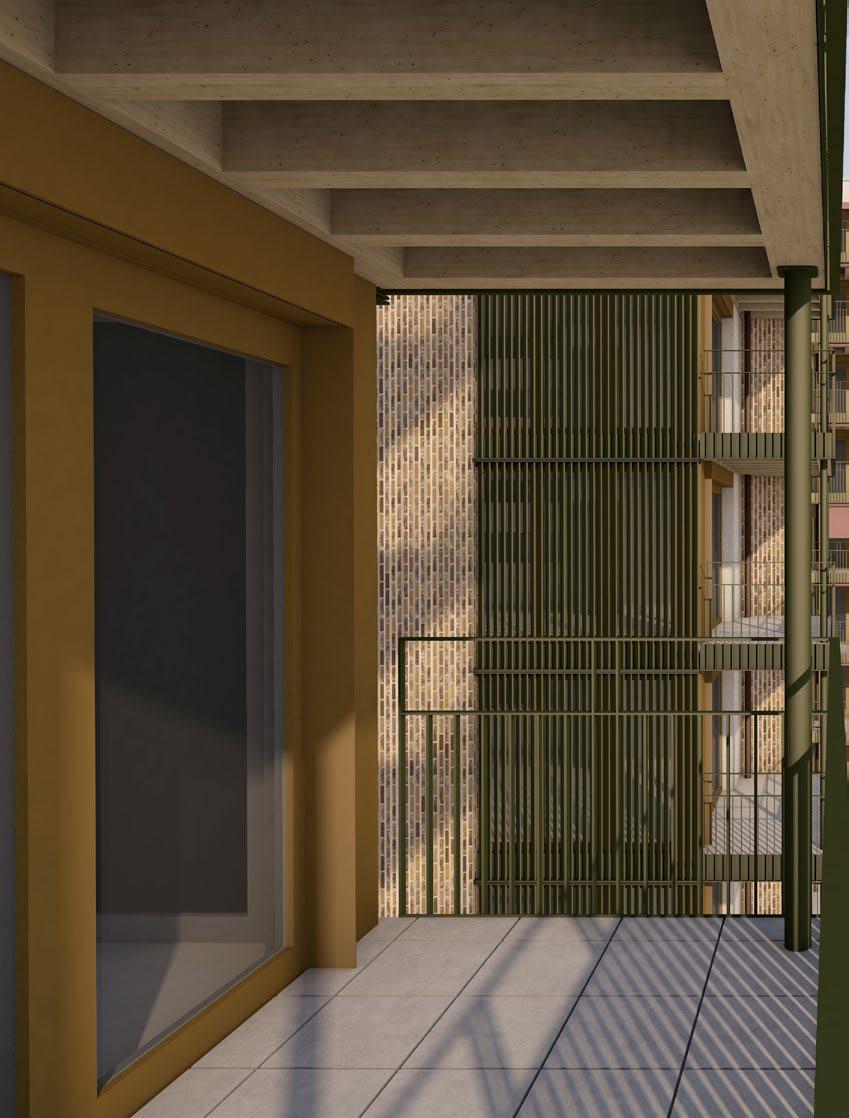
En collaboration avec le bureau Jaccaud+Associés, le développement du projet s’est fait dans un dialogue étroit entre les différentes parties – investisseurs, entreprise générale et mandataires – afin d’arriver à répondre aux différentes demandes et aux incontournables optimisations des nombreux enjeux du projet, notamment en ce qui concerne la matérialité des façades et leur résolution à l’échelle des détails constructifs.
Par un échange continu des avis entre toutes les parties, le projet a pu tirer parti de toutes ces réflexions pour se consolider en tant que projet d’exception de logement, où la recherche de l’identité du bâtiment, tant résidentielle qu’urbaine, est présente dès l’esquisse, jusqu’aux images, aux dessins de soumission et d’exécution.
As part of the Praille Acacias Vernets (PAV) project, “a major urban regeneration initiative in Geneva”, one of the two mega-islands of “Quai Vernets”, comprising 5 investors, 600 homes, commercial spaces and an unusual size (120 m x 90 m, h = 30 m, depth = 21 m), takes on a singular dimension as an architectural project. Despite its inherent scale and complexity, the project’s uniqueness lies in the principle of designing a square within the block, offering both a residential and urban quality, and in exploiting the depth of 21 m through a hollowed-out morphology, enabling all the homes to benefit from a loggia and a through or corner orientation on the courtyard.
In collaboration with Jaccaud+Associés, the project was developed in close dialogue between the various partiesinvestors, general contractor and agents - in order to meet the various demands and optimise the many challenges of the project, particularly in regard to the materiality of the façades and their resolution at the scale of the construction details.
Through an ongoing exchange of views between all parties, the project has been able to draw on all these reflections to consolidate itself as an exceptional housing project, where the search for the building’s identity, both residential and urban, is present right from the sketch, through the images, to the submission and execution drawings.
Genève, Suisse
46.1936980, 6.1358110
03. plan d’étage type
Genève, Suisse
46.1936980, 6.1358110
04. un des passages vers l’square intérieur
Genève, Suisse
46.1936980, 6.1358110
LRS Architectes SA Plan-les-Ouates, Suisse 46.1712388, 6.1081963
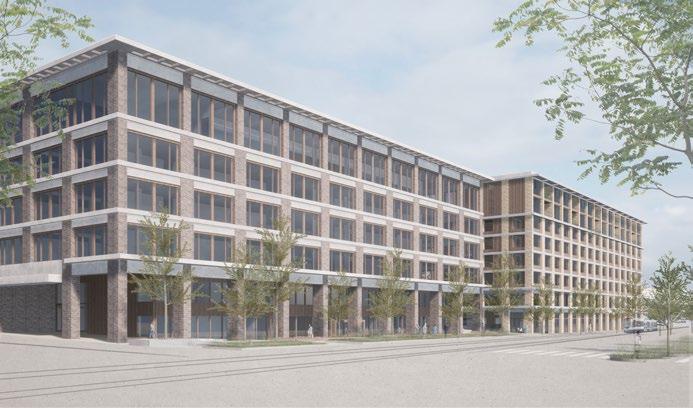
En s’inscrivant dans le développement du quartier des Cherpines à Plan-les-Ouates, où la mixité des usages est privilégiée (logements, services de proximité, commerces, écoles et aménagements publics), les deux bâtiments principaux sont dédiés aux activités du Pôle Santé. En raison de leur proximité avec la ligne de tram, ces bâtiments abritent plusieurs programmes: des cabinets médicaux, un poste de police, une pharmacie, un restaurant, une supérette, un Établissement Médico-Social (EMS) et un Centre d’Action Sociale (CAS).
Face à la complexité de la coordination de ces nombreux programmes et leurs multiples contraintes, échelles et exigences, le développement du projet - issu du concours - s’est focalisé sur la gestion et l’intégration de l’ensemble de ces paramètres, en veillant améliorer le projet sans compromettre sa qualité. Cette réflexion s’est traduite par une recherche d’ajustement métrique, spatial et matériel, tant à l’intérieur qu’à l’extérieur des deux bâtiments. À noter également la nécessité inévwitable de coordonner ce projet avec le projet voisin du bureau Sylla Widmann Architectes
Compte tenu de la nature spécifique de ces deux bâtiments et de leur implantation urbaine – chacun possédant une identité distincte –, une attention particulière a été portée à leur dialogue architectural, notamment dans le traitement des façades (matérialité, composition, modularité, etc.) et l’impact de ces choix sur les accès et la vie des espaces publics.
As part of the development of the Cherpines district in Planles-Ouates, where the emphasis is on a mix of uses (housing, local services, shops, schools and public amenities), the two main buildings are dedicated to the activities of the Health Centre. Because of their proximity to the tram line, these buildings house a number of programmes: doctors’ cabinets, a police station, a pharmacy, a restaurant, a mini-market, a Medical and Social Establishment (EMS) and a Social Action Centre (CAS).
Faced with the complexity of coordinating these numerous programmes and their many constraints, scales and requirements, the development of the project - which emerged from the competition -, focused on managing and integrating all these parameters, taking care to improve the project without compromising its quality. This resulted in a search for metric, spatial and material adjustment, both inside and outside the two buildings. There was also an inevitable need to coordinate this project with the neighbouring project by Sylla Widmann Architectes
Given the specific nature of these two buildings and their urban location - each with a distinct identity - particular attention has been paid to their architectural dialogue, particularly in the treatment of the façades (materiality, composition, modularity, etc.) and the impact of these choices on access and the life of the public spaces.
LRS Architectes SA Plan-les-Ouates, Suisse 46.1712388, 6.1081963
03. plans: rdc, rdc supérieur, 2ème étage, 5ème étage
LRS Architectes SA Plan-les-Ouates, Suisse 46.1712388, 6.1081963
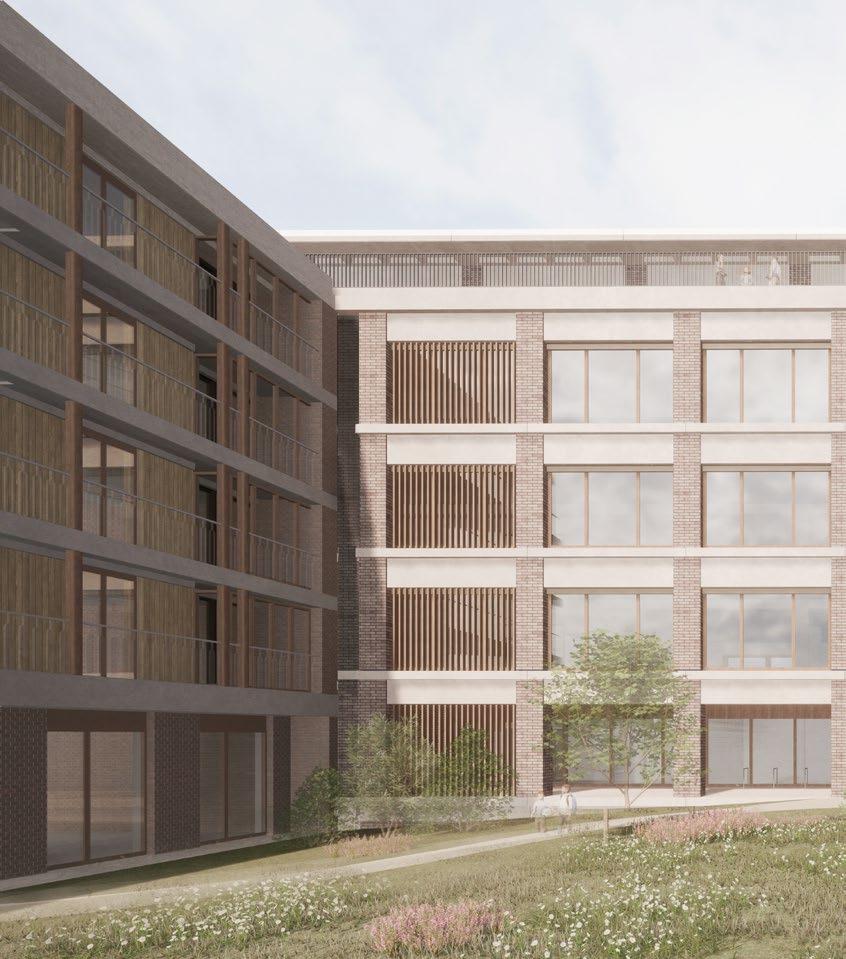
04. vue extérieure, intégration avec bâtiments voisins

Tavares Arquitecto Ucanha, Portugal
41.048579, -7.747872
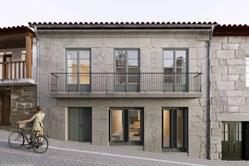
Près de l’ex-libris majeur du village d’Ucanha, un pont fortifié sur la rivière Varosa avec la particularité d’avoir une tour associée, est situé le bâtiment à rénover et transformer. L’intention des clients était de réhabiliter le bâtiment à des fins de logement, sur les deux étages, en créant deux habitations autonomes. De cette façon, le rez-de-chaussée est transformé de manière significative, car la fonction initiale était uniquement le stockage et l’entreposage de matériel agricole, tandis qu’au premier étage les changements proposés sont fondamentalement dimensionnels et non fonctionnels.
Face à l’état de dégradation avancé des intérieurs, il a été proposé de reconstruire l’intérieur du bâtiment en utilisant des techniques de construction modernes, tout en sauvegardant la sensibilité à la nécessité de maintenir les caractéristiques originales de la période de construction du bâtiment. La façade sur rue est entièrement maintenue, l’intention du projet étant de conserver son aspect original. Toutefois, la façade arrière, qui était à l’origine une structure en bois, sera démolie et remplacée par une structure similaire en raison de son état de dégradation patent.
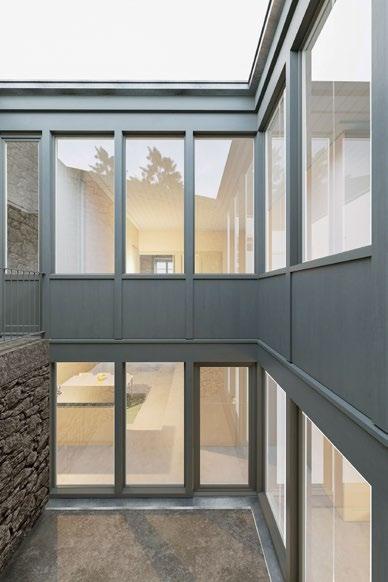
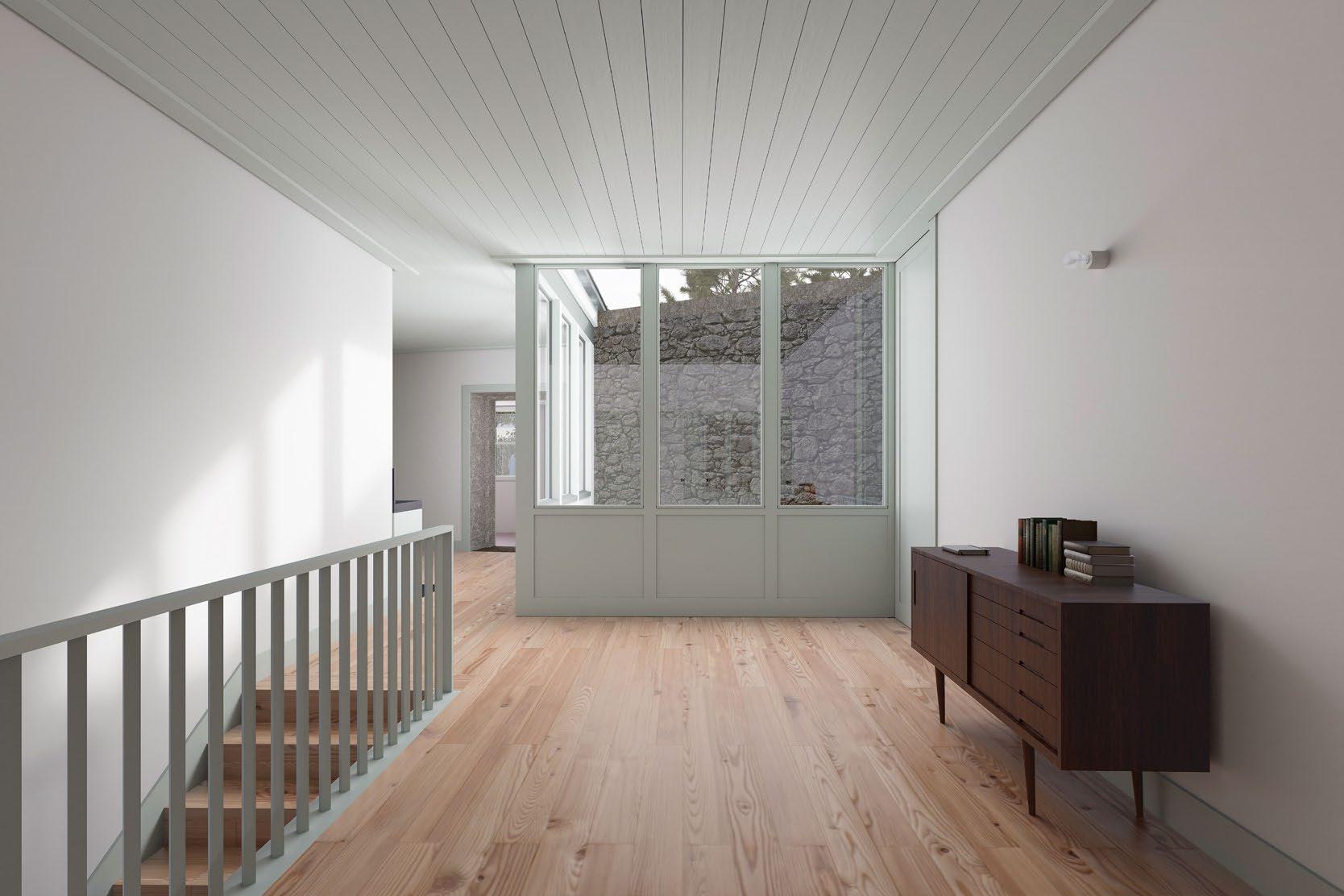
L’un des aspects clés dans l’élaboration du projet, en raison de la géométrie de la parcelle et de son confinement entre les bâtiments, était la conception d’une cour intérieure afin d’accroître la salubrité de l’ensemble du bâtiment. Cette matière est devenue essentielle quant à la conception de l’espace intérieur du bâtiment, en garantissant l’accès à la lumière naturelle et en permettant la ventilation à des endroits auparavant éloignés des façades.
Near the major ex-libris of the village of Ucanha, a fortified bridge over the river Varosa with the peculiarity of having a tower associated with it, stands the building to be reconstructed and transformed. The intention of the clients was the requalification of the building for housing purposes, on both floors, creating two autonomous dwellings. In this way, the ground floor is significantly transformed, as the original function was only for the storage and storing of agricultural material, while on the first floor the proposed changes are fundamentally dimensional and not functional.
Given the advanced state of degradation of the interiors, it was proposed to rebuild the building’s interior using modern construction techniques, safeguarding the sensitivity as to not depriving the building of its original construction characteristic. The street façade is completely maintained, it being the intention of the project to keep its original appearance. However, the rear façade, originally a wooden structure, will be demolished and replaced by a similar structure due to its clear state of degradation.
One of the key aspects in the definition of the project, due to the geometry of the plot and its confinement between buildings, was the design of an inner courtyard in order to increase the healthiness of the whole building. This has become an essential element in the design of the building’s interior space, ensuring access to natural light and allowing ventilation in places previously distant from the façades.
Portugal
41.048579, -7.747872
Tavares Arquitecto Ucanha, Portugal
41.048579, -7.747872
André Tavares Arquitecto Pontemieiro, Portugal 40.810838, -8.316681
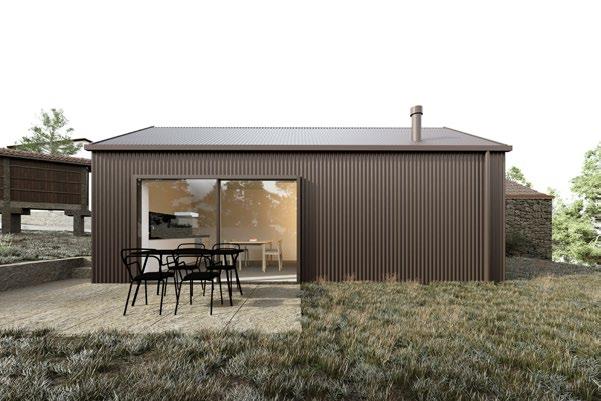
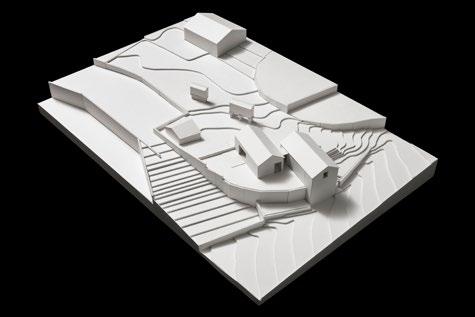
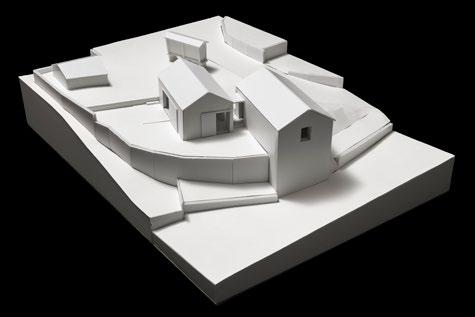
Les exigences de la commande comprenaient la rénovation et la transformation d’un bâtiment, qui sert actuellement de stockage agricole, en une maison de campagne d’usage sporadique pour un couple avec un enfant. Face à un petit terrain aux contraintes fortes, la première question a été de définir une stratégie claire et équilibrée qui permettrait de profiter de la structure existante, en fort état de dégradation, avec l’addition d’une nouvelle volumétrie.
Afin d’établir un projet cohérent, la nature des espaces à inclure dans chaque volume a été définie d’abord: espaces privés dans le préexistant, et espaces sociaux dans le nouveau volume. Dans ce sens, la préexistence est optimisée pour le nouvel usage, en dessinant à l’intérieur: une alcôve, une installation sanitaire et une chambre, en récupérant et en consolidant les façades en granit et en maintenant la forte présence des structures en bois dans la composition intérieure de l’espace.
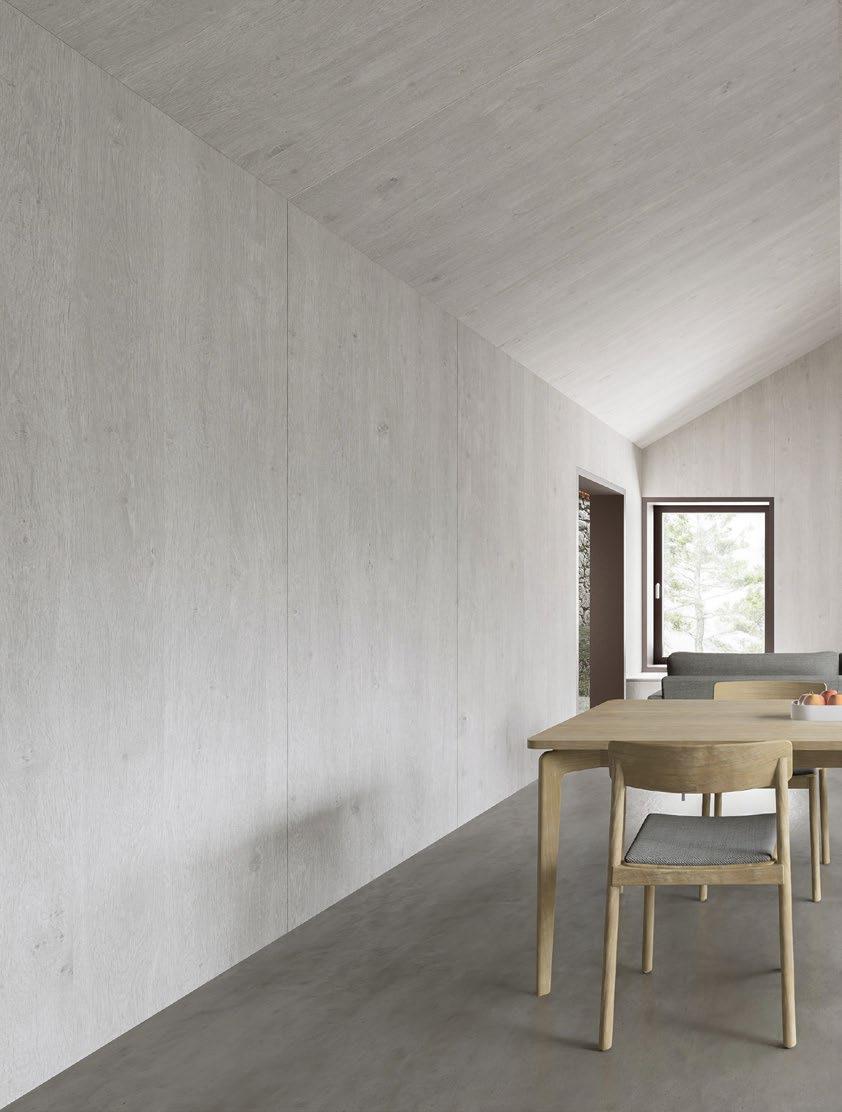
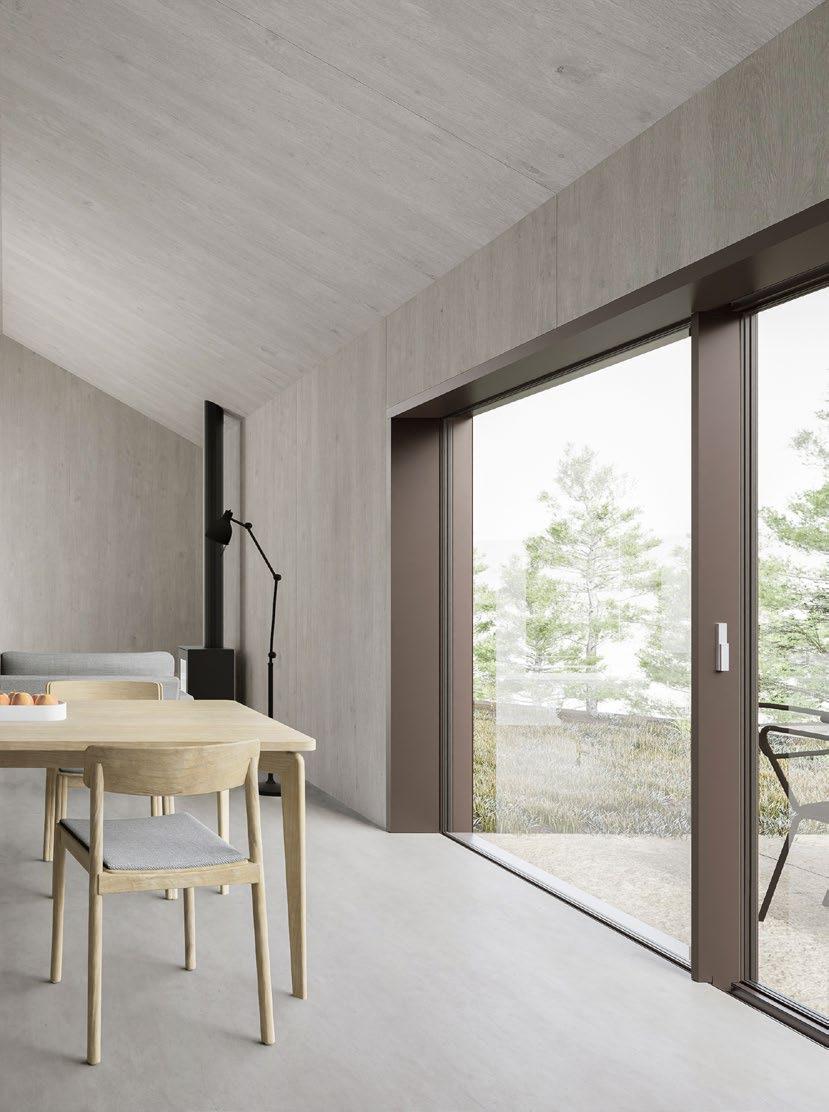
Dans la nouvelle volumétrie, dans une perspective plus contemporaine, avec un revêtement extérieur de zinc ondulé et à l’intérieur de panneaux de contreplaqué, un seul grand espace est conçu où se trouvent le salon et la cuisine, tous deux en contact direct avec l’extérieur.
Par une constante réflexion critique et une attention au détail, nous avons essayé de donner au projet une vision clairvoyant quant à son échelle et son cadre paysager, où une composition harmonieuse et soignée des volumes pourrait construire un nouveau mode de habiter.
The requirements of the commission included the renovation and transformation of a building, that currently serves as agricultural storage, into a country house of sporadic use for a couple with one child. Confronted with a small plot of land with strong constraints, the first question was how to define a clear and balanced strategy that would allow the existing structure, in a high state of degradation, to be used with the addition of a new volume.
In order to establish a coherent project , the nature of the spaces to be included in each volume is defined from the very beginning: private spaces in the pre-existence, and social spaces in the new volume. In this sense, the pre-existence is optimized towards the new use, being designed inside: an alcove, a sanitary installation and a bedroom, recovering and consolidating the granitic façades and maintaining the strong presence of the wooden structures in the interior design of the space.
In the new volumetry, in a more contemporary perspective, with an exterior coating of corrugated zinc and interior of plywood panels, a single ample space is designed where both the living room and the kitchen are in direct contact with the exterior.
Through constant critical reflexion and attention to detail, the aim was to give the project a clear-sightedness of its scale and landscape framework, where a harmonious and careful composition of the volumes could build a new way of inhabiting.
40.810838, -8.316681
40.810838, -8.316681
40.810838, -8.316681
Porto, Portugal


De nature hypothétique, l’exercice du projet de 3ème année part d’un lieu fictif, sachant seulement que le bâtiment résidentiel à dessiner est implanté dans un contexte urbain et sert de finition à un îlot.
Comme premier contact avec la problématique du logement collectif, les différentes typologies et systèmes d’accès sont étudiés afin de connaître les contraintes et caractéristiques de chacun. Enfin, le système d’accès direct a été choisi pour la conception et le développement du “F” pour la plasticité et les espaces qu’il permet.
La stratégie du projet est basée sur la composition d’un module stratifié en 3 étages, où se concentrent 4 appartements de 2 typologies différentes. Les accès verticaux sont la matrice de l’organisation de ces mêmes appartements. Les étages déterminent les différentes fonctions de la sphère d’habitation, en veillant à une plus grande amplitude de l’espace social.
Avec une plus grande perméabilité au rez-de-chaussée, les logements forment un bloc appuyé sur les noyaux d’accès, éloignant la sphère privée de la sphère publique.
Of a hypothetical nature, the project exercise of 3rd grade part of a fictitious location knowing only that the residential building to be projected is set in an urban context and serves as a cornerstone to a block.
As a first contact with the problem of multi-family housing, the different typologies and access systems are studied in order to become aware of the conditions and characteristics of each one. At last, the direct access system is chosen for the design and development of the “F” by the plasticity and spaces that it allows.
The strategy of the project starts from the composition of a stratified module in 3 floors, where 4 flats of 2 distinct typologies are concentrated. The vertical accesses are the matrix for the organization of these same flats. By floors, the different functions of the living sphere are determined, paying attention to a greater amplitude of social space.
Enjoying a greater permeability on the ground floor, the dwellings assume themselves as a block supported on the access nucleus, distancing the private sphere from the public sphere.
Campo 24 de Agosto, Porto, Portugal 41.148960, -8.599818
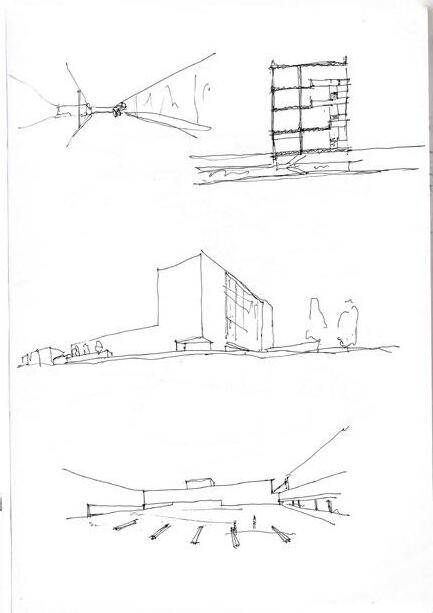
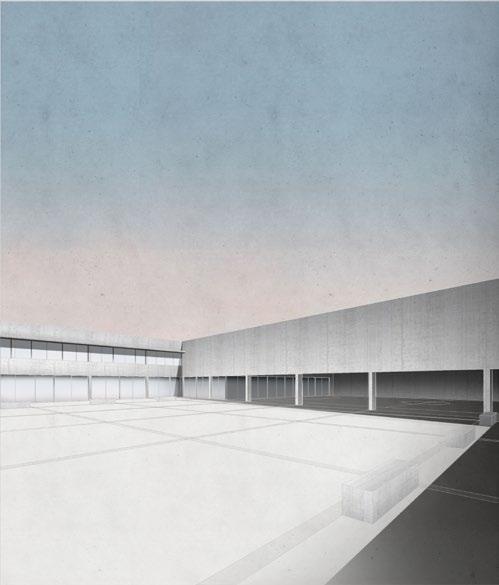
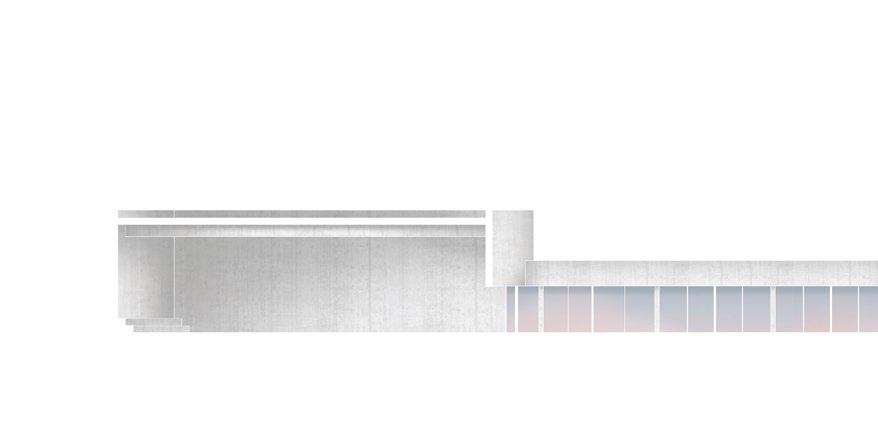
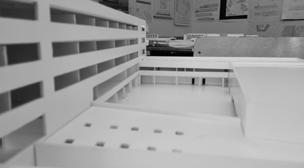
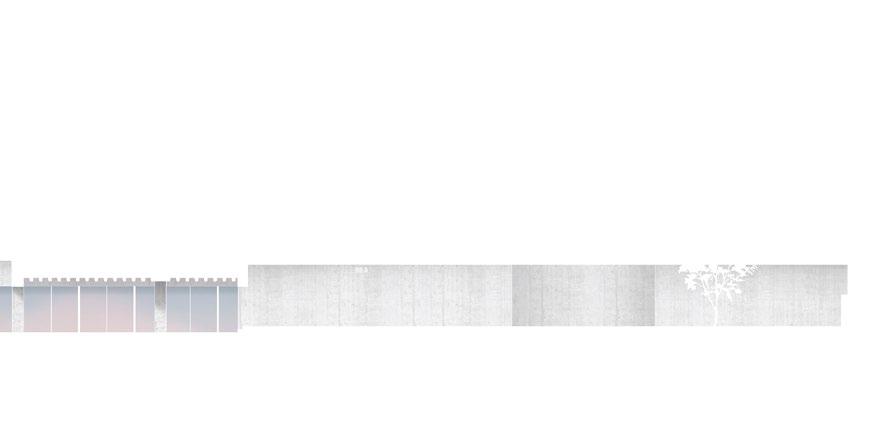
L’énoncé de l’exercice a déterminé que la cible de l’intervention était un terrain, inoccupé à l’époque, à Campo 24 de Agosto, à Porto. L’exercice prévoyait la conception d’une école, en tenant compte d’une longue liste d’objectifs et d’exigences. Le dessin visait donc à clarifier une stratégie formelle la plus claire et la plus affirmée possible, tant comme projet architectural que comme espace à habiter.
Reconnaissant l’objectif de l’exercice: dessiner une complexe institution scolaire, sa composition est partie de l’idée d’une grande cour de récréation centrale pouvoir servir d’ancrage à l’ensemble de la composition. Comme point de départ, cet espace a permis d’organiser et de hiérarchiser les différentes exigences auxquelles l’énoncé devait répondre. L’idée de déterminer cet espace récréatif comme point central de l’organisation du projet en a fait un élément structurant de l’ensemble de la stratégie de dessin, prévalant une idée de l’occupation commune de l’espace.
L’ensemble du dessin est finalement né de l’interprétation de ce qu’est la vie quotidienne dans une école: de ce que sont sa dynamique et son potentiel d’utilisation en tant qu’espace communautaire, de ce que cet espace - formatif, didactique et de travail - pourrait constituer pour ceux qui l’utilisent quotidiennement, qu’ils soient étudiants, enseignants ou employés.
The memorandum of the exercise determined as the target of the intervention a land, at the time unoccupied, in Campo 24 de Agosto, in Porto. The exercise foresaw the design of a Middle School, keeping in mind a long and objective set of requirements. The aim of the design was to clarify as clearly and assertively as possible a formal strategy, both as an architectural project and as a space to be inhabited.
Recognising the aim of the exercise: to design a complex school equipment; its composition started from the idea of a large central playground being able to anchor the whole composition. As a starting point, this space made it possible to organise and prioritise the various requirements to which the statement obliged to correspond. The idea of determining this playground as the central point of the project organisation made it a structuring element of the whole design strategy, prevailing an idea of common inhabit of space.
The whole design has resulted from the interpretation of what is the daily life of a School: what are its dynamics and potentialities of use as a community space, what can constitute this space - formative, didactic and of work - for those who use it daily, be it the student, teacher or employee.
Campo 24 de Agosto, Porto, Portugal 41.148960, -8.599818
3rd and 4th floor: classrooms laboratories teachers’ offices student’s association stationery store
2nd floor: classrooms teachers’ offices
3ème et 4ème étage : salles de classe laboratoires bureaux des maîtres association d’étudiants papeterie
2ème étage: salles de classe bureaux des maîtres
1st floor: library teachers’ lounge executive committee secretariat conference rooms
1er étage: bibliothèque salle des maîtres conseil d’administration secrétariat salles de réunion
groung floor: playground sports facilities auditorium multipurpose room cafeteria/kitchen technical area
rez-de-chaussée: cour de récréation installations sportive auditorium salle polyvalente bar/cuisine zone technique
41.148960, -8.599818
Queimódromo, Porto, Portugal 41.173360, -8.685061
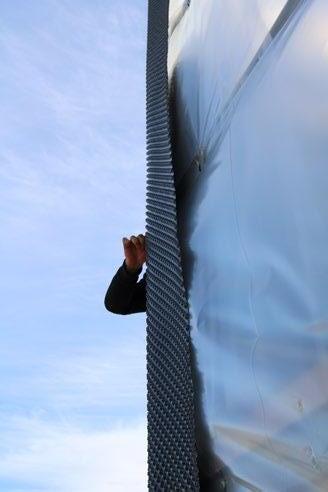
Une monolithique boîte noire héberge le bar de l’association des étudiants de la FAUP pour le festival annuel Queima das Fitas. À partir d’une structure préexistante, la volumétrie est recouverte d’une toile de drainage qui exploite au mieux les propriétés du matériau: imperméable, texturé et de couleur noire.
Au milieu de la foule et parmi les nombreuses structures temporaires du complexe, la “Boîte Noire” se distingue par sa singularité et sa sobriété quant à l’attention portée au dessin de la lumière.
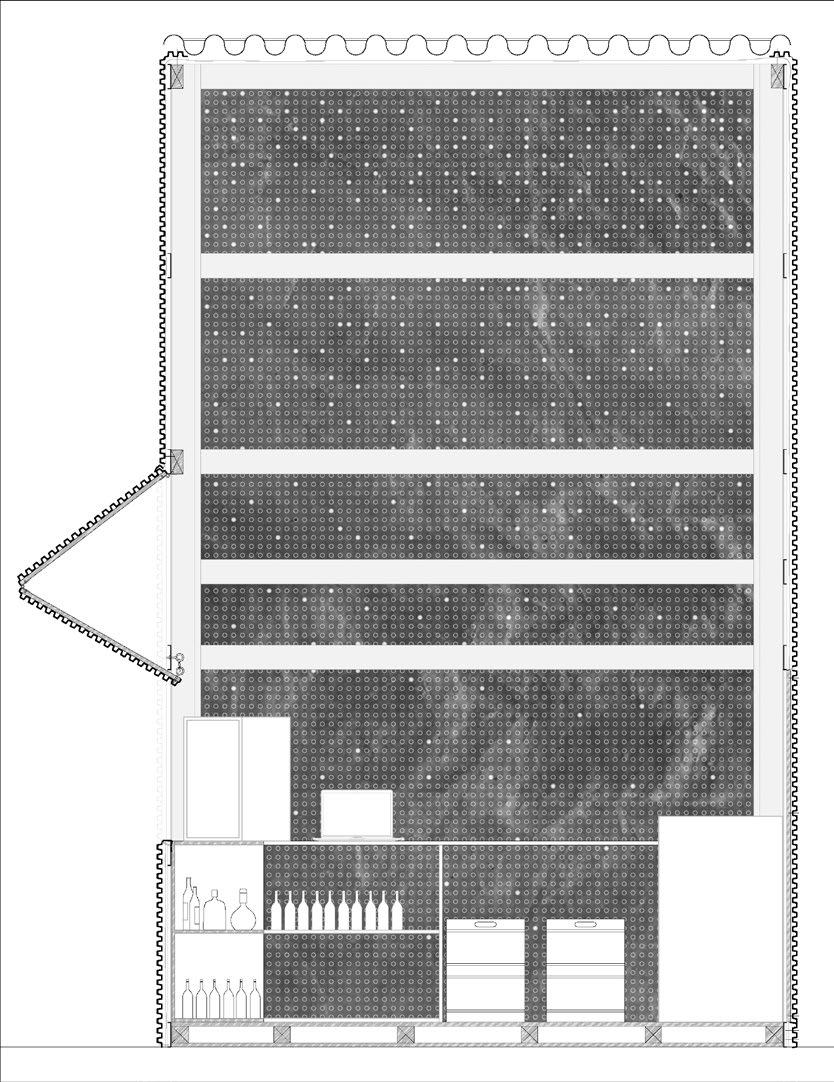
Face à l’obscurité de la nuit, il existe un lien de contrepoids entre le vêtement noir attaché à la structure et la lumière émanant de son intérieur. Lorsqu’il est ouvert, la lumière traverse les puissantes ouvertures des fenêtres, les milliers de perforations qui apparaissent comme des constellations ou comme le logo d’AEFAUP, et aussi à travers la toiture acrylique. Lorsqu’il est fermé et dépourvu de vie, le bar s’assume comme un authentique monolithe noir.
A black monolithic box houses the FAUP Students Association bar for the annual Queima das Fitas Festival. Using a pre-existing structure, the volumetry is coated with a draining fabric making maximum use of the material’s properties: waterproof, textured and black coloured.
Among the crowd and in the midst of the countless temporary structures of the complex, the “Black Box” gains prominence for its uniqueness and sobriety with regard to the attention given to the design of light.
Faced with the darkness of the night, there is a counterweight relationship between the black vestment consigned to the structure and the light that its interior emanates. When opened, the light breaks through the impacting window openings, the thousands of perforations that appear as constellations or as the AEFAUP logo, and also through the acrylic roof. When closed and devoid of life, the bar assumes itself as an authentic black monolithic.
Queimódromo, Porto, Portugal 41.173360, -8.685061
LUÍS FRANCISCO CORDEIRO PINTO
linkedin.com/in/luís-pinto-522a281bb lfcpinto95@gmail.com
(+41) 76 675 60 38