Hiking, Drawing, Lifting, Traveling, Walking my dog, learning German and Castellano
Education
Cosumnes River College (2020- 2023) Cal Poly Pomona (2023-Present)
Skills
Architecture Work
-Revit -Self-motivated
-Rhino -Communication
-Illustrator -Excellent work ethics -Bluebeam -Punctual -Photoshop -Time management
Experience
SJNDS Religious Education Assistant Catechist (2014-2020)
Rubio’s Coastal Grill Cook & Cashier (2021-2023)
Reference
Manuel Sayago, MD, MPH 949.23.4838 whyw8tsammy@gmail.com
Jason Ellis, LEED AP 916.691.7237 ellisj2@crc.losrios.edu
Ludwig Schulz
ludwigantonioschulz@gmail.com 916.600.1390
Costa Mesa, CA
“The design process fascinates me above all else. Fostering the physical and emotional relationships people have with spaces is the goal of architecture.”
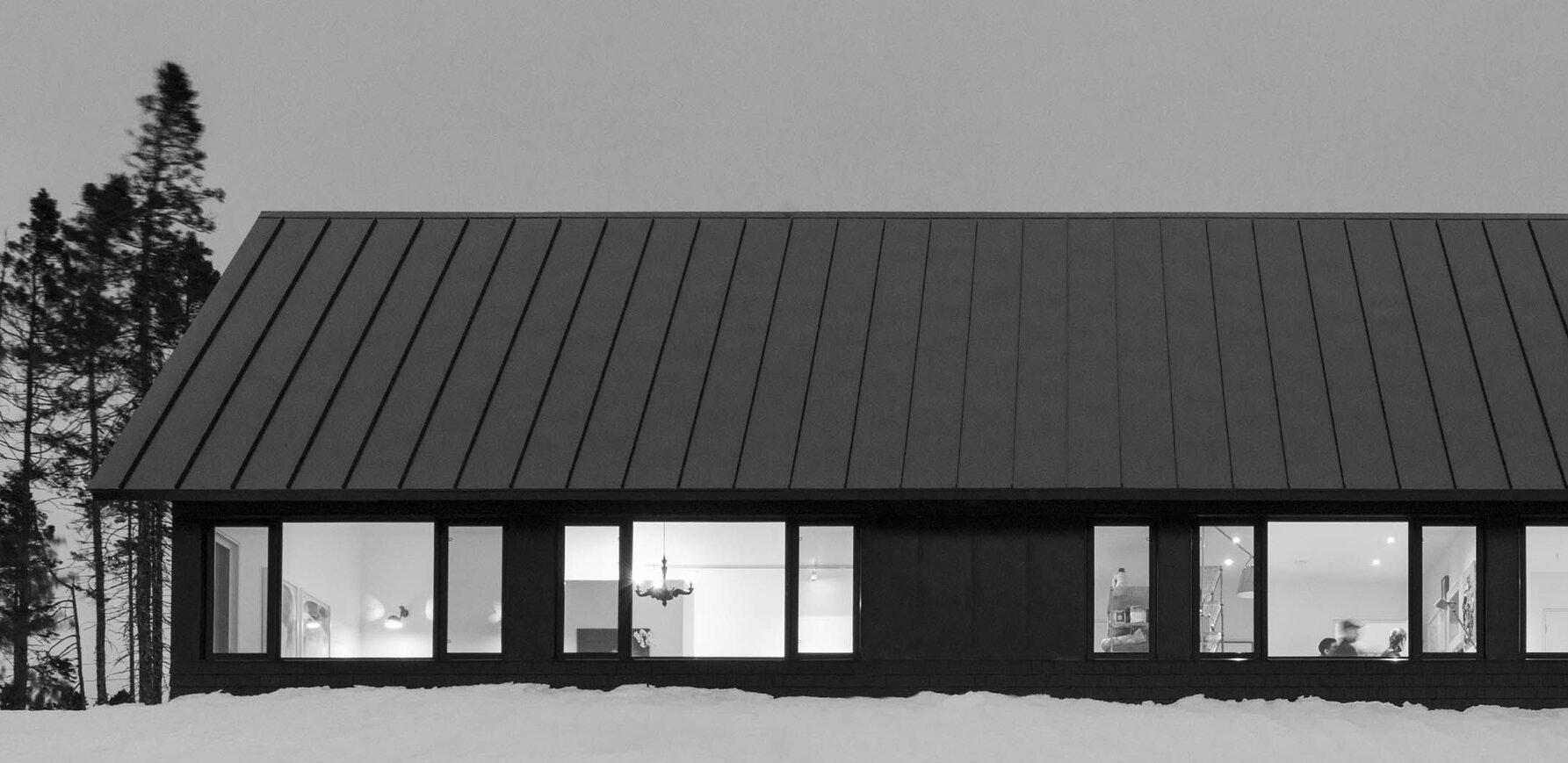
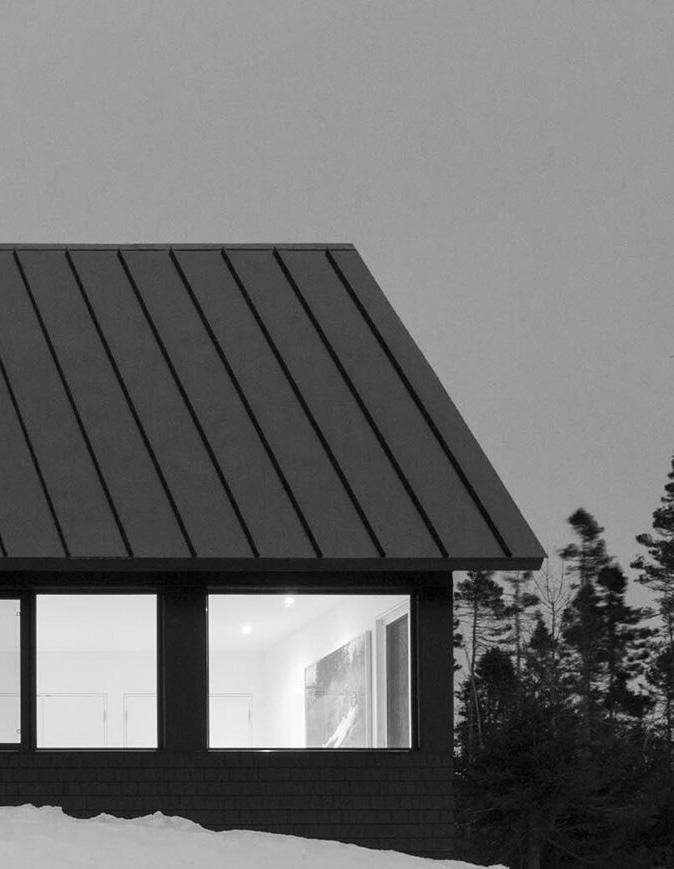
BLACK GABLES
“The goal was to be economical with both the budget, and with the amount of space the buildings occupied in the forest. The house was built using all local materials and labor” - Omar Ghandi.
The Black Gables project by Gandhi served as a comprehensive case study, offering me valuable insights into modern architectural practices and techniques. This striking residential design, characterized by its minimalist black facade and gabled roof forms, provided a hands-on learning opportunity
to understand key construction principles.
I explored foundational systems, wood framing methods, and the process of assembling detailed construction documents. The case study also highlighted considerations for material selection, structural detailing, and the integration of building types into diverse landscapes. Through Black Gables, I gained a deeper appreciation for the seamless connection between architectural design and construction execution.
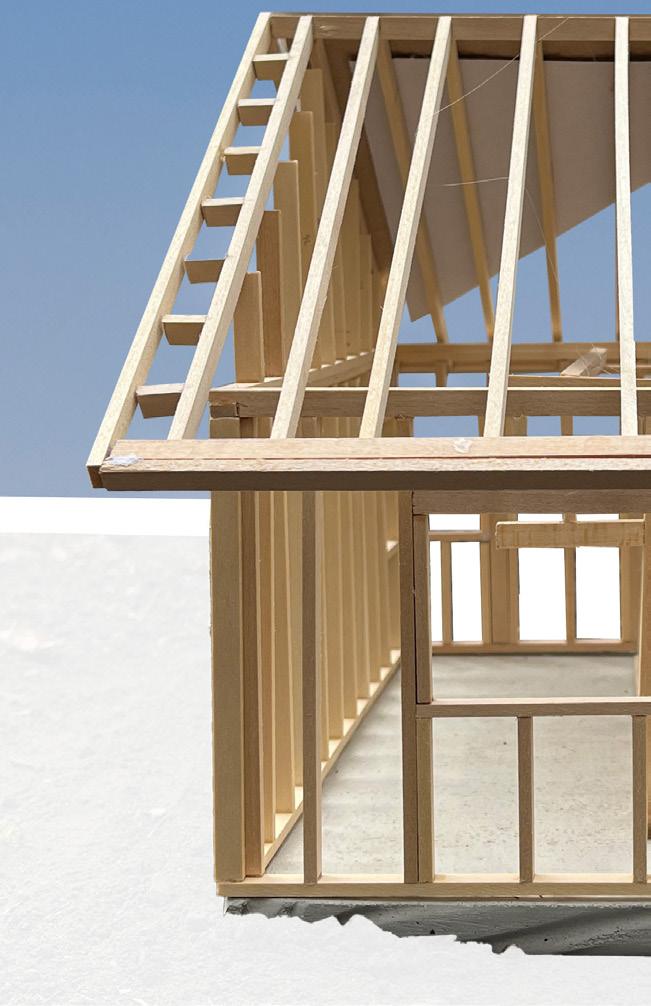
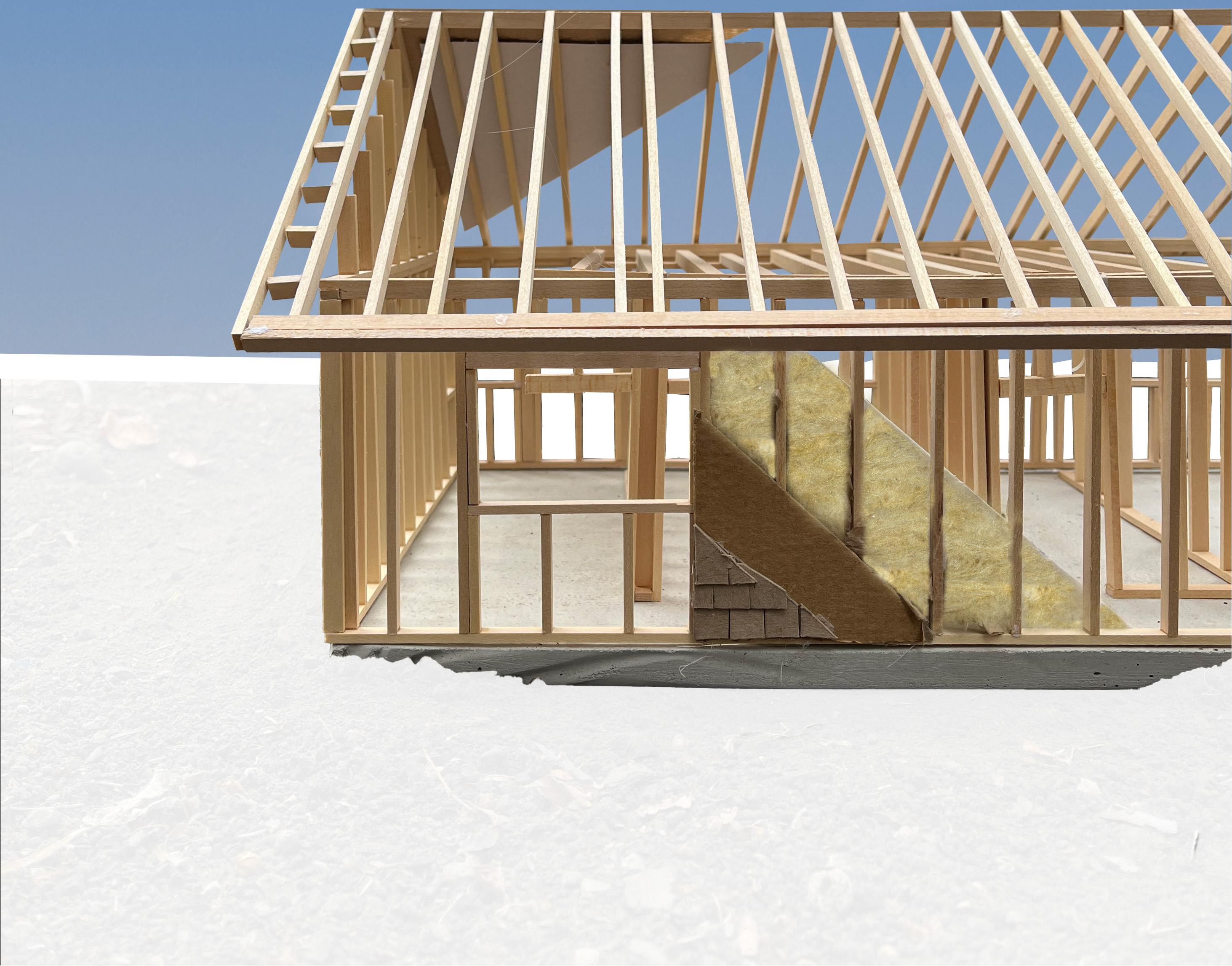
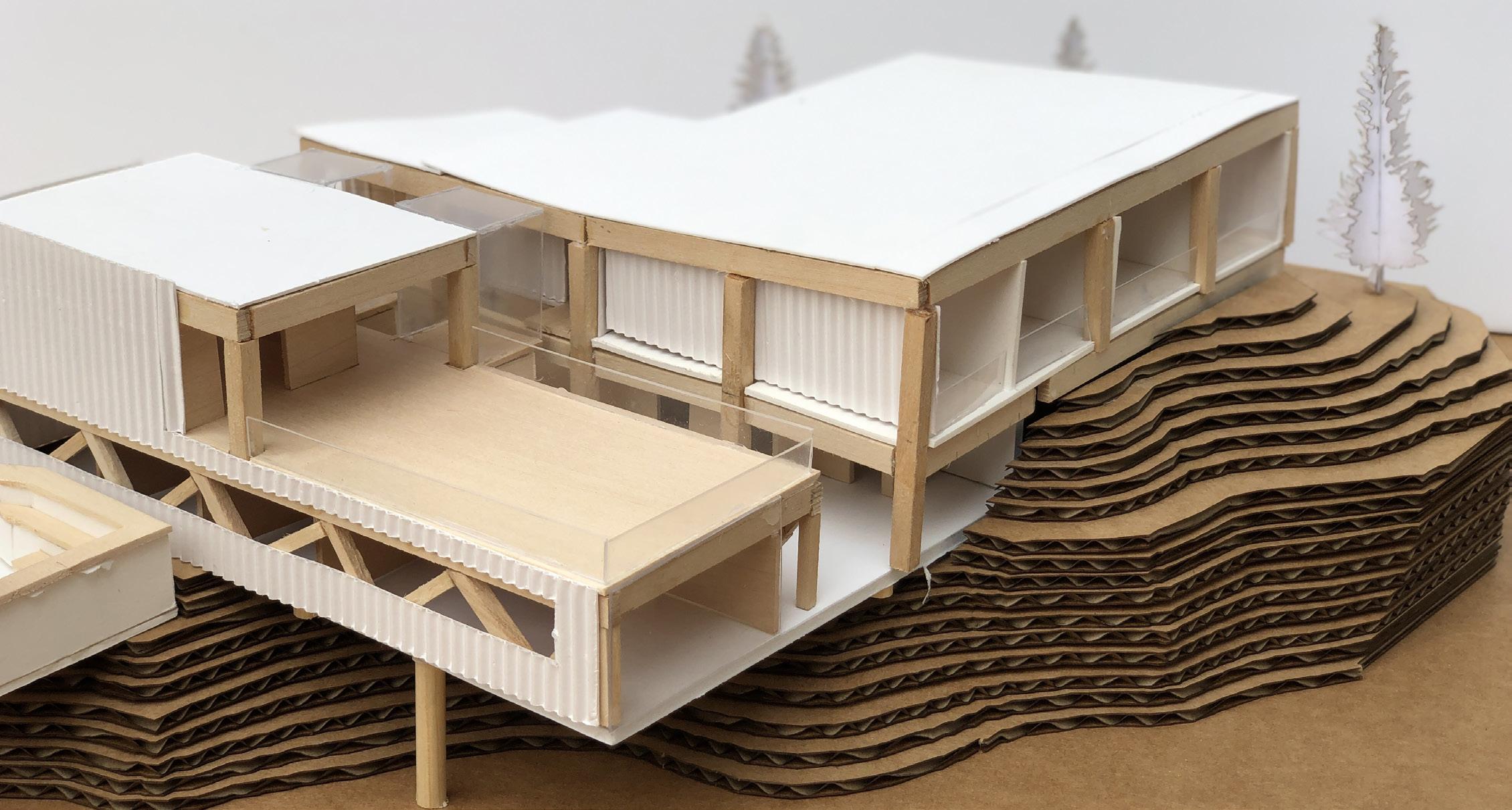
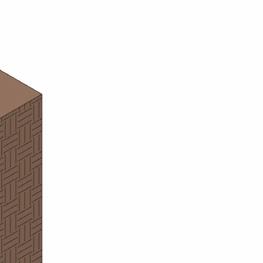
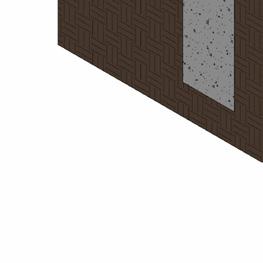
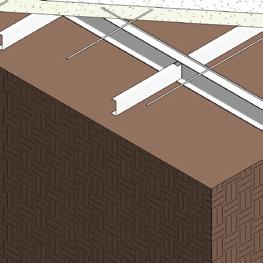
Building a physical model of the Black Gables project was an integral part of my exploration and understanding of the case study. The hands-on process allowed me to break down the structure into its essential components, enhancing my comprehension of foundational systems, wood framing techniques, and overall spatial relationships.
Constructing the model provided a tangible representation of the building’s scale, form, and proportions, offering insights into how design decisions translate into physical structures. It also clarified connections between various building elements, such as how the gabled roof integrates with the facade and foundation
TINY HOME
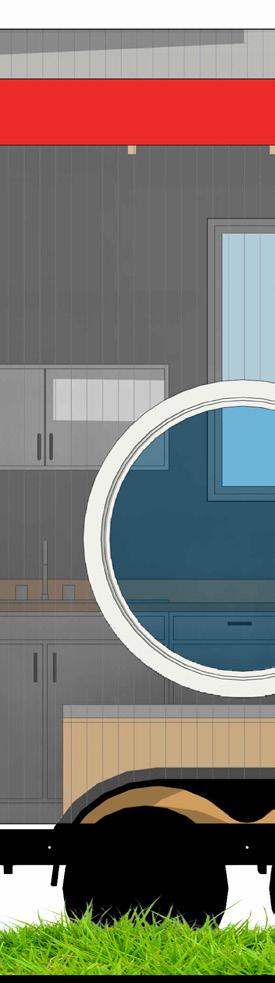
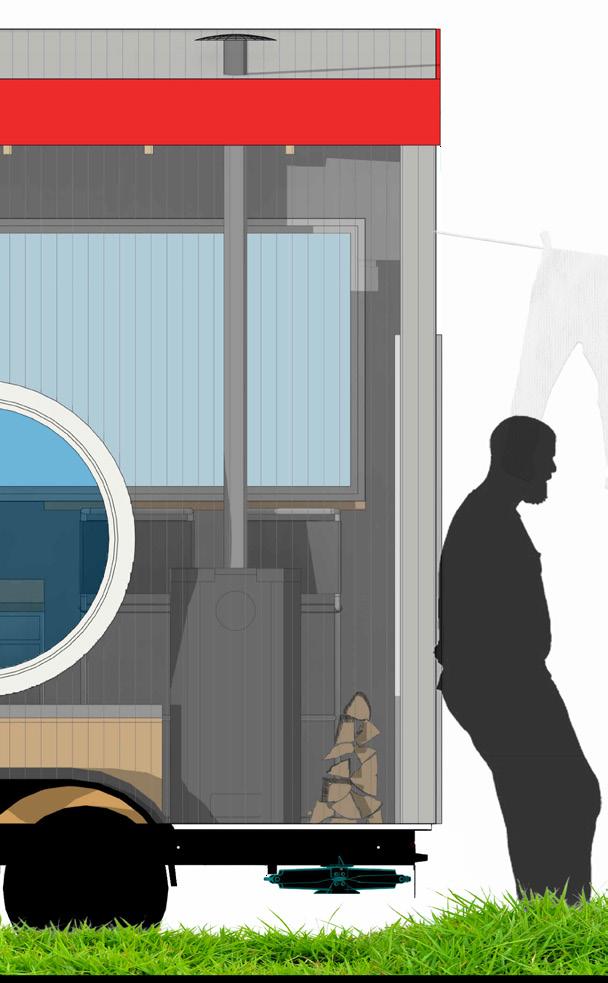
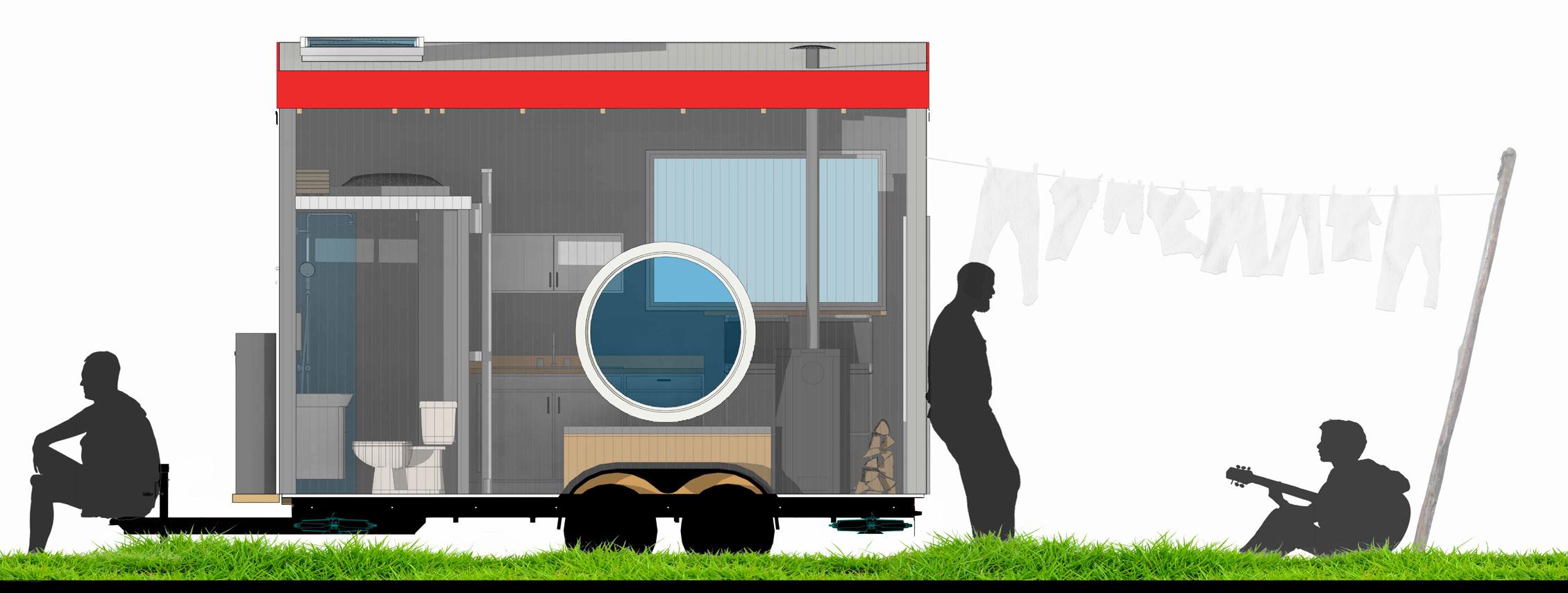
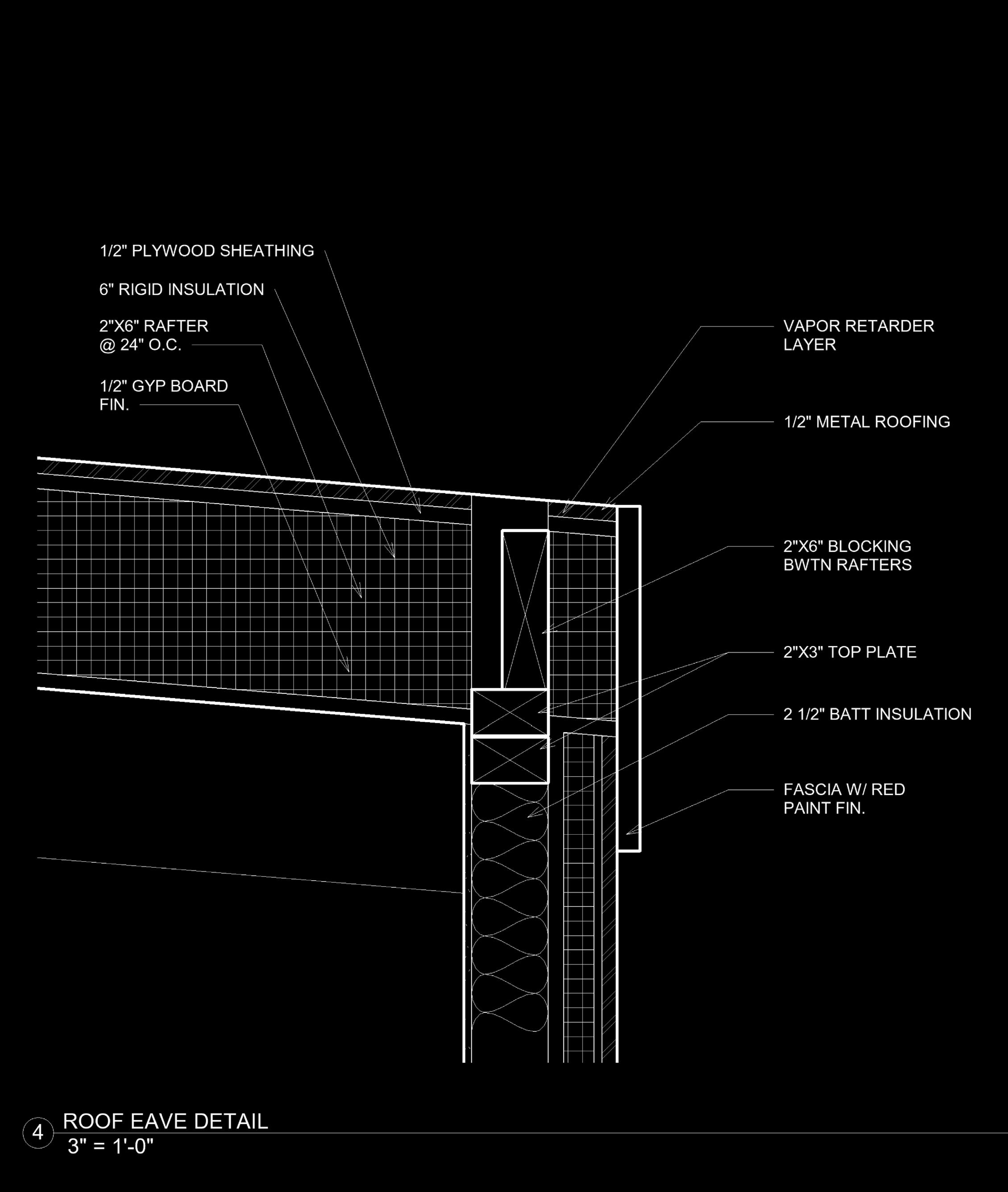
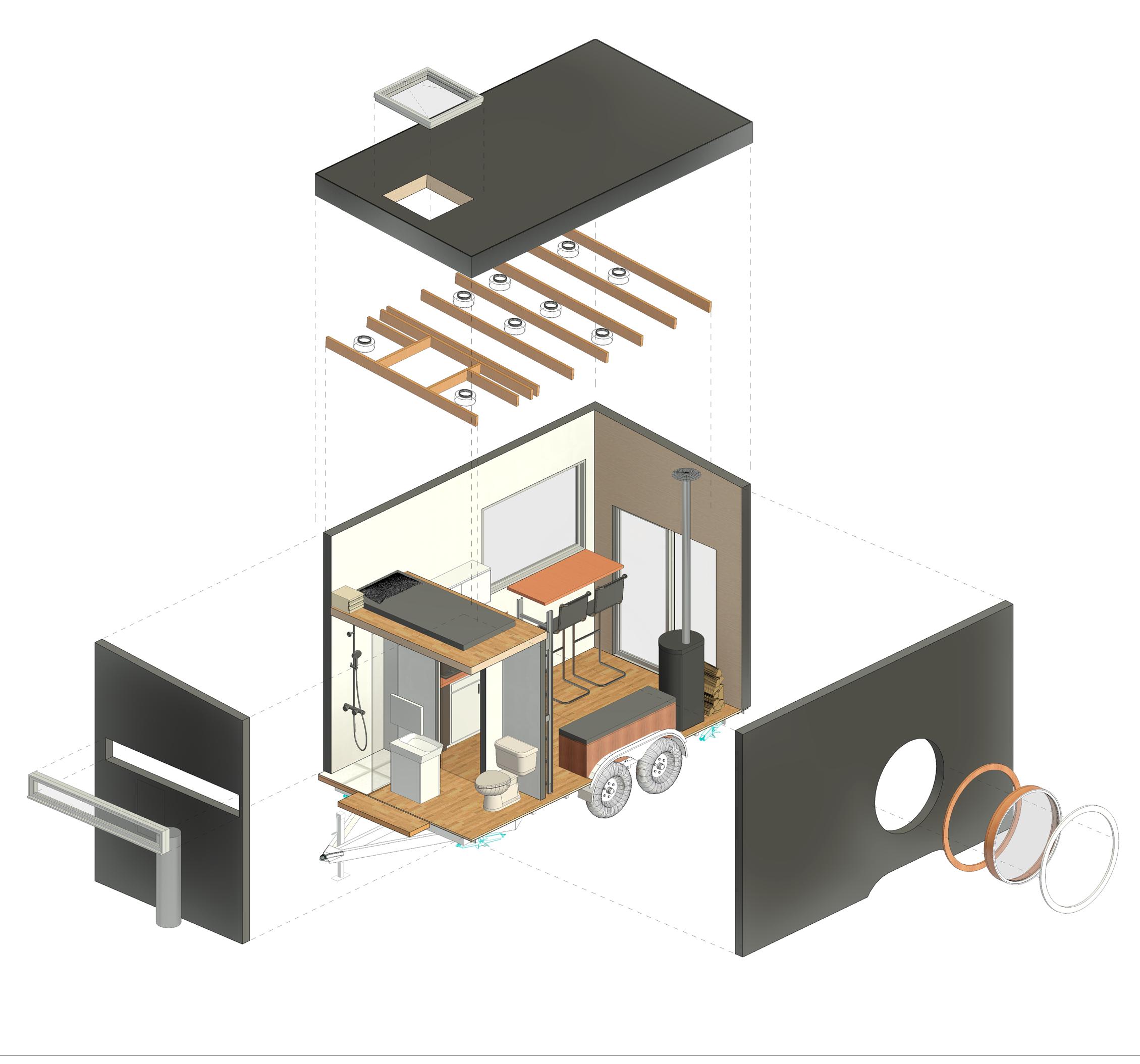
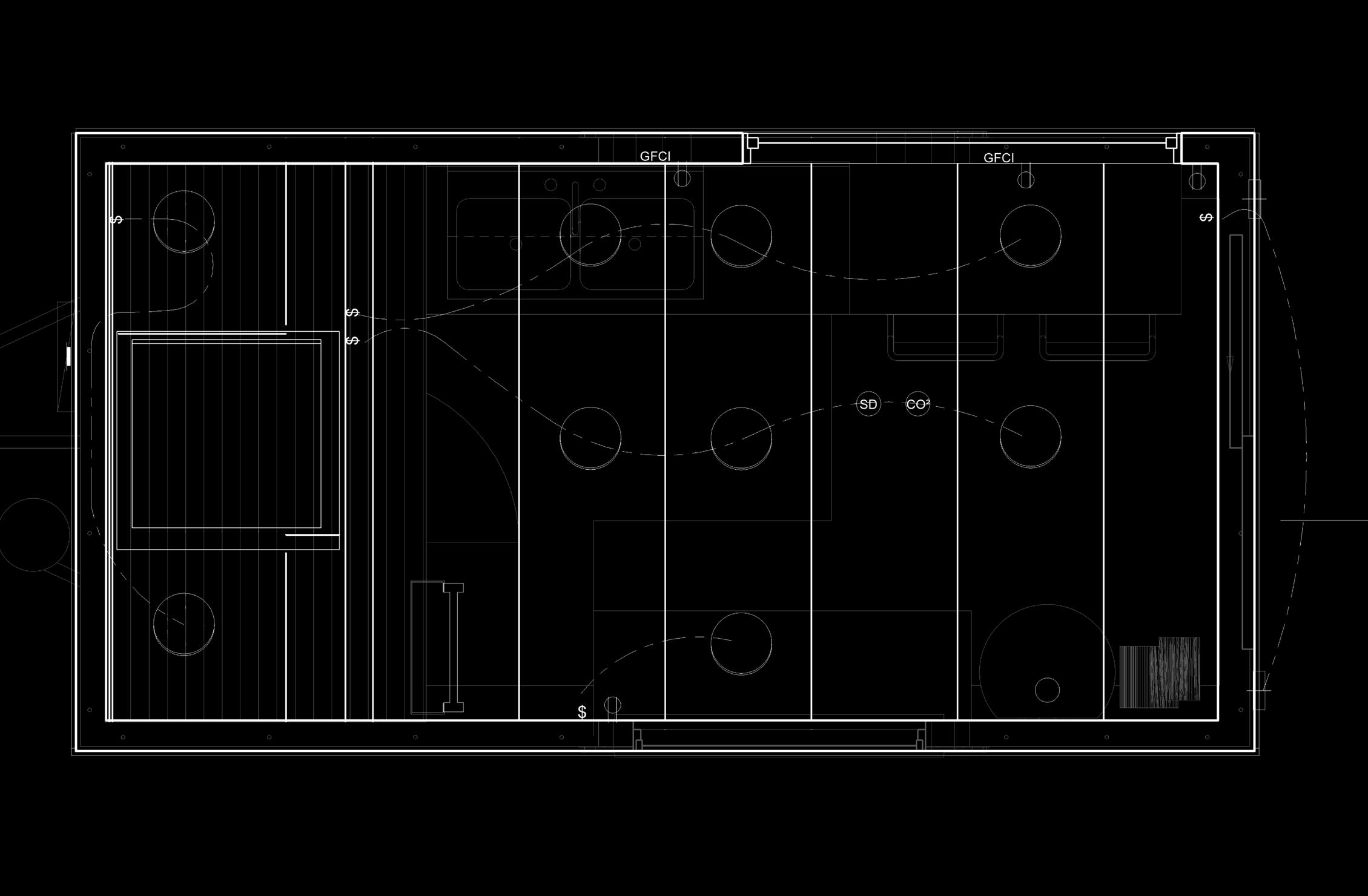
This tiny home project is a sustainable and mobile housing solution designed to support a thriving community of farmers collaborating with Soil Born Farms, a Sacramento-based non-profit dedicated to promoting healthy food systems and sustainable agriculture. Each tiny home is built on wheels, allowing for flexibility and mobility, crucial for adapting to the needs of the farming community and responding to seasonal changes.
They feature energy-efficient systems, composting toilets, and rainwater collection systems, reflecting the community’s commitment to environmental stewardship.
Each unit provides comfortable living spaces optimized for functionality, including a compact yet fully equipped kitchen, a lofted sleeping area, and ample storage for personal and farming-related tools. Large windows and natural ventilation connect residents to the surrounding landscapes, fostering a sense of harmony with nature.
By offering affordable, mobile housing, this project supports Soil Born Farms’ mission to empower farmers and strengthen local food systems, fostering resilience, sustainability, and a deeper connection to the land.
Location : Sacramento, CA
Scope : Residential
SUSTAINABLE SCHOOL
Location : W 2nd St. Pomona, CA
Scope : Educational
“...transforming
The School into a living laboratory where students can learn from the building itself...”
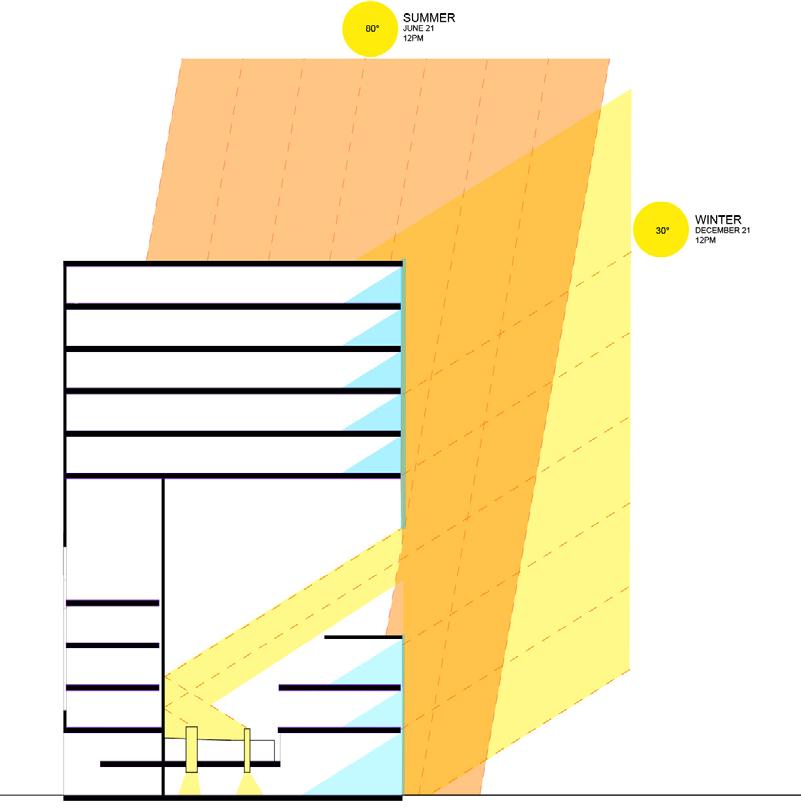
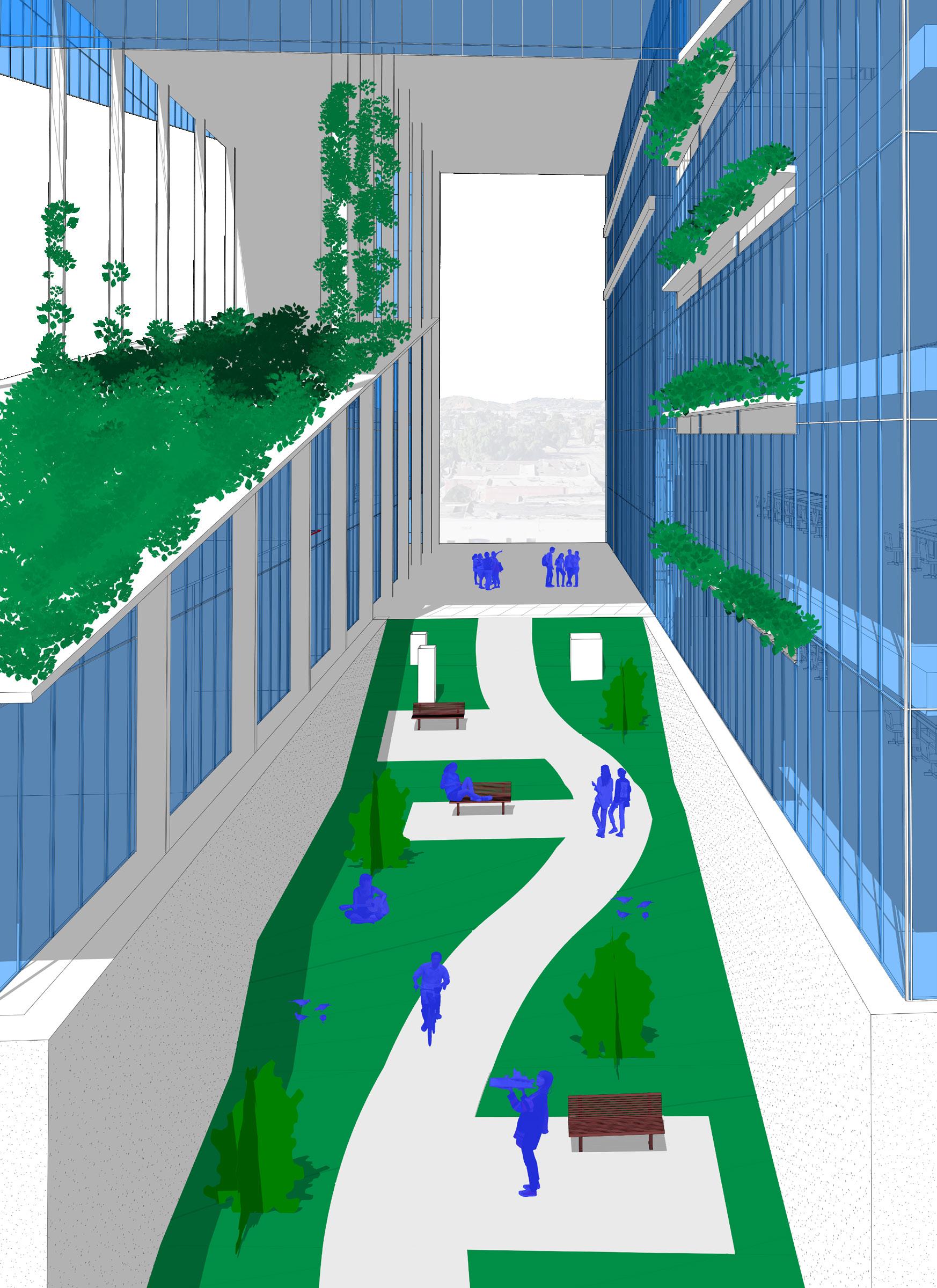
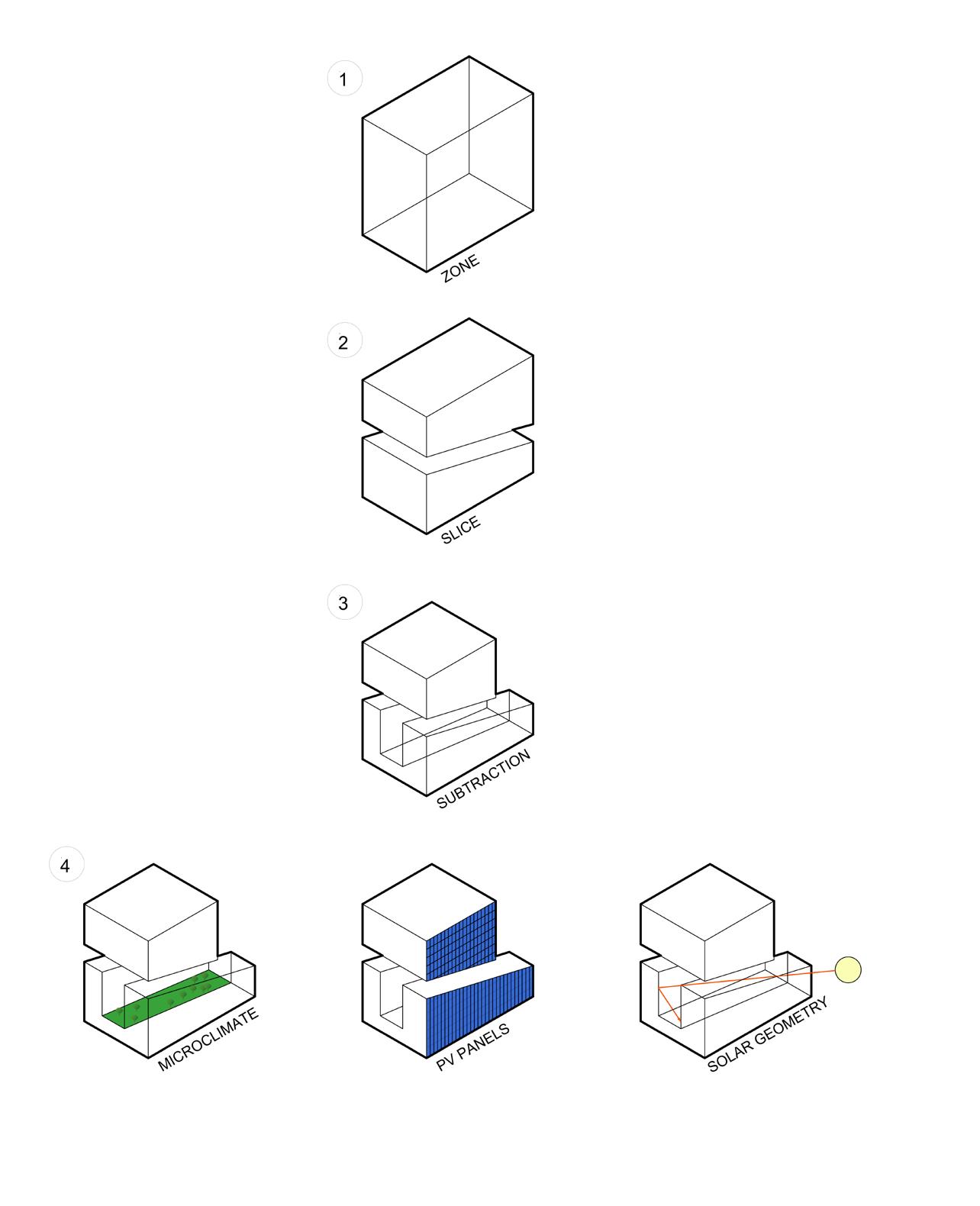
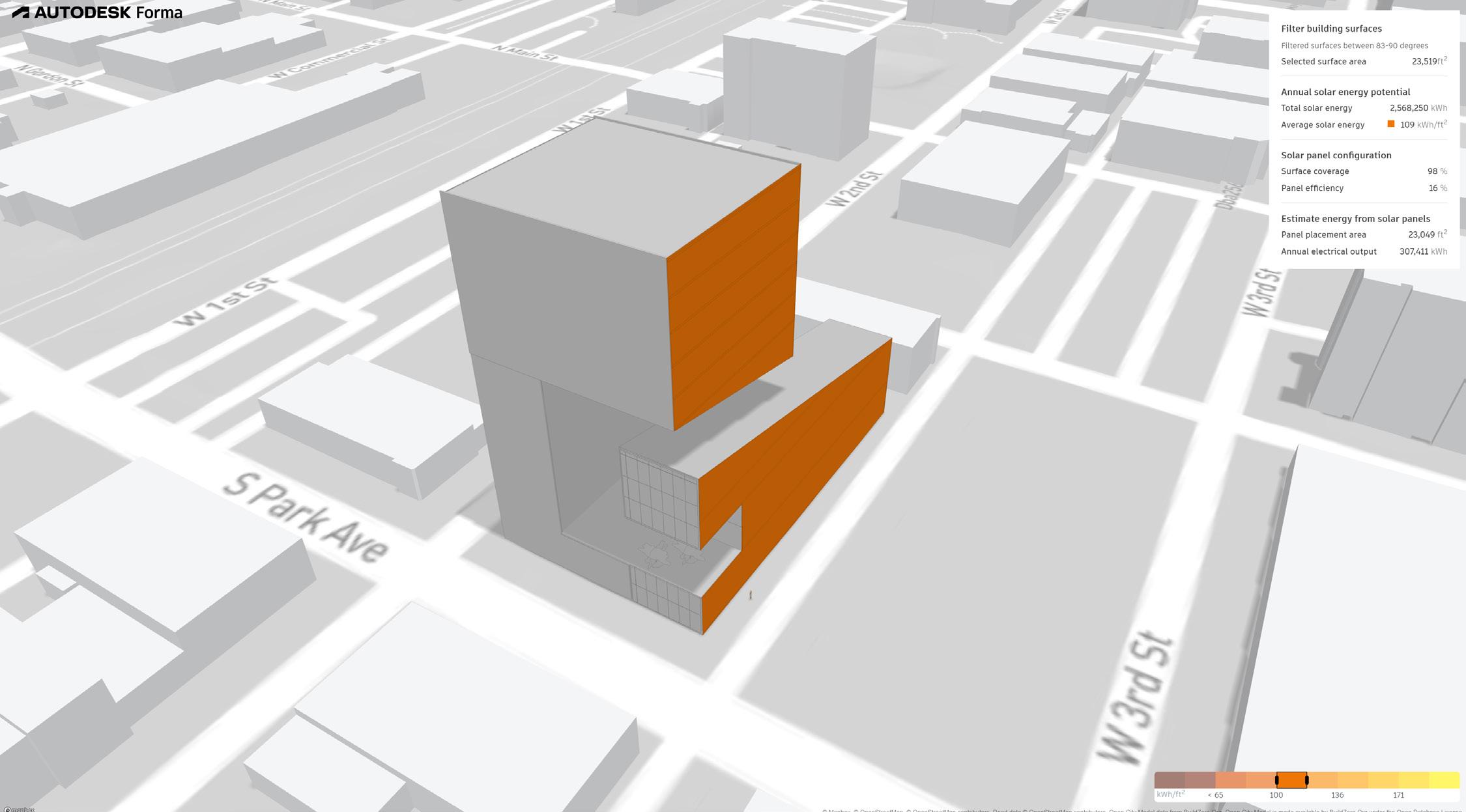
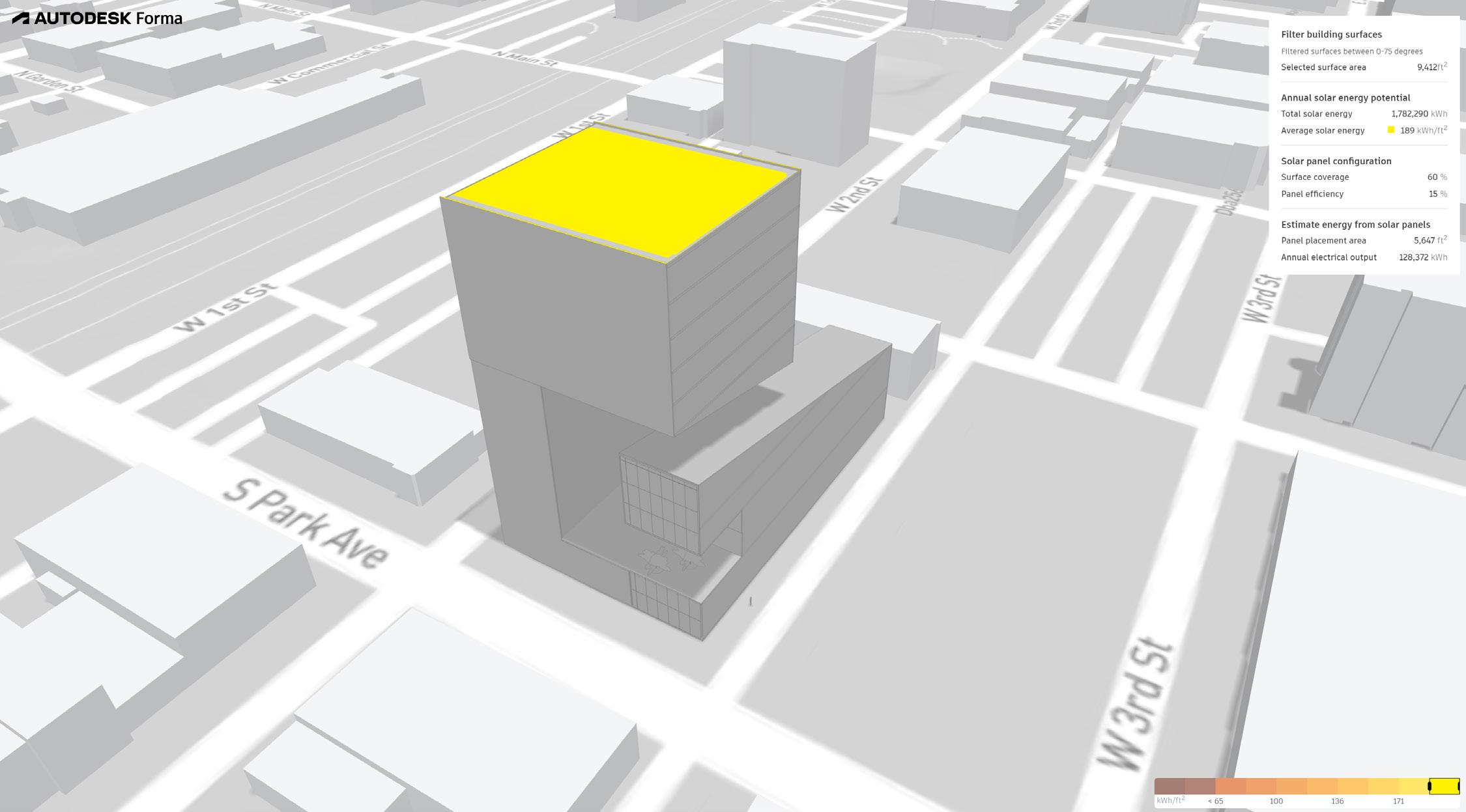
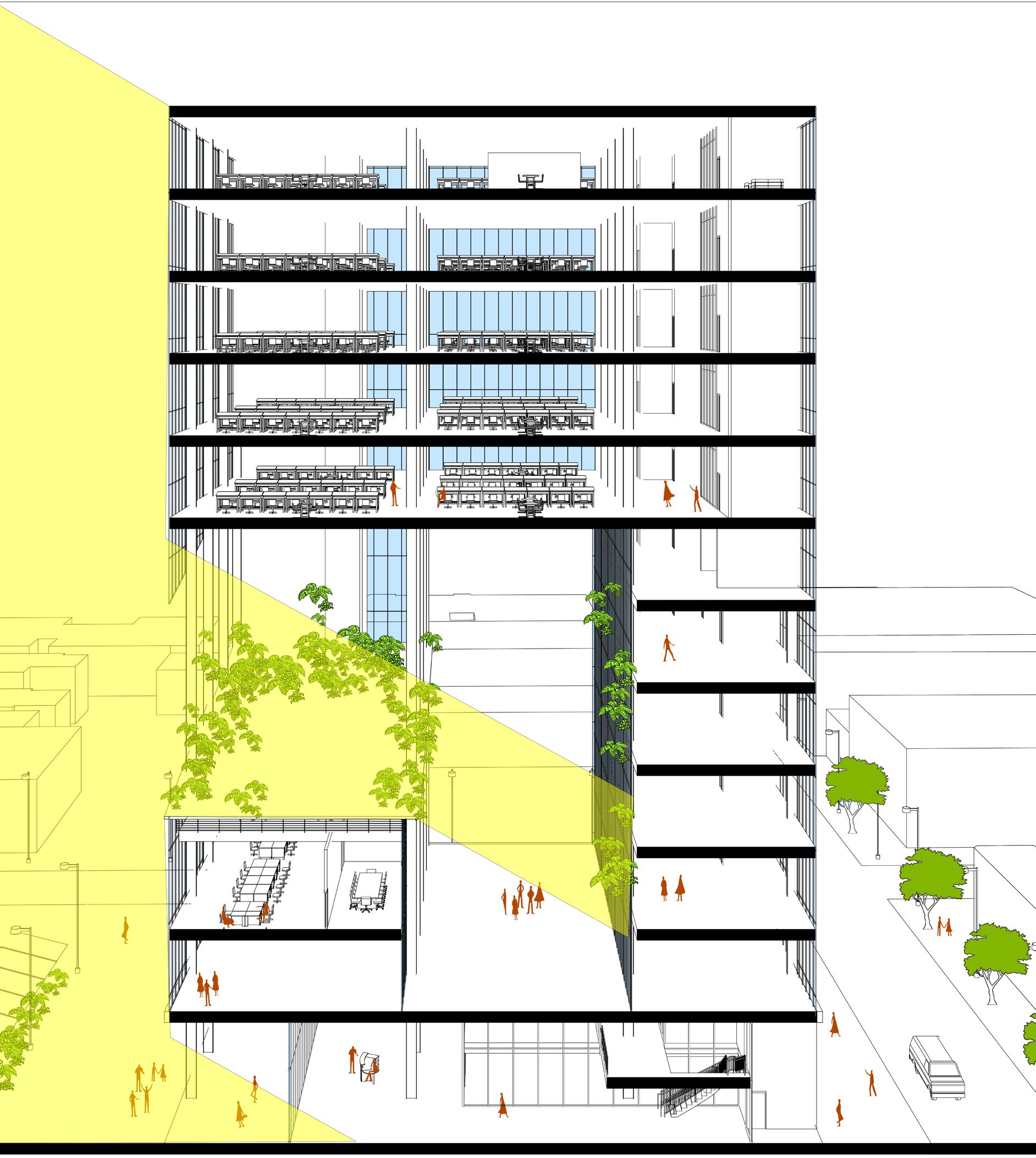
Resting in the heart of downtown Pomona, lies The School, an archetype so crucial to forming the generation of architects. With its distinctive tower and plinth configuration, The School represents an architectural landmark and a beacon of innovation and learning, where the principles of solar geometry and microclimates converge to shape a transformative educational experience.
The integration of PV panels and energy-efficient systems is made visible, transforming the school into a living laboratory where students can learn from the building itself. By embedding concepts of renewable
energy and environmental design into the very fabric of the campus, the school inspires future architects to prioritize sustainability in their own work.
SCIENTIST RETREAT
Location : Mount Wilson, CA
Scope : Commercial
“Fire hazards, a critical consideration in this region, dictated the use of noncombustible materials and fire-resistant design strategies...”
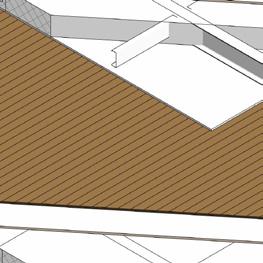
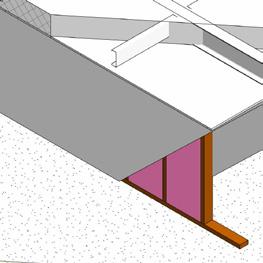
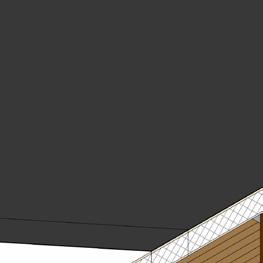
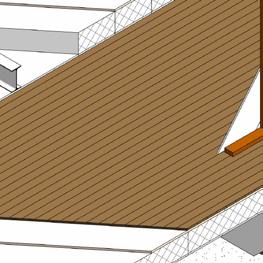
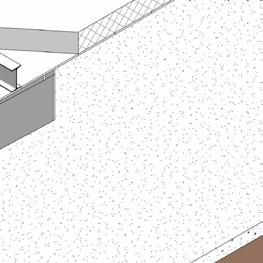
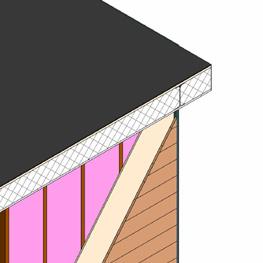
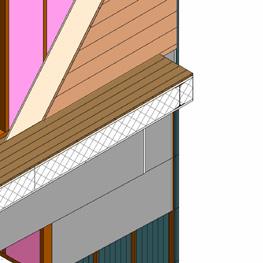
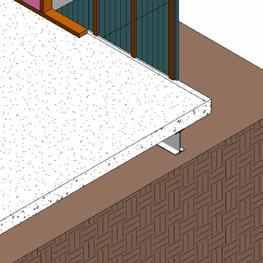
Nestled within the rugged terrain of Mount Wilson, the Scientists’ Retreat is a thoughtfully designed facility that harmonizes functionality with comfort. The site’s unique topography posed challenges that were meticulously addressed, ensuring the structure integrates seamlessly with its environment. Fire hazards, a critical consideration in this region, dictated the use of non-combustible materials and fire-resistant design strategies, while the cold temperatures of the mountain environment
underscored the importance of highly efficient wall assemblies for insulation and thermal performance.
Inside, a logical circulation flow ensures ease of movement, fostering a sense of connectivity between workspaces, communal areas, and private quarters. The residentialstyle ambiance provides scientists with a welcoming and comfortable environment, promoting productivity and well-being during their stay.
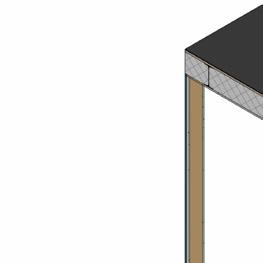
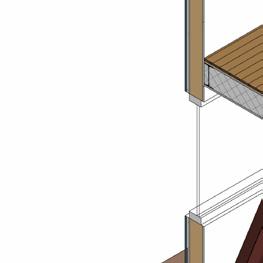
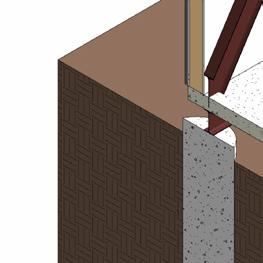
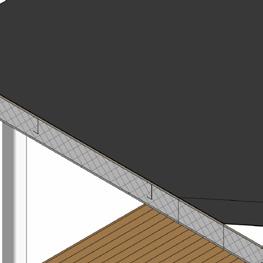
FIRE-RATED RIBBON WIN.
W 8X10 WARREN
EPDM MEMBRANE 1/4"
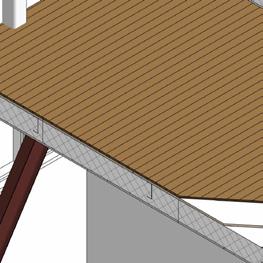
PLYWOOD 3/4" FIBERGLASS INSULATION 8" W 8X10 BEAM
5/8"
GYP. 5/8" W/ VAPOR RETARDER CORRUGATED SHEET 3/4"
TRUSS ASSEMBLY 2 X 6 STUD ASSEMBLY W/ BATT INSULATION
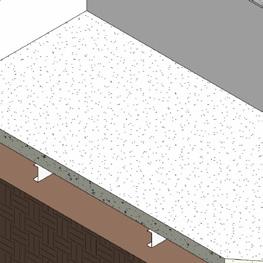
LW CONCRETE 3" ON METAL DECK 2"
C 5 1/2 JOIST CAISSON 24"DIA.
W 8X10 BEAM
GYP. 5/8" 1 X 2 FURRING STRIPS
Fire-Resistance-Rated glazing, accordance with and requirements be
2.3 or 2.4 of alternative design load Section 1605.2.
2207.1 General
The design, manufacture and use of open-web steel joists and joist girders shall be in accordance with either SJI 100 or SJI 200, as applicable.
2308.5.4 Nonload-Bearing Walls and Partitions
Interior nonload-bearing partitions shall be capped with not less than a single top plate installed to provide overlapping at corners and at intersections with other walls and partitions.
DN
1010.1.1 Size of Doors
The required capacity of each door opening shall be sufficient for the occupant load thereof and shall provide a minimum clear opening width of 32 inches (813 mm).
1503.2 Flashing Flashing shall be installed in such a manner so as to prevent water from entering the wall and roof through joints in copings, through moisturepermeable materials and at intersections with parapet walls and other penetrations through the roof plane. designed for effects due of loads
2303.2 Fire-Retardant
Treated Wood Fire-retardant-treated wood is any wood product that, when impregnated with chemicals by a pressure process or other means during manufacture, shall have, when tested in accordance with ASTM E84 or UL 723, a listed flame spread index of 25 or less.
2504.1.1 Wood Framing Wood supports for lath, gypsum board or gypsum panel products, as well as wood stripping or furring, shall be not less than 2