LUCY MORANTZ
Photography Anthology | Volume 1
lucymorantzmedia.com
lucymorantz.jpg lucille.morantz@gmail.com www.linkedin.com/in/lucy-morantz

lucymorantzmedia.com
lucymorantz.jpg lucille.morantz@gmail.com www.linkedin.com/in/lucy-morantz
My name is Lucy Morantz and I am a soon-to-be graduate from Colorado State University with bachelor’s degrees in journalism and political science with a minor in legal studies.

I tried my hand at photography for the first time when I was 15 years old after my parents pushed me in its direction and I immediately fell in love with the concept of telling stories through single moments frozen in time. From there, I joined my high school newspaper as a photographer and covered anything available to me; from football games to musicals and everything in between. Then, when I was 17 years old, I covered my first political protest and knew instantly that I had found my niche.
After finding photography, the world transformed into a place where visual stories were everywhere in my mind. At the same time, the world was transforming in a multitude of social and political ways, presenting me with the perfect opportunity to document those changes.
I have been passionate about politics for as long as I can remember (during the 2008 election I wrote a candidate guide with crayons and printer paper). As I continued to pursue my degrees, a sense of responsibility to explain the new information I was exposed to was often overwhelming. Finding an outlet for this imagined responsibility was two-fold: informal and incessant rants to anyone who would listen, and journalism.
My demonstrated devotion to innovative storytelling is based on my personal commitment to service, integrity and justice. By fusing my natural inclination for aesthetics with these principles, I produce thought-provoking content that will initiate a viewer’s recognition that abstract institutions produce tangible consequences.
This book is a project that has been in the back of my mind for quite some time, and I do not intend on this being the only installment. As I continue to document the world around me, I wish for this collection of my work to remind me of where I started and why, as well as where I hope to go. For others, I hope this volume and ones to come after it serves as a visual timeline telling the stories of our everchanging, chaotic world.
Kansas Governor’s Office
2022 Colorado U.S. Senate Race
2020 Colorado U.S. Senate Race
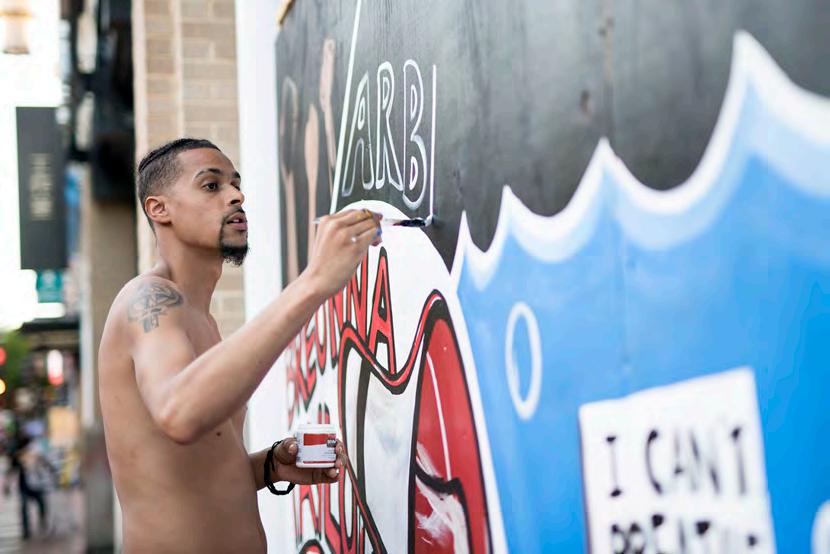
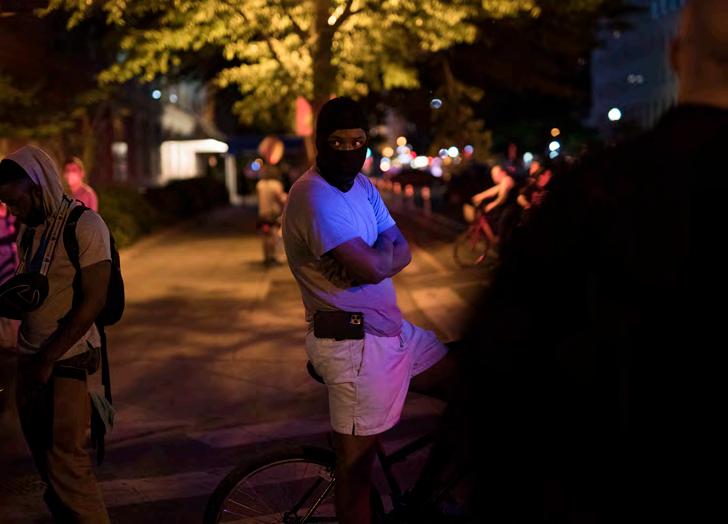
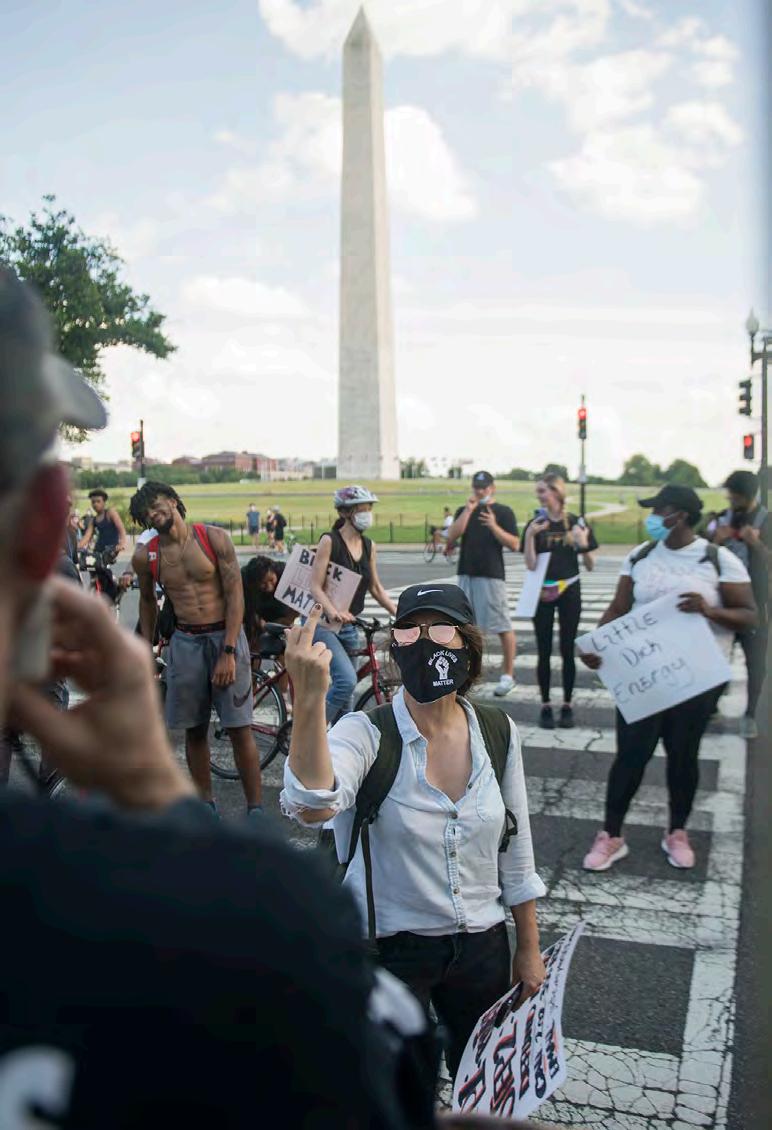
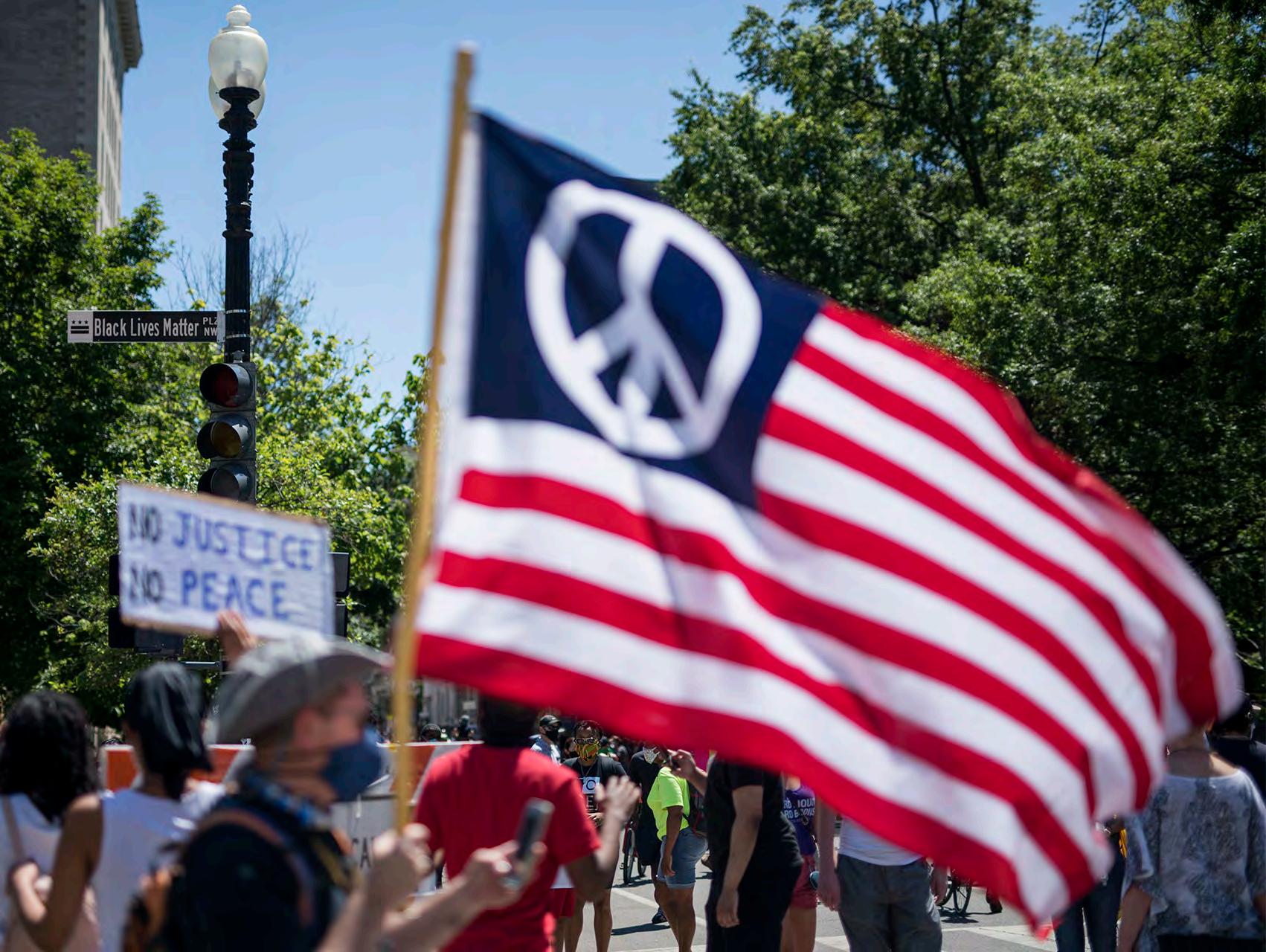
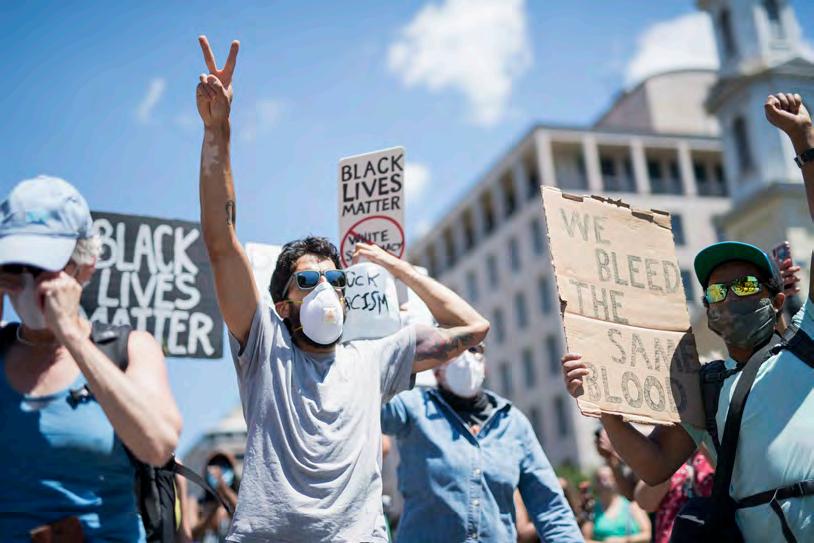
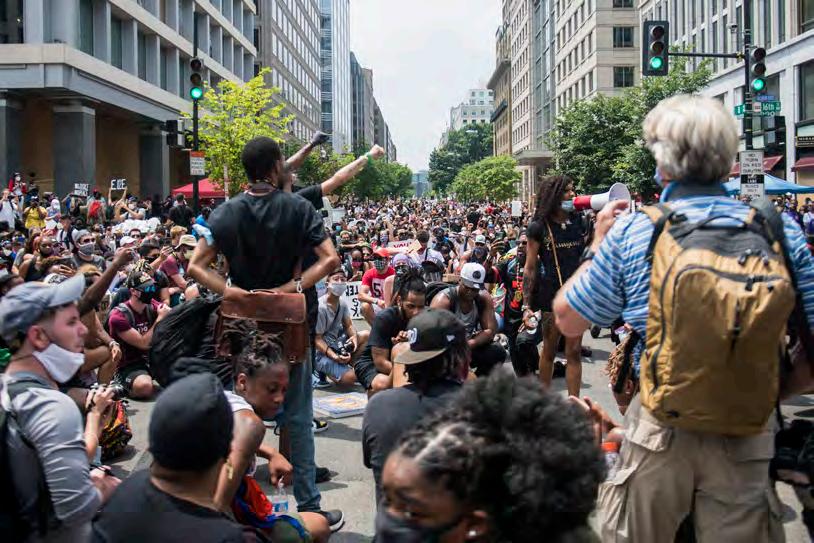
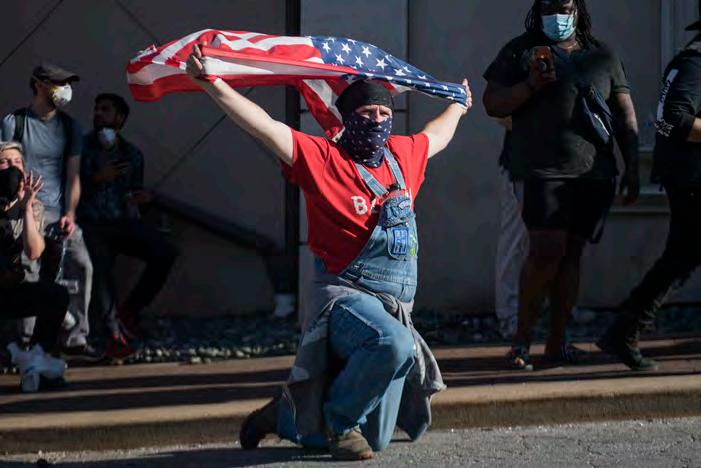
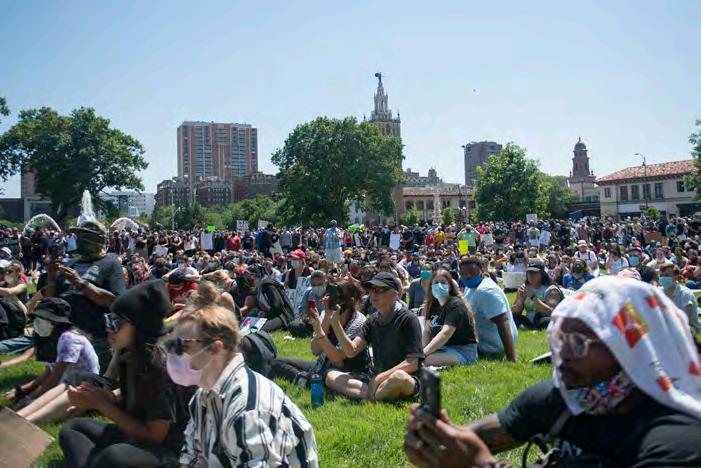
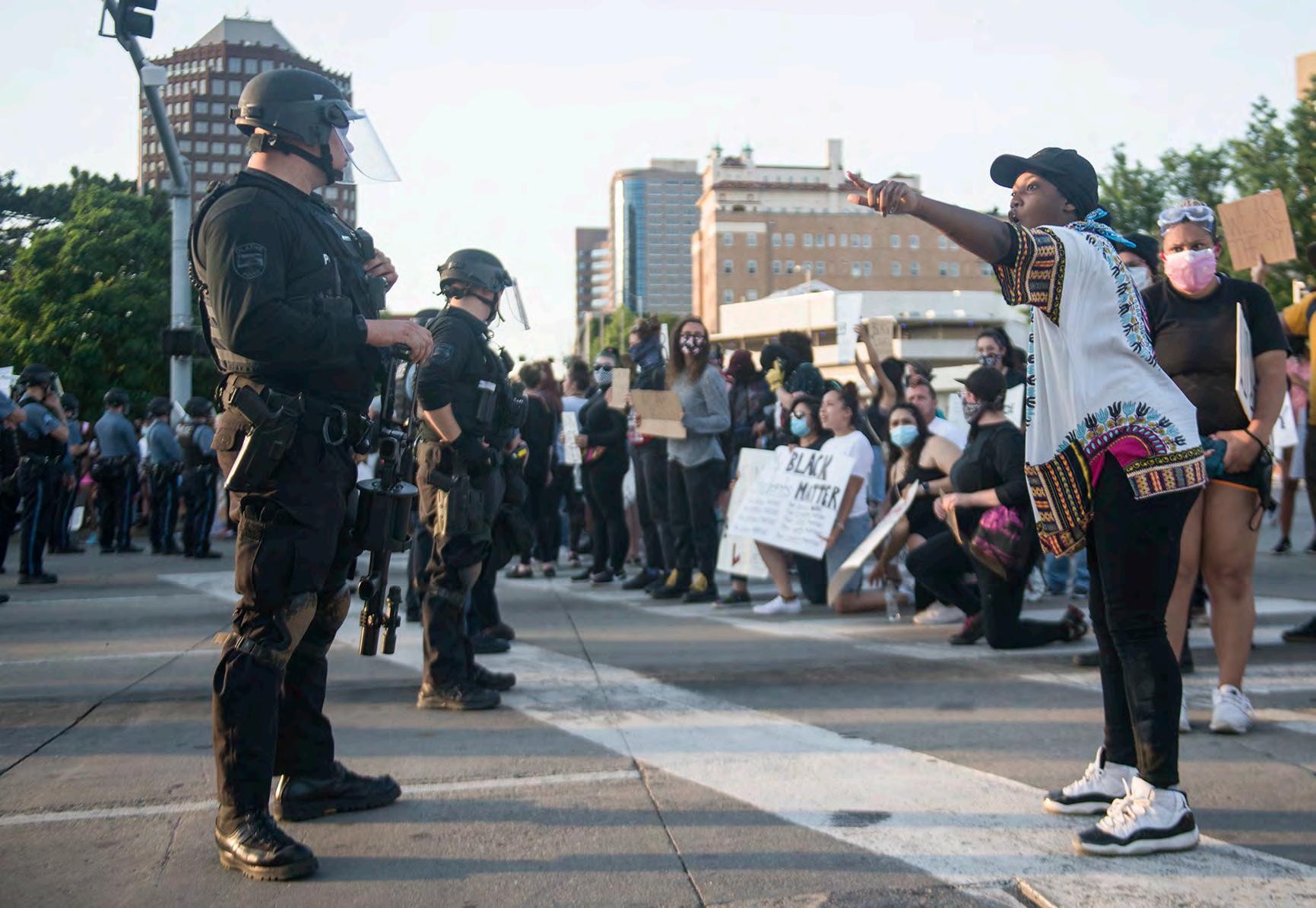
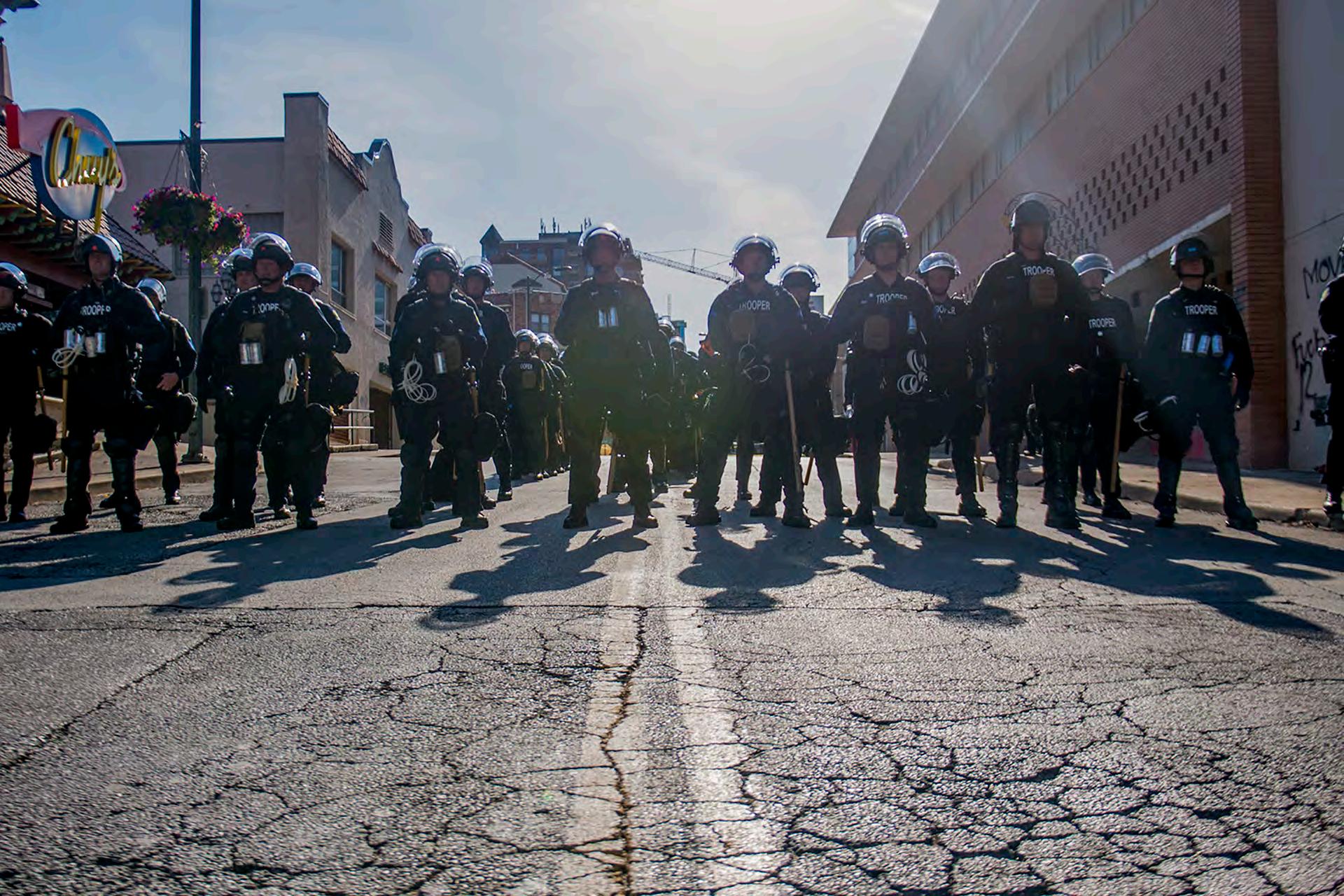
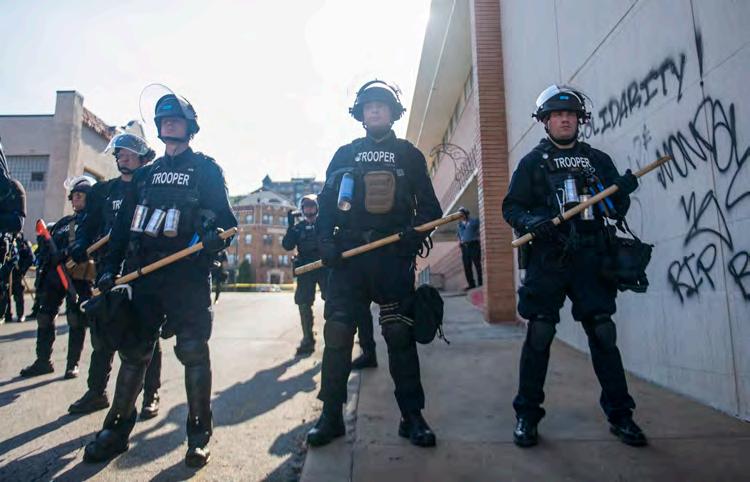
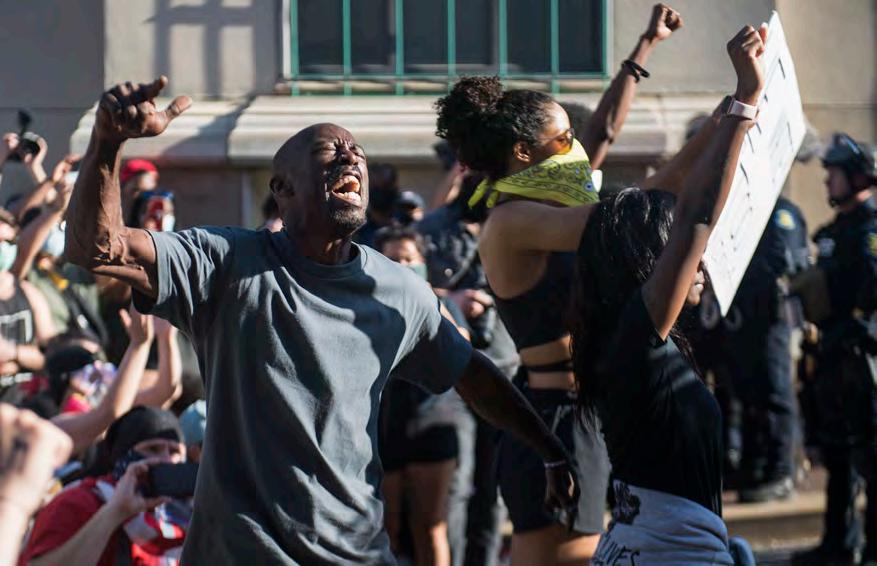
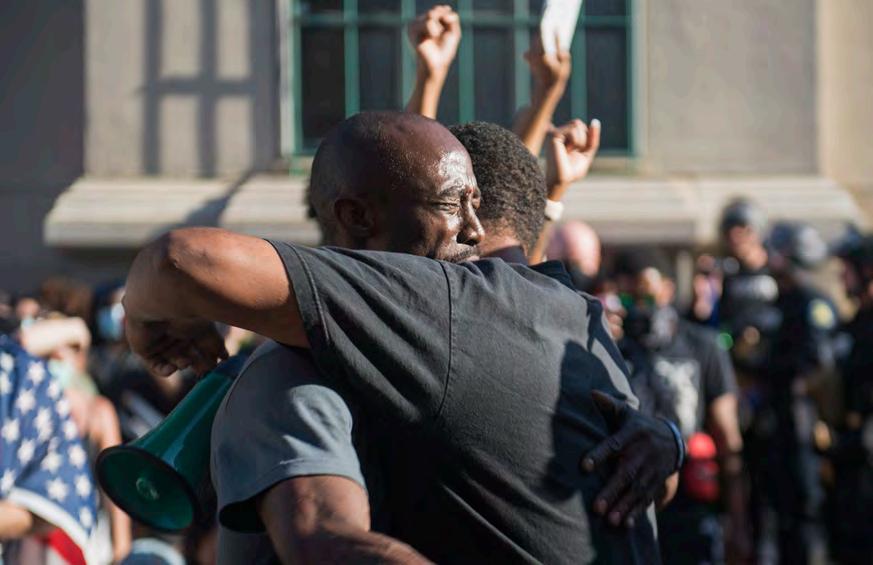
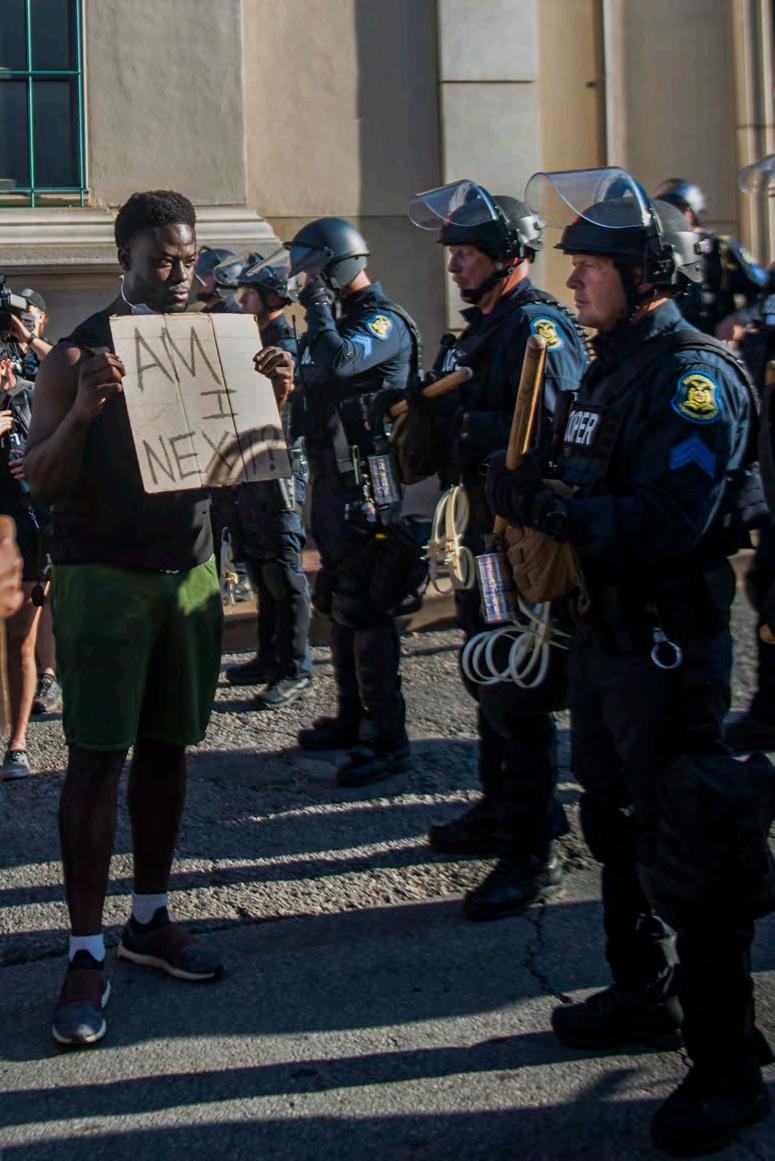
Washington, D.C. Black Lives Matter Protests
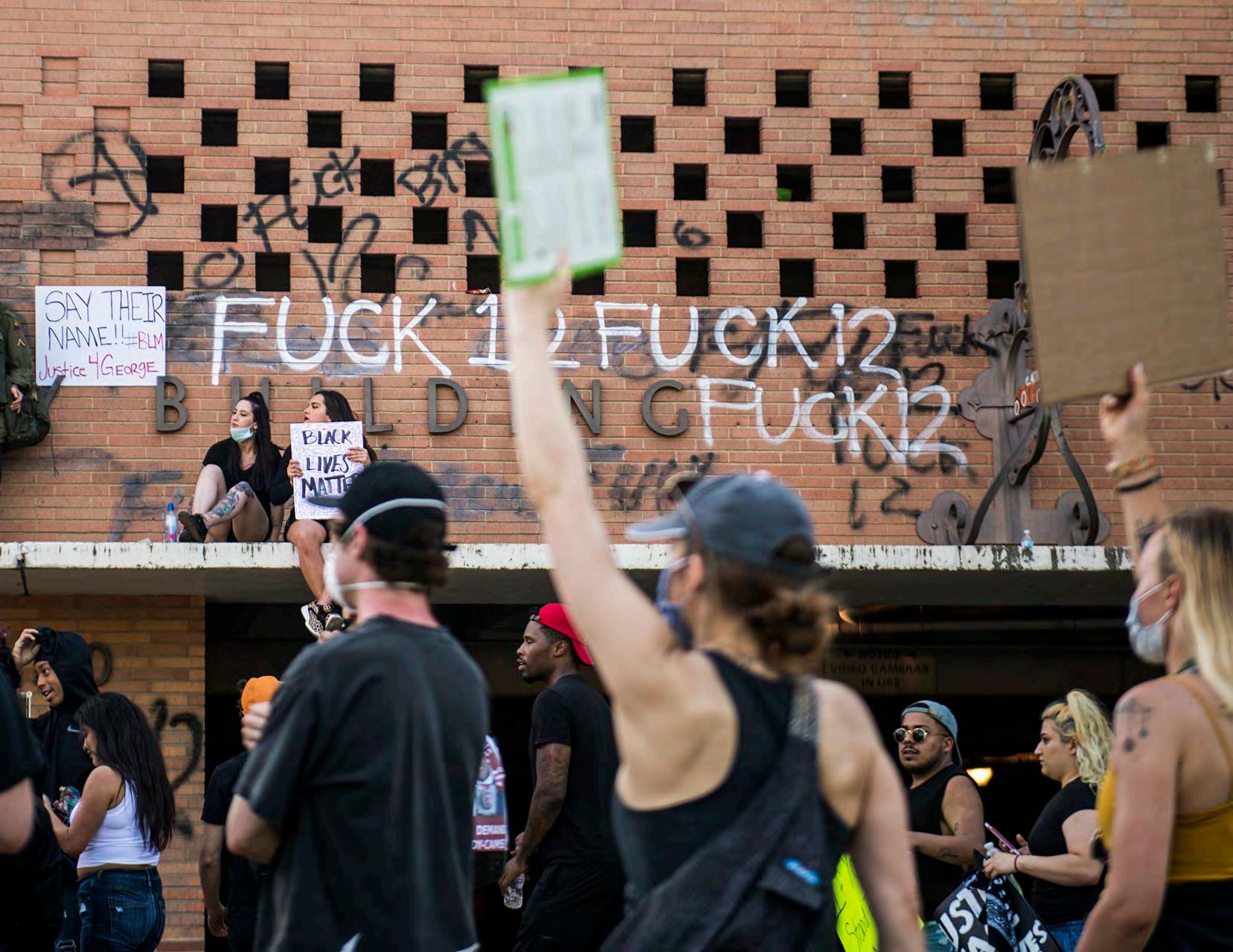
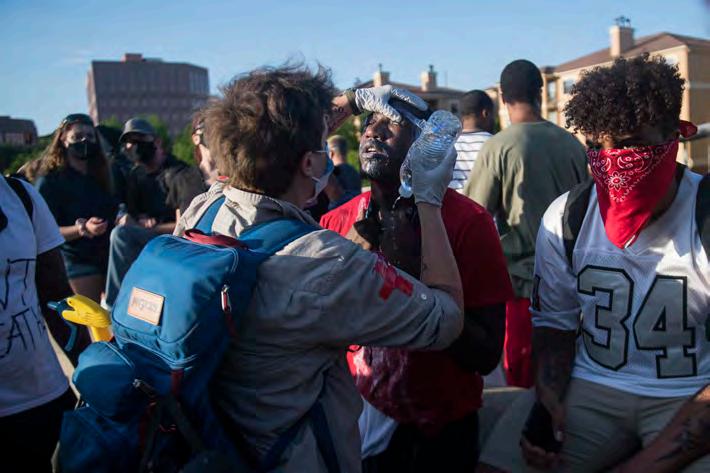
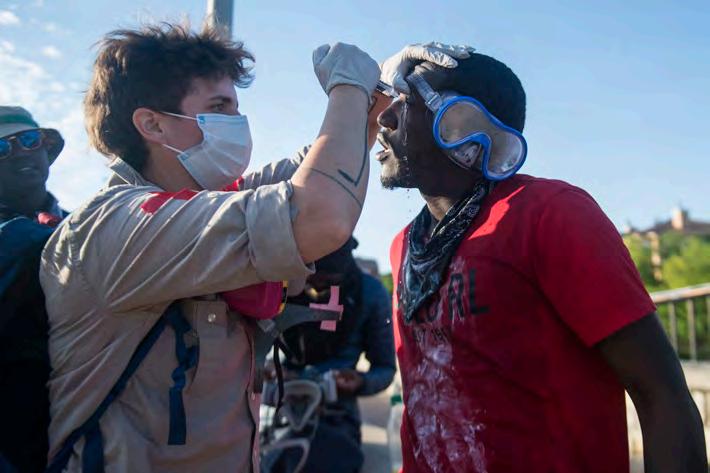
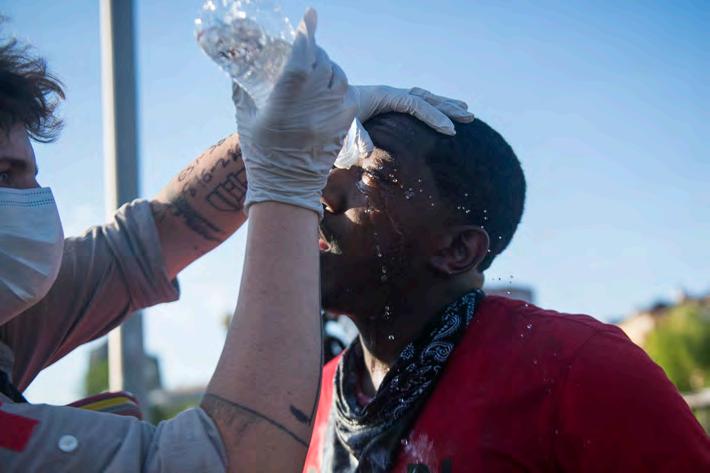
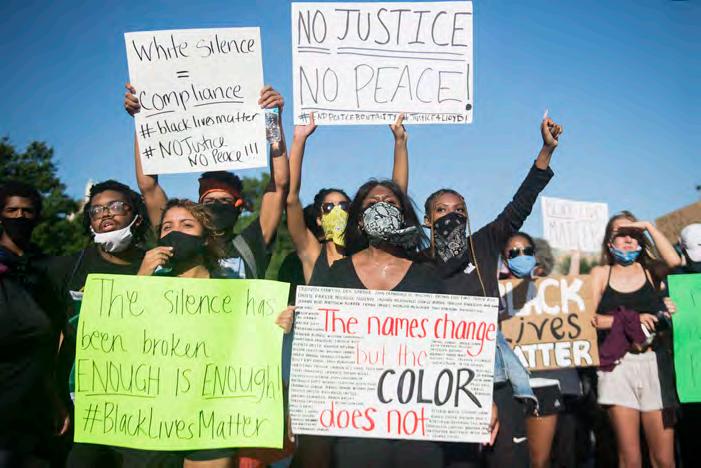
Kansas City Black Lives Matter Protests
2020 Presidential Election Celebrations
Women’s March 2021 Inauguration Day
American Capitalism: Expectations vs. Reality
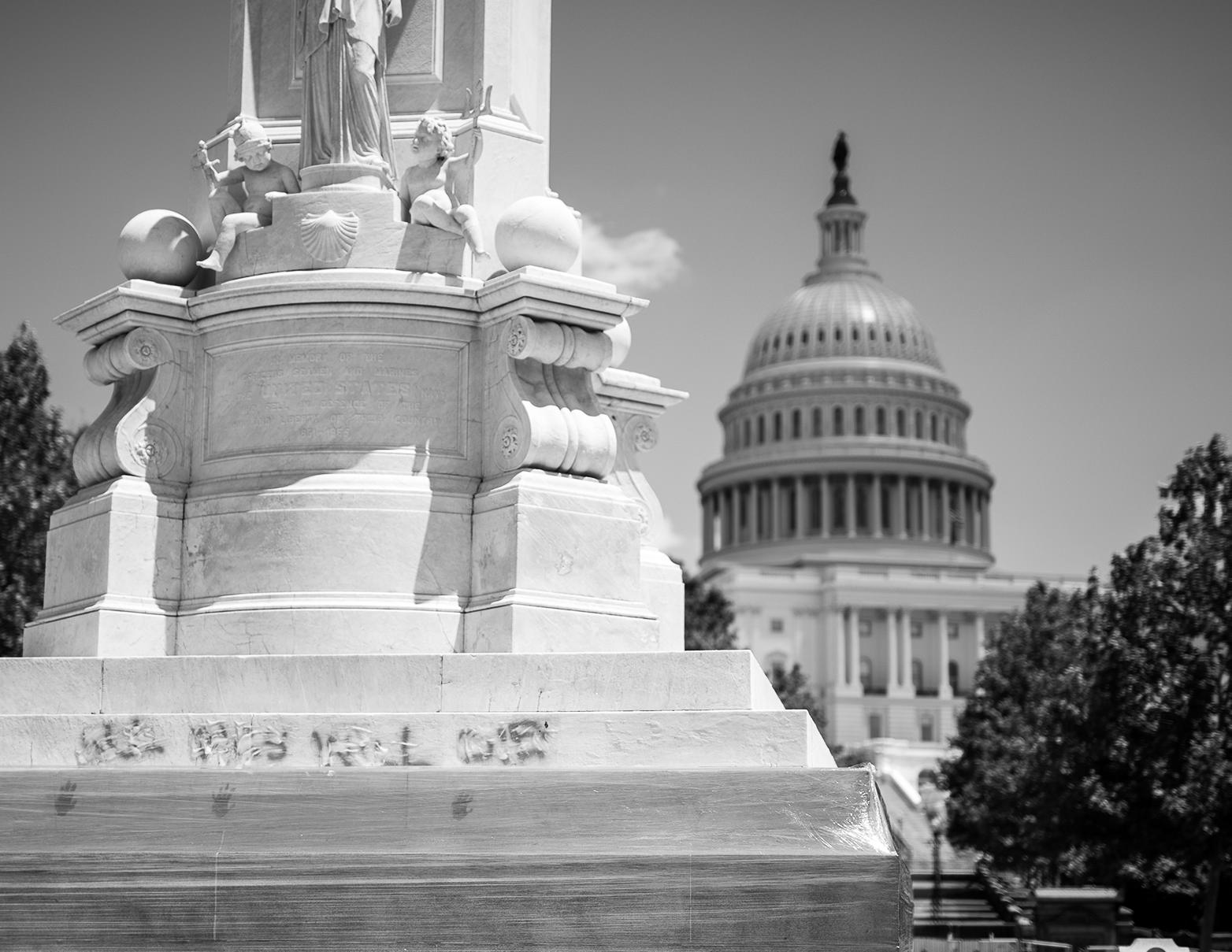
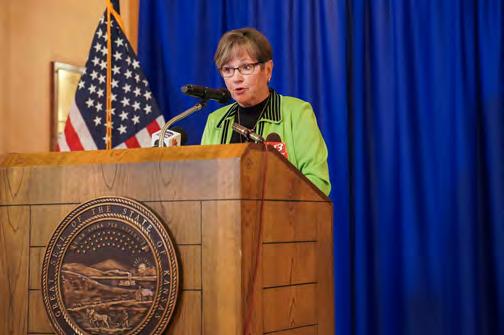
During the summer of 2021, I had the opportunity to work as a communications and legal intern for the Office of Kansas Governor Laura Kelly. During my days spent in Topeka inside of the State Capitol, I was tasked with many different responsibilities, my favorite being accompanying Gov. Laura Kelly to bill signings, community events and award presentations as her official photographer.
Kelly first entered the world of government in 1988 as the executive director of the Kansas Recreation and Park Association where she served 16 years before being elected to the Kansas State Senate in 2004 as a Democrat representing Topeka. Over her next four terms where she would be praised for her bipartisan efforts, willingness to negotiate and moderate Democratic beliefs, she worked her way to assistant minority leader and minority whip before announcing her gubernatorial candidacy in 2016. Running as the “Education Governor,” she went on to win a crowded five-candidate primary election with 51.4% of votes before challenging former Secretary of State and Trump-ally Kris Kobach in the 2018 general election and walking away as the third female governor of Kansas with 48% of all votes.
Despite a first gubernatorial term characterized by partisan tensions with the Legislature and a pandemic, Kelly secured a second term in office during the 2022 midterm elections. Her Republican challenger, Derek Schmidt, served as Kansas Attorney General during Kelly’s first term and consistently created tension between their offices by working with the conservative-dominated Legislature to undermine her emergency powers in response to the pandemic, as well as to thwart her administration’s legislative agenda. Kelly defeated Schmidt with 49.2% of all votes compared to his 47.7% in one of the most competitive gubernatorial races of the 2022 midterm elections.

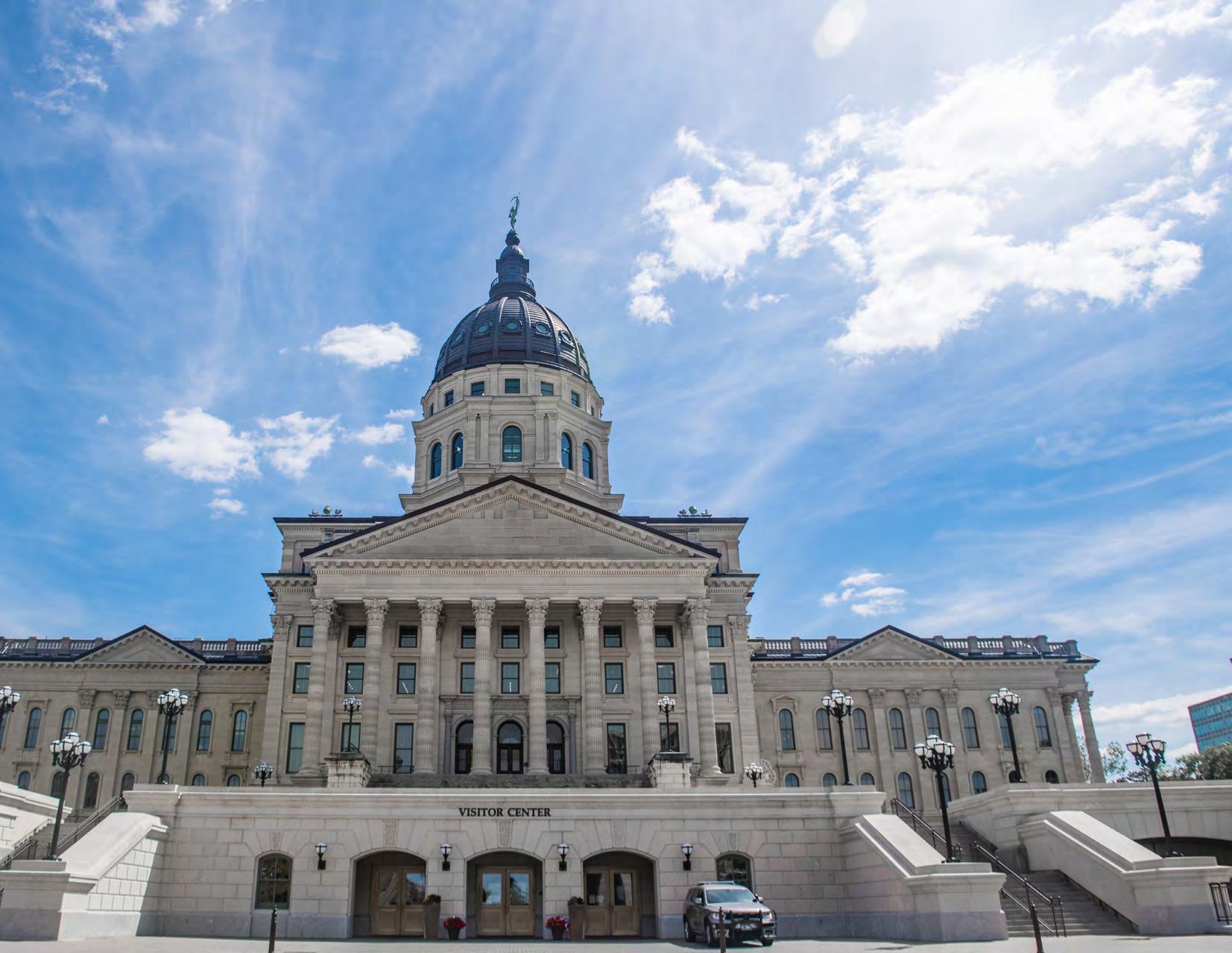

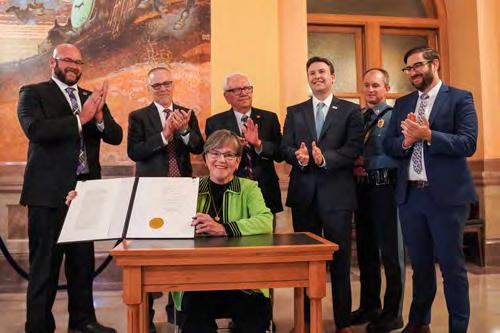
Gov. Laura Kelly met with members of the Patriot Guard Riders outside the Kansas State Capitol before a ceremonial bill signing event June 24, 2021.
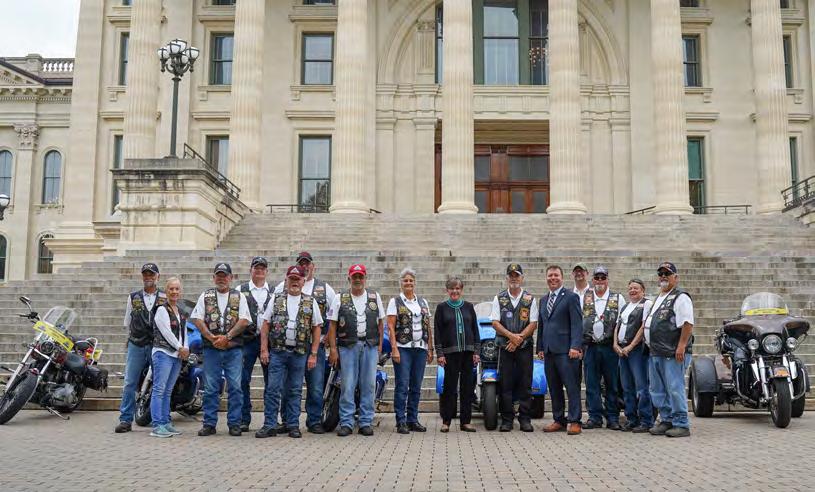
The Patriot Guard Riders are a group of military veterans who attend the funerals of fallen service members to shield them from protesters. Following the meeting, Kelly signed Senate Bill 67 — the first state-wide law regarding funeral processions and escorts in Kansas — which permits funeral escorts to direct traffic for funeral processions.
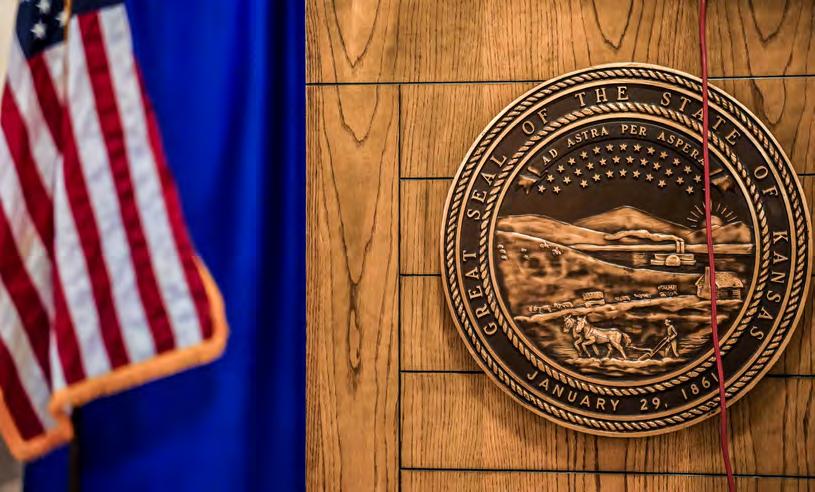
Additionally, Kelly announced pardons for three state prisoners and commutations for five others in a rare use of clemency powers granted to the Governor under Article 1, Section 7 of the Kansas State Constitution. While the use of these powers is known to carry considerable political risks, Kelly said she was following through on a campaign promise to review the state’s criminal justice system.
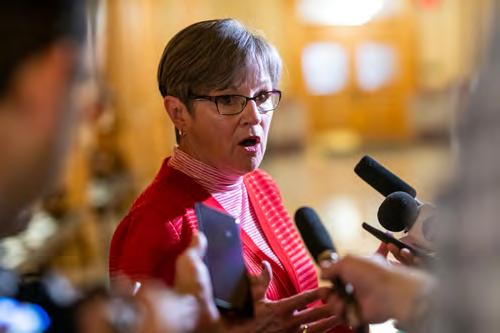
“Using the clemency power is not something I take lightly, nor is it the solution to the systemic issues in our criminal justice system,” Kelly said. “Instead, we’ll keep working towards commonsense reforms to save taxpayer money and offer pathways to prevent crime and keep people out of the system in the first place.”
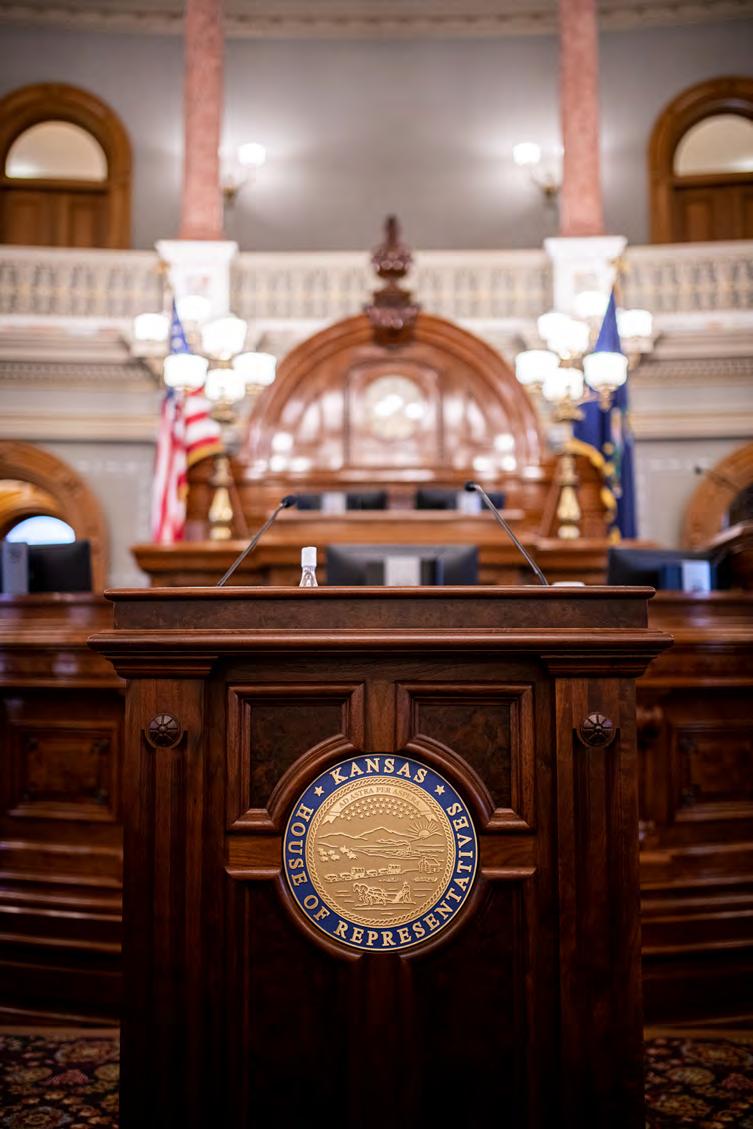
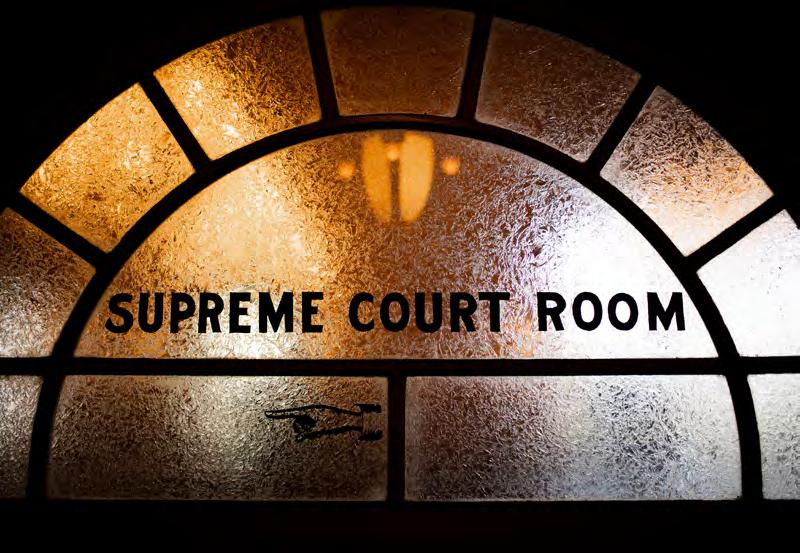
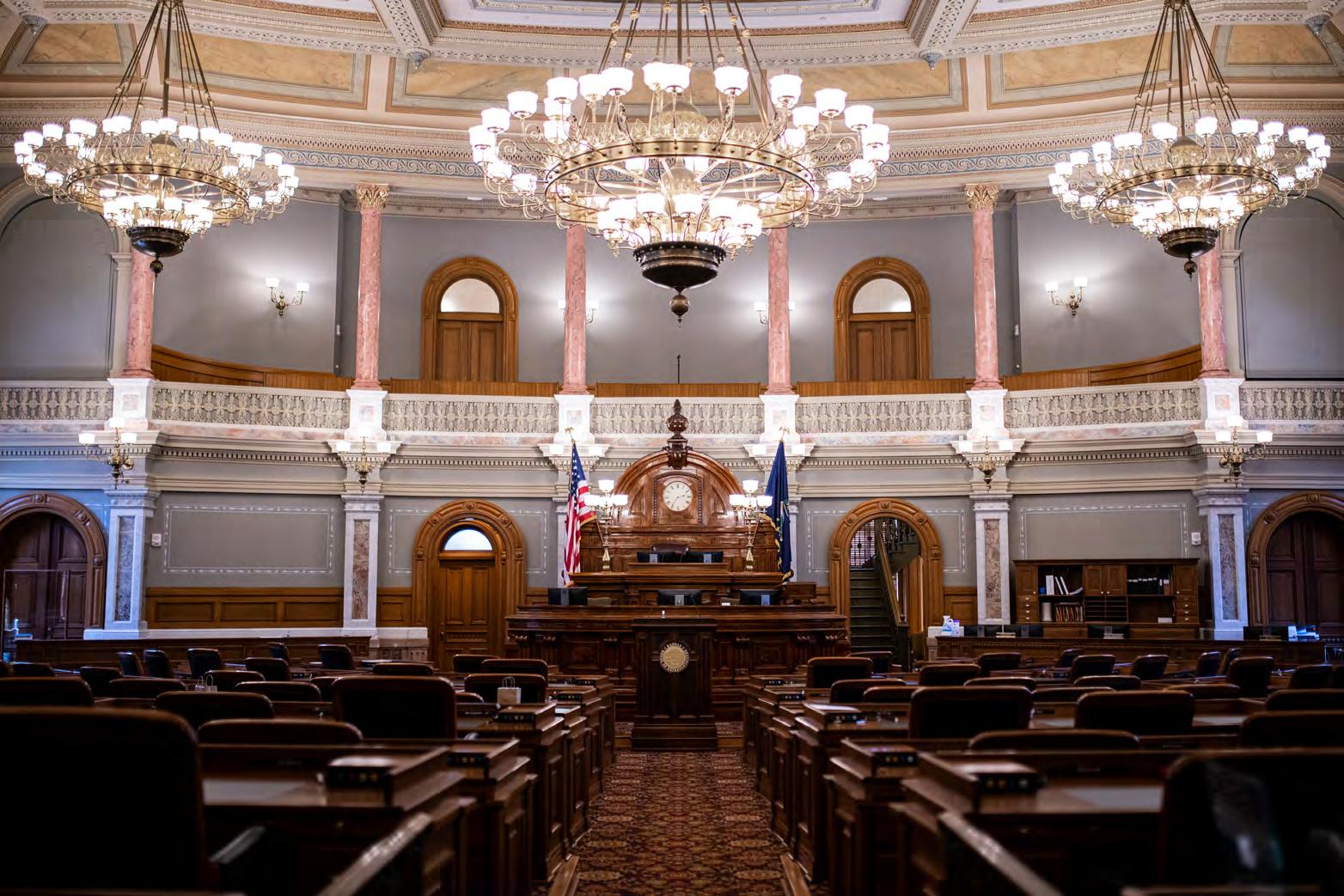
Later in the afternoon, Kelly presided over a Kansas State Finance Council meeting in the old Supreme Court room of the Statehouse. The council unanimously approved the construction of the state’s first express toll lanes on a Johnson County highway. The project was projected to cost $300 million and scheduled to begin the following year. The council, composed of leaders from each state legislative chamber, also approved four other proposals.
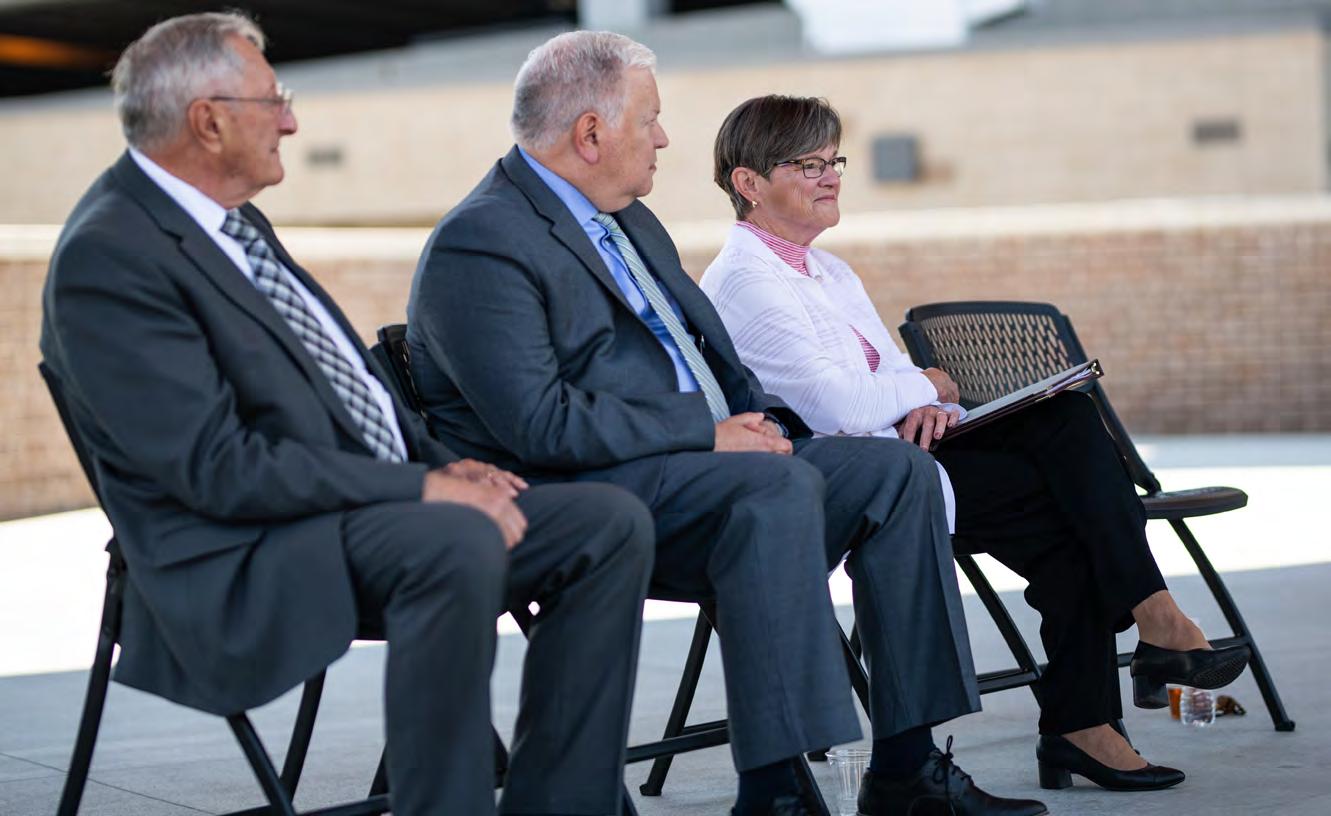
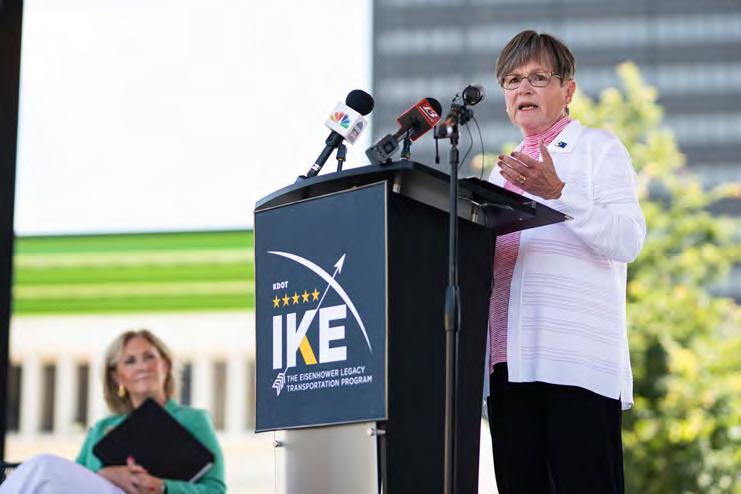
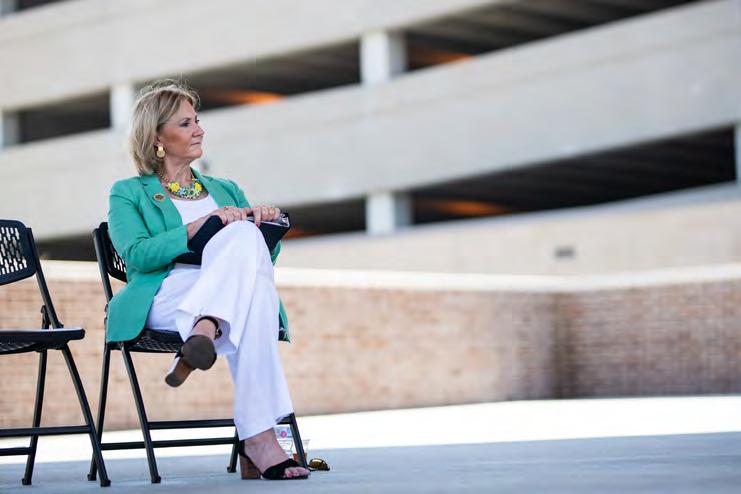
Gov. Laura Kelly announces eight new Eastern Kansas highway projects at Evergy Plaza in Topeka, Kansas July 8, 2021. State Department of Transportation Secretary Julie Lorenz, Topeka City Manager Brent Trout and Republican State Rep. Richard Proehl presented the plan with Kelly.
The $297 million project was made possible by the IKE Highway program which was passed by the Kansas Legislature in 2020. IKE is a 10-year, $9.9 billion program aimed at creating safer and more efficient roads and supporting economic growth throughout the state.Kelly made four similar announcements across Kansas this week regarding a total of 24 transportation expansion and modernization projects that will invest more than $776 million back into the state.
“Since day one, we’ve honored our commitment to ending the practice of using infrastructure dollars for projects they were never meant for,” Kelly said. “These 24 projects are further proof that good stewardship of these funds is benefiting our communities, taxpayers and businesses.”
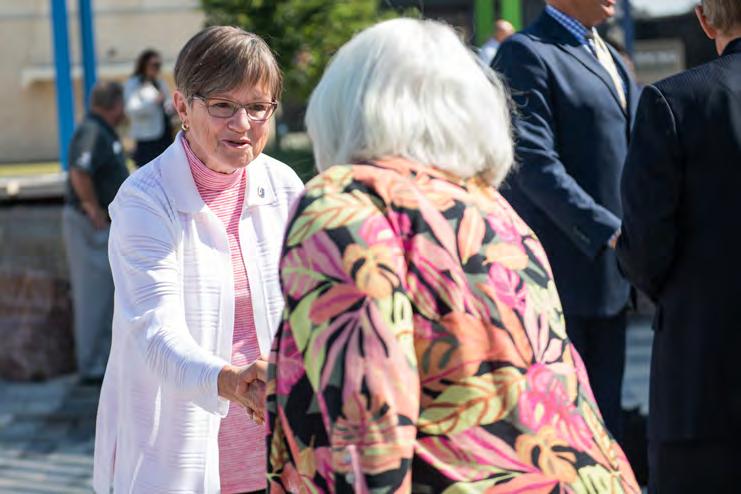
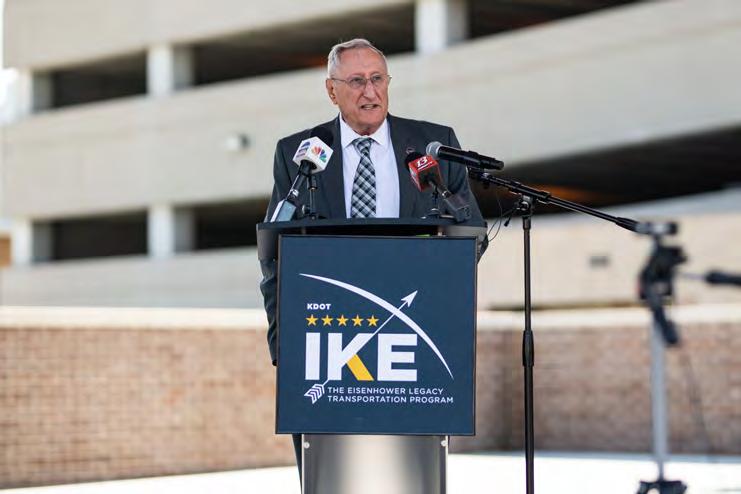 Kansas State Department of Transportation Secretary Julie Lorenz


Sidney Walton, a 102-year-old World War II veteran, visits Gov. Laura Kelly in Topeka, Kansas July 20, 2021. The Kansas Statehouse was Walton’s 39th stop since May on his 50-state, 50-governor tour across the country to raise awareness for veterans and money for the American Nurses Foundation’s COVID-19 response fund. Walton made the choice to dedicate his tour to frontline nurses following his bout with the deadly virus in February.

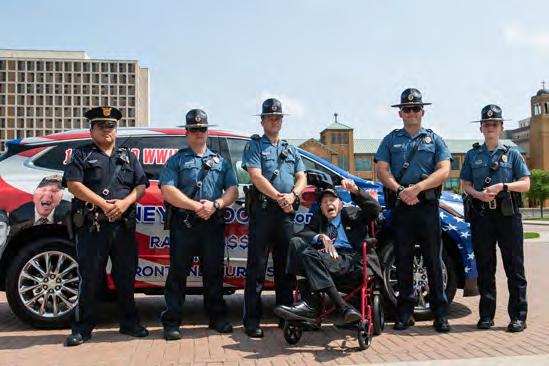

Walton — who has met some of the world’s most prominent figures, including Presidents Joe Biden, Donald Trump and Barack Obama, the Dalai Lama, Jeff Bezos and Beyonce — served as a corporal and medical technician in the United States Army from 1941 until the war’s end in 1945. Walton said he joined to help defeat Adolf Hitler and the Nazis.
The inspiration for the tour is attributed to Walton’s life-long regret of missing a chance to meet Civil War veterans in 1939. In an attempt to remedy that regret, Walton and his son, Paul, started on a “No Regrets Tour” in 2018 as a way to provide Americans with a chance to meet a World War II veteran before it is too late.
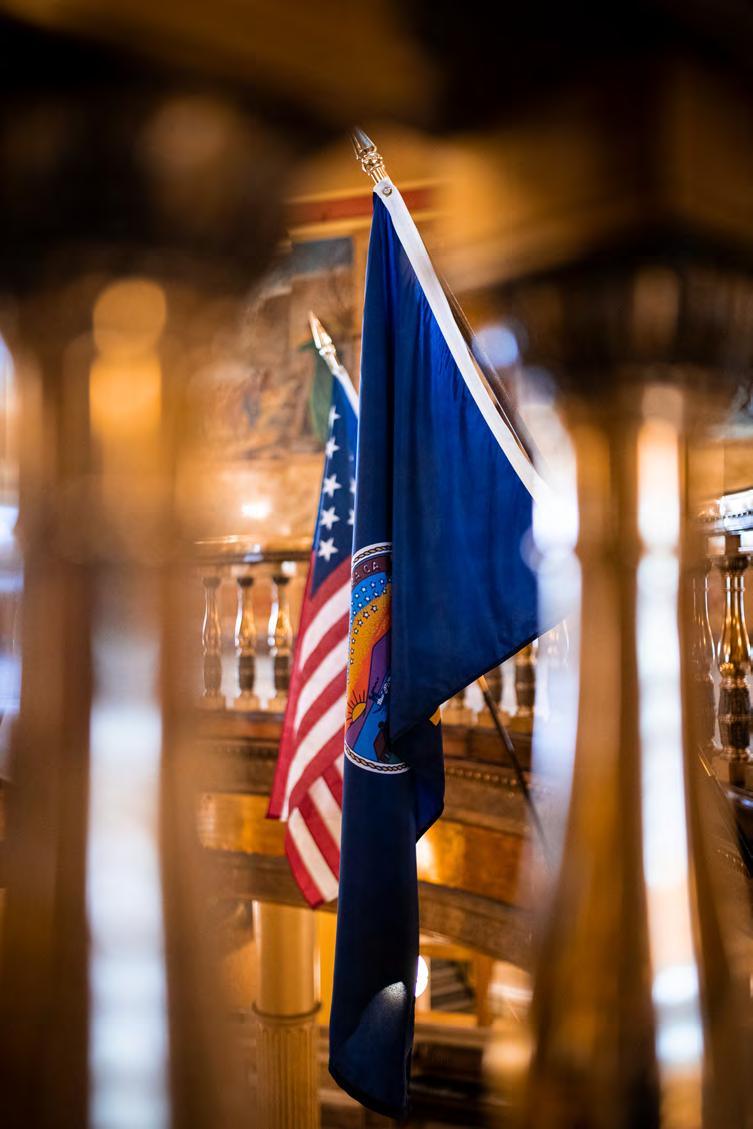
The meeting between Walton and Kelly began with the exchanging of gifts: a Kansas state flag from Kelly and a coin and baseball cap from Walton. Afterward, the two were escorted outside to the north entrance of the Statehouse where Walton’s tour car was waiting to be shown off to the governor. Various law enforcement officials were present as well.

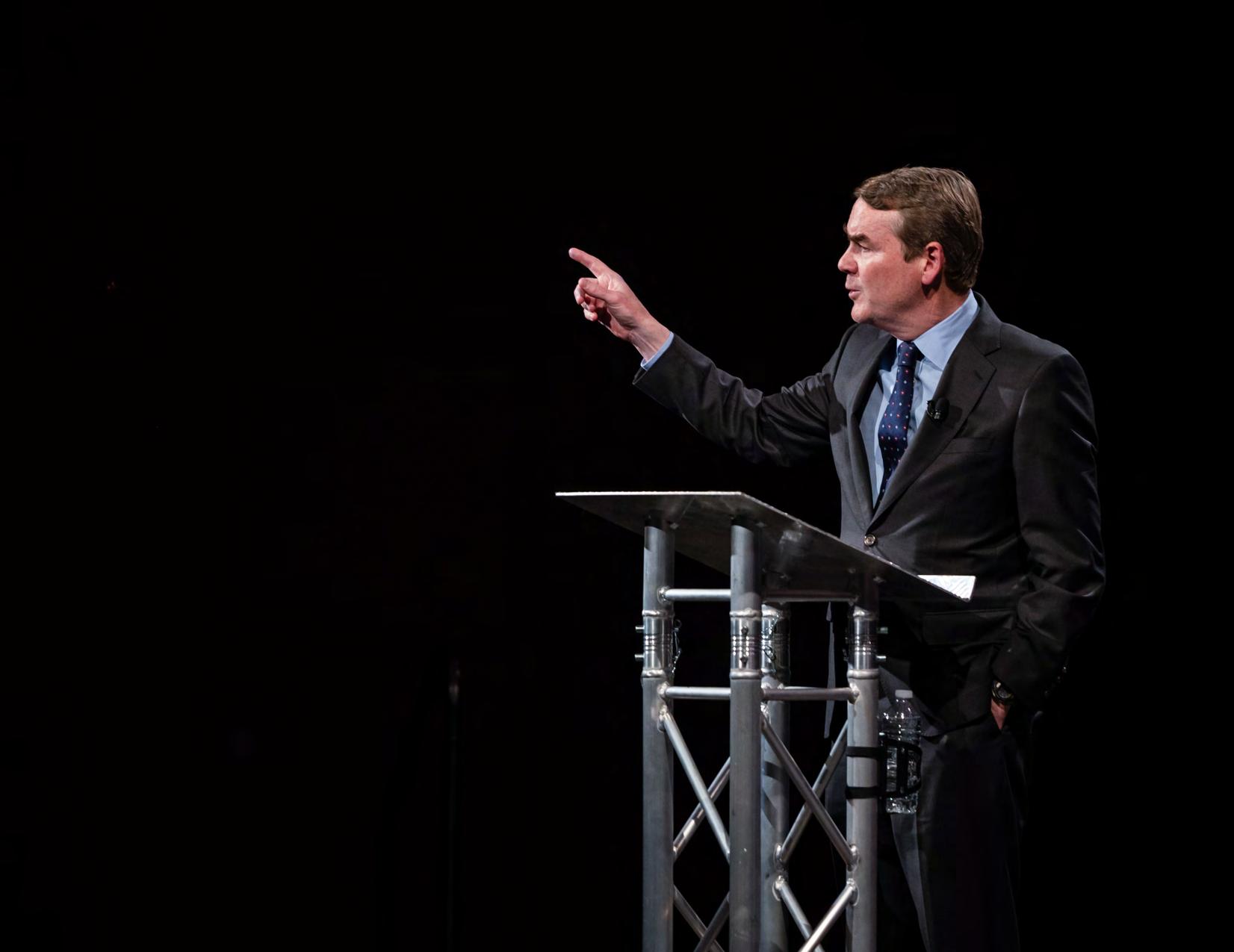
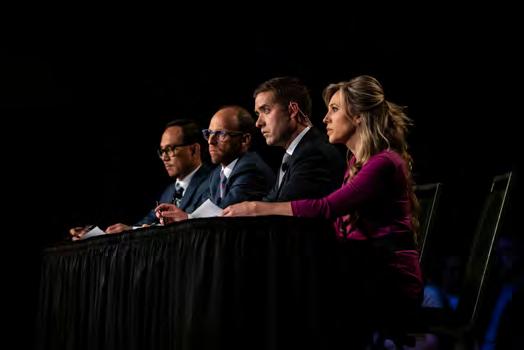
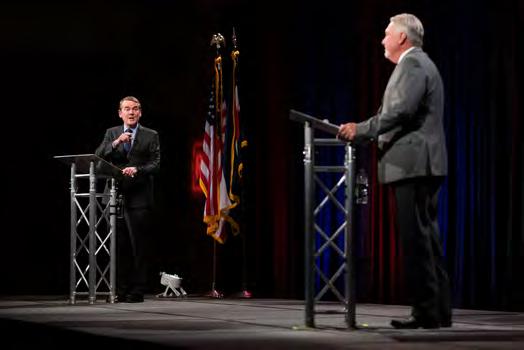
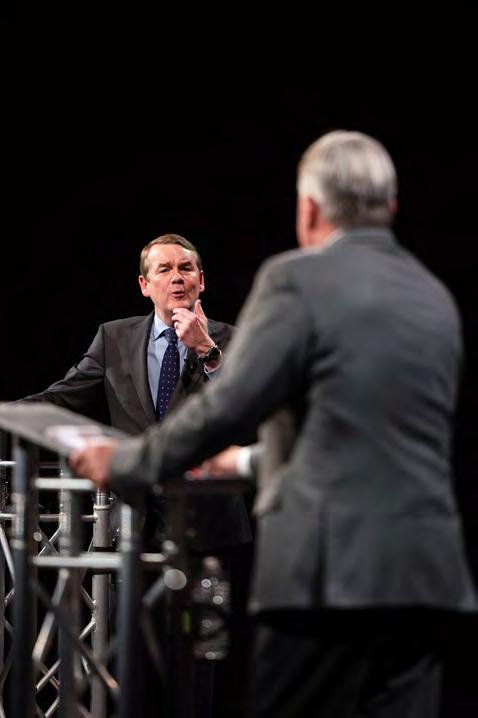
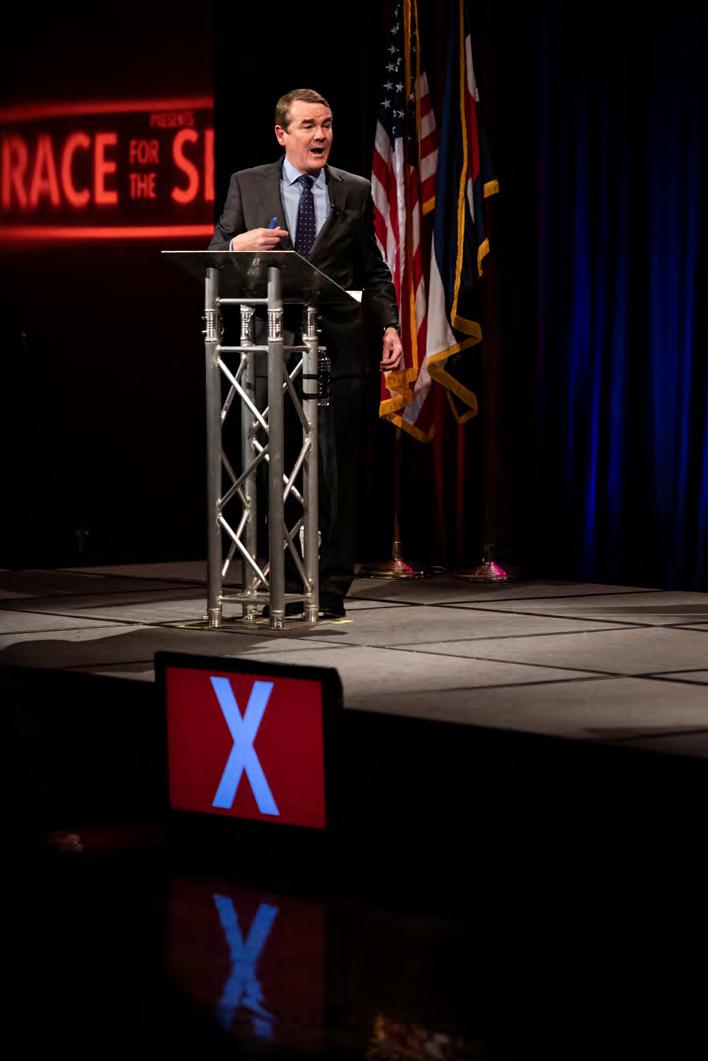
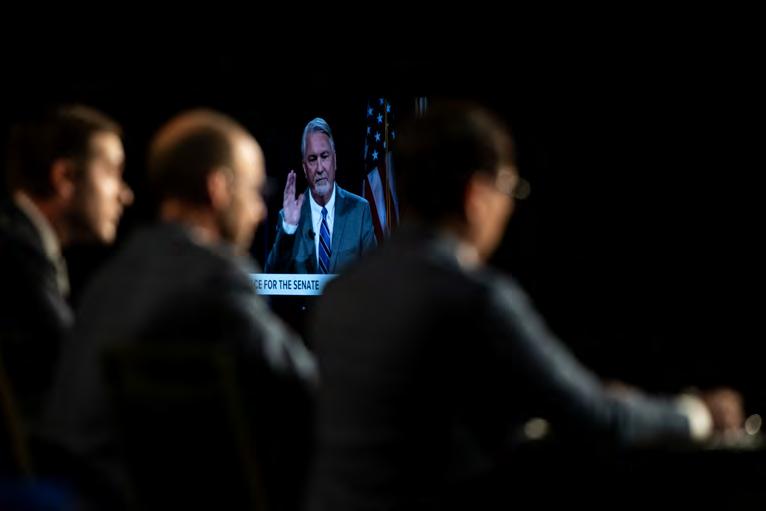
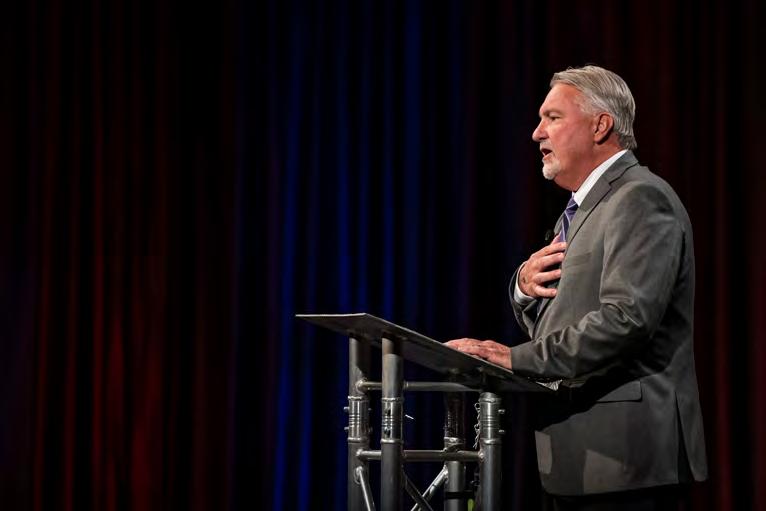
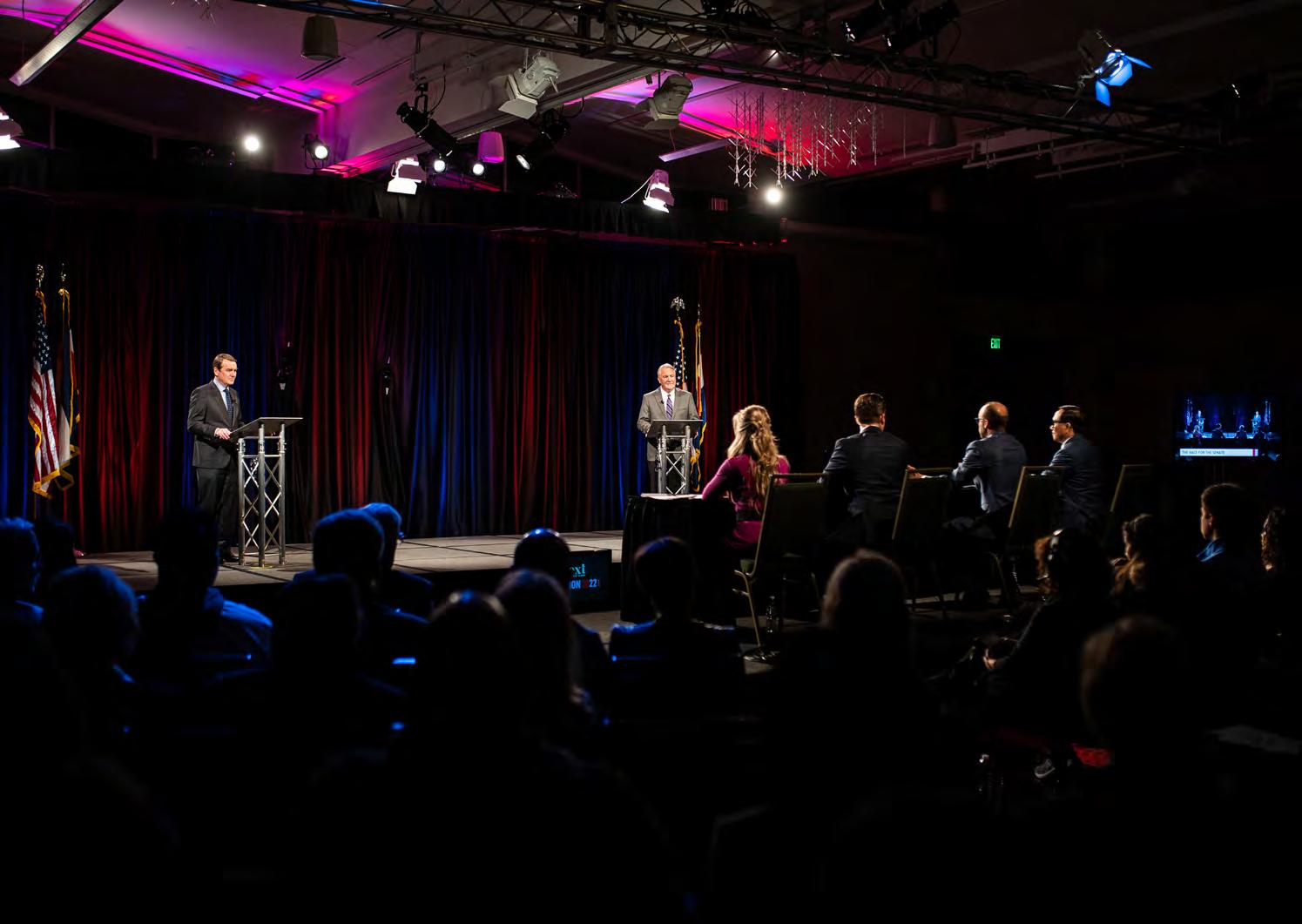
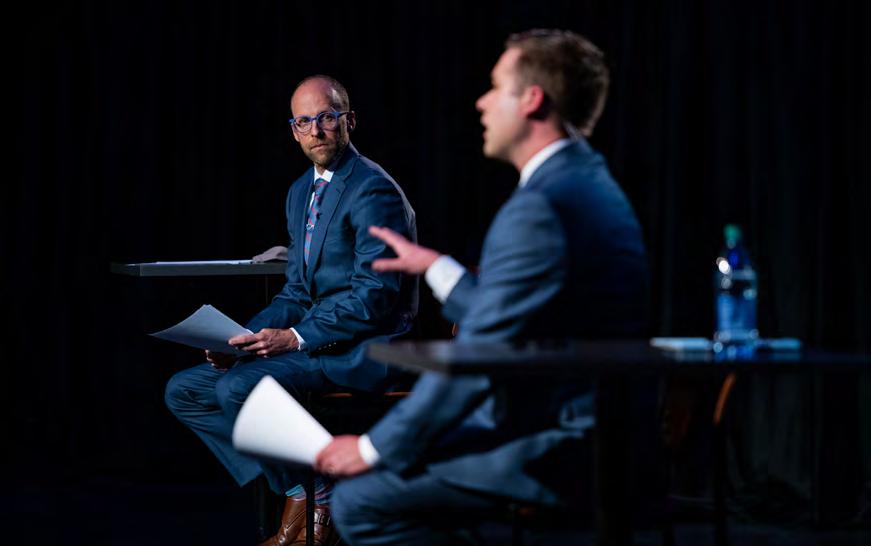
Incumbent Democratic Sen. Michael Bennet and Republican challenger Joe O’Dea participated in the final debate before the 2022 midterm elections in Colorado State University’s Lory Student Center Oct. 28.
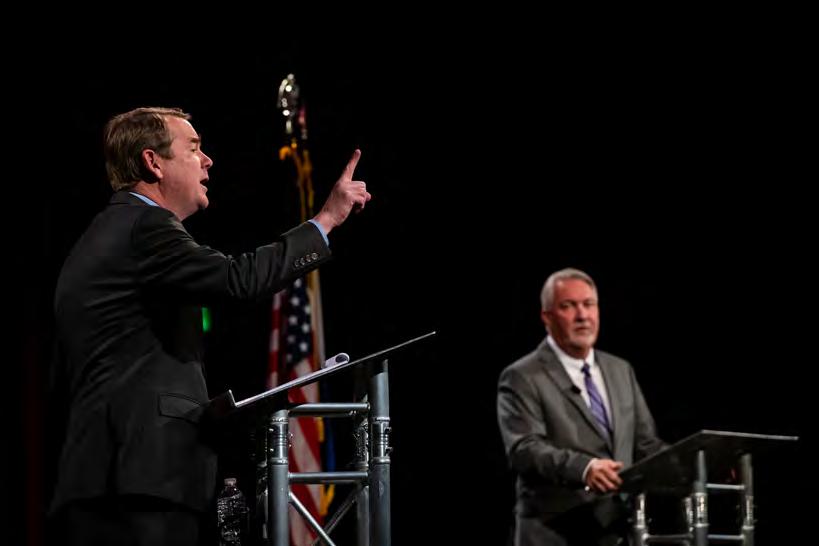
Hosted by Denver’s 9News, this was the last of six debates where candidates laid out their plans if elected to represent Colorado in the U.S. Senate. Various issues such as inflation, abortion access, gun control, border security and the opioid crisis were discussed.
O’Dea explained that while he did vote for a 22-week abortion ban across the state, he supports a woman’s right to choose up to five months into a pregnancy and in cases of rape or incest and to save the mother’s life after five months.
Bennet stayed true to protecting abortion access, even in late-term cases.
“I don’t think Joe O’Dea should be in that hospital room,” Bennet said. “I don’t think any politician should…I trust America’s mothers and women.”
Both candidates supported universal background checks for firearm sales at the federal level. In terms of a ban on assault weapon sales to minors, Bennet signaled his support for such a measure while O’Dea opposed it. The same is true for their stances on a federal ban on assault weapon sales. Neither candidate supported a mandatory 10-day waiting period to purchase a firearm.
Bennet was running for reelection to a seat he has held since 2009. During his last reelection run in 2016, Bennet received the most votes of any Democrat in a statewide race in Colorado history. Bennet was also one of the many Democrats to announce their presidential candidacy for the 2020 primary elections, though his campaign was suspended after nine months.
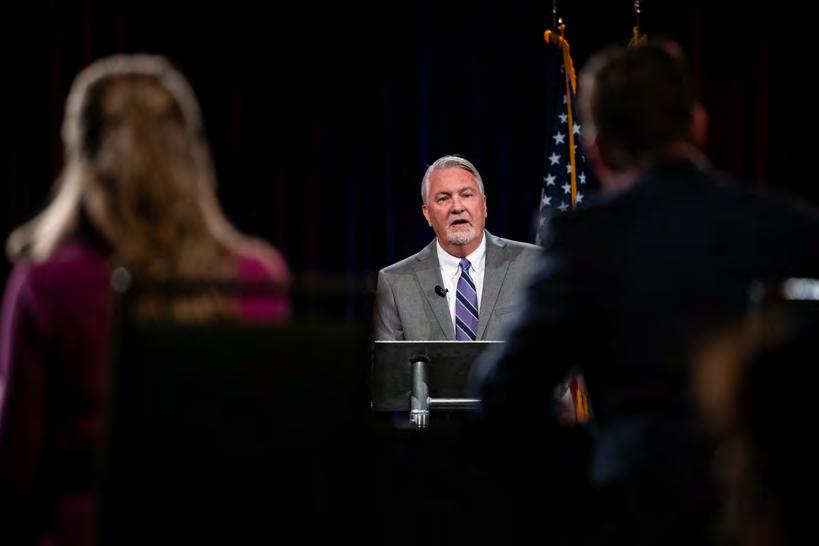
Coming from a successful business background, O’Dea posed himself as a “political outsider.” His campaign largely focused on the inflation that O’Dea blames on President Joe Biden and Congressional Democrats’ “reckless” spending and the passage of the American Rescue Plan earlier this year.
“Our economy can’t take another six years of a rubberstamp for a spender that just blesses everything that comes across his desk,” O’Dea said. “That’s terrifying to me, our economy can’t take that.”
Bennet ultimately secured another six years in office when the electoral count was tabulated on Election Day. Although this was expected to be a very competitive race, Bennet came out with 65% of all votes compared to O’Dea’s 42%.
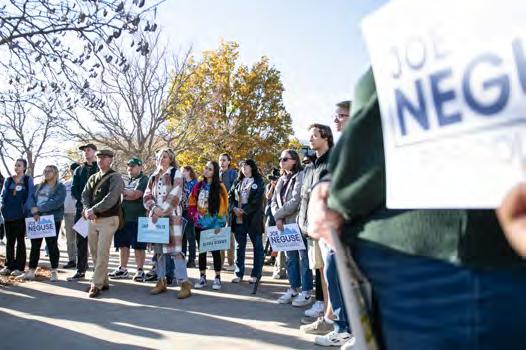
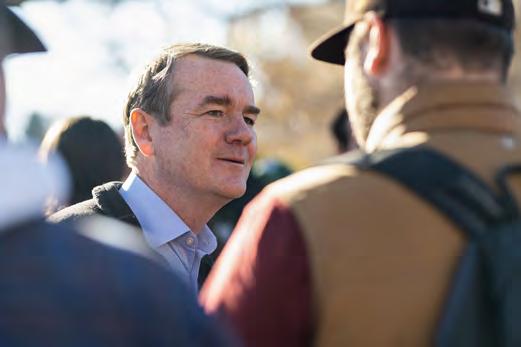
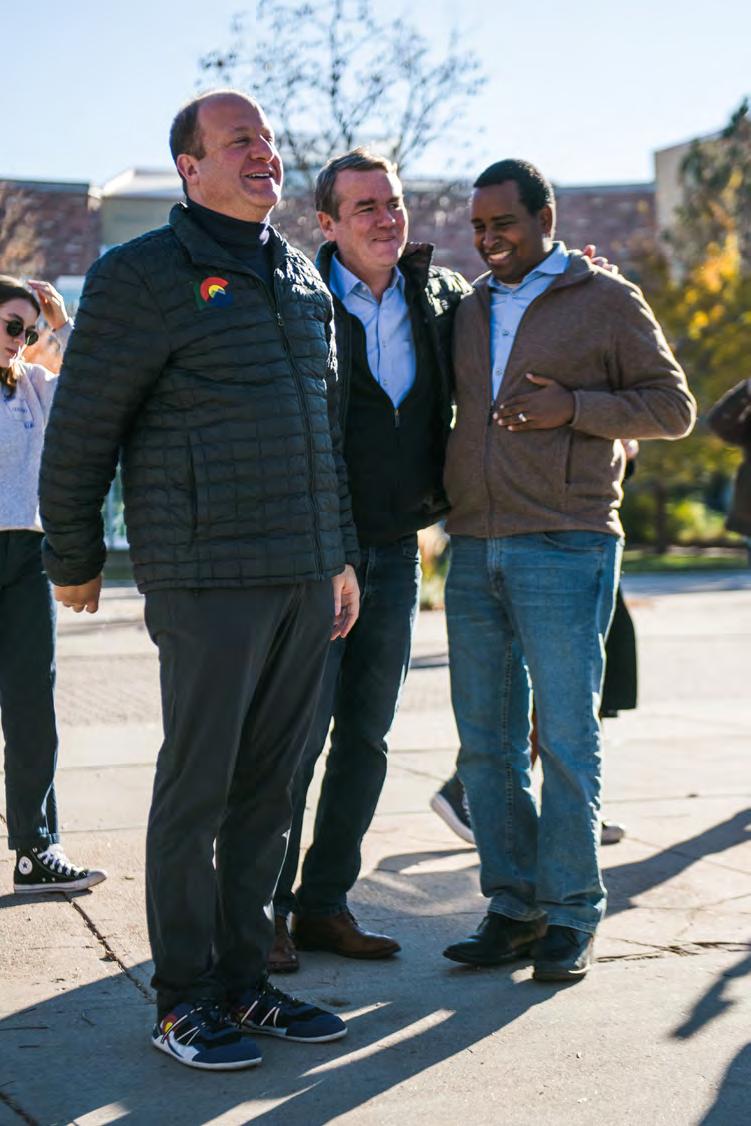
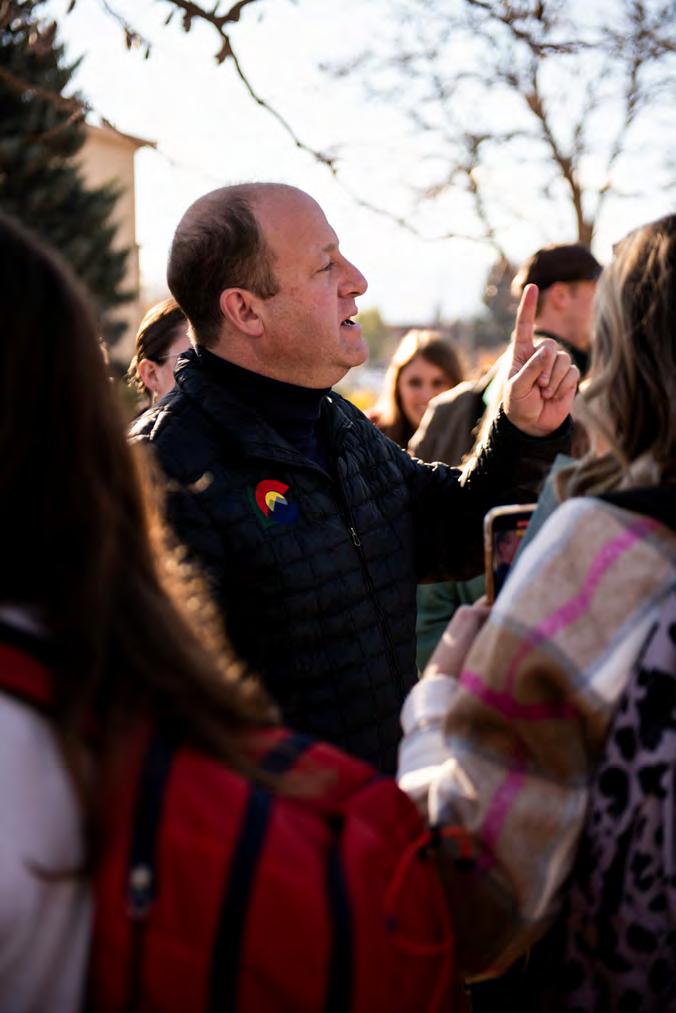
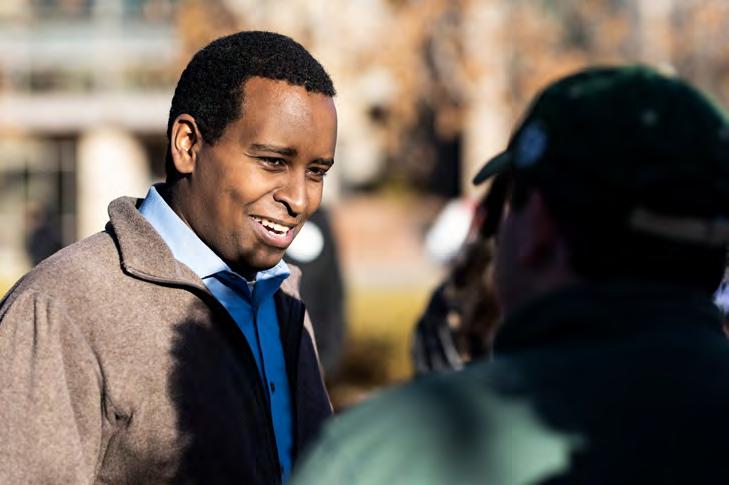
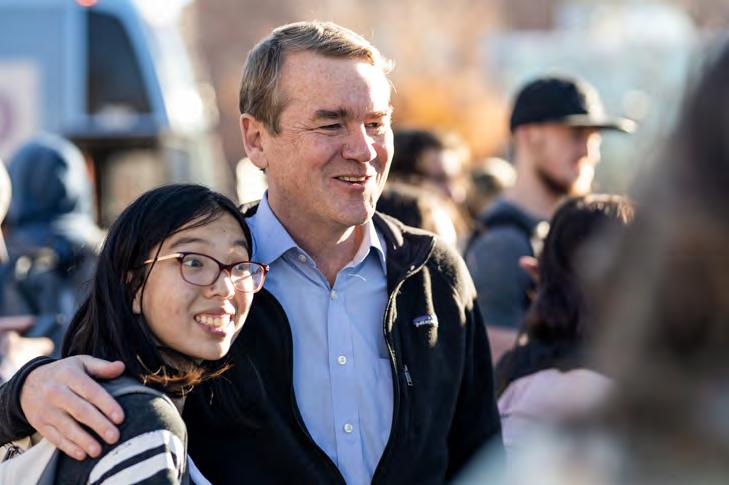
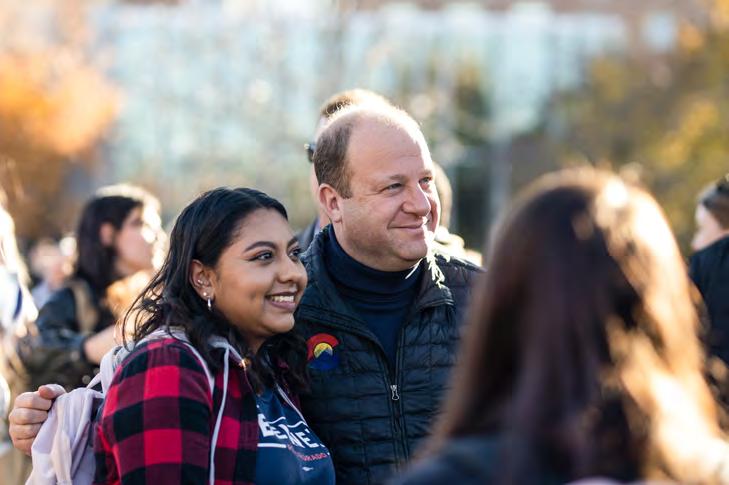
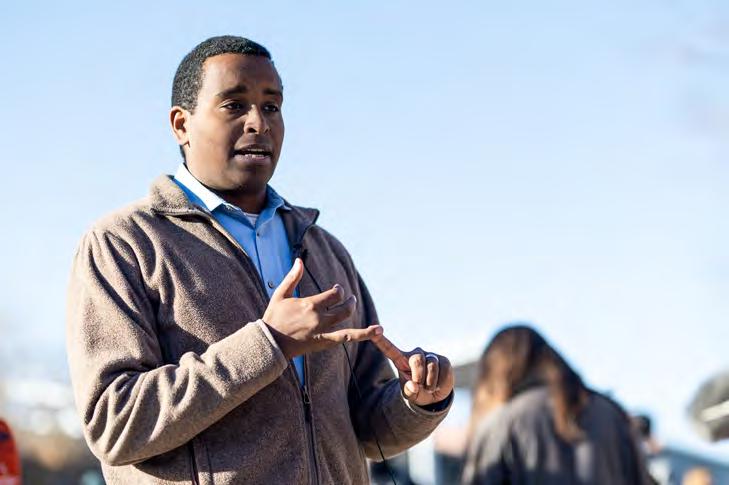
Gov. Jared Polis, Sen. Michael Bennet, Congressman Joe Neguse and other Democratic candidates for Colorado office visited Colorado State University Nov. 7, the day before the primary elections. Polis, Bennet and Neguse are all Democratic incumbents who won reelection in this year’s midterm elections.
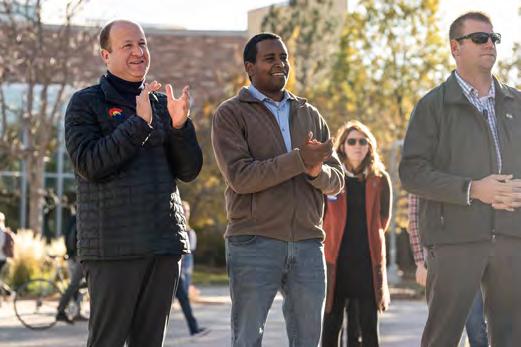
Along with Lt. Gov. Dianne Primavera, the lawmakers spoke to a crowd of students gathered on the Lory Student Center Plaza about their political agendas and urged students to vote and to encourage their friends and peers to vote as well. Following their brief speeches, the candidates spoke with students individually and posed for photos with them.
According to a report from CSU, 76% of students voted in the 2020 national elections whereas the national average of other schools during the same cycle was 66%

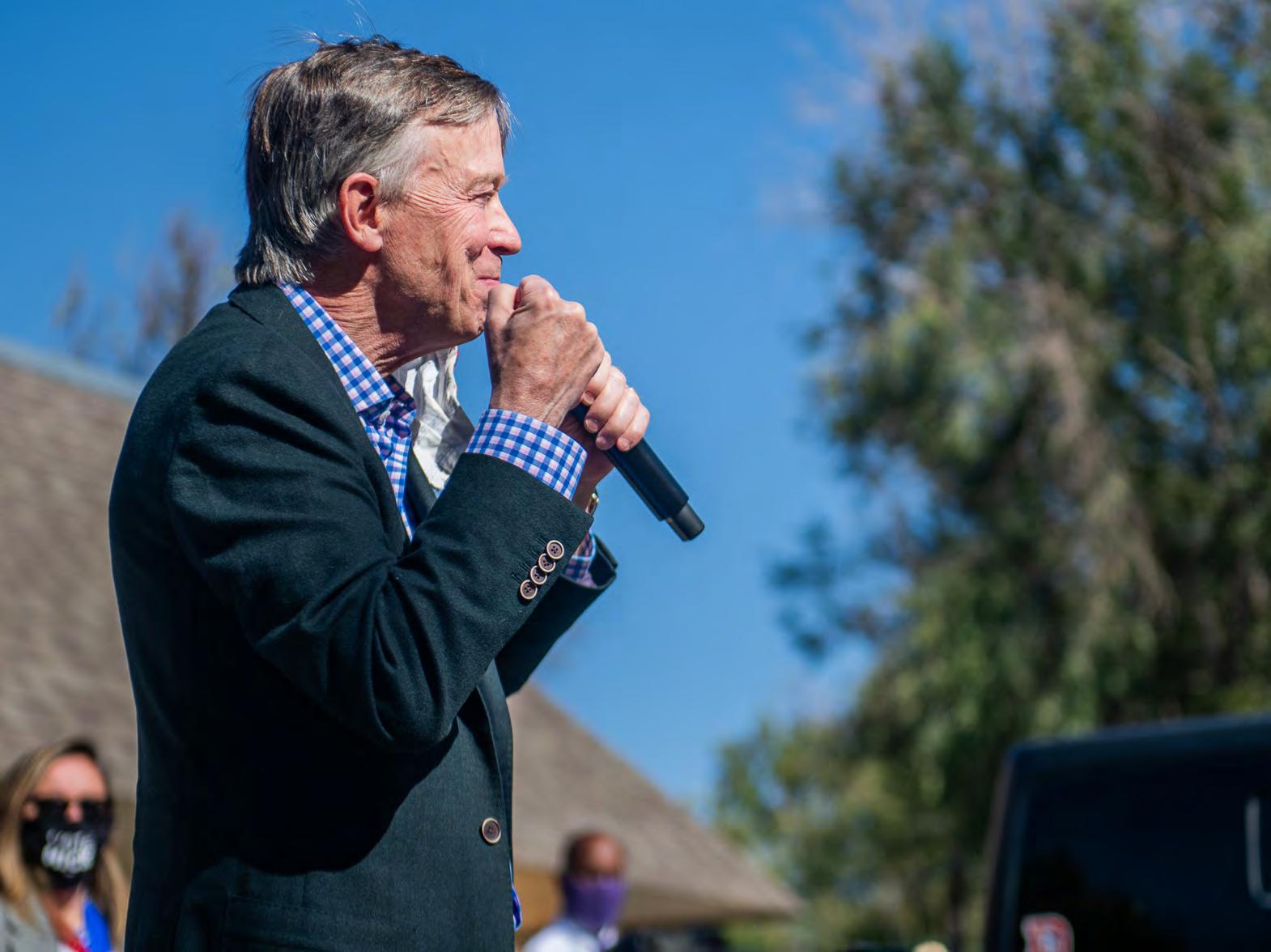
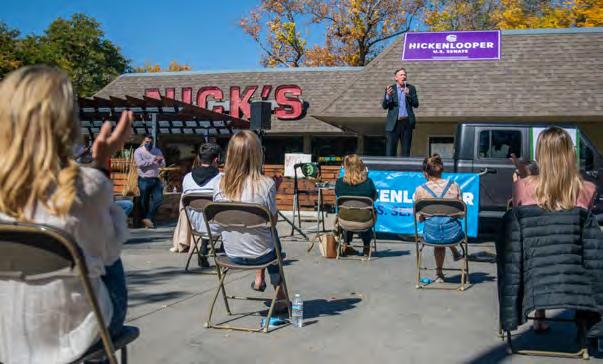
Former Colorado Governor turned U.S. Senate candidate John Hickenlooper and his campaign hosted a socially distanced rally at Nick’s Italian restaurant on College Avenue Oct. 13, 2020.
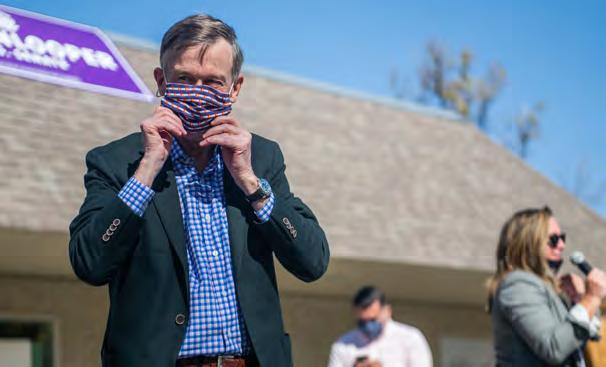
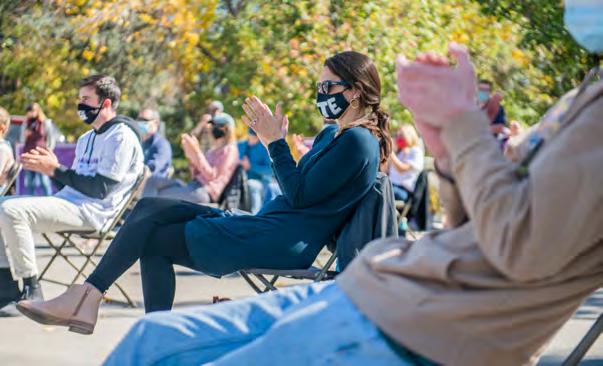
The rally was scheduled during the afternoon leading up to the third and final debate between Hickenlooper and incumbent Republican Sen. Cory Gardner. The roughly 30-person crowd was primarily made up of local supporters with multiple local government officials and candidates in attendance as well.

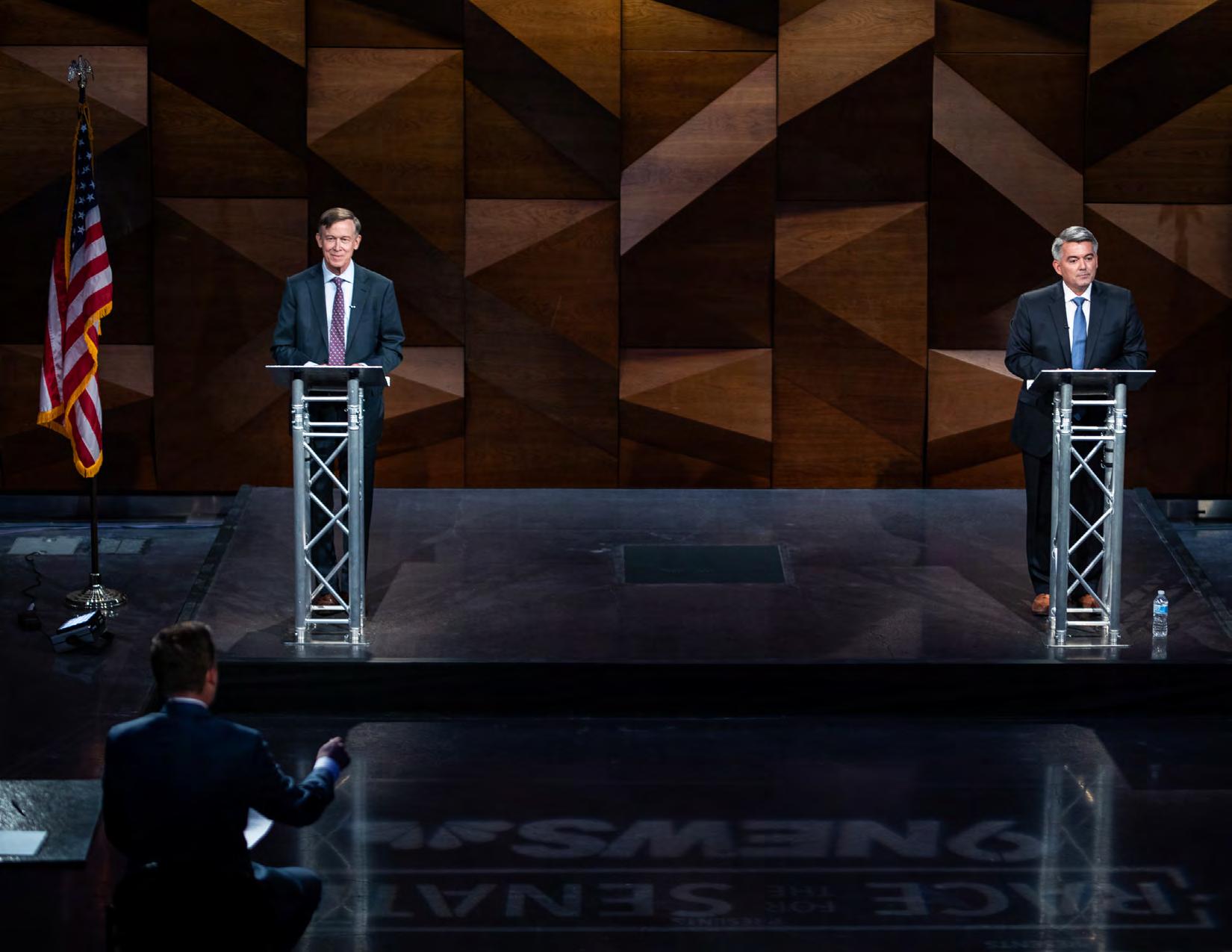
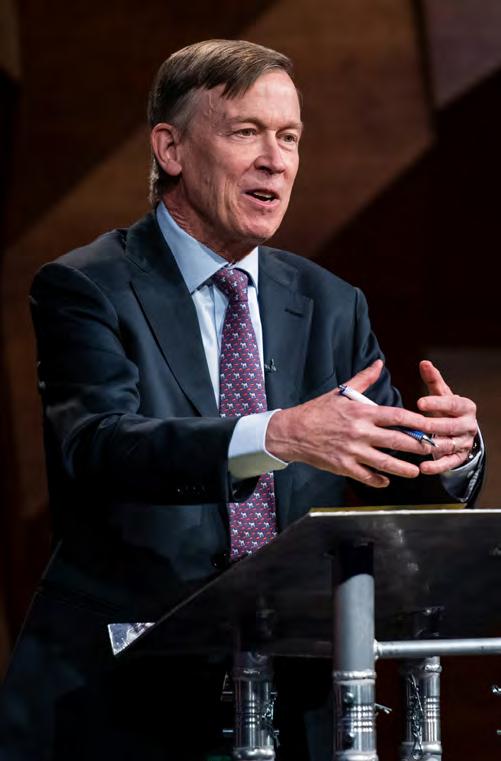
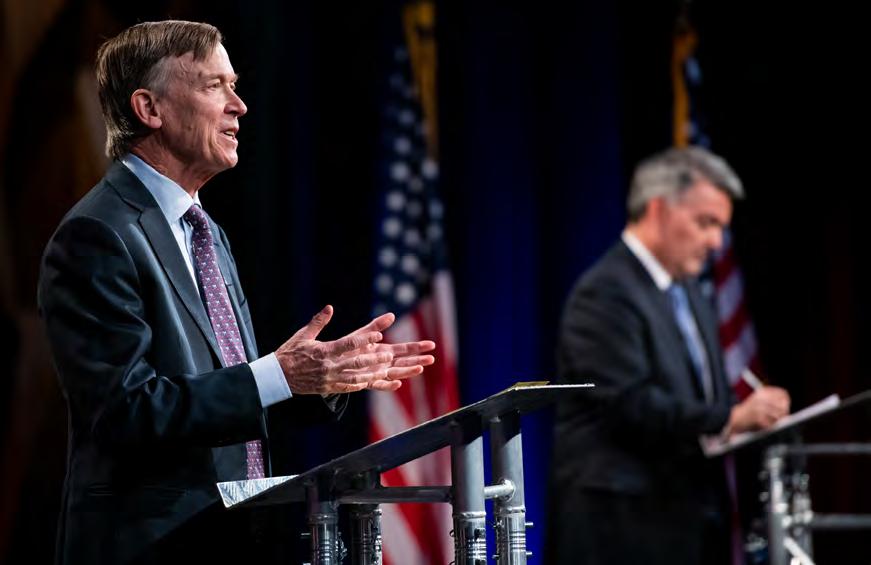
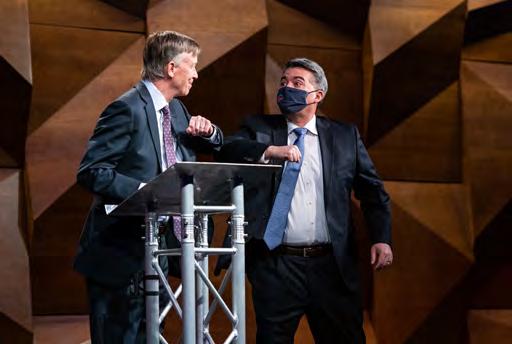
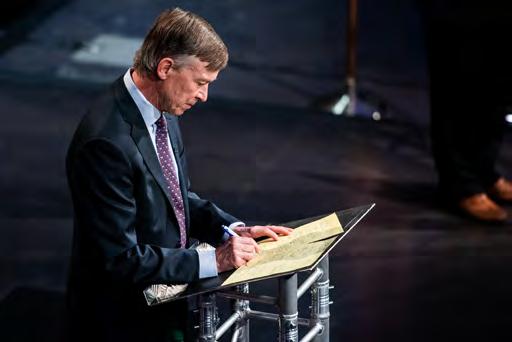
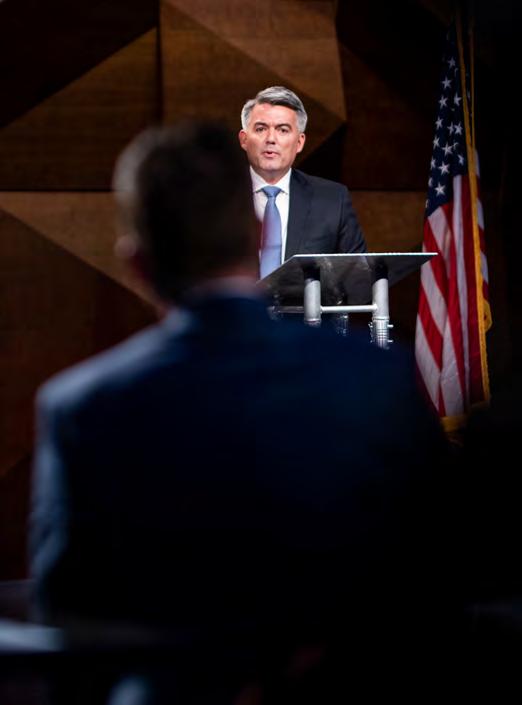
Incumbent Republican Sen. Cory Gardner and former Colorado Gov. John Hickenlooper participated in their final debate before one of the candidates will be elected to represent Colorado in the U.S. Senate next month, Oct. 13, 2020.
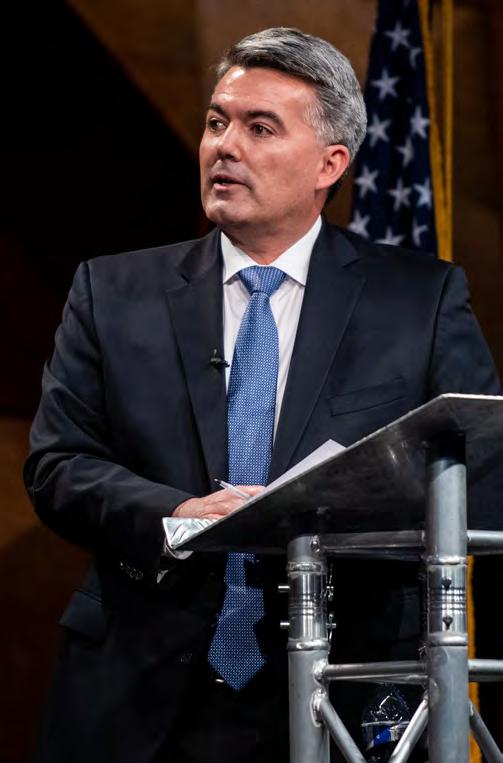
The debate was held in the Lory Student Center Theatre with no live audience to adhere to social distancing standards. Since both candidates have devoted much of their adult lives to public service, this year’s election will signify the first electoral defeat for one of the two candidates.


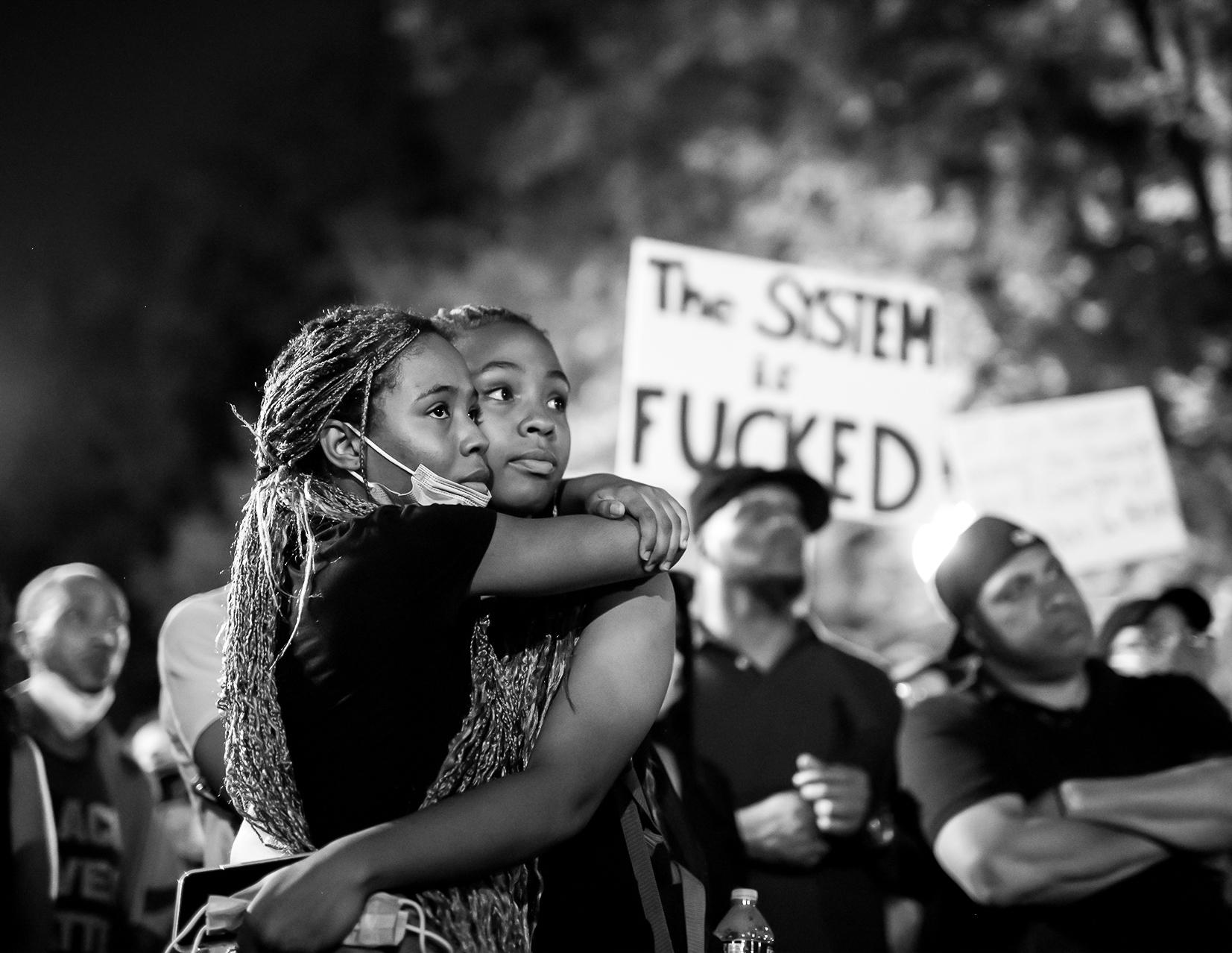
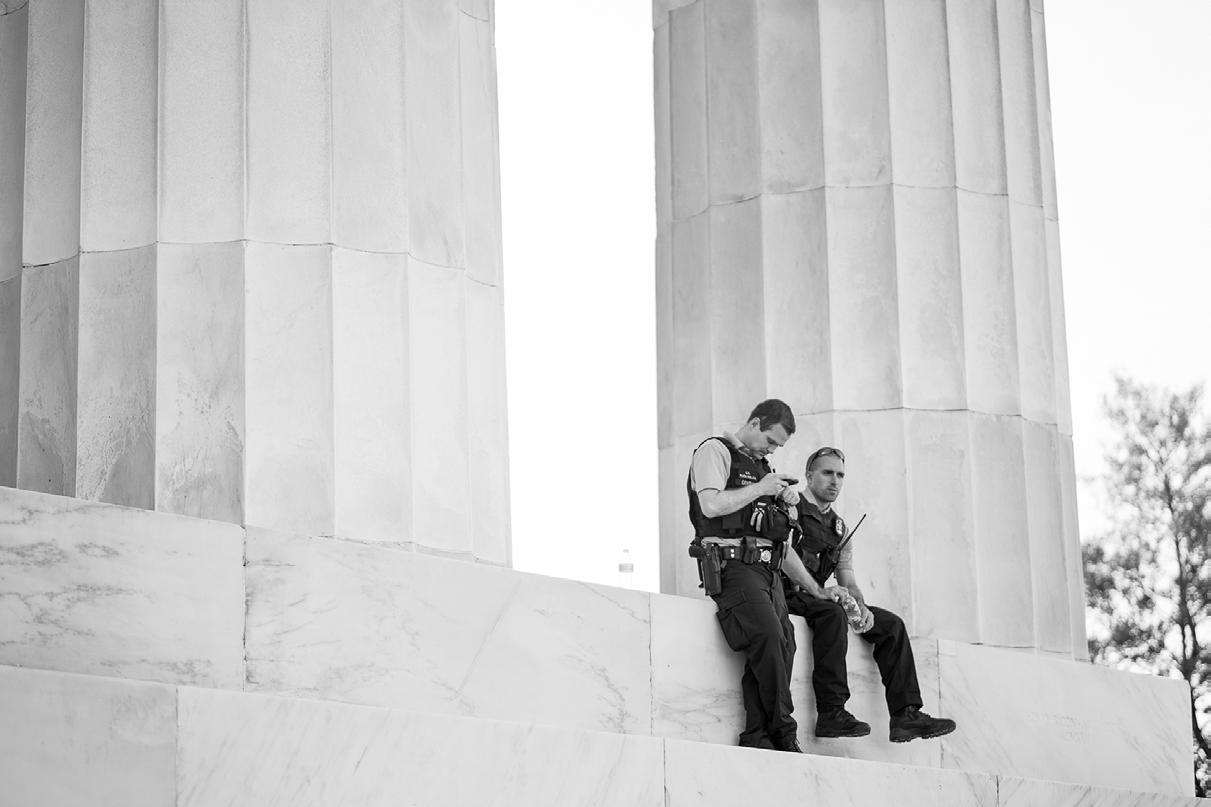
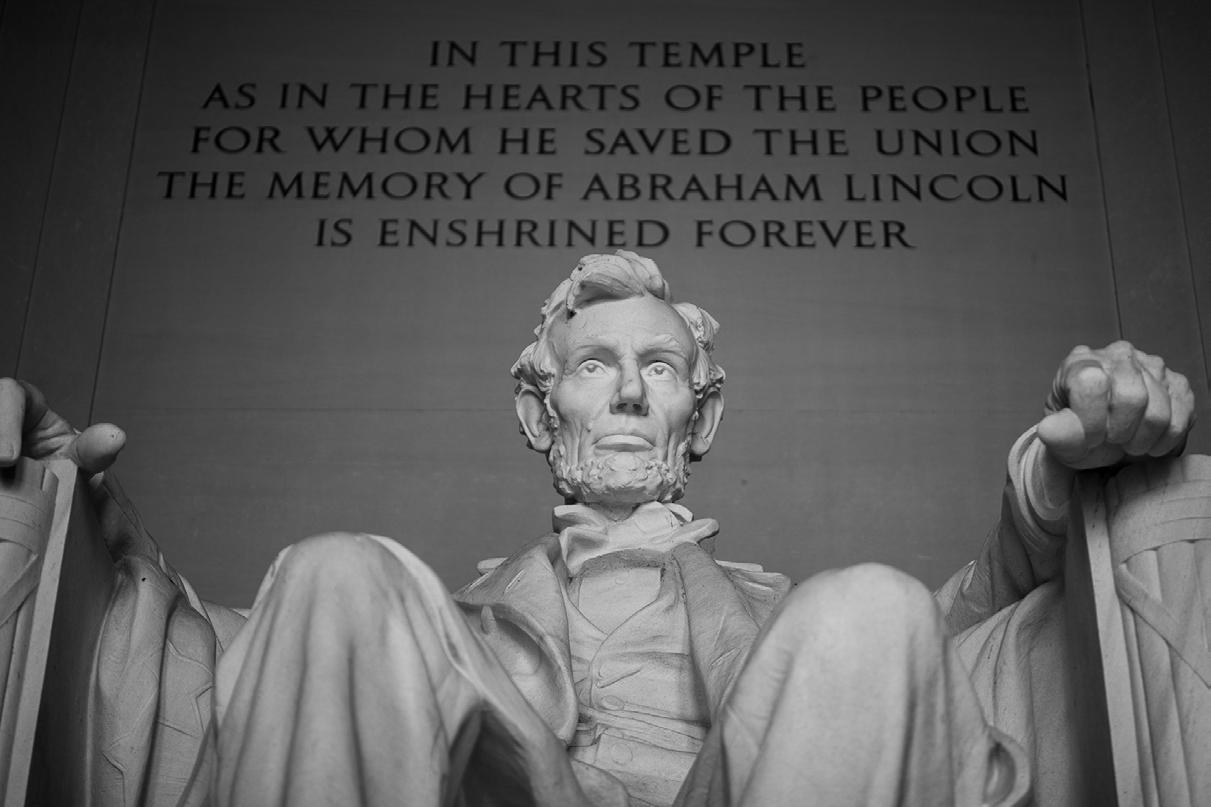
June 7-9, 2020

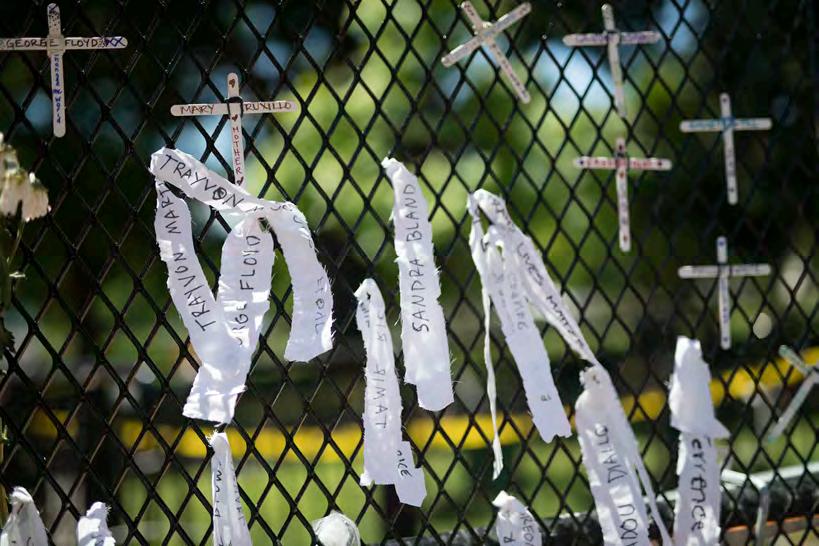
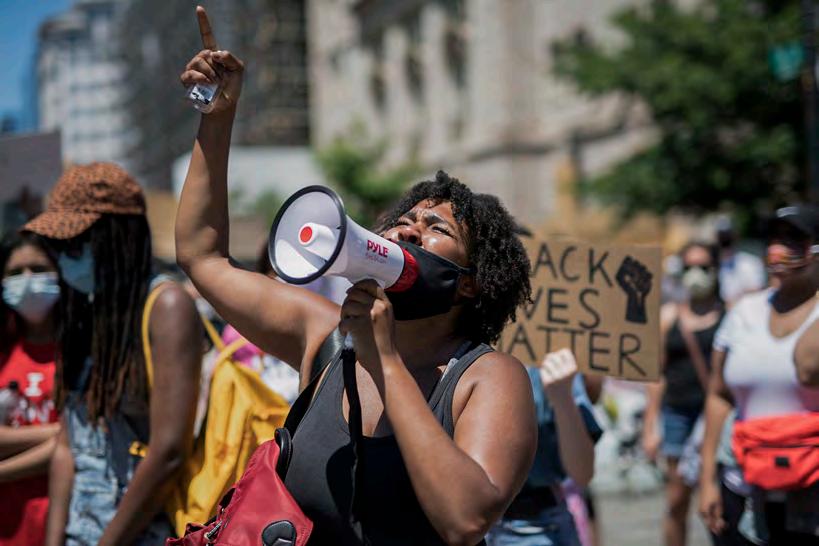
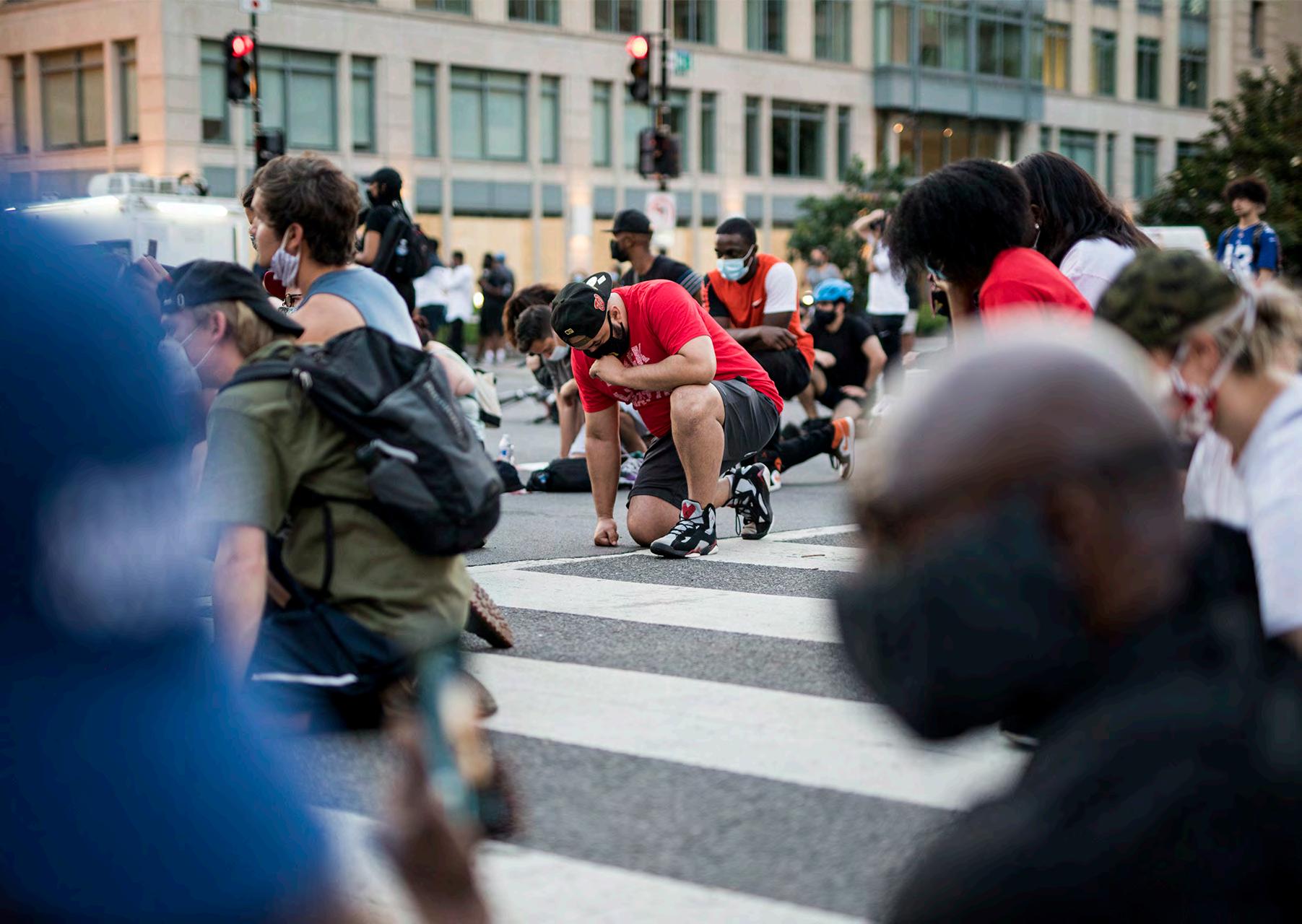
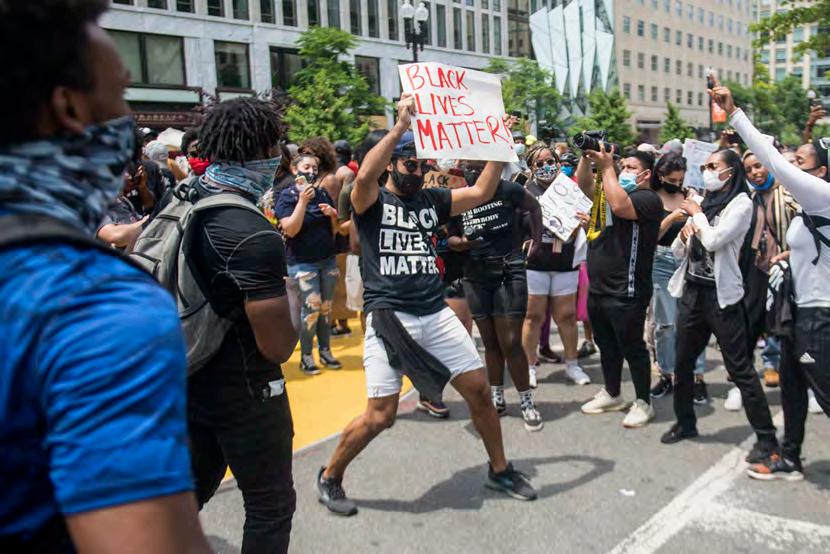
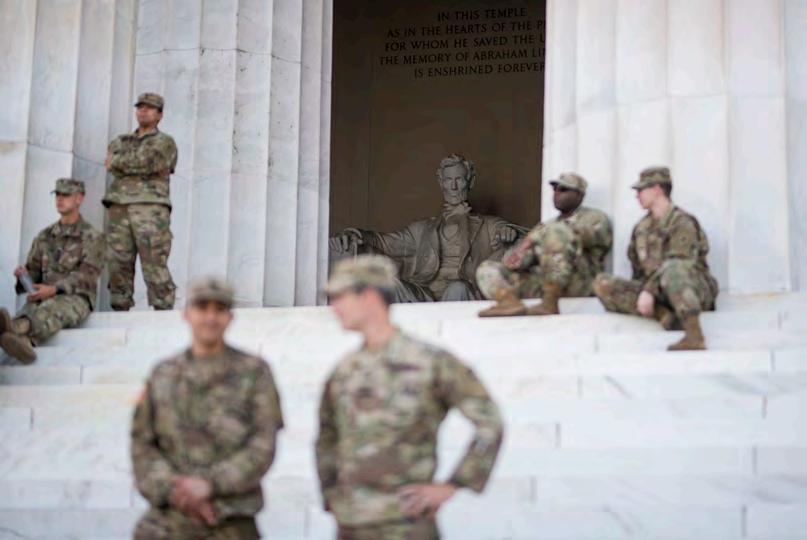
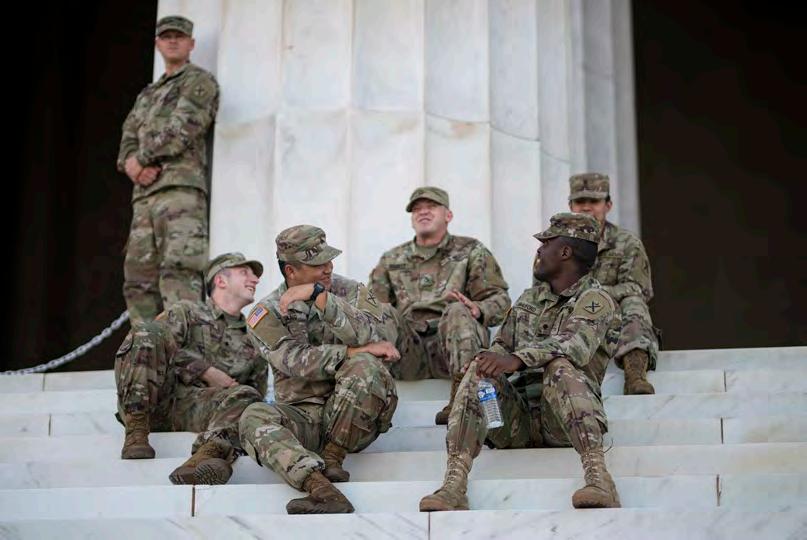

May 31, 2020



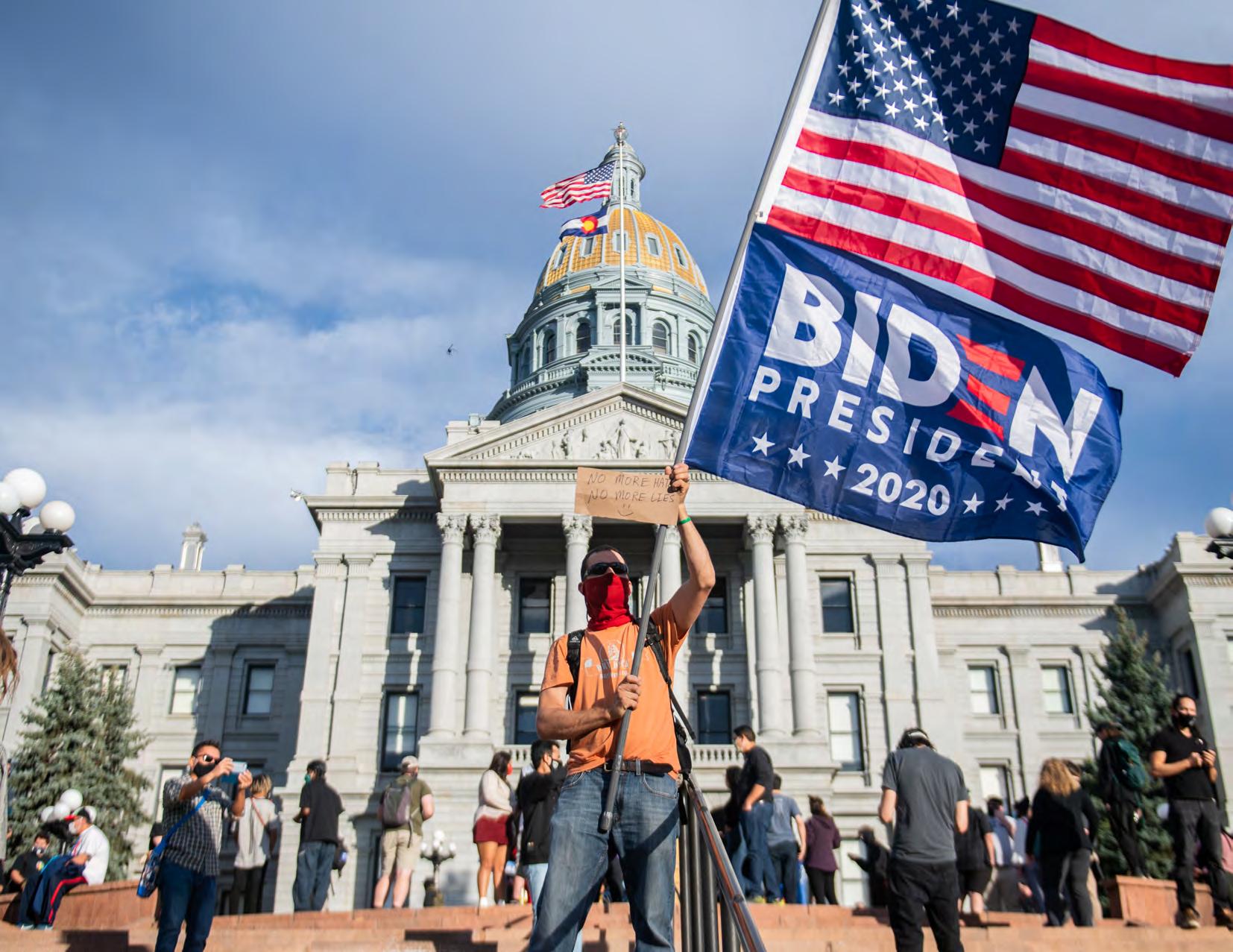
Hours after Joe Biden was declared the president-elect of the United States, crowds of Biden supporters gathered at the Colorado State Capitol and marched through the streets of downtown Denver Nov. 7, 2020.
Biden won Colorado’s nine electoral votes with 55.4% of all votes cast in the state while incumbent Republican President Donald Trump secured only 41.9%. In Denver County, 79.6% of voters cast their ballots for Biden compared to 18.2% for Trump.

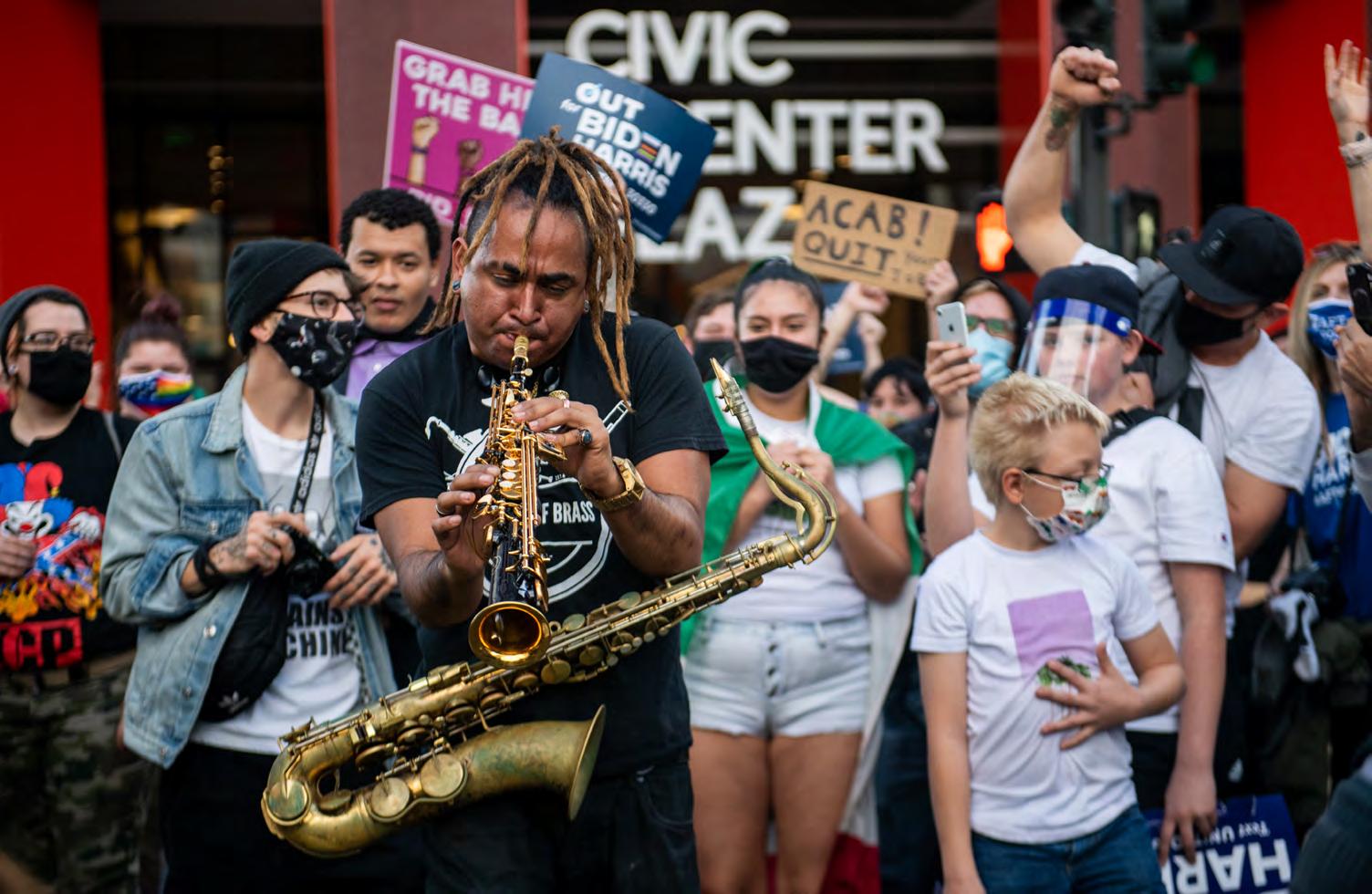
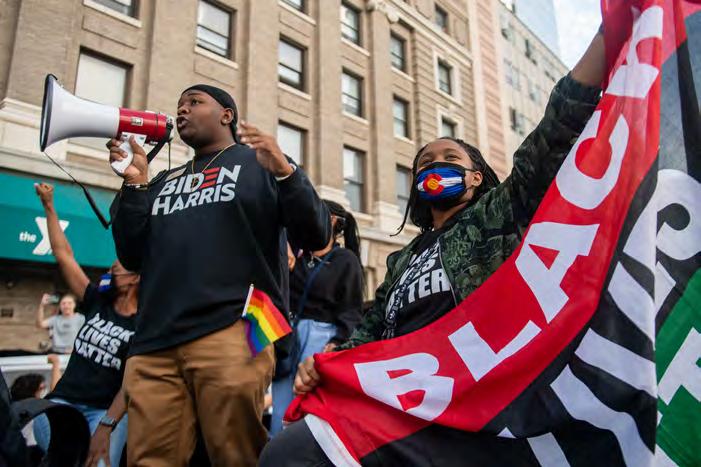
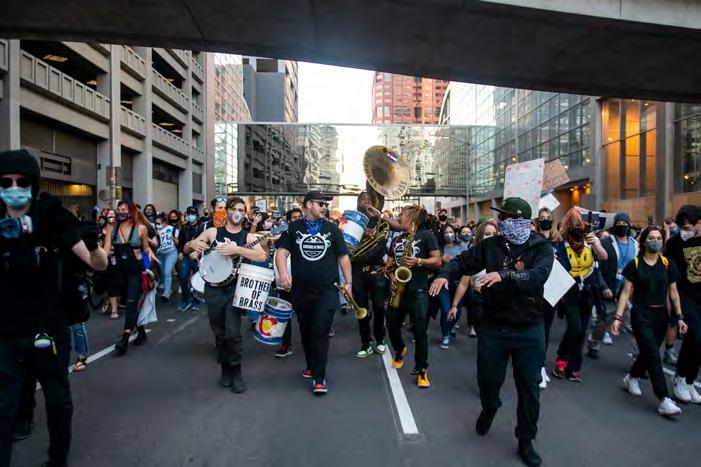
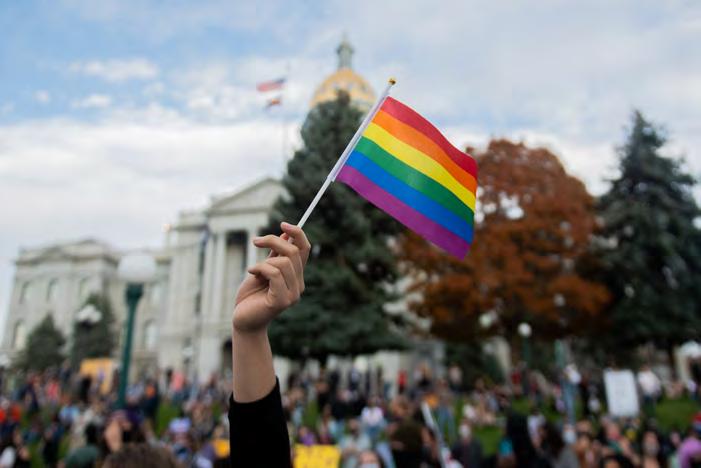

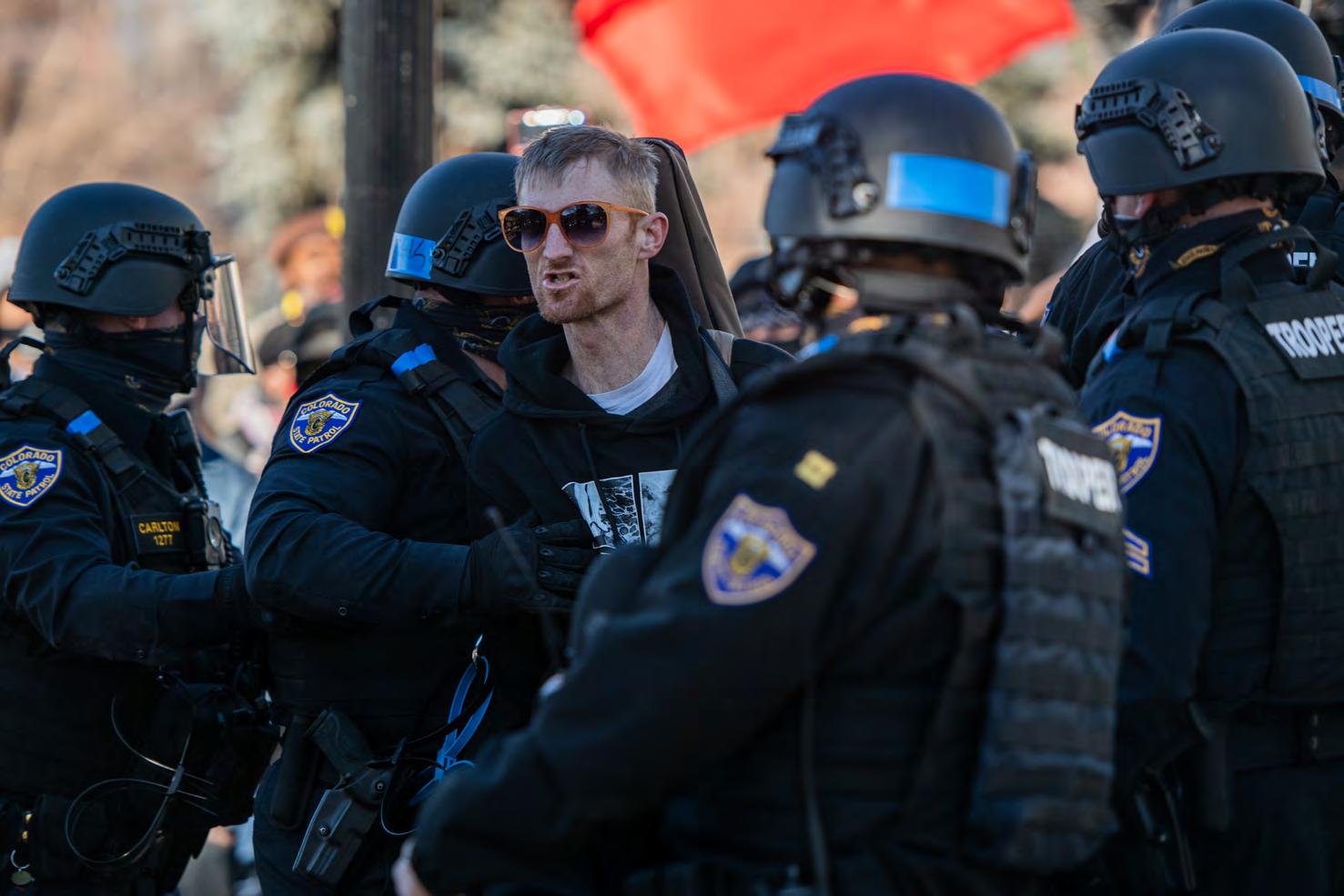
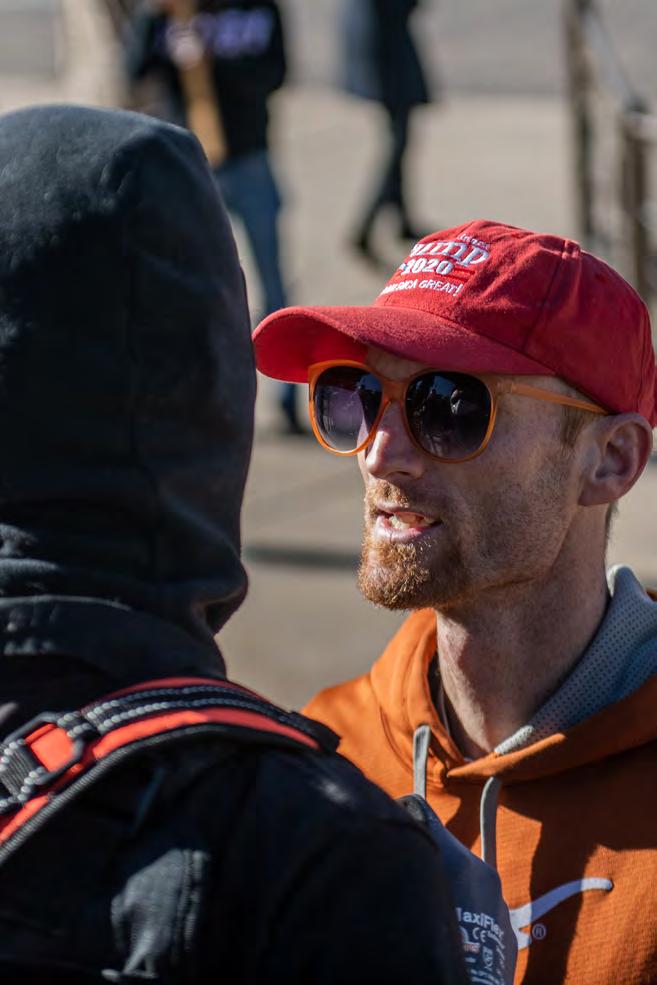
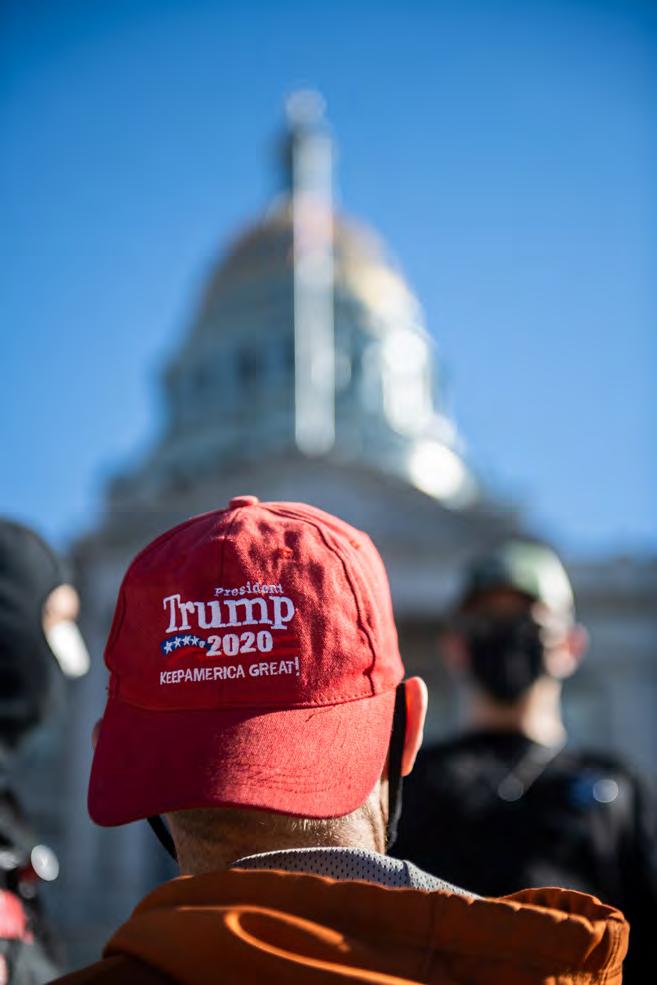
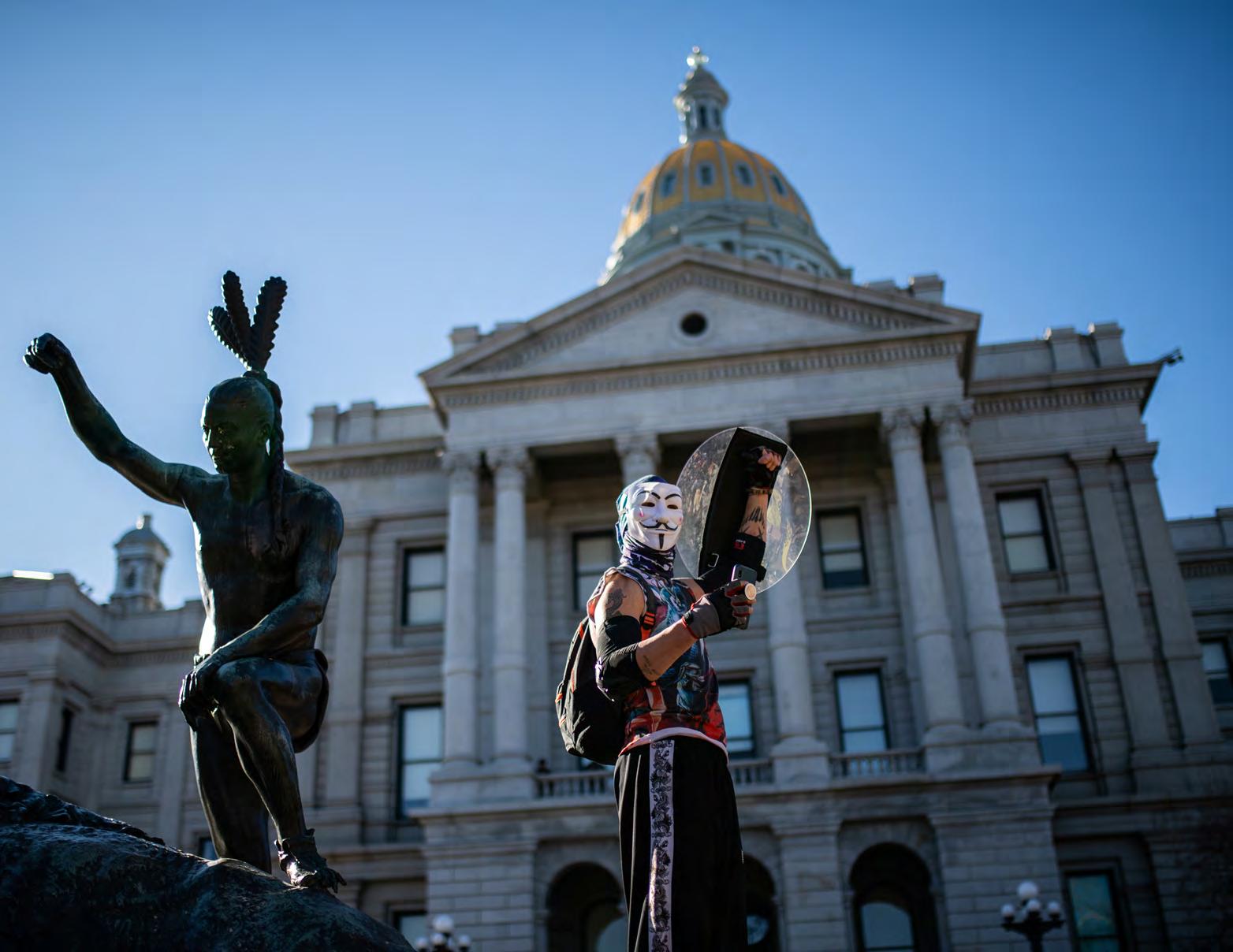
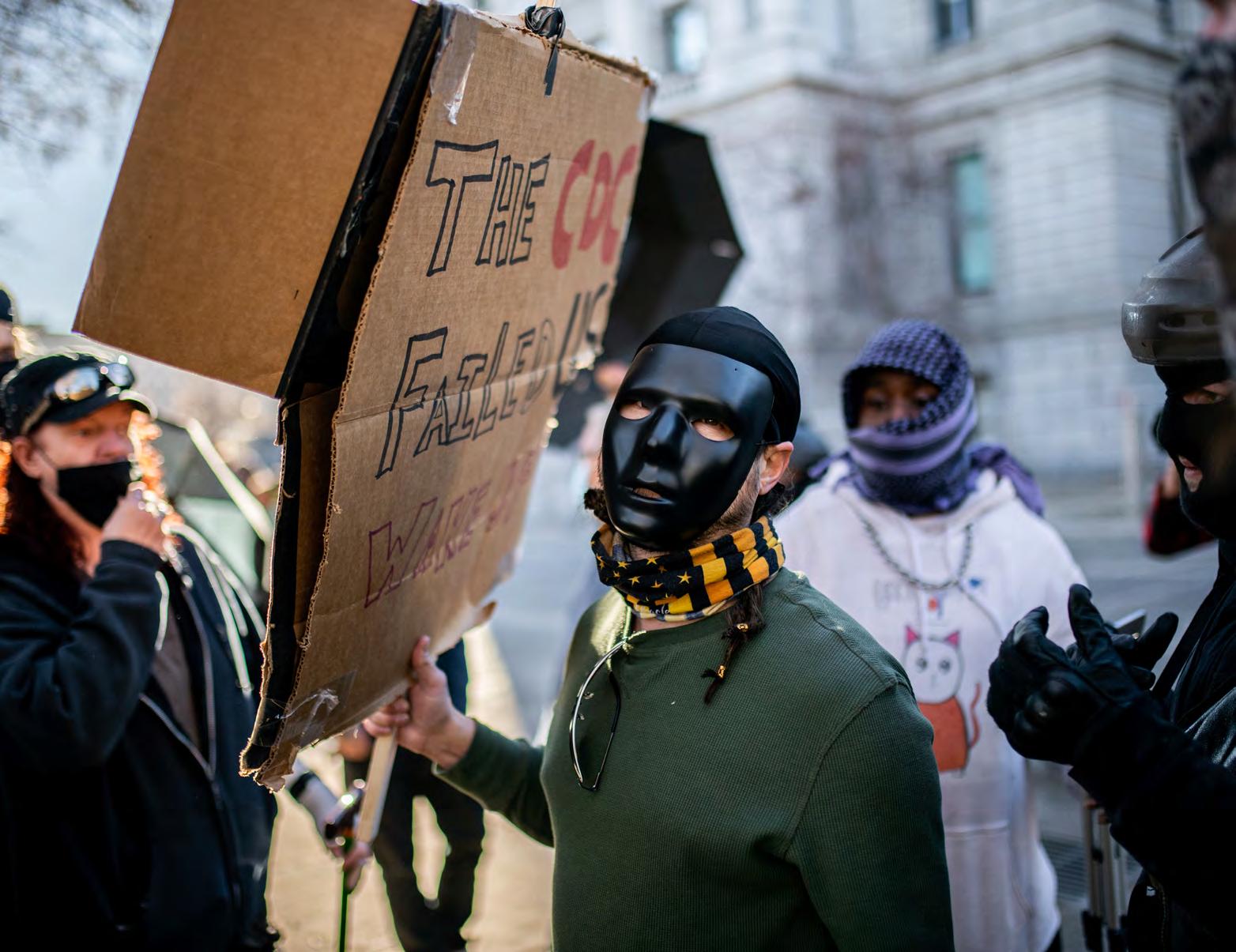
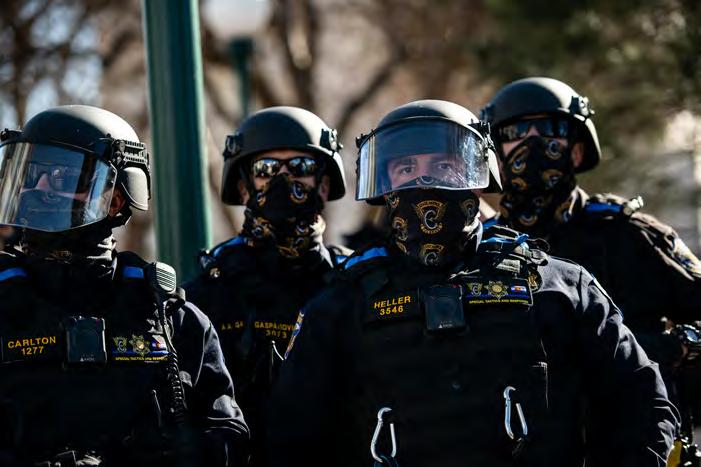
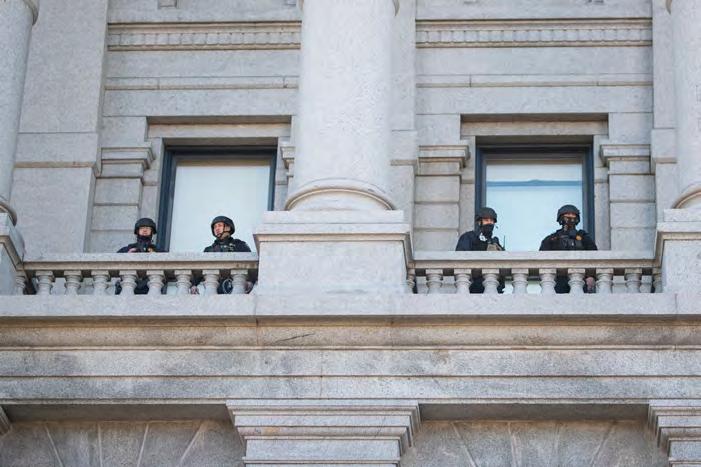
Colorado residents gathered in Denver in reaction to the inauguration of President Joe Biden Jan. 20, 2021. Among the groups that gathered outside of the Colorado State Capitol were Biden and former President Donald Trump supporters, as well as various alt-right and far-left activists who clashed at points throughout the day.


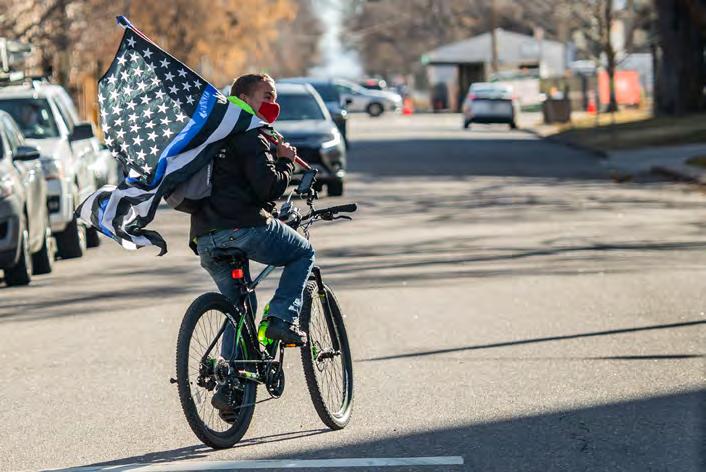
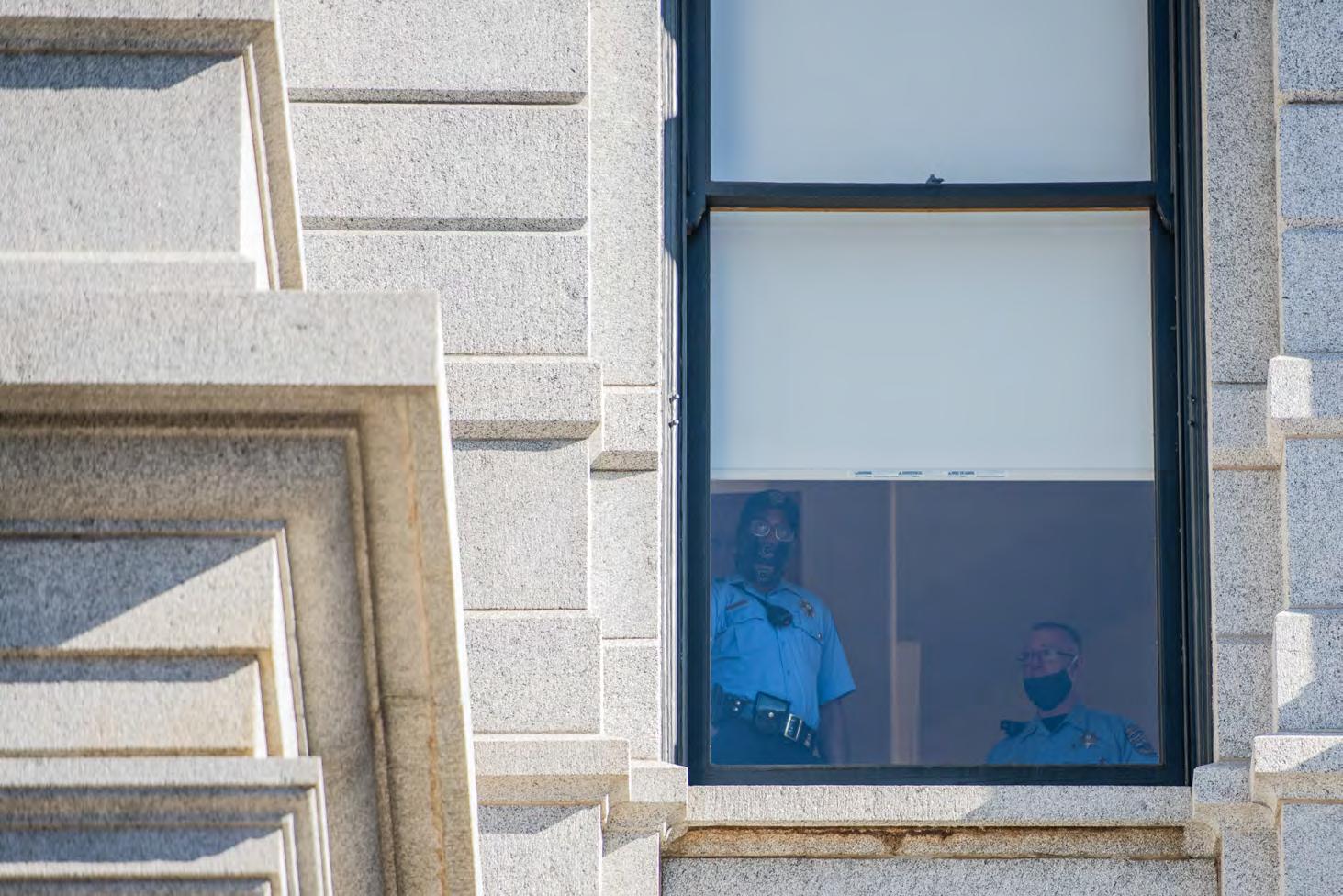
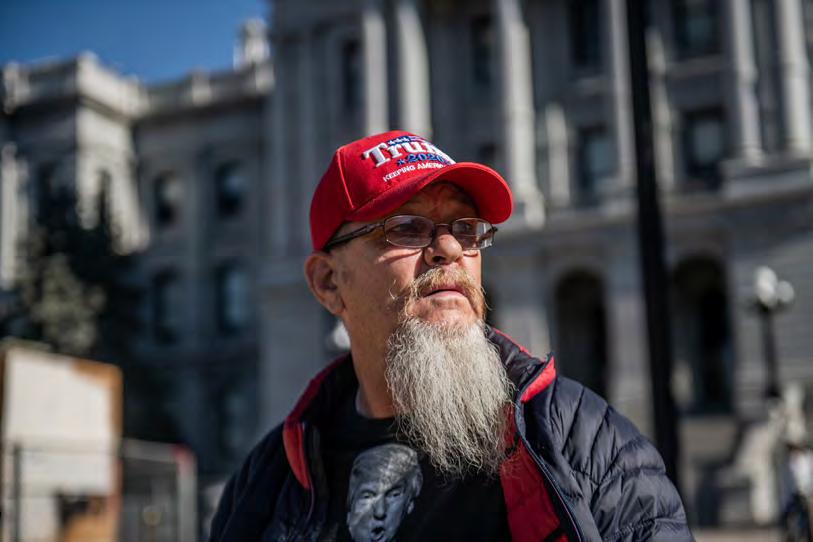




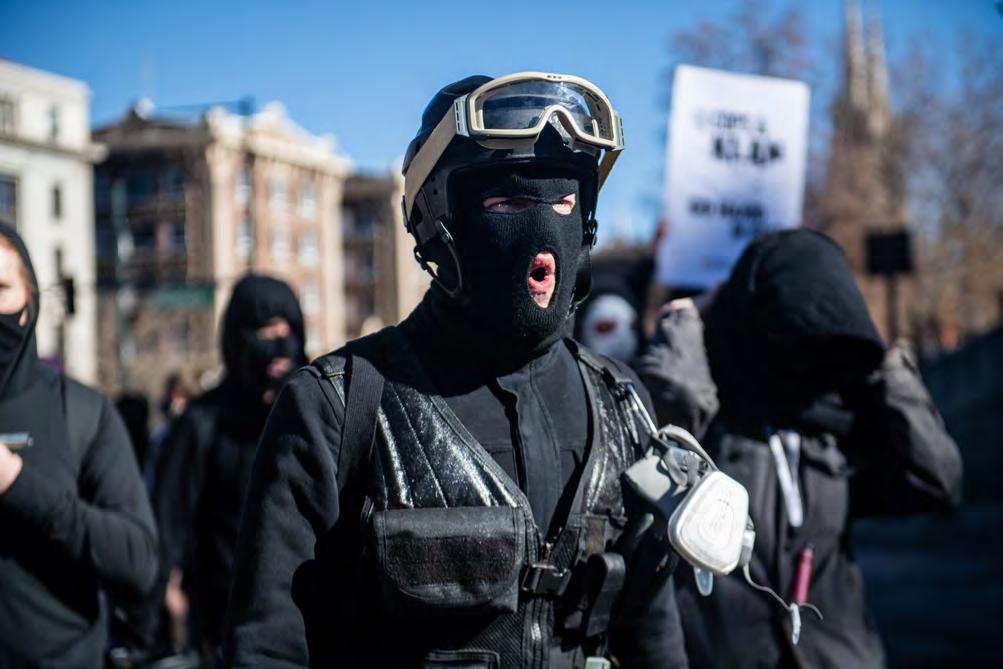
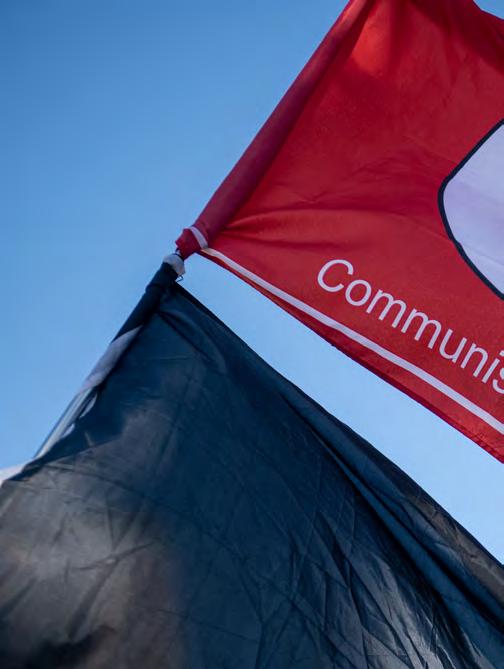
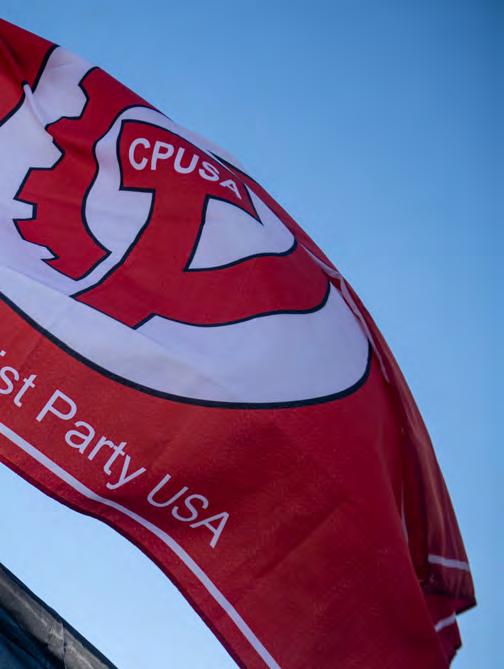


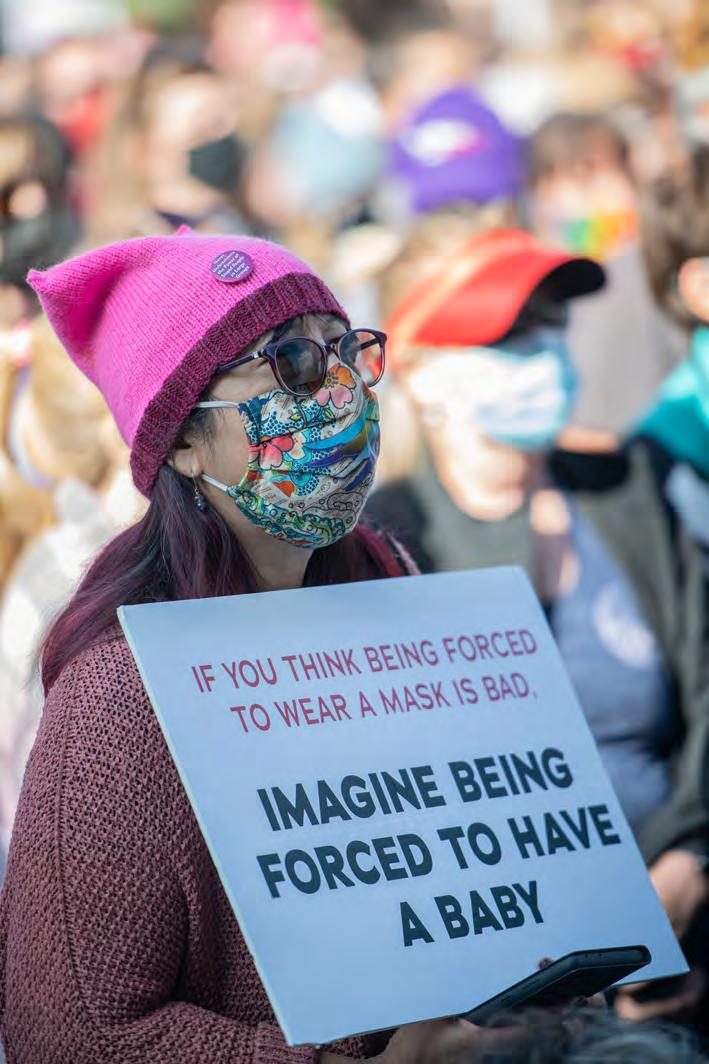
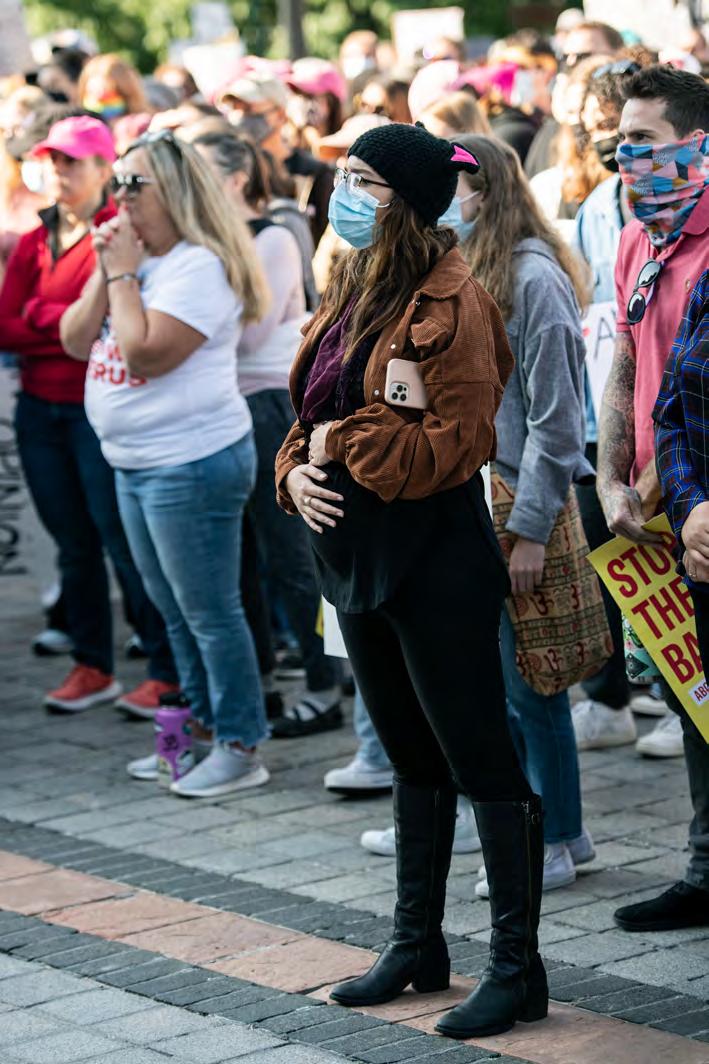
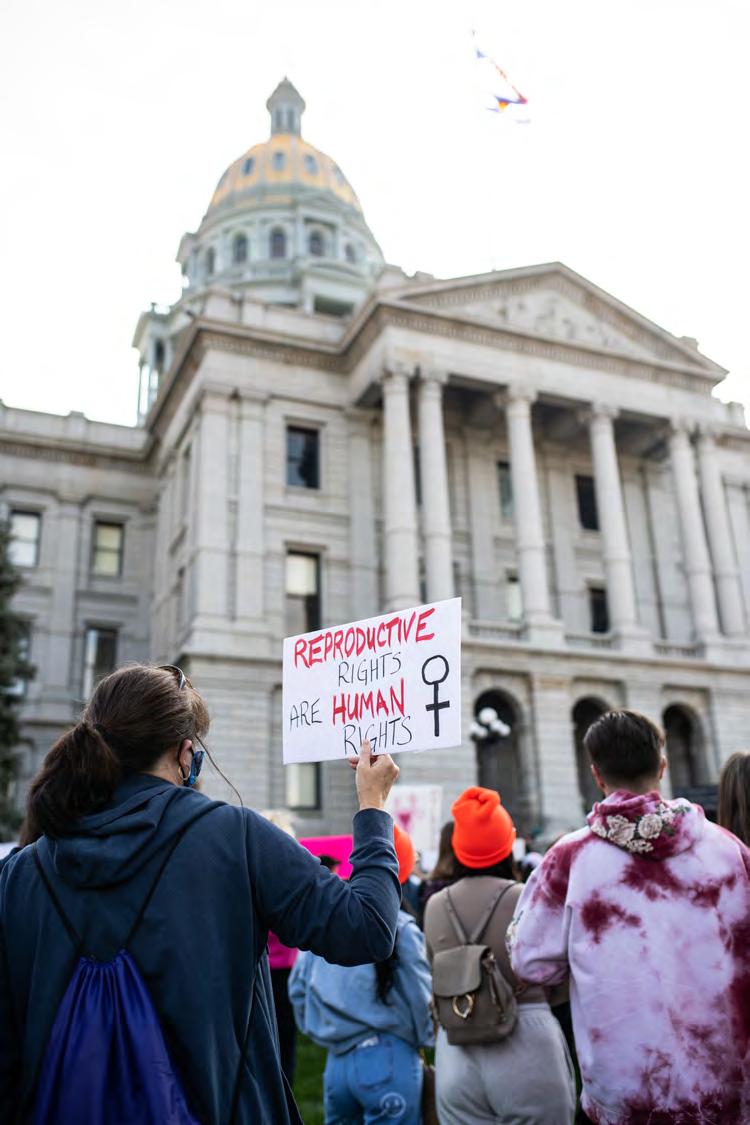
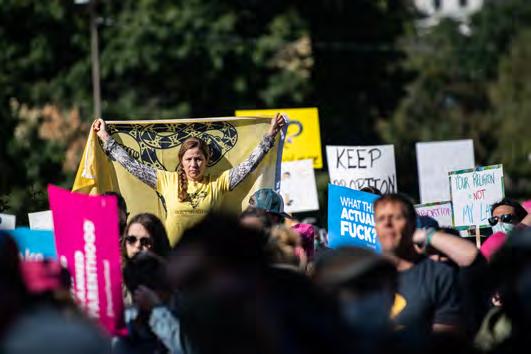
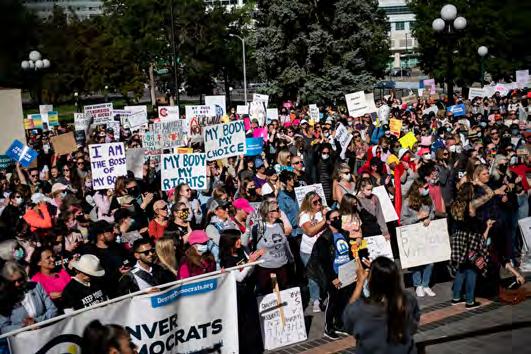
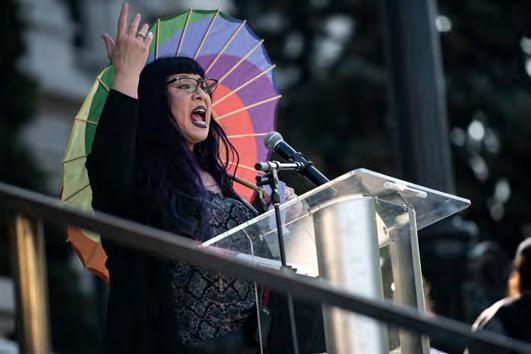
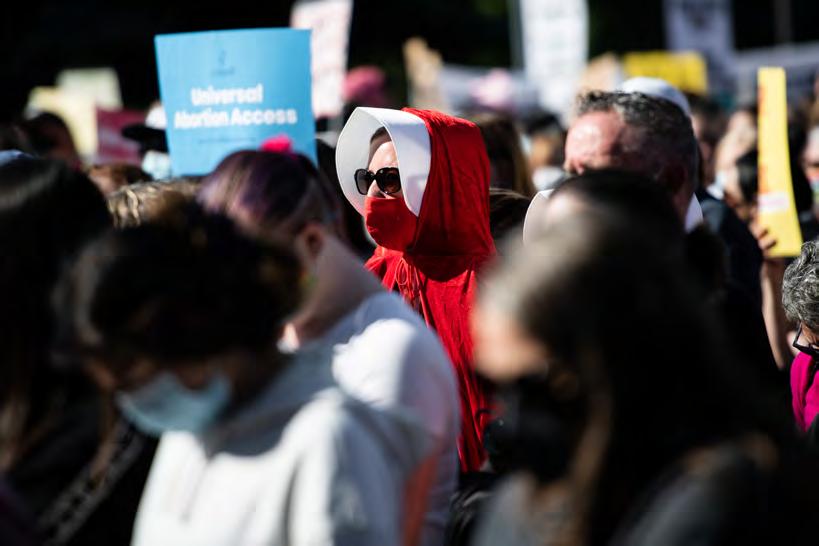
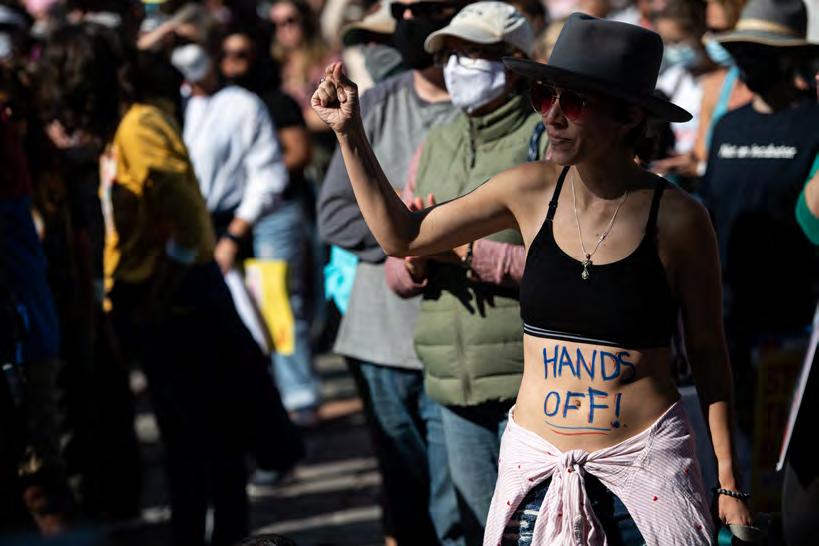
Denver community members participate in the nationwide Women’s March at the Colorado State Capitol Oct. 2, 2021.
Denver’s was one of more than 620 total events in all 50 states organized to protest and march in the wake of the Supreme Court’s decision to allow the Texas abortion ban to go into effect last month. The event featured speakers who are active and influential in local and statewide sexuality, gender and political spheres.



From my perspective, free-market capitalism seems to be a sense of identity and one of the most defining features of the United States. Many Americans even take it so far as directly attributing their personal success, real or potential, to the financial system. Another attitude I have noticed is that of a deep-seated disdain for any other system, with a hyper-focused hatred of socialism and communism. However, the grasp that these people have as to what these systems actually entail often lacks first-hand research and more often than not is based on hearsay critiques.
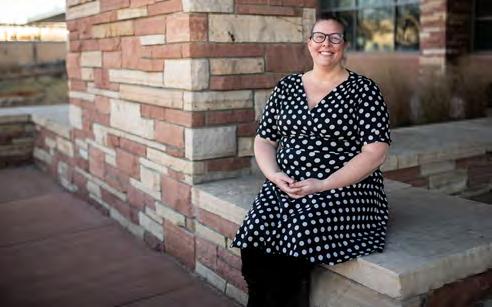
I’ll admit that growing up I was under the same impression. It would not be until I took an economics class about racial inequality and discrimination that my misguided interpretation of these systems would be challenged. The course taught by seventh-year economics Ph.D. student Kelly Lee vividly laid out the ways in which American free-market capitalism is responsible for both the creation and perpetuation of essentially every single socio-political issue the U.S. currently faces. Whether it be racism, mass incarceration, unprecedented wealth inequality, the failing public education system, gentrification, media bias, or political polarization and corruption, the common denominator is the economic system in which they all take place. My goal now is to make this vital information more accessible.
thinks of it as the study of how people and institutions make decisions and their subsequent real-world impacts. From that, the Oxford English Dictionary defines capitalism as “An economic and political system in which a country’s trade and industry are controlled by private owners for profit, rather than by the state” (take note of the fact that the control is driven by individual profit interests). Communist and socialist structures differ in that the economy is controlled by society and the state, to varying degrees.
Now let’s set the stage for the environment that this system operates within. The assertion that America is the most developed and successful nation to ever grace this earth is inescapable. If you base your opinion on word-of-mouth, it’s easy to see why you might believe this. However, if you actually look at how the U.S. ranks in international comparison, it is all too obvious that this assertion does not hold up. Many of the international rankings pertaining to economic development paint the U.S. in a favorable light, but the social rankings suggest the contrary. In terms of education and health, the U.S. ranks 27th internationally. For overall life expectancy, we are 39th. In terms of gender equality, we rank lower than Zimbabwe at 53rd. For healthcare we are 18th. Our infrastructure places us at 13th. For freedom we are 17th.
Let’s begin with defining economics. Lee, who has extensive law enforcement and military background, .
So where does the U.S. rank high? Well, we are fourth in income inequality, first in the number of
incarcerated people, sixth in police killings, first in military spending, second in CO2 emissions, third in insulin prices, first in gun ownership, third in healthcare costs, and first in patriotism.
The top 10% of the wealthiest Americans now own more than 70% of the total wealth in the nation while the bottom 50% of people own less than 10%. Simultaneously, the median white household annual income is $188,200 while the annual Black household median income is $24,100. To explain these gross inequalities there are three economic theories; the conservative theory, the liberal theory, and the Marxist theory (I know — “treason!”).
upon the institution of slavery. Black people were prohibited from accumulating wealth for centuries while the money they would have been making to eventually pass down to future generations was put in the pockets of white men.
On the other hand, the liberal paradigm does acknowledge the historical barriers faced by people of color and calls for government intervention in the form of policy, however, they believe such policy should work to bring up the entire economy, not just select groups of oppressed people. What does this ignore? The critical difference between equity and equality. By the liberal standard, improving the whole economy would increase income for these groups, but at the same time would also increase the incomes for those already at the top. Obviously, this would make no real difference in the racial wealth gap we see now, deeming this theory useless.
Finally, the Marxist theory is based on the distinction between classes in a capitalist society and in the workplace. The more powerful class, the capitalists, control the means of production and the less influential, but still necessary, labor class. Marx also ascribed an ultimate goal to each group; the capitalists want to maximize their surplus and profits, while the laborers want to maximize their wages and benefits.
The conservative theory basically blames Black people for their own oppression. It states that current inequalities can be attributed to Black people historically making poor human capital investments in terms of college education, employment opportunities and more. What aspect of the American economy does this ignore? Well, a lot, but most notably the fact that the entirety of American capitalism was quite literally built
To Marxists, problems come about because of these goals that are in direct conflict with one another. Improving wages, benefits, and conditions for workers requires the capitalists to spend more money that they could instead take home as profit. The solution to this is obviously to create a united and interracial working class in order to overpower the capitalists’ interests; however, the reason this does not
“Improving wages, benefits, and conditions for workers requires the capitalists to spend more money that they could instead take home as profit.”
happen is because capitalists recognize this reality.
This complex dynamic is the ultimate reason why some assert that capitalism breeds racism; in order for the capitalist’s profit to be protected, it is in their interests to create a divisive workplace where workers are at odds with one another, instead of creating a united workforce which would collectively have greater bargaining power for demanding better wages and conditions. If capitalists can pay a Black worker less than a white one, then the workers will focus on the differential wages by race instead of the fact that both are being paid less than they deserve. The trend in American workers unionizing in the 20th century, only to be met with anti-union control from company executives, and the modern mirroring of these efforts from companies like Amazon and Kellogg demonstrates this harsh reality.
“With the Marx theory, you can agree with his critique of capitalism, it’s his solution to that that was communism that you don’t have to agree with.” Lee said. “There’s more than one solution to a problem… and that’s where the power of propaganda comes in. If I can equate any socialist policy with communism and if I can just equate everything, even the critique of capitalism itself with communism, then it closes the door to even having the discussion.”
CEO compensation since 1978 has grown 940% while worker compensation has increased only 12%. To explain this disturbing trend is perhaps the most hailed icon in American capitalist culture — former Republican President Ronald Reagan. From about 1950 into the 80s, across Democratic and Republican presidents alike, the corporate income tax rate was maintained at around 50%. In 1986,
Reagan came in and decreased it to about 35% in the name of the hyper-capitalistic trickle-down economics scheme. The rate floated around that margin until 2016 when Donald Trump cut it again to just above 20%. Ironically, in the aftermath of each of these tax breaks is when we see the wealth gap exacerbated the most, begging the question of the practicality of trickle-down economics.
Even though America’s current climate and attitudes towards differing economic systems seems unchangeable, there are some possible solutions that need to be more widely recognized. The first of these possibilities is something called a universal basic income which Lee defines as the “social philosophy that everyone should have a basic income that provides for a minimal standard of living.”
Of the many different forms a policy like this could take, it would provide workers with the bargaining power they need to refrain from accepting exploitive wages and conditions by providing them with just enough financial security to wait for an appropriate job opportunity. If workers collectively gain this power, companies would
eventually be forced to adhere to their demands. Although the estimated costs of such a program are in the trillions of dollars, the money saved on funding other welfare programs like unemployment benefits or food stamps could justify such a hefty price tag. This type of policy has also been tested on a smaller scale in places like New Jersey, Seattle, Denver, Alaska, and California and the successful outcomes seem to fall in line with predictions.
eliminate involuntary employment and give workers more bargaining power. The spending that would incur from obtaining higher levels of employment would also help to restore local and state tax bases, mitigating the total expense of such a program.
Finally, the most widely known solution would take form in reparations, which again, have historically proved to be successful. In 1971 the federal government made a land grant of $1 billion and 44 million acres of land to Alaskan Natives. Then in 1986 they granted $32 million to the Ottawa tribe of Michigan. And again in 1990, an apology was formally extended as well as payments of $20,000 to individual Japanese Americans subjected to internment during World War II.
This final proposal seems the most practical as various Democratic leaders have explicitly expressed their support for such a program. For example, a couple of years ago Sen. Cory Booker (D-NJ) introduced a reparations bill in the Senate, and some of the party’s most influential people, such as Sen. Bernie Sanders (I-VT), then-Sen. Kamala Harris (D-CA), Sen. Elizabeth Warren (D-MA), and Sen. Amy Klobuchar (D-MN) co-sponsored the legislation. President Joe Biden has also expressed potential consideration of such provisions. A second possible solution is that of a federal jobs guarantee. This policy approach would entail a government agency whose sole purpose is to provide job coverage for all eligible adults and would include non-monetary benefits like health insurance. Basically, if somebody finds themselves out of work, the government would either provide them one or provide them with adequate training in order to enhance their job options. Similar to the idea of a universal basic income, this would also
“If capitalists can pay a Black worker less than a white one, then the workers will focus on the differential wages by race instead of the fact that both are being paid less than they deserve.”
Join me for a sit-down conversation analyzing the unintended consequences of American free market capitalism with Colorado State University Department of Economics Ph.D. students Brendan
Brundage and Kelly Lee.

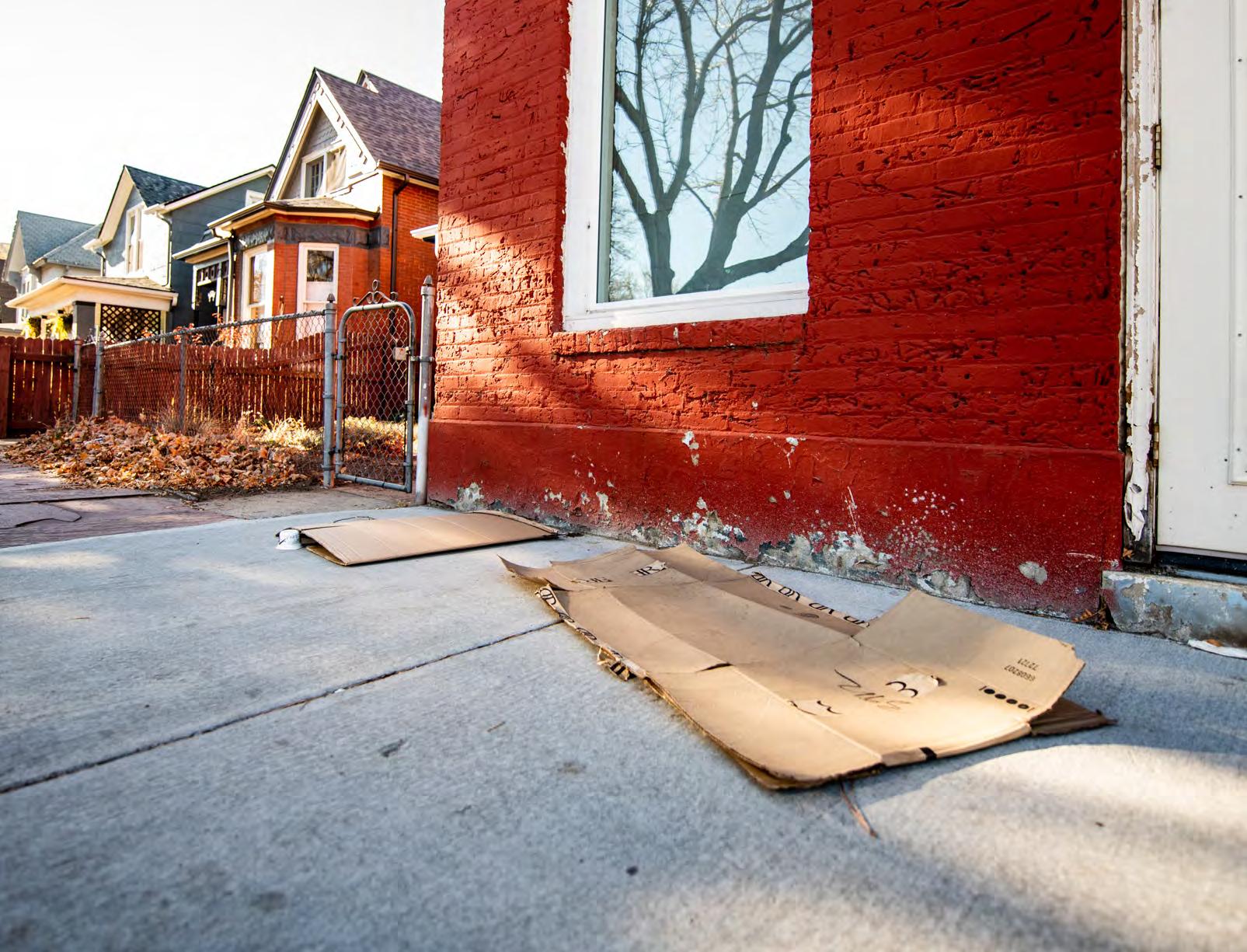
A report from the National Community Reinvestment Coalition named Denver as the second most intensely gentrified city in the United States between 2013 and 2017. According to the report, over 27% of neighborhoods in the Denver-Aurora area either have been or are in the process of gentrification.
‘Gentrification’ is a term used to describe the increasingly common practice of cities investing in neighborhoods and communities that they feel need to revitalize in order to attract businesses and other investments to the area. While in theory, this appears harmless, what has happened frequently enough that it is now considered an inherent by-product of these investment schemes is that the people who lived in the area prior to revitalization are displaced. By building new apartment complexes, grocery stores, restaurants, and other businesses, the property values of the once-affordable housing options skyrocket to prices that are not practical for long-time residents, forcing them elsewhere and oftentimes into homelessness. Ultimately, this practice changes the racial, ethnic, and socioeconomic makeup of an area in favor of wealthier, younger, and more affluent populations.
The NCRC report placed Denver second behind San Francisco. It named areas in North and East Denver as some of the most affected areas as seen by Northside’s
Latinx population which fell from 70% to 35%. Further, Denver’s homeless population has increased by 15% in five years and no new estimates have been made to account for the effects of the pandemic.
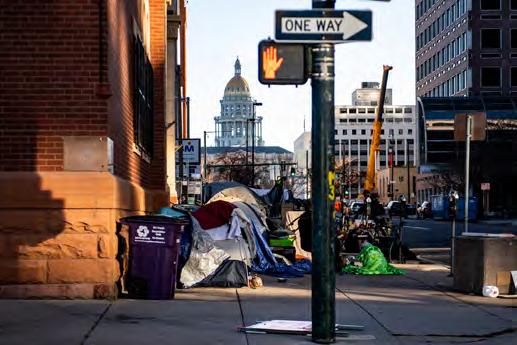
What is made clear by observing gentrification on both a micro and macro level is that developments in the name of profits and free market capitalism are held in higher regard by city governments across the nation than the wellbeing and housing security of their own residents.
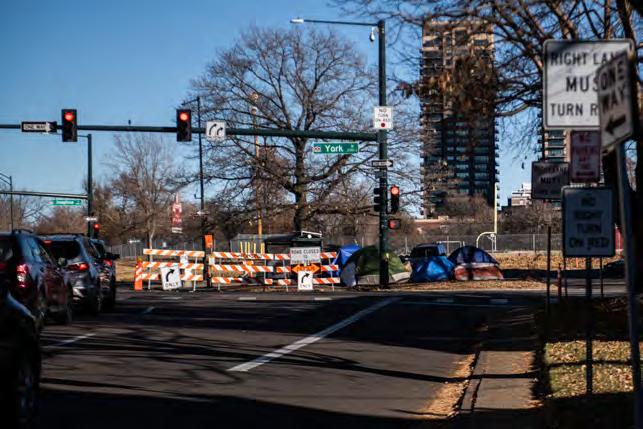
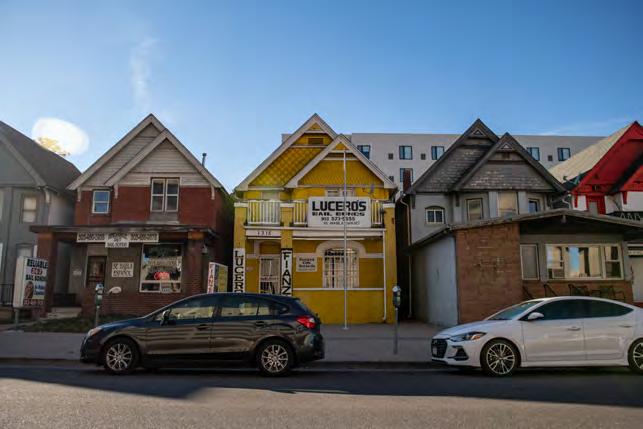
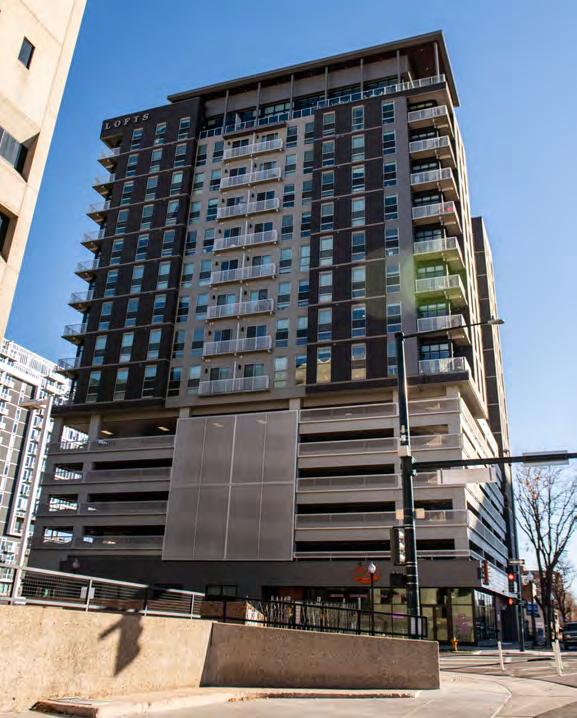
The following photos demonstrate a few of the many apparent examples of gentrification in the Denver area, but in no way are representative of the severity nor the reach that this process has on the city.
Sticking out like a sore thumb is the Radiant apartment complex surrounded by empty parking lots and garages in the south Five Points Welton Corridor. The complex, which markets itself as “luxury downtown Denver apartments” since 2019, features an 18-story rooftop pool and spa, beer garden, barbeque patio, and other amenities. The cheapest rent payment here is $1,516 per month for a one-bedroom studio apartment.
Located just one block away from the Radiant apartments, another high-rise housing tower stands within a neighborhood of empty parking lots.
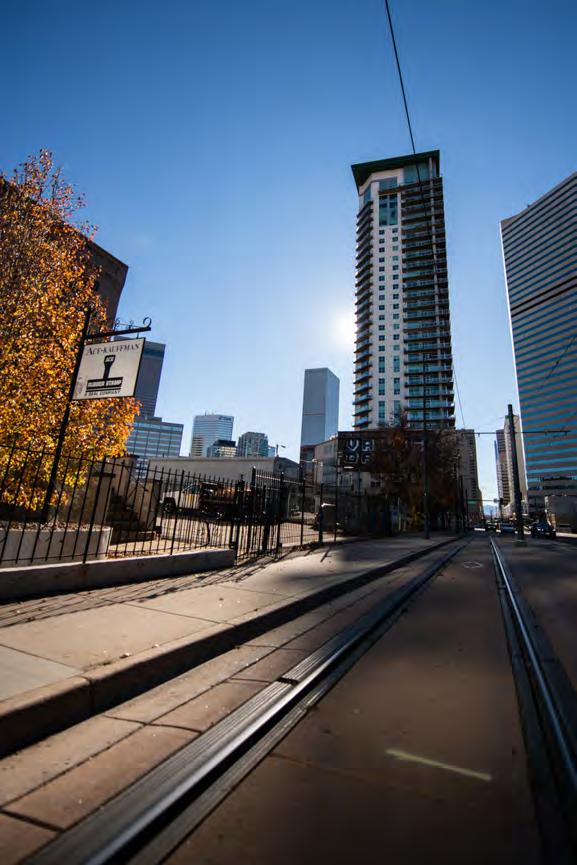
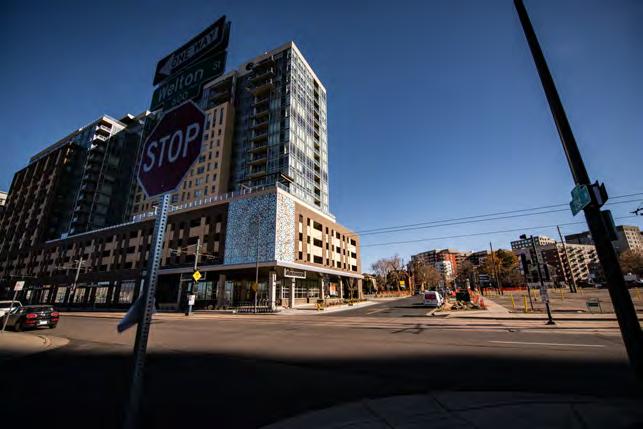
One of Denver’s oldest neighborhoods has coinci dentally also been the fastest-growing neighborhood in the 21st century. Located on the northeast side of the Central Business District, the prime location was an attractive feature for investments in new housing and business projects. Simultaneously and conse quently, the number of people in the area facing homelessness has increased drastically.
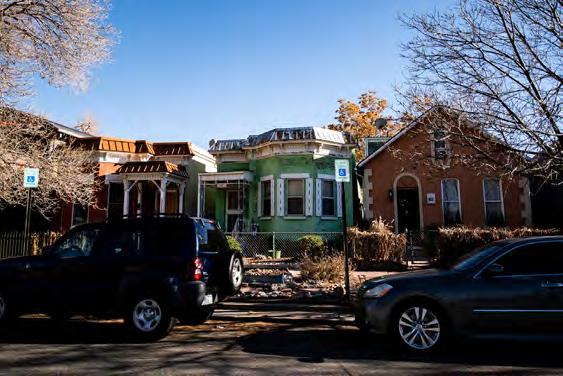
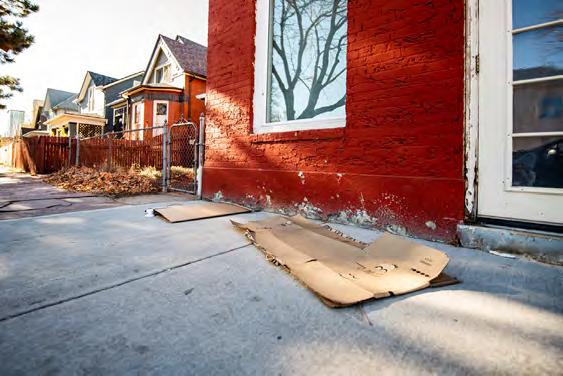
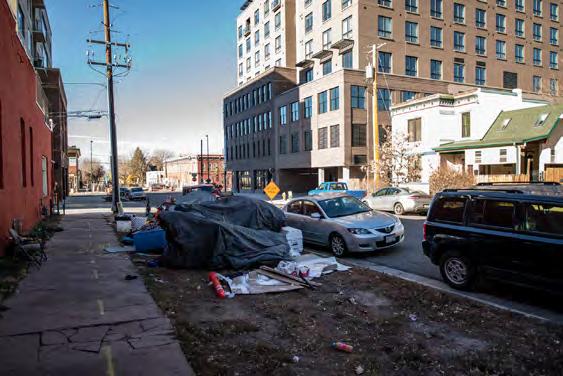
On the other side of the street from City Park stands the York on City Park Apartments complex. Marketed as “luxurious, amenitized, urban living,” York on City Park offers a studio floor plan starting at $1,719 per month as the cheapest option. The five-story, 212-unit complex was built in 2017 and often overlooks packs of tents occupied by homeless Denver residents and surrounding neighborhoods that are obviously much older and not as wealthy.
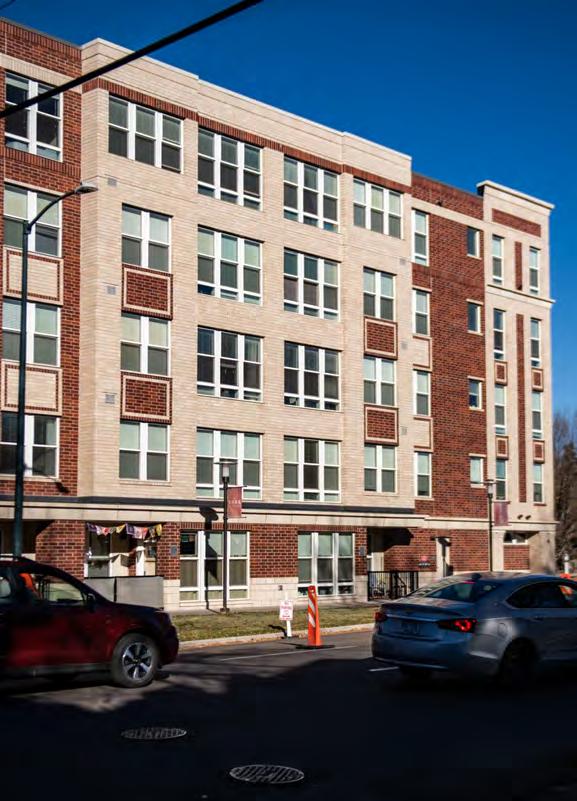
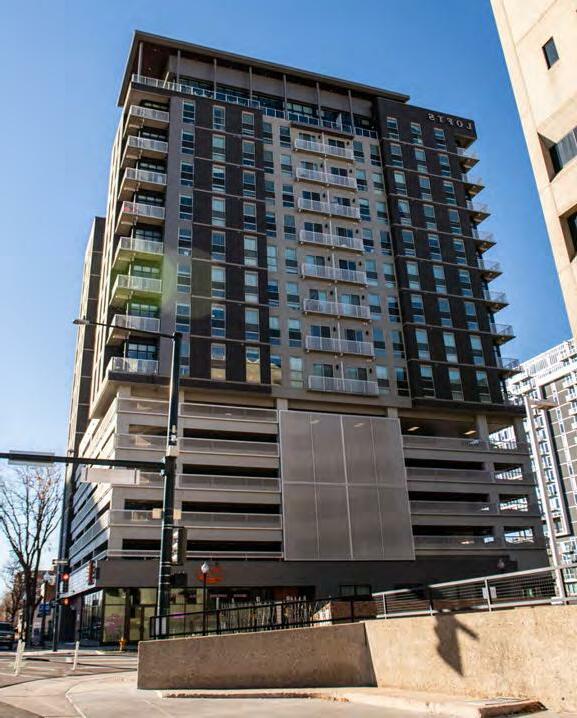
Located just two blocks southwest of Civic Center Park towers Civic Center Lofts, another “luxurious” and “ultra-modern” 14-story apartment complex has towered over surrounding businesses and parking lots since 2019. A one-bed, one-bath unit here starts at $1,560 per month.


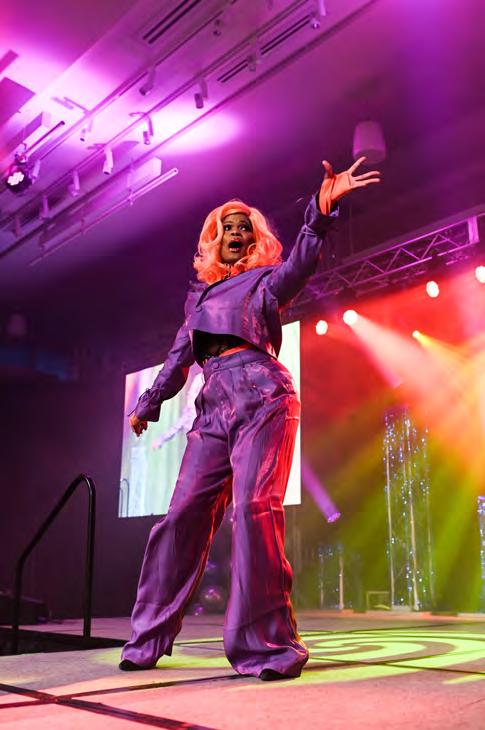
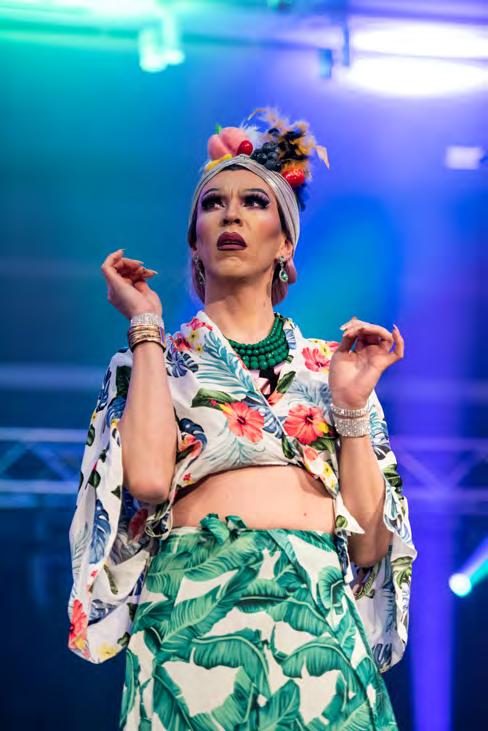
Colorado State University’s annual drag show returned to campus after a two-year hiatus April 16.
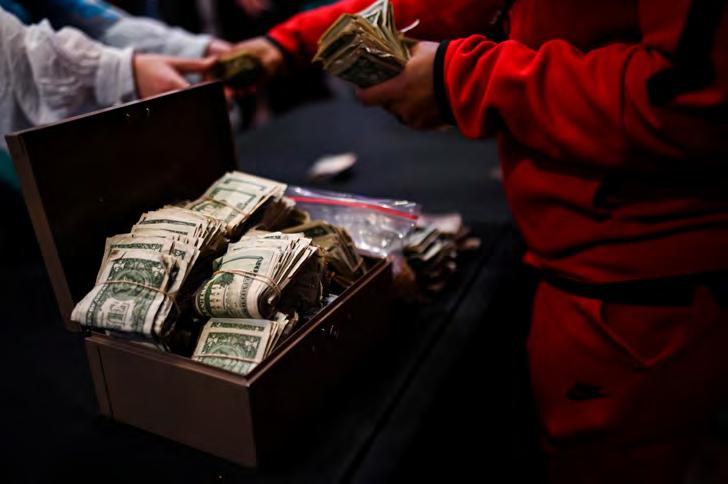
The Pride Resource Center worked in collaboration with RamEvents to bring back the long-standing tradition. The show was free and open to the public and featured student, local and statewide drag artists. Tips were accepted at the show, all of which were used for the CSU LGBTQ Scholarship Fund. The show had around 1,200 people in attendance and collected more that $4,000 dollars in tips.
Watch a behind-the-scenes video of my coverage during this event













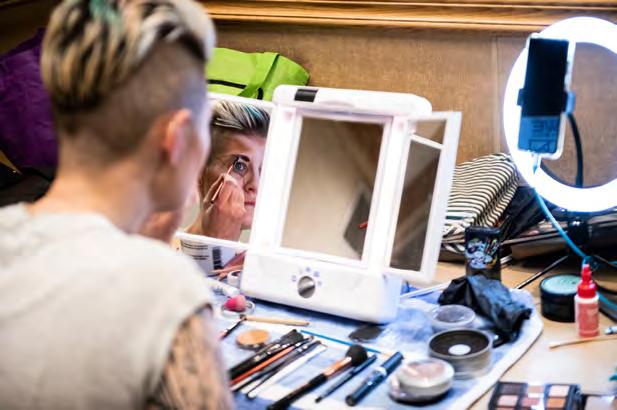
Before Colorado State University’s annual drag show begins, Drag King MaveRick Smith prepares backstage to perform April 16.
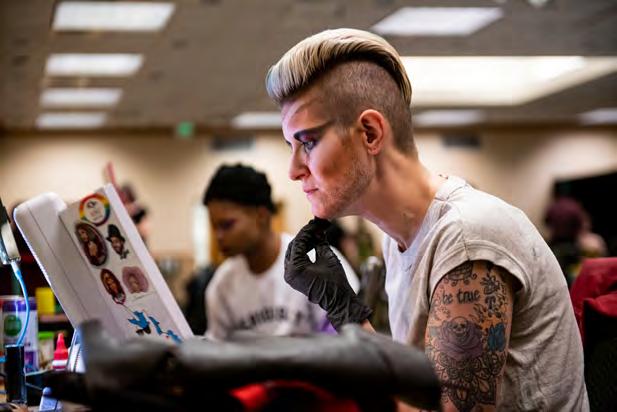
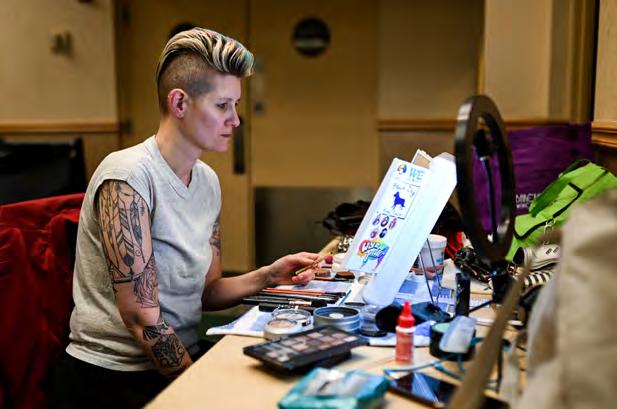
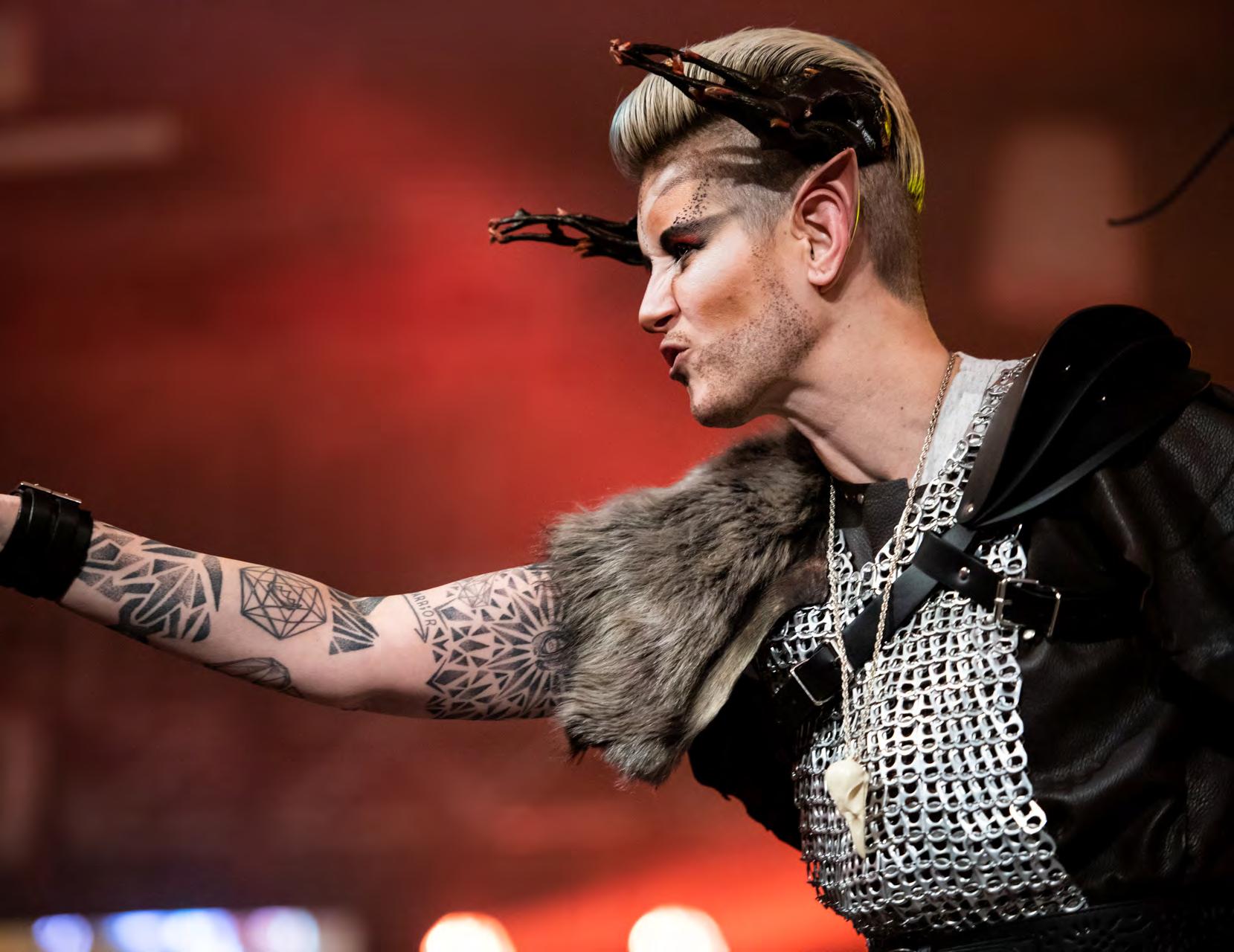
Smith has been an active member of the drag community since 2015, participating in many shows throughout Colorado and the CSU drag show since 2016. The costume Smith wore during the show was originally intended to be their costume for the 2020 show but was canceled due to the pandemic.

“You’re kind of living an alter-ego through that character,” Smith said. “For some drag performers, their performer, or stage persona, is vastly different than their muggle life. But for some people, that’s not the case…I find that to be the case for myself. MaveRick is MaveRick. Other than some makeup there’s not a whole lot of difference there.”
Smith comes from a theater background and believes that those experiences helped them to enter the drag scene.
“It’s an art form, it’s an expression,” Smith said. “You have that option to play around with things and screw with people’s heads in a way…I’m going to display a very feminine side and then I’m going to display a very masculine side at the same time.”
To Smith, the most meaningful aspect of CSU’s annual drag show is the chance for students and other young people to see drag artists embracing their most authentic selves.
“I was not able to fully come out until I was in my mid-thirties,” Smith said. “Had I had a better face of representation of who part of the LGBTQIA community was out there, I think I would have come out a lot sooner and I would have lived a more authentic life for longer.”
April 20, 2022
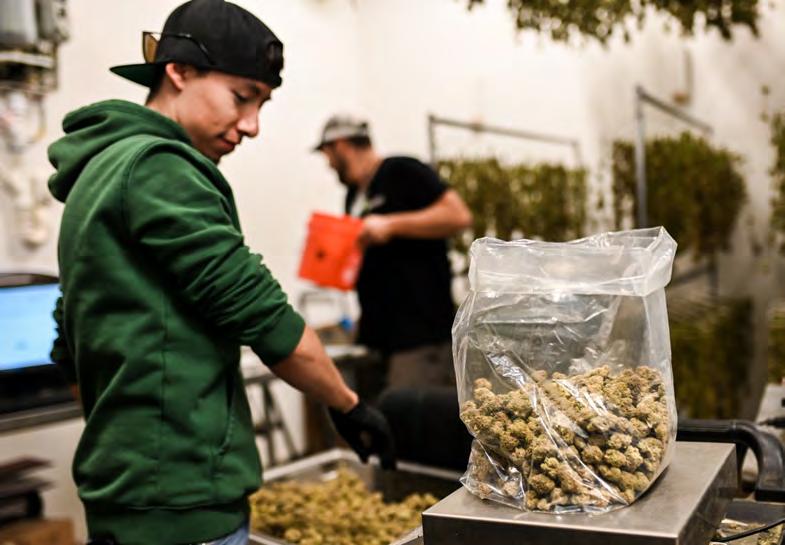
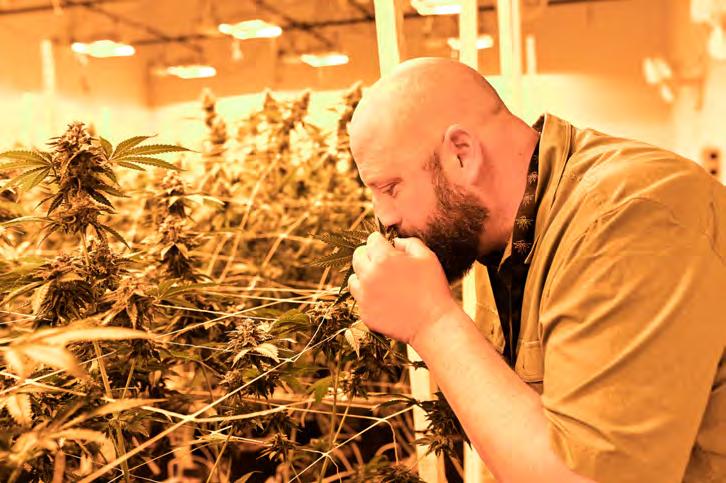
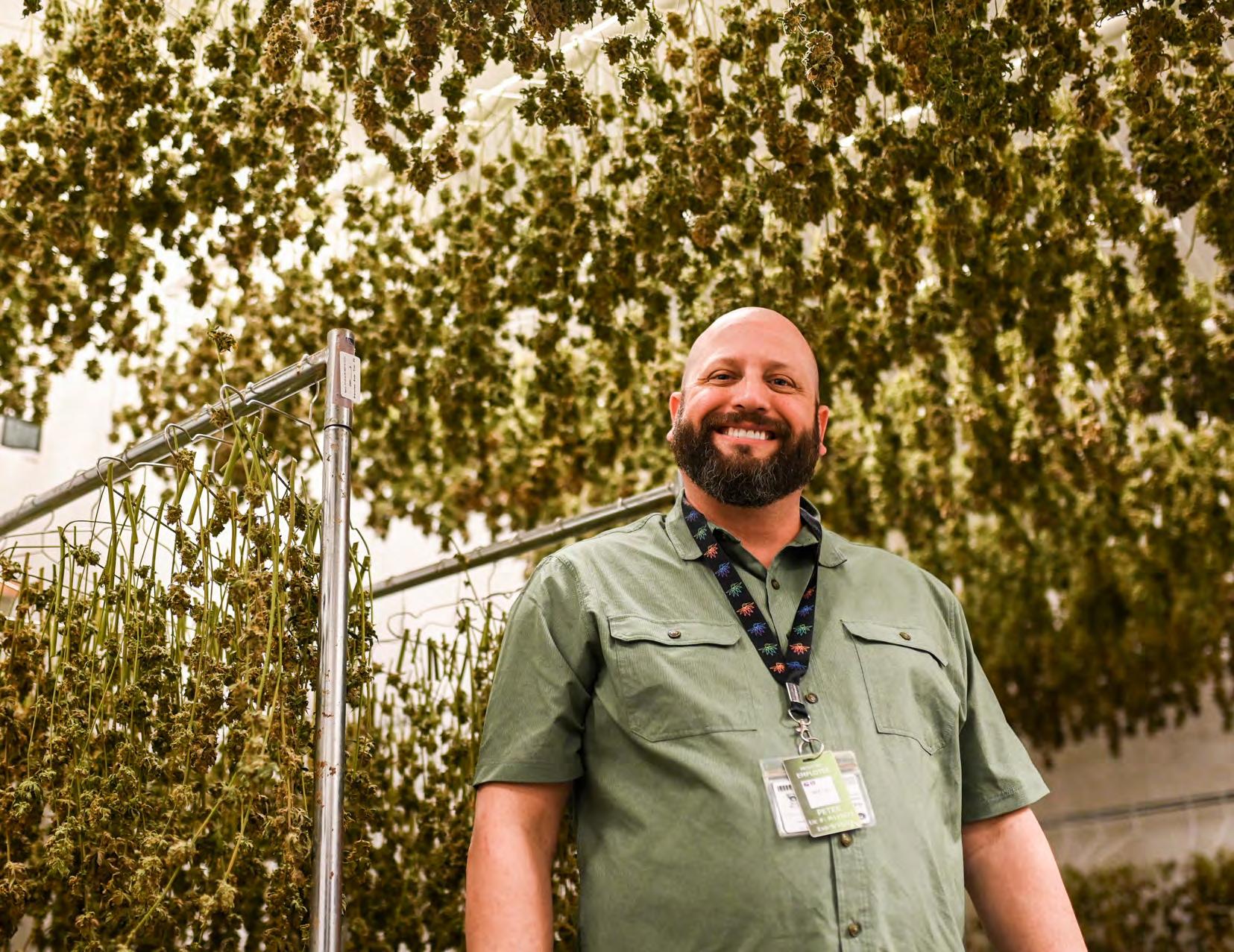
Peter Schweda has been a pioneer within the cannabis industry during his 31 years in the field. From a young age, he had been so intrigued by planting and growing processes that it drove him to pursue a master’s degree in horticulture.
After developing his home state’s industry, he moved to Southern California before landing in Fort Collins, Colorado working with Hummingbird Cannabis.
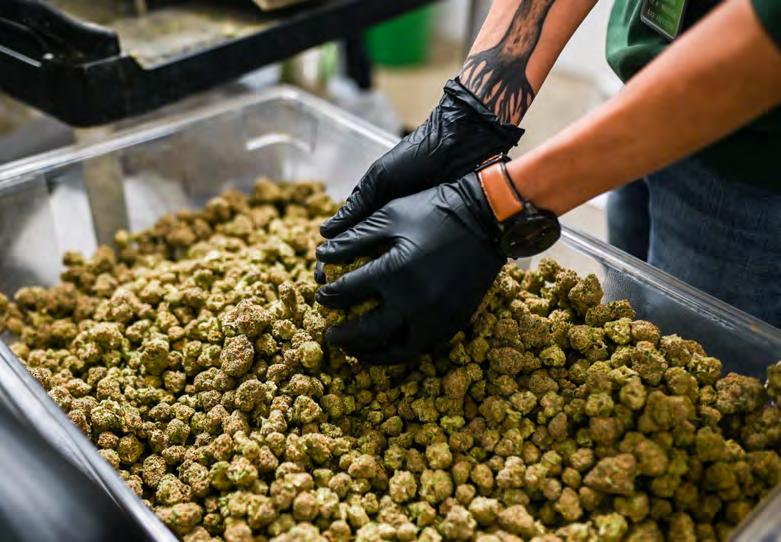
The more than 30 strains grown at Hummingbird — half of which exceed 30% THC — rival those of top cannabis brands like Cookies. Workers trim 50-60 pounds of cannabis a week at Hummingbird, allowing them to export more than 200 pounds per month, primarily to their two partner dispensaries in Boulder, The Farm.














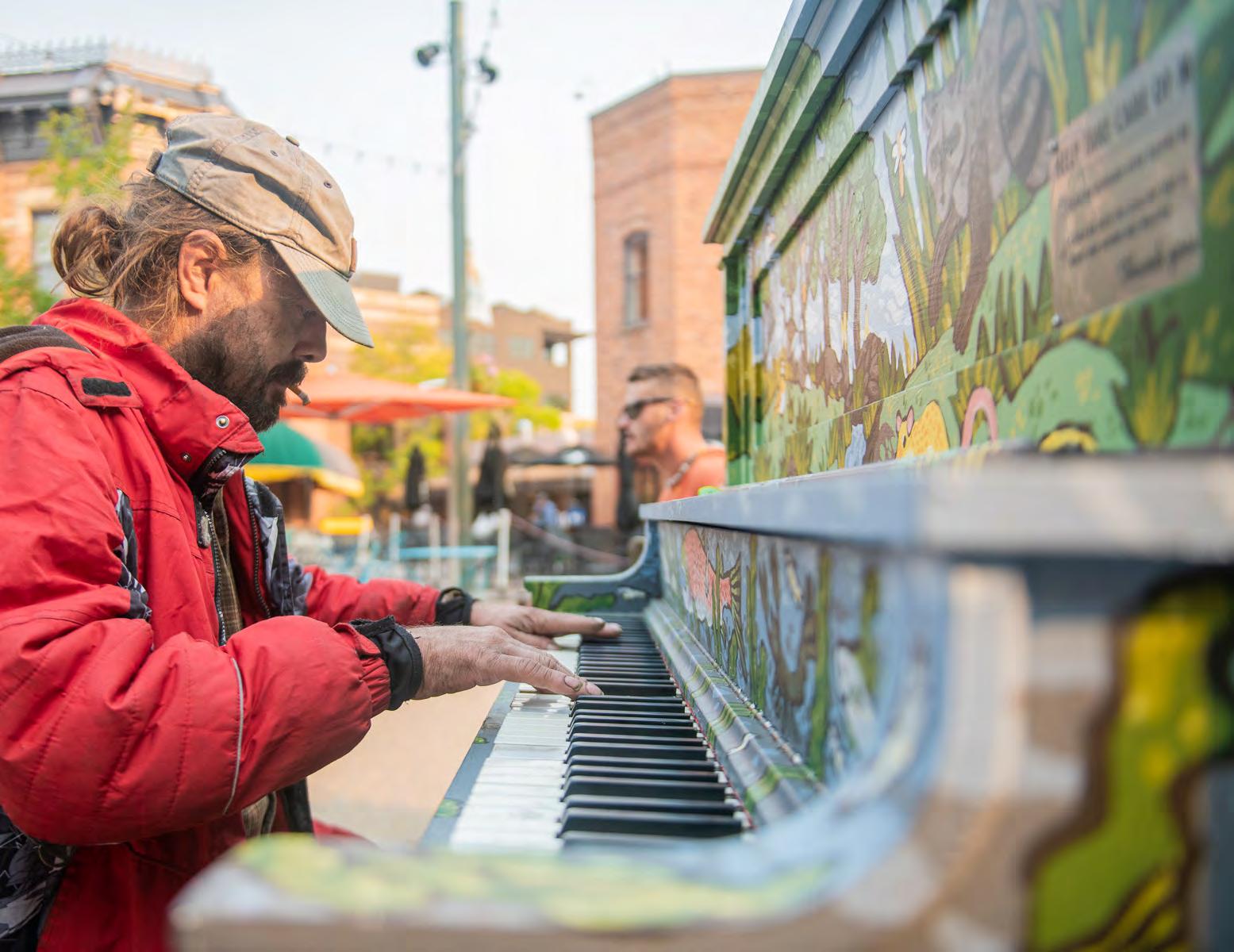
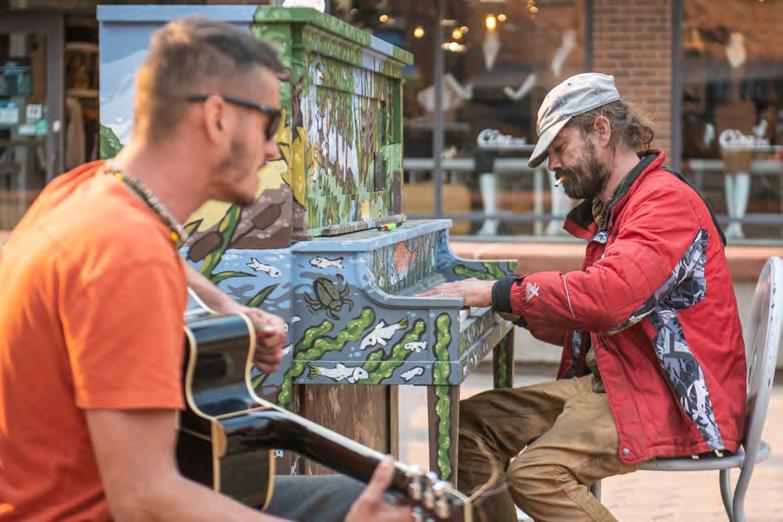
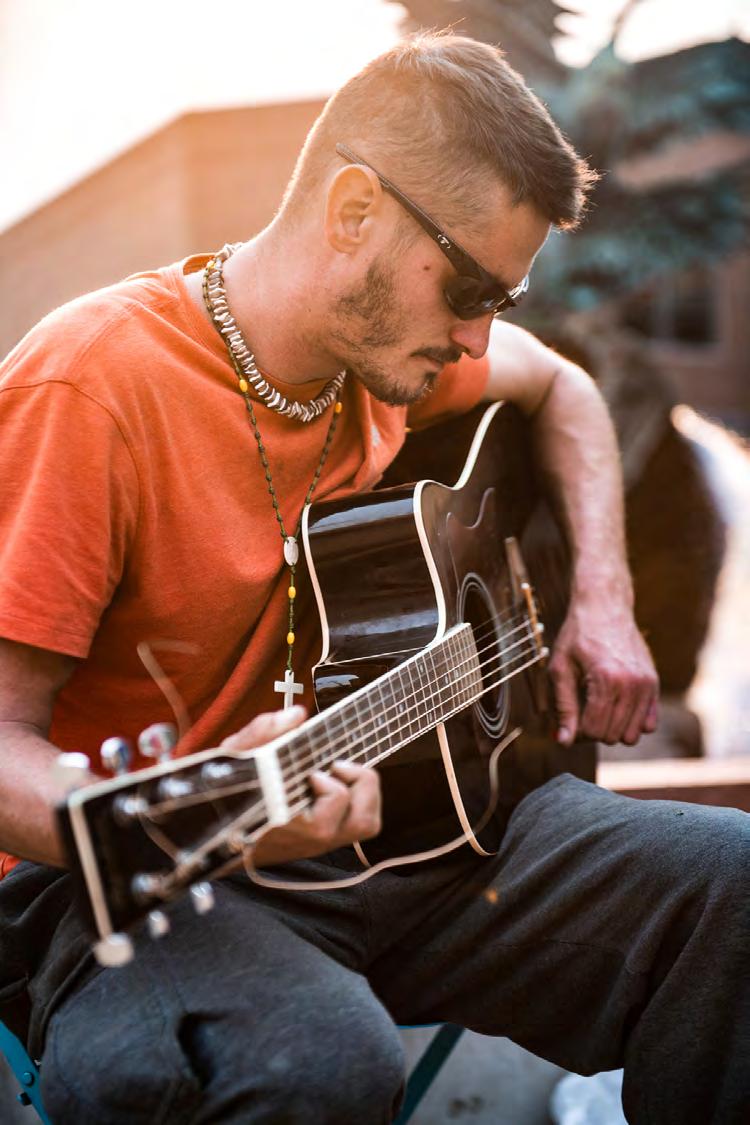
Clay Lester and Michael Labozo play instruments and sing in Old Town Square Sept. 30, 2020.
Lester, who has struggled with drug addiction in the past but has been clean for two months, journeyed — or “Forrest Gumped” — 1,200 miles from Arkansas to Fort Collins to find his Jenny and to “literally run from (his) addiction.”
“Every time I relapsed I would take off walking to the next city,” Lester said. “I walked into a gas station, I said, ‘Ma’am, I have a really weird request. Would you call the police on me?’ And when they would come to check it out, there’s my ride to the next county line…
Them days are behind me, right behind me, but I feel good.”