Showcasing Sustainability
By Lucy Keeling
5/2/26
ID162
Design Mini-Flipbook

By Lucy Keeling
5/2/26
As a designer, sustainability is a key concept. Especially in the time we live in, a respect and preservation of our environment is becoming more and more important. Because of this, I think it is necessary for all designers to have a deep understanding of how they can make their designs more sustainable, whether it be based on theory, experience/stories, or the current technologies and furnishings/finishes that are used in our designed spaces. Being someone who is very concerned with the ways we impact our environment when creating more aesthetically pleasing spaces, I want to emphasize these connections between sustainable practices and current, common design practices/concepts. History and Theory really helped me to understand these connections through the themes we discussed, including those mentioned previously here. Knowing how we have implemented sustainable practices in the past and present, helped me to understand how it can be furthered in the future. These are the reasons I chose to use sustainability as my main theme for the flipbook. I think it does, and should, have a place in every aspect of design. It is important that we as designers understand the specific ways it can be applied to different concepts.

Theories relate to how we understand design, creating a universal language between designers and non-designers. By having standardized language like this, communication of design concepts becomes much easier. The same can be said for a theory that embraces sustainability. Theories, like circular design theory, sustainable design theory, and regenerative design theory, all help to promote ways of sustainably designing our environments. At the same time, working from these theories helps designers to learn and develop new ways of creating a more eco-friendly design world. Therefore, theory is integral to increasing sustainability in design, even for those not considered professional designers.

Technological innovations are continuously made, especially in relation to sustainable practices. As designers, I think we have an important responsibility to keep up with new technologies and learn about how to use them in the most sustainable ways possible. A popular example of technology in which designers must learn to responsibly use, is AI. AI not only raises concerns surrounding the ethics of ownership, but also its environmental impact. It uses a lot of the earth's resources, making it a less eco-friendly option for design technologies. However, there are ways that it can be used for the good of sustainable practices and their growth. This is why it is so important that designers have an understanding of all updated technologies and the ways they can be connected to sustainability.

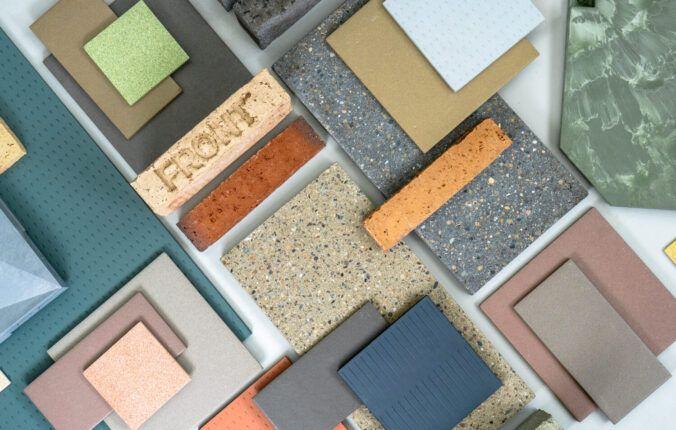
There is usually always an alternate finish that adheres more sustainable criteria, than a finish that is more commonly used. As a designer, it is important to have an internal catalog of the many different types of finishes that can be used in a designed space. I think it is also important that we keep a catalog of the most sustainable finishes, as an alternative to those that are the most popular. It is especially important to understand that there is a wide variety of more sustainable alternatives. It is not like finding finishes that have a better eco-footprint is hard. In the time we live in, with the technologies we have created, finding sustainable finishes is extremely possible, and arguably, easy, with just a little extra effort.
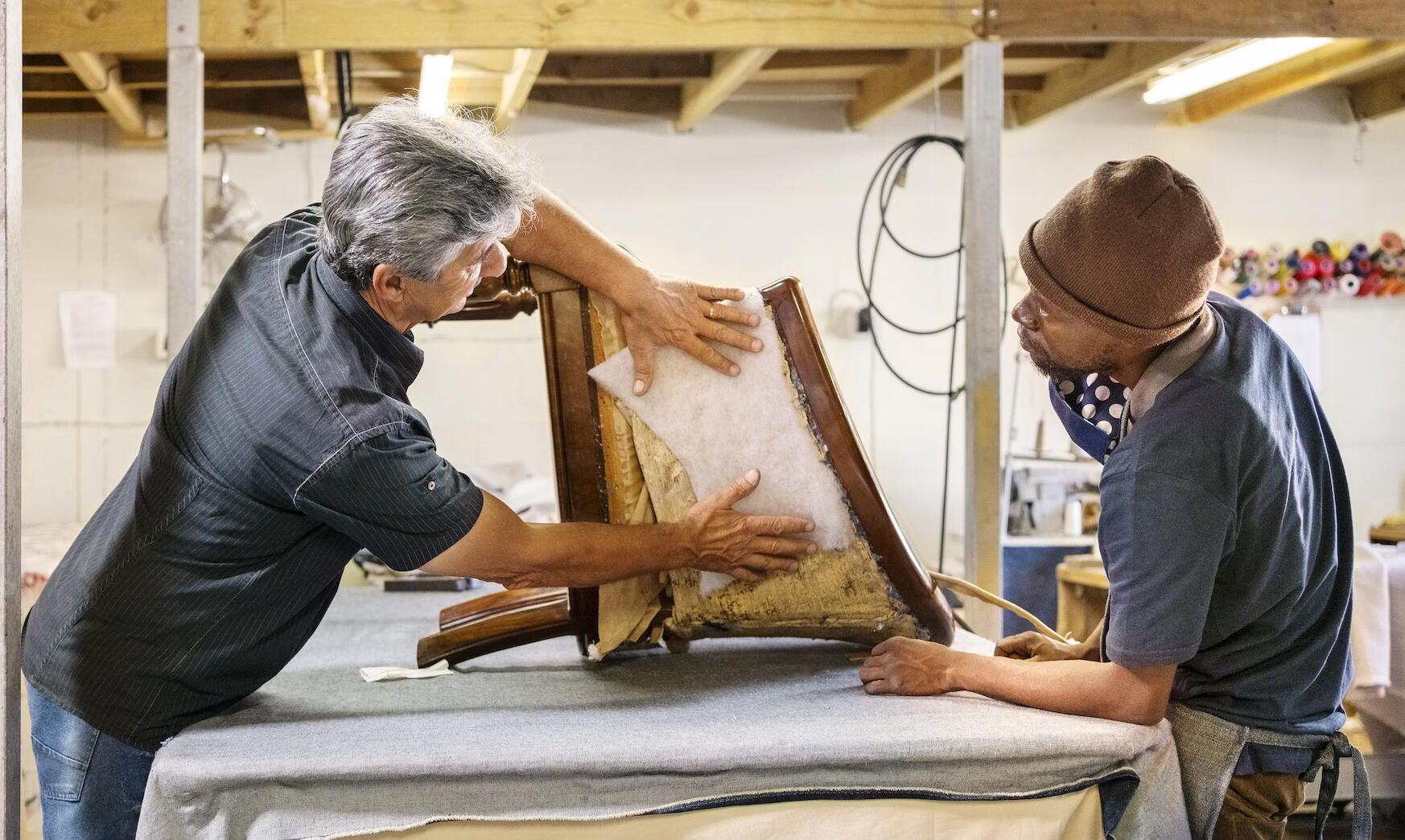
Furnishings are extremely similar to finishes, in that there is often a wide variety of more sustainable options. The same thing applies to the idea of keeping a catalog, as well. By this, I mean that designers are responsible for fostering a more sustainable environment by making an effort to keep a curated catalog of the most sustainable options for furnishings. While some may say this limits what designers can do, I disagree. Instead, it means the furnishings will be more personalized and intentional within the space they are placed. There are so many sustainable options due to the advanced technologies that we have created in relation to making more eco-friendly furnishings. I don’t think everything will look the same, but instead, completely unique, while still adhering to sustainable standards.
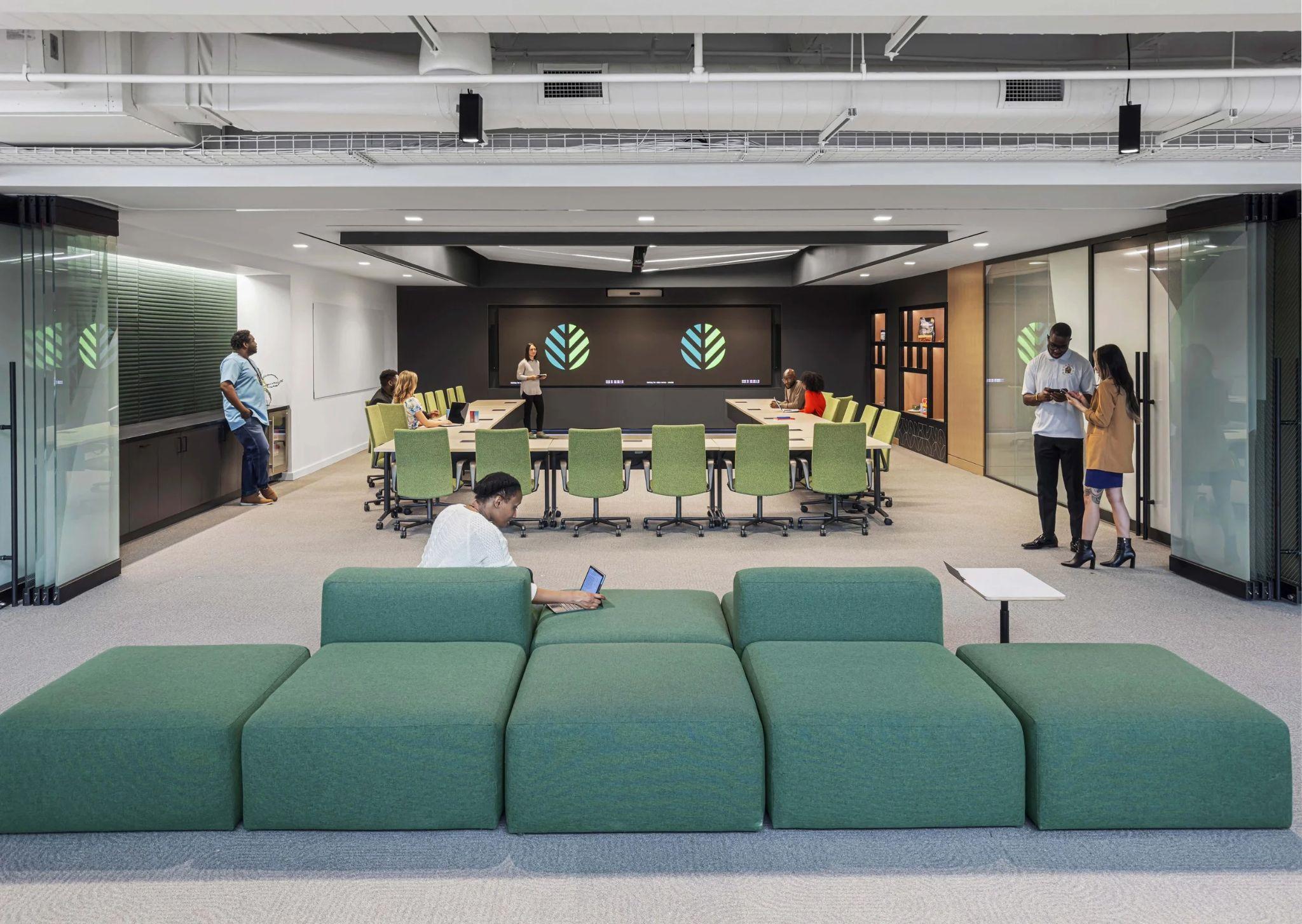
Telling stories is important for designers, as the designs we create are directly related to telling the story of their user. Because of this correlation, I think it is important that sustainability is considered in the story of every designed space. This way, designed spaces can become like an advertisement for designing all spaces with sustainable practices in mind. At the same time, it can help to promote the process of working towards more sustainable practices to those within the space, not just the person who was responsible for designing it. Connecting to the other themes of theories, technology, furnishings, and finishes is important for this topic, as well. Each of the themes are an important step in creating the story that a designer is attempting to tell. Therefore, implementing sustainable examples of these, helps to tell a story of sustainability within a space.
“Circular Economy and Social Innovation: Sustainable Development Synergy.” ScienceMagazine, 30 September 2025, https://scienmag.com/circular-economy-and-social-innovation-sustainable-development-synergy/. Accessed 3 May 2026.
Collegiate & University. “Benefits of Choosing Removable & Replaceable Upholstery.” SmarterFurnishings, 5 October 2022, https://smarterfurnishings.com/blog/2022/10/benefits-of-choosing-removable-replaceable-upholstery/. Accessed 3 May 2026.
Corporate Environments. “When Partnership Meets Sustainability.” CorporateEnvironments, 2023, https://corporateenvironments.com/graphic-packaging. Accessed 3 May 2026.
“Exploring the Impact of Industrial Waste on Nature.” EasyPeasyAI, 30 November 2023, https://easy-peasy.ai/ai-image-generator/images/industrial-landscape-impact-of-industrial-waste-nature. Accessed 3 May 2026.
“Material Honesty in Residential Design: Why Tile Selection Defines Spatial Quality.” TheArchitectsDiary, 30 December 2025, https://thearchitectsdiary.com/material-honesty-in-residential-design-why-tile-selection-defines-spatial-quality/. Accessed 3 May 2026.
“Sustainable Net Zero Home Design by Hutter Architects.” HutterArchitects, 1 October 2024, https://hutterarchitects.com/net-zero-home-design-blueprint-for-a-future-proofed-lifestyle/. Accessed 3 May 2026.