Canaletto
1735–1745
September 2025
Canaletto (Giovanni Antonio Canal) 1697 – Venice – 1768
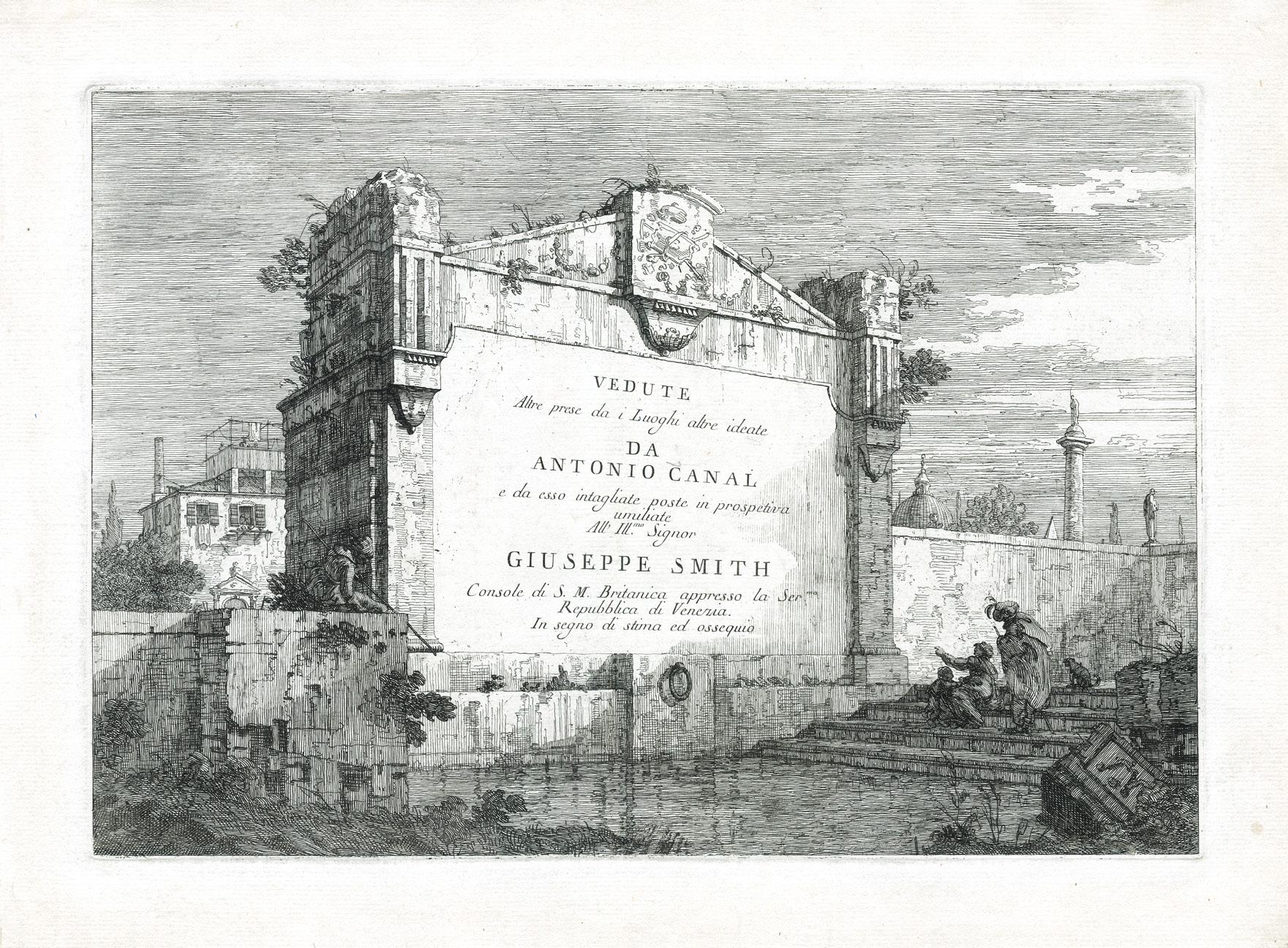
Vedute Altre Prese da i Luoghi Altre Ideate
Etchings on laid paper, ca. 1735-45
Plates 296 x 427 mm and 145 x 211 mm
Watermarks Triple Crescent above letter A and countermark letters AS surmounted by a fleur de Lys (cf. Bromberg 22, 42 and 43)
Reference Bromberg 1-11, 13-16 and 18-33, printing order D I
Provenance Robert H. Smith, Washington D.C.
Condition In very good condition
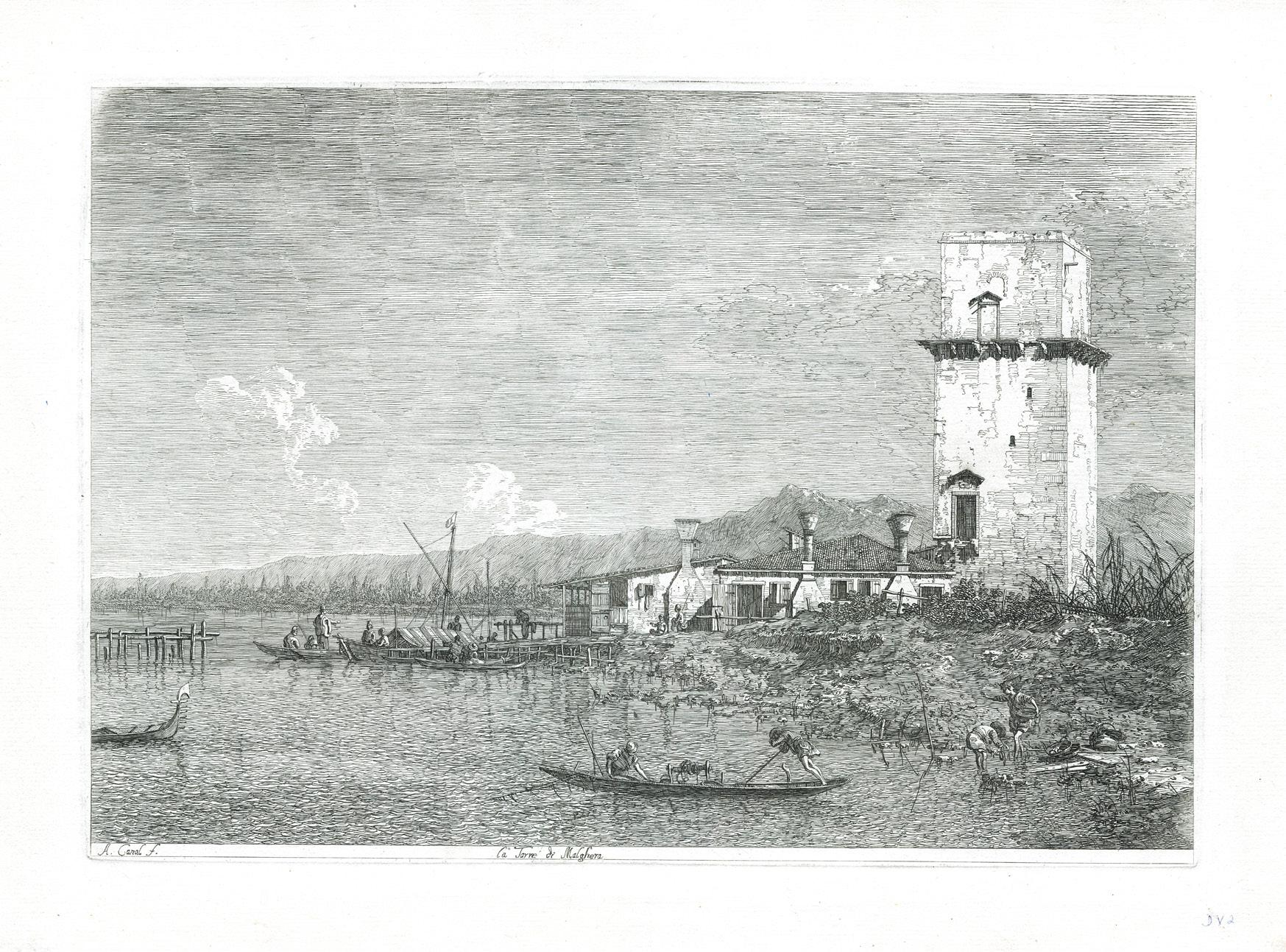
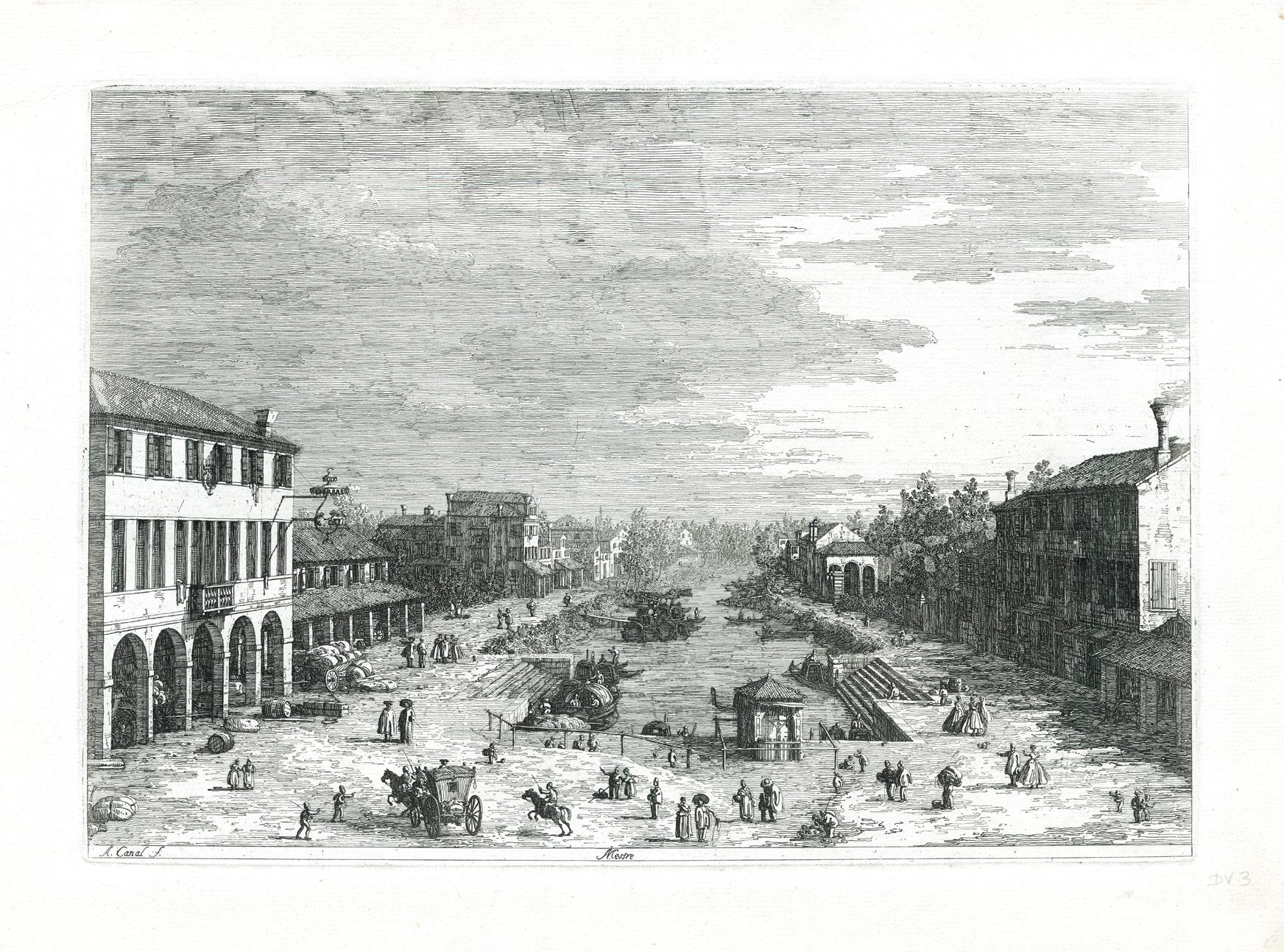
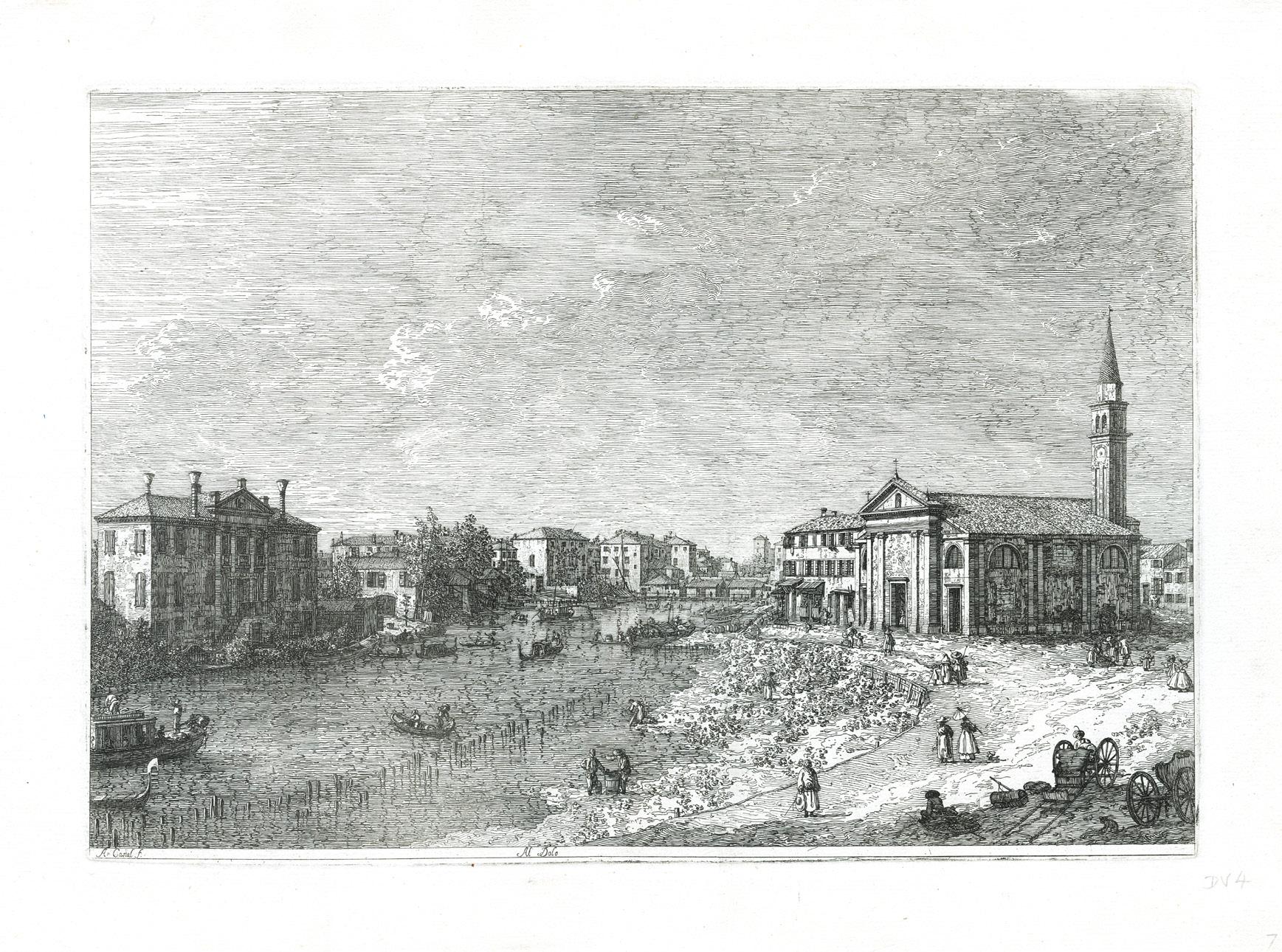
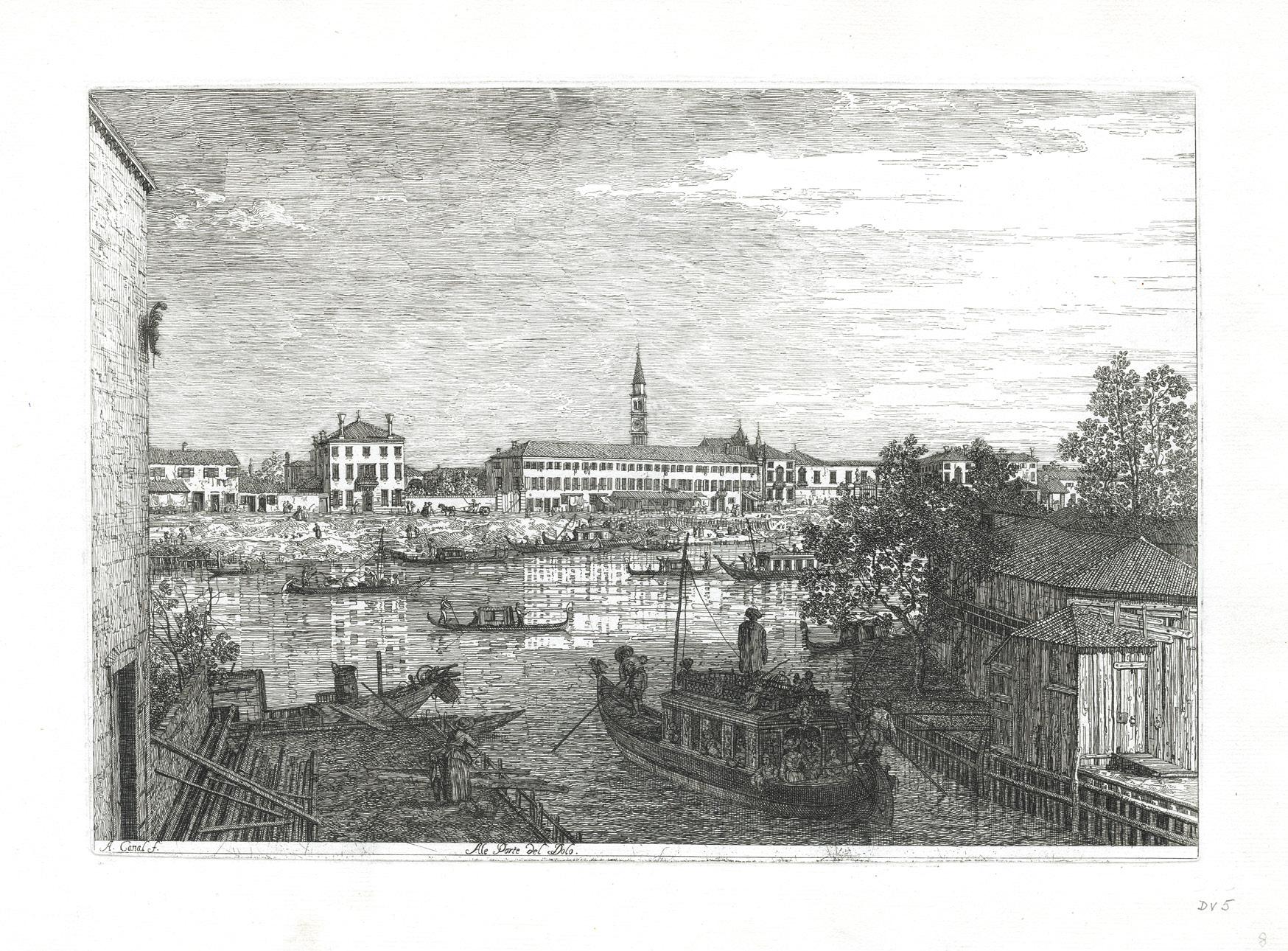
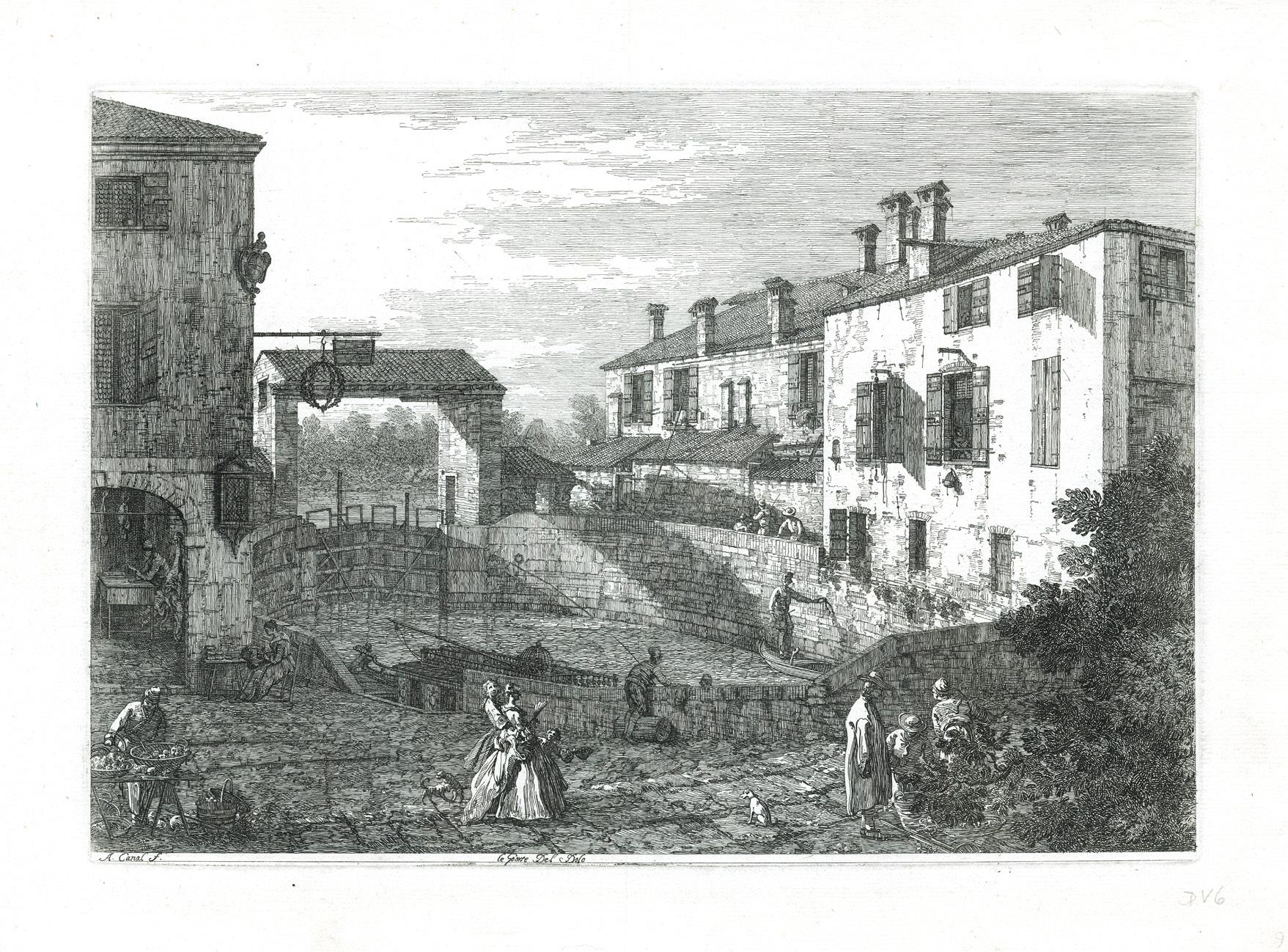
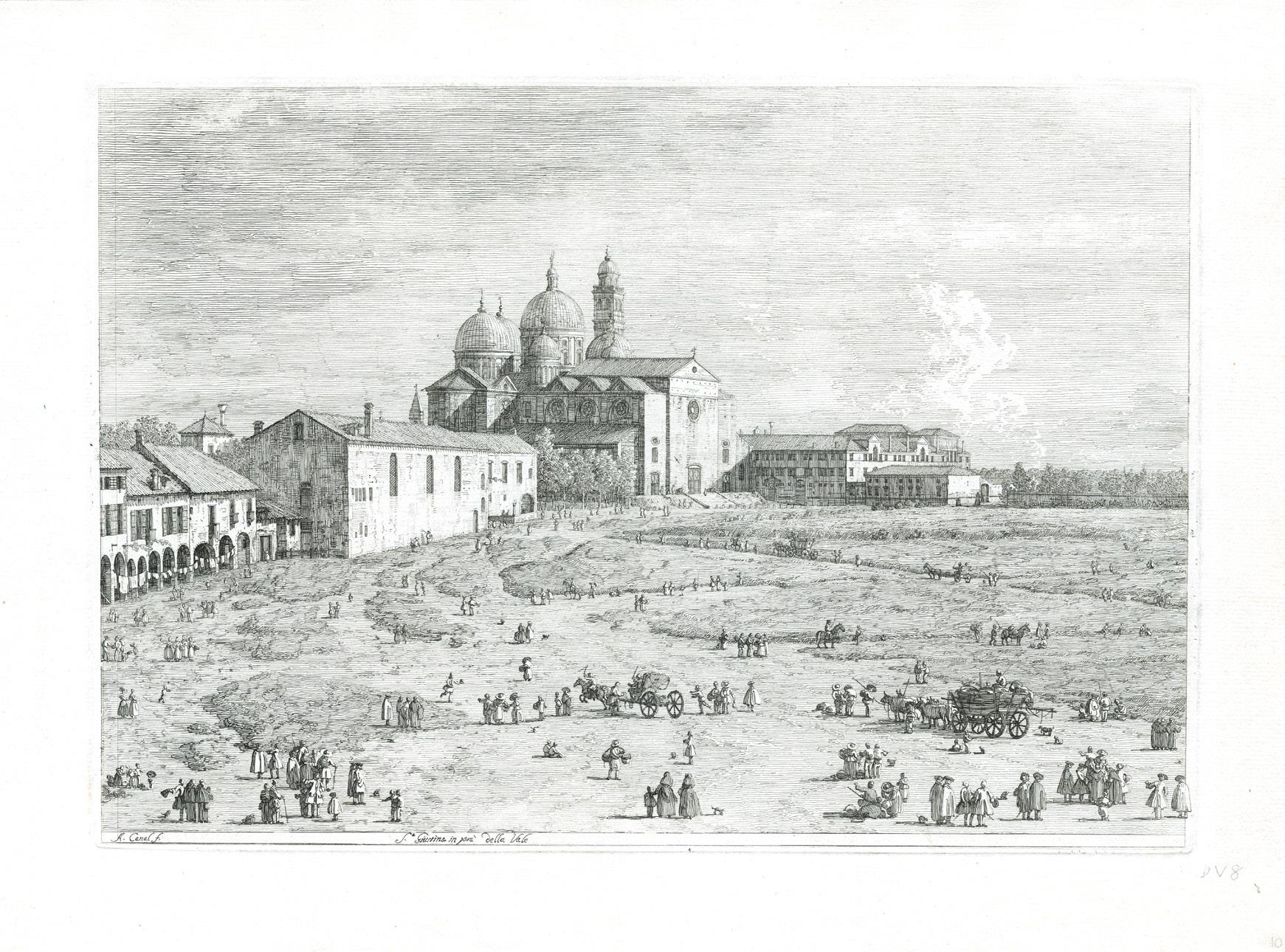
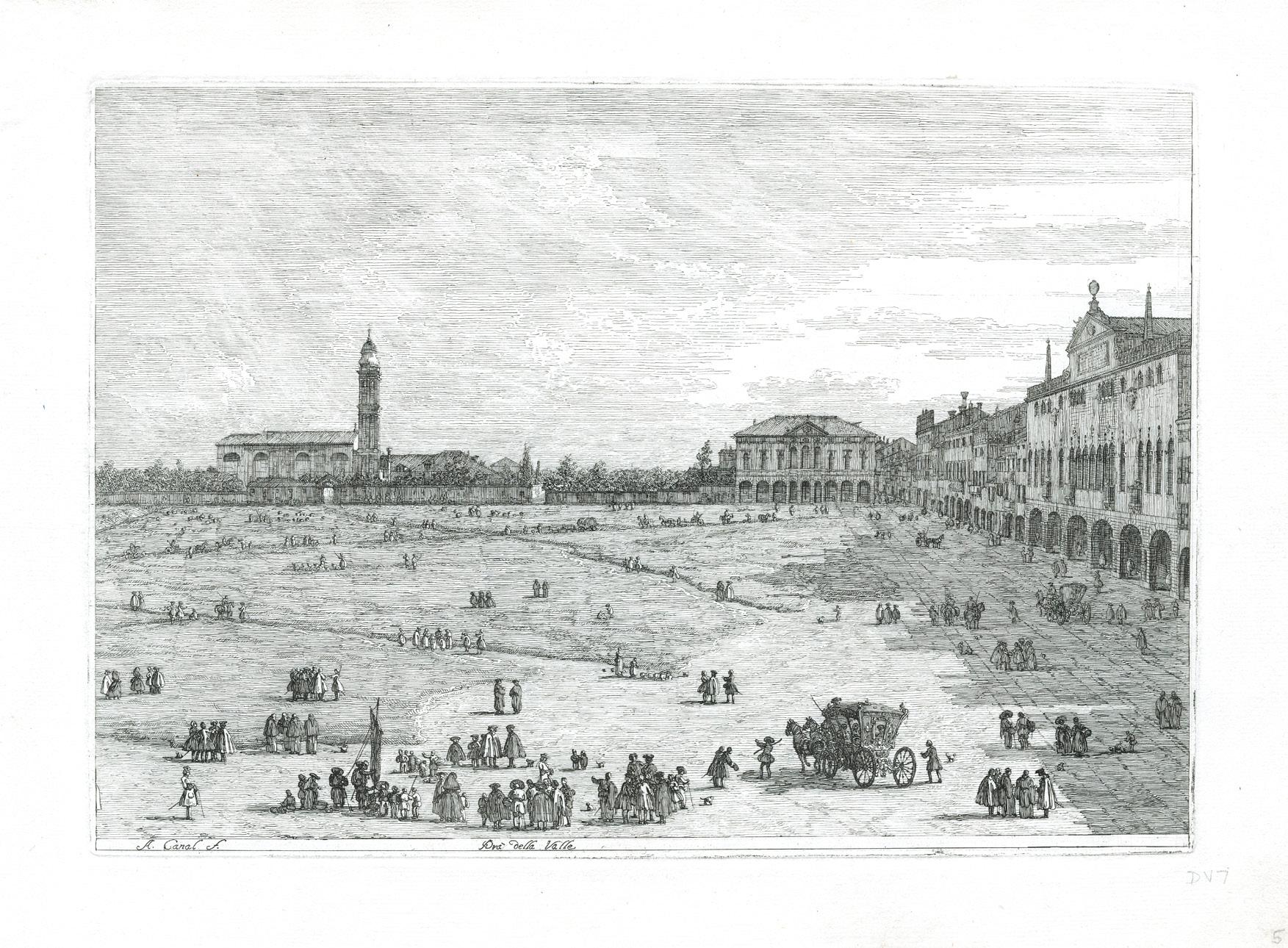
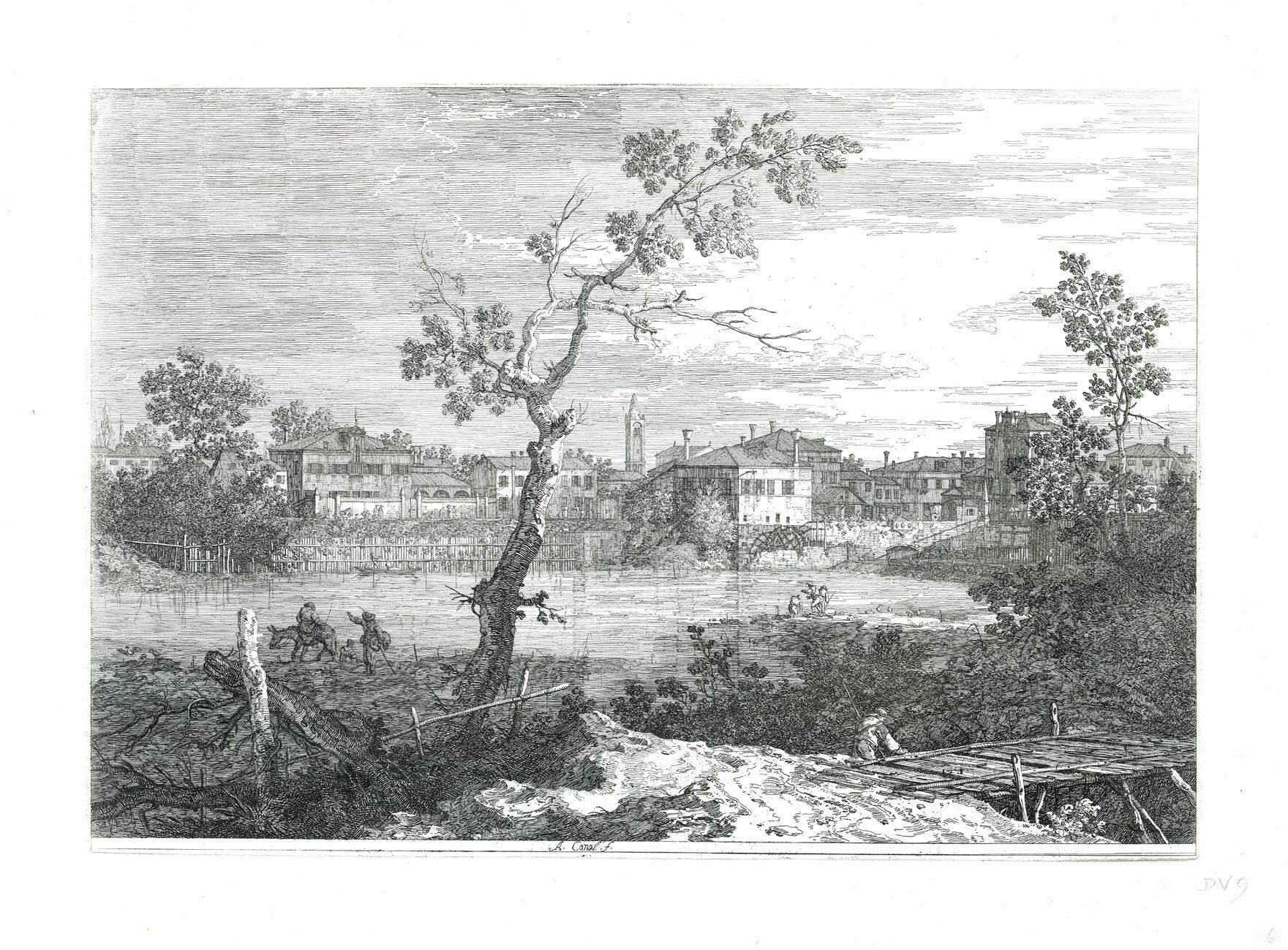
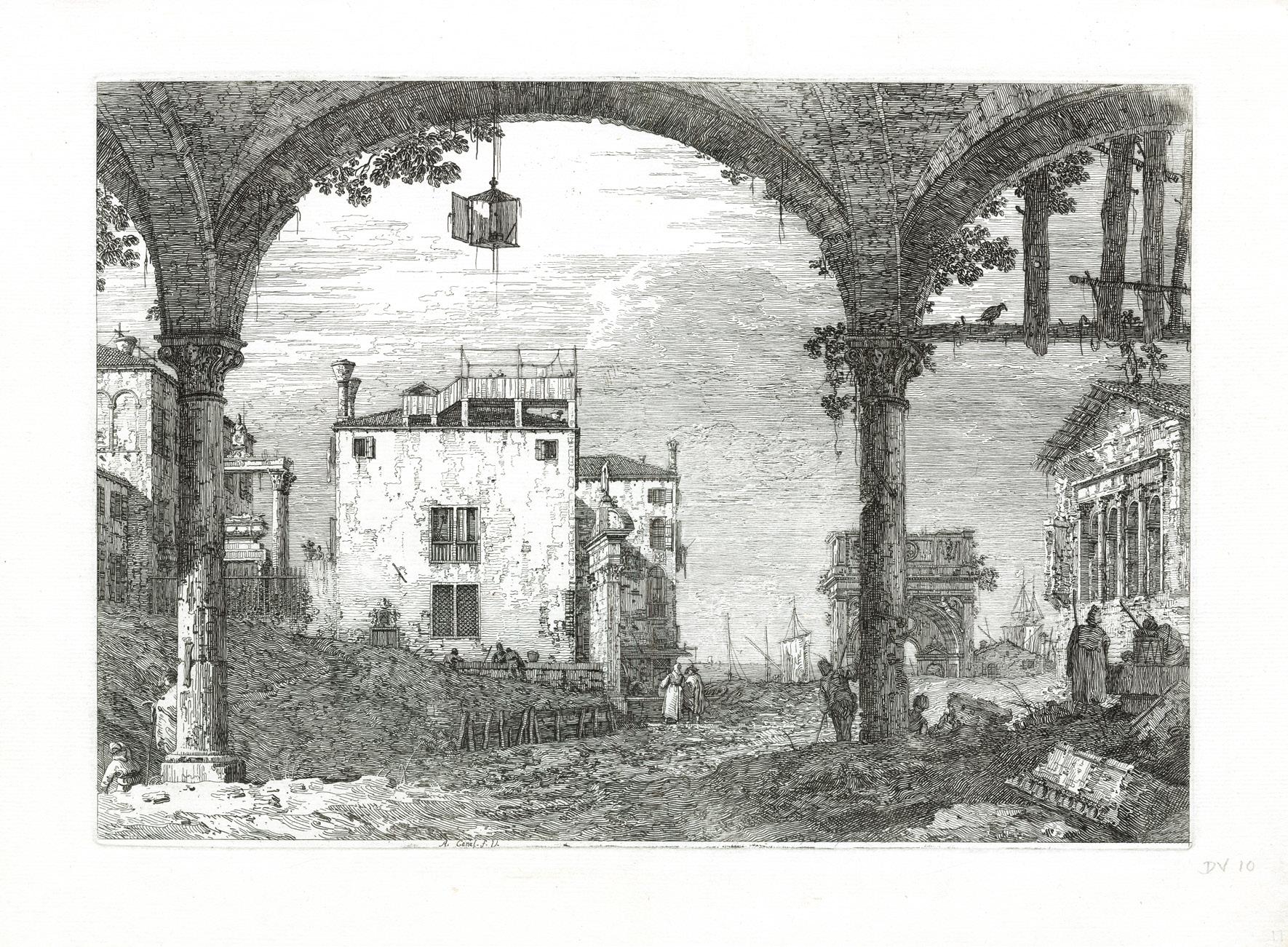
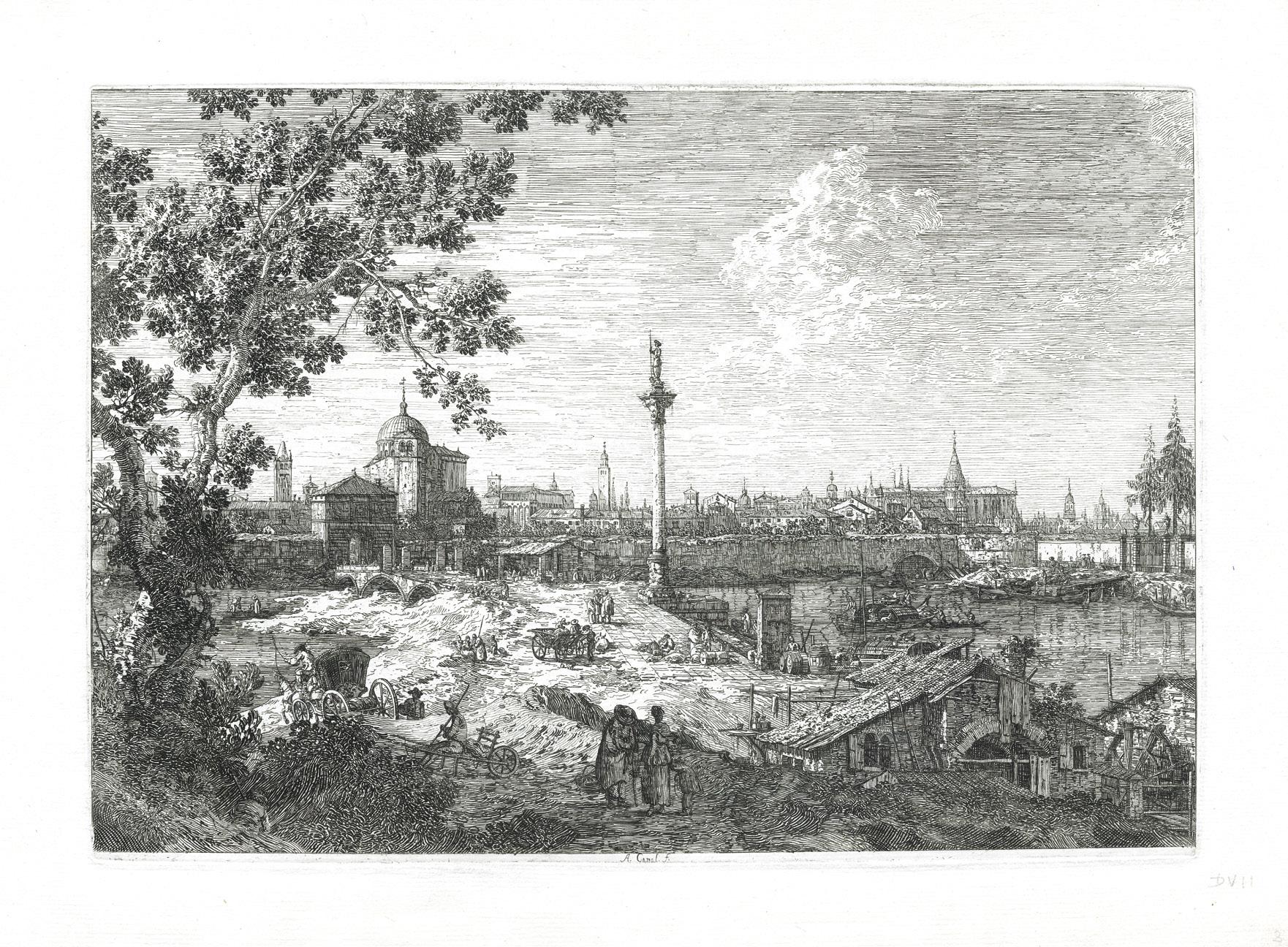
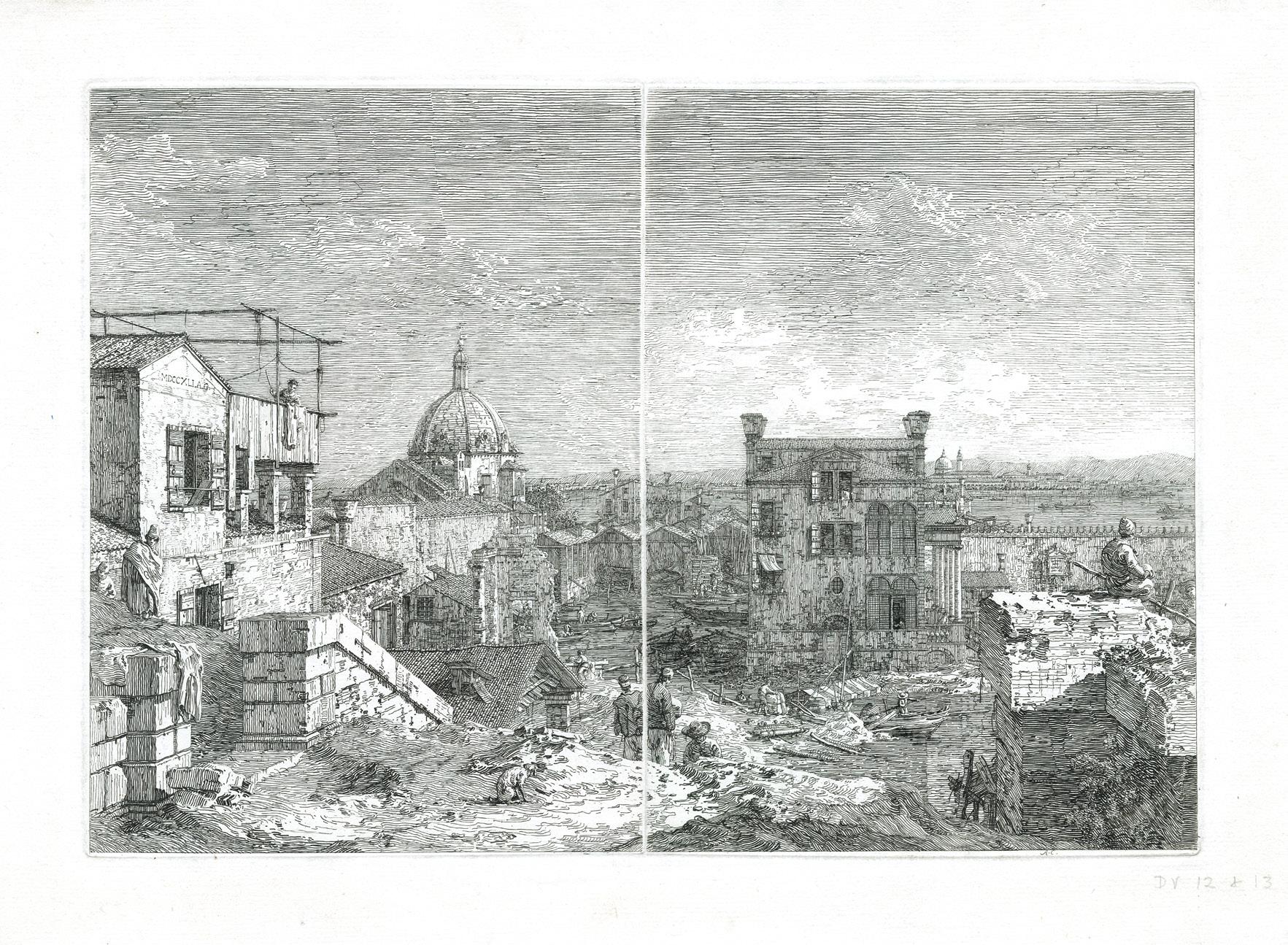
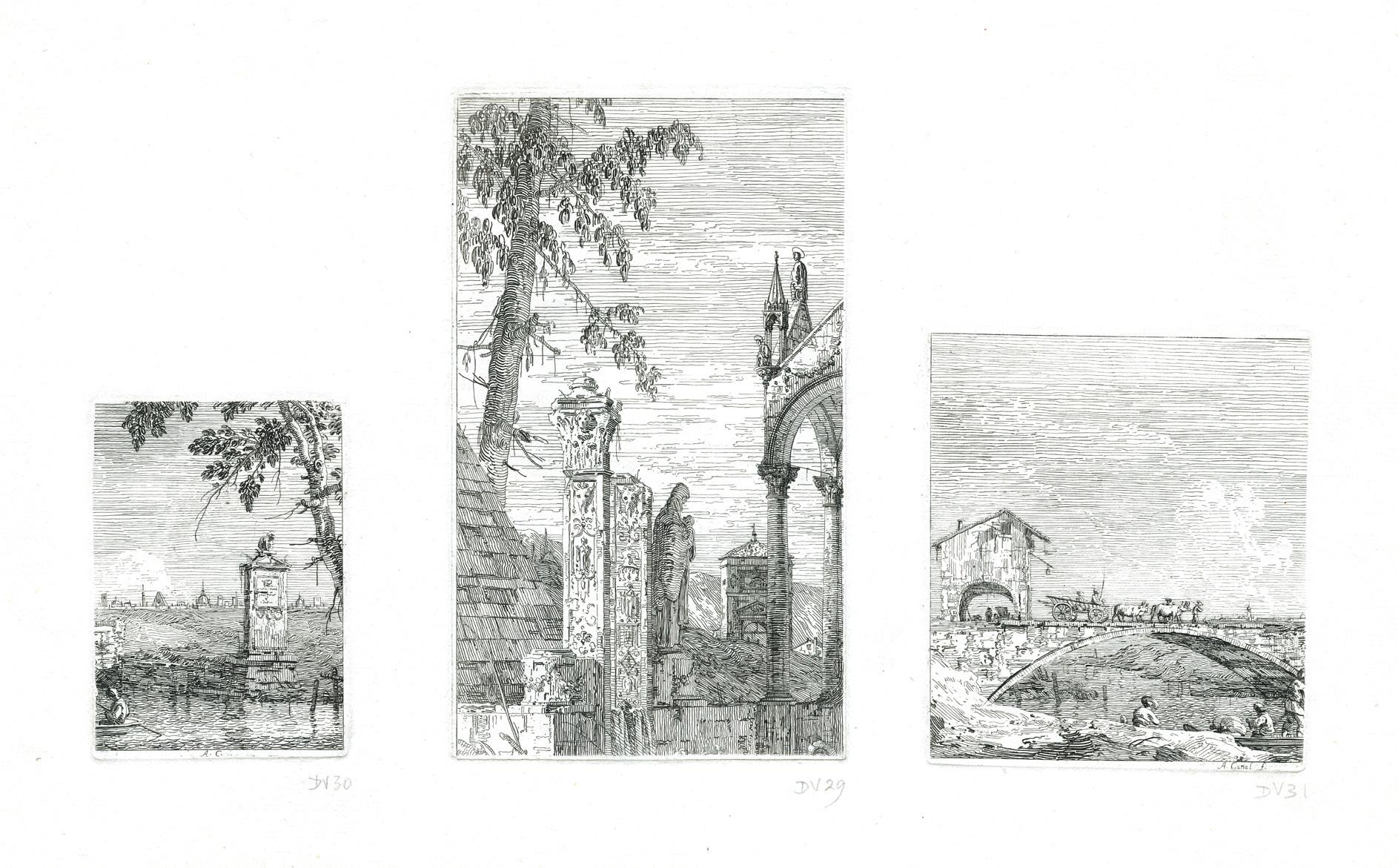
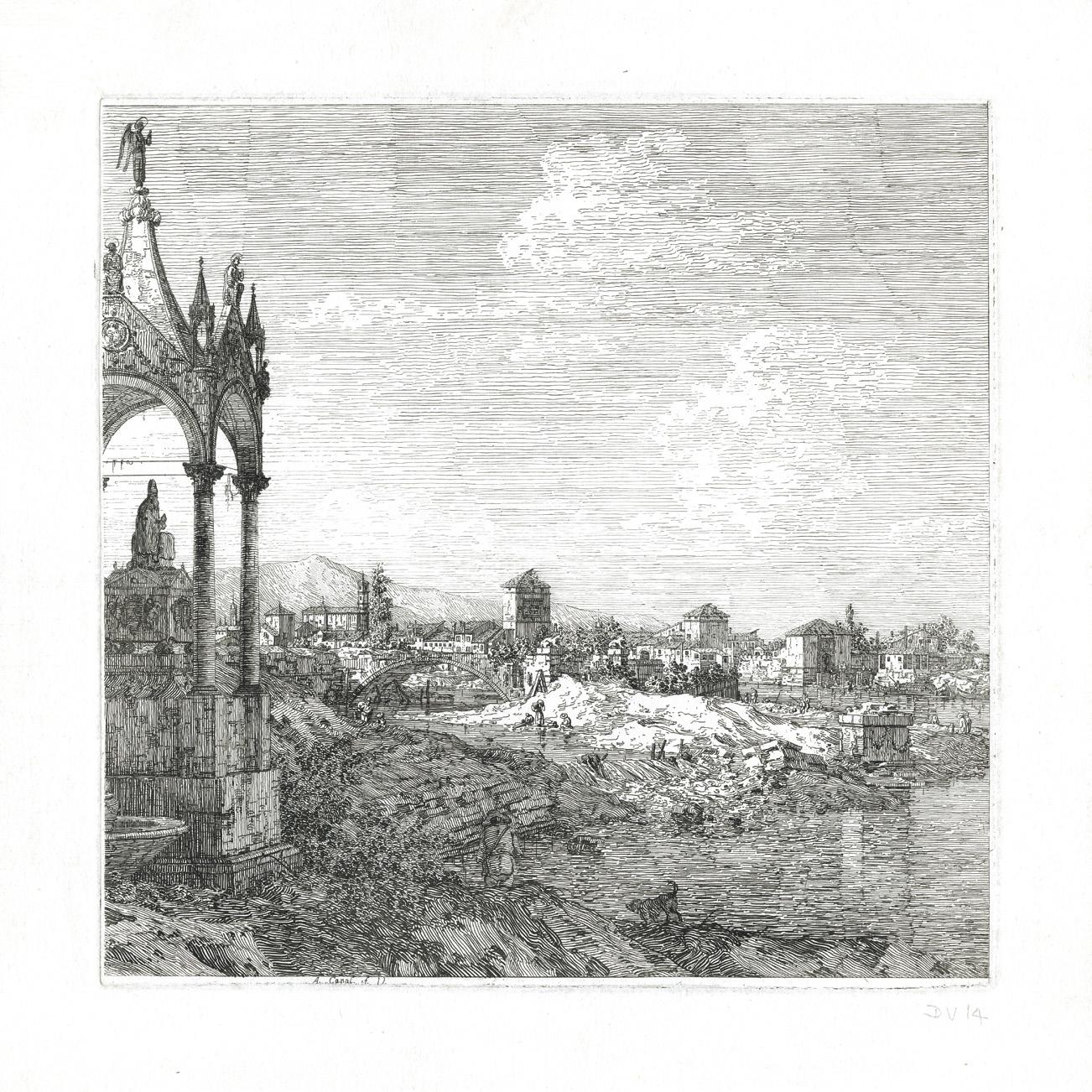
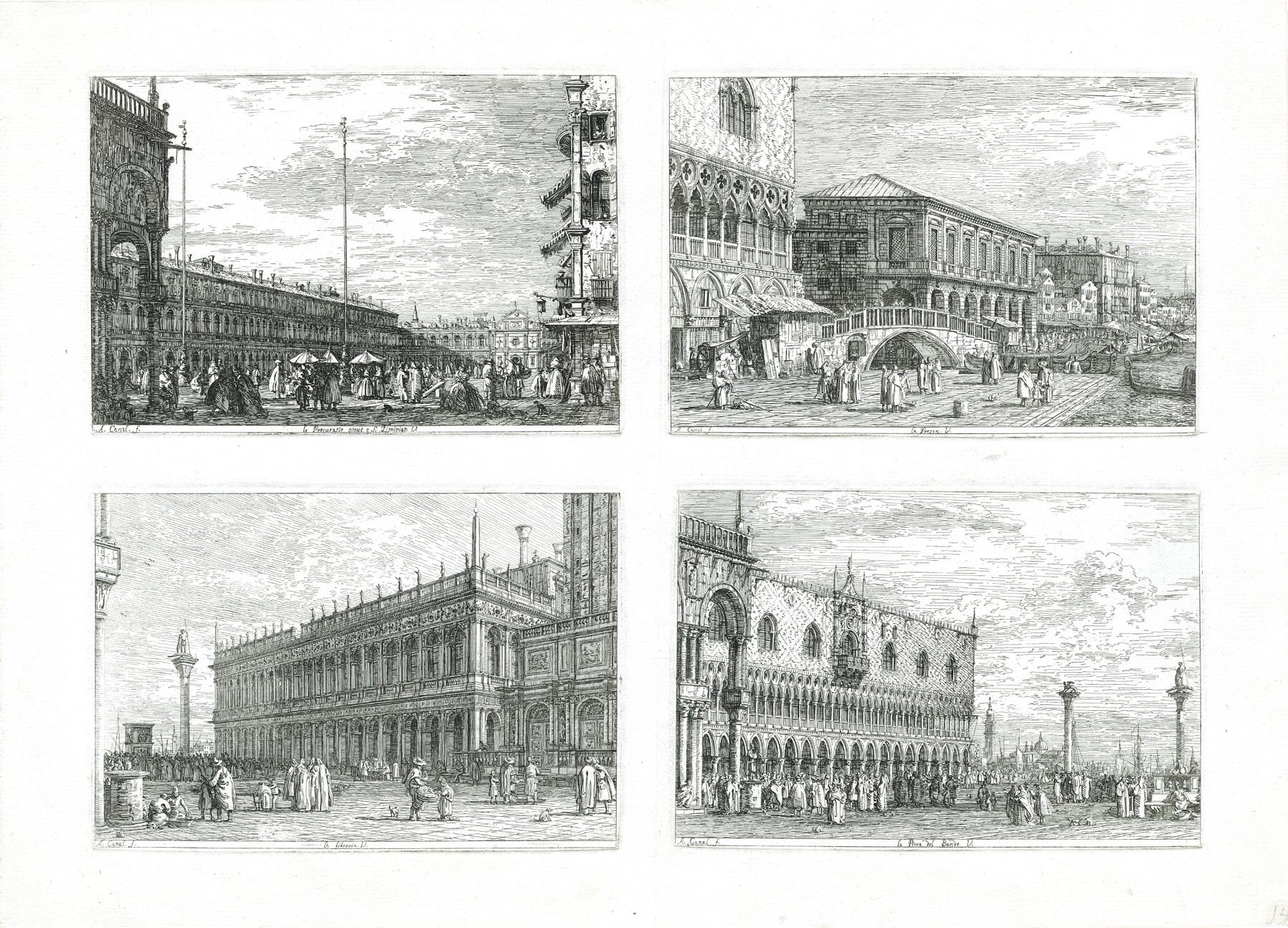
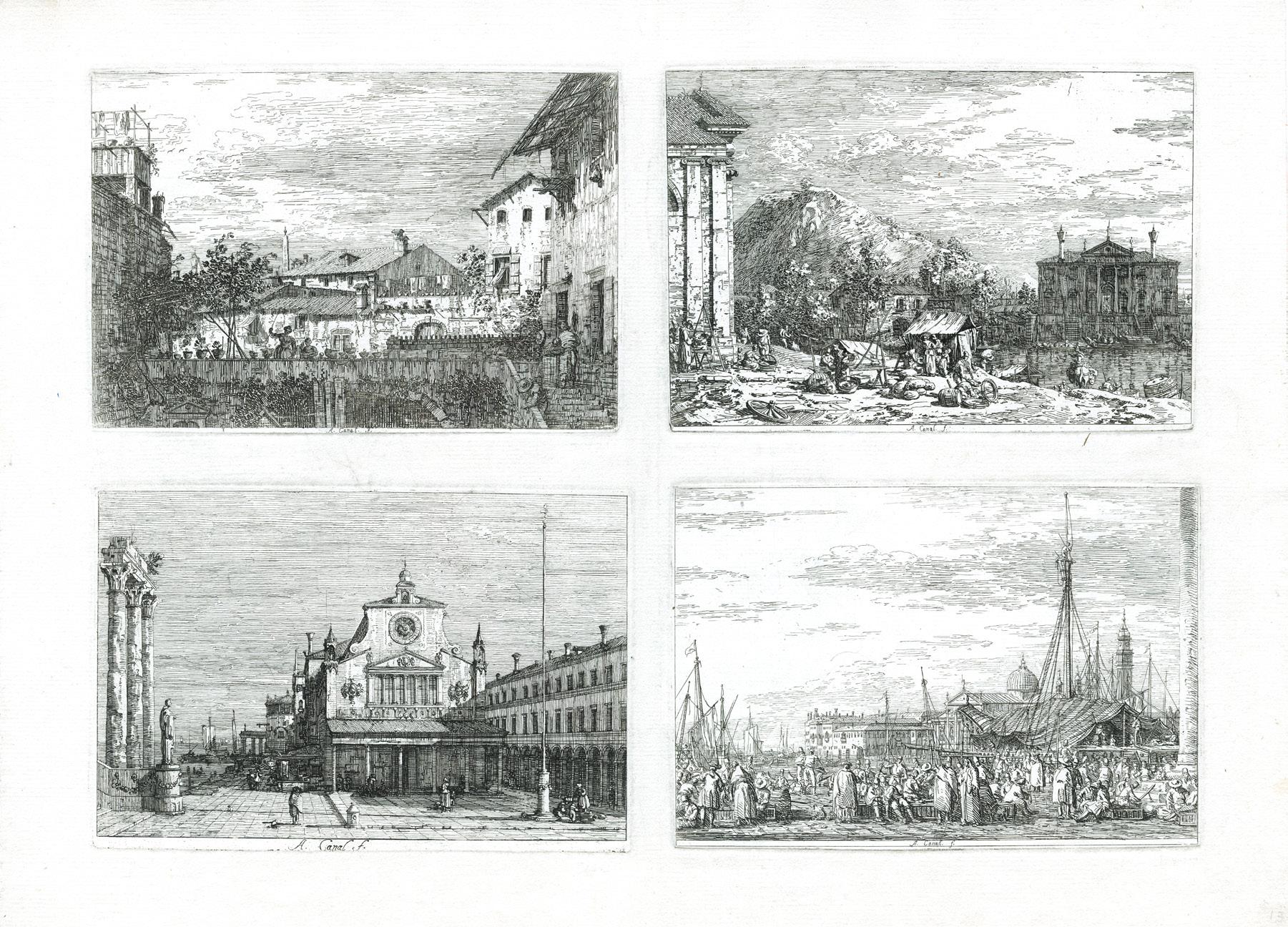
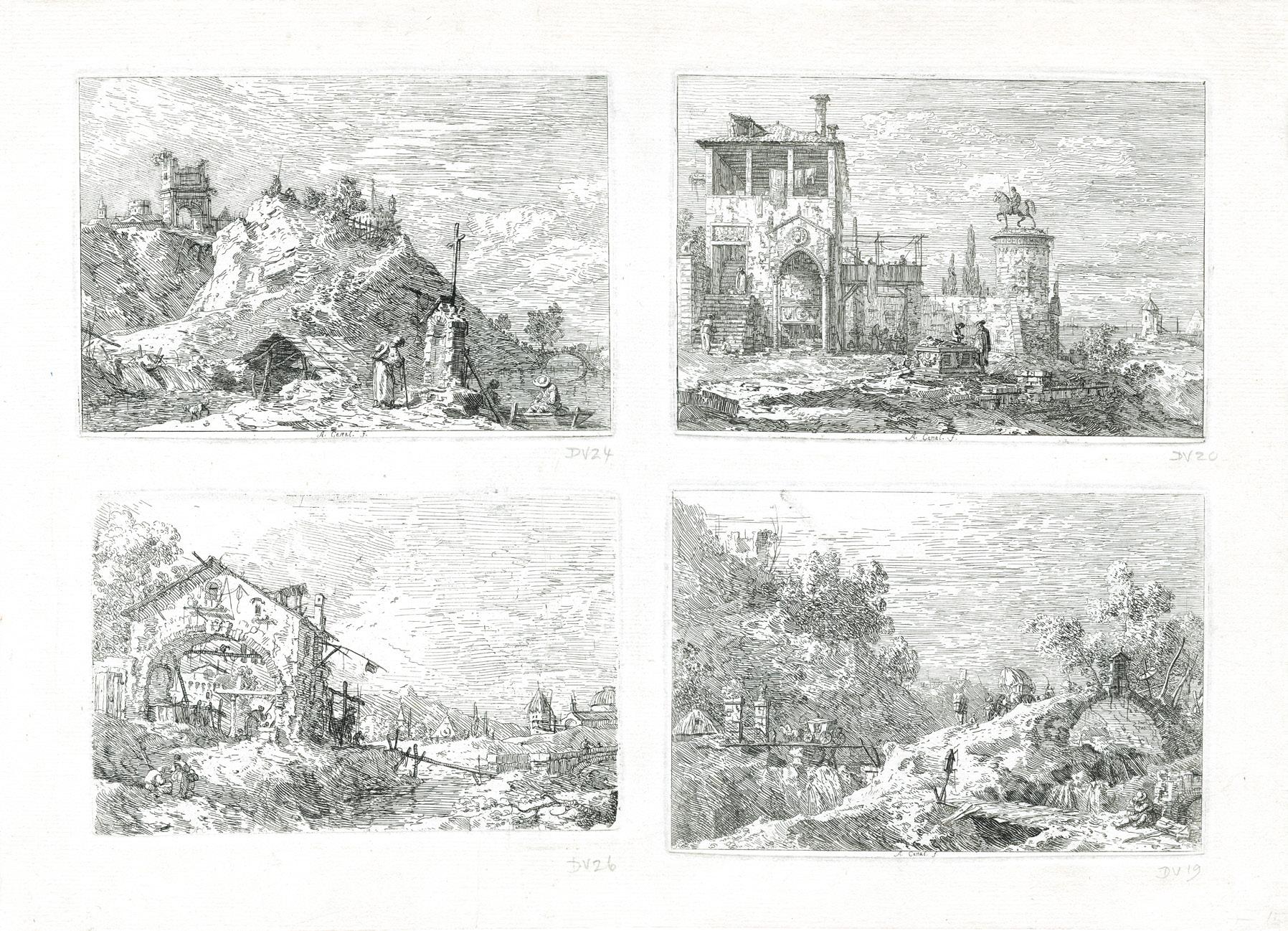
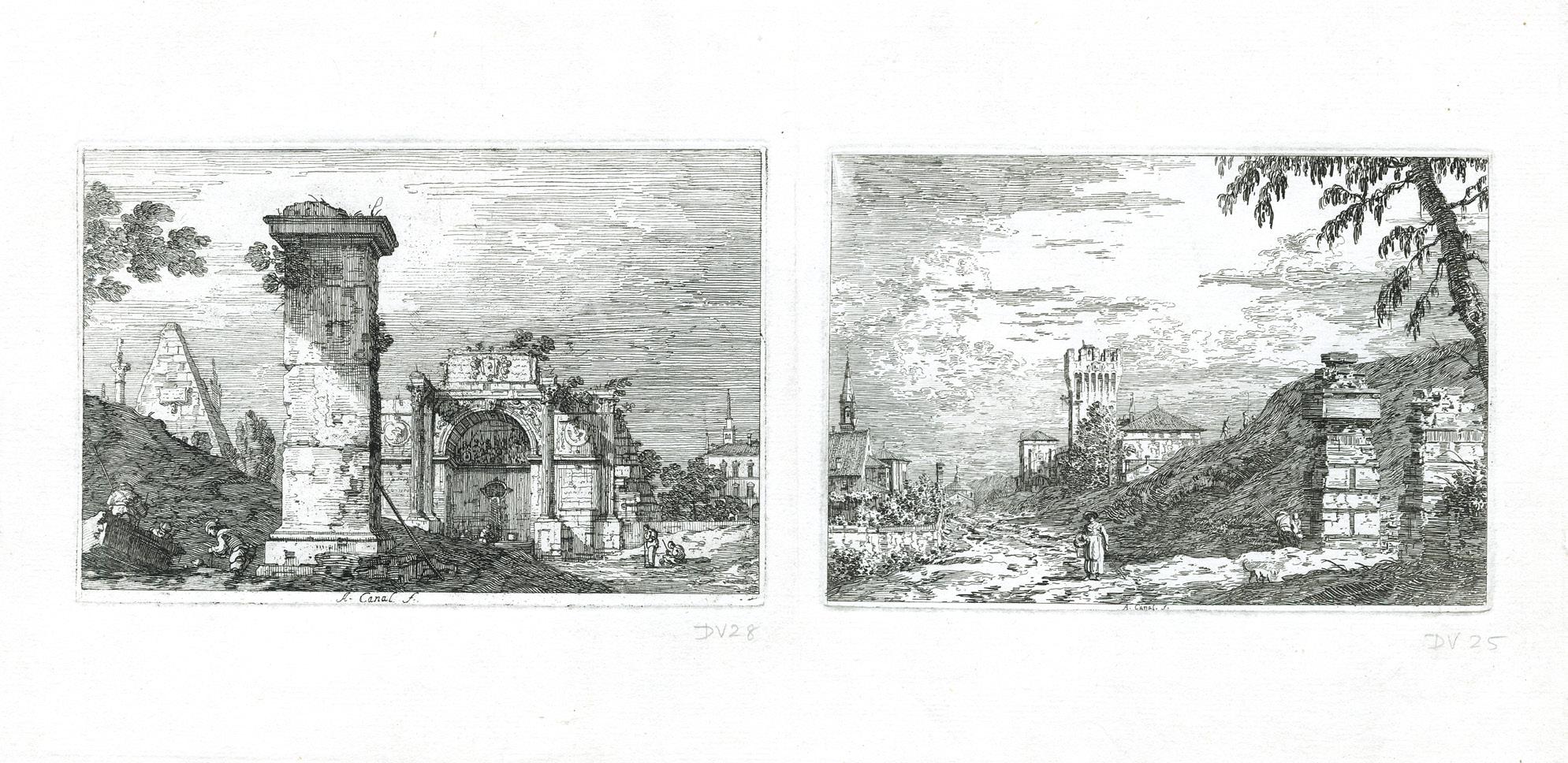
This is an exceptional complete set of the famous Vedute Altre Prese da i Luoghi Altre Ideate, thirty-one etchings including title page, printed on eighteen uniformly sized sheets of laid paper, and with wide margins. The etchings were published in bound volumes as well as in loose sheets, as we find with the present set. The present high-quality printing comes from the first edition in Venice, which shows variations in the printing order among the sheets that hold more than one etching. Yet as Ruth Bromberg stated, discrepancies in printing order do not mean that the work is of a different edition. In the present case, all sheets are of the same states as the ones of the set at the British Museum and are of the printing order recorded by Bromberg as of the order “D I”, lifetime edition, before the addition of letters and numbers (posthumous). The present ensemble is very close — same watermarks — to the Bromberg’s reference set for this printing, the one kept at the Museo Biblioteca e Archivio di Bassano del Grappa.
The renowned Venetian printing house Stamperia Pasquali was the original publisher of these etchings. The firm belonged to Consul Joseph Smith, to whom Canaletto dedicated the series. Apart from a few trial proofs here and there, Bromberg believes that only the Zanetti album (Berlin) could be possibly dated back to the 1740s, while the other published sets date from either the late 1750s or the 1760s, with printing orders B, C or D (like the present set). It is now very difficult to find contemporary sets on the market.
These plates remained in Consul Smith’s hands until his death in November 1770, after which they were sold by his widow, directly or via an intermediary, to the firm of Guiseppe Remondini, the main publisher in Bassano del Grappa, close to Venice. The set was then published posthumously by Remondini starting in 1772. Sheets from those editions, using
a lighter-weight paper, either bear no watermark or have one of a variant of the letter R. The quality of these impressions is considerably lower.
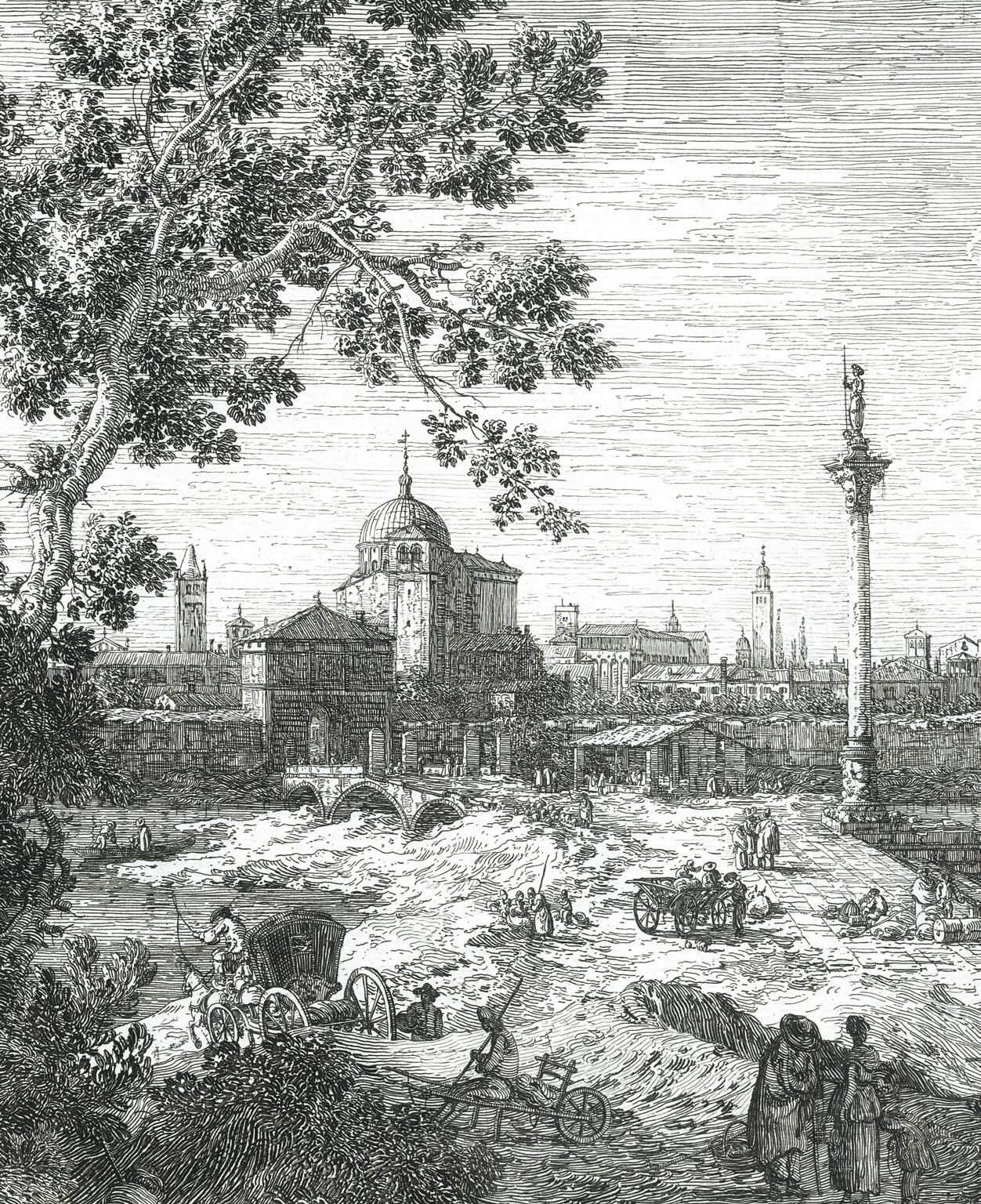
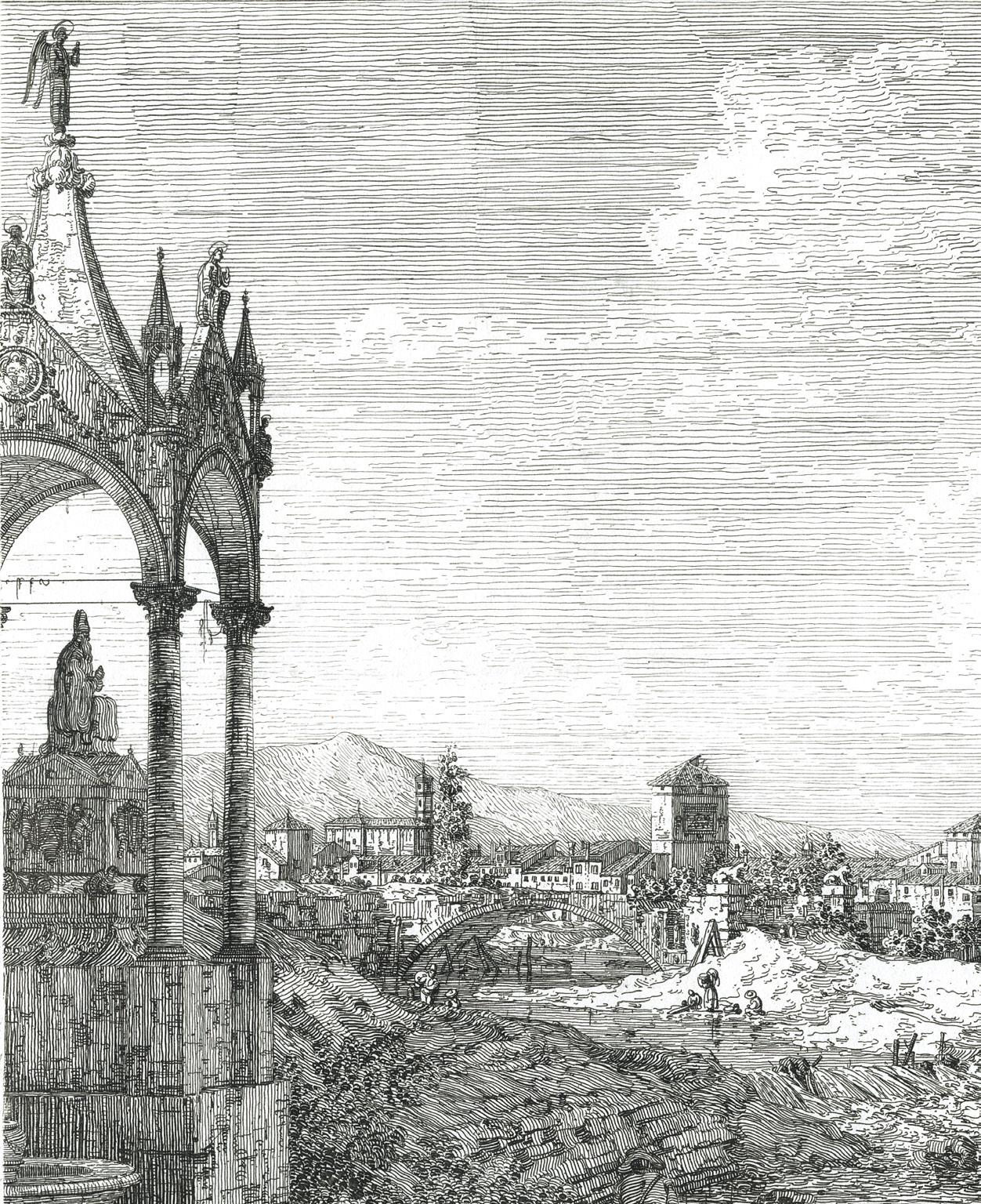
This suite of prints, Canaletto’s magnum opus, is one of the most highly regarded works of the Venetian eighteenth century. Canaletto’s style was, in Bromberg’s words, not that of the professional etcher, but rather that of the painter and fine draughtsman, and here we can see the artist working his etching needle freely, as if sketching, toward the achievement of colour. Canaletto’s landscapes immortalize an idea of Italy as well as its literal topography. Indeed, he usually modified his cityscapes to make them appear more picturesque, following the flights of imagination described in the suite’s Italian title. In fact, only a third of these thirtyone etchings reproduce recognisable sites from Venice or Padua; the others are invented composites, incorporating disparate elements inspired by multiple drawings from life.
In the eighteenth century, printmaking in Venice was undergoing a great revival, supported by demand from wealthy young Englishmen on the Grand Tour. While much has been written about Joseph Smith and his presumed role in persuading the artist to produce the Veduta, Canaletto clearly made a conscious and independent turn to printmaking to increase his exposure among tourists and to satisfy their ever-increasing demand. Here, Canaletto offers the quintessence of Venice — showing us what it looked like both in objective reality, and in the fantastic dreams of its visitors.
It is worth mentioning the present set’s provenance. Its previous owner, Robert H. Smith, was president of the National Gallery of Art, Washington D.C., from 1993 until 2003. He was of unfailing connoisseurship, and he led the National Gallery through four important decades. He was also an avid collector of Italian art, particularly of the Renaissance and Baroque periods. His collection of Renaissance bronzes, one of the finest, was given to the National Gallery of Art in 2008, just a year before he died.
1 Title Plate
Plate