PORTFOLIO
09/25/2022 - 5/10/2024 Oxford Brookes University
09/27/2018 - 6/29/2021 University College London
A summary of projects undertaken during my bachelor and master class.
09/25/2022 - 5/10/2024 Oxford Brookes University
09/27/2018 - 6/29/2021 University College London
A summary of projects undertaken during my bachelor and master class.
Harcourt
Arboretum, Oxford, United Kingdom
Designing space through simulations
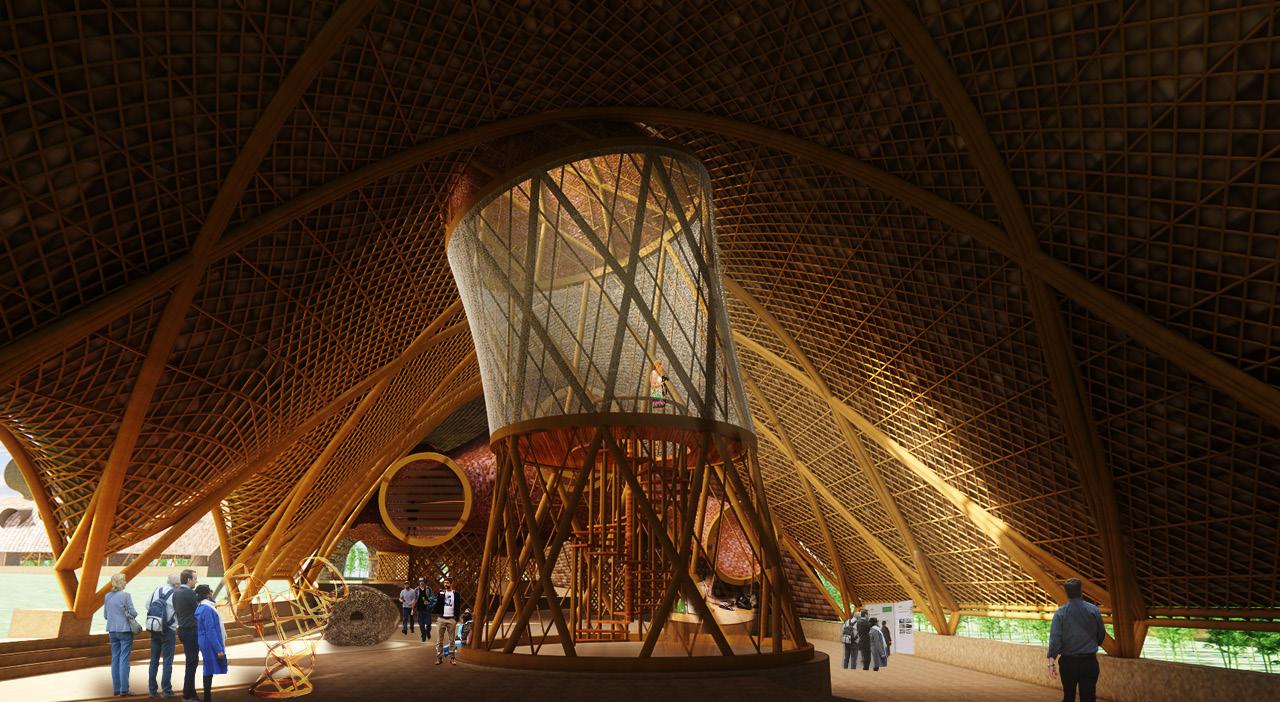
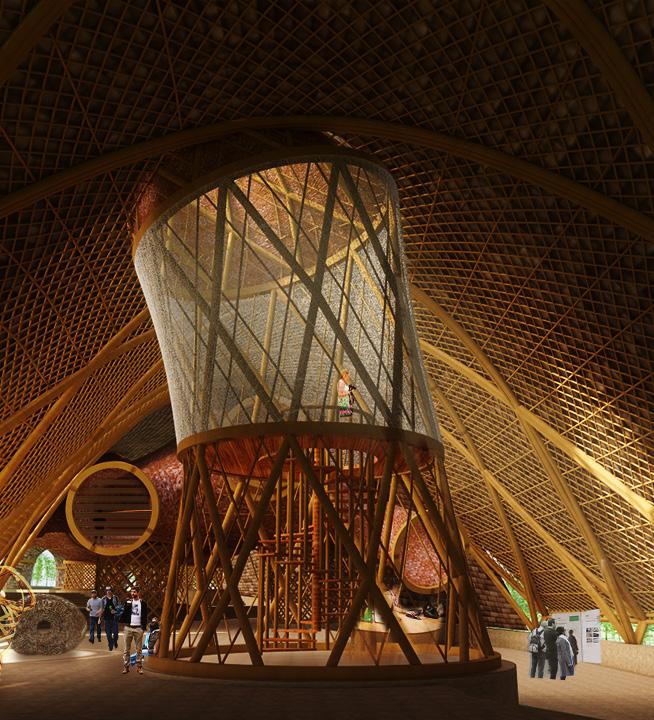
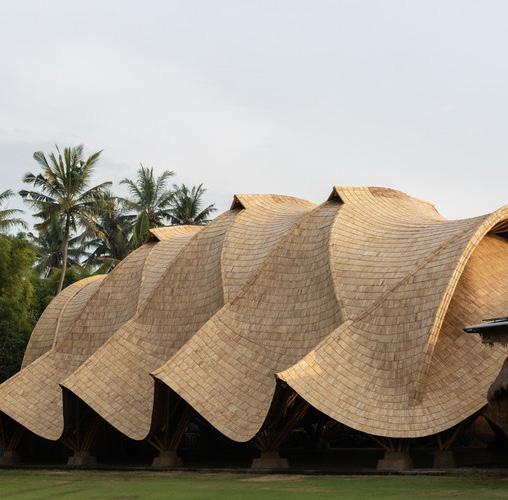
The University of Oxford plans to establish an Institute for Bamboo Craft & Design at Harcourt Arboretum in Oxford. This initiative aims to lead efforts in innovative sustainable building practices to tackle the pressing challenges of climate change.
The project explores the feasibility of constructing bamboo-focused structures in a Western context, aiming to bridge the gap between Eastern and Western approaches to using bamboo as a sustainable construction material.
The institute will contain a studio and workshop for students to conduct 1:1 material experiments, an exhibition hall to display their projects, a library, an auditorium for studying and attending lectures, an office for staff members, and dormitories for students to stay on campus.
This project will also explore the possibilities of bamboo farming. As it not only serves to build understanding of treating bamboo from green till construction-ready and giving students easy access to experiment on, but it will also lay the foundation for testing which bamboo species are suitable for industrial-scale farming in European countries.
The institution aims not only to allow students to explore future possibilities of materialcentric design but also to showcase the potential of bamboo to outside visitors. Harcourt Arboretum, the chosen site, has a history of displaying various non-local plant species.
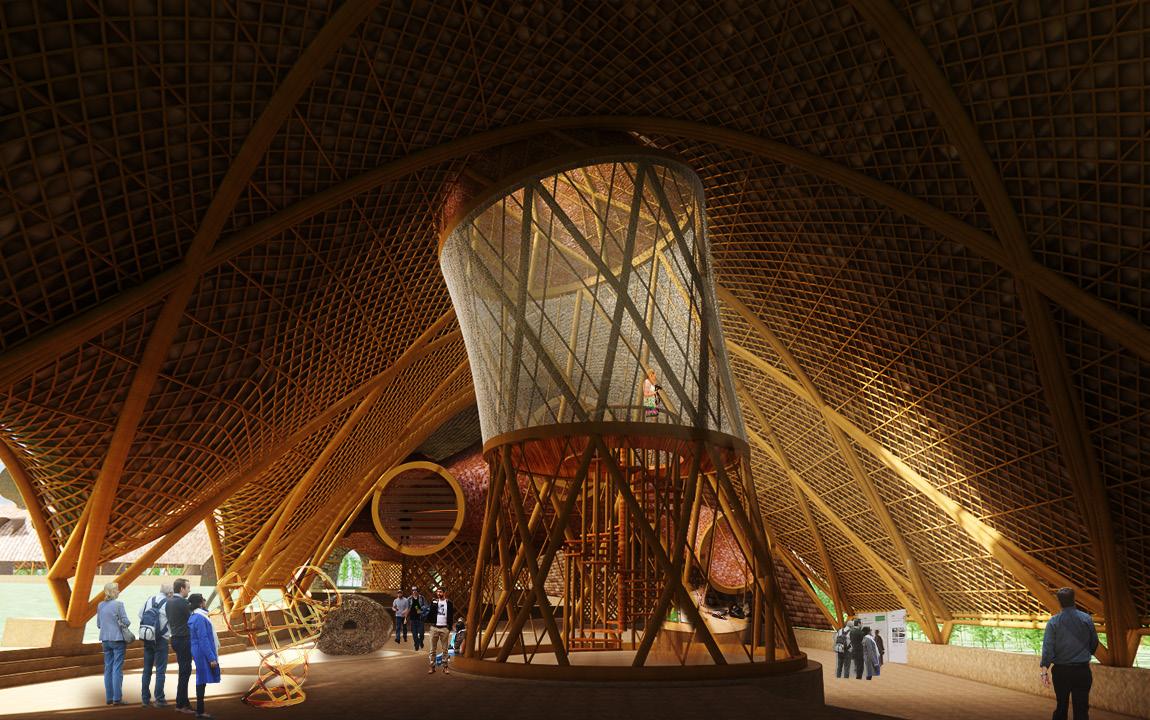
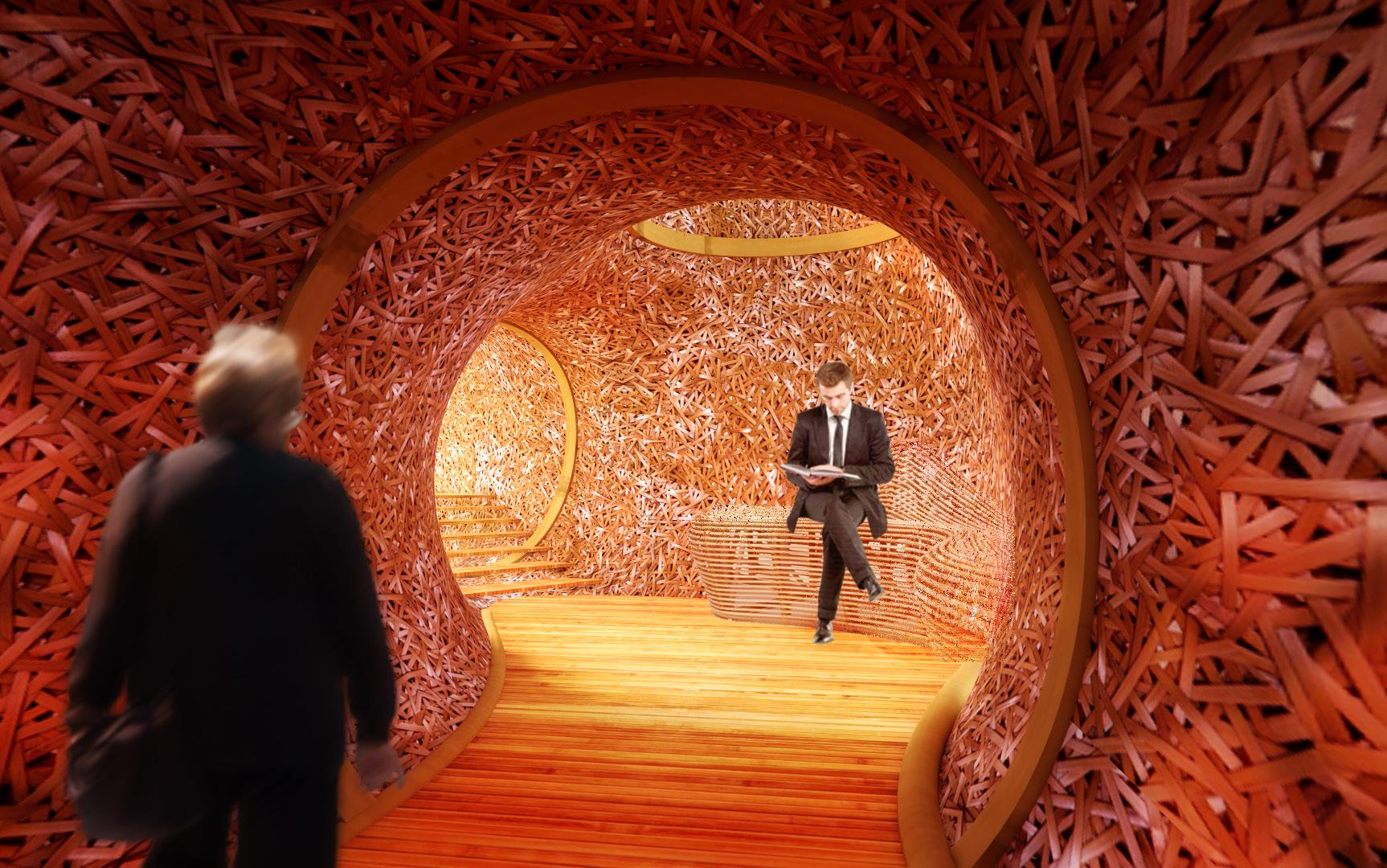
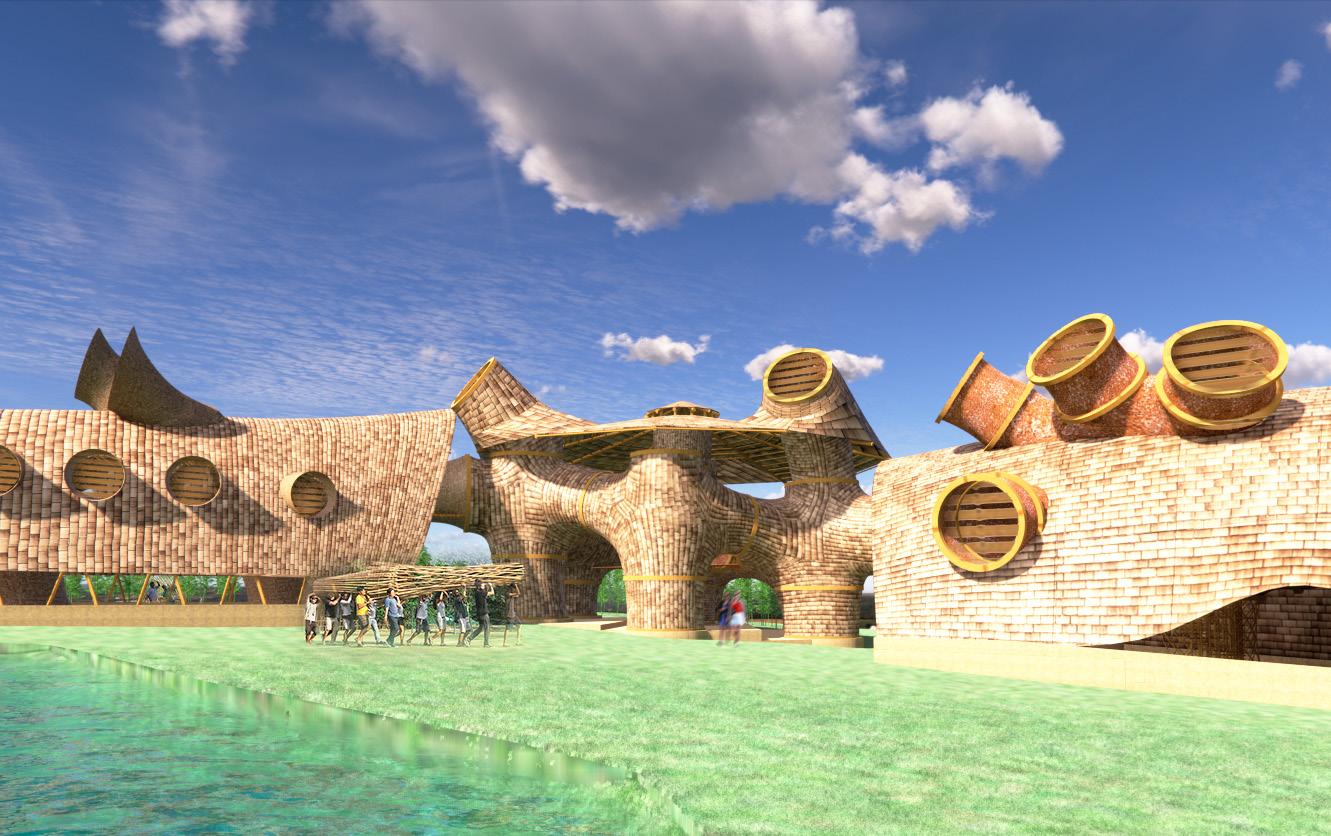
The structural system will explore the helix as a structure where it excels at creating a three-dimensional structure, having the structural strength of a grid-shell but with the coverage of a basket, breaking people’s view of bamboo building that is still stuck at a simple pole and frame system.
Through the construction process, involving skilled bamboo experts from Asia, we aim to transfer bamboo craftsmanship skills to local builders, paving the way for future bamboo
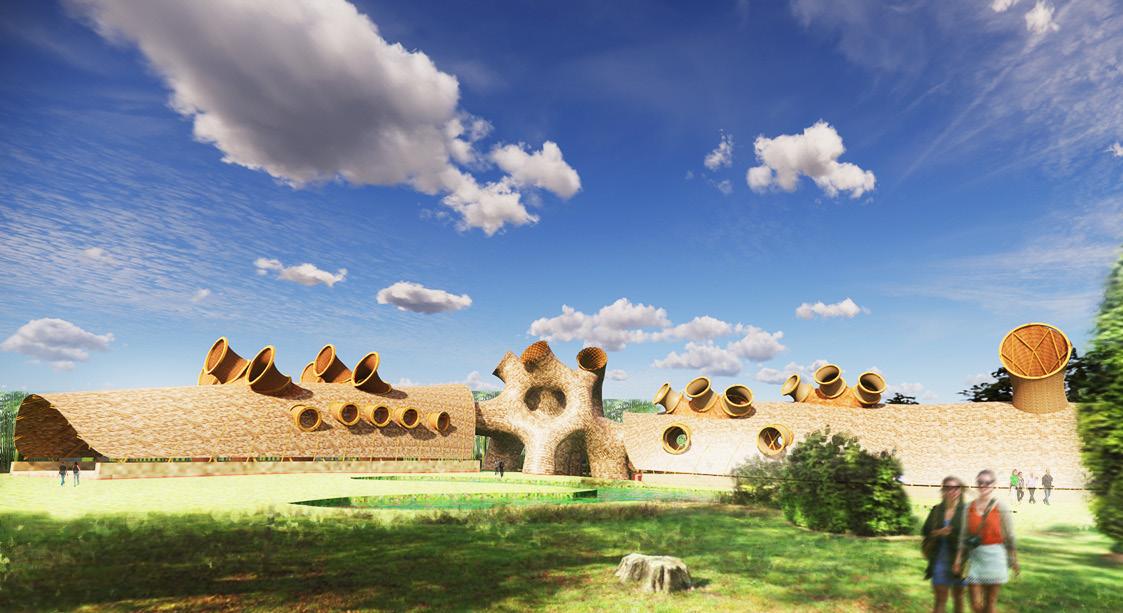
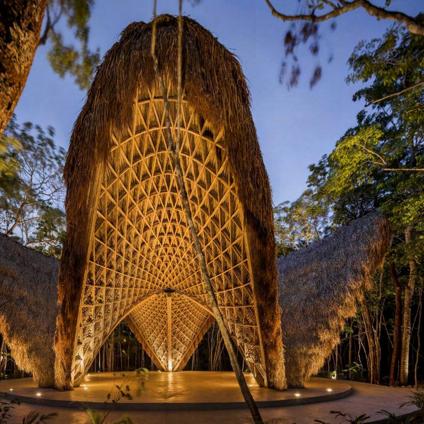
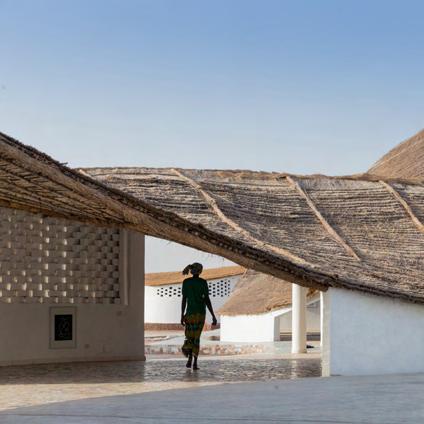
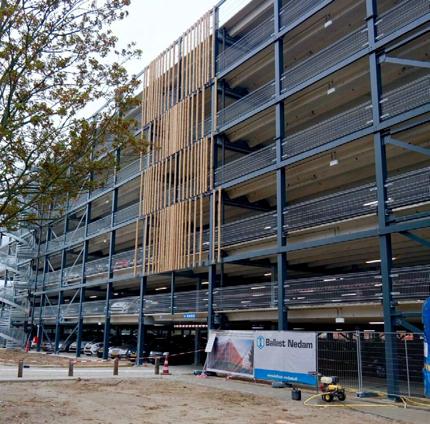
However, for the past decades, bamboo remains an un-tapped potential in the Western Architecture realm. While nation within the Bamboo Growth Zone like Indonesia, China, Mexico... have been expanding on it’s tradition and design large building with Bamboo as the structure system. Europe have mostly been treating Bamboo as a facade material
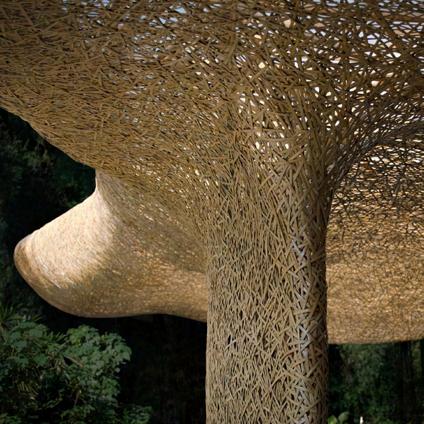
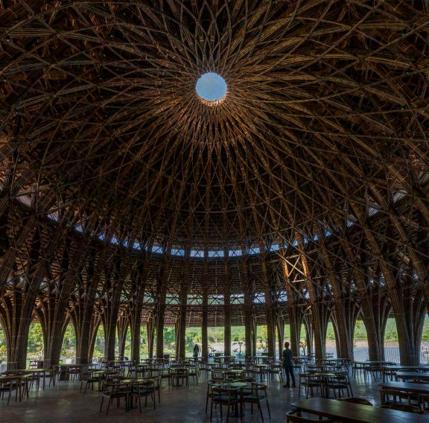
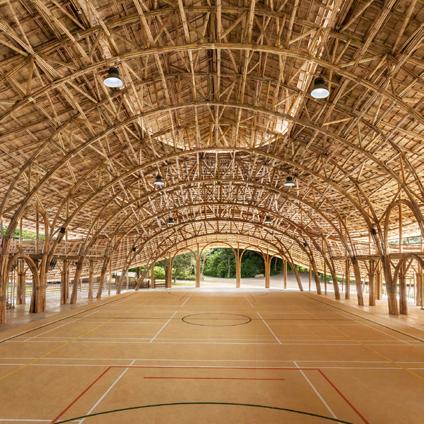
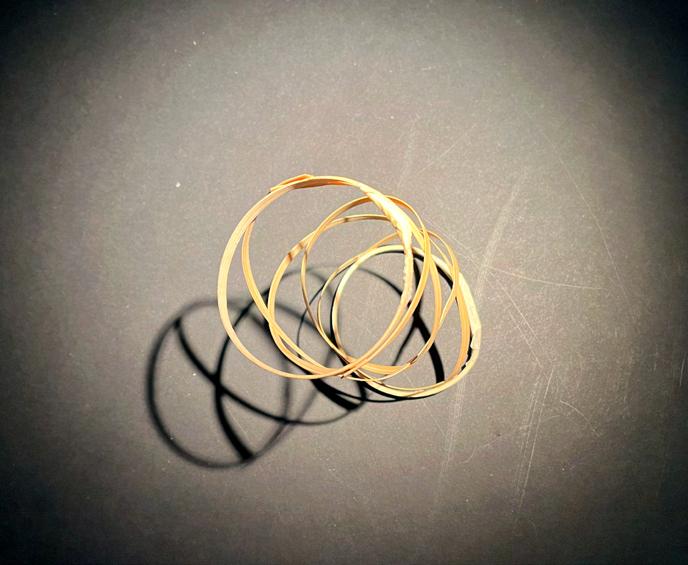
Material experimentation are conducted to test the properties of a helix structure, what are the potential and limitation.
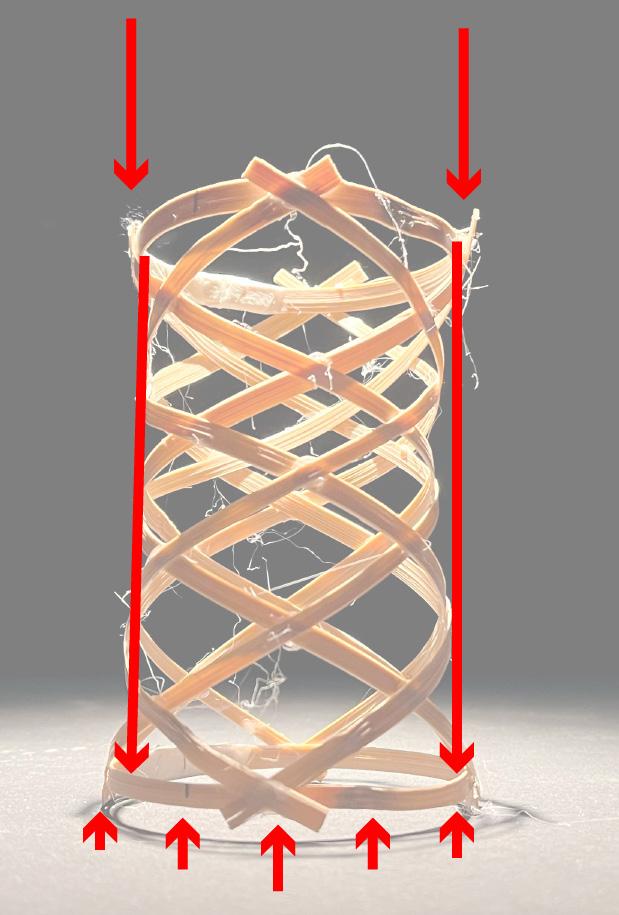
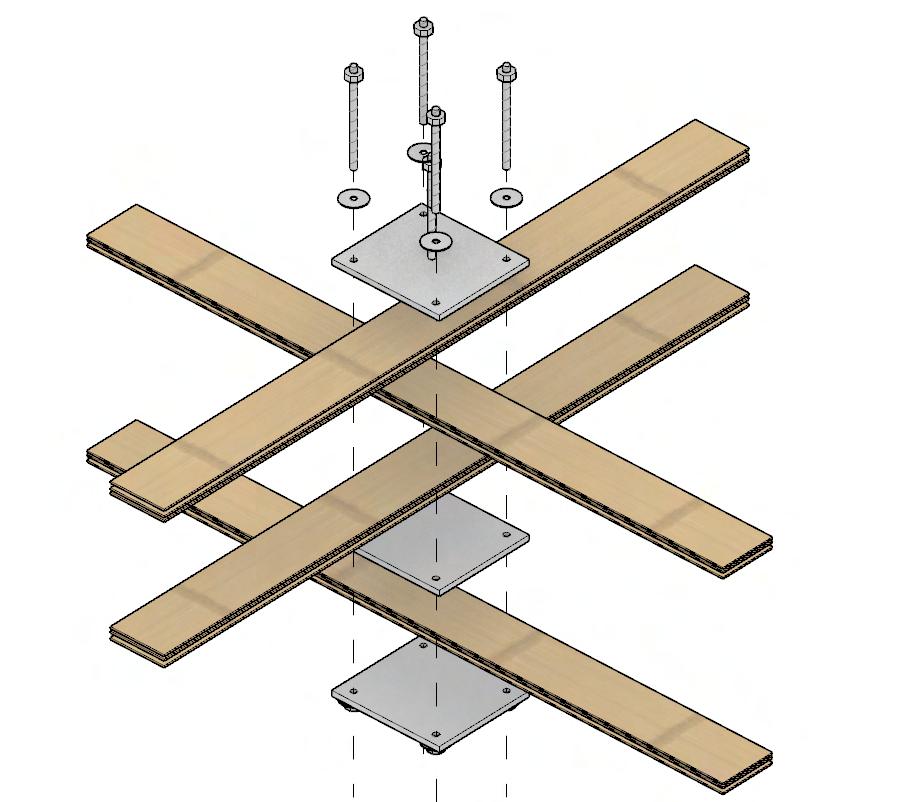
First test is on the density of helix, by comparing the structural strength of helix with 2 point of contact and a helix with 4 point of contact. The higher the density of helix, the more stable the structure from compression force.
By introducing an inner curve to the Helix structure, it enhance the vertical structural strength similar to the strength given to a Synclastic grid-shell.

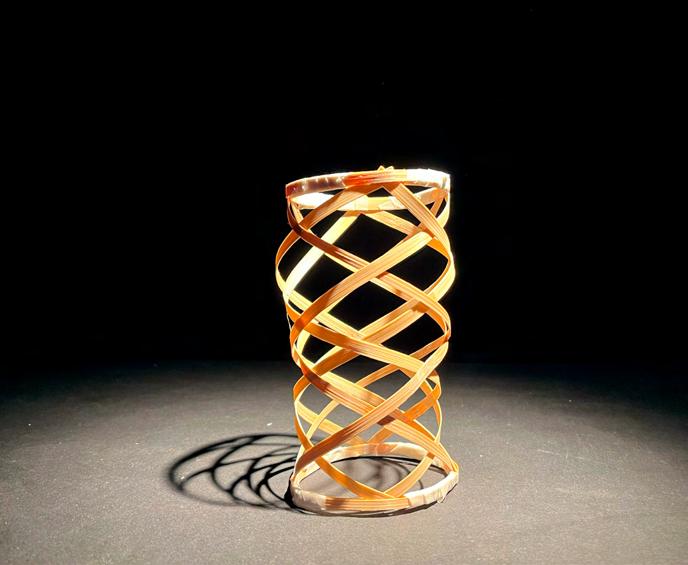
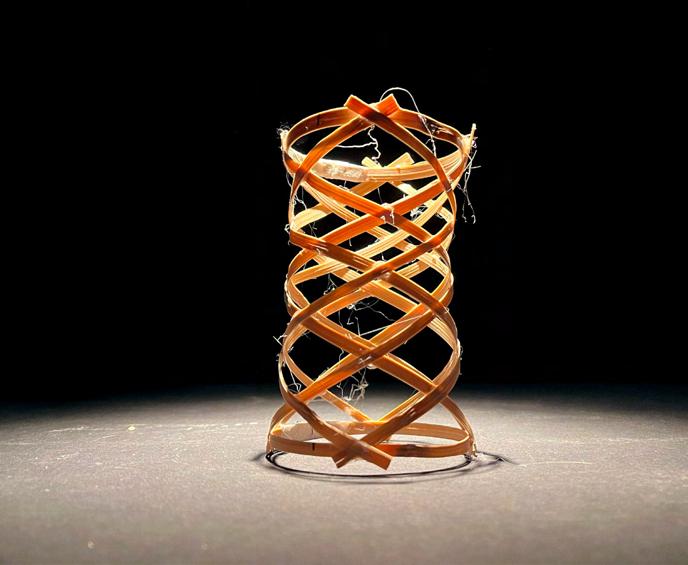
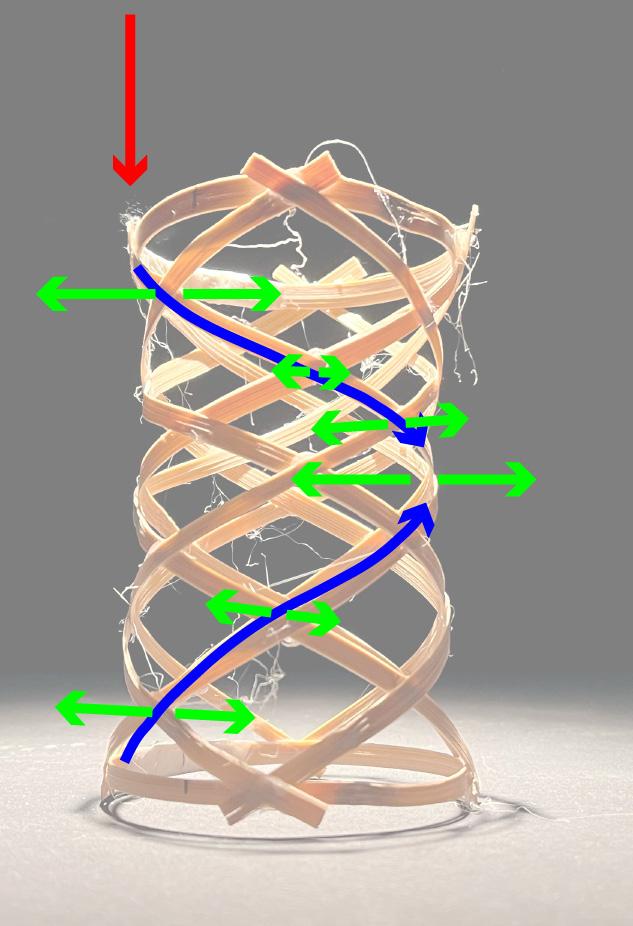
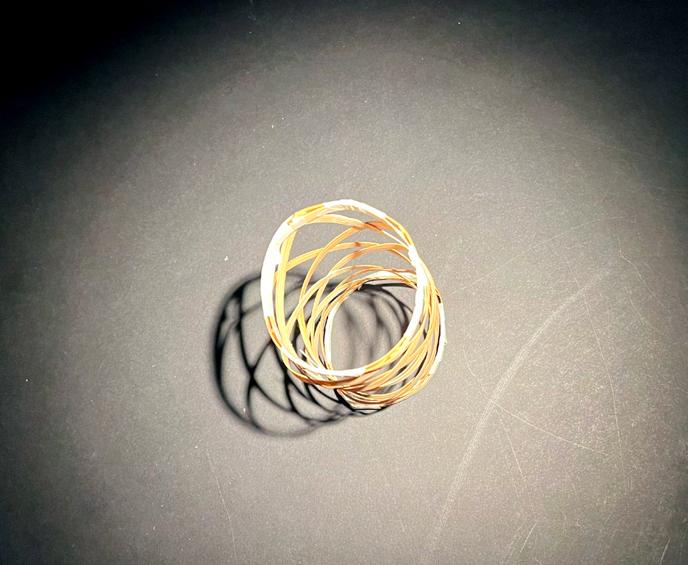
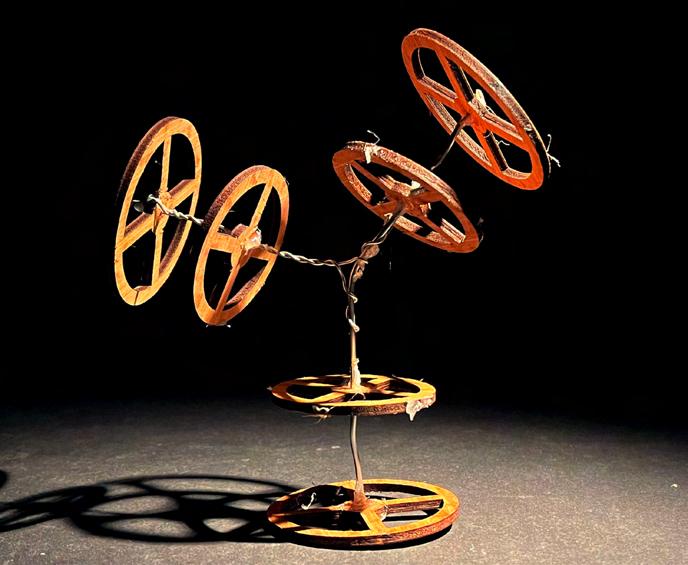
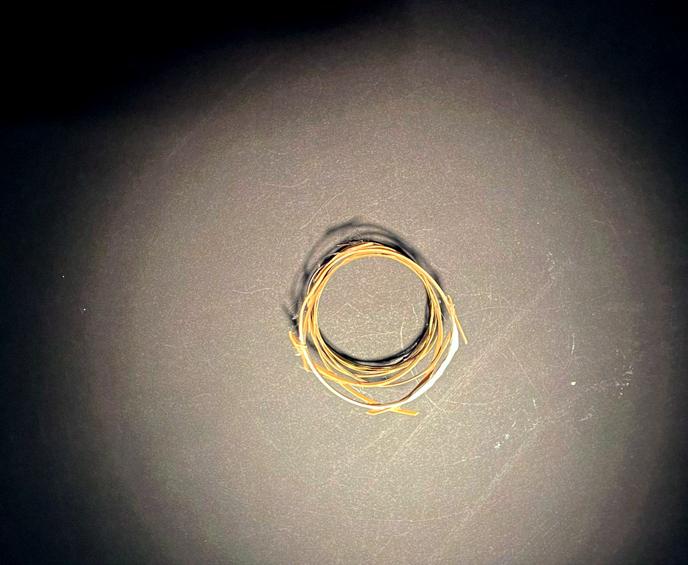
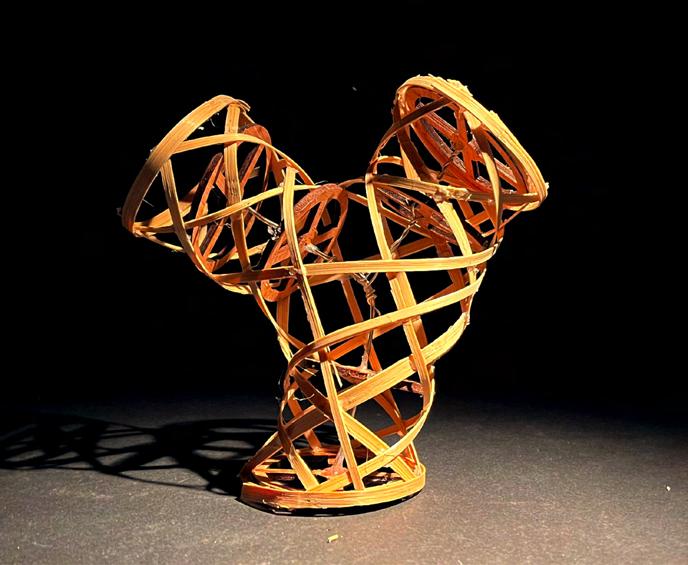
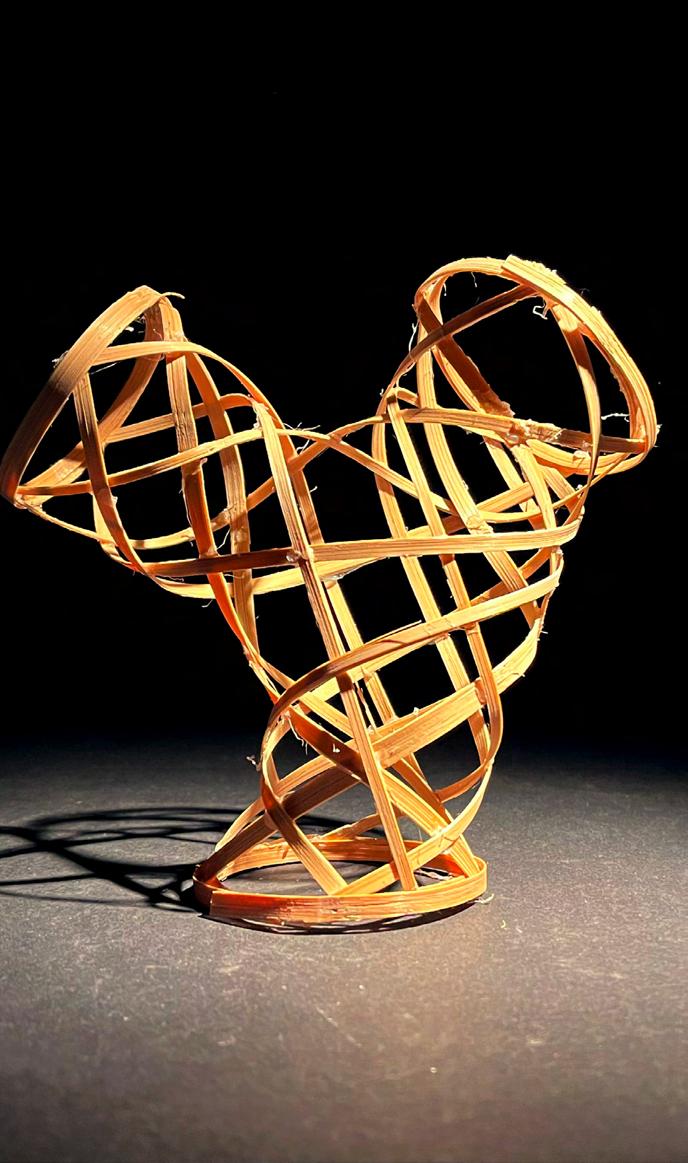
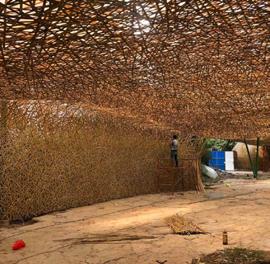
To create a helix structure with multiple openings require a inner scaffolding structure. Using laser cutter to cut out the cross-section of the form and suspend the shape with wire to maintain the form. Bamboo strip are used to wrap around scaffolding to create helix structure.
The main advantage of helix compare to grid-shell is the spatiality created by helix are much more flexible than grid-shell, which are limited to series of dome.
The load path of the helix structure is complex, as when applied load first from top on one side, there will be a torque force applied along the bamboo strip, and pull back that side to maintain equilibrium. When compressed there is also a horizontal outward force which will once again be balanced out by the elasticity by other node connected bamboo strip. Therefore we can simplified the Helix as a simple pilar in a load path diagram.
GRID-SHELL STRUCTURE
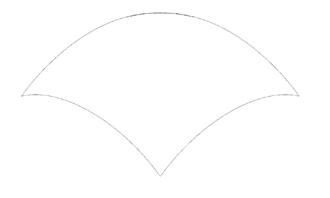
OK because Synclastic contains a double curvature. [8]
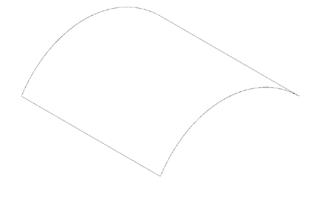
OK because it is very curve in one direction but straight in another. [8]
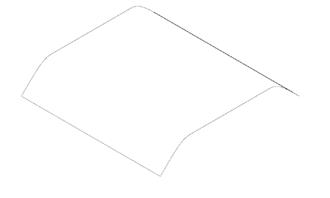
Bad because top is flat, leading to deformation from the middle.[z 8]
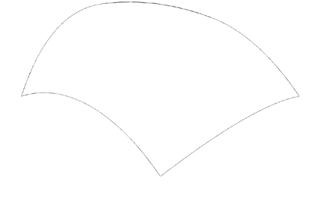
Good because there is a double curve, the shape does not have to be symmetrical [8]
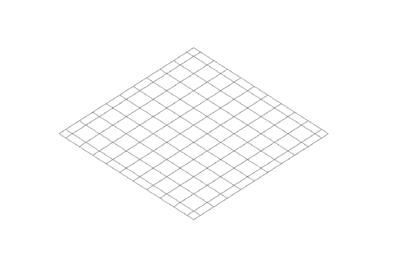
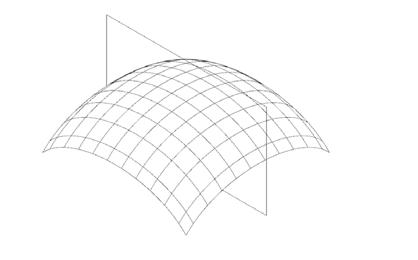
The layout of the grid is a key design parameter. Where the orientation of the grid affect the load bearing capacity of the Grid-shell structure and the amount of material use [8]
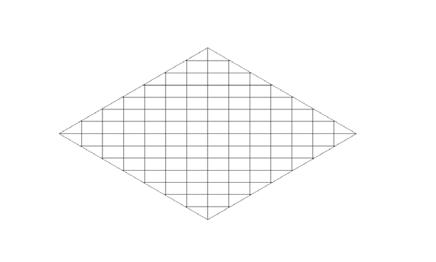
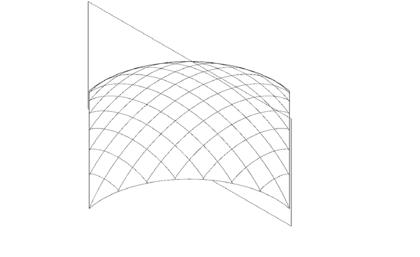
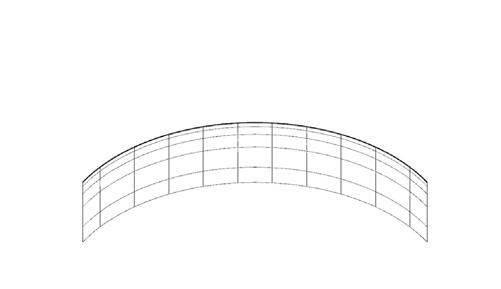
Parallel grid will have the same length as the form curvature, the bending will also matched the curvature of the form.
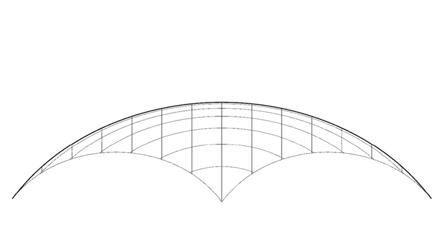
Diagona grid will require a longer length to achieve the same form as Parallel, but require less bending on the gird.
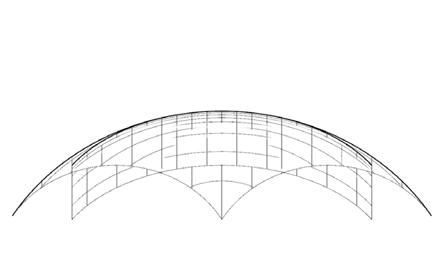
Red line is the curvature of Diagonal, Blue line is the curvature of Parallel. Comparative shows that Parallel require more force to create the same shelter space as Diagonal
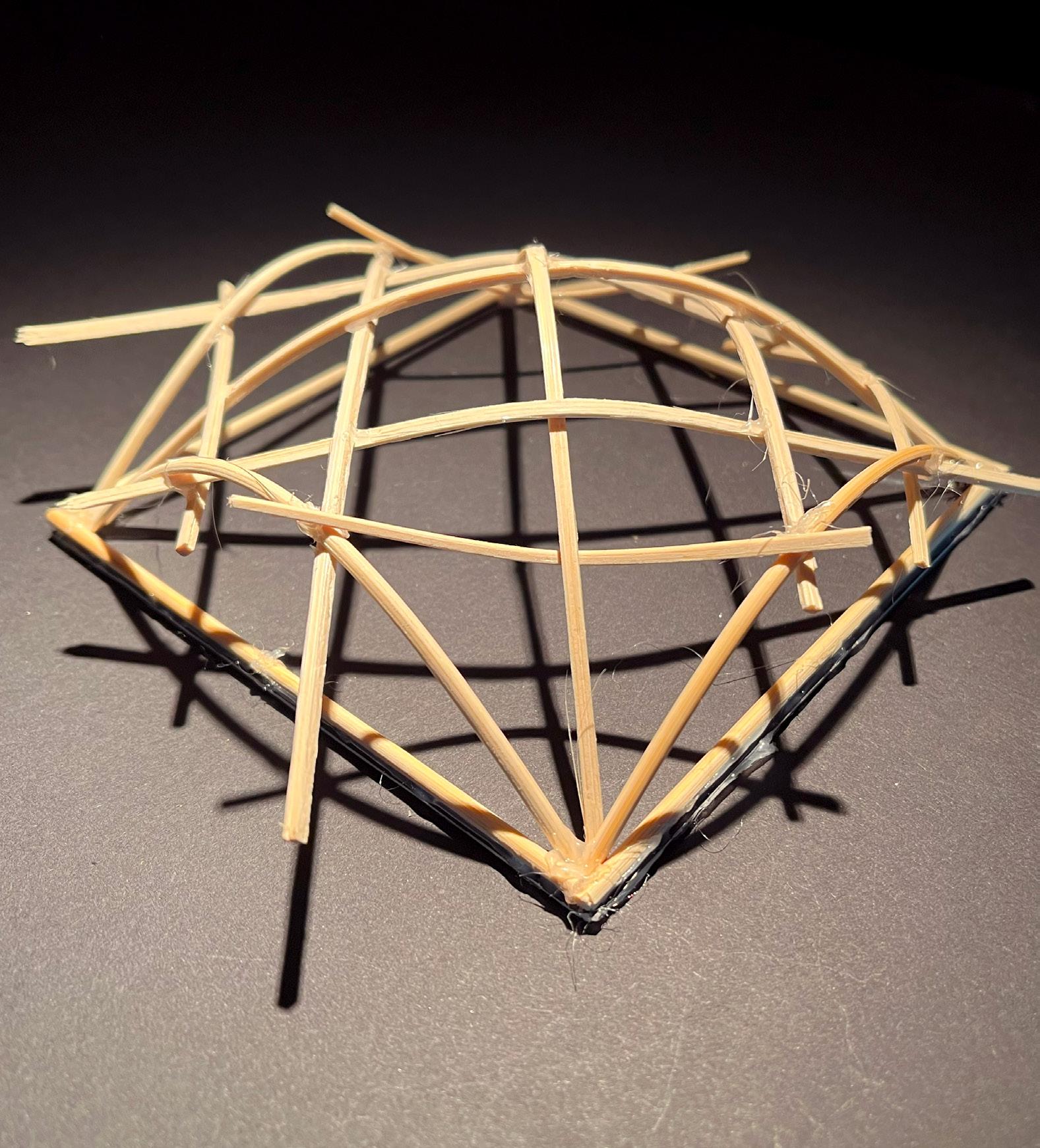
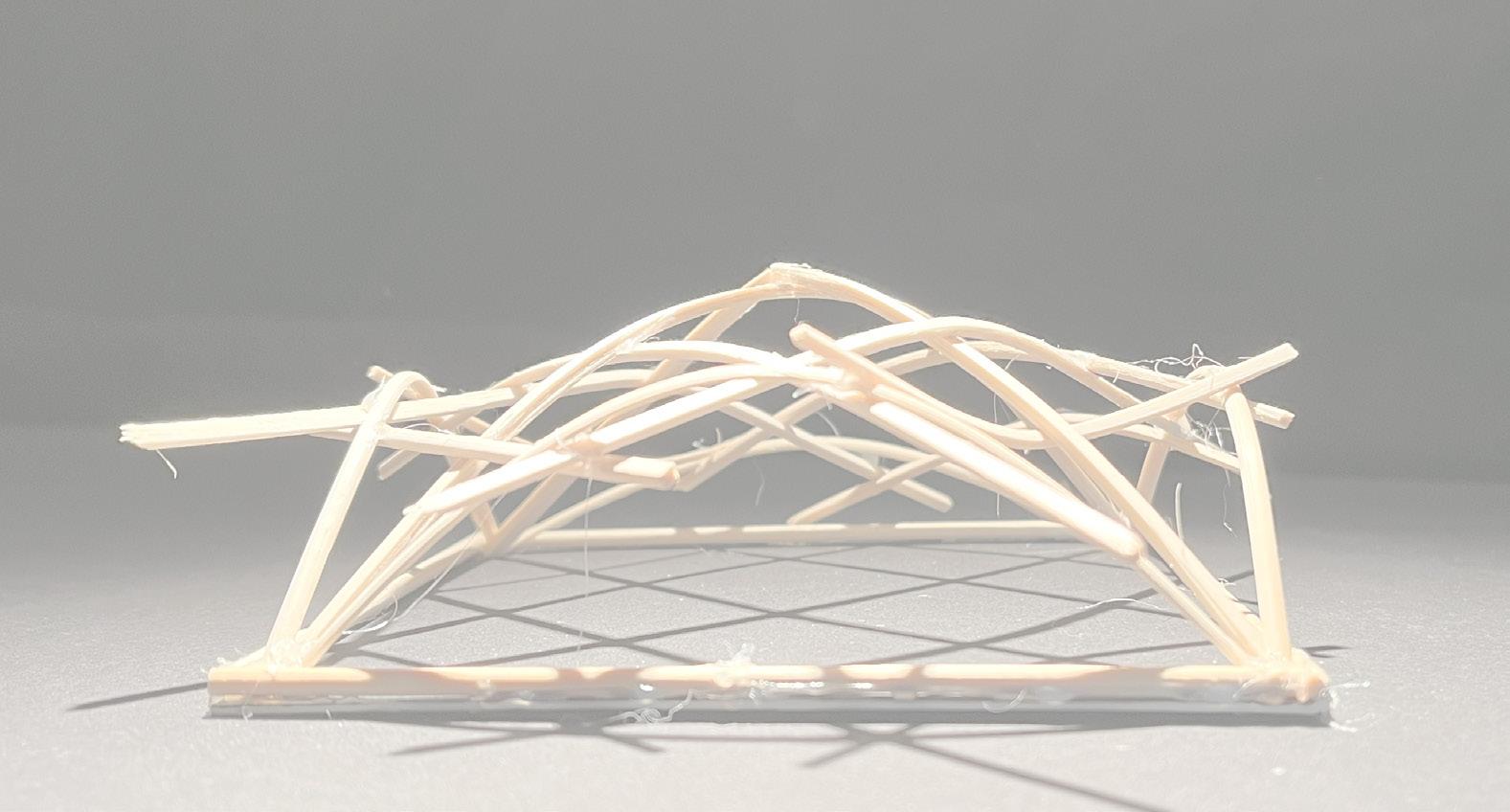
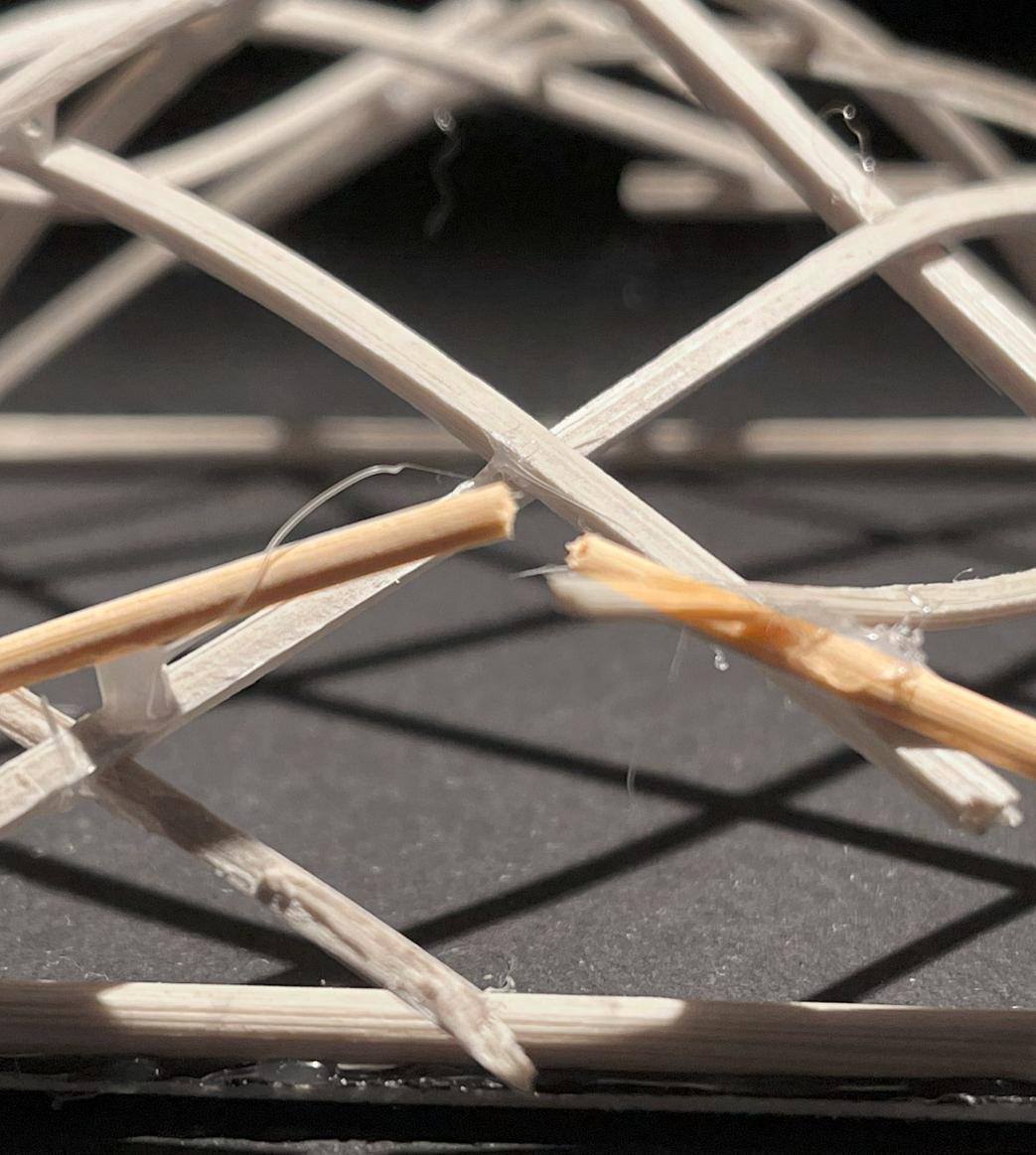
Physical experimentation on Diagonal, double curved Gridshell. Joints are connected with hot glue, limiting the flexibility of the joints, causing physical deformation to the middle bamboo strips during kinematic constriction.
Tension of the bamboo strips are inter-locked with each other causing the structure to be stable
The Edges of the grid-shell are withstanding the elastic force of the bamboo strips. Without double bracing, the force causes the peak of all 4 edges to snap.
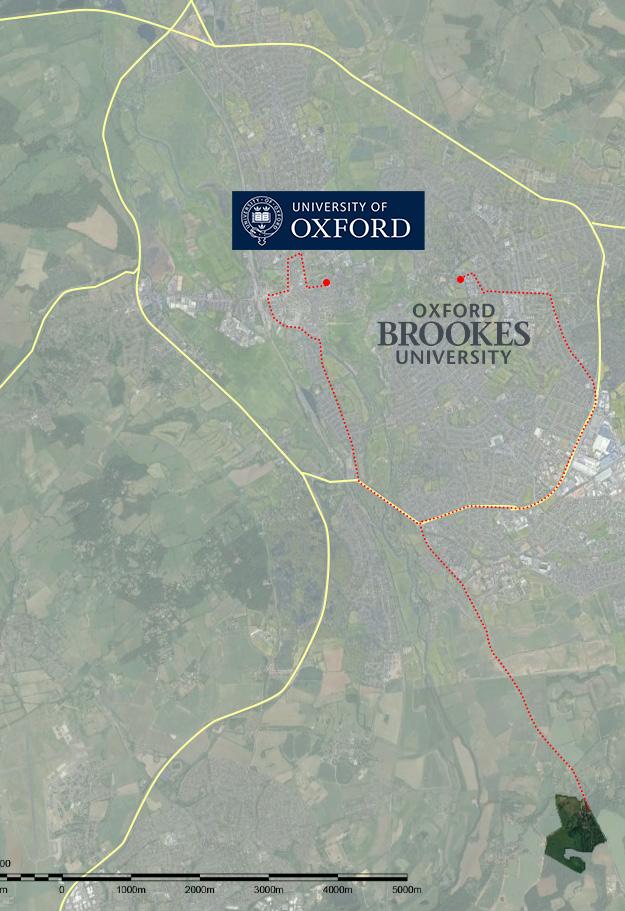
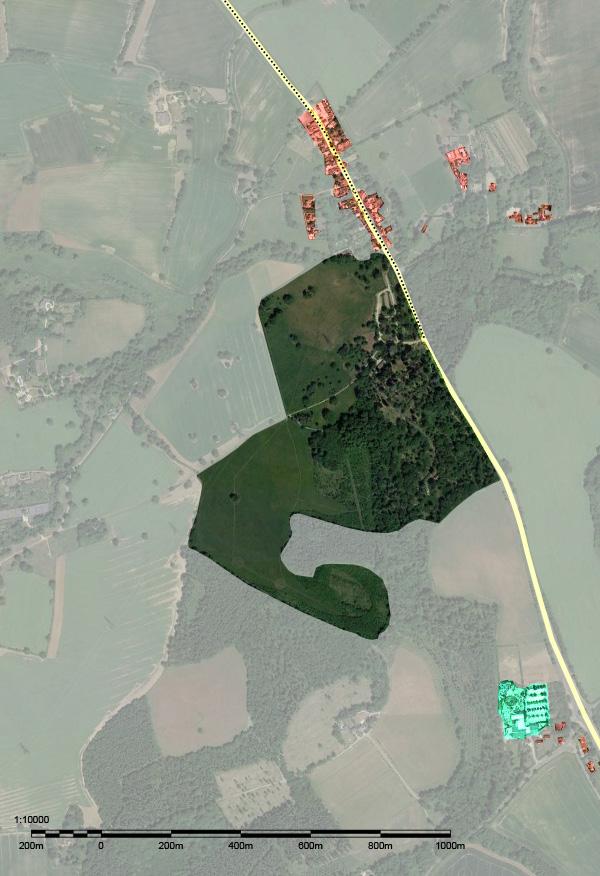
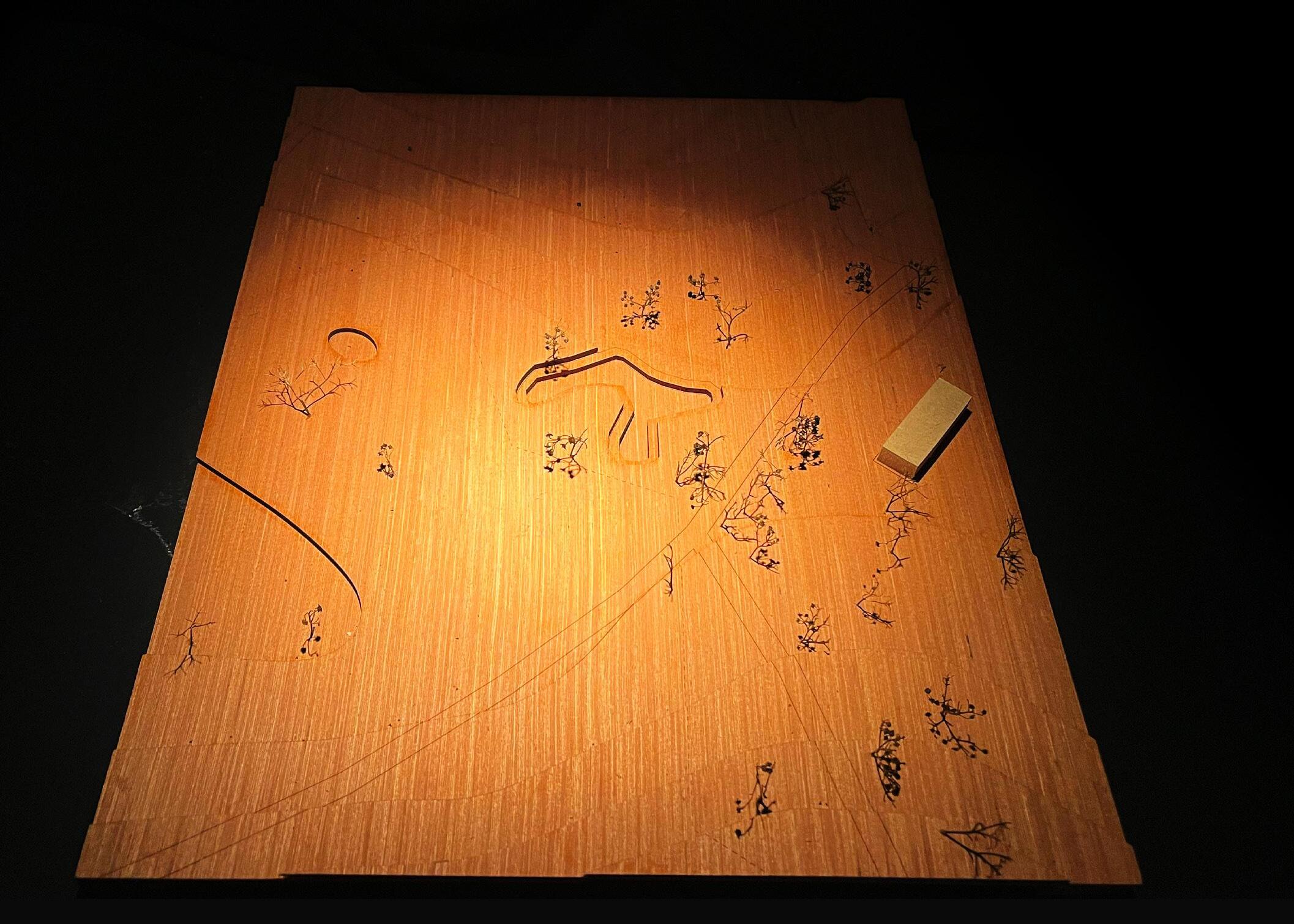
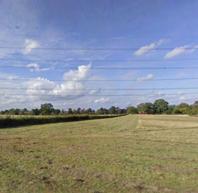
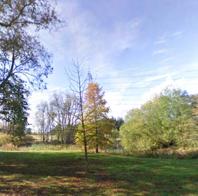
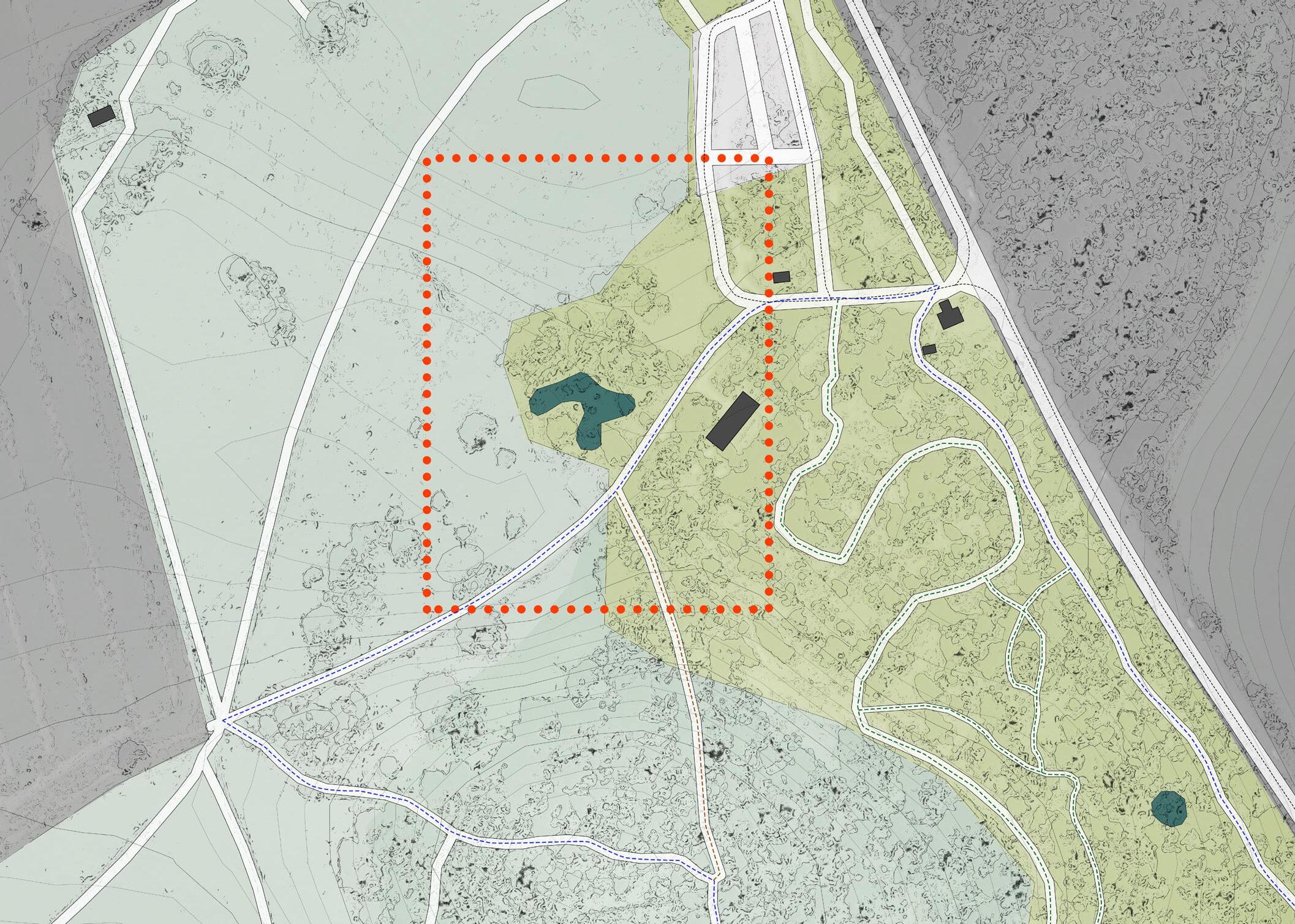
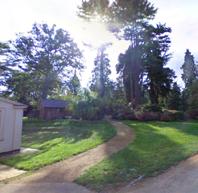
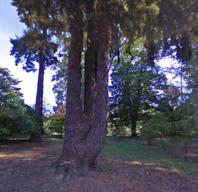
Harcourt Arboretum, Oxford Lodge Peacock Gate, United Kingdom
Harcourt Arboretum is an arboretum owned and run by the University of Oxford. It is a satellite of the university’s botanic garden in the city of Oxford, England. The arboretum itself is located ten kilometres south of Oxford on the A4074 road, can be travel by bus with in 23 minutes.
The University of Oxford’s plans to establish an Institute for Bamboo Craft & Design at Harcourt Arboretum, Oxford. Spearheading efforts inzzz innovative sustainable building practices to address the pressing challenges of climate change.
Harcourt Arboretum is 0.6 km2. The Site will be located around the pond near the entrance of the Arboretum.
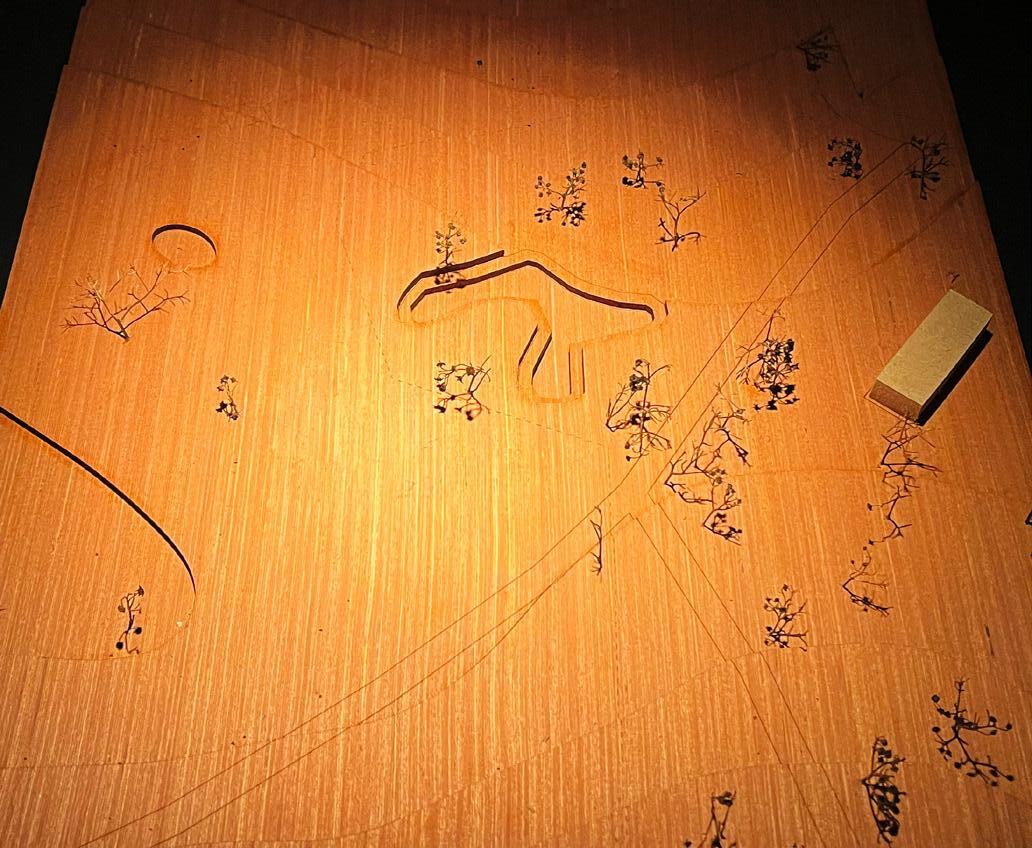
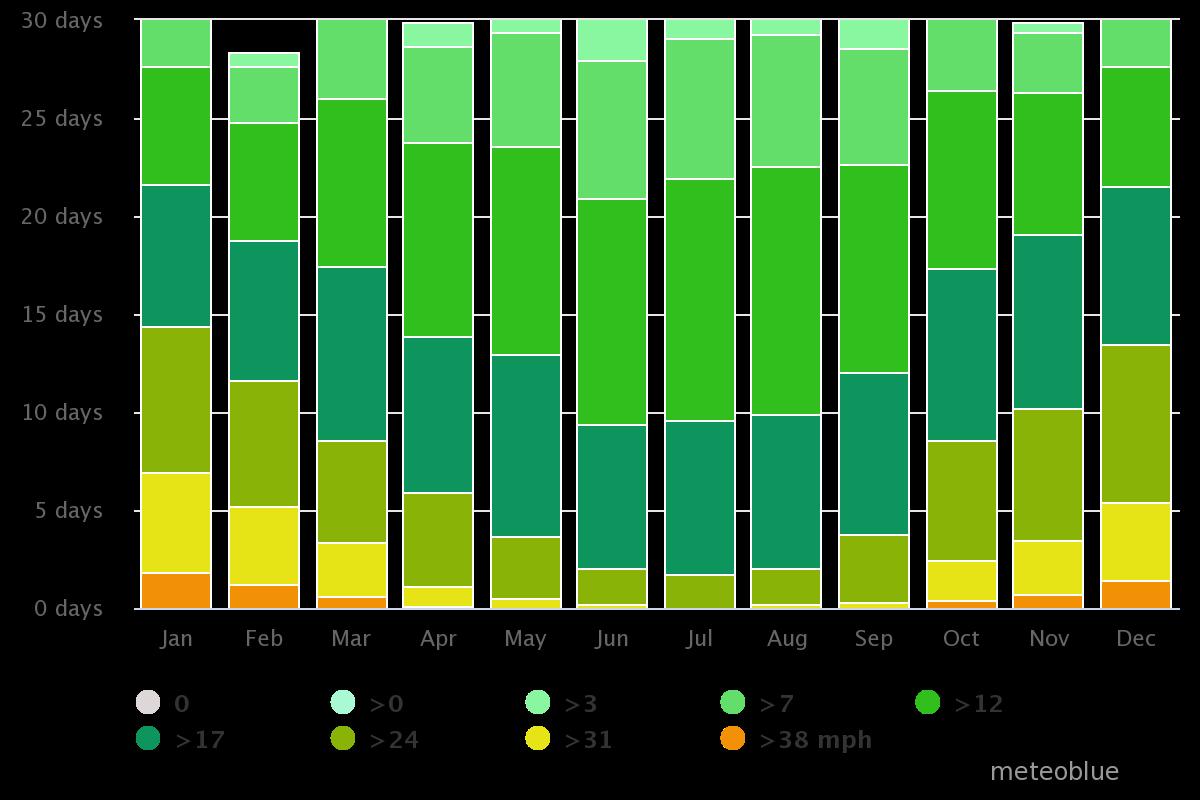
Michaelaschloegl(May08,2024) meteoblue. Solar diagram
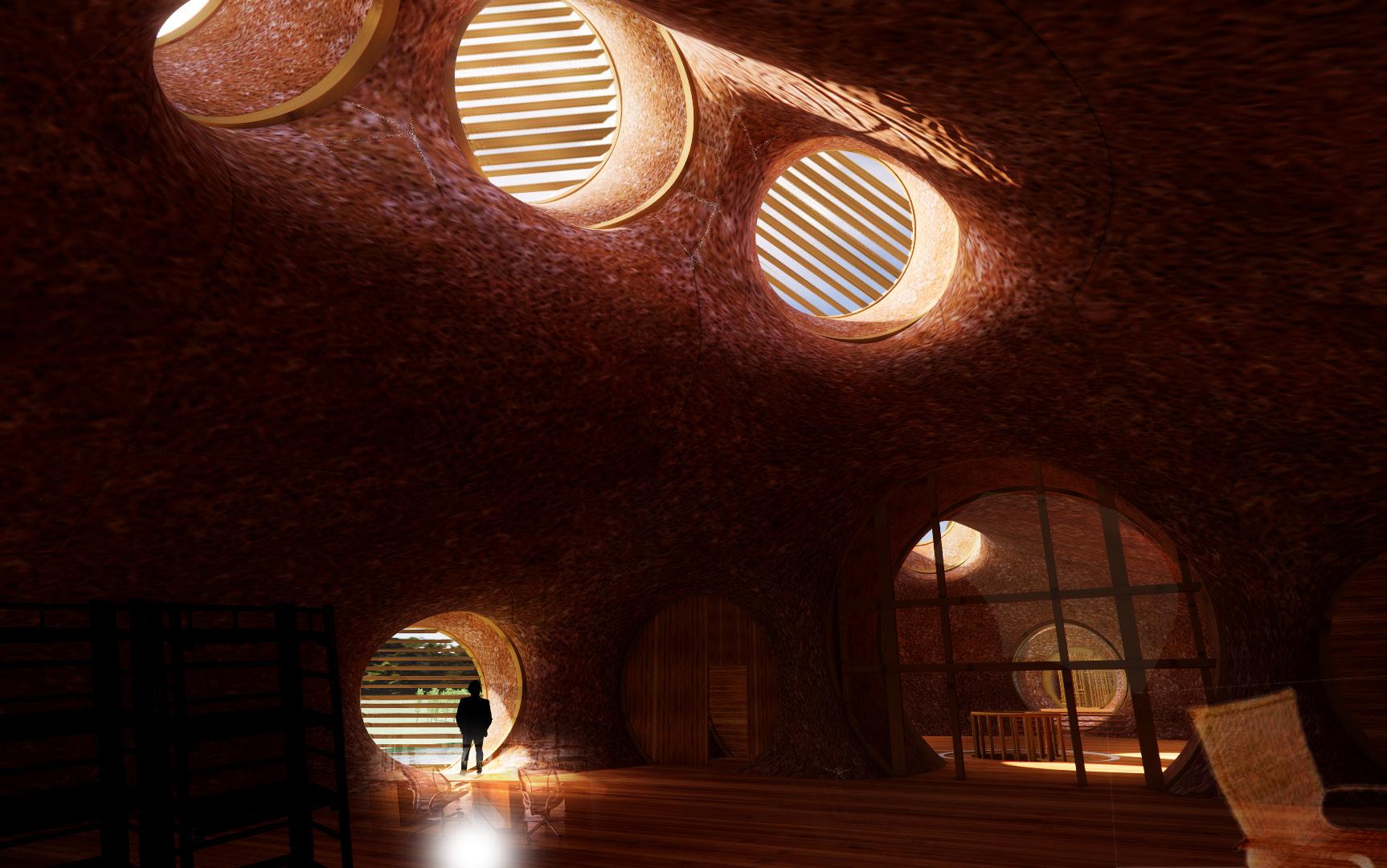
The Summer solar elevation will be 58 °and Winter Solar elevation will be 14 ° Light tunnel need to have the right angles that is big enough opening for both Summer and winter.
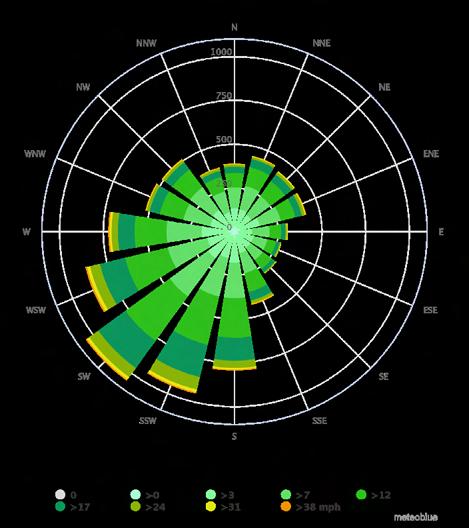
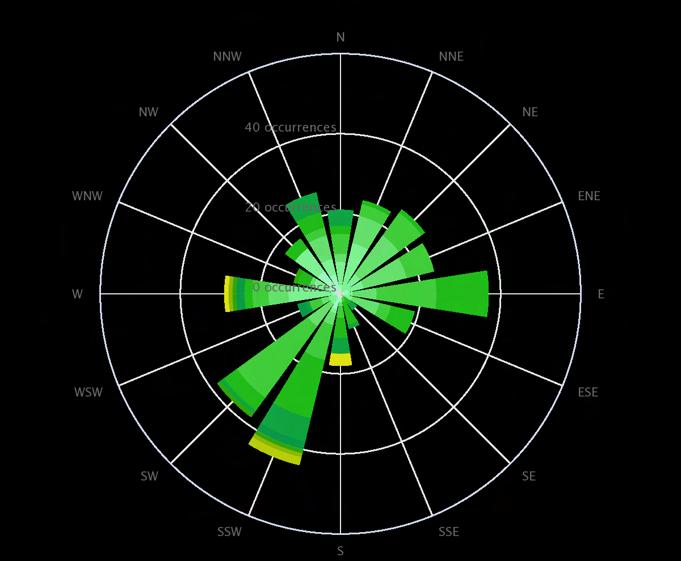
Michaelaschloegl(May08,2024) meteoblue. Wind Rose
Pavilion wind is from SW Meaning tall/ bulky building as best to put at the NE side so it won’t block moving air from other programs.
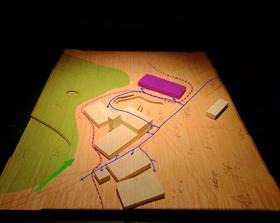
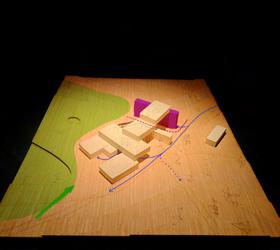
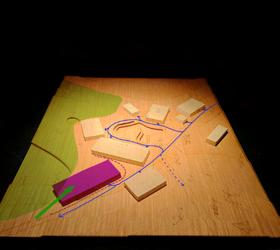
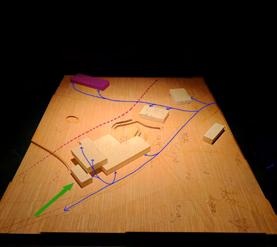
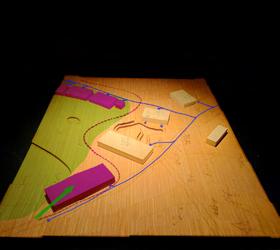
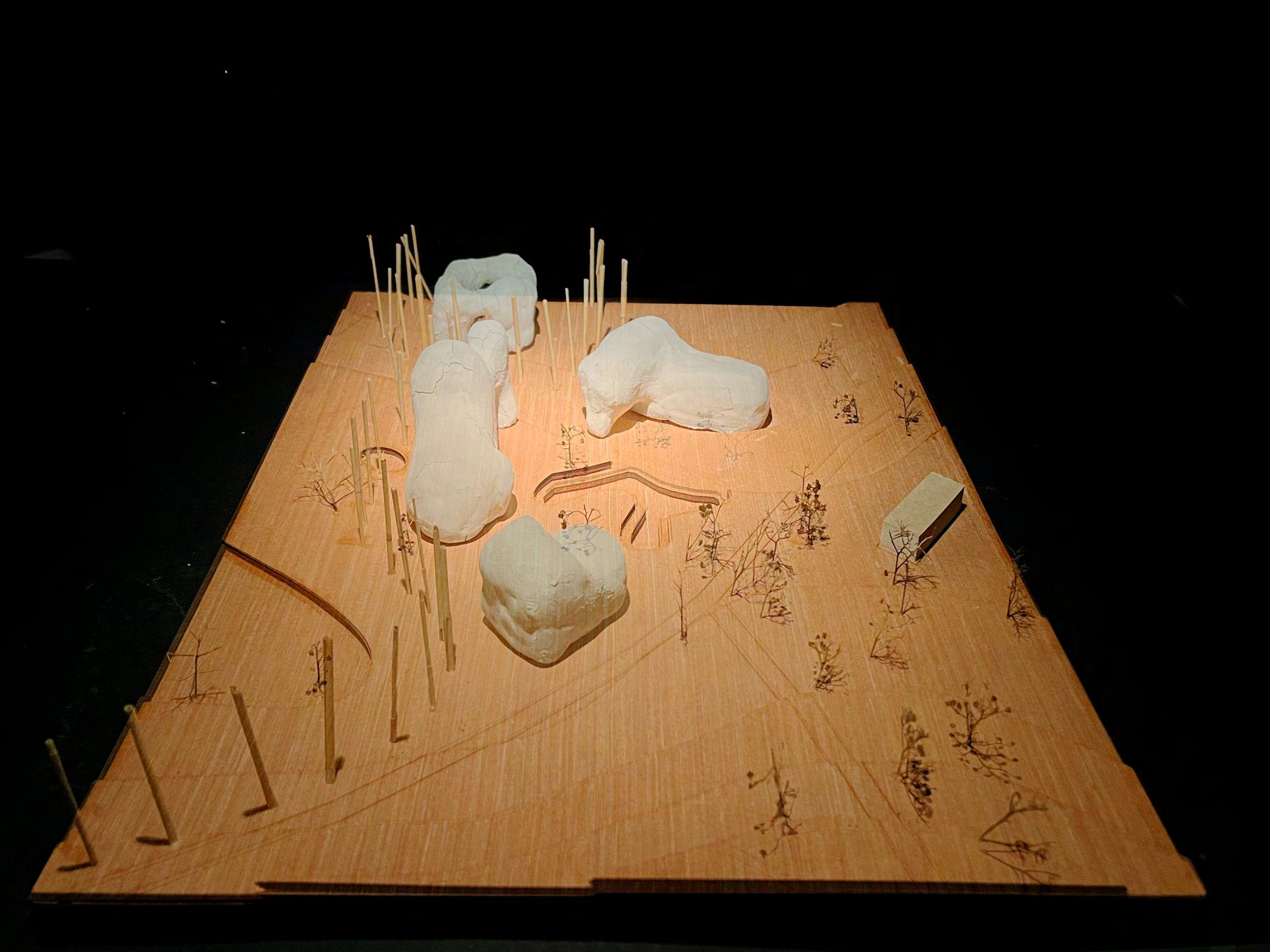
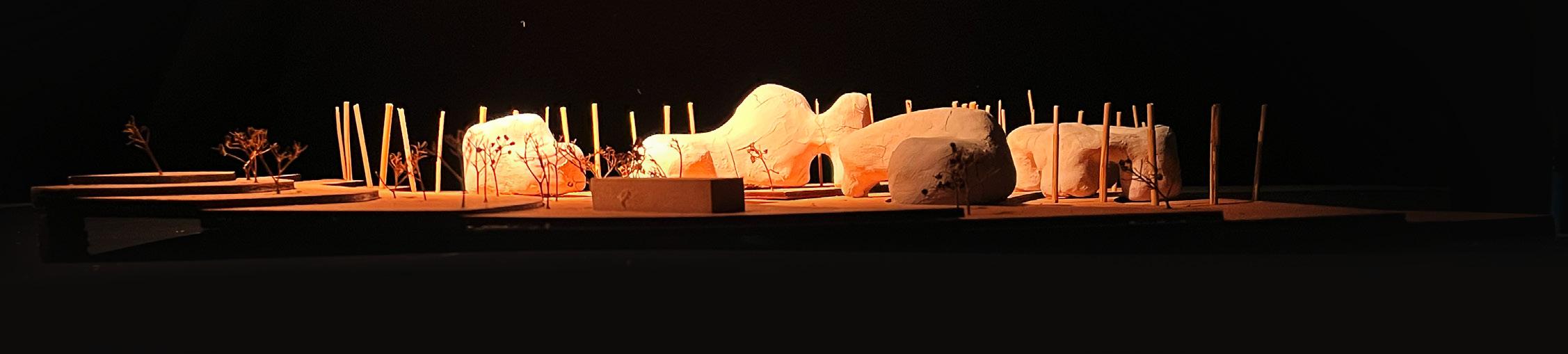
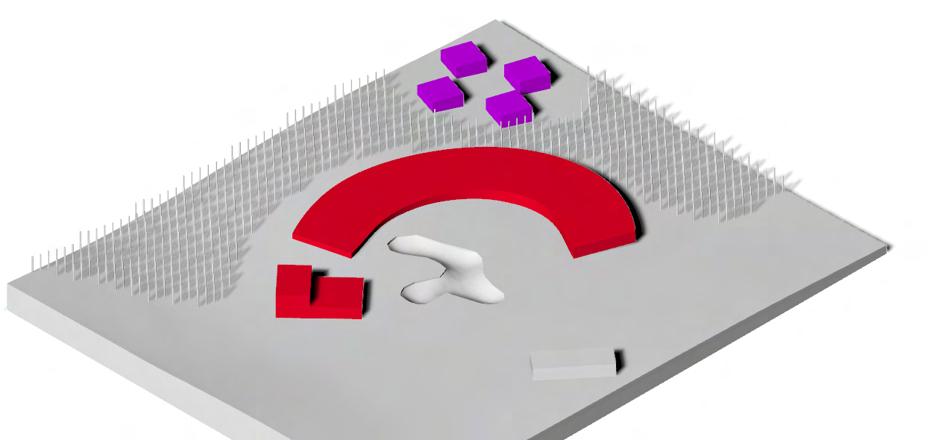
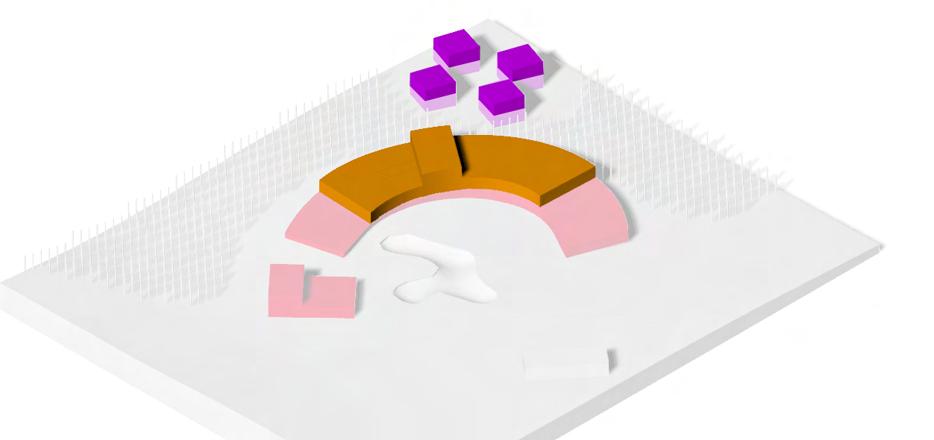
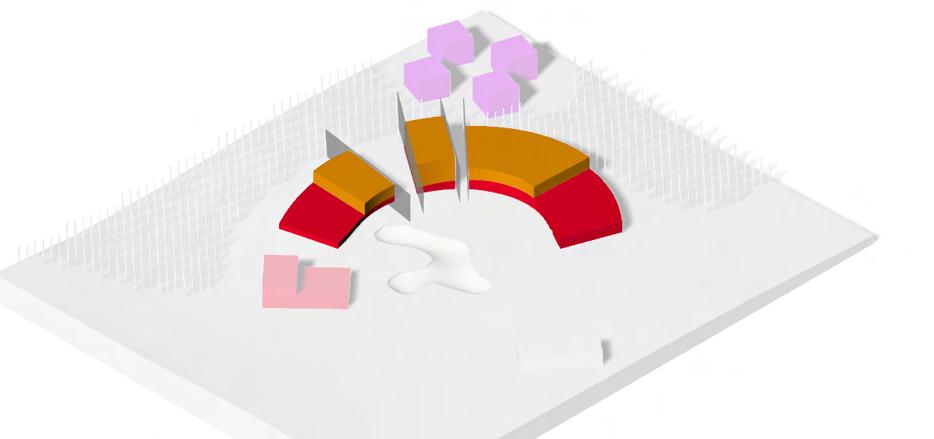
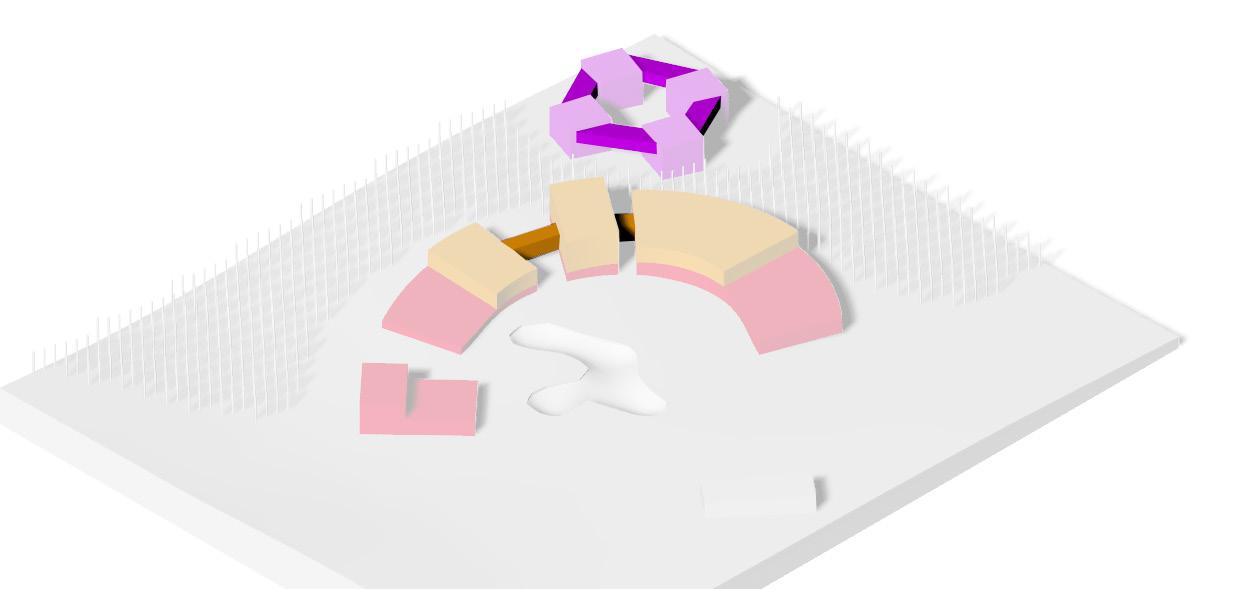
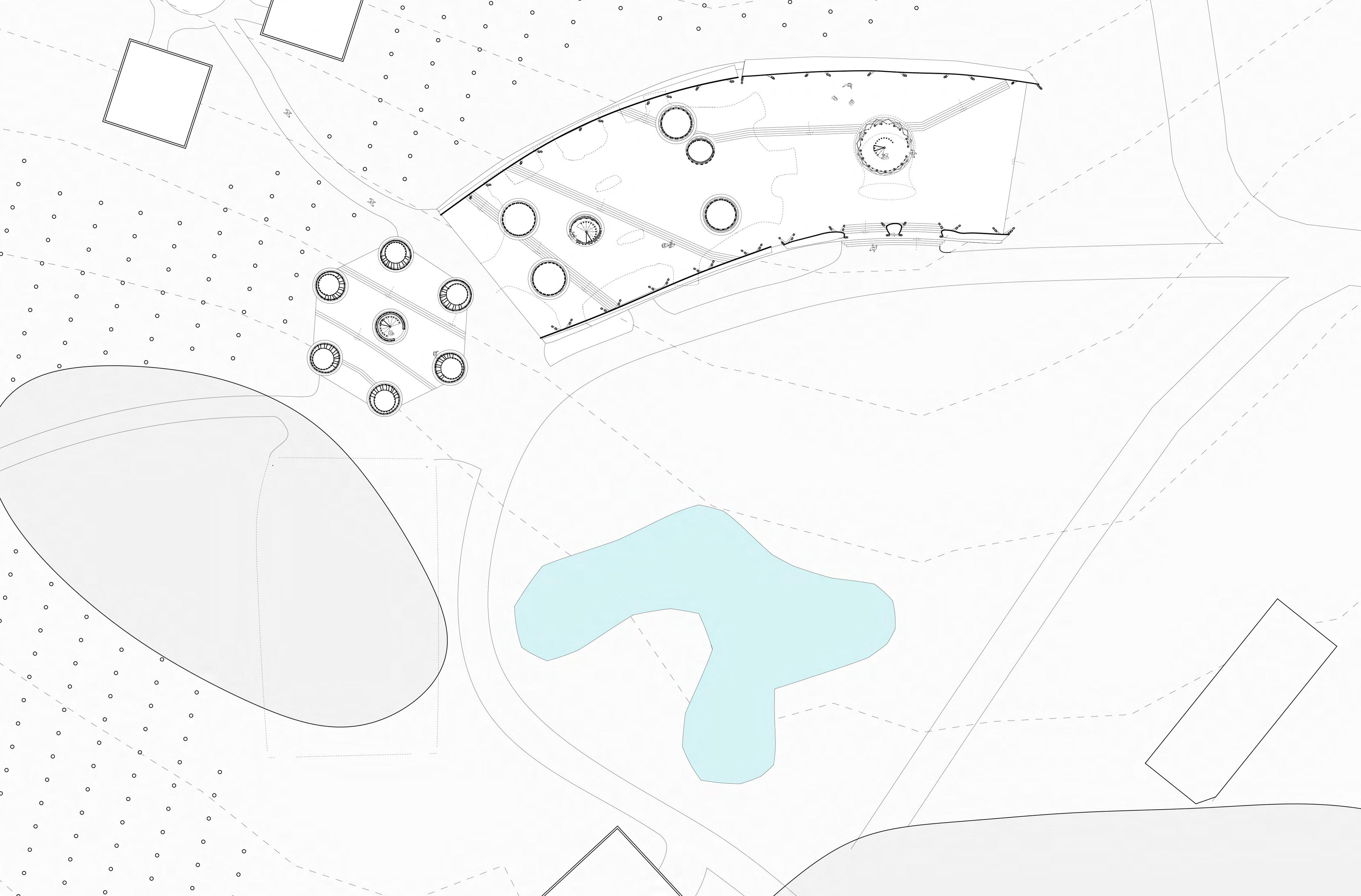
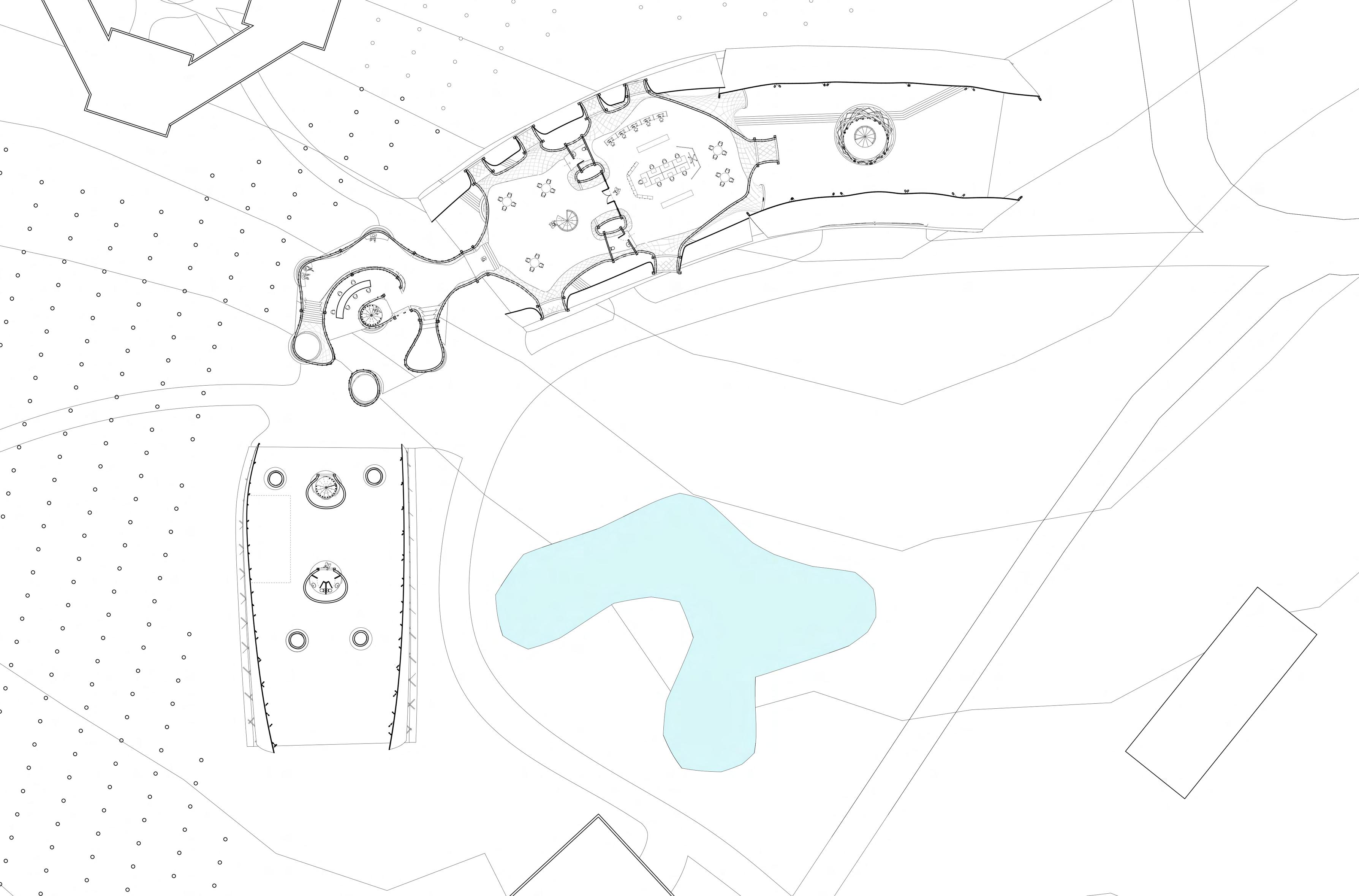
The institution enclose the lake, creating a separation between the Headock Arboretum and the Bamboo forest. Private area such as dorm is hidden within the bamboo to ensure privacy.
Working area such as studio, library and office are lifted up for natural air ventilation and enough natural light. The dorm are also raised for the same reason.
Splitting the institute to create pathway and view point toward the bamboo forest.
Bridges are added to ensure circulation among institutes.
INSTITUTE FOR BAMBOO CRAFT AND DESIGN
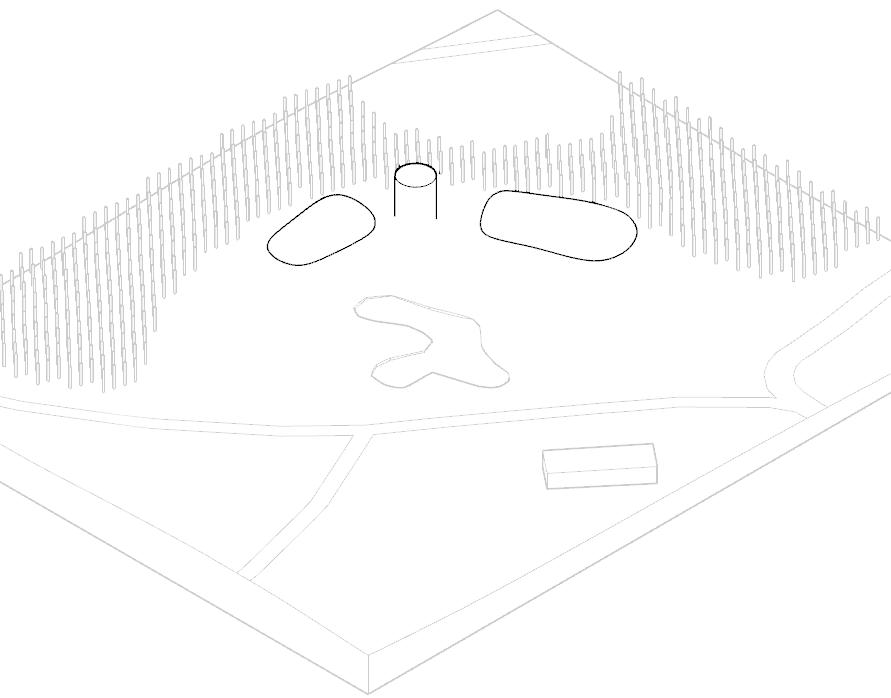
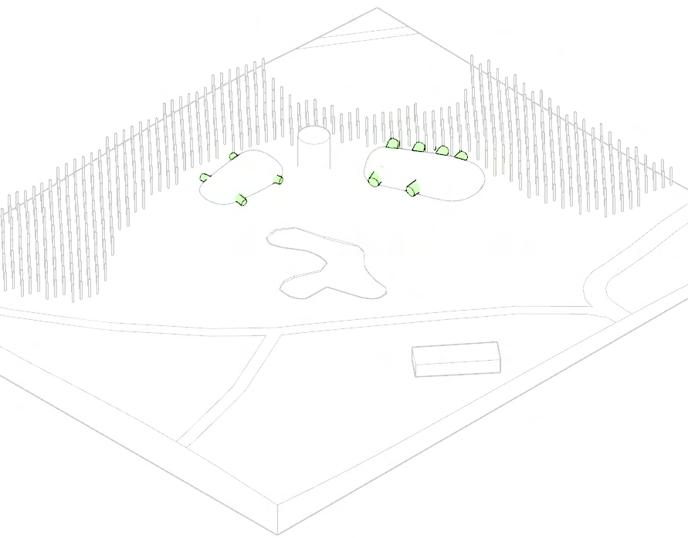
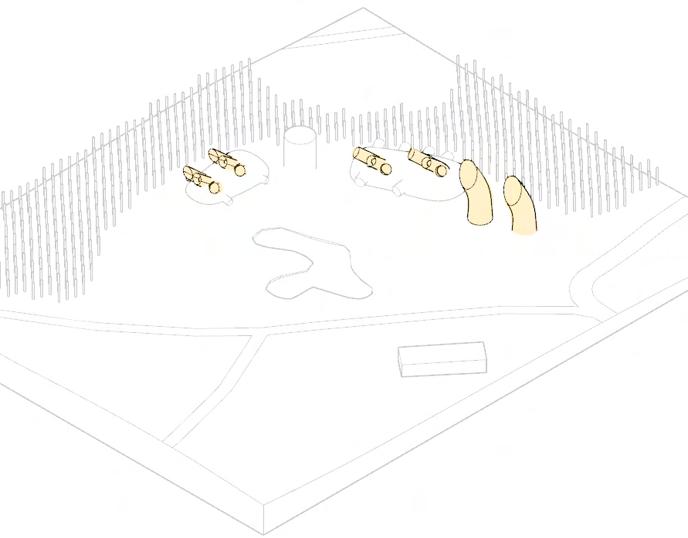
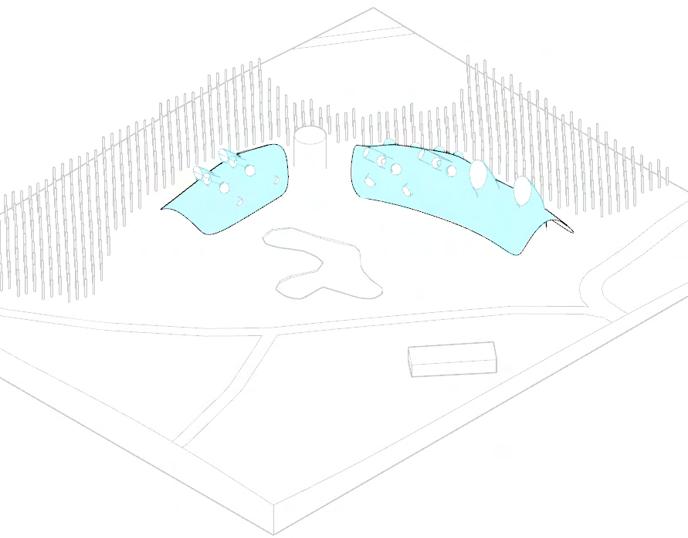
Volumes for enclosed space like Library Studio and Office
Opening for views at the Bamboo forest and the central Pond.
Opening for light in different time of day with solar data.
Grid Shell to provide cover for both insulated space and non insulated space like Workshop and Exhibition Hall
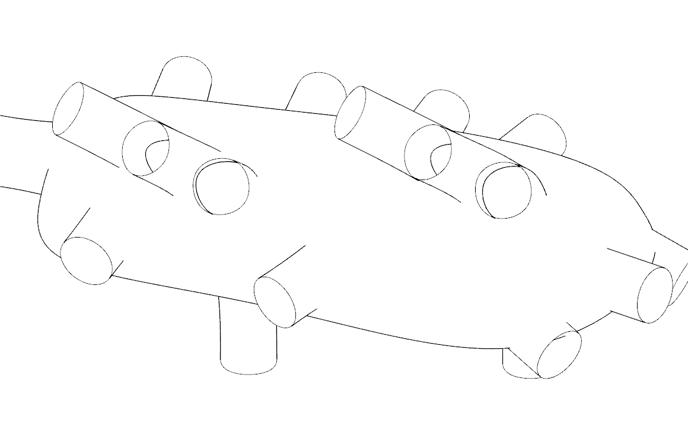
Office Space base mesh with window views and light shaft opened from volume.
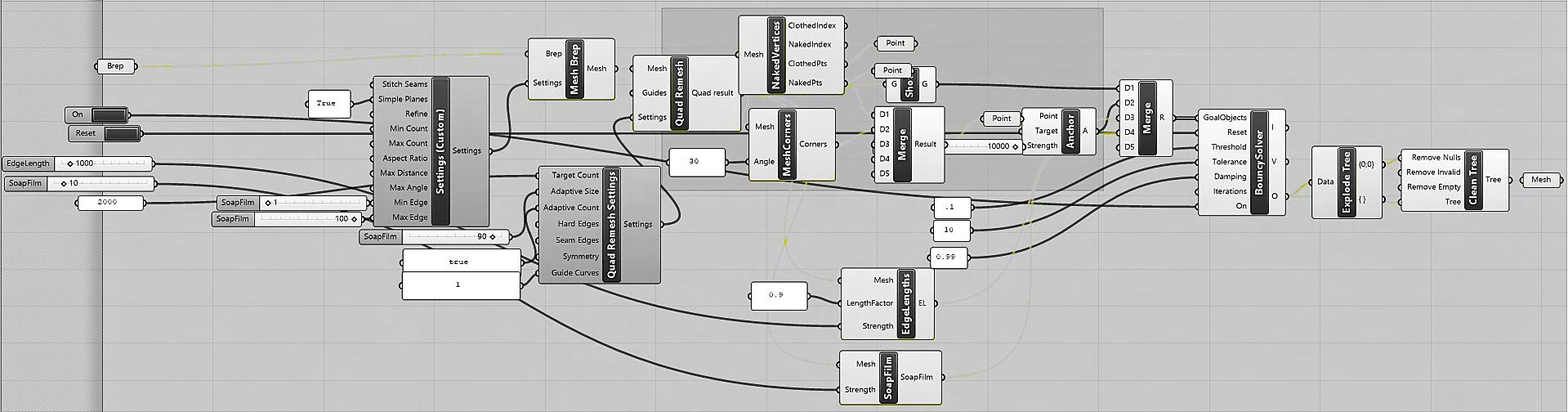
Grasshopper simulate the tension strength similar to a bubble film. Ensuring the bamboo split grid shell is pulled as equally as possible.
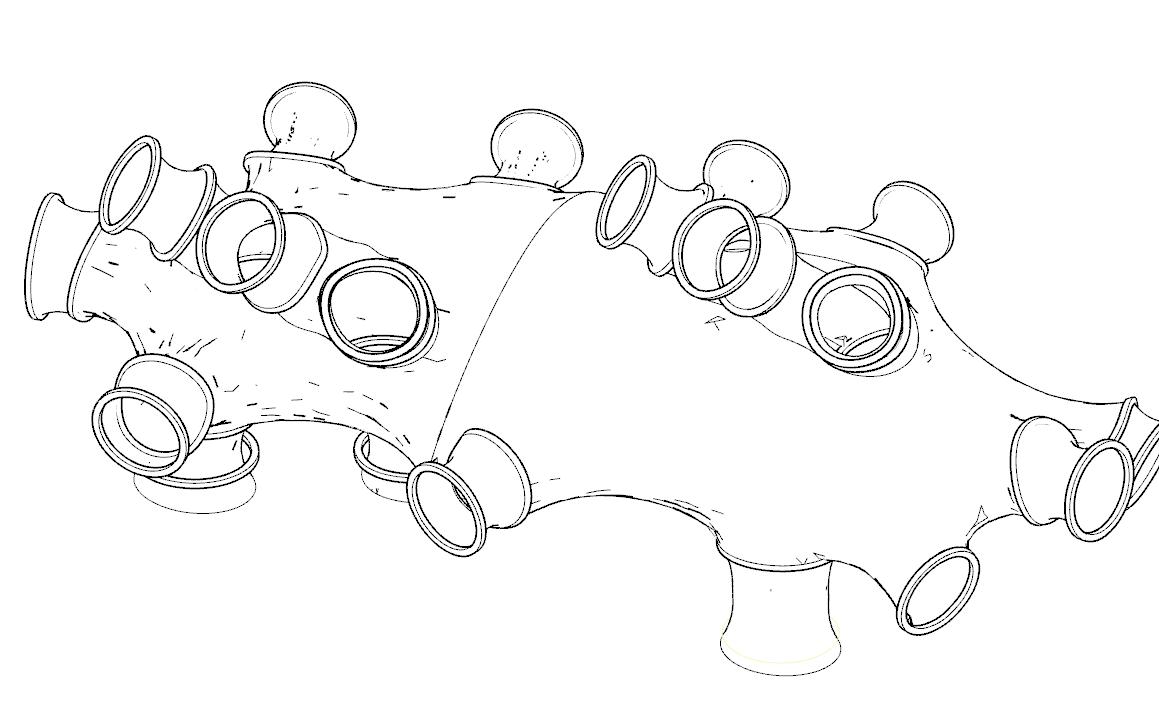
Generated minimal surface applied to design which the weaving structure will naturally become as it tense up.
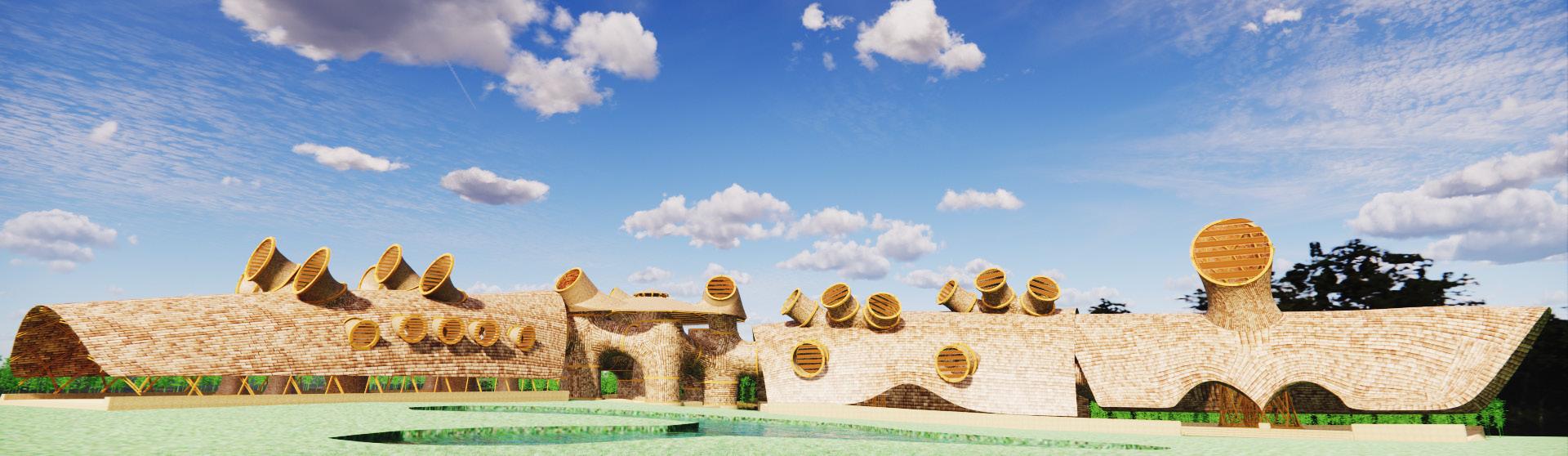
The Main institute building will be containing the workshop, studio, library, exhibition hall and the office.
The Studio, library and office will be a insulated space construct with the helix structure. where as the workshop and exhibition hall will be a grid-shell structure that covers both office and studio from the weather.
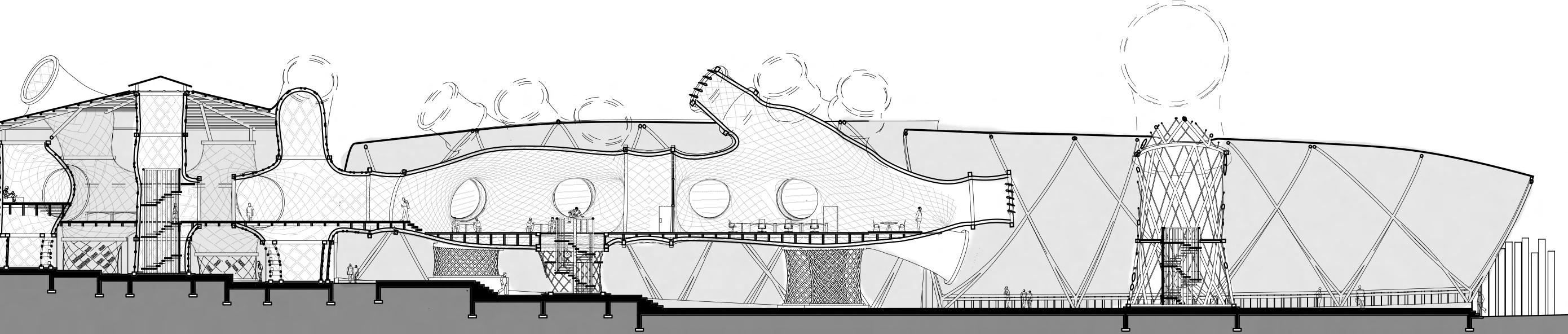
FUNCTION OF EXHIBITION AREAS, BOOKSHELF OF LIBRARY
A PLACE VISITOR COME AND SEE THE TIP OF BAMBOO DEVELOPMENT
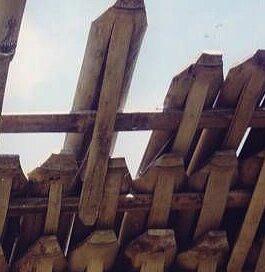
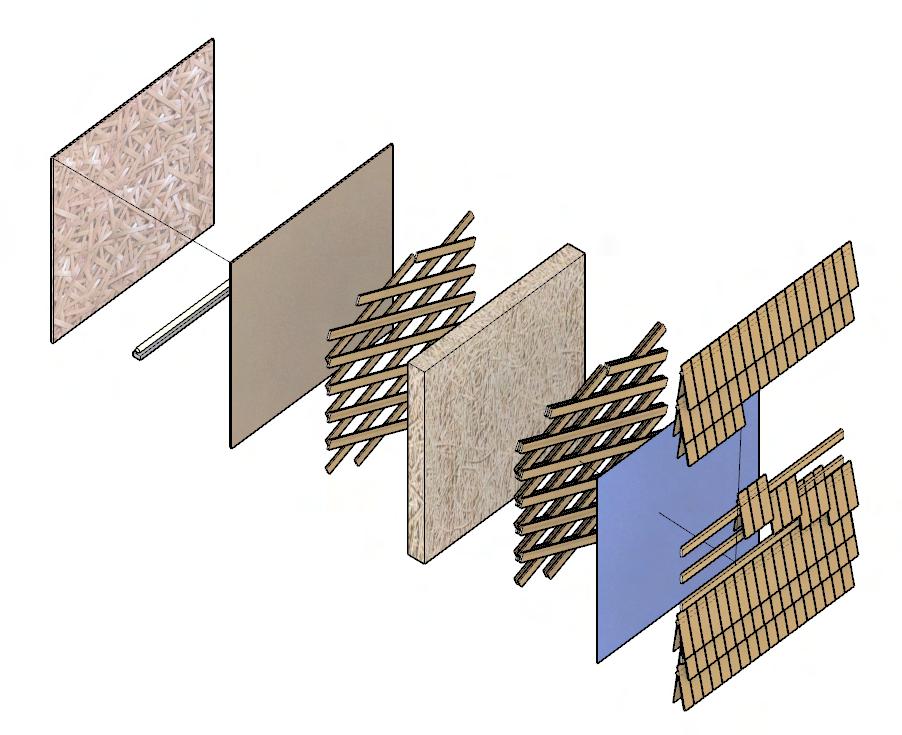
Bamboo half pole to cover the top of window tunnel, then switches the direction of shingles to perpendicular, decrease the chance of damaging bamboo structural frame and ensure no leakage.
1. 3 layer overlap Bamboo Shingle(400mm length)
2. Bamboo battens (120mm gap in-between)
3. 4 layer Helix Structure
4. Wood wool insulation
5. 2 layer inner Helix Structure
6. Dendrocalamus Asperpli bamboo split bundle Ring Beam.
Thread
LIGHT WELL TO PROVIDE OPTIMAL SUNLIGHT
Bicycle Repair Shop, Isle of Dogs, England
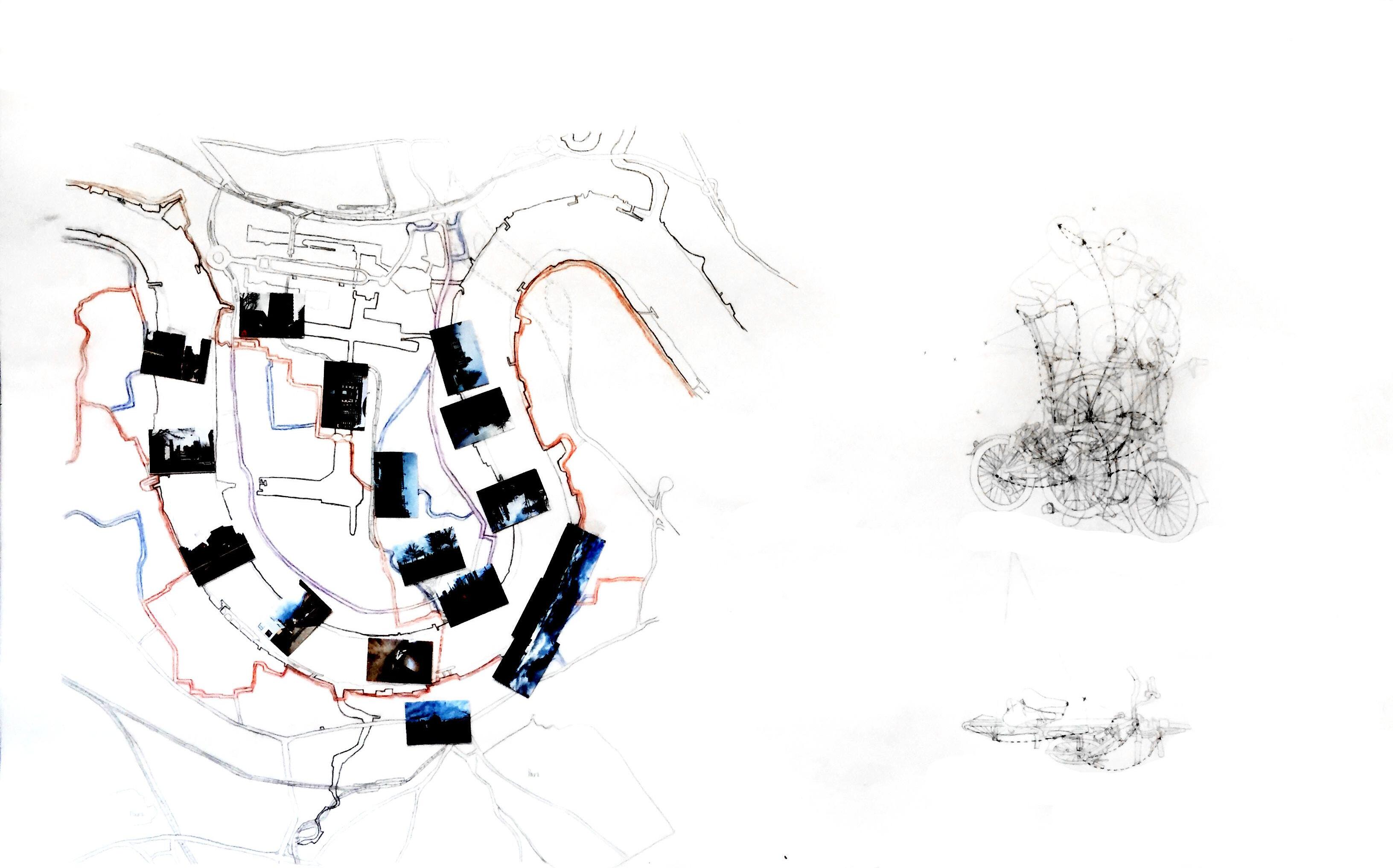
The map above point out the cycling route in and around Isle of Dogs, I also ride along the route and taken pictures around. You can see the building height increase by moving closer to Canary Wrath. This shows the “urbanrural” aspect of the site with the contrast between the flat Greenwich and tall CanaryWrath.
This is a study on the motion when opening a Bronson Bike to understand how people interact with bikes and how many spacey will the action takes. Motion on operating a Bronson Bike in
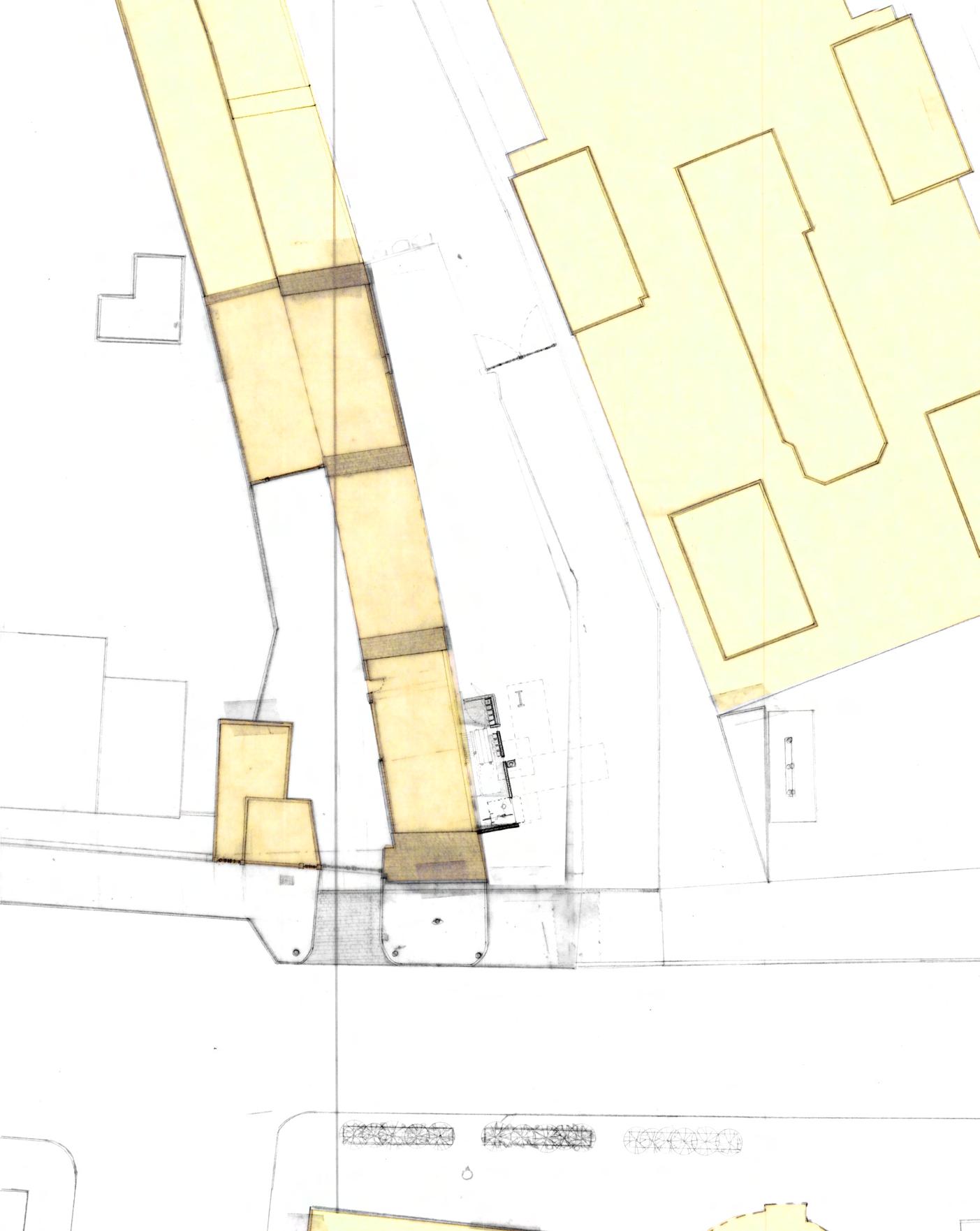

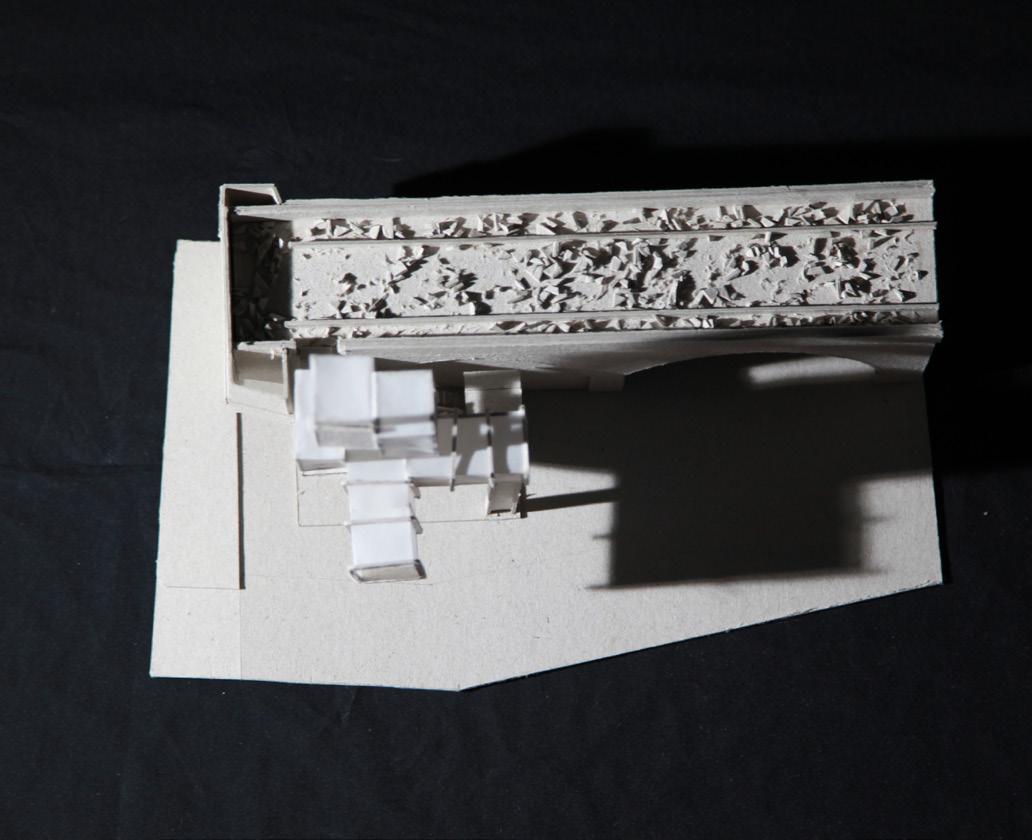
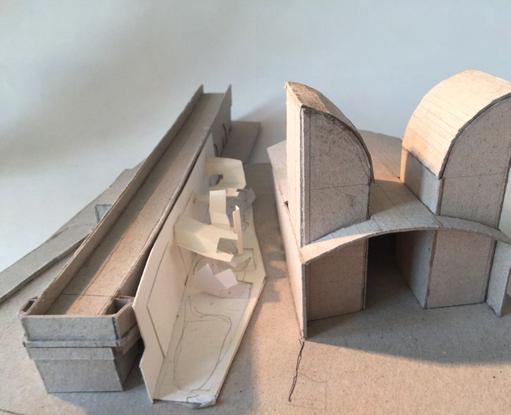
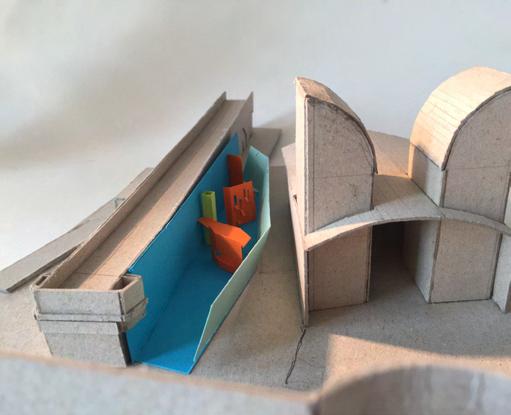
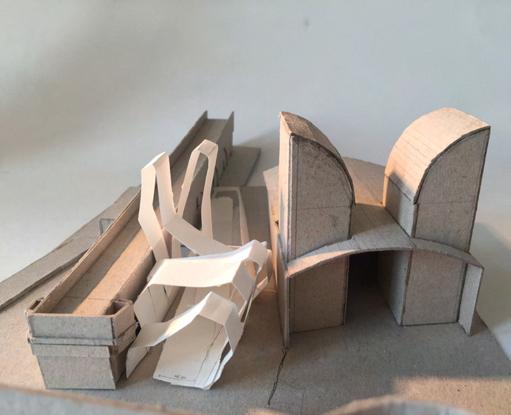
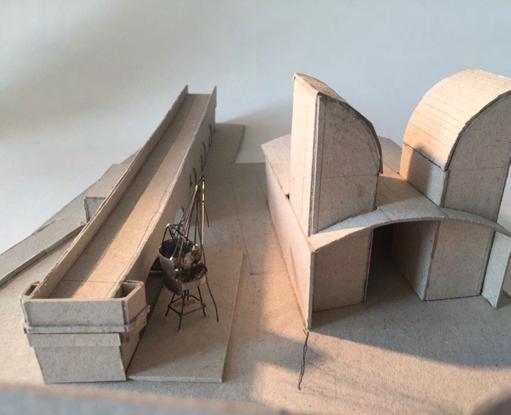
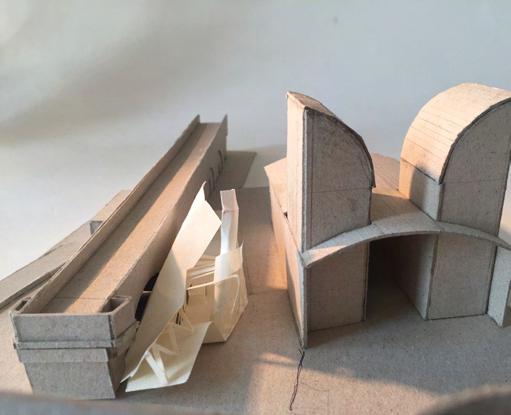
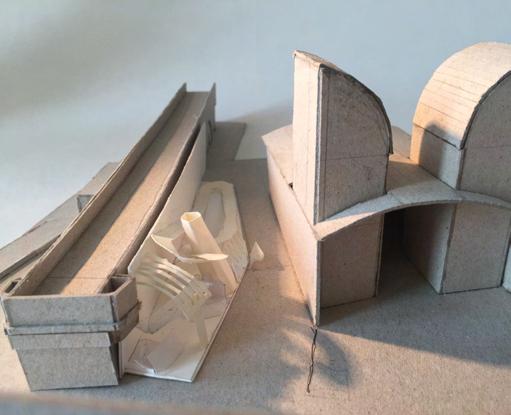
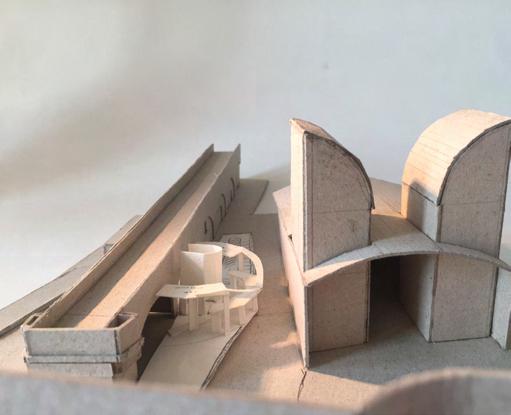
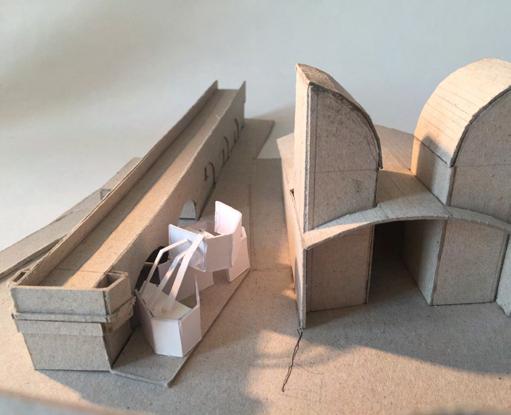
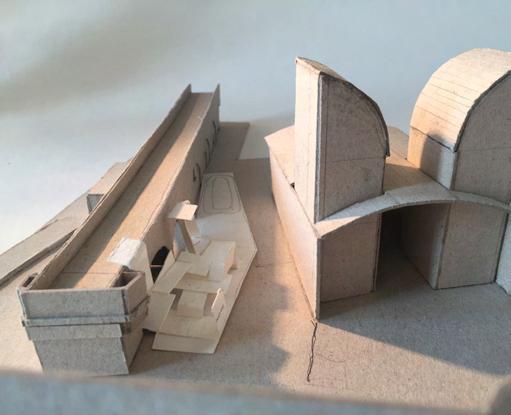
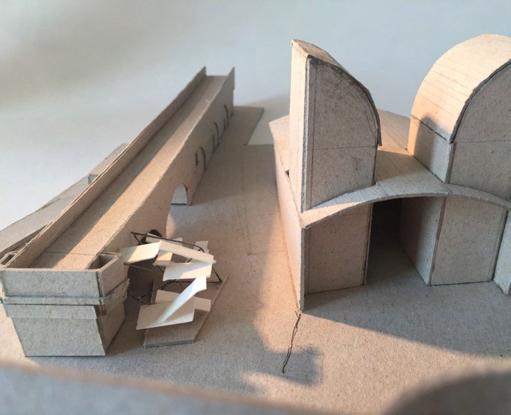
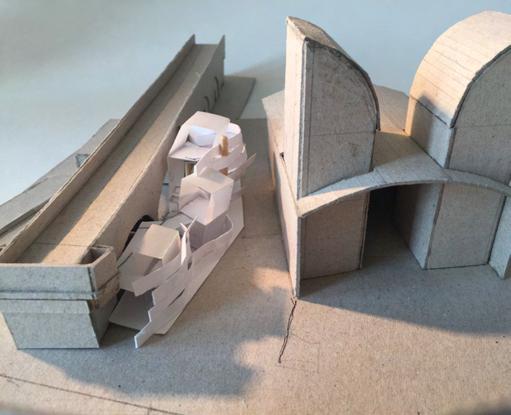
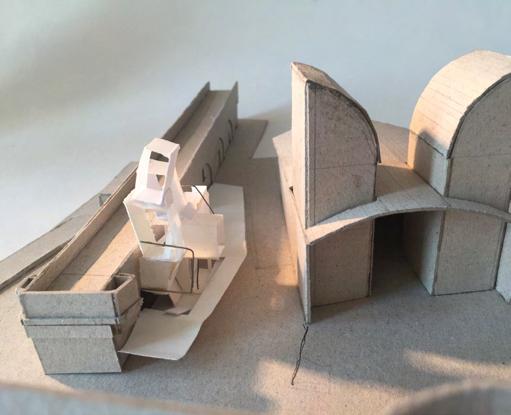
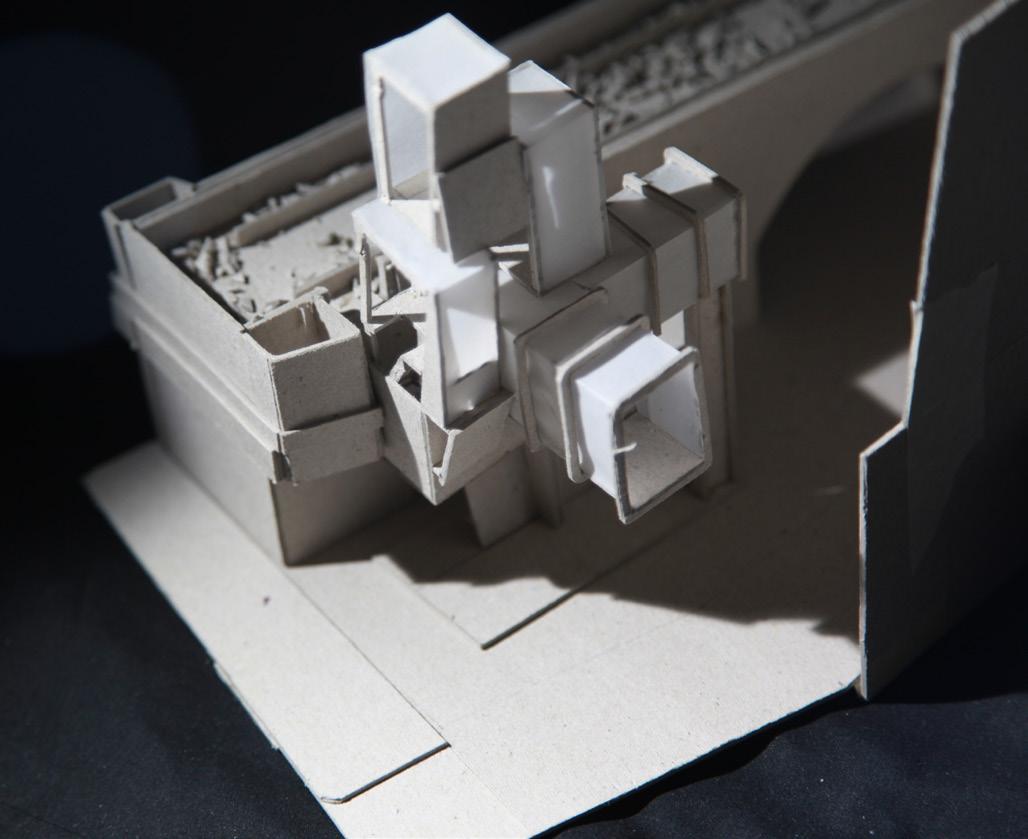
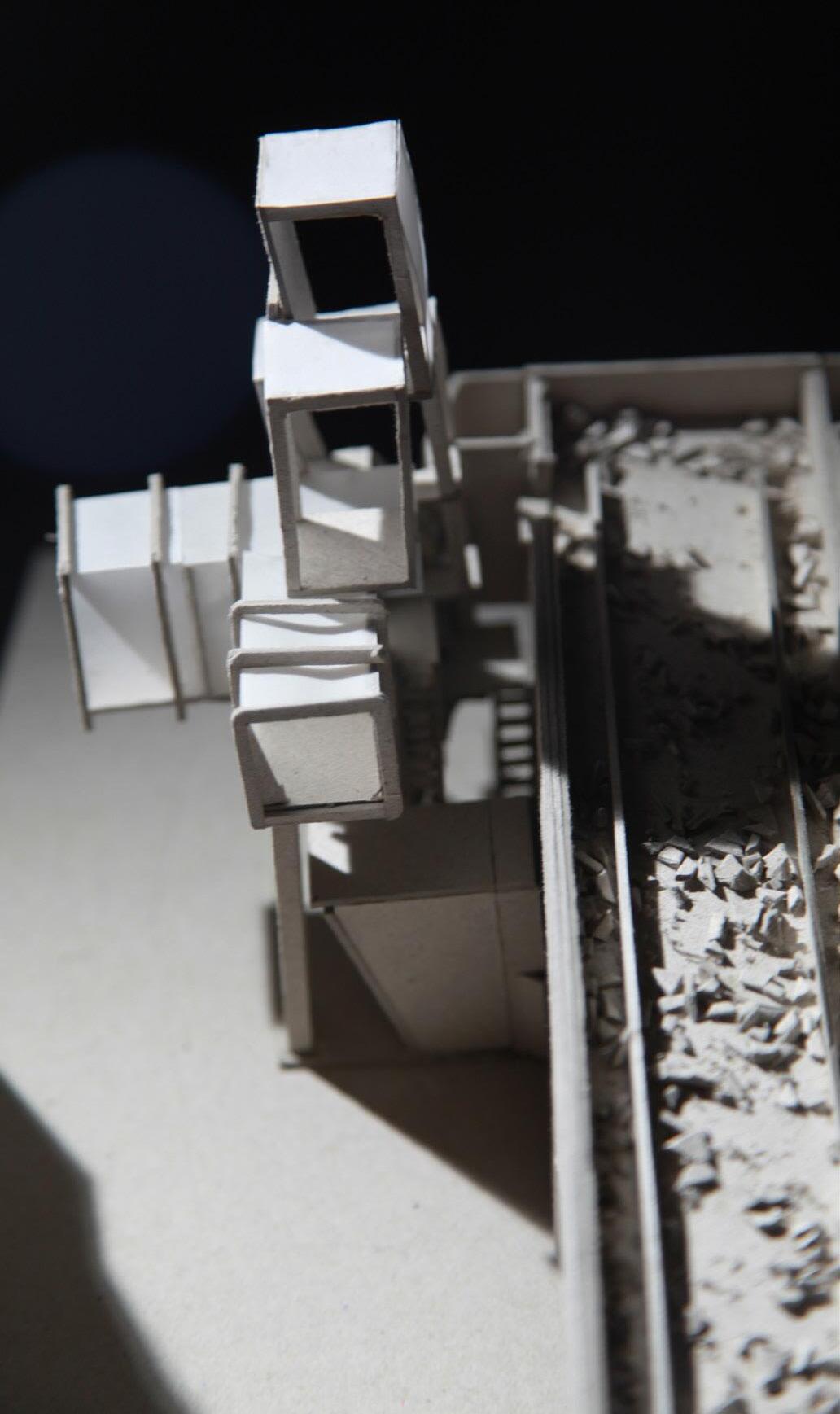
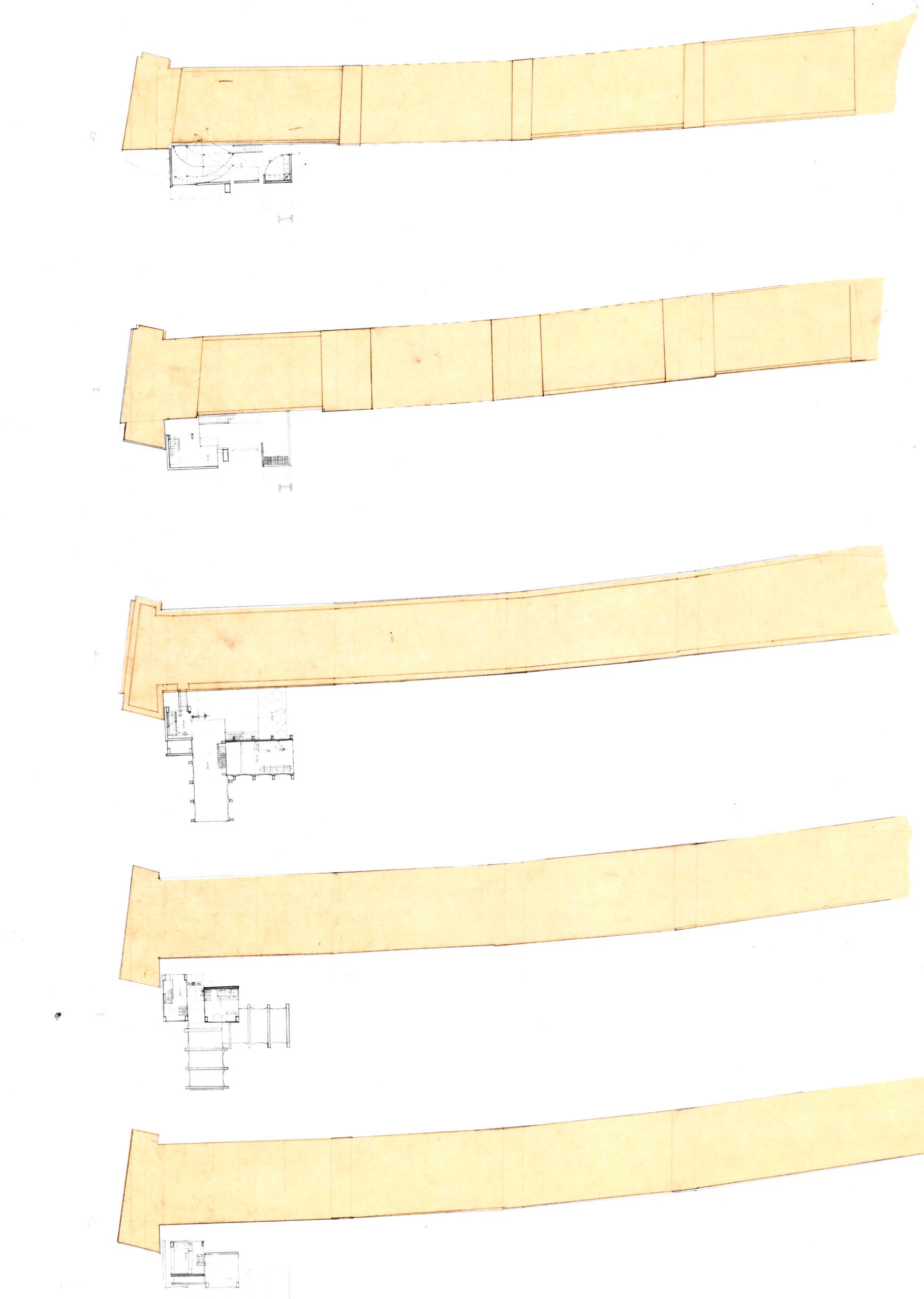
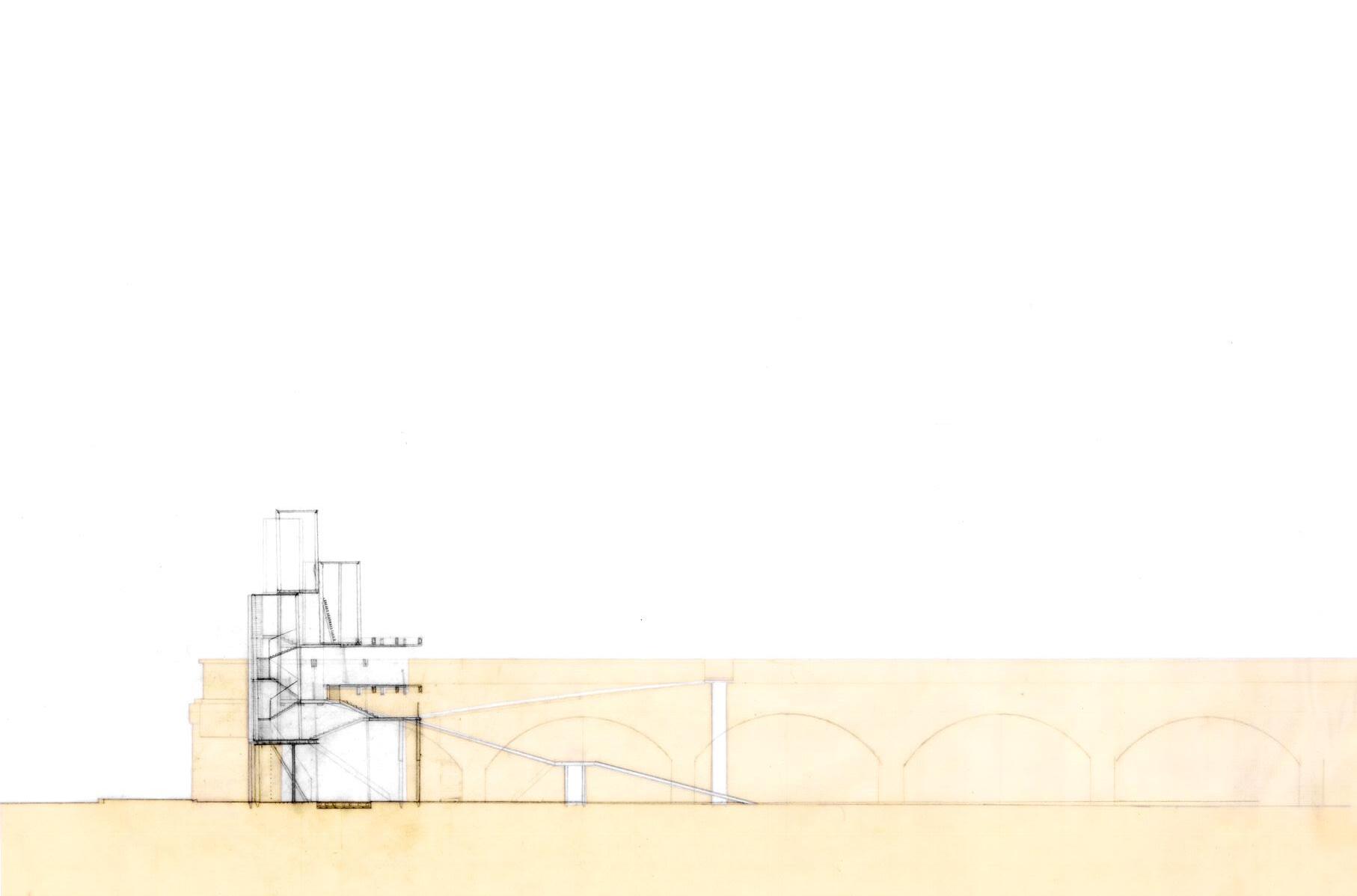
Bicycle Repair Shop, Isle of Dogs, England
Drawings
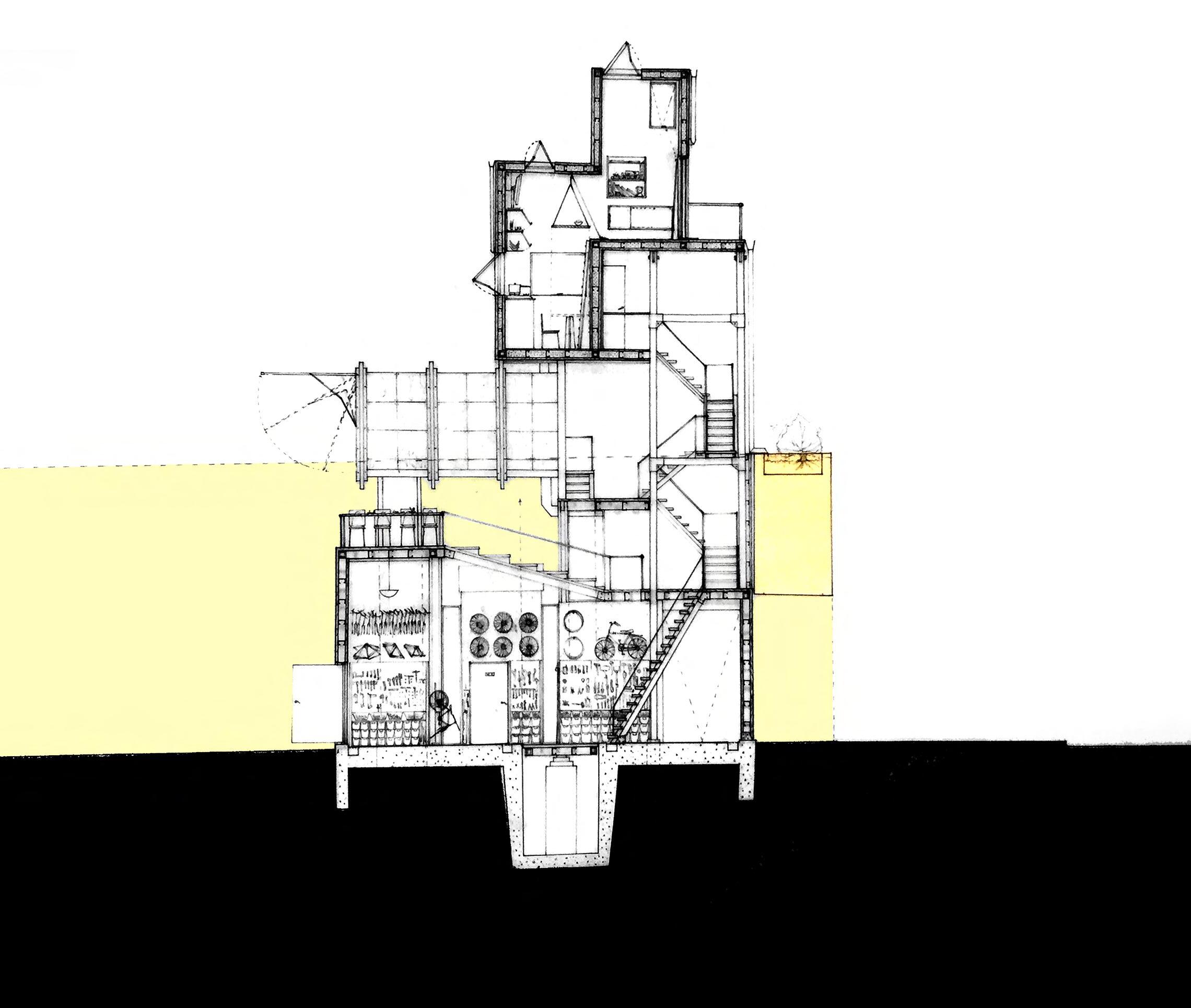
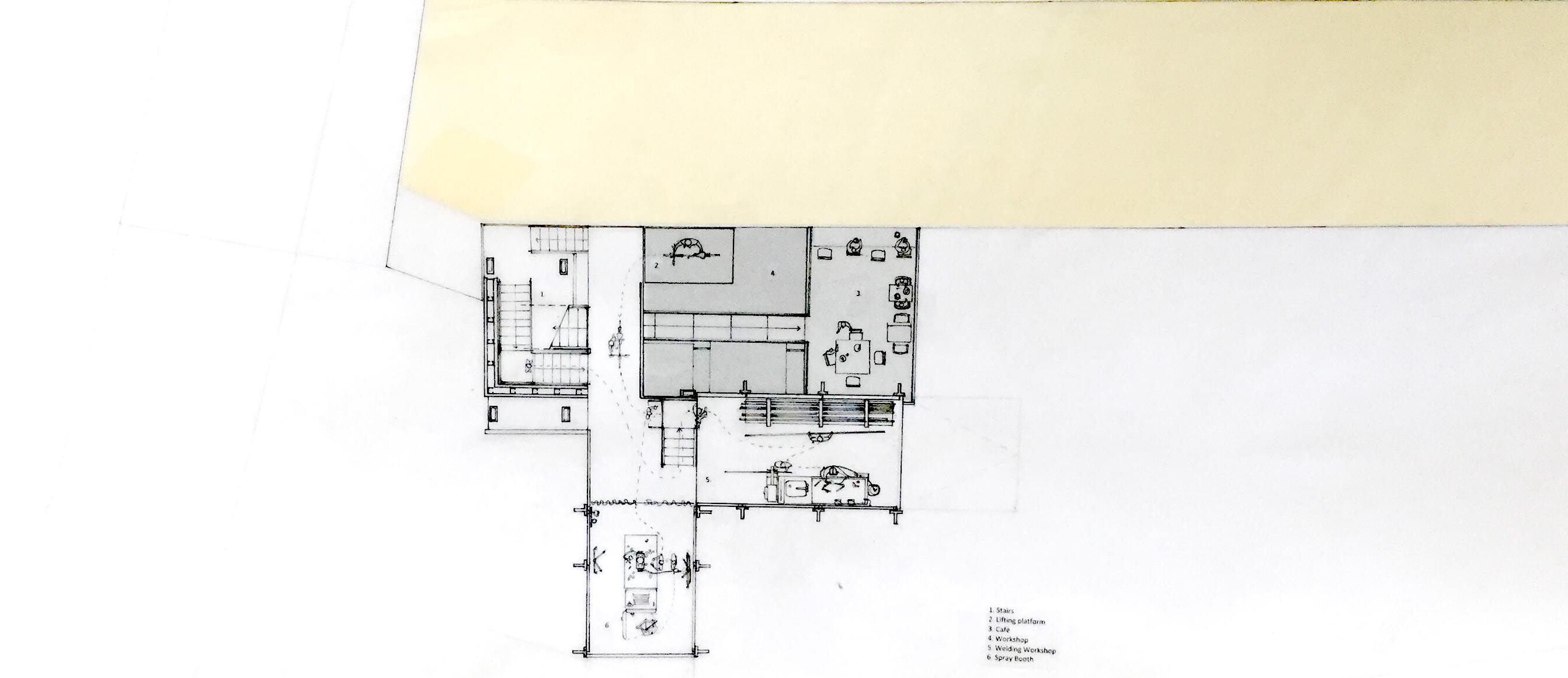
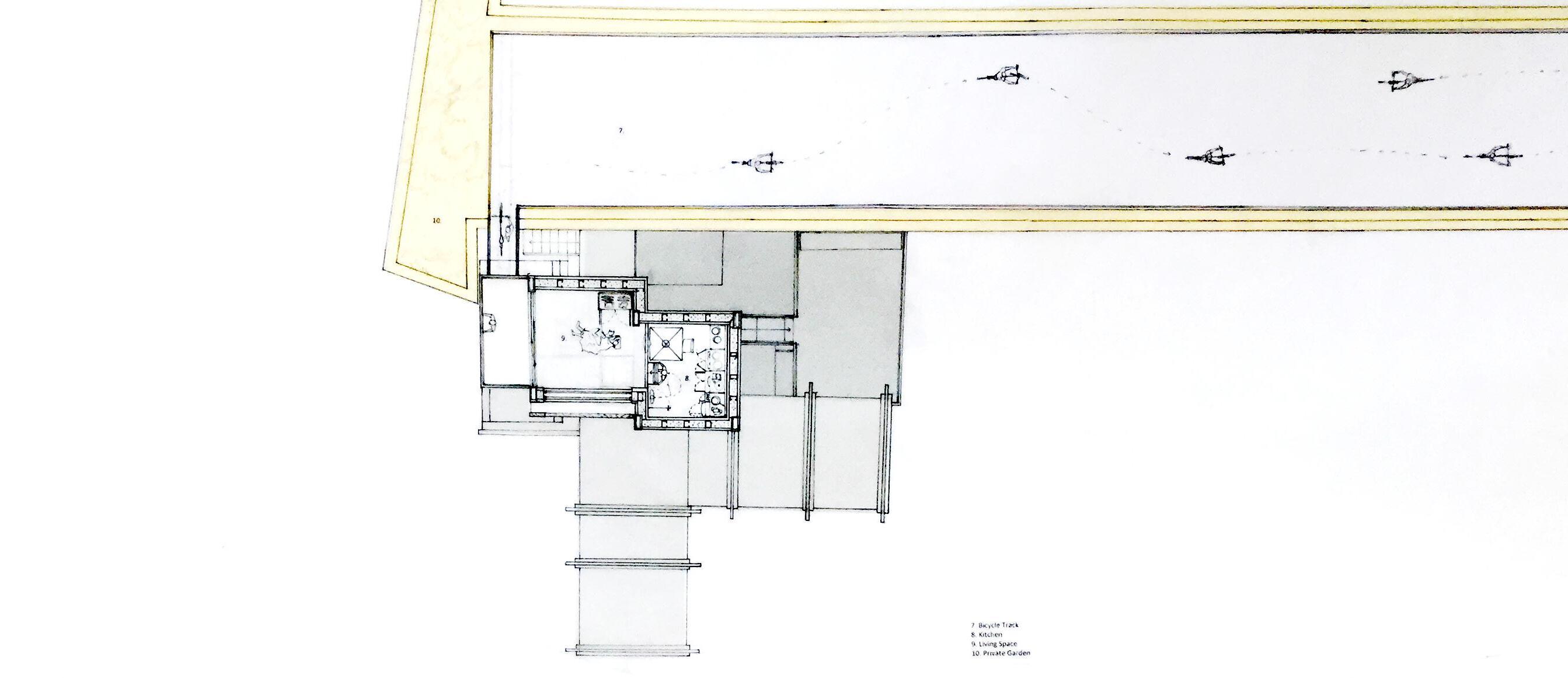
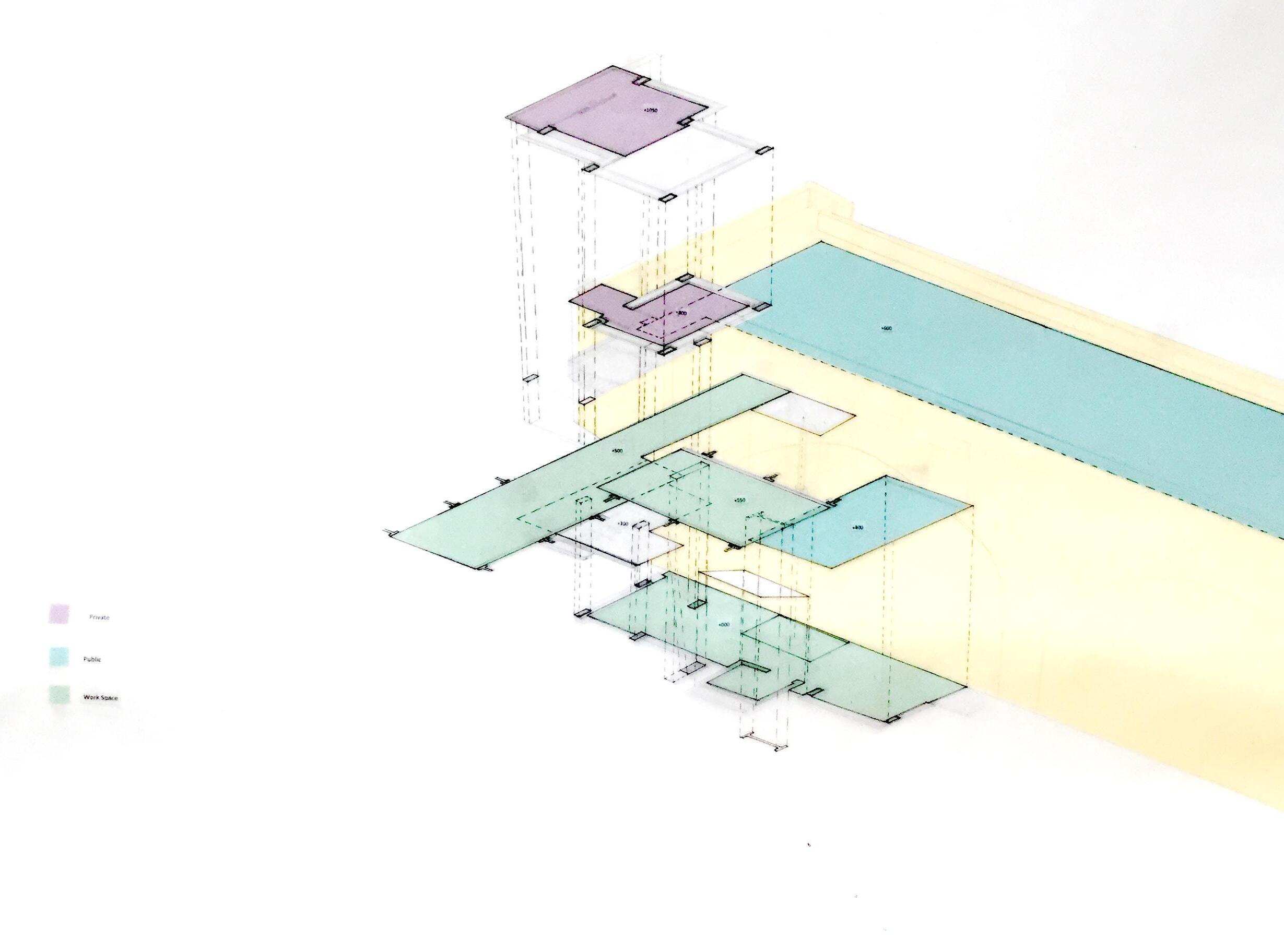
Bicycle Repair Shop, Isle of Dogs, England
1:50 Models
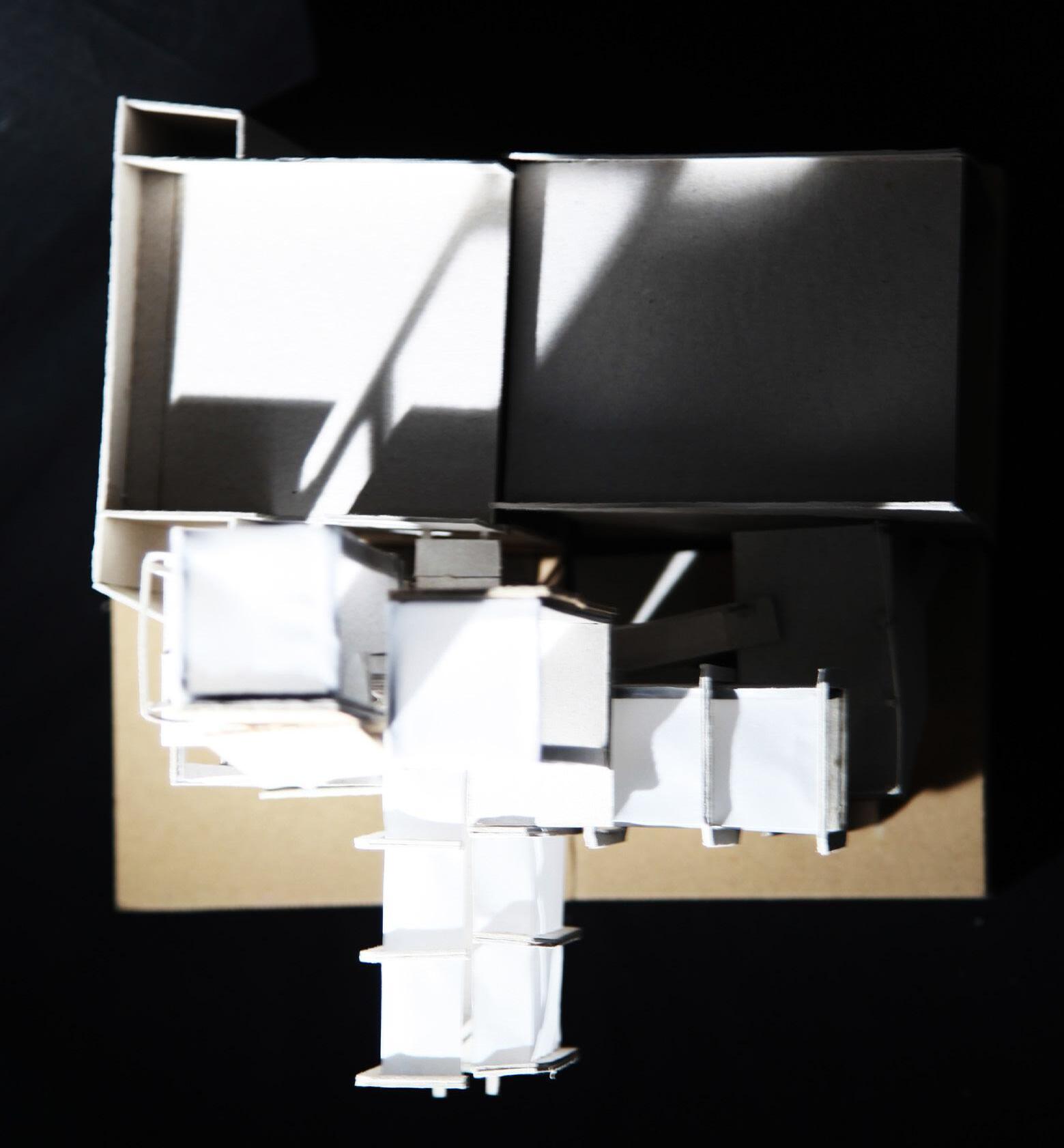
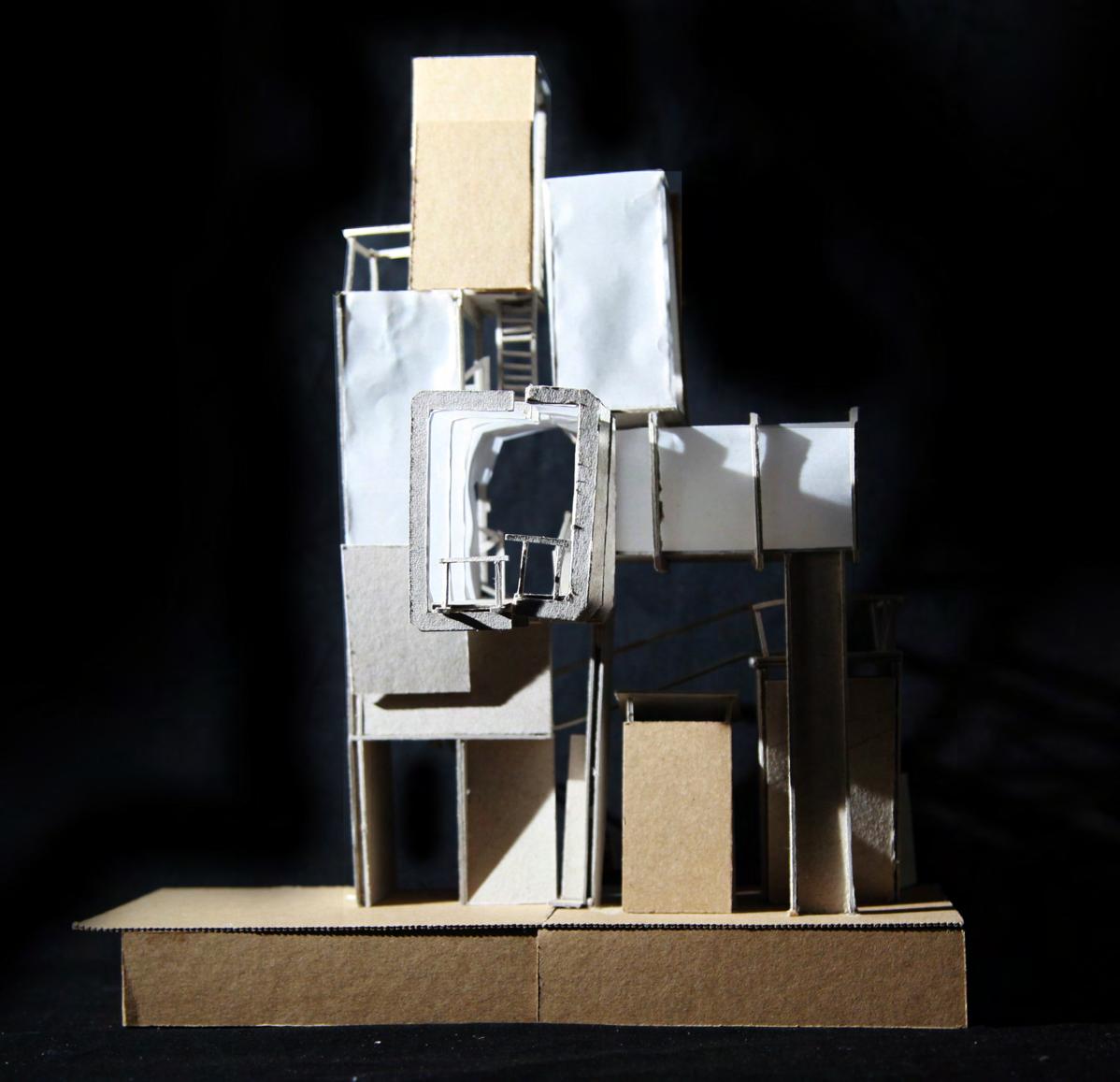
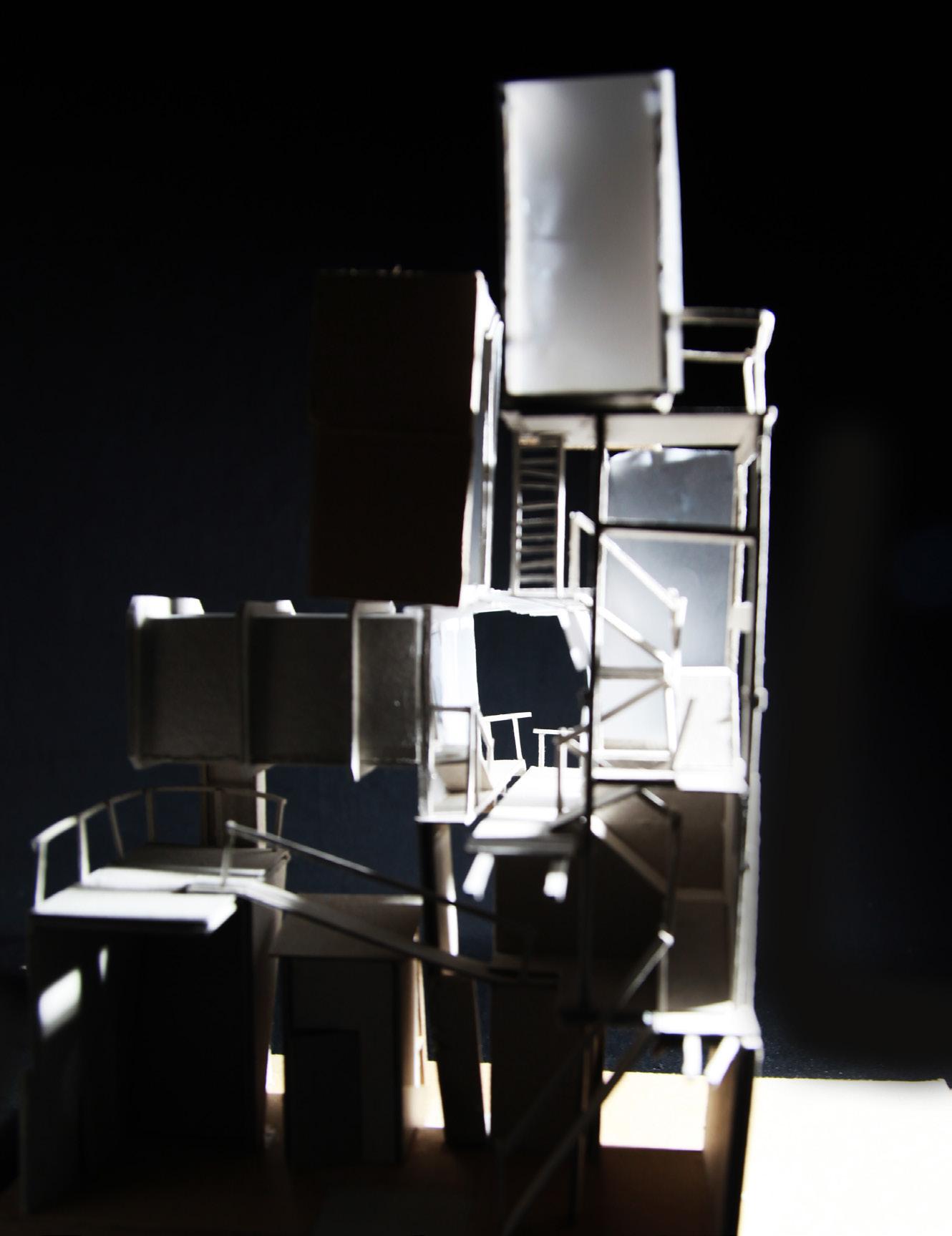
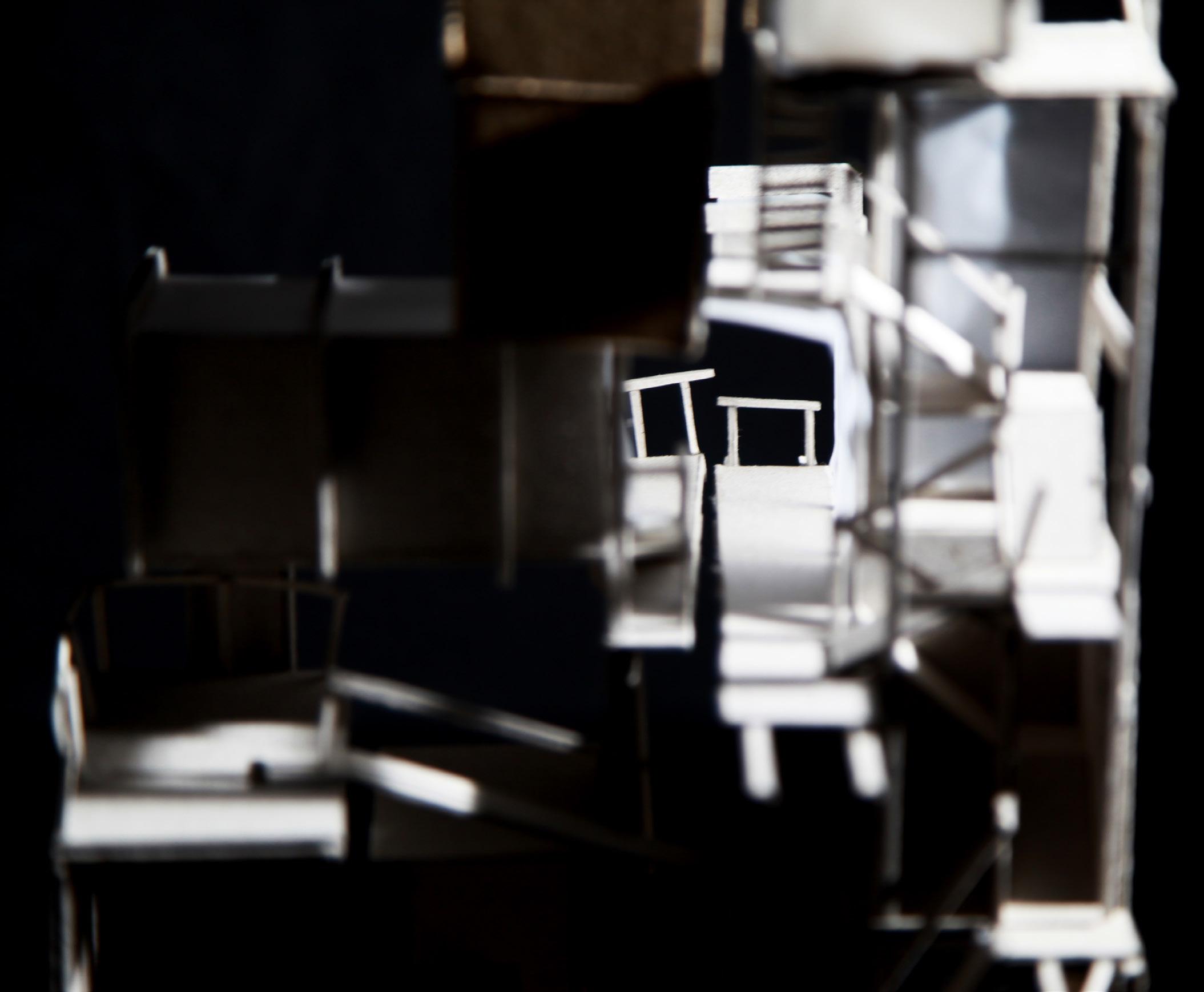
This project’s narrative is to bring a replication of an ice floe into London, giving a sense of urgent on the whole problem. Letting people be in a room with the ice while listening to the amplified crackling sound when an ice melts. This is down to the messenger, the narrative and the stories to awaken the public, if not we will never have a chance of winning.
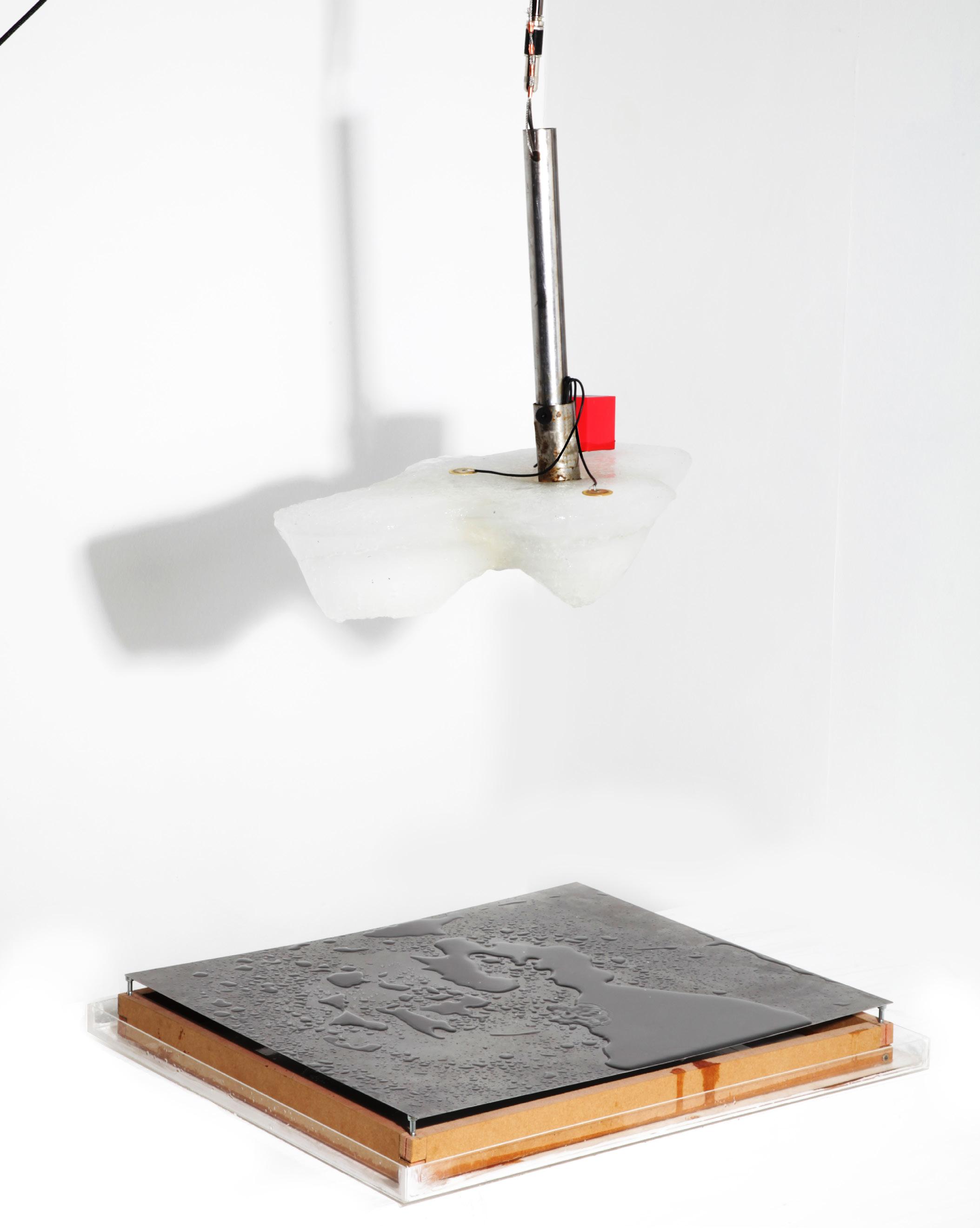
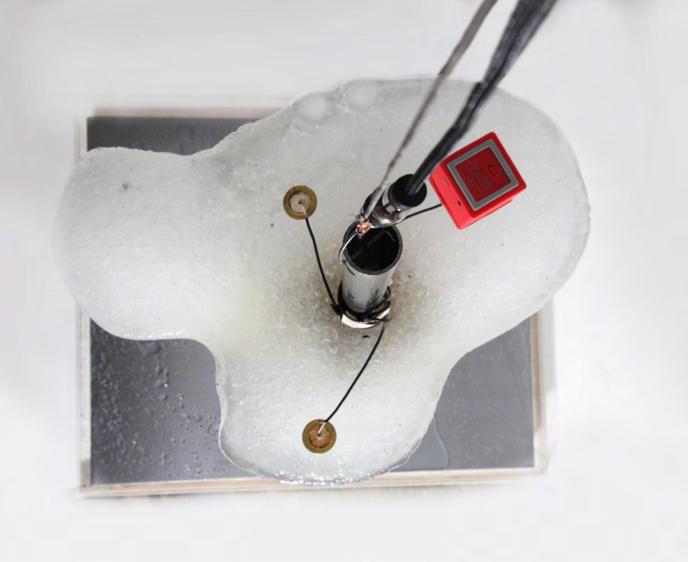
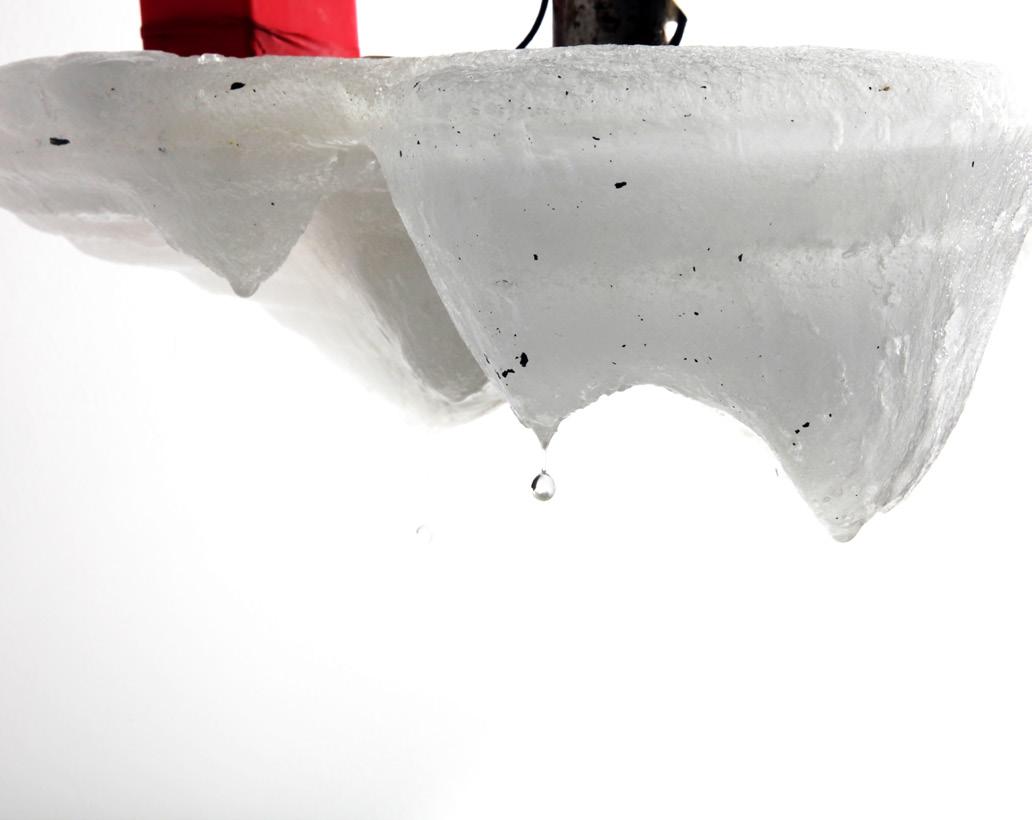
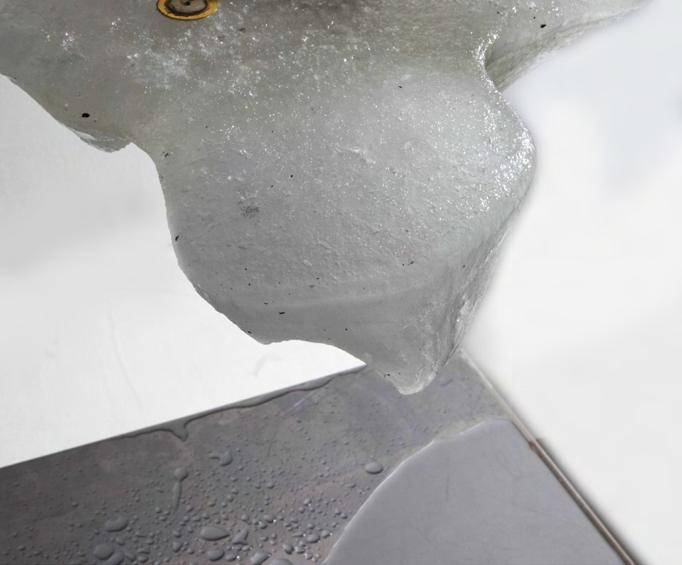

The results shown that the speed of the sound travels have changed each time it passes through the ice. Comparing 5th loop to the original feed, we can clearly sees gaps have appeared at what originally a smooth change of frequences. This is due to the fact that sertain frequencies travels faster through ice than and compacting them into notes, this effect will increase the larger the ice is, so by constantly blasting sound into the ice, we can see the change in size via the decreasinggaps from the sound waves.






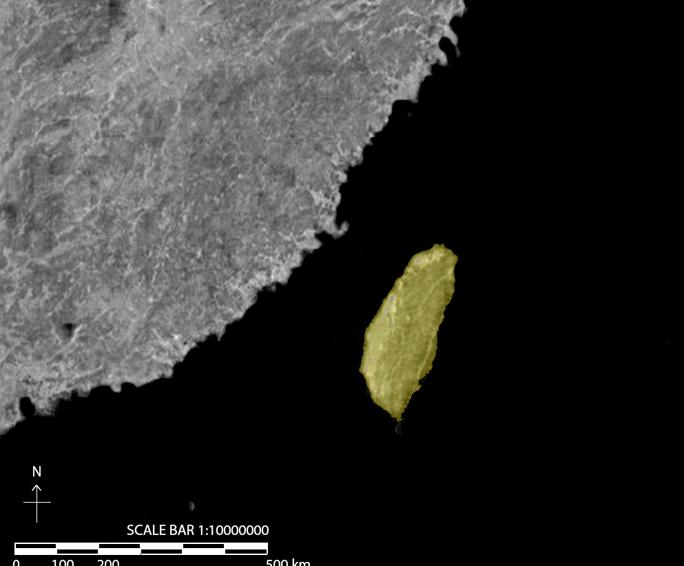
Beitou District, Taipei, Taiwan
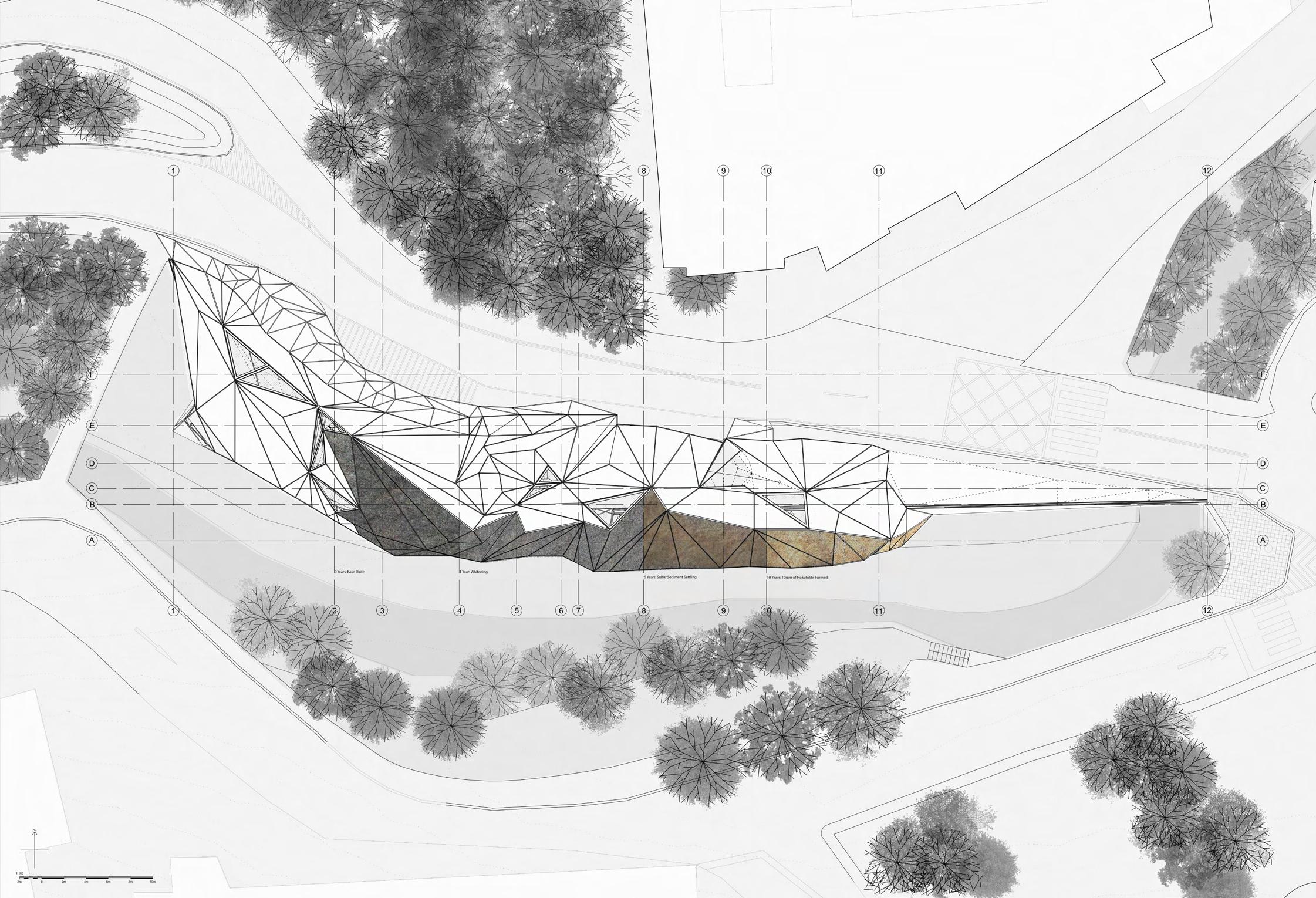
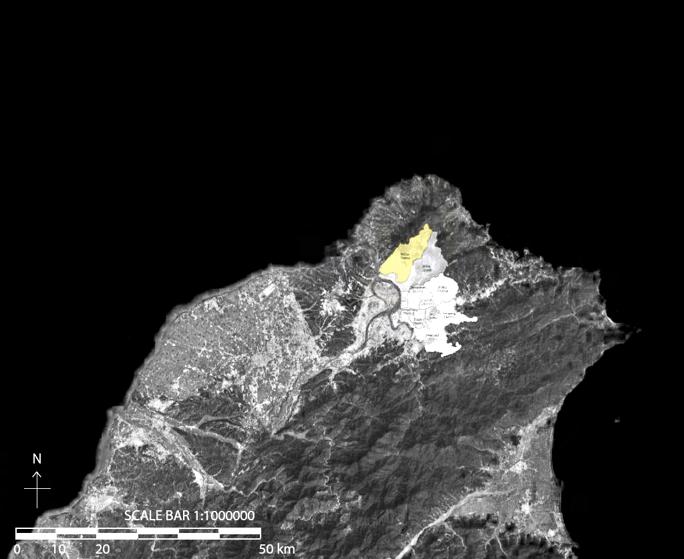
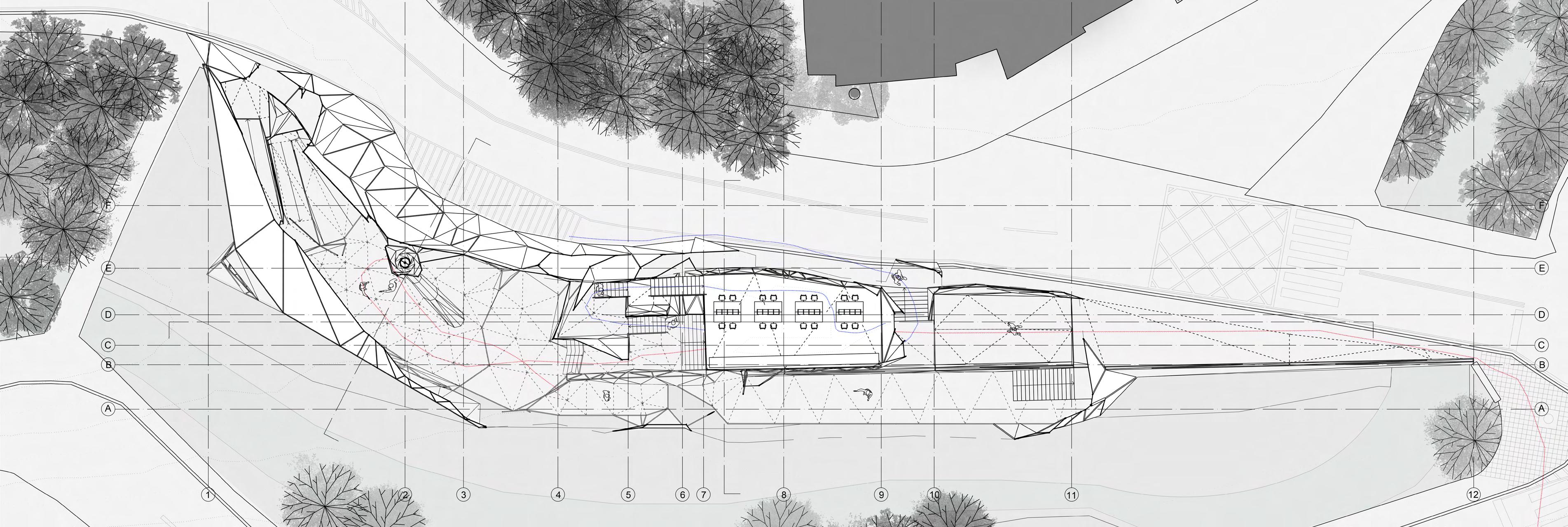
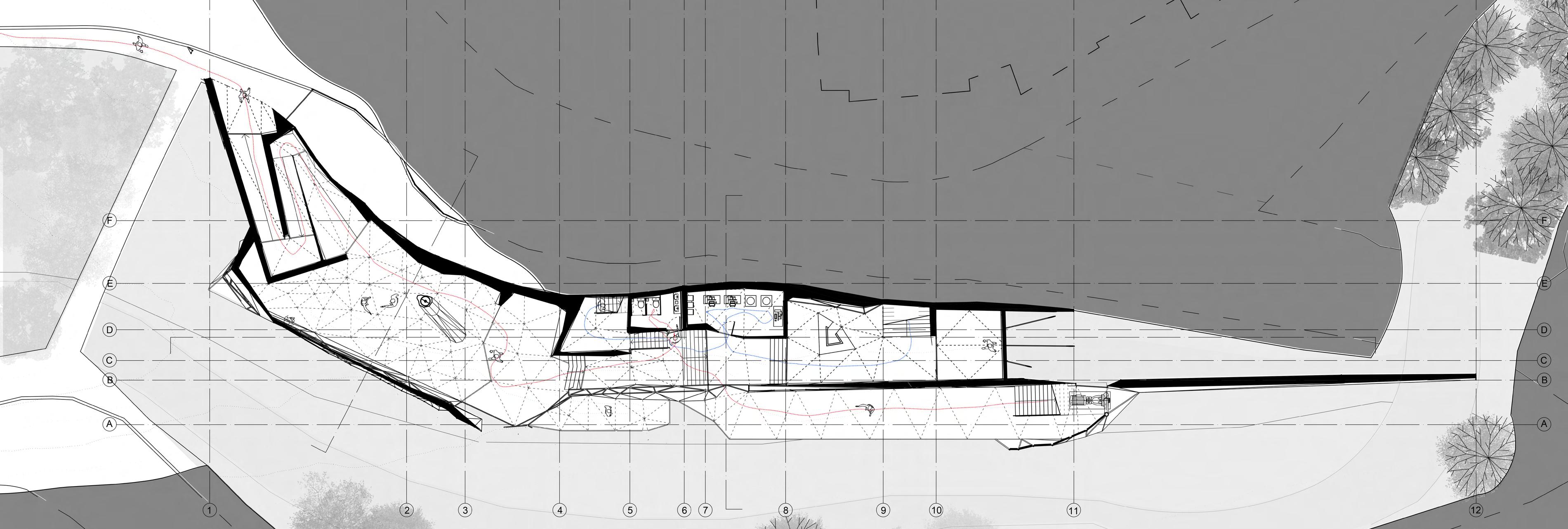
The project is a laboratory and museum dedicated to the cultivation of Hokutolite mineral, sited in the Beitou district in the north of Taipei city, Taiwan.
The mineral was first discovered by Japanese geologist Yohachiro Olamoto in 1905. It was named after the Japanese name for Beitou in Taiwan, making it the only mineral to be named after a Taiwanese location. The mineral, barium sulfate, was harvested for industrial uses and the development of therapeutic hot-spring baths. Although the mineral is radioactive, barium sulfate is non-toxic due to its insolubility. Water from the spring is claimed to have health benefits. The mineral takes a long time to form and due to over-mining it can no longer be found in Beitou.
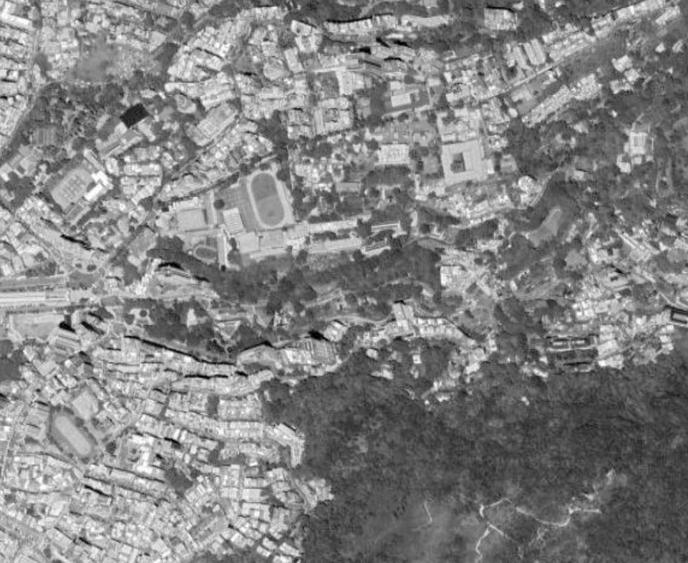
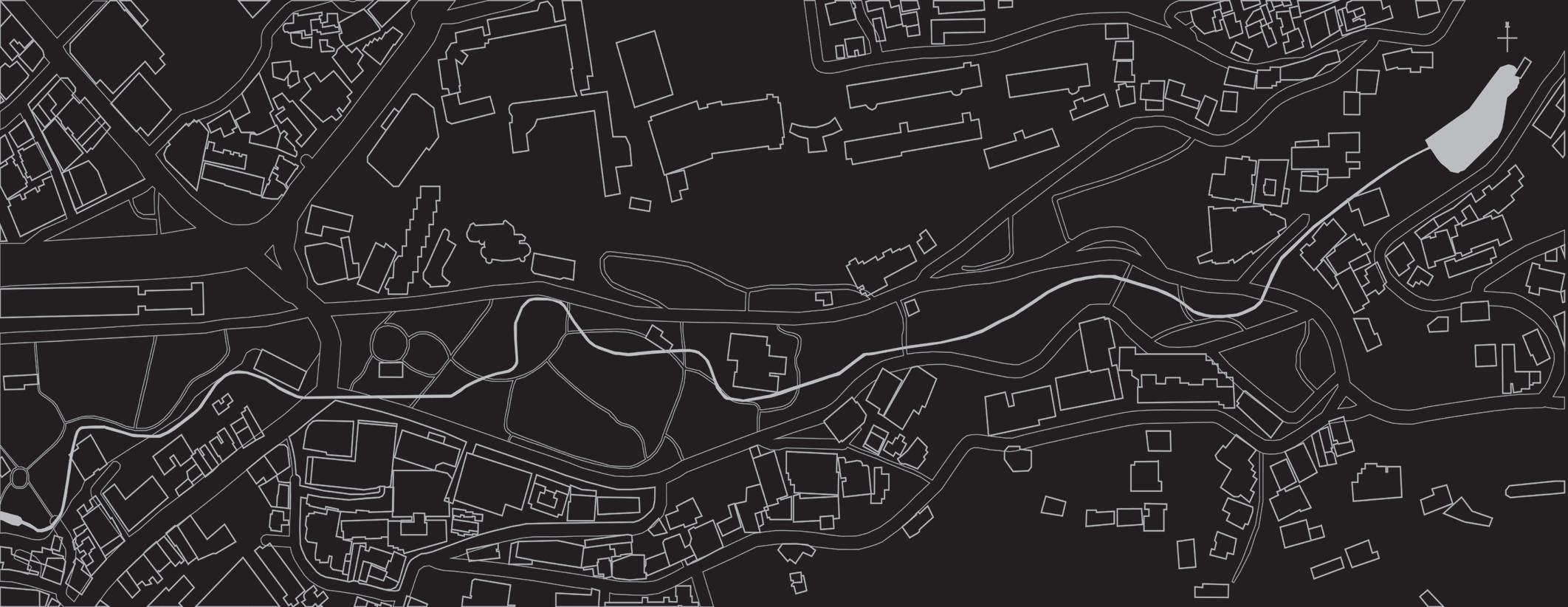
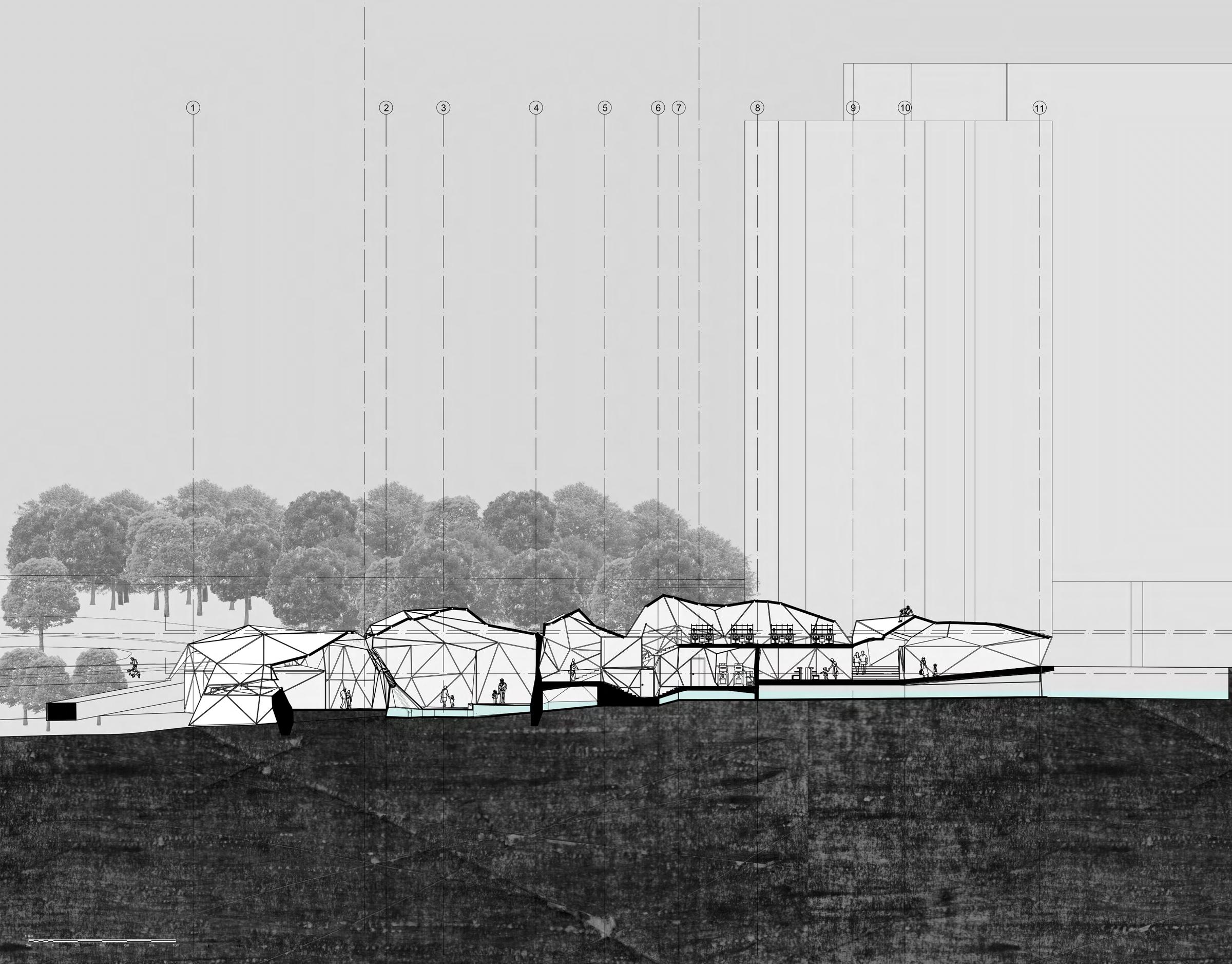
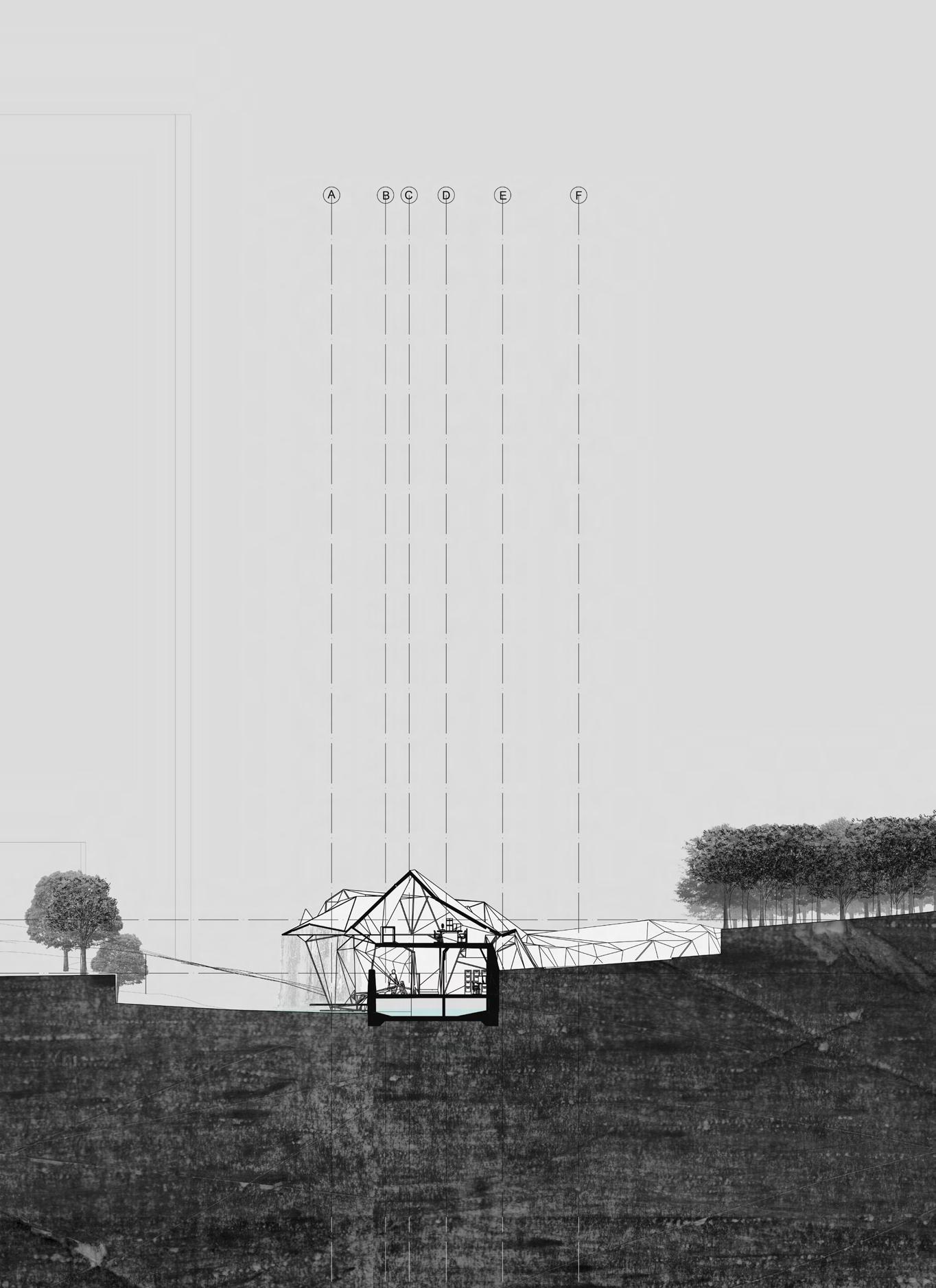
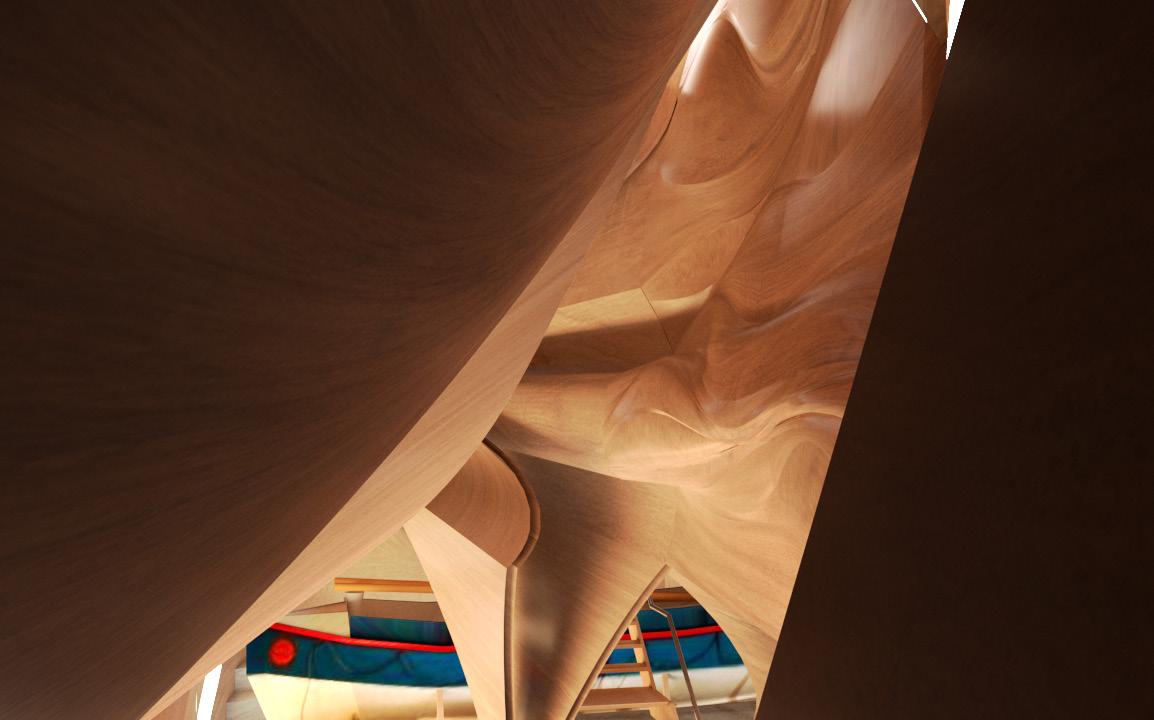
The proposal is sited next to a natural stream in Beitou. It is surrounded by hot spring hotels and easily accessible from Xinbeitou Station on the Taipei Metro. Water from the stream is artificially pumped to recreate a hot spring to encourage the growth of Hokutolite on the tectonics of the roof. The proposed form is inspired by studying the molecular structure of the mineral and personal photogrammetry of the topography during site visits.
Visitors to the proposed building can view the mineral formation on the mesh surfaces of the roof by looking up from inside. Natural light that permeates into the interior spaces will change as the mineral slowly builds over time. An addictive process, similar to 3D printing, inspired the form of the joints for the geometry of the building.
As the process is slow, a series of pre-recorded films form an important part of the exhibit in the museum. The sped-up films are projection mapped onto the ceiling of the gallery so visitors can experience a simulated mineral growth during their short visits. It is hoped that visitors will better understand the essence of the natural landscape in the local area that brought them there.
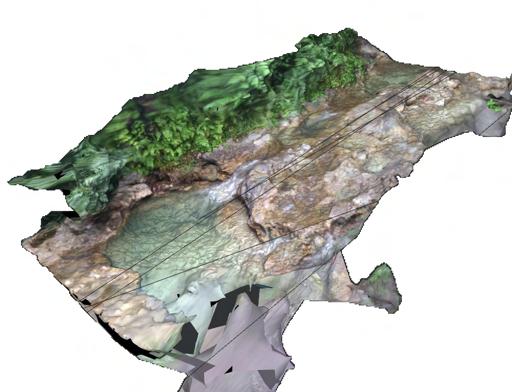
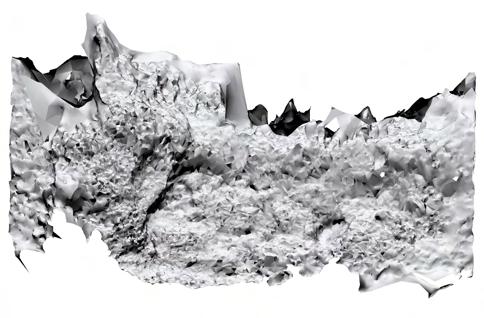
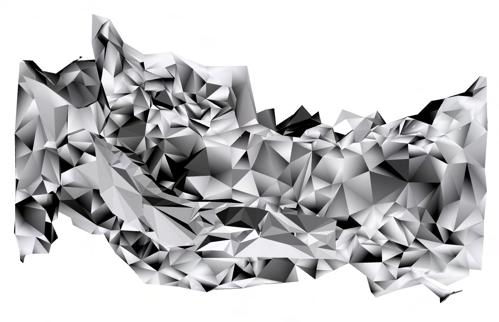
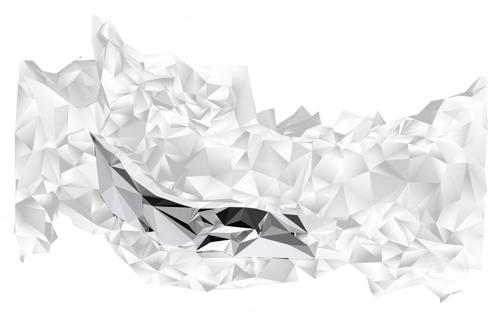
In order to create a roof the truly reprecents the Takis of the site, used the previous photo scaned taki river bed as a guidence for the form, then rebuild the mesh into a lower poly version and chosen the part near the elevation drop of the mesh and exagerated the eltidued for the roof of the building. Using the Taki form also helps with the waterfall that I wanted to added to truly meet the condition of the formation of the Hokutolite.
Hokutolite forming Process Video

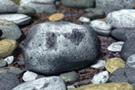
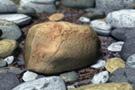
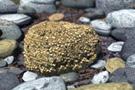
Premises:
The design ambition of this project is to create a design on the site reflecting the uniqueness of the geological and typology of Xinbeitou. Moreover, the design of the building aims to recreate the Hokutolite and provide places for visitors to have more understanding and recognition of the Hokutolite. The building also aims to provide a research space for furthermore study on this stone and the related knowledge, leading to a less destruction way to extract it without affecting the local hot spring business.
Brief, Site Context:
My building project is a response to a brief of confronting changing environments and negotiating tilts and shifts. Through a typology study of Xinbeitou, I identified key features of my design ambition. Which is the special geological identity of near a hot spring which brings with a byproduct of the Hokutolite.
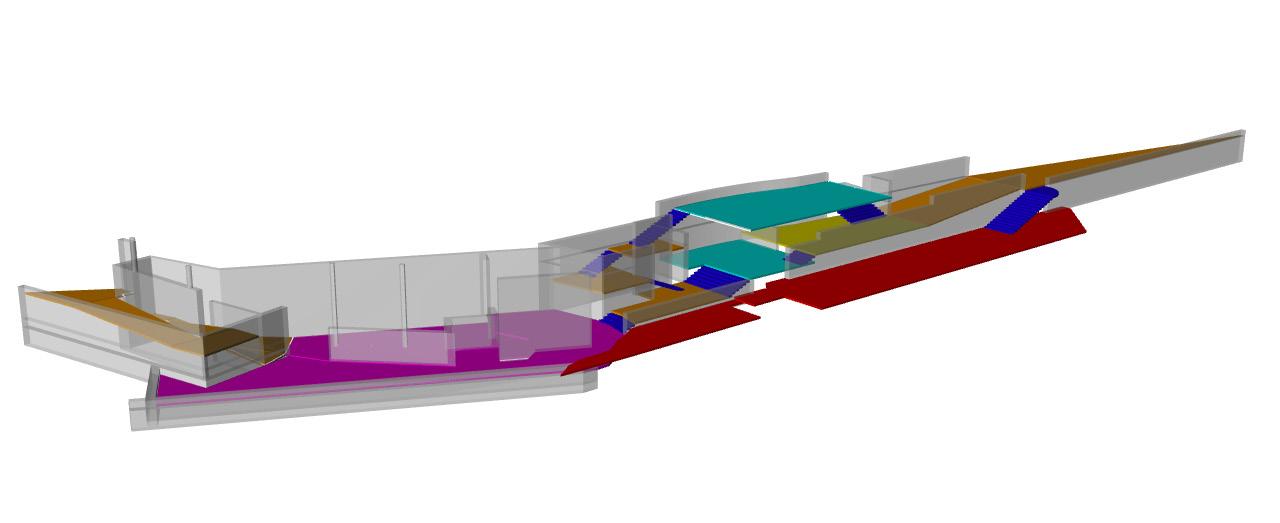
The amount of space required for each space varies. The most volumetric and open area is the exhibition area of the building. Sufficient access and circulation path leading visitors entering and leaving the Exhibition Area is an important design criteria.
At the same time, the Research Lab needs to maintain privacy and cannot be disturbed by visitors. Therefore, the Lab is located at the floor above the Exhibition Area with isolated circulation route of which specified for staff only with security locks.
The souvenir Shop however do not require as much space as other since it is not the main focus of the program but rather act as a income source for the facility.
Boundary of Human & Wind Interaction
Dungeness, Uncertain Boundary
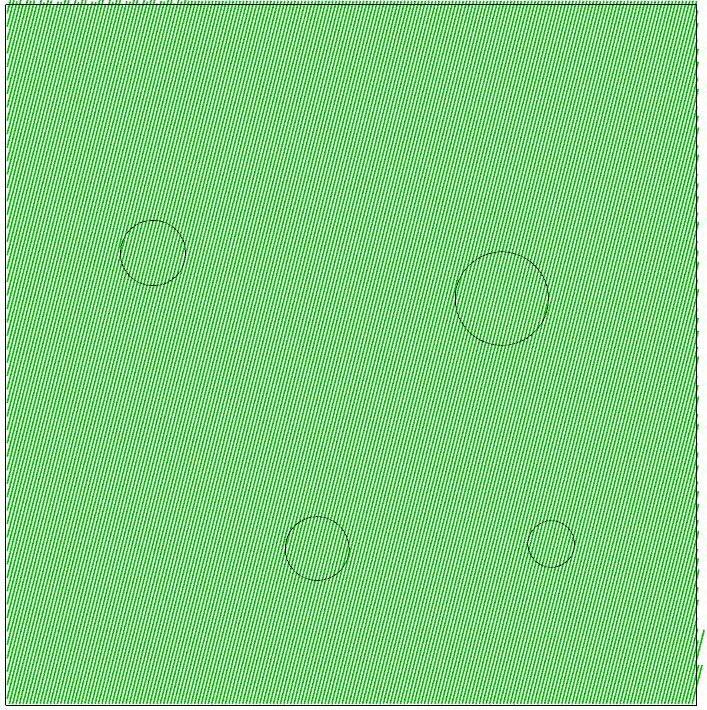
The proposed ‘site boundary’ with in the project is the boundary created between the interaction of the Lady Launchers and Dungeness’ wind flow.
The site, Dungeness, Kent, England, is unique for being formed predominantly of flint shingle. It also holds a large area of low-lying land, which means most wind flow from the Southern Sea is not disrupted by the what contains natural within the site but by human themselves and their product.
The Lady Launchers are chosen due to their over one hundred years tradition of launching lifeboats. They a part of the Dungeness history and are constant effected by wind when they were in service.
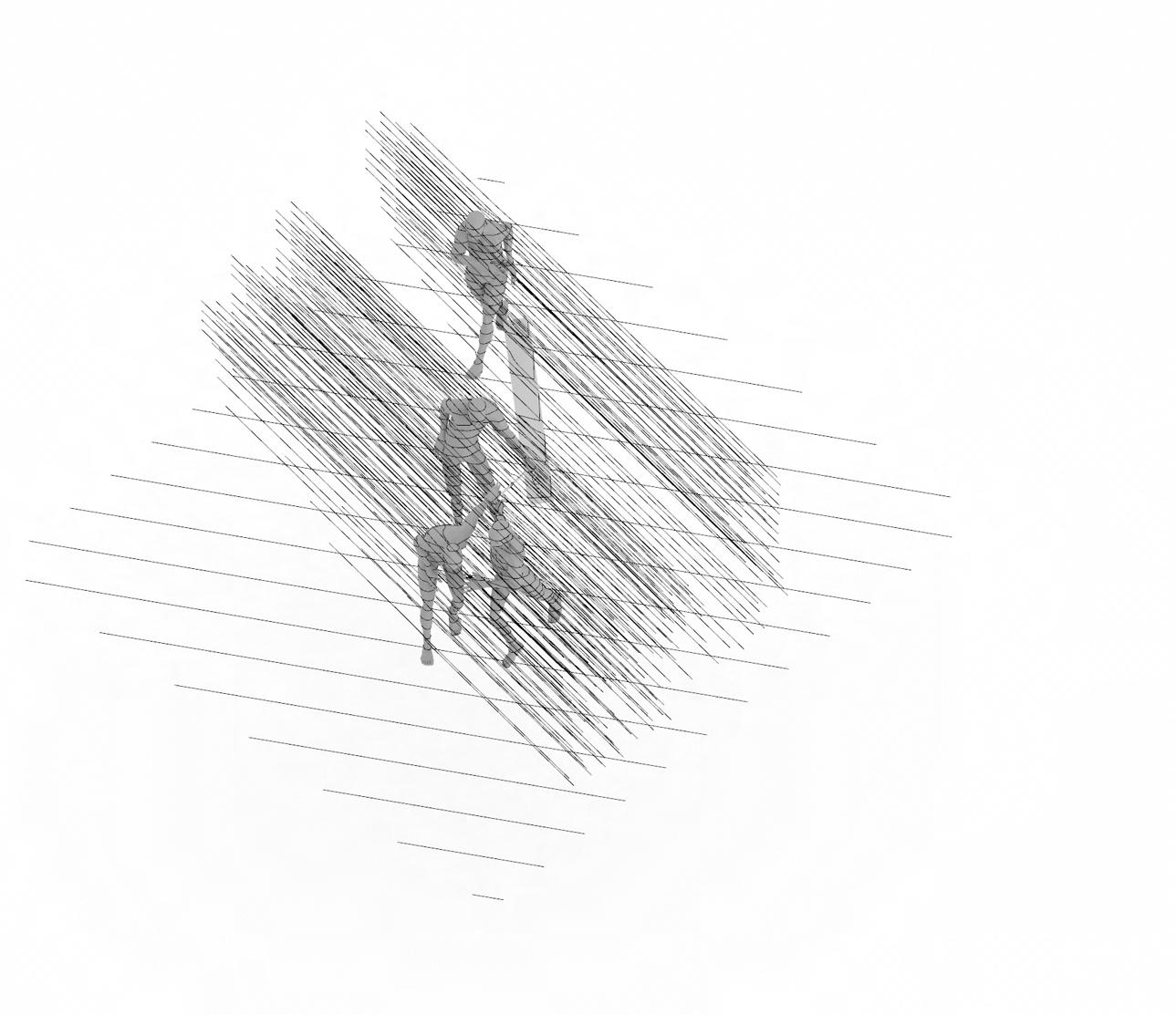
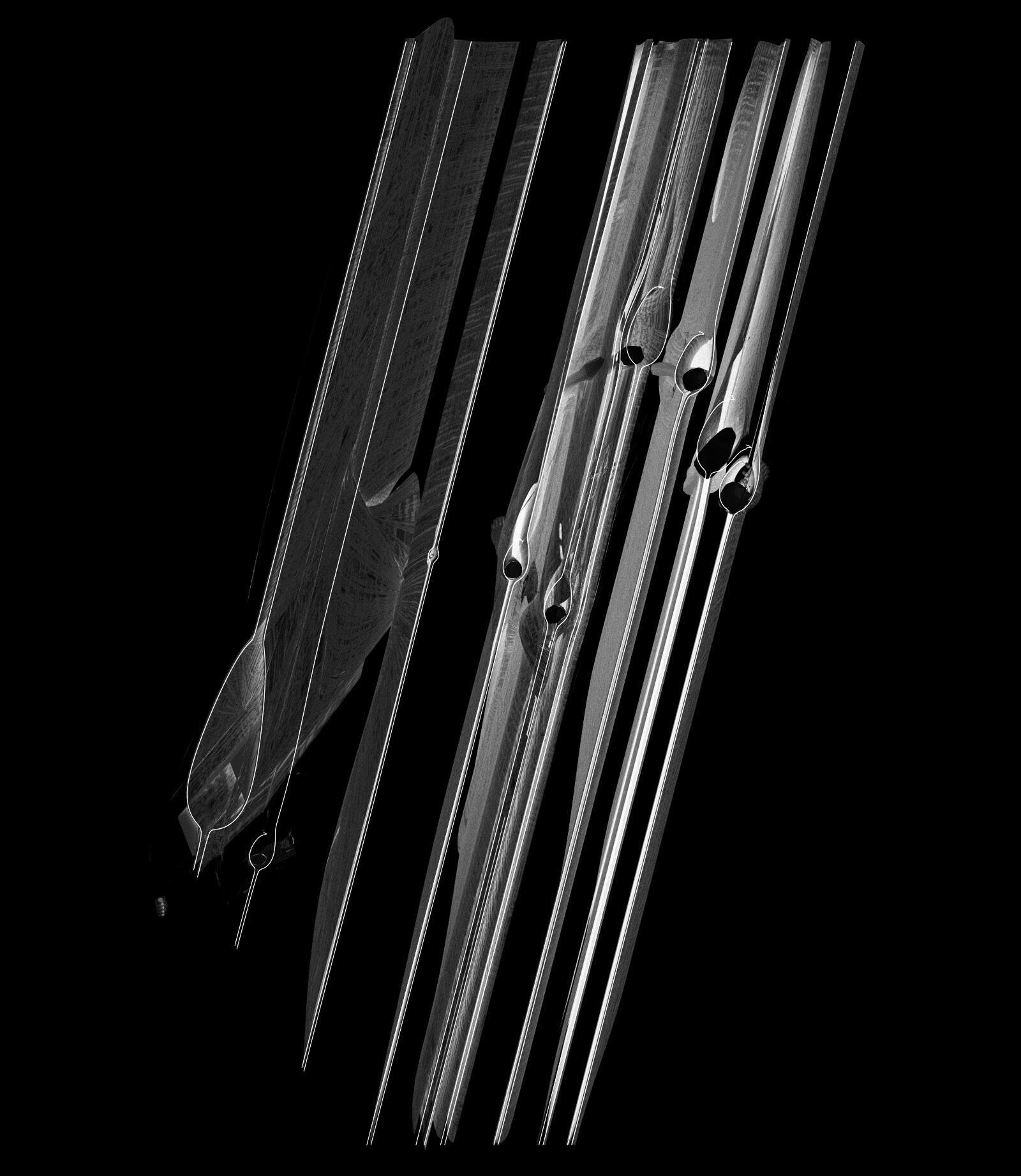
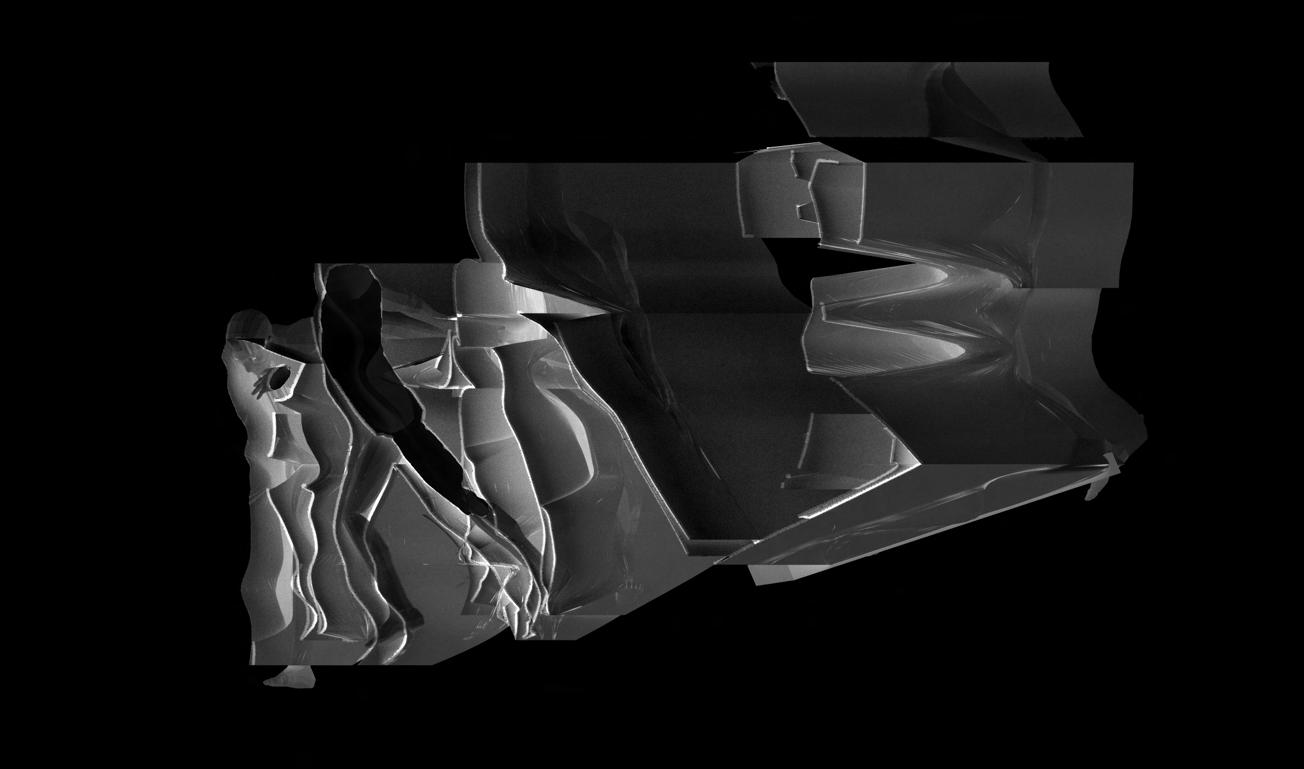
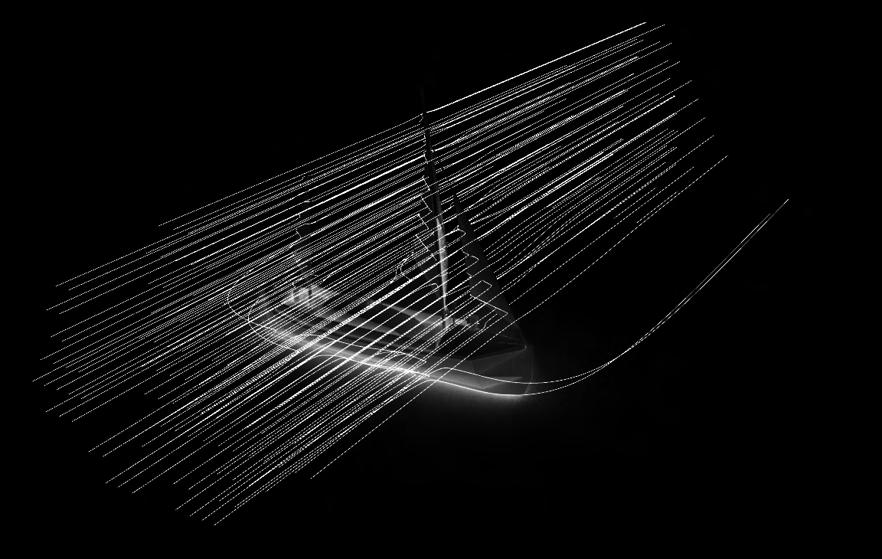
The project explores on how to represent and visualize the boundary through computation tool and modelling tools, turning the uncertain boundary in to comprehensible concepts. Tools are created to turn the simulation in to lines forming a virtual facade around the launch ladies.
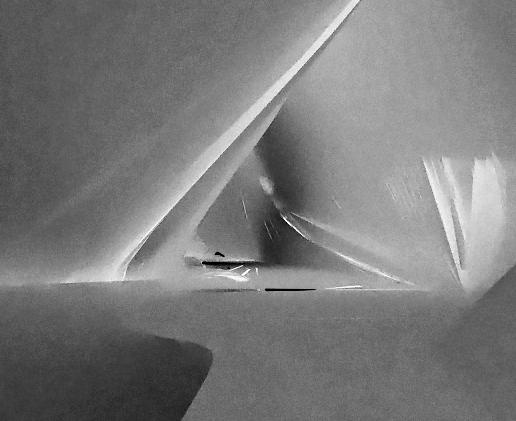
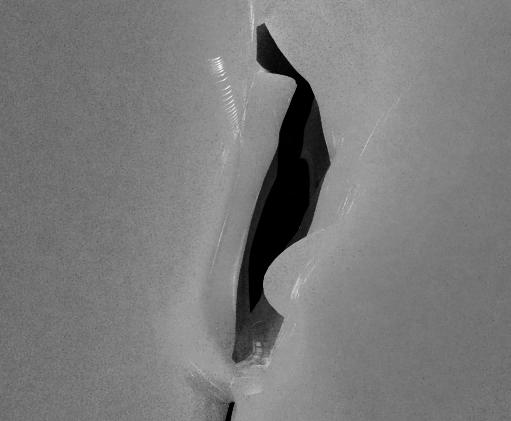
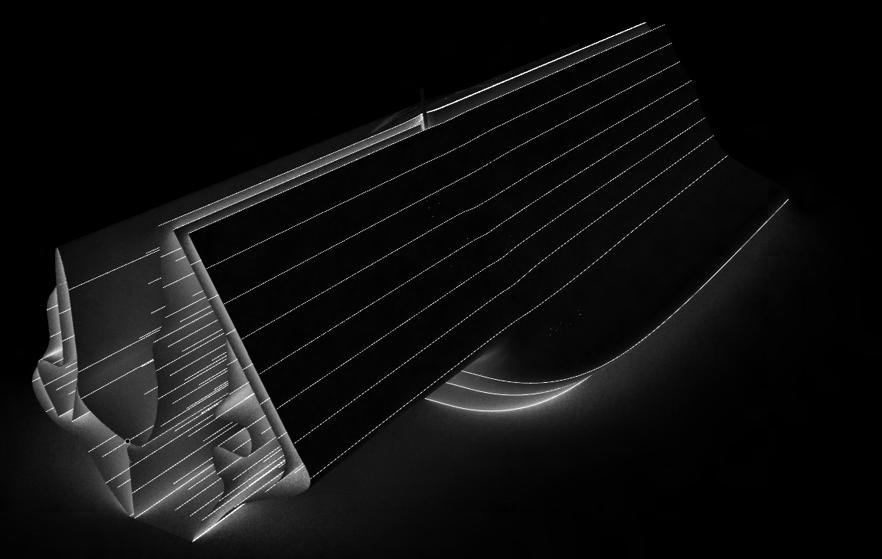
Inside these façades are low air pressure areas displayed as shadows cause by the obstruction. By extracting and solidifying these negative geometries marking out thresholds formed by the occupation of the Lady Launchers. These is then superimposed back into the site combining both realities, the negative past and positive now.
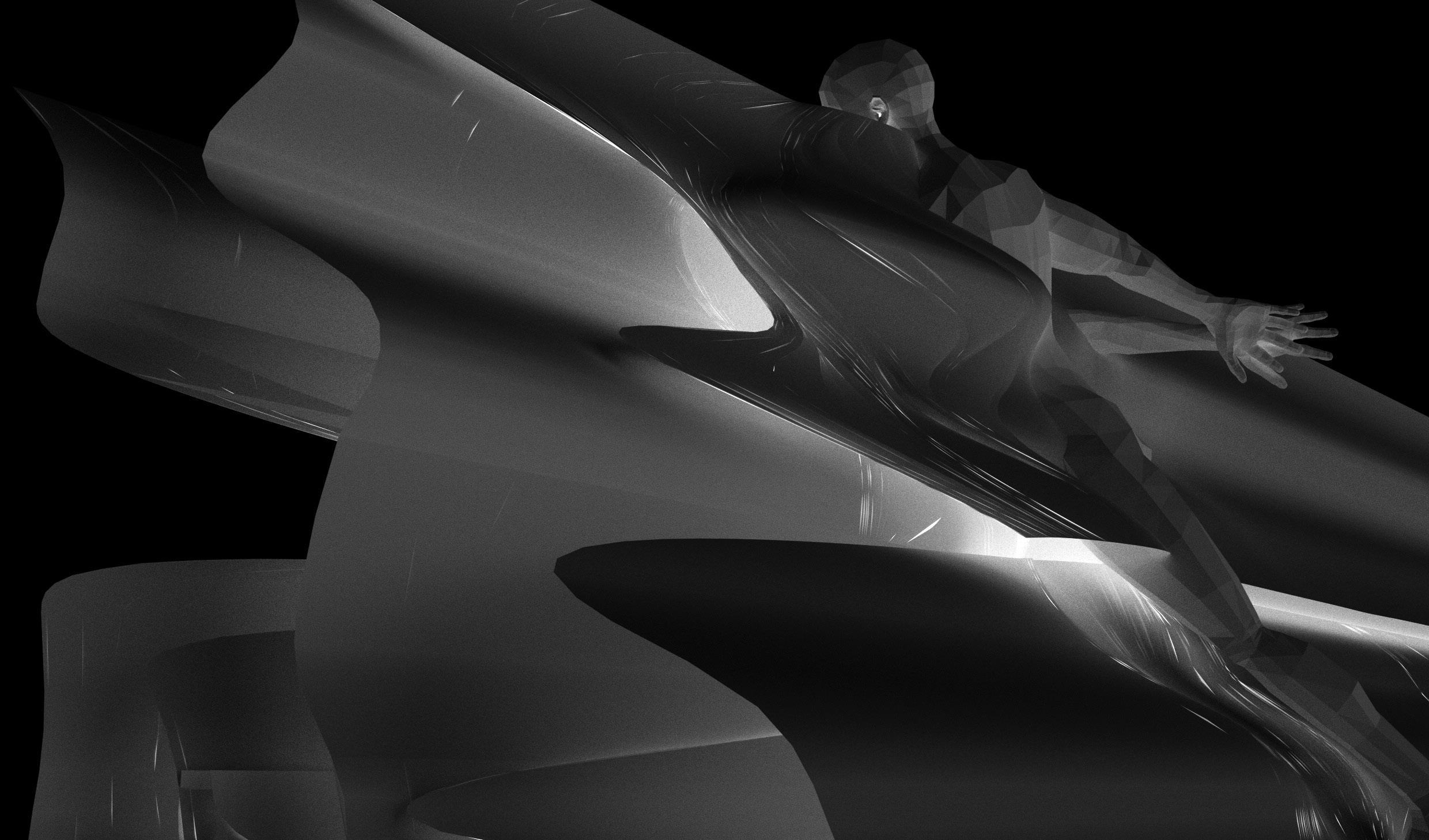
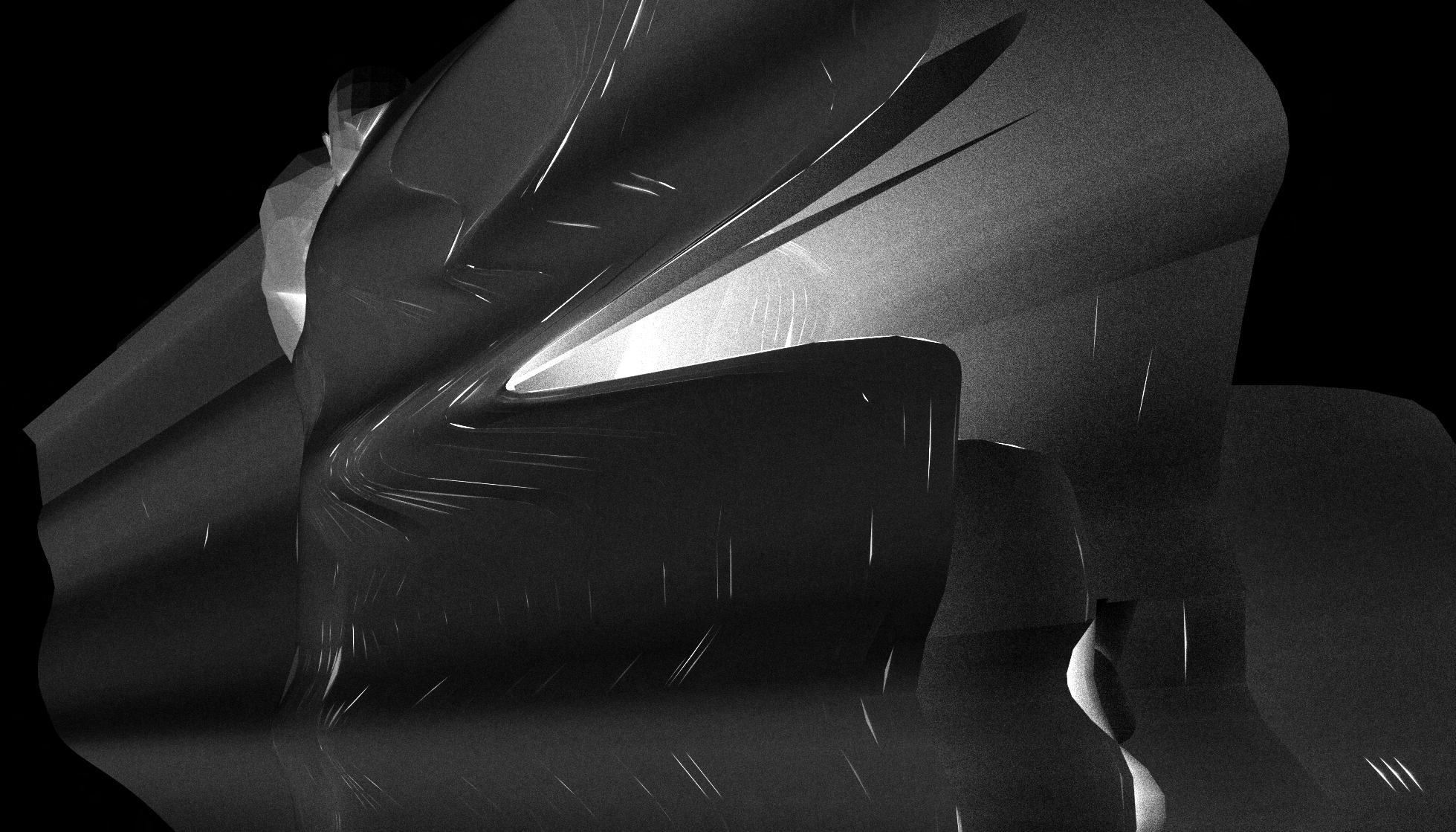
Concept: Wind Flow Simulation
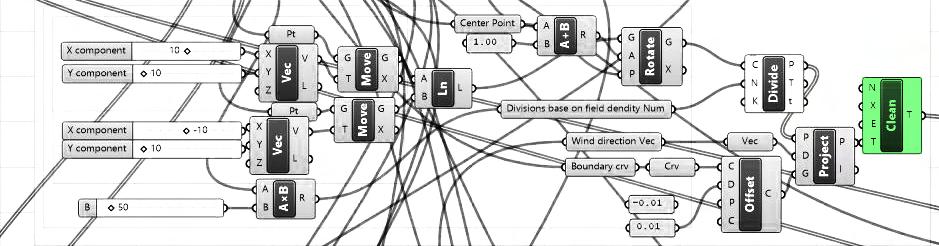

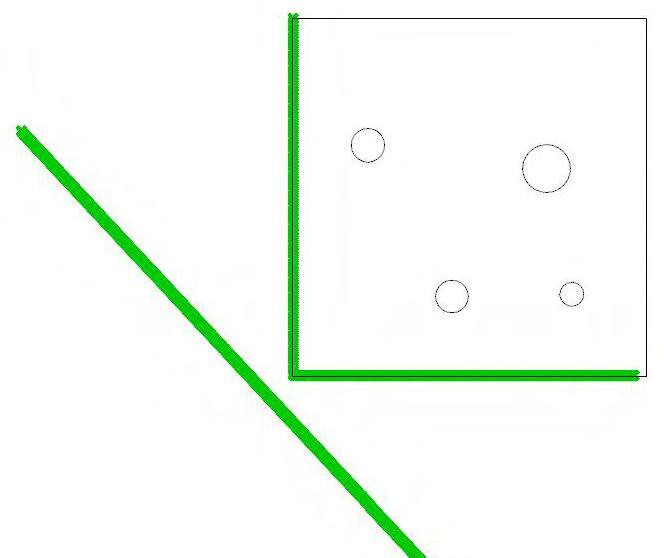
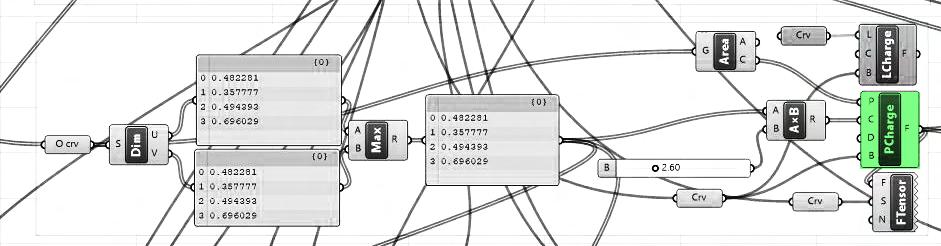

This part of the script is to control the intensity of wind represented by the number of points project on the boundary.
This part of the script is to control the direction of wind, filling the whole boundary.
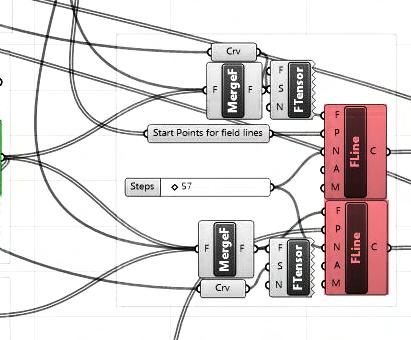
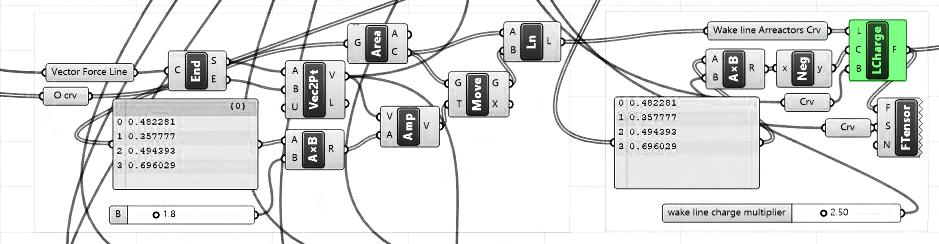
This part of the script is to merge all lines and determine how far the line will decade. With this parameter added we can also control the time frame that we want to capture.
This part of the script is to determine the area and boundary of each obstacles and deflect the line.
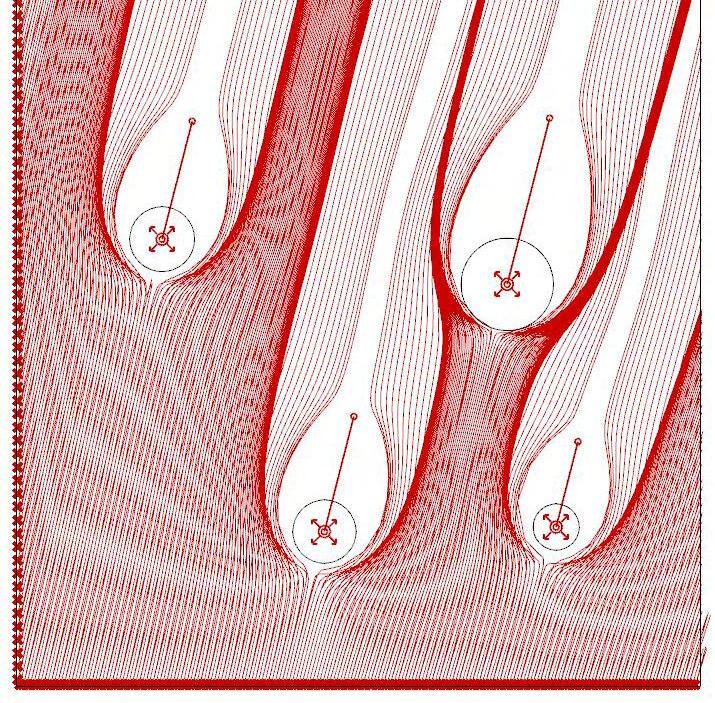
This part of the script is to determine how the line fill in the lower intensity space via the simulated wind speed and the boundary of the sabbaticals.
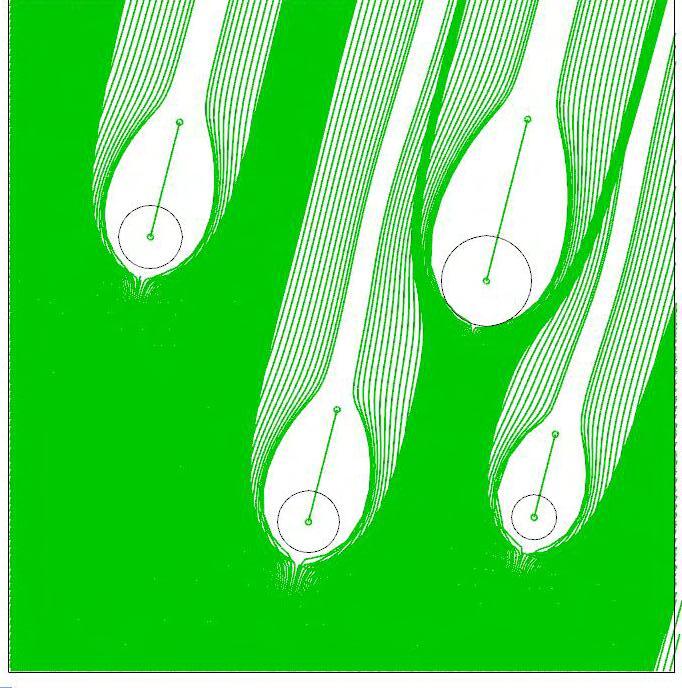
As cube is not aerodynamic enough, most air were deflected outwards and when other air particle tries to flow back to the low pressure space vigorously. This is indicated by the tangled line at left.
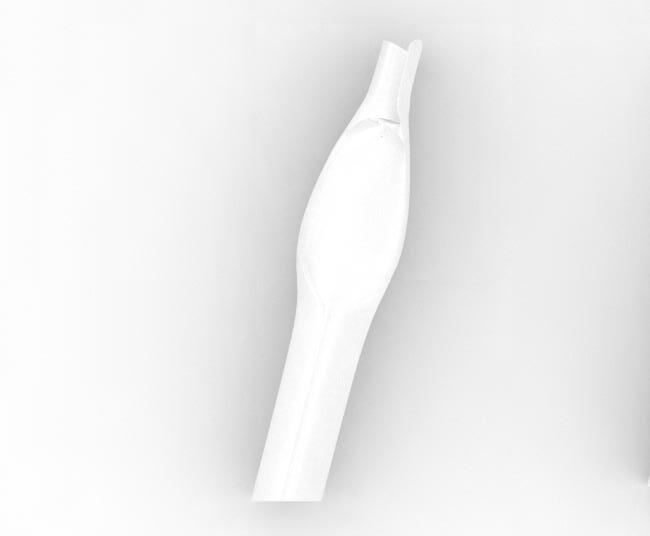
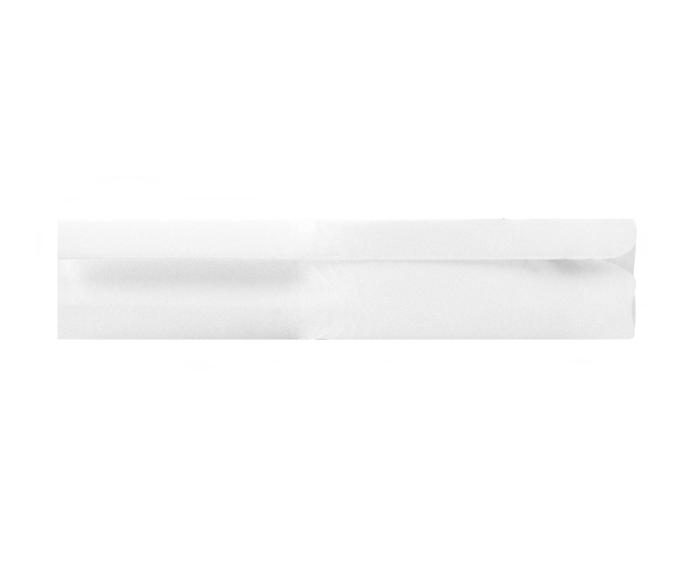
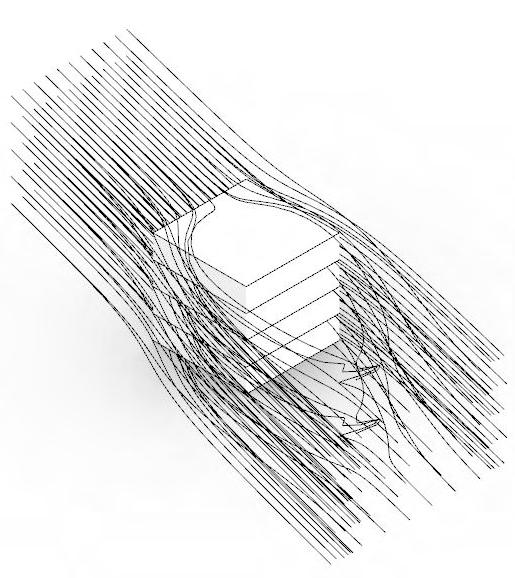

Exploring the negative geometry formed from the interaction between wind flow and obstacles.
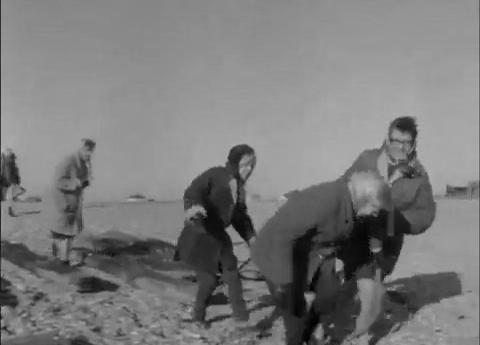
The wind flow that interacts with the launch ladies shows a clear view of what is happening within the scene. The isolated interaction lines also forms a virtual landscape of how human interaction affects the changes of site.

Wind Speed: 26.4 kmph
Wind Direction: 22.2degree NNE
Time Frame: 1.0 s
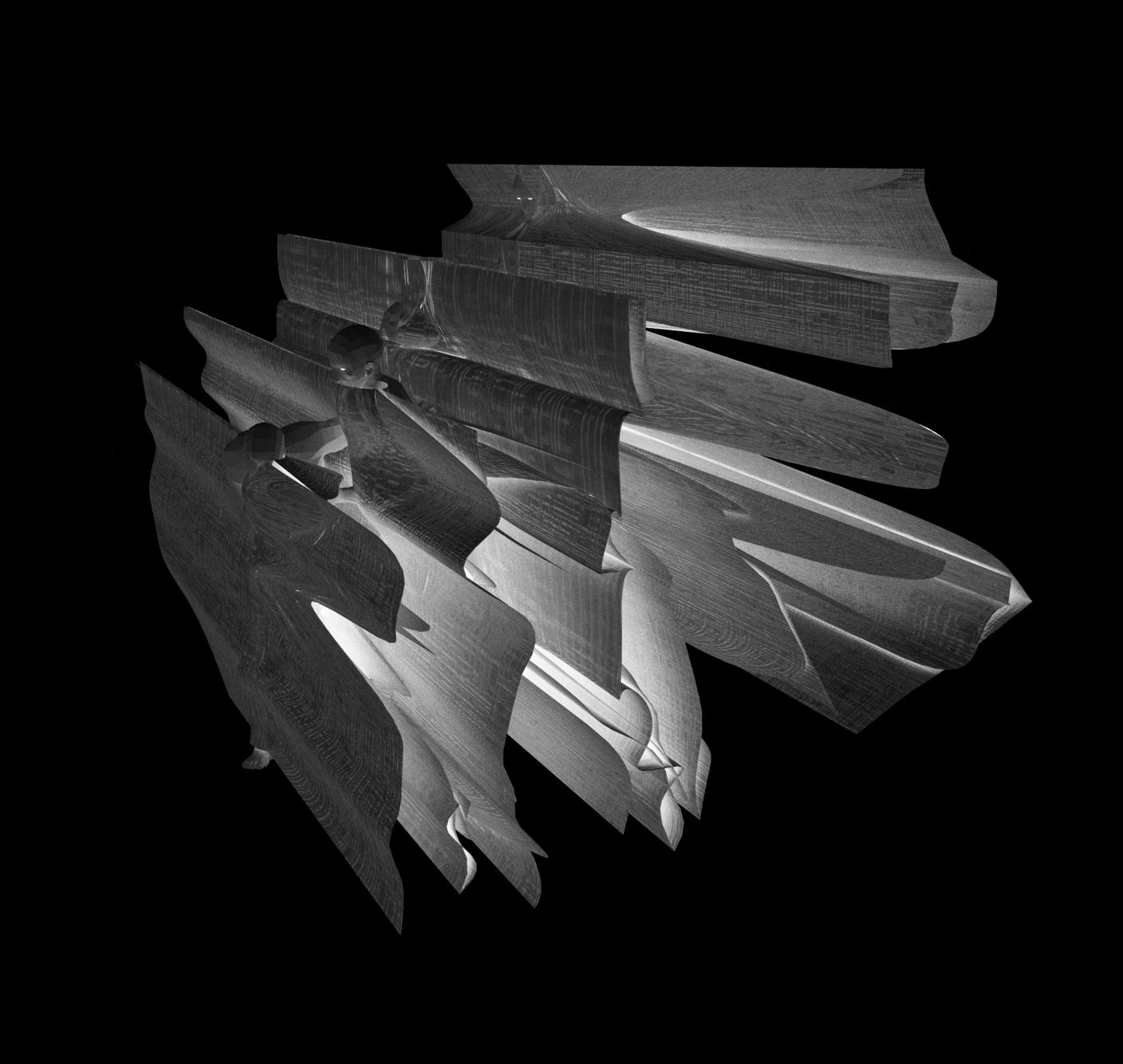

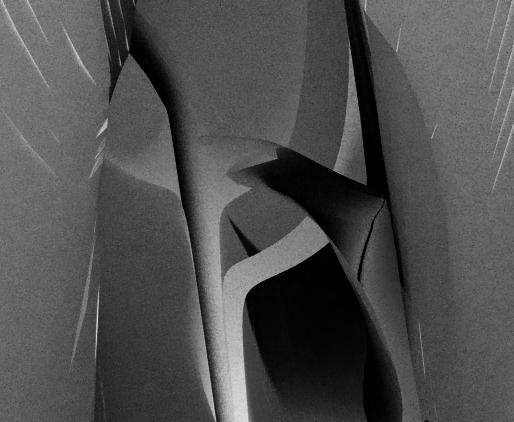
England, Kent, Dungeness
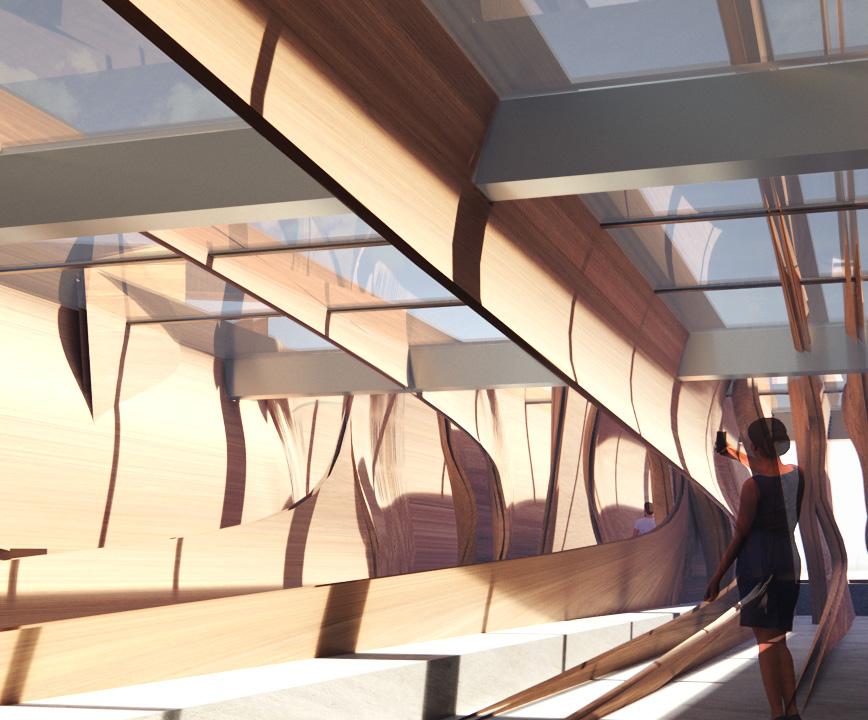
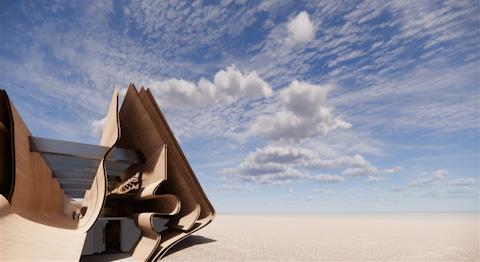
Designing space through simulations
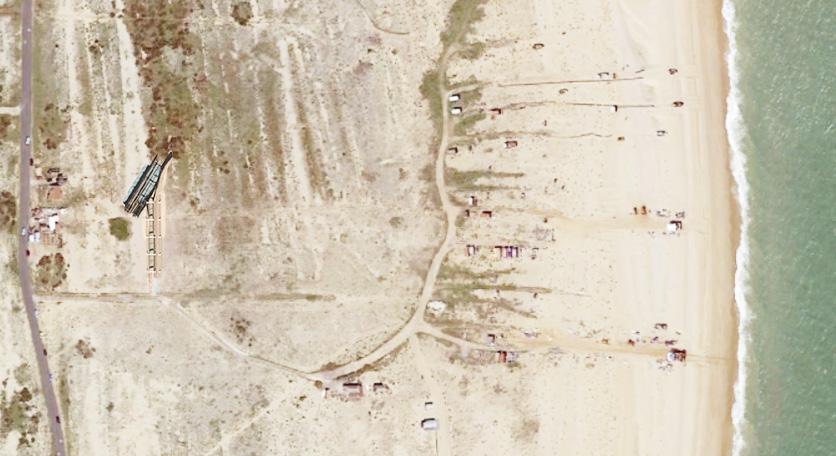
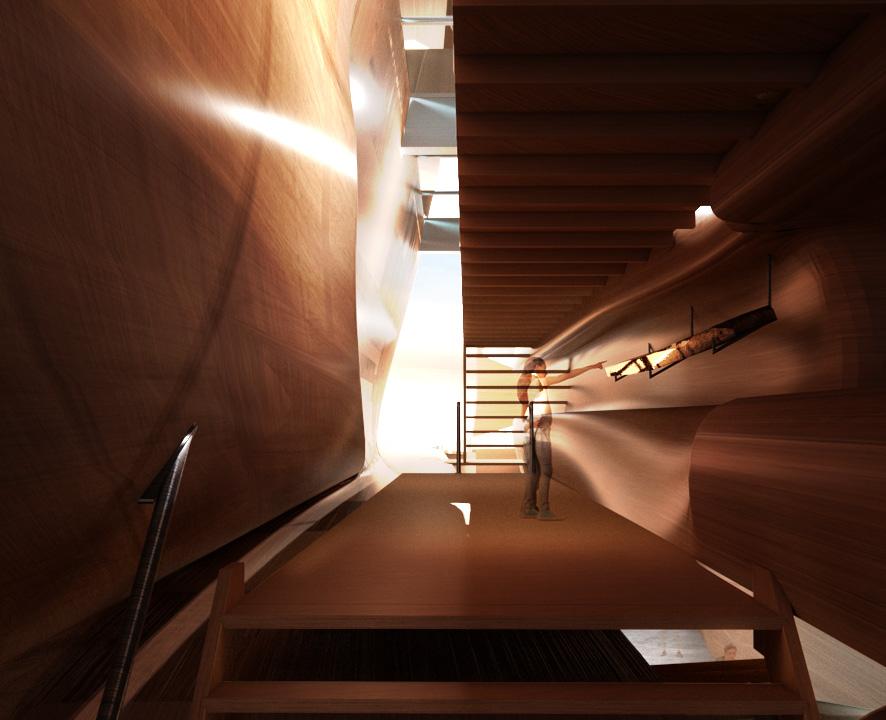
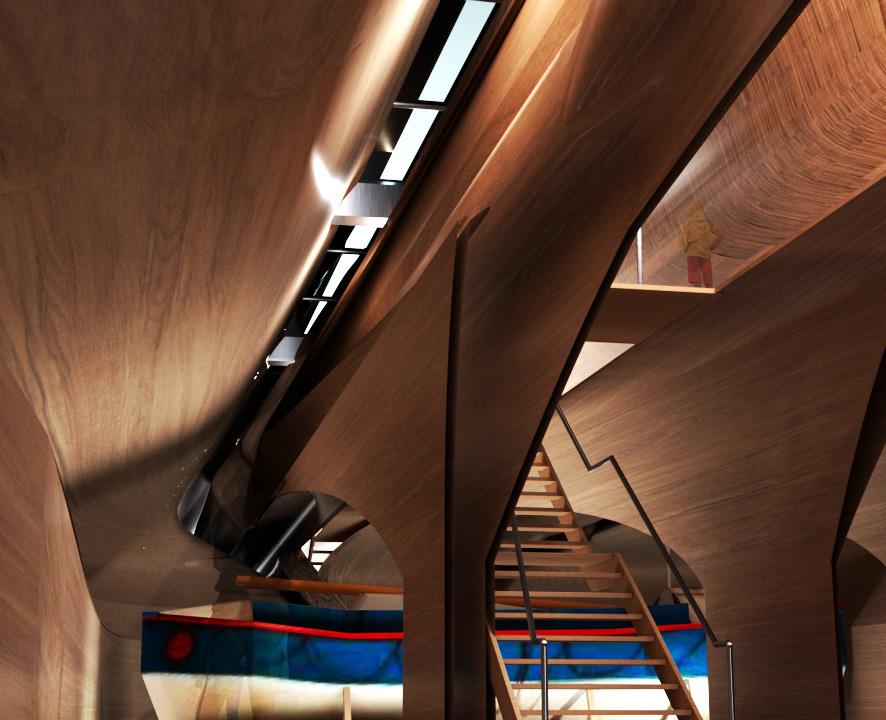
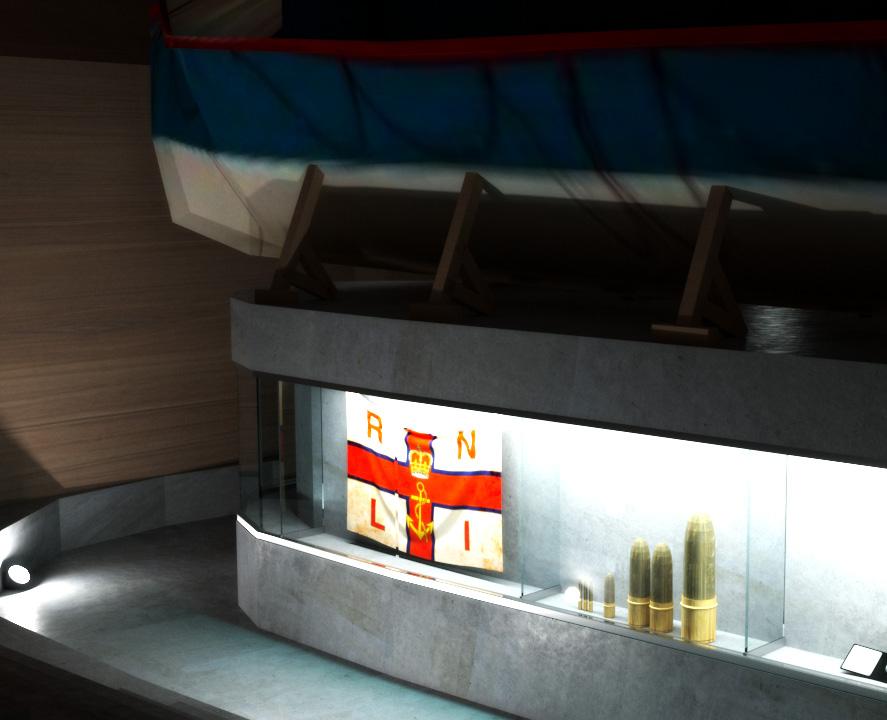
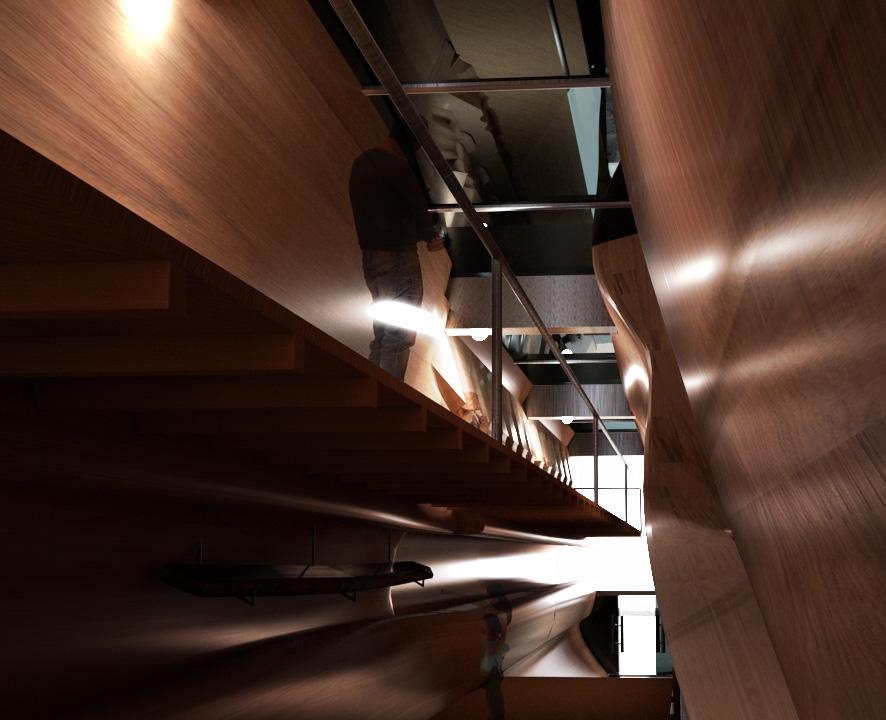
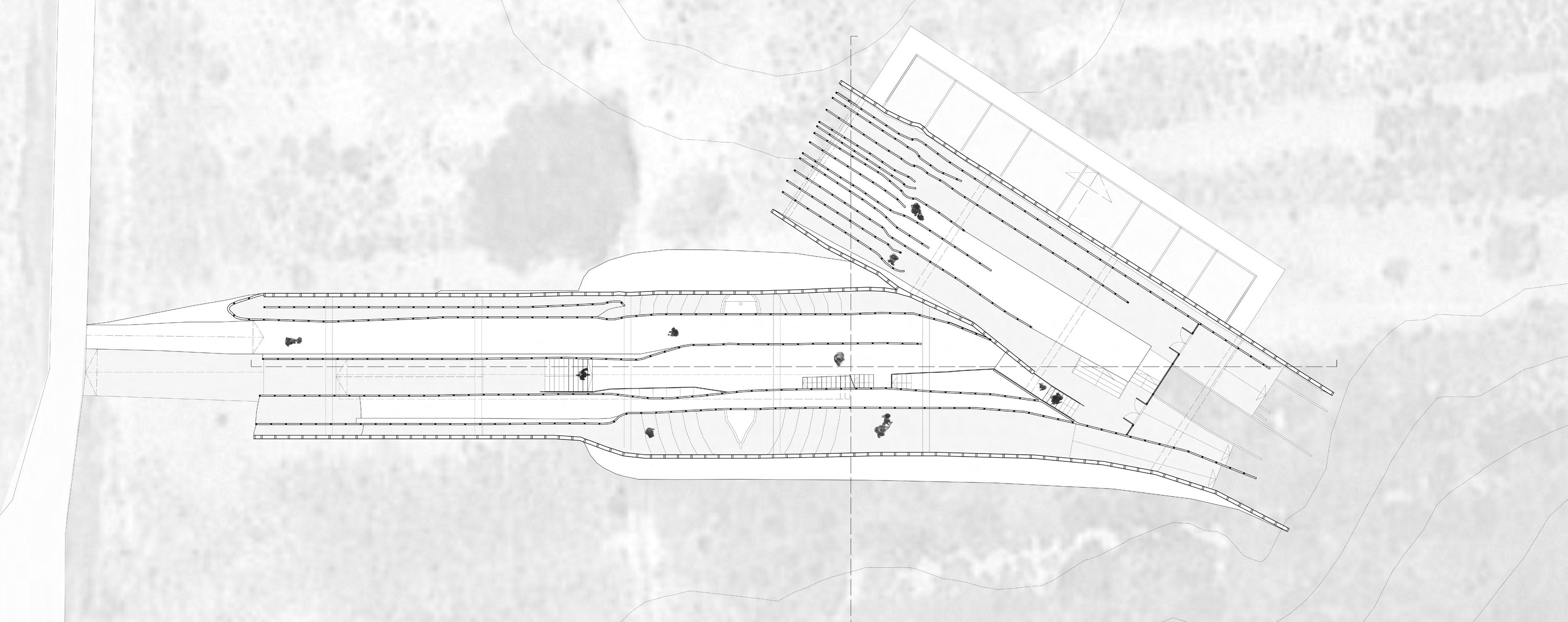
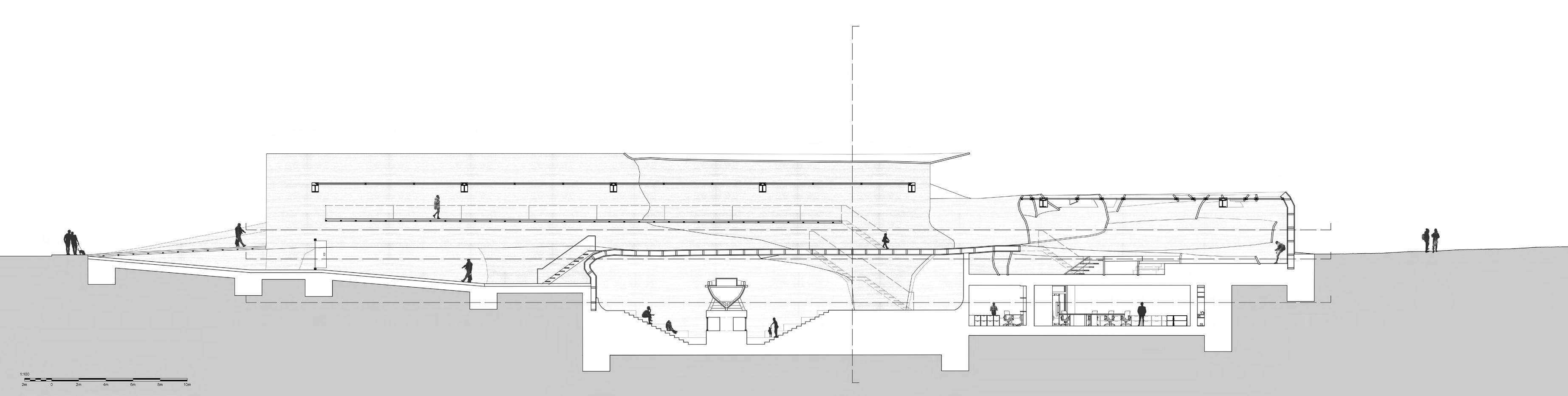
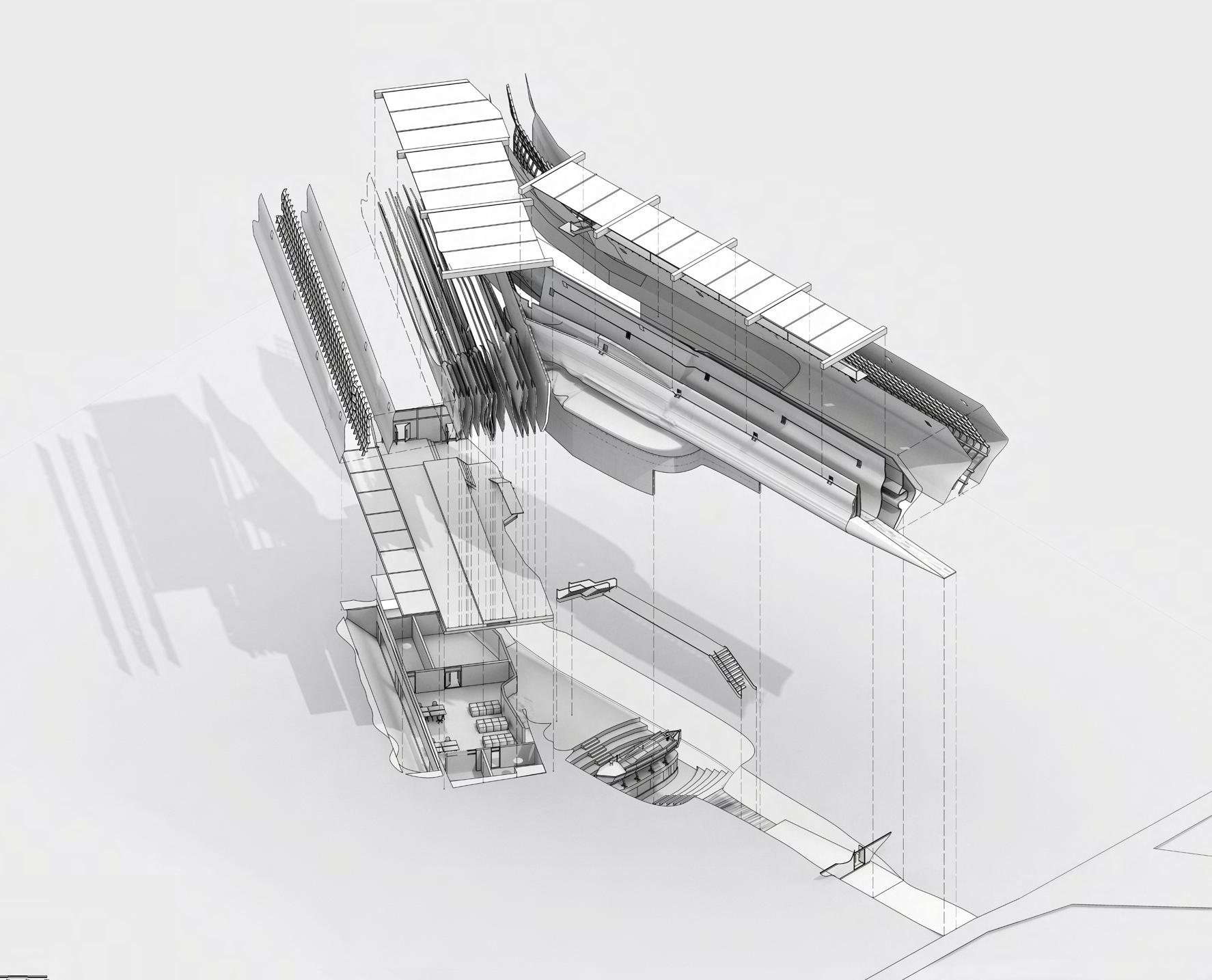
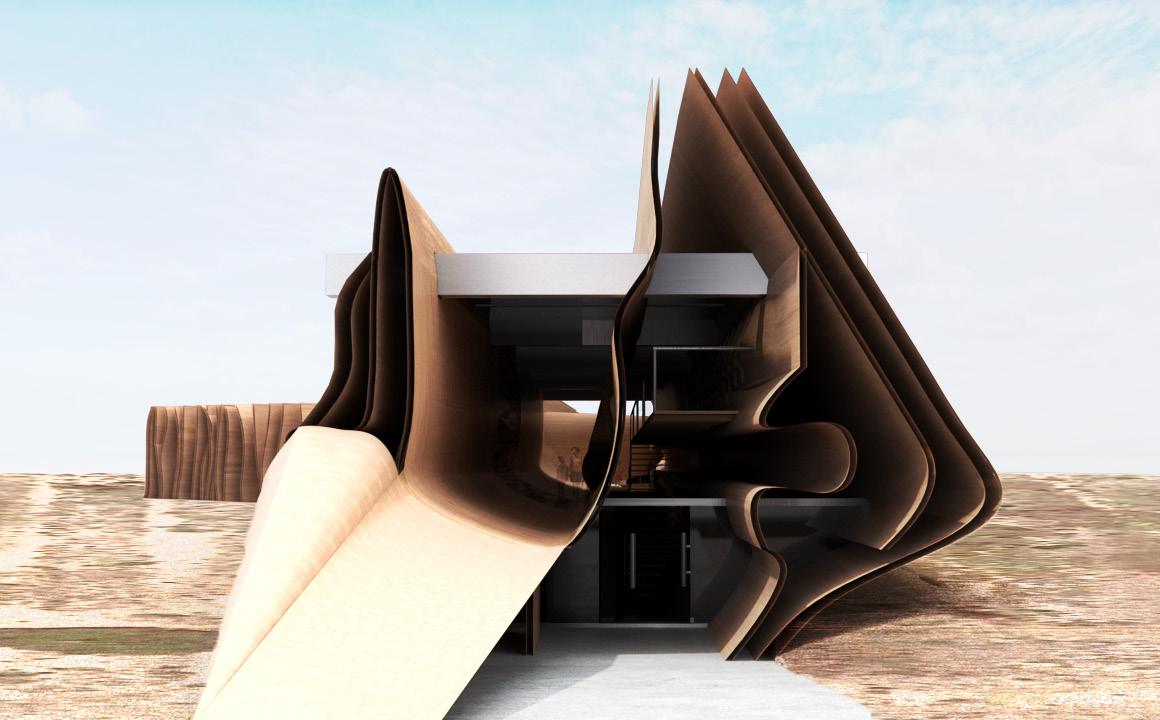
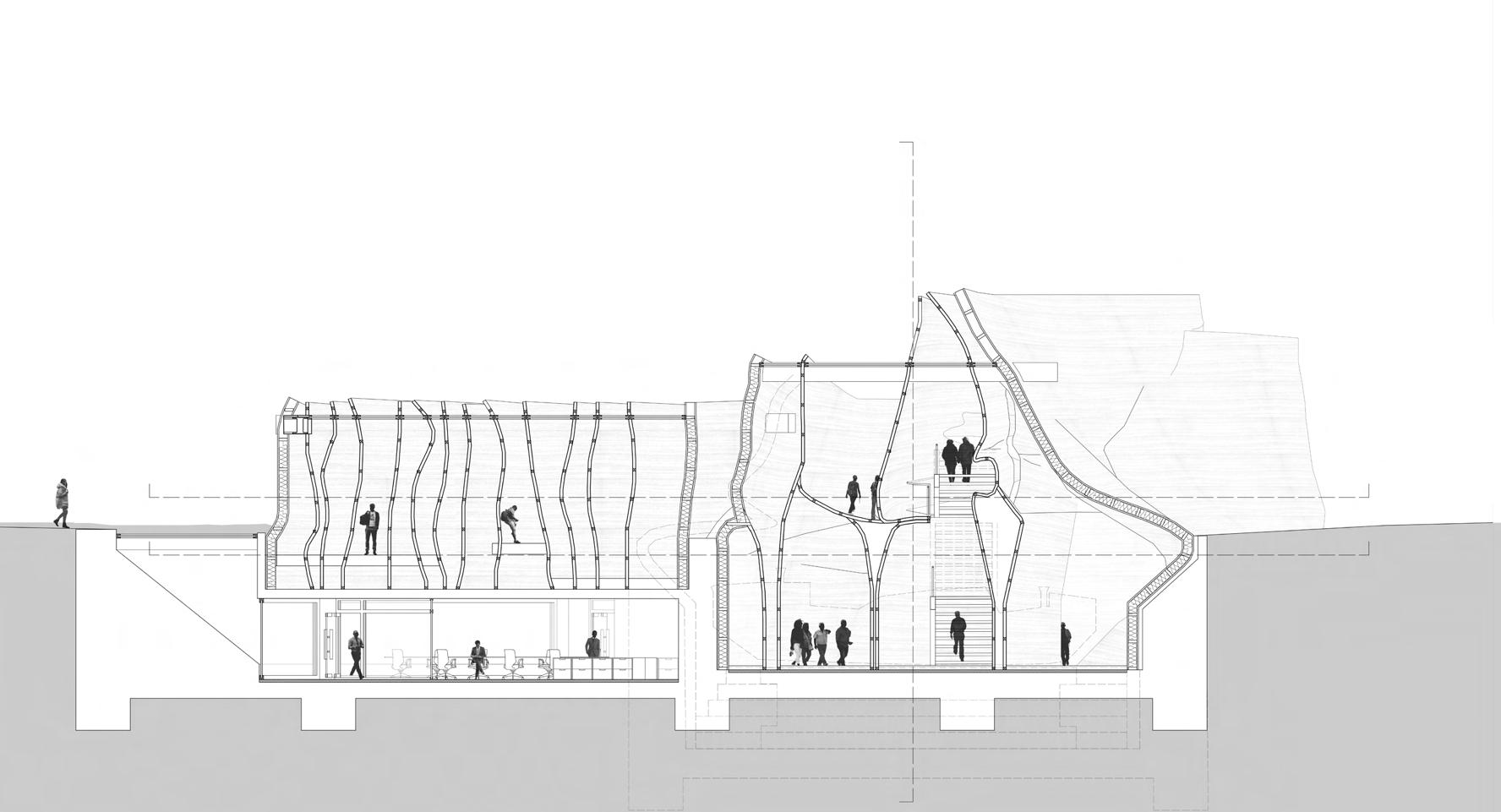
The project is a RNLI museum that aims to educate and remember the public about the lifeboat history of Dungeness, the site, and how the locals work together to save lives.
The site, Dungeness, Kent, England, holds a large area of low-lying land, which means most wind flow from the Southern Sea is not disrupted by the terrain.
The site at which this place sits was chosen strategically for the program, on a local scale, the site sites next to the original NO.1 RNLI Station that serve from 1826 to 1939. It is also sitting at the tip of the Dungeness, making it the closer to wind that the lifeboat uses to experience during service.
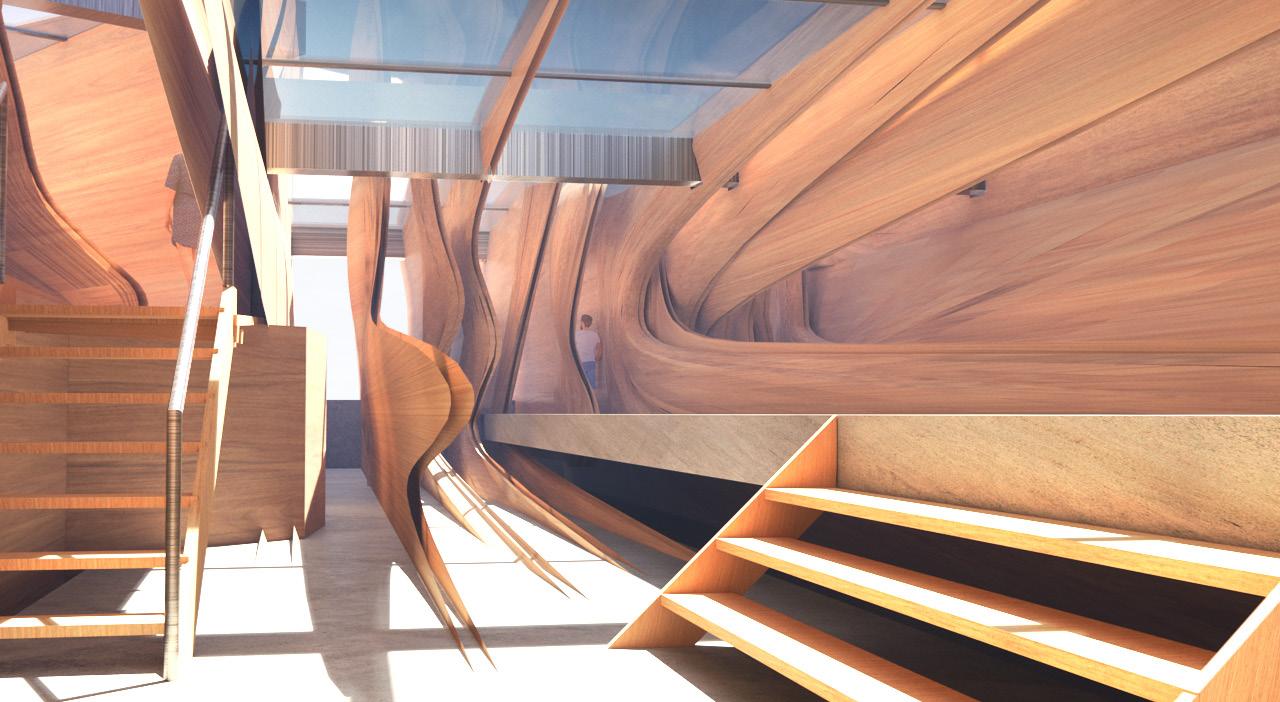
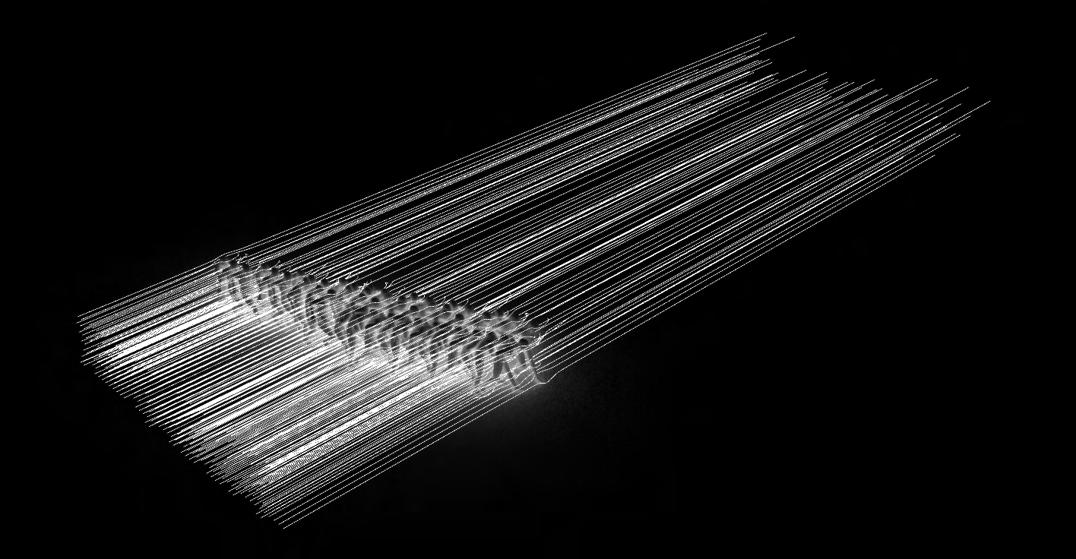
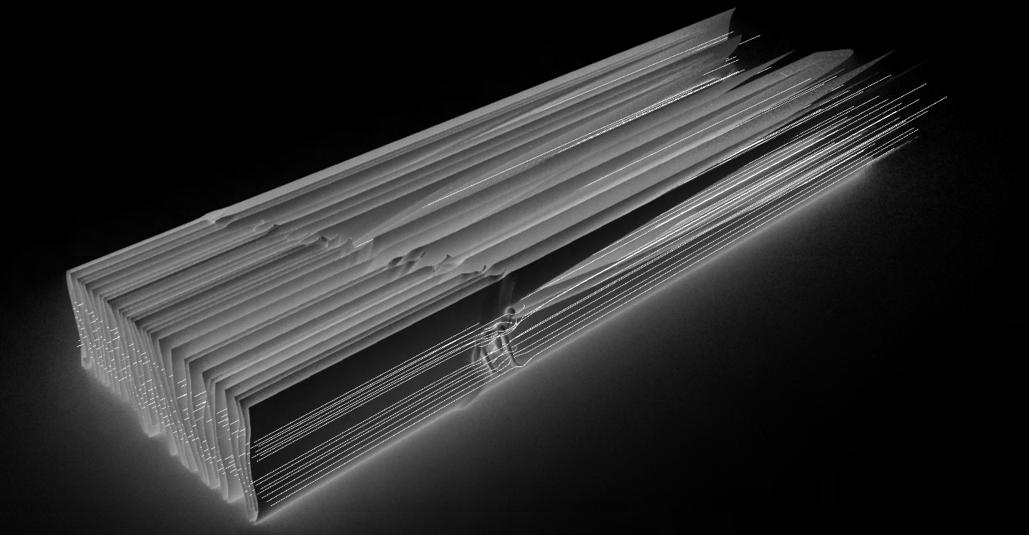
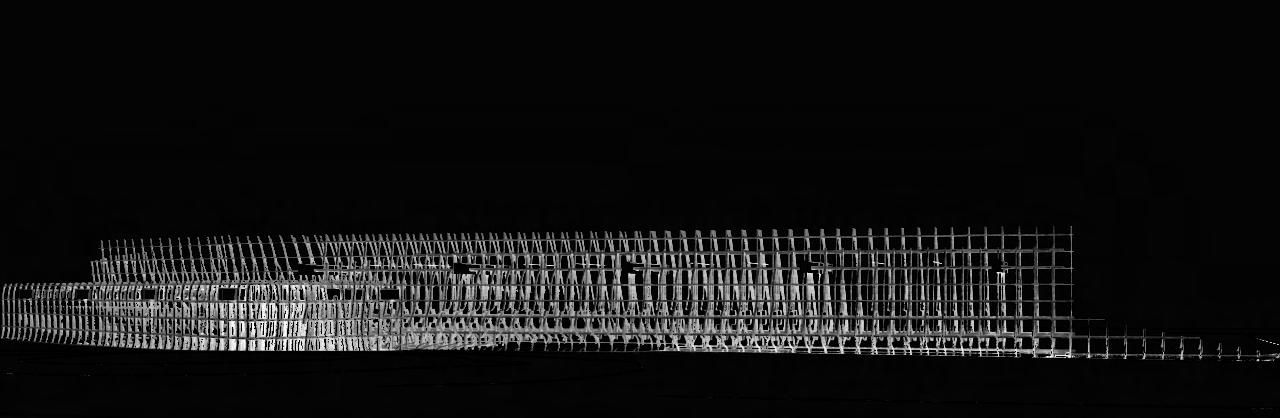
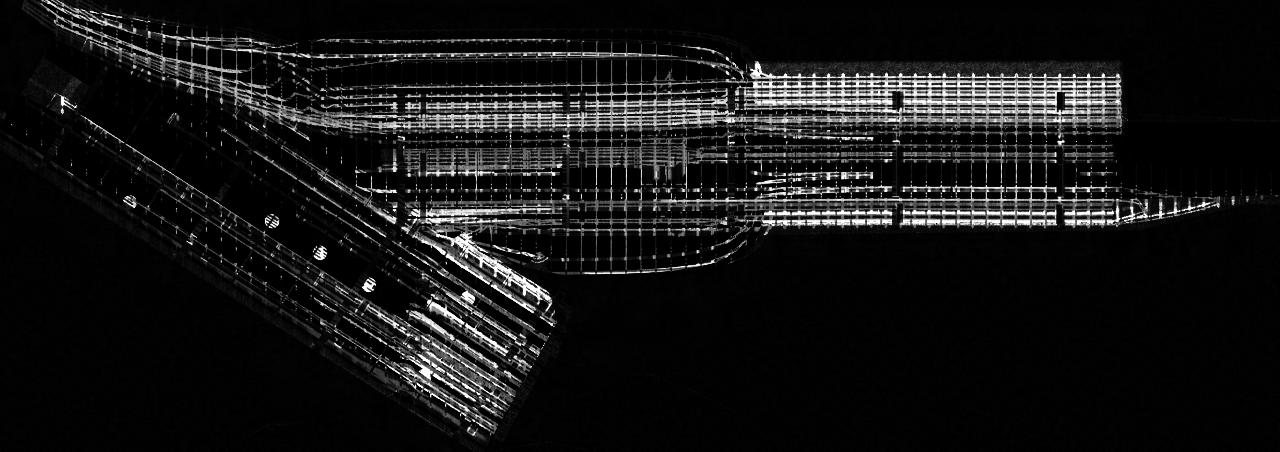
The complex of the project is created with the wind simulation tools that was created in project 1 and by using recreated historical scenes Dungeness to sculpt the wind. Allowing the project to explores on controlling wind with the structure of the museum to recreates historical scenes, allowing visitors to not just learn the history via informational text of images but also with the sense it with touch.
The threshold created within these simulations will then be altered to fits the function of the museum.
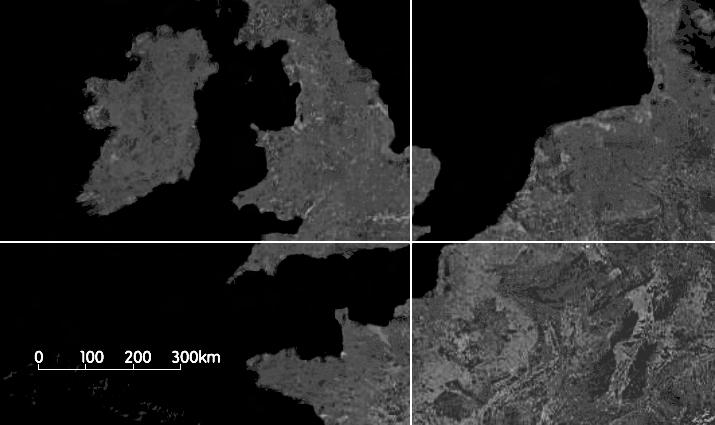
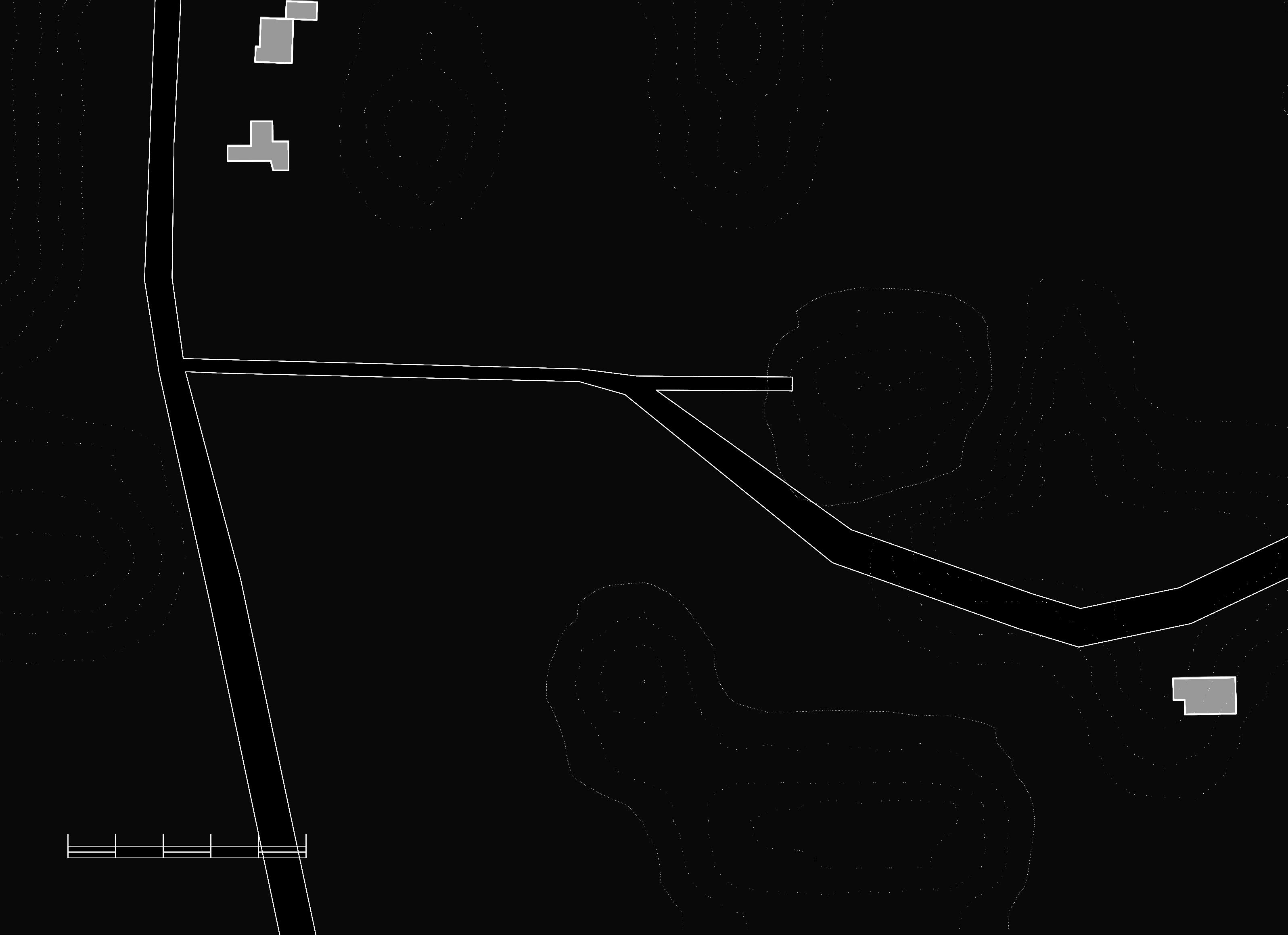
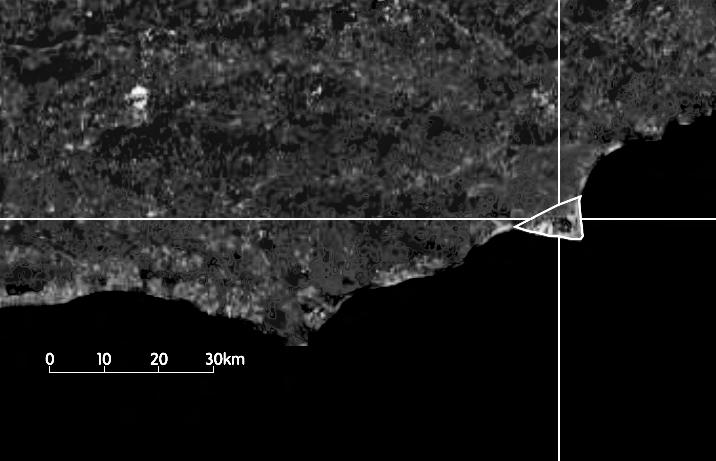
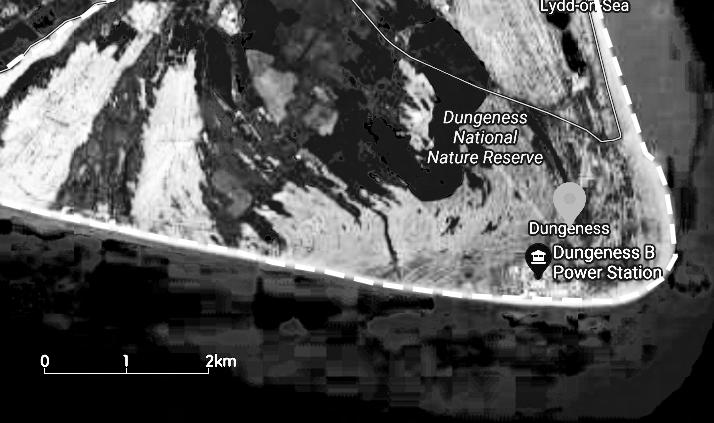
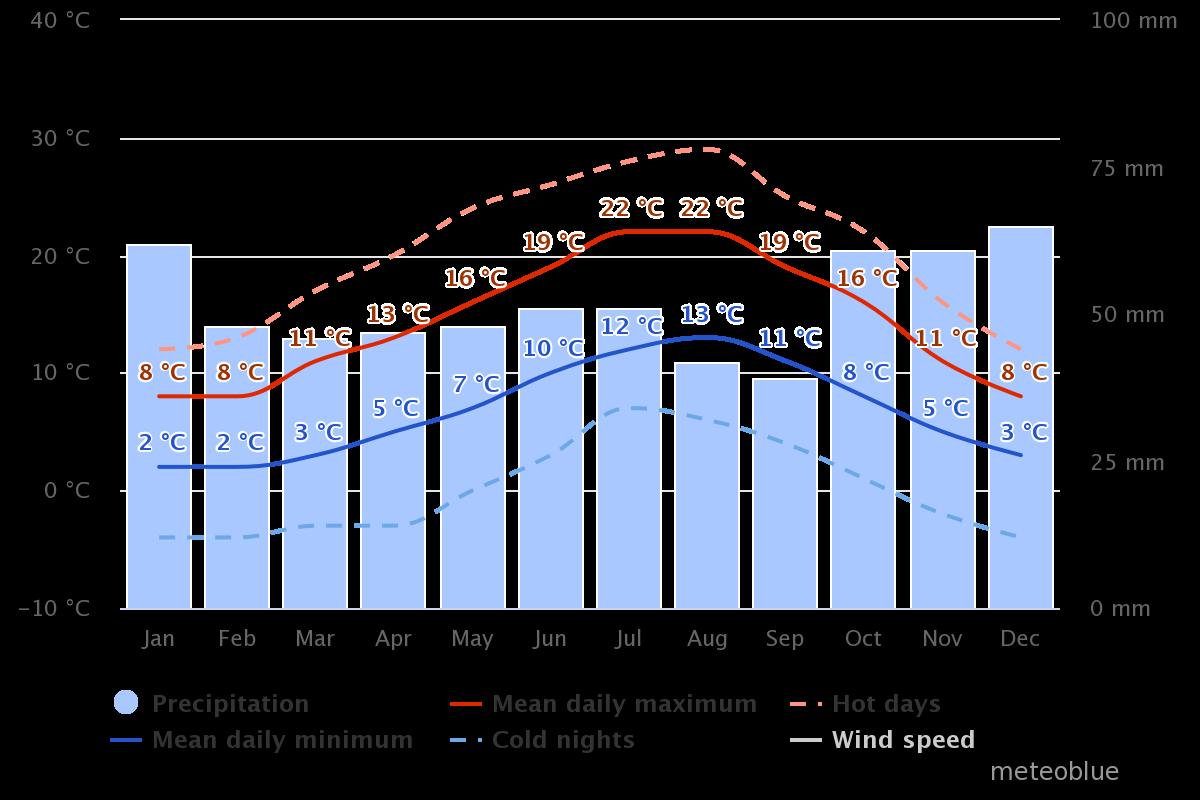
Dungeness]is a headland on the coast of Kent, England, formed largely of a shingle beach in the form of a cuspate foreland. It shelters a large area of low-lying land, Romney Marsh. Dungeness spans Dungeness Nuclear Power Station, the hamlet of Dungeness, and an ecological site at the same location. It lies within the civil parish of


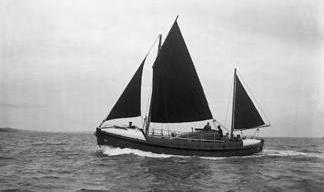
Dungeness Lifeboat ‘RNLB Charles Cooper Henderson’ was one of nineteen RNLI lifeboats which served in World War Two in the evacuation of approximately 338,000 Allied Soldiers from the beleaguered beaches and harbour of Dunkirk, France, between 27th May and 4th June 1940.
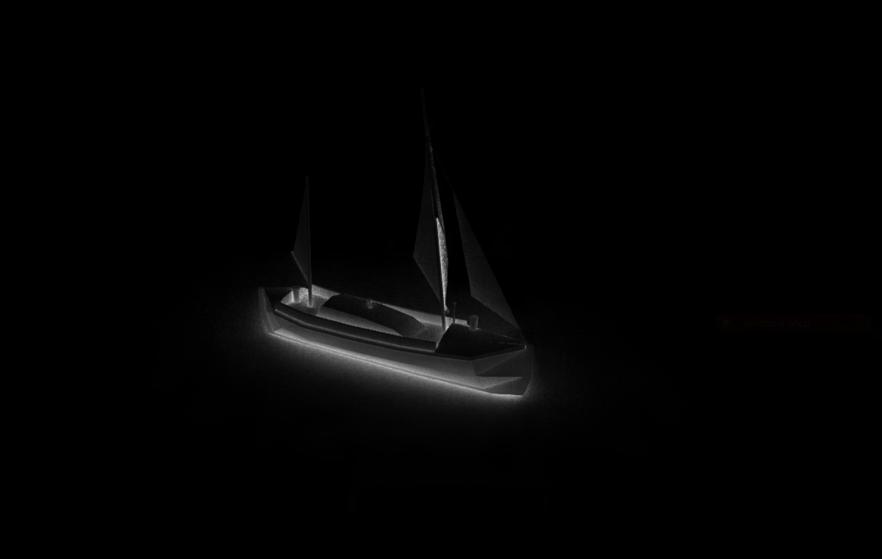

The tradition of Lady Launchers continued at Dungeness for over one hundred years and only ended in 1979 when the station operated its first lifeboat launched from a carriage and operations moved to the station’s current location on the beach.

Exhibition Hall 2 (Lady Launchers)
Iteration 5

Dungeness RNLI Museum
Animation