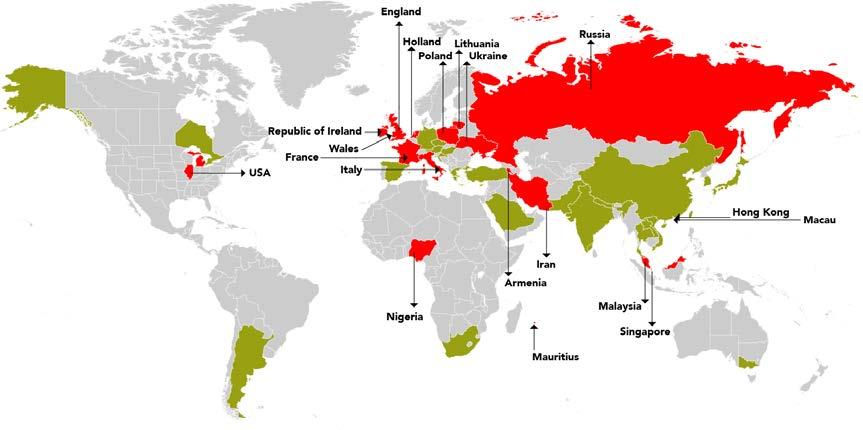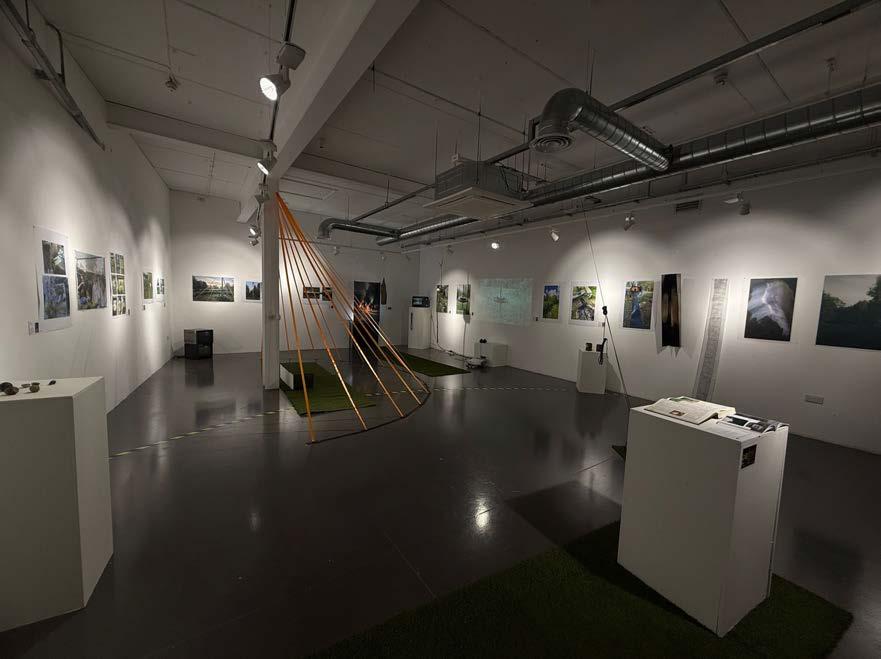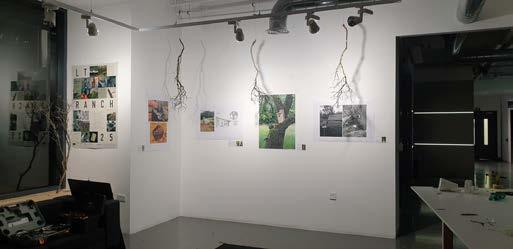
LT Ranch Summer Residencies 2025 a low frequency chaos
Alex Koks
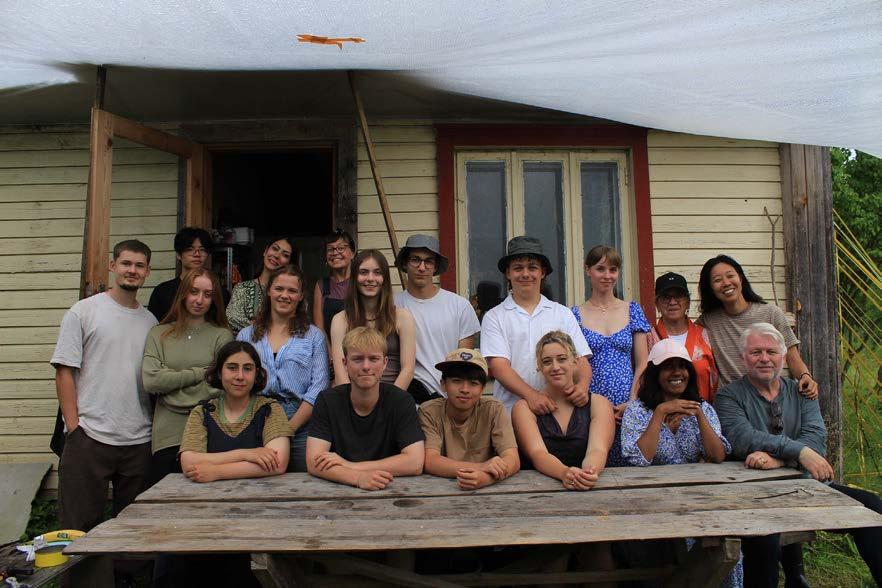
Alice Baseian
Anna Dovha
Diego Rodrigues
Diya Seepaul
Dom Chu
Dulcie Smith
Faezeh Fathi
Georgia Bills
Ivan Vong
Jeffrey Adjei
Jos Pepe
Jude Bartlett
Kristina Kotov
Maegan Icke
Niall Healy
Nicole Ng
Remi Brazzi
Wiktoria Stachowiak
Stasys Skliaustis & family
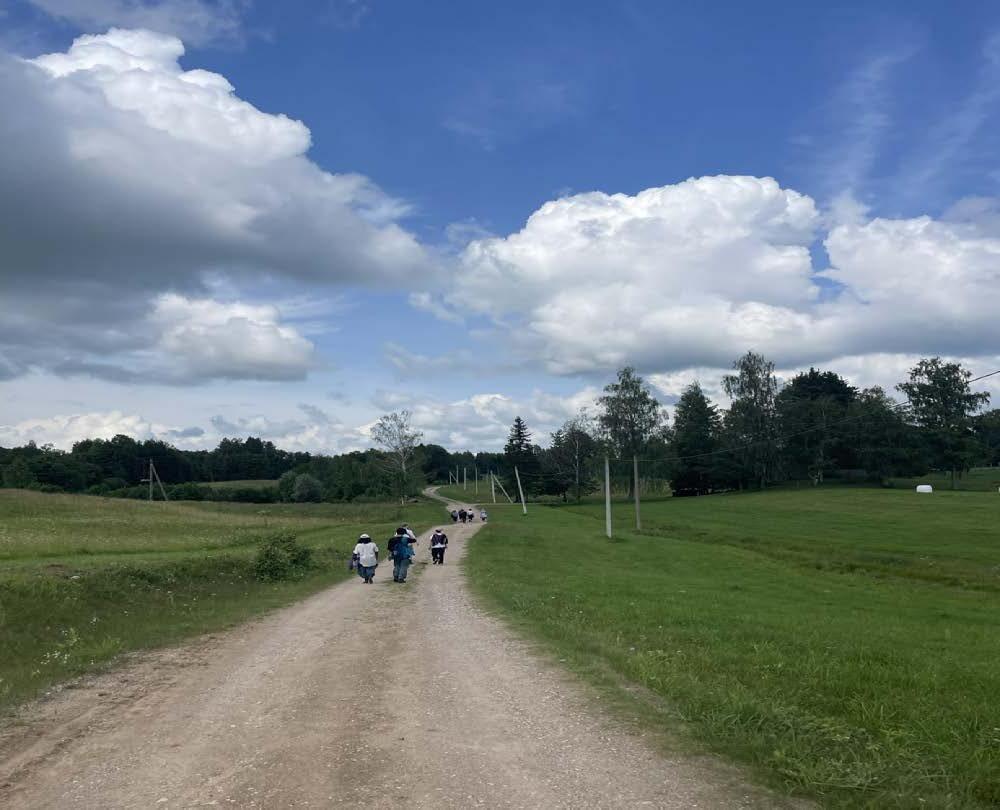
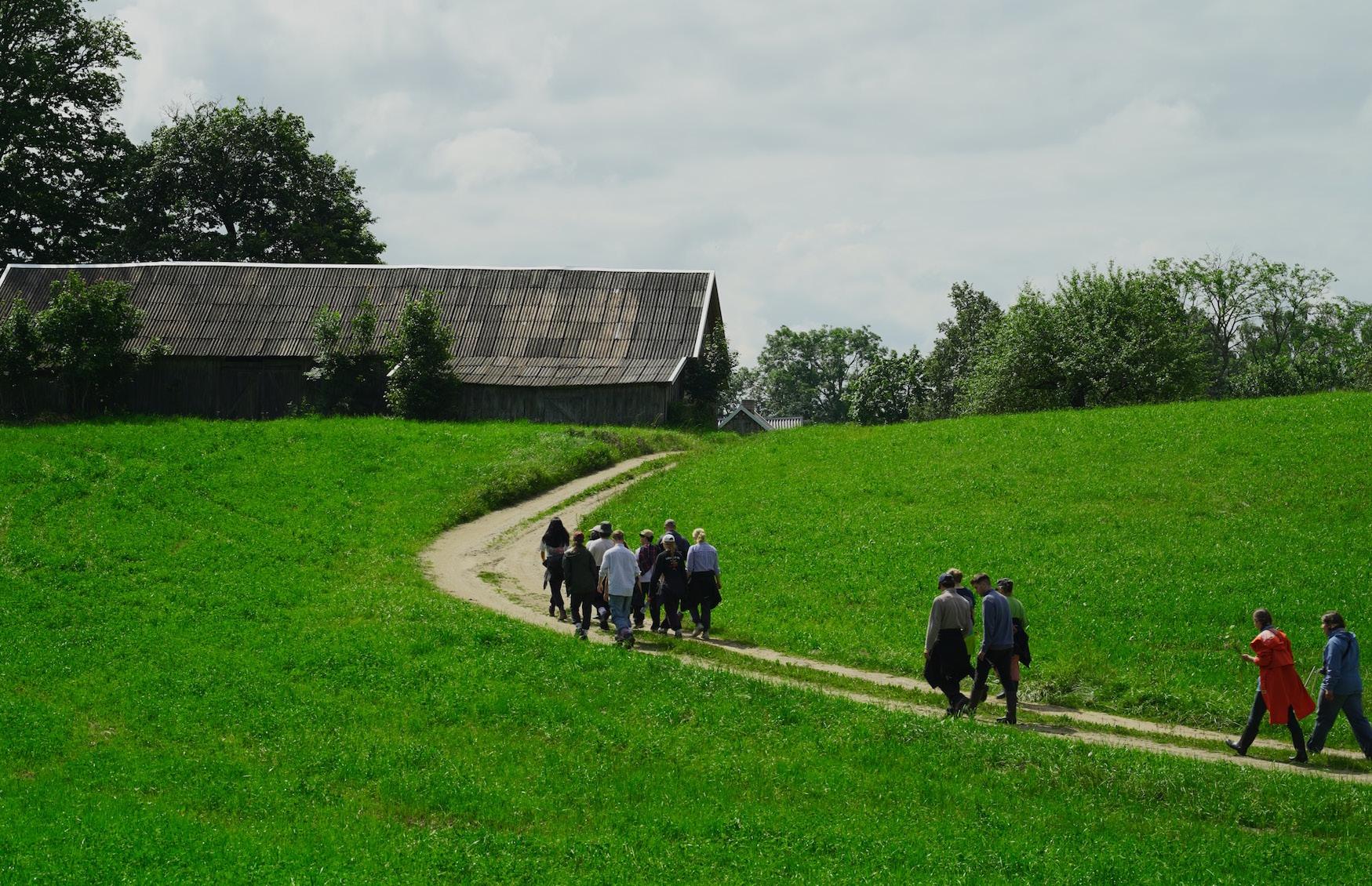
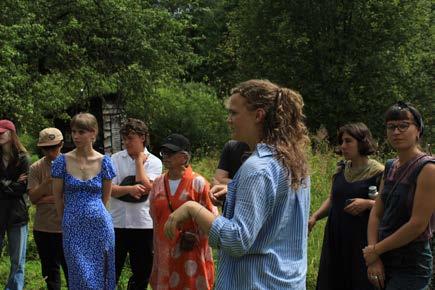
Anyone who has heard of the LT Ranch Project asks themselves the same question: What can you expect when you find yourself in a remote, green land far from civilization, surrounded by friends and strangers, left to your own devices in terms of creativity and stepping outside your comfort zone? For every member who joins the group for the first time, this is one unknown that they know they will only experience once they arrive in Lithuania at Kristina’s ranch.
As a second-year architecture student at the time, deciding to go on a trip and taking part in a mysterious project, where we knew that only the spirit of our creativity mattered, was both a salvation during our intense studies and something we eagerly awaited. During the preparations and meetings, we often heard questions from permanent team members such as, “What are you planning to build?”, “What is your idea for your project?”
“What do you want to achieve by being part of LT Ranch?”. And while some of us knew our goals from the very beginning, there were also those whose answers were based on spontaneity and what time would reveal. This led to even more questions, but also a sense of excitement and freedom. Personally, traveling to a country I didn’t know and participating in a project where all creativity was allowed gave me the opportunity to step outside my comfort zone, both physical and imagined. I saw those dozen or so days as something that would allow me to understand where my artistic soul comes from and what influence it has on the creation of both reality and my personality. I believe that for many of us, both those with whom I shared this adventure in the 2025 project and previous participants, the idea of LT Ranch was associated with a challenge that was tackled through fun and thorough research.
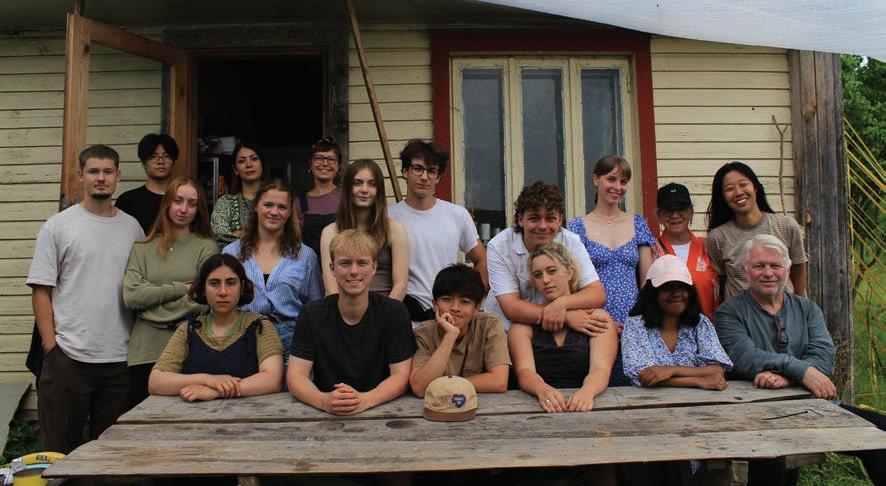
In the second half of July 2025, our adventure with LT Ranch began. Kristina, a person full of patience and kindness, created a place full of peace and family warmth for each of us. However, one of the most important aspects of this project was
Każdy ktokolwiek słyszał o LT Ranch Project zadaje sobie jedno to samo pytanie - Czego można spodziewać się będąc w odległej zielonej krainie z dala od cywilizacji, w otoczeniu znajomych nieznajomych, pozostawionym na płaszczyźnie kreatywności i wyjścia spoza swojej strefy komfortu? Dla każdego członka, który dołącza do grupy po raz pierwszy jest to jedna niewiadoma, którą dobrze wie, że doświadczy dopiero będąc na Litwie w progach farmy Kristiny. Będąc wtedy studentem drugiego roku na kierunku architektury, zdecydowanie się na wyjazd i uczestniczenie w tajemnicznym projekcie, w którym wiedzieliśmy, że liczy się tylko duch naszej kreatywności, było jak zarazem jak zbawienie podczas intensywnych studiów czymś, na co oczekiwaliśmy z niecierpliwością. Podczas przygotowań spotkań często słyszeliśmy pytania od stałych członkow zespołu takich jak - „Co planujesz zbudować?”, „Jaki masz pomysł na swój projekt?” „Co chcesz osiągnąć będąc częścią LT Ranch?”. I choć część z Nas znała swoje cele od samego początku, znaleźli się też tacy, których odpowiedzi opierały się na spontaniczności i na tym, co pokaże czas. To powodowało jeszcze więcej pytań, ale też poczucie eksytacji wolności.
Osobiście dla mnie wyjazd do nieznajomego mi kraju uczestnictwo w projekcie, w którym wszelka kreatywność była dozwolna, dawało mi możliwość wyjścia spoza swojej strefy komfortu, zarówno tej fizycznej jak i wyobrażanej. Widziałam te kilkanaście dni jako coś, co pozwoli mi zrozumieć skąd pochodzi moja artystyczna dusza i jaki wpływ wnosi ona w kreowanie zarówno rzeczywistości, jak i mojej osobowości. Wierzę, że dla wielu z Nas, zarówno dla osób, z którymi dzieliłam tą przygodę w projekcie w roku 2025, ale też dla poprzednich uczestników, idea LT Ranch wiązała się z wyzwaniem, któremu czoła stawiało się poprzez zabawę i dokładny research. W drugiej połowie lipca 2025 roku rozpoczęła się nasza przygoda z LT Ranch. Kristina - osoba pełna cierpliwości i życzliwości stworzyła dla każdego z Nas miejsce pełne komfortu, spokoju oraz rodzinnego ciepła. Jednym z naistotniejszych jednak punktów tego projektu było obcowanie z naturą, na którą w tym
communing with nature, which we should emphasize here. Being in a space far from civilization, among wild trees, colorful flowers, and the singing of birds previously unknown to us, the creative process took on a life of its own for each of us.
As one of the largest groups at LT Ranch to date, we brought many different cultural backgrounds to this place. This is accompanied by our perception of the Lithuanian world around us and seeking inspiration from various sources of taste. Gazing at nature, thoroughly understanding existing factors, finding solutions, and adapting to the place that Kristina has given us.
Reflection, productivity, self-expression.
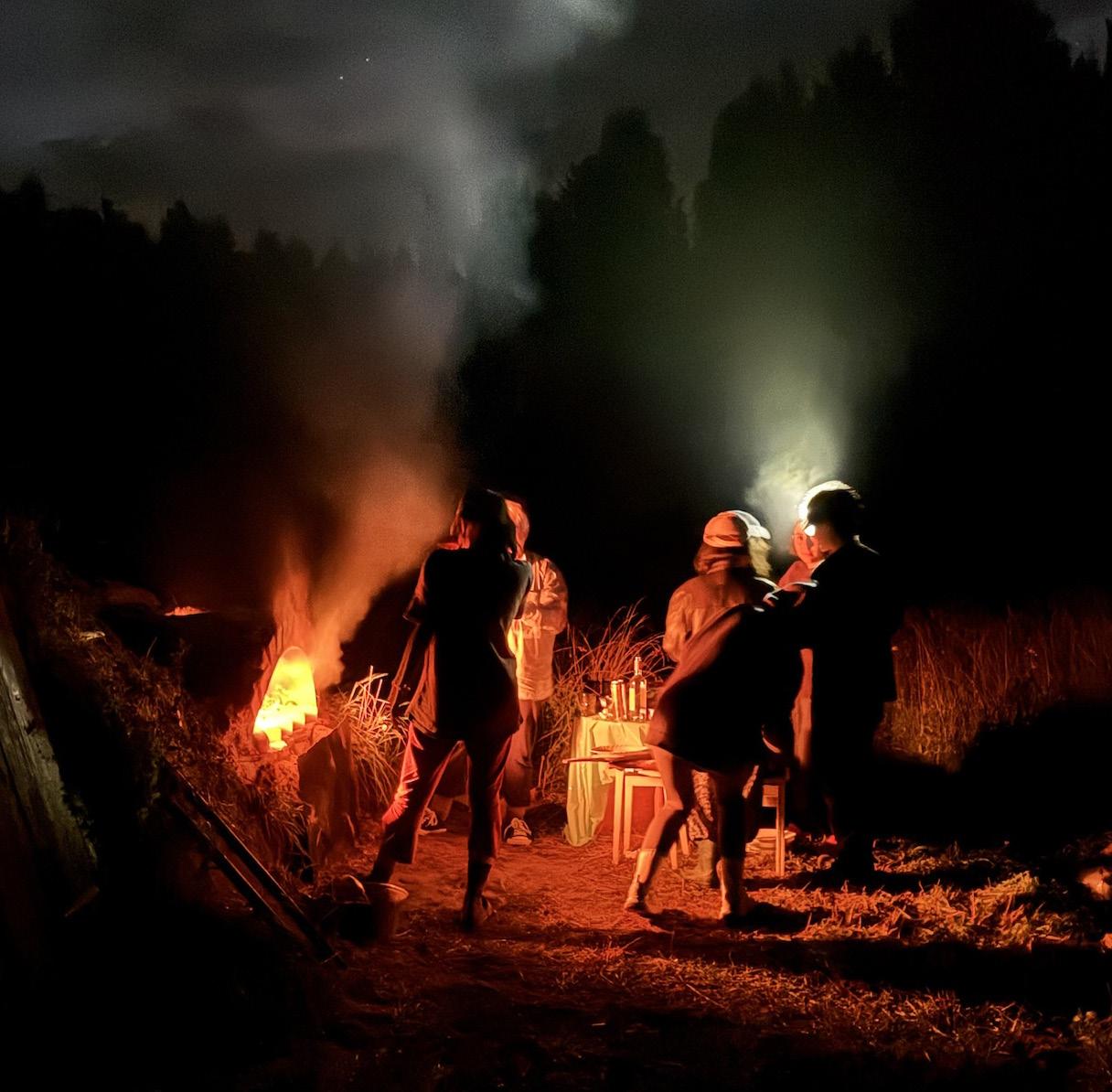
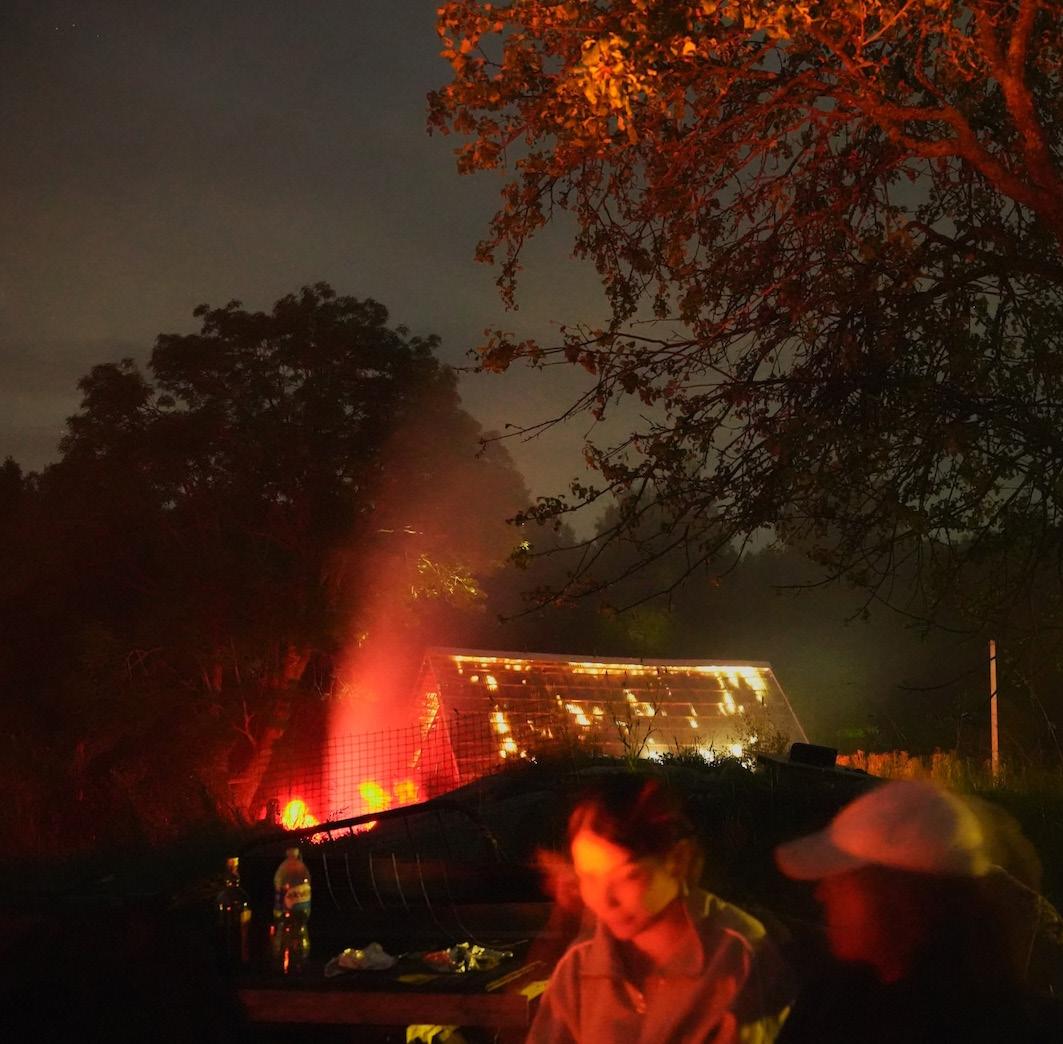
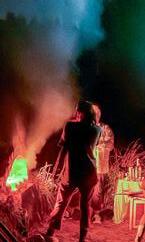
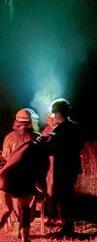
A dozen or so days - intense and busy - brought us many diverse projects, some smaller, some larger, some more abstract, but also technical, practical, and those for exploring something bigger. All of this was surrounded by the deep care of our hosts and sealed with small presentations on the forum, fun around the campfire, and long conversations.
That project is more than just a trip. It is a time when an innocent work becomes a path to self-discovery, proving your potential and forming deeper bonds with friends. It is a time when people become a support for each other by helping each other with projects. It is a time for reflection on oneself and coping with unusual situations. It is a time to delve into the life of the nature that surrounds us and engage in dialogue with it.
LT Ranch is not simply about what we create with our hands, but what we discover within ourselves. Each structure, sketch, or idea left behind becomes part of a larger mosaic of shared experiences, reflections, and friendships. And while the projects may stand as physical traces of our time there, it is the intangible - our growth, our courage, our laughter, our newfound perspectives - remains with us long after we leave. Perhaps that is the greatest gift of LT Ranch: a reminder that creativity flourishes not only in what we build, but also in how we live, connect, and allow ourselves to be transformed.
miejscu powinniśmy położyć szczególny nacisk.
Bedąc w przestrzeni oddalonej od cywilizacji, wsród dzikich drzew, wielobarwnych kwiatów i śpiewu wcześniej nieznanych Nam ptaków, samo tworzenie obrało swój własny kierunek dla każdego z Nas.
Będąc jedną z najliczniejszych grup dotychczasowego LT Ranch, wnosiliśmy w to miejsce wiele różnych teł kulturowych. Za tym idzie postrzeganie otaczającego Nas litiwańskiego świata i szukanie inspiracji w różnych źródłach upodobań.
Wpatrywanie się w przyrodę, dokładne zrozumienie istniejącyh czynników, odnajdowanie rozwiązań oraz dopasowanie się w miejsce, które podarowuje Nam Kristina.
Refleksja, produktywność, ekspresja własna. Kilkanaście dni - intensywnych pracowitych - obdarzyły
Nas w wiele różnorodnych projektów, tych mniejszych większych, bardziej abstrakcyjnych, ale także technicznych, tych praktycznych tych dla eksploracji czegoś większego. Wszystko otoczone jednak z głęboką troską hostów przypieczętowane drobnymi prezentacjami na forum, zabawą przy ognisku i długimi rozmowami.
Ten projekt to coś więcej niż wyjazd. To czas, w którym niewinny projekt staje się drogą do poznania samego siebie, udowodnienia sobie swojego potencjału i zawieraniem głębszych więzi z przyjaciółmi. To czas, w którym ludzie stają się dla siebie oparciem poprzez wzajemną pomoc przy projektach. To czas do pewnych refleksji nad sobą samym poradzeniu sobie w niecodziennych sytuacjach. To czas wgłębienia się w życie otaczającej Nas natury poprowadzeniu z nią dialogu.
LT Ranch to nie tylko to, co tworzymy własnymi rękami, ale także to, co odkrywamy w sobie. Każda konstrukcja, szkic lub pomysł, które pozostawiamy, stają się częścią większej mozaiki wspólnych doświadczeń, refleksji i przyjaźni. I choć projekty mogą stanowić fizyczne ślady naszego pobytu tam, to właśnie to, co niematerialne – nasz rozwój, nasza odwaga, nasz śmiech, nasze nowe perspektywy – pozostaje z nami na długo po opuszczeniu tego miejsca. Być może jest to największy dar LT Ranch: przypomnienie, że kreatywność rozkwita nie tylko w tym, co budujemy, ale także w tym, jak żyjemy, jak się łączymy i jak pozwalamy się zmieniać.
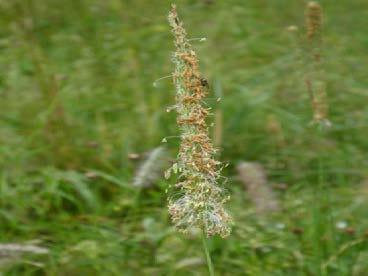
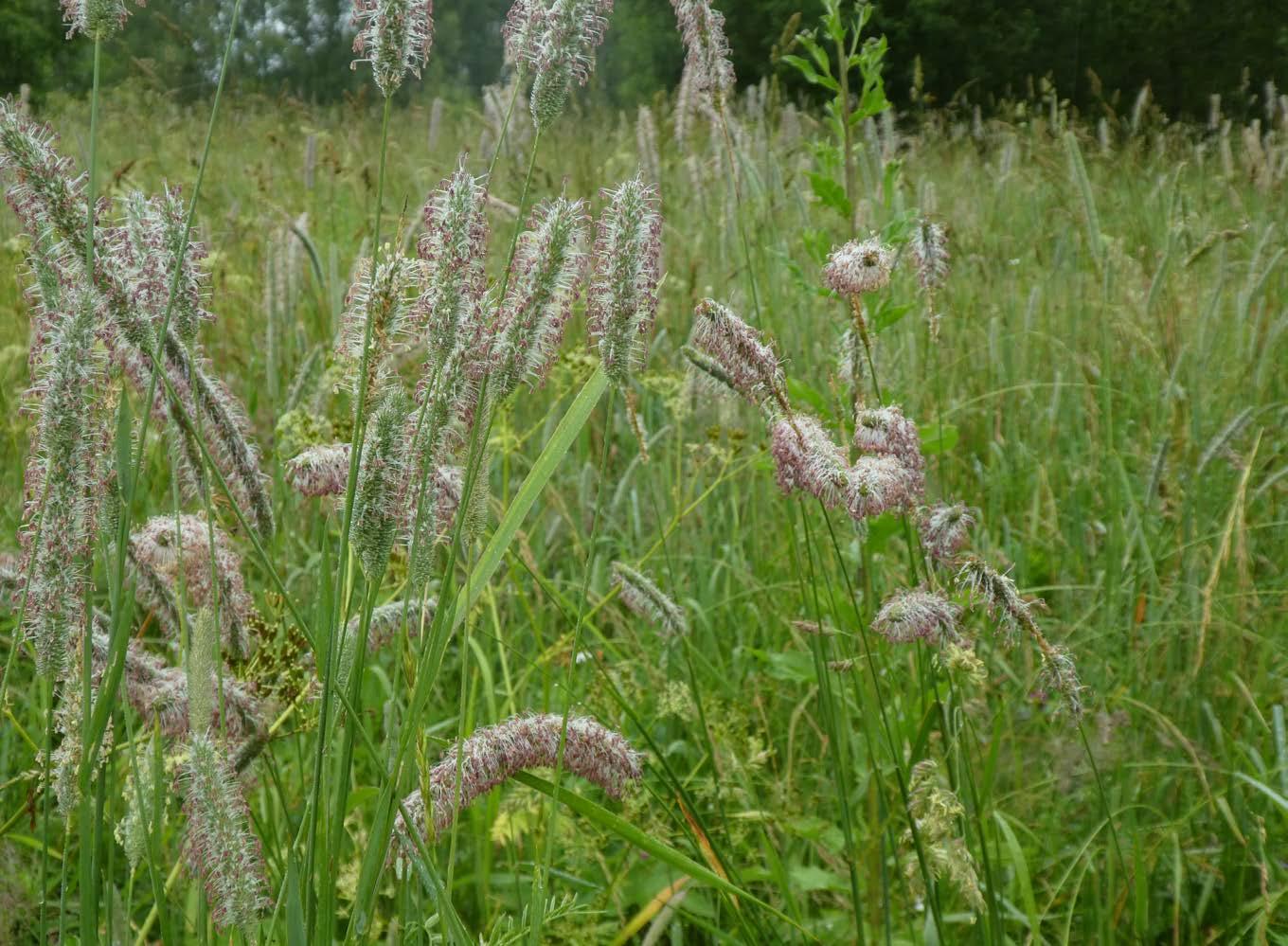
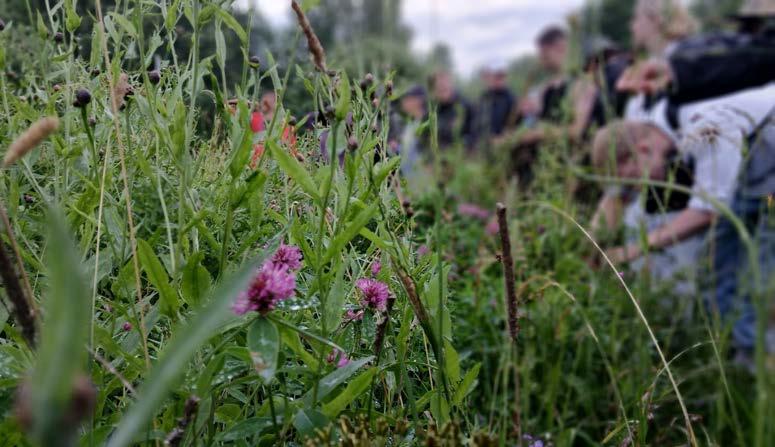

Sutartinė
Maegan Icke, Tool/Toy Project

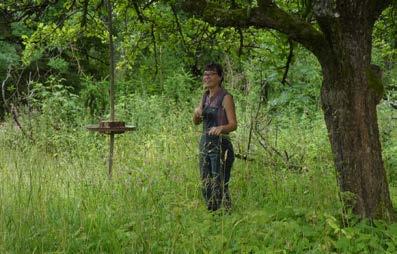
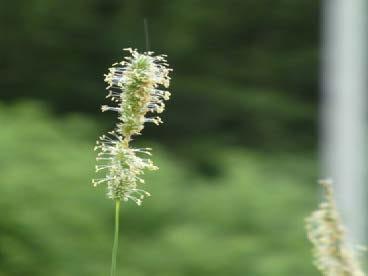
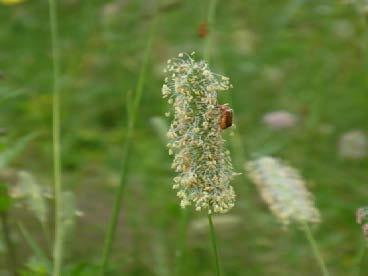
Spinning clockwise into creation, spinning anti-clockwise to ply. One way, and then the other. Forever twisting, untwisting, retwisting, driven forward by accidental weighting.
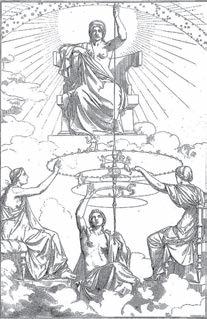
People have been spinning using a drop spindle for over 9000 years. In folklore and mythology, it is a symbol of creation and trickery - in Germanic and Teutonic tradition the Fates spin, measure, and cut the threads of life. Plato compared the whirling whorl to the rotating universe, and the shaft as the ‘axis mundi’ linking heaven and earth.
In pre-industrial Europe, night time spinning parties were a source of enjoyment and courtship. They were opportunities for story telling (spinning yarns) and as the hours wore on, would often evolve into song and games. However, spinning was often heavily restricted. In some places, these spinning parties were outlawed. Across Europe, women were not allowed to spin on Thursdays, Saturdays, Sundays, at night, during the twelve days of Christmas, or on St Brigid’s Day. As well as being heavily restricted, the practice was shrouded in superstition. Spinning on these days or at night was thought to incur the wrath of spinning spirits, who would tangle your fibre and set fire to your distaff.
Spinning through history has almost exclusively been practised by women, and these restrictions actively prevented women from gaining independence, while superstition served as propaganda at the junction between law and the other-worldly.



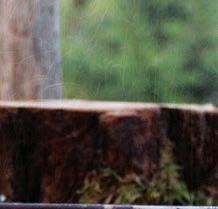
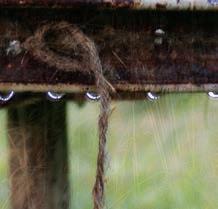
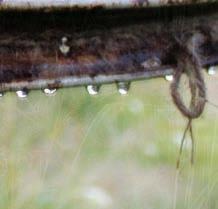






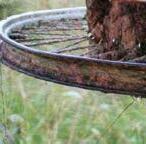
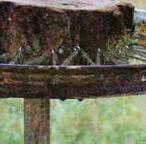
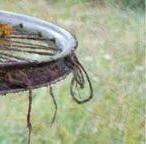


Link to film, with original sound recording.
Spinning is a meditative practice. The spinner often finds thoughts becoming organised along with the fibre - a product of the rhythmical repetition and balance between mental and physical occupation. A flow state, bringing to the fore new insights and links previously passed over.
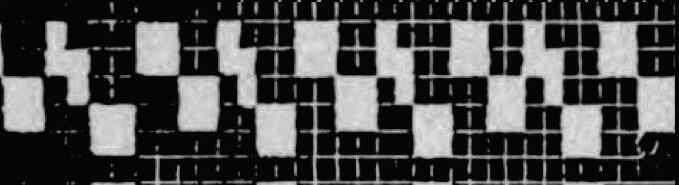
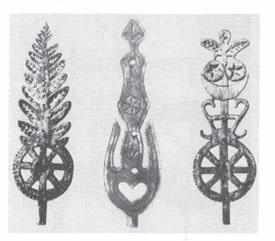
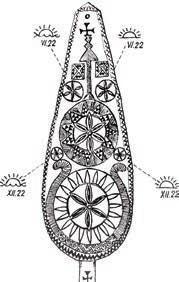
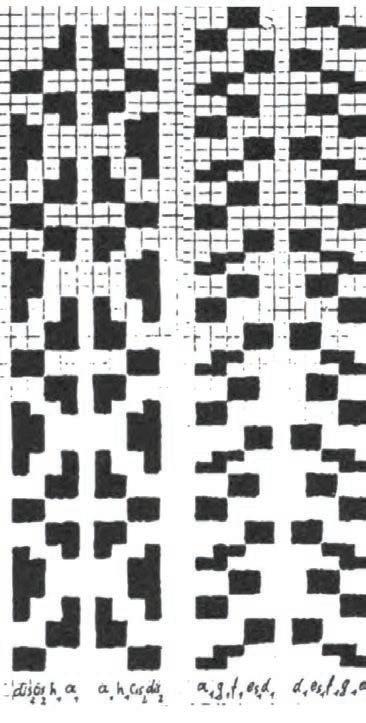
This rhythm and repetition can also be found in folk songs about spinning. Sutartinės (born from the word sutarti - to be in concordance) are a facet of culturally unique and important Lithuanian musical tradition - a form of polyphonic choral music sung by women in North-East Lithuania. Typified by strict rhythms and repetition, the lyrics often describe the process of spinning, while the harmonies and choreography imitate the perpetual motion of the whorl. The symmetrical notation of the melodies resembles the patterns woven into Lithuanian linens and sashes.

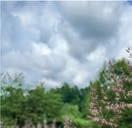
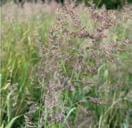
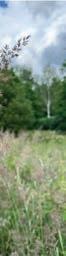
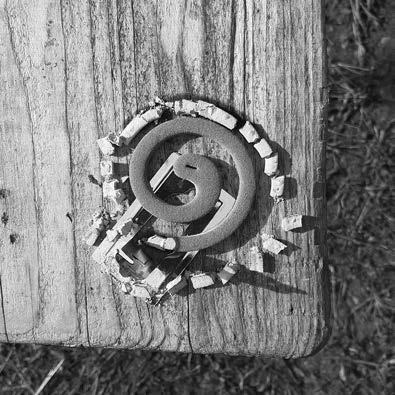
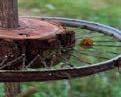
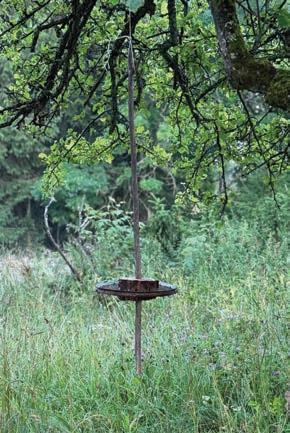
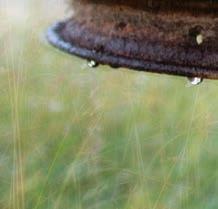
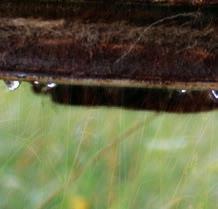
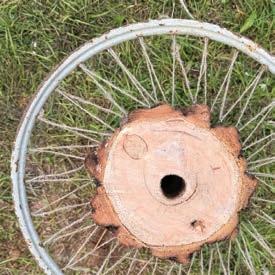
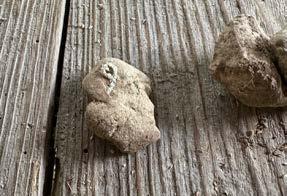
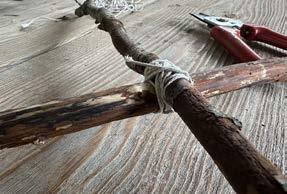
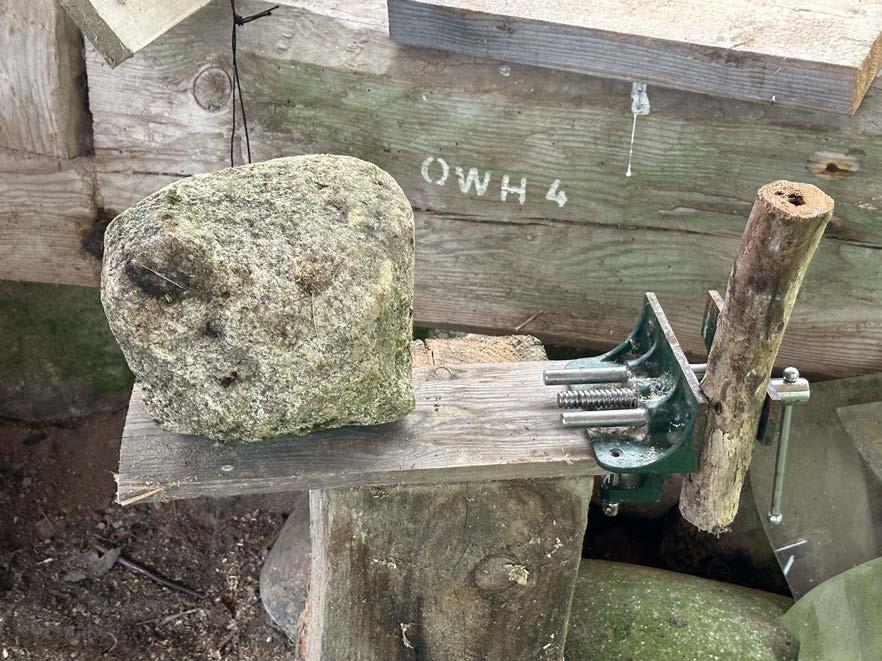
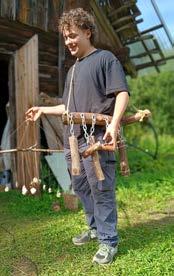
This oversized hanging drop-spindle was conceived to spin grass or nettles - twisting the green and golden strands of solar energy into something new, giving it strength and continuity.
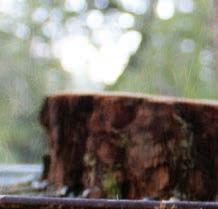
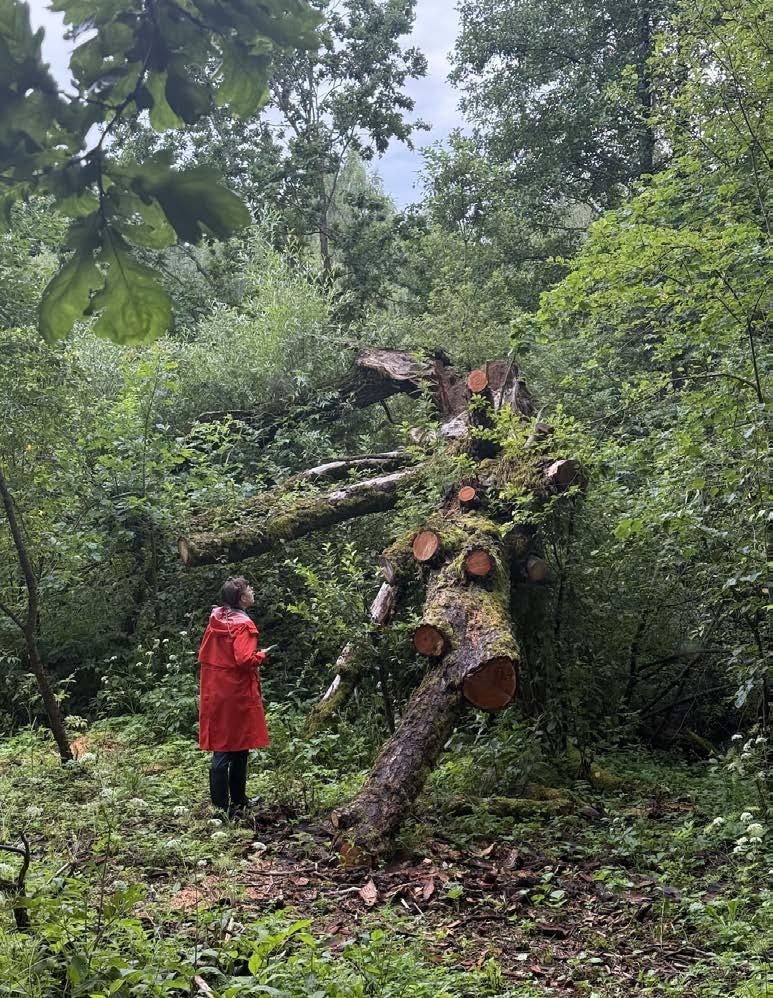
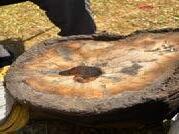
The chance choice of a slice of log with an uneven cut perpetuates the spinning motion without assistance. As the weight of the wood pushes round, the sunburst stitching spins forwards and backwards.
What might the notation for a tune inspired by this asymmetrical spindle look like? What might it sound like? Questions to be returned to next year.
“The
Ant Ranch”
Wiktoria Stachowiak
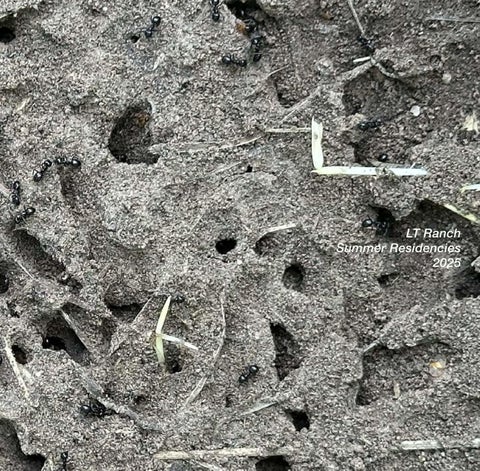
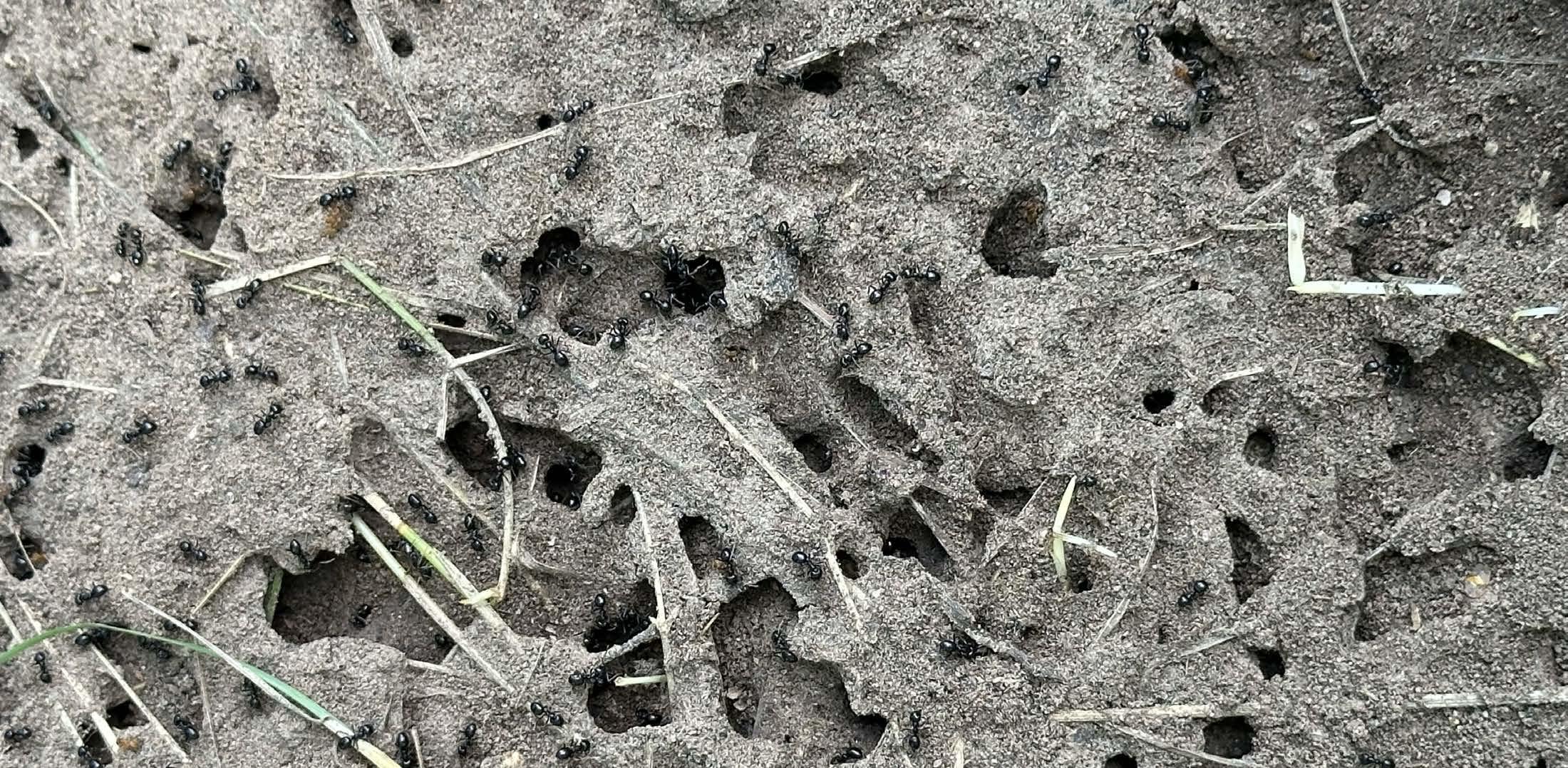
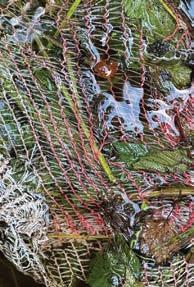
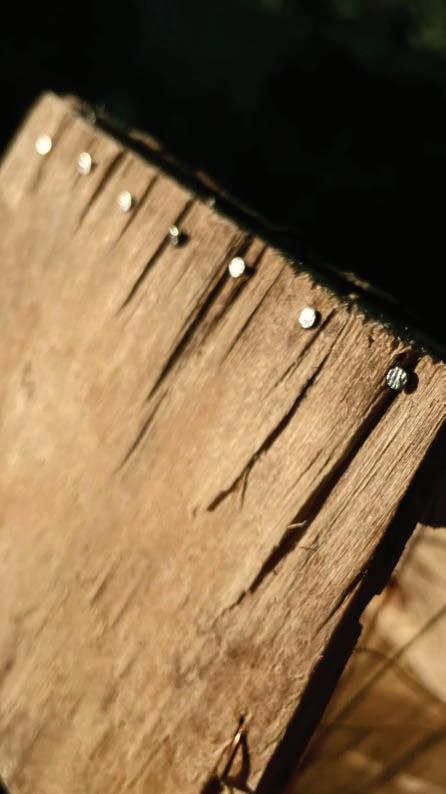
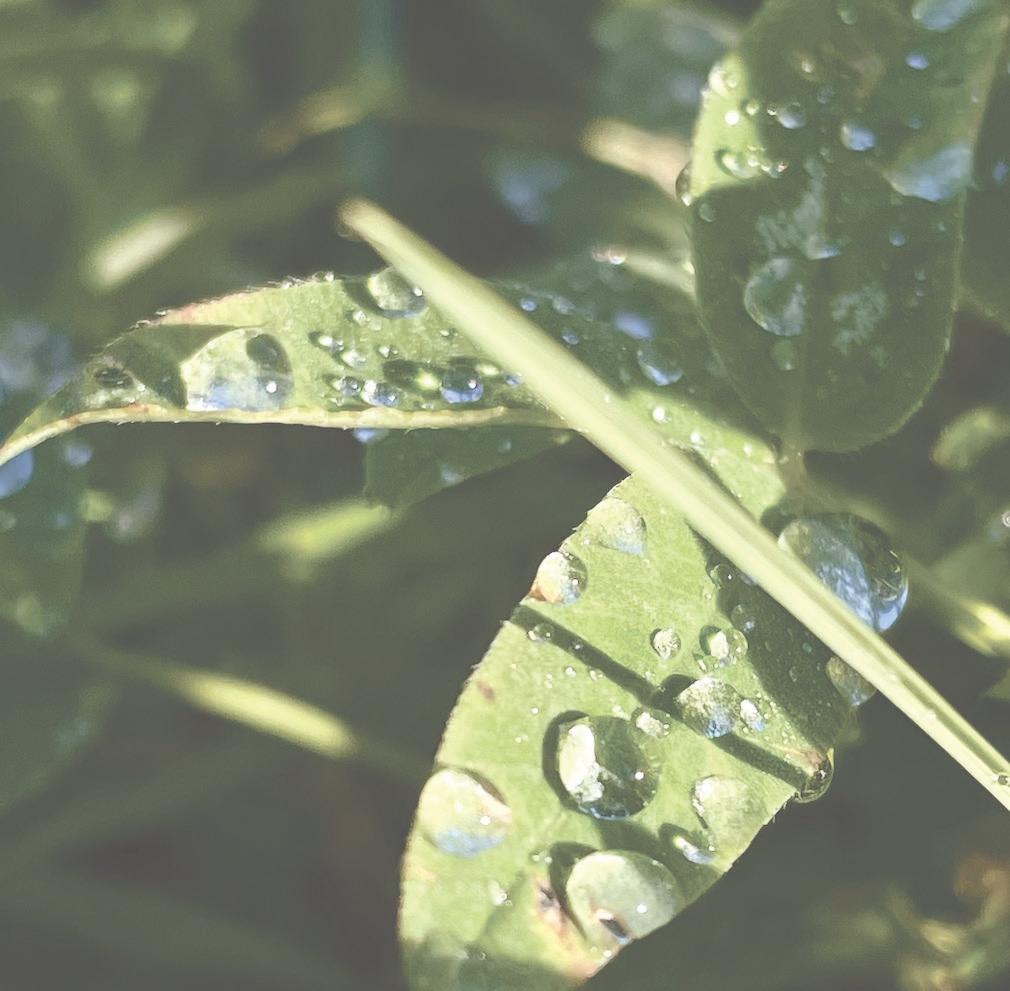
The Ant Ranch project is an original work whose main goal was to understand the ecosystem surrounding the farm and connect with it spiritually. The experience of nature, and more specifically ants, which became the main subjects of the research, inspired the creation of something resembling a “pit stop.”
The project began with a close look at the aforementioned insects and becoming part of their small, big world. During my research, I gained a lot of valuable information that definitely helped me open my mind to understanding the behavior and preferences of ants.
While exploring the LT Ranch area, I saw many different forms of “ant palaces.” Mounds of sand and grass, feeding on pieces of wood or clay, as well as those that created their paths on tree branches. The latter became my main inspiration for conducting the experiment.



“The Ant Ranch”
Wiktoria Stachowiak
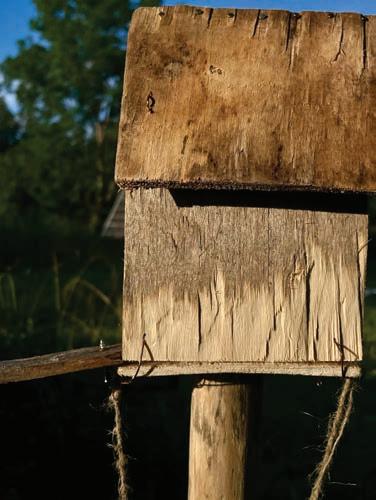
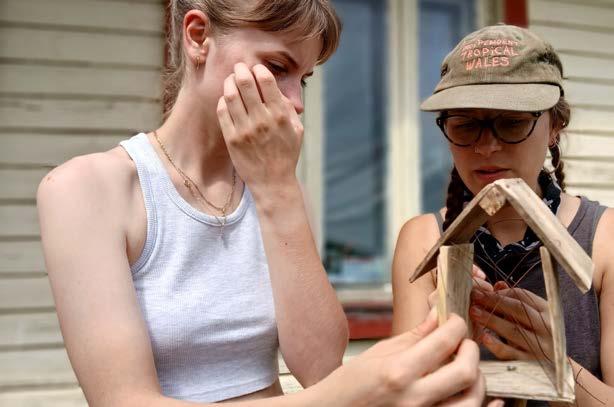
To create the final product, I used wooden roof tiles that were used in the construction of the actual barn at LT Ranch. This was to ensure that it would fit into the designated work area. To connect specific elements, such as the base, house elements, and bridge, I used metal wires, similar to those used in specialized architectural structures.
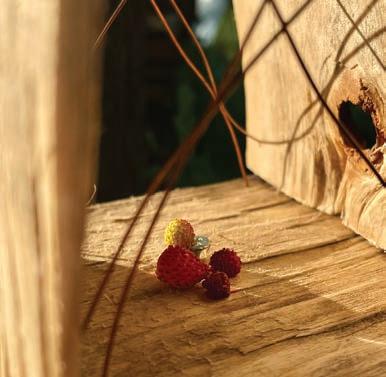
With the help of friends, the project was completed with many details. A window found in a piece of wood, support for the structure using rope, and natural patterns imitating a real roof are some of them. The whole thing was sprinkled with sugar, which turned out to be a key element in the experiment and, at the same time, a perfect fit.
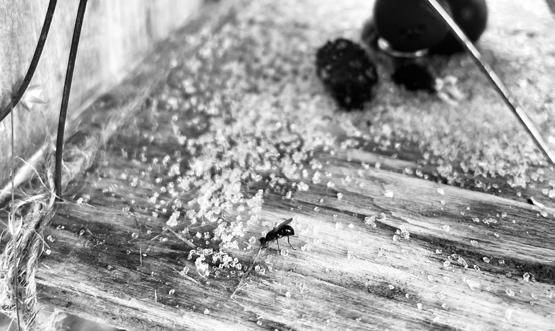
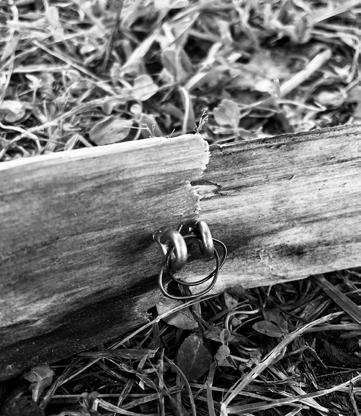
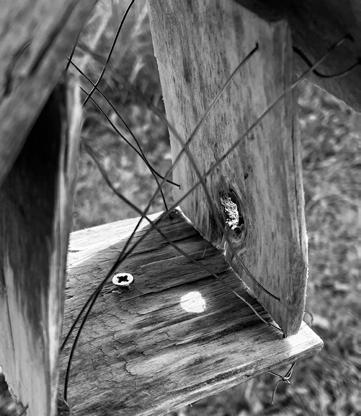
This outcome highlighted the possibility of coexistence, showing that thoughtful, respectful design can create harmony with natural ecosystems. Beyond observing behavior, the project became an example of how creative practice can strengthen our understanding and connection with the natural world.
The Ant Ranch Project successfully demonstrated how design can foster collaboration between humans and nature. The ants actively engaged with the construction, validating its integration into their environment.
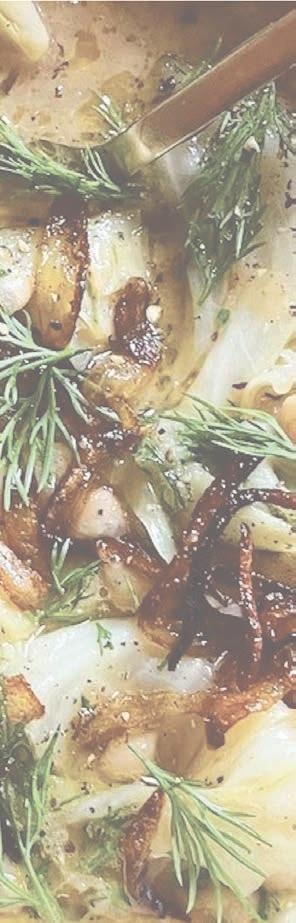
Dilly Bean Stew with Cabbage and Frizzled Onions- Meg
A recipe based on Alison Roman’s* online one, Meg’s version advises quanities x5 for the Ranch meal
Ingredients for 20ish servings:
Chunk of unsalted butter
Glug of olive oil
5 Onions
Salt + Pepper
10 cans white/butter/cannellini beans
5l vegetable stock
2 cabbages - we used white cabbage but a combination would be nice
5 tbsp white wine vinegar
lots of dill
Rye bread + cheese to serve
Method:
1. Cook onions in butter or olive oil
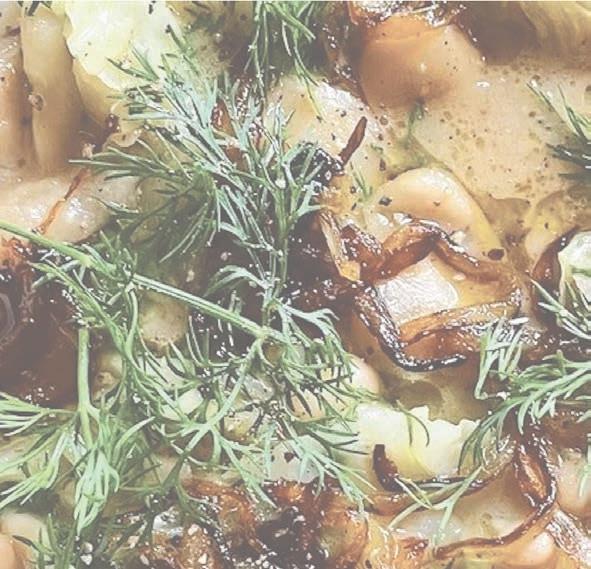
2. Empty cans of beans into various receptacles, smash with a wooden spoon to release the starchy interior. This will give your stew its creamy quality. Add to the onions.
3. Add the cabbage, vinegar, broth, and simmer over the fire for as long as required.
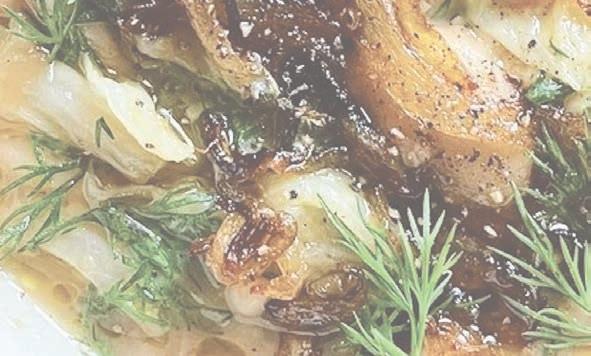
4. Season with dill, salt and pepper, and a little sour cream if desired. Serve with dark rye bread and cheese.
* https://www.alisoneroman.com/recipes/ dilly-bean-stew-with-cabbage-and-frizzled-onions
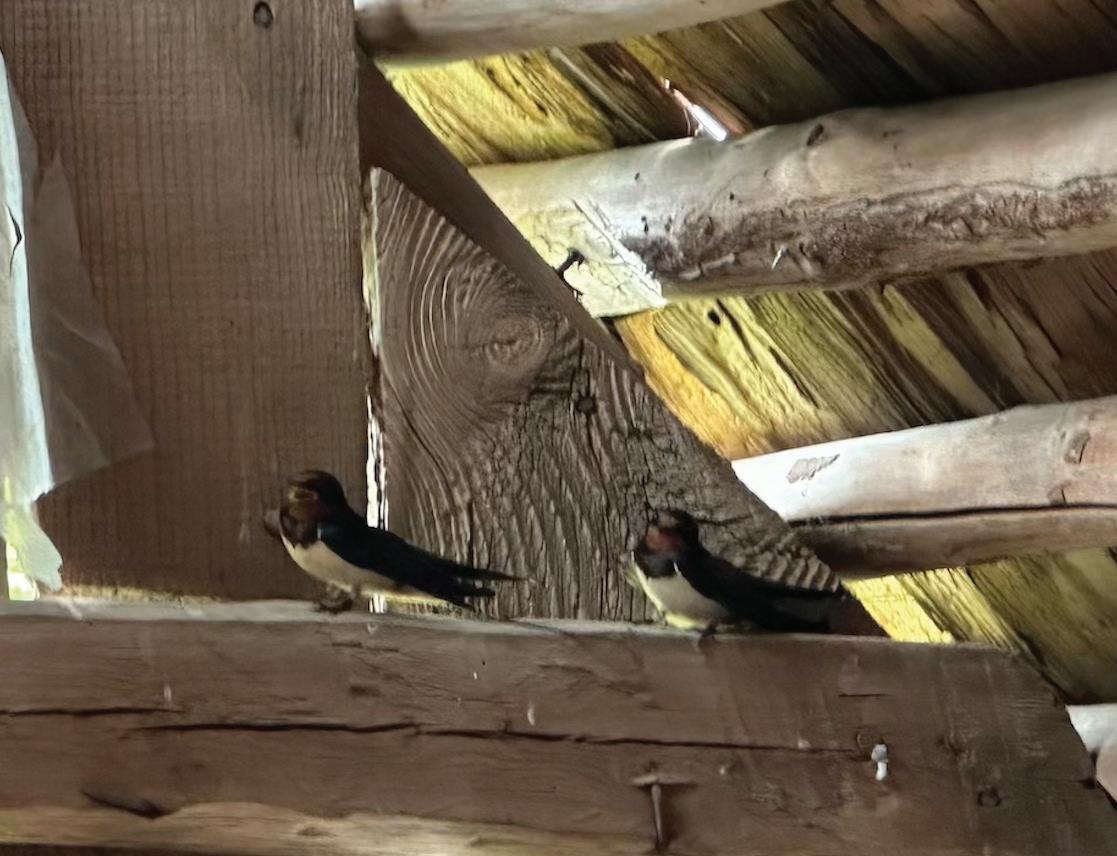
* zilės (Lith). Possibly a marsh tit, a Eurasian passerine bird in the tit family Paridae and genus Poecile, closely related to the willow
tits https://www.rspb.org.uk/birds-and-wildlife/marsh-tit
The Birdhouse
Anna Dovha
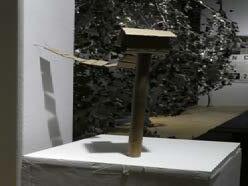
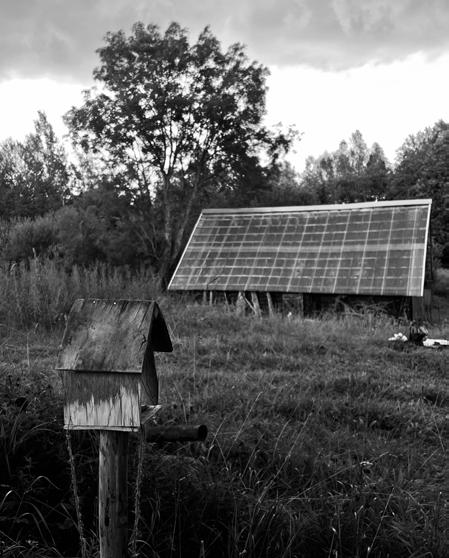
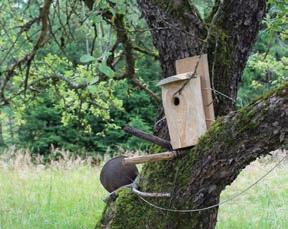
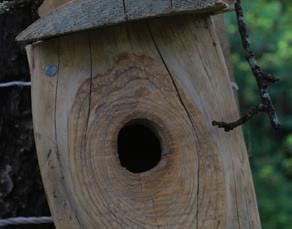
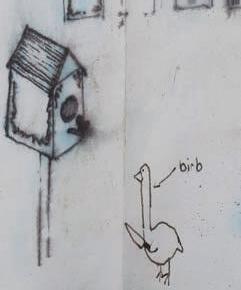
This wooden birdhouse was inspired by the work my dad and grandad constantly produced as carpenters throughout my life, from this I learned to value of careful work and respect for natural materials.
Initially the design for the birdhouse included design features such as wood carvings and painted elements, however after working the material, sanding it down to reveal the beautiful grain I decided to kept it simple and natural, letting the wood show its own character.
The sloped roof protects against rain and snow, while the small opening offers small birds, such as sparrows or swallows, a safe and welcoming shelter.
More than just a structure, this birdhouse along with Dulcie’s birdbath provides the birds with a safe environment thought the changing seasons as well as an opportunity for people to enjoy and observer the birds from the main house and as you go about the ranch.
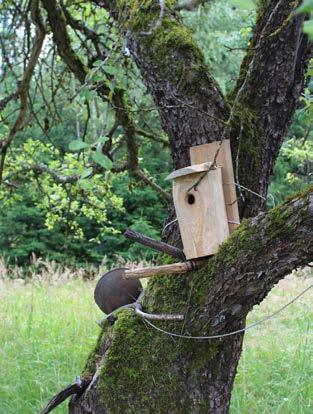
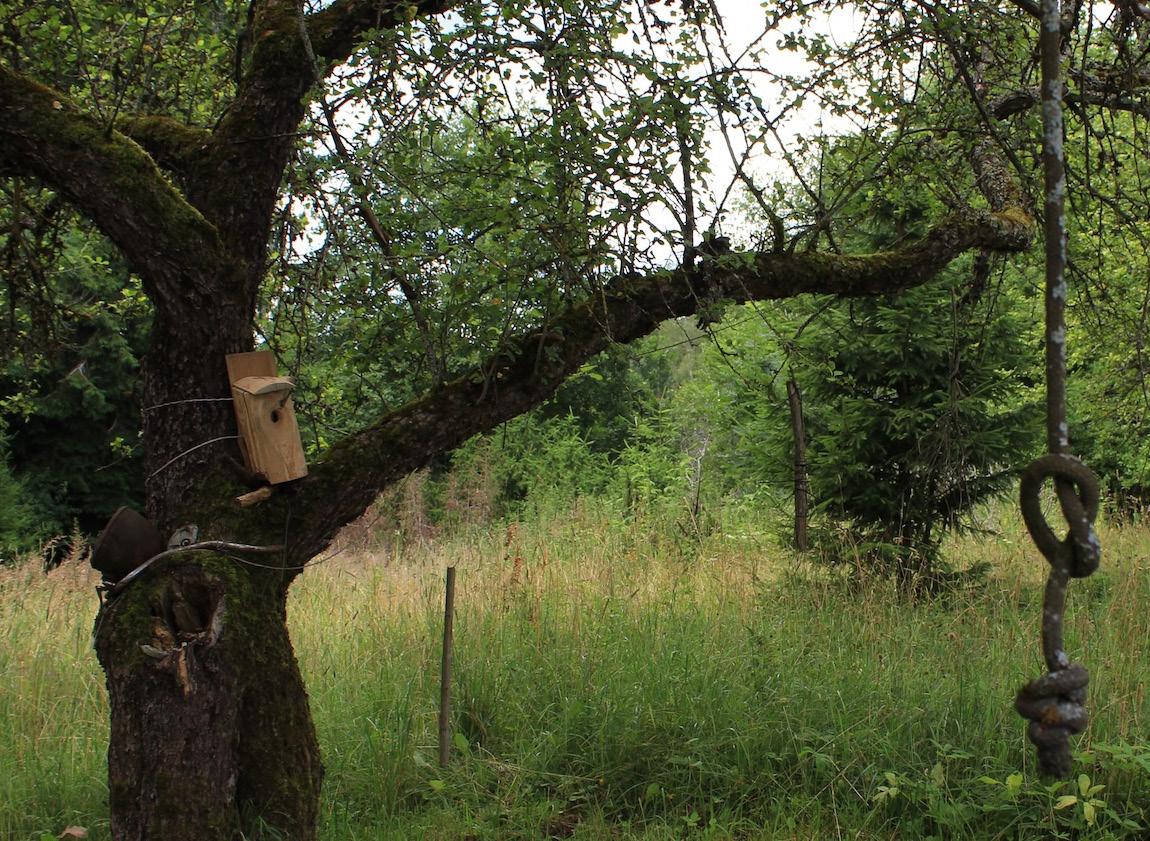
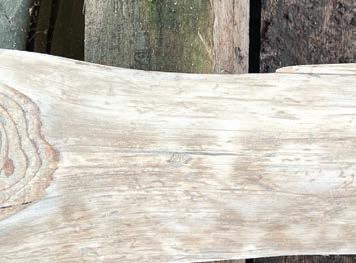

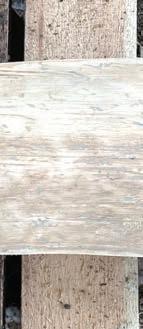
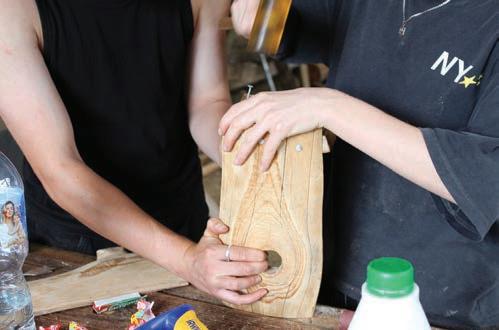
While making the birdhouse, I focused on simplicity, allowing the natural texture and grain of the wood to stand out, which meant quite a bit of sanding.
However keeping in mind the bird’s sensitivity to chemicals and smells I used only linseed oil as a finish on the wood, so that they would be more inclined to use it.
burn and bloom birdbath
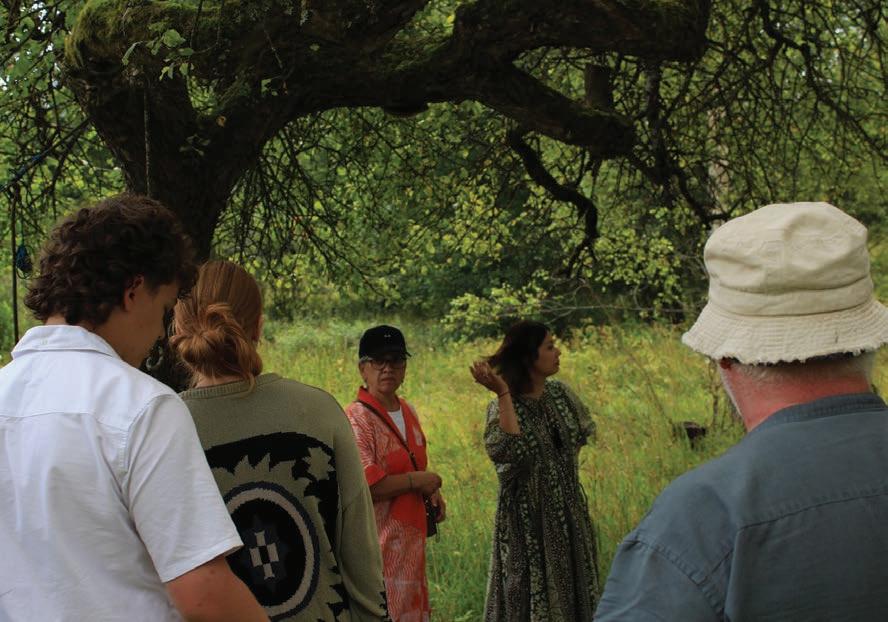
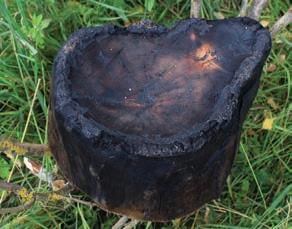
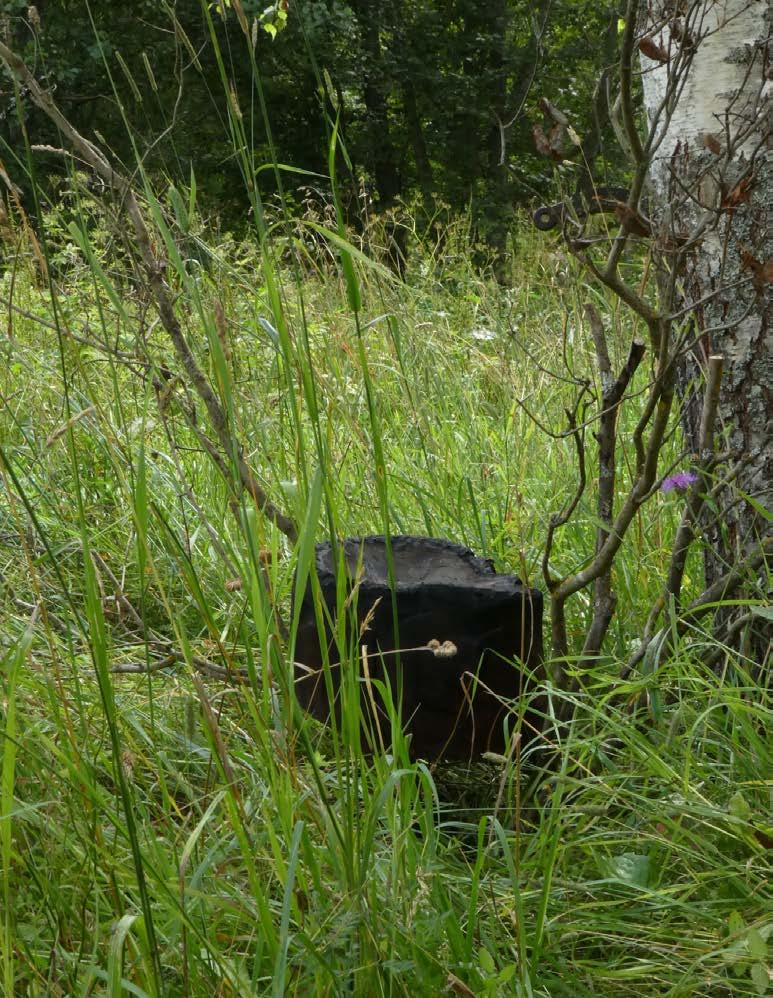
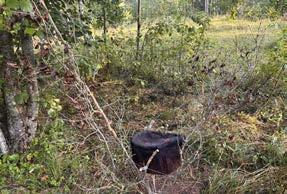
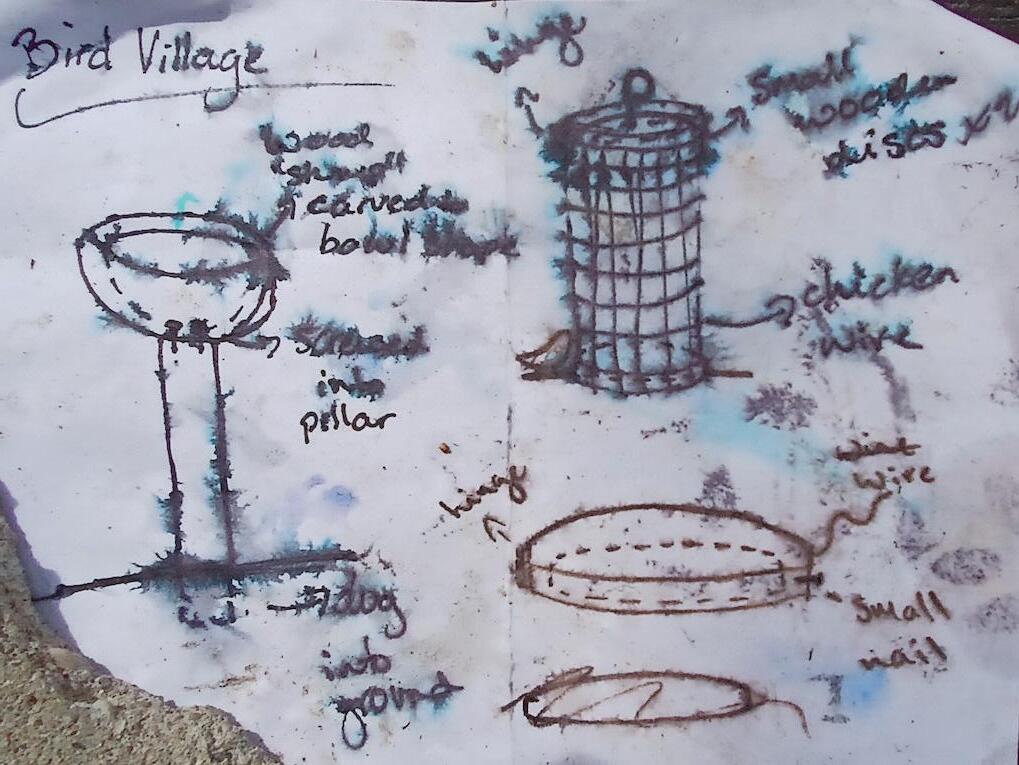
The idea for the “burn and bloom birdbath” started with an idea for a collaborated project linked with a birdhouse. In the woods surrounding the ranch, there are several sparse areas that lack hiding spots for small birds, so we came up with a plan to create a sort of bird “sanctuary”.
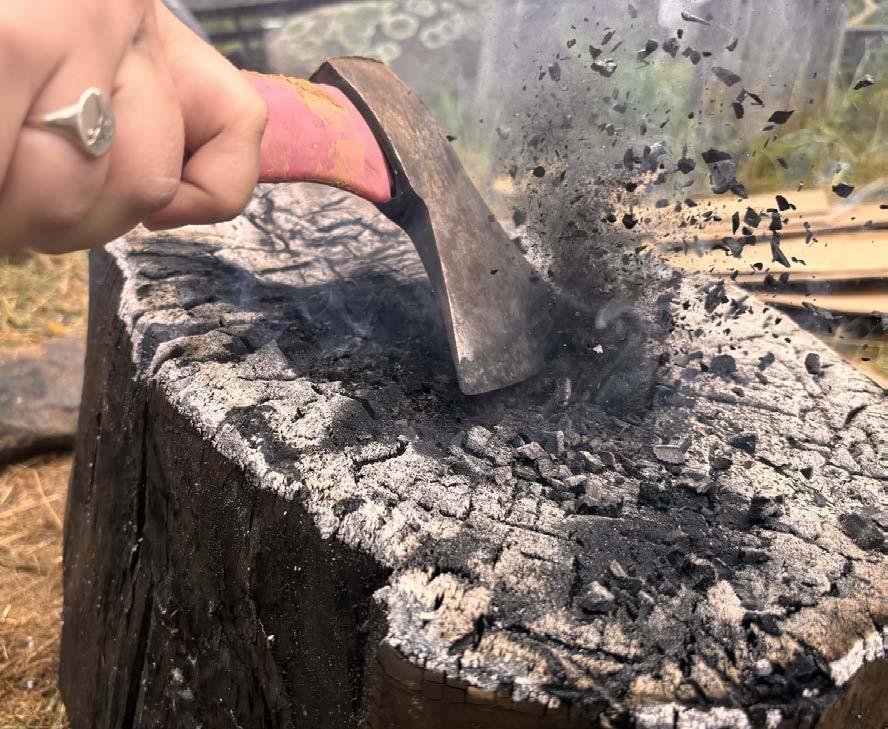
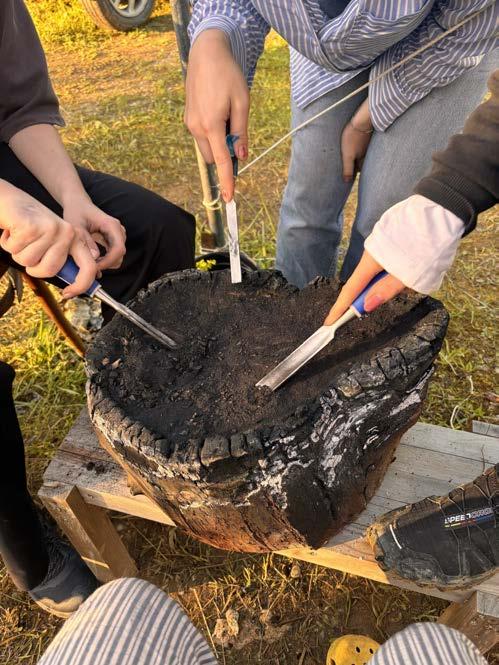
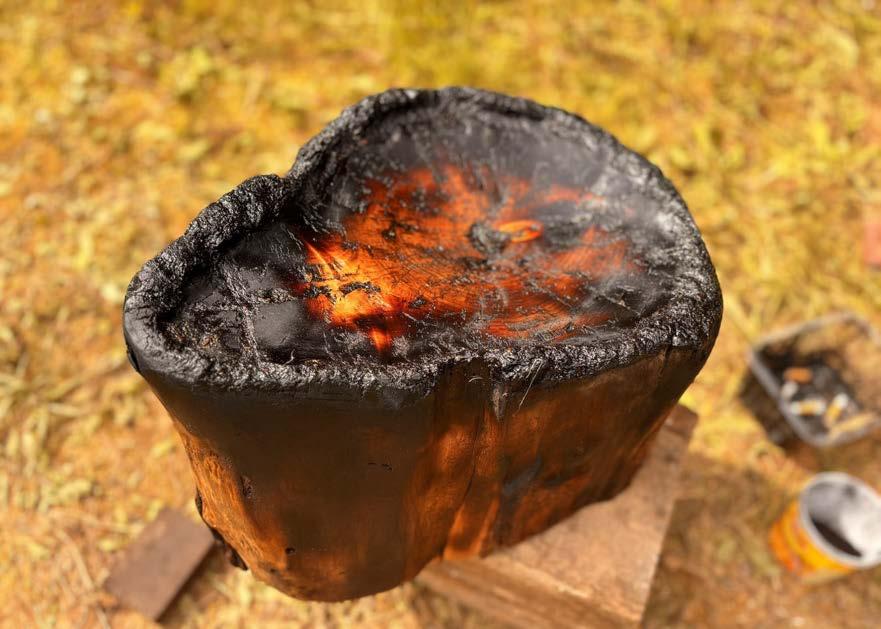
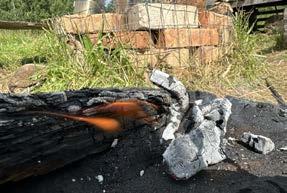
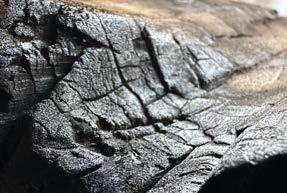
In order to carve out a bowl deep enough to hold water in a hardwood log, the most efficient process was to burn away layers of the wood, turning it into charcoal, and creating a more fragile, easily chiseled away material. This was done by placing the log directly onto the flames of the fire at Stonehenge, as well as placing hot logs into the centre of the piece. This process also caused the sides of the log to start burning away as the flame was not controlled, giving a beautiful gradient colour to the wood once the charcoal was sanded away.
A mixture of the collected charcoal and wood glue added strength and a sort of striped look to the piece.
To ensure the wood lasts as long as possible, I coated the whole piece in linseed oil, making it both water resistant and bringing out the amazing colours and grain of the log.
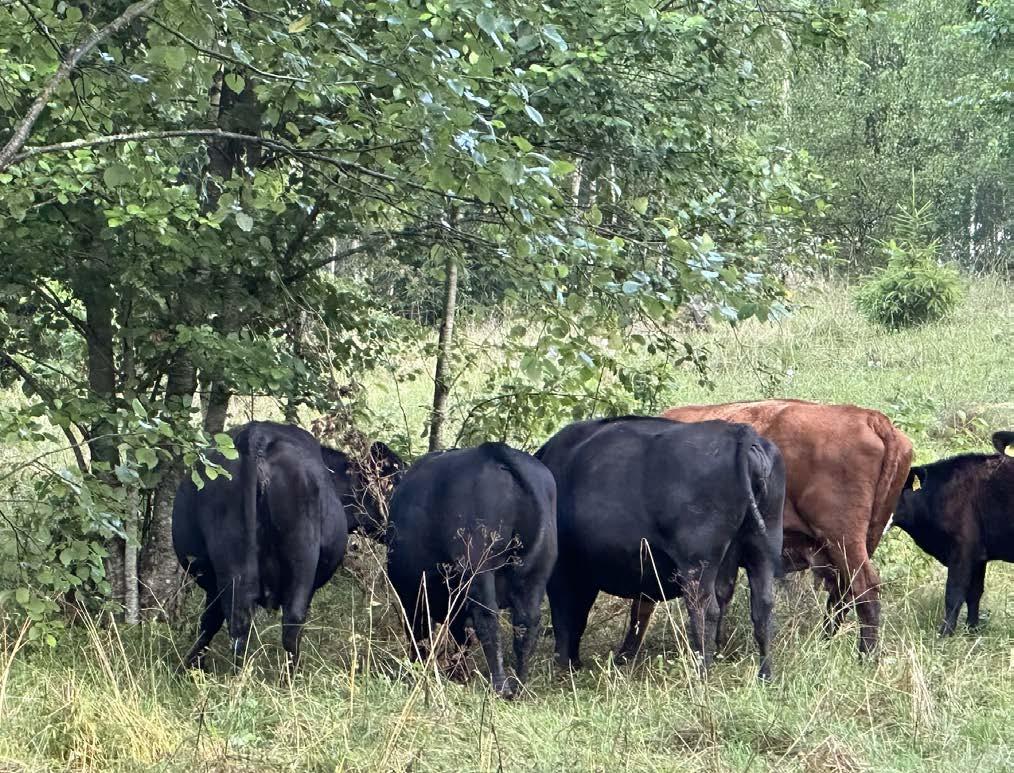
“Birds
The full saying in English was first recorded in 1545, but cthen be dated back to ancient Greek times.
It refers to, “that beings (typically humans) of similar type, interest, personality, character, or other distinctive attribute tend to mutually associate.” Wikipedia

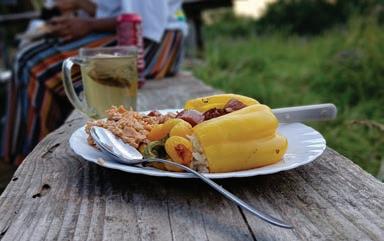
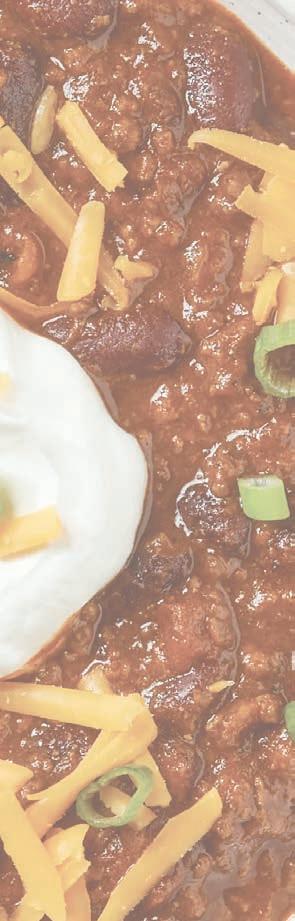
Chili Recipe- Dulcie*
special advice: judge your own quantities and taste
Ingredients
Mince beef
Butter beans (veg substitution)
Kidney beans
Tomato puree (mixed with water for a tinned chopped tomato substitute)
Bell peppers
Onions
Garlic
Paprika
Chilli powder
Cumin
Vegetable stock cubes
Method
Brown mince and set aside.
Cook onions and peppers, until onions are translucent, then add garlic until fragrant.
Add all spices.
Add tomato puree, cook until darkened in colour.
Add water, stock cubes and kidney beans. Split in half (veg/meat).
Add mince to meat half, and butter beans to veg half.
Bring to boil until sauce has thickened.
Serve on rice with soured cream on the side.
* A note about the recipes & chefs-
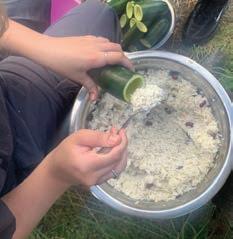
Recipes have been gathered as lists, orders and images, some by the chefs others by images of those who helped prepare or made more than one meal. Some we dont have full recipes for or plain forgot to take photos of all the delicious meals we had in the rush to plate up. It could have been a miserable day, or we just plain forgot.
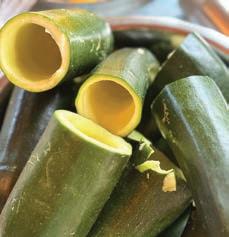
This page is shared with images of Nicole and Dulcie’s roasted vegetable preperation and Dulcie’s amazing Chilli recipe.

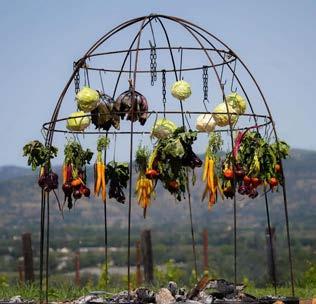
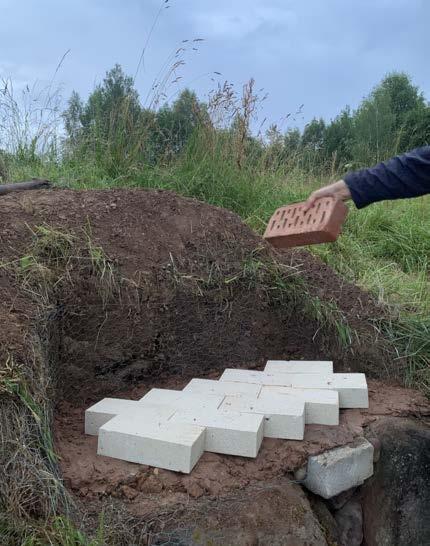
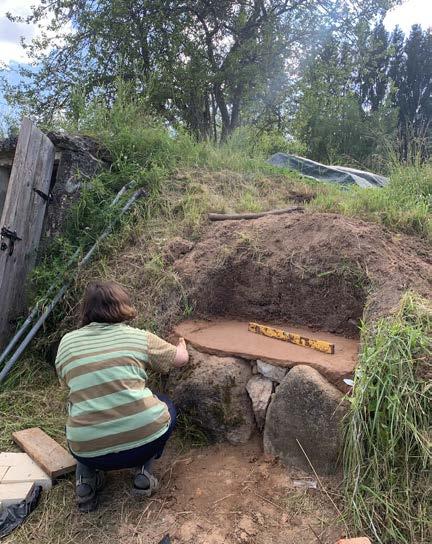
Charcoal kiln
Ivan Vong
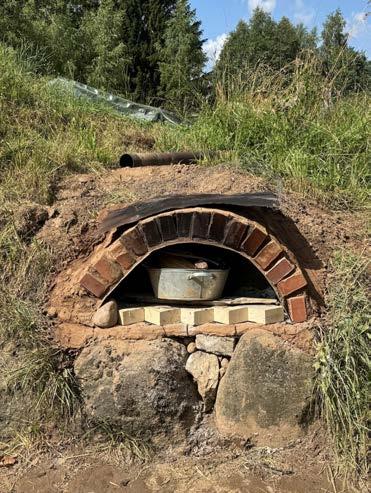
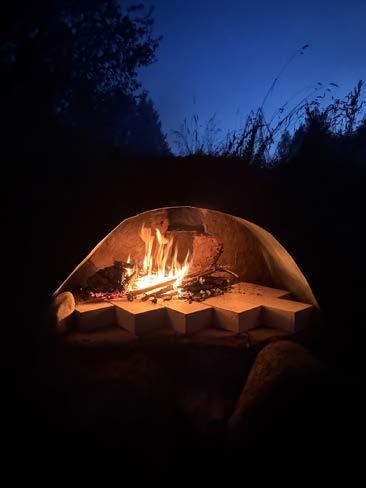
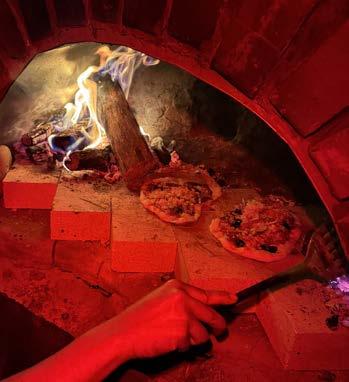
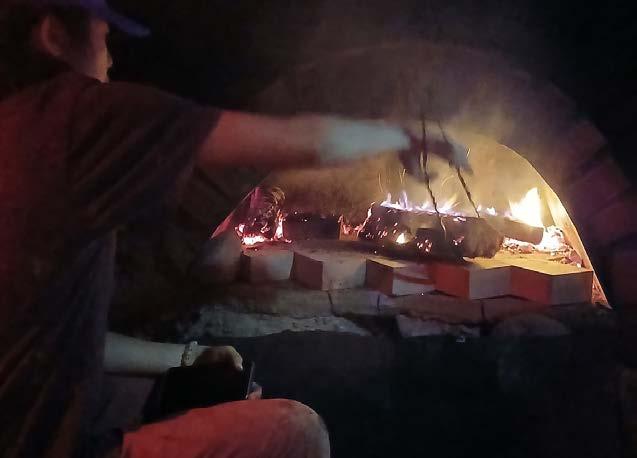
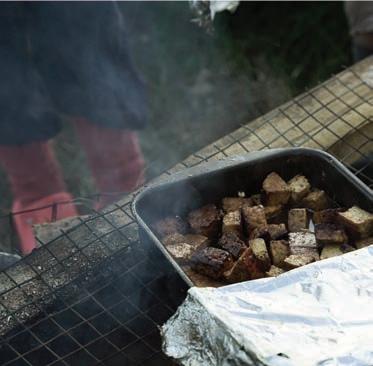
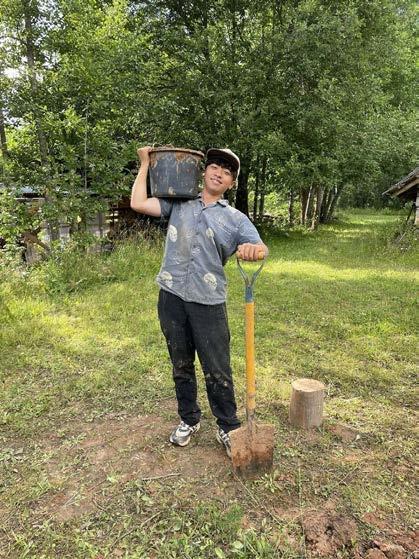
My first initial thought about this project was something that could link together. Then I think of fire, as fire is needed for cooking, fire pit and more. Which is something that gathers everyone everyday. I chose charcoal as the source of fire, as it lasts longer than normal firewood and creates less smoke while burning. It was also needed for the surroundings projects, like the pizza oven and the cooking cage, as it produces higher temperatures. Which has linked projects and people around. The process of making charcoal is very easy; the recipe is just wood and heat. The wood needed to be heated in the kiln with no oxygen so it wouldn’t fully burn. Gases from substances of the wood are released, leaving only carbon behind, where charcoal is made. At last, it needs to be cooled down for hours so it won’t be ignited and turn into ashes.
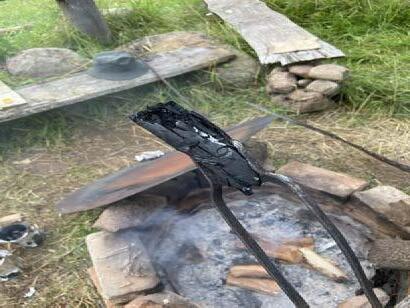
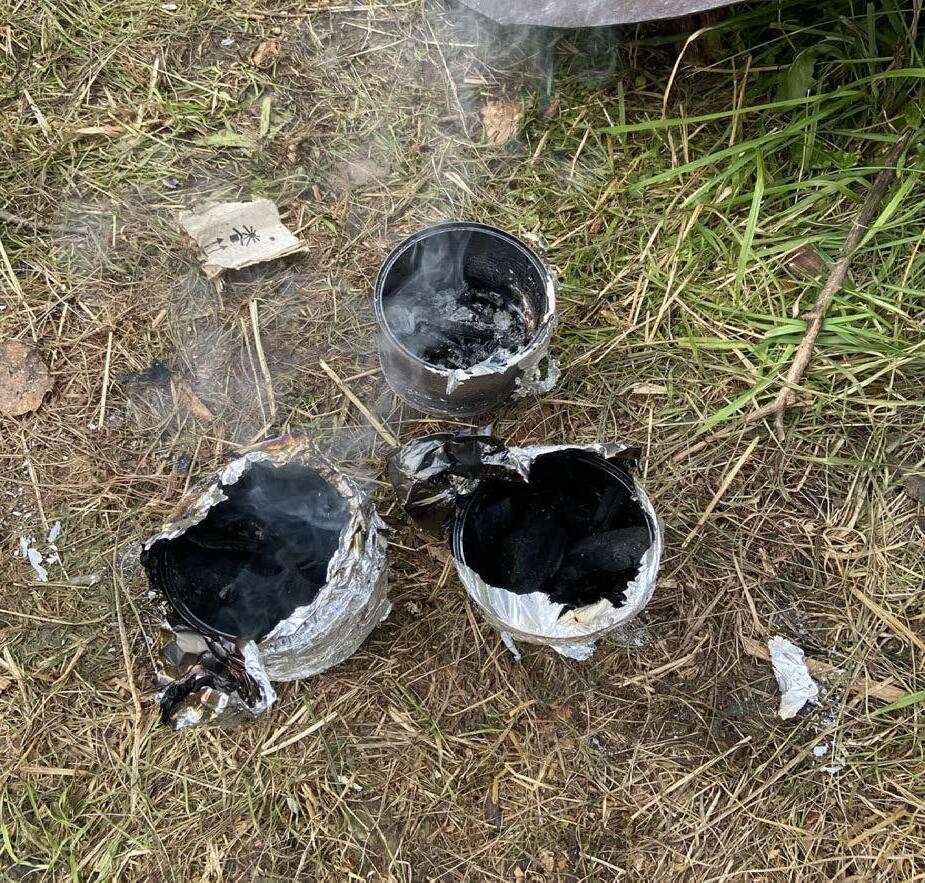
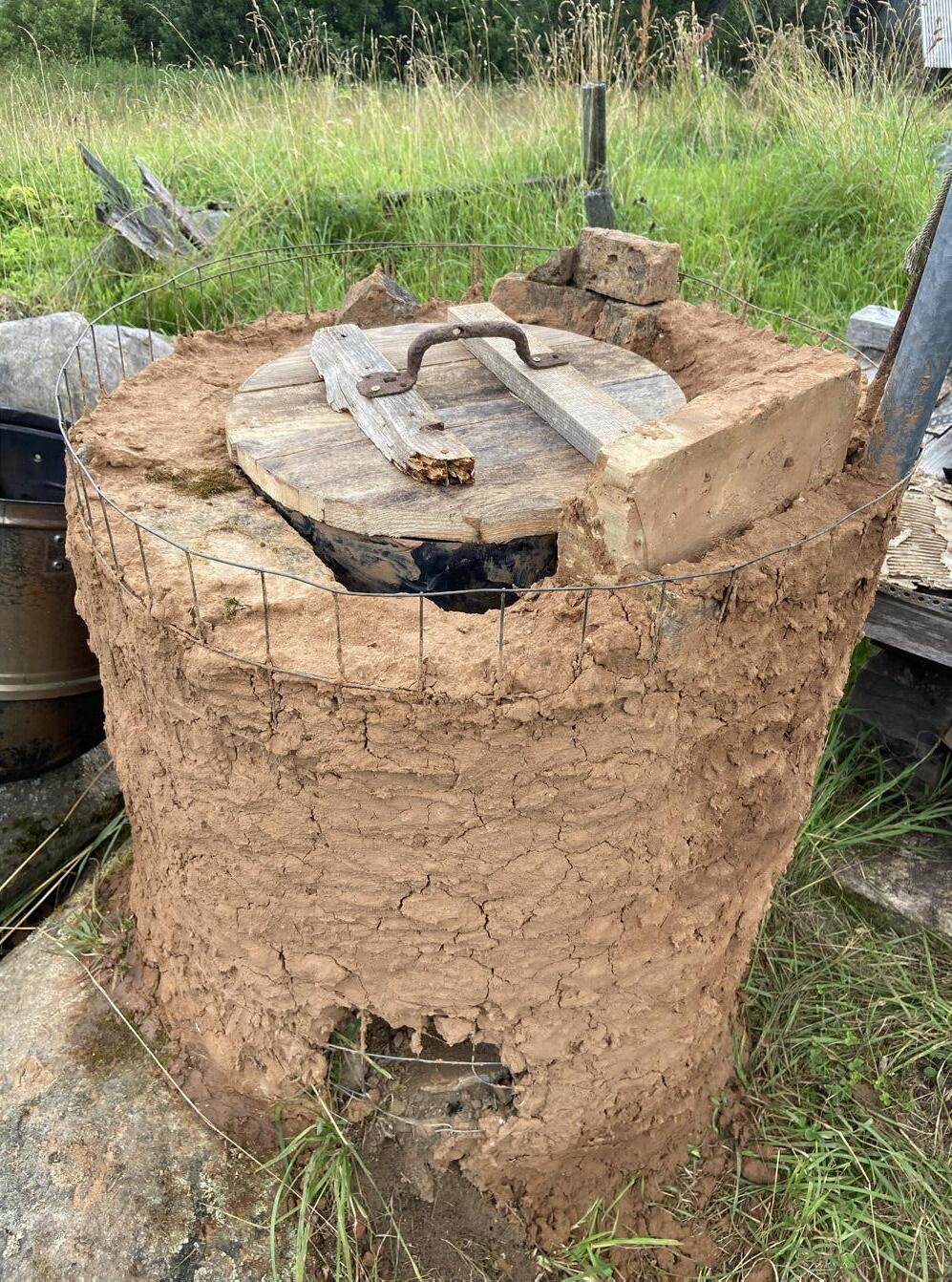
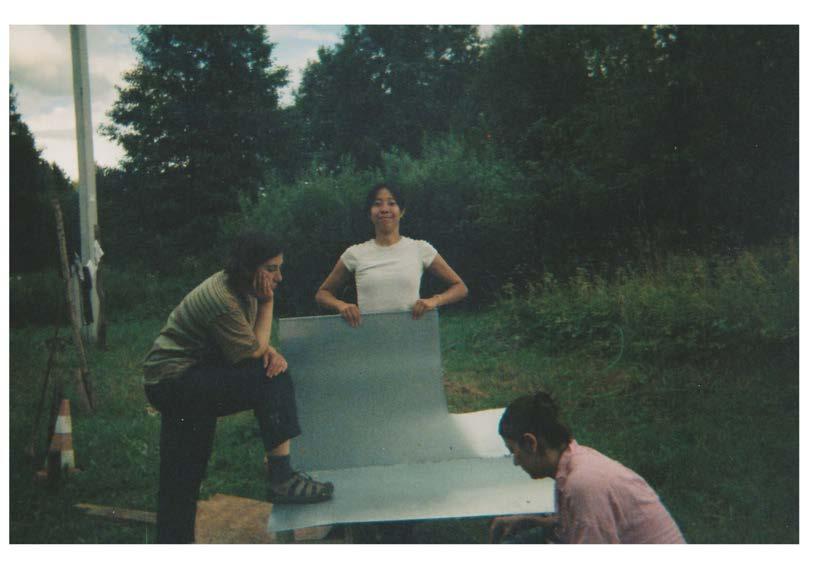
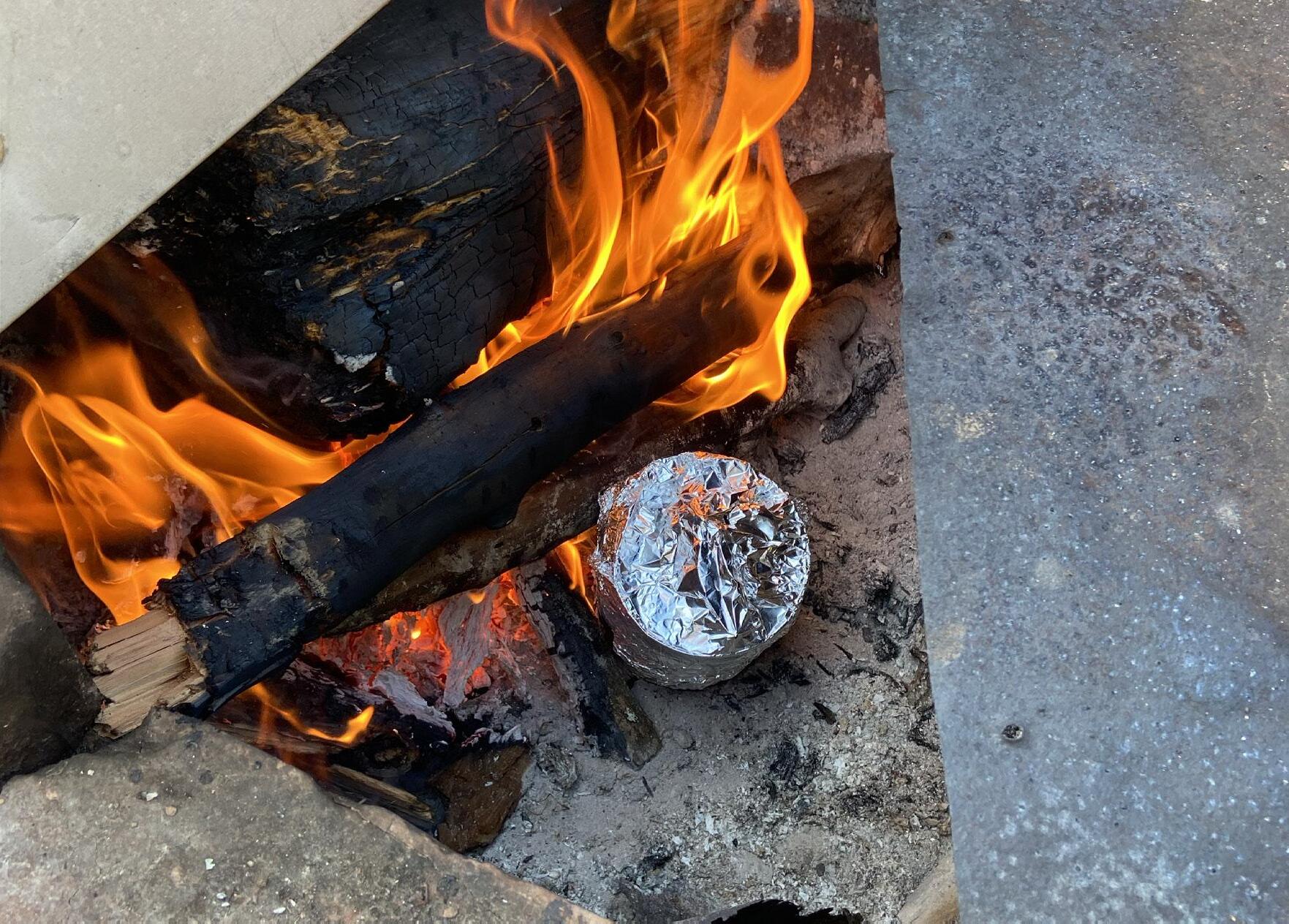
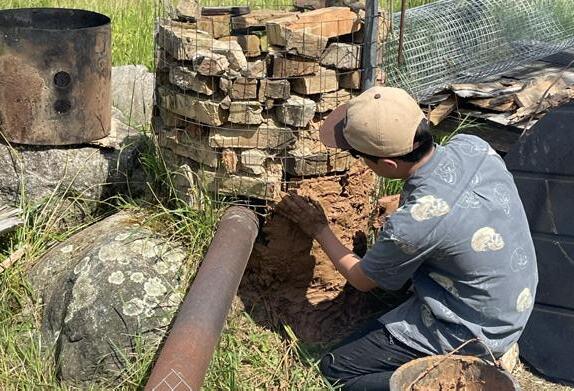
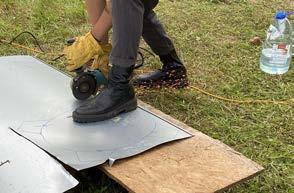
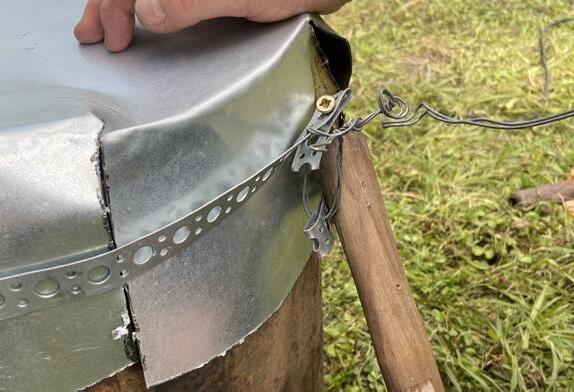
I made a couple of prototypes by using a food tin as the kiln, then using small pieces of firewood as ingredients and sealing it with tin foil. Then it was put in the fire for around an hour and cooled down for half an hour. The wood inside the tin became charcoal, allowing me to expand the prototype to a bigger scale. I upgraded the smoker, which could be used as a smoker or a charcoal kiln. I used clay to seal the air holes to keep maximum heat for the kiln, leaving a hole for feeding fire. I sealed the bottom of the metal barrel by using a torque mechanic connecting the barrel and the metal sheet. I also remade the lid with timber, as the old one for the smoker was rotten.
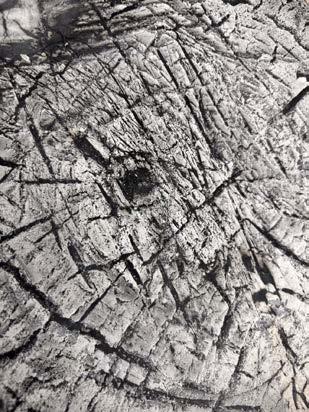
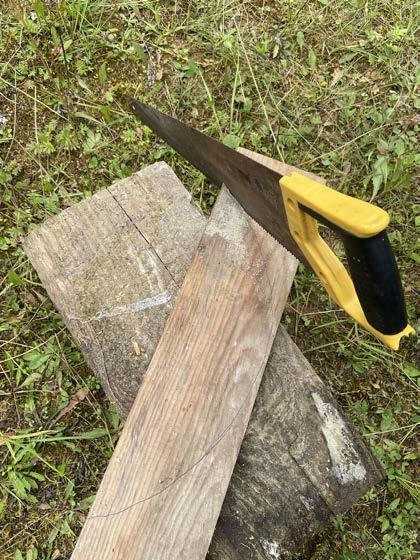
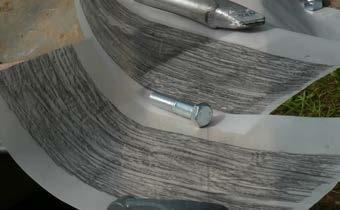
clever use of documentary photography, with phantom saws sawing & delicately stitched details.
Charring
Ivan Vong
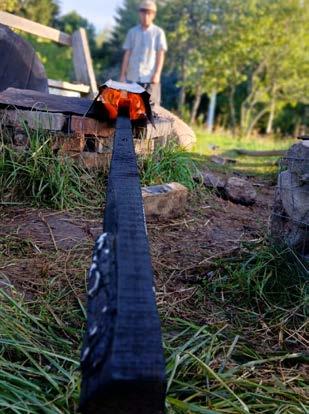
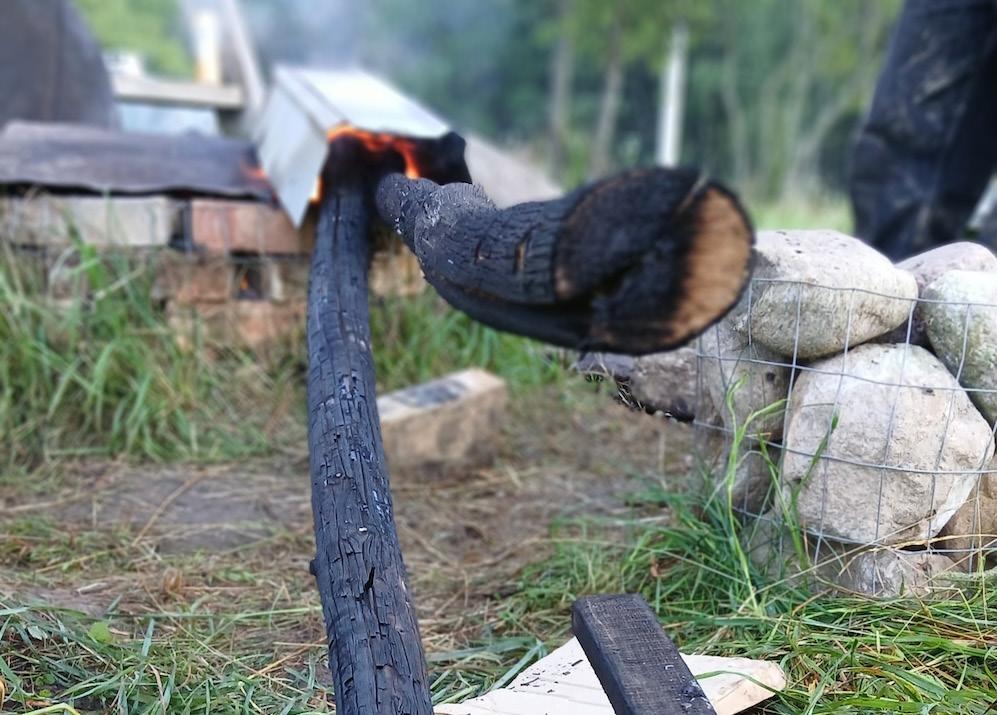
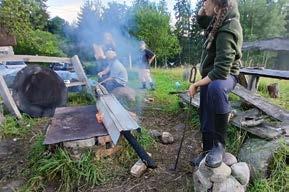
This project is about charring the surfaces of the logs so that they are resistant to water and insects, preventing and slowing down rotting compared to unfinished logs. This process is needed for Niall’s canopy, as it is exposed outdoors with rainy seasons and rough conditions and needs to be reusable.
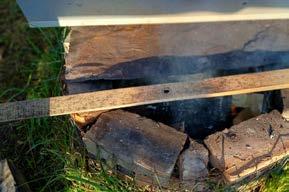
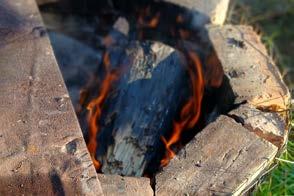
To charcoalise the logs, intense temperature is needed to burn the surface of the timber, creating a protective layer for the timber and good-looking charcoal aesthetics. I used pieces of scrap metal to create a closed tunnel that directs all the heat and fire in one direction, using plenty of firewood to generate intense heat beneath the tunnel. fed the log that needed to be charcoalised into the start of the tunnel, and the receiver at the other end needed to pull the logs out.
Elements and Properties
an exploration of the relationship of form-function-materiality and craft.
Niall Healy
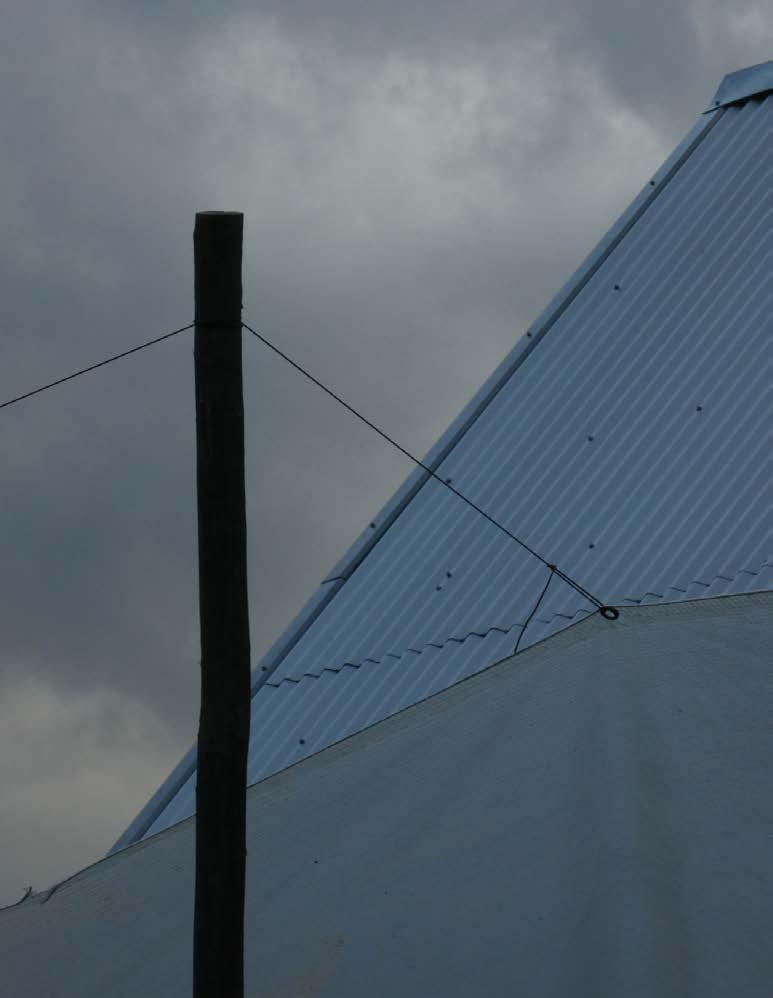
Shelter, in its most elemental form, offers a space for utility. Yet the art of creating space rests upon the knowledge of materials and their properties, set in dialogue with the elements of Earth, Air, Water, and Fire. When craft rises beyond function, making becomes more than necessity—it becomes a vision of harmony, balancing elements and matter brought into form.
This thought guided the genesis of the project, which began simply as an exploration of the elements and the properties of materials, set against the forces at play in the construction of a tensile structure.
Yet the discussion soon turned to the domestic realities of living and working together at LT Ranch—where a Lithuanian summer reveals its beauty in change: from the warmth of sunlight on the skin to the drumbeat of torrential rain upon the roof.
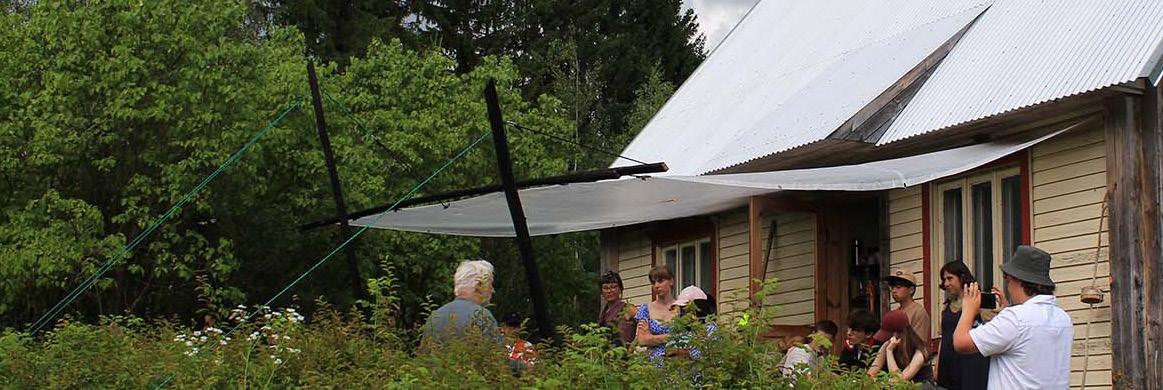
Out of this rhythm arose a practical need: a shelter for a field kitchen. What began as an inquiry into elemental simplicity evolved into a central utility of daily life—a place for work and rest, for cooking and eating, for sharing and being together.
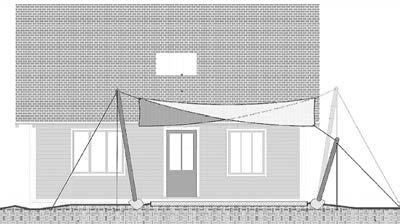
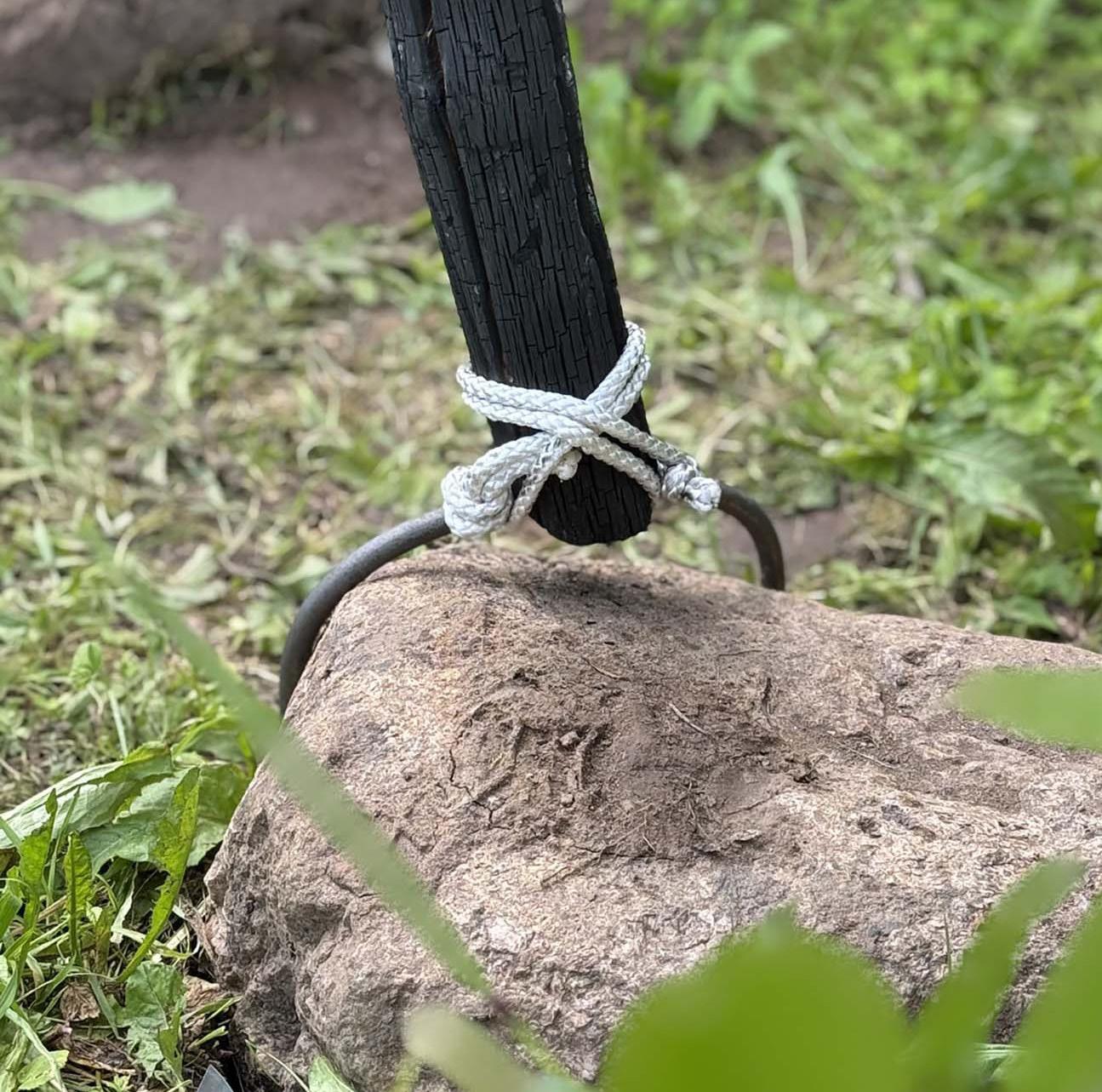
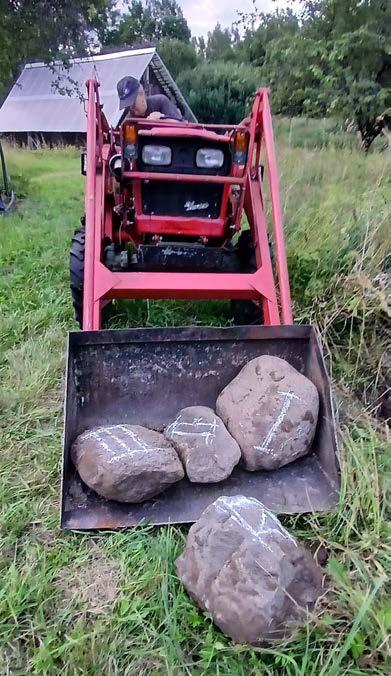
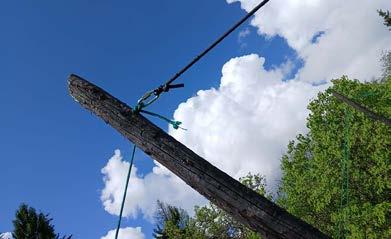
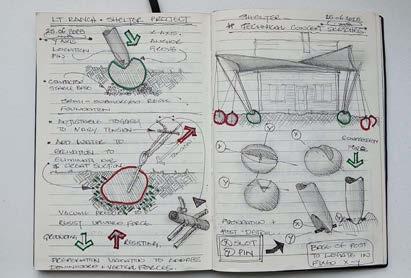
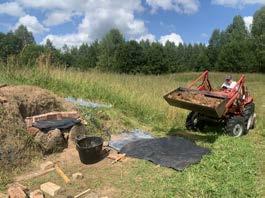
Ideas that migrate from theory into materiality undergo a journey of discovery, shaped by the feedback from nature. The act of cutting into the granite rocks found on site— hauled into place by Kristina’s trusty red tractor—revealed their mass, density, and resilience. This encounter demanded innovation, a rethinking of how the structure touched the ground, so that its loads could be carried and transferred with security, suspending the wood above the earth.
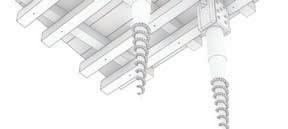
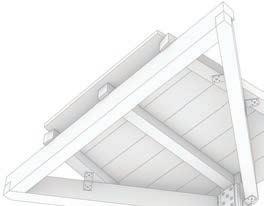
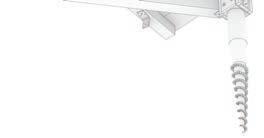
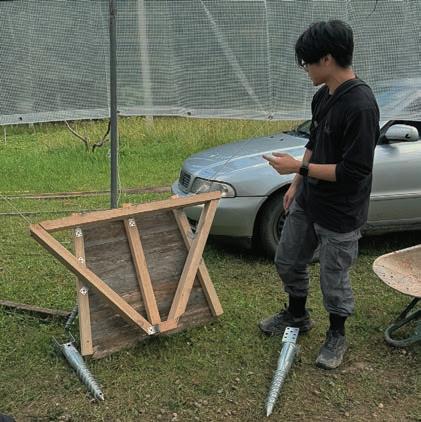
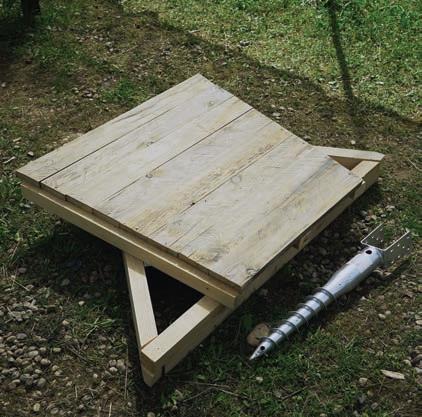
Steel was bent into a staple, embedded in the solid ground and set to rest upon the granite rocks, receiving the slots cut into the vertical wooden post, together they created a hinge—an adaptable connection that allowed the geometry to shift and the structure to find its place.
The prototype, raised within a few hours, soon revealed its lesson: the canopy needed to breathe with the wind, to bend rather than resist. A dialogue between forces and materials emerged, where bungee cords and static ropes wove together a recipe of balance—stability intertwined with flexibility
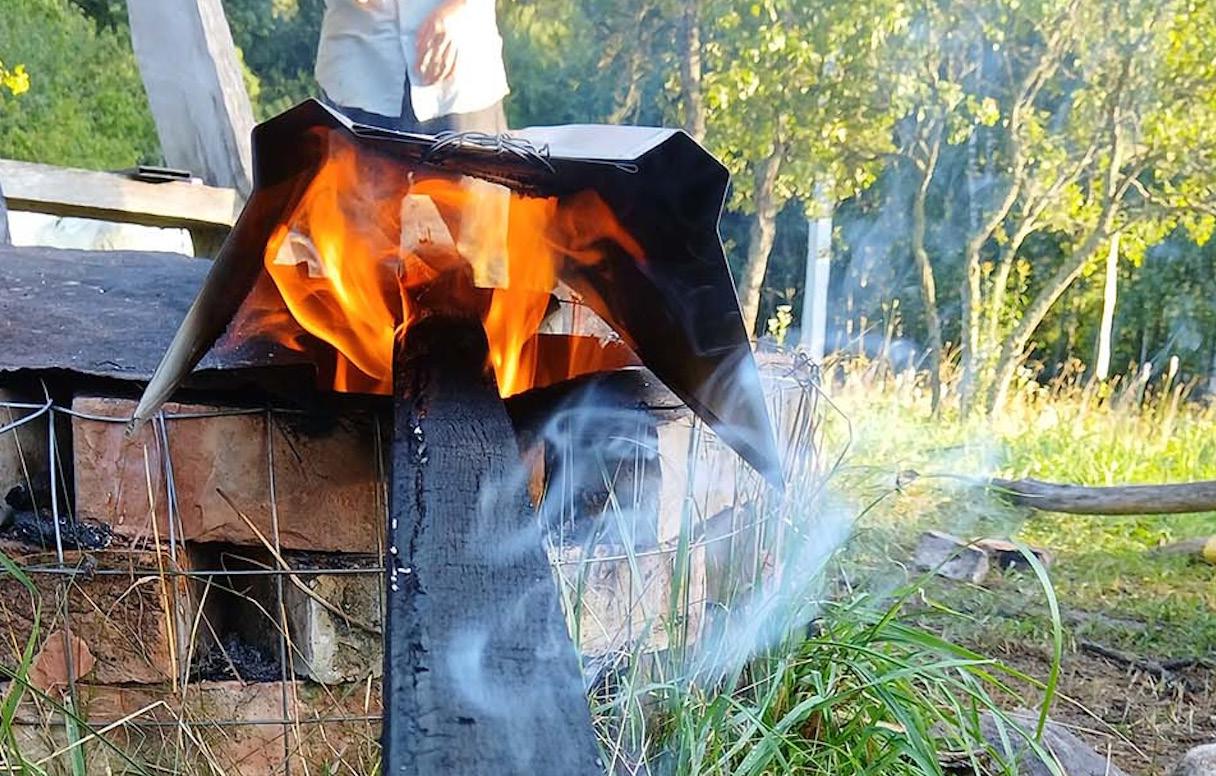
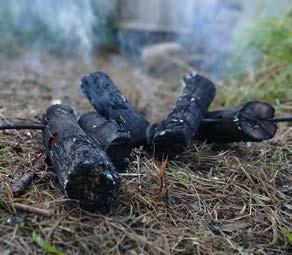
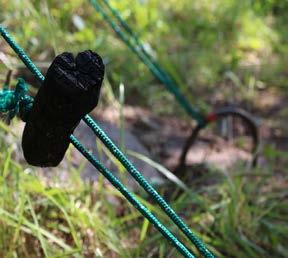
Guided by the wisdom of the Shou Sugi Ban technique, we turn to the transformational power of fire.
Within the furnace, timber surrenders to flame, emerging renewed, its spirit strengthened, its surface resilient, its beauty deepened.
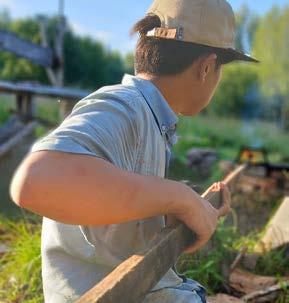
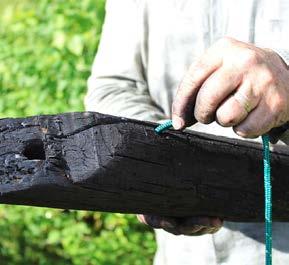
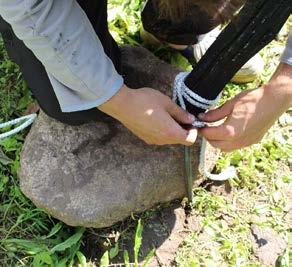
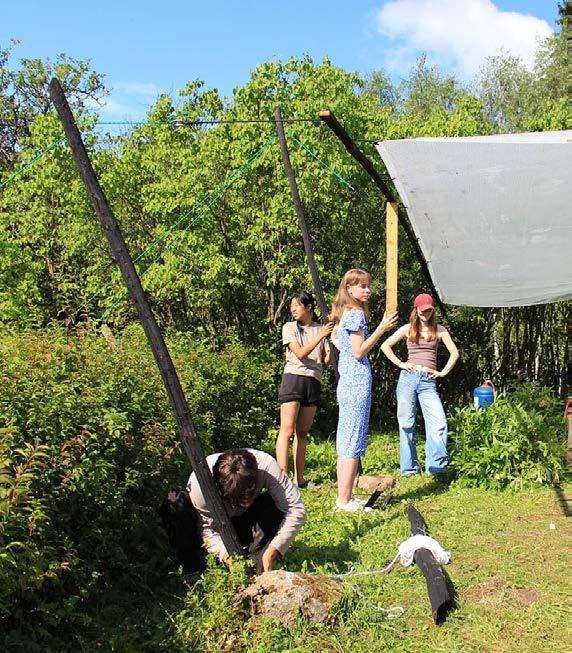
Many hands make light work, and when the physical material gets under the fingernails, it also seeps into the soul, entangling the maker to a knowing that is deeper than any theory can provide.
The act of making and the craft of creating, in harmony with the quality of materials to hand, teach lessons that anchor deeply in a unique and enduring way.
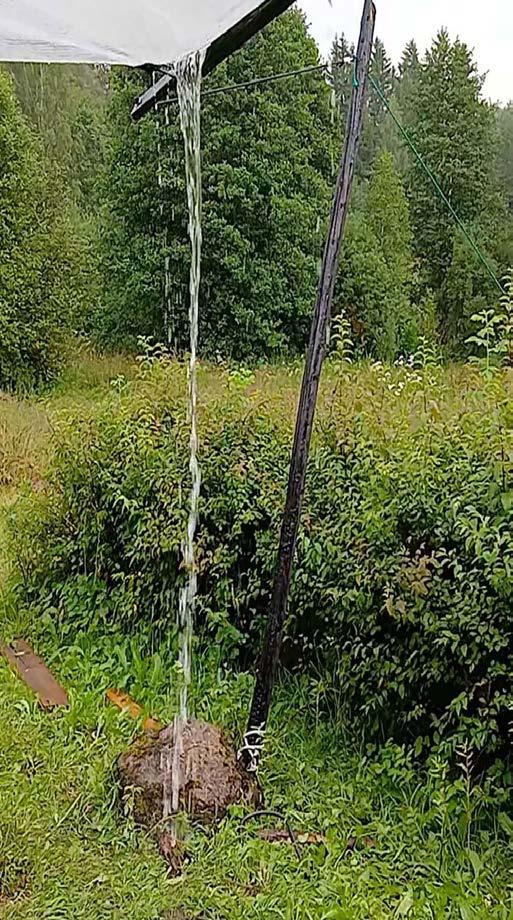
And then, an unexpected joy: the elements and the yielding structure fall into a dance. Rain gathers and swirls on the translucent skin, bowing in a graceful flourish before diving to the granite below. With each splash a new performance begins, the stage alive with eddies of water, while the steady rhythm of raindrops carries the chorus into the tempo of a new song.
The Slow Undoing
Georgia Bills
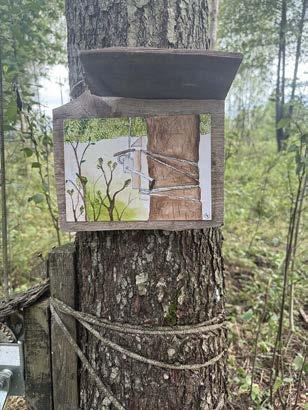
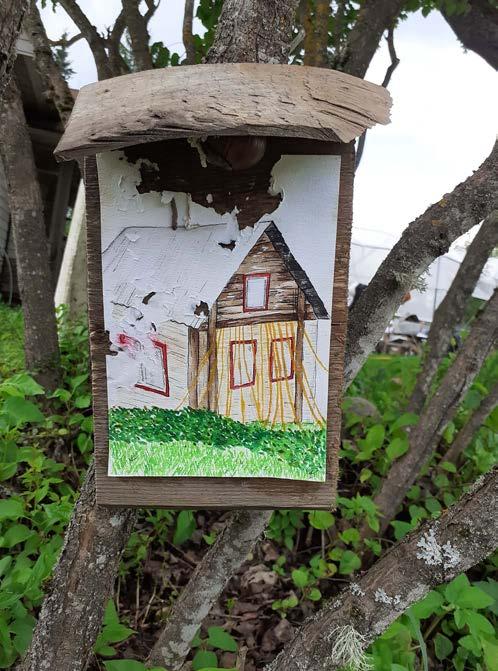
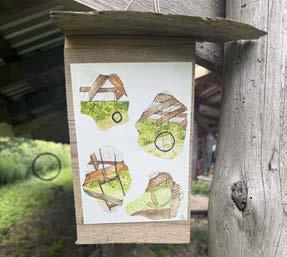
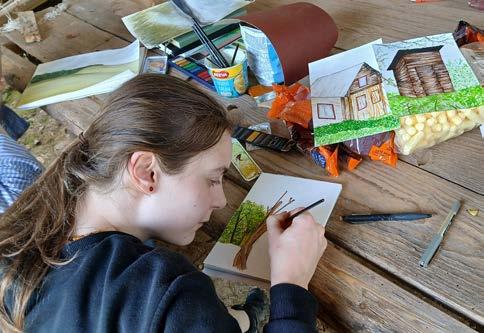
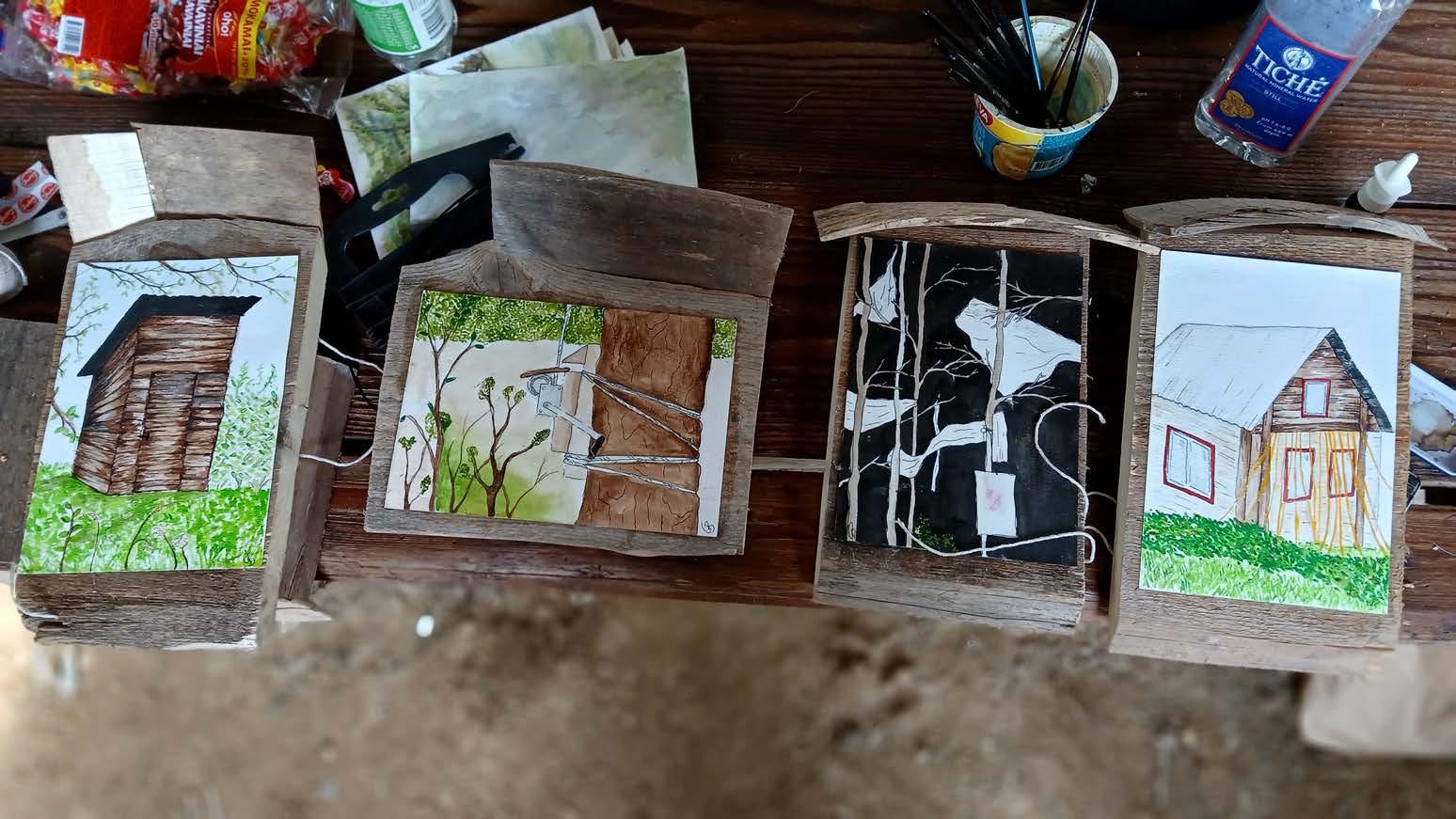
“The slow undoing” is a series of paintings exploring the quiet disappearance of man-made art into the natural world. Each piece reflects on former creative acts: sculptures, murals, installations that have been left behind, forgotten, or surrendered to time. These works, once celebrated or full of intent, now dissolve into their surroundings, reclaimed by moss, soil, rust, and erosion. The project investigates not just the decay of materials, but the transformation of meaning, memory, and presence.
The series is a recognition of nature’s slow, indifferent authorship. The once-bold interventions of the artist fade into the landscape, becoming part of it rather than apart from it. Rather than reading this process as loss, the work reframes it as a kind of collaboration, one where the land completes the artwork, long after the artist has stepped away.
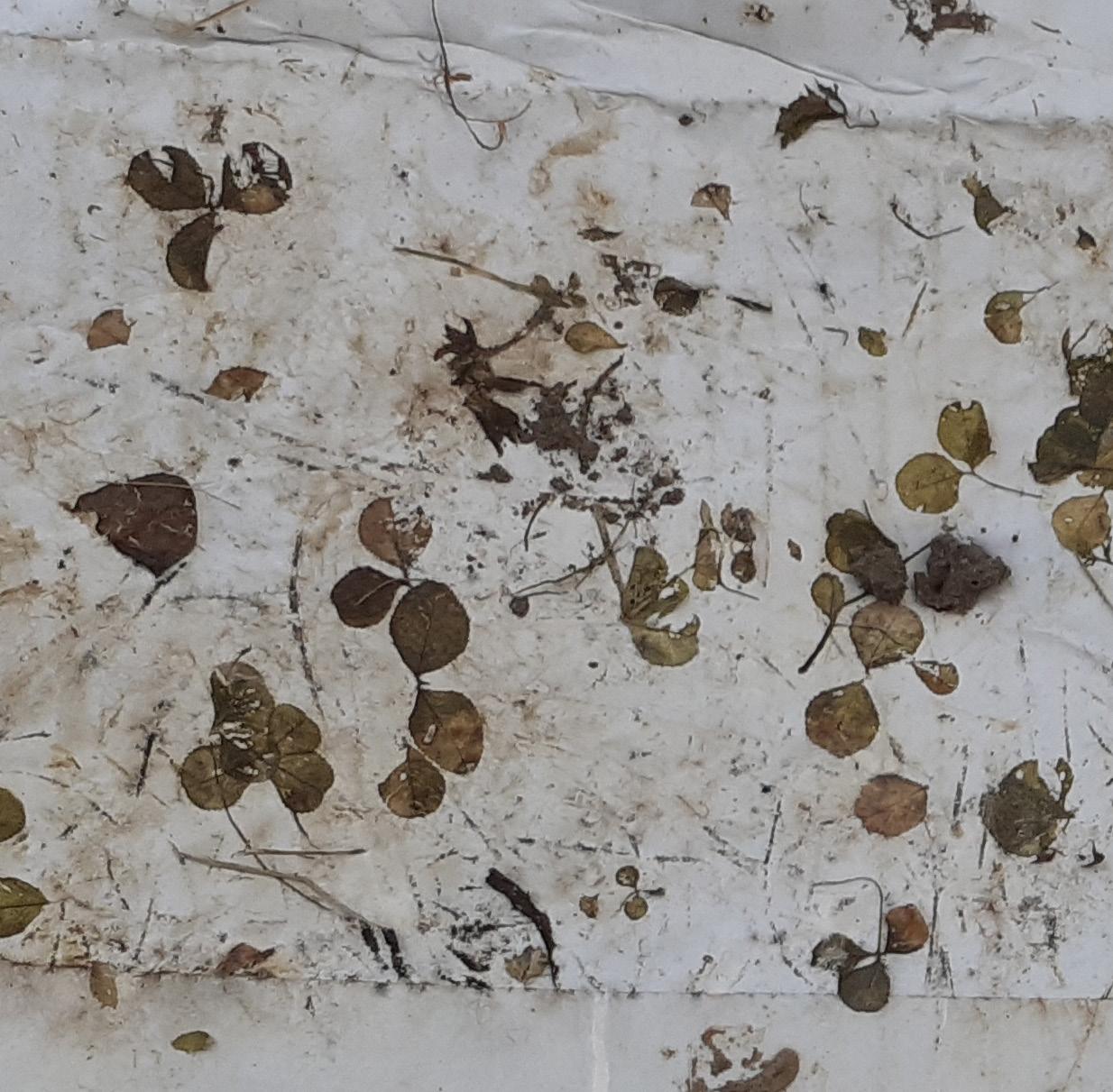
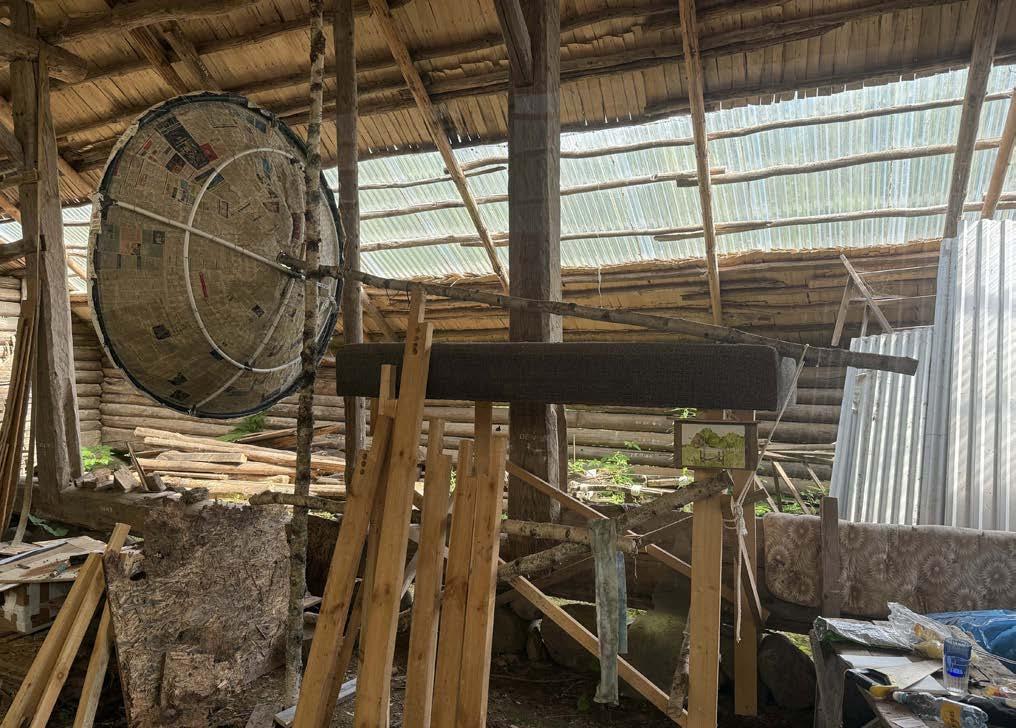
Mounted onto aging materials from previous works, the paintings become part of the physical decay they represent. The paper will yellow, the ink may run, the watercolor will fade and all of it will be affected by time, weather, and environment. Over months or years, these pieces will change.
The Acoustic Boundary
Jos Pepe
The Boundary, “a line which marks the limits of an area; a dividing line.” The ideas of a boundary exist to separate people, land, and emotions. My whole life this has been expressed with walls and fences; however, rural Lithuania presents this in an alternate way. Properties and land are divided by markers placed into the ground, making navigating difficult unless you know where to look. But what about hearing?
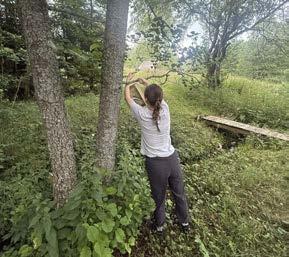
My project is designed as three alternate wind chimes, all of which are positioned within the boundaries of the Ranch site. As the wind passes through the installation, the boundaries become animated, resonating with tones that change with weather, season, and time of day. In this way, the site is never static: it breathes, whispers, and sings. So even without seeing the invisible line of the boundary, you will be able to hear it.
Each chime was created from materials found within that area; this helped to give a personalized aesthetic for each, ensuring they can easily and effectively blend back into their natural environment.
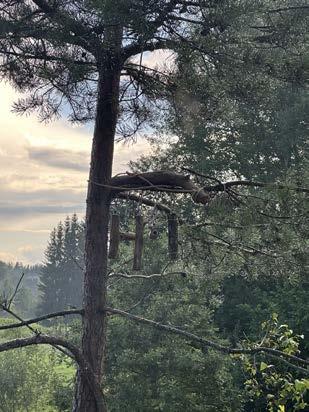
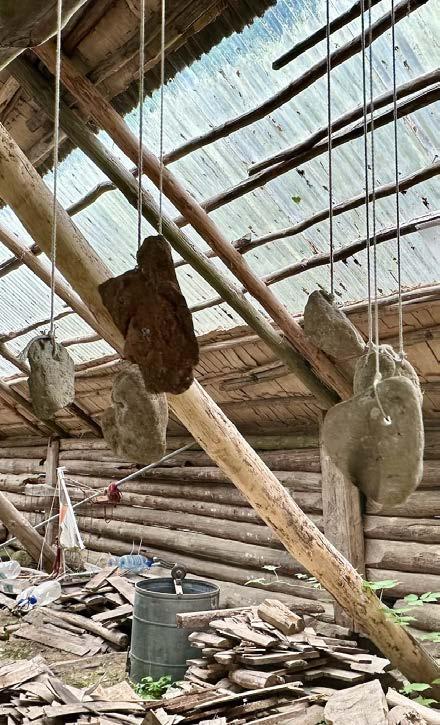
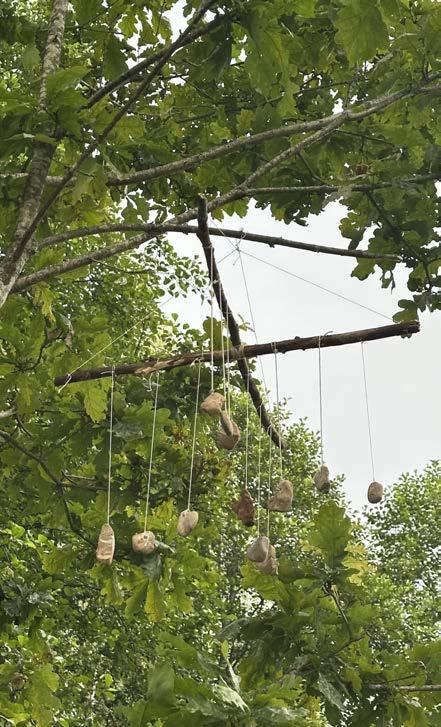

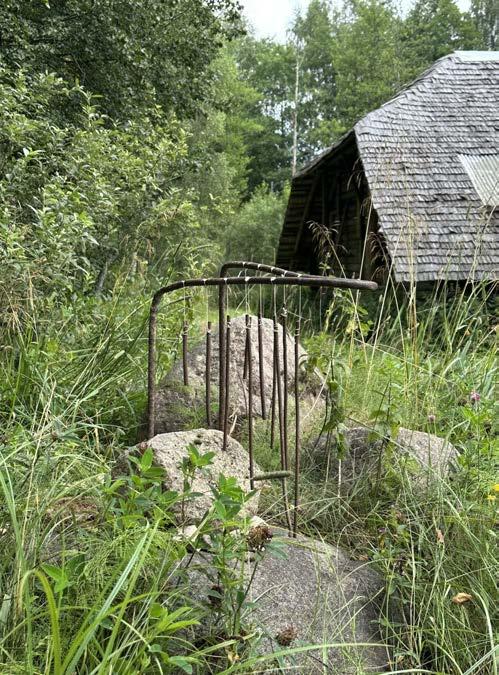
Straying away from typical wind chimes, I wanted to create pieces of art that would almost blend into the environment from where I placed them. Using sticks, branches, rocks, and stones, I delicately wove each component together; each piece is directed to impact one another, creating unique and tuned sounds.
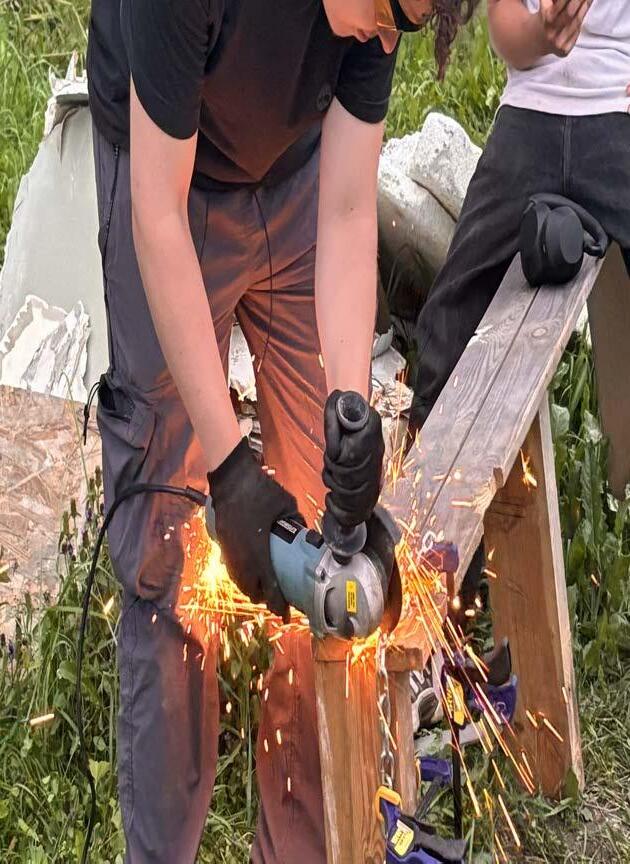
“When the wind moves through the chimes, the boundary stops being a line and becomes a song—an edge you can hear, alive with nature’s voice.”
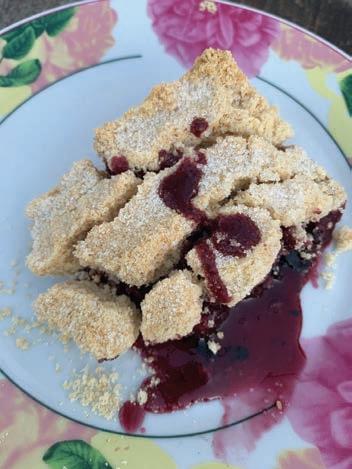

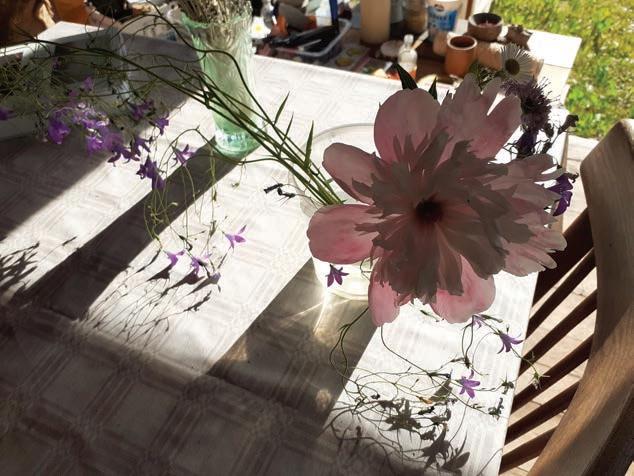
Cherry crumble- Alex
450g fruit
chopped into 1cm chunks (we used 400g apples apples and 50g fresh cherries)
75g granulated sugar
50g butter cold and cubed
100g plain flour
50g demerara sugar
Step 1
Heat the oven (in this case it was the wodd burning stove in the Ranch kitchen) to 180C/160C fan/gas 4. Mix together the fruit and granulated so it’s evenly coated. Tip into a pie dish where it fits snugly.



Step 2
Rub the butter into the flour to make a light breadcrumb texture. Do not overwork it or the crumble will become heavy. Add in the demerara sugar until combined and spread over the fruit until completely covered.
Step 3
Bake for 35-50 mins until golden brown and bubbling, and the fruit is tender. Leave to cool for 5 mins before serving.

The Beauty of Impermanence
Alexandra Koks
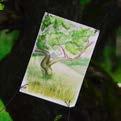
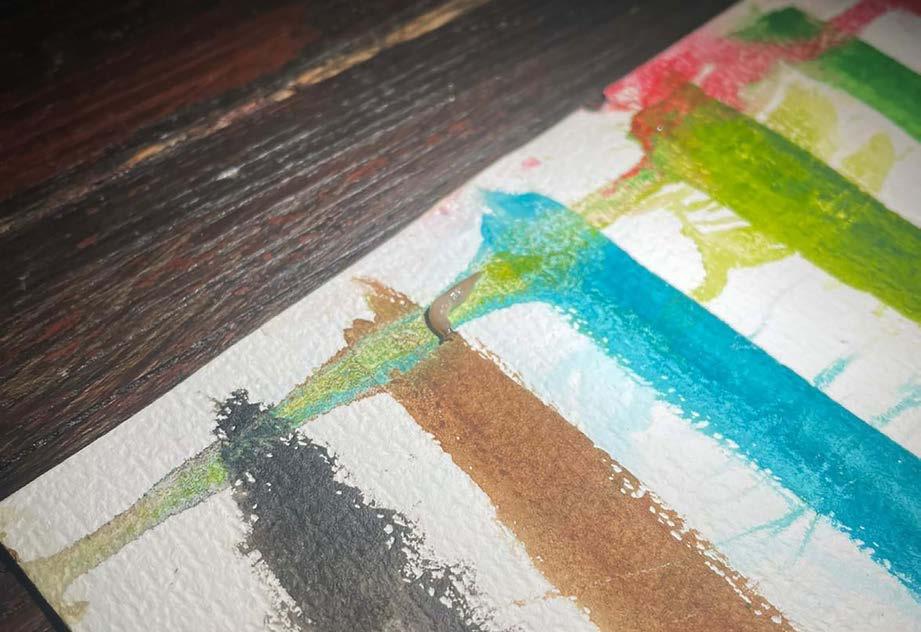
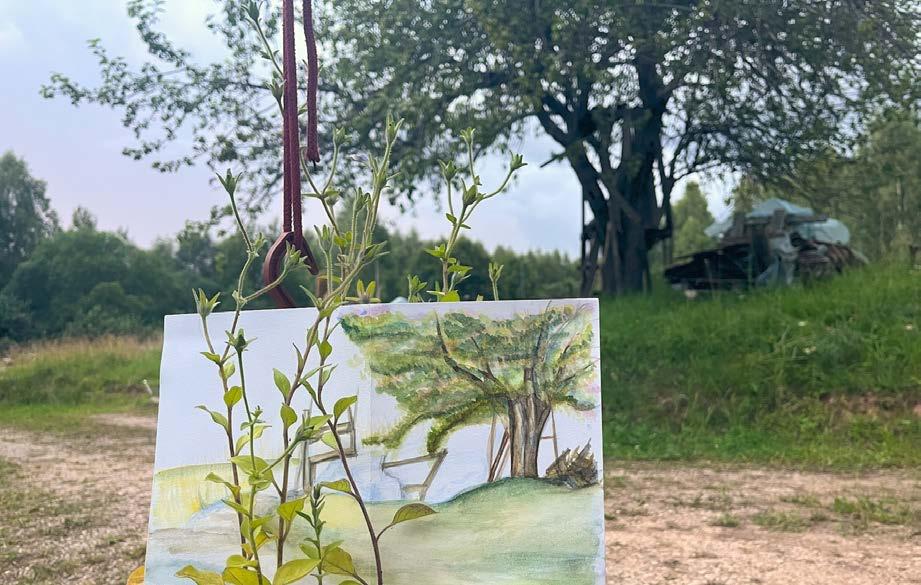
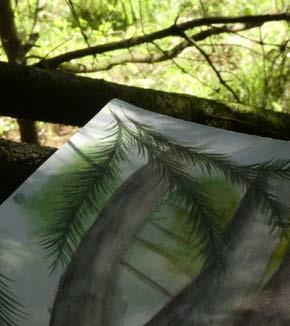
This project unravels across Kristina’s Ranch through a series of watercolour paintings. Each one captures brief moments of natural beauty and quiet details that are often overlooked: a shimmer of light through branches, wildflowers threading a fence or the grain of decayed wood.
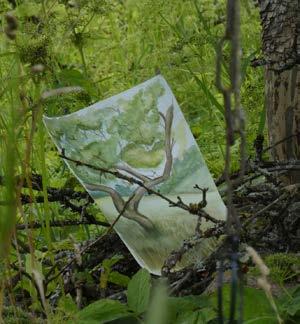
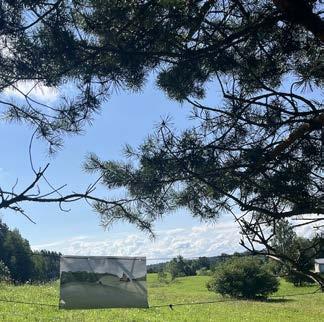
Painted on watercolour paper and then returned to the very spots they depict, the pieces act as mirrors to their surroundings, blurring the line between subject and setting. Left exposed, the paintings are surrendered to the elements— sunlight bleaching their colours, rain softening their surfaces, wind tugging at their edges—until they begin to fade back into the land. This disappearance is not an erasure but a transformation.
The strings that hold up the paintings become scaffolding for spider webs, whereas dampened paper offers food for slugs and insects. Slowly, each installation is absorbed into the rhythms of the ecosystem. In this way, the project celebrates impermanence as a form of beauty.
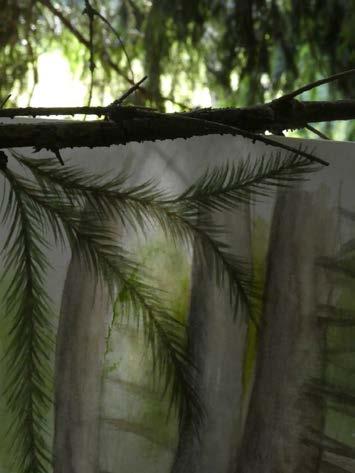
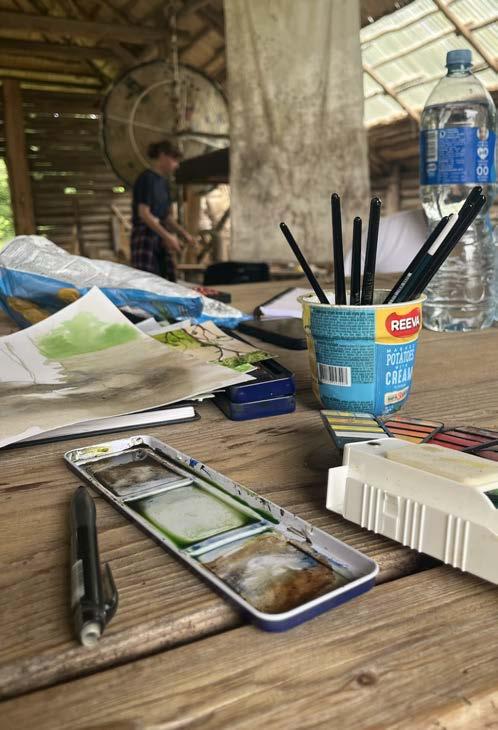
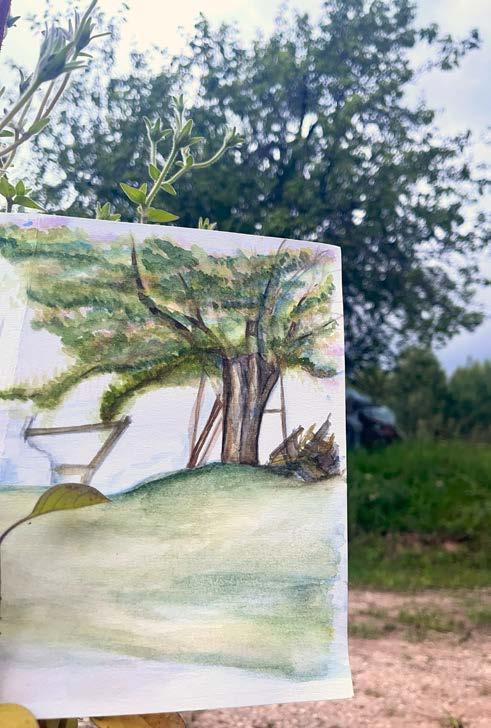
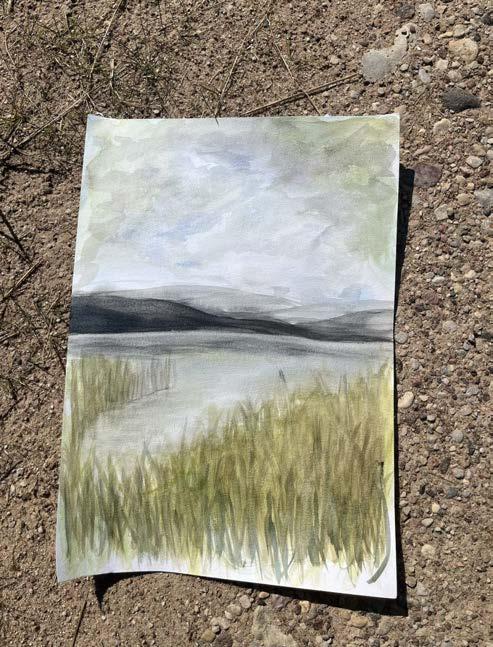
Art is not preserved behind glass but given over to weather, to decay, and to use. What emerges is a timeline where paintings are no longer stationary objects but living offerings. Temporary moments of colour and reflection that exist only for a fraction of time, before becoming part of the earth.
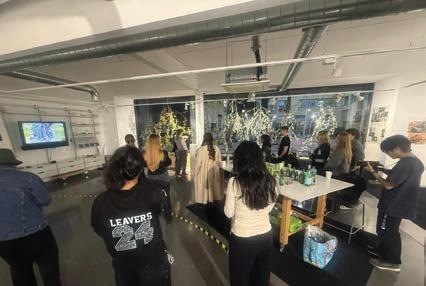
Mid week Work in Progress presentations
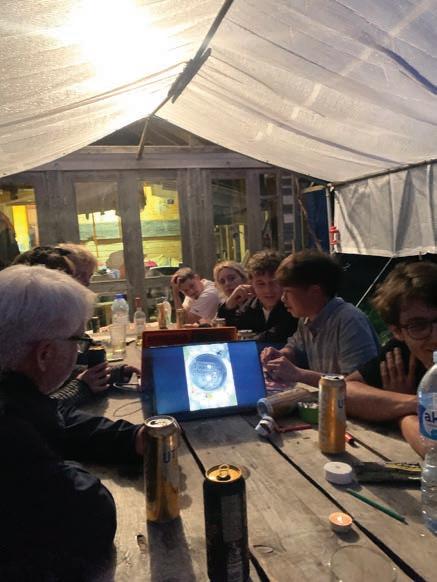
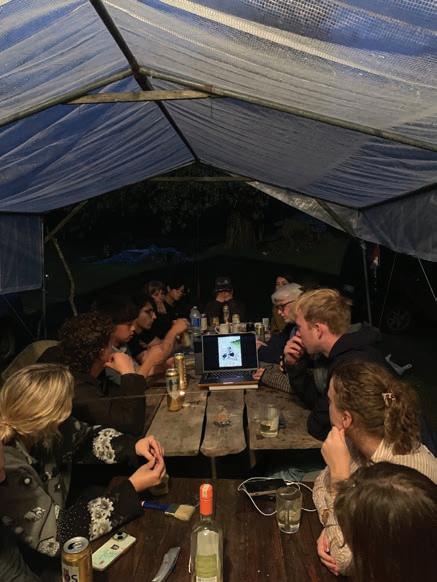
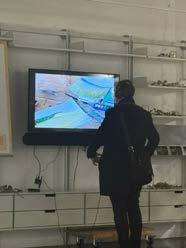
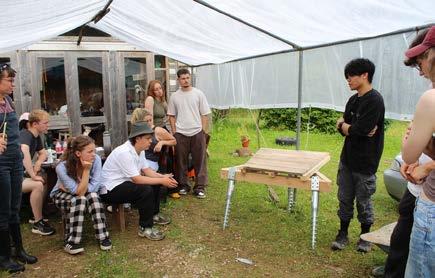
Midweek presentations were a few slides of ideas, observed processes and research. An opportunity to share thoughts with everyone.
- a collective moment.
(wiith thanks to Meg & Niall and others for the backup of dual screen technology. A bit of IT making do.)
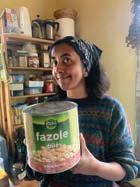
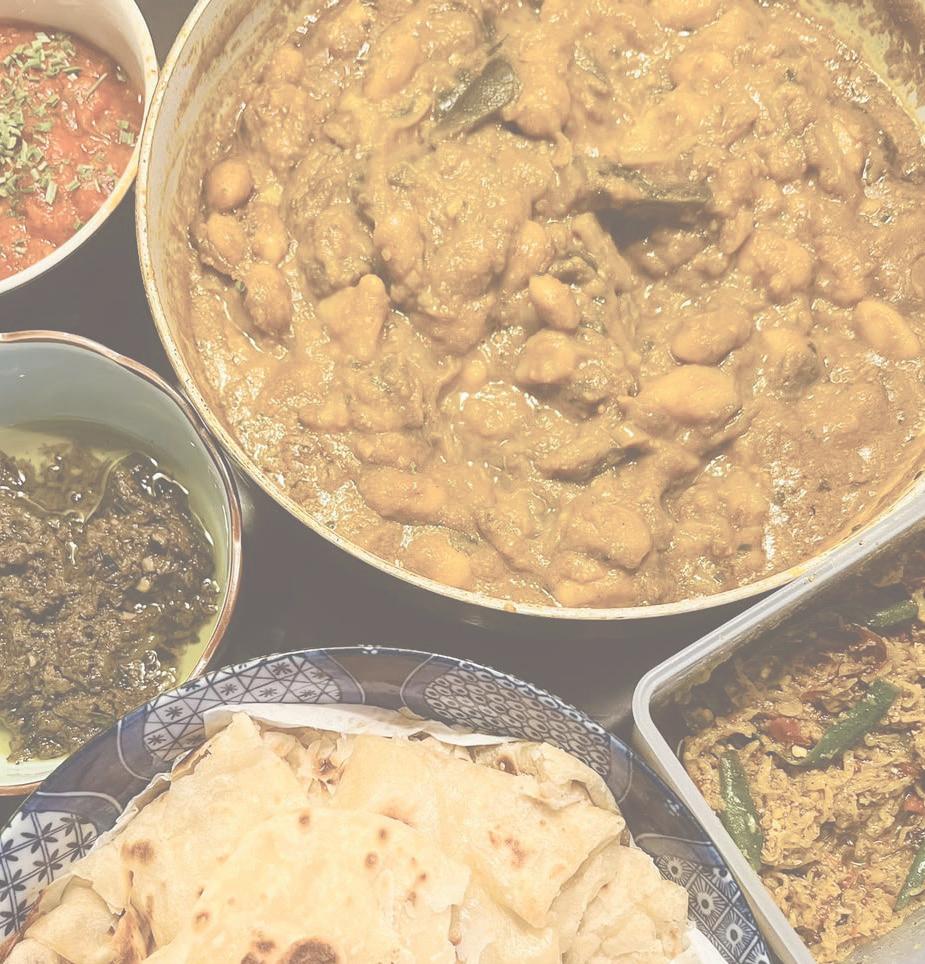
Grois Pois and Farata (Butter bean curry with flat bread)
Ingredients (serves 20)
12 large potatoes, peeled and quartered
12 tomatoes, quartered then halved
4 onions thinly sliced
2tsp of tumeric
2tsp jeera
8cm ginger diced
2 big cans of butter beans
8 cloves of garlic crushed and cut
Cook the potatoes slowly on one separate pot (not boiled yet ).
At the same time in a separate pan, add oil, garam masala, ginger , jeera and garlic. Add onions sliced thin, fry until golden. Then add tomatoes, cook for seven to eight minutes.
Whilst this is cooking, in a separate cup and 2 cups of warwm water and two table spoons of turmeric. - This is similar to a stock.
Once tomatoes are soft, add stock and cook further for a few more minutes. By now the potatoes should be almost cooked but not completely boiled.
After this add tomato mixture into potato pot with two cans of butter beans. Cook /boil until potatoes are completely soft.
Now time to eat ! (With rice or farata)
Ingredients (serves 20)
2kg of flour
1.8L of water
Oil to cook
Pour flour into large bowl
Add water slowly cup by eye
Mix with hands until a dough forms
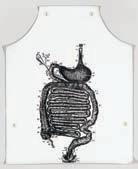
Once all is mixed, knead with hands and fists on a well floured surface.
Separate into 20 small balls.
photo credit: https://www.facebook.com/groups/ mauritian.cuisine/posts/8917558768359143/
Roll out one by one, then make a small incision centre out - then spread oil. Roll into a cone then flatten point up with your palm to make round. Roll out till thin enough to your liking.
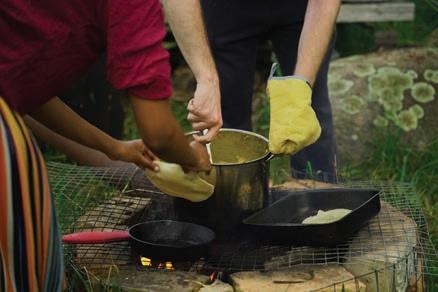
Spread a bit of oil using a brush/kitchen roll on the pan and place. This will start to rise then you flip and spread oil on the other side.
The extra folding step is what makes it nice and flaky. Voila ! Bon Appetit!
Where the wild strawberries lie
Diya Seepaul
Incense burns as she closes her eyes, back to the little wooden house.
Step forwards, to the yellow kitchen that brings you into a mother’s embrace.
Cups and cups for you, under the swirling clouds which pine to meet the endless wash of blue.
Theres a timber clad porch with late conversations that bridge day and night.
Peer into the darkness and there’s a family of faces of different colour , creed and race
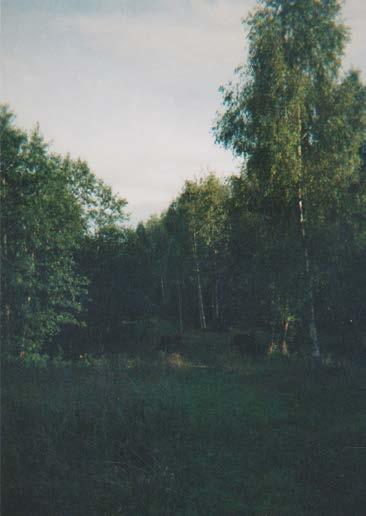
So, they turn over to look at the fields of green rolling in to greet the viridian giants who stretch wide at dawn, to reach the endless sky.

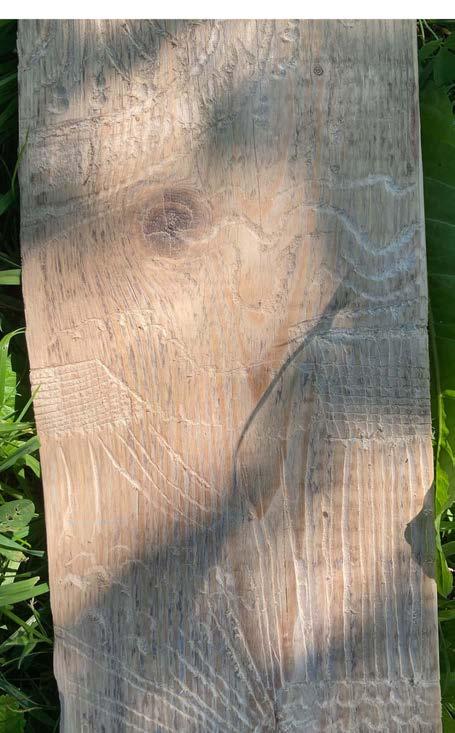
Link to spoken performance
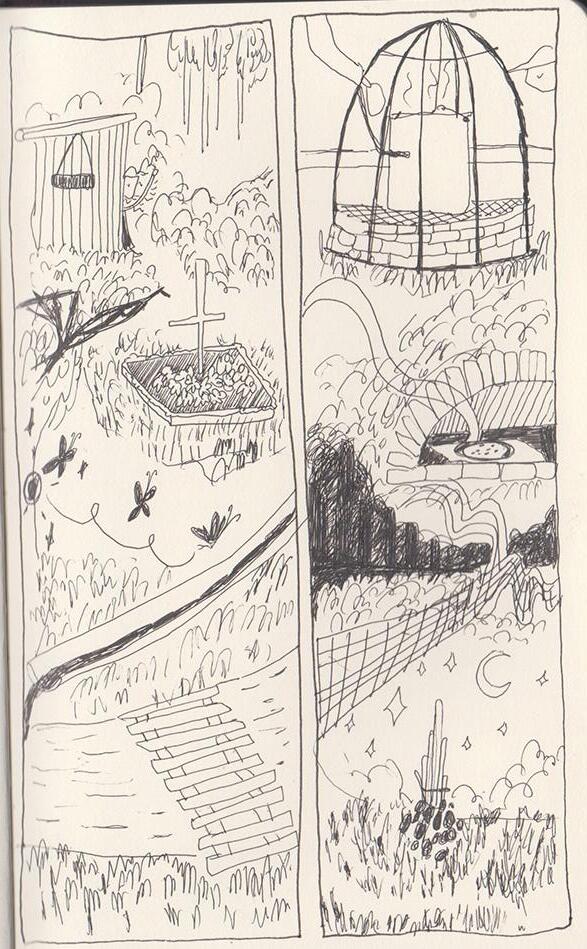
Carving living histories
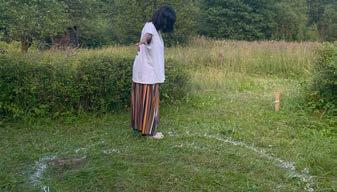
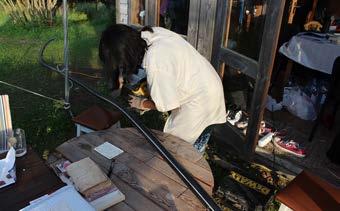


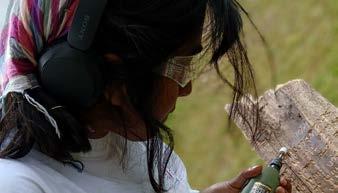
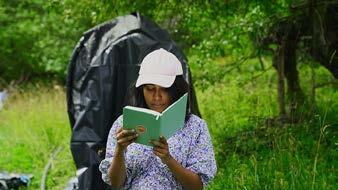
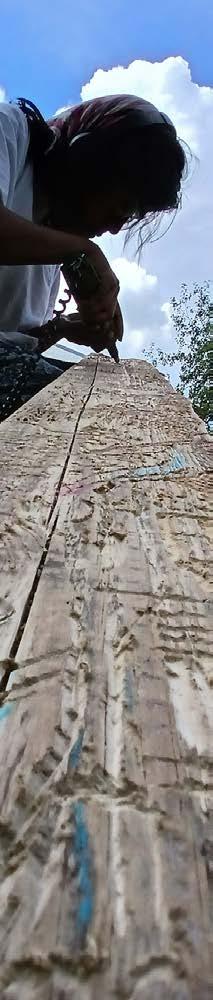
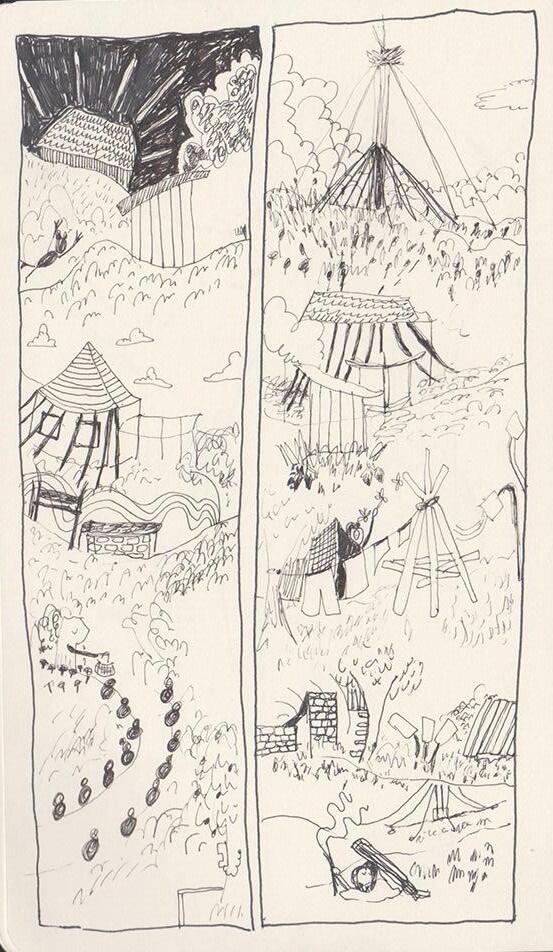
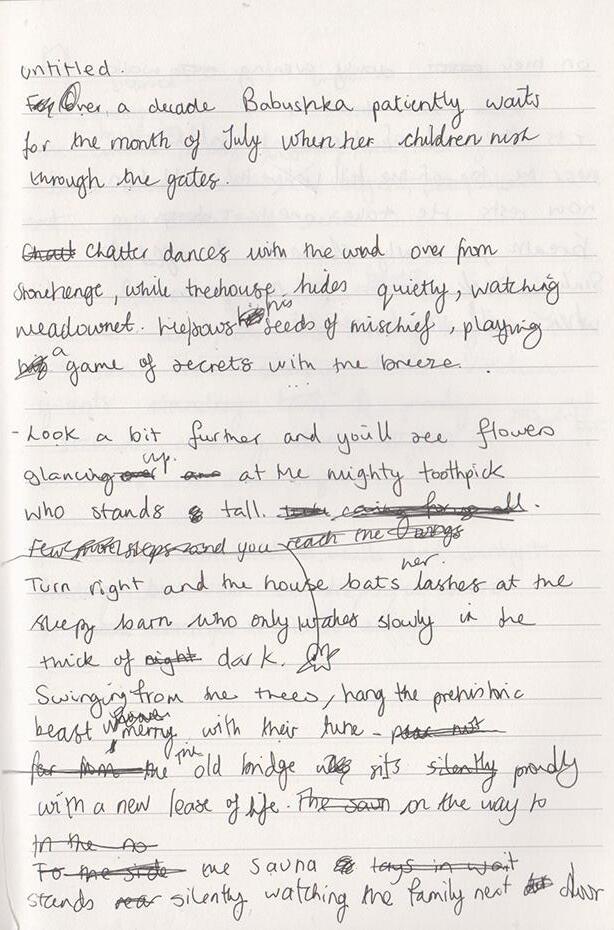
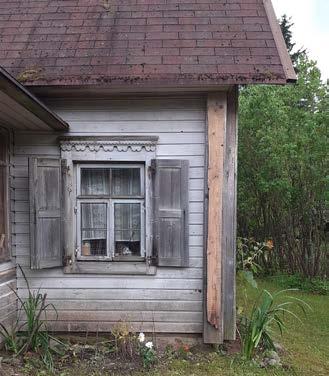
Over a decade Babushka patiently waits for the month of July when her children rush through the gates.
Chatter dances with the wind over from Stonehenge, while treehouse hides quietly, watching meadownet. He sows his seeds of mischief, playing
A game of secrets with the breeze.
Look a bit further and you’ll see flowers glancing up at the mighty toothpick who stands tall.
Turn right and the house bats her lashes at the sleepy barn who only awakes slowly in the thick of the dark.
Swinging from the trees, hang the prehistoric beasts, merry with their tune- the old bridge sits proudly with a new lease of life on the way to the sauna stands silently watching the family next door on their daily evening walk.
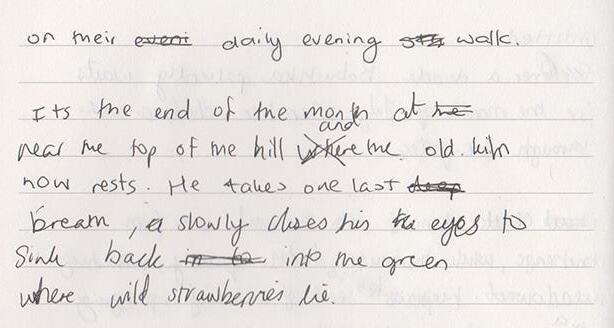
It’s the end of the month. Near the top of the hill and the old kiln now rests. He takes one last breath, slowly closes his eyes to sink back into the green where the wild strawberries lie.
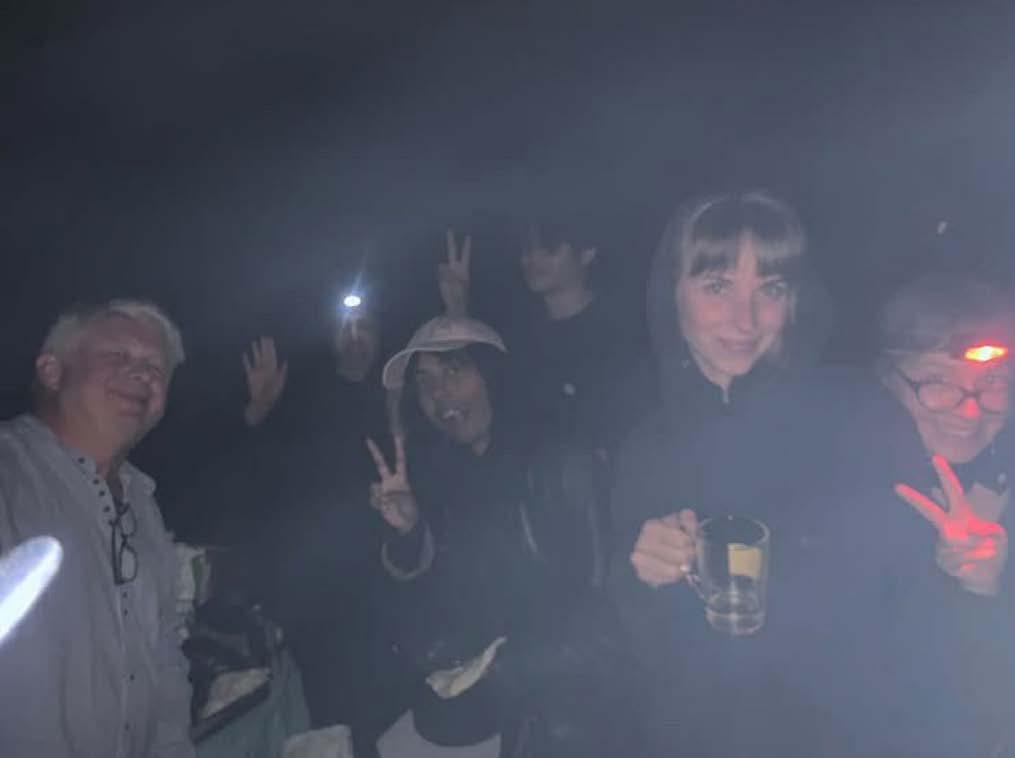

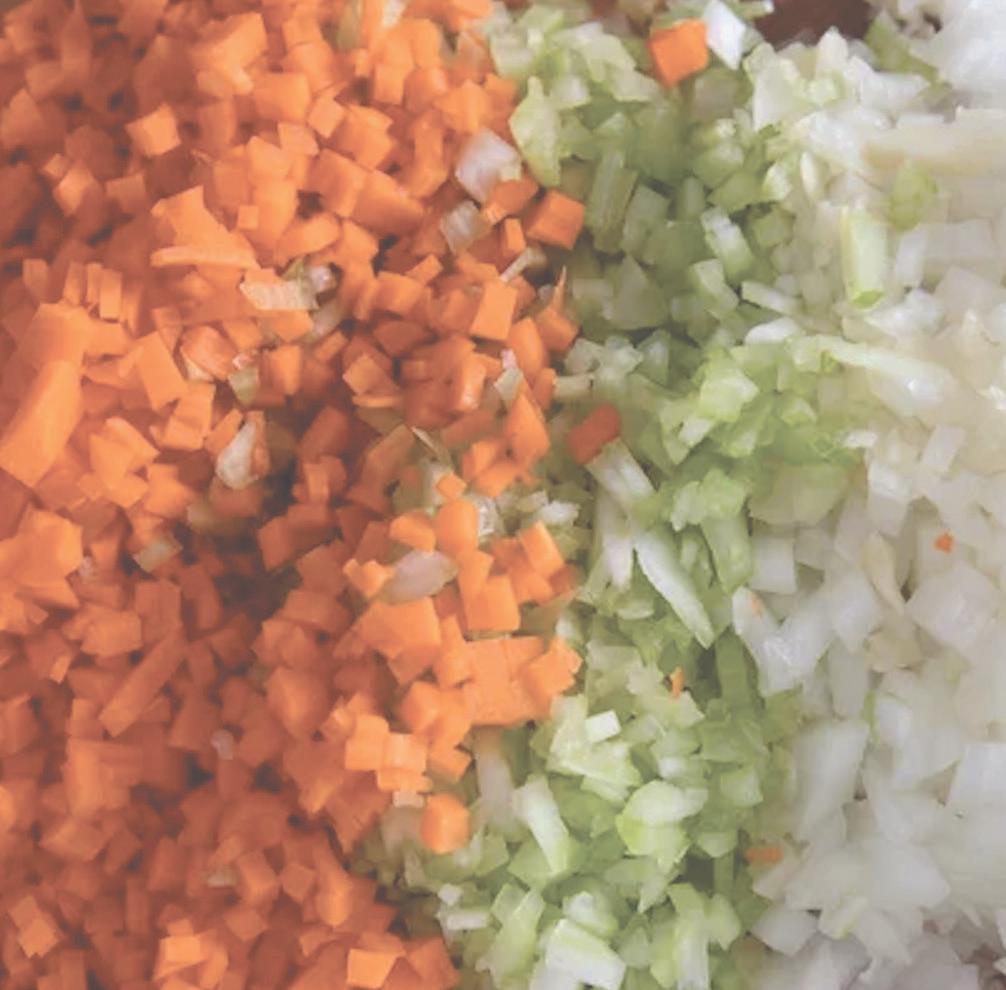
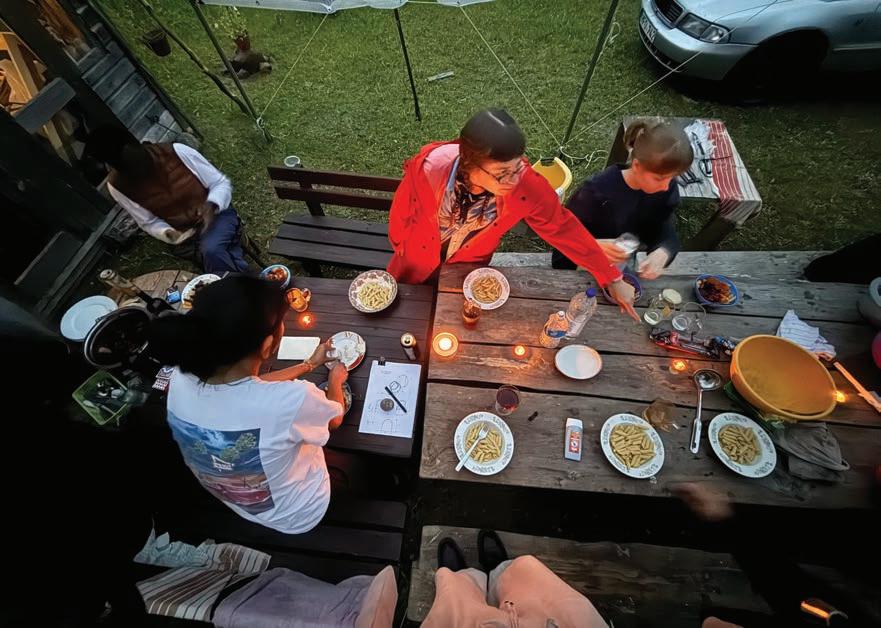
Remi’s pasta
There wasn’t much to it.
It was a mirepoix* which is carrots, celery and onions all left to soften in some oil in a pot.
Then I added chopped garlic.
Once they were good I added the courgettes.
After a couple minutes the chopped tomato’s were put in and left to simmer so that the acidity went away.
Cook some pasta and serve the sauce on top.
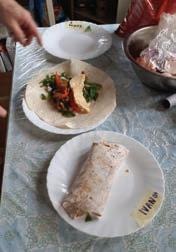
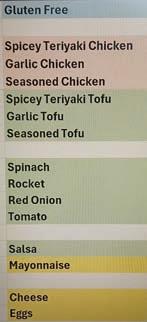
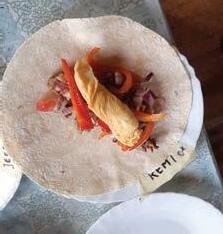
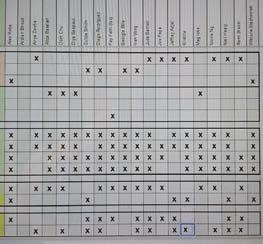
Niall’s bespoke burritos*
* note:
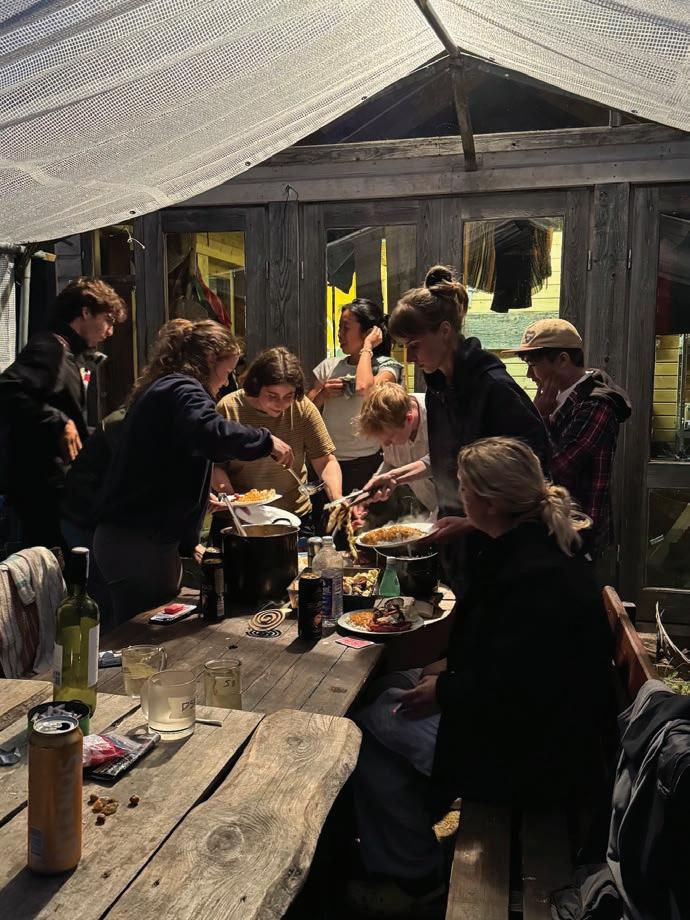
There doesnt seem to be a recipe for this one- the invention of the chef and his helpers + a handy spreadsheet- but definitely enjoyed by all.
Mirepoix- a History (from Wikipedia)
Although the cooking technique is probably older, the word mirepoix dates from the 18th century and derives, as do many other appellations in French cuisine,[3] from the aristocratic employer of the cook credited with establishing and stabilizing it: in this case,[4] Charles-Pierre-Gaston François de Lévis, duc de Lévis-Mirepoix (1699–1757), French field marshal and ambassador and a member of the noble family of Lévis, lords of Mirepoix in Languedoc (nowadays in the department of Ariège) since the 11th century.[5][circular reference] According to Pierre Larousse (quoted in The Oxford Companion to Food), the Duke of Mirepoix was “an incompetent and mediocre individual ... who owed his vast fortune to the affection Louis XV felt toward his wife and who had but one claim to fame: he gave his name to a sauce made of all kinds of meat and a variety of seasonings”.[6]
* https://en.wikipedia.org/wiki/Mirepoix

A reuse of history
Diego Rodrigues
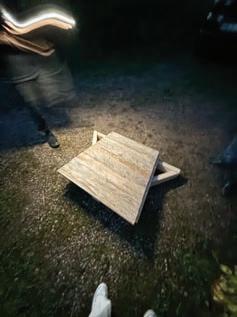
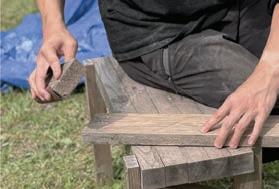
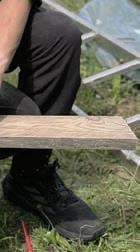
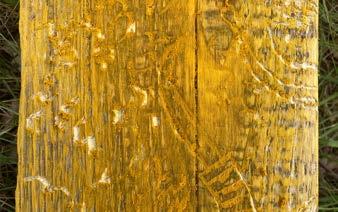
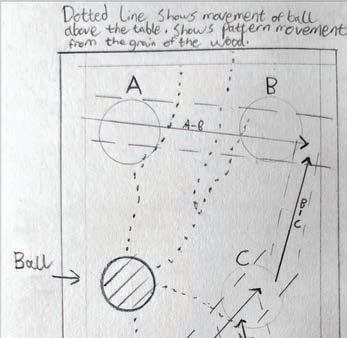
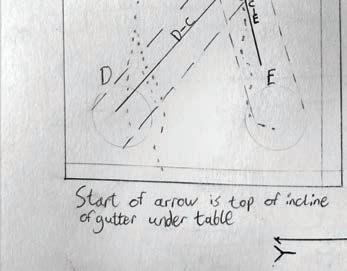
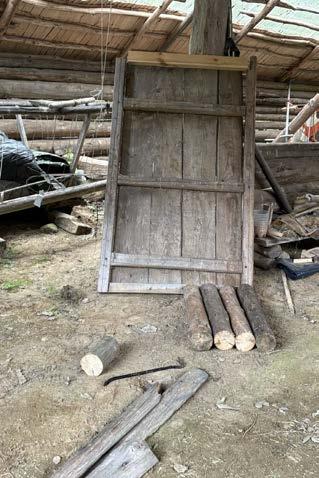
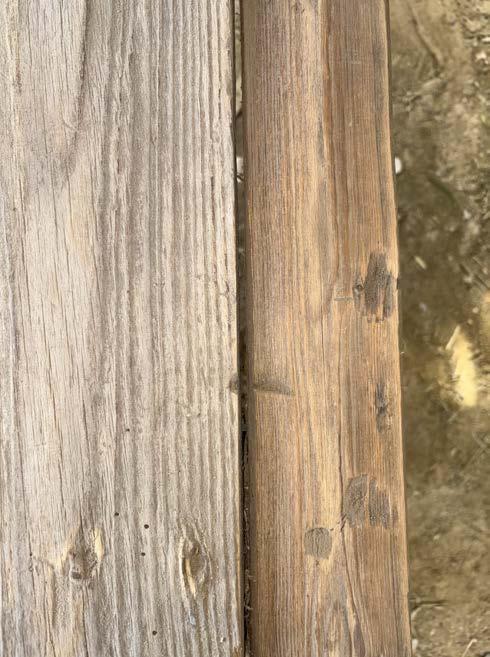
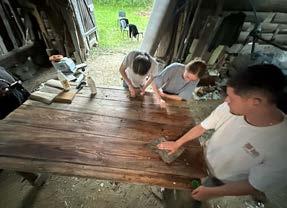
It started with a barn door that was 150 years old. The door had been stored within the barn for some time and was yet to be put to use and serve its purpose. The pine planks were constructed to make a beautiful door which over the years has been damaged by the nature of the Ranch. It took a few days of sanding to remove the water damage from the surface off the door, then even longer to individually sand between each grain of the door to ensure that the pine kept its natural texture. Beneath all of the water damage sat this golden pine plank, which looked full of life.
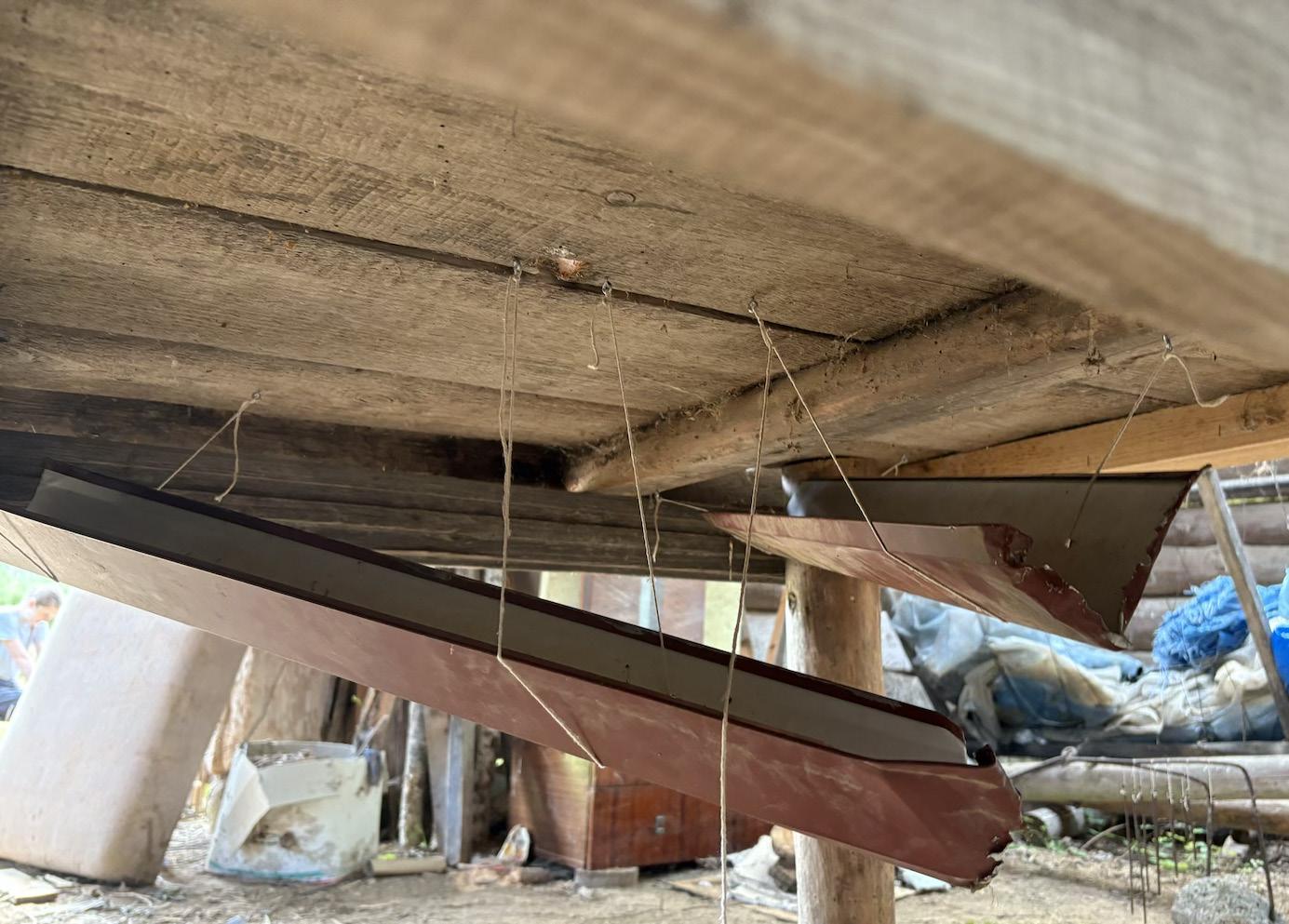
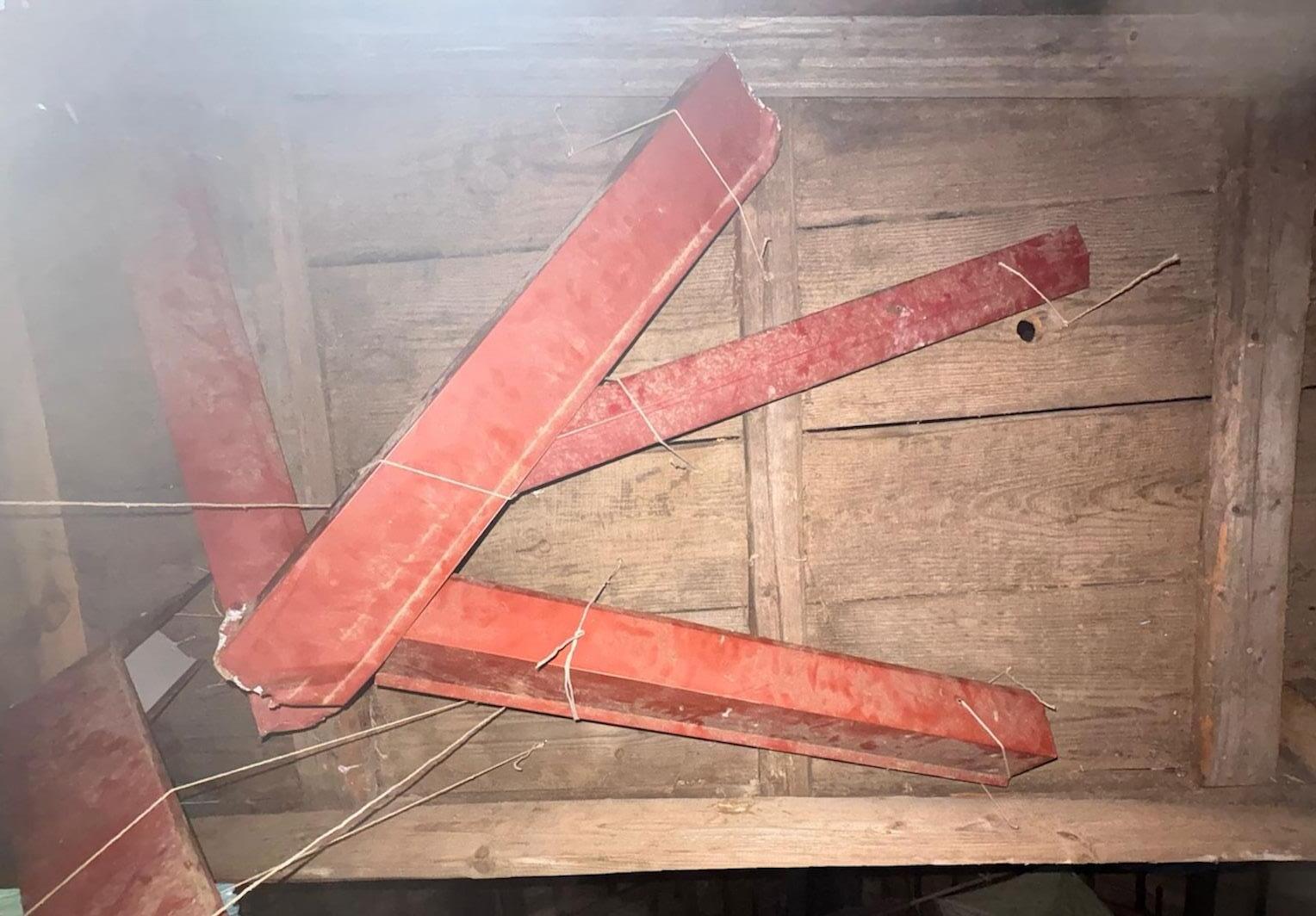
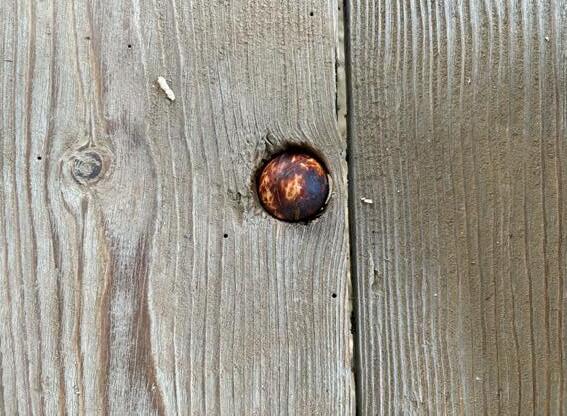
Beneath the door I was met with termite damage which created these tiny holes, which conveniently worked perfectly in my favour to twist hooks into these holes to create the guttering system for a rural pool table.
One of the most beautiful parts of the project was drilling the holes off the pool table into the knots within the grain of the wood on the surface. As I would drill these holes I was met with the smell of a fragrant burning pine, it gave me this sense of life that still lied within this door that had been out of use for years.
The original trims of the door were reused for vertical supports at both ends of the tables to maintain any features that once lived on such a beautiful piece. After days of sanding and preparing, the surface of the table was coated in linseed oil, to give it this deep richness, however the underside of the table was kept in its original state to show the polarising difference between the treated and untreated surfaces.
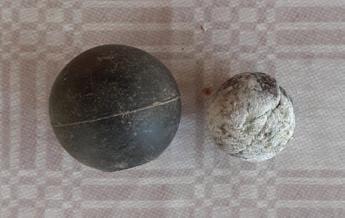
For the balls off the pool table I used the avocado pips, which was experimented with throughout the trip to see how we could make it last longer. Fortunately a member of the team burnt the pip which was interesting to see how it would react over the following days. It created this purple grain across the pip, and eventually softened towards the end of the trip.
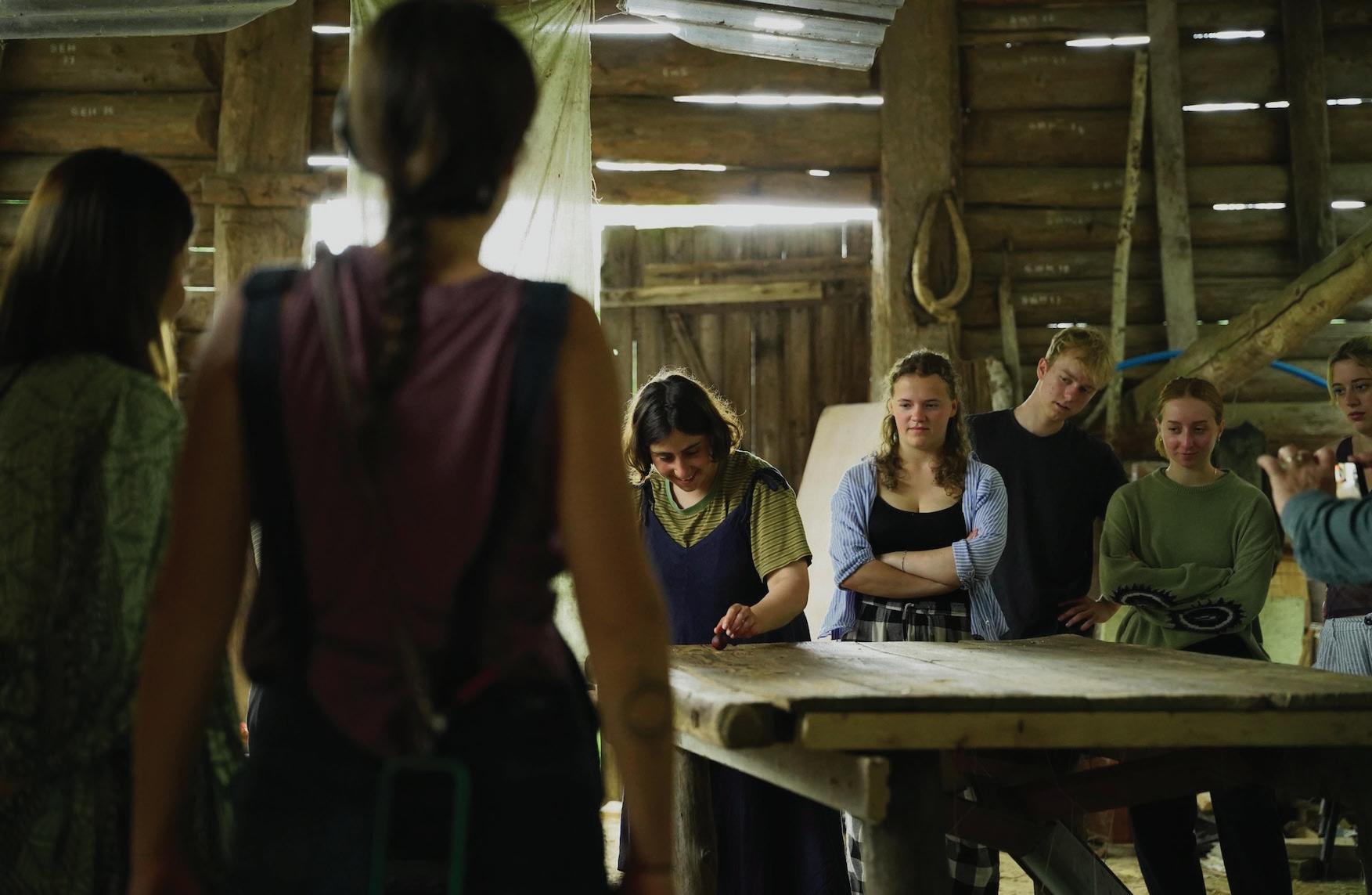
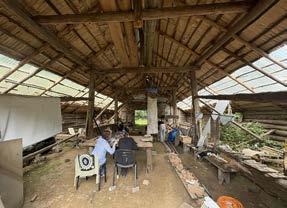
A significant moment showed the usage of the table, initially it was planned for entertainment, but as I worked on the table it began to be occupied by people to work on and socialise around. It became a space where we would tend to find ourselves sitting around and creating moments together.
A Living Archive
Jude Bartlett and Remi Brazzi
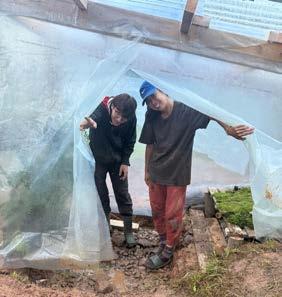
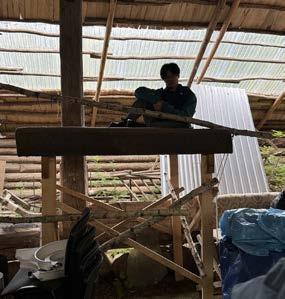
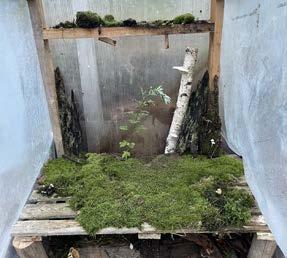
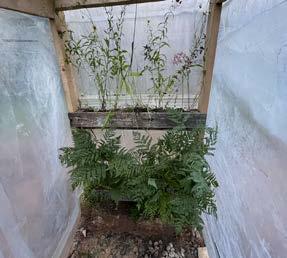
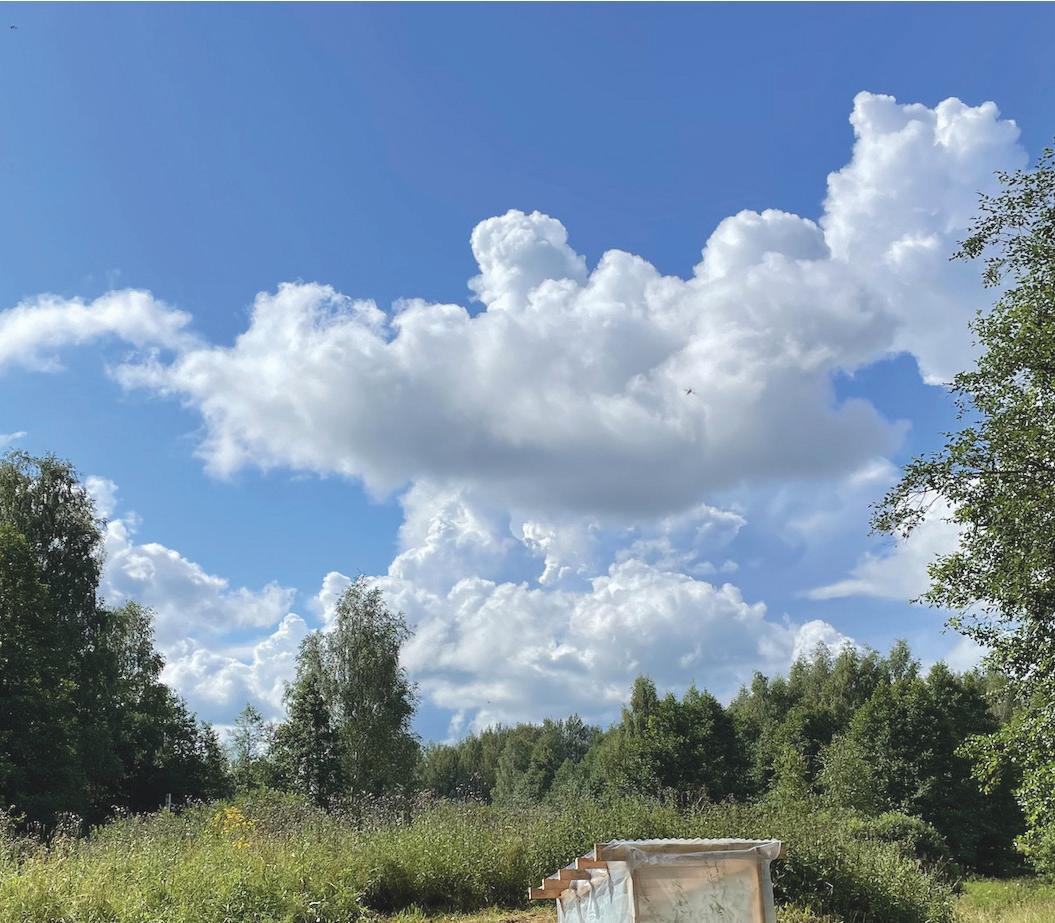
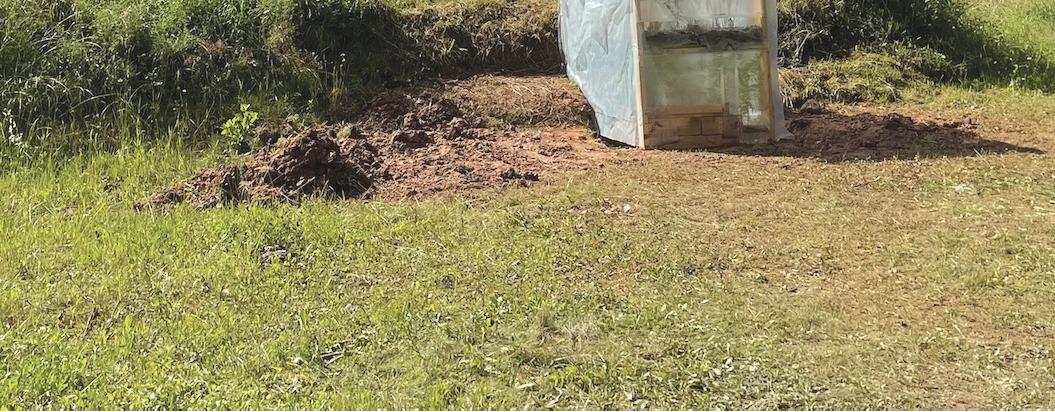
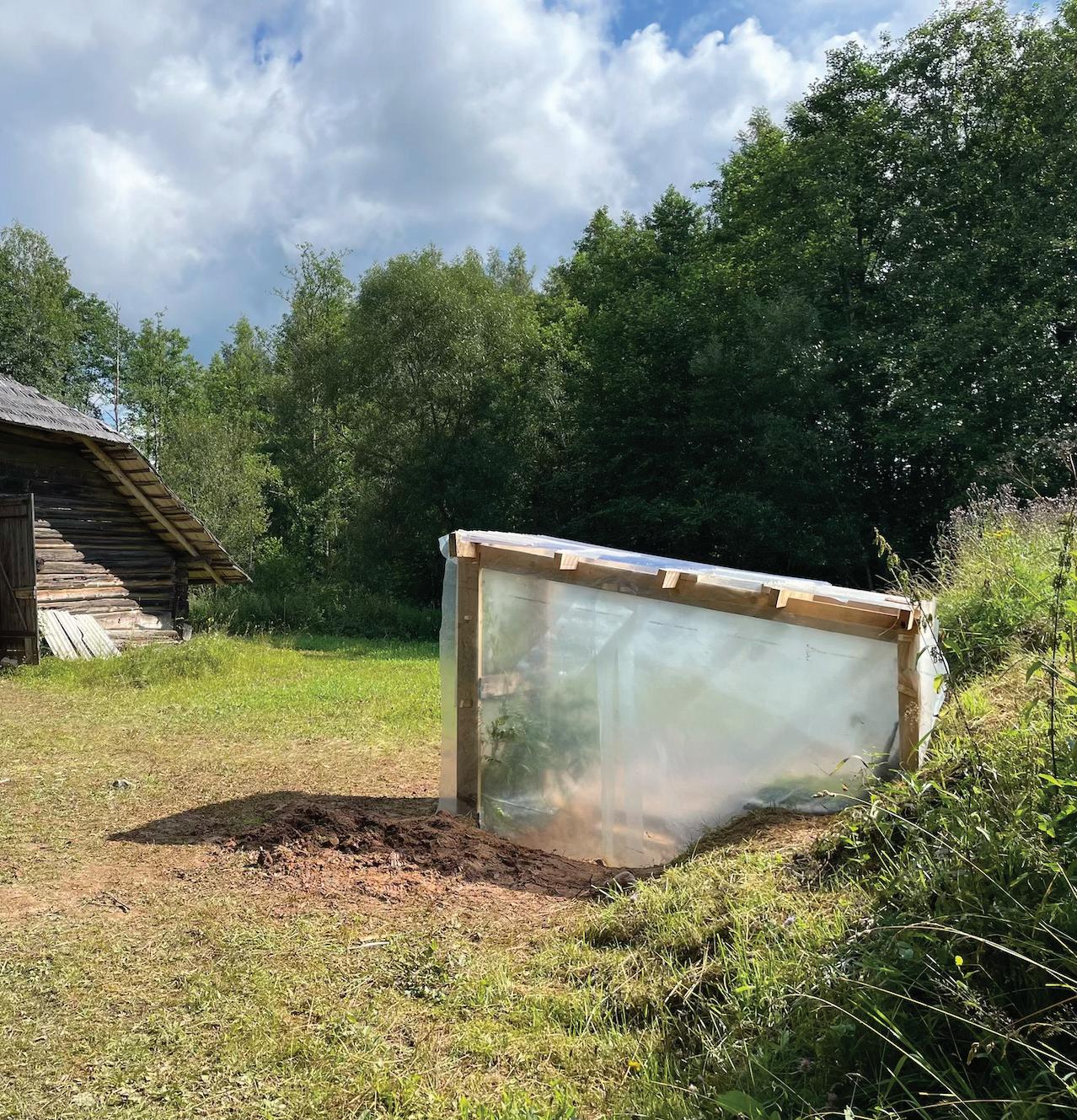
Greenhouses have been attempted on the ranch before but none had lasted long due to the adverse weather conditions. This, and Remi and I’s love for plants and gardening, was our greatest inspiration for this project.
The greenhouse works by collecting rainwater runoff from the surrounding area and the roof into the lowered stony floor at the center of the space. This water then evaporates and collects on the ceiling to then fall back on the plants.
We tried to include a mixture of local plants to include in the project to create an archive of the Ranch’s plant life. This meant including everything from fungi to ferns and even oak saplings.
The help that Remi and I received from our tutors and mentors at the ranch was extremely valuable in the construction of the Greenhouse as well as my general knowledge of construction.
A special thank you to Kristina Kotov for hosting all of us at her Ranch and allowing us to use her scrap material to create this project.
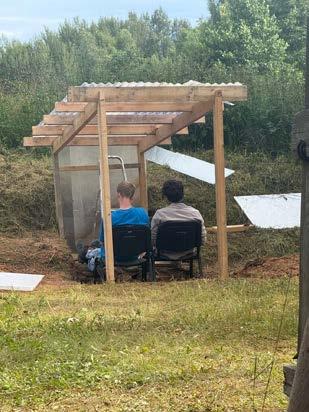
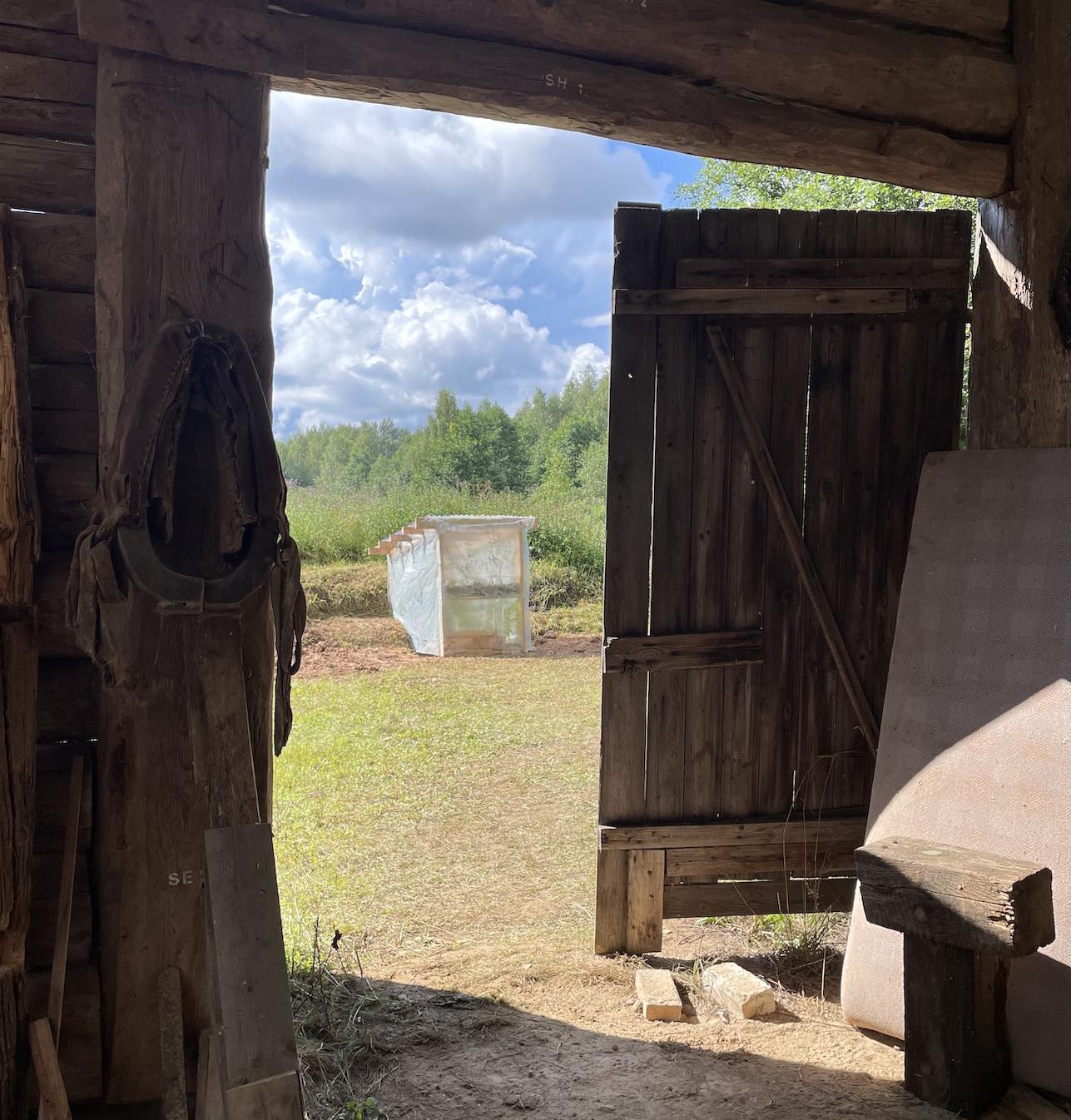
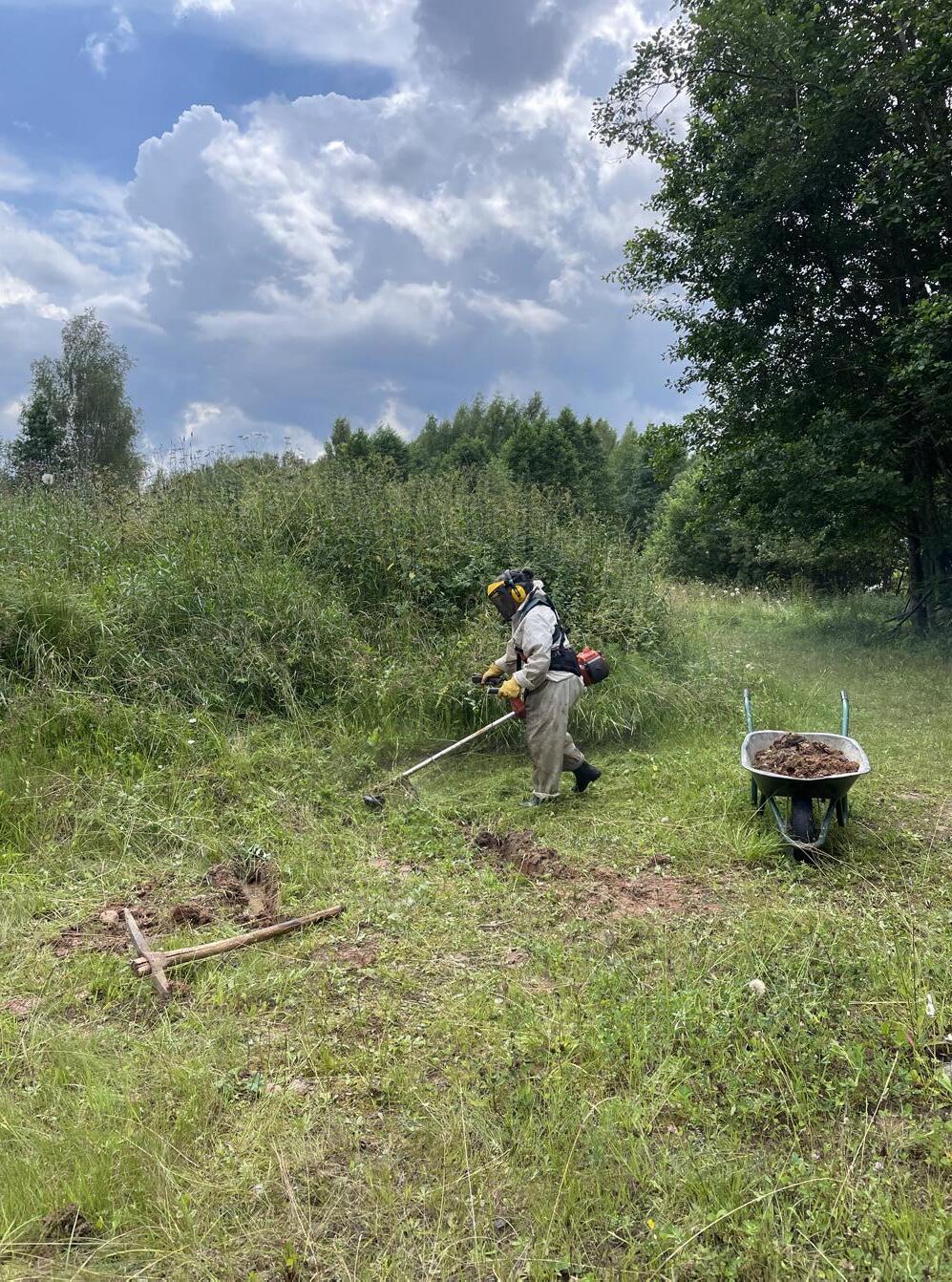
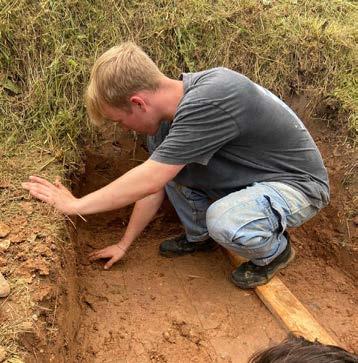
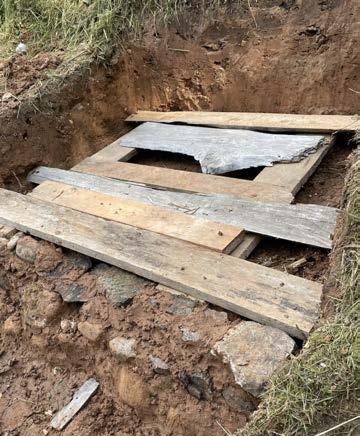
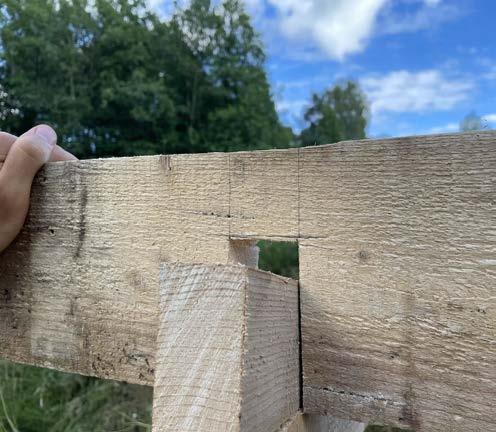
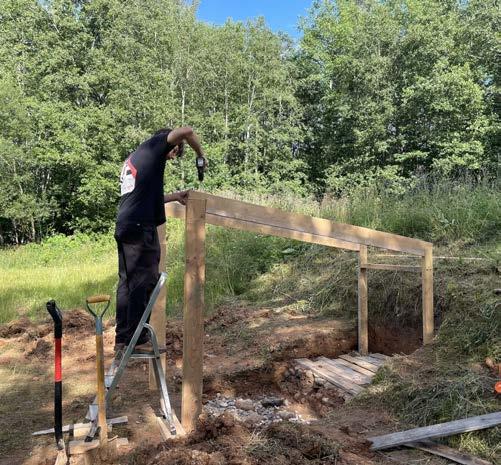
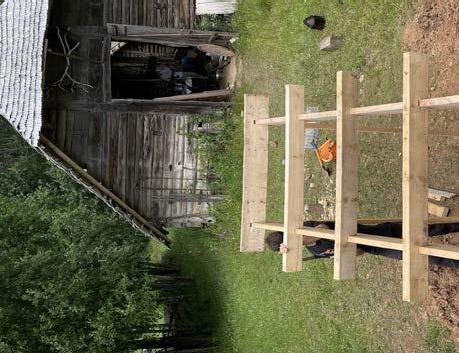
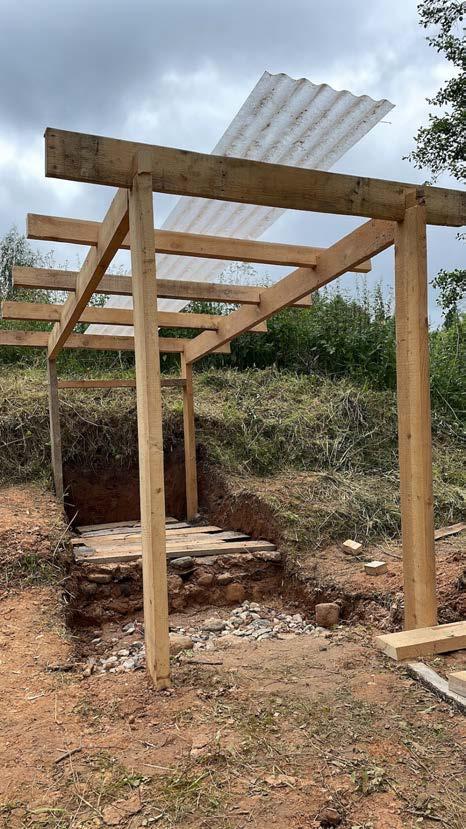
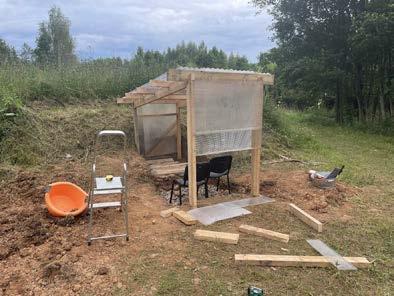
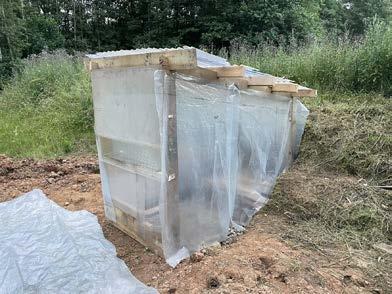
it took us a week of work and a lot of sweat but the greenhouse was finished and filled by the day before we had to leave.
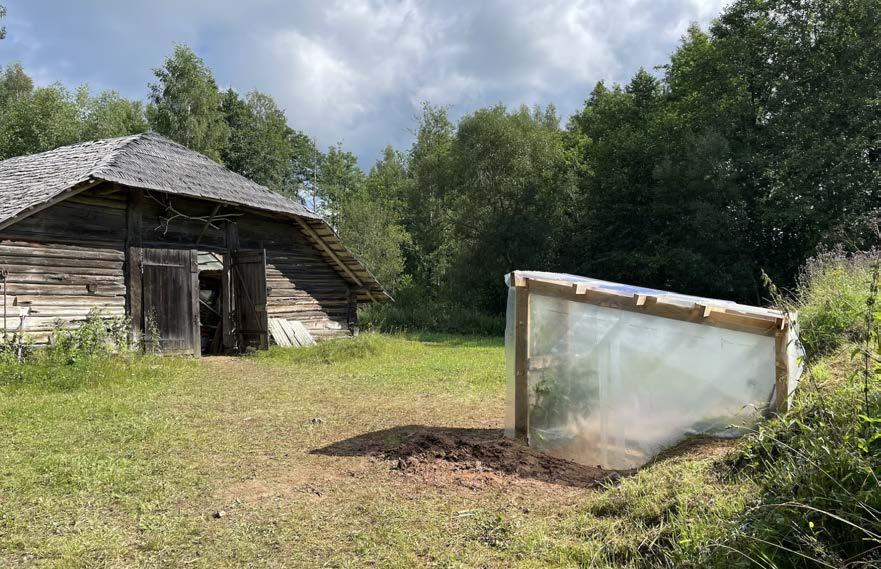
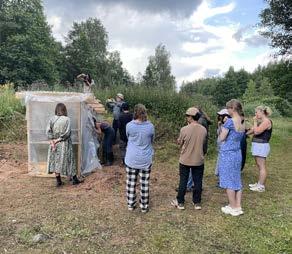

a landscape of dispersed projects:
We had some projects which were situated beyond our local zones of activity.The map below attempts to roughly indicate where they are resting, some decaying some, entangling in webs over time, others to catch the wind, ripple and sound. Jos’s ‘Acoustic Boundary’, Georgia’s ‘Slow Undoing’ and Alex’s drawings. There may be a few missing but will be forgotten in their own fleeting way once gone. Fay’s Ribbons for the Returning wrapping the rural toothpick (Stork’s Nest) in the meadow.
acoustic boundary
acoustic boundary
‘beauty of impermance’
acoustic boundary (TBC)
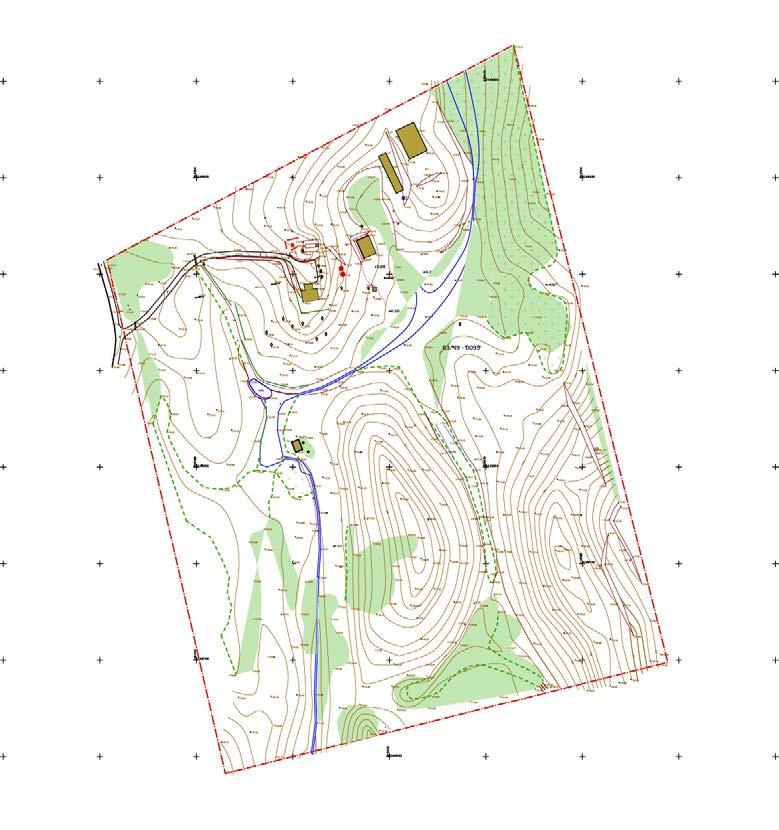
‘slow undoing’
ribbons for the returning
acoustic boundary
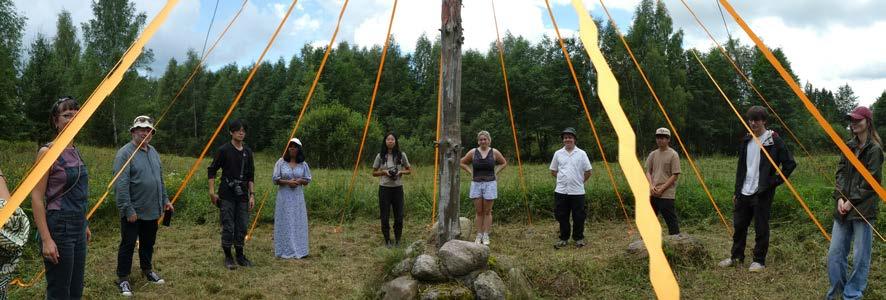
Ribbons For The Returning
Fay Fathi
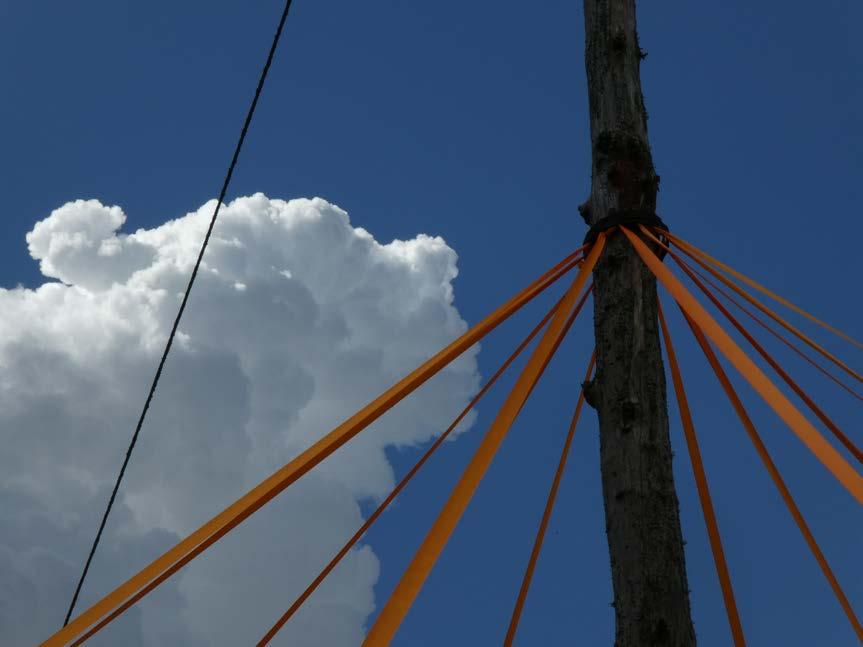
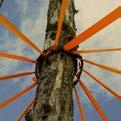
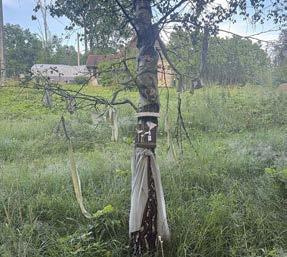
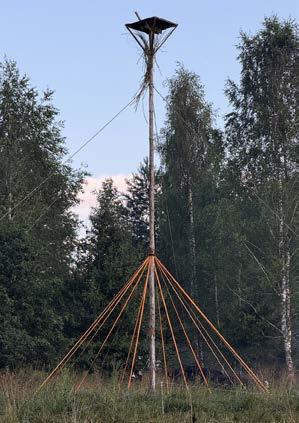
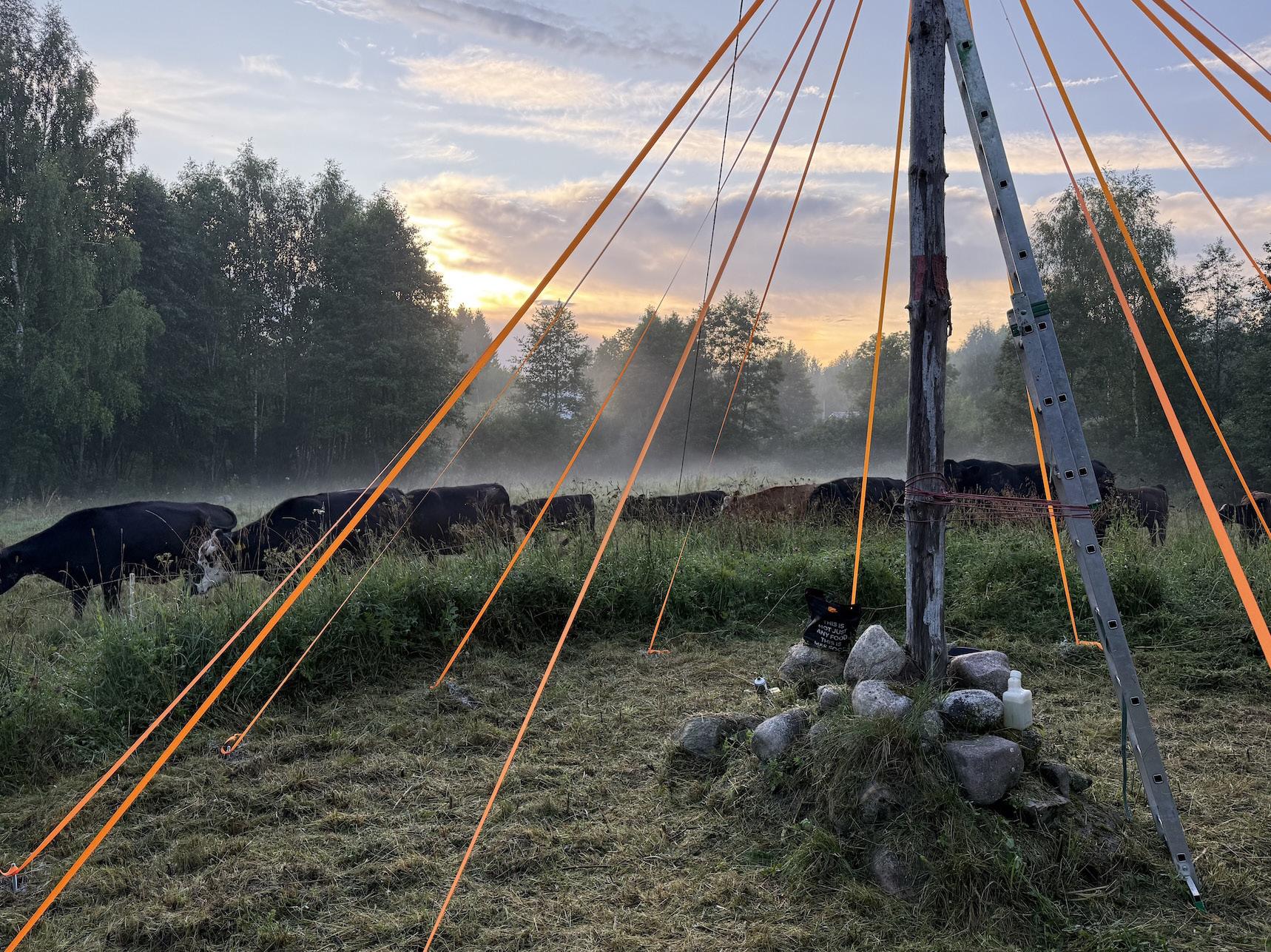
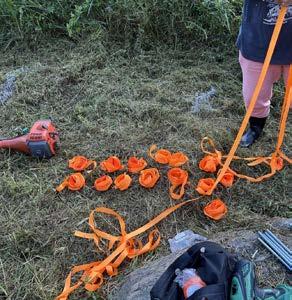
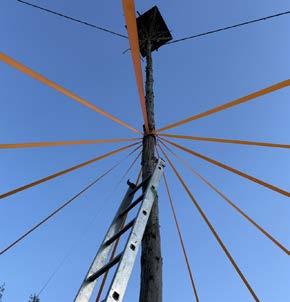
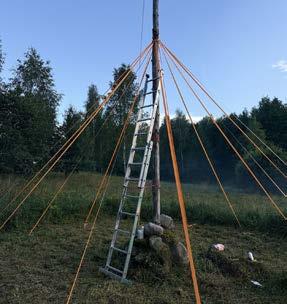
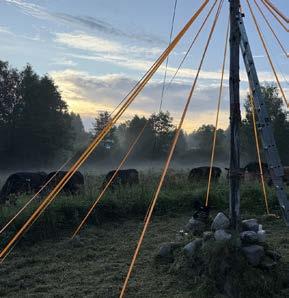
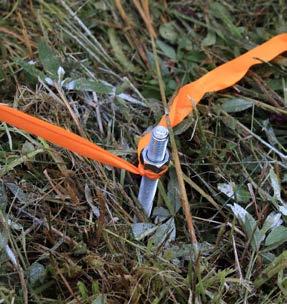
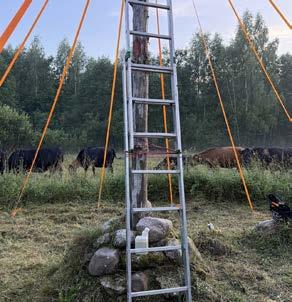
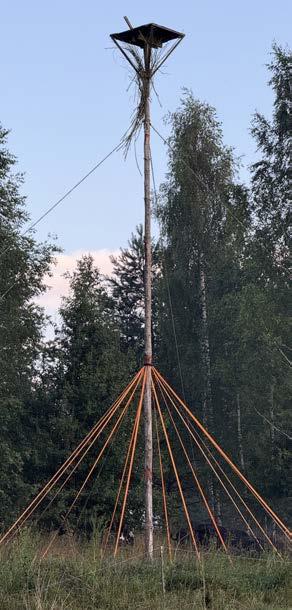
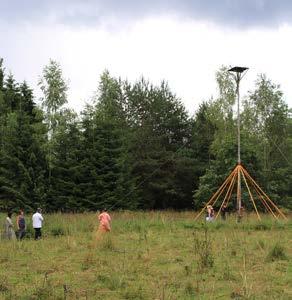
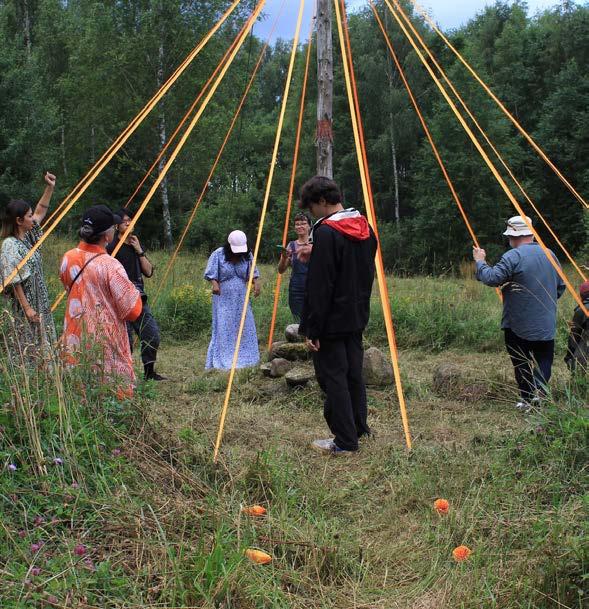
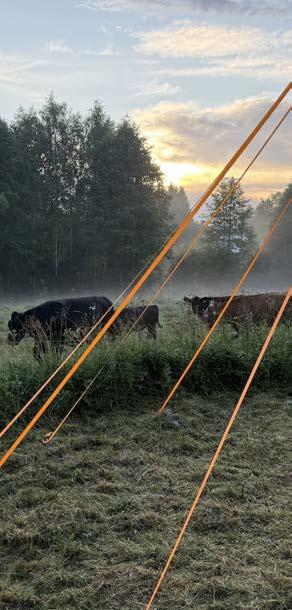
This year’s orange ribbon iteration was carefully placed beneath the Stork’s Nest (toothpick). The intention was to explore not only how people interacted with the installation, but also how the animals that wander around that area of the ranch engaged with the vibrant orange ribbons.
From a distance, the ribbons seem to disappear and reappear as they flutter in the wind. The same method used in the previous two orange ribbon iterations was applied here: metal rods and bolts were inserted into the ground at even intervals.
The original plan was to attach the ribbons higher up the post, at a height of 10 meters. However, this proved too difficult and impractical from a safety standpoint. Instead, I decided to install them at a more manageable height of 2.5 meters.
The first ribbon installation by the main house still stands in place today. Unfortunately, the second installation was taken down by strong winds and storms, as it was located in a particularly exposed and windy area. The third iteration, now in place, has yet to be tested by time and the elements to see how long it will endure in the open space.
All three iterations were part of an experiment I decided to undertake at the ranch after seeing a similar concept installed elsewhere on a much larger scale and in a very different context.

Tiramisu Recipe- Fay
Ingredients:
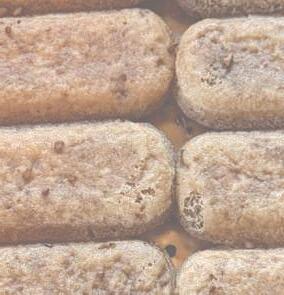
2 packets of ladyfingers
Mascarpone cheese
Double cream
Sugar
Coffee
Coffee liqueur

Cocoa powder (for decoration)
Instructions:
Prepare a mixture of coffee and coffee liqueur in a shallow bowl.
In a separate bowl, mix together the mascarpone cheese, double cream, and sugar until smooth and well combined.
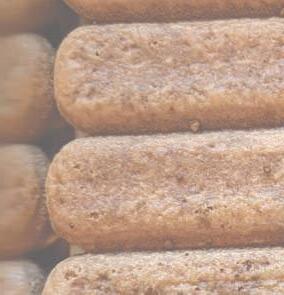
Dip each ladyfinger briefly into the coffee and liqueur mixture (do not soak).
Place a layer of dipped ladyfingers in a tray.
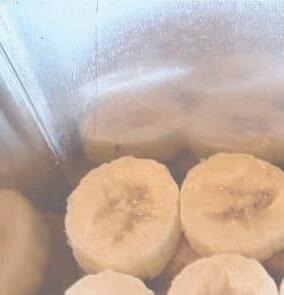
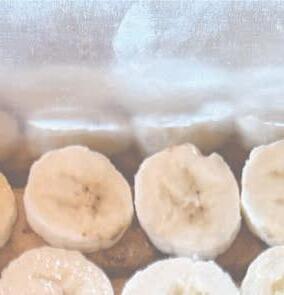
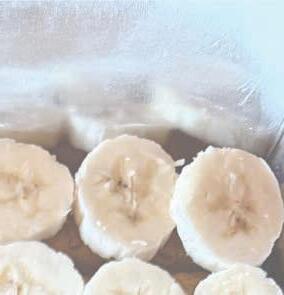
Spread a layer of the mascarpone and cream mixture over the ladyfingers. (Add slices of banana for even more delicious flavour!)

Repeat with another layer of dipped ladyfingers, followed by another layer of the cream mixture.
Dust the top with cocoa powder for decoration.
Chill in the fridge for a few hours (ideally overnight) before serving.
ENJOY! :)