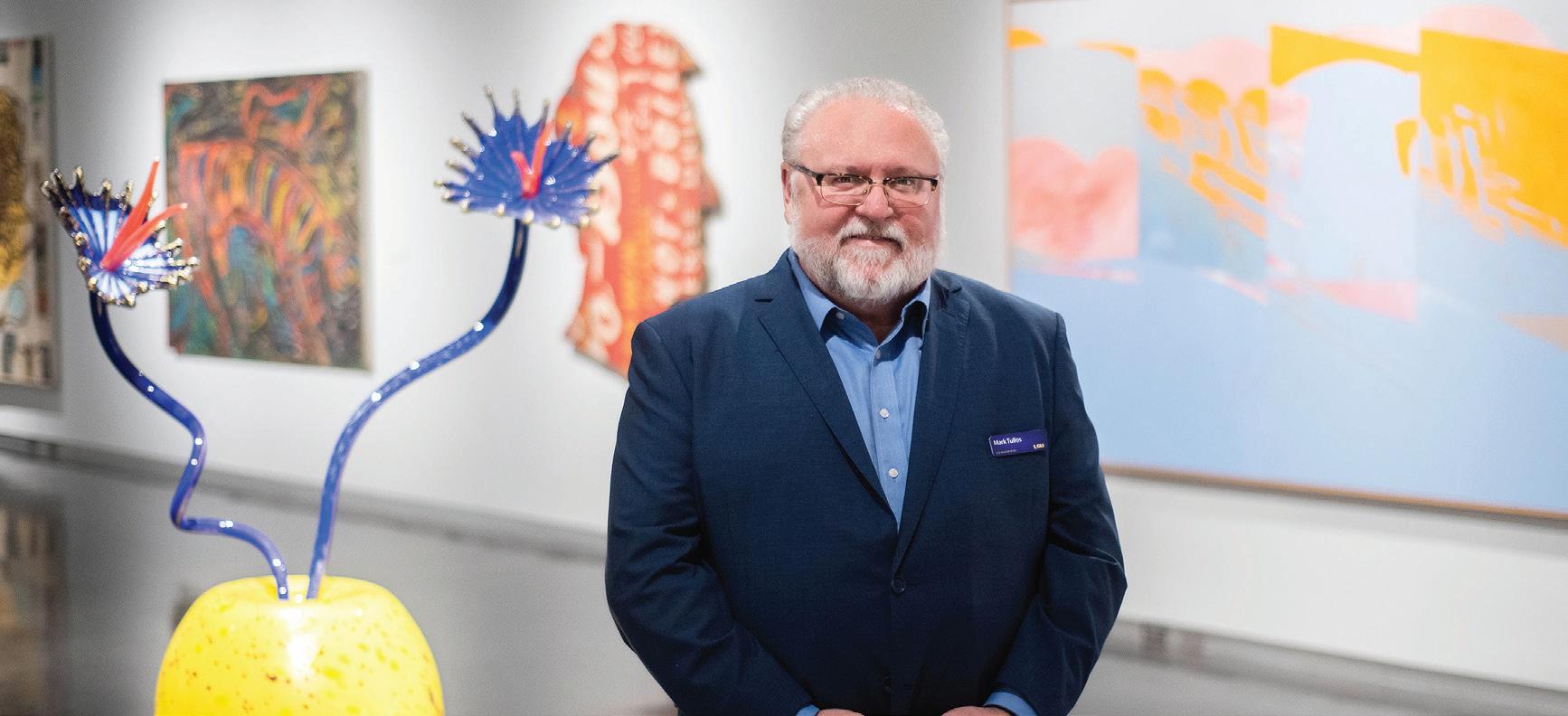
Last fall was a season of reflection, renewal, and forward thinking for the LSU Museum of Art. Our Second Annual Board Retreat at the LSU Hilltop Arboretum marked the 20th anniversary of the museum’s home in the Shaw Center for the Arts, a milestone that prompted us to look both back and ahead. Through guided discussions, our Advisory and Friends Board members envisioned the museum’s next twenty years: strengthening our role as a cultural leader, deepening community engagement, and planning strategically for facilities, collections, and programs that will shape our legacy for future generations.
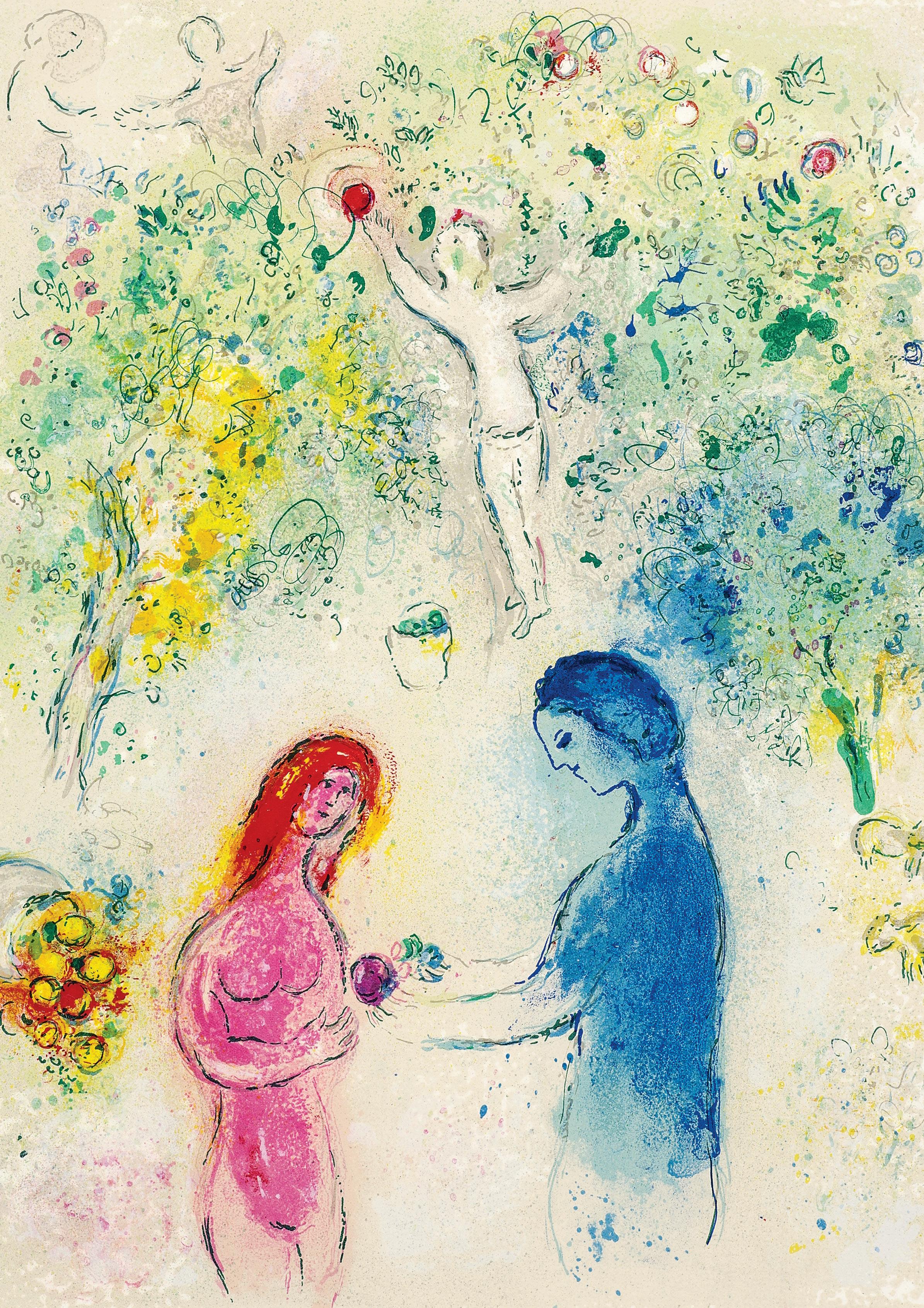
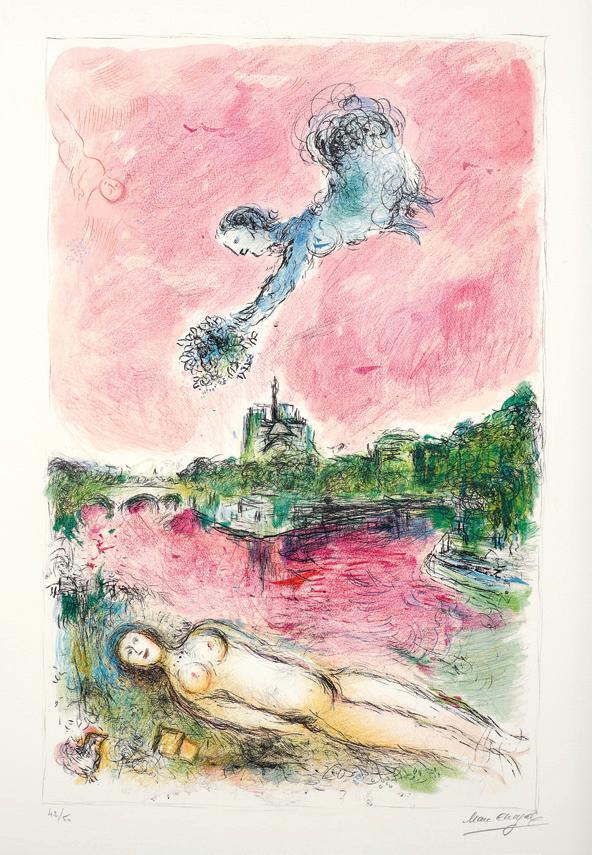
COVER IMAGE: Marc Chagall, Daphnis and Chloe – Frontispiece, 1961. Color lithograph on Arches wove paper. Collection of the Park West Museum.
Soon after, we joined the LSU Press and LSU Rural Life Museum in Celebrating Cultural Collaboration, an event hosted by the LSU Foundation and masterfully emceed by Jay Dardenne. The evening honored our shared mission to connect LSU’s academic and creative resources with communities across Louisiana and beyond.
Our education department continues to shine. Educator Callie Smith was one of only thirteen museum professionals nationwide selected to attend the High Museum Institute for Teaching with Art, while also leading professional development workshops for East Baton Rouge’s K–12 visual arts teachers that blended poetry and art as tools for creative expression. A new education program, Tigers in the Galleries, seeks interdisciplinary connections by drawing on the talents of LSU students and the museum’s exhibitions and permanent collection. These student-led tours offer visitors fresh perspectives and spark meaningful dialogue in the galleries.
Meanwhile, the museum’s collections continue to grow, adding works across media and centuries that deepen our resources for learning. Looking ahead, we are thrilled to present Daphnis and Chloe and Other Lovers: Lithographs by Marc Chagall , opening in February with support from the Park West Foundation, an exhibition that invites interdisciplinary engagement across art, literature, and music.
Together, these efforts reaffirm the museum’s role as a catalyst for creativity, scholarship, and connection to broad audiences.
Mark Tullos Executive Director
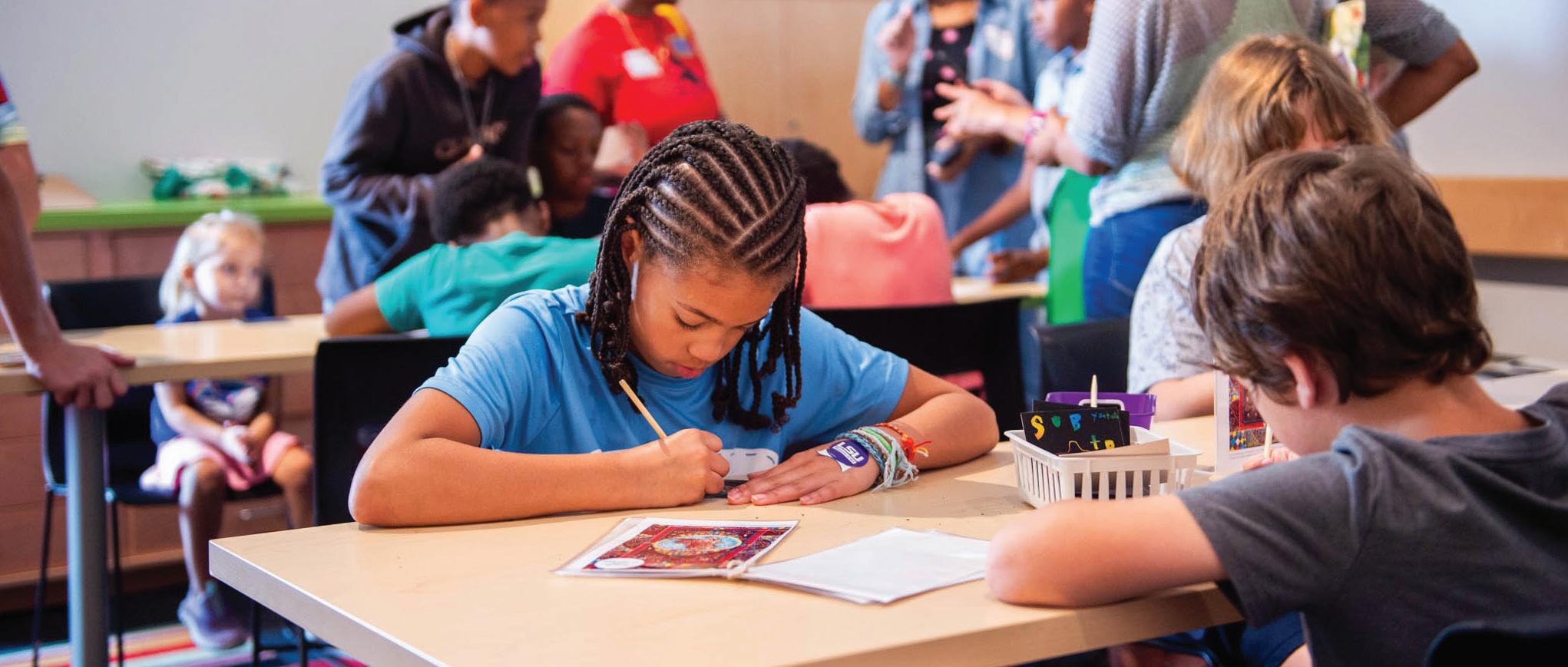

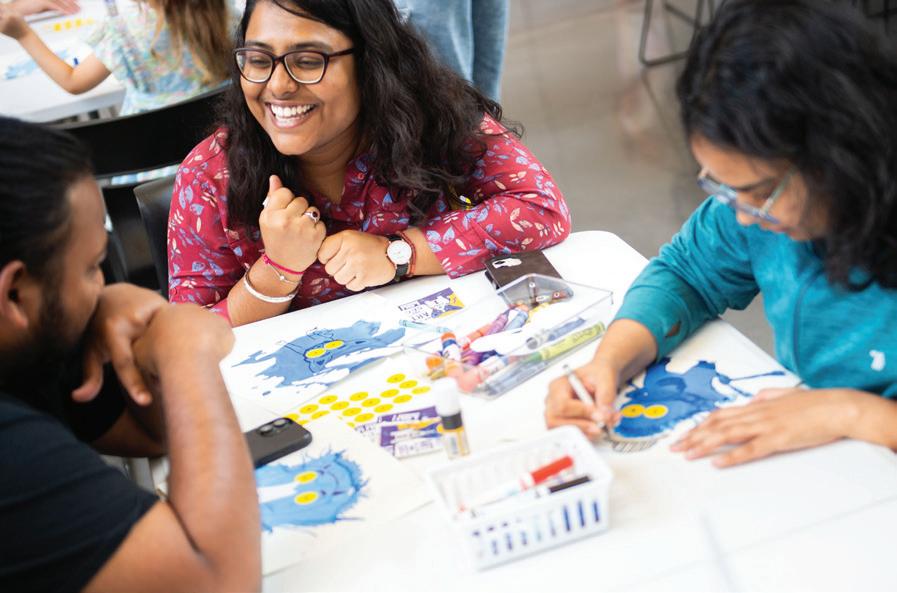
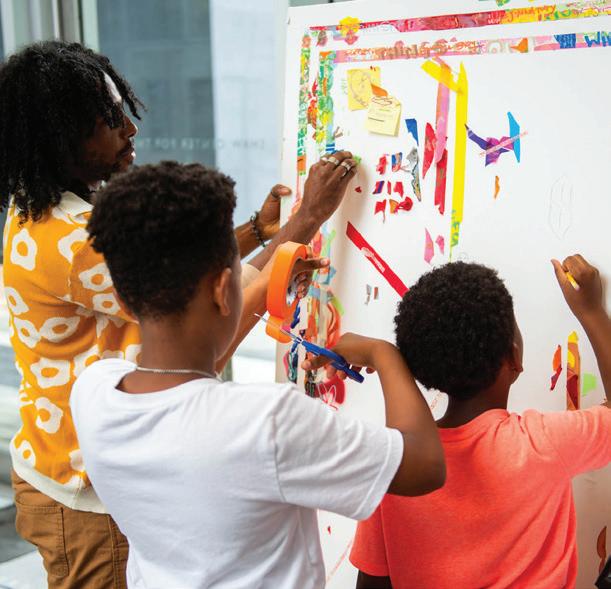
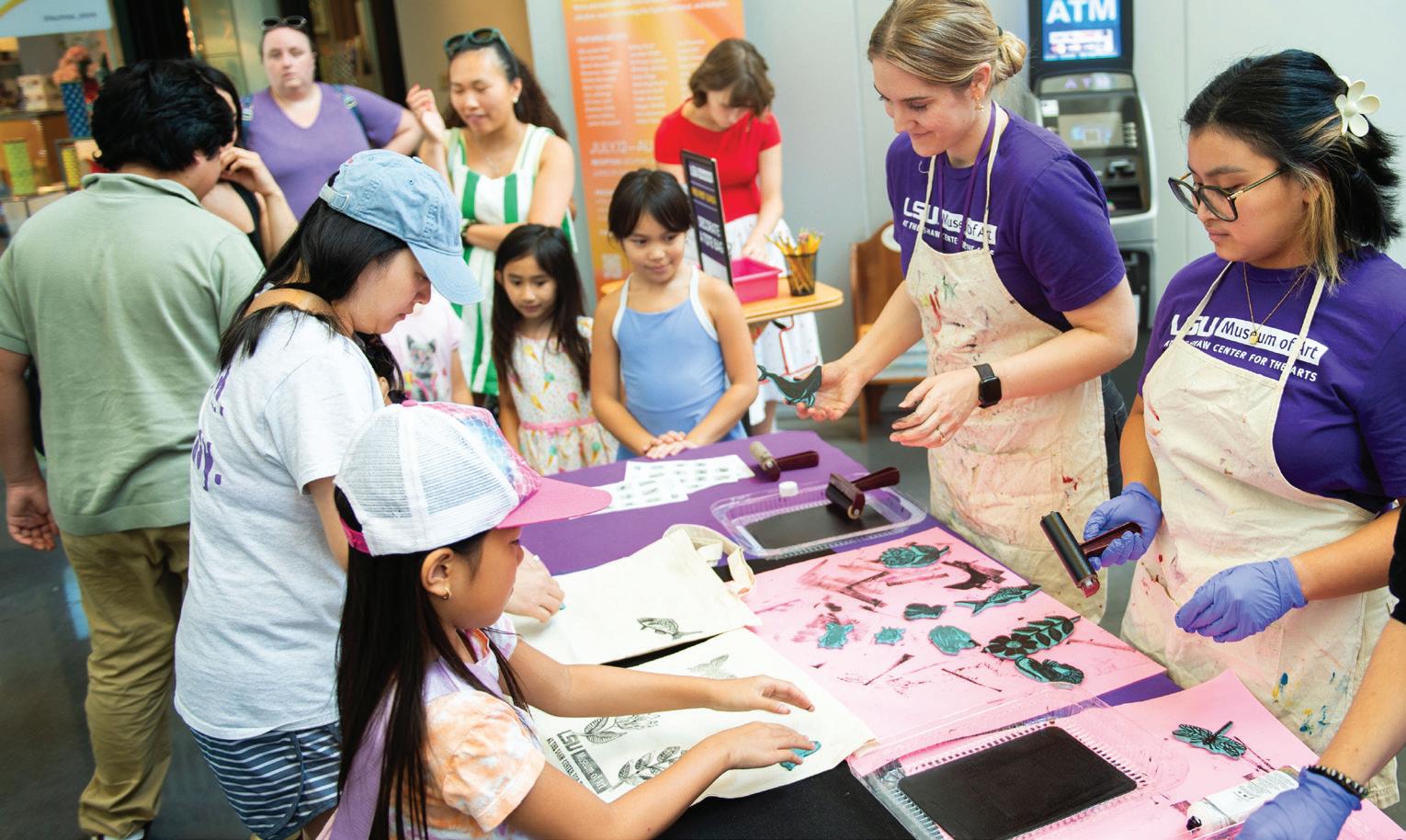
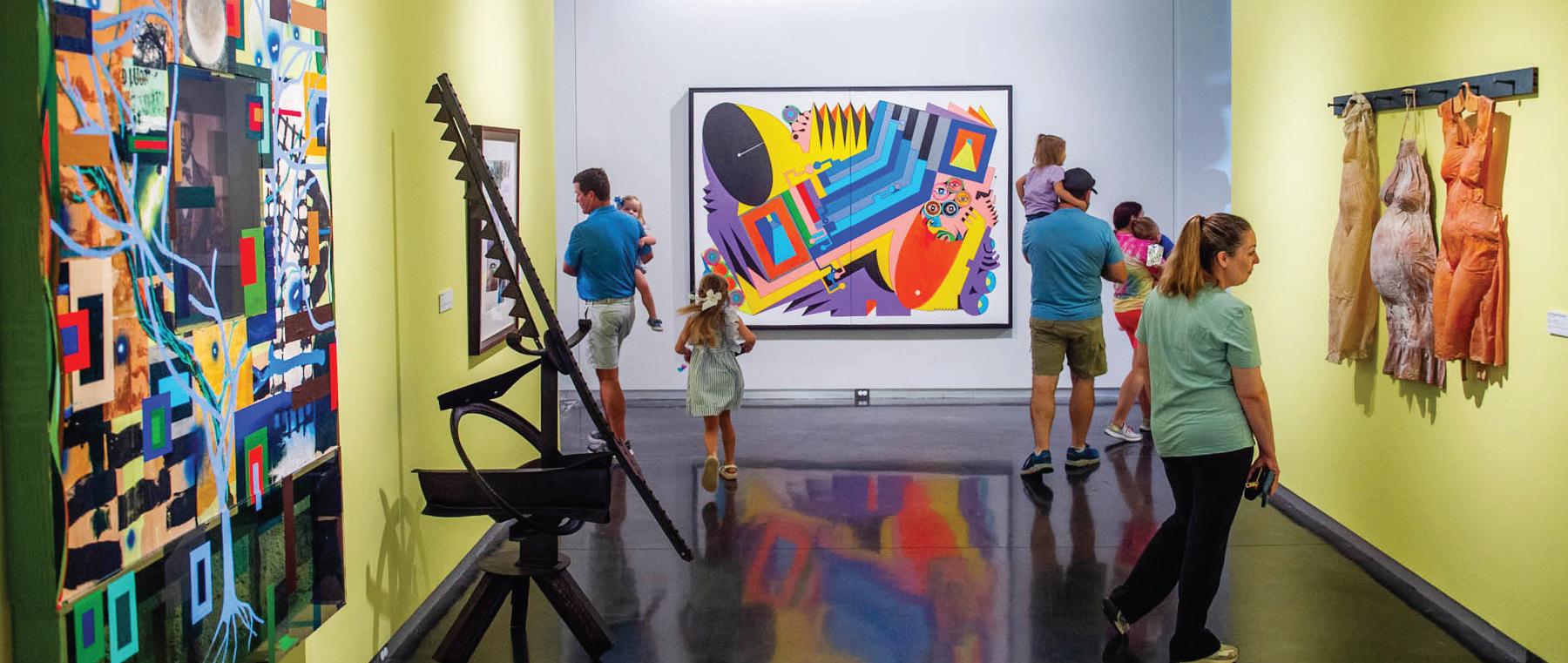
The LSU Museum of Art is grateful to the Art Bridges Foundation’s Access for All program for their generous support. Their funding has allowed the museum to expand its Free First Sunday offerings and deepen collaborations with community partners across Baton Rouge. Together, we’re creating more opportunities for visitors of all ages to connect with art, creativity, and one another. Join us at the museum to experience this special program.
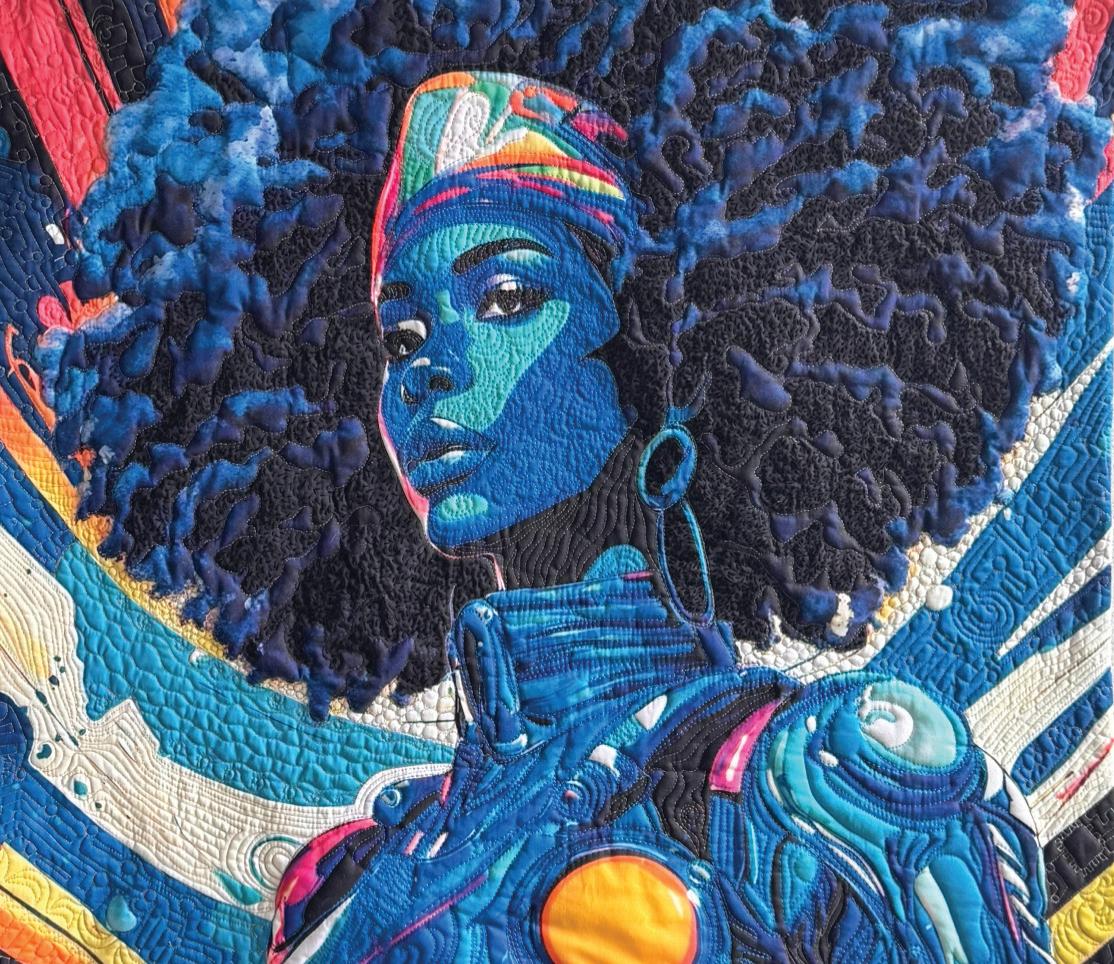
On view February 5–May 10, 2026

IMAGE (detail above): Earamichia Brown Force of Nature, 2024. Cotton textiles, batting, and a combination of cotton and polyester threads; trapunto, hand quilting, machine quilting, digital printing.
When asked if it can create art better than a human, ChatGPT responds, “I can produce artworks quickly, combine styles, and iterate without fatigue, but ‘better’ is subjective—humans bring intention, emotion, and lived experience. I excel at tools and variation; humans excel at meaning. The best art often comes from human–AI collaboration.”
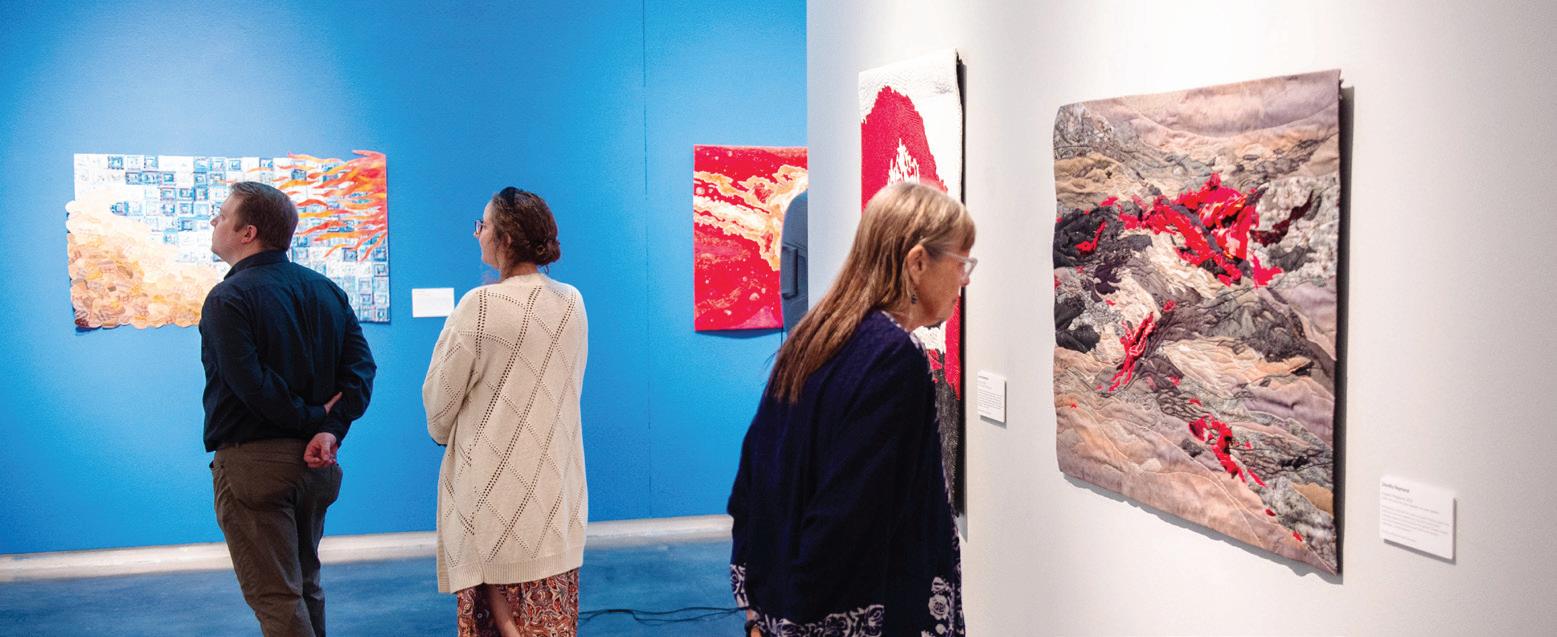
Many artists, creators, and designers worry artificial intelligence will reduce art to mere data or algorithms, replacing their carefully honed skills and creative genius, potentially rendering them obsolete. Others see it as an opportunity to expand imaginative possibilities and explore new forms of expression. To them, AI is a collaborative tool. The fear is real, as is the endless potential, with both sides taking passionate stands. The exhibition AI: Artistic Interpretations delves into this dynamic tension, highlighting the diverse ways artists engage with and respond to the transformative impact of artificial intelligence.
Susan Polansky exuberantly embraces AI with her Self Portrait, stating, “I am excited to engage with artificial intelligence!! Once limited to science fiction and specialized fields, it is now on my desktop— and I get to be in the first wave of everyday users.” She views the technology as a collaborator, a method for generating novel ideas.
Marisa Marquez views AI as a means to an end, exploring that idea in her work Stitched Syntax “Just as sewing machines, digital embroidery, and design software expanded our artistic possibilities, AI now emerges as another powerful, yet human-guided tool. This piece celebrates how fiber artists continue to adapt and enrich tradition with technology—not to replace the maker’s hand, but to amplify it.”
Kathy Nida’s piece AI is Not My Friend makes her position clear. “Don’t get me wrong, I use AI for work all the time. But I don’t want it to take the place of my creativity. I don’t want it to replace the weird contortions my brain gets into trying to figure out how to make the next piece of art. That’s my joy. That’s what makes life amazing.”
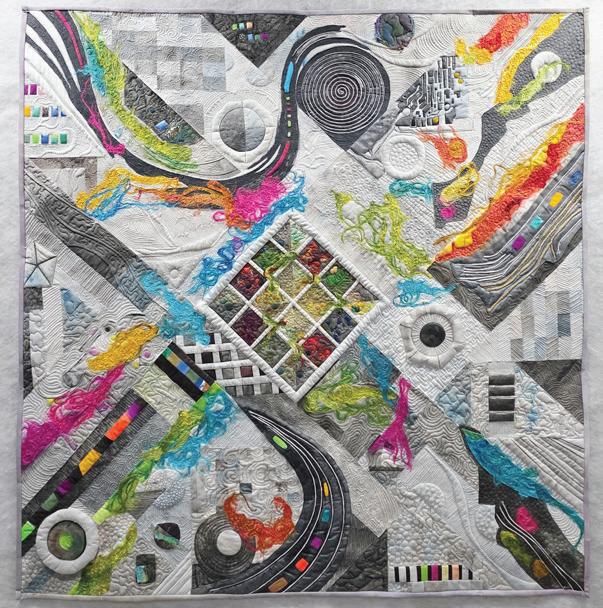
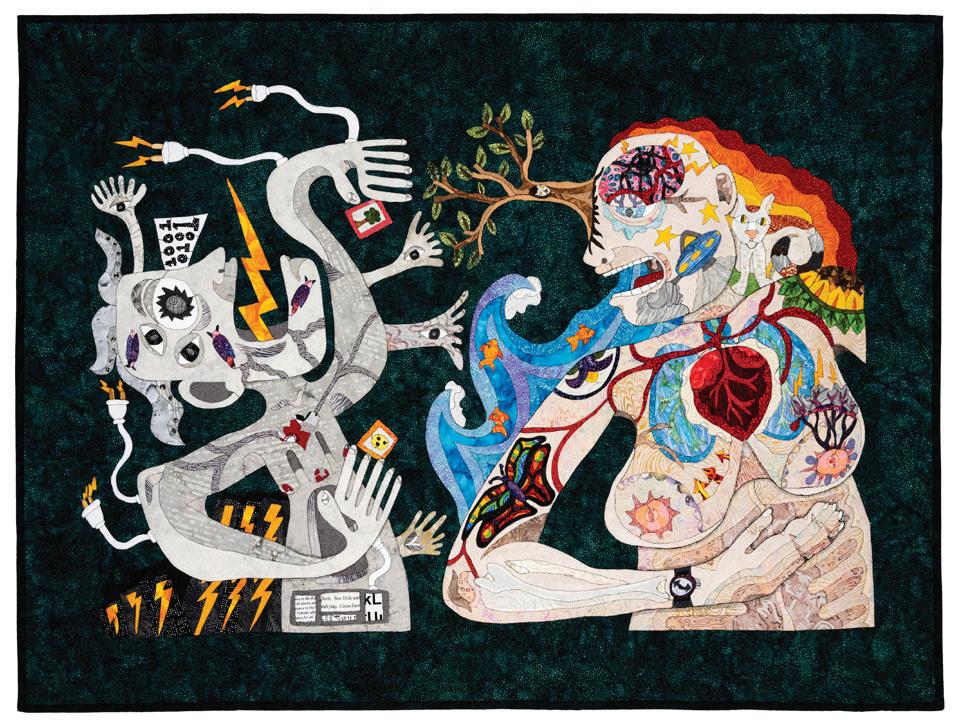
Ultimately, the question isn’t whether AI can make art better than a human—it’s what we want art to be. This exhibition doesn’t offer a definitive answer; instead, it invites viewers to reflect on the evolving relationship between creativity and technology.
The exhibition was organized by the Studio Art Quilt Associates, with entries juried by LSU professors Golden Richard III, Ph.D. and Brendan Harmon, Ph.D., and LSUMOA Chief Curator of Collections and Exhibitions, Michelle Schulte. It will travel throughout the nation.


On view February 12–May 24, 2026
IMAGE ABOVE: Marc Chagall, The Abduction of Chloe, 1961. Color lithograph on Arches wove paper. Collection of the Park West Museum.
The exhibition Daphnis and Chloe and Other Lovers: Lithographs by Marc Chagall showcases the artist’s career as a printmaker and master of color with fifty images depicting the mythical tale Daphnis and Chloe, a Greek novel written by Longus in the 2nd century A.D. Chagall uses dreamlike imagery and luminous colors to re-imagine the story of a goatherd and shepherdess destined for love, fighting against all odds to be with one another. For the Russo-Jewish artist, love was a longstanding theme throughout his career. From his childhood in a Hasidic Jewish community in Russia, to the highs and lows of two marriages, Chagall reflects on the memories and moments of love in his life through his command of color, form, and narrative. This show allows viewers to appreciate his remarkable range, recognizing his mastery of vibrant hues and fantastic symbolism, qualities that made Chagall one of the most transformative artists of the twentieth century.
Chagall initially refused the 1939 commission from Tériade (Stratis Eleftheriades), a Greek publisher and arts patron, to picture the pastoral romance, not wanting to imitate artist and his close friend Pierre Bonnard’s illustrated version of the same novel. However, after Bonnard’s death, Chagall relented, using his recent marriage to Valentina Brodsky as a major source of inspiration. Between 1952 and 1954, the artist and his newlywed traveled to Greece, where he admired the landscape and created preparatory sketches of Lesbos, the story’s setting. In collaboration with French master printer Charles Sorlier, Chagall spent nearly a decade illustrating and printing the graphic series, which was eventually published in 1961 as a limited-edition book.
Chagall’s painstaking determination to exemplify and represent the colors and atmosphere of the Mediterranean made Daphnis and Chloe one of the most successful lithographic series of his career. The set continues to serve as a reminder that love can conquer anything, a theme that resonated throughout Chagall’s life and work.
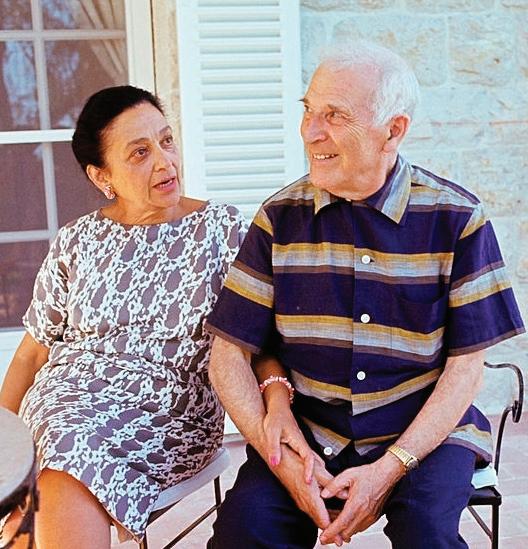
Experience Daphnis and Chloe and Other Lovers: Lithographs by Marc Chagall this spring at the LSU Museum of Art, and step into Chagall’s lyrical world—where myth, memory, and love intertwine. Organized by Carole Sorell, Inc. and curated by David S. Rubin, this exhibition is presented with generous support from the Park West Foundation.


Thursday, February 12 6–8 PM

Celebrate love and art at the LSU Museum of Art during a romantic evening inspired by Daphnis and Chloe and Other Lovers: Lithographs by Marc Chagall. Sip champagne and enjoy a decadent dessert table. With flowers, music, and a Valentine’s Day atmosphere, this event invites you to mingle and experience the magic of art and inspiration.
Free for members $20 for the public
Learn more at lsumoa.org

On view June 4–September 6, 2026
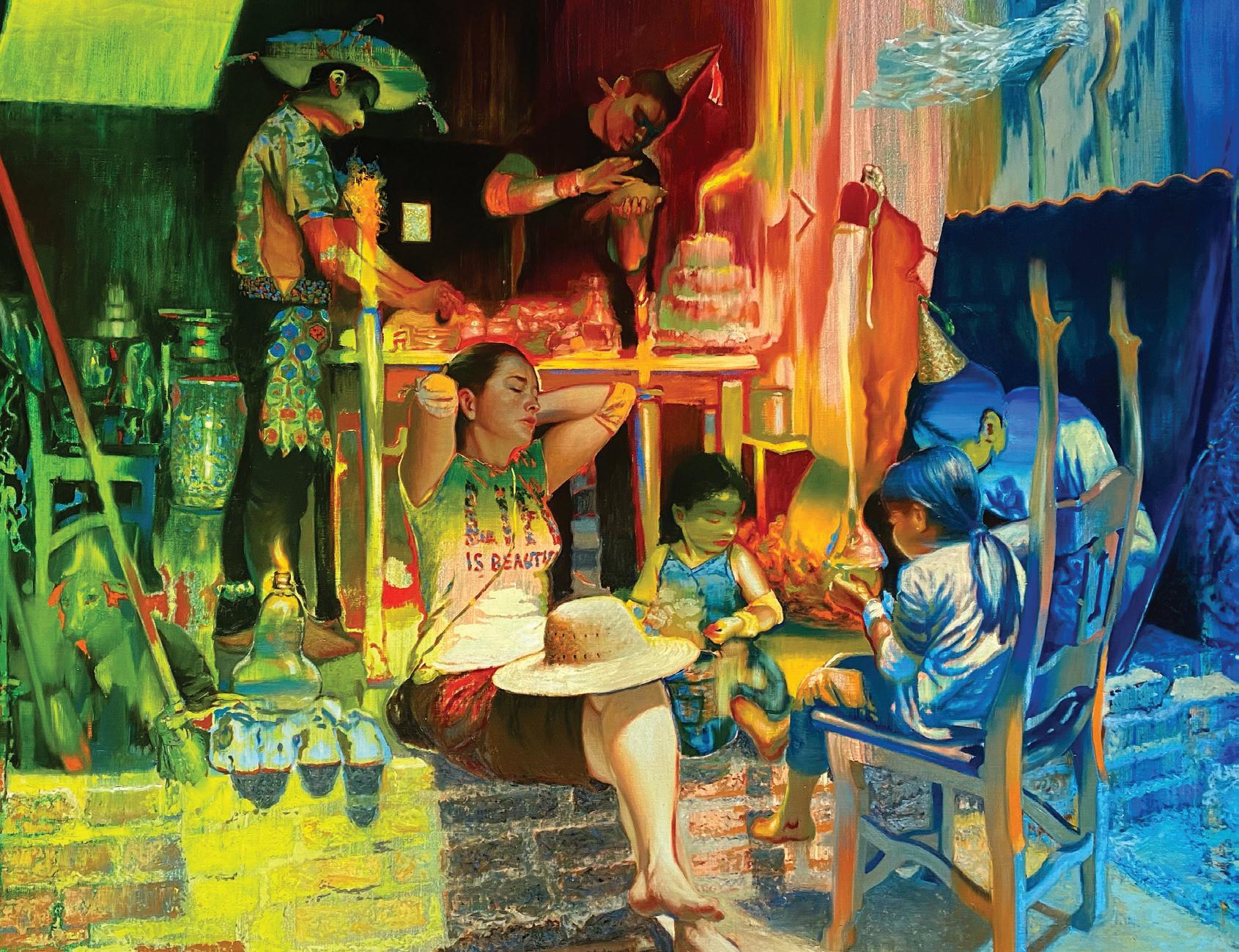
Since its launch in 2017, the South Arts Southern Prize & State Fellowships for Visual Arts has celebrated and supported the most compelling contemporary artists in the American South.
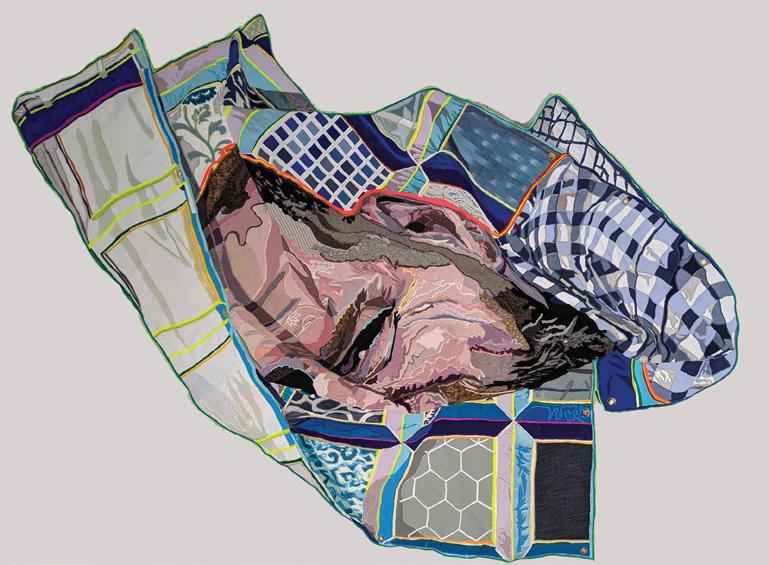
The 2025 touring exhibition organized by South Arts, a nonprofit organization that supports, promotes, and celebrates Southern art and artists, features nine State Fellows—Loretta Pettway Bennett (Alabama), Gonzalo Fuenmayor (Florida), Masela Nkolo (Georgia), Travis Townsend (Kentucky), Edgar Cano (Louisiana), Stephen Phillips (Mississippi), Lydia C. Thompson (North Carolina), Felicia Greenlee (South Carolina), and Tabitha Arnold (Tennessee).
The show presents a striking synthesis of past and present, weaving ancestral craft and traditional techniques with current vision and ideology. Through ceramics, textiles, painting, drawing, and sculpture, the artists explore heritage, thought, and identity in varying forms, from quilting and African mask-making to apocalyptic Biblical imagery, presenting their ideas within a contemporary framework. Each work reflects a mastery of materials, whether in the luminous sheen of a ceramic glaze, the expressive tension of charcoal, or the layered intricacy of woven fiber.
(detail above):
The 2025 South Arts Southern Prize & State Fellowships for Visual Arts exhibition is generously supported by the Maxwell/ Hanrahan Foundation, the Windgate Foundation, Southern First Bank, The Warner Fund, and the Hambidge Center.
JUNE 11–AUGUST 30, 2026
This summer, the LSU Museum of Art partners with the Paul R. Jones Collection at the University of Alabama to present ReVision: Women in Photography . The exhibit showcases images that explore themes such as social justice, aging, feminism, relationships, and feminine aesthetics, all from the viewpoint of women representing a variety of backgrounds, heritages, and experiences. Through intimate portraits, conceptual narratives, and documentary approaches, the artists challenge assumptions about gender, identity, and representation while offering new perspectives on the evolving roles of women in art and society. Together, their work highlights the intersections of personal and collective histories, revealing how photography can serve as both a tool of empowerment and a means of re-imagining shared or personal narratives.
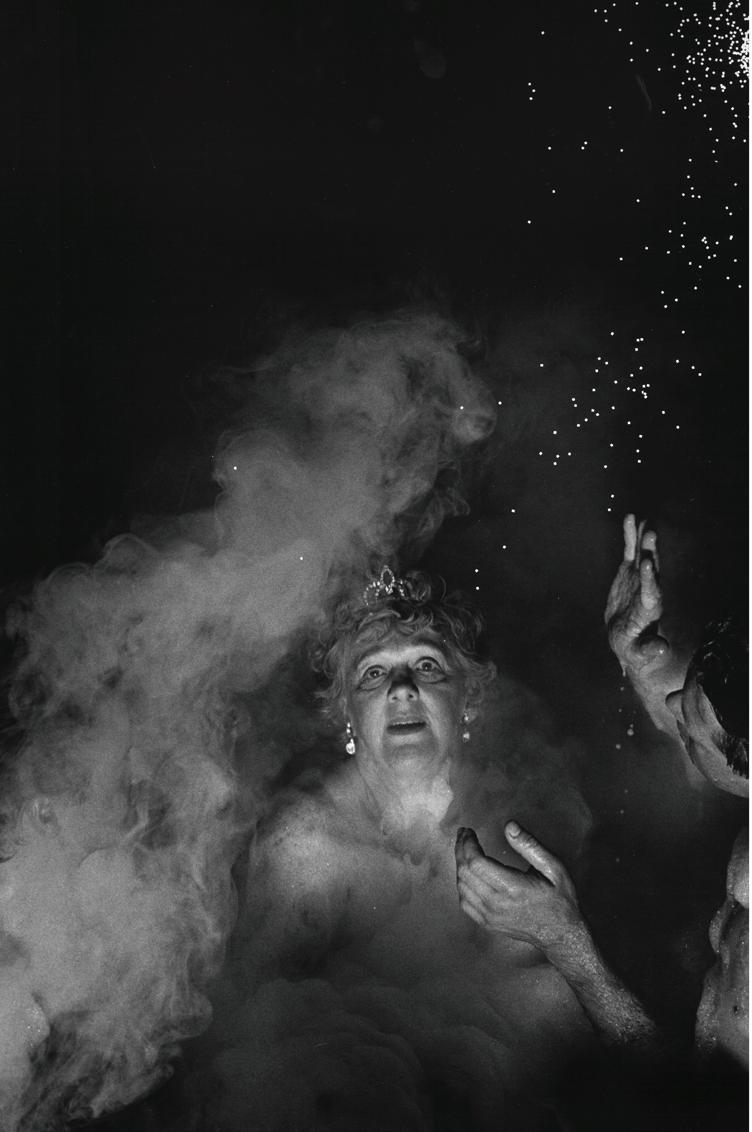
The images drawn from the LSUMOA’s collection have never been displayed before, with many donated over the last ten years. Among them are photographs by Anne Noggle, a WWII and Korean War veteran fighter pilot, professor, curator, and artist. Her self-portraits celebrate aging, with Noggle stating, “I like older faces, not because of aging itself, but rather the look of the face, the revelation of life, and the conflict between what was and what they are now.” Also featured are works from Suda House’s 1980s Aqueous Myths series, acquired from the artist through the Museum Project in 2016. Juno Lucia is one image from the series, which reflects on the status of women during that decade and the challenges of pursuing careers and equal rights while maintaining traditional roles as caregivers and mothers, swimming through the “torrent waters of trying to have it all.”
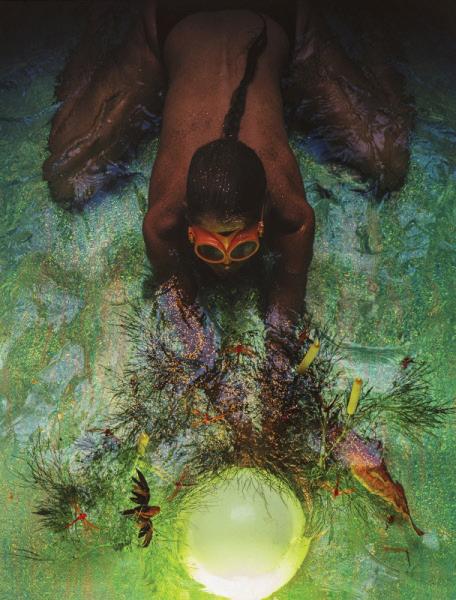
Photographers include Sheila Turner, Carrie Mae Weems, Celestia Morgan, Clarissa Thompson Sligh, Sheila Pree Bright, Amalia Amaki, Suda House, Marina Mullaney, Anne Noggle, Kristine Thompson, Kenda North, Akasha Rabut, and Melanie Walker.
The Museum recently partnered with LSU’s Roger Hadfield Ogden Honors College to design several small showcases at both the Museum and the historic French House. Curatorial graduate assistant Sarah Ducote organized an exhibition of Quimper pottery, currently on view in the Museum’s Decorative Arts Gallery. Drawn from the Ogden College’s 120-piece collection, acquired by the House’s chatelaine, Anita Morrison in 1936, the display explores the graphic diversity and vibrant hand-painted designs of this traditional French pottery.

Built in 1935, La Maison Française was one of the first buildings on LSU’s new campus. Intended as an immersive French-language and cultural experience to preserve Louisiana’s connection to its Francophone heritage, the House was designed to resemble a French manor. Students lived in an authentically French environment, speaking only French, surrounded by Continental decor, and dining on Quimper pottery. Collected by Morrison shortly after the House opened, the faïence dishware is hand-painted using traditional patterning and glazing techniques.
Deeply rooted in French artisanal culture, Quimper pottery originated in Brittany, where Jean-Baptiste Bousquet established the region’s first faïence workshop, the Grand Faïencerie of Quimper, in 1690. His descendants and other local artisans continued the craft, developing distinctive regional styles. While produced in many patterns, the most traditional pieces feature the petit Breton—a figure of a man or woman dressed in customary Breton costume.
Throughout 2026, the French House is showcasing a selection of paintings by Knute Heldner, drawn from the LSU Museum of Art's collection. Born in Vederslöv, Sweden, around 1875, Heldner immigrated to the United States in 1902. After studying at the Minneapolis College of Art and Design and exhibiting throughout the Midwest, he eventually settled in New Orleans, Louisiana. There, he became associated with the French Quarter School—a loosely organized group of artists connected to the New Orleans Arts and Crafts Club, an incorporated organization dedicated to teaching and promoting the ideals of the Arts and Crafts movement, exhibiting contemporary work, and fostering an artistic community within the city.

Throughout his career, until his passing in 1952, Heldner was prolific, working in a variety of styles—from delicate, brightly colored Impressionism to bold modernism and gritty regionalism. Regardless of technique, his canvases captured the spirit of place and people, earning him national recognition.
On display in the European Art & Artists Gallery at the museum.
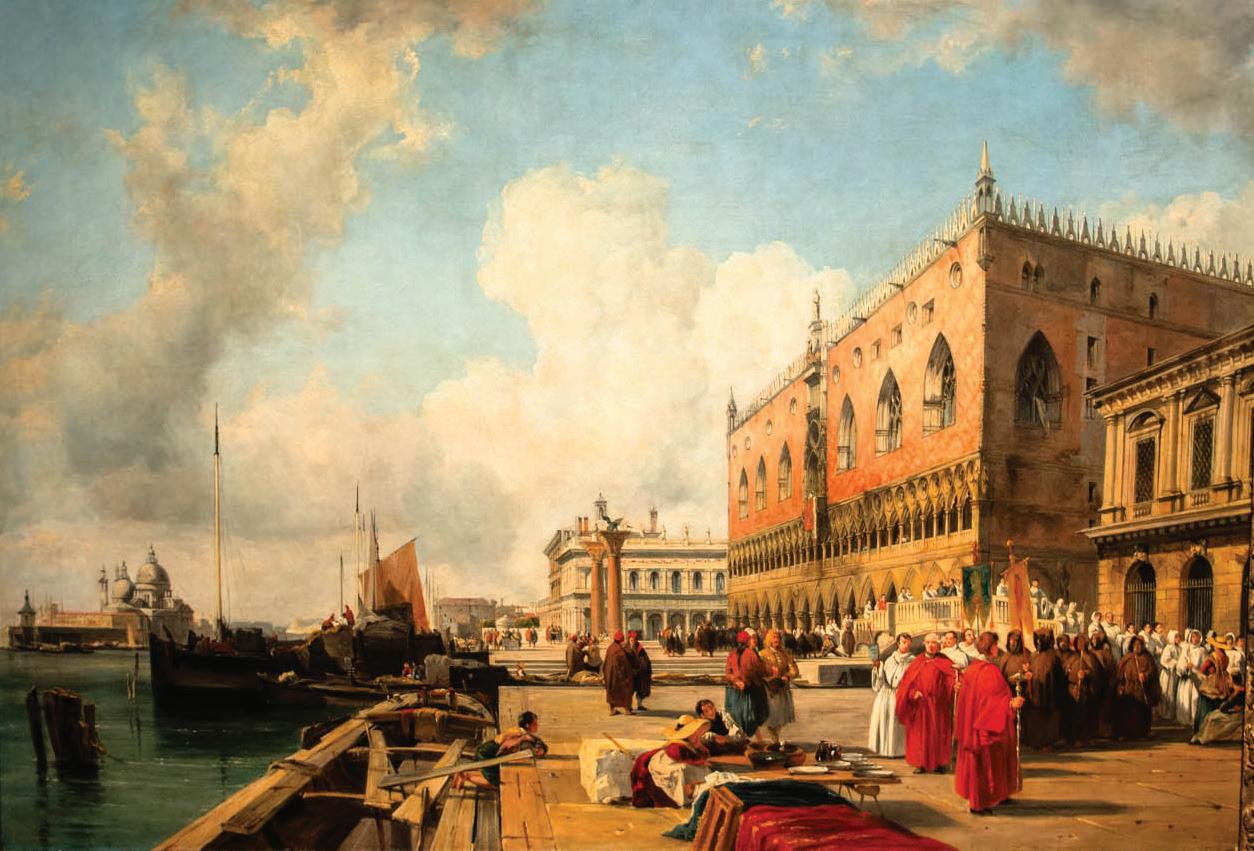
Throughout the eighteenth and nineteenth centuries, British artists were drawn to Venice, Italy, a key destination of the Grand Tour, that along with Naples and Rome, symbolized the heart of artistic and cultural refinement. They traveled to study and capture firsthand the essence of Venice—its simmering canals, architectural splendor, and historic traditions. Artists such as Edward Pritchett (1806–c. 1876) were considered vedutisti, working in the venduta style, painters who painstakingly rendered highly detailed, idealized large-scale depictions of Italy’s urban centers.
The LSUMOA recently acquired Pritchett’s work, A View of the Piazzetta, The Doge's Palace, The Dogana and the Church of Santa Maria Della Salute, Venice, with a Religious Procession. This undated work, donated to the museum through the Collection of the Charles “Chuck” Schwing Estate, was attributed until the midtwentieth century to another British vedutisti, Richard Parkes Bonington (1802–1828). Just four years older than Pritchett, Bonington was a child prodigy who gained fame by his twenties and traveled to Venice for the first and only time in 1826, two years before his death from tuberculosis. Pritchett departed for his trip in 1827, producing hundreds of sketches that became the foundation for the artist’s many Venetian cityscapes. At some point, Pritchett viewed Bonington’s depiction of the Doge’s Palace and created his own interpretation of the scene—now on view at the Museum—years after the latter’s passing.
JANUARY 24
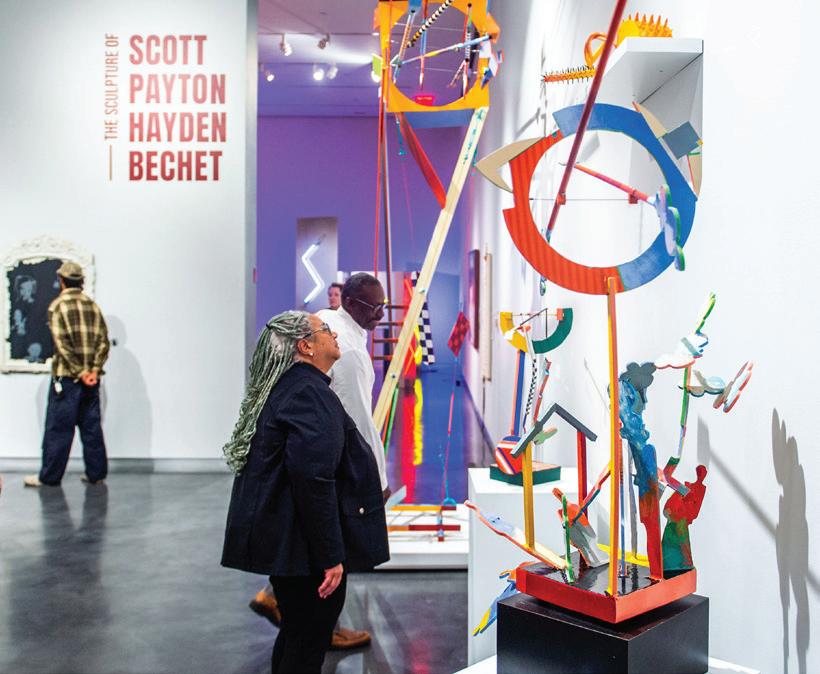
Tigers in the Galleries: Sculpture Stories at 2 PM Free Studentled tour of The Sculpture of Scott, Payton, Hayden, and Bechet.
JANUARY 25
Art of Flavors Panel & Cook Book
Signing Hear from special guests as they share stories celebrating food, culture, and creativity. Time TBD.
FEBRUARY 1
Free First Sunday: Black History Month from 1–4 PM Enjoy art activities and performances honoring Black artists and heritage.
FEBRUARY 12
Champagne & Chagall Enjoy an evening of art by Marc Chagall, champagne, and inspiration! Free for members, $20 for the public.
FEBRUARY 26
Free Public Spring Reception from 6–8 PM Celebrate the AI: Artistic Interpretations and Chagall exhibits.
MARCH 1
Free First Sunday: Tech & Textiles from 1–4 PM Create art inspired by AI: Artistic Interpretations exhibit that combines technology with sewing.
MARCH 19
Members Only Curator Talk at 5:30 PM Learn more about AI: Artistic Interpretations.
MARCH 21
Southern Palette Food & Drink Experience Fundraiser See page 16 for more info and how to purchase tickets. Learn more at southernpalette.org.
MARCH 28
Tigers in the Galleries: AI Quilts at 2 PM Free Student-led tour of AI: Artistic Interpretations exhibition.
11
Tigers in the Galleries: Chagall at 2 PM Free Student-led tour of Daphnis and Chloe and Other Lovers: Lithographs by Marc Chagall
APRIL 18
Members Only Workshop with Therese Knowles More details to come! Learn more at lsumoa.org.
APRIL 23
Members Only Curator Talk at 5:30 PM Learn more about the Marc Chagall exhibit.
3
Free First Sunday: Chagall: A Love Story from 1–4 PM Join us for colorful activities inspired by the art of Marc Chagall.
MAY 5–10
LSU Museum Store Mother's Day Shopping Event Get special discounts during this sale.
JUNE 7
Free First Sunday: Celebrate South Arts from 1–4 PM Create art inspired by the South Arts exhibition.
2026 HOLIDAY CLOSURES
January 4 Free First Sunday cancelled due to the holidays; February 14–17: Mardi Gras; April 3–5: Easter (April 5 Free First Sunday cancelled) Follow us on social media @lsumoa
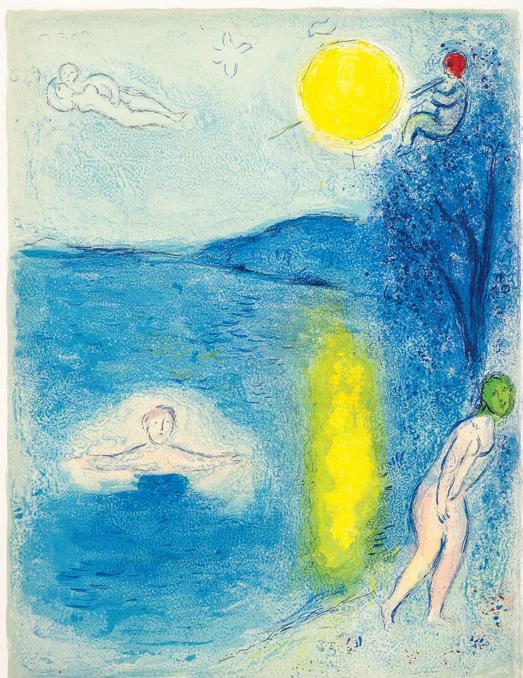
Write your own poem inspired by Summer by Marc Chagall.
Look on top of the Decorative Arts Toy Case to spot Pierre, the museum’s Steiff tiger!
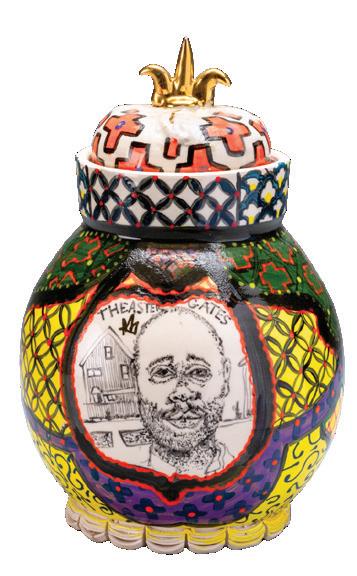
Look for Covered Jar: Theaster Gates by Roberto Lugo in the galleries.
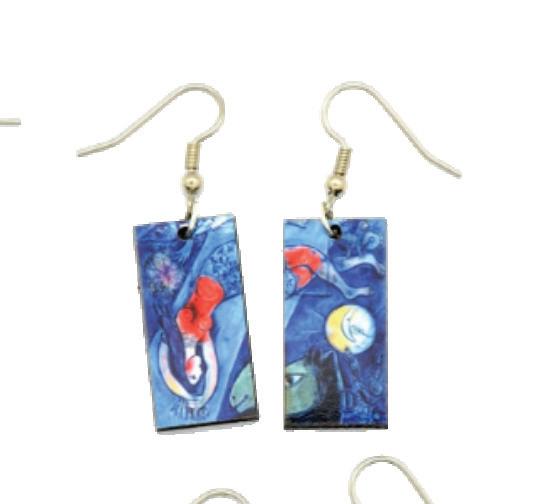

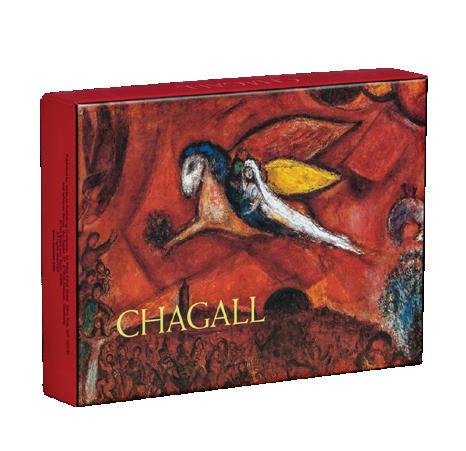
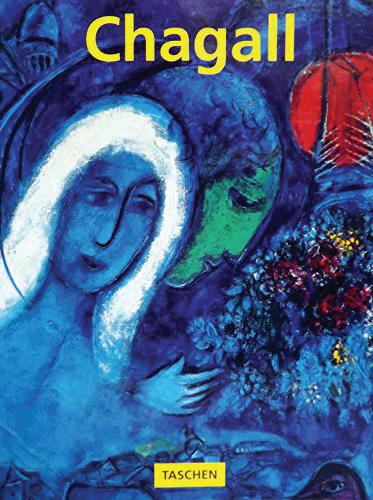
Purchase Chagall merch in the LSU Museum Store.
Did you know the Mississippi River is near the museum? Look outside our lobby window to see it, and draw your own river scene inspired by Edward Pritchett's Venice from the Bacino di San Marco painting.

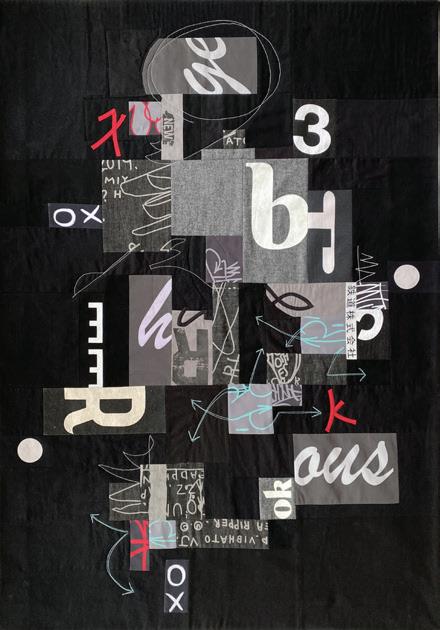
Make a quilt-inspired collage! Cut letters, patterns, and shapes from magazines or scrap paper, then arrange and glue them into a patchwork design. Like Karena Nelson’s Haphazard, explore how mixing fragments creates new meaning.
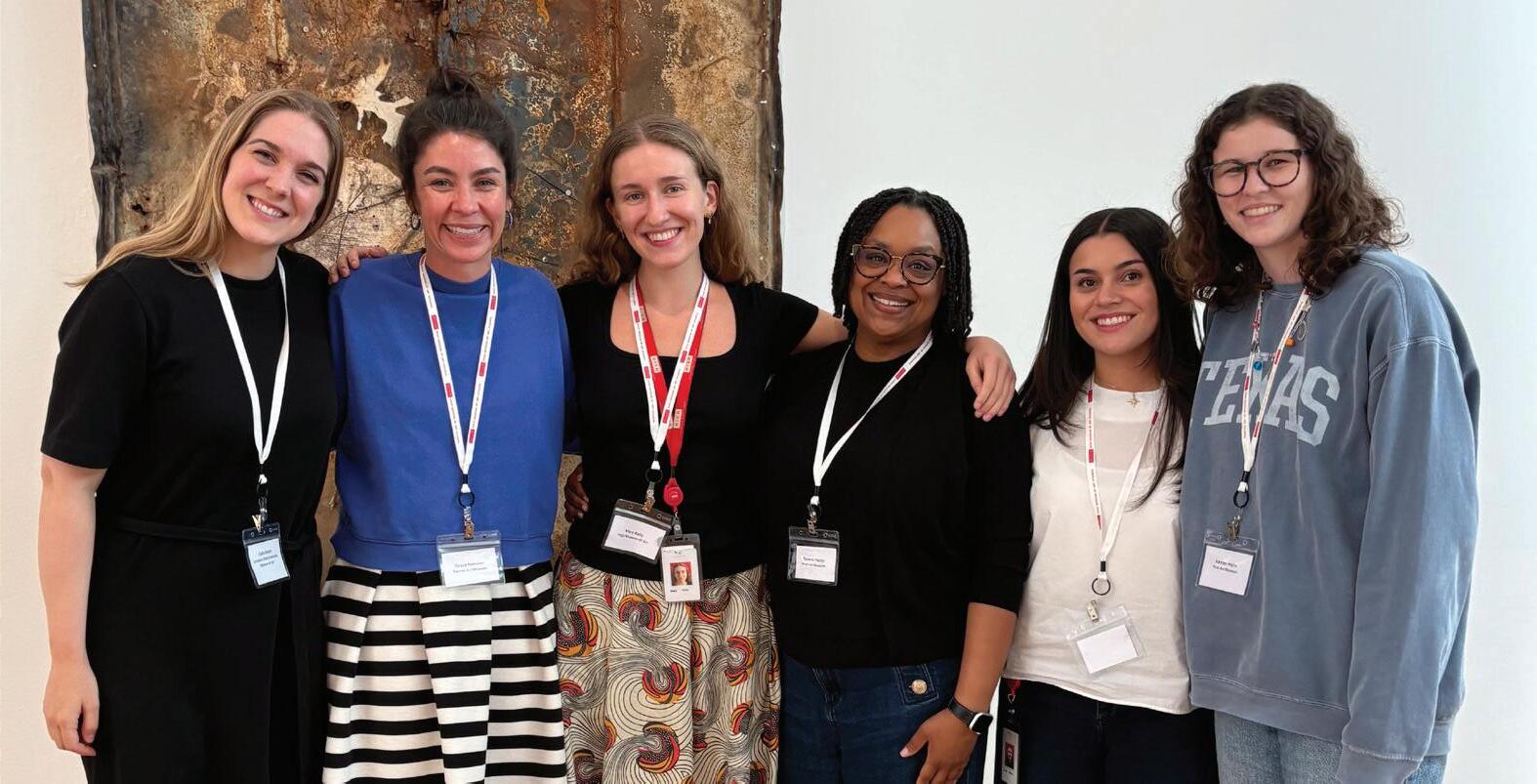
“I’m grateful to the Friends of the LSU Museum of Art and our members for making professional development experiences like the MITA program at the High possible. This support has strengthened my leadership, enabling me to guide students as they grow into confident researchers, communicators, and leaders. For me, this is what we are meant to do at the LSU Museum of Art: inspire, teach, and support a better world through art and education.
–Callie Smith
LSUMOA Educator & Public Programs Manager
In August 2025, LSUMOA Educator and Public Programs Manager Callie Smith was one of thirteen educators selected nationwide to attend the High Museum Institute for Teaching with Art (MITA) in Atlanta, Georgia. This week long professional development program aimed to empower early- to mid-career educators to lead art experiences that serve the public good. They studied and discussed the history of museum education, pedagogical theory, and practiced teaching strategies. This experience affirmed and expanded her core values as an educator: curiosity, connection, and thoughtfulness.
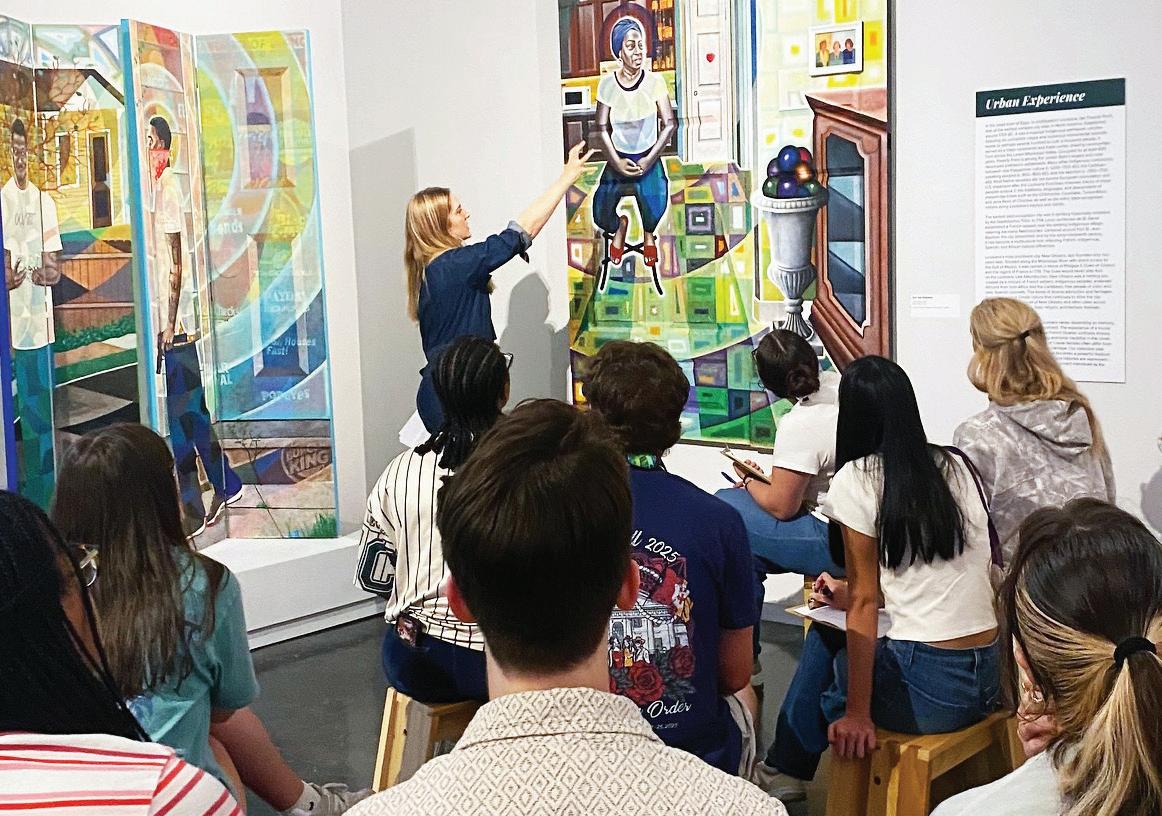
Based on what she learned at MITA, Smith designed a three-week training course for her four Education Assistants focused on conversation-based teaching and effective research. As a result, LSU MOA launched a new program, Tigers in the Galleries: Student-Led Tours, in which students select, research, and design free tours for the community. These students are also essential in accommodating the growing K–12 tour requests. With the support of these trained students, the quality and capacity of our tours and programs have increased.
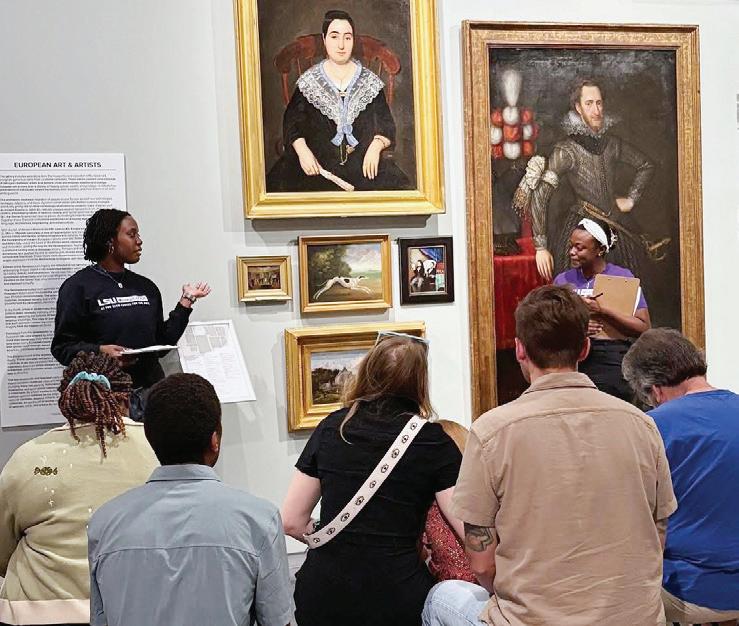
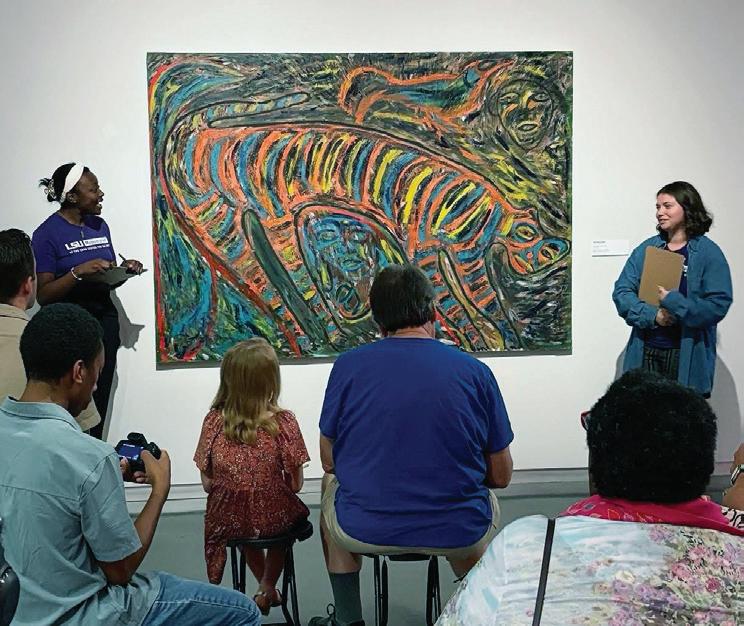
LSU students Amaizeya St. Mary, Nia Simone Sampson, Gianna Vanesko, and Shadayah Muhammad (LSU Vet Med) led an engaging, student-designed tour exploring animals in art. Each student researched a selected artwork and guided visitors through lively conversations—plus Muhammad shared fascinating animal facts along the way! Through programs like this, the LSU Museum of Art continues to expand its role in mentoring LSU students and providing hands-on experience in art education and public engagement.
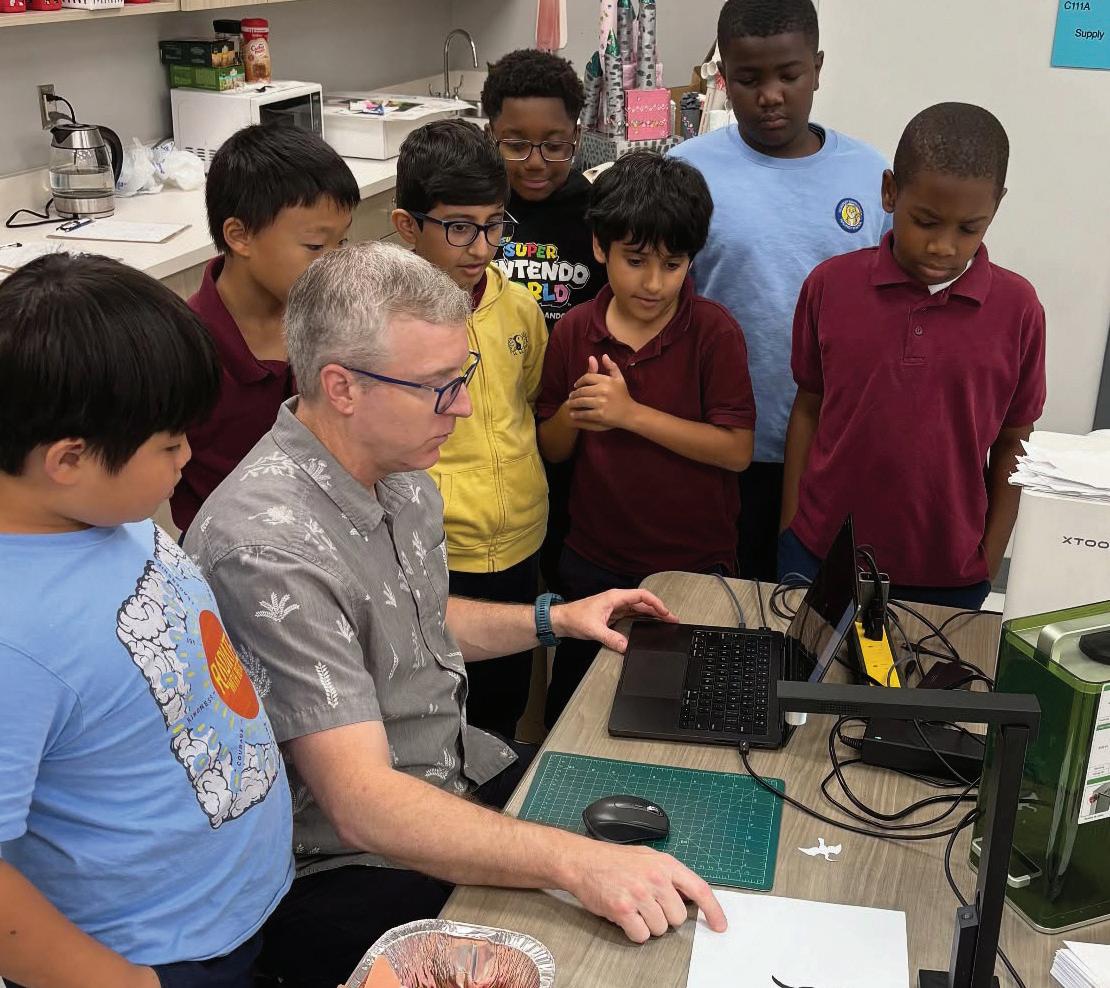
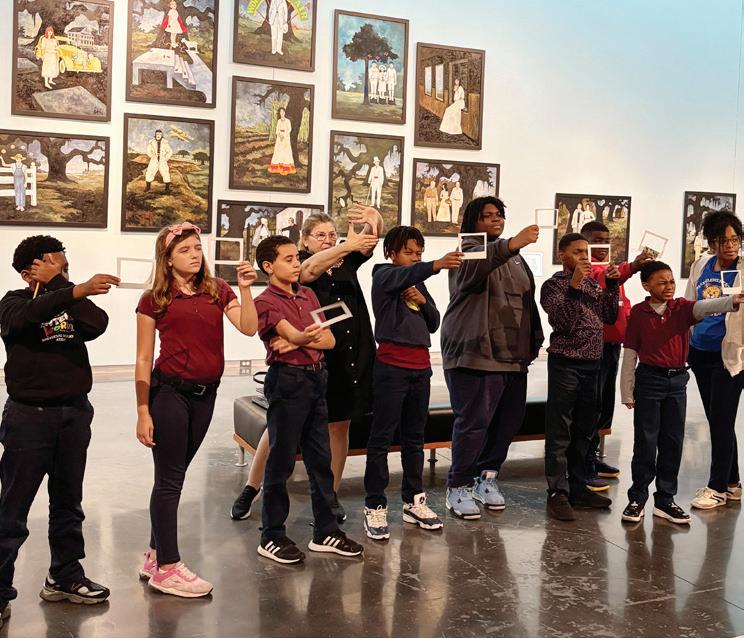
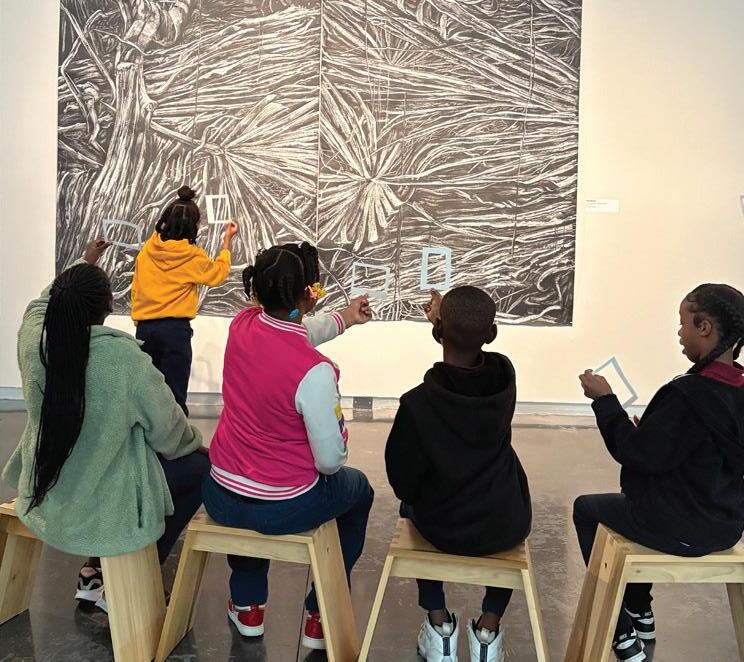
Artist Jamey Grimes, whose installation Confluence currently transforms the museum lobby, visited McKinley Elementary to create laser-cut lanterns inspired by Louisiana wildlife. Students later explored Grimes’s installation in person during a museum field trip, connecting their own creations to A Bayou State of Mind through hands-on gallery learning.
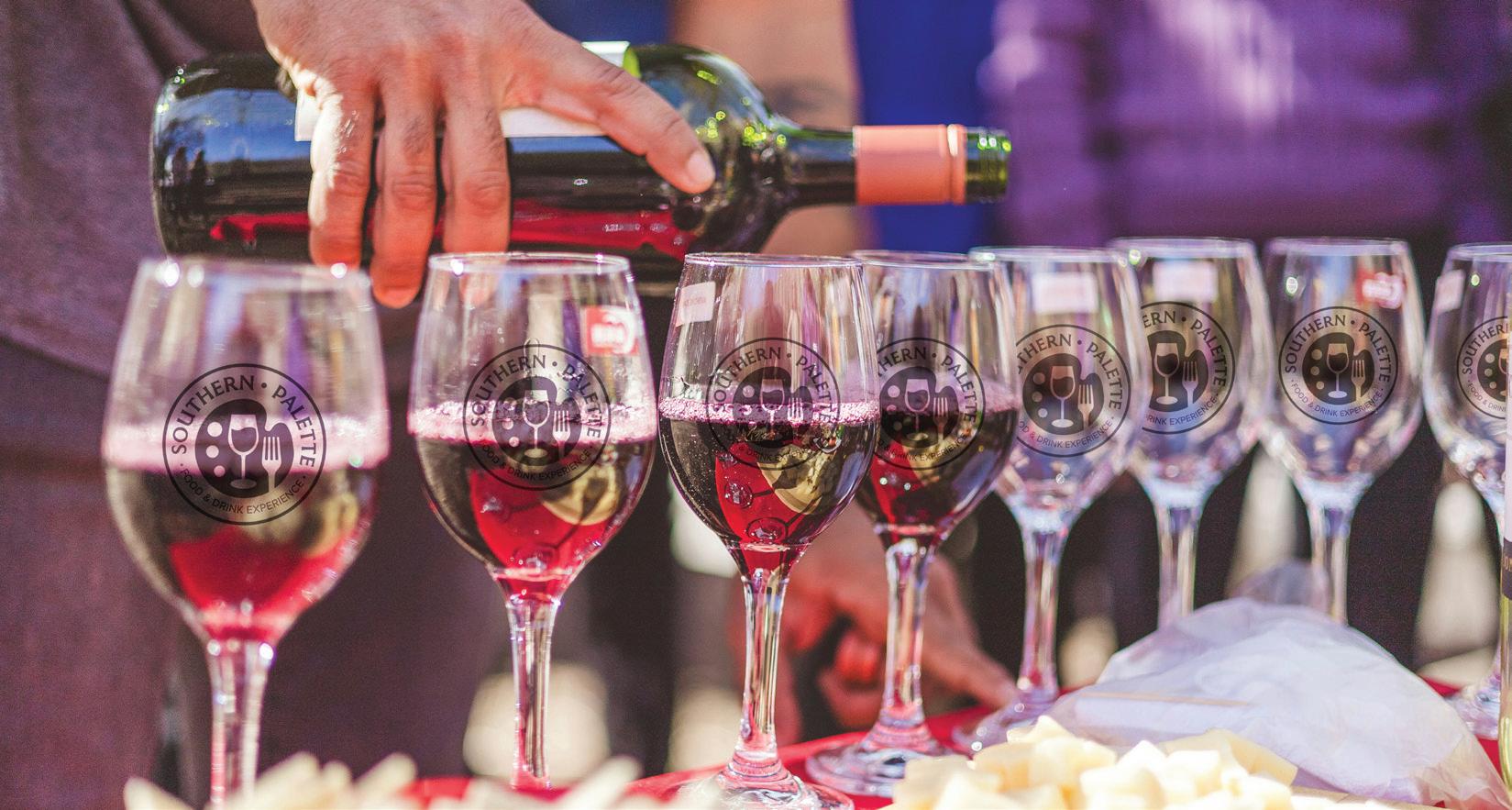
ATTEND THIS SPRING MUSEUM FUNDRAISER The Friends of the LSU Museum of Art are thrilled to announce the Southern Palette: Food & Drink Experience, a new signature festival launching March 21, 2026, in downtown Baton Rouge. Hosted at Lafayette Park and the Shaw Center for the Arts, the event will showcase the South’s vibrant culinary scene, blending food, art, and culture in a chef-centered celebration.
Guests will savor chef-curated tastings, enjoy craft cocktails and beverage pairings, and experience live cooking demonstrations and cultural performances under the stars. VIP ticket holders will receive early entry and access to a private lounge on the 4th floor of the Shaw Center, overlooking the festival. The festival is expected to welcome 2,000 guests and will feature award-winning chefs from across the region, including local favorites and rising culinary stars. The Hilton Baton Rouge Capitol Center will serve as the official host hotel. All proceeds benefit LSUMOA’s exhibitions, educational programs, and access initiatives, ensuring the arts remain available to all.





Downtown Baton Rouge, LA
Lafayette Park & Shaw Center for the Arts
Your support helps the LSU Museum of Art continue to inspire, educate, and connect our community through the power of art. Every gift, no matter the size, makes a lasting impact. Consider donating today using the form below or online at giveLSU.org. Thank you for your gift and support.
Your generosity helps the LSU Museum of Art connect with our community, create meaningful partnerships, and present dynamic
Since opening in March 2005, the LSU Museum of Art has been a vibrant cultural hub, bridging the University, the region, and diverse communities. Our mission is to make art accessible to all through live music, engaging lectures, innovative art, and significant historical objects. We strive to con nect guests with each other, art exhibitions, and inspiring ideas.
One of the most exhilarating aspects of art museums is that they constantly evolve. We give communities continual access to exhibitions that celebrate the many ways art enriches life.
our gift to the LSU Museum of Art today will create an exciting future for the museum and every life we reach. It is thanks to the generosity of our donors that the LSU Museum of Art can be a cultural and intellectual resource that inspires more than 20,000 adults and children every year
the remaining support comes from our members, Friends of the LSU Museum of Art, and generous foundations and grants. As we approach the end of the year, we rely on our community's continued support to transform lives through art.
As Baton Rouge’s only dedicated art museum permanent collection, we count on community demands of running a museum and pursue emerging programs.
the Museum's daily operations and special projects, enabling us to present world-class exhibitions, educational programming, and outreach to underserved communities.
Wednesday, March 25, 2026
The LSU Museum of Art is proud to be home to a range of cultural treasures, from a world-class collection of Chinese jade to one of the most comprehensive public collections of Louisiana art. Donor support allows us to conserve these priceless works, acquire new pieces, enhance the museum experience for visitors of all ages, and partner with local artists and LSU faculty and students. Your gifts also fund growth in our outreach programs, which bridge resource gaps for local schools and benefit families throughout the metro area. support our mission.
Examples of upcoming projects your gifts help fund:
SUPPORT THE MUSEUM Since opening in March 2005, the LSU Museum of Art has been a vibrant cultural hub, bridging the University, the region, and diverse communities. Our mission is to make art accessible to all through live music, engaging lectures, innovative art, and significant historical objects. We strive to connect guests with each other, art exhibitions, and inspiring ideas.
Show your love for the LSU Museum of Art on LSU Giving Day! Your gifts support exhibitions, educational programming, and our annual fund. Stay tuned for updates about Giving Day challenges and matches.
⊲ Planning and reinstallation of decorative arts collection
One of the most exhilarating aspects of art museums is
⊲ Continue collections storage upgrades
Thank you for investing in the LSU Museum of Art. We are proud to be a vital cultural and educational resource for the greater Baton Rouge community.

1. CHOOSE YOUR GIFT
⊲ Upgrade the gallery lighting system
⊲ Produce a series of collections survey publications
WHY YOUR SUPPORT MATTERS While half of our annual budget is funded by LSU, the remaining support comes from our members, Friends of the LSU Museum of Art, and generous foundations and grants. As we approach the end of the year, we rely on our community's continued support to transform lives through art.
⊲ Redesign and rebuild our website: www.lsumoa.org
⊲ Remodel the LSU Museum Store and more
jade to one of the most comprehensive
$250 THANK YOU FOR GIVING IN 2024!
$5,000
$2,500
$1,000
$500
2025 ANNUAL FUND GOALS Your 100% tax-deductible Annual Fund gift supports the Museum's daily operations and special projects, enabling us to present world-class exhibitions, educational programming, and outreach to underserved communities.
Examples of upcoming projects your gifts help fund:
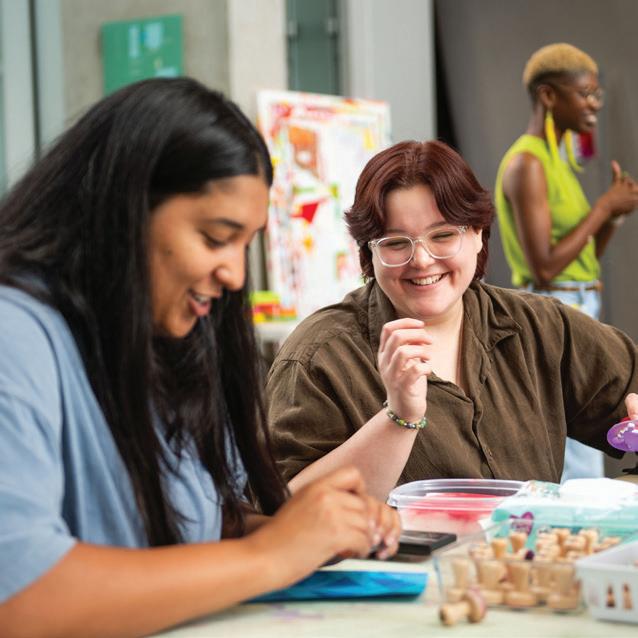
⊲ Planning and reinstallation of decorative arts collection
⊲ Continue collections storage upgrades
⊲ Upgrade the gallery lighting system
⊲ Produce a series of collections survey publications
⊲ Redesign and rebuild our website: www.lsumoa.org
⊲ Remodel the LSU Museum Store and more
MAKE A DIFFERENCE
MAKE A DIFFERENCE Every donation counts. Please consider contributing before December 31, 2024, to help us achieve our vision. For questions or assistance, contact Mark Tullos, Executive Director, at marktullos@lsu.edu. Thank you for your support! 2.
Every donation counts. Please consider contributing before December 31, 2024, to help us achieve our vision. For questions or assistance, contact Mark Tullos, Executive Director, at marktullos@lsu.edu. Thank you for your support!
3. CHOOSE YOUR PAYMENT METHOD Online: giveLSU.org Check (payable to the LSU Foundation)
Credit card gifts can be made online via our secure giving site. Your gift can be fulfilled via a one-time credit card contribution or can be set up for smaller, recurring contributions charged at the pace you choose. Please visit giveLSU.org or scan the QR code below with the camera on your smart device.
contact Mark Tullos at marktullos@lsu.edu • 225-578-3074
Questions? Please email artmuseum@lsu.edu

Please return form to: LSU Museum of Art 100 Lafayette St., Shaw Center for the Arts, Baton Rouge, LA 70801
Make a 100% tax-deductible contribution today.
to
Learn more about the perks, visit lsumoa.org/membership.
Scan QR code to join.

⊲ VISIT OTHER MUSEUMS WITH YOUR MEMBERSHIP CARD
Did you know? Museum members at the Household level and above receive free or discounted admission to hundreds of museums nationwide through the NARM, SERM, and CUAMRP reciprocal programs, including favorites like the New Orleans Museum of Art, Crystal Bridges Museum of American Art, Capitol Park Museum, and the Louisiana Art & Science Museum.


⊲ YOUR MEMBERSHIP MAKES A DIFFERENCE
At every level, members make a lasting difference. Visionary Circle members— those who give $1,000 or more—provide vital unrestricted support that helps sustain LSUMOA’s exhibitions, educational programs, and its dedicated team. Every membership fuels creativity, learning, and access to art in our community.
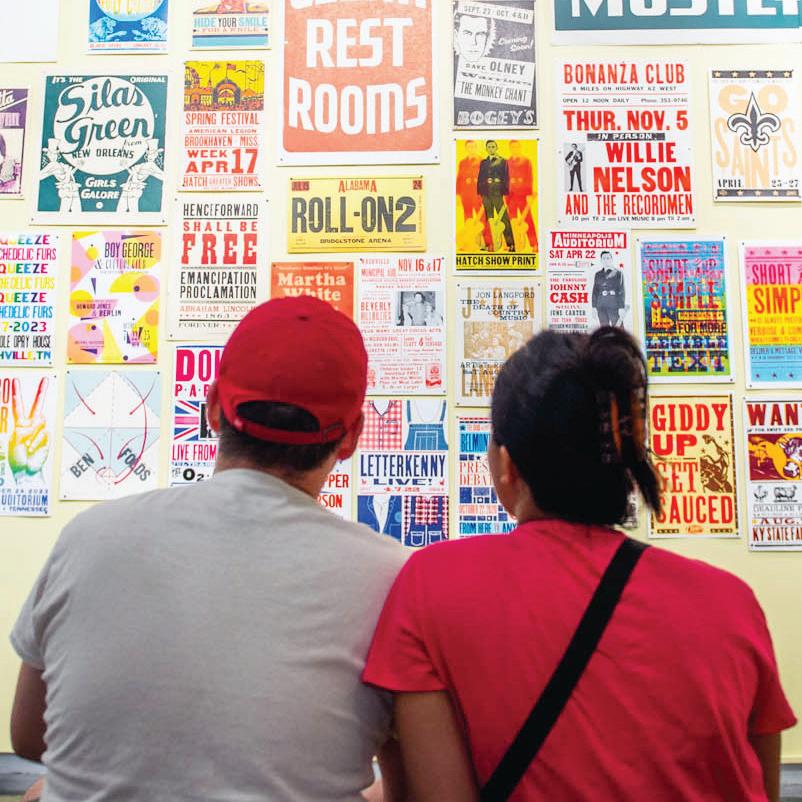
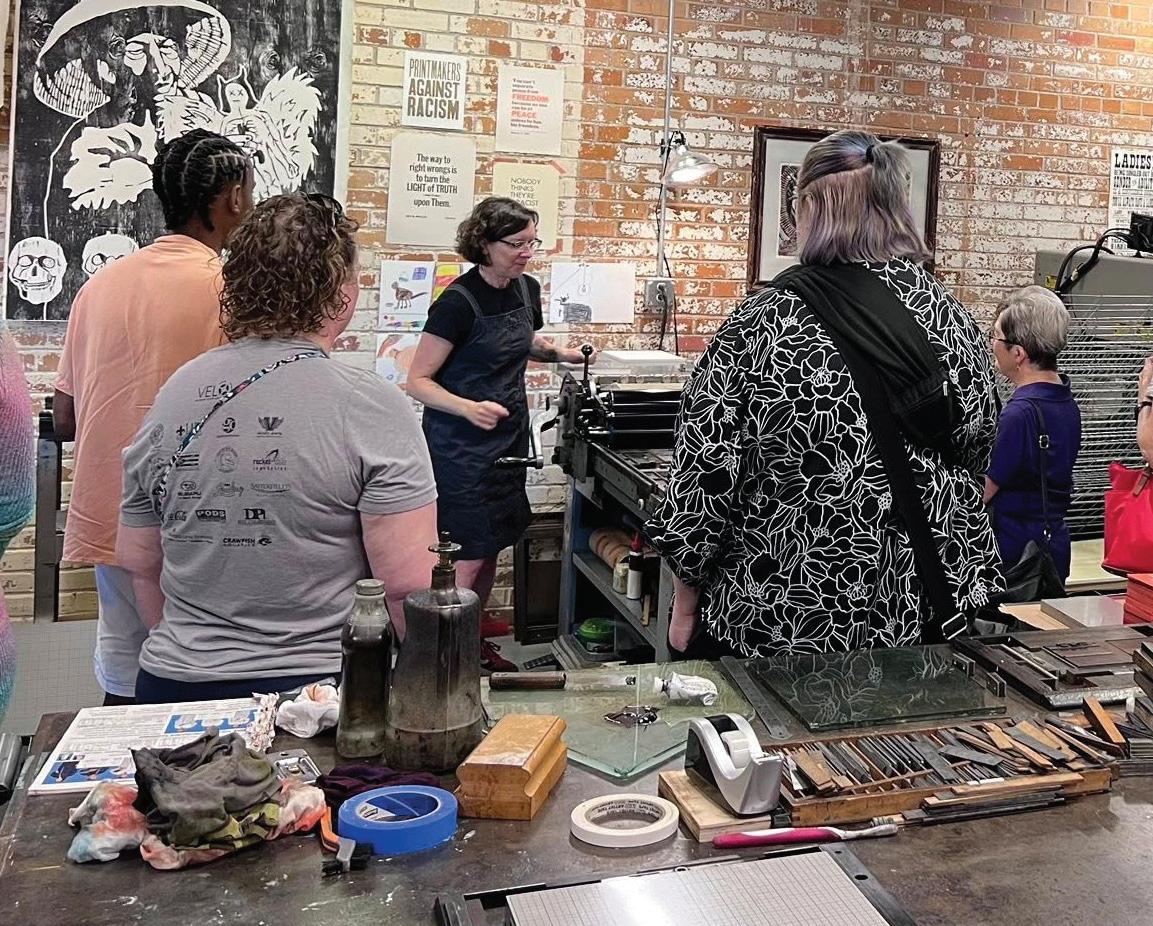
LSUMOA members also enjoy exclusive access to special events like artist studio tours and workshops—plus so much more. The image to the left is from the museum's last studio tour for members at Blackbird Letterpress in Baton Rouge!
Mark Tullos, Executive Director
Sarah Amacker, Communications & Marketing Specialist
LeAnn Dusang, Museum Store Manager / Visitor Services Manager / Rentals
Fairleigh Cook Jackson, Director of Development
Marianna Luquette, Registrar
Sandy Parfait, Assistant Director of Operations and Visitor Services
Travis Pickett, Preparator
Dominique Rogers, Business Manager
Michelle Schulte, Chief Curator
Callie Smith, Educator & Public Programs Manager
President: Clarke J. Gernon, Jr.
Vice President: Brad Way
Secretary / Treasurer: Jim Fairchild
Brad M. Bourgoyne
Dr. Leon F. Elliott Jr.
Mandy LaCerte, Ph.D.
Claire Major
Ann Wilkinson
Chair: Yvette B. Marsh, Ph.D.
Secretary / Treasurer: John Lloyd Haile
Past Chair: Ben Jeffers
Mark Boudreaux
Luisa Cantillo
Carolyn Coleman, City Council
Michael Grace
Blaine Grimes
Dr. Steven Heymsfield
Randell Henry
Gerri Hobdy
Anne Mahoney
Luke St. John McKnight
Elizabeth Noland
Winifred Reilly
Laura A. Siu
Dr. Darius Spieth
Carol Steinmuller
Will Wilton
HONORARY:
Lt. Governor Billy Nungesser
Dr. Jane Cassidy
Senior Vice Provost, LSU
Leea Reese Russell
Executive Director, LA Division of the Arts
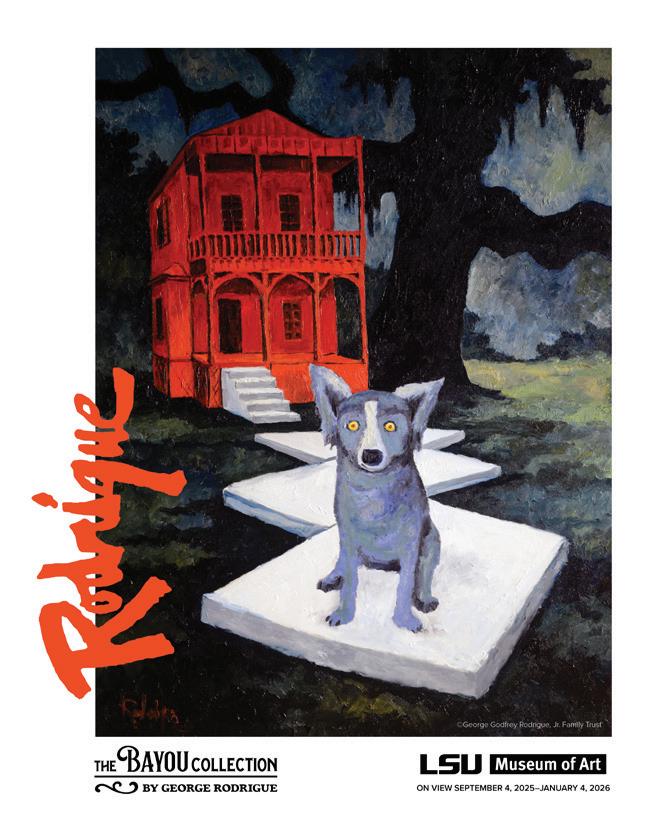
The LSU Museum Store has limited edition George Rodrigue Watch Dog posters — featuring the very first Blue Dog he ever painted. Buy yours today before they are gone!
For more info, contact the LSU Museum Store: call 225-5783038 or email lrusso@lsu.edu


100 Lafayette Street, Fifth Floor Baton Rouge, LA 70801
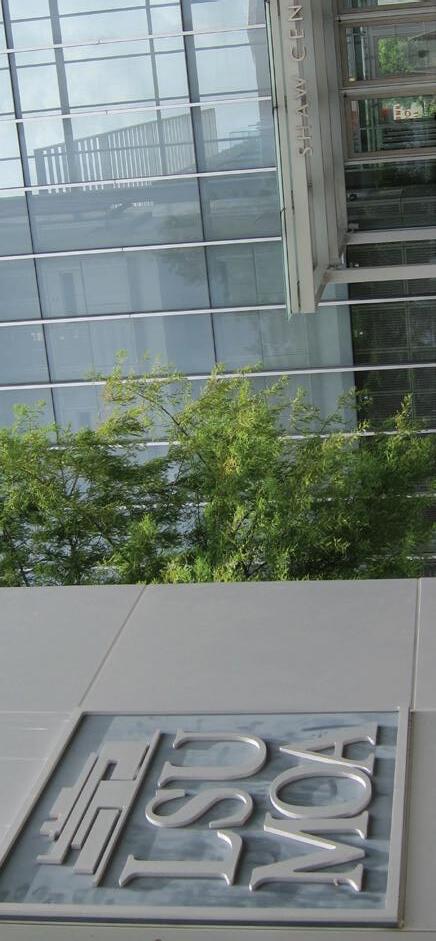
HOURS Tuesday through Saturday: 10 AM–5 PM Thursday: 10 AM–8 PM Sunday: 1–5 PM Closed Mondays and major holidays Free admission the first Sunday of every month.
LSU Museum of Art is supported by a grant from the Arts Council of Greater Baton Rouge, funded by the East Baton Rouge Parish Mayor-President & Metro Council; and in part by a grant from South Arts in partnership with the National Endowment for the Arts. LSUMOA thanks the generous donors to the Annual Fund. Generous support provided by Art Bridges Foundation’s Access for All program.