

OUR TRIPLE ANNIVERSARY
Why 2026 is a year to celebrate!
THE SECRET LIFE OF FOXES
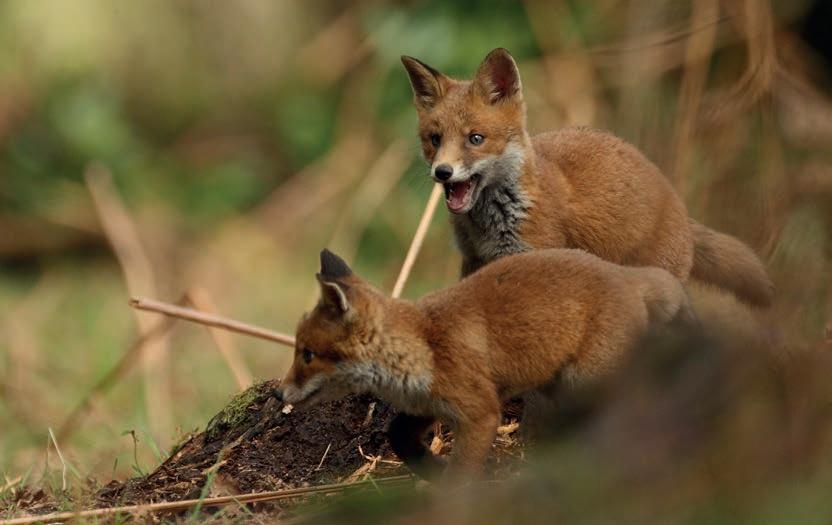
Why winter’s such a noisy time of year for the fox
WHISPERS IN THE WOOD
Could once-native lynx roam Britain’s forests again?
OUR TRIPLE ANNIVERSARY
Why 2026 is a year to celebrate!
THE SECRET LIFE OF FOXES
Why winter’s such a noisy time of year for the fox
Could once-native lynx roam Britain’s forests again?


Winter/ Spring 2026

Celebrating seven decades protecting local wildlife












As winter tightens its icy grip over Leicestershire and Rutland, our countryside takes on a quieter, more reflective beauty – frost-tipped meadows, bobbing winter thrushes, and the deep stillness of our woodlands in their leafless slumber. It’s a season that encourages us to look back at where we’ve come from, even as we look forward to the promise of spring.
This year carries special significance for us, as the Leicestershire and Rutland Wildlife Trust marks its 70th anniversary. For seven decades, people across our two counties have come together to protect wild places, restore habitats and inspire deeper connections with nature. It is a legacy built by our members, volunteers, staff and supporters, everyone one of whom has played their part. You can think of us an extended family brought together by our passion for wildlife, and it’s one we are immensely proud to celebrate.
In this issue of Wild you will find articles that reflect both the history of the Trust and our ambitions for the future. We also shine a light on the some of the wonderful winter wildlife about at this time of year – from early rising queen bumblebees to melodiously trilling blackbirds – much of which you can see across our nature reserves.
As we celebrate 70 years of action for wildlife, your support remains at the heart of everything we do. Whether you are exploring a hoar-frosted reserve, taking part in one of our many events, or simply enjoying wildlife closer to home, you are part of this continuing story. Thank you for helping us protect and restore nature across our counties, past, present and future.
Wishing you a peaceful winter and, with the days already lengthening once again, a hopeful spring.
Mat Carter CEO
WILD Leicestershire and Rutland is the membership magazine for Leicestershire and Rutland Wildlife Trust and is free to members.
Email info@lrwt.org.uk
Telephone 0116 262 9968
Address The Old Mill, 9 Soar Lane, Leicester, LE3 5DE Website lrwt.org.uk
Registered charity number 210531
facebook.com/leicswildlife youtube.com/@lrwt56 instagram.com/leiceswildlife linkedin.com/company/leicswildlife
Protecting and enhancing the wildlife and wild places of Leicestershire and Rutland and engaging people with nature.
Leicestershire and Rutland Wildlife Trust
Chair Ann Tomlinson
Co-Vice Chairs John Atherton, Andrew Moffat
Hon. Secretary Peter Williams
Hon. Treasurer Andy Thorpe
CEO Mat Carter
Head of Reserves Joe Davis
Head of Nature Recovery Ben Devine
Supporter Development Manager
Josephine Taylor

The Wildlife Trust Magazine Team
Editor Benedict Vanheems
Designers Kolt Graphic Design
UK Editor Tom Hibbert
UK Designer Ben Cook
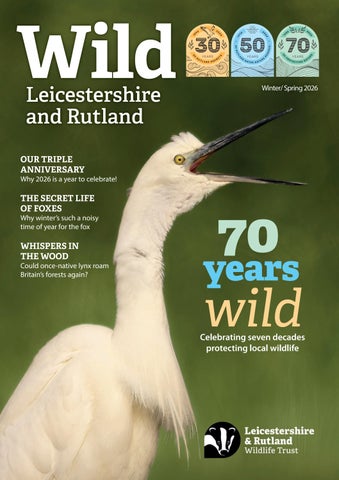
Cover image Jim Higham
Views expressed in this magazine are not necessarily those of the Editor, CEO or the Council of the Trust. Articles, letters, photographs and artwork are welcomed on the understanding that no liability for their safe custody or return is incurred and the right to abridge or refuse publication is reserved.















6
6 ways
4 Wild news
All the latest stories from LRWT and around the country.
10 Your Wild Winter Hedgerow blossom hints at a not-so-distant spring.
12 70 Years Wild Celebrate with us as we look back at the history of the Trust.
16 A greener tomorrow
Our vision for the next 70 years.
18 Birds in hand
Two major milestones for migrating birds at Rutland Water.
20 Wildlife gardening
Winter seedheads and the wildlife they welcome.
22 Winter wander
Explore the rich history of Charnwood Lodge.
24 Starling murmurations
Six places to be awestruck by this natural spectacle.
26 My Wild Life
Meet the champions of wildlife-friendly farming.
28 The Secret Life of Foxes
The very noisy world of fox courtship.
30 Missing lynx
Could this big cat be about to make a return?
34 Events and activities
Join one of our events and feed your wild side.
Donate Help protect the wild spaces of Leicestershire and Rutland by donating to us.
lrwt.org.uk/donate
Volunteer Could you offer your skills and time to help look a er local wildlife? We would love to hear from you. lrwt.org.uk/volunteer
Businesses Join as a corporate supporter of LRWT and put wildlife at the centre of your business. lrwt.org.uk/corporate
Local groups Join one of our friendly local groups and make a difference for wildlife near you. lrwt.org.uk/local-groups
Wildlife Watch Upgrade to a family membership to include junior membership, Wildlife Watch. lrwt.org.uk/families
Legacy Leave a lasting legacy for local wildlife by remembering the Trust in your Will. lrwt.org.uk/legacy
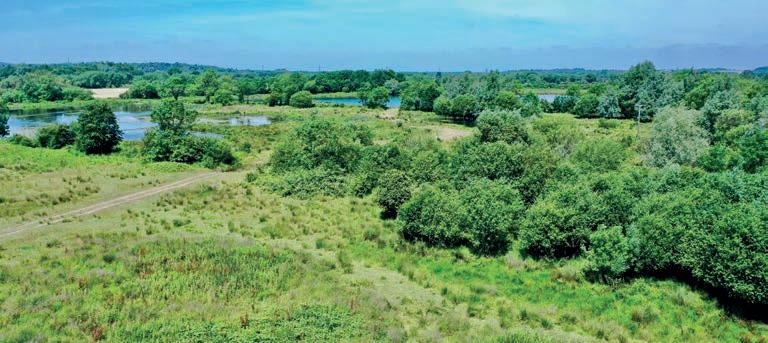
Join us at Cossington Meadows for a special Open Day.
This year marks a truly special milestone for Leicestershire and Rutland Wildlife Trust as we celebrate three incredible anniversaries, each representing decades of dedication and conservation success.
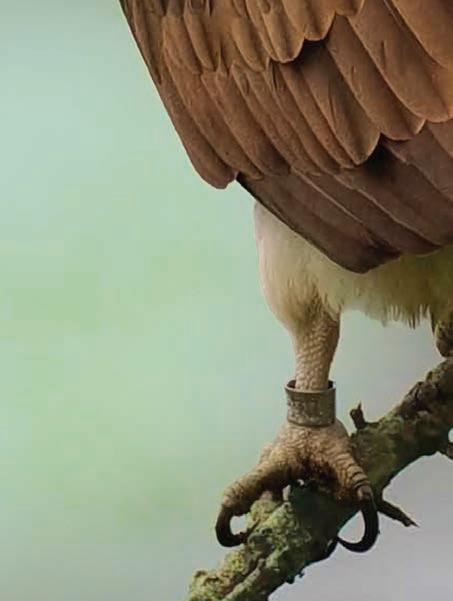
It’s 70 years since the Trust was founded, 50 years since Rutland Water Nature Reserve first opened, and 30 years since we started efforts to reintroduce ospreys locally. Together, these anniversaries tell a remarkable story of people working together to protect precious local wildlife. Throughout 2026, we will be marking these achievements with a series of events. In spring, join us for a Bu erfly and Reptile Walk at Ke on Quarry or an Easter Bunny Trail at Lucas Marsh, followed by an Open Day at Cossington Meadows on 29 May where there will be a chance to explore this beautiful wetland (more details to follow), plus many other events throughout the year.
other also to


action. Full details of these events and more will be shared soon on our events page: lrwt.org.uk/events
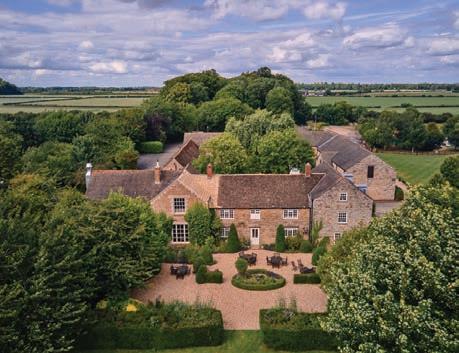
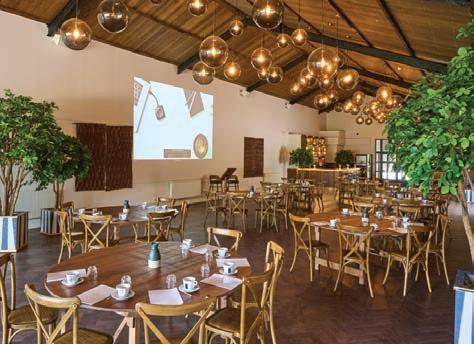
Our biggest anniversary celebration takes place in July when we will be celebrating at The Barnsdale hotel for an unashamedly triumphant evening of good food, good company and fascinating talks (see back page). We would love to see you there!
This year is also a moment to honour everyone who has made our work possible. Our achievements are the result of countless hours given up by volunteers, the generosity of our members and supporters, and a shared passion for wildlife. We simply couldn’t have reached this point without you – thank you.
Some quotes from a few of our fantastic volunteers and members
“The Trust may be 70 years old, and it’s done a brilliant job so far. But we are only just ge ing started on the long haul to save further destruction of wildlife and the environment.”
Ann and Tom Price
“I love it that the Trust cares as much about inkcap fungi as ospreys.”
Alison Skinner
Sea Dragon, complete with a


offering a unique
We are also delighted to host a talk on the remarkable discovery of the Rutland Sea Dragon, complete with a guided walk around the very lagoon where the fossilised ichthyosaur – Britain’s largest – was found. Then in August, osprey expert and founder of The Osprey Leadership Foundation, Dr Tim Mackrill will lead a special Osprey Cruise, offering a unique opportunity to see these magnificent birds in








Nature lovers of any age can take part in one or more of our newly expanded from to creating a pond. Head to





The celebrations start right now. incredible story of where we have optimistic look towards a greener
magnificent birds in Hedgehog Award. This is a great way to wildlife and having fun! Visit
As we look ahead, why not take these celebrations a step further by making your own lives that li le bit wilder? Younger nature enthusiasts can work towards their Hedgehog Award. This is a great way to develop their skills while helping local wildlife and having fun! Visit lrwt.org.uk/ hedgehog-award-level-1 to get started. Nature lovers of any age can take part in one or more of our newly expanded Actions for Wildlife. In honour of our anniversary year, we now have 70 actions to try, from making a log pile to creating a pond. Head to lrwt.org.uk/actions for inspiration. The celebrations start right now. Turn to page 12 to discover the incredible story of where we have come from, then from page 16 take an optimistic look towards a greener future. Here’s to the next 70 years and beyond!
“There is so much to see and do by becoming a member of LRWT – a leading conservation charity working towards the protection and enhancement of local wildlife and places.”
Anne Turville
“I once heard someone nickname Rutland Water ‘the osprey farm’!”
Donnie Smalley
“It’s great fun meeting other volunteers each week in such beautiful surroundings. It is so encouraging to see the improvements we have achieved over the years.”
Brian Skinner






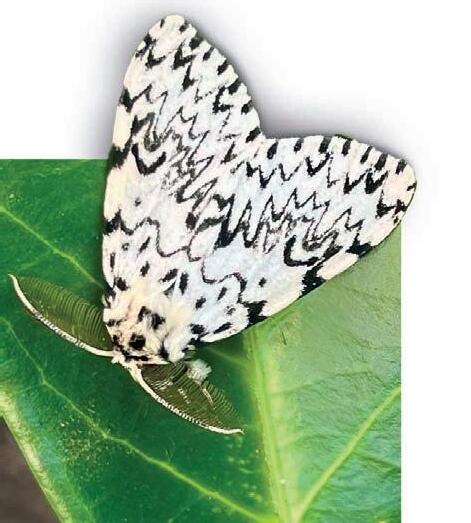
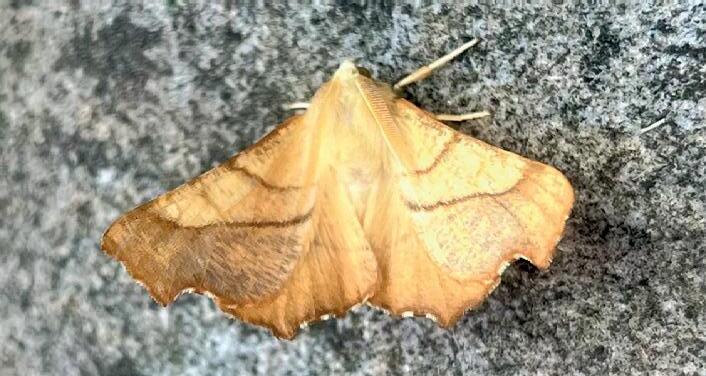
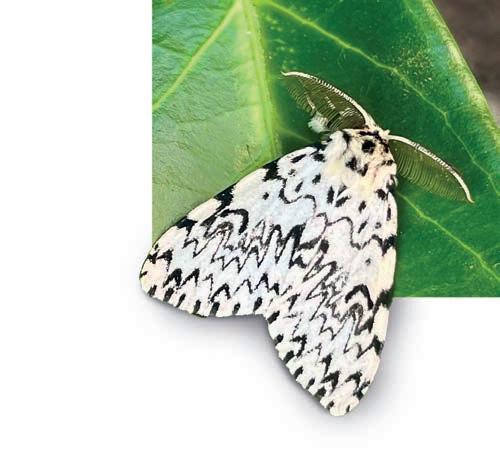
Moth enthusiasts enjoyed a colourful evening at Cossington Meadows late last summer when a light trap revealed the hidden nightlife of the reserve. A total of 37 species were recorded before being safely released, showcasing the meadows’ rich biodiversity.
Highlights included the striking Black Arches, the delicately pa erned Bordered Beauty, the aptly named Dusky Thorn, and the tiny but distinctive Chequered Fruit-tree Tortrix. Other finds, such as the
Discover the wonders of Rutland Water Nature Reserve with our Annual Wildlife Report 2024. Packed with photos and detailed information, the report offers brilliant insights into one of the country’s most treasured nature reserves and the hard work of our staff and volunteers.
The in-depth report includes meticulously collected data, such as more than 93,000 wetland birds counted, 25 osprey chicks raised across
Single-do ed Wave and Smoky Wainscot, added to the tally. The event offered visitors a fascinating glimpse into the variety of moths on the wing a er dark.
11 nests, and details of the Small Mammal Camera Tunnel project, which has generated 6,532 individual records!
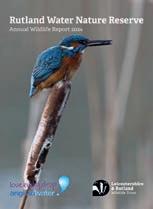

By purchasing a copy, you not only enjoy a deep dive into Rutland Water’s wildlife but also help to support our vital conservation work. Get your copy from Lyndon Visitor Centre or the Anglian Water Birdwatching Centre.
Anglian Water Birdwatching Centre.
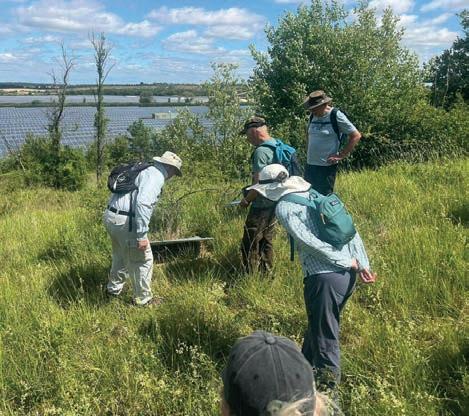
A new Amphibian and Reptile Network has been launched for Leicestershire and Rutland, following training delivered by the Northamptonshire Amphibian and Reptile Group. LRWT volunteers took part in sessions covering risk assessments and adder ecology, before heading out into the field to search for refugia. While hot weather kept reptiles and amphibians out of sight, the event marked the start of an exciting new network of local volunteers keen to protect and monitor these species. If you would like to get involved, please email us for more details at info@lrwt.org.uk




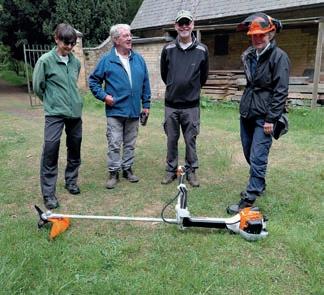
We are incredibly grateful to the Charnwood Local Group, whose fabulous fundraising efforts have helped us buy a brand new brushcu er for the team of volunteers at Charnwood Lodge nature reserve. The brushcu er means we can now undertake largescale scrub clearance and be er maintain the SSSI heathland on the reserve. It will also prove invaluable for strimming and path clearance jobs, improving access so more visitors can enjoy Charnwood Lodge.

A er more than three years of collaboration our Local Nature Recovery Strategy (LNRS) for Leicestershire, Leicester and Rutland has finally launched. The LNRS, developed by Leicestershire County Council and partners, including the Trust, seeks to protect local nature and facilitate its recovery by conserving and improving habitats and biodiversity.
We look forward to working with many organisations and individuals over the coming years to make more space for nature across our counties. You can read and download the full LNRS at: leicestershire.gov.uk/local-nature-recovery-strategy
Yet another beetle has been recorded for the first time at Rutland Water – hot
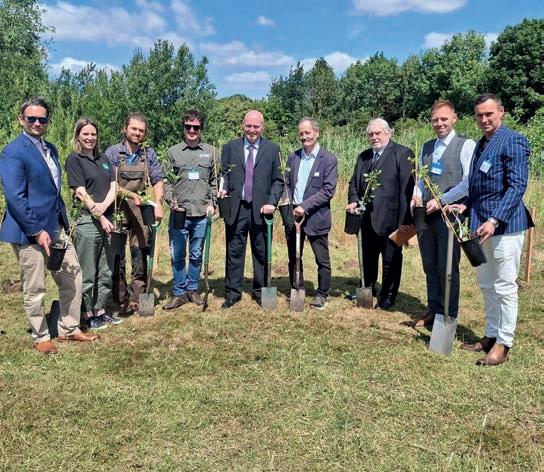
Our recent Holwell Reserves Open Day welcomed more than 60 people. The annual event saw visitors enjoy two guided walks led by local volunteers. Some lovely wildlife sightings were made and over £300 raised for the reserve. Last year Holwell Wildlife Group

The reed beetle Macroplea mutica was discovered during routine water quality monitoring at Lagoon 1. Found submerged on sago pondweed, the beetle is classified as Nationally Rare, with fewer than 100 records of it. It was last recorded in the East Midlands in 1856.
As a fully aquatic beetle lacking functional wings, how it got to Rutland Water remains something of a mystery. One possible explanation is colonisation from a relict population in an historic pond that is now part of the wet meadows complex. Another recent survey has confirmed further individuals in the lagoon and a pupa.
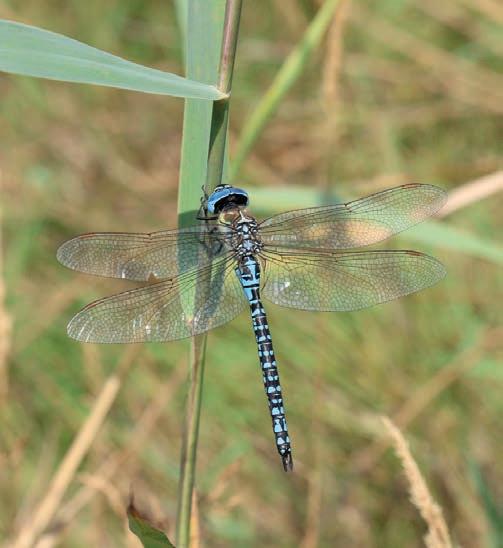
More widely, 2025 welcomed two new species of dragonfly to our region, with a Norfolk hawker seen on the Grantham Canal, and a southern migrant hawker (pictured) spo ed at Market Harborough.
celebrated 50 years of continuous conservation efforts on the reserve. The group averages eight hours of work every week throughout the year and their continued efforts have helped to keep the reserve looking fantastic and open to all to enjoy.

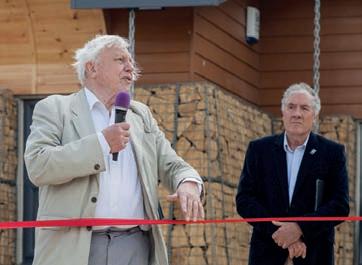

Our purpose-built Volunteer Training Centre at Rutland Water Nature Reserve is celebrating 10 years since its opening by Trust president Sir David A enborough. The building has revolutionised the way we operate at Rutland Water and on our reserves in the east of our counties and is certainly a step up from the cow shed that went before it!
Over the past decade the Volunteer Training Centre has become a hub for work parties, running courses and events, fixing essential equipment and, of course, training volunteers. The living roof keeps conditions inside comfortable and is great for wildlife too, including bees that enjoy the flowering plants, while birds love nesting in the stone walls. Thank you to everyone who made this happen – and here’s to the many more years to come.
Fee Worton, Community Engagement Officer, shares some migration stories on the Soar – when people and wildlife journeys meet.
What does it mean to belong to a place, a community, or even a landscape? This question sits at the heart of Restoring the Soar, a project that brings together culture, built heritage and nature across Leicester.
My approach to the project begins with one simple principle: to listen. Through door knocking in the city, I’ve been asking residents what they love about living in Leicester, what frustrates them, and what they would change. The conversations are revealing and have shaped some surprising new connections.

That’s how I met artist Sim Mistry of KALA Arts. With sustainability and community at the heart of her work, it felt like a partnership waiting to happen! Together we hosted two events on the shared green at the new Waterside development: a seed ball workshop (mixing clay, compost, and wildflower seed for pollinators), and a pallet upcycling day, transforming donated pallets into planters.





two days, including families originally India and beyond. What grew wasn’t

More than 90 residents joined in over two days, including families originally from Morocco, Poland, Hong Kong, Kenya, India and beyond. What grew wasn’t just biodiversity but community itself – neighbours meeting for the first time, parents swapping numbers, and new networks forming around conservation and care for shared spaces.
One resident told us: ‘We learnt how to


make seed balls and pallet planters, both of which we used in our small garden. But there was also an exchange of information about other sightings, swi boxes and more!’
Through conversations it became clear that no one there knew what a swi was, opening a wonderful








‘Amazing! I’ll be watching Maya all day long [on the webcam] and looking out for swi s back home in Leicester.’

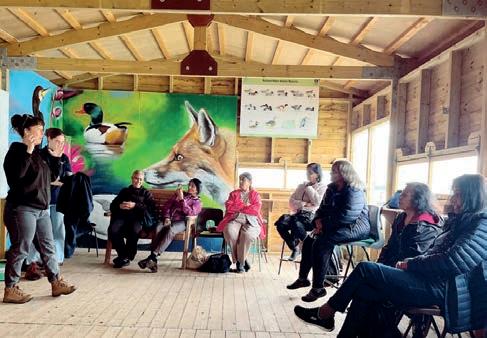
Leicester residents discover the wonders of migrating birds on a trip to Rutland Water.


opportunity to share the story of these aerial migrants, which travel thousands of miles each year to scream across Leicester’s skies in summer. They are declining fast, but simple actions like installing swi nestboxes can help. The response was electric; suddenly, people were dreaming about all the possibilities for wildlife in their local environment. That idea deepened when we



invited a group of Leicester residents, coincidentally all with African heritage, to meet Maya, our famous osprey at Rutland Water. As they heard of her epic migration to and from Africa, people saw themselves reflected in her journey. Later, when I played the sound of swi s, many recognised the sound but never knew the bird behind it. Wonder filled the room and then came their own migration stories: bravery, loss, resilience. One woman even realised she had unknowingly seen Maya in The Gambia years earlier, encountering her again in Rutland. One woman, one osprey, two continents – a story stitched across time!
These are just some of the ways we’ve been engaging with our communities to explore how the Restoring the Soar project can deepen connection to the river in ways that feel meaningful.
Restoring the Soar is made possible with a grant of £578,980 from The National Lo ery Heritage Fund.


To learn more about Restoring the Soar, or to get involved, please email Fee at fworton@lrwt.org.uk
Passionate, caring, vital: just three of the many plaudits used in tribute to Jenny Harris since she passed away after a short illness on 13th October.
Jenny’s work and legacy are integral to the story of the Leicestershire and Rutland Wildlife Trust.
Joining our organisation in 1976 at the very beginnings of Rutland Water Nature Reserve, Jenny was secretary to Tim Appleton’s manager role for ten years. Following that post was a succession of roles – both paid and unpaid – that undoubtedly helped shape and support nature conservation in our two counties in a meaningful and invaluable way.
Until her retirement in 2017, Jenny looked a er the limestone grassland
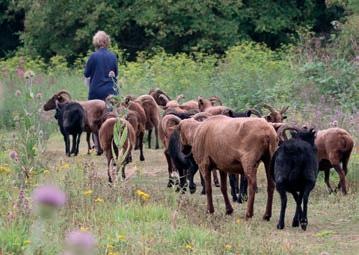
quarry reserves at Bloody Oaks, Ke on and Stonesby, and the meadows at Cribb’s Meadow, Wymondham Rough, Wymeswold Meadows and Holwell Reserves. Following retirement, she was back out working with the same team of volunteers she had previously managed, as a volunteer herself.
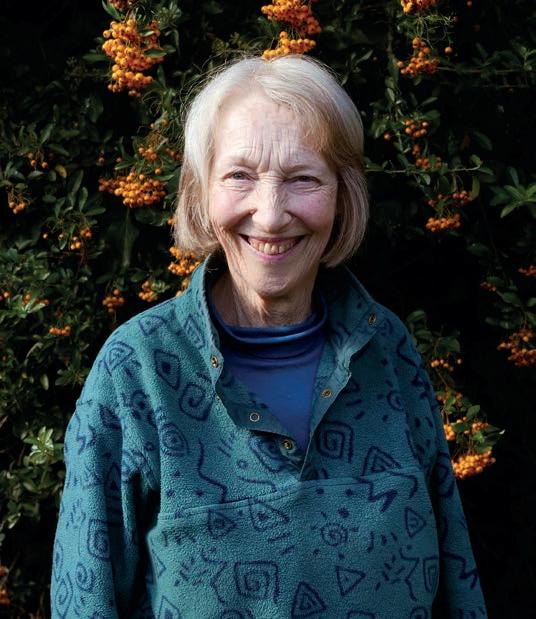
singing its heart out. It really was a spine-tingling moment’.
We cannot remember Jenny without mentioning bats. For decades, she dedicated her life to bat protection, rehabilitating hundreds of bats a er injury. Part way through a volunteering session, she would o en take a ‘bat call’ on her phone, drop everything and drive out to remote places to rescue a bat. In fact, just a few days before she passed away, her last act for her beloved local wildlife was to release a bat back into the wild a er rehabilitating it at her home, which became something of a bat hospital.
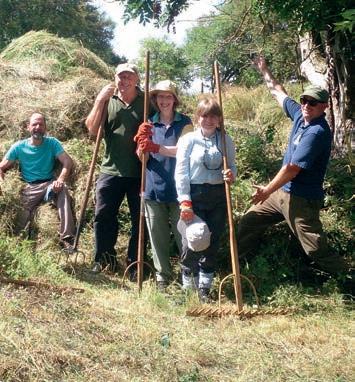
Her favourite reserves to volunteer were all places that allowed her to indulge her love of botany. She could o en be found with a hand lens and ID guide deciphering the features of the latest wildflower she had seen while simultaneously apologising for not helping with the task at hand! The sight of Merry’s Meadows full of green-winged orchids or the yellow flash of horseshoe vetch popping up at Bloody Oaks Quarry would make her practically euphoric. She graciously shared her knowledge and enthusiasm with fellow staff and volunteers, always on hand to identify something or share an anecdote of reserve management from years gone by.
In an interview with Jenny in the Summer 2022 issue of Wild she recalls just one of thousands of her wildlife experiences: ‘My best day out of the year was at Merry’s Meadows. We’d just finished counting 5,000 green-winged orchids in Cow Pasture Close and were reorganising ourselves beside a thick brambly hedge when we heard a peculiar sound. It was a nightingale clearing its throat and then bursting into song! Nobody had heard a nightingale there before. The bird stayed for some time
One of Jenny’s favourite things to do was lead a guided walk, whether that was for the Trust, the Leicestershire and Rutland Bat Group or for Rutland Natural History Society, of which she was a key member for nearly 50 years. Jenny was passionate about communicating the importance of wildlife and once said: “We need to have heroes who can inspire us to be part of their work. It’s exciting even to be a small cog in the organisations looking a er wildlife.” And through her tireless work, she became one of those heroes herself. A sincerely passionate and dedicated individual, Jenny will be deeply missed by all who knew her.
Read more about the incredible legacy of Jenny Harris and others at lrwt.org.uk/in-remembrance
Bo om trawling is destroying our seabed – and it’s still happening inside Marine Protected Areas (MPAs). This industrial fishing method drags heavy gear across the seafloor, smashing fragile habitats, releasing stored carbon and killing marine life on a massive scale. Then, of what’s caught, over three quarters is simply thrown away.
Thanks to Ocean, Sir David A enborough’s latest BBC documentary, the public can now see the destruction caused. But the reality is worse: MPAs, meant to protect the seabed, are being trawled without repercussion. Out of sight cannot mean out of mind. The UK Government’s recently launched consultation looking at banning bo om trawling in 41 offshore MPAs.

Once common species, like tree sparrows are now red-listed
This is a crucial step, but only if swi action follows.
Partial or delayed protections won’t save our seas. The Wildlife Trusts are calling for an immediate ban on bo om trawling in all seabed-protecting MPAs. We must protect entire areas, not just fragments, and finally stop industrial-scale damage in waters meant to be safe for nature.
Marine life can recover. Seabed habitats store carbon, support wildlife, and help secure sustainable fisheries. But only if we act now. In the words of Sir David A enborough, “If we save the sea, we save our world.”
Join us in telling Minister Emma Hardy to ban bo om trawling in MPAs. The future of our seas depends on it. wtru.st/Ban-Bo om-Trawling
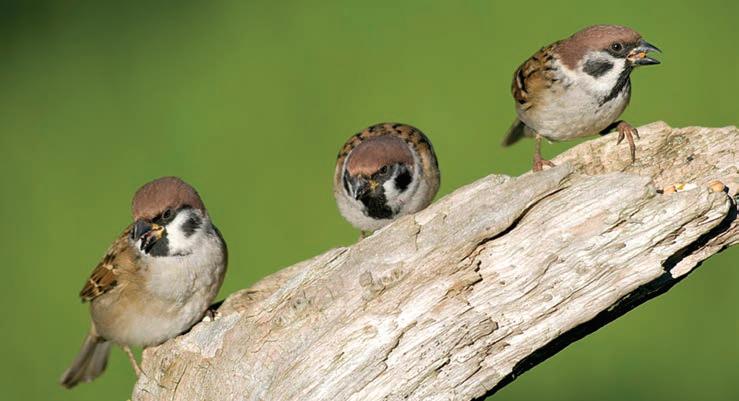
Rare birds, bees and butter ies are returning to farms across England thanks to a decade of nature-friendly farming. The Jordans Farm Partnership – a collaboration between The Wildlife Trusts, Jordans Cereals and LEAF (Linking Environment and Farming) – has supported 27 farms since 2015 to create tailored conservation plans.
From planting hedgerows and wild ower margins to restoring ponds and improving habitat links, farmers have transformed their land for wildlife. Over half have reported sightings of new or
returning species, many of them rare or endangered.
Red-listed birds like the tree sparrow, nightingale and goshawk have reappeared, alongside the rare meadow clary plant, found in just 26 UK sites. Other highlights include breeding stone curlew in Hampshire, scarce emerald damsel y in Su olk and brown hare in Leicestershire.
This inspiring partnership shows what’s possible when farming works hand-inhand with nature – creating healthier landscapes for wildlife, farmers and future generations.
Discover how The Wildlife Trusts are helping wildlife across the UK




When Peter McEvoy rst set foot on 90-acres of farmland in County Fermanagh, he knew it was a special place: the last remnants of speciesrich grassland and centuries-old woodland in Northern Ireland. Ulster Wildlife is now the proud new owner of Fedian Nature Reserve, brimming with wild ower meadows, bird-friendly hedgerows and ancient woodlands. wtru.st/Safeguarding-nature
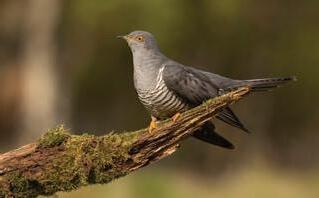
Two cuckoos, named Arthur and Ashok, have been tted with lightweight satellite tags to track their remarkable trans-Saharan migration. The cuckoos from Su olk Wildlife Trust’s Worlingham Marshes nature reserve will join over 100 others in the British Trust for Ornithology’s long-running Cuckoo Tracking Project, to help understand the cuckoo population decline. wtru.st/Cuckoos-tagged
Devon and Somerset Wildlife Trusts are among those celebrating the birth of wild pine martens in a pioneering reintroduction project in the southwest of England. Recorded on site, exclusive footage shows the rst kits born into the wild in Devon for more than a century.
wtru.st/Pine-marten-kits
The best of the season’s wildlife and where to enjoy it on your local patch.


Winter sunshine sparkles from the white blossom of blackthorn o en found growing in thick hedgerows. Late in February the tightly furled flower buds emerge from spines along dark brown and grey branches. Then in March the flowers burst open, smothering stems in glorious blossom.
Cherry plum blossoms earlier still. Its white flowers appear in hedgerows in February at the same time as the leaves. Tongueshaped sepals at the base of the flowers reflex back as the buds open, revealing pollentipped anthers and nectar to a ract bees and other early pollinators.




The sharp, spiky thorns of blackthorn are softened from early March as clusters of brilliant-white owers pepper the length of its branches.
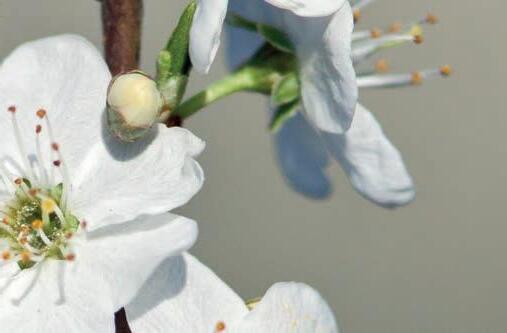

Your membership helps support vital conservation work such as hedgerow and woodland restoration.
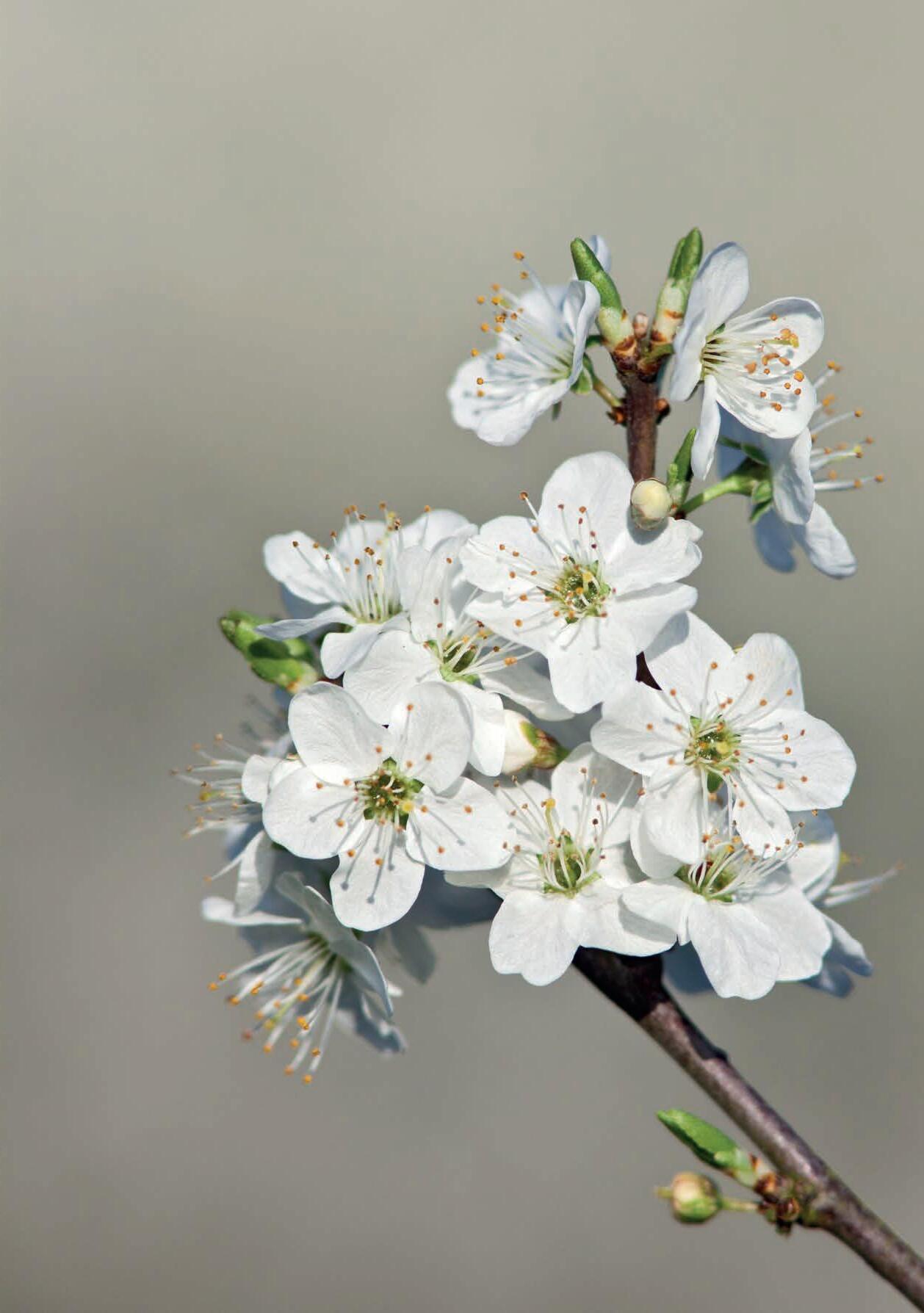
Bumblebee queens wake up in warm winter sunshine.
On sunny winter days, even in January, listen for the buzzing sounds of bumblebee queens flying and feeding on winter flowers. It’s too early for the queens to breed, but warmth from sunshine wakes them up from hibernation and they need to feed to restore their energy levels.
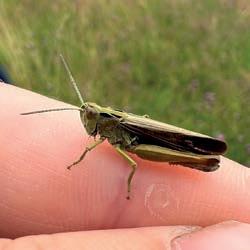
Buff-tailed bumblebee queens (pictured) are usually the first to be aroused by the sun’s rays, emerging from their nests to seek nectar from crocuses, snowdrops and winter-flowering shrubs like mahonia and honeysuckle. Most bumblebee queens and workers spend the winter hibernating, beneath the soil in parks and gardens, or sometimes beneath sheds or in birdboxes.
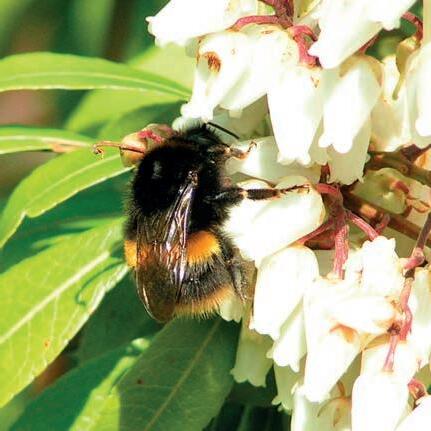
Buzz on over to PoMS to record sightings of bumblebee queens. The UK Pollinator Monitoring Scheme collects data on bees, hover ies and other ower-visiting insects at a national scale. Visit: ukpoms.org.uk
Is your garden ready for the colder months? Making winter wildlife at home starts now.
There are 24 species of bumblebee in the UK. The ones most of us see in our gardens include common carder, red-tailed, early, tree, garden, buff-tailed, and white-tailed bumblebees.
Another insect to spot in the late winter sunshine is the hairy-footed flower bee (not
Our woodland nature reserves are ideal for a winter walk. Visit Prior’s Coppice where stools of ancient trees show centuries of coppicing. Sunlight pours through leafless branches encouraging green spears of bluebell leaves to push through the warm earth. Hear raucous jackdaws and rooks cawing as they roost together. Watch them gather twigs to make their nests. Be sure to join our Dawn Chorus Walk at Prior’s Coppice on Sunday 8 May!


a bumblebee), buzzing round the pink and blue flowers of its favourite, pulmonaria or lungwort.
■ Early risers: Feed bumblebee queens by planting early-flowering bulbs and shrubs.
■ Create a buzz: Put up a birdbox and watch tree bumblebees buzzing in and out of the nest the queen makes inside. Or drill holes in logs for solitary bees.
■ Hands off: Resist a garden tidy up before spring, which could clear natural overwintering sites for bees.
For more tips on helping bees head to lrwt.org.uk/actions
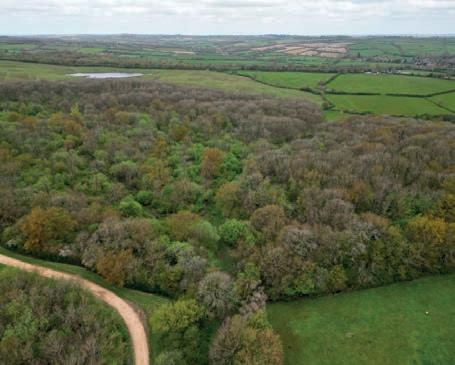






Make your New Year’s resolution to plant more trees in your garden, on the allotment, or with work colleagues on a volunteering day with us: lrwt.org.uk/volunteer-opportunities






Watch red-breasted robins bob up and down on fences and treetops as they establish territories.


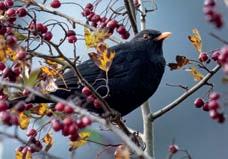
Blackbirds sing melodiously on winter mornings. Their ‘chinkchink’ alarm calls ring out at dusk.
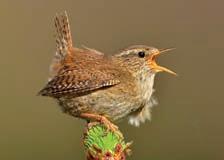
Catch a glimpse of a little brown wren, with a loud song of high-pitched whistles and a trill.
Light twitterings from trees herald bluetits with their distinctive yellow and blue plumage and black face mask.
Visit the reedbeds, marshes and scrub areas in our nature reserves during April, and maybe you will hear the rst cuckoo of spring! their





The seeds of the Trust were sown long before its official founding in 1956. In fact, our roots reach as far back as 1912, when banker and entomologist Charles Rothschild established the Society for the Promotion of Nature Reserves – the forerunner of today’s Royal Society of Wildlife Trusts.
By the 1940s, wartime planning had sharpened awareness of the need to protect wildlife, and in 1944 the Leicestershire and Rutland Nature Reserves Investigation Commi ee recommended safeguarding Charnwood Forest, an area of rugged upland north of Leicester, together with a similar area of east Leicestershire woodlands (to be known collectively as Leighfield Forest) and some representative portion of Rutland.
Yet it wasn’t until 1956 that the Leicestershire Trust for Nature Conservation and the Preservation of Sites of Historic Interest Ltd was formally established. In time nothing of historic interest materialised so the name was duly shortened! The Trust’s first chairman, Lt-Col Sir Robert E Martin, and Honorary Secretary, Ron
Seventy years is a remarkable milestone in the life of any organisation. For the Leicestershire and Rutland Wildlife Trust it represents seven decades of passion, perseverance and people working together to protect the natural world on our doorstep.
From humble beginnings in the 1950s, when the Trust struggled to secure even a single reserve, through to today’s thriving mix of 37 nature reserves, with a vibrant volunteer network and global conservation achievements, our story is one of resilience, community and vision.
This anniversary year is the perfect moment to look back at our extraordinary journey – decade by decade – as we look forward with a renewed sense of purpose to the years ahead.

Proud start: Original certi cate of incorporation.
Hickling, were among the conservation pioneers of this time.
These early years were tough.
Although the Trust was soon active in promoting nature conservation, including lobbying on the proposed route of the M1 motorway through the Charnwood Forest area, it took some time to acquire any nature reserves. “However hard we tried, nothing seemed to come our way,” Hickling later admi ed.
But then came a breakthrough, when County Land Agent Edward Turner offered the Trust two woodlands for a peppercorn rent.
Great Fenny Wood near Quorn and a tiny area of woodland at Cotes de Val near Lu erworth became our first reserves in 1961, se ing the Trust on its way.
1961
Great Fenny Wood and Cotes de Val acquired as the Trust’s rst nature reserves


The 1960s saw the Trust slowly start to gain ground. Volunteers played a central role from the outset, turning out in their dozens to clear scrub, restore habitat and, of course, share sausages and hot potatoes around the bonfire a er a hard day’s gra .
In 1964 the Conservation Corps was formed – a band of enthusiasts dedicated to practical conservation work in the open air, all in the pursuit of helping local wildlife. Their spirit still lives on in today’s volunteer working parties.
Land acquisitions gathered pace as the decade proceeded. Poultney Wood and Fox Covert at Ulverscro were purchased


the decade proceeded. Covert at Ulverscro


Ulverscroft is the perfect place to get away from it all at any time of year.

outright for £6,000 in 1968 – our first ever land purchase – along with Great Merrible Wood that same year, necessitating a fundraising appeal to replenish the Trust’s depleted coffers. Momentum was building as the Trust started to build a real portfolio of nature-rich sites.
Then in 1969 a landmark public meeting in Oakham voted to extend the Trust’s remit to cover Rutland. From this point on, we became the Leicestershire and Rutland Trust for Nature Conservation.
A sobering note was struck in 1966, when a field-by-field survey revealed just how impoverished our region had become. Most of the countryside, the report concluded, could muster merely scraps of unimproved grassland on slopes too steep to cultivate, as well as perhaps a few marshy corners. The survey revealed the extent to which the landscape had become impoverished over the last 30 years or so and the challenge that lay ahead.
1968
Poultney Wood and Fox Covert at Ulverscroft purchased at auction
Volunteers have been central to the Trust’s work from the start.
The 1980s were a decade of expansion in every sense. New reserves included Prior’s Coppice, Herbert’s Meadow, Wymeswold Meadows, Lea Meadows and Tilton Cu ing, while significant government funding enabled the Trust to establish management and survey teams.
In Leicester, urban nature conservation blossomed through the City Wildlife Project, while a Leicester habitat survey mapped every patch of undeveloped land in the city.
This was also the decade that saw our Local Groups establish – Melton
1980
First Junior Club formed (now Wildlife Watch)
1975 Agreement signed between the Trust and Anglian Water Authority to establish Rutland Water Nature Reserve
1973
Charnwood Lodge formally became Trust property following a bequeath by Miss C E Clarke
By the 1970s, the Trust was no longer a fledgling. The first paid staff member arrived in 1973, an office was opened in Leicester, and a lively Ladies Auxiliary raised vital funds – with plenty of sherry mornings along the way!
The big story of the decade, however, was Rutland Water. When plans for the new Empingham Reservoir emerged, the Trust spo ed an extraordinary opportunity. A er years of negotiation, an agreement was

signed in 1975 with Anglian Water to establish a nature reserve covering seven miles of shoreline and approximately 350 acres of land. Tim Appleton was appointed as full-time warden, and a worldclass wetland reserve was born when the reserve opened in 1976. By the end of the decade, both Lyndon and Egleton areas were open to the public, with hides, lagoons and nature trails already a racting wildlife and visitors in droves.


1983
Acquisition of Tilton Cutting
1989 First Birdfair held for the birdwatching community
1987
Prior’s Coppice, an important ancient woodland, acquired
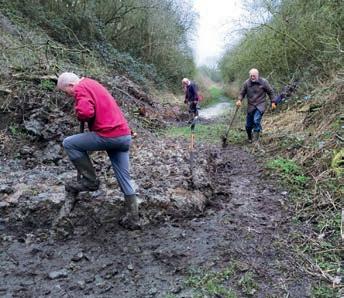
Mowbray, Charnwood, Rutland and others – whose energy and fundraising remain a cornerstone of the Trust. The first Junior Club also launched in 1980, later evolving into Wildlife Watch, inspiring generations of young naturalists.
Meanwhile, Rutland Water was rapidly gaining an international recognition. Sir David A enborough opened the Lyndon Visitor Centre in 1985. Inspiration to hold the first Wildfowl Bonanza in 1987 led to the creation of the British Birdwatching Fair in 1989 – the world's first and largest birdwatching event, affectionately dubbed the ‘birdwatcher’s Glastonbury’.

The 1990s brought new ventures and international acclaim. Rutland Water was declared both a Ramsar site and a European Special Protection Area – the first man-made site in the world to receive such joint designation.



In 1996, following research and planning spearheaded by Tim Appleton, the Rutland Osprey Project was launched, a bold partnership with Anglian Water to translocate chicks from Scotland. Just three years later, the first birds returned to Rutland, and by 2001 they bred successfully –the first ospreys to do so in England for 150 years.
Sir David A enborough became Trust Patron in 1991, a fi ing honour for someone who grew up exploring Leicestershire’s wild places. Then in 1995 the Trust led the way with a local Biodiversity Action Plan, se ing clear conservation priorities for the counties.
Reserves at Cloud Wood, Launde Woods, Cro Pasture and Loughborough Big Meadow were secured, adding to a growing list of treasures under Trust management; by the end of the decade, the Trust had truly come of age.
1996 saw the triumphant launch of the Rutland Ospreys.
1995
Purchase of Charley Woods

The new century opened with Charnwood Lodge being declared a National Nature Reserve – recognition of its extraordinary geology and wildlife. Then in 2004, the Trust acquired two significant wetland areas to create nature reserves at Wanlip Meadows and Cossington Meadows, formally opened by Sir David A enborough in 2005. This
Charnwood Lodge was declared a National Nature Reserve at the turn of the century.

1996
Rutland Osprey Project launched
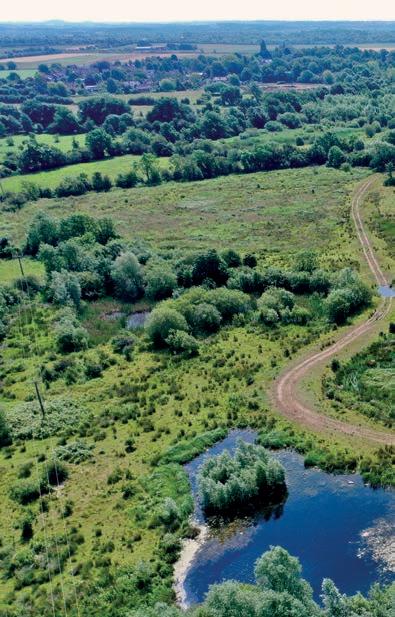
Cossington Meadows proved a signi cant addition in 2004.
1997
Launde Big Wood and Launde Park Wood –two important ancient woodlands – secured on a 350-year lease
was an important milestone in the Trust’s long-term vision of managing an extensive area of the river Soar floodplain between Leicester and Loughborough for the benefit of wildlife and people.
2002
Acquisition of Kelham Bridge and lease of Ketton Quarry from Castle Cement
Anglian Water Birdwatching Centre. In 2005, he returned to learn more about the now world-famous Osprey Project.

Mountsorrel and Syston.

Over the next few years, further important areas of land were secured in the Soar Valley to extend and enhance Cossington Meadows, Loughborough Big Meadow and Wanlip Meadows, and to establish new nature reserves at Mountsorrel and Syston.
A major Heritage Lo ery Fund project in 2001 helped restore and enhance 18 of our reserves, ensuring their long-term health and accessibility. Meanwhile, Rutland Water continued to shine, and in the same year, HRH The Duke of Edinburgh opened the extended




By 2006, membership had passed 10,000, and the Trust marked its 50th anniversary with pride – and ambitious plans for the future.



Education was a major focus, from Forest School sessions to the Grow Wild gardening scheme. A Trainee Reserve Officer programme launched in 2006 has since given dozens of young conservationists the chance to train on the job, while making a significant contribution to the management of our nature reserves.







in 2006 has since given dozens chance to train on the job, while making a significant management of our nature reserves. wildlife.

Forest School sessions introduced many children to the wonders of wildlife.



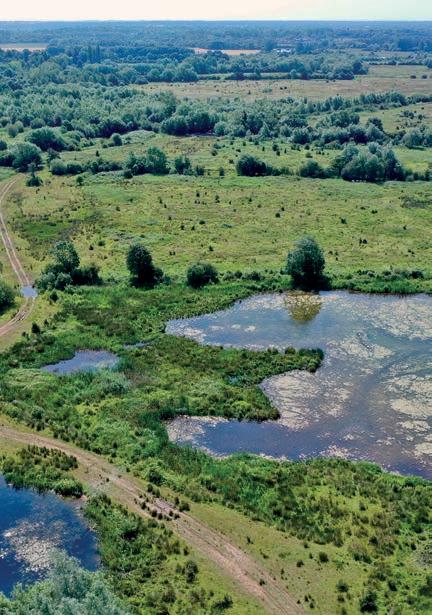
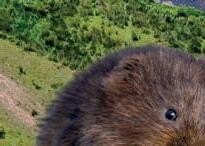
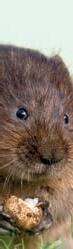
Lyndon Visitor Centre was refurbished in 2008. The Rutland Water Habitats Project concluded in early 2011 with the creation of nine new lagoons, totalling nearly 100 hectares of additional wetland. Following years of decline, captive-bred water voles were successfully reintroduced to the area that same year, establishing a healthy new population.
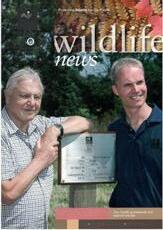
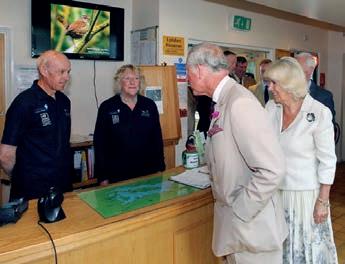
In 2014, the Trust welcomed a royal visit from King Charles and Queen Camilla, the then Prince of Wales and Duchess of Cornwall, to Rutland Water. The following year, Sir David A enborough opened the new Volunteer Training Centre at Egleton – a hub


The last ten years have been some of our most ambitious yet. The Trust now manages 37 reserves across nearly 1,220 hectares, including 20 Sites of Special Scientific Interest, two National Nature Reserves, and a Special Protection Area.


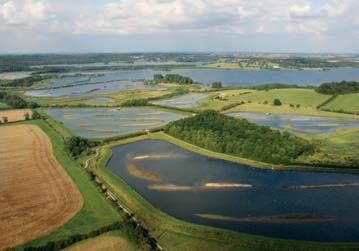
that has since transformed the way we support and train our volunteers.
By 2016, LRWT was caring for 33 reserves covering 1,228 hectares, securing these special places for future generations.


Cossington Meadows, Syston Lakes, Holwell, Charnwood Lodge and Wanlip 2021
Meadows have all been expanded, while Rutland Water recently gained new wildflower meadows, ponds, and nesting sites. At Holwell, more than 11,000 trees have been planted, and a brand-new reserve – James Adler Nature Reserve – is set to showcase woodland, pond and river restoration on an impressive scale.




The Rutland Ospreys have gone from strength to strength: more than 200 chicks have fledged in the last decade alone, bringing the total to more than 300. This is one of Britain’s greatest conservation success stories.
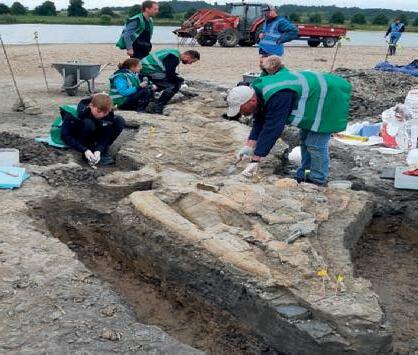
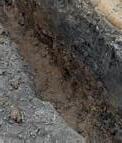
A moment of national excitement came in 2021 with the discovery of the Rutland Sea Dragon – a 10-metre ichthyosaur fossil, one of the largest ever found in the UK.
Unearthing the Rutland Sea Dragon –a moment of intense excitement!
The Trust has also looked beyond its reserves too, empowering communities through people-focussed projects like Nextdoor Nature. From transforming underused land in Leicester into wildlife corridors, to involving schools and residents in citizen science, these efforts show that conservation is as much about people as it is habitats.
From a handful of volunteers clearing scrub in the 1960s, to today’s thriving network of members, staff and supporters, the Trust has always been powered by people. Today we are proud to boast over 19,000 members. All of you are helping to protect local nature – thank you!
As we celebrate our 70th anniversary, the challenges facing nature are greater than ever, though so are the opportunities. With the experience of the past, the energy of the present, and the imagination to shape the future, we can continue to restore and connect landscapes, reintroduce lost species, and inspire the next generation to cherish the wild. Here’s to the next 70 years of wildlife, wild places – and the people who make it all possible.
a future where
are reconnected, and full of life – with the Trust leading the way.
As we look ahead to the next 70 years, it’s impossible not to feel a sense of hope and determination about the future of nature in Leicestershire and Rutland. Yes the headlines about nature’s decline are sobering, but never has there been such clear evidence of the need to act, nor such energy behind the idea that recovery is possible.
We know what needs to be done. The task before us is to scale up, connect landscapes, bring people along with us, and keep building a movement that puts nature at the heart of how we live.
organisation holds such intimate knowledge of these counties and over the past seven decades the Trust has witnessed how our landscapes have changed. That depth of understanding, combined with our relationships with local people, farmers, councils and landowners, means we are trusted to help shape a vision for the future.
Farming’s future
wood pastures, hedgerows, wetlands and wildflower strips all have their role to play. When these are connected across the countryside, they form ecological networks, like capillaries branching out across the landscape that enable wildlife to move, adapt and ultimately thrive.
Our ambition is to support farmers in creating more resilient farmed landscapes, helping them integrate nature into farmland for the benefit of both wildlife and overall harvest yields.
The Leicestershire and Rutland Wildlife Trust will be front and centre of this journey. We are already embedded in the strategies that will shape the future of nature locally. As a key delivery partner, we sit at the centre of the Local Nature Recovery Strategy for our counties. This blueprint is about more than designating space for wildlife – it’s about weaving in habitats across the landscape, so that nature is no longer confined to isolated pockets but unleashed to flourish everywhere. Our role is unique. No other
Around three-quarters of Leicestershire and Rutland is farmland, which makes nature’s recovery inseparable from farming. If we are to build a wilder future, nature must be integrated into farmland to a far greater degree. This doesn’t mean removing farmland from production but rather making space for nature within it. Species-rich grasslands and


longer confined to isolated pockets but farmland herbal leys, copses,

Alongside farming, we need to think about scale. Our Living Landscapes projects already show how habitats can be connected. Now is the time to expand these ideas across the whole of our two counties. Imagine a map not of fragmented sites, but of flowing connections – rivers, meadows, wetlands, woods – all linked to create a resilient web of life. This is how we will deliver on the promise of connecting and protecting 30% of land for nature by 2030.
Change is about people too, including supporters, volunteers, members and local communities. We may be a relatively
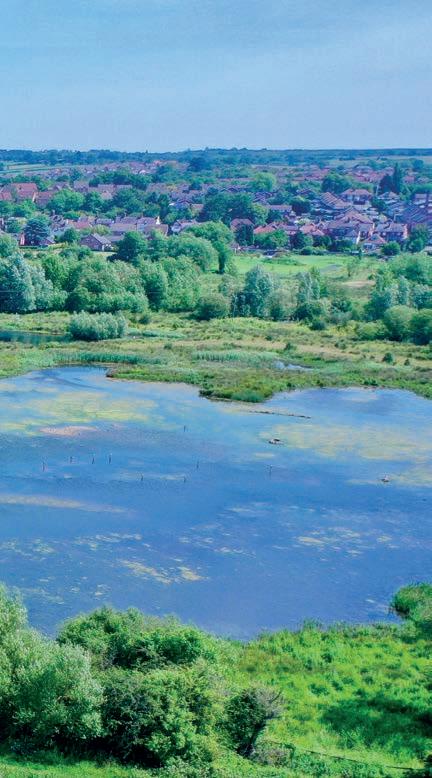
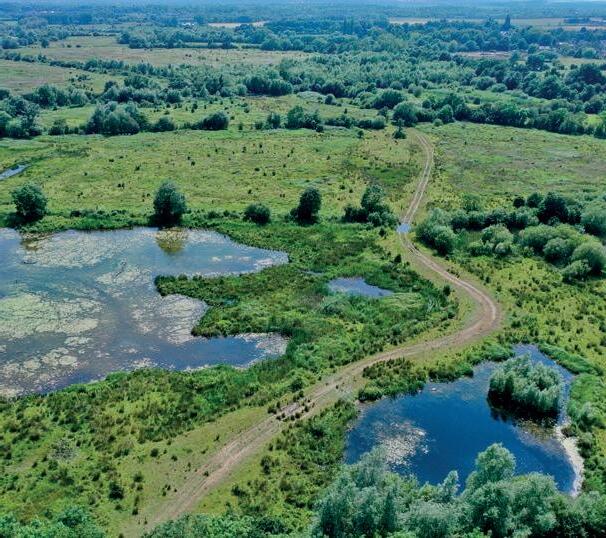
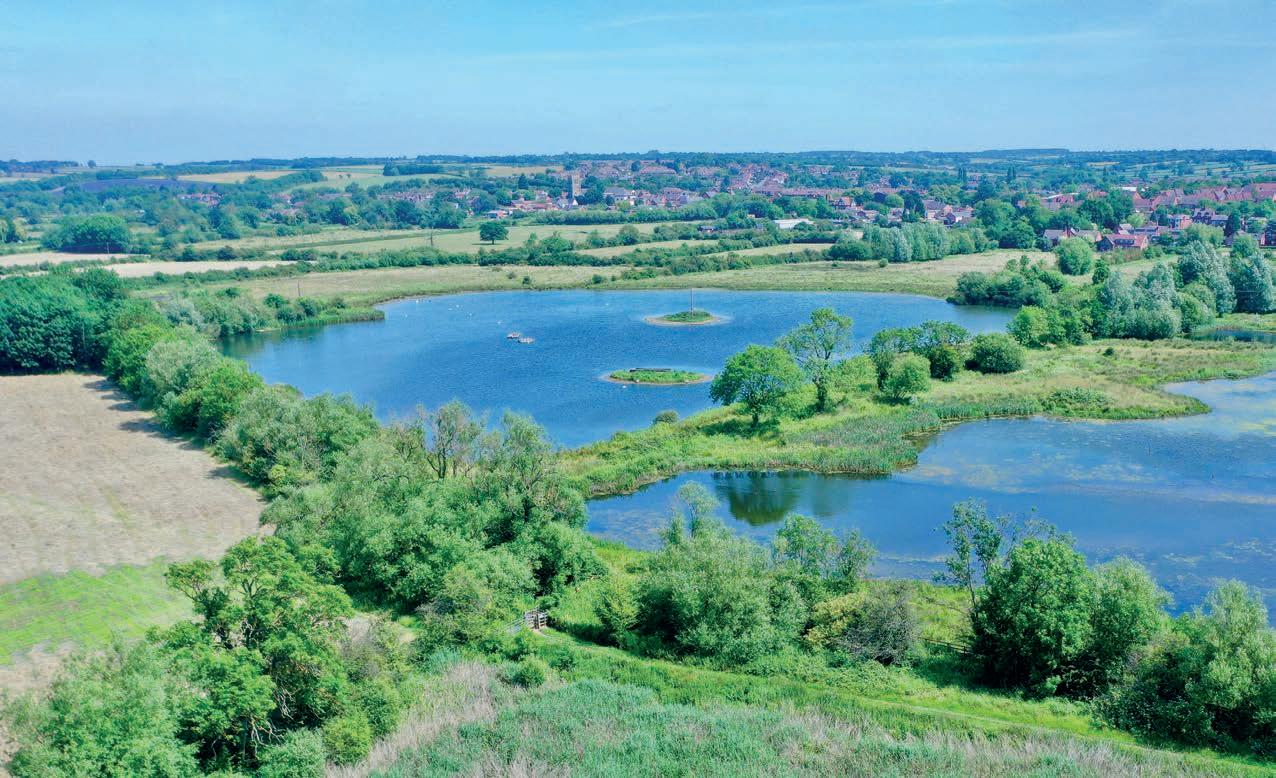
Aerial view of Cossington Meadows. In the decades to come wildlife-rich habitats like this will thread across the landscape.
small charity, but our impact grows in proportion to the energy and backing we receive. With more capacity, we could dramatically expand what we can achieve.
Beyond numbers, the real shi we need is behavioural. We need more people not just to support us financially (though this is still very important!), but to take action by engaging with nature in their everyday lives and lending their voices to ensure decision-makers cannot ignore the needs of the natural world.
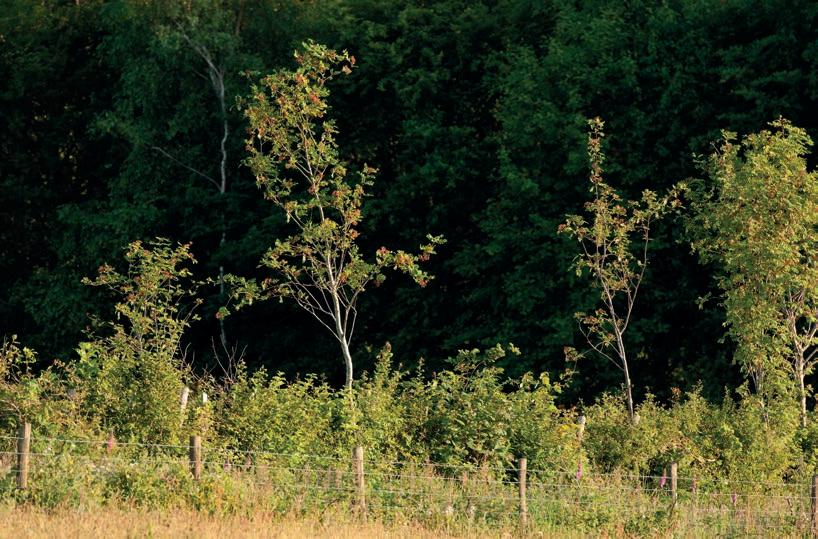
New hedgerows and tree plantings can help to enrich nature on our farms.
how we respond to the changing climate as they will increasingly create robust, connected, climate-ready landscapes, protecting biodiversity and the wellbeing of future generations.
More nature everywhere
So what could the Leicestershire and Rutland of the future look like? Over the coming years we could see a transformed countryside. Imagine farms where fields are bordered by hedgerows alive with birdsong, and pollinators thrive in flowerrich margins.
Communities will enjoy more local woodlands and green spaces, linked by wildlife corridors where people and nature meet daily. Children will grow up with easy access to wild places, learning first hand why nature ma ers. Our towns and villages will be greener and cooler, designed with wildlife in mind, helping us adapt to the changing climate. Nature will no longer feel scarce but present in everyday life.
have grown up not only valuing nature but championing it, passing that passion on to those who follow. Our greatgrandchildren could inherit a landscape where people and wildlife truly coexist and where recovery is no longer an aspiration, but a reality lived every day.
Let’s make it happen!
That future is possible. It will take the collective will of many people working together. But if we look at how far we have already come – the language we use around nature, the awareness, the partnerships – we can see an encouraging direction of travel. Our task is to accelerate this, to match words with action and ensure recovery is not delayed. Nature has not yet turned the corner in our counties. Yet with more wild places created, more nature-friendly farming, more community action and more support for the work we do, we can make sure it does. We want the next 70 years to be defined, not by loss, but by
recovery and renewal.
We must also acknowledge the shadow cast by climate change. The extreme heatwaves, droughts, floods and wildfires of recent years are not distant warnings; they are already here. Species are at risk not only from direct habitat loss, but from the wider disruptions that climate change brings.
In this context, our nature reserves and restored landscapes become more than havens for wildlife. They are central to
In 70 years’ time we can go further still. Picture vast stretches of connected habitats where species once lost to the region have returned. Rivers run clear and full of life, meadows hum with insects, and forests offer shade and carbon storage. The Trust will be front and centre of this transition.
Rutland Water and other large reserves act as centres of biodiversity, connected to hundreds of smaller wild places across the counties. By then entire generations will

“Picture vast stretches of connected habitats where species once lost to the region have returned”





The celebrations started early at Rutland Water with two major milestones achieved in 2025, con rming the reservoir’s international signi cance for migrating birds.
A er nearly three decades of conservation efforts, the ospreys of Rutland Water reached an incredible milestone last spring with the arrival of the project’s 300th chick! The landmark proves that




nature recovery programmes can yield genuinely thrilling results, ensuring a brighter future for at-risk species like the osprey.
“Ospreys are a hugely important bird species for us,” explains Joe Davis, Head of Reserves Management. “Not only are they enjoyed by millions of people, but they have shown us that proactive conservation work can bring species back from the brink of extinction. Everyone involved in their conservation can be extremely proud of this milestone and what we have achieved for this beautiful and enigmatic species.”
The Trust has worked closely with Anglian Water since 1996 to reintroduce ospreys to Rutland and establish a breeding population of these spectacular birds of prey within England.
Once a common sight, ospreys became practically extinct in England in 1847, when the last recorded breeding pair was shot. Then in 1996 our ambitious project to return


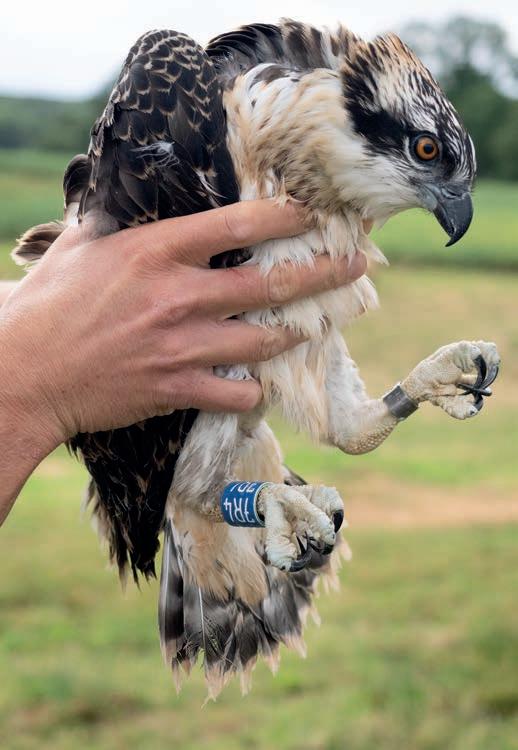


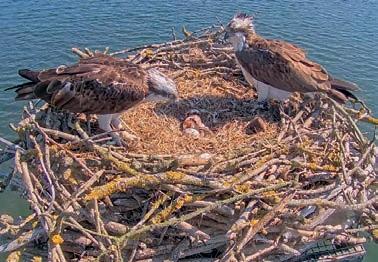



breeding ospreys to the area began, with the translocation of chicks from nests in Scotland to their new home at Rutland Water. Further juveniles were released at the reserve over the next five years, and in 1999 the first of these chicks returned. In 2001, the first osprey to have been born in England for 150 years was welcomed and, 24 years on, we now celebrate this historic milestone.
The legacy of the project extends far beyond the East Midlands, with translocation projects following in parts of Spain, Italy, Switzerland, France and Ireland. The Ospreys from Rutland are engaging with birds from other reintroduction programs and have been recorded breeding in Dorset, Wales, Scotland and the Netherlands, leading to
e landmark proves that nature recovery programmes can yield genuinely thrilling results



100 great white egrets counted in 2024 – a remarkable number!

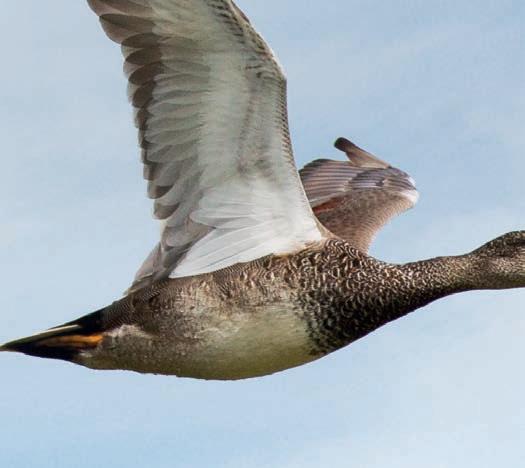
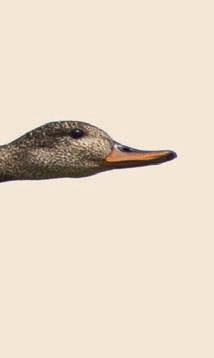
Average peak of around 1,800 gadwalls, making Rutland Water the number one UK site for this duck
Stay up to date with all the latest antics of the Rutland Ospreys via up close and personal nest cam footage. Our live cams offer a rare glimpse into the private lives of osprey chicks, from the first stages of their life to their fledging at seven to eight weeks old. Tune in from March for this must-watch osprey soap opera at lrwt.org.uk/rutlandospreys


131 bird species recorded at Rutland Water
30,458 birds recorded in October 2011, the highest number yet


September marked another major milestone for Rutland Water – a half century of Wetland Bird Surveys (WeBS).


all weathers to carry out monthly

a self-sustaining breeding population not just locally but on an international level. This coming season marks the 30th year of the Rutland Ospreys and we look forward to once again welcoming thousands of visitors to Rutland Water to see the Manton Bay nest at the Lyndon Visitor Centre. People around the world, too, tune in to watch our ospreys via a live nest cam, which broadcasts these majestic birds to millions of admirers.
For the past 50 years, dedicated teams of volunteers and staff have braved all weathers to carry out monthly waterbird counts across the reservoir and lagoons, contributing to the nationwide Wetland Bird Survey coordinated by the British Trust for Ornithology (BTO).
The survey’s main goals are to monitor wintering (non-breeding) waterbird populations and assess the

a couple of hundred individuals to regular counts of 15-20,000 birds in the colder months of the year.
Rutland Water is now one of the principal sites in the country for nonbreeding waterbirds, while the data collected through WeBS has helped us track long-term population trends, offering insights into how birds are responding to environmental changes such as climate change.
Milder winters are seeing some species coming to the UK in lower numbers, a phenomenon known as ‘short stopping’. On the other hand, warmer conditions have enabled new
e WeBS at Rutland Water have recorded more than six million birds across 131 species.
ecological health of Rutland Water, which holds protected status as a RAMSAR site, Special Protection Area, and Site of Special Scientific Interest due to its internationally important populations of wintering wildfowl.
Since 1975, the WeBS at Rutland Water have recorded more than six million birds across 131 different species. From the early days of filling the excavated reservoir, the population of wintering waterbirds has increased from just

species to overwinter here, including li le egret and great white egret, which have become regular visitors to Rutland in recent years.
recent



As we mark this significant








we hope to inspire a new generation of volunteers
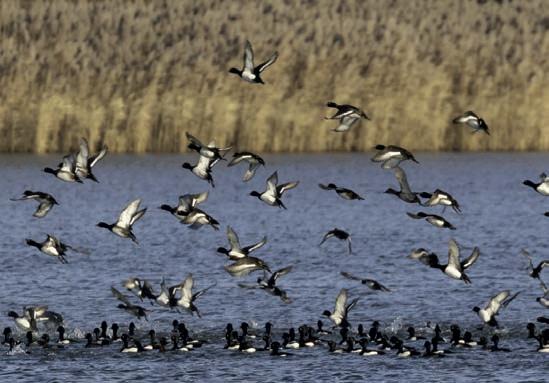


As we mark this significant anniversary of our bird monitoring programme, we hope to inspire a new generation of volunteers to get involved and continue the legacy of this vital conservation work.







Julie Gould, Wilder Childhood Officer, and Becky Williams, Wild Network Officer, at Cheshire Wildlife Trust, share their passion for the magical world of winter seed heads and the wildlife they welcome.
Two years ago, Julie shook a teasel head, Dipsacus fullonum, over a patch of her garden, releasing the small brown seeds. This plant soon grew to seven feet tall, displaying fresh, bright green foliage. In the summer, the conical-shaped seed head was densely packed with lilac flowers, providing a rich nectar and pollen source for pollinators, such as bumblebees and a variety of our resident bu erflies.
The magic of the teasel doesn’t end with summer. In winter, its sculptural seed heads become striking silhoue es, and more importantly, they provide a rich food source for wildlife.

teasel seed heads. Their long, needle-like beaks root around for the small seeds. On frosty mornings, the seed heads sparkled silver in the low light – a truly enchanting sight.
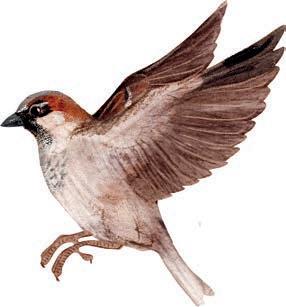
Teasels are just one example of how leaving plants standing throughout winter can benefit wildlife. From the warmth of your house, watch birds such as house sparrows feeding on flowerheads like rudbeckia.
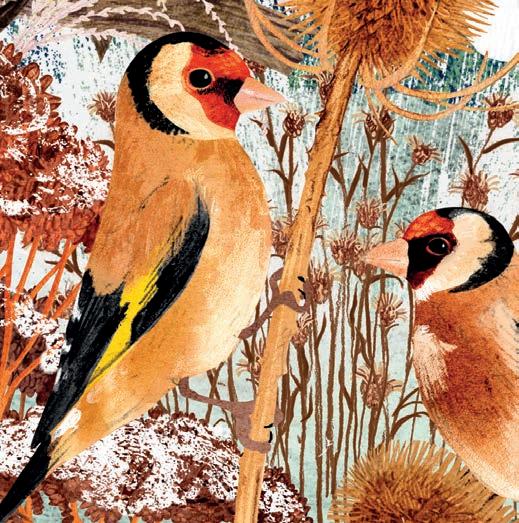
One of Julie’s fondest wildlife memories is from her kitchen window, where she spo ed a charm of goldfinches balancing on swaying

Consider delaying the cu ing of your herbaceous borders until early spring and leaving leaf piles intact. This is a unique habitat that provides cover for ground-foraging birds, such as dunnocks, as well as hibernating frogs and hedgehogs. Hollow plant stems are a vital overwintering home for invertebrates such as ladybirds, earwigs, and bu erfly and moth caterpillar larvae. Uncut ivy and hedgerows also offer protection and food to a plethora of wildlife. This winter, resist the urge to tidy too much. A wilder garden is be er for both wildlife and our own enjoyment too.
Here are Becky’s favourite seed heads to be le in the garden through winter:
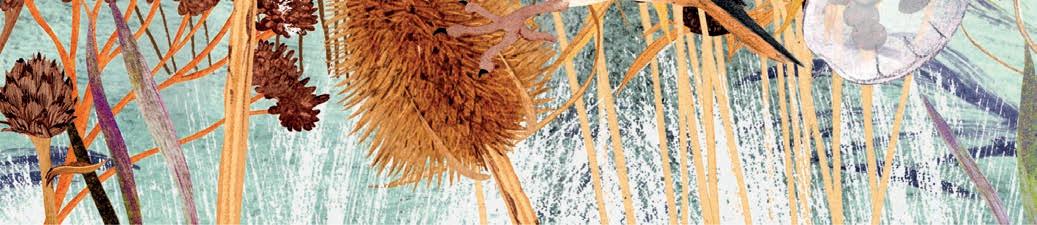

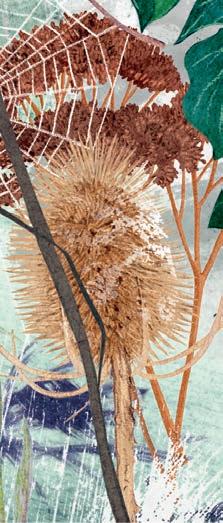

Echinacea purpurea
Their spiky seed heads stand tall through winter, offering shelter for insects and a vital food source for hungry finches and other seed-loving birds.
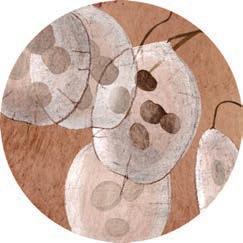
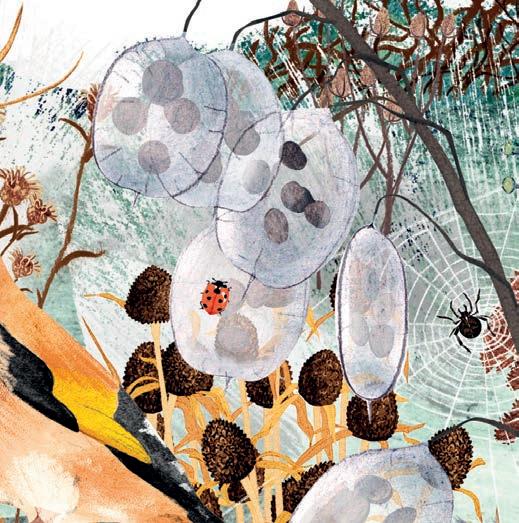
Lunaria annua
These papery silver seedpods are a winter must have. Beautiful and sculptural, providing shelter for insects and lingering seeds when food is scarce.
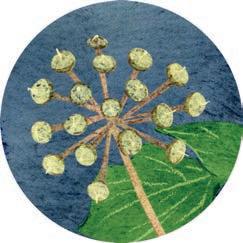
Ivy Hedera helix
The garden’s unsung hero! It’s evergreen leaves shelter nesting robins in spring, while fruits and seeds provide a vital food source for other birds in winter.

Centaurea nigra
Thistle-like and wild, knapweed bursts with nectarrich purple blooms in summer. By autumn, its fluffy seed heads feed goldfinches and flu er across meadows.

Miscanthus sinensis
Rustling in the wind, its dense growth offers hiding places for birds, mammals and insects, plus nutritious seeds through the long winter months.
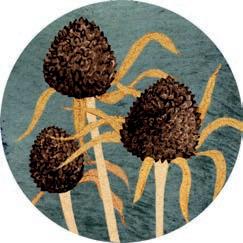
Rudbeckia
Rudbeckia hirta
Resist the urge to tidy!
These bright summer blooms leave behind crispy, black seed heads that feed birds and shelter insects, standing elegantly through the winter.

Sea holly
Eryngium
A prickly, garden ghost. Spiky, thistle-like sea hollies that thrive in dry, coastal spots. Loved by pollinators in summer and birds in winter.
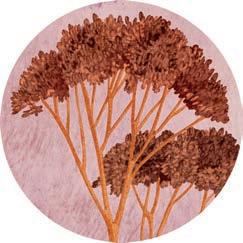
Sedum
Sedum spectabile
Easily Becky’s favourite winter plant, sedum’s tall flower heads offer late autumn nectar for bees, shelter for overwintering insects, and look stunning covered in frost.


To get the code to access this reserve please call 0116 262 9968 (9am-5pm weekdays).



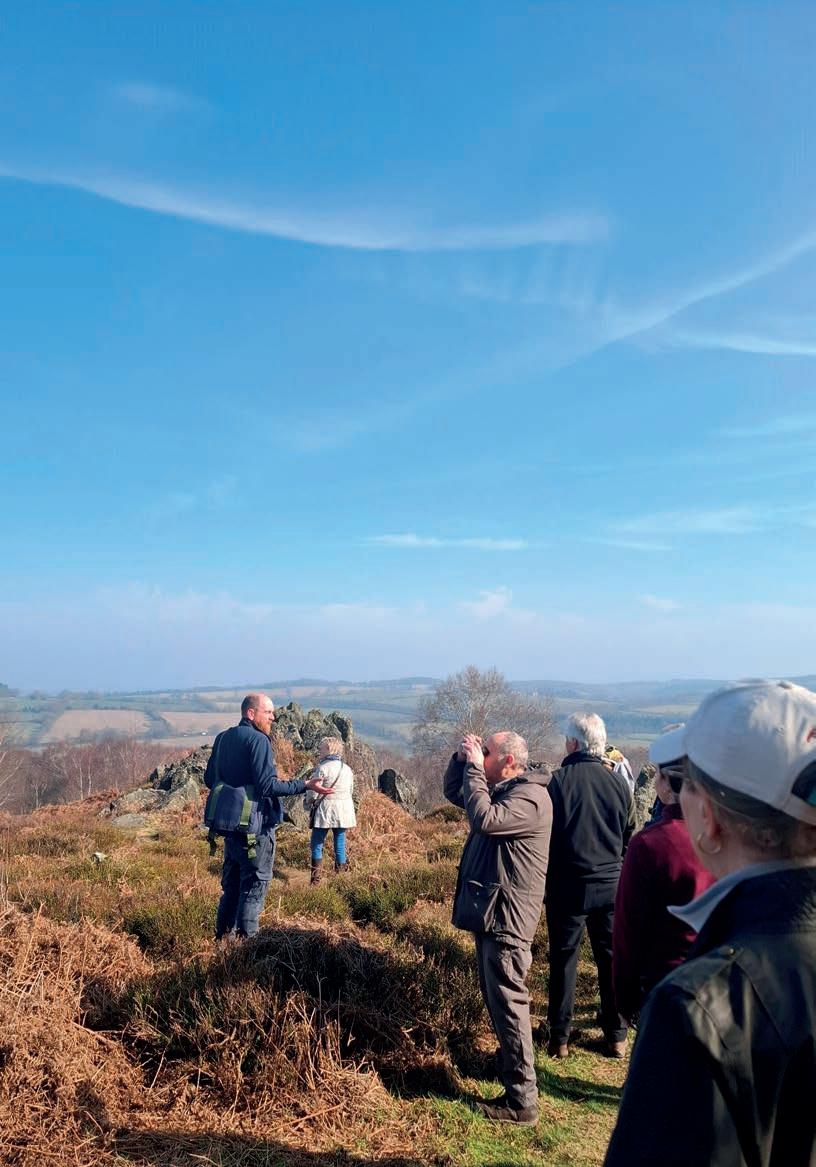
Trace the echoes of time on this heritage trail through Charnwood Lodge, a wild landscape shaped by volcanoes, Victorian pleasure seekers and even wartime explosions!
rocks were ejected from a volcano some 600 million years ago. Further studies by geologists disproves this theory, though the rocks are still believed to be the remnants of a pyroclastic flow.
With your back to the Bomb Rocks follow the path southeast along the drystone wall 2 . The open heathland ahead is one of the last relics of the Charnwood Forest landscape as it would have been in the early 1900s. The unique character of Charnwood Lodge was noted in 1944, when the site was recognised in the report of the Nature Reserves Investigation Commi ee tasked with identifying land worth protecting for its exceptional wildlife value. Follow the path close to the wall to find a boardwalk 3
Just over the tree-lined stream bear to your right and aim for the stile in the wall that takes you to the small Colony Reservoir 4 . Dug around 1850 to supply water to nearby Mount Saint Bernard Abbey and Charley Mill, the reservoir would have also offered opportunities for leisure and boating in the Victorian era. Follow the path along the dam until you come to Marl Field 5
Admiring the view from Timberwood Hill. Next stop the Urals!
Charnwood Lodge is a nature reserve with a rich history, being one of the Trust's first nature reserves. This precious place was awarded Site of Special Scientific Interest status 40 years ago then designated a National Nature Reserve at the turn of the millennium.
To help maintain its wild appeal, Charnwood Lodge is open to Trust members only, so please be prepared to show your membership card if asked by a Reserves Officer. You will need a code to open the padlocked gate. The recently changed code was shared in a recent email newsle er, but if you missed it, please call the LRWT office on 0116 262 9968 (open 9am-5pm weekdays). Keep to
the marked paths and wear appropriate footwear.
Our walk follows the same route as our wildlife-themed amble that featured in the Autumn 2024 issue of Wild. On this walk we will explore more of the reserve's history, uncovering its remarkable past.
Pass through the gate to immediately admire the distinctive Bomb Rocks just in front of you, on the le 1
The ‘Bombs’ are where our journey through time begins. They got their name as it was believed the
Marl Field is believed to have got its name from the marl clay excavated from it to construct the reservoir dam. During World War Two, Italian Prisoners of War cleared rocks from the field so it could be ploughed. Around three-quarters of the area was cleared before the end of the war stopped work, thankfully sparing this field from the destructive impacts of modern fertilisers.
Follow the path diagonally across the field to the green kissing gate at the bo om of Timberwood Hill, which first appeared as a place name in 1316. The path takes you up the side of the hill towards the summit 6 , which at 248m above sea level offers spectacular views. Head east from here and the next highest point you’ll reach is in Russia! The
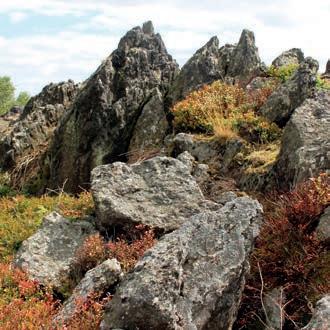
The Bomb Rocks.
cairn at the top of the hill marks this high point, whose craggy outcrops consist of 600-million-year-old Precambrian rocks.
Follow the path as it goes through the large gap in the wall. Keep the wall on your le and follow the path through the trees running parallel to the wall to emerge into Heather Field 7 with its heather and stands of gorse. From here
Colony Reservoir in its heyday.
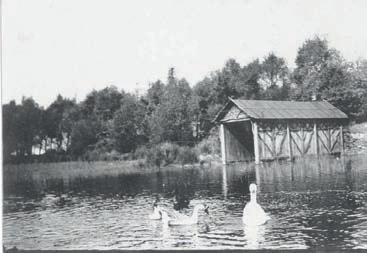
follow the path into the woods of Gisborne’s Gorse 8
Gisborne’s Gorse was planted on open heathland by Thomas Gisborne, owner of the estate in the 1840s, to serve as a fox covert around his new home, Charnwood Lodge. A fox covert is an area of trees or thick brush, originally planted to provide habitat and a hiding place for foxes for the purposes of hunting. Deep in the plantation is the site of the old manor house, demolished in 1981 following its dereliction. Today, only its flagstone doorway remains, as well as remnants of the ha-ha, a sunken wall designed
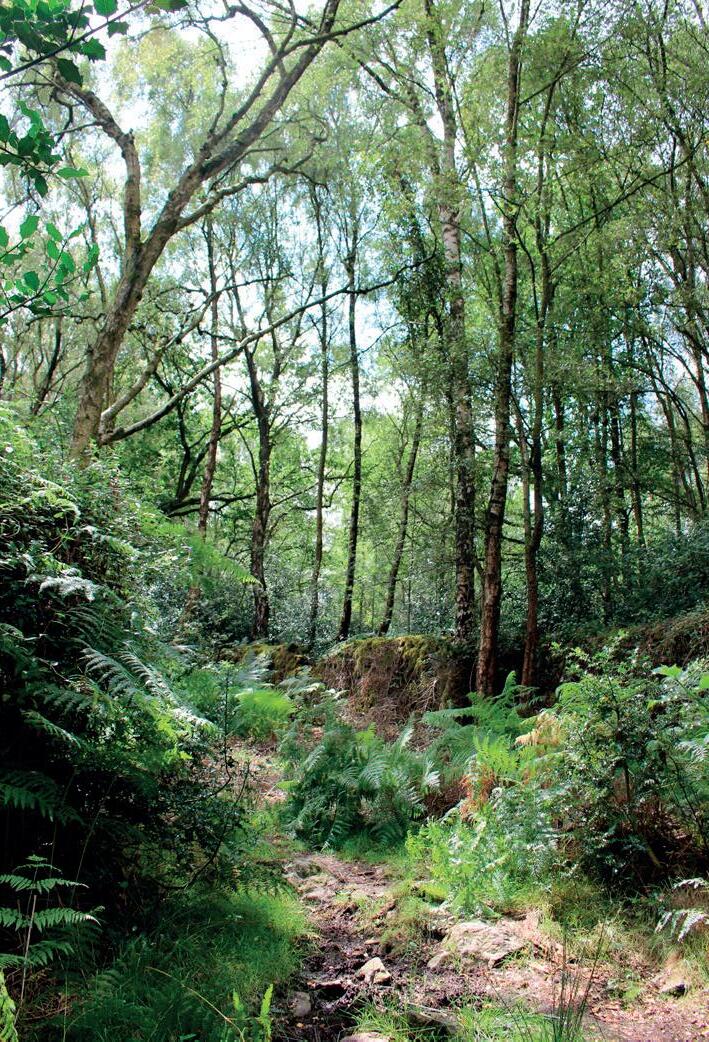
Remnants of the old ha-ha in Gisborne’s Gorse.
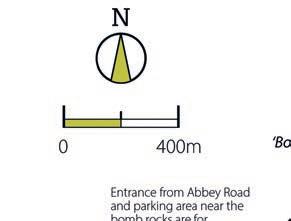
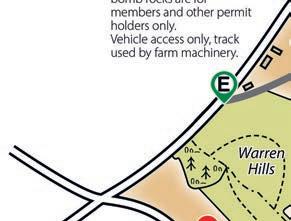
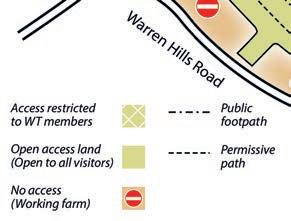
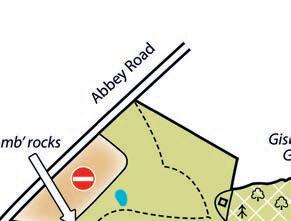
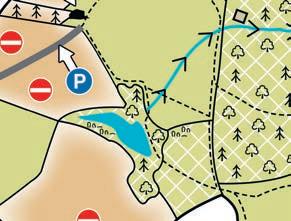
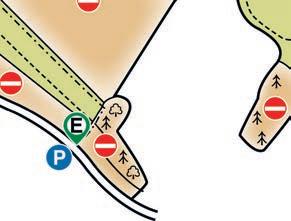
to keep animals out of formal gardens without blocking the view.
Continue along the path ahead until you emerge back out onto The Rough. Turn right and follow the path back down towards the tarmac drive. Turn le onto the drive and follow it back up towards the Bomb Rocks 1
The pond next to this track 10 was created in the 1980s and 90s when unexploded ordnance from World War Two was found and detonated on site by the Ministry of Defence. The explosion le a crater which soon filled with water, creating an unexpected but very welcome wildlife feature! RAF officers were billeted at Charnwood Lodge during the War, when bombs and munitions would have been stored along tracks like this one right across the estate. Incredibly, the ammunition stores were never secured, and local children were known to steal cordite for their own amusement! Another unexploded star shell was found here as recently as 2011.
Head back to the start to complete your walk. If time allows it is worth popping over to Warren Hills on the south side of the reserve. Drive down to the car park on Warren Hills Road then re-enter the reserve from here 11
Warren Hills 12 consists of a series of old rabbit warrens, which were listed as a
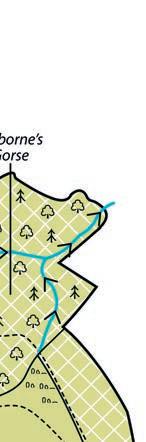
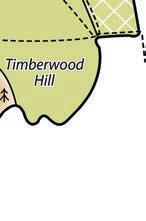
scheduled ancient monument in 1998. The warrens were once prized as a food source for local people when rabbit meat was sought a er. The enclosure of the rabbit warrens led to riots in 1749 and when one person was killed, the Dragoons were sent in to restore order. Wildfires here in both 1995 and 2018 added more recent drama, though today the picture is all calm.
From Copt Oak head towards Whitwick. At the Forest Rock crossroads turn right towards Oaks in Charnwood. The entrance to Charnwood Lodge is about 500m from this junction on the righthand side. Park on the farm track, as indicated on the map.
Nearest postcode: LE67 4UA (Abbey Road entrance)
Map ref: SK 458 154
what3words: hurt.freezers.soothing
Parking: Along farm track o Abbey Road
Size: 197ha
For further information, please see our Nature Reserve Guide or visit lrwt.org. uk/nature-reserves


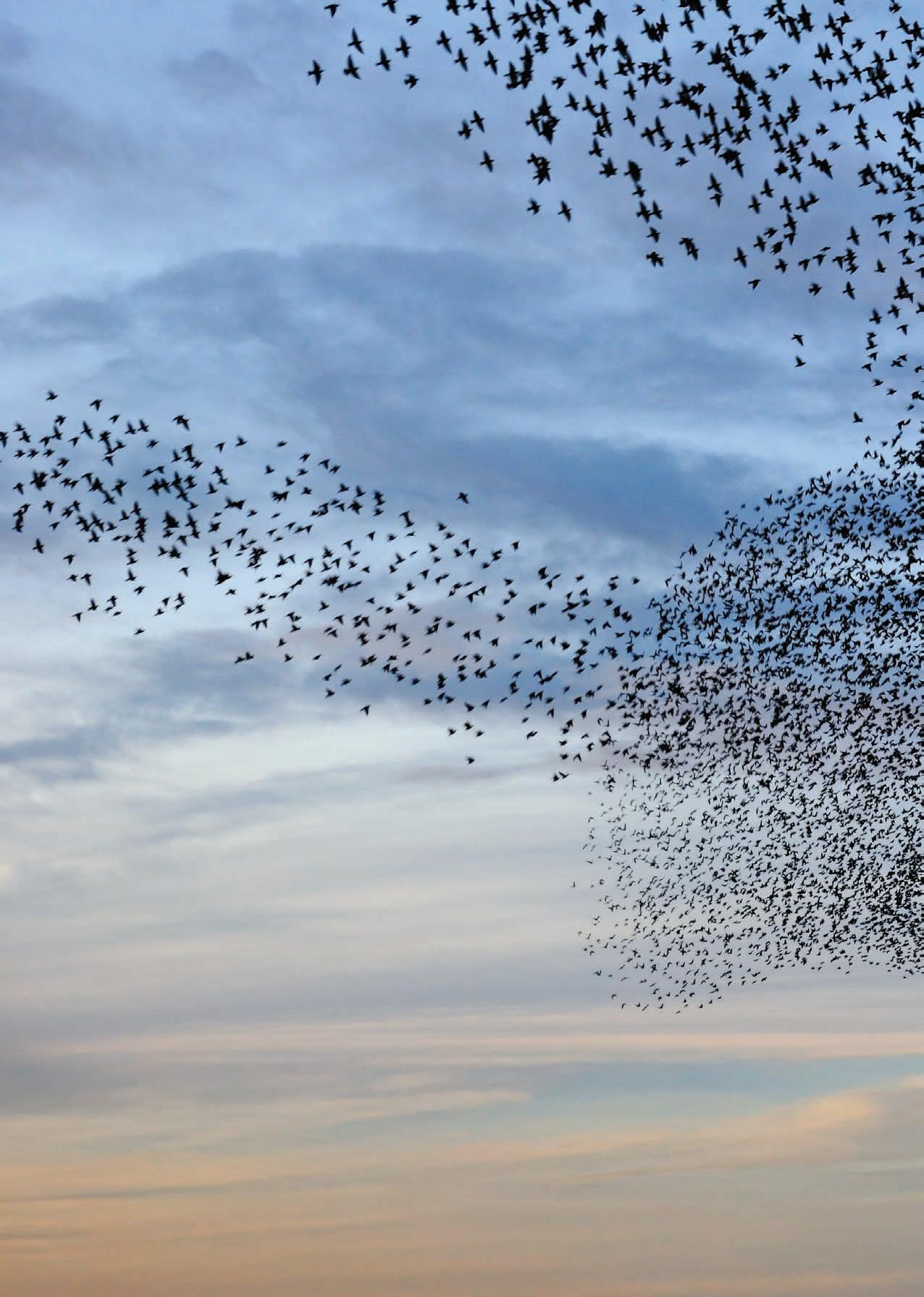
During the winter months, many people travel to special Wildlife Trust nature reserves up and down the country an hour before dusk to witness one of nature’s greatest shows – the starling murmuration.
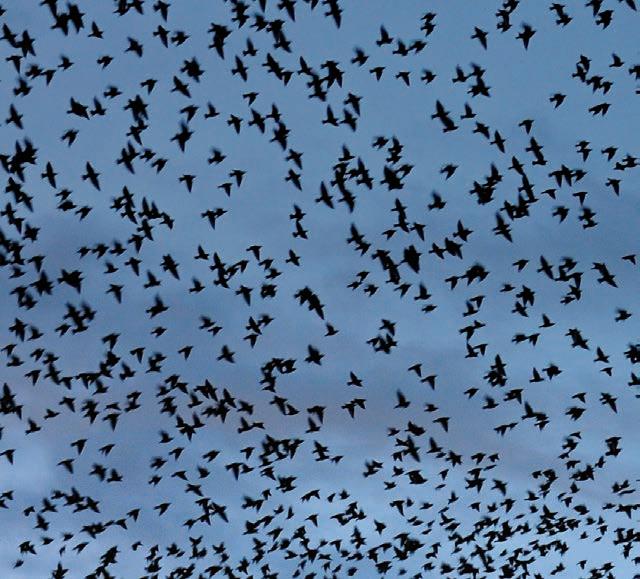
To begin with, fast-moving ocks of starlings arrive from all directions, like a blur in the skies above. Onlookers await in silent anticipation, as breathtaking numbers of starlings increase from groups of hundreds to thousands.
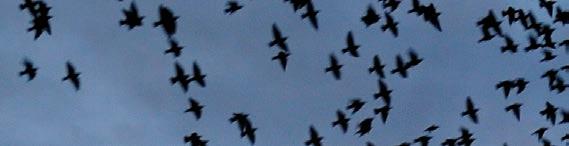
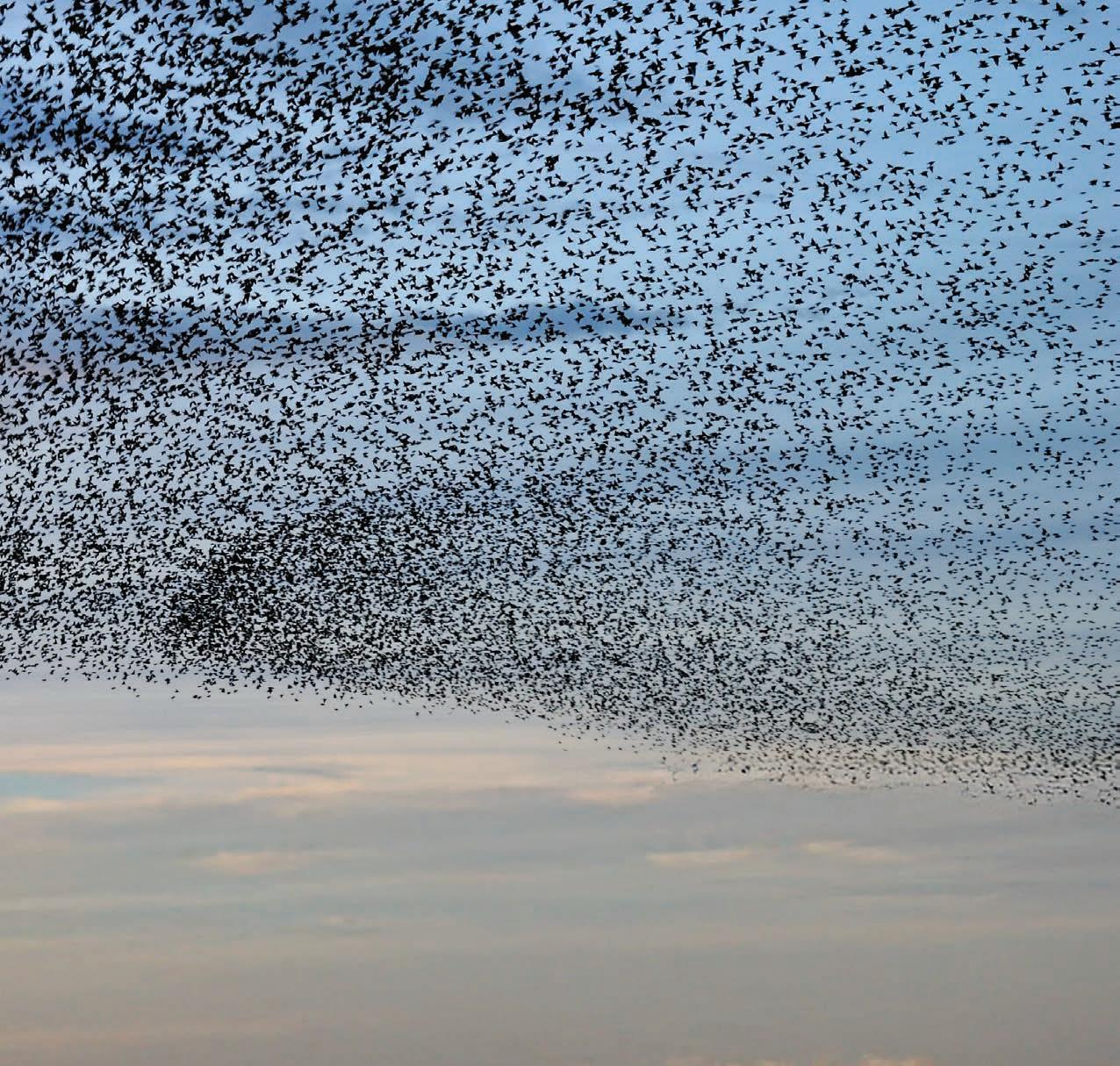
When tens of thousands and upwards have arrived, the murmuration performance begins. The throng of starlings becomes an awesome spectacle of black swirling shapes as they tumble and swoop in the sky in a synchronised aerial display. The mass of birds twist, turn and soar in mesmerising geometric patterns.
Then on the minute of dusk, the starlings descend in their thousands like a waterfall of birds. They pour out of the sky onto roost sites in trees, reedbeds and nature reserves and it’s all over. The lucky spectators will never forget this eeting moment of incredible beauty and will go home very happy indeed. Here are six places to see starling murmurations.




See the spectacle for yourself




1 East Chevington, Northumberland Wildlife Trust


Flocks of starling swirl in wave-like patterns in their fabulous murmuration attracting hundreds of visitors each year. Terns, water rails and snipe, skylark and stonechat can also be seen, while large ocks of pink-footed geese y overhead.
Where: Druridge Bay, NE61 5BG
2 Brockholes nature reserve, The Wildlife Trust for Lancashire, Manchester & North Merseyside
Head to the oating Visitor Village to witness the swirling and swooping murmuration that turns the sky above the lakes into a starling spectacle. Up to 100,000 birds gather; so many that you can hear their wings beating.
Where: Preston, PR5 0AG
3 Ripon City Wetlands, Yorkshire Wildlife Trust
Ripon City Wetlands nature reserve is famous for its incredible twisting waves of starling murmuration. Best viewed from the path by the central reedbed, watch the cloud of starlings grow as more join – and then descend in a rush of wingbeats and chattering into the reedbed below.
Where: Ripon Racecourse, HG4 1UG
4 Teifi Marshes, The Wildlife Trust for South and West Wales
The stunning Tei Marshes is one of the best wetland sites in Wales and a great place to experience the sights and sounds of a starling spectacle. Head to a hide or watch from the board walk as thousands of starlings perform a glorious murmuration over the marshes.
Where: Cilgerran, SA43 2TB
5 Cossington Meadows, Leicestershire and Rutland Wildlife Trust
Spectacular murmurations have been spotted twisting and turning over Tern Pool in past years. This wetland haven comes alive in winter with other birds too, including ducks such as wigeon and teal, and short-eared owls, which hunt over the meadows. Enjoy a wonderful Winter Wildfowl Walk at Cossington Meadows on Weds 7 January (see page 34).
Where: Cossington, LE7 4UZ
6 Fishlake Meadows, Hampshire and Isle of Wight Wildlife Trust
Fishlake Meadows comes alive in winter as up to 80,000 starlings sweep across the dusk sky in murmuration. This uid ritual draws watchers to the wetland reserve with great views from the canal path and viewing platforms.
Where: Romsey, SO51 7AB
Did you spot any murmurations?
We’d love to know how your search went. Please share your best photos with us!
“The farm feels more alive and a special place to be.”
Chris and Miriam Stoate are transforming Halstead Hill Farm into an incredible wildlife-rich landscape in east Leicestershire. Wendy Tobitt went to meet them.
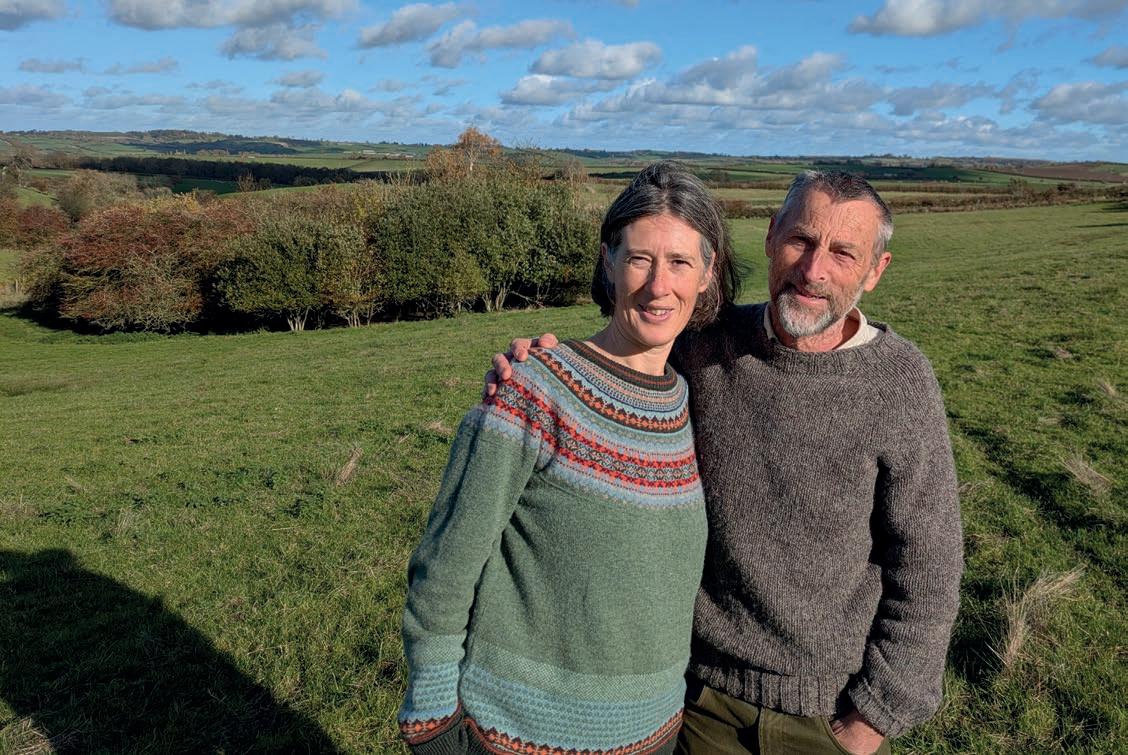
Drawing on years of experience and expertise in agri-environmental research and environmental initiatives, Chris and Miriam are bringing nature back a er decades of intensive farming. Now visitors comment on the abundance of common blue bu erflies. Garden and willow warblers sing from the new woodland, bats feed over the trees and solitary bees pollinate recently planted fruit trees.
For many years, Chris was Head of Research at the Allerton Project, which researches sustainable farming methods, biodiversity and habitat creation, and rural landscape management.
Miriam’s farming upbringing and experiences of agri-environmental socio-economic research, land-based education, and environmental initiatives complements Chris’s expertise. They are both active members of the Leicestershire and Rutland Wildlife Trust, advocating for sustainable food production that supports nature recovery.
When Miriam and Chris started farming at Halstead Hill Farm near Tilton-on-the-Hill in 2009 they continued growing arable crops such as wheat, oilseed rape, beans, oats and barley, which were sold into the global market. Yet it soon became apparent that parts of the farm were uneconomic. Radical changes were needed to re-create healthy soil to grow food and for wildlife and with a Countryside Stewardship grant the transformation began.
Fields were sown with herbal leys – a mixture of grasses, legumes and wildflowers that helps improve soil and benefits wildlife, while contributing to the local food system through nutritious silage and hay for livestock.
Chris’s experience of integrating trees into farming systems in Portugal and
West Africa and Miriam’s experience of forestry in Canada and farm woodlands in Rutland were brought to Leicestershire, with the planting of an eight-acre wood on a steep north-facing bank. “As well as encouraging more wildlife, we wanted to produce timber, fuelwood, nuts, and stakes and binders for hedgelaying,” explains Chris.
Diversity and abundance
Miriam and Chris are passionate about wild bees which are essential for pollinating food crops. New hedgerows, flower-filled field margins and rows of trees help to connect sites and provide valuable food-rich corridors.
Integrating trees can provide benefits for both food security and nature. Fruit and nut trees blossoming throughout spring combine with the long flowering period of diverse wildflower species and grasses between the tree rows to give pollinating insects more pollen and nectar. This combination of trees and productive land, known as agroforestry, aims to provide bountiful crops of fruits and nuts for the local food market, nutritious food for local livestock
“Be er functioning soils will contribute to more e cient and resilient food production.”
(reducing imports of soybeans), as well as benefiting wildlife.
“Noctule bats feed over new woodland as they travel along an old railway line forming a corridor through the farmed landscape. While solitary bees associated with semi-natural habitats on the old railway may soon be pollinating our agroforestry fruit trees, especially as we have recently planted hedgerows to connect these two habitats,” says Chris.
These examples of natural ‘stepping stones’ for wildlife to disperse and forage can be replicated across the landscape.
Chris and Miriam are members of the Leighfield Farmer Cluster, and they share their agri-environmental, wildlife and research expertise with LRWT.
They keep learning too: “We were aware that grey squirrels stripped bark from trees, but until we experienced it ourselves, we had no idea of the scale of destruction this causes. Very frustratingly, most of the oaks we planted 15 years ago have been destroyed or very severely damaged by grey squirrels.”
Halstead Hill Farm is a long way from a watercourse but the way Chris and Miriam are managing the land influences downstream flood risk, stream water quality and aquatic wildlife. Improved soil management can increase yields while contributing to more wildlife. For example, research on the farm shows that some deeprooting agricultural grasses increase rates of water infiltration into the soil, reducing runoff.
temperatures create major challenges for crops and livestock, and stress on wildlife. Droughts can kill young trees. Intense rainfall can waterlog soils and wash soil and nutrients off the land into watercourses.
Spring delights
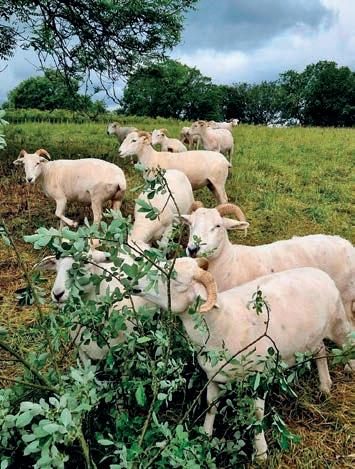
Miriam connects with the eight traditional seasonal festivals of the year. The spring equinox is traditionally a time of new birth, when their small flock of rare breed Wiltshire Horn sheep will be lambing.
Discovering rare plants and insects is exciting. “We enjoy learning from visitors to the farm, especially the questions they ask and the knowledge they share,” says Miriam. “On a LRWT agroforestry visit it was wonderful to have a botanist point out a couple of plant species that we weren’t previously aware of.”

Red kites soaring on thermals are recent arrivals from Rockingham Forest where they were introduced in the 1990s. “I love their success story, their important recycling role because they eat carrion, their loyalty to each other, and that both females and males have the same call,” says Miriam.


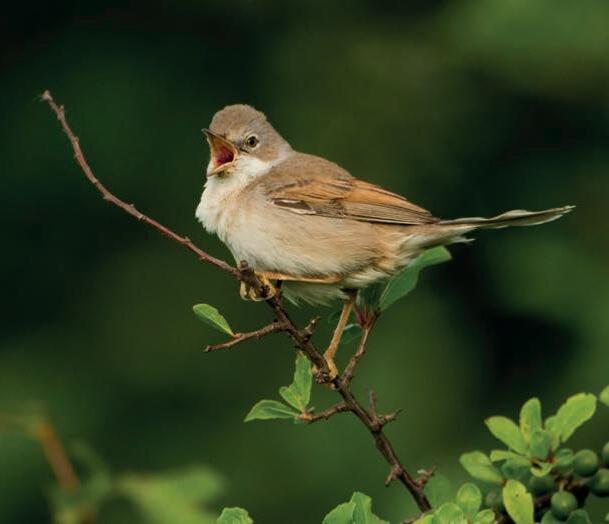
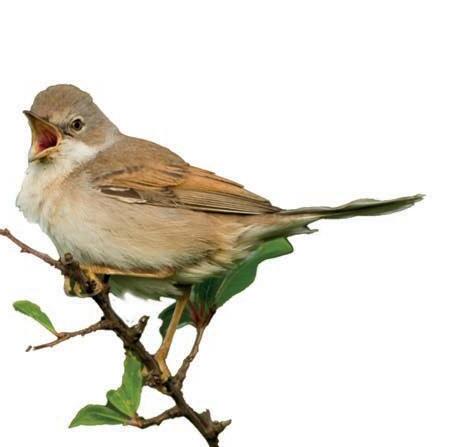
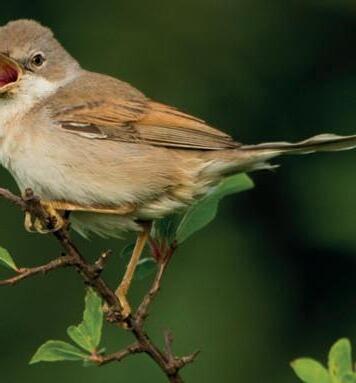
For Chris, the return of migratory whitethroats and other warblers is always exciting: “I studied the ecology of warblers on migration and on their farmland wintering grounds in West Africa. Their return each spring is a reminder of the global world we live in in terms of wildlife, climate change and food systems.”


Night-flowering catchfly was an exciting find in the cultivated field margin. At dusk the pale pinkish-white flowers open to release a strong fragrance that a racts nightflying moths. It is listed on the county Rare Plant Register.


“It’s always pleasing to find woodcock in the new woodland,” adds Chris. “Willow warblers and garden warblers, two declining migratory species, are now breeding on the farm. Yellow-shouldered nomad bee is a nationally-rare species that is a kleptoparasite of another scarce species, the small sallow mining bee, which is associated with the goat willow that we are encouraging.”
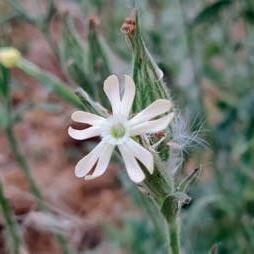
Marbled white bu erflies are moving north from southern England and have colonised the farm, taking advantage of the wildflower margins. They are a reminder of the impacts on wildlife of climate change and warmer temperatures.
Extreme weather events and warmer







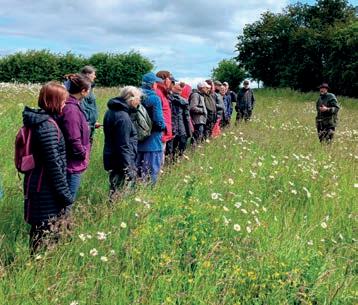
Miriam and Chris are keen to collaborate with local people, food producers, processors and consumers, meet researchers and students, and encourage groups, including schools and colleges, to visit.
Special guided farm walks are planned for 1 February, 21 March, 2 May, 20 June, 1 August, 20 September, 1 November and 20 December. Further details will be added to our events page: lrwt.org.uk/events
Other group visits and back to nature camping enquiries should be directed to: halsteadhillfarm@gmail.com return each spring is a reminder of the climate change and food systems.”
Contact us if you or someone you know could feature in a future issue of Wild. We’re looking for inspiring stories from people like you! Email info@lrwt.org.uk

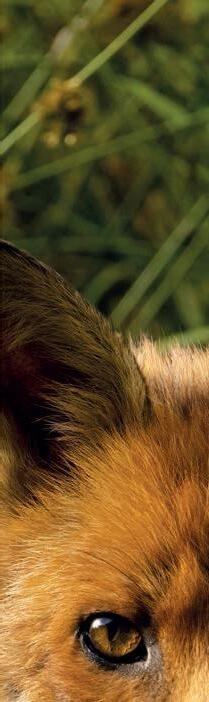
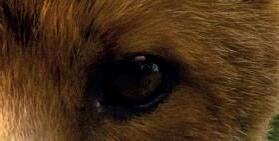







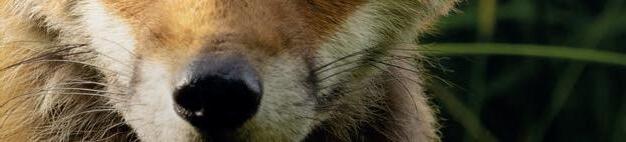
Spotting a fox is always an honour.





IThe still of winter is anything but a quiet time for one mammal, as foxes search for a mate – and make an almighty racket as they do so!

t’s a cold January night and a sharp, piercing bark cuts through the stillness. This is the call of the red fox, Britain’s most widespread carnivore. To many the sound is eerie, even unse ling –something akin to a woman screaming; to the fox it is a declaration of territory, a signal to rivals and, most importantly in winter, a call to potential mates.
Foxes are such a familiar presence in our fields, woodlands and even gardens that it’s easy to overlook their remarkable adaptability and complex social lives. With the peak of their mating season upon us, January is the perfect time to take a closer look at these resourceful mammals.
Frosty reception


Mating couples form bonds that can last for one season or, in some cases, for several years. Once paired, the dog o en remains close to the vixen throughout her pregnancy, bringing food and guarding her from rivals.
A er mating in January or February, a vixen will retreat to an earth. This is o en a modified rabbit burrow or a sheltered hollow beneath, for example, dense vegetation, where she will give birth to a li er of cubs in March or April. The average li er is four or five, though larger broods of up to ten cubs have been recorded.
Unlike many other mammals, foxes breed in the depths of winter. Pairing typically begins in December, but January is the height of activity. Males, known as dogs, roam widely in search of receptive females, or vixens, and their travels are certainly noisy: the shrill scream of a vixen and the repeated bark of a dog fox are some of the most recognisable sounds of a frosty countryside night.
For the first two weeks, the vixen stays underground almost constantly, relying on the dog fox to provide food. The cubs, born blind and deaf, are entirely dependent on her warmth and milk. Gradually, their dark brown coats lighten to the familiar russet and, a er three to four weeks, they emerge from the earth for the first time to begin exploring their surroundings.
As the cubs grow, older siblings from the previous year will sometimes help with feeding and guarding – a behaviour known as cooperative breeding. By summer, the young are weaned and learning to



hunt, though many remain with their parents, o en hunting and playing together in the twilight hours. As autumn arrives the young foxes finally disperse to establish their own territories, sometimes travelling miles to do so, which can sadly cause a spike in road casualties.
Local residents
Foxes thrive across Leicestershire and Rutland where our patchwork landscape of farmland, hedgerows, woodlands and villages provides everything they need: shelter, prey, and plenty of quiet corners for earths. Urban foxes are increasingly common too, with Leicester city in particular supporting a healthy population making good use of gardens, allotments and even local industrial estates.

simple measures such as securing hen runs and covering bins can reduce potential conflict.
Foxes are a protected species though their population has remained broadly stable over recent decades, despite pressures from road traffic and habitat loss. This is perhaps thanks to their incredible adaptability, one of their greatest strengths. In farmland, they hunt rabbits, voles and field mice, supplementing their diet with beetles, worms and berries. In urban areas, discarded food and rodents provide easy pickings. It is this opportunism that enables foxes to flourish in se ings where other carnivores have declined.
Cunning plans

Encounters with foxes are part of daily life in both counties. Garden sightings are increasingly frequent in suburban Leicester – home to their namesake
The Foxes, the city's football club, as well as Loughborough and Melton Mowbray. Though largely nocturnal, the chances of spo ing them during the day increase in quieter, rural areas, especially in late spring, when parents are busy gathering food for hungry cubs.
For many, seeing a fox is a delight – a glimpse of wild nature at close quarters. For others, concerns about poultry predation or scavenging arise, though


Foxes have long held a place in our stories and legends, o en cast as cunning tricksters. Modern science backs this reputation: foxes are quick learners, capable of problem-solving and adapting behaviour to exploit new opportunities.
So as January nights echo with fox calls, the stage is set for another breeding season. In just a few months, cubs will be gambolling at the entrance of their earths in Leicestershire’s hedgerows and Rutland’s woody edges. Watching these animals across the seasons offers a reminder of nature’s resilience and adaptability, even in our busy landscape.



Farmland edges and hedgerows offer a good chance of spo ing foxes, particularly at dawn or dusk from late spring. Look for fox earths along woodland fringes at Rutland Water Nature Reserve, or sit patiently in a hide to hopefully catch sight of these sometimes-shy mammals. Woodland rides, allotment fields and park edges offer further opportunities to see them.


Lifespan: 3-4 years in the wild, but can reach up to nine Weight: 6-8kg, with males slightly larger than females
Diet: Small mammals, birds,


Even if you don’t catch a glimpse, you can o en tell when a fox has passed by. Keep an eye out for these classic clues.
Tracks: Fox prints are small (about 4-5cm long) and oval with less pronounced claw marks than a dog. Tracks are o en straight, reflecting the fox’s efficient, purposeful trot.

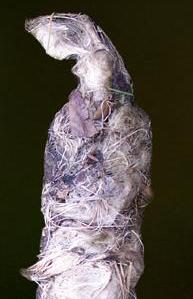

Droppings: in prominent places such as the middle of footpaths or on grassy tussocks to mark territory. Typically twisted and pointed at one end, scat may contain fur, bones or seeds.







on average



Earths: feature spoil heaps at the entrance. In gardens, foxes may tuck earths beneath sheds or thick vegetation. Scent and sound: can betray a fox’s presence. In winter, nigh ime barking and screaming calls are unmistakable signs of courtship activity.

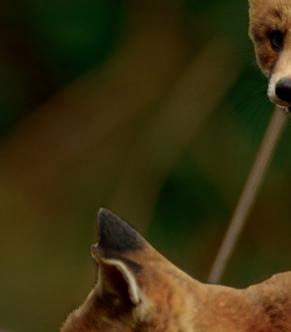
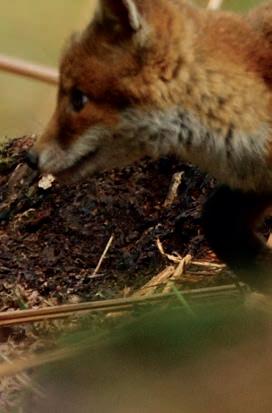
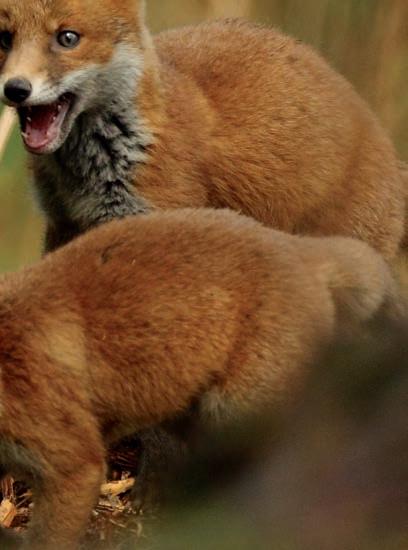





Dr Deborah Brady introduces a secretive animal from the UK’s past and the partnership project exploring its potential return.























































Nature is like a puzzle. There are lots of different pieces, with such a wide variety of shapes, sizes and colours that it’s hard to imagine them all merging. But somehow, they do. They fit together seamlessly, creating something strong and spectacular: a healthy ecosystem. A community of animals, plants and other organisms interacting with each other and the landscape in which they live. Nature in balance. Here in the UK, we have lots of wonderful wildlife. But some of the important pieces of that puzzle are missing. One of those pieces has a graceful, feline shape, with tu ed ears and a short bob tail. It would once have sat within a mosaic of trees, never far from its preferred prey, roe deer. A missing link. The missing lynx.
Lost lynx



Lynx are woodland cats. They’re about the height of a Labrador, but lighter, with grey to goldenbrown fur that can be plain or speckled with black markings. They are elusive, live in low densities and like to avoid people. They are most at home amongst the trees, with lots of understory plants to hide them as they hunt. Across most of Europe, their main prey is roe deer, though they also feed on other hoofed mammals like reindeer and chamois. Occasionally, they might eat smaller prey, such as rodents, hares, foxes and birds. They are most active between dusk and dawn. For thousands of years, lynx were a critical part of our ecosystems. As top carnivores, they would have helped regulate other animals like deer and foxes. The remains of their prey would have fed birds, beetles and other scavengers. Lynx bones have been found in 32 cave sites across England, Ireland, Scotland and Wales. These


bones tell us lynx were still here when the Romans arrived and when Hadrian’s wall was built. The most recent lynx bone found so far belonged to an animal that died around 1,500 years ago. But it’s unlikely this was the last lynx. They’re still mentioned in poems and other cultural evidence exists beyond that century, too. It’s most likely that we lost our lynx during the medieval period, around 800-1,000 years ago. They finally disappeared due to hunting and habitat loss. Lynx faced similar issues across the rest of Europe. By the 20th century, they had been lost from many of the countries they once called home. However, in Europe, lynx are now making a comeback. Lynx have been reintroduced in countries such as Germany, Switzerland, Poland, Slovenia and Italy. Could they one day return to Britain, too?


The Missing Lynx Project was formed to explore this question. It’s led by The Lifescape Project supported closely by Northumberland Wildlife Trust and The Wildlife Trusts. The project is exploring the ecological, practical and social feasibility of reintroducing lynx. This is basically asking three key questions. Is there an area in Britain where lynx could live? How would bringing lynx back work (e.g. where would they come from)? And would local people accept lynx back in the landscape?
Lynx landscape?
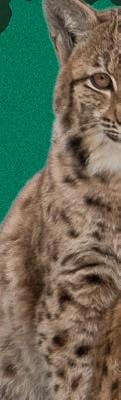
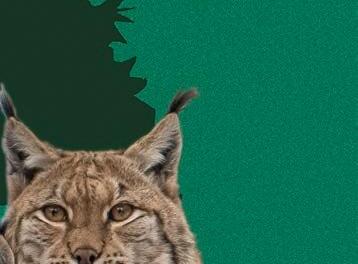



Could lynx live in Britain ?


The first step was to examine whether there was anywhere with the right habitat for lynx. To test this, the Lifescape Project followed a similar approach to that used in Germany, where lynx have been successfully reintroduced. This meant using advanced computer modelling techniques, drawing on the most recent and detailed data on lynx ecology and Britain’s landscapes. Essentially, a virtual Britain was created in which simulated lynx could live. Knowledge from over 50 years of monitoring European lynx populations helped make the lynx behaviour as realistic as possible. Lynx reintroductions in different areas were tested using the model, under lots of different scenarios, and the
The first step was to examine whether there was computer modelling techniques, drawing on the most which simulated lynx could live. Knowledge from over 50 make the lynx behaviour as realistic as possible. Lynx outcomes studied.

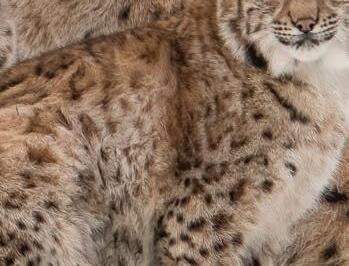




“Bringing back lynx could benefit wildlife more widely – something that is sorely needed in this nature-depleted country. We have pushed many native species to extinction, and it makes sense to bring missing wildlife back where feasible.”
Rob Stoneman Director of Landscape Recovery for The Wildlife Trusts


This research found that if lynx were to be released in Northumberland, they could grow into a healthy population covering north-west Northumberland, the edge of Cumbria and the bordering areas of southern Scotland. This is currently the only area in England and Wales with the extensive forest habitats that lynx need.
How could we bring lynx back?
Any species reintroduction is a complicated process. There are lots of practical elements to consider. These include finding the right place to get the lynx from, managing the translocation and release, and monitoring lynx a er they are released. The Missing Lynx Project is working closely with experts from across Europe to explore these elements. There are decades of experience to help guide the process.
How do people feel about lynx?
To recap, the Missing Lynx Project’s research has shown that there’s an area of northern England and southern Scotland that could support a healthy population of lynx. We also have lots of expertise from across Europe on how to manage the practicalities of a successful lynx reintroduction.
only take place if local people are accepting of the animal back in the landscape.
For more than a year, the project has been sharing its findings with people in the area identified by the modelling; opening discussions about lynx and providing a variety of opportunities for everyone to share their views. As part of this, a travelling Missing Lynx exhibition toured the area to bring the lynx to life. We welcomed almost 10,000 visitors across 15 venues, from village halls to agricultural colleges and at iconic local landmarks. The project has held meetings, hosted community workshops and conducted one-to-one interviews. We also held focus groups for people with shared interests in the area – there are groups for farming, forestry and business, as well as a Lynx Community Group with 117 members.

But – crucially – a reintroduction could
In addition to all of the face-to-face conversations, the project provided a questionnaire for people to record their views on lynx. We had responses from just over 1,000 people who live in the project region, with 72% of them supporting a lynx reintroduction there. The overall a itudes towards lynx were positive, but it’s important to listen to the voices of those with concerns. Much can be learnt from how people live alongside lynx in Europe and the project’s next step will be to keep working with local communities, exploring how a reintroduction project could be managed to maximise benefits and reduce risks. Together, with the acceptance of the local community, we can bring back our missing lynx.
“The fact that 72% of respondents in the project region support a potential lynx reintroduction is hugely positive. Locals are proud that our region is a stronghold for threatened species such as red squirrels and water vole – so it’s no surprise that they’re in favour of bringing more back.”


Mike Pratt Chief Executive O cer of Northumberland Wildlife Trust
What are your views on lynx reintroduction? Let us know at missinglynxproject.org. uk/share-your-views









@geordieramblers @geordie_hiker are


We both grew up in the north-east of England and were blessed to be surrounded by the wild beauty of forests, coastlines, historic castles, valleys and rolling moorland. We remember our muddy boots a er school, rock pooling, riding our bikes until the sun set over the city, flasks of tea on blustery hilltops and walking for miles with our parents without seeing another soul.
To share our adventures, I set up @geordieramblers and Steph @geordie_hiker, This was before we even knew each other. It’s funny looking back, we were just two strangers posting walks, reflections and the quiet magic of what felt real to us. The boggy bits, the windswept cliffs, early starts, aching legs and our full hearts.
We met completely by chance in the tent aisle of an outdoor shop. Steph was full of confidence and questions about wild camping. That moment turned into hours, favourite trails, wildlife and the sense of belonging in nature. A week later we were hiking Blencathra together.
We’re not about ticking off peaks, we share real moments, places and our love for these wild places. Whether it’s the silence on a solo hike or a deep chat halfway up a climb, it gives you room to breathe and space to reflect, particularly a er a busy week at work. We were saying what a lot of others were feeling.
We’ve had magical moments with wild deer in the Sco ish Highlands, spo ed a red squirrel leaping through trees in Kielder, an o er slipping silently into a river at sunrise, a barn owl silently gliding over a frosty field at Bamburgh Castle. Each one felt like a gi from the land that we love so deeply.
But barriers to ge ing out on a hike are real for people. Everything from lack of transport, to not feeling ‘outdoorsy enough’, to thinking you need expensive gear. We’ve heard people say, “I didn’t think someone like me belonged in those spaces,” and friends say, “I never thought this was for me.” That hit us hard. So, we started sharing more beginnerfriendly routes, hosting inclusive meetups and talking openly about imposter syndrome. We have wri en e-books on beautiful beginner walks and created free guides to get people started. We believe nature should be for everyone. Steph promotes access to women in the outdoors and runs navigation workshops with mountain leaders. Our community interest group Tyne to Summit runs community walks every month in beautiful places across the North-East. We love it when people are surprised to find themselves laughing on a hilltop, instead of queuing at the bar.
We’ve recently become new parents, and yes, with shorter distances, more bags and snacks, it’s possible to hike with a baby. Luca’s eyes open with wonder when he’s out in nature. A rustling tree, a buzzing bee or the sparkle of water may be his first memories. We want our son to grow up knowing that joy can be found in simplicity, in nature and the land we love.
Recently, The Wildlife Trusts embarked on an exciting venture to save Rothbury Estate in Northumberland. With part already in Wildlife Trust ownership, it’s open to those looking for adventure. However, with 2,600 nature reserves across the UK, Alderney and the Isle of Man, there’s a nearby adventure awaiting everyone!
wtru.st/rothbury-appeal

Create space for inspiration, connection and recouperation on one of our Wild Walks. From a Winter Bird Walk at Rutland Water to a stroll around Launde Park Wood, there’s something for everyone this winter.
Join a guided walk on a nature reserve near you. Turn to our events listings on page 34 or visit lrwt.org.uk/events
The Geordie Ramblers Steph @geordie_hiker and Scott @geordieramblers have built over 300,000 followers on Instagram. They’ve been named the Hero of Northumberland for their @tynetosummit hiking community and have won national awards simply for sharing their love of the countryside in the North-East and Lake District.
Join an event and celebrate our triple anniversary!
Our full events programme can be found online. Check there for further details, including how to book, prices, times, and venue. Anyone booked on an event will be notified of any changes. New events are constantly being added, so please check regularly for the latest updates: lrwt.org.uk/events
North West Local Group
Thurs 1 Jan, 1-3pm
New Year Walk
New Year’s Day walk at Rosliston Forestry Centre. Meet at the car park off Burton Road, DE12 9JX.
Cossington Meadows
Weds 7 Jan, 10am – 1pm Winter Wildfowl Walk
Wrap up warm and enjoy a winter’s guided walk through one of the Soar Valley’s best wildlife sites. £12pp.
Rutland Water: Anglian Water Birdwatching Centre
Fri 9 Jan, 9.30am – 12.30pm Guided Walk with Je Come along for a morning stroll with Jeff to discover some amazing wildlife. £10pp (£5 for annual permit holders).

Charnwood Lodge Fri 9 Jan, 10am – 12.30pm Wild Winter Wonderland
Take a guided walk through Charnwood Lodge, a true wild winter wonderland. £12pp.
Melton Mowbray Local Group
Mon 12 Jan, 7pm (doors open)
The Real Dad’s Army Talk on the Home Guard’s role in Melton during WW2.
Charnwood Local Group
Weds 14 Jan, 7.30pm The Wildlife of Quarries Chris Hill explains how quarries can become vibrant wildlife habitats with careful restoration.
Halstead Hill Farm Sun 1 Feb, 10am – 2pm & 1-3.30pm
Creative Coppicing
Learn from expert David Walker as he harvests hazel stakes and binders for hedgelaying and explore why woodland coppicing creates opportunities for wildlife. £12pp.
Rutland Water: Lyndon Visitor Centre
Sat 7 & Sun 8 Feb, 9.30am – 4pm Hedgelaying for Beginners See 17th January for details.
Ulverscro
Mon 9 Feb, 10am – 12.30pm
North West Local Group
Fri 16 Jan, 7.30pm
Sustainability & Wildlife Projects
Talk showcasing wildlife-friendly projects across Northwest Leicestershire.
Rutland Water:
Anglian Water
Birdwatching Centre
Sat 17 Jan, 9.30am – 4pm
Winter Wildfowl and Wader Day
Relaxing and informative guided walks to admire the birds.
Rutland Water: Lyndon Visitor Centre
Sat 17 & Sun 18 Jan, 9.30am – 4pm
Hedgelaying for Beginners
Learn the art of hedgelaying, practise hands-on, and lay your own section of hedge. £99pp.
Rutland Local Group
Mon 19 Jan, 7.30pm
Leicestershire and Rutland
Butter ies
Senior Reserves Officer Andy Neilson leads this illustrated talk.
South Leicestershire Local Group
Weds 21 Jan, 7.30pm
Water Voles and Mink Trapping
Presentation by Thomas Sayer, ecologist with the Waterlife Recovery Trust.
Rutland Water: Anglian Water
Heath, Wood, Marsh & Meadow
Whether lit by winter’s sunlight or dusted in snow, there’s no better place for an amble than Ulverscroft. £12pp.
Melton Mowbray Local Group Mon 9 Feb, 7pm (doors open) Making Life Better by Water Talk on the work of the Canal and River Trust.
Charnwood Local Group Weds 11 Feb, 7.30pm Wildlife Adventures Around Ashby
Martin Vaughan tells the stories and shows the photos of some of his projects to obtain unique photos of local bird life.
Rutland Water: Anglian Water Birdwatching Centre Fri 13 Feb, 9.30am – 12.30pm Guided Walk with Je See 9th January for details.

Birdwatching Centre

Fri 23 Jan, 9.30am – 12.30pm
Terry’s Friday Birdwatching Walks
Three-hour guided walk led by Terry Mitcham, bird recorder of the Rutland Natural History Society £10pp (£5 annual permit holders).
Dimminsdale Mon 16 Feb, 10am – 12pm Snowdrop Spectacular Marvel at the bobbing snowdrop heads of Dimminsdale. £12pp.
Rutland Local Group Mon 16 Feb, 7.30pm Looking for the Goshawk Conservationist Conor Jameson is a champion of the Eurasian goshawk – the lost raptor.

South Leicestershire
Local Group Weds 18 Feb, 7.30pm Birding the Local Patch and Beyond Illustrated talk by longstanding volunteer and Northants County Bird Recorder Jonathan Cook.
North West Local Group Fri 20 Feb, 7.30pm Secret Wildlife of my Garden Nick Martin from Warwickshire Wildlife Trust shares his wildlife garden creation.
Rutland Water: Anglian Water Birdwatching Centre Fri 27 Feb, 9.30am – 12.30pm Terry’s Friday Birdwatching Walks See 23rd January for details.
Leicestershire County Council Sat 28 Feb, 10am – 4pm County Recorder Conference Recorders and naturalists come together to celebrate the county’s wildlife recordings in a day of insightful talks and presentations.
Rutland Water: Volunteer Training Centre Fri 6 Mar, 10am – 12.30pm & 1.30-4pm Special Members Event
Long-term members are invited to meet the CEO and hear about our latest work, followed by an optional walk on the reserve.
Rutland Water: Lyndon Visitor Centre
Sat 7 & Sun 8 Mar, 9.30am – 4pm Hedgelaying for Beginners See 17th January for details.
Rutland Water: Volunteer Training Centre Sat 7 Mar, 10am – 12.30pm & 1.30-4pm New Members Event





New members are invited to meet the staff, learn about the Trust and enjoy a walk on the reserve.
the








Melton Mowbray Local Group
Mon 9 Mar, 7pm (doors open) Four Seasons of Derbyshire Wildlife Talk by Tony Clarke on the rich local natural history, following the progress of the seasons.
Charnwood Local Group
Weds 11 Mar, 7.30pm Creating Habitat with Deadwood Tree expert Helen Exley on using dead and rotting wood to create homes for wildlife in our gardens.
Rutland Local Group Mon 16 Mar, 7.30pm AGM followed by The Underwater World of Rutland Water Senior Species and Recording Officer Tim Sexton describes ongoing underwater studies.
South Leicestershire Local Group
Weds 18 Mar, 7.30pm Harborough Rewilding Project John Bristow gives an update on this exciting local rewilding project.
Rutland Water: Anglian Water Birdwatching Centre
Fri 20 Mar, 9.30am – 12.30pm Guided Walk with Je See 9th January for details.
North West Local Group Fri 20 Mar, 7.30pm Swannington Heritage Trust Katrina Pentlow explains how the industrial legacy at Swannington is managed in an ecologically sensitive way.

North West Local Group Fri 21 Mar, 10am – 12pm Windmill Area Walk
Halstead Hill Farm
Sat 21Mar, 10am – 12pm & 1.30-3.30pm
Spring Equinox Hedge Laying
Learn how to lay a hedge in the Midlands style and discover the wildlife that calls hedges home.
Ke on Quarry Fri 27 Mar, 11am
Roving Butter ies & Basking Reptiles
Spy a basking adder and other springtime delights in this special stroll. £12pp.
Rutland Water: Anglian Water Birdwatching Centre
Fri 27 Mar, 9.30am – 12.30pm
Terry’s Friday Birdwatching Walks
See 23rd January for details.
Lucas Marsh
Weds 1 Apr, 10am – 12pm
Easter Bunny Trail
Follow the bunny’s trail and join in Easter activities in the woods. £3 per child.
Cossington Meadows
Weds 8 Apr, 10am – 1pm Seasonal Stroll
Members only walk around the meadows with Chris Hill.
Charnwood Local Group
Weds 8 Apr, 7.30pm
The Work of the Joint Nature Conservation Committee
Trustee Gemma Harper (CEO of JNCC) introduces the work of the JNCC, which focuses on terrestrial and marine nature conservation and recovery.
Launde Park Wood
Sun 12 Apr, 11am – 1pm
Bluebell Walk
This members only walk takes in the breathtaking bluebells in all their glory at Launde.
Cossington Meadows
Mon 13 Apr, 10.30am –12.30pm
Birdsong for Beginners
Springtime in the Soar Valley is the perfect time to brush up on your birdsong! £12pp.
Melton Mowbray Local Group
Mon 13 Apr, 7pm (doors open)
AGM and Peppermint Billy
Join in the AGM, followed by a local history talk on this 19th century convict.
Cossington Meadows Fri 17 Apr, 10am – 12pm
Bird Survey Walk
Enjoy a walk and learn about the variety of birds surveyed at Cossington Meadows. £10 + booking fee.
North West Local Group Fri 17 Apr, 7.30pm
Birds of South West Leicestershire
Overview of Bird Recorder Carl Baggott’s recent book.
Priors Coppice Sun 3 May, 5-7am
Dawn Chorus Walk
Celebrate International Dawn Chorus Day on this song-filled walk. Worth the early start! £15pp.
Rutland Water: Volunteer Training Centre
Charnwood Local Group Indoor meetings: Woodhouse Eaves Village Hall, 50 Main St, Woodhouse Eaves, Loughborough, LE12 8RZ. Admission £3 members, £3.50 non-members, children free. Check website for walk events. Contact Kate Moore on 01509 891005, katemoore123@yahoo.co.uk
South Leicestershire Local Group Indoor meetings: The Village Hall, The Green, Great Bowden, LE16 7EU. Admission £4. Contact Bruce White on 07919 935496, bruceywhite@yahoo.co.uk
Melton Mowbray Local Group Indoor meetings: United Reformed Church, 2 Chapel St, Melton Mowbray, LE13 1LZ. Admission £2.50 members, £3 non-members. Contact Peter Dawson on 01664 852119, peter.dawson69@ntlworld.com
North West Local Group Indoor meetings: Ashby Methodist Church, 5 Burton Road, Ashby-de-la-Zouch, LE65 2LF. Admission £4. Contact Roger Collier on 07910 019158, colliereroger@outlook.com
Rutland Local Group Indoor meetings: Volunteer Training Centre, off Oakham Road, Hambleton, LE15 8BP. Admission £2. Contact Becky Howard on 07908 252271
Leicestershire & Rutland Badger Group For any enquiries contact Dr David Duckett on 0116 259 7231, david.p.duckett@ btinternet.com

Join a guided walk at Hough Windmill at Swannington. Meet at the parking area, accessed from St George’s Hill in Coleorton. Booking essential with Phil Richardson at phil235471@gmail.com



Sun 3 May, 5-7am
Dawn Chorus Walk


Join the dawn chorus walk at Rutland Water to discover the birds behind the song. £20pp.
Leicestershire & Rutland Bat Group


Join us for our guided boat trip to see the ospreys at Rutland Water as we celebrate 30 years of Osprey Project. Members of the osprey team will be there to guide you throughout the trip, sharing details about these incredible birds. With luck, you will see the ospreys diving for sh, making it a trip to remember.

The 90-minute cruises leave from Whitwell Harbour on the north shore of Rutland Water (LE15 8BL). Visit lrwt.org.uk/ osprey-cruises for more details and lrwt.org.uk/events for dates and times.


Rutland Water: Anglian Water
Birdwatching Centre Fri 8 May, 10am – 12.30pm

Rutland Sea Dragon
Join us for this special talk by Joe Davis who discovered the amazing dinosaur fossil, followed by a guided walk to look over the area where it was found.

Walks are free to bat group members and £5 for others. Any enquiries please email batevents@outlook.com
the full and latest programme of events


















































We are delighted to invite you to a special evening at The Barnsdale in Rutland on the 17th July to mark our triple anniversary. Join us to celebrate 30 years of the Rutland Ospreys, 50 years of Rutland Water Nature Reserve and, of course, 70 years of Leicestershire and Rutland Wildlife Trust.















On what promises to be an evening to remember, you will enjoy a sumptuous three-course meal, talks from osprey expert and founder of The Osprey Leadership Foundation, Dr Tim Mackrill and LRWT’s Senior Species and Recording O cer Tim Sexton, and the chance to win some wonderful ra e prizes, including an experience day for two at The Barnsdale.






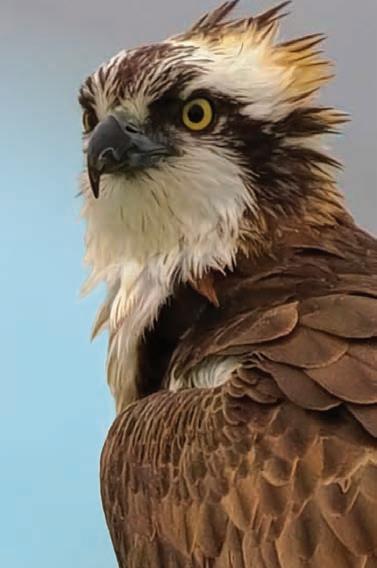













The event is open to all, and tickets are just £45 per person or £55 to include an optional donation to the Trust.


or £55 to include an optional donation to the Trust.




For more information and booking details head over to lrwt.org.uk/events