Wolf Designers: Laura Welles, Makayla Parker, Olivia Sanyal
Wolf Contributors: Kerieyaunta Smith, Lily Bordelon, Nicholas Parrella, Callie Honeycutt, Olivia Sanyal, Angelica Pineda, Makayla Parker, Kate Dalrymple, Travis Denney, John Zwires, Dessadra Tezeno
Copy Editors: Mark Michel
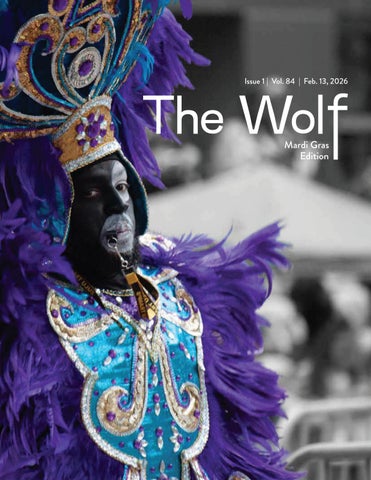
Cover image by Sophia Renzi
Cover design by Makayla Parker
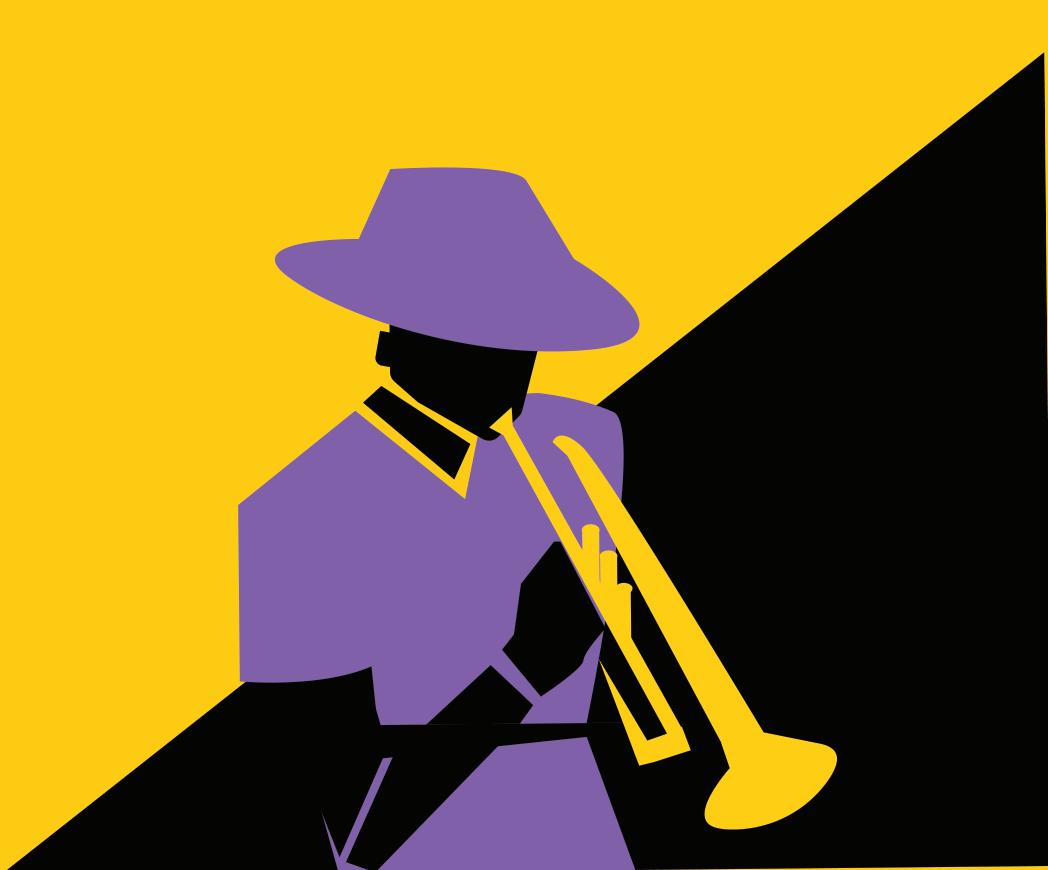
Thank you to all the readers of this edition of The Wolf, we hope you enjoy it! We focused on Black History Month and the way Black history makes Mardi Gras everything it is today. Flipping through you will go from reading about the history of some of the most iconic parades to the cultural roots of Mardi Gras and even the fashion.
The Wolf team works hard to create a final product that represents the creativity and hardworking nature of our team. Each page, story, photo, and design element is created and curated completely by students. We hope this issue encourages you to learn more about the historical roots of Mardi Gras and gives you a greater appreciation of the intersection of Black history in New Orleans and the history of this season we all love so dearly. Remember to have fun and be safe! Thanks for reading!
Much love, The Maroon For a Greater Loyola
Celebrating the Culture and History of ZULU
Written by Callie Honeycutt
Design by Travis Denney
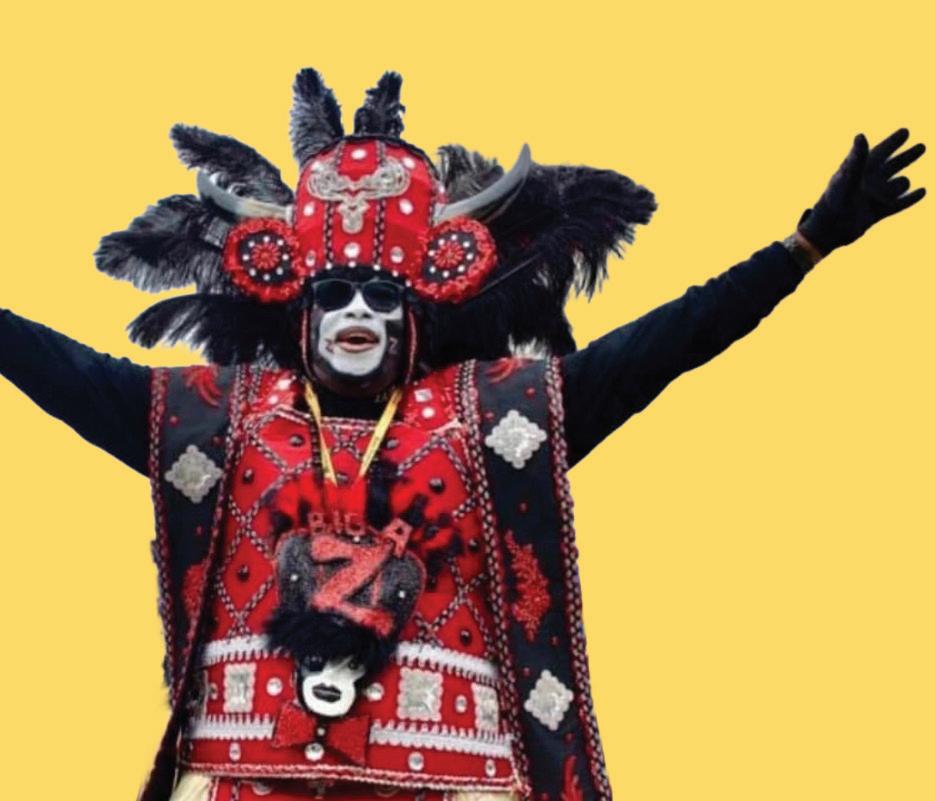
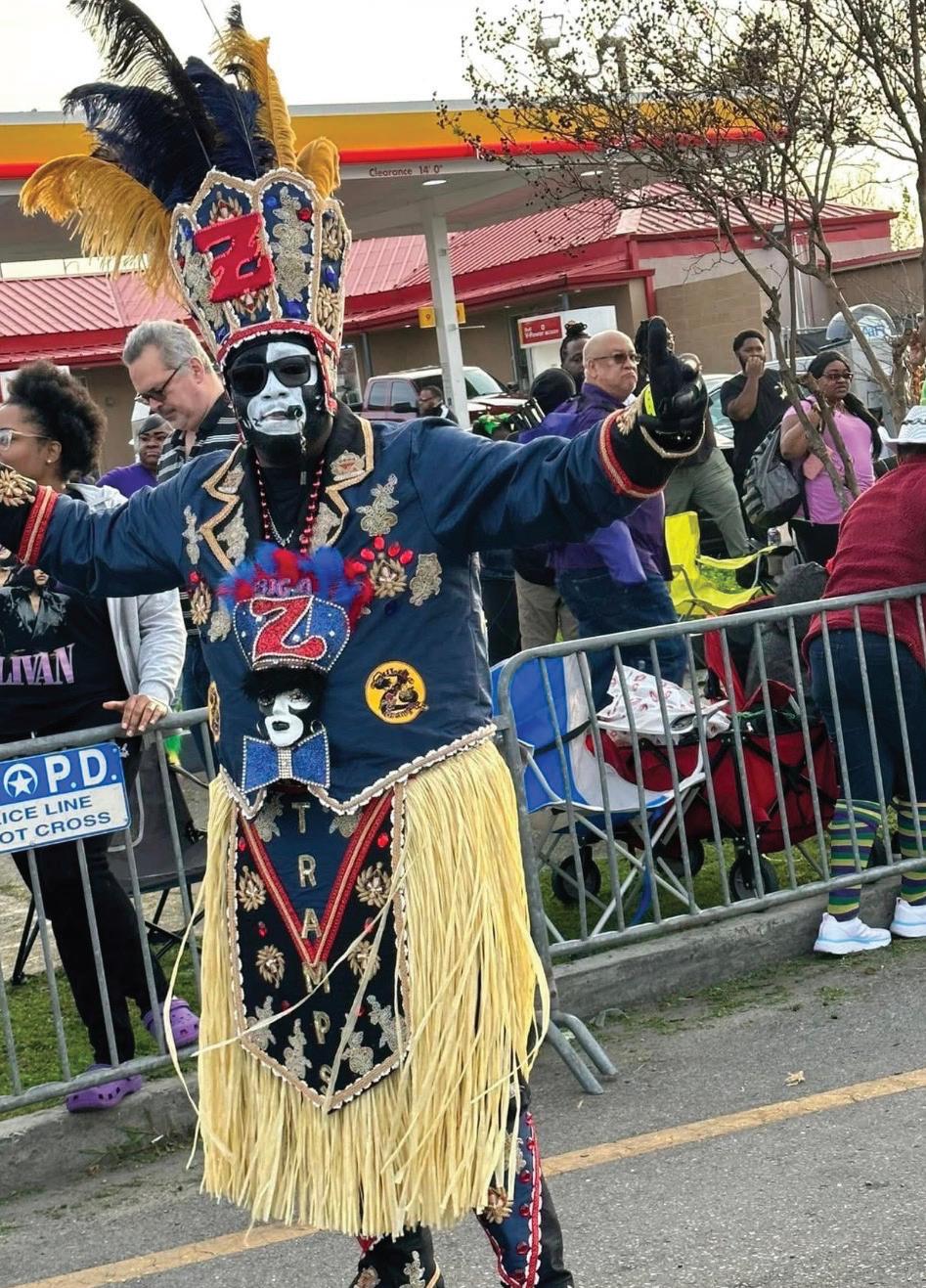
Every year, the Krewe of Zulu leads New Orleans in celebrating Mardi Gras through culture and community while honoring over a century of Black history. The Krewe of Zulu was founded in 1909 as a small walking krewe of working-class Black men, walking through neighborhoods from bar to bar with no elaborate floats. Now, Zulu has cemented itself as one of the most iconic Mardi Gras symbols, carrying that legacy forward every Mardi Gras season.
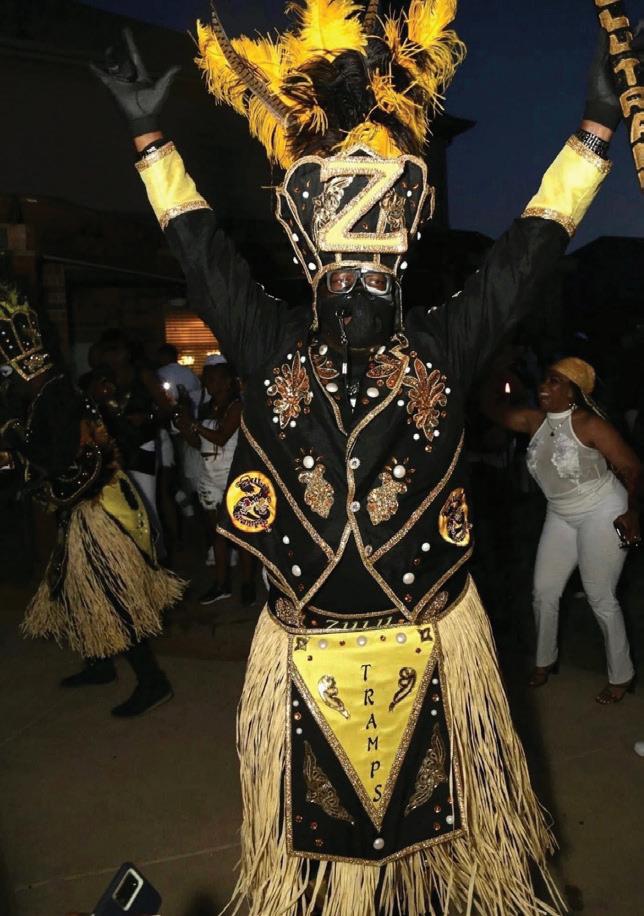
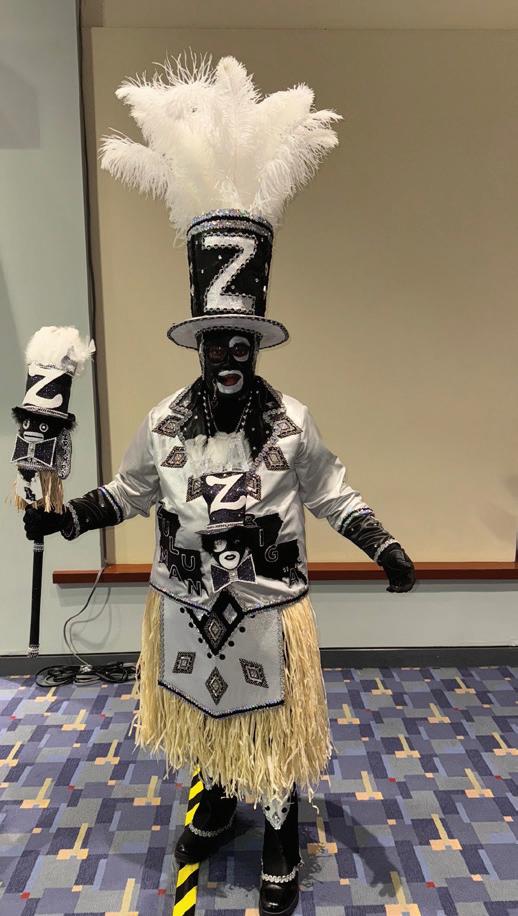
One of the main positions in the Krewe of Zulu is the Walking Tramps, who lead the parade and are the first walking group. Each Walking Tramp embodies a character through costume and satire, a role you can only earn. Anthony Howard, a Krewe of Zulu full member for the last 16 years, does not take this position lightly.
“You have to be outgoing, you can’t be shy,” Howard said Howard. “It’s the most unbelievable feeling in the world. I start the parade with about 400-500 coconuts. I look for children who don’t expect it or elderly people who can’t get up.”
As most krewes have ‘specialty throws’, Zulu has elaborate hand-painted coconuts, intertwining tradition with a deep connection to the community. This relationship with the parade attendees is not limited to the people on the ground, as the members in the floats get their chance to connect as well. Former float rider Roshunda Conway felt this magic when she rode in Zulu in 2017.
“Instead of following Rex’s route, Zulu turns and goes into black neighborhoods to celebrate with the people who weren’t able to go out and attend Mardi Gras,” Conway said. “Having a lot of throws for these people provides these Black families an equal experience of Mardi Gras like everyone else in the city.”
As Mardi Gras often falls during Black History Month, including this year, Zulu remains a powerful reminder of resilience, pride, and representation.
“Just for one day, a working man can be king,” Howard said. “There is no Mardi Gras without Zulu.”
Gabrielle Conway/The Maroon
Gabrielle Conway/The Maroon
Founders of Mystic Krewe of Femme Fatale
Written by Kerieyaunta Smith
Illustrated by Kate Dalrymple
Before the beads start flying and the bass of the brass bands shakes the streets, a different kind of magic takes over New Orleans—one powered by bold costumes, fearless leadership, and Black women rewriting Mardi Gras history. Enter the Mystic Krewe of Femme Fatale.
The Mystic Krewe of Femme Fatale is the first mystic krewe in New Orleans founded by Black women. Created in 2013, the krewe was designed to give Black women a Black woman led organization in the Mardi Gras krewe system to expand opportunities for women to participate in carnival leadership and cultural production.
“I brought my daughter out here specifically to see them; I want her to grow up seeing women of color celebrated like this,” said Gomez, a parade goer.
A mystic krewe is a private social organization that plans and produces Mardi Gras traditions, including parades, balls, costumes, and yearly themes. The term “mystic” comes from the earliest krewes, which were once secretive and exclusive, using masks and coded rituals to create an air of mystery around Carnival. Historically, many mystic krewes were dominated by wealthy white men, limiting access to leadership and participation. Today, mystic krewes remain powerful cultural institutions in New Orleans, shaping how Mardi Gras is experienced and who gets visibility within it, making the rise of inclusive, community centered krewes especially significant.
“There was a time when spaces like this weren’t built for us,” said parade attendee Alicia Brown. “Seeing a Black women’s mystic krewe out here leading their own parade that’s powerful.”
“Knowing they were the first Black women’s mystic krewe makes this so much more special. They didn’t just join a tradition, they made history.”
Mardi Gras krewes have served as social organizations that reflect broader power structures in New Orleans. For much of the city’s history, participation in many mystic krewes was restricted by race and gender. The Mystic Krewe of Femme Fatale was historically momentous as it created space for Black women to organize, lead, and participate in Mardi Gras on their own terms.
“It’s different when you see women who look like you in charge,” said New Orleans native Danielle Carter. “It makes you feel like you belong here too.”
Femme Fatale was founded by Gwendolyn V. Rainey, who grew up with close connections to Mardi Gras through her father’s involvement in the Zulu Social Aid & Pleasure Club. Since familiar with the traditions and structures of the season, Rainey could see a lack of representation for Black women in leadership roles within mystic krewes. At the time of Femme Fatale’s founding, there were African American krewes or women-only krewes, but there were none established and led by Black women.
Marissa Richardon a native to New Orleans who never misses a Femme parade said “ It’s empowering to see Black women celebrated so loudly and proudly.”
The krewe held its first meeting in 2013 during Black History Month. After completing the city approval process and securing a parade position, Femme Fatale had their first official parade in 2015. Its creation marked a structural change within the Mardi Gras world by introducing a new type of organization centered around Black women’s leadership.
“I remember when they first started,” said longtime parade-goer Tyrone Lewis. “To see how much they’ve grown it shows how much the city needed something like this.”
According to the krewe’s mission, Femme Fatale was established to provide women of all backgrounds opportunities to participate in Mardi Gras while also engaging in community service and cultural preservation. The organization emphasizes leadership development, community involvement, and collaboration among its members.
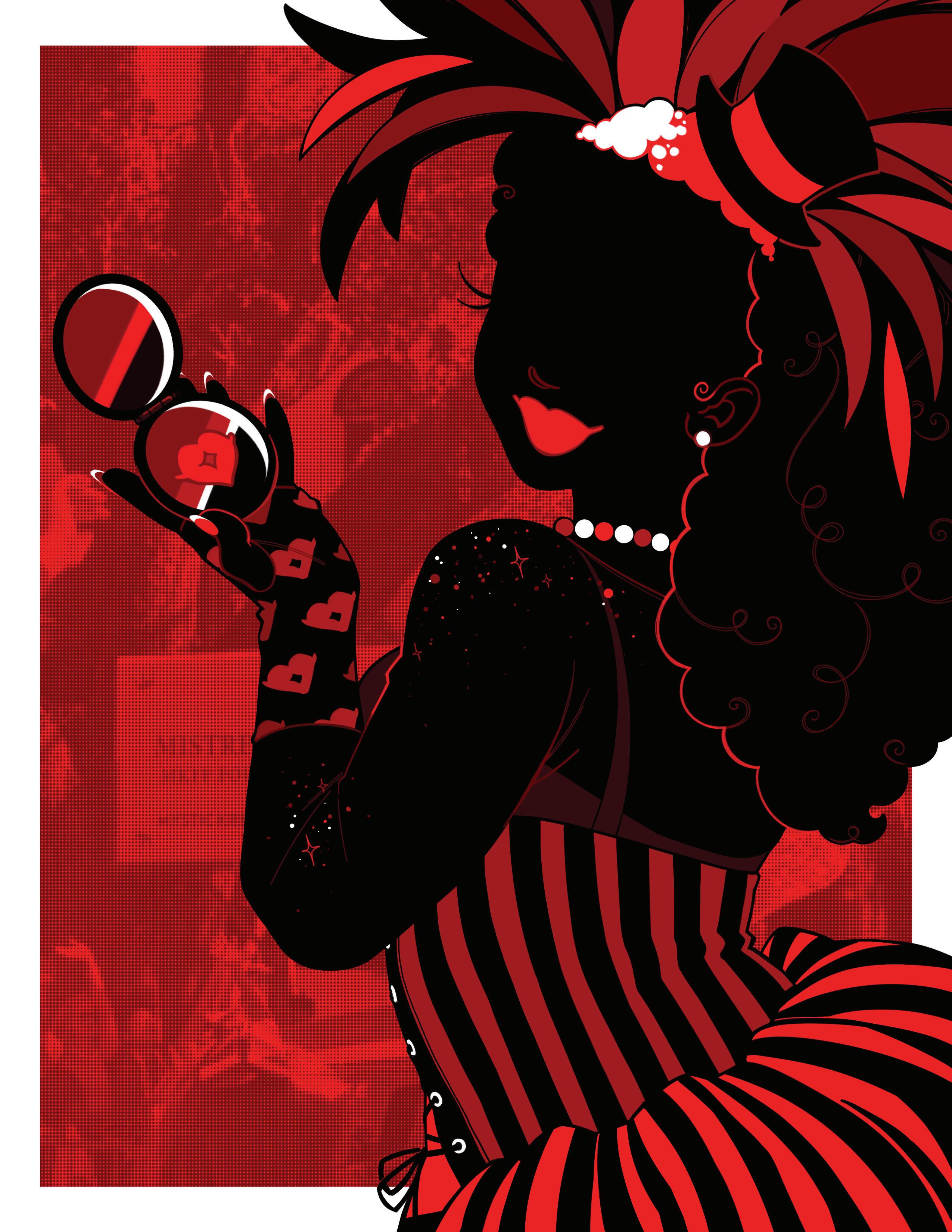
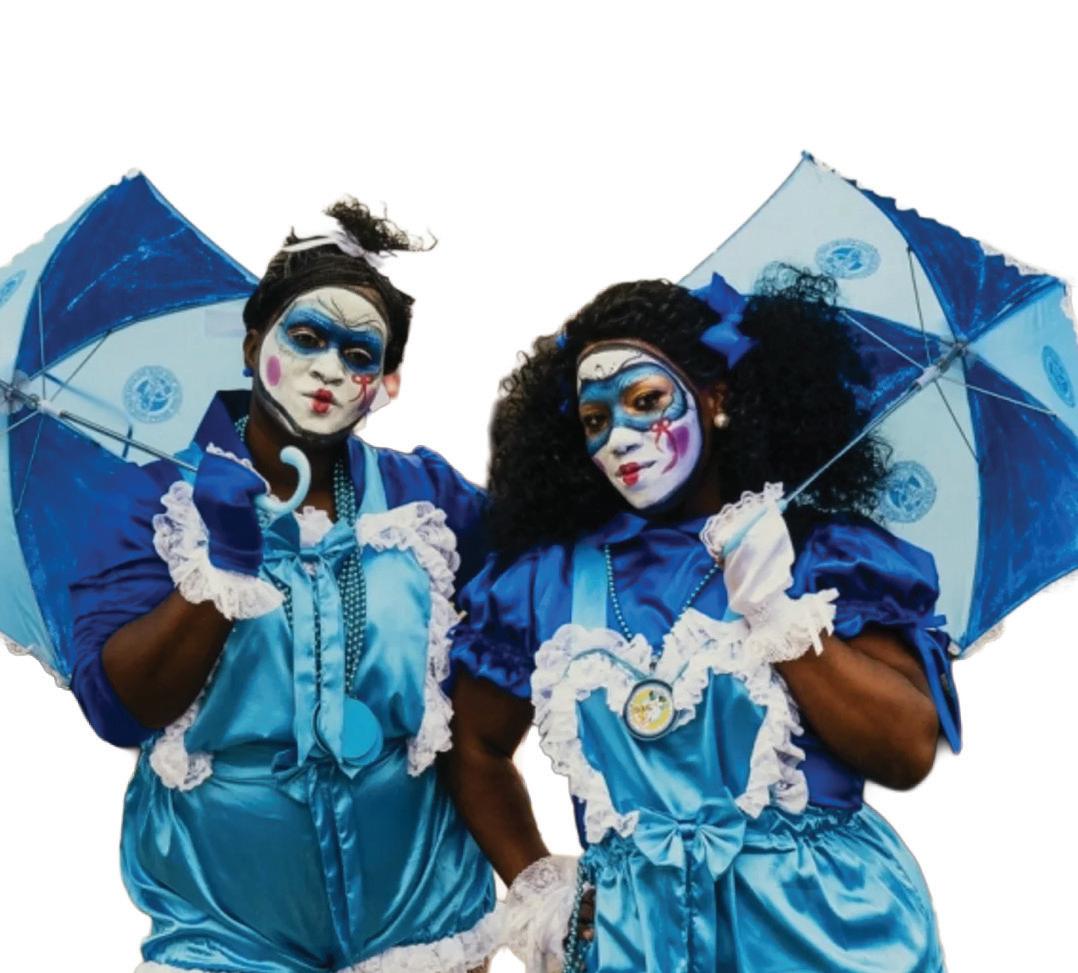
Femme Fatale distinguishes itself through its visual identity and traditions. The krewe’s official colors are red, Black, and white; their signature throw is a mirrored compact, which represents reflection and self-awareness. The parade also features Cherchez La Femme, an all-female dance group that performs choreographed routines alongside the floats.
“Every year I try to catch one of their cups, dolls, and of course the compact mirror,” another parade goer said.
The visual and performance elements of Femme Fatale contribute to how the krewe presents its identity. The mirrored compact, which serves as the krewe’s signature throw, emphasizes themes of reflection and self-representation. In addition, Cherchez La Femme highlights the importance of dance and coordinated movement within the parade. As an all-female group, the dancers reinforce the krewe’s focus on women’s visibility and collective participation during Mardi Gras.
“My little girl was watching the dancers the whole time,” Gomez said. “She told me she wants to be up there one day.”
In addition to Mardi Gras, Femme Fatale operates all year round in community programs. This includes Say Yes to the Prom Dress, which provides prom attire to high school students, and youth mentorship programs such as Future Femmes and Le Jeune Femmes, which serve girls and young women through educational and leadership programming. The krewe has also partnered with community organizations to promote literacy and youth engagement during carnival season.
The creation of Femme Fatale reflects broader historical barriers within Mardi Gras. For much of the history, many mystic krewes restricted membership based on race and gender, limiting access to leadership roles. While changes to these policies have occurred over time, disparities in representation have remained. Femme Fatale was created in response to those gaps, offering a structure where Black women could serve as organizers, leaders, and even decision makers.
Since its founding, the krewe has expanded its membership beyond New Orleans, with members from multiple states and many professional backgrounds. Its continued presence has added to perspectives represented in Mardi Gras and contributed.
Today, the Mystic Krewe of Femme Fatale remains part of the evolving Mardi Gras world with over 1,500 members and 28 floats, representing a shift in who creates, leads, and defines carnival organizations in New Orleans.
“This is what progress looks like,” Carter said. “Tradition, but with room for all of us.”
What Black Mardi Gras Means to Loyola Students
Written by Angelica Pineda
Mardi Gras is a tourist’s paradise. The allure of the flashy krewes accompanied by obscure, and sometimes absurd, themes as well as countless other festivities is hard for anyone to miss.
However, there are other communities outside of the mainstream Mardi Gras most people know about. These communities are often overlooked, despite their importance to the celebration of Mardi Gras and New Orleans’ culture as a whole.
These communities being historically black, also known as Black Mardi Gras, can range from small neighborhood parades with masking Indians and bands, to large scale parades such as Zulu. With Loyola being such a diverse campus, students share their experience as well as willingness to experience a historically Black Mardi Gras this upcoming parade season.
Trinity Steed-Foxx, a biology pre-health major who moved from New York five years ago shared her experiences with Zulu, a historically Black parade.
“For Zulu I feel like there’s a bigger celebration of Black culture. There’s a lot of historically black references, a lot of what represents black culture that everybody understands and kind of brings together a whole community,” Steed-Foxx said.
Takara Powell, a graphic design major who has lived in New Orleans and has marched in parades, reflects on the delightful experience of Mardi Gras and Black Mardi Gras.
“Walking down the street, hearing the loud music, seeing all the colors and the decorations is a really good experience and it’s only once a year. People should also enjoy the Mardi Gras Indians because I feel like that’s another big thing about New Orleans. Not only do they hand make every outfit but they also have a band follow them and walk down to New Orleans,” Powell said.
Powell also adds onto the idea of community with Black Mardi Gras, stating, “I feel like it just brings the energy out of people. They feel at home and safe. I feel like they can be themselves.”
Students have also felt the di erent atmosphere of Black Mardi Gras in comparison to the typical festivities and krewes most are familiar with. Talan Craddock, an international business major who recently moved back to New Orleans after being overseas, spoke about this di erence.
“Its a very cultural event, but I say from the outside looking in, people, from what I’ve seen here, use it as a way to go out and look cute to experience it but they’re not really taking in the cultural side of it,” Craddock said.
Steed-Foxx also recognizes the di erence in culture.
“I do feel like it’s di erent from the mainstream parades because a lot of the mainstream parades take on certain political things or things that are only in New Orleans, so it gives it its own subculture,” Steed-Foxx said.
Portraits by Sophia Renzi/The Maroon
Olivia Sanyal
Design by Makayla Parker
uring Mardi Gras, we see creative freedom expressed all around New Orleans and beyond the city to show o the culture and identity of individuals from all walks of life. The talent and making of everything in Mardi Gras, from floats to decorations to costumes and masks to traditions, all hold deep meaning. Masks are elaborate and expressive, which make them powerful tools to tell stories and establish identity. A main part of the Black Carnival experience in New Orleans is letting individuals fully emerge themselves in their authentic self and being proud of who they are.
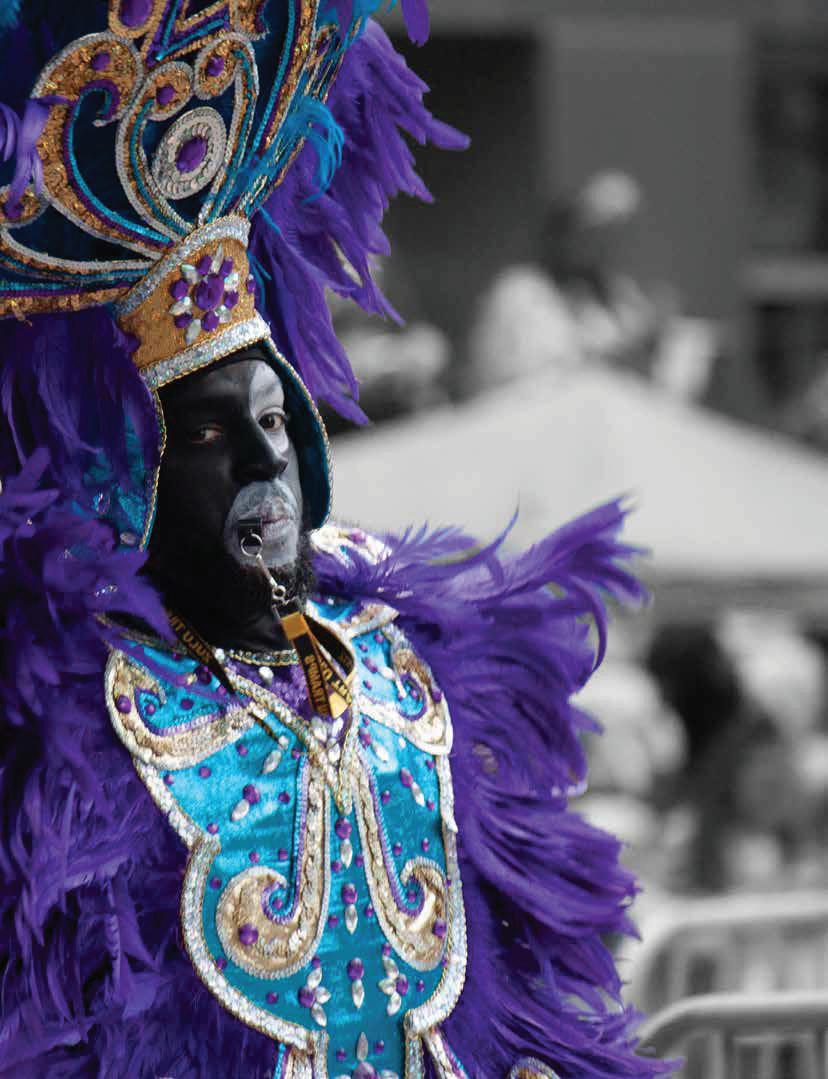
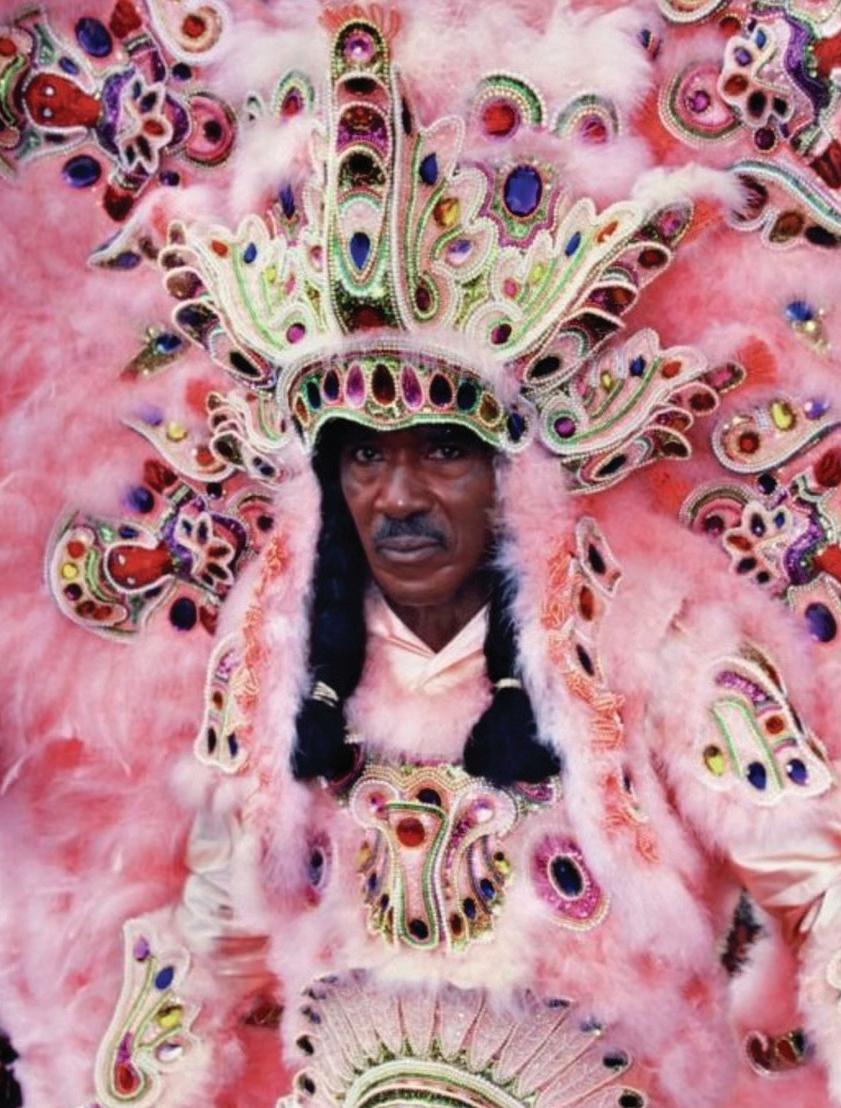
The emergence of the Mardi Gras Indians, also known as the Black Masking Indians, in the late 1800s became a key part of the Black Mardi Gras experience and tradition. Individuals of many groups
craft jeweled and beaded outfits with feathered headdresses that represent the combined elements of Native American and African heritage with Mardi Gras and celebrations. Celebrating with creative expression like drumming, singing, and performing, these traditions were started to help resist colonization and were created at the time that segregation refused Black individuals from being involved in parades. Since then, these traditions have lived to preserve history and to highlight, spread, and assert Black pride across generations.
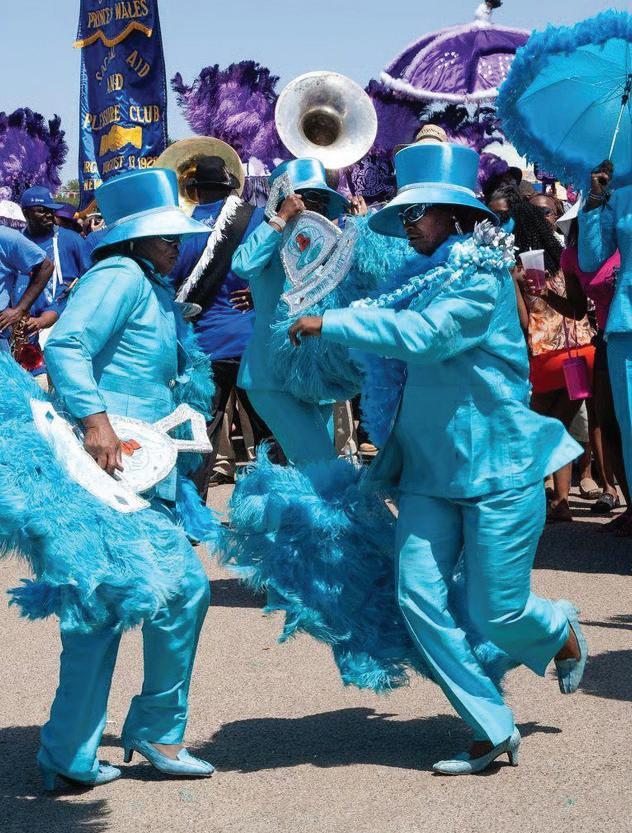
Another tradition that is deeply rooted in carnival culture are the famous second line parades. Community members gather together to blend together music, fashion, dance, and collective shared talent to spread celebration and unity. Historically, second line parades emerged from the
Black communities as celebrations in their neighborhoods. Organizations in neighborhoods o ered social aid to people who were freed from slavery; giving assistance with insurance, loans, burials, finances, and medical issues. Organizations used these parades to publicly show expression of individual pride, resistance, unity, and collective strength.
Black Mardi Gras traditions represent walking and living history through the creative voices of influential individuals. All around New Orleans, music, performance, masks, dance, and art celebrate the season while interweaving the historical identity and community. Mardi Gras traditions like the Black Masking Indians and the second line parades are shaping the future while honoring the past.
Zulu: Then and Now
Written by Nicholas Parrella
Before parading through the streets of New Orleans, Zulu was one of the many Black Social Aid and Pleasure Clubs. According to Zulu’s website, The Krewe, founded in the late 19th century, provided social and financial support to its members. In 1909, the founders o cially took on the name Zulu, which was inspired by the vaudeville skit titled “There Never Was and Never Will Be a King Like Me.”
According to a synopsis on 100 years of Zulu by Charles Chamberlain Ph.D., the skit featured black and white performers adorned in highly exaggerated and stereotypical clothing including grass skirts, wigs made of Spanish moss, and blackface, which reflected the caricature of Black people within white entertainment. Instead of damning these portrayals, Zulu and its founders used it to their advantage, making a mockery of the white perception of Black identity and highlighting the elitist nature of segregated Mardi Gras.
In 1910, Zulu’s parade marked the birth of one of the most iconic Mardi Gras throws: the Zulu Coconut. Originally used as an inexpensive alternative to beads and other throws, the coconut became a staple of Zulu. Over the years, these coconuts evolved into shaven, decorated throws until a brief interruption in 1987 when a lawsuit was filed against the krewe due to injuries from the coconuts. In 1988, “The Coconut Bill” (SB188) was created to protect Zulu from being liable for any injury and was added as a “non-missile” item, however, these items have become handed from the float, rather than thrown, to avoid any further complications.
The parade and krewe as a whole was not allowed to parade on Canal Street until 1969, 60 years after its first parade on S Claiborne and Jackson Avenues. The parade consists of many characters including the King, the Big Shot, the Witch Doctor, the Governor, the Ambassador, the Mayor, the Province Prince, and Mr. Big Stu . Each role holding a di erent meaning, these characters are used to satirize white Mardi Gras while also celebrating Black heritage.
Today, Zulu has upheld its original mission of supporting the community and is currently celebrating 117 years of service and parading. Zulu has gone down in Mardi Gras history as one of the most historically significant and well loved krewes.
Photos courtesy of the Historic New Orleans Collection
Cultural Roots of Black Mardi Gras
Written by Lily Bordelon
The history of Mardi Gras takes its origins from a Catholic, pre-Lenten celebration predating the colonies. However, throughout the centuries of development, Cierra Chenier writes in Essence, the carnival has shifted into its more recent form through the influence of a predominantly black and Catholic community.
“As a Catholic city with a large Black Catholic population and retained African traditions, the extent of our expression and the fullness of our spirituality are intrinsically linked,” Chenier said.
However, Chenier explained that the implementation of Black culture in Mardi Gras was not simple. Racial exclusion and elitism, she wrote, were dominant amongst carnival celebrations, and black individuals were banned from attending white masquerades. So in response, Black individuals held their own krewes where they performed African masking traditions and eventually also incorporated Black Masking Indians. The Skull and Bones krewe is one of the carnivals that began in this era and continues to drum through the streets of New Orleans’s oldest Black neighborhood.
Wayne Phillips, curator of costumes and textiles at the Louisiana State Museum, provided insight on the alleged history of Black Masking Indians, previously known as Mardi Gras Indians. According to Phillips, the tradition originated back in the 1800s when enslaved people sought refuge within indigenous communities, and later, these individuals wanted to pay tribute to these communities by creating intricately beaded and feathered costumes.
“[The story is] kind of hard to prove, but that’s a generally accepted aspect of the origin of Black masking Indians, which, of course, in itself, is sort of an oxymoron, because you’re incorporating the traditions of two different communities, the 19th-century African American community and the indigenous communities of South Louisiana,” Phillips said.
Phillips also acknowledged another potential origin for Black Masking Indians, which consists of the possible inspiration of Buffalo Bill, a western entertainer. In this explanation, Black men took inspiration from the indigenous outfits and created their own suits that ended up being passed down for generations.
“Neighborhood gangs or tribes were created that adopted a very specific beadwork style that was unique to their neighborhood or their gang, whether it was uptown or downtown, which are still terms that are used today to refer to sort of the variation in costume styles,” he said.
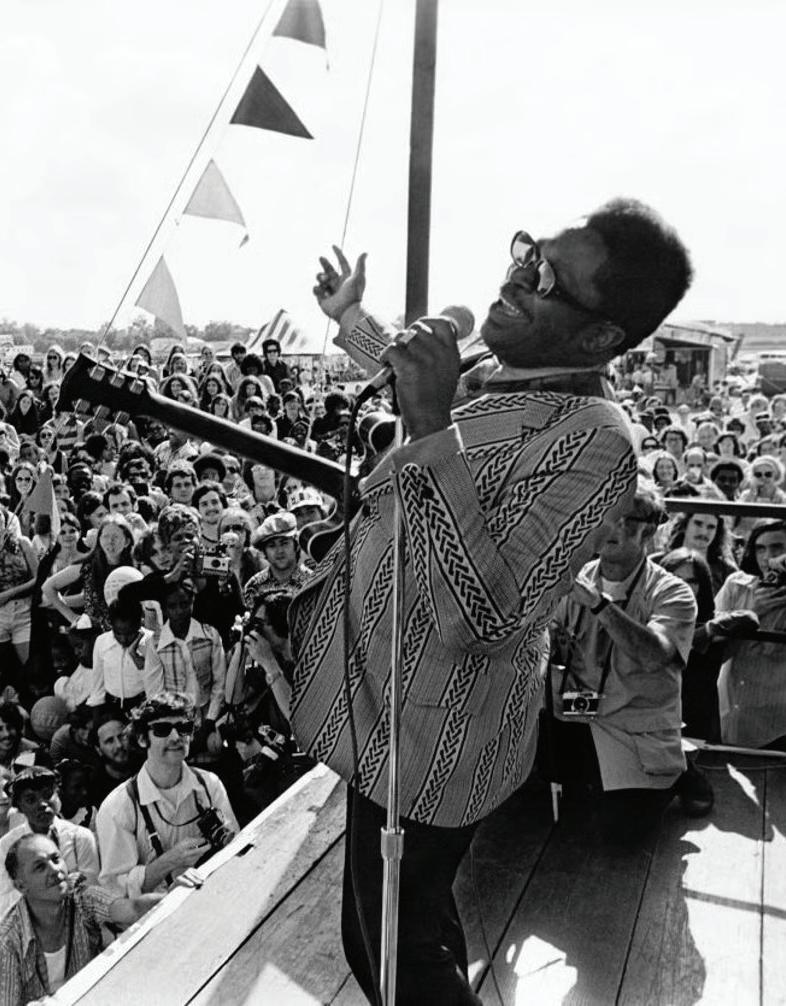
Eventually, Black Masking Indians started to perform music professionally in the 1970s, even participating in the first Jazz Fest.
“That was one thing that really increased their profile in the community and the community’s awareness of them,” Phillips said.
The Louisiana State Museum, according to Phillips, became one of the first museums to collect Black Mask Indian suits as a way to represent Black culture and its influence on Mardi Gras in New Orleans. Phillips stated that the museum may have one of the oldest completed suits in their collection, one worn by performer Bo Dollis before being retired in 1971. Bo Dollis Jr., Dollis’s son, now works at the museum to continue promoting the representation of Black Masking Indians.
Phillips stated that the museum prioritizes the preservation of these suits above all else to ensure that they last to continue educating individuals.
The museum documents other Black Mardi Gras traditions as well, like the Zulu social leader, Pleasure Club, the Baby Dolls, and Black social clubs, that are now displayed in their current exhibit, Origins of New Orleans Black Carnival Society: The Story of the Illinois Clubs, which opened on Jan. 29.
“It’s an exhibition that I’ve wanted to do for many, many years, but about three years ago, I started putting together a group of community leaders and formed an advisory committee that [helped] me arrange this exhibition and schedule it to coincide with the 100th anniversary of the young men Illinois Club,” Phillips said.
The Presbytere is open daily from 9:00 a.m. to 4:00 p.m., and the Origins of New Orleans Black Carnival Society: The Story of the Illinois Clubs exhibit will be open until May 15, 2027.
Photos courtesy of the Historic New Orleans Collection