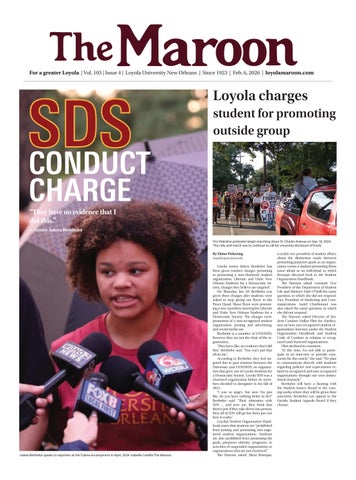
“They have no evidence that I did this.”
— Senior Juleea Berthelot
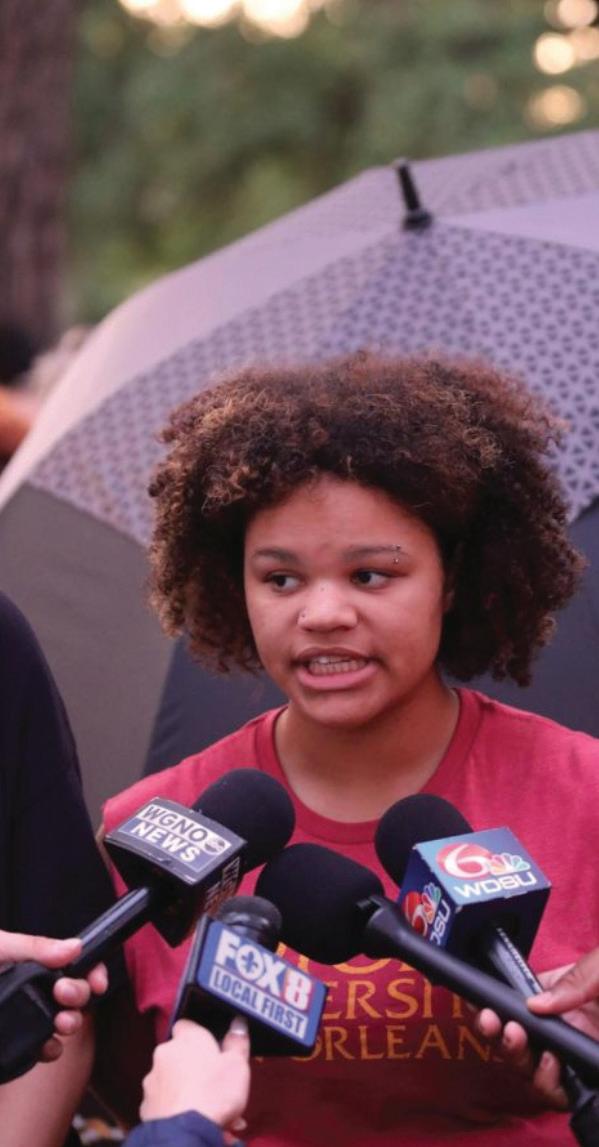
“They have no evidence that I did this.”
— Senior Juleea Berthelot


By Eloise Pickering ewpicker@my.loyno.edu
Loyola senior Juleea Berthelot has been given conduct charges pertaining to promoting a non-chartered student organization, Liberate and Unite New Orleans Students for a Democratic Society, charges they believe are targeted.
On ursday, Jan. 29, Berthelot was given three charges after students were asked to stop giving out yers in the Peace Quad. ese yers were promoting a new members meeting for Liberate and Unite New Orleans Students for a Democratic Society. e charges were: promotion of a non-recognized student organization, posting and advertising, and social media use.
Berthelot is a member of LUNOSDS, however they are not the chair of the organization.
“ ey have, like, no evidence that I did this,” Berthelot said. “You can’t put that all on me.”
According to Berthelot, they feel targeted due to past tensions between the University and LUNOSDS, an organization that grew out of Loyola Students for a Democratic Society. Loyola SDS was a chartered organization before its members decided to deregister in the fall of 2024.
“I was so angry, but now I’m just like, do you have nothing better to do?” Berthelot said. “ eir obsession with SDS … and now me, they think that there’s just, if they take down one person, then all of SDS will go but that’s just not how it works.”
Loyola’s Student Organization Handbook states that students are “prohibited from joining and promoting non-registered student organizations. Students are also prohibited from promoting the goals, purposes, identity, programs, or activities of suspended organizations or organizations who are not chartered.”
e Maroon asked Alicia Bourque,


Loyola’s vice president of student a airs, about the distinction made between promoting purposes/goals as an organization versus a student promoting those same ideals as an individual, to which Bourque directed back to the Student Organization Handbook.
e Maroon asked Assistant Vice President of the Department of Student Life and Ministry Dale O’Neill the same question, to which she did not respond. Vice President of Marketing and Communications Aariel Charbonnet was also asked the same question, to which she did not respond.
e Maroon asked Director of Student Conduct Dallas Flint for clari cation on how non-recognized student organizations function under the Student Organization Handbook and Student Code of Conduct in relation to recognized and chartered organizations.
Flint declined to comment.
“At this time, I’m not able to participate in an interview or provide comments for this article,” she said. “We plan to communicate directly with students regarding policies and expectations related to recognized and non-recognized organizations through our own institutional channels.”
Berthelot will have a hearing with the Student Justice Board in the coming weeks where they will be given their sanctions. Berthelot can appeal to the Faculty Student Appeals Board if they choose.

ByLily Bordelon nrparrel@my.loyno.ed
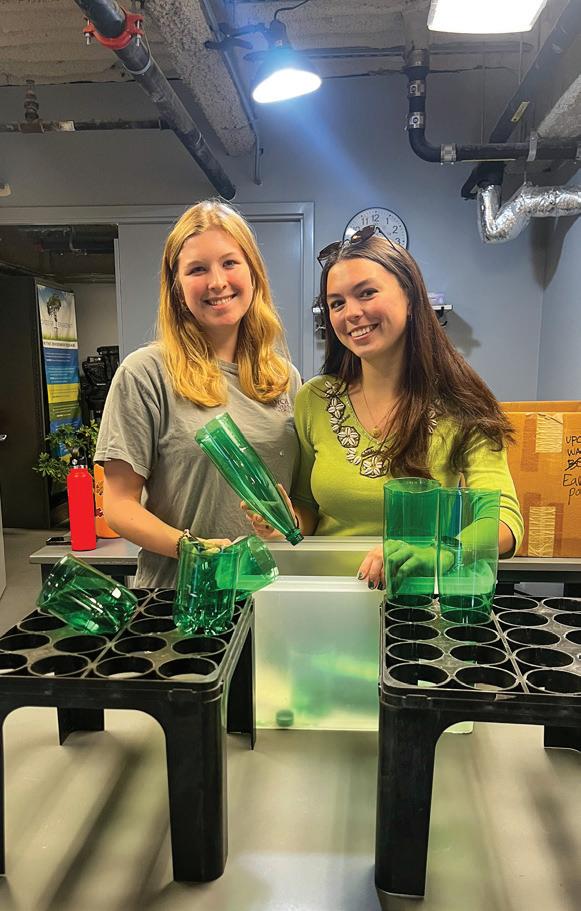
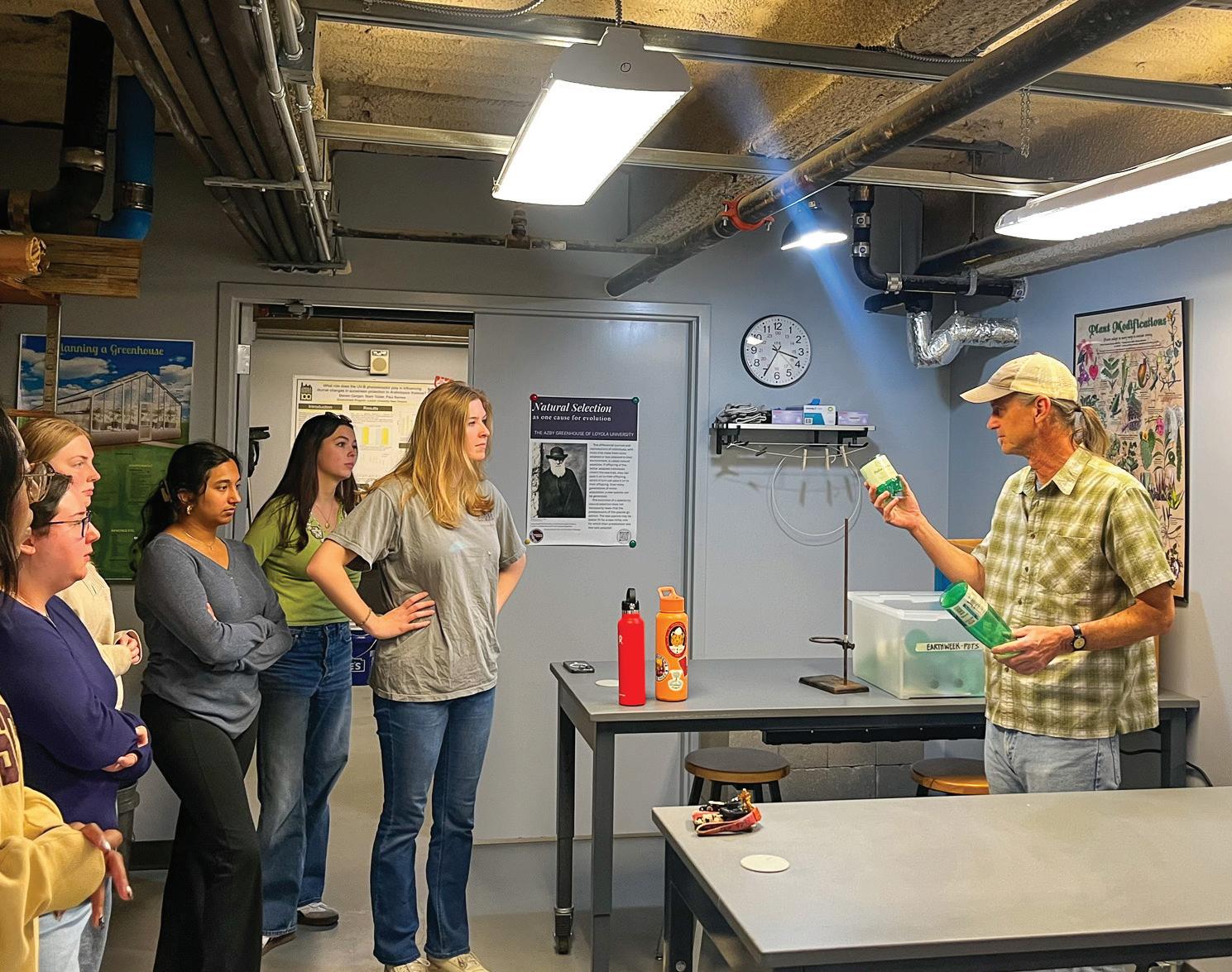
Students prepared for Loyola’s Earth Week by planting nearly 60 plants for the free plant giveaway during Earth Day’s sustainability fair. They did this during a volunteering event at the greenhouse on Jan. 29.
According to Students for Environmental Action President Katie Buc, a senior double majoring in political science and environmental Studies, the group planted nearly 60 plants for the free giveaway during Earth Day’s sustainability fair in April.
Buc was very pleased with the turnout for the volunteer event.
“It is really hard to get students to turn
out to volunteering events because they are juggling school, work, other clubs, and just trying to enjoy their college experiences,” she said. “So overall, I was really excited that we were able to get people excited to volunteer in the greenhouse.”
Buc explained that SEA aims to promote student interest in awareness in nature and the environment through volunteering events and social events. The next event happening will be a Mardi Gras upcycling event at the end of February to upcycle beads into arts and crafts. Additionally, the next chain of volunteer events will be held in March and April at Greenlight NOLA and Recirculating Farm.
By Pharrell Every pjevery@my.loyno.edu
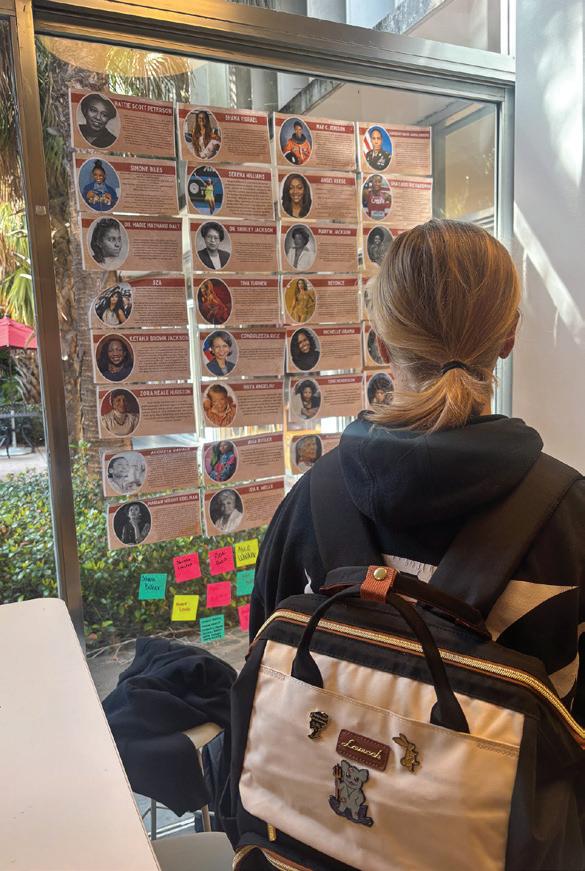
This year, Black History Month turns 100 years old. Student organizations such as Theater for the Culture, Student Government Association, and University Programming Board plan to mark the centennial with a variety of events.
It began as Negro History Week in 1926 before becoming federally recognized as Black History Month 50 years later in 1976.
Since their establishment in 2024, Theater for the Culture serves as a space for Black storytellers to showcase their work and tell their stories.
The first event planned by Theater for
the Culture is “Reading for the Culture: Black Play Reading Series,” which will occur every Thursday in Feb. at 12:30 p.m. Feb. 5, 12, and 19 on the fourth floor of the library,” according to President and junior physics and theater arts major Gabrielle Stanfield.
On Feb. 18 there will be an event called “Black Is—?” which, according to Stanfield, is about “exploring and debunking the problems in the industry and providing advice, tips, and tricks to growing your career as a Black storyteller.”
Artists from all over campus and in any form are welcome to take part in this event.
TFC will be hosting a Black History showcase in Nunemaker Hall on Thursday, Feb. 26 at 7:30 p.m.
“We tend to specialize in events that foster more community, teach students about progressing in their careers, and also give them performance opportunities to allow them to showcase what Black history means to them during the month of February,” Stanfield said.
"There is always room for growth, but I can appreciate the direction we are moving towards."
Gabrielle Stanfield, Theater for the Culture President
Regarding the university as a whole, Stanfield believes that while large and
important strides are being made, there is still a lot of work to be done.
“While I still have concerns about the underfunded Black Studies Department and the request to change certain room and organizational names from administration, aiding in the erasure of Black History, I will stay positive in the hopes that Loyola will uphold the Jesuit mission of a just and true campus,” Stanfield said. “There is always room for growth, but I can appreciate the direction we are moving towards.”
Stephanie Ruiz, senior biology major and director of equity and inclusion for SGA is excited to collaborate with Black student organizations to plan events for the month of February.
“I want to reach out to all of the organizations that represent Black history [...] to partner and see if we could do something just to highlight and give a voice to the students on campus,” Stanfield said.
While not completely sure of what the event will be, whether it is a trivia night or awards ceremony, her main priority is the input of Black student leaders to make the event a collaborative effort between SGA and these organizations.
She also plans to do a social media spotlight, highlighting a Black student, professor, and organization in order to recognize the work they do on campus.
The equity and inclusion committee hosted events in the past to celebrate Black History Month. This year, Ruiz wants to make the celebration bigger.
“I feel like sometimes, we do as much as we can to make people be seen on campus but I feel like a lot of students aren’t aware of these organizations so I want to just keep pushing it more,” Ruiz
said.
By making the celebration bigger, she hopes to spread the word about the presence of these organizations to student groups like commuters, who may not know much about them or get many chances to interact with them.
Angel August, a sophomore psychology pre-health major and director of programming for student government, is looking forward to the Black history month themed Wolfpack Wednesday coming up at the end of the month.
On Feb. 25, the University Programming Board will be hosting Wolfpack Wednesday, where students wearing maroon, gold, or Loyola gear will receive free goodies. At this Wolfpack Wednesday, food will be provided by a Blackowned restaurant and there will also be some Black history facts to engage students.
While UPB doesn’t have anything currently planned outside of Wolfpack Wednesday, August is definitely looking forward to doing more with Black student organizations.
“Since right now I don’t really have anything planned for that outside Wolfpack Wednesday, maybe next year I do want to extend that invitation to [Black Student Union] and do a cookout or a movie screening or something,” August said.
Outside of student leadership, students throughout campus are calling for others to get involved and find ways to celebrate Black History Month both on and off campus.
Junior psychology major Joshua Fletcher recognizes the importance of celebrating Black History Month as a
time that people should really sit and reflect.
“Black History Month is important to me because it gives me a time and a space to really think back to American history and my ancestors, at least in this country. To me, it gives me a good amount of pride to see people who looked like me who were very historically significant,” Fletcher said.
He does wish that for the campus overall, other student organizations besides just Black student organizations celebrated Black History Month and calls for academic departments to do more to recognize the contributions made by Black academics.
“We could talk about historical Black psychologists in the psychology department or historical Black writers in the English department [...] I feel like particularly academic departments could definitely do more to celebrate Black History Month,” Fletcher said.
Moving beyond campus, Fletcher wants to see more student involvement in events taking place outside campus and believes that student engagement with Black History Month needs to go farther than just interacting with student organizations and lectures at school.
“When it comes to students engaging with Black History Month [...] I do think a lot more students could make efforts to try to seek Black history events off campus. I feel like that could add a good amount of understanding to get a non-student or a non-academic perspective of Black history,” Fletcher said.
ACROSS
1. A transfer of pollen
11. Railroad, abbr.
12. A sugary uid secreted by plants
13. Blumhouse, abbr.
15. Sound a horse makes
17. One of the penguins from Madagascar
19. Cosine, Tangent, _____
20. Public Relations, abbr.
22. Home of the Wolf Pack, abbr.
24. North Carolina abbr.
26. First 4 letters of the Disney movie about a Colombian family with magical powers
27. Movie co-starring Jonah Hill: Super___
28. Electronic Arts, abbr.
29. Cornell Students for the Ethical Treatment of Animals, abbr.
30. Icelandic dairy product similar to greek yogurt
32. Name of the 1974 Cold War spy novel by John le Carré, abbr.
34. Commercial Drivers License, abbr.
37. A ctional reasearch organization which contains and researches anomalies
38. Illuminating Engineering Society, abbr.
40. Spoken
42. Original Equipment, abbr.
43. Chile, abbr.
44. "___ and behold!"
45. Minnesota, abbr.
46. Opposed to out
47. Small bills
49. Bluetooth, abbr.
51. Bird's home
52. In other words
53. Feminine su x, in French
56. Fashion monogram
57. "Hands o " in the ER
58. Barry B. Benson says this, "Ya like ___?"
60. e O's in XOXO
61. Feathered friends
63. Tea, in Spanish
65. Catch some rays
66. Mardi Gras oat path
DOWN
1. Female version of prince
2. Almond syrups used in cocktails
3. Natural logarithm, abbr.
4. In other words
5. National Crime Agency, abbr.
6. Advanced Technology, abbr.
7. Teacher's Assistant, abbr.
8. Internal Rate of Return, abbr.
9. American broadcast television and radio network established in 1926
10. Pesticides designed to kill and control insects
14. Building hexagonal wax cells, bee-style
16. "Relativity" genius with wild hair
18. Oldest all-female Mardi Gras krewe
20. Lead, on the periodic table
21. A dorm oor's supervisor, abbr.
23. Global peacekeeping org, abbr.
25. Wood-boring bees
31. Kansas, abbr.
33. A buzzing bee farm
34. A community of bees
35. Male bees that don't sting
36. e Pelican State you're partying in right now, abbr.
39. Feeling under the weather
41. ABC's island mystery series
48. English class for non-native speakers, abbr.
50. "PAING" spelled backwards
54. New Jerusalem Bible, abbr.
55. A Biblical scribe
57 Timothée Chalamet's desert sciepic
59 Zoning District Residential, abbr.
60 Jester's headpiece
62 South America, abbr.
63 Tellurium, on the periodic table
64 Where you go in an emergency
65 e Green Wave school down the road, abbr.
Editorial Board
Editor in Chief - Eloise Pickering
Managing Editor - Mary Ella Hastings
Pre-Content Director - Alana Frank
Post-Content Director - Callie
Honeycutt
News Editor - Lily Bordelon
News Editor- Stella Perdue
Worldview Editor - Pablo Pineiro
Life & Times Editor - Elise Beck
Asst. Life & Times Editor - Olivia
Sanyal
Sports Editor - Keri Smith
Opinion/Editorial Editor - Imad
Siddiqui
Breaking News Editor - Natalie
omas
Copy Editors - Mark Michel
Senior Sta Writer - Dominique
Campbell
News Consultant - Mark Michel
e Wolf Director - Laura Welles
Senior Sta Photographer - Sophia
Renzi
Photo Editor - Ashlyn Bobb Collins
Asst. Photo Editor - Pharrell Every
Social Coordinators - Mabel
Regalado-Hernandez, Carlos Andrade
Broadcast Producer - Cecilia Calderi
Lead Anchor - Dessadra Tezenzo
Design Chief - Makayla Parker
Newsletter Writer - Rodrigo Delgato
Distribution Manager - Sophia Renzi
Contributors
Alyvia Pierson, Natalie Albers, Christopher Pouncy, Ruby Nieder, Stella Purdue, Lonniesha Carroll, Alyssa Jones, Cori Davis, Fin Jones, Angelica Pineda, Qemyne Barnes, Amari Winchester, Joshua Fletcher, Claire Schmit, Nicholas Parrella
Sales Manager: Emily Keller
Student Media Adviser: Michael Giusti
Assistant Student Media Adviser: Gabriella Killett Vargas

CONTACT US
Main O ce - (504) 865 - 3535
Business O ce - (504) 865 - 3536
Adviser’s O ce - (504) 865 - 3295
Correspondence - maroon@loyno.edu
Letters to the Editor - letter@loyno.edu
Advertising - ads@loyno.edu
Website - www.loyolamaroon.com
Twitter - @loyola_maroon
Facebook - e Maroon
Instagram - @loyola_maroon
Our o ce is in the Communications/ Music Complex, Room 328.
Send mail to: e Maroon, Loyola University, Campus Box 64, 6363 St. Charles Ave., New Orleans, LA 70118
e Maroon is published every Friday. Unless otherwise noted, all content is copyrighted by e Maroon. All rights reserved. First copy free to students, faculty, and sta . Every additional copy is $1.00.
e Maroon is printed on 30 percent post-consumer recycled content.
By Eloise Pickering ewpicker@my.loyno.ed
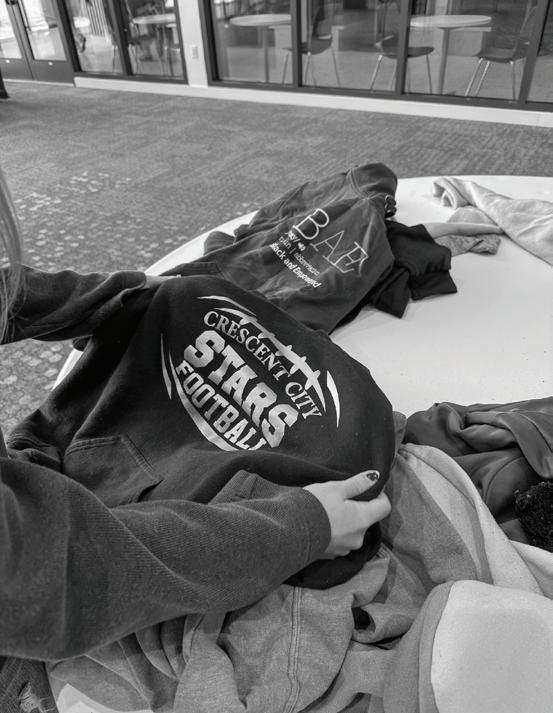
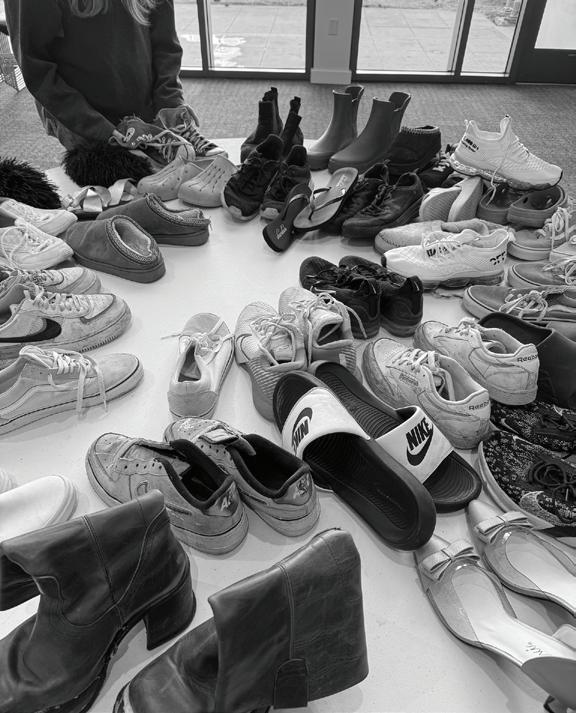
The Loyola University Community Action Program held a two day, on-campus thrift sale to raise money for Iggy Vols and promote sustainability.
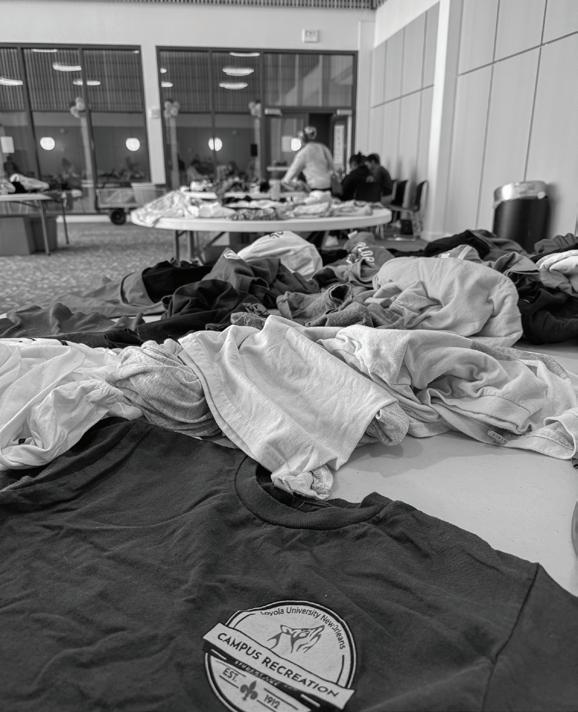
The sale was held on Feb. 2 and 3 us-
Iggy Vols is a campus immersion group, and this semester they will be traveling to El Paso and Juarez, Mexico, where students will encounter the “lives and stories of people living along the U.S.–Mexico border,” according to Lindy Brasher, university minister for social justice.
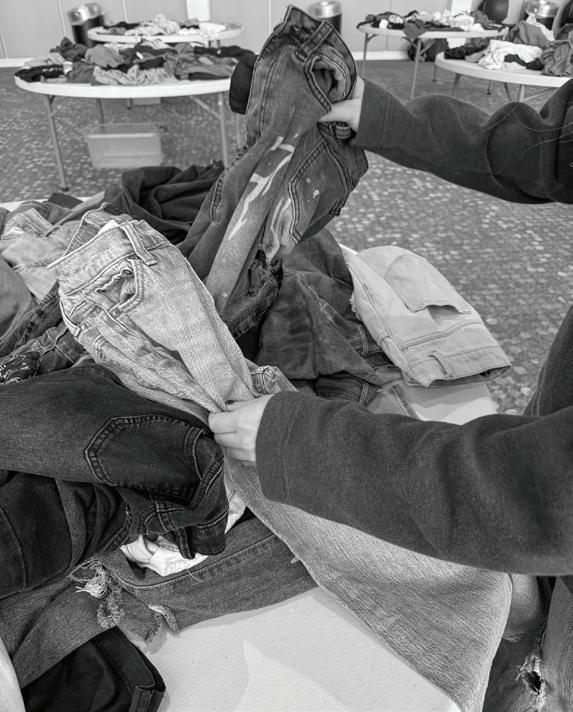
ing clothes from the spring 2025 move out, as well as items students had donated.
According to Brasher, the sale was successful in many ways.
“It helped keep usable items from ending up in a landfill while also supporting a meaningful student experience,” Brasher said.
LUCAP is a social justice initiative that’s rooted in Catholic Social Teachings, according to their website.
“The sale encourages responsible stewardship of the Earth and invites our community to consider how everyday choices can contribute to the well being of both people and the planet,” Brasher said. “Everyone who supported the sale … reminds us that gratitude, sustainability, and solidarity are deeply connected.”
By Alana Frank anfrank@my.loyno.edu
Artificial intelligence tools like ChatGPT are becoming more common in college classrooms, raising questions about how students should use them and where the line should be drawn. Professors say AI can be helpful, but only if it is used responsibly.
Scott Gericke, an assistant professor in Loyola’s Department of Design, has seen AI used mostly as a creative support tool. In design classes, he said AI can help students turn ideas into early mockups or visual examples.
“I’ve noticed helpful tools with writing and creating prototypes of ideas to get a message across,” Gericke said.
He added that traditional methods like sketching are still important and have not been replaced.
Gericke does not have a formal policy on AI use in his classroom yet. He said the technology is still new to him, and he wants more time to understand how it fits into design education. However, he said honesty matters.
“I want my students to be open and honest about how and why they’re using AI,” he said.
While Gericke sees some benefits, he also has concerns. He worries that relying too much on AI could hurt students’ creativity over time, especially when it comes to brainstorming and developing original ideas. He also raised concerns about the environmental and labor impacts connected to AI technology.
“Overall, I am concerned with what I’m understanding about how communities are being devastated of resources by Data Centers that power AI technology; and by how AI firms are farming out low-paying jobs in less developed countries to people who have to keyword im-
ages of devastation, horror, carnage, and death,” he said.
In the political science department, Dr. Roger White, associate professor and department chair, said AI is becoming a bigger topic of discussion on campus.
“AI is a tool,” White said. “It can be used for good or bad purposes.”
When it comes to the future, White said the effects of AI depend on how it is used.
“If it enhances human ability, the effect is good,” he said. “If it replaces that ability, it’s bad.”In
White said he personally uses AI Overview on Google when researching, but emphasized the importance of verifying information.
“I use AI Overview on Google, but check the sources to make sure they’re reliable,” he said.
used ethically in limited ways, but not for creating original academic or creative work.
“I think AI might be used ethically for some work,” she said. “For example, I think it could assist in accelerating the pace of synthesizing data for medical research and perhaps assist in developing cures for diseases. I do not think it is ethical to use it to create original work, such as essays, research papers, articles, books, creative works.”
Boyett said she is currently exploring how AI could be used ethically in the classroom, particularly to help students understand its limits.
“We have to talk about it because the industry is using it."
Michelle Rossi, Assistant professor of journalism and mass communication,
While White has not noticed students using AI in his classes, he said he could see it being useful if applied thoughtfully.
“I can see using AI to contribute to class discussion,” he said.
White said the impact depends on how the technology is used.
“To the extent that it enhances human ability, the effect of AI is good,” he said. “To the extent AI replaces that ability, it is bad.”
Dr. Patricia Boyett, Peter J. Cangelosi/ Beggars Endowed Associate Professor of History, said she is concerned about how some students are currently using artificial intelligence.
“I am concerned that some students are using it to write their papers and develop presentations,” Boyett said.
Boyett said she believes AI can be
“In my prelaw courses, I am exploring how it could be used to synthesize case law,” she said, adding that it is still important for students to develop their own analysis.
She said she has also created in-class exercises where students first analyze sources on their own, then compare their work to AI-generated analysis to identify errors, originality, and depth.
Boyett said she has noticed students using AI in class and has adjusted her teaching methods in response.
“I have made some changes in my courses, such as banning the use of electronic devices except when we are purposefully using AI tools,” she said.
She added that she has returned to in-class essay exams and assignments like debates and moot courts that require students to think critically and respond in real time.
Looking ahead, Boyett said she worries about the long-term effects of stu-
dents relying on AI to do their work.
“If students use it to write papers, synthesize readings, and create presentations, they will fail to deepen their critical analytical, writing, artistic, and oratory skills,” she said.
Boyett added that overuse of AI could lead to thought conformity, stifle creativity, and discourage innovation.
For journalism students, expectations around AI are more clearly defined. Dr. Michelle Rossi, assistant professor of journalism and mass communication, said using AI to fully write assignments is not acceptable.
“Unacceptable is when a student creates and generates content using AI,” Rossi said.
Rossi said students are allowed to use AI to help gather information, similar to using Google, as long as they fact-check what they find and do their own analysis.
She said students are responsible for the final work they turn in.
“What I don’t want to see is a final assignment generated by a chatbot,” she said.
Rossi added that AI-written stories often look polished but lack strong content.
“You read it and it’s well formatted, but it’s kind of empty,” she said.
Despite the concerns, Rossi said AI is not going away and should be discussed openly in the classroom.
“We have to talk about it because the industry is using it,” she said.
Across departments, Loyola professors agree that AI is becoming a part of college life. While its role in the classroom is still being defined, faculty say the focus should remain on student learning, honesty, and critical thinking.

The Loyola Asian Student Organization will be hosting a Lunar New Year's event on Feb. 12 at 12:30 p.m. in the Peace Quad. The event will have refreshments, karaoke, trivia, and other activities for students to participate in to celebrate Lunar New Year, which marks the beginning of the year based on lunisolar calendars. Updates will be posted on LASO’s instagram account, @lasowolfpack.
The National Association of Hispanic Journalists will host a king cake social on Feb. 5. Students who attend can grab a slice of king cake tres leches at 12:00 p.m. in the Danna Center. For more information, students can email maregala@ my.loyno.edu and mrossi@loyno.edu.
University Programming Board is hosting the annual Countdown to Carnival celebration and involvement fair on Feb. 10 from 12:00 to 2:00 p.m. Students can celebrate Mardi Gras with food, music, activities, animals, a photo booth, and more attractions. The event will take place in the Peace Quad.

By Keri Smith klsmith1@my.loyno.edu
Jace Luckoski was named Southern States Athletic Conference Cross Country Athlete of the Year for the second consecutive season during the fall of 2025.
Luckoski earned the award after another consistent season in SSAC competition, where he remained one of the top nishers across multiple meets and continued to serve as a key scorer for his team. e Athlete of the Year honor is awarded to the conference runner who demonstrates the strongest overall per-
formance throughout the season. roughout the regular season, Luckoski recorded several high nishes at SSAC meets and maintained a steady presence at the front of the eld. His performances helped set the tone for the team and positioned him as one of the conference’s most reliable runners heading into the postseason.
At the SSAC Championship meet, Luckoski delivered one of his strongest races of the year, nishing among the top competitors in the conference. His result contributed directly to the team’s overall placement and played a role in his repeat selection as Athlete of the Year.
Friday, Feb. 06 | Ocala, Fla.
“I wouldn’t be able to get out the door and run without having a team to motivate me. Just being with a group of people everyday for practice motivates me to train hard and work better. Everything I do, I do for the team,” Luckoski said.
Luckoski competed in every major meet during the season and remained at the top of the team’s lineup throughout the year. His consistency across multiple races and courses was a key factor in earning the award for a second straight time.
“I wouldn’t want to think I could’ve done better, so I give it my all. Leading up to a performance, I always tell myself in
do it,”
Winning SSAC Cross Country Athlete of the Year in back-to-back seasons places Luckoski among a small group of repeat winners in conference history.
Luckoski is expected to continue competing during the upcoming track season and will return to cross country next fall, with team goals centered on conference competition and advancement to the national level.
“[We] de nitely need to win the conference as a team next year, and make a trip to nationals. For the upcoming track season, I’d like to place a few times at
conferences and see the team place better than last year.” Luckoski said.
By earning the SSAC Cross Country Athlete of the Year award for a second straight season, Luckoski joined a small group of runners in conference history to accomplish this. e repeat honor highlighted not only his individual performance, but also his consistency across multiple seasons of conference competition.
Feb. 06 | Ocala, Fla.
e Sun Conference Women's Championship
Friday, Feb. 06 | New Orleans, La.
@Battle in the Big Easy
Friday, Feb. 06 | Rome, Ga.
vs Tennessee Wesleyan
Friday, Feb. 06 | New Orleans, La.
@Battle in the Big Easy
Feb. 06 | Segnette Field
By Mary Ella Hastings mlhastin@my.loyno.edu
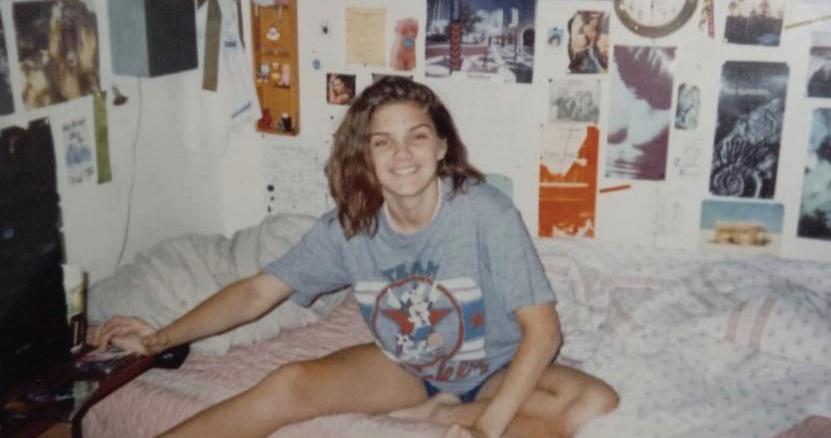
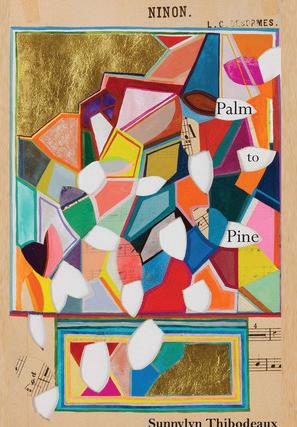
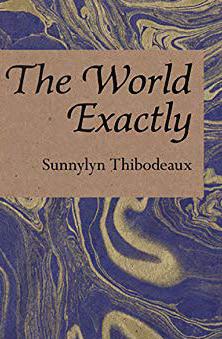
Themes of New Orleans magic, motherhood, loss, politics, and cooking find their way into a new book titled" Lucky Charms,” by the Office Manager for the School of Communications and Design at Loyola.
Sunnylyn Thibodeaux’s “Lucky Charms” is on the Publishers weekly 2026 spring and summer titles with “ something special about them”.
Thibodeaux says this is the first time that one of her books has gotten this level of recognition, and it has left her in disbelief.
“I kind of shy away from compliments, if you will. I’m like oh, that's really exciting. And now I'm gonna go over here and hide,” Thibodeaux said.
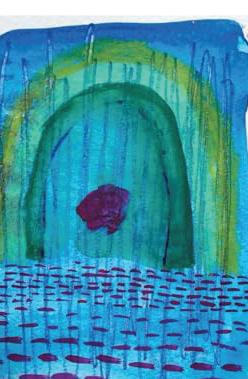
The Creation of “Lucky Charms’ Thibodeaux’s upcoming book of poetry is a collection of poems that spans 25 years of her life, with a special focus on home and what it means to her.
“What's interesting is so much of this book was written while I lived in California but so much of the themes are New Orleans, because this is home,” she said.
Garret Caples, an editor at City Lights, worked on “Lucky charms” with Thibodeux and said that working together was “somewhat telepathic.”
“I would get a version and have some thoughts and she would address those thoughts without me having to send them to her. It had a bit of poetic magic to it,” Caples said.
“Lucky Charms” is part of a series that City Lights Publishing does called the Spotlight Series.
The focus of this series is to shine a light on a poet that has a catalogue of works that isn't getting tons of recognition.
14-year-old
“Her work ought to be presented, and City Lights has kind of a bigger reach than the small press,” he said.
Caples praised the humanity in Thibodeaux’s work, saying that it comes through clearly in her writing.
Caples said that Thibodeaux was a good fit for the Spotlight series because she has a body of work that spans time, and he thought people would appreciate seeing it put together.
“You can really just feel the human being in Sunnylyn's work,” Caples said.
“This is a book about real human experience.”
Thibodeaux spoke about the title of the book, sharing that it came from the title of the opening poem in the book.
She said Caples encouraged the title saying that it tied into the themes of her writing.
“[Caples] felt like my work could all kind of link back into the idea of something talismanic. Like a charm,” she said.
Thibodeaux referred to the process of putting the book together as “the stringing of pearls”.
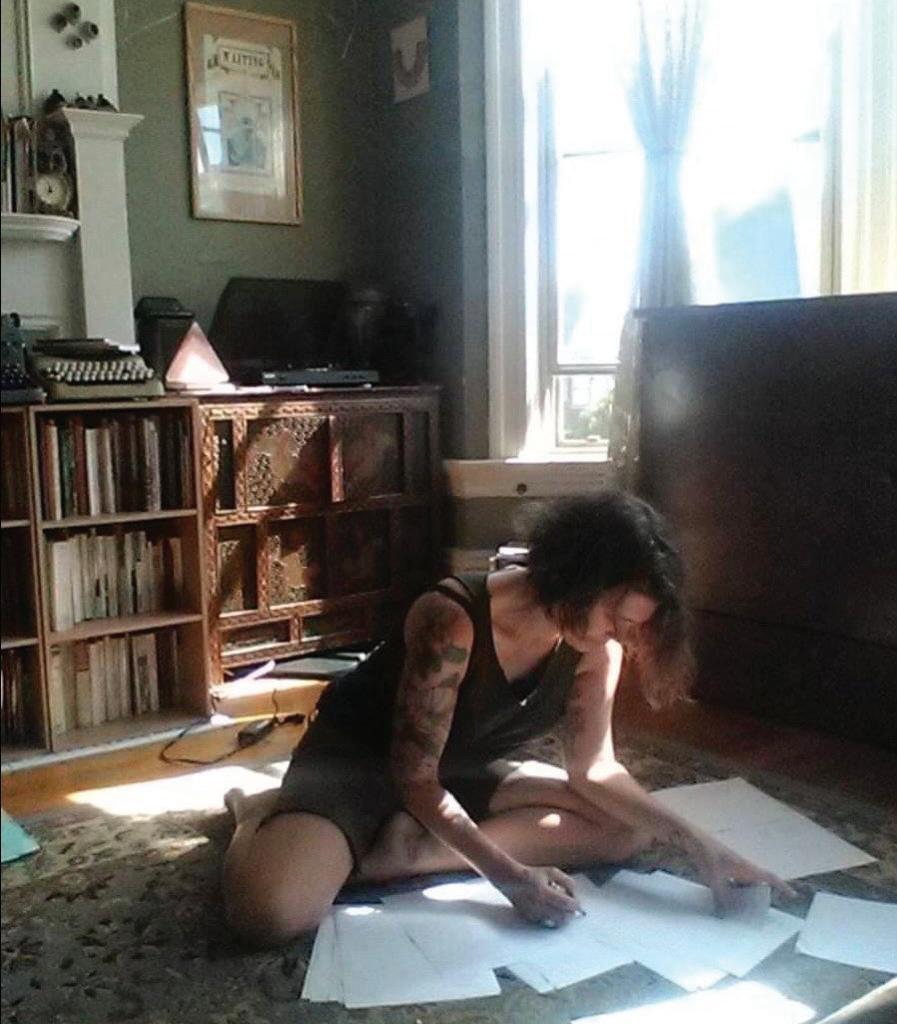
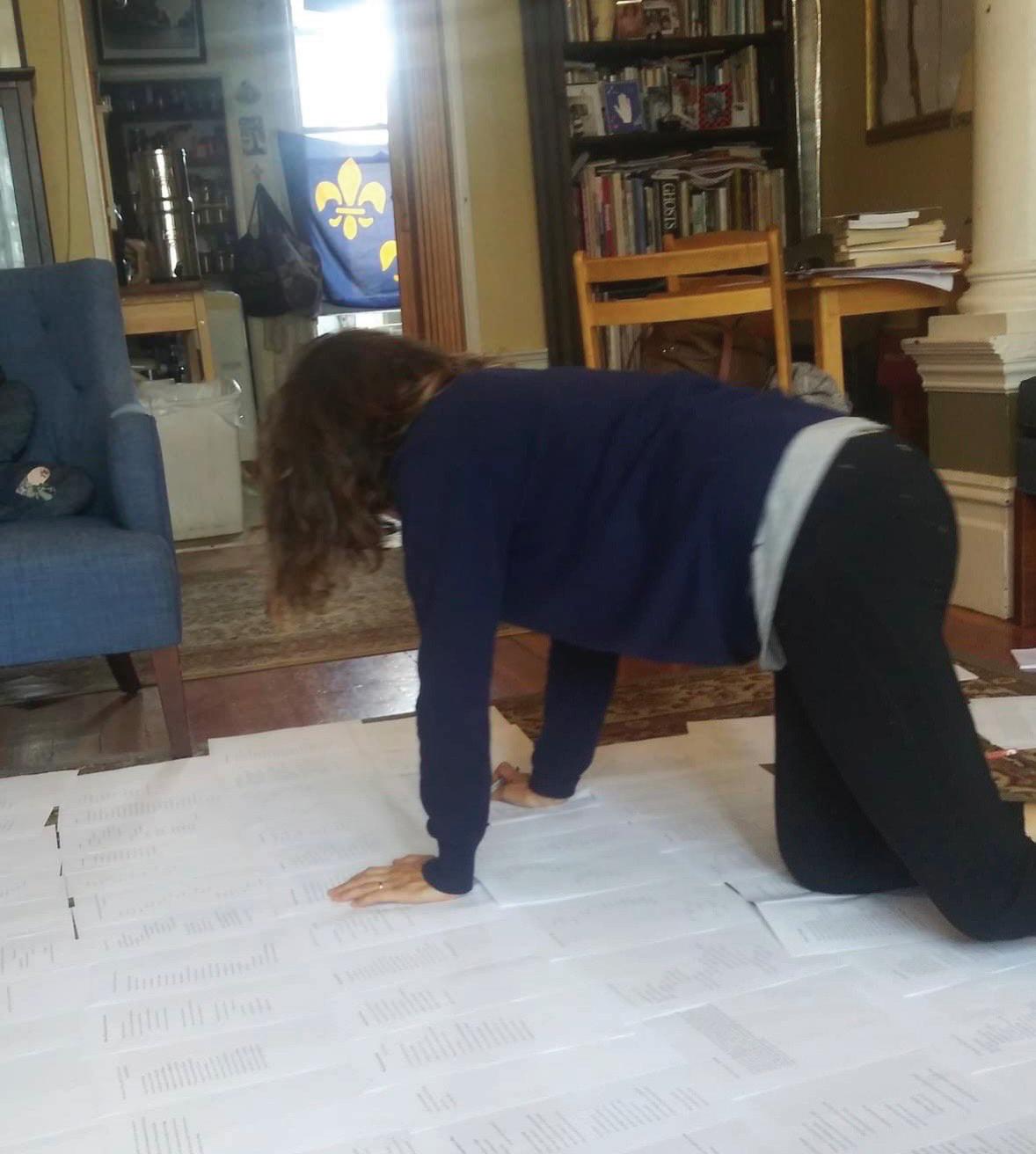
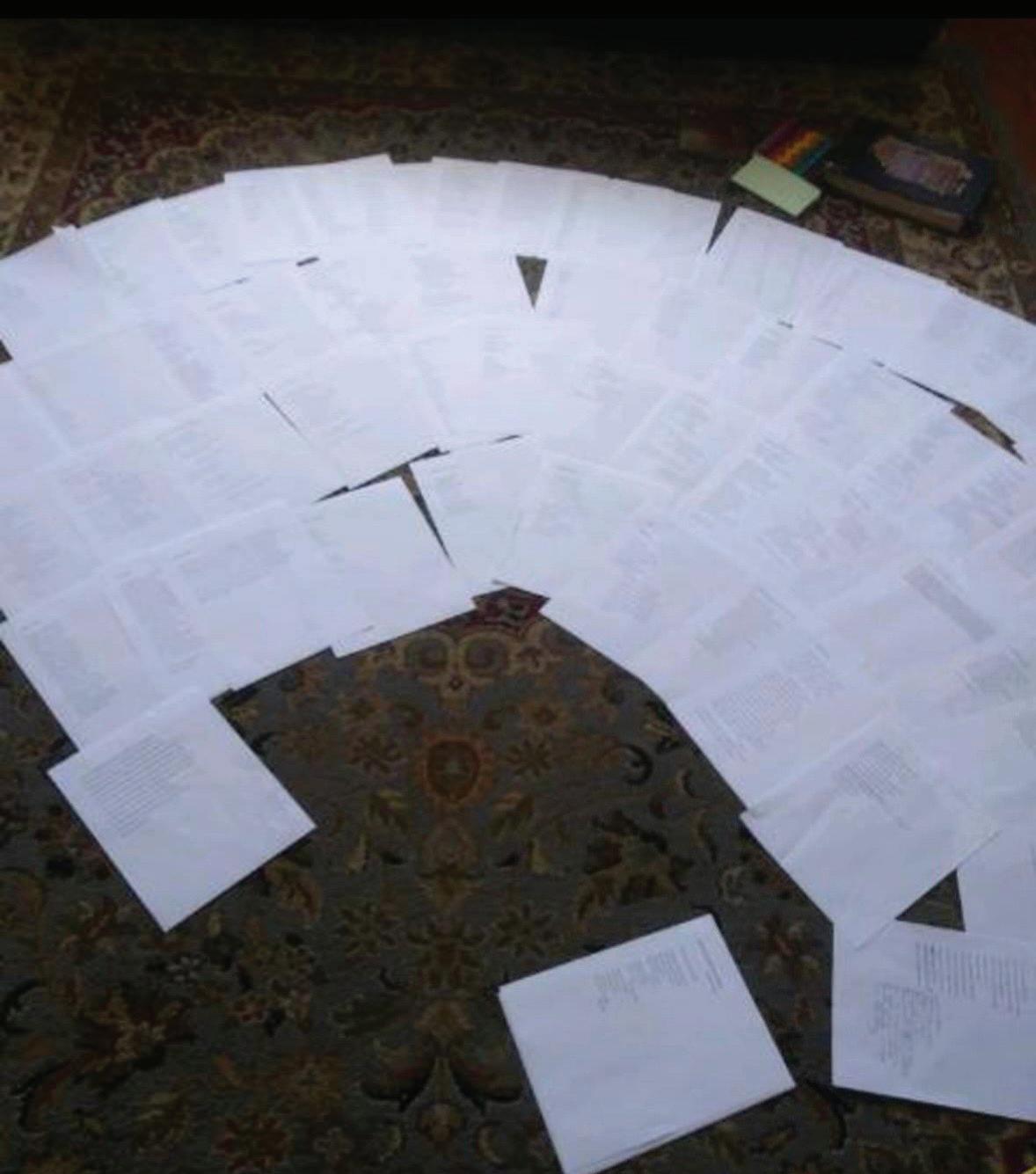
She said this starts with finding the ways all the poems link, and to do this she lays the pages of her manuscript on the floor.

“I am on my hands and knees, and I am looking at it, and I am seeing things that you don’t necessarily get flipping page to page,” Thibodeaux said.
See HISTORY, page 11
By Nicholas Parrella nrparell@my.loyno.edu
e U.S. Court of Appeals for the Fifth Circuit recently ruled that U.S. copyright law now allows songwriters to reclaim ownership of their work, a decision that could potentially start change across the music industry on a global scale.
According to a Loyola University press release, the case Vetter v. Resnik centers on “termination rights” which in U.S. copyright law “allows songwriters to reclaim rights to their work after a set period of time, even if those rights were previously signed away.”
Tim Kappel, an assistant professor of music industry studies at Loyola and a nationally recognized expert in music and copyright law, represented Cyril Vetter.
e case involved Cyril Vetter and Don Smith's smash hit “Double Shot (Of My Baby’s Love)” which was recorded by e Swingin’ Medallions.
Vetter and Smith wrote the song early in their careers and like many songwriters, signed predatory publishing agreements that would prove to have major
nancial rami cations.
e agreement they signed gave ownership of the song to Windsong Music Publishers, Inc for only $1.
After Smith's death, Vetter gained Smith’s rights to their song “Double Shot” and went to seek full ownership of it.
In 2022, the American Broadcasting Companies, Inc. went to Vetter in hopes of licensing his song “Double Shot” for a program that would be broadcasted worldwide.
However, Resnik Music Group, a record label and music publisher bought the rights to the song from Windsong and claimed to still own a partial interest in the song outside of the U.S.
Music.

Due to this claim, Vetter led a lawsuit and with support from Kappel, e Author’s Guild, Songwriters Guild of America, and the Screen Actors Guild–American Federation of Television and Radio Artists, reclaim ownership of his song globally.
“ is case sets a huge legal precedent for rights disputes going forward," said Olivia Pampinella, a music business major at Berklee College of
By Stella Perdue swperdue@my.loyno.edu
Our generation is unique because we’ve lived through the transition from analog to digital technology.
We have had front row seats to the rise and fall of various social media platforms prioritizing short form content.
First came Vine, then Musical.ly, and now we have Tiktok, as well as its seemingly endless stream of Zuckerbergian cousins (Zuckerbergian, because they are all products of Mark Zuckerberg’s Meta internet. Call me something of a witty neologist.)
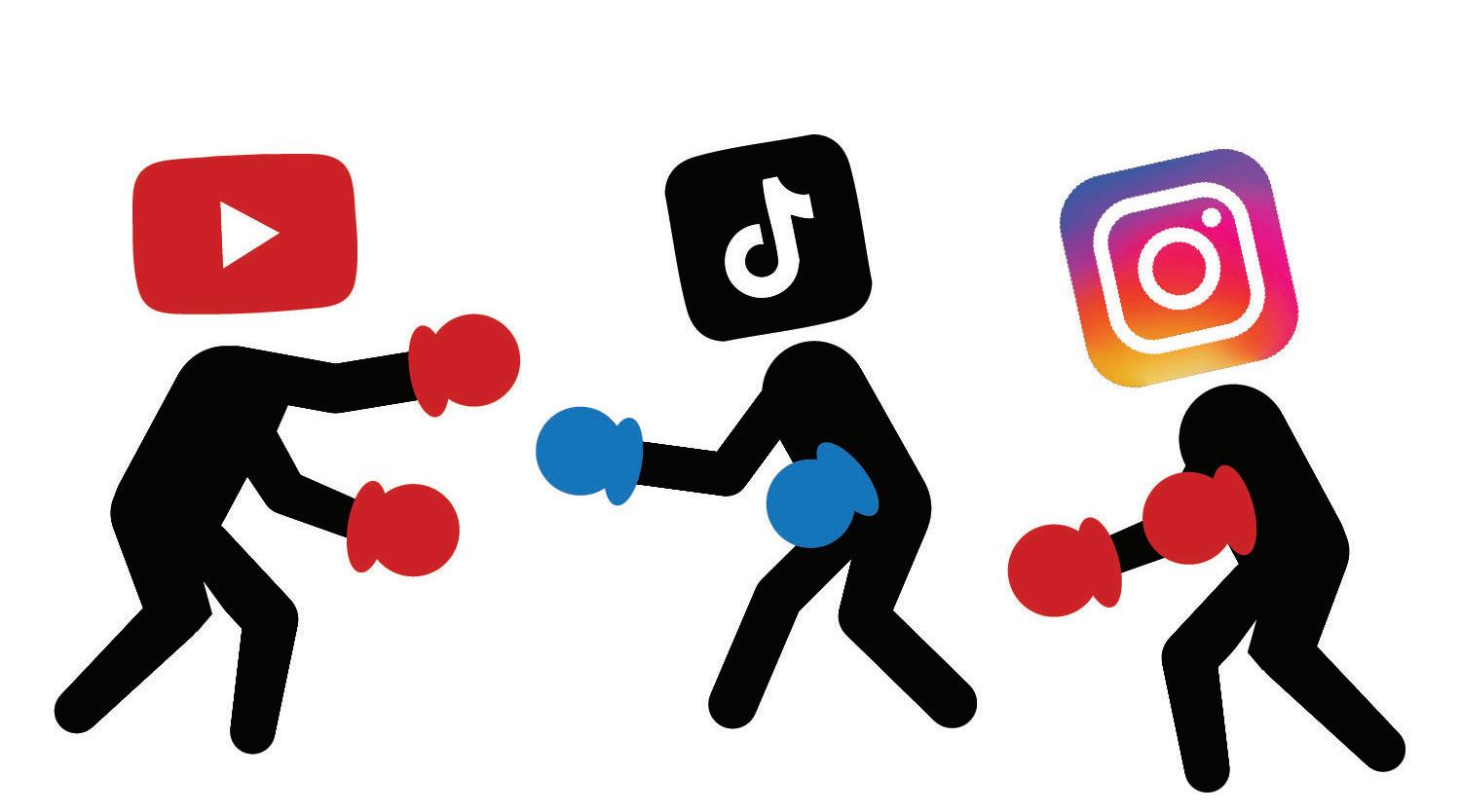
Take Instagram Reels, for instance, what most would call TikTtok’s main competitor.
When Reels debuted in 2020, most shrugged it o as a TikTtok copycat.
No one took it seriously, so the discourse surrounding platforms playing tag with one another slithered its way back into the cultural zeitgeist.
Last year when rumors surrounding a TikTok ban started to swirl–and when it actually happened for about 14 hours–, tons of people made the switch over to
Reels.
Since then, I’ve found that tons of my peers have remained faithful to Reels, even preferring its algorithm to TikTok altogether.
Even some of my dear colleagues in the newsroom continuously prioritize Reels over Tiktok.
For fun, I asked Sophia Renzi what her thoughts were while I was jotting down ideas.
Here’s what she had to say: “Reels, you have an escape from the doomscroll, whereas Tiktok…there is no escape. On Instagram you can switch to messages or your feed. Tiktok, you can’t.”
She makes an intriguing argument, but I digress that Tiktok is superior because of its algorithm. I think it’s super cool that everyone’s feed is attuned to them, like mine is all about UMiami YikYak drama and e Real Housewives of Beverly Hills—super hard hitting stu . My dad’s TikTok, on the other hand, is chalk full of AI slop that only further ampli es the red pilling e ect.
See TIKTOK, page 11
"Man
By Elise Beck erbeck@my.loyno.edu
Loyola will host an advance screening of academy award winner Paul Neville’s documentary “Man on the Run” in Nunemaker auditorium Feb. 10 at 7:30 p.m. A limited number of 100 free tickets will be made available to Loyola students with a special access code.
“Partnering once again with Loyola University allows us to reach students, artists, and lm lovers in a dynamic shared space, and we are proud to continue building that relationship through screenings that inspire conversation, curiosity, and connection,” said Dodd Loomis, the Executive Director of the New Orleans Film Society.
See MAN, page 11
“Unfortunately, in the music indusshe said “this is a major win”. major Harper Secor weighed in as well, stating that she thinks this case is “su-
situations
try, artists are underdogs when put up against labels and the powers that be”
Loyola student and music industry major Harper Secor weighed in as well, per bene cial” as so many artists and songwriters have been “used by the industry, and situations like these are normally thrown on the back burner”
Secor said. and us.”
“This case was about essentially upending what we considered to be questionable-but long-standing industry practice."
— Tim Kappel

e recent ruling has given local artists hope for an honorable and just future for the industry.
“ is case was about essentially upending what we considered to be questionable – but long standing – industry practice” Kappel said.
“ is win gives the power back to the artist and ghts the sometimes predatory industry that pro ts o of
“As the owner of the copyright, you get to decide how the work is used, or not used, and you get to retain 100 percent of the revenue, as opposed to 20 percent, 30 percent, and 50 percent of the revenue. So it’s about control. It’s about revenue. But really what it’s about is fairness. is is what Congress wanted” Kappel said.
the

By Stella Perdue swperdue@my.loyno.edu
Last semester, I proposed an idea to the English department: holding a literary salon. is idea has o cially come to fruition and it is all I want to talk about.
In Bobet 332 on Feb. 24th at 5:30 p.m., writers, artists, proli c readers, anyone and everyone is invited to come discuss what is currently inspiring them.
Refreshments will be provided. Ambient lighting will also be present.
Salons have existed for centuries as places for creatives to come together and talk about their interests.
Bringing this concept to Loyola, I am hoping to create a space for people to feel comfortable expressing themselves however they want, in whatever capac-
ity they wish.
Historically, salon culture has centered around a particular topic of discussion. With my salon, I want to switch this up and invite anyone to come speak about their art, creative writing, music, or ideas.
Feel free to bring yourself, your friends, your work, or your thoughts.
I’d love to know what gets your gears turning; what keeps you up at night, what subject is racking your brain with such fervor that you must get it out in conversation.
Salons all have one thing in common: conversation as a centripetal force, bringing guests together in order to evoke something meaningful.
My vision for this space is a magical one:
I want to defamiliarize you from the prestigious past of salons, dismantle
their ivory tower connotations in order to reappropriate the concept into a special third space attuned just for you.
If you feel inclined to share your work or bring any piece of literature you’ve been excited about recently, the oor is yours to do so.
“ I am out with lanterns, looking for myself.”
— Emily Dickinson
Dickinson once wrote in a silly letter to a friend, “I am out with lanterns, looking for myself.” I am out with lanterns, looking for you. ink of this piece as a solar are.


By Pablo Piñeiro Ramy ppineiro@loyno.edu
Loyola students expressed frustration over the killing of Alex Pretti, the second killing in Minneapolis at the hands of federal agents during "Operation Metro Surge."
Secretary of Homeland Security Kristi Noem justi ed the killing, implying that Pretti was armed when he was shot.
“ e o cers attempted to disarm this individual, but the armed suspect reacted violently,” Noem said. “Fearing for his life and for the lives of his fellow o cers around him, an agent red defensive shots.”
Freshman psychology major Ryan Sanderson called Noem’s remarks “disgusting.”
“ e only way I can describe it is completely disgusting,” Sanderson said. “I’d be scared for my life, too, if unidenti ed masked men just showed up and tried taking me away.”
Sophomore biology major Christian Nosacka also rejected Noem’s remarks about the shooting.
“ at sounds ridiculous to me,” Nosacka said.
Videos recorded by witnesses show that Pretti, who was carrying the gun legally, had been disarmed by the time the rst shot was red.
e shooting prompted calls for an independent investigation into the shooting, with even a growing number
of Republicans pressing for a deeper investigation into federal immigration tactics in Minnesota.
“I absolutely do think an investigation should be done,” Sanderson said. “But… I think it’s gonna wind up being swept under the rug.”
Similar to the aftermath of Renee Nicole Good’s killing, multiple high-ranking members of the Trump administration called Pretti a domestic terrorist.
When asked if she agrees with this characterization of Pretti, Noem said, “When you perpetuate violence against a government because of ideological reasons and for reasons to resist and to perpetuate violence; that is the de nition of domestic terrorism.”
Nosacka refuted Noem’s claim.
“I think that is an entirely incorrect claim,” Nosacka said. “He was not a domestic terrorist. He was a man with a legal license to carry who was disarmed before the shot.”
Deputy Chief of Sta Stephen Miller called Pretti “a domestic terrorist [who] tried to assassinate law enforcement.”
Sanderson believes Stephen Miller’s comments were “hypocritical.”
“I think it’s hypocritical,” Sanderson said. “How are you going to say that when you’re taking people o the streets and taking them away from their families?”
e Associated Press contributed to this report.


By Angelica Pineda acpineda@my.loyno.edu
Julia Letlow, the Republican representative of Louisiana, has recently launched her campaign for the U.S. Senate following U.S. President Donald Trump' s endorsement over his social media platform, Truth Social.
Letlow initially gained her position in the House of Representatives during April of 2021 by taking her husband’s seat following his death. Luke Letlow died days before he was supposed to take o ce.
When in o ce, Letlow would often vote on bills and make political statements under a conservative lens.
In 2021, under the Biden administration, Letlow made her concerns with the border known, expressing outrage over the release of immigration detainees. en, in 2023, Letlow opposed the bill which would allow federally funded abortion travel, citing her Christian values.
is year, she fully supported military involvement in Venezuela by opposing a bill that would remove armed forces from the country, while also making statements praising Trump’s military action in Venezuela.
Donovan Hudson, a student at Loyola, is concerned with Letlow’s past and future actions.
“I feel like she’s taking things in the wrong direction and she should not be added to the Senate anytime soon,” Hudson said. is conservative approach to o ce has only been ampli ed by Trump’s endorsement and her newly launched campaign website.
Trump, being a conservative Republican himself, made his approval of Letlow known in his endorsement.
“As your next Senator, Julia will work tirelessly to Grow our Economy, Cut Taxes and Regulations, Support our Amazing Farmers and Fishermen, Champion Louisiana Oil & Gas, Unleash American Energy DOMINANCE, Promote MADE IN THE U.S.A., Keep our Border SECURE, Stop Migrant Crime, Ensure LAW AND ORDER, Strengthen our Military/ Veterans, and Protect our always under siege Second Amendment,” Trump posted.
Trump’s endorsement of Letlow upset Loyola student Luke Lutz, who said, “ It's just a shame that the people that are so high up and are being endorsed by the president are exhibiting this behavior of closemindedness, and aren’t aware of it.”
Trump’s unwavering con dence in Letlow proved to be successful, considering she began her campaign for the U.S. Senate three days after his endorsement, challenging current Louisiana senator Bill Casidy for his seat.
Letlow’s campaign is centered around "conservative leadership.” Her hard-right approach is impossible to miss with her website being composed of conservative ideals, which have become increasingly prevalent in legislation due to the Trump administration’s preference for hardline conservatives.
Letlow’s campaign website echoes the manner of her actions in congress.
e issues section of her website makes this evident with the very rst issue stating, “100% Pro-Life: Julia has been a devout Christian her entire life and will always ght for the unborn.”
Loyola student Gerardo Sanatana is
concerned with Letlow’s use of Christianity within her campaign.
“I don't like her use of the Christian approach because I personally am a Christian, but I feel like people don’t know how to separate church and state sometimes. You’re forcing your opinions on other people through the law. at’s not what Christianity is about,” he said.
Letlow shares more of her views for the future of a conservative Louisiana in her campaign video, in which she says she wants to transition from an education system focused on “woke ideology” rather than teaching. Letlow says she is “... ghting to x an education system too focused on woke ideology instead of teaching … Louisiana deserves conservative champions, leaders who will not inch.”
As someone who has completed their K-12 education in Louisiana, Lutz feels that Letlow's approach is, “a gross misunderstanding of what Louisiana needs. We’re still 46th in education but I feel like limiting the access to students for certain classes, or topics to talk about is just going to further recess us.”
Continued from p.8
Maybe that’s a testament in itself as to why TikTok can be harmful, but every time I go on Reels it is just AI slop. It’s all over Reels regardless of what you interact with, but at least with Tiktok, the algorithm helps you pick and choose what you wish to interact with.
Also, the posts on Reels are just reuploads of TikToks. I spoke to my friend Ana Paz about this debacle and she agreed with me, saying that “Reels make you stupid.”
All I have to say about that is twofold: damn straight.
I don’t mean to disrespect any faithful Reels fans out there though. is is nothing but silly conversation based on
personal preference. In order to qualify, here’s an anecdote: today I was in the Trader Joe’s checkout aisle and the cashier spoke about something that came on his feed. “Reels or TikTok?” I asked, for research purposes. He generally prefers Reels–but what else can you expect from a Trader Joe’s employee clad in hipster glasses? It was like I was in another era, one of Portland, Oregon and millennial optimism.
Regardless, an objective truth that I’ve discovered from this asco is that we are collectively obsessed with short form content. I think it might be ruining our lives, expanding our social networks so much that we become disenchanted way faster—at least that’s what Georg Simmel, a German sociologist, predict-
ed. Oftentimes scrolling on these apps begins to feel like a chore. Sometimes before bed I’m like, “oh, it’s 11:00 o’clock, time to go on Tiktok.” I don’t even want to, but the behavior feels compulsory at this point.
If I were a better human being, I would end this by writing o short form content apps altogether, urging you to go live in the moment. I’d stand on a soapbox preaching about ‘being present.’
But I’m not, so here’s another counter argument: Simmel was right, these are indeed our new social networks, so we must adapt to them. Part of that can be bene cial and even connective. Our dialect has changed because of consuming similar content at lightspeed—neologisms, inside jokes, and new ways of
Continued from p.8
is event is presented by the New Orleans Film Society, and it gives students the opportunity to see the lm before it’s release on Prime Video.
According to a press release from the New Orleans Film Society, " is exclusive presentation reinforces NOFS’s commitment to making major cinematic works and lm industry leaders acces-
sible to New Orleanians.”
“Man on the Run” chronicles Paul McCartney’s creative evolution as he left the Beatles and founded Wings with his late wife, Linda McCartney.
“ e lm o ers an intimate portrait of McCartney’s artistic rebirth through the formation of Wings with Linda McCartney, drawing from rare archival footage, unreleased music, and unprecedented behind the scenes access to one of the most pivotal periods in modern music
history,” according to a press release from NOFS.
e screening will be followed by a conversation between Scott Rodger, McCartney’s longtime manager and a producer of the lm. Rodger will speak with Jonathan McHugh, NOFS Board Member, Hilton-Baldridge Eminent Scholar, and chair of music industry studies in the school of music and theatre professions, Jonathan McHugh.
Continued from p.7
ibodeaux recalls that she rst began writing when her mother gifted her a notebook.
“I was the type of kid that was a little nervous, kind of like hiding behind my mama’s leg, you know? And there was a point, I think, probably around the age of 11 or 12 that she was like, I don't understand you. Write it down,” she said.
ibodeaux describes her receiving the notebook as the “most intimidating and friendliest thing” she’d ever received.
“ ese blank pages were an open invite to share without judgment. And so that's how it started,” ibodeaux said.
She shares that her rst introductions to poetry included Edgar Allen Poe and Auden. She remembers feeling fascinated by them and the way they helped her to articulate what she was feeling.
“What came next was a freedom to articulate things, the good, the bad, the ugly, and the glorious,” ibodeaux said.
She re ected on the rst time she got published, sharing how wonderful it felt to hold her rst book complete with a spine and ISBN number. ibodeaux is a self proclaimed “ book maker” and lover of little things that can be handed out to loved ones.
“ at was just a whole other level of excitement and pride, to feel the tangible product that you have poured yourself into writing in your hand,” ibodeaux said.
Moving back to New Orleans ibodeaux shared that the transition from walking everywhere to driving has been
hard on her writing.
“I did not have a car in San Francisco. I walked everywhere. I could stop at any point, there was always a notebook in my back pocket,” she said.“I miss the downtime of walking. ere's a slower process, walking places and letting your brain not only absorb what is happening now but process what you need to process.”
New Orleans re ected in ibodeaux’s writing ibodeux shared the ways that growing up in New Orleans shows in her poetry, such as poems about her Sicilian mother, sister, and the rich culture of New Orleans.
“Elements that always show up are a re ection of the cultures that blend here, the richness of our soil, the birds, the trees, the ghosts, and I'm not kidding, we have a lot of ghosts here,” ibodeaux said.
ibodeaux says she hopes her work inspires human connection and love of each other.
“Without that, how do we ever progress in humanity? Especially in the times as they are,” she said.
ibodeaux feels that her goal as poet has been successful when it makes the reader fall in love with something, whether it be a magnolia tree or a blade of grass.
“If I can make you see the world with more love and respect, or see your neighbor with a at tire di erently, then I'm done. Because that's what it comes down to, love and respect,” ibodeaux said.
communicating have been born from these platforms. Friendships have blossomed because people have seen the same videos, no matter where they came from. Not only that, but protests and boycotts have been organized on these apps. Little corners of the internet focused on social change are tucked into the algorithms we hold so close to our hearts.
My nal stance on this argument is a qualifying one. Both are ne for di erent reasons, but must be used in moderation, like any other addicting thing. In one of my writing classes the other day, the professor was talking about disrupting your daily routine in order to experiment with defamiliarization, so I showered in the dark and turned my phone o before bed. e result was that I could
take a step back and analyze social media for what it is at a basic level, how it functions in my life, as well as how ways of communicating are heavily reliant on it. I was able to read poetry and cry about it. I haven’t done that in a long time.
Whether you’re a devout Instagram Reels user or a TikTok faithful, it does not matter. Be weary of your screentime, like the studies say.
And for the love of God, please don’t use Youtube Shorts or Facebook Reels. at’s where we begin to run into serious issues: like low-quality, recycled content. Rest assured, if you want to nd A.I. slop, that’s where you go.
ibodeaux urges people to slow down, pay attention, and look up.
“I think that's just it, pay attention, you know, and take notes. Just absorb and pay attention. ere are beautiful things in the world, and there are heartbreaking things in that world but that can be beautiful too,” ibodeaux said.







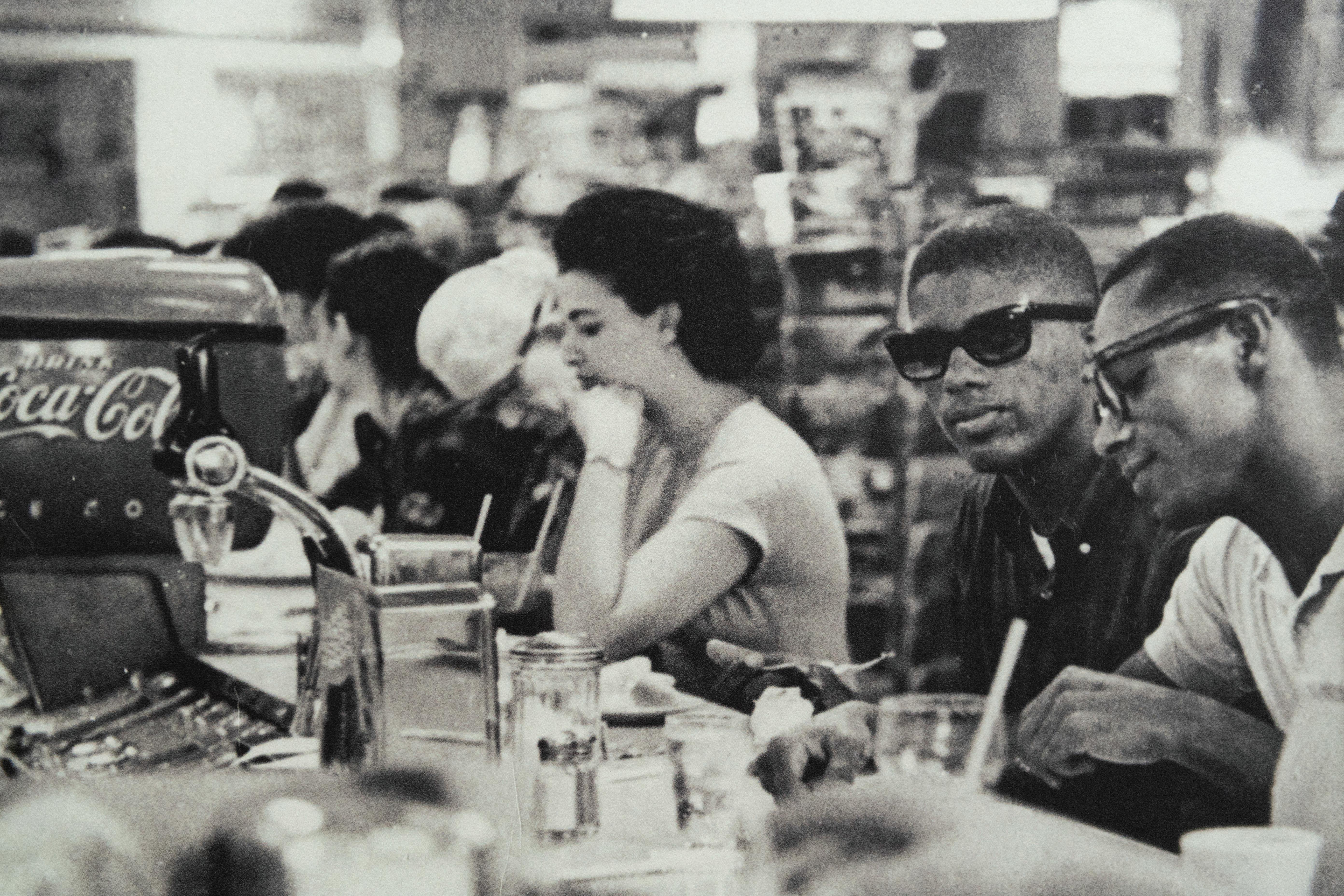










Historic New Orleans Collection in partnership with Loyola University
New Orleans J. Edgar and Louise S. Monroe Library present The Trail They Blazed traveling exhibit in conjunction with Leading Toward Justice: Loyola, New Orleans, and the Struggle for Civil Rights at Loyola University New Orleans Monroe Library January 22 – April 19, 2026.*
*Leading Toward Justice will exhibit all of 2026
EXHIBITS ON THE FIRST, SECOND, AND THIRD FLOORS OF THE LIBRARY.
Opening reception
◦ January 22, 2026
◦ 5 p.m. – 7 p.m.
◦ Monroe Library, First Floor
Featured speaker
Dr. Ronnie Moore, Fr. Louis J. Twomey, SJ Legacy Scholar in Residence, Jesuit Social Research Institute, 2024 Loyola Honorary Degree Recipient.



By Nikolai Huilgol nrhuilgo@my.loyno.edu
What makes a Mardi Gras parade good? It comes down to several factors: the overall vibe of the parade, a coveted catch, and how generous the riders are with their throws. In order to be able to rank Mardi Gras parades, it is important to know how they began. Mardi Gras parades began as organized processions created by social clubs, or krewes, to celebrate Carnival through elaborate oats, costumes, and throws shared with the public. Over time, some krewes grew so large and extravagant that they became known as super krewes, parades with massive memberships, balls, oats, and sought-after tosses that dominate the Mardi Gras season. Below, I’ve ranked Mardi Gras parades based on how well they balance tradition, creativity, crowd energy, and the overall experience they o er.
Muses is one of the most popular parades, especially because of its famous glittery shoes. People along the route compete hard to catch them since they’re handmade and considered a big deal. I also think Muses stands out because it’s an all-female krewe, and you can feel that di erence in the creativity of Muses’ oat and costume designs. e Laissez Boyz add another layer to Muses, making it that much more special. ey bring this laid-back, slightly ridiculous energy that keeps the parade from taking itself too seriously and reminds you that Mardi Gras is supposed to be fun. Picture this: you’ve just caught a shoe, and nearby, some Karens are having a heated debate about who it belongs to as you casually retreat to your spot on the route. As you do, the Laissez Boyz cruise past in their motorized reclining chairs, completely unbothered. at’s Mardi Gras in a nutshell. Laissez les bons temps rouler! (And ignore the crazy people.)
Endymion is known for being absolutely massive. As one of the three original “super-krewes,” the oats are some of the largest you’ll see during Mardi Gras, and they really tower over the crowd. Riders are generous with throws, so people usually leave with bags full of beads and other items. e parade feels like a huge event rather than just another parade. Between the size, lights, and crowd energy, no other parade really compares to Endymion. You won’t want to miss it, in all its glory.

Bacchus is another “super-krewe” like Endymion. e oats are giant and usually feature pop culture themes that people recognize. e parade has a very fun, party-like atmosphere where you’ll see both high schoolers and college kids having a blast. Bacchus is a great parade to go to at night if you want high energy and excitement. e best way to spend Bacchus is to go to a friend’s house, hang out and get ready for the parade, and then head to the route together to catch

Iris is another all-female krewe and plays an important role in Mardi Gras by o ering a parade that feels welcoming and accessible to a wider crowd. It is best known for its decorated sunglasses, which have become a signature throw and are especially popular with families and younger paradegoers. Because Iris rolls during the day, the atmosphere is noticeably calmer and more relaxed than nighttime parades, making it a common choice for families, rst-time attendees, and people who want a less intense experience. Iris doesn’t have the overwhelming scale and presence of the super-krewes that occur at night, but it still features beautifully designed oats and brings the community together.


Tucks is known for being silly and not taking itself seriously. e parade focuses on immature potty humor, with throws like plungers and poop emojis. is makes it funny and entertaining for people who enjoy jokes and chaos. Tucks is all about having a good time and laughing, not being fancy or traditional.





Krewe d’État has a fun and creative vibe, especially because of its light-up throws that look cool at night. e parade often includes political satire and jokes, which adds to the humor. Typically, you’ll see oats mocking the president and other well-known gures in politics and media. ere are caricatures that depict these gures and turn them into crowd-favorite jokes. e overall energy is positive, and the crowd usually has good vibes. It’s a solid parade if you want something entertaining and unique.




While everyone has their own favorite parade, these rankings re ect moments that make Mardi Gras unforgettable: big crowds, better throws, and the shared excitement that lls the streets. No matter which parade you love most, being part of the Mardi Gras season is what truly makes the experience special. Happy Mardi Gras!



Orpheus, like Bacchus and Endymion, is a “super-krewe,” known for its large oats and generous throws. e gold and red foam footballs from Orpheus are especially popular, and people often go just to try to catch one. Orpheus usually attracts big crowds and has a dramatic, ashy style. It feels like a major Mardi Gras moment without being overwhelming.



Rex became a parade in 1872 when New Orleans leaders wanted to create a more organized and respectable Mardi Gras celebration for the city. e Krewe of Rex was formed to host visiting dignitaries, including a Russian grand duke. e parade helped establish many traditions still used today, like the o cial Mardi Gras colors (purple, green, and gold) and the idea of an annual “King of Carnival.” Rex is signi cant because it helped shape modern Mardi Gras, turning it into a structured, citywide celebration. Today, Rex represents tradition, history, and continuity, which is why it remains one of the most important parades of the season.



By Maria Touzard mstouzar@my.loyno.edu
ere is a list of complications I nd myself preoccupied by when it comes to writing and conversing in a foreign language. Not only the communicating in a foreign language itself, but the translation of books and texts to other languages. Many tend to read translations in books, poetry, articles, etc., without giving it a second thought. People perceive translations as a direct and complete conversion of the information originally given. However, the perception of translation as a matter-of-fact concept or an absolute transition from one language to another is not only wrong but neglectful to those foreign to yourself. Now, I am not implying that translations and the use of a di erent language (as to the original speaker), should be discarded as a whole, but I intend to lay out all the cards pertaining to this issue and explain the implications of translation for those living outside of their place of origin. ere is a loss of essence, of a certain substance, when communication meets translation.
I grew up around two languages, my native language being Spanish, and English embedded in my daily life. I have known these two my whole life. Yet, as I began pursuing my career in a foreign country, an unfortunate truth fell upon me. My conversations, my writing, everything that involved communicating through translation, felt so distant to me, it was as if a completely di erent person was expressing themself through me. Not only did I realize that my identity was dampened and distorted every time I had to translate myself, but I also realized that the meaning to my words was often misinterpreted, as serious conversations were faced with laughter or expressions I knew from home were met with confused faces. I’ll share an anecdote of this phenomenon, where my words are not mine and my e orts to get a message across get absolutely twisted to further my point. Last semester, while giving a presentation for a psychology class I loved, my group (all of them American) asked me to present two of the last slides. e presentation went smoothly, until it was my turn to speak. As soon as I started talking, three people in the group erupted in laughter, which I did not quite understand as I continued to present. I asked them about it after the presentation had ended and found that I seemed sarcastic and as if whatever I
was communicating was a joke. I began wondering if maybe my international friends also experience this seeming loss of meaning when attempting to communicate in a language that is not their own, and was surprised to discover most also felt a certain sense of disconnect when using translation. A lot of those who leave their countries and are forced to interact in another language were su ering through the same phenomenon I was, yet nobody seemed to be able to point out what exactly drove that disconnect. Some of the international groups I interviewed around campus would relate to a sense of not feeling truly like yourself, and others felt they simply were not understood. I think this leads to my main conclusion, that translation makes a lot of us lose our voices.
Even as I write this article, as I read my progress and rewrite over and over again, I feel as though there is something in my voice, my tone, the emotions that I am trying to transmit that are lost. I tried out an experiment, as a writer and an avid reader, I wanted to see how far the loss that translation implies went, and saw that it is widespread through literature, art, and so many more areas. e most shocking cases I saw were in poetry, where poems by authors like Pablo Neruda, Gabriela Mistral, and Mario Benedetti, were stripped of their very soul and essence when translated. e powerful works of these great writers were often done huge disservice, and worst of all, they were not moving. Witnessing this, having seen the scale in which translation impacts how we communicate and perceive others, not only made me realize that this wasn’t an experience speci c to myself, but it also opened my eyes to a whole new perspective on communication.
ough you should not now perceive translation as a complete failure or as a deceitful practice with communication, you should maintain a heightened awareness when it comes to interacting with those who do not share your same language. ere is no manner in which one may always completely understand what every person is trying to get across, yet I am a rm believer that some e ort and awareness could close the gap between communication and translation just a little bit more.
By Vaishnav Desabhatla vkdesabh@my.loyno.edu
I have long known my country–and the West as a whole–has held a varying value for the lives it claims are equal. I
first realized this when I was about nine as I heard my parents overjoyed when they received their Alien Cards after being long time H1B visa holders. The idea of a human being seen as “legal”, “illegal”,
or an “alien” confused me. This was also around the time I first remember hearing then first-time presidential candidate Donald Trump’s cries to build a wall on the southern border, to keep out “illegal aliens” he deemed as undesirables. These early impressions led me to the realization that the sub-human status and treatment of Black and Brown people were part of the reality of the world I live in.
It took a bit longer to understand that the varying values for human life held by my country and the western world had been a long lasting tradition. America and her peers have prided themselves upon their imperialist legacies for centuries. Though she may have recently begun to attempt to guise her treatment behind a layer of sugarcoated lies and superficial promises; her values remain the same. The bitter banners of American Exceptionalism and the chase for Manifest Destiny have never left and grow stronger as time goes on. The Trump presidency has made it clear as they have breached the sovereignty of the Venezuelan people, an aggressive act to assert and expand U.S. dominance. The president has also proposed the Donroe Doctrine–a callback to the imperialist Monroe Doctrine of 1823–and continues to belittle immigrants and
those of formerly colonized nations as he has called them “animals” and “garbage” while openly longing for Western European immigrants.
But, it is only recently I have seen the vile treatment of those historically stepped on be expanded to those historically protected. The deaths of White U.S. Citizens Renee Good and Alex Pretti have shown us that color and nationality no longer serve as a form of protection.
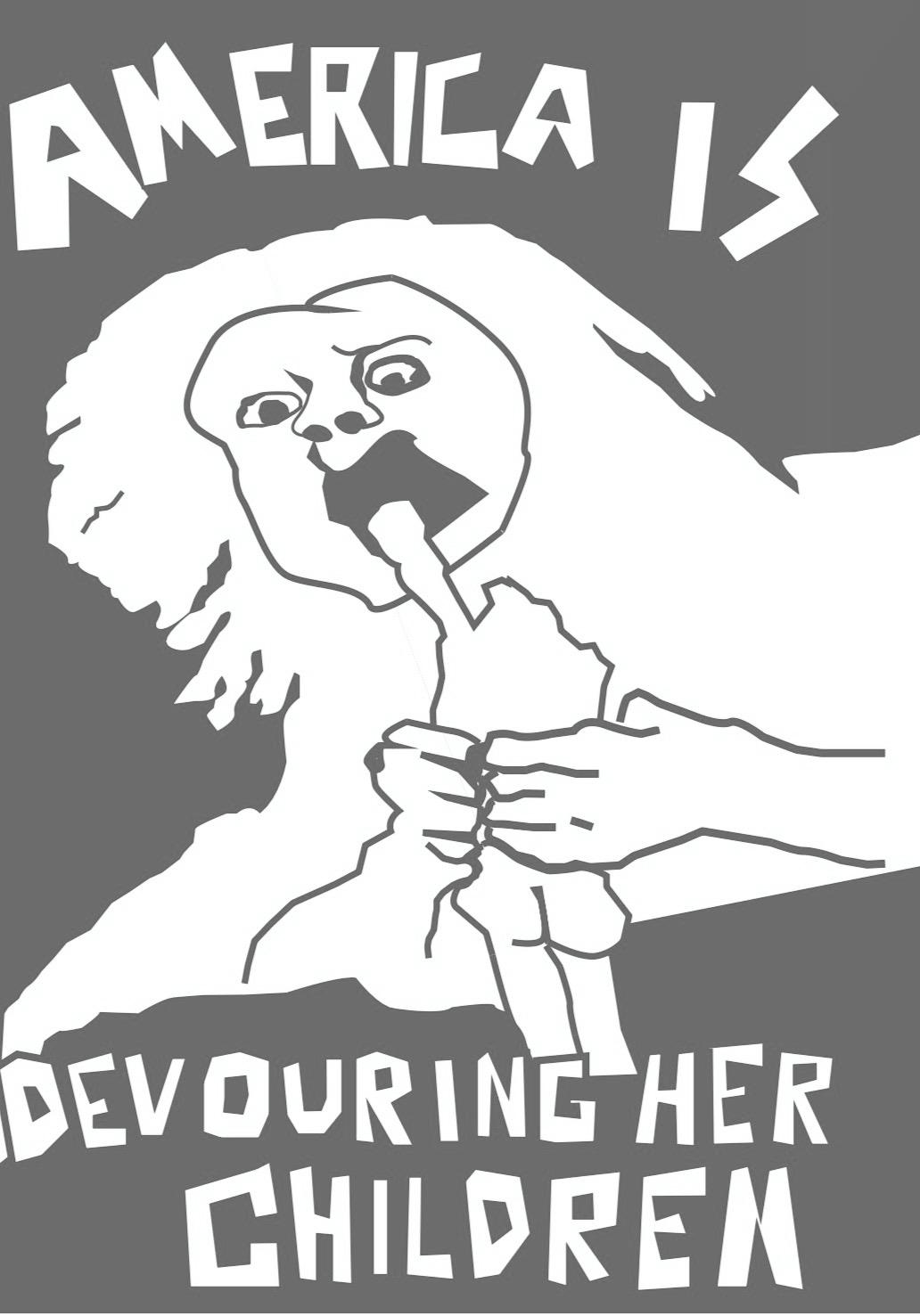
America, greedy and gluttonous, now eats all of her children.
These actions are not disguised or masked like earlier described, they are defended. It is sickening to see my nation’s Vice-President, J.D. Vance defending the egregious actions of ICE and other pseudo-law enforcement agencies as they kidnap children such as Liam Ramos and murder innocent civilians such as Keith Porter Jr. and the aforementioned Good and Pretti.
It is also important to note, though America has begun to eat all her children, there are those she treats as fast food and those she treats as delicacies.
Media coverage for Black and Brown deaths caused by ICE is far less than the few White U.S. citizen deaths. While the murders of Good and Pretti are extensively being covered by news outlets of all political bias, deaths such as Geraldo
Lunas Campos, a 55 year-old Cuban immigrant who died as a result of asphyxia due to neck and torso compression–homicide committed by ICE agents–have received little to no mainstream media attention. This comes as no surprise as once again, not all of America’s children hold the same value. If ICE is comfortable killing White citizens in the street, what are they comfortable doing to the marginalized behind closed doors?
The nation is now visibly in shambles and this is not surprising. Those previously unaffected and even those only slightly affected chose complacency over fighting for the safety of their neighbor. It is only recently that I have noticed some–who were previously politically quiet–begin to voice their frustration and take action. For those who attempt to retain a moral and political neutrality amid the storm, please understand a faux-political stoicism does not protect you or your neighbors from the impacts of politics. To stand for nothing is as good as falling for everything. When the son realizes that Saturn will soon devour him. He must understand, for his own survival, that the hand that feeds him is also the one that thirsts to feed on him–to bite the hand is a necessity.
By Alana Frank anfrank@my.loyno.edu
Watching the 2026 Grammy Awards, I expected glam outfits, perfectly written speeches, and a lot of people not clearly reading off teleprompters. What I didn’t expect was chaos, but like, the good kind.
This year’s Grammys weren’t smooth, polished, or predictable at all. And honestly, that’s why they worked.
Trevor Noah hosted again, bringing his usual calm, sarcastic vibe, which was very needed because the night went off the rails fast. Between awkward moments and emotional performances, the show felt less like a perfectly planned award ceremony and more like a super expensive group project that somehow still got an A.
One of the most emotional moments was the tribute to Ozzy Osbourne. Post Malone performed “One of Those Nights” with Slash on guitar, which already felt unreal. But what really got me was seeing Ozzy’s family in the crowd. Sharon Osbourne was clearly emotional, along with Kelly and Jack. It didn’t feel fake or forced, it felt real. And for once, the Grammys didn’t rush through it just to get to commercials.
Another standout moment was Lauryn Hill’s tribute to the late greats D’Angelo and Roberta Flack. She performed a beautiful combination of their songs and reminded everyone why her voice still hits the way it does. She was joined by Leon Thomas, Lucky Daye, Chaka Khan, Raphael Saadiq, Lalah Hathaway, Wyclef Jean, and more.
It felt emotional, respectful, and honestly kind of magical. My cheeks literally hurt by the end because I couldn’t stop smiling. She had everyone on their feet in that arena, and honestly are we even surprised.
Kendrick Lamar was everywhere. He won five Grammys, and his song “Luther” kept coming up all night. Which made what happened next even better. Cher, yes, that Cher, came out to present Record of the Year. At 79, she walked across the stage like she owned the

place, then almost walked off without announcing anything. Trevor Noah had to call her back, and when she returned, she accidentally mixed up Kendrick Lamar’s “Luther” with Luther Vandross.
The room froze for a second. Then everyone laughed. Then everyone clapped. It was awkward. It was funny. It was iconic.
Billie Eilish winning Song of the Year was one of the happiest moments of my night. The look on her face said it all, she genuinely did not expect it. And honest-
ly, she deserved it. Billie had an amazing year and dropped an incredible album. If it were up to me, she would have won Album of the Year too. Bad Bunny fans, please don’t attack me.
Justin Bieber brought a totally different vibe. He performed “Yukon” wearing literal boxer shorts in a super stripped down set that felt uncomfortable on purpose. He didn’t smile. He didn’t joke. Even when the camera showed him sitting next to Hailey Bieber, he stayed completely closed off. People online were confused, but that was kind of the
point. It wasn’t fun, it was real.
Bad Bunny had one of the biggest nights of the Grammys, winning Album of the Year and making history as the first Latin American artist to win major categories like that.
He also wore a custom Schiaparelli suit that made him look less like a pop star and more like he could play linebacker for the Saints. The message was clear, this was his night.
Addison Rae’s performance was fine. It wasn’t bad, but it definitely could have been better. Compared to some of the
more emotional and powerful performances, it just didn’t stand out much.
The red carpet was its own kind of chaos. Chappell Roan’s sheer Mugler dress had people fighting on social media within minutes.
Heidi Klum wore a dress so tight and molded to her body that she admitted she could barely sit. Lady Gaga showed up in full gothic drama, but spent most of the night holding her fiancé’s hand, which somehow made her feel more relatable than ever.
One of the best parts of the night was seeing so many celebrities openly call out ICE. In a room full of cameras, power, and influence, it actually mattered. It made the night feel bigger than just awards and outfits.
Alex Warren also deserves major credit. Even with multiple technical issues during his performance, he kept going and made it work. It wasn’t perfect, but that honestly made it more impressive. Live shows are messy, and he proved that pushing through counts.
Best New Artist was one of the hardest awards to predict. All eight nominees were amazing, and I genuinely had no idea who would win. When Olivia Dean took it, it just felt right.
She’s a literal queen. I listen to her music all the time, and seeing her get that moment was so satisfying.
By the end of the night, not everyone was happy. Some wins shocked people. Some losses shocked people. And the internet immediately started arguing about who got robbed.
But that’s kind of the point.
The 2026 Grammys weren’t perfect. They were awkward, emotional, messy, and sometimes uncomfortable. And in a world where everything feels overly filtered and staged, that honesty actually mattered.
It was funny, and didn’t feel fake. It didn’t feel forced. It just felt real.
This year, the Grammys felt alive.
The Maroon Feb. 6, 2026

HOWL to Cleo friday
GROWL to Heaters
HOWL to Bad Bunny
GROWL to Blisters
HOWL to Protesting
GROWL to Olivia Dean
Administration often says that student safety is its top priority. at principle is used to justify policies around student organizations. Speci cally those that are unrecognized or suspended.
e policy appears straightforward: students are prohibited from joining or promoting unrecognized organizations, and “promotion” is broadly de ned to include an organization’s goals, purposes, identity, programs, or activities.
In practice, however, the policy is anything but clear. Its language is vague, its standards are unde ned, and its enforcement appears uneven. at vagueness gives the university so much leeway while leaving students with little understanding of what behavior is actually permitted.
e Student Organization Handbook never explains what “promotion” looks like in real terms.
Does sharing ideas associated with an organization count? Does attending an event? What about posting on social media or having conversations with friends? Because none of this is clari ed, enforcement depends almost entirely on how administrators choose to interpret the rules in a given situation. at exibility may bene t the institution, but it creates confusion and fear for students.
Editorial Board
Editor in Chief
Eloise Pickering
Managing Editor for Print
Mary Ella Hastings
Pre-Content Director
Alana Frank
Post-Content Director
Callie Honeycutt
Campus News Editor
Lily Bordelon
Campus News Editor
Stella Perdue
Worldview Editor
Pablo Pineiro-Ramy
is unevenness becomes especially apparent when looking at how di erent groups are treated.
Students associated with Turning Point USA have publicly used the name “TPUSA Loyola” after being denied recognition. ey have operated social media accounts under that identity and spoken to national media outlets while representing themselves as connected to Loyola. Under the handbook’s own language, this appears to fall squarely under “promoting identity and activities.” Yet there has been no visible disciplinary action.
By contrast, students connected to Liberate and Unite New Orleans’ Students for a Democratic Society have faced scrutiny for organizing and participating in visible political activism. More concerning still is the focus on a single individual.
As an editorial board, we are operating only on what can be proven. We acknowledge that there may be details we are not aware of but that uncertainty is precisely the problem. We believe students should not have to guess where the lines are.
is does not feel like a neutral application of policy. It feels targeted.
What makes this situation especially alarming is not just the vagueness of the
Assistant Worldview Editor
Angelica Pineda
Life and Times Editor
Elise Beck
Assistant Life and Times Editor
Olivia Sanyal
Sports Editor
Kerieyaunta Smith
Opinion and Editorial Editor
Imadnisa Siddiqui
Breaking News Editor
Natalie omas
e Wolf Editor
Laura Welles
policy or its uneven enforcement, it is how clearly it appears that the university is attempting to make an example out of Juleea Berthelot.
On ursday, Jan. 29, Berthelot was given three charges after students were asked to stop giving out yers in the Peace Quad. e charges were: promotion of a non-recognized student organization, posting and advertising, and social media use.
Based on what we know, Juleea has become the focal point of administrative scrutiny while others engaging in visible political activity have not faced the same response. If the rules are meant to apply universally, then this selective attention demands an explanation.
Why Berthelot? Why now? And why one student, rather than a consistent application of policy across campus?
is does not resemble neutral enforcement. It resembles targeting.
When a university centers disciplinary action on a single student it raises serious concerns about fairness and due process.
We want to be clear: this is not a call for more students to be punished. It is a call for clarity and consistency.
If the rules exist, they should be enforced evenly. If they are not meant to apply in certain contexts, that should be
Senior Sta Photographer
Sophia Renzi
Assistant Photo Editor
Pharrell Every
Design Chief
Makayla Parker
Social Media Manager
Mabel Regalado-Hernandez
Social Media Manager
Carlos Andrade
Copy Editor
Mark Michel
clearly stated. Right now, students are being told two di erent things at once.
e Student Organization Handbook presents the rules as strict and universally applicable, yet in practice they are enforced selectively scrutinizing some students while overlooking others who publicly promote unrecognized organizations without consequence. is approach runs directly counter to Loyola’s Jesuit values. Cura personalis calls for care of the whole person. Social justice is central to the university’s identity. Jesuit education is rooted in the belief that students should engage critically with injustice, stand with the marginalized, and speak out against systems that harm the vulnerable.
A school that claims these values should understand that there will always be students who organize, advocate, and challenge power. Having students who advocate, challenge norms, and protest for what they stand for should not be treated as if they're doing something wrong. e very things they are doing is a successful application of a Jesuit education.
What is most striking is the contradiction. Berthelot embodies the impulse to stand up for the oppressed, to question authority, and to act on moral conviction
are the same instincts Loyola publicly celebrates. Yet here, those instincts appear to be treated as grounds for discipline rather than dialogue.
If students are punished for living out the values they are taught, then social justice becomes a slogan rather than a practice. Cura personalis demands care, not suspicion. Justice cannot be selective, and it cannot depend on how inconvenient a student’s advocacy becomes.
Loyola should be a place where all students feel like they belong, not a place where political expression is selectively punished. A student code of conduct should allow room for learning, dialogue, and forgiveness.
It should not operate under a mindset of “you have been a problem, so now we charge you.”
If Loyola truly wants to prioritize student safety, it must also prioritize transparency, fairness, and due process. Right now, the lack of clarity in the Student Organization Handbook and the way it is enforced does the opposite.
Students deserve better than confusion. Juleea deserves better. We deserve rules we can understand, trust, and believe in.
EDITORIAL POLICY
The editorial on this page represents the majority opinions of The Maroon’s editorial board and does not necessarily re ect the opinions of Loyola University.
Letters and columns re ect the opinions of the authors and not necessarily those of The Maroon’s editorial board.
The Maroon does not represent the opinion of administration, sta and/or faculty members of Loyola.
Letters are subject to editing for length, grammar and style. Please limit submissions to 400 words. Submissions are due no later than 4 p.m. the Sunday before publication.
Please send all submissions —
The Maroon, 6363 St. Charles Ave., Box 64, New Orleans, LA 70118.
Email us your letters — letter@ loyno.edu.
Submissions may also be made online at www.loyolamaroon.com.