Radon Testing: Importance and Methods
Radon is a naturally occurring radioactive gas that can seep into our homes and pose serious health risks.
What is Radon?
Radon is a colorless, odorless gas that is formed as a result of the radioactive decay of uranium in the soil. It can enter homes through cracks in the foundation, gaps in construction materials, and even through well water. Radon gas emits harmful radioactive particles that, when inhaled, can damage lung tissue and increase the risk of lung cancer.
The Importance of Radon Testing
1. Health Risks
Radon exposure is the second leading cause of lung cancer after smoking. Testing for radon is crucial because it allows homeowners to identify elevated levels of this gas and take steps to reduce their exposure, thus minimizing the risk of developing lung cancer.
2. Peace of Mind
Radon is pervasive and can be found in homes across the United States. Testing provides peace of mind, knowing that your home is safe or that appropriate measures can be taken if high radon levels are detected.
3. Home Value
When selling a home, radon testing and mitigation can enhance its marketability and value. Buyers often request radon test results, and addressing any radon issues can make your home more appealing to potential buyers.
Radon Testing Methods
There are several methods available for radon testing, each with its own advantages and disadvantages.
1. Short-Term Testing
Short-term radon testing typically involves placing a radon testing device in the lowest occupied level of your home for a period of 2 to 7 days. This method provides a quick snapshot of radon levels but may not capture long-term fluctuations.
2. Long-Term Testing
Long-term testing is conducted over a period of 90 days to one year, offering a more accurate representation of your home's radon levels. It is the preferred method for obtaining a comprehensive understanding of radon exposure.
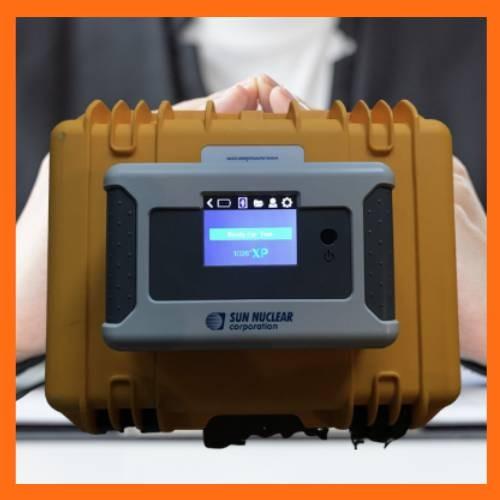
3. Continuous Radon Monitoring
Continuous radon monitors provide real-time data and are typically used by professionals. They offer a continuous stream of information, making them ideal for assessing radon mitigation system effectiveness.
4. Radon Test Kits
Radon test kits are available for purchase and are relatively easy to use. They come with instructions and are a cost-effective way to check radon levels in your home. However, they may not provide immediate results.
Radon Mitigation
If high radon levels are detected in your home, it's essential to take action to reduce the risk of exposure. Radon mitigation methods include:
1. Sub-Slab Depressurization
This method involves creating a vacuum beneath the foundation to redirect radon gas away from the home.
2. Ventilation Systems
Mechanical ventilation systems can help dilute radon gas concentrations by introducing fresh air into the home.
3. Sealing Cracks
Sealing foundation cracks and gaps can prevent radon from entering your home in the first place.
Conclusion
In conclusion, radon testing is a vital step in safeguarding your home and family from the health risks associated with radon exposure. Whether you're a homeowner or a potential buyer, being aware of radon levels is crucial. If you ever find yourself in need of professional radon mitigation services, look no further than Louisville KY Radon Mitigation, a trusted name in the industry. They are committed to ensuring the safety and well-being of your home.