
Lost on the Lake TABLE ROCK
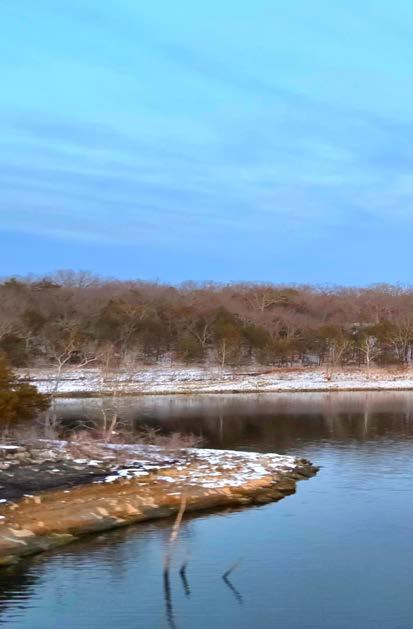
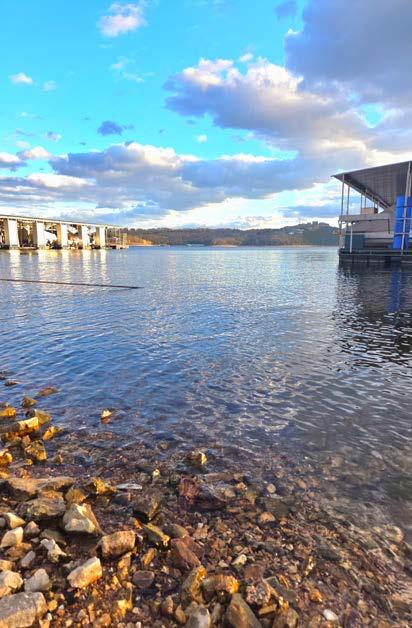
This time of year, the lake belongs to the early risers, the winter anglers, the eagle watchers, and the homeowners planning for the season ahead. It belongs to the locals who understand that lake life is not just a summer experience - it is a year round relationship with community.
Perhaps that is the gift of this month. February reminds us why we fell in love with the lake in the first place. Not just for the activity and excitement - but for the peace it offers, the community it builds, and the rhythm it brings to our lives.
Spring will come soon enough. The boats will return, the marinas will buzz, and the coves will fill with music, laughter and friends. Until then, February invites us to slow down, look around, and enjoy the quieter side of lake living.
See you on the water soon.
Be Happy,
Myra Thornton




CREATIVE EDITOR
Myra Thornton
CONTRIBUTING WRITERS
The Rogue Chef
CONTRIBUTING PHOTOGRAPHERS
The Rogue Chef Myra Thornton
ADVERTISING SALES
Myra Thornton
us

Facebook Publisher Myra Thornton
www.lostonthelake.us email: hello@lostonthelake.us Phone: 417-593-1167









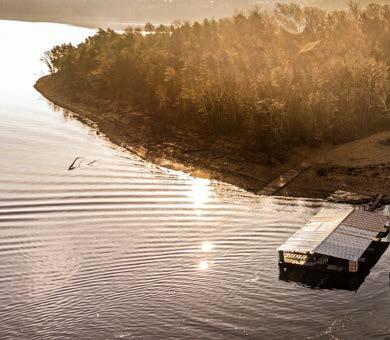
Chasing Cold Water Giants
On Table Rock Lake
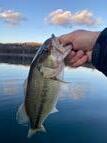
February on Table Rock Lake rewards anglers who understand cold-water bass behavior. Boat traffic is minimal, the water is at its clearest, and bass are predictable in where they position. While the bite is rarely fast-paced, it often produces some of the heaviest fish of the year.
Both largemouth and smallmouth bass remain active through winter, but success comes from slowing down and fishing with precision.

“If you think you’re fishing slow enough, slow down even more.”
The February Pattern
Cold water slows a bass’s metabolism, but it does not stop feeding. Instead, bass conserve energy and favor structure that gives them quick access to deep and shallow water.
Typical February Behavior
• Bass suspend near bluff ends and steep drops
• Fish group together more than in warm months
• They move shallower during warming trends
• Clear water makes subtle presentations critical
Productive Areas to Target
Bluff Ends and Channel Swings
Bluff ends adjacent to creek channels are reliable winter holding areas. Bass suspend along these vertical structures and ambush passing baitfish.
Focus on:
• Main lake bluffs
• Creek arms such as the James River and Long Creek
• Banks where rock transitions from chunk to gravel
“In February, one bite can be a five-pounder. Slow down and treat every cast like it matters.”
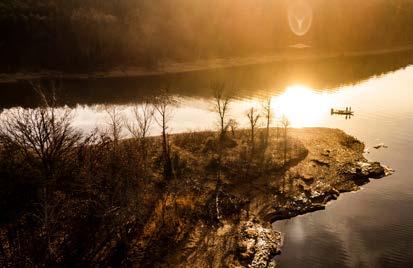
Gravel and Chunk Rock Points
Rock retains heat from the sun, making these spots attractive on sunny afternoons.
Look for:
• Secondary points inside coves
• Points near spawning pockets
• Wind-blown banks where baitfish collect
Deep Docks
Docks over 20–40 feet of water often hold suspended fish in clear conditions.
Presentation tip:
Work jerkbaits or finesse rigs deep under the float where bass feel secure.
Recommended Equipment
Rods and Reels
• 6’6”–7’ medium spinning rod for finesse techniques
• 7’ medium baitcaster for jerkbaits and light crankbaits
• Smooth drag systems are important in cold water fights
Line
• 6–10 lb fluorocarbon for invisibility
• Braid with fluorocarbon leader for finesse rigs
• Lighter line often increases bites
Effective February Lures
Jerkbaits
Natural shad and translucent finishes excel. Long pauses are essential.
Finesse Jigs
Brown and green pumpkin tones

work well. Crawl them slowly.
Shaky Heads and Ned Rigs
Ideal for pressured or inactive fish.
Alabama Rigs
Excellent for suspended schools when baitfish are present.
Cold-Water Pro Tips
Fish slower than you think
Long pauses trigger winter bites.
Fish the warmest part of the day
Afternoons often outperform mornings.
Use wind to your advantage
Wind positions baitfish and reduces visibility.
Trust your electronics
If you mark fish, stay and work the area thoroughly.
Highlights
• Water Temperature: 42–48°F
• Clarity: 10–25 feet visibility
• Primary Forage: Threadfin and gizzard shad
• Typical Winter Depth: 20–40 feet
• Trophy Potential: Excellent for smallmouth and largemouth
• Safety Reminder: Always wear a life jacket in cold water conditions
Visiting Angler Quick Guide
When to Fish
Late morning through mid-afternoon offers the warmest water and most activity.
Where to Launch
• Table Rock State Park Marina
• Kimberling City Marina
• Baxter Marina area
These ramps maintain good winter access and proximity to productive water.
Simple Game Plan
1. Start on sunny gravel points with a jerkbait.
2. Move to bluffs if fish appear suspended.
3. Slow down with a Ned rig if bites are tough.
4. Follow the baitfish using electronics.

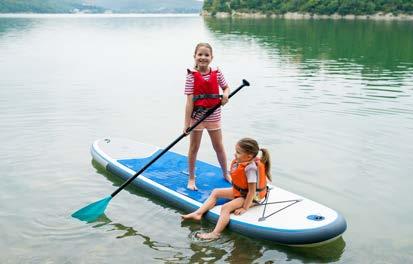
Stand Up Paddleboards
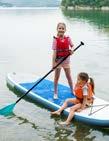
On a still summer morning, when the lake looks more like glass than water, a stand up paddleboard slips quietly from a dock. There is no engine noise, no wake, no hurry—just the soft dip of a paddle and the gentle glide forward.
This is where stand up paddleboarding, known simply as SUP, has found its place at the heart of the lake lifestyle.
Over the past decade, paddleboards have transformed from a niche watersport into a staple of lake living. They are as common at marinas and lake houses now as kayaks and towables, and for good reason. Paddleboards are approachable, versatile, and perfectly suited to the relaxed rhythm of life on the water.
A Natural Fit for Lake Life
Part of SUP’s appeal is its simplicity. There is little setup, no fuel, and no steep learning curve. Step on, push away from shore, and you are exploring within minutes.
Unlike faster watersports that race across the surface, paddleboarding invites you to notice the details— the reflection of bluffs and trees, fish moving beneath the board, the quiet of a cove before the day’s boat traffic begins. It turns a lake from a playground into a place to truly experience.
For homeowners, paddleboards are easy to keep at the dock. For weekend visitors, inflatable models cont pg 14

roll into a bag and fit in a car trunk. The accessibility has helped make SUP a go-to activity for all ages.
One Sport, Many Styles
Paddleboarding is not just one activity - it is many. Modern boards are designed around how people actually use their lakes.
All-around boards offer stability and are ideal for beginners or casual cruising. Touring boards, longer and sleeker, are built for distance and efficiency. Yoga boards feature wide, cushioned decks for stretching and balance work. Fishing SUPs provide extra width and mounts for gear and coolers.
Inflatable boards deserve special mention. Durable and surprisingly rigid when inflated, they solve stor-
age issues and make it easy to bring a board along for any lake trip.
Fitness That Feels Like Fun
SUP delivers a full-body workout, but it rarely feels like exercise. Your core engages naturally as you balance, and your arms and back power each stroke. Some paddlers head out for sunrise fitness sessions, while others treat their time on the board as meditation on water.
Across lake communities, group paddles and floating yoga classes are growing in popularity, turning paddleboarding into a social ritual as much as a personal escape.
Easy to Learn, Hard to Outgrow
One reason paddleboarding continues to grow is how quickly begin-
ners find success. Calm lake water offers an ideal learning environment, and most people gain confidence in their first outing.
New paddlers do well to start on their knees, stand when steady, keep their gaze on the horizon, and use smooth strokes. With time, many branch into longer excursions, fitness paddles, or even light surf on boat wakes.
SUP meets you where you are—and grows with you.
Sharing the Water
Because paddleboards are small and quiet, awareness is key on busy lakes. Wearing or carrying a life jacket, staying visible, and paddling near shore in high-traffic areas are smart habits. A leash keeps the board close if you fall, which is especially helpful for beginners.
Many experienced paddlers prefer early mornings and evenings when the water is calmer and boat traffic lighter. These windows often provide the most peaceful and rewarding outings.
The Real Reward
What brings people back to paddleboarding is not speed or adrenaline. It is the feeling of standing on the water, moving quietly through coves, and seeing the lake from a new perspective.
In a world that pushes constant motion, a paddleboard offers something rare: the chance to slow down.
For many, that quiet glide across open water has become the true symbol of the lake lifestyle.

The Sound of Night
in the Ozarks
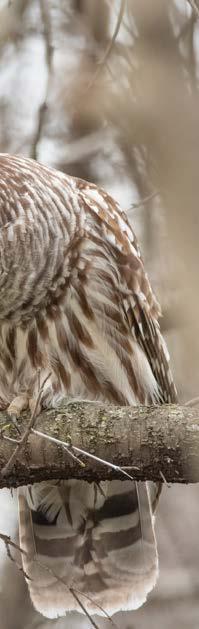
February around Table Rock Lake feels quiet to most visitors. The marinas are calm, the hardwood forests are bare, and the dock trails see little traffic. But when dusk falls, the Ozarks come alive with one of winter’s most ancient soundtracks—the calls of owls.
Late winter is prime time for owl activity in Southwest Missouri. Many species are already pairing, nesting, and defending territory. With leaves off the trees and human activity low, February offers some of the best owl viewing and listening of the year.
Why February Is Peak Owl Season
Unlike many birds, several owl species nest in late winter. Starting early allows their chicks to grow during spring’s explosion of prey like mice, insects, and small birds.
In February:
Owls are highly vocal as pairs bond
Territories are actively defended
Nesting may already be underway
Bare trees make sightings easier
For nature lovers, this is the month when owls are easiest to detect, often by ear before eye.
Common Owls Near Table Rock
Great Horned Owl
The Classic “Hoo-hoo-hoo” of Winter

The great horned owl is the earliest nester in the Ozarks, sometimes laying eggs as early as January.
What to know
Large, powerful predator
Distinct ear tufts
Deep, resonant hooting calls
Often reuses old hawk or squirrel nests
Barred Owl
The Famous “Who-cooks-for-you?” Call

Barred owls prefer mature forests and areas near water, making the lake’s wooded coves perfect habitat.
What to know
Rounded head, dark eyes
Distinct striped pattern
Very vocal in late winter
Often active just after sunset Their echoing calls carry far across quiet February coves.
These owls thrive around Table Rock Lake’s mix of forest and open water, where prey is abundant.
Rock Lake
Eastern Screech-Owl
Small but Fierce

These small owls are common but easily overlooked.
What to know
Come in gray or red color morphs
Use tree cavities or nest boxes
Calls sound like soft trills or whinnies
Frequently found near neighborhoods and wooded lake lots
Owl Facts
Silent Flight
Specialized feathers muffle sound, allowing stealthy hunting.
Head Rotation
Owls can rotate their heads up to 270 degrees.
Winter Advantage
Bare branches improve their hunting visibility.
Diet
Mostly rodents, helping control local populations.
A Different Way to Experience the Lake
February at Table Rock Lake is often seen as the off-season. Yet for those who step outside after dark and listen, it becomes one of the most atmospheric times of year.
The hoot of a great horned owl rolling across still water or the call of a barred owl in a wooded hollow reminds us that winter here is anything but lifeless.
The lake may be quiet—but the night sky has a voice.
Fresh Recipe The Rogue Chef
Creamy Tuscan Chicken
Time: 30 Minutes
Servings: 2 Servings
Ingredients
● 2 Boneless, Skinless Chicken Breasts
● Salt and Black Pepper, to taste
● 1 T Olive Oil
● 2 Cloves Garlic, minced
● 1⁄3 C Sun-Dried Tomatoes, sliced
● 1⁄2 C Chicken Broth
● 1⁄2 C Heavy Cream
● 1⁄4 C Grated Parmesan Cheese
● 1 tsp Italian Seasoning
● 11⁄2 C Fresh Spinach
● Optional: Red Pepper Flakes
Instructions

1. Season the chicken generously on both sides with salt and black pepper.
2. Heat the olive oil in a skillet over medium heat.
3. Sear the chicken for 4–5 minutes per side, until golden and cooked through.
4. Remove the chicken from the pan and set it aside.
6. Stir for about 30 seconds until fragrant.
7. Pour in the chicken broth, scraping up any browned bits from the bottom of the pan.
8. Stir in the heavy cream, Parmesan, and Italian seasoning.
9. Simmer gently until the sauce thickens enough to coat the back of a spoon.
10. Add the spinach and stir until just wilted.
11. Return the chicken to the skillet and spoon the sauce over the top.
12. Simmer everything together for 2–3 minutes so the flavors come together.
13. Finish with freshly ground black pepper and red pepper flakes, if using.
Go Rogue by swapping spinach for kale, add mushrooms and finish the top with lemon zest.
Want Chef Jeff to make this delicious dish for you? Contact him at www.TheRogueChef.com.
5. Lower the heat slightly and add the garlic and sun-dried tomatoes to the same skillet.




Cooking For Two (Without Losing Your Mind)
Written By: The Rogue Chef
January is about fresh starts, clean counters, and getting your kitchen back under control. February is where real life sets in. It’s cold. The novelty of “new year, new habits” has worn off. And suddenly you’re staring into the fridge at 6:12 p.m. wondering why cooking for two somehow feels harder than cooking for four. Maybe food keeps going to waste, portions never seem quite right, one of you is hungry while the other “isn’t that hungry,” or dinner
turns into a nightly negotiation. If any of this sounds familiar, you’re not alone. Cooking for two sounds simple—but it comes with its own set of challenges. The good news? It doesn’t have to be complicated, stressful, or boring.
1. Stop Treating Every Meal Like an Event When Cooking for Two
One of the biggest mistakes cou-
ples make when cooking for two is turning every dinner into a production. Not every meal needs multiple sides, perfect plating, or a recipe pulled from the depths of the internet. Most nights, dinner only needs to answer one question: are we fed and satisfied? A simple protein, a vegetable, and something comforting go a long way. When every meal is treated like a special occasion, burnout happens fast. Save the effort for the nights that actually feel special, and let the rest of the week be easy.
2. Learn to Scale Without Overthinking It
Most recipes are written for four to six people, which often leads to leftovers that pile up and eventually get forgotten. Instead of strictly cutting recipes in half, it helps to think strategically. Cooking a full protein while reducing the sides, making one component fresh and repurposing the rest, or choosing dishes that hold well—like soups, braises, or roasted meats—can make cooking for two far more efficient. Cooking once and eating twice is smart. Cooking once and throwing food away is frustrating.
3. Accept That You Don’t Have to Eat the Same Thing
Cooking for two doesn’t mean every plate has to look exactly the same. If one person wants more spice, less sauce, or a different carb, flexibility is your friend. Meals built around a shared base—like tacos, grain
bowls, stir-fries, or pasta—allow each person to customize without doubling the work. Letting go of the idea that dinner has to be identical for both people removes a surprising amount of pressure from the process.
4.
Shop With Intention When Cooking at Home for Two
February grocery shopping is often where good intentions fall apart. That produce you meant to cook with wilts in the drawer, and that specialty ingredient sits unopened on the shelf. Shopping with intention means buying smaller quantities, choosing ingredients you already know how to use, and planning a handful of solid meals instead of a perfect weeklong menu. You don’t need seven planned dinners. You need realistic options that work for busy, tired, real people.
5. Make One Night a “No Decisions” Night
Decision fatigue is real, and it shows up strongest at dinnertime. Designating one night a week where dinner requires no planning can make the rest of the week feel lighter. Whether that night is leftovers, breakfast for dinner, soup and sandwiches, or guilt-free takeout, removing the mental load even once a week can make cooking for two feel far more manageable.
6. Cook Together—But Only When It Helps
Cooking together can be a great way to connect, but it isn’t automatically enjoyable for everyone. If cooking side by side feels fun, keep it simple, divide tasks, and enjoy the time together. If it feels stressful or crowded, it’s perfectly fine for one person to cook while the other cleans—or to alternate nights. Togetherness doesn’t have to look a certain way to count. The goal is connection, not coordination.
7. Use Leftovers With Purpose When Cooking for Two
Leftovers tend to get a bad reputation because they’re often unplanned. When there’s a clear intention, they become a tool instead of a burden. Roasted chicken can turn into soup or tacos, extra vegetables work beautifully in omelets or grain bowls, and leftover rice is the starting point for fried rice or casseroles. When leftovers have a purpose, they stop feeling repetitive and start feeling efficient.
8. Don’t Let February Pressure Ruin Dinner
February comes with a lot of expectations—romantic meals, fancy plans, and perfect evenings. The truth is that the most meaningful meals aren’t about impressing someone; they’re about taking care of them. A simple, well-cooked dinner at home often creates more connection than a crowded restaurant ever could.
Letting go of the pressure allows
food to feel comforting again instead of performative. Some nights call for something simple but comforting—exactly the kind of meal that works well when cooking for two (see recipe page20).
A Gentle Reminder
And sometimes, the best way to enjoy cooking for two is... not cooking at all. Bringing in a private chef for an evening isn’t about extravagance—it’s about experience. It’s about sitting down, slowing down, and letting someone else handle the details while you enjoy the moment together. Whether it’s a special occasion or simply a break from the routine, having a chef cook in your home can turn an ordinary February night into something memorable— without the crowds, the noise, or the pressure.
Final Thought
If January was about organizing your kitchen, February is about using it in a way that fits your life. Cooking for two should feel manageable, flexible, and supportive—not stressful.
Giving yourself permission to keep things simple can change how dinner feels entirely. Your sanity and your grocery bill will thank you.
Need a Personal Chef? Contact The Rogue Chef www.theroguechef.com
Financial Focus

TAX-SAVING MOVES YOU CAN STILL MAKE FOR 2025
Tax season is upon us, and while April 15 may seem like it’s right around the corner, you still have time to make some strategic moves that could lower your 2025 tax bill. Whether you’re looking to reduce your taxable income or set yourself up for a more secure financial future, these options are worth considering.
Contribute to an IRA. One of the most popular tax-smart moves is contributing to an Individual Retirement Account. You have until the April 15 filing deadline to contribute to an IRA for the 2025 tax year. You can contribute up to $7,000, or $8,000 if you’re 50 or older.
If you choose a traditional IRA, your contributions may be tax-deductible depending on your income level and whether you participate in an employer-sponsored retirement plan. Your earnings grow tax-deferred until you withdraw them in retirement. With a Roth IRA, you won’t get an immediate tax deduction, but your earnings can grow tax-free if you follow the withdrawal rules.
Max out your Health Savings Account (HSA). If you’re enrolled in
a high-deductible health plan, a Health Savings Account offers triple tax advantages. You can still make HSA contributions for 2025 until April 15. The limits are $4,300 for individual coverage and $8,550 for family coverage. If you’re 55 or older, you can contribute an additional $1,000.
HSA contributions reduce your taxable income, the money grows tax-free, and withdrawals for qualified medical expenses are never taxed. Plus, HSAs have no “use it or lose it” rule. Your savings roll over year after year, making an HSA a valuable tool for building resources to cover healthcare costs in retirement.
Self-employed? Consider a SEP IRA. Business owners and self-employed individuals have another powerful option: the SEP IRA. You can make contributions for 2025 up until your business tax return deadline, including extensions. For 2025, you can contribute up to 25% of your compensation, with a maximum of $70,000. This can significantly reduce your taxable income while building your retirement nest egg.
Don’t forget required minimum distributions. If you turned 73 in 2025, make sure you’ve taken
your Required Minimum Distribution from your traditional IRA or 401(k) for 2025. Missing this deadline can result in a steep penalty, so it’s important to verify that if your 73rd birthday was in 2025, your RMD has been withdrawn before April 1, 2026.
Consult a professional. While these moves can help reduce your tax burden, everyone’s financial situation is unique. Before making any major financial decisions, it’s wise to consult with a tax advisor or financial advisor who can provide guidance tailored to your specific circumstances.
The April 15 deadline is fast approaching, but you still have opportunities to make smart choices that could benefit both your current tax return and your longterm financial health. Don’t let this window of opportunity close without considering your options.
This article was written by Edward Jones for use by your local Edward Jones Financial Advisor.
Edward Jones, Member SIPC
Edward Jones, its employees and financial advisors cannot provide tax or legal advice. You should consult your attorney or qualified tax advisor regarding your situation.
Edward Jones, Member SIPC Presentedbyourlocal Edward Jones Financial Advisor: GrantBeasley 417-739-5575



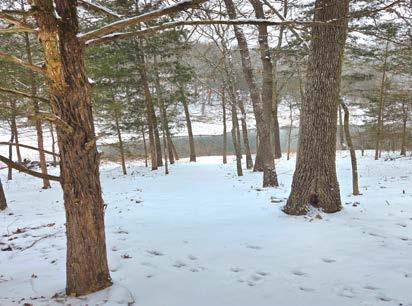
February Lake Preparations
Smart Steps Now for a Smooth Season on Table Rock Lake
February may feel like the off-season at Table Rock Lake, but for lake homeowners and regular visitors, it is one of the most important months of the year. A little preparation now can prevent costly repairs, reduce stress in spring, and ensure you are ready when warm weather returns.
Think of February as the “quiet setup month” for lake life. The crowds are gone, service schedules are more open, and small tasks are easier to
handle before spring demand hits. Why February Matters
Winter weather, fluctuating water levels, and long periods of inactivity can all take a toll on docks, boats, and lake homes. February is the ideal window to inspect, maintain, and plan.
Benefits of February prep:
Easier scheduling with contractors



and marinas
Time to fix issues before peak season
Lower risk of spring surprises
Better readiness for early warm weekends
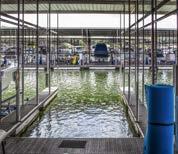
Dock & Shoreline Check
Winter storms and wave action can loosen hardware and shift dock alignment.
Inspect for:
• Loose bolts or brackets
• Worn cables or anchors
• Damaged flotation
• Electrical issues or exposed wiring
If water levels are low, take advantage of easy shoreline access to check riprap and erosion areas.
Boat & Dock Prep
If your boat has been winterized, February is a good time to plan the next steps.
To-do list:
• Schedule spring servicing early
• Check batteries and charging systems
• Inspect covers for wear or pooling water
Booking maintenance now helps avoid the spring rush.
Lake Home Maintenance
Cold weather can reveal weak points around a lake property.
Focus areas:
• Roof and gutter inspection
• HVAC filter replacement
• Plumbing checks for leaks or freeze damage
• Pest inspections before spring activity
• Also check decks and stairs for weather wear, especially those facing the water.
Safety Readiness
Many people overlook safety gear in the off-season.
February is ideal for:
• Replacing fire extinguisher units if expired
• Checking life jackets and throwable devices
• Testing smoke and carbon monoxide detectors
• Reviewing first-aid kits
Safety prep now means peace of mind later.
Plan for Spring Projects
Thinking ahead saves money and frustration.
Good February planning projects:
• Dock additions or upgrades
• Landscaping plans
• Exterior staining or sealing schedules
Contractors often book months in advance once temperatures warm.
Wildlife & Property Awareness
Late winter is active for wildlife in the Ozarks. Animals may investigate quiet lake properties.
Watch for:
• Nesting activity in eaves or docks
• Burrowing near shoreline
• Signs of raccoons or squirrels in storage areas
Addressing issues early prevents damage.
Quick February Checklist
• Inspect dock structure and cables
• Schedule boat service
• Check roof, plumbing, and HVAC
• Review safety gear
• Plan spring improvements
• Monitor for wildlife activity
The Payoff
Lake life runs smoother when preparation starts before the season does. A few hours spent in February can save days of hassle in April and May. When the first warm weekend arrives, you will be ready to enjoy the lake - not working on it.
February may be quiet at Table Rock, but it is the month that sets up the entire lake season.