2026 - Issue 32
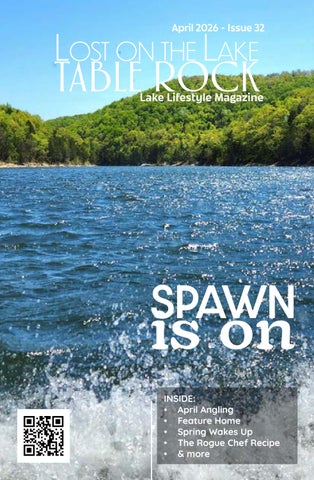
2026 - Issue 32
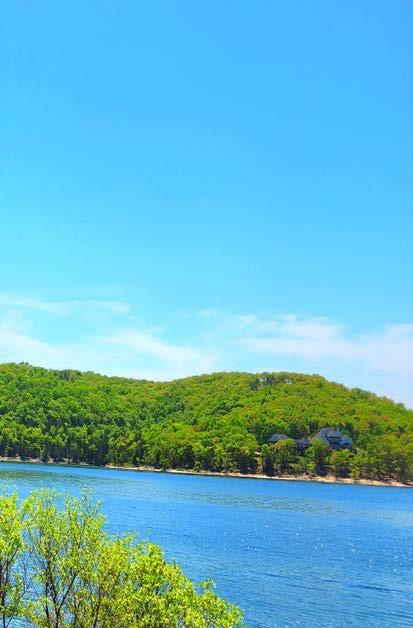
One moment the lake rests. Calm, muted, and still, and before you know it, it’s stirring back to life again. This early spring bloom has been especially enjoyable, bringing with it those first signs that the season is turning.
Fish are beginning to gather near docks and move into the shallows, preparing for the spawn. In the backs of quiet coves, a light layer of pollen drifts across the surface, subtle but unmistakable. Everywhere you look, there are hints that the lake is gearing up for a full, lively summer ahead.
A little April rain would certainly help, water levels could use a boost, but there’s still plenty of time for that.
If you’re planning a visit to Table Rock Lake, be sure to visit www.lostonthelake.us and explore our Welcome Guide to help make the most of your trip.
We’re also excited to continue sharing our Daily Lake Report, Lake Pulse. You can follow along on Facebook or download our app for easy daily access—see page 20 for details on how to get started.
Be kind to one another, and we’ll see you out on the water soon.
Myra Thornton



CREATIVE EDITOR
Myra Thornton
CONTRIBUTING WRITERS
Eric Olliverson
The Rogue Chef
Tracey Lightfoot
Myra Thornton
CONTRIBUTING PHOTOGRAPHERS
Eric Olliverson
The Rogue Chef
Tracey Lightfoot
Myra Thornton
ADVERTISING SALES
Myra Thornton

Publisher
Myra Thornton








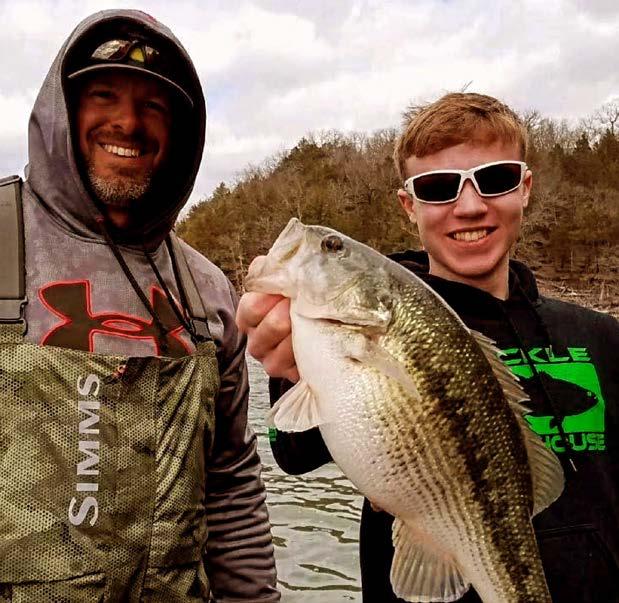
by: Eric Olliverson Eric’s Elite Guide Service
April on Table Rock Lake brings a noticeable shift in energy, both above and below the surface. As the Ozarks come alive with blooming trees and longer, warmer days, the lake enters what many anglers fondly call the “month of love.” It’s a time when multiple species move shallow to spawn, creating some of the most exciting and accessible fishing opportunities of the year.
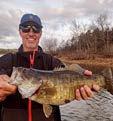
Bass fishing, in particular, reaches a seasonal peak. With fish actively feeding and preparing beds, anglers can expect steady action and the chance to connect with some of the biggest bass of the season. Focus your efforts on protected, sun-warmed flats—areas that heat up quickly and provide ideal spawning habitat. These locations often hold concentrations of fish, making them perfect for covering water methodically. Finesse techniques shine this time of year; presentations like a wacky-rigged stick bait, Ned rig, shaky head, or Neko rig can be incredibly effective when worked patiently through
bedding areas. On warmer days, don’t overlook the power of topwater. Walking baits like a Zara Spook or subtle wakebaits can trigger aggressive strikes, especially during low-light periods.
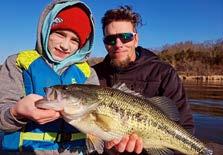
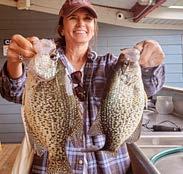
Crappie fishing is equally productive in April. Early in the month, many fish remain staged around brush piles and standing timber in 10 to 20 feet of water, particularly in the major river arms such as the James River, Kings River, and Long Creek. As the month progresses, crappie begin transitioning toward the banks to spawn. Light jig setups excel here—1/16-ounce jigheads paired with soft plastics like minnow-style baits are reliable producers and a great way to put together a full livewell.
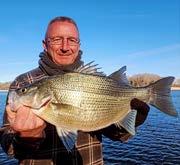
Walleye anglers also have reason for optimism. As their spawn wraps up around the full moon, these fish begin moving back into the lake and can be found along flat gravel banks in 10 to 12 feet of water. Target them with small swimbaits, curly-tail grubs, or jerkbaits worked at a moderate pace near the bottom.
No matter your preferred species, April offers a special window on Table Rock Lake—one defined by active fish, comfortable weather, and scenic surroundings. It’s the perfect time to get out, enjoy the water, and share the experience. If you can, bring a kid along and pass on the tradition.



If you spend enough quiet mornings around Table Rock Lake, you’re almost guaranteed to spot one—the tall, still figure of a Great Blue Heron standing at the water’s edge.
At first glance, it hardly looks alive. Long legs planted in the shallows. Neck tucked. Eyes locked on the water. Completely still.
Then...strike.
In a flash, the heron’s neck snaps forward, and breakfast is secured. It’s a reminder that patience often wins out here on the lake.
These birds are year-round residents in the Ozarks, but spring is one of the best times to notice them. As the water warms and fish become more active, herons can be found along quiet coves, rocky banks, and shallow inlets—especially in the early morning or just before sunset.
Despite their size, they move with surprising grace. Watching one lift off—wings stretching wide, legs trailing behind—is one of those simple lake moments that sticks with you.
They don’t draw attention, until they take off. Then it sounds like a pteradactyl is overhead.
But once you start noticing them, you’ll see them everywhere.

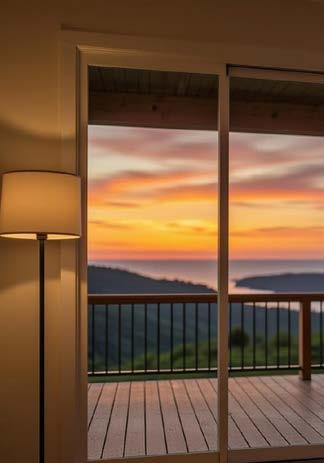
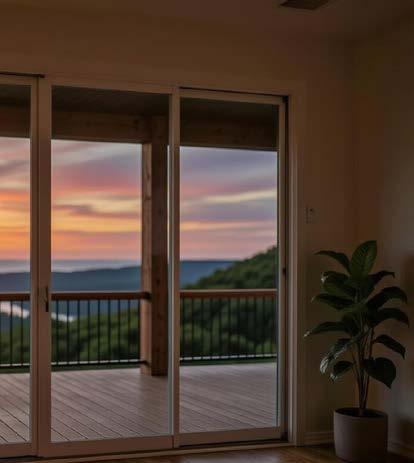
• 4 Bedrooms
• 2 Baths
• 1,516 Sq Ft



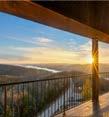
Perched on the top floor, Penthouse 7 at 24 Aqua Vista Lane offers unobstructed views of Table Rock Lake and a level of finish rarely found in the Branson market.
Private elevator access serving each floor. The interior is thoughtfully finished with stainless steel appliances, granite countertops, softclose custom cabinetry, luxury vinyl flooring, custom wood shelving, and a designer lighting package throughout.
A full-size front-loading stackable washer and dryer is conveniently integrated into the space, maintaining both function and clean design.
Expansive covered decks extend the living space outdoors, creating the perfect setting for entertaining or quiet mornings overlooking Table Rock Lake and the surrounding Ozark hills.
Ideally located near Silver Dollar City and just minutes from the lake, dining, and Branson entertainment, this residence offers both privacy and convenience. An exceptional opportunity for those seeking a luxury lifestyle property or a high-end vacation rental investment, where comfort, design, and resort-style living come together.





There’s a moment every year on Table Rock Lake when everything shifts.
It’s not loud. It doesn’t arrive with a big announcement. It slips in quietly—on a warmer breeze, in the shimmer of early morning light across the water, in the first splash of a boat easing back into the cove.
April is that moment.
The Ozarks begin to stretch awake. Redbuds and dogwoods bloom along the shoreline, painting the hills in soft pinks and whites. The air carries that unmistakable mix of damp earth, fresh leaves, and lake water warming just enough to invite you closer.
Mornings belong to the quiet crowd. Coffee on the dock. A light jacket. The gentle hum of water against the rocks. It’s the kind of calm that feels earned after a long winter.
By the weekend, the lake starts to buzz again. Families return. Boats dot the water. Laughter echoes across coves that sat still just weeks before.
But what makes April special isn’t just the activity—it’s the balance.
You can still find solitude.
You can still hear the birds.
You can still have a stretch of shoreline that feels like it belongs only to you.
That’s the magic of spring on Table Rock. It’s not fully awake yet—and that’s exactly why it’s worth experiencing now.



Grilled Pork Tenderloin with Fresh Cabbage Salad
Time: 35 Minutes; Servings: 4
Ingredients
For the Pork
1 Pork Tenderloin (about 1-1⁄4 pounds)
Kosher Salt and Freshly Ground
Black Pepper
1 T - Ground Fennel Seed
2 - Cloves Garlic, minced
1 tsp - Finely Grated Lemon Zest
1⁄4 C - Fresh Lemon Juice
1⁄2 tsp - Red Pepper Flakes
1⁄2 C - plus 2 T Extra-Virgin Olive Oil, divided
For the Cabbage Salad
1⁄2 Head Savoy Cabbage, leaves separated and cut into 2-inch pieces
1⁄2 C - Chopped Fresh Parsley
1⁄3 C - Chopped Walnuts
1⁄4 C - Grated Parmesan Cheese
Instructions
1. Preheat the grill to medium-high heat.
2. Butterfly the pork tenderloin by slicing lengthwise down the center, cutting about two-thirds of the way through, and open it flat.
3. Pound the pork to about 3⁄4-inch thickness using a meat mallet or heavy skillet.
4. Season both sides generously with salt and pepper.
5. Combine fennel, garlic, lemon zest, red pepper flakes, & 2 tablespoons olive oil in a small bowl.
6. Rub the mixture evenly over the pork and let rest for 10 minutes.
7. Boil a large pot of salted water and prepare a bowl of ice water.
8. Blanch the cabbage in boiling water until bright green and just tender, about 2 minutes.
9. Transfer the cabbage to the ice water to stop cooking, then drain and pat dry.
10. Toss the cabbage with lemon juice, parsley, walnuts, parmesan, and remaining olive oil in a large bowl. Season with salt and pepper.
11. Grill the pork for 4–5 minutes per side, or until cooked through and nicely marked.
12. Rest the pork for 5 minutes before slicing.
13. Arrange the cabbage salad on plates, slice the pork, and serve on top.
14. Finish with a sprinkle of freshly ground pepper.



Saturday, May 9th: Hairball with special guest A Foreigners Journey to Boston
Sunday, May 24th: Brantley Gilbert with special guest Aaron Lewis and the Stateliners
Saturday, June 6th: 38 Special & Kansas
Friday, June 12th: Jefferson Starship with special guests Pure Prairie League, Atlanta Rhythm Section, and Firefall

Saturday, June 13th: Trace Adkins with Confederate Railroad
Friday, June 19th: Little River Band with The Ozark Mountain Daredevils
Saturday, July 18th: Ted Nugent with special guest Black Stone Cherry
Friday, August 7th: Next to Nashville a Battle of the Bands - (7 South, Johnny Lackey and the Pocket Aces, Clay Clear Band, and Jacob Smalley & Morgan County Line)
After months of staying in, April feels like an open door, and Table Rock Lake is calling.
If you’ve been waiting for the “right time” to get back outside, this is it. Here are three simple ways to ease into spring without overthinking it.
1. Start with the Water (But Keep It Simple)
You don’t need a full day or a big plan. Grab a kayak, paddleboard, or just take a short boat ride.
Early mornings and evenings are your sweet spot. Less traffic, smoother water, and that peaceful “just you and the lake” feeling.
2. Take the Trail Less Rushed
Spring hiking in the Ozarks isn’t about distance, it’s about noticing.
Wildflowers are popping up everywhere, and the trees are just starting to fill in. Pick a shorter trail, take your time, and let yourself slow down.
3. Cast a Line (Even If You’re Rusty)
Fishing picks up in April, and you don’t need to be an expert to enjoy it. Find a quiet bank, bring a simple setup, and give it a try. Even if you don’t catch anything, you’ll walk away with something better, time outside.
April isn’t about going all-in. It’s about getting back out.




Written By: The Rogue Chef
April never seems to arrive quietly in the kitchen. It doesn’t politely knock on the door so much as throw the windows open and let fresh air rush in. After months of soups that simmer all afternoon and casseroles that feel like weighted blankets, something begins to shift. You wake up one evening, glance at what’s on the stove, and wonder why you are still cooking as though it were January.
Spring does not demand that you give up comfort, but it gently refuses to let comfort remain heavy. The change is subtle at first, more instinct than decision, yet it becomes difficult to ignore. If your kitchen feels a step behind the season outside, it may simply need that same nudge toward lightness.
Winter cooking rewards patience and depth. It invites long braises, slow reductions, and layered sauces that build richness over time. Spring, however, encourages movement. It favors quicker methods that preserve texture and let ingredients remain vibrant.
Instead of simmering for hours, consider what happens when you raise the heat and shorten the cooking time. Vegetables retain color and bite. Proteins develop a beautiful sear without being surrounded by heavy sauces. Even familiar meals feel transformed when prepared with a lighter touch. The shift is not about cooking less carefully; it is about cooking with greater awareness of the season’s rhythm.
When the weather changes, flavor preferences change with it. The deep, slow warmth of winter gives way to something more awake and balanced. A squeeze of lemon, a splash of vinegar, or a handful of fresh herbs can lift a dish in ways that additional butter or cream never could.
In my work as The Rogue Chef, April brings a noticeable request from clients for meals that feel “fresh” rather than “hearty.” They are not asking for less satisfaction; they are asking for clarity and contrast. Richness still has its place, but it is balanced with acidity, texture, and brightness
so that each bite feels lively rather than dense.
When brightness becomes part of the strategy instead of an afterthought, meals begin to feel naturally aligned with the season.
Winter often encourages complexity. Multiple layers of flavor, heavy reductions, and elaborate constructions feel appropriate when the days are short and cold. Spring rewards simplicity.
Rather than building dishes with numerous components, focus on a few elements that work well together and allow them to shine. A well-prepared protein paired with seasonal vegetables and finished thoughtfully can accomplish more than an overbuilt plate. When flavors are clean and intentional, they become more distinct. This approach also supports the practical side of spring, as schedules begin to fill and evenings stretch longer. Cooking becomes more efficient without sacrificing quality.
Seasonal cooking is as visual as it is practical. Spring introduces color in ways that winter simply cannot. Asparagus, peas, radishes, tender greens, and fresh herbs all signal a return to vibrancy. Even a drizzle of olive oil or a scattering of chopped parsley can transform not only the appearance of a dish, but also the
way it feels.
Color communicates freshness before the first bite is taken. A plate that looks bright often tastes bright, and that visual shift reinforces the seasonal transition taking place outside your kitchen window.
Lightening the way you cook does not require eliminating richness entirely. It requires balance. A creamy element can coexist with acidity. A roasted entrée can be paired with something crisp and refreshing. Cheese can remain, but perhaps in moderation and finished with herbs or citrus to create harmony.
Spring cooking is less about subtraction and more about adjustment. Instead of relying solely on heaviness to create satisfaction, you build meals that feel complete through contrast and proportion.
As daylight lingers and the air warms, energy levels naturally rise. Meals can reflect that momentum. Skillet dinners, composed salads with thoughtful additions, and sheet pan combinations allow you to cook efficiently while maintaining intention. These methods respect both your time and the ingredients themselves.
Opening the windows while you cook, reaching for fresh herbs more often, and tasting with a lighter
hand are small shifts that make a meaningful difference. Seasonal change does not have to be dramatic to be effective. Often, it is the quiet refinements that create the most noticeable transformation.
Letting spring lighten the way you cook is not about abandoning what sustained you through winter. It is about recognizing that the season has changed and allowing your kitchen to evolve alongside it. By adjusting technique, embracing brightness, simplifying structure, and prioritizing balance, your meals begin to mirror the energy outside.
April does not require reinvention. It simply invites refinement, encouraging you to cook with clarity, movement, and confidence as the year continues to unfold.
Need a Personal Chef?
Contact The Rogue Chef www.theroguechef.com


When you think about investing, you probably want your money to grow. But maybe you also want it to make a positive difference in the world while you continue pursuing your financial goals. That’s the foundation of sustainable investing — an approach that considers environmental, social and governance (ESG) factors alongside traditional financial analysis.
Sustainable investing allows you to support better business practices through your investment choices. It looks at how companies address issues ranging from climate change to worker well-being to corporate ethics. At its core, it’s about aligning investments with personal values while still focusing on long-term financial outcomes.
Here are the three main areas of sustainable investing:
Environmental considerations include how companies respond to climate change, use natural resources and manage pollution. Social factors address workforce well-being, product safety and efforts to reduce social inequities. Governance focuses on corporate behavior, ethics policies and financial transparency. You may wonder whether investing sustainably means sacrificing re-
turns. Research suggests it doesn’t. New York University’s Stern Center for Sustainable Business reviewed more than 1,000 studies from 2015–20 and found that incorporating ESG factors does not inherently diminish returns, and in many cases is associated with improved financial performance. As with any investment approach, it’s important to focus on high quality investments that help support more consistent long term returns.
Sustainable investing can take several forms:
ESG intentional strategies spread out your investments and have clear goals for choosing companies that follow strong environmental, social and governance practices.
Sustainable thematic strategies focus on specific issues, such as clean energy or water conservation.
Impact investments go a step further, targeting measurable environmental or social outcomes. Because they prioritize more narrow, specific objectives, they may carry higher volatility and potentially lower returns.
One concern you may hear about is “greenwashing,” which happens when companies or funds exaggerate their environmental efforts. To help pre-
vent this, the U.S. Securities and Exchange Commission created a rule in 2023 that requires any fund with “ESG” in its name to keep at least 80% of its assets in ESG aligned investments.
Another challenge is data consistency. Today, 99% of S&P 500 companies report ESG metrics, according to the Center for Audit Quality, but different rating providers still use different methods. Looking at relative rankings can help you compare companies and mutual funds in a more consistent way.
Deciding whether to include sustainable investments in your portfolio really depends on your values and financial goals. You can build a well diversified portfolio with or without them. A qualified financial advisor can help you understand whether adding sustainable investments fits your overall strategy and makes sense for your situation.
As more companies disclose ESG data and more funds offer sustainable options, investors have increasing opportunities to align their portfolios with their values — without sacrificing their financial objectives.
This article was written by Edward Jones for use by your local Edward Jones Financial Advisor.
Edward Jones, Member SIPC
This article was written by Edward Jones for use by your local Edward Jones Financial Advisor.



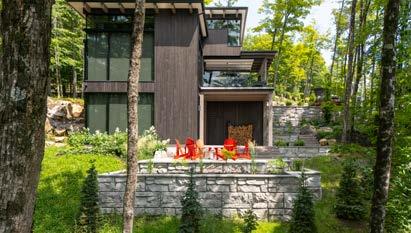

Life around Table Rock Lake comes with incredible views— and some challenging terrain.
That’s where Nobel Concrete & Precast, the newest partner of Lost on the Lake, is helping homeowners turn steep or underused areas into functional, beautiful outdoor spaces. Contact them for your next project!
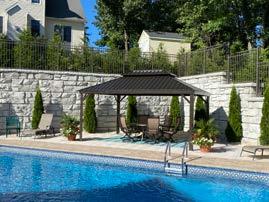
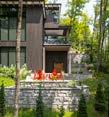
MagnumStone retaining walls help lake homeowners turn steep or erosion-prone property into usable outdoor space— patios, terraces, firepit areas, or better access to docks.
• Large-format blocks (24” × 24” × 48”) cover 8 sq ft per block, which speeds installation and gives walls a clean, architectural look that fits well with upscale lake homes.
• More usable yard space. The hollow-core design allows walls to be built closer to the slope, preserving more space for pati(417) 244-6881
os, landscaping, and outdoor living areas.
• Built-in drainage. The hollow cores are filled with gravel, allowing water to move through the system and reducing pressure behind the wall— helpful for runoff and shoreline erosion.
• Engineered plans from the start. Walls are designed with site conditions and drainage in mind to ensure long-term stability. Preliminary engineering plans are included
and not an additional expense.
• Efficient installation. Hollow cores mean less concrete and lighter blocks than solid systems, which reduce delivery trips, installation time and labor, and require smaller equipment.
• Natural aesthetics. The textured stone appearance blends well with lake landscapes and can be designed into terraces or planter walls that become part of the property’s outdoor living space.