PORTFOLIO
Lorraine McCann
Interior Architecture and Design

Lorraine McCann
Kansas City, MO
lorraine.r.mccann02@gmail.com
816-745-1650
www.linkedin.com/in/lorraine-mccann-516b05191 in
ABOUT ME SKILLS
Revit
InDesign
Illustrator
Sketch Up
Enscape
CHARACTERISTICS
Problem Solving
Collaborative
Prompt
Detail Oriented
Organized
Curious
INTERESTS/ HOBBIES
Reading Drawing
Knitting
Hiking
Journaling
Baking
Hello! Thank you for taking the time to explore my work. I have always been passionate about art and when picking a field of study I wanted to merge this passion with helping people live more fulfilling lives. After growing up in old houses I learned that one’s physical environment greatly impacts how a person feels and views the world. Through design I aim to create spaces that merge art, beauty, and function in a way that positively impacts and inspires the user. I love designing because it is such a layered process with something new to learn everyday.
EDUCATION
2025 Bachelor of Science in Interior Architecture (Expected)
2021-2023 Honor Roll for School of Architecture and Design
2017- 2021 Lincoln College Preparatory Academy
WORK EXPERIENCE
2024 Summer and Fall : Urban Prairie Architectural Collaborative
2022- Current: Kansas City Country Club
2023- 2024: Lawrence Country Club
2020-2022: Victoria’s Secret Sales Associate
2020: Yogurtini
ACTIVITIES
2022- Current IIDA: International Interior Design Association Member
2023 Architecture Mentorship Program for Second Year Students
1 The Connection Residential Care Facility
3
Eco- Home Residential Architecture
2 Elements Gallery Historic Restoration
4
Internship
Urban Prairie Architectural Collaborative
5 Sketches
Residential Care:
The Connection
Summary
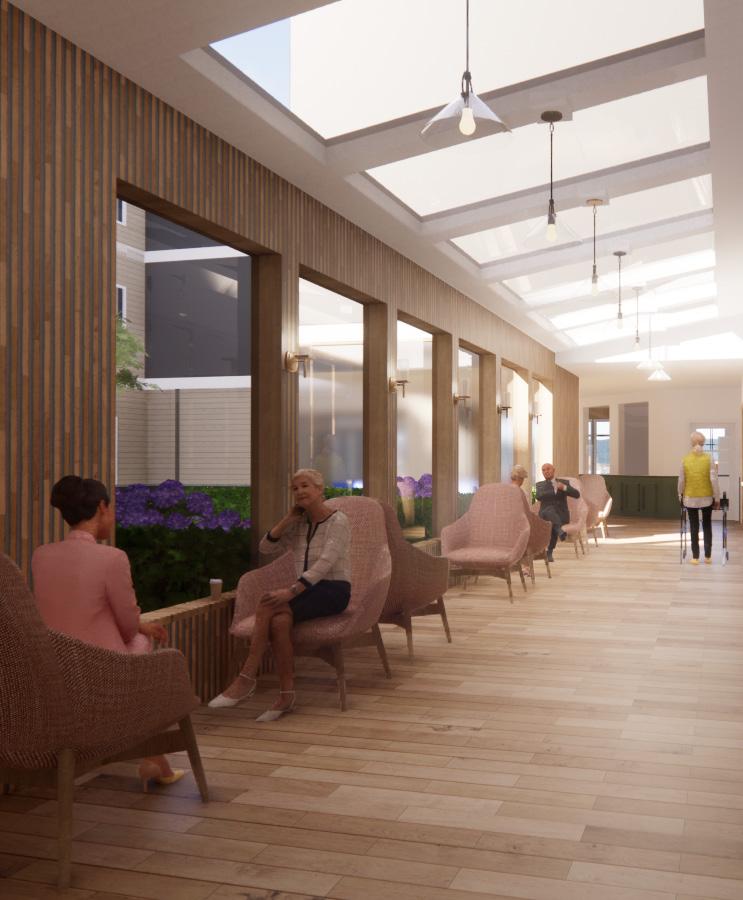
Design a memory care facility using evidence based design and an additional DEIB focus for older adults and persons with dementia. This project addresses aging needs and medical environments.

The Connection Research and Mood Board
Alzheimer and Dementia Research
Outdoor
nnections
Encourages residents participation, exercise, and movement. Plants are grounding and help boost moods
Lightin g Control
Decreases eye strain and glare; task lighting brightens the space and is customizable for the resident
PTSD and Trauma Informed Design
Nested Layers
Create escape without isolation and bring building to human scale (dropped ceilings/ lights, break large areas into smaller nodes)
Avoid faux and institutional materials while opting for real materials that ground residents (touch, sound, etc)
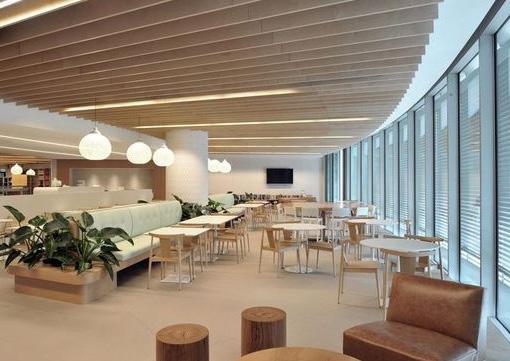
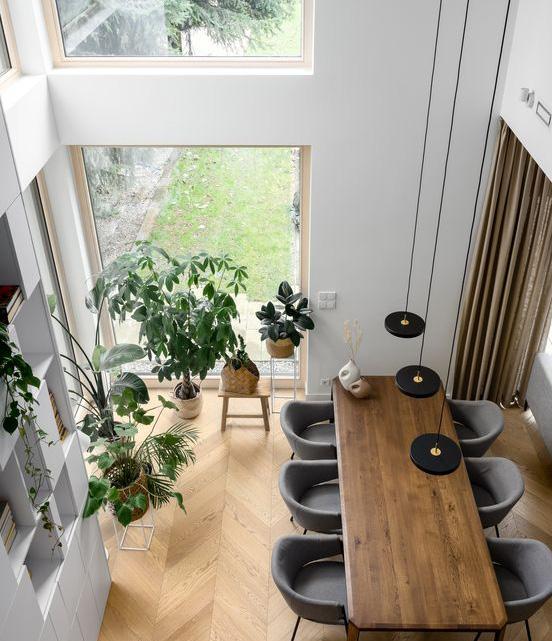
Use less institutional and more natural materials to help ease nerves and boosts comfort
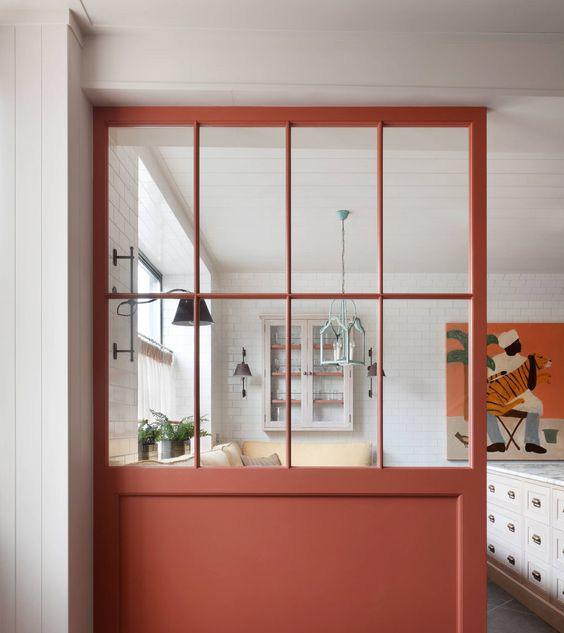
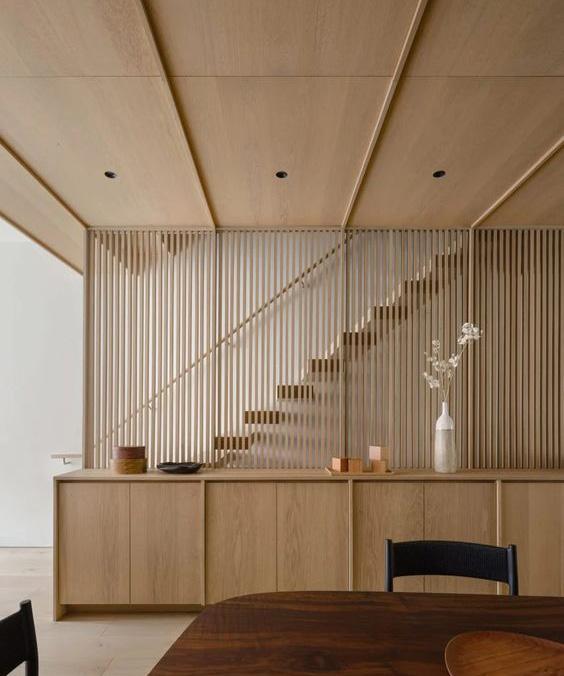
Use membranes not dividers to create connection and allow views (windows, screens, 3/4 walls)
Mat e rials
Mem b ranes
Users
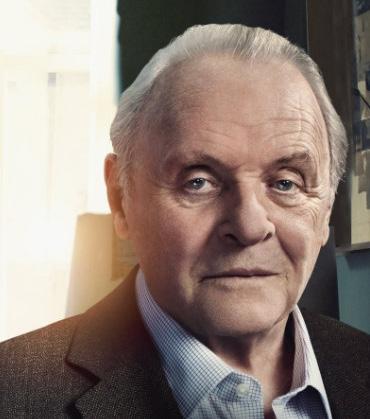
Resident in his 80s with dementia. He has two daughters Anne, his caretaker, and Lucy. Anthony suffers from PTSD from Lucy’s death. He lived with Anne for several months before moving to a facility while she moved to France.
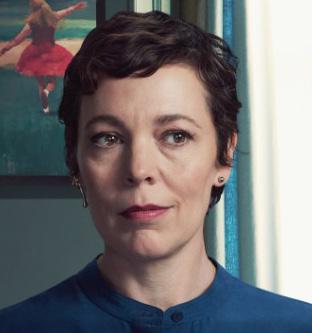
Anne is Anthony’s oldest daughter and his caretaker She is a 40 year old who juggles going to work and taking care of Anthony. She finds Anthony alternative care before her move to France.
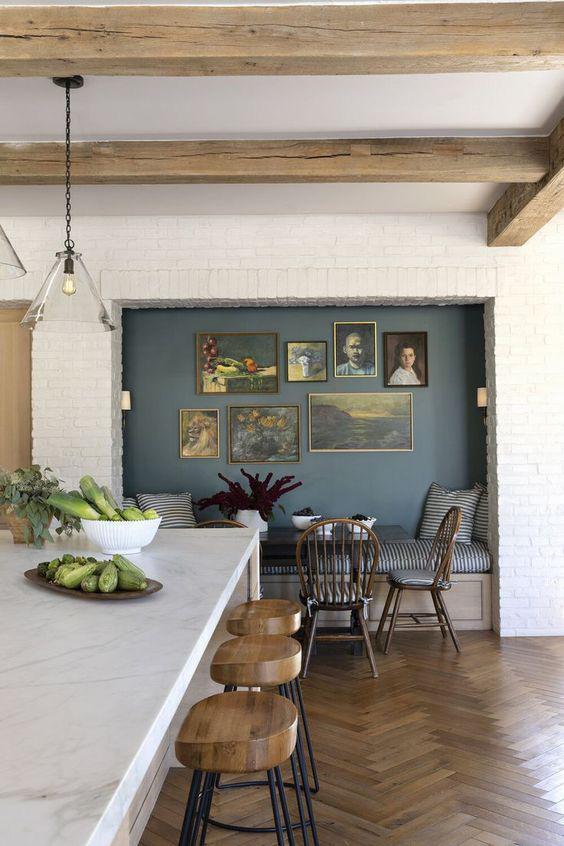
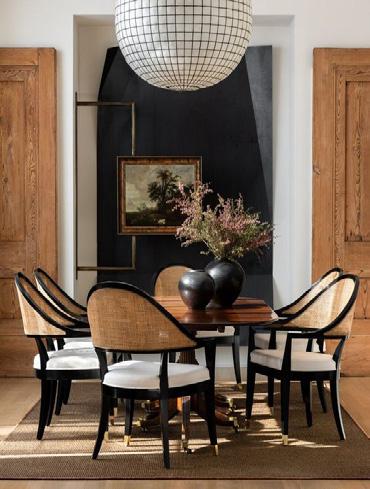
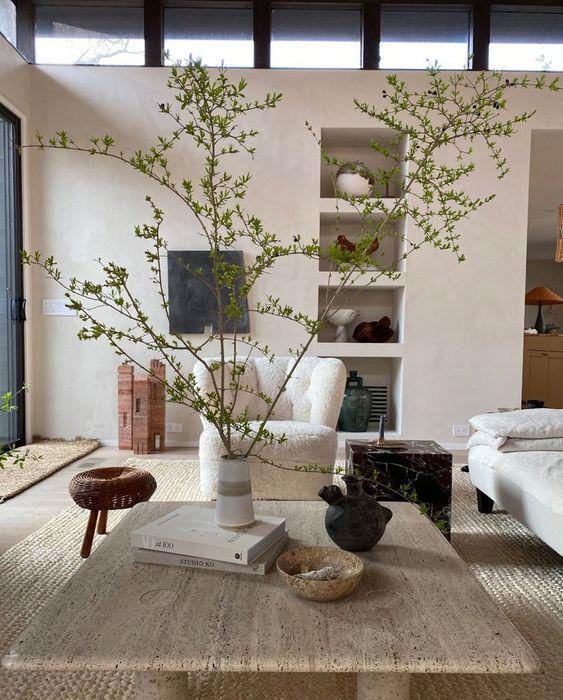
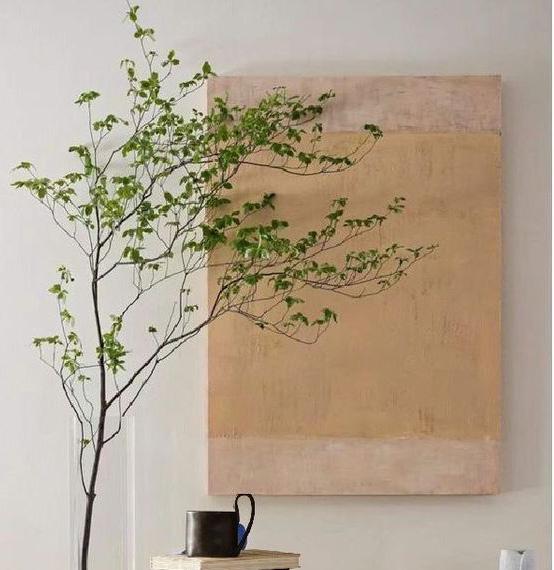
Ground & Connect
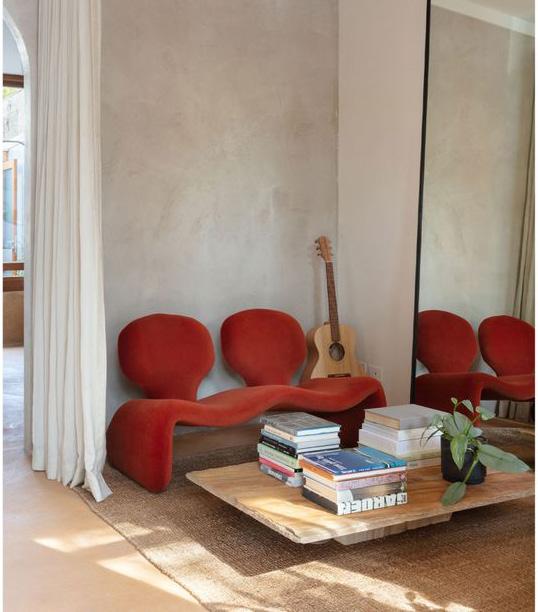
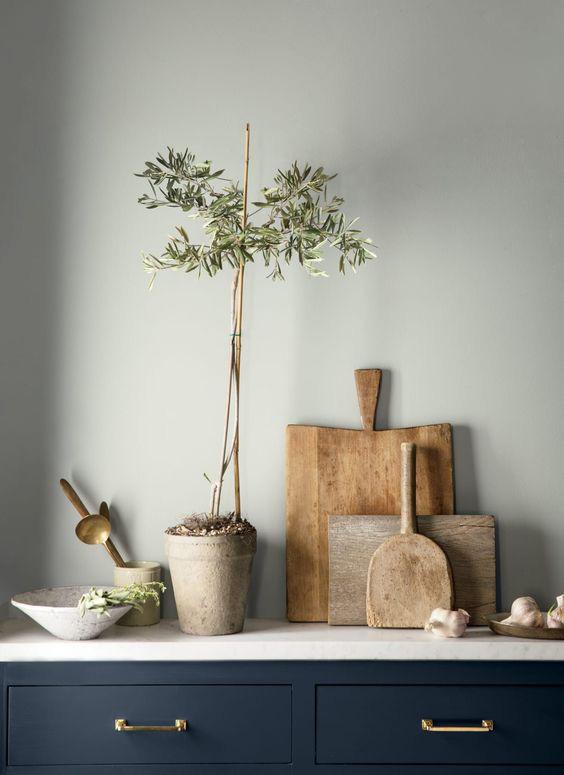
The Connection Concept and Implementation
Concept
Independence
Residents are individual people with full lives and deserve to reserve the right to choose what they do and don’t do. A person’s independence and individuality should be preserved.
Community
A sense of belonging is vital to the health and wellbeing of dementia residents. It is necessary for them to have places to come together and partake in an array of activities together.
Social Connection
Different layers of connection and interaction should be implemented into the space whether that connection is with the entire facility, healthcare workers, family member, or neighbors.
Concept: Social Web
Create a grounding and relaxed space that preserves independence while providing a sense of community and connection for the residents. The design will create a social web to support the residents to help them live full and balanced lives while pushing them to be grounded in their environment through natural materials.
Space Adjacency Diagrams
Strong Adjacency
Medium Adjacency
Loose Adjacency
Controlled Access
For further progressed resident, they have their own web
Independent Spaces
Private spaces with no interaction
Community Spaces
Come together with the purpose of interacting or taking part in an activity as a group
Connection Spaces
Given the opportunity to connect, spaces for independent activities with optional interaction and leads residents into more social spaces
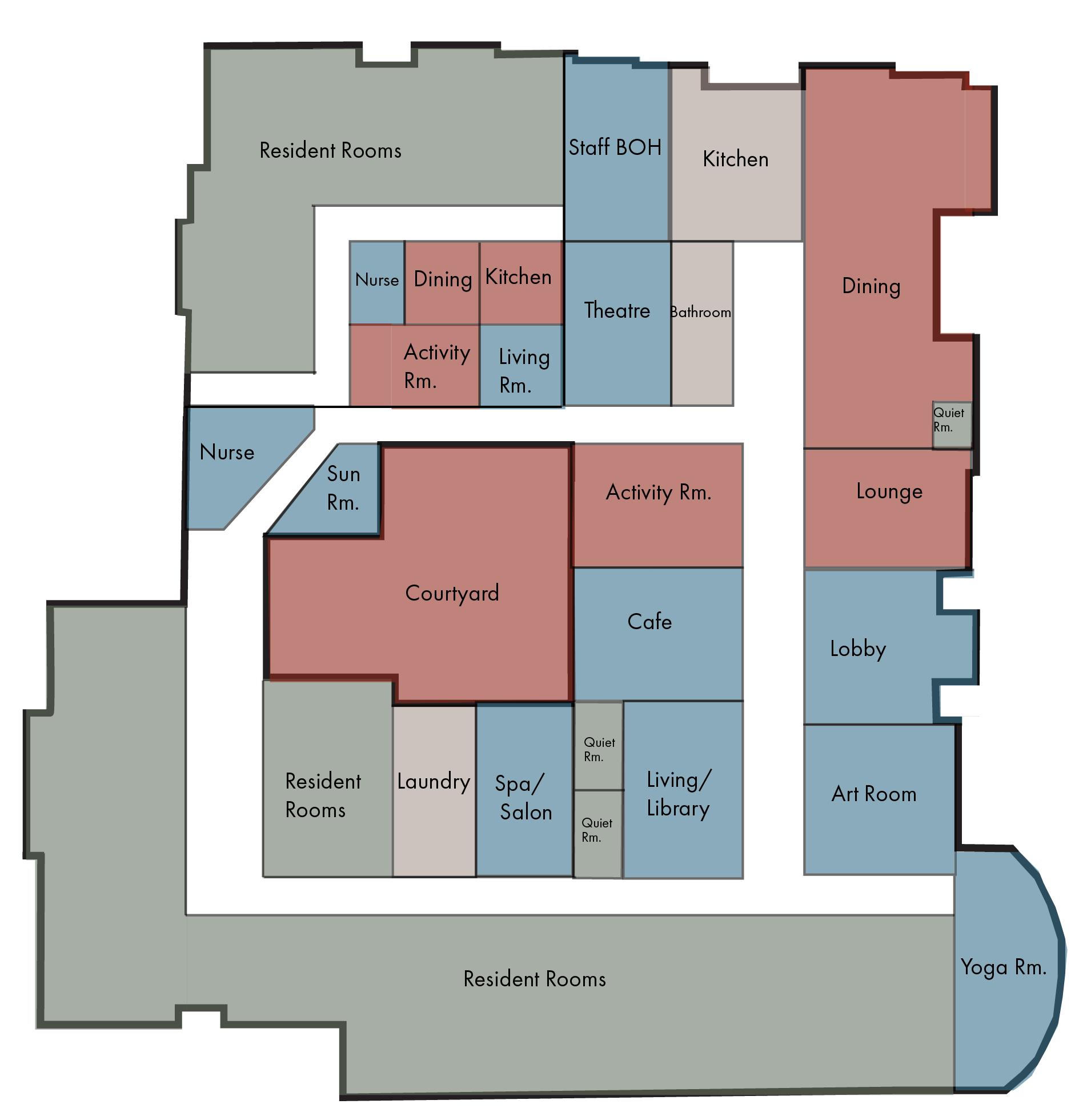
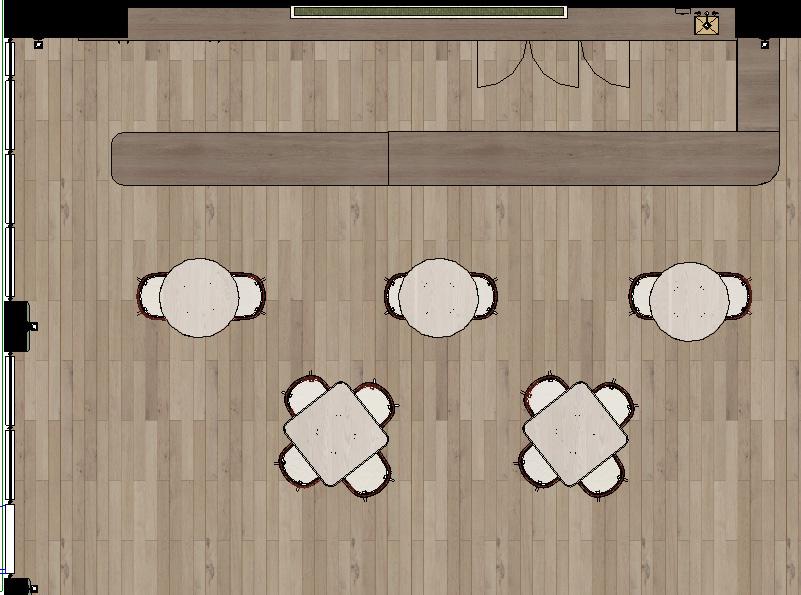
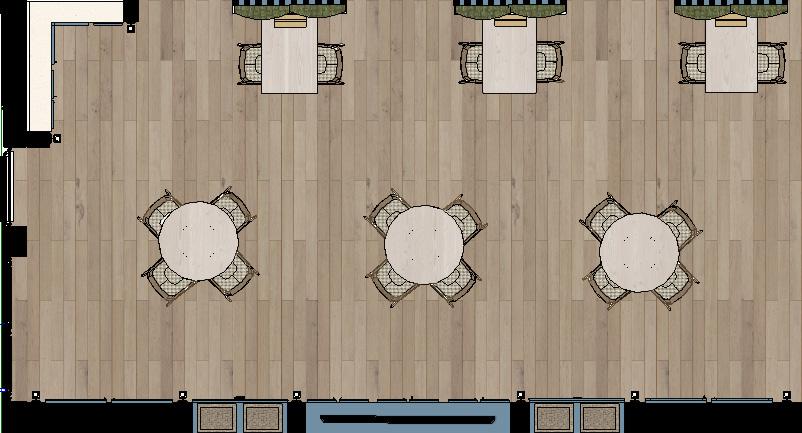
The Connection Furniture Plan
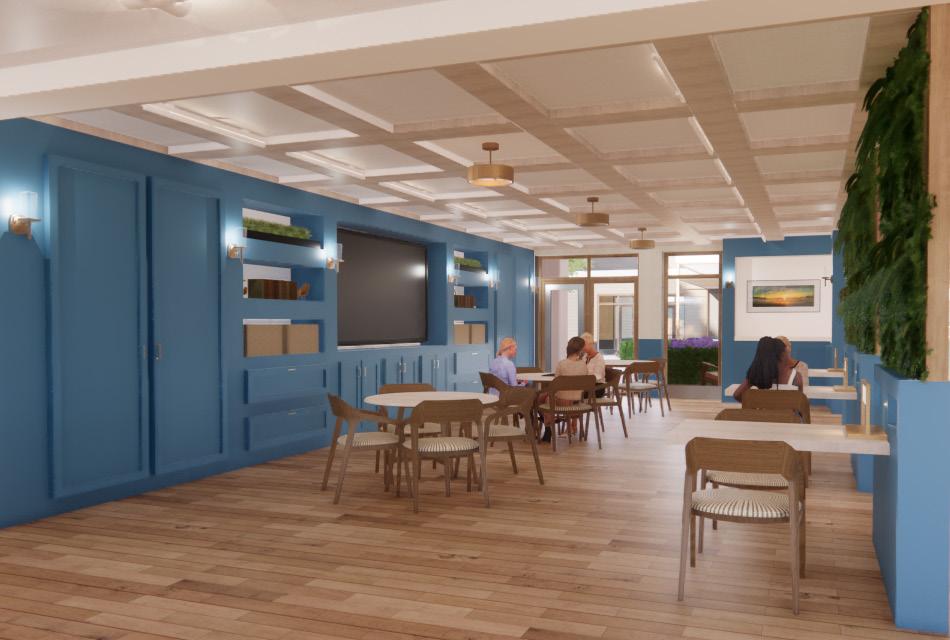
The Connection Cafe
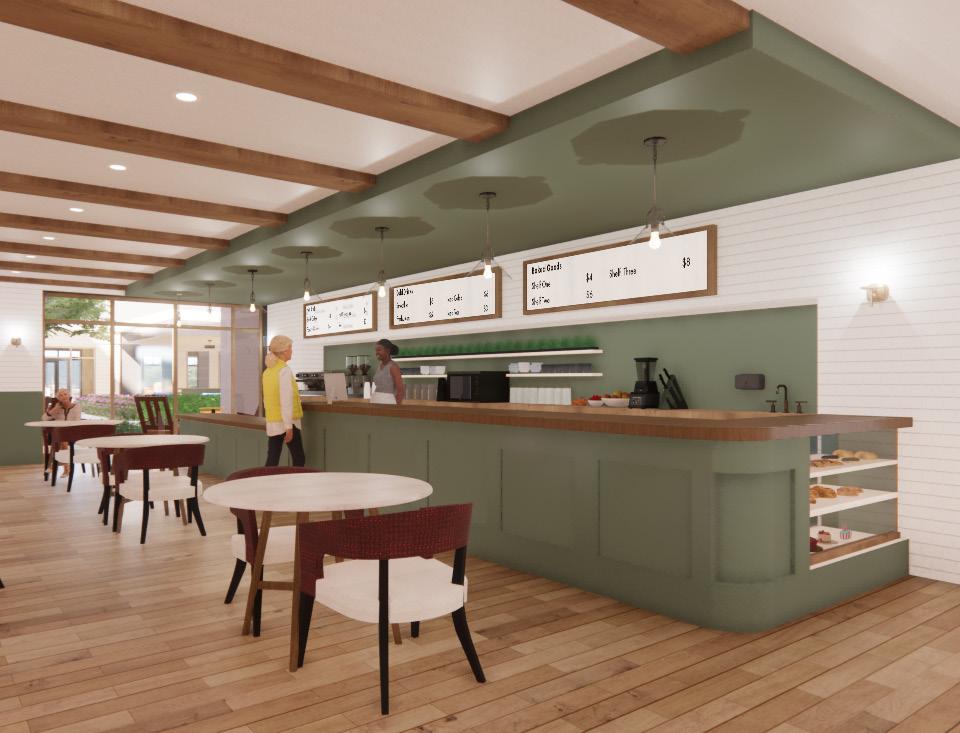




F-1
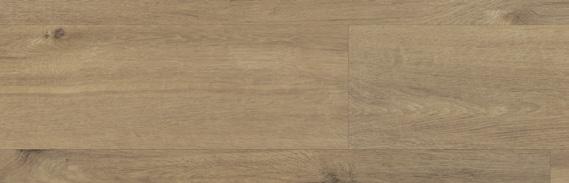
Karndean Design Floors: Korlock Reserve North American Oak
W-7
Benjamin Moore: Color: Holiday Wreathe
W-5 Glen-Gery White Glazed Brick
F-1
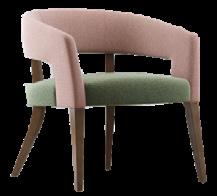

Back

C-5
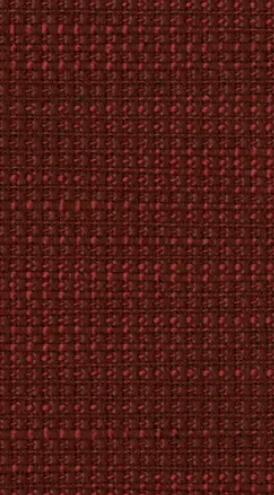
Kimball: Nash
Seat: Sedona, Buskskin
Back: Grade 1, Crimson
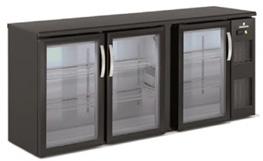
Coreco: Bar Back Display Cooler
Material: Stainless Steel

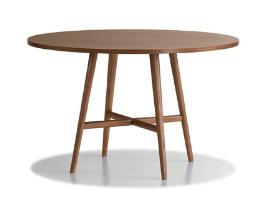
Table Top Legs

T-1/ T-1A
Berhnardt Design: La Paz
Tabletop: Oak+Ash M73 Whitewash
Legs: Walnut 870
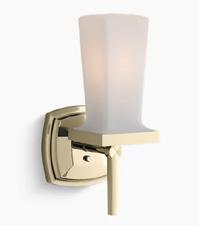
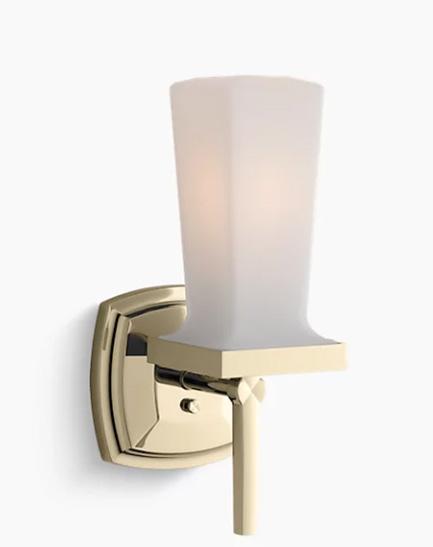
Kohler: Margoux
Material: Polished Brass
Frosted glass Shade
F-1
W-5
W-7
R-3
Seat
L-1
A-4
C-5
T-1
T-1A
A-4
L-1
The Connection Activity Area


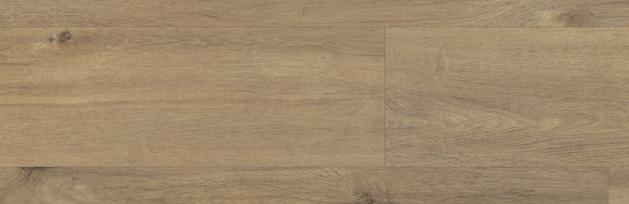

Karndean Design Floors: Korlock Reserve North American Oak
Benjamin Moore: Color: Bedford Blue
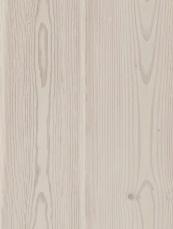
Color: Oyster
Douglas Fir Custom Build
3’6” x 2’ 7” x 0’ 2”
W-2
W-3 Weitzner
R-2
F-1
R-2
W-2
W-3
F-1
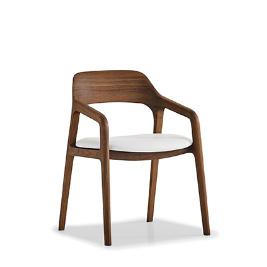
Seat
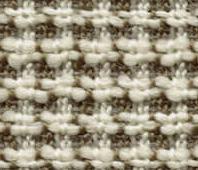
Frame C-1
Table Top
Berhnardt Design: Charlotte
Seat: Cue; Birch
Frame: Walnut 870
Legs T-1
Berhnardt Design: La Paz
Tabletop: Oak+Ash M73
Legs: Walnut 870
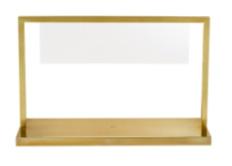
L-2
Visual Comfort & Co: Everett-Table-Lamp
Material: Polished Brass
L-1
Kohler: Margoux
Material: Polished Brass
Frosted glass Shade
W-1
W-2
W-3 W-4
R-2
Elements Gallery Historic Renovation:
Summary
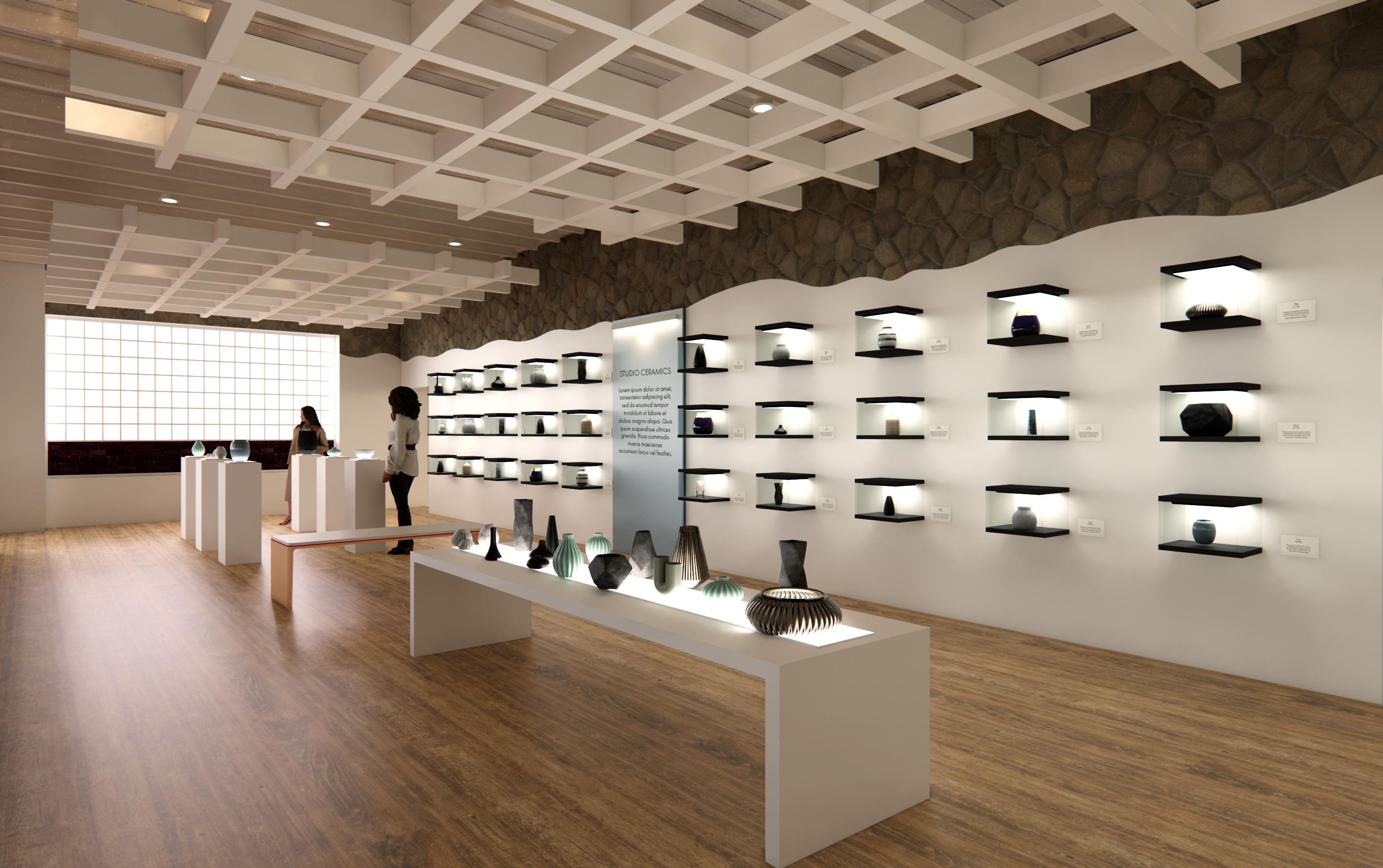
Design an art gallery using the Historic Reuters Organ factory located in Lawrence Kansas. The goal is to preserve the historic integrity of the building while implementing a new use of the space.
Partner:
Jeanne Eckels

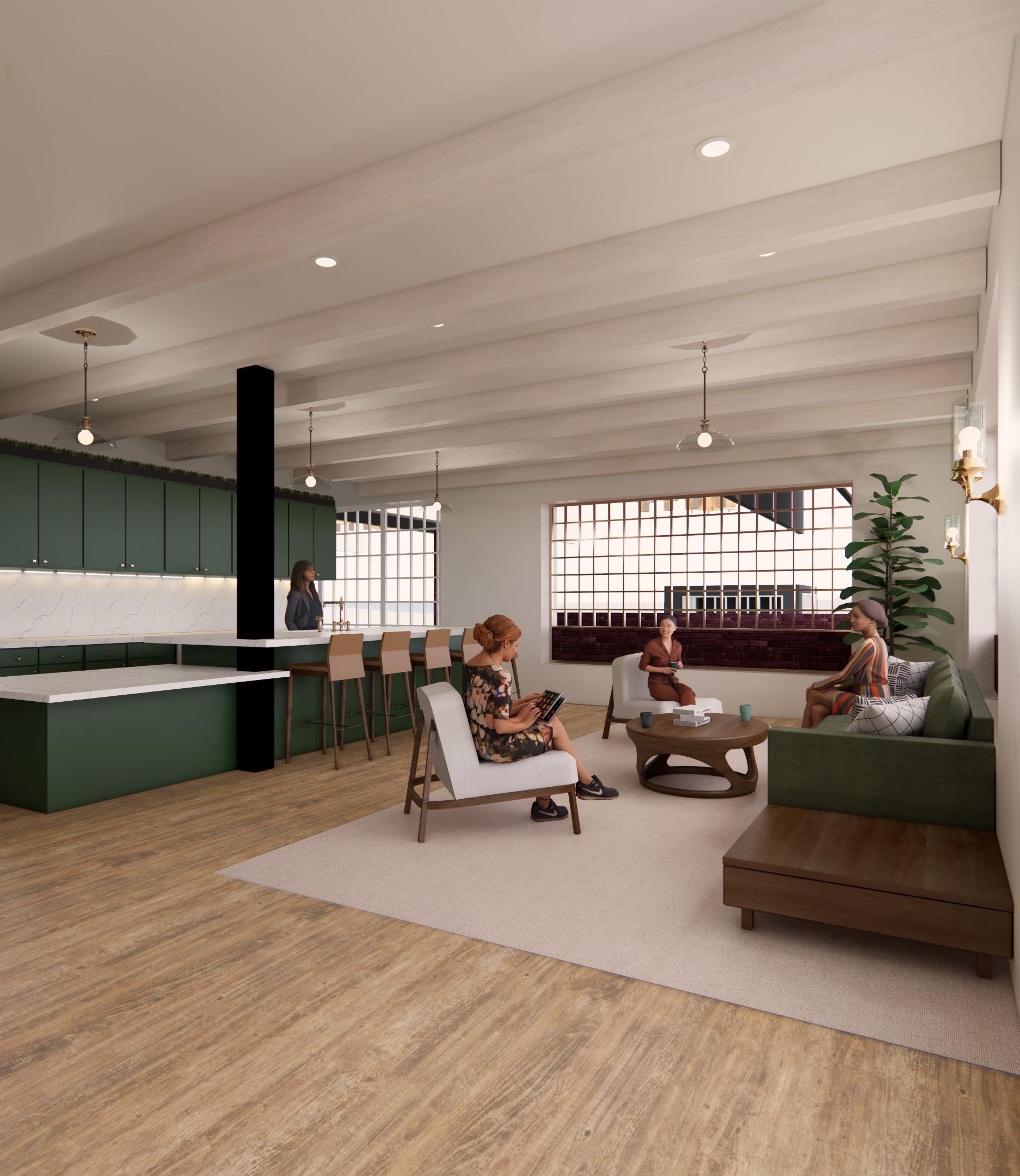
Elements Gallery Preservation and Research
Concept

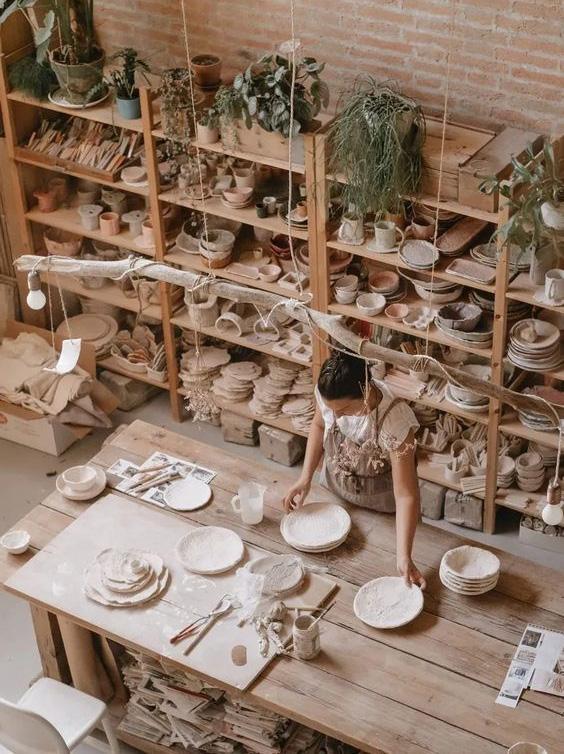
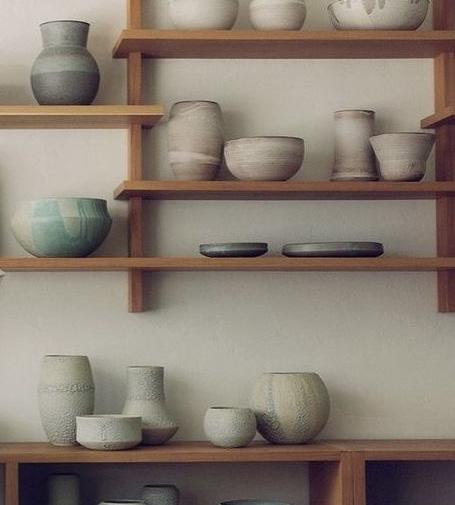
Just as the elements compose ceramics from start to finish, our gallery builds artists careers by providing support spaces through a balance of creative, organized, social, and private areas to support the complete design process correlating with the elements.
Historical Elements




FIRE: Longevity, Passion, Creativity
Create spaces that stimulate passion and creativity while offering space for self expression through art.
EARTH: Organized, Grounded, Pure
Create a safe and grounding space to promote focus and hard work. Employees and teachers have a calm place to decompress.
AIR: Intellectual, Social, Connection
Create spaces that are welcoming and promote connection and socialization with the public, the artists, and one another.
WATER: Tranquil, Flowing, Imaginative
Create spaces that are flowing, and imaginative offering a place to slow down and calmly take in ones surroundings.
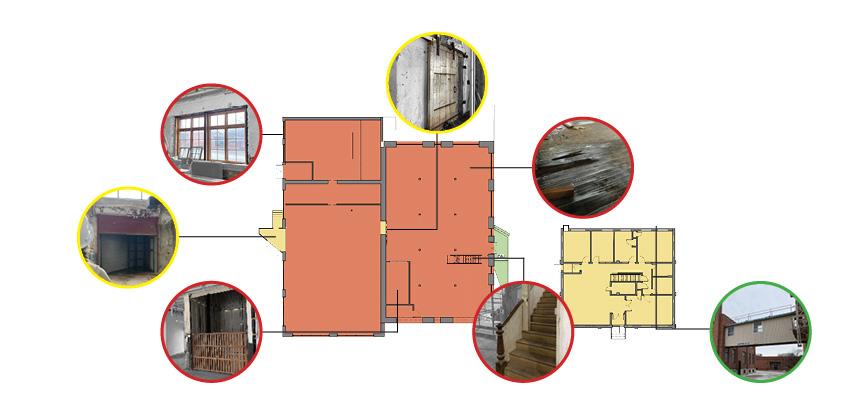
Preserve historic windows, flooring, elevator, and staircase
Restore industrial doors; modify location
Preserve Adapt Remove
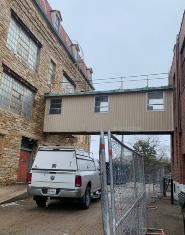
Remove existing bridge, reinstall an updated connection
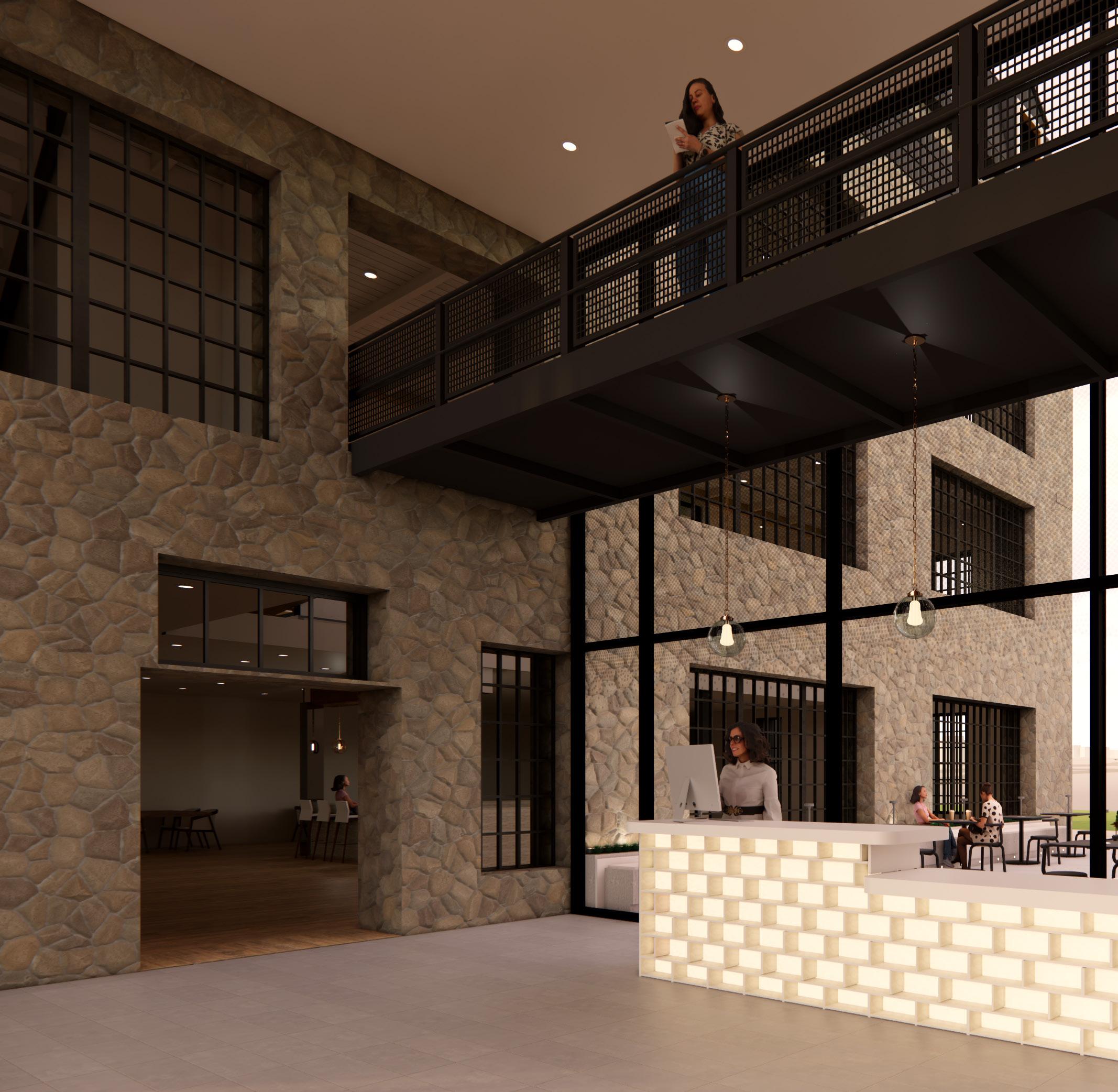
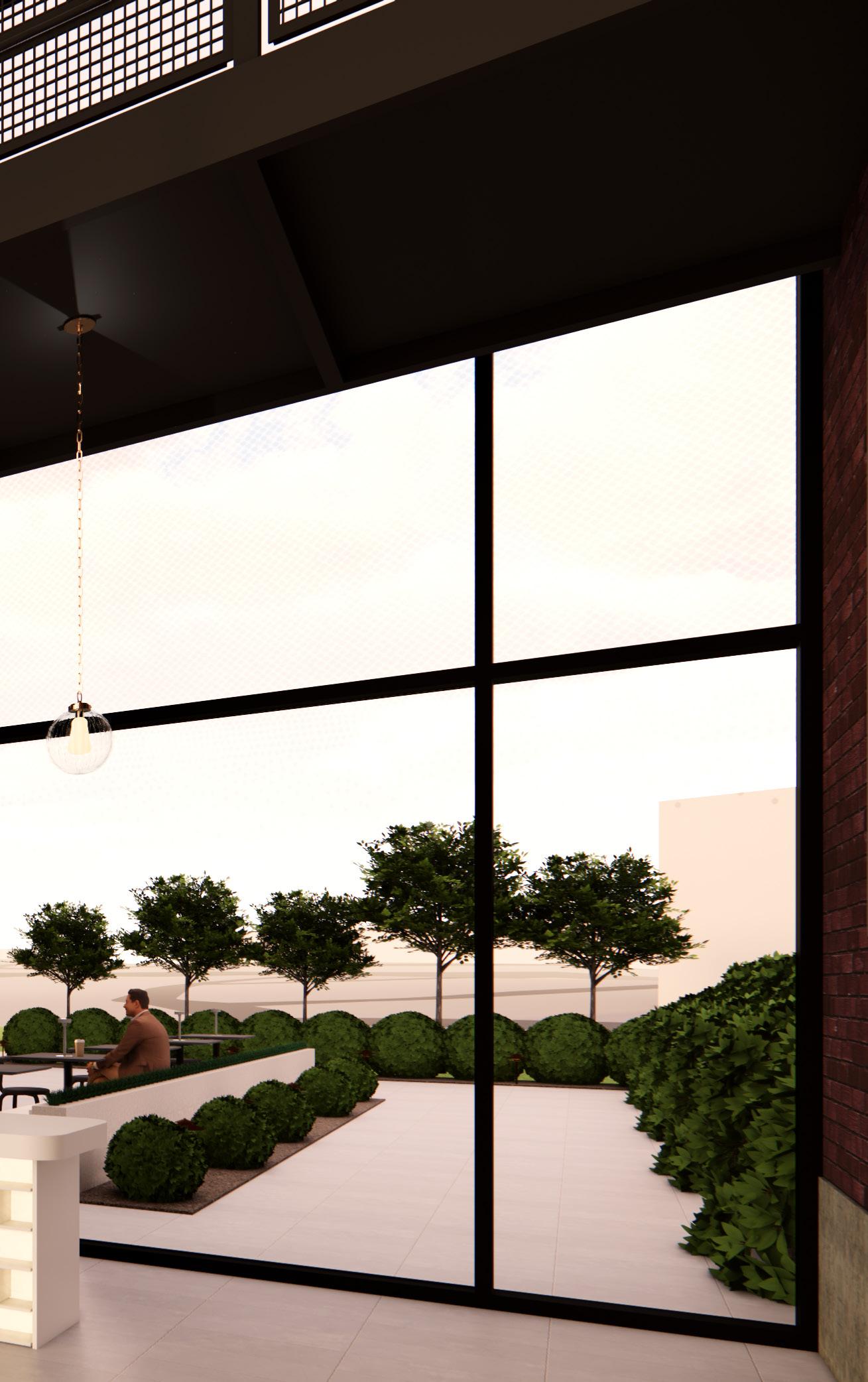
Remove outer steps, create a grand entrance by building a glass enclosure connecting the two buildings
Research and Mood Board
FIRE: Longevity
LIGHTING
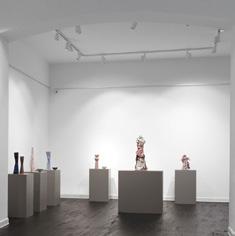
Use flexible LED Lighting and self illuminating stands
VENTILATION/KILN
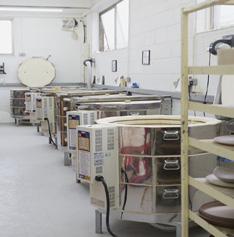
Toxic materials need ventilation and outdoor kiln areas are vital
EARTH: Organized AIR: Connection WATER: Flexibility
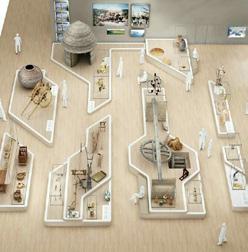
Softly lead visitors from one space to the next
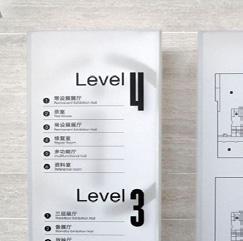
Allows visitors for orientation and direction SIGNAGE
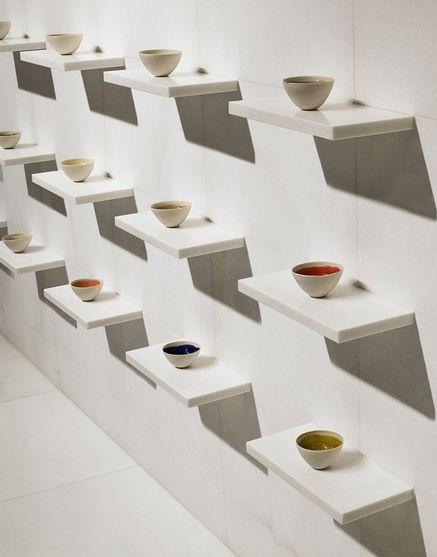
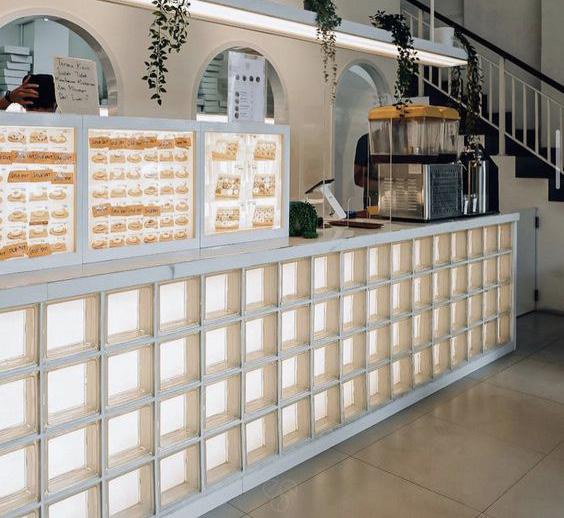
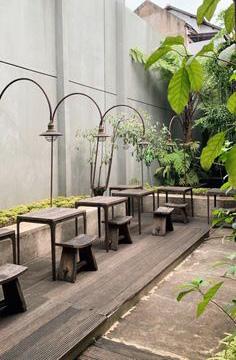
VISIBILITY
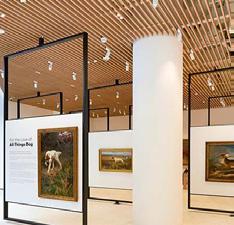
Allow users to see where they’re going; sight leads people forward
REST AREAS
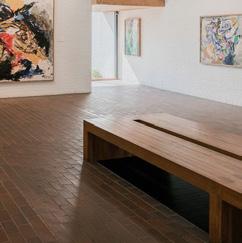
Include places to sit/ gather to view art, talk, relax, and observe
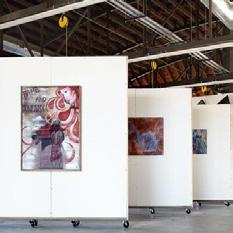
Movable wall partitions help create different zones, galleries, etc.
FLEXIBILITY
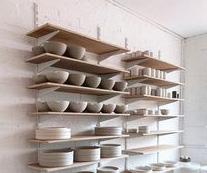
Stagnant storage paired with movable storage, movable work stations
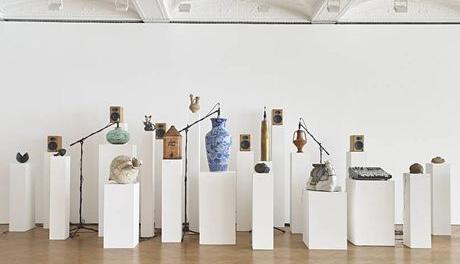


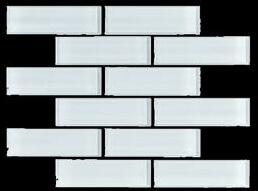
Elements Gallery

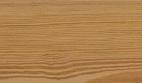
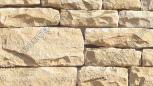

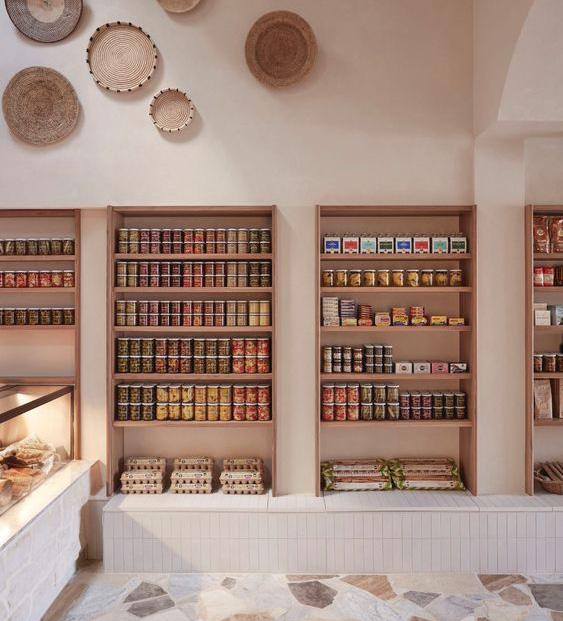
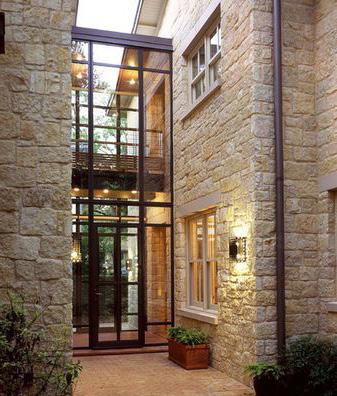
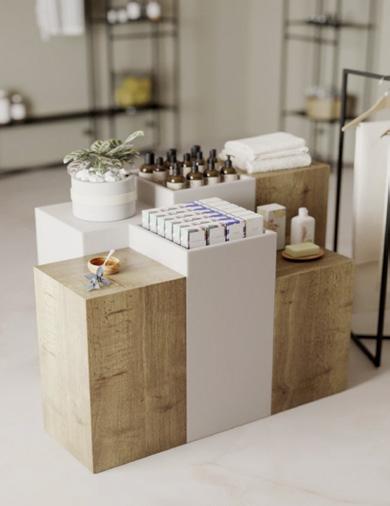
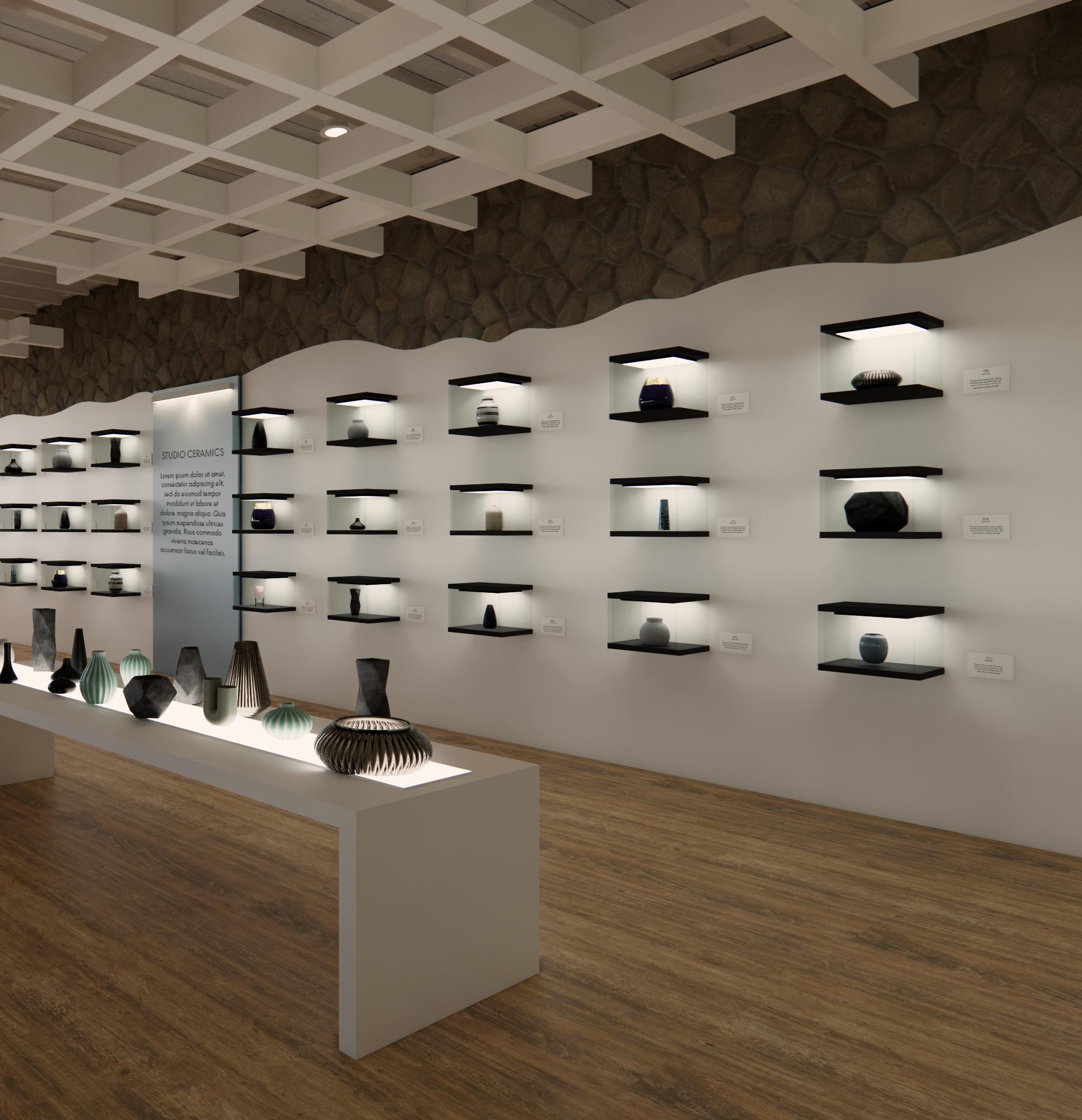
White walls to show off art, individual stands
Bricks, wood
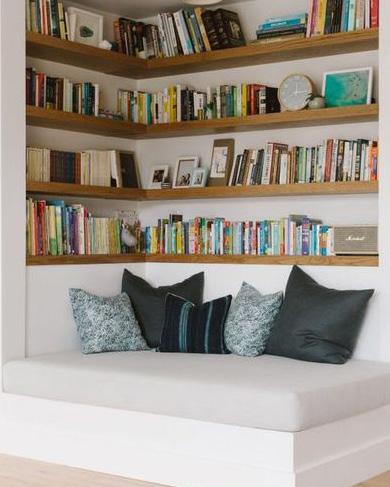
Built in Seating, Greenery
Glass building connecting two
Glass reception desk, Light behind
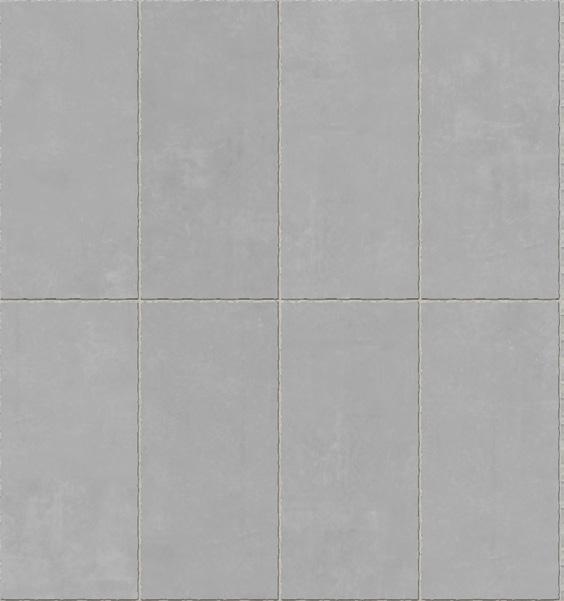
Display area, tile bottom, large area
Exhibits on the walls, stands showing off
Elements Gallery Spatial Planning
Bubble Diagram and User Journeys
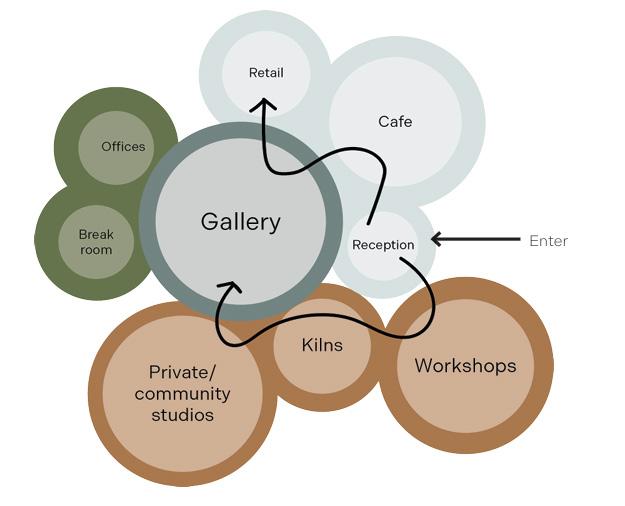
Air Spaces
Water Spaces Earth Spaces Fire Spaces
Circulation
Jim, the curator, coordinates gallery showings, sets up exhibitions, resets the shop, is responsible for the changing works of art and keeping works in circulation.
Louis is an art enthusiast looking to explore the art scene in Lawrence.
Jade, a local artist, teaches introductory classes while spending hours in her private studio. Her work is shown and then outsourced to galleries around the country.
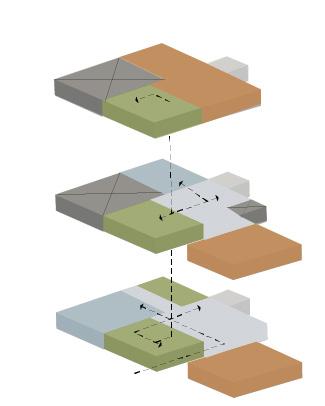
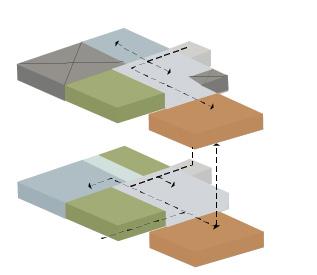
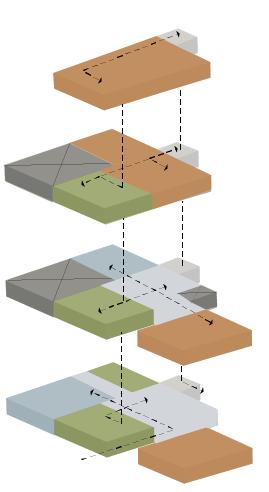
Stacking Diagrams for Spatial Planning
Vertical circulation is added to the back of the original building. Bathrooms and staff areas are stacked for sustainability and efficiency while providing privacy for staff circulation throughout all floors of the building. The private studios can be accessed and circulated through the private staff circulation.
The gallery includes the triple height space and a balcony on the second floor overlooks and connects the galleries. The third floor private studios overlook the main gallery for inspiration as the artists work.
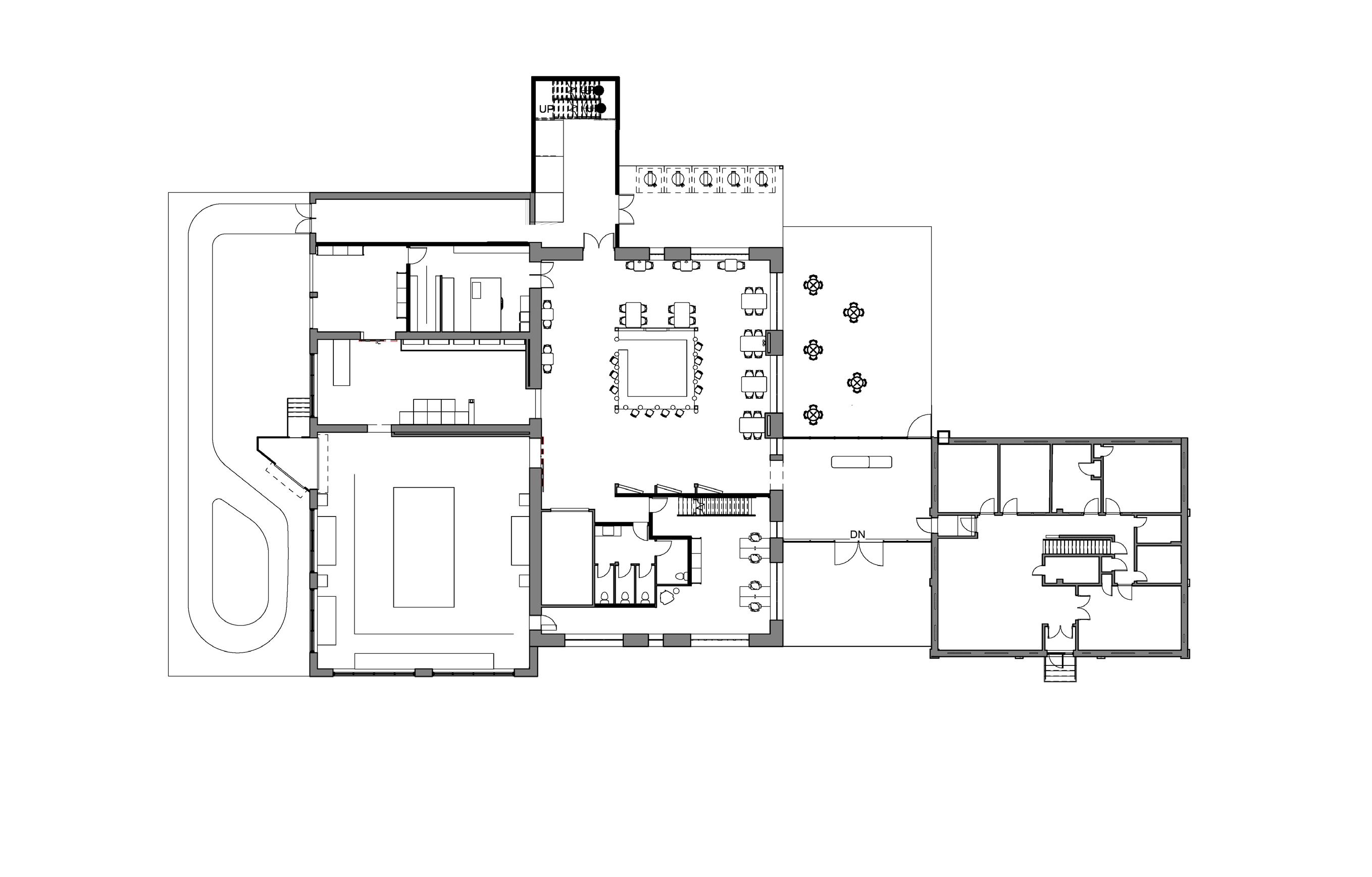
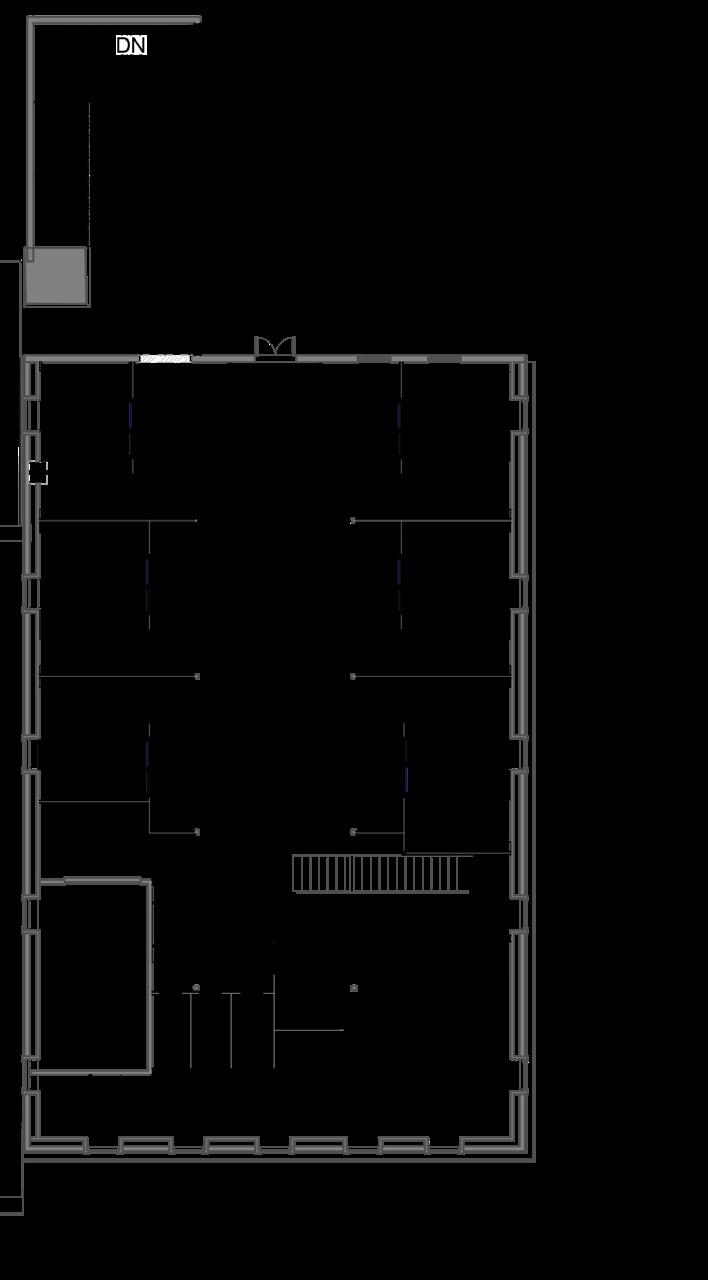
Elements Gallery Floor plans
Floorplans: 1’ = 30’
4 Staff Offices (684 sqft)
5 Bathrooms (235 sqft)
6 Gallery (1995 sqft)
7 Retail (714 sqft)
8 Kitchen (408 sqft)
(164 sqft)
7 Retail (1673 sqft)
8 Egress Stairs
Elements Gallery Reception



Elements Gallery Tertiary

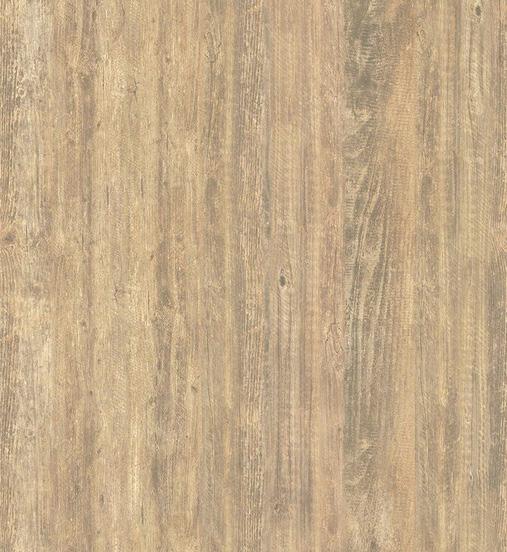

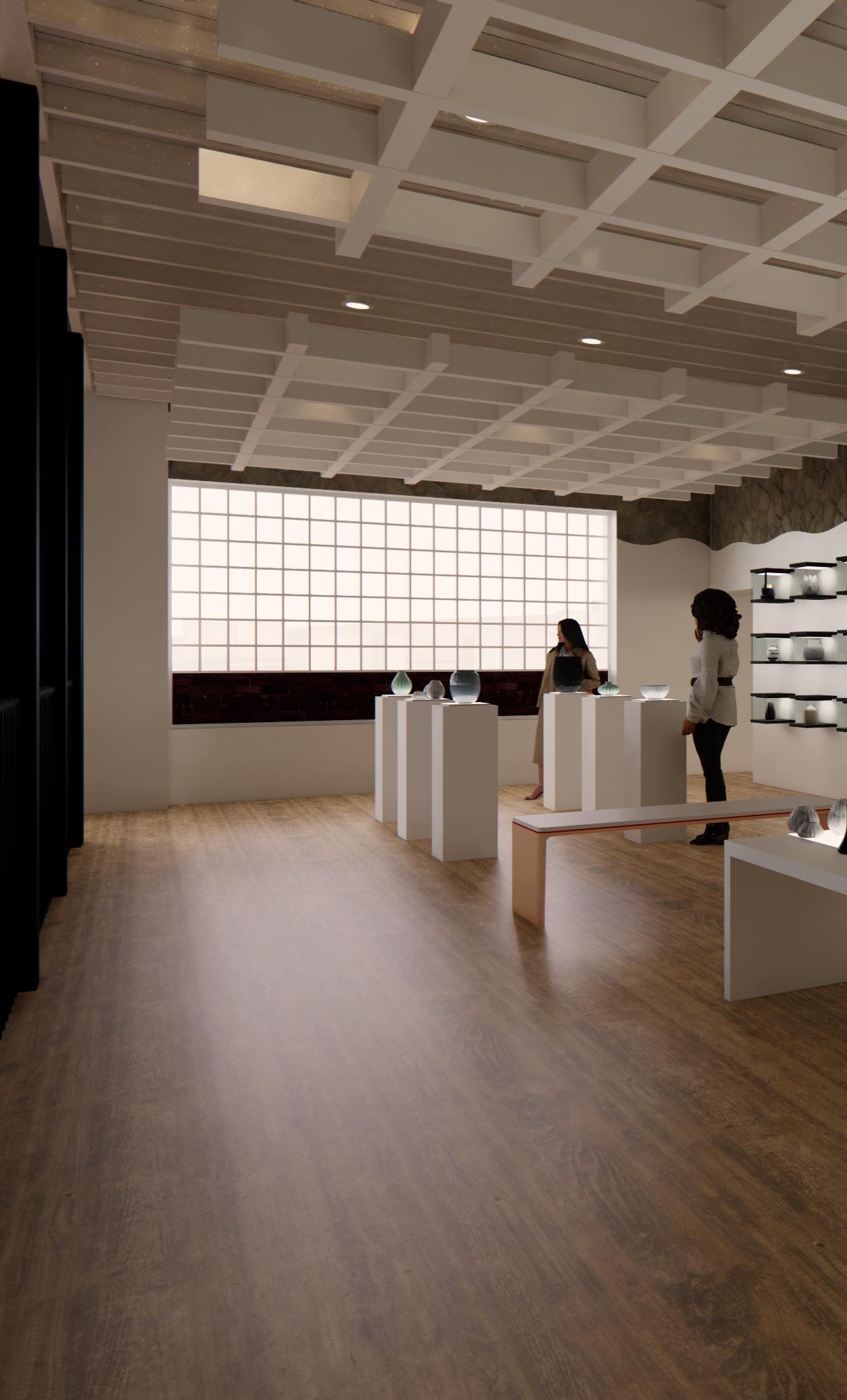
Sherwin Williams: faded Flaxflower
Arktura: dove felt acoustical panel
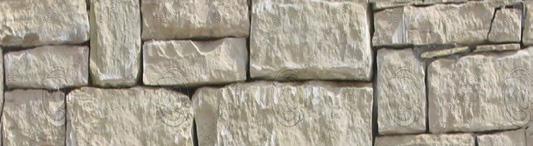
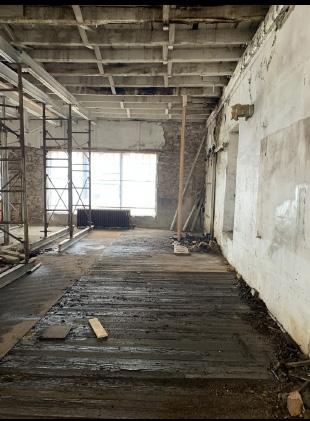
Original exposed stone left uncovered by plaster
Haddad House: EcoHome
Summary a
Design a sustainable and culturally appropriate home fulfilling the Haddad Family’s needs. Address sustainability, WELL, LEED, Yousef’s condition (glaucoma), and honor their Middle Eastern culture.
Partner
Sara Heggmann
EcoHome Research and Site
Haddad Family

40 year old father and programmer who likes to write

38 year old mother and work from home jewelry maker
Concept and Goals
Create a clean and organic home through simple circulation oriented around a central courtyard to maximize connections to nature, views, and natural light.

9 year old talented painter

year old sketcher diagnosed with glaucoma
Implement sustainable elements from layout to material choices
Use glaucoma design making the home accessible with clear wayfinding and an open floorplan
Create visual interest though architectural features avoiding excessive decoration
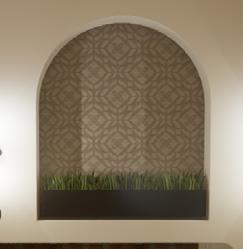
Middle Eastern Design
Glaucoma Design

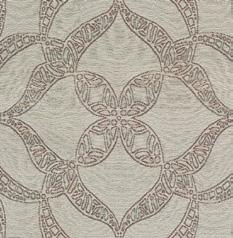

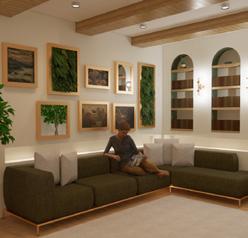
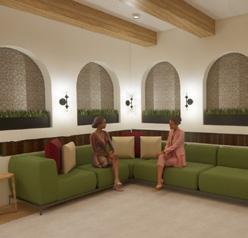
See images to the right
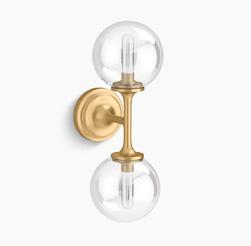




Use purposefully, tactile, wayfinding
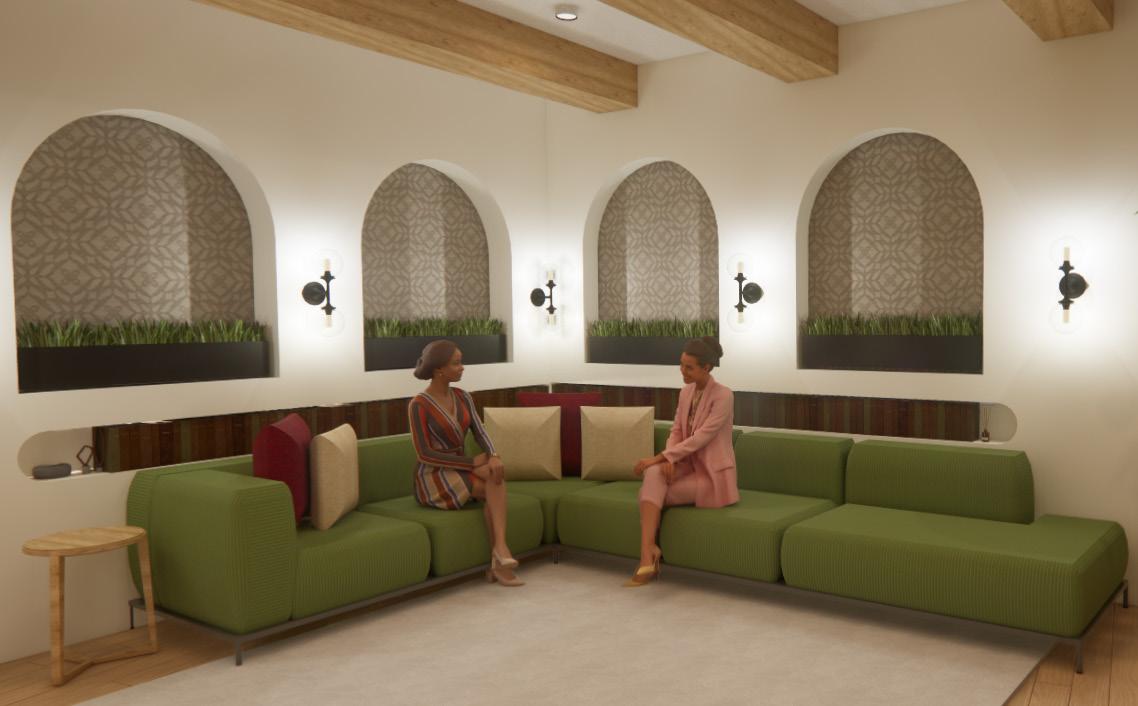
Public Living Room: Offers a place for the family to take and host guests, it’s simple without showcasing the family’s identity.
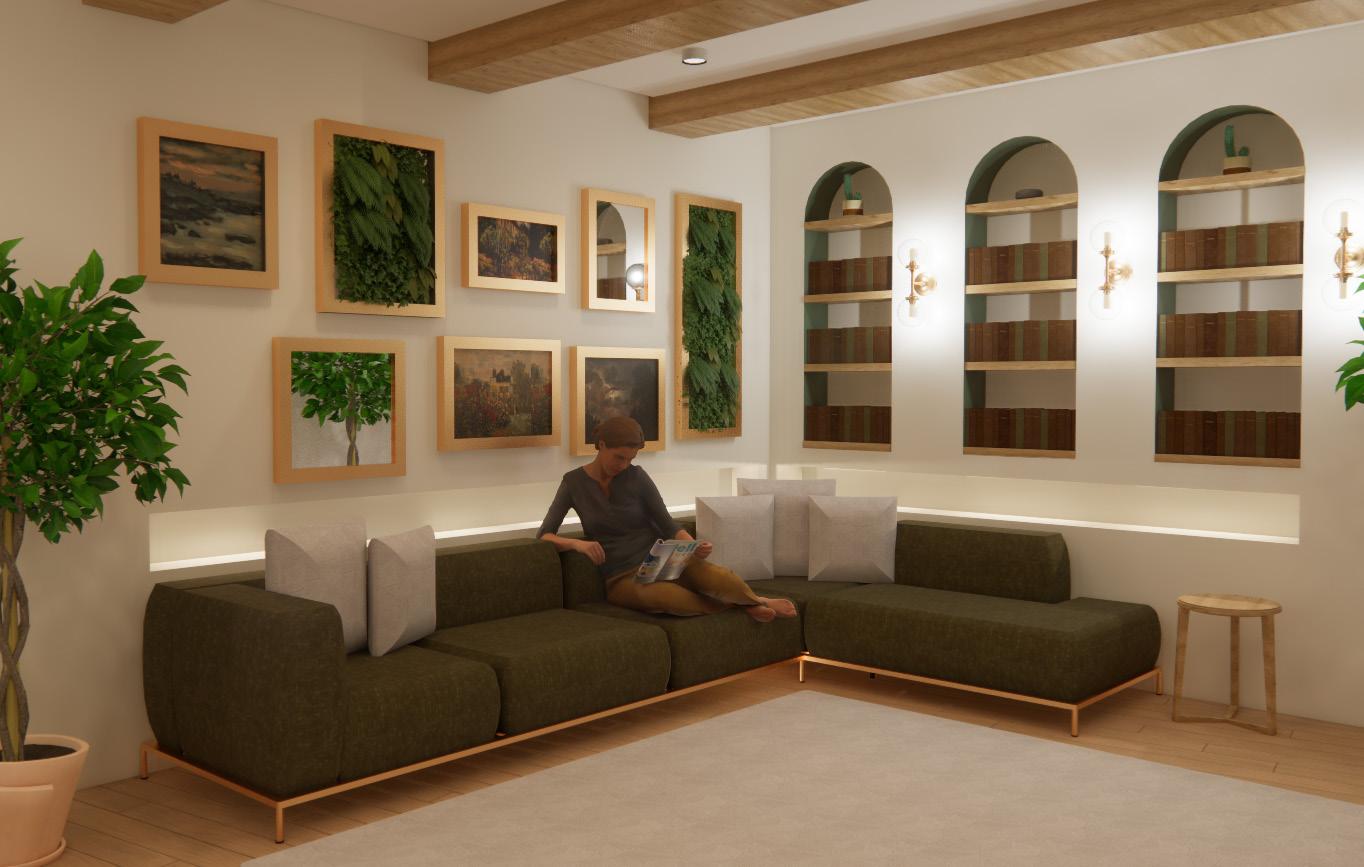
Private Living Room: Provides a relaxed area for the family to gather where guest are not allowed. The space showcases more of the family’s style and identity.
EcoHome Plans
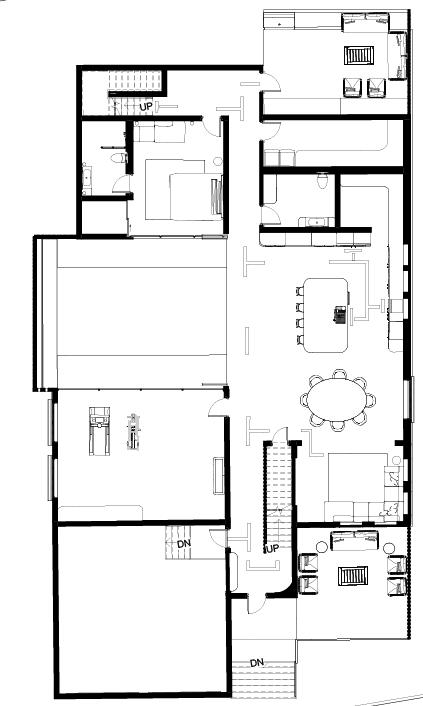

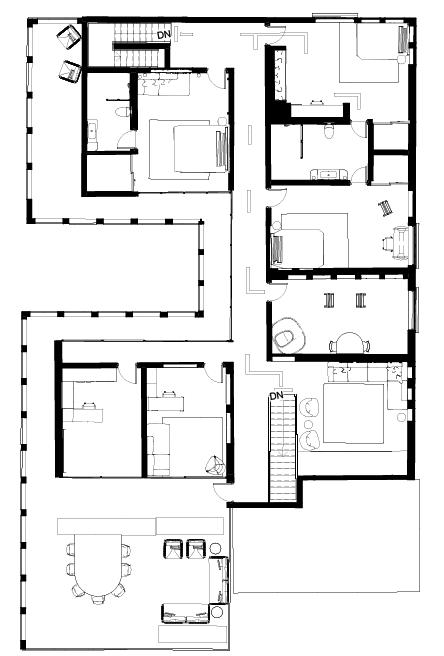

EcoHome Sections







1 Solar panels
2 Gray/ rain water collection via gutters
3 Stacked bathrooms with low flow toilets and sinks
4 LED sustainable motion sensor lights
5 Outdoor areas promoting optimal air flow
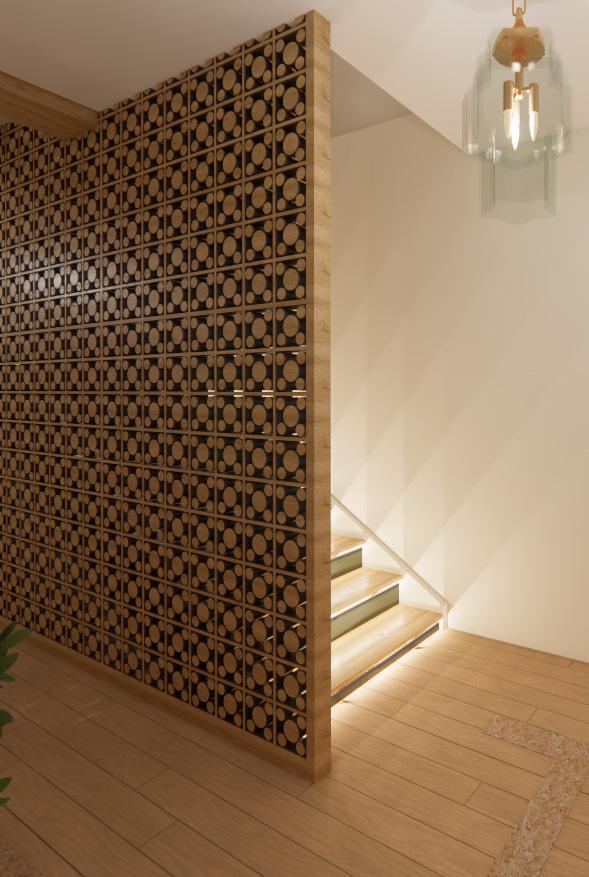
6 Sustainable/ locally sourced materials through floors, beams, and furniture
LEED & WELL


Comfort: Culture, personal safety, privacy, and comfort
Healthy and active lifestyle: Way finding elements helping Yousef
Lighting: Specialty lighting for glaucoma and way finding
Cognitive Health: Smart home and way finding tool
Nourishment: Related to nature, and healthy, clean living
EcoHome Elevations and Glaucoma Design
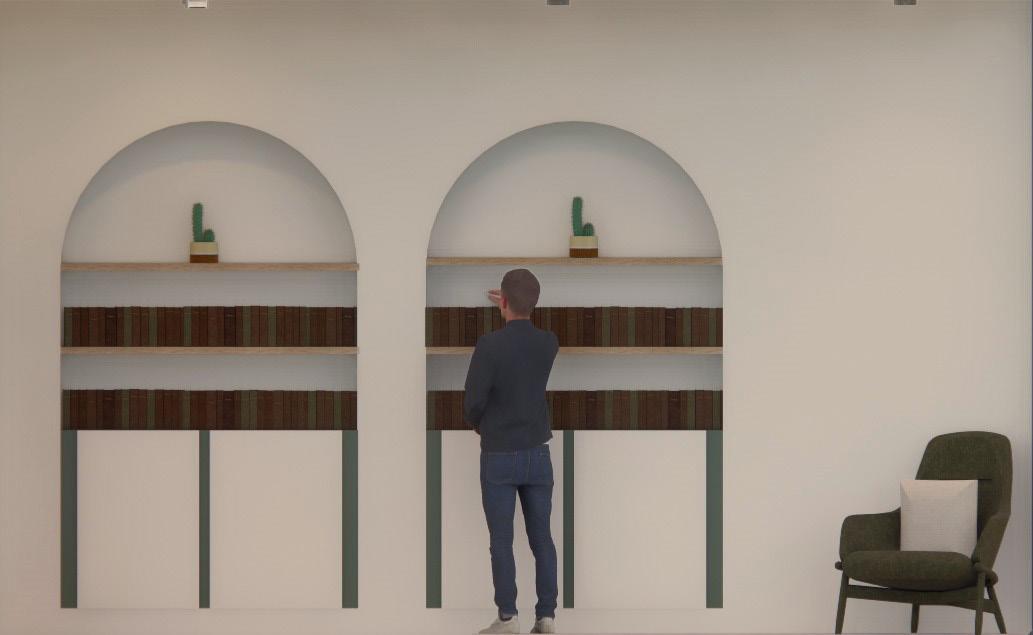

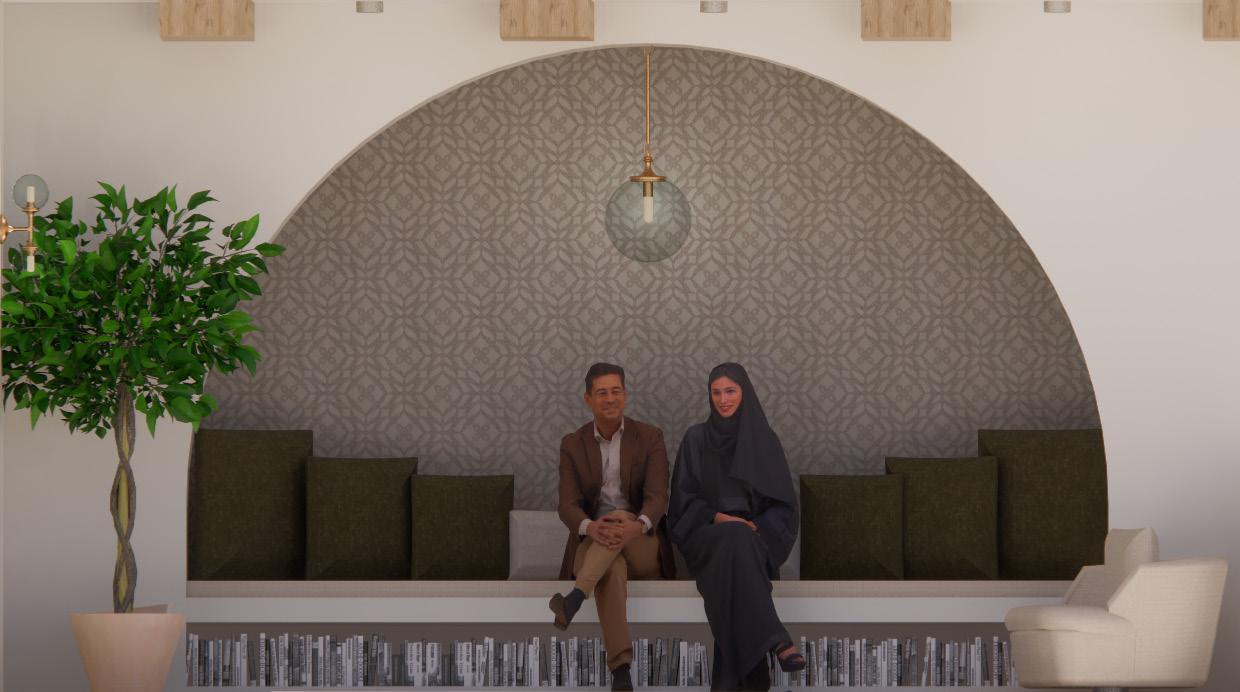
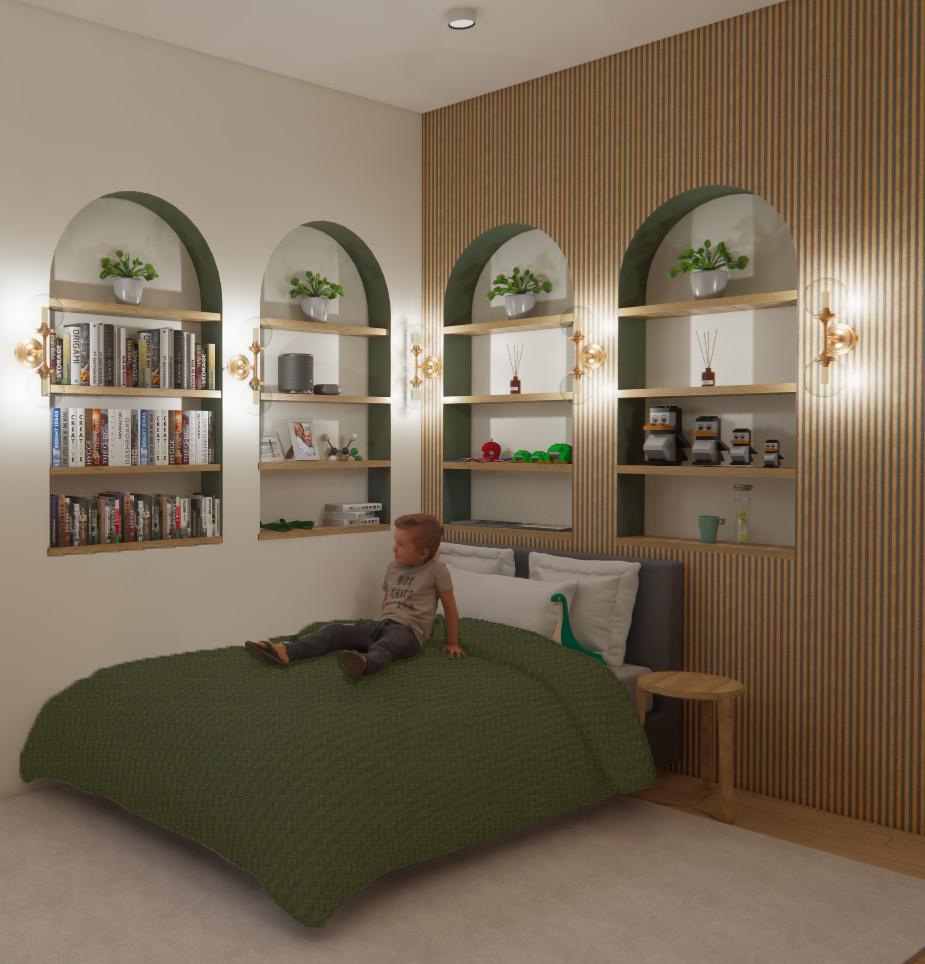
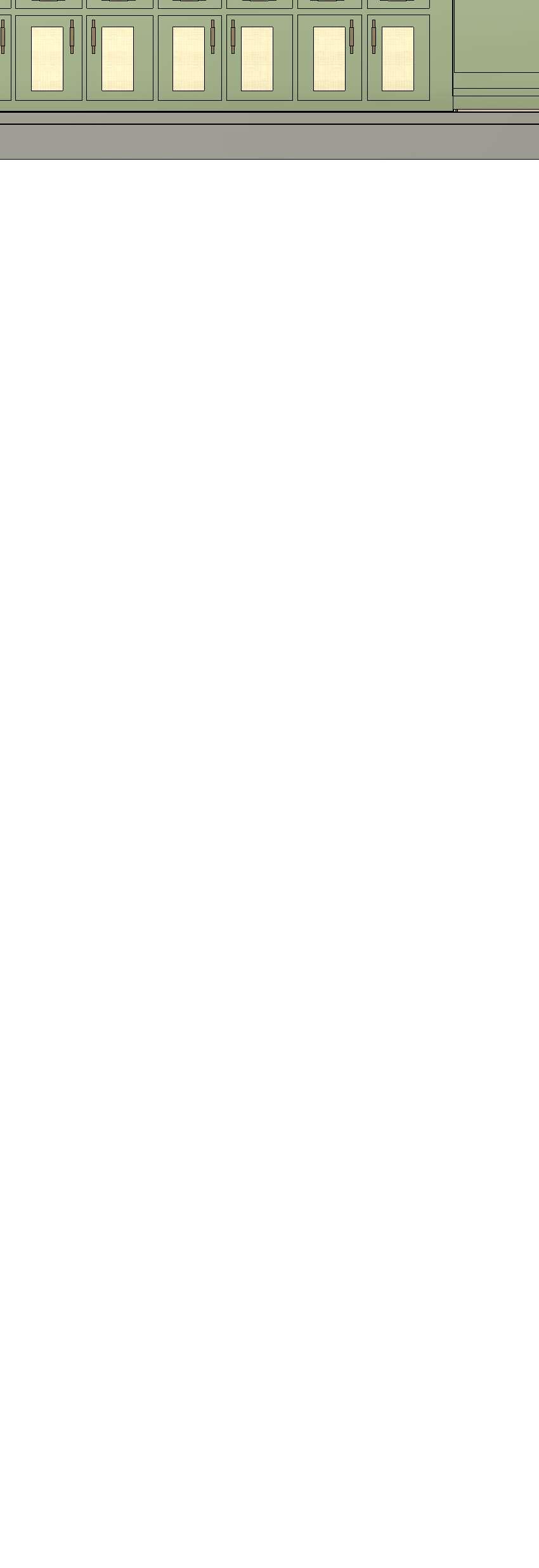
Color changes signify surface change and
Task Lighting for Glaucoma
Smells for wayfinding Built ins minimize sharp corners and edges preventing injury 4/10/2023
Tactile wayfinding
Task lighting for glaucoma
-a
Elevation 3 -a 1/4" = 1'-0"
1/4" = 1'-0" Elevation 2 -a 1/4" = 1'-0"
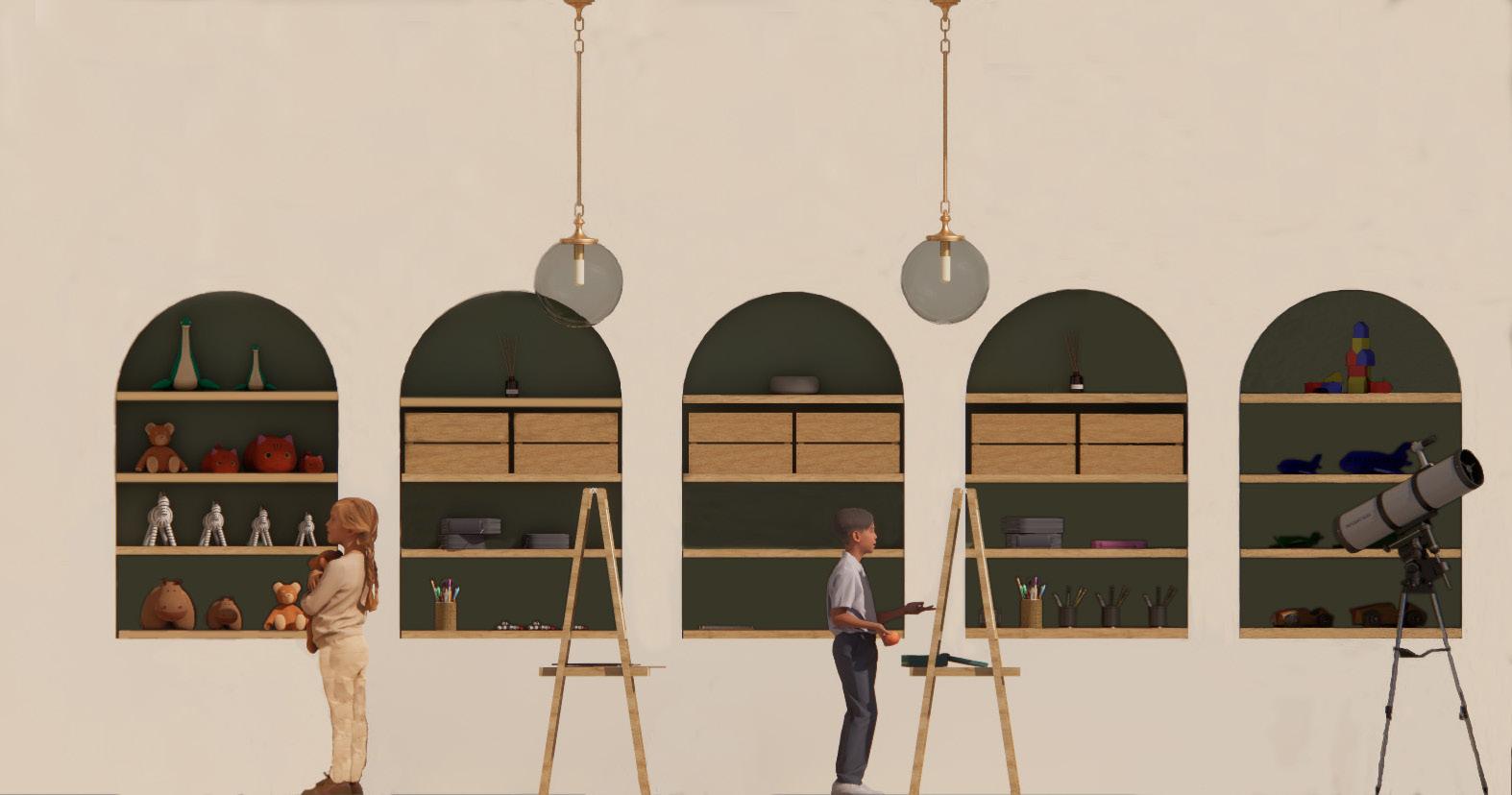
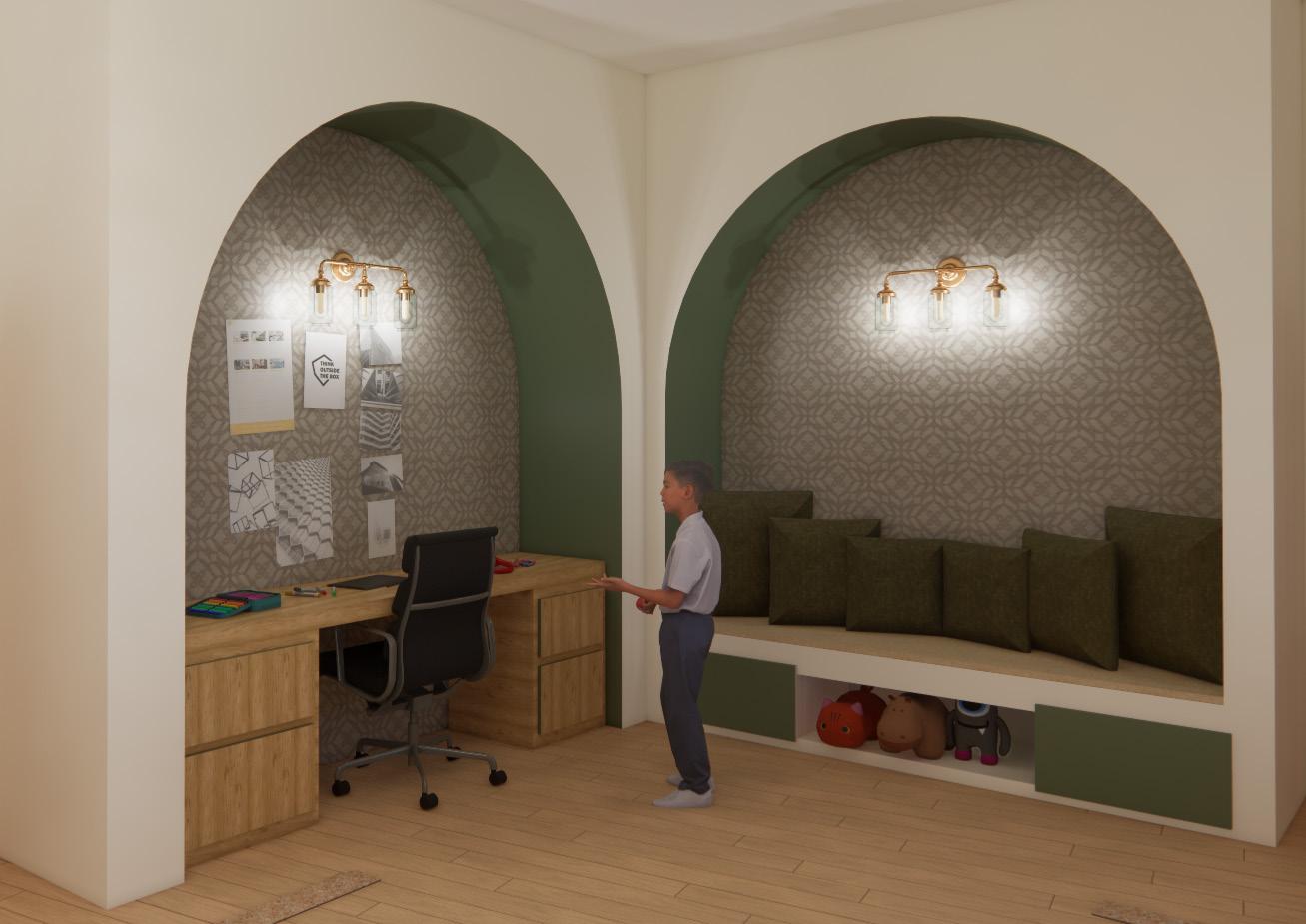
Gives texture and depth Green shows depth and shows surface change
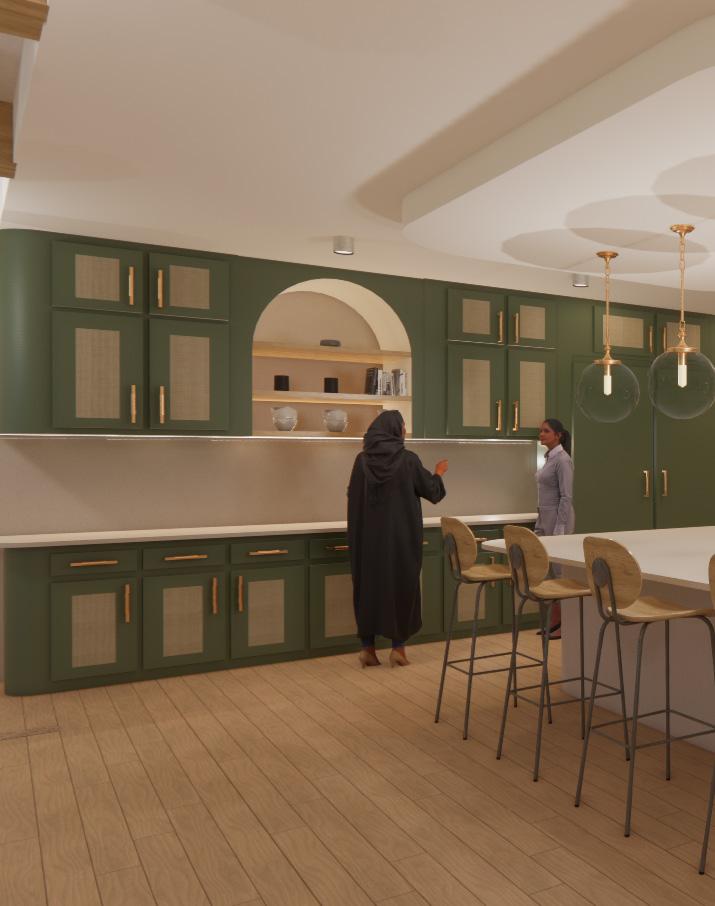
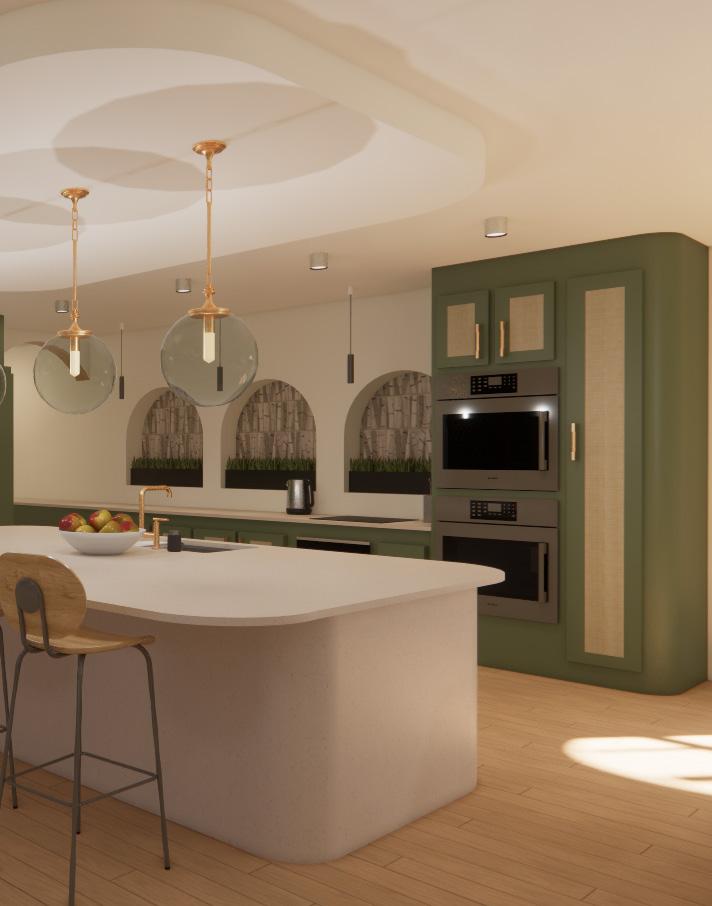
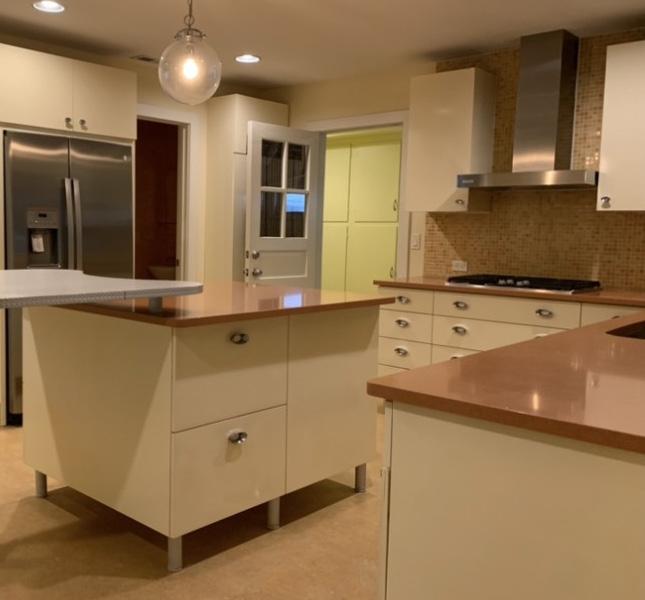
EcoHome Kitchen
Internship:
Urban Prairie Architectural Collaborative
Summary
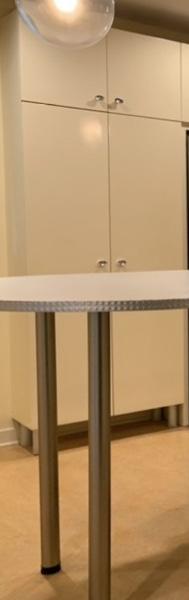
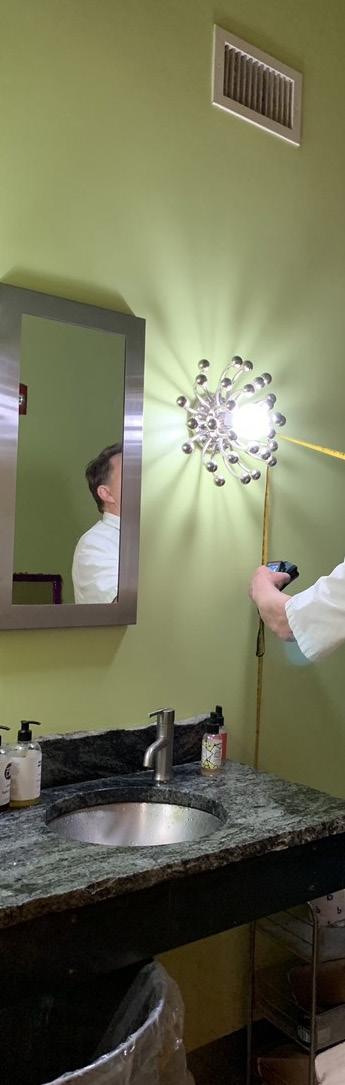
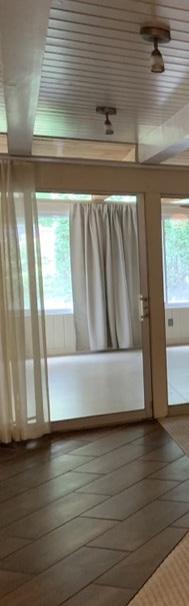
I worked at Urban Prairie Architectural Collaborative alongside it’s principal, Paul Minto, from June 2024 to December 2024. I was hired as an Interior Architecture intern and had the opportunity to work on multiple different projects including residential and commercial work.
Three Main Projects
Indigo Wild Bathroom Renovation
Jose Peppers “Speakeasy”
Big Biscuit at North Maize
Staff
Principal: Paul Minto
Project Designer: Barrett Kroll
Architect: Jun Puno
Tech: Eric Scolberg
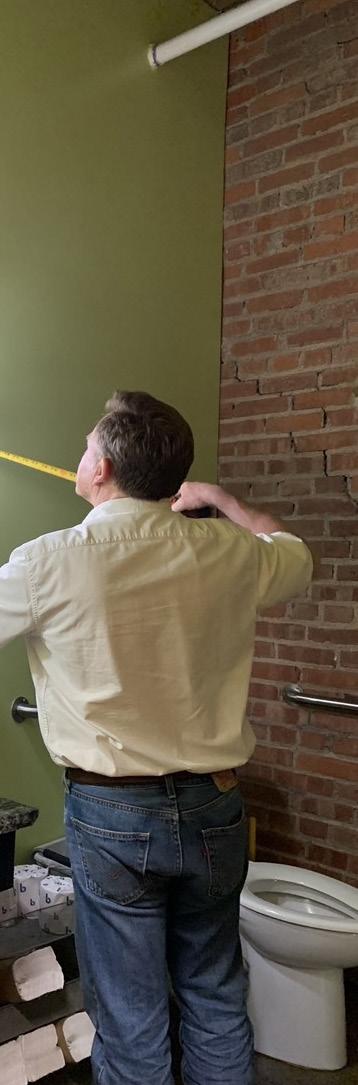
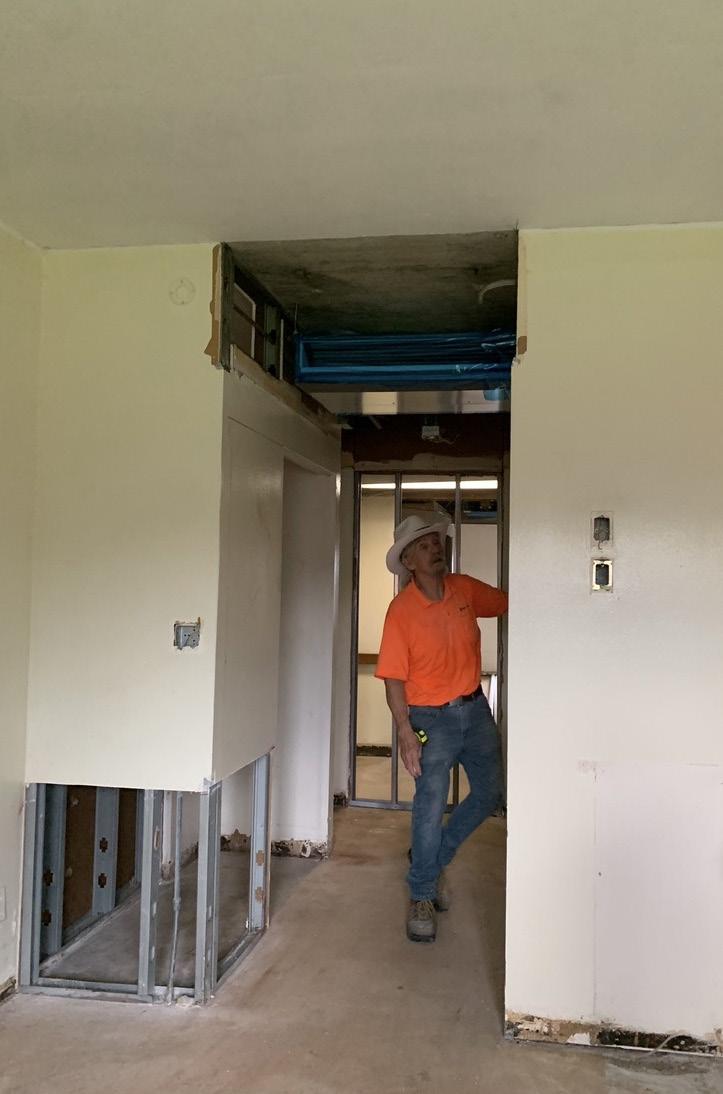
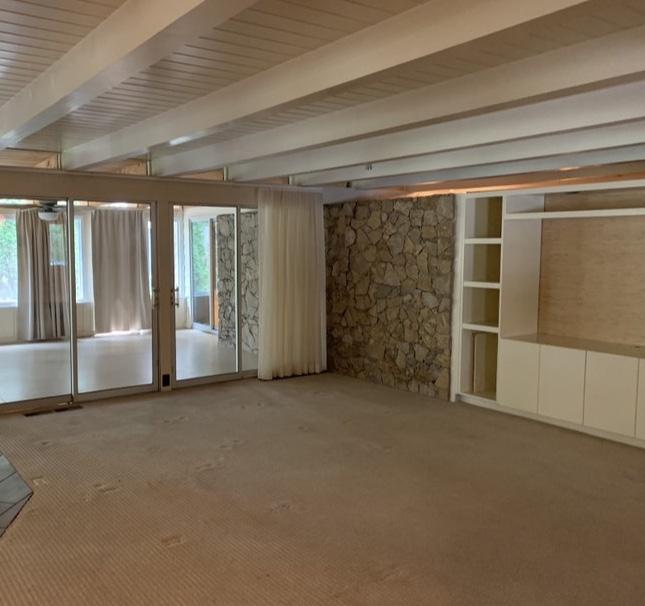
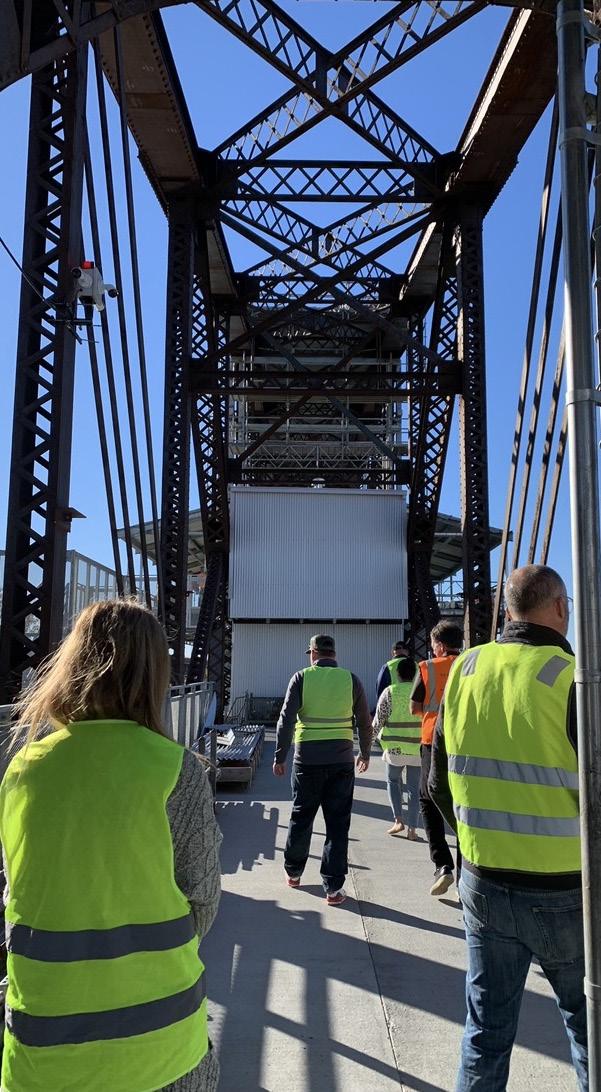
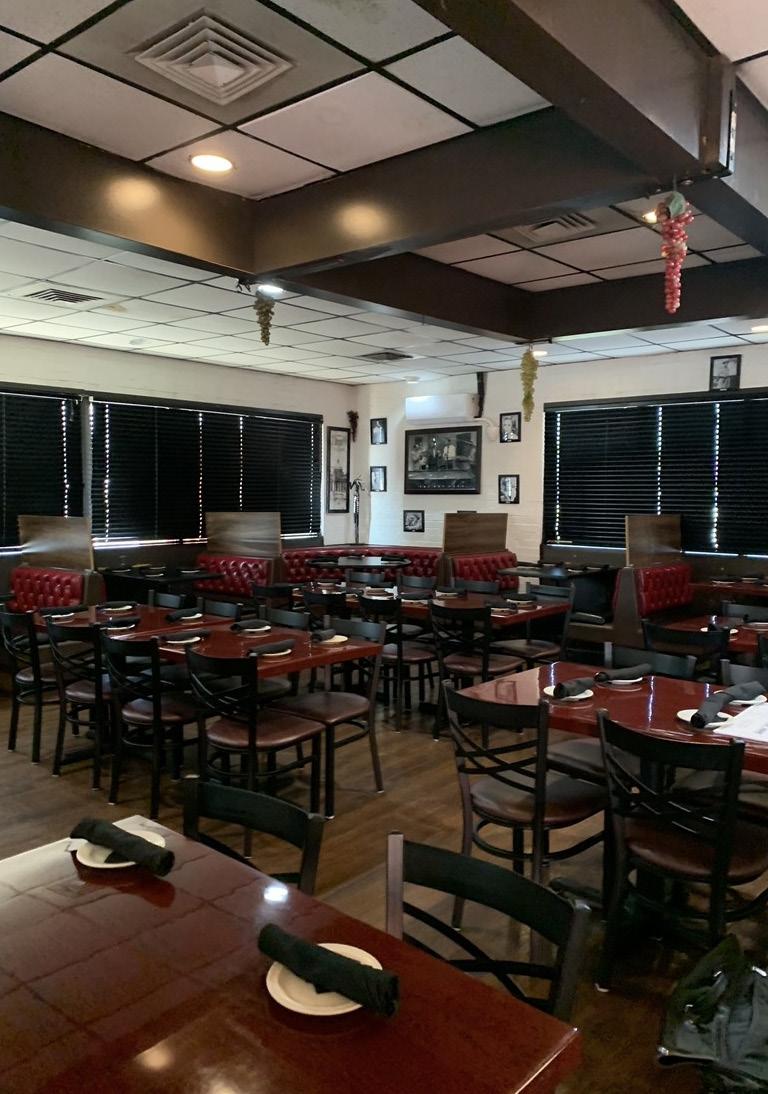
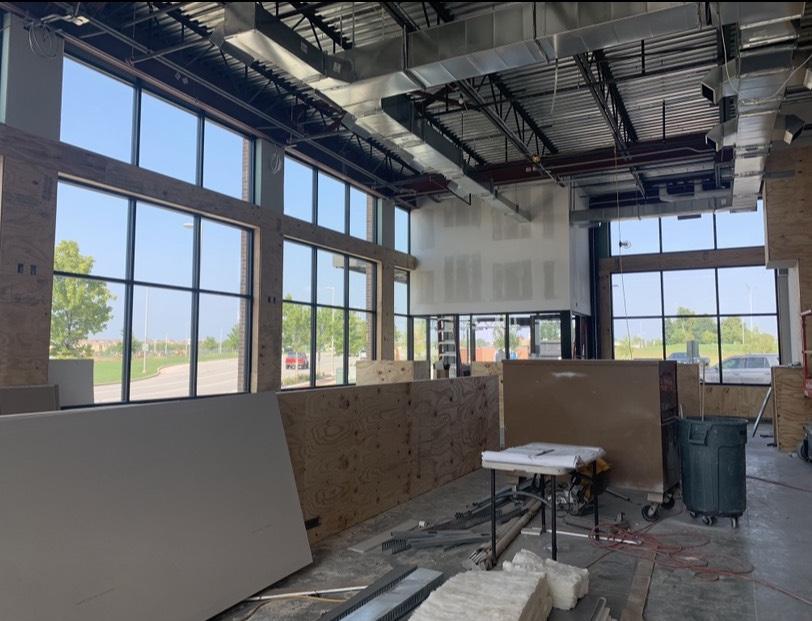
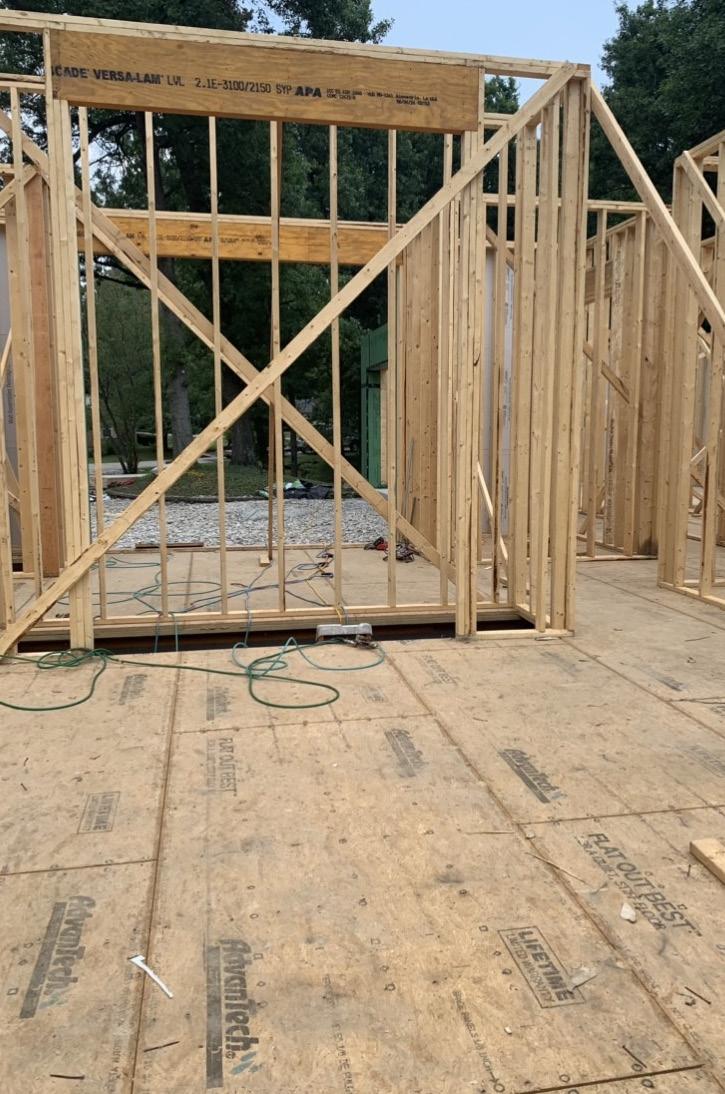
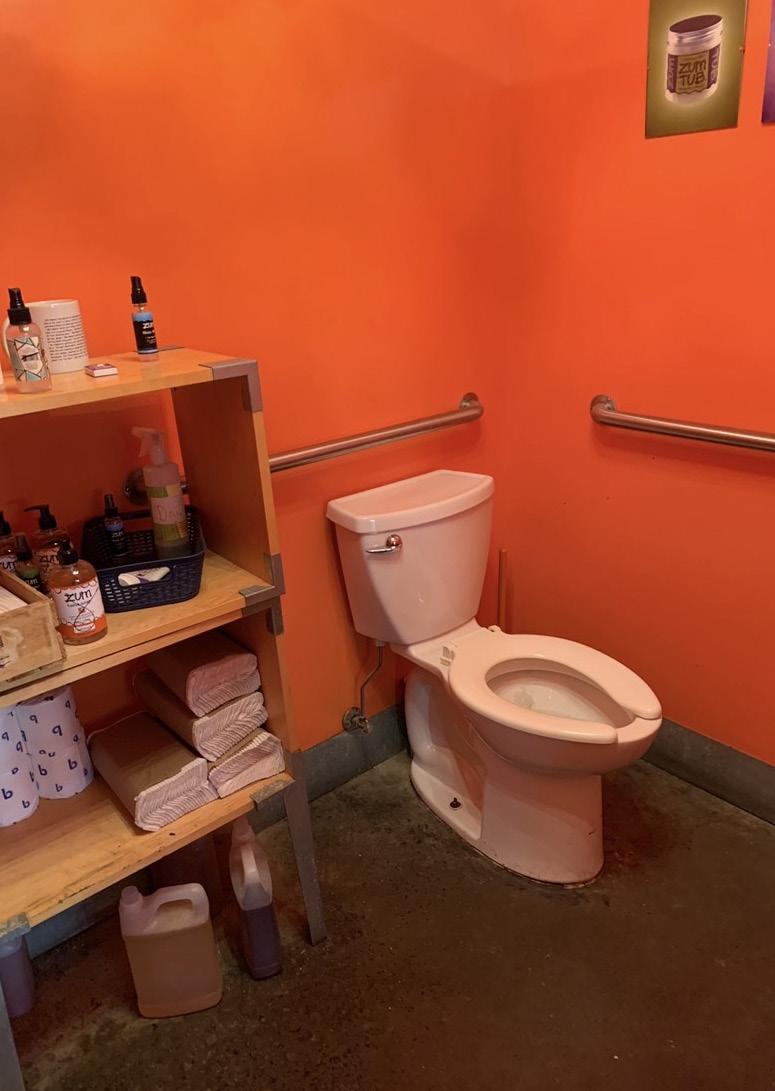
Project One Indigo Wild Bathroom Renovation
Existing Plan
Remove existing countertop and associated sink and framing.
Remove associated plumbing trap, replumb to new fixture.
Remove toilet, install new toilet in the same location.
Remove existing countertop and associated sink and framing.
Remove associated plumbing trap, replumb to new fixture.
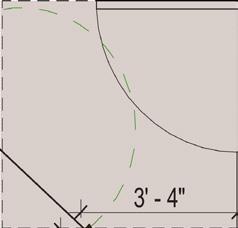

Remove existing counter top and associated sink and framing.
Remove associated plumbing trap, replumb to new fixture.
Remove urinal, install new urinal in the same location.
Remove toilet, install new toilet in the same location.
Enlarged New Bathroom B Plan


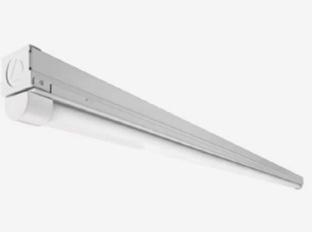
New Electrical for 47.1 Lithonia Lighting LED Strip Lighting centered in room at 8’ avoiding existing ductwork. Face light up to create uplighting.
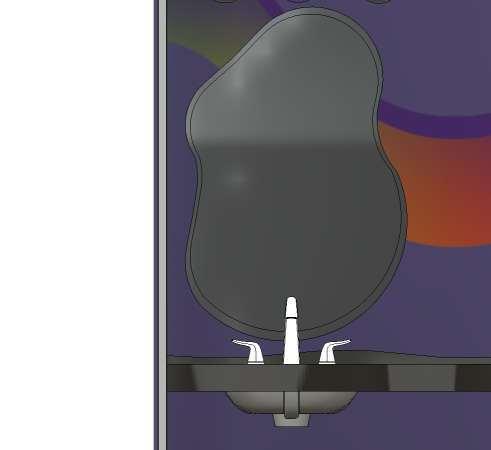
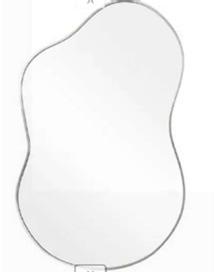
Door Mounted Asymmetrical Wall Mirror
Key Notes
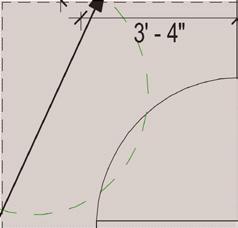
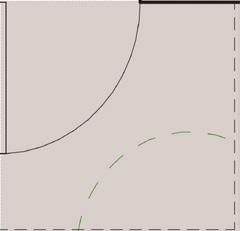
Pull side approach
Push side approach
60” turn radius
Remove current mirrors and prepare for placement of new mirrors
Remove existing lights and reuse electrical
New or relocated electrical is needed for new ceiling lights
Reuse all existing plumbing for new fixtures
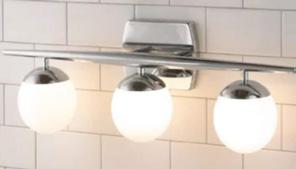
Relocated electrical for the Linear Globe Vanity Light
Custom Vanity
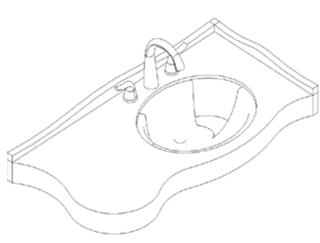
With guidance from Paul and the client, I worked alongside Central Surfacing to design a custom vanity to bring a playful character to the bathrooms. The vanity features a curved profile and a curved back splash running along the wall
Fast Signs Quote for Bathroom B
Concept
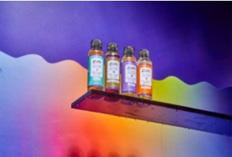
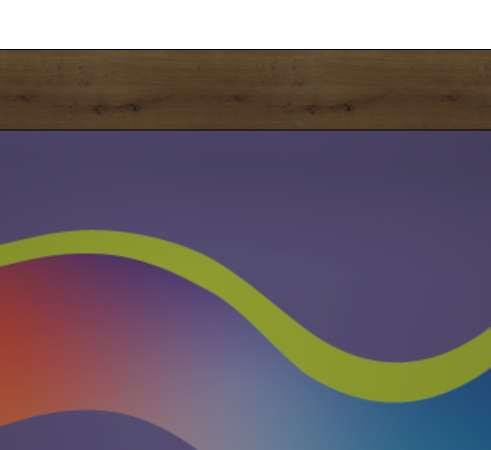
Stay true to the company’s whimsical aesthetic through the use of curved edges while using the brand to generate wall decals.
Wall Decal Process
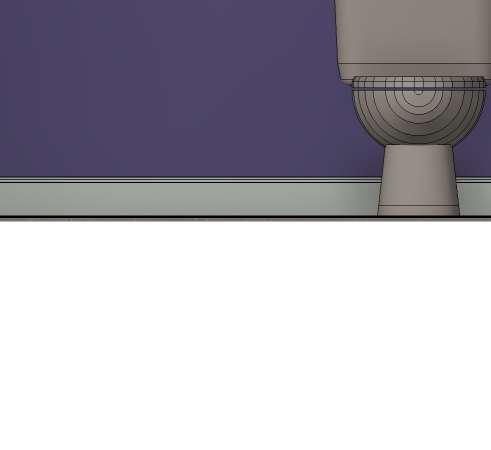
After coordinating the wall decals with the client, I sent them to Fast Signs, a wall decal manufacturer, for a quote. I specified colors, illustrator files, placement, dimensions, printing instructions and more. In this way I tried to minimize the overall cost of the decals while bringing the design to life.
Spec Sheet
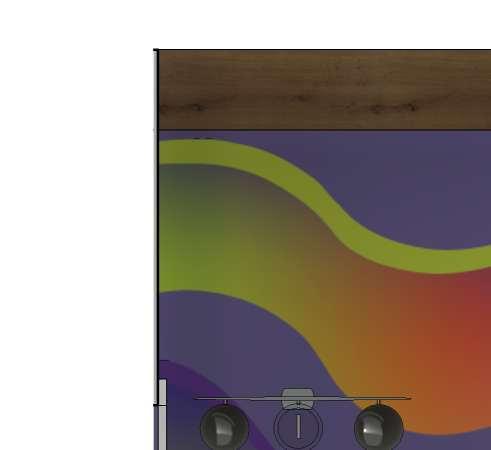


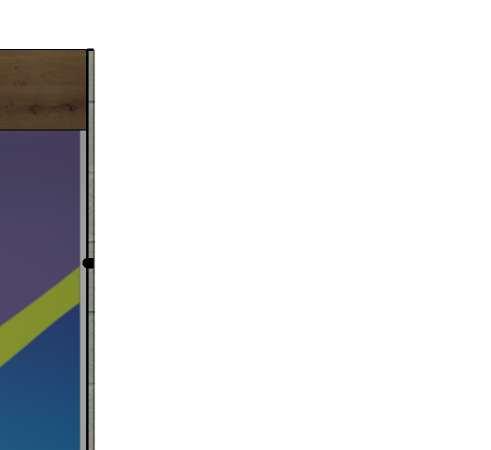
Fast Signs to: Print the wave that will be applied on top of the purple base
Yellow: Illustrator: #C1D42F
Gradient: Use yellows, oranges, reds, pinks, and purples to create an ombres according to the illustrator file
Gradient: Use yellows, oranges, reds, pinks, and purples to create an ombres according to the illustrator file

Painters to paint wall purple prior to installation of the vinyl wave



Project Two Jose Pepper’s Speakeasy
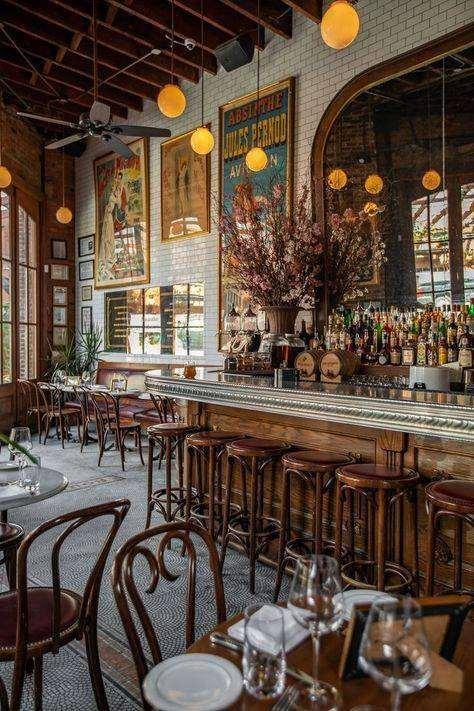
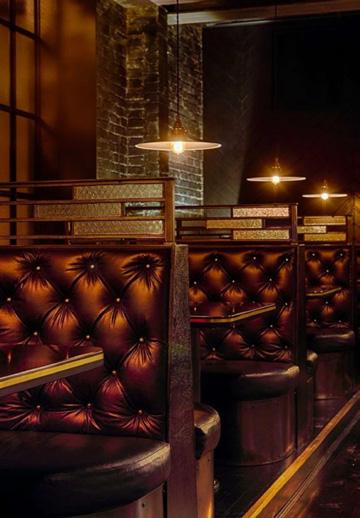
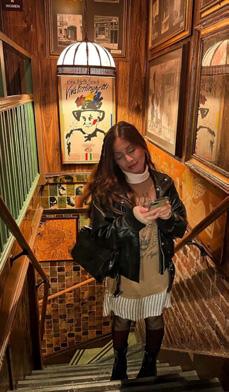
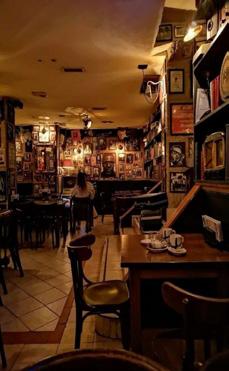
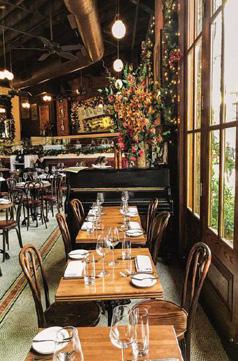
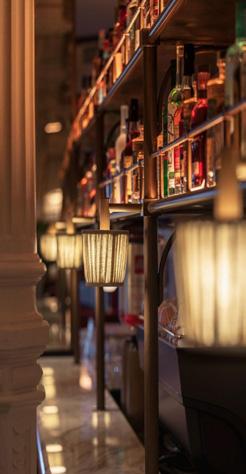
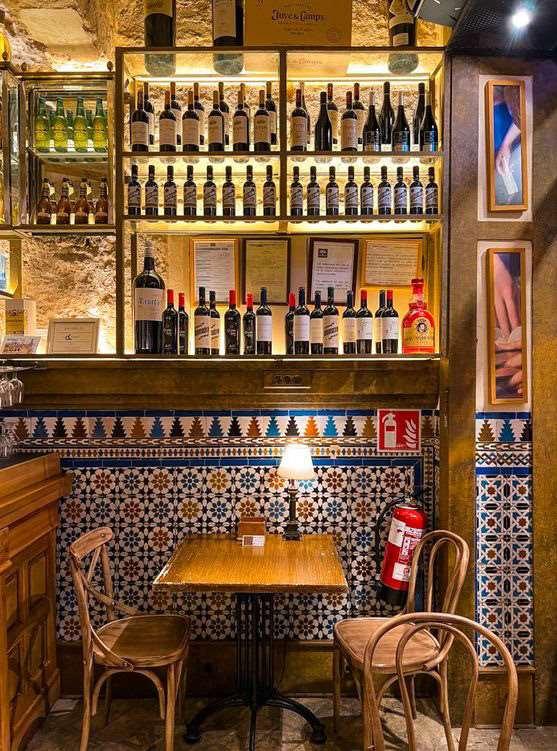
Gathering Inspiration
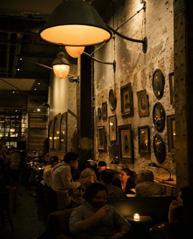
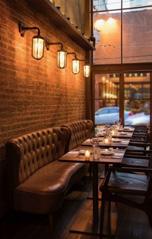









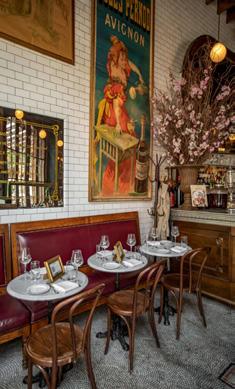



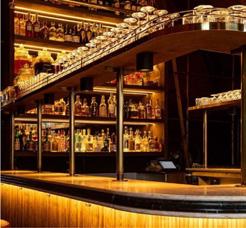



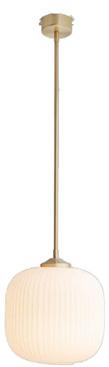
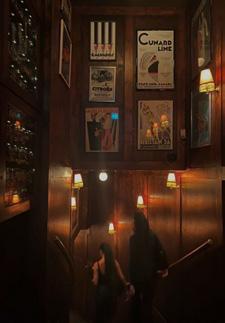
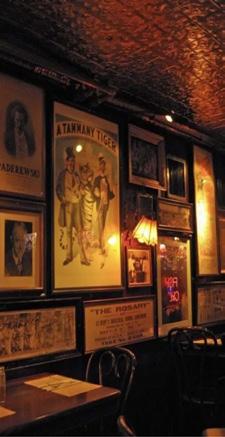
Process
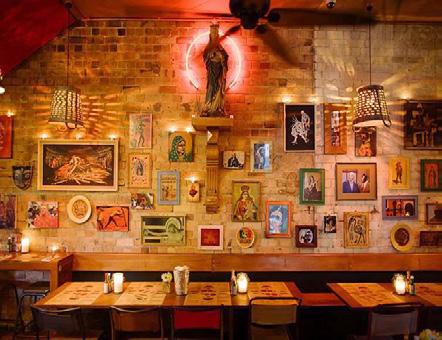
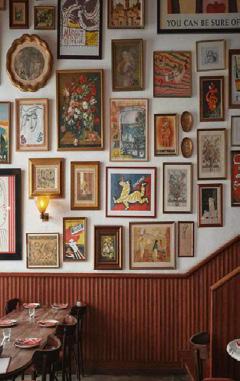
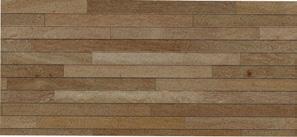
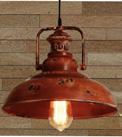
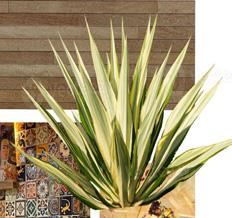
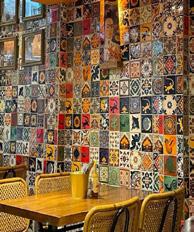

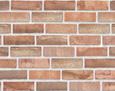
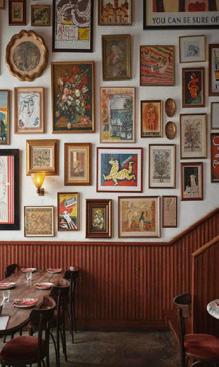
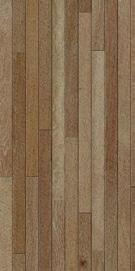
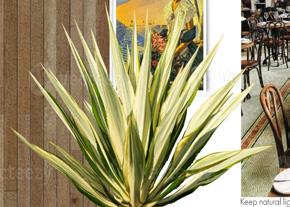
Urban Prairie was hired to create a new look for the Jose Peppers Restaurants. This restaurant, located in Salina KS was a unique historic two story building. The first floor was determined to be a more standard restaurant while the second floor will be transformed into a new spin on the traditional speakeasy. I was tasked with gathering the initial design inspiration and conveying this idea through different moodboards. These boards were shown to the client and he picked elements from across the boards to help focus the design.
Using the Inspiration










Paul and I worked together to use elements from the boards and feedback from the client to start choosing finishes. We met with a furniture rep to decide on table and booth material. From our choices, I began building online material boards to see how the space was working together.
We were able to use our furniture selections to help choose paint colors and give direction to the contractors working in the field.
Visualizing the Design




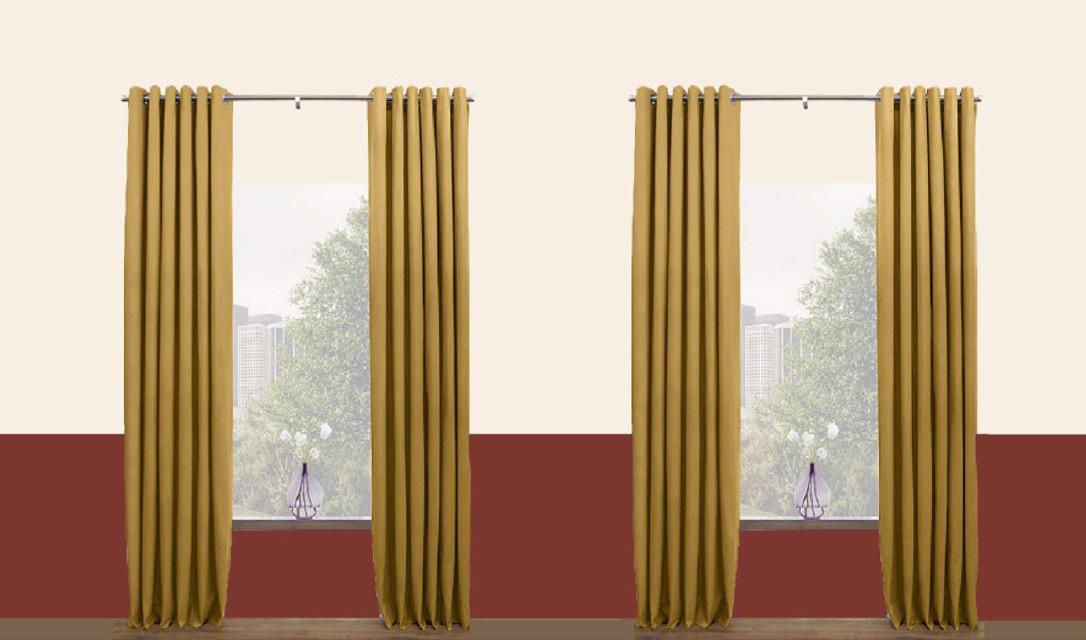
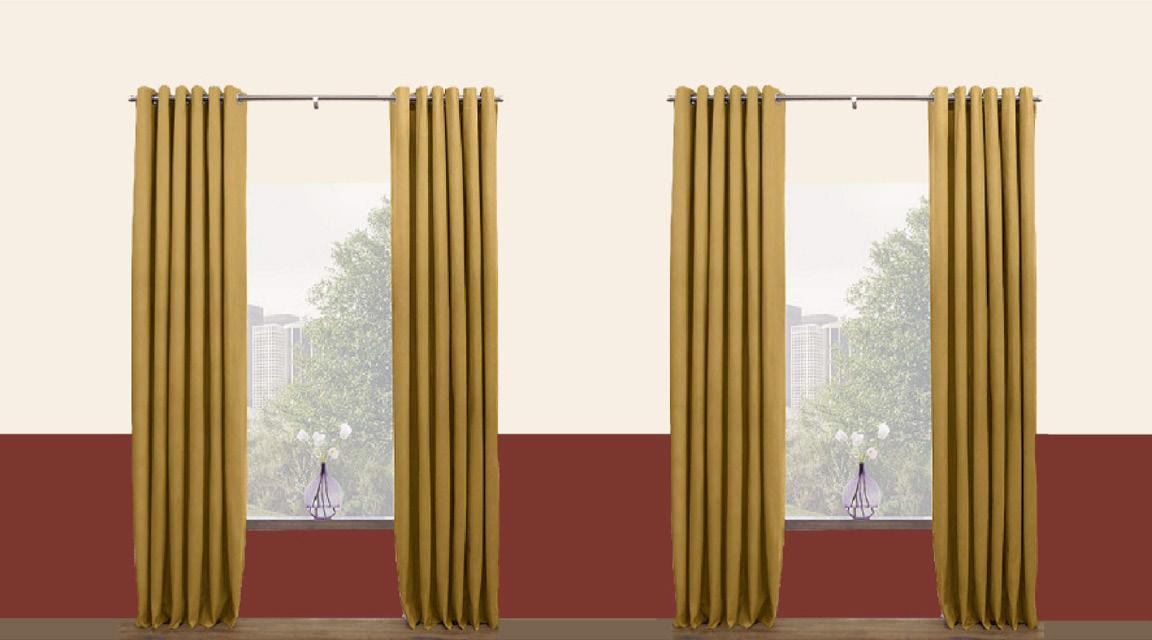


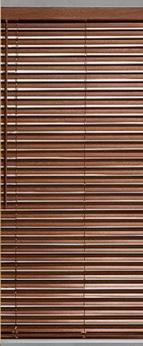




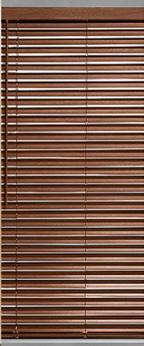






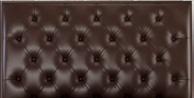
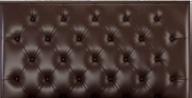
I used photoshop to bring the chosen design elements into the space
Spec Sheet
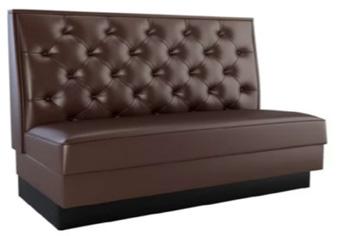


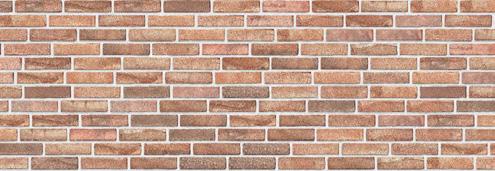



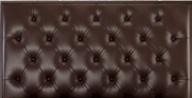
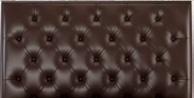

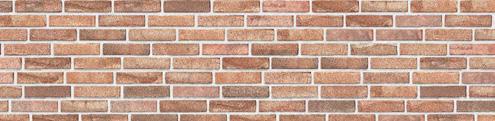

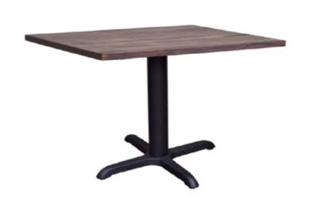

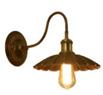

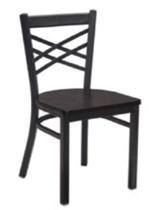
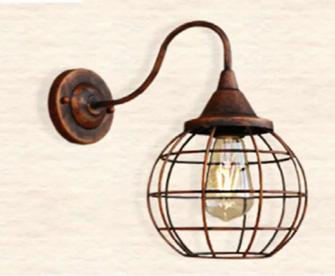
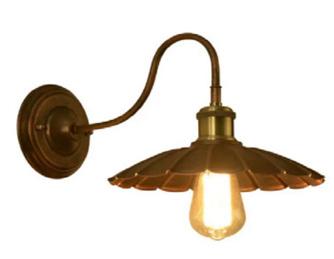
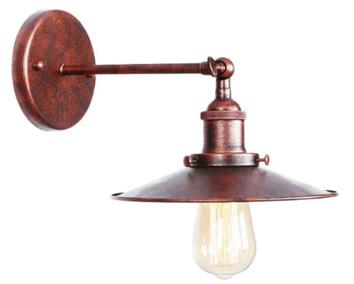
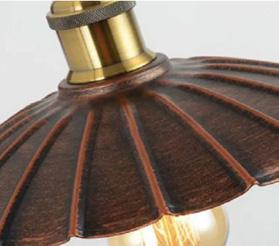
Project Three The Big Biscuit
Demo Plan
B C
Remove all ceilings, grids, tiles, soffits, etc.
Remove all flooring, tile, vinyl, etc.
Remove all wall trim, wainscot, and base.
Wall Types
Remove non-load bearing wall and framing.
Remove door and frame.
Remove built-in casework and fixtures.
Remove portion of window system and wall below as required for new door and sidelite.
Remove portion of exterior wall as required for new door.
Remove portion of non-load bearing wall as required for new openings.
Remove all abandoned gas lines and enclosure.
Remove hood, ductwork, and repair roof penetration.
Remove fixtures, accessories, and toilet stall partitions.
Remove existing ceramic floor tile.
Remove floor paint, grease, and patches of ceramic floor tile.
Furniture Plan
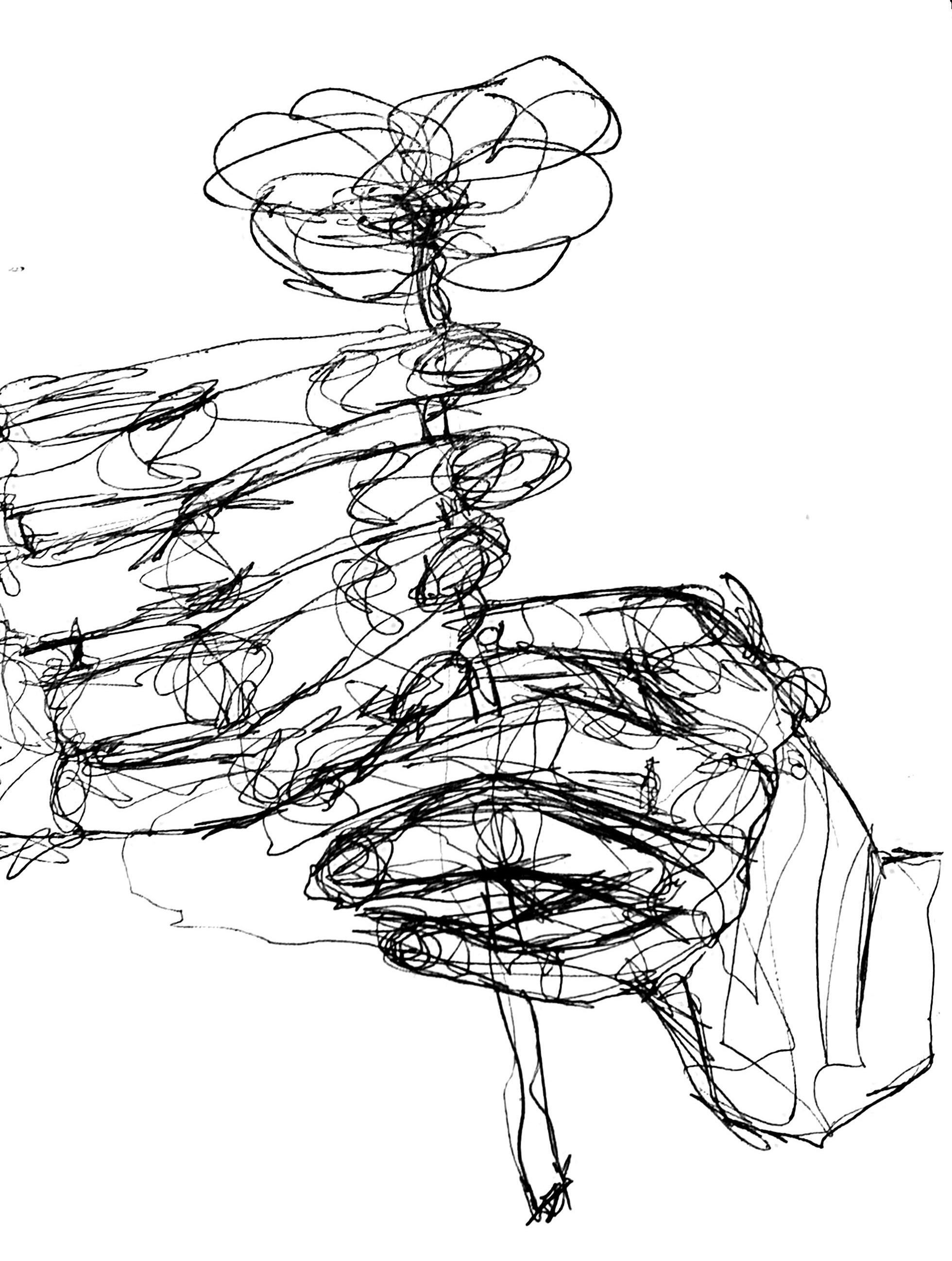
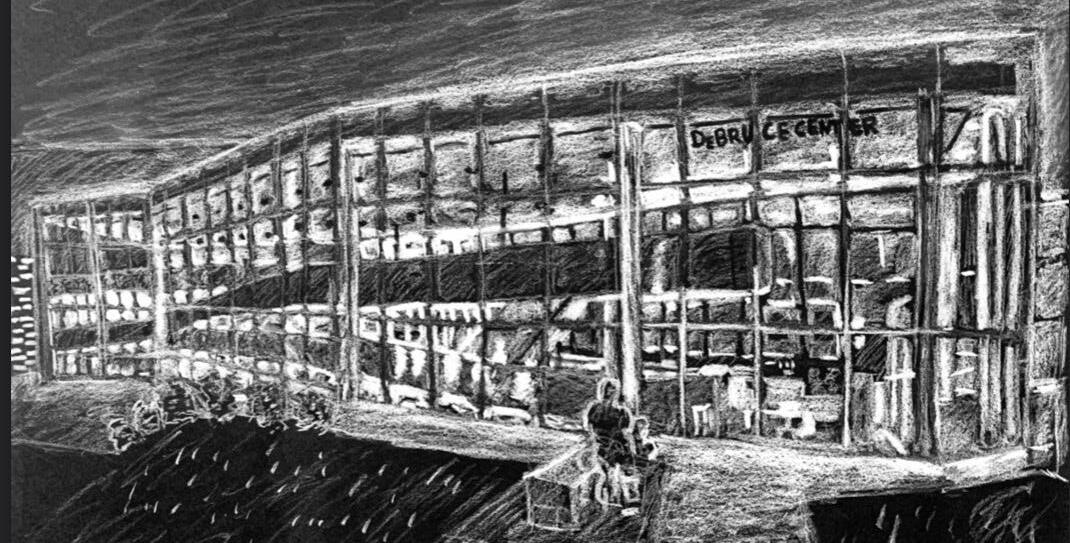
Free Hand Sketches
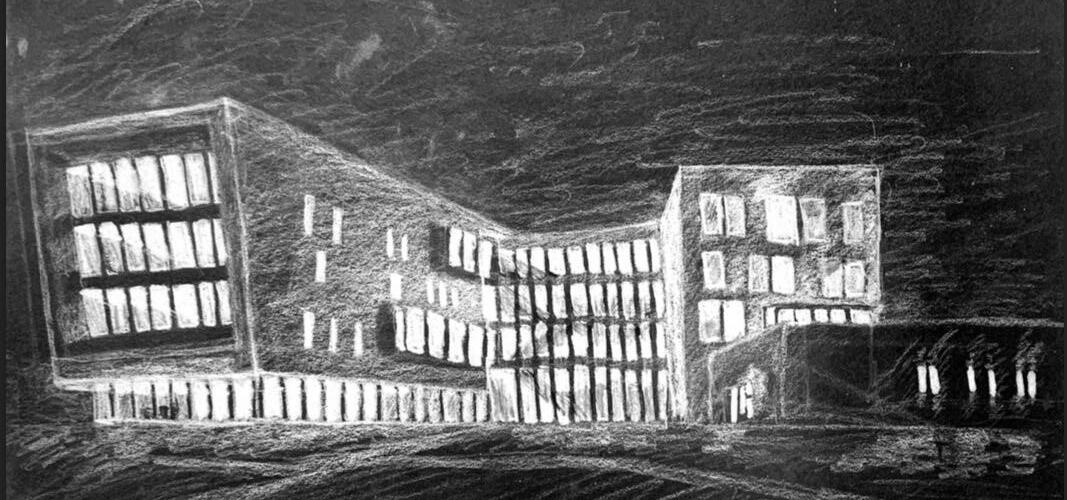
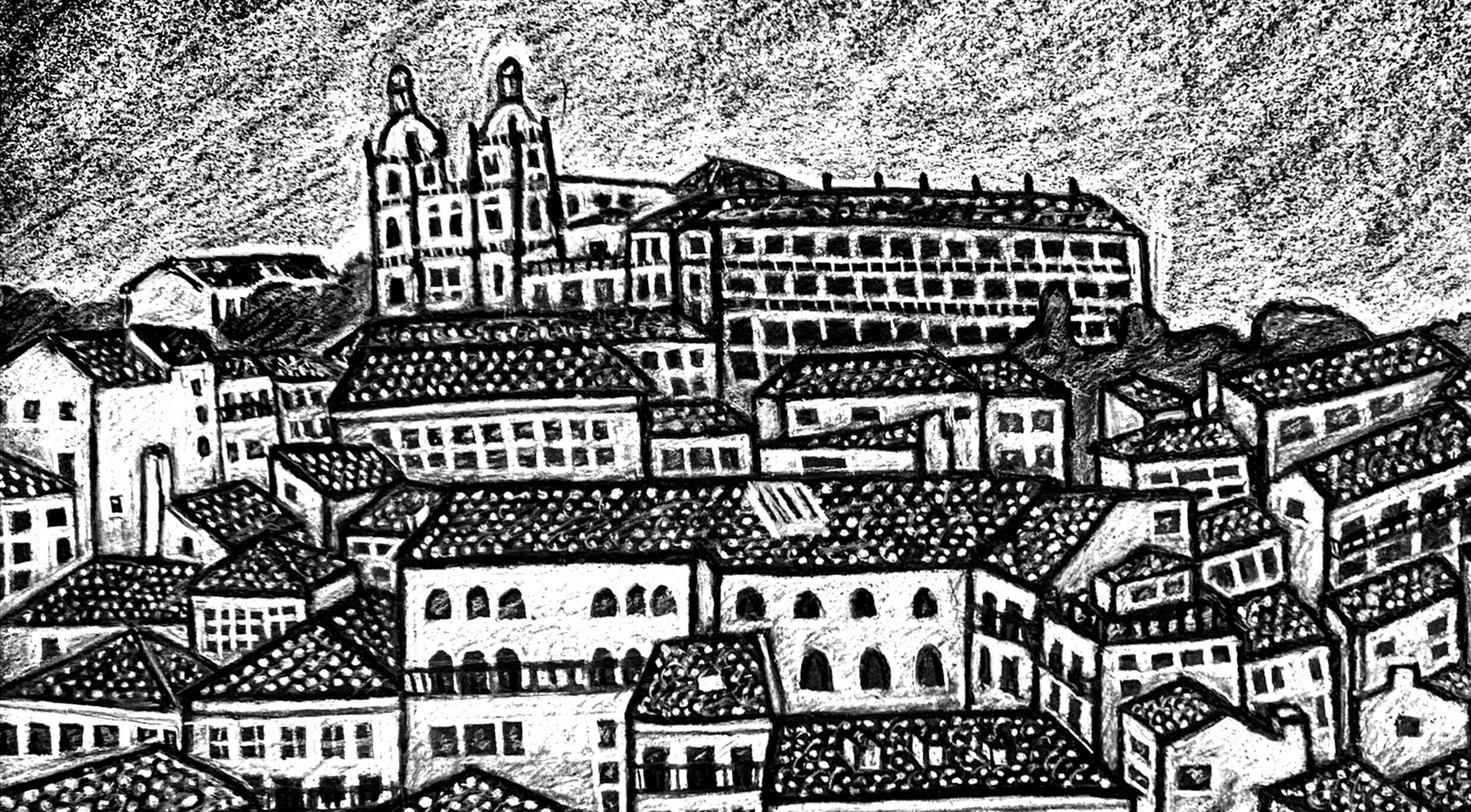
Cap Fed, Lawrence Kansas
DeBruce Center, Lawrence Kansas
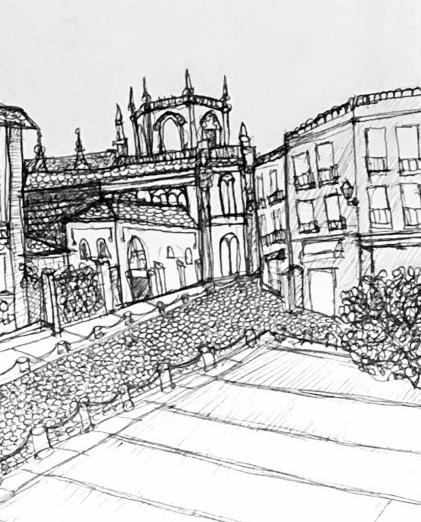
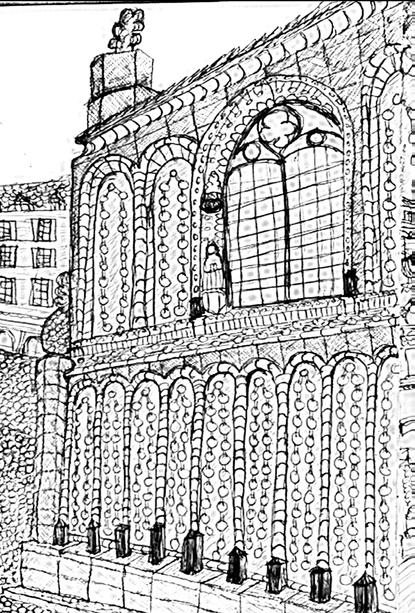
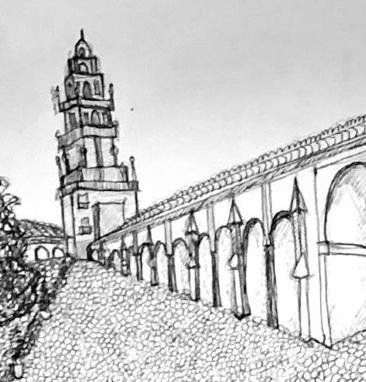

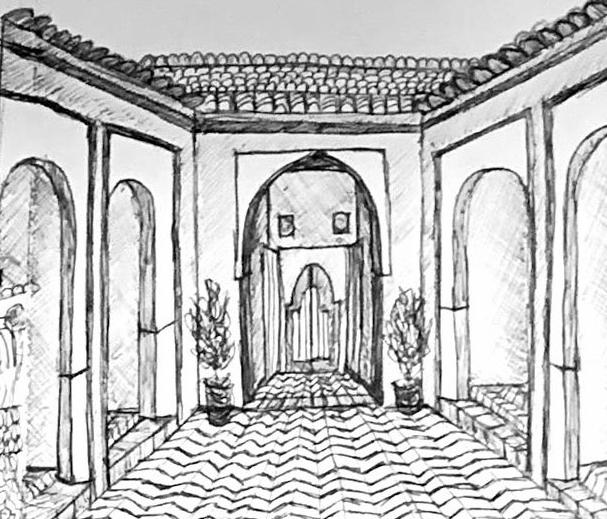
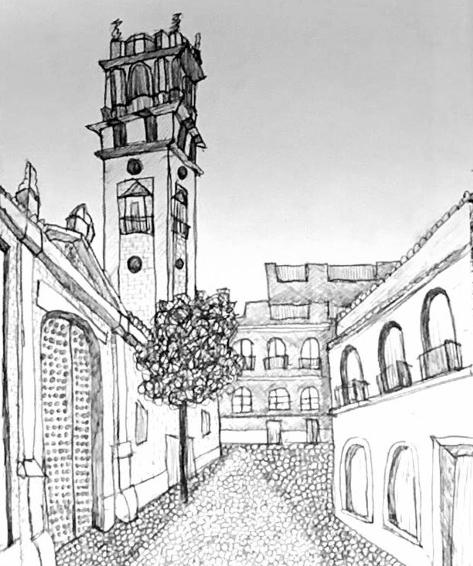
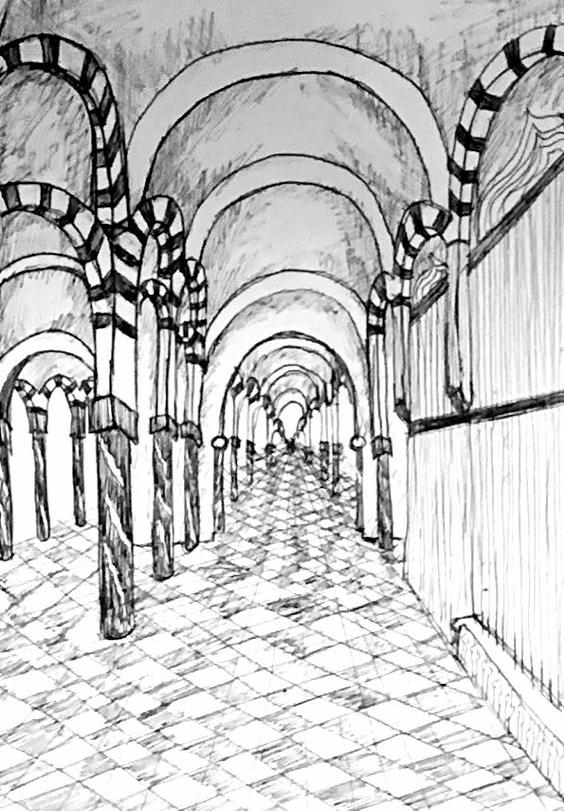
Marrakesh, Morocco
Seville, Spain
Seville, Spain
Toledo, Spain
Toledo, Spain
Isle of Skye, Mountain Range
Cordoba, Spain
Thank You