











DEAR READERS,
e countdown to spring is o cially on!
It’s so encouraging to see that there are several “Happenings” scheduled to take place this month and well into spring. My City will be there to capture the happy faces of attendees. Check out our coverage of the fun at ve recent winter events starting on p.64.
March is Women’s History Month and we’re recognizing ten of Greater Flint’s historical female standouts. Many local women have made their marks in the realms of civil rights, sports, aviation and medicine, to name a few. at feature starts on p.32.
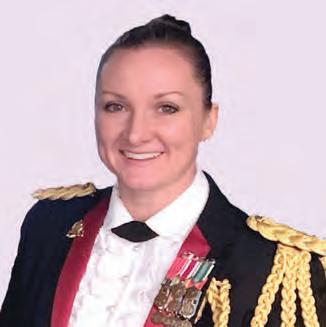
ere is also a never-ending list of present-day local women whose accomplishments make a great story. Read about the impressive U.S. Army Reserve career of Lt. Colonel Caitlin Hinterman on p.12. Not mentioned in the story is the fact that her brother, Peter, is on Team My City and he’s pretty proud of his sister’s achievements.
In our “7 Questions” feature, we highlight a woman very accomplished in her chosen eld: Yaushica Aubert, the dedicated President & CEO of the Valley Area Agency on Aging. On p.6-7, she gives us a peek at her personal life. I really enjoy these mini-pro les.
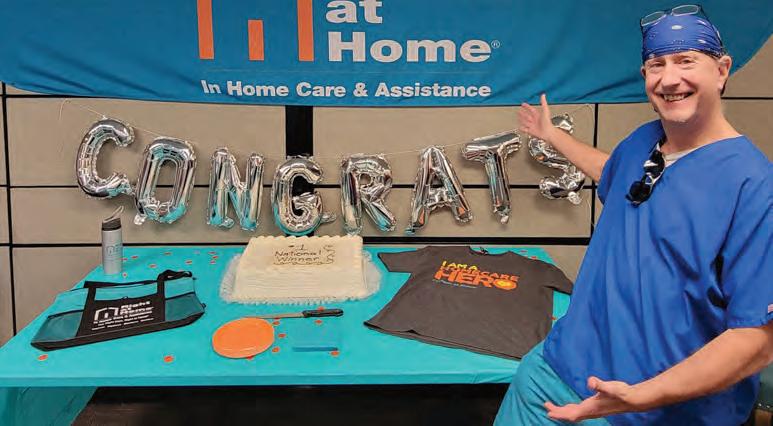
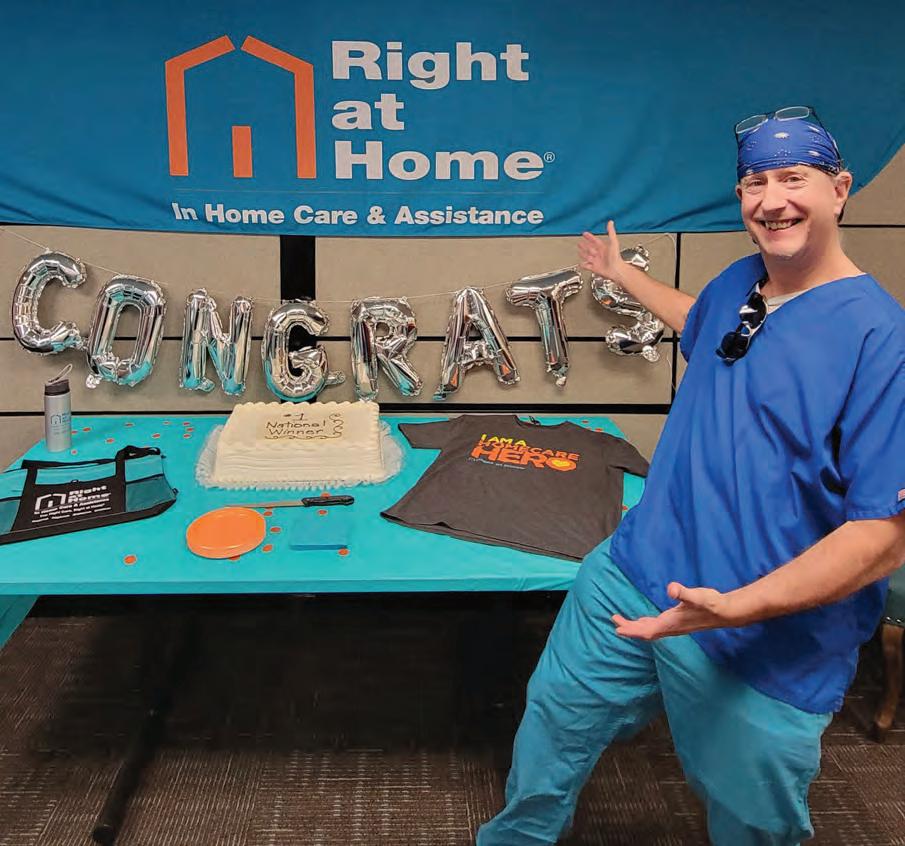
We enjoy sharing stories of people who realize their life’s true purpose, nd personal ful llment and then receive recognition for their impact on the lives of others. Check out “Healthcare Hero” Greg Gorton of Grand Blanc, selected as National Caregiver of the Year (from 250 nominees), on p.8.
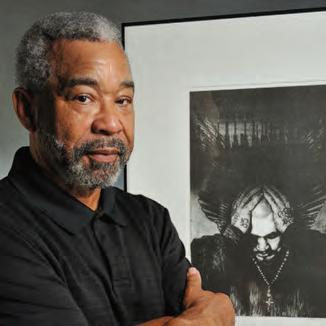
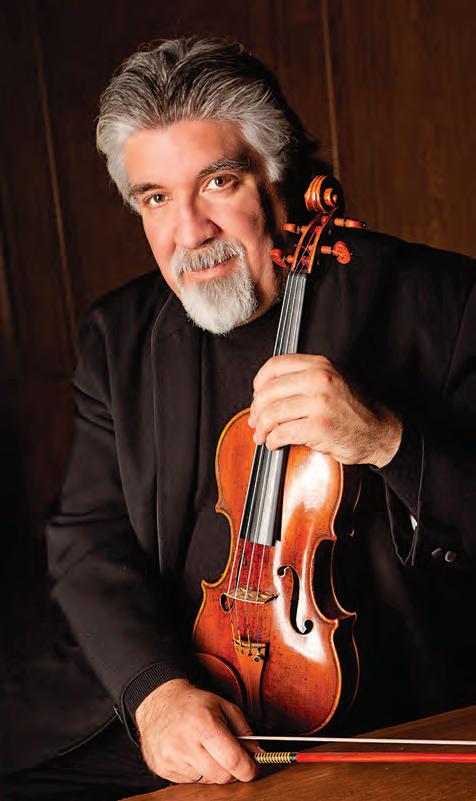
Of course, MCM is always happy to shine a spotlight on the robust local arts scene. We have a pro le of the Flint Symphony Orchestra’s guest artist for the March 12 concert, multi-awardwinning violinist Andrés Cárdenes (p.16). We spoke to gifted artist Ed Watkins, whose works are exhibited at the Flint Institute of Arts through April 10 (p.18). Also sharing their passion with anyone who wants to learn to dance are Jared and Alisyn Hurd of FLICity Studios – their story is on p.24. Area residents have so many opportunities to experience incredible talent in our community!
As spring grows near, let’s celebrate making it through another winter and look forward to emerging from hibernation to enjoy some great times in Greater Flint. anks for reading,
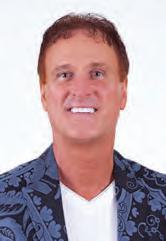
PUBLISHER & EDITOR IN CHIEF
Vince Lorraine
MANAGING EDITOR
Sherron Barden
ASSISTANT EDITOR / WRITER
Peter Hinterman
STAFF WRITER
Cheryl Dennison
FREELANCE WRITERS
Mark Spezia
CONTRIBUTING WRITERS
Erin Caudell
Dr. Christopher Douglas
Vera Hogan
Joel P. Lagore
Alexandria Nolan
Leslie Toldo
ART & DESIGN
GRAPHIC DESIGNER
Brett LaCross
WEB DEVELOPER / GRAPHIC DESIGNER
Jonathan Boedecker
PHOTOGRAPHY
Katy Kildee
Tim Jagielo
OPERATIONS
ACCOUNTING/CIRCULATION
Kim Davis
NEW BUSINESS DEVELOPMENT
Dan Garman
ACCOUNT EXECUTIVE
Terese Allen
5152 COMMERCE RD. FLINT,
ISSN#1559-3436 is published monthly by My City Magazine, Inc., 5152 Commerce Rd., Flint, MI 48507. Canadian Mail Agreement #41971515. For back issues, inquire for availability. Editorial Correspondence: Address product information and inquiries to: Editorial Department, My City Magazine, 5152 Commerce Rd., Flint, MI 48507, phone 810.230.1783. To authors, photographers, and people featured in this publication: All materials, articles, reports and photographs in this publication are the property of My City Magazine and cannot be used without written permission. e opinions and conclusions recited herein are those of the respective authors and not of My City Magazine. My City Magazine is not responsible for returning unsolicited manuscripts, photographs or other materials. Every e ort will be made however, to return rejected manuscripts, etc., if they are accompanied by su cient rst-class postage, but the publisher will not be responsible for any loss of such material.
Copyright© 2022. All rights reserved. | Printed in U.S.A.



COVER PHOTO BY TIM JAGIELO











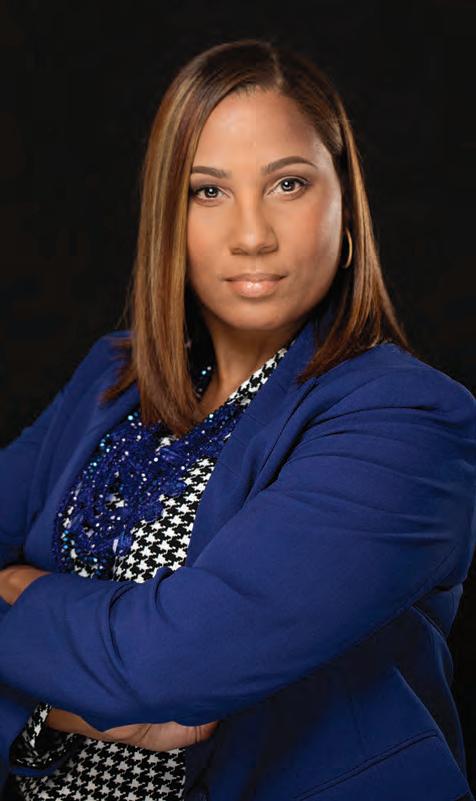
























Beginning her career in the field of aging in 1999 as a social worker/case manager, Aubert held many positions with Valley Area Agency on Aging (VAAA) before being promoted to President/CEO in 2018. The VAAA “provides answers, action and advocacy on care for the elderly and disabled adults of Genesee, Lapeer and Shiawassee Counties by enhancing lives, empowering choice, sustaining independence and supporting caregivers and families.”
A Flint native, Aubert not only loves working with the aging population, but helping the elderly also has personal meaning to her as she was raised by her grandparents. She graciously agreed to share a few other personal details with MCM readers.
1. What was your very first job?
When I was 16, I worked at Hardee’s inside the Genesee Valley Mall.
2. Who is your hero?
My grandmother took me in as a young child and literally saved my life. She is my hero and I am the person I am today because of her. She taught me old school values, manners and how to behave like a lady. She also instilled strength, courage, independence and wisdom. She taught me there is a time to lead and a time to follow – both are needed to attain goals. She set a fire in me to learn from my elders and is the reason I have a passion for seniors. She has transitioned on but not a day goes by that I don’t think of her, or something she said or taught me.
3. What three words describe you best?
Empathetic, Passionate, Prepared
4. Would you rather cook or order in?
ORDER IN! Anyone who is reading this and knows me is laughing right now. My husband, Terrell, is the chef in the family; I am the cleaner and organizer.
5. What’s the next place on your travel Bucket List and why?
Terrell and I love to travel – it’s one of our hobbies. We have a Facebook page called “Through Our Eyes” that spotlights affordable travel and allows people to share travel tips, stories and pictures. It was my dream to visit Egypt, which we did in 2019; now, we just go where the wind takes us. My husband wants to take our children and grandchildren
to Kenya, so I would say that is next on the Bucket List.
6. What is your most prized possession and why?
My home – it is where my family gathers. The style is a reflection of me. It is where those who are in my heart come to laugh, cry and celebrate with me. It is my sanctuary and place of peace.
7. What’s one work-related thing you want to accomplish in the next year?
While keeping my team and the people we serve safe through the pandemic, I want to focus on our metrics. For the last 3.5 years, VAAA has been in the Top 3 statewide regarding quality. The VAAA team is amazing, and we all are always eager to learn and excel in service delivery. Focusing on metrics will help to spotlight and continue providing high-quality services and programs.
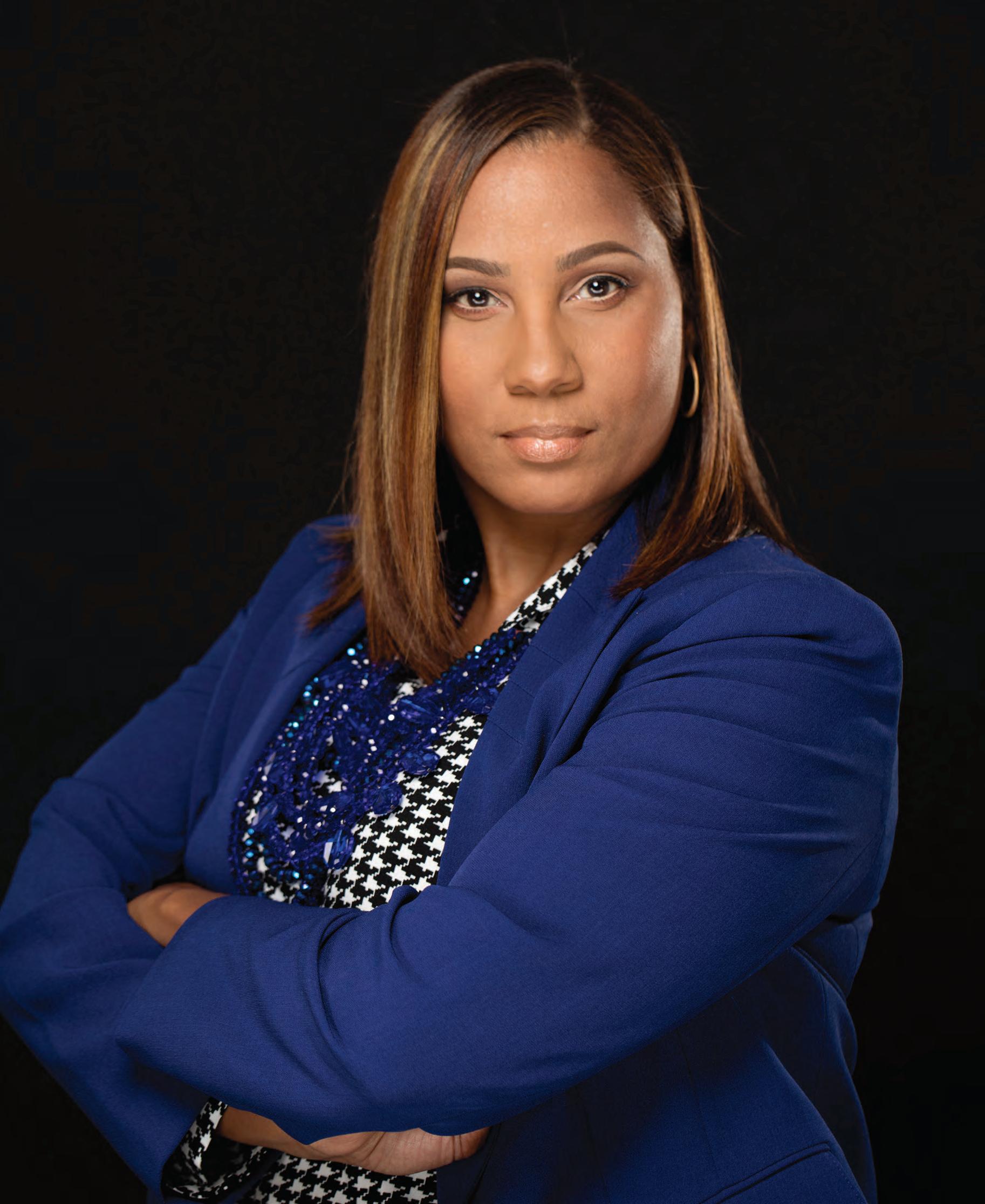
“ My grandmother taught me there is a time to lead and a time to follow –both are needed to attain goals.”


BY MARK SPEZIA
PHOTOS PROVIDED BY RIGHT AT HOME IN HOME CARE & ASSISTANCE

Bythe time Arvid Ehrmantraut celebrated his 83rd birthday just after anksgiving in 2007, he had lived a full, ful lling life.
Like thousands of his generation from the Flint area, Ehrmantraut served his country in World War II without hesitation before returning home and spending decades working for General Motors, rising to the rank of foreman. Along the way, he married twice, the rst time at age 19, and raised three children with rst wife Helen before her death in 1994. He found love again with second
wife Marilyn, until she passed away in 2005.
As the holiday season approached two years later, however, Ehrmantraut’s children were understandably concerned about the unfortunate turn their father’s life had taken.
Unable to care for himself after su ering a stroke, Ehrmantraut was living with one of his daughters. He struggled to communicate.
That’s when Greg Gorton entered the twilight of Ehrmantraut’s life.
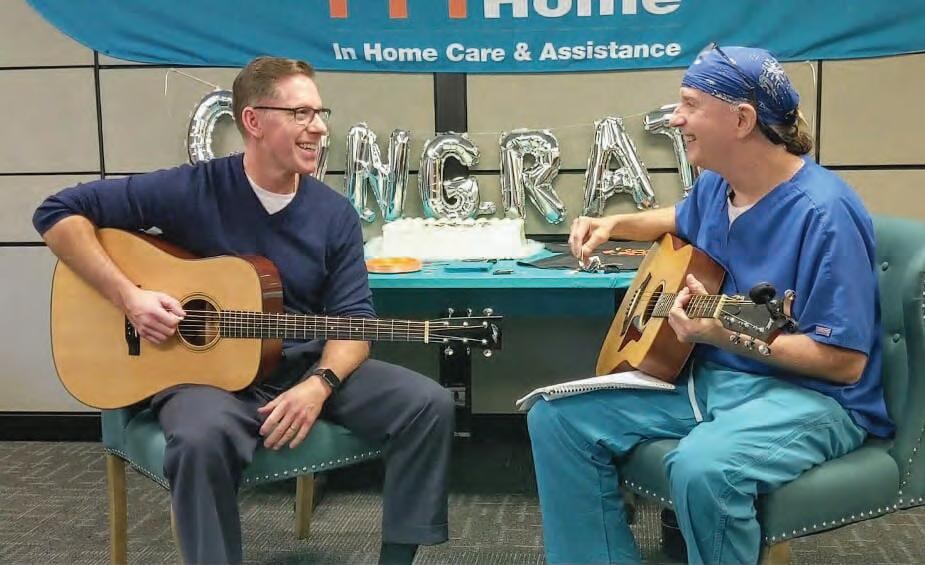
In his third year as a caregiver with Right at Home
In Home Care & Assistance of Grand Blanc, Gorton began caring for him on an almost-daily basis, easing the burden on his family as the two formed an immediate bond. A routine of breakfast followed by watching a western movie soon developed. One day, Gorton noticed that Ehrmantraut was energetically responding as a cowboy strummed a mandolin in one of the lms. Gorton, who had spent years as a musician playing several instruments in bands and even on cruise ships, felt compelled to point something out. “I turned to Arvid and said ‘I can play better than that guy’,” he recalls.
Ehrmantraut seemed to light up when Gorton walked
in with a mandolin on his next visit, sat down and began playing. “He just came to life in his chair and it was like he wanted to do a cartwheel or jump right out of his body,” Gorton says. “It was amazing. Later, his daughter said ‘you don’t even know what you did for dad’ because her parents loved to go square dancing in their younger days.” e pamphlet distributed at Ehrmantraut’s funeral on May 19, 2008 featured a photograph of Gorton playing mandolin beside his appreciative client. “ at was so sweet,” says Gorton with obvious emotion in his voice.
Gorton’s time with Ehrmantraut is just one example of the countless lives he has
touched during 17 years with Right at Home. Last fall, Gorton was named the Home Care Association of America’s 2021 Caregiver of the Year for the tireless dedication, deft touch and loving patience he brings to an often challenging, thankless and emotionally-draining role. Gorton was stunned. He had never even heard of the award he had emerged from a eld of nearly 250 nominees across 41 states to earn.
“It all started about the third week of September when Leslie (MacDonald), who worked in our front o ce, called to say I was one of ten nalists for this national award which blew me away because I didn’t know the award existed,” Gorton shares. “ e next week, I was told to be at the o ce at 11:30 a.m. that Friday with scrubs on. I had no idea what was going to happen.”
Gorton arrived at Right at Home headquarters that morning, rounded a corner, entered the main o ce before the sight of balloons, smiling co-workers and ABC12 cameras brie y stopped him dead in his tracks. Gorton then lifted his hand to his chin, ashed a smile and slowly walked into the room as Right at Home President Scott Hill announced he had been selected Caregiver
“I don’t look for recognition or awards, but it’s very humbling to be honored in this way.”
of the Year. “I was surprised to see Channel 12 there and all the attention was suddenly on me like I was a king or something,” he laughs. “I don’t look for recognition or awards, but it’s very humbling to be honored in this way.”
Hill was not surprised to see Gorton honored in that way after nominating him. “Our o ce sta engaged in conversation and debate about which caregiver we should nominate,” he says. “In the end, we felt that Greg embodies, in a special way, what this award represents. When we found out he was a Top 10 nalist for an award representing thousands of caregivers across the county, we were thrilled even with that! When we found out he was named the country’s top caregiver, we were so proud that all the o ce sta members had tears in their eyes.”
Gorton received the award during a formal presentation at the State Capitol in Lansing on November 3 as part of an HCAOA Michigan chapter meeting. In addition, Tim Sneller, Gorton’s State
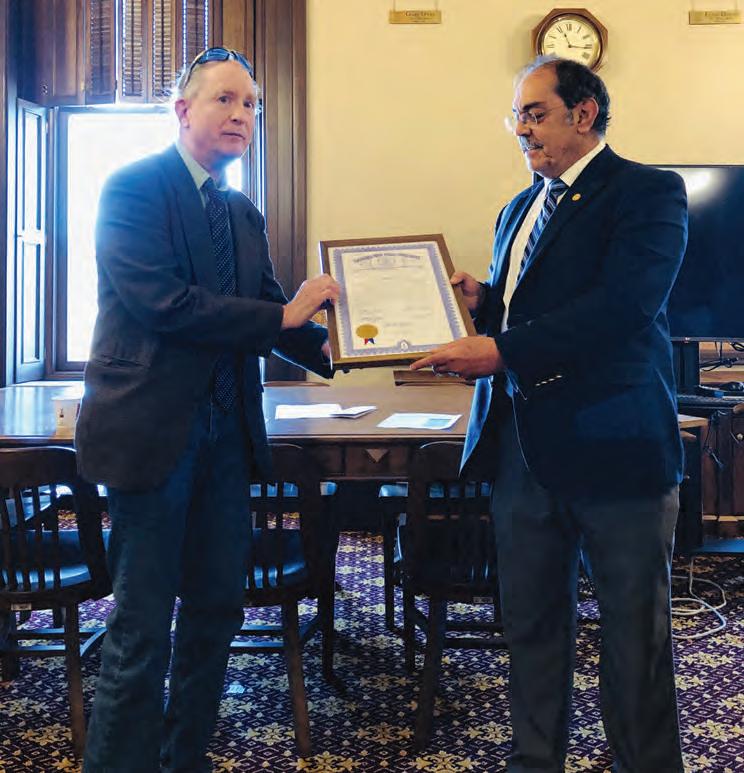
Representative, presented him with a signed proclamation on behalf of the state legislature and Michigan Governor Gretchen Whitmer. “It was just a cool experience being at the Capitol for the rst time in my life and meeting so many people, especially other home care agency owners,” Gorton says. “It was nice to talk about why we all do what we do. We ll an important need.”
HCAOA Executive Director Vicki Hoak and Right at Home CEO Brian Petranick were also in attendance. “It was an honor to present a tribute to Greg Gorton as he received the 2021 Caregiver of the Year Award,” Sneller later wrote on Facebook. “His commitment and compassion for his patients is unmatched. He works incredibly hard to ensure that patients feel comfortable and
receive the highest quality of care. ank you for all you do for our community.”
Gorton acknowledges how di cult and even dirty his job can be, but prefers to focus on how rewarding it is. “God has really blessed me to be able to do this work, making people’s lives and the lives of their families better through compassionate care and empathy,” he says. “It’s so gratifying to see people light up when I come into their homes. I think of this as missionary work I’ve been called to do.”
Gorton is full of stories about memorable clients he has served. ere was a retired surgeon who worked at Hurley Medical Center for nearly 40 years and a couple, ages 100 and 98, who reached their 77th wedding anniversary prior to the husband’s passing.
“ at guy worked at Kettering University when it was General Motors Institute and was still so sharp at 100,” Gorton says. “I’d ask him a question and get a Library of Congress answer.” He sometimes worked 16-hour shifts caring for a former Navy Seal who had also been an all-state football player and wrestler as well as his high school’s valedictorian before being partially paralyzed in a car accident. “He was in a lot of pain some days,” Gorton recalls. “ at was tough to see.”
Gorton also shared a moving moment he witnessed while providing hospice care. “ ere was a couple there who had been married a very long time, but now one was in hospice and the other had Alzheimer’s disease, yet they
still connected by holding hands,” he says. “Really sweet.”
Gorton even found a way to connect with a patient at Kith Haven Nursing & Rehabilitation in Flint who had been in a catatonic state for about ve years. First, the man opened his eyes as Gorton was xing his bed and later, Gorton got him to lift a hand from underneath his blanket and give a thumb’s up. Finally, Gorton decided to tickle his feet in the same manner his father once did when it was time to get out of bed. “He laughed so loud, everybody heard it,” he says. “ e nurses had never seen him do anything like that.”
Gorton has also worked in sales and as a taxi driver in addition to his music gigs, but was ready for a change after

“I was down to my last $100 and had no experience, but Right at Home gave me a chance. It didn’t take long to realize this was the kind of work I was looking for.”

taking a nurses aide class at Baker College in 2005. “I just opened up the Yellow Pages and there was a half-page ad for Right at Home,” he says. “I was down to my last $100 and had no experience, but I contacted them and they gave me a chance. It didn’t take long to realize this was the kind of work I was looking for.” ese days, caregiving does not end for Gorton when his shift does. He also cares for his elderly mother in the Grand Blanc home they share with one of his sisters. e grind does not seem to faze the 63-year-old
Gorton, who maintains an unmistakable passion for his work and has given little thought to retirement. Scott Hill, who can’t imagine Right at Home without Gorton, is thankful for that. “Greg will tell you the purpose of his life is to utilize his skills and talents to help spread the love of God around this crazy world,” he says. “Sometimes, people nd themselves in very di cult situations requiring help and this is exactly where Greg has a positive impact on the lives of our clients. He does this every time he walks into their homes.”





































































































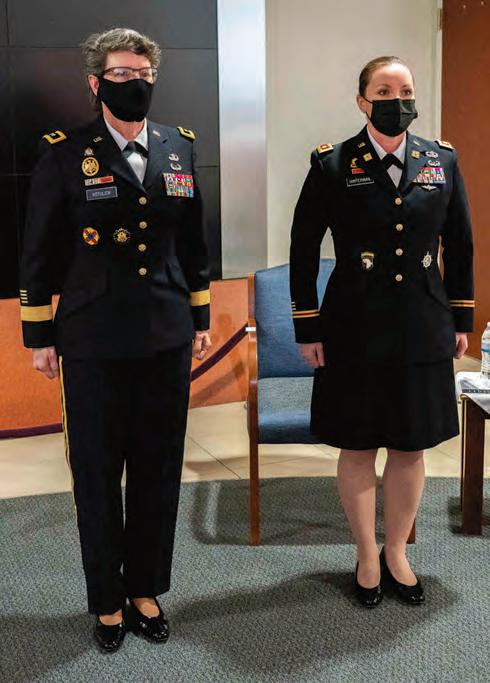
Davison native Caitlin Hinterman has had an exciting life during her career with the U.S. Army Reserve. She recently obtained a very high honor when she was promoted to Lieutenant Colonel and is currently serving as the Aide de Camp to four-star General Jacqueline Van Ovost.







A graduate of Davison High School, Hinterman was attending Central Michigan University (CMU) when she realized she was uncertain as to what she wanted to do with her life. Each day as she walked to classes, she passed by the Army Recruiting Station where one particular recruiter would be standing outside, taking a break. “Every single day, he asked me, ‘Want to join the Army?’” she shares, “and every day, I would say, ‘Nope!’”














Hinterman joined the U.S. Army. She didn’t quite know what to expect but knew that Basic Training would be tough. “But I like challenging things,” she says with a smile. e daughter of Dennis Hinterman and Wanda Baird, she has three brothers and three sisters – a big, blended family. And telling her family about her decision was a little overwhelming. She told them she had enlisted in the Army and would be leaving for boot camp in a few weeks. “ eir reaction was not great,” she remembers. “But I’m happy that I made that decision,” she admits. “It was the right path for me.”








Still not quite knowing what path she wanted to take, Hinterman nally put some thought into joining the Army. She was athletic, having played a variety of sports while growing up, and a couple of her friends had joined the U.S. Marines. “I nally walked up to that recruiter and told him, ‘‘I’m ready.’”


In May 2001 at the end of her freshman year,









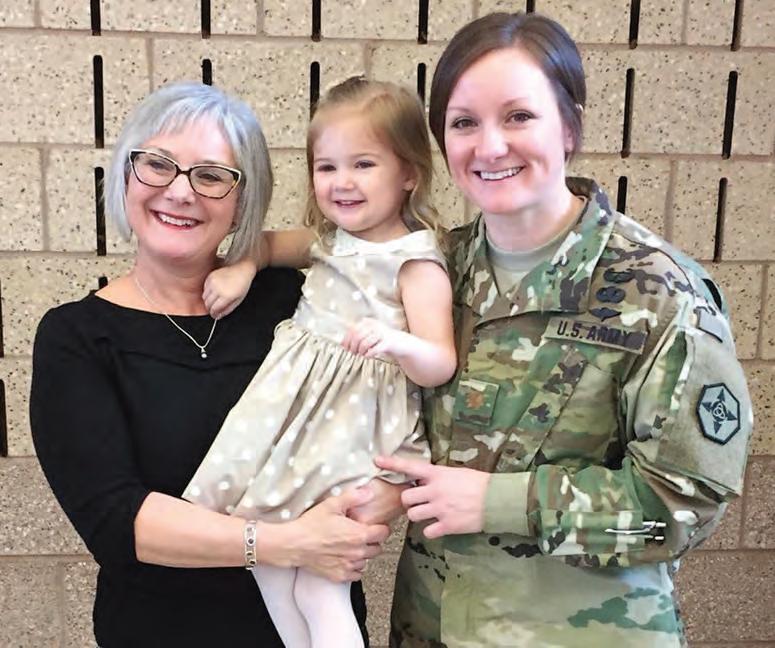

Hinterman trained at Fort Leonardwood, MO from May-August 2001. She returned to CMU to nish college and joined the Army Reserve, and her rst job was Motor Transport Operator (88M) while she continued taking classes at CMU.



place,” she remembers. When she graduated from CMU in 2004, she was promoted to Second Lieutenant and began serving in the Army Reserve one weekend a month.
a couple months later to Kuwait, where she served for ten months at the Port of Ash Shuiaba loading military cargo to be sent back to the U.S. in support of the Iraq drawdown.


Hinterman liked her job but wasn’t fond of being told what to do. “ en, you need to become an o cer,” her platoon sergeant told her. She listened to that advice and started Reserve O cer Training (ROTC). After graduating, she signed a contract to become an o cer. “Everything was falling into









In 2007, Hinterman was deployed to Iraq for a year. “I was a Postal Platoon Leader,” she explains, adding that she ran a Post O ce. After returning home from deployment, she remained in the Army Reserve and continued serving one weekend a month. “But the job was more than one weekend a month,” she states. “I always ended up doing more.”

In 2009, Hinterman joined the Active Guard Reserve Program (AGR) which placed her on active duty. “I was on active duty but supporting the Army Reserve,” she states. As a Plans O cer, she deployed

In 2011, Hinterman was selected Commander of 231st Inland Cargo Transfer Company (ICTC) in Athens, GA. “It was quite an honor,” she admits. “Command is one of the best jobs in the Army, but also the most di cult. e job was not on an Army base, but I still worked for the Reserve and commanded Reserve units.”
Hinterman’s next duty station was in Marysville, WA, assigned as an Operations O cer at the 364th Expeditionary Sustainment Command. ere, she met her future husband, Joe Brickles.






“ “ My goal all along has been to do the best job, whatever it is.”









In(L-R)




2016, she was promoted to the rank of Major and selected to attend Command and General Sta College (CGSC) at Fort Leavenworth, KS, a school not o ered to all



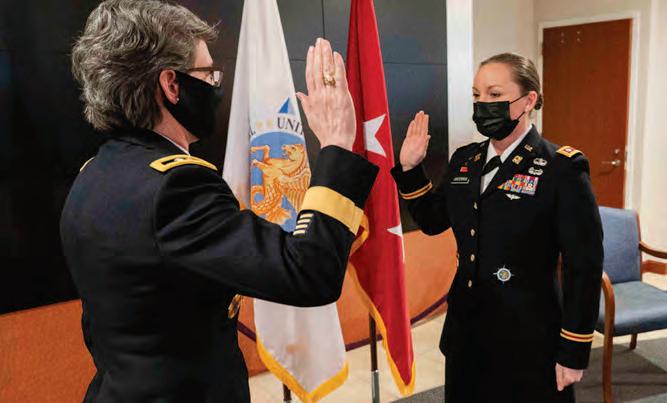


CAITLIN HINTERMAN


AGR o cers. After a year at the CGSC, she received a nominative position to Human Resources Command (HRC) as an Assignment O cer at Fort Knox, KY.

Chief of Sta , Major General Deborah Kotulich at Scott Air Force Base in Illinois. A year later, she interviewed for her current position of Aide de Camp for General Van Ovost, a one-year position, and was then promoted to Lieutenant Colonel. “I have a di erent rank, but I am doing the same job.”

“I’ve never lived anywhere for more than two and a half years,” she says, laughing. “We just keep moving.”



In 2018, Hinterman was selected to take another command position in New Jersey at Joint Base McGuire-Dix-Lakehurst (JBMDL). en in 2020, she received orders to work as the Executive O cer to the





To honor the occasion of her recent promotion, a ceremony took place on January 19 at Scott AFB.


Major General Kotulich spoke of Hinterman’s entire career and the importance of each step she has taken. “I pat myself on the back for hiring Caitlin,” Kotulich stated.



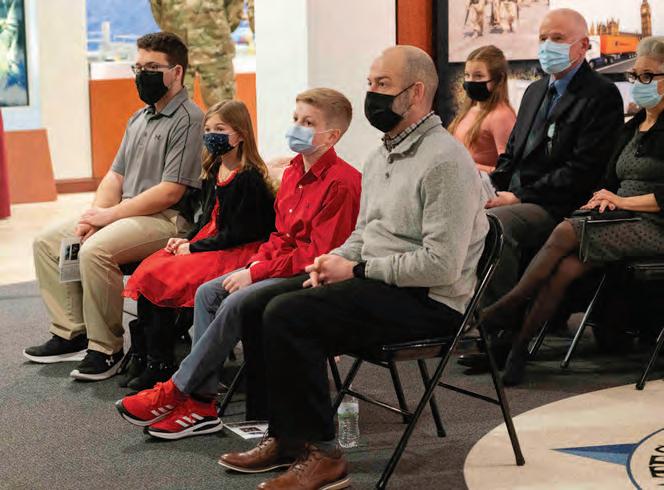
beginning, but I’m not sure they know what a top tier o cer Caitlin is.”






three kids, a husband and two dogs.”




“She helped make me more productive and made my work that much more enjoyable. Her family has been part of her career from the very

Next year, life will come full circle for Hinterman.
She has been selected to be Professor of Military Science at Western Michigan University and will return to her home state in 2022.






“Finally, I’m coming back to Michigan!” she exclaims. “I left Michigan, just me, packing everything I owned into a white SUV. I’ve collected some things along the way – I’m returning with



What does the future hold for the Lieutenant Colonel? e next step is Battalion Command. “I will apply to the Command Board and hope for the best,” she says. “I don’t set goals that are too far ahead of myself. My goal all along has been to do the best job, whatever it is.”




Hinterman feels that each job she has performed has been important to her journey. “I’m thankful for every position that has





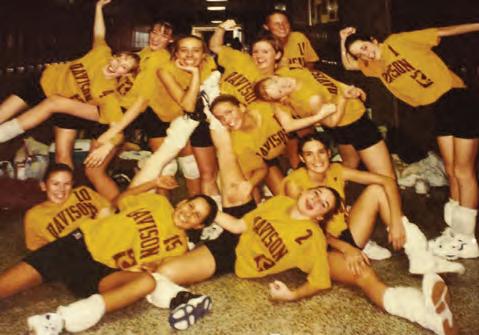


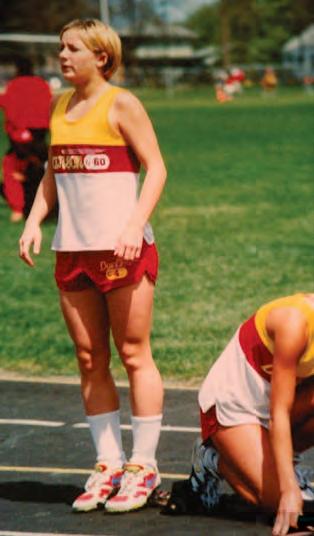




led me to the one I’m in right now,” she says. She enjoys her job and travels around the country with General Van Ovost at least once a month. It takes a lot of ambition to get to where Hinterman is today. “It all started for me right here in Genesee County,” she says. As an athlete, she started playing AYSO soccer in Davison and was in a Brownie troop at Holy Rosary. She then went on to play varsity soccer at Davison High School where she was a 1st Team AllState selection, 2nd Team AllState selection in track and State Honorable Mention in volleyball.











She also joined the Davison varsity football team as kicker for the 1999-2000 season. While stationed in Georgia, she played running back for the Atlanta Xplosion women’s football team. “My drive comes from participating in those programs – I’ve been playing soccer since age ve. All of those di erent experiences gave me my drive.” And Hinterman says she couldn’t have picked a better career. “Every job I’ve done has been a challenge and I love the constant change of environment. Eighteen-year-old Caitlin made a really good choice. It has been perfect for me.”









COMPILED BY SHERRON BARDEN
OnMarch 12, the Flint Symphony Orchestra will continue the 2021-2022 season’s Classical Concert Series, “RENEWAL e Timeless Healing Power of Music Inspired by Nature.” e FSO and Maestro Enrique Diemecke will be joined by multi-award-winning violinist Andrés Cárdenes. In 1980, Cardenas won the William C. Byrd Young Artist Competition, an international music competition sponsored by the St. Cecilia Society of Flint in collaboration with the Flint Institute of Music and the FSO.
Recognized worldwide as a musical phenomenon, Grammy-nominated Andrés Cárdenes has parlayed his myriad talents into one of classical music’s most versatile careers. A ferocious, passionate and personally charismatic artist, Cuban-born Cárdenes has garnered international acclaim from critics and audiences alike for his compelling solo violin and viola performances, as well as his conducting and recorded performances.
Since capturing the Second Prize in the 1982 Tchaikovsky International Violin Competition in Moscow, Cárdenes has appeared as soloist with over 100 orchestras on ve continents, including those of Philadelphia, Pittsburgh, Los Angeles, St. Louis, Moscow, Bavarian Radio, Dallas, Helsinki, OFUNAM, Shanghai, Caracas and Barcelona. He has collaborated with many of the world’s greatest conductors, including Lorin Maazel, Rafael Frühbeck de Burgos, Mariss Jansons, Charles Dutoit, Christoph Eschenbach, Sir André Previn, Leonard Slatkin, Jaap van Zweden, Sir Neville Marriner, David Zinman and Manfred Honeck.
Also in great demand as a conductor, Cárdenes has appeared to rave reviews with the Bavarian Radio, Detroit Symphony, Colorado Symphony, Dallas Symphony, Neue Philharmonie Westfalen, Sinfónica Nacíonal de Bogota, San Diego Symphony, Sinfónica de Caracas, Orquesta Fundacíon Beethoven (Santiago, Chile), and the OFUNAM
Orchestra of Mexico City. He is currently Music Director of Orchestral Studies, Distinguished Professor of Violin Studies, and the Dorothy Richard Starling/Alexander Speyer Jr. Endowed Chair at Carnegie Mellon University’s School of Music. In addition, he gives master classes regularly at the Royal Conservatory of Music in Toronto, the Manhattan School, Cleveland Institute, e Curtis Institute and at virtually every major university and conservatory in the United States.
A proli c recording artist, Cárdenes has interpreted concerti by Brahms, Mendelssohn, Beethoven, Barber, Balada, Gutíerrez and David Stock. He has recorded the complete works for violin by Leonardo Balada, and the complete violin and piano sonatas by Hindemith and Schubert. His discography includes over three dozen recordings of concerti, sonatas, short works, orchestral and chamber music on a dozen labels.
Cárdenes is co-founder and artistic and music director of the Josef Gingold Chamber Music Festival

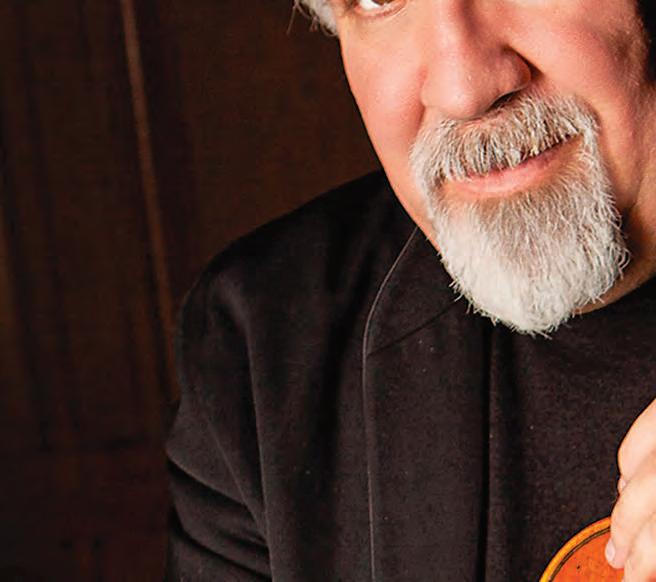

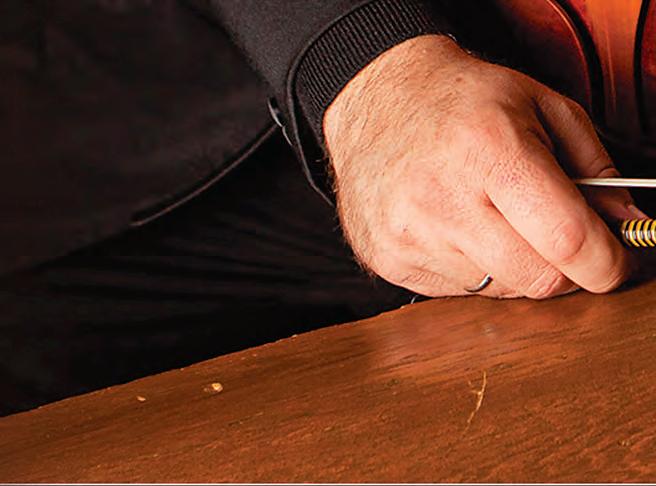




of Miami, a program geared toward educating young musicians in chamber music and solo repertoire inspired by the legendary violinist’s teachings, legacy, humanity and ideology. He has been the violinist of the world-renowned Díaz Trio since 1995 and the Carnegie Mellon Trio since 1989.
Cárdenes played Vivaldi’s Four Seasons with the kind of mastery, virtuosity and musical persuasion that should be placed in the company of the great violinists of the 20th century.”
El Diario de Santiago, Chile
Among his many humanitarian awards are the Kollell Foundation Jewish Learning Award, the Kindness Award from Chabad, Mexican Red Cross and the UNICEF Cultural Ambassadorship. Cárdenes is the father of two teenagers: Isabel, an accomplished young harpist studying at the Manhattan School of Music, and Tino, a math whiz and talented classical/jazz pianist.
VIVALDI Le Quattro Stagioni (The Four Seasons)
SMETANA Vltava (The Moldau)
GINASTERA Estancia: Three Dances
Enrique Diemecke, Music Director & Conductor
7:30PM | The Whiting For tickets, call 810.237.7333. tickets.thewhiting.com/902
BY PETER HINTERMAN PHOTOS PROVIDED BY ED WATKINS
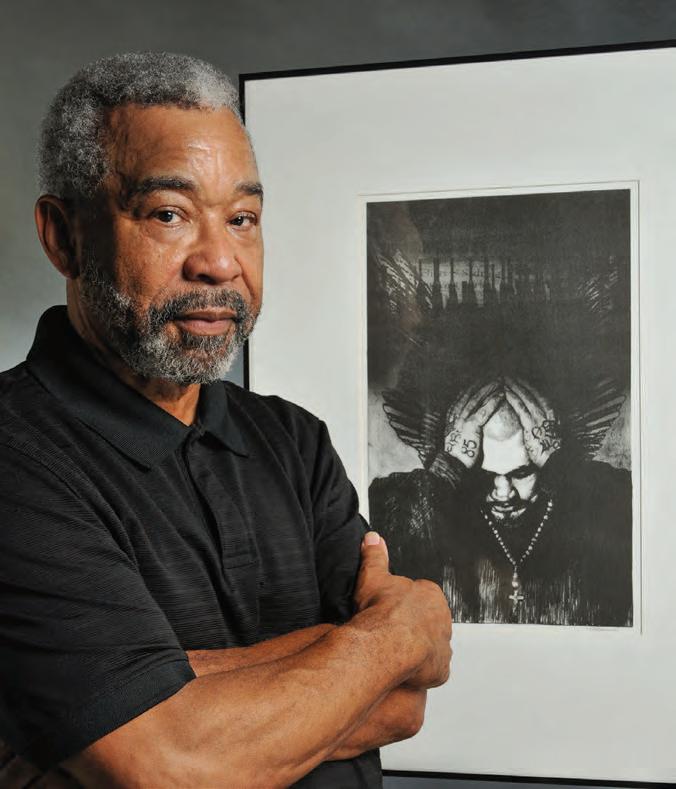
Ed Watkins is always listening, thinking, paying attention to the world around him. All the available information is taken in, sorted, analyzed, understood, extracted and then represented visually for himself and those around him. Each illustration he creates is a window into his world – a world of hope, fear and confidence, of anxiety, struggle and peace. It is evidence of a world of his experience, of the African American experience and of our collective humanity. It is a world only he knows and with each drawing, he provides just the briefest glimpse of a perspective different from our own. “My art develops as the world develops,” he explains. “Much of my work is about me making sense of the world around me through my experience as a Black man in America.”
Born and raised in Flint, Watkins graduated from Flint Southwestern High School in 1968 and seemed destined to follow
the path to the factory like so many others in the city. That’s when a school guidance counselor bluntly told him he was “not college material’.” His trajectory changed, however, after competing in a high school track invitational at Bowling Green University in Ohio. “I took first place in the 100m and 200m races,” he recalls. “The Bowling Green track coach talked to me about running for the university. It sounded great – I thought it could be my only chance.” The coach asked Watkins what he wanted to study and the young man had no idea. “I told him I liked to do art stuff and he said I would be an art major. I was cool with that,” he laughs.
Art was never something Watkins thought much about while growing up, only realizing his love for the subject in fourth grade. “I learned to draw a horse from someone in my class,” he adds, “then, I was drawing horses all over the place.” Watkins continued

LEFT: PREACH TURNER, 2019.
“THIS IS THE FIRST PIECE IN THE ‘PREACH’ SERIES AND IT EVOLVED OVER 18 MONTHS OF WRITING AND DOODLING. I MET EACH PREACHER IN MY SERIES AND ASKED FOR PERMISSION TO CREATE THE IMAGE AND THEY ALL JUST LOVED THE IDEA.”

drawing through his high school years without a thought as to its potential. It was during his college years that he fully embraced his talent. He made plans to become an art teacher, in uenced by a former teacher John Nash and his rst teaching experience during the summer before his rst semester, working in art activities on the children’s wing of Hurley Hospital. “I loved that job,” he smiles. “I still remember hearing the children yell ‘the play man is coming!’ when the elevator doors opened.”
In college, he met his future wife Marcia, honed his talent and was ready to graduate until life threatened to change his plans.
“I got drafted in 1972 and at rst, I was headed for Vietnam,” Watkins recalls.
“Instead, I joined the Marine Corp. Reserve and was given a six-month delay before I had to report.”
He received his Bachelor’s in Art Education and nished half of his Master’s in Education course work before attending boot camp training. After his training, he returned to Bowling Green. Watkins
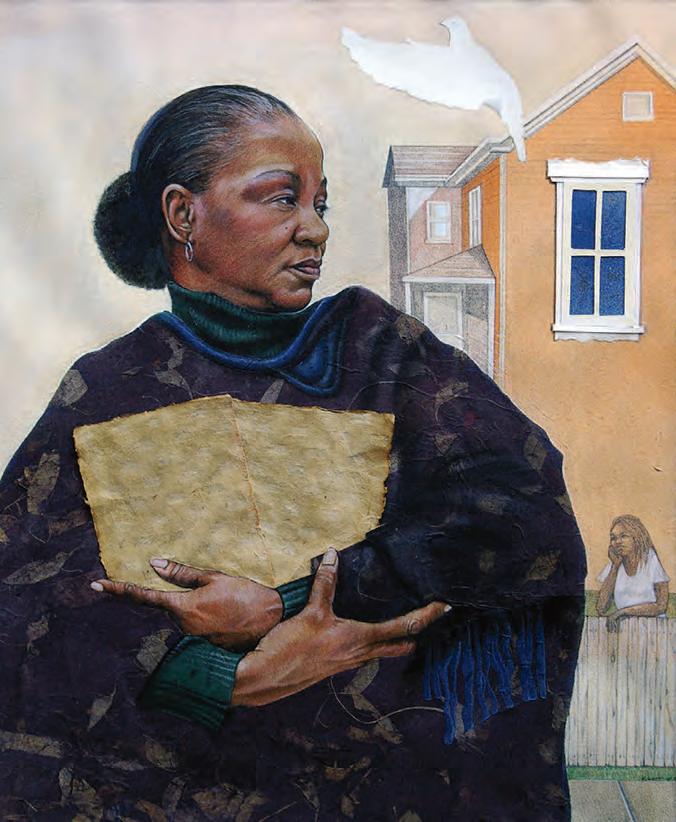
LEFT: PREACH JENNINGS, 2021. BELOW: MARCIA@908, 2008.
“MY WIFE IS THE CENTERPIECE OF THIS DRAWING, DEPICTING HER AT HER CHILDHOOD HOME IN OHIO. IN THE BACKGROUND IS A YOUNG MARCIA DREAMING OF THE WORLD BEYOND THE FENCE.”
BELOW: BREATHE, 2020. THIS PIECE DEPICTS TRISTAN TAYLOR, ORGANIZER OF THE “DETROIT WILL BREATHE” MARCH.

married in 1975 and took a corporate job before he and Marcia decided to return to Flint in 1977 to teach young artists, raise a family and create art. ey both worked at Beecher High School, Marcia teaching ceramics while he worked in alternative education. Watkins then found a professional home at the Genesee Area Skill Center when he was hired to teach drawing and photography part-time. He became full-time in 1984 when he introduced one of the area’s rst graphic design classes
BELOW: PICK UP YOUR BED..., 2021. THIS PIECE WAS INSPIRED BY A SERMON ABOUT THE POOL OF BETHESDA IN ISRAEL AS RECOUNTED IN THE GOSPEL OF JOHN (5:1-8).
for high schoolers. In the late 80s, he was one of the rst to o er a computer graphics class. He started teaching at Mott Community College in 2006 and a year later, began pursuing a Master’s in Studio Art at Eastern Michigan University with a focus on mixed media, collage and printmaking. In 2012, he retired from the Skill Center and retired from teaching at Mott last year.
“During the pandemic, all of my classes were remote and it wasn’t for me. I decided it was time,” he says.
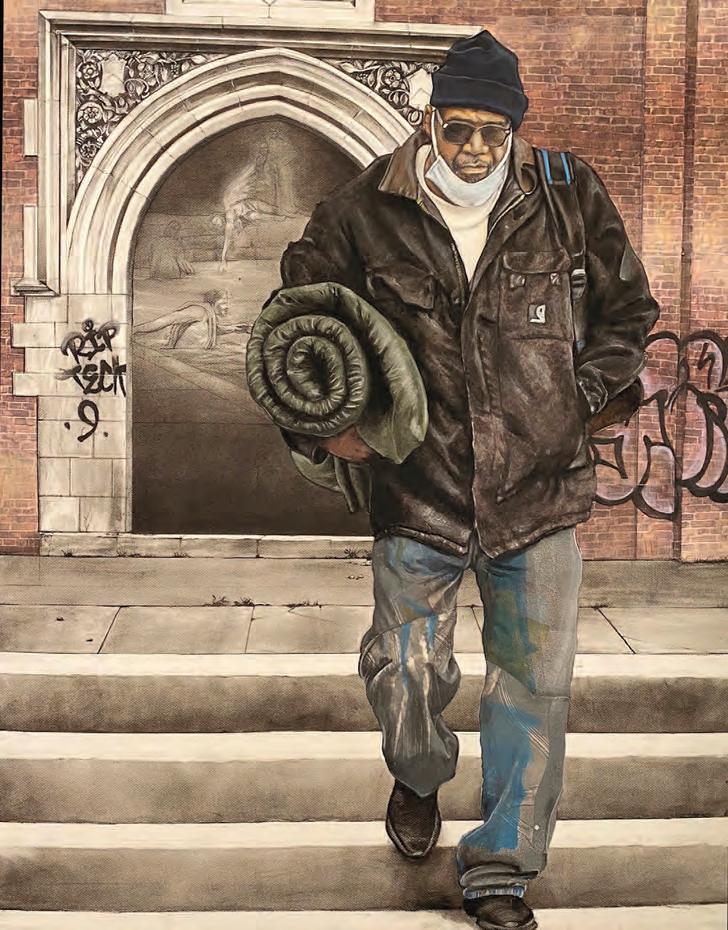
“The exhibit is about what I see, hear, encounter and a response to the social issues I deal with as an African American man.” ED WATKINS
e last few years of social upheaval, the pandemic, isolation and un lled time have provided Watkins a constant source of anxiety, hope and inspiration that is re ected in his recent art.
“My family has always been culturally and politically active, participating in the Civil
Rights march in Detroit and the open housing protest in Flint,” he explains. “It made me who I am today. Images of my present and my past stick in my head, and my art is an attempt to pull those ideas out and understand them. I have always been a visual learner.”
From beginning to end, his process is a long and winding path. It starts with listening and words that slowly develop into the images he creates. “I read and listen to news and pay attention to what is going on,” he explains. “I take notes and combine them with scribbles and doodles until I center on a nal image. en, I choose my medium.” For his recent works, Watkins took inspiration and images from the Ferguson protests, Black Lives Matter, George Floyd’s death, racial divide and other social issues, as well as singular moments in time that represent the experience of living in America. Many of the illustrations can be viewed in his exhibit featured at the Flint Institute of Arts.
“ e exhibit is about what I see, hear, encounter and a response to the social issues I deal with as an African American man. ese illustrations helped me understand and get through the isolation and anxiety of the pandemic,” he states. e art of Ed Watkins is much more than what it seems at rst glance. It’s lled with symbolism, the images chosen precisely to convey an internal emotion or meaning. It’s a snapshot

of life – another viewpoint and a representation of a culture that continually strives for justice and understanding. It’s a way for Watkins to assess and understand the world in which he lives in the best way he knows – through a constant evolution of
expression and illustration. “Sometimes the process takes years from idea to nal work and it is constantly changing. I enjoy the journey.”
Visit “Drawing from Life: Ed Watkins” on display at the FIA until April 10, 2022.
ABOVE: SURRENDER JONESY, 2015. AFTER THE FATAL SHOOTING OF MICHAEL BROWN IN FERGUSON, MO, ‘HANDS UP, DON’T SHOOT’ BECAME THE RALLYING CRY AT PROTESTS ACROSS THE U.S.










BY
“Hip-hop is the streets. Hip-hop is a couple of elements that it comes from back in the days ... that feel of music with urgency that speaks to you. It speaks to your livelihood and it’s not compromised. It’s blunt. It’s raw, straight off the street – from the beat to the voice to the words.” — Nas

rofessional dancers
Jared and Alisyn Hurd, Co-owners of FLI-City Studios were brought together by their passionate love of dance. Located off Corunna Road near Downtown Flint and hidden
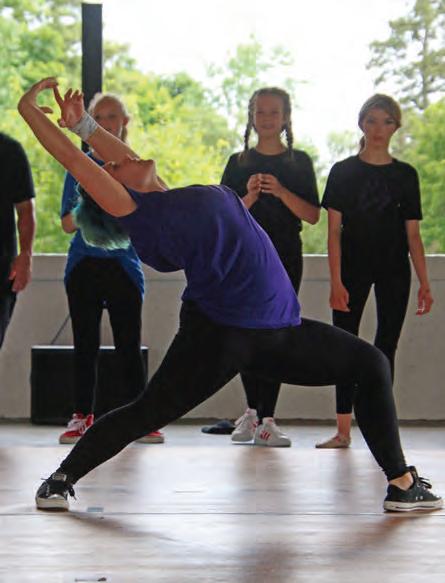
behind one of the Flint Art Project’s beautiful murals, the alternative dance education facility offers classes taught to a variety of musical genres including hip-hop, breaking, tumbling, modern dance and more. “Breaking is one of our specialties,” Jared states, adding that there are only three other dance studios in Michigan that offer it.
Opened in 2013, FLI-City Studios is also the home of the Hurds’ dance company, Vertical Ambition Dance Company and Crew – a breaking group. The company was previously located in Ypsilanti and they practiced at various venues in the area. “We did everything to make it work but we needed a home base,” Jared explains.
Born and raised in Ypsilanti, Jared was especially drawn to hip-hop music but was always looking for new

challenges and climbing new mountains. He learned hip-hop and breaking from other dancers at community centers and breaking clubs around the state. To expand his knowledge and become a better teacher, he took an online international teacher training program with hip-hop founders and pioneers. In 2019, he became certified through the B-Boy Dojo. “I learned a ton of new stuff!” he exclaims.
Alisyn grew up in Swartz Creek. “Yes, I’m a Dragon,” she says with a smile,




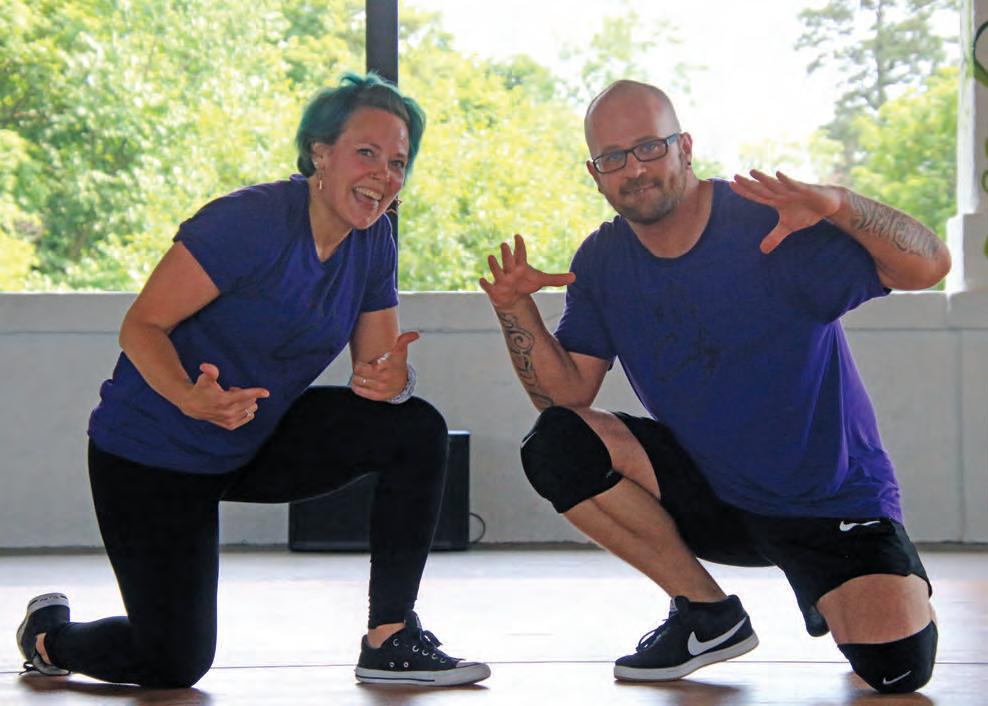
“and I really loved the City of Flint.” She grew up in the skating club at the Iceland Arena and began taking ballet lessons at age eight. She joined the University of Michigan-Flint Dance Team and then studied dance at the University of Massachusetts in Boston while taking classes at the Boston Ballet Company. “I never really wanted to be a professional,” she remembers, adding that the ballet training, however, was very good for her. She became very interested in hip-hop dance and while in Boston, she was exposed to breaking. “I watched it with extreme interest and jealousy,” she remembers. Alisyn earned a degree in dance performance at Oakland University and went on to earn her Master of Fine Arts degree at Hollins University.


Jared and Alisyn met while employed at the same studio in Highland, MI. “We grew together and then married,” he shares. “We were always big on continuing education in dance which pushed us to branch out on our own.”
Shortly after they married, the couple was hired to run a dance program at a performing arts school in Nashville, TN but the school ended up closing before they could begin. In 2008, they moved to Grand Blanc. “We were happy to be back in the area,” says Alisyn, adding she had always loved Flint. “We wanted to be a part of the Flint community, have a home in the city and have a voice.”
Before opening FLI-City, the Hurds taught dance at various studios throughout the state. e couple also found in their experience that once a student turned 18, they were basically done with their training at other studios and the integrity of training




“We wanted to create a place where people could embrace dancing and o er quality instruction to all people regardless of their age or fi nancial situation.” Jared Hurd


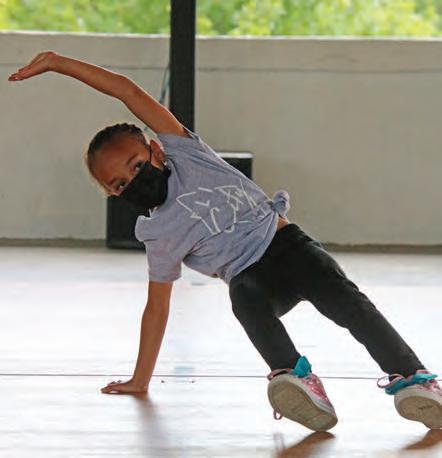
– especially hip-hop – was nonexistent. “We wanted to create a place where people could embrace dancing and o er quality dance instruction to all people regardless of their age or nancial situation,” Jared reports.
FLI-City students range in age from three to adult. “We embrace dancing as a lifelong artistic endeavor,” says Jared. “We have dancers in their 40s and 70s and everywhere in between.” Another class o ered at FLICity Studios is Adult Grooves, which teaches basic groove and hip-hop styles.
“We o er virtual options for all of our classes,” says Alisyn. e most popular classes are hip-hop and breaking. “We also have a lot of ballet students of all ages.” ere are approximately 50 students currently taking classes at the studio. Ballet is taught by Talia Wooten, who is certi ed through the American Ballet eatre, and Jared and Alisyn teach the rest of the classes.
Each year, FLI-City performs two showcases – one in December and a Spring Showcase in June. ey are usually held at the studio but last year,


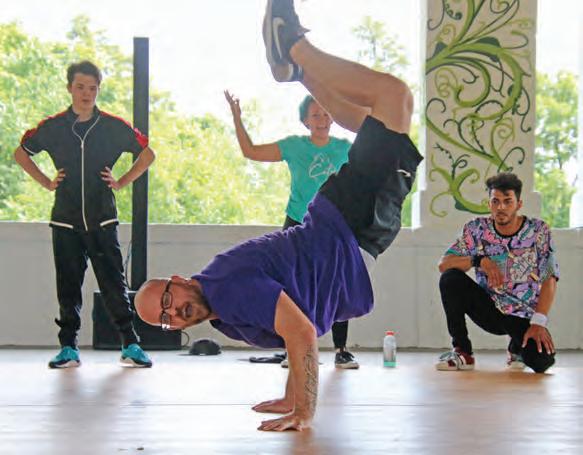
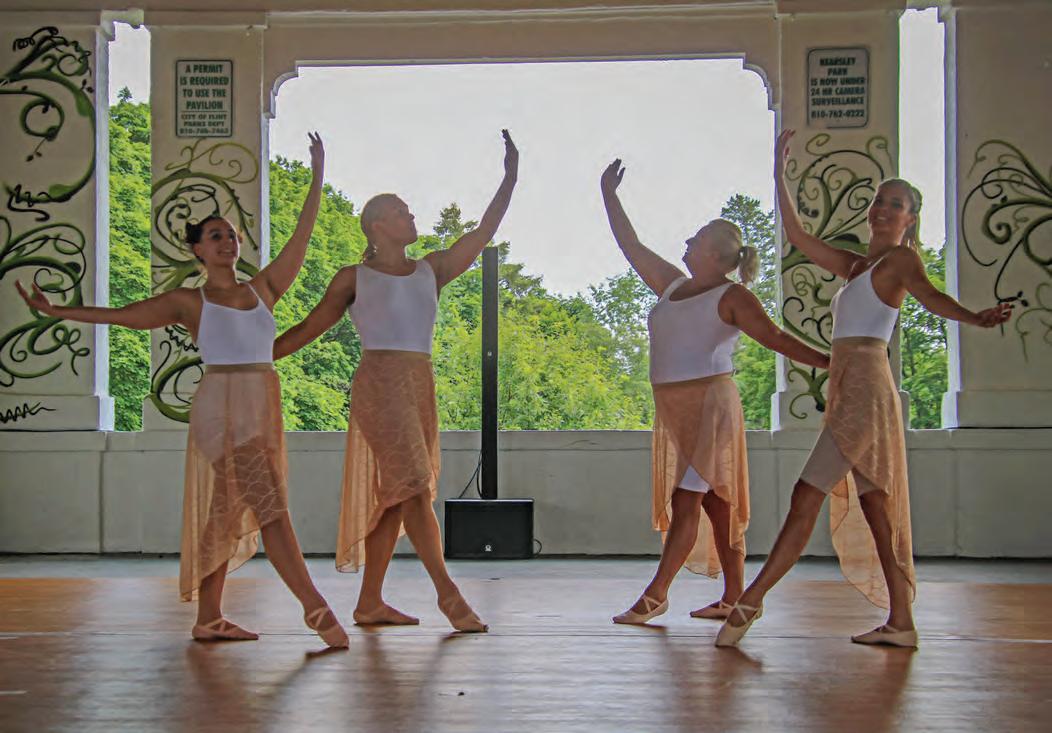
the spring performance took place outside at Kearsley Park Pavilion. “It was so lovely!” Alisyn exclaims. “It was fabulous. We’re doing it there again this year.” ey have also danced at Factory Two. “We’ve performed all over!”
One of the exciting events at FLICity Studios is the free open sessions held every Wednesday from 7:30-10pm.
“Just show up, and practice and learn from the other dancers,” Jared says. About 15-30 dancers come from all over the state to participate. “We strive to make all people feel welcome. It’s about you being you and expressing yourself.”
On the last Wednesday of each month, FLI-City hosts a dance battle when dancers have the opportunity to
get on the oor and show their skills. e open-style battles are free to attend and participate in. ere is an opportunity to win cash and winners get their photo hung on the wall in the Hall of Champions. “ is is one of our biggest nights!” Alisyn exclaims.”Just get up there and give us what you’ve got.”
e Hurds want to make sure that everyone who wants to dance has the opportunity to do so regardless of their nancial situation. FLI-City receives donations from people to help make that happen. “We try to nd a way to make it work,” Alisyn says, adding that they maintain a ordability by o ering multi-class discounts, as well as friends and family discounts.
What both Jared and Alisyn like most about their life’s work is that it’s fun! “It’s amazing to see the dancers build con dence,” Jared says. “What we o er is unparalleled and we built it from the ground up. Hard to nd at rst, we are a hidden gem behind a beautiful mural.”
BY ERIN CAUDELL
Ifyou want to celebrate some Irish heritage for St. Patrick’s Day and mix it up from the traditional corned beef meal, meatballs are a delicious and versatile dish. You can serve them as an appetizer or as a main course over mashed potatoes.
Typical Irish meatball recipes include Irish whiskey – try this one with a delicious, rich sauce made with Guinness® traditional Irish stout beer! e kids will have fun helping you roll them.
An easy make-ahead meal, you can freeze a batch ahead of time or whip them up the day before. ey’re even better after they’ve spent some time getting “sauced” in the crockpot.
• 2 lbs ground beef
• ½ cup panko or breadcrumbs
• 1 egg
• ½ cup Guinness or stout beer
• ¼ cup onion, chopped small
• 1 tsp thyme
• 1 tsp salt
• ½ tsp pepper
• 1 pint Guinness beer
• ¼ cup molasses
• ¼ cup honey
• 1 tsp garlic powder
• 3 tbsp tomato paste
In a large bowl, combine all meatball ingredients. Use a small scoop to keep them uniform (for even cooking), roll mixture into 2-tbsp-sized balls. Sear them in a pan on the stovetop just until all sides are nicely browned. Place meatballs in a crockpot.
Mix all sauce ingredients and transfer to the crockpot with the meatballs, stirring gently to coat them. Cook on low for 2.5 hours.
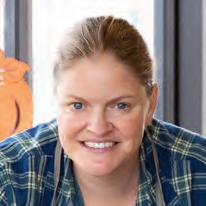
Erin Caudell is coowner of The Local Grocer, a horticulturalist, herbalist and farmer.
















Andiamo
102 W. Silver Lake Rd. Fenton
810.354.8446
Big Apple Bagels
9434 Lapeer Rd., Davison
810.653.9966
8185 Holly Rd., Grand Blanc
810.695.6063
Brick Street of Grand Blanc
1223 E. Grand Blanc Rd.
810.603.2114
Ciao Italian Bistro & Wine Bar
110 S. Leroy St., Fenton
810.354.8555
Cork on Saginaw
635 Saginaw St., Flint
810.422.9625

Coyote Preserve Golf Club
9218 Preserve Dr., Fenton
810.714.3206
Fenton Hotel Tavern & Grill
302 N. Leroy St., Fenton
810.750.9463
Fenton Winery & Brewery
1370 N. Long Lake Rd., Fenton
810.373.4194
Floyd’s Bar & Grill
inside the Captain’s Club at Wood eld 10200 Wood eld Dr., Grand Blanc
810.695.5555 X 102
Gillie’s Coney Island
G-6524 N. Dort Hwy., Mt Morris
810.686.1200
Jersey Mike’s Subs
3409 Owen Rd., Fenton
810.208.7281
5011 Miller Rd., Flint
810.820.6286 1048 E Hill Rd., Grand Blanc
810.407.6018 The Corner Bar & Grill
4015 Owen Rd., Fenton
810.354.8808












BY PETER HINTERMAN PHOTOS FROM SLOAN*LONGWAY & WIKICOMMONS
March is Women’s History Month and Greater Flint has produced its share of heroines throughout the years. From the arts, healthcare, education, civil rights and more, local women have been (and continue to be) a major force in the molding and shaping of Genesee County and our nation. ere is no doubt that without the in uence and courage of women working for a better world from the pioneer days to our current time, we would never have achieved all the best of our cities or realized our true potential.
MCM is proud to recognize ten of Greater Flint’s historical female standouts.




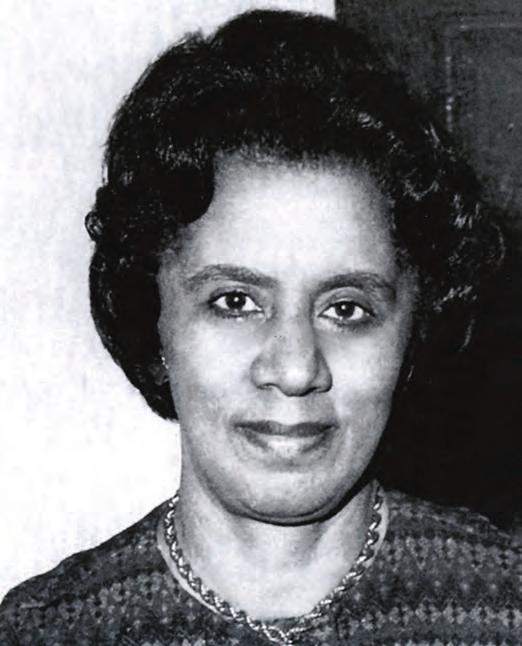
Greater Flint has made a positive impact on the nation in multiple ways – especially in the area of civil rights, where Olive Beasley played a signi cant role. Born in 1903 in Chicago, IL Beasley came to Michigan in 1947. She served as the Executive Director of the Michigan Committee on Civil Rights and in 1959, became a member of the Fair Employment Practices Commission. She then moved to Flint and served as executive director of the city’s o ce of the Michigan Civil Rights Commission. In Flint, her impact was profound and immediate with many calling her the “matriarch of the Civil Rights movement in Flint.”
Beasley’s biggest impact was perhaps felt during the tumultuous 1960s when she led the charge to obtain equal housing
opportunities for African Americans. When the City Commission, under protest by Flint’s rst African American mayor Floyd McCree, refused to grant an open housing ordinance, Beasley organized a ten-day sleep-in protest on the lawn of Flint City Hall that sent shockwaves throughout the state. Soon, the protest gained nearly 5,000 participants who included Governor George Romney and state Attorney General, Frank Kelley. In response, the City Commission capitulated and in 1968, Flint became the rst U.S. city to pass a fair housing ordinance. roughout her professional life, Beasley continued to work for civil and workers rights with dedication and peace.
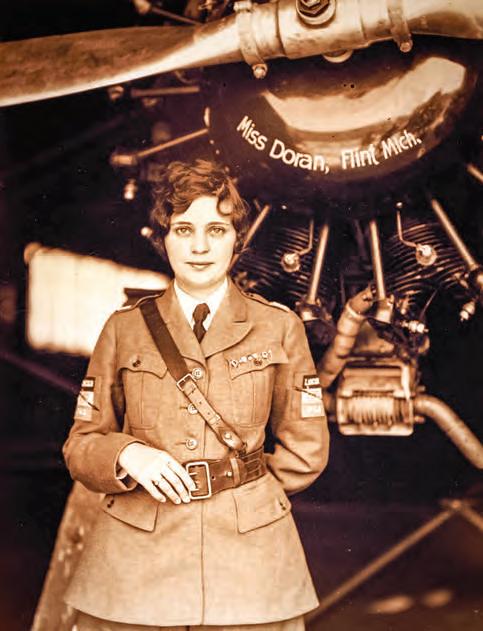
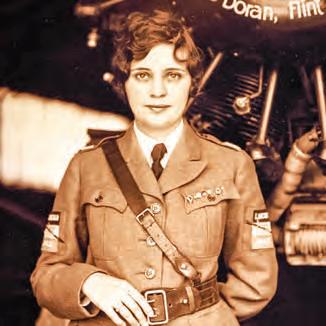
Mildred Doran was born in 1905 in Renfrew, Ontario, Canada to farmer William Doran and mother, Minnie. Her family soon moved to Flint where she was raised. When she was 16, Doran’s mother passed away and the teen began to raise her three younger siblings by taking a job as a telephone operator during classes at Flint High School and continued to do so after graduating in 1924. With the help of William Malloska, owner of the Lincoln Petroleum Company, Doran attended teacher’s training at Michigan State Normal School and began working as a teacher in Caro. While at college, Doran became very interested in aviation and convinced Malloska to enter a plane into the prestigious Dole Air Race in 1927. She was the only woman to enter the race and became a media sensation.
At the time, many believed a woman to be too fragile for a long-distance ight to which Doran replied, “A woman should y just as easily as a man … Women certainly have the courage and tenacity required for long ights.” Before she left with the ight crew, many tried to convince her to stay behind because the plane began to exhibit engine trouble, but Doran would have none of it. e plane took o and the race began. As other planes arrived in Hawaii without Miss Doran, many began to fear the worst. It was con rmed when, after days of waiting, the plane never arrived and was never found. After her death, a lake in Ontario, Canada, was named in her honor and the Doran Tower was erected at Lincoln Air eld in Flint (since demolished).
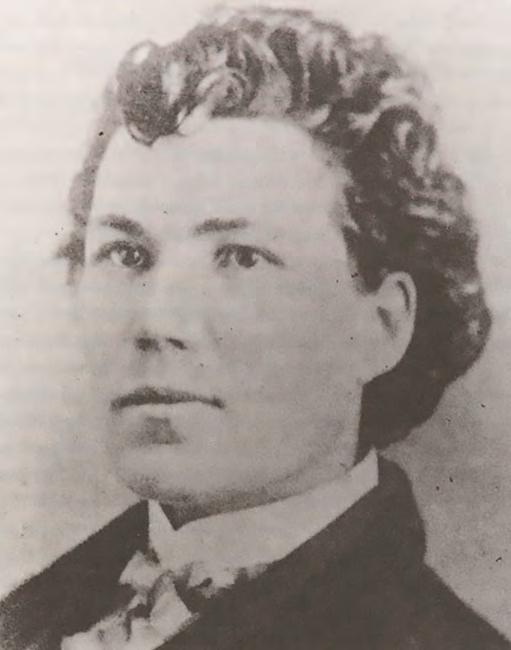
In 1841, Edmonds was born in New Brunswick, Canada to a farmer who treated her poorly because she was not born a male. To escape her father and an arranged marriage, she left her family in 1857 and settled in Hartford, CT where she disguised herself as a man and took the name Franklin Thompson to work as a bible salesman. Her travels brought her to Flint where she boarded in the home of Captain William R. Morse. When war broke out, she enlisted as Franklin Thompson and marched with the 2nd Michigan Infantry, also known as the “Flint
Union Grays.” Edmonds first worked as a battlefield medic but soon became a courier and spy behind Confederate lines for Union General George McClellan. During one of her missions, Edmonds was injured and could not gain treatment for fear of being discovered. Edmonds deserted the Union Army and traveled to Texas where she worked as a nurse with the United States Christian Commission. In 1884, Edmonds was cleared of desertion charges and awarded full pension. Edmonds died in La Porte, TX in 1898.

Lois E. Holt was the first African-American woman to be hired by the Flint school system in any capacity and her dedication and desire to improve educational opportunities for Flint youth remain unsurpassed. Born in 1916 in Black Oak, AR she was the second of four children. The family moved to Flint where Holt attended Flint Community Schools and graduated from Flint Central. She then attended Wilberforce University in Ohio and after graduation, returned to Flint where she was hired by the school district as a teacher in 1942. She went on to receive a master’s degree in social
work from the University of Michigan and her doctorate from Michigan State University. In 1952, Holt became active in the Civil Rights movement after marrying Edgar Holt, President of the Flint chapter of the NAACP. The couple began to support and conduct business with the country of Nigeria and to help African college students with immigration problems and employment in Flint. After her husband’s death, Holt founded the Edgar B. and Lois VanZandt Holt Endowed Scholarship at UM-Flint. Since establishment, over 150 students have been beneficiaries. She passed away in 2017.
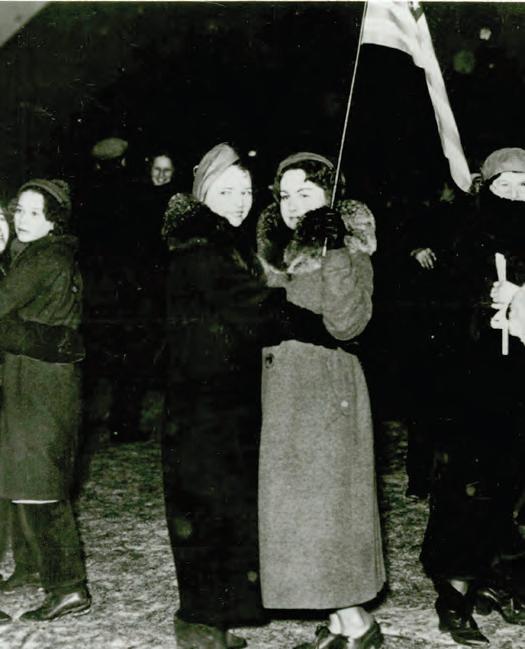
Perhaps no woman embodied the spirit of Flint more than Genora Johnson. Born in Kalamazoo in 1913, she was raised and lived in Flint during her childhood and young adult years and here she made perhaps one of the biggest impacts for the working man and middle class in United States history. During the Sit-down Strike of 1937, it was her actions and those of her contemporaries that played a major role in union victory over General Motors.
Johnson was the founder and organizer of the Women’s Auxiliary and the more militant Women’s Emergency Brigade.
It was the Emergency Brigade that blocked local police and industry goons from gaining entry to the plants holding the striking workers, and it was the auxiliary that provided the men with much needed food and encouragement. After the union victory, Johnson moved to Detroit to continue working for the UAW. ere, she was assaulted and savagely beaten by industry goons but that never stopped her pursuits for justice. She worked for six decades on behalf of civil rights, workers’ rights and women’s equality. Johnson passed away in 1995.















Born in Flint in 1935, Nancy Kovack excelled at a very young age. She graduated from Dye School and enrolled at the University of Michigan when she was only 15. She graduated four years later at the age of 19, and the next year was named Miss Flint. During her childhood, she took part in numerous beauty contests winning eight by the time she was 20.
Television and Hollywood came calling soon after and she was cast in her rst part in the show “ e Verdict is Yours” in 1958. She was a television regular until 1976 with roles in “Voyage to the Bottom of the Sea”, “I
Dream of Jeannie”, “Batman”, “Perry Mason”, “ e Man from U.N.C.L.E.”, “Star Trek” and many others. Her most noted role was that of Medea in the movie “Jason and the Argonauts” in 1963. In her career, she worked with the likes of Alfred Hitchcock, Adam West, Elvis Presley, Jackie Gleason, Vincent Price and Gregory Peck, to name a few. In 1969, she was nominated for an Emmy Award for Outstanding Single Performance for her role on “Mannix.” She married Indian conductor Zubin Mehta in 1969 and they now reside in Munich, Germany.
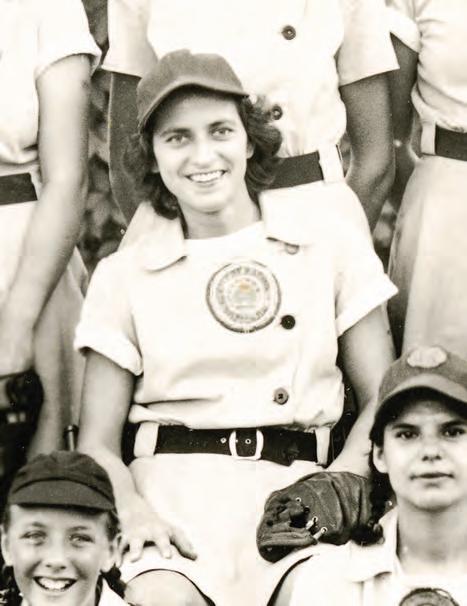
When the men went off to war, opportunities finally opened for women to excel in a variety of pursuits and Sophie Kurys took full advantage. Born in Flint in 1925 and gifted with unnatural athletic ability, she was a star from the very start.
At the age of 14, she scored a record-setting 4,693 points out of 5,000 in the Mott Pentathlon and was the MVP of the Michigan State Basketball Tournament in Lansing. When the AllAmerican Girls Professional Baseball League was started in 1943, Kurys joined and dominated the league. She played with the Racine Belles for eight years during which she became the most prolific
base stealer in women’s baseball history, and owned the national record for both sexes until Rickey Henderson beat it in 1994. Kurys still holds the national record for stolen bases in a single season with 201, 71 more than the MLB record set by Henderson in 1982. During her career, the “Flint Flash” stole a total of 1,114 bases and averaged 150 per season. She often led the league in walks and runs and stole five bases in the 16-inning, title-winning game six against the Rockford Peaches. She retired from the sport in 1952 and passed away in Scottsdale, AZ in 2013.
Kurys is a member of the National Women’s Baseball Hall of Fame.
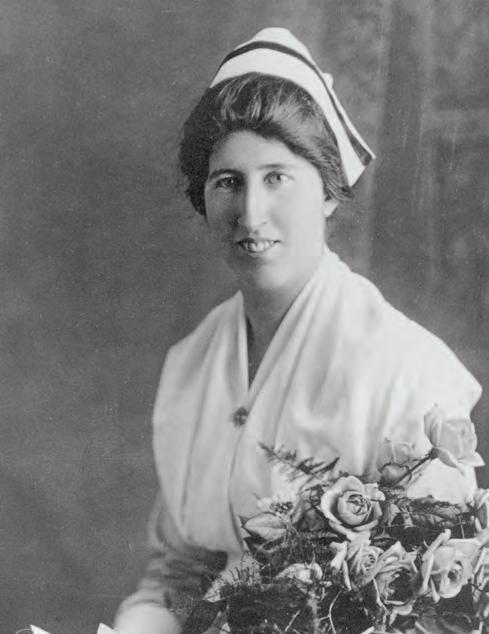
One of the most notable names in Flint’s history, McLaren made a monumental impact on healthcare in Greater Flint. Born in 1888 in Kent, Ontario, Canada, she grew up working on her family farm. At the age of 28, she moved to Detroit where she studied nursing. She came to Flint in 1922 and took on the role of surgical supervisor at Hurley Hospital. Two years later, McLaren became the general superintendent of the non-profit Women’s Hospital on Lapeer Street. She worked tirelessly for the hospital and after four years, the Women’s Hospital Association gained full approval by the American Medical Association. McLaren then led planning and fundraising efforts for a new hospital which opened in 1951. Located on Ballenger Highway, the facility was named McLaren General Hospital in her honor. It became the first hospital in the nation named after a nurse and one of the very few named after a woman. After 28 years as head of the hospital, McLaren retired and continued to stay active in the community. She passed away in 1979. McLaren General Hospital remains one of the premier hospitals in Flint and the State of Michigan today.










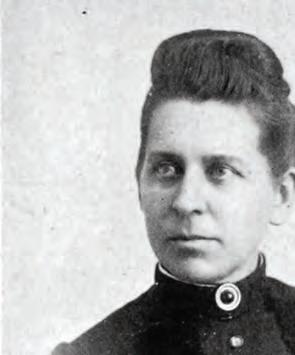
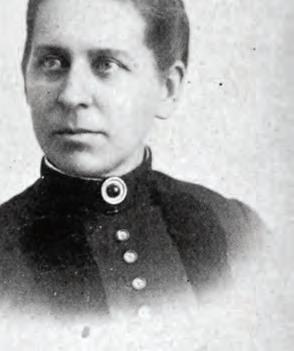
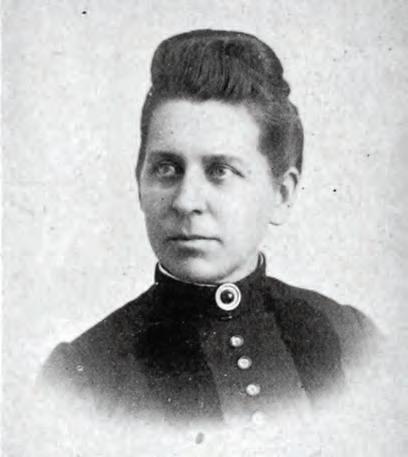
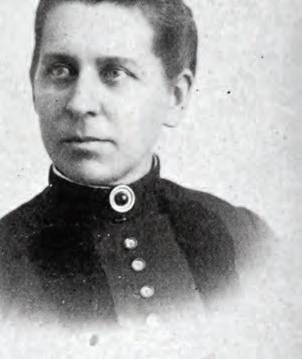
Cornelia Chillson Moots was born in Flushing in 1843 to the erce temperance advocate and slavery abolitionist, Calvin Chillson. Her mother cared for local homeless children and lived a life of charitable pursuits. Her home was a stop on the Underground Railroad and she grew up with a staunch belief in civil rights and equality. While growing up, Moots was known for her ery nature which may have been inherited from her grandmother who, in the absence of a local preacher, took on the role, giving enthusiastic sermons in school houses and cabins of the day.
At age 15, Moots began teaching and continued to do so until entering Albion College in 1865. ere, she earned a reputation as a staunch supporter
for equal su rage. Her time at college was cut short when, in her junior year, the college president criticized her wardrobe and attempted to dictate her style of dress during an assembly. Moots, after speaking her mind, stormed out, never to return. She returned to teaching and soon had a job in Bay City. While there, she became active in the Woman’s Christian Temperance Movement serving three terms as state evangelist, and in the early su rage movement pushing for equality between the sexes. Later, she acted as a pioneer missionary to the Philippines where she cared for the sick and wounded at hospitals in and around Manila.
“Mother Moots” died in 1929.

Born in Flint in 1917, Violet Wierzbicki was cut from a di erent mold. While Flint women were in factories forging the weapons of WW2, Wierzbicki, at the age of 25, took a more direct approach to the war e ort. She joined the Women AirForce Service Pilots (WASP) program to ll the void of training yers caused by eligible men being overseas. e training for WASP was nearly identical to the men in everything but combat. Almost 25,000 women applied and only 1,830 were selected for training. Of those, only 1,074 completed the course. After training, Wierzbicki was assigned to Romulus Army Air Base (MI) and Camp Davis Army AirField (NC). Her job was to ferry planes to
and from air bases around the country, tow gunnery targets and serve as a ight instructor. e project was disbanded in late 1944.
Upon her return to Flint, Wierzbicki attempted to gain employment as a pilot but was turned away by the male dominated eld. She worked as a secretary for General Motors in Flint before transferring to San Francisco in 1953 where she lived the rest of her life. Women in the WASP program ew over 70 di erent aircraft during their short time at the helm and 37 women lost their lives in service. In 1977, all WASP yers were awarded veteran status. In 2009, at the age of 92, Wierzbicki and 300 WASP survivors received the Congressional Gold Medal for their work.

BY JASON HARROD
In late2020, Victor Verazain, 46, was facing a lot of life challenges and stressors. His weight had climbed higher than it ever had before and he felt exhausted. A visit to his primary care physician revealed there was something more going on than weight gain. Routine blood work showed his ALT liver enzymes were well over 300, when the normal range is 7 to 56. A liver biopsy con rmed non-alcoholic fatty liver, the danger of liver disease and eventual liver failure. After getting those results and discussing what they meant with his physician, Victor knew he needed to make changes. He also knew he needed a medically sound plan to see the long-lasting results in his blood work that he needed in order to correct his health problems. It was more than the numbers on the scale, Victor explained, “What I needed was something more comprehensive, medically, that had the leverage of a true hospital.”
After researching various options, Victor decided on Hurley’s Celebrate Path to Success Medical Weight Loss program at the Hurley Bariatric Center. He decided this program, with a non-surgical approach, was the right choice for him. It allowed him to work with a multidisciplinary team that could help address his concerns related to his liver health, diabetes and cholesterol levels while educating him about the lifestyle and nutritional changes he would need to make to achieve and sustain long-term health. Another bene t of the Hurley Bariatric Center was their seamless communication and collaboration with his primary and internal medicine physicians. “Hurley was able to work with my physicians, even though they were outside of the Hurley hospital network,” Victor said. is communication allowed for his monthly lab results to be shared as they were completed, so his doctors were updated in real time and could make informed decisions about how to coordinate and optimize the various aspects of his treatment plan, such as diabetic medication and nutrition, as he made progress.







e Medical Weight Loss program at the Hurley Bariatric Center is designed to be a 12week plan, customized to the medical needs of the individual, but it’s also meant to educate the patient so they can maintain their success beyond completion of the program. is approach extends to all of the various services o ered at the Center, which include di erent surgical and non-surgical options. Before surgery, the bariatric professionals help patients choose the right type of surgery for their situation. Following surgery, the sta continues to monitor progress while o ering support, such as nutrition and exercise counseling, to help patients have a sustainable weight loss outcome. is ongoing approach is something that Victor values, even after nding rapid success. He began Hurley’s Medical Weight Loss Program in March 2021 and by June 2021, his lab results showed tremendous improvement in his liver enzyme levels and A1C, the measurement for diabetes. By September, he had healthy liver enzymes of 52 and a pre-diabetic A1C level. He had lost a signi cant amount of weight too; but for Victor, these lab results were the numbers that meant success and better health. Since June 2021, he’s received continued support from the team at Hurley Bariatric Center and his personal physicians continue to monitor his labs and progress. Beyond the numbers in his lab results, Victor has seen even more changes, as he no longer feels exhausted all the time and is able to use his renewed energy while playing with his children.




The Hurley Bariatric Center is located at 6140 Rashelle Dr., Flint 48507 and can be reached at 810.262.2330 or by going to hurleymc.com. The team also offers seminars that cover bariatric surgery and medical weight loss options. Sign up to attend a seminar, either online or in person, at:
hurleymc.com/services/bariatric-center/ attend-a-seminar/































BY PETER HINTERMAN
By the late 1870s, manufacturing and factories were beginning to dominate the City of Flint, taking the lead from the lumber and mill industries. Carriages filled the streets; banks were busy creating the world of finance and technological advances offered new opportunities through communication and the advent of affordable electricity. During this time period, the first telephones were placed in businesses and homes, and street lamps were installed along Saginaw Street. The mayors of this time played multiple roles in city government and social organizations, and helped to start the city’s manufacturing revolution as the last of the area’s lumber barons began to fade away. is series will track each of the city’s mayors throughout history, providing a short account of their professions, lives and decisions in o ce (if known). Some mayors were men/women of great deeds or of great controversy; some simply acted as placeholders in time. Each, however, chaired a city important to its country and its citizens on its path through triumph and heartbreak, and toward its revitalization.
For Part 1 in this series, see the 2022 January issue of MCM!
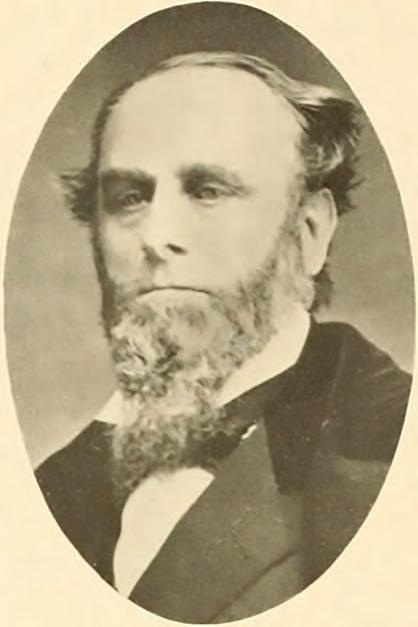
Arriving in Flint in 1837 from Bu alo, NY omson played a large role in populating the entire State of Michigan. He came to the U.S. from the United Kingdom when he was very young, his family setting roots in New York State. As a young man, omson entered the law profession and worked for a time in Bu alo with President Millard Fillmore. After arriving in Atlas, MI he was named prosecuting attorney for Lapeer County and then, upon relocating to Flint in 1845, became prosecuting attorney of Genesee County. In two years, he was elected to the State Senate where he served as Chairman of the Judiciary Committee, Chairman of the Committee for Mines and Minerals, and on State A airs. It was omson’s bills that resulted in the establishment of the Michigan School for the Deaf in Flint. Also, during his time in the Senate, he introduced a bill in support of promoting emigration to the State of Michigan. His enthusiasm for the issue inspired Governor Ransom to name omson as commissioner of emigration and omson next published a pamphlet entitled, “ e Emigrants Guide to Michigan’’ which he introduced to newcomers in New York. Soon, he found himself traveling to Stuttgart, in the Kingdom of Wurttemberg, Germany where he rallied over 2,800 persons to emigrate to Michigan. During the eruption of the Civil War, omson established Flint as the rendezvous point for the 10th Michigan Infantry – a barracks soldiers nicknamed Camp omson. After the war, omson fell into the quiet life of his profession and his passion. He held an enormous library of the works of Shakespeare and traveled the state giving lectures on e Bard. In 1880, he sold his entire collection to the University of Michigan-Ann Arbor for a sum of $3,500. In Flint, omson named Avon St. in Shakespeare’s honor. He died in 1886 and was buried in Glenwood Cemetery.

Born in Sta ord, NY Eddy came to Flint as a young boy and at the age of nine, gained employment in the mercantile store of George Hazelton. Later, he acquired an interest in the business and started the rm of Moore & Eddy. After the war, Eddy jumped into the lumber business and operated a planing mill with Artemus ayer. Next, he engaged in real estate and built his home on Eddy St. (the current site of the Flint Public Library). As mayor, Eddy purchased the Genesee Democrat newspaper where his more famous son, Arthur Jerome Eddy, worked as editor. During his professional years, Eddy also served as delegate to the Democratic State Conventions and as United States consul in Canada. In 1865, Eddy purchased a stake in the short-lived Pit-Hole Petroleum Company in Pennsylvania. He died in 1905 and was buried in Glenwood Cemetery.
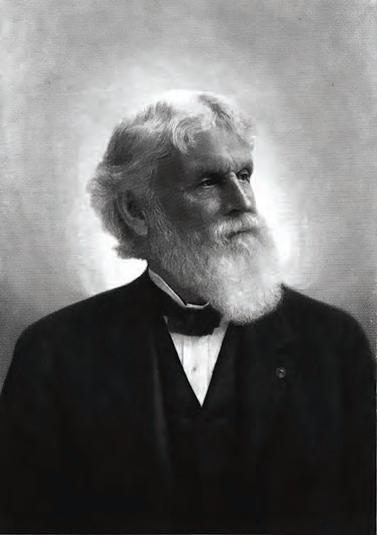
Born in Ontario, Canada, Willson began his adult life in New York as a school teacher and by making daguerreotypes (early photo reproductions). Around the age of 20, Willson traveled to Ann Arbor to study medicine at the university. After graduating from that fine institution in 1859, Willson moved and set his practice in Flint. When the war erupted in 1861, he was named surgeon of the 10th Michigan Infantry but was soon moved to the 8th Infantry where he witnessed battle and hardship in South Carolina. He resigned a year later due to ill health and was promptly appointed Michigan’s military agent in Washington. After the war, Willson served on the Flint Board of Education, as trustee for the Michigan School for the Deaf, as president of the Genesee County Savings Bank and as director of the Flint Gas Company. Willson was the first candidate for mayor to carry every voting precinct in the city and during his term, Flint’s first street lamps were installed, bringing light to Saginaw Street. Willson died in 1912 and was buried in Glenwood Cemetery.

Born in 1837 in New Bedford, MA Chase came to Flint in 1858 as bookkeeper for Governor Crapo. Upon the death of his employer, Chase bought and operated the Crapo Lumber yard until the business became unprofitable. After the decline of his lumber business, Chase worked at establishing Flint as “Vehicle City” by acting as a successful carriage broker for many of the city’s transportation firms. Chase was prominent in the many societies present in the city as high priest of the Masons, and eminent commander of the Genesee Valley Commandery. During his time as Flint’s mayor, the city’s first telephone call was made and the first “long distance” line was established from Flint to Pontiac. Chase died in 1900 and was buried in Glenwood Cemetery.

Mason was born in 1839 in New Hartford, NY, the son of a merchant. As a young man, he accompanied his family to Michigan in 1848 where his father ran the River House hotel, later named the Genesee House. He studied the drug and grocery business under Mr. Witherby, Mr. Wetson and Mr. Bishop for ten years until he purchased Witherby’s store in 1868 and ran it profitably for 22 years. During his professional years, Mason also dabbled in real estate buying and selling plots around the city and chose to build his home on the corner of Third and Lyon Streets. Mason’s two daughters were among the first to graduate from Flint High School. During his term as mayor, 40 additional street lamps were mounted along Saginaw St. and McFarlan Park was established as the city’s first public park. After his mayoral term, Mason served as city alderman and on the board of education. He died in 1907 and was buried in Evergreen Cemetery.
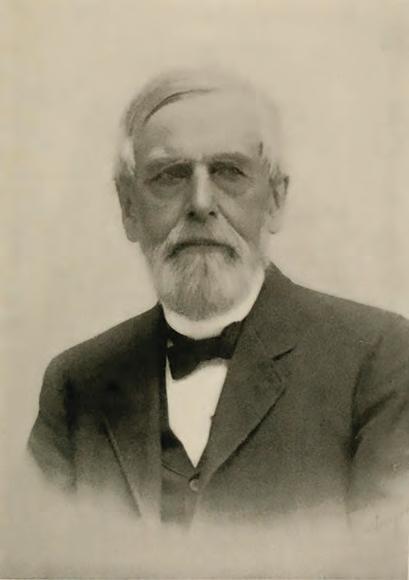
One of the most recognizable last names in Flint history, Atwood came to the city in 1866 from Niagara, NY by way of Canada where he had operated a shingle business for a few years. Upon arrival, he established a lumber business with his brother Jesse at Moon Island (later to be known as Atwood Island) on the Flint River. Like any lumber business of the day, it became profitable and allowed Atwood to expand his holdings including a partnership share in the Flint Woolen Mills with Oren Stone in 1876, a partnership share in the Wood Hardware Co. in 1884, and holdings in the First National Bank and Genesee County Savings Bank where he served as vice president. He was also president of the Flint Gas-Light Company. In 1887, Atwood was elected to the State Senate where he served on the committee on State Affairs, Public Lands and Railroads. As Flint’s mayor, Atwood was extremely active as his administration founded the city water works, built the first iron bridge and helped found the Peoples Electric Light Company. Atwood died in 1908 and was buried in Glenwood Cemetery. Twenty years after his death, the land that held his lumber business was donated to the city by his son, Edwin, for construction of a city stadium. In 1929, Atwood Stadium was officially dedicated with Atwood’s granddaughter, Helen, serving as queen of the ceremony.
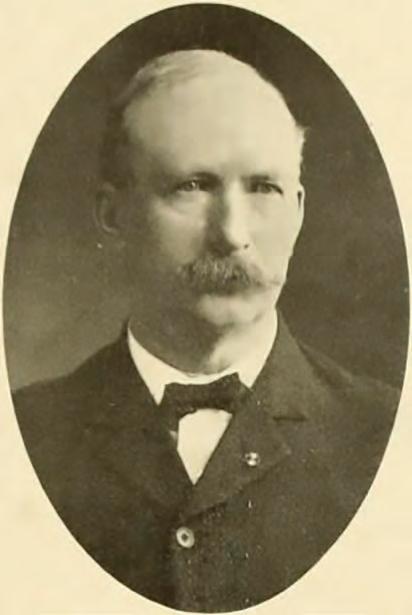
Flint’s rst mayor native to Genesee County, Newall was born in Flushing in 1842 and moved to Flint with his family in 1848. At the age of 14, he left school to begin work in a planing mill where he eventually acquired ownership and continued to operate until 1881. He fought for the Union in the Civil War as a captain for Michigan’s 8th Infantry and took part in as many as 25 battles and skirmishes. In 1863, he retired from service due to wounds and poor health. Upon returning to Flint, he worked as a pension attorney, as Flint’s postmaster, school director, register of deeds and city supervisor. He worked to found the Flint Union Blues, acting as the organization’s captain from 1875-77 and was one of the original o cers of the Flint Petroleum Company.
During his time as mayor, Stone’s Opera House (later the Majestic eater) was built in Downtown Flint. Newall died in 1916 and Newall St. was named in his honor.

Much of this former Flint mayor’s life remains a mystery. Joyner was born in Tennessee in 1831 and by 1887 was appointed Postmaster of the City of Flint – a position he held until 1891. Besides operating as Flint’s postmaster and mayor, Joyner is listed as a member of Flint’s Knights of Honor, serving under George E. Newall. Joyner died in 1897 and was buried in Glenwood Cemetery. During his time as mayor, the Ladies Library Association donated their building to the city to house the Flint Public Library and James Whiting founded Flint Wagon Works.












BY
Thestrongest and most compelling recommendations for advance funeral planning come from those who have just buried a parent. A woman who just worked with her four brothers to put together a service for their mother would be the first to tell you, “If you have not already done so, please pre-plan your funeral.”
No matter how well siblings get along, making important decisions together in a short and emotionallycharged time frame is difficult. A funeral pre-arrangement is a gift, and it is easy to do. So, how do you begin?
Call the funeral home to schedule a meeting with the advance planning specialist. Set aside about two hours for this meeting. As you prepare for the meeting, think about those you will leave behind. What will comfort them? How should the funeral service feel? Will faith play a part? Does a “Life Celebration” feel attractive, or will your family be best served by a combination of each?
Prepare a list of questions. You needn’t know all the answers before you meet with the funeral professional. Your meeting is an opportunity to learn and explore the choices available and find the option that will be most appropriate for those you love.
Think about who will be responsible for the cost of your funeral. If you were to die tomorrow, who would pay for the service? Understand that planning in

advance never means that you must pay the total funeral cost at the time you complete your plan.
Be sure to ask about payment options that are available. Often, you will find that the funeral home has access to financing products that allow a person to pay for their funeral over time while being covered for the total cost should death occur before payment is complete. Be sure to ask your funeral professional how these plans work. You will no doubt be pleasantly surprised by both the affordability and flexibility of funding your funeral plan.
Planning your funeral in advance does not shorten your life. It does make the remainder of your days feel a little lighter knowing that you have provided clear direction for your family that will make the process easier.
For 150 years, Sharp Funeral Home & Cremation Center has had the honor of serving families in Flint and surrounding communities including Grand Blanc, Swartz Creek, Fenton and Linden. They assist families in planning funeral services, memorials, burial and cremation services. They also offer a variety of veteran’s services and pre-planning packages for individuals to plan and fund their final arrangements in advance. To learn more, visit sharpfuneralhomes.com.











COMPILED BY SHERRON BARDEN
Inevery community across the U.S., vulnerable older adults are being abused, neglected and exploited. Yet, in many instances, their plight is ignored or minimized. Sadly, too many people view the elderly as burdens rather than as valued individuals who are entitled, as we all are, to be treated with dignity and respect.
Many incidents of abuse go unreported because older persons are embarrassed, ashamed or fearful of losing the help they need from family members or caregivers in their homes. As the number of older adults in our population increases, the incidence of elder abuse will almost certainly increase unless our society takes action to address this issue.
In 2008, Sheriff Robert J. Pickell (Retired) founded the Elder Abuse Task Force to address abuse and financial exploitation of seniors. In the spring of 2010, the Task Force merged with the advisory committee for the Genesee County Sheriff’s Office Elder Abuse and Exploitation Prevention Unit. The Sheriff’s Department receives funding from the Genesee County Senior Millage to investigate complaints of criminal violations of laws related to elder abuse.
In order to obtain independent funding and expand its activities, the members of the Sheriff’s Elder Abuse and Exploitation Prevention Unit Advisory
Committee and the Task Force determined that a more formal organizational structure was needed. In 2014, the two groups merged with a local nonprofit that was formed to work with the Sheriff’s Elder Abuse Unit. The organization had obtained a 501(c)(3) tax exemption, but was dormant for several years. The organization’s name was changed to the Elder Abuse Alliance (EAA).
The EAA is a collaborative organization. The current membership includes individuals from law enforcement agencies, Adult Protective Services, legal services, Probate Court, elder law attorneys, health care facilities, home health providers, assisted living facilities, senior services providers, social workers and financial institutions.
President and Elder Law Attorney, Amir Abu-Aita became involved with the EAA around 2013. He was operating his family’s adult foster care facilities and noticed they started receiving residents who were victims of different types of elder abuse. “Ultimately, I became involved in EAA because the organization was made up of phenomenal advocates. I wanted to learn where I could fit in the cause of preventing elder abuse.”
At each membership meeting, a representative from the Sheriff’s Office (usually Lt. Jillian Macey) will report
an update about recent cases and investigations. The report is very thorough and details which form of elder abuse has occurred or is occurring. “The group discusses how the abuse was identified and what measures were taken to prevent the victim from remaining in the abusive situation,” Abu-Aita explains.
The Alliance has a strong presence throughout Michigan. “Based on our efforts to educate the public about elder abuse, the statewide Elder Abuse Task Force created by Attorney General Dana Nessel chose EAA to be a mentor to all county organizations similar to EAA around the State of Michigan,” Abu-Aita shares. Their efforts include the E.D.G.E. (Educating, Defending and Guarding the Elderly) Conference they co-hosted with the Sheriff’s Office in October 2021, which will now be an annual event.
This year’s conference is scheduled to take place in September. “It’s going to be epic!” Abu-Aita exclaims. Attendees will learn how they can defend the vulnerable population against perpetrators seeking to harm and exploit them. “Guest speakers will highlight our roles and responsibility as individuals and as a community to guard elderly adults from some of the most heinous and calloused crimes committed against elders,” Abu-Aita states. (Caution is advised; graphic images will be shown during multiple presentations.)
The Adult Protective Services (APS) Act clearly defines what qualifies as elder abuse. It provides for the reporting of a reasonable suspicion of abuse,
neglect or exploitation of a vulnerable adult. It is not necessary that the report be based on eyewitness accounts, incriminating statements, or other types of evidence that would be admissible in a court proceeding under the formal rules of evidence. The report can be based on hearsay or circumstantial evidence that gives rise to a reasonable suspicion of abuse, neglect or exploitation.
According to the Act, elder abuse is defined as: The harm or threatened harm to an adult’s health or welfare caused by another. This includes physical abuse, emotional abuse, sexual abuse, neglect and financial exploitation.
This is defined as conduct intended to cause physical injury including imposing physical restraints. Physical abuse also includes sexual abuse. Emotional abuse includes conduct such as threatening to withdraw needed care or making humiliating or degrading remarks toward an elderly person.
Elderly neglect is harm to an adult’s health or welfare resulting from their inability to respond to a harmful situation (self-neglect). It also includes the failure of a person who assumes responsibility for a significant aspect of the adult’s health or welfare to respond to a harmful situation or to provide adequate food, clothing, shelter or medical care (This is often called “caregiver neglect.”) An example of caregiver neglect would be leaving a wheelchair-bound elderly person who has suffered a stroke in front of the TV all day without meals or bathroom assistance.
This type of abuse (also called “exploitation”) is the misuse of an adult’s funds or property. This can include outright theft, misuse of a power of attorney or other breach of a fiduciary duty to manage funds belonging to the adult. An example of this would be using a power of attorney to withdraw money from an elderly person’s bank account and then spending it for personal benefit rather than that of the elderly person.
Amont many others, these signs of abuse, neglect or exploitation are evaluated along with other information about the individual’s situation.
Physical Appearance
• Old and new bruises (indicates repeated injuries)
• Bed sores and/or other unhealed sores
• Broken eyeglasses or frames
• Clothing ill-fitting or inappropriate for the weather
• Wearing the same clothing all the time
• Decayed teeth
• Sudden weight loss/gain
• Thin hair that appears to be caused by pulling
• Dilated pupils
Behavior-Related Signs
• Unjustified fear or suspicion
• Refusal to open the door to family/friends
• Implausible or inconsistent explanations for injuries
“The more aware we all are about this growing crisis, the better chance we have of preventing it.”
Amir Abu-Aita, EAA President
• Recent changes to Last Will, representative payee, trust documents and/ or Power of Attorney
• Transfers of title to property, change of beneficiaries on insurance policies
• Newly-opened joint accounts
• Large credit purchases or ATM withdrawals
• Frequently running out of money at the end of the month
• Changing doctors frequently
Environmental Signs
• Hazardous home conditions
• Numerous outdated medications from different doctors
• Soiled bedding, furniture
• Evidence of restraints
• Lack of food, inadequate or spoiled food
• Empty liquor bottles
• House infested with insects or vermin
• Disappearance of personal property and/or household items
Behavior of Abusive, Neglectful, & Exploitative Family/Caregivers
• Isolating the elderly person from family and friends
• Conflicts with neighbors and others in the community
• Denying obvious problems regarding the elderly person’s situation
• Manipulating the elderly person into paying family member/caregiver’s bills
• Leaving the elderly person alone for extended periods
• Withholding food or medication
• Unrealistic expectations of the elderly person
• Implausible or inconsistent explanation for the elderly person’s injuries
• Recent appearance of previously uninvolved relatives or a new “best friend”
• Numerous persons living with the elderly person who have no apparent income
Membership in the Elder Abuse Alliance is open to anyone in the community who is committed to its mission: to improve the quality of life for at-risk older adults by protecting their rights, dignity, and promoting their independence and safety. There are no membership dues.
Amir Abu-Aita looks forward to continuing the EAA’s efforts to educate Genesee County citizens about identifying and reporting elder abuse.
“The more aware we all are about this growing crisis, the better chance we have of preventing it,” he states.
As a volunteer organization with no staff and a very small budget, the EAA is unable to respond to requests for individual advice or assistance regarding specific situations. For general inquiries, message eaagenesee@gmail.com. Those interested in sponsoring or attending the E.D.G.E. event this fall can contact EAA or the Genesee County Sheriff’s Office.








BY PETER HINTERMAN
Aswe all grow older, keeping our memory intact and our thought processes e cient becomes extremely important. No one wants to “lose himself” later in life or experience the feeling that you are starting to “slip.” And, although the causes of brain function loss such as with dementia or Alzheimer’s disease are not yet de nitive, there is evidence that some lifestyle changes can greatly reduce the risk. Start working toward a brain-healthy future right now for a happier later life by eliminating poor habits and replacing them with new and better ones.





A healthy heart leads to a healthy mind. ere is a direct correlation between cardiovascular disease and an increased risk of developing mental di culties later in life, so taking care of your heart can go a long way toward a bright cognitive future.
• Stop smoking and reduce alcohol consumption. It’s NEVER too late to quit a bad habit. Smoking and alcohol damages and inhibits your cardiovascular system. For smoking, it is best to quit entirely. Drinking can still be enjoyed but should be limited to one drink a day for women and two drinks for men.
• Exercise is key. You have to move as best as you can. Studies have shown that daily physical exercise can prevent or at least postpone cognitive impairment in later years. As little as 30 minutes a day can make a di erence.
• Visit your doctor regularly. If you do not have a doctor right now, get one. Monitoring your health, especially blood pressure, can prevent and forestall any future problems. Don’t let yourself be “surprised” by a malady; instead, actively work to avoid any future illness.

2.
Only use the best ingredients. What you put in a ects what you get out. If you want your body and mind to operate at their very best as long as possible, then giving it the best ingredients will help you achieve your goal. As you get older, being conscious of your diet is very important.
very








• Avoid sugar as much as possible. Even without the problem of diabetes, high blood sugar can negatively a ect your brain and increases risk of dementia. Try to avoid heavy consumption of sugary sodas, teas, sweets and candies.
• Eat your vegetables. Veggies hold more of the nutrients needed to reduce the risk of dementia and memory loss as we age. Leafy vegetables such as kale, lettuce, collards and spinach have been specically shown to lower risk.
• Snack on berries and to a lesser extent, nuts. In particular, the avonoids in berries and the vitamin E in nuts are both known for their brain-protecting properties. As for nuts, unsalted works the best but if salt helps you to choose nuts over anything else, go for it (just limit more).








• Add fi sh to your diet at least once a week. Studies have shown that those who consume seafood at least once a week consistently outperform on memory tests. e reason could be seafood’s high concentration of omega-3 fatty acids that function to build membranes around body cells including brain cells.
• Choose olive oil over butters, margarines and other oils. Olive oil is lower in saturated fat and higher in vitamins E and K, and bene cial fatty acids.




3. Join the rest of the world. Being social can ward o cognitive decline by reducing isolation, loneliness and by keeping you engaged in thought and activities. As the pandemic starts to ebb, opportunities to get out and about should be plentiful. Take advantage. Volunteer for something you believe in. ere are groups and organizations out there that can use all the help they can get. Why not take some time and show up?
Volunteering can lead you to friendships and purpose. Reconnect and renew your mind.
• Find a new hobby or activity. ere is a group or organization out there for everything. Do you enjoy playing cards? Bowling? Dancing? Writing? ere is a group for you. If you are hesitant about engaging with the rest of the world again, sometimes partaking in a hobby or activity you enjoy can make meeting new people easier.
• Connect with old friends. Today’s technology makes it easier than ever to spend time with friends who have moved away or are isolated. Take time to learn how to use the technology of today. You CAN do it and there are people out there who will help you.





• can .






Enjoy mental gymnastics One of the easiest ways to keep your mind sharp is to use it. It’s so easy that you can do it at any time and anywhere under nearly any circumstance and yet, so very few do. Take a break, turn o the TV and turn on your mind.



• Open a book. Simply reading a book can do wonders for your memory and mental performance throughout your later life.
• Take a class. Most community colleges have discounted rates for seniors who are interested in taking a class or learning a new skill. Challenge yourself. Learn a language or new technology. Mental engagement is key.
• Fall in love with puzzles and trivia. Keep a small book of crosswords handy for when you have downtime out and about. Try math puzzles, word searches or anything that makes you use your noggin. Have a 1,000-piece jigsaw puzzle available whenever you are ready to “ nd a piece.”
e time to start working toward good brain health is now. inking ahead and changing your habits can give you the best chance for a mentally sharp future.



BY PETER HINTERMAN
Dome a favor and open your medicine cabinet. Count how many vitamin supplements or multivitamins you have. I’ll bet it’s at least two bottles. How many do you have?
The vitamin supplement industry is big business nowadays with nearly half of American adults taking some form of multivitamin or supplement daily, including 70% of those age 65 or older. But is it that easy? Can a single pill adequately fill our recommended dietary needs? Is it an adequate replacement for seniors? The answer to all these questions is a little more complicated than a simple “yes” or “no” and does depend on a few factors. Research has found that taking daily multivitamins made no significant reduction in risk for heart disease, cancer, or mental decline. It was also found that vitamin E and beta-carotene supplements in particular, can even be harmful in high doses. The exception is folic acid supplements for women looking to have children as folic (a B vitamin) helps the body make healthy new cells.and prevents birth defects when taken before or during early pregnancy.
Although diseases due to vitamin deficiency exist, they are not common in the United States where a large variety of fortified foods are available. As it turns out, for those who eat a healthy diet, a multivitamin holds very little benefit. Nearly 90% of the U.S. population is generally found to be deficient in only two vitamins: D and E. Talk to your doctor about whether you have a deficiency in any vitamin or mineral and may need supplemental help.
Although the majority of us may not need a daily multivitamin, there are certain groups that can benefit. They are:
• The elderly – Those age 80 or higher can have difficulties eating healthy for reasons such as difficulty chewing, medications and depression. The elderly also

have trouble absorbing vitamin B12 in particular and the National Academy of Medicine does recommend a vitamin B12 supplement for those over 50 years of age.
• Expecting mothers – As mentioned earlier, folic acid supplements are highly recommended for women who are pregnant or looking to become pregnant in the near future. Other important nutrients during pregnancy include vitamin D, iron and calcium. These are usually included in a prenatal multivitamin.
• T hose with underlying conditions – Diseases such as celiac, ulcerative colitis, cystic fibrosis and alcoholism can cause nutrient deficiencies. Some procedures such as a gastric bypass or removal of digestive organs will cause deficiencies that can be helped by supplements and multivitamins.
• Those taking certain medications – Diuretics can deplete the body’s stores of magnesium, calcium and potassium while proton pump inhibitors can prevent absorption of B12. Ask your doctor whether or not you may need to take a nutrient supplement when taking any prescribed medications.
So, should you continue taking your daily multivitamin? It depends on your diet and any underlying conditions you may have. If you do not fall into the four groups listed earlier and eat a healthy, well-rounded diet, then skip it. Your best bet is to visit your doctor and find out if you are indeed deficient in any nutrient, and supplement according to your doctor’s recommendations.













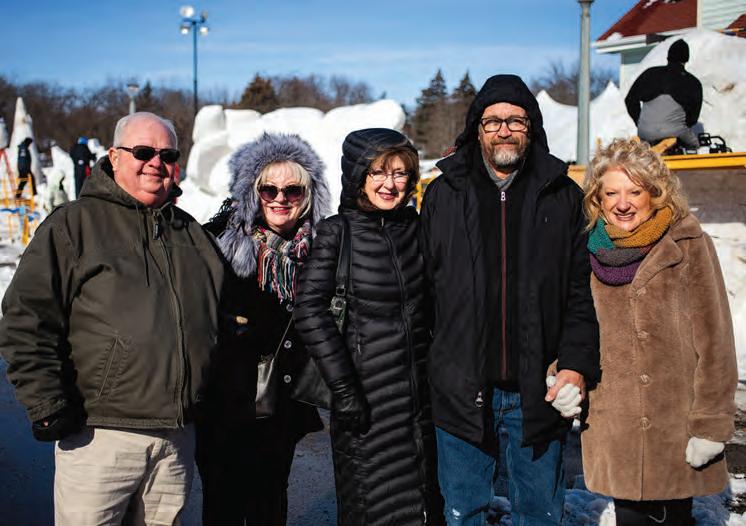
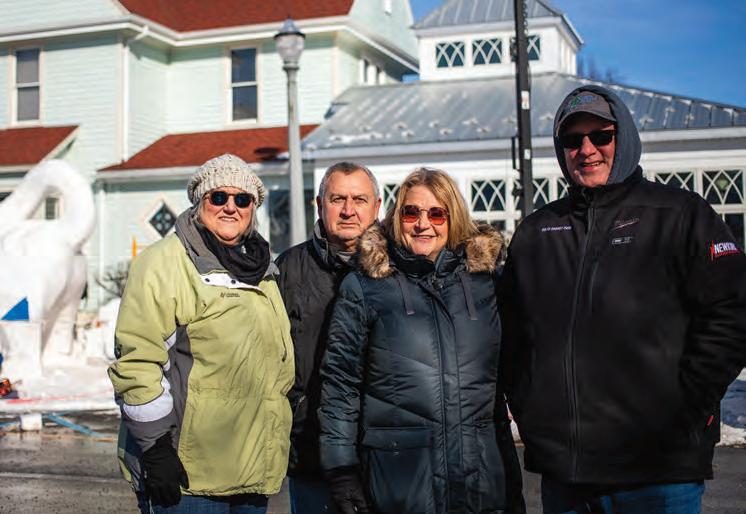
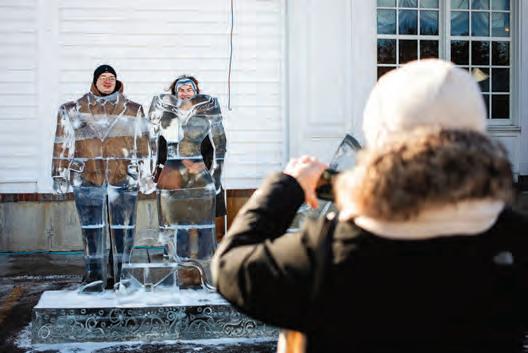

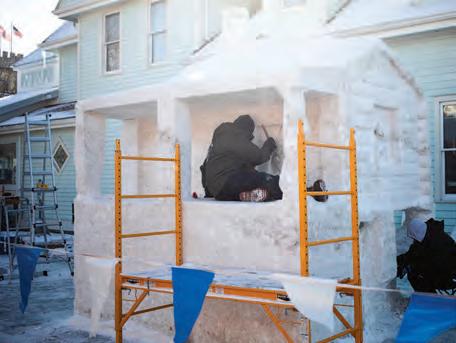

FRANKENMUTH 1.26-30
PHOTOGRAPHY BY KATY KILDEE
The weather cooperated with plenty of cold temperatures for the 31st annual family-friendly winter fun event that features one of North America’s top snow and ice sculpting competitions. Visitors bundled up to watch competitors create huge snow sculptures and beautifully detailed ice carvings. In addition, the five days of festivities included food, live music, a warming tent with activities, fireworks display, a free petting zoo, children’s pony rides and the “All Things Chocolate Baking Contest.” A frosty good time was had by all!

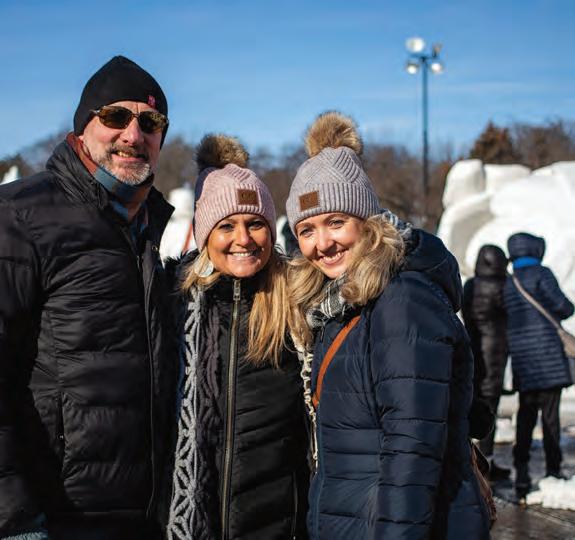


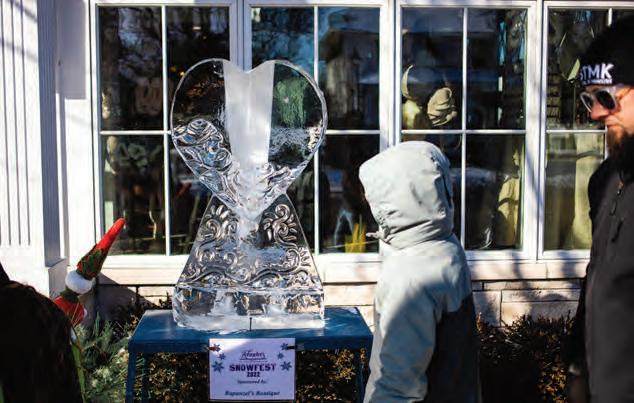
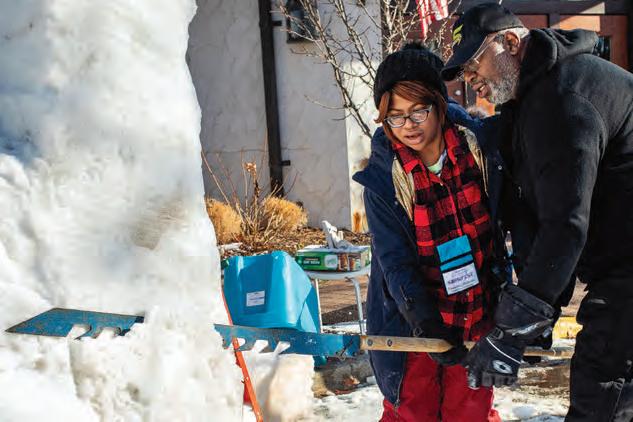




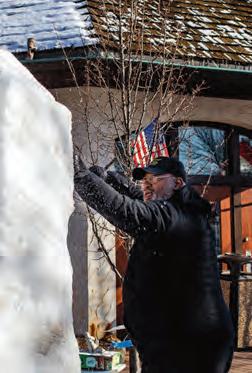



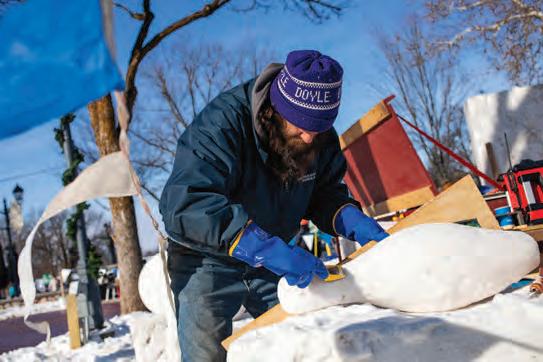





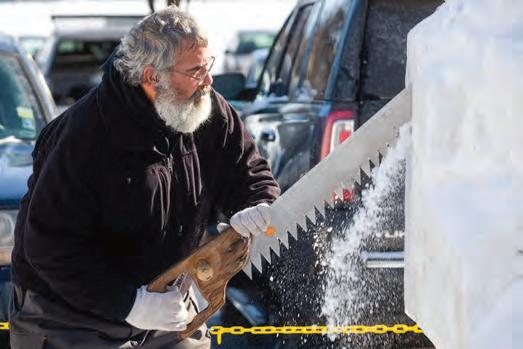
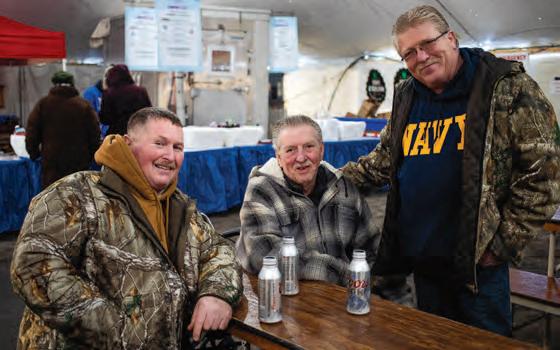









Freezin for a reason! The January temperatures created the perfect scene for this annual fundraiser presented by Law Enforcement TorchRun® for Special Olympics Michigan. After check-in and a Pre-Plunge Party at the Fenton Township Building, 260 brave souls dressed in various costumes splashed into the icy waters of Lake Fenton as hundreds looked on. The plungers were treated to an AfterSplash Bash including lunch. Over 95,000 was raised for the cause.































DORT FINANCIAL CENTER 2.11-13.22
Car enthusiasts young and old escaped the cold to enjoy this three-day, family-friendly Winter Classic Car Event hosted by Back to the Bricks. Attendees experienced an amazing collection of Movie Cars in the lobby, from historic films like “Batman,” “Dukes of Hazard,” “Smokey and the Bandit,” and many others. Also on display were classic and custom vehicles, sports cars, muscle cars, hot rods and trucks in the two arenas and on the mezzanine. With more than 50 sponsors, the event featured automotive-related vendor displays, demonstrations, concessions and live entertainment. The Top 25 vehicles received awards on Sunday afternoon.







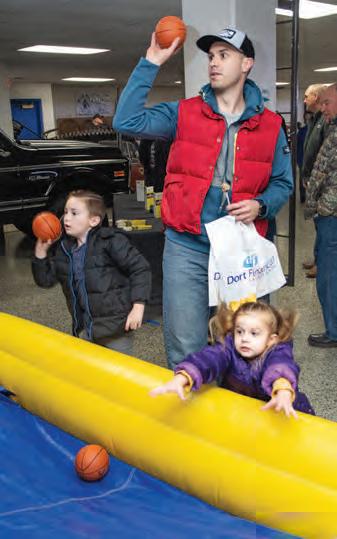














Frigid temps couldn’t keep hearty souls from enjoying this first ever, free and family friendly winter experience for all ages. The 500 block of Buckham Alley came alive with 16 live musical performances on an outdoor stage, Art & Craft Workshops by Sprout Worldwide, heated tents with food and drinks and more. The multibusiness collaboration was hosted by the GFAC Parade of Festivals Program in cooperation with The What’s Up Downtown Project and the Flint Downtown Development Association, and funded by the Charles Stewart Mott Foundation.



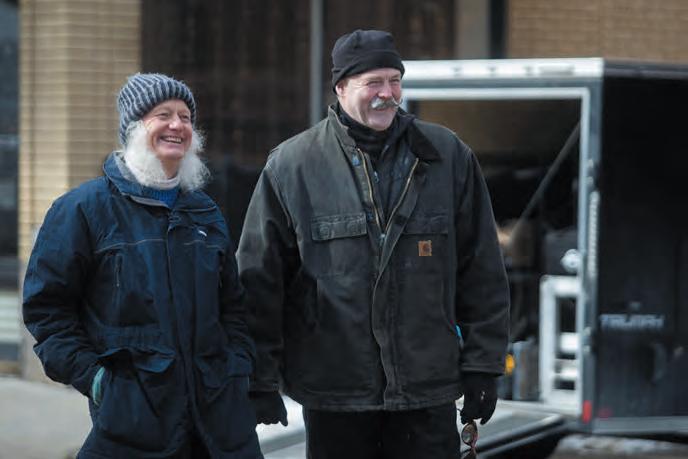
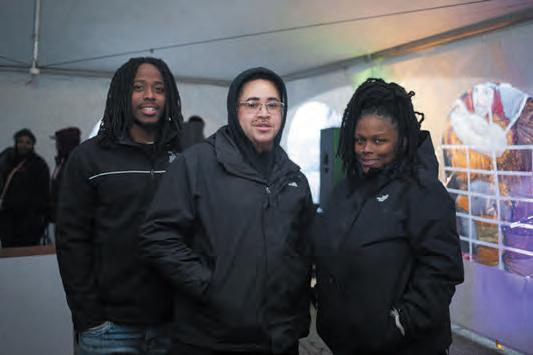




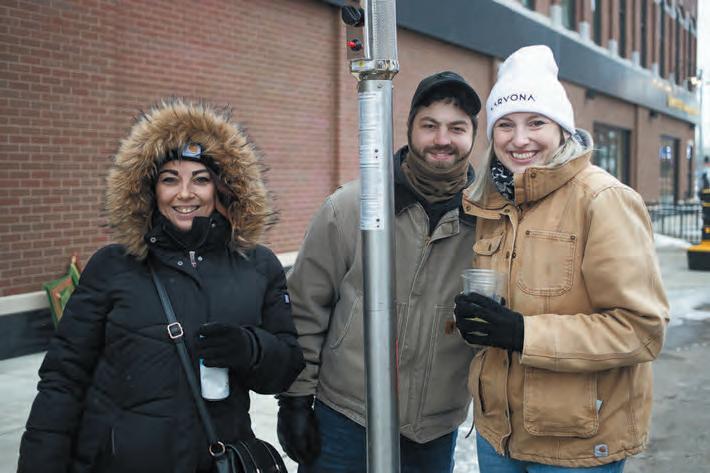


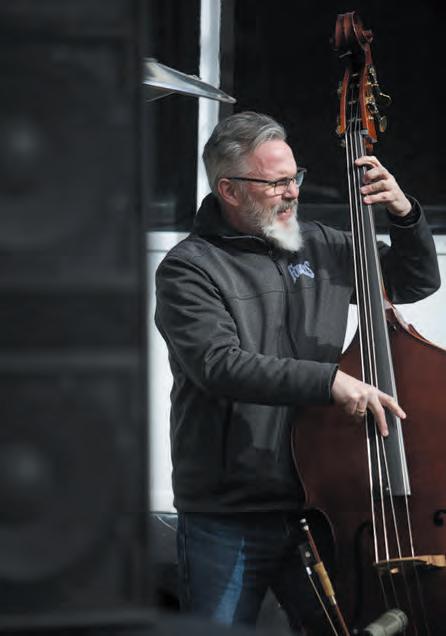


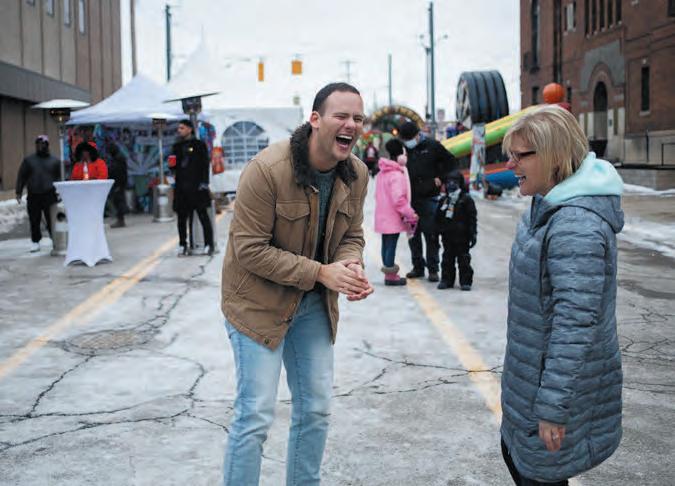
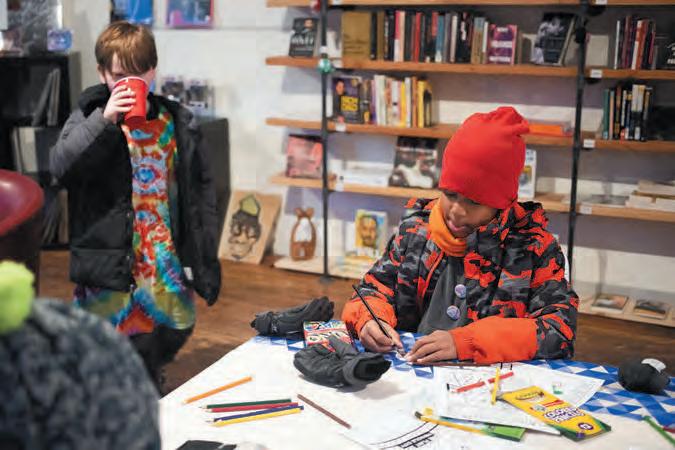
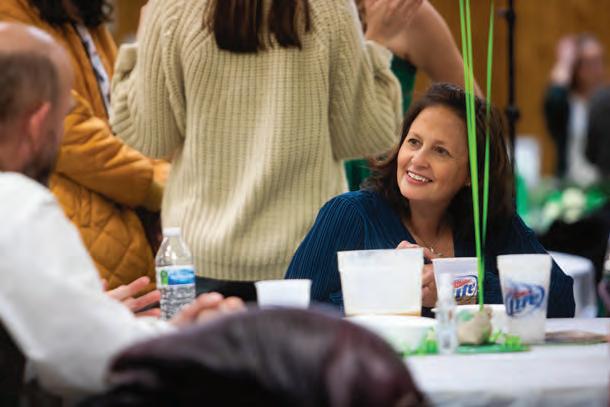




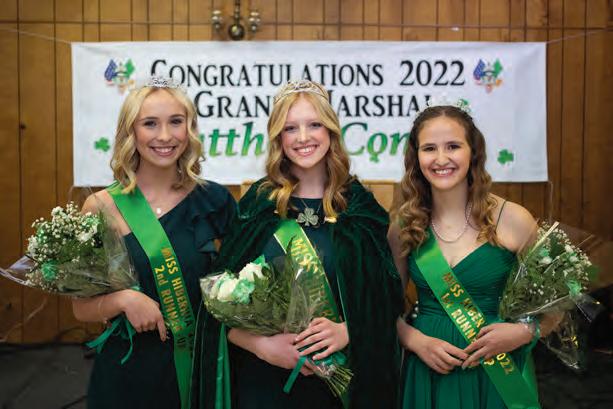
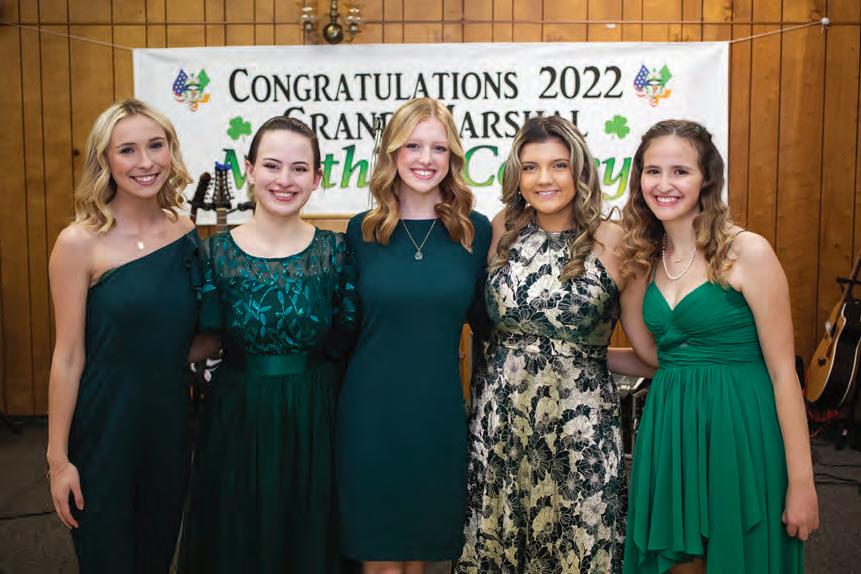
DOM POLSKI HALL, FLINT 2.12.22
Local Irish Americans joined Grand Marshal Matt Conley to celebrate their heritage and meet the 2022 Miss Hibernia: Powers High School student, Libby Hagan. Pageant contestants were judged on knowledge of Irish heritage, poise, personality, appearance and their Screening Committee interview. The 1st Runner-up was Molly Killian (Fenton High School), 2nd Runner-up was Kelly Canning (MSU). All received cash scholarships. Miss Hibernia and her court will travel in Flint’s St. Patrick’s Day parade with the Grand Marshal on March 17. The pre-party festivities featured Irish food, live and silent auctions, prizes, beer tasting and live music.
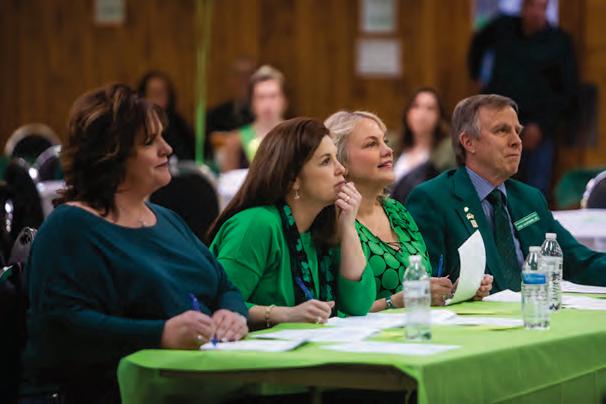

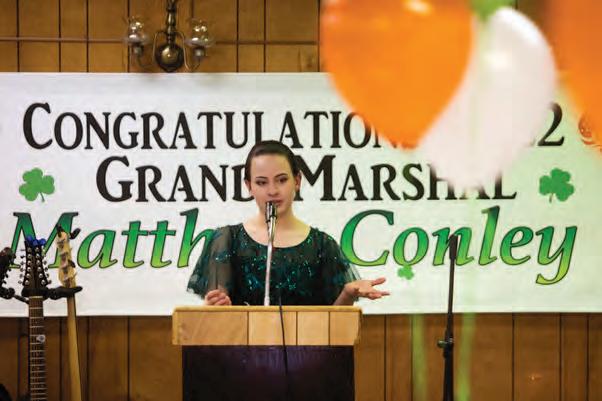


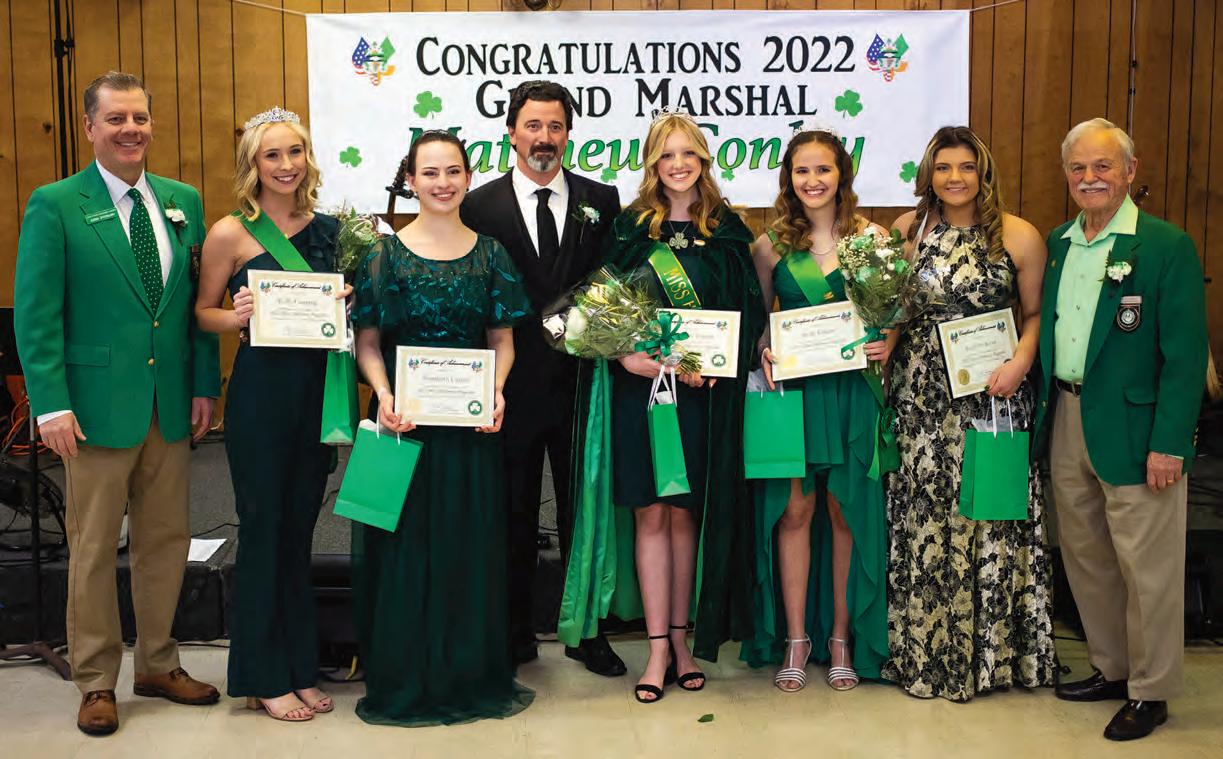
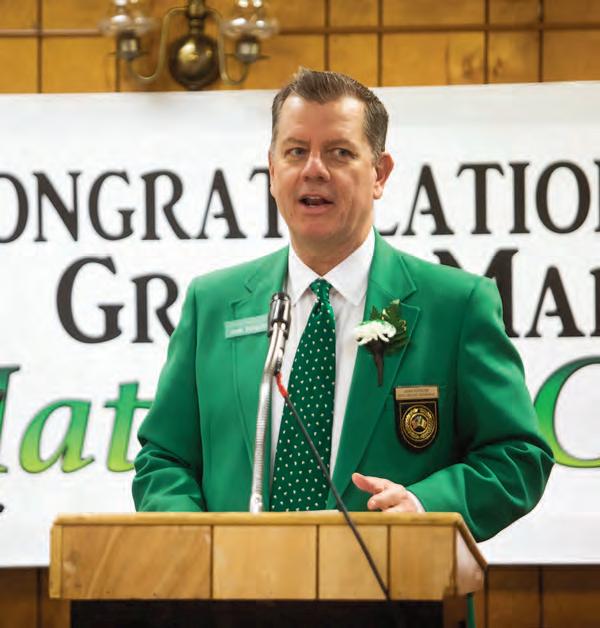
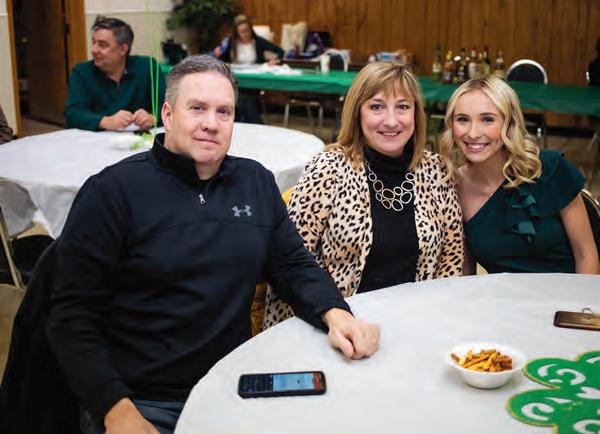
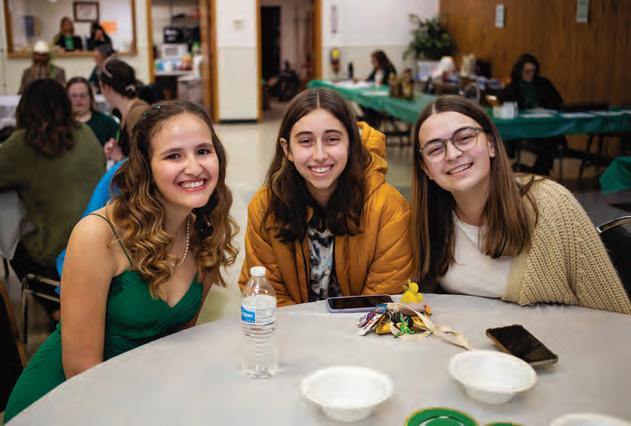
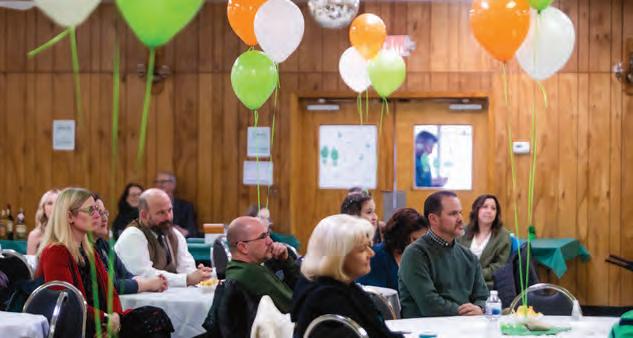
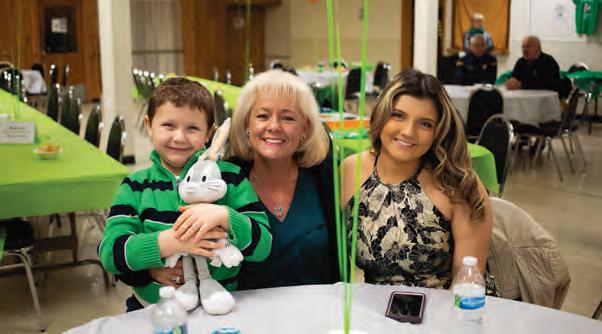
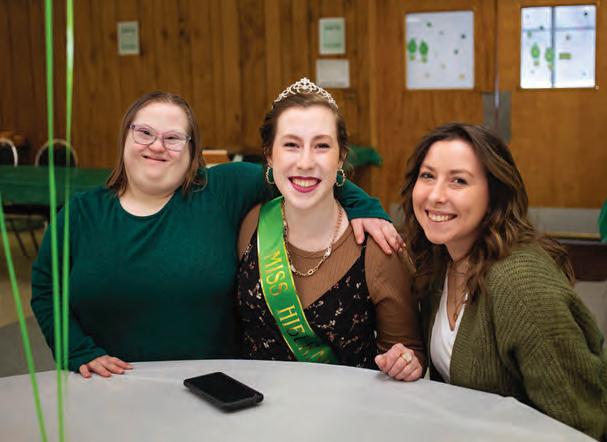


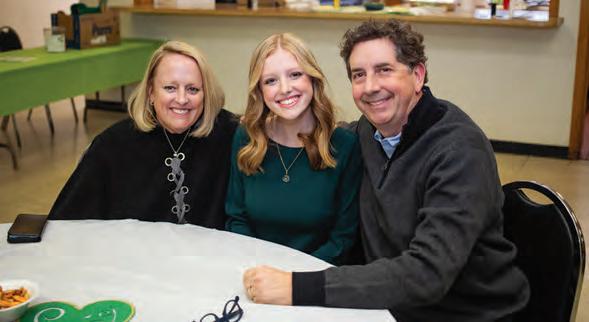



BY VERA HOGAN
mother used to say the reason why healthy humans don’t live past their 80s, 90s or even to 100 years old is because when they get to that age they have experienced so many things and changes in their lives, they can’t wrap their heads around what the future holds – especially in terms of technology. It’s just too overwhelming. is came to mind last year when a lovely 96-yearold friend died. She was a wonderful storyteller and talented writer. e last time I spoke with her, she sounded cheerful, but said, “Vera, I am no longer of this world.” I think that’s what my mother meant. While I’m not even close to 80 yet, I am beginning to get that “Whaaaat?” feeling from time to time. Speci cally, I’m referring to grasping the concept of virtual reality, or a metaverse. e metaverse has been de ned as “a simulated digital environment that uses augmented reality, virtual reality and blockchain, along with concepts from social media, to create spaces for rich user interaction mimicking the real world.” Still with me?
I recently read that someone paid $450,000 for a large virtual property next door to Snoop Dogg’s virtual property in the metaverse. is gives the buyer exclusive right to live next door to the famous rapper, party with him, play video games, enjoy exclusive concerts, build a mansion like Snoop Dogg’s and more – all virtually. Who would do this? It’s not REAL! If you have that much money, why not use it for good which will, in turn, improve your REAL life. I don’t get it.
Maybe it’s me. When I was 15 years old, (Most bad decisions are made at age 15. Don’t believe me? Watch the news.) Anyway, when I was 15, I often hung out at a teenage club/music venue called e Hub. Someone at a party once talked me into taking mescaline (a drug comparable






to LSD). Two hours later, nothing had happened to me so I thought it was a dud. e drug nally hit me in the car on the way home. I was seeing things that were not real and way out of proportion. When I got home, I could not sleep. I spent the entire night paranoid, with my eyes wide open and one foot on the oor to keep the room from spinning. It was one of the worst experiences of my life. is was around the time that Timothy Leary, the American psychologist, was still being lauded as the guru of hallucinogenic drugs. He coined the phrase “turn on, tune in and drop out.”
In 1996, Timothy Leary died at the age of 75. According to britannica.com, he never regained the stature that he had enjoyed during the 1960s. He also designed computer software and was an early advocate of the potential of new technologies such as (drum roll, please) ... virtual reality and the internet.
No, virtual reality is not for me. Besides, as the song goes, “Timothy Leary’s dead!”
Recently retired, Vera Hogan is a 20year veteran of the newspaper business, having served both Fenton and Flint area publications. During those years, she was a reporter, associate editor, editor, web content editor and columnist. Her popular columns have earned her multiple state awards. She resides in the City of Fenton. Email verahogan@hotmail.com.







BY LESLIE TOLDO




Each of my neighbors within a ve-house radius has a key to my house. I did not give any of them a key.

I only know that my neighbors have keys to my house because, shortly after my husband and I moved in three and a half years ago, each of them approached me at di erent times to let me know they had these keys.
My response in each instance was the same: “Keep it!” eir responses were all about the same, too. ey looked at me, brows raised, and told me (with their eyes) how insane I was.
e truth is, I frequently lose my keys or lock myself out of whatever house I happen to be living in at any given time. Neighbors who have spare keys can be extremely convenient.
Sure, these people were all complete strangers at rst; but I gured that if the previous homeowner felt comfortable giving them keys, these neighbors of ours must be reasonably trustworthy.
Apparently, I am kind of in the minority on this one. According to Pew Research Center, two-thirds of Americans would feel comfortable leaving a set of keys with their neighbors for emergencies. Of course, that is two-thirds of those who actually know their neighbors.
So far, so good. In fact, I would have to say so far, so great! My husband and I somehow hit the neighbor jackpot. ese former strangers bring us food, clear our snowy sidewalk, randomly take our dogs for walks, bring us gifts and – most importantly – they are now our friends.
When the weather is warmer, two of my neighbors and I take daily hour-long walks together. We talk. We gossip – mainly about ourselves. We laugh. ese are relationships that may not have happened if the previous homeowner, Chuck, had not given them keys to the house.
I say that not because I am unfriendly. You know how it is. Life is hectic. ere is so much to do. It can be hard to nd time for the friends you already have, much less start new relationships with neighbors. e same Pew Research study reported that nearly 60 percent of Americans only know some of their neighbors. e younger you are, the less likely you are to know any of your neighbors. Among those who do know their neighbors, only about 14 percent ever do anything social with them.

If you are among those who keep a neighborly distance but you want that to change that, it really is not hard to do. In fact, now is really the perfect time.
It is March. Daylight Saving Time starts on the 13th and the rst day of spring is the 20th. People will slowly start to emerge from Michigan winter hibernation, giving you the perfect opportunity to give a friendly wave.
You could even go out on a limb and say, “Hello.”
If you really want to dial it up a notch, tell your neighbor you have a key to their house and let the chips fall where they may. (On second thought, don’t do that.)
Wave, nod, maybe clear a little spring snow from your neighbor’s driveway. Take them a homemade pie.
Don’t be afraid to get to know the people who literally sleep feet away from you every night.
An Emmy-nominated anchor/meteorologist/reporter at FOX66 and NBC25, Leslie Toldo has worked in TV news for over 30 years, nearly 20 in Flint. She is a blogger, writer, wedding and funeral officiant. Born and raised in Baton Rouge, LA, she graduated from the University of Wyoming. An avid kayaker, boater and runner, Leslie lives in Linden with her husband, Ellie the cat and three dogs: Bear, Gus and Lucy.








BY JONATHAN BOEDECKER
“Reacher,” the new series on Amazon Prime Video was released in February. Played by Alan Ritchson, the title character is a 6’ 5”-250 lb powerhouse of a human and retired U.S. Army military policeman who roams around the country and finds trouble wherever he stops. The series begins in Margrave, GA as Jack Reacher is enjoying a slice of peach pie in a small diner when he is arrested and accused of a murder he didn’t commit.

Taken into custody, Reacher is transported to the local precinct, where we meet Oscar Finlay, a detective from Boston (played by Malcolm Goodwin), and Roscoe Conklin (Willa Fitzgerald), a local cop with deep family roots in Margrave. After Reacher’s short stay in jail, the three become a team and attempt to solve a series of murders that plaugues Margrave and includes the death of a person close to Reacher himself.
Overall, the series is enjoyable. ere are a few plot points that may not add up, but what show always lls in all the gaps? Nonetheless, it’s a fun, action neo western and I do hope that Reacher continues his face-bashing ways in future seasons. I give “Reacher” 4 out of 5 Squirrels.

(Oh, and don’t forget the peach pie. Does Reacher get the chance to enjoy the best pie in Georgia? You have to watch to nd out. No spoilers here!)
Net ix and Prime have a semi-new feature: after the last episode of a series, they present you with a list of similar series or movies to watch. So once “Reacher” ended, the “Jack Ryan” series was suggested and I decided to give it a re-watch. I have to say, even the second time around, the series holds up.


Jack Ryan is a character from a novel series by Tom Clancy and during his rst appearance in “ e Hunt for Red October” (1984), Ryan searches for a lost Soviet submarine. But since that rst introduction, the world has changed a lot and while there have been plenty of movies





with him as hero, the 2018 series starring John Krasinski as Jack and Wendell Pierce as James Greer is not a remake of a past lm, but rather an origin story placing the character in a whole new, modern world of current elements and technology.
In the 2018 series, Ryan is a retired marine working for the CIA and a nance analyst against terrorist groups. His process of “following the money” to nd the real terrorist leads him to a person named Suleiman who is quickly gaining recognition in the Middle East. Suleiman (played by Ali Suliman) is on a vengeance trip toward the U.S. and uses anything and anyone in his power to continue his mission to cause su ering including bombs, Ebola, sarin gas, etc. He seems to have access to everything.
Will Ryan and Greer become a team and save the day? Obviously, they do; but the building of this new series starring some well known and liked actors is fun to watch, even so.
I give “Jack Ryan” 4 Squirrels out of 5.

“Domino Masters” - Fox
“Outlander” Season 6 - Starz

“Star Trek: Picard” Season 2 - Paramount+
“ e Adam Project”
“ e Batman”
“ e Lost City”
“Vikings: Valhalla” - Net ix












BY DR. CHRISTOPHER DOUGLAS

The “Humphrey-Hawkins Full Employment Act” named after Senator Hubert Humphrey and Representative Augustus Hawkins, was signed into law on October 27, 1978. It charges the Federal Reserve to pursue monetary policy to promote low rates of unemployment and in ation. is is the Federal Reserve’s so-called “dual mandate.”
Humphrey-Hawkins charges the Federal Reserve to obtain a 4% unemployment rate and a 0% inflation rate. Prior to COVID-19, the Federal Reserve pursued a 2% targeted rate of inflation, a rate that Congress judged as “close enough” when the chair of the Federal Reserve submitted the semiannual Monetary Policy Report to Congress.
With unemployment at 4%, the Federal Reserve is achieving its rst mandate; however, it is failing its second one. In ation is 7.1%, which is the highest level since February 1982. e “Rule of 70” gives the approximate length of time for something to double in value at a given growth rate. Since in ation is the growth rate of prices, the rule of 70 says that at 7.1% in ation, prices are doubling roughly every ten years. is means that $1 will have $0.50 in purchasing power after ten years and after 50 years, only a few pennies’ worth. is clearly violates Humphry-Hawkins, so why doesn’t the Federal Reserve do something about it? e reason is that the Federal Reserve painted itself into a corner over the last two years. Interest rates have remained at 0% since March 2020 while the money supply has doubled. Low interest rates mean that people have dumped money into stocks and real estate trying to nd a positive return, causing prices in these markets to surge. If the Federal Reserve tightens monetary policy, it threatens property and stock market crashes. Federal Reserve chair Jerome Powell just hinting at rates








rising in March was enough to send the Dow down by 1,000 points. e federal government has run a multi-trillion dollar de cit since the pandemic began. e debt-to-GDP ratio currently exceeds 100% and the Congressional Budget O ce projects an additional $12 trillion in debt will be added by 2030. Running massive de cits is cheap if interest rates are low but becomes extremely expensive if rates rise. Rates rising to just 1990s levels would cause yearly interest payments to balloon to $2 trillion per year, more than Social Security and Medicare combined, likely bankrupting the federal government.
Economists who claim that in ation is a monetary policy, not a scal policy, are misguided. e concept of “ scal dominance” explains what is occurring. Fiscal dominance says that the need for the government to nance massive de cits at low interest rates overrides all other monetary policy objectives. If the de cit and debt were reasonable, the Federal Reserve certainly would have increased interest rates by now.
e Federal Reserve needs to engineer a “soft landing” that reduces the rate of in ation while not bankrupting the government or causing markets to crash. Such a landing has not been attempted before. Let’s hope it is successful.
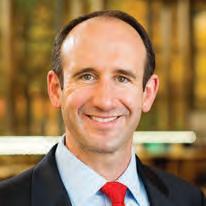

Dr. Christopher Douglas came to the University of Michigan-Flint in 2006. He earned a B.S. in Electrical Engineering and a B.S. in Economics from Michigan Technological University in 2001, and his Ph.D. in Economics from Michigan State University in 2007. As Associate Professor and Chair of the Department of Economics, he teaches Principles of Microeconomics, Principles of Macroeconomics, International Economics, Public Finance, and Sports Economics.


















BY CHERYL DENNISON
he week of March 6-12 is Celebrate Your Name Week. It has been observed in the rst week of March since 1997. It was established by American onomatology hobbyist Jerry Hill, who prescribed the rst full week in March as a time for everyone worldwide to embrace and celebrate their name. March 6 is also Namesake Day and according to nationaltoday.com/namesakeday, the day was designated to encourage people to research the history behind their names, what they were named after and what it means.
People either don’t like their name or they love it. I was never particularly fond of my name, but when my parents told me their other choices were Sally or Chloe, I decided Cheryl was okay. The name became common in the 1940s and lists several different meanings: “beloved,” “friend,” and “love.” My middle name, Ann, means “grace.”
It took me a long time to choose names for my own children. I named my oldest son Matthew because it means “gift from God,” which he certainly was. The Anglo Saxon meaning of my middle son’s name, Jeffrey, is “peaceful gift,” or “divine peace.” My daughter Melissa’s name means “honey bee.” I didn’t know the meaning when we named her; it just seemed to fit because she was such a precious, perfect, sweet baby girl.
What are the most popular names for this year? According to babycenter.com, the most popular so far in 2022 are Olivia

and Noah. Last year, they were Olivia and Liam. e most common names however, over the last 100 years, are James and Mary. Among U.S. presidents, the most common is James (six of them), followed by John and then, William.
Some parents choose an unusual name for their children because it is a re ection of their values and they want their child to stand out. According to experts, that is driven by our current society’s focus on individuality and self expression. Celebrities seem to bestow their kids with unusual names, such as the late musician Frank Zappa, father of Moon Unit, Dweezle and Diva Mu n. Singer Ed Sheeran’s daughter is named Lyra Antarctica and actors Scarlett Johannson and Colin Jost named their baby boy Cosmos. Blue Ivy is the name of singer Beyonce’s daughter.
So, how important is your name? I think names de ne who we are. Many people name their children after family members or to honor someone important in their life. Many simply choose a name for their child because it is pretty or goes well with the last name.
During Celebrate Your Name Week, take some time to learn your name’s meaning and maybe even nd out why your parents chose it for you. Take a look at your family tree and explore the names of your ancestors.
As said by Juliet in William Shakespeare’s play, “Romeo and Juliet”: “What’s in a name? at which we call a rose by any other name would smell as sweet.”

“The Lion in Winter”
Flint Community Players
3.3-13.2022
Flint United vs. Toledo Glass City
Dort Financial Center
3.6.2022


FSPA Seeing Stars! Benefit
Flint Institute of Music
3.11.2022
“Rabbit Hole”
Fenton Village Players
3.11-13.2022
FSO Presents:
Vivaldi’s The Four Seasons
The Whiting
3.12.2022
Purple Madness with Dr. Delorean and the Space Invaders
The Machine Shop
3.12.2022
45th Annual Flint RV and Camping Show
Dort Financial Center
3.17-20.2022
Flint Firebirds vs. Windsor Spitfires
Dort Financial Center
3.19.2022
Jon Langston
The Machine Shop
3.19.2022
Cool City Art Auction
Downtown Flint
3.25.2022
Thunderstruck & Jump
The Machine Shop
3.25.2022
“Waitress” The Whiting 3.25-26.2022


St. Patrick’s Day Celebration
St. Matthew’s
Roman Catholic Church
3.17.2022
Flint Firebirds vs. Erie Otters
Dort Financial Center
3.30.2022
Flint Home & Garden Expo
Dort Financial Center
4.2-3.2022
See you there!







BY ALEXANDRIA NOLAN
hen most people think of a holiday trip with children, they envision Mickey Mouse and Magic Kingdoms, splash pads, pizza by the slice and the wails of tired babies and cranky parents. But this doesn’t have to be the case. Travel with small children can be so much more ... normal. (No ride passes or overpriced stu ed animal souvenirs required.) With a little prior planning, some careful packing and the willingness to engage with kids in a di erent way, trips with children can be something altogether di erent.
Before our son was born, my partner and I traveled often and widely. We stayed up and stayed out and drank too much and got lost. We did all the things people who are young, in love and exploring a new place should do. So, when we decided to have a baby, we didn’t consider how it would change our wanderlust as much as we probably should have.

On our rst trip abroad with our ve-month-old, we were in for a rude awakening. On that trip, it quickly became obvious that sleep was going to be non-existent, partying gave way to lots of breastfeeding in public, and we were surprised to nd that the rooftop patios we had been planning to watch the sunset from were not at all child friendly.
We needed to adjust, change our expectations, arrange for more downtime and just generally relax a little. We weren’t ready to abandon our traveling lifestyle completely, and we weren’t about to spend every trip pushing a stroller around theme parks. So, instead, we looked for hotels near public parks. We looked at staying in neighborhoods in European cities that were known for families or that had a lot of green spaces. We realized that whether it was the playground down the street from our own house or a fancy Dutch playscape, kids just like parks. If there’s a green space to run around in or to sit down for a few moments and play with cars, that does the job.


animals, and any opportunity to watch them swimming, eating, strutting –these are golden. It also has the added bene t of forcing you, as the parent, to slow down and really look.
We love going to the beach on our summer trips. e Côte d’ Azur, the Amal Coast, Lake Michigan, listening to the waves lapping the sand, reading a smutty novel and catching those rays. e good news? Toddlers love the beach too, obviously. It’s the ideal place for tiny plastic construction vehicles to build their next project and perfect for splashing, swimming and making a giant, sandy, wet mess. No matter where we holiday, then – if there’s a beach, then everyone is relatively happy. We may be getting splashed more often than we’d like or assigned road-building duty by a tiny construction supervisor; but overall, a day at the beach is the ticket to a good time.
So, while it’s certainly true that we might spend time in parts of a city to which we would not normally venture, there are good bistros and wine bars near city playgrounds, too. We might be spending more time on the beach building sandcastles than perfecting our tans, but it’s a compromise for which we are all the happier. Disney World, water- and character-themed parks certainly have their place. But, through a child’s eyes, fun can be simply tossing food scraps to the pigeons in London, looking out into the canals of Amsterdam for ducks and turtles, or an impromptu picnic in the park in any metropolitan city. e whole world can be a playground if you look at it the right way.

Kids also just love any opportunity to observe. ey generally love





Alexandria Nolan is a misplaced Michigander living in Houston, TX with her husband, three pets and toddler son. She is a published author and contributor to various online and print publications, including a lifestyle blog, AlexandriaNolan.com. When not writing, she is reading, traveling, or reading about traveling.








BY PETER HINTERMAN
What’s your favorite color? Is it a primary like blue, red, yellow? Or something more exotic like cerulean, goldenrod, scarlet or the infamous (and now retired) yellow-green? Everyone has an answer to this question going as far back as they can remember and it’s all due to a pack of small wax sticks given to us as toddlers with the directive to “stay inside the lines.”
As a society, the majority of our introduction to color and the myriad of shades and hues that exist came in the form of crayons and, once acquired, no blank piece of paper, wall, sibling or t-shirt was left unmarked. As the tool of choice for child artists everywhere, the crayon reigns supreme. And, even as an adult, I’ll bet you have a small box of crayons somewhere at home.
“Crayon” is a French word meaning “chalk pencil” and the origination of the instrument for art was rst mass-produced for public consumption in Paris during the late 1700s; however, the style of crayon used then was

di erent from the one produced in the United States. Here, the rst crayon was made of wax and manufactured in 1876 by e Franklin Mfg. Company. Still, the crayon wasn’t quite the same as it is today. It wasn’t until 1880 when Charles Bowey of Massachusetts developed a crayon made of para n wax that the instrument found its contemporary design. e crayon eventually became a childhood staple in 1902 when Edwin Binney and C. Harold Smith introduced the staonal marking crayon, renamed Crayola by Binney’s wife, Alice. e introduction of the Crayola classic eight-color pack in 1905 established the crayon as a staple of American culture.


Today, the Crayola company and its competitors produce more than three billion crayons a year in more than 100 colors and it is estimated that the average child goes through 720 individual crayons before their 10th birthday. In 1996, the 100-billionth Crayola crayon rolled o the production line made from wax poured by the esteemed Fred “Mr. Rogers” himself.
In honor of National Crayon Day, why not dig out your old pack and have some fun? If you don’t have a coloring book, any old blank sheet of paper will do. Just pick your favorite color and try to “stay inside the lines” (or not).