ARCHITECTURE PORTFOLIO
2021-2023
Lorena Lessa
2021-2023
Lorena LessaUniversity of Southern California
B.Arch- School of Architecture
Los Angeles- California | Summer 2020 - Spring 2024
Università degli Studi Roma Tre
School of Architecture - Study Abroad
Rome- Italy | Spring 2023
Santa Monica College
Santa Monica- California | Fall 2018 - Fall 2020
Miami- Dade College
Miami- Florida | Spring 2015 Fall 2016
Universidade Federal Fluminense
School of Architecture and Urban Planning
Rio de Janeiro- Brazil | 2013 - 2015, 2016 - 2017
• Collaborated with the Higher Education department giving design support and developing architectural drawings.
• Managed the Fabrication Laboratory; tasks included maintaining 3D printers, laser cutters, and tools.
• Assembled physical models for projects presentations.
• Presented conceptual ideas and design iterations to clients.
• Assisted in organizing office events.
• Visited project sites for research and development.
Summer 2022 to present


Paralympic Basketball Facility
Spring 2022 | Design Studio | University of Southern California


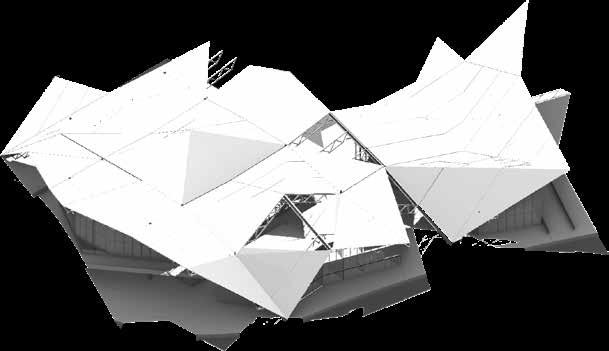


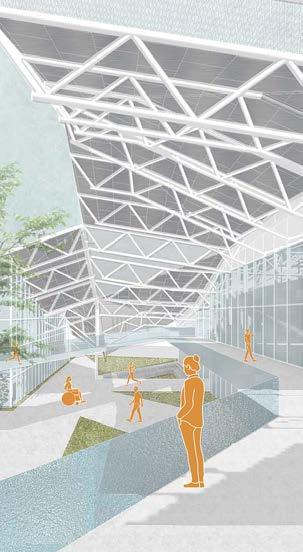
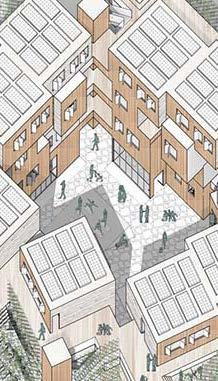
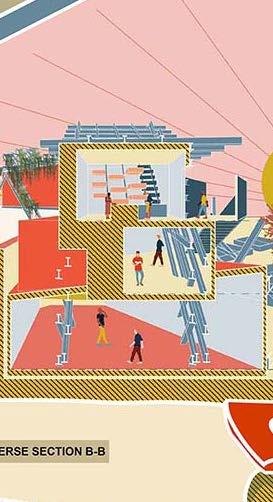
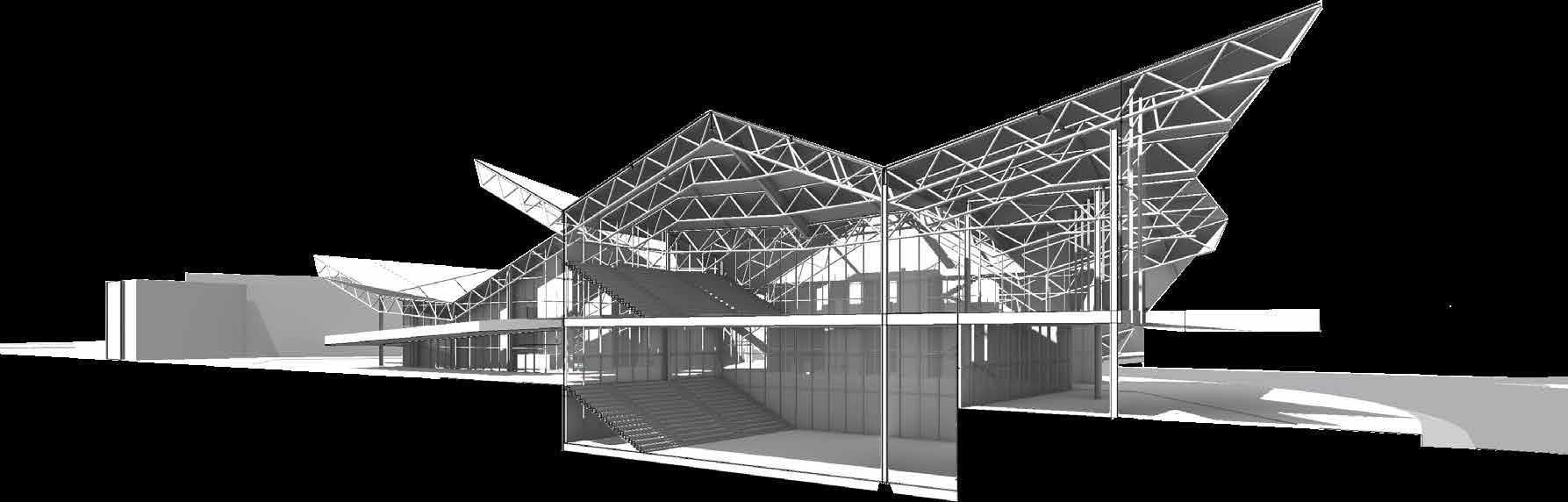
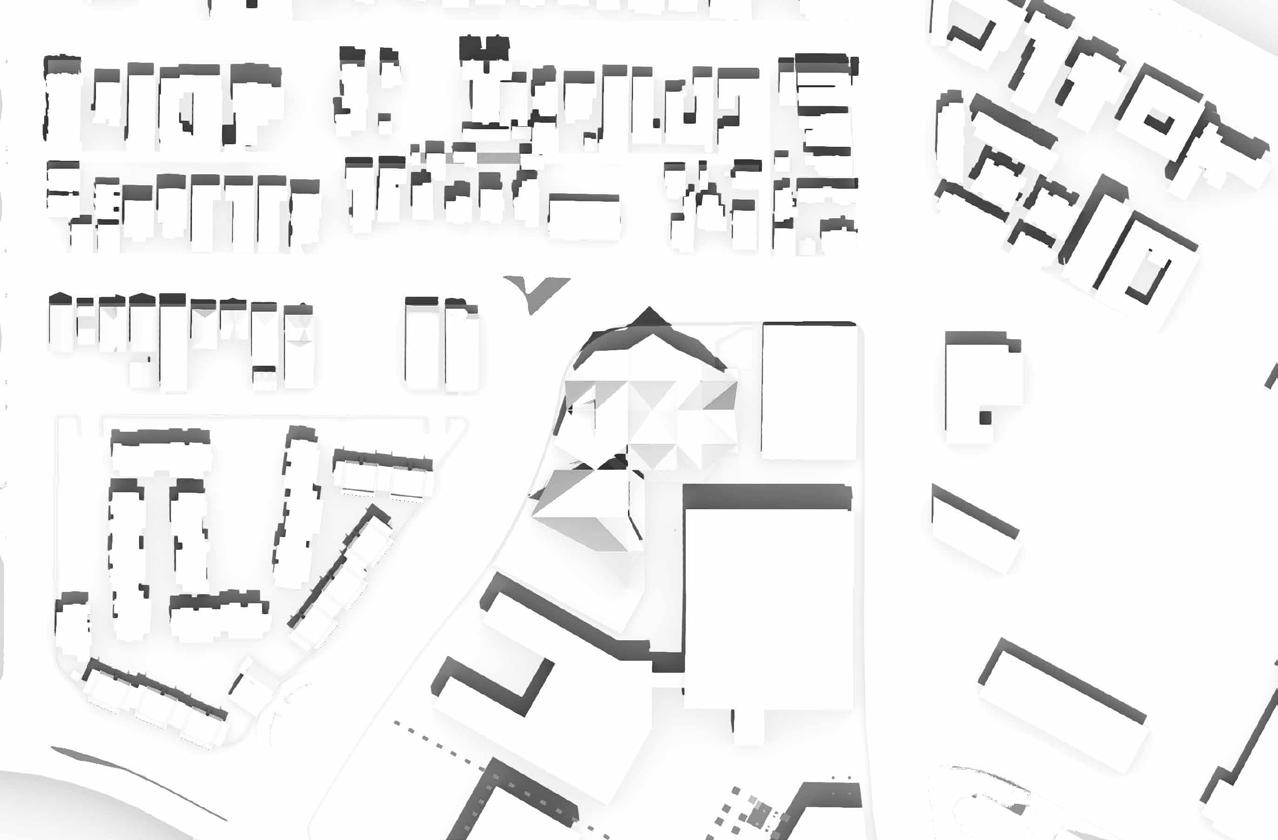
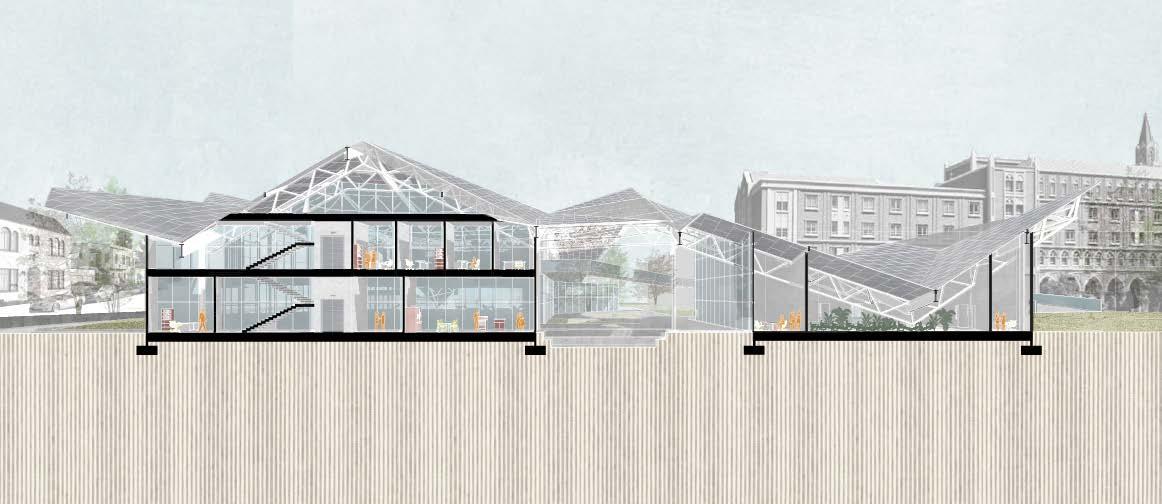
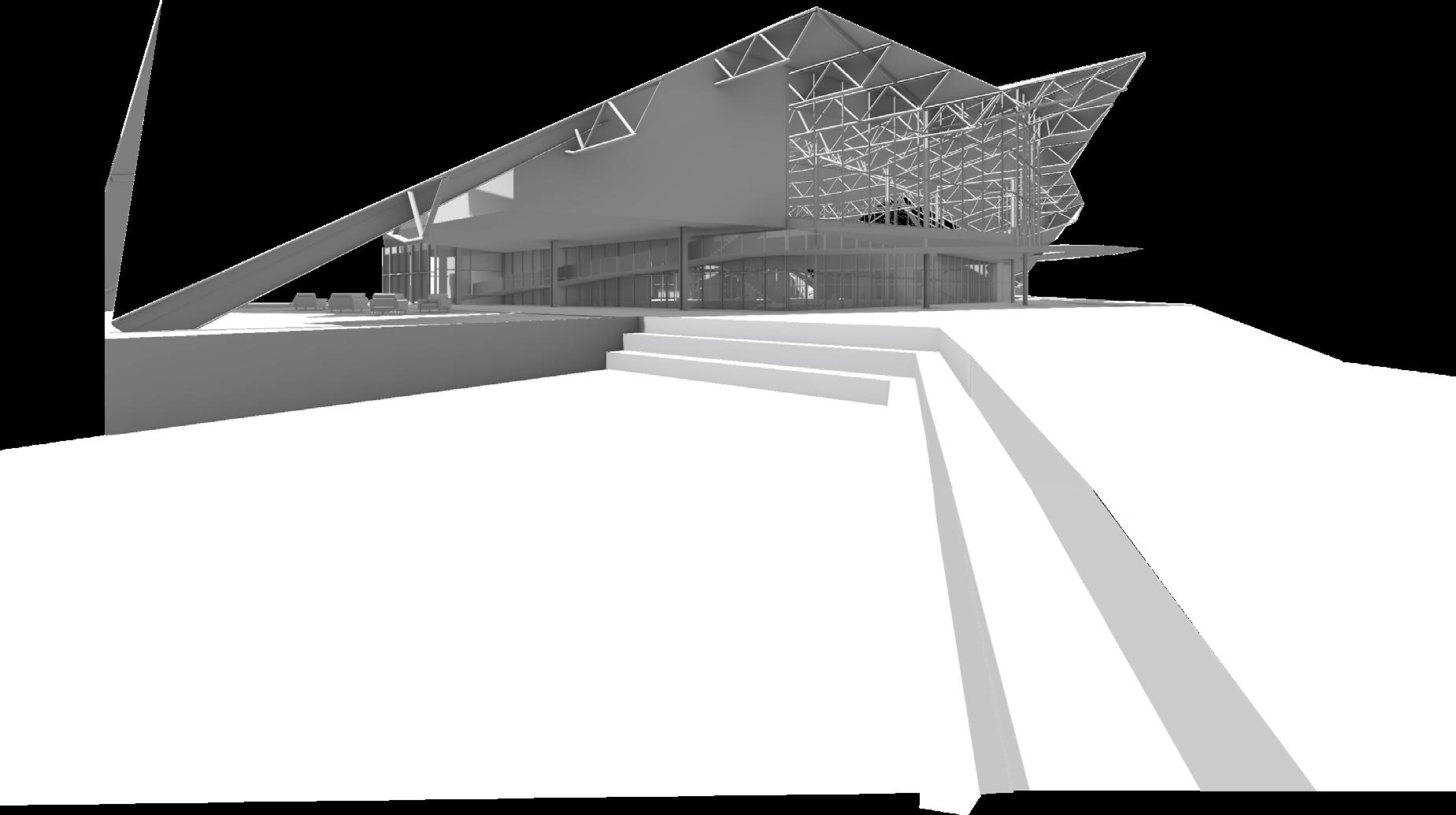
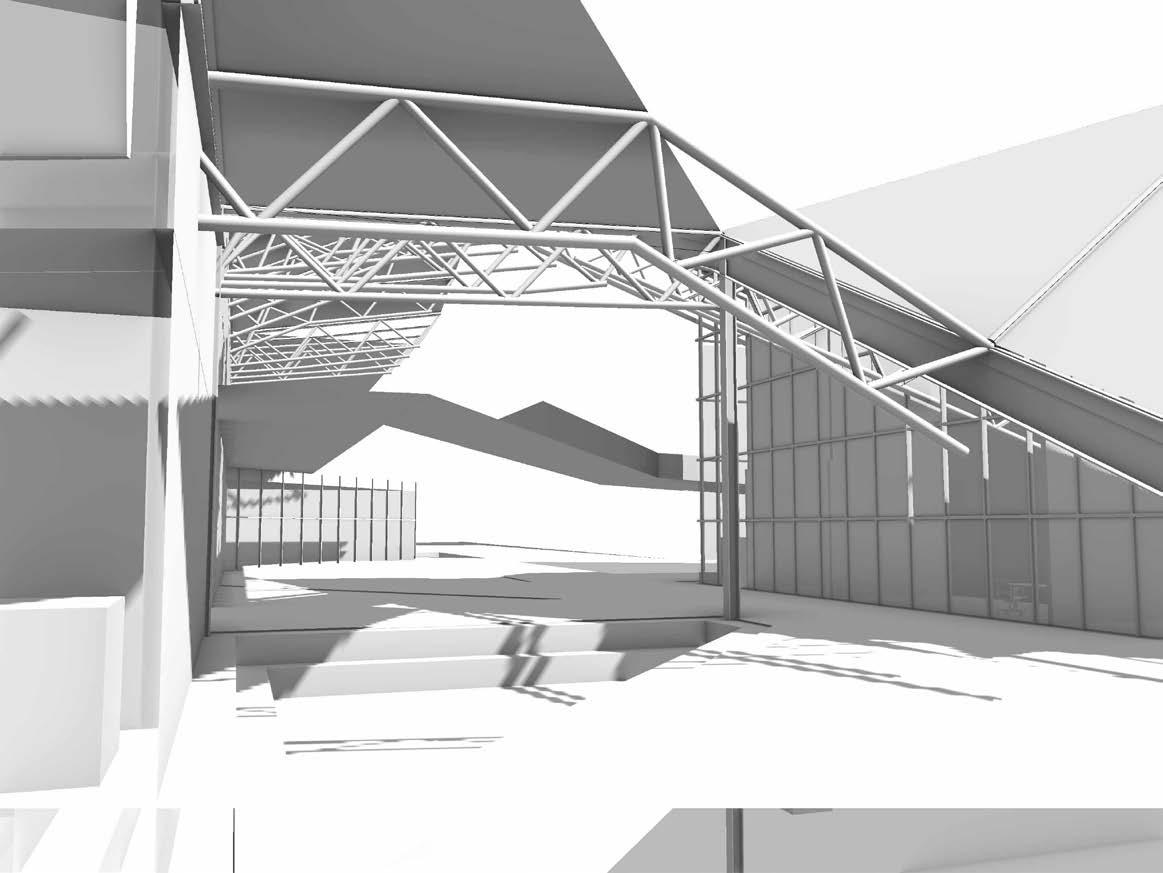
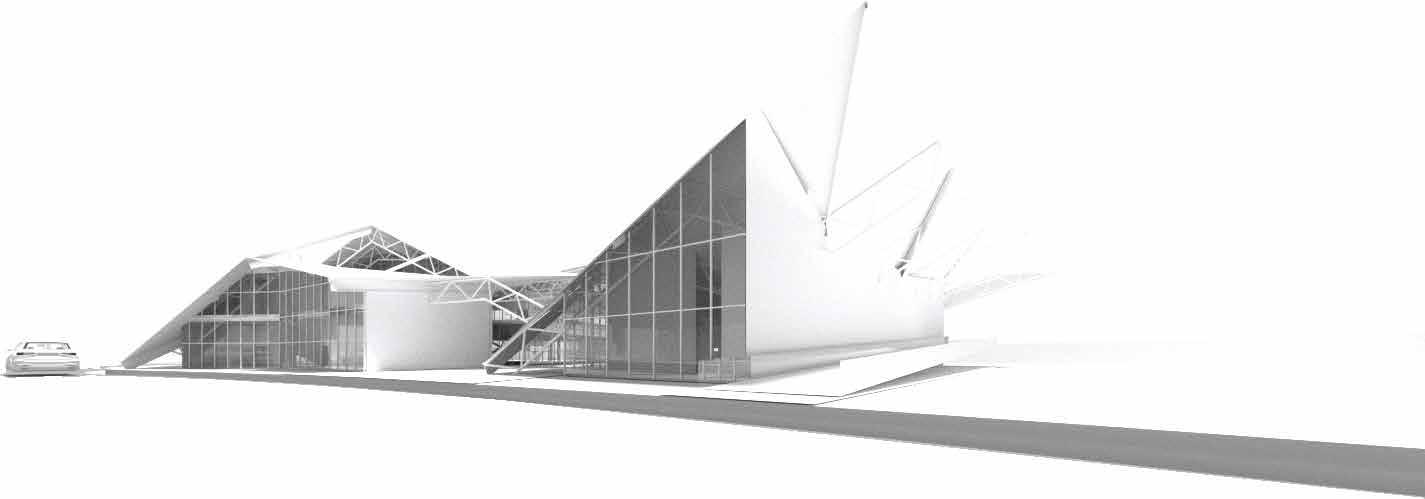
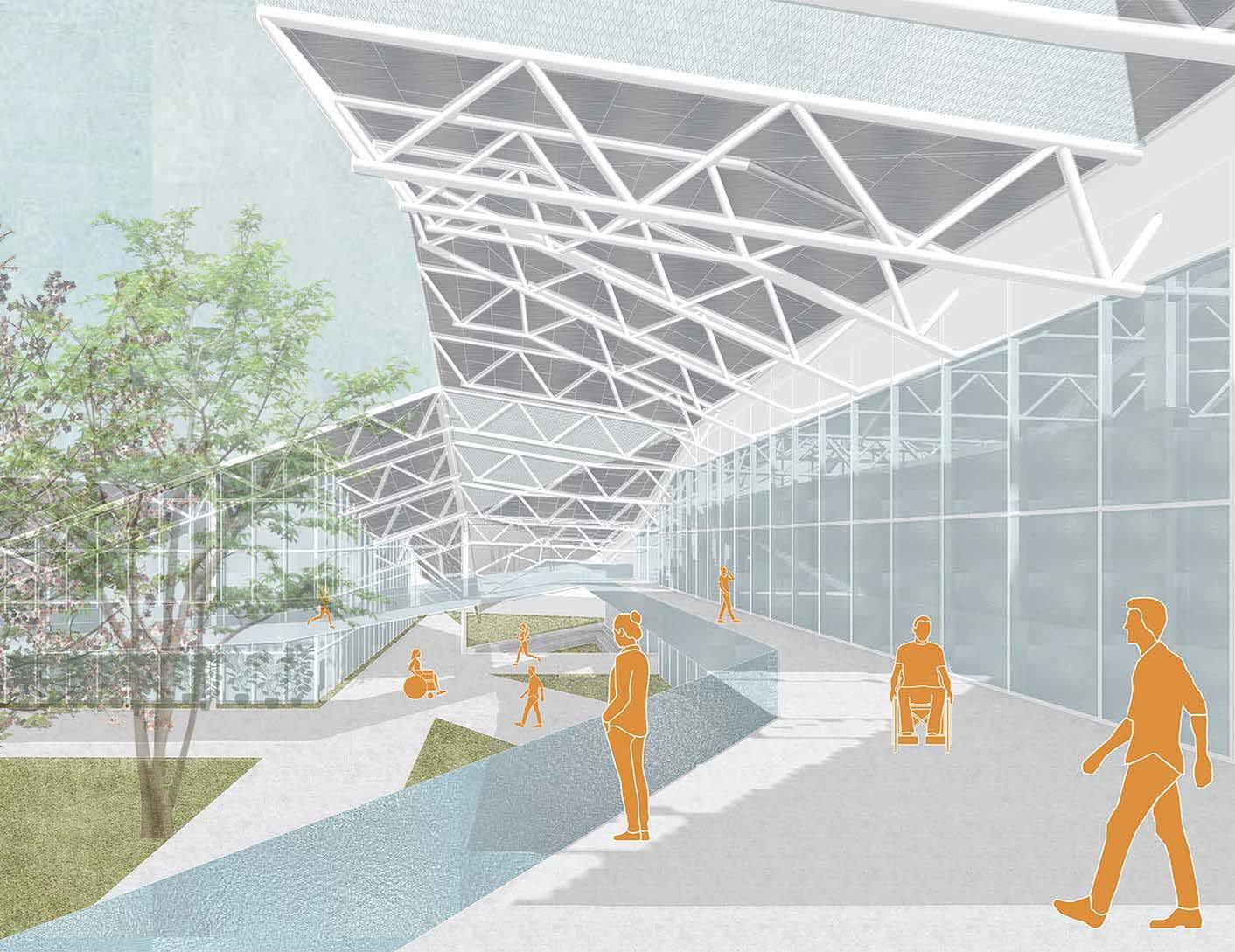
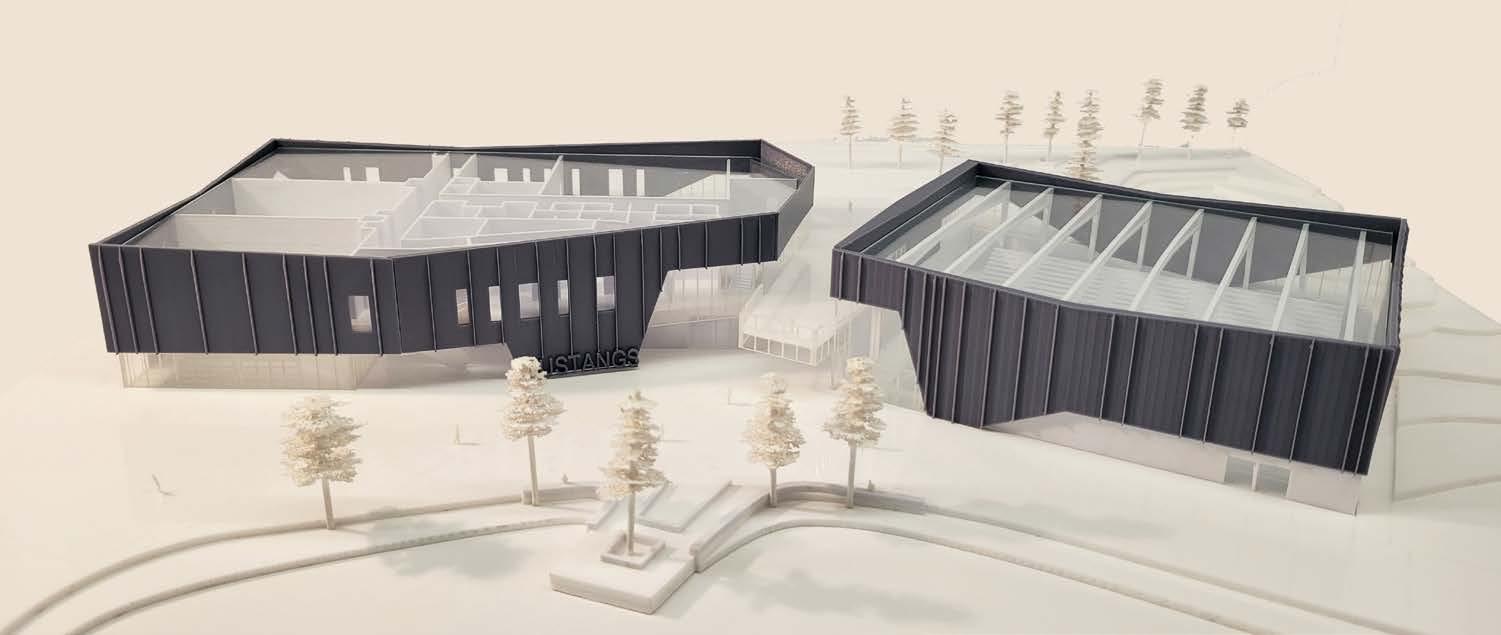
With the concept of a healthy and accessible building, the Paralympic basketball project explores the many ways in which the arrangement of the program and circulation can incentive a better lifestyle for its users. The project uses running tracks loops throughout the site in order to encourage users to move and exercise in an accessible way. The roof system is inspired in the origami art and it defines the room shapes and circulation on the site. The project introduces ramps that give access to the second floor. All ramps are ADA compliant making this facility inclusive and accessible for all. The courts are stacked in order to maximize the sports area on the project and both have direct access to the lockerooms and restrooms on each level. Since the neighborhood of USC lacks in health care facilities for locals, the Paralympic Basketball Facility introduces a health center that will operate during the Paralympics but also will extend its operation after the event is over. The health center will address both mental and physical health issues for locals with low-income.



NORTH

SOUTH


Fall 2021 | Design Studio | University of Southern California
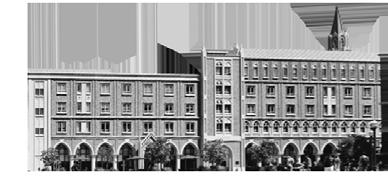
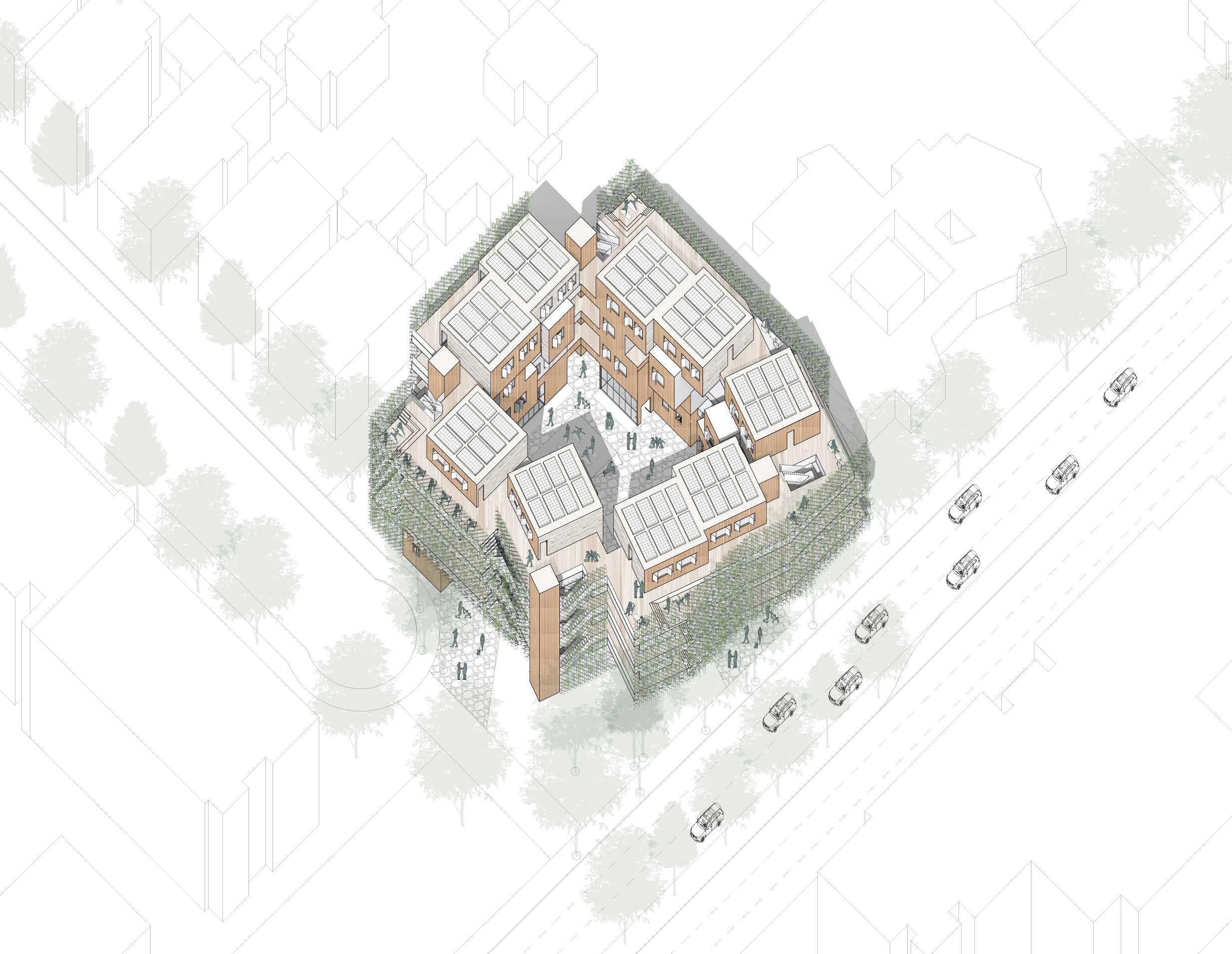
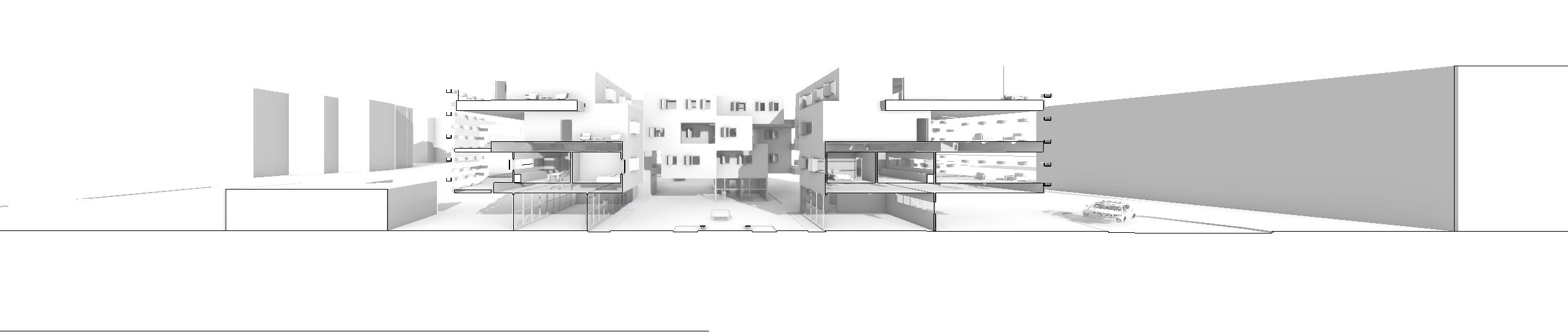
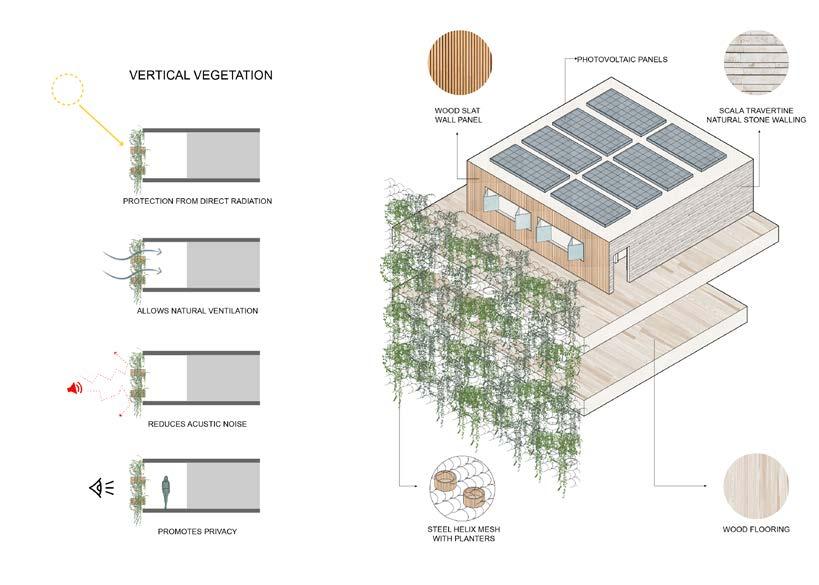
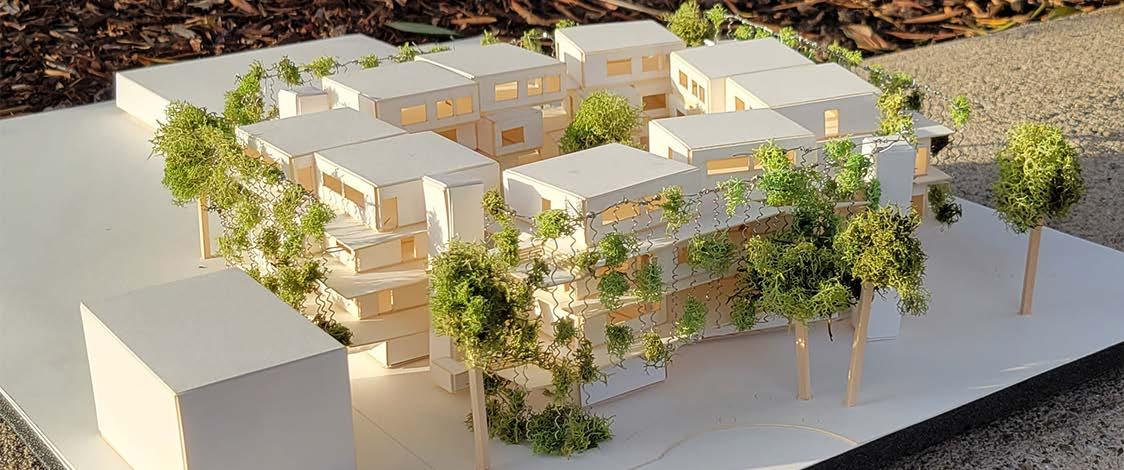
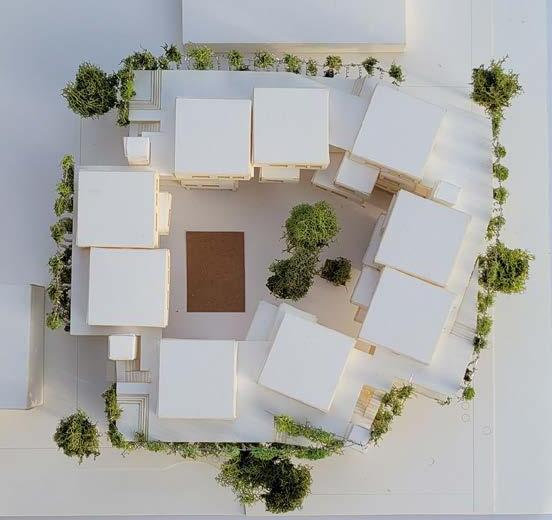
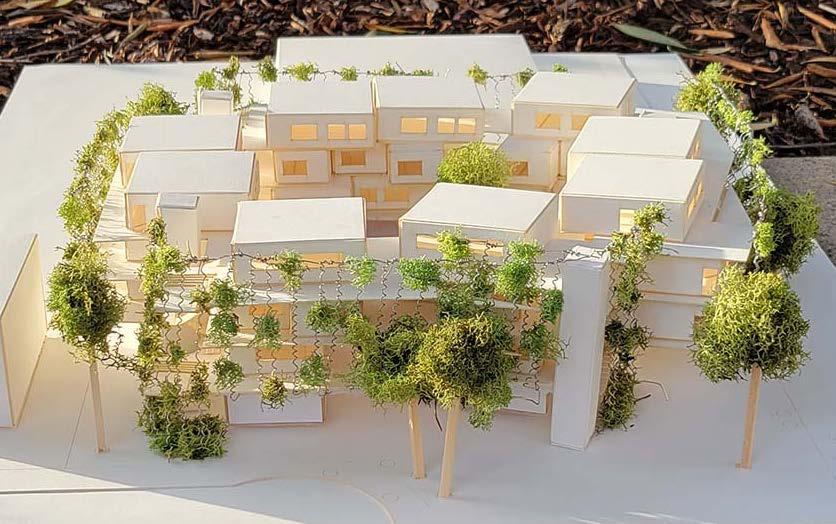
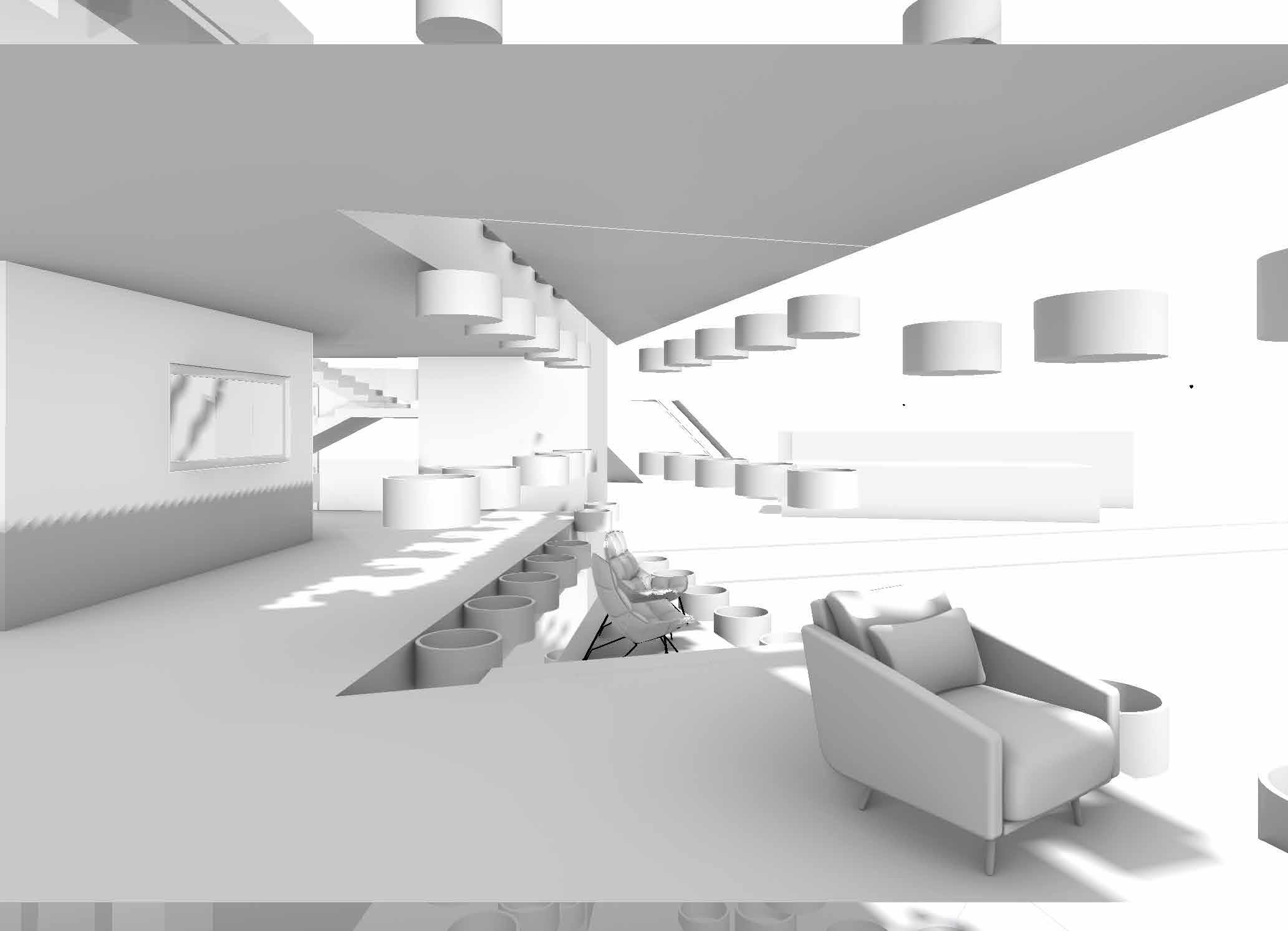
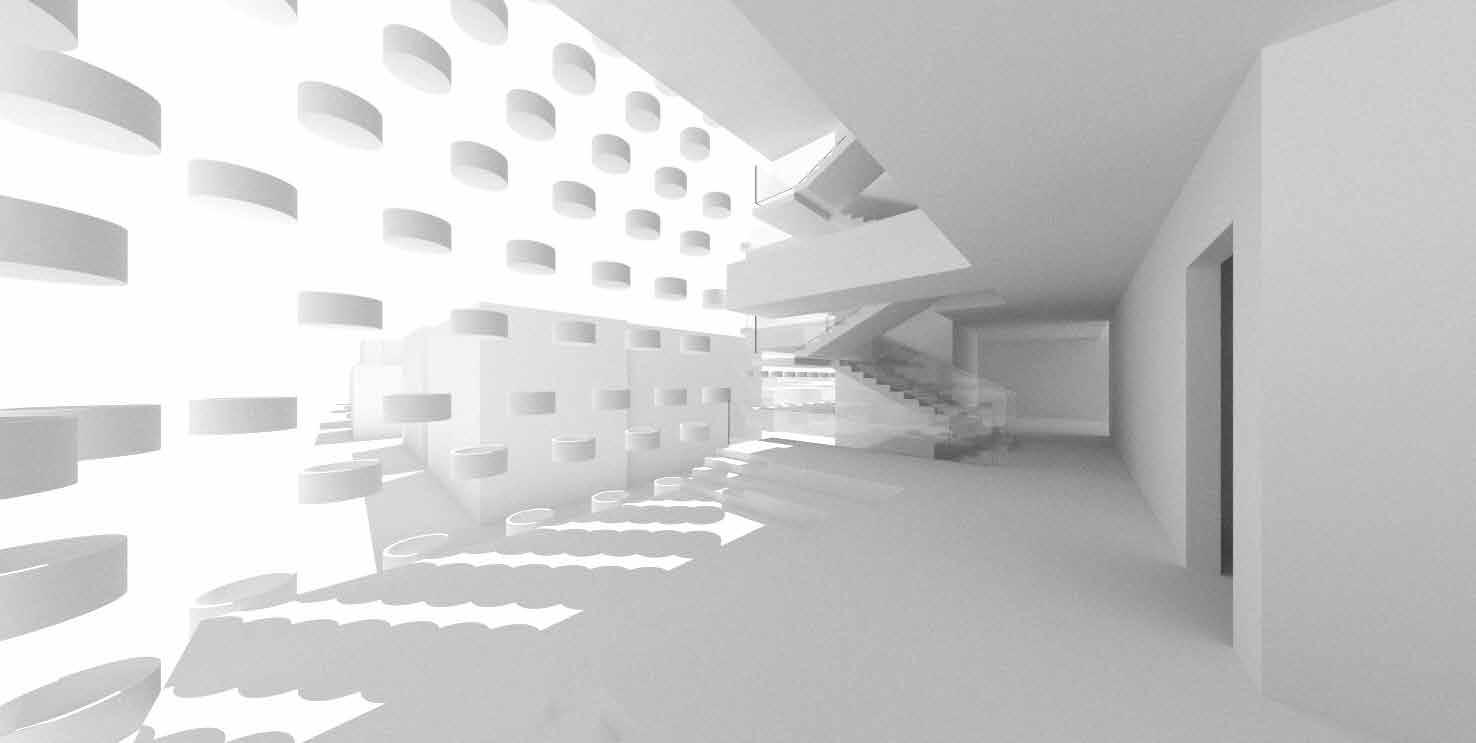
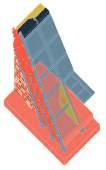
Due to the lack of establishments that focus on mental and physical wellness in the area, the Holistic Wellness Co-Operative comes as a way to promote happiness and improve quality of life among the residents of the co-operative by introducing a program of yoga studios for all ages. With the idea of Promoting Engagement between the residents and turning away from a busy street such as Vermont Ave, the project has a central courtyard as the main gathering space. Some of the units on the East side of the building are angled in order to improve cross ventilation from SW winds. The Co-op program happens on the main floor and the residential units are located on the second to fourth floors. Other communal spaces on each floor are purposely designed for small groups or individual yoga practices, meditation, or lounging. In order to protect from direct sun radiation, reduce noise pollution and promote privacy, a helix mesh with planters embedded is strategically placed throughout the facade of the building.
















The Cooking Forager Culinary Art School
Spring 2021 | Design Studio | University of Southern California
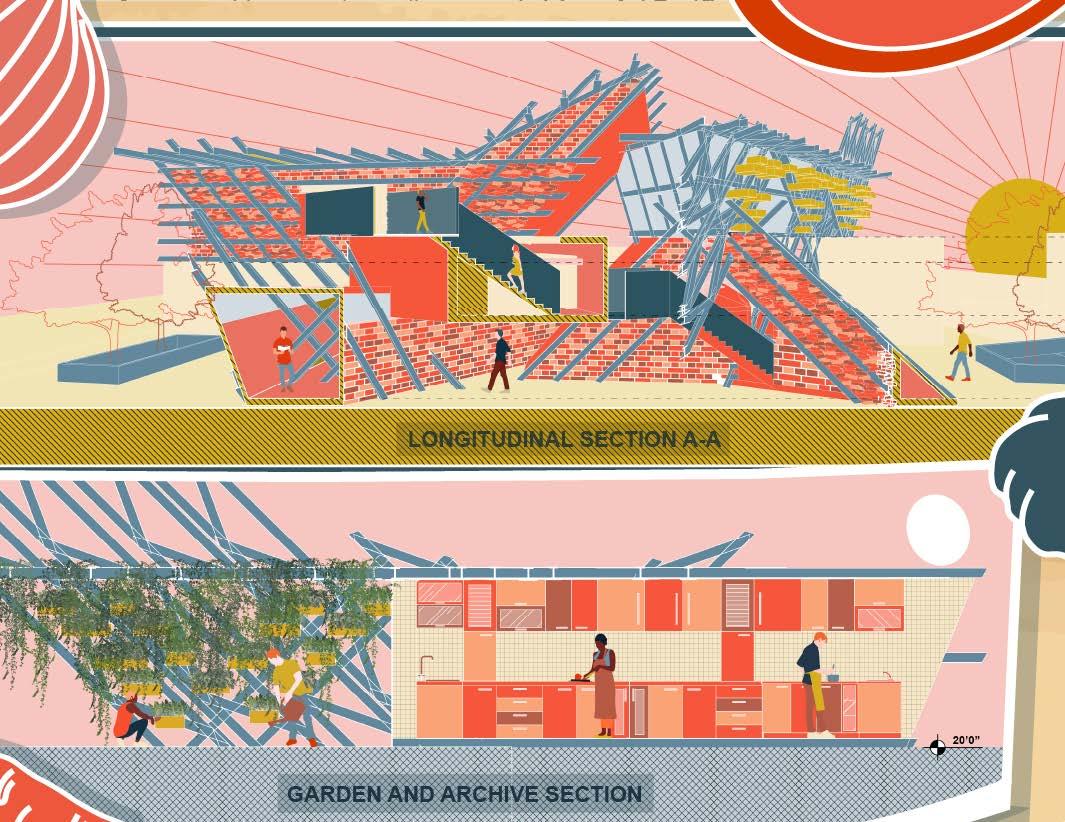
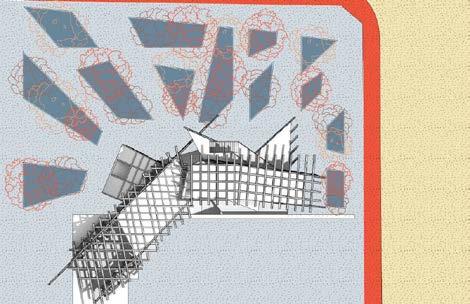
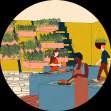
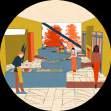
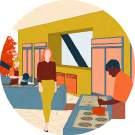
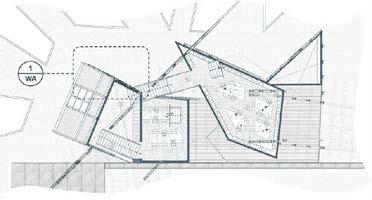
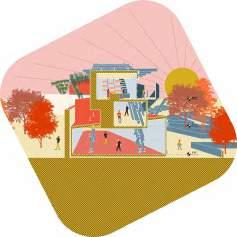
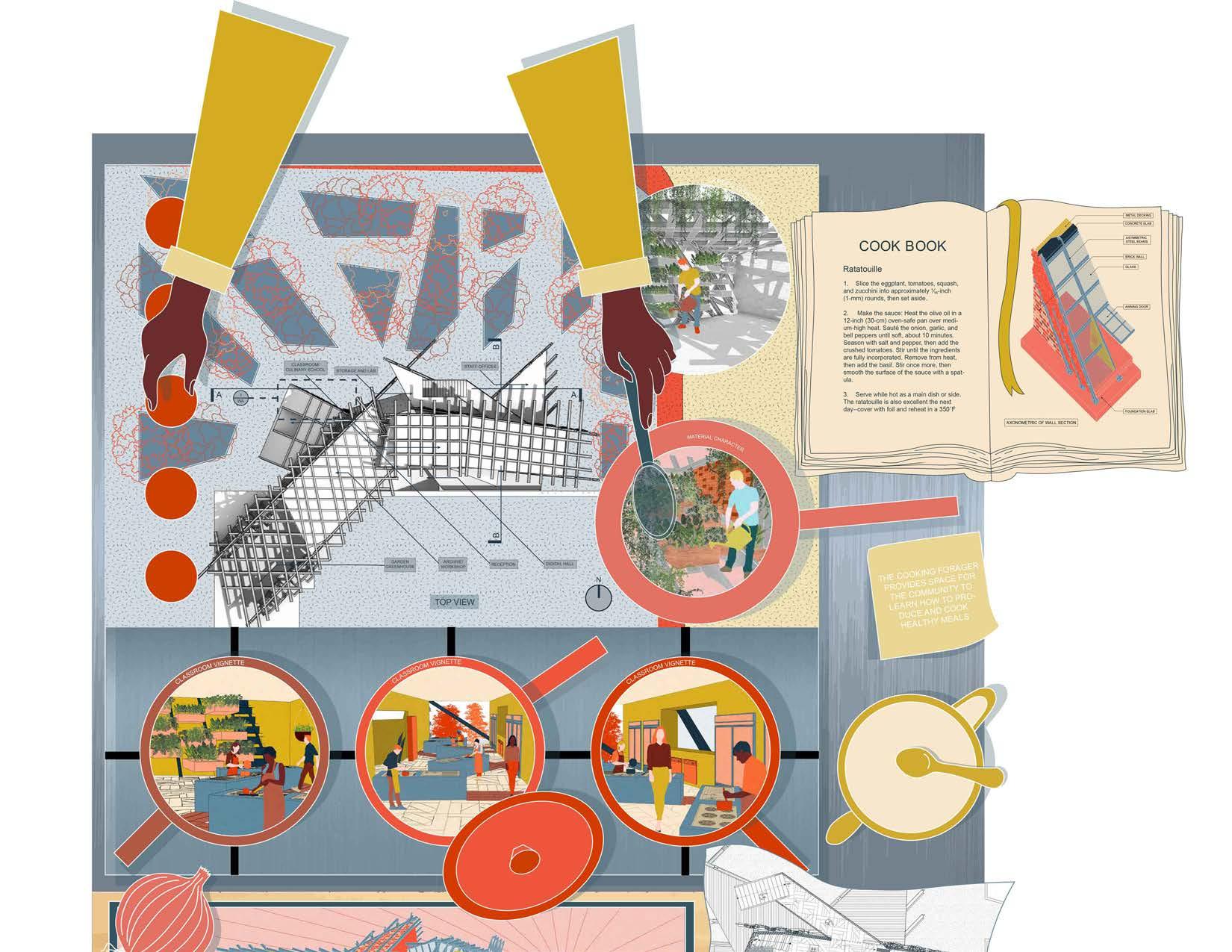
The Cooking Forager Culinary Art School provides a community space where locals learn how to produce and cook their own meals since the neighborhood of USC lacks healthy and affordable food resources. Classrooms were designed for local residents that would like to sign up for culinary classes and learn how to cook the food harvested in the community garden. The garden and the workshop spaces would be areas where locals can come any time of the day to collect their food and prepare it to take home, or even learn how to prepare the food correctly. The main purpose of The Cooking Forager is to be an open space for USC locals to have access to healthy food that would lead to a healthier lifestyle.

PROJECT 03: FINAL BOARDS
SCALE FINAL BOARD (96”x72”+) TO FIT HERE


Oakwood Recreation Center
Fall 2023 | Design Studio | University of Southern California
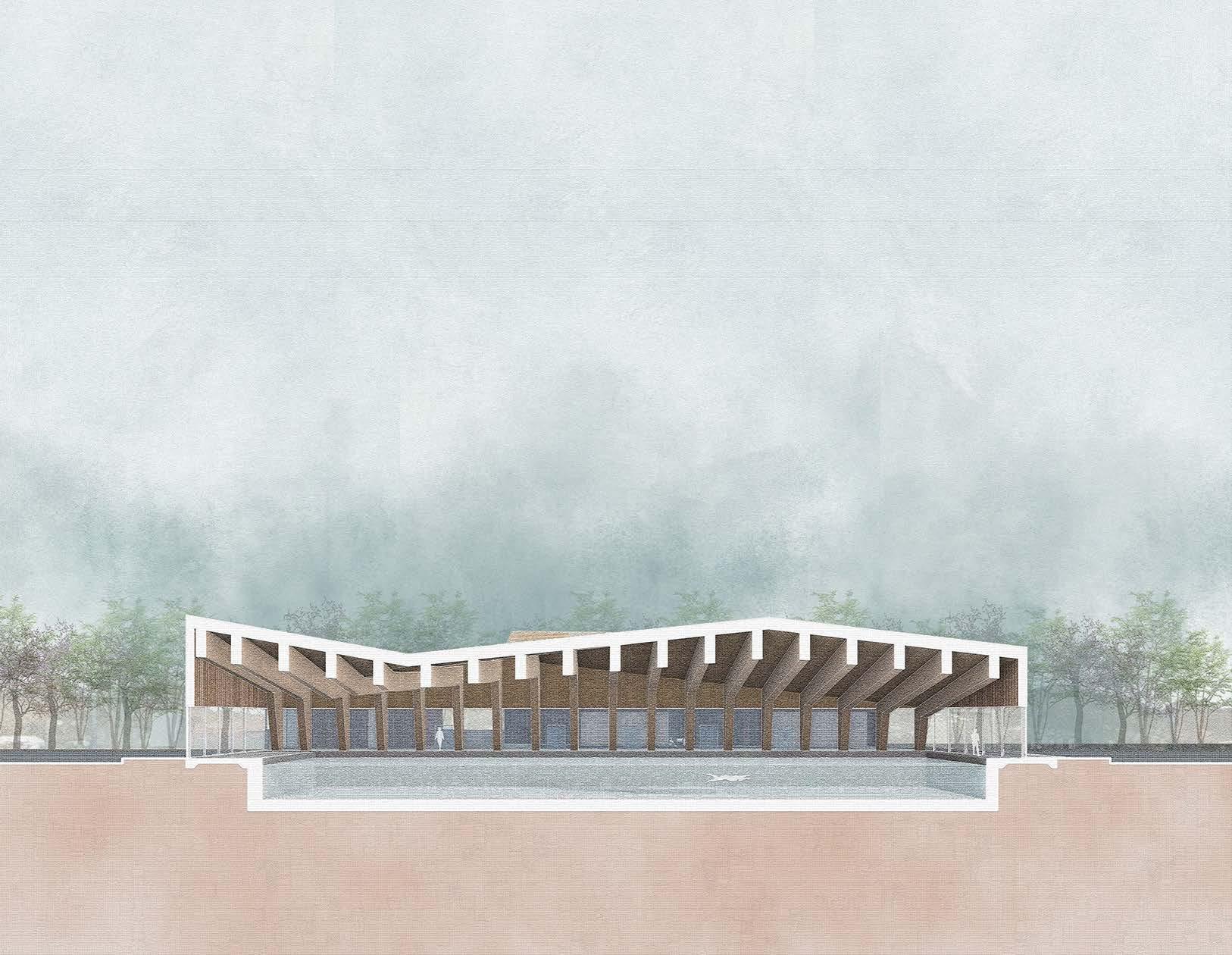
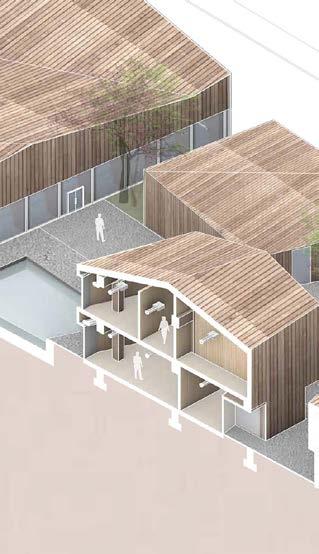
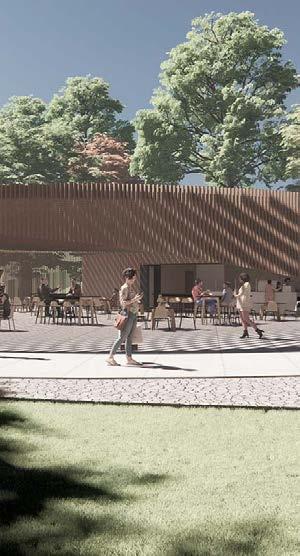
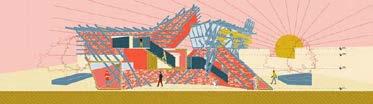
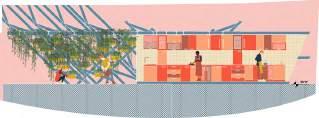
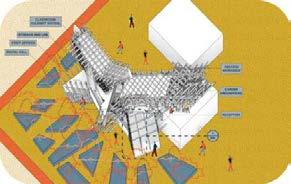
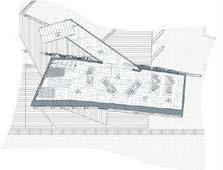
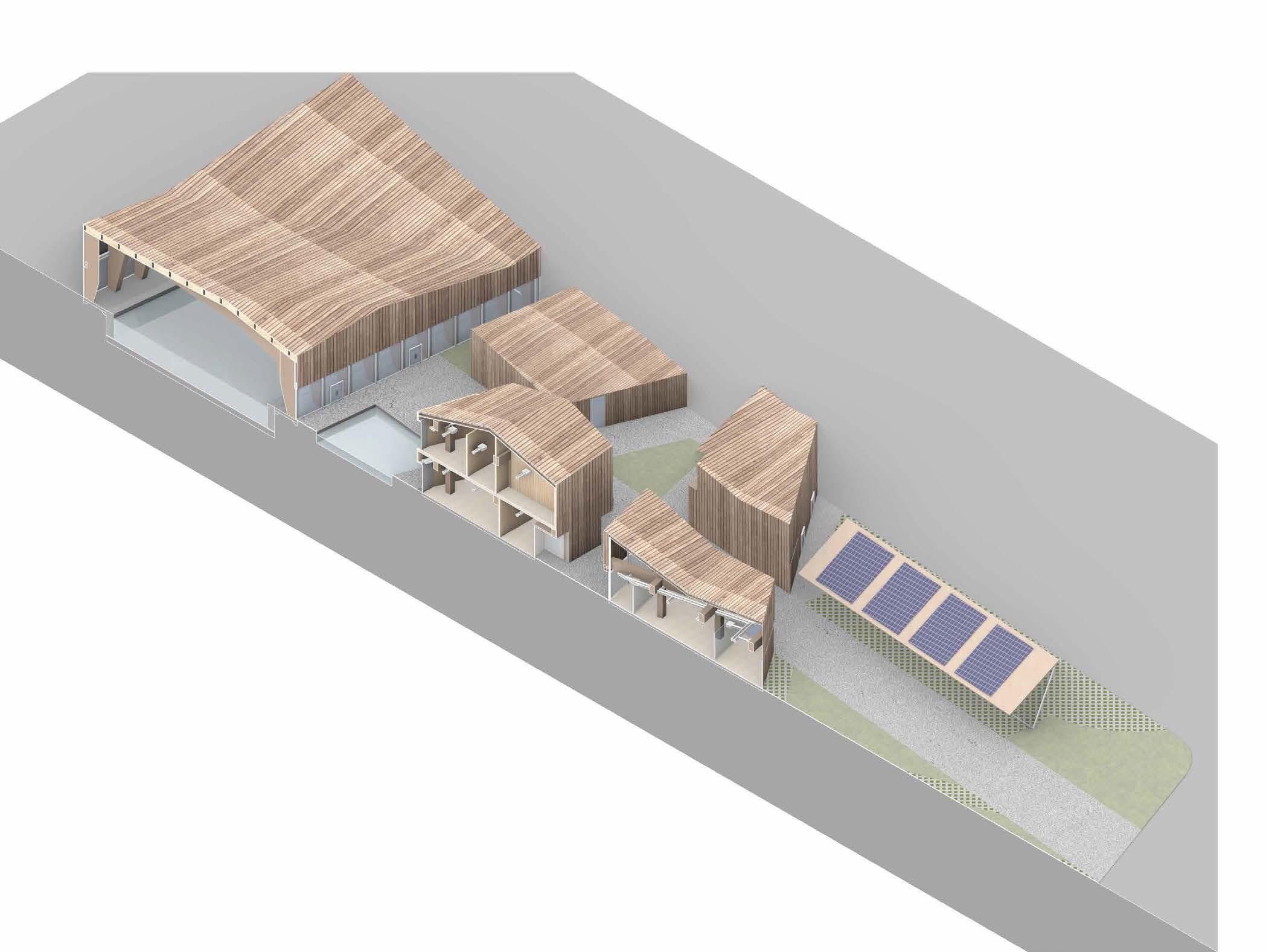
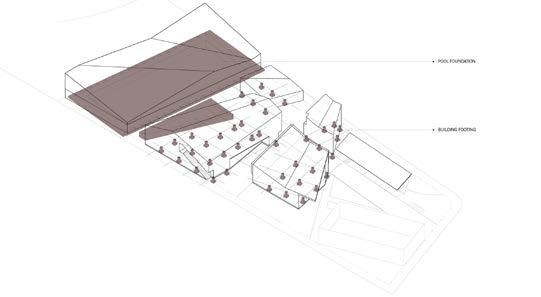
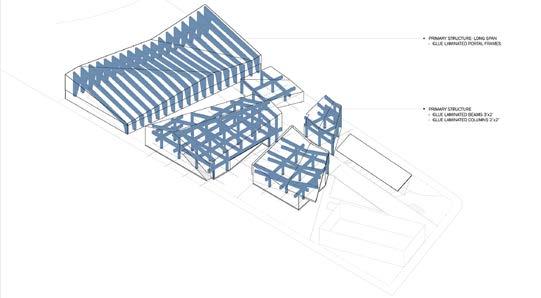
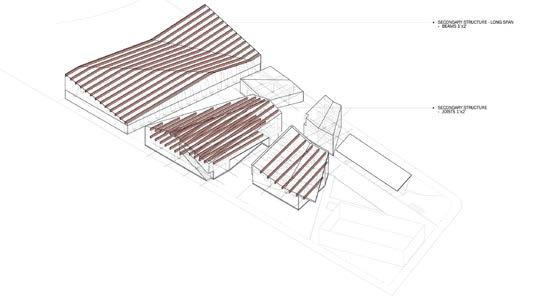
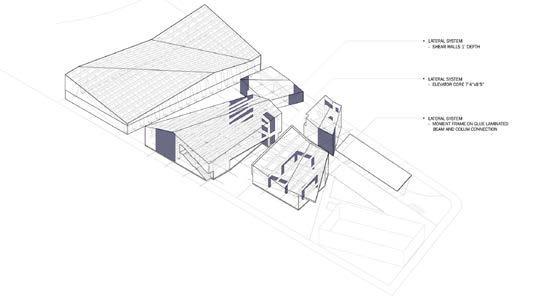
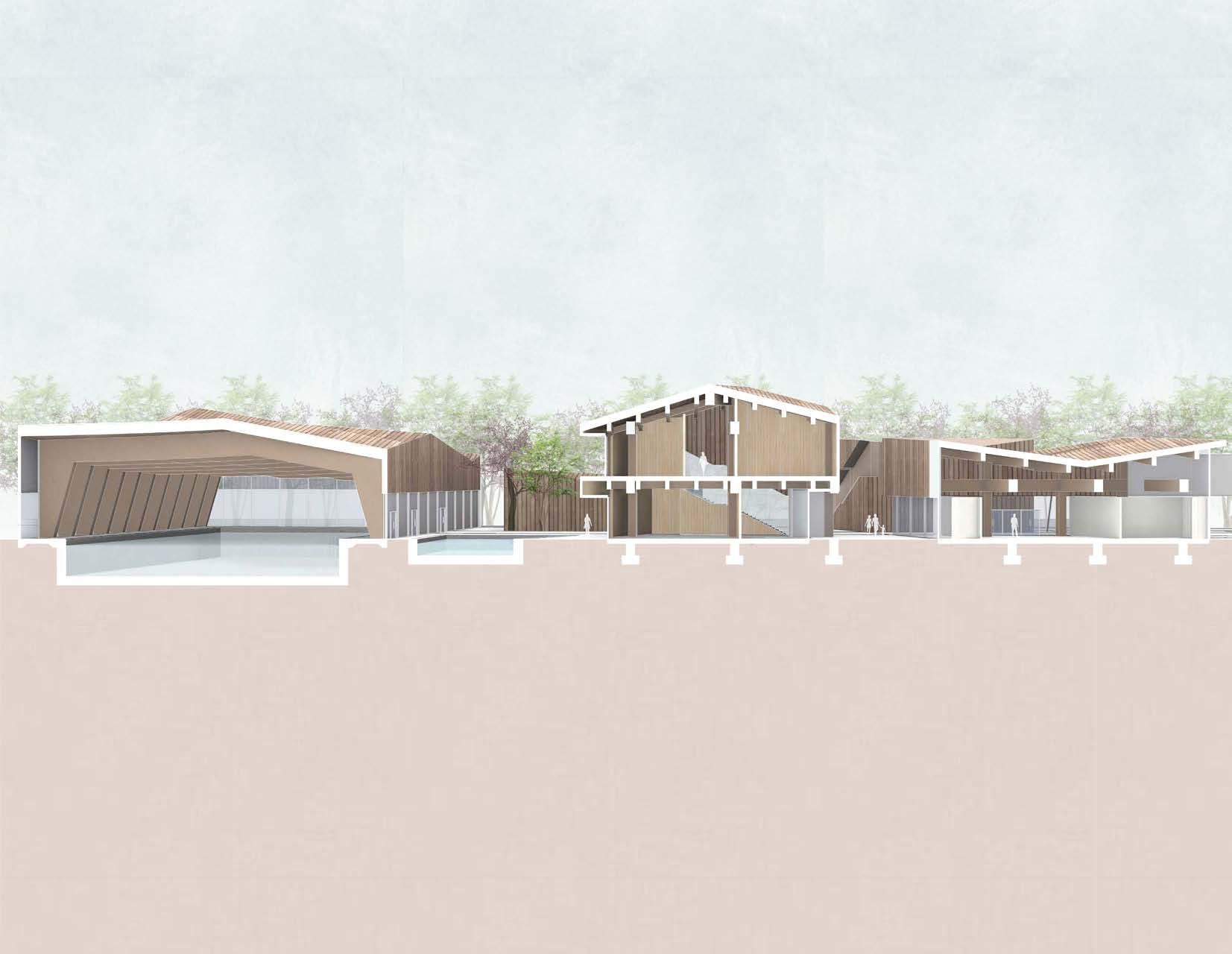
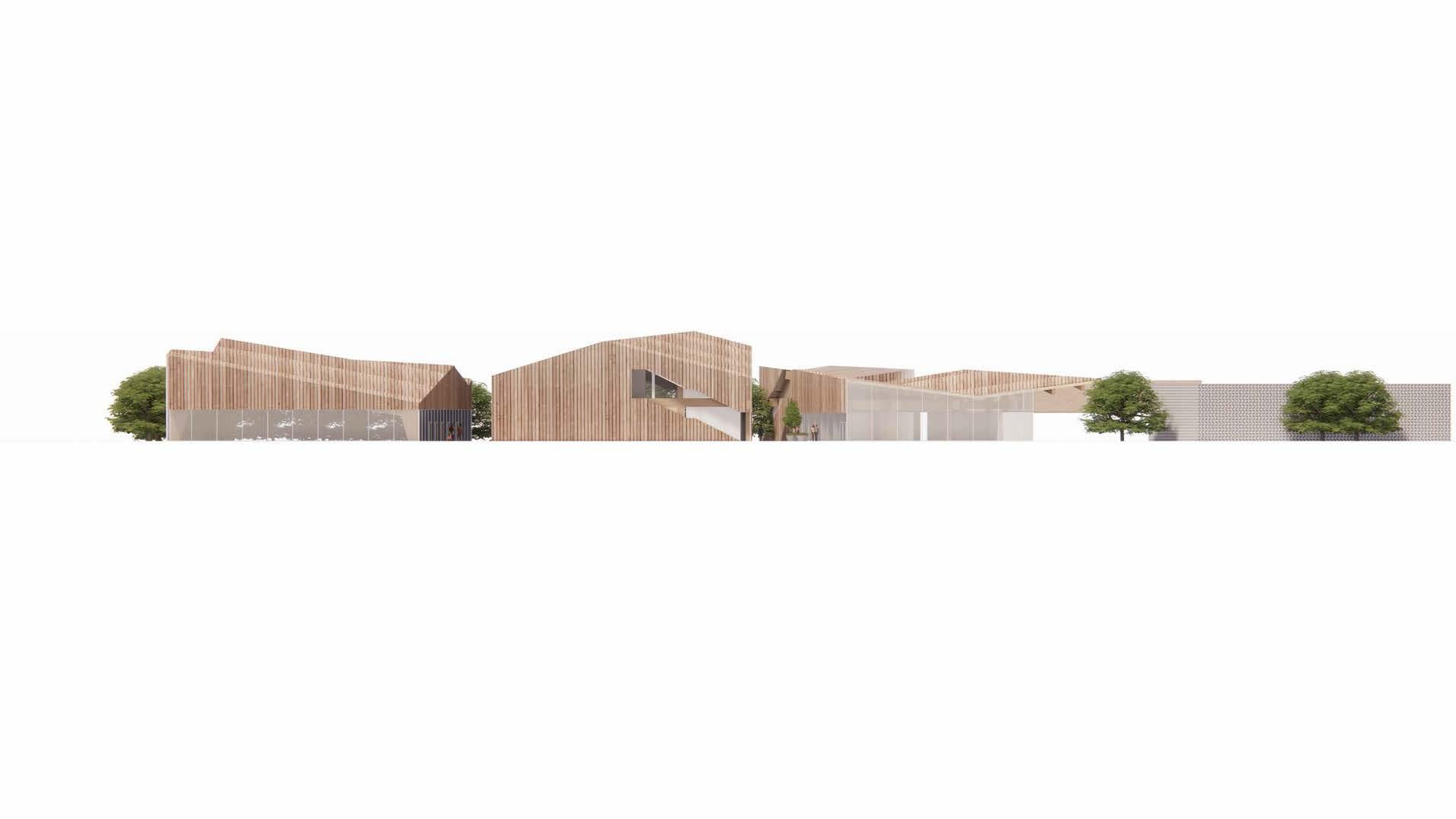
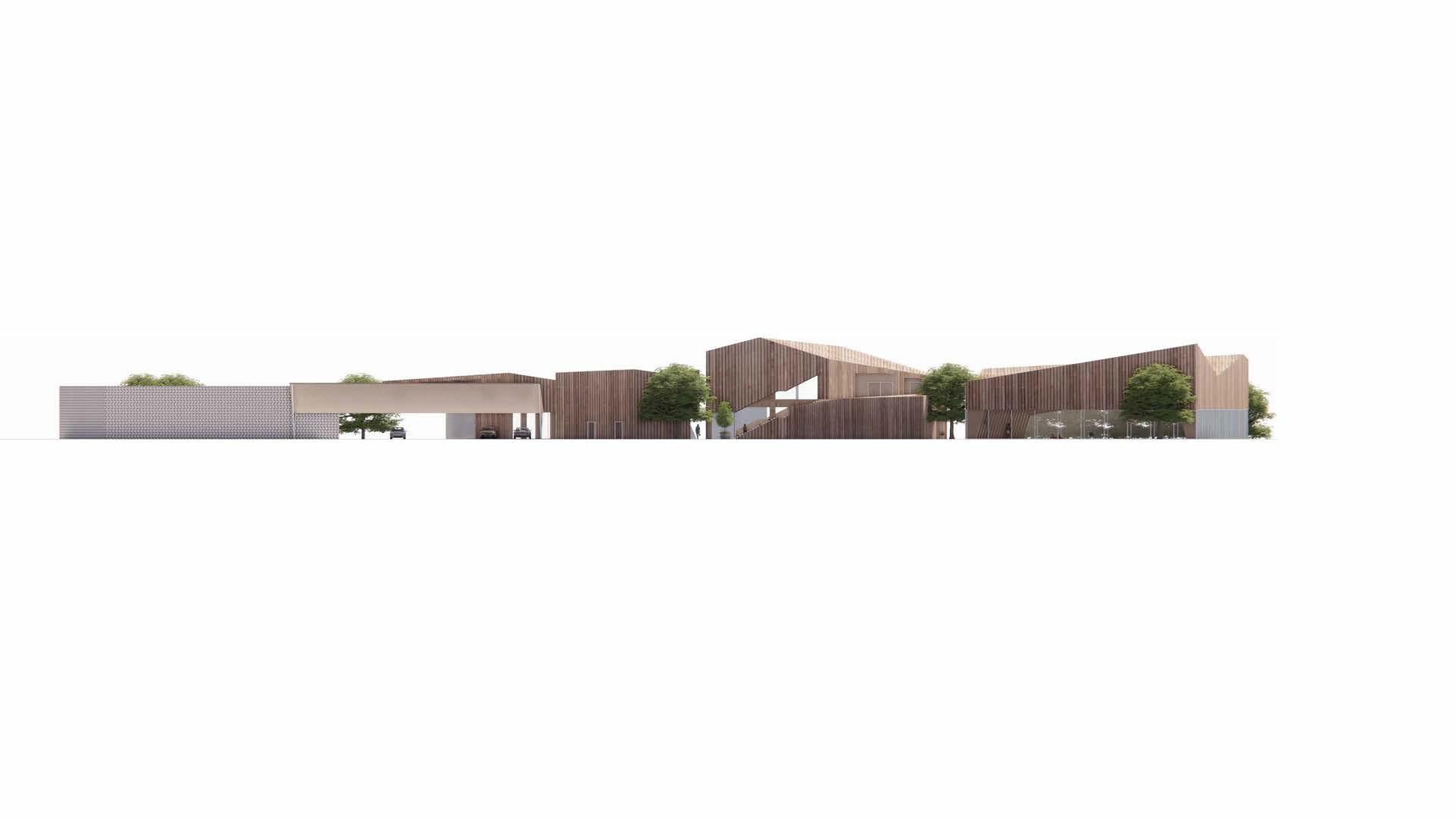
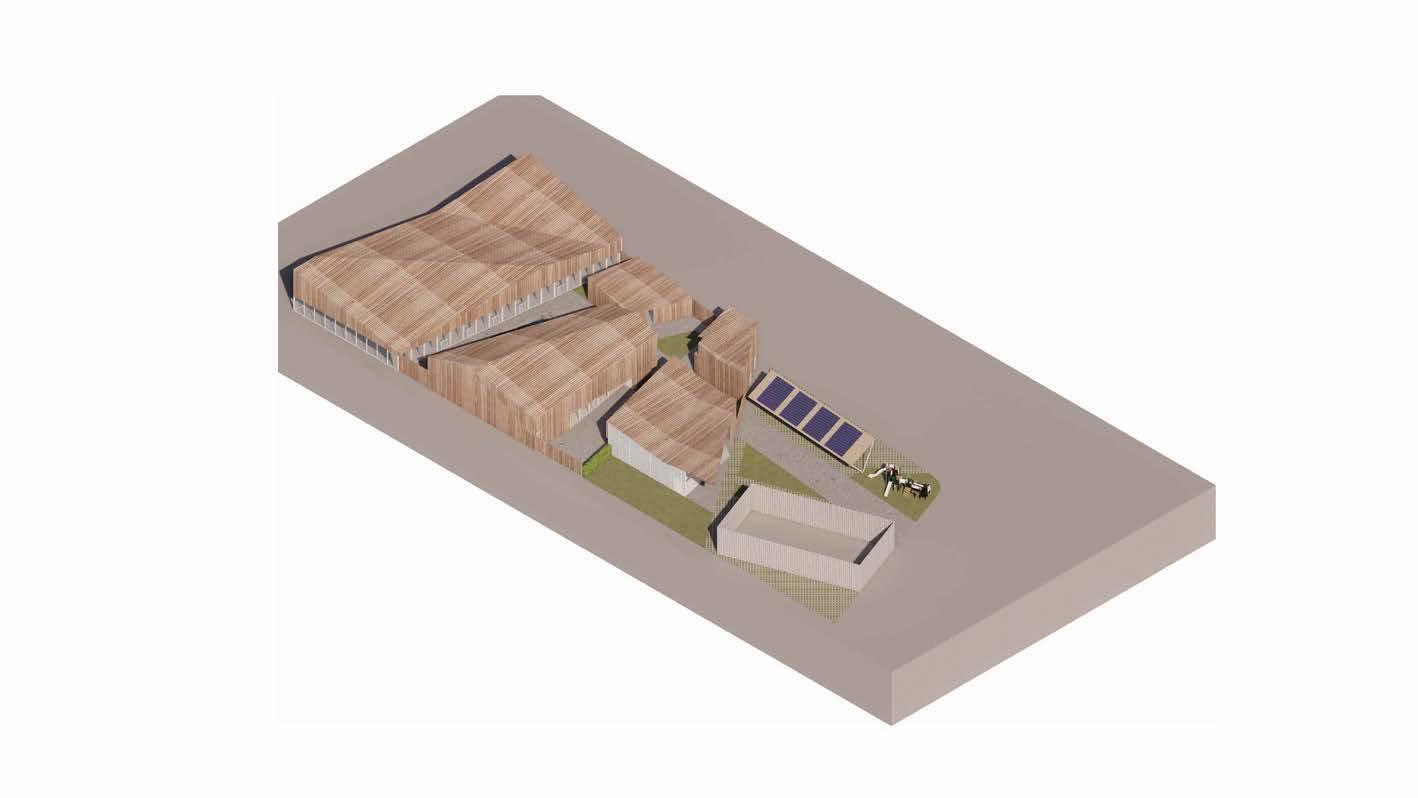
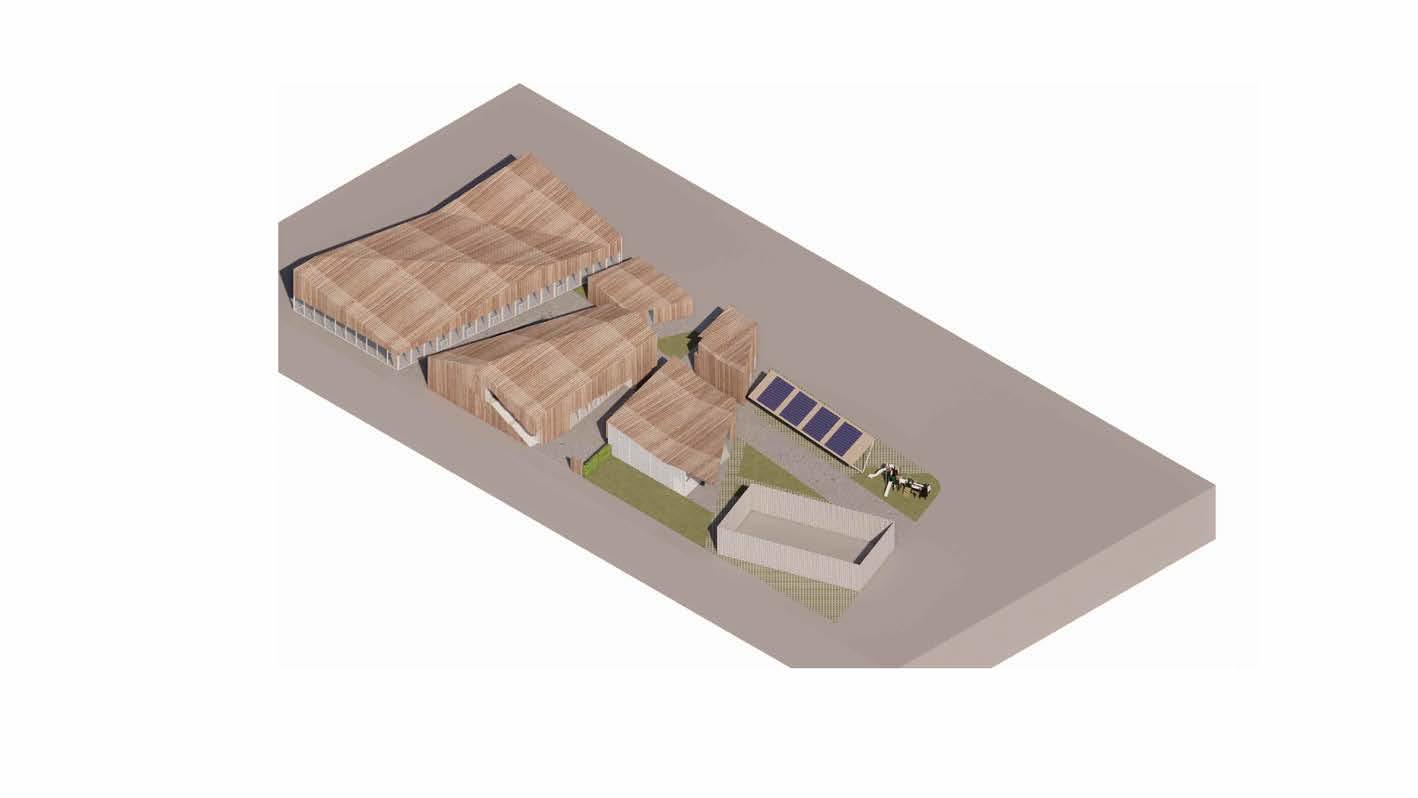
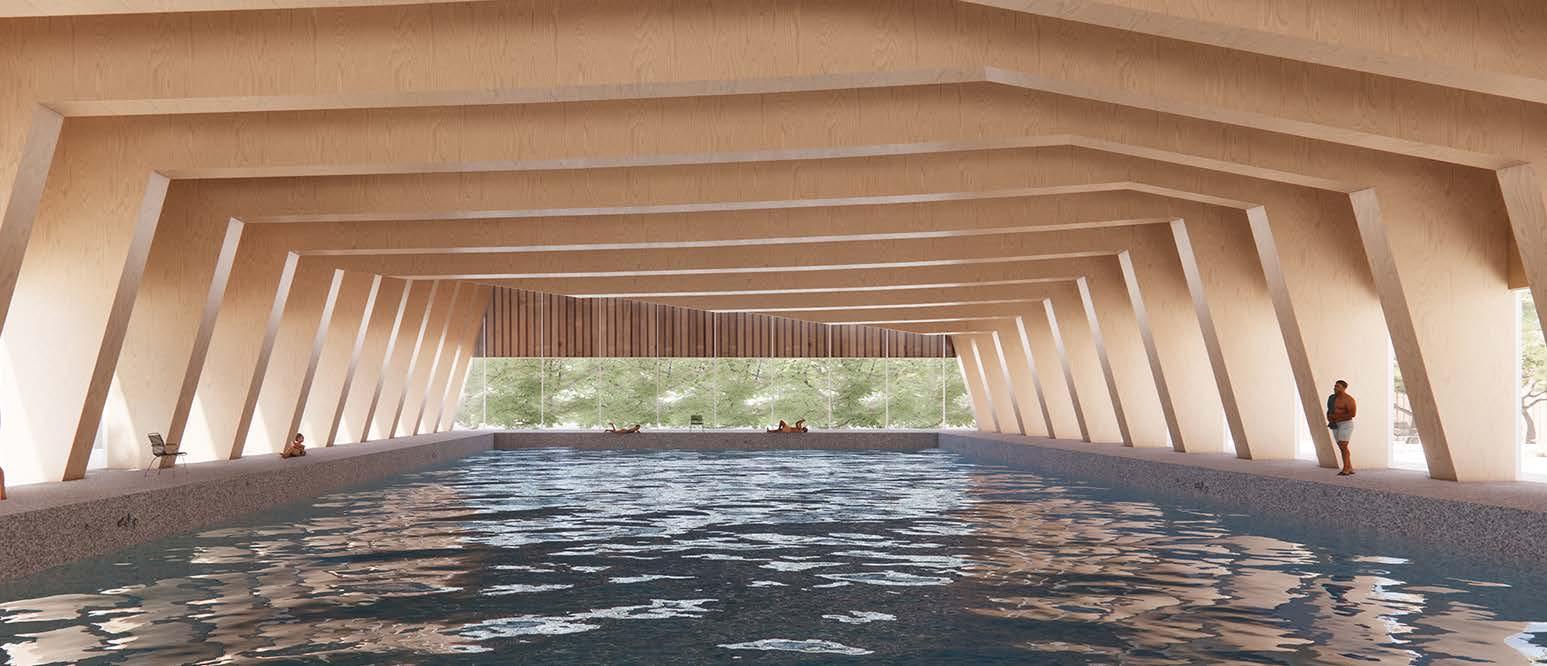
The Oakwood Recreation Center design has as a driving concept the lines from the wind rose diagram and they play a great role in the massing development. The winds coming from SW open access from 7th Ave towards California Ave. The massing is then divided into 4 major blocks: the indoor swimming pool, the public building, the mechanical and services, delivery and receive dock and the staff building. The wind rose lines also define the shape of the buildings and chunks are cutout from the roof to allow greater ventilation across the site. The main green spaces of the site are concentrated on the south facade and protects the facilities against sun radiation. The hardscape is mainly defined by the pedestrian paths to the buildings. Some angulations of the roof were purposely directed South. The angulation of the roof towards the South facade opens the possibility for the implementation of solar panels. This would allow for cuts in energy in the facilities. The site accesses are located on 7th Ave, California Ave and Oakwood Ave to allow easy entrance to the site. The main pedestrian paths run from California Ave towards the indoor pool on NW of the site and give access to all the buildings. The vertical circulation happens in the public building and gives access to the multipurpose room, gym, cafe, computer center and public restroom on the second floor.
1. Roof cladding, heartwood pine
2. Corrugated steel roofing
3. Baten
4. Windbarrier
5. 2” Continuos non-combustible rigid insulation
6. 10” Rafters with insulation
7. 2” Insulation
8. Sheating
9. Glue laminated beam
10. Roof cladding, heartwood pine on facade
11. Top header
12. 1.5”x1.8” Batten, hearthwood pine
13. ply CLT Panel
14. Metal plate
15. Tight fit dowels
16. Screws
17. Cavity barrier
18. Insulation
19. Spandrel
20. Curtain wall glass double glazed
21. ply CLT panel
22. Wool insulation
23. Batt Insulation
24. Rigid insulation
25. Drip edge
26. Mineral wool insulation
27. Wood frame
28. Wool insulation in between floors
29. Wood flooring
30. Concrete slab
31. Rigid foam
32. ply CLT Panel
33. Glue laminated Beam
34. Glulam colunm base plate
35. Thermal break pad
36. Structural thermal break pad
37. Archor Bolts
38. Concrete footing
39. Wood flooring
40. Concrete slab-on-grade
41. Waterproof membrane under concrete slab
42. Rigid insulation under concrete slab


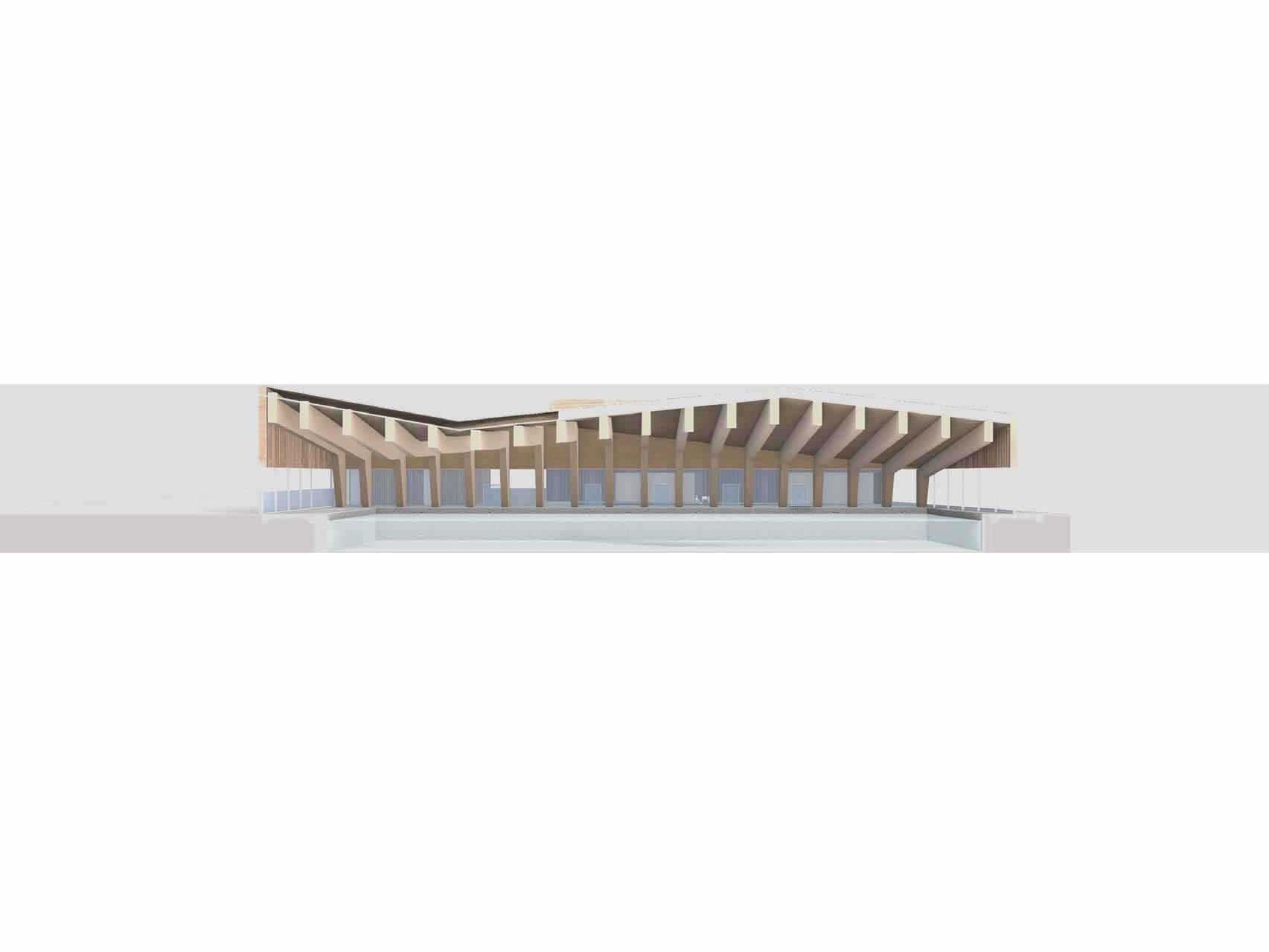


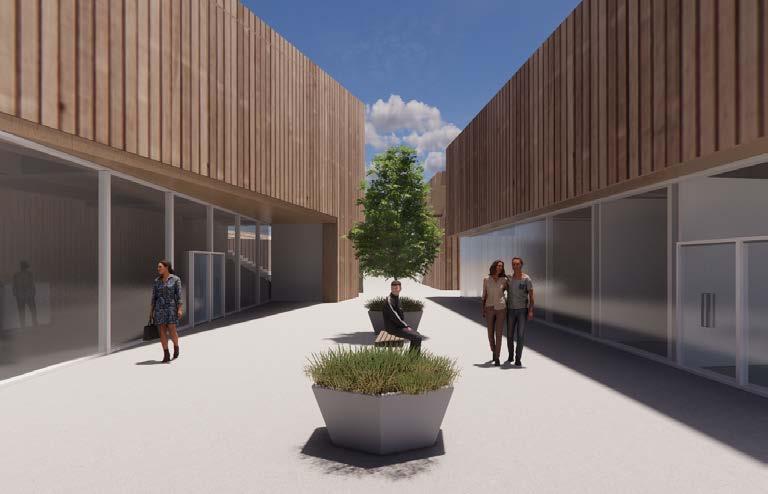




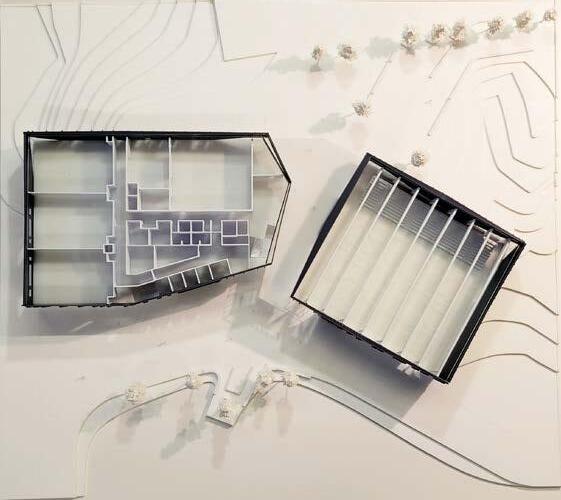
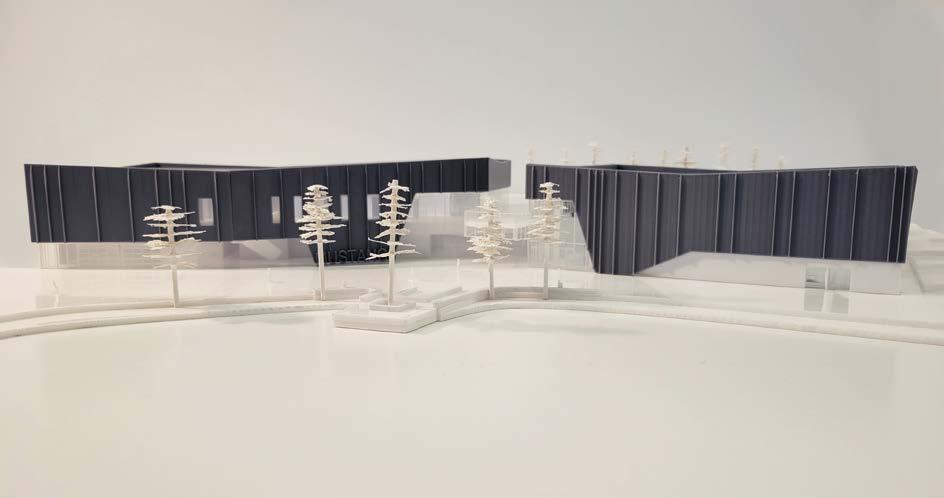
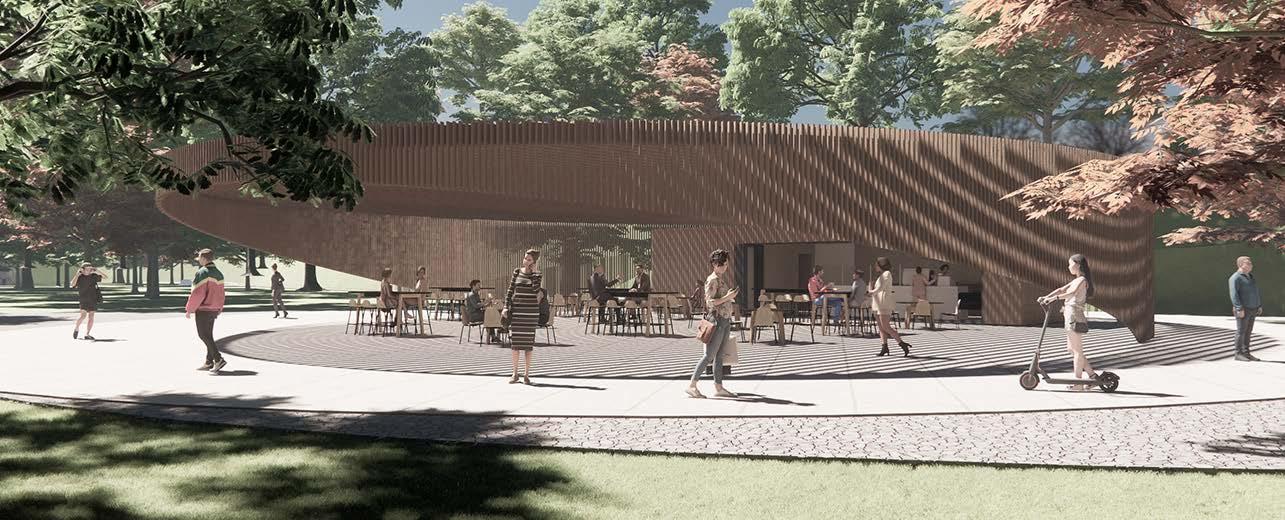
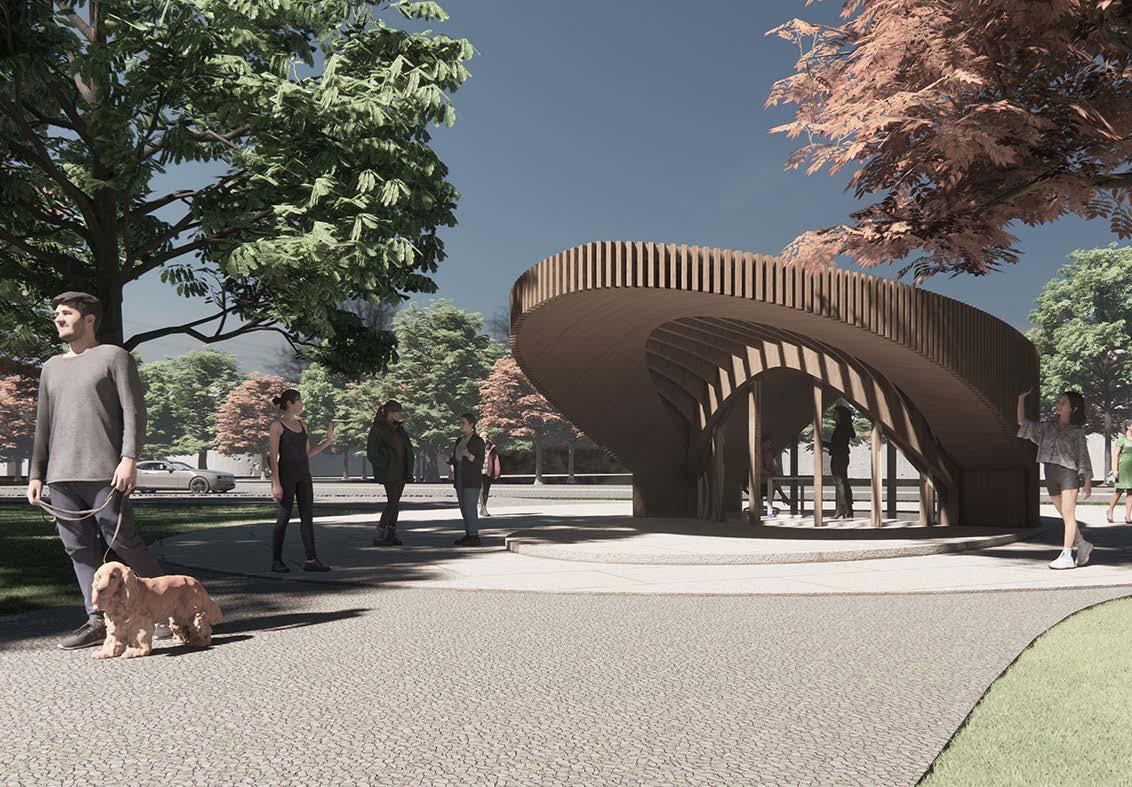
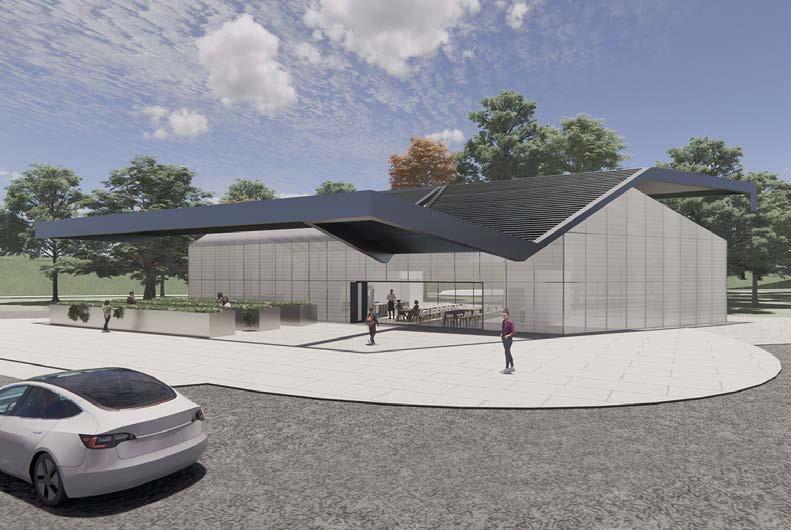
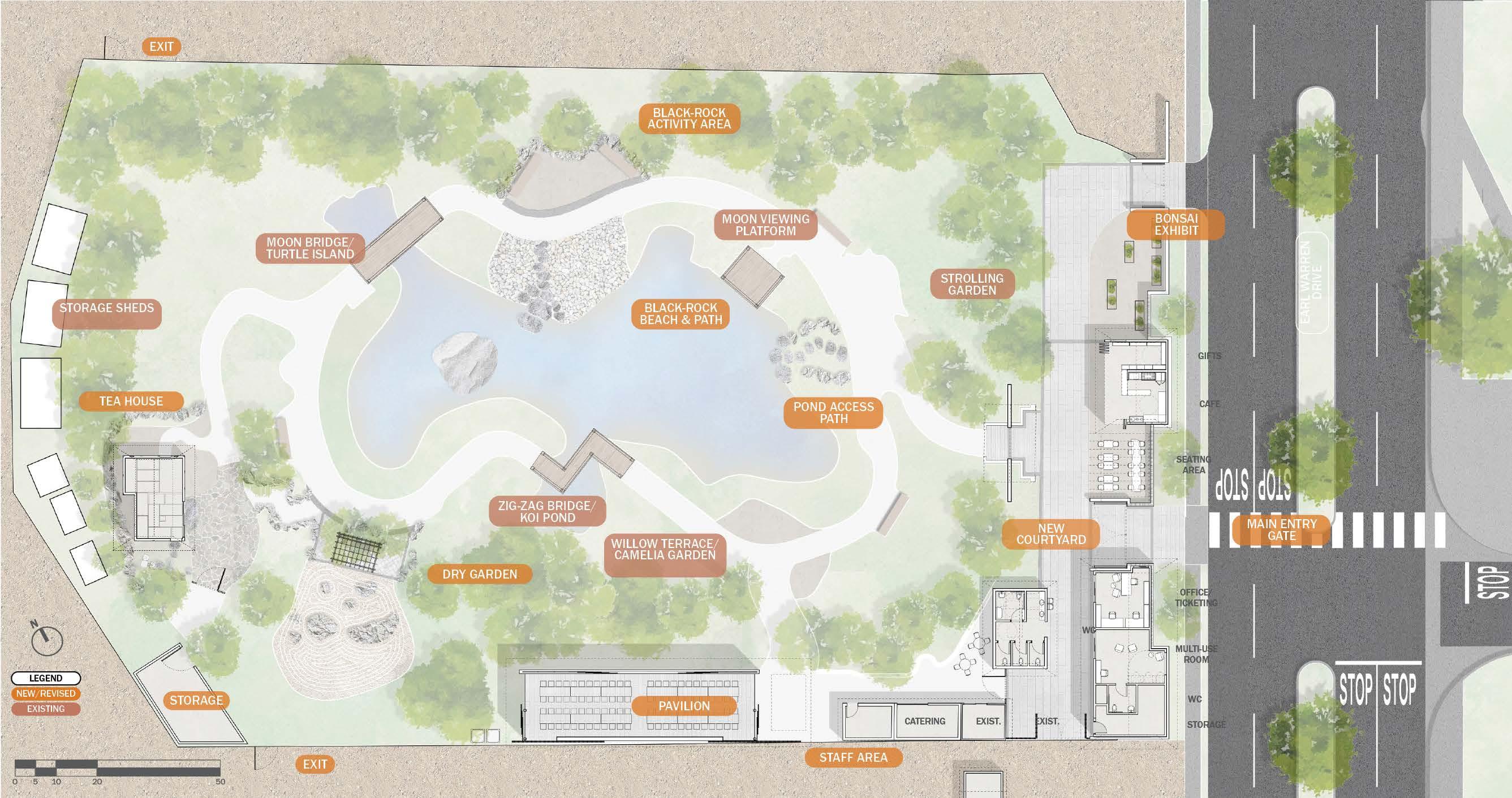
Located at the California State University, Long Beach, the Earl Burns Miller Japanese Garden is a peaceful place for the students and the community. Its restful environment promotes mind and body wellness and a safe and accessible space to all. It is a place where Japanese culture is celebrated and shared with everyone. The garden presents many opportunities that were shared by community members, management and stakeholders through a series of workshops to better understand its current needs. A masterplan was developed to enhance the visibility of the garden, align with academic initiatives, fundraise and increase resources, educate about cultures and promote health and wellness to its users.
The main spaces developed were the Tea House, the Courtyard, the Pavilion, the Dry Garden, the Black Rock Beach Activity Area. The new project removes the existing Tea House that falls short in meeting the future needs of the Garden and provides the opportunity to construct a whole new one with traditional spaces and amenities that are typical of a Japanese Tea House. The Courtyard introduces a new program with a multipurpose room, cafe, office and ticketing, gift shop and a Bonsai Exhibit area. The Pavilion is envisioned as a highly flexible space used for general events. The Dry Garden provides shade and comfortable seating for a great viewing experience. The Black Rock Beach area is extended to promote small group activities.